CENTENNIAL HEALTHCARE AND REHABILITATION CENTER
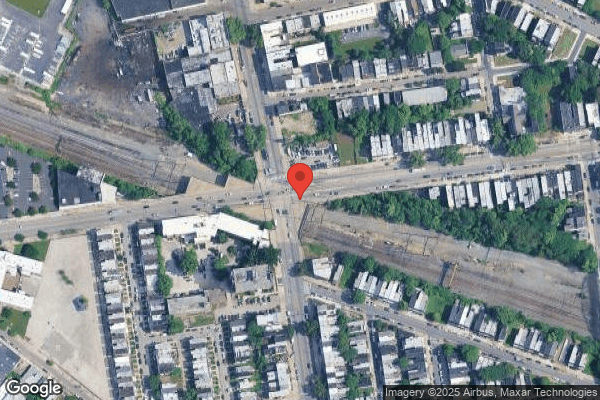
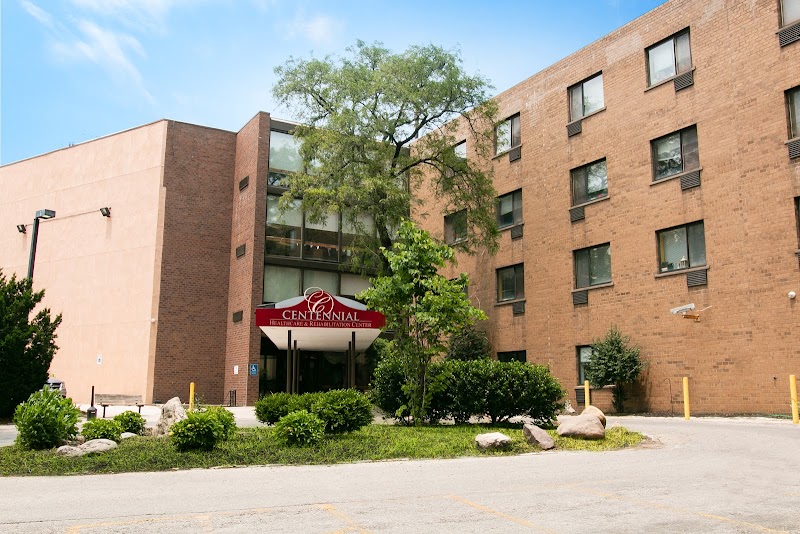
4400 WEST GIRARD AVENUE, PHILADELPHIA, PA 19104 (215) 477-1170
For profit - Limited Liability company 180 Beds COLEV GESTETNER Data: November 2025
Trust Grade
43/100
#398 of 653 in PA
Last Inspection: August 2025

Inspected within the last 6 months. Data reflects current conditions.

Overview

Centennial Healthcare and Rehabilitation Center has received a Trust Grade of D, which indicates below-average performance with some significant concerns. They rank #398 out of 653 facilities in Pennsylvania, placing them in the bottom half of state options, and #26 out of 46 in Philadelphia County, meaning there are only a few better local choices. The facility's trend is stable, with 10 issues reported consistently over the past two years. Staffing is a concern here, as they have a turnover rate of 57%, higher than the state average, and their RN coverage is lower than 96% of Pennsylvania facilities, which limits the ability to catch potential issues early. While they have an average health inspection star rating of 3/5, they have serious deficiencies such as failing to ensure that four residents received appropriate mental health assessments as required. Additionally, staff did not accurately post daily nurse staffing data, which could mislead families about the level of care available. On a more serious note, one resident experienced verbal and mental abuse, indicating potential lapses in the care environment. Overall, families should weigh these strengths and weaknesses carefully when considering this facility for their loved ones.

Trust Score
D
43/100
In Pennsylvania
#398/653
Bottom 40%
Safety Record
Low Risk
No red flags
Inspections
Holding Steady
10 → 10 violations
Staff Stability
⚠ Watch
57% turnover. Above average. Higher turnover means staff may not know residents' routines.
Penalties
⚠ Watch
$4,194 in fines. Higher than 85% of Pennsylvania facilities, suggesting repeated compliance issues.
Skilled Nurses
⚠ Watch
Each resident gets only 21 minutes of Registered Nurse (RN) attention daily — below average for Pennsylvania. Fewer RN minutes means fewer trained eyes watching for problems.
Violations
⚠ Watch
21 deficiencies on record. Higher than average. Multiple issues found across inspections.
★★☆☆☆
2.0
Overall Rating
★★★☆☆
3.0
Staff Levels
★☆☆☆☆
1.0
Care Quality
★★★☆☆
3.0
Inspection Score
Stable
2024: 10 issues
2025: 10 issues

The Good

  • Full Sprinkler Coverage · Fire safety systems throughout facility
  • No fines on record

Facility shows strength in fire safety.

The Bad

2-Star Overall Rating

Below Pennsylvania average (3.0)

Below average - review inspection findings carefully

Staff Turnover: 57%

11pts above Pennsylvania avg (46%)

Frequent staff changes - ask about care continuity

Federal Fines: $4,194

Below median ($33,413)

Minor penalties assessed

Chain: COLEV GESTETNER

Part of a multi-facility chain

Ask about local staffing decisions and management

Staff turnover is elevated (57%)

9 points above Pennsylvania average of 48%

The Ugly 21 deficiencies on record

Aug 2025 9 deficiencies
CONCERN (D)

Potential for Harm - no one hurt, but risky conditions existed

Free from Abuse/Neglect (Tag F0600)

Could have caused harm · This affected 1 resident

**NOTE- TERMS IN BRACKETS HAVE BEEN EDITED TO PROTECT CONFIDENTIALITY** Based on interviews with resident and facility staff, review of resident and facility documentation and policy it was determined...

Read full inspector narrative →
**NOTE- TERMS IN BRACKETS HAVE BEEN EDITED TO PROTECT CONFIDENTIALITY** Based on interviews with resident and facility staff, review of resident and facility documentation and policy it was determined that the facility did not ensure one resident was free from verbal and mental abuse during two incidents for 39 resident records reviewed (Resident R116).Findings include:Review of the facility policy and procedure. Last revised on October 2022, for Abuse of Residents states. It the facility's policy that acts of physical, verbal, psychological and financial abuse directed against residents are absolutely prohibited. The policy defines verbal abuse as to any use of oral written or gestured language that included disparaging and derogatory terms to residents and their families, or within hearing distance to describe residents, regardless of their age, ability to comprehend or disability. The same policy states, Mental abuse, includes, but not limited to resident humiliation intimidation threatening demeanor, harassment and threats of punishment or withholding a treatment, services, or privileges.Resident R116 was admitted to the facility on [DATE], with diagnosed with Multiple Sclerosis (an immune system eats away at the protective covering of nerves), Fibromyalgia (a chronic condition causing widespread musculoskeletal pain, and fatigue), bipolar (mood swings), and clinically documented alert, oriented and had the cognitive ability to make autonomous choices.Review of an event report received from the Director of Nursing (DON) dated January 2, 2025, revealed reported staff to resident verbal abuse between Resident R116 and a Nurse Aide (NA), Employee E3. The resident reported the NA was was rude accusing the resident of ringing the call bell for her roommate. The resident stated that the aide's tone of voice was rude, and aggressive at the time of the encounter.Review of the facility investigation with Resident R116 on August 15, 2025, confirmed on December 31, 2024, at 7:30 p.m. Resident R116, heard NA, E3 talking to R116's roommate in a very Rude and aggressive manner because the roommate's call light was on. Resident R116 explained that the resident's, roommate, Resident R159 tried telling the aide she didn't remember turning on the call bell. Resident R116 said the roommate may have fallen back to sleep and forgotten. Resident R116 stated that the NA angrily said to roommate, ‘I guess your roommate did it, because I heard about her.' Resident R116 said she sat up at the end of the bed to see who said that about her and told the NA she shouldn't talk that way. Resident R116 said the NA threw the curtain at her and hit her. The resident told the NA that she hit her with the curtain, and she was being rude. Resident R116 stated she got very upset and started shaking. The resident said she cried and wanted the NA to leave her room, but she wouldn't, so the resident left the room and screamed for help. Per the witness statement from Licensed Practical Nurse (LPN) Employee E 4, the nurse heard the resident screaming and went to see what was going on. Resident R116 told Employee E4 she did not like how the care nurse (E3) treated her and wanted her out of her room. Review of the witness statement from NA, E3 stated, She (Resident R116) wanted me out of her room, I ignored her and continued care. Review of the roommate's witness statement, facility deemed alert and oriented, Resident R159 stated The C.N.A. (NA E3) came in my room yelling and accusing me of turning on my call bell. My roommate, (Resident R116) told the NA she shouldn't be talking that way to me and they exchanged words. The NA whipped the curtain hitting my roommate. She (R116) was very upset, and I could hear it in her voice. She went yelling for help and people came to see what was going on. The aide was being disrespectful for no good reason. Everything my roommate reported is true. On January 27, 2025, the Director of Nursing reported an allegation of verbal abuse when Resident R116 alleged a NA called the resident a derogatory name.Review of the incident with Resident R116 on August 15, 2025, stated in the middle of the night she heard one of the residents calling out for help. The resident said she got up and saw an aide in the hallway sitting in a chair. The resident stated, I tried to explain to the aide that the resident needed help and hoped she would check on her. Instead, she told me to mind my own business and called me poor white trash. Resident R115 said she immediately went to the front desk and told the nurse. Review of the investigation revealed the DON conducted a telephone interview with the licensed practical nurse (LPN) Employee E5 who worked on the Resident R115's unit that night on the 11-7 shift. LPN told the DON that she heard commotion and went to see what was going on. It was documented in the LPN's witness statement that Resident R116 told the LPN twice that she (the NA) called her white trash. The same witness statement revealed the DON asked the LPN if this was reported to the supervisor. The LPN replied, ‘No, she (the supervisor) defused the situation and corrected the C.N.A. regarding calling names or arguing with residents. The same investigation included a witness statement from a resident that stated he heard the lady across the hall yelling for help. Another resident witness statement stated he did hear the lady screaming for help and he heard the lady across the hall (R116) calling for a nurse to come to help. Resident R116's roommate confirmed R116 left the room and was trying to get the lady next door some help.Review of Resident R116 psychological progress note dated January 28, 2025, it was noted in the clinician's notes that the nurse manager told the clinician a staff member made an inappropriate comment towards the resident and was suspended. The clinician asked during the therapy session how Resident R116 was feeling after the incident. and Resident R116 stated, ‘She was feeling better and expressed being concerned about another resident who was yelling and that the resident likes helping and supporting others.' It was also noted that the clinician praised her efforts and that She did nothing wrong.
CONCERN (D)

Potential for Harm - no one hurt, but risky conditions existed

Investigate Abuse (Tag F0610)

Could have caused harm · This affected 1 resident

**NOTE- TERMS IN BRACKETS HAVE BEEN EDITED TO PROTECT CONFIDENTIALITY** Based on interviews with resident and staff, review of clinical records, facility documentation and policy it was determined tha...

Read full inspector narrative →
**NOTE- TERMS IN BRACKETS HAVE BEEN EDITED TO PROTECT CONFIDENTIALITY** Based on interviews with resident and staff, review of clinical records, facility documentation and policy it was determined that the facility failed to complete a thorough investigation to rule out verbal and mental abuse for one resident during two incidents with staff of 39 resident records reviewed ( Resident R116). Findings includeReview of the facility policy and procedures, revised on, October 2022 titled, Abuse of Residents states. It the facility's policy that acts of physical, verbal, psychological and financial abuse directed against residents are absolutely prohibited. The policy defines verbal abuse as to any use of oral written or gestured language that included disparaging and derogatory terms to residents and their families, or within hearing distance to describe residents, regardless of their age, ability to comprehend or disability. The same policy states, Mental abuse, includes, but not limited to resident humiliation intimidation threatening demeanor, harassment and threats of punishment or withholding a treatment, services, or privileges. The same policy further states that the Administrator/Director of Nursing/designee will conduct an investigation to include but not limited to interview any witnesses to the incident, the resident, staff members on all shifts having contact with the resident during the period of the alleged incident. The same policy states, The Administrator/Director of Nursing is responsible to receive and investigate all alleged violations timely, thoroughly, and objectively.Resident R116 was admitted to the facility on [DATE], with diagnosed with Multiple Sclerosis (an immune system eats away at the protective covering of nerves), Fibromyalgia (a chronic condition causing widespread musculoskeletal pain, and fatigue), bipolar (mood swings), and clinically documented alert, oriented and had the cognitive ability to make autonomous choices.Review of a facility reported event dated January 2, 2025, revealed an allegation of staff to resident verbal abusive behavior by a staff member, (NA), Employee E3 to Resident R116. Interview, on August 15, 2025, at 2:00 p.m. with the Director of Nursing (DON) confirmed the above to be true but thought the allegation was unsubstantiated because the perpetrator, Nurse Aide Employee E3 since resigned from working at the facility. On January 27, 2025, the Director of Nursing reported an allegation of verbal abuse when Resident R116 alleged a NA called the resident a derogatory name, [NAME] Trash. The DON concluded in the investigation that the facility was, Unable to substantiate the allegation of verbal abuse. No one else heard the encounter staff nor resident. The roommate and 3 other residents were interviewed and did not voice and care (sic) concerns nor did they hear the encounter and (The resident's name) is Being followed by psych.During an interview with the DON on August 15, 2025, at 2:00 p.m. the DON confirmed the DON knew the names of the perpetrator and the supervisor who disciplined the staff member but both witness statements were omitted from the investigation.
CONCERN (D)

Potential for Harm - no one hurt, but risky conditions existed

Comprehensive Care Plan (Tag F0656)

Could have caused harm · This affected 1 resident

**NOTE- TERMS IN BRACKETS HAVE BEEN EDITED TO PROTECT CONFIDENTIALITY** Based on observations of care and treatments, clinical record review, interviews with residents and staff, and reviews of polici...

Read full inspector narrative →
**NOTE- TERMS IN BRACKETS HAVE BEEN EDITED TO PROTECT CONFIDENTIALITY** Based on observations of care and treatments, clinical record review, interviews with residents and staff, and reviews of policies and procedures, it was determined that the facility failed to develop and implement a comprehensive person-centered care plan for each resident to meet the resident's medical, nursing and mental and psychosocial needs identified in the comprehensive assessment for two of 31 residents reviewed. (Resident R116 and R180). Findings includeReview of the facility's policy titled, Care plan Policy revised March 2024, states the interdisciplinary team (IDT) is responsible for the development of resident care plans. Each resident's care plan is consistent with the resident's right to participate in the development and implementation of his or her plan of care including the right to participate in the planning process, request revisions, see the care plan and sign it after significant changes are made. The same policy states that care plan interventions are chosen based on relevant clinical data and decision making. Resident R116 was admitted to the facility on [DATE], with diagnoses of Multiple Sclerosis (an immune system eats away at the protective covering of nerves), Fibromyalgia (a chronic condition causing widespread musculoskeletal pain, and fatigue), bipolar (mood swings), and clinically documented alert, oriented and had the cognitive ability to make autonomous choices.Review of Resident R116 care plan dated January 3, 2025, revealed the resident had behavior problem related to making false allegations against staff. Review of Resident R116's nursing progress notes revealed January 4, 2025, the resident was noted without any moods or behaviors. Nurse Practitioner's note, dated, January 17, 2025, stated, The resident is calm, Bipolar diagnosis is stable and mild. Review of the January 24, 2025, activities note, noted Resident R116 More involved during group, and Comes to all group programs, enjoys socializing with the activity team and her neighbors, continues to participate in special events, helping others, socializing with peers/staff. Review of Resident R116 psychological progress note dated January 28, 2025, noted that the nurse manager told the clinician a staff member made an inappropriate comment towards the resident and was suspended. The clinician asked during the therapy session how Resident R116 was feeling after the incident. and Resident R116 stated, ‘She was feeling better and expressed being concerned about another resident who was yelling and that the resident likes helping and supporting others.' It was also noted that the clinician praised her efforts and that She did nothing wrong. The Director of Nursing on August 15, 2025, at 4;00 p.m. was asked to show documentation and evidence of Resident R116 making false allegations against staff. The DON stated she was accused of making false allegations from her prior institution but failed to show evidence nor evidence this occurred at the facility. Furthermore, during an interview with Resident R116 on August 15, 2025, at 1:00 p.m. stated she was not told nor signed any revisions to her care plan related to making false allegations against staff and stated this was not true. A review of the facility policy titled care plans dated March 2024 revealed that the interdisciplinary team was responsible for the development of resident care plans. The team was responsible for developing, implementation and revision of a comprehensive person-center care plan that included measurable objectives and timetables to meet each resident's physical, psychosocial and functional needs. The policy also indicated that the person-centered care plan was based on the comprehensive assessment. The interdisciplinary care team includes the attending physician, licensed nursing staff, members of the food and nutrition services, the resident and/or resident's representative and other staff to meet the resident's needs.Clinical record review for Resident R180 revealed a comprehensive assessment (MDS-an assessment of care needs) dated April 29, 2025, revealed that this resident had difficulty communicating some words or finishing thoughts and that cueing was required to complete recall. The assessment also indicated that Resident R180 required partial/moderate assistance of a staff member with toileting (the ability to maintain perineal hygiene, adjust clothes before and after having a bowel movement. The assessment also indicated that Resident R180 required partial/ moderate assist of a staff member for sit to stand (the ability to come to a standing position from sitting in a chair wheelchair or side of bed). The assessment indicated that for chair to bed/bed to chair transfers Resident R180 required supervision or touching assist (the staff member provides verbal cues and/or touching steadying and/or contact guard assistance as resident completes the activity). The assessment said that Resident R180 was frequently incontinent of bowel. A diagnosis of non-Alzheimer's Dementia and difficulty walking was assessed for Resident R180. Clinical record review revealed a social worker's assessment and progress note for Resident R180 dated May 3, 2025, that indicated the resident was not cognitively intact scoring a BIMS (brief interview for mental status) of 10.Clinical record review revealed a nurse practitioner's assessment of Resident R180's cognition as fluctuating between confusion and alertness. Clinical record and care plan review revealed that the interdisciplinary team did not develop and implement a person-centered care plan for Resident R180 related to incontinence of bowel. There was no individualized toileting schedule assessed and/or implemented for this resident. There were no measures developed and implemented for Resident R180's need for partial/moderate assistance of a staff member for toileting (the ability to maintain perineal hygiene, adjust clothes before and after having a bowel movement). Clinical record review revealed a care plan listing diagnoses of dementia, impaired balance and decreased functional mobility for Resident R180. The care plan indicated staff supervision for transfers. Resident R180 required staff supervision or assistance for all transfers. Interviews were conducted with nursing staff (Employees E6, E7, E8, E9, E10 and E11) at various times, throughout the survey dated August 11, 2025, through August 14, 2025. The nursing staff who were familiar with the activities of daily living for Resident R180 reported that the resident was independent (requiring no staff assist, cueing or supervision with all transfers into and out of the adjoining bedroom/bathroom for toileting during the months of March, April and May 2025. 28 PA. Code 211.10(a)(b)(c)(d) Resident care policies28 PA. Code 211.12(b)(c)(d)(1)(2)(3)(5) Nursing services28 PA. Code 211.5(b)(f)(ii)(iii)(vii)(ix) Medical records
CONCERN (D)

Potential for Harm - no one hurt, but risky conditions existed

Quality of Care (Tag F0684)

Could have caused harm · This affected 1 resident

**NOTE- TERMS IN BRACKETS HAVE BEEN EDITED TO PROTECT CONFIDENTIALITY** Based on observation, clinical records review and staff interview, it was determined that the facility failed to ensure that a r...

Read full inspector narrative →
**NOTE- TERMS IN BRACKETS HAVE BEEN EDITED TO PROTECT CONFIDENTIALITY** Based on observation, clinical records review and staff interview, it was determined that the facility failed to ensure that a resident on oxygen therapy was assessed for the need of oxygen for one of 31 resident records reviewed. (Resident R127)Findings Include: Review of facility policy titled Oxygen Therapy dated February 10, 2010, revealed that under section Policy: It is the policy of the facility that oxygen therapy is administered per physician's order or as an emergency measure util a physician order is obtained. Under section Steps to administer oxygen # 12. Document the procedure in the medical record. Review of Resident R127 revealed that Resident R127 was admitted to the facility on [DATE], with a diagnosis of Peripheral Vascular Disease (poor circulations of the extremities). Review of physician's order revealed an order for Oxygen at 2 liters n/c (nasal canula) PRN (when needed) every shift, notify MD if oxygen is less than 94% as needed for SOB (shortness of breath). Observation on initial tour of the unit conducted on August 11, 2025, revealed that Resident R127's was on oxygen concentrator via nasal canula. Interview with Licensed nurse, Employee E13 confirmed that Resident R127 was on 2 liters of Oxygen. Observation conducted during wound care on August 13, 2025, at 10:00 AM revealed that resident was on oxygen via nasal cannula at 2 liters/minute via nasal cannula Follow-up observation conducted on August 15, 2025, at 12:02PM revealed that resident was on Oxygen at 2 liters/minute. Review of resident R127's clinical record revealed no documented evidence that Resident R127 was assessed for the need for Oxygen. 28 Pa Code 201.18 (b)(1) Management28 Pa. Code 211.10 (c) Resident care policies28 Pa. Code 211.12 (c)(d)(1)(3) Nursing services
CONCERN (D)

Potential for Harm - no one hurt, but risky conditions existed

Deficiency F0692 (Tag F0692)

Could have caused harm · This affected 1 resident

Based upon interviews with staff, review of residents' records, and facility policy it was determined the facility failed to determine one resident with a substantial weight loss was reweighed in a ti...

Read full inspector narrative →
Based upon interviews with staff, review of residents' records, and facility policy it was determined the facility failed to determine one resident with a substantial weight loss was reweighed in a timely manner for one of 39 resident records reviewed (Resident R99) Findings includeReview of the facility's policy titled, Weight and Weight Change Management not dated states, Residents with a suspected weight change (per MDS guidelines) will have a reweigh completed in a timely manner. Review of Resident R99 weights reveal on July 17, 2025, a weight of 140.6 lbs. and on July 23, 2025, was 133.6 lbs. calculating a substantial weight loss per MDS guidelines, of 4.98% in six days. Further review of Resident R99 clinical record revealed the facility failed to re-weigh the resident in a timely manner. This was confirmed with the registered dietician on August 12, 2025, who confirmed the substantial change in weight loss should have been reweighed and was not done.
CONCERN (D)

Potential for Harm - no one hurt, but risky conditions existed

Respiratory Care (Tag F0695)

Could have caused harm · This affected 1 resident

**NOTE- TERMS IN BRACKETS HAVE BEEN EDITED TO PROTECT CONFIDENTIALITY** Based on observation, review of clinical records and staff interview, it was determined that the facility failed to ensure that ...

Read full inspector narrative →
**NOTE- TERMS IN BRACKETS HAVE BEEN EDITED TO PROTECT CONFIDENTIALITY** Based on observation, review of clinical records and staff interview, it was determined that the facility failed to ensure that oxygen was administered in accordance with physician orders for one of one resident observed in oxygen therapy. (Resident R167)Findings Include: Review of facility policy entitled Oxygen Therapy dated February 10, 2010, revealed that under section Policy: It is the policy of the facility that oxygen therapy is administered per physician's order or as an emergency measure util a physician order is obtained. Review of Resident R167's clinical record revealed that resident was admitted to the facility on [DATE], with the diagnosis of Chronic Obstructed Pulmonary Disease (COPD). Review of physician's order dated July 4, 2025, reveled an order to administer Oxygen at 3L (liters)/min via nasal cannula continuously every shift Review of MDS (minimum data set- a federally required resident assessment conducted at a specific interval) dated May 3, 2025, revealed that resident was on oxygen. Review of Resident RT167's care plan revealed that resident has altered respiratory status/Difficulty Breathing related to COPD. Date Initiated: 01/08/2025. The intervention listed included to administer oxygen @ 2LNC (nasal cannula) to maintain SaO2 (saturated oxygen levels) at or above 92%. Observation on Resident R167 conducted on August 11, 2025, at 10:20AM revealed that resident was oxygen concentrator via nasal canula at 2.5 liters/ minute. Interview with resident conducted at the time of observation revealed that he was on oxygen at 3 liters/minute. Further resident revealed that he gets short of breath sometimes. Interview with licensed nurse Employee E14 conducted at the time of the observation revealed that nurse read the oxygen concentrator flow meter standing up at 3 liters/ minute. Nure rechecked the oxygen level at eye level and confirmed that oxygen reading was 2.5 liters. Employee E14 adjusted the level to 3 liters/minute. Interview with DON (Director of Nursing) Employee E2 conducted on August 13 at 2:05 PM revealed that oxygen gauge should be read at eye level. 28 Pa. Code 211.12(d)(5) Nursing services
CONCERN (D)

Potential for Harm - no one hurt, but risky conditions existed

Administration (Tag F0835)

Could have caused harm · This affected 1 resident

Based on interviews with staff, reviews of clinical records and policies and procedures, observations of resident care and treatment, it was determined that for one of 31 residents reviewed, the facil...

Read full inspector narrative →
Based on interviews with staff, reviews of clinical records and policies and procedures, observations of resident care and treatment, it was determined that for one of 31 residents reviewed, the facility failed to administer and use its' resources effectively and efficiently to maintain the highest practicable physical, mental and psychosocial well-being of each resident. (Resident R180). Findings Include: A review of the facility's policy titled incident and accident dated July 2025, revealed the facility was responsible to complete a report of all accidents/incidents for each resident. The facility was responsible for investigation of the incident/accident for each resident to determine the risk factors that contributed to the event. The facility was also responsible to ensure that the resident's environment was free of accident hazards as possible. The policy said that the interdisciplinary team would develop a care plan to ensure that the resident's environment was free of accident hazards as possible. The policy indicated that the completed investigation and review by the director of nursing would be forwarded to the medical director and administrator. The policy said that the medical director shall be consulted about the conclusion of the incident/accident investigation as desired. Interview with the director of nursing Employee E2 and the administrator Employee E1 at 2:30 p.m., on August 13, 2025, confirmed that they were aware of the incident/accident that occurred on May 7, 2025, for R180; whereby the resident was found lying on the floor in the bedroom/adjoining bathroom. The administrative staff (Employees E1 and E2) confirmed that there was no care plan developed and implemented for bowel incontinence, individualized toileting schedule, toileting and staff supervision or touching assistance with all transfers for Resident R180. Interview with the medical director, Employee E12 at 11:00 a.m., on August 14, 2025, revealed that on May 7, 2025, Resident R180 was sent to the hospital emergency room for a brain bleed or ischemic stroke and fall. The physician also reported that the cause of the fall was determined in the emergency room on May 7, 2025, when Resident R180 was assessed and diagnosed with an acute large intraparenchymal hemorrhage (a type of stroke that occurs when blood from a ruptured blood vessel leaks into the brain tissue.) and hydrocephalus. The physician explained that this intraparenchymal hemorrhage was a progressive neurological disease that occurs when abnormal amyloid proteins build up in the brain's blood vessels causing them to leak. The physician also said that Resident R180 had a history of cerebral amyloid angiopathy and prior intracranial parenchymal hemorrhages in 2018. Interview with Employees R1 and R2 at 11:30 a.m., on August 14, 2025, confirmed that they did not conduct and record a complete and thorough investigation into the incident/accident that occurred on May 7, 2025, for Resident R180. The administrative staff failed to use its' resources effectively to identify the root cause of the fall on May 7, 2025, for Resident R180 by consulting with the medical director as stipulated in the facility's policy for investigation of incidents and accidents to ensure a safe environment for residents. 28 PA. Code 211.10(a)(b)(c)(d) Resident care policies28 PA. Code 211.12(d)(1)(2)(3)(5) Nursing services28 PA. Code 201.14(a) Responsibility of licensee28 PA. Code 201.18(b)(1)(3)(e)(1)(3) Management
CONCERN (D)

Potential for Harm - no one hurt, but risky conditions existed

Medical Records (Tag F0842)

Could have caused harm · This affected 1 resident

**NOTE- TERMS IN BRACKETS HAVE BEEN EDITED TO PROTECT CONFIDENTIALITY** Based on observation, clinical records review and staff interview, it was determined that the facility failed to ensure that res...

Read full inspector narrative →
**NOTE- TERMS IN BRACKETS HAVE BEEN EDITED TO PROTECT CONFIDENTIALITY** Based on observation, clinical records review and staff interview, it was determined that the facility failed to ensure that residents clinical records were completed related to oxygen therapy for one of 31 resident records reviewed. (Resident R127)Findings Include: Review of facility policy titled Oxygen Therapy dated February 10, 2010, revealed that under section Policy: It is the policy of the facility that oxygen therapy is administered per physician's order or as an emergency measure util a physician order is obtained. Under section Steps to administer oxygen # 12. Document the procedure in the medical record. Review of Resident R127 revealed that Resident R127 was admitted to the facility on [DATE], with a diagnosis of Peripheral Vascular Disease (poor circulations of the extremities). Review of physician's order revealed an order for Oxygen at 2 liters n/c (nasal canula) PRN (when needed) every shift, notify MD if oxygen is less than 94% as needed for SOB (shortness of breath). Observation on initial tour of the unit conducted on August 11, 2025, revealed that Resident R127's was on oxygen concentrator via nasal canula. Interview with Licensed nurse, Employee E13 confirmed that Resident R127 was on 2 liters of Oxygen. Observation conducted during wound care on August 13, 2025, at 10:00 AM revealed that resident was on oxygen via nasal cannula at 2 liters/minute via nasal cannula Follow-up observation conducted on August 15, 2025, at 12:02PM revealed that resident was on Oxygen at 2 liters/minute. Review of August 2025 Treatment Administration Record revealed that there were no initials indicating that oxygen was administered to Resident R127 28 Pa Code 201.18 (b)(1) Management28 Pa. Code 211.10 (c) Resident care policies28 Pa. Code 211.12 (c)(d)(1)(3) Nursing services
CONCERN (D)

Potential for Harm - no one hurt, but risky conditions existed

Infection Control (Tag F0880)

Could have caused harm · This affected 1 resident

Based on observation and staff interview, it was determined that the facility failed to follow infection control procedures during medication administration to one of one resident observed during medi...

Read full inspector narrative →
Based on observation and staff interview, it was determined that the facility failed to follow infection control procedures during medication administration to one of one resident observed during medication pass. (Resident R127)Findings Include: Review of an undated facility policy entitled Infection Control Policy revealed that under section Policy #1. The infection control nurse, in conjunction with the Quality Assurance committee, has responsibility for overall infection control in the building. Under section Purpose In order to provide maximum protection to residents, visitors, and personnel from pathogenic microorganisms and infectious diseases, methods of prevention and control shall be implemented. Medication administration observation conducted on August 12, 2025, at 10:56 AM revealed that the Licensed nurse, Employee E15 was in the process of administering medications to Resident R127. Further observation revealed that two white tablets were on top of the medication cart. Interview with Licensed nurse, Employee E15, conducted at the time of the observation revealed that the two tablets on top of the medication cart were two tablets of Gabapentin. Further, Employee E15 confirmed that that she placed the two tablets of Gabapentin on top of the medication cart because she was preparing to crush it before administering it to Resident R127 Further observation reveled that the nurse proceeded to crush the medication and proceeded to administer the crushed medication to Resident R127 via PEG tube (percutaneous endoscopic gastrostomy tube- a tube placed through the abdomen into the stomach used to provide nutrition and medications). 28 Pa. Code 201.14(a) Responsibility of licensee.
Mar 2025 1 deficiency
CONCERN (D) 📢 Someone Reported This

A family member, employee, or ombudsman was alarmed enough to file a formal complaint

Potential for Harm - no one hurt, but risky conditions existed

Quality of Care (Tag F0684)

Could have caused harm · This affected 1 resident

Based on observations, review of facility policy, staff interviews, and the review of clinical records, it was determined that the facility failed to ensure that medications were administered on time,...

Read full inspector narrative →
Based on observations, review of facility policy, staff interviews, and the review of clinical records, it was determined that the facility failed to ensure that medications were administered on time, as ordered by the physician for 3 out of 3 residents reviewed (Resident R1, R2 and R3). Findings include: Review of the facility policy, Medication Administration and Disposition, with a revision date of June 2023 indicated that medications must be administered within one hour of their prescribed time, unless otherwise specified (for example, before and after meal orders). During an observation on March 12, 2025 st 10:50 a.m. Employee E3 (licensed nurse) was observed standing at her medication cart, and confirmed that she was still administering medications to residents and that she had some rooms in 219-233, in addition to other rooms in which she still had to administer medications. Employee E3 reported that she did not start medication administration because she got into work later. Review of March 2025 physician orders for Resident R1 included diagnoses of respiratory failure (a condition in which an individual does not have oxygen or too much carbon dioxide in your body; atrial fibrillation (an irregular and often very rapid heart rhythm); heart failure (a long-term condition that happens when your heart can't pump blood well enough to give your body a normal supply); chronic obstruction pulmonary disorder (COPD-a lung condition that limits airflow an oxygen exchange). Continued review of the resident's March 2025 physician orders included medications and treatments that included, but were not limited to the following: Eliquis Oral Tablet - give 1-2.5 milligram (mg) tablet by mouth every 12 hours (9:00 a.m. and 9:00 p.m.) for the treatment of atrial fibrillation. Buspirone HCl Oral Tablet- give 1-10 mg tablet by mouth one time a day (9:00 a.m.) for anxiety, forgetfulness. Symbicort Inhalation Aerosol 160-4.5 MCG/ACT (Budesonide- Formoterol Fumarate Dihydrate)-1 puff inhale 1 puff orally every 12 hours (9:00 a.m. and 9:00 p.m.) for shortness of breath. During an observation of medication administration on March 12, 2025 at 11:10 a.m. Employee E3 was observed administering 9:00 a.m. physician ordered medication to Resident R1 which included, but not limited to the administration of the above referenced medications, Symbicort Inhalation Aerosol; Buspirone HCl Oral Tablet; and Eliquis Oral Tablet. Review of the March 2025 physician orders for Resident R2 included, but not limited to the following diagnosis: diabetes (a condition that happens when your blood sugar/glucose) is too high); and chronic obstruction pulmonary disorder (COPD-a lung condition that limits airflow an oxygen exchange) and epilepsy (a brain disorder that causes recurring seizures). Continued review of the resident's March 2025 physician orders included medications and treatments that included, but not limited to the following: Levetiracetam : 1-750 milligram (mg) tablet of the medication to be administered by mouth every 12 hours (9:00 a.m. and at 9:00 p.m) for treatment of the resident's epilepsy. Lidocaine External Cream, 4%: cream to be applied to the resident's right arm every 12 hours (9:00 and 9:00 p.m.) for mild pain. Docusate Sodium Capsule: 1-100 mg capsule to be given by mouth 2 times a day (9:00 a.m. and 5:00 p.m.) for constipation. Metformin HC Tablet: 1-500 mg tablet given by mouth 2 times a day times a day for diabetes. During an observation of medication administration on March 12, 2025 at 11:29 a.m. Employee E3 was observed administering medication to Resident R2, which included, but not limited to the above referenced 9:00 a.m. physician ordered medications, levetiracetam; Lidocaine External Cream; Calcium Carbonate; Docusate Sodium and Metformin. During an observation on March 12, 2025 st 11:00 a.m. Employee E4 (licensed nurse) was observed standing at his medication cart, and confirmed that he was still administering medications to residents. Employee E4 reported that Resident R3's medications still needed to be administered. Review of the March 2025 physician orders for Resident R3 included, but not limited to the following diagnosis: chronic kidney disease (gradual loss of kidney function); hypertension (high blood pressure); convulsions (uncontrollable muscle contractions that can happen during or without seizures). Continued review of the resident's March 2025 physician orders included medications and treatments that included, but were not limited to the following: Lacosamide: 1-150 mg tablet taken orally two times a day (9:00 a.m. and 5:30 p.m.) for convulsions Levetiracetam: 1-500 mg tablet to be administered by mouth every 12 hours (9:00 a.m. and at 9:00 p.m.) for treatment of convulsions. Eliquis Oral Tablet: give 1-5 mg tablet by mouth every 12 hours (9:00 a.m. and 9:00 p.m. for Atrial fibrillation During an observation of medication administration on March 12, 2025 at 11:19 a.m. Employee E4 was observed administering 9:00 a.m. physician ordered medications to Resident R3 which included, but was not limited to the above referenced medications, Lacosamide, Levetiracetam, and Eliquis. 28 Pa. Code 211.10(c) Resident care policies 28 Pa. Code 211.12(d)(1) Nursing services
Oct 2024 6 deficiencies
CONCERN (D)

Potential for Harm - no one hurt, but risky conditions existed

Deficiency F0645 (Tag F0645)

Could have caused harm · This affected 1 resident

**NOTE- TERMS IN BRACKETS HAVE BEEN EDITED TO PROTECT CONFIDENTIALITY** Based on clinical record review and staff interview, it was determined that the PASRR-ID (Preadmission Screening and Resident Re...

Read full inspector narrative →
**NOTE- TERMS IN BRACKETS HAVE BEEN EDITED TO PROTECT CONFIDENTIALITY** Based on clinical record review and staff interview, it was determined that the PASRR-ID (Preadmission Screening and Resident Review Identification) was not appropriately completed for one of 34 residents reviewed (Resident R2). Findings include: The PASRR (Preadmission Screening Resident Review) was created in 1987 through language in the Omnibus Budget Reconciliation Act (OBRA) and it has three goals: to identify individuals with mental illness and/or intellectual disability, to ensure they are placed appropriately, whether in the community or in a nursing facility, and to ensure they receive the services they require for their mental illness or intellectual disability. The PASRR Level 1 must be completed on all persons who are considering admission to a Medicaid certified nursing facility. Review of Resident R2's clinical record revealed the resident was admitted to the facility on [DATE], with diagnoses including Psychosis (Psychosis is a set of symptoms that cause a person to lose touch with reality, and have difficulty distinguishing what is real and what is not. It can affect people in different ways, and can include Hallucinations: Seeing, hearing, feeling, tasting, or smelling things that aren't there; Delusions: believing things that are untrue, such as thinking someone is trying to harm you; disordered thinking or speaking: speaking quickly or constantly, or switching topics mid-sentence; Ccgnitive symptoms: dfficulty with attention, concentration, and memory; mod changes: sucidal thoughts or behaviors). Review of Resident R2's Pennsylvania Preadmission Screening Resident Review Identification Level I Form (PASRR) which was completed on August 24, 2018. Review of PASRR of R2 indicated; in the Section III A (does the individual have a mental disorder or suspected mental disorder, other than Dementia, that may lead to chronic disability), no Diagnosis was marked, even though R2 was diagnosed with Psychosis. Review of PASRR of R2 also indicated for Section VIII- PASRR LEVEL I Screening Outcome, R2 was not checked off for the outcomes that may or may not lead to chronic disability. Interview on October 28, 2024, at 11:48 a.m., with the Director of Nursing, confirmed the finding. 28 Pa Code 211.5(f) Clinical records 28 Pa Code 211.16(a) Social services
CONCERN (D)

Potential for Harm - no one hurt, but risky conditions existed

Quality of Care (Tag F0684)

Could have caused harm · This affected 1 resident

**NOTE- TERMS IN BRACKETS HAVE BEEN EDITED TO PROTECT CONFIDENTIALITY** Based on observations, reviews of resident clinical records, facility policies and procedures, and interviews with staff and res...

Read full inspector narrative →
**NOTE- TERMS IN BRACKETS HAVE BEEN EDITED TO PROTECT CONFIDENTIALITY** Based on observations, reviews of resident clinical records, facility policies and procedures, and interviews with staff and residents, it was determined that the facility failed to follow physician orders for one out of 34 residents reviewed. (Resident R122) Findings include: Review of Resident R122's clinical record revealed that the resident was admitted to the facility on [DATE], with diagnosis of Acquired Absence of Left Leg Below Knee, and Encounter for Orthopedic Aftercare Following Surgical Amputation. Review of physician order dated January 22, 2024, for Resident R122, revealed an order; patient to wear bilateral shrinker on bilateral lower extremities at all times with exception of self-care/skin checks. On October 30, 2024, at 10:07 a.m., it was observed that Resident R122 had not been administered with bilateral shrinker on bilateral lower extremities at all times with exception of self-care/skin checks. Interview with the Licensed Nurse, Employee E12, at the time of the findings confirmed the observations. 28 Pa. Code 211.10(c) Resident care policies 28 Pa. Code 211.12(d)(1) Nursing services
CONCERN (D)

Potential for Harm - no one hurt, but risky conditions existed

Deficiency F0760 (Tag F0760)

Could have caused harm · This affected 1 resident

Based on observation, staff interview, and clinical record review, it was determined that the facility failed to correctly administer medications in accordance with physician orders, for one of four r...

Read full inspector narrative →
Based on observation, staff interview, and clinical record review, it was determined that the facility failed to correctly administer medications in accordance with physician orders, for one of four residents' medication administration observed, resulting in a significant medication error (Resident R151). Findings include: Review of facility policy on Medication Administration and Disposition, revised on June 2023, indicated that Medications must be administered in accordance with the written physician orders. On October 29, 2024, at 9:49 a.m., observed that Employee E3, a Licensed Nurse, administered to Resident R30, the medicine, Keppra Oral Tablet 1000 MG (Levetiracetam), one tablet by mouth in the morning for Seizure. Review of the physician order for R30 revealed that the order was to administer Keppra Oral Tablet 1000 MG (Levetiracetam), two tablets by mouth in the morning for Seizure (A seizure is a temporary period of abnormal electrical activity in the brain that can cause physical changes in behavior. Seizures can cause a variety of symptoms, including loss of consciousness; uncontrollable muscle movements, such as shaking, twitching, or stiffness; unusual sensations or thoughts; changes in thinking or emotions, such as fear, anxiety; short-lived confusion; and a staring spell). At the time of the findings observation, interview with Licensed nurse Employee E3, confirmed the same. Pa Code:211.12(d)(1)(2)(5) Nursing Services.
CONCERN (E)

Potential for Harm - no one hurt, but risky conditions existed

PASARR Coordination (Tag F0644)

Could have caused harm · This affected multiple residents

Based on review of clinical records, interview with staff and review of facility policy, it was revealed that the facility did not ensure revision were made to the PASRR (Pre-admission Screening and R...

Read full inspector narrative →
Based on review of clinical records, interview with staff and review of facility policy, it was revealed that the facility did not ensure revision were made to the PASRR (Pre-admission Screening and Resident Review) application to include mental health diagnoses for four out of 34 residents reviewed. (Resident R62, R88. R26, R23) Findings include: Review of the undated facility policy titled PASSR policy and procedure revealed that all residents reguardless of payer source would have a PASSR form completed. The policy indicated that any resident with mental health disorder would have a complete and accurate PASSR done and referral made for a level II PASSAR, if necessary. The policy also indicated that all residents with newly evident serious mental health disorder, intellectual disability, or a related condition with a significant change in status were required to have a PASSR completed and screening done. The policy indicated that this screening would determine the PASSR level II documentation and screening, if necessary. Review of Resident R62's PASRR completed on September 29, 2021, indicated that Resident R62 did not have a mental health condition or suspected mental health condition, other than dementia, that may lead to a chronic disability. Review of R62's clinical record revealed admission date September 29, 2024. Clinical record review for Resident R62 revealed that the resident developed a medical diagnosis during the nursing home stay of delusional disorder, anxiety disorder and major depressive disorder, May 27, 2024. Review of Resident R88's PASRR completed on July 3, 2017, indicated that Resident R88 did not have a mental health condition or suspected mental health condition, other than dementia, that may lead to a chronic disability. Review of R88's clinical record revealed admission date July 3, 2017. Clinical record review for Resident R88 revealed that the resident developed medical diagnoses during the nursing home stay of delusional disorder on June 8, 2024. Review of Resident R26's PASRR completed on January 24, 2019, indicated that Resident R26 did not have a mental health condition or suspected mental health condition, other than dementia, that may lead to a chronic disability. Review of R26's clinical record revealed admission date of January 24, 2019. Clinical record review for Resident R26 revealed that the resident developed medical diagnoses during the nursing home stay of bipolar disorder on April 16, 2019, mood disturbance on February 8, 2019, major depressive disorder on June 8, 2024 and anxiety disorder on June 8, 2024. Review of Resident R23's PASRR completed on January 2, 2009, indicated that Resident R23 did not have a mental health condition or suspected mental health condition, other than dementia, that may lead to a chronic disability. Review of R23's clinical record revealed admission date of January 2, 2009. Clinical record review for Resident R236 revealed that the resident developed medical diagnoses during the nursing home stay of anxiety dosorder on March 25, 2024, delusional disorder on March 25, 2024 and major depressive disorder on March 25, 2024. Interview with the facility administrator, Employee E1 at 10:30 a.m., on October 31, 2024 confirmed that the PASSR forms for Residents: R62, R88, R26 and R23 lacked complete and documentation and were not reflective of each resident's current mental health conditions. 28 PA Code 211.10 (c) Resident Care Policies 28 PA Code 211.5(f)(ii)(iv)(vi)(ix) Medical records
CONCERN (E)

Potential for Harm - no one hurt, but risky conditions existed

Staffing Information (Tag F0732)

Could have caused harm · This affected multiple residents

Based on observations and interviews with facility staff, it was determined that he facility did not ensure to accurately post information regarding daily nurse staffing data as required. Findings inc...

Read full inspector narrative →
Based on observations and interviews with facility staff, it was determined that he facility did not ensure to accurately post information regarding daily nurse staffing data as required. Findings include: Observations of posted daily staffing information on October 28, 2024 at 11:45 AM , 2nd floor unit, did not include total hours required, did not include actual hours worked for each shift, excluded call outs and unit. Observations of posted daily staffing information on October 29, 2024 at 1:30 PM, 2nd floor unit, did not include total hours required, did not include actual hours worked for each shift, excluded call outs and unit. Review of posted daily staffing information for October 30, 2024 did not include total hours required, did not include actual hours worked for each shift, excluded call outs and unit. Review of posted daily staffing information for October 31, 2024 did not include total hours required, did not include actual hours worked for each shift, excluded call outs and unit. Reviewed 'daily staffing information,' for week of July 1st, 2024 through July 7th, 2024 - did not include total hours required, did not include actual hours worked for each shift, excluded call outs and unit. Reviewed 'daily staffing information,' for weeks of February 1, 2024 through February 7th, 2024 - did not include total hours required, did not include actual hours worked for each shift, excluded call outs and unit. 28 Pa Code 201.14(a) Responsibility of licensee
MINOR (B)

Minor Issue - procedural, no safety impact

Transfer Notice (Tag F0623)

Minor procedural issue · This affected multiple residents

Based on review of facility provided documentation and interview with staff, it was determined that the facility failed to notify the Office of the State Long - Term Care Ombudsman of initiated emerge...

Read full inspector narrative →
Based on review of facility provided documentation and interview with staff, it was determined that the facility failed to notify the Office of the State Long - Term Care Ombudsman of initiated emergency transfers and discharges for two out of three months reviewed (July 2024/August 2024) Findings include: Upon request, facility provided list of involuntary discharges and transfer notices for months of July 2024, August 2024 and September 2024; indicating that lists have been sent via fax to local ombudsman. Review of facility provided documentation revealed e-mail communication between facility's social worker, employee E3, local ombudsman, and state ombudsman, dated October 17, 2024 at 2:17 p.m. clarifying that discharge notices are to be sent to State long - term care ombudsman and that currently the State ombudsman can only record September and October notices at this point . anything earlier, there's not much we can do for the resident. Interview with facility's Social Worker, Employee E3, on October 30, 2024 at 9:15 a.m., confirmed the above findings. 28 Pa Code 201.14(a) Responsibility of licensee 28 Pa Code 201.18(b)(2) Management
Jan 2024 4 deficiencies
CONCERN (D)

Potential for Harm - no one hurt, but risky conditions existed

Deficiency F0655 (Tag F0655)

Could have caused harm · This affected 1 resident

**NOTE- TERMS IN BRACKETS HAVE BEEN EDITED TO PROTECT CONFIDENTIALITY** Based on review of facility policies, clinical record reviews and interviews with staff, it was determined that the facility fai...

Read full inspector narrative →
**NOTE- TERMS IN BRACKETS HAVE BEEN EDITED TO PROTECT CONFIDENTIALITY** Based on review of facility policies, clinical record reviews and interviews with staff, it was determined that the facility failed to develop a baseline care plan, including the minimum healthcare information necessary to properly care for a resident within 48 hours of admission, for one of 34 residents reviewed (Resident R84). Findings include: Review of facility policy, Care Planning - Interdisciplinary Team undated, revealed, The interdisciplinary team is responsible for the development of resident care plans. Review of Resident R84's admission MDS (Minimum Data Set - a mandatory periodic resident assessment tool), dated December 15, 2023, revealed that the resident was admitted to the facility on [DATE], and had diagnoses including cancer, Parkinson's Disease (a progressive disorder of the nervous system that affects movement), cerebrovascular accident (damage to the brain from interruption of its blood supply), atrial fibrillation (an irregular, often rapid heart rate that commonly causes poor blood flow), heart failure (a chronic condition in which the heart doesn't pump blood as well as it should), cirrhosis (chronic liver damage), diabetes (ability to produce or respond to the hormone insulin is impaired, resulting in abnormal metabolism of carbohydrates and elevated levels of glucose), chronic obstructive pulmonary disease (a group of lung diseases that block airflow and make it difficult to breathe), depression (mood disorder characterized by low mood, a feeling of sadness, and a general loss of interest in things), post-traumatic stress disorder (PTSD - a disorder in which a person has difficulty recovering after experiencing a terrifying event) and cataracts (clouding of the lens of the eye). Continued review revealed that the resident received antidepressant and anticoagulant (blood thinner) medications while at the facility. Further review revealed that the resident received physical therapy services. Review of Resident R84's care plan, dated initiated December 9, 2023, revealed a focus area related to the potential for alteration in nutritional status. Continued review of Resident R84's care plan revealed that a second focus area was initiated on January 3, 2024, related to activities programs. Further review of Resident R84's care plan revealed that no additional care plans or focus areas were developed. There were no care plans developed related to the resident's diagnoses of Parkinson's Disease, cancer, stroke, cardiac conditions, diabetes, cirrhosis, lung conditions, mental health disorders or vision problems. In addition, no care plans were developed related to the resident's use of antidepressant and anticoagulant medications and no care plan related to therapy services. Interview on January 12, 2024, at 3:41 p.m. Resident R84's care plan was reviewed with the Director of Nursing. The Director of Nursing confirmed that only two focus areas, related to nutrition and activities, had been developed on the resident's care plan. 28 Pa Code 211.12(d)(5) Nursing services
CONCERN (D) 📢 Someone Reported This

A family member, employee, or ombudsman was alarmed enough to file a formal complaint

Potential for Harm - no one hurt, but risky conditions existed

ADL Care (Tag F0677)

Could have caused harm · This affected 1 resident

Based on clinical record review, observations, and interview with staff, it was determined that facility failed to provide incontinence care in a timely manner for one resident out of 34 reviewed. (Re...

Read full inspector narrative →
Based on clinical record review, observations, and interview with staff, it was determined that facility failed to provide incontinence care in a timely manner for one resident out of 34 reviewed. (Resident R81) Findings include: According to facility provided policy 'Activities of Daily Living (ADL's), Supporting,' appropriate care and services will be provided for residents who are unable to carry out ADL's independently, with the consent of the resident and in accordance with the plan of care, including appropriate support and assistance with: hygiene (bathing, dressing, grooming, and oral care), and elimination (toileting). Review of Resident's R81's clinical record revealed past medical history of stage four chronic kidney disease, dementia without behavioral disturbance, high blood pressure, type two diabetes mellitus, urinary tract infection, anemia, kidney failure. Review of R81's minimum data set (MDS), completed on December 6, 2023, revealed Brief Interview For Mental Status (BIMS) score of 9, which indicated that the resident had moderate cognitive impairment. Additional review of the MDS revealed that Resident R81 required one person assist for ADL's and no evidence of behavioral issues noted. Observations on January 10, 2024 at 11:15 a.m., revealed that Resident R81 was sleeping in bed. A significant urine odor was present in the resident's room upon entrance as a result of Resident R81's soiled brief. Finding confirmed with licensed nurse, Employee E11. Interview with licensed nurse, Employee E11, at 11:30 a.m. on January 10, 2923, revealed that Resident R81 had a history of refusing care. Review of R81's progress notes for months of September 2023 through January 2024 revealed only two notes related to resident refusing care; on September 15, 2023 and January 10, 2023 - with no follow-up interventions incorporated or revised. Nurse aide documentation under 'tasks' for January 3, 2024 through January 16, 2024 revealed no evidence that R81 refuses care. 28 Pa Code 201.29(j) Resident rights 28 Pa Code 211.11(d)(1)(5) Nursing services
CONCERN (D) 📢 Someone Reported This

A family member, employee, or ombudsman was alarmed enough to file a formal complaint

Potential for Harm - no one hurt, but risky conditions existed

Quality of Care (Tag F0684)

Could have caused harm · This affected 1 resident

**NOTE- TERMS IN BRACKETS HAVE BEEN EDITED TO PROTECT CONFIDENTIALITY** Based on review of facility policies, clinical record reviews and interviews with residents and staff, the facility failed to fo...

Read full inspector narrative →
**NOTE- TERMS IN BRACKETS HAVE BEEN EDITED TO PROTECT CONFIDENTIALITY** Based on review of facility policies, clinical record reviews and interviews with residents and staff, the facility failed to follow physician orders related to medication administration for one of seven reviewed (Residents R73). Findings include: Review of facility policy, Medication Administration dated last revised June 2023, revealed that Medications must be administered within one (1) hour of their prescribed time. Continued review revealed that nursing staff are expected to Follow the five rights; the right resident, right medication, right dose, right time and right route. Review of Resident R73's admission MDS (Minimum Data Set - a mandatory periodic resident assessment tool), dated December 8, 2016, revealed that the resident was admitted to the facility on [DATE], and had a diagnosis of type 2 diabetes mellitus with hyperglycemia (diabetes - ability to produce or respond to the hormone insulin is impaired, resulting in abnormal metabolism of carbohydrates and elevated levels of glucose). During interview with Resident R73 on January 10, 2024, at 11:30 a.m., resident stated that her insulin is frequently administered late. Review of Medication Administration Records (MARs) for Resident R73 for December 2023, revealed physician orders for Novolog Solution 100 UNIT/ML (insulin analog indicated to improve glycemic control) to inject 7 unit subcutaneously two times daily. Administration times were scheduled for 11:00 a.m. and 5:00 p.m. Continued review of Resident R73's MARs for Novolog revealed the following: On December 3, 2023, the scheduled 5:00 p.m. dose was not administered until 9:28 p.m.; On December 13, 2023, the scheduled 11:00 a.m. dose was not administered until 3:07 p.m.; On December 19, 2023, the scheduled 5:00 p.m. dose was not administered until 9:44 p.m.; On December 20, 2023, the scheduled 5:00 p.m. dose was not administered until 9:25 p.m.; On December 25, 2023, the scheduled 5:00 p.m. dose was not administered until 9:36 p.m.; On December 26, 2023, the scheduled 5:00 p.m. dose was not administered until 10:23 p.m. Review of Medication Administration Records (MARs) for Resident R73 for December 2023, revealed physician orders for Levemir FlexTouch Subcutaneous Solution Pen-injector 100 UNIT/ML to inject 47 unit subcutaneously at bedtime. Administration times was scheduled for 9:00 p.m. Continued review of Resident R73's MARs for Levemir revealed the following: On December 7, 2023, the scheduled 9:00 p.m. dose was not administered until 6:49 a.m. on December 8, 2023. Interview on January 12, 2024, at 3:00 p.m. with Director of Nursing (DON) confirmed late medication times. 28 Pa Code 211.12(d)(5) Nursing services
CONCERN (D)

Potential for Harm - no one hurt, but risky conditions existed

Safe Environment (Tag F0921)

Could have caused harm · This affected 1 resident

**NOTE- TERMS IN BRACKETS HAVE BEEN EDITED TO PROTECT CONFIDENTIALITY** Based on observation and interviews with residents and staff, it was determined that the facility did not provide a safe, functi...

Read full inspector narrative →
**NOTE- TERMS IN BRACKETS HAVE BEEN EDITED TO PROTECT CONFIDENTIALITY** Based on observation and interviews with residents and staff, it was determined that the facility did not provide a safe, functional environment for 8 of 36 resident observed on the third-floor nursing unit relating to properly functional sinks. (Residents R151,R26, R58, R99,R5,R101,R30,R163) Findings include: Interview with Resident R26 and R151 on January 10, 2024 at 11:40 a.m. revealed that the was no working hot water in their room and bathroom. Resident R151 stated the hot water has not worked in months forcing her to use other residents sink for hot water. Interview with 28 residents on the third-floor nursing unit revealed that the water initially will run cool but after time would become warm and comfortable. Observation of the sink in room [ROOM NUMBER], Resident R26 and Resident R151 room, revealed that after running only hot water faucet after five minutes the water was still running cold. The sink in the shared bathroom, with Resident R99 and Residents R58 also was observed as the hot water faucet still ran cold water after five minutes of running the water. Observations in rooms 307, 306, 305 and 304 on January 11, 2023, at 9:45 a.m. revealed that the hot water was not functioning properly in the rooms and shared bathrooms. In all room the hot water faucet was left running cold water for approximately five minutes with no changes in temperature. The above observations were confirmed by maintenance Employee E8. Interview with Maintenance Director, Employee E8 on January 11, 2023, at 10:00 a.m. confirmed that the hot water did not function properly. Employee E8 had been aware of the problem and admited that it effected a few cluster in the building. Employee E8 stated that this cluster effected rooms 304, 305, 306 and 307, and that a plumbing company was at the facility last week to fix it the problem. Employee E8 stated that the hot water works only when all hot water faucets are turned on simultaneously. Employee E8 demonstrated that all hot water faucets (three in total) in the adjoining rooms, one sink in each room and the shared bathroom, turned on simultaneously after approximately three minutes began to run warm in temperature. Interview with Employee E8 at time of above observation confirmed that this was inadequate and an insufficient process for the function of hot water to the residents. 28 Pa. Code 201.18 (b)(1) Management 28. Pa. Code 204.11(e) Equipment for bathrooms 28 Pa. Code 204.19. Plumbing, heating, ventilation, air conditioning and electrical.
Jul 2023 1 deficiency
CONCERN (D) 📢 Someone Reported This

A family member, employee, or ombudsman was alarmed enough to file a formal complaint

Potential for Harm - no one hurt, but risky conditions existed

Quality of Care (Tag F0684)

Could have caused harm · This affected 1 resident

**NOTE- TERMS IN BRACKETS HAVE BEEN EDITED TO PROTECT CONFIDENTIALITY** Based on clinical record review and staff interview and review of facility policy, it was determined that the facility failed to...

Read full inspector narrative →
**NOTE- TERMS IN BRACKETS HAVE BEEN EDITED TO PROTECT CONFIDENTIALITY** Based on clinical record review and staff interview and review of facility policy, it was determined that the facility failed to ensure that physician's telephone order was carried out for one of five residents reviewed (Resident R1). Findings include: Review of facility policy on Telephone Order with revision date of February 2014, revealed that under Policy Statement: Verbal telephone order may be accepted from each resident's attending physician, under Policy Interpretation and Implementation: #1 Verbal telephone orders may only be received by licensed personnel (RN, LPN/LVN, Pharmacist, Physicians etc.) Orders are written by the person receiving the order and recorded in the medical record, recorded into PCC (Point Click Care is the electronic medical record system that the facility uses). #2 The entry must contain the instructions from the physician, date, time and the signature and title transcribing the information. Review of Resident R1's clinical record review revealed that resident was admitted to the facility on [DATE]. Continued review of Resident R1's clinical record revealed that the resident had the diagnosis of Encephalopathy (disease of the brain), Systolic Congestive Heart Failure (excessive body/lung fluid caused by a weakened heart muscle), UTI (Urinary Tract Infection), Essential Primary Hypertension (high blood pressure), Type two Diabetes (failure of the body to produce insulin) without complications. Review of Quarterly Minimum Data Set (MDS- assessment of resident's care needs) dated July 1, 2023, Section C0500 BIMS revealed a BIMS score of 6 suggesting that resident was moderately impaired in cognition. Section G revealed that resident required extensive assistance with one person assist in bed mobility, transfer, dressing, hygiene, locomotion. Review of resident's care plan revealed a care plan for potential for fall related to decreased mobility. Review of nursing note dated June 24, 2023, revealed that Resident R1 had an unwitnessed fall with no injuries noted on assessment. resident was observed by nurse lying on her right side on the floor of her room. Resident stated to nurse that she attempted to get into her bed from the wheelchair when she accidentally lost balance and fell to the floor. Nurse immediately notified supervisor, resident assessed for any pain or injuries, no injuries found on assessment, resident complained of pain to right upper extremity (RUE), both nurses assisted the resident back to her bed. Tylenol was given, and X-RAY ordered to RUE as per physician's order. Review of fall incident/accident investigation revealed that the resident was found on the floor on her right side (arm and hand). Review of physician's order dated June 24, 2023, confirmed that an order was obtained for x-ray of the resident RUE to rule out fracture. Review of radiology result report dated June 25, 2023, revealed that the reason for study was pain in right shoulder, finding was right shoulder concern for impingement of the acromion. No fracture seen. DJD (Degenerative Joint Disease) glenohumeral joint, conclusion was: No acute abnormality. Review of progress note dated July 27, 2023, revealed that resident had pain she felt on her right under breast area during movement, also complained of pain when she coughs. No shortness of breath or distress noted. A new order was obtained for face and chest x-ray to rule out fracture. Review of radiology result report dated June 28, 2023, revealed that following: Reason for study: chest pain unspecified, Findings: cardiac silhouette was enlarged, there was elevation of the right hemidiaphragm which may be chronic. There was no definite pleural effusion. There was bronchopneumonia at the mid right hilus, and follow-up was recommended to evaluate for clearing. The left lung was free of infiltrates. The extra thoracic soft tissues were normal, there was kyphosis with spurring of the thoracic spine. There were degenerative changes of both shoulders. Conclusion was: There is focal bronchopneumonia at the lower right lung with possible chronic elevation of the right hemidiaphragm. Review of physician's note dated July 6, 2023, revealed that Resident R1 has been experiencing tenderness since her fall two weeks ago and it is tender to light palpation. As the pain is continuing, rib fractures should be ruled out, so CXR (chest x-ray) with rib series has been ordered. Review of radiology result report dated July 7, 2023, revealed the following: Reason for study: follow-up, Findings: were Right ribs shows a fracture of the seventh rib along the axillary margin. Minimal adjacent atelectasis infiltrate in the right lower lung. Left ribs no obvious fracture is noted. No pneumothorax or hemothorax. Conclusions were: Fracture right seventh rib, Right lung infiltrate. Persistent infiltrate some worsening. The fracture identified in the right seventh rib appears to be recent. It does not appear to be old. Review of nursing notes dated July 9, 2023, revealed that a telephone call was placed to the primary physician related to recent x-ray findings. A verbal order was obtained to consult Physical Therapy (PT), continue medication for pain management. Review of Resident R1's physician's orders revealed that there was no order written for supportive brace for rib fracture (right 7th rib) Interview with Director of Nursing (DON), Employee E2 conducted on July 26, 2023, at 11:34 p.m. revealed that a telephone order for PT consult was made by the physician on July 9, 2023. Further DON confirmed that the nurse did not enter the telephone order into Resident R1's electronic medical record. Further Employee E2 revealed that the nurse sent a paper communication to rehab regarding the physician order. Interview with Rehab Director, Employee E3 conducted on July 26, 2023, at 11:49 a.m., revealed that she saw a communication form from nursing in her box on July 10, 2023, requesting for supportive brace for rib fracture (right 7th rib) for Resident R1. Further, Director of Rehab revealed that an Occupational Therapist was working the weekend of July 8, 2023, however because her staff does not check her box, nobody can see any communications placed in her box over the weekend. Further, Employee E3 revealed that she did not see a physician's order for the splint and that if there was a physician's order, she would have been able to see the order even on the weekend because she checks the electronic medical record system every day and that the order would have been implemented immediately. Further, Employee E3 revealed that the resident was discharged to the hospital the same day she saw the communication, so the resident was never provided with the brace. Review of the paper communication form indicating that the form originated from nursing, Send to: PT (physical therapy) with message as follow: MD requesting supportive brace for rib fracture (right 7th rib) Interview with Director of Nursing, Employee E2 conducted on July 26, 2023, at 12:34 p.m. confirmed that a telephone order for a supportive brace was made by the physician on July 9, 2023, via telephone. Further Employee E2 also confirmed that the nurse did not enter the telephone order into Resident R1's electronic medical record. Further, Employee E2 confirmed that if the order was entered into Resident R1's electronic medical record, it would have also reflected on the MAR (Medication Administration Record) where the nurses would have to sign or document if the brace was being worn by Resident R1 or not. 28 Pa. Code 211.10(c) Resident care policies 28 Pa. Code 211.12(d)(5) Nursing services
Understanding Severity Codes (click to expand)
Life-Threatening (Immediate Jeopardy)
J - Isolated K - Pattern L - Widespread
Actual Harm
G - Isolated H - Pattern I - Widespread
Potential for Harm
D - Isolated E - Pattern F - Widespread
No Harm (Minor)
A - Isolated B - Pattern C - Widespread

Questions to Ask on Your Visit

  • "Why is there high staff turnover? How do you retain staff?"
  • "Can I speak with families of current residents?"
  • "What's your RN coverage like on weekends and overnight?"

Our Honest Assessment

Strengths
  • • No major safety red flags. No abuse findings, life-threatening violations, or SFF status.
  • • $4,194 in fines. Lower than most Pennsylvania facilities. Relatively clean record.
Concerns
  • • 21 deficiencies on record. Higher than average. Multiple issues found across inspections.
  • • Grade D (43/100). Below average facility with significant concerns.
  • • 57% turnover. Above average. Higher turnover means staff may not know residents' routines.
Bottom line: Trust Score of 43/100 indicates significant concerns. Thoroughly evaluate alternatives.

About This Facility

What is Centennial Healthcare And Rehabilitation Center's CMS Rating?

CMS assigns CENTENNIAL HEALTHCARE AND REHABILITATION CENTER an overall rating of 2 out of 5 stars, which is considered below average nationally. Within Pennsylvania, this rating places the facility higher than 0% of the state's 100 nursing homes. A rating at this level reflects concerns identified through health inspections, staffing assessments, or quality measures that families should carefully consider.
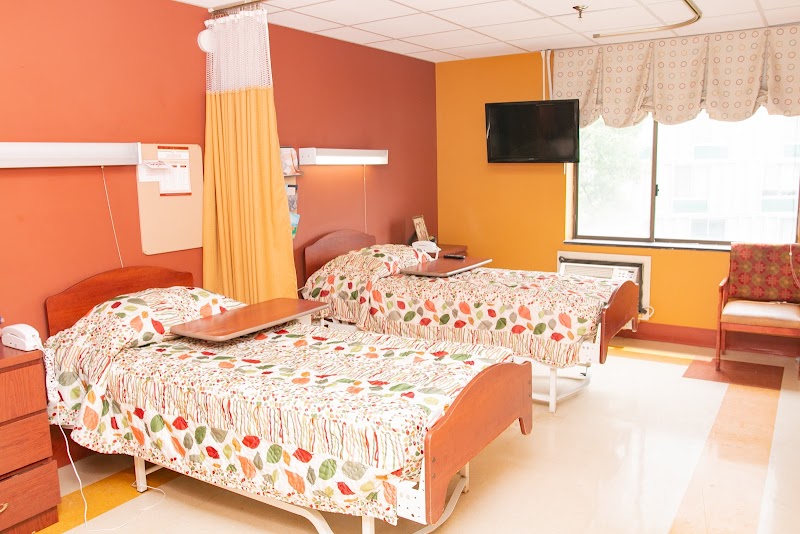
How is Centennial Healthcare And Rehabilitation Center Staffed?

CMS rates CENTENNIAL HEALTHCARE AND REHABILITATION CENTER's staffing level at 3 out of 5 stars, which is average compared to other nursing homes. Staff turnover is 57%, which is 11 percentage points above the Pennsylvania average of 46%. High turnover can affect care consistency as new staff learn residents' individual needs.

What Have Inspectors Found at Centennial Healthcare And Rehabilitation Center?

State health inspectors documented 21 deficiencies at CENTENNIAL HEALTHCARE AND REHABILITATION CENTER during 2023 to 2025. These included: 20 with potential for harm and 1 minor or isolated issues.

Who Owns and Operates Centennial Healthcare And Rehabilitation Center?

CENTENNIAL HEALTHCARE AND REHABILITATION CENTER is owned by a for-profit company. For-profit facilities operate as businesses with obligations to shareholders or private owners. The facility is operated by COLEV GESTETNER, a chain that manages multiple nursing homes. With 180 certified beds and approximately 168 residents (about 93% occupancy), it is a mid-sized facility located in PHILADELPHIA, Pennsylvania.
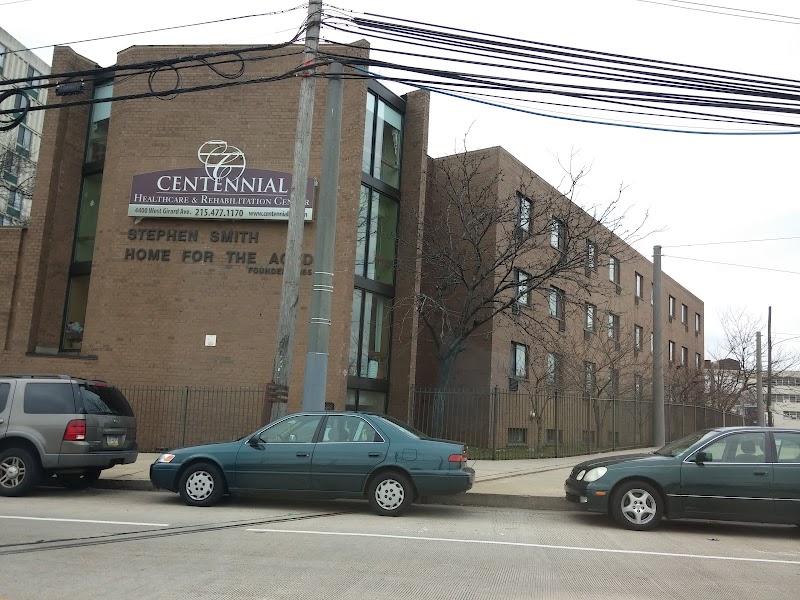
How Does Centennial Healthcare And Rehabilitation Center Compare to Other Pennsylvania Nursing Homes?

Compared to the 100 nursing homes in Pennsylvania, CENTENNIAL HEALTHCARE AND REHABILITATION CENTER's overall rating (2 stars) is below the state average of 3.0, staff turnover (57%) is significantly higher than the state average of 46%, and health inspection rating (3 stars) is at the national benchmark.

What Should Families Ask When Visiting Centennial Healthcare And Rehabilitation Center?

Based on this facility's data, families visiting should ask: "How do you ensure continuity of care given staff turnover, and what is your staff retention strategy?" "Can I visit during a mealtime to observe dining assistance and food quality?" "How do you handle medical emergencies, and what is your hospital transfer rate?" "Can I speak with family members of current residents about their experience?" These questions are particularly relevant given the facility's high staff turnover rate.

Is Centennial Healthcare And Rehabilitation Center Safe?

Based on CMS inspection data, CENTENNIAL HEALTHCARE AND REHABILITATION CENTER has a clean safety record: no substantiated abuse findings (meaning no confirmed cases of resident harm), no Immediate Jeopardy citations (the most serious violation level indicating risk of serious injury or death), and is not on the Special Focus Facility watch list (a federal program monitoring the lowest-performing 1% of nursing homes). The facility has a 2-star overall rating and ranks #100 of 100 nursing homes in Pennsylvania. While no facility is perfect, families should still ask about staff-to-resident ratios and recent inspection results during their visit.

Do Nurses at Centennial Healthcare And Rehabilitation Center Stick Around?

Staff turnover at CENTENNIAL HEALTHCARE AND REHABILITATION CENTER is high. At 57%, the facility is 11 percentage points above the Pennsylvania average of 46%. High turnover means new staff may not know residents' individual needs, medications, or preferences. It can also be disorienting for residents, especially those with dementia who rely on familiar faces. Families should ask: What is causing the turnover? What retention programs are in place? How do you ensure care continuity during staff transitions?

Was Centennial Healthcare And Rehabilitation Center Ever Fined?

CENTENNIAL HEALTHCARE AND REHABILITATION CENTER has been fined $4,194 across 1 penalty action. This is below the Pennsylvania average of $33,121. While any fine indicates a compliance issue, fines under $50,000 are relatively common and typically reflect isolated problems that were subsequently corrected. Families should ask what specific issues led to these fines and confirm they've been resolved.

Is Centennial Healthcare And Rehabilitation Center on Any Federal Watch List?

CENTENNIAL HEALTHCARE AND REHABILITATION CENTER is not on any federal watch list. The most significant is the Special Focus Facility (SFF) program, which identifies the bottom 1% of nursing homes nationally based on persistent, serious quality problems. Not being on this list means the facility has avoided the pattern of deficiencies that triggers enhanced federal oversight. This is a positive indicator, though families should still review the facility's inspection history directly.