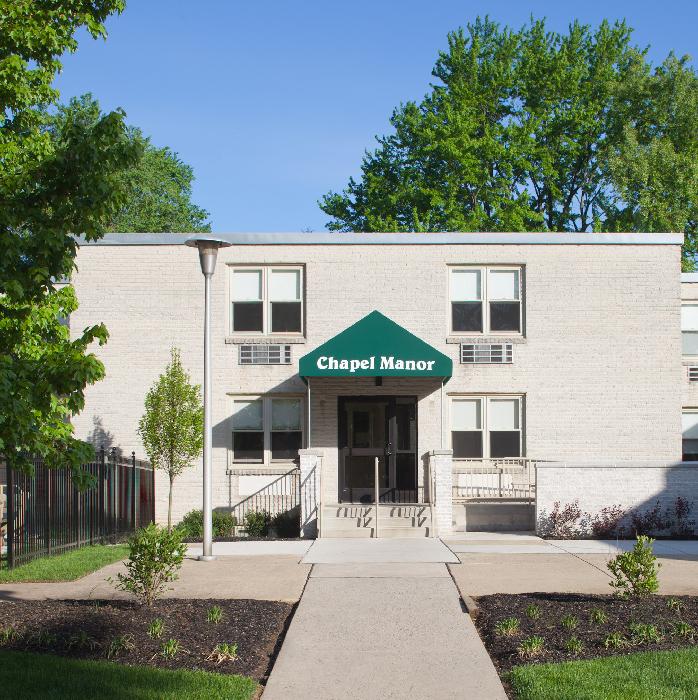

CHAPEL MANOR

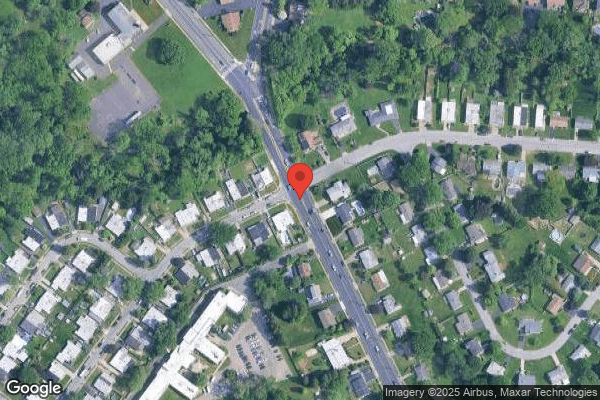
1104 WELSH ROAD, PHILADELPHIA, PA 19115 (215) 676-9191
For profit - Partnership 238 Beds GENESIS HEALTHCARE Data: November 2025 1 Immediate Jeopardy citation
Trust Grade
13/100
#543 of 653 in PA
Last Inspection: December 2024

Within standard 12-15 month inspection cycle. Federal law requires annual inspections.

Overview

Chapel Manor in Philadelphia has received a Trust Grade of F, indicating significant concerns about the quality of care provided; this suggests the facility is performing poorly overall. Ranking #543 out of 653 in Pennsylvania places them in the bottom half of nursing homes in the state, and #41 out of 46 in Philadelphia County means there are only a few local facilities that are better. While the facility is improving-going from 48 issues in 2024 to just 4 in 2025-there are still serious concerns, including $120,333 in fines, which is higher than 85% of Pennsylvania facilities. Staffing is average with a 3/5 star rating and a turnover rate of 51%, indicating that some staff members stay long enough to build relationships with residents. However, they have faced critical issues, such as failing to supervise residents during smoking times, which led to drug abuse among some residents, and a lack of necessary supplies like washcloths for bathing and toileting, which is concerning for daily care needs.

Trust Score
F
13/100
In Pennsylvania
#543/653
Bottom 17%
Safety Record
High Risk
Review needed
Inspections
Getting Better
48 → 4 violations
Staff Stability
⚠ Watch
51% turnover. Above average. Higher turnover means staff may not know residents' routines.
Penalties
✓ Good
$120,333 in fines. Lower than most Pennsylvania facilities. Relatively clean record.
Skilled Nurses
○ Average
Each resident gets 30 minutes of Registered Nurse (RN) attention daily — about average for Pennsylvania. RNs are the most trained staff who monitor for health changes.
Violations
⚠ Watch
73 deficiencies on record. Higher than average. Multiple issues found across inspections.
★☆☆☆☆
1.0
Overall Rating
★★★☆☆
3.0
Staff Levels
★★★★☆
4.0
Care Quality
★☆☆☆☆
1.0
Inspection Score
Stable
2024: 48 issues
2025: 4 issues

The Good

  • 4-Star Quality Measures · Strong clinical quality outcomes
  • Full Sprinkler Coverage · Fire safety systems throughout facility
  • No fines on record

Facility shows strength in quality measures, fire safety.

The Bad

1-Star Overall Rating

Below Pennsylvania average (3.0)

Significant quality concerns identified by CMS

Staff Turnover: 51%

Near Pennsylvania avg (46%)

Higher turnover may affect care consistency

Federal Fines: $120,333

Well above median ($33,413)

Significant penalties indicating serious issues

Chain: GENESIS HEALTHCARE

Part of a multi-facility chain

Ask about local staffing decisions and management

The Ugly 73 deficiencies on record

1 life-threatening
Jun 2025 2 deficiencies
CONCERN (E) 📢 Someone Reported This

A family member, employee, or ombudsman was alarmed enough to file a formal complaint

Potential for Harm - no one hurt, but risky conditions existed

Deficiency F0558 (Tag F0558)

Could have caused harm · This affected multiple residents

Based on interviews with residents and staff, observations of the laundry department and linen storage areas throughout the nursing units, it was determined that the facility failed to provide suffici...

Read full inspector narrative →
Based on interviews with residents and staff, observations of the laundry department and linen storage areas throughout the nursing units, it was determined that the facility failed to provide sufficient supplies of linen for the bathing and toileting care needs for 12 of 12 residents reviewed. (Residents R1, R2, R3, R4, R5, R6, R7, R8, R9, R10, R11 and R12). Findings include: Observations of the laundry department storage area with the director of laundry services, Employee E5, at 11:30 a.m., on June 4, 2025 revealed that there was no PAR (periodic automatic replacement) of wash clothes. Additional observations of the laundry inventory throughout the facility, revealed that there were no wash clothes in stock. Observations on the nursing units revealed that wash clothes were in low supply. There were not enough wash clothes for toileting care and bathing needs of the residents. Nursing staff, Employees: E6, E7, E8, E9, E10, E11 reported during interviews on June 4, 2025, that they frequently run out of wash clothes on a daily basis, over the past three months. The staff reported having to use disposable wipes and large towels since they were not provided with adequate amounts of linen and linen that was designed for specific uses for resident bathing and toileting needs. Interviews with eleven alert and oriented residents on June 4, 2025:( R1, R2, R3, R4, R5, R6, R8, R9, R10, R11 and R12) confirmed that the facility was in need of wash clothes for bathing and hygiene care. 28 PA. Code 201.14(a) Responsibility of licensee 28 PA. Code 201.18(b)(1)(3)(e)(1)(2.1) Management 28 PA. Code 204.14 Supplies
CONCERN (E) 📢 Someone Reported This

A family member, employee, or ombudsman was alarmed enough to file a formal complaint

Potential for Harm - no one hurt, but risky conditions existed

Room Equipment (Tag F0908)

Could have caused harm · This affected multiple residents

Based on interviews with staff and residents and observations of the resident care equipment, it was determined that essential equipment for the mechanical preparation of ice throughout the facility w...

Read full inspector narrative →
Based on interviews with staff and residents and observations of the resident care equipment, it was determined that essential equipment for the mechanical preparation of ice throughout the facility was not being maintained in a safe operating condition. Findings include: Interview with the administrator, Employee E1, at 10:30 a.m., on June 4, 2025 revealed that the facility had two ice machines to service the nursing units and dietary department. The administrator also reported having to order bags of ice from an outside vender, because the the one ice machine that was in need of repairs could not keep up with the demand for ice form the nursing units for the residents. Interview with the maintenance director, Employee E4, at 11:00 a.m., on June 4, 2025 revealed that there was one ice machine that was inoperable at this time and the other ice machine was in need of repairs: (consistency of ice output, unit power issues and temperature issues), since May 20, 2025. Interviews on June 4, 2025, with alert and oriented residents: (R1,R2, R3, R4, R5, R6, R8, R9, R10, R11 and R12) revealed that the ice supply in the facility was scarce. The residents reported that the one ice machine could not keep up with the volume of ice needed for drinking water. Interviews on June 4, 2025, with the nursing and dietary staff, Employees E6, E7, E8, E9, E10, E11 and E12 revealed that ice production was low and ice was in short supply. The nursing staff also reported that the ice machine on the second floor has been broken for over a month. The nursing staff members said that they are visiting the nearby convience store for bags of ice to use for residents and themselves daily. Observations on June 4, 2025, revealed that the one ice machine was not functioning and the other ice machine was not fully operating to its' capacity for producing ice. According to the maintenance director, Employee E4, the ice machine was not making the volume of ice that the manufacturer designed it to make. The maintenance director also said that he was waiting for a quote for the type and cost of repairs from the service provider for one of the ice machines and that the other ice machine was not repairable and must be replaced. Interview with the administrator during the visit at 2:00 p.m., on June 4, 2025 revealed that bags of ice were being delivered to the facility in an effort to meet supply and demand. 28 PA. Code 201.14(a) Responsibility of licensee 28 PA. Code 201.18(b)(1)(3)(e)(1)(2.1) Management
Mar 2025 2 deficiencies
CONCERN (D) 📢 Someone Reported This

A family member, employee, or ombudsman was alarmed enough to file a formal complaint

Potential for Harm - no one hurt, but risky conditions existed

Safe Transfer (Tag F0626)

Could have caused harm · This affected 1 resident

Based on clinical record reviews, interviews with staff, reviews of hospital records and facility policies and procedures, it was determined that the facility failed to permit one of three residents r...

Read full inspector narrative →
Based on clinical record reviews, interviews with staff, reviews of hospital records and facility policies and procedures, it was determined that the facility failed to permit one of three residents reviewed to return to the facility after hospitalization. (Resident R1) Findings include: Review of the undated policy titled Bed-Hold revealed that when a resident/patient is transferred out of the service location to a hospital or on therapeutic leave, the designee will provide the resident and his/her representative, if applicable with the written Bed Hold Policy& Authorization form regardless or the payer. If the resident representative is not present to receive the notice upon transfer, the notice is delivered via e-mail, fax or hard copy via email. Review of the undated policy titled, Discharge and Transfer revealed that for unplanned acute care transfers for the patient must be permitted to return to the Center. For unplanned, acute transfers for the center to initiate discharge while the patient is in the hospital following transfer, the Center must have evidence that the patient's status at the time the patient seek to the Center (not at the time patient was transferred for acute transfer) meets one of the discharge criteria. Clinical record review for Resident R1 revealed that this resident was admitted from the hospital on January 7, 2025, with diagnoses to include traumatic brain injury, epilepsy (is a brain disorder that causes seizures, which are sudden, uncontrolled bursts of electrical activity in the brain). The nursing note dated February 26, 2025, indicated, that the resident was behaving in a threatening and erratic way towards other residents and staff. Police was called. Resident was transferred to hospital for medical clearance, then transferred to a psychiatric hospital. Social service will provide support as needed. Further review of Resident R1's record revealed that the resident's family member was called and informed the situation that had occurred and to follow up with the hospital and psychiatric hospital for discharge planning. The resident's family member reported that this behavior is usual for resident, and he is not able to care for him. The Social Worker encouraged the resident's family member to find an appropriate placement, where he can get the type of care that he needs. Further review of the clinical record revealed no documented evidence that the facility assisted the resident or the family in finding an appropriate placement. It was documented that the resident's family member stated he cannot provide support to the resident post discharge which was the facility's discharge disposition for Resident R1. Interview with the Supervisor for the city psychiatric intervention program on March 12, 2025 and 12:00 p.m., revealed that the Psychiatric hospital evaluated the resident during the hospital stay on February 26, 2025, and wanted to discharge him because the physician did not feel he was a threat to himself or others. Interview with admission staff at Psychiatric hospital on March 12, 2025 at 12:05 p.m. revealed that the facility was reached out to discuss the readmission of the resident. Facility stated they could not take the resident back. Facility was informed that the resident was evaluated by the physician and cleared for discharge back to the facility. However facility continued to refuse the resident. Review of clinical record for Resident R1 revealed no documented evidence that the facility assessed the resident or reviewed clinical record for safety at the time the resident was ready for discharge. Interview with Social Service Director on March 12, 2025. revealed the resident was planned to be discharged with the family member however he stated he could not provide care to the resident. There was no safe discharge for the resident available anytime during his stay at the facility. Social Service Director confirmed that the facility should hold resident bed during acute transfers. Interview with the Administrator on March 12, 2025, confirmed that the hospital was not his planned discharge location. Administrator confirmed that when residents were transferred to the emergency room or acute care they were expected to return. 28 PA. Code 201.14(a)(b) Responsibility of licensee 28 PA. Code 201.29(c.3)(4) Resident rights 28 PA. Code 211.12(d)(1) Nursing services
CONCERN (D) 📢 Someone Reported This

A family member, employee, or ombudsman was alarmed enough to file a formal complaint

Potential for Harm - no one hurt, but risky conditions existed

Deficiency F0660 (Tag F0660)

Could have caused harm · This affected 1 resident

Based on the review of clinical records, facility policies, and interview with staff, it was determined that the facility failed to develop and implement an effective discharge planning process that f...

Read full inspector narrative →
Based on the review of clinical records, facility policies, and interview with staff, it was determined that the facility failed to develop and implement an effective discharge planning process that focuses on the resident's discharge goals, the preparation of residents to be active partners and effectively transition them to post-discharge care, and the reduction of factors leading to preventable readmissions. Facility failed to update a resident's comprehensive care plan and discharge plan, as appropriate for one of three residents reviewed (Resident R1) Findings Include: Review of facility policy Discharge and Transfer: dated November 15, 2022 revealed that The Center must develop and implement an effective discharge planning process that focuses on the patient ' s/resident ' s (hereinafter patient) discharge goals, preparation of patients to be active partners and effectively transition them to post-discharge care, and the reduction of factors leading to preventable re-admissions. The Center ' s discharge planning process must be consistent with the patient ' s discharge rights. Refer to Resident Rights Under Federal Law policy. Upon admission, all patients will be asked about their discharge goals and anticipated length of stay, and assessed for discharge potential. Discharge planning will begin upon admission and be completed as part of the Person-Centered Care Plan process. Within 72 hours of admission, evaluation of discharge potential will be reviewed at the Post admission Patient/Family Conference. Interprofessional Utilization Management (UM) and Discharge Planning meeting will be conducted to continue evaluation of discharge potential. All patients being discharged to home, to an assisted living facility, or another community based setting will be given a Discharge Transition Plan and Discharge Packet. The Discharge Transition Plan must include, but not be limited to: · A recapitulation of the patient ' s stay that includes, but is not limited to, diagnoses, course of illness/treatment or therapy, and pertinent lab, radiology, and consultation results. · A final summary of the patient ' s status at the time of discharge that is available for release to authorized persons and agencies, with the consent of the patient or patient representative. · Reconciliation of all pre-discharge medications with the patient ' s post-discharge medications (both prescription and over-the-counter). · A post-discharge plan of care that is developed with the participation of the patient and, with the patient ' s consent, the patient representative(s), which will assist the patient to adjust to his/her new living environment. · Where the patient plans to reside, any arrangements that have been made for the patient ' s follow-up care and any post-discharge medical and non-medical services. The PCC Discharge Plan Documentation UDA will begin as early as admission and no later than seven days prior to patient discharge. Refer to the Guidelines for Discharge Transition Plan Process. 4. Nursing or Social Services: 4.1 Initiates the Discharge Plan Documentation UDA for completion by the interprofessional care team; 4.2 Communicates the discharge date to the patient and/or patient representative; and 4.3 Prepares the patient and/or resident representative for transition. 5. Once the Discharge Plan Documentation UDA is completed, a Discharge Transition Plan will be generated. 6. The Discharge Transition Plan will be reviewed with and given to the patient and/or patient representative along with the Discharge Packet upon discharge. Clinical record review for Resident R1 revealed that this resident was admitted from the hospital on January 7, 2025, with diagnoses to include traumatic brain injury, epilepsy (is a brain disorder that causes seizures, which are sudden, uncontrolled bursts of electrical activity in the brain with medication non-compliance, and altered mental status. Review of care plan for Resident R1 dated January 27, 2025 revealed that the resident had a potential to discharge with interventions included, -Identify, discuss and document resident/patient desires and concerns/barriers, - Evaluate discharge planning needs taking into consideration care plans, resident/patient goals, cognitive skills, functional mobility and need for assistive devices regarding discharge - Make referrals to community-based agencies, providers, and services communicating the residents/patients needs and barriers to care. Review of progress note dated February 24, 2025 revealed that social service spoke to resident's family member via phone. The family member informed the social worker that he left a list for social service to get resident placed for long term care. Social Service (SS) reminded that resident's discharge is expected on February 26, 2025. Social Services educated the family member that 2 days was not enough time to look into long term placement. Review of progress note dated February 19, 2025, revealed that Social Service spoke to resident's family member to confirm discharge planning address and discuss skilled services referrals. The resident's family member stated that the plan has always been long term care. He shared that he is unable to care for the resident. Social Worker educated brother about nursing facility eligibility and the need to importance of locating appropriate placements. Resident's family memeber was upset stating that he cannot care for resident to assist with home care services. The resident's family member agreed to look continue to look for appropriate settings. Review of Resident R1's clinical records revealed no documented evidence that the facility documented, on a timely based on the resident's needs, and include in the clinical record, the evaluation of the resident's discharge needs and discharge plan. There was no documented evidence of a discharge plan with all relevant resident information to facilitate its implementation and to avoid unnecessary delays in the resident's discharge or transfer. Further review of Resident R1's clinical record revealed no evidence that the input from resident's family member about long term care and inability to provide support for the resident was taken in to account when resident's discharge planning was initiated. 28 Pa. Code 201.14 (a) Responsibility of licensee. 28 Pa. Code 211.10 (a) Resident care policies.
Dec 2024 14 deficiencies
CONCERN (D)

Potential for Harm - no one hurt, but risky conditions existed

Assessment Accuracy (Tag F0641)

Could have caused harm · This affected 1 resident

**NOTE- TERMS IN BRACKETS HAVE BEEN EDITED TO PROTECT CONFIDENTIALITY** Based on observations, clinical record reviews and interviews with staff, it was determined that the facility failed to accurate...

Read full inspector narrative →
**NOTE- TERMS IN BRACKETS HAVE BEEN EDITED TO PROTECT CONFIDENTIALITY** Based on observations, clinical record reviews and interviews with staff, it was determined that the facility failed to accurately complete MDS assessments for two of 39 residents reviewed (Residents R187 and R96). Findings include: Review of Resident R96's Quarterly MDS (Minimum Data Set - a mandatory periodic resident assessment tool) dated October 22, 2024, revealed that the resident was admitted to the facility on [DATE], with diagnoses including cerebrovascular disease (damage to the brain from interruption of its blood supply) and hemiplegia (paralysis). Continued review revealed that Resident R96 used physical restraints daily (physical restraints are any manual method or physical or mechanical device, material or equipment attached or adjacent to the resident's body that the individual cannot remove easily which restricts freedom of movement or normal access to one's body). Review of physician orders and care plans for Resident R96 revealed no indication that the resident used or required physical restraints. Observation on December 15, 2024, at 11:00 a.m. revealed that no restraints were observed for Resident R96. Interview on December 17, 2024, at 10:11 a.m. Employee E10, licensed nurse, stated that the MDS assessment for Resident R96 was coded in error. Review of Resident R187's Discharge MDS, dated [DATE], revealed that the resident was discharged to a short-term general hospital on November 2, 2024. Review of Resident R187's discharge plan, dated November 1, 2024, revealed that the resident would be discharging home with family. Review of progress notes for Resident R187 revealed a social service note, dated October 21, 2024, at 10:50 a.m. which indicated that discharge planning was reviewed, the resident expressed that she wanted to go home and that she needed transportation. Continued review of progress notes for Resident R187 revealed another social service note, dated October 23, 2024, at 4:38 p.m. which indicated that transportation was set up for the resident; stretcher transport services was arranged through the resident's insurance company. Further review of progress notes for Resident R187 revealed a general note, dated November 2, 2024, at 7:14 p.m. which indicated that the resident was discharged via stretcher transport. Interview on December 18, 2024, at 11:30 a.m. Employee E10, licensed nurse, stated that the discharge MDS assessment for Resident R187 was coded in error. 28 Pa Code 211.5(f)(xi) Medical records
CONCERN (D)

Potential for Harm - no one hurt, but risky conditions existed

Deficiency F0657 (Tag F0657)

Could have caused harm · This affected 1 resident

Based on observations, clinical record review, review of facility documents and staff interviews, it was determined that the facility failed to revise the care plan for Feeding-Related Care, for one o...

Read full inspector narrative →
Based on observations, clinical record review, review of facility documents and staff interviews, it was determined that the facility failed to revise the care plan for Feeding-Related Care, for one of 36 residents reviewed (Resident R124). Findings include: Review of Resident R124's clinical record revealed that the Resident was admitted in the facility on April 07, 2021. R124's diagnoses included Dementia (Dementia is a set of symptoms that can be caused by a number of diseases which over time destroy nerve cells and damage the brain, typically leading to deterioration in cognitive function, the ability to process thought, beyond what might be expected from the usual consequences of biological aging), Severe Protein-Calorie Malnutrition (a condition that occurs when a person doesn't get enough protein, calories, and other nutrients from their food), Adult Failure to Thrive (a condition in older adults characterized by unexplained weight loss, poor nutrition, decreased appetite, inactivity, and often accompanied by declining physical and cognitive function), and Muscle Wasting and Atrophy (referring to the loss of muscle mass and strength, typically caused by a lack of physical activity, injury, malnutrition, or neurological conditions, resulting in a decrease in muscle size and function; essentially, the muscles are wasting away due to disuse or disease). Review of physician order for R124, dated November 19, 2024, indicated an order; every shift automatic water flush: 55 ml/hr via PEG tube for 12 hours while enteral feed runs (total water over 24 hr = 660ml) and flush with 50 ml after each feeding. On December 17, 2024, at 9:37 a.m., review of the care plan of R124, revealed that it was not updated, or revised, to reflect the goal and interventions with the ordered volume of water flush. At the time of the findings, interview with the charge nurse, a Licensed Nurse, employee E19, confirmed the same. 28 Pa Code 211.11(d) Resident Care Plan
CONCERN (D)

Potential for Harm - no one hurt, but risky conditions existed

Deficiency F0692 (Tag F0692)

Could have caused harm · This affected 1 resident

Based on clinical record review, observations of residents and interviews with staff, it was determined that the facility failed to implement timely interventions for weight management of one of 36 re...

Read full inspector narrative →
Based on clinical record review, observations of residents and interviews with staff, it was determined that the facility failed to implement timely interventions for weight management of one of 36 residents reviewed (R181). Findings include: A review of the clinical record of Resident R181, revealed; admission in the facility on September 9, 2024. Diagnoses of R181 included Gastro-Esophageal Reflux Disease with Esophagitis,(Esophagitis is inflammation of the esophagus. The esophagus is the muscular tube that delivers food from your mouth to your stomach. Esophagitis can cause painful, difficult swallowing and chest pain ), and Abnormal Weight Loss. A review of the resident R181's weight record revealed the following recorded weights: 12/2/2024 07:33 113.4 Lbs Mechanical Lift 11/18/2024 21:07 114.2 Lbs Mechanical Lift 11/1/2024 08:34 113.8 Lbs Mechanical Lift 10/15/2024 13:26 115.2 Lbs Mechanical Lift 10/2/2024 09:56 116.4 Lbs Mechanical Lift 10/1/2024 10:50 115.2 Lbs Mechanical Lift 9/18/2024 13:33 126.4 Lbs Mechanical Lift 9/9/2024 21:03 135.1 Lbs Mechanical Lift Review of the weight record indicated -16.06 Lbs% weight difference during the last four months. Review of Nutrition Assessment Note by Registered Dietitian for R181, dated October 2, 2024, indicated; Significant weight loss noted. Per hospital records, hospital weights are 111 lb and 148 lb. Unclear what resident's actual weight is. Resident has good po intakes. Recommend weekly weights to monitor. Will order house shake once daily to support po intake. Further review of clinical records revealed that no weekly weights were taken or recorded for R 181 as recommended by the Registered Dietitian. Interview with the Registered Dietitian, Employee E181, on December 17, 2024, at 1:24 p.m., confirmed the findings. Pa § 211.6. Dietary services.
CONCERN (D)

Potential for Harm - no one hurt, but risky conditions existed

Respiratory Care (Tag F0695)

Could have caused harm · This affected 1 resident

**NOTE- TERMS IN BRACKETS HAVE BEEN EDITED TO PROTECT CONFIDENTIALITY** Based on observation, clinical record review, review of facility policy and staff interview, it was determined that the facility...

Read full inspector narrative →
**NOTE- TERMS IN BRACKETS HAVE BEEN EDITED TO PROTECT CONFIDENTIALITY** Based on observation, clinical record review, review of facility policy and staff interview, it was determined that the facility failed to provide appropriate respiratory care and services for one of 36 residents reviewed (R158). Findings include: Review of Resident R158's clinical record revealed; the resident was initially admitted to the facility on [DATE], and readmitted on [DATE]; diagnosed with Acute and Chronic Respiratory Failure with Hypoxia (a condition where the lungs are unable to adequately exchange oxygen, leading to low blood oxygen levels {hypoxia}, which can occur suddenly {acute} or develop over time {chronic}, causing significant breathing difficulties and potential complications depending on the severity and duration of the issue; essentially, it means the body isn't getting enough oxygen due to impaired lung function, either rapidly or gradually); Chronic Obstructive Pulmonary Disease (COPD- a common lung disease causing restricted airflow and breathing problems, in people with COPD, the lungs can get damaged or clogged with phlegm); and Atelectasis (a condition where part or all of a lung collapses, leading to a reduction in oxygen exchange). Review of clinical record indicated that R158 was ordered, dated July 31, 2024, with Oxygen at 2 Liters/Min, via Nasal Cannula, as needed, On December 15, 2024, at 11:25 a.m., and on December 17, 2024, at 9:44 a.m., observed that R158 was administered with Oxygen at 3 Liters/Min, via Nasal Canula., and not 2 Liters/Min, as ordered by the physician; and the same was confirmed with a Licensed Nurse, E19, at the time of the finding. 28 Pa. Code 211.12(d)(5) Nursing services
CONCERN (D)

Potential for Harm - no one hurt, but risky conditions existed

Deficiency F0711 (Tag F0711)

Could have caused harm · This affected 1 resident

**NOTE- TERMS IN BRACKETS HAVE BEEN EDITED TO PROTECT CONFIDENTIALITY** Based on observation, clinical record review, and interview with staff, it was determined that the facility did not ensure the p...

Read full inspector narrative →
**NOTE- TERMS IN BRACKETS HAVE BEEN EDITED TO PROTECT CONFIDENTIALITY** Based on observation, clinical record review, and interview with staff, it was determined that the facility did not ensure the physician notes were accurately completed related to resident assessment and gastrostomy status for one of 39 residents reviewed (Resident R98). Findings include: Review of clinical documentation for resident R98 revealed that she was admitted to the facility on [DATE], with diagnoses including, but not limited to, Alzheimer's disease, dysphagia, and gastric ulcer. Review of physician's notes revealed that on June 29, 2024, July 28, 2024, August 25, 2024, September 22, 2024, October 26, 2024, and November 24, 2024, the attending physician, employee E15, wrote monitor for chronic factors of gastrostomy (a surgical opening made through the abdominal wall and into the stomach, allowing for nutrition and medication to be administered through a tube; receiving nutrition in this was is called enteral feeding) feeding, and noted a diagnosis of gastrostomy status. Review of the resident's current and discontinued physician orders revealed no orders for enteral feeds or for care of a gastrostomy site. Observation of resident R98 on December 15, 2024 at 12:45 pm revealed the resident to be lying in bed, positioned on her left side, facing the door. There was no enteral feed equipment in the resident's room, and no gastrostomy present. Interview with the resident's care nurse, licensed nurse employee E14 on December 17, 2024, at 12:39 p.m. revealed that the resident never had a feeding tube. She eats by mouth. She's on a pureed diet. In an interview with employee E15, physician, on December 17, 2024, at 2:35 p.m. he revealed that he had previously cared for a resident with the same last name as resident R98, and that the other resident had a gastrostomy. He stated that documenting it in the resident's record was an error and that resident R98 did not currently or previously have a gastrostomy. 28 Pa. Code 211.5(f) Clinical records
CONCERN (D)

Potential for Harm - no one hurt, but risky conditions existed

Deficiency F0757 (Tag F0757)

Could have caused harm · This affected 1 resident

**NOTE- TERMS IN BRACKETS HAVE BEEN EDITED TO PROTECT CONFIDENTIALITY** Based on review of clinical records, and staff interviews, it was determined that the facility failed to ensure that residents w...

Read full inspector narrative →
**NOTE- TERMS IN BRACKETS HAVE BEEN EDITED TO PROTECT CONFIDENTIALITY** Based on review of clinical records, and staff interviews, it was determined that the facility failed to ensure that residents were free from unnecessary medications for one out of five residents sampled. (R 150). Findings include: Resident R150 was admitted to the facility on [DATE], Bipolar Disorder, (people with Bipolar Disorder often experience periods of extremely up, elated, irritable, or energized behavior; known as manic episodes; and very down, sad, indifferent, or hopeless periods; known as depressive episodes), Post-Traumatic Stress Disorder (a psychiatric disorder that may occur in people who have experienced or witnessed a traumatic event, series of events or set of circumstances; an individual may experience this as emotionally or physically harmful or life-threatening and may affect mental, physical, social, and/or spiritual well-being), Attention-Deficit Hyperactivity Disorder (ADHD) {Symptoms of ADHD include inattention [not being able to keep focus], hyperactivity (excess movement that is not fitting to the setting) and impulsivity [hasty acts that occur in the moment without thought], and Anxiety Disorder (a mental health disorder characterized by feelings of worry, anxiety, or fear that are strong enough to interfere with one's daily activities). A review of the Physician order revealed that Resident R 150 had an order, dated August 23, 2024, for an antipsychotic medicine namely Olanzapine Oral Tablet 2.5 MG (Olanzapine), Give 2 tablet by mouth one time a day for Bipolar Disorder. (Olanzapine is an antipsychotic medication that can treat several mental health conditions like Schizophrenia and Bipolar Disorder). Review of pharmacist's evaluation for R 150, dated September 1, 2024, indicated that antipsychotics have the capacity to cause Tardive Dyskinesia (Tardive Dyskinesia is a movement disorder that can develop as a side effect of taking certain medications, most commonly antipsychotic drugs used to treat mental health conditions and other movement disorders; symptoms include, involuntary, repetitive movements, typically involving the face, mouth, tongue, and limbs; grimacing, lip smacking, tongue thrusting, eye blinking, arm or leg movements, such as rocking, tapping, or jerking). The Pharmacist recommended movement test, such as AIMS (Abnormal Involuntary Movement Scale. It is a clinical rating scale used to assess the severity and frequency of involuntary movements, such as those caused by certain medications or neurological conditions), or DISCUSS (A discuss test related to antipsychotic assessment typically refers to a clinical interview or rating scale used to evaluate a patient's response to antipsychotic medication, focusing on discussing their current symptoms, side effects, and overall functioning while taking the medication; this could include standardized scales like the Abnormal Involuntary Movement Scale [AIMS] to assess for movement disorders or specific questionnaires regarding sexual function or other potential side effects depending on the patient's situation); be performed initially (within 30 days), and then at least every six months while this resident continues on antipsychotic therapy. Further review of clinical records of R 150 did not reveal any occurrence of performing Abnormal Involuntary Movement Scale [AIMS] or DISCUSS as suggested by the Pharmacist. The facility failed to ensure that residents were free from unnecessary medications. During an interview conducted on December 18, 2024, at 11:10 a.m., the Nursing Supervisor, a Registered Nurse, Employee E5, confirmed these findings. 28 Pa Code 211.9(a)(1)(k) Pharmacy services
CONCERN (D)

Potential for Harm - no one hurt, but risky conditions existed

Infection Control (Tag F0880)

Could have caused harm · This affected 1 resident

Based on observations, review of facility policies, review of facility documentation, clinical record review and interviews with staff, it was determined that the facility failed to maintain an effect...

Read full inspector narrative →
Based on observations, review of facility policies, review of facility documentation, clinical record review and interviews with staff, it was determined that the facility failed to maintain an effective infection control program related to Transmission Based Precautions for one of 36 residents reviewed (Resident R49). Findings include: Review of facility policy, Infection Control Policies and Procedures, Enhanced Barrier Precautions revised in December 2024, revealed that Enhanced Barrier Precautions are infection control Intervention designed to reduce the transmission of novel or Multi-Drug Resistant Organisms. The policy stated to employ targeted personal protective equipment (PPE) use during high contact patient/resident activities. It also specified that Multi-Drug Resistant Organisms (MDROs) are bacteria and other microorganisms that have developed resistance to one or more classes of antimicrobial drugs. The policy continued that ESBL-producing Enterobacterales are included in MDROs. (An ESBL infection is caused by bacteria that produce extended-spectrum beta-lactamase (ESBL), an enzyme that makes the bacteria resistant to many antibiotics; and Enterobacterales is an order of non-spore forming, rod-shaped bacteria). On December 15, 2024, review of facility list of residents with Enhanced Barrier Precautions showed that R49 was included in the list due to ESBL. On December 15, 2024, review of the physician order for R 49 revealed that R 49 had an order dated April 17, 2024, for Infection precautions due to enhanced barrier. Observation on December 15, 2024, at 11:55 a.m., revealed that Employee E16, a Nurse Aide , was providing cleaning care to R 49; but E16 did not wear the PPE, even though R16 was on Enhanced Barrier Precautions; and the same information was noted on the door of the resident room. At the time of the finding, confirmed the same with Employee E16. 28 Pa Code 201.14(a) Responsibility of licensee 28 Pa Code 201.18(d) Management
CONCERN (D)

Potential for Harm - no one hurt, but risky conditions existed

Deficiency F0919 (Tag F0919)

Could have caused harm · This affected 1 resident

**NOTE- TERMS IN BRACKETS HAVE BEEN EDITED TO PROTECT CONFIDENTIALITY** Based on observations and interviews with staff, it was determined that the facility failed to ensure that call bell systems fun...

Read full inspector narrative →
**NOTE- TERMS IN BRACKETS HAVE BEEN EDITED TO PROTECT CONFIDENTIALITY** Based on observations and interviews with staff, it was determined that the facility failed to ensure that call bell systems functioned properly for one of four nursing units observed (C-Wing nursing unit). Findings include: Observation on December 15, 2024, at 1:17 p.m. revealed that the call bell system was activated on the C-Wing nursing unit. The beeping of the alarm could be heard, however, no lights above any of the residents' rooms were illuminated. Observation of the call bell control panel at the C-Wing nurses station revealed that no lights were illuminated that would indicate which room activated their call bell. Employee E6, licensed nurse, stated that she could hear the call bell, however, she was unable to determine which room had activated their call bell. Employee E6, licensed nurse, walked up and down the halls looking for any indications of call bell activation, but was unable to see any. Employee E6, licensed nurse, then proceeded to go room by room on the C-wing nursing unit in attempts to locate which resident had activated their call bell. Employee E6, licensed nurse, determined that resident room [ROOM NUMBER]A had activated their call bell. Employee E6, licensed nurse, confirmed that neither the light above room [ROOM NUMBER] nor the light at the nurses station control panel was illuminated while the call bell was activated. 28 Pa Code 205.67(k) Electric requirements for existing construction
CONCERN (E)

Potential for Harm - no one hurt, but risky conditions existed

Deficiency F0730 (Tag F0730)

Could have caused harm · This affected multiple residents

Based on review of facility provided documentation and interview with staff, it was determined that the facility did not provide requested evidence of yearly performance evaluations for three out of f...

Read full inspector narrative →
Based on review of facility provided documentation and interview with staff, it was determined that the facility did not provide requested evidence of yearly performance evaluations for three out of five nurse aides reviewed (Employee E20, E21, and E22) Findings include: On Wednesday, December 18th, 2024 at 9:58 AM, an email was sent to facility's director of nursing, employee E1 requesting evidence of yearly performance reviews for nurse aides. Another verbal request for yearly performance evaluations was made to E1 on Wednesday, December 18th, 2024 at 1:20 PM. Facility was unable to provide evidence for yearly performance evaluations for nurse aides - E20, E21, E22; findings confirmed with facility's administrator and director of nursing. 28 Pa Code 211.12(d)(1) Nursing services 28 Pa Code 211.12(d)(5) Nursing services
CONCERN (E)

Potential for Harm - no one hurt, but risky conditions existed

Staffing Information (Tag F0732)

Could have caused harm · This affected multiple residents

Based on observation, review of posted daily nurse staffing data, and staff interviews, it was determined that the facility did not ensure that nursing staffing information was posted on a prominent p...

Read full inspector narrative →
Based on observation, review of posted daily nurse staffing data, and staff interviews, it was determined that the facility did not ensure that nursing staffing information was posted on a prominent place readily accessible to residents on two out of two resident floors (First and Second floors) Findings include: Observations on Sunday, December 15, 2024 at 10:00 am revealed the facility did not post the nurse staffing data daily on the first and second floor that was readily accessible to residents in a clear and readable format. Further observations revealed that an assignment sheet was posted in facility's lobby area; which excluded facility name, total number and actual hours worked by registered nurses, licensed practical nurses and nurse aides and resident census. These findings were reviewed and confirmed with facility's administrator and supervisor, employee E5, on Wednesday, December 18th, 2024 at 2:00 PM. 28 Pa Code 201.14(a) Responsibility of licensee 28 Pa Code 211.12(d)(1) Nursing services
CONCERN (E)

Potential for Harm - no one hurt, but risky conditions existed

Food Safety (Tag F0812)

Could have caused harm · This affected multiple residents

Based on observations, interviews with staff, and review of facility policy, it was determined that the facility did not ensure that food was stored, prepared, distributed, and served in accordance wi...

Read full inspector narrative →
Based on observations, interviews with staff, and review of facility policy, it was determined that the facility did not ensure that food was stored, prepared, distributed, and served in accordance with professional standards for food service safety related to labeling and dating of food items and food wrapped or in covered containers Findings include: Review of facility policy titled Food Storage: Cold Foods Revised in September 2017. Revealed all food will be stored wrapped or in covered, labeled, and dated, and arranged in a manner to prevent cross contamination. A tour of the main kitchen was conducted with the supervisor cook, Employee E12, on December 15, 2024, at 9:33 a.m. revealed the following: Observation in the dry storage room revealed cans of food and fresh bread not having labeled and dated. Observation in the walk-in refrigerator revealed food not having plastic wrap or covered and labeled with a date on pizza that will be serving for dinner. Observation a pie dessert plated without covers or plastic wrap and labeled and dated on the cookie trays. Further observation during lunch time on the second-floor dining room at 11:45 am dessert pie came out without cover or wrap. Continued observation in the kitchen on December 15, at 1: 08 p.m. revealed employees observed plated can pears into the bowel without covers and wrap. Interviewing food service director E13, on December 15, at 12:58 PM it was confirmed that those items needed to be wrapped or covered with labels and dated. 28 Pa. Code 201.14 Responsibility of licensee 28 Pa. Code 201.18 (b) (3) Management
CONCERN (E)

Potential for Harm - no one hurt, but risky conditions existed

Medical Records (Tag F0842)

Could have caused harm · This affected multiple residents

**NOTE- TERMS IN BRACKETS HAVE BEEN EDITED TO PROTECT CONFIDENTIALITY** Based on observation, clinical record review and interview with staff, it was determined that the facility did not ensure the re...

Read full inspector narrative →
**NOTE- TERMS IN BRACKETS HAVE BEEN EDITED TO PROTECT CONFIDENTIALITY** Based on observation, clinical record review and interview with staff, it was determined that the facility did not ensure the residents record was complete and accurate related to diagnosis and pharmacy review for two of 39 residents reviewed (Resident R98 and R 40). Findings include: Review of clinical documentation for resident R98 revealed that she was admitted to the facility on [DATE], and had diagnoses on record including, but not limited to, gastrostomy status (a surgical opening made through the abdominal wall and into the stomach, allowing for nutrition and medication to be administered through a tube), Alzheimer's disease, dysphagia, and gastric ulcer. Review of the resident's current and discontinued physician orders revealed no orders for enteral feeds or for care of a gastrostomy site. Observation of resident R98 on December 15, 2024, at 12:45 pm revealed the resident to be lying in bed, positioned on her left side, facing the door. There was no enteral feed equipment in the resident's room, and no gastrostomy present. Interview with the resident's care nurse, licensed nurse employee E14 on December 17, 2024, at 12:39 p.m. revealed that the resident never had a feeding tube. She eats by mouth. She's on a pureed diet. In an interview with employee E15 on December 17, 2024, at 2:35 p.m. he revealed that he had previously cared for a resident with the same last name as resident R98, and that the other resident had a gastrostomy. He stated that documenting it in the resident's record was an error and that resident R98 did not currently or previously have a gastrostomy. No explanation was given about the consultant pharmacist recommendation to physician. Review of clinical documentation for resident R40 revealed that consultant pharmacist recommendation to physician for July 2024, stated this resident is receiving the antipsychotic agent Quetiapine, but lacks an allowable diagnosis to support its use. This consultant pharmacist form was not signed and agreed or disagreed by the physician and no original copies was provided by the facility. 28 Pa. Code 211.5(f) Clinical records
CONCERN (E)

Potential for Harm - no one hurt, but risky conditions existed

Safe Environment (Tag F0921)

Could have caused harm · This affected multiple residents

**NOTE- TERMS IN BRACKETS HAVE BEEN EDITED TO PROTECT CONFIDENTIALITY** Based on observations and interviews with staff, it was determined that the facility failed to provide a safe, functional, sanit...

Read full inspector narrative →
**NOTE- TERMS IN BRACKETS HAVE BEEN EDITED TO PROTECT CONFIDENTIALITY** Based on observations and interviews with staff, it was determined that the facility failed to provide a safe, functional, sanitary and comfortable environment for residents, staff and the public, for four of four nursing units observed (A-Wing, B-Wing, C-Wing and D-Wing nursing units). Findings include: Observation on December 15, 2024, at 12:28 p.m. revealed that in room [ROOM NUMBER] on the D-Wing nursing unit, the wall trim behind the resident's bed was falling off from the wall. Continued observation on December 15, 2024, at 12:37 p.m. revealed that in room [ROOM NUMBER]A on the D-Wing nursing unit, the wallpaper behind the resident's bed was peeling away from the wall. Continued observation on December 15, 2024, at 1:20 p.m. revealed that in room [ROOM NUMBER]A on the C-Wing nursing unit, the wallpaper behind the resident's bed was peeling away from the wall. Interview with Employee E6, licensed nurse, confirmed that the wallpaper was peeling away in the residents' rooms. Observation on December 15, 2024, at 1:43 p.m. of the C-Wing nurses station revealed that all of the chairs used by staff to complete tasks such as charting, phone calls and other general nursing duties were broken. None of the chairs would move up or down and the arm rests were deteriorated and worn down exposing hard plastic edges. Employees E6 and E7 stated that it was difficult to use the computers or work at the desk due to the broken chairs. Continued observation of the C-Wing nurses station revealed that the numbers on the desk phone had completely worn away; none of the numbers on the phone were visible. The second phone on the desk was broken, resulting in the phone tilting in a backward way, so that the phone would not stay on the receiver. Employees E6 and E7 stated that is was difficult to use the phones to make calls and that they were the only two phones located on the nursing unit. Observation on December 15, 2024, at 2:04 p.m. of the D-Wing nurses station revealed that all of the chairs used by staff to complete tasks such as charting, phone calls and other general nursing duties were broken. None of the chairs would move up or down and the arm rests were deteriorated and worn down exposing hard plastic edges. One of the chairs was stuck in a tilted downward position, making it difficult to sit on the chair. Employee E8, licensed nurse, confirmed that all of the chairs at the D-Wing nurses station were broken and uncomfortable for staff to use. Observation on December 15, 2024, at 12:43 p.m. of the A-Wing nurses station revealed that all of the chairs used by staff to complete tasks such as charting, phone calls and other general nursing duties were broken. The arm rests were deteriorated and worn down exposing hard plastic edges. The fabric on all of the chairs was threadbare, with holes becoming apparent on the corners. The seats were worn down, and uncomfortable to sit in. An interview with licensed nurse, employee E14, on December 18, 2024, at 12:39 p.m. confirmed that the chairs of the A-Wing nurses station were broken and uncomfortable, making it more difficult to complete charting and other necessary tasks. Observation on December 15, 2024, at 12:15 p.m. of the B-Wing nurses station revealed that all of the chairs used by staff to complete tasks such as charting, phone calls and other general nursing duties were broken. The arm rests were deteriorated and worn down exposing hard plastic edges, with one being wrapped in deteriorating black duct tape. The seat of one chair tipped forward when any pressure was placed on the back rest. Employee E17 stated that the chairs were in disrepair prior to their use at the nurses station, and that the state of disrepair made it unpleasant to sit in them when charting. 28 Pa Code 205.28(a) Nurses' station 28 Pa Code 201.18(b)(3) Management
CONCERN (E)

Potential for Harm - no one hurt, but risky conditions existed

Deficiency F0924 (Tag F0924)

Could have caused harm · This affected multiple residents

**NOTE- TERMS IN BRACKETS HAVE BEEN EDITED TO PROTECT CONFIDENTIALITY** Based on observations and interviews with staff, it was determined that the facility failed to ensure that corridors had firmly ...

Read full inspector narrative →
**NOTE- TERMS IN BRACKETS HAVE BEEN EDITED TO PROTECT CONFIDENTIALITY** Based on observations and interviews with staff, it was determined that the facility failed to ensure that corridors had firmly secured handrails on three of four nursing units observed (B-Wing, C-Wing and D-Wing nursing units). Findings include: Observations of the D-Wing nursing unit on December 15, 2024, at 12:42 p.m. revealed the following: The handrail between resident rooms [ROOM NUMBERS] was missing, with tape covering the broken brackets for the handrail; The handrail between resident room [ROOM NUMBER] and the fire door was missing, with tape covering the broken brackets for the handrail; The handrail next to the center stairwell door was broken; The handrail between the center stairwell door and the soiled linen room was missing. Observations of the C-Wing nursing unit on December 15, 2024, at 12:48 p.m. revealed the following: The end cover on the handrail next to the clean linen room was missing, exposing the rough and sharp edge of the plastic and metal; The handrail between resident room [ROOM NUMBER] and the nurses station was missing. Interview on December 15, 2024, at 12:50 p.m. Employee E8, licensed nurse, confirmed that the handrails were broken and missing. Observation of the B-Wing nurses station on December 15, 2024, at 12:15 p.m. revealed that the hand rail on the wall beside the nurses station was missing, with a hole where one support post had been, and the other support posts left exposed. Closer inspection of the posts revealed them to have exposed sharp corners. Licensed nurse, employee E17, confirmed that the railing was missing and that the exposed posts were a potential hazard to residents and staff. 28 Pa Code 205.9(a) Corridors
Oct 2024 2 deficiencies
CONCERN (D) 📢 Someone Reported This

A family member, employee, or ombudsman was alarmed enough to file a formal complaint

Potential for Harm - no one hurt, but risky conditions existed

Deficiency F0924 (Tag F0924)

Could have caused harm · This affected 1 resident

**NOTE- TERMS IN BRACKETS HAVE BEEN EDITED TO PROTECT CONFIDENTIALITY** Based on observation and interviews with staff, it was determined that the facility failed to equip corridors with safe handrail...

Read full inspector narrative →
**NOTE- TERMS IN BRACKETS HAVE BEEN EDITED TO PROTECT CONFIDENTIALITY** Based on observation and interviews with staff, it was determined that the facility failed to equip corridors with safe handrails on each side, for one of four nursing units observed (Second floor nursing D unit). Findings include: Observation of the Second Floor Nursing Unit D on October 3, 2024, at 11:45 p.m. revealed the following: The handrail by room [ROOM NUMBER]-unit D was broken and hanging off. The handrail by room rooms 215-unit D was missing. Interview on October 3, 2024, at approximately 11:48 a.m. with second floor unit manger licensed practical nurse, Employee E4, revealed that the handrails were not secured. Interview on October 3, 2024, at 1:45 p.m. the Nursing Home Administrator reported that facility will be sending the working order for handrails. 28 Pa Code 201.14(a) Responsibility of licensee
CONCERN (E) 📢 Someone Reported This

A family member, employee, or ombudsman was alarmed enough to file a formal complaint

Potential for Harm - no one hurt, but risky conditions existed

Deficiency F0804 (Tag F0804)

Could have caused harm · This affected multiple residents

Based on review of a meal tray test results, review of facility policy and interviews with resident and staff, it was determined that the facility failed to serve foods that were palatable and at prop...

Read full inspector narrative →
Based on review of a meal tray test results, review of facility policy and interviews with resident and staff, it was determined that the facility failed to serve foods that were palatable and at proper temperatures for one of eight nursing floors reviewed. (Unit D) Findings include: Review facility document date revised on September 2017 Food Preparation revealed that all food will be held at appropriate temperatures, greater than 135-degree Fahrenheit or as state regulation requires) for hot holding, and less than 41-degree Fahrenheit for cold food holding. Interview with Resident R1 on October 3, 2024, at 10:00 a.m. the resident stated that the hot food is cold always when brought to his room. The food taste bad most of the times and it's hard to eat it. Interview with Resident R2 on October 3, 2024, at 10:00 a.m. the resident stated that the hot food was not served hot bad quality that he got sick from it. He stated he reported this to staff but did not change anything. A test tray on the Unit D nursing unit was performed on October 3, 2024, at 12:45 a.m. with the Dietary staff, Employee E5. During the test tray observation, the food tray for the residents were prepared at the second-floor dining room steam table. The test tray temperature was recorded by Dietary staff, Employee E5 in the kitchen before coming up to the second-floor dining room to serve. The recorded food temperature for the test tray were as follows: Mash potatoes 104-degree Fahrenheit. Cheeseburger 124-degree Fahrenheit Apple juice- 48.5-degree Fahrenheit Milk 43.2-degree Fahrenheit peach cup- 51.2-degree Fahrenheit. Interview with Employee E5, Dietary Staff on October 3, 2024, at 12:50 p.m. confirmed that the test tray food temperature did not meet the facility hot and cold food temperature standards. 28 Pa. Code 201.29(j) Resident rights. 28 Pa. Code 211.6(c) Dietary services
Aug 2024 3 deficiencies
CONCERN (D) 📢 Someone Reported This

A family member, employee, or ombudsman was alarmed enough to file a formal complaint

Potential for Harm - no one hurt, but risky conditions existed

Quality of Care (Tag F0684)

Could have caused harm · This affected 1 resident

Based on the review of clinical records, interview with staff and resident, it was determined that the facility failed to provide care and services as ordered by the physician for one of three residen...

Read full inspector narrative →
Based on the review of clinical records, interview with staff and resident, it was determined that the facility failed to provide care and services as ordered by the physician for one of three residents reviewed (Resident R2). Findings Include: During interview with Resident R2 on August 12, 2024, at 10:00 a.m. the resident stated that he should be getting ACE wraps to his lower extremity for swelling. Resident stated he was seen by the physician and recommended he wear compression stockings for lower extremity. Resident stated compression stocking was uncomfortable for him so the physician stated he should wear ACE wraps. Resident stated staff did not assist him for putting the ACE wraps on. Observation of the Resident R2 on August 12, 2024, at 10:00 a.m. revealed that the resident was not wearing ACE wraps or compression stockings to the lower extremity. Observation of the resident's room revealed that there was ACE wraps in his bed side drawer. However, there was no compression stocking available in his room. Review of physician's orders for Resident R2 revealed that an order was obtained on July 23, 2024, for compression stockings 15-20 mm Hg knee high closed toe daily for edema (swelling). Review of TAR (Treatment Administration Record) for August 2024 revealed that the order for compression was signed out as administered from August 2, 2024 to August 12, 2024. Interview with Employee E3, Licensed Nurse, on August 12, 2024, at 3:00 p.m. confirmed that the resident not wearing ACE wraps or compression stockings to the lower extremity was ordered by the physician. Employee E3 confirmed that there was no compression stockings in his room. 28 Pa. Code 211.12(d)(3)(5) Nursing services
CONCERN (D) 📢 Someone Reported This

A family member, employee, or ombudsman was alarmed enough to file a formal complaint

Potential for Harm - no one hurt, but risky conditions existed

Deficiency F0804 (Tag F0804)

Could have caused harm · This affected 1 resident

Based on review of a meal tray test results, review of facility policy and interviews with resident and staff, it was determined that the facility failed to serve foods that were palatable and at prop...

Read full inspector narrative →
Based on review of a meal tray test results, review of facility policy and interviews with resident and staff, it was determined that the facility failed to serve foods that were palatable and at proper temperatures for one of eight nursing floors reviewed. (Unit A) Findings include: Review of an undated facility document Resident Tray Assessment Report, revealed that the standard temperature for food items as below: Soup and Hot beverages- greater than or equal to 150-degree Fahrenheit- 3 points; 145-149 degree Fahrenheit -2 points, 140-144 degree Fahrenheit-1 point less than 140 degree Fahrenheit -0 points. Hot Entrees, starch and vegetables- greater than or equal to 130-degree Fahrenheit 3 points; 125-129 degree Fahrenheit -2 points, 120-124 degree Fahrenheit -1 point less than 120 degree Fahrenheit -0 points. All cold food- less than 45 Fahrenheit -3 points, 48-50 degree Fahrenheit -2 points, 51-54 degree Fahrenheit -1 point, greater than 55 degree Fahrenheit- 0 points. Qualitative Assessment: Correct 1 point, Unacceptable -0 point. Fully acceptable-2 point, Need improvement- 1 point, unacceptable- 0 point. Interview with Resident R1 on August 12, 2024, at 10:00 a.m. the resident stated that the hot food was sometimes always served hot. The food taste bad most of the times. Interview with Resident R2 on August 12, 2024, at 10:00 a.m. the resident stated that the hot food was not served hot, she stated she reported this to staff but did not change anything. A test tray on the Unit A nursing unit was performed on August 12, 2024, at 11:49 a.m. with the Dietary staff, Employee E4. During the test tray observation, the food tray for the residents' were prepared at the main kitchen. The test tray temperature was recorded by Dietary staff, Employee E4 in the Unit A nursing unit shortly after all resident trays were prepared. The recorded food temperature for the test tray were as follows: Cold ham and cheese Sandwich- 57.8-degree Fahrenheit. Coleslaw- 61.7-degree Fahrenheit Apple juice- 62.6-degree Fahrenheit Hot Coffee-132.5-degree Fahrenheit Fruit cup- 61.9-degree Fahrenheit Interview with Employee E4, Dietary Staff on August 12, 2024, at 12:05 p.m. confirmed that the test tray food temperature on August 12, 2024, did not meet the facility hot food temperature standards. 28 Pa. Code 201.29(j) Resident rights. 28 Pa. Code 211.6(c) Dietary services
CONCERN (D) 📢 Someone Reported This

A family member, employee, or ombudsman was alarmed enough to file a formal complaint

Potential for Harm - no one hurt, but risky conditions existed

Deficiency F0840 (Tag F0840)

Could have caused harm · This affected 1 resident

Based on clinical record review and resident and staff interview, it was determined that the facility failed to schedule an appointment for outside services in a timely manner for one of 3 residents r...

Read full inspector narrative →
Based on clinical record review and resident and staff interview, it was determined that the facility failed to schedule an appointment for outside services in a timely manner for one of 3 residents reviewed (Resident R3). Findings include: During an interview on August 12, 2024, at 10:30 a.m. Resident R3 stated he needed to see an outside provider for his shoulder pain. He stated he was suffering from excruciating pain to the shoulder which he rated at 10/10. He stated he was regularly receiving cortisone shots from an outside provider prior to his admission. Since his admission, he was not seen by an outside provider for an appointment. Resident stated he understand the provider he used to go was far from the facility, however he wanted to see any provider that can treat his shoulder pain and give injection which was effective for him in the community. Resident R3's clinical record revealed an admission date of February 14, 2024, with diagnoses that included muscle weakness, osteoarthritis, pain right upper arm and pain and left upper arm. Review of hospital record for Resident R3 on February 14, 2024, revealed that an appointment request to follow up with orthopedic surgery for hip pain. Review of clinical record for Resident R3 revealed no evidence that the resident was seen by an orthopedic provider as recommended by the physician. Resident R3's physician progress note dated August 1, 2024, revealed that nurse stated that resident had Kenalog injection in May which he stated did not work. She had worked to try to get him cortisone injection. Since cortisone injections are not done at the facility. It required transportation (at a cost) for resident to visit ortho to get injections. There was a recommendation to follow up with ortho for right upper arm pain, right left upper arm pain, and osteoarthritis. Continued review of progress note revealed that Currently it is in the hands of administration. Interview with Employee E5 unit clerk on August 12, 2024, at 10:45 a.m. stated there was no appointment made for Resident R3. Employee E5 stated she was waiting for facility administration to respond to make the appointment. Employee E5 stated she could not tell more information to the surveyor and would need to speak to the director of nursing for more information. During an interview with Employee E2, Director of Nursing on August 12, 2024, at 10:45 a.m. could not give a reason for not scheduling the appointment for Resident R3. Employee E2 stated facility had a lot of residents that required services and the facility did not get to the Resident R3's need in a timely manner. 28 Pa. Code 211.12(d)(3) Nursing services
Jun 2024 4 deficiencies
CONCERN (D) 📢 Someone Reported This

A family member, employee, or ombudsman was alarmed enough to file a formal complaint

Potential for Harm - no one hurt, but risky conditions existed

Deficiency F0561 (Tag F0561)

Could have caused harm · This affected 1 resident

Based on review of select facility policy and procedures, observations, and resident and staff interviews, it was determined that the facility failed to ensure that residents could make choices about ...

Read full inspector narrative →
Based on review of select facility policy and procedures, observations, and resident and staff interviews, it was determined that the facility failed to ensure that residents could make choices about aspects of their lives that were significant to them, such as smoking and outdoor fresh air times were provided and or honored consistent with interests of the residents for four of six residents reviewed (Resident R1, R2, R3 and R4). Findings include: Review of facility policy Resident Rights Under Federal Law revealed that On admission each residents will be informed orally and in writing of his/her Resident Rights. Purpose: -To incorporate the residents goals, preference, and choices into care -To promote rights of the residents. Self Determination. The resident has the right to and the facility must promote and facilitate resident self-determination through support of resident choice, including but not limited to: 6.1. The resident has a right to choose activities, schedules (including sleeping and waking times), health care and providers of health care services consistent with his/her interests, assessments, plan of care and other applicable provisions. 6.2. The resident has the right to make choices about aspects of his/her life in the facility that are significant to the resident. 6.3. The resident has a right to interact with members of the community and participate in community activities both inside and outside the facility. Review of facility policy Recreation Services Policies and Procedures dated August 7, 2023 revealed that Centers/Communities must provide, based on the comprehensive assessment and care plan and the preferences of each patient/resident (hereinafter patient), an ongoing program to support residents/patients in their choice of activities, both facility-sponsored group and individual activities and independent activities, designed to meet the interests of and support the physical, mental, and psychosocial well being of each patient, encouraging both independence and interaction in the community. Recreation services will be designed to meet the individual ' s interests, abilities, and preferences through group and individual programs and independent leisure activities. 1. The Recreation Program design is based upon the assessed abilities, needs, interests, and preferences of the patient population and is reflective of the person ' s comprehensive assessments, care plans, and participation. 2. Group, individual, and independent programs are reflective of the resident ' s/patient ' s comprehensive assessments and care plans and the preferences of each resident/patient and will be adapted to ensure participation. 3. Individual and independent programming is offered for patients who are unable or unwilling to participate in activities within the group setting, and/or prefer independent leisure involvement Review of facility document Smoking Times revealed that effective April 6, 2024, smoking times were Morning 9 a.m. to 9:30 am for A and B wing residents and 9:30 to 10 a.m. for C and D wing residents. Afternoon 1:00p.m. to 1:30 p.m. for A and B wing residents and 1:30 p.m. to 2 p.m. for C and D wing residents. Evening 6:00p.m. to 6:30 p.m. for A and B wing residents and 6:30 p.m. to 7 p.m. for C and D wing residents. Review of a letter addressed to residents dated March 29, 2024, revealed that Dear Residents, Chapel Manor wants to inform you of an upcoming change to our smoking schedule, effective April 6th, 2024. This decision follows discussions held during the Resident Council meeting on March 22nd, where concerns regarding the increased census and number of smokers in the building were raised. In order to maintain safety and accommodate the needs of all residents, it has been decided to divide smoke breaks into two separate groups. Each group will be allocated one half-hour smoking break throughout the day. This adjustment aims to reduce congestion and ensure a more organized approach to smoking breaks. An interview with the Nursing Home Administrator (NHA) on June 12, 2024, at 2:30 p.m. stated the facility offered smoking to the resident. Smoking for residents was offered smoking an hour after breakfast and lunch and half an hour after dinner. NHA stated the number of residents who smoked reached around 50 which was an unsafe number of residents in a small area. Facility had more residents admitted who smoked. Facility did not have any other smoking areas, and did not want activity staff, who was assigned for smoking supervision, spend more time supervise residents outdoor so the facility decided to cut the smoking time in half. Interview with activity staff, Employee E3, on June 13, 2024, at 1:20 p.m. who was assigned for smoking stated one group of residents were allowed to go out for 30 min, then they should go inside before the other group comes out for smoking. Residents who smoke and did not smoke are provided outdoor time together in the same area. Employee E3 stated after smoking time was over, the door gets locked, and the key was kept with activity department. Observation of the smoking area on June 12, 2024, at 12:35 p.m. revealed that the area for outdoor time for smokers and non-smokers were locked. Observation of the smoking area on June 12, 2024, at 3:00 p.m. revealed that the area for outdoor time for smokers and non-smokers were locked. Interview with Resident R1 on June 12, 2024, at 11:00 a.m. stated he used to out and smoke three times a day for an hour. He stated that was the only time residents were allowed outdoor. He stated he don't smoke all the time, but after smoking for few minutes he sits outdoor for some fresh air. Resident stated facility cut the smoking time because facility stated they did not have staff to supervise all the residents while smoking. Resident stated facility violated his rights by not allowing to choose his preferred activity because of staffing and space issue. Resident showed a copy of resident rights with some of the rights highlighted and stated these were the rights the facility violated. Interview with Resident R2 on June 12, 2024, at 10:30 a.m. stated he would like to go outdoor and sit for fresh air an hour as previously provided. He stated facility offered smoking for an hour but later reduced the time without providing any extra activities which he liked. Interview with Resident R3 on June 13, 2024, at 12:30 p.m. stated he wanted to go outside and sit outside but he didn't want to sit near the smokers, he stated facility did not provide outdoor times other than smoking times at the smoking location. Interview with Resident R4 on June 13, 2024, at 12:40 p.m. stated she wanted to sit out for fresh airtime, however there was no time and space available to sit outside. Observation of the smoking area on June 13, 2024, at 12:45 p.m. revealed that the area for outdoor time for smokers and non-smokers were locked. Interview with Ombudsman on June 12, 2024 at 1:30 p.m. stated residents were allowed to smoke outdoor for an hour three times a day, facility cut the smoking time to half. Residents had reported that they wanted their one hour smoke break time which included the only outdoor times, but they did not have a choice facility made the decision and notified the residents. Observation of the smoking area on June 13, 2024, at 1:05 p.m. revealed that there were residents smoking outside in the designated smoking area, the area was fenced, and a staff was observed supervising the resident. There was strong odor of smoking in the area. There were two residents sitting in the area who did not smoke. Interview with Resident R5, who was sitting at the smoking area while other residents smoked on June 13, 2024, at 1:10 p.m. stated she did not have other times to go out other than smoking times. She needs fresh air to relax her mind so she would still come out even though other residents are smoking. Interview with the receptionist on June 13, 2024, at 1:30 p.m. stated residents wee not allowed to go any outdoor areas other than the smoking area. The area is only open during smoke break times. After that the door gets locked and staff keeps the key. Interview with the Nursing Home Administrator (NHA) on June 13, 2024, at 2:00 p.m. stated residents can go out in front of the building only if family was present. NHA confirmed that the residents were offered an hour smoking time before and it was cut short to half an hour and residents were notified. NHA confirmed that some residents did not like the facility reducing smoking time which was offered when they were admitted to the facility. Continued interview with the Nursing Home Administrator (NHA) stated facility did not offer outdoor activity or fresh-air time for non-smokers. She stated they were planning to start the outdoor time for non-smokers, but it was not started yet. 28 Pa. Code 201.29(a) Resident rights
CONCERN (D) 📢 Someone Reported This

A family member, employee, or ombudsman was alarmed enough to file a formal complaint

Potential for Harm - no one hurt, but risky conditions existed

Safe Environment (Tag F0584)

Could have caused harm · This affected 1 resident

Based on observation, review of facility documentation, interview with staff and residents, it was revealed that the facility failed to ensure a safe, clean and homelike environment for resident for o...

Read full inspector narrative →
Based on observation, review of facility documentation, interview with staff and residents, it was revealed that the facility failed to ensure a safe, clean and homelike environment for resident for one of four nursing units reviewed, A nursing unit. Findings Include: During an initial tour of the facility on June 12, 2024, Resident R5, requested surveyor to come to his friend's room, A 115 to look at his bathroom. Observation inside resident's bathroom revealed that the ceiling tiles were removed and there was a hole to the ceiling, some of the ceiling tiles had brown colored discoloration. Interview with Resident R5, on June 12, 2024, at 10:00 stated his friend's bathroom had a leak from bathroom from the above floor, it was leaking for almost a month. Facility did not fix it, there was dirty water from the above floor toilet. Further observation of the resident's room A115 with Maintenance Director revealed that the ceiling tiles were closed, but there was still brown colored discoloration on the ceiling tiles. Maintenance Director stated the toilet on the second floor was leaking, it was fixed by one of his staff, but did not replace the dirty and stained ceiling tiles, He stated it should have been replaced. He stated he was not aware of the leaking before today as staff did not report it. Review of facility maintenance log revealed no evidence that the staff reported and or facility addressed the maintenance issue in the bathroom resident room of A 115. 28 Pa. Code 201.29(j) Resident Rights. 28 Pa. Code 207.2(a) Administrator's Responsibility.
CONCERN (D) 📢 Someone Reported This

A family member, employee, or ombudsman was alarmed enough to file a formal complaint

Potential for Harm - no one hurt, but risky conditions existed

Deficiency F0660 (Tag F0660)

Could have caused harm · This affected 1 resident

**NOTE- TERMS IN BRACKETS HAVE BEEN EDITED TO PROTECT CONFIDENTIALITY** Based on the review of clinical records, facility policies, and interview with staff, it was determined that the facility failed...

Read full inspector narrative →
**NOTE- TERMS IN BRACKETS HAVE BEEN EDITED TO PROTECT CONFIDENTIALITY** Based on the review of clinical records, facility policies, and interview with staff, it was determined that the facility failed to develop and implement an effective discharge planning process that focuses on the resident's discharge goals, the preparation of residents to be active partners and effectively transition them to post-discharge care, and the reduction of factors leading to preventable readmissions. Facility failed to update a resident's comprehensive care plan and discharge plan, as appropriate, in response to information received from referrals to local contact agencies or other appropriate entities for one of one residents reviewed for discharge planning process. (Resident R5) Findings Include: Review of facility policy Discharge Planning Process: dated November 15, 2022 revealed that The Center must develop and implement an effective discharge planning process that focuses on the patient ' s/resident ' s (hereinafter patient) discharge goals, preparation of patients to be active partners and effectively transition them to post-discharge care, and the reduction of factors leading to preventable re-admissions. The Center ' s discharge planning process must be consistent with the patient ' s discharge rights. Refer to Resident Rights Under Federal Law policy. Upon admission, all patients will be asked about their discharge goals and anticipated length of stay, and assessed for discharge potential. Discharge planning will begin upon admission and be completed as part of the Person-Centered Care Plan process. Within 72 hours of admission, evaluation of discharge potential will be reviewed at the Post admission Patient/Family Conference. Interprofessional Utilization Management (UM) and Discharge Planning meeting will be conducted to continue evaluation of discharge potential. All patients being discharged to home, to an assisted living facility, or another community based setting will be given a Discharge Transition Plan and Discharge Packet. The Discharge Transition Plan must include, but not be limited to: · A recapitulation of the patient ' s stay that includes, but is not limited to, diagnoses, course of illness/treatment or therapy, and pertinent lab, radiology, and consultation results. · A final summary of the patient ' s status at the time of discharge that is available for release to authorized persons and agencies, with the consent of the patient or patient representative. · Reconciliation of all pre-discharge medications with the patient ' s post-discharge medications (both prescription and over-the-counter). · A post-discharge plan of care that is developed with the participation of the patient and, with the patient ' s consent, the patient representative(s), which will assist the patient to adjust to his/her new living environment. · Where the patient plans to reside, any arrangements that have been made for the patient ' s follow-up care and any post-discharge medical and non-medical services. The PCC Discharge Plan Documentation UDA will begin as early as admission and no later than seven days prior to patient discharge. Refer to the Guidelines for Discharge Transition Plan Process. 4. Nursing or Social Services: 4.1 Initiates the Discharge Plan Documentation UDA for completion by the interprofessional care team; 4.2 Communicates the discharge date to the patient and/or patient representative; and 4.3 Prepares the patient and/or resident representative for transition. 5. Once the Discharge Plan Documentation UDA is completed, a Discharge Transition Plan will be generated. 6. The Discharge Transition Plan will be reviewed with and given to the patient and/or patient representative along with the Discharge Packet upon discharge. Review of Notice of Involuntary Discharge dated May 23, 2024 revealed that Dear Resident R5, Pursuant to regulatory requirements, we are hereby notifying you that effective date of discharge June 24, 2024, which is thirty (30) days from the date of this letter May 23rd 2024, you will be discharged from Chapel Manor facility (hereinafter referred to as the Facility) to (City funded homeless intake center) Discharge is being made pursuant to: -42 C.F.R. $ 483.15 (c)()(B) which states, the transfer or discharge is appropriate because the resident's health has improved sufficiently so the resident no longer needs the service's provid ed by the facility . -42 C.F.R. $ 483.15 (c)(i)(C) which states, the safety of individuals in the facility is endangered due to the clinical or behavioral status of the resident You have the right to appeal the discharge to the Department of Public Welfare Review of progress note for Resident R5 dated May 23, 2024, revealed that social worker returned a call to the City of Philadelphia, homeless services department. Worker reported that resident was approved to go to the shelter intake on June 3, 2024 SS will inform the IDT team and follow up accordingly. Review of physician progress note dated June 3, 2024, for Resident R5 revealed that [AGE] year old male seen for Homelessness, major depressive disorder. Social Work asked if a discharge order could be placed for patient. He was given a 30 day notice and needs to be out later this month. They have him set up at a shelter, shelter has a bed. Patient is refusing to leave until 30 days up. He is irritable and agitated on exam. Review of physician progress note dated June 6, 2024 for Resident R5 revealed that Patient is a 54 y/o Male with past medical history of significant for coronary artery disease, scoliosis, type 1 diabetes, hyperlipidemia, NSTEMI. long term care resident at this facility. Patient was seen for complaints of low back pain. Review of care plan for Resident R5 dated November 11, 2022 revealed that the resident had a history of elopement related to impulsive behavior and frustration. Resident/patient had impaired/decline in cognitive function or impaired thought processes related to a condition other than delirium: Short term memory loss. The Resident/Patient had potential for impaired communication as English was not his primary language. Continued review of the care plan revealed that the resident had a diagnosis of diabetes and was Insulin Dependent. Resident was at risk for falls. Resident/patient exhibited or was at risk for distressed/fluctuating mood symptoms related to: Sadness/depression caused by self-reports of feelings of depression occasionally due to health issues. Resident was at nutritional risk. Resident had poor safety awareness and impulsive behavior related to additive behavior and history of substance abuse. Further review of the care plan revealed that there was no care plan initiated for Resident R5 for discharge planning process which focused on the resident's discharge goals, the preparation of residents to be active partners and effectively transition them to post-discharge care, and the reduction of factors leading to preventable readmissions. Review of clinical records also revealed no documented evidence that the facility documented, completed on a timely basis based on the resident's needs, and include in the clinical record, the evaluation of the resident's discharge needs and discharge plan. There was no documented evidence of a discharge plan with all relevant resident information to facilitate its implementation and to avoid unnecessary delays in the resident's discharge or transfer. A request for resident's discharge plan was requested to the administrator on June 13, 2024. Facility did not provide a discharge plan that focuses on the resident's discharge goals, the preparation of residents to be active partners and effectively transition them to post-discharge care, and the reduction of factors leading to preventable readmissions as required. 28 Pa. Code 201.14 (a) Responsibility of licensee. 28 Pa. Code 211.10 (a) Resident care policies.
CONCERN (D) 📢 Someone Reported This

A family member, employee, or ombudsman was alarmed enough to file a formal complaint

Potential for Harm - no one hurt, but risky conditions existed

Quality of Care (Tag F0684)

Could have caused harm · This affected 1 resident

Based on the review of clinical records, interview with resident and staff, it was determined that the facility failed to administer the medications as ordered by the physician for One of One resident...

Read full inspector narrative →
Based on the review of clinical records, interview with resident and staff, it was determined that the facility failed to administer the medications as ordered by the physician for One of One resident reviewed. (Resident R1). Findings Include: Review of facility policy General Dose Preparation and Medication Administration, revealed that Prior to administration of medication, Facility staff should take all measures required by Facility policy and Applicable Law, including, but not limited to the following: 4.1 Facility staff should: 4.1.1 Verify each time a medication is administered that it is the correct medication, at the correct dose, at the correct route, at the correct rate, at the correct time, for the correct resident, as set forth in facility's medication administration schedule. During medication administration, Facility staff should take all measures required by Facility policy and Applicable Law, including, but not limited to the following: Administer medications within timeframes specified by Facility policy or manufacturer's information. Interview with Resident R1 on June 12, 2024, at 11:00 a.m. stated he did not receive his morning medication on June 5, 2024. Resident stated the nurse came to him around 1:30 p.m to administer his morning medication. He stated he saw the nurse standing at the cart next to his room at around 12:00 p.m. or 12:30 p.m. He asked for the medications, and she did not give the medication to him at that time and ignored his request and continued to stand at the cart. Resident stated he was very upset that she ignored his request, and he did not respond to her later when she came with his medications, approximately an hour later. During the interview Resident R1 requested to his roommate Resident R2 to speak to the surveyor about the incident. Interview with Resident R2 on June 12, 2024, at 11:30 a.m. confirmed that the nurse did not offer Resident R1 his medication timely. He stated nurse had a bad attitude when Resident R1 ignored him. Resident stated she was very loud, and the resident did not respond when she asked if you want to take your meds, she said she was going to document in the clinical record that he refused the medication. She stated to the roommate that he was her witness. Review of active physician orders for Resident R1 for June 5, 2024 revealed the following orders. - Ammonium Lactate Cream 12 % Apply to B/L LE topically every day and evening shift for dry skin at daytime and evening - Ativan Oral Tablet 0.5 MG (Lorazepam) Give 1 tablet by mouth every 6 hours for anxiety at 12 midnight, 6 a.m, 12 noon and 6 p.m. - Brimonidine Tartrate Ophthalmic Solution 0.2 % (Brimonidine Tartrate) Instill 1 drop in both eyes two times a day for glaucoma at 9 a.m and 9 p.m - Magnesium Oxide Tablet 400 MG Give 1 tablet by mouth one time a day for Supplement at 9 a.m. and 9 p.m. Metoprolol Tartrate Tablet 100 MG Give 1 tablet by mouth two times a day for hypertension at 10 a.m. and 10 p.m. Review of Medication Administration Record for resident R1 for June 2024 revealed that the above medications were documented as refused. Review of clinical record revealed that the nurse documented the resident refused the medication at 1:41 p.m. on June 5, 2024. Further review of the clinical record revealed no documented evidence that the staff offered or attempted to administer the medication as ordered by the physician in a timely manner. A request for an interview with Employee E6, Registered Nurse was made to the administrator. Administrator stated the employee was no longer working at the facility. 28 Pa. Code 211.12 (d)(1)(2)(3)(5) Nursing services
May 2024 2 deficiencies
CONCERN (D) 📢 Someone Reported This

A family member, employee, or ombudsman was alarmed enough to file a formal complaint

Potential for Harm - no one hurt, but risky conditions existed

Deficiency F0582 (Tag F0582)

Could have caused harm · This affected 1 resident

Based on review of clinical records and facility provided documentation, and interview with staff, it was determined that the facility failed to provide the required advanced notice, through a Notice ...

Read full inspector narrative →
Based on review of clinical records and facility provided documentation, and interview with staff, it was determined that the facility failed to provide the required advanced notice, through a Notice of Medicare Non-Coverage (CMS 10123), regarding termination of Medicare services for one of four residents reviewed. (Resident R2) Findings Include: Review of Resident R2's clinical record revealed the resident was given two Notices of Medicare Coverage (NOMNC) cms-10123 during the month of May. Continued review of the resident's clinical record revealed the resident was given a Notice of Medicare Non-Coverage (NOMNC) cms-10123 on May 13, 2024 at 8:30 a.m. with a last day of coverage listed as the same day May 13, 2024. Resident R2 and his representative did not receive appropriate notice to appeal the denial on Medicare services. On May 31, 2024 at 1:15 p.m. the MDS Coordinator, Employee E5 confirmed the notice was not given timely. Employe E5 stated that managed care Notice of Medicare Coverage (NOMNC) occurs by outside company. The company sent the Notice of Medicare Coverage (NOMNC) over on a Friday at 5:00 p.m. when most of the administration was out of the building till Monday. Employee E5 stated that the last day of coverage for Resident R2 was Monday and the resident and resident's representative should have been given notice of Friday or Saturday from one of the charge nurses. 28 PA Code 201.29(a) Resident rights
CONCERN (D) 📢 Someone Reported This

A family member, employee, or ombudsman was alarmed enough to file a formal complaint

Potential for Harm - no one hurt, but risky conditions existed

Accident Prevention (Tag F0689)

Could have caused harm · This affected 1 resident

Based on review of facility policy, observations, review of clinical record, and interviews with residents and staff, it was determined the facility failed to ensure the environment was free of potent...

Read full inspector narrative →
Based on review of facility policy, observations, review of clinical record, and interviews with residents and staff, it was determined the facility failed to ensure the environment was free of potential accidents and hazards related to medication administration for one of seven residents reviewed. (Resident R1) Findings Include: Review of the facility policy titled, General Dose Preparation and Medication Administration with a revision date on January 1, 2022 states under dose preparation 3.10 Facility staff should not leave medications or chemicals unattended. Under medication administration, 5.10 Observe the resident's consumption of the medication(s). Review of Resident R1's clinical record revealed the resident was admitted to the facility March 20, 2024 with diagnoses of Chronic Congestive Heart Failure, Acute and Chronic Respiratory Failure with Hypoxia, Asthma , Hypertension, Muscle Weakness, Anxiety and Spinal Stenosis. While taking a tour of the of the first-floor unit on May 31, 2024 the surveyor entered Resident R1's room. The resident had her daughter in with her at bedside. The resident was in her wheelchair and a cup of several medications were noticed in a medicine cup on her bedside tray table at at 11:05 a.m. The resident was asked if she is usually given medications by the nurse and the resident said a lot of the time I am not ready to take them when the nurse comes in so they leave them for me. The resident's daughter stated she came in to visit at 10:00 a.m. and they were sitting on the tray table when she arrived. Review of Resident R1's medication administration record on May 31, 2024 at 11:15 a.m. revealed all her morning medications had been signed off as being administered. Surveyor asked Licensed nurse, Employee E4 about Resident R1's medication not being administered. Licensed nurse Employee E4 stated that she would have to go to Resident R1's room to see. Licensed nurse, Employee E4 walked into Resident R1's room with the surveyor and confirmed on May 31, 2024 at 11:10 a.m. she did not watch the resident administer her medications. The licensed nurse, Employee E4 stated that one nurse was not here so she has two medication carts in the hall. Licensed nurse, Employee E4 stated she was had given Resident R1 the medication but was then called to another emergent situation on the unit and did not come back to ensure the resident had taken the medication. Employee E4 admitted she should have stayed with the resident in order to ensure she had taken her medications. 28 Pa. Code 201.18 (e)(1) Management 28 Pa. Code 211.10(d) Resident care policies 28 Pa. Code 211.12 (c)(d)(1)(5)(e) Nursing services
May 2024 1 deficiency
CONCERN (D) 📢 Someone Reported This

A family member, employee, or ombudsman was alarmed enough to file a formal complaint

Potential for Harm - no one hurt, but risky conditions existed

Pharmacy Services (Tag F0755)

Could have caused harm · This affected 1 resident

**NOTE- TERMS IN BRACKETS HAVE BEEN EDITED TO PROTECT CONFIDENTIALITY** Based on review of facility documents, clinical record reviews, and interviews with facility staff, it was determined that the f...

Read full inspector narrative →
**NOTE- TERMS IN BRACKETS HAVE BEEN EDITED TO PROTECT CONFIDENTIALITY** Based on review of facility documents, clinical record reviews, and interviews with facility staff, it was determined that the facility failed to ensure the timely delivery of cancer medication from pharmacy for one of six resident records reviewed. (Resident R3) Findings include: Review of Resident R3's clinical record revealed that the resident was admitted to the facility on [DATE]. The admitting diagnoses included chronic obstructive pulmonary disease (COPD-progressive lung disease characterized by symptoms such as shortness of breath, coughing, and sputum production), hypertension (high blood pressure), diabetes (a disease in which the body does not produce enough insulin resulting in high blood sugar levels), malignant neoplasm of the prostate (cancer of the prostate gland), anemia (reduced ability of the blood to carry oxygen) and urinary tract infection. Additional review of the clinical record revealed that a physician order was obtained on April 6, 2024 for Abiraterone Acetate (Zytiga) 250 milligrams (mg) to be administered to the patient at a dosage of 1000 mg (4 tablets) daily to treat prostate cancer. Interview was conducted with the Nursing Home Administrator on May 2, 2024, at 2:00 p.m. revealed that Resident R3 had not received his prescribed cancer medication in a timely manner. A request was made for documentation of when the contracted pharmacy delivered the medication. A review of facility documents revealed a receipt for a pharmacy shipment confirming that the medication Abiraterone Acetate 250 mg was not deliver to the facility until April 11, 2024, The facility failed to to ensure that cancer medication was delivered from pharmacy timely for administration to Resident R3 as ordered by the physcian. 28 Pa. Code 211.10(c) Resident care policies 28 Pa. Code 211.12 (c)(d)(1)(3) Nursing services
Apr 2024 3 deficiencies
CONCERN (D) 📢 Someone Reported This

A family member, employee, or ombudsman was alarmed enough to file a formal complaint

Potential for Harm - no one hurt, but risky conditions existed

Deficiency F0552 (Tag F0552)

Could have caused harm · This affected 1 resident

Based on staff interviews, and the review of clinical records, it was determined that the facility failed to ensure that residents were informed of the discontinuation of a medication for one out of f...

Read full inspector narrative →
Based on staff interviews, and the review of clinical records, it was determined that the facility failed to ensure that residents were informed of the discontinuation of a medication for one out of four residents reviewed (Resident R3). Findings include: Review of the April 2024 physician orders for Resident R3 included the following diagnosis: anxiety (a feeling of worry, nervousness, or unease, typically about an imminent event or something with an uncertain outcome); bipolar (a mental illness that causes mood episodes that range from extremely high to extremely low); heart failure (a long-term condition that affects your heart's ability to pump blood well); chronic kidney disease (a gradual loss of kidney function occurs over a period of time); asthma (a chronic lung disease); and cerebral infarction (a stroke). Review of the Resident R3's March 2024 physician orders included a physician's order dated March 7, 2024 for the resident to be administered 1-0.5 milligram tablet of the medication, Lorazepam (brand name, Ativan), by mouth every 8 hours for the treatment of anxiety and agitation. The times of administration that were listed in the physician's order were: 12:00 a.m., 6:00 p.m., 12:00 p.m. and 6:00 p.m. Continued review of the March 2024 physician's order indicated that the order was discontinued on March 29, 2024 by the Nurse Practioner at 4:20 p.m. Review of April 2024 physician orders indicated a physican's ordered with a start date of April 2, 2024 at 6:00 p.m. for the resident to be administered 1-0.5 milligram tablet of the medication Ativan, by mouth every 8 hours for the treatment of anxiety. The times of administration that were listed in the physician's order were: 12:00 a.m., 6:00 a.m., 12:00 p.m. and 6:00 p.m. Review of various nursing notes that were dated April 2nd 3rd and 4th indicated that although the medication was re-ordered by the physician for the resident to start on taking on April 2, 2024 at 6:00 p.m., the medication did not arrive from the pharmacy for nursing staff to administer to Resident R3 until April 4, 2024 at 6:00 p.m., which was when the resident was administered his first dose. Nursing notes indicated awaiting for med from pharmacy, on the above referenced dates April 2nd, 3rd and 4th. Review of the Medication Administration Record ( MAR) for April 2024 also indicated that the resident received his first does of Ativan on April 4, 2024 at 6:00 p.m. During an interview with Resident R3 on April 10, 2024 at 2:40 p.m. Resident R3 reported that he had not received his Ativan for about four or 5 days. Resident R3 reported that he was told by his nurse that the Nurse Practitioner did not write the prescription for him to continue taking it. Resident reported that he was not provided with a reason as to why he could not longer take the Ativan. During an interview with Employee E5 (licensed nurse) and Employee E3 (licensed nurse) on April 10, 2024 at 3:10 p.m., Employee E5 confirmed that the last time that the resident was administered Ativan was on March 29, 2024 at 12:00 p.m. and that he did not get the 6:00 p.m. dose on this date. Review of the clinical record did not show evidence as to why the Nurse Practitioner discontinued the resident's Ativan from March 29, 2024 through April 1, 2024, and then reordered it on April 2, 2024. Continued review of the clinical record also did not show evidence that the resident was notified by the physician, nurse practitioner, or nursing staff that he would not be prescribed Ativan during the above referenced time period, along with an explanation as to why a change in his medication regime was occuring. Continued interview with the Regional Nurse revealed that there was no documentation in the clinical record that Resident R3 was notified by facility staff that his Ativan prescription would be discontinued on March 29, 2024 after the 12:00 p.m. dose was administered, along with an explanation to the resident as to why it was discontinued. 28 Pa. Code 201.18(b)(1)(2) Management 28 Pa. Code 211.2(d)(3)(6) Medical director 28 Pa. Code 211.12(c) Nursing services 28 Pa. Code 211.12(d)(1)(3) Nursing services
CONCERN (D) 📢 Someone Reported This

A family member, employee, or ombudsman was alarmed enough to file a formal complaint

Potential for Harm - no one hurt, but risky conditions existed

Deficiency F0740 (Tag F0740)

Could have caused harm · This affected 1 resident

**NOTE- TERMS IN BRACKETS HAVE BEEN EDITED TO PROTECT CONFIDENTIALITY** Based on observations, interviews and the review of clinical records, it was determined that the facility failed to ensure that ...

Read full inspector narrative →
**NOTE- TERMS IN BRACKETS HAVE BEEN EDITED TO PROTECT CONFIDENTIALITY** Based on observations, interviews and the review of clinical records, it was determined that the facility failed to ensure that behavioral health care services were attained for two out of four residents reviewed (Resident R1 and Resident R2). Findings include: Review of the April 2024 physician orders for Resident R1 indicated that the resident was admitted on [DATE] from the hospital after receiving treatment for injuries that he sustained after falling out of a 2nd floor window at his home. The resident's admission diagnosis included the following: aphasia (a comprehension and communication, reading, speaking, or writing disorder resulting from damage or injury to the specific area in the brain); difficulty in walking, intellectual disabilities, hearing loss, in addition a dislocated left elbow and a left wrist fracture that he sustained after a fall while at home. Review of the resident's admission Minimum Data Set Assessment (MDS-a periodic assessment of a resident's needs) dated March 28, 2024, revealed that the resident was cognitively impaired. Review of a physician's note dated March 27, 2024, at 3:58 p.m. indicated The patient with chronic intellectual delay and through processes ongoing with limitation of comprehensive reduced ability. Review of documentation from the resident's visit with the psychiatrist at the facility on March 25, 2024 at 11:55 a.m. indicated . Patient arousable to verbal stimuli, makes brief eye contact, but does not offer verbal response. Patient unable to fully participate in exam. Patient with baseline intellectual disability. Unable to follow some commands. Resident R1 required the use of a wheelchair while in the facility. During an interview with Licensed nurse, Employee E3 on April 10, 2024, at 3:20 p.m. Employee E3 reported that Resident R1 is hearing impaired, and that nursing staff communicates with the resident by writing down their questions or statements on paper for him. During an interview with Resident R1 on April 10, 2024 at 3:40 p.m. Resident R1 pointed to his ear and stated I can't hear well, and motioned his hands as if he had a pen in his hand, shook his hand back and forth as if he was holding a pen, making the motion to communicate with his by writing things down on paper. Review of the April 20224 physician orders for Resident R2 included the following diagnosis: mood disorder (a mental health condition that impacts your emotional state and causes persistent changes in mood for an extended period of time); post-traumatic stress disorder (a mental health condition that some people develop after they experience or witness a traumatic event); right and left leg amputations, and opioid abuse (opioid-a broad group of pain relieving medications). Resident R2 required the use of a wheelchair while in the facility. Review of the resident's quarterly MDS dated [DATE] indicated that Resident R2 was awake, alert and oriented. Review of a nursing note dated on April 2, 2024 at 1:40 p.m. documented by Employee E3 (licensed nursing staff) indicated that Employee E3 overheard Resident R1 and Resident R2 arguing, with Resident R2 telling Employee E3 that his roommate (Resident R1) was touching his stuff. Continued review of the note indicated that Resident R2 made threats to Resident R1. Employee E3 documented that she reported the above referenced incident to the Nursing Home Administrator (NHA). Review of a nursing note dated April 4, 2024, at 10:34 p.m. documented by Employee E4 (licensed nursing staff) indicated that Resident R2 stated that he would like to ask for his roommate to be moved to another room. Review of a second nursing note dated April 4, 2024 at 11:29 p.m. documented by Employee E4 indicated that Resident R2 requested that his roommate be moved, and that he was irritated by his roommate's invasion of privacy/boundaries. Review of a nursing note on April 8, 2024 1:47 p.m. documented by Employee E3 indicated that Resident R1 and Resident R2 were arguing and making threats to each other. Employee E3 documented that she notified the Director of Nursing (DON) of the incident. During an interview with Employee E3 on April 10, 2024, at 3:20 p.m. Employee E3 reported that both residents have conflicts with each other, and that she has notfied the NHA and the DON regarding this. Employee E3 reported that she has asked the admission Director if their rooms could be changed, but Employee E3 was told by the Admissions Director that there were no rooms available for a room change. During the above referenced interview, Employee E3 also reported that during her nursing shift on the 7:00 a.m. through the 3:00 p.m. shift on April 10, 2024, Resident R1 slammed the door in Resident R2's face as Resident R2 was trying to enter their shared room. Review of Resident R1 and Resident R2s' clinical records did not show evidence that the facility address the verbal altercations that were occuring between Resident R1 and Resident R2 in order to ensure appropriate care and services and safety for both resident with documented history of verbal altercations. During an interview with the Nurising Home Administrator on April 10, 2024 at 6:30 p.m. it was discussed that there was no documentation in the clinical record to show evidence that the facility addressed the verbal threats between both residents that was documented by nursing staff. 28 Pa. Code 201.18(b)(1)(2) Management 28 Pa. Code 211.2(d)(3)(6) Medical director 28 Pa. Code 211.5 (f) Medical records 28 Pa. Code 211.12(c) Nursing services 28 Pa. Code 211.12(d)(1)(3) Nursing services
CONCERN (D) 📢 Someone Reported This

A family member, employee, or ombudsman was alarmed enough to file a formal complaint

Potential for Harm - no one hurt, but risky conditions existed

Pharmacy Services (Tag F0755)

Could have caused harm · This affected 1 resident

Based on resident and staff interviews, and review of clinical records, it was determined that the facility failed to ensure the timely delivery of an anti-anxiety medication for one out of four resid...

Read full inspector narrative →
Based on resident and staff interviews, and review of clinical records, it was determined that the facility failed to ensure the timely delivery of an anti-anxiety medication for one out of four residents reviewed (Resident R3). Findings include: Review of Resident R3's April 2024 physician orders revealed the diagnoses of anxiety (a feeling of worry, nervousness, or unease, typically about an imminent event or something with an uncertain outcome); and bipolar (a mental illness that causes mood episodes that range from extremely high to extremely low); Continued review of April 2024 physician orders indicated an ordered with a start date of April 2, 2024 at 6:00 p.m. for the resident to be administered 1-0.5 milligram tablet of the medication Ativan, by mouth every 8 hours for the treatment of anxiety. The times of administration that were listed in the physician's order were: 12:00 a.m., 6:00 a.m., 12:00 p.m. and 6:00 p.m. Review of nursing notes dated April 2, 2024; April 3, 2024 and and April 4, 2024, indicated that although the medication was re-ordered by the physician for the resident to start on taking on April 2, 2024 at 6:00 p.m., the medication did not arrive from the pharmacy for nursing staff to administer to Resident R3 until April 4, 2024 at 6:00 p.m. Nursing notes indicated awaiting for med from pharmacy, on the above referended dates. Review of the Medication Administration Record ( MAR) for April 2024 also indicated that the resident received his first does of Ativan on April 4, 2024 at 6:00 p.m. During an interview with Resident R3 on April 10, 2024 at 2:40 p.m. Resident R3 reported that he had not received his Ativan for about four or 5 days. During an interview with Employee E5 (licensed nurse) and Employee E3 (licensed nurse) on April 10, 2024 at 3:10 p.m., Employee E5 confirmed that the last time that the resident was administered Ativan was on March 29, 2024 at 12:00 p.m. and that he did not get the 6:00 p.m. dose on this date. Employee E5, reported that after March 29, 2024 does, Resident R3 was not administerd Ativan again until April 4, 2024 at 6:00 p.m. During the above referenced interview Employee E3 reported that she notified the unit manager the week prior to March 31, 2024 that Resident R3 needed more Ativan ordered since he was going to run out of it soon. During an interview with the Regional Nurse (Employee E6) on April 10, 2024, at 6:00 p.m. it was confirmed that the order for the Ativan was discontinued by the nurse practitioner on March 29, 2024 after his 12:00 p.m dose was administered. Continued interview with the Regional Nurse indicated that the Ativan was then re-ordered on April 2, 2024, with the medication not being adminstered to the resident until April 4, 2024 at 6:00 p.m. due to the Ativan not being delivered by pharmacy services until 2 days after it was prescribed by the Nurse Practitioner for the resident to take again. 28 Pa Code 211.12 (d)(1) Nursing services 28 PA. Code 211.9(j.1)(1) Pharmacy services
Mar 2024 2 deficiencies
CONCERN (D) 📢 Someone Reported This

A family member, employee, or ombudsman was alarmed enough to file a formal complaint

Potential for Harm - no one hurt, but risky conditions existed

Grievances (Tag F0585)

Could have caused harm · This affected 1 resident

Based on review of facility documentation, ombudsman communications, clinical records and interview with resident, ombudsman and staff, it was determined that the facility failed to put forth sufficie...

Read full inspector narrative →
Based on review of facility documentation, ombudsman communications, clinical records and interview with resident, ombudsman and staff, it was determined that the facility failed to put forth sufficient efforts to promptly resolve resident complaints/grievances reported by ombudsman for one of three residents reviewed. (Resident R1) Findings include: Interview with Resident R1 on March 26, 2024, at 10:30 a.m. stated facility stole his wheelchair while he was sleeping. He stated facility did not provide him a wheelchair after removing his motorized wheelchair. He also stated he could not move around, and he could not go to the bathroom with manual wheelchair which caused him to have urine infection. He stated his urine was cloudy. Review of an ombudsman email communication sent to the administrator dated March 20, 2024, at 1:45 p.m. indicated I'm here speaking to [Resident R1] and he is stating his motorized wheelchair was removed from his room while he was sleeping. [ResidentR1]was not given a reason for the removal of his chair. Can you please tell me why the chair was taken? Also, if its due to safety reason, he should have a consult with PT (physical therapy) to be assessed, which he has not received. He cannot operate the manual chair he was given due to upper mobility issues. This is a resident rights violation and also can be consider a restraint since he is unable to properly operate a manual chair. Please return his chair to him this week. Interview with the ombudsman on March 26, 2024, at 2:30 p.m. stated Resident R1's representative called her to inform her that the electric wheelchair owned by Resident R1 was removed while he was asleep. Ombudsman stated she visited the facility on March 20, 2024, and talked to the resident. She tried to communicate resident's concern to the facility staff but there was no staff available to speak to her. She stated she sent Resident R1's concerns via email to the Administrator and DON. She also sent a follow up email to check the status of the concern on March 22, 2024. Ombudsman further stated she did not hear anything back from the facility yet. Review of facility documentation revealed no evidence that Ombudsman's concern related to Resident R1's care was not addressed, or no investigation was initiated. There was no grievance process initiated to resolve the grievance in a reasonable time frame. Interview with the Administrator on March 26, 2024, at :30 p.m. stated she did receive the email communication from the Ombudsman on March 20, 2024, and a follow up email on March 22, 2024. Administrator confirmed that the facility did not initiate an investigation into the resident rights and improper care allegation raised by Ombudsman for Resident R1. Administrator also confirmed that no response was provided to the Ombudsman related to the grievance. 28 Pa. Code 201.18 (b)(1)(3)(2.1)(4) Management 28 Pa. Code 201.29 (a) Resident Rights
CONCERN (D) 📢 Someone Reported This

A family member, employee, or ombudsman was alarmed enough to file a formal complaint

Potential for Harm - no one hurt, but risky conditions existed

Deficiency F0658 (Tag F0658)

Could have caused harm · This affected 1 resident

**NOTE- TERMS IN BRACKETS HAVE BEEN EDITED TO PROTECT CONFIDENTIALITY** Based on the review of facility policy, clinical records, interviews with resident and staff, it was determined that the facilit...

Read full inspector narrative →
**NOTE- TERMS IN BRACKETS HAVE BEEN EDITED TO PROTECT CONFIDENTIALITY** Based on the review of facility policy, clinical records, interviews with resident and staff, it was determined that the facility failed to provide care and services as outlines by the comprehensive care plan met the professional standards of quality related to the appropriate use of electric wheelchair by Resident R1 who had a history of dangerously using electric wheelchair and placing staff and residents at risk for injuries for one of three residents reviewed. (Resident R1) Findings Include: Review of facility policy, Motorized Mobility Devices: use, dated August 7, 2023, revealed that, In accordance with the Americans with Disabilities Act, Title II, Part 35, Nondiscrimination on the Basis of Disability in State and Local Government Services, Use of other power-driven mobility devices: A public entity shall make reasonable modifications in its policies, practices, or procedures to permit the use of other power-driven mobility devices by individuals with mobility disabilities, unless the public entity can demonstrate that the class of other power-driven mobility devices cannot be operated in accordance with legitimate safety requirements that the public entity has adopted pursuant to $ 35.130(h). Centers must allow patients with a disability and medical condition that makes ambulation difficult or impossible, to independently access patient's environment. For the purposes of this policy, motorized mobility devices are any mobility device powered by battery and includes, but is not limited to, motorized wheelchairs, carts, and scooters. Patients utilizing motorized mobility devices must demonstrate their understanding and ability to follow safety rules pertaining to motorized mobility aids in order to operate their device safely. The Center may restrict or disallow use of the motorized device should it be determined that the patient is unable to [NAME] operate and maintain the device. Recommendations for accommodations for safe use of devices which include, but not limited to: location of use(indoor vs out doors), speed control, seating and positioning devices and/or adaptive devices/accessories (eg. Rearview mirrors, horns) Patients approved JoJ use of motorized mobility devices may utilize the device in all areas where members of the public are allowed to go within the Center unless they possess a direct threat to the safety of themselves or others, or would result in physical damage to the property of others. Patients approved for use of a motorized mobility device will abide by recommendations and accommodations for safe use of the motorized device. A patient-centered care plan will be developed and maintained with specific interventions to address safety and mobility for any patient who utilizes a motorized mobility device. Patient must agree that motorized mobility devices are operated and maintained in accordance with the manufacture's instruction. Review of a statement by the Director of Nursing of a sister facility, dated January 30, 2024 revealed that while she was visiting the facility, Resident R1 came directly towards her and another staff at an extremely fast pace, the turned abruptly into the dining room nearly hitting her and another resident. She stated he appeared to have no regards for his safety or others. Review of facility investigation dated February 14, 2024, revealed that Resident R2 reported that Resident R1 hit his right leg while driving motorized wheelchair at a high speed which caused bruise to his right lower leg. Review of progress note for Resident R1 dated March 29, 2024, revealed that this resident was informed on numerous occasion on the management of the speed to his motorized wheelchair. This resident had declined for the speed to be lowered. He refused to sign the motorized chair policy and verbally stated he would not abide by the center's policy. He refuses to be re-assessed by therapy after he injured a resident. Resident continues to be a threat to other residents and staff. This resident was informed of removal of wheelchair and will be placed in storage. This resident to be assess by rehab for positioning and safety. This resident became verbally aggressive, threatened to beat up staff. This resident was directed back to his room and allow to express his feeling and to calm down. This resident was provided with a manual wheelchair for use. Review of an employee incident report dated March 21, 2024 revealed that the resident became agitated and aggressive when he was questioned about how he obtained a motorized wheelchair that does not belong him. He then aggressively moved his chair rolling over employee's feet. Review of an employee statement by the assistant administrator dated March 21, 2024, revealed that when asked Resident R1 stated he purchased the motorized wheelchair from Resident R3. Further review of the statement revealed that Resident R3 confirmed the purchase. Interview with the Administrator on March 26, 2024, at 2:30 p.m. stated Resident R1 created an unsafe environment to himself and others by using motorized wheelchair at high speed. He hit another resident and rolled over an employee's feet. Facility removed the motorized wheelchair on March 19, 2024, for the safety of the resident and others. Administrator also stated Resident R1 purchased other residents motorized wheelchair within two days after facility removing the wheelchair on March 19, 2024. Administrator stated resident has poor self-control and he used the wheelchair as a weapon to attack others. Review of Resident R1's care plan dated December 12, 2024, revealed that there was a care plan for Resident R1's potential to use the motorized wheelchair at outside speed level while inside the facility with interventions to included, refer to psych, evaluate the nature and circumstances (i.e., triggers) of the physical behavior with resident/patient and/or resident representative, encourage resident/patient to seek staff support for distressed mood, listen to resident and try to calm, and educate resident on following facility policies on safety. Further review of the care plan revealed that all of the interventions were updated on December 12, 2023. Continued review of the care plan revealed that the care plan was not updated when resident hit another resident while using motorized wheelchair, when the resident rolled over an employee's feet and when resident obtained another motorized wheelchair after his wheelchair was removed. Facility did not update the care plan when the facility determined that the resident used his wheelchair to attack others. Interview with the Administrator on March 26, 2024, at 2:30 p.m. confirmed that the resident use of motorized wheelchair possessed an unsafe environment for staff and resident. Administrator also confirmed that there is no documented evidence that interventions were updated after Resident R1 obtained another motorized wheelchair including increase staff supervision. 28 Pa. Code 211.12(d)(5) Nursing services
Mar 2024 14 deficiencies
CONCERN (D)

Potential for Harm - no one hurt, but risky conditions existed

Deficiency F0577 (Tag F0577)

Could have caused harm · This affected 1 resident

Based on observation and an interview with staff, it was determined that the facility failed to ensure that the most recent Department of Health Survey results were readily accessible to residents and...

Read full inspector narrative →
Based on observation and an interview with staff, it was determined that the facility failed to ensure that the most recent Department of Health Survey results were readily accessible to residents and visitors on two of two floors. (1st and 2nd Floor) Findings Include: Observation on March 1, 2024 at 10:38 a.m. revealed the survey binder was located in the main lobby. Further observation with the Regional Social Worker, Employee E4 revealed the survey results in the binder had not been updated since the survey from November 7, 2022. Interview on March 1, 2024 at 10:40 a.m. with Regional Social Worker, Employee E4 confirmed the state survey results were not kept up to date for resident, families, and visitors to review. 28 Pa. Code 201.14 (a) Responsibility of licensee
CONCERN (D)

Potential for Harm - no one hurt, but risky conditions existed

Deficiency F0583 (Tag F0583)

Could have caused harm · This affected 1 resident

**NOTE- TERMS IN BRACKETS HAVE BEEN EDITED TO PROTECT CONFIDENTIALITY** Based on the review of facility policy, observation and interviews with staff and resident, it was determined that the facility ...

Read full inspector narrative →
**NOTE- TERMS IN BRACKETS HAVE BEEN EDITED TO PROTECT CONFIDENTIALITY** Based on the review of facility policy, observation and interviews with staff and resident, it was determined that the facility failed to ensure the privacy and confidentiality of resident's medical and personal care needs for one of four nursing units reviewed. (B wing nursing unit). Findings Include: Observation of resident room [ROOM NUMBER] A on the B unit revealed that there was information posted next to the name tag in the hallway about resident's transfer status use of Hoyer lift (mechanicl lift device). The label indicated total lift, full body, medium and purple (indicating the color of the lift pads). Observation of resident room [ROOM NUMBER] B on the B unit revealed that there was information posted next to the name tag in the hallway about resident's transfer status and use of Hoyer lift. The label indicated total lift, divided leg, small navy (indicating the color of the lift pads). Observation of resident room [ROOM NUMBER] on the B unit revealed that there was information posted next to the name tag in the hallway about resident's transfer status and use of Hoyer lift. The label indicated total lift, divided leg, small navy (indicating the color of the lift pads). Further observation of the B unit revealed that there were other resident rooms had similar information posted. Interview with Director of Nursing on March 6, 2024, at 11:02 a.m. confirmed that the residents transfer information was posted next to the name outside resident room in the hall which was accessible to residents, family, and visitors. 28 Pa. Code: 211.5(b) Clinical records 28 Pa. Code:210.29(i) Resident Rights 28 Pa. Code:211.12 (d)(3) Nursing Services
CONCERN (D)

Potential for Harm - no one hurt, but risky conditions existed

Deficiency F0645 (Tag F0645)

Could have caused harm · This affected 1 resident

**NOTE- TERMS IN BRACKETS HAVE BEEN EDITED TO PROTECT CONFIDENTIALITY** Based on clinical record review, review of facility policies and staff interview, it was determined that the PASRR (Preadmission...

Read full inspector narrative →
**NOTE- TERMS IN BRACKETS HAVE BEEN EDITED TO PROTECT CONFIDENTIALITY** Based on clinical record review, review of facility policies and staff interview, it was determined that the PASRR (Preadmission Screening and Resident Review) was not appropriately completed according to the resident assessment for two of two residents reviewed (Residents R107 and R70). Findings include: The PASRR (Preadmission Screening Resident Review) was created in 1987 through language in the Omnibus Budget Reconciliation Act (OBRA) and it has three goals: to identify individuals with mental illness and/or intellectual disability, to ensure they are placed appropriately, whether in the community or in a nursing facility, and to ensure they receive the services they require for their mental illness or intellectual disability. The PASRR Level 1 must be completed on all persons who are considering admission to a Medicaid certified nursing facility. A Level II PASRR evaluation must be completed if the Level 1 PASRR determined that the person is a targeted person with mental illness or an intellectual disability. The Level II PASRR would determine if placement or continued stay in the requested or current nursing facility is appropriate. Clinical record review for Resident R107 revealed that she was admitted to the facility on [DATE] and had diagnoses of schizophrenia and major depressive disorder (mood disorder characterized by low mood, a feeling of sadness, and a general loss of interest in things). Review of Resident R107's PASRR Level I revealed that the facility completed it on January 10, 2019, and indicated that Resident R107 did not have a serious mental illness diagnosis (such as schizophrenia and depressive disorder). Continued review revealed Quarterly Minimun Data Set (MDS- assesment of resident care needs), dated December 24, 2023, indicated that the resident had a diagnosis of depressive disorder and schizophrenia. Review of Resident R70's clinical records revealed diagnosis of bipolar disorder, severe with psychotic features, narcissistic personality disorder, major depressive disorder. Review of PASRR level I completed on December 17, 2015 due to change in condition; alcohol abuse with target diagnosis quadriplegia, after 22, depression. Review of R70's MDS completed on August 2, 2023 revealed that Resident R70 has not been evaluated by Level II PASRR to determine if he has a serious mental illness and/or mental retardation or related condition. Further review revealed blank and unaddressed areas for A1550. Conditions Related to MR/DD Status (PASRR). 28 Pa Code 201.8(b)(1)Management 28 Pa Code 201.8(e)(1)Management
CONCERN (D)

Potential for Harm - no one hurt, but risky conditions existed

Pressure Ulcer Prevention (Tag F0686)

Could have caused harm · This affected 1 resident

Based on the review of clinical records, staff interviews, it was determined that the facility failed to ensure that a physician's wound care recommendations to promote the healing of pressure ulcers ...

Read full inspector narrative →
Based on the review of clinical records, staff interviews, it was determined that the facility failed to ensure that a physician's wound care recommendations to promote the healing of pressure ulcers (injury to skin and underlying tissue resulting from prolonged pressure on the skin) were followed as ordered for one of one resident with pressure ulcer reviewed. (Resident R199). Findings Include: Review of wound care physician's recommendation for Resident R199 dated February 29, 2024 revealed a wound care recommendations for sacral chronic stage 4 pressure ulcer to clean with normal saline and pack with vashe (a wound cleanser) moistened kling and cover with border dressing daily and as needed. Further review of the wound care recommendation revealed that the plan of care was discussed with facility staff. Review of Resident R199's active physician orders revealed an order dated December 24, 2024, for wound care to the sacrum to cleanse with normal saline and pack with iodoform strip and cover with border foam dressing daily. Further review of the physician order revealed no documented evidence that the wound care physician's recommendation of February 29, 2024, was implemented. Review of the clinical record revealed no documented reason for not implementing the wound care physician's recommendation of February 29, 2024. Interview with Director of Nursing, Employee E2, on November 13, 2023, at 2:00 p.m. confirmed that the wound care physician's recommendation of February 29, 2024, was not addressed and implemented. 28 Pa. Code 211.10(c) Resident care policies 28 Pa. Code 211.12(d)(1) Nursing services 28 Pa. Code 211.12(d)(5) Nursing services
CONCERN (D)

Potential for Harm - no one hurt, but risky conditions existed

Deficiency F0688 (Tag F0688)

Could have caused harm · This affected 1 resident

**NOTE- TERMS IN BRACKETS HAVE BEEN EDITED TO PROTECT CONFIDENTIALITY** Based on observations, clinical record reviews, review of facility policy and staff interviews, it was determined that the facil...

Read full inspector narrative →
**NOTE- TERMS IN BRACKETS HAVE BEEN EDITED TO PROTECT CONFIDENTIALITY** Based on observations, clinical record reviews, review of facility policy and staff interviews, it was determined that the facility failed to ensure that a resident with limited range of motion received appropriate treatment and services to increase range of motion and/or to prevent further decrease in range of motion for two of two residents reviewed. (Resident R43 and Resident R148). Findings include: Observation of Resident R43 on March 1, 2024, at 11:30 a.m., revealed that Resident R43 had contracture (permanent shortening of muscle or tendon, producing a deformity) to left upper hand. The resident was observed not wearing a splint or devices to the left hand. Further observation of the resident room revealed that there was a splint on the windowsill. Observation of Resident R43 on March 5, 2024, at 1:07 p.m., revealed that the splint was on the dresser. Observation of Resident R43 on March 6, 2024, at 11:09 a.m., revealed that the splint was on the dresser. Interview with the Occupational therapist on March 6, 2024, on 11:19 a.m., stated that Resident R43 should have a restorative program or a physician order for wearing split. Employee E21 confirmed that the resident had contracture to the left hand and should be receiving services to prevent worsening of contracture. Review of Occupational Therapy Discharge summary dated [DATE], revealed that a restorative nursing program was established with splinting/orthotic schedule. Review of clinical record for Resident R43 revealed no evidence that a splinting schedule for left hand or a physician order for splinting was ordered. Observation of Resident R148 conducted during the tour of the First Floor B wing unit on March 4, 2024 at 10:58 am revealed that Resident R148 was in bed sleeping. Further, Resident R148's left arm was observed limp. Review of Resident R148's clinical record reveled that Resident R148 was admitted to the facility on [DATE] with diagnoses of Anoxic Brain Damage (a damage to the brain caused by lack of oxygen), Acute and Chronic Respiratory Failure, Hemiplegia (paralysis of one side of the body) affecting left non-dominant side, contracture of the right knee. Review of Resident R1458's admission MDS ( minimum data set- a federally required resident assessment completed at a specific interval) revealed that section C0500 BIMS (brief interview for mental status)Summary Score revealed a score of 12 suggesting that resident was moderately impaired in cognition. GG0115. Functional Limitation in Range of Motion A. Upper extremity (shoulder, elbow, wrist, hand) was coded 2 (indicating resident had limitation on both sides) B. Lower extremity (hip, knee, ankle, foot) was coded 2 (indicating resident had limitation on both sides) O0500. Restorative Nursing Programs A. Range of motion (passive) was coded 0, B. Range of motion (active) was coded 0, C. Splint or brace assistance was coded 0. Review of Physical Therapy documentation revealed that resident was discharged from Physical Therapy on January 31, 2024 with discharge recommendations for Restorative Nursing Program. Further Resident R148's prognosis was documented as good with consistent staff follow-through. Review of Resident R148's care plan inititiated on January 9, 2024 revealed that Resident R148 exhibits or is at risk for alterations in functional mobility related to contracture deformity. The goals were for Resident R148 not to have an increase in contractures, and a decrease in ROM (range of motion). The interventions were to assist with established therapeutic exercise program, Review of Resident R148's clinical record revealed that there was no documented evidence that resident was placed on a Restorative Nursing Program or on any exercise program to prevent further deterioration of resident's condition. 28 Pa. Code 211.10(d) Resident care policy 28 Pa. Code 211.10(b) Resident care plans
CONCERN (D)

Potential for Harm - no one hurt, but risky conditions existed

Accident Prevention (Tag F0689)

Could have caused harm · This affected 1 resident

Based on review of clinical records, review of facility documentation, review of facility policies and interviews with staff, it was determined that the facility failed conduct smoking assessment to e...

Read full inspector narrative →
Based on review of clinical records, review of facility documentation, review of facility policies and interviews with staff, it was determined that the facility failed conduct smoking assessment to ensure the safety of a resident who smokes for one of one resident reviewed for smoking safety. (Resident R101) Findings include: Review of facility policy titled Smoking dated, August 7, 2023, revealed For Centers that allow smoking, smoking (including the use of e-cigarettes) will be permitted in designated areas only. Patients/Residents (hereinafter patient) will be assessed on admission, quarterly, and with change in condition for the ability to smoke safely and, if necessary, will be supervised. The admitting nurse will perform a Smoking Evaluation on each patient who chooses to smoke. 2.3.1 Patients will be re-evaluated quarterly and with a change in condition. Review of facility documentation revealed that the Resident R101 was a smoker. Resident was added to smoking list with smoking privileges. Interview with Resident R101 on March 1, 2024, at 10:15 a.m. stated she smoked at least two or more cigarettes every day. Review of clinical record revealed that the resident had a smoking assessment completed on November 24, 2023. Review of clinical records for Resident R101 did not reveal any evidence that facility conducted a quarterly evaluation to ensure the ability of the resident to smoke safely with or without supervision. Interview with assistant Director of Nursing, Employee E2, on March 6, 2024, 12:09 p.m. confirmed that Resident R101 clinical record contained no evidence that the facility conducted a smoking reevaluation or a quarterly smoking safety evaluation for Resident R213. 28 Pa Code 201.14(a) Responsibility of licensee 28 Pa Code 211.12(d)(1) Nursing services 28 Pa Code 211.12(d)(5) Nursing services
CONCERN (D)

Potential for Harm - no one hurt, but risky conditions existed

Respiratory Care (Tag F0695)

Could have caused harm · This affected 1 resident

**NOTE- TERMS IN BRACKETS HAVE BEEN EDITED TO PROTECT CONFIDENTIALITY** Based on observation, review of clinical record and staff interview, it was determined at the facility failed to provide appropr...

Read full inspector narrative →
**NOTE- TERMS IN BRACKETS HAVE BEEN EDITED TO PROTECT CONFIDENTIALITY** Based on observation, review of clinical record and staff interview, it was determined at the facility failed to provide appropriate respiratory care and services for one of one residents reviewed on oxygen therapy (Resident R7). Findings include: Review of facility Policy entitled Oxygen : Nasal Canula #3. Gather supplies: 3.1 Oxygen source per table above, 3.2 Nasal cannula labeled with date of initial set-up (high flow cannula if using a 10-liter concentrator) #11. If humidifier is used: 11.1 Label with date; Review of Resident R7's clinical record revealed that Resident R7 was admitted to the facility on [DATE] with diagnoses of Acute and Chronic Respiratory Failure, Anoxic Brain Damage ( a brain damage caused by lack of oxygen), History of Pulmonary Embolism, Contracture of the Right Knee. Review of physician's orders revealed an order dated March 13, 2021 for oxygen tubing change weekly, label each component with date and initials, every night shift every Friday, label each component with date and initials. Observation of Resident R7 conducted on March 4, 2024 at 9:05 a.m. revealed that Resident R7 was on oxygen concentrator at 2 liters/ minute. Further observation revealed that the humidification bottle was dated February 24, 2024 and the oxygen tubing and nasal cannula tubing were not dated. Follow-up observation conducted on March 5, 2024 at 1:00 pm revealed that Resident R7's oxygen tubing did not have a date affixed to it. Interview with resident conducted at the time of the observation revealed that she could not remember when her oxygen tubing was last changed. 28 Pa. Code 211.12(d)(5) Nursing services
CONCERN (D)

Potential for Harm - no one hurt, but risky conditions existed

Dental Services (Tag F0791)

Could have caused harm · This affected 1 resident

**NOTE- TERMS IN BRACKETS HAVE BEEN EDITED TO PROTECT CONFIDENTIALITY** Based on review of facility policy and clinical records, as well as observations and staff interviews, it was determined that th...

Read full inspector narrative →
**NOTE- TERMS IN BRACKETS HAVE BEEN EDITED TO PROTECT CONFIDENTIALITY** Based on review of facility policy and clinical records, as well as observations and staff interviews, it was determined that the facility failed to offer routine dental services for one of 36 residents reviewed (Resident 101). Findings include: Review of facility policy titled Dental Services dated, September 1, 2022, revealed that Centers will provide or obtain from an outside resource routine and emergency dental services, including 24-hour emergency dental care, to meet the needs of each patient, Routine dental services means an annual inspection of the oral cavity for signs of disease, diagnosis of dental disease, dental radiographs as needed, dental cleaning, fillings (new and repairs), minor partial or full denture adjustments, smoothing of broken teeth, and limited prosthodontic procedures, e.g., taking impressions for dentures and fitting dentures. If a patient's dentures are lost or damaged, staff must implement and document a care plan to maximize the patient's nutrition and ability to consume foods while replacement dentures are pursued. Patients with lost or damaged dentures must be referred for dental services within three (3) days. If a referral does not occur within three days, the Center must provide documentation of what was done to ensure the patient could still eat and drink adequately while awaiting dental services and the extenuating circumstances that led to the delay. An quarterly Minimum Data Set (MDS) assessment (a mandated assessment of a resident's abilities and care needs) for Resident 101, dated January 5, 2024, revealed that the resident was cognitively intact. Review of admission MDS assessment dated [DATE] revealed that the resident had no natural teeth or tooth fragments. An interview with Resident R101on March 1, 2024, at 10:33 a.m., stated she did not have any natural teeth and she had not seen a dentist since admission to the facility in June 2023. She stated her dentures were loose and she gave it back to the dentist who provided her dentures in the community. Resident stated after that she became hospitalized and admitted to the facility. However, there was no documented evidence that Resident 101 had seen a dentist or was scheduled for an appointment to see the dentist since her admission to the facility in June 2023. There was no evidence that the facility contacted the dentist to obtain the dentures for the resident. 28 Pa. Code 211.12(c)(d)(3)(5) Nursing Services 28 Pa. Code 211.15(a) Dental Services.
CONCERN (D)

Potential for Harm - no one hurt, but risky conditions existed

Deficiency F0865 (Tag F0865)

Could have caused harm · This affected 1 resident

Based on review of facility documentation and interviews with staff, it was determined that the facility failed to maintain an effective, comprehensive, data-driven quality assurance and performance i...

Read full inspector narrative →
Based on review of facility documentation and interviews with staff, it was determined that the facility failed to maintain an effective, comprehensive, data-driven quality assurance and performance improvement program (QAPI) that focuses on indicators of the outcomes of care and quality of life as required. Findings Include: During interview held on March 6, 2024 at 11:10 a.m. with the Nursing Home Administrator, Employee E1 and the Director of Nursing Employee, E2 documentation was requested related to the implementation of the QAPI. The Nursing Home Administrator, Employee E1 confirmed there was no Performance Improvement Plan being discussed from September 2023 till December 2023. The Nursing Home Administrator, Employee E1 provided the meeting minutes and sign in sheet from the month of December 2023. The facility Nursing Home Administrator Employee E1 was not able to produce the QAPI documentation to present for review by the time of the conclusion of the survey. 28 Pa. Code 201.14 (a) Responsibility of licensee 28 Pa. Code 201.18 (b)(1) Management
CONCERN (D)

Potential for Harm - no one hurt, but risky conditions existed

Infection Control (Tag F0880)

Could have caused harm · This affected 1 resident

Based on review of facility policy, observations and staff interviewed, it was determined that the facility failed to follow acceptable infection control practices related to medication administration...

Read full inspector narrative →
Based on review of facility policy, observations and staff interviewed, it was determined that the facility failed to follow acceptable infection control practices related to medication administration for one of two residents observed (Resident R205). Findings include: Review facility policy on Infection Control with review date of March 1, 2024, revealed that under section Policy: the infection preventionist will conduct regular Process Surveillance to review the practices directly related to patient care. Example of this type of surveillance include monitoring of compliance with transmission-based precaution, proper hand hygiene, the use and disposal of gloves and observation of environment. Under section Purpose: To identify whether the practices comply with established prevention and control procedures and policies based on recognized standards. Medication administration observation conducted on March 5, 2024 at 9:17 a.m. with Licensed Nurse, Employee E13 on the first floor A wing revealed that during medication pass Employee E13 did not wash hands, use hand sanitizer or disinfecting the cart during medication administration. Further observation revealed that while preparing medications for Resident R205 one tablet of aspirin and one tablet of Flouxetine fell out of the medication cup on to the medication cart. Further observation revealed Employee E13 proceeded to pick up the one tablet of Aspirin and one tablet of Flouxetine with bare hand and puts the tablets back into the medication cup and continued placing medications into the same medication cup where the she placed the Aspirin and Flouxetine tablets that had fallen onto the medication cart. Further, Employee E13 proceeded to give the medication to Resident R205 Interview with Employee E13 conducted at the time of the observation revealed that Employee E13 confirmed that she picked up spilled meds, puts them back into the medication cup and proceeded to continue with the medication prep and eventally have Resident R205 medications inclujding the ones that had fallen out of the medication cup. 28 Pa. Code 201.14(a) Responsibility of licensee.
CONCERN (D)

Potential for Harm - no one hurt, but risky conditions existed

Deficiency F0943 (Tag F0943)

Could have caused harm · This affected 1 resident

Based on review of facility documentation and employee files, it was determined that the facility failed to provide training on abuse, neglect, and exploitation for one of five staff reviewed. (Employ...

Read full inspector narrative →
Based on review of facility documentation and employee files, it was determined that the facility failed to provide training on abuse, neglect, and exploitation for one of five staff reviewed. (Employee E14) Findings Include: Review of employee file on March 6, 2024 for Licensed nurse, Employee E14 revealed a hire date of December 11, 2023. Review of the employee file revealed abuse training was not completed until March 5, 2024. Further review of the employee file showed no documentation that training on abuse, neglect, and exploitation took place prior to March 5, 2024. 28 Pa Code: 201.14 (a) Responsibility of licensee 28 Pa Code: 201.18 (b) (1) Management 28 Pa Code: 201.20 (a)(c) Staff development
CONCERN (E)

Potential for Harm - no one hurt, but risky conditions existed

Safe Environment (Tag F0584)

Could have caused harm · This affected multiple residents

**NOTE- TERMS IN BRACKETS HAVE BEEN EDITED TO PROTECT CONFIDENTIALITY** Based on observations and interviews with staff, it was determined that the facility failed to ensure a safe, clean, comfortable...

Read full inspector narrative →
**NOTE- TERMS IN BRACKETS HAVE BEEN EDITED TO PROTECT CONFIDENTIALITY** Based on observations and interviews with staff, it was determined that the facility failed to ensure a safe, clean, comfortable, homelike environment for two of three floors observed. (First Floor and Second Floor) Findings Include: Observation of the First floor B on unit March 6, 2024, at 11:02 a.m., revealed that there was an open linen cart in the hall way. Inside the cart there was disposible razors. Interview with Registered Nurse on March 6, 2024, at 12:34 p.m. confirmed that the razors were unsecured and she removed the razors from the cart. Observation of the First floor A wing pantry on March 1, 2024 at 10:44 a.m. revealed the door would not close shut for the small storage refrigerator behind the nurses station. Observation on March 1, 2024 at 10:02 of room [ROOM NUMBER]-B revealed medication cups on the floor, paper trash on the floor, and a flush slowly sign on the toilet. Interview with Resident R77 revealed the toilet water does take a long time to go down and it often gets clogged. Observation on March 1, 2024 at 10:10 a.m. of room [ROOM NUMBER]-B revealed a trash can with no liner with gloves inside that were disposed of. Observation on March 1, 2024 at 10:22 a.m. of room [ROOM NUMBER]-C revealed paper trash on the floor, a trash can with no liner and gloves that were disposed of inside. In the bathroom there was a toilet paper bar that was broken off. Interview on March 1, 2024 at 11:04 a.m. with Resident R109 in room [ROOM NUMBER]-C revealed a complaint of staff not cleaning. Resident R109 revealed that staff will come into the room and look around but will never do a throughout mop of the floors. Observation on March 1, 2024 at 1:10 p.m. of room [ROOM NUMBER]-B revealed the top drawer of her dresser had a broken handle. 28 Pa. Code 201.14 (a) Responsibility of licensee
CONCERN (E)

Potential for Harm - no one hurt, but risky conditions existed

Deficiency F0726 (Tag F0726)

Could have caused harm · This affected multiple residents

Based on review of facility provided documentation and interview with staff, it was determined that the facility did not provide requested evidence of competency trainings for five of five licensed nu...

Read full inspector narrative →
Based on review of facility provided documentation and interview with staff, it was determined that the facility did not provide requested evidence of competency trainings for five of five licensed nursing staff. (Employee E15, E16, E17 E18 and E19) Findings include: An initial request was made to the Nursing Home Administrator, Employee E1 for competency training of Registered nurse, Employee E15, Nurse aide, Employee E16, Licensed practical nurse, Employee E17, Licensed practical nurse, Employee E18, licensed practical nurse, Employee E19 on March 5, 2024 at 2:49 p.m. This information was again requested via e-mail from Nursing Home, Employee E1 on Wednesday, March 6, 2024 at 1:28 pm and again at 1:38 pm. At conclusion of survey on Wednesday, March 6, 2024 at 2:30 p.m. the facility had not provided the required documentation. 28 Pa Code 211.12(d)(1) Nursing services 28 Pa Code 211.12(d)(5) Nursing services
CONCERN (E)

Potential for Harm - no one hurt, but risky conditions existed

Food Safety (Tag F0812)

Could have caused harm · This affected multiple residents

**NOTE- TERMS IN BRACKETS HAVE BEEN EDITED TO PROTECT CONFIDENTIALITY** Based on observations, interviews with staff, and review of facility policies and documentation, it was determined that the faci...

Read full inspector narrative →
**NOTE- TERMS IN BRACKETS HAVE BEEN EDITED TO PROTECT CONFIDENTIALITY** Based on observations, interviews with staff, and review of facility policies and documentation, it was determined that the facility failed to ensure that food was stored, prepared, distributed, and served in accordance with professional standards for food service safety. Findings Include: Review of facility policy titled, Food and Nutrition Services Policies and Procedures dated May 1, 2023 states, Food stored under refrigeration/freezer storage is maintained in a safe and sanitary manner. 1.4 All foods are labeled with the name of product and the date received and use by date once opened. Manufacturers use by dates are used until opened. 2.5 Food are kept in their original containers. If removed from the original container, foods are completely covered and labeled with the name of product and use by date. Observation of the A wing pantry on March 1, 2024 at 11:44 a.m. revealed in the pantry an opened jar of peanut butter unlabeled, with a manufacturers expiration date that read June 11, 2023. In the drawer of the pantry was a plate with packets of spilled honey open and spilled all over the plate and drawer. The refrigerator used to store food for resident consumption had no temperature log and no thermometer. In the refrigerator was Popeyes labeled with room [ROOM NUMBER]-b. A sandwich wrapped in saran labeled room [ROOM NUMBER] with no date. A container of food unlabeled food in plastic. Unlabeled wawa coffee cup full of liquid. An interview with Licensed nurse, Employee E12 on March 1, 2024 at 11:48 a.m. confirmed that there was thermometer in the refrigerator and confirmed contents of refrigerator. Observation of the B wing pantry on March 1, 2024 at 10:51 a.m. revealed the refrigerator was dirty. The refrigerator had no temperature log. In the pantry area were two individual cups of cheerios unlabeled and undated. Observation of the C wing pantry on March 1, 2024 at 11:33 p.m. revealed the pantry had a box of rice Krispie cereal unwrapped with a manufactures expiration date of December 16, 2022. In the pantry was also a bottle of mouth wash with a manufacturer's expiration date of April 2019. In the refrigerator there was a thickened lemon flavor water opened with a manufacturer's expiration date of February 28, 2024. The refrigerator was dirty and there was no current temperature log. On the front of the refrigerator was a temperature log that was not fully completed which was from December of 2023. Licensed nurse Employee E8 confirmed the findings of the C wing pantry at 11:38 a.m. Observation of the D wing pantry on March 1, 2024 at 12:01 p.m. revealed no temperature log present at the refrigerator. In the pantry were five individual cups of rice Krispies cereal unlabeled and undated. 28 Pa. Code 201.14(a) Responsibility of licensee 28 Pa. Code 201.18 (b)(3) Management
Feb 2024 2 deficiencies
CONCERN (D) 📢 Someone Reported This

A family member, employee, or ombudsman was alarmed enough to file a formal complaint

Potential for Harm - no one hurt, but risky conditions existed

Resident Rights (Tag F0550)

Could have caused harm · This affected 1 resident

**NOTE- TERMS IN BRACKETS HAVE BEEN EDITED TO PROTECT CONFIDENTIALITY** Based on review of facility policy, review of clinical records, observations, and staff and resident interviews, it was determin...

Read full inspector narrative →
**NOTE- TERMS IN BRACKETS HAVE BEEN EDITED TO PROTECT CONFIDENTIALITY** Based on review of facility policy, review of clinical records, observations, and staff and resident interviews, it was determined that the facility failed to maintain resident dignity for two of five residents reviewed (Resident R2 and R4). Findings Include: Review of facility policy Resident Rights, effective November 2016, revealed the resident has a right to a dignified existence inside the facility. Further review of facility policy revealed the facility must treat each resident with respect and dignity, and care for each resident in a manner, and in an environment, that promotes maintenance, or enhancement, of quality of life, recognizing each resident's individuality. Review of Resident R2's quarterly Minimum Data Set (MDS - federally mandated resident assessment and care screening) dated November 4, 2023, revealed the resident was cognitively intact and was dependent on staff for upper and lower body dressing. Review of Resident R4's comprehensive MDS dated [DATE], revealed the resident was cognitively intact and required partial/moderate assistance with upper body dressing. Observations from the hallway on February 7, 2024, at 1:15 p.m. revealed Resident R2 was laying in the bed closest to the door. Resident R2 was observed to be dressed in a hospital gown with brief exposed. Interview with Resident R2 revealed the resident had personal clothing in the dresser. Interview on February 7, 2024, at 1:20 p.m. with nurse aide, Employee E3, confirmed observations of Resident R2. Further interview with nurse aide, Employee E3, confirmed Resident R2 had personal clothing in the dresser and would assist the resident with getting dressed. Observations from the hallway on February 7, 2024, at 1:35 p.m. revealed Resident R4 walking around the room in a hospital gown and brief exposed. Interview with Resident R4 revealed the resident had personal clothing in the closet and would prefer to be dressed in personal clothing. Interview on February 7, 2024, at 1:40 p.m. with licensed nurse, Employee E4, confirmed observations of Resident R4 and confirmed the resident had personal clothing in the closet. 211.10 (d) Resident care policies.
CONCERN (D) 📢 Someone Reported This

A family member, employee, or ombudsman was alarmed enough to file a formal complaint

Potential for Harm - no one hurt, but risky conditions existed

Deficiency F0657 (Tag F0657)

Could have caused harm · This affected 1 resident

**NOTE- TERMS IN BRACKETS HAVE BEEN EDITED TO PROTECT CONFIDENTIALITY** Based on review of facility policy, review of clinical records, and staff and resident interviews, it was determined that the fa...

Read full inspector narrative →
**NOTE- TERMS IN BRACKETS HAVE BEEN EDITED TO PROTECT CONFIDENTIALITY** Based on review of facility policy, review of clinical records, and staff and resident interviews, it was determined that the facility failed to ensure that each resident was involved in developing the care plan and making decisions about his or her care for two of five records reviewed (Resident R1 and R3). Findings Include: Review of facility policy Person-Centered Care Plan, revised October 24, 2022, revealed person-centered care means to focus on the resident as the point of control and support the resident in making their own choices and having control over their daily life. The policy states that the resident has the right to participate in the development and implementation of the person-centered care plan. Further review of facility policy revealed that a person-centered care plan must be developed for each resident and, in consultation with the patient, must include preference and potential for future discharge. The facility has the responsibility to assist residents to participate by facilitating the inclusion of the resident to attend. Care plan meetings will be documented by use of the Care Plan Meeting note. Review of facility policy Resident Rights, effective November 28, 2016, revealed the resident has the right to participate in the development and implementation of his/her person-centered plan of care, Review of Resident R1's quarterly Minimum Data Set (MDS - federally mandated resident assessment and care screening) dated December 21, 2023, revealed the resident was cognitively intact. Review of Resident R3's quarterly MDS dated [DATE], revealed the resident was cognitively intact. Review of Resident R1 and Resident R3's comprehensive care plans revealed it did not include preference and potential for future discharge. Interview on February 7, 2024, at 12:45 p.m. with Resident R1 revealed the resident would like to transfer to a different facility and is not receiving any assistance to do so. Continued interview with Resident R1 revealed the resident has not been invited to or participated in the development of the person-centered care planning process. Interview on February 7, 2024, at 1:00 p.m. with Resident R3 revealed the resident denied being invited to or the opportunity to participate in the development of the person-centered care planning process. Resident R2 voiced that, if given the opportunity, would be interested in transferring to a different facility. Review of Resident R1's and R3's entire clinical record revealed no documented evidence that the residents were routinely invited to participate in care planning. Interview on February 7, 2024, at 3:00 p.m. with the Director of Nursing, Employee E2, confirmed there was no documented evidence that each resident was invited to participate in care planning. 201.29 (a) Resident Rights.
Jan 2024 1 deficiency
CONCERN (D) 📢 Someone Reported This

A family member, employee, or ombudsman was alarmed enough to file a formal complaint

Potential for Harm - no one hurt, but risky conditions existed

Deficiency F0925 (Tag F0925)

Could have caused harm · This affected 1 resident

Based on observation of the storage room located on the basement level of the facility and review of facility documents, it was determined that the facility failed to maintain an effective pest contro...

Read full inspector narrative →
Based on observation of the storage room located on the basement level of the facility and review of facility documents, it was determined that the facility failed to maintain an effective pest control program. Findings include: On January 18, 2024, at 11:00 a.m. an inspection was conducted of the storage room located on the basement level of the facility. The surveyor was accompanied by the maintenance supervisor (employee E3). During the tour mouse droppings were observed in various areas of the storage room. The observations were confirmed by employee E3. Review of the pest control logs dated January 12, 2024, revealed that a service call was made to the facility by the contracted pest control service. There was no documentation in the pest control log that the storage room was inspected or treated for rodent activity Review of the pest control logs dated December 22, 2023, revealed that a service call was made to the facility by the contracted pest control service. There was no documentation in the pest control log that the storage room was inspected or treated for rodent activity Review of the pest control logs dated December 8, 2023, revealed that a service call was made to the facility by the contracted pest control service. There was no documentation in the pest control log that the storage room was inspected or treated for rodent activity Review of the pest control logs dated November 24, 2023, revealed that a service call was made to the facility by the contracted pest control service. There was no documentation in the pest control log that the storage room was inspected or treated for rodent activity Review of the pest control logs dated November 10, 2023, revealed that a service call was made to the facility by the contracted pest control service. There was no documentation in the pest control log that the storage room was inspected or treated for rodent activity The facility failed to maintain an effective pest control program. 28 Pa. Code: 201.14(a) Responsibility of licensee 28 Pa. Code: 201.18(a)(b)(1)(3) Management 28 Pa. Code: 207.2(a) Administrator's responsibility
Sept 2023 14 deficiencies
CONCERN (D)

Potential for Harm - no one hurt, but risky conditions existed

Safe Environment (Tag F0584)

Could have caused harm · This affected 1 resident

**NOTE- TERMS IN BRACKETS HAVE BEEN EDITED TO PROTECT CONFIDENTIALITY** Based on observation and interviews with residents and staff, it was determined that the facility failed to maintain a safe, cle...

Read full inspector narrative →
**NOTE- TERMS IN BRACKETS HAVE BEEN EDITED TO PROTECT CONFIDENTIALITY** Based on observation and interviews with residents and staff, it was determined that the facility failed to maintain a safe, clean, comfortable, and homelike environment for one dining room (second floor dining room) and four resident rooms (Rooms: 211-B,127, room [ROOM NUMBER]B and room [ROOM NUMBER]B). Findings include: Observation of the second-floor dining room during lunch conducted on September 7, 2023, at 11:58 a.m. revealed that there were ten residents in the dining room. Further observation revealed that all ten residents were served lunch. Further, all ten residents ate their lunch with their plates on a tray. Further observation revealed that all ten trays were worn out on the edges, three of the ten trays were cracked and broken on the corners. Interview with Director of Dining Services, Employee E15, conducted on September 7, 2023, at 12:15 p.m. confirmed that the three trays were cracked and broken, and all trays used during lunch service for the second-floor residents were worn out. Observation of Resident R161 room during tour of the second floor conducted on September 7, 2023, at 11:28 a.m. revealed that Resident R161's room was hot and stuffy with dirty floors. Further observation revealed thirteen opened juice containers some empty some half full, opened and unopened sugar packets, and an opened container filled with what appeared to be yogurt on the bed side table and the overhead table. Further, a pudding like substance was covered with a greying green substance with small black spots on it which appears to be like mold, in a burgundy bowl was also observed on the overhead table. Follow-up observation of Resident R161's room conducted on September 12, 2023, at 9:02 a.m. revealed that empty juice cups, empty sugar packets, and old milk cartons were on resident R161's bedside table and overhead table. Interview with licensed nurse, Employee E19, conducted at the time of the observations confirmed that Resident R161's Room has empty juice cans, milk cartons and empty sugar packets. Further interview with Employee E19 revealed that when she is working, she tag teams with the other staff to get Resident R161 out of the room and then housekeeping cleans the room. Further, Employee E19 revealed that she was not working on September 7, 2023, so she doesn't know who cleaned the room that week. Observation on B nursing unit, room [ROOM NUMBER] on September 7, 2023, at 11:29 a.m. revealed a strong urine smell in the room. Resident's bathroom had 3 washing basins and 2 urinals stored behind the toilet. Unit Manager, Employee E7 confirmed the observations. Observation of D nursing unit in room [ROOM NUMBER]-B on September 7, 2023, at 1:34 p.m. had a missing drawer in her dresser. License Nurse, Employee E16 confirmed the observation and will notify the maintenance director. Observation of C nursing unit in room [ROOM NUMBER]-B on September 8, 2023 at 10:33 a.m., revealed soiled bed linens and towels on residents wheelchair, bed, as well as an unoccupied bed. Observed spilled liquid on table with phone placed on wet table, with cord attached to outlet, remote control on table with batteries out. 28 Pa. Code 201.14(a) Responsibility of licensee 28 Pa. Code 201.18(b)(3) Management 28 Pa. Code 207.2(a) Administrator's responsibility
CONCERN (D)

Potential for Harm - no one hurt, but risky conditions existed

PASARR Coordination (Tag F0644)

Could have caused harm · This affected 1 resident

Based on clinical record review and staff interview, it was determined that the facility failed to refer a resident with a newly diagnosed mental disorder for level II review for two of two resident r...

Read full inspector narrative →
Based on clinical record review and staff interview, it was determined that the facility failed to refer a resident with a newly diagnosed mental disorder for level II review for two of two resident reviewed for PASRR (Pre-admission Screening and Resident Review) compliance (Resident R70 and R173). Findings include: The revised PA-PASRR-ID form (Pennsylvania Pre-admission Screening and Resident Review (PA-PASRR, federally required form to help ensure that all individuals are evaluated for serious mental disorder and/or intellectual disability to ensure applicants are not inappropriately placed in nursing homes for long term care) dated March 1, 2009, lists examples of serious mental illness including mood disorder, bipolar, and depression. The revised PA-PASRR-ID bulletin number 01-14-13, 03-14-10, 07-14-01, 55-14-01 dated March 1, 2014, revealed that nursing facilities are responsible for assuring the accuracy of information reported on the PA-PASRR-ID form. If the individual has a change in condition that affects target status a PA-PASRR-EV (Level II) will need to be completed. Nursing facilities will communicate the need to have a PA-PASRR-EV done by notifying the Department's (Department of Public Welfare, now the Department of Human Services) Office of Long-Term Living, Bureau of Quality and Provider Management, Division of Nursing Facility Field Operations via the MA 408 form (a form used to notify the Department of a change in a resident's target status). Review of a PASRR form for Resident R70 completed on December 17, 2015, revealed that under Section III, Mental Health assessment, question Does the individual have a mental health condition or suspected mental health condition, other than dementia that may lead to chronic disability? The response was entered Yes. Further review of the form under section PASRR level-1 screening outcome revealed that the individual has a negative screen for serious mental health illness, intellectual disability/developmental disability, or other related condition; no further evaluation (Level II) is necessary. Review of clinical record for Resident R70 revealed a diagnosis list which indicated that the resident was diagnosed with bipolar disorder (a disorder associated with episodes of mood swings ranging from depressive lows to manic highs) on November 2, 2016. Interview with the Assistant Administrator, Employee E3 on September 11, 2023, at 2:15 p, m, and Social Worker, Employee E11 on September 11, 2023, at 2:24 p.m. confirmed that Resident R70 should have had an updated PASSAR level II, completed with the diagnosis of bipolar disorder. Employee E11 confirmed resident's PASRR form was completed in 2015 and should have completed an updated assessment when bipolar disorder was diagnosed which qualifies resident for a PASRR level II evaluation. Review of a PASRR form for Resident R173 completed on April 12, 2023, revealed that under Section III, Mental Health assessment, question Does the individual have a mental health condition or suspected mental health condition, other than dementia that may lead to chronic disability? The response was entered Yes. It was documented as the resident had diagnosis of schizophrenia (A disorder that affects a person's ability to think, feel, and behave clearly) and depression (a mood disorder that causes a persistent feeling of sadness and loss of interest) as the mental health condition. Further review of the form under section PASRR level-1 screening outcome revealed that the individual has a negative screen for serious mental health illness, intellectual disability/developmental disability, or other related condition; no further evaluation (Level II) is necessary. Review of clinical record for Resident R173 revealed a diagnosis list which indicated that the resident was diagnosed with schizophrenia and depression. Interview with the Social Worker, Employee E11 on September 11, 2023, at 2:24 p.m. confirmed that Resident R173 should have had an PASSAR level II completed as required, with the diagnosis of schizophrenia and depression. 28 Pa. Code 201.18(e)(1) Management 28 Pa. Code 211.12(d)(3) Nursing services 28 Pa. Code 211.16(a) Social services
CONCERN (D)

Potential for Harm - no one hurt, but risky conditions existed

Comprehensive Care Plan (Tag F0656)

Could have caused harm · This affected 1 resident

**NOTE- TERMS IN BRACKETS HAVE BEEN EDITED TO PROTECT CONFIDENTIALITY** Based on review of facility policies, clinical records, and staff interviews, it was determined that the facility failed to deve...

Read full inspector narrative →
**NOTE- TERMS IN BRACKETS HAVE BEEN EDITED TO PROTECT CONFIDENTIALITY** Based on review of facility policies, clinical records, and staff interviews, it was determined that the facility failed to develop comprehensive care plans to meet care needs for 1 of 37 residents (Resident 253) Findings include: Review of facility policy POS416 Person-Centered Care Plan revised 10/24/22, indicated : The Center must develop and implement a baseline person-centered care plan within 48 hours of admission/readmission for each patient/resident that includes the instructions needed to provide effective and person-centered care that meet professional standards of quality care. A review of clinical record revealed Resident R253 was admitted to the facility on [DATE], an admission summary dated [DATE], noted Resident R253 predominantly Spanish speaking. Vision and Hearing assessment dated [DATE], notes: reviewed hearing and speech reviewed Spanish speaking. There was no further assessment or information provided in the clinical record how resident R70 is able to communicate their needs. A comprehensive care plan was reviewed and did not document any interventions to be used how to communicate with R70. An interview was conducted with Director of Nursing and Administrator who on September 8, 2023, at 2:39 p.m. confirmed that R70 had no care plan for communication. 28 Pa. Code 211.10(c)(d) Resident care policies. 28 Pa. Code 211.12(d)(1)(3)(5) Nursing services
CONCERN (D)

Potential for Harm - no one hurt, but risky conditions existed

Deficiency F0676 (Tag F0676)

Could have caused harm · This affected 1 resident

**NOTE- TERMS IN BRACKETS HAVE BEEN EDITED TO PROTECT CONFIDENTIALITY** Based on observation, review of clinical records, review of facility policy and procedures, and staff interviews, it was determi...

Read full inspector narrative →
**NOTE- TERMS IN BRACKETS HAVE BEEN EDITED TO PROTECT CONFIDENTIALITY** Based on observation, review of clinical records, review of facility policy and procedures, and staff interviews, it was determined that the facility failed to provide a communication device to maintain optimal communication for two of 36 residents reviewed. (Residents R253, R11) The findings include: Review of facility policy titled, Communication with Persons with Limited English proficiency (LEP) revised April 14, 2022, indicated that the facility must provide language assistance through the use of external interpretation and translation services, technology and/or telephonic interpretation services . further review revealed that the facility will ensure that accurate oral translation or written materials are provided. Review of facility documentation titled; Non-English Speaking Residents Communication Board listed languages including Spanish. On September 7, 2023, at 11:05 a.m. an interview was held with a Resident R257 and his friend who was visiting. When questions were addressed to R257, resident reported I do not speak English. R257's friend was translating the interview and reported there is no Spanish speaking interpreter at the facility. There was no communication board, pictures, or communication line, available that were present in R257's room to be use to communicate his basic needs. A review of clinical record revealed Resident R253 was admitted to the facility on [DATE], an admission summary dated [DATE], notes Resident 253 predominantly Spanish speaking. Vision and Hearing assessment dated [DATE], notes reviewed hearing and speech reviewed Spanish speaking. There was no further assessment or information provided in the clinical record how resident R253 can communicate their needs. A review of clinical record revealed Resident R11 was admitted to the facility on [DATE], with diagnoses including developmental speech/language disorder (a communication disorder that interferes with learning, understanding, and using language). Observations conducted on September 7, 2023, at 9:56 am. Revealed resident revealed Resident R11 was pointing to her bruised feet in silence. During an interview with Resident R11, resident did not understand the questions posed by the surveyor. Observations failed to reveal a communication board or posted language line was available to communicate with Resident R11. Interview with Registered Nurse, Employee E18, on September 7, 2023, at approximately 12:30 p.m. revealed she had not utilized or witnessed any communication assisting devices including an interpreter line or communication board since she started working here, about one month ago. Employee E18 stated she tried her best at trying to communicate with her. Interview with Nurse Aid, Employee E20, on September 7, 2023, at approximately 12:35 p.m. revealed she had never utilized a communication device to communicate with Resident R11 and was not aware there was a translation line available. Review of Resident R11's current Care Plan failed to reveal interventions regarding a language line or communication board for resident. Interview with Unit Manager, Employee E7, on September 7, 2023, at 1:58 p.m. confirmed that a communication board and interpretation caller line should have been readily available in Resident R11's room. Interview with Speech Language Pathologist, Employee E21, on September 11, 2023, at 11:13 a.m. revealed that a translation line should be used when communicating with Resident R11. Employee E21 failed to access the translation line, she stated, I cannot find it. 28. Pa Code 211.12 (d)(3)(5) Nursing Services. 28 Pa. Code 211.10(c) Resident care policies
CONCERN (D)

Potential for Harm - no one hurt, but risky conditions existed

Accident Prevention (Tag F0689)

Could have caused harm · This affected 1 resident

Based on observation and staff interview, it was determined that the facility failed to ensure that the environment remained free of accident hazards for two out of the 37 residents reviewed. (Residen...

Read full inspector narrative →
Based on observation and staff interview, it was determined that the facility failed to ensure that the environment remained free of accident hazards for two out of the 37 residents reviewed. (Resident R70 and R22) Findings include: Review of facility policy, titled OPS100 Accidents/Incidents revealed Center staff will report, review and investigate all accident/incident which occurred, or allegedly occurred, on or off-Center property involving, or allegedly involving, a patient who is receiving services. Review of Resident R70's clinical record revealed admission date of December 17, 2015, and on November 2, 2016, diagnosed with bipolar disorder (a disorder associated with episodes of mood swings ranging from depressive lows to manic highs), brief psychotic disorder (by sudden and temporary periods of psychotic behaviors such as delusions, hallucinations, and confusion), alcohol abuse, major depressive disorder. Observation on September 7, 2023, at 11:23 a.m., revealed R70 in his room Pine-Sol cleaning chemical store on his floor and another cleaning chemical on his dresser where his food spices were stored. R70 had a strong Pine-Sol odor to the room and reported that Pine-Sol get's diluted and R70 cleans his floor. An interview with a license nurse, Employee E7 on September 7, 2023, at approximately 11:45 p.m., confirmed the observation that cleaning chemicals are hazards. Observation on September 8, 2023, at 10:55 a.m., revealed R70 continues to have Pine-Sol cleaning chemical store on his floor and another cleaning chemical on his dresser where his food spices were stored. On September 8, 2023, at 12:57 p.m. an interview was held with Director of Nursing, Employee E2 about the hazardous chemicals that's located in R70's room. DON reported that they will immediately implement a plan to provide R70 with locked cabinet to store hazardous cleaning chemicals. Review of facility's policy 'Accidents/Incidents', revised on October 24, 2022, states the following: The licensed nurse will report accidents/incidents and assist with completion of a timely investigation to determine root cause. The administrator or designee will coordinate all investigations. The administrator, director of nursing (DON), or designee will review all accidents/incidents to determine if: 4.2.2 Required documentation has been completed. 4.2.3 Accident/incident has been investigated. 4.2.4 Interventions to eliminate if possible and, if not, reduce the risk of the accident/incident have been notified and implemented. When conducting an investigation, the administrator, DON, or designee will: 4.4.1 Make every effort to ascertain the cause of the accident/incident 4.4.3 observe the environment, assess available documentation and previous accidents/incidents as appropriate. 4.4.4 conduct witness interviews from all staff and visitors who may have knowledge of the accident/incident. 4.4.5 Document the root cause and initiate actions to prevent or reduce recurrence of further accident/incident. 4.4.7 Complete the investigation within five working days. Review of Resident R22's clinical records revealed diagnosis of encephalopathy (decrease in blood flow or oxygen to the brain), dementia, history of alcohol abuse. Review of R22's 'Inventory of personal effects,' dated November 3, 2021, revealed resident had one kindle, one apple laptop and two white cords. Resident was admitted to facility on August 30, 2021. Review of R22's progress notes dated June 6th, 2023, revealed that per nursing, the patient was showing one of the nurses his pocketknife. Nursing reports that the patient keeps a pocketknife in his pocket, and No pocketknife is found during the visit. During interview with R22 on September 7th, 2023, at 10:33AM, observed resident with a pocketknife. Finding confirmed by licensed nurse, employee E13. E13 states she was not aware of R22 having a pocketknife in his possession. Interview with facility's administrator and director of nursing on August 8th, 2023, at 2:00PM, revealed that they had no knowledge of resident's possession of a pocket knife. Administrator stated that she contacted R22's sister who stated that she did not give her brother a pocketknife. Facility was not able to provide investigation report for incident reported in progress notes dated June 6, 2023. Review of progress notes from September 9, 2023 at 10:00 a.m, states Patient noted with pocket knife in room at bedside; no attempts to cause harms to self/others. Re-education provided related to acceptable items allowed. Knife removed and is available upon discharge. Patient representative (RP) made aware and agrees with plan. Patient is pleasant and apologetic; he is relaxing in his room at this time. Review of R22's care plan revealed no evidence for interventions regarding incidents. Facility was not able to provide investigation reports for either incident, from June 6, 2023 or from September 9, 2023. CFR. 483.25(d)(2) Accidents. 28 Pa. Code 211.12(d)(5) Nursing services. 28 Pa Code 201.14(c) Responsibility of licensee 28 Pa Code 201.18(b)(1) Management 28 Pa Code 211.12(d)(1)Nursing services
CONCERN (D)

Potential for Harm - no one hurt, but risky conditions existed

Respiratory Care (Tag F0695)

Could have caused harm · This affected 1 resident

Based on observation, facility policy review, clinical record review, and staff interviews, it was determined that the facility failed to provide respiratory care consistent with professional standard...

Read full inspector narrative →
Based on observation, facility policy review, clinical record review, and staff interviews, it was determined that the facility failed to provide respiratory care consistent with professional standards of practice for one of 37 residents reviewed for oxygen (Resident R144). Findings include: Review of facility policy, titled Respiratory Management, revised 12/01/21, revealed, Patients will be assessed for the need for respiratory services as part of the nursing assessment process. If respiratory care is needed, it will be performed by a licensed nurse who has been trained and has demonstrated competency. Review of Resident R144's clinical record revealed admission date of April 29, 2021, with diagnoses that included Chronic obstructive pulmonary disease (persistent respiratory symptoms like progressive breathlessness and cough). Observation of Resident R144 on September 07, 2023, at 1:20 p.m. revealed Resident R144 wearing oxygen. Observations of Resident R144's oxygen tubing were not labeled or dated. R144's oxygen level showed 3-liter oxygen flow. A review of the physician order dated October 1, 2021 revealed that R144 was ordered to have oxygen at 2L/min via nasal cannula continues. A physician order dated April 30, 2021, revealed oxygen tubing change weekly label with component with date and initial. During an interview with the license nursing staff, Employee E9 on September 7, 2023, at approximately 1:30 p.m. confirmed the observations and E9 changed the tubing and lowered the oxygen flow to 2L. 28 Pa. Code 211.12(d)(1)(2)(3)(5)Nursing service
CONCERN (D)

Potential for Harm - no one hurt, but risky conditions existed

Deficiency F0699 (Tag F0699)

Could have caused harm · This affected 1 resident

Based on review of clinical records, and staff interviews, it was determined that the facility failed to provide culturally competent, trauma care in accordance with professional standards of practice...

Read full inspector narrative →
Based on review of clinical records, and staff interviews, it was determined that the facility failed to provide culturally competent, trauma care in accordance with professional standards of practice, accounting for the resident's past experiences and preferences in order to eliminate and/or mitigate triggers that may cause re-traumatization of the resident for one of one resident sampled (Resident R26). Findings include: A review of the clinical record revealed that Resident R26 was admitted to the facility, with diagnoses to include cerebrovascular accident (A stroke, also referred to as a cerebral vascular accident (CVA) or a brain attack, is an interruption in the flow of blood to cells in the brain), and post-traumatic stress disorder (PTSD)( a real disorder that develops when a person has experienced or witnessed a scary, shocking, terrifying, or dangerous event. These stressful or traumatic events usually involve a situation where someone's life has been threatened or severe injury has occurred). A quarterly Minimum Data Set assessment (MDS- a federally mandated standardized assessment process conducted at specific intervals to plan resident care) for Resident R26 dated June 2, 2023, Section I, Active Diagnoses, Psychiatric/Mood Disorder, question I6100, indicated the resident has post-traumatic stress disorder (PTSD). A review of the clinical record revealed that Resident R26 was admitted to the facility, with diagnoses to include anxiety disorder, major depressive disorder, muscle weakness, and post-traumatic stress disorder (PTSD). Resident R26's current care plan-initiated on June 5, 2023, did not address the problem/need related to the resident's actual diagnoses/condition of PTSD identifying the resident's past experiences and possible triggers that may cause re-traumatization. Interview with the director of nursing, Employee E2, on September 12, 2023, at 11:00 a.m. confirmed that Resident R26's plan of care did include resident's actual diagnoses/condition of PTSD, identifying the resident's past experiences and possible triggers that may cause re-traumatization. 28 Pa. Code 211.12(d)(3)(5) Nursing services 28 Pa. Code 211.10 (a) Resident care policies.
CONCERN (D)

Potential for Harm - no one hurt, but risky conditions existed

Drug Regimen Review (Tag F0756)

Could have caused harm · This affected 1 resident

Based on review of clinical records, review of facility policy and staff interview, it was determined that the facility failed to ensure that pharmacy recommendation for gradual dose reduction was rev...

Read full inspector narrative →
Based on review of clinical records, review of facility policy and staff interview, it was determined that the facility failed to ensure that pharmacy recommendation for gradual dose reduction was reviewed by the physician for one resident (Resident R53). Findings include: Review of the facility monthly medication review and Pharmacy recommendation for Resident R53 for June 2023, (Issued on June 9, 2023) revealed that Resident R53 has received an antidepressant, Citalopram 10 m g po daily for management of depressive symptoms since January 1, 2023 and is due for a Gradual Dose Reduction review. Further, the pharmacy recommendation was Please attempt a gradual dose reduction (GDR) of Citalopram, Rationale for Recommendation: Dose reductions should occur in modest increments over adequate periods of time to minimize withdrawal symptoms and to monitor symptom recurrence (e.g., GDR is attempted in 2 separate quarters, with at least 1 month between attempts, within the first year in which an individual is admitted on a psychotropic medication or after the prescriber has initiated such medication, unless clinically contraindicated).has received an antidepressant, Citalopram 10 mg po daily for management of depressive symptoms since January 2023 and is due for a Gradual Dose Reduction review. Further review of clinical record revealed that there was no documented evidence that the physician has reviewed the recommendations. Review of Physician's orders conducted on September 12, 2023 revealed that Resident R53 was still on 10 mg of Citalopram. Review of record of Gradual Dose Reduction provided by facility administrator revealed that there was no Gradual Dose Reduction for Citalopram as recommended by the pharmacist. Interview with the DON, Employee E2, conducted on September 12, 2023, at 11:32 a.m. revealed that Employee E2 was not familiar with the facility's process yet as she just started her employment with the facility. 28 Pa. Code 211.12(c) Nursing services 28 Pa. Code 211.12(d)(1)(5) Nursing services
CONCERN (D)

Potential for Harm - no one hurt, but risky conditions existed

Food Safety (Tag F0812)

Could have caused harm · This affected 1 resident

Based on review of facility policy, observations, and interviews with staff, it was determined that the facility did not ensure that food was stored, prepared, distributed, and served in accordance wi...

Read full inspector narrative →
Based on review of facility policy, observations, and interviews with staff, it was determined that the facility did not ensure that food was stored, prepared, distributed, and served in accordance with professional standards for food service safety. Findings include: Review of undated facility policy titled, Labeling and Dating Inservice indicated that all foods should be dated upon receipt before being stored. Further review revealed, food labels must include: the food item name; the date of preparation/receipt/removal from freezer; the use by date . Items that are removed from a labeled case in the freezer and placed in the refrigerator for thawing should be labeled with the date of removal from the freezer and an appropriate use by date . Review of facility policy titled, Food: Preparation, revised September 2017, indicated that all foods must be prepared in accordance with the FDA Food Code, and that all staff will practice proper hand washing techniques and glove use. Further review revealed that temperatures for TCS (Time/Temperature Control for Safety) foods will be recorded at time of service and monitored periodically during meal service periods. An initial tour of the Food Service Department conducted on September 7, 2023, at 9:52 a.m. with Employee E15, Food Service Manager, revealed the following: Observations of the food receiving hallway revealed fresh produce boxes next to exposed chemicals stored in the right corner. Observations in the walk-in refrigerator revealed ground pork was undated and unlabeled; undated burger patties; four bags of soup unlabeled; two pork loins without the date of removal from freezer. Observations were confirmed by Employee E15, Food Service Manager, along the duration of the tour of the dietary department. Observations of the Food Service tray line conducted on September 11, 2023, at 1:24 p.m. revealed one dietary aid was not wearing gloves when assembling food on resident trays. Further observations revealed that dietary staff failed to verify the temperature of the egg salad sandwiches, soup, and beets when replaced at the steam table. Interview with the Food Service Manager, Employee E15, on September 11, 2023, at approximately 1:00 p.m. confirmed that dietary staff recorded food temperatures prior to assembling the tray line, however, did not ensure food temperatures were verified at the steam table. 28 Pa. Code 201.18(b)(1) Management 28 Pa. Code 211.6 (f) Dietary Services
CONCERN (D)

Potential for Harm - no one hurt, but risky conditions existed

QAPI Program (Tag F0867)

Could have caused harm · This affected 1 resident

Based on the review of Quality Improvement Program (QUAPI) plan, facility documentation, and interview with staff, it was determined that the facility failed to demonstrate and maintain an effective Q...

Read full inspector narrative →
Based on the review of Quality Improvement Program (QUAPI) plan, facility documentation, and interview with staff, it was determined that the facility failed to demonstrate and maintain an effective Quality Improvement Program with systems and reports demonstrating systematic identification, reporting, investigation, analysis, and prevention of adverse events and performance indicators. Findings include: Review of an undated facility policy Quality Assurance and Performance Improvement Plan, revealed, Chapel Manor written QAPI plan provides guidance for overall quality improvement. Quality assurance performance improvement principles will drive the decision making within each Center. Decisions will be made to promote excellence in quality of care, quality of life, resident choice, person-directed care, and resident transitions. Focus areas will include all systems that affect resident, family and staff satisfaction, quality of care and services provided, and all areas that affect the quality of life for persons living and working within our center. The Administrator will assure that the QAPI PLAN is reviewed annually by the QAPI committee. Revisions will be made to the plan ongoing, as the need arises, to reflect current practices. These revisions will be made by the QAPI Committee. Design and Scope of QAPI: QAPI activities will be integrated across all the care and service areas of the center and include clinical care, quality of life and resident choice. Chapel Manor provides services across the continuum of care. These services have an impact on the clinical care and quality of life for all residents living in each community. All departments and services will be involved in QAA activities to continuously improve services. The Quality Assessment and Assurance (QAA) committee will review data it believes it needs to monitor on regular basis to assure systems are sustained to achieve quality. Chapel Manor will utilize evidence-based practices and data to define goals and guide decisions. The QAA committee will review comparison data from affiliated centers, state and national sources. The QAA committee will have responsibility of reviewing data, suggestions, and input from residents, staff, family members, and other stakeholders. The QAA committee will prioritize opportunities for improvement and determine which performance improvement projects will be initiated. When an issue or problem is identified that is not systemic and does not require a performance improvement project, the QAA committee will decide how to correct the issue or problem. These corrections may include an easy decision or corrective action plan. The committee will solicit individuals to participate performance improvement projects. The committee will monitor progress, provide input, and ensure the individuals involved in the project have the resources they need. A review of facility QUAPI program review was conducted with the administrator on September 12, 2023, at 11:50 a.m. which revealed that the facility's QUAPI projects dated June 27, 2023 included audits and data related to personal (resident) clothing's, radiology quality improvement data and meal assessment. Review of QUAPI project dated July 25, 2023, included audits and data related to admissions and resident weight loss. Continued review of the report revealed no evidence that the previous projects of personal (resident) clothing's, radiology quality improvement data and meal assessment was included, or any data collection or analysis completed related to these projects. Review of QUAPI project dated August 23, 2023, included audits and data related to facility quality survey citations and plan of correction. Continued review of the report revealed no evidence that the previous projects of admissions, resident weight loss, personal (resident) clothing's, radiology quality improvement data and meal assessment was included, or any data collection or analysis completed related to these projects. A request was made to the administrator to provide QUAPI program prior to June 2023. Facility did not submit any evidence that a QUAPI program in place prior to June 2023. Interview with Administrator, Employee E1, on September 12, 2023, at 11:50 a.m. stated she was not aware of any previous QUAPI program and did not know why facility did not sustain QUAPI projects from one month to the other month without documented improvement or rationale. Employee E1 stated she could not find any documentation related to QUAPI program prior to June 2023. 28 Pa. Code 201.14(a) Responsibility of licensee 28 Pa. Code 201.18(b)(1) Management
CONCERN (E)

Potential for Harm - no one hurt, but risky conditions existed

Deficiency F0804 (Tag F0804)

Could have caused harm · This affected multiple residents

Based on observations of the Food and Nutrition Services, reviews of policies and procedures, and interviews with residents, it was determined that the facility failed to ensure that each resident rec...

Read full inspector narrative →
Based on observations of the Food and Nutrition Services, reviews of policies and procedures, and interviews with residents, it was determined that the facility failed to ensure that each resident received foods and beverages that were at appetizing temperatures. Findings include: Review of facility policy titled, Food: Preparation, revised September 2017, indicated that all foods must be prepared in accordance with the FDA Food Code. Further review revealed that all foods will be held at appropriate temperatures, greater than 135 degrees Fahrenheit (F) for hot holding and less than 41 degrees Fahrenheit (F) for cold holding. During the Resident Council meeting on September 11, 2023, at 10:00 a.m. a group of twelve alert and oriented residents (Residents R12, R19, R47, R90, R97, R106, R117, R137, R147, R154, R163, R167 ) reported all of their meals comes cold. On September 11, 2023, at 12:56 p.m. a Test Tray was conducted in the presence of the Food Service Manager (FSM), Employee E15, which revealed, The egg salad sandwich registered at 61.3 degrees Fahrenheit; beets at 60.1 degrees Fahrenheit; watermelon chunks at 54 degrees Fahrenheit; cranberry juice at 51 degrees Fahrenheit; milk at 49.4 degrees Fahrenheit; nectar juice at 60.8 degrees Fahrenheit; and pot pie at 113 degrees Fahrenheit. 28 Pa. Code 201.14(a) Responsibility of licensee 28 Pa. Code 201.18(b)(3) Management 28 Pa. Code 211.6(f) Dietary services
CONCERN (E)

Potential for Harm - no one hurt, but risky conditions existed

Deficiency F0925 (Tag F0925)

Could have caused harm · This affected multiple residents

**NOTE- TERMS IN BRACKETS HAVE BEEN EDITED TO PROTECT CONFIDENTIALITY** Based on observations, staff interviews and a review of pest control logs, it was determined that the facility did not maintain ...

Read full inspector narrative →
**NOTE- TERMS IN BRACKETS HAVE BEEN EDITED TO PROTECT CONFIDENTIALITY** Based on observations, staff interviews and a review of pest control logs, it was determined that the facility did not maintain a effective pest control log on two of four nursing units. (B, D nursing units) Findings include: Observation on B nursing unit, room [ROOM NUMBER] on September 7, 2023, at 11:29 a.m. revealed a 3 small bugs on the residents' bed. Unit Manager, Employee E7 confirmed the observations. room [ROOM NUMBER], at 12:18 p.m. revealed 3 flies on the resident's room. room [ROOM NUMBER] flies in the room at 2:14 p.m were observed. Observation in room [ROOM NUMBER]-B on September 7, 2023, at 12:23 p, m. a large spider running across the room while R114 was sitting in her wheelchair. R114 showed a large water bug in her trash underneath 3 trash bags. it's been there for a while. R114 reported that she purchased a TrapStik for flies which was located on book shelf and observation was made that it was full of flies. A review of pest control logs for the B unit on September 7, 2023, revealed that last reporting of pest was documented for August 31, 2023, in room [ROOM NUMBER] B resident c/o bugs crawling on him. There was no other pest reporting for July, 2023, June, 2023, May 2023. Observation on the D nursing unit room [ROOM NUMBER] on September 8, 2023, at 12:59 p.m. Resident R184 reported that she has a fly in her room, and she needs a fly swatter to kill it. Licensed Nurse Employee E17 confirmed and reported that it will be documented in the pest log for the pest compony to treat it. Based on D nursing unit pest log book the pest company completed their treatment today on September 8, 2023 and will be back in two weeks. An interview with Employee E12, the Maintenance Director on September 12, 2023, at 11:15 a.m. revealed he is aware that there is a water bugs and fly problem, but the pest control company treats the problem areas on bi-monthly bases. E12 also confirmed after reviewing the pest log sheets that there's lack documentation from staff. 28 PA Code 207.2 (a) Administrator's responsibility
CONCERN (E)

Potential for Harm - no one hurt, but risky conditions existed

Deficiency F0943 (Tag F0943)

Could have caused harm · This affected multiple residents

Based on review of employee files and staff interviews, it was determined that the facility failed to provide training on activities that constitute abuse, neglect, exploitation, and misappropriation ...

Read full inspector narrative →
Based on review of employee files and staff interviews, it was determined that the facility failed to provide training on activities that constitute abuse, neglect, exploitation, and misappropriation of resident property, procedures for reporting incidents of abuse, neglect, exploitation, or the misappropriation of resident property and prevention of resident abuse for four of five employees reviewed (Employee E22, E24, E25 and E26). Findings Include: A request for personal filed for Employee E22, E23, E24, E25 and E26 was requested on September 8, 2023. A Review for employee records for Employee E22, E24, E25 and E26 on September 12, 2023, revealed that the facility did not have documented evidence that the facility provided training for Employee E22, E24, E25 and E26 on activities that constitute abuse, neglect, exploitation, and misappropriation of resident property, procedures for reporting incidents of abuse, neglect, exploitation, or the misappropriation of resident property and prevention of resident abuse. Interview with the facility administrator, Employee E1 conducted on September 12, 2023, at 1:30 p.m. confirmed that personal record and employee record for Employee E22, E24, E25 and E26 did not include documented evidence that the facility provided training on activities that constitute abuse, neglect, exploitation, and misappropriation of resident property, procedures for reporting incidents of abuse, neglect, exploitation, or the misappropriation of resident property and prevention of resident abuse. Facility was provided additional time to submit documentation related to abuse training for Employee E22, E24, E25 and E26, however no documentation was provided. 28 Pa Code 201.18(e)(1) Management.
MINOR (C)

Minor Issue - procedural, no safety impact

Deficiency F0574 (Tag F0574)

Minor procedural issue · This affected most or all residents

Based on observations, and interviews with residents and staff, the facility failed to post pertinent State regulatory information, including State licensure office contact information and how to file...

Read full inspector narrative →
Based on observations, and interviews with residents and staff, the facility failed to post pertinent State regulatory information, including State licensure office contact information and how to file a complaint with the State Survey Agency as required for four of four nursing units observed (First Floor A and B units and Second Floor C and D nursing units). Findings include: A review of facility policy titled OPS204 Grievance/Concern revised on 07/19/2023 stated under Process 1.5 The contact information of independent entities with whom grievances may be filed that is, the pertinent State agency, Quality Improvement Organization and advocacy system. During the Resident Council meeting on September 11, 2023, at 10:00 a.m. a group of twelve alert and oriented residents (Residents R12, R19, R47, R90, R97, R106, R117, R137, R147, R154, R163, R167 ) stated that they did not know how to contact or how to file a complaint with the State Survey Agency. Observation, on September 11, 2023, at 11:02 a.m. of the main lobby and first floor nursing unit areas revealed that there was no information posted regarding the State licensure office contact information and how to file a complaint with the State Survey Agency. Continued observation, on September 11, 2023, at 1:26 p.m. of the second floor C and D nursing units and on the first floor A and B nursing unit revealed that there was no information posted regarding the State licensure office contact information and how to file a complaint with the State Survey Agency. 28 Pa Code 201.14(a) Responsibility of licensee 28 Pa Code 201.18(b)(2) Management
Jul 2023 2 deficiencies 1 IJ (1 affecting multiple)
CRITICAL (K) 📢 Someone Reported This

A family member, employee, or ombudsman was alarmed enough to file a formal complaint

Immediate Jeopardy (IJ) - the most serious Medicare violation

Accident Prevention (Tag F0689)

Someone could have died · This affected multiple residents

**NOTE- TERMS IN BRACKETS HAVE BEEN EDITED TO PROTECT CONFIDENTIALITY** Based on the review of facility policies and procedures, clinical records, facility documentation, hospital records, review of s...

Read full inspector narrative →
**NOTE- TERMS IN BRACKETS HAVE BEEN EDITED TO PROTECT CONFIDENTIALITY** Based on the review of facility policies and procedures, clinical records, facility documentation, hospital records, review of surveillance camera, observations, interviews with residents and staff, it was determined that the facility failed to provide appropriate staff supervision during resident smoking times and non-smoking times for residents who smoke in the facility and residents with the history of drug abuse. This failure resulted in two residents (Resident R2 and R3) obtaining and abusing illicit drugs and placed residents who smoke in the facility at risk for serious harm, resulting in an Immediate Jeopardy situation for seven of nine residents reviewed. (Resident R2, R3, R4, R5, R6, R7, R8) Findings Include: Review of facility policy of Smoking dated March 1, 2022, revealed that Supervised smoking is defined as The observer must be in the direct area of the smoker, within eye contact and able to respond to emergency situation. The patient will be allowed to smoke only with direct supervision until the interdisciplinary team has evaluated him/her. Review of facility smoking contract revised on May 2023, revealed that The resident MUST only smoke during assigned smoking times and under the direct supervision of a staff member. Smoking is only allowed in designated smoking area. Resident cannot use illicit drugs. Review of facility smoking time sheet revealed that facility smoking times were 9 a.m. to 10 a.m., 1 p.m.to 2 pm, 6 p.m. to 7 p.m. Non-smoking patio times were 10 a.m. to 11 a.m., 2 p.m. to 3 p.m. and 7 p.m. to 7:30 p.m. Review of facility reported incident for Resident R2 dated July 5, 2023, at 3:00 p.m. revealed that resident observed inappropriately touching staff and belligerent. Resident stated that he was having fun and partying in the courtyard and denied substance abuse. He stood up from unlocked wheelchair and fell on left knee, causing abrasion to knee. Nurse practitioner assessed patient. 911 (Emergency Medical Services) called and transferred patient to ER (Emergency Room) to rule out substance abuse and for further evaluation. Further review of the report included a follow up action which revealed that resident had a history of opioid use disorder and ETOH (alcohol) dependence. Room searched with patient's permission and no illegal substances found. Resident will be supervised by staff while outside in the courtyard. Review of progress note for Resident R2 dated July 5, 2023, revealed that resident was out in the courtyard with other residents and returned to unit via wheelchair. Resident was loud and calling out saying we were partying in the courtyard. Resident then attempted to stand from wheelchair with wheels unlocked and fell on his left knee causing an open area. Nurse Practitioner made aware and evaluated the resident. Resident was ordered to be sent to the emergency room for eval and treat. Resident left via fire rescue stretcher. Review of the nurse practicioner note for Resident R2 dated July 5, 2023, revealed that the resident appears intoxicated. He was swinging his arm making random noises. Per nursing, he just returned from outside smoking. The patient stated he was partying out in the courtyard, and he is having fun. He was asked if he was taking anything while outside, he put his index finger on his mouth making a hush sign. Complete review of system is unable to obtain as the patient appears intoxicated. Review of Urine Drug Screen (UDS) for Resident R2 dated July 5, 2023 obtained at the hospital, revealed that resident was tested positive for THC (a crystalline compound that is the main active ingredient of cannabis) and PCP (a mind-altering drug that may lead to hallucinations (a profound distortion in a person's perception of reality. It is considered a dissociative drug, leading to a distortion of sights, colors, sounds, self, and one's environment). Review of clinical record revealed that Resident R2 was admitted to the facility on [DATE], with diagnosis including osteoarthritis (degeneration of joint cartilage and the underlying bone, most common from middle age onward) and opioid (a class of narcotic substance used to relive pain) abuse. Review of a quarterly MDS (Minimum Data Set- Assessment of resident care needs) for Resident R2 dated May 25, 2023, revealed that the resident had a BIMS (Brief Interview for Mental Status) score of 15 which indicated that the resident's cognitive status was intact. MDS also revealed that the resident needed limited staff assistance for transfer and ambulation. Review of care plan for Resident R2 dated March 28, 2021, revealed that the resident was at risk for substance use (alcohol/drugs) related to a history of addiction to alcohol. Resident was observed with possession of small quantity of marijuana. Interventions included monitor conditions that may contribute to substance use and monitor the nature and circumstances (e.g., history and triggers) of the substance use behavior: past experiences, stimulation, involvement with others, patterned, etc. and adjust approaches appropriately. Review of physician progress note for Resident R2 dated July 6, 2023, revealed that the resident was recently issued a 30-day notice as he violates the facility policy and consumed illegal substances. He reports feeling sad about the event. He states that he has a history of alcohol abuse but has since quit. He states that the last incident with the PCP was a one-time event and expresses his wish to completely avoid any substance due to prior addiction history. He reports that he got the joint last week because the resident who left last Friday offered it to him asking if he would like to get high and the patient said yes. He wants to be monitor periodically to prove that he has since stopped taking any illegal substance. Review of clinical record revealed that the Resident R3 was admitted to the facility on [DATE], with diagnoses including myocardial infraction (Also known as heart attack, occurs when the flow of blood to the heart is severely reduced or blocked.) and diabetes mellitus (Diabetes mellitus refers to a group of diseases that affect how the body uses blood sugar (glucose)), Review of a quarterly MDS for Resident R3 dated May 24, 2023, revealed that the resident had a BIMS (Brief Interview for Mental Status) score of 13 which indicated that the resident's cognitive status was intact. MDS also revealed that the resident needed supervision for transfer and ambulation. Review of facility investigation for Resident R3 dated July 5, 2023, at 3:00 p.m. revealed that resident observed with unsteady gait with swaying, slurred speech, pinpoint pupils, and unable to follow conversation. NP (Nurse Practicioner) assessed patient. 911 called and transferred patient to ER to rule out substance abuse and for further evaluation. Further review of the report included a follow up action which revealed that resident had a history of opioid use disorder and ETOH dependence. Room searched with patient's permission and no illegal substances found. Resident will be supervised by staff while outside in the courtyard. Review of progress note for Resident R3 dated July 5, 2023, revealed that resident came in from the courtyard after smoking cigarettes and was noted to have an unsteady gait, slurred speech, pin point pupils that were reactive, unable to follow conversation, and when sitting on the side of the bed, he was swaying. Resident was assessed by Nurse Practitioner and ordered to be sent to the emergency room. Fire rescue was called, resident left facility via stretcher with fire rescue. Review of physician progress note for Resident R3 dated July 5, 2023, revealed that nursing noted that the resident had a sudden change in gait and has slurred speech. The patient returned from smoking. Resident denied taking anything different and reports only smoking several cigarettes. However, he was slow to respond and was unable to sit straight on the side of the bed which was a change from his baseline. He denied any changes. Review of Urine Drug Screen obtained at the hospital for Resident R3 dated July 5, 2023, revealed that resident was tested positive for THC and PCP. Review of care plan for Resident R3 dated December 21, 2022, revealed that the resident was at risk for substance use (alcohol/drugs) related to a history of addiction. Interventions included monitor conditions that may contribute to substance use. Review of physician progress note for Resident R3 dated July 6, 2023, revealed that resident was sent to the ER for possible intoxication. UDS was positive for marijuana and PCP. The patient states that he just happened to pick up a joint on the ground yesterday and smoked it. Education given about the harm of drug use. Continue to monitor. Interview with Nursing Home Administrator, Employee E1, on July 20, 2023, at 1:30 p.m. stated, Resident R2 and Resident R3 were interviewed by the facility after the resident came back from the hospital. Resident R2 and R3 stated they called a number to obtain illicit drug, the person threw the drug over the fence while they were outside smoking. Employee E1 stated the incident was after the smoking time and the facility intervention was to supervise all residents when they were outside including smoking and non-smoking times. Continued interview with Nursing Home Administrator, Employee E1 confirmed staff provided supervision to all residents who smoked at the facility, and they were required to be present at the location of smoking in their direct view to intervene in case of emergency. Review of facility smoking list revealed that Residents R4, R5, R6, R7, R8 required smoking aprons during smoking and there were 46 residents on the list who were actively smoking. A review of facility security camera facing the courtyard (Designated supervised smoking area for Residents) for July 5, 2023, at 1:00 p.m. to 3: 00 p.m. completed with Maintenance Director, Employee E3, revealed that at 12:43 p.m. (time on the surveillance camera) residents started going out to the courtyard for smoking. No staff was seen on the camera. Residents were lighting cigarettes without any staff supervision or support. Continued observation revealed that at 12:49 p.m. one activity staff came out to the courtyard with a resident to smoke. At 1:13 the activity staff went inside. No staff were present in the Courtyard. Further observation revealed that, Resident R3 was sitting at a table with Resident R1. After activity staff went inside at around 1:30 p.m., Resident R2 was smoking at a different table but stopped smoking and went to Resident R1's table. Resident R1 handed something to Resident R2, and he started smoking or ingesting the substance. No staff was seen at the courtyard from 1:13 p.m. to 2:20 p.m. when all residents went inside. All the observations were confirmed by Maintenance Director, Employee E3. Continued review of facility security camera facing the courtyard for July 5, 2023, at 6:00 p.m. to 7: 30 p.m. completed with Maintenance Director, Employee E3 revealed that at 5:49 p.m. residents started going out to the courtyard for smoking. No staff was seen on the camera. Residents were lighting cigarettes without any staff supervision or support. It was observed that one resident was lighting cigarette for some other residents. Through out the observation no staff came out to the courtyard except, a nursing assistant opened the courtyard door and stood at the door for approximately 30 seconds and went back inside. It was also observed that Residents who required smoking aprons and smoking supervision were smoking without aprons or supervision. Resident R4, R5, R6, R7 and R8 were smoking without a smoking apron or smoking supervision. Review of the smoking assessment for Resident R4 dated May 22, 2022, revealed that resident was not allowed to smoke due to poor smoking safety awareness. Review of smoking assessment for Resident R5 dated April 26, 2023, revealed that resident required supervision during smoking. Review of care plan for Resident R5 dated November 1, 2022, revealed a smoking care plan with interventions to provide smoking supervision and to provide smoking apron if indicated. Review of smoking assessment for Resident R6 dated October 1, 2022, revealed that resident required supervision during smoking and required smoking apron. Review of care plan for Resident R6 dated June 19, 2023, revealed a smoking care plan with interventions to provide supervision during smoking. Review of smoking assessment for Resident R7 dated June 9, 2023, revealed that resident required supervision during smoking and required smoking apron. Review of care plan for Resident R7 dated January 4, 2023, revealed a smoking care plan with interventions to provide supervision during smoking. Review of care plan for Resident R8 dated revealed a smoking care plan with interventions to provide supervision during smoking. Interview with Activity staff, Employee E4, on July 21, 2023, at 10:37 p.m. stated Activities Department oversaw smoking supplies and smoking supervision. Employee E4 stated staff sit inside and watch through the glass door to the courtyard. Employee E4 stated staff did not always provide direct supervision at the location of smoking. Employee E4 stated activity staff was not informed to supervise during non-smoking times. Interview with Activity Director, Employee E5, on July 21, 2023, at 1:00 p.m., stated activity staff provided smoking supervision and kept all smoking supplies. Activity staff has other activities scheduled after smoking times as a result they were not able to provide direct supervision after smoking break. Observation of facility courtyard on July 21, 2023, at 10:15 p.m. revealed that there was no staff at the courtyard to provide supervision. There were approximately five residents in the courtyard. Nursing Home Administrator was notified of the observation and confirmed the observation. Nursing Home Administrator stated this was a non-smoking time and staff should provide supervision when residents were out in the courtyard to prevent use of illicit drug use. Resident R2 and R3 were in the courtyard without staff supervision. Observation of the courtyard from inside the facility revealed that only half of the courtyard was visible from inside. It was not possible to get a full view of the courtyard where Activity staff, Employee E4 stated staff sit to observe during smoking times. Interview with the Nursing Home Administrator, Employee E1, on July 21, 2023, confirmed that the staff did not provide supervision for residents who smoke. Employee E1 also stated facility did not provide supervision for residents who had history of drug abuse while at facility courtyard during non-smoking times. Review of facility records revealed that the facility had 26 residents with alcohol abuse history, 1 resident with cannabis abuse history, 10 residents with cocaine abuse history, 2 residents with inhalant abuse history, 6 residents with opioid abuse history, 5 residents with psychoactive substance abuse history. An Immediate Jeopardy situation was identified to the Nursing Home Administrator on July 21, 2023, at 3:22 p.m., for the facility's failure to provide appropriate staff supervision during smoking and non-smoking times for residents who smoke in the facility and residents with the history of for drug abuse. An Immediate Jeopardy template (a document which included information necessary to establish each of the key components of immediate jeopardy) was provided to the Nursing Home Administrator (NHA) and Director of Nursing (DON) on July 21, 2023, at 3:22 p.m. The facility submitted a written plan of action on July 21, 2023, at 6:40 p.m. and implemented the plan of action which included: 1. Residents who smoke will be assessed using the smoking evaluation. Smoking times will be at 9:00 am to 10:00 a.m., 1:00 p.m. to 2:00 p.m. & 6:00 p.m. to 7:00 p.m. daily. Scheduled times may be subject to change depending on inclement weather. Supervision will be provided during resident smoking times by a staff member. The staff member providing supervision will distribute and collect smoking materials. Residents will be notified of the smoking times and the policy requiring the smoking materials to be held by the facility. Smoking policy will be updated to reflect the changes. Residents care plans will be revised. Non-Smoking residents may go out to the courtyard with supervision at their discretion. Will be completed on 7/21/2023. 2. Residents who have a history or diagnosis of substance use disorder wil have a psych eval and the IDT team will meet to review the need for supervision upon admission and readmission. If a resident is determined as needing supervision a staff member will accompany them to the courtyard. The courtyard door has a keypad alarm. The keypad alarm code will be changed weekly this will ensure staff are alerted when resident wish to access the courtyard. Substance Abuse policy will be updated to reflect the changes. Residents care plans will be revised. Will be completed on 7/21/2023. 3. Facility staff will be educated on the smoking policy and supervision requirements. Facility staff will be educated on the policy of supervising residents with a history of substance abuse if they have been identified by the Interdisciplinary team as needing supervision. Both educations will be 90 percent completed on 7/22/2023 with 100 percent completion on 7/25/2023. 4. Adherence to the smoking supervision and courtyard supervision will be audited to ensure compliance. Audits will be conducted 7 days a week x 2 weeks then 3x a week x 2 weeks, then 2x a month x 2 months. Results will be reviewed at the QAPI (Quality Assurance Improvement Program) meeting. 5. Adherence to the substance use supervision and courtyard supervision will be audited to ensure compliance. Audits will be conducted 7 days a week x 2 weeks then 3x a week x 2 weeks, then 2x a month x 2 months. Results will be reviewed at the QAPI meeting. On July 22, 2023, the action plan was reviewed, and interviews were conducted with nursing staff to confirm the in-service education was completed. Observations of facility courtyard was completed during smoking and non -smoking times. The Nursing Home Administrator was notified that the Immediate Jeopardy was lifted on July 22, 2023, at 5:09 p.m. 28 Pa. Code: 201.14(a) Responsibility of licensee 28 Pa. Code: 201.18(b)(1)(3) Management 28 Pa. Code: 201.18(e)(1) Management 28 Pa. Code: 211. 12(c) Nursing services 28 Pa. Code: 211.12(d)(1)(3)(5) Nursing Services
CONCERN (D) 📢 Someone Reported This

A family member, employee, or ombudsman was alarmed enough to file a formal complaint

Potential for Harm - no one hurt, but risky conditions existed

Administration (Tag F0835)

Could have caused harm · This affected 1 resident

**NOTE- TERMS IN BRACKETS HAVE BEEN EDITED TO PROTECT CONFIDENTIALITY** Based on review of facility records, job descriptions, and staff interviews, it was determined that the Nursing Home Administrat...

Read full inspector narrative →
**NOTE- TERMS IN BRACKETS HAVE BEEN EDITED TO PROTECT CONFIDENTIALITY** Based on review of facility records, job descriptions, and staff interviews, it was determined that the Nursing Home Administrator (NHA) and the Director of Nursing (DON) did not effectively manage the facility to make certain that proper procedures were followed in the facility related to providing appropriate staff supervision during resident smoking times and non-smoking times for residents who smoke in the facility and residents with the history of drug abuse. This failure resulted in two residents (Resident R2 and R3) obtaining and abusing illicit drugs and placed residents who smoke in the facility at risk for serious harm, resulting in an Immediate Jeopardy situation. Findings include: Review of the job description for the Nursing Home Administrator (NHA) revealed that The Interim Center Executive Director is responsible for planning and is accountable for all activities and departments of the Center subject to rules and regulations promulgated by government agencies to ensure proper health care services to residents in the assigned center on a temporary basis. This position will be responsible for managing transitional issues related to changes in center leadership and working through logistics and challenges to ensure effective operations during the transitional period. Reviews and evaluates the work performance of assigned personnel as well as counsel/discipline assigned personnel according to established company personnel policy. Puts customer service first: Ensures that residents and families receive the highest quality of service in a caring and compassionate atmosphere which recognizes the individuals' needs and rights. Review of the job description for the Director of Nursing (DON) revealed that The Director of Nursing leads the Center clinical team to fulfill the organization's mission, vision and values. This position has overall accountability for providing leadership, direction, and administration of day-to-day operations associated with direct patient care activities, nursing practice, and clinical education and development, including continuous improvement of nursing services and staff to meet patients/residents and their families' needs and expectations. The DON communicates a shared vision for clinical excellence and ensures the realization of high quality and cost-effective health care services that are consistent with Genesis HealthCare evidence-based practices and policies, regulatory and other legal requirements, and philosophies. Maintains a working knowledge of current clinical practice and the regulatory requirements affecting that practice and exhibits the value of continuous learning. Implements, evaluates and develops an effective nursing practice model to meet the needs of diverse patient populations. Collaborates and coordinates with other departments and professionals to provide timely, safe and effective care consistent with individuals' needs, choices and preferences. Organizes and leads effective clinical meetings, rounds, shift to shift communication and huddles to assure effective patient/resident outcomes. Review of facility reported incident for Resident R2 dated July 5, 2023, at 3:00 p.m. revealed that resident observed inappropriately touching staff and belligerent. Resident stated that he was having fun and partying in the courtyard and denied substance abuse. He stood up from unlocked wheelchair and fell on left knee, causing abrasion to knee. Nurse practitioner assessed patient. 911 (Emergency Medical Services) called and transferred patient to ER (Emergency Room) to rule out substance abuse and for further evaluation. Further review of the report included a follow up action which revealed that resident had a history of opioid use disorder and ETOH (alcohol) dependence. Room searched with patient's permission and no illegal substances found. Resident will be supervised by staff while outside in the courtyard. Review of the nurse practitioner note for Resident R2 dated July 5, 2023, revealed that the resident appears intoxicated. He was swinging his arm making random noises. Per nursing, he just returned from outside smoking. The patient stated he was partying out in the courtyard, and he is having fun. He was asked if he was taking anything while outside, he put his index finger on his mouth making a hush sign. Complete review of system is unable to obtain as the patient appears intoxicated. Review of Urine Drug Screen (UDS) for Resident R2 dated July 5, 2023, obtained at the hospital, revealed that resident was tested positive for THC (a crystalline compound that is the main active ingredient of cannabis) and PCP (a mind-altering drug that may lead to hallucinations (a profound distortion in a person's perception of reality. It is considered a dissociative drug, leading to a distortion of sights, colors, sounds, self, and one's environment). Review of physician progress note for Resident R2 dated July 6, 2023, revealed that the resident was recently issued a 30-day notice as he violates the facility policy and consumed illegal substances. He reports feeling sad about the event. He states that he has a history of alcohol abuse but has since quit. He states that the last incident with the PCP was a one-time event and expresses his wish to completely avoid any substance due to prior addiction history. He reports that he got the joint last week because the resident who left last Friday offered it to him asking if he would like to get high and the patient said yes. He wants to be monitor periodically to prove that he has since stopped taking any illegal substance. Review of clinical record revealed that the Resident R3 was admitted to the facility on [DATE], with diagnoses including myocardial infraction (Also known as heart attack, occurs when the flow of blood to the heart is severely reduced or blocked.) and diabetes mellitus (Diabetes mellitus refers to a group of diseases that affect how the body uses blood sugar (glucose)), Review of physician progress note for Resident R3 dated July 5, 2023, revealed that nursing noted that the resident had a sudden change in gait and has slurred speech. The patient returned from smoking. Resident denied taking anything different and reports only smoking several cigarettes. However, he was slow to respond and was unable to sit straight on the side of the bed which was a change from his baseline. He denied any changes. Review of Urine Drug Screen obtained at the hospital for Resident R3 dated July 5, 2023, revealed that resident was tested positive for THC and PCP. Review of care plan for Resident R3 dated December 21, 2022, revealed that the resident was at risk for substance use (alcohol/drugs) related to a history of addiction. Interventions included monitor conditions that may contribute to substance use. Interview with Nursing Home Administrator, Employee E1, on July 20, 2023, at 1:30 p.m. stated, Resident R2 and Resident R3 were interviewed by the facility after the resident came back from the hospital. Resident R2 and R3 stated they called a number to obtain illicit drug, the person threw the drug over the fence while they were outside smoking. Employee E1 stated the incident was after the smoking time and the facility intervention was to supervise all residents when they were outside including smoking and non-smoking times. Continued interview with Nursing Home Administrator, Employee E1 confirmed staff provided supervision to all residents who smoked at the facility, and they were required to be present at the location of smoking in their direct view to intervene in case of emergency. A review of facility security camera facing the courtyard (Designated supervised smoking area for Residents) for July 5, 2023, at 1:00 p.m. to 3: 00 p.m. completed with Maintenance Director, Employee E3, revealed that at 12:43 p.m. (time on the surveillance camera) residents started going out to the courtyard for smoking. No staff was seen on the camera. Residents were lighting cigarettes without any staff supervision or support. Continued observation revealed that at 12:49 p.m. one activity staff came out to the courtyard with a resident to smoke. At 1:13 the activity staff went inside. No staff were present in the Courtyard. Further observation revealed that, Resident R3 was sitting at a table with Resident R1. After activity staff went inside at around 1:30 p.m., Resident R2 was smoking at a different table but stopped smoking and went to Resident R1's table. Resident R1 handed something to Resident R2, and he started smoking or ingesting the substance. No staff was seen at the courtyard from 1:13 p.m. to 2:20 p.m. when all residents went inside. All the observations were confirmed by Maintenance Director, Employee E3. Continued review of facility security camera facing the courtyard for July 5, 2023, at 6:00 p.m. to 7: 30 p.m. completed with Maintenance Director, Employee E3 revealed that at 5:49 p.m. residents started going out to the courtyard for smoking. No staff was seen on the camera. Residents were lighting cigarettes without any staff supervision or support. It was observed that one resident was lighting cigarette for some other residents. Through out the observation no staff came out to the courtyard except, a nursing assistant opened the courtyard door and stood at the door for approximately 30 seconds and went back inside. It was also observed that Residents who required smoking aprons and smoking supervision were smoking without aprons or supervision. Resident R4, R5, R6, R7 and R8 were smoking without a smoking apron or smoking supervision. Observation of facility courtyard on July 21, 2023, at 10:15 p.m. revealed that there was no staff at the courtyard to provide supervision. There were approximately five residents in the courtyard. Nursing Home Administrator was notified of the observation and confirmed the observation. Nursing Home Administrator stated this was a non-smoking time and staff should provide supervision when residents were out in the courtyard to prevent use of illicit drug use. Resident R2 and R3 were in the courtyard without staff supervision. Observation of the courtyard from inside the facility revealed that only half of the courtyard was visible from inside. It was not possible to get a full view of the courtyard where Activity staff, Employee E4 stated staff sit to observe during smoking times. Interview with the Nursing Home Administrator, Employee E1, on July 21, 2023, confirmed that the staff did not provide supervision for residents who smoke. Employee E1 also stated facility did not provide supervision for residents who had history of drug abuse while at facility courtyard during non-smoking times. An Immediate Jeopardy situation was identified to the Nursing Home Administrator on July 21, 2023, at 3:22 p.m., for the facility's failure to provide appropriate staff supervision during smoking and non-smoking times for residents who smoke in the facility and residents with the history of for drug abuse. Based on the deficiencies identified in this report, the Nursing Home Administrator and Director of Nursing failed to fulfill essential duties and responsibilities of their position to ensure that the Federal and State guidelines and Regulations were followed, contributing to the Immediate Jeopardy situation. Refer to F689 28 Pa. Code: 201.18(b)(1) Management 28 Pa. Code: 201.18(b)(3) Management
Jul 2023 1 deficiency
CONCERN (D) 📢 Someone Reported This

A family member, employee, or ombudsman was alarmed enough to file a formal complaint

Potential for Harm - no one hurt, but risky conditions existed

Medical Records (Tag F0842)

Could have caused harm · This affected 1 resident

**NOTE- TERMS IN BRACKETS HAVE BEEN EDITED TO PROTECT CONFIDENTIALITY** Based on clinical record review it was determined that facility did not honor residents and residents representatives treatment ...

Read full inspector narrative →
**NOTE- TERMS IN BRACKETS HAVE BEEN EDITED TO PROTECT CONFIDENTIALITY** Based on clinical record review it was determined that facility did not honor residents and residents representatives treatment wishes so that emergency personnel know what treatments the patient wants in the event of a medical emergency, taking the patient ' s current medical condition into consideration by not ensuring residents ' Physician Orders for Life-Sustaining Treatment paradigm form (POLST) was updated for one of one residents reviewed(Resident R1) Findings include: Physician Orders for Life-Sustaining Treatment (or POLST) paradigm form is a form designed to improve patient care by creating a portable medical order form that records patients' treatment wishes so that emergency personnel know what treatments the patient wants in the event of a medical emergency, taking the patient's current medical condition into consideration. A POLST paradigm form is not an advance directive. Review of R1 ' s clinical records revealed that R1 was admitted on [DATE] with the following medical conditions: pain in bilateral lower extremities, difficulty swallowing (dysphagia), major depressive disorder, muscle weakness, difficulty walking, mild protein-calorie malnutrition, nonrheumatic tricuspid valve disorder, aortic stenosis, occlusion and stenosis of bilateral carotid arteries, hypertensive heart disease without heart failure, hyperlipidemia, lymphedema. Review of R1's progress notes from June 24, 2023 at 9:32pm, revealed resident ' s power of attorney (POA) also wanted it to be known that resident is a DNR with limited interventions.Progress note from June 25, 2023 at 12:46pm, revealed there is a signed POLST from 2021 supporting DNR. Further review of R1's clinical records revealed R1 ' s code status addressed as Do Not Resuscitate (DNR) on R1's SNF/NF to Hospital Transfer Form completed on June 4, 2023. Review of R1's ' admission History and Physical ' form from June 5th, 2023 hospitalization indicated 'Full Code ' under 'code status. ' Reviewed R1's electronic medication administration record for month of June 2023, which revealed code status as DNR, FULL CODE (discontinued as of 06/24/2023 at 12:08pm) Review of R1's June 2023 physician orders revealed a revised order was placed on June 25, 2023 for Do Not Resuscitate (DNR). 28 Pa. Code 201.29(a) Resident's rights
May 2023 1 deficiency
CONCERN (E) 📢 Someone Reported This

A family member, employee, or ombudsman was alarmed enough to file a formal complaint

Potential for Harm - no one hurt, but risky conditions existed

Menu Adequacy (Tag F0803)

Could have caused harm · This affected multiple residents

Based on observations, reviews of policies and procedures, observations of the equipment used to deliver foods and beverages from the Food and Nutrition Services Department, interviews with residents ...

Read full inspector narrative →
Based on observations, reviews of policies and procedures, observations of the equipment used to deliver foods and beverages from the Food and Nutrition Services Department, interviews with residents and staff, review of menus and resident council meeting minutes, it was determined that menus were not periodically updated, reflective of the nutritional needs and choices of the residents in one of four nursing units. (B wing) Findings include: Review of the policy titled Meal Assessment dated November 2016 revealed that the Food and Nutrition Services Department was responsible for the safe temperatures, palatability, portion sizes, and acceptable taste and appropriate texture of the foods and beverages prepared in the main kitchen and delivered to the nursing units to meet the dietary service needs of the residents. Interviews with alert and oriented Residents R1, R2, R3, R4, R5, R6, R7, R8, R9, R10, R11, R12, R13 and R14 on May 24, 2023 between 1:00 p.m., and 2:00 p.m. revealed that the residents were disappointed with the foods and beverages that were being planned and served to them from the main kitchen. The residents said that foods and beverages were not consistently served palatable, attractive and at safe and appetizing temperatures. Observations and evaluation of a meal tray during the noon dietary services on the B wing nursing unit. The planned meal was country fried steak smothered in mushroom gravy. seasoned potato wedges, green beans, dinner roll with margarine and parsley garnish. The noon meal observation revealed that the gravy was thin and lacked mushrooms. The fried steak was not smothered with gravy. The steak had one ounce of thin liquid on it. The seasoned potato wedges were black and burned. There was no dinner roll with margarine provided as planned. The meal tray observation and evaluation was confirmed with the director of Dietary Services, Employee E4, during the noon meal, on the B wing nursing unit on May 24, 2023. Interviews with alert and oriented Residents R1, R2, R3, R4, R5, R6, R7, R8, R9, R10, R11, R12, R13 and R14 between 1:00 p.m. on May 24, 2023 and 2:00 p.m. also revealed that their input/suggestions into the menu planning were not considered. The residents also said that group meetings held with the dietary staff, about the dietary services, during the months of January, February, March and April, 2023, were ineffective and unsuccessful. The residents further explained that their voices about menu planning and dietary services are not reasonably accommodated to meet their nutritional needs and food choices. The residents reported that they have been asking for hot foods to be served hot to meet their palatability and safety needs. The residents said that they ask repeatedly for fresh fruits and vegetables to be added to the menus routinely. The residents wanted meat items like bacon more often for breakfast. A hot cup of coffee without grounds in it and hot foods were desired by the residents. Residents were asking for more pasta dishes to be planned. They reported that the gravy was scarce, bland and thin. They were requesting hearty, thick gravy with mushrooms. A dinner roll was never served. Butter was never offered. The residents preferred less salt and more herbs used to flavor their foods. The lack of menu planning with the residents and the lack of honoring resident's choices and preferences for foods and fluids during meal times were confirmed during an interview with the Registered Dietician, Employee E5 on May 24, 2023 at 2:30 p.m. and the Director of Dietary Services, Employee E4, the Nursing Home Administrator and the Director of Nursing. The Director of Dietary Services, Employee E4, reported during this interview that the main kitchen was not fully equipped with a thermal heating system (pellet bases) and (lowerator) for proper and safe tray delivery services to the nursing units, residents rooms and dining rooms. The Director of Food Services, Employee E4 also reported that the food and nutrition services department was not operating mobile steam tables in the dining rooms on the nursing units at this time which was contributing to hot foods being served cold or tepid at times. The Registered Dietitian, Employee E5 reported on May 24, 2023 at 1:40 p.m., that there was no documentation to indicate that the resident's selections and choices of foods were being considered for menu planning. A review of the resident council meeting minutes for January, 2023, February, 2023, March, 2023 and April, 2023 revealed a lack of documented follow up regarding residents concerns about the menus and the foods and fluids that the liked or disliked for the menus. There was no documented evidence within resident council, grievance procedures or food committee meetings held that the foods and fluids being requested by the residents were developed into a collaboration of menus to reflect the nutritional, religious, cultural and ethnic needs of the resident population at this facility. 28 Pa. Code 211.6(a)(b)(d) Dietary services 28 Pa.Code 201.29(a)(j) Resident rights 28 Pa. Code 207.2(a) Administrator's responsibility
Nov 2022 3 deficiencies
CONCERN (D) 📢 Someone Reported This

A family member, employee, or ombudsman was alarmed enough to file a formal complaint

Potential for Harm - no one hurt, but risky conditions existed

Deficiency F0638 (Tag F0638)

Could have caused harm · This affected 1 resident

Based on the review of clinical records and interview with staff, it was determined that the facility failed to complete quarterly assessments for two of 44 residents reviewed. (Resident R167 and Resi...

Read full inspector narrative →
Based on the review of clinical records and interview with staff, it was determined that the facility failed to complete quarterly assessments for two of 44 residents reviewed. (Resident R167 and Resident R118). Findings include: Review of the Long-Term Care Facility Resident Assessment Instrument (RAI- helps nursing home staff in gathering definitive information on a resident's strengths and needs, which must be addressed in an individualized care plan) User's Manual, which provides instructions and guidelines for completing required Minimum Data Set assessments (MDS-mandated assessments of a resident's abilities and care needs), dated October 2019, indicated that quarterly MDS assessments were to be completed not less frequently than once every 3 months (92 days) between comprehensive assessments. A Review of Resident R167's clinical record revealed the resident's last quarterly MDS assessment was completed on July 1, 2022. Review of Resident R167's clinical record revealed that there has not been any MDS assessments completed since July 1, 2022. A Review of Resident R118's clinical record revealed the resident's admission MDS assessment was completed on June 12, 2022. Review of the resident's clinical record revealed that the resident did not have any MDS assessment completed after June 12, 2022. An interview with the Resident Assessment Coordinator, Employee E28 on November 7, 2022, at 1:17 p.m. confirmed that the MDS assessments of Resident 167 and R118 was not conducted in a timely manner. 28 Pa. Code 211.12(c) Nursing services 28 Pa. Code 211.5(f) Clinical records RAI () manual,
CONCERN (D) 📢 Someone Reported This

A family member, employee, or ombudsman was alarmed enough to file a formal complaint

Potential for Harm - no one hurt, but risky conditions existed

Quality of Care (Tag F0684)

Could have caused harm · This affected 1 resident

**NOTE- TERMS IN BRACKETS HAVE BEEN EDITED TO PROTECT CONFIDENTIALITY** Based on review of clinical record, review of policy and procedure, and interviews with staff, it was determined that the facili...

Read full inspector narrative →
**NOTE- TERMS IN BRACKETS HAVE BEEN EDITED TO PROTECT CONFIDENTIALITY** Based on review of clinical record, review of policy and procedure, and interviews with staff, it was determined that the facility failed to follow and/or revised physican's order related to notification to the physician of elevated blood sugar levels and pressure ulcer treatment for three of 44 residents reviewed. (Resident R39, Resident R98 and Resident R111) Findings include: A review of the policy titled Fingerstick Glucose Measurement indicated that the policies and procedures for obtaining a finger stick blood glucose reading were to be followed according to the discretion of the physician. The nurse when obtaining the finger stick reading was not to use the same device for more than one resident. The policy also indicated that the nurse was to note the blood glucose level on the meter and report results to the physician. Review o f Resident R39's October 2022 physician orders revealed that the resident had a diagnosis of Type I Diabetes mellitus (failure of body to produce insulin) with diabetic neuropathy. Further review of physician's orders revealed an order for insulin to be administered by the nursing staff at bedtime and three times a day. The physician also ordered that a finger stick blood glucose reading be obtained by the nursing staff before meals and at bed time. The physician directed that nursing staff to contact him if the blood glucose reading was above 400 milligrams(mg)/deciliter (dl) or below 70mg/dl. Clinical record review for Resident R39 revealed the following: On November 3, 2022 blood glucose readings were 422mg/dl and 463 mg/dl. On October 7, 2022 blood glucose reading was 435mg/dl. On October 5, 2022 blood glucose reading was 472mg/dl. On October 3, 2022 blood glucose was 406 mg/dl. Review of resident's clinical record revealed no documented evidence to indicated that the nursing staff notified the physician of the resident's elevated blood glucose readings, as ordered. This lack of following the physician's order for Resident R39 was confirmed with the director of nursing at 10:30 a.m., on November 7, 2022. Review of Resident R98's October 2022 physician's orders revealed an order for the treatment of a Stage III (ulcer involving full thickness of skin loss) sacral wound. The physcian order to apply Puracol plus then Maxorb then pack with strips moistened with Vashe solution and cover with foam border dressing daily. Clinical record review for Resident R98 revealed a wound assessment dated [DATE] confirmed that the resident was identifed with a Stage III sacral pressure ulcer measuring 1.5 cm. by 1cm. by 1cm. with no tunneling or undermining. The wound specialist advised a treatment of cleanse the wound with normal saline, apply Collagen(moisten first with normal saline) to the base of the wound and fill the rest of the wound with Calcium alginate then cover with a foam dressing and change every 2 to 3 days. Further review of Resident R98's physician's orders revealed that there was no evidence that the wound treatment by the consulting wound specialist was communicated to the physician. Interview on November 4, 2022 at 9:00 a.m. with Registered nurse, Employee E3, confirmed that the physician's had not revised the resdient's wound treatment. Review for Resident R111 October 2022 physician's order revealed an order for the treatment of a sacral pressure ulcer that indicated the wound was to be cleaned with wound cleanser and then apply Medihoney and Calcium alginate and cover with a dry dressing daily. Clinical record review revealed a wound specialist report dated October 27, 2022 for Resident R11 that indicated the resident had a sacral pressure ulcer measuring 5cm. by 6cm. by 3cm. The wound specialist advised a treatment of cleansing with Vashe, pack the wound lightly with Flagyl powder to sterile rolled gauze moistened with Vashe then lightly pack wound including undermining. Cover the wound with a bordered gauze and change every day and as needed. Further review of Resident R111's physician's orders revealed that there was no evidence that the wound treatment by the consulting wound specialist was communicated to the physician. Interview on November 4, 2022 at 9:15 a.m. with Registered nurse, Employee E3, confirmed that the physician's had not revised the resdient's wound treatment. 28 Pa. Code 211.5(f) Clinical records 28 Pa. Code 211.10(a)(d) Resident care policies 28 Pa. Code 211.12(d)(1)(2)(3)(5) Nursing services
CONCERN (E) 📢 Someone Reported This

A family member, employee, or ombudsman was alarmed enough to file a formal complaint

Potential for Harm - no one hurt, but risky conditions existed

Deficiency F0804 (Tag F0804)

Could have caused harm · This affected multiple residents

Based on observations of the Food and Nutrition Services Department, reviews of policies and procedures and food committee meeting minutes, and interviews with residents and staff, it was determined t...

Read full inspector narrative →
Based on observations of the Food and Nutrition Services Department, reviews of policies and procedures and food committee meeting minutes, and interviews with residents and staff, it was determined that the facility failed to ensure that each resident received foods and beverages that were palatable temperatures, and attractive for eight of 44 residents reviewed (Residents R48, R96, R138, R105, R11, R165, R54, and R50). Findings include: A review of the facility policy titled Resident Tray Assessment revealed that the service standards for hot entrees, starches and vegetables were greater than 131 degrees Fahrenheit at point of service for the residents. This policy also indicated that portion sizes, palatability and tray accuracy were also completed at the time of this tray assessment. A group meeting held on November 2, 2022 at 1:30 p.m. with Residents R48, R96, R138, R105, R11, R165, R54, and R50 revealed that these residents were unsatisfied with the temperature of the food and not following food slip for a diet that was being served for breakfast, lunch and dinner served daily. The residents revealed that the food was always served cold and that the trays were always late too. Resident R50 revealed that this resident was cognitively intact and able to make his needs known to staff. This resident revealed that the food was being served cold, and not receiving the selected menu items. Resident R54 revealed that this resident was cognitively intact and able to make his needs known to staff. This resident revealed that the food was being served cold. Resident R11 revealed that this resident was cognitively intact. This resident reported not receiving her selection menu items and inconsistency of food temperatures. Resident R105 revealed that this resident was cognitively intact. The resident reported that they don't follow the food slip and the resident diet. On November 3, 2022 during the noon meal service for the residents, a test tray evaluation was completed with the Director of Dietary Services, Employee E4. The preplanned menu called for beef barley soup 3/4 cup, chicken and cheese quesadilla 4 wedges, fiesta corn four ounces, mandarin oranges four ounces and 2% milk 4 ounces and coffee 6 ounces. The test tray evaluation completed on the B wing nursing unit, revealed that the hot foods were being served cold. beef barley soup at 113 degrees Fahrenheit, chicken and cheese quesadilla 116 degrees Fahrenheit, fiesta corn 100 degrees Fahrenheit. These foods served were unappetizing and not palatable. The portions sizes were less than the amounts noted on the menus as follows: Only two wedges of chicken and cheese quesadilla was served. The portion sizes of the chicken and cheese was less than four ounces. Although cream cheese and salsa was not listed on the menus only one ounce of each was prepared for each resident. This was a minuscule amount of food. There were not enough foods served to meet the nutritional needs of the residents. The beef barley soup had no barley or beef. This was a watery mix of onions and celery with a slight beef flavor. This portion of soup was not hearty, wholesome or substantial. The dietary staff did not provide 2% milk on the regular test tray evaluated. The 2% milk was planned on the luncheon menus for November 3, 2022. The meal tray accuracy of this test tray evaluation was not acceptable. The fiesta corn and Mandarin oranges served were in amounts that were less than four ounces. The preplanned menus for the noon meal, indicated that a four ounce portion size would be served to the residents on November 3, 2022. The meal tray accuracy and portion sizes that were served were not according to the preplanned menus. A review of the food committee minutes for August, September and October, 2022 revealed that the residents were voicing their opinions about the menus and snacks planned at the facility. The residents were requesting breakfast meats for their breakfast every day instead of twice a week. There was no documented response related to the residents' breakfast foods suggestions. The residents were asking for a variety of fruit bars for a nutritional snack in the evening. There was also no documented response related to the residents' snack preferences. The lack of menu planning with the residents for August, September and October, 2022 was confirmed with the Registered dietitian, Employee E5, on November 4, 2022 at 1:15 p.m., 28 Pa. Code 211.6(d) Dietary services 28 Pa. Code 201.29(a)(j) Resident rights 28 Pa. Code 211.10(d) Resident care policies
Understanding Severity Codes (click to expand)
Life-Threatening (Immediate Jeopardy)
J - Isolated K - Pattern L - Widespread
Actual Harm
G - Isolated H - Pattern I - Widespread
Potential for Harm
D - Isolated E - Pattern F - Widespread
No Harm (Minor)
A - Isolated B - Pattern C - Widespread

Questions to Ask on Your Visit

  • "What changes have you made since the serious inspection findings?"
  • "Can I speak with families of current residents?"
  • "What's your RN coverage like on weekends and overnight?"

Our Honest Assessment

Strengths
  • • Licensed and certified facility. Meets minimum state requirements.
Concerns
  • • Multiple safety concerns identified: 1 life-threatening violation(s), $120,333 in fines. Review inspection reports carefully.
  • • 73 deficiencies on record, including 1 critical (life-threatening) violation. These warrant careful review before choosing this facility.
  • • $120,333 in fines. Extremely high, among the most fined facilities in Pennsylvania. Major compliance failures.
  • • Grade F (13/100). Below average facility with significant concerns.
Bottom line: Trust Score of 13/100 indicates significant concerns. Thoroughly evaluate alternatives.

About This Facility

What is Chapel Manor's CMS Rating?

CMS assigns CHAPEL MANOR an overall rating of 1 out of 5 stars, which is considered much below average nationally. Within Pennsylvania, this rating places the facility higher than 0% of the state's 100 nursing homes. A rating at this level reflects concerns identified through health inspections, staffing assessments, or quality measures that families should carefully consider.

How is Chapel Manor Staffed?

CMS rates CHAPEL MANOR's staffing level at 3 out of 5 stars, which is average compared to other nursing homes. Staff turnover is 51%, compared to the Pennsylvania average of 46%.

What Have Inspectors Found at Chapel Manor?

State health inspectors documented 73 deficiencies at CHAPEL MANOR during 2022 to 2025. These included: 1 Immediate Jeopardy (the most serious level, indicating potential for serious harm or death), 71 with potential for harm, and 1 minor or isolated issues. Immediate Jeopardy findings are rare and represent the most serious regulatory concerns. They require immediate corrective action.

Who Owns and Operates Chapel Manor?

CHAPEL MANOR is owned by a for-profit company. For-profit facilities operate as businesses with obligations to shareholders or private owners. The facility is operated by GENESIS HEALTHCARE, a chain that manages multiple nursing homes. With 238 certified beds and approximately 184 residents (about 77% occupancy), it is a large facility located in PHILADELPHIA, Pennsylvania.

How Does Chapel Manor Compare to Other Pennsylvania Nursing Homes?

Compared to the 100 nursing homes in Pennsylvania, CHAPEL MANOR's overall rating (1 stars) is below the state average of 3.0, staff turnover (51%) is near the state average of 46%, and health inspection rating (1 stars) is much below the national benchmark.

What Should Families Ask When Visiting Chapel Manor?

Based on this facility's data, families visiting should ask: "What changes have been made since the serious inspection findings, and how are you preventing similar issues?" "Can I visit during a mealtime to observe dining assistance and food quality?" "How do you handle medical emergencies, and what is your hospital transfer rate?" "Can I speak with family members of current residents about their experience?" These questions are particularly relevant given the facility's Immediate Jeopardy citations.

Is Chapel Manor Safe?

Based on CMS inspection data, CHAPEL MANOR has documented safety concerns. Inspectors have issued 1 Immediate Jeopardy citation (the most serious violation level indicating risk of serious injury or death). The facility has a 1-star overall rating and ranks #100 of 100 nursing homes in Pennsylvania. Families considering this facility should ask detailed questions about what corrective actions have been taken since these incidents.

Do Nurses at Chapel Manor Stick Around?

CHAPEL MANOR has a staff turnover rate of 51%, which is 5 percentage points above the Pennsylvania average of 46%. Moderate turnover is common in nursing homes, but families should still ask about staff tenure and how the facility maintains care continuity when employees leave.

Was Chapel Manor Ever Fined?

CHAPEL MANOR has been fined $120,333 across 1 penalty action. This is 3.5x the Pennsylvania average of $34,282. Fines at this level are uncommon and typically indicate a pattern of serious deficiencies, repeated violations, or failure to correct problems promptly. CMS reserves penalties of this magnitude for facilities that pose significant, documented risk to resident health or safety. Families should request specific documentation of what issues led to these fines and what systemic changes have been implemented.

Is Chapel Manor on Any Federal Watch List?

CHAPEL MANOR is not on any federal watch list. The most significant is the Special Focus Facility (SFF) program, which identifies the bottom 1% of nursing homes nationally based on persistent, serious quality problems. Not being on this list means the facility has avoided the pattern of deficiencies that triggers enhanced federal oversight. This is a positive indicator, though families should still review the facility's inspection history directly.