DEER MEADOWS REHABILITATION CENTER
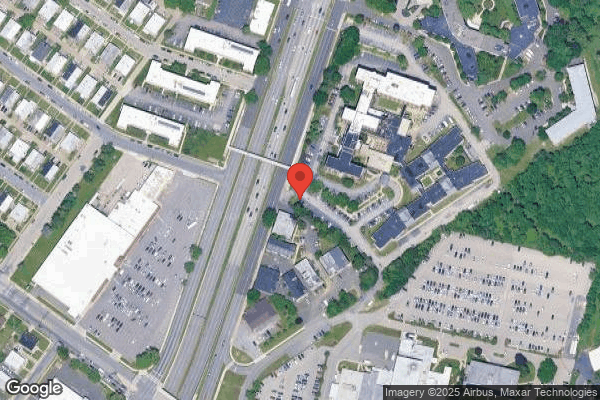
8301 ROOSEVELT BOULEVARD, PHILADELPHIA, PA 19152 (215) 624-7575
For profit - Corporation 206 Beds JONATHAN BLEIER Data: November 2025 1 Immediate Jeopardy citation
Trust Grade
36/100
#405 of 653 in PA
Last Inspection: November 2024

Within standard 12-15 month inspection cycle. Federal law requires annual inspections.

Overview

Deer Meadows Rehabilitation Center has received a Trust Grade of F, indicating significant concerns about the quality of care provided. Ranking #405 out of 653 facilities in Pennsylvania places it in the bottom half, and #28 out of 46 in Philadelphia County shows that there are only a few local options that might be considered better. While the facility is improving, with issues decreasing from 27 in 2024 to just 3 in 2025, there are still serious concerns. Staffing is average with a turnover rate of 40%, which is lower than the state average, but the RN coverage is below that of 84% of facilities, potentially impacting the quality of care. Recent inspections highlighted critical incidents, such as a resident accessing hazardous chemicals and suffering harm, as well as failures to provide necessary treatment for pressure ulcers, indicating both serious weaknesses and a need for improvement in safety protocols.

Trust Score
F
36/100
In Pennsylvania
#405/653
Bottom 38%
Safety Record
High Risk
Review needed
Inspections
Getting Better
27 → 3 violations
Staff Stability
○ Average
40% turnover. Near Pennsylvania's 48% average. Typical for the industry.
Penalties
✓ Good
$14,521 in fines. Lower than most Pennsylvania facilities. Relatively clean record.
Skilled Nurses
⚠ Watch
Each resident gets only 27 minutes of Registered Nurse (RN) attention daily — below average for Pennsylvania. Fewer RN minutes means fewer trained eyes watching for problems.
Violations
⚠ Watch
48 deficiencies on record. Higher than average. Multiple issues found across inspections.
★★☆☆☆
2.0
Overall Rating
★★★☆☆
3.0
Staff Levels
★★★★☆
4.0
Care Quality
★★☆☆☆
2.0
Inspection Score
Stable
2024: 27 issues
2025: 3 issues

The Good

  • 4-Star Quality Measures · Strong clinical quality outcomes
  • Full Sprinkler Coverage · Fire safety systems throughout facility
  • No fines on record
  • Staff turnover below average (40%)

    8 points below Pennsylvania average of 48%

Facility shows strength in quality measures, fire safety.

The Bad

2-Star Overall Rating

Below Pennsylvania average (3.0)

Below average - review inspection findings carefully

Staff Turnover: 40%

Near Pennsylvania avg (46%)

Typical for the industry

Federal Fines: $14,521

Below median ($33,413)

Minor penalties assessed

Chain: JONATHAN BLEIER

Part of a multi-facility chain

Ask about local staffing decisions and management

The Ugly 48 deficiencies on record

1 life-threatening
Jul 2025 1 deficiency
CONCERN (D) 📢 Someone Reported This

A family member, employee, or ombudsman was alarmed enough to file a formal complaint

Potential for Harm - no one hurt, but risky conditions existed

Medical Records (Tag F0842)

Could have caused harm · This affected 1 resident

Based on interview with staff, review of clinical record and review of facility provided documentation, it was determined that facility did not ensure to maintain clinical records in accordance with p...

Read full inspector narrative →
Based on interview with staff, review of clinical record and review of facility provided documentation, it was determined that facility did not ensure to maintain clinical records in accordance with professional standards of practice for one of three clinical records reviewed. (Resident R2) Findings include:Review of Resident's R2 Minimum Data Set (MDS), completed July 6, 2025, revealed a Brief Interview for Mental Status (BIMS) score of 14, which indicated that the resident was cognitively intact.Further review of Resident R2's clinical record revealed a medical diagnosis of chronic obstructive pulmonary disease (COPD), sepsis (blood infection), acute respiratory failure, acute pulmonary edema, and pleural effusion (fluid build up in the lungs).Review of physician orders revealed an order was placed on June 13, 2025, at 3:44 p.m. for vital signs q (every) shift x 30 days, indicating facility time code: 7am - 3pm, 3pm - 11pm, 11pm - 7am. Further review of Resident R2's clinical record revealed no evidence of vital signs were documented on June 14, 2025, during the night shift 11:00 p.m.-7:00a.m.Interview with Licensed nurse, Employee E3, on Monday, July 14, 2025, at 3:06 p.m., indicated that Employee E3 did not document vital signs she allegedly took since they were pretty much the same as vital signs taken previously during evening shift. However, Employee E3 proceeded to document exactly the same vital signs for both shifts - evening shift and night shift.28 Pa Code 211.5(f) Clinical Records28 Pa Code 211.12(d)(1)(5) Nursing services
Apr 2025 1 deficiency
CONCERN (D) 📢 Someone Reported This

A family member, employee, or ombudsman was alarmed enough to file a formal complaint

Potential for Harm - no one hurt, but risky conditions existed

Infection Control (Tag F0880)

Could have caused harm · This affected 1 resident

**NOTE- TERMS IN BRACKETS HAVE BEEN EDITED TO PROTECT CONFIDENTIALITY** Based review of clinical records, facility policies and interviews with staff, it was determined that the facility failed to pro...

Read full inspector narrative →
**NOTE- TERMS IN BRACKETS HAVE BEEN EDITED TO PROTECT CONFIDENTIALITY** Based review of clinical records, facility policies and interviews with staff, it was determined that the facility failed to provide necessary treatment and services, consistent with professional standards of practice and physician orders, to prevent infection one of 3 residents reviewed for Intravenous Therapy. (Resident R1) Findings include: Review of Facility Policy titled Monitoring and Removal of Midline Catheters and PICC lines revealed at established intervals (upon insertion, upon admission, every 5-7 days during dressing change, PRN (as needed) or per specific facility protocol) document results in medical record. Review of Resident R1's clinical record revealed resident was admitted on [DATE] with a diagnosis of, but not limited to, orthopedic aftercare, local infection of skin, Type 2 Diabetes (failure of the body to produce insulin), and sepsis (infection of the blood). Review of Resident R1's clinical record revealed a physician order dated April 4, 2025, to change PICC line (a thin flexible tube inserted into a vein in the upper arm that extends to a large central vein near the heart) dressing every 5 days by Registered Nurse. Further review of clinical record revealed documented evidence that last dressing change on PICC line for Resident R1 was on April 4, 2025. Observation of Resident R1's PICC line dressing on April 16, 2025 at 11:02AM, revealed a date of April 4, 2025. Observation of Resident R1's PICC line on April 16, 2025, revealed that a clave (needless connector for PICC line) was missing the Swab Cap (disinfecting cap). Confirmed by Licensed Practical Nurse, Employee E2 on April 16, 2025 at 11:20AM. Observation of Resident R1's room on April 16, 2025 at 11:02AM, revealed heavily soiled floor and IV pole with thick unknown substance. Confirmed by Director of Nursing, Employee E1 on April 16, 2025 at 11:35AM. Interview with Resident R1 revealed concerns that IV medication is being wasted and that PICC (peripherally inserted central catheter) line dressing had not been changed in a while. Resident stated that it had been a few weeks since the dressing on his PICC line was changed. 28 Pa Code 201.14(a) Responsibility of licensee 28 Pa Code 201.18(d) Management
Mar 2025 1 deficiency
CONCERN (D) 📢 Someone Reported This

A family member, employee, or ombudsman was alarmed enough to file a formal complaint

Potential for Harm - no one hurt, but risky conditions existed

Deficiency F0925 (Tag F0925)

Could have caused harm · This affected 1 resident

**NOTE- TERMS IN BRACKETS HAVE BEEN EDITED TO PROTECT CONFIDENTIALITY** Based on observations of the physical environment, interviews with staff and reviews of the pest control operators reports, it w...

Read full inspector narrative →
**NOTE- TERMS IN BRACKETS HAVE BEEN EDITED TO PROTECT CONFIDENTIALITY** Based on observations of the physical environment, interviews with staff and reviews of the pest control operators reports, it was determined that the facility was not maintaining an effective pest control program on one of eight nursing units. Findings include: On March 10, 2025, at 10:06 a.m. observation made on unit [NAME] 1 in the hall roaches killed by unit manger, Employee E3. On March 10, 2025, at 10:10 am interview with unit manger, Employee E3 confirmed concerns related to in the nursing unit. On March 10, 2025, at 10:12 am interview with Resident R5, revealed an observation of many roaches and mice crawling in her room. Observation in resident room roaches baited that were full of roaches. On March 20, 2025, at 11:32 a.m. interview with Resident R6 also reported seeing roaches and bugs in his room. A review of the pest control reports for the past two months revealed the following: On February 7, 2025, go throughout the [NAME] 1 for roaches. On February 25, 2025, reported mice activity in the maintenance shop. Baited the drop ceilings throughout ground floor as well as dietary office. Heavy mice activity observed thought the kitchen. On February 25, 2025, reported rooms 113, 100 and 102 for mice and roaches. Recommend better sanitation and delustering in room [ROOM NUMBER]. On March 5, 2025 - report of roach activity in room [ROOM NUMBER] [NAME] 1. Unable to properly treat room due to resident inside room sleeping. Baited and placed On March 10, 2025, at 11:22 am an interview with the Nursing Home Administrato, Employee E1 confirmed that roaches and mice were an issue in the facility. Facility will have a deep spray of 10 rooms at a time to have a deeper clean of the pest. 28 Pa. Code 201.18(a)(b)(1) Management 28 Pa. Code 201.14(a) Responsibility of licensee
Dec 2024 1 deficiency
CONCERN (D) 📢 Someone Reported This

A family member, employee, or ombudsman was alarmed enough to file a formal complaint

Potential for Harm - no one hurt, but risky conditions existed

Deficiency F0760 (Tag F0760)

Could have caused harm · This affected 1 resident

Based on review of clinical record, facility policy, and staff and resident interviews, it was determined that the facility failed to provide medications timely, resulting in significant medication er...

Read full inspector narrative →
Based on review of clinical record, facility policy, and staff and resident interviews, it was determined that the facility failed to provide medications timely, resulting in significant medication error for one of five residents reviewed (Resident R1). Findings include: Review of facility policy Medication Administration/ Disposition, revised September 2023, revealed medications should be administered in a safe and timely manner, and as prescribed. Facility staff involved in the administration of resident care will be knowledgeable of the policies and procedures regarding pharmacy services including medication administration. Medications, both prescription and non-prescription, shall be administered under the orders of the attending physician or the physician's designee. Further review of facility policy revealed medications must be administered in accordance with the written physician orders, including any required timeframe. Medications must also be administered within one (1) hour of their prescribed time, unless otherwise specified (for example, before and after meals). May not exceed 2 hours of prescribed time for medication. Clinical record review revealed Resident R1 was admitted to the facility August 19, 2020 with a diagnoses of heart failure (condition where the heart muscle can't pump blood as well as it should), thrombocytopenia (condition which causes low blood platelet count, which help blood clots), morbid obesity, and gout (painful form of arthritis caused by excess uric acid in the body). Interview on December 30, 2024 at 9:45 a.m. with Resident R1 revealed he received his medications two hours late on December 24, 2025 at 5:00 p.m. Review of Resident R1's physician orders revealed on December 24, 2024 Resident R1 had physician orders for multiple medications to be administered at 5:00 p.m. Review of Resident R1's medication administration record (MAR) dated December 24, 2024 revealed the following for medications scheduled to be given at 5:00 p.m.: Atorvastatin Calcium Tablet 20 mg- administered at 7:11 p.m. Fluticasone Propionate Suspension- administer at 7:15 p.m. Refresh Tears Ophthalmic Solution- administered at 7:12 p.m. Tramadol HCL Tablet 50 mg- administered 7:15 p.m. Lidocaine External Patch 4% (Lidocaine)- administered 7:18 p.m. Floranex Oral Tablet (Lactobacillus)- administered 7:17 p.m. Pantoprazole Sodium Tablet Delayed Release 40 mg- administered 7:12 p.m. Tizanidine HCL Oral Tablet 2 mg- administered 7:12 p.m. Interview on December 30, 2024 at 1:00 p.m. with Employee E1, Administrator, revealed Resident R1 was administered his scheduled medications two hours late, which is outside the one hour timeframe indicated in facility policy. 28 Pa. Code 211.12(d)(1)(3)(5) Nursing Services.
Nov 2024 10 deficiencies
CONCERN (D)

Potential for Harm - no one hurt, but risky conditions existed

Deficiency F0557 (Tag F0557)

Could have caused harm · This affected 1 resident

Based on the review of clinical records, facility investigation, interviews with resident and staff, it was determined that the facility failed to treat residents with respect and dignity related to t...

Read full inspector narrative →
Based on the review of clinical records, facility investigation, interviews with resident and staff, it was determined that the facility failed to treat residents with respect and dignity related to the right to retain and use personal possessions for one of 35 residents reviewed. (Resident R34) Findings Include: Interview with Resident R34 on November 20, 2024, at 12:15 p.m. stated when he was at the dialysis on November 19, 2024, facility staff searched his room, went through his personal possession, took his over-the-counter medications, and discarded some of the food items that was in the refrigerator in his room without his permission. Resident stated he never had staff search his room or remove his personal possession without permission and he has been a resident of the facility for over on year. Resident stated the search was due to state survey in the facility. Continued interview with Resident R34 stated he called the administrator when he returned from the dialysis and the administrator told the resident that the staff removed medication from his room. Resident also stated he felt like his rights were violated when staff went through his possessions and did not tell him even after he returned from dialysis. Interview with Unit Manager, Employee E15 on November 20, 2024, at 12:15 p.m. stated staff did remove medications and food from his room without his permission and did not notify him prior to searching his room. Employee E15 stated resident was at dialysis when the resident's room was searched. Employee E15 stated she visits his room occasionally and did not see anything in his room that warrants search of his room, like medication or other items. Employee E15 stated she did an assessment of the resident to self-administer the medication and it was determined that the resident could self-administer medication safely and some of the medications were returned to him. Review of Resident R34's clinical record revealed no evidence that resident's personal possession created a safety risk to warrant a search of his personal belongings or removal of personal possession without his permission or notification. Interview with the Nursing Home Administrator on November 22, 2024, at 10:47 a.m. confirmed that the resident called him, and the resident was upset over staff removing medication and food from his room without his permission. Nursing Home Administrator confirmed that staff should have obtain permission from resident prior to opening the refrigerator and removing medication. 28 Pa. Code 201.18(b)(2) Management. 28 Pa. Code 201.29(a) Resident rights. 28 Pa. Code 201.29(c) Resident rights
CONCERN (D)

Potential for Harm - no one hurt, but risky conditions existed

Safe Environment (Tag F0584)

Could have caused harm · This affected 1 resident

**NOTE- TERMS IN BRACKETS HAVE BEEN EDITED TO PROTECT CONFIDENTIALITY** Based on observation, interviews with staff and review of facility policy, it was determined that the facility failed to maintai...

Read full inspector narrative →
**NOTE- TERMS IN BRACKETS HAVE BEEN EDITED TO PROTECT CONFIDENTIALITY** Based on observation, interviews with staff and review of facility policy, it was determined that the facility failed to maintain comfortable and safe temperature levels for one of eight units in the facility ( [NAME] Pavilion Second Floor). Findings include: Review of the facility policy titled, Temperature Extremes last reviewed in November 2021 states it is the policy of the facility to provide comfortable and safe temperature levels. The same policy states, Temperature throughout this facility shall be maintained at between 71 degrees and 81 degrees F. Any temperature outside of this range required specific interventions to avoid potential negative impact on the residents' well-being. On November 19, 2024, at 12:00 p.m. on [NAME] Pavilion Second Floor nursing station the surveyor recognized the unit was uncomfortably warm. Licensed Practical Nurse (LPN) Employee E11 said, This is nothing, it gets even hotter. Interview with the Director of Maintenance, Employee E12 on November 19, 2024, at 12:28 p.m. explained the residents' rooms are heated by their wall units but the hallways are heated by the boiler. The Director of Maintenance said they could manually turn off the air handlers (that circulates conditioned air ) to regulate the temperature, so it is not so warm on the floor. The Assistant Director of Maintenance, Employee E13 using a device to measure the temperature of the air, registered the second-floor nursing station at 86 degrees. 28 Pa. Code 201.14 (a) Responsibility of licensee.
CONCERN (D)

Potential for Harm - no one hurt, but risky conditions existed

ADL Care (Tag F0677)

Could have caused harm · This affected 1 resident

Based on review of clinical record, observations, and staff interview it was determined that the facility failed to provide nail care for a dependent resident for one of 35 residents reviewed (Residen...

Read full inspector narrative →
Based on review of clinical record, observations, and staff interview it was determined that the facility failed to provide nail care for a dependent resident for one of 35 residents reviewed (Resident R18). Findings Include: Review of Resident R18's annual Minimum Data Set (MDS - federally mandated resident assessment and care screening) dated September 25, 2024, revealed the resident was cognitively impaired, diagnosed with heart failure, high blood pressure, cerebrovascular accident (Stroke) and dementia. Further review indicated the resident had impairments on both sides of his upper body and was dependent on staff for personal hygiene. Observation of Resident R18 with Licensed Practical Nurse Employee E11 on November 21, 2024, at 10:15 a.m. stated the resident clenches his hands and uses a palm guard because his hands are contracted. The LPN opened Resident R18's hands to reveal his bilateral palms were a deep red color. Further observation revealed the resident fingernails were significantly long and required trimming. The LPN indicated it was difficult to trim his nails short and confirmed the nails were too long and needed to be trimmed. 28 Pa. Code 211.12 (d)(5) Nursing services
CONCERN (D)

Potential for Harm - no one hurt, but risky conditions existed

Accident Prevention (Tag F0689)

Could have caused harm · This affected 1 resident

Based on review of clinical records, observations, and staff interview, it was determined that the facility failed to implement fall interventions for two of five residents reviewed for falls (Residen...

Read full inspector narrative →
Based on review of clinical records, observations, and staff interview, it was determined that the facility failed to implement fall interventions for two of five residents reviewed for falls (Resident R4 and R110). Findings Include: Facility policy titled Fall Prevention and Management (revised January 2023), indicated that the interdisciplinary team identifies and implements appropriate interventions to reduce the risk of falls or injuries while maximizing dignity and independence. An effective way for the facility to avoid accidents is to develop a culture of safety and commit to implementing systems that address resident risk and environmental hazards to minimize the likelihood of accidents. Clinical record review revealed Resident R4 was admitted to the facility June 28, 2024 with a diagnosis that included but not limited to Acute Respiratory Failure with Hypercapnia (inability of lungs to exchange oxygen and high levels of carbon dioxide properly), Cognitive Communication Deficit (communication difficulty caused by a cognitive impairment), and anxiety disorder. Review of Resident R4's quarterly Minimum Data Set (MDS - federally mandated resident assessment and care screening) dated August 27, 2024, revealed Resident R4 has severe cognitive impairment and has a history of falls. Review of Resident R4's clinical record revealed a physician order dated April 4, 2023, for bilateral floor mats every shift. Observations on November 22, 2024, at 10:40 a.m. revealed Resident R4 was in bed with no bilateral floor mats in place. Interview on November 22, 2024, at 10:45 a.m. with LPN, Employee E14, confirmed Resident R4's did not have bilateral floor mats in place. Review of Resident R110's quarterly Minimum Data Set (MDS - federally mandated resident assessment and care screening) dated November 6, 2024, revealed the resident was cognitively impaired and had a diagnosis of abnormalities of gait and mobility. Review of Resident R110's care plan revised August 16, 2024, revealed the resident was at risk for falls related to decreased functional mobility and use of antipsychotic medication. Interventions dated March 23, 2023, revealed bilateral floor mats should be placed next to the bed. Review of Resident R110's clinical record revealed a physician order dated January 6, 2024, for bilateral floor mats every shift. Observations on November 20, 2024, at 10:52 a.m. revealed Resident R110 was in bed and a floor mat was only placed on the right side of the bed. Interview on November 20, 2024, at 11:00 a.m. with Unit Manager, Employee E7, confirmed Resident R110's left side floor mat was not in place due to being sent to be cleaned. 28 Pa. Code 211.12 (d)(5) Nursing services.
CONCERN (D)

Potential for Harm - no one hurt, but risky conditions existed

Deficiency F0692 (Tag F0692)

Could have caused harm · This affected 1 resident

Based on review of facility policy, observations, review of clinical record, and resident interview, it was determined that the facility failed to monitor and modify interventions consistent with the ...

Read full inspector narrative →
Based on review of facility policy, observations, review of clinical record, and resident interview, it was determined that the facility failed to monitor and modify interventions consistent with the resident's assessed needs to maintain acceptable parameters of nutritional status for one of seven residents reviewed for nutrition (Resident R162). Findings Include: Review of facility Weight Policy revised 04/03/2017, revealed residents should be weighed at least monthly, unless otherwise specified, and that any confirmed weight change should be reported to the physician and registered dietitian for their evaluation and recommendations. Review of Resident R162's care plan revised October 7, 2024, revealed the resident was at risk for alteration in nutrition/hydration. Interventions dated October 7, 2024, included to obtain weights as ordered and monitor PO (by mouth) intake. Review of Resident R162's clinical record revealed a physician note dated November 8, 2024, that the physician was requested by staff to assess Resident R162 for poor appetite. The physician recommended a multivitamin, an updated weight, and to consult the dietitian. The physician noted the last weight available for Resident R162 was 123 pounds from October 22, 2024. Review of Resident R162's clinical record revealed the facility did not obtain a new weight until November 19, 2024. Review of Resident R162's weight history revealed a documented weight of 111.5 pounds on November 19, 2024, which reflected a significant weight loss of 9.3%/11.5 pounds in one month. Further review of Resident R162's clinical record revealed that the Registered Dietitian did not timely address the physician's consult related to Resident R162's poor appetite, until November 20, 2024. Interview on November 22, 2024, at 11:45 a.m. with Registered Dietitian, Employee E17, confirmed the physician's consult from November 8, 2024, for Resident R162's poor appetite, was not addressed until November 20, 2024. Continued interview with on November 22, 2024, at 11:45 a.m. with Registered Dietitian, Employee E17, revealed Resident R162 was reweighed in the morning of November 22, 2024, at 111 pounds which confirmed the weight loss from November 19, 2024. 28 Pa. Code 211.10 (d) Resident care policies. 28 Pa. Code 211.12 (d)(5) Nursing Services.
CONCERN (D)

Potential for Harm - no one hurt, but risky conditions existed

Respiratory Care (Tag F0695)

Could have caused harm · This affected 1 resident

**NOTE- TERMS IN BRACKETS HAVE BEEN EDITED TO PROTECT CONFIDENTIALITY** Based on review of clinical records, review of facility policy, observations, and interview with staff, it was determined that t...

Read full inspector narrative →
**NOTE- TERMS IN BRACKETS HAVE BEEN EDITED TO PROTECT CONFIDENTIALITY** Based on review of clinical records, review of facility policy, observations, and interview with staff, it was determined that the facility failed to administer oxygen as ordered by the physician for two of four residents receiving oxygen therapy. (Resident R4, Resident R149) Findings include: Review of facility policy Oxygen (revised September 2023), revealed oxygen therapy is to be administered by licensed nurses with a physician's order to provide a resident with sufficient oxygen to their blood and tissues. Clinical record review revealed Resident R4 was admitted to the facility on [DATE], with a diagnosese of Type 2 Diabetes (insufficient production of insulin, causing high blood sugar), Hypertension (high blood pressure), and Hyperthyroidism (thyroid gland makes too much thyroid hormone). Review of Resident R4's physician orders, dated June 1, 2023, revealed that Resident R4 was order oxygen therapy at 2 liters via nasal cannula. Observation on November 19, 2024 at 10:25 a.m. revealed Resident R4's oxygen was being administered at 3 liters via nasal cannula. Interview with nurse aide, Employee 5, on November 19, 2024 at 10:30 a.m. confirmed Resident R4 was receiving oxygen therapy at 3 liters. Clinical record review revealed Resident R149 was admitted to the facility on [DATE] with a diagnosis of Chronic Obstructive Pulmonary Disease (condition that prevents airflow to the lungs, causing breathing problems), Coronary Artery Disease (blood supply to the heart muscle is partially or completely blocked), and Aphasia (damage to portions of the brain that are responsible for language). Observation on November 19, 2024 at 10:50 a.m. revealed Resident R149 was receiving 2.5 liters of oxygen via nasal cannula. Clinical record review revealed Resident R149 had no active order for oxygen therapy administration. Interview with Unit Manager, Employee 6, on November 19, 2024 at 11:10 a.m. confirmed Resident R149 had no active order for oxygen therapy to be administered. 28 Pa. Code 211.12(d)(1) Nursing services 28 Pa. Code 211.12(d)(5) Nursing services
CONCERN (D)

Potential for Harm - no one hurt, but risky conditions existed

Deficiency F0699 (Tag F0699)

Could have caused harm · This affected 1 resident

**NOTE- TERMS IN BRACKETS HAVE BEEN EDITED TO PROTECT CONFIDENTIALITY** Based on review of clinical records, interviews with staff and review of facility policy, it was determined that the facility fa...

Read full inspector narrative →
**NOTE- TERMS IN BRACKETS HAVE BEEN EDITED TO PROTECT CONFIDENTIALITY** Based on review of clinical records, interviews with staff and review of facility policy, it was determined that the facility failed to provide culturally competent, trauma informed care in accordance with professional standards of practice, accounting for the resident's past experiences and preferences in order to eliminate and/or mitigate triggers that may cause re-traumatization of the resident two of 35 sampled residents (Resident R34 and R106 ). Findings include: A review of the clinical record revealed that Resident R34 was admitted to the facility, with diagnoses of anxiety disorder, major depressive disorder, and post-traumatic stress disorder (PTSD). Review of Resident R34's hospital discharge instructions received on admission, dated June 23, 2023, indicated psychiatry was consulted for reporting black outs in context of PTSD. Prior to this hospital stay, the hospital records reported the resident was hospitalized previously for suicidal ideation, alcohol abuse, depression and PTSD from working as a firefighter at World Trade Center. The same hospital reports a month prior to admission the resident had particularly difficult flash backs after seeing gallon bins at Home Depot that were used at the WTC. Hospital reported the resident would benefit discussing pursing outpatient therapy as the resident's PTSD appears to be secondary experiences from when he was a firefighter, including 911. Resident R34's current care plan, initiated September 13, 2024, revealed a care plan for PTSD. Further review of the care plan did not address resident's actual diagnoses/condition of PTSD, identifying the resident's past experiences and possible triggers that may cause re-traumatization. Review of Resident R106 clinical record revealed the resident was admitted on [DATE], diagnosed with adjustment disorder with mixed anxiety and depressed mood, and PTSD. Resident R106's was care planned for ineffective coping related to post-traumatic stress disorder, dated May 24, 2023. Further review of the care plan did not address resident's actual diagnoses/condition of PTSD, identifying the resident's past experiences and possible triggers that may cause re-traumatization. On November 22, 2024, at 10:17 a.m. the Second-floor unit manager, Register Nurse Employee E7 confirmed specific triggers were specified in the plan of care. 28 Pa. Code 211.12(c)(d)(3)(5) Nursing services
CONCERN (D)

Potential for Harm - no one hurt, but risky conditions existed

Infection Control (Tag F0880)

Could have caused harm · This affected 1 resident

Based on the observations and interviews with staff, it was determined that the facility failed to maintain an effective infection control program related to the care of urinary catheters and respirat...

Read full inspector narrative →
Based on the observations and interviews with staff, it was determined that the facility failed to maintain an effective infection control program related to the care of urinary catheters and respiratory care equipment for four of 35 residents reviewed. Findings Include: Observation of Resident R135 on November 19, 2024, at 10:32 a.m., revealed that the resident had a urinary catheter. Further observation revealed that the catheter bag was on the floor. Observation of Resident R17 on November 19, 2024, at 10:25 a.m., revealed that resident's oxygen tubing which was connected to oxygen concentrator was lying on the floor without any bag. Observation of Resident R61 on November 19, 2024, at 10:28 a.m., revealed that resident's urinary catheter bag and the tubing was on the floor mats, it was observed that the Nurse Aide who was providing care to the resident was stepping on the floor mat while the catheter tubing and bag was on it. Further observation revealed that there was nebulizer machine and tubing on windowsill. The nebulizer mask and tubing were not bagged, and it was directly placed on the windowsill. Observation of Resident R90 on November 19, 2024, at 10:20 a.m., revealed that resident had tracheostomy to assist with breathing. The tracheostomy blue corrugated tubing with fluid collection bag was placed in a trash container while the resident was actively using the tracheostomy. A follow up tour with Employee E15, Unit Manager on November 19, 2024, at 11:00 a.m. confirmed the above observations. 28 Pa. Code 211.10(d) Resident care policies. 28 Pa. Code 211.12(d)(1)(5) Nursing services
CONCERN (D)

Potential for Harm - no one hurt, but risky conditions existed

Deficiency F0925 (Tag F0925)

Could have caused harm · This affected 1 resident

**NOTE- TERMS IN BRACKETS HAVE BEEN EDITED TO PROTECT CONFIDENTIALITY** Based upon observations, interviews, and review of facility documentation, it was determined that the facility failed to maintai...

Read full inspector narrative →
**NOTE- TERMS IN BRACKETS HAVE BEEN EDITED TO PROTECT CONFIDENTIALITY** Based upon observations, interviews, and review of facility documentation, it was determined that the facility failed to maintain an effective pest control program so that the facility is free of pests and rodents for two of eight units in the facility ([NAME] Pavilion first and second floor). Findings include: On November 19, 2024, at 11:33 a.m. surveyor observed a live roach in [NAME] Pavilion second floor nursing station. Licensed Practical Nurse (LPN) Employee E11 said, It happens a lot. The LPN indicated when staff observed pests, they document their findings in the maintenance book. Review of the maintenance book, the LPN stated the last time the area was treated for pest was on October 22, 2024. Further review of the maintenance book revealed documented sightings of roaches and mice on the unit since last treated. On November 21, 2024 at 1:00 p.m. surveyor observed additional pest sightings with Unit Manager, Registered Nurse, Employee E7. Observations on November 19, 2024, at 12:42 p.m. revealed multiple fruit flies hovering in Resident R72's room, room [ROOM NUMBER]A, over the bedside table. 28 Pa Code 201.18(b)(3) Management
CONCERN (E)

Potential for Harm - no one hurt, but risky conditions existed

Pressure Ulcer Prevention (Tag F0686)

Could have caused harm · This affected multiple residents

**NOTE- TERMS IN BRACKETS HAVE BEEN EDITED TO PROTECT CONFIDENTIALITY** Based on observation, review of clinical records and facility policies and interviews with staff, it was determined that the fac...

Read full inspector narrative →
**NOTE- TERMS IN BRACKETS HAVE BEEN EDITED TO PROTECT CONFIDENTIALITY** Based on observation, review of clinical records and facility policies and interviews with staff, it was determined that the facility failed to provide necessary treatment and services, consistent with professional standards of practice and physician orders, to promote healing of pressure ulcers and prevent development of pressure ulcers for four of six residents reviewed for pressure ulcer. (Resident 53, Resident R90, Resident R277 and Resident R14) Findings Include: Review of facility policy Wound Management Guidelines revised April 1, 2022, revealed residents will receive the appropriate treatment for their skin issues as identified in the type of skin/wound presentation and the indicated treatment and interventions for the identified issues. Further review of facility policy Wound Management Guidelines revealed the nurse will identify the impairment and stage, if indicated/applicable, based on the skin assessment. The nurse should notify the physician of findings and identify the appropriate treatment and interventions after discussing with the physician. The physician order should be documented in the electronic health record or on physician form and transcribed to the treatment administration record (TAR). Review of Resident R53's quarterly Minimum Data Set (MDS - federally mandated resident assessment and care screening) dated November 11, 2024, revealed the resident was cognitively impaired and at risk for developing pressure ulcers/injuries. Continued review of Resident R53's quarterly MDS revealed the resident had diagnoses of malnutrition (a health condition that develops when someone doesn ' t have enough nutrients to meet their body ' s needs), adult failure to thrive, and dementia (decline in cognitive function severe enough to interfere with daily life). Review of Resident R53's care plan revised August 22, 2024, revealed the resident was at risk for pressure ulcer developed/impaired skin integrity related to immobility, and bowel and bladder incontinency (the loss of bowel and bladder control). Review of Resident R53's weekly skin checks assessment dated [DATE], revealed the resident had a new open area to the right hip. The assessment indicated that the wound team was not notified. The nursing supervisor was notified a note was written. Review of Resident R53's progress notes revealed a nurses note dated November 16, 2024, that revealed the resident had an unstageable pressure wound located on the right hip. Wound care was provided, a skin assessment was completed, and the nursing supervisor was made aware. Review of Resident R53's entire clinical record revealed no documented evidence that the physician was made aware of the new skin impairment identified on November 16, 2024, for subsequent treatment orders. Review of Resident R53's treatment administration record revealed no documented evidence wound treatment was completed or that the skin impairment was assessed on November 17, 2024. Review of Resident R53's progress notes revealed the physician was not made aware of Resident R53's new skin impairment until November 18, 2024. Review of Resident R53's clinical record revealed a wound treatment order was not obtained and transcribed onto the treatment administration record until November 18, 2024. Review of physician order for Resident R90 dated June 4, 2024, revealed an order for heel boots to be worn at all times while in bed. Review of care plan for Resident R90 dated December 06, 2023, revealed that the resident to wear bilateral heel boots. Observation of Resident R90 on November 19, 2024, at 10:20 a.m. revealed that the resident was lying in the bed. Resident's heels were touching against the mattress without any offloading measures. A follow up tour with Employee E15, Unit Manager, on November 19, 2024, at 11:00 a.m. confirmed that Resident R90 should have been wearing heel boots while in bed. Review of physician order for Resident R277 dated November 11, 2024, revealed an order for heel boots to be worn at all times while in bed. Review of care plan for Resident R277 dated August 29, 2024, revealed that the resident at risk for pressure ulcer development/impaired skin integrity. Observation of Resident R277 on November 19, 2024, at 10:13 a.m. revealed that the resident was lying in the bed. Resident's heels were touching against the mattress without any offloading measures. It was observed that there was heel boots placed on the windowsill. A follow up tour with Employee E15 on November 19, 2024, at 11:00 a.m. confirmed that Resident R277 should have been wearing heel boots while in bed. Review of physician order for Resident R14 dated August 8, 2024, revealed an order for heel boots to be worn at all times while in bed. Review of care plan for Resident R14 dated January 10, 2024, revealed that the resident at risk for pressure ulcer development/impaired skin integrity. Observation of Resident R14 on November 19, 2024, at 10:48 a.m. revealed that the resident was lying in the bed. Resident's heels were touching against the mattress without any offloading measures. There was heel boots on the wheelchair. A follow up tour with Employee E15 on November 19, 2024, at 11:00 a.m. confirmed that Resident R14 should have been wearing heel boots while in bed. 28 Pa. Code 211.10(c) Resident care policies 28 Pa. Code 211.12 (c)(d)(1)(3)(5) Nursing Services.
Jul 2024 1 deficiency
CONCERN (E) 📢 Someone Reported This

A family member, employee, or ombudsman was alarmed enough to file a formal complaint

Potential for Harm - no one hurt, but risky conditions existed

Room Equipment (Tag F0908)

Could have caused harm · This affected multiple residents

Based on observations of the food and nutrition department, review of facility policy and interviews with staff, it was determined that the facility failed to maintain essential food service equipment...

Read full inspector narrative →
Based on observations of the food and nutrition department, review of facility policy and interviews with staff, it was determined that the facility failed to maintain essential food service equipment in safe operating condition. Findings Include: Review of facility procedure titled, Resources dated unknown indicates conduct safety and operation inspections 1. Visually inspect all appliances for damage 2. Inspect electric cords and connections 3. Check Filter hoods above stove 4. Check C02 tank storage containers 5. Test functionality of appliances and proper operation of al controls 6. Lubricate per manufacture's specs as needed. 7. Inspect all tethered gas fed appliances. Document findings in log book 1. Remove damaged items from kitchen use 2. Note any discrepancies 3. Note any service repairs and maintenance in TELS equipment log. An initial tour of the main kitchen was conducted on July 25, 2024, at approximately 9:35 a.m. with the Food Service Director (FSD), Employee E3 and Administrator, Employee E1 revealed the main kitchen grill as essential food service equipment had 3 burners without no knobs to operate the grill safely. The oven next to the grill also had 3 burners and had one missing knob. The last time the grill was in use was in the morning of July 25, 2024 for grilling breakfast sausages. On July 25, 2024, at 9:53 a.m. an interview was held with Kitchen Cook, Employee E5 who reported that the last time Employee E5 operated the 3 burners grill was yesterday without the grill knobs. On July 25, 2024, at 10:00 a.m. an interview was held with Food Operation Manager, Employee E6 reported that the facility had three day cooks staff who operate the grill and it's their responsibility to clean the grill after each use. The grill was used yesterday to cook hamburgers. On July 25, 2024, at 10:08 a.m. an interview was held with Cook, Employee E9 who reported that the grill has been operating without the turn off and on knobs approximately three weeks and the last time Employee E9 operated the grill was yesterday cooking burgers. On July 25, 2024, at 10:13 a.m. an interview was held with Cook, Employee E10 reported that the knobs have been missing from the grill for about a month. Employee E10 has been using the grill everyday to cook hamburgers and hot dogs. On July 25, 2024, at 10:21 a.m. an interview was held with Food Operation Manager, Employee E6 was aware of the knobs being missing on the grill as the maintenance order was placed to replace the knobs. On July 25, 2024, at 10:31 a.m. an interview was held with Cook, Employee E15 who operated the grill yesterday by cooking burgers without the knobs. During interview Employee E15 stated that a working order has been placed to replace the knobs and that cooks were responsible to clean the grill after the last usage for the day. Review of the maintenance report on July 25, 2024, at 12:33 p.m. with a Food Service Director (FSD), Employee E3 and Administrator Employee E1 revealed that the facility became aware of the broken grill knobs on July 1, 2024. On July 2, 2024, new knobs were ordered; however, they are on backorder and have not yet been delivered. It has been confirmed that the facility has been operating 3 burner grill without the necessary knobs to safely turn it on and off. 28 Pa. Code 201.18(b)(1) Management 28 Pa. Code 211.6(d) Dietary services
May 2024 1 deficiency
CONCERN (D) 📢 Someone Reported This

A family member, employee, or ombudsman was alarmed enough to file a formal complaint

Potential for Harm - no one hurt, but risky conditions existed

Free from Abuse/Neglect (Tag F0600)

Could have caused harm · This affected 1 resident

**NOTE- TERMS IN BRACKETS HAVE BEEN EDITED TO PROTECT CONFIDENTIALITY** Based on review of facility policies, facility documents, clinical records review, and resident and staff interviews, it was det...

Read full inspector narrative →
**NOTE- TERMS IN BRACKETS HAVE BEEN EDITED TO PROTECT CONFIDENTIALITY** Based on review of facility policies, facility documents, clinical records review, and resident and staff interviews, it was determined that the facility failed to ensure that residents are free of misappropriation of resident property for one out of 10 residents reviewed. (Resident R1). Findings include: Review of facility policy Abuse Prevention last revised October 2020, indicated The facility prohibits the mistreatment, neglect, and abuse of residents/patients and misappropriation of resident/patient property by anyone including staff, family , friends, etc. The facility has designed and implemented processes, which strive to ensure the prevention and reporting of suspected or alleged resident/patient abuse, neglect mistreatment, and/or misappropriation of property. Review of the facility information submitted to the state Survey Agency dated May 15, 2024, indicated that certified nursing aide, Employee E3 misappropriated Resident R1's property by ripped off her magazine picture that were hanging outside of her door and side wall and trashing them on May 15, 2024, at approximately 9:10 p.m. An investigation was initiated, police was called, nursing aide, Employee E3 was suspended. Review of admission record indicated Resident R1 was admitted to the facility on [DATE], with diagnoses that included bipolar disorder, anxiety disorder, personal history of healed traumatic, spinal stenosis lumbar region without neurogenic claudication, morbid (severed) obesity due to excess calories. Review of Resident R1's Minimum Data Set (MDS- periodic assessment of care needs), dated February 29, 2024, indicated the resident had a BIMS (Brief Interview for Mental status) score of 15 which indicated that the resident's cognitive status for daily decision making was intact. Review of the comprehensive care plan dated November 30, 2020 documented Resident R1 has accusatory behaviors where Resident R1 accusing nursing of not given medication timely and perceives things differently that they are, verbal abusive behaviors towards staff, rejection of care due to ineffective coping skills and bipolar, verbal altercation with nursing aids, [Resident R1] was witnessed by another resident pouring ice on another resident, [Resident R1] verbally threatened another resident who gets meds first. A physician order dated December 28, 2021, for the Resident R1 to be paired care at all times. Nursing notes written by the License nurse, Employee E4 documented on May 15, 2024, at 7:55 p.m. 7:58 p.m. 8:00 p.m. 8:09 p.m. that Resident R1 became verbally abusive towards nursing aide, Employee E3 and Resident's behavior was escalating, and supervisor was made aware. At 10:54 p.m. this same night, the License nurse Supervisor on duty, Employee E8 notified the on-call nurse practitioner to send the Resident R1 to the hospital for psychiatric evaluation. Resident R1 refused. An interview was held with the Resident R1 on May 31, 2024, at 9:40 a.m. who reported that on May 15, 2024, during the evening shift Resident R1 was waiting for her medication at the nursing station on unit C and nurse aide, Employee E3 interrupted Resident R1 and the License nurse, Employee E4. Resident R1 and nurse aide, Employee E3 had a negative relationship prior to this event. Then later that evening Resident R1 went for her smoke break and returned and observed that the nursing aide, Employee E3 ripped off the outside magazine posters that were very important to the resident When Resident R1 confronted nurse aide, Employee E3 for ripping off her posters it escalated to Employee E3 kicking Resident R1 into left knee, throwing away her slipper. Resident R1 reported that she/he did not refuse the skin body assessment. On May 31, 2024, at approximately 11:00 a.m. the Footage Ground Camera #29 revealed the following timeline of events: At 19:52 p.m. Resident R1 by the nursing station At 19:58 p.m. Resident R1 propelling back into her room At 8:20 p.m. to 8:44 p.m. Resident R1 goes back in and out of her room. At 9:10 p.m. Employee E3 is ripping out few posters outside of the Resident R1 room and leaving the unit C. At 9:22 p.m. Resident R1 comes out of her room and propels off the unit C. At 9:33 p.m. Employee E3 comes back and removes more posters off the Resident's R1 door and trashes them and goes toward the nursing unit. At 9:47 p.m. Resident R1 returns to her room and takes pictures of her door. And goes towards nursing station. At 9:57 p.m. Resident R1 goes towards nurse aide, Employee E3 and tries to throw things (snacks) at Employee E3. Employee E3 tries to remove himself from Resident R1. Resident R1 continues to attack. At 10:00 p.m. Resident R1 goes off the unit C and then at 10:03 p.m. the supervisor Employee E8 comes on the unit. There was no camera observation of Employee E3 kicking the Resident R1 into her left knee. A witness statement from Employee E3, dated May 16, 2024, and taken by the Director of Nursing, indicates that Employee E3 tore down Resident R1's posters, which were hanging outside her door, because Resident R1 was verbally abusive towards Employee E3 during the evening shift, causing Employee E3 to become upset. Employee E3 did not kick Resident R1. The witness statement dated May 16, 2024, of Employee E4, the licensed nurse observing and documenting Resident R1's behaviors on the evening of May 15, 2024, indicates that Employee E4 did not see Employee E3 kicking Resident R1. A telephone interview was conducted on May 31, 2024, at 12:15 p.m. with Employee E4, the licensed nurse covering C unit at the time of the incident on May 15, 2024. At approximately 7:00 p.m. Resident R1 became angry while waiting for her medication, as another resident was receiving medication before her. Employee E3 intervened and asked Resident R1 to be patient. Resident R1's behavior escalated to verbal abuse towards Employee E3 throughout the evening. Employee E3 did not verbally abuse Resident R1. To manage the situation, Employee E4 called the on-call services, supervisor and the nurse practitioner ordered a psychiatric evaluation for Resident R1; however, Resident R1 refused. Employee E4 did not witness the physical altercation between Resident R1 and Employee E3, as she was on the other side of the hallway. On May 31, 2024, at approximately 2:00 p.m., an interview was conducted with the Administrator, who confirmed that nurse aide, Employee E3 was placed on administrative leave and, following the conclusion of the investigation, was terminated because the facility substantiated the incident of mental abuse. The Administrator further reported that, although Resident R1 refused the full body assessment, the nurse was able to observe the left knee after the incident, where Resident R1 had received an injury. The nurse noted an old purple-yellowish bruise on her left knee, which did not corroborate the allegations made. 28 Pa Code 211.12(c)(d)(1)(2)(5) Nursing services 28 Pa. Code: 211.10 (c)(d) Resident Care Policies 28 Pa Code 201.14(a) Responsibility of licensee. 28 Pa Code 201.18(a)(b)(1)(e)(1) Management. 28 Pa Code 201.29(a)(j) Resident rights.
Apr 2024 1 deficiency
CONCERN (D) 📢 Someone Reported This

A family member, employee, or ombudsman was alarmed enough to file a formal complaint

Potential for Harm - no one hurt, but risky conditions existed

Deficiency F0804 (Tag F0804)

Could have caused harm · This affected 1 resident

Based on review of a meal tray test results, review of facility policy and interviews with resident and staff, it was determined that the facility failed to serve foods that were palatable and at prop...

Read full inspector narrative →
Based on review of a meal tray test results, review of facility policy and interviews with resident and staff, it was determined that the facility failed to serve foods that were palatable and at proper temperatures for one of eight nursing floors reviewed. (Ground Wing C) Findings include: Review of facility document Food and Nutrition Services Test Tray and Accuracy Evaluation, revised on January 3, 2024, revealed that the standard temperature for food items as below: Soup- greater than or equal to 135-degree Fahrenheit. Milk- lesser than or equal to 45-degree Fahrenheit. Hot- entrée greater than or equal to 135-degree Fahrenheit. Starch- greater than or equal to 135-degree Fahrenheit. Vegetable- greater than or equal to 135-degree Fahrenheit. Hot Beverages- greater than or equal to 135-degree Fahrenheit. Cold Beverages-lesser than or equal to 45-degree Fahrenheit. Dessert- lesser than or equal to 45-degree Fahrenheit. Review of resident council meeting minute dated April 11, 2024, revealed that the residents complained that the food was bad. They stated that they complained about it many times but nothing changes. They stated that the menu was a waste of time, because when they fill out the menu, they never received what they requested. The food was always cold. Interview with Resident R3 on April 17, 2024, at 11:00 a.m. the resident stated that the hot food was sometimes always served hot. The food taste bad most of the times Interview with Resident R4 on April 17, 2024, at 11:10 a.m. the resident stated that the hot food was not served hot, she stated she reported this to staff but did not change anything. Interview with Resident R5 on April 17, 2024, at 11:20 a.m. the resident stated that the hot food was not served hot. A test tray on the Ground Wing C nursing unit was performed on April 17, 2024, at 12:02 p.m. with the Dietary staff, Employee E4. During the test tray observation, the food tray for the residents' were prepared at the main kitchen. The test tray temperature was recorded by Employee E4 in the Ground Wing C nursing unit shortly after all resident trays were prepared. The recorded food temperature for the test tray were as follows: Rice 127-degree Fahrenheit. Meat loaf-121.6 degree Fahrenheit Beans - 133.2 degree Fahrenheit. Hot coffee 113.1-degree Fahrenheit. Milk 58.1degree Fahrenheit. Juice- 57.1 degree Fahrenheit Warm baked apples- 80 degree Fahrenheit Interview with Employee E4, Dietary Staff on April 17, 2024, at 12:30 p.m. confirmed that the test tray food temperature on April 17, 2024, did not meet the facility hot food temperature standards. 28 Pa. Code 201.29(j) Resident rights. 28 Pa. Code 211.6(c) Dietary services
Feb 2024 13 deficiencies
CONCERN (D)

Potential for Harm - no one hurt, but risky conditions existed

Resident Rights (Tag F0550)

Could have caused harm · This affected 1 resident

**NOTE- TERMS IN BRACKETS HAVE BEEN EDITED TO PROTECT CONFIDENTIALITY** Based on review of facility policy, review of clinical records, review of facility documents, staff and family interview, it was...

Read full inspector narrative →
**NOTE- TERMS IN BRACKETS HAVE BEEN EDITED TO PROTECT CONFIDENTIALITY** Based on review of facility policy, review of clinical records, review of facility documents, staff and family interview, it was determined that the facility failed to uphold the dignity of two of eight residents (Resident R25 and Resident R85) and during dining service for one of eight nursing unit reviewed. ([NAME] 2 nursing unit) Findings include: Review of the facility document titled Abuse Policy last revised February 8, 2022, revealed verbal abuse is defined as oral, written, or gestured language, that willfully includes disparaging and derogatory terms, to the resident/patient or their families, or within their hearing distance, to describe resident, regardless of their age, ability to comprehend or disability. Continued review of this policy revealed the protocol for any abuse allegations including screening, training, prevention, identification, protection, investigation, employee suspension, reporting to the appropriate agency, and the facility is to ensure that the appropriate corrective, remedial or disciplinary action occurs in accordance with local, state, and federal law in response to findings resulting from investigations. Review of facility's reported incident to the State survey agency dated June 16, 2023, revealed that the Resident R25's daughter reported an allegation of verbal abuse. Nurse aide, Employee E9 was recorded as she called Resident R25 dead weight and refusing to assist him to bed. The facility's investigation included statements from the employee accused, Resident R25, who was unable trecall the event, and interviews with five other residents. Interview with Resident R25 at 9:40a.m. February 14, 2024, revealed that he did not remember the incident. He voiced no complaints or concerns of any staff providing him with care. Interview with Resident R25's family, on February 16, 2023, at 11:15 a.m. revealed that Resident R25 is often confused, Resident R25 called her, which she did not answer, and he was prompted to leave a message. Resident R25 did not know that the phone was recording, he believed his daughter was on the phone with him. During this time, Employee E9 was providing care to Resident R25, he had requested assistance to get back in bed at which time Employee E25 said he was dead weight and his daughter can come put him back to bed. Resident R25's family member listened to the conversation of Resident R25 and Employee E9 and immediately presented the audio recording to facility administration. Interview with Nursing Home Administrator E1 on February 15, 2023, at 2:35 revealed that the day of the incident the resident was assisted back to bed. The investigation was completed and found substantiated. Employee E9 was terminated from her position at the facility. Observation of the lunch service on February 12, 2024, at 1:30 p.m., revealed that there were 5 residents sitting at a table and were eating lunch. One resident had her food in front her, but the resident was not eating the lunch. Employee E18, Nurse Aide was observed sitting at the same table with a computer and was observed documenting on the computer while residents were eating. Further observation revealed that the computer was placed on an incontinence pad on the table one end of the pad was touching a resident's lunch tray. Interview with Employee E19, Licensed Practical Nurse, on February 12, 2024, at 1:35 p.m., confirmed the above observation and stated staff should not document while residents eating and should provide necessary assistance to the resident. Employee E19 also confirmed that the staff should maintain resident dignity during meal services. Observation of [NAME] 2 nuring unit on February 12, 2024 at 9:45 a.m. revealed that Resident R85 was sitting in the hallway in a wheelchair. Resident had a bedside table in front of him. Resident was wearing a t-shirt and an incontinence breif. There was no clothing or sheet to provide privacy for the resident. Interview with Unit Manager, Employee E12, on February 12, 2024 at 10:45 a.m. confirmed that the resident was only wearing a t-shirt and a breif. 28 Pa. Code 201.14(a) Responsibility of Licensee 28. Pa. Code 201.20 (5)(6) Staff Development 28. Pa. Code 211.12 (d)(1) Nursing Services
CONCERN (D)

Potential for Harm - no one hurt, but risky conditions existed

Deficiency F0558 (Tag F0558)

Could have caused harm · This affected 1 resident

**NOTE- TERMS IN BRACKETS HAVE BEEN EDITED TO PROTECT CONFIDENTIALITY** Based on observations, resident and staff interview, it was determined that the facility failed accommodate the residents' needs...

Read full inspector narrative →
**NOTE- TERMS IN BRACKETS HAVE BEEN EDITED TO PROTECT CONFIDENTIALITY** Based on observations, resident and staff interview, it was determined that the facility failed accommodate the residents' needs related to having a bariatric bed and beside chair for 1 out of 35 residents observed. (Resident R41) Findings include: Review of the clinical record revealed that Resident R41 was admitted to the facility on [DATE] , 2023, with diagnosis of Type 2 diabetes (failure of the body to produce insulin), chronic obstructive pulmonary disease (disease process that causes decreased ability of the lungs to perform), end stage renal disease. Review of the Resident R41's Minimum Data Set (MDS- assessment of care needs) dated January 23, 2024, revealed that a Brief Interview for Mental Status (BIMS) score of 15, which indicated that the resident was cognitively intact. Review of Resident R41's weight record revealed that the resident weighed on 290.1 pounds on February 10, 2024. On February 12, 2024, at 2:07 p.m. an interview was conducted with Resident R41 who reported that he desires a bigger bed and a larger bedside chair. Observation of Resident R41's room revealed that the resident had a regular size bed, and bariatric wheelchair and bariatric commode by bedside. On February 12, 2024, at 2:07 p.m. an interview was conducted with License unit manager, Employee E4 who confirmed Resident R41's chair by bedside is a regular chair doesn't adequately fit the resident. Resident R4 reported referring to the chair I can't get myself into that chair I have to shrink the On February 15, 2024, at 9:03 a. m. an interview was held with Rehabilitation Director, Employee E7 who reported that nursing staff are responsible to ensure resident has adequate bedside chair and bed. On February 15, 2024, at 11:43 a.m. an interview was held with Nursing Home Administrator, Employee E1 who reported that Resident R41 requires a longer mattress due to his high. 28 Pa. Code: 201.29(j) Resident rights. 28 Pa. Code: 211.10(d) Resident care policies. 28 Pa. Code: 211.12(d)(3)(5) Nursing services.
CONCERN (D)

Potential for Harm - no one hurt, but risky conditions existed

Safe Environment (Tag F0584)

Could have caused harm · This affected 1 resident

**NOTE- TERMS IN BRACKETS HAVE BEEN EDITED TO PROTECT CONFIDENTIALITY** Based on observation and staff interviews, it was determined that the facility failed to provide a safe, clean, comfortable and ...

Read full inspector narrative →
**NOTE- TERMS IN BRACKETS HAVE BEEN EDITED TO PROTECT CONFIDENTIALITY** Based on observation and staff interviews, it was determined that the facility failed to provide a safe, clean, comfortable and homelike environment for residents on one of eight nursing units. ([NAME] 2 Nursing Unit) Findings include: During the initial tour of the [NAME] 2 nursing unit on February 12, 2024, at 11:00 a.m., the following observations were made, -Next to the nurse's station (lower number resident rooms), there was coffee cups, a cup of water and a clear cup on the on the handrail. - There was used socks, trash and food like substance throughout the hallway. -Next to the dining room closet there was trash on the floor appeared like used napkins, sugar packets and food particles on the floor. -Resident room [ROOM NUMBER]A had a bed side table next to the bed which had a black substance on the table which appeared like dried food or drink. -Next to the nurse's station with higher number resident rooms, there was white powder like substance on the floor, - Resident bathroom in room [ROOM NUMBER]A had water in the floor with 4 wet towels on the floor next to the toilet. -In [NAME] 2 nursing unit dining room, there were breakfast trays from the morning, -Inside the [NAME] -2 elevator there was trash on the elevator floor. During a tour with Unit Manager, Employee E12, on February 12, 2024, at 11:00 a.m., confirmed the above findings. 28 Pa. Code: 201.14(a) Responsibility of licensee.
CONCERN (D)

Potential for Harm - no one hurt, but risky conditions existed

Comprehensive Care Plan (Tag F0656)

Could have caused harm · This affected 1 resident

Based on, review of facility policy, clinical record review, and interviews with staff, it was determined that the facility failed to develop comprehensive person-centered care plans related to superv...

Read full inspector narrative →
Based on, review of facility policy, clinical record review, and interviews with staff, it was determined that the facility failed to develop comprehensive person-centered care plans related to supervision needs for one out of eight residents reviewed. (Resident R381) Findings include: Review of facility's policy titled Care Planning Process and Care Conference last revised July 3, 2023, revealed facility will develop a comprehensive resident centered care plan for each resident. Care plan development, renewal and revision will be based upon the results of the resident's assessment. The care plan is a working tool that provides a profile of the needs of the individual resident. The care plan will include the initial needs such as adls (activities of daily living), falls, skin tears, nutritional status, behaviors, anticoagulants, psychotropic medication , related to the resident primary diagnosis . The care plan is a working tool that provides a profile of the needs of the individual resident. Further review of this policy revealed that all resident care and interventions must be carried out per the care plan. Review of Resident R381's clinical record revealed that Resident R381 was admitted in the facility on February 6, 2023, with diagnosis' including pneumonia (an infection that inflames the air sacs of one or both lung, COPD (Chronic Obstructive Pulmonary Disease, is an inflammatory lung disease that cause obstructive airflow from the lungs) and dysphagia (a medical term meaning difficulty swallowing which is a symptom of many different medical conditions). Continued review of resident R381' s clinical record revealed a dietary initial comprehensive assessment which indicated that the resident was to have a mechanically altered diet consisting of pureed textured foods and thin liquids. Further review of this assessment stated that Resident R381 needed supervision while eating meals. Continued review of Resident R381's clinical record revealed a physician's order dated February 9, 2023, which noted that Resident R381 was an aspiration risk and ordered Resident 381 to be supervised during meals. Observation of Resident R381 on February 14 at noon, lunchtime, during med pass with Employee 17, revealed that Resident R381 was observed dining alone in her room. Interview with Licensed nurse Employee E17 on February 14, 2023, at 12:05 p.m. revealed that Employee E17 was unaware that Resident R381 required supervision. Employee E17 confirmed Resident R381's physician order for supervision at meals. Review of Resident R 381's care plan dated February 6, 2023, with a dietary focus of risk of alteration of nutrition related to need of mechanically altered diet. The goal of this plan was for Resident R 381 to remain free from signs and symptoms of aspiration. Further review of care plan's intervention did not contain any implementation of supervised meals. 28 Pa. Code 211.10(a)(c) Resident Care policies 28 Pa. Code 211.12 (d)(3) Nursing services
CONCERN (D)

Potential for Harm - no one hurt, but risky conditions existed

Deficiency F0657 (Tag F0657)

Could have caused harm · This affected 1 resident

**NOTE- TERMS IN BRACKETS HAVE BEEN EDITED TO PROTECT CONFIDENTIALITY** Based on clinical record review and interviews with resident and staff, it was determined that the facility failed to revise the...

Read full inspector narrative →
**NOTE- TERMS IN BRACKETS HAVE BEEN EDITED TO PROTECT CONFIDENTIALITY** Based on clinical record review and interviews with resident and staff, it was determined that the facility failed to revise the care plan for participation in restorative therapy for one of 35 residents reviewed (Resident R166). Findings include: Review of Resident R166's care plan revealed the resident was admitted to the facility on [DATE], with the diagnoses of high blood pressure and chronic peripheral venous insufficiency (poor circulation of the extremities). Further review of the resident's care plan revealed the resident was on the restorative program to prevent functional decline dated August 31, 2023. Interventions included transferring out of bed to the wheelchair with one person assisting the resident. Interview with Resident R162 on February 14, 2024, at 11:30 a.m. stated she no longer participates in restorative therapy. Interview with the Nursing Home Administrator on February 14, 2024. at 3:30 p.m. confirmed the facility failed to revise and update Resident R166's care plan when the resident no longer participated in restorative therapy. 28 Pa. Code 211.12(d)(5) Nursing Services.
CONCERN (D)

Potential for Harm - no one hurt, but risky conditions existed

Quality of Care (Tag F0684)

Could have caused harm · This affected 1 resident

**NOTE- TERMS IN BRACKETS HAVE BEEN EDITED TO PROTECT CONFIDENTIALITY** Based on review of clinical record, review of facility documents and interview with staff, it was determined that the facility f...

Read full inspector narrative →
**NOTE- TERMS IN BRACKETS HAVE BEEN EDITED TO PROTECT CONFIDENTIALITY** Based on review of clinical record, review of facility documents and interview with staff, it was determined that the facility failed to ensure that a physician's orders were followed for two of 35 records reviewed. (Resident R4 and Resident R116) Findings include: Review of the clinical record revealed that Resident R4 was admitted to the facility on [DATE], with a bilateral primary osteoarthritis of knee (degenerative joint disease affecting both knees due to natural wear and tear), disorder of muscle, unspecified atrial fibrillation (irregular heart beat), and congenital deformity of the spine (refers to an abnormality present at birth that affects the structure or alignment of the spine). Review of Resident R4's February 2024 physician orders revealed an order dated February 1, 2024 cleanse RLE (right leg) w (with)/NSS (normal saline solution), pat dry, apply silvedene and calcium alginate, wrap w/kerlex and cover Tubi grip BID (twice a day) and PRN (as needed). On February 12, 2024, at 2:07 p.m. an interview was conducted with Resident R4 and observation with License nurse, Employee E6 revealed Resident R4 was sitting in her bedside chair. The resident's right foot had a dressing on the foot, there were open wound with blood on the upper and lower part of the dressing. There were no tubigrip applied to the foot. Left foot had a dressing with ACE wraps applied on top of the foot. On February 12, 2024, at 2:17 p.m. an interview with Licensed nurse, unit manager, Employee E4 revealed that there was no tupigrip on the unit available. Employee E4 was able to locate the tupigrip off the unit in the storage room. On February 14, 2024 License Wound Nurse, Employee E15 confirmed that Resident R4 had no physician order for left foot dressing and ACE [NAME] on February 12, 2024. Review of physician order for Resident R116 dated January 31, 2023, revealed an order for Amlodipine 5 milligrams table two times a day for hypertension, hold systolic blood pressure below 100. Review of Resident R116's Medication Administration Record (MAR) for February 2024, revealed that the medication Amlodipine was held for February 4, 8, 9 and 11 when Resident R116's systolic blood pressure was documented above 100. Interview with Director of Nursing, Employee E2, on February 14, 2024, at 2:30 p.m. confirmed that the medication, Amlodipine, was documented as not administered when Resident R116's systolic blood pressure was above 100. 28 Pa. Code 201.29 (d) Resident's rights 28 Pa. Code 211.12 (c) Nursing services
CONCERN (D)

Potential for Harm - no one hurt, but risky conditions existed

Accident Prevention (Tag F0689)

Could have caused harm · This affected 1 resident

Based on observation, review of resident's clinical record, and interview with staff, it was determined that the facility failed to ensure the appropriate supervision related to risk of aspiration for...

Read full inspector narrative →
Based on observation, review of resident's clinical record, and interview with staff, it was determined that the facility failed to ensure the appropriate supervision related to risk of aspiration for one of eight residents reviewed. (Resident R 381) Findings include: Review of Resident R38'1s clinical record reveal that Resident R381 was admitted in the facility on February 6, 2023, with diagnoses of pneumonia (an infection that inflames the air sacs of one or both lung) COPD (Chronic Obstructive Pulmonary Disease, is an inflammatory lung disease that cause obstructive airflow from the lungs) and dysphagia (a medical term meaning difficulty swallowing which is a symptom of many different medical conditions). Continued review of Resident R 381's clinical record revealed a dietary initial assessment which indicated that there resident was to have a mechanically altered diet consisting of pureed textured foods and thin liquids. Further review of this assessment stated that Resident R381 needed supervision while eating meals. Continued review of Resident R 381's clinical record revealed a physician's order dated February 9, 2023, which stated that Resident R381 was an aspiration risk and ordered Resident R381 to be supervised during meals. Further review of Resident R381's clinical record revealed documentation of Resident R381's eating performance. The resident was documented as having independent dining (no help of staff oversight at any time), or supervised dining (a staff member supervising the resident dining). The document revealed inconsistency with the ordered supervision of dining. The task document revealed that on February 6, 2023, Resident R381 had supervision during lunch and dined independently during dinner. This document revealed that on February 7, 2023, the resident dined independently for all meals. On February 8, 2023, that Resident R381 had independent dining for breakfast and lunch and had supervision for dinner. Continued review of the dining task document revealed on February 9, 2023, revealed Resident R 381 had no supervised meals. On February 10, 2023, the only meal Resident R381 was supervised was for lunch. February 11, 2023 Resident R381 was supervised for breakfast and lunch and independent for dinner. February 12, 2023, the document revealed that Resident R381 was not supervise for any meal that day. Observation February 14, 2023, 12:00 p.m. on the first-floor nursing unit revealed Employee E17, administering medication to Resident R381. This surveyor accompanied Employee E 17 into Resident R381's room, there was no one else in the room and observed medication administration. After Resident R381 received and consumed her medication, Employee E17, then left the room, leaving Resident R381 alone to finish her lunch. Interview with Employee E17 at time of observation on February 14, 2023, at 12:00 p.m. revealed that Employee E17 was unaware of Resident R381's aspiration risk and had orders to be supervised at all meals. Employee E17 then checked the residents orders and confirmed that Resident R381 required supervision during meals. Interview with Speech therapist Employee E13 at 11:25a.m. on February 15, 2023, revealed that he observed Resident R381 that morning dining on her breakfast. Employee E13 stated that she was not being supervised. He was not aware that Resident R321 had an order to be supervised during meals. Employee E13 stated that he assessed Resident 381 for swallowing and did not order for supervised meals. Employee E13 stated that he attended staff meeting weekly. Interview on February 15, 2024, at 12:10 p.m. with Occupational therapist, Employee E 16 revealed that Employee E16 was aware that Resident R381 was an aspiration risk and had knowledge of the resident's orders for supervision. Employee E16 produced a plan of care consisting for occupational therapy including aspiration risks. Employee E16 states the aspiration risk was present at time of resident entering the facility. 28 Pa. Code 211.10(c)(d) Resident care policies 28 Pa. Code 211.12(d)(1) Nursing services
CONCERN (D)

Potential for Harm - no one hurt, but risky conditions existed

Respiratory Care (Tag F0695)

Could have caused harm · This affected 1 resident

Based on observations, review of clinical records and facility policy, and interviews with staff, it was determined that the facility failed to administer oxygen as ordered by the physician for one of...

Read full inspector narrative →
Based on observations, review of clinical records and facility policy, and interviews with staff, it was determined that the facility failed to administer oxygen as ordered by the physician for one of 21 residents reviewed. (Resident R104) Finding Include: Observation of Resident R104 on February 12, 2024, at 10:42 a.m, revealed that the resident was receiving oxygen via nasal cannula from a portable oxygen concentrator (machine). The oxygen was set at 4 liters per minute. This was verified by Employee E2, Registered Nurse Unit Manager. Review of physician orders for Resident R104 on April 16, 2023, revealed an order to administer oxygen at 2 liters per minute via nasal cannula continuously. Interview with Employee E12, on February 12, 2024, at 10:42 a.m. confirmed that the resident was receiving oxygen at 4 liters per minute and the resident should be receiving oxygen at 2 liters per minute. 28 Pa. Code 211.12(d)(1) Nursing services 28 Pa. Code 211.12(d)(5) Nursing services
CONCERN (D)

Potential for Harm - no one hurt, but risky conditions existed

Deficiency F0805 (Tag F0805)

Could have caused harm · This affected 1 resident

**NOTE- TERMS IN BRACKETS HAVE BEEN EDITED TO PROTECT CONFIDENTIALITY** Based on review of facility documentation, review of clinical records, and interviews with staff, it was determined that the fac...

Read full inspector narrative →
**NOTE- TERMS IN BRACKETS HAVE BEEN EDITED TO PROTECT CONFIDENTIALITY** Based on review of facility documentation, review of clinical records, and interviews with staff, it was determined that the facility failed to provide appropriately textured foods to meet the needs of residents on a mechanically altered diet for one of 22 residents observed during dining (Resident R158). Findings Include: Review of the clear liquid diet guidelines from the facility's diet manual revealed the diet consists of foods that are clear and liquid, or that becomes liquids at room or body temperature. The diet contains no milk or milk products. Review of Resident R158's physician order dated January 25, 2024, revealed the resident was ordered a clear liquid diet. Continued review of Resident R158's physician orders revealed an order dated October 15, 2023, to provide a pureed snack at bedtime. Review of Resident R158's administration record for November 2023 through February 2024 revealed the resident was routinely offered the nighttime pureed snack with 50-100% consumption. Review of Resident R158's speech therapy Discharge summary dated [DATE], completed by the Speech Therapist, Employee E13, revealed the discharge status and recommendations were NPO (nothing by mouth) for solids, and thin liquids only with close supervision. Interview on February 15, 2024, at 1:00 p.m. with Registered Nurse, Employee E12, confirmed that the nurse aide provides and assists Resident R158 with ice cream every night. Interview on February 15, 2024, at 1:35 p.m. with Speech Therapist, Employee E13, confirmed ice cream is not part of a thin liquid or clear liquid diet. Continued interview with the Speech Therapist, Employee E13, confirmed a pureed snack is not appropriate to safely meet the resident's needs and according to the most recent speech assessment in November 2023. 28 Pa. Code 201.14(a) Responsibility of licensee 28 Pa. Code 211.10. (d) Resident care policies.
CONCERN (D)

Potential for Harm - no one hurt, but risky conditions existed

Food Safety (Tag F0812)

Could have caused harm · This affected 1 resident

**NOTE- TERMS IN BRACKETS HAVE BEEN EDITED TO PROTECT CONFIDENTIALITY** Based on review of facility policy, observations, and staff interview, it was determined that the facility failed to ensure food...

Read full inspector narrative →
**NOTE- TERMS IN BRACKETS HAVE BEEN EDITED TO PROTECT CONFIDENTIALITY** Based on review of facility policy, observations, and staff interview, it was determined that the facility failed to ensure foods were stored in accordance with food safety standards for one of eight nursing unit pantry's ([NAME] 1). Findings Include: Review of facility policy Pantry Refrigerator, revised September 2021, revealed pantry refrigerators will be monitored on a routine basis to ensure food safety. Refrigerator temperatures will be maintained at 32 to 41 degrees Fahrenheit and freezer temperatures will be maintained at 0 to less than or equal to -10 degrees Fahrenheit. Further review of facility policy revealed refrigerators will be checked on a routine basis for cleanliness and cleaned monthly or as needed. Review of facility policy Food from Home, revised July 2017, revealed it is the policy of the facility to provide safe and sanitary storage and handling of all food including food brought to residents by family and other visitors. Further review of facility policy revealed foods requiring refrigeration will be received by the facility designee for proper and immediately storage including labeling and dating. Observations on February 12, 2024, at 12:40 p.m. revealed the pantry area on [NAME] 1 was equipped with a refrigerator/freezer and ice machine. Observations revealed a significant build-up of trash and debris surrounding the ice machine. Observations inside the refrigerator revealed personal food items were stored for Resident R75 including an undated container with 1 muffin inside, and a small carton of milk with a sell by date of 2/9/2024. Observations of the digital thermometer outside the refrigeration unit revealed the freezer was reading a temperature of 4 degrees Fqahrenheit. Observations inside the freezer revealed the bottom was soiled with dried up spillage and had a bag of take-out food that was not dated or labeled with who's it was or when it was received. Observations of the [NAME] 1 pantry were confirmed on February 12, 2024, at 1:00 p.m. by the Regional Food Service Manager, Employee E14.
CONCERN (D)

Potential for Harm - no one hurt, but risky conditions existed

Deficiency F0887 (Tag F0887)

Could have caused harm · This affected 1 resident

**NOTE- TERMS IN BRACKETS HAVE BEEN EDITED TO PROTECT CONFIDENTIALITY** Based on interviews with resident and staff, review of clinical records and facility policy, it was determined that the facility...

Read full inspector narrative →
**NOTE- TERMS IN BRACKETS HAVE BEEN EDITED TO PROTECT CONFIDENTIALITY** Based on interviews with resident and staff, review of clinical records and facility policy, it was determined that the facility failed to ensure one resident who concent to received the Covid -19 vaccine was provided the vaccine in a timely manner for one of 35 resident records reviewed (Resident R166). Findings include: Review of the facility's policy for Covid-19 vaccines and booster vaccines revised in [DATE] stated all vaccines shall be offered to residents unless the vaccine is medically contraindicated, to encourage and promote the benefits associated with vaccinations against Covid-19 by minimizing the risk of acquiring, transmitting or experiencing complications from the Corona virus. The policy continues to state that residents who received the vaccine will have the vaccine administration documented in the resident's Vaccine Administration Record (VAR) . Review of Resident R166's clinical record revealed the resident was admitted to the facility on [DATE], diagnosed with high blood pressure and chronic peripheral venous insufficiency. Interview with Resident R166's on February 14, 2024, at 11:30 a.m. stated, I spoke to the physician numerous times because I want the Covid vaccine. I waited so long I got Covid instead. Review of Resident R166's VAR revealed on [DATE], a consent was obtained, and the Covid-19 vaccine was administered. Further review of Resident R166's clinical records revealed on [DATE], the resident tested positive for Covid. Interview with the Assistant Director of Nursing (ADON) on February 15, 2024, at 10:00 a.m. stated the documentation was incorrect and Resident R166 was not vaccinated on [DATE]. Vaccines expired and an order was placed with the pharmacy. During the three weeks Resident 166 waited for the vaccine the resident tested positive for Covid. 28 Pa Code 201.14(a) Responsibility of licensee 28 Pa Code 201.18(b)(1) Management 28 Pa Code 211.12(d)(2) Nursing services 28 Pa Code 211.12(d)(5) Nursing services
CONCERN (D)

Potential for Harm - no one hurt, but risky conditions existed

Safe Environment (Tag F0921)

Could have caused harm · This affected 1 resident

**NOTE- TERMS IN BRACKETS HAVE BEEN EDITED TO PROTECT CONFIDENTIALITY** Based on observations and interviews with resident and staff, it was determined that the facility failed to ensure a safe sanita...

Read full inspector narrative →
**NOTE- TERMS IN BRACKETS HAVE BEEN EDITED TO PROTECT CONFIDENTIALITY** Based on observations and interviews with resident and staff, it was determined that the facility failed to ensure a safe sanitary and functional environment for one resident and four resident rooms of two floors (Second floor dining room and First Floor Rehab). Finding Include: Interview with Resident R116 on February 12, 2024, at 10:27 a.m. stated his wheelchair leg rest was broke and part of the leg rest was missing foot pad. He stated it was like that for almost four months. Observation of Resident R116's wheelchair revealed that the left side leg rest was missing foot pad which exposed sharp metal edges. Wheelchair also had white color substance underneath the seat on the metal frame appeared like dust and cobb [NAME]. Observation of resident rooms 208, 209 and 210 revealed that there was window air-condition unit on the windowsills. There was wash cloths and towels around the air conditioning unit. Interview with Resident R116 on February 12, 2024, at 11:00 a.m., stated he was keeping the towel to prevent cold air from getting inside and if there was no towel his room could get cold especially at night. During a tour with Unit Manager, Employee E12, on February 12, 2024, at 11:00 a.m., confirmed the above findings. Observation of resident bathroom in room [ROOM NUMBER]A had water in the floor with 4 wet towels on the floor next to the toilet. Interview with Employee E20, Nursing Assistant on February 12, 2024, at 10:15 a.m., stated the toilet was leaking and the water was from underneath the toilet through a leak. 28 Pa. Code 201.14 (a) Responsibility of licensee. 28 Pa. Code 201.18 (b)(1) Management.
MINOR (B)

Minor Issue - procedural, no safety impact

Assessment Accuracy (Tag F0641)

Minor procedural issue · This affected multiple residents

**NOTE- TERMS IN BRACKETS HAVE BEEN EDITED TO PROTECT CONFIDENTIALITY** Based on review of the Resident Assessment Instrument (RAI) Manual, review of clinical records, and staff interviews, it was det...

Read full inspector narrative →
**NOTE- TERMS IN BRACKETS HAVE BEEN EDITED TO PROTECT CONFIDENTIALITY** Based on review of the Resident Assessment Instrument (RAI) Manual, review of clinical records, and staff interviews, it was determined that the facility failed to ensure that the Minimum Data Set Assessments accurately reflected residents' cognitive status for 3 of 35 residents reviewed (Residents R158, R64, and R66). Findings Include: Review of the Centers for Medicare and Medicaid Services (CMS) Long Term Care RAI Manual dated October 2019 revealed the resident Minimum Data Set (MDS - a federally mandated standardized assessment conducted at specific intervals to plan resident care) included Section C: Cognitive Status which is used to determine the resident's attention, orientation, and ability to registry and recall information. Review of Resident R158's clinical record revealed a Quarterly MDS dated [DATE]. Review of Resident R64's clinical record revealed an Annual MDS dated [DATE]. Review of Resident R66's clinical record revealed a Quarterly MDS dated [DATE]. Review of Section C: Cognitive Pattern for each above mentioned resident's MDS, revealed section C0100 should brief interview for mental status (C0200-C0500) be conducted was coded as yes. Continued review of Residents R158, R64, and R66s' MDS revealed the Brief Interview for Mental Status (BIMS), section C0200-C0500, was coded as no-information (-). Interview on February 16, 2024, at 9:50 a.m. with Registered Nurse Assessment Coordinator (RNAC), Employee E10, revealed the BIMS assessment should have been conducted, however, were not completed timely and therefore needed to be coded as not assessed. Further interview confirmed the MDS assessments did not accurately reflect the residents cognitive status. 28 PA Code 211.5(f)(ix) Medical records
Apr 2023 13 deficiencies
CONCERN (D)

Potential for Harm - no one hurt, but risky conditions existed

Deficiency F0558 (Tag F0558)

Could have caused harm · This affected 1 resident

Based on observations and staff interview, it was determined that the facility failed to ensure that a resident's call bell was accessible and the length of the oxygen tubing was accommodating for one...

Read full inspector narrative →
Based on observations and staff interview, it was determined that the facility failed to ensure that a resident's call bell was accessible and the length of the oxygen tubing was accommodating for one of 35 residents reviewed (Resident R103). Findings include: Review of Resident R103's clinical record revealed the resident was diagnosed with heart failure, pulmonary hypertension, history of a transient ischemic attack (stroke). Review of Resident R103's April 2023 physician orders revealed an order for supplemental oxygen to be given 3 liters via nasal cannula and to maintain foam ear guards to protect the ears. Review of Resident R103 quarterly MDS (an assessment of resident's needs) dated March 20, 2023, revealed the resident was cognitively intact, frequently incontinent of bowel and bladder and needed extensive assistants with toileting. dressing and personal hygiene. On April 12, 2023, at 10:20 a.m. Resident R103 was observed sitting in a wheelchair alone in her room, the call bell was not in reach, the supplemental oxygen was not in use and the tubing was on the floor. The resident explained she needed someone to help her go to the bathroom and the oxygen tubing was not long enough to reach the bathroom so she can't use it. The resident said sometimes she would get tubing long enough to reach the bathroom but doesn't always get it. She explained she took off her oxygen while she waited for someone to help her to the bathroom, but her call light was not on. She said she couldn't reach the call bell because it was connected to her bed, and she was in her chair. The same day at 10:34 a.m., along with the Licensed nurse, Employee E12, Resident R104 was observed taking herself to the bathroom without assistance. The resident said she couldn't wait for someone to help her. The Licensed nurse, Employee E12 confirmed the call bell was not in the resident's reach and should be attached closer to the resident when she is out of bed, and longer tubing for her oxygen would be more accommodating, 28 Pa. Code 211.12(d)(5) Nursing services
CONCERN (D)

Potential for Harm - no one hurt, but risky conditions existed

Safe Environment (Tag F0584)

Could have caused harm · This affected 1 resident

**NOTE- TERMS IN BRACKETS HAVE BEEN EDITED TO PROTECT CONFIDENTIALITY** Based on observation, review of clinical record, review of facility policy and staff interview, it was determined that the facil...

Read full inspector narrative →
**NOTE- TERMS IN BRACKETS HAVE BEEN EDITED TO PROTECT CONFIDENTIALITY** Based on observation, review of clinical record, review of facility policy and staff interview, it was determined that the facility did not maintain a home like environment for one of 37 residents (Resident R109) and one one of eight dining rooms observed. ([NAME] 2 dining room) Findings include: Observation of Resident R109's room on April 12, 2023 at 10:24 a.m. revealed that the floor had yellow stains on the floor. On the corner next to the bed there was yellowish and brown stains. Further observation revealed that Resident R109's wheelchair had a thick layer of dust and dirt. This observations were confirmed by Licensed nurse, Employee E13. Observation of [NAME] 2 dining room on April 10, 2023, at 10:30 a.m., revealed that there was a broom and dust pan with dust and trash in the dining room next to a resident. There was no housekeeping staff in the room. Observation of [NAME] 2 dining room on April 12, 2023, at 1:14 p.m., revealed that there was a broom placed against a dining table where two residents were observed eating their lunch. 28 Pa. Code 207.2(a) Administrator's responsibility
CONCERN (D)

Potential for Harm - no one hurt, but risky conditions existed

Deficiency F0655 (Tag F0655)

Could have caused harm · This affected 1 resident

**NOTE- TERMS IN BRACKETS HAVE BEEN EDITED TO PROTECT CONFIDENTIALITY** Based on clinical record review, it was determined that the facility failed to ensure the developement of a base line care plan ...

Read full inspector narrative →
**NOTE- TERMS IN BRACKETS HAVE BEEN EDITED TO PROTECT CONFIDENTIALITY** Based on clinical record review, it was determined that the facility failed to ensure the developement of a base line care plan related to enteral feeding for one of 37 resdient's reviewed. (Resident R144) Findings include: Review of Resident R144 clinical record revealed that the resident was admitted to the facility on [DATE]. Review of April 2023 physician's orders revealed an order for Tube feeding: [NAME] Farms 1.4 at 70 milliteres/hour x 8 hours via PEG (percutaneous endoscopic gastrostomy-a hole on the abdomen where liquid food can be delivered directly into the stomach)up at 9:00 p.m. down at 5:00 a.m., to be hang until TV is infused one time a day for PEG (percutaneous gastroscopic gastrostomy tube- a hole on the abdomen into the stomach used to deliver liquid food or medicine directly into the stomach. Observation of Resident R144 conducted during the tour of Unit first floor A on April 10, 2023 at 10:12 a.m. revealed that an open system (a feeding bag with an opening with a cap on top where a feeding formula can be poured in) feeding bag with no label containing 450 milliters(ml) of beige colored liquid and an unlabeled feeding bag containing 650 ml of clear liquid also without label. Further observation revealed that the bag was not connected to the feeding pump. Review of Resident R144's base line care plan revealed no documented evidence that a base line care plan was developed relate to enternal feeding until April 4, 2023. Interview with assistant director of nursing Employee E11 conducted on April 12, 2023, at 11:55 a.m. confirmed that the care plan for tube feeding was only started on April 4, 2023 28 Pa. Code 211.12(c)(d)(1)(5) Nursing services
CONCERN (D)

Potential for Harm - no one hurt, but risky conditions existed

Comprehensive Care Plan (Tag F0656)

Could have caused harm · This affected 1 resident

Based on review of resident clinical records and interviews with staff, it was determined the facility failed to develop a care plan related to oxygen for one of 37 resident records reviewed. (Residen...

Read full inspector narrative →
Based on review of resident clinical records and interviews with staff, it was determined the facility failed to develop a care plan related to oxygen for one of 37 resident records reviewed. (Resident R12). Findings include: Observation of Resident R12 conducted during the tour of unit first floor A on April 10, 2023, at 11:41 a.m. revealed that Resident R12 was on oxygen running at 4 liters/minutes via nasal canula using an oxygen concentrator. Review of Resident R12's care plans revealed that there was no care plan for the use of oxygen. Interview with Assistant Director of Nursing, Employee E11 conducted on April 12, 2023, at 11:49 a.m. confirmed that there was no care plan for oxygen use. 28 Pa. Code 211.11(b)(c) Resident care plan
CONCERN (D)

Potential for Harm - no one hurt, but risky conditions existed

Deficiency F0657 (Tag F0657)

Could have caused harm · This affected 1 resident

Based on a review of clinical records and interviews with staff determined the facility failed to review and revise one resident's comprehensive person-centered plan of care in a timely manner, for on...

Read full inspector narrative →
Based on a review of clinical records and interviews with staff determined the facility failed to review and revise one resident's comprehensive person-centered plan of care in a timely manner, for one of thirty-seven resident records reviewed (Residents R103). Findings include: Review of Resident R103's clinical record revealed the resident was diagnosed with Heart failure, pulmonary hypertension, history of a transient ischemic attack (stroke). Review of Resident R103's physician orders dated March 13, 2023 ordered 3 liters of oxygen to be given via nasal cannula and to maintain foam ear guards at all times. Review of Resident R103 quarterly MDS (an assessment of resident's needs) dated March 20, 2023, revealed the resident was cognitively intact, needing limited assistants with bed mobility and transfers, extensive assistants with dressing and personal hygiene. She was frequently incontinent of bowel and bladder and needed extensive assistants with toileting. On April 12, 2023, at 10:20 a.m. Resident R103 was observed sitting in a wheelchair alone in her room, the call bell was not in reach, the supplemental oxygen was not in use and the tubing was on the floor because it would not reach the bathroom. April 12, 2023 at, 10:34 a.m. the Unit Manager verified the resident' care plan needed revision and confirmed a longer O2 tubing would be more accommodating and was not care planned, and the ear protectors were not in use and was not care planned. The unit manager also confirmed Resident R103 care plan was not updated nor revised, the resident no longer has a tracheostomy, her pressure ulcer on her sacrum had been healed and a new intervention to float the resident's heels while in bed should be added. 28 Pa. Code 211.11(b)(c) Resident care plan
CONCERN (D)

Potential for Harm - no one hurt, but risky conditions existed

Deficiency F0697 (Tag F0697)

Could have caused harm · This affected 1 resident

**NOTE- TERMS IN BRACKETS HAVE BEEN EDITED TO PROTECT CONFIDENTIALITY** Based on observation, clinical record review, and interviews with staff, it was determined that the facility failed to ensure th...

Read full inspector narrative →
**NOTE- TERMS IN BRACKETS HAVE BEEN EDITED TO PROTECT CONFIDENTIALITY** Based on observation, clinical record review, and interviews with staff, it was determined that the facility failed to ensure that pain management was provided consistent with physician orders for one of 37 residents reviewed. (Resident R169) Findings include: Review of Resident R169's clinical record reveled that Resident R169 was admitted to the facility on [DATE], with diagnosis of right upper extremityshoulder and left lower extremity tibia fracture. Review of Resident R169's March 2023 physician orders dated March 24, 2023 reveled an order for Lidocaine patch (topical medication to be used for relief of pain ) to be applied on hip lower back and clavicle daily for pain. Observation conducted March 13, 2023 at 11:00 a.m. revealed that Licensed nurse, Employee E7 assisted Licensed nurse, Employee E8, during wound care dressing to Resident R169's on sacral pressure ulcer wound treatment. Observation revealed that the Lidocaine patch position on the resident's lower back was dated April 10, 2023. Licensed nurse, Employee E8 confirmed that the Lidocaine patch was dated April 10, 2023. The facility failed to ensure that Resident R169 was provided with a Lidocaine patch daily as ordered by the physician. 28 Pa. Code 211.10(c) Patient care policies 28 Pa. Code 211.12(d)(1) Nursing services
CONCERN (D)

Potential for Harm - no one hurt, but risky conditions existed

Deficiency F0773 (Tag F0773)

Could have caused harm · This affected 1 resident

Based on the review of clinical records and staff interviews, it was determined the facility failed to notify the physician of the results of a laboratory test for one of one resident reviewed (Reside...

Read full inspector narrative →
Based on the review of clinical records and staff interviews, it was determined the facility failed to notify the physician of the results of a laboratory test for one of one resident reviewed (Resident 42). Findings include: According to FDA recommendation for Medication Dilantin (Dilantin is an anti-epileptic drug, also called an anticonvulsant) revealed that Optimum control without clinical signs of toxicity occurs more often with serum levels between 10 and 20 mcg/mL. Review of laboratory report for Resident R42 dated, September 23, 2023, revealed a serum Dilantin level of 8.3. Reference range was 10-20. The level was flagged as low(L). There was no documented evidence in the clinical record that the physician was notified of the result in a timely manner. Interview with the Assistant Director of Nursing, Employee E11, on April 11 2023 at 1:30 p.m. stated staff should notify the physician of lab results in a timely manner and document the physician responses. 28 Pa. Code 211.12(d)(1)(3)(5) Nursing Services
CONCERN (D)

Potential for Harm - no one hurt, but risky conditions existed

Deficiency F0809 (Tag F0809)

Could have caused harm · This affected 1 resident

**NOTE- TERMS IN BRACKETS HAVE BEEN EDITED TO PROTECT CONFIDENTIALITY** Based on observations, staff interviews, and review of the dietary mealtime schedule, it was determined that the facility failed...

Read full inspector narrative →
**NOTE- TERMS IN BRACKETS HAVE BEEN EDITED TO PROTECT CONFIDENTIALITY** Based on observations, staff interviews, and review of the dietary mealtime schedule, it was determined that the facility failed to serve meals timely for one of one meal observed (Lunch meal). Findings include: Review of the facility mealtime schedule titled, Truck Delivery Log Dietary Department and interview with the Food Service Director, Employee E4, on April 13, 2023, at 9:54 a.m., revealed that meal truck number one was to deliver lunch to First Floor A at 11:30 a.m. Truck number two was to deliver lunch to First Floor B at 11:40 a.m. Truck number three was to deliver lunch to First Floor C at 11:50 a.m. Truck number four was to deliver lunch to Ground A at 12:00 p.m Truck number five was to deliver lunch to floor [NAME] Two at 12:10 p.m. Truck number six was to deliver lunch to floor [NAME] Two at 12:20 p.m. Truck number seven was to deliver to floor Ground B at 12:30 p.m. Truck number eight was to deliver lunch to floor Ground C at 12:40 p.m Truck number seven was to deliver lunch to floor [NAME] One at 12:50 p.m Truck number eight was to deliver lunch to floor [NAME] one at 1:00 p.m Interview with the Food Service Director, Employee E4, on April 13, 2023, at 9:54 a.m. revealed the lunch tray line starts at 11:00 a.m Observation of the luncheon meal service and tray line on April 13, 2023, revealed that the lunch tray line started an hour late, at 12:14 p.m Further observation of the revealed meal truck number one delivered lunch to First Floor A at 12:20 p.m Meal truck number two delivered lunch to First Floor B at 12:30 p.m Meal truck number three delivered lunch to First Floor C at 12:40 PM. Meal truck number four delivered lunch to Ground A at 12:50 p.m. Meal truck number five delivered lunch to floor [NAME] Two at 12:58 p.m Meal truck number six delivered lunch to floor [NAME] Two at 12:58 p.m. Meal truck number seven delivered lunch to floor Ground B at 1:11 p.m Meal truck number eight delivered lunch to floor Ground C at 1:17 p.m Meal truck number seven delivered lunch to floor [NAME] One at 1:22 p.m Meal truck number eight delivered lunch to floor [NAME] One at 1:25 p.m. Interview with the Food Service Director, Employee E4, on April 13, 2023, at 9:54 a.m. confirmed the above-mentioned findings. Late delivery times were confirmed by dietary and nursing staff on each floor by signing the Truck Delivery Log. 28 Pa. Code 201.18(b)(3) Management
CONCERN (D)

Potential for Harm - no one hurt, but risky conditions existed

Deficiency F0810 (Tag F0810)

Could have caused harm · This affected 1 resident

Based on observations, review of clinical records, review of facility policy and interviews with staff, it was determined that the facility failed to ensure adaptive equipment was available during din...

Read full inspector narrative →
Based on observations, review of clinical records, review of facility policy and interviews with staff, it was determined that the facility failed to ensure adaptive equipment was available during dining services for one of one resident reviewed (Resident R2). Findings include: Review of facility policy titled, ADL Care Dining- Eating Assistance and Restorative Dining (eating/swallowing), revised, April 2022, revealed residents will be given the appropriate treatment and services to maintain or improve their ability to carry out the activities of daily living related to dining (eating and swallowing). Review of Resident R2's clinical record revealed the resident had diagnoses of stroke (occurs when the supply of blood to the brain is reduced or blocked completely), traumatic brain dysfunction (acquired injury to the brain resulting in total or partial functional disability or psychosocial impairment), traumatic spinal cord dysfunction (damage to the spinal cord which interfere with normal motor, sensory or autonomic function), progressive neurological conditions (disorder that destroys motor neurons, the cells that control skeletal muscle activity such as swallowing, breathing, and speaking), and dementia (impaired ability to remember, think, or make decisions that interferes with doing everyday activities). Continued review of Resident R2's clinical record revealed a physician order dated March 27, 2023, for scoop plate for meals with one person assist. Review of Occupational Therapy Discharge summary dated , March 9, 2023, revealed interventions included to provide Resident R2 with a scoop plate guard and supervision for correct use of assistive device to increase in self feeding at mealtime. Review of Resident R2's quarterly Minimum Data Set (MDS - assessment of resident care needs) dated April 4, 2023, revealed Resident R2 required supervision and moderate assistance when eating. Observations during the lunch time meal service on April 12, 2023, at 1:38 p.m. revealed Resident R2 was not provided a scoop dish. Resident R2 was observed in lying in bed and not eating. Interview with Licensed nurse, Employee E5, on April 12, 2023 at 1:50 p.m. where this was brought to her attention and revealed Employee E5 was unaware Resident R2 required a scoop dish. 28 Pa. Code 201.18 e (1) Management. 28 Pa. Code 211.10 c (d) Resident care policies. 28 Pa. Code 211.12 (d)(1)(5) Nursing services
CONCERN (D)

Potential for Harm - no one hurt, but risky conditions existed

Food Safety (Tag F0812)

Could have caused harm · This affected 1 resident

Based on review of facility policy, observations, and interviews with staff, it was determined that the facility did not ensure that food was stored, prepared, and served in accordance with profession...

Read full inspector narrative →
Based on review of facility policy, observations, and interviews with staff, it was determined that the facility did not ensure that food was stored, prepared, and served in accordance with professional standards for food service safety. Findings Include: Review of facility policy titled, Food thawing Policy, reviewed May 2020, revealed that frozen product can be force thawed under cool running water, no greater than 70 degrees Fahrenheit (F). Water must be continuously running and cover entire product. Review of facility policy titled, CCS Dating and Labeling Policy, revised September 2021, revealed kitchen will assure food safety by maintaining proper dates and labels for all ready-to-eat products. Review of facility policy titled, Dish Machine Usage Policy, revised April 21, 2019, revealed High Temperature Machine Must reach 160 degrees Fahrenheit (F), Rinse 180 degrees F. Dishwasher staff will monitor and record dish machine temperatures to assure compliance for wash and rinse cycles. Food Service Director or designee is to monitor temperature log prior to each usage for compliance. Review of facility policy titled, Hot Holding Foods Policy dated December 1, 2019, revealed hot foods will be maintained at 135 F or higher and cold food will be maintained at 41 F or below to maintain proper food temperatures during meal service. This temperature range promotes the rapid growth of pathogenic microorganisms that cause foodborne illness. An initial tour of the Food Service Department was conducted on April 10, 2023, at 9:56 a.m. with the Food Service Director, Employee E3, which revealed the following: Observations of the food preparation table revealed thawing frozen hotdogs submerged in the sink with no continuous running water to agitate and float off loose ice particles. Observations of the main cooking area revealed undated spices including Mrs. Dash seasoning, Montreal Steak, Lemon Pepper Seasoning, Kosher salt, and Parsley Flakes. Observations of the walk-in freezer unit revealed two bags of brussels sprouts, vegetable medley, and a sheet of apple crip dessert did not have a date or label. Further observation of the kitchen main cooking area revealed dirty equipment with burnt- on grease on two ovens, stove, braiser, steamer, and flat top. Food Service Director, Employee E3, confirmed the above-mentioned findings. A review of the facility dish machine temperature log failed to reveal documented dishwasher temperatures for dinner on April 11, 2023, and breakfast on March 12, 2023, to assure compliance for wash and rinse cycles. A tour of the Food Service Department on April 12, 2023, at 9:19 a.m. revealed the dish machine wash temperature registered 133 degrees F. Interview with the Food Service Director, Employee E4, at 9:21 a.m. where the above was confirmed. Observations during the lunch time meal service on April 12, 2023, at 12:14 p.m. revealed dietary staff utilized a tray line meal system and plated resident meal trays from the steam table in the main kitchen before delivering meals to the residents in their rooms. The Food Service Director, Employee E3, took temperatures of the food held on a cart during the lunch meal service at 12:33 p.m. which revealed pudding registered 61 degrees F and applesauce registered 63 degrees F. Interview with Employee E4 confirmed foods were not being held at safe temperatures in accordance with food safety standards. 28 Pa. Code: 201.14(a) Responsibility of licensee. 28 Pa. Code: 201.18(e)(1) Management. 28 Pa. Code 201.18(b)(3) Management 28 Pa. Code 207.2 (a) Administrator's responsibility
CONCERN (D)

Potential for Harm - no one hurt, but risky conditions existed

Room Equipment (Tag F0908)

Could have caused harm · This affected 1 resident

Based on observation, staff interviews, review of facility policy and a review of facility documentation, it was determined that the facility failed to maintain the dish machine in a safe operating co...

Read full inspector narrative →
Based on observation, staff interviews, review of facility policy and a review of facility documentation, it was determined that the facility failed to maintain the dish machine in a safe operating condition. Findings include: Review of facility policy titled, Dish Machine Usage Policy, revised April 21, 2019, revealed the High Temperature Machine must read 160 degrees Fahrenheit (F) for the wash cycle and 180 degrees Fahrenheit (F) for rinse cycle. Dishwasher staff will monitor and record dish machine temperatures to assure compliance for wash and rinse cycles. Food Service Director or designee is to monitor temperature log prior to each usage for compliance. Observations of the Food Service Department on April 12, 2023, at 9:19 a.m. revealed the dish machine being used to wash dishes after breakfast. Dish machine observation revealed wash temperature was reading 133 degrees F. Interview with the Food Service Director (FSD), Employee E3, at 9:21 a.m. confirmed this finding. FSD instructed the foodservice department to serve on disposable paperware. A review of the facility dish machine temperature log failed to reveal documented dish machine wash and rinse temperatures for dinner on April 11, 2023, and breakfast on March 12, 2023, prior to use, to assure compliance for wash and rinse cycles. Review of the dish machine repair ticket for April 12, 2023, revealed that the machine had burnt wires, improper wash temperatures, and malfunctioning thermostat. 28 Pa. Code 201.14(a) Responsibility of licensee 28 Pa. Code 201.18(b)(1) Management 28 Pa. Code 201.18(b)(3) Management
CONCERN (E)

Potential for Harm - no one hurt, but risky conditions existed

Assessment Accuracy (Tag F0641)

Could have caused harm · This affected multiple residents

**NOTE- TERMS IN BRACKETS HAVE BEEN EDITED TO PROTECT CONFIDENTIALITY** Based on review of the Resident Assessment Instrument User's Manual, clinical records, and review of facility policy determined ...

Read full inspector narrative →
**NOTE- TERMS IN BRACKETS HAVE BEEN EDITED TO PROTECT CONFIDENTIALITY** Based on review of the Resident Assessment Instrument User's Manual, clinical records, and review of facility policy determined the facility failed to complete accurate comprehensive Minimum Data Set assessments for two of 37 Resident records reviewed (Resident R27 and R129). Findings include: Review of the facility policy titled, MDS Assessment Completion Process revised on, November 2029 stated the MDS assessments will be completed per RAI guidelines to identify care problems and strengths that will be addressed in an individual care plan, data collected from the MDS assessment. The assessment will accurately reflect the resident's status. The RAI User's Manual, dated October 2019, indicated that Section C of the MDS was to be completed for each resident to identify his/her cognitive status. Section C0100 was to be coded No (0) or Yes (1) depending on whether a Brief Interview for Mental Status (BIMS) should be attempted with the resident and coded in Sections C0200 through C0500. The instructions for determining if a BIMS interview should be attempted indicated that if the resident was at least sometimes understood (verbally or in writing) then the BIMS interview was to be attempted with the resident. If the resident was rarely/never understood, then the BIMS interview was not to be attempted, and a Staff Assessment of Mental Status was to be completed instead and coded in Sections C0600 through C1000. The RAI User's Manual also indicated that if a resident did not answer a question, then the question should be coded as a zero for an incorrect answer. If there were no responses, or the responses were nonsensical, then the BIMS interview was to be stopped after Section C0300 (day of the week), a dash was to be coded in the remaining sections of the individual interview, a (99) was to be entered in Section C0500, and then a Staff Assessment of Mental Status was to be completed instead and coded in Sections C0600 through C1000. Review of Resident R27's Annual MDS assessment dated [DATE], revealed that Sections C0200 through C0400 were coded not assessed. Section C0600 (asking whether the staff assessment for mental status should be completed) was coded as Not assessed. and the Staff Assessment of Mental Status (Sections C0700 through C1000) was not completed and coded as Not assessed. Review of Resident R129 Annual MDS dated , February 4, 2023, revealed that Sections C0200 through C0400 were coded not assessed. Section C0600 (asking whether the staff assessment for mental status should be completed) was coded as Not assessed. and the Staff Assessment of Mental Status (Sections C0700 through C1000) was not completed and coded as Not assessed. 28 Pa. Code 211.5(f) Clinical records 28 Pa. Code 211.12(d)(5) Nursing services
CONCERN (E)

Potential for Harm - no one hurt, but risky conditions existed

Respiratory Care (Tag F0695)

Could have caused harm · This affected multiple residents

Based on observation, review of residents records and interviews with staff it was determined that the facility failed to ensure residents who require respiratory care, were provided such care, consis...

Read full inspector narrative →
Based on observation, review of residents records and interviews with staff it was determined that the facility failed to ensure residents who require respiratory care, were provided such care, consistent with professional standards of practice for one of 37 resident records reviewed. (Resident R103) Findings include: Review of Resident R103's clinical record revealed the resident was diagnosed with Heart failure, pulmonary hypertension, history of a transient ischemic attack (stroke). Review of Resident R103's physician orders revealed an order for supplemental oxygen to be given 3 liters via nasal cannula and to maintain foam ear guards to protect the ears from skin breakdown. Review of Resident R103 quarterly MDS (an assessment of resident's needs) dated March 20, 2023, revealed the resident was cognitively intact, needing limited assistance with bed mobility and transfers, extensive assistance with dressing and personal hygiene. On April 12, 2023, at 10:34 a.m. observation with the Unit Manager, Employee E12, confirmed Resident R103's ear protectors were not in use and the oxygen setting was at 2 liters not 3 liters as ordered. 28 Pa. Code: §211.10(c) Resident care policies ,
Mar 2023 3 deficiencies 1 IJ
CRITICAL (J) 📢 Someone Reported This

A family member, employee, or ombudsman was alarmed enough to file a formal complaint

Immediate Jeopardy (IJ) - the most serious Medicare violation

Accident Prevention (Tag F0689)

Someone could have died · This affected 1 resident

**NOTE- TERMS IN BRACKETS HAVE BEEN EDITED TO PROTECT CONFIDENTIALITY** Based on the review of facility documentation, clinical records, Safety Data Sheet, facility policies, observations, and intervi...

Read full inspector narrative →
**NOTE- TERMS IN BRACKETS HAVE BEEN EDITED TO PROTECT CONFIDENTIALITY** Based on the review of facility documentation, clinical records, Safety Data Sheet, facility policies, observations, and interview with staff, it was determined that the facility failed to secure the housekeeping cart and hazardous chemical products and failed to ensure that these products were not accessible to residents in one of eight nursing units. ([NAME] 1 nursing unit). These failures resulted in Resident R1 able to access and drank hazardous chemical product and experienced episodes of emesis. This failure resulted in an Immediate Jeopardy situation for Resident R1 and other residents at risk for serious harm in the [NAME] 1 nursing unit. Findings include: Review of the facility document title Housekeeping Cart Safety undated revealed: 1. Housekeeping carts are never to be left unattended (if you have to leave your cart, it must be placed in the locked housekeeping closet). 2. Housekeeping carts are to be locked at all times. 3. Chemicals are never to be left unattended. 4. Housekeeping carts and Closets are to be checked daily to make sure all equipment is functional. 5. When chemicals aren't being used they must be stored inside the housekeeping cart and it must be locked. 6. All chemicals must be in a properly labeled bottle. Review of facility policy Housekeeping Operational Manual date March 2016, revealed, Chemical and Cleaning Agents: Safety in a healthcare environment is not only limited to accidents and injuries. To provide a safe and hazard free environment all employees must also utilize cleaning chemicals properly and in observance of all safety precautions. All housekeeping employees will be using cleaning chemicals on a regular basis and, to ensure optimum levels of safety, should follow some simple guidelines. Never handle any chemical or cleaning agent without wearing proper personal when protective equipment (always wear gloves, wear goggles and gowns instructed). Follow dilution ratios and mixing instruction exactly according to product specifications. All chemicals and cleaning agents must be stored in labeled containers. Store all chemicals and cleaning agents in designated locked storage areas. Never leave any chemicals or cleaning agents unattended, even for even for a moment. Never allow residents, visitors or untrained employees to handle any chemicals or cleaning agents. Never spray any chemicals or cleaning agents in the presence of residents or visitors. Never spray any chemicals or cleaning agents in the presence of food or beverages. Never mix chemicals or cleaning agents for any reason. Never used. chemicals or cleaning agents in any manner other than that for which they were intended Never consume any chemicals or cleaning agents. Review of Hazard Determination System (HDS) (A system used to rate chemicals and products based on hazard risk level) revealed that a health rating of 0 - minimum hazard 1 - Can cause irritation if not treated 2 - Can cause injury. Requires prompt treatment 3 - Can cause serious injury despite medical treatment 4 - Can cause death or major injury despite medical treatment. Review of SDS (a document that contains detailed information about the safety and health impacting aspects of various substances and products.), sheet for chemical product [NAME] revealed that the product use was Neutral Disinfectant Cleaner This product was a registered pesticide. GHS Label Element: Classified as Corrosive which indicated that the chemical damages metal and living tissues on contact. Skin corrosion and serious eye damages. Signal Word: Danger Hazard Statement: May be corrosive to eyes. Cause skin burns, May be harmful if swallowed. Precautionary Statements: Wear protective gloves, splash goggles, face shield and protective clothing. Wash thoroughly after handling. Acute Effects: Eyes: May cause irreversible damage Skin: Causes skin burns, Inhalation: Mists and vapors may be irritating to throat and respiratory tract. Ingestion: Harmful if swallowed. First Aid Measures: Ingestion: Do not induce vomiting, Drink copious amounts of water. Seek medical attention immediately. Hazardous Determination System (HDS): score: Health: 3. (Can cause serious injury despite medical treatment) Review of SDS sheet for chemical product Fusion Pink revealed that the product use was Air freshener/deodorizer GHS Label Element: Classified as Harmful Irritant which indicated that the chemical can cause skin irritation and acute toxicity. Signal Word: Warning Hazard Statement: May cause skin. Precautionary Statements: Wear protective gloves and eye protection. Wash thoroughly after handling. Acute Effects: Ingestion: Maybe irritating to the mouth, throat and gastrointestinal systems. Hazardous Determination System (HDS): score: Health: 1 Review of SDS sheet for chemical product Fusion Plum revealed that the product use was Disinfectant Cleaner This product was a registered pesticide. GHS Label Element: Classified as Corrosive which indicated that the chemical damages metal and living tissues on contact. Skin corrosion and serious eye damages. Signal Word: Danger Hazard Statement: Cause eye and skin burns, Causes respiratory tract irritation. May be harmful if swallowed. Precautionary Statements: Wear protective gloves, splash goggles, face shield and protective clothing. Wash thoroughly after handling. Acute Effects: Eyes: Causes burns, inflammation of the eye Skin: Corrosive to skin Ingestion: Harmful if swallowed. May cause burns to mouth throat and stomach. Ingestion may cause erosion of mucous membranes and perforation of the esophagus of stomach. First Aid Measures: Ingestion: Do not induce vomiting, Drink copious amounts of water. Seek medical attention immediately. Hazardous Determination System (HDS): score: Health: 3. (Can cause serious injury despite medical treatment). Review of clinical record for Resident R1 revealed that the resident was admitted to the facility on [DATE], with diagnosis including, dementia (a term used to describe a group of symptoms affecting memory, thinking and social abilities severely enough to interfere with your daily life) and Wernicke's encephalopathy (a type of brain injury that mostly happens to people who drink a lot of alcohol). Review of Minimum Data Set MDS- (assessment of resident care needs) for Resident R1 dated December 3, 2022, revealed that the resident had a BIMS (Brief Interview for Mental Status) score of 5 which indicated that the resident's cognitive status was severely impaired. Review of care plan for Resident R1 dated March 7, 2017, revealed that Resident R1 had a history of suicidal ideation with intervention to remove all dangerous objects from resident's environment. Review of facility documentation dated March 1, 2023, revealed that the unit had a flood, housekeeping staff left the housekeeping cart by the nurse's station so that the nurses could disinfect appropriately. The cart has a closed locked compartment that contained disinfectant. Resident R1 was observed at 7:30 a.m. with a bottle of disinfectant in her hand close to her mouth. A nursing assistant called the name of resident, ran to her and took the bottle from her. Resident was examined by her physician approximately at 9:30 a.m. with stable vital signs no abnormality. Resident was ambulating on the unit without any adverse effect. At 10:51 a.m. had her weight taken, offered water which she drank with no nausea or vomiting or complaint. At 12 noon she had normal bowel movement, vital signs stable and ambulating in hallway and later sat in the chair in the hallway. At 12:55, nurse went to check on resident for observation and did not see her in her room. She was observed in another room lying in bed unresponsive, Cardio Pulmonary Resuscitation (CPR) was initiated, 9-1-1 was called for EMS (Emergency Medical Services). EMS continued CPR. The resident was pronounced dead at 1:21 p.m. Review of progress note dated March 1, 2023, revealed that the nurse was called to the floor, he notified that the resident was seen by staff with bottle of [NAME] disinfectant in her hands, staff removed bottle from resident. Vital signs stable, no distress noted, no irritation of mouth face or hands, nurse stayed with resident. Nurse called the position control center. Gave name of cleaner and all information form SDS sheet along with label ingredients answered all questions from poison control center. Poison control center said the PH level is between 6-8 means, non-caustic and ingredients listed are not poisonous no need for medical intervention. Milk given, resident alert and verbal. Physician assessed resident no new orders. Resident was monitored by staff. Review of progress note dated March 1, 2023, at 12:55 p.m. revealed that the resident was found in another resident's room lying on her back flat and unresponsive. No pulse noted and unable to obtain vital signs. CPR-(Cardiopulmonary resuscitation) initiated and 911 called. Review of physician progress note dated March 1, 2023, at 4:31 p.m. revealed that the resident expired. The physician spoke with coroner and agreed on the cause of death as Wernicke's encephalopathy and dementia. Review of facility documentation revealed that an autopsy (a postmortem examination to discover the cause of death or the extent of disease.) was not performed based on physician's discussion with the coroner. Interview with Nursing Assistant, Employee E4, on March 7, 2023, at 10:20 a.m. stated around 7.45 a.m. on March 1, 2023, she was taking another resident to breakfast, when she saw Resident R1 drinking the cleaning liquid [NAME] in front of the house keeping cart, which was placed in front of the janitor closet. Employee E4 stated she saw resident lift the open bottle to her mouth and drinking it. Employee E4 further stated that she ran towards her calling her name loudly and snatched it from her there was over half of the solution was left in the container, but it was not full. Employee E4 stated she saw another cleaning product similar shape of [NAME] bottle stored unsecured on top of the house keeping cart. She opened the janitor closet which was unlocked at that time and secured cart in the janitor closet. Employee E4 also stated she saw Resident R1 vomit large amount of clear vomitus on top of the breakfast cart around 8:30 a.m. Employee stated nurse was aware of the vomiting. Interview with Nursing Assistant, Employee E5, on March 7, 2023, at 10:39 a.m. stated she was behind Employee E4 when Resident R1 drank the disinfectant liquid. She saw Resident R1 vomit right after she drank the milk. Resident R1 vomited again on top of the breakfast cart around 8:30 a.m. and vomited for the third time at around 10:00 a.m. Employee E5 stated she noticed a change in Resident R1's voice it was like hoarseness. Employee E4 also stated Resident R1 did not eat her breakfast, only drank few sips of liquid and her lunch tray was untouched. Interview with Employee E6, Licensed Nurse, on March 7, 2023, at 10:29 a.m. stated after Resident R1 drank the liquid the resident's vital signs were taken and they were normal. Later in the shift Resident R1 was found unresponsive in another resident's bed. Interview with the Physician, Employee E11, on March 11, 2023, at 1:13 p.m. stated staff showed him a bottle from where the resident was drinking chemical disinfectant. He did not think she drank much from that bottle. However, physician stated he did not know if resident drank any liquid prior to that. He stated that the resident was stable when he assessed her around 9:00 a.m. He verbally ordered the nurse to closely monitor resident by checking vital signs and assessment every 15 to 30 minutes. Interview with Nursing Assistant, Employee E7, on March 7, 2023, at 10:46 a.m. stated she saw the janitor room was little open and the cart was in the hallway next to the door. Employee E7 stated she did not close the door because she thought there was someone in the janitor closet room. Interview with Housekeeping staff, Employee E9, on March 7, 2023, at 10:12 a.m. stated she worked on March 1, 2023, but her shift did not start until 9.00 a.m. She stated the employee from previous day left the cart in the hallway. She stated staff was supposed to lock the cart and store it inside locked janitor closet at the end of their shift. Observation of Employee E8's housekeeping cart located on [NAME] 2 nursing unit revealed that the storage compartment contained two bottle of [NAME] multi surface cleaner disinfectant, one bottle of pink fusion, one bottle of pure bright germicidal ultra-bleach liquid, one full bottle of unlabeled bottle. Employee E8 stated it was bleach. Interview with Housekeeping Staff, Employee E8, on March 7, 2023, at 9.58 a.m. stated staff was supposed to store housekeeping carts locked inside the janitor closet room on each floor. Observation of Employee E8's housekeeping cart located on [NAME] 1 nursing unit revealed that the storage compartment contained one bottle of [NAME] multi surface cleaner disinfectant, one bottle of soap liquid, one bottle of pure bright germicidal ultra-bleach liquid, one full bottle of unlabeled bottle. Employee E8 stated it was bleach. Observation of the [NAME] 1 nursing unit on March 7, 2023, at 10:01 a.m. revealed Employee E8 opening janitors closet without a key. Observation of the [NAME] 1 nursing unit on March 7, 2023, at 10:06 a.m. revealed that the janitor's closet was unlocked, and the surveyor was able to open it without a key. One bottle of hand sanitizer solution was observed store in the unlocked housekeeping closet. Continued observations revealed that Housekeeping Staff, Employee E8 closed the janitor's closet. It was also observed that [NAME] 1's janitor closet door was not equipped with auto lock, which required to be locked every time it was opened. Interview with Housekeeping Director, Employee E10, on March 7, 2023, at 12:00 a.m. stated on March 1, 2023, he observed the housekeeping cart, where Resident R1 drank the [NAME] cleaning solution, had a broken door and it was not closing properly. Employee E10 stated he completed an audit and found another cart with a broken door. Employee E10 stated nurses on the floor had keys to the janitor closet and the carts did not need to stay on the hallway. Employee E10 confirmed that prior to Resident R1 was observe drinking [NAME] disinfectant on March 1, 2023, Housekeeping Staff, Employee E11, left the cart in the hallway to clean a flood, which was not needed as the nurses had the keys to the janitor's closet. Employee E10 stated staff should ensure that the cart was locked if unattended. Employee E10 also confirmed that the housekeeping department used harmful chemical and it was a potential hazard to leave it unattended in dementia unit or around residents with dementia. Further review of the facility investigation revealed no evidence that the facility determined the amount of unsecured cleaning supplies available on the housekeeping cart and the amount Resident R1 ingested. It was also revealed that Resident R1 and other residents on the dementia unit had access to the broken housekeeping cart, cleaning chemicals inside the locked compartment of the cart, unsecured cleaning chemicals on top of the cart, and unlocked janitor's closet. Review of facility documentation provided by the facility revealed that on March 1, 2023, there were 5 residents on [NAME] 1 with diagnosis of dementia and 22 residents on [NAME] 2 with diagnosis of dementia, 5 of those residents were ambulatory. Interview with the Nursing Home Administrator on March 7, 2023, at 2:45 confirmed that housekeeping carts and cleaning supplies should not be left unattended, and unsecured housekeeping chemicals on March 1, 2023, created an environment potential to cause serious harm to the residents. An Immediate Jeopardy situation was identified to the Nursing Home Administrator on March 7, 2023, at 4:06 p.m. for the facility's failure to ensure that the resident environment was free of accident hazards, as the facility failed to secure the housekeeping cart and hazardous chemical products and failed to ensure that these products were not accessible to residents in one nursing unit. These failures resulted in Resident R1 able to access and drank hazardous chemical product and experienced episodes of emesis. These failures also placed Resident R1 and other residents in the unit at risk for serious harm including death. An Immediate Jeopardy template (a document which included information necessary to establish each of the key components of immediate jeopardy) was provided to the Nursing Home Administrator (NHA) and Director of Nursing (DON) on March 7, 2022, at 4:10 p.m. The facility submitted a written plan of action on March 7, 2023, at 7.12 p.m. and implemented the plan of action which included: 1. All housekeeping carts were inspected on to ensure that all housekeeping locking mechanism are working properly and chemicals are securely locked on March 1, 2023. No supplies will be on top of the cart. 2. All housekeeping carts removed from the units March 7, 2023, Carts will be stowed in the housekeeping supply room in the basement not accessible to residents. Housekeeping carts when in use and not within housekeeping eyesight the disinfectant compartment will be locked 3. All housekeeping carts inspected March 7, 2023, to ensure locking mechanism are working and locking properly before the carts are taken to the units. If a cart locking mechanism is not locking properly, the cart will be removed from service. Maintenance will be notified to complete repair before the cart is put back in service. Maintenance audited all housekeeping closets to ensure that door locks properly and lock has a self-locking lock on March 7, 2023. 4. All Healthcare center staff will be educated on the following before the beginning of their shift starting on March 7, 2023: -Housekeepers will be educated about checking the locking mechanism of the housekeeping carts compartment for disinfectants before taking carts to the unit to ensure that locking mechanism is working properly. Cart will be removed from service immediately if locking mechanism is not locking properly. Maintenance will complete repair before cart is put back in service. -Housekeeping carts will be removed from the unit at the end of the shift and will be stored in the housekeeping supply room in the basement. -Housekeeping carts when in use and not within eyesight of housekeeper must be locked. -Janitor closets will be locked at all times and the lock must be self-locking lock. -Housekeeping chemical bottles will be labelled. -If a bottle does not have a label housekeeping supervisor will be notified, and bottle will be removed. -supervisor will be notified immediately -Inservice will be completed by end of March 8, 2023. 5. Unit round audit will be completed by NHA or designee daily x 1 week starting March 8, 2023, and then weekly x 4, and then monthly x 3 to ensure housekeeping closet are locked, carts are locked when on the units. Housekeeping director will audit all housekeeping carts for chemical labels to ensure that all chemical are labelled daily x 1 week starting March 8, 2023, then weekly x 4 weeks, then Monthly x 3 months. Results of audits will be submitted to QAPI until substantial compliance is achieved On March 8, 2023, between 1:15 p.m. and at 3:25 p.m. the action plan was reviewed, observation was made of all eight nursing units, janitor's closet and housekeeping carts. All janitor's closets were found to be locked and their locking mechanism working properly. Housekeeping carts were safely stored. Maintenance and safety rounds audits were reviewed. Interviews were conducted with staff to confirm that the in-service education was completed. Following the verification of the immediate action plan the Immediate Jeopardy was lifted on March 8, 2023, at 3:48 p.m. 28 Pa. Code 201.18(b)(1) Management 28 Pa.Code 201.18(b)(3) Management 28 Pa. Code 211.10(d) Resident care policies 28 Pa. Code 211.12(d)(1) Nursing services 28 Pa. Code 211.12(d)(1)(5) Nursing services 28 Pa. Code 211.10(d) Resident care policies
CONCERN (D) 📢 Someone Reported This

A family member, employee, or ombudsman was alarmed enough to file a formal complaint

Potential for Harm - no one hurt, but risky conditions existed

Quality of Care (Tag F0684)

Could have caused harm · This affected 1 resident

**NOTE- TERMS IN BRACKETS HAVE BEEN EDITED TO PROTECT CONFIDENTIALITY** Based on clinical record review and staff interview, it was determined that the facility failed to notify the resident's physica...

Read full inspector narrative →
**NOTE- TERMS IN BRACKETS HAVE BEEN EDITED TO PROTECT CONFIDENTIALITY** Based on clinical record review and staff interview, it was determined that the facility failed to notify the resident's physican of a resident's medical condition for one of 8 residents reviewed. (Resident R1) Findings include: Review of clinical record for Resident R1 revealed that the resident was admitted to the facility on [DATE], with diagnosis including, dementia (a term used to describe a group of symptoms affecting memory, thinking and social abilities severely enough to interfere with your daily life) and Wernicke's encephalopathy (a type of brain injury that mostly happens to people who drink a lot of alcohol). Review of Minimum Data Set MDS- (assessment of resident care needs) for Resident R1 dated [DATE], revealed that the resident had a BIMS (Brief Interview for Mental Status) score of 5 which indicated that the resident's cognitive status was severely impaired. Review of care plan for Resident R1 dated [DATE], revealed that Resident R1 had a history of suicidal ideation with intervention to remove all dangerous objects from resident's environment. Review of facility documentation dated [DATE], revealed that the unit had a flood, housekeeping staff left the housekeeping cart by the nurse's station so that the nurses could disinfect appropriately. The cart has a closed locked compartment that contained disinfectant. Resident R1 was observed at 7:30 a.m. with a bottle of disinfectant in her hand close to her mouth. A nursing assistant called the name of resident, ran to her and took the bottle from her. Resident was examined by her physician approximately at 9:30 a.m. with stable vital signs no abnormality. Resident was ambulating on the unit without any adverse effect. At 10:51 a.m. had her weight taken, offered water which she drank with no nausea or vomiting or complaint. At 12 noon she had normal bowel movement, vital signs stable and ambulating in hallway and later sat in the chair in the hallway. At 12:55, nurse went to check on resident for observation and did not see her in her room. She was observed in another room lying in bed unresponsive, Cardio Pulmonary Resuscitation (CPR) was initiated, 9-1-1 was called for EMS (Emergency Medical Services). EMS continued CPR. The resident was pronounced dead at 1:21 p.m. Review of progress note dated [DATE], revealed that the nurse was called to the floor, he notified that the resident was seen by staff with bottle of Sienna disinfectant in her hands, staff removed bottle from resident. Vital signs stable, no distress noted, no irritation of mouth face or hands, nurse stayed with resident. Nurse called the position control center. Gave name of cleaner and all information form SDS sheet along with label ingredients answered all questions from poison control center. Poison control center said the PH level is between 6-8 means, non-caustic and ingredients listed are not poisonous no need for medical intervention. Milk given, resident alert and verbal. Physician assessed resident no new orders. Resident was monitored by staff. Interview with the Physician, Employee E11, on [DATE], at 1:13 p.m. stated staff showed him a bottle from where the resident was drinking chemical disinfectant. He did not think she drank much from that bottle. However, physician stated he did not know if resident drank any liquid prior to that. He stated that the resident was stable when he assessed her around 9:00 a.m. He verbally ordered the nurse to closely monitor resident by checking vital signs and assessment every 15 to 30 minutes. Physician stated he was aware of Resident R1's first vomiting episode after she drank the milk around 8:00 a.m., but he said he was not made aware of the second and third vomiting episodes. He was also not aware if staff followed his orders for vital signs and assessment. During interview with the physician and Nursing Home Administrator on [DATE], at 2:12 p.m. the physician further confirmed his orders for vital signs and assessment every 15 to 30 minutes. He stated he told that to a nurse with accent. Employee E3, Assistant Director of Nursing stated that the employee was Licensed Nurse, Employee E6 who worked on [DATE]. Review of clinical record revealed no evidence that the staff documented Resident R1 vomiting three times and change in her voice. There was also no documented evidence that the physician was notified of Resident R1's vomiting episodes happened around 8:30 a.m. and 10:00 a.m. Review of clinical record also revealed no documented evidence that the staff followed physician order for vital signs and assessment every 15 to 30 minutes. 28 Pa. Code 211.12(c) Nursing services 28 Pa. Code 211.12(d) Nursing services
CONCERN (D) 📢 Someone Reported This

A family member, employee, or ombudsman was alarmed enough to file a formal complaint

Potential for Harm - no one hurt, but risky conditions existed

Administration (Tag F0835)

Could have caused harm · This affected 1 resident

**NOTE- TERMS IN BRACKETS HAVE BEEN EDITED TO PROTECT CONFIDENTIALITY** Based on review of facility records, job descriptions, and staff interviews, it was determined that the Nursing Home Administrat...

Read full inspector narrative →
**NOTE- TERMS IN BRACKETS HAVE BEEN EDITED TO PROTECT CONFIDENTIALITY** Based on review of facility records, job descriptions, and staff interviews, it was determined that the Nursing Home Administrator (NHA) and the Director of Nursing (DON) did not effectively manage the facility to make certain that proper procedures were followed in the facility related to securing the housekeeping cart and hazardous chemical products and ensuring that these products were not accessible to residents. These failures resulted in Resident R1 able to access and drank hazardous chemical product and experienced episodes of emesis. This failure resulted in an Immediate Jeopardy situation for Resident R1 and other residents at risk for serious harm Findings include: Review of the job description for the Nursing Home Administrator (NHA) revealed that This position is responsible to establish and maintain systems that are efficient and effective to operate the nursing home in a manner to safely meet residents' needs in accordance with federal, state and local regulations. Also, develop and maintain systems that are effective and efficient to operate the facility in a financially sound manner. Develop, maintain and implement operational policies and procedures to meet residents' need in compliance with federal, state and local requirements. Determine the personnel requirements of the facility in collaboration with Department Managers and hire or arrange for sufficient staff to provide for sound resident care and implement the facility policies and procedures. Develop and enforce a monitoring program to assure compliance with federal, state, and local requirements. Assume responsibility for ensuring that equipment is in operating order. Interpret all federal, state and local regulations for the facility staff. Establish systems to ensure compliance with all federal, state, and local regulations. Act as a liaison between the facility and regulatory agencies. Act as a liaison between facility and all advocacy agencies. Observe all facility policies and procedures. Review of the job description for the Director of Nursing (DON) revealed that The Director of Nursing functions as the administrative authority for the Department of Nursing at Nursing Center. This Director will be responsible for the organization and oversight of all nursing operations and for the supervision of care for all residents at the facility. Direct, develop, implement, review and revise nursing service goals and objectives. Establish and maintain standards of quality nursing practice. Maintain nursing policy and procedure manuals. Maintain and enforce department and facility procedures and safety standards aimed at accident prevention and fire prevention. Perform other reasonable duties as assigned by the NHA and/or Executive Director. Review of facility documentation dated [DATE], revealed that the unit had a flood, housekeeping staff left the housekeeping cart by the nurse's station so that the nurses could disinfect appropriately. The cart has a closed locked compartment that contained disinfectant. Resident R1 was observed at 7:30 a.m. with a bottle of disinfectant in her hand close to her mouth. A nursing assistant called the name of resident, ran to her and took the bottle from her. Resident was examined by her physician around 9:30 a.m. with stable vital signs no abnormality. Resident was ambulating on the unit without any adverse effect. At 10:51 a.m., she had her weight taken, offered water which she drank with no nausea or vomiting or complaint. At 12 noon she had normal bowel movement, vital signs stable and ambulating in hallway and later sat in the chair in the hallway. At 12:55, nurse went to check on resident for observation and did not see her in her room. She was observed in another room lying in bed unresponsive, CPR initiated, 911 was called for EMS. Ems continued CPR and working on resident, she was pronounced dead at 1:21 p.m. Interview with Nursing Assistant, Employee E4, on [DATE], at 10:20 a.m. stated around 7.45 a.m. on [DATE], she was taking another to breakfast, Employee E4 stated she saw Resident R1 drinking the cleaning liquid [NAME] in front of the house keeping cart, which was placed in front of the janitor closet. Employee E4 stated she saw resident lift the open bottle to her mouth and drinking it. Employee E4 further stated that she ran towards her calling her name loudly and snatched it from her there was over half of the solution was left in the container, but it was not full. Employee E 4 stated she saw another cleaning product similar shape of [NAME] bottle stored unsecured on top of the house keeping cart. She opened the janitor closet which was unlocked at that time and secured cart in the janitor closet. Employee E4 also stated she saw Resident R1 vomit large amount of clear vomitus on top of the breakfast cart around 8.30 a.m. Employee stated nurse was aware of the vomiting. Interview with Nursing Assistant, Employee E7, on [DATE], at 10:46 a.m. revealed she saw the janitor room was little open and the cart was in the hallway next to the door. Employee E7 stated she did not close the door because she thought there was someone in the janitor closet room. Interview with Housekeeping staff, Employee E9, on [DATE], at 10:12 a.m. revealed she worked on [DATE], but her shift did not start until 9.00 a.m. She stated the employee from previous day left the cart in the hallway. She stated staff was supposed to lock the cart and store it inside locked janitor closet at the end of their shift. Interview with Housekeeping Director, Employee E10, on [DATE], at 12:00 a.m. revealed on [DATE], he observed the house keeping cart, where Resident R1 drank the [NAME] cleaning solution, had a broken door and it was not closing properly. Employee E10 stated he completed an audit and found another cart with a broken door. Employee E10 stated nurses on the floor had keys to the janitor closet and the carts did not need to stay on the hallway. Employee E10 confirmed that prior to Resident R1 was observe drinking [NAME] disinfectant on [DATE], Employee E11, Housekeeping staff, left the cart in the hallway to clean a flood, which was not needed as the nurses had the keys to the janitor's closet. Employee E10 stated staff should ensure that the cart was locked if unattended. Employee E10 also confirmed that the housekeeping department used harmful chemical and it was a potential hazard to leave it unattended in dementia unit or around residents with dementia. Based on the deficiencies identified in this report, the Nursing Home Administrator and Director of Nursing failed to fulfill essential duties and responsibilities of their position to ensure that the Federal and State guidelines and Regulations were followed, contributing to the Immediate Jeopardy situation. Refer to F689 28 Pa. Code: 201.18(b)(1) Management 28 Pa. Code: 201.18(b)(3) Management
Feb 2023 1 deficiency
CONCERN (D) 📢 Someone Reported This

A family member, employee, or ombudsman was alarmed enough to file a formal complaint

Potential for Harm - no one hurt, but risky conditions existed

Accident Prevention (Tag F0689)

Could have caused harm · This affected 1 resident

**NOTE- TERMS IN BRACKETS HAVE BEEN EDITED TO PROTECT CONFIDENTIALITY** Based on review of clinical record, review of hospital records, review of policy and procedure and interviews with staff, it was...

Read full inspector narrative →
**NOTE- TERMS IN BRACKETS HAVE BEEN EDITED TO PROTECT CONFIDENTIALITY** Based on review of clinical record, review of hospital records, review of policy and procedure and interviews with staff, it was determined that the facility failed to ensure that the proper resident care equipment was used to transfer one of ten residents reviewed. Findings include: A review of the policy titled Care Planning revealed that each resident shall have a comprehensive care plan that was developed and implemented to meet the individualized and specific care needs of the resident. Review of Resident R10's admission Minimal Data Set (MDS - an assessment of resident's care needs) dated January 10, 2023 indicated that Resident R10 was cognitively intact and able to make her needs known to staff. The assessment also indicated that Resident R10 had functional limitations with transfers (how a resident moves between surfaces including to or from: bed, chair, wheelchair, standing position). This assessment indicated that Resident R10 was totally dependent on the physical assistance of two staff persons for transfers and the resident had not ambulatory capacities. Clinical record documentation indicated that Resident R10 was admitted to the hospital on [DATE] and presented to the emergency room with acute exacerbation of chronic lower back pain. The hospital record also indicated that pain medication was administered upon admission to the emergency room. Review of Resident 10's nursing notes dated January 20, 2023 revealed that Resident R10 was lying in bed on her left side. The resident was crying, screaming and yelling. Resident R10 was stating that the nursing assistant, Employee E8, picked her up from the wheel chair and threw her in the bed. This nursing note also indicated that the Registered Nurse, Employee E9, assessed Resident R10 and administered pain medication (Oxycodone 10 milligrams) for severe back pain. Registered Nurse, Employee E9 called for emergency transportation to the hospital for Resident R10 on Janaury 20, 2023. A review of Resident R10's care plan indicated that this resident required assistance of two people and the use of a mechanical lift for all transfers (how a resident moves between surfaces including to or from: bed, chair, wheelchair, standing position). Interview on February 8, 2023 at 1:30 p.m. with the Director of Nursing, and a Licensed nurse, Employee E7, who were both familiar with the care of Resident R10, confirmed that the proper and safest way to transfer Resident R10 was to use the assist of two staff members and the use of a mechanical lift (hoyer lift). Interview with the Nursing Home Administrator, on February 8, 2023 at 2:00 p.m. revealed that Resident R10 reported having intense pain after she was roughly tossed into the bed by Employee E8 on January 20, 2023. 28 Pa. Code 211.10(d) Resident care policies 28 Pa. Code 211.11(d) Resident care plan 28 Pa. Code 211.12(c)(d)(1)(3) Nursing services
Jan 2023 1 deficiency
CONCERN (D) 📢 Someone Reported This

A family member, employee, or ombudsman was alarmed enough to file a formal complaint

Potential for Harm - no one hurt, but risky conditions existed

Deficiency F0697 (Tag F0697)

Could have caused harm · This affected 1 resident

Based on observation, clinical record review, and staff and resident interviews, it was determined that the facility failed to administer pain medications in a timely manner for one of the six residen...

Read full inspector narrative →
Based on observation, clinical record review, and staff and resident interviews, it was determined that the facility failed to administer pain medications in a timely manner for one of the six residents observed (Resident R1). Findings include: Review of the facility policy titled Medication Administration, dated January 2022, revealed that medication shall be administered in a safe and timely manner, and as prescribed. Review of Resident R1's diagnosis list revealed the diagnosis of a herniated lumbar intervertebral disc, low back pain, mild intermittent asthma, retention of urine, constipation, unspecified, Sjogren syndrome, presence of neurostimulator, and disorder of muscle Review of the resident's physician order, dated January 10, 2023, revealed an order for oxyCODONE 20 mg tablet, which is a pain medication to be given by mouth, two times a day at 8 am and 5 pm, for a moderate to severe pain per the Medication Administration Record (MAR). Interview was conducted on January 18, 2023, with resident R1 at 9:42 am and she reported that she doesn't receive her medication in a timely manner. She also reported that she is still waiting for her medication, she also reported to the head nurse about medication not being given in a timely manner. Interview was conducted on January 18, 2023, at 11:50 a.m. Employee E4, Registered Nurse (RN), about the resident administering time for her medication, she doesn't recall when she administered oxyCODONE to Resident R1. Interview resident R1 on January 18, 2023, at 12:00 p.m. she reported that she received her medication around 10-10:15 am today, which was not within a timely manner based on the Resident's pain. Interview and review were conducted on January 18, 2023, at 12:30 pm together with ADON Employee E3 and reviewed the medication admin audit report for January 18, 2023, and it was confirmed that oxyCODONE 20 mg tablet was administered at 10:02 a.m. by Registered Nurse (RN), Employee E4. It was confirmed that the RN did not administer the medication in accordance with the physician's orders for Resident R6, resulting in the resident experiencing unwanted pain. 28 Pa. Code 211.10(c) Resident care policies 28 Pa Code 211.9(a)(1) Pharmacy services 28 Pa Code 211.12(d)(1)(5) Nursing services
Understanding Severity Codes (click to expand)
Life-Threatening (Immediate Jeopardy)
J - Isolated K - Pattern L - Widespread
Actual Harm
G - Isolated H - Pattern I - Widespread
Potential for Harm
D - Isolated E - Pattern F - Widespread
No Harm (Minor)
A - Isolated B - Pattern C - Widespread

Questions to Ask on Your Visit

  • "What changes have you made since the serious inspection findings?"
  • "Can I speak with families of current residents?"
  • "What's your RN coverage like on weekends and overnight?"

Our Honest Assessment

Strengths
  • • 40% turnover. Below Pennsylvania's 48% average. Good staff retention means consistent care.
Concerns
  • • Multiple safety concerns identified: 1 life-threatening violation(s). Review inspection reports carefully.
  • • 48 deficiencies on record, including 1 critical (life-threatening) violation. These warrant careful review before choosing this facility.
  • • $14,521 in fines. Above average for Pennsylvania. Some compliance problems on record.
  • • Grade F (36/100). Below average facility with significant concerns.
Bottom line: Trust Score of 36/100 indicates significant concerns. Thoroughly evaluate alternatives.

About This Facility

What is Deer Meadows Rehabilitation Center's CMS Rating?

CMS assigns DEER MEADOWS REHABILITATION CENTER an overall rating of 2 out of 5 stars, which is considered below average nationally. Within Pennsylvania, this rating places the facility higher than 0% of the state's 100 nursing homes. A rating at this level reflects concerns identified through health inspections, staffing assessments, or quality measures that families should carefully consider.
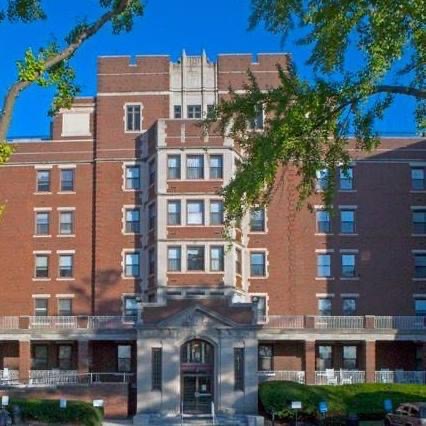
How is Deer Meadows Rehabilitation Center Staffed?

CMS rates DEER MEADOWS REHABILITATION CENTER's staffing level at 3 out of 5 stars, which is average compared to other nursing homes. Staff turnover is 40%, compared to the Pennsylvania average of 46%. This relatively stable workforce can support continuity of care.

What Have Inspectors Found at Deer Meadows Rehabilitation Center?

State health inspectors documented 48 deficiencies at DEER MEADOWS REHABILITATION CENTER during 2023 to 2025. These included: 1 Immediate Jeopardy (the most serious level, indicating potential for serious harm or death), 46 with potential for harm, and 1 minor or isolated issues. Immediate Jeopardy findings are rare and represent the most serious regulatory concerns. They require immediate corrective action.
Who Owns and Operates Deer Meadows Rehabilitation Center?

DEER MEADOWS REHABILITATION CENTER is owned by a for-profit company. For-profit facilities operate as businesses with obligations to shareholders or private owners. The facility is operated by JONATHAN BLEIER, a chain that manages multiple nursing homes. With 206 certified beds and approximately 194 residents (about 94% occupancy), it is a large facility located in PHILADELPHIA, Pennsylvania.
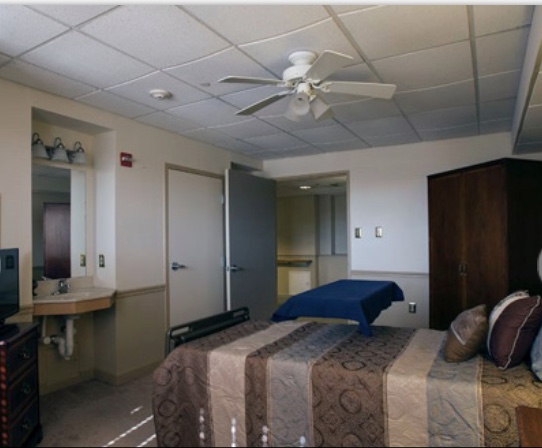
How Does Deer Meadows Rehabilitation Center Compare to Other Pennsylvania Nursing Homes?

Compared to the 100 nursing homes in Pennsylvania, DEER MEADOWS REHABILITATION CENTER's overall rating (2 stars) is below the state average of 3.0, staff turnover (40%) is near the state average of 46%, and health inspection rating (2 stars) is below the national benchmark.

What Should Families Ask When Visiting Deer Meadows Rehabilitation Center?

Based on this facility's data, families visiting should ask: "What changes have been made since the serious inspection findings, and how are you preventing similar issues?" "Can I visit during a mealtime to observe dining assistance and food quality?" "How do you handle medical emergencies, and what is your hospital transfer rate?" "Can I speak with family members of current residents about their experience?" These questions are particularly relevant given the facility's Immediate Jeopardy citations.

Is Deer Meadows Rehabilitation Center Safe?

Based on CMS inspection data, DEER MEADOWS REHABILITATION CENTER has documented safety concerns. Inspectors have issued 1 Immediate Jeopardy citation (the most serious violation level indicating risk of serious injury or death). The facility has a 2-star overall rating and ranks #100 of 100 nursing homes in Pennsylvania. Families considering this facility should ask detailed questions about what corrective actions have been taken since these incidents.

Do Nurses at Deer Meadows Rehabilitation Center Stick Around?

DEER MEADOWS REHABILITATION CENTER has a staff turnover rate of 40%, which is about average for Pennsylvania nursing homes (state average: 46%). Moderate turnover is common in nursing homes, but families should still ask about staff tenure and how the facility maintains care continuity when employees leave.

Was Deer Meadows Rehabilitation Center Ever Fined?

DEER MEADOWS REHABILITATION CENTER has been fined $14,521 across 1 penalty action. This is below the Pennsylvania average of $33,224. While any fine indicates a compliance issue, fines under $50,000 are relatively common and typically reflect isolated problems that were subsequently corrected. Families should ask what specific issues led to these fines and confirm they've been resolved.

Is Deer Meadows Rehabilitation Center on Any Federal Watch List?

DEER MEADOWS REHABILITATION CENTER is not on any federal watch list. The most significant is the Special Focus Facility (SFF) program, which identifies the bottom 1% of nursing homes nationally based on persistent, serious quality problems. Not being on this list means the facility has avoided the pattern of deficiencies that triggers enhanced federal oversight. This is a positive indicator, though families should still review the facility's inspection history directly.