DELAWARE VALLEY VETERAN'S HOME
2701 SOUTHAMPTON RD, PHILADELPHIA, PA 19154 (215) 965-0301
Government - State 171 Beds Independent Data: November 2025 1 Immediate Jeopardy citation
Trust Grade
71/100
#28 of 653 in PA
Last Inspection: July 2025

Inspected within the last 6 months. Data reflects current conditions.

Overview

Delaware Valley Veteran's Home has a Trust Grade of B, indicating it is a good option, solidly above average. It ranks #28 out of 653 facilities in Pennsylvania, placing it in the top half, and is the best-rated facility in Philadelphia County. The facility is improving, with the number of issues found decreasing from 11 in 2024 to 7 in 2025. Staffing is a strong point, with a 5/5 star rating and a turnover rate of 31%, which is significantly lower than the state average. However, the home has faced some concerns, including a critical incident where a resident went missing for nearly two hours during an outing due to inadequate supervision, which poses serious safety risks. Additionally, there were concerns about the lack of proper supervision for outdoor activities and the need for culturally competent care for residents with trauma histories. Overall, while there are notable strengths, families should be aware of these weaknesses when considering this facility.

Trust Score
B
71/100
In Pennsylvania
#28/653
Top 4%
Safety Record
High Risk
Review needed
Inspections
Getting Better
11 → 7 violations
Staff Stability
○ Average
31% turnover. Near Pennsylvania's 48% average. Typical for the industry.
Penalties
⚠ Watch
$10,036 in fines. Higher than 100% of Pennsylvania facilities. Major compliance failures.
Skilled Nurses
✓ Good
Each resident gets 49 minutes of Registered Nurse (RN) attention daily — more than average for Pennsylvania. RNs are trained to catch health problems early.
Violations
⚠ Watch
19 deficiencies on record. Higher than average. Multiple issues found across inspections.
★★★★★
5.0
Overall Rating
★★★★★
5.0
Staff Levels
★★★★★
5.0
Care Quality
★★★☆☆
3.0
Inspection Score
Stable
2024: 11 issues
2025: 7 issues

The Good

  • 5-Star Staffing Rating · Excellent nurse staffing levels
  • 5-Star Quality Measures · Strong clinical quality outcomes
  • Full Sprinkler Coverage · Fire safety systems throughout facility
  • No fines on record
  • Staff turnover below average (31%)

    17 points below Pennsylvania average of 48%

Facility shows strength in staffing levels, quality measures, fire safety.

The Bad

Staff Turnover: 31%

15pts below Pennsylvania avg (46%)

Typical for the industry

Federal Fines: $10,036

Below median ($33,413)

Minor penalties assessed

The Ugly 19 deficiencies on record

1 life-threatening
Jul 2025 7 deficiencies
CONCERN (D)

Potential for Harm - no one hurt, but risky conditions existed

Deficiency F0604 (Tag F0604)

Could have caused harm · This affected 1 resident

**NOTE- TERMS IN BRACKETS HAVE BEEN EDITED TO PROTECT CONFIDENTIALITY** Based on a review of clinical records, observations, facility policy and staff interviews, it was determined that the facility f...

Read full inspector narrative →
**NOTE- TERMS IN BRACKETS HAVE BEEN EDITED TO PROTECT CONFIDENTIALITY** Based on a review of clinical records, observations, facility policy and staff interviews, it was determined that the facility failed to identify that a resident was free from physical restraint due to locking the wheelchair as a restraint for one of the one resident reviewed. (Resident R70)Findings include:A review of the facility policy titled, Restrain Management Protocol revised August 2023 revealed The purpose of this protocol is to provide guidance to the Department of Military and Veterans Affairs (DMVA), Bureau of Veterans Homes (BVH), State Veterans Homes (SVHs) to maintain the resident's right to be free from any physical or chemical restraints that are implemented for discipline or convenience and not required to treat a medical condition.A review of the clinical record revealed that Resident R70 was admitted to the facility on [DATE], with a diagnosis of hemiplegia and hemiparesis following a cerebral infarction affecting the right dominant side. (Hemiplegia refers to complete paralysis of one side of the body, while hemiparesis indicates weakness on one side.)On July 21, 2025, at 11:36 a.m., Resident R70 was sitting in the dining room waiting for his meal to be served. During the interview, Resident R70 revealed that his left hand is contracted, and he is unable to reach the wheelchair lock to move himself closer to the dining table with his right hand. Resident R70 reported, I can't do anything, can you please unlock my wheelchair?On July 21, 2025, at 11:46 a.m., nurse aide, Employee E6 brought lunch to Resident R70. The resident requested, Can you please unlock my wheelchair so I can sit closer to the dining table and propel myself with my feet? Employee E6 unlocked the wheelchair and left it unlocked while Resident R70 ate his lunch. After finishing, Resident R70 propelled himself with his feet and exited the dining room. When asked how often staff lock his wheelchair from the back, Resident R70 responded, Too often.On July 22, 2025, at 9:19 a.m., an interview was held with the Director of Nursing, Employee E2, and the Therapy Director, Employee E7, who confirmed that the resident's left hand is contracted, and the right hand is nonfunctional, preventing him from unlocking the wheelchair brakes located on the sides of the wheelchair. On June 24, 2025, Resident R70 was assessed for a Broda pedal wheelchair with a pressure relief cushion for functional mobility; however, his inability to reach and unlock the wheelchair brakes was not assessed. Resident R70 depends on staff to lock and unlock his wheelchair. Employee E2 reported that staff should only be locking the wheelchair during transfers, and that for the remainder of the time, Resident R70 should be independent and able to propel himself freely. Employees E3 and E7 reported that they will update the order to reflect that Resident R70's wheelchair should not be locked restraining him from being mobile unless he is being transferred.28 Pa. Code 211.8(c)(1) Use of Restraints.28 Pa. Code:211.12(d)(1)(5) Nursing services.
CONCERN (D) 📢 Someone Reported This

A family member, employee, or ombudsman was alarmed enough to file a formal complaint

Potential for Harm - no one hurt, but risky conditions existed

Quality of Care (Tag F0684)

Could have caused harm · This affected 1 resident

**NOTE- TERMS IN BRACKETS HAVE BEEN EDITED TO PROTECT CONFIDENTIALITY** Based on review of facility policy, review of clinical records and interviews with staff, it was determined that the facility fa...

Read full inspector narrative →
**NOTE- TERMS IN BRACKETS HAVE BEEN EDITED TO PROTECT CONFIDENTIALITY** Based on review of facility policy, review of clinical records and interviews with staff, it was determined that the facility failed to follow and or clarify physician's orders relating to advance directives for one of eight residents reviewed. (resident r 168)Findings include:Review of the facility document Advanced Healthcare Directives dated [DATE], revealed the purpose of this protocol is to provide guidance for the facility, regarding honoring the resident's choice and self-determination related to their advanced healthcare directives. The components of this policy are defined as the following: The Pa. POLST, Pennsylvania physician orders for life sustaining treatment, a voluntary, portable medical order designed to support individuals transitioning between health care facilities or living in the community by communicating choices for care at the end of life. It is a document designed to help health care providers honor the wishes of their patients. A do not resuscitate, DNR order is a legally recognized order that means a person has decided not to have cardiopulmonary resuscitation CPR attempted on them if their heart or breathing stops. A resident's wishes including DNR and DNI (Do not intubate) preference are conveyed as a medical order in a POLST form and a legal representative refers to an individual who has been appointed as the resident's guardian by a court, has been appointed as the president's health care agent pursuant to a health care power of attorney, or is the resident health care representative pursuant to 20 Pa. C.S. 5461. Review of facility reported to the State Agency dated [DATE], revealed that on [DATE], at approximately 04:00 am. a nurse aide entered the resident's room and discovered that Resident R168 was unresponsive. The nursing assistant then notified nurse who immediately followed protocol; airway, breathing, and circulation were checked, vitals were unable to be obtained, code cart brought into the room, oxygen was administered, and chest compression were started. Nurse supervisor arrived in room as question Resident R168's code status, Resident R168's code status was officially do not resuscitated (DNR). Review of Resident R168's clinical record revealed Resident 168's POLST form dated [DATE], signed by Resident R168 power of attorney, resident's son. Interview with NHA Employee E1, on [DATE], at 09:40 a.m. confirmed that there was a miscommunication regarding the resident code status. - 28 Pa. Code 201.18(a)(b)(1)(3) Management28 Pa. Code 211.12 (d) (1)(5) Nursing Services
CONCERN (D)

Potential for Harm - no one hurt, but risky conditions existed

Incontinence Care (Tag F0690)

Could have caused harm · This affected 1 resident

Based on review of clinical record, observations, and staff interview, it was determined that the facility failed to ensure the proper care of a resident with an indwelling urinary catheter for one of...

Read full inspector narrative →
Based on review of clinical record, observations, and staff interview, it was determined that the facility failed to ensure the proper care of a resident with an indwelling urinary catheter for one of three residents observed with urinary catheters. (Resident R143) Findings include:Review of Resident R143's clinical record revealed Resident R143 was admitted to the facility on December17, 2024 with a diagnosis that included hemiplegia (total paralysis on one side of body) and hemiparesis (partial weakness on one side of body), obstructive and reflux uropathy (urine can't flow normally through urinary tract due to blockage), edema (swelling caused by too much fluid trapped in the body's tissue). Observation on July 21, 2025 at 11:25 revealed Resident R143 in his/her wheelchair in the hallway with his/her urinary catheter bag (collects urine from at tube inserted into the bladder) dragging on the floor.28 Pa. Code 211.12(d)(1) Nursing services Observation on July 21, 2025 at 11:35 p.m. revealed Resident R143 in the dining room with his/her urinary catheter on the floor. Interview on July 21, 2025 at 11:39 p.m. with Employee E5, Licensed Practical Nurse, confirmed Resident R143's urinary catheter should be properly secured and not on the floor.
CONCERN (D)

Potential for Harm - no one hurt, but risky conditions existed

Deficiency F0804 (Tag F0804)

Could have caused harm · This affected 1 resident

Based on resident interviews, meal tray observations, and staff interviews, it was determined that the facility failed to provide palatable, appealing and attractive meals during lunch for one of one ...

Read full inspector narrative →
Based on resident interviews, meal tray observations, and staff interviews, it was determined that the facility failed to provide palatable, appealing and attractive meals during lunch for one of one meal observations (lunch meal).Findings include:On July 21, 2025, at 12:31 p.m., observation and interview with Resident R52 revealed that he was served three pierogies with kielbasa for lunch and was unable to cut through the skin of the kielbasa. Resident R52 also reported that the pierogies appeared dry and were difficult to cut. He stated, The kielbasa is overcooked, and the pierogies are too hard to cut. Resident R52 only attempted to scoop out the soft potatoes from one pierogi and appeared visibly upset.On July 21, 2025, at 12:54 p.m., a test tray was conducted by the Dietary Director, Employee E3, to assess the palatability of the pierogies and kielbasa. The kielbasa was too hard to cut, and the pierogies were dry and difficult to cut through. Employee E3 reported that the facility could improve the meal by cutting the kielbasa into smaller pieces and adding more butter or margarine to soften the pierogies. The meal was also not visually appealing, as the kielbasa and pierogies were served with wax beans, all of which were a similar beige color, making the plate look bland and unappetizing.28 PA. Code 211.10(a)(b)(c)(d) Resident care policies28 PA. Code 201.18(b)(1)(3) Management28 PA. Code 201.14(a) Responsibility of licensee
CONCERN (D)

Potential for Harm - no one hurt, but risky conditions existed

Deficiency F0806 (Tag F0806)

Could have caused harm · This affected 1 resident

Based on observations, review of facility's menu and staff interviews, it was determined that the facility failed to meet resident's food preference for three of three residents reviewed. (Residents R...

Read full inspector narrative →
Based on observations, review of facility's menu and staff interviews, it was determined that the facility failed to meet resident's food preference for three of three residents reviewed. (Residents R111, R89, R98).Findings include:On July 21, 2025, at 11:50 a.m., an interview with Resident R111 stated, This is the second time this week we only have salads to choose from for dinner, no hot food.On July 21, 2025, at 12:24 p.m., an interview with Resident R89 revealed that, based on the current menu, only cold items would be available for dinner. Resident R89 took the menu off the table and reported that cold salads would be served for dinner, and that residents, including himself, would prefer one hot meal to be offered. A review of the grievance form for Resident R98, filed on June 9, 2025, revealed a concern related to the dinner menu on that date. Resident R98 reported that there were two cold options on the dinner menu and stated he/she spoke with someone from dietary, who explained that the menu comes from headquarters. The resolution, completed on June 12, 2025, was to ensure that at least one hot entree item would be available for dinner. However, on July 22, 2025, there were still two cold options listed on the dinner menu.On July 22, 2025, at approximately 9:15 a.m. the Dietary Director, Employee E3, confirmed that based on the current Week 2 menu for Monday's dinner on July 21, 2025, the facility served egg salad sandwiches and chicken salad on wheat. The Week 1 menu showed that Monday's dinner included ham and Swiss sandwiches and egg salad sandwiches. This same week Thursday's dinner included seafood salad on a croissant and egg salad on wheat. There was no hot dinner meal available to residents.28 Pa Code 201.14(a) Responsibility of licensee
CONCERN (D)

Potential for Harm - no one hurt, but risky conditions existed

Infection Control (Tag F0880)

Could have caused harm · This affected 1 resident

Based on observation, policy review, and staff interviews, it was determined the facility failed to develop and implement a water management program for the prevention, detection, and control of water...

Read full inspector narrative →
Based on observation, policy review, and staff interviews, it was determined the facility failed to develop and implement a water management program for the prevention, detection, and control of waterborne contaminants such as Legionella (a bacteria that may cause [legionnaires disease, a serious type of pneumonia).Findings include: Review of Centers for Disease Control and Prevention (CDC) guideline for “Water Management and Healthcare Facilities” Revealed “Legionella water management programs identify hazardous conditions and include taking steps to minimize the growth and spread of Legionella in the building water system. Having a water management program is now an industry standard for large buildings in the United States” Review of Department of Health and Human Services, Centers for Medicare and Medicaid Services (CMS) Memo titled “ Requirement to reduce legionella risk in healthcare facility water systems to prevent cases and outbreaks of legionella disease” Dated July 6 2018, Revealed “ Facilities must develop and adhere to policies and procedures that inhibit microbial growth in building water systems that reduce the risk of growth and spread of legionella and other opportunistic pathogens in water. This policy memorandum applies to hospitals, critical access hospitals CAHS and long term care LTC. However, this policy memorandum is also intended to provide general awareness for all healthcare organizations facilities must have water management plans and documentation that at minimum ensure each facility: - Conducts a facility risk assessment to identify where Legionella and other opportunistic waterborne pathogens (eg: Pneumonias, Acinetobacter, Burkholderia, Stenotrophomonas, nontuberculous mycobacteria, and fungi) could grow and spread in the facility water system. - Develops and implements a water management program that considers the ASHRAE Industry standards and the CDC Toolkit - Specifies testing protocols in acceptable ranges for control measures, and documents the results of testing and corrective action taken when control limits are not maintained - Maintains compliance and other acceptable federal, state and local requirements. Interview with Employee 1 July 24, 2025, at 10:00 AM confirm the facility failed to ensure water testing and compliance of water management plan. The facility was not able to provide documented evidence that water testing was completed. 28 Pa. Code 211.12(d)(3)(5) Nursing Services. 28 Pa. Code 201. 14 (a) Responsibility of licensee
CONCERN (E) 📢 Someone Reported This

A family member, employee, or ombudsman was alarmed enough to file a formal complaint

Potential for Harm - no one hurt, but risky conditions existed

Accident Prevention (Tag F0689)

Could have caused harm · This affected multiple residents

**NOTE- TERMS IN BRACKETS HAVE BEEN EDITED TO PROTECT CONFIDENTIALITY** Based on review of facility documentation, review of clinical record, observation and staff interviews, it was determined that t...

Read full inspector narrative →
**NOTE- TERMS IN BRACKETS HAVE BEEN EDITED TO PROTECT CONFIDENTIALITY** Based on review of facility documentation, review of clinical record, observation and staff interviews, it was determined that the facility failed to provide adequate supervision for one of one resident observed who utilized outdoor relaxation time. (Resident R21). Findings:A review of the facility policy titled Outdoor Relaxation for Nursing Care Residents, revised July 2025, revealed: Residents who are not at risk for elopement/wandering will be able to enjoy the outdoor areas that are within the boundaries between daylight hours, from sunrise to sunset, for safety purposes.A review of the clinical record revealed that Resident R21 was admitted to the facility on [DATE], with diagnoses including unspecified dementia, psychotic disturbance, mood disturbance and anxiety, unspecified sensorineural hearing loss, and major depressive disorder, single episode.On July 21, 2025, at 9:00 a.m. and 3:01 p.m., observations showed that three to four residents were sitting outside with no staff supervision.On July 22, 2025, at 10:30 a.m., an observation was conducted with Employee E8, during which Resident R21 was seen coming onto the porch, passing the cones that were set up to designate a safe zone for sitting outside, and propelling himself in his wheelchair around the oval road independently. During this time, three cars were entering the facility grounds, and Resident R21 began propelling toward the curb instead of remaining in the designated area. Employee E8 confirmed that it was not safe for Resident R21 to be propelling himself such a distance without supervision.On July 22, 2025, at 10:47 a.m., an interview was conducted with Resident R21, who reported that he completes four laps around the oval road in the morning and two in the afternoon, totaling approximately one mile per day. The resident is hard of hearing and was not wearing his hearing aids during his time outside. He reported feeling safe while taking his daily wheelchair walks but suggested that having a flag on his wheelchair or wearing a safety vest would make him more visible to oncoming traffic and improve his safety.On July 22, 2025, at 2:45 p.m., a meeting was held with the Administrator, Employee E1, and the Director of Nursing, Employee E2, who confirmed that it was unsafe for Resident R21 to propel himself around the oval road without supervision and in the presence of oncoming traffic.28 Pa. Code 201.14(a) Responsibility of licensee.28 Pa. Code 201.18(b)(1)(e)(1) Management.28 Pa. Code 211.12(d)(1)(5) Nursing services.
Oct 2024 6 deficiencies 1 IJ
CRITICAL (J)

Immediate Jeopardy (IJ) - the most serious Medicare violation

Accident Prevention (Tag F0689)

Someone could have died · This affected 1 resident

**NOTE- TERMS IN BRACKETS HAVE BEEN EDITED TO PROTECT CONFIDENTIALITY** Based on review of facility policies and documentation, clinical record reviews and interviews with staff, it was determined tha...

Read full inspector narrative →
**NOTE- TERMS IN BRACKETS HAVE BEEN EDITED TO PROTECT CONFIDENTIALITY** Based on review of facility policies and documentation, clinical record reviews and interviews with staff, it was determined that the facility failed to provide adequate supervision during a planned out-of-facility activities outing to a theater, for one of six residents reviewed who were at risk for elopement. This resulted in Resident R138 exiting the theater and was unable to be located for one hour and 45 minutes. This failure placed the resident at high risk for injury and was identified as an Immediate Jeopardy of past non-compliance. (Resident R138) Findings include: Review of facility policy, Policies and Procedures Related to Wandering and Elopement dated May 20, 2014, revealed that the purpose of the policy is to assess residents for the purpose of assuring their safety and determine the risk for wandering and/or elopement within or out of the home. Continued review revealed that all staff must maintain a heightened awareness of their surroundings, the residents in our care, and environmental issues that might lead to a resident's elopement. Review of Resident R138's Quarterly MDS (Minimum Data Set - a mandatory periodic resident assessment tool), dated July 30, 2024, revealed that the resident was admitted to the facility on [DATE], and had diagnoses including dementia (decline in memory or other thinking skills severe enough to reduce a person's ability to perform everyday activities). Continued review revealed that the resident had a BIMS (Brief Interview for Mental Status) score of 11, which indicated that the resident was moderately cognitively impaired and that he had behaviors of inattentiveness. Further review revealed that the resident was able to walk independently without an assistive device. Review of Resident R138's Elopement Evaluation, dated July 29, 2024, revealed that the resident was identified by the facility as being at risk for elopement, related to ambulation status, cognitive impairment and history of exit seeking behaviors. The evaluation noted that an elopement care plan was initiated. Review of Resident R138's care plan, dated initiated March 8, 2023, revealed that the resident was at risk for elopement and has exhibited exit seeking behaviors. Interventions included to encourage the resident to look for a staff member if he feels lost, confused or needs assistance, to redirect and reorient the resident as needed, and to maintain safety. Continued review of Resident R138's care plan, dated initiated July 26, 2024, revealed that the resident had memory deficits, requiring reminders and invitations for consistent activity participation. Interventions included that the resident will be invited to community outings to enhance life enrichment. Review of progress notes for Resident R138 revealed a nurses note, dated August 25, 2024, at 3:33 p.m. which indicated that the resident went on an out-of-facility activities outing to a theater. The note continued that, At 3pm staff notified security desk resident had eloped and police were called. Police arrived at 3:15 p.m. and began searching the area for the resident. Continued review of progress notes for Resident R138 revealed a nurses note, dated August 25, 2024, at 4:15 p.m. that nursing staff confirmed that the resident was located. Further review of progress notes for Resident R138 revealed a nurses note, dated August 25, 2024, at 5:10 p.m. that the resident returned to the facility. The resident was noted to be at his baseline and was placed on every fifteen-minute checks. Review of facility documentation reported to the Pennsylvania Department of Health on August 26, 2024, at 4:09 p.m. revealed that Resident R138 was on an out-of-facility activities outing to a theater on August 25, 2024, and that at 2:15 p.m. it was discovered that the resident was unable to be located. The resident was located at 4:00 p.m. at a river toll bridge commission building and subsequently returned to the facility. Review of Google Maps revealed that the river toll bridge commission building was 0.2 miles, approximately a four minute walk, from the theater, in a busy [NAME] area along a waterfront. Interview on October 17, 2024, at 1:27 p.m. Employee E10, activities aide, stated that on the day of the planned activities outing to the theater, two residents cancelled, so Resident R138 was added to the trip roster the morning of the outing. Employee E10, activities aide, stated that six residents were accompanied to the theater by one other activities aide and himself. Employee E10, activities aide, stated that Resident R138 was seated by his coworker and that he periodically checked on all of the residents during the theater performance. Near the end of the first act, Employee E10, activities aide, stated that he noticed that Resident R138 was not in his seat and that he got up and checked the area for the resident as well as asked theater staff if they had seen the resident. Employee E10, activities aide, immediately initiated elopement protocol and notified the local police. Employee E10, activities aide, stated that additional facility staff arrived to assist with the search and that the police received a call from the river toll bridge commission building with a description matching Resident R138. Facility staff went to identify the resident and brought him back to the facility. Employee E10, activities aide, stated that prior to the elopement incident with Resident R138, that the facility did not have an official protocol in place for screening residents signed up for out-of-facility events to identify their care needs, such as for elopement risk identification. Review of facility documentation revealed a witness statement, dated August 25, 2024, from Employee E11, activities aide. Employee E11, activities aide, noted that Employee E10, activities aide, asked her where Resident R138 was and that she did not see the resident. Continued review of facility documentation revealed another witness statement, dated August 27, 2024, from Employee E11, activities aide. The employee indicated that two residents were seated completely behind both her and the other activities aide and that she periodically checked on the residents. Employee E11, activities aide, indicated that she did not know which residents on the outing were elopement risks. Review of facility documentation, Elopement Preparedness and Response, dated September 3, 2024, revealed that the facility determined that the root cause of Resident R138's elopement was due to the seating arrangement at the theater. Resident R138 was seated out of sight of staff and therefore staff were unable to supervise and redirect the resident to remain in a safe location throughout the outing. Based on the above findings, an Immediate Jeopardy to the safety of the resident was identified for failure to provide adequate supervision of a resident who was identified as an elopement risk by the facility. Resident R138 was unable to be located during an out-of-facility activities outing to a theater on August 25, 2024, from 2:15 p.m. until he was found at a river toll bridge commission building at 4:00 p.m. An Immediate Jeopardy template (a document which included information necessary to establish each of the key components of immediate jeopardy) was provided to the Nursing Home Administrator (NHA) on October 17, 2024, at 1:58 p.m. On August 25, 2024, the facility initiated a plan of correction to address the failure of ensuring that a resident was adequately supervised to prevent elopement. The facility plan of correction included the following: 1. [Resident R138[ was assessed on August 25, 2024, at 5:10 p.m. A full assessment was completed of [Resident R138[ by Registered Nurse Supervisor. No adverse effects or injuries noted. Increased supervision initiated with 15-minute checks upon return to the building and continued through August 29, 2024.[ Resident R138[ placed on purposeful rounding every hour as of August 29, 2024, and rounds continue. 2. All residents with wander guards [device that is placed on resident's wrist or ankle which sound alarms or prevent doors to be open for exit] were verified to ensure electronic wander guards in place and functioning. Audit completed by Registered Nurse Supervisor including verification of orders, placement and function of wander guard; review of care plans updated and noted in clinical record. Wander guard master list updated, reviewed and provided to Interdisciplinary team on August 26, 2024. 3. Facility off premise policy was created August 30, 2024, pertaining to off premises activities. New procedure developed to include staff education and evaluation of residents prior to attending an outing to ensure each resident's appropriate supervision and needs are met to include review of elopement risk, mobility needs, hygiene, toileting, meal and hydration intake, as well as other ADL [activities of daily living] needs related to staffing and/or volunteer support. Activity trip form is reviewed and approved by activities supervisor and clinical service manager for all residents prior to attending an outside activity; any deviations from the roster are reviewed by activities supervisor prior to leaving the premises. Nursing and security staff are updated regarding residents who are participating in event off premises. Resident profile binder in place with instruction for every off premises outing which is provided to staff prior to leaving for the activity that includes elopement risk, safety needs and medical needs. During the off premises outing all residents will be required to stay within the facility group under the supervision of a responsible party as per policy. 4. Activities staff involved in the incident received immediate education on escorting residents to outside activities and the requirement that residents will not be left unattended at any time. All activities staff education completed on August 28, 2024, on outings protocol. No additional off-site activities were held from August 25, 2024, through August 27, 2024. 5. On August 27, 2024, facility activity form updated to reflect a review by nursing and activities to ensure sufficient staff and supplies are available for the outings including a review of elopement risk, dietary needs, personal care needs and medical needs. Audits of forms completed with final review by activities supervisor and clinical service manager. All outings forms will continue to be reviewed and approved by activities supervisor and clinical service manager prior to any outings. 6. QAPI [Quality Assurance Performance Improvement] meeting held September 27, 2024, and education, audits and policy reviewed by IDT [Interdisciplinary Team]. Next QAPI meeting scheduled for October 25, 2024. A review was conducted of staff education, wander guard and activity forms audits and off-premise activities policy that was created related to Resident R138's elopement. Interviews with facility staff were conducted on October 17, 2024. Facility staff provided extensive feedback and understanding of the facility's new off-premise policy and process. Facility staff verbalized that all residents and staff assignments are reviewed prior to all outings to ensure that supervision and resident care needs can be met. All residents who have been identified as at risk for elopement receive one-to-one supervision during outings. All residents who attend the outing have information, including their supervision and care needs, in a binder that is taken along on the outing. Facility staff verbalized that all residents are assigned to specific staff during all outings and that no residents are ever left alone. Facility audits were reviewed and residents who were identified by the facility as being at risk for elopement had appropriate elopement prevention measures in place. Facility activity forms were reviewed and indicated that all residents and staff were reviewed for appropriateness and care needs prior to all out-of-facility activities. Review of facility documentation revealed that the corrective action plan was immediately initiated on August 25, 2024. The facility's action plan was accepted on October 17, 2024, at 4:48 p.m. and identified as past non-compliance. 28 Pa. Code 201.14(a) Responsibility of licensee 28 Pa. Code 201.18(b)(1) Management 28 Pa. Code 201.18(e)(1) Management 28 Pa. Code 211.10(d) Resident care policies 28 Pa. Code 211.12(d)(1) Nursing services 28 Pa. Code 211.12(d)(5) Nursing services
CONCERN (D)

Potential for Harm - no one hurt, but risky conditions existed

Pharmacy Services (Tag F0755)

Could have caused harm · This affected 1 resident

**NOTE- TERMS IN BRACKETS HAVE BEEN EDITED TO PROTECT CONFIDENTIALITY** Based on review of facility policy, review of clinical records, and interview with staff, it was determined that the facility fa...

Read full inspector narrative →
**NOTE- TERMS IN BRACKETS HAVE BEEN EDITED TO PROTECT CONFIDENTIALITY** Based on review of facility policy, review of clinical records, and interview with staff, it was determined that the facility failed to ensure medications were dispensed and administered in according to professional standards of practice relating to medication administration for one of 3 residents reviewed. (Resident R125) Findings include: Review of facility policy titled Medication Administration Protocol dated May 2022, revealed that every medication will have a physicians order, including the order route and dose of med and will be transcribed into medication administration record (MAR). Review of Resident R125's physician orders revealed that Resident R125 had an order for Methadone 20 milligrams (mg). U.D. ( unit dose) bottle once a day due to opioid dependence. Special Instructions: DRINK THE WHOLE BOTTLE, THEN FILL WITH WATER AND DRINK TO RINSE OUT REMAINING DRUG. NURSE AND PATIENT SIGN ASSOCIATED SHEET AFTER EACH ADMINISTRATION. DO NOT DISCARD BOTTLE. DX: OPIOD DEPENDENCE Once A Day Review of Drugs.com last updated on [DATE]. revealed Methadone is a long-acting opioid medication that is used to reduce withdrawal symptoms in people addicted to heroin or other narcotic drugs, and it can also used as a pain reliever. When methadone is used for Opioid Use Disorder (OUD) it reduces withdrawal symptoms and drug cravings, but does not cause the high associated with the drug addiction. Methadone is highly regulated medication (Schedule 2 Controlled Substances Act) and when used for OUD is only available through approved opioid treatment programs (OTP) that involves regular monitoring, counseling, and drug testing to make sure that patients are making progress in their recovery. Use this medicine exactly as prescribed by your doctor. Follow the directions on your prescription label and read all medication guides or instruction sheets. Never use this medicine in larger amounts, or for longer than prescribed. Tell your doctor if you feel an increased urge to use more of this medicine. Observation of medication administration on October 16, 2024, at 8:45 a.m. revealed Licensed nurse, Employee E5 preparing to administer Residents R125's medications. Observation revealed that Employee E5 prepared all the medication and placed them in a small medication cup. She then unlocked the narcotic box of medication and pulled a small bottle of methadone prescribed to Resident R125. After Resident 125 consumed the pills Employee E5 then pour orange juice into the small bottle and the resident swallowed the liquid from the mouth of the bottle. Resident R125 then handed back the bottle (for counting purposes, the bottles must be returned. The bottle contained a small amount of fluid approximately 3-5 ml remained). Interview with Licensed nurse, unit manager Employee E4 on October 16, 2024, at 8:41 a.m. revealed that Employee E4 stated t hat the bottle of methadone does not need to be refilled with water. The resident fills the medication with water or orange juice. Interview with Director of Nursing Employee E2 on October 17, 2024, at 2:20 p.m. confirmed that the orders stated to fill the bottle with water and drink, these instructions of adminstration must be followed as prescribed. 28 Pa Code 211.9 (a)Pharmacy Services 28 Pa. Code 211.12(d)(1) Nursing Services
CONCERN (D)

Potential for Harm - no one hurt, but risky conditions existed

Deficiency F0761 (Tag F0761)

Could have caused harm · This affected 1 resident

**NOTE- TERMS IN BRACKETS HAVE BEEN EDITED TO PROTECT CONFIDENTIALITY** Based on review of facility policy, observations, and staff interviews, it was determined that the facility failed to store drug...

Read full inspector narrative →
**NOTE- TERMS IN BRACKETS HAVE BEEN EDITED TO PROTECT CONFIDENTIALITY** Based on review of facility policy, observations, and staff interviews, it was determined that the facility failed to store drugs and biologicals in a locked compartment on one of two nursing carts reviewed. (D unit high cart) Findings include: Review of policy titled Medication Storage and Refrigerator Temperatures revealed that medications and biologicals in rooms, carts, boxes and refrigerators are maintained with in secured locations accessible only to designated staff. Based on drugs.com website updated (updated 10 [DATE]) reveled Insulin is a hormone that is produced naturally in our bodies. Its main role is to allow cells throughout the body to uptake glucose (sugar) and convert it into a form that can be used by these cells for energy. Naturally occurring human insulin is made by beta cells within the pancreas, but people with diabetes have little or no natural insulin release. Insulin is available as synthetic human insulin (made in a laboratory but resembles naturally occurring human insulin), insulin analogs (human insulin that has been genetically modified), and biosimilars. Insulin analogs are better than standard human insulin at mimicking natural insulin release. Based on the American diabetes association recommendation of safe storage for insulin revealed. For the people with diabetes who use it, insulin is a vital need. It's important to store insulin as directed so that it remains usable by those who need it. Follow these tips to ensure effective insulin storage. 1. Keep It Cool According to the product labels from all three U.S. insulin manufacturers, it is recommended that insulin be stored in a refrigerator at approximately 36°F to 46°F. If you are using ice, avoid freezing the insulin. Do not use insulin that has been frozen. 2. Know Its Expiration Date Unopened insulin refrigerated in the ranges described above maintains potency until Based on the Department of health and Human Services Centers for Medicare and Medicaid Services titled Medication Storage and Labeling revealed §483.45 (h) (1) In accordance with State and Federal laws, the facility must store all drugs and biologicals in locked compartments under proper temperature controls, and permit only authorized personnel to have access to the keys. Observation of medication administration pass with Licensed nurse, Employee E5 on October 16, 2024, at 8:30 a.m. revealed the medication cart stored a container consisting of sixteen vials of insulin on top of the cart for complete access to the insulin for anybody to obtain. Interview with Employee E5 at time of observation revealed the container was supplied to her by the supervisor prior to med pass, it was originally stored in the medication room in the refrigerator. Employee E5 stated that she intended to return the container of insulin to the medication room after med pass. Interview with Licensed nurse, unit manager, Employee E4 on October 16, 2024, at 8:41 a.m. at the medication cart D unit high cart, revealed that according to this employee, the container consisting of 16 bottles of insulin is acceptable to leave on top of the cart. Interview with Licensed nurse Employee E6 on October 16, 2024, at 9:05a.m. at Medication cart Low side revealed the insuling is taken from the medication room refrigerator prior to med pass, then placed in a drawer in the medication cart during med pass. The medication cart is locked when unattended. After Employee E6 completes medication pass for the unit, the container of insulin will be brought back to the medication room. Interview with the director of nursing , employee E 2 on October 17, 2024 at 2:10pm.m. confirmed the insulin is to be store inside the medication cart and locked. 28 Pa. Code 211.9(a)(1)Pharmacy services 28 pa code 201.18(b)(1) Management 28 Pa. Code 211.12 (d)(1) Nursing services
CONCERN (D)

Potential for Harm - no one hurt, but risky conditions existed

Garbage Disposal (Tag F0814)

Could have caused harm · This affected 1 resident

Based on observations and interviews with staff, it was determined that the facility failed to ensure that garbage was disposed of properly. Findings include: Observation in the receiving area and th...

Read full inspector narrative →
Based on observations and interviews with staff, it was determined that the facility failed to ensure that garbage was disposed of properly. Findings include: Observation in the receiving area and the garbage disposal area on July 9, 2024, at 10:30 a.m. with Employee E13 Food Service Manager, revealed that the dumpster which contained garbage from the kitchen and general trash from the resident care area with no lid. The open dumpsters revealed the contents, which included open or untied garbage. There were flies observed around the opening of the dumpster. An interview with Administrator, Employee E1, on October 16, 2024, at 2:00 p.m. confirmed that there was lid to the dumpster which the maintenance made to close the dumpster which was not placed appropriately. Administrator also confirmed that the dumpster is designed to push the trash inside without exposing the content, however the dumpster was over filled. 29 Pa. Code 201.18 (b)(1) Management
CONCERN (D)

Potential for Harm - no one hurt, but risky conditions existed

Administration (Tag F0835)

Could have caused harm · This affected 1 resident

Based on a review of clinical records, facility documentation and interviews with staff, it was determined that the Nursing Home Administrator and the Director of Nursing failed to effectively manage ...

Read full inspector narrative →
Based on a review of clinical records, facility documentation and interviews with staff, it was determined that the Nursing Home Administrator and the Director of Nursing failed to effectively manage the facility related to a resident eloping during a planned out-of-facility activities outing to a theater, for one of six residents reviewed related to elopement risk. This failure placed Resident R138 at high risk for injury and was identified as an Immediate Jeopardy of past non-compliance. Findings include: Review of the job description for the Nursing Home Administrator (NHA) revealed that the NHA is responsible for managing, directing and controlling all health-care activities and management functions. Continued review revealed that the NHA is responsible for enforcing the regulations relative to the level of health care and safety of residents and to the protection of their personal and property rights. Review of the job description for the Director of Nursing (DON) revealed that the DON directs all nursing care activities and participates in the administration of the multidisciplinary and nonclinical aspects of a veterans' extended care facility's overall operations. Continued review revealed that the DON directs the operations of various departmentalized disciplines within the facility to include, but not limited to, Nursing, Pharmacy, Physical and Recreational Therapy, and Therapeutic Activities. Review of Resident R138's Elopement Evaluation, dated July 29, 2024, revealed that the resident was identified by the facility as being at risk for elopement, related to ambulation status, cognitive impairment and history of exit seeking behaviors. The evaluation noted that an elopement care plan was initiated. Review of Resident R138's care plan, dated initiated March 8, 2023, revealed that the resident was at risk for elopement and has exhibited exit seeking behaviors. Interventions included to encourage the resident to look for a staff member if he feels lost, confused or needs assistance, to redirect and reorient the resident as needed, and to maintain safety. Continued review of Resident R138's care plan, dated initiated July 26, 2024, revealed that the resident had memory deficits, requiring reminders and invitations for consistent activity participation. Interventions included that the resident will be invited to community outings to enhance life enrichment. Review of facility documentation reported to the Pennsylvania Department of Health on August 26, 2024, at 4:09 p.m. revealed that Resident R138 was on an out-of-facility activities outing to a theater on August 25, 2024, and that at 2:15 p.m. it was discovered that the resident was unable to be located. The resident was located at 4:00 p.m. at a river toll bridge commission building and subsequently returned to the facility. Interview on October 17, 2024, at 1:27 p.m. Employee E10, activities aide, stated that on the day of the planned activities outing to the theater, two residents cancelled, so Resident R138 was added to the trip roster the morning of the outing. Employee E10, activities aide, stated that six residents were accompanied to the theater by one other activities aide and himself. Employee E10, activities aide, stated that Resident R138 was seated by his coworker and that he periodically checked on all of the residents during the theater performance. Near the end of the first act, Employee E10, activities aide, stated that he noticed that Resident R138 was not in his seat and that he got up and checked the area for the resident as well as asked theater staff if they had seen the resident. Employee E10, activities aide, immediately initiated elopement protocol and notified the local police. Employee E10, activities aide, stated that additional facility staff arrived to assist with the search and that the police received a call from the river toll bridge commission building with a description matching Resident R138. Facility staff went to identify the resident and brought him back to the facility. Employee E10, activities aide, stated that prior to the elopement incident with Resident R138, that the facility did not have an official protocol in place for screening residents signed up for out-of-facility events to identify their care needs, such as for elopement risk identification. Review of facility documentation revealed a witness statement, dated August 25, 2024, from Employee E11, activities aide. Employee E11, activities aide, noted that Employee E10, activities aide, asked her where Resident R138 was and that she did not see the resident. Continued review of facility documentation revealed another witness statement, dated August 27, 2024, from Employee E11, activities aide. The employee indicated that two residents were seated completely behind both her and the other activities aide and that she periodically checked on the residents. Employee E11, activities aide, indicated that she did not know which residents on the outing were elopement risks. Review of facility documentation, Elopement Preparedness and Response, dated September 3, 2024, revealed that the facility determined that the root cause of Resident R138's elopement was due to the seating arrangement at the theater. Resident R138 was seated out of sight of staff and therefore staff were unable to supervise and redirect the resident to remain in a safe location throughout the outing. Based on the deficiencies identified in this report, the Nursing Home Administrator and Director of Nursing failed to fulfill essential duties and responsibilities of their position, contributing to the Immediate Jeopardy situation. Refer to F689. 28 Pa. Code 201.14(a) Responsibility of licensee 28 Pa. Code 201.18(b)(1) Management 28 Pa. Code 201.18(e)(1) Management 28 Pa. Code 211.10(d) Resident care policies 28 Pa. Code 211.12(d)(1) Nursing services 28 Pa. Code 211.12(d)(5) Nursing services
CONCERN (E)

Potential for Harm - no one hurt, but risky conditions existed

Deficiency F0699 (Tag F0699)

Could have caused harm · This affected multiple residents

Based on review of clinical records, staff and resident interviews, it was determined that the facility failed to provide culturally competent, trauma informed care in accordance with professional sta...

Read full inspector narrative →
Based on review of clinical records, staff and resident interviews, it was determined that the facility failed to provide culturally competent, trauma informed care in accordance with professional standards of practice, accounting for the resident's past experiences and preferences in order to eliminate and/or mitigate triggers that may cause re-traumatization of the resident for four of four sampled residents (Resident R128, R24, R74 and R106 ). Findings include: Review of facility policy Culturally Competent Trauma Informed Care dated July, 2024, revealed that The (FACILITY NAME) will use a multi-pronged approach to identifying a resident's history of trauma, as well as his or her cultural preferences This will include asking the resident about triggers that may be stressors or may prompt recall of a previous traumatic event, as well as screening and assessment tools such as the Resident Assessment Instrument (RAI), admission Assessment, the history and physical, the social history/assessment, and others. The United States Department of Veterans Affairs sanctions the PCL-5 checklist, as a screening tool for the purpose of quantifying and monitoring symptoms, screening individuals for PTSD and assisting 1n making a provisional diagnosis of PTSD. The assessment will be conducted in a private setting and will use a multi-pronged approach to identify a resident's history of trauma and will include a review of the resident's admission records for recent or past involvement in a traumatic event (i.e., natural disaster, accidents, war, physical, emotional, or sexual abuse at any age, rape, unexpected life events such as death of a child or personal illness). The Social Worker/designee will assess the resident to identify if they are culturally diverse and will evaluate the resident for their ability to effectively communicate and the potential need for language assistance services; if indicated language assistance services will be arranged for the resident. If a history of trauma and or trauma related symptoms are identified a Medical Provider order will be requested for a referral by a mental health professional who is experienced in working with those exposed to trauma. Upon receipt of Medical Provider order the Social Worker/designee will place the referral to the mental health professional. The resident's care plan will be implemented with individualized interventions that include trigger specific interventions addressing ways to decrease re-traumatization, as well as identifying ways to mitigate or decrease the effect of the trigger on the resident. In situations where a trauma survivor is reluctant to share their history, the (FACILITY NAME) will still try to identify triggers which may re-traumatize the resident and develop care plan interventions which minimize or eliminate the effect of the trigger on the resident. The (FACILITY NAME) will evaluate the resident's care plan at least quarterly to review if interventions, needs and problems are identified and have the desired effect to achieve the residents' goals for care, a. The Social Worker or designee will include the resident's family or resident representative in the evaluation to ensure clear and open discussion and to better understand if intervention need to be changed. The (FACILITY NAME) will engage the services of an interpreter to monitor or evaluate the effect of cultural interventions for non-English speaking residents. A review of the clinical record revealed that Resident R128 was admitted to the facility, with diagnoses to include anxiety disorder, major depressive disorder, and post-traumatic stress disorder (PTSD). Further review of the clinical record for Resident R128 revealed that the resident served in the military. Resident R128's current care plan-initiated May 11, 2023, revealed a care plan for PTSD. Further review of the care plan did not address resident's actual diagnoses/condition of PTSD, identifying the resident's past experiences and possible triggers that may cause re-traumatization. A review of the clinical record revealed that Resident R24 was admitted to the facility, with diagnoses to include major depressive disorder, and post-traumatic stress disorder (PTSD). Further review of the clinical record for Resident R24 revealed that the resident served in the military. Resident R24's current care plan-initiated February 27, 2023, revealed a care plan for PTSD. Further review of the care plan did not address resident's actual diagnoses/condition of PTSD, identifying the resident's past experiences and possible triggers that may cause re-traumatization. A review of the clinical record revealed that Resident R74 was admitted to the facility, with diagnoses to include bipolar disorder, major depressive disorder, and post-traumatic stress disorder (PTSD). Further review of the clinical record for Resident R74 revealed that the resident served in the air force. Resident R74's current care plan-initiated April 4, 2023, revealed a care plan for PTSD. Further review of the care plan did not address resident's actual diagnoses/condition of PTSD, identifying the resident's past experiences and possible triggers that may cause re-traumatization. A review of the clinical record revealed that Resident R106 was admitted to the facility, with diagnoses to include bipolar disorder, dementia, major depressive disorder, and post-traumatic stress disorder (PTSD). Further review of the clinical record for Resident R106 revealed that the resident served in the army. Resident R106's current care plan-initiated March 15, 2023, revealed a care plan for PTSD. Further review of the care plan did not address resident's actual diagnoses/condition of PTSD, identifying the resident's past experiences and possible triggers that may cause re-traumatization. Interview with the Director of Nursing, Employee E1, on October 18, 2024, at 11:00 a.m. confirmed that Residents 124's, R24s, R74s and R 106s plan of care for PTSD did not include resident's actual diagnoses/condition of PTSD, identifying the resident's past experiences and possible triggers that may cause re-traumatization. 28 Pa. Code 211.12(c)(d)(3)(5) Nursing services
Sept 2024 4 deficiencies
CONCERN (D) 📢 Someone Reported This

A family member, employee, or ombudsman was alarmed enough to file a formal complaint

Potential for Harm - no one hurt, but risky conditions existed

Quality of Care (Tag F0684)

Could have caused harm · This affected 1 resident

**NOTE- TERMS IN BRACKETS HAVE BEEN EDITED TO PROTECT CONFIDENTIALITY** Based on clinical record review and staff interviews, it was determined that the facility failed to provide care and services fo...

Read full inspector narrative →
**NOTE- TERMS IN BRACKETS HAVE BEEN EDITED TO PROTECT CONFIDENTIALITY** Based on clinical record review and staff interviews, it was determined that the facility failed to provide care and services for a resident with a diagnosis of diabetes and to assess a resident for hypoglycemia for one of three residents reviewed (Resident R1). Findings Include: Review of facility grievance dated September 3, 2024, revealed a complaint from resident I was sent out on an appointment to (Outside Provider) by myself with no aid, the DON (Director of Nursing) and supervisory reported that they had no staff was available to escort me to this appointment. Myself being a quad (quadriplegia-a person affected by paralysis of all four limbs) patient should never not have someone with me during these appointments. I am unable to do many things for myself and having someone with me makes me feel more secure. I needed assistance with my personal wheelchair and operating the elevator during my appointment. I felt dizzy and ended up in the ER (emergency room) where my sugar had dropped to 59 and they provided me with a snack and drink. This could have been avoided had I had been accompanied by a staff member during this appointment. I was out the building from 8am to 1:30 p.m. and missed lunch and had a light breakfast. Further review of the grievance revealed that I want a staff member to be provided to me for all of my future appointments, and because am a diabetic, I should also leave with a snack and drink especially since i was out from 730 am and did not return until after lunch. Review of clinical record revealed that Resident R1 was admitted to the facility on [DATE], with diagnosis including Quadriplegia and type 2 diabetes mellitus (A long-term condition in which the body has trouble controlling blood sugar and using it for energy). Review of physician order for Resident R1 dated July 15, 2024, to check blood sugar as needed. Review of physician order for Resident R1 dated August 2, 2024, for insulin Lispro with blood sugar check and hold for blood sugar less than 130. Review of Medication Administration Record for September 3, 2024, revealed that resident's blood sugar was 181 at 7 a.m. and he received 16 units of insulin Lispro, Repaglinide tablet (antidiabetic medication) 1 mg on September 3, 2024, prior to the appointment which affected the blood sugar level. Resident also received 14 units of long acting on September 2, 2024, at bedtime which had a potential to affect the blood sugar. Review of care plan for Resident R1 dated February 21, 2023, revealed that potential for hypo/hyperglycemia related to the diagnosis of Diabetes, episodes of non-compliance with blood sugar checks and with receiving insulin. Interventions included, check with medical provider to hold insulin and/or medication for skipped meals. Document if insulin or medication refused and notify medical provider. Monitor for adequate meal consumption and evening snacks. Interview with Resident R1 on September 10, 2024, at 10:00 a.m. revealed that he went to an appointment in the center city approximately has 2 hours of travel time which may take longer depending on traffic on September 3, 2024. Resident stated after the appointment he had to call for the transport to get back to the appointment center to pick him back to the facility. Resident stated he left for the appointment after eating a light breakfast. Resident stated he did not have any facility staff that accompanied him for the appointment which he stated he always needed. Resident stated facility did not send any snack or lunch for the appointment and did not have any estimate of when he would return back from appointment. Resident stated he waited after the appointment for transport back to the facility, when he was waiting his blood sugar dropped, and he was taken to emergency room with a blood sugar of 59. He stated they gave him juice and snack which bought the blood sugar back, but he did not know how much the was blood sugar. Resident stated when he returned back to the facility, he told the staff that about the low blood sugar episode. Resident stated facility did not recheck his blood sugar or gave him food when he returned. He stated the facility lunch time was 11:30 a.m. and he returned from the appointment around 1:30 p.m. Review of clinical record for Resident R1 revealed no evidence that the facility checked resident's blood sugar or gave him food when he returned from the appointment. Interview with the Director of Nursing, Employee E2 on September 10, 2024, at 11:30 a.m. stated Resident R1 should have blood sugar checked when he returned from the appointment and offered him lunch when he returned. Resident should have packed food to take for the appointment. Employee E2 confirmed that facility staff did not check his blood sugar when resident returned even after he notified the staff that his blood sugar was 59 at the appointment. Employee E2 stated residents' blood sugar check order and insulin order was not administered at the lunch time or when he returned to the facility. 28 Pa. Code 211.12(d)(1)(3)(5) Nursing services
CONCERN (D) 📢 Someone Reported This

A family member, employee, or ombudsman was alarmed enough to file a formal complaint

Potential for Harm - no one hurt, but risky conditions existed

Deficiency F0725 (Tag F0725)

Could have caused harm · This affected 1 resident

**NOTE- TERMS IN BRACKETS HAVE BEEN EDITED TO PROTECT CONFIDENTIALITY** Based on clinical record review and resident and staff interview, it was determined to ensure sufficient staff was available to ...

Read full inspector narrative →
**NOTE- TERMS IN BRACKETS HAVE BEEN EDITED TO PROTECT CONFIDENTIALITY** Based on clinical record review and resident and staff interview, it was determined to ensure sufficient staff was available to accompany one of three sampled residents to a medical appointment. (Residents R1) Findings include: Review of clinical record revealed that Resident R1 was admitted to the facility on [DATE], with diagnosis including Quadriplegia (a person affected by paralysis of all four limbs ) and type 2 diabetes mellitus (A long-term condition in which the body has trouble controlling blood sugar and using it for energy). The Minimum Data Set (MDS-Assessment of resident care needs) assessment dated [DATE], indicated that the resident had impaired range of motion on both of his upper and [NAME] extremities. Further review of the MDS revealed that the resident was dependent on the staff for eating, toileting, transfers, mobility except one placed in a motorized wheelchair. Review of care plan for Resident R1 dated June 16, 2022, revealed that the resident controlled the wheelchair with his chin. Resident was quadriplegic and required total assist to fasten and unfasten seatbelt. Review of facility grievance dated September 3, 2024, revealed a complaint from resident I was sent out on an appointment to (Outside Provider) by myself with no aid, the DON (Director of Nursing) and supervisory reported that they had no staff was available to escort me to this appointment. Myself being a quad (quadriplegia-a person affected by paralysis of all four limbs) patient should never not have someone with me during these appointments. I am unable to do many things for myself and having someone with me makes me feel more secure. I needed assistance with my personal wheelchair and operating the elevator during my appointment. I felt dizzy and ended up in the ER (emergency room) where my sugar had dropped to 59 and they provided me with a snack and drink. This could have been avoided had I had been accompanied by a staff member during this appointment. I was out the building from 8am to 1:30 p.m. and missed lunch and had a light breakfast. Further review of the grievance revealed that I want a staff member to be provided to me for all of my future appointments, and because am a diabetic, I should also leave with e snack and drink especially since i was out from 730 am and did not return until after lunch. Interview with Resident R1 on September 10, 2024, at 10:00 a.m. revealed that he went to an appointment in the center city approximately has 2 hours of travel time which may take longer depending on traffic on September 3, 2024. Resident stated after the appointment he had to call for the transport to get back to the appointment center to pick him back to the facility. Resident stated the transport driver dropped him in front of the appointment place. He stated his appointment was on the second floor which required him to use the elevator and press the elevator button which he could not do. He stated he had to wait for someone to press the elevator button for him to go to the doctor's office on the second floor. Resident stated he experienced the same issue when he was coming back from the appointment. Interview with the Transportation Clerk, Employee E3 on September 10, 2024, at 10:30 a.m. stated facility set up a stretcher transportation for Resident R1 but a wheelchair van showed up to take the resident to the appointment which required the facility to send a staff member. However, facility send the resident without a staff member. Interview with the Director of Nursing, Employee E2 on September 10, 2024, at 11:30 a.m. stated Resident R1 should have a staff member to accompany him to assist him at the appointment. Employee E2 stated facility did not have enough staff on September 3, 2024 to send with Resident R1 for the appointment. 28 Pa. Code 211.12 (d)(1)(3)(5) Nursing services
CONCERN (D) 📢 Someone Reported This

A family member, employee, or ombudsman was alarmed enough to file a formal complaint

Potential for Harm - no one hurt, but risky conditions existed

Deficiency F0800 (Tag F0800)

Could have caused harm · This affected 1 resident

**NOTE- TERMS IN BRACKETS HAVE BEEN EDITED TO PROTECT CONFIDENTIALITY** Based on a review of facility policy, observations, and staff interviews it was determined the facility failed to meet the daily...

Read full inspector narrative →
**NOTE- TERMS IN BRACKETS HAVE BEEN EDITED TO PROTECT CONFIDENTIALITY** Based on a review of facility policy, observations, and staff interviews it was determined the facility failed to meet the daily nutritional and special dietary needs for one of three residents (Resident R1). Findings include: Review of the facility policy Scheduling and Transportation Process dated 12/7/23, indicated Weekly request will be sent to dietary department to provide early breakfast/lunch bag for residents prior to appointment. Review of facility grievance dated September 3, 2024, revealed a complaint from resident I was sent out on an appointment to (Outside Provider) by myself with no aid, the DON (Director of Nursing) and supervisory reported that they had no staff was available to escort me to this appointment. Myself being a quad (quadriplegia-a person affected by paralysis of all four limbs) patient should never not have someone with me during these appointments. I am unable to do many things for myself and having someone with me makes me feel more secure. I needed assistance with my personal wheelchair and operating the elevator during my appointment. I felt dizzy and ended up in the ER (emergency room) where my sugar had dropped to 59 and they provided me with a snack and drink. This could have been avoided had I had been accompanied by a staff member during this appointment. I was out the building from 8am to 1:30 p.m. and missed lunch and had a light breakfast. Further review of the grievance revealed that I want a staff member to be provided to me for all of my future appointments, and because am a diabetic, I should also leave with e snack and drink especially since i was out from 730 am and did not return until after lunch. Review of clinical record revealed that Resident R1 was admitted to the facility on [DATE], with diagnosis including Quadriplegia and type 2 diabetes mellitus (A long-term condition in which the body has trouble controlling blood sugar and using it for energy). Review of care plan for Resident R1 dated February 21, 2023, revealed that potential for hypo/hyperglycemia related to the diagnosis of Diabetes, episodes of non-compliance with blood sugar checks and with receiving insulin. Interventions included, check with medical provider to hold insulin and/or medication for skipped meals. Document if insulin or medication refused and notify medical provider. Monitor for adequate meal consumption and evening snacks. Interview with Resident R1 on September 10, 2024, at 10:00 a.m. revealed that he went to an appointment in the center city approximately has 2 hours of travel time which may take longer depending on traffic on September 3, 2024. Resident stated he left for the appointment after eating a light breakfast. Resident stated facility did not send any snack or lunch for the appointment and did not have any estimate of when he would return back from appointment. Resident stated he waited after the appointment for transport back to the facility, when he was waiting hi blood sugar dropped, and he was taken to emergency room with a blood sugar of 59. He stated they gave him juice and snack which bought the blood sugar back, but he did not know how much the was blood sugar. Resident stated when he returned back to the facility, he told the staff that about the low blood sugar episode. Resident stated facility did not recheck his blood sugar or gave him food when he returned. He stated the facility lunch time was 11:30 and he returned from the appointment around 1:30 p.m. Review of clinical record for Resident R1 revealed no evidence that the facility gave him food when he returned from the appointment. Review of meal intake documentation on September 3, 2024, revealed that the resident was not provided a lunch which was documented at 2:19 p.m. It was revealed that the resident was in the facility at the time of documentation. Interview with the Director of Nursing, Employee E2 on September 10, 2024, at 11:30 a.m. stated resident should have had packed food to take for the appointment and should have offered meal when he returned from the appointment before 2:00 p.m. 28 Pa. Code: 201.18(b)(1)(e)(1) Management 28 Pa. Code: 201.12(d)(1)(3)(5) Nursing services 28 Pa. Code: 201.1(i)Resident rights. 28 Pa Code: 211.6(c)(d) Dietary Services
CONCERN (D) 📢 Someone Reported This

A family member, employee, or ombudsman was alarmed enough to file a formal complaint

Potential for Harm - no one hurt, but risky conditions existed

Deficiency F0840 (Tag F0840)

Could have caused harm · This affected 1 resident

Based on the review of facility policy, facility documentation and staff interviews, it was determined that the facility failed to ensure that services which was not offered by the facility was provid...

Read full inspector narrative →
Based on the review of facility policy, facility documentation and staff interviews, it was determined that the facility failed to ensure that services which was not offered by the facility was provided under an arrangement in writing for transportation of a resident to a medical appointment for one of three sample residents reviewed. Findings Include: Review of the facility policy Transportation to/from the (facility) dated May 12, 2024 revealed that The (facility) will have a contract with non-emergency wheelchair and stretcher transport for as needed use, including after hours or (facility) inability to provide he transportation. Review of facility grievance dated September 3, 2024, revealed a complaint from resident I was sent out on an appointment to (Outside Provider) by myself with no aid, the DON (Director of Nursing) and supervisory reported that they had no staff was available to escort me to this appointment. Myself being a quad (quadriplegia-a person affected by paralysis of all four limbs) patient should never not have someone with me during these appointments. I am unable to do many things for myself and having someone with me makes me feel more secure. I needed assistance with my personal wheelchair and operating the elevator during my appointment. I felt dizzy and ended up in the ER (emergency room) where my sugar had dropped to 59 and they provided me with a snack and drink. This could have been avoided had I had been accompanied by a staff member during this appointment. I was out the building from 8am to 1:30 p.m. and missed lunch and had a light breakfast. Further review of the grievance revealed that I want a staff member to be provided to me for all of my future appointments, and because am a diabetic, I should also leave with e snack and drink especially since I was out from 730 am and did not return until after lunch. Interview with Resident R1 on September 10, 2024, at 10:00 a.m. revealed that he went to an appointment in the center of the city on September 3, 2024. Resident stated after the appointment he had to call for the transport to get back to the appointment center to pick him back to the facility. Resident stated the transport driver dropped him in front of the appointment place. He stated his appointment was on the second floor which required him to use the elevator and press the elevator button which he could not do. A request for the transport agreement which was used by Resident R1 was requested to the facility administrator on September 10, 2024. Interview with the Director of Nursing, Employee E2 on September 10, 2024, at 11:00 a.m. stated facility did not have a transport agreement with the transport company used for Resident R1 on September 3, 2024. 28 Pa. Code: 201.21(c) Use of Outside Resources
Jan 2024 1 deficiency
CONCERN (D) 📢 Someone Reported This

A family member, employee, or ombudsman was alarmed enough to file a formal complaint

Potential for Harm - no one hurt, but risky conditions existed

Infection Control (Tag F0880)

Could have caused harm · This affected 1 resident

Based on select facility policy, CDC guidelines, guidelines form the Pennsylvania Department of Health, observations, record review, and staff interview, it was determined that the facility failed to ...

Read full inspector narrative →
Based on select facility policy, CDC guidelines, guidelines form the Pennsylvania Department of Health, observations, record review, and staff interview, it was determined that the facility failed to follow proper infection control practices to potentially stop the spread of RSV (Respiratory Syncytial Virus) infections in the facility. Findings included: According to PA HAN 720 initially dated September 29, 2023, revealed testing should be used to diagnose respiratory infections due to the similarity of symptoms. Virus identification is crucial for making decisions regarding cohorting, implementing treatment, among other interventions. During increased respiratory virus activity, facilities are advised to use comprehensive respiratory panels to determine if multiple pathogens are circulating in the facility. According to CDC guidelines when an acute respiratory infection is identified in a resident it is important to take rapid action to prevent the spread to others in the facility. Further it is indicated to test anyone with respiratory illness signs and symptoms. The selection of the diagnostic tests will depend on the suspected cause of the infection. The facility should investigate for potential respiratory virus spread among residents and perform active surveillance to identify any additional ill residents using symptom screening and evaluating potential exposures. A review of an RSV line listing revealed the facility had an outbreak of RSV beginning on December 19, 2023 in the B Wing nursing unit with Resident 1. The following residents tested positive for RSV after the initial outbreak: Resident R1 Tested 12/19/23 Resident R2 Tested 12/19/23 Resident R3 tested 12/22/23 Resident R4 tested 12/24/23 Resident R5 tested 12/26/23 Resident R6 tested 12/26/23 Resident R7 tested 12/26/23 Resident R8 tested 01/02/24 Resident R9 tested 01/06/24 Resident R10 tested 01/06/24 Resident R11 tested 01/08/24 Resident R12 tested 01/09/24 Resident R13 tested 01/09/24 Resident R14 tested 01/09/24 Resident R15 tested 01/09/24 An interview with the Administrator, Employee E1 Director of Nursing, Employee E2 and Infection Control Preventionist, Employee E3 conducted on January 11, 2024, revealed that facility is doing testing for RSV after the first signs are noted with any resident's. Resident who test positive are placed in transmission-based precautions and must remain in their rooms except for medically necessary purposes. Residents must wear a surgical mask if they leave their rooms. Staff who enter the room of a resident with signs or symptoms of an unknown respiratory virus should wear N95, gown, gloves, and eye protection. PPE can be adjusted when the cause of infection is identified. Currently Unit A, B, D, should all be transmission-base precautions and staff must follow the above PPE requirements, On January 11, 2024 at 11:29 a.m. the following observation were made with Infection Control Preventionist, Employee E3 and reveled the followings: B unit -Dietary aid, Employee E4 wearing a surgical mask instead of N95 Nursing Aid, Employee E5 in room B110 not wearing a mask. Resident R8 was resigning in room B120 who tested positive for RSV who was being fed by a Nursing Aide, Employee E6 who was not wearing a face shield and her gown was coming off her body. Dietary aid, Employee E8 wearing a surgical mask instead of N95 Maintenance Staff, Employee E9 was going thru the B unit with surgical mask instead of N95 Nursing Aide, Employee E10 was feeding a resident located in B13 who tested positive for COVID with no gown, gloves, no shield. D Unit Observations - Resident R15 who tested positive for RSV resigning in room B202-W had a License Training Nurse aide, Employee E7 observed going into the room B202 to deliver the lunch tray the resident without a gown, face shield, and gloves. All above observations were confirmed by Infection Control Preventionist, Employee E3 who agreed that staff are not following the PPE requirements when working on the unit which have been affected. An interview with the Director of Nursing on January 11, 2024, at approximately 1:40 p.m. confirmed the facility failed to implement policies and procedures to prevent the potential spread of RSV. 28 Pa Code 211.10(a)(d) Resident care policies 28 Pa. Code 211.12(d)(1) Nursing services.
Dec 2023 1 deficiency
CONCERN (D)

Potential for Harm - no one hurt, but risky conditions existed

Quality of Care (Tag F0684)

Could have caused harm · This affected 1 resident

Based on record review, facility documentation review and interviews with staff, it was determined that the facility failed to follow physician orders for one of 32 residents reviewed. (Resident R81)....

Read full inspector narrative →
Based on record review, facility documentation review and interviews with staff, it was determined that the facility failed to follow physician orders for one of 32 residents reviewed. (Resident R81). Findings include: Review of facility policy, Alcohol Consumption, dated 1/8/2023 revealed: Purpose: It is the policy of Delaware Valley Veterans Home to enhance the resident's quality of life for therapeutic purpose and meet the resident request for alcohol consumption during social events in a controlled manner. Residents will be permitted to enjoy alcoholic beverages with a written order by the Medical Provider under these uniform guidelines. Policy: 1. A physician's order will be obtained before any alcoholic beverage may be administered to a resident individually. 2. Record and follow the physician's instruction. 3. The order must contain: a. the type of beverage to be administered b. The amount to be administered c. The time the beverage is to be administered d. other information as necessary or appropriate. The administration will be recorded on the MAR (Medication Administration Record). Nursing care resident's care plan will be updated as applicable. 12. Quantities of alcoholic beverages will be up to: total of two (2) beverages per Activity session. One (1) beer beverage will be not more than twelve (12) ounces; one (1) wine beverage will be not more than six (6) ounces. One (1) liquor beverage will not be more than one (1) ounce or 30 ml. Review of Resident R81's clinical record revealed: Resident R81 was admitted to the facility with the diagnoses of chronic inflammatory demyelinating polyneuritis (autoimmune disease of the peripheral nervous system); bipolar disorder (mood swings ranging from depressive lows to manic highs); post traumatic stress disorder (a mental and behavioral disorder that develops from experiencing a traumatic event or other threats on a person's life or well-being); generalized anxiety disorder; chronic back pain; sarcoid neuropathy (chronic inflammatory condition); history of alcohol misuse; cirrhosis of liver without ascitis (chronic liver damage); cardiomyopathy (disease of the heart muscle); macrocytosis (red blood cells that are larger than normal). Further review of Resident R81's MDS (Minimum Data Set-assessment tool that measures health status in nursing home residents) was completed on December 13, 2023 and determined Resident R81 was cognitively intact with a BIMS (Brief Interview for Mental status-evaluates cognitive impairment) score of 15. Review of physician's orders, dated October 17, 2023, revealed, Resident may consume 4 ounces of vodka (per 24 hour period.) Special instructions: Resident should be advised not to take Tramadol or Tylenol or Tylenol containing products within 4 hours of consuming alcoholic beverages. Review of nursing progress notes, dated December 15, 2023, stated Received Tramadol at 7:00 p.m., received 4 ounces of vodka at 9:00 p.m. Interview on December 21, 2023 at 11:00 a.m. with Resident R81 confirmed he receives vodka when requested. Interview on December 21, 2023 at 10:00 a.m. with Licensed nurse, Employee E8, confirmed that physician orders were not followed for Resident R81 related to failing to ensure that alcohol was not provided to the resident within 4 hours of the administration of Tramadol on December 15, 2023. 28 Pa. Code 211.12(d)(1) Nursing services
Understanding Severity Codes (click to expand)
Life-Threatening (Immediate Jeopardy)
J - Isolated K - Pattern L - Widespread
Actual Harm
G - Isolated H - Pattern I - Widespread
Potential for Harm
D - Isolated E - Pattern F - Widespread
No Harm (Minor)
A - Isolated B - Pattern C - Widespread

Questions to Ask on Your Visit

  • "What changes have you made since the serious inspection findings?"
  • "Can I speak with families of current residents?"
  • "What's your RN coverage like on weekends and overnight?"

Our Honest Assessment

Strengths
  • • 31% turnover. Below Pennsylvania's 48% average. Good staff retention means consistent care.
Concerns
  • • Multiple safety concerns identified: 1 life-threatening violation(s). Review inspection reports carefully.
  • • 19 deficiencies on record, including 1 critical (life-threatening) violation. These warrant careful review before choosing this facility.
  • • $10,036 in fines. Above average for Pennsylvania. Some compliance problems on record.
Bottom line: Mixed indicators with Trust Score of 71/100. Visit in person and ask pointed questions.

About This Facility

What is Delaware Valley Veteran'S Home's CMS Rating?

CMS assigns DELAWARE VALLEY VETERAN'S HOME an overall rating of 5 out of 5 stars, which is considered much above average nationally. Within Pennsylvania, this rating places the facility higher than 99% of the state's 100 nursing homes. This rating reflects solid performance across the metrics CMS uses to evaluate nursing home quality.

How is Delaware Valley Veteran'S Home Staffed?

CMS rates DELAWARE VALLEY VETERAN'S HOME's staffing level at 5 out of 5 stars, which is much above average compared to other nursing homes. Staff turnover is 31%, compared to the Pennsylvania average of 46%. This relatively stable workforce can support continuity of care.

What Have Inspectors Found at Delaware Valley Veteran'S Home?

State health inspectors documented 19 deficiencies at DELAWARE VALLEY VETERAN'S HOME during 2023 to 2025. These included: 1 Immediate Jeopardy (the most serious level, indicating potential for serious harm or death) and 18 with potential for harm. Immediate Jeopardy findings are rare and represent the most serious regulatory concerns. They require immediate corrective action.

Who Owns and Operates Delaware Valley Veteran'S Home?

DELAWARE VALLEY VETERAN'S HOME is owned by a government entity. Government-operated facilities are typically run by state, county, or municipal agencies. The facility operates independently rather than as part of a larger chain. With 171 certified beds and approximately 158 residents (about 92% occupancy), it is a mid-sized facility located in PHILADELPHIA, Pennsylvania.
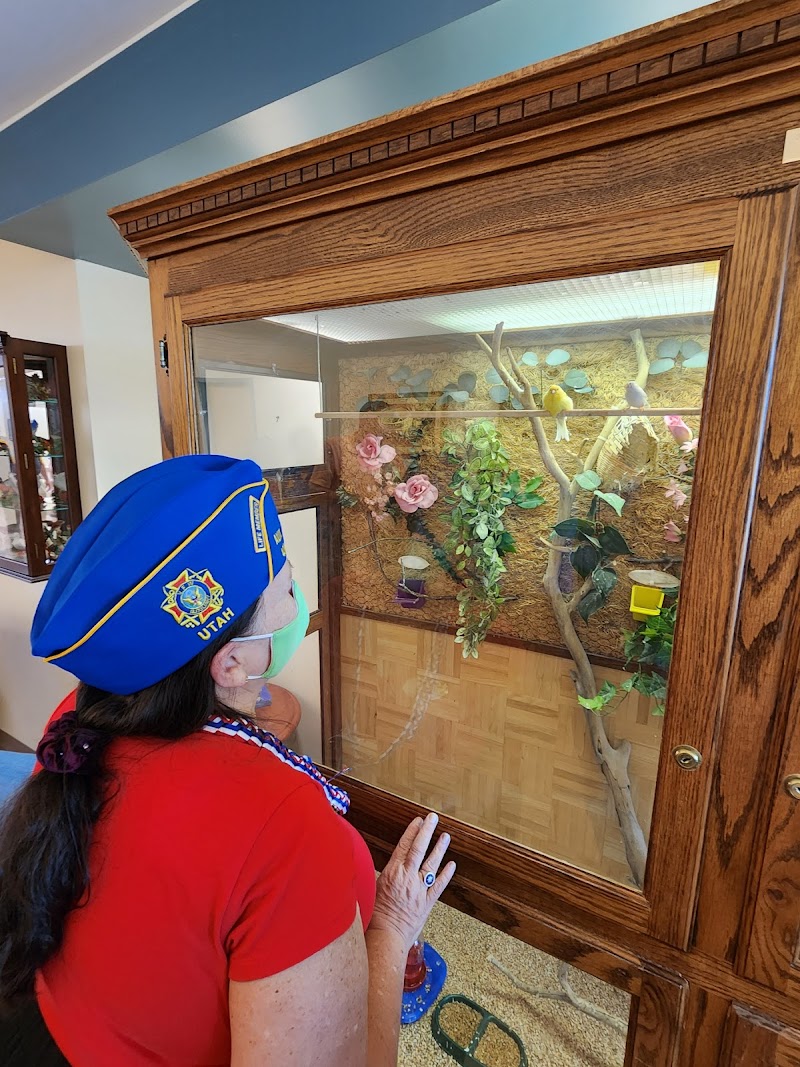
How Does Delaware Valley Veteran'S Home Compare to Other Pennsylvania Nursing Homes?

Compared to the 100 nursing homes in Pennsylvania, DELAWARE VALLEY VETERAN'S HOME's overall rating (5 stars) is above the state average of 3.0, staff turnover (31%) is significantly lower than the state average of 46%, and health inspection rating (3 stars) is at the national benchmark.

What Should Families Ask When Visiting Delaware Valley Veteran'S Home?

Based on this facility's data, families visiting should ask: "What changes have been made since the serious inspection findings, and how are you preventing similar issues?" "Can I visit during a mealtime to observe dining assistance and food quality?" "How do you handle medical emergencies, and what is your hospital transfer rate?" "Can I speak with family members of current residents about their experience?" These questions are particularly relevant given the facility's Immediate Jeopardy citations.

Is Delaware Valley Veteran'S Home Safe?

Based on CMS inspection data, DELAWARE VALLEY VETERAN'S HOME has documented safety concerns. Inspectors have issued 1 Immediate Jeopardy citation (the most serious violation level indicating risk of serious injury or death). The facility has a 5-star overall rating and ranks #1 of 100 nursing homes in Pennsylvania. Families considering this facility should ask detailed questions about what corrective actions have been taken since these incidents.

Do Nurses at Delaware Valley Veteran'S Home Stick Around?

DELAWARE VALLEY VETERAN'S HOME has a staff turnover rate of 31%, which is about average for Pennsylvania nursing homes (state average: 46%). Moderate turnover is common in nursing homes, but families should still ask about staff tenure and how the facility maintains care continuity when employees leave.

Was Delaware Valley Veteran'S Home Ever Fined?

DELAWARE VALLEY VETERAN'S HOME has been fined $10,036 across 1 penalty action. This is below the Pennsylvania average of $33,179. While any fine indicates a compliance issue, fines under $50,000 are relatively common and typically reflect isolated problems that were subsequently corrected. Families should ask what specific issues led to these fines and confirm they've been resolved.

Is Delaware Valley Veteran'S Home on Any Federal Watch List?

DELAWARE VALLEY VETERAN'S HOME is not on any federal watch list. The most significant is the Special Focus Facility (SFF) program, which identifies the bottom 1% of nursing homes nationally based on persistent, serious quality problems. Not being on this list means the facility has avoided the pattern of deficiencies that triggers enhanced federal oversight. This is a positive indicator, though families should still review the facility's inspection history directly.