FAIRVIEW NURSING AND REHABILITATION CENTER
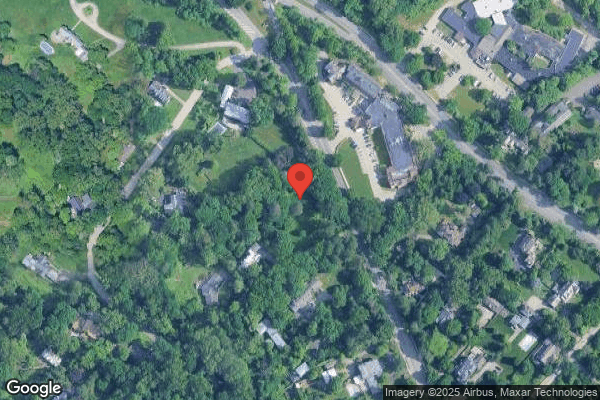
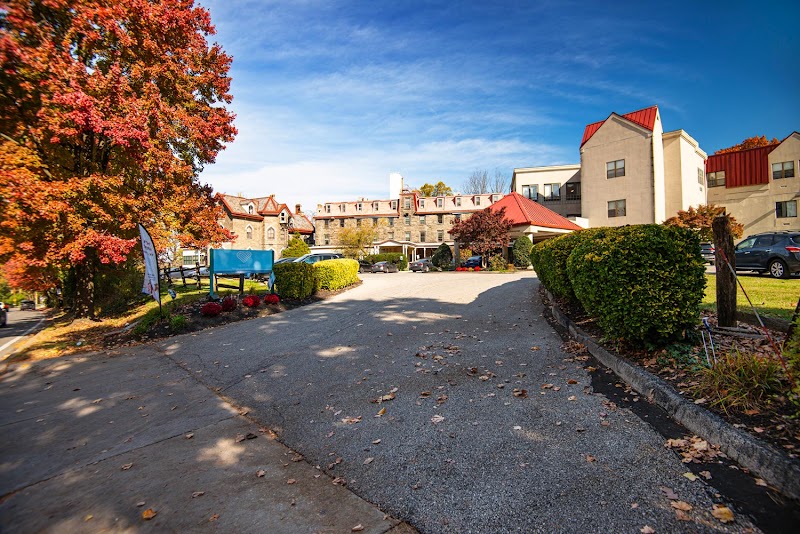
184 BETHLEHEM PIKE, PHILADELPHIA, PA 19118 (215) 247-5311
For profit - Corporation 176 Beds IMPERIAL HEALTHCARE GROUP Data: November 2025 1 Immediate Jeopardy citation
Trust Grade
28/100
#419 of 653 in PA
Last Inspection: October 2024

Within standard 12-15 month inspection cycle. Federal law requires annual inspections.

Overview

Fairview Nursing and Rehabilitation Center has received a Trust Grade of F, indicating significant concerns about the quality of care provided. It ranks #419 out of 653 facilities in Pennsylvania, placing it in the bottom half of nursing homes in the state, and #29 out of 46 in Philadelphia County, suggesting limited local options for better care. The facility is on an improving trend, with issues decreasing from 54 in 2024 to 9 in 2025, but it still has a concerning staffing turnover rate of 63%, significantly higher than the Pennsylvania average of 46%. Notably, they have incurred $47,181 in fines, which is higher than 79% of facilities in the state, indicating potential ongoing compliance problems. Specific incidents have raised alarms, including a resident's fall after inadequate supervision, and the failure to ensure proper call systems, forcing residents to yell for help. Overall, while some quality measures are rated excellent, the facility has serious weaknesses that families should consider.

Trust Score
F
28/100
In Pennsylvania
#419/653
Bottom 36%
Safety Record
High Risk
Review needed
Inspections
Getting Better
54 → 9 violations
Staff Stability
⚠ Watch
63% turnover. Above average. Higher turnover means staff may not know residents' routines.
Penalties
○ Average
$47,181 in fines. Higher than 69% of Pennsylvania facilities. Some compliance issues.
Skilled Nurses
⚠ Watch
Each resident gets only 17 minutes of Registered Nurse (RN) attention daily — below average for Pennsylvania. Fewer RN minutes means fewer trained eyes watching for problems.
Violations
⚠ Watch
98 deficiencies on record. Higher than average. Multiple issues found across inspections.
★★☆☆☆
2.0
Overall Rating
★★☆☆☆
2.0
Staff Levels
★★★★★
5.0
Care Quality
★☆☆☆☆
1.0
Inspection Score
Stable
2024: 54 issues
2025: 9 issues

The Good

  • 5-Star Quality Measures · Strong clinical quality outcomes
  • Full Sprinkler Coverage · Fire safety systems throughout facility
  • No fines on record

Facility shows strength in quality measures, fire safety.

The Bad

2-Star Overall Rating

Below Pennsylvania average (3.0)

Below average - review inspection findings carefully

Staff Turnover: 63%

17pts above Pennsylvania avg (46%)

Frequent staff changes - ask about care continuity

Federal Fines: $47,181

Above median ($33,413)

Moderate penalties - review what triggered them

Chain: IMPERIAL HEALTHCARE GROUP

Part of a multi-facility chain

Ask about local staffing decisions and management

Staff turnover is elevated (63%)

15 points above Pennsylvania average of 48%

The Ugly 98 deficiencies on record

1 life-threatening
Aug 2025 2 deficiencies
CONCERN (D) 📢 Someone Reported This

A family member, employee, or ombudsman was alarmed enough to file a formal complaint

Potential for Harm - no one hurt, but risky conditions existed

Deficiency F0573 (Tag F0573)

Could have caused harm · This affected 1 resident

Based on interview with staff, it was determined that the facility failed to provide a copy of a resident's medical and financial records upon request by the resident one of one clinical record review...

Read full inspector narrative →
Based on interview with staff, it was determined that the facility failed to provide a copy of a resident's medical and financial records upon request by the resident one of one clinical record reviewed. (Resident R1)Findings include:A review of the clinical record revealed that Resident R1 had a care conference on June 2, 2025. During an interview with Resident R1 on August 28, 2025, at 10:38 a.m., it was confirmed that a request had been made for the full medical and financial records.On August 28, 2025, at 12:30 p.m., an interview with the Administrator, Employee E1 revealed that a meeting had been held a few weeks ago with Resident R1 and their family, during which Resident R1 requested a copy of their medical and financial records. These records were never provided to Resident R1. The Administrator confirmed that a full set of medical and financial records had not been given. It was further revealed that the medical record department is in the process of making a copy of the records to provide to Resident R1 as of today.A further interview with Employee E1 on August 28, 2025, at 4:10 p.m. revealed that there was no written documentation in the clinical record indicating that the facility had provided any medical or financial records to Resident R1.28 Pa Code 201.14(a) Responsibility of licensee28 Pa Code 201.18(b)(2) Management
CONCERN (D) 📢 Someone Reported This

A family member, employee, or ombudsman was alarmed enough to file a formal complaint

Potential for Harm - no one hurt, but risky conditions existed

Incontinence Care (Tag F0690)

Could have caused harm · This affected 1 resident

**NOTE- TERMS IN BRACKETS HAVE BEEN EDITED TO PROTECT CONFIDENTIALITY** Based on clinical records reviewed and staff interview, it was determined that the facility failed to ensure that a resident's u...

Read full inspector narrative →
**NOTE- TERMS IN BRACKETS HAVE BEEN EDITED TO PROTECT CONFIDENTIALITY** Based on clinical records reviewed and staff interview, it was determined that the facility failed to ensure that a resident's urinary catheter's bag was maintained in sanitary condition for one of one resident reviewed. (Resident R1) Findings include:A review of the clinical record revealed that Resident R1 was admitted to the facility on [DATE], with diagnosis of pressure ulcer of sacral stage 4 (ulcer involving full thickness of skin loss), urinary tract infection, klebsiella pneumoniae (gram-negative bacterium commonly found in the intestine of humans which causes unitary [NAME] infections, pneumonia, bloodstream infections).A review of the physician orders dated May 8, 2025, revealed an order for a supra pubic urinary catheter 20 fr (french) 30 ml (milliliters) for obstructive and reflux uropathy (blockage of the urinary track).During an interview with Resident R1 on August 28, 2025, at 10:38 a.m., it was noted that the resident's urinary catheter's leg bag was lying on top of the sink in the resident's room in an unsanitary condition.On August 28, 2025, at 11:42 a.m., an interview with Unit Manager, Employee E4, confirmed that the resident had an unsanitary urinary catheter's leg bag lying above the resident's sink.28 Pa. Code 201.18(b)(1) Management28 Pa. Code 211.12(d)(1)(5) Nursing services
Aug 2025 4 deficiencies
CONCERN (D) 📢 Someone Reported This

A family member, employee, or ombudsman was alarmed enough to file a formal complaint

Potential for Harm - no one hurt, but risky conditions existed

Investigate Abuse (Tag F0610)

Could have caused harm · This affected 1 resident

Based on the review of clinical records and interviews with staff it was determined that the facility failed to ensure a complete and thorough investigation was conducted into a resident's allegation ...

Read full inspector narrative →
Based on the review of clinical records and interviews with staff it was determined that the facility failed to ensure a complete and thorough investigation was conducted into a resident's allegation of a fall for 1 out of 2 residents reviewed (Resident R1)Findings include:Review of the August 2025 physician orders for the resident included diagnosis that included hypertension (high blood pressure); cerebral infarction (a stroke); arthritis; history of falling; diabetes (a group of common endocrine diseases characterized by sustained high blood sugar levels); schizophrenia ( a mental disorder characterized variously by hearing voices, having false beliefs that conflict with reality , disorganized thinking or behavior, and flat or inappropriate affect) and substance abuse. Review of a nursing note dated April 5, 2025 at 3:05 p.m. indicated Resident reports falling last week, she states she dose[sic] not remember the day but it was approximately Tuesday at 5am when she fell. She reports slipping on water at left bed side while attempting to walk to wheelchair, hitting her head when she fell. She stated that nursing supervisor and nurse transferred her back to bed. She complains of pain 5/10 to right side of head. [Physician] notified N/o (new order) to obtain x-ray of skull and c-spine. Resident is own responsible party. Review of the resident's clinical record did not show any documented evidence of falls of the entire month of March 2025. During an interview with the Assistant Director of Nursing (ADON) on August 22, 2025, at 11:15 a.m. it was confirmed with the ADON that there was no investigation into the resident's alleged reported fall as communicated by the resident to nursing staff.28 Pa. Code 201.14 (a) Responsibility of licensee. 28 Pa. Code 201.29 (a) Resident rights.
CONCERN (D) 📢 Someone Reported This

A family member, employee, or ombudsman was alarmed enough to file a formal complaint

Potential for Harm - no one hurt, but risky conditions existed

Comprehensive Care Plan (Tag F0656)

Could have caused harm · This affected 1 resident

Based on the review of clinical records, it was determined that the facility failed to ensure that a person-centered plan of care was developed for a resident with a history of substance abuse for 1 o...

Read full inspector narrative →
Based on the review of clinical records, it was determined that the facility failed to ensure that a person-centered plan of care was developed for a resident with a history of substance abuse for 1 out of 2 residents reviewed (Resident R1).Findings include:Review of Resident R1 August 2025 physician orders revealed the diagnoses of hypertension (high blood pressure); cerebral infarction (a stroke); arthritis; history of falling; diabetes (a group of common endocrine diseases characterized by sustained high blood sugar levels); schizophrenia ( a mental disorder characterized variously by hearing voices, having false beliefs that conflict with reality, disorganized thinking or behavior, and flat or inappropriate affect) and substance abuse. Review of the resident's person-centered plan of care included a plan of care dated July 18, 2023, stating that the resident admitted to smoking drugs in her room. Interventions included the use of a smoke detector in the resident's room, restricting the resident's leave of absence visits on a temporary basis, and supervised visitation. Review of a physician's note dated November 15, 2024, at 4:42 p.m. documented that a crack pipe (drug paraphernalia used to smoke crack cocaine) was found in the resident's room. During an interview with the nursing supervisor on August 22, 2025 at 11:53 a.m. revealed that she conducted a room search with the Nursing Home Administrator (NHA) on November 15, 2024 during her 3:00 p.m. through 11:00 p.m. nursing shift and that a crack pipe was found in bags that in the resident's room. The nurse supervisor reported that the resident was asked if she had ever used the crack pipe in the past and the resident reportedly responded, I guess I did now. The nurse supervisor continued the interview and stated that some time last week or the week before, she found what she described as crack cocaine that was stored in a lip balm tube that had been cleared of its original contents inside. Nurse supervisor reported that the resident pulled the lip balm tube from her bra, the resident opened it and said see to the nurse supervisor. The Nurse supervisor stated that she saw white rocks in the lip balm tube that she showed the nurse supervisor The nurse supervisor reported that she told the resident, that's crack in there, which then the resident closed the lip balm tube up and put it back in her bra. The nurse supervisor reported that she did not take what she thought was crack cocaine in the lip balm tube because another nurse on the shift that she was working told her that she would need a search warrant. During an interview with the NHA on August 22, 2025 at 12:38 p.m. the NHA confirmed the room search with the nursing supervisor was conducted with the resident's permission. The NHA reported that a crack pipe was found, taken out of the resident's room, and that he told the nurse supervisor to go back and resume her regular duties after the room search. Review of a physician's visit note dated October 24, 2024 documented the concern of cocaine and that cessation was strongly encouraged. The physician's note also indicated that the resident will require close monitoring for signs and symptoms of drug abuse, which places the resident at significant risk.#Concern cocaine abuse infacility - Strongly encourage cessation. Pt will require close monitoring for s/s drug abuse which places pt at significant risk. Review of the person-centered plan of care and clinical record did not show evidence of a detailed plan of care that included interventions to prevent the resident's possession of drugs and drug paraphernalia and a plan of care to address supervision of the resident who has a history of substance abuse, and recently suspected of having drug paraphernalia that was taken from her, and suspected drugs in her possession. During a discussion with the NHA and the Director of Nursing (DON) on August 22, 2025 at 2:30 p.m. it was discussed that the resident's care plan did not include detailed interviews for resident supervision and interventions to prevent the resident from obtaining drugs and drugs paraphernalia. 28 Pa Code 211.11(d) Resident care plan28 Pa. Code 211.12(c(1) )Nursing services28 Pa. Code 211.12(d)(1) Nursing services28 Pa. Code 211.12(d)(5) Nursing services
CONCERN (D) 📢 Someone Reported This

A family member, employee, or ombudsman was alarmed enough to file a formal complaint

Potential for Harm - no one hurt, but risky conditions existed

Quality of Care (Tag F0684)

Could have caused harm · This affected 1 resident

Based on staff interviews, review of facility policy and the review of facility documentation, it was determined that the facility failed to ensure that one resident had a physician's order for a leav...

Read full inspector narrative →
Based on staff interviews, review of facility policy and the review of facility documentation, it was determined that the facility failed to ensure that one resident had a physician's order for a leave of absence from the facility for 1 out of 2 residents reviewed (Resident R1).Findings include: Review of the facility policy, Signing Resident' s Out-LOA (Leave of Absence), with a revision date for August 2006 indicated that each resident leaving the premises (excluding transfers and discharges) must be signed out. Review of Resident R1's August 2025 physician orders included the diagnoses of hypertension (high blood pressure); cerebral infarction (a stroke); arthritis; history of falling; diabetes (a group of common endocrine diseases characterized by sustained high blood sugar levels); schizophrenia (a mental disorder characterized variously by hearing voices, having false beliefs that conflict with reality , disorganized thinking or behavior, and flat or inappropriate affect, and other psychoactive), and substance abuse. Review of nursing note dated March 6, 2025 at 9:30 a.m. indicated that the resident out of the facility on a leave of absence visit with her sister with plans to return to the facility in the afternoon. Review of a the physician's note dated March 12, 2025 at 5:41 p.m. stated that the resident had a LOA over the weekend and that the resident had returned to the facility. Review of the resident's August 2025 physician orders did not include a physician's order for the resident to leave the facility on a leave of absence. During an interview with the Nursing Home Administrator (NHA) on August 22, 2025 at 12:28 p.m. it was discussed that the resident had at least two LOA's in March 2025, but there was no physician's order approving the resident's absences from the facility.28 Pa. Code 211.12 (c) Nursing Services28 Pa. Code 211.12 (d)(1)(5) Nursing Services
CONCERN (E) 📢 Someone Reported This

A family member, employee, or ombudsman was alarmed enough to file a formal complaint

Potential for Harm - no one hurt, but risky conditions existed

Deficiency F0919 (Tag F0919)

Could have caused harm · This affected multiple residents

Based on observations and interviews with residents and staff, it was determined that the facility failed to ensure that the facility was adequately equipped resident call system for the second floor ...

Read full inspector narrative →
Based on observations and interviews with residents and staff, it was determined that the facility failed to ensure that the facility was adequately equipped resident call system for the second floor nursing unit, 7 out of 7 residents reviewed (Resident R1, R2, R3, R4, R5, R6 and R7).Findings include:Review of information submitted to the State Survey Agency on August 4, 2025 indicated that the resident call system at the facility was not working properly, and that some residents had to yell for help. The information submitted also indicated that the facility provided hand-held silver bells for residents to use to shake when they need help, and that such bells cannot be heard from a distance. During interview with Resident R1 and Resident R2's room on August 21, 2025 at 10:20 A.M. both residents reported that their call bells have not worked for quite some time. Resident R1 and Resident R2 reported that they have to yell for help because staff cannot hear them when they ring the silver handheld bells. Resident R1's call bell was not observed in her room during the above referenced observation. When asked where her silver hand held call bell was, she reported that it was gone and stated that someone took it. Resident R2's call bell was out of her reach on a dresser that was across from her bed. She stated, look where they put it. I can't reach over there.' When Resident R1 and Resident R2's call bell system was tested it was found to be non- functional. Observations and testing of resident call system with the maintenance staff, Employee E5 on August 21, 2025, at 11:25 a.m. confirmed that the call system in the resident room or bathroom for Resident R1 and Resident R2 was not working. Observation of Resident R3 on August 21, 2025 at 11:50 a.m. revealed that the resident had a wireless call bell system that was purchased by the facility due to the original facility installed wired call bell system in the resident's room not working. The call bell system transmitted was attached to a black lanyard where is hung on his bed. The wireless call bell system had a digital display screen that was observed at the nursing station. When the wireless call bell transmitter was pressed, the notification can only be heard if you are at the nursing station when the system calls out the room number requesting help. With the above referenced wireless system, facility nursing staff do not have functioning devices in their possession that will notify them of a resident's need for assistance if they are not at the nursing station. No working call light system in the bathroom for Resident R3 was also observed. Observation conducted of Resident R4 and Resident R5 on August 21, 2025 at 11:56 a.m. room also had the above referenced wireless system that worked in the same manner as noted above. No working call light system in the bathroom was observed for Residents R4 and R5. Observation of Resident R6's room on August 21, 2025 at 11:59 a.m. revealed a call bell indicator did not light up above his room when tested, and there was a faint volume at the nursing station. Observation of Resident R7' call bell on Augsut 21, 2025 at 12:05 p.m. revealed that the resident's call bell did not work and the resident was provided a silver hand held bell to ring for assistance. During an interview with Nursing Home Administrator (NHA) on August 21, 2025 at 1:00 p.m. the NHA reported that there have been problems with the facility call bell system on the facility's second floor and some of the first floor due to the system being old and the parts are not able to be replaced. 28 Pa. Code 205.28(c)(1) Nurses' station
Jul 2025 2 deficiencies
CONCERN (D) 📢 Someone Reported This

A family member, employee, or ombudsman was alarmed enough to file a formal complaint

Potential for Harm - no one hurt, but risky conditions existed

Notification of Changes (Tag F0580)

Could have caused harm · This affected 1 resident

**NOTE- TERMS IN BRACKETS HAVE BEEN EDITED TO PROTECT CONFIDENTIALITY** Based on review of facility policy, review of clinical records, review of facility documentation, and staff interviews, it was d...

Read full inspector narrative →
**NOTE- TERMS IN BRACKETS HAVE BEEN EDITED TO PROTECT CONFIDENTIALITY** Based on review of facility policy, review of clinical records, review of facility documentation, and staff interviews, it was determined that the facility failed to notify the physician of a significant change in the resident's condition for one of three residents reviewed (Resident R1). Findings Include: Review of facility policy Change in a Resident's Condition or Status revised February 2021 revealed the nurse will notify the resident's attending physician, or physician on call, when there has been a significant change in the resident's physical/emotional/mental condition. Per the facility policy, a significant change of condition is a major decline, or improvement, in the resident's status that will not normally resolve itself without intervention. Review of Resident R1's quarterly Minimum Data Set (MDS - federally mandated resident assessment and care screening) dated July 3, 2025, revealed the resident was readmitted to the facility on [DATE], status post hospitalization. Continued review of Resident R1's MDS dated [DATE], revealed the resident had severe cognitive impairment and had diagnoses of Alzheimer's Disease (progressive brain disorder causing memory loss, cognitive decline, and behavioral changes), depression (persistent feeling of sadness and loss of interest), bradycardia (slow heart rate), altered mental status, and somnolence (sleepiness). Review of Resident R1's clinical record revealed a nursing note dated June 27, 2025, that the resident was readmitted to the facility, from the hospital, and was assessed to be alert, pleasant, cooperative, follows simple commands, and able to make simple needs known. Review of Resident R1 nursing notes dated June 28 and June 29, 2025, revealed the resident was compliant with and tolerated all medications. Continued review of Resident R1's clinical record revealed a nursing note dated July 4, 2025, at 10:20 a.m. by Licensed Nurse, Employee E3, that indicated upon attempt to administer medication, resident appears to be lethargic with very little verbal response. VS [vital signs] WNL [within normal limits] at this time. Review of Resident R1's medication administration revealed the following physician ordered medications were omitted during the day shift of July 4, 2025: cholecalciferol (for osteoporosis), escitalopram (for depression), folic acid (for anemia), furosemide (for swelling), and depakote (for mood disorder). Continued review of Resident R1's clinical record revealed no documented evidence that the physician was notified of this change in condition and subsequent missed medications. Interview on July 25, 2025, at 1:06 p.m. with Licensed Practical Nurse (LPN), Employee E3, revealed Resident R1's baseline upon readmission from him hospitalization June 27, 2025, was lethargic but arousable/responsive and able to get up. Continued interview on July 25, 2025, at 1:06 p.m. with LPN, Employee E3, revealed in the morning of July 4, 2025, when going to administer Resident R1's medications, the resident had a noted change and would barely open his/her eyes. LPN, Employee E3, reported feeling uncomfortable to give medications based on the resident's status. Interview on July 25, 2025, at 1:06 p.m. with LPN, Employee E3, the employee reported that the doctor was called but there was no answer and no return call back. Per LPN, Employee E3, the procedure is to further inform the nursing supervisor if no response is received by the physician. Interview on July 25, 2025, at 1:50 p.m. with Registered Nurse (RN) Supervisor, Employee E4, revealed this employee could not recall if LPN, Employee E3, informed him/her of the nurses inability to get in touch with the physician. Continued interview on July 25, 2025, at 1:50 p.m. with RN Supervisor, Employee E4, revealed the physician was not contacted until 4:31 p.m. on July 4, 2025, to inform the physician that Resident R1 appeared to be more lethargic, and that the family was requesting the resident to be sent to the hospital via emergency services. The physician timely responded and gave orders to send Resident R1 to the hospital. Review of Resident R1's clinical record revealed a nursing note dated July 5, 2025, that Resident R1 was subsequently admitted to the hospital with a diagnosis of renal failure (one or both kidneys no longer function well on their own). 28 Pa. Code 211.10 (d) Resident care policies. 28 Pa. Code 211.12 (d)(5) Nursing services.
CONCERN (D) 📢 Someone Reported This

A family member, employee, or ombudsman was alarmed enough to file a formal complaint

Potential for Harm - no one hurt, but risky conditions existed

Medical Records (Tag F0842)

Could have caused harm · This affected 1 resident

**NOTE- TERMS IN BRACKETS HAVE BEEN EDITED TO PROTECT CONFIDENTIALITY** Based on review of clinical records and staff interview it was determined that the facility failed to maintain complete and accu...

Read full inspector narrative →
**NOTE- TERMS IN BRACKETS HAVE BEEN EDITED TO PROTECT CONFIDENTIALITY** Based on review of clinical records and staff interview it was determined that the facility failed to maintain complete and accurate clinical record documentation for two of three residents reviewed (Resident R1 and R2).Findings Include: Review of Resident R1's clinical record revealed a physician order dated July 2, 2025, for daily respiratory assessment every day shift, which included documentation of lung sounds, pulse and O2 saturation (measures the amount of oxygen in the blood).Continued review of Resident R1's clinical record revealed a nursing note dated July 4, 2025, at 10:20 a.m. by Licensed Nurse, Employee E3, that indicated upon attempt to administer medication, resident appears to be lethargic with very little verbal response. VS [vital signs] WNL [within normal limits] at this time.Review of Resident R1's entire clinical record revealed no documented evidence Licensed Nurse, Employee E3, documented the daily respiratory assessment or what Resident R1's vital signs were on July 3, 2025.Review of Resident R2's clinical record revealed the resident was admitted to the facility on [DATE], and discharged [DATE].Review of Resident R2's medication administration record revealed nursing staff failed to document the administration, or lack thereof, of the following medications that were ordered by the physician to be given on July 19, 2025: levothyroxine (for hypothyroidism), and Klonopin (for schizoaffective disorder).28 Pa. Code 201.14 (a) Responsibility of licensee.28 Pa. Code 211.5 (f)(x) Medical records. 28 Pa. Code 211.5 (f)(xi) Medical records.
Jan 2025 1 deficiency
CONCERN (D) 📢 Someone Reported This

A family member, employee, or ombudsman was alarmed enough to file a formal complaint

Potential for Harm - no one hurt, but risky conditions existed

Deficiency F0760 (Tag F0760)

Could have caused harm · This affected 1 resident

Based on review of the clinical records, review of facility policies and interviews with staff, it was determined that the facility failed to ensure that a resident was free of significant medication ...

Read full inspector narrative →
Based on review of the clinical records, review of facility policies and interviews with staff, it was determined that the facility failed to ensure that a resident was free of significant medication error for tone of five residents reviewed for medication administration. This deficiency was cited as past non-compliance. (Resident R1) Findings include: Review of an undated facility policy: Medication and Treatment Orders, revealed that Orders for medications and treatments will be consistent with principles of safe and effective order writing. Medications shall be administered only upon the written order of a person duly licensed and authorized to prescribe such medications in this state. Upon admission, the admitting nurse will review the transfer record of the newly admitted patient. The admitting nurse will then notify the attending physician or on-call physician to review admission medications on the transfer record. After medications are reviewed with the physician, the admitting nurse or designee will input the approved medications from the transfer record into the PCC Emar system. The admitting nurse will need to review the transfer record against the Emar record after all medications have been transcribed to ensure all medications are transcribed correctly. Review of facility reported incident dated January 13, 2025, revealed that Resident R1 received a total of 4 additional doses of Trulicity due to a transcription error. Physician was notified and ordered to continue to monitor residents blood glucose diligently. Review of hospital orders for Resident R1 dated January 7, 2025, revealed an order for Trulicity 0.75/5ml injection, give once every7 days for 60 days. Review of physician orders for Resident R1 dated January 8, 2025, revealed an order for Trulicity 0.75/5ml injection, give one time a day for 60 days. There was no indication in the clinical record that the attending physician provided a reason for the change. Interview with Director of Nursing on January 22, 2025, at 2:30 p.m., stated nurse did not follow appropriate hospital order when admission orders were transcribed and the nurse who took the admission orders acknowledged the error. This deficiency was cited as past non-compliance. Review of facility Action plan/Follow up documentation revealed the following information. 1.Resident R1 received Trulicity daily times 4 doses. Trulicity order was incorrectly transcribed. Physician notified hold Trulicity one week. Continue blood sugar checks three times a day. Resident R1 demonstrated no signs or symptoms of hypo or hyperglycemias. 2. Residents receiving Trulicity were identified, and orders were reviewed. No discrepancies found. 3. Identified nurse who transcribed order incorrectly was individually educated. 100% of licensed staff were educated on transcription of medication and treatment orders. 4. DON or designee will complete admission order medication transcription audit weekly x4, monthly x 3 months. Results / recommendations will be reviewed at QAPI. Review of facility plan of correction documentation revealed that the facility implemented the plan of correction with date of correction of January 21, 2025. 28 Pa. Code 211.12(d)(1) Nursing services 28 Pa. Code 211.12(d)(3) Nursing services 28 Pa. Code 211.12(d)(5) Nursing services
Oct 2024 18 deficiencies
CONCERN (D)

Potential for Harm - no one hurt, but risky conditions existed

Deficiency F0582 (Tag F0582)

Could have caused harm · This affected 1 resident

Based on review of facility documentation and interview with staff, it was determined the facility failed to provide timely notice of non-medical coverage (NOMNC) for three of three residents reviewed...

Read full inspector narrative →
Based on review of facility documentation and interview with staff, it was determined the facility failed to provide timely notice of non-medical coverage (NOMNC) for three of three residents reviewed. (Resident R158, R314, R315). Findings Include: Review of facility beneficiary notice worksheet completed for the past six months revealed resident R315 was discharged home on September 11, 2024. There was no documentation showing that a Notice of Non-Medical Coverage (NOMNC) was reviewed with the resident prior to discharge. Review of facility beneficiary notice worksheet completed for the past six months revealed resident R314 was given a discharge date of June 2, 2024 but remained at the facility. Review of facility beneficiary notice worksheet completed for the past six months revealed resident R158 was given a discharge date of September 1, 2024 but remained at the facility. Interview with the Director of Nursing Employee E2 on October 24, 2024 at 1:03 p.m. confirmed the facility did not have NOMNC's for the resident reviewed and that the facility was not completing the Notice of Medicare Non-Coverage as required for residents. The facility failed to issue a Notice of Medicare Non-Coverage (NOMNC) prior to termination of Medicare A services, as required. 28 Pa. Code 201.29(f) Resident rights
CONCERN (D)

Potential for Harm - no one hurt, but risky conditions existed

Abuse Prevention Policies (Tag F0607)

Could have caused harm · This affected 1 resident

Based on review of facility policy, review of employee files, and staff interview, it was determined that the facility failed to conduct required criminal background checks in a timely manner prior to...

Read full inspector narrative →
Based on review of facility policy, review of employee files, and staff interview, it was determined that the facility failed to conduct required criminal background checks in a timely manner prior to employment for one of five new hired employees. (Employee E23) Findings Include: Review of the facility policy titled, Abuse, Neglect, Exploitation and Misappropriation Prevention Program with a revision date of April 2021 states, Policy Statement-Residents have the right to be free from abuse, neglect, misappropriation of resident property and exploitation. This includes but is not limited to freedom from corporal punishment, involuntary seclusion, verbal, mental, sexual or physical abuse, and physical or chemical restraint not required to treat the resident's symptoms. Further review of policy states, 4. Conduct employee background checks and not knowingly employ or otherwise engage any individual who has: been found guilty of abuse, neglect, exploitation, misappropriation of property, or mistreatment by a court of law; had a finding entered into the state nurse aide registry concerning abuse, neglect, exploitation, mistreatment of residents or misappropriation of their property; or a disciplinary action in effect against his or her professional license by a state licensure body as a result of a finding of abuse, neglect, exploitation, mistreatment of residents or misappropriation of resident property. Review of Employee E23's employee file revealed the employee was hired on August 14, 2024. Based on review of the employee file it was revealed that the facility did not conduct a criminal background check until October 24, 2024 after the employee file was requested. An interview was held on October 25, 2024, at 12:30 p.m. with the Director of Human Resources, Employee E28 confirmed that the criminal background check for Employee E23 had not been completed prior to hire as per facility policy for the newly hired employee. 28 Pa. Code 201.19 Personnel policies and procedures.
CONCERN (D)

Potential for Harm - no one hurt, but risky conditions existed

Transfer Notice (Tag F0623)

Could have caused harm · This affected 1 resident

**NOTE- TERMS IN BRACKETS HAVE BEEN EDITED TO PROTECT CONFIDENTIALITY** Based on clinical record review and interviews with staff, it was determined that the facility failed to notify the resident rep...

Read full inspector narrative →
**NOTE- TERMS IN BRACKETS HAVE BEEN EDITED TO PROTECT CONFIDENTIALITY** Based on clinical record review and interviews with staff, it was determined that the facility failed to notify the resident representative of the resident being transferred to the hospital twice for falls for one of 33 residents reviewed (Residents R24) Findings include: Clinical record review revealed Resident R24 was admitted to the facility on [DATE] with the following diagnoses: Hypertension, Hyperlipidemia, Schizoaffective Disorder, Chronic Obstructive Pulmonary Disorder, and Brief Psychotic Disorder. Review of Resident R24's clinical record revealed the resident has a Guardian in place for her care. Further review of Resident R24's clinical record revealed he resident has had several falls at the facility that resulted in the resident being taken to the hospital. Review of a nursing progress note from August 3, 2024 revealed: late entry note for 8/4/2024 1930, resident had a fall in the hallway, she hit her head on the floor obtaining a 0.5 cm shin tear to her right eyebrow area. she was transferred to chh via 911, she returned with no new orders. Further review of August 2024 nuring notes revealed no documented evidence for this day regarding the resident's guardian being notified of the transfer to the hospital. Review of change of condition progress note completed on July 17, 2024 states: Situation: The Change In Condition/s reported on this CIC Evaluation are/were: Falls At the time of evaluation resident/patient vital signs, weight and blood sugar were: - Blood Pressure: BP 78/54 -7/17/2024 14:42 Position: Sitting r/arm - Pulse: P 78 - 7/7/2024 07:39 Pulse Type: Regular - RR: R 16.0 - 7/7/2024 07:39 - Temp: T 97.7 - 7/7/2024 07:39 Route: Temporal Artery - Weight: W 97.0 lb - 7/14/202411:18 Scale: Standing - Pulse Oximetry: O2 97.0 % -7/7/2024 07:39 Method: Room Air - Blood Glucose: BS 145.0 -3/18/2024 14:55 Resident/Patient is in the facility for: Long Term Care Outcomes of Physical Assessment: - Functional Status Evaluation: Fall Nursing observations, evaluation, and recommendations are: Resident had multiple falls , upon assessment of vital signs drop in bp (blood pressure) noted Primary Care Provider Feedback: Primary Care Provider responded with the following feedback: A. Recommendations: send to ER (Emergency Room) Review of July 2024 nuring notes revealed no documented evidence for this day regarding the resident's guardian being notified of the transfer to the hospital. 28 Pa. Code 201.14(a) Responsibility of licensee 28 Pa. Code 201.18(b)(2) Management
CONCERN (D)

Potential for Harm - no one hurt, but risky conditions existed

Deficiency F0679 (Tag F0679)

Could have caused harm · This affected 1 resident

Based on interviews with residents and staff and observations, it was determined that the facility failed to provide activities that enhanced the resident's interactions for one of three floors observ...

Read full inspector narrative →
Based on interviews with residents and staff and observations, it was determined that the facility failed to provide activities that enhanced the resident's interactions for one of three floors observed. (Third floor) Findings Include: Observation made of several resident rooms on the Third floor on October 22, 2024 revealed the resident's did not have updated activities calendars posted in their rooms. All resident rooms observed on the Third floor had calendars posted that were from the month of September 2024. Interview with the Assistant Director of Activities Employee E11 on October 23, 2024 at 10:11 a.m. revealed that there was currently no calendar that was made for the month of October 2024. Employee E11 revealed that he had trouble creating the calendar therefore one was never made or given to residents throughout the facility. Employee E11 revealed that there was currently no Director of Activities employed at the facility. Observation on October 22, 2024October 23, 2024 and October 24, 2024 of the Third floor hallway by the nurses station revealed residents gathered between the nurses station and resident rooms sitting in chairs or wheelchairs unoccupied without no schedule activities. Interview on October 24, 2024 at 12:22 p.m. with Assistant Director of Activities, Employee E11 revealed there were currently no activities scheduled or occurring on the Third floor. 28 Pa. Code: 201. 18(b)(3) Management 28 Pa. Code: 207.2(a) Administrators Responsibility
CONCERN (D)

Potential for Harm - no one hurt, but risky conditions existed

Quality of Care (Tag F0684)

Could have caused harm · This affected 1 resident

**NOTE- TERMS IN BRACKETS HAVE BEEN EDITED TO PROTECT CONFIDENTIALITY** Based on review of clinical records, interview with staff and review of facility policy, it was determined that the facility did...

Read full inspector narrative →
**NOTE- TERMS IN BRACKETS HAVE BEEN EDITED TO PROTECT CONFIDENTIALITY** Based on review of clinical records, interview with staff and review of facility policy, it was determined that the facility did not ensure a resident received care in accordance with profession standards of practice when the facility failed to notify the physician for further instructions for a missed anti-anxiety medication for one resident of 33 clinical records reviewed (Resident R39). Findings include: Review of the facility's policy titled Medication shortage/Unavailable Medication last revised April 2018 states that when medications are not received or are unavailable to the resident the licensed nurse will urgently initiate action in correspondence with the attending physician and the pharmacy. The policy indicates when a medication shortage is noted nursing should immediately initiate action to obtain the medication. Nursing notifies the pharmacy and obtains the status of the order. Using the facility's emergency stock can be utilized. The same policy indicates that if the medication is not obtainable to call the physician for further orders. If unable to obtain a response from the physician, nursing supervisor will be notified to contact the Medical Director for further order. Review of Resident R39's clinical record the resident was admitted on [DATE], diagnosed with adjustment disorder with anxiety, and paranoid schizophrenia. Review of the psychiatric consultation dated September 4 2024, noted Resident R39 was Paranoid, delusional and psychotic. The resident became extremely agitated and combative swinging at staff and providing an unsafe environment for others. Physician orders on September 6, 2024, instructed to give 0.5 mg of Lorazepam three times a day for extreme agitation. Review of the electronic medication administration record (eMAR) and administration nursing progress notes stated on September 17, 2024, Need a script (prescription) to reorder medication and noted the Pharmacy was called. Further review of the nursing administration notes revealed from September 18, through September 29, 2024, the medication was on order and documented as not given. Continue review of Resident R39's clinical records and interview with the Director of Nursing on October 24, 2024, revealed no documented evidence the physician was notified for further instructions. 28 Pa. Code 211.12(d)(1) Nursing Services
CONCERN (D)

Potential for Harm - no one hurt, but risky conditions existed

Deficiency F0726 (Tag F0726)

Could have caused harm · This affected 1 resident

Based on review of personnel files and interviews with staff, it was determined that the facility failed to ensure that nursing staff had specific competencies and skill sets necessary to care for res...

Read full inspector narrative →
Based on review of personnel files and interviews with staff, it was determined that the facility failed to ensure that nursing staff had specific competencies and skill sets necessary to care for residents' needs for four of four personnel files reviewed. (Employees E14, E15, E16, E17) Findings Include: Review of facility personnel files were made for competencies related to Medication Administration, Infection Control, Catheter Care, and Wound Care. Review of licensed nurse Employee E14's personnel file revealed that the employee was hired by the facility on May 6, 2021 as a licensed nurse. Review of licensed nurse Employee E15's personnel file revealed that the employee was hired by the facility on July 29, 2024 as a licensed nurse. Review of licensed nurse Employee E16's personnel file revealed that the employee was hired by the facility on June 5, 2024 as a licensed nurse. Review of licensed nurse Employee E17's personnel file revealed that the employee was hired by the facility on August 9, 2018 as a licensed nurse. Interview on October 25, 2024, at 10:05 a.m. the Human Resources Director Employee E8 revealed that skills competencies evaluations and trainings related to medication administration, infection control, catheter care, and wound care were not available for review at the time of the survey for Employees E14, E15, E16 and E17. Employee E8 revealed the facilities old staffing educator Employee E12 has not been here for about three months. Currently Employee E12 is working at another facility to help with a lack of staffing. Employee E12 was the person at the facility who would assign and follow up with trainings for staff. 28 Pa Code 201.19(7) Personnel policies and procedures 28 Pa Code 211.12(d)(2) Nursing services 28 Pa Code 211.12(d)(5) Nursing services
CONCERN (D)

Potential for Harm - no one hurt, but risky conditions existed

Deficiency F0730 (Tag F0730)

Could have caused harm · This affected 1 resident

Based on clinical record review and interview with staff, it was determined that the facility did not complete yearly performance review for nurse aides for two of four employees reviewed. (Employees ...

Read full inspector narrative →
Based on clinical record review and interview with staff, it was determined that the facility did not complete yearly performance review for nurse aides for two of four employees reviewed. (Employees E18 and E19) Findings Include: On October 23, 2024 at 11:00 a.m. with the facilities human resources director Employee E8 was interviewed and employee personnel records were requested for evidence of 12-hour trainings and yearly performance reviews for nurse aides. Four employee personnel records were requested including employee personnel record for nurse aides Employee E18 and E19. Interview on October 25, 2024 at 9:52 a.m. with the facilities human resources director Employee E8 revealed there were no completed yearly performance reviews completed for nurse aides Employee E18 and E19 even though they had been employed at the facility for over a year. Employee E8 stated that the facility had identified this as an issue and they are waiting for the staff educator Employee E12 to return the facility. Employee E8 revelealed Employee E8 is currently working at another facility helping out with a staffing shortage. Employee E8 confirmed Employee E12 has not been working at the facility for over three months. Employee E8 stated that in general Employee E12 would ensure the reviews were completed either by the Director of Nursing Employee E2 or the unit manager that worked most closely with the nurse aide being reviewed. 28 Pa Code 211.12(d)(1) Nursing services 28 Pa Code 211.12(d)(5) Nursing services
CONCERN (D)

Potential for Harm - no one hurt, but risky conditions existed

Pharmacy Services (Tag F0755)

Could have caused harm · This affected 1 resident

**NOTE- TERMS IN BRACKETS HAVE BEEN EDITED TO PROTECT CONFIDENTIALITY** Based on review of facility policy, review of clinical records, and interview with staff, it was determined that the facility fa...

Read full inspector narrative →
**NOTE- TERMS IN BRACKETS HAVE BEEN EDITED TO PROTECT CONFIDENTIALITY** Based on review of facility policy, review of clinical records, and interview with staff, it was determined that the facility failed to provide pharmaceutical services to ensure accurate receiving, dispense and administration of medication to meet the needs of a resident according to professional standards of practice relating to medication administration for 1 of 33 residents reviewed (Resident R39 ) Findings include: Review of the facility's policy titled Medication shortage/Unavailable Medication last revised April 2018 states that when medications are not received or are unavailable to the resident the licensed nurse will urgently initiate action in correspondence with the attending physician and the pharmacy. The policy indicates when a medication shortage is noted nursing should immediately initiate action to obtain the medication. Nursing notifies the pharmacy and obtains the status of the order. Using the facility's emergency stock can be utilized. The same policy indicates that if the medication is not obtainable to call the physician for further orders. If unable to obtain a response from the physician, nursing supervisor will be notified to contact the Medical Director for further order. Review of Resident R39's clinical record the resident was admitted on [DATE] diagnosed with adjustment disorder with anxiety, and paranoid schizophrenia. Physician orders on September 6, 2024, instructed to give 0.5 mg of Lorazepam three times a day for extreme agitation. Review of the electronic medication administration record (eMAR) and administration nursing progress notes stated on September 17, 2024, Need a script (prescription) to reorder medication and noted the Pharmacy was called. Further review of the nursing administration notes revealed from September 18, through September 29, 2024, the medication was on order and documented as not given. Continue review of Resident R39's clinical records and interview with the Director of Nursing on October 24, 2024 revealed no documented evidence a follow up with pharmacy or evidence additional steps were taken used to obtain the medication. 28 Pa Code 211.9 (a)Pharmacy Services 28 Pa. Code 211.12(d)(1) Nursing Services
CONCERN (D)

Potential for Harm - no one hurt, but risky conditions existed

Deficiency F0761 (Tag F0761)

Could have caused harm · This affected 1 resident

Based on observation and review of clinical records and facility policies, it was determined that the facility failed to ensure that residents' medication inlcuded the date that the medication was ope...

Read full inspector narrative →
Based on observation and review of clinical records and facility policies, it was determined that the facility failed to ensure that residents' medication inlcuded the date that the medication was opened in accordance with currently accepted professional principles two of four residents' medication administration observed. (Resident R26 and R136). Findings include: Review of the facility's policy titles, Administering Medications revised April 2019, indicates the expiration/beyond use date on the medication label is checked prior to administering. When opening a multi-dose container, the date opened is recorded on the container On October 24, 2024, at 9:00 a.m. surveyor observed Licensed Practical Nurse (LPN) Employee E13 administering 2 units from an opened vile Aspart (insulin) to Resident R26. Further observation revealed the medication did not include the date when it was originally opened. On October 28, 2024, at 11:53 a.m. surveyor observed LPN, Employee E10 administering aspirin to Resident R136. Further observation revealed the medication did not include the date when it was originally opened. 28 Pa Code 211.9 (a)Pharmacy Services 28 Pa. Code 211.12(d)(1) Nursing Services
CONCERN (D)

Potential for Harm - no one hurt, but risky conditions existed

Deficiency F0865 (Tag F0865)

Could have caused harm · This affected 1 resident

Based on review of facility policy and interviews with staff, it was determined that the facility failed to maintain an effective, comprehensive, data-driven quality assurance and performance improvem...

Read full inspector narrative →
Based on review of facility policy and interviews with staff, it was determined that the facility failed to maintain an effective, comprehensive, data-driven quality assurance and performance improvement program (QAPI) that focuses on indicators of the outcomes of care and quality of life as required. Findings include: Review facility policy titled, Quality Assurance and Performance Improvement (QAPI) Program -Governance and Leadership states the QAPI program is overseen and implemented by the QAPI committee, which reports its findings actions and results to the administration and governing body. The administration whether a member of the QAPI committee or not is ultimately responsible for the QAPI program and for interpreting its results and findings to the governing body. The governing body is responsible for ensuring that the QUAPI program is implemented and maintained to address identified priorities, is sustained through transition of leadership and staffing is adequately resourced and funded sufficient to conduct the activities of the program, is based on data, resident and staff input and other information that measures performance and focuses on problems and opportunities that reflect processes functions and services provided to the residents. The responsibility of the QAPI committee are to collect and analyze performance indicators, identify evaluate monitor and improve facility systems and processes that support the delivery and care and services identify and help resolve negative outcomes utilizes root cause analysis to help identify underlying systematic problems. The policy states the following individuals serve on the committee ,administrator or designee who is in a leadership role, Director of Nursing, Medical Director, Infection Preventionist and Representatives of the following departments as requested by the administrator: Pharmacy, Social Services, Activity Services, Environmental Services, Human Resources and Medical records. The policy further states the committee meets quarterly. An interview with the Nursing Home Administrator on October 28, 2024 at 12:30 p.m. stated was not able to demonstrate evidence of an Quality Assurance and Performance Improvement (QAPI) Program. 28 Pa. Code 201.14 (a) Responsibility of licensee 28 Pa. Code 201.18 (b)(1) Management
CONCERN (D)

Potential for Harm - no one hurt, but risky conditions existed

Deficiency F0883 (Tag F0883)

Could have caused harm · This affected 1 resident

Based on clinical record review, interview with residents and staff interview, it was determined that the facility failed to ensure residents received and were offered pneumococcal vaccines for one of...

Read full inspector narrative →
Based on clinical record review, interview with residents and staff interview, it was determined that the facility failed to ensure residents received and were offered pneumococcal vaccines for one of 33 residents reviewed. (Resident R22) Findings Include: Interview held with Resident R22 on October 22, 2024 at 1:11 p.m. revealed the resident wanted to have the pneumococcal vaccine but had not yet been offered it by the facility. Review of the resident's clinical record revealed no information regarding the resident being educated on or offered the vaccination over the past year. On October 24, 2024 at 3:15 p.m. and interview with was held with the Director of Nursing Employee E2 and she confirmed that the facility had not yet offered pneumococcal vaccines to this resident or to any other resident in the facility. Employee E2 revealed that an issue she found after becoming employed this year with the facility is that the facility had no practice in place for offering residents on a yearly basis. Employee E2 revealed that the facility was currently working without an Infection Preventionist who had not been at the facility since July 2024. 28 Pa. Code 201.14(a) Responsibility of licensee 28 Pa. Code 201.18(b)(1) Management
CONCERN (E) 📢 Someone Reported This

A family member, employee, or ombudsman was alarmed enough to file a formal complaint

Potential for Harm - no one hurt, but risky conditions existed

Safe Environment (Tag F0584)

Could have caused harm · This affected multiple residents

Based on observations and interviews with staff, it was determined that the facility failed to provide a clean, comfortable, homelike environment for three of three resident floors observed. (First, S...

Read full inspector narrative →
Based on observations and interviews with staff, it was determined that the facility failed to provide a clean, comfortable, homelike environment for three of three resident floors observed. (First, Second, and Third floors) Findings include: Observations on October 22, 2024 at 9:00 a.m revealed a large dining room on the Third floor just across from the elevator. There were four dining room tables and five stained and soiled dining room style chairs. The room was wallpapered and two of the four walls had large windows. Surveyors were brought to the room by Employee E2, the Director of Nursing for the use of a conference room during the four day survey. Observation on October 22, 2024 at 10:01 a.m. revealed Resident R74's room had five stained ceiling tiles. Observation on October 22, 2024 at 10: 14 a.m. of Resident R110's room revealed an overhead ceiling light on in her room with a large amount of dead bugs in it. Observation on October 22, 2024 at 10:55 a.m. of Resident R56's room revealed a ceiling tile along the wall was missing and there were four stained ceiling tiles. Observation on October 22, 2024 at 11:11 a.m. of Resident R54's room revealed spills of liquid on multiple spots on the floor and the floor was dirty with caked on brown dirt. Further observation of the first-floor dining area revealed fourteen stained ceiling tiles and one side of the back wall had wallpaper peeling off. Interview on October 22, 2024 at 1:30 p.m. with Employee E1, Nursing Home Administrator, when asked about the dining chairs present in the dining room revealed, We have about 50 dining room chairs in storage. No dining room audits are available for review. Observation in Resident R28's room revealed cracked tile floor, cracks on walls near windows, and broken shelves, exposing residents clothing. On October 23, 2024 at 9:36 a.m. interview with Director of Nursing, Employee E2, confirmed the above findings in Resident R28's room. 28 Pa. Code 201.18(b)(3)(5)(e)(2.1) Management 28 Pa Code 207 (e) Administration
CONCERN (E)

Potential for Harm - no one hurt, but risky conditions existed

Drug Regimen Review (Tag F0756)

Could have caused harm · This affected multiple residents

**NOTE- TERMS IN BRACKETS HAVE BEEN EDITED TO PROTECT CONFIDENTIALITY** Based on review of facility policy, review of facility documentation, review of clinical records, and staff interview it was det...

Read full inspector narrative →
**NOTE- TERMS IN BRACKETS HAVE BEEN EDITED TO PROTECT CONFIDENTIALITY** Based on review of facility policy, review of facility documentation, review of clinical records, and staff interview it was determined that the facility failed to ensure medication regimen reviews were completed monthly by a licensed pharmacist and failed to ensure recommendations were reviewed timely by the physician for 13 of 33 resident records reviewed (Resident R20, R22, R24, R39, R73, R83, R91, R92, R110, R121, R127, R130, R132) Findings Include: Review of facility policy, Consultant Pharmacist Provider Requirements revised January 2021 indicates a system is established where the pharmacist recommendations regarding customers' (residents') drug therapy are communicated to those with authority and/or responsibility to implement and/or respond to the recommendations in an appropriate and timely fashion. The policy continues to explain that reviewing medication/drug regimen, which includes all drugs currently ordered for the customer (resident), including prn (as needed) and routine drugs, are reviewed at least monthly, incorporating federally mandated standards of care in addition to other applicable professional standards and documenting the review and findings in the customer's medical record. This includes the evaluation and reporting of adverse drug reactions. The same policy continues to explain that the timely communication to the responsible physician and the facility, as required by state regulations, of potential or actual problems/issues detected, recommendations for changes in medication therapy and monitoring of medication therapy, and other findings/comments relating to medication therapy orders. The timing of these recommendations should enable a response prior to the next drug regimen review are acted upon by the physician and facility. On October 25, 2024, at 9:30 a.m., six months of medication regimen reviews (MRR) were requested for Resident R20 that was admitted to the facility on [DATE] . Facility provided one medication regimen review from the month of July 2024 completed by the pharmacist on July 3, 2024. In addition, the MMR was not signed nor did the attending physician document that he or she reviewed the pharmacist's identified recommendations that were either taken or not taken. On October 25, 2024, at 9:30 a.m., MRRs were requested for Resident R39 that was admitted to the facility on [DATE]. The facility failed to provide evidence the MRR was reviewed monthly by the pharmacist nor evidence from the physician. On October 25, 2024, at 9:30 a.m., the last six months of MRRs were requested for Resident R73 that was admitted to the facility on [DATE]. The facility failed to show evidence the MMR were completed monthly by the pharmacist other than one MMR dated and signed by the pharmacist on August 2, 2024. In addition, the August's MMR was not signed by the physician nor evidence the physician reviewed the pharmacist's identified recommendations. On October 25, 2024, at 9:30 a.m., the last six months of MRRs were requested for Resident R83 that was admitted to the facility on [DATE]. The facility failed to show evidence the MMR were completed monthly by the pharmacist other than an MMR dated and signed by the pharmacist on April 3, 2024 that was signed by a Certified Registered Nurse Practioner (CRNP) not until October 28, 2024. Furthermore, a recommendation from the pharmacist dated and signed on August 2, 2024, that was signed and acknowledged by a CRNP not until October 28, 2024. No other evidence the MMR were done monthly. On October 25, 2024, at 9:30 a.m. the last 6 months of MMR were requested for Resident R91 that was admitted to the facility on [DATE]. The facility failed to show evidence the MMR were completed monthly by the pharmacist other than one MMR signed and dated by the pharmacist August 1, 2024. In addition, the August MMR was not signed by the physician nor evidence the physician reviewed the pharmacist's identified recommendations. On October 25, 2024, at 9:30 a.m. the last MMR since admission were request for Resident R92 that was admitted on [DATE]. The facility failed to show evidence the MMR were completed. On October 25, 2024, at 9:30 a.m. the last 6 months of MMR were request for Resident R121 that was admitted to the facility in 2022. The facility failed to show evidence the MMR were completed monthly by the pharmacist other than two MMR signed and dated by the pharmacist on July 5, 2024, and September 5 2024. Neither MMR was signed by the physician and the CRNP signed and acknowledged the pharmacist recommendation for July on October 28, 2024. On October 25, 2024, at 9:30 a.m. the last 6 months of MMR were request for Resident R127 that was admitted to the facility on [DATE]. The facility failed to show evidence the MMR were completed monthly by the pharmacist other than two MMR signed and dated by the pharmacist on May 8, 2024 and June 5, 2024. The CRNP signed and acknowledged both the pharmacist recommendation on October 28. 2024. On October 25, 2024, at 9:30 a.m. last 6 months of MMR were request for Resident R132 that was admitted to the facility on [DATE]. The facility failed to show evidence the MMR were completed monthly by the pharmacist other than a review signed and dated September 4, 2024 that was not signed by the physician nor evidence the physician reviewed the pharmacist identified recommendations. On October 25, 2024 at 9:30 a.m. the last six months of MMR were requested for Resident 115 who was admitted to the facility on Julu 15, 2020. The facility had no documented evidence that the MMR were completed monthly by the pharmacist. Resident R22's record was reviewed for 6 months of medication regimen reviews. The months requested were April, May, June, July, August, and September 2024. Interview held with the Director of Nursing Employee E2 was interviewed on October 25, 2024 at 10:35 a.m. and confirmed there has been no process in place for current Medication Regimen Reviews. The only months provided were July completed on 7/5/24 and August completed on 8/2/24. Resident R24's chart was reviewed for 6 months of Medication Regimen Reviews. The months requested were April, May, June, July, August, and September 2024. Interview held with the Director of Nursing Employee E2 on October 25, 2024 on 10:35 a.m. revealed that there were no medication regimen reviews completed for the 6 months requested for Resident R24. Resident R110's record was reviewed for 6 months of medication regimen reviews. The months requested were April, May, June, July, August, and September 2024. Interview held with the Director of Nursing Employee E2 on October 25, 2024 on 10:35 a.m. revealed that there were no medication regimen reviews completed for 5 of the months requested. There was one medication regimen review completed for the month of August completed on 8/2/24. The Medication Regimen Review was not complete due to it not being signed off by the physician. The Medication Regimen Review recommendation was not addressed until 10/24/24 by the CRNP. Resident R130's record was reviewed for 6 months of medication regimen reviews. The months requested were April, May, June, July, August, and September 2024. Interview held with the Director of Nursing Employee E2 on October 25, 2024 on 10:35 a.m. revealed that there were no medication regimen reviews completed for 5 of the months requested. The facility was able to provide one medication regimen review from the month of July 2024 completed on July 3, 2024. The medication regimen review was not complete due to it not being signed off by the physician. 28 Pa. Code 211.9 (a)Pharmacy Services 28 Pa. Code 2112.12(c) Nursing services
CONCERN (E)

Potential for Harm - no one hurt, but risky conditions existed

Infection Control (Tag F0880)

Could have caused harm · This affected multiple residents

**NOTE- TERMS IN BRACKETS HAVE BEEN EDITED TO PROTECT CONFIDENTIALITY** Based on observation, review of facility policies and procedures and interviews with staff and residents, it was determined that...

Read full inspector narrative →
**NOTE- TERMS IN BRACKETS HAVE BEEN EDITED TO PROTECT CONFIDENTIALITY** Based on observation, review of facility policies and procedures and interviews with staff and residents, it was determined that the facility failed to implement an effective infection prevention and control progam related to enhanced barrier precautions, personal protective equipment and catheter care for three of three floors reviewed. (First, Second, and Third floors). Findings include: Review of facility policy, Enhanced Barrier Precautions, dated April 2024, revealed, Enhanced barrier precautions (EBP) are an infection control intervention used in conjunction with Standard Precautions expanding the use of Personal Protective Equipment (PPE) during high contact resident care activities to reduce the risk of transmission of multidrug-resistant organisms (MDROs) when contact precautions do not otherwise apply. Further review revealed, Enhanced barrier precautions are indicated for residents with any of the following wherever they reside in the facility: Wounds and /or indwelling medical devices, regardless of multidrug-resistant organisms infection or colonization status. Review of Resident R37's clinical health record revealed diagnoses including ileostomy (a surgical procedure that creates an opening in the abdominal wall to divert the small intestine and allow waste to leave the body) and wounds. Obsevation on October 22, 2024 at 10:00 a.m. revealed signage on Resident R37's door indicating enhanced barrier precautions required. Observation on October 25, 2024 at 11:00 a.m. of wound care for Resident R37 revealed, the wound nurse, failed to don personal protective equipment (gown) prior to beginning treatment, as required. Interview on October 25, 2024 at 11:15 a.m. with Employee E2, Director of Nursing, confirmed Employee EX should have donned PPE (gown). Observation of the third-floor unit revealed the facility failed to maintain a process for infection prevention and control. Observation on October 22, 2024 at 10:12 a.m. revealed Resident R130 was on enhanced barrier droplet precautions due to being diagnosed with COVID19. Observation of the exterior of the resident's room revealed there was no PPE cart of PPE available for staff or visitors to put on prior to going into the resident's room. The only sign outside of the resident room posted stated- Enhanced barrier droplet precaution thank you. Observation on October 22, 2024 at 10:20 a.m. revealed Resident R84 was on enhanced barrier droplet precautions due to being diagnosed with COVID19. Observation of the exterior of the resident's room revealed there was no PPE cart of PPE available for staff or visitors to put on prior to going into the resident's room. The only sign outside of the resident room posted stated- Enhanced barrier droplet precaution thank you. Interview on October 22, 2024 at 10:53 a.m. with licensed nurse Employee E4 confirmed there were currently no PPE carts outside of the enhanced barrier precaution rooms on the unit. Employee E4 stated that they were currently being stocked with supplies and would be placed outside the rooms necessary. Employee E4 stated that the unit did have residents with cognitive issues who could have pushed the carts away from the rooms they were needed. Review of Resident R97's clinical record revealed Resident R97 was admitted to the facility on [DATE] with a diagnosis of benign prostatic hyperplasia (condition in which flow of urine is blocked due to the enlargement of prostate), chronic obstructive pulmonary disease (condition that prevents airflow to the lungs, causing breathing problems), and malignant neoplasm of left eye (cancerous tumor). Observation of Resident R97 on October 22, 2024 at 10:38 a.m. revealed Resident R97 had a super pubic urinary catherter in place. Further observation revealed Resident R97's catheter bag was on the floor. Review of Resident R97's clinical records revealed Resident R97 had an order for Enhanced Barrier Precautions. Observation on October 22, 2024 at 10:40 a.m. revealed signage on Resident R97's door indicating enhanced barrier precautions required. Further observation revealed no PPE outside resident R97's door and no appropriate waste containers nearby to dispose of PPE. Interview on October 22, 2024 at 10:40 a.m. with Employee E22, Licensed Practical Nurse, confirmed Resident R97's catheter bag was on the floor and no PPE or waste containers nearby. 28 PA code 201.14(a) Responsibility of Licensee 28 PA Code 211 (d) (1)(5) Nursing Services
CONCERN (E)

Potential for Harm - no one hurt, but risky conditions existed

Antibiotic Stewardship (Tag F0881)

Could have caused harm · This affected multiple residents

Based on a review of facility documentation, facility policies and staff interviews, it was determined that the facility failed to maintain an effective antibiotic stewardship program that includes an...

Read full inspector narrative →
Based on a review of facility documentation, facility policies and staff interviews, it was determined that the facility failed to maintain an effective antibiotic stewardship program that includes antibiotic use protocols and a system to effectively monitor antibiotic usage for eight of ten months of antibiotic stewardship program data reviewed. (January 2024 through October 2024). Findings Include: Facility policy titled Antibiotic Stewardship (revised 2016), indicated that Antibiotics will be prescribed and administered to residents under the guidance of the facility's Antibiotics Stewardship Program. The purpose of our Antibiotic Stewardship Program is to monitor the use of antibiotics in our residents. Review of facility policy titled Antibiotic Stewardship- Review and Surveillance of Antibiotic Use and Outcomes (revised 2016), indicated that Antibiotic usage and outcome data will be collected and documented using a facility-approved antibiotic surveillance tracking form. The data will be used to guide decisions for improvement of individual resident antibiotic prescribing practices and facility-wide antibiotic stewardship. Further review of policy revealed part of the facility Antibiotic Stewardship Program, all clinical infections treated with antibiotics will undergo review by the Infection Preventionist (IP), or designee. The IP, or designee, will review antibiotic utilization as part of the antibiotic stewardship program and identify specific situations that are not consistent with the appropriate use of antibiotics. All resident antibiotic regimens will be documented on the facility-approved antibiotic surveillance tracking forms. Review of facility documentation for the months of January 2024 through October 2024 revealed January 2024 and February 2024 were the only months that antibiotic use was being monitored. Further review of facility documentation for the months of March 2024 through October 2024 revealed there was no documentation for antibiotic use protocols and a system to monitor antibiotic use. During an interview on October 28, 2024 at 1:55 p.m., Director of Nursing, Employee E2, confirmed the facility failed to implement an antibiotic stewardship program for eight of 10 months. During an interview on October 28, 2024 at 1:35 p.m., Infection Preventionist, Employee E12, stated she has not been in the facility since June 2024 and antibiotic usage has not been documented since February 2024. 28 Pa Code 201.14(a) Responsibility of licensee 28 Pa Code 201.18(d) Management 28 Pa. Code 211.12(c) Nursing services
CONCERN (E)

Potential for Harm - no one hurt, but risky conditions existed

Deficiency F0882 (Tag F0882)

Could have caused harm · This affected multiple residents

Based on review of facility policies and staff interviews, it was determined that the facility failed to have an Infection Preventionist (IP) that worked at least part time at the facility. Findings ...

Read full inspector narrative →
Based on review of facility policies and staff interviews, it was determined that the facility failed to have an Infection Preventionist (IP) that worked at least part time at the facility. Findings include: Review of facility policy, Infection Preventionist (revised 2016), revealed the infection preventionist is responsible for coordinating the implementation and updating of our established infection prevention and control policies and practices. Review of facility documentation for the months of January 2024 through October 2024 revealed January 2024 and February 2024 were the only months that infections and antibiotic use was being monitored. During a phone interview on October 28, 2024 at 1:35 p.m., Infection Preventionist, Employee E12, stated she is still employed at the facility, but has not been in the facility since June 2024. Interview with Director of Nursing, Employee E2, on October 28, 2024 at 1:55 p.m. confirmed the facility failed to designate a part time infection preventionist. 28 Pa. Code 201.14(a) Responsibility of licensee 28 Pa. Code 201.18(b)(1) Management
CONCERN (E)

Potential for Harm - no one hurt, but risky conditions existed

Deficiency F0907 (Tag F0907)

Could have caused harm · This affected multiple residents

Based on review of facility policy, observations, and interviews with staff, it was determined that the facility to provide sufficient space in relation to dining and recreation services for one of th...

Read full inspector narrative →
Based on review of facility policy, observations, and interviews with staff, it was determined that the facility to provide sufficient space in relation to dining and recreation services for one of three floor reviwed. (third floor). Findings include: Review of facility policy, Resident Rights, revised February 2021, revealed, Federal and state laws guarantee certain basic rights to all residents of this facility. These rights include the resident's right to: a dignified existence. Review of facility policy, Dignity, reviewed February 2021, revealed, Each resident shall be cared for in a manner that promotes and enhances his or her sense of well-being, level of satisfaction with life and feelings of self-worth and self-esteem. When assisting with care, residents are supported in exercising their rights. For example, residents are provided with a dignified dining experience. Review of facility policy, Dining Room Audits, revised October 2017, revealed, Our facility audits the food and nutrition services department regularly to ensure that resident needs are met and that dining is a safe and pleasant experience for residents. The dietician, food and nutrition services manager and /or dietary supervisor will make scheduled daily meal rounds to every dining room at all meal times to audit the dining room and food service to the residents. The auditor will assess dining room ambience (heat, noise levels, appropriate music , cleanliness and any environmental issues affecting the dining experience.) Interview on October 22, 2024 at 9:10 a.m. with Employee E1, Nursing Home Administrator, revealed that the Third floor dining room was utilized as a conference room and not a dining room. Further observation on October 22, 2024 at 11:50 revealed five residents (Residents R17, R24, R56, R85, and R128) seated in their wheelchairs across from the nurses station. Staff were observed entering resident rooms and retrieving three overbed tables. There were two small tables in front of the nurses station. Meal trays were placed in front of the five residents and three residents were fed by staff. Two other residents ate their meals independently. All other residents on the Third floor were served their meal trays in their bedrooms. Residents (R17, R24 , R56, R85 , R128) who were seated in the hall were unable to participate in an interview based on diagnosis of dementia. Interview on October 22, 2024 at 12:30 p.m. with Employee E4, third floor unit manager, revealed, Yes, residents eat all of their meals here in the hall. Other residents eat their meals in their rooms. We have several residents who wear a wanderguard. We have a few alert and oriented residents that independently go to the first floor dining room. 28 Pa Code 201.18(b)(3)(e)(1)(2.1) Management
CONCERN (E)

Potential for Harm - no one hurt, but risky conditions existed

Room Equipment (Tag F0908)

Could have caused harm · This affected multiple residents

Based on observation and interview with staff, it was determined that the facility failed to ensure that essential dining equipment in the dining room pantries and essential resident equipment was mai...

Read full inspector narrative →
Based on observation and interview with staff, it was determined that the facility failed to ensure that essential dining equipment in the dining room pantries and essential resident equipment was maintained in proper working order for three of three floors reviewed. (First, second, and third floors). Findings Include: Observation on October 23, 2024 of the dining room on the second floor at 12:02 p.m. revealed black mold under sink in the serving pantry area. Further observation revealed a cabinet was broken on bottom under steam table. Observation on October 23, 2024 of the dining room on the first floor at 12:10 p.m. revealed a dining room pantry area with an ice machine with an out of order not currently working. The hand sink was dirty with dirt residue in the sink and around the water handles and spout of the sink. Under the hand sink the cabinet had black mold. There was a double fridge that was not working, the inside and outside of it was dirty with liquid residue. There was a display refrigerator that was not turned on. In the pantry area there was a refrigerator with a with cutting board top turned on but dirty inside with brown paper towels, trash, and two half used water and soda bottles. There was a clear display fridge off and not working. Interview held with dietary staff Employee E5 revealed the equipment had not been working for around a year. Observation of both dining rooms with the regional director of maintenance Employee E20 was conducted on October 25, 2024 at 11:15 a.m. Observation was made in the second-floor dining room at with Employee E20, he stated that he plugged in all the equipment earlier this morning to see if it was working and holding appropriate cool temperatures. The observation revealed the second-floor double refrigerator was not working and was taken out of the pantry. The prep refrigerator was plugged in but was currently not working and blowing hot air. It was determined that it was not cooling, and it would be taken out of service. The clear display refrigerator was not working after it was plugged in. It does not cool and would be taken out of service. Observation was made in the first-floor dining room with Employee E20. He stated that he plugged in all the equipment earlier this morning to see if it was working and holding appropriate cool temperatures. The double refrigerator he stated was not working and was taken out of the pantry. The clear display refrigerator upon inspection was not working. It was determined it does not cool and was taken out of service. Employee E20 also confirmed that the ice machine was currently out of service due to not cooling and making ice. Interview with the facility dietician Employee E21 on October 24, 2024 at 11:22 a.m. regarding weights not completed for residents revealed that the facility has an issue with scales not calibrating and working at the facility. Employee E21 stated the facility was only able to currently utilize the scale on the second-floor nursing unit. Further interview with the dietician revealed the issue with the scales has been going on since June 2024. 28 Pa. Code 201.14(a) Responsibility of licensee 28 Pa. Code 201.18(b)(1) Management
Sept 2024 4 deficiencies 1 IJ
CRITICAL (J) 📢 Someone Reported This

A family member, employee, or ombudsman was alarmed enough to file a formal complaint

Immediate Jeopardy (IJ) - the most serious Medicare violation

Accident Prevention (Tag F0689)

Someone could have died · This affected 1 resident

Based on staff interviews, the review of clinical records, and the review of facility documentation, it was determined that the facility failed to provide adequate staff supervision and monitoring to ...

Read full inspector narrative →
Based on staff interviews, the review of clinical records, and the review of facility documentation, it was determined that the facility failed to provide adequate staff supervision and monitoring to Resident R1 who was found to have a alcohol bottles in the resident's room. The facility's failure to provide adequate staff supervision and monitoring to Resident R1 with a history of storing and consuming alcohol resulted in Immediate Jeopardy to Resident R1 who sustained a fall, required transfer to the hospital and was diagnosed with a fracture hip for one of three residents reviewed. (Resident R1). Findings include: Review of the September 2024, physician orders for Resident R1 revealed the diagnoses of arthritis; hypertension (high blood pressure); bipolar disorder (condition in which a person has periods of depression and periods of being extremely happy); depression (major loss of interest in pleasurable activities), and repeated falls. Review of the nursing notes from May 1, 2024, through September 5, 2024, revealed that the resident sustained five falls. The falls occurred on: May 4, 2024, August 3, 2024, September 3, 2024, September 4, 2024, and September 5, 2024. Review of a nursing note dated May 4, 2024, at 11:09 p.m. indicated that the resident's nurse aide notified nursing staff that the resident had an unwitnessed fall in her room on the above referenced date at approximately 8:14 p.m. The note documented that the resident initiated a transfer from her bed, slid to the floor instead, and was found lying on her side in her room by the nurse aide. Review of the nursing notes dated May 7, 2024, at 1:50 p.m. indicated that the resident was seen by a nurse practitioner for the fall that occurred on May 4, 2024. The nurse practitioner documented that nursing reported to the nurse practitioner that the resident had a fall over the weekend (May 4, 2024) due to possible alcohol intoxication. Continued review of the nurse practitioner's note indicated that the resident admitted to the nurse practitioner on May 7, 2024, that she consumed alcohol on the day of fall. Patient admits to intake of alcohol on the day of the fall. Nursing staff who worked during the shift on which the resident's fall occurred (3:00 p.m. through 11: 00 p.m.) and the nurse practitioner were no longer employed by the facility, and they could not be reached for an interview. Review of Resident R1's Psychological Services note dated May 31, 2024, indicated that the licensed clinical social worker (LCSW) documented the unit nurse manager met with the LCSW on May 31, 2024, regarding the concern of Resident R1 having an increase in falls and alcohol consumption. The unit nurse manager met with the clinician regarding concern with [Resident R1]. The manager expressed increase falls and alcohol consumption. Continued review of the resident's encounter notes with the LCSW indicated that the resident denied alcohol use and contributed her falls to her health conditions.clinician agreed to follow up . Review of a nursing note dated August 3, 2024, at 12:10 a.m. documented that the resident had a witnessed fall while transferring from her bed to the wheelchair next to her bed. The note indicated that the wheels were unlocked on her wheelchair and that the resident fell in view of staff, and before staff could get to the resident. No further information was documented about this fall. Review of a nursing noted dated September 3, 2024, at 7:24 p.m. written by Employee E3 (licensed nurse) stated that the resident was found on the floor next to her bed. Employee E3 (licensed nurse) documented that the resident told him that she was trying to get into her wheelchair and fell. Review of the incident report completed by the licensed nurse indicted that the resident was placed back in her bed, encouraged to use the call bell, and wear the proper shoes while transferring. Review of a nursing note from Employee E4 (licensed nurse) on September 4, 2024, at 1:27 a.m. indicated that she found a bottle of vodka (1.5 L) underneath the resident's bed. Licensed nurse documented that she removed the bottle from the resident's bed and gave it to the nursing supervisor (Employee E5). During an interview with Employee E4 on September 14, 2024, at 11:27 p.m. licensed nurse reported that she relieved Employee E3 and started her shift on September 3, 2024, at 7:00 p.m. and it ended on September 4, 2024, at 7:00 a.m. Licensed nurse, Employee E4 reported that she was alerted by Resident R1's roommate that Resident R1 had a fall and was lying on the side of her bed. Licensed nurse, Employee E4 reported that she went in the room with the resident's nurse aide, asked the resident if she was in pain, obtained her vitals, which the licensed nurse reported were within normal limits. Licensed nurse, Employee E4 reported that both she and the nurse aide assisted the resident off the floor and back into her bed. Licensed nurse, Employee E4 reported that the nursing supervisor (Employee E5) told her to write a note and that he would follow-up with the Director of Nursing (DON) and the Nurse Practitioner in the morning. Licensed nurse Employee E4, reported that the bottle that she retrieved from underneath the resident's bed was a 1.5-liter bottle of vodka that was half empty. The licensed nurse, Employee E4 stated during the above interview, I knew something was not right with her because she was not herself, and she was laughing, and she did not recognize me. During an interview with the nursing supervisor, Employee E5 on September 14, 2024, at 11:50 p.m. the nursing supervisor reported that he worked from 11:00 p.m. starting on September 3, 2024 through 7:00 a.m. on September 4, 2024. Nurse supervisor was asked about the fall that the resident sustained on September 4, 2024. The nurse supervisor reported that he was only aware of the one fall. Continued interview with nursing supervisor indicated that nursing supervisor reported during the interview that Employee E4 (licensed nurse) did give him a bottle of vodka that was half empty close to the end of his shift (7:00 a.m.) as he was giving report to the Nursing Supervisor (Employee E6) for the 7:00 a.m. shift. Nursing supervisor reported that Employee E4 (licensed nurse) told him that she found the bottle in Resident R1's room. Nursing supervisor reported that he took that bottle to the Director of Nursing (DON) as he was leaving out and told the DON that it was found in Resident R1's room during his shift. Employee E4 (licensed nurse) reported that the Nursing Supervisor (Employee E6) for the 7:00 a.m. shift also accompanied him when he gave the bottle to the Director of Nursing (DON) in her office. Review of a note written on September 5, 2024, at 11:24 a.m. by Employee E7 (licensed nurse) indicated that the resident's nurse aide came to licensed nurse at 7:10 a.m. and informed the licensed nurse that the resident was sitting on the floor next to her bed. The note indicated that the licensed nurse went to the resident's room and the resident reported that her bed, was broken and that she fell twice the day before. The corresponding incident report indicated that the resident reported that she slid out of bed. The incident report documented that the resident was assessed and was subsequently sent out to the hospital on September 5, 2024, after complaining about hip pain. During an interview with Employee E7 (licensed nurse) on September 14, 2024, at 12:00 p.m. the licensed nurse reported that 2 nurses found 3-6 bottles of alcohol in the resident's room after she was transported to the hospital. There was no information in the above referenced incident report that was reviewed indicating that any bottle of alcohol were removed by nursing staff after the resident's fall. During an interview with Employee E7 on September 14, 2024, at 12:00 p.m. Licensed nurse reported that she was the charge nurse on the unit when the resident had a fall on September 5, 2024, and was sent out to the hospital. Licensed nurse reported that she entered the resident's room and the resident reported that the sides of her bed were broken, and that she was trying to get up to got to the bathroom, or something like that, as the licensed nurse stated. Licensed nurse also reported that the resident told her that she also had two falls the day before. Licensed nurse reported that she assessed the resident once she entered the room, and that afterwards, both she and the nurse aide assisted the resident from the floor and into a chair. Licensed nurse reported that the nurse aide for the resident reported that this happened yesterday and the nurse aide explained that nursing staff found alcohol in the resident's room the day prior. Licensed nurse reported that 2-3-unit managers came to the unit to assist with the fall that the resident had in her room. Licensed nurse reported that the resident was assessed by the nurse practitioner (Employee E8) and was subsequently sent out to the hospital due to resident complaining about hip pain during the nurse practitioner medical assessment. Review of a nursing note dated September 5, 2024, at 6:18 p.m. documented that the resident returned from the hospital with a diagnosis of Greater Trochanter fracture due to fall (Greater Trochanter part of the hip and the upper femur/thigh bone). During an interview with the facility's Medical Director (Employee E9) on September 12, 2024, at 2:42 p.m. it was reported that he was called by a nurse at the facility on September 5, 2024 who informed that someone found 5-6 empty bottles of alcohol in the resident's room. The Medical Director reported that he told the nurse that he will speak with the resident regarding the alcohol when he comes into the facility this week. The Medical Director reported that when he came into the facility on September 9, 2024, he spoke with the resident regarding the empty bottles of alcohol in her room and asked her who gave her the bottles. The Medical Director reported that when he asked her the question regarding how she is obtaining the alcohol, the resident told him that a friend brings in a box of food supplies to her. The Medical Director reported that the resident did not directly state that the alcohol was in the box of food supplies that she stated that she received from her friend, but the Medical Director reported that although she did not state this, it was implied that the friend is supplying her with the alcohol. During an interview with Employee E10 (Unit Manager on 1st floor) on September 14, 2024, at 1:54 p.m. Unit Manager reported that on September 5, 2024, both she and the nurse practitioner, Employee E11 (Unit Manager from the 3rd floor) and the nursing supervisor (Employee E6) were on the 2nd floor when someone call the DON to notify her that Resident R1 fell. Employee E10 reported that they, the nurse practitioner, the unit manager for the 3rd floor and the nursing supervisor all went on the unit to the resident's room. Employee E10 reported that the resident told them that she fell in the bathroom. Employee E10 reported that the nurse practioner sent her out to the hospital after she assessed the resident, and she screamed in pain when she asked the resident if she could flex a foot. Employee E10 reported that she then went back to her own unit. During an interview with Employee E11 (Unit Manager for 3rd floor) on September 14, 2024, at 1:54 p.m. the unit manager reported that both she and the nursing supervisor (Employee E6) were the 2 nurses who found the 3 empty alcohol bottles in the resident's room after the resident left for the hospital on September 5, 2024. Unit Manager reported that both she and the nursing supervisor took the 3 empty bottles of alcohol to the Director of Nursing (DON) office and gave them to her. Review of the Psychiatric Evaluation and Consultation dated September 11, 2024, documented the nurse practitioner's visit with the resident on the above referenced date. The note documented that nurse practitioner's notification by nursing staff of the resident's fall and nursing staff's report that the alcohol was found in the resident's possession and staff concern that the resident's falls are related to her alcohol consumption. Continued review of the notes documented that during this session the resident told the nurse practitioner that she drank 2 shot glasses as needed and would not tell the nurse practitioner how she obtained the alcohol: .Pt reported drinking only 2 shot glasses as needed but won't tell how she obtained the alcohol. There has been a few other instances where alcohol was found, and staff believe the falls are related to her being drunk. During an interview with the Director of Nursing (DON) on September 14, 2024, at 4:12 p.m. the DON reported that she was unaware of the falls that the resident had in May 2024, or concerns that the staff had that the resident's falls could be attributed to alcohol use. During the above interview, the DON reported that she was aware of the falls that the resident had on September 3, 2024, and on September 5, 2024. The DON reported that she not aware of the documented fall that the resident had on August 3, 2024 or the documented fall that the resident had on September 4, 2024 with charge nurse (Employee E4). During an interview with the DON on September 15, 2024, at 4:20 p.m. the DON reported that she was provided with 1 bottle of alcohol on September 4, 2024 (prior to the resident's fall with injury on September 5, 2024), that was given to her by the night nursing supervisor (Employee E5) and the day nursing supervisor (Employee E6). The DON reported that she disposed of the bottle down the drain in the laundry room. The DON was asked during the interview what did she do to address the issues of the bottle of alcohol that was found in the resident's room by nursing staff after they brought it to her attention, and she responded nothing. The facility failed to provide adequate staff supervision and monitoring to Resident R1 who was found to have alcohol bottles in the resident's room. The facility's failure to provide adequate staff supervision and monitoring to Resident R1 with a history of storing alcohol in her room and consuming alcohol resulted in Immediate Jeopardy to Resident R1 who sustained a fall and was diagnosed with a hip fracture. Based on the above findings, an Immediate Jeopardy was identified to the Nursing Home Administrator on September 13, 2024 at 11:25 p.m. The immediate jeopardy template was provided to the Administrator and an immediate action plan was requested. On September 13, 2024, at 4:14 p.m. the facility provided the following corrective action plan: -A facility sweep was completed on 9/12/24 on the 3-11 shift to ensure no residents have any illegal substances or alcohol was in their possession at that time. Permission was granted for all room searches. No other illegal substances or alcohol were found within the resident rooms. -ROBO call was made to all families on 9/13/24 to remind them, not to bring in any illegal substances or alcohol into the facility. -New admissions to the facility will be reviewed by Social Services to identify any history of or active use of illegal substances or alcohol to identify interventions to ensure the safety of the resident. -If current residents are identified to be in possession of an illegal substance or alcohol, the physician and family will be notified and interventions will be implemented to ensure their safety and supervision. -All staff are being educated on steps to address when alcohol is found in a resident room and what steps to take to ensure the safety of the resident at that time. Education was completed for staff working in the building on 9/13/24. -Education will continue until all staff have been in serviced on the safety of residents. -Residents attending a facility outing will be educated on not purchasing any illegal substance or alcohol on a facility outing prior to the outing. Resident purchases will be closely monitored by the supervising staff to ensure that no illegal substances or alcohol has been purchased during the outing. -The policy regarding supervision to prevent accidents with the use of illegal substances and alcohol was updated. All staff in the building will be educated today 9/13/24, or prior to encountering any residents. -A random audit will be conducted to ensure staff understand the above education. These audits will continue weekly x 3 and monthly x 3 months. -The facility will continue to conduct random audits of resident rooms per resident permission to ensure that there are no illegal substances or alcohol in the resident rooms. These audits will continue daily x 5 days, weekly x 3 and monthly x 3. -The facility activities staff will conduct an audit during the facility outing to ensure residents have not purchased illegal substances or alcohol during the facility outing, weekly x3 and monthly x3. -Audit results will be reviewed at QAPI (Quality Assurance Performance Inprovement Plan) X 3 months. Following verification of the implementation of the immediate action plan and review of staff education documentation, the Immediate Jeopardy was lifted on September 15, 2024, at 4:33 p.m. 28 Pa. Code 201.18(a) Management 28 Pa. Code 201.18(b)(1)Management 28 Pa. Code 201.18 (b)(3)Management 28 Pa. Code 201.18(d) Management 28 Pa. Code 211.10(b) Resident care policies 28 Pa. Code 211.10(c) Resident care policies 28 Pa. Code 211.10(d) Resident care policies 28 Pa. Code 211.12(c) Nursing services 28 Pa. Code 211.12(d)(1) Nursing services 28 Pa. Code 211.12(d)(3) Nursing services 28 Pa. Code 211.12(d)(5) Nursing services 28 Pa. Code 211.11(a) Resident care plans
CONCERN (E) 📢 Someone Reported This

A family member, employee, or ombudsman was alarmed enough to file a formal complaint

Potential for Harm - no one hurt, but risky conditions existed

Investigate Abuse (Tag F0610)

Could have caused harm · This affected multiple residents

Based on staff and resident interviews and the review of facility documentation, it was determined that the facility failed to conduct a complete and through investigation for a resident's allegation ...

Read full inspector narrative →
Based on staff and resident interviews and the review of facility documentation, it was determined that the facility failed to conduct a complete and through investigation for a resident's allegation of missing cigarettes and the facility failed to ensure that residents in the facility were protected from further potential abuse related to an allegation of an alleged perpetrator stealing money and jewelry for 1 out of 3 residents reviewed. (Resident R2) Findings include: Review of the facility policy, Accidents and Incidents-Investigating and Reporting, that the facility identified as being their abuse investigation policy, dated July 2017, indicated that all accidents or incidents involving residents, employees, visitors, vendors, etc., occurring on our premises shall be investigated and reported to the administrator. The policy also indicated that the nurse supervisor/charge nurse and/or the department director or supervisor shall promptly initiate and document the investigation of the accident or incident to include, but not limited to, the date and time the accident or incident took place; the nature of the injury of illness; the name(s) of witnesses and their accounts of the accident or incident and the injury. Continued review of the policy also indicated that investigation will also include any corrective action taken; follow-up information; other pertinent data as necessary or required; and the signature and title of the person completing the report. Review of the September 2024 physician orders for Resident R2 included the the diagnoses of cerebral infarction (a stroke); diabetes; hypertension (high blood pressure). Information received by the State Survey Agency on September 9, 2024 indicated that resident cigarettes have been going missing during cigarette breaks and identified Resident R2's cigarettes as missing. During an interview with Resident R2 on September 13, 2024, at 2:00 p.m. the resident reported that he was away on leave of absence from the facility with family. He reported that he left September 2, 2024 (Monday) and returned to the facility on September 4, 2024 (Wednesday). The resident explained that prior to him leaving, he had 1 pack of cigarettes that were opened, and a 2nd pack of cigarettes that have not been opened yet, The resident reported that when he returned for his first smoke break on September 5, 2024 after returning from his leave of absence on September 4,2024, the resident reported that he did not have any cigarettes. Resident R2 reported that the activity director (Employee E12) told him that she could not find them. During an interview with assistant director of activities (Employee E15) on September 13, 2024 at 2:23 p.m. the assistant director reported that he was on vacation from August 31, 2024 through September 9, 2024 and upon his return, Resident R2 informed him that his cigarettes were lost. The activity director reported that he purchased a pack for him. The activity assistant director reported that all resident cigarettes are kept in a container that is locked up in the activity's office, and that each resident's pack of cigarettes have their name on them. The activity director further explained that the number of cigarettes that a resident has documented by the activity staff before the cigarette break and after the resident's cigarette break. During an interview with the Activities Director, Employee 12 on September 14, 2024 at 12:15 p.m. the Activities Director reported that Resident R2 was missing a pack of cigarettes when he came for his first smoke break on September 5, 2024 after returning from his leave of absence on September 4, 2024. The activity director stated that she looked for them, she could not find them, and that she is not sure what happened to his packs of cigarettes. During the above interview, the activity director reported that she did not initiate a grievance form or conduct a investigation regarding his missing packs of cigarettes. The facility did not ensure that a complete and through investigation was completed for Resident R1's allegation of missing cigarettes. Review of the facility policy, Protection of Residents During Abuse Investigations dated April, 2021, indicated that if the alleged perpetrator is an employee or staff member, the individual is immediately reassigned to duties that do not involve resident contact or are suspended until the findings of the investigation are reviewed by the administrator. Review of information reported to the State Survey Agency indicated that lost jewelry and money was found in the facility's social worker's office consisting of an envelope with $170 in it, three bags of jewelry, in addition to a bank card and a wallet. The concern also alleged that the director of the facility's activity department (Employee E12) took some of the jewelry (a bracelet, a watch and a ring), offered activity staff members some of the jewelry, and instructed them not to say anything. During an interview with the Activities Director, Employee E12 on September 14, 2024 at 12:15 p.m. it was reported that allegations regarding her stealing money and jewelry was reported during a meeting that was held on September 10, 2024. The Activities Director, Employee E12 also reported during the above referenced interview that on September 12, 2024, at approximately 1:50 p.m. she was notified by the facility's human services director (Employee E13) that she was being suspended from her position due to the concerns that were discussed during the meeting on September 10, 2024. During an interview with the human resources director (Employee E13) on September 14, 2024, at 12:40 p.m. the human resources director reported that allegations regarding the activity director were reported to her during a meeting that was held on September 10, 2024. The human resource director report that the regional human resource director (Employee E15), the director of the facility's Activities department (Employee E12), and an activity aide (Employee E14) were also present at that meeting. The human resource director reported that the meeting took place some time in the afternoon, and that during the this meeting, the activity aide reported that the Activities Director took money and jewelry that was left in an office that the activity department moved into after the social worker moved out of the office. The human resource director reported that the activity aide wrote a statement on September 10, 2024, after the meeting regarding the allegations that she made. The human resources director reported that the Director of Activities department was suspended from working at the facility due to the allegations reported on September 12, 2024 sometime in the afternoon. During an interview with the human resources director (Employee E13), the regional human resource director (Employee E15) and the Director of Nursing (DON) on September 14, 2024, at 2:50 p.m., the regional human resources director reported that she notified the DON on the morning of September 11, 2024, regarding the allegations reported by the activity aide regarding the activity director. The regional director of human services reported that the activity director was suspended on September 12, 2024. Based on the above referenced interviews, there was no evidence that the facility ensured that further potential abuse was prevented by allowing the activity aide to continue working with residents despite becoming aware of allegations of alleged misappropriation of resident property/funds. It was discussed with all those present during the above referenced meeting on September 14, 2024 at 2:50 p.m. that although the facility became aware of the allegations of misappropriate of resident funds and property, regarding Director of Activities on September 10, 2024, the facility did not ensure that the residents in the facility were protected from further potential misappropriation of funds/property from the Director of Activities until September 12, 2024 (2 days after it was reported to the facility) because the facility allowed that the Director of Activity to worked the remainder of the day on September 10, 2024 (after the allegations were reported to the facility), the full day on September 11, 2024, and well into the afternoon on September 12, 2024. The facility failed to conduct a complete and through investigation for Resident R2's report of missing cigarettes and the facility failed to ensure that residents in the facility were protected from further potential abuse from the alleged perpetrator related to an allegation of the perpetrator stealing money and jewelry. 28 Pa. Code 201.14(a)(e) Responsibility of licensee 28 Pa. Code 201.18(b)(1)(3) Management. 28 Pa. Code 201.18(b)(1)(3)(e)(1) Management 28 Pa. Code 201.29(c) Resident rights 28 Pa. Code 211.10(d) Resident care policies 28 Pa. Code 211.12(c) Nursing services
CONCERN (E) 📢 Someone Reported This

A family member, employee, or ombudsman was alarmed enough to file a formal complaint

Potential for Harm - no one hurt, but risky conditions existed

Administration (Tag F0835)

Could have caused harm · This affected multiple residents

Based on a review of clinical records, facility documentation, and interviews with staff, it was determined that the Nursing Home Administrator and the Director of Nursing failed to effectively manage...

Read full inspector narrative →
Based on a review of clinical records, facility documentation, and interviews with staff, it was determined that the Nursing Home Administrator and the Director of Nursing failed to effectively manage the facility regarding a resident who was storing and consuming alcohol at the facility, sustained a fall, required transfer to the hospital and diangnosis of right hip fracture, which resulted in an Immediate Jeopardy situation for one out of three residents reviewed (Resident R1). Findings include: Review of the job description for the Nursing Home Administrator (NHA) provided by the facility indicated that the primary purpose of the position is to manage the facility in accordance with current applicable federal, state, and local standards, following all facility policies and applying them uniformly to all employees, in addition to ensuring the highest degree of quality care is provided to the facility residents at all times. The duties and responsibilities of NHA included, but are not limited to: reviewing policies and procedures periodically, at least annually, and make recommendations for changes to assure continued compliance with current regulations; making written, and/or oral reports/recommendations concerning facility needs, problem areas deemed necessary or appropriate; supervising all departmental heads and administrative staff; conduct in-service education and orientation for departmental staff to ensure a well-educated department Review of the job description for the Director of Nursing (DON) indicated that the purpose of the position is to plan, organize, develop and direct the overall operation of the Nursing Service Department in accordance with current federal, state and local standards, guideline and regulations that govern the facility, and as may be directed by the Administrator and Medical Director, to ensure that the highest degree of quality care is maintained at all times. The duties and responsibilities of DON included, but are not limited to: organizing and directing nursing administration, nursing services and resident care developing, organizing, implementing evaluating and directing the day-to-day functions of the nursing service department, it programs and activities; participate in developing, maintaining, and periodically updating written nursing policies, procedures, reference materials, manuals objectives, and philosophies; complete incident reports and follow up on reports; review nursing notes to ensure proper documentation is maintained related to resident's treatment, medication and conditions; review nurse notes and monitor resident to determine if the care plans are being followed and if each resident's needs are being met, and participate in assessing, reviewing and revising care plans as required. Review of the September 2024, physician orders for Resident R1 revealed the diagnoses of arthritis; hypertension (high blood pressure); bipolar disorder (condition in which a person has periods of depression and periods of being extremely happy); depression (major loss of interest in pleasurable activities), and repeated falls. Review of nursing notes from May 1, 2024 through September 11, 2024 documented nursing staff's suspicion that Resident R1 falls were a result of her consuming alcohol, finding alcohol in the resident's room after a fall, in addition to the resident's admission two nurse practitioners to drinking prior to at least 2 falls. Review of nursing notes from May 1, 2024 also indicated that nursing staff who found alcohol bottles after two of the three falls in September 2024 provided those bottles to the Director of Nursing (DON) on September 4, 2024 and on September 5, 2024. On September 4, 2024 a 1.5 L ½ empty bottle of vodka was found by nursing staff after a resident's fall, and on September 5, 2024 between 3-6 empty alcohol bottles were found by nursing staff after the resident fell, was transfer to the hospital. Review of the resident's hospital records documented that the resident returned from the hospital on September 5, 2024 with a diagnosis of acute right greater trochanter fracture of the hip (greater Trochanter-part of the hip and the upper femur/thigh bone). Continued review of the resident's clinical record from May 2024-September 2024 indicated that despite staff suspecting that resident's falls were related to substance abuse, residing admitting that she drink prior to falls, and staff finding alcohol bottles in the resident's room, the staff failed to ensure adequate monitoring and supervision for Resident R1, and failed to ensure that a person-centered plan of care was developed for Resident R1 to address the resident's substance abuse. Based on the deficiencies identified in this report, the NHA and DON failed to fulfill essential duties and responsibilities of their position, contributing to the Immediate Jeopardy situation. Refer to F656 and F689. 28 Pa. Code 201.14(a) Responsibility of licensee 28 Pa Code 201.18(b)(1) Management 28 Pa. Code 201.18(b)(3) Management 28 Pa. Code 201.18(e)(1) Management
CONCERN (E) 📢 Someone Reported This

A family member, employee, or ombudsman was alarmed enough to file a formal complaint

Potential for Harm - no one hurt, but risky conditions existed

Deficiency F0925 (Tag F0925)

Could have caused harm · This affected multiple residents

**NOTE- TERMS IN BRACKETS HAVE BEEN EDITED TO PROTECT CONFIDENTIALITY** Based on observations, staff interviews and review of pest control logs, it was determined that the facility failed to ensure an...

Read full inspector narrative →
**NOTE- TERMS IN BRACKETS HAVE BEEN EDITED TO PROTECT CONFIDENTIALITY** Based on observations, staff interviews and review of pest control logs, it was determined that the facility failed to ensure an effective pest control environment. Findings include: During an interview with the facility's maintenance director on September 13, 2024, at 9:55 a.m. the maintenance director reported that the facility contracted for pest control services twice a week. It was also explained that books are located on each nursing unit on the 1st, 2nd and 3rd floor, and the kitchen where staff document sightings of roaches, bugs, flies mice on the unit, in resident rooms, and in the kitchen. Review of the pest control contract provided by the facility indicated that the kitchen, dining room, staff cafeteria, vending machine areas and nursing stations will be serviced on a regular basis with all other areas will be serviced as necessary. Continued review of the contract indicated that interior and exterior deficiencies will be noted and reported to the maintenance personnel (e.g. gaps under doors, holes in walls, screens around pipes, crevices around windows or doorways, faulty downspouts) and addressed by maintenance staff in order to reduce the potential of ongoing pest problems. Review of the pest control invoices indicated that the facility did not maintain an effective pest control environment/pest free environment by not ensuring that rooms that needed services were available for treatment and the time of the visits. Review of pest control invoices also indicated that an effective pest control environment/pest free environment was not properly maintained in the facility due to staff not documenting pest concerns in the log books for the technician and instead verbally telling him when he is at the facility. The proper documentation of pests/bugs by staff should be documented in the book each week so that the technician is able to provide services to all the reported areas, which will aide in a pest free environment: Review of the May 13, 2024, invoice indicated that service could not be provided in rooms 133-138 due to rooms not being prepared. The pest control company reported that residents were still inside the room either eating breakfast or still in bed sleeping. Review of the May 15, 2024, invoice indicated that he checked the pest reporting logbooks on the first and second floors and there were not written reports from staff in either book. Verbal report were provided by nursing staff regarding concerns with roaches. The pest control recommended that staff utilize the logbook to document their concerns. Review of May 20, 2024 invoice indicated that the pest control representative returned to services rooms 133-138 that he could not service on but the rooms were not prepared. The representative reported the residents were still in their bed. The representative did recommend better sanitation in the above referenced rooms and also recommended that the rooms be cleaned thoroughly. Review of pest control invoice May 22, 2024 indicated that the representative received verbal reports from staff when he arrived and recommended that staff utilize the logbooks. Review of May 29, 2024 invoice indicated that the pest control representative returned to services rooms 133-138 but the residents were still inside the room. The representative recommended better sanitation of the rooms and for the rooms to be thoroughly cleaned before service. The representative also recommended that the staff utilize the pest logbooks. Review of a June 3, 2024 invoice indicated that there was no service performed due to the facility failing to provide a list of areas to service to the pest control representative when he arrived. The representative documented that he spoke to someone at the front desk who told him that the administrator left the building. Review of a June 10, 2024 invoice indicated there was no service performed due to the facility failing to provide a list of areas to service. The pest control representative stated that the maintenance director was not present for service and that the administrator was in a meeting. Review of a June 17, 2024 invoice indicated that there was no service performed due the facility failing to provide a list of areas for the representative to service. The representative reported that he checked with the front lobby and was told that the administrator left the building. Review of a June 19, 2024, invoice indicated that there was a large hole in wall in room [ROOM NUMBER] near the bottom of the heating/ air system. The pest control representative recommended sealing all voids throughout. Review of a June 24, 2024 invoice indicated that there was no services provided due to the listed rooms not being prepared for service: Rooms 336, 328,315, 317, 335, 131, 114, 118, 242, and 249. Review of a July 1, 2024 invoice indicated that there was no services provided due to rooms due to the listed rooms not being prepared for services. The representative documented that residents were still inside rooms with oxygen machines running, eating lunch or sleeping (Rooms 336, 328, 315, 317, 335, 131, 114, 118, 242 and 249). The pest representative report recommended better sanitation in all rooms to be cleaned thoroughly before service. Review of a July 8, 2024 invoice indicated that there was no services provided due to rooms due to the listed rooms not being prepared for services. The pest representative report recommended better sanitation in all rooms to be cleaned thoroughly before service (Rooms 336, 328, 315, 317, 335, 131, 114, 118, 242, and 249). Review of July 15, 2024, invoice indicated that there was no service performed due to rooms not being prepared and residents were still inside the rooms in bed, with some residents with food in front of them (Rooms 336, 328, 315, 317, 335, 131, 114, 118, 242 and 249). Review of July 15, 2024, invoice indicated that there was no service performed due to rooms (Rooms 336, 328, 315, 317, 335, 131, 114, 118, 242, 249). Review of July 15, 2024 invoice indicated that there was no service performed due to rooms (Rooms 336, 328, 315, 317, 335, 131, 114, 118, 242 and 249) due to the rooms not being prepared. Review of August 12, 2024 invoice indicated that room [ROOM NUMBER] was inspected for mice activity. The pest representative reported that the resident for room [ROOM NUMBER] also reported to him that he has seen mice run in and out of the heating and air unit in his room and that he recommended that maintenance inspect and seals holes in the heating/air unit. The representative also made the recommendation to declutter the resident's room for better treatment. The August 12, 2024 invoice also indicated that the pest control representative spoke with housekeeping to follow up with the recommendation from the last time they were service regarding them replacing the soiled linen carts. The invoice explained that replacing the soiled linen carts were explained due to the amount of roach activity that was coming from the carts. The pest representative reported that housekeeping notified him that the carts have not been replaced and that it was recommended again, that they have the carts replaced. Review of the August 26, 2024 invoice indicated that room [ROOM NUMBER] was treated for mice activity and that pest representative recommended that maintenance inspect and seal voids in the heating/air unit in the room. The pest representative also reported that he followed up with housekeeping regarding the soiled linen carts and housekeeping reported that they have not replaced them. Review of the September 4, 2024 invoice indicated that nursing staff on duty reported roach activity throughout, but there were no reports listed in the logbook. Review of September 9, 2024 invoice recommended servicing the side of the building where the villa (abandoned historical building) is attached to the nursing home. There was also a recommendation to service the boiler room/basement area of the villa. The pest representative reported that he would need to be escorted to these areas since they are isolated and potentially dangerous. Review of the service provided on September 9, 2023, indicated that the pest representative treated rooms for mice activity and recommended better sanitation in the rooms and for the rooms to be cleaned thoroughly (Rooms 232, 236, 245, 253, 233, 248, 251, 234, 237, 243, 231, 244, 337,335, 336, 328, 314, and 327). Continued review of the pest control invoice notes and observations and interviews in the facility indicated that recommendations made by the company to seal holes in walls, declutter resident rooms, clean resident rooms were not completed by the facility: For room [ROOM NUMBER], there was no evidence produced by the facility that the recommendations from the pest control company from an August 24, 2024 visit were implemented by the facility when requested on September 18, 2024 at 4:23 p.m. The room was treated for mice activity and the recommendation was for maintenance staff to seal and inspect the resident's heating and air conditioning unit. During an observation on room [ROOM NUMBER] on September 17,2024 at 12:54 p.m. Resident R3 reported that he sees mice every night and that they come out of the heating/air conditioning unit, and they need to do something about this. Review of the pest control log from May 29, 2024, recommended better sanitation for room [ROOM NUMBER]. During the above referenced observations, a large area of brown dried up substance was observed under the resident's bed. During an observation in room [ROOM NUMBER] on September 17, 2024 at 1:08 p.m. the floor was sticky and made a sticky sound when walking on it. The agency nurse (Employee E17) walked into the room and stated, this floor is sticky. Flies were observed flying in the room. 2 pieces of trash items which appeared to be food wrapping was observed under the heating/air cooling system. May 13, 20, and 29 pest invoices indicated that this room could not be serviced due to it not being prepared by the facility. The pest representative also recommended better sanitation of this room on May 20 and May 29. The pest control visit on June 19, 2024 where he was escorted by the maintenance director mentioned a large void in the wall near the bottom of the heating/air conditioning unit in room [ROOM NUMBER]. The pest control company recommended sealing all voids throughout. During an observation in room [ROOM NUMBER] on September 17, 2024 at 2:00 p.m. a large hole in the wall on the left side of the heating/air conditioning was observed. The hole referenced in the June 19, 2024 was still present and not filled by maintenance staff, and could be a potential pathway for rodents. The heating/air unit cover was also off and on the resident room floor. Resident R4 reported that although he is blind, he can hear the mice making a screeching noise. Review of the August 12, 2024 pest control invoice indicated that room [ROOM NUMBER] was inspected for mice activity. The pest representative reported that the resident for room [ROOM NUMBER] also reported to him that he has seen mice run in and out of the heating and air unit in his room and that he recommended that maintenance inspect and seals holes inside the heating/air unit. The representative also made the recommendation to declutter the resident's room for better treatment. During an observation on room [ROOM NUMBER] on September 17, 2024 at 5:26 p.m. Resident R5 was observed lying in his bed. There was no evidence that the resident's room was decluttered. Upon entering the room and facing the resident in his bed, a big pile of items could be observed on the left of the resident's bed. Amongst that pile were several bags from two convenience stores. A clear plastic bag was filled with what appeared to be trash. There was 1 empty plastic container lying on top of a pile of something that was at some point filled with a beverage. There was also an empty plastic container on the resident's bedside table. There was also a smaller pile (closer to the heating/air unit) which consisted of a pizza box that was on the floor, a empty container of cranberry juice, more food paper bags from convenience stores. Resident R5 reported that he currently sees mice running from under the heating/cooling units and that the exterminator put mice traps under the heater, but that the holes need to be covered underneath so that the mice cannot get through. There was no evidence produced by the facility that the recommendations from the pest control company from an August 12, 2024 visit were implemented by the facility, when requested on September 18, 2024 at 4:23 p.m. During an observation on room [ROOM NUMBER] on September 18, 2024 at 11:31 a.m. a hole in the wall to the right of the heating/air system was observed. The hole is a potential pathway for mice to get into the room. During an interview with the nurse aide (Employee E18) who was present in the room, the nurse aide reported that she did not see any mice or roaches today, but they are definitely here. Employee E19 who was also in the room, responded Yes! During an observation in room [ROOM NUMBER] on September 18, 2024 at 11:38 a.m. Resident R6 reported that he sees mice come from underneath the heating/air system in his room. During the above observation, a hole on the right side of the wall near the heating/air conditioning unit was present, which can be potential pathway for mice to get into the room. On September 17, 2024, at 1:40 p.m. an interview with the housekeeping director (Employee E16) in the facility's laundry room took place regarding the soiled linen carts and the recommendation that the pest control representative made. The housekeeping director reported that there was a total of 5 carts that are utilized for soiled linen. The housekeeping director (Employee E16) reported that he was aware of the concern that was brought to his attention related to the pest control's company recommendation to the replaced the linen carts due to concerns regarding the roach activity that was coming from the carts. The soiled linen carts were observed in the laundry room during the observation, and the housekeeping director confirmed that the carts had not been replaced, as recommended. During an interview with the Nursing Home Administrator and the Regional Nurse on September 18, 2024 at 4:30 p.m, the above information was reviewed. 28 Pa Code 201.14(a) Responsibility of licensee 28 Pa Code 201.18(b)(3) Management
Jun 2024 3 deficiencies
CONCERN (D) 📢 Someone Reported This

A family member, employee, or ombudsman was alarmed enough to file a formal complaint

Potential for Harm - no one hurt, but risky conditions existed

Deficiency F0655 (Tag F0655)

Could have caused harm · This affected 1 resident

**NOTE- TERMS IN BRACKETS HAVE BEEN EDITED TO PROTECT CONFIDENTIALITY** Based on clinical record review and interview with staff, it was determined that the facility did not develop a comprehensive, p...

Read full inspector narrative →
**NOTE- TERMS IN BRACKETS HAVE BEEN EDITED TO PROTECT CONFIDENTIALITY** Based on clinical record review and interview with staff, it was determined that the facility did not develop a comprehensive, person-centered care plan related to wound care for one of nine resident records reviewed (Resident R2). Findings include: Review of clinical documentation revealed that Resident R2 was admitted to the facility on [DATE], and had diagnoses of obesity, gout (a condition which causes pain in the joints, especially those of the feet), muscle weakness, urinary incontinence, and stage three (injuries caused by prolonged pressure on an area of skin, stage three extends through the outer layers of skin and into the tissue underneath) pressure ulcers of the left and right buttocks. Continued review revealed that a skin assessment was completed for Resident R2 upon his admission by licensed nursing staff. This assessment stated, the resident has an open area on his left and right buttock that are dime sized. This assessment was confirmed by the wound specialist, Licensed Nurse Practitioner, Employee E4, in a note written on June 5, 2024, which stated that the resident had stage three pressure wounds on both the left and right glutes which had been present on admission. Review of the care plan for Resident R2 revealed that no care plan had been developed for the resident related to actual wounds. Interview on June 25, 2025, at 3:00 p.m. with the Nursing Home Administrator, Employee E1, and the Director of Nursing, Employee E2, confirmed that no care plan had been developed for Resident R2's wounds. The employees further confirmed that wounds present on admission should be included in the baseline care plan. 28 Pa. Code: 211.12(d)(1)(5) Nursing services
CONCERN (D) 📢 Someone Reported This

A family member, employee, or ombudsman was alarmed enough to file a formal complaint

Potential for Harm - no one hurt, but risky conditions existed

Pressure Ulcer Prevention (Tag F0686)

Could have caused harm · This affected 1 resident

**NOTE- TERMS IN BRACKETS HAVE BEEN EDITED TO PROTECT CONFIDENTIALITY** Based on clinical record review and interview with staff and residents, it was determined that the facility did not ensure that ...

Read full inspector narrative →
**NOTE- TERMS IN BRACKETS HAVE BEEN EDITED TO PROTECT CONFIDENTIALITY** Based on clinical record review and interview with staff and residents, it was determined that the facility did not ensure that wound care was completed appropriately to treat pressure ulcers for four of five residents with wounds reviewed (Residents R1, R2, R3, and R4). Findings include: Review of clinical documentation for Resident R1 revealed that he was admitted to the facility on [DATE], and had diagnoses of congestive heart failure (a condition in which the heart pumps ineffectively and causes an excess of fluid to build up in the body, especially around the lungs), hypertension (high blood pressure), chronic kidney disease, and gout (a condition which causes pain in the joints, especially those of the feet). Review of wound assessment and treatment notes written by the wound care specialist, Licensed Nurse Practitioner, Employee E4 revealed the following: On June 11, 2024, Employee E4 recommended that Resident R1 receive wound care consisting of, Daily and PRN (as needed) .Cleanse with normal saline .[apply] medical grade honey .[cover with] cdd (clean, dry dressing), for both his left and right heels. These recommendations were repeated on June 18, 2024. Continued review of the resident's clinical record revealed no documented evidence that the physician was made aware of the wound care recommendations. Review of physician orders for Resident R1 revealed that no orders had been placed either for the treatment recommended by Employee E4, or for any other wound care. Review of clinical documentation for Resident R2 revealed that he was admitted to the facility on [DATE], and had diagnoses including obesity, gout, muscle weakness, urinary incontinence, and stage three pressure ulcers of the left and right buttocks. Review of wound assessment and treatment notes written by the wound care specialist, Licensed Nurse Practitioner, Employee E4 revealed the following: On June 5, 2024, Employee E4 recommended that Resident R2 receive wound care consisting of Daily and PRN .Cleanse with normal saline . [apply] medical grade honey . [cover with] cdd, for both his left and right buttocks. Review of physician orders for Resident R2 revealed that orders for the treatment recommended by Employee E4 were not implemented until June 10, 2024, and that prior to that date, no orders had been placed for any other wound care. Review of clinical documentation for Resident R3 revealed that he was admitted to the facility on [DATE], and had diagnoses of malnutrition, repeated falls, iron-deficiency anemia, muscle weakness, and pressure ulcer of the sacral (tailbone) region. Review of wound assessment and treatment notes written by the wound care specialist, Licensed Nurse Practitioner, Employee E4 revealed the following: On June 4, 2024, Employee E4 recommended that Resident R3 receive wound care for his sacrum consisting of PRN (as needed), daily .cleanse with normal saline .add collagen powder, medical grade honey . [cover with] cdd, zinc oxide to periwound (area around the wound). These recommendations were repeated on June 11 and 18, 2024. Review of other notes revealed no indication that the physician was made aware of the wound care recommendations. Review of physician orders for Resident R3 revealed that no orders had been placed either for the treatment recommended by Employee E4, or for any other wound care. Review of clinical documentation for Resident R4 revealed that he was admitted to the facility on [DATE], and had diagnoses of acute kidney failure, human immunodeficiency virus (HIV), anemia, and pressure ulcer of the sacral region. Review of wound assessment and treatment notes written by the wound care specialist, Licensed Nurse Practitioner, Employee E4 revealed the following: On June 12, 2024, Employee E4 recommended that Resident R4 receive wound care consisting of Daily and PRN .Cleanse with normal saline . [apply] medical grade honey . [cover with] cdd for his sacrum. These recommendations were repeated on June 18, 2024. Review of other notes revealed no indication that the physician was made aware of the wound care recommendations. Review of physician orders for Resident R4 revealed that no orders had been placed either for the treatment recommended by Employee E4, or for any other wound care. Interview on June 25, 2025, at 3:00 p.m. with the Nursing Home Administrator, Employee E1, and the Director of Nursing, Employee E2, confirmed that wound care orders for these residents had not been entered. 28 Pa. Code 211.12(d)(1) Nursing services 28 Pa. Code 211.12(d)(5) Nursing services
CONCERN (D) 📢 Someone Reported This

A family member, employee, or ombudsman was alarmed enough to file a formal complaint

Potential for Harm - no one hurt, but risky conditions existed

Deficiency F0710 (Tag F0710)

Could have caused harm · This affected 1 resident

**NOTE- TERMS IN BRACKETS HAVE BEEN EDITED TO PROTECT CONFIDENTIALITY** Based on review of facility policy, observation, clinical record review and interview with staff and residents, it was determine...

Read full inspector narrative →
**NOTE- TERMS IN BRACKETS HAVE BEEN EDITED TO PROTECT CONFIDENTIALITY** Based on review of facility policy, observation, clinical record review and interview with staff and residents, it was determined that the facility did not ensure that physician assessments were accurately completed and documented to reflect the actual condition of the residents for four of nine records reviewed (Residents R1, R2, R3, and R4). Findings include: Review of facility policy titled, Physician Visits, revised April 2013, revealed that during physician visits The attending physician must perform relevant tasks .including a review of the resident's total program of care and appropriate documentation. Review of clinical documentation for Resident R1 revealed that he was admitted to the facility on [DATE], and had diagnoses of congestive heart failure (a condition in which the heart pumps ineffectively and causes an excess of fluid to build up in the body, especially around the lungs), hypertension (high blood pressure), chronic kidney disease, and gout (a condition which causes pain in the joints, especially those of the feet). On June 10, 2024, the attending physician, Employee E3 documented an admission assessment which stated the following: Muscle atrophy weakness using wheelchair. The cardiovascular assessment stated no edema present in the extremities. The musculo [sic] assessment stated walks with normal gait for age, and that there was no obvious instability of the lower extremities. The note also stated that lower extremity motor strength is grossly intact. Normal muscle tone bilaterally. Muscle bulk is normal bilaterally. On June 11, 2024, the wound care specialist, Licensed Nurse Practitioner, Employee E4, assessed the resident's ambulation as, out of bed mobility with a wheelchair. Has limited ambulation. The cardiovascular assessment stated, LE (lower extremity; legs) edema noted, described later in the note as +4 pitting (pressure applied to the skin leaves an indent which takes four or more seconds to resolve). The musculoskeletal assessment stated, generalized weakness. Note from Employee E4 on June 18, 2024, documented the same observations, with the exception that the pitting edema was documented as +3. Observations made of Resident R1 on June 25, 2024, at 12:30 p.m. revealed the resident to be unable to stand on his own. Lower extremities had the appearance of edema. Observed resident movement appeared weak. Review of clinical documentation for Resident R2 revealed that he was admitted to the facility on [DATE], and had diagnoses including obesity, gout, muscle weakness, urinary incontinence, and stage three pressure ulcers of the left and right buttocks. In a noted dated June 18, 2024, Licensed Nurse Practitioner, Employee E4 assessed the resident as having gait instability, poor bed mobility. The musculoskeletal assessment stated generalized weakness, left side weak, and decreased ROM (range of motion) left lower extremity. The neuro assessment stated, left sided weakness - left leg contracted (contracture is when a resident's muscles lock in a limb in a bent position, and the resident is no longer able to extend the joint without difficulty, if at all). An assessment by the attending physician, Employee E3, dated June 19, 2024, stated that Resident R2 appears healthy and well developed, muscle atrophy weakness. The Musculo assessment stated walks with normal gait for age. ROM was described as physiologic and symmetric. Upper extremities were described as motor strength is 5/5 bilaterally. Normal muscle tone bilaterally. Lower extremities were described as motor strength is grossly intact. Normal muscle tone bilaterally. Observations made of Resident R2 on June 25, 2024, at 12:15 p.m. revealed the resident to be unable to stand on his own. Upper and lower left extremities appeared to be contracted, with both the arm and leg pulled in toward the body and held rigidly. Observed resident movement appeared weak. Review of clinical documentation for Resident R3 revealed that he was admitted to the facility on [DATE], and had diagnoses of malnutrition, repeated falls, iron-deficiency anemia, muscle weakness, and pressure ulcer of the sacral (tailbone) region. An assessment by the attending physician, Employee E3, dated June 12, 2024, stated that Resident R3 appears healthy and well developed, aphasic with facial drops [sic] decreased range of motion in the back of the neck and multiple joints . left sided weakness. The Musculo assessment stated walks with normal gait for age. ROM was described as physiologic and symmetric. Upper extremities were described as motor strength is 5/5 bilaterally. Normal muscle tone bilaterally. Lower extremities were described as motor strength is grossly intact. Normal muscle tone bilaterally and having no obvious instability. In a note dated June 18, 2024, Licensed Nurse Practitioner, Employee E4 assessed the resident as having gait instability . [and] weakness. Under ambulation, she stated has limited ambulation, impaired mobility. The note also states that the resident had BL (bilateral) LE (leg) contractures; decreased ROM. She also noted that Resident R3 had BLE edema, +2. Observations made of Resident R3 on June 25, 2024, at 2:00 p.m. revealed the resident to be unable to stand on his own. Bilateral lower extremities appeared to be contracted, with both the legs pulled in toward the body and held rigidly. Observed upper extremity movement appeared weak and stiff. The resident stated that before my disability, I never would have looked like this, indicating that he felt that he looked disheveled, and stated that his hands did not work well any longer. The resident stated that due to his condition, he was unable to do many things for himself, including walking and some grooming tasks. Review of clinical documentation for Resident R4 revealed that he was admitted to the facility on [DATE], and had diagnoses including, of acute kidney failure, human immunodeficiency virus (HIV), anemia, and pressure ulcer of the sacral region. An assessment by the attending physician, Employee E3, dated June 14, 2024, stated that the resident appears healthy and well developed, but also that he had weakness [and] muscle atrophy with decrease ROM. The note also stated Upper extremities: motor strength is 5/5 bilaterally. Normal muscle tone bilaterally. Muscle bulk is normal bilaterally. Lower extremities: motor strength is grossly intact. Normal muscle tone bilaterally. Muscle bulk is normal bilaterally. In a noted dated June 18, 2024, Licensed Nurse Practitioner, Employee E4 assessed the resident as having gait instability, poor bed mobility, generalized weakness and decreased ROM. She also described him as cachectic (appearing weak, with muscle wasting). Observations made of Resident R1 on June 25, 2024, at 1:20 p.m. revealed the resident to be appear weak, with muscles that appeared underdeveloped. Resident was not able to stand and walk during observations. Resident observed with apparent decreased ROM, with movements appearing small and stiff. For all four residents, the physician's documented observations did not reflect the observations of the nurse practitioner or the surveyor. The notes also contained contradictory information within themselves. Interview on June 25, 2025, at 3:00 p.m. with the Nursing Home Administrator, Employee E1, and the Director of Nursing, Employee E2, confirmed that the physician's assessment notes for these residents did not accurately reflect the condition of the residents. 28 Pa. Code:211.2(a) Physician services. 28 Pa. Code 211.5(f) Clinical records.
Feb 2024 2 deficiencies
CONCERN (D) 📢 Someone Reported This

A family member, employee, or ombudsman was alarmed enough to file a formal complaint

Potential for Harm - no one hurt, but risky conditions existed

Quality of Care (Tag F0684)

Could have caused harm · This affected 1 resident

Based on review of clinical records, facility documentation and interviews with staff, it was determined that the facility did not obtain, clarify and/or follow physican orders related to laboratory s...

Read full inspector narrative →
Based on review of clinical records, facility documentation and interviews with staff, it was determined that the facility did not obtain, clarify and/or follow physican orders related to laboratory studies in a timely manner for one of four records reviewed (Resident R2). Findings include: Review of the clinical record for resident R2 revealed that the resident was admitted to the facility for skilled nursing care on March 14, 2013. The admitting diagnoses included but were not limited to; obstructive uropathy (a disorder of the urinary tract that causes a restriction in the flow of urine), chronic kidney disease (a disease of the kidneys that can lead to kidney failure) hypertension (high blood pressure), malignant neoplasm of prostate (cancer of the prostate gland), diabetes (a condition in which the body does not produce enough insulin to regulate blood sugar effectively) and history of urinary tract infections. Additional review of the clinical record for resident R2 revealed an entry in the progress notes dated January 22, 2024, documenting that the resident left the facility with a family member on that date for an outpatient clinical appointment. Upon return to the facility staff was presented with instructions from consulting physician for a urine culture and a PSA (prostate-specific antigen) test. Further review of the clinical record revealed that the lab studies were not ordered until February 21, 2024. An interview was conducted with the director of nursing (DON) on February 29, 2024, at 1:00 p.m. The DON confirmed that the lab studies requested by the consulting physician had not been performed in a timely manner. The facility failed to ensure that physican orders were obtained, followed and/or clarified in a timely manner one of four residents reviewed. 28 Pa Code: 211.5(f) Clinical records. 28 Pa Code: 211.12(d)(1) Nursing services.
CONCERN (D) 📢 Someone Reported This

A family member, employee, or ombudsman was alarmed enough to file a formal complaint

Potential for Harm - no one hurt, but risky conditions existed

Deficiency F0919 (Tag F0919)

Could have caused harm · This affected 1 resident

**NOTE- TERMS IN BRACKETS HAVE BEEN EDITED TO PROTECT CONFIDENTIALITY** Based on observation and interview, it was determined that the facility failed to ensure that the call bell alert system was in ...

Read full inspector narrative →
**NOTE- TERMS IN BRACKETS HAVE BEEN EDITED TO PROTECT CONFIDENTIALITY** Based on observation and interview, it was determined that the facility failed to ensure that the call bell alert system was in working order for one of three nursing units (first floor nursing unit). Findings include: During an observation tour of the nursing care unit located on the first floor of the facility on February 29, 2024, at approximately 11:30 a.m. the surveyor initiated the call bell alert system in Resident room [ROOM NUMBER] at the bed by the window. The surveyor noted that the call bell alert system did not sound and the visual aid did not light for resident room [ROOM NUMBER]. The surveyor checked with staff at the nursing station and staff confirmed that nurse call bell for room [ROOM NUMBER] had not been activated. Interview on February 29, 2024, at approximately 12:30 p.m. with the maintenance director, Employee E3, confirmed that the call bell alert system was not working for the resident in room [ROOM NUMBER] (window bed). 28 Pa. Code 201.18(b)(3) Management 28 Pa. Code 205.67(k) Electric requirements for existing and new construction 28 Pa. Code 207.2(a) Administrator's responsibility 28 Pa. Code 211.12(d)(3) Nursing services
Jan 2024 27 deficiencies
CONCERN (D)

Potential for Harm - no one hurt, but risky conditions existed

Deficiency F0574 (Tag F0574)

Could have caused harm · This affected 1 resident

Based on a group interview, observations and interviews with staff, it was determined that the facility failed to display proper contact information for the State Survey Agency, including the Hotline ...

Read full inspector narrative →
Based on a group interview, observations and interviews with staff, it was determined that the facility failed to display proper contact information for the State Survey Agency, including the Hotline number on all three nursing floors (First, Second and Third Floors). Findings include: A group interview was held on January 10, 2024, at 10:00 a.m. with ten alert and oriented residents (Residents R76, R58, R152, R37, R127, R30, R77, R71, R10 and R111) who regularly attend resident council meetings. When asked if they knew how to contact the Pennsylvania Department of Health (DOH) with a complaint, all residents said no. When asked again if anyone knew how to contact DOH, they all shook their head no, and Resident R111 said that he never saw this number posted, and that he wanted it. Observations of First, Second and Third Floors on January 10, 2024, at 11:45 a.m. with the Director of Nursing (DON) revealed that the State Department of Health contact information was not posted on any of the three nursing floors as required. Interview with the DON on January 10, 2024, at 12:00 p.m. confirmed that the contact information was not posted as required. 28 Pa. Code 201.18(b)(1)(3) (e)(1) Management 28 Pa. Code 201.29(c.1) Resident rights
CONCERN (D)

Potential for Harm - no one hurt, but risky conditions existed

Deficiency F0577 (Tag F0577)

Could have caused harm · This affected 1 resident

Based on observations, interview with residents and staff, it was determined that the facility did not ensure that most recent survey results were accessible to residents on three of three nursing uni...

Read full inspector narrative →
Based on observations, interview with residents and staff, it was determined that the facility did not ensure that most recent survey results were accessible to residents on three of three nursing units observed (First, Second and Third Floors). Findings include: Group interview conducted on January 10, 2024, at 10:00 a.m., with alert and oriented Residents R76, R58, R152, R37, R127, R30, R77, R71, R10 and R111 revealed that the residents did not know where the results for the most recent survey from state agency were located. Observations during a tour with the Director of Nursing on January 10, 2024, at 11:45 a.m. revealed that only first floor had a binder of survey results which did not contain any survey results since January 2023. Observations on the Second and Third floors revealed that there were no survey results available for review. The above findings were confirmed by Director of Nursing on January 10, 2024, at 12:00 p.m. 28 Pa Code 201.18(b)(1)(3) Management 28 Pa Code 201.18(e)(1) Management 28 Pa Code 201.29(a) Resident Rights
CONCERN (D)

Potential for Harm - no one hurt, but risky conditions existed

Safe Environment (Tag F0584)

Could have caused harm · This affected 1 resident

**NOTE- TERMS IN BRACKETS HAVE BEEN EDITED TO PROTECT CONFIDENTIALITY** Based on observations and resident interviews, it was determined that the facility failed to maintain one of three nursing floor...

Read full inspector narrative →
**NOTE- TERMS IN BRACKETS HAVE BEEN EDITED TO PROTECT CONFIDENTIALITY** Based on observations and resident interviews, it was determined that the facility failed to maintain one of three nursing floors in a clean, comfortable, and homelike condition. (Third floor) Findings include: Observations on January 9, 2024, at 10:45 a.m., in room [ROOM NUMBER] revealed the HVAC unit was open at the top with no vents, the sink in the bathroom just dripped when the hot water was turned on, and wood on the side of the sink was peeling apart, and there was a hole in the wall below the sink. Interview with Resident R43 revealed that the sink has been that way for a long time, and it is frustrating not having hot water to wash up. Observations on January 9, 2024, at 10:45 a.m., in room [ROOM NUMBER] revealed that neither the hot nor the cold water worked on the sink in the room. According to the daughter of Resident R56 during a family interview on January 9, 2024, at 10:45 a.m., this sink has not worked for months. Further observation in room [ROOM NUMBER] revealed that the dresser at bed A had a broken drawer (missing front) and the nightstand at bed D also had a broken drawer (missing front) and the HVAC unit was open on top, missing the vents. Observations on January 12, 2024, at 10:00 a.m. during a follow up tour with the Maintenance Director, Employee E7 and Property Manager, Employee E8, confirmed the above findings. 28 Pa Code 201.18(e)(2.1) Management
CONCERN (D)

Potential for Harm - no one hurt, but risky conditions existed

Deficiency F0645 (Tag F0645)

Could have caused harm · This affected 1 resident

**NOTE- TERMS IN BRACKETS HAVE BEEN EDITED TO PROTECT CONFIDENTIALITY** Based on clinical record review and staff interviews, it was determined that the PASRR (Preadmission Screening and Resident Revi...

Read full inspector narrative →
**NOTE- TERMS IN BRACKETS HAVE BEEN EDITED TO PROTECT CONFIDENTIALITY** Based on clinical record review and staff interviews, it was determined that the PASRR (Preadmission Screening and Resident Review) was not appropriately completed according to the resident assessment for one of 7 residents reviewed related to PASRR assessments (Resident R34). Findings include: The PASRR (Preadmission Screening Resident Review) was created in 1987 through language in the Omnibus Budget Reconciliation Act (OBRA) and it has three goals: to identify individuals with mental illness and/or intellectual disability, to ensure they are placed appropriately, whether in the community or in a nursing facility, and to ensure they receive the services they require for their mental illness or intellectual disability. The PASRR Level 1 must be completed on all persons who are considering admission to a Medicaid certified nursing facility. A Level II PASRR evaluation must be completed if the Level 1 PASRR determined that the person is a targeted person with mental illness or an intellectual disability. The Level II PASRR would determine if placement or continued stay in the requested or current nursing facility is appropriate. Review Resident R34's MDS (Minimum Data Set - a mandatory periodic resident assessment tool) dated November 27, 2023, revealed that the resident was admitted to the facility on [DATE], and had diagnoses including dementia (dementia (decline in memory or other thinking skills severe enough to reduce a person's ability to perform everyday activities), psychotic disorder (group of serious illnesses that effect the mind), and obsessive -compulsive disorder (repetitive actions that see impossible to stop). Review of Resident R34's PASSAR Level I assessment, dated November 21, 2020, revealed that the resident had positive screen for a PASSAR Level II evaluation but had a condition which meets the criteria for an Exceptional Admission. Review of Resident R34's clinical record failed to reveal documentation of a notification letter of positive screen for the resident. Continued review of Resident R34's clinical record revealed that there was no indication in the record that a Level II PASRR evaluation had been completed. Interview on January 12, 2024, at 12:57 p.m. with Employee E27, Director of Social Services, confirmed that there was no documentation available for review at the time of the survey that a Level II PASRR evaluation was completed for Resident R21 and that a positive screen notification letter was provided for Resident R34. 28 Pa. Code 201.8(b)(1) Management 28 Pa. Code 201.8(e)(1) Management
CONCERN (D)

Potential for Harm - no one hurt, but risky conditions existed

Deficiency F0657 (Tag F0657)

Could have caused harm · This affected 1 resident

Based on observations, clinical record review, and staff interviews, it was determined that the facility failed to revise a resident's care plan related to the discontinuation of eteral feeding for on...

Read full inspector narrative →
Based on observations, clinical record review, and staff interviews, it was determined that the facility failed to revise a resident's care plan related to the discontinuation of eteral feeding for one of 32 residents reviewed (Resident R128). Findings include: Review of Resident R128's clinical record revealed that the resident was admitted in the facility, on October 25, 2022. Resident R128's diagnoses included Dysphagia (Dysphagia is a medical term for difficulty swallowing. Dysphagia can be a painful condition), and Protein-Calorie Malnutrition (Protein-Calorie Malnutrition describes a wide range of clinical conditions resulting from mild to severe undernutrition). Review of physician order for Resident R128, dated June 27, 2022, indicated an order for Enteral Feed every shift, and it was discontinued on October 26, 2022. Review of physician order for R128, dated October 27, 2023, indicated an order for one time a day, every shift, administer Jevity 1.5 via continuous Feed @ 50ml x8hrs, for total volume 400mL. Check tube placement prior to administration. Further review of physician order for R128, indicated that the order for tube feeding was discontinued on October 27, 2023. Review of the care plan for Resident R128, indicated that the tube feeding-related care plan, initiated on June 30, 2022, with the target date March 25, 2024, was not updated or revised to reflect the changes in the tube feeding status of Resident R128. On January 11, 2024, at 1:09 p.m., a Licensed Nurse, Employee E28, confirmed the findings regarding the lack of revision and updating of the care plan for Resident R128, related with the tube feeding. 28 Pa Code 211.5(f) Clinical records 28 Pa Code 211.11(d) Resident Care Plan 28 Pa Code 211.12(c)(d)(3) Nursing services 28 Pa Code 211.12(d)(1)(5) Nursing services
CONCERN (D)

Potential for Harm - no one hurt, but risky conditions existed

Deficiency F0676 (Tag F0676)

Could have caused harm · This affected 1 resident

**NOTE- TERMS IN BRACKETS HAVE BEEN EDITED TO PROTECT CONFIDENTIALITY** Based on observation, review of clinical records, review of facility policy, and staff interviews, it was determined that the fa...

Read full inspector narrative →
**NOTE- TERMS IN BRACKETS HAVE BEEN EDITED TO PROTECT CONFIDENTIALITY** Based on observation, review of clinical records, review of facility policy, and staff interviews, it was determined that the facility failed to provide a communication device to maintain optimal communication for one of 32 residents reviewed. (Residents R108) The findings include: Review of facility policy titled, Accommodations of Needs revised 2020, indicated that non-English speaking residents will be provided with communication boards or language lines. Interview with Resident R108, on January 10, 2024, at 12:43 p.m. revealed resident spoke to surveyor in Spanish. Review of Resident R108's clinical record revealed that the resident was admitted to the facility on [DATE], with diagnoses including Alzheimer's disease (disorder that causes problems with memory, thinking, and behavior), altered mental status, and cognitive communication deficit. Interview with Registered Dietitian, Employee E23, conducted on January 11, 2024, at 1:52 p.m. revealed that Resident R108 only spook Spanish and that it was difficult to communicate with the resident when the family members are no available to translate. Employee E23 stated that the resident can make her needs known by showing gestures. Interview with the Speech Language Pathologist, Employee E6, conducted on January 11, 2024, at 2:11 p.m. revealed that Resident R108 can make her needs known but sometimes forgets. Employee E6 confirmed that the resident was not provided with a communication board by the facility since admission. Further interview revealed that it is difficult to communicate with the resident due to the resident is non-English speaking and that the resident would benefit from a communication board, as she could point to a picture as a means of communication. Interview conducted on January 11, 2024, at 2:12 p.m. with the second floor Nurse Manager, Employee E24, and Nurse Aide, Employee E26, revealed that staff who provide direct care communicate with Resident R108 with hand gestures. Further interview confirmed that the resident sometimes forgets and would benefit from a communication board daily. 28 Pa. Code 211.10(c) Resident care policies 28. Pa Code 211.12 (d)(3)(5) Nursing Services.
CONCERN (D) 📢 Someone Reported This

A family member, employee, or ombudsman was alarmed enough to file a formal complaint

Potential for Harm - no one hurt, but risky conditions existed

Quality of Care (Tag F0684)

Could have caused harm · This affected 1 resident

**NOTE- TERMS IN BRACKETS HAVE BEEN EDITED TO PROTECT CONFIDENTIALITY** Based on clinical record review, and interviews with staff, it was determined that the facility failed to follow physician order...

Read full inspector narrative →
**NOTE- TERMS IN BRACKETS HAVE BEEN EDITED TO PROTECT CONFIDENTIALITY** Based on clinical record review, and interviews with staff, it was determined that the facility failed to follow physician order related to medications administration and hospice services for two of 33 residents reviewed (Resident R90 and R128). Findings Include: Review of clinical record for Resident R90 revealed that the resident was admitted to the facility on [DATE], with diagnosesof deep vein thrombosis (DVT, A blood clot in a deep vein, usually in the legs), obstructive uropathy (disorder of the urinary tract), and glaucoma (a group of eye conditions that damage the optic nerve). Review of the physician approved medication list revealed the following medications were approved and were to be provided to resident R90 during his stay in the facility: acetaminophen (for pain), apixaban (anticoagulant), dorzolamide (for eye pressure), and finasteride (urinary tract retention medication). Review of Resident R90's medication administration documentation revealed that two of four medications, (dorzolamide and finasteride) were not transcribed into the system as ordered by the physician and therefore not administered to the resident during his stay in the facility. Interview conducted with the facility director of nursing, Employee E2, conducted on January 11, 2024, at 10:12 a.m. confirmed that Resident R90 had not received dorzolamide and finasteride, per physician orders, since admission on [DATE], through discharge on [DATE]. Review of Resident R128's clinical record revealed that the resident was admitted in the facility, on October 25, 2022. R128's diagnoses included Dysphagia (Dysphagia is a medical term for difficulty swallowing. Dysphagia can be a painful condition. In some cases, swallowing is impossible), and Protein-calorie malnutrition (Protein-calorie malnutrition describes a wide range of clinical conditions resulting from mild to severe undernutrition). Further review of Resident R128's clinical record revealed a physician order dated February 1, 2023, to consult Compassus Hospice for evaluation and treat. Additional review of R128's clinical records indicated that the physician order for hospice service was not implemented, and that R128 did not receive hospice service as ordered. Interview with the Unit Manager, a Registered Nurse, Employee E29, On January 11, 2024, at 1:28 p.m., confirmed that the facility did not provide the ordered hospice care to Resident R128. 28 Pa. Code 211.12(d)(1)(5) Nursing services.
CONCERN (D)

Potential for Harm - no one hurt, but risky conditions existed

Deficiency F0685 (Tag F0685)

Could have caused harm · This affected 1 resident

Based on observations, review of facility policies, review of clinical records and interviews with resident representatives and staff, it was determined that the facility failed to obtain an appointme...

Read full inspector narrative →
Based on observations, review of facility policies, review of clinical records and interviews with resident representatives and staff, it was determined that the facility failed to obtain an appointment with a hearing specialist for one of 32 residents reviewed (Resident R7). Findings include: Interview with Resident R7 conducted on January 9, 2024, at 11:14 p.m. revealed that the resident had difficulty understanding the surveyor during the survey screening process. Further interview with the resident, at the time of the observation, revealed that the resident is hard of hearing and that she was supposed to receive hearing aids but still had not received them. Review of facility documentation for Resident R7, titled, report of consultation, dated June 14, 2022, revealed that the resident had hearing loss and was a candidate for bilateral hearing aids. Review of documentation titled Audiology Consultation for resident R7, dated November 16, 2022, revealed that the resident required assistive listening device (hearing aid). Further review of facility documentation provided titled, Audiology Consultation, dated January 5, 2023, revealed that Resident R7 was diagnosed with hearing loss, required a hearing aid evaluation, and to return in 6 months with linked audiogram (a graph of results from an audiometer hearing test). Further clinical record review revealed that there was no documentation available in the record to indicate if the resident had been seen by an audiologist after Resident R7's last appointment on January 5, 2023. Interview with the Director of Nursing, Employee E2, on January 12, 2024, at 10:04 p.m. confirmed that there was no further documented evidence that hearing aides were provided to resident R7 and that the resident had been seen by an audiologist for a six-month follow-up appointment. 28 Pa. Code 211.10(c) Resident care policies 28. Pa Code 211.12 (d)(3)(5) Nursing Services
CONCERN (D)

Potential for Harm - no one hurt, but risky conditions existed

Deficiency F0692 (Tag F0692)

Could have caused harm · This affected 1 resident

Based on review of facility policies, clinical record reviews and interviews with staff, it was determined that the facility failed to ensure that weights were monitored for one of 37 residents review...

Read full inspector narrative →
Based on review of facility policies, clinical record reviews and interviews with staff, it was determined that the facility failed to ensure that weights were monitored for one of 37 residents reviewed (Resident R8) Findings include: Review facility policy on Weight Assessment and Intervention, under section Policy Statement revealed that the multi-disciplinary team will strive to prevent, monitor and intervene for undesirable weight loss for our resident. Under section Policy Interpretation and Implementation revealed that #3. Any weight change of more than 3 lbs. (pounds) since the last weight will be retaken. The validated weight will be placed in the patient's medical records. #4. The dietitian will review the unit weight record by the 15th of the month to follow individual weight trends overtime. Negative trends will be evaluated by the treatment team whether or not the criteria for significant weight change has been met. #5. The threshold for significant unplanned and undesired weight loss will be based on the following criteria: #a. One month - 5% weight loss is significant, greater than 5% is severe. #b. six months - 10% weight loss is significant, greater than 10% is severe. Review of Resident R8's weight record revealed that for September 13, 2023, revealed a weight of 140.3 lbs., October 20, 2023, revealed a weight of 136.0 lbs., November 26, 2023, revealed a weight of 135.8, December 6, 2023, revealed a weight of 118.9 lbs. Further review of Resident R8's weight record revealed that Resident R8 had a weight loss of 15.25% in three months. Review of nutrition note dated December 27, 2023, revealed that Employee E23 wrote: Resident R8 has had significant weight loss and can be seen at 30, 90, and 210 days. Unsure of the accuracy of current weight. Reweigh was requested. Current weight: 12/16/23- 118.9#/ 21.7 BMI, 11/26/23-135.8 #-30 days-loss- 16.9#/12.4%, 9/25/23-140.3# -90 days-loss- 21.4#/15.2, 5/22/23-137.6-210 days-loss- 18.7#/13.5%, Resident R8 is currently receiving a CCD (carbohydrate consistent diet/ground textures/thin diet. PO (by mouth) intake is typically 50-100%. Significant weight loss > (more than)5% is noted x 30 days. Ensure and magic cup is provided daily. Typically eats independently. See nutrition admit assessment-12/12/23, for more information. Will monitor weight. The goal is for weight stability. Interview with the Registered Dietician, Employee E23 conducted on January 11, 2024, at 12:08 p.m. revealed that she did not see Resident R8's weight loss on December 6, 2023, when Resident R8 was weight at 118.9lbs. Further, Employee E23 revealed that she normally monitors the residents' weight daily but confirmed that she identified Resident R8's 15.25% weight loss on December 12, 2023, six days later. Continued interview with Employee E23 revealed that when there is a significant weight loss, nursing weighs resident weekly for 4 weeks. Further review of Resident R8's clinical record revealed that the next time that Resident R8' was weighed after December 6, 2023, was on January 1, 2024. Further, Resident R8's weight on January 1, 2023, was 118 lbs., a further weight loss of 0.9 lbs. from the December 6, 2023. There was no documented evidence that Resident R8 was reweighed and that there was no documented evidence that Resident R8's weight was monitored between December 6, 2023, and January 1, 2024. Interview with DON (Director of Nursing) Employee E2 conducted on January 11, 2024, at 12:26 pm confirmed that the nursing staff did not reweigh resident when the weight loss was identified. Further, Employee E2 also confirmed that there was no monitoring of the weight after the weight loss was identified. 28 Pa. Code 211.12(d)(3) Nursing services 28 Pa. Code 211.12(d)(5) Nursing services
CONCERN (D)

Potential for Harm - no one hurt, but risky conditions existed

Deficiency F0726 (Tag F0726)

Could have caused harm · This affected 1 resident

Based on review of facility documentation and staff interview, it was determined that the facility failed to ensure that licensed nursing staff had the proper competencies including catheter care, tub...

Read full inspector narrative →
Based on review of facility documentation and staff interview, it was determined that the facility failed to ensure that licensed nursing staff had the proper competencies including catheter care, tube feeding care and post dialysis care for four of four licensed nurse training records reviewed (E14, E15, E16 & E17). Findings include: Review of the provided facility policies did not reveal any policy related to nursing competencies. Review of training records provided did not reveal competencies requested including catheter care, tube feeding care and post dialysis care for Employees E14, E15, E16 and E17. Interview with the Director of Nursing on January 12, 2024, at 9:05 a.m. confirmed that there was no documentation available to review to show that licensed nursing staff had been evaluated for competency in catheter care, tube feeding care and post dialysis care. 28 Pa. Code: 211.12(d)(1) Nursing services 28 Pa. Code 211.12(d)(5) Nursing services
CONCERN (D)

Potential for Harm - no one hurt, but risky conditions existed

Pharmacy Services (Tag F0755)

Could have caused harm · This affected 1 resident

**NOTE- TERMS IN BRACKETS HAVE BEEN EDITED TO PROTECT CONFIDENTIALITY** Based on review of facility policy, observation, review of clinical record, interview with staff and residents it was determined...

Read full inspector narrative →
**NOTE- TERMS IN BRACKETS HAVE BEEN EDITED TO PROTECT CONFIDENTIALITY** Based on review of facility policy, observation, review of clinical record, interview with staff and residents it was determined that the facility failed to ensure that medications were administered in accordance with professional standards for two of 37 residents reviewed. (Resident R18 and Resident R19) Findings include: Review of facility policy on Administering Oral Medication revealed that purpose: The purpose of this procedure is to provide guidelines for the safe administration of medications. Under section Steps in the Procedure, #10 confirm the identity of the resident, #16 allow the resident to swallow oral tablets or capsules at his or her comfortable pace, #21 remain with a resident until all medications have been taken. Review of Resident R19's clinical record revealed that Resident R18 was admitted to the facility on [DATE]. Further review of Resident R19's clinical record revealed that Resident R18 had the diagnoses of generalized Idiopathic Epilepsy, Edema, Cerebrovascular Disease, and Hyperlipidemia. Review of Resident R19's Annual MDS (minimum data set, a federally required resident assessment completed at a specific interval) dated November 7, 2023, section C0500 (BIMS, brief interview of mental status) revealed a score of 15 suggesting that Resident R19 was cognitively intact. Review of Resident R19's MAR (Medication Administration Record) for January 2024 revealed that on January 9, 2023, the following medications were documented as given: Aspirin chewable 81 miligrams (mg) 1 tablet orally, Furosemide tablet 20 mg 1 tablet orally, Phenytoin Sodium Extended Capsule 100 MG 3 capsule by mouth for Seizures, Divalproex Sodium Oral Tablet Delayed Release 250 MG 3 tablet by mouth for seizures Observation of Resident R19 conducted during tour of the second-floor unit on January 9, 2023, at 10:58 am revealed that Resident R19 was sleeping. Further observation revealed that a medication cup with eight pills in it was observed on top of Resident R19's overhead table on his bed side. Further observation revealed that at the time of the observation Resident R19 woke up. Interview with Resident R19 conducted at the time of the observation revealed that it was left by the nurse for him to take. Further, Resident R19 stated I will take them now and resident immediately took the medications. Further, Resident R19 revealed that follow up interview with Resident R19 revealed that the nurse knew that he was going to take the medications that's why the nurse left it there. Review of Resident R18's clinical record revealed that Resident R18 was admitted to the facility on [DATE]. Further review of Resident R18's clinical record revealed that Resident R18 had the diagnoses of Multiple Sclerosis, Transient Cerebral Ischemic Attack, Muscle Weakness. Review of Resident R18's Quarterly MDS (minimum data set, a federally required resident assessment completed at a specific interval) dated November 10, 2023, section C0500 (BIMS, brief interview of mental status) revealed a score of 15 suggesting that Resident R19 was cognitively intact. Review of Resident R18's MAR (Medication Administration Record) for January 2024 revealed that on January 10, 2023, the following medications were documented as given: Magnesium Oxide 400 mg 1 tablet orally, Vitamin B tablet 1 tablet orally, Vitamin C 1000mg 1 tablet orally, Vitamin D3 5000 unit 2 capsules orally, Gabapentin Oral Capsule 300 mg by mouth, Lasix Tablet 20 mg by mouth, Levaquin 500 MG 1 tablet, Losartan Potassium 50 mg 1 tablet by mouth, Cranberry 450mg 1 tablet orally, Gabapentin Capsule 100 mg by mouth, Tamiflu Oral Capsule 75 mg by mouth. Observation conducted on January 10, 2024, at 9:19 am revealed that one yellow capsule in a medication cup was on Resident R18 over head table on her bedside. Interview with Resident R18 conducted at the time of the observation revealed that revealed that the yellow capsule in a medication cup on her overhead table was Gabapentin. Further Resident R18 also revealed that the nurse left it there for her to take. Further, Resident R18 revealed that she fell asleep that was why she hasn't taken the medication yet. 28 Pa. Code 211.9(a)(1) Pharmacy services 28 Pa. Code 211.10(c)Resident care policies 28 Pa. Code 211.12(d)(1) Nursing services
CONCERN (D)

Potential for Harm - no one hurt, but risky conditions existed

Antibiotic Stewardship (Tag F0881)

Could have caused harm · This affected 1 resident

Based on review of facility documentation, facility policies, and staff interviews, it was determined that the facility failed to implement an effective antibiotic stewardship program that includes a ...

Read full inspector narrative →
Based on review of facility documentation, facility policies, and staff interviews, it was determined that the facility failed to implement an effective antibiotic stewardship program that includes a system to effectively monitor infections and antibiotic usage. Findings include: Review of facility policy on surveillance for infection dated September 2017 revealed that under Policy Statement, The infection preventionist will conduct ongoing surveillance for healthcare-associated infections and other epidemiologically significant infections that have substantial impact and potential resident outcome and that may require transmission based precautions and other preventative interventions. Under section Policy Interpretation and Implementation revealed that #1. The purpose of the surveillance of infection is to identify both individual cases and trends of epidemiologically significant organisms and healthcare associated infections to guide appropriate interventions and to prevent future infections, #3. Infections that will be included in routine surveillance include those with A. Evidence of transmissibility in a healthcare environment, B. Available processes and procedures that better reduce the spread of infections, C. Clinically significant probability or mortality associated with infection, D. Pathogens Associated with serious outbreaks. #4. Infections that may be considered in surveillance include those with limited transmissibility and a healthcare environment, and/ or limited prevention strategies, #5. Nursing staff will monitor residents for signs and symptoms that may suggest infection according to current criteria and definitions of infection and will document and report suspected infections to the charge nurse as soon as possible. Under section Gathering Surveillance Data #1. The infection preventionist or designated infection control personnel is responsible for gathering and interpreting surveillance data. The infection control committee and or QAPI committee may be involved in interpretation of the data. #2 The surveillance should include a review of any or all of the following information to help identify possible indicators of infections: a. Laboratory records, b. Skin care sheets, c. infection control rounds or interviews, d. verbal reports from staff, e. infection documentation records, f. temperature logs, g. pharmacy records, h. antibiotic review, and i. transfer log/summaries. #3. If laboratory reports are used to identify relevant information, the following findings merit further evaluation: a. Positive blood cultures, b. Positive wound cultures that do not just represent surface colonization, c. Positive urine Cultures, d. positive sputum culture, e. other positive cultures, f. all cultures positive for Group A streptococcus. #5. In addition to collecting data on the incidence of infections, the surveillance system is designed to capture certain epidemiologically important data that may influence how the overall surveillance data is interpreted. For example, focused surveillance data may be gathered for residents with a higher risk for infection or those with recent hospital stay. Under section Interpreting Surveillance Data, #1. Analyze the data to identify trends. #2. Surveillance data will be provided to the infection control committee regularly. #3. The infection control committee will determine how important surveillance data will be communicated to the physicians and other providers, the administrator, nursing units and the local and state health department. Review of facility documents revealed that the facility did not have a process in place for antibiotic stewardship program and that there was no documented evidence of infection surveillance in the facility. Further review of facility documents revealed that there was no attendance for antibiotic stewardship/infection control meeting, there were no antibiotic stewardship program/infection control meeting minutes, there was no documented evidence that infections in the facility were tracked or monitored, there was no documented evidence of antibiotic use tracking, there was no documented evidence that laboratory findings related to possible infections were reviewed. Interview with Nursing Home Administrator, Employee E1 and Director of Nursing, Employee E2 conformed that there was no antibiotic stewardship meeting attendance and minutes and that there was no documentation regarding infection surveillance in the facility. 28 Pa. Code 211.10(d) Resident care policies 28 Pa. Code 211.12(d)(1)(5) Nursing services
CONCERN (D)

Potential for Harm - no one hurt, but risky conditions existed

Room Equipment (Tag F0908)

Could have caused harm · This affected 1 resident

**NOTE- TERMS IN BRACKETS HAVE BEEN EDITED TO PROTECT CONFIDENTIALITY** Based on observations of the resident rooms, and interviews with staff, it was determined that the facility failed to maintain e...

Read full inspector narrative →
**NOTE- TERMS IN BRACKETS HAVE BEEN EDITED TO PROTECT CONFIDENTIALITY** Based on observations of the resident rooms, and interviews with staff, it was determined that the facility failed to maintain essential equipment in safe operating condition. Findings Include: A tour of the first floor of the facility was conducted on January 9, 2024, and January 11, 2024. On January 9, 2024, at 12:16 p.m., and on January 11, 2024, at 1:19 p.m., observations in room [ROOM NUMBER], Bed B, revealed the side enabler of resident bed was unstable and unsteady, and the air-mattress was not blowing up. On January 11, 2024, at 1:19 p.m., the findings were confirmed with a Licensed Nurse, E 29. 28 Pa Code 207.2 (a) Administrator's responsibility
CONCERN (D)

Potential for Harm - no one hurt, but risky conditions existed

Deficiency F0914 (Tag F0914)

Could have caused harm · This affected 1 resident

**NOTE- TERMS IN BRACKETS HAVE BEEN EDITED TO PROTECT CONFIDENTIALITY** Based on observation and resident and staff interviews, it was determined that the facility failed to assure all equipment was e...

Read full inspector narrative →
**NOTE- TERMS IN BRACKETS HAVE BEEN EDITED TO PROTECT CONFIDENTIALITY** Based on observation and resident and staff interviews, it was determined that the facility failed to assure all equipment was effective to provide full visual privacy for each resident in seven of 13 resident rooms observed. (Rooms 235, 226, 233, 228, 236, 238, 232) Findings include: A tour on the second floor conducted on January 9, 2024, at 11:03 a.m. through January 10, 2024, revealed the following concerns: Interview held with resident in room [ROOM NUMBER] revealed that she feels exposed. Observations revealed room [ROOM NUMBER] had 7 missing window blind slats on the left side of the window. Observations of room [ROOM NUMBER] revealed a total of six vertical window blind slats were missing throughout the window. Observations of room [ROOM NUMBER] revealed two vertical window blind slats were missing. Observations of room [ROOM NUMBER] revealed that seven vertical window blind slats were missing on the right side of the window. Observations of room [ROOM NUMBER] revealed six vertical window blind slats were missing. Observations of room [ROOM NUMBER] revealed eleven vertical window blind slats were missing, fully exposing the resident room from the outside. Observations of room [ROOM NUMBER] revealed half of the window exposed missing half of the window blind slats. A walk through the Regional Nurse, Employee E5, on January 12, 2024, at 8:58 a.m. confirmed the above-mentioned findings. Further interview confirmed resident rooms were missing slats and not providing full visual privacy if desired for those residents. 28 Pa. Code 201.14(a) Responsibility of licensee 28 Pa. Code 201.29(j) Resident rights
CONCERN (E)

Potential for Harm - no one hurt, but risky conditions existed

Transfer Notice (Tag F0623)

Could have caused harm · This affected multiple residents

**NOTE- TERMS IN BRACKETS HAVE BEEN EDITED TO PROTECT CONFIDENTIALITY** Based on the review of clinical records and interview with staff, it was determined that the facility failed to notify the Offic...

Read full inspector narrative →
**NOTE- TERMS IN BRACKETS HAVE BEEN EDITED TO PROTECT CONFIDENTIALITY** Based on the review of clinical records and interview with staff, it was determined that the facility failed to notify the Office of the State Long- Term Care Ombudsman of facility initiated transfers and failed to notify the resident and the resident's representative(s) of the transfer to the hospital and the reasons for the transfer for two of 32 residents reviewed. (Resident R91 and R71). Findings Include: Review of MDS (Minimum Data Set-Assessment of resident care needs) for Resident R91 dated December 15, 2023, revealed that the resident was admitted to the facility on [DATE], and had a BIMS score of 10 which indicated that the cognitive status was moderately impaired. Review of nursing note for Resident R91 dates December 7, 2023, revealed that the resident experienced a change in condition related to abnormal vital signs. Resident R91 was assessed by the physician who recommended that the resident to be sent out to the hospital for further assessment and evaluation. Resident R91 was discharged to the hospital on December 7, 2023. Review of Resident R71's clinical record revealed the resident was discharged to the hospital on October 16, 2023, related to shortness of breath; November 8, 2023, related to a change in condition and shortness of breath; November 11, 2023 related to shortness of breath; and on January 4, 2024 related to Stroke (damage to the brain from interruption of its blood supply). Review of clinical record revealed no evidence that Resident R71's representative was notified of the transfer to the hospital and the reasons for the transfer in writing, and in a language and manner they understood. Further review for Residents R91 and Resident R71's clinical records revealed that there was no indication that the Office of the State Long-Term Care Ombudsman was notified of the above facility-initiated emergency transfers. Interview on January 12, 2024, at 12:51 p.m. with the Director of Nursing confirmed that the Residents R71's representative was not notified in writing of the reasons for the transfer, and in a language and manner they understood. Continued interview confirmed that the Office of the State Long-Term Care Ombudsman was not notified in a timely manner as required of facility-initiated emergency transfers and discharges. 28 Pa. Code 201.14(a) Responsibility of licensee 28 Pa. Code 201.18(b)(2) Management
CONCERN (E)

Potential for Harm - no one hurt, but risky conditions existed

Deficiency F0625 (Tag F0625)

Could have caused harm · This affected multiple residents

**NOTE- TERMS IN BRACKETS HAVE BEEN EDITED TO PROTECT CONFIDENTIALITY** Based on clinical record review and staff interview, it was determined that the facility failed to ensure that the resident and ...

Read full inspector narrative →
**NOTE- TERMS IN BRACKETS HAVE BEEN EDITED TO PROTECT CONFIDENTIALITY** Based on clinical record review and staff interview, it was determined that the facility failed to ensure that the resident and resident representative receive written notice of the facility bed-hold policy at the time of a facility-initiated transfer to a hospital for two of 32 residents reviewed. (Resident R91 and R71) Findings include: Review of MDS (Minimum Data Set-Assessment of resident care needs) for Resident R91 dated December 15, 2023, revealed that the resident was admitted to the facility on [DATE], and had a BIMS score of 10 which indicated that the cognitive status was moderately impaired. Review of nursing note for Resident R91 dates December 7, 2023, revealed that the resident experienced a change in condition related to abnormal vital signs. Resident R91 was assessed by the physician who recommended that the resident to be sent out to the hospital for further assessment and evaluation. Resident R91 was discharged to the hospital on December 7, 2023. Review of Resident R71's clinical record revealed the resident was discharged to the hospital on October 16, 2023, related to shortness of breath; on November 8, 2023, related to a change in condition and shortness of breath; November 11, 2023, related to shortness of breath; and on January 4, 2024, related to Stroke (damage to the brain from interruption of its blood supply). Further review of Resident R91 and R71's clinical record revealed that there was no documented evidence that the resident representatives were provided with a written notice of the facility bed-hold policy at the time of Resident R91's and R71's facility-initiated transfer to the hospital. Interview on January 12, 2024, at 12:51 p.m. with the Director of Nursing, confirmed that the residents R91 and R71 representatives were not provided with the bed hold policy, that included information explaining the duration of the bed-hold, bed reserve payment and permitting return to a bed at the facility. 28 Pa Code 201.14(a) Responsibility of licensee 28 PA Code 201.29(f) Resident rights
CONCERN (E)

Potential for Harm - no one hurt, but risky conditions existed

Comprehensive Care Plan (Tag F0656)

Could have caused harm · This affected multiple residents

**NOTE- TERMS IN BRACKETS HAVE BEEN EDITED TO PROTECT CONFIDENTIALITY** Based on observations, clinical record reviews, review of facility policy and interviews with staff, it was determined that the ...

Read full inspector narrative →
**NOTE- TERMS IN BRACKETS HAVE BEEN EDITED TO PROTECT CONFIDENTIALITY** Based on observations, clinical record reviews, review of facility policy and interviews with staff, it was determined that the facility failed to develop comprehensive person-centered care plan related to hearing needs and behavioral needs for three of 33 residents reviewed. (Residents R7, R113, R10) Findings include: Review of facility policy titled, Care plans, Comprehensive Person-Centered, revised December 2016, indicated that the comprehensive, person-centered care plan will describe the services that are to be furnished to attain or maintain the resident's highest practicable physical, mental, and psychological well-being; aid in preventing or reducing decline in the resident by focusing on a rehabilitative program . Interview with Resident R7 conducted on January 9, 2024, at 11:14 p.m. revealed that the resident had difficulty understanding the surveyor during the survey screening process. Further interview with the resident, at the time of the observation, revealed that the resident is hard of hearing and that she was supposed to receive hearing aids but still had not received them. Review of facility documentation for Resident R7, titled, report of consultation, dated June 14, 2022, revealed that the resident had hearing loss and was a candidate for bilateral hearing aids. Review of documentation titled Audiology Consultation for resident R7, dated November 16, 2022, revealed that the resident required assistive listening device (hearing aid). Further review of facility documentation provided titled, Audiology Consultation, dated January 5, 2023, revealed that Resident R7 was diagnosed with hearing loss, required a hearing aid evaluation, and to return in 6 months with linked audiogram (a graph of results from an audiometer hearing test). Further clinical record review revealed that there was no documentation available in the record to indicate if the resident had been seen by an audiologist after Resident R7's last appointment on January 5, 2023. Review of Resident R7's current care plan, revealed that no care plan had been developed related to the resident's hearing loss accommodations. Interview with the Director of Nursing, Employee E2, on January 12, 2024, at 10:04 p.m. confirmed that Resident R7 did not have a care plan developed related to hearing needs. Review of facility investigation for an incident dated July 28, 2023, revealed that Resident R113 punched Resident R10 on the face during a smoke break, and stated, I will punch her head off. Resident R113 was assessed and no visible injuries noted. The resident's vital signs were stable and denied pain Resident R113 was immediately placed on 1:1 observation for safety. Resident 113 was discharged to the hospital for change in mental status and admitted into a psychiatric unit. Review of Resident R113's clinical records revealed that the resident was readmitted to the facility on [DATE]. Further review of the resident's current care plan, with a completion date of December 18, 2023, revealed that no care plan had been developed related to the resident's violent behavior and behavioral needs. Review of Resident R10's current care plan, revealed that no care plan had been developed related to residents' vulnerability and safety around resident R113. Interview with the Nursing Home Administrator conducted on January 12, 2024, at approximately 1:00 p.m. confirmed that the resident R7 did not have a care plan developed related to violent behavior and that Resident R10 did not have a care plan related to new safety measures. 28 Pa Code 211.12(d)(5) Nursing services
CONCERN (E)

Potential for Harm - no one hurt, but risky conditions existed

Deficiency F0698 (Tag F0698)

Could have caused harm · This affected multiple residents

**NOTE- TERMS IN BRACKETS HAVE BEEN EDITED TO PROTECT CONFIDENTIALITY** Based on review of clinical records and facility documentation and interviews with staff, it was determined that the facility fa...

Read full inspector narrative →
**NOTE- TERMS IN BRACKETS HAVE BEEN EDITED TO PROTECT CONFIDENTIALITY** Based on review of clinical records and facility documentation and interviews with staff, it was determined that the facility failed to maintain ongoing communication between the facility and a dialysis provider for two of two dialysis residents reviewed (Residents R138 and R141). Findings include: Review of Resident R138's clinical record revealed that the resident was admitted on [DATE], with diagnoses including of end stage renal disease (condition where the kidney reaches advanced state of loss of function). Further review of Resident 138's clinical record revealed that the resident has dialysis treatments three times per week on Monday, Wednesday and Friday at Dialysis Direct. Dialysis days are Monday, Wednesday & Friday with a pickup time of 9:30 a.m. for a 10:00 a.m. chair time. A review of Resident R138's dialysis communication book revealed that the bottom of the report, to be completed upon return to the facility following dialysis, was not completed on December 31, 2023, or January 3, 2024. The top portion of the form, which is to be completed before the resident leaves for dialysis, was not completed on December 6, 2023. The form for January 5, 2024, was missing. A review of Resident R138's progress notes revealed that on January 5, 2024, revealed that the resident was leaving for dialysis in his wheelchair accompanied by his daughter who was providing transportation. Interview with the Licensed Nurse, Employee E17, on January 11, 2024, at 10:30 a.m. confirmed that the log for Resident R138 was not up to date. Review of Resident 141's clinical record revealed that Resident R141's had diagnoses of End Stage Renal Disease. Further review of 141's clinical records indicated a physician order dated August 15, 2023, for dialysis treatment at an outside dialysis center. A review of Resident R141's dialysis communication book revealed that the bottom of the report, to be completed upon return to the facility following dialysis, was not completed on December 25, 2023; and December 27, 2023. Interview with the Licnesed Nures, Employee E17, on January 11, 2024, at 10:38 a.m. confirmed that the log for Resident R141 was not up to date. 28 Pa Code: 211.10(c) Resident care policies 28 Pa Code 211.5(f)(ix) Clinical records 28 Pa Code 211.12(d)(1)(3)(5) Nursing services
CONCERN (E)

Potential for Harm - no one hurt, but risky conditions existed

Drug Regimen Review (Tag F0756)

Could have caused harm · This affected multiple residents

**NOTE- TERMS IN BRACKETS HAVE BEEN EDITED TO PROTECT CONFIDENTIALITY** Based on a review of clinical records and facility documentation, and staff interviews, it was determined the facility failed to...

Read full inspector narrative →
**NOTE- TERMS IN BRACKETS HAVE BEEN EDITED TO PROTECT CONFIDENTIALITY** Based on a review of clinical records and facility documentation, and staff interviews, it was determined the facility failed to implement a complete drug regimen review process for two of 32 residents reviewed (Resident R63, and R73). Findings Include: Review of the undated Medication Regimen Review Policy revealed, The consultant pharmacist will review the drug regimen of all residents at least monthly and report any observed irregularities in drug use and other drug therapy recommendations to the director of nursing and attending physician. Further review revealed, The physician accepts and acts upon suggestion or rejects and provides an explanation for disagreeing, Resident R63 was admitted to the facility on [DATE], with diagnoses including type 2 diabetes mellitus (condition results from insufficient production of insulin, causing high blood sugar). A review of the medication regimen review completed on September 7, 2023, by the consultant pharmacist, revealed a recommendation to re-evaluate the current order for Humalog insulin on a sliding scale and adjusting for optimal outcome. The pharmacist provided evidence that sliding scale insulin regimens without concurrent use of basal or long acting insulin is not recommended in the elderly due to higher risk of hypoglycemia without improvement of hyperglycemia management. Further review of the recommendation revealed that the recommendation was no acted upon or signed by the attending physician. Interview on January 11, 2024, at 1:15 p.m. with the Director of Nursing confirmed that the recommendation had not been signed by the physician, and that there was no effective system for the physician to sign off on the consulting pharmacist's recommendations and implement the recommendations or indicate why the recommendations would not be implemented. For Resident R73, a review of the medication regimen review completed on September 6, 2023, by the consultant pharmacist, revealed a recommendation to consider discontinuing or taper off the medicine Wellbutrin (Wellbutrin can treat depression), and monitor for seizures. For Resident R73, a review of the medication regimen review completed on November 11, 2023, by the consultant pharmacist, revealed a recommendation to consider switching to routine therapy of second-generation antihistamines (Loratadine). Interview on January 11, 2024, at 1:25 p.m. with the Director of Nursing confirmed that the recommendation had not been signed by the physician, and that there was no effective system for the physician to sign off on the consulting pharmacist's recommendations and implement the recommendations or indicate why the recommendations would not be implemented. 28 Pa. Code 211.9 (k) Pharmacy services. 28 Pa. Code 211.12 (d)(1)(3)(5) Nursing services.
CONCERN (E)

Potential for Harm - no one hurt, but risky conditions existed

Unnecessary Medications (Tag F0759)

Could have caused harm · This affected multiple residents

Based on observations, review of clinical records, and interviews with facility staff, it was determined that the facility failed to ensure that it was free of medication error rate of five percent or...

Read full inspector narrative →
Based on observations, review of clinical records, and interviews with facility staff, it was determined that the facility failed to ensure that it was free of medication error rate of five percent or greater. Findings include: On January 10, 2024, at 09:18 a.m., observed that Employee E30, a Licensed Nurse, administered to Resident R52, Nifedipine ER (Extended Release) Tablet, 24 Hour, 90 milligrans (mg), one tablet by mouth one time a day for Hypertension (Hypertension is a condition in which the force of the blood against the artery walls is too high). Also on January 10, 2024, at 9:18 a.m., observed that Employee E30, administered to Resident R52, Potassium Chloride ER Tablet Extended Release 20 MEQ, one tablet by mouth one time a day for Hypokalemia (a lower-than-normal potassium level in the bloodstream. Potassium helps carry electrical signals to cells in the body. It is critical to the proper functioning of nerve and muscles cells, particularly heart muscle cells). On January 10, 2024, at 9:18 a.m., observed that Employee E30, was to crush these Extended-Release tablets, along with other medications, just before administering it to Resident R52, but prevented from being administering these crushed Extended-Release tablets, as the Extended-Release tablets are not supposed to be crushed. (Crushing extended-release meds can result in administration of a large dose all at once. Crushing delayed-release meds can alter the mechanism designed to protect the drug from gastric acids or prevent gastric mucosal irritation). This erroneous medical administration incurred a medication error rate of 8 %. At the time of the observation, interviewed with Employee E30, and confirmed the findings. The facility incurred a medication error rate of 8 %. Pa Code:211.12(d)(1)(2)(5) Nursing Services.
CONCERN (E)

Potential for Harm - no one hurt, but risky conditions existed

Deficiency F0761 (Tag F0761)

Could have caused harm · This affected multiple residents

Based on review of facility policies, observations, and staff interviews, it was determined that the facility failed to make certain that medications were stored at the proper temperature in one of tw...

Read full inspector narrative →
Based on review of facility policies, observations, and staff interviews, it was determined that the facility failed to make certain that medications were stored at the proper temperature in one of two medication refrigerators reviewed. Findings include: Review of CDC guideline on Vaccine Storage and Handling Toolkit, reviewed in January 2023, indicated as follows: Vaccines licensed for refrigerator storage should be stored at 2°C-8°C (36°F-46°F). (https://www.cdc.gov/vaccines/hcp/acip-recs/general-recs/storage.html). Monitoring vaccine storage equipment and temperatures are daily responsibilities to ensure the viability of your vaccine supply and the safety of your patients. Implementing routine monitoring activities can help you identify temperature excursions quickly and take immediate action to correct them, preventing loss of vaccines and the potential need for revaccination of patients. (https://www.cdc.gov/vaccines/hcp/admin/storage/toolkit/storage-handling-toolkit.pdf). On January 12, 2024, at 10:30 a.m. during an observation of the Medication Storage Room of First Floor, in the presence of Employee E30, a Registered Nurse; found that there were no working thermometer and no temperatures documented, for the refrigerator of the Medication Storage Room, for any days, even though the following Vaccines, Insulin, and Eye Drop were stored in the refrigerator. Two Boxes in each containing ten Single Dose Prefilled Syringes of 0.7 ml, Influenza Vaccine, Fluzone High Dose, Quadrivalent of Sanofi Pasteur Inc., with Expiry Date: June 2024. Two Boxes in each containing ten Prefilled Syringes of 0.5 ml, Influenza Vaccine of Afluria Quadrivalent 2023-2024 Formula, of Seqirus Pty Ltd., with Expiry Date: May 31, 2024 One 10 ml bottle of Insulin Lispro Injection; with Expiry Date: September 27, 2026 One 2.5 ml bottle of Latanoprost Sol 0.005% (Xalatan); with Expiry Date: July 2025 During an interview, on January 12, 2024, at 10:42 a.m. Employee E30, a Registered Nurse, confirmed that the facility failed to monitor, the temperature of Medication Storage Room, daily, as required. 28 Pa Code 211.9(a)(1) Pharmacy services. 28 Pa Code 211.12(d)(1)(5) Nursing services.
CONCERN (E)

Potential for Harm - no one hurt, but risky conditions existed

Deficiency F0804 (Tag F0804)

Could have caused harm · This affected multiple residents

Based on review of facility documentation, observations, and resident and staff interviews, it was determined that the facility failed to provide food that was palatable and served at the proper tempe...

Read full inspector narrative →
Based on review of facility documentation, observations, and resident and staff interviews, it was determined that the facility failed to provide food that was palatable and served at the proper temperature for five of eleven residents reviewed (Residents R5, R1, R3, R2 and R6). Findings include: Review of undated facility policy titled, Food: Preparation, indicated that all foods will be held at appropriate temperatures, greater than 135 degrees Fahrenheit for hot holding, and less than 41 degrees Fahrenheit for cold holding. Interview with Resident R7 on January 9, 2024, at 11:17 a.m. revealed that food always arrives cold. Interview with Resident R37 on January 11, 2024, at 11:35 a.m. revealed that in the rooms, food is cold. During a group interview, held on January 10, 2024, at 10:08 a.m. with Residents R76, R58, R45. R152, R27, R153, R37, R127, R30, R77, R71, and R10 revealed that food is not appetizing and palatable. Observations during a test tray conducted with Employee E27, Food Service Director (FSD), on January 11, 2024, at 12:43 p.m. revealed that the chicken bacon panini pasta registered at 119.8 degrees Fahrenheit (F); zucchini and onions 109 degrees F; chicken 114.4 degrees F; coffee 119.8 degrees F; juice 54 degrees F; Shasta cola 68.6 degrees F; chocolate pudding 68.4 degrees F; yogurt 68.4 degrees F. An interview with the FSD, on January 11, 2024, at 12:50 p.m. confirmed that the above mentioned food items were below and above the acceptable temperatures and therefore too cold to be palatable. 28 Pa. Code 201.14(a) Responsibility of licensee 28 Pa. Code 201.18(b)(3) Management 28 Pa. Code 211.6(f) Dietary services
CONCERN (E)

Potential for Harm - no one hurt, but risky conditions existed

Food Safety (Tag F0812)

Could have caused harm · This affected multiple residents

Based on review of facility policy, observation, and interviews with staff, it was determined that the facility did not ensure that food was stored in accordance with professional standards for food s...

Read full inspector narrative →
Based on review of facility policy, observation, and interviews with staff, it was determined that the facility did not ensure that food was stored in accordance with professional standards for food service safety. Findings include: Review of facility policy on food brought by family/ visitors reveal that under policy statement Food brought to the facility by visitors and families is permitted. facilities staff will strive to balance resident choice a home like environment within nutritional and safety needs of residents. Under section Policy Interpretation and Implementation, #7. Food brought by family of visitors that is left with the resident which shown later will be labeled last word in a manner that it is clearly distinguishable from facility prepared food. #a. Non-perishable foods will be stored in a resealable container with tight fitting lids, intact fresh food may be stored without a lid. #b. Perishable foods must be stored in a resealable container. in the refrigerator containers with label over the residence laying the item and the used by date. #8. the nursing staff will discard perishable foods on or before the use by date.#9. The nursing and or food service staff will discard any food prepared for the residents that show obvious signs of potential foodborne danger, (for example, mold growth, foul odor, past due packets, expiration date). #12. Stop. With the excessing his or her food and able to do so independently. Observation of the second-floor nourishment refrigerator conducted during the tour of the unit on January 9, 2024 at 9:38 am revealed that nourishment -freezer was covered in ice with dark colored debris all over. Further observation of the refrigerator revealed that the shelves of the refrigerator was stained with light brown material, and there were dark colored debris on the refrigerator shelves. Further observation revealed the following: 1. Two meal sized boxes of smoked bacon (instant meal). Further, the two meal size boxes of smoked bacon were dated December 30, 2023. 2. A frozen quarter of a bottle of apple juice was also observed in the freezer. Further, the juice bottle did not have a label on it indicating the name of the resident and the date it was opened and stored in the refrigerator. 3. Frozen half full container of caramel shake, in the freezer, lying on its side and half covered in solid ice. Further the cup did not have a label indicating the name of the resident and the date it was stored in the refrigerator. 4. A jolly pop lying on the freezer covered in solid ice. Further the Jolly pop did not have a label indicating the name of the resident and the date it was stored in the freezer. 5. A half-eaten sandwich was observed in the refrigerator. Further, the half-eaten sandwich did not have a label on it indicating the name of the resident and the date it was opened and stored in the refrigerator. Interview with Licensed Nurse, Employee E24 conducted at the time of the observation confirmed that the refrigerator had stains and debris on the shelves and that the freezer was covered in ice and had dark color debris. Further Employee E2 also confirmed that the food in the freezer and the refrigerator belonged to residents. Employee E24 also confirmed that the food items in the freezer and the refrigerator were not labelled with resident's names and date when the food items was placed in the refrigerator or freezer. A review of facility policy titled, Dish machine/Pot Sink Sanitations, undated, indicated that before starting dishes in the morning, after lunch, and after dinner, employees must test sanitation level in the quat sink and record PPM on pot sink log. A review of facility policy titled, Staff attire- Dress, dated January 2021 revealed that all dietary staff members must wear hair restraints to prevent hair from contacting food. A tour of the food service department was conducted on January 9, 2024, at 9:38 a.m. with the Food Service Director (FSD), Employee E21, revealed the following concerns: Observations upon entrance of the dietary department revealed three staff members not wearing hair restraints (hairnets, hat, and/or beard restraint). Observations in the main freezer revealed five packages of ground turkey undated and unlabeled; interview with the FSD along the duration of the tour confirmed that a date of when the ground turkey was pulled should have been posted. Observations of the three-compartment sink revealed the pot sink log had no recorded data for that morning, January 9, 2024. Interview with Dietary Aid, Employee E25, on January 9, 2024, at approximately 9:45 a.m. revealed he had just finished washing pots in the three-compartment sink and confirmed that he did not test the pH concentration that morning. Employee E25 proceeded to test the pH of the sanitation solution which revealed a pH of 500, indicating that the solution concentration was too high and considered toxic (acceptable levels are between 150-400 PPM). FSD confirmed this observation and stated that the pots must be re-washed from that morning. Interview with the FSD, employee E21 on January 9, 2024, at approximately 10:00 a.m. confirmed the above-mentioned findings. 28 Pa. Code 201.14(a) Responsibility of licensee
CONCERN (E)

Potential for Harm - no one hurt, but risky conditions existed

Garbage Disposal (Tag F0814)

Could have caused harm · This affected multiple residents

Based on observations and an interview with staff, it was determined that the facility did not ensure that garbage and refuse was disposed of properly. Finding include: An initial tour of the Food Ser...

Read full inspector narrative →
Based on observations and an interview with staff, it was determined that the facility did not ensure that garbage and refuse was disposed of properly. Finding include: An initial tour of the Food Service Department was conducted on January 9, 2024, at approximately 9:38 a.m. with Employee E21, Foodservice Director (FSD), which revealed the following: Observations on the receiving area revealed plastics and debris and plastics around the main garbage and receiving area. Further observation revealed three grey colored trashcans were overflowing with trash and opened, which exposed the trash inside to open air. Interview with the FSD on January 9, 2023, at 9:50 a.m. confirmed the above findings. 28 Pa. Code 201.18(b)(3) Management 28 Pa. Code 201.14(a) Responsibility of Licensee
CONCERN (E)

Potential for Harm - no one hurt, but risky conditions existed

QAPI Program (Tag F0867)

Could have caused harm · This affected multiple residents

Based on the review of facility Quality Assurance Performance Improvement program, Performance Improvement Program plan, facility documentation, and interview with staff, it was determined that the fa...

Read full inspector narrative →
Based on the review of facility Quality Assurance Performance Improvement program, Performance Improvement Program plan, facility documentation, and interview with staff, it was determined that the facility failed to demonstrate and maintain an effective quality improvement program with systems and reports demonstrating systematic identification, reporting, investigation, analysis, and prevention of adverse events and performance indicators. Findings include: Review of facility Policy under section Policy Statement, the facility shall develop, implement and maintain an on ongoing facility wide data-driven QAPI program that is focused on the outcomes, care and quality of life for our residents. Under section Policy Interpretation and Implementation: The objectives of the QAPI program are to: #1. provide a means to the current and potential indicators for outcomes of care and quality of life, #2. Provide a means to establish and implement performance improvement projects to correct identified negative or problematic indicators, #3. Reinforce and build upon effective systems and processes related to the delivery of quality care and services, #4. Establish systems through which to monitor and evaluate corrective actions. Under section Implementation, #1. The QAPI committee overseas implementation of our QAPI plan, which is the written component describing the specifics of the QAPI program, how the facility will conduct its QAPI functions, and the activities of the QAPI committee, #3. The committee meets monthly to review reports, evaluate data and monitor QAPI related activities and make adjustments to the plan. Review of facility QAPI (Quality Assurance Performance Improvement) program and other QAPI documents conducted on January 12, 2023, at 11:38 am revealed a PIPS (Performance Improvement Project) on falls and pressure ulcer. Further review of facility documents revealed PIP data for August and September 2023 with comparative data between August and September 2023. Further review of the facility QAPI/PIP documents revealed that there were no data for the month of October, November, and December 2023 and that there was no documented evidence that the facility had data available for comparative monthly or quarterly analysis of their QAPI/PIP data. Further, there was no documented evidence that the comparative analysis of their QAPI and PIP data was presented and discussed with the facility's QAPI team during their monthly or quarterly QAPI/PIP meetings. Interview with facility administrator Employee E1 conducted at the time of the observation revealed that the QAPI team meets monthly. Further interview with Employee E1 confirmed that there were no PIP data available for the month of October, November, and December 2023. Employee E1 stated that she will look for the missing data. 28 Pa. Code 201.14(a) Responsibility of licensee 28 Pa. Code 201.18(b)(1) Management
CONCERN (E)

Potential for Harm - no one hurt, but risky conditions existed

Deficiency F0925 (Tag F0925)

Could have caused harm · This affected multiple residents

**NOTE- TERMS IN BRACKETS HAVE BEEN EDITED TO PROTECT CONFIDENTIALITY** Based on observations, interviews, and a review of facility documentation, it was determined that the facility was not maintaini...

Read full inspector narrative →
**NOTE- TERMS IN BRACKETS HAVE BEEN EDITED TO PROTECT CONFIDENTIALITY** Based on observations, interviews, and a review of facility documentation, it was determined that the facility was not maintaining an effective pest control program. Findings include: A review of facility Pest Control policy revised May 2008, states that this facility maintains an on-going pest control program to ensure that the building is kept free of insects and rodents. Observations on January 9, 2024, at 10:25 a.m., in room [ROOM NUMBER] revealed four glue traps for rodents beside the HVAC unit under the window, along the wall, beside the nightstand and under the bed. Interview with Resident R147 revealed that he saw a mouse that morning and that they just run right past the traps and never get stuck in the glue, and he expressed concerns that it is so bad that he was afraid that they would get into his bed. Observations on January 9, 2024, at 10:40 a.m., in room [ROOM NUMBER] revealed small flies buzzing around an unopened apple juice container on the overbed table. Observations on January 9, 2024, at 10:45 a.m., in room [ROOM NUMBER] revealed gnats buzzing around bed A overbed light. Interview with Resident R43 revealed that he sees mice often and that the gnats are always around. Observations on January 12, 2024, at 10:00 a.m. during a follow up tour with the Maintenance Director, Employee E7 and Property Manager, Employee E8, and an interview with them confirmed the above findings. A brief review of the third-floor pest logs at the facility revealed mice sighting as follows: September 14, 2023 - mouse sighted in room [ROOM NUMBER] September 25, 2023 - mice in RM [ROOM NUMBER] near AC unit September 25, 2023 - mice sighted in RM [ROOM NUMBER] October 6, 2023 - mouse sighted in room [ROOM NUMBER] November 2, 2023 - mouse sighted in RM [ROOM NUMBER] November 20, 2023 - mice sighted next to closet hole in floor boards November 20, 2023 - mice sighted running around in RM [ROOM NUMBER] December 7, 2023 - mouse sighting RM [ROOM NUMBER] December 21, 2023 - mice sighted in RM [ROOM NUMBER] near heater and dresser December 26, 2023 - mice sighted in RM [ROOM NUMBER] near window and closet December 26, 2023 - mice sighted in RM [ROOM NUMBER] throughout the room December 26, 2023 - mice sighted in RM [ROOM NUMBER] near heater and window December 28, 2023 - mice sighted in RM [ROOM NUMBER] running byAC/heater and closet A brief review of the pest management company reports revealed the following: July 17, 2023, fruit flies at front desk because trash was not removed over weekend, better sanitation practices recommended. August 18, 2023, inspected for fruit flies, found sanitation issues such as full trash cans left overnight, some rooms need better, more frequent cleaning, water leaks throughout due to a bad roof. August 28, 2023, inspected room [ROOM NUMBER] for bee activity, observed heavy dead activity, recommend outside screens be fixed. September 15, 2023, treated third floor for flies, recommend the floors to be mopped regularly especially in rooms 314, 337, 327, and 330. September 18, 2023, treated and recommended better sanitation, not leaving food in the room and mopping the floors. September 20, 2023, administrator states main issues are roaches, mice and fruit flies, the exterior is in very bad condition, there are missing windows, rotted doors and door frames, vent to electrical room has no screen and vents to PTEC units that need to be replaced. Interview on January 12, 2024, at 10:15 a.m. during a follow up tour with the Maintenance Director, Employee E7 and Property Manager, Employee E8, confirmed the above findings. 28 Pa. Code: 207.2(a) Administrator's responsibility 28 Pa. Code: 201.18(a)(b)(1)(3) Management
CONCERN (E)

Potential for Harm - no one hurt, but risky conditions existed

Deficiency F0947 (Tag F0947)

Could have caused harm · This affected multiple residents

Based on a review of facility documentation and staff interview, it was determined that the facility failed to ensure its nurse aide staff was receiving in-service training to be proficient and compet...

Read full inspector narrative →
Based on a review of facility documentation and staff interview, it was determined that the facility failed to ensure its nurse aide staff was receiving in-service training to be proficient and competent and that the training be no less that 12 hours annually for six of six nurse aide staff training information reviewed (E10, E11, E12, E13, E22 & E23). Findings Include: Review of the nurse aide annual training information provided during the survey revealed that there were no training logs to review for nurse aides E10, E22 and E23. Review of the nurse aide annual training information provided during the survey revealed that nurse aides E11, E12 and E13 training logs did not contain any training since January 2023, and did not meet the twelve hours of annual training requirement. An interview with the Director of Nursing on January 12, 2024, at 9:15 a.m. confirmed that these nurse aides did not meet the minimum required hours of training. 28 Pa. Code 201.14(a) responsibility of licensee.
Dec 2023 3 deficiencies
CONCERN (D) 📢 Someone Reported This

A family member, employee, or ombudsman was alarmed enough to file a formal complaint

Potential for Harm - no one hurt, but risky conditions existed

Deficiency F0919 (Tag F0919)

Could have caused harm · This affected 1 resident

Based on observation, interview with residents and staff, and review of facility policy, it was determined that the facility failed to ensure the resident call bell alert systems were functional prope...

Read full inspector narrative →
Based on observation, interview with residents and staff, and review of facility policy, it was determined that the facility failed to ensure the resident call bell alert systems were functional properly for three residents on two nursing units. (Resident R3, Resident R4, Resident R5) Finds include: Review of facility policy titled Answering the call light dated March 2021 revealed the purpose of this procedure is to ensure a timely response to the resident's requests and needs. Further review of this policy states to be sure the call light is plugged in and functioning at all times. Observation during tour of the facility on December 5, 2023 at 9:00 a.m. revealed that Residents R3 and R4, and R5 had nonfunctioning call bells. Interview with Housekeeper, Employee E3 at time of interview confirmed that these call bells did not function properly. 28 Pa. Code 211.12(d)(1) Nursing Services 28 Pa. Code 210.18(b)(1) Managment
CONCERN (E) 📢 Someone Reported This

A family member, employee, or ombudsman was alarmed enough to file a formal complaint

Potential for Harm - no one hurt, but risky conditions existed

Safe Environment (Tag F0921)

Could have caused harm · This affected multiple residents

**NOTE- TERMS IN BRACKETS HAVE BEEN EDITED TO PROTECT CONFIDENTIALITY** Based on observation and staff interviews, it was determined that the facility failed to ensure a clean, sanitary, functional en...

Read full inspector narrative →
**NOTE- TERMS IN BRACKETS HAVE BEEN EDITED TO PROTECT CONFIDENTIALITY** Based on observation and staff interviews, it was determined that the facility failed to ensure a clean, sanitary, functional environment for two of three nursing units and in the laundry room. (First floor, Second floor and Laundry room) Finding include: Observation on December 5, 2023 between the hours of 9:00 a.m. and 10:30 a.m. revealed the following: -There was no hand soap at the sink in rooms [ROOM NUMBERS]. -There was a urine spilled through out the bathroom floor and orange juice spilled on the floor by bed B in room [ROOM NUMBER] -The tube feeding formula had spilled on to the floor of bed B in room [ROOM NUMBER]. -There were two stool stains on the floor in room [ROOM NUMBER], reported by Resident R2. Interview with Resident R2 on December 5, 2023 at 2:30 p.m. revealed that the floor has still not been cleaned. -The blinds did not close in room [ROOM NUMBER] leaving the residents in beds A and B with limited privacy. -Flies were observed in room [ROOM NUMBER] around open food. -Open food and food wrappers were under bed B in room [ROOM NUMBER]. -A pile of soiled linens were left in the corner room [ROOM NUMBER] producing a severe foul odor . -The phone in room [ROOM NUMBER] was non functioning The above observations were confirmed by Regional director, Employee E3 . Interview with Housekeeper, Employee E4 at time of the observation revealed that she began her shift at 7:00 a.m. and was responsible for the second floor nursing unit. Tour of the facility's laundry room on December at 5, 2023 at 11:55 a.m. revealed that there are three professional commercial sized washing machines. Only one of the three washer machines were functional. One machine was observed with a broken door and a second machine did not function at all. Interview with Director of Maintenance, Employee E5 on December 5, 2023 at 1:15 p.m. confirmed that the two washing machines were not functional. Employee E5 communicated during interview that one of the washer machines stopped working two weeks ago. Employee E5 reported that the broken part has been ordered but remain on back order from the manufacturer with not date to be completed. The seized drum was broken from the second washer machine and the facility was waiting on pricing for that machine. 28 Pa. Code 201.14 (a) Responsibility of licensee 28 Pa. Code 201.18(b) Management
CONCERN (F) 📢 Someone Reported This

A family member, employee, or ombudsman was alarmed enough to file a formal complaint

Potential for Harm - no one hurt, but risky conditions existed

Infection Control (Tag F0880)

Could have caused harm · This affected most or all residents

Based on observation, staff interviews and review of facility policy, it was determined that the facility failed to ensure that linens were handled by a professional laundering services in order to me...

Read full inspector narrative →
Based on observation, staff interviews and review of facility policy, it was determined that the facility failed to ensure that linens were handled by a professional laundering services in order to meet health care industry laundry standards. Findings include: Review of the facility document titled job description of laundry attendant, consists of utilization protective gear, operates computer operated washers, cleaning and sanitizing the work area including the machines, worktables and sorting area, and is responsible to perform laundry activities within a well-established guidelines to ensure that quality of standards and safety guidelines are being met. Review of the Center for Disease Control and Prevention (CDC) titled Laundry and Bedding Guidelines for Environmental Infection Control in Health-Care Facilities (2003). Contaminated textiles and fabrics often contain high numbers of microorganisms from body substances, including blood, skin, stool, urine, vomitus, and other body tissues and fluids. When textiles are heavily contaminated with potentially infective body substances, they can contain bacterial loads of 106 -108 CFU/100 cm2 of fabric. 1247 Disease transmission attributed to health-care laundry has involved contaminated fabrics that were handled inappropriately. Tour of the facility's laundry room on December at 5, 2023 at 11:55 a.m. revealed that there were three professional commercial sized washing machines. Only one of the three washer machines wer functional Interview with the Director of Housekeeping, Employee E3 on December 5, at 12:40 p.m. confirmed that the facility has had non functional washing machines for the past two weeks. Employee E3 reported that the one working washing machine is presently being utilized to clean the residents personal items. The facility's linens including sheets, blankets, wash cloths, and towels have been taken to the local laundromat for cleaning. Employee E3 stated that a laundry employee by the facility was processing and handling the laundry at the laundromat. Employee E3 admited to not knowing the detergent being used nor the recommended use per the manufactures recommendation at the laundromat. The facility failed to ensure professional laundering of the facility linens to meet health care industry laundry standards, and failed to address practices on how the service will be provided, including how linen is processed and handled to prevent contamination from dust and dirt during loading and transport of linens. Refer to F921 Pa. Code 201.14(a) Responsibility of licensee Pa. Code 201.18 (b)(1) Management Pa. Code 205.74 Linen
Nov 2023 1 deficiency
CONCERN (D) 📢 Someone Reported This

A family member, employee, or ombudsman was alarmed enough to file a formal complaint

Potential for Harm - no one hurt, but risky conditions existed

Infection Control (Tag F0880)

Could have caused harm · This affected 1 resident

Based on clinical record review, observation, staff and resident interview, and review of facility policy, it was determined that the facility failed to maintain proper infection control practices to ...

Read full inspector narrative →
Based on clinical record review, observation, staff and resident interview, and review of facility policy, it was determined that the facility failed to maintain proper infection control practices to prevent the potential spread of infection for two of ten residents reviewed regarding isolation practices. Findings include: Review of facility policy titled Coronavirus Disease (Covid -19)- Resident Exposure, Quarantine and Isolation Dated October 2021, revised May 2023, states Residents will not be cohorted with other residents with confirmed Covid -19 infection unless they are confirmed to have Covid-19 infection through testing and outbreak status warrants cohorting infected residents due to multiple confirmed cases. Further review of this policy states that if cohorting, only residents with the same respiratory pathogen will be housed in the same room. Review of Resident R1's clinical record revealed that Resident R1 had the diagnosis of coronavirus disease. Observation of Resident R1's room on November 2, 2023, at 11:05 a.m. revealed that Resident R1 shared a room with two other residents. Interview with Resident R2, who share a room with Resident R1, revealed that he requested a room change due to the possible contamination or spread of the coronavirus from Resident R1. Interview with Infection Preventionist, Employee E2, on November 2, 2023 at 2:35 p.m. revealed that the policy stated that if there was a resident who tested positive for coronavirus the facility protocol was for that resident to isolate. If the other residents of that room test negative, they can move to another room. She was unaware that Resident R2, requested to move to another room. 28 Pa. Code 211.10(d) Resident care policies 28 Pa. Code 211.12(d)(c) Nursing services 28 Pa. Code 211.12(d)(1) Nursing services
Sept 2023 1 deficiency
CONCERN (D) 📢 Someone Reported This

A family member, employee, or ombudsman was alarmed enough to file a formal complaint

Potential for Harm - no one hurt, but risky conditions existed

Medical Records (Tag F0842)

Could have caused harm · This affected 1 resident

Based on clinical record review and interview with staff and residents, it was determined that the facility failed to ensure completed documentation related to catheter care and emptying of catheter d...

Read full inspector narrative →
Based on clinical record review and interview with staff and residents, it was determined that the facility failed to ensure completed documentation related to catheter care and emptying of catheter drainage bag for one of one resident reviewed with a urinary catheter (Resident R1). Findings include: Observation of Resident conducted on September 14, 2023, at 11:23 a.m. revealed that resident was on a wheelchair, with half full urine bag hanging under the wheelchair covered with privacy bag. Further observation revealed that the tubing had clear light-yellow urine draining. Review of resident's diagnoses revealed diagnoses of but not limited to Urinary Tract Infection, Benign Prostatic Hyperplasia with Lower Urinary Tract Symptoms, Hydronephrosis with Ureteropelvic Junction Obstruction, Obstructive and Reflux Uropathy, Acute kidney Failure, Review of physician's orders revealed an order to perform foley catheter care every shift and as needed with an order date of August 25, 2023, and discontinue date of September 1, 2023. Review of June 2023, July 2023, and August 2023 TAR (Treatment Administration Record) revealed that there were no nurse signatures for foley catheter care for the entire months of July 2023 and August 2023. Review of Physician's orders revealed an order to Empty Foley Catheter Drainage Bag every shift and as needed with an order date of August 25, 2023, and discontinue date of July 29, 2023 and a new order to Empty Foley Catheter Drainage Bag every shift and as needed was ordered on July 29, 2023, and discontinue date of September 1, 2023. Review of June 2023, July 2023, TAR revealed that there were no nurse's signatures for empty Foley catheter for the entire month of June 2023 and July 2023. Review of August 2023 TAR revealed that there were no nurse's signatures for the following dates: August 1 and 2, 2023, day shift, August 3, 2023, evening shift, August 7 and 14, 2023 evening shift, August 21, 2023, night shift and August 29, 2023, day shift. Interview with DON (Director of Nursing) Employee E2 confirmed that there were no signatures for Foley Catheter Care every shift for the entire months of June, July, and August 2023. Further DON also confirmed that there were no nurse's signatures for Empty Foley Catheter Drainage Bag every shift for the entire month of June and July 2023, and that there were missing nurse's signatures for the month of August 2023 Further interview with DON, Employee E2 and corporate DON Employee E3 confirmed that there's no documented evidence that the catheter care was performed for the months of June, July, and August and that there was no documented evidence that the urine bag was emptied every shift for June and July 2023 and random days in August 2023. 28 Pa Code 211.5(f) Medical records 28 Pa. Code 211.12(d)(5) Nursing services
Jul 2023 1 deficiency
CONCERN (D) 📢 Someone Reported This

A family member, employee, or ombudsman was alarmed enough to file a formal complaint

Potential for Harm - no one hurt, but risky conditions existed

Deficiency F0919 (Tag F0919)

Could have caused harm · This affected 1 resident

Based on observation, review of the facility policy and staff and resident interview, it was determined that the facility failed to ensure that call bells were available for resident use for six of 21...

Read full inspector narrative →
Based on observation, review of the facility policy and staff and resident interview, it was determined that the facility failed to ensure that call bells were available for resident use for six of 21 residents observed residents. (Residents R1, R2, R3, R4, R5 and R6) Findings include: Observation of Resident R1 conducted on July 31, 2023, during tour of the facility from 8:19 a.m. to 9:55 a.m. revealed that Resident R1's was on his bed and his call bell was observed on the floor. Further observation revealed that a wireless call device was on his TV stand across Resident R1's bed and was not within his reach. Interview with Resident R 1 conducted at the time of the observation revealed that he didn't know where his wireless call devise was and didn't know how it got to the TV stand. Interview with Licensed nurse, Employee E3 conducted at the time of the observation confirmed that Resident R1's wireless call device was on top of his TV stand out of his reach. Observation of Resident R2 conducted on July 31, 2023, during tour of the facility from 8:19 a.m. to 9:55 a.m. revealed that Resident R2's call bell was on the floor. Further observation revealed that resident did not have a wireless call device and there was no other form of call device available for resident's use. Interview with Licensed nurse, Employee E3 conducted at the time of the observation confirmed that Resident R2's did not have any form of call devices available for his use when he needs to call staff for assistance. Observation of Resident R3's room conducted on July 31, 2023, during tour of the facility from 8:19 a.m. to 9:55 a.m. revealed that Resident R3 had a call bell hanging on the side of his bed. Interview with Resident R 3 conducted at the time of the observation revealed that the call bell was not working and that he keeps on pressing the call bell, but nobody shows up. Testing of Resident R3's call bell revealed that the light outside resident's room did not light up. Further, no staff responded to the call bell being pressed. Further observation of Resident R3's room revealed that there was no other form of call device for resident to use when he needs assistance from the staff. Further resident did not have a wireless call device. Interview with Licensed nurse, Employee E3 conducted at the time of the observation confirmed that resident did not have a working call bell and did not have a call device. Observation of Resident R4's room conducted on July 31, 2023, during tour of the facility from 8:19 a.m. to 9:55 a.m. revealed that Resident R4's call bell was on the floor. Further, Resident R4 did not have a wireless call devise and no other form of call device that resident R4 can use when he needs assistance from the staff. Interview with Licensed nurse, Employee E3 conducted at the time of the observation confirmed that Resident R4's call bell was on the floor, that Resident R4 did not have a wireless call device, and that there were no other form of call device Resident R4 can use when he needs assistance from the staff. Observation of Resident R5's room revealed that his call bell was wrapped around the bottom of his side rail out of his reach. Further observation revealed a wireless call device on his bedside table out of Resident R5's reach. Interview with Licensed nurse, Employee E3 conducted at the time of the observation confirmed that Resident R5's call bell was out of his reach and that his wireless call device was on his bedside table out of his reach and that there were no other for of call device available for Resident R5's use when he needs assistance from staff. Observation of Resident R6's room conducted on July 31, 2023, during tour of the facility from 8:19 a.m. to 9:55 a.m. revealed that his call bell was hanging on his bed side table to his left. Further observation revealed a wireless call device on table across the room. Interview with Licensed nurse, Employee E3 confirmed that Resident R6's call bell was out of his reach and that his wireless call device was on the table across the bed from the resident and was out of reach. Follow-up interview with Employee E3 and acting Director of Nursing, Employee E2 revealed that all call bells on the third floor were not working. Call bell testing on the third-floor unit was conducted on July 31, 2023, at 12:35 p.m. with acting Director of Nursing, Employee E2 and Licensed nurse, Employee E3. Observation during testing of the call system revealed that when the button of the wireless call device was pressed a small device located in the nursing station emitted a tone. Further observation the sound cannot be heard when not close to the nurse's station. Further, when the call bell was pressed, the call system did not activate. Interview with Unit manager and acting don conducted at the time of the testing of the call system revealed that if the staff was not in the nurse's station, they would not hear when the call bell system rings. 28 Pa. Code 205.67(k) Electric requirements for existing construction 28 Pa. Code 201.18 (b)(1) Management 28 Pa Code 211.12(d)(1)(3)(5) Nursing services
Jun 2023 2 deficiencies
CONCERN (D) 📢 Someone Reported This

A family member, employee, or ombudsman was alarmed enough to file a formal complaint

Potential for Harm - no one hurt, but risky conditions existed

Deficiency F0573 (Tag F0573)

Could have caused harm · This affected 1 resident

**NOTE- TERMS IN BRACKETS HAVE BEEN EDITED TO PROTECT CONFIDENTIALITY** Based on clinical record review, interviews with staff and review of policies and procedures, it was determined that for one of ...

Read full inspector narrative →
**NOTE- TERMS IN BRACKETS HAVE BEEN EDITED TO PROTECT CONFIDENTIALITY** Based on clinical record review, interviews with staff and review of policies and procedures, it was determined that for one of four residents reviewed, the facility failed to provide access to personal and medical records with a 48 hours advanced notification of the request for one of three residents reviewed. ( Resident R1) Findings include: A review of the policy titled Resident Rights dated 2022, revealed that it was the responsibility of all employees to treat each resident with kindness, respect and dignity. The policy also said that the facility was to ensure that the federal and state laws that guarantee certain basic rights to residents would be followed. The rights included access to personal and clinical records pertaining to him or herself. A review of the policy titled Release of Information dated 2001 revealed that the facility was responsible to obtain photocopies of the resident's records within forty-eight hours of advanced notice of the request. Clinical record review for Resident R1 revealed that this resident was admitted to the facility on [DATE] and discharged from the facility on June 13, 2023. Interview with the Nursing Home Administrator, Employee E1 and Director of Nursing, Employee E2 on June 22, 2023 at 10:30 a.m., confirmed that the responsible party/family member for Resident R1 made an in-person oral request for a readable hard copy of the personal and clinical record information of Resident R1 on June 19, 2023. Interview with the Nursing Home Administrator and Director of Nursing on June 22, 2023 at 11:30 a.m., confirmed that the family member/ responsible party for Resident R1 was not provided a complete copy of the personal and clinical record for Resident R1 within 48 hours of the oral or written request made on June 19, 2023. 28 Pa. Code: 201.29(j) Resident rights
CONCERN (D) 📢 Someone Reported This

A family member, employee, or ombudsman was alarmed enough to file a formal complaint

Potential for Harm - no one hurt, but risky conditions existed

Pressure Ulcer Prevention (Tag F0686)

Could have caused harm · This affected 1 resident

**NOTE- TERMS IN BRACKETS HAVE BEEN EDITED TO PROTECT CONFIDENTIALITY** Based on clinical record review, observations of care and services, reviews of policies and procedures and interviews with staff...

Read full inspector narrative →
**NOTE- TERMS IN BRACKETS HAVE BEEN EDITED TO PROTECT CONFIDENTIALITY** Based on clinical record review, observations of care and services, reviews of policies and procedures and interviews with staff and family members, it was determined that the facility failed to ensure that physician's orders for the care and treatment of pressure ulcers were clarifed and provided for two of three residents reviewed. (Residents R2 and R3) Findings include: A review of the facility policy titled medication and treatment orders dated July 2016, revealed that a licensed practitioner was responsible for taking verbal orders from the physician or other practitioners and entering them into the clinical record. The policy also said that verbal orders must be recorded immediately into the resident's clinical record. A review of the facility policy titled wound care dated October 2010 revealed that it was the goal of the facility to provide care for wounds to promote healing and prevent infection. The nursing staff were responsible to verify the physician's order for treatment and the care plan for each resident. The nursing staff were also responsible for administering treatments for wounds in accordance with physician's orders. Clinical record review revealed that Resident R2 was admitted to this facility on May 2, 2023 with a sacral pressure ulcer. The clinical record indicated that Rresident R2 was discharged from the facility on June 6, 2023. Review of Resident R2's admission Minimum Data Set (MDS- assessment of resident care needs) assessment dated [DATE] confirmed that this resident had a stage II pressure sore (partial thickness loss of dermis presenting as a shallow ulcer with a red or pink wound bed without slough). Review of Resident R2's physician's orders for skin and wound care for May, 2023 and June 2023 indicated that the nursing staff were to administer a treatment of cleansing the sacral wound with normal saline solution and then apply adaptic non adhearant dressing daily. Clinical record review revealed that there was no documented evidence that this physician's order for the treatment and healing of the sacral wound for Resident R2 was being completed as ordered daily for the months of May or June, 2023. Interview with the Director of Nursing, Employee E2, at 1:00 p.m., on June 22, 2023 confirmed there was no documentation available of the administration of the treatment to the sacral pressure ulcer as ordered by the physician. Review of Resident R3's quarterly assessment dated [DATE] for Resident R3 indicated that this resident had a stage IV pressure ulcer (full thickness tissue loss with exposed bone, slough or eschar present). Clinical record review for Resident R3 revealed the wound consultant and practitioner's progress notes dated June 15, 2023 indicated that Resident R3 had a stage IV pressure ulcer located on the sacrum and a stage III pressure ulcer (full thickness ulceration) located on the left gluteal fold (body part located at the inferior aspect of the buttock and posterior upper thigh). The treatment plannned for these pressure ulcers was Silver Alginate daily then a dry dressing to cover and keep clean. Clinical record review for Resident R3 revealed that the nursing staff failed to obtain orders for the above stated treatment of the stage IV and III pressure ulcer for Resident R3 on June 15, 2023. The nursing staff failed to notify the physician about the change in care and treatment of the pressure ulcers for Resident R3 on June 15, 2023 per the wound consultant. Review for Resident R3 June 2023 Treatment Administration Record revealed a lack of documentation to indicate that the topical treatment of Silver Alginate daily then apply a dry dressing to the sacrum and left gluteal fold wounds was being provided for Resident R3. Observation of Resident R3 at 2:30 p.m., on June 22, 2023 revealed that this resident was in bed in the supine position with the head of the bed elevated at 30 degrees. Interview with the Director of Nursing, Employee E2 at 3:00 p.m., on June 22, 2023 confirmed that there was no documentation to indicate that the treatment of the sacrum and left gluteal fold pressure ulcers for Resident R3 were completed by the nursing staff. The Director of Nursing also confirmed during this interview that the nursing staff failed to notify the physician and obtain and clarify the orders for wound care and treatment on June 15, 2023 for Resident R3. 28 Pa. Code 211.12(c)(d)(1) Nursing services 28 Pa. Code 211.10(a)(c) Resident care policies
May 2023 1 deficiency
CONCERN (E) 📢 Someone Reported This

A family member, employee, or ombudsman was alarmed enough to file a formal complaint

Potential for Harm - no one hurt, but risky conditions existed

Deficiency F0698 (Tag F0698)

Could have caused harm · This affected multiple residents

**NOTE- TERMS IN BRACKETS HAVE BEEN EDITED TO PROTECT CONFIDENTIALITY** Based on clinical record reviews, interviews with staff and residents and reviews of policies and procedures, it was determined ...

Read full inspector narrative →
**NOTE- TERMS IN BRACKETS HAVE BEEN EDITED TO PROTECT CONFIDENTIALITY** Based on clinical record reviews, interviews with staff and residents and reviews of policies and procedures, it was determined that for two of two residents reviewed with end stage renal impairment and dialysis care, the facility failed to ensure coordination of physician services for medication administration between the nursing home and the dialysis facility. (Resident R1 and R2) Findings include: A review of the policy titled Medication and Treatment Orders dated July 2016 revealed that medications were to be administered to residents upon the written order of a licensed and authorized person in the state. A licensed person was responsible to take a verbal order from a practitioner and enter it into the medical record. This policy also indicated that medication and treatment orders were to be consistent with principles of safe and effective administration of medications. Review of Resident R1's physician's progress note dated May 15, 2023, indicated that this resident had diagnoses of end stage renal disease (the stage of renal impairment that is permanent and requires dialysis to maintain life) with renal hemodialysis (a process by which dissolved substances are removed from a resident's body by diffusion from one fluid compartment to a semipermeable membrane) treatments regularly. Interview with the Director of Nursing, on May 31, 2023 at 10:30 revealed that Resident R1 was leaving the facility at 5:00 a.m., three times a week (Monday, Wednesday and Friday) for treatment at a dialysis facility. Interview with the Director of Nursing, on May 31, 2023 at 10:45 a.m., revealed that Resident R2 was leaving the facility at 5:00 a.m., three times a week (Tuesday, Thursday and Saturday) for treatment at a dialysis facility. A review of the medication administration record for April and May, 2023 for Resident R1 revealed that the following medications as ordered by the physician were not being administered on May 5, 10, 17, 18, 19, 2023, Clopidogrel (an antiplatelet medication) 75 milligrams (mg) once a day; Folic Acid (a supplement) 1 milligram ordered once a day. On May 5, 10, 14, 17, 18, 19, 2023 Polyethylene glycol (a laxative) 17 grams ordered once a day. and Prosource (a protein supplement) 30cc a day; Thiamine HCL (a supplement) 100 mg once a day; Apixaban (anticoagulant) 2.5 mg for twice a day. On May 3, 5, 12, 16, 17, 18, 19, 2023 Carvedilol 25 mg. (antihypertensive medication) ordered twice a day. On April 24 and 26 2023 Apixaban (anticoagulant) 2.5mg. ordered for twice a day; Hydralazine (antihypertensive) 25 mg ordered for twice a day. Thyamine 100mg ordered for once a day; Clopidogrel bisulfate (an antiplatelet) 75 mg ordered for once a day and Folic Acid 1mg ordered once a day. The annual comprehensive assessment dated [DATE] revealed that Resident R2 was cognitively intact and had a diagnosis of end stage renal disease. The assessment also indicated that this resident was receiving dialysis treatments. Interview with Resident R2 on May 31, 2023 at 1:00 p.m., revealed that this resident reported that she has to remind the nursing staff to administer her medications before she leaves for the dialysis facility. The resident also said that when she returns from the dialysis facility she also reminds the nursing staff that they have to administer her medications. A review of the medication administration record for May, 2023 for Resident R2 revealed that Fluticasone Proplonate nasal spray (a steroid) 50 mcg was ordered by the physician to be administered once a day. The medication was not administered on May 6, 14, 18, 20 and 26 for Resident R2. Interview with the Director of Nursing and Nursing Home Administrator on May 31, 2023 at 2:00 p.m., confirmed the lack of following physician's orders for medication administration for the months of April and May 2023 for Residents R1 and R2. The Director of Nursing and Nursing Home Administrator also confirmed the lack of documentation to indicate that the nursing staff notified the physician about the medication omissions during the months of April and May, 2023 for Residents R1 and R2. 28 PA. Code 211.5(f) Clinical records 28 PA. Code 211.12(c)(d)(1)(2)(3)(5) Nursing services 28 PA. Code 211.10(a)(b)(c)(d) Resident care policy
May 2023 1 deficiency
CONCERN (E) 📢 Someone Reported This

A family member, employee, or ombudsman was alarmed enough to file a formal complaint

Potential for Harm - no one hurt, but risky conditions existed

Safe Environment (Tag F0921)

Could have caused harm · This affected multiple residents

**NOTE- TERMS IN BRACKETS HAVE BEEN EDITED TO PROTECT CONFIDENTIALITY** Based on observation and interviews with staff, it was determined that the facility failed to maintain a safe, sanitary, and com...

Read full inspector narrative →
**NOTE- TERMS IN BRACKETS HAVE BEEN EDITED TO PROTECT CONFIDENTIALITY** Based on observation and interviews with staff, it was determined that the facility failed to maintain a safe, sanitary, and comfortable environment for residents in the facility on three of three nursing units (1st Floor, 2nd Floor, and 3rd Floor Nursing Units). Findings include: During a tour of the facility on May 16, 2023, revealed the following observations: 1- Stain mark which looks like discoloration caused by water leaking on the ceiling panel of the bathroom of room [ROOM NUMBER]. 2- The switch for the light for the wash basin of room [ROOM NUMBER] malfunctioning. 3- Stain mark which looks like discoloration caused by water leaking on the ceiling panel of the bathroom of room [ROOM NUMBER]. 4- The caulk for toilet base peeled off in the bathroom of room [ROOM NUMBER]. 5- Water leak marks on the ceiling of bathroom of room [ROOM NUMBER]. 6- Wall-side attaching pieces peeled off in the bathroom of room [ROOM NUMBER]. 7- Water leaking through the tap-faucet in room [ROOM NUMBER]. 8- The vent -cover placed in the ceiling, located straight above the toilet, falling apart, in room [ROOM NUMBER]. 9- The mirror of the wash basin attached loosely to the wall, appearing as to break off to fall in room [ROOM NUMBER]. 10- The ceiling-cover placed in the ceiling, located straight above the toilet, falling apart, in room [ROOM NUMBER]. 11- Siding- pane to the wall of bathroom detached in room [ROOM NUMBER]. 12- Blocked wash-sink and toilet in room [ROOM NUMBER]. 13- Water leaking through the tap-faucet in room [ROOM NUMBER] On March 16, 2023, at 2:34 p.m., during an interview, confirmed these findings with the Administrator, the Director of Nursing, and the Director of Maintenance Services. 28 Pa Code 201.14(a) Responsibility of Licensee. 28 Pa Code 201.18(b)(1)(4) Management.
Mar 2023 22 deficiencies
CONCERN (D) 📢 Someone Reported This

A family member, employee, or ombudsman was alarmed enough to file a formal complaint

Potential for Harm - no one hurt, but risky conditions existed

Resident Rights (Tag F0550)

Could have caused harm · This affected 1 resident

Based on review of facility documentation, observations, and staff and residents interview, it was determined that the facility failed to maintain resident dignity for two of 32 residents observed (Re...

Read full inspector narrative →
Based on review of facility documentation, observations, and staff and residents interview, it was determined that the facility failed to maintain resident dignity for two of 32 residents observed (Residents R8, R50) Findings include: The facility policy Dignity revised 2021 states Each resident shall be cared for in a manner that promotes and enhance his or her sense of well-being, level of satisfaction with life, and feelings of self-worth and self-esteem. Further it continues under 5 (c ) encourage to dress in clothing that they prefer Observation conducted on March 16, 2023 at 10:23 a.m. and an interview was conducted with Resident R50 who was observed to be in the wheelchair on the third floor hallway wearing a sweater with a large hole on his right side of the sweater. When questioned if he likes or has other clothing to wear R50 responded no, it's missing, I have no clothing. Employee E24 Unit Manager confirmed the statement from the resident. The resident was asked to see his closet and Resident R50 granted permission. Surveyor went into R50's room and did not observe any clothing in his closet or drawer. Employee E29 LPN, was notified who responded Resident steals clothing from other resident and this is a reason why he has no clothing'. Observations confirmed on March 17, 2023, at 3:17 p.m. with the Employee E1, Administrator that resident had no clothing in his closet and drawer. Interview with Employee E1, Administrator and Employee E24 Unit Manager on March 20, 2023, at 9:30 a.m. revealed that R50 had his clothing in laundry and has behaviors with putting all of his clothing on at once. E24 reported R50 has his behavior outline in his Care Plan. Surveyor advocated that R50 should have his clothing rights honored. Resident's R50 Clinical record was reviewed, and last updated Comprehensive Care Plan was dated 12/10/2021 which did not reveal any behaviors about putting all his clothing on at the same time or stealing other residents clothing. R50's Inventory of Personal Effects dated 1/2/2020 revealed having 3 sweatshirts: black, orange and burgundy and 2 sweatpants that are grey. Observation conducted on March 17, 2023, at 11:00 a.m. and an interview was conducted with Resident R8 who was observed to be in her room. Resident concerns were that she would like to be changed because she had wet briefs and she wants to make it to the resident council meeting. She reported that she waited for staff to change her from the time she woke up around 9:00 a.m. She reported that she turned her call bell light on, but it was not answered. The surveyor asked for her to turn her call bell on again and LPN, employee E30, came in to turn the call bell off and said she will call the CNA who is assigned for her. Interview meeting was held on the second floor in the dining room on March 17, 2023, at 1: 30 p. m with resident R8, social worker, employee E4, and the Administrator, Employee E1, about the resident's concern. Resident reported that she missed the resident council meeting because she was changed from her wet briefs. She also reported that she waited for few hours to be changed and was change around 11:45 am today. It was confirmed by Director of Nursing, Employee E2, on March 17, 2023, at 2:44 p.m. that there were changes made around 10:00 a.m. in the morning with CNA's resident assignment for R8 and an investigation report will be done. On March 20, 2023, investigation report witness statements were only provided by the Director of Nursing employee E2, and reported that they are working on the report 28 Pa Code 201.29(j)Resident rights 28 Pa Code 211.12(d)(1)(5)Nursing services
CONCERN (D) 📢 Someone Reported This

A family member, employee, or ombudsman was alarmed enough to file a formal complaint

Potential for Harm - no one hurt, but risky conditions existed

Abuse Prevention Policies (Tag F0607)

Could have caused harm · This affected 1 resident

Based on review of policies and procedures, employee personnel records, and staff interviews, it was determined that the facility failed to develop and implement an abuse prohibition policy that requi...

Read full inspector narrative →
Based on review of policies and procedures, employee personnel records, and staff interviews, it was determined that the facility failed to develop and implement an abuse prohibition policy that required a thorough investigation of prospective employee's employment history for one of five newly hired employees reviewed. (Employees E1) Findings include: The policy titled Abuse Prevention Program, effective date on October 2022, revealed that Protect our residents from abuse by anyone including, but not necessarily limited to: facility staff, other residents, consultants, volunteers, staff from other agencies, family members, legal representatives, friends, visitors, or any other individual. Conduct employee background checks and will not knowingly employ or otherwise engage any individual who has been found guilty of abuse, neglect, exploitation, misappropriation of property or mistreatment by a court of law. Review of Nursing Home Administrator, Employee E1's, personnel file revealed that Employee E1 was hired on July 14, 2022. Continue review of the personnel file revealed no documented evidence that an FBI (Federal Bureau of Investigation) criminal background check was completed. During an interview on March 20, 2023, at 4:00 p.m. with Nursing Home Administrator confirmed that he did not have a criminal clearance in his file. The administrator confirmed that when he was hired he lived out of the State of Pennsylvania, which would be a requiment to get a FBI criminal background check completed. 28 Pa. Code 201.18(b)(3) Management 28 Pa. Code 201.19 Personnel policies and procedures
CONCERN (D) 📢 Someone Reported This

A family member, employee, or ombudsman was alarmed enough to file a formal complaint

Potential for Harm - no one hurt, but risky conditions existed

Investigate Abuse (Tag F0610)

Could have caused harm · This affected 1 resident

Based on clinical record review, review of facility policy, and interview with staff and residents, it was determined that the facility did not ensure that a complete investigation to rule out abuse a...

Read full inspector narrative →
Based on clinical record review, review of facility policy, and interview with staff and residents, it was determined that the facility did not ensure that a complete investigation to rule out abuse and neglect was completed for one residents out of 32 residents reviewed (Resident R15). Findings include: Review of the facility Abuse Prevention Policy, not dated, revealed that under Policy Interpretation and Implementation: 2. The facility will conduct employee background check and will not knowingly employ or otherwise engage any individual who has been found guilty of: a. abuse, neglect, exploitation, misappropriation of resident property or mistreatment by a court of law b. had a finding entered into the state nurses aid registry concerning abuse, neglect and exploitation, mistreatments of residents and misappropriation of resident property. c. disciplinary action in effect against his/her license by a state licensing body as a result of a finding of abuse, neglect and exploitation, mistreatments of residents and misappropriation of resident property. 4. Require staff training/orientation program that include such topic as abuse prevention, identification, correction of and reporting of abuse, exploitation and/or misappropriation of resident property. 8. Investigate and report any allegation of abuse within the time frames as required by the federal requirements. 9. Protect residents during abuse investigations. Interview with Resident R15 conducted during tour of the first-floor unit on March 16, 2023, at 10:38 a.m. revealed that a few days ago on the night shift one of the nurses called her an addict. Review of Resident R15's Quarterly MDS (minimum data set a federally required resident assessment completed at a specific interval) Section C0500 (BIMS brief interview for mental status) dated February 21, 2023, revealed that Resident R15 scored a 15 suggesting that Resident R 15 was cognitively intact. Further review of Resident R15's clinical record revealed that she had the following diagnoses: fracture of lower end of right tibia, Chronic Obstructive Pulmonary Disease, Left Below the Knee Amputation, Opioid Abuse with Opioid Induced Mood Disorder, Overactive Bladder, Insomnia, Major Depressive Disorder, Schizoaffective Disorder (mental disorder in which a person experiences a combination of symptoms of schizophrenia and mood disorder), Anxiety Disorder, Age Related Physical Debility, and Fibromyalgia (disorder that affects muscle and soft tissue characterized by chronic muscle pain, tenderness, fatigue and sleep disturbances.). Interview with Director of Social Services, Employee E4, conducted on March 17, 2023, at 1:25 p.m. revealed that she went to see Resident R15 on March 7, 2023, to interview her regarding her allegation of abuse against an employee. Further, Employee E4 revealed that Resident R15 told her that Nurse Aide, Employee E33, called her a junkie and an addict because she was in pain and was asking for her pain medication. Further Employee E4 revealed that she informed the Director of Nursing regarding her in interview with Resident R15. Interview with Physical Therapy Assistant, Employee E31, conducted on March 17, 2023, at 2:27 p.m. revealed that on March 7, 2023, at approximately 1:00 pm, Resident R15 verbalized that she was called an addict and a junkie by the night nurse. Further, Employee E31 revealed that Resident R15 did not specify date and time it happened. Interview with Director of Nursing Employee E2 revealed that the only investigation she had was the handwritten investigation notes. Further, Employee E2 revealed that Employee E33 was suspended pending investigation and has been allowed to work on the second floor. Review of the handwritten investigation notes provided by Employee E2, Director of Nursing, revealed that the investigation note did not indicate the conclusion of the investigation and the investigation note did not indicate whether the allegation was substantiated or unsubstantiated. Further review of the handwritten investigation note revealed that Employee E33 was suspended pending investigation and was allowed returned to work on another floor. Request for the employee personal file for Employee E33 on March 20, 2023, at 10:15 a.m. revealed that the facility did not have a file on Employee E33. Interview with the Director of Nursing Employee E2 conducted on March 20, 2023, at 3:00 pm revealed that there was no employee file for Employee E33 in the Human Resources Department. 28 Pa Code 201.14(a)(e) Responsibility of licensee 28 Pa Code 201.18 (b)(1)(3)(e)(1) Management 28 Pa Code 201.29(c) Resident rights
CONCERN (D) 📢 Someone Reported This

A family member, employee, or ombudsman was alarmed enough to file a formal complaint

Potential for Harm - no one hurt, but risky conditions existed

Transfer Notice (Tag F0623)

Could have caused harm · This affected 1 resident

Based on clinical record review and staff interview, it was determined that the facility failed to notify the resident or the resident's representative, and the Office of the State Long Term Care Ombu...

Read full inspector narrative →
Based on clinical record review and staff interview, it was determined that the facility failed to notify the resident or the resident's representative, and the Office of the State Long Term Care Ombudsman of a transfer to the hospital and the reasons for transfer in writing for one of the 24 residents reviewed. (Residents CL158) Findings include: Review of Resident CL158 clinical record revealed that the resident was discharged from the facility on January 14, 2023. There was no documented evidence that the office of the State Long Term Care Ombudsman was notified of the resident's discharge and that the resident was provided with the contact and address of the Office of the State Long Term Care Ombudsman. In an interview on March 20, 2022, at 11:40 a.m., with the Nursing Home Administrator, Employee E1, couldn't provide the residents discharge list for February 2023 to the Office of the State Long Term Care Ombudsman. 28 Pa. Code 201.29(i) Resident rights
CONCERN (D) 📢 Someone Reported This

A family member, employee, or ombudsman was alarmed enough to file a formal complaint

Potential for Harm - no one hurt, but risky conditions existed

Comprehensive Care Plan (Tag F0656)

Could have caused harm · This affected 1 resident

**NOTE- TERMS IN BRACKETS HAVE BEEN EDITED TO PROTECT CONFIDENTIALITY** Based on observation, review of clinical records and interview with staff it was determined that the facility did not ensure tha...

Read full inspector narrative →
**NOTE- TERMS IN BRACKETS HAVE BEEN EDITED TO PROTECT CONFIDENTIALITY** Based on observation, review of clinical records and interview with staff it was determined that the facility did not ensure that a comprehensive person-centered care plan with measurable goals for Activities and Oxygen use was developed and implemented for two of thirty-three residents (Residents R150 and R3). Findings include: Observation of Resident room [ROOM NUMBER] conducted during the tour of the first floor on March 15, 2023, at 10:59 a.m. revealed four beds in the room with three beds occupied. Further observation revealed that Resident R150 was in bed number D and was sleeping. Further observation revealed that there was no television set, no radio, and no reading materials around the vicinity of Resident R150's bed. Follow-up observation of Resident R150 conducted on March 16, 2023, at 10:25 a.m. revealed that resident R150 was still in bed awake but not interacting with roommates. Interview with Resident R150 at the time of the observation revealed that she did not have any television or radio. Further, the resident did not appear interested in answering any further question and just remained quiet. Observation of Resident R150 conducted on March 16, 2023, at 11:58 a.m. revealed that resident R150 was sitting in a wheelchair outside her bedroom by the door with oxygen connected to a oxygen concentrator (a machine used to produce oxygen) next to her. Further, the resident was observed not interacting with anyone. Review of Resident R150's clinical record revealed that Resident R150 was admitted to the facility on [DATE], with diagnoses of: Chronic Obstructive Pulmonary Disease, Major Depressive Disorder, Psychosis, Dementia, Paranoid Personality Disorder, Delusional Disorder, Insomnia, and Schizo-affective disorder (a mental health problem where you experience psychosis as well as mood symptoms). Review of resident R150's admission MDS (minimum data set a federally required resident assessment completed at a specified interval) Section C0500 (BIMS brief interview for mental status) dated November 15, 2022, revealed a score of 11 for both assessments suggesting that resident R150 was moderately impaired in cognition. Review of Section F0300(interview for daily activity preferences) revealed that Resident R150 was interviewed on her activity preferences. Further, review of section F0500A revealed that it was somewhat important for Resident R150 to have books, newspapers, and magazines to read. Section F0500 B revealed that it was very important for resident R 150 to listen to music she liked. Section F0500 D revealed that it was somewhat important for Resident R 150 to keep up with the news. Section F0500 E revealed that it was somewhat important for Resident R 150 to do things with groups of people. Section 0500F revealed that it was very important for Resident R 150 to do her favorite activities. Section F0500 G revealed that it was very important for Resident R 150 to go outside to get fresh air when the weather is good. Section F0500 H revealed that it was very important for resident R150 to participate in religious services or practices. Further, review of Resident R 150's clinical record revealed that there was no written evidence that an assessment regarding resident R 150's specific needs and preferences in recreational activities that would support her physical, social, psychological, emotional, mental, and spiritual needs was completed on admission or at any time after. Review of Resident R150's care plan revealed that there was no care plan for activities. Interview with Director of Therapeutic Recreation, Employee E5, conducted on March 17, 2023, at 12:33 p.m. revealed that she just recently started working at the facility and had not conducted an assessment on resident R150's recreational needs and preferences. Further, Employee E5 confirmed that there was no documented evidence that resident R150 was assessed for her therapeutic recreational needs since her admission to the facility. Further Employee E5 also revealed that she did not have any documentation of the different activities provided to resident R150. Further interview with Employee E5 confirmed that there was no care plan developed for Therapeutic Recreation for Resident R 150 since her admission to the facility. Review of facility provided policy, titled Oxygen Administration, dated October 2010, revealed that Verify that there is a physician's order for this procedure. Review the physical's order or facility protocol for oxygen administration. Review the resident's care plan to assess for any special needs of the resident. Review of resident record, physician orders and care plan for Resident R3 included the diagnoses of heart failure and senile degeneration of brain. Resident R3 record revealed physician order, dated January 29, 2023, which indicated that she was on 2 liters of oxygen per minute via level above 95% a (tubing that delivers oxygen). During the observation on March 15, 2023, at 12:10 p.m., resident R3 oxygen liters was at 4.5, it was more then what the physician order. Further observations on March 17, 2023, at 11:00 a.m. and resident R3 had oxygen at 4.5 liters in the presence of LPN, Employee E30, who confirmed that resident R3 needed to be on oxygen at 2 liters and Employee E30 changed the oxygen to 2 liters. Review of Resident R3's care plan, dated January 29, 2023, revealed that the resident had no respiratory status related to oxygen levels and respiratory treatments as ordered. 28 Pa. Code 211.10(d) Resident care policies 28 Pa. Code 211.11(d) Resident care plan 28 Pa. Code 211.12(d)(1) Nursing services
CONCERN (D) 📢 Someone Reported This

A family member, employee, or ombudsman was alarmed enough to file a formal complaint

Potential for Harm - no one hurt, but risky conditions existed

Deficiency F0657 (Tag F0657)

Could have caused harm · This affected 1 resident

**NOTE- TERMS IN BRACKETS HAVE BEEN EDITED TO PROTECT CONFIDENTIALITY** Based on clinical record review and staff interview, it was determined that the facility failed to ensure that the resident care...

Read full inspector narrative →
**NOTE- TERMS IN BRACKETS HAVE BEEN EDITED TO PROTECT CONFIDENTIALITY** Based on clinical record review and staff interview, it was determined that the facility failed to ensure that the resident care plan was reviewed and revised to reflect the resident's current status for two of 32 residents reviewed (Residents R50 and R110). Findings include: A review of facility policy, Care Planning- Interdisciplinary Team , revised September 2013 revealed A comprehensive care plan for each resident is developed within seven (7) days of completion of the resident assessment (MDS). Review of Resident R50's clinical record revealed that resident was admitted to the facility on [DATE], with the diagnosis of vascular dementia (A condition caused by the lack of blood that carries oxygen and nutrient to a part of the brain. It causes problems with reasoning, planning, judgment, and memory), Major Depressive Disorder, and Dysphagia. The resident's quarterly Minimum Data Set Assessment (MDS-a periodic assessment of a resident's needs) completed on March 6, 2023, indicated that the resident had severe cognitive impairment. Review of Resident 110's clinical record revealed that resident was admitted to the facility on [DATE] and the resident's quarterly Minimum Data Set Assessment (MDS-a periodic assessment of a resident's needs) completed on February 25, 2023, indicated that the resident was cognitively intact. A review of the comprehensive care plan for R110 indicated that care plan was last revised on April 1, 2022 and it has not been updated since then. On March 20, 2023, at 11:45 a.m. an interview was conducted with Employee E2, Director of Nursing who reported that each Care Plan should be revised/updated after each MDS quarterly assessment has been completed. She further confirmed that R50's comprehensive care plan was last updated on December 10, 2021, and it's two years overdue for an update. E2 confirmed that R110's care plan should have been updated as well. 28 Pa. Code 211.5(f) Clinical records 28 Pa. Code 211.11(d) Resident care plan 28 Pa. Code 211.12(d)(5) Nursing services
CONCERN (D) 📢 Someone Reported This

A family member, employee, or ombudsman was alarmed enough to file a formal complaint

Potential for Harm - no one hurt, but risky conditions existed

Deficiency F0679 (Tag F0679)

Could have caused harm · This affected 1 resident

**NOTE- TERMS IN BRACKETS HAVE BEEN EDITED TO PROTECT CONFIDENTIALITY** Based on observations, review of clinical records, and staff interview, it was determined that the facility failed to meet the r...

Read full inspector narrative →
**NOTE- TERMS IN BRACKETS HAVE BEEN EDITED TO PROTECT CONFIDENTIALITY** Based on observations, review of clinical records, and staff interview, it was determined that the facility failed to meet the recreational needs of one of thirty-three residents. Findings include: Observation of room [ROOM NUMBER] conducted during the tour of the first floor on March 15, 2023, at 10:59 a.m. revealed four beds in the room with three beds occupied. Further observation revealed that Resident R150 was in bed number D sleeping. Further observation revealed that there was no television set, no radio, and no reading materials around the vicinity of Resident R150's bed. Follow-up observation of Resident R150 conducted on March 16, 2023, at 10:25 a.m. revealed that resident R150 was still in bed awake but not interacting with roommates. Interview with Resident R150 at the time of the observation revealed that she did not have any television or radio. Further, resident did not appear interested in answering any further question and just remained quiet. Observation of resident R150 conducted on March 16, 2023, at 11:58 a.m. revealed that resident R150 was sitting in a wheelchair outside her bedroom by the door with oxygen connected to a oxygen concentrator (a machine used to produce oxygen) next to her. Further resident was observed not interacting with anyone. Review of resident R150's clinical record revealed that Resident R150 was admitted to the facility on [DATE], with diagnoses of: Chronic Obstructive Pulmonary Disease, Major Depressive Disorder, Psychosis, Dementia, Paranoid Personality Disorder, Delusional Disorder, Insomnia, and Schizo-affective disorder ( a mental health problem where you experience psychosis as well as mood symptoms). Review of resident R150's admission MDS (minimum data set a federally required resident assessment completed at a specified interval) Section C0500 (BIMS brief interview for mental status) dated November 15, 2022, revealed a score of 11 for both assessments suggesting that Resident R150 was moderately impaired in cognition. Review of Section F0300(interview for daily activity preferences) revealed that Resident R150 was interviewed on her activity preferences. Further, review of section F0500A revealed that it was somewhat important for Resident R150 to have books, newspapers, and magazines to read. Section F0500 B revealed that it was very important for resident R150 to listen to music she liked. Section F0500 D revealed that it was somewhat important for Resident R 150 to keep up with the news. Section F0500 E revealed that it was somewhat important for Resident R150 to do things with groups of people. Section 0500F revealed that it was very important for Resident R150 to do her favorite activities. Section F0500 G revealed that it was very important for Resident R150 to go outside to get fresh air when the weather is good. Section F0500 H revealed that it was very important for resident R150 to participate in religious services or practices. Further, review of Resident R150's clinical record revealed that there was no written evidence that an assessment regarding resident R150's specific needs and preferences in recreational activities that would support her physical, social, psychological, emotional, mental, and spiritual needs was completed on admission or at any time after. Review of Resident R150's care plan revealed that there was no care plan for activities. Interview with Director of Therapeutic Recreation Employee E5 conducted on March 17, 2023, at 12:33 p.m. revealed that she just recently started working at the facility and had not conducted an assessment on resident R150's recreational needs and preferences. Further, Employee E5 confirmed that there was no documented evidence that resident R150 was assessed for her therapeutic recreational needs since her admission to the facility. Further Employee E5 also revealed that she did not have any documentation of the different activities provided to resident R150. 28 Pa Code 201.29(l) Resident rights 28 Pa Code 211.5(f)(h) Clinical records 28 Pa Code 211.10(d) Resident care policies
CONCERN (D)

Potential for Harm - no one hurt, but risky conditions existed

Deficiency F0685 (Tag F0685)

Could have caused harm · This affected 1 resident

**NOTE- TERMS IN BRACKETS HAVE BEEN EDITED TO PROTECT CONFIDENTIALITY** Based on observation, clinical record review, review of facility policy and staff interviews, it wasa determined that the facili...

Read full inspector narrative →
**NOTE- TERMS IN BRACKETS HAVE BEEN EDITED TO PROTECT CONFIDENTIALITY** Based on observation, clinical record review, review of facility policy and staff interviews, it wasa determined that the facility failed to ensure a resident experiencing hearing loss received proper treatment and services for one of 32 resident records reviewed (Resident R33). Findings include: Review of the facility policy for Hearing Impaired Residents revised on February 2018 stated the staff will assist residents with care and maintenance of hearing devices. Review of Resident R33 clinical record revealed the resident was admitted to the facility on [DATE], with diagnosis to include bilateral sensorineural hearing loss. During an interview with Resident R33 on March 16, 2023, at approximately 10:30 a.m. the volume to the television was loud. The resident said he could not hear well but did not have hearing aids. Review of Resident R33's clinical record revealed a documented receipt of Resident R33's hearing aids signed by the unit manager on March 24, 2021, referencing the serial numbers for the left and right hearing aid. Review of Resident R33's care plan dated February 15, 2022, for communication problems related to his loss of hearing included intervention for hearing aids to be applied every morning and removed at night, referencing the same serial number indicated on the March 24, 2021 document. On March 20, 2023, via email the Nursing Home Administrator (NHA) was asked about the status and whereabouts of Resident R33's hearing aids and no further information was supplied. 28 Pa. Code 211.12(d)(1) Nursing services 28 Pa. Code 211.12(d)(1)(5) Nursing services
CONCERN (D) 📢 Someone Reported This

A family member, employee, or ombudsman was alarmed enough to file a formal complaint

Potential for Harm - no one hurt, but risky conditions existed

Deficiency F0692 (Tag F0692)

Could have caused harm · This affected 1 resident

**NOTE- TERMS IN BRACKETS HAVE BEEN EDITED TO PROTECT CONFIDENTIALITY** Based on review of facility policy, clinical record review, weight documentation, and staff interview it was determined that the...

Read full inspector narrative →
**NOTE- TERMS IN BRACKETS HAVE BEEN EDITED TO PROTECT CONFIDENTIALITY** Based on review of facility policy, clinical record review, weight documentation, and staff interview it was determined that the facility failed to obtain weight monitoring documentation for two of 32 resident records reviewed, (Resident R62 and R99). Findings include: Review of the facility's policy, Weight Assessment and Intervention for undesirable weight loss. Any weight change of 5% or more since the last weight assessment will be retaken the next day for confirmation. If the weight is verified, nursing will immediately notify the dietitian in writing. The dietitian will respond within 24 hours of receipt of written notification. The dietitian will review the unit weight record by the 15th of the month to follow individual weight trends. The threshold for significant unplanned weight loss will be based as follows: 1 month 5% weight loss is significant; greater than 5% is severe. 3 months 7.5% weight loss is significant; greater than 7.5% is severe. 6 months 10% weight loss is significant; greater than 10% is severe. Review of Resident R62 Quarterly MDS (an assessment of residents' care needs) dated January 18, 2023 revealed the resident was alert and oriented and independent with eating, and needed only the staff to set up his food. Review of the documented weighs for Resident R62 revealed from January 2022 to April 2022 the resident's weights averaged 273.3 pounds. The last actual weight documented on April 25, 2022, was 278.6 pounds. On May 23, 2022, the resident's weight was documented at 450.0 pounds, a weight gain of 171.4 pounds in one month. No documented evidence a reweigh occurred confirming this weight gain. Continuing review on Resident R62 weights, from May 23, 2022, to August 19, 2022 the resident continued to be documented at 450.0 pounds. This weight gain was not addressed by the dietitian until weight change note generated on August 10, 2022, addressed the significant weight change over a three-month period and documented questioning accuracy of weight. Review of Resident R99's clinical record revealed the resident was admitted [DATE], diagnosed with cerebrovascular disease (condition effects blood flow to brain), dementia ( loss of cognitive functioning) with behavioral disturbances, and major depressive disorder. Review of Resident R99's quarterly MDS dated , February 23, 2023, revealed she required extensive assistance with bed mobility, toileting, and supervision with eating. Review of Resident R99's weight on January 6, 2023, was documented at 124.9 pounds and on February 17, 2023, weighted 106.1 pounds. A weight loss of 17.72% in one month. Further review of Resident R99's clinical record revealed no re-weigh was completed to confirm accuracy nor documented evidence the dietitian assessed the resident after the February weight was taken. During an interview with the Registered Dietitian, Employee E41, on February 23, 2023, at 1:00 p.m. stated, a reweigh is necessary when there is a substantial amount of weight change, and the above residents were Over-looked. 28 Pa Code: 211.12 (d )(1)(5) Nursing services
CONCERN (D) 📢 Someone Reported This

A family member, employee, or ombudsman was alarmed enough to file a formal complaint

Potential for Harm - no one hurt, but risky conditions existed

Respiratory Care (Tag F0695)

Could have caused harm · This affected 1 resident

Based on clinical record review and interviews with staff, it was determined that the facility failed to ensure that appropriate respiratory care was provided related to oxygen therapy for two of 32 r...

Read full inspector narrative →
Based on clinical record review and interviews with staff, it was determined that the facility failed to ensure that appropriate respiratory care was provided related to oxygen therapy for two of 32 residents reviewed (Resident R3 and R72 ). Findings include: Review of facility provided policy, titled Oxygen Administration, dated October 2010, revealed that Verify there is a physician's order for this procedure. Review the physical's order or facility protocol for oxygen administration. Review the resident's care plan to assess for any special needs of the resident. Review of resident record, physician orders and care plan for Resident R3 include the diagnoses of heart failure and senile degeneration of brain. Resident R3 record revealed physician order, dated January 29, 2023, which indicated that she was on 2 liters of oxygen per minute via level above 95% a (tubing that delivers oxygen). During the observation on March 15, 2023, at 12:10 p.m., resident R3's oxygen liters was at 4.5, but the physician ordered 2 liters per minute. Further, observation on March 17, 2023, at 11:00 a.m. and resident R3 had oxygen at 4.5 liters in the presence of LPN, Employee E30, it was confirmed that Resident R3 needed to be on oxygen at 2 liters and Employee E30 changed the oxygen to 2 liters. Review of Resident R3's care plan, dated January 29, 2023, revealed that the resident had no respiratory status addressed related to oxygen levels and respiratory treatments as ordered. Review of the resident's record, physician orders, and care plan for Resident R72 revealed admission date April 29, 2022, with the diagnoses of bradycardia (slow heart rate), shortness of breath, adult neglect or abandonment confirmed, depression (severe sadness)., hospice, Resident R72's record revealed physician order, dated October 4, 2022, which indicated that she was on four liters of oxygen. An interview was held with Resident R72 at her bedside on March 16, 2023, at 9:53 a.m. who reported I can't breathe with this oxygen. Surveyor checked the oxygen tank which showed two liters. R72 further reported repeatedly I told the facility two days in a row that I can't breathe. By her bedside was Employee E35, Chaplain from hospice, who reported that per her care plan indicates four liters. Surveyor called Employee E24, Unit Manager, who immediately came in and tried increase her oxygen level from two liters to four liters, which was not successful. She then brought in a portable oxygen to increase her liters. R72's oxygen saturation level read 98%. E24 confirmed that resident R72 had a low oxygen level. 28 Pa. Code 201.14(a) Responsibility of licensee 28 Pa. Code 201.18(b)(1) Management 28 Pa. Code 211.12(d)(5) Nursing services
CONCERN (D) 📢 Someone Reported This

A family member, employee, or ombudsman was alarmed enough to file a formal complaint

Potential for Harm - no one hurt, but risky conditions existed

Deficiency F0697 (Tag F0697)

Could have caused harm · This affected 1 resident

Based on observation, review of clinical records and resident and staff interviews it was determined that the facility did not ensure the highest practicable level of pain management was maintained in...

Read full inspector narrative →
Based on observation, review of clinical records and resident and staff interviews it was determined that the facility did not ensure the highest practicable level of pain management was maintained in accordance with professional standards of practice for one of thirty-three residents reviewed (Resident R87). Findings include: Observation of the second-floor unit conducted on March 15, 2023, at 11:50 a.m. during the tour of the first-floor unit revealed that Resident R87 was observed in the hallway in front of the nurse's station screaming asking for her pain medication. Resident R87 stated in a very loud voice that she was in pain and that she has been asking for medication, but the nurse has not given her pain medication. Resident R87 was very loud, and her agitation was escalating. Further observation revealed that LPN, Employee E14, gave resident R87 Tylenol from her stock supply. Further, Employee E14 did not ask Resident R87 her pain scale before administering the regular Tylenol. Interview with resident R87 revealed that she was very frustrated and angry because she has been in severe pain and that she has been asking for her pain medication three times this morning and has not received it. Further, she revealed that she had pain on her abdomen and that has been asking for her Oxycodone but was only getting regular Tylenol which did not help her pain. Resident R87 further revealed that he had to wait a long time for the nurses to give her even the regular Tylenol even when she was in severe pain. Further interview with Resident R87 revealed that the physician has ordered Oxycodone for her but was told that there was no oxycodone. Interview with Employee E14 conducted at the time of the observation revealed that she usually doesn't work on the second floor, so she was not familiar with the residents and their medications. Further, Employee E14 revealed that there was an order for Acetaminophen (Tylenol) for Resident R87 and that she gave resident R87 the Tylenol. Further interview with Employee E14 revealed that there was an order for oxycodone for resident R86. Further, Employee E14 revealed that the oxycodone was delivered earlier in the morning and that the oxycodone was already in the cart in the morning when she counted the narcotics and that it just didn't cross her mind earlier. Further, Employee E14 revealed that she cannot give the oxycodone yet because she just gave resident 87 the regular Tylenol. Review of resident R87's Quarterly MDS (minimum date set a federally required resident assessment completed at specific interval) Section C (cognitive patterns) 0500 (BIMS-Brief interview for mental status) revealed a score of 15 indicating that resident was cognitively intact. Further review of resident R87's clinical record revealed the following diagnoses: Malignant Neoplasm of the Left Breast (Cancer), Malignant Neoplasm of the Colon, Chronic Pain Syndrome, and General Osteoarthritis. Review of resident R87's physician's order dated March 11, 2023, revealed and ongoing order to give two tablets of Acetaminophen Tablet 325 milligrams by mouth every four hours as needed for mild pain, scale 1-5. No more than 3 grams per day and to give one tablet of Oxycodone HCl Oral Tablet 5 milligrams, as needed for pain, scale 6-10 by mouth every six hours as needed for severe pain. Review of resident R87's MAR (medication administration record) revealed that resident received the two tablets of Acetaminophen (Tylenol) Tablet 325 milligrams by mouth (as needed) for mild pain on March 3, 6, 7, 9 and 14. Further review of resident R87 clinical record conducted on March 16, 2023, at 12:15 p.m. revealed that the two tablets of Acetaminophen (Tylenol) Tablet 325 milligrams by mouth administered to resident R87 by Employee E14 on March 15, 2023, at 11:50 a.m. was not documented in the medication administration record. Review of resident R87's Oxycodone count conducted on March 16, 2023, at 1:00 p.m. revealed that Oxycodone HCl Oral Tablet 5 milligrams, as needed for pain, was delivered on March 12, 2023. Further, Oxycodone was signed out on March 13, 2023, at 10:40 am, March 14, 2023, at 9:15 a.m. and 9:00 p.m. Review of MAR revealed that Oxycodone HCl Oral Tablet 5 milligrams, as needed for pain was administered only on March 14, 2023, at 9:14 a.m. There was no documented evidence that the Oxycodone HCl Oral Tablet 5 milligrams as needed for pain was administered on March 13, 2023, at 10:40 a.m. and on March 14, 2023, at 9:00 p.m. Interview with Nurse Supervisor, Employee E15, conducted on March 16, 2023, at 1:15 p.m. confirmed that Oxycodone HCl Oral Tablet 5 milligrams as needed for pain was taken out on the Narcotic Sheets March 13, 2023, at 10:40 am, March 14, 2023, at 9:15 a.m. and 9:00 p.m. and that there was no documented evidence that the Oxycodone taken out on March 13 at 10:40 a.m. and March 14 and 9:00 p.m. were administered to resident R87. 28 Pa Code 211.5(f)(g) Clinical record 28 Pa Code 211.12(a)(c)(d)(1)(3)(5) Nursing services
CONCERN (D) 📢 Someone Reported This

A family member, employee, or ombudsman was alarmed enough to file a formal complaint

Potential for Harm - no one hurt, but risky conditions existed

Deficiency F0742 (Tag F0742)

Could have caused harm · This affected 1 resident

**NOTE- TERMS IN BRACKETS HAVE BEEN EDITED TO PROTECT CONFIDENTIALITY** Based on review of clinical records, facility documentation and policy and interviews with staff determined the facility failed ...

Read full inspector narrative →
**NOTE- TERMS IN BRACKETS HAVE BEEN EDITED TO PROTECT CONFIDENTIALITY** Based on review of clinical records, facility documentation and policy and interviews with staff determined the facility failed to ensure a resident with adverse behaviors received the care and services necessary to reach and maintain the highest level of mental and psychosocial function for one of 32 resident records reviewed (Resident R33). Finding includes: Review of the facility's policy Behavioral Assessment, Intervention and Monitoring, revised March 2009 stated, Interventions will be individualized and part of an overall care environment that supports physical, functional and psychosocial needs, and strives to understand prevent or relieve the resident's distress. The same policy stated, The care plan will include as a minimum, precipitating factors or situations, with individualized interventions. Review of Resident R33 clinical record revealed the resident was admitted to the facility on [DATE], diagnosis with alcohol abuse with alcohol-induced mood disorder. Review of Resident R33's care plan for his history of harming others, including hitting and poor impulse control dated February 15, 2022, indicated the resident triggers for physical aggression when not getting what he wants. Behaviors are de-escalated by re-direction, give the resident as many choices as possible about care and activities. Review of the facility's report investigation revealed on November 25, 2022 at, 8:00 p.m. Resident R33 was getting agitated as he wanted his medication so he could go to sleep. During that time the oncoming nurse, Licensed Practical Nurse, (LPN) Employee E39 was counting cart (the medications) with outgoing nurse. Review of a witness statement from Employee E40 stated, At 8:50 p.m. Resident R33 was asking for his medication and the nurse stated he had to wait. They started arguing. Interview with Nursing Home Administrator on March 20, 2023, at 1:07 p.m., was asked that knowing Resident R33's history of behaviors, was the nurse's approach acceptable. The NHA stated, I would have just given the medication, but the nurse didn't know him as well as I do. 28 Pa. Code 201.18 (b)(1) Management 28 Pa. Code 211.12 (d)(3) Nursing services 28 Pa. Code 211.12 (d)(5) Nursing services
CONCERN (D) 📢 Someone Reported This

A family member, employee, or ombudsman was alarmed enough to file a formal complaint

Potential for Harm - no one hurt, but risky conditions existed

Laboratory Services (Tag F0770)

Could have caused harm · This affected 1 resident

Based on clinical record review and staff interview, it was determined that the facility failed to ensure that laboratory studies were promptly obtained as ordered by the physician for one of 32 clini...

Read full inspector narrative →
Based on clinical record review and staff interview, it was determined that the facility failed to ensure that laboratory studies were promptly obtained as ordered by the physician for one of 32 clinical records reviewed (Resident R33). Finding include: Review of Resident R33's clinical record revealed an admission date of December 17, 2017, diagnosed with cirrhosis of the liver, anemia (low red blood cells), Bilateral hearing loss, and moderate protein-calorie malnutrition (poor dietary intake). Psychiatric consultation dated September 28, 2022, revealed current psych medication Depakote 375 mg was given two times a day for behaviors. Consult requested to Obtain blood Depakote level labs. Further review of Resident R33's clinical record revealed the Depakote levels were not obtained as ordered. This was confirmed with the Director of Nursing on March 20, 2023 at 3:35 p.m. 28 Pa. Code 211.12(d)(1) Nursing services 28 Pa. Code 211.12(d)(3) Nursing services 28 Pa. Coded 211.12(d)(5) Nursing services
CONCERN (D) 📢 Someone Reported This

A family member, employee, or ombudsman was alarmed enough to file a formal complaint

Potential for Harm - no one hurt, but risky conditions existed

Dental Services (Tag F0791)

Could have caused harm · This affected 1 resident

Based on a review of facility policies and clinical records, and staff interviews, it was determined that the facility failed to provide dental treatment in a timely manner for one of 32 residents (Re...

Read full inspector narrative →
Based on a review of facility policies and clinical records, and staff interviews, it was determined that the facility failed to provide dental treatment in a timely manner for one of 32 residents (Resident R33). Findings include: Review of the facility's Dental Service Policy revised December 2016 stated Routine and 24-hour emergency dental services are available to our residents. Social Services representative will assist residents with appointments transportation arrangements. If dentures are damaged or lost, residents will be referred for dental services within 3 days. If the referral is not made within 3 days documentation will be provided regarding the reason for the delay. All dental services provided are recorded in the resident's medical record. Review of Resident R33's clinical record revealed an admission date of December 17, 2017, diagnosed with dysphasia (speech impediment), and moderate protein-calorie malnutrition (poor dietary intake). Review of Resident R33's physician note dated, June 15, 2022, indicated, Patient will require new dentures. Review of Resident R33 care conference documentation dated November 9, 2022, stated, Resident shared concerns for decreased weight. Social Worker progress note dated November 9, 2022, related to care conference held at 1:30 p.m. Social Worker, assistant, third floor unit manager, assistant Director of Nursing and the resident attended. Emphasized goals include calorie increase/intake. SW submitted dietitian about intake concerns discussed. Review of the Social Workers note dated December 9, 2022, stated, SW was talking to [Resident] about his preferred food and [Resident] reported that 'Having no teeth is a barrier.' SW inquired on dentures. [Resident] showed the SW his dentures but reported he cannot wear them due to 'Pain' SW notified nursing staff of this concern and will f/u (follow-up) appropriately. March 20, 2023, via email requested the Nursing Home Administrator to follow-up with the status of Resident R33 dentures. The NHA did not provided updated information. On March 20, 2023, at 12:08 p.m. Resident R33 was observed being served lunch in his room. The resident was served Chicken and Dumplings and told the surveyor, I can't eat that I need teeth. The resident explained he had dentures but couldn't use them because they hurt his mouth. Interview with Resident R33's Nursing Assistant (NA) Employee E 44 on March 20, 2023, at 12:15 p.m. was not aware of Resident R33 dental appointment but informed the surveyor the dentist was currently at the facility. Interview with the social worker assistant Employee E47 on March 20, 2023 at 12:17 p.m. stated she only knew Resident R33, Did not like mechanical soft food and would have the Social Worker Employee E48 look into the status of the dentures. The SW did not provided updated information. Interview with the speech therapist, Employee E 45 on March 20, 2023, at 12:19 p.m. stated Resident R33 told her last month his dentures hurt him. The therapist stated she informed the Social Worker to have him scheduled to see the dentist. Interview with the third-floor unit manager Employee E46 on March 20, 2023, at 12:30 p.m. reviewed Resident R33's clinical record for upcoming dental visits and confirmed there was none. 28 Pa. Code: 211.10(c) Resident Care policies. 28 Pa. Code: 211.12(d)(3)(5) Nursing services.
CONCERN (D) 📢 Someone Reported This

A family member, employee, or ombudsman was alarmed enough to file a formal complaint

Potential for Harm - no one hurt, but risky conditions existed

Deficiency F0919 (Tag F0919)

Could have caused harm · This affected 1 resident

Based on observation and staff interview, it was determined that the facility failed to ensure a functional and or fully functional call bell communication system on three of three Nursing Units (Nurs...

Read full inspector narrative →
Based on observation and staff interview, it was determined that the facility failed to ensure a functional and or fully functional call bell communication system on three of three Nursing Units (Nursing Units: P1, P2, P3) Findings include: The facility policy Answering Call Light revised March 2021 reveals The purpose of this procedure is to ensure timely response to the resident's request and needs. Section 4. be sure that the call light is plugged in and functioning at all times. Interview with the Maintenance Director, Employee E27, on March 15, 2023, at 1:52 p.m., revealed that he was hired a week ago and was not aware of any major issues about heat, call bell. An interview and observation was held with Resident R70 at her bedside on March 16, 2023, at 10:10 a.m. who reported I don't have a call bell. Surveyor observed her call bell being clipped above her bed to the wall and with a missing push call bell button, with exposed wires. When questioned R70 how long she hasn't had her call bell, she responded for about two days,. She did not have any other alternative call bell in the room. Surveyor questioned how she would get attention of the staff. R70 responded I use my finger ring to hit against the bed railing and scream for help. Employee E24, Unit Manager, arrived to her bedside and confirmed the observation and called maintenance. Surveyor tested her roommates call bell with E24 and the outside light wasn't working. Surveyor questioned E24 is aware of any other call bell not functioning? Employee E24 begun doing audits of all of call bells on P3 unit. Interview with Resident R15 conducted on March 16, 2023, at 10:51 a.m. revealed staff doesn't come when she activates the call bell. Further, Resident R15 revealed that that call light outside her room does not light up and has been broken for two months. Call bell testing conducted at the time of the interview revealed that call light outside the room did not turn on when the call bell was activated. Observation of the call bell system in the presence of Nurse Supervisor Employee E15 revealed that the call bell system was in the nurse's station on the wall behind the area where the nurses sit. Further observation revealed that the call bell system was beeping, and the beeping sound was not loud enough to be heard when staff was not close by. Further observation of the call light outside Resident R15's room together with Employee E15 confirmed that the call light outside Resident R15's room was not working. Interview with Employee E15 conducted at the time of the observation confirmed that the call bell outside Resident R15's room was not working. On March 17, 2023 at 11:03 a.m. an interview was held with Employee E38, consulting company, who arrived to the facility to repair the call bell. An interview revealed that facility called the consulting company yesterday, March 16, 2023, and reported that facility has the following call bell issues: Surveyor validated the following issues based on the list that consulting had in his hand. P1 unit- Rooms114, 116, 132 both A, B bed P2 unit - 233, 236 P3 unit- 314A, 319B, 320, 325A, 328B all need call bell wall station replacements. A review of the Call Bell Invoice dated, March 17, 2023, revealed The following Resident Rooms are having issues with the Nursing call system. Third floor 311A, 320, 319A, 328, Second Floor 230 B, 236, First Floor 114 A, 116A, 134. During the inspection of system determined main system in third floor is being blocked by computer. Several rooms listed in doucments found to just need cord replacements. Ordered 15 single bed stations to replace bad stations in facility. Stations should be in by end of week of 3/24/23. Interview with Director of Nursing, E2 on March 20, 2023 at 1:56 p.m. confirmed that facility had call bells not functioning and called the consultant company and whosever call bell was not functioning received a table bell and staff were made aware to complete frequent checks to ensure those residents' needs are met. 28 Pa Code 207.2(a) Administrators responsibility 28 Pa Code 205.67 (k) Electric requirements for existing and new construction
CONCERN (D) 📢 Someone Reported This

A family member, employee, or ombudsman was alarmed enough to file a formal complaint

Potential for Harm - no one hurt, but risky conditions existed

Deficiency F0943 (Tag F0943)

Could have caused harm · This affected 1 resident

Based on review of employee files and staff interviews, it was determined that the facility failed to provide training on abuse prevention to five of five employees reviewed (Employees E2, E5, E11, E1...

Read full inspector narrative →
Based on review of employee files and staff interviews, it was determined that the facility failed to provide training on abuse prevention to five of five employees reviewed (Employees E2, E5, E11, E12, and E33). Findings: Interview with Resident R15 conducted during tour of the first-floor unit on March 16, 2023, at 10:38 a.m. revealed that a few days ago on the night shift one of the nurses called her an addict. Review of Resident R15's Quarterly MDS (minimum data set a federally required resident assessment completed at a specific interval) Section C0500 (BIMS brief interview for mental status) dated February 21, 2022, revealed that Resident R125 scored 15 suggesting that Resident R 15 was cognitively intact. Further review of Resident R15 clinical record revealed that she had the following diagnoses: fracture of lower end of right tibia, Chronic Obstructive Pulmonary Disease, Left Below the Knee Amputation, Opioid Abuse with Opioid Induced Mood Disorder, Overactive Bladder, Insomnia, Major Depressive Disorder, Schizoaffective Disorder, Anxiety Disorder, Age Relater Physical Debility and Fibromyalgia. Interview with Director of Social Services Employee E4 conducted March 17, 2023, at 1:25 p.m. revealed that she went to see Resident R15 on March 7, 2023, to interview her regarding her allegation of abuse against an employee. Further, Employee E4 revealed that Resident R15 told her that CNA Employee E33 called her a junkie and an addict because she was in pain and was asking for her pain medication. Further Employee E 4 revealed that she informed the Director of Nursing regarding her in interview with Resident R15. Interview with Physical Therapy Assistant Employee E31 conducted on March 17, 2023, at 2:27 p.m. revealed that on March 7, 2023, at approximately 1:00 pm, resident R15 verbalized that she was called an addict and a junkie by the night nurse. Further, Employee E31 revealed that resident R15 did not specify date and time it happened. Interview with Director of Nursing Employee E2 revealed that the only investigation she had was the handwritten investigation notes. Further, Employee E2 revealed that Employee E33 was suspended pending investigation and has started working on the second floor. Review of the handwritten investigation notes provided by Employee E2 Director of Nursing revealed that the investigation note did not indicate the conclusion of the investigation, the investigation note did not indicate whether the allegation was substantiated or unsubstantiated. Further review of the handwritten investigation note revealed that Employee E 33 was suspended pending investigation and was allowed returned to work on another floor. A Request for employee records for Employee E33 on March 20, 2023, at 10:15 a.m. revealed that the facility did not have a file on Employee E33. There was record of preemployment screening, no criminal background, further there was no documented evidence that an abuse training was completed for Employee E33. Review of staff training revealed that Employee E33's abuse training was due in September 2022. Interview with Employee E37 conducted on March 20, 2023, at 3:30 p.m. confirmed that Employee E33 has not received her abuse training since the training due date of September 2022. Request of additional abuse training for four random employees, revealed: Employee E2, DON, Employee E5, Activities Director, Employee E11, Nurse Aide, and Employee E12, RN, did not have any abuse training in their employee file. Interview with the DON Employee E2 conducted on March 20, 2023, at 3:00 pm revealed that there was no employee file for Employee E33 in the Human Resources Department and that the facility did not have any file on Employee E33's training. Further, Employee E2 confirmed that there was no documented evidence of abuse training for Employees E2, E5, E11, E12. 28 Pa Code 201.18(e)(1) Management
CONCERN (D) 📢 Someone Reported This

A family member, employee, or ombudsman was alarmed enough to file a formal complaint

Potential for Harm - no one hurt, but risky conditions existed

Deficiency F0947 (Tag F0947)

Could have caused harm · This affected 1 resident

Based on review of employee files and staff interviews, it was determined that the facility failed to ensure that nurse aides receive at least twelve hours of continuing education per year as required...

Read full inspector narrative →
Based on review of employee files and staff interviews, it was determined that the facility failed to ensure that nurse aides receive at least twelve hours of continuing education per year as required for five of six Nurse Aide files reviewed (Employees E2, E5, E11, E12 and E33). Findings: Request for employee records for Employee E33, Nurse Aide, on March 20, 2023, at 10:15 a.m. revealed that the facility did not have a file on Employee E33. There was no record of preemployment screening, no criminal background, further there was no documented evidence that an abuse training was completed for Employee E33. Request of additional abuse training for four random employees, revealed: Employee E2, DON, Employee E5, Activities Director, Employee E11, Nurse Aide, and Employee E12, RN, did not have any abuse training in their employee file. Interview with the Director of Nursing Employee E2 conducted on March 20, 2023, at 3:00 pm revealed that there was no employee file for Employee E33 in the Human Resources Department and that the facility did not have any file on Employee E33's training. Further, Employee E2 confirmed that there was no documented evidence of any training for Employees E2, E5, E11, E12. 28 Pa Code 201.20 (a) Staff development 28 Pa Code 201.20 (c) Staff development 29 Pa Code 201.20(d) Staff development
CONCERN (E) 📢 Someone Reported This

A family member, employee, or ombudsman was alarmed enough to file a formal complaint

Potential for Harm - no one hurt, but risky conditions existed

Deficiency F0568 (Tag F0568)

Could have caused harm · This affected multiple residents

Based on review of select facility policies and procedures, clinical record review, and resident and staff interview, it was determined that the facility failed to provide a resident fund quarterly st...

Read full inspector narrative →
Based on review of select facility policies and procedures, clinical record review, and resident and staff interview, it was determined that the facility failed to provide a resident fund quarterly statements for 15 of 32 resident reviewed for personal fund concerns. (Residents R6, R23, R42, R59, R64, R74, R83, R84, R101, R110, R116, R119, R138, R154, R156) Findings include: The facility policy titled, Resident Trust Policy, dated April 1, 2022, states under Procedure 4. Accounting and records iv. The Facility makes available to its residents' individual financial records through quarterly statements and upon requests. The quarterly statements shall be provided in writing to the resident or the resident's representative within 30 days after the end of the quarter, and upon request. During a resident council meeting held on March 17, 2023, at 11:00 a.m. with 15 residents (Residents R6, R23, R42, R59, R64, R74, R83, R84, R101, R110, R116, R119, R138, R154, R156) being alert and oriented, revealed they do not get quarterly statements from the facility. On March 17, 2023, at 1:04 p.m. with Employee E3, Business Director who was hired on September 1, 2022 and revealed she is responsible for resident's funds. E3 reported she did not provide quarterly statements as I did not know I need to provide quarterly statements to resident. 28 Pa. Code 201.18(b)(2)(e)(1)(h) Management 28 Pa. Code 201.29(a) Resident rights 28 Pa. Code 211.12(d)(3) Nursing services .
CONCERN (E) 📢 Someone Reported This

A family member, employee, or ombudsman was alarmed enough to file a formal complaint

Potential for Harm - no one hurt, but risky conditions existed

Deficiency F0572 (Tag F0572)

Could have caused harm · This affected multiple residents

Based on review of resident clinical records, review of facility policies and procedures, and interviews with staff, it was determined that the facility failed to ensure that residents were informed o...

Read full inspector narrative →
Based on review of resident clinical records, review of facility policies and procedures, and interviews with staff, it was determined that the facility failed to ensure that residents were informed of Leave of Absence (LOA) rights for two out of 32 residents reviewed. (Resident R116 and R119). Findings include: Review of the facility's Resident's Rights, revised October 2022, stated Federal and state laws guarantee certain basic rights to all residents of this facility. There rights include the resident's rights: F. communication with and access to people and services both inside and outside of the facility. G. exercise his/her right as a resident of the facility and as a resident or citizen of the United States; H. be supported by the facility in exercising his or her right. J. be informed about his or her rights and responsibilities. AA. Visit and be visited by others from outside the facility. Review of the facility's Signing Residents Out, did not indicate any guidance or procedure about residents who do not have a family representative or friend to sign them out or how they can they can sign themselves out. A resident council meeting was held on March 17, 2023, at 11:00 a.m. with 15 residents (Residents R6, R23, R42, R59, R64, R74, R83, R84, R101, R110, R116, R119, R138, R154, R156) being alert and oriented, revealed that they were not aware of the leave of Absence (LOA) right. During the meting R116 reported we are trapped and unable to go outside to get a fresh air, that's our civil right. R130 reported: I don't have family or friend who is able to sign me out and can't leave the facility, I want to have a day pass. Review of the clinical record for Resident R116 indicated that the resident was admitted into the facility on June 23, 2022. The resident's quarterly Minimum Data Set Assessment (MDS-a periodic assessment of a resident's needs) completed on December 22, 2022, indicated that the resident was cognitively intact. Review of the clinical record for Resident R119 indicated that the resident was admitted into the facility on July 22, 2022. The resident's Brief Interview for Mental Status (BIMS) evaluation completed on July 28, 2022 revealed the resident R119 was cognitively intact with a BIMS score 15. On March 17, 2023, at approximately 9:20 a.m. Employee E1, Administrator, and Employee E2, Director of Nursing, reported if a resident does not have a friend or family who desires to sign them out then they must be screened by their physician and rehabilitation service to ensure he or she stable and able to safely be in the community. Facility then would place an LOA order and the resident be able to attend the community independently. When questioned if residents were educated, there was no response given. Surveyor requested a list of residents who received an approval of LOA and Employee E2, DON, reported she's is not aware of anyone who has been assessed for LOA. 28 Pa. Code 201.18(b)(2)(e)(1)(h) Management 28 Pa. Code 201.29(a) Resident rights 28 Pa. Code 211.12(d)(3) Nursing services
CONCERN (E) 📢 Someone Reported This

A family member, employee, or ombudsman was alarmed enough to file a formal complaint

Potential for Harm - no one hurt, but risky conditions existed

Accident Prevention (Tag F0689)

Could have caused harm · This affected multiple residents

**NOTE- TERMS IN BRACKETS HAVE BEEN EDITED TO PROTECT CONFIDENTIALITY** Based on review of clinical records, facility documentation, and interviews with staff, it was determined the facility failed to...

Read full inspector narrative →
**NOTE- TERMS IN BRACKETS HAVE BEEN EDITED TO PROTECT CONFIDENTIALITY** Based on review of clinical records, facility documentation, and interviews with staff, it was determined the facility failed to provide adequate supervision for one resident with a history of inappropriate sexual behavior and failed to assess one resident's capabilities to smoke tabacoo for two of 32 residents reviewed. (Resident R123 and Resident R110) Findings include: Review of Resident R161's clinical record revealed that the resident was admitted to the facility on [DATE] with the diagnoses of Cerebral Infarction (Stroke), and Depressive disorder. Review of Resident R161 admission MDS dated [DATE], revealed the resident was assessed with moderately cognitively impaired. Review of Resident R161's admission nursing note revealed that the resident was alert and oriented x 3 (person, place and time). He was able to communicate verbally and was able to understand and be understood when speaking. The resident mood was pleasant no unwanted behaviors witnessed. Continued review of Resident's 161's nursing note revealed a Social Worker note dated August 1, 2022, which stated that the resident reported wanting to go home. Review of nursing note dated August 11, 2022 revealed that Resident R161 left the facility against medical advice at 5:17 p.m. AMA (Against Medical Advise) paperwork signed and completed. Review of Resident R123's clinical record revealed that the resident was admitted to the facility on [DATE], with diagnoses of early onset Alzheimer's disease (disease of the brain causing loss of memory and daily skills) , psychosis ( severe disconnection from reality), anxiety, and depression (extreme sadness). Review of Resident R123 annual Minimum Data Set (MDS- assessment of resident's needs) dated, December 30, 2022 revealed the resident was severely cognitively impaired with difficulty focusing and disorganized thinking. Review of R123's care plan initiated July 30, 2021 revealed a care plan for inappropriate sexual behavior related to encouraging male residents to touch her and grab her private areas such as breast, vagina, and buttocks. Interventions included to intervene as necessary to protect the rights and safety of others, divert attention, if needed, remove from situation, and take to another location. Review of Resident R123's nursing note dated August 11, 2022 at 6:30 revealed after dinner resident was scheduled to receive meds, she was not at nurses station as per usual. after approximately 8-10 minutes. resident was found lying in another residents room. Resident was escorted back to her room, due to residents cognitive status resident was unable to give description of why she was in another residents room or what happened. head to toe assessment was completed and residents skin was intact without any signs of trauma, resident was noted with discoloration to right wrist and discoloration to the left side of her neck. Assessment of private area was done with shift supervisor and there were no apparent signs of trauma . resident was placed on q (every) 15 monitoring. Review of the facility reported incident dated August 11, 2022, at 6:00 p.m. revealed Resident R123 was noted to be fully clothed in another resident's bed along with a male Resident 161. [Resident 161] has not exhibited any sexual behaviors previously. No injury or trauma noted .Male resident was clothed but partially exposed. He was wearing pants but they were not at his waist. Review of the facility's investigation revealed a witness statement from nurse aide, Employee E42 who stated that she witnessed [Resident 123] sitting at the nruses station socializing with the residents around 5:50 p.m. The nurse wanted to give her medication so she asked me for assistance to help locate her. I went to room [ROOM NUMBER] and [Resident 123] was dressed and [Resident 161 was on top of her with his pants down. I asked him to pull his clothes up and for [Resident 123] to come out the room. I then took her back to the nursing station to sit down. Review of License Nurse, Employee E43, witness statement stated, I observed (Resident R123) lying in bed with (Resident R161) in his room fully clothed. Resident R161 had his pants down, with his private area exposed (not erect). Continued review of the facility investigation with a time line revealed 6pm [Resident R161] was found lying in bed with [Resident R123] in his room, fully clothed with brief intact. [Resident 161] had his pants to his ankle, [Resident 123] was immediately redirected out of the room. Shift Supervisor and Unit manager made aware. Both Residents placed on supervision [Resident 123] was placed on q (every) 15 min safety monitoring and [Resident 161] was placed on 1:1. An interview with the Nursing Home Administrator on March 16, 2023, at 1:00 p.m. stated, There was no way to predict this incident would occur. The faciltiy failed to properly supervise Resident 123 who had a history of inappropriate sexual behaviors. Review of the facility's Smoking Policy for Residents revised on, July 2017 stated, The facility shall establish and maintain safe resident smoking practices. A resident's ability to smoke safety will be re-evaluated quarterly\, upon a significant change or determined by the staff. Review of Resident R110 clinical record reviewed R110 was admitted on [DATE] and evaluated to safely smoke with supervision. He had no quarterly assessments completed after February 7, 2021. 28 Pa. Code: 201.29 (a)(j) Resident rights. 28 Pa. Code: 211.10 (d) Resident care policies. 28 Pa. Code: 211.12 (d)(5) Nursing services.
CONCERN (E) 📢 Someone Reported This

A family member, employee, or ombudsman was alarmed enough to file a formal complaint

Potential for Harm - no one hurt, but risky conditions existed

Drug Regimen Review (Tag F0756)

Could have caused harm · This affected multiple residents

Based on clinical record review and interviews with staff, it was determined that the facility did not ensure that the consultant pharmacist's recommendations were reviewed and provided in a timely ma...

Read full inspector narrative →
Based on clinical record review and interviews with staff, it was determined that the facility did not ensure that the consultant pharmacist's recommendations were reviewed and provided in a timely manner for 1 out of 32 records reviewed (Resident R10) Findings include: Requested pharmacy reviews for the past 3 months for resident R10 was not provided by the facility. Interview with Director of Nursing Employee E2 on March 20, 2023, at 10:18 AM, it was confirmed that pharmcist's recommendations/ reviews was not done monthly for medication changes for resident R10. 28 Pa Code 211.9(k) Pharmacy services 28 Pa Code 211.10(a) Resident care policies
CONCERN (E) 📢 Someone Reported This

A family member, employee, or ombudsman was alarmed enough to file a formal complaint

Potential for Harm - no one hurt, but risky conditions existed

Infection Control (Tag F0880)

Could have caused harm · This affected multiple residents

**NOTE- TERMS IN BRACKETS HAVE BEEN EDITED TO PROTECT CONFIDENTIALITY** Based on observation and staff interviews, it was determined that the facility failed to implement an infection prevention and c...

Read full inspector narrative →
**NOTE- TERMS IN BRACKETS HAVE BEEN EDITED TO PROTECT CONFIDENTIALITY** Based on observation and staff interviews, it was determined that the facility failed to implement an infection prevention and control program designed to provide a safe environment and to help prevent the development of transmission of communicable diseases related to hand washing and the use of Personal Protective Equipment. Findings include: Observation of the facility front entrance vestibule, front sliding glass door and the facility lobby during the survey team's entrance to the facility on March 15, 2023, at 9:00 a.m., and on the succeeding days (March 16 and 17, 2023) revealed that there were no signage on passive screening for COVID 19 (COVID 19 passive screening signage alerts anyone who enters the facility not to enter if they have any symptoms of COVID 19 or any respiratory symptoms, If they were in close contact with who has been diagnosed with COVID 19). Observation conducted during medication administration observation on first floor conducted on March with Licensed Practical Nurse, Employee E 18, revealed that Employee E18 had a surgical mask worn on her neck but not covering her mouth and nose. Further Employee E18 was observed going into rooms 124, 114 and 124 without wearing the surgical mask over her mouth and nose. Also observation made on the second floor on March 15, 2023 at 12:25 PM a Nurse Aide, Employee E20, walking out of a COVID room [ROOM NUMBER] without wearing the appropriate PPE. Further observation revealed that Employee E18, Licensed Nurse, used her own Blood Pressure machine taken from her own personal purse to take resident R364's Blood Pressure. Further, Employee E18 did not sanitize the Blood Pressure machine prior to taking Resident R364's blood pressure. Follow-up observation of the facility lobby and front entrance glass doors in the presence of Director of Nursing, Employee E2, conducted on March 17, 2023, at 3:10 p.m. revealed that there was no signage regarding passive COVID 19 screening. Interview with Director of Nursing Employee E2 conducted on March 17, 2023, at 3:10 p.m. confirmed that there was no signage anywhere in the facility regarding passive COVID 19 screening. Laundry room inspection in the presence of Housekeeping Director, Employee E17, conducted on March 20, 2023, at 12:36 p.m. revealed that the soiled laundry area of the laundry department is where all soiled laundry were delivered, sorted, and loaded into the washing machine. Further, Employee E17 revealed that all laundry used by residents who were on contact precaution or on quarantine were placed in a red bag and loaded directly into the washing machine. Further observation revealed that laundry worker Employee E16 was observed in the soiled laundry section of the laundry department handling clothing items without wearing a gown. Interview with employee E16 at the time of the observation in the presence of Employee E17 revealed that she does not wear a gown when she is working in the soiled laundry section of the laundry department. Further interview with Employee E16 revealed that she doesn't wear a gown when sorting soiled linens, soiled clothing, and items in a red bag. Interview with Employee E17 at the time of the observation revealed that all laundry staff should be wearing gowns, gloves and masks when handling soiled linens, soiled resident clothing and items in red bags. 28 Pa Code 211.12(d)(1)(5) Nursing services
Jan 2023 1 deficiency
CONCERN (D) 📢 Someone Reported This

A family member, employee, or ombudsman was alarmed enough to file a formal complaint

Potential for Harm - no one hurt, but risky conditions existed

Deficiency F0569 (Tag F0569)

Could have caused harm · This affected 1 resident

Based on review of facility documentation, clinical record review and interviews with staff, it was determined that the facility failed to convey and provide a final accounting a resident's funds upon...

Read full inspector narrative →
Based on review of facility documentation, clinical record review and interviews with staff, it was determined that the facility failed to convey and provide a final accounting a resident's funds upon her discharge from the facility within 30 days as required, for one of three residents reviewed related to billing (Resident R1). Findings include: Review of Resident R1's Discharge MDS (Minimum Data Set - a mandatory periodic resident assessment tool), dated March 31, 2019, revealed that the resident was discharged from the facility on March 31, 2019, to the hospital. Review of progress notes for Resident R1 revealed a note, dated April 8, 2019, at 11:45 a.m. which indicated that the resident had passed away and that her family member was notified. Review of Resident R1's financial statement, dated January 27, 2023, revealed that the resident had a credit balance owed to her by the facility in the amount of $1,321.20. Interview on January 26, 2023, at 2:55 p.m. the Nursing Home Administrator (NHA) revealed that there was no documentation available for review at the time of the survey to indicate why Resident R1's credit had not been paid out to her family member and her account closed after her death in 2019. The NHA confirmed that a credit balance of $1,321.20 was owed by the facility to Resident R1's family and that it was not paid out in a timely manner as required. 28 Pa. Code 201.29(j) Resident rights 28 Pa. Code 201.18(b)(2) Management
Nov 2022 2 deficiencies
CONCERN (D) 📢 Someone Reported This

A family member, employee, or ombudsman was alarmed enough to file a formal complaint

Potential for Harm - no one hurt, but risky conditions existed

Deficiency F0557 (Tag F0557)

Could have caused harm · This affected 1 resident

**NOTE- TERMS IN BRACKETS HAVE BEEN EDITED TO PROTECT CONFIDENTIALITY** Based on observations and review of clinical records, it was determined that the facility failed to ensure that the a resident w...

Read full inspector narrative →
**NOTE- TERMS IN BRACKETS HAVE BEEN EDITED TO PROTECT CONFIDENTIALITY** Based on observations and review of clinical records, it was determined that the facility failed to ensure that the a resident was treated with dignity and respect when a resident request help from a licensed nursing staff for one out of four residents reviewed (Resident R3). Findings include: Review of the October 2022 physician orders for Resident R3 indicated diagnosis that included Alzheimer's disease (progressive degenerative disease of the brain), cerebral infarction (a stroke), intellectual disabilities and cataracts. Review of the resident's admission Minimum Data Set (MDS) assessment dated [DATE], indicated that that resident had mild cognitive impairment, and required extensive assistance with activities of daily living which included dressing, eating and propelling in her wheel chair on and off the unit. On October 31, 2022, at approximately 10:14 a.m. Resident R3 was observed attempting to propel herself down the hall in her wheelchair. She stopped Employee E5 (licensed nursing staff) and stated, I need help. Employee E5 stopped in the hall and responded to Resident R3 by stating, I need help too. I am not going that way, and proceeded to continue to walk down the hall without providing the resident with any assistance at all. 28 Pa. Code 201.29(a) Resident rights 28 Pa. Code 201.29(c) Resident rights 28 Pa. Code 201.29(d) Resident rights
CONCERN (D) 📢 Someone Reported This

A family member, employee, or ombudsman was alarmed enough to file a formal complaint

Potential for Harm - no one hurt, but risky conditions existed

Deficiency F0740 (Tag F0740)

Could have caused harm · This affected 1 resident

**NOTE- TERMS IN BRACKETS HAVE BEEN EDITED TO PROTECT CONFIDENTIALITY** Based on interviews and the review of clinical records, it was determined that the facility failed to ensure that a person-cente...

Read full inspector narrative →
**NOTE- TERMS IN BRACKETS HAVE BEEN EDITED TO PROTECT CONFIDENTIALITY** Based on interviews and the review of clinical records, it was determined that the facility failed to ensure that a person-centered plan of care was developed to address resident behaviors for one out of four residents reviewed (Resident R1). Findings include: Review of the Resident R1's October 2022 interdisciplinary notes indicated that the resident was admitted into the facility on September 19, 2022 from another facility. Review of the resident's October 2022 physician orders included the following diagnoses diabetes (failure of the body to produce insulin), glaucoma (increased eye pressure resulting in the inabilityof to drain form the inner eye), depression (loss of interest in pleasurable activities), adjustment disorder, anxiety and insomnia. Review of the resident's admission Minimum Data Set Assessment (MDS) dated [DATE] indicated that the resident was cognitively intact. Review of witness statements from an incident that occurred on October 15, 2022 during the 3:00 p.m. through the 11:00 p.m. nursing shift revealed that nursing staff witnessed resident hit Employee E4 (licensed nursing staff) run over the foot of the staff with his electric wheelchair, and when she bent down to tend to her hurt foot, he hit her with his metal reacher (a device that assist resident for picking up items off the floor) and grabbed her neck with both of his hands, in an attempt to choke her. The witness statements indicated that the resident was in a bad mood earlier in the day, did not take his medications when nursing tried to administer them in the morning. Review of Resident R1's interdisciplinary notes indicated that the resident refused medications, which sometimes included being verbally and physically abusive towards nursing staff. Review of the resident's Psychiatric Evaluation and Consultation dated September 21, 2022 indicated that the resident was transferred from another nursing home and was seen for having adjustment issues. The resident was assessed as being sad, anxious, depressed who missed his family because he lives too far for them to visit. The resident was also assessed to be profoundly irritable, easily frustrated and have been non-compliant with care. Review of the resident's Psychiatric Evaluation and Consultation dated October 12, 022 indicated that that resident was not adjusting well to the facility and that he wanted to be discharged to another facility. The resident was assessed as being irritable, easily frustrated and having angry outburst, in addition to perseverating about things in the facility that he does not like. Review of the resident's Psychiatric Evaluation and Consultation dated October 18, 2022 indicated that the resident had an altercation with a staff member. The psychiatric consultation also indicated that the resident repeated feeling of being anxious, depressed and not adjusting well to the facility. During an interview with Resident R1 on November 1, 2022, at approximately 11:30 a.m. the resident reported that he felt stressed being at the facility and that he stays away from people and plays solitaire in his room. He reported that his brother and sister don't visit often because he lives too far away from them. Review of the resident's person-centered plan of care did not show evidence of a plan of care to address the resident's behaviors and adjustment to the facility. The absence of the plan of care for behaviors and adjustment to the facility was discussed with the Director of Nursing (DON), on October 31, 2022 at approximately 2:40 p.m. 28 Pa Code 211.11 (a) Resident care plan 28 Pa Code 211.11 (b) Resident care plan 28 Pa Code 211.11 (c) Resident care plan 28 Pa Code 211.11 (d) Resident care plan 28 Pa Code 211.11 (e) Resident care plan 28 Pa. Code 211.12(c) Nursing services 28 Pa. Code 211.12(d)(5) Nursing services
Understanding Severity Codes (click to expand)
Life-Threatening (Immediate Jeopardy)
J - Isolated K - Pattern L - Widespread
Actual Harm
G - Isolated H - Pattern I - Widespread
Potential for Harm
D - Isolated E - Pattern F - Widespread
No Harm (Minor)
A - Isolated B - Pattern C - Widespread

Questions to Ask on Your Visit

  • "What changes have you made since the serious inspection findings?"
  • "Why is there high staff turnover? How do you retain staff?"
  • "Can I speak with families of current residents?"
  • "What's your RN coverage like on weekends and overnight?"

Our Honest Assessment

Strengths
  • • Licensed and certified facility. Meets minimum state requirements.
Concerns
  • • Multiple safety concerns identified: 1 life-threatening violation(s), $47,181 in fines. Review inspection reports carefully.
  • • 98 deficiencies on record, including 1 critical (life-threatening) violation. These warrant careful review before choosing this facility.
  • • $47,181 in fines. Higher than 94% of Pennsylvania facilities, suggesting repeated compliance issues.
  • • Grade F (28/100). Below average facility with significant concerns.
Bottom line: Trust Score of 28/100 indicates significant concerns. Thoroughly evaluate alternatives.

About This Facility

What is Fairview's CMS Rating?

CMS assigns FAIRVIEW NURSING AND REHABILITATION CENTER an overall rating of 2 out of 5 stars, which is considered below average nationally. Within Pennsylvania, this rating places the facility higher than 0% of the state's 100 nursing homes. A rating at this level reflects concerns identified through health inspections, staffing assessments, or quality measures that families should carefully consider.
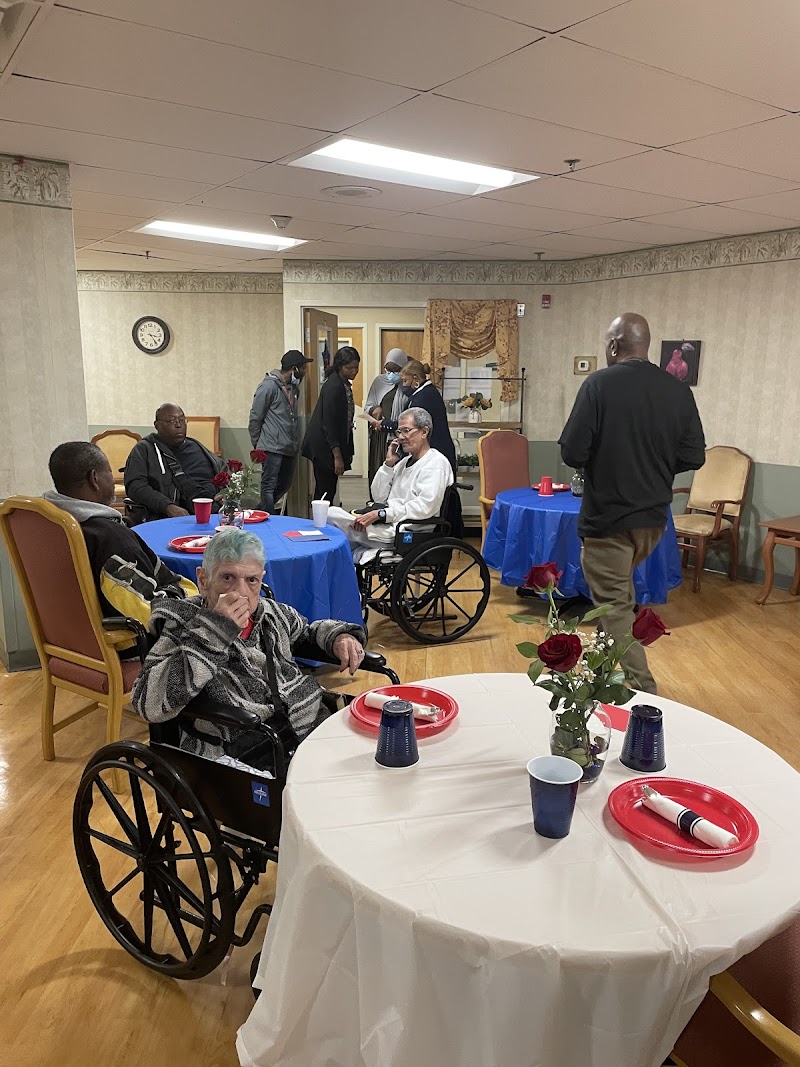
How is Fairview Staffed?

CMS rates FAIRVIEW NURSING AND REHABILITATION CENTER's staffing level at 2 out of 5 stars, which is below average compared to other nursing homes. Staff turnover is 63%, which is 17 percentage points above the Pennsylvania average of 46%. High turnover can affect care consistency as new staff learn residents' individual needs.

What Have Inspectors Found at Fairview?

State health inspectors documented 98 deficiencies at FAIRVIEW NURSING AND REHABILITATION CENTER during 2022 to 2025. These included: 1 Immediate Jeopardy (the most serious level, indicating potential for serious harm or death) and 97 with potential for harm. Immediate Jeopardy findings are rare and represent the most serious regulatory concerns. They require immediate corrective action.
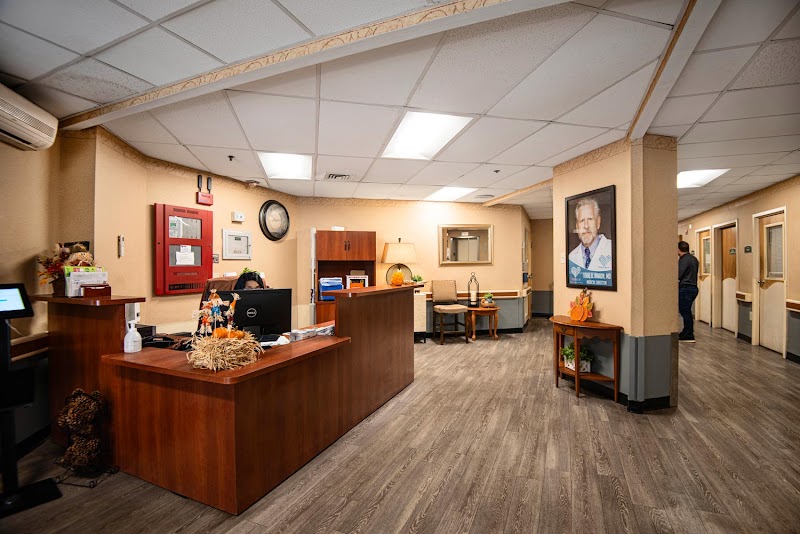
Who Owns and Operates Fairview?

FAIRVIEW NURSING AND REHABILITATION CENTER is owned by a for-profit company. For-profit facilities operate as businesses with obligations to shareholders or private owners. The facility is operated by IMPERIAL HEALTHCARE GROUP, a chain that manages multiple nursing homes. With 176 certified beds and approximately 153 residents (about 87% occupancy), it is a mid-sized facility located in PHILADELPHIA, Pennsylvania.
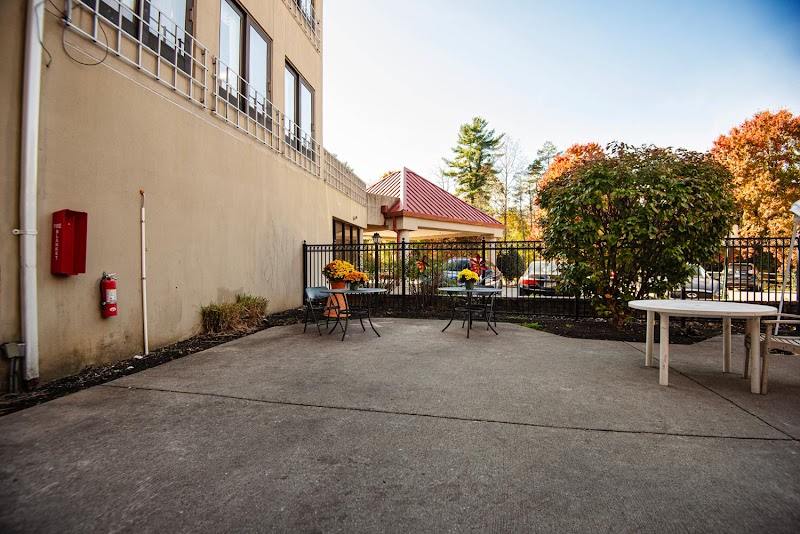
How Does Fairview Compare to Other Pennsylvania Nursing Homes?

Compared to the 100 nursing homes in Pennsylvania, FAIRVIEW NURSING AND REHABILITATION CENTER's overall rating (2 stars) is below the state average of 3.0, staff turnover (63%) is significantly higher than the state average of 46%, and health inspection rating (1 stars) is much below the national benchmark.

What Should Families Ask When Visiting Fairview?

Based on this facility's data, families visiting should ask: "What changes have been made since the serious inspection findings, and how are you preventing similar issues?" "How do you ensure continuity of care given staff turnover, and what is your staff retention strategy?" "Can you walk me through typical staffing levels on day, evening, and night shifts?" "Can I visit during a mealtime to observe dining assistance and food quality?" These questions are particularly relevant given the facility's Immediate Jeopardy citations, the facility's high staff turnover rate, and the below-average staffing rating.

Is Fairview Safe?

Based on CMS inspection data, FAIRVIEW NURSING AND REHABILITATION CENTER has documented safety concerns. Inspectors have issued 1 Immediate Jeopardy citation (the most serious violation level indicating risk of serious injury or death). The facility has a 2-star overall rating and ranks #100 of 100 nursing homes in Pennsylvania. Families considering this facility should ask detailed questions about what corrective actions have been taken since these incidents.

Do Nurses at Fairview Stick Around?

Staff turnover at FAIRVIEW NURSING AND REHABILITATION CENTER is high. At 63%, the facility is 17 percentage points above the Pennsylvania average of 46%. High turnover means new staff may not know residents' individual needs, medications, or preferences. It can also be disorienting for residents, especially those with dementia who rely on familiar faces. Families should ask: What is causing the turnover? What retention programs are in place? How do you ensure care continuity during staff transitions?

Was Fairview Ever Fined?

FAIRVIEW NURSING AND REHABILITATION CENTER has been fined $47,181 across 2 penalty actions. The Pennsylvania average is $33,551. While any fine indicates a compliance issue, fines under $50,000 are relatively common and typically reflect isolated problems that were subsequently corrected. Families should ask what specific issues led to these fines and confirm they've been resolved.

Is Fairview on Any Federal Watch List?

FAIRVIEW NURSING AND REHABILITATION CENTER is not on any federal watch list. The most significant is the Special Focus Facility (SFF) program, which identifies the bottom 1% of nursing homes nationally based on persistent, serious quality problems. Not being on this list means the facility has avoided the pattern of deficiencies that triggers enhanced federal oversight. This is a positive indicator, though families should still review the facility's inspection history directly.