

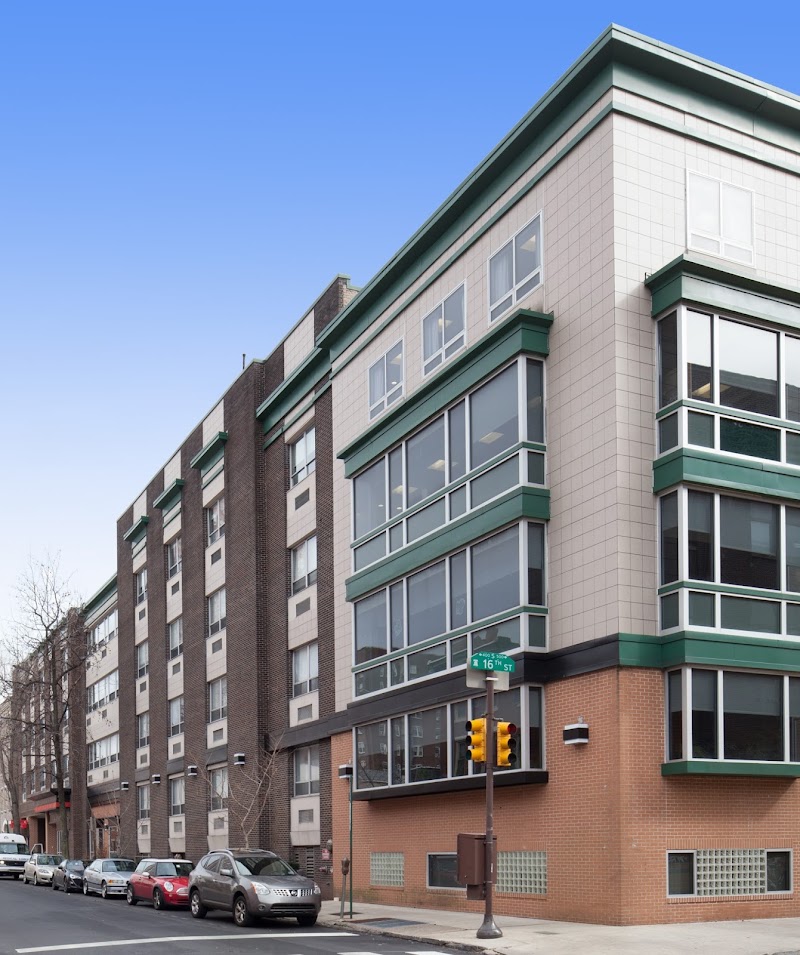
GRADUATE POST ACUTE

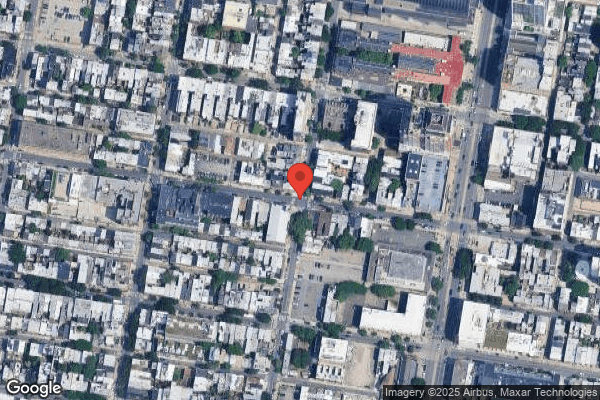
1526 LOMBARD STREET, PHILADELPHIA, PA 19146 (215) 546-5960
For profit - Limited Liability company 150 Beds MARQUIS HEALTH SERVICES Data: November 2025 1 Immediate Jeopardy citation
Trust Grade
26/100
#563 of 653 in PA
Last Inspection: November 2024

Within standard 12-15 month inspection cycle. Federal law requires annual inspections.

Overview

Graduate Post Acute in Philadelphia has a Trust Grade of F, indicating significant concerns about the quality of care provided-essentially ranking it among the lowest in the state. It is positioned at #563 out of 653 Pennsylvania facilities, placing it in the bottom half, and #42 out of 46 in Philadelphia County, suggesting there are very few local options that are worse. The facility is currently improving, as it reduced its issues from 41 in 2024 to 9 in 2025, but it still has a long way to go. Staffing is rated average at 3 out of 5 stars, with a turnover rate of 54%, which is higher than the state average, indicating challenges in maintaining consistent staff. Recent inspections revealed serious issues, including a resident wandering out of the facility unsupervised, a lack of a qualified food service director, and failures in infection control practices, all of which highlight significant weaknesses despite some areas of improvement.

Trust Score
F
26/100
In Pennsylvania
#563/653
Bottom 14%
Safety Record
High Risk
Review needed
Inspections
Getting Better
41 → 9 violations
Staff Stability
⚠ Watch
54% turnover. Above average. Higher turnover means staff may not know residents' routines.
Penalties
✓ Good
$17,940 in fines. Lower than most Pennsylvania facilities. Relatively clean record.
Skilled Nurses
✓ Good
Each resident gets 43 minutes of Registered Nurse (RN) attention daily — more than average for Pennsylvania. RNs are trained to catch health problems early.
Violations
⚠ Watch
89 deficiencies on record. Higher than average. Multiple issues found across inspections.
★☆☆☆☆
1.0
Overall Rating
★★★☆☆
3.0
Staff Levels
★★★★☆
4.0
Care Quality
★☆☆☆☆
1.0
Inspection Score
Stable
2024: 41 issues
2025: 9 issues

The Good

  • 4-Star Quality Measures · Strong clinical quality outcomes
  • Full Sprinkler Coverage · Fire safety systems throughout facility
  • No fines on record

Facility shows strength in quality measures, fire safety.

The Bad

1-Star Overall Rating

Below Pennsylvania average (3.0)

Significant quality concerns identified by CMS

Staff Turnover: 54%

Near Pennsylvania avg (46%)

Higher turnover may affect care consistency

Federal Fines: $17,940

Below median ($33,413)

Minor penalties assessed

Chain: MARQUIS HEALTH SERVICES

Part of a multi-facility chain

Ask about local staffing decisions and management

The Ugly 89 deficiencies on record

1 life-threatening
Apr 2025 2 deficiencies 1 IJ
CRITICAL (J) 📢 Someone Reported This

A family member, employee, or ombudsman was alarmed enough to file a formal complaint

Immediate Jeopardy (IJ) - the most serious Medicare violation

Accident Prevention (Tag F0689)

Someone could have died · This affected 1 resident

**NOTE- TERMS IN BRACKETS HAVE BEEN EDITED TO PROTECT CONFIDENTIALITY** Based on review of facility policies and documentation, clinical record review and interviews with staff, it was determined the ...

Read full inspector narrative →
**NOTE- TERMS IN BRACKETS HAVE BEEN EDITED TO PROTECT CONFIDENTIALITY** Based on review of facility policies and documentation, clinical record review and interviews with staff, it was determined the facility failed to provide adequate supervision to one of ten residents reviewed (Resident R1), who did not have a leave of absence (LOA) order. This failure resulted in Resident R1 exiting the third floor via elevator and walking out the front entrance of the facility. Resident R1 was located two hours after the resident exited the facility approximately 1.2 miles away from the facility in a busy [NAME] area. This failure placed the resident at high risk for injury and was identified as an Immediate Jeopardy past non-compliance. (Resident R1) Findings include: Review of facility policy, Wandering and Elopements dated March 2019, revealed The facility will identify residents who are at risk of unsafe wandering and strive to prevent harm while maintaining the least restrictive environment for residents. Further review revealed that If identified as at risk for wandering, elopement, or other safety issues, the resident's care plan will include strategies and interventions to maintain the resident's safety. 2. If an employee observes a resident leaving the premises, he/she should: a. attempt to prevent the resident from leaving in a courteous manner; b. get help from other staff members in the immediate vicinity, if necessary; and c. instruct another staff member to inform the charge nurse or director of nursing services that a resident is attempting to leave or has left the premises. Review of facility policy, Resident Leaves of Absence dated March 2022, revealed that Residents may safely leave the premises for a planned leave of absence (LOA). The physician will be made aware of the resident, or resident's representative's, request for the resident to go on LOA and will provide an order to allow the resident to go on LOA, if deemed safe and appropriate. The resident will notify the nurse prior to leaving the facility and will sign-out. lt is requested that an estimated time of return is provided. Review of Resident R1's clinical records revealed that the resident was admitted on [DATE], with past medical history of repeated falls, difficulty walking, fracture of pelvic bone, and cognitive communication deficit. Review of an admission MDS (Minimum Data Set- assessment of resident care needs) dated January 22, 2025 revealed that the resident had a BIMS (Brief Interview for Mental Status) score of 10 which indicated that the resident's cognitive status was moderately impaired. Review of care plan for Resident R1 dated January 16, 2025, revealed that the resident was at risk for fall related to the history of fall with injury. Continued review of the care plan revealed that the resident required one person staff assistance for ambulation. Review of physician order for Resident R 1 from January 2025 through April 24, 2025, revealed no documented evidence that the resident had a physician order for leave of absence. Review of a psychotherapy progress note dated April 9, 2025, revealed that the resident had a diagnosis of major depressive disorder and general anxiety disorder. Resident was seen because resident reported frustration and low motivation. Review of facility investigation dated April 13, 2025, revealed that the nursing assistant assigned to the resident alerted the nurse that earlier in the shift, Resident R1 told her that the resident needed to walk, but the resident did not elaborate further. The nursing assistant at that time thought the resident was talking about walking on the unit. Later, in the shift when the nursing assistant went to the resident's room, she stated that the resident was not there. At this time the nursing assistant alerted the charge nurse, and a Code Yellow (Emergency protocol for Elopement) was announced. Further review of the investigation revealed that it was estimated that Resident R1 left the faciity on April 13, 2025, at 3:53 p.m. through the front door. Resident R1 was appropriately dressed for the day and was ambulating with the roller walker. It was revealed that the resident arrived at a friend's apartment, the friend (who is also Resident R1 's emergency contact) was not home, however a neighbor who also knew Resident R1 contacted the friend who in turn notified the facility, The resident's friend confirmed that Resident R1 had arrived at her apartment to visit with her, but she was not home. Upon notification a nurse from the facility went to the apartment and picked up the resident and returned her to the facility at 6:30 p.m. Resident R1 stated that (she/he) was going to visit her friends in the community where (she/he) lived prior to (her/his) admission to the facility. Review of a statement from Receptionist, Employee E9, dated April 13, 2025, revealed that a group of family members came downstairs off the elevator and right behind was an individual, well dressed with a purse in hand. The receptionist indicated that she was unaware that the individual was a resident of the building due to the individual being well dressed. Employee E9 stated she was think that the individual was just visiting a resident that lived in the facility. The individual was walking slow to the door however the person stopped at the carpet because the walker got caught up in the carpet. When employee looked up the individual was able to fix (herself/himself), after the individual walked out of the building. Review of a statement from Nurse Aide, Employee E10, dated April 13, 2025, revealed that she checked on resident when she came for her shift. Employee went to Resident R1's room and said hello to the resident. Resident was sitting on the bed dressed up. Resident told the employee (she/he) needed to walk. Employee told (her/him) to sit as the dinner will be served. Later dinner was served and the resident was not in her room. Review of a statement from Registered Nurse Supervisor, Employee E9, dated April 13, 2025, revealed that at approximately 5:15 p.m., the assigned aide brought to her attention that Resident R1 was not in (her/his) room. The aide stated earlier resident mentioned that (she/he) needed to walk but she was not in (her/his) room. Employee E10 went out and bought the resident back to the facility. Review of nursing note for Resident R1 revealed a nurse's note, dated April 13, 2025, at 6 :30 p.m. which indicated that the assigned nurse aide informed the writer that [Resident R1] who is alert and oriented x 2-3 (people, place and time) mentioned earlier during her rounds that (she/he) needs to walk but (she/he) returned at a later time and noted resident was not back in (her/his) room. Resident exited the center through the front desk. The employee went out and brought resident back to the center. Interview with Resident R1 on April 24, 2025, at 10:30 a.m. revealed that the resident was not able answer the name of the facility (she/he) was in and the day of the week as well as the date. But resident stated the facility would not let (her/him) go outside so (she/he) sneaked out the facility for few hours and sneaked back in without facility staff noticed. Resident did not remember if staff bought (her/him) back. Interview with Receptionist, Employee E12 on April 24, 2025, at 10:43 a.m. revealed that when resident's go out of the facility they must sign out. There were only three residents that were allowed to go out, however Resident R1 was not one of them. Any other resident when they exit the receptionist must stop them and let the nursing know that the resident was trying to leave. A facility surveillance camera review was conducted with Employee E13, Regional Staff on April 24, 2025, at 10:43 a.m. revealed that on April 13, 2025, at 3:54 p.m. three visitors walked towards the front entrance, Resident R1 was walking approximately 6 feet behind the visitors. It was revealed that the Employee E9, who was the receptionist at the time, was doing personal shopping on the computer, she was scrolling the shopping website looking at the computer. Employee did not look at the resident when the resident first appeared in the camera. Employee opened the front door by pressing the button at the front desk. Then door closed before Resident R1 exited. Employee E9 looked up saw the resident and pressed the button to open the front door. Resident R1 was observed slowly walking out with a walker. It was also showed that the three family members did not wear a visitor badge nor sign out at the front which was the facility protocol for anyone exiting the facility. Employee E9 did not appear to ask the visitors or the resident to sign out or return the visitor badge. Outside facility security camera showed that there were numerous cars passing by the facility, which was approximately 10 to 15 feet from the front entrance. Resident R1 walked with walker through the sidewalk and later disappeared from the camera view. Interview with Registered Nurse Supervisor, Employee E11, on April 24, 2025, at 12.18 p.m. stated after the resident was missing from the facility, she called resident's personal number and one of the staff from a senior living picked up the phone. Employee stated resident walked to the place. Employee drove her car to the place and picked up the resident ad brought the resident back to the facility. Registered Nurse Supervisor, Employee E11 also stated resident did not have an order for LOA and was not allowed to leave the facility premises unaccompanied. Interview with Receptionist, Employee E9, on April 24, 2025, at 12:40 p.m. stated she was covering the front desk for another employee who called out on April 13, 2025. Employee E9 stated she saw resident walking towards the front with a walker. Resident R1's walker caught up on the carpet, resident fixed it and walked out. Employee E9 stated resident was well dressed and she did not know that it was a resident, otherwise she would have stopped the resident. Employee E9 also stated every visitor must sign in and out at the front entrance and wear a visitor badge while visiting and return the badge when leaving. Employee E9 confirmed that the visitation protocol was not followed. Review of an internet map data revealed that the resident was located 1.2 miles away from the facility in a busy [NAME] area. There were busy intersections, and multilane traffic through the route to the location. Interview with Regional [NAME] President of Operations, Employee E14, on April 24, 2025, at 12.40 p.m. confirmed that Resident R1 did not have a physician order for LOA. Employee E14 confirmed that the resident should not have been allowed to leave the facility without proper supervision or physician order. Employee E14 also confirmed that Employee E9 had a clear view of the resident and still allowed the resident to leave without intervening. Employee E14 stated Employee E9 was not familiar with the resident thought it was a visitor. Employee E14 also confirmed that the facility did not follow the visitation protocol which would have helped distinguish between residents and visitors. Interview with Employee E14, Employee E1, Nursing Home Administrator and Employee E2, Director of Nursing on April 24, 2025, at 12.40 p.m. confirmed that the facility non-compliance with LOA and visitation protocol placed Resident R1 at risk for serious injury. Based on the above findings, an Immediate Jeopardy to the safety of the resident was identified for failure to provide adequate supervision of Resident R1 who did not have a leave of absence (LOA) order. This resulted in Resident R1 exiting the third floor via elevator and walked out of the front entrance of the facility while the receptionist, who was distracted by computer use (personal shopping), opened the front entrance door. Resident R1 was located two hours later after the resident exited the facility approximately 1.2 miles away from the facility in a busy [NAME] area. This failure placed the resident at high risk for injury. An Immediate Jeopardy template (a document which included information necessary to establish each of the key components of immediate jeopardy) was provided to the Nursing Home Administrator (NHA) on April 24, 2025, at 4:36 p.m. On April 15, 2025, the facility initiated a plan of correction to address the failure of ensuring that a resident was adequately supervised to prevent elopement. The facility plan of correction included the following: 1. Resident left the Center to take a walk. The resident had walked to her previous address and was visiting (her/his) neighbors. The Center staff spoke with (her/his) friend, and (she/he) was assisted back to the Center. Upon return, RN Supervisor assessed, and no injuries were noted. Completed 4/13/2025 2. The Center completed a headcount of all residents and compared it to the midnight census to ensure all residents were accounted for and resting comfortably. Completed 4/13/2025 3. Immediate Actions/Education -The Nursing Administration held huddles on all floors with staff on duty to discuss the current residents which go on frequent LOAs as well as the signs and symptoms that may indicate the risk for leaving the Center without staff notification. No variances were noted, and no current residents were identified as an elopement risk. Completed 4/13/2025 -Shift RN Supervisor provided immediate education to receptionist on duty. Completed 4/13/2025. -RN Supervisors were educated on the completion of headcount of all residents compared to midnight census and the immediate reporting of any discrepancy to the Director of Nursing/designee. Completed 4/15/2025. ·Staff were educated on signs and symptoms that may indicate a risk of elopement. 91% completed 4/15/2025. The remainder was completed prior to the start of the next shift. 100% completion on 4/16/2025. ·Reception/security staff were educated on the process of each visitor receiving a badge that must be returned prior to door being opened and visitor leaving the premise. 91% completed 4/15/2025. The remainder was completed prior to the start of the next shift. 100% completion on 4/16/2025. ·Staff educated on elopement/missing person policy and procedure including code yellow announcement to notify staff in Center, search both on the premises and the surrounding areas, notification processes including local police department. 91% completed 4/15/2025. The remainder was completed prior to the start of the next shift. 100% completed on 4/16/2025. ·Staff educated on elopement drills including how often and expected response. 91% completed 4/15/2025. The remainder was completed prior to the start of the next shift. 100% completion on 4/16/2025. ·All the training above will be added to our general orientation schedule for all new future employees. Completed 4/15/2025. ·Residents with a current unsupervised LOA order were re-educated on the LOA policy/agreement and understood the sign out process with both the nursing staff on the unit Ongoing Compliance will be monitored by: ·Auditing census compared to headcount every 4 HRS (hours) for 3 days then every shift for 14 days then daily. All variances will be reported to the QAPI (Quality Assurance Improvement Program) Committee monthly. ·Random audit of five visitors to ensure compliance with the visitor pass system two times daily for 14 days then daily for two months. All variances will be reported to the QAPI Committee monthly. ·Daily audit of LOA log to ensure reception/security staff are checking for clearance to leave the Center. The audit will be completed daily for three weeks with all variances reported during the clinical meeting. ·The QAPI Committee will make recommendations to ensure continued compliance. Upon sustained compliance, the QAPI Committee will recommend the reduction or resolution of the audits. and the reception/security staff. Completed 4/15/2025. A review was conducted of staff education, resident elopement/wandering evaluations, facility visitation protocols, and LOA process. Interviews with facility staff were conducted on April 24, 2025, and April 25, 2025. Facility staff provided extensive feedback and understanding of the facility's Elopement policy, LOA policy and visitation process. Facility LOA and visitation process was verified through observations. Review of facility documentation revealed that the corrective action plan was immediately initiated on April 15, 2025. Following the verification of the immediate action plan the Nursing Home Administrator was notified that the Immediate Jeopardy was lifted on April 25, 2022, at 2:34 p.m. and identified as past non-compliance. 28 Pa. Code 201.14(a) Responsibility of licensee 28 Pa. Code 201.18(b)(1) Management 28 Pa. Code 201.18(e)(1) Management 28 Pa. Code 211.10(d) Resident care policies 28 Pa. Code 211.12(d)(1) Nursing services 28 Pa. Code 211.12(d)(5) Nursing services
CONCERN (D) 📢 Someone Reported This

A family member, employee, or ombudsman was alarmed enough to file a formal complaint

Potential for Harm - no one hurt, but risky conditions existed

Administration (Tag F0835)

Could have caused harm · This affected 1 resident

**NOTE- TERMS IN BRACKETS HAVE BEEN EDITED TO PROTECT CONFIDENTIALITY** Based on review of job's descriptions, review of facility documentation and interviews with staff, it was determined that the Nu...

Read full inspector narrative →
**NOTE- TERMS IN BRACKETS HAVE BEEN EDITED TO PROTECT CONFIDENTIALITY** Based on review of job's descriptions, review of facility documentation and interviews with staff, it was determined that the Nursing Home Administrator and Director of Nursing failed to effectively manage the facility to ensure that adequate supervisor was provided to one of 10 residents reviewed (Resident R1). This failure resulted in Resident R1 exiting the third floor via elevator and walking out the front entrance of the facility. Resident R1 was located two hours after the resident exited the facility approximately 1.2 miles away from the facility in a busy [NAME] area. This failure placed the resident at high risk for injury and was identified as an Immediate Jeopardy of past non-compliance. (Resident R1) Findings include: Review of the job description of the Nursing Home Administrator (NHA) revealed that, the primary purpose of the job position is to direct the day-day-day functions of the Center in accordance with current feferral, state, and local standards, guidelines and regualtions that govern nursing Centers to assure that the highest degree of quality of care can be provided to the residents at all times. As Administrator, you are delegated the administrative authority, responsibility and accountability necessary for carrying out your assigned duties. Review of the job description of the Director of Nursing (DON) revealed that, the primary purpose of the job description is to plan, organize, develop and direct the overall operation of our Nursing Service Department in accordance with current federal, state, and local standards, guidelines and regulations that govern the Center, and as may be directed by Administrator and the Medical Director, to ensure that the highest degrees of quality care is maintained at all times. Review of Resident R1's clinical records revealed that the resident was admitted on [DATE], with past medical history of repeated falls, difficulty walking, fracture of pelvic bone, and cognitive communication deficit. Review of care plan for Resident R1 dated January 16, 2025, revealed that the resident was at risk for fall related to the history of fall with injury. Continued review of the care plan revealed that the resident required one person staff assistance for ambulation. Review of physician order for Resident R1 from January 2025 through April 24, 2025, revealed no documented evidence that the resident had a physician order for leave of absence. Review of facility investigation dated April 13, 2025, revealed that the nursing assistant assigned to the resident alerted the nurse that earlier in the shift, Resident R1 told her that the resident needed to walk, but the resident did not elaborate further. The nursing assistant at that time thought the resident was talking about walking on the unit. Later, in the shift when the nursing assistant went to the resident's room, she stated that the resident was not there. At this time the nursing assistant alerted the charge nurse, and a Code Yellow (Emergency protocol for Elopement) was announced. Further review of the investigation revealed that it was estimated that Resident R1 left the faciity on April 13, 2025, at 3:53 p.m. through the front door. Resident R1 was appropriately dressed for the day and was ambulating with the roller walker. It was revealed that the resident arrived at a friend's apartment, the friend (who is also Resident R1 's emergency contact) was not home, however a neighbor who also knew Resident R1 contacted the friend who in turn notified the facility, The resident's friend confirmed that Resident R1 had arrived at her apartment to visit with her, but she was not home. Upon notification a nurse from the facility went to the apartment and picked up the resident and returned her to the facility at 6:30 p.m. Resident R1 stated that (she/he) was going to visit her friends in the community where (she/he) lived prior to (her/his) admission to the facility. Review of a statement from Receptionist, Employee E9, dated April 13, 2025, revealed that a group of family members came downstairs off the elevator and right behind was an individual, well dressed with a purse in hand. The receptionist indicated that she was unaware that the individual was a resident of the building due to the individual being well dressed. Employee E9 stated she was think that the individual was just visiting a resident that lived in the facility. The individual was walking slow to the door however the person stopped at the carpet because the walker got caught up in the carpet. When employee looked up the individual was able to fix (herself/himself), after the individual walked out of the building. Review of a statement from Registered Nurse Supervisor, Employee E9, dated April 13, 2025, revealed that at approximately 5:15 p.m., the assigned aide brought to her attention that Resident R1 was not in (her/his) room. The aide stated earlier resident mentioned that (she/he) needed to walk but she was not in (her/his) room. Employee E10 went out and bought the resident back to the facility. A facility surveillance camera review was conducted with Employee E13, Regional Staff on April 24, 2025, at 10:43 a.m. revealed that on April 13, 2025, at 3:54 p.m. three visitors walked towards the front entrance, Resident R1 was walking approximately 6 feet behind the visitors. It was revealed that the Employee E9, who was the receptionist at the time, was doing personal shopping on the computer, she was scrolling the shopping website looking at the computer. Employee did not look at the resident when the resident first appeared in the camera. Employee opened the front door by pressing the button at the front desk. Then door closed before Resident R1 exited. Employee E9 looked up saw the resident and pressed the button to open the front door. Resident R1 was observed slowly walking out with a walker. It was also showed that the three family members did not wear a visitor badge nor sign out at the front which was the facility protocol for anyone exiting the facility. Employee E9 did not appear to ask the visitors or the resident to sign out or return the visitor badge. Interview with Registered Nurse Supervisor, Employee E11, on April 24, 2025, at 12.18 p.m. stated after the resident was missing from the facility, she called resident's personal number and one of the staff from a senior living picked up the phone. Employee stated resident walked to the place. Employee drove her car to the place and picked up the resident ad brought the resident back to the facility. Registered Nurse Supervisor, Employee E11 also stated resident did not have an order for LOA and was not allowed to leave the facility premises unaccompanied. Review of an internet map data revealed that the resident was located 1.2 miles away from the facility in a busy [NAME] area. There were busy intersections, and multilane traffic through the route to the location. Interview with Regional [NAME] President of Operations, Employee E14, on April 24, 2025, at 12.40 p.m. confirmed that Resident R1 did not have a physician order for LOA. Employee E14 confirmed that the resident should not have been allowed to leave the facility without proper supervision or physician order. Employee E14 also confirmed that Employee E9 had a clear view of the resident and still allowed the resident to leave without intervening. Employee E14 stated Employee E9 was not familiar with the resident thought it was a visitor. Employee E14 also confirmed that the facility did not follow the visitation protocol which would have helped distinguish between residents and visitors. Interview with Employee E14, Employee E1, Nursing Home Administrator and Employee E2, Director of Nursing on April 24, 2025, at 12.40 p.m. confirmed that the facility non-compliance with LOA and visitation protocol placed Resident R1 at risk for serious injury. Based on the deficiencies identified in this report, the Nursing Home Administrator and Director of Nursing failed to fulfill essential duties and responsibilities of their position to ensure that the Federal and State guidelines and Regulations were followed, contributing to the Immediate Jeopardy situation. Pa Code 201.14 (a)Responsibility of Licensee Pa. Code 201.18 (a)Management
Apr 2025 1 deficiency
CONCERN (D) 📢 Someone Reported This

A family member, employee, or ombudsman was alarmed enough to file a formal complaint

Potential for Harm - no one hurt, but risky conditions existed

Deficiency F0925 (Tag F0925)

Could have caused harm · This affected 1 resident

**NOTE- TERMS IN BRACKETS HAVE BEEN EDITED TO PROTECT CONFIDENTIALITY** Based on observations, interview with staff and residents, it was determined that the facility failed to ensure an effective pes...

Read full inspector narrative →
**NOTE- TERMS IN BRACKETS HAVE BEEN EDITED TO PROTECT CONFIDENTIALITY** Based on observations, interview with staff and residents, it was determined that the facility failed to ensure an effective pest control program resulting in presence of rodents on one of four units observed (2nd floor unit) Findings include: Review of facility policy 'Pest Control,' indicates that facility maintains an on-going pest control program to ensure that the building is kept free of insects and rodents. Observations on April 7, 2025, at 11:45 am, on 2nd floor unit, revealed a rodent in room [ROOM NUMBER]; finding confirmed with licensed nurse, employee E3. Interview with E3, revealed that she observes rodents one to two times each working shift. Interview with Resident R1, on April 7, 2025, at 12:45 pm, revealed the resident has seen rodents in the room, further stating that mouse traps placed in the room were ineffective. Interview with Resident R2, on April 7, 2025, at 1:00 pm, revealed concern of continuous rodent infestation in facility. 28 Pa Code 201.18(a)(b)(1) Management 28 Pa Code 201.14(a) Responsibility of licensee
Apr 2025 2 deficiencies
CONCERN (D) 📢 Someone Reported This

A family member, employee, or ombudsman was alarmed enough to file a formal complaint

Potential for Harm - no one hurt, but risky conditions existed

Quality of Care (Tag F0684)

Could have caused harm · This affected 1 resident

Based on observation, staff interview, and clinical record review, it was determined that the facility failed to administered medications timely in accordance with physician orders, for one of one res...

Read full inspector narrative →
Based on observation, staff interview, and clinical record review, it was determined that the facility failed to administered medications timely in accordance with physician orders, for one of one resident observed during medication administration. (Resident R2) Findings include: Review of Resident R2's April 2025 physician orders and Medication Administration Record (MAR) indicated the following medications scheduled to be administered at 9:00 a.m.: Acetaminophen Tablet 325 MG (Acetaminophen), Give 2 tablet by mouth every 4 hours as needed for Mild Pain More than 3 doses in 48 hours, notify physician/advanced practice provider(APP).Do not exceed 3mg/day. (standing order) (Ordered on 7/11/2024). Allopurinol Oral Tablet 100 MG (Allopurinol), Give 0.5 tablet by mouth one time a day for gout (Ordered on 7/11/2024). Amiodarone HCl Oral Tablet 200 MG (Amiodarone HCl), Give 1 tablet by mouth one time a day for AFib (Ordered on 2/24/2025). {Atrial fibrillation (AFib), or A-fib, is a common heart rhythm disorder where the heart's upper chambers (atria) beat irregularly and rapidly, potentially leading to blood clots and stroke}. Eliquis Oral Tablet 5 MG (Apixaban), Give 0.5 tablet by mouth two times a day for anticoagulant for 5 Days, and give 1 tablet by mouth two times a day for AFib (Ordered on 9/23/2024). Gabapentin Oral Capsule 100 MG (Gabapentin) Give 1 capsule by mouth three times a day for neuropathy (Ordered on 7/11/2024).{Neuropathy refers to a condition where nerves are damaged or malfunctioning. It can affect any part of the nervous system, including the peripheral nerves (nerves outside the brain and spinal cord) and the autonomic nerves (nerves that control involuntary functions like digestion and heart rate)}. Ferrous Sulfate Oral Tablet 325 (65 Fe) MG (Ferrous Sulfate), Give 1 tablet by mouth one time a day every other day for anemia ( Ordered on 2/27/2025). Multivitamin Oral Tablet (Multiple Vitamin) Give 1 tablet by mouth one time a day for vitamin (ordered on 7/11/2024). Observation of the medication administration on April 1, 2025, to Resident R2 revealed that Registered nurse, Employee E4, did not administered all the above listed medications scheduled to be administered at 9:00 a.m., until at 11:12 a.m At the time of the observation, interviewed with Employee E4, and confirmed the findings. 28 Pa Code 211.12(d)(1)(2)(5) Nursing Services.
CONCERN (D) 📢 Someone Reported This

A family member, employee, or ombudsman was alarmed enough to file a formal complaint

Potential for Harm - no one hurt, but risky conditions existed

Respiratory Care (Tag F0695)

Could have caused harm · This affected 1 resident

**NOTE- TERMS IN BRACKETS HAVE BEEN EDITED TO PROTECT CONFIDENTIALITY** Based on observation, clinical record review, review of facility policy and staff interview, it was determined that the facility...

Read full inspector narrative →
**NOTE- TERMS IN BRACKETS HAVE BEEN EDITED TO PROTECT CONFIDENTIALITY** Based on observation, clinical record review, review of facility policy and staff interview, it was determined that the facility failed to provide appropriate respiratory care and services for one of seven residents reviewed (Resident R3). Findings include: Review of the Facility Policy and Guidelines for Implementation of Oxygen Administration indicated that the nurse should review and follow the physician's orders while administering oxygen via nasal canula. Review of Resident R3's clinical record revealed that the resident was initially admitted to the facility on [DATE]; diagnosed with Dependence on Supplemental Oxygen. Review of clinical record indicated that Resident R3 was ordered, dated March 15, 2025, oxygen at 2 Liters/Min, via nasal cannula, continuously, every shift for shortness of breath. On April 01, 2025, at 11:01 a.m., Resident R3 was observed with Oxygen at 6 liters/min, via nasal canula., and not 2 liters/min, as ordered by the physician; and the same it was confirmed with a Registered Nurse, Employee E4 at the time of the finding. 28 Pa Code 211.12(d)(5) Nursing services
Mar 2025 1 deficiency
CONCERN (D) 📢 Someone Reported This

A family member, employee, or ombudsman was alarmed enough to file a formal complaint

Potential for Harm - no one hurt, but risky conditions existed

ADL Care (Tag F0677)

Could have caused harm · This affected 1 resident

**NOTE- TERMS IN BRACKETS HAVE BEEN EDITED TO PROTECT CONFIDENTIALITY** Based on review of facility policy, review of clinical record, and resident interview it was determined that that the facility f...

Read full inspector narrative →
**NOTE- TERMS IN BRACKETS HAVE BEEN EDITED TO PROTECT CONFIDENTIALITY** Based on review of facility policy, review of clinical record, and resident interview it was determined that that the facility failed to ensure dependent residents received the necessary assistance to maintain personal hygiene for one of six residents reviewed (Resident R1). Findings Include: Review of facility policy Activities of Daily Living (ADL) revised March 2018 revealed appropriate care, and services will be provided for residents who are unable to carry out activities of daily living (ADLs) independently, with the consent of the resident and in accordance with the plan of care. Review of Resident R1's clinical record revealed the resident was admitted to the facility on [DATE], was alert and oriented x 3 (alert to person, place, and time) and able to make needs known. Review of Resident R1's care plan dated March 12, 2025, revealed Resident R1 had an activities of daily living self-care performance deficit related to recent fall with hip fracture. Intervention dated March 13, 2025, revealed Resident R1 required 1-staff assistance with bathing, transferring, dressing, and toileting. Interview on March 24, 2025, at 11:15 a.m. with Nurse Aide, Employee E3, revealed each nursing unit has a shower schedule book that details when each resident has a scheduled shower. Review of the 4th floor nursing unit shower schedule book revealed Resident R1 was scheduled for a shower on Saturdays. Interview on March 24, 2025, at 12:05 p.m. with Resident R1 the resident reported that she required assistance from staff with showering. Further interview Resident R1, the resident denied being provided with/offered a shower on Saturday March 22, 2025. Review of Resident R1's clinical record revealed a nursing [NAME] (documentation system that allows nursing staff to organize and reference key patient information) task for bathing. Review of Resident R1's bathing task revealed did the resident receive a shower or bathing per care plan? which was subsequently blank. Review of Resident R1's entire clinical record revealed no documented evidence Resident R1 was provided with/offered a shower on Saturday March 22, 2025. 28 Pa. Code 201.14 (a) Responsibility of licensee.
Feb 2025 2 deficiencies
CONCERN (D) 📢 Someone Reported This

A family member, employee, or ombudsman was alarmed enough to file a formal complaint

Potential for Harm - no one hurt, but risky conditions existed

Deficiency F0572 (Tag F0572)

Could have caused harm · This affected 1 resident

Based on interviews with staff and resident representatives, review of facility documentation,and clinical records, it was determined that the facility failed to inform a resident of facility policy o...

Read full inspector narrative →
Based on interviews with staff and resident representatives, review of facility documentation,and clinical records, it was determined that the facility failed to inform a resident of facility policy of cannabis use/administration in the facility prior to the admission which resulted in a resident who was on cannabis for seizure disorder did not receive the prescribed medication as ordered by the physician. Findings Include: Review of facility admission documentation signed by the resident and facility representative dated 1/31/2025 revealed that viii.) Pharmacy Services. Federal law requires the Facility to contract with a licensed pharmacist and provide pharmaceutical services to meet the needs of residents. Physicians prescribe medications to residents, and pharmacists fulfill medication orders. The Facility obtains routine and emergency medications and biologicals for all Residents through an agreement with a pharmacy. This pharmacy is the preferred provider and provides pharmacy services to most of the residents. The Resident is permitted to bring prescription and non-prescription medications from the pharmacy of your choosing. Tf you do not use the pharmacy that is contracted with the Facility, you must ensure the medications are timely delivered so that the Resident's prescribed treatment plan is not disrupted, each medication is in an individual container. Delivery directly to an individual resident is not permitted. In addition, prescribed medication must be obtained and labeled as required by law. Review of facility admission documentation revealed no documented of information provided to the resident or resident representative of a policy related to the administration of Cannabis for medical use. Review of hospital record for Resident R1 dated 1/31/2025 revealed an order for Cannabidiol Oral Solution 100 MG/ML (Cannabidiol), Give 2 ml by mouth at bedtime for pain and seizures. Review of physician order for Resident R1 dated 1/31/2025 revealed an order for Cannabidiol Oral Solution 100 MG/ML (Cannabidiol), Give 2 ml by mouth at bedtime for pain and seizures. Further review of the order revealed that the medication was discontinued on February 10, 2025, with reason documented as facility policy. Review of Medication Administration record for Resident R1 for the month of January and February 2025 revealed that the medication was not administered from January 31, 2025, to February 7, 2025. The medication was discontinued on February 9, 2025. Interview with Resident Representative on February 25, 2025, at 12:00 p.m. stated facility informed her in the beginning that the medication was not available, later the facility informed her that the facility policy did not allow Cannabis administration in the facility. Resident Representative stated she or the resident was not informed of the facility policy prior to or on admission. Interview with Regional Staff, Employee E3 on February 25, 2025 at 2:00 p.m stated, it was the facility policy that the facility do not allow Cannabis administration in the facility regardless of the reason of administration. Employee E3 stated facility staff who reviews the resident referrals at the hospitals was responsible to ensure that the resident medication list contains only those medications that the facility could administer. Employee E3 confirmed that the facility policy of no Cannabis product use in the facility was not relayed to the resident or resident representative prior to or at the time of admission. A request for a copy of No Cannabis use policy was requested to the facility administrator during the survey but no policy was provided. 28 Pa. Code 201.14(a) Responsibility of Licensee. 28 Pa. Code: 211.12(d)(1)(5) Nursing services.
CONCERN (D) 📢 Someone Reported This

A family member, employee, or ombudsman was alarmed enough to file a formal complaint

Potential for Harm - no one hurt, but risky conditions existed

Transfer Requirements (Tag F0622)

Could have caused harm · This affected 1 resident

**NOTE- TERMS IN BRACKETS HAVE BEEN EDITED TO PROTECT CONFIDENTIALITY** Based on review of clinical records, and staff interviews, it was determined that the facility failed to ensure under the Transf...

Read full inspector narrative →
**NOTE- TERMS IN BRACKETS HAVE BEEN EDITED TO PROTECT CONFIDENTIALITY** Based on review of clinical records, and staff interviews, it was determined that the facility failed to ensure under the Transfer and Discharge Facility requirements, that the information provided to the receiving provider included necessary information, including a copy of the resident's discharge summary, to ensure a safe and effective transition of care one of five resident records reviewed. (Resident R2) Findings Include: Review of the clinical record revealed that Resident R2 was admitted to the facility on [DATE] and discharged to another facility on 12/13/2026. Resident was admitted with diagnosis of cervical stenosis and laminectomy Review of hospital discharge summary for Resident R2 dated 12/6/2024 revealed that the resident was scheduled for a post operative orthopedic visit on 12/16/2024. Review of clinical record revealed that the resident was transferred to another skilled nursing facility on 12/13/2024 with a discharge summary created and provided by the facility to the transferring facility. Review of progress note for Resident R2 dated December 13, 2024, revealed that the discharge summary was created for Resident R2. Review of the discharge summary revealed under Physician Information, that primary care physician was the physician at the receiving facility. Further review of the summary revealed no evidence that the follow up orthopedic appointment scheduled for December 16, 2024, was included in the discharge summary. Review of entire clinical record for Resident R2 revealed no evidence that the facility notified the receiving facility of resident's appointment. Interview with Director of Nursing, Employee E2, on February 26, 2025, at 12:00 p.m. confirmed that the facility discharge summary for Resident R2 included Resident R2's follow up appointment scheduled for December 16, 2024. 28 Pa. Code 201.14(a) Responsibility of Licensee 28 Pa. Code 211.12(d)(1)(5) Nursing Services
Jan 2025 1 deficiency
CONCERN (D) 📢 Someone Reported This

A family member, employee, or ombudsman was alarmed enough to file a formal complaint

Potential for Harm - no one hurt, but risky conditions existed

Medical Records (Tag F0842)

Could have caused harm · This affected 1 resident

**NOTE- TERMS IN BRACKETS HAVE BEEN EDITED TO PROTECT CONFIDENTIALITY** Based on review of clinical records, as well as resident and staff interviews, it was determined that the facility failed to mai...

Read full inspector narrative →
**NOTE- TERMS IN BRACKETS HAVE BEEN EDITED TO PROTECT CONFIDENTIALITY** Based on review of clinical records, as well as resident and staff interviews, it was determined that the facility failed to maintain clinical records that were complete and accurately documented for one of four residents reviewed (Resident R1) . Findings include: Review of Resident R1's clinical record revealed that the resident was admitted to the facility on [DATE], for skilled nursing care. The resident had been an inpatient at an acute care hospital and had undergone a surgical procedure on his right plantar (sole of foot) foot. Review of December 2024 physician orders revealed an order dated December 25, 2024, to cleanse right plantar foot with normal saline and gently pat dry, dress with non adherent dressing, then cover with ABD pad and kerlix, secure with transpore white tape daily every night shift for wound. Additional review of the clinical record did not reveal any documentation that the wound care regimen had been completed as ordered by the primary care physician. An interview was conducted with the facility administrator on January 23, 2025, at 1:30 p.m. The administrator confirmed that there was no electronic or written documentation to verify the physician orders for wound care had been performed as instructed. 28 Pa. Code 211.5(f)(vii) Clinical Records 28 PA Code 211.12(d)(1) Nursing services 28 Pa. Code 211.12(d)(5) Nursing Services.
Nov 2024 13 deficiencies
CONCERN (D)

Potential for Harm - no one hurt, but risky conditions existed

Deficiency F0582 (Tag F0582)

Could have caused harm · This affected 1 resident

Based on review of facility provided documentation and interview with staff, it was determined that facility did not ensure to provide Notice Of Medicare Non-Coverage (NOMNC) to one out of three resid...

Read full inspector narrative →
Based on review of facility provided documentation and interview with staff, it was determined that facility did not ensure to provide Notice Of Medicare Non-Coverage (NOMNC) to one out of three residents reviewed (Resident R20) Findings include: Review of facility provided documentation 'Medicare A Patients Cut from Skilled Care with Benefits Days Remaining,' revealed that Resident R20 was Medicare to Medicaid pending effective August 19, 2024. Facility unable to provide NOMNC for Resident R20 upon multiple requests during survey from November 20, 2024 through November 22, 2024; finding confirmed with facility's Social Services, Employee E11. 28 Pa Code 201.29(f) Resident Rights
CONCERN (D)

Potential for Harm - no one hurt, but risky conditions existed

Free from Abuse/Neglect (Tag F0600)

Could have caused harm · This affected 1 resident

**NOTE- TERMS IN BRACKETS HAVE BEEN EDITED TO PROTECT CONFIDENTIALITY** Based on review of clinical records, review of facility policy, facility documentation and resident and staff interviews, it was...

Read full inspector narrative →
**NOTE- TERMS IN BRACKETS HAVE BEEN EDITED TO PROTECT CONFIDENTIALITY** Based on review of clinical records, review of facility policy, facility documentation and resident and staff interviews, it was determined that the facility failed to ensure that residents were free from misappropriation and exploitation of property related to authorized use of resident's funds for two of two residents reviewed. (Resident R1 and Resident R22). Findings include: Review of facility policy titled Abuse Prohibition last revised October 24, 2022, revealed that the facility prohibits abuse, common mistreatment, common neglect, misappropriation of resident property, and exploitation for all patients. The center will implement an abuse prohibition program through the following: screening potential hires, training of employees, prevention of occurrences, identification of possible incidents or allegations which need investigation, investigation of incident and allegations, protection of patients during investigation and reporting of incidents investigations. Further review of this policy defined types of abuse which include Exploitation is defined as the act or process of taking advantage of a patient for personal gain through the use of manipulation, intimidation, threats, or coercion. Misappropriation of patient property is the is defined as the deliberate misplacement exploitation or wrongful temporary or permanent use of a patient's belongings or money without patient's consent, and mistreatment is defined as an inappropriate treatment or exploitation of a patient. Further review of this policy revealed training and reporting obligations will be provided to all employees through orientation code of conduct training, and minimum of annually will include the abuse prohibition policy, appropriate interventions to deal with aggressive reactions of patients, how staff should report their knowledge related to allegations without fear, how to recognize signs of burnout frustration and stress, Effective communication skills with patients, what constitutes abuse neglect and misappropriation of patient property. Actions to prevent abuse neglect exploitation and mistreatment injuries of unknown source and misappropriation of property will include providing patients families and staff with information identifying correcting and interviewing in situations in which abuse neglect and misappropriation the property is more likely to occur and evaluating whether the patient has the capacity to consent. The facility will take appropriate corrective actions. Review of facility Employee handbook included a welcoming program/orientation which will focus on the code of conduct, the company, the processes, policies, and procedures amongst other things. Included in this manual regarding safety and abuse, revealed that all employees are responsible for the safety and protection of the patients and residents in their care. Patients have the right to be free from abuse, neglect misappropriation of resident property, and exploitation. This includes, but not limited to freedom from corporal punishment, involuntary seclusion, and any type of physical or chemical restraint not required to treat the president's medical systems. The orientation continues to define all types of abuse include misappropriation of resident property. Review of facility report submitted to the State Agency dated September 17, 2024, reported by the Director of Nursing, Employee E2 revealed that two separate staff members reported that nurse aide, Employee E16 was utilizing resident's EBT (electronic benefits transfer, government benefits such as food assistance) and debit cards to purchase outside food items at their request. Nurse aide, Employee E16 was purchasing items for herself using the patient's money and government benefits. At the time of the interview Resident R1 and Resident R22 admitted to giving their EBT card and debit card in order for her to purchase outside food and giving permission to her to purchase items for herself. The facility concluded that nurse aide, Employee E16 was made aware of the allegation and misappropriation of property, and it was grounds for immediate dismissal. Nurse aide, Employee E16 was terminated of her position at the facility. Review of facility documented investigation revealed that Resident R1 and Resident R2 were assessed as cognitively intact and admitted having given their debit and EBT cards to Employee E16 to purchase outside food for them as well as for herself. During interview nurse aide, Employee E16 stated she was unaware her action were in the category of misappropriation of property. The facility concluded that the allegation of misappropriation of property was found substantiated. Review of Resident R1's quarterly MDS (Minimum data set assessment of resident care needs) for Resident R1 dated August 5, 2024, revealed that the resident was admitted to the facility on [DATE], and had a BIMS (Brief Interview for Mental Status) score of 12, indicating that Resident R1 had moderate cognitive impairment. Interview with Resident R1 on November 20, 2024, at 1:50 p.m. revealed that the resident remembered telling nurse aide, Employee E16 that Employee E16 could get something for herself. Resident R1 did not remember if Nurse aide, Employee 16 asked him, or the resident volunteered, nor does this resident remember exactly how many times he gave the card to the Employee E16. Review of Resident R22's quarterly MDS dated [DATE], revealed that Resident R 22 was admitted into the facility March 13, 2024, with diagnoses of cerebrovascular accident (stroke), and Aphagia (a language disorder caused by brain damage that impairs the ability to communicate). Resident R22 was assessed as possessing unclear speech, can usually understand but may miss some intent of the message. Resident R22 BIMS score of 14, indicating that this resident cognition is intact. Interview with Resident R22 on November 20, 2024, at 2:10 p.m. revealed that this resident told Employee E16 that she could buy some food for herself. Resident R22 believe this only occurred two or three times. He does not know how much money the employee spent. Review of Nurse aide, Employee 16's personnel file revealed a signed documentation dated June 24, 2204 of receiving education on understanding of the facility's abuse policy. This education included definition of exploitation. Interview with Director of Nursing Employee E2 on November 22, 2024, at 10:55 a.m. revealed that the residents involved admitted to giving consent for Employee E16 to purchase food for herself. Employee E2 stated that is unknown how long the employee was doing this, or how much money she had spent on herself. 28 Pa code 201.14 (a)(b) Responsibility of Licensee 28 Pa code 201.18(b)(1)(3) Management 28 Pa code 210.29 (a) Resident rights
CONCERN (D)

Potential for Harm - no one hurt, but risky conditions existed

Investigate Abuse (Tag F0610)

Could have caused harm · This affected 1 resident

**NOTE- TERMS IN BRACKETS HAVE BEEN EDITED TO PROTECT CONFIDENTIALITY** Based on review of facility policy review of clinical records and staff interview it was determined that the facility failed to ...

Read full inspector narrative →
**NOTE- TERMS IN BRACKETS HAVE BEEN EDITED TO PROTECT CONFIDENTIALITY** Based on review of facility policy review of clinical records and staff interview it was determined that the facility failed to conduct and complete a thorough investigation to rule out misappropriation of resident funds for two of two resident records reviewed. (Resident R 1, and Resident R 22) Findings include: Review of facility policy titled Abuse Prohibition last revised October 24th, 2022, revealed that the facility prohibits abuse, common mistreatment, common neglect, misappropriation of resident property, and exploitation for all patients. The center will implement an abuse prohibition program through the following: screening potential hires, training of employees, prevention of occurrences, identification of possible incidents or allegations which need investigation, investigation of incident and allegations, protection of patients during investigation and reporting of incidents investigations. Further review of this policy defined types of abuse which include Exploitation is defined as the act or process of taking advantage of a patient for personal gain through the use of manipulation, intimidation, threats, or coercion. Misappropriation of patient property is the is defined as the deliberate misplacement exploitation or wrongful temporary or permanent use of a patient's belongings or money without patient's consent, and mistreatment is defined as an inappropriate treatment or exploitation of a patient. Further review of this policy revealed training and reporting obligations will be provided to all employees through orientation code of conduct training, and minimum of annually will include the abuse prohibition policy, appropriate interventions to deal with aggressive reactions of patients, how staff should report their knowledge related to allegations without fear, how to recognize signs of burnout frustration and stress, Effective communication skills with patients, what constitutes abuse neglect and misappropriation of patient property. Actions to prevent abuse neglect exploitation and mistreatment injuries of unknown source and misappropriation of property will include providing patients families and staff with information identifying correcting and interviewing in situations in which abuse neglect and misappropriation the property is more likely to occur and evaluating whether the patient has the capacity to consent. The facility will take appropriate corrective actions. Review of employee signed documentation of received education dated June 24, 2024 revealed that this employee has been educated and documented understanding of the facility abuse policy. This education included definition of exploitation is defined as the act or process of taking advantage of a patient for personal gain through the use of manipulation intimidation threats or coercion. The definition of misappropriation of a property is defined as a deliberate misplacement exploitation or wrongful temporary or permanent use of a of a patient's belongings or money without the patient's consent mistreatment is defined as the inappropriate treatment or exploitation of a patient. Review of facility report submitted to the State Agency dated September 17, 2024, reported by the Director of Nursing, Employee E2 revealed that two separate staff members reported that nurse aide, Employee E16 was utilizing resident's EBT (electronic benefits transfer, government benefits such as food assistance) and debit cards to purchase outside food items at their request. Nurse aide, Employee E16 was purchasing items for herself using the patient's money and government benefits. At the time of the interview Resident R1 and Resident R22 admitted to giving their EBT card and debit card in order for her to purchase outside food and giving permission to her to purchase items for herself. The facility concluded that nurse aide, Employee E16 was made aware of the allegation and misappropriation of property, and it was grounds for immediate dismissal. Nurse aide, Employee E16 was terminated of her position at the facility. Review of facility documented investigation of the above event included a PB22 ( a report form for investigation of alleged abuse, neglect ,misappropriation of property which included a description of the incident written by director of nursing employee E 2, stating the event occurred at the facility on September 17, 2024. The investigation was initiated at 11:00 a.m. and completed September 19, 2024 at 04:45 p.m. The investigation concluded that the two victims involved voluntarily gave Employee E16 funds to purchase. The description of incidents revealed that two employees reported that Employee E16 was utilizing resident's debit and EBT card for the residents and for herself. Finding of the investigation was that employee was unaware her actions was ground for termination was a violation. Review of facility documented investigation revealed that Resident R1 and Resident R2 were assessed as cognitively intact and admitted having given their debit and EBT cards to Employee E16 to purchase outside food for them as well as for herself. During interview nurse aide, Employee E16 stated she was unaware her action were in the category of misappropriation of property. The facility concluded that the allegation of misappropriation of property was found substantiated. Continued review of the investigation revealed a statement by Director of Guest Service, Employee E17, which stated it was brought to the administration by two separate staff members, that CNA (nurse aide), Employee E16, was utilizing Patient EBT and debit cards to purchase outside food items at the request. In some instances, Employee 16 was purchasing items for herself using the patient's money. Administration, and patient relations conducted interviews with two patients .one with a BIMS score of 14 the second being resident . BIMS score of 15. At time of interview [Resident R1] admitted giving his EBT card and [Resident R22] admitted giving his debit card to the certified nursing assistant [Employee E16], question in order for her to purchase outside food for him and giving permission to her to purchase items for herself. Review of Resident R1's Minimum Data Set (MDS-assessment of resident care needs) for Resident R1 dated August 5, 2024 revealed that the resident was admitted to the facility on [DATE] with diagnoses of diabetes (a disease characterized by high blood sugar levels, caused by problems with the pancreas or insulin resistance), hyperlipidemia (condition where there are abnormally high levels of lipids or fats in the blood) and schizophrenia (mental condition characterized by hallucinations ,delusions, disorganized thinking and behavior). Resident R1 was cognitively assessed to possess a BIMS (brief interview for mental status) score of 12 , indicating Resident R1 has moderate cognitive impairment. Further review of the investigation indicated the investigation did not include pertinent information such as staff statements, interviews with any other residents that Employee E16 cared for and did not include the amount of funds that were used by Employee E16 . Interview with Director of Nursing Employee E2 on November 22, 2024, at 10:55 a.m. revealed that the residents involved admitted to giving consent for Employee E16 to purchase food for herself. There were no other residents interviewed. 28 Pa. Code 201.18(b)(1) Management 28 Pa. Code 211.12(d)(5) Nursing services
CONCERN (D)

Potential for Harm - no one hurt, but risky conditions existed

Deficiency F0637 (Tag F0637)

Could have caused harm · This affected 1 resident

**NOTE- TERMS IN BRACKETS HAVE BEEN EDITED TO PROTECT CONFIDENTIALITY** Based on a review of clinical records, review of the Resident Assessment Instrument and staff interviews, it was determined that...

Read full inspector narrative →
**NOTE- TERMS IN BRACKETS HAVE BEEN EDITED TO PROTECT CONFIDENTIALITY** Based on a review of clinical records, review of the Resident Assessment Instrument and staff interviews, it was determined that the facility failed to conduct a significant change Minimum Data Set Assessments (MDS - a federally mandated standardized assessment process conducted at specific intervals to plan resident care) for a resident who had a deterioration in Range of Motion (ROM) and in Activities of Daily Living (ADL) for one of twenty residents reviewed (Resident R67). Findings include: Review of the RAI (Resident Assessment Instrument) Manual revealed that A significant change is a decline or improvement in a resident's status that: 1. Will not normally resolve itself without intervention by staff or by implementing standard disease-related clinical interventions, is not self-limiting 2. Impacts more than one area of the resident's health status; and 3. Requires interdisciplinary review and/or revision of the care plan. Review of Resident R67's clinical record revealed that Resident R67 was admitted to the facility on [DATE], with diagnoses of HIV (human immunodeficiency virus), paraplegia (paralysis on the lower part of the body), and pressure ulcer of the right hip, Stage 4 (ulcer involving loss of skin layers, exposing muscle). Review of admission MDS dated [DATE], revealed that section GG0115 (Functional Limitation in range of motion) A. Upper extremity (shoulder, elbow, wrist, hand) was coded: 0 (no impairment) and B. Lower extremity (hip, knee, ankle, foot) was coded 0 (No impairment) Review of Other State Optional (OSA) MDS dated [DATE], revealed that section G0110. Activities of Daily Living (ADL) Assistance, A. Bed mobility - how resident moves to and from lying position, turns side to side, and positions body while in bed or alternate sleep furniture, was coded Limited assistance - resident highly involved in activity; staff provide guided maneuvering of limbs or other non-weight-bearing assistance with One-person physical assist B. Transfer - how resident moves between surfaces including to or from: bed, chair, wheelchair, standing position (excludes to/from bath/toilet) was coded Limited assistance - resident highly involved in activity; staff provide guided maneuvering of limbs or other non-weight-bearing assistance with One-person physical assist H. Eating - how resident eats and drinks, regardless of skill. Do not include eating/drinking during medication pass. Includes intake of nourishment by other means (e.g., tube feeding, total parenteral nutrition, IV fluids administered for nutrition or hydration) was coded Independent - no help or staff oversight at any time. I. Toilet use - how resident uses the toilet room, commode, bedpan, or urinal; transfers on/off toilet; cleanses self after elimination; changes pad; manages ostomy or catheter; and adjusts clothes. Do not include emptying of bedpan, urinal, bedside commode, catheter bag or ostomy bag was coded Extensive assistance - resident involved in activity; staff provide weight-bearing support with One-person physical assist Total dependence - full staff performance every time during entire 7-day period with Two+ person physical assist Review of quarterly MDS dated [DATE], revealed that section GG0115 (Functional Limitation in range of motion) A. Upper extremity (shoulder, elbow, wrist, hand) was coded: 0 (no impairment) and B. Lower extremity (hip, knee, ankle, foot) was coded 0 (No impairment) Review of Other State Optional (OSA) MDS dated [DATE], revealed that section G0110. Activities of Daily Living (ADL) Assistance, A. Bed mobility - how resident moves to and from lying position, turns side to side, and positions body while in bed or alternate sleep furniture, was coded Extensive assistance - resident involved in activity; staff provide weight-bearing support with Two+ person physical assist B. Transfer - how resident moves between surfaces including to or from: bed, chair, wheelchair, standing position (excludes to/from bath/toilet) was coded Extensive assistance - resident involved in activity; staff provide weight-bearing support with Two+ person physical assist H. Eating - how resident eats and drinks, regardless of skill. Do not include eating/drinking during medication pass. Includes intake of nourishment by other means (e.g., tube feeding, total parenteral nutrition, IV fluids administered for nutrition or hydration) was coded Supervision - oversight, encouragement or cueing with one-person physical assist I. Toilet use - how resident uses the toilet room, commode, bedpan, or urinal; transfers on/off toilet Supervision - oversight, encouragement, or cueing; cleanses self after elimination; changes pad; manages ostomy or catheter; and adjusts clothes. Do not include emptying of bedpan, urinal, bedside commode, catheter bag or ostomy bag was coded Total dependence - full staff performance every time during entire 7-day period with two+ person physical assist. Interview with Register Nurse Assessment Coordinator, Employee E13 conducted on November 21, 2024, at 12:57 PM revealed that a Significant Change Assessment should have been completed for Resident R67 when the changes were identified during the quarterly MDS assessment dated [DATE]. 28 Pa. Code 211.12(c)(d)(3)(5) Nursing services
CONCERN (D)

Potential for Harm - no one hurt, but risky conditions existed

Deficiency F0655 (Tag F0655)

Could have caused harm · This affected 1 resident

**NOTE- TERMS IN BRACKETS HAVE BEEN EDITED TO PROTECT CONFIDENTIALITY** Based on observations, clinical record review, it was determined that the facility failed to develop a baseline care plan within...

Read full inspector narrative →
**NOTE- TERMS IN BRACKETS HAVE BEEN EDITED TO PROTECT CONFIDENTIALITY** Based on observations, clinical record review, it was determined that the facility failed to develop a baseline care plan within 48 hours of admission related to oxygen therapy for one of 20 residents reviewed (Resident R75). Findings include: Review of facility policy on person centered care plan with the most recent revision date of October 24, 2022, revealed that under section Policy: The Center must develop and implement a baseline person-centered care plan within 48 hours of admission/readmission for each resident that includes the instructions needed to provide effective and person-centered care that meets professional standards of quality care. Observation conducted during tour of the fourth-floor unit conducted on November 19, 2024, at 10:34 AM revealed that Resident R75 was in bed. Further Resident R75 was on Oxygen via Tracheostomy collar connected to an Oxygen concentrator. Further, the Oxygen concentrator was running at 3 liters/minute. Follow-up observation conducted on November 22, 2024, at 9:56 am revealed that Resident R75 was in bed asleep. Further observation revealed that Resident R75 was on Oxygen via Tracheostomy Collar connected to an oxygen concentrator. Review of Resident R75's clinical record revealed that Resident R75 was admitted to the facility on [DATE], with diagnoses of but not limited to Chronic Obstructive Pulmonary Disease (COPD) with tracheostomy. Review of Resident R75'd Physician's orders revealed an order for: O2 (oxygen) concentrator set to 6 liters/min every day and night shift- Start Date10/31/2024. Review of admission MDS (minimum data set-a federally required resident assessment conducted at a specific interval) dated November 7, 2024, section O0110 (Special Treatments, Procedures, and Programs), C1(Oxygen) revealed that Resident R75 was on oxygen on admission and while a resident. Further review of Resident R75's care plan for COPD revealed that the care plan was developed and initiated on November 3, 2024, more than 48 hours after Resident R75 was admitted to the facility. Further review of Resident R75's clinical record revealed no documented evidence that a baseline care plan was developed within 48 hours of Resident R75's admission to the facility 28 Pa. Code 211.5(f)(viii) Medical records 28 Pa. Code 211.12(d)(5) Nursing services
CONCERN (D)

Potential for Harm - no one hurt, but risky conditions existed

Comprehensive Care Plan (Tag F0656)

Could have caused harm · This affected 1 resident

**NOTE- TERMS IN BRACKETS HAVE BEEN EDITED TO PROTECT CONFIDENTIALITY** Based on review of facility policy, review of clinical records, observation, and staff interview, it was determined that the fac...

Read full inspector narrative →
**NOTE- TERMS IN BRACKETS HAVE BEEN EDITED TO PROTECT CONFIDENTIALITY** Based on review of facility policy, review of clinical records, observation, and staff interview, it was determined that the facility failed to develop and implement a comprehensive care plan related to indwelling catheter for one of 20 residents reviewed (Resident R22). Findings include: Review of facility policy on person centered care plan with the most recent revision date of October 24, 2022, revealed that under section Policy: A comprehensive individualized care plan will be developed within seven days after completion of the comprehensive assessment and review and revise the care plan after each assessment. The care plan will be prepared by the interdisciplinary team. Review of Resident R22's clinical record revealed that Resident R22 was admitted to the facility on [DATE], with diagnoses of Hemiplegia and Hemiparesis Following Cerebral Infarction Affecting Left Non-Dominant Side (paralysis/weakness to one sideof the body), Chronic Kidney Disease, Retention of Urine Unspecified. Review of Resident R22's physician's orders revealed an order dated March 13, 2024, for Indwelling urinary catheter 16 F R with 10cc balloon to bedside straight drainage for diagnosis/Hx (history of) urinary retention. Further review of Resident R22's physician's orders revealed an order dated March 13, 2024, to empty urinary catheter drainage bag at least once every eight hours to when it becomes ½ to 2/3 full every shift and as needed. Review of Resident R22's MDS (minimum data set- a federally required assessment conducted at a specific interval) dated September 25, 2024, section H0100 (Appliances), A. (Indwelling catheter-including suprapubic catheter and nephrostomy tube) was coded as yes. Further review of Resident R22's clinical record revealed no documented evidence that a care plan addressing Resident R22's urinary catheter was developed and implemented. Observation on Resident R22 conducted on November 19, 2024, at 1:54 p.m. revealed that resident had tubing connected to a urine bag hanging under Resident R22's bed. Further, the urine bag had 350 cc of yellowish colored clear liquid inside. Interview with Resident R22 conducted at the time of observation revealed that Resident R22 had a urinary catheter in place. 28 Pa. Code 211.10 (c) Resident care policies. 28 Pa. Code 211.10 (d) Resident care policies.
CONCERN (D)

Potential for Harm - no one hurt, but risky conditions existed

Deficiency F0657 (Tag F0657)

Could have caused harm · This affected 1 resident

**NOTE- TERMS IN BRACKETS HAVE BEEN EDITED TO PROTECT CONFIDENTIALITY** Based on review of facility provided documentation, review of clinical records and interview with staff, it was determined that ...

Read full inspector narrative →
**NOTE- TERMS IN BRACKETS HAVE BEEN EDITED TO PROTECT CONFIDENTIALITY** Based on review of facility provided documentation, review of clinical records and interview with staff, it was determined that facility failed to update care plans related to bleeding, weight loss, tube feed occlusion, advanced directives, and hospice care for three out of 22 residents reviewed. (Resident R63, R86, R15) Findings include: Review of facility provided policy 'Person Centered Care Plan,' revised on [DATE], indicates that a comprehensive, individualized care plan will be developed within seven days after completion of the comprehensive assessment (admission, annual or significant change in status) and review and revise the care plan after each assessment. After each assessment means after each assessment known as the Resident Assessment Instrument (RAI) or Minimum Data Set (MDS). Review of Resident 63's nurses notes dated [DATE], revealed a general note stating met with patients fiancé accompanied by patient relations director related to issues noted. Despite repeated education and counseling patient's fiancé continues to perform interventions that could cause negative Patient outcomes. Discussed administration of over the counter medications like elderberry via peg tube. Counseled on the side effects which include nausea vomiting and diarrhea. Explain that it can also cause increased bleeding. Also related that the nature of the capsules that contain time release beads that may be the reason the peg tube is clogging if it is not flushed well, and the continuous water bolus is interrupted Fiancé counseled when infection control practices related to wound care and suctioning discussed aspiration history and requested her to refrain from brushing his teeth and rinsing his mouth with water increasing the risk. Review of Resident R63's care plan revealed the resident has extensive care needs that require medical skills. The resident is at risk for constipation related to a contracture and impaired mobility, risk for secondary complications related to recent hospitalization for abscess and osteomyelitis (bone infection). Resident R63 has documented pressure ulcers, Resident is at risk for altered fluid balance related to congestive heart failure excessive body/lung fluid caused by a weakened heart muscle), risk for infection related to wounds. Resident 63 requires assistance is dependent for ADL (activities of daily living) care in bathing, grooming, personal hygiene, dressing, eating, bed mobility, to transfer, locomotion, and toileting. Resident R 63 is at risk for cardiovascular symptoms or complications related to history of cardiac arrest and congestive heart failure. Resident R63 has impaired cognition function or impaired thought process related to a condition other than delirium, anoxic brain injury. The resident has impaired communication related to a anoxic brain injury (a loss of oxygen supply to the brain) and being nonverbal, risk for falls related to contractures and impaired mobility. The resident has an eternal feeding tube to meet nutritional needs dysphasia (difficulty swallowing) related to anoxic brain injury, risk for injury or complications related to the use of anticoagulation therapy related to DVT (deep vein thrombosis- blood clots within the vein) prophylaxis. The resident is at risk for colonization/ infection due to ventilator dependent device and peg tube. Resident exhibits or is at risk for respiratory complications related to history of respiratory failure, and risk for seizure activity related to a history of seizures. Interview with Resident R63's significant other on Novemeber 19, 2024 at 11:10 a.m. revealed that she is present every day and helps with his care. Observation at the time of the interview with resident significant's other, revealed, this visitor covering Resident R63's tracheostomy, (which forces air to exit through the mouth, allowing to produce sound). Interview with visitor at time of interview revealed that she has no concerns of the care he is receiving. This visitor stated that she is present every day and helps with his care. She also stated that she has had a few issues before but has spoken with the administration and any problems have been resolved. Review of Resident R63 nursing notes dated [DATE], revealed Resident R63's girfiend was brushing his teeth. The visitor was educated on the possible complications and danger of brushing his teeth could cause the resident aspirating. Further review of nursing note dated [DATE] revealed during morning medication rounds I entered the room and the patient girlfriend was flushing him with water, I asked what is that, and why are you touching his G-tube? She stated that she was given him Eldeberry over the counter medication. Education given. Interview with Director of Nursing, Employee E2 at 9:25 a.m. [DATE], confirmed that the visitor providing care is not facility policy and has been addressed. The interdisciplinary team, residents' family and girlfriend recently conducted a care conference and addressed the concerns of this visitor providing care for Resident R63. The visitor agreed not to provide any more care. The certified nursing assistants have instruction to monitor more vigilantly when the visitor is in the room. Resident R 63's care plan has not been updated to reflect the need of supervison for the resident's visitor providing medical care. Review of R15's clinical record revealed a medical diagnosis of long term use of anticoagulant (blood thinners) since [DATE], abnormal weight loss from [DATE], abnormal uterine and vaginal bleeding on [DATE]. Further review of Resident R15's clinical record revealed a progress note, dated [DATE] at 8:56 a.m., indicating [AGE] year old female resident was seen for follow up after vaginal bleeding. Further review of R15's progress note, dated [DATE], revealed that patient has recently had a significant weight loss from 120 lb (pounds) in May to 101 lbs in October. Review of R15's care plan on [DATE], revealed no evidence of updates and interventions related to R15's history of bleeding and weight loss. Review of Resident R86's closed clinical revealed Resident R86 was admitted to the facility on [DATE] with the following diagnoses: heart failure; end stage renal disease requiring renal dialysis and intestinal obstruction. Resident R86's advance directive indicated full code and plan to discharge home after short term stay. Further review of Resident R86's closed clinical record revealed Resident R86 was signed onto hospice care on [DATE]. Further review of Resident R86's closed clinical record revealed the care plan was not updated with significant changes to include updated advance directive (do not resuscitate/do not intubate ) and admission to hospice care. Resident R86 expired at the facility on [DATE]. 28 Pa. Code 211.10(b)(c) Resident care policies 28 Pa. Code 211.11 (b)(c) Resident care plan 28 Pa. Code 211.12(d)(1)(3)(5) Nursing services
CONCERN (D)

Potential for Harm - no one hurt, but risky conditions existed

Respiratory Care (Tag F0695)

Could have caused harm · This affected 1 resident

**NOTE- TERMS IN BRACKETS HAVE BEEN EDITED TO PROTECT CONFIDENTIALITY** Based on observations, review of clinical records, review of facility policy and interview with staff, it was determined that th...

Read full inspector narrative →
**NOTE- TERMS IN BRACKETS HAVE BEEN EDITED TO PROTECT CONFIDENTIALITY** Based on observations, review of clinical records, review of facility policy and interview with staff, it was determined that the facility failed to administer oxygen as ordered by the physician for one of three residents on oxygen therapy. (Resident R75) Findings include: Review of Resident R75's clinical record revealed that Resident R75 was admitted to the facility on [DATE], with diagnoses of Chronic Obstructive Pulmonary Disease (COPD) with tracheostomy. Review of Resident R75's physician's orders revealed an order for O2 (Oxygen) concentrator set to 6 liters/min every day and night shift-Start Date 10/31/2024. Review of admission MDS (minimum data set-a federally required resident assessment conducted at a specific interval) dated November 7, 2024, section O0110 (Special Treatments, Procedures, and Programs), C1(Oxygen) revealed that Resident R75 was on oxygen on admission and while a resident. Review or Resident R75's care plan for COPD, revealed an intervention to administer oxygen as ordered/indicated. Observation conducted during tour of the fourth-floor unit conducted on November 19, 2024 at 10:34 AM revealed that Resident R75 was in bed. Further Resident R75 was on Oxygen via Tracheostomy connected to an Oxygen concentrator. Further, the Oxygen concentrator was running at 3 liters/minute. follow-up observation conducted on November 22, 2024, at 9:56 am revealed that Resident R75 was in bed asleep. Further observation revealed that Resident R75 was on Oxygen via Tracheostomy connected to an Oxygen concentrator. Further, the Oxygen concentrator was running at 3 liters/minute Interview with Licensed nurse, Employee E12 conducted on November 22, 2024, at 10:01 am confirmed that Resident R75's oxygen was running at 3 liters/minute. Further Employee E12 reviewed Resident R75's physician order for oxygen and revealed that the order was for 6 liters/ minute. Employee E12 then proceeded to adjust Resident R75's Oxygen level to 6 liters/minute. 28 Pa. Code 211.12(d)(1) Nursing services 28 Pa. Code 211.12(d)(5) Nursing services
CONCERN (D)

Potential for Harm - no one hurt, but risky conditions existed

Infection Control (Tag F0880)

Could have caused harm · This affected 1 resident

**NOTE- TERMS IN BRACKETS HAVE BEEN EDITED TO PROTECT CONFIDENTIALITY** Based on observations, review of facility policies, review of clinical record and interviews with staff, it was determined that ...

Read full inspector narrative →
**NOTE- TERMS IN BRACKETS HAVE BEEN EDITED TO PROTECT CONFIDENTIALITY** Based on observations, review of facility policies, review of clinical record and interviews with staff, it was determined that the facility failed to maintain effective infection control practices related to barrier precautions and personal protective equipment for one of one resident observed (Residents R52). Findings include: Review facility policy on Enhanced Barrier Precautions (EBP) with revision date of March 1, 2022, revealed that under section Policy: In addition to standard precautions Enhanced Barrier Precautions will be used when contact precautions do not otherwise apply for novel or targeted multi drug resistant organisms. Enhanced Barrier Precautions is based on the Centers for Disease Control and Prevention, (CDC) guidance, implementation of personal protective equipment (PPE- refers to protective items or garments worn to protect the body or clothing from hazards that can cause injury and to protect residents from cross-transmission) used in nursing homes to prevent the spread of multi drug resistant organisms, updated July 12, 2022, and the accompanying Frequently Asked Questions document. State regulations will be followed when applicable. Under section Purpose: To reduce the risk of transmission of epidemiologically important microorganisms by direct or indirect contact. Review of Resident R52's clinical record revealed that Resident R52 was admitted to the facility on [DATE], with diagnoses of Cervical Disc Disorder with Myelopathy ( a nervous system disorder that can affect the spinal cord), Cervical Disc Disorder at C6-C7 level with Radiculopathy (compression of the nerve), Type 2 Diabetes Mellitus (failure of the body to produce insulin to enable sugar to pass from the blood stream to cells) with Diabetic Neuropathy. Review of Resident R 52's wound care progress notes dated November 20, 2024, revealed the following: Wound #1 Left Hip is a Stage 4 Pressure Injury Pressure Ulcer. Initial wound encounter measurements are 4.5 centimeter (cm) length x 5cm width x 1.8 cm depth, with an area of 22.5 sq cm and a volume of 40.5 cubic cm. Muscle is exposed. There is a Moderate amount of serous drainage noted. Wound #2 Sacral is a Stage 4 Pressure Injury Pressure Ulcer. Initial wound encounter measurements are 5cm length x 12cm width x 2.5 cm depth, with an area of 60 sq cm and a volume of 150 cubic cm. There is a moderate amount of serous drainage noted. Wound #6 Right, Lateral Lower Leg is a Stage 4 Pressure Injury Pressure Ulcer. Initial wound encounter measurements are 14cm length x 4cm width x 0.4 cm depth, Undermining has been noted at 6:00 and ends at 12:00 with a maximum distance of 2cm. There is a moderate amount of serous drainage noted. Wound #7 Left, Lateral Lower Leg is an Unstageable/Unclassified Pressure Ulcer. Initial wound encounter measurements are 5cm length x 1.5cm width x 0.5 cm depth, with an area of 7.5 sq cm and a volume of 3.75 cubic cm. There is a Light amount of serous drainage noted which has no odor. Review of Physician's orders revealed an order for Santyl External Ointment 250 UNIT/GM (Collagenase) Apply to sacrum topically every day and night shift for wound care-Start Date-11/21/2024 Wound is to be cleaned with Vashe solution-, Santyl ointment used inside wound and packed saline soaked gauze and covered with Clean dry dressing every day and night shift-Start Date-11/16/2024 1900 Observation of Resident R52's room conducted on November 22, 2024, at 11:39 am revealed that there was no Enhanced Barrier Precaution signage posted outside Resident R52's room. Further observation reveled that there was no bin inside Resident R 52's room where staff can discard used PPE, after providing care to Resident R52 that required the use of PPE as per EBP protocol. Wound care observation Resident R52 conducted on November 22, 2024, at 11:39 AM with licensed nurse Employee E9 revealed that Employee E9 was wearing a mask and a pair of gloves. Further, observation revealed that Employee E9 started performing wound dressing on Resident R52 without donning a gown. Interview with Licensed nurse, Employee E9 regarding facility policy on EBP conducted at the time of the observation revealed that according to facility policy, she did not have to wear a gown and that she only needed to wear a mask and gloves. Further observation reveled that, Employee E9 proceeded to perform wound care on Resident R52 without wearing a gown. Interview with the Infection Preventionist Employee E10 conducted on November 22, 2024, at 12:02 pm revealed that for EBP, it is only necessary to wear a gown when providing care for on residents with-feeding tube, tracheostomy, foley catheter and wound with drainage. Further Employee E9 also revealed that for wounds that does not have drainage, there is no need to wear gowns. Interview with Director of Nursing, Employee E2 conducted on November 22, 2024, conducted during exit conference revealed that the facility does not require staff to wear a gown when providing wound care on dry wounds. 28 Pa. Code 201.14(a) Responsibility of licensee 28 Pa. Code 201.18(b)(1) Management 28 Pa. Code 211.10(d) Resident care policies 28 Pa. Code 211.12(c)(d)(1)(5) Nursing Services
CONCERN (E)

Potential for Harm - no one hurt, but risky conditions existed

Deficiency F0680 (Tag F0680)

Could have caused harm · This affected multiple residents

Based on interview with staff and review of facility provided documentation, it was determined that the facility activities program was not directed by a qualified professional as required. Findings i...

Read full inspector narrative →
Based on interview with staff and review of facility provided documentation, it was determined that the facility activities program was not directed by a qualified professional as required. Findings include: Interview with the nursing home administrator (NHA) on November 19, 2024 at 10:00 a.m., stated that facility currently does not have an activities program director. Interview with Regional staff, Director of guest services, employee E17, on November 20, 2024 at 1:00 p.m., confirmed that facility currently does not have a qualified activities director. Review resident council meeting minutes, dated June 26, 2024, indicates that topics/issues discussed were related to what we can do while outside. Review of resident council meeting minutes, dated July 31, 2024, indicates topics/issues discussed related to 'celebrating birthdays - both for patients and staff.' 28 Pa Code 201.189(e)(6) Management
CONCERN (E)

Potential for Harm - no one hurt, but risky conditions existed

Deficiency F0726 (Tag F0726)

Could have caused harm · This affected multiple residents

Based on a review of personnel files and interviews with staff, it was determined that the facility did not ensure that nursing staff had specific competencies and skills sets necessary to care for re...

Read full inspector narrative →
Based on a review of personnel files and interviews with staff, it was determined that the facility did not ensure that nursing staff had specific competencies and skills sets necessary to care for residents' needs for three out of five personnel files reviewed. (Employees E9, E18, E16) Findings include: Review of Employee E9's personnel file revealed that the employee was hired on October 1, 2024 by the facility as licensed nurse. Continued review revealed that there was no indication that the employee received skill competency training related to resident rights, person centered care, communication, basic nursing skills, basic restorative services, skin and wound care, medication management, pain management, infection control, identification of changes in condition, and cultural competency. Review of Employee E18's personnel file revealed that the employee was hired on August 21, 2024 by the facility as nurse aide. Continued review revealed that there was no indication that the employee received skill competency training related to resident rights, person centered care, communication, basic nursing skills, basic restorative services, skin and wound care, medication management, pain management, infection control, identification of changes in condition, and cultural competency. Review of Employee E16's personnel file revealed that the employee was hired on June 21, 2024 by the facility as nurse aide. Continued review revealed that there was no indication that the employee received skill competency training related to resident rights, person centered care, communication, basic nursing skills, basic restorative services, skin and wound care, medication management, pain management, infection control, identification of changes in condition, and cultural competency. Findings confirmed with facility's Nursing Home Administrator and Director of Nursing on Friday, November 22, 2024 at 2:45 p.m. 28 Pa Code 201.19(7) Personnel policies and procedures 28 Pa Code 211.12(d)(2 )Nursing services 28 Pa Code 211.12(d)(5) Nursing services
CONCERN (E)

Potential for Harm - no one hurt, but risky conditions existed

Deficiency F0925 (Tag F0925)

Could have caused harm · This affected multiple residents

Based on observation, interviews with staff and residents and review of facility documentation, it was determined that the facility did not maintain an effective pest control program to ensure that th...

Read full inspector narrative →
Based on observation, interviews with staff and residents and review of facility documentation, it was determined that the facility did not maintain an effective pest control program to ensure that the facility was free of pests for one of four floors. (5th floor) Findings include: Review of facility policy, Preventive Maintenance Policy and Procedure, Review of Infection Control Practices, revised January 8, 2024, revealed: Pest Management: The facility will provide a pest free environment by contract with a pest control vendor for appropriate service on a periodic basis whether weekly, monthly or as needed. As well, all staff are educated in maintaining the proper cleanliness of the facility and storing food in appropriate containers. Interview on November 21, 2024 at 11:00 with Employee E14, Unit Manager of 5th floor, confirmed that there have been multiple mice sightings on the fifth floor. We have a log to document pest sightings and the pest control company treats the area or rooms. Review of the pest control company's reports revealed thirteen sightings from October 15--October 30, 2024 and fourteen sightings from November 1--November 17, 2024. Review of 'pest sighting log book,' on November 19, 2024 at 11:44 a.m., revealed 32 sightings recorded from May 2024 to November 2024. Interview with Resident R6 on November 19, 2024 at 10:30 a.m., revealed facility is infested with pests. Interview with Resident R241 on November 19, 2024 at 9:45 a.m., revealed that mice sightings are frequent. Interview with Resident R52 on November 19, 2024 at 9:50 a.m., revealed that facility is infested with mice. Interview with Resident R243 on November 19, 2024 at 9:55 a.m., revealed that she sees mice on the hallway and a big roach in this room. Interview with Resident R20 on November 19, 2024 at 10:00 a.m., revealed there is mice around here. 28 Pa Code 207.2 (e) Administrator's Responsibility
CONCERN (F)

Potential for Harm - no one hurt, but risky conditions existed

Deficiency F0801 (Tag F0801)

Could have caused harm · This affected most or all residents

Based on staff interviews and a review of employee credentials, it was determined that the facility failed to employ a qualified director of food and nutrition services, as required (Employee E8) Find...

Read full inspector narrative →
Based on staff interviews and a review of employee credentials, it was determined that the facility failed to employ a qualified director of food and nutrition services, as required (Employee E8) Findings include: Observation tour on November 19, 2024 at 10:00 a.m. with Employee E8, Food Service Director (FSD) stated that his responsibilities included the oversight of ordering, receiving, storing and preparation and service of food and that he had been working at the facility for one and one half years. Interview on November 19, 2024 at 1:00 p.m. with Employee E8 , Food Service Director, confirmed that he was not a certified dietary manager (CDM); or a certified food manager (CFM); or had a national certification for food service management and safety from a national certifying body; or had an associate's or higher degree in food service managementor hospitality from an accredited institution; and that he had not received frequently scheduled consultations from a qualified dietician. Review of Employee E8's credentials revealed that Employee E8 did not meet the statutory qualifications of a director of food and nutrition services. Interview on November 20, 2024 at 10:30 a.m. revealed that a corporate Registered Dietician (RD), Employee E5 covers the building two days per week and that the former RD had been assigned to another building. The Nuring Home Administrator was unable to provide evidence that the FSD was receiving frequently scheduled consultation from a qualified dietician to ensure that adequate guidance was provided to the FSD and staff of the dietary department. 28 Pa Code 201.18(b)(3)(e)(1)(6) Management
Sept 2024 5 deficiencies
CONCERN (D) 📢 Someone Reported This

A family member, employee, or ombudsman was alarmed enough to file a formal complaint

Potential for Harm - no one hurt, but risky conditions existed

Deficiency F0552 (Tag F0552)

Could have caused harm · This affected 1 resident

**NOTE- TERMS IN BRACKETS HAVE BEEN EDITED TO PROTECT CONFIDENTIALITY** Based on clinical record review, interviews with staff, and review of facility policy, it was determined that the facility faile...

Read full inspector narrative →
**NOTE- TERMS IN BRACKETS HAVE BEEN EDITED TO PROTECT CONFIDENTIALITY** Based on clinical record review, interviews with staff, and review of facility policy, it was determined that the facility failed to ensure that a resident's representative informed of the falls sustained by the resident for one of 7 residents reviewed (Resident R1). Findings include: A facility policy titled Change in Condition: Notification revised July 1, 2024, revealed A center must immediately inform the patient, consult with the patient's physician and notify consistent with their authority, the patient's representative. Review of Resident R1's Quarterly MDS (Minimum Data Set - a mandatory periodic resident assessment tool), dated August 23, 2023, revealed that the resident was admitted to the facility on [DATE], and had diagnoses including difficulty in walking, repeated falls, dementia (decline in memory or other thinking skills severe enough to reduce a person's ability to perform everyday activities), restlessness and agitation. Continued review revealed that the resident had a BIMS (Brief Interview of Mental Status) of 12, which indicated that the resident was moderately cognitively impaired. Review of Resident R1's care plan, dated initiated August 10, 2024, revealed that the resident was at risk for falls and the goal was for the resident to be free from falls. Interventions developed were assist resident with ambulation and transfers, utilizing therapy recommendation, if resident is a fall risk, initiate fall risk precautions. A review of Resident R1's risk assessment, completed on August 10, 2024, indicated a score of 16, which confirmed the resident was at high risk for falls (a score of 10 or higher indicates high fall risk). A review of the clinical records indicated that Resident R1 experienced falls on August 28, 2024, and September 4, 2024. On both occasions, the representative/family was not notified. A review of the change in condition documentation from August 27, 2024, showed that under Name of Family/Health Care Agent Notified? it was noted that the resident listed as his own RP. A review of the change in condition documentation from September 4, 2024, showed that under Name of Family/Health Care Agent Notified? it was noted that the self. An interview with Social Worker Employee E4 on September 18, 2024, at 11:38 a.m. revealed that Resident R1 had two representatives listed in their profile and was only named as self for Responsible for [NAME] Statement. This confirmed that the representative should have been informed of the falls. Interview on September 18, 2024, at 4:00 p.m. with the Interim Director of Nursing, Employee E2 revealed that facility did not inform Resident's Representative about the falls. 28 Pa Code 201.18(b)(2) Management 28 Pa Code 211.12(d)(1) Nursing services
CONCERN (D) 📢 Someone Reported This

A family member, employee, or ombudsman was alarmed enough to file a formal complaint

Potential for Harm - no one hurt, but risky conditions existed

Deficiency F0657 (Tag F0657)

Could have caused harm · This affected 1 resident

**NOTE- TERMS IN BRACKETS HAVE BEEN EDITED TO PROTECT CONFIDENTIALITY** Based on review of facility policy, clinical records, and staff interviews, it was determined that the facility failed to ensure...

Read full inspector narrative →
**NOTE- TERMS IN BRACKETS HAVE BEEN EDITED TO PROTECT CONFIDENTIALITY** Based on review of facility policy, clinical records, and staff interviews, it was determined that the facility failed to ensure that a resident's care plan was updated/revised to reflect the resident's specific care needs for 1 of 7 residents reviewed (Residents R1). Findings include: Review of Resident R1's Quarterly MDS (Minimum Data Set - a mandatory periodic resident assessment tool), dated August 23, 2023, revealed that the resident was admitted to the facility on [DATE], and had diagnoses including difficulty in walking, repeated falls, dementia (decline in memory or other thinking skills severe enough to reduce a person's ability to perform everyday activities), restlessness and agitation. Continued review revealed that the resident had a BIMS (Brief Interview of Mental Status) of 12, which indicates that the resident was moderately cognitively impaired. Review of Resident R1's care plan, dated initiated August 10, 2024, revealed that the resident was at risk for falls and the goal was for the resident to be free from falls. Interventions developed were assist resident with ambulation and transfers, utilizing therapy recommendation, if resident is a fall risk, initiate fall risk precautions. A review of Resident R1's risk assessment, completed on August 10, 2024, indicated a score of 16, which confirmed the resident was at high risk for falls (a score of 10 or higher indicates high fall risk). There was no care plan development for the fall risk precautions. A review of the clinical records indicated that Resident R1 experienced a unwitnessed fall on August 28, 2024, and had another Fall Risk Assessment completed on the same day, with a score of 22, indicating a high risk for falls. The review further showed that no new interventions were developed after the fall risk precautions. A review of the clinical records indicated that Resident R1 had second unwitnessed fall on September 3, 2024. Review of the clinical notes dated September 6, 2024, indicated a care conference held to discuss the recent falls and initiate fall risk precautions; however, family requested for the resident to be transferred to the hospital. An interview with the Interim Director of Nursing, Employee E2, on September 18, 2024, at 4:00 p.m. revealed that the facility did not develop or implement fall risk precautions for Resident R1. 28 Pa. Code 211.12(d)(5) Nursing services.
CONCERN (E) 📢 Someone Reported This

A family member, employee, or ombudsman was alarmed enough to file a formal complaint

Potential for Harm - no one hurt, but risky conditions existed

Deficiency F0804 (Tag F0804)

Could have caused harm · This affected multiple residents

Based on observations, resident and staff interviews, and a review of facility documentation, it was determined that the facility failed to provide food and drink that was palatable and served at pala...

Read full inspector narrative →
Based on observations, resident and staff interviews, and a review of facility documentation, it was determined that the facility failed to provide food and drink that was palatable and served at palatable temperatures for five of five residents. (Residents R3, R4, R5, R6, R7) Findings include: A review of resident council minute notes for June 26, 2024, indicated food terrible ran out of soda. A review of resident council minute notes for August 28, 2024, indicated food cold, + last one served, need additional hand to wheel out the cart on 3rd floor. On September 18, 2024, at 11:48 a.m. interview was held with Resident R4 who revealed dissatisfaction with the food by stating I'm diabetic and I'm getting regular ginger ale, food is a 'slap' I buy my own food, pork chops are too hard too chew A test tray interview was conducted with Dietary Director Employee E5 on September 18, 2024, at 12:52 p.m. The interview indicated that the appropriate serving temperature for hot foods is 135 degrees Fahrenheit (F) or above, while cold foods should not exceed 41 degrees Fahrenheit (F). The test tray included a lunch menu featuring ground beef pasta with stewed tomatoes as a side dish, apple juice as a cold beverage, and hot tea or coffee. The temperatures recorded were as follows: ground beef pasta was at 131 degrees Fahrenheit, stewed tomatoes as a side dish were at 128 degrees Fahrenheit, and the apple juice was at 51 degrees Fahrenheit. The test tray failed to maintain the appropriate temperatures, and the presentation was unappealing due to the lack of color variety among the foods, making it unattractive. This was confirmed by Employee E5, the Food Service Director (AFSD). 28 Pa. Code 201.14(a) Responsibility of licensee
CONCERN (E) 📢 Someone Reported This

A family member, employee, or ombudsman was alarmed enough to file a formal complaint

Potential for Harm - no one hurt, but risky conditions existed

Deficiency F0925 (Tag F0925)

Could have caused harm · This affected multiple residents

**NOTE- TERMS IN BRACKETS HAVE BEEN EDITED TO PROTECT CONFIDENTIALITY** Based on observations, resident and staff interviews and review of the pest control logs and pest control company invoices, revi...

Read full inspector narrative →
**NOTE- TERMS IN BRACKETS HAVE BEEN EDITED TO PROTECT CONFIDENTIALITY** Based on observations, resident and staff interviews and review of the pest control logs and pest control company invoices, review of facility policies and documentation, it was determined that the facility failed to maintaining an effective pest control program in four of four nursing units. (2nd Floor, 3rd Floor, 4th Floor and 5th Floor) Findings include: A review of facility Pest Control policy revised January 2024, states that a pest control program is established at each location to ensure an environment is free of insects and rodents. A review of resident council minute notes for August 28, 2024, indicated mice room [ROOM NUMBER]B, 309 A review of the second-floor pest logs at the facility revealed mice sighting as follows: August 20, 2024- mice in the rooms 209, 205- multiple mice August 28, 2024 -mice in room [ROOM NUMBER] September 17, 2024- 2nd floor hallway mice seen. A review of the third-floor pest logs at the facility revealed mice sighting as follows: August 7, 2024- 317 mouse 315-mouse going into the air conditioning. 307-mice ran under dresser. August 26, 2024-303b near the bed, resident said it was in the wheel chair. August 28, 2024 -323, 328 August 29, 2024 -mice in room [ROOM NUMBER], 332 large mouse ran from across the hall August 30, 2024 -mice in room [ROOM NUMBER], September 1, 2024- 323 ran under the bed by the window September 3, 2024- 303A mouse, bedbug - resident bitten on neck September 3, 2024- 308 mice on curtains 303A possible bed bug bite, 327 mice sighting in room September 4, 2024- 326-324 mice running back and forth 323b mice running from radiator to bed September 5, 2024-333 roaches running every place September 9, 2024-320 mouse ran under the bed September 11, 2024- 304A mouse ran in the room went under armoire A review of the fourth-floor pest logs at the facility revealed mice sighting as follows: August 16, 2024-412 mouse August 26, 2024-423 multiple mice September 18, 2024-rooms 425,417, 407- roaches A review of the fifth-floor pest logs at the facility revealed mice sighting as follows: August 2, 2024-503, 501 mouse August 6, 2024-514 mouse August 15, 2024-503, 507 mouse August 21, 2024-519 mouse behind fridge August 23, 2024-522 mouse August 27, 2024-519 mouse in the room An interview with the Assistant Maintenance Director, Employee E8, on September 18, 2024, at 2:45 p.m. confirmed that the sightings were recorded in the pest logs maintained on each floor. The current pest control program allows the pest company to come in twice a week for treatments; however, a review of the pest management company reports revealed that treatments were missed during the following week: The week of August 4, 2024-no treatments The week of August 11, 2024-no treatments The week of August 18, 2024- only one treatment The week of September 1, 2024- only one treatment The week of September 8, 2024- no treatments An interview with the Interim Director of Nursing, Employee E2, and the Regional Clinical Lead Nurse, Employee E3, on September 18, 2024, at 4:15 p.m. revealed that the facility failed to maintain an effective pest control program. 28 Pa. Code: 201.18(b)(1)(3) Management
MINOR (B) 📢 Someone Reported This

A family member, employee, or ombudsman was alarmed enough to file a formal complaint

Minor Issue - procedural, no safety impact

Transfer Notice (Tag F0623)

Minor procedural issue · This affected multiple residents

Based on review of clinical record review, and staff interviews, it was determined that the facility failed to provide a transfer notice to the State Office of the Long-Term Care Ombudsman for three o...

Read full inspector narrative →
Based on review of clinical record review, and staff interviews, it was determined that the facility failed to provide a transfer notice to the State Office of the Long-Term Care Ombudsman for three of three months reviewed. (July, 2024, August 2024 and September 2024). Findings include: On September 18, 2024, at approximately 10:15 a.m., a request was made for evidence of all residents' transfer notices provided to a representative of the State Office of the Long-Term Care Ombudsman for the months of July, 2024, August 2024 and September 2024. An interview with the Interim Director of Nursing, Employee E2, and the Regional Clinical Lead Nurse, Employee E3, on September 18, 2024, at 4:00 p.m. confirmed that the facility did not provide the Office of the State Long-Term Care Ombudsman with a copy of the notice sent to the resident and/or the resident's representative before transferred or discharges occurred. 28 Pa. Code 201.14(a) Responsibility of licensee
Aug 2024 4 deficiencies
CONCERN (D) 📢 Someone Reported This

A family member, employee, or ombudsman was alarmed enough to file a formal complaint

Potential for Harm - no one hurt, but risky conditions existed

Deficiency F0698 (Tag F0698)

Could have caused harm · This affected 1 resident

Based on staff interviews, and review of clinical records, it was determined that the facility failed to ensure that residents received care and services for dialysis treatment that was consistent wit...

Read full inspector narrative →
Based on staff interviews, and review of clinical records, it was determined that the facility failed to ensure that residents received care and services for dialysis treatment that was consistent with professional standards of practice for dialysis care for 2 out of 4 residents reviewed for dialysis treatment (Resident R6 and R8). Findings include: Review of the facility policy, Dialysis: Hemodialysis (HD)-Communication and Documentation with a revision date of June 15, 2022 indicated that the facility staff will communicate with the certified dialysis facility regarding the ongoing assessment of the patient's condition by monitoring for complications before and after the patient receives the treatments. The policy also indicated that upon return to the facility, a licensed nurse will review the dialysis center communication form related to the resident treatment, evaluate and observe the patient, and complete the post-hemodialysis treatment section on the Hemodiaysis Comunication Record. Review of the August 2024 orders indicated that the resident was admitted into the facility on March 26, 2024, with diagnosis that included hypertension (high blood pressure); heart failure (a condition where the heart muscle can't pump blood as well as it should); diabetes (a group of disease that affect how the body uses blood sugar) and dependence on renal dialysis. Review of nursing notes from March 2024 through August 2024 indicated that the resident was receiving dialysis treatments on Mondays, Wednesdays, and Fridays. Review of the August 2024 physician orders for Resident R6 did not show evidence that the resident had a physician's order for dialysis treatment. Continued review of the resident's clinical record also did not include a person-centered plan of care for dialysis treatment to ensure that goals and interventions related to this care area are developed and implemented to meet the resident's needs. Review of the clinical records for Resident R6 did not include any evidence that the resident's condition was monitored post dialysis treatment for complications (e.g. blood pressure, temperature weight), in addition to assessing, observing and also documenting the care of the resident dialysis access site (the site that is utilized to reach the individual's blood during dialysis treatment) post dialysis treatment. During an interview with the dialysis center Regional Operations Manager (DE2) on August 26, 2024, at 1:14 p.m. she confirmed that Resident R6 had been receiving onsite dialysis treatment at the facility since March 27, 2024. Review of the August 2024 physician orders for Resident R8 indicted that the resident was admitted into the facility on August 7, 2024 with diagnosis of human Immunodeficiency virus (HIV); hypotension (low blood pressure); dysphagia (difficulty swallowing); malnutrition (lack of sufficient nutrients in the body; end state renal disease (the gradual loss of kidney function that reaches an advanced state), and dependence on renal dialysis. Review of nursing notes from August7, 2024 through August 23, 2024 indicated that the resident was receiving dialysis treatments on Mondays, Wednesdays, and Fridays. Review of the August 2024 physician orders for Resident R6 did not show evidence that the resident had a physician's order for dialysis treatment. Continued review of the resident's clinical record also did not include a person-centered plan of care for dialysis treatment to ensure that goals and interventions related to this care area are developed and implemented to meet the residents needs. Review of the clinical records for Resident R6 did not include any evidence that the resident's condition was monitored post dialysis treatment for complications (e.g. blood pressure, temperature weight), in addition to assessing, observing, and also documenting the care of the resident dialysis access site (the site that is utilized to reach the individual's blood during dialysis treatment) post dialysis treatment. During an interview with the dialysis center Regional Operations Manager (DE2) on August 26, 2024, at 1:14 p.m. she confirmed that Resident R8 had been receiving onsite dialysis treatment at the facility since August 9, 2024. During an interview with the Director of Nursing (DON) and the Regional Nurse on August 23, 2024, at 6:00 p.m. it was discussed that the clinical record for Resident R6 and R8 did not show evidence of physician orders for dialysis treatment, a care plan for dialysis treatment, or any evidence that Residents R6 and R8 are being monitored and assessed by nursing staff post dialysis treatment. 28 Pa Code 211.12(d)(1)(5) Nursing services 28 Pa Code 211.12(d)(3) Nursing services
CONCERN (E) 📢 Someone Reported This

A family member, employee, or ombudsman was alarmed enough to file a formal complaint

Potential for Harm - no one hurt, but risky conditions existed

Safe Environment (Tag F0584)

Could have caused harm · This affected multiple residents

Based on observations, staff and resident interviews, and review of facility documentation, it was determined that the facility failed to ensure a comfortable air temperature levels for 4 out of 4 res...

Read full inspector narrative →
Based on observations, staff and resident interviews, and review of facility documentation, it was determined that the facility failed to ensure a comfortable air temperature levels for 4 out of 4 residents reviewed receiving dialysis treatment (Resident R5,R6, R7an R8). Findings include: Review of the Home Hemodialysis Coordination Agreement, between the hemodialysis center that is located inside the facility indicated that it is the facility's responsibility to ensure that the dialysis center located inside the facility is compliant with all applicable, laws, rules and regulations, including licensure and certification requirements Continued review of the Home Hemodialysis Coordination Agreement, also indicated that the facility will provide and safe and sanitary environment for dialysis treatments, provide utilities to the dialysis company, including electricity, gas and HVAC (heating, ventilation, and air conditioning), and also be responsible for the maintenance of its own equipment that is not provided by the dialysis company. The Centers for Medicare and Medicaid Services (CMS) requires that dialysis facilities to maintain a comfortable temperature for the majority of the patients, with the community standard ranges anywhere between 72 and 75 degrees Fahrenheit Fahrenheit. Review of information provided to the state survey agency indicated that the dialysis center (located in the basement of the facility) was experiencing high temperatures due to repairs that are needed to the facility's cooling system. Review of August 2024 physician orders indicated that the following residents were receiving hemodialysis treatment onsite at the facility (Resident R5, R6, R7, and R8). During an observation in the dialysis center on August 22, 2024 at 3:30 p.m. with the Director of Maintenance (Employee E4), the dialysis room was entered and felt warm. Three temporary cooling units were present and were running. The temperatures taken by the Director of Maintenance in various parts of the dialysis room were 79.3, 80.1, and 80.3-degrees Fahrenheit. During an interview on August 22, 2024 at 4:45 p.m. with Resident R5, the resident was asked if the temperatures in the dialysis center were comfortable for him during his treatments. Resident R5 stated, It is hot down there. Those things they got (the portable coolers) are not running at the temperature that they should be. During an observation in the facility's onsite dialysis center on August 23, 2024, at 12:00 p.m. the room temperature felt warm and Resident R5, R6, R7 and R8 were observed receiving their dialysis treatment for the day. Three temporary cooling units were present and running. The dialysis employee center nurse (DE1) used a temperature gun recorded the current temperature at 12:00 p.m. as being 83 degrees Fahrenheit. A temperature recorded at 12:30 p.m. in the dialysis center by the dialysis employee center nurse was 85.6 degrees. Dialysis staff, Employee E1 reported that the air conditioning unit broke in the basement back in June 2024 and the dialysis center was provided with the cooling units that do not maintain the dialysis center at an appropriate temperature of 71-75 degrees Fahrenheit. The dialysis nurse reported that having the room set at the above referenced temperature range also aides in ensuring that solutions such as saline and sodium bicarbonate, used during dialysis treatment, are maintained at safe temperatures in order to be effective. During the above referenced interview, the dialysis nurse described the dialysis center as being very hot. The dialysis technician (DE3) also described it as very hot. and reported that there were times in June 2024 that they (DE1 and DE3) took the temperatures throughout the day and it would get as high as 97 degrees (Fahrenheit) in here. Interview with the Director of Maintenance (Employee E4) on August 23, 2024 at 12:22 p.m. reported that he became aware of a concern with the cooling system around June 5, 2024, from the dialysis center employees. Employee E3 reported that cooling units were brought into the dialysis center to utilize until the cooling unit that controls the basement could be repaired or replaced. Employee E3 reported that quotes for a company to service the cooling system were obtained and it was determined by the chosen servicing company that the parts that were needed for the cooling system were not available, and had to be manufactured. An estimated date for the servicing company to service the cooling unit is September 9, 2024. Review of temperature logs of the dialysis center taken by Employee E3 during the various times during the morning hours (7:45 a.m. through 9:15 a.m.) of July 18, 2024, through August 22, 2024 documented temperatures in the dialysis center that ranged from 80-83 degrees Fahrenheit. On June 17, a temperature of 85 degrees Fahrenheit was documented as being taken at 2:00 p.m. in the dialysis center. Continued interview with Employee E3 confirmed that the monitoring of temperatures in the dialysis unit started on July 17, 2024, and that there was no monitoring of temperatures taken in the dialysis center during the month of June 2024 when the cooling unit became in operable. 28 Pa. Code 207.2(a) Administrators responsibility
CONCERN (E) 📢 Someone Reported This

A family member, employee, or ombudsman was alarmed enough to file a formal complaint

Potential for Harm - no one hurt, but risky conditions existed

Report Alleged Abuse (Tag F0609)

Could have caused harm · This affected multiple residents

Based on staff interviews, review of facility documentation, and the state survey reporting system, it was determined that the facility failed to ensure that allegations of abuse and neglect were repo...

Read full inspector narrative →
Based on staff interviews, review of facility documentation, and the state survey reporting system, it was determined that the facility failed to ensure that allegations of abuse and neglect were reported to the state survey agency for 4 out of 4 residents reviewed (Resident R1, R2, R3 and R4). Findings include: Review of the facility policy, Abuse Prohibition, with a revision date of October 2, 2022 indicated that immediately upon receiving information concerning a report of suspected or alleged abuse, mistreatment, or neglect, the Administrator or designee will report allegations to the appropriate state and local authority(s) involving neglect, exploitation or mistreatment (including injuries of unknown source), suspected criminal activity, and misappropriation of patient property, no later than 2 hours after the allegation is made, if the event results in serious bodily injury, or within 24 hours if the event does not result in serious bodily injury. Continued review of the policy indicated that the facility would initiate an investigation within 24 hours of an allegation of abuse, protect patients from further harm during an investigation, and report findings of all completed investigations within 5 working days to the state survey agency. Review of the resident's August 2024 physician orders indicated that Resident R1 was admitted into the facility on August 8, 2024 with diagnosis that included the following: osteoarthritis (a degenerative joint disease resulting in pain and stiffness); polyneuropathy (a condition in which an individual's peripheral nerves are damaged such as the face, arms and legs); hypertension (high blood pressure) and diarrhea. Review of the resident Grievance/Concern book revealed a grievance submitted on behalf of Resident R1 on August 14, 2024, stating that he had been sitting in feces all day and no one would help him get cleaned. The resident reported in his grievance that the morning nurse aides told him that he asked too late and had to wait for the next shift. Review of the August 2024 physician orders for Resident R2 indicated that she was admitted into the facility on July 16, 2024 with diagnosis that included the following: hypokalemia (low blood potassium levels); glaucoma (a group of eye diseases that damages the optic making it difficult to see clearly); atrial fibrillation (a condition of the heart that is characterized by an irregular and often rapid heartbeat); hypertension (high blood pressure); diabetes (a condition that affects your blood sugar levels and can cause serious complications) and difficulty in walking. Review of the resident Grievance/Concern book revealed a grievance submitted by the daughter of Resident R2 dated July 22, 2024. The grievance stated that the resident did not receive care on July 20, 2024 and July 21, 2024, and that she had the same clothes on that she had on Friday. The grievance also stated that the resident's teeth were not brushed. Continued review of the grievance indicated a concern with a named nurse aide on Friday who allegedly threw the resident's wet pats on the dresser, and left the resident on a wet sheet. The grievance also alleged that the named nurse aide was confrontational and said that she was working by herself. The grievance also documented a concern with a 2nd named nurse aide who allegedly told Resident R2 to urinate in her diaper, and instructed that resident not to take it off because she (the 2nd named nurse aide) was working by herself. The grievance also alleged that a 3rd named nursing staff employee does nothing at night. Review of the August 2024 physician orders for Resident R3 indicated that the resident was admitted into the facility on July 25, 2024 with diagnosis that included the following: asthma (a lung disorder lung disorder that causes shortness of breath, wheezing and coughing); kidney failure (a condition when one or both kidneys no longer work on their own); heart failure (a condition in which the heart muscles can't pump blood as well as they should); respiratory failure (a life threatening condition that affects a persons breathing and oxygen levels), and morbid obesity. Review of the resident Grievance/Concern book revealed a grievance submitted on behalf of the resident dated July 28, 2024. The grievence indicated a concern that included allegations related to an incident with the nurse aide at 2:00 a.m. on Saturday night. The allegation reported in the grievence was that the nurse aide assisted the resident to the commode, appeared disgusted with her, and tossed the resident's feet on the bed did not straighten her up, and walked out. Review of the August 2024 physician orders for Resident R4 indicated that the resident was admitted into the facility on June 24, 2024 with diagnosis that included the following: cerebral infarction (a stroke); diabetes (a group of disease that affect how the body uses blood sugar); dementia (a group of symptoms affecting an individual's memory, thinking and social abilities), and chronic obstructive pulmonary disease (COPD-a chronic lung disease that makes breathing difficult). Review of the resident Grievance/Concern book revealed a grievance submitted on behalf of the resident dated August 14, 2024 which alleged that the aides for all shifts are not helping the resident use the toilet, and are telling her to go in her brief. The grievance form also stated that as a result of the above, the resident had to take herself to the bathroom because no one would help. Review of the reporting system for the facility's state survey agency did not show evidence that the state survey agency was notified, and the resutlts of any investigation was reported regarding the referenced allegations. During a discussion with the Director of Nurse (DON) and the Regional Nurse on August 23, 2024, at 11:15 a.m. regarding the above referenced allegations, it was discussed that the above referenced concerns were not reported to the state survey agency to rule about abuse/neglect, as required. 28 Pa. Code 51.3 (f) Notification 28 Pa. Code 51.3 (g)(6) Notification 28 Pa. Code 211.12 (d)(5) Nursing Services
CONCERN (E) 📢 Someone Reported This

A family member, employee, or ombudsman was alarmed enough to file a formal complaint

Potential for Harm - no one hurt, but risky conditions existed

Investigate Abuse (Tag F0610)

Could have caused harm · This affected multiple residents

Based on staff interviews and review of facility documentation, it was determined that the facility failed to conduct a complete and thorough investigation regarding allegations of abuse/neglect for 4...

Read full inspector narrative →
Based on staff interviews and review of facility documentation, it was determined that the facility failed to conduct a complete and thorough investigation regarding allegations of abuse/neglect for 4 out of 4 residents reviewed (Resident R1, R2, R3 and R4). Findings include: Review of the facility policy, Abuse Prohibition, with a revision date of October 2, 2022 indicated that immediately upon receiving information concerning a report of suspected or alleged abuse, mistreatment, or neglect, the Administrator or designee will report allegations to the appropriate state and local authority(s) involving neglect, exploitation or mistreatment (including injuries of unknown source), suspected criminal activity, and misappropriation of patient property no later than 2 hours after the allegation is made if the event results in serious bodily injury or within 24 hours if the event does not result in serious bodily injury. Continued review of the policy indicated that the facility would initiate an investigation within 24 hours of an allegation of abuse, protect patients from further harm during an investigation, and report findings of all completed investigations within 5 working days to the State Survey Agency. The policy also indicated that the investigation would be thoroughly documented, and that documentation of witnessed interviews would be included. Review of the resident's August 2024 physician orders indicated that Resident R1 was admitted into the facility on August 8, 2024 with diagnoses of osteoarthritis (a degenerative joint disease resulting in pain and stiffness); polyneuropathy (a condition in which an individual's peripheral nerves are damaged such as the face, arms and legs); hypertension (high blood pressure) and diarrhea. Review of the resident Grievance/Concern book revealed a grievance submitted on behalf of Resident R1 on August 14, 2024, stating that he had been sitting in feces all day and no one would help him get cleaned. The resident reported in his grievance that the morning nurse aides told him that he asked too late and had to wait for the next shift. A typed statement dated August 14, 2024 and signed by the Director of Nursing (DON) indicated that she was notified that the resident needed assistance with incontinence care, went up to his floor and made sure that staff provided it. No additional information was provided regarding the investigation related to the allegations reported on Resident R1's behalf Review of the August 2024 physician orders for Resident R2 indicated that she was admitted into the facility on July 16, 2024 with diagnoses of hypokalemia (low blood potassium levels); glaucoma (a group of eye diseases that damages the optic making it difficult to see clearly); atrial fibrillation (a condition of the heart that is characterized by an irregular and often rapid heartbeat); hypertension (high blood pressure); diabetes (a condition that affects your blood sugar levels and can cause serious complications) and difficulty in walking. Review of the resident Grievance/Concern book revealed a grievance submitted by the daughter of Resident R2 dated July 22, 2024. The grievance stated that the resident did not receive care on July 20, 2024 and July 21, 2024, and that she had the same clothes on that she had on Friday. The grievance also stated that the resident's teeth were not brushed. Continued review of the grievance indicated a concern with a named nurse aide on Friday who allegedly threw the resident's wet pads on the dresser, and left the resident on a wet sheet. The grievance also alleged that the named nurse aide was confrontational and said that she was working by herself. The grievance also documented a concern with a 2nd named nurse aide who allegedly told Resident R2 to urinate in her diaper, and instructed that resident not to take it off because she (the 2nd named nurse aide) was working by herself. The grievance also alleged that a 3rd named nursing staff employee does nothing at night. A typed, undated statement with the first and last name of the 2nd named aide was obtained and it was noted that she was assigned to Resident R2 on July 21, 2024. The nurse aide reported that outside of asking the Resident R2 and her roommate about their morning care, the best time to assist them with it, giving them breakfast, lunch, water, and checking on them throughout the day, the 2nd named nurse aide reported that she did not have any other interactions with them. She also reported that a co-worker answered the call bell for Resident R2 and went in to assist Resident R2 with either using the bathroom or assisting the resident with changing herself. No additional information was provided regarding the investigation related to the allegations reported on Resident R2's behalf. Review of the August 2024 physician orders for Resident R3 indicated that the resident was admitted into the facility on July 25, 2024 with diagnoses of asthma (a lung disorder lung disorder that causes shortness of breath, wheezing and coughing); kidney failure (a condition when one or both kidneys no longer work on their own); heart failure (a condition in which the heart muscles can't pump blood as well as they should); respiratory failure (a life threatening condition that affects a persons breathing and oxygen levels), and morbid obesity. Review of the resident Grievance/Concern book revealed a grievance submitted on behalf of the resident dated July 28, 2024. The grievence indicated a concern that included allegations related to an incident with the nurse aide at 2:00 a.m. on Saturday night. The allegation reported in the grievence was that the nurse aide assisted the resident to the commode, appeared disgusted with her, and tossed the resident's feet on the bed did not straighten her up, and walked out. There was also a concern related to missing medication. The grievence noted that the resident's missing medication was adminstered. No additional information was provided regarding the investigation related to the other allegations reported on Resident R3's. Review of the August 2024 physician orders for Resident R4 indicated that the resident was admitted into the facility on June 24, 2024 with diagnoses of cerebral infarction (a stroke); diabetes (a group of disease that affect how the body uses blood sugar); dementia (a group of symptoms affecting an individual's memory, thinking and social abilities), and chronic obstructive pulmonary disease (COPD-a chronic lung disease that makes breathing difficult). Review of the resident Grievance/Concern book revealed a grievance submitted on behalf of the resident dated August 14, 2024 which alleged that the aides for all shifts are not helping the resident use the toilet, and are telling her to go in her brief. The grievance form also stated that as a result of the above, the resident had to take herself to the bathroom because no one would help. No additional information was provided regarding the investigation related to the other allegations reported on Resident R3's. Continued review of the Grievance/Concerns for Resident R1, R2, R3 and R4 regarding allegations of not receiving appropriate care and services by facility staff did not include any evidence provided by the facility that a complete and thorough investigation was conducted to ensure that abuse/neglect was ruled out. During a discussion with the Director of Nurse (DON) and the Regional Nurse on August 23, 2024, at 11:15 a.m. regarding the above referenced allegations, it was discussed that there was no evidence that a complete and through investigation was completed by the facility to rule out abuse/neglect. 28 Pa. Code 211.12(c) Nursing services 28 Pa. Code 201.18(b)(1)(3) Management
Jul 2024 1 deficiency
CONCERN (E) 📢 Someone Reported This

A family member, employee, or ombudsman was alarmed enough to file a formal complaint

Potential for Harm - no one hurt, but risky conditions existed

Deficiency F0925 (Tag F0925)

Could have caused harm · This affected multiple residents

**NOTE- TERMS IN BRACKETS HAVE BEEN EDITED TO PROTECT CONFIDENTIALITY** Based on observations, resident and staff interviews and a review of facility policies and documentation, it was determined that...

Read full inspector narrative →
**NOTE- TERMS IN BRACKETS HAVE BEEN EDITED TO PROTECT CONFIDENTIALITY** Based on observations, resident and staff interviews and a review of facility policies and documentation, it was determined that the facility failed to maintaining an effective pest control program in four of four nursing units. (2nd Floor, 3rd Floor, 4th Floor and 5th Floor) Findings include: A review of facility Pest Control policy revised January 2024, states that a pest control program is established at each location to ensure an environment is free of insects and rodents. Interview on July 8, 2024, at 11:05 a.m. with Resident R3 revealed that he sees mice all the time at night, that his roommate had a stroke and often drops food on the floor which he feels attracts the mice. Interview on July 8, 2024, at 11:14 a.m. with Resident R5 revealed that she saw mice coming in and out under the radiator under the window. Interview on July 8, 2024, at 11:22 a.m. with Resident R6 revealed that she sees a lot if mice and she is concerned that they get in her bed. Interview on July 8, 2024, at 11:35 a.m. with Resident R10 revealed that he regularly see mice and roaches in the building. A review of the second-floor pest logs at the facility revealed mice sighting as follows: April 22, 2024 - mice in room [ROOM NUMBER], rat in room [ROOM NUMBER] April 23, 2024 - mice in room [ROOM NUMBER] May 10, 2024 - rat in rooms 205, 208 and 209 June 13, 2024 - mice and roaches all over the floor A review of the third-floor pest logs at the facility revealed mice sighting as follows: May 8, 2024 - roaches and rats in room [ROOM NUMBER] May 27, 2024 - big mice in room [ROOM NUMBER] June 2, 2024 - room [ROOM NUMBER] mouse found in patients bed, room [ROOM NUMBER] & 302 mice running around room July 2, 2024 - room [ROOM NUMBER] resident complained of mice in room A review of the fourth-floor pest logs at the facility revealed mice sighting as follows: April 3, 2024 - staff witnessed two mice in common areas May 1, 2024 - mouse in hallway outside room [ROOM NUMBER], mouse in bathroom room [ROOM NUMBER] May 5, 2024 - mouse in trash can May 20, 2024 - mouse in room [ROOM NUMBER] and 427 June 8, 2024 - room [ROOM NUMBER] mouse got up on bed June 11, 2024 - room [ROOM NUMBER] mouse/rat size of possum June 14, 2024 - mouse running around social worker's office A review of the fifth-floor pest logs at the facility revealed mice sighting as follows: April 15, 2024 - rehab gym mouse April 17, 2024 - room [ROOM NUMBER] mouse May 7, 2024 - TV area family saw mice May 27, 2024 - room [ROOM NUMBER] mouse runs in room June 9, 2024 - room [ROOM NUMBER] and 519 mouse June 23, 2024 - 5th floor hallway and gym door mouse June 30, 2024 - room [ROOM NUMBER], 503 and 515 mouse sightings An interview with maintenance director, Employee E4, on July 8, 2024, at 11:55 a.m. confirmed that these sightings were from the pest logs kept on each floor. A review of the pest management company reports revealed the following: April 5, 2024, removed dead mouse in room [ROOM NUMBER]. April 16, 2024, removed two mice from ground floor. April 19, 2024, removed one mouse from room [ROOM NUMBER]. April 26, 2024, mouse caught in room [ROOM NUMBER]. May 10, 2024, mice running under radiator in room [ROOM NUMBER], dropping around perimeter of room [ROOM NUMBER] which must be cleaned up. May 14, 2024, mice running around under dressers in third floor offices, mice chewing through dry wall in room [ROOM NUMBER]. May 24, 2024, removed juvenile mouse in room [ROOM NUMBER]. May 31, 2024, radiators on all floors are cluttered/broken and allowing mice to chew through and have free access. June 4, 2024, went through all floors and dropping are building up under furniture, and radiators are open/falling apart, mice chewing past our seals, removed one dead mouse. June 21, 2024, removed mouse from glue board in room [ROOM NUMBER]. July 2, 2024, removed one mouse in lobby, removed one mouse from glue board in room [ROOM NUMBER]. An interview with Nursing Home Administrator, on July 8, 2024, at 1:35 p.m. confirmed that the above reports are from the facility's current pest control company. 28 Pa. Code: 201.18(b)(1)(3) Management
May 2024 1 deficiency
CONCERN (D) 📢 Someone Reported This

A family member, employee, or ombudsman was alarmed enough to file a formal complaint

Potential for Harm - no one hurt, but risky conditions existed

Deficiency F0804 (Tag F0804)

Could have caused harm · This affected 1 resident

Based on observation, interview with residents, review of facility provided documentation and test tray, it was determined that the facility did not ensure to provide food that is at a safe and appeti...

Read full inspector narrative →
Based on observation, interview with residents, review of facility provided documentation and test tray, it was determined that the facility did not ensure to provide food that is at a safe and appetizing temperature during lunch meal for one of four units observed (Unit 5, 5th floor Nursing Unit) Findings include: Review of facility's Meal Services, revealed a food temperature protocol which indicated that the temperature for cold food should be less than or equal to 41-degree Fahrenheit and hot food should be greater than or equal to 135-degree Fahrenheit. Interview with Resident R1 on May 29, 2024, at 11:00 a.m. stated the food was not always served hot and often times received not on time. Resident stated he complained to the staff and the issue was not resolved. Interview with Resident R2 on May 29, 2024, at 11:00 a.m. stated hot food was not served hot and the quality of the food was not also good. Review of a grievance dated May 14, 2024, revealed a concern which indicated that the resident was unhappy with the food. Review of a grievance dated May 15, 2024, revealed a concern which indicated that the resident was ordering food because he did not like the or the appearance. Review of a grievance dated May 15, 2024, revealed another concern related to the food which did not specify the type of food concern the resident had. Review of a grievance dated May 15, 2024, revealed a concern completed by the social worker related to food services. A test tray observation was completed with Dietary Manager, Employee E3, on May 29, 2024 at 12:30 p.m., on 5th floor unit reveled the following food temperatures. Three beans salad 53.2 -degree Fahrenheit. Mashed potatoes 114.2-degree Fahrenheit. Chicken 129.0-degree Fahrenheit. The food was tasted in front of Employee E3 which revealed that there was large solid pieces of potatoes which was not prepared properly. Interview with Employee E3 at the time of the observation confirmed that the food temperature did not meet the standards and the mashed potatoes were not prepared properly. 28 Pa Code 201.14(a)Responsibility of licensee 28 Pa Code 201.18(b)(3) Management 28 Pa Code 211.6(f) Dietary services
Feb 2024 16 deficiencies
CONCERN (D) 📢 Someone Reported This

A family member, employee, or ombudsman was alarmed enough to file a formal complaint

Potential for Harm - no one hurt, but risky conditions existed

Resident Rights (Tag F0550)

Could have caused harm · This affected 1 resident

Based on interview with residents and staff and review of facility documentation, it was determined that facility did not ensure residents were treated with dignity and care in a manner and in an envi...

Read full inspector narrative →
Based on interview with residents and staff and review of facility documentation, it was determined that facility did not ensure residents were treated with dignity and care in a manner and in an environment that promotes the enhancement of their quality of life related to fresh air breaks for nine of 24 residents reviewed (Resident R17, R26, R61, R5, R7, R75, R299, R25, R6) Findings include: An interview with Resident R17 on February 23, 2024 at 10:45 am, on 3rd floor unit, revealed that the only time he has fresh air is when he is rushed out to the hospital, and no activities here An interview with Resident R26 on February 23, 2024 at 11:00 am, on 3rd floor unit, revealed that the last time I was outside for fresh air was when I was transferred for dermatology appointment, on January 30th, and I don't think they have enough staff to assist with activities An interview with facility's activities director, employee E13, on February 23, 2024, at 2:00 p.m., revealed that residents are assisted for fresh air breaks on 5th floor patio upon request and/or during physical therapy. Review of facility provided activities schedule for February 2024 revealed the following activities for February 23, 2024: 10 am - morning stretch, 11 am book mobile, 1:30 pm food committee 3rd floor, 2:00 pm resident council 3rd floor. February 24, 2024 and February 25, 2024 had only two activities for whole day; 10 am room to room visit and 2pm bingo. Review of daily activities schedules for the rest of month of February 2024 revealed at most three activities for each day, excluding fresh air brakes, and including 'snack' as part of activities. During the resident council group meeting that was held on February 27, 2024, at 10:37 a.m. with seven alert and oriented Residents (R61, R5, R7, R75, R299, R25, R6) reported that they were not offered fresh air brakes and were not aware that it was available to them. All resident desire to have fresh break times. 28 Pa. Code 201.29(d) Resident rights
CONCERN (D) 📢 Someone Reported This

A family member, employee, or ombudsman was alarmed enough to file a formal complaint

Potential for Harm - no one hurt, but risky conditions existed

Grievances (Tag F0585)

Could have caused harm · This affected 1 resident

Based on observation, facility policy review, and staff interview, it was determined that the facility failed to provide residents access to grievance information on three out of four nursing units. (...

Read full inspector narrative →
Based on observation, facility policy review, and staff interview, it was determined that the facility failed to provide residents access to grievance information on three out of four nursing units. (2nd, 3rd, 5th Nursing Floor Units). Findings include: On March 29, 2023, at 12:36 an interview was held with Resident R150 reported that he's not aware how to report grievance and desires to speak to a Grievance officer. An interview and observation on February 28, 2024, at 11:56 a.m., the Grievance Officer Employee, E7, it was revealed that the facility failed to display the contact information of independent entities where grievances could be filed, such as the State Survey Agency on 2nd, 3rd, 5th Nursing Floor Units. The poster containing the State Long-Term Care Ombudsman phone number was not positioned at wheelchair-accessible eye level but instead, it was placed at a height suitable for standing individuals. During the resident council group meeting that was held on February 27, 2024, at 10:37 a.m. with 7 alert and oriented Residents (R61, R5, R7, R75, R299, R25, R6) reported that they were not aware of the State Survey Agency phone number and wanted to have this contact information. 28 Pa. Code 201.18(b)(2) Management 28 Pa. Code 201.29(a)(i) Resident rights
CONCERN (D)

Potential for Harm - no one hurt, but risky conditions existed

Deficiency F0645 (Tag F0645)

Could have caused harm · This affected 1 resident

**NOTE- TERMS IN BRACKETS HAVE BEEN EDITED TO PROTECT CONFIDENTIALITY** Based on clinical record review and staff interviews, it was determined that the PASRR (Preadmission Screening and Resident Revi...

Read full inspector narrative →
**NOTE- TERMS IN BRACKETS HAVE BEEN EDITED TO PROTECT CONFIDENTIALITY** Based on clinical record review and staff interviews, it was determined that the PASRR (Preadmission Screening and Resident Review) was not appropriately completed according to the resident assessment for one of three residents reviewed related to PASRR assessments (Resident R77). Findings include: The PASRR (Preadmission Screening Resident Review) was created in 1987 through language in the Omnibus Budget Reconciliation Act (OBRA) and it has three goals: to identify individuals with mental illness and/or intellectual disability, to ensure they are placed appropriately, whether in the community or in a nursing facility, and to ensure they receive the services they require for their mental illness or intellectual disability. The PASRR Level 1 must be completed on all persons who are considering admission to a Medicaid certified nursing facility. A Level II PASRR evaluation must be completed if the Level I PASRR determined that the person is a targeted person with mental illness or an intellectual disability. The Level II PASRR would determine if placement or continued stay in the requested or current nursing facility is appropriate. Review of Resident R77's admission MDS (Minimum Data Set - a mandatory periodic assessment of resident needs) dated December 19, 2023, revealed that the resident was admitted to the facility on [DATE], and had a diagnosis of schizophrenia (mental illness associated with loss of reality contact, delusions, and hallucinations). Review of Resident R77's PASRR Level I assessment, dated December 12, 2023, revealed that the resident had serious mental illness, with a diagnosis of bipolar disorder (a condition characterized by extreme mood swings which can include extreme excitement episodes or extreme depressive feelings) and that as a result her current residence was a Long Term Structured Residence (LTSR, defined by the PASRR as a highly structured therapeutic residential mental health treatment facility designed to treat persons .who are eligible for hospitalization but who can receive adequate care in an LTSR). Continued review of the assessment revealed that the resident met the criteria to have a Level II PASRR evaluation completed, however, the resident was marked as an exempted hospital discharge because she was expected to remain in the facility for less than 30 days. The form further indicated that if the resident will be in the facility for more than the allotted days, that a Level II evaluation must be done on or before the 40th day from admission. Continued review of the clinical record revealed that there was no indication in the record that a Level II PASRR evaluation had been completed for Resident R77. In an interview on February 28, 2024, at 11:45 a.m., licensed Social Worker, Employee E6, confirmed that a request for a Level II PASRR evaluation was not completed for resident R77 until February 27, 2024, 76 days after the resident's admission to the facility. 28 Pa. Code 201.8(b)(1) Management 28 Pa. Code 201.8(e)(1) Management
CONCERN (D) 📢 Someone Reported This

A family member, employee, or ombudsman was alarmed enough to file a formal complaint

Potential for Harm - no one hurt, but risky conditions existed

Comprehensive Care Plan (Tag F0656)

Could have caused harm · This affected 1 resident

**NOTE- TERMS IN BRACKETS HAVE BEEN EDITED TO PROTECT CONFIDENTIALITY** Based on review of facility policy, review of clinical records, observations, and staff interviews, it was determined that the f...

Read full inspector narrative →
**NOTE- TERMS IN BRACKETS HAVE BEEN EDITED TO PROTECT CONFIDENTIALITY** Based on review of facility policy, review of clinical records, observations, and staff interviews, it was determined that the facility did not complete a comprehensive care plan for one of 24 residents reviewed (Resident R55). Findings include: Review of Resident R55's clinical record revealed that the resident was admitted to the facility on [DATE] with the diagnoses of spastic hemiplegia affecting the left nondominant side (refers to a condition characterized by muscle stiffness or spasticity and paralysis or weakness on the left side of the body, particularly in individuals for whom the left side is not the dominant side), chronic respiratory failure and congenital malformations of trachea. Review of Resident R55's physician orders revealed an order dated December 15, 2023, for Type of trach shilly size of trach #4 (spare trach kept at bedside) and ambu bag at bedside. Observation conducted on February 23, 2024, at 1:12 p.m., revealed that Resident R55 had a trach in place. Review of Resident R55's care plan dated February 28, 2024, at 10:49 a.m., revealed that there were no focus, interventions, and outcomes (goals) care planned for trach care. On February 28, 2024, at 10:49 a.m. interview with Employee E5, a Licensed Nurse and unit manager, confirmed the above findings. 28 Pa Code 211.10 (c)(d) Resident care policies
CONCERN (D) 📢 Someone Reported This

A family member, employee, or ombudsman was alarmed enough to file a formal complaint

Potential for Harm - no one hurt, but risky conditions existed

Quality of Care (Tag F0684)

Could have caused harm · This affected 1 resident

**NOTE- TERMS IN BRACKETS HAVE BEEN EDITED TO PROTECT CONFIDENTIALITY** Based on review of clinical records and interviews with residents and staff, it was determined that the facility did not ensure ...

Read full inspector narrative →
**NOTE- TERMS IN BRACKETS HAVE BEEN EDITED TO PROTECT CONFIDENTIALITY** Based on review of clinical records and interviews with residents and staff, it was determined that the facility did not ensure that residents receive treatment and medications in accordance to physician orders related to tube grips and medication via tube feeding for two of 24 residents reviewed (Resident R26 and Resident 47). Findings include: Review of Resident R26's clinical records revealed diagnosis of type 2 diabetes mellitus with hyperglycemia, morbid obesity, venous insufficiency, chronic pain, lymphedema, abnormalities of gait and mobility, repeated falls and difficulty walking. Review of R26's consult completed on January 30, 2024 by nurse practitioner, Employee E30 and medical director, Employee E29 for lower leg discoloration and painful nodules, with following findings: multiple tender nodules of the lower legs, bound down skin of ankles and dyspigmentation. Some areas of scale. Palpable pedal pulses. Diagnosis of phlebolith (small local, usually rounded calcification within a vein), stasis dermatitis (skin inflammation in the lower legs caused by fluid build up, and lipodermatosclerosis (chronic inflammatory disorder of lower extremities). Resident R26 had the following recommendations: Tubigrip F applied today. Wear as much as tolerated during day, okay to remove at night. Stockings are washable. Review of Resident R26's progress notes from January 30, 2024 at 5:45 p.m. revealed patient returned from his appointment at 1740 (5:40 p.m.) with new order. N.O. (new order) Tubigrip F to wear as much as tolerated during the day, ok to remove at night. Interview with Resident R26 on February 23, 2024 at 11:00 a.m. revealed that the resident had an appointment with a dermatologist on January 30, 2023, with new order for tubi grips to be worn during day. Resident R26 stated that he had an incontinence incident on February 3, 2024 during which tubigrips were soiled and were discarded. Interview with Nursing supervisor, Employee E10, on February 23, 2024 at 11:30 a.m. indicated that facility will provide a new pair of tubi grips for Resident R26. Interview with Nursing supervisor, Employee E10, on February 27, 2024 revealed that R26 had previously received incorrect size of tubi grips and a bigger size tubi grips will be ordered again. Review of Resident R47's clinical record revealed the resident was admitted to the facility on [DATE] with diagnosis of cerebral infarction, unspecified (stroke), unspecified fracture of shaft of humerus, and gastrostomy. On February 28, 2024, at 1:53 p.m. review Resident R47's electronic medication administration report with Licensed nurse, Employee E5 revealed that the resident was ordered the medication Amlodipine besylate tablet 5 milligrams to be given once a day via peg tube on January 31, 2024. Continued review of the electronic medication administration record with Employee E5 confirmed that Amlodipine besylate tablet 5 mg medication was given late on: February 27, 2024, at 2:09 p.m. February 26, 2024, at 11:44 a.m. February 25, 2024, at 10:37 a.m. February 24, 2024, at 10:06 a.m. February 23, 2024, at 10:33 a.m. February 22, 2024, at 10:41 a.m. February 20, 2024, at 10:13 a.m. February 22, 2024, at 11:19 a.m. Employee E5 confirmed that all of the above times were late, and it should have been given between 8:00 am and 10:00 a.m. 28 Pa. Code 211.10( c) Resident care policies 28 Pa. Code 211.12(d)(3)(5)Nursing services
CONCERN (D)

Potential for Harm - no one hurt, but risky conditions existed

Incontinence Care (Tag F0690)

Could have caused harm · This affected 1 resident

**NOTE- TERMS IN BRACKETS HAVE BEEN EDITED TO PROTECT CONFIDENTIALITY** Based on observation and staff interviews, it was determined that the facility failed to provide appropriate urinary catheter ca...

Read full inspector narrative →
**NOTE- TERMS IN BRACKETS HAVE BEEN EDITED TO PROTECT CONFIDENTIALITY** Based on observation and staff interviews, it was determined that the facility failed to provide appropriate urinary catheter care to prevent urinary tract infections for one of four residents with a urinary catheter (Resident R257). Findings include: Review of Resident R257's clinical record revealed that he was admitted to the facility on [DATE] with diagnoses of Chronic Obstructive Pulmonary Disease ( a disease that causes decreased air flow to the lungs), End Stage Renal Disease ( a didease of the Kiondeys that causes the kidneys to stop functioning), Benighn Prostatic Hypertrophy, Retention of Urine (Urine is not expelled from the bladder through normal urination). Further review of Resident R257's clinical record revealed a physician's order dated February 25, 2024, for bedside urinary drainage bag to have dignity cover two times a day for dignity and an order for indwelling catheter 22 FR (french) with 10cc balloon to bedside straight drainage for Retention of Urine. Observation of Resident R257 conducted during tour of the Fourth floor nursing unit on February 23, 2024 at 12:28 p.m. revealed that resident was sleeping on his bed. Further observation revealed that Resident R257 had a tube coming from under his sheet connected to a urine bag with yellowish liquid inside. Further observation revealed that the urine bag was lying flat on the floor under Residnt R257's bed. Follow-up observation of Resident R257 conducted on February 28, 2024 at 8:58 a.m. revealed that Resident R257 was sleeping on his bed. Further observation revealed a tube coming from under his sheet connected to a urine bag with light yellow liquid. Further observation revealed that the urine bag was lying flat on the floor Interview with Licensed nurse, Employee E14, conducted on February 28, 2024 at 9:04 a.m. confirmed that the urine bag was on the floor. 28 Pa. Code 211.12(d)(5) Nursing services
CONCERN (D) 📢 Someone Reported This

A family member, employee, or ombudsman was alarmed enough to file a formal complaint

Potential for Harm - no one hurt, but risky conditions existed

Respiratory Care (Tag F0695)

Could have caused harm · This affected 1 resident

**NOTE- TERMS IN BRACKETS HAVE BEEN EDITED TO PROTECT CONFIDENTIALITY** Based on observation and clinical records review, resident and staff interview, it was determined that the facility failed to fo...

Read full inspector narrative →
**NOTE- TERMS IN BRACKETS HAVE BEEN EDITED TO PROTECT CONFIDENTIALITY** Based on observation and clinical records review, resident and staff interview, it was determined that the facility failed to follow physician orders for tracheostomy care and ensure proper respiratory care for two of two residents reviewed receiving respiratory care. (Resident 55). Findings include: Review of Resident R55s clinical record revealed that the resident was admitted to the facility on [DATE] with diagnoses included spastic hemiplegia affecting the left nondominant side (a condition characterized by muscle stiffness or spasticity and paralysis or weakness on the left side of the body), quadriplegia, unspecified (paralysis of all four limbs and typically the trunk as well, chronic respiratory failure, other congenital malformations of trachea. Review of physician order dated on December 15, 2023, for Resident R55, indicated an order for Type of trach shilly size of trach #4 (spare trach kept at bedside) and ambu bag at bedside. On February 23, 2024, at 1:12 p.m., Resident R55 was observed with tracheostomy and tracheal suctioning in place. A license nurse, Employee E4 confirmed that there was no ambu bag at the bedside, in the medication storage nor in the crash cart on the 5th floor nursing unit. On February 23, 2024, at 1:45 p.m. a License nurse, Employee E4 confirmed that ambu bag was located at the crash cart and was placed by the bedside for the Resident R55. Review of Resident R257's list of diagnoses revealed that resident had a diagnoses of Chronic Obstructive Pulmonary Disease ( a group of lung diseases that block airflow and make it difficult to breath). Review of Resident R257's physician's order dated February 24, 2024 revealed an order for oxygen at 2 liters per minute via nasal cannula every shift. Observation conducted during the tour of the 4th floor unit on February 23, 2024 at 12:28 p.m. and on February 28, 2024 at 8:58 a.m. revealed that Resident R257 was sleeping on his bed. Further observation revealed that Resident R257's oxygen concentrator at 2 liters/ minute. Continued observation revealed that the oxygen tubing was not dated. Interview with Licensed nurse, Employee E15, conducted at the time of the observation confirmed that the oxygen tubing was not dated 28 Pa Code 211.12 (d)(3)(5) Nursing services
CONCERN (D) 📢 Someone Reported This

A family member, employee, or ombudsman was alarmed enough to file a formal complaint

Potential for Harm - no one hurt, but risky conditions existed

Deficiency F0726 (Tag F0726)

Could have caused harm · This affected 1 resident

Based on clinical record review and interview with staff, it was determined that the facility did not provide requested evidence of competency trainings for licensed nursing staff. Findings include: I...

Read full inspector narrative →
Based on clinical record review and interview with staff, it was determined that the facility did not provide requested evidence of competency trainings for licensed nursing staff. Findings include: Initial request for documentation was made during the entrance conference on February 23, 2024, at 11:20 a.m. with Regional Licensed nurse, Employee E2, and interim Director of Nursing, Employee E14. Documentation was provided and reviewed at this time which indicated that the facility was to provide evidence of at least annual inservice training, including, but not limited to, infection prevention and control, resident confidential information, resident psychosocial needs, restorative nursing techniques, and resident rights, including nondiscrimination and cultural competency, personal property rights, privacy, preservation of dignity and the prevention and reporting of resident abuse. This information was again requested via email from Employee E1, the Nursing Home administrator, on Monday, February 26, 2024, at 2:34 p.m., on February 28, 2024, at 9:56 a.m., and a final time on February 28, 2024, at 11:52 a.m. At theconclusion of the survey on February 28, 2024, at 2:30 p.m., the facility had not provided the required documentation. 28 Pa. Code: 211.12(d)(1) Nursing services 28 Pa. Code 211.12(d)(5) Nursing services
CONCERN (D) 📢 Someone Reported This

A family member, employee, or ombudsman was alarmed enough to file a formal complaint

Potential for Harm - no one hurt, but risky conditions existed

Deficiency F0730 (Tag F0730)

Could have caused harm · This affected 1 resident

Based on clinical record review and interview with staff, it was determined that the facility did not provide requested evidence of annual competency trainings and yearly performance reviews for nurse...

Read full inspector narrative →
Based on clinical record review and interview with staff, it was determined that the facility did not provide requested evidence of annual competency trainings and yearly performance reviews for nurse aides. Findings include: Initial request for documentation was made during the entrance conference on February 23, 2024, at 11:20 a.m. with Regional licensed nurse, Employee E2, and interim Director of Nursing, employee E14. Documentation requested included evidence of annual competency trainings and yearly performance reviews for nurse aides. This information was again requested via email from Employee E1, the Nursing Home administrator, on Monday, February 26, 2024, at 2:34 p.m., on February 28, 2024, at 9:56 a.m., and a final time on February 28, 2024, at 11:52 a.m. At the conclusion of the survey on February 28, 2024, at 2:30 p.m., the facility had not provided the required documentation. 28 Pa. Code: 211.12(d)(1) Nursing services 28 Pa. Code 211.12(d)(5) Nursing services
CONCERN (D) 📢 Someone Reported This

A family member, employee, or ombudsman was alarmed enough to file a formal complaint

Potential for Harm - no one hurt, but risky conditions existed

Pharmacy Services (Tag F0755)

Could have caused harm · This affected 1 resident

Based on interview with residents and staff and review of clinical records, it was determined that the facility did not provide pharmaceutical services to meet the needs of residents for one of 24 res...

Read full inspector narrative →
Based on interview with residents and staff and review of clinical records, it was determined that the facility did not provide pharmaceutical services to meet the needs of residents for one of 24 residents reviewed (Resident R26) Findings include: Review of facility's policy Medication Shortages/Unavailable Medications, revised on January 1, 2022, states when a missed dose is unavoidable, facility nurse should document the missed dose and the explanation for such missed dose on the MAR (Medication Administration Record) or TAR (Treatment Administration Record) and in the nurse's notes per facility policy. Such documentation should include the following information: 9.1 a description of the circumstances of the medication shortage 9.2 a description of pharmacy's response upon notification, and 9.3 action(s) taken Review of Resident R26's clinical records revealed diagnosis of atherosclerotic heart disease, high blood pressure, obstructive sleep apnea, venous insufficiency. Review of Resident R26's consult completed on January 30, 2024 by nurse practitioner, Employee E30 and medical Director, Employee E29 for lower leg discoloration and painful nodules, with following findings: multiple tender nodules of the lower legs, bound down skin of ankles and dyspigmentation. Some areas of scale. Palpable pedal pulses. Diagnosis of phlebolith (small local, usually rounded calcification within a vein), stasis dermatitis (skin inflammation in the lower legs caused by fluid build up, and lipodermatosclerosis (chronic inflammatory disorder of lower extremities). Resident R26 had the following recommendations: Begin Pentoxifylline 400 mg (milligrams) 3x daily . return visit with dermatology in 8 weeks. Interview with Resident R26 on February 23, 2024 at 11:00 a.m. revealed that he had a concern about his blood flow medication which was skipped three nights in a row. Review of Resident R26's electronic medication administration records for February 2024 revealed Pentoxifylline ER 400 mg was to be given one time a day for circulation for 8 weeks. Continued review of the medication administration record revealed that Resident R26 did not receive this medication on Monday, February 19, 2024 through Wednesday, February 21, 2024. Review of Resident R26's nursing notes revealed no documentation for February 19, 2024, regarding missed dose of Pentoxifylline 400 mg. Further review revealed nursing note for February 20, 2024 at 2:01 a.m. pentoxifylline ER oral tablet extended release 400mg - give 1 tablet by mouth one time a day for circulation for 8 weeks; none on hand. Nursing note from February 20, 2024 at 20:35 p.m. states pentoxifylline ER oral tablet extended release 400 mg - give 1 tablet by mouth one time a day for circulation for 8 weeks, without explanation provided. Nursing note from February 21, 2024 at 21:14 p.m. stated pentoxifylline ER oral tablet extended release 400mg - give 1 tablet by mouth one time a day for circulation for 8 weeks - on order reordered today. 28 Pa Code 201.14(a)Responsibility of licensee. 28 Pa Code 211.9(a)(1)(f)(2)(4)(g)(h)(k) Pharmacy services
CONCERN (D)

Potential for Harm - no one hurt, but risky conditions existed

Deficiency F0761 (Tag F0761)

Could have caused harm · This affected 1 resident

Based on observation and staff interview, it was determined that the facility failed to properly label and dispense drugs for one out of three carts observed. (4th floor back hall cart) Findings inclu...

Read full inspector narrative →
Based on observation and staff interview, it was determined that the facility failed to properly label and dispense drugs for one out of three carts observed. (4th floor back hall cart) Findings include: Observation of the 4th floor back hall cart conducted on February 26, 20204 at 9:02 a.m. with Licensed nurse, Employee E17 revealed that a medication cup with 4 tablets (one red tablet, one yellow tablet and two white tablets) were observed inside the medication cart top drawer where the over the counter stock medications were located. Interview with Employee E17, Licensed Nurse, conducted at the time of observation confirmed that a medication cup with 4 tablets (one red tablet, one yellow tablet and two white tablets) were in the medication cart top drawer where the over the counter stock medications were located. Further, Employee E17 stated that it must have been left by the previous nurse. 28 Pa Code 211.12(c) Nursing services 28 Pa. Code 211.12(d)(1)(5) Nursing services
CONCERN (D) 📢 Someone Reported This

A family member, employee, or ombudsman was alarmed enough to file a formal complaint

Potential for Harm - no one hurt, but risky conditions existed

Deficiency F0804 (Tag F0804)

Could have caused harm · This affected 1 resident

Based on observation, interview with residents, review of facility provided documentation and test tray, it was determined that the facility did not ensure to provide food that is at a safe and appeti...

Read full inspector narrative →
Based on observation, interview with residents, review of facility provided documentation and test tray, it was determined that the facility did not ensure to provide food that is at a safe and appetizing temperature during lunch meal for one of four units observed (Unit 3, 3rd floor Nursing Unit) Findings include: Review of facility's Food Handling, revealed All time/temperature control for safety food must maintain an internal temperature of 41 F (Fahrenheit) or lower, or 135 F (Fahrenheit) or higher while being held for service. Based on findings during resident council meeting on Tuesday, February 27, 2024 at 10:30 a.m. revealed that Residents R17, R26, R61, R5, R7, R75, R299, R25, and R6 complained of cold food temperatures served. Observations completed during a test tray with Dietary Manager, Employee E12, on Tuesday, February 27, 2024 at 12:30 p.m., on 3rd floor unit revealed that the lunch meal consisted of turkey burger, soup, fruit drink, dessert. The The following food temperatures were obtained: turkey burger - 112.8 F grape drink - 46.5 F mandarins/oranges - 44.5 F 28 Pa Code 201.14(a)Responsibility of licensee 28 Pa Code 201.18(b)(3) Management 28 Pa Code 211.6(f) Dietary services
CONCERN (D) 📢 Someone Reported This

A family member, employee, or ombudsman was alarmed enough to file a formal complaint

Potential for Harm - no one hurt, but risky conditions existed

Deficiency F0925 (Tag F0925)

Could have caused harm · This affected 1 resident

**NOTE- TERMS IN BRACKETS HAVE BEEN EDITED TO PROTECT CONFIDENTIALITY** Based on observation, review of facility records, and interviews with staff and residents, it was determined that the facility d...

Read full inspector narrative →
**NOTE- TERMS IN BRACKETS HAVE BEEN EDITED TO PROTECT CONFIDENTIALITY** Based on observation, review of facility records, and interviews with staff and residents, it was determined that the facility did not maintain an adequate pest control program related to mice for four of four units (2nd floor, 3rd floor, 4th floor, and 5th floor). Findings include: An interview with alert and oriented Resident R29 on February 23, 2024, at 11:55 a.m., revealed that the resident regularly saw mice at night. An interview with alert and oriented Resident R59 on February 23, 2024, at 1:18 p.m., revealed that the resident had seen mice about twice since his admission on [DATE]. An interview was conducted on February 27, 2024, at 10:37 a.m. during the resident council with nine alert and oriented residents, residents R5, R6, R7, R25, R26, R60, R61, R75, and R299. This interview revealed pest control concerns including multiple sightings of mice per day, nurse aides not properly reporting mice and other pests, residents being unsure of where and how to report seeing pests, and holes in the wall allowing mice to enter the living areas. 28 Pa. Code: 201.14 (a)(b) Responsibility of licensee 28 Pa. Code: 201.18 (b)(1)(3) Management 28 Pa. Code: 207.2 (a) Administrator's responsibility
CONCERN (D) 📢 Someone Reported This

A family member, employee, or ombudsman was alarmed enough to file a formal complaint

Potential for Harm - no one hurt, but risky conditions existed

Deficiency F0947 (Tag F0947)

Could have caused harm · This affected 1 resident

Based on clinical record review and interview with staff, it was determined that the facility did not provide requested evidence of inservice trainings for nurse aides. Findings include: Initial reque...

Read full inspector narrative →
Based on clinical record review and interview with staff, it was determined that the facility did not provide requested evidence of inservice trainings for nurse aides. Findings include: Initial request for documentation was made during the entrance conference on February 23, 2024, at 11:20 a.m. with RegionalLlicensed nurse, Employee E2, and interim Director of Nursing, Employee E14. Documentation requested included evidence of at least annual inservice training for nurse aides, including, but not limited to, infection prevention and control, resident confidential information, resident psychosocial needs, restorative nursing techniques, and resident rights, including nondiscrimination and cultural competency, personal property rights, privacy, preservation of dignity and the prevention and reporting of resident abuse. This information was again requested via email from employee E1, the Nursing Home administrator, on Monday, February 26, 2024, at 2:34 p.m., on February 28, 2024, at 9:56 a.m., and a final time on February 28, 2024, at 11:52 a.m. At the conclusion of the survey on February 28, 2024, at 2:30 p.m., the facility had not provided the required documentation. 28 Pa. Code: 211.12(d)(1) Nursing services 28 Pa. Code 211.12(d)(5) Nursing services
CONCERN (E) 📢 Someone Reported This

A family member, employee, or ombudsman was alarmed enough to file a formal complaint

Potential for Harm - no one hurt, but risky conditions existed

Deficiency F0809 (Tag F0809)

Could have caused harm · This affected multiple residents

Based on resident council interview, staff interviews, and review of the established mealtime schedule, it was determined that the facility failed to ensure a nourishing snack was provided when 14 hou...

Read full inspector narrative →
Based on resident council interview, staff interviews, and review of the established mealtime schedule, it was determined that the facility failed to ensure a nourishing snack was provided when 14 hours are between a substantial evening meal and breakfast on four of four nursing units. (2nd floor, 3rd floor, 4th floor, and 5th floor). Findings include: A review of the established meal schedule for the residents revealed the following scheduled mealtimes: On 2nd floor, breakfast is served at 9:00 a.m. and dinner is served at 5:30 p.m. On 3rd floor, breakfast is served at 8:45 a.m. and dinner is served at 5:15 p.m. On 4th floor, breakfast is served at 9:15 a.m. and dinner is served at 5:45 p.m. On 5th floor, breakfast is served at 8:15 a.m. and dinner is served at 4:45 p.m. The above schedule indicates an elapsed time between dinner and breakfast of 15 hours and 30 minutes. An interview conducted on February 27, 2024, at 10:37 a.m. during the resident council with nine alert and oriented residents, residents R5, R6, R7, R25, R26, R60, R61, R75, and R299, revealed that snack provided at bedtime included sugar cookies, crackers, and coffee cakes. Employee E1, the Nursing Home Administrator, was made aware of the above findings on February 27, 2024, at 2:26 p.m. There was no documented evidence that the facility offered bedtime snacks that were substantial and nourishing. 28 Pa. Code: 201.14(a) Responsibility of license
CONCERN (F) 📢 Someone Reported This

A family member, employee, or ombudsman was alarmed enough to file a formal complaint

Potential for Harm - no one hurt, but risky conditions existed

Infection Control (Tag F0880)

Could have caused harm · This affected most or all residents

Based on observations, interview with staff and review of facility provided documentation, it was determined that the facility did not provide a sanitary environment to help prevent the development an...

Read full inspector narrative →
Based on observations, interview with staff and review of facility provided documentation, it was determined that the facility did not provide a sanitary environment to help prevent the development and transmission of communicable diseases and infections related to hand hygiene and maintaining an effective prevention program related to infection surveillance. (Unit 3, 3rd floor). The facility failed to conduct an infection control surveillance for identifying, tracking and monitoring and or reporting infections, communicable diseases and outbreak among residents. Findings include: During medication administration observation on February 26, 2024 at 9:30 a.m. observed licensed nurse, employee E11, put on gloves prior to preparing medications; E11 proceeded to check residents vital signs and administered medications with gloves on, without hand hygiene before or after procedure. E11 did not disinfect blood pressure cuff after direct contact with resident. Review of facility infection control documentation conducted on February 27, 2024 at 10:22 a.m. with outgoing Infection preventionist Employee E15 and newly hired infection preventionist Employee E16 revealed that there was no infection control surveillance for identifying, tracking and monitoring and or reporting infections, communicable diseases and outbreak among residents from May 2023 to November 2023. Further review of facility infection control documentation revealed that there were no documented evidence of any infection control program being implemented from May 2023 to June 2023. Further, there was no documented evidence the an infection control meetings were conducted from May 2023 to September 2023. Interview with infection control preventionist, Employee E1, confirmed that they have not done any documentation tracking until December 2023. 28 Pa Code 201.14(a) Responsibility of licensee 28 Pa Code 211.12(d)(1)Nursing services 28 Pa Code 211.12(d)(2)Nursing services
Jan 2024 1 deficiency
CONCERN (D) 📢 Someone Reported This

A family member, employee, or ombudsman was alarmed enough to file a formal complaint

Potential for Harm - no one hurt, but risky conditions existed

Deficiency F0711 (Tag F0711)

Could have caused harm · This affected 1 resident

**NOTE- TERMS IN BRACKETS HAVE BEEN EDITED TO PROTECT CONFIDENTIALITY** Based on review of facility documentation, clinical record review, resident and staff interviews, it was determined that the fac...

Read full inspector narrative →
**NOTE- TERMS IN BRACKETS HAVE BEEN EDITED TO PROTECT CONFIDENTIALITY** Based on review of facility documentation, clinical record review, resident and staff interviews, it was determined that the facility failed to ensure that intravenous antibiotic therapy was ordered for a resident was admitted for antibiotic therapy for one of eight residents. (Resident R1) Findings include: Review of resident R1's clinical record revealed, this resident was admitted to the facility on [DATE] with a diagnosis of diabetes (a chromic metabolic disease characterized by elevated levels of blood glucose (blood sugar)which leads to serious damage to the heart, blood vessels, eyes , kidneys , and nerves), liver cirrhosis (chronic liver damage which can lead to liver failure) a liver transplant, COPD (Chronic Obstructive Pulmonary Disease - a chronic inflammatory lung disease that causes obstructed airflow from the lungs), recently hospitalized for pneumonia (a lung infection that inflames air sacs in one or both lungs, which may fill with fluid) resulting in sepsis (the body's overactive and extreme response to an infection, sepsis is a life threatening medical emergency). Review of the hospital discharge instructions revealed that the instruction for skilled nursing facility summarized Resident R1's medical history, diagnosis's and that this resident is undergoing IV (intravenous) antibiotic therapy. Further review of the hospital discharge instructions revealed that Resident R1 needed a PICC line (A peripherally inserted central catheter (PICC), is a long, thin tube that's inserted through a vein in your arm and passed through to the larger veins near your heart. Very rarely, the (line placed to receive antibiotics for an extended period). Resident R1 required placement in a special skilled nursing facility to facilitate getting these antibiotics via IV. Continued review of the hospital document revealed skilled nursing facility instructions that stated resident was receive iv antibiotics as well as summary of care that stated resident will be discharged to a skilled nursing facility to receive IV antibiotics. Review of the discharged medication list, did not include antibiotic therapy. Review of hospital discharge notice dated January 19, 2023, revealed that it was signed by the facility's physician assistant. Interview with Resident R1's family member on January 30, 2024, at 9:00 a.m. approximately revealed that he had asked the nurse for the antibiotic, stating she had not received it since entering the facility. He stated Resident 1 needed this medication, and it was not being given to her. He was told the facility did not have it and was waiting for the order. He then requested that Resident R1 be sent to the emergency room. Resident R1 was readmitted into the hospital on January 23, 2023, after not being able to receive antibiotics at rehabilitation. Interview with Resident R1 on January 30, 2024, approximately at 10:00 a.m. revealed that the resident was fully aware that she required iv antibiotic upon entering the facility from the hospital discharge on [DATE]. Resident R1 did not receive her third dose after the transfer to the facility and requested the IV antibiotic form the nursing staff. The resident stated that she was supposed to receive three doses daily and still needed her third dose of the day she was admitted to the facility. Resident R1 was told that the facility did not have the IV antibiotic. Resident R1 stated that for the next two days (Saturday, January 20, and Sunday January 21, 2023) she had told the nursing staff that she needed her antibiotic but was told it was on order. Review of hospital discharge summary on January 26, 2023, revealed that there was no clinical evidence of recurrent infection, however, remains high for failure given approximately 2-3 days of missed antibiotics. Interview with Licensed nurse, Employee E3 via telephone, on January 30, 2023 at 11:25 a.m. revealed that she was on duty January 21,2023 , when the family member of Resident R1 requested the antibiotic. Employee E3 confirmed that an order for antibiotic therapy should have been verified and began to set up the IV. Interview with Nursing Home Administrator, Employee E1 and Director of Nursing, Employee E2 on January 30, 2023, at 1:40 p.m. revealed that they were aware of the medication error. Employee E2 produced documentation of the hospital discharge summary that did not include the IV antibiotic. Employee E1 believed that this was a miscommunication of the hospital. There was no documented evidence that the facility contacted the hospital to review the resident's medication list since there was no order for an IV antibiotic medication for a resident who was admitted with a PICC line to receive antibiotic therapy. 201.14 (a). Responsibility of licensee 201.18. (b)(1) Management 211.9. (f)(2) Pharmacy services 211.12. (d)(5 )Nursing services
Dec 2023 3 deficiencies
CONCERN (D) 📢 Someone Reported This

A family member, employee, or ombudsman was alarmed enough to file a formal complaint

Potential for Harm - no one hurt, but risky conditions existed

Deficiency F0661 (Tag F0661)

Could have caused harm · This affected 1 resident

Based on clinical record review and staff interview, it was determined that the facility failed to complete a discharge summary, which included a recapitulation of the resident's stay, the course of i...

Read full inspector narrative →
Based on clinical record review and staff interview, it was determined that the facility failed to complete a discharge summary, which included a recapitulation of the resident's stay, the course of illness, corresponding treatment, discharge instructions, and a post-discharge care plan for one of three records reviewed (Resident R1). Findings include: Review of facility policy Discharge and Transfer, dated November 15, 2022, revealed, If patient is discharging home, an assisted living center or other community based/home alternative setting: -A Discharge Transition Plan is given to the patient, family member, or legal representative. - -A copy of the Discharge Transition Plan will be placed in the patient's medical record. A review of the clinical record revealed that Resident R1 was admitted to the facility with diagnoses including joint replacement surgery and post traumatic stress disorder. Review of clinical records revealed that Resident R1 was discharged home on October 15, 2023. A review of Resident R1's clinical record revealed a document My Transition Home dated October 12, 2023, which included 12 sections including, nursing services, therapy services, dietary services, social service, activities, medication, equipment I use when I go home, concern for my next physician visit, contacts and discharge preparation. Further review of the document revealed that all the sections of the document except activities and appointment sections were not initiated. At the time of the survey ending December 19, 2023, there was no documented evidence that a complete discharge summary which included a recapitulation of the resident's stay, the course of illness, corresponding treatment, discharge instructions, and a post-discharge care plan was provided to the resident or the resident's representative. The documented discharge summary did not include an accurate and current description of the clinical status of the resident and sufficiently detailed, individualized care instructions to ensure that the resident transitions safely from the facility to home. During an interview conducted on December 19, 2023, at 2:00 p.m., the social worker stated all residents who discharged home received a completed My Transition Home which was the facility summary and instruction for the resident post discharge. Social Worker confirmed that the My Transition Home for Resident R1 was not able to provide evidence that a discharge summary was accurately and fully completed. 28 Pa. Code 211.12 (a)(c)(d)(3)(5) Nursing services 28 Pa. Code 201.25 Discharge policy
CONCERN (D) 📢 Someone Reported This

A family member, employee, or ombudsman was alarmed enough to file a formal complaint

Potential for Harm - no one hurt, but risky conditions existed

Deficiency F0676 (Tag F0676)

Could have caused harm · This affected 1 resident

Based on a review of clinical records and staff interview, it was determined that the facility failed to provide care and services regarding bathing for one of three residents (Resident R1). Findings ...

Read full inspector narrative →
Based on a review of clinical records and staff interview, it was determined that the facility failed to provide care and services regarding bathing for one of three residents (Resident R1). Findings include: Review of Resident R1's MDS assessment (Minimum Data Set--MDS assessment: a periodic assessment of resident care needs) dated October 5, 2023, indicated that the resident required set up assistance for shower/bath and personal hygiene. Review of Resident R1's care plan initiated on October 5, 2023 indicated that the resident had altered musculoskeletal status and the resident was at fall risk. The care plan also indicated to provide transfer and ambulation assistance as needed. Review of Resident R1's shower and bed bath documentation dated the week of October 5, 2023, through October 15, 2023 did not indicate a shower was provided. During an interview on December 19, 2023, at 1:36 p.m. with Infection Control Nurse Employee E4 stated facility offered shower to all the residents two times a week. Employee E4 confirmed there was no documented evidence that the facility provided shower for Resident R1. 28 Pa. Code 211.10(c) Resident care policies 28 Pa. Code 211.12(d)(1)(5) Nursing services
CONCERN (D) 📢 Someone Reported This

A family member, employee, or ombudsman was alarmed enough to file a formal complaint

Potential for Harm - no one hurt, but risky conditions existed

Laboratory Services (Tag F0770)

Could have caused harm · This affected 1 resident

Based on clinical record review and staff interview, it was determined that the facility failed to ensure that laboratory studies were promptly obtained as ordered by the physician for one of three cl...

Read full inspector narrative →
Based on clinical record review and staff interview, it was determined that the facility failed to ensure that laboratory studies were promptly obtained as ordered by the physician for one of three clinical records reviewed (Resident R2). Findings include: Review of Resident R2's physician progress note dated December 8, 2023, revealed that the resident had hematuria (blood in urine) and ordered for lab work CBC (Complete Blood Count) in the morning. Review of Resident R2's physician progress note dated December 11, 2023, revealed that the requested blood work CBC/BMP(Basic Metabolic Pattern) was still pending and the lab work was not sent over the weekend. Review of physician order for Resident R2 dated December 8, 2023, revealed orders to check CBC and BMP in the morning and notify physician with the results to follow up for anemia (A condition in which the blood doesn't have enough healthy red blood cells) and electrolytes. Review of clinical record for Resident R2 revealed no evidence that the requested lab work was not completed until December 12, 2023, until the physician re-requested the lab. Interview with the Assistant Director of Nursing on December 19, 2023 at 2:15 p.m., confirmed. that Resident R2's labs were not completed as ordered by the physician. 28 Pa. Code 211.10(c) Resident care policies 28 Pa. Code 211.12(d)(1) Nursing services 28 Pa. Code 211.12(d)(3) Nursing services 28 Pa. Coded 211.12(d)(5) Nursing services
Nov 2023 1 deficiency
CONCERN (D) 📢 Someone Reported This

A family member, employee, or ombudsman was alarmed enough to file a formal complaint

Potential for Harm - no one hurt, but risky conditions existed

Comprehensive Care Plan (Tag F0656)

Could have caused harm · This affected 1 resident

**NOTE- TERMS IN BRACKETS HAVE BEEN EDITED TO PROTECT CONFIDENTIALITY** Based on clinical record review and interviews with staff, it was determined that the facility did not develop a comprehensive c...

Read full inspector narrative →
**NOTE- TERMS IN BRACKETS HAVE BEEN EDITED TO PROTECT CONFIDENTIALITY** Based on clinical record review and interviews with staff, it was determined that the facility did not develop a comprehensive care plan related to the use of a mechanical device for transfers for one of five records reviewed (Resident R1). Findings include: Review of clinical documentation for Resident R1 revealed that she had been admitted to the facility on [DATE], with diagnoses of Congestive Heart Failure (CHF, a condition where the heart does not pump effectively, leading to swelling of the limbs and fluid pressure on the lungs, making breathing more difficult), Morbid Obesity (defined as a body mass index of greater than 30), and Gout (which is a form of arthritis characterized by severe pain, redness, and tenderness in joints, which occurs when too much uric acid crystallizes and deposits in the joints). Further review revealed that Resident R1 was dependent on staff for transfer assistance. Interview with Employees E2, the Director of Nursing, on November 28, 2023, at 3:00 p.m. revealed that the resident required the use of a mechanical lift to transfer from bed to her chair, and that the use of the lift required a two person assist. Review of Resident R1's care plan revealed no plan was developed for the safe use of the mechanical lift for transfers. Interview with Employee E1, the Nursing Home Administrator, confirmed the above findings and revealed that a care plan should have been developed for the use of the mechanical lift. 28 Pa. Code 211.10(d) Resident care policies 28 Pa. Code 211.12(d)(1)(3)(5) Nursing services
Sept 2023 4 deficiencies
CONCERN (D) 📢 Someone Reported This

A family member, employee, or ombudsman was alarmed enough to file a formal complaint

Potential for Harm - no one hurt, but risky conditions existed

Grievances (Tag F0585)

Could have caused harm · This affected 1 resident

Based on interviews with staff, review of faciltiy policy and review of the clinical record, it was determined that the facility failed to ensure that a resident's grievance related to medications not...

Read full inspector narrative →
Based on interviews with staff, review of faciltiy policy and review of the clinical record, it was determined that the facility failed to ensure that a resident's grievance related to medications not administered on time was investigated and resolved, and the resident was notified of the outcome (Resident R1). Findings include: Review of the facility policy, Grievance/Concern, with a revision date of July 19, 2023 indicated that concerns may be registered by telephone, mail, office, visit, or direct outreach to staff of with the National Compliance Department. The policy also stated that upon receipt of the grievance/concern, the Grievance/Concern Form, the form will be initiated by the staff member receiving the concern, and that the Administrator or designee will document the grievance/concern on the Grievance/Concern Log and the appropriate department manager will be notified. The policy stated that immediate action will be taken to prevent further potential violations of any patient right while the alleged violation is being investigated. The policy also state that the department manager will contact the person filing the grievance to acknowledge receipt, investigated the grievance, take corrective action if needed, and notify the person filing the grievance of the resolution in a timely manner. Review of the September 2023 physician orders for Resident R1 included the diagnoses of congestive heart failure (a condition in which an individual's heart can't supply enough blood to meet your body's needs); diabetes (a disorder in which the body has high sugar levels for prolonged periods of time); depression (a mood disorder that causes a persistent feeling of sadness and loss of interest), anxiety (an uncomfortable feeling of nervousness or worry about something that is happening or might happen in the future), and difficulty walking Review of Resident R1's Quarterly Minimum Data Set Assessment (MDS-a periodic assessment of a resident's needs) dated July 19, 2023, Resident R1 was cognitively intact. Review of information received from the State Survey Agency indicated that Resident R1 made complaints to staff about not getting her medication on time. During an interview with the Unit Manager, Employee E4, on September 7, 2023, at 1:20 p.m. The unit manager confirmed that she had spoken with the resident regarding her reported concerns of not getting her medications on time on the 7:00 p.m. through the 7:00 a.m. nursing shift. The unit manager reported that the most recent time that she spoke with the resident regarding her medication concerns was sometime in August. Review of the resident concern/grievance log did not show evidence that a grievance was filed, investigated, corrective actions were taken, and that Resident R1 was notified of what the resolution was regarding her grievance related to allegations of not having her medication administered on time on the 7:00 p.m. through the 7:00 a.m. nursing shift. Continued interview with the Unit Manger, Employee E4 on September 7, 2023, at1:20 p.m. confirmed that she did not that a grievance was not filed regarding Resident R1 making an allegations sometime in August, of not receiving her medications on time. 28 Pa Code 201.29(a) (c) Resident rights
CONCERN (D) 📢 Someone Reported This

A family member, employee, or ombudsman was alarmed enough to file a formal complaint

Potential for Harm - no one hurt, but risky conditions existed

Quality of Care (Tag F0684)

Could have caused harm · This affected 1 resident

Based on the review of clinical records, review of facility policy and interview with staff, it was determined that the facility failed to ensure that physician orders were obtained for two residents ...

Read full inspector narrative →
Based on the review of clinical records, review of facility policy and interview with staff, it was determined that the facility failed to ensure that physician orders were obtained for two residents with bed rails for 2 of 2 residents reviewed with bedrails. (Resident R1 and Resident R3). Findings include: Review of the policy, Bed Rails, with a revision date of September 1, 2022, the facility's bed rail evaluation will be completed upon admission, re-admission, quarterly, change in a bed or mattress, and with a significant change in condition. The policy also stated that if a bedrail is used, the facility must obtain informed consent from the patient or patient representative for the use of the bed rails and review the risks and benefits of bed rails with the patient or, if applicable, the patient's responsible party. Continued review of the policy indicated that the facility will obtain a physician's order for the use of the bed rail. Review of the September 2023 physician orders for Resident R1 included the following diagnosis: congestive heart failure (a condition in which an individual's heart can't supply enough blood to meet your body's needs); diabetes (a disorder in which the body has high sugar levels for prolonged periods of time); depression (a mood disorder that causes a persistent feeling of sadness and loss of interest), anxiety (an uncomfortable feeling of nervousness or worry about something that is happening or might happen in the future), and difficulty walking Review of Resident R1's Quarterly Minimum Data Set Assessment (MDS-a periodic assessment of a resident's needs) dated July 19, 2023, Resident R1 was cognitively intact. During an interview with the first shift Unit Manager, Employee E4 on September 7, 2023, at 1:20 p.m. the unit manager confirmed that the resident had a bed rail and reported that she spoke with Resident R1 sometime in August, on her shift regarding the resident's concern that her bed rail needed to be replaced. Review of work orders from the facility's maintenance department indicated that the department fulfilled work orders related to Resident R1's bed rails on September 23, 2023, when bed rails needed to be tightened and December 4, 2022, when the resident complained that her bed rails were too loose. Review of the resident's August 2023 physician orders did not show evidence that the resident had a physician's order for the use of bedrails. Review of the resident's clinical record did not show evidence that the resident was evaluated for the use of bed rails to ensure the resident was appropriate evaluated, education received on their use, and consent signed. During an interview with the Director of Nursing (DON) on September 8, 2023, at 11:38 a.m. it was confirmed that no documentation could be produced to show evidence of a physician's order, an assessment, and consent signed related to the resident's use of the bed rail. Review of the August 2023 physician orders for Resident R3 included the following: diabetes and congestive heart failure. Review of physician note dated August 10, 2023, at 1:00 p.m. indicated that the resident was admitted into the facility on August 10, 2023, from the hospital. Review of a nursing note on August 31, 2023, at 4:32 p.m. indicated that the resident was discharged home on the above date. Review of a Grievance/Concern form submitted on August 16, 2023 indicted that the patient fell 3 times out of bed due to the resident not having side rails Review of the nursing note written by the Director of Nursing, dated August 16, 2023, at 5:29 p.m. indicated that on the above referenced date, She is pleased that her father has side rail enablers now, that was request by family, consent were signed Review of the resident's physician orders did not show evidence of a physician's order for side rails for Resident R3. During an interview with the Director of Nursing (DON) on September 8, 2023, at 11:38 a.m. it was confirmed that there was no physician order for the resident's use of the side rails. 28 Pa. Code 211.12(c)Nursing services 28 Pa. Code 211.12(d)(1)(2)(3) Nursing services
CONCERN (D) 📢 Someone Reported This

A family member, employee, or ombudsman was alarmed enough to file a formal complaint

Potential for Harm - no one hurt, but risky conditions existed

Administration (Tag F0835)

Could have caused harm · This affected 1 resident

Based on interviews with staff, review of facility policy and review of clinical records, it was determined that the facility failed to ensure that complete and accurate clinical records were maintain...

Read full inspector narrative →
Based on interviews with staff, review of facility policy and review of clinical records, it was determined that the facility failed to ensure that complete and accurate clinical records were maintained for one out of 3 residents reviewed related to medication administration (Resident R2). Findings include: Review of the facility policy, Nursing Documentation, with a revision date of May 1, 2023 indicated that purpose of the policy is to communicate the patient' status and provide complete, comprehensive and accessible accounting of care and monitoring provided. The policy also stated that documentation includes information about the patient's status, nursing assessment and interventions, expected outcomes, evaluation of the patient's outcomes and responses to nursing care. Continued review the policy indicated that timely entry of documentation must occur as soon as possible after the provision of care and in conformance with time frames for completion as outlined by other policies and procedures. The policy also explained that each patient record specifies what nursing interventions were performed by whom, when and where. Review of the facility policy, Administration of Medications and Treatments with a revision date of August 1, 2016, indicated that the Administrator will ensure that all persons administering medications and treatments (except residents who self-administer) use safe and acceptable methods and procedures for storing, administering, documentation, packaging, discontinuing, returning for credit and/or destroying of medications and biologicals, in addition to ordering, receiving medications. Review of the September 2023 physician orders for Resident R2 included the following diagnosis: hypertension (high blood pressure) and other symptoms and signs involving cognitive functions and awareness. Review of September 2023 physician orders included a physician order with a started date of June 1, 2023, for the administration of 1% of Atropine Sulfate Solution (a medication used to treat certain eye conditions), with instructions for 1 eye drop to be administered in the left eye one time a day. Review of nursing notes from July 1, 2023 through July 30, 2023 included a nursing note on July 7, 2023 at 8:28 a.m. stating that the medication was awaiting to be delivered and review of the Medication Administration Record (MAR) for this date indicated that the medication was not administered. Review of a nursing note on July 8, 2023, indicated that the medication was not available, and review of the MAR for this dated indicated that the medication was not administered. Continued review of the MARS indicated that despite the medication being on order on July 7, 2023 and July 8, 2023, it was administered by nursing staff on July 9, 10, 11, with the resident refusing the medication on July 12, 2023, with a nursing note documenting on July 13, 2023 at 10:15 a.m. that the medication was on order and the MARs stating that the medication was not administered. Review of the clinical record provided no evidence as to why a medication that was reportedly not available to administer was recorded as being administered. During an interview with the Director of Nursing (DON) on September 8, 2023, at 10:23 a.m. the above referenced discrepancies regarding the eye drops was discussed. 28 Pa. Code 201.18(b)(1) Management 28 Pa. Code 211.5 (f) Medical records 28 Pa. Code 211.12(c) Nursing services 28 Pa. Code 211.12(d)(1) Nursing services
CONCERN (D) 📢 Someone Reported This

A family member, employee, or ombudsman was alarmed enough to file a formal complaint

Potential for Harm - no one hurt, but risky conditions existed

Room Equipment (Tag F0908)

Could have caused harm · This affected 1 resident

Based on clinical records review, and staff interview it was determined that the faciltiy failed to ensure that a bedrails were in a safe operating condition and replaced for one of two residents revi...

Read full inspector narrative →
Based on clinical records review, and staff interview it was determined that the faciltiy failed to ensure that a bedrails were in a safe operating condition and replaced for one of two residents reviewed. (Resident R1) Findings include: Review of the September 2023 physician orders for Resident R1 included the diagnoses of congestive heart failure (a condition in which an individual's heart can't supply enough blood to meet your body's needs); diabetes (a disorder in which the body has high sugar levels for prolonged periods of time); depression (a mood disorder that causes a persistent feeling of sadness and loss of interest), anxiety (an uncomfortable feeling of nervousness or worry about something that is happening or might happen in the future), and difficulty walking Review of Resident R1's Quarterly Minimum Data Set Assessment (MDS-a periodic assessment of a resident's needs) dated July 19, 2023, indicated that Resident R1 was cognitively intact. Review of information received by the State Agency, documented concerns regarding the resident's being placed in a bed with broken bedrails in August 2023, and subsequently falling from her bed. Information received by the State Survey Agency also stated that the broken bed rail was reported to the nursing staff. During an interview with the Unit Manager (Employee E4, works 8:00 a.m. through 4:00 p.m.) on September 7, 2023, at 1:20 p.m. the unit manager confirmed that the resident had a bed rail and reported that she spoke with Resident R1 sometime in August, on her shift regarding the resident's concern that her bed rail needed to be replaced. Employee E4 reported that when she was in the resident's room regarding the concern, she noticed that the left bed rail was dangling back and fourth, and she needed a whole new bed rail. Employee E3 reported that she placed an order in the TELS system (system that tracks repair notifications and repairs), and that she was not sure if it was fixed. During an interview with the Director of Maintenance, Employee E4 on September 7, 2023, at 2:25 p.m. the Director of Maintenance reported that he did not have any documentation of any reports from staff members or repairs made by the maintenance department related to Resident R1's bed rails. Review of the resident's interdisciplinary notes reviewed from June 2023- August 2023 did not show evidence that the incident regarding the broken bed rails on the unknown date in August 2023. 28 Pa Code 201.14(a) Responsibility of licensee
Aug 2023 1 deficiency
CONCERN (D) 📢 Someone Reported This

A family member, employee, or ombudsman was alarmed enough to file a formal complaint

Potential for Harm - no one hurt, but risky conditions existed

Deficiency F0691 (Tag F0691)

Could have caused harm · This affected 1 resident

Based on the review of clinical records, observations and interviews with staff and residents, it was determined that the facility failed to provide appropriate colostomy (an operation that creates an...

Read full inspector narrative →
Based on the review of clinical records, observations and interviews with staff and residents, it was determined that the facility failed to provide appropriate colostomy (an operation that creates an opening for the colon, or large intestine, through the abdomen) supplies to residents who had colostomy for two of three residents reviewed. (Residents R4 and R5). Findings Include: Interview with Resident R4 on August 28, 2023, at 11:10 a.m. stated he was wearing a wrong type of colostomy. He stated the one that he was using was long and large colostomy bag, which prevented him from moving around in bed and out of bed during the daytime. Resident R4 stated he was told by the staff that there was no supply available for the appropriate colostomy supply. Observation of Resident R4's room with Employee E4, Licensed Practical nurse, on August 28, 2023, at 11:15 a.m. revealed that there was a empty box of colostomy bag. There were no colostomy wafers available to fit the appropriate bag in the room. Employee E4 stated there was none in the building and the staff was waiting for supplies. Interview with Resident R5 on August 28, 2023, at 11:30 a.m. stated staff often applied wrong type of colostomy supplies because the facility did not have the right type of supplies, Resident stated when staff applied the wrong type of colostomy it leaked to his clothes and bed. Resident stated staff did not stay on top of ordering right supplies. Observation of Resident R5's room on August 28, 2023, at 11:30 a.m. revealed no additional supplies in the room. Interview with Nursing Home Administrator, on August 28, 2023, at 12:45 p.m. stated the facility ordered colostomy supplies according to the par level. Staff should keep additional supplies to use it as needed. Administrator confirmed that the facility did not have enough supplies for Resident R4 and Resident R5. 28 Pa. Code 211.12(d)(5) Nursing services.
Jul 2023 4 deficiencies
CONCERN (D) 📢 Someone Reported This

A family member, employee, or ombudsman was alarmed enough to file a formal complaint

Potential for Harm - no one hurt, but risky conditions existed

Deficiency F0559 (Tag F0559)

Could have caused harm · This affected 1 resident

**NOTE- TERMS IN BRACKETS HAVE BEEN EDITED TO PROTECT CONFIDENTIALITY** Based on review of facility policies, clinical record reviews and interviews with staff, it was determined that the facility fai...

Read full inspector narrative →
**NOTE- TERMS IN BRACKETS HAVE BEEN EDITED TO PROTECT CONFIDENTIALITY** Based on review of facility policies, clinical record reviews and interviews with staff, it was determined that the facility failed to provide written notice, including reason for the change, prior to moving a resident to another room, for one of seven residents reviewed (Resident R4). Findings include: Review of facility policy, Room Transfers dated revised March 9, 2020, revealed, Notification of room change or new roommate will be provided within reasonable/required time frames when necessary to meet state regulation and to protect patient health. Review of Resident R4's Quarterly MDS (Minimum Data Set - a mandatory periodic resident assessment tool), dated June 6, 2023, revealed that the resident was admitted to the facility on [DATE], and had diagnoses including heart failure (a chronic condition in which the heart doesn't pump blood as well as it should), diabetes (ability to produce or respond to the hormone insulin is impaired, resulting in abnormal metabolism of carbohydrates and elevated levels of glucose) and multiple fractures. Continued review revealed that the resident had a BIMS score 12, indicating that the resident was moderately cognitively impaired. Review of Resident R4's census information revealed that on June 28, 2023, the resident was moved from room [ROOM NUMBER] to room [ROOM NUMBER]. Review of progress notes for Resident R4 revealed a general note, dated June 28, 2023, at 2:38 p.m. which indicated Resident moved from room [ROOM NUMBER]B to 315B in stable condition with all personal belongings. Daughter was made aware via phone call. Further review of Resident R4's clinical record revealed no documented evidence of the reason for the room change, if the resident was notified prior to the room change or if the resident was agreeable or given the opportunity to refuse the room change. Interview on July 24, 2023, at 12:55 p.m. the Nursing Home Administrator confirmed that there was no documentation available for review at the time of the survey to indicate why Resident R4's room was changed or that the resident and her representative were informed in writing prior to the change. 28 Pa. Code 201.14(a) Responsibility of licensee 28 Pa. Code 201.18(b)(2) Management 28 Pa. Code 201.18(e)(1) Management
CONCERN (E) 📢 Someone Reported This

A family member, employee, or ombudsman was alarmed enough to file a formal complaint

Potential for Harm - no one hurt, but risky conditions existed

Deficiency F0583 (Tag F0583)

Could have caused harm · This affected multiple residents

**NOTE- TERMS IN BRACKETS HAVE BEEN EDITED TO PROTECT CONFIDENTIALITY** Based on clinical record reviews and interviews with staff, it was determined that the facility failed to obtain residents' and/...

Read full inspector narrative →
**NOTE- TERMS IN BRACKETS HAVE BEEN EDITED TO PROTECT CONFIDENTIALITY** Based on clinical record reviews and interviews with staff, it was determined that the facility failed to obtain residents' and/or their representatives' consent prior to release of their personal and medical records for five of five residents who were transferred to other skilled nursing facilities (Residents R1, R2, R3, R4 and R5). Findings include: Review of Resident R1's Quarterly MDS (Minimum Data Set - a mandatory periodic resident assessment tool) dated May 12, 2023, revealed that the resident was admitted to the facility December 17, 2019, and had diagnoses including stroke (damage to the brain), dementia (decline in memory or other thinking skills severe enough to reduce a person's ability to perform everyday activities), anxiety disorder (intense, excessive, persistent worry or fear) and depression (mood disorder characterized by low mood, a feeling of sadness, and a general loss of interest in things). Continued review revealed that the resident had a BIMS (Brief Interview for Mental Status) score of three, indicating that the resident was severely cognitively impaired. Review of progress notes for Resident R1 revealed a social services note, dated June 30, 2023, at 12: 54 p.m. which indicated that the facility spoke with the resident's representative to inform her of the transfer for continued long term care at another skilled nursing facility. Continued review of progress notes for Resident R1 revealed another social services note, dated July 3, 2023, at 2:33 p.m. which indicated that the resident was transferred to another skilled nursing facility. Further review of Resident R1's clinical record revealed that no documentation was available for review at the time of the survey to indicate if the resident or her representative were informed of any referrals made to other skilled nursing facilities or if their consent was obtained prior to the release of the resident's personal or medical records to the other facility. Review of Resident R2's Annual MDS, dated [DATE], revealed that the resident was admitted to the facility June 1, 2020, and had diagnoses including heart failure (a chronic condition in which the heart doesn't pump blood as well as it should) and chronic lung disease (a group of lung diseases that block airflow and make it difficult to breathe). Continued review revealed that the resident had a BIMS score of 15, indicating that the resident was cognitively intact. Review of progress notes for Resident R2 revealed a discharge planning note, dated July 20, 2023, at 2:33 p.m. which indicated that the resident was transferred to another skilled nursing facility and that the resident was his own responsible party. Further review of Resident R2's clinical record revealed that no documentation was available for review at the time of the survey to indicate if the resident was informed of any referrals made to other skilled nursing facilities or if his consent was obtained prior to the release of his personal or medical records to the other facility. Review of Resident R3's Medicare 5-Day MDS, dated [DATE], revealed that the resident was admitted to the facility on [DATE], and had diagnoses including heart failure, peripheral vascular disease (a circulatory condition in which narrowed blood vessels reduce blood flow to the limbs), renal failure (a condition in which the kidneys lose the ability to remove waste and balance fluids), diabetes (ability to produce or respond to the hormone insulin is impaired, resulting in abnormal metabolism of carbohydrates and elevated levels of glucose) and right leg amputation. Continued review revealed that the resident had a BIMS score of ten, indicating that the resident was moderately cognitively impaired. Continued review revealed a progress note, dated July 21, 2023, at 5:43 p.m. which indicated that Resident R3 was transferred to another skilled nursing facility. Further review of Resident R3's clinical record revealed that no documentation was available for review at the time of the survey to indicate if the resident or his representative were informed of any referrals made to other skilled nursing facilities or if their consent was obtained prior to the release of the resident's personal or medical records to the other facility. Review of Resident R4's Quarterly MDS, dated [DATE], revealed that the resident was admitted to the facility on [DATE], and had diagnoses including heart failure, diabetes and multiple fractures. Continued review revealed that the resident had a BIMS score of 12, indicating that the resident was moderately cognitively impaired. Review of progress notes for Resident R4 revealed a note, dated July 12, 2023, at 4:59 p.m. which indicated that Resident R4 was transferred to another skilled nursing facility. Further review of Resident R4's clinical record revealed that no documentation was available for review at the time of the survey to indicate if the resident or her representative were informed of any referrals made to other skilled nursing facilities or if their consent was obtained prior to the release of the resident's personal or medical records to the other facility. Review of Resident R5's admission MDS, dated [DATE], revealed that the resident was admitted to the facility May 5, 2023, and had diagnoses including heart failure, renal failure, diabetes, and amputations of both her right and left legs. Continued review revealed that the resident had a BIMS score of 15, indicating that the resident was cognitively intact. Review of progress notes for Resident R5 revealed a general note, dated June 24, 2023, at 2:02 a.m. which indicated that the resident was transferred to another skilled nursing facility. Further review of Resident R5's clinical record revealed that no documentation was available for review at the time of the survey to indicate if the resident was informed of any referrals made to other skilled nursing facilities or if her consent was obtained prior to the release of her personal or medical records to the other facility. Interview on July 24, 2023, at 11:15 a.m. the Nursing Home Administrator confirmed that there was no documentation available in the clinical records for Residents R1, R2, R3, R4 and R5 prior to their discharges from the facility to indicate if the residents or their representatives were informed of any referrals made to other skilled nursing facilities or if their consents were obtained prior to the release of the residents' personal or medical records to the other facilities. 28 Pa. Code 201.14(a) Responsibility of licensee 28 Pa. Code 201.18(b)(2) Management 28 Pa. Code 201.18(e)(1) Management
CONCERN (E) 📢 Someone Reported This

A family member, employee, or ombudsman was alarmed enough to file a formal complaint

Potential for Harm - no one hurt, but risky conditions existed

Transfer Requirements (Tag F0622)

Could have caused harm · This affected multiple residents

**NOTE- TERMS IN BRACKETS HAVE BEEN EDITED TO PROTECT CONFIDENTIALITY** Based on review of facility policies, clinical record reviews and interviews with staff, it was determined that the facility fai...

Read full inspector narrative →
**NOTE- TERMS IN BRACKETS HAVE BEEN EDITED TO PROTECT CONFIDENTIALITY** Based on review of facility policies, clinical record reviews and interviews with staff, it was determined that the facility failed to ensure that residents were permitted to remain at the facility and failed to maintain sufficient documentation regarding the basis for the discharges, for five of five closed records reviewed (Residents R1, R2, R3, R4 and R5). Findings include: Review of facility policy, Discharge and Transfer dated revised November 15, 2022, revealed, A Center must immediately inform the patient/patient representative, consult with the patient's physician, and notify consistent with below when there is a decision to transfer or discharge the patient from the Center. The patient and patient representative must be notified in writing prior to the transfer or discharge and in a language and manner they understand. Continued review revealed, Patients will receive a Discharge Transition Plan whenever a voluntary or involuntary discharge occurs. Further review revealed, Copies of all discharge and transfer documentation will be maintained in the medical record. Review of Resident R1's Quarterly MDS (Minimum Data Set - a mandatory periodic resident assessment tool) dated May 12, 2023, revealed that the resident was admitted to the facility December 17, 2019, and had diagnoses including stroke (damage to the brain), dementia (decline in memory or other thinking skills severe enough to reduce a person's ability to perform everyday activities), anxiety disorder (intense, excessive, persistent worry or fear) and depression (mood disorder characterized by low mood, a feeling of sadness, and a general loss of interest in things). Continued review revealed that the resident had a BIMS (Brief Interview for Mental Status) score of three, indicating that the resident was severely cognitively impaired. Review of progress notes for Resident R1 revealed a social services note, dated June 30, 2023, at 12: 54 p.m. which indicated that the facility spoke with the resident's representative to inform her of the transfer for continued long term care at another skilled nursing facility. Continued review of progress notes for Resident R1 revealed another social services note, dated July 3, 2023, at 11:27 a.m. which indicated that the resident was scheduled to be transferred to the other facility. The note indicated that report was given to a nurse at the other facility. A subsequent social services note, at 2:33 p.m. which indicated that the resident was transferred to the other facility and that Paperwork and belongings sent. Medications to be returned to pharmacy. Further review of Resident R1's clinical record revealed that no documentation was available for review at the time of the survey to indicate when or how the decision to transfer to another facility was made, if the resident was provided the option to stay at the facility or if the resident or her presentative expressed the desire to leave the facility. Interview on July 24, 2023, at 10:50 a.m. Employee E6, social worker, confirmed that there was no documentation in Resident R1's clinical record prior to her discharge from the facility to indicate how or why the decision was made to transfer the resident to another skilled nursing facility. Review of Resident R2's Annual MDS, dated [DATE], revealed that the resident was admitted to the facility June 1, 2020, and had diagnoses including heart failure (a chronic condition in which the heart doesn't pump blood as well as it should) and chronic lung disease (a group of lung diseases that block airflow and make it difficult to breathe). Continued review revealed that the resident had a BIMS score of 15, indicating that the resident was cognitively intact. Review of progress notes for Resident R2 revealed a social services note, dated July 20, 2023, at 9:18 a.m. which indicated that the resident was scheduled to discharge to another skilled nursing facility for long term care and that the unit manager was getting patient ready. Continued review revealed a discharge planning note, dated July 20, 2023, at 2:33 p.m. which indicated that the resident was transferred to the other facility and left with all personal belongings, order summary, and face sheet. The note indicated that report was called in to a nurse an the receiving facility, that medications will be returned to the pharmacy and that the Resident is his own RP [responsible party]. Further review of Resident R2's clinical record revealed that no documentation was available for review at the time of the survey to indicate when or how the decision to transfer to another facility was made, if the resident was provided the option to stay at the facility or if the resident expressed the desire to leave the facility. Review of Resident R3's Medicare 5-Day MDS, dated [DATE], revealed that the resident was admitted to the facility on [DATE], and had diagnoses including heart failure, peripheral vascular disease (a circulatory condition in which narrowed blood vessels reduce blood flow to the limbs), renal failure (a condition in which the kidneys lose the ability to remove waste and balance fluids), diabetes (ability to produce or respond to the hormone insulin is impaired, resulting in abnormal metabolism of carbohydrates and elevated levels of glucose) and right leg amputation. Continued review revealed that the resident had a BIMS score of ten, indicating that the resident was moderately cognitively impaired. Review of progress notes for Resident R3 revealed a social services note, dated July 10, 2023, at 3:08 p.m. which indicated that a care conference was held with the resident and his therapy progress was discussed. The note indicated that the resident's cognition was discussed and both his memory and thinking is impaired and decision making skills. He is noncompliant with diet and is very unsafe at home. The note indicated that the resident thinks we can provide him with 24/7 care at home and explained the process. The note further indicated that the facility will continue to meet to encourage alternate placement. Continued review revealed a progress note, dated July 21, 2023, at 5:43 p.m. which indicated that Resident R3 was picked up for facility transfer at approximately 3 p.m. Paperwork sent with resident. Further review of Resident R3's clinical record revealed that no documentation was available for review at the time of the survey to indicate when or how the decision to transfer to another facility was made, if the resident was provided the option to stay at the facility or if the resident or his presentative expressed the desire to leave the facility. Review of Resident R4's Quarterly MDS, dated [DATE], revealed that the resident was admitted to the facility on [DATE], and had diagnoses including heart failure, diabetes and multiple fractures. Continued review revealed that the resident had a BIMS score of 12, indicating that the resident was moderately cognitively impaired. Review of progress notes for Resident R4 revealed a nurse practitioner note, dated July 12, 2023, at 10:53 a.m. which indicated that the resident was transferring to another skilled nursing facility to continue long term care and that the resident stated that she is sad to leave the facility. Continued review revealed a progress note, dated July 12, 2023, at 4:59 p.m. which indicated that All belongings packed and taken to [skilled nursing facility] by family. Face sheet and a copy of current orders/medications sent with family . Medications to be sent back to pharmacy. Further review of Resident R4's clinical record revealed that no documentation was available for review at the time of the survey to indicate when or how the decision to transfer to another facility was made, if the resident was provided the option to stay at the facility or if the resident or her presentative expressed the desire to leave the facility. Review of Resident R5's admission MDS, dated [DATE], revealed that the resident was admitted to the facility May 5, 2023, and had diagnoses including heart failure, renal failure, diabetes, and amputations of both her right and left legs. Continued review revealed that the resident had a BIMS score of 15, indicating that the resident was cognitively intact. Review of progress note for Resident R5 revealed a general note, dated June 24, 2023, at 2:02 a.m. which indicated that the resident left the facility at 7:45 p.m. with her personal belongings and was transferred to another skilled nursing facility. Further review of Resident R5's clinical record revealed that no documentation was available for review at the time of the survey to indicate when or how the decision to transfer to another facility was made, if the resident was provided the option to stay at the facility or if the resident or her presentative expressed the desire to leave the facility. Interview on July 24, 2023, at 11:15 a.m. the Nursing Home Administrator confirmed that there was no documentation available in the clinical records for Residents R1, R2, R3, R4 and R5 prior to their discharges from the facility to indicate the basis for the discharges and no information to determine if the discharges were resident or facility initiated. 28 Pa. Code 201.14(a) Responsibility of licensee 28 Pa. Code 201.18(b)(2) Management 28 Pa. Code 201.18(e)(1) Management
CONCERN (E) 📢 Someone Reported This

A family member, employee, or ombudsman was alarmed enough to file a formal complaint

Potential for Harm - no one hurt, but risky conditions existed

Deficiency F0660 (Tag F0660)

Could have caused harm · This affected multiple residents

**NOTE- TERMS IN BRACKETS HAVE BEEN EDITED TO PROTECT CONFIDENTIALITY** Based on review of facility policies and documentation, clinical record reviews and interviews with staff, it was determined tha...

Read full inspector narrative →
**NOTE- TERMS IN BRACKETS HAVE BEEN EDITED TO PROTECT CONFIDENTIALITY** Based on review of facility policies and documentation, clinical record reviews and interviews with staff, it was determined that the facility failed to ensure that residents and their representatives were involved in an effective discharge planning process, including being offered assistance in selecting a care provider using standardized assessment and quality measures data, as well as evaluation of the resident's discharge needs and preferences, for five of five residents who were transferred to other skilled nursing facilities (Residents R1, R2, R3, R4 and R5). Findings include: Review of facility policy, Discharge Planning Process dated revised November 15, 2022, revealed, All patients being discharged to home, to an assisted living facility, or another community based setting will be given a Discharge Transition Plan and Discharge Packet. Continued review revealed that the Discharge Transition Plan must include: a recapitulation of the patient's stay; a final summary of the patient's status at the time of discharge that is available for release to authorized persons and agencies, with the consent of the patient or patient representative; reconciliation of all medications; a post-discharge plan of care that is developed with the participation of the patient; where the patient plans to reside, any arrangements that have been made for the patient's follow-up are and any post-discharge medical and non-medical services. Further review of the policy revealed, For patients who are transferred to another skilled nursing facility . assist patient and patient representative with selection of the provider to ensure provider is relevant and applicable to patient's goals of care and treatment preferences. Discuss results of post-acute care provider evaluations with the patient/patient representative/family accordingly. Document referrals to, and results of, post-acute care provider evaluations accordingly. Review of facility documentation, dated May 24, 2023, revealed a letter that was sent to residents and family members which indicated that the facility was transitioning to a business model focused on short-term post-hospital care. The letter stated that, As a long-term care resident, we encourage you to consider these upcoming changes to determine whether another location might be best for you or your loved one - one that can better support community, a home-like environment, relationships and friendships. The letter listed the names of six company-affiliated facilities and stated that the facility will absolutely provide assistance throughout the process to ensure the transition goes smoothly. Review of Resident R1's Quarterly MDS (Minimum Data Set - a mandatory periodic resident assessment tool) dated May 12, 2023, revealed that the resident was admitted to the facility December 17, 2019, and had diagnoses including stroke (damage to the brain), dementia (decline in memory or other thinking skills severe enough to reduce a person's ability to perform everyday activities), anxiety disorder (intense, excessive, persistent worry or fear) and depression (mood disorder characterized by low mood, a feeling of sadness, and a general loss of interest in things). Continued review revealed that the resident had a BIMS (Brief Interview for Mental Status) score of three, indicating that the resident was severely cognitively impaired. Review of Resident R1's care plan, dated initiated December 19, 2019, revealed that the resident did not show potential for discharge back to the community and that her needs will continue to be met at the facility. Additional interventions included to provide referrals to area centers on request and to support resident/family as needed. Review of progress notes for Resident R1 revealed a social services note, dated June 30, 2023, at 12: 54 p.m. which indicated that the facility spoke with the resident's representative to inform her of the transfer for continued long term care at another skilled nursing facility. Continued review of progress notes for Resident R1 revealed another social services note, dated July 3, 2023, at 2:33 p.m. which indicated that the resident was subsequently transferred to another skilled nursing facility. Further review of Resident R1's clinical record revealed that no documentation was available for review at the time of the survey to indicate that a discharge transition plan was developed with the resident and/or her representative that included assistance with the selection of a provider relevant to the resident's goals of care and preferences. Interview on July 24, 2023, at 10:50 a.m. Employee E6, social worker, confirmed that there was no documentation in Resident R1's clinical record prior to her discharge to indicate if a discharge transition plan was developed or if assistance with the selection of another skilled nursing facility was provided. Employee E6, social worker, was unable to explain how the decision was made to transfer Resident R1 to the other facility. Review of Resident R2's Annual MDS, dated [DATE], revealed that the resident was admitted to the facility June 1, 2020, and had diagnoses including heart failure (a chronic condition in which the heart doesn't pump blood as well as it should) and chronic lung disease (a group of lung diseases that block airflow and make it difficult to breathe). Continued review revealed that the resident had a BIMS score of 15, indicating that the resident was cognitively intact. Review of Resident R2's care plan, dated initiated June 16, 2021, revealed that the resident did not show potential for discharge to the community due to long term care. Interventions included to reassess care needs and potential for discharge as needed and to support patient, family and/or representative as needed. Review of progress notes for Resident R2 revealed a social services note, dated July 20, 2023, at 9:18 a.m. which indicated that the resident was scheduled to discharge to another skilled nursing facility for long term care and that the unit manager was getting patient ready. Continued review revealed a discharge planning note, dated July 20, 2023, at 2:33 p.m. which indicated that the resident was transferred to the other facility and left with all personal belongings, order summary, and face sheet. The note indicated that report was called in to a nurse an the receiving facility, that medications will be returned to the pharmacy and that the Resident is his own RP [responsible party]. Further review of Resident R2's clinical record revealed that no documentation was available for review at the time of the survey to indicate that a discharge transition plan was developed with the resident that included assistance with the selection of a provider relevant to the resident's goals of care and preferences. Review of Resident R3's Medicare 5-Day MDS, dated [DATE], revealed that the resident was admitted to the facility on [DATE], and had diagnoses including heart failure, peripheral vascular disease (a circulatory condition in which narrowed blood vessels reduce blood flow to the limbs), renal failure (a condition in which the kidneys lose the ability to remove waste and balance fluids), diabetes (ability to produce or respond to the hormone insulin is impaired, resulting in abnormal metabolism of carbohydrates and elevated levels of glucose) and right leg amputation. Continued review revealed that the resident had a BIMS score of ten, indicating that the resident was moderately cognitively impaired. Review of Resident R3's care plan, dated initiated June 11, 2023, revealed that the resident showed potential for discharge with a goal that the resident will be discharged home. Interventions included to discuss with patient, family and/or representative the discharge planning process, provide education and review progress towards discharge. Review of progress notes for Resident R3 revealed a social services note, dated July 10, 2023, at 3:08 p.m. which indicated that a care conference was held with the resident and his therapy progress was discussed. The note indicated that the resident's cognition was discussed and both his memory and thinking is impaired and decision making skills. He is noncompliant with diet and is very unsafe at home. The note indicated that the resident thinks we can provide him with 24/7 care at home and explained the process. The note further indicated that the facility will continue to meet to encourage alternate placement. Continued review revealed a progress note, dated July 21, 2023, at 5:43 p.m. which indicated that Resident R3 was picked up for facility transfer at approximately 3 p.m. Paperwork sent with resident. Further review of Resident R3's clinical record revealed that no documentation was available for review at the time of the survey to indicate that a discharge transition plan was developed with the resident and/or his representative that included assistance with the selection of a provider relevant to the resident's goals of care and preferences. Review of Resident R4's Quarterly MDS, dated [DATE], revealed that the resident was admitted to the facility on [DATE], and had diagnoses including heart failure, diabetes and multiple fractures. Continued review revealed that the resident had a BIMS score of 12, indicating that the resident was moderately cognitively impaired. Review of Resident R4's care plan, dated initiated February 28, 2023, revealed that the resident did not show potential for discharge to the community and that her care needs will be met by the facility. Interventions included to reassess care needs and potential for discharge as needed and to support patient, family and/or representative as needed. Review of progress notes for Resident R4 revealed a nurse practitioner note, dated July 12, 2023, at 10:53 a.m. which indicated that the resident was transferring to another skilled nursing facility to continue long term care and that the resident stated that she is sad to leave the facility. Continued review revealed a progress note, dated July 12, 2023, at 4:59 p.m. which indicated that All belongings packed and taken to [skilled nursing facility] by family. Face sheet and a copy of current orders/medications sent with family . Medications to be sent back to pharmacy. Further review of Resident R4's clinical record revealed that no documentation was available for review at the time of the survey to indicate that a discharge transition plan was developed with the resident and/or her representative that included assistance with the selection of a provider relevant to the resident's goals of care and preferences. Review of Resident R5's admission MDS, dated [DATE], revealed that the resident was admitted to the facility May 5, 2023, and had diagnoses including heart failure, renal failure, diabetes, and amputations of both her right and left legs. Continued review revealed that the resident had a BIMS score of 15, indicating that the resident was cognitively intact. Review of Resident R5's care plan, dated initiated May 18, 2023, revealed that the resident showed potential for discharge and that the resident will be discharged to home. Interventions included to complete and review with the resident a post discharge plan, discuss the discharge planning process with the resident, provide education and review progress towards discharge. Review of progress notes for Resident R5 revealed a social services note, dated May 24, 2023, at 11:23 p.m. which indicated that the facility spoke with adult protective services for an assessment for emergency services and that resident would benefit with transfer to LTC [long term care] though patient declines this discharge. Review of progress note for Resident R5 revealed a general note, dated June 24, 2023, at 2:02 a.m. which indicated that the resident left the facility at 7:45 p.m. with her personal belongings and was transferred to another skilled nursing facility. Further review of Resident R5's clinical record revealed that no documentation was available for review at the time of the survey to indicate that a discharge transition plan was developed with the resident and/or her representative that included assistance with the selection of a provider relevant to the resident's goals of care and preferences. Interview on July 24, 2023, at 11:15 a.m. the Nursing Home Administrator confirmed that there was no documentation available in the clinical records for Residents R1, R2, R3, R4 and R5 prior to their discharges from the facility to indicate that a discharge transition plan was developed with the residents and/or their representatives that included assistance with the selection of a provider relevant to the resident's goals of care and preferences. 28 Pa. Code 201.14(a) Responsibility of licensee 28 Pa. Code 201.18(b)(2) Management 28 Pa. Code 201.18(e)(1) Management 28 Pa. Code 201.29(c.3)(2) Resident rights
Jun 2023 1 deficiency
CONCERN (D) 📢 Someone Reported This

A family member, employee, or ombudsman was alarmed enough to file a formal complaint

Potential for Harm - no one hurt, but risky conditions existed

Deficiency F0776 (Tag F0776)

Could have caused harm · This affected 1 resident

**NOTE- TERMS IN BRACKETS HAVE BEEN EDITED TO PROTECT CONFIDENTIALITY** Based on clinical record review and interviews with staff, it was determined that the facility failed to provide and/or obtain r...

Read full inspector narrative →
**NOTE- TERMS IN BRACKETS HAVE BEEN EDITED TO PROTECT CONFIDENTIALITY** Based on clinical record review and interviews with staff, it was determined that the facility failed to provide and/or obtain radiology/diagnostic services to meet the needs of one of two residents clinical records reviewed (Resident R1). Findings include: Review of Resident R1's clinical record revealed that the resident was admitted to the facility on [DATE], with the diagnoses of Type Two Diabetes Mellitus (body is not able to produce insulin), morbid obesity with alveolar hypoventilation (breathing disorder). Resident R1 nursing progress note dated November 28, 2022, revealed the resident was sent to the hospital due to shortness of breath. The resident was admitted diagnosed with pneumonia (respiratory infection ) and congestive heart failure (heart cannot pump adequately). Review of the hospital discharge instructions dated, December 2, 2022, indicated an 8 mm lung nodule was found during a CT scan of the resident's chest. The hospital instructed to schedule a follow-up appointment and book a repeat CT chest scan to be done three months since discharge (beginning of March 2023). Further review of Resident R1's clinical record revealed the follow-up CT scan was not done nor was an appointment made. On June 21, 2023 at 1:30 p.m., Registered Nurse, Staff Educator confirmed the CT Scan was not completed as ordered. 28 Pa. Code 211.12(b) Nursing services 28 Pa. Code 211.12(d)(1) Nursing services Pa. Code: 211.12(d)(3)Nursing services Pa. Code: 211.12(d)(5) Nursing services
May 2023 22 deficiencies
CONCERN (D)

Potential for Harm - no one hurt, but risky conditions existed

Resident Rights (Tag F0550)

Could have caused harm · This affected 1 resident

Based on observations, staff interviews and the review of clinical records, it was determined that the facility failed to ensure that dignity was maintained for two out of 27 residents reviewed. (Resi...

Read full inspector narrative →
Based on observations, staff interviews and the review of clinical records, it was determined that the facility failed to ensure that dignity was maintained for two out of 27 residents reviewed. (Resident R30 and Resident R361) Findings include: Review of Resident R30's May 2023 physician orders revealed the diagnoses of dementia (a group of symptoms that affects memory, thinking and interferes with daily life); anxiety (an emotion characterized by feelings of tension, worried thoughts, and physical changes like increased blood pressure); hypertension (high blood pressure), and history of a stroke. Review of the resident's person-centered plan of care included a plan of care dated June 25, 2021 for cognitive loss related to the resident's diagnosis of dementia. Review of the resident's person-centered plan of care included a plan of care dated April 21, 2021, for Resident R30 being at risk for changes in her nutritional status related to her modified diet consistency. Interventions related to this plan of care included staff encouraging and assisting the resident as needed to consume food and/or supplements, and fluids offered, in addition to honoring the resident's food preferences, weighing the resident's per physician orders, and offering the resident nutritional shakes and evening snacks. During an observation on May 2, 2023 at 10:38 a.m. Resident R30 was observed awaake and lying in her bed under the covers. Resident's breakfast tray was observed on her bedside table and had was observed to have not been eaten by the resident. The resident was served a bowl of oatmeal whose container was cold when touched, and a plate of chopped pancakes, whose edge of the plate and lid that was covering the food was cold when touched. Resident R30 also had a carton of milk, who's container was warm when touched, in addition to a having a container of yogurt on her tray that was also warm when touched. During an observation on May 2, 2023, at 10:50 a.m. the resident was seen with the food tray in front of her. Employee E38 was observed coming out of Resident R30's her room and confirmed that she just set the resident's meal tray up so that she could eat her breakfast. She was observed eating the warm to touch yogurt. The warm to touch container of milk was opened in front her so that she could drink it. The cold to touch oatmeal's container was off, and the cold to touch plate of pancake's lid was taken off for the resident to eat. Employee E39 reported that the resident's breakfast was delivered to her room at 8:30 a.m. Review of Resident R361's diagnoses list revealed that Resident R361 had a diagnoses of urinary tract infection, hematuria (presence of blood in the urine), infection and inflammatory reaction due to urinary catheter, benign prostatic hyperplasia with lower urinary tract symptoms (prostate gland enlargement with urinary difficulties). Observation of Resident R361 conducted on May 2, 2023, at 8:53 a.m. revealed that resident was being ambulated by a therapist, Employee E14 around the fifth-floor unit wearing a gown with the back open. Further observation revealed that Resident R361 was being ambulated using a walker with the urinary catheter bag attached to his walker. Further, urinary catheter bag was observed without a privacy cover. Interview with Director of Nursing (DON) Employee E2, conducted on May 4, 2023, at 2:42 p.m. revealed that the facility did not have a policy that addresses the use privacy bag for urine bags. Further, Employee E2 confirmed that she had also observed residents without the use of privacy bags. 28 Pa. Code 201.29(j) Resident Rights 28 Pa. Code 211.12(d)(1) Nursing services
CONCERN (D)

Potential for Harm - no one hurt, but risky conditions existed

Deficiency F0583 (Tag F0583)

Could have caused harm · This affected 1 resident

Based on observations, review of facility policy and interview with staff, it was determined that the facility did not ensure that confidentiality of resident's personal and medical electronic records...

Read full inspector narrative →
Based on observations, review of facility policy and interview with staff, it was determined that the facility did not ensure that confidentiality of resident's personal and medical electronic records were maintained on two of four nursing units. (4th and 5th units) Findings include: Review of facility policy title Health Insurance Portability and Accountability Act (HIPAA) with revision date or May 1, 2023, revealed that the company has an obligation to be complaint with the privacy standards contained in the Health Insurance Portability and Accountability Act of 1996. Service location will keep confidential all information contained in the patient's/resident's (hereinafter Patient) records, regardless of the form of storage methods. The company has developed policies and procedures to meet the following HIPAA requirements to: #2. Train the employees so that they understand the privacy procedure, #4. Secure patient records containing protected health information such as that they are not readily accessible by unauthorized parties. Observation conducted on May 1, 2023, at 2:01 p.m. in the company of the with the 5th floor nursing unit manager, Employee E5 revealed that the laptop computer on the 5th floor back medication cart was open with resident's information visible to passersby. Observation of the 5th floor front medication cart conducted on May 3, 2023, at 8:18 a.m. revealed that the lap top computer on top of the 5th floor front medication cart was opened and unattended. Further observation revealed that clinical information for Resident R353 was visible to passersby. Interview with Licensed nurse, Employee E13 conducted on May 3, 2023, at 9:38 a.m. confirmed that she left the laptop computer unattended. Observations conducted on May 2, 2023, at 9:58 a.m. on the 4th floor nursing unit, revealed that the computer was opened to the residents medical information electronic system on the nursing cart without nurse present. Additional observations at 10:58 a.m. revealed that the residents medical information electronic system opened with residents' information without nurse present. On both observations mentioned above the computers were not locked. These findings were confirmed by Licensed nurse, Employee E6. 28 Pa. Code 211.29(j) Resident rights
CONCERN (D)

Potential for Harm - no one hurt, but risky conditions existed

Safe Environment (Tag F0584)

Could have caused harm · This affected 1 resident

**NOTE- TERMS IN BRACKETS HAVE BEEN EDITED TO PROTECT CONFIDENTIALITY** Based on observations and resident and staff interviews, it was determined the facility failed to maintain a resident's room in ...

Read full inspector narrative →
**NOTE- TERMS IN BRACKETS HAVE BEEN EDITED TO PROTECT CONFIDENTIALITY** Based on observations and resident and staff interviews, it was determined the facility failed to maintain a resident's room in a comfortable and homelike environment for one of four nursing units observed (room [ROOM NUMBER]). Findings include: Interview on May 2, 2023, at 10:30 a.m. with Resident R34 the resident reported the ceiling above his bed leaks and that staff need to move his bed toward the window when this happens. Continued interview with Resident R34 the resident reported ceiling tiles fell through from rainwater build-up about seven to eight months ago. Observations of the ceiling in room [ROOM NUMBER] above the bed closest to the window, revealed two ceiling tiles (one toward the foot of the bed and one toward the head of the bed) were discolored. Interview on May 3, 2023, at 12:20 p.m. with Nurse Aide, Employee E28, confirmed the ceiling leaks above Resident R34's bed when it rains. Further interview with Nurse Aide, Employee E28, confirmed ceiling tiles fell through from water build-up about seven to eight months ago. Interviews on May 3, 2023, at 1:08 p.m. with Maintenance Director, Employee E29, and Maintenance Employee E30, confirmed the ceiling still leaks when it rains. Maintenance Employee, E30, reported the ceiling only leaks during rainstorms when it is very windy and further confirmed ceiling tiles fell through but was unable to provide timeframe. 28 Pa. Code 201.14(a) Responsibility of licensee 28 Pa. Code 201.18(b)(3) Management 28 Pa. Code 207.2(a) Administrator's responsibility
CONCERN (D)

Potential for Harm - no one hurt, but risky conditions existed

Deficiency F0655 (Tag F0655)

Could have caused harm · This affected 1 resident

**NOTE- TERMS IN BRACKETS HAVE BEEN EDITED TO PROTECT CONFIDENTIALITY** Based on review of facility policy, review of clinical records, and staff interview, it was determined the facility failed to de...

Read full inspector narrative →
**NOTE- TERMS IN BRACKETS HAVE BEEN EDITED TO PROTECT CONFIDENTIALITY** Based on review of facility policy, review of clinical records, and staff interview, it was determined the facility failed to develop a baseline care plan related to diabetes management and antipsychotic medications for one of 27 residents reviewed (Resident R303 and R306). Findings include: Review of facility policy Person Centered Care Plan dated October 24, 2022, revealed the center must develop and implement a baseline person-centered care plan within 48 hours of admission/readmission for each resident that includes the instructions needed to provide effective and person-centered care that meet professional standards of quality care. Review of Resident R303's Minimum Data Set (MDS - federally mandated resident assessment and care screening) revealed the resident was admitted to the facility on [DATE], and had a diagnosis of diabetes mellitus (characterized by high blood sugar levels in the blood - a disorder in which the body does not produce or appropriately utilize insulin in the body). Review of Resident R303's April 2023 Medication Administration Record revealed the resident's diabetes mellitus was managed with subcutaneous (medication given via injection under the skin) insulin (hormone produced by the body which regulates the amount of glucose in the blood). Review of Resident R303's baseline care plan revealed no documented evidence a care plan was developed to address the management of diabetes mellitus and use of insulin. Review of Resident R306's clinical record revealed the resident was admitted to the facility on [DATE], and had diagnoses of depression (mood disorder that causes persistent feeling of sadness) and bipolar disorder (mental disorder that causes extreme mood swings that include emotional highs and lows). Review of Resident R306's physician order summary revealed the resident was prescribed psychotropic medications (describes any drug that affects behavior, mood, thoughts, or perception) for treatment of depression, bipolar disorder, and agitation. Review of Resident R306's baseline care plan revealed no documented evidence a care plan was developed to address the management and use of psychotropic medications. 28 Pa. Code 211.11 (d) Resident care plan 28 Pa. Code 211.12(d)(1) Nursing services
CONCERN (D)

Potential for Harm - no one hurt, but risky conditions existed

Quality of Care (Tag F0684)

Could have caused harm · This affected 1 resident

**NOTE- TERMS IN BRACKETS HAVE BEEN EDITED TO PROTECT CONFIDENTIALITY** Based on observation, interview with resident and staff and clinical record review, it was determined that the facility failed t...

Read full inspector narrative →
**NOTE- TERMS IN BRACKETS HAVE BEEN EDITED TO PROTECT CONFIDENTIALITY** Based on observation, interview with resident and staff and clinical record review, it was determined that the facility failed to ensure that physician orders were followed related to an interventional radiology drain for one of twenty-seven residents reviewed. (Resident R362) Findings include: Review of the resident admission evaluation dated April 16, 2023 revealed that resident was cognitively intact. Further review of the admission evaluation revealed that resident had an IR drain (Interventional Radiology Drain- a small plastic tube inserted into the body through the skin on the abdomen or pelvis to drain an abscess or a collection of fluid or air) in place located on left lower quadrant. Observation of Resident R362 during a tour of the 5th floor conducted on May 1, 2023, at 12:30 p.m. reveled that a drainage bag with cloudy brownish drainage was lying flat on bed with tubing coming from Resident R362's abdominal area. Interview with Resident R362 conducted at the time of the observation revealed that she has a tube coming out other stomach. Further interview with Resident R362 revealed that the tube was inserted while she was in the hospital, but she didn't know what it was for. Further, Resident R362 revealed that she would like to know what's going on with the drain and wanted it removed but no one has talked to her about it since her admission. Follow-up observation conducted with Licensed nurse, Employee E5 conducted on May 1, 2023, at 2:01 p.m. revealed that the drainage bag was still lying flat on Resident R362's bed. Interview with Licesed nurse, Employee E5 conducted at the time of the observation revealed that Resident 362 had a drainage bag lying flat on her bed. Further Licensed nurse, Employee E5 revealed that the drainage bag should be hanging and drained by gravity. Review of physician orders dated May 2, 2023, revealed an order for Monitor output of IR drain to LLQ (left lower quadrant) each shift. Notify MD (physician) of any abnormal findings every day and night shift Further review of physician order revealed that there were no physician orders addressing the presence of the IR drain, care of the IR drain, and monitoring of the IR drain prior to [NAME] 2, 2023. Review of Resident R362's April 2023- May 2023 Treatment Administration Record and nursing documentation revealed no documented evidence related to the monitoring and treatment of the IR drain. Interview with Director of Nursing Employee E2 conducted on [DATE], at 8:45 a.m. confirmed that Resident R362 had an IR drain. Interview with Regional Nurse, Employee E4 conducted on May 4, 2023, at 11:23 a.m. revealed that there was no Policy specific to IR drain. 28 Pa Code 201.18(b)(1)(3) Management 28 Pa Code 211.12 ©(d)(1)(5) Nursing services 28 Pa Code 201.14(a) Responsibility of licensee 28 Pa Code 211.5 (f)(g)(h) Clinical records
CONCERN (D)

Potential for Harm - no one hurt, but risky conditions existed

Pressure Ulcer Prevention (Tag F0686)

Could have caused harm · This affected 1 resident

Based on clinical records review, observations, policy review and staff interview, it was determined that facility did not ensure a resident receives wound care treatment consistent with professional ...

Read full inspector narrative →
Based on clinical records review, observations, policy review and staff interview, it was determined that facility did not ensure a resident receives wound care treatment consistent with professional standards of practice for one out of two residents reviewed with pressure ulcers. (Resident R25) Findings include: Review of facility policy 'NSG236 Skin Integrity and Wound Management' revised on February 1, 2023, stated 6.13 Implement special wound care treatments/techniques, as indicated and ordered Review of R25's wound care evaluation dated March 21, 2023 revealed that the resident was identified with a Stage IV (ulcer involving loss of skin layers, exposing muscle and bone) pressure ulcer on sacrum that was chronic with an onset date of January 1, 2001 and stage four first noted on March 21st, 2023. Nurse practitioner's assessment revealed wound incidence is unavoidable due to identified factor(s): Dementia/Impaired Cognition, Impaired Mobility, Inevitable effect of aging, Malnutrition. Medical complexity: Due to the medical complexity of this patient any skin breakdown is a clinically expected outcome. Review of physician's orders with start date of March 21, 2023 revealed following instructions: Sacrum: cleanse wound with soap and water (NOT wound cleanser), pack with saline soaked gauze, and cover with foam dressing (every 8 hours) and as needed to prevent soiling. Review of physician order dated April 26, 2023 revealed an order for Hydrogel Gel (Carbomer Gel Base) apply to sacrum topically every day shift for stage 4 pressure injury cleanse sacral wound with soap and water, lightly fill wound with gauze that is moistened with hydrogel, and cover with foam dressing daily and PRN (as needed). Observations conducted on May 2, 2023 at 1:54 p.m. with Licensed nurse, Employee E11 of Resident sacral ulcer dressing change revealed that Licensed nurse, Employee E11 failed to followed physcian's orders by applying antiseptic cleanser to the resident's sacral pressure ulcer prior to changing dressing. 28 Pa. Code 211.10(c) Resident care policies 28 Pa. Code 211.12 (d)(1) Nursing services
CONCERN (D)

Potential for Harm - no one hurt, but risky conditions existed

Deficiency F0694 (Tag F0694)

Could have caused harm · This affected 1 resident

**NOTE- TERMS IN BRACKETS HAVE BEEN EDITED TO PROTECT CONFIDENTIALITY** Based on observations, interviews with staff, and the review of clinical records, it was determined that the facility failed to ...

Read full inspector narrative →
**NOTE- TERMS IN BRACKETS HAVE BEEN EDITED TO PROTECT CONFIDENTIALITY** Based on observations, interviews with staff, and the review of clinical records, it was determined that the facility failed to monitor, measure and document to ensure the adequate assessment for the care and maintenance of intravenous catheters for one out of one resident with an intravenous catheter reviewed (Resident R 71). Findings include: Review of the policy, Peripherally Inserted Centra Catheter (PICC) Insertion, with a revision date of June 2021, indicated that the nurse is responsible and accountable for obtaining and maintaining competence with infusion therapy within his or her scope of practice. The policy also stated that a PICC (a type of Intravenous Catheter used for long term delivery of IV medications and fluids where long, thin tube that's inserted through a vein in an individual's arm and passed through to the larger veins near an individual's heart) must be placed/replaced upon the order of a prescriber. Review of the May 2023 physician orders for Resident R71 included the following diagnosis: muscle weakness; diabetes (a group of diseases that affect how the body uses blood sugar); dementia (a group of symptoms affecting memory, thinking and social abilities severely enough to interfere with your daily life); dysphagia (difficulty swallowing), and cerebral infarction (a stroke). Observation of Resident R71 conducated on May 4, 2023 at 10:15 a.m. revealed that the resident had a PICC line inserted in her left arm. Review of Resident R71's nursing notes dated April 1, 2023, at 6:17 a.m. indicated that the resident was transfer to the hospital for a change in condition. Review of a nursing note dated April 3, 2023, at 10:00 a.m. stated that the resident had been admitted with a urinary tract infection. During an interview with the Regional Nurse, Employee E4 on May 4, 2023, at 11:40 a.m., it was confirmed that the resident returned to the facility on April 7, 2023, with a PICC line insertion. Review of the physician orders for April 2023 indicated that there were no physician orders upon the resident's readmission on [DATE] to the facility for the care and maintenance of the resident's PICC line (e.g proper flushing of the site to keep the line open for the medication to pass through and to aid in keeping the site from clotting, and aiding in keeping the area clean and free from infection; orders to ensure that the resident was properly accessed for signs and symptoms of infection, pain/redness on the site) to ensure that it was being properly monitored and assessed. Review of the physician orders upon the resident's readmission to the facility also did not include any physician order to ensure that staff was properly measuring the catheter to aid in minimizing the risk of injury to the resident. Review of Resident 71's current person-centered plan of care did not include a plan of care for the care and maintenance of the resident's PICC line. It was also confirmed during the above-referenced date and time with Regional Nurse, Employee E4 and there were no physician orders or a person-centered plan of care developed for the care and maintenance, and for the PICC line upon the resident's return from the hospital on April 7, 2023. Review of the May 2023 physician orders indicated that the physician orders for the care and maintained for the PICC line were not entered until April 27, 2023 28 Pa. Code 211.5(f) Clinical records 28 Pa. Code 211.10 (a) Resident care policies 28 Pa. Code 211.12(c) Nursing services 28 Pa. Code 211.12 (d)(1) Nursing Services
CONCERN (D)

Potential for Harm - no one hurt, but risky conditions existed

Respiratory Care (Tag F0695)

Could have caused harm · This affected 1 resident

Based on clinical record review, review of facility procedures and staff interview, it was determined that the facility failed to follow physician orders related to oxygen administration for one of on...

Read full inspector narrative →
Based on clinical record review, review of facility procedures and staff interview, it was determined that the facility failed to follow physician orders related to oxygen administration for one of one resident review on oxygen therapy. (Resident R6) Findings include: Review of the facility's procedure, Oxygen: Concentrator, with a revision date of June 15, 2022, indicated that orders are verified by nursing staff prior to the administration of the oxygen. Review of the May 2023 physician orders for Resident R6 included the following: pulmonary hypertension (a type of high blood pressure that affects the arteries in the lungs and the right side of the heart); chronic obstructive pulmonary disease (COPD- refers to a group of diseases that cause airflow blockage and breathing-related problems); hypertension (high blood pressure), and diabetes (a group of diseases that affect how the body uses blood sugar). Review of the May 2023 physician orders included a physician order with a start date of October 27, 2022, and monthly thereafter, for Resident R6 to have 2 liters of oxygen administered to her every shift through a nasal cannula (a flexible tube that is placed under the nose and two prongs that go inside an individual's nostrils used to deliver oxygen to an individual who otherwise does not get enough of it). During an observation on May 2, 2023, at 10:58 a.m. Resident R6 reported that she was waiting to go out on her appointment. She was observed in her room having 3 liters of oxygen administered to her. During an observation on May 2, 2023, at 1:51 p.m. with Licensed nurse, Employee E37 revealed that Resident R6 had returned from her medical appointment, and was observed in her room by having 3 liters of oxygen being administered to her. Employee E37 confirmed at 1:59 p.m. on May 2, 2023 that the resident was receiving the wrong amount of oxygen administered and further confirmed that the resident's physician's order was for 2 liters of oxygen. 28 Pa. Code 211.12(c) Resident care policies 28 Pa. Code 211.12(d)(1) Nursing services
CONCERN (D)

Potential for Harm - no one hurt, but risky conditions existed

Deficiency F0698 (Tag F0698)

Could have caused harm · This affected 1 resident

Based on observations, staff interviews, review of policy and the review of clinical records, it was determined that the facility failed to ensure that appropriate care and services were provided for ...

Read full inspector narrative →
Based on observations, staff interviews, review of policy and the review of clinical records, it was determined that the facility failed to ensure that appropriate care and services were provided for one out of one resident receiving dialysis services. (Resident R17). Findings include: Review of the facility policy, Dialysis: Hemodialysis (HD) Provided by a Certified Dialysis Facility, with a revision date of June 1, 2021, indicated that patients who require HD (a procedure where a dialysis machine and a special filter, called a dialyzer, are used to clean the flood of an individual who has a diagnosis of end state renal disease) services receive care that are consistent with professional standards of practice, the comprehensive person-centered care plan, and the patient's goals and preferences. The policy also stated that after dialysis, the facility must provide monitoring and documentation of (1) the patient's vascular access site (the site on the dialysis patient's arm where the treatment is administered) to observe for bleeding and complications (2) the resident's vital signs (e.g. the assessment of an individual's body temperature, pulse rate, and breathing rate, and blood pressure which all help assess the general physical health of an individual, in addition to (3) post dialysis complications and symptoms including, but not limited to dizziness, nausea, vomiting, fatigues, or hypotension (low blood pressure). Review of the May 2023 physician orders for Resident R17 included the following diagnoses: difficulty walking, glaucoma (condition where the eye's optic nerve, s damaged, and will cause gradual vision loss if left untreated; heart failure (when the heart muscle doesn't pump blood as well as it should); renal disease (condition where the kidney reaches advanced state of loss of function), and dependence on hemodialysis dialysis. Review of the physician's order for May 2023 revealed a physician's order dated March 6, 2023, for the resident to attend hemodialysis on Monday, Wednesday and Friday of each week. Review of the resident's person-centered plan of care included a plan of care for Resident R17 to attend dialysis treatment on Mondays, Wednesday and Fridays. Continued review of the physician orders and the resident's person-centered plan of care did not include an approximate time that the resident's treatment starts and ends to ensure that staff providing care, (e.g., bathing, medication administration, meal delivery), or staff coordinating additional services/appointments for the resident would ensure such care and services would not interfere with the resident's dialysis treatments days and times. Interview with the Licensed nurse, Employee E36 on May 3, 2023, at 1:45 p.m. confirmed that there was no approximate start time or end time for the resident's dialysis treatment in the physician orders or in the resident's plan of care that was reviewed. Review of the person-centered plan of care did not include a plan of care for the assessment of the resident's access site. Review of the resident's clinical record from March 6, 2023 through May 3, 2023 did not show evidence in the clinical record that upon prior to and upon his return that nursing staff was assessing, observing and documenting on the access site (the area on the resident's arm that the dialysis center utilizes to connect the resident to the dialysis machine) in addition to monitoring for any edema, pain, discoloration, in addition to access the skin integrity of the dialysis access site. 28 Pa. Code 211.10 (c) Resident care policies 28 PA. Code 211.12(d)(1) Nursing services 28 Pa. Code 211.12(d)(5) Nursing services
CONCERN (D)

Potential for Harm - no one hurt, but risky conditions existed

Drug Regimen Review (Tag F0756)

Could have caused harm · This affected 1 resident

Based on the review of the clinical record, staff interview and review of facility policy, it was determined that the facility failed to follow up on monthly pharmacy reviews for 1 out of 5 residents ...

Read full inspector narrative →
Based on the review of the clinical record, staff interview and review of facility policy, it was determined that the facility failed to follow up on monthly pharmacy reviews for 1 out of 5 residents reviewed (Resident R45). Findings include: Review of the policy, Medication Regimen Review (MRR-a thorough review of an resident's medication regime for the purpose of preventing, identifying, reporting, and resolving medication-related problems, errors, or other irregularities,) with a revision date of March 3, 2023 indicated that the consultant pharmacist will conduct MRR's and make recommendations based on the information available in the medical record. The policy also indicated that the consultant pharmacist will provide copies of the MRR's to the Director of Nursing (DON) and/or the attending physician. Continued review of the policy indicated that for those issues that require physician/prescriber intervention, the facility should encourage the physician/prescriber to either accept and act upon the recommendations contained within the MRR, or reject all or some of the recommendations contained in the MRR and provide an explanation as to why the recommendation was rejected. The policy also indicated that the attending physician should document in the resident's health record that the identified irregularity has been reviewed, and what, if any action has been taken to address it. If the attending physician has decided to make no change in the medication, the attending physician should document in the rationale in the resident's health record. The policy also stated that the facility should alert the Medical Director when MRR's are not addressed by the attending physician. Review of the Resident R45's May 2023 physician ordersrevealed an order with a start date of December 5, 2022, and monthly thereafter, for 1-50 milligram tablet of Trazadone to be administered to the resident orally every night at bedtime, as needed, for sleep. Review of the MRR that was conducted by the pharmacist on January 1, 2023 for Resident R45, indicated the following: Psychotropic medications used on a PRN (as needed) basis must be limited to 14 days unless an extension beyond 14 days is determined to be appropriate. Review of Resident R45's clinical record did not show evidence that the MRR for the above referenced medication was addressed by the resident's physician, as required. During an interview on May 4, 2023, at 1:43 p.m. the Director of Nursing confirmed that the MRR recommendations completed January 3, 2023 for Resident R45 was not addressed by the physician. 28 Pa. Code 211.12(c) Nursing services 28 Pa. Code 211.12(d)(1)(5) Nursing services
CONCERN (D)

Potential for Harm - no one hurt, but risky conditions existed

Medication Errors (Tag F0758)

Could have caused harm · This affected 1 resident

Based on clinical record review and interviews with staff, it was determined that the facility did not ensure that psychotropic medications were prescribed appropriately for 1 out of 27 records review...

Read full inspector narrative →
Based on clinical record review and interviews with staff, it was determined that the facility did not ensure that psychotropic medications were prescribed appropriately for 1 out of 27 records reviewed (Resident R45). Findings include: Review of the facility policy, Psychotropic Medication Use with a revision date of October 24, 2022 indicated that PRN (as needed) psychotropic medications (any medication capable of affecting the mind, emotions, and behaviors) should be ordered for no more than 14 days. The policy stated that each resident who is taking a PRN psychotropic drug will have his or her prescription reviewed by the physician or prescribing practitioner every 14 days, and also by a pharmacist every month. Continued review of the policy stated that for psychotropic medications, excluding antipsychotics, that the attending physician who believes a PRN order for longer than 14 days is appropriate, the attending physician can extend the prescription beyond 14 days for the resident by documenting their rationale in the resident's medical record. Review of the May 2023 physician orders for Resident R45 included the following diagnosis: hypertension (high blood pressure); obesity; kidney failure (a condition where the kidney reaches advanced state of loss of function); abnormalities of gait and mobility, and repeated falls. Review of the May 2023 physician orders included a physician's order with a start date of December 5, 2022, and monthly thereafter, for 1-50 milligram tablet of Trazadone to be administered to the resident orally every night at bedtime, as needed, for sleep. Continued review of the clinical record revealed that there was no rationale documented for ordering an as needed psychotropic for 30 days, which is required when the order exceeds 14 days. During an interview with the Director of Nursing (DON) on May 4, 2023, at 1:43 p.m. it was confirmed that there was no documented rationale provided by the facility as to why the referenced psychotropic medication was being prescribed to the resident for over 14 days. 28 Pa. Code 211.12(d)(1) Nursing services 28 Pa. Code 211.12(d)(3) Nursing services 28 Pa. Code 211.12(d)(5) Nursing services 28 Pa Code 211.9(k) Pharmacy services
CONCERN (D)

Potential for Harm - no one hurt, but risky conditions existed

Deficiency F0760 (Tag F0760)

Could have caused harm · This affected 1 resident

**NOTE- TERMS IN BRACKETS HAVE BEEN EDITED TO PROTECT CONFIDENTIALITY** Based on review of facility policy, review of facility documentation, review of clinical records, and staff interview, it was de...

Read full inspector narrative →
**NOTE- TERMS IN BRACKETS HAVE BEEN EDITED TO PROTECT CONFIDENTIALITY** Based on review of facility policy, review of facility documentation, review of clinical records, and staff interview, it was determined the facility failed to ensure one resident was free from significant medication errors related to insulin administration for one of four residents on insulin reviewed (Resident R303). Findings Include: Review of facility policy Medication Errors dated June 1, 2021, revealed a medication error is described as a discrepancy between what the physician ordered and what the resident received. Types of errors include wrong dose, route, rate, or time. Review of manufacturer guidelines for prescribing information of the medication Humalog (insulin lispro injection) [rapid acting human insulin analog; a hormone produced by the human body that helps to regulate blood sugar levels] revealed subcutaneous injections should be administered within 15 minutes before or immediately after a meal. Warnings and precautions included hypoglycemia (low blood sugar), the most common adverse reaction of insulin therapy and may be life-threatening. Review of facility provided documentation revealed breakfast on the second-floor nursing unit was scheduled to be served at approximately 9:00 a.m. Review of Resident R303's Minimum Data Set (MDS - federally mandated resident assessment and care screening) revealed the resident was admitted to the facility on [DATE], and had a diagnosis of diabetes mellitus (characterized by high blood sugar levels in the blood - a disorder in which the body does not produce or appropriately utilize insulin in the body). Review of Resident R303's physician orders revealed an order dated April 20, 2023, to provide insulin Lispro injection subcutaneously before meals and at bedtime for diabetes mellitus and to inject amount of insulin (ranges from 4 to 10 units) based on blood sugar levels. Review of Resident R303's medication administration record revealed the scheduled administration time for the morning dose of insulin Lispro was scheduled for 6:30 a.m. Continued review of Resident R303's medication administration record revealed on April 25, 2023, the resident had a documented blood sugar of 355 miligrams/deciliter (mg/dl) and received 10 units of Insulin Lispro at 5:42 a.m. Review of Resident R303's clinical record revealed a note dated April 25, 2023, by the Nurse Practitioner, Employee E8, that indicated she was called into the resident's room by speech therapy and nursing for the resident being unresponsive. Continued review of clinical documentation by Nurse Practitioner, Employee E8, revealed the resident was noted to be diaphoretic (sweating heavily) and had a blood sugar of 59 mg/dl (blood sugar below 70mg/dl is considered low). Resident R303 was subsequently transferred to the hospital for evaluation. Interview on May 3, 2023, at 10:15 a.m. with Speech Therapist, Employee E32, revealed he entered Resident R303's room on April 25, 2023, when breakfast was served to assess Resident R303 for chewing/swallowing during the breakfast meal and found the resident unresponsive. Speech therapist, Employee E32, reported breakfast was served a little late that day, about 9:30 a.m. and that is when he found the resident unresponsive in his room. Continued interview with Speech Therapist, Employee E32, confirmed Resident R303 had not eaten breakfast prior to finding the resident unresponsive. Interview on May 3, 2023, with Clinical Lead Registered Nurse, Employee E4, confirmed insulin Lispro should be given right before or right after a meal and further confirmed Resident R303 received his insulin early on April 25, 2023. 28 Pa. Code 201.14(a) Responsibility of licensee 28 Pa. Code 201.18(b)(3) Management 28 Pa. Code 211.9(d) Pharmacy services 28 Pa. Code 211.12(d)(1) Nursing services 28 Pa. Code 211.12(d)(5) Nursing services
CONCERN (D)

Potential for Harm - no one hurt, but risky conditions existed

Deficiency F0761 (Tag F0761)

Could have caused harm · This affected 1 resident

**NOTE- TERMS IN BRACKETS HAVE BEEN EDITED TO PROTECT CONFIDENTIALITY** Based on observations, staff interviews, and facility documentation, the facility failed to ensure that all drugs and biological...

Read full inspector narrative →
**NOTE- TERMS IN BRACKETS HAVE BEEN EDITED TO PROTECT CONFIDENTIALITY** Based on observations, staff interviews, and facility documentation, the facility failed to ensure that all drugs and biologicals used in the facility were labeled and stored correctly in accordance with professional standards, for five out of five medication carts observations (Second, Third and Fourth floors). Findings include: Review of facility policy on Labeling of infusions with a review date of [DATE] revealed All infusions must be appropriately labeled to comply with state and federal regulations. Under section Guidance: 1. All labels shall be checked by nursing staff prior to medication administration. 2. All infusions admixed in the nursing facility will be labeled with a medication added label by the licensed nurse who admixes the solution. 3. Label should include, but is not limited to: 3.1 Patient's name 3.2 IV solution/volume/diluent 3.3 Medication added 3.4 Medication dose 3.5 Route and rate 3.6 Directions for administration 3.7 Date and time medication added 3.8 Date and time of administration 3.9 Expiration date and time 3.10 Initials of nurse preparing/administering medication 4. The licensed nurse administering non-admixed solution for infusion from a sealed manufacturer's package will label the bag with: 4.1 Patient's name 4.2 Route and rate 4.3 Date and time the solution was hung 4.4 Nurse's initials Review of facility's 'Insulin Storage and Administration Protocol', under '16.2 Storage and Handling' section, unopened Humalog (insulin Lispro) should be stored in a refrigerator (36F to 46F). In-use Humalog vials, cartridges, pens, and Humalog KwikPen should be stored at room temperature, below 86 F (Fahrentheit) and must be used within 28 days or be discarded, even if they still contain Humalog. Observation of Resident R364's room conducted on [DATE], at 1:46 p.m. revealed an empty bag of 50 cc normal saline intravenous (I.V.) solution with no label affixed to the intravenous bag. (no resident's name, no date and time when the intravenous solution was administered). Interview with Resident R364 conducted at the time of the observation revealed that she had IV when she was first admitted but has not received any since. Interview with Fifth floor unit manager, Employee E5 conducted on [DATE], at 2:03 p.m. confirmed that an empty bag of 50 cc normal saline intravenous solution with no label affixed to the intravenous bag. (no resident's name, no date and time when the intravenous solution was administered) was at Resident R 364's bedside. Review of Resident R364's medication administration record revealed that Resident R364 received 50cc of Sodium Chloride Solution 0.9%, use 250 ml intravenously one time only for hypotension run at 50 milliliters/hour. Observation of Resident R361 conducted on [DATE], at 12:20 p.m. during the tour of the fifth-floor unit revealed that an empty bag of IV antibiotic Cefazolin was hanging next to Resident R361's bed with no label indicatining the date the IV medication was started. Interview with the Fifth-floor unit supervisor, Employee E5 conducted on [DATE], at 1:59 p.m. during the tour of the Fifth-floor unit confirmed that the bag belonged to Resident R361 and that the IV was used earlier. Further, unit manager, Employee E5 confirmed that the bag did not have the date the antibiotic was started affixed on the bag. Review of Resident R361's clinical record revealed a physician's order for Cefazolin Sodium Injection Solution Reconstituted 2 gram Intravenously. Observation of Resident R356 conducted on [DATE], at 12:01 p.m. during the tour of the Fifth-floor unit revealed an empty bag of IV antibiotic Oxacillin hanging next to Resident R356's bed with a blank label affixed to the intravenous bag. (no resident's name, no date and time when the intravenous solution was administered). Interview with the Fifth-floor unit supervisor Employee E5 conducted on [DATE], at 1:52 p.m. confirmed that an empty bag of IV antibiotic Oxacillin with a blank label affixed to the intravenous bag. (no resident's name, no date and time when the intravenous solution was administered). Observtion of the Fourth Floor unit's medication cart on [DATE], at 10:08 a.m. revealed two unopened and not in use insulin pens in carts. Two insulin Lispro pens, one insulin Aspart and one insulin Glargine pen observed for residents who have been discharged from facility. Five insulin pens in-use but without 'open date'. Three insulin pens were not labeled with residents' name. Findings were confirmed with L:icensed nurse, Employees E6 and E7. During cart check observations on [DATE] at 11:32 am, on Third floor units, revealed eight in-use insulin pens without 'open' date. One insulin pen was not labeled with resident's name. Four in-use, [NAME]-use insulin vials with expired dates observed; insulin Lantus with expiration date [DATE], insulin Aspart with expiration date [DATE], insulin Humulin with expiration date [DATE] and insulin Humulin with expiration date [DATE]. Tuberculin purified protein derivative solution was stored in cart instead of refrigerator. Findings confirmed with Licensed nurses, Employee E8 and Employee E9. Observations of the medication cart on Second floor nursing unit, on [DATE] at 10:47 a.m. revealed one insulin Lispro pen, unopened and in cart. One in-use insulin pen without 'open date.' Findings were confirmed with licensed nurse, Employee E10. 28 Pa. Code 211.12(c)Nursing services 28 Pa. Code 211.12(d)(1)Nursing services
CONCERN (D)

Potential for Harm - no one hurt, but risky conditions existed

Medical Records (Tag F0842)

Could have caused harm · This affected 1 resident

**NOTE- TERMS IN BRACKETS HAVE BEEN EDITED TO PROTECT CONFIDENTIALITY** Based on review of facility documentation, review of clinical records and staff interview, it was determined that the facility f...

Read full inspector narrative →
**NOTE- TERMS IN BRACKETS HAVE BEEN EDITED TO PROTECT CONFIDENTIALITY** Based on review of facility documentation, review of clinical records and staff interview, it was determined that the facility failed to maintain complete clinical records for one of 27 residents reviewed (Resident R9). Findings Include: Review of Resident R9's Comprehensive Minimum Data Set (MDS - federally mandated resident assessment and care screening) dated March 6, 2023, revealed the resident was admitted to the facility on [DATE], and had diagnoses of muscle weakness and abnormalities of gait and mobility. Review of Resident R9's Significant Change MDS dated [DATE], revealed the resident received 4 days of occupational therapy treatment for at least 15 minutes a day in the last 7 days, start date October 27, 2022. Further review of the MDS revealed the resident received 4 days of physical therapy treatment for at least 15 minutes a day in the last 7 days, start date October 27, 2022. A request for Resident R9's therapy notes from October 2022 was made to the Nursing Home Administrator, the Director of Nursing and the Assistant Nursing Home Administrator, Employee E3. Interview on May 4, 2023, at 12:45 p.m. with the Assistant Nursing Home Administrator, Employee E3 revealed the facility was unable to obtain therapy notes for surveyor to review due to change in ownership of the facility. Further interview revealed the facility did not have access to therapy documentation for Resident R9 prior to January 1, 2023. 28 Pa Code 211.5(f) Clinical records 28 Pa Code 211.12(d)(1) Nursing services
CONCERN (D)

Potential for Harm - no one hurt, but risky conditions existed

Antibiotic Stewardship (Tag F0881)

Could have caused harm · This affected 1 resident

Based on review of clinical record and interview with staff, it was determined that the facility did not develop an antibiotic stewardship program. Findings include: Review of facility records reveal...

Read full inspector narrative →
Based on review of clinical record and interview with staff, it was determined that the facility did not develop an antibiotic stewardship program. Findings include: Review of facility records revealed that there was no documented evidence that an antibiotic stewardship program was developed. Interview with Infection Preventionist, Employee E15 conducted on May 4, 2023, at 1:20 p.m. revealed that the facility did not have proof of antibiotic stewardship meetings and infection control meeting. Follow-up telephone interview with the facility Infection Preventionis,t Employee E15 conducted on May 4, 2023 at 3:34 p.m. together with Nursing Home Administrator Employee E1 and the Director of Nursing Employee E2 revealed that the facility did not have any documents regarding the facility's antibiotic stewardship program. Interview with Nursing Home Administrator Employee E1 on May 4, 2023, at 4:19 p.m. confirmed that the facility did not have any documents available regarding the facility infection control program and antibiotic stewardship program. 28 Pa. Code 201.14(a) Responsibility of licensee 28 Pa. Code 201.18(a)(b)(1)(3) Management 28 Pa. Code 211.12(d)(3) Nursing services
CONCERN (E)

Potential for Harm - no one hurt, but risky conditions existed

Assessment Accuracy (Tag F0641)

Could have caused harm · This affected multiple residents

**NOTE- TERMS IN BRACKETS HAVE BEEN EDITED TO PROTECT CONFIDENTIALITY** Based on review of the Resident Assessment Instrument (RAI) Manual, review of clinical records, and staff interviews, it was det...

Read full inspector narrative →
**NOTE- TERMS IN BRACKETS HAVE BEEN EDITED TO PROTECT CONFIDENTIALITY** Based on review of the Resident Assessment Instrument (RAI) Manual, review of clinical records, and staff interviews, it was determined that the facility failed to ensure that the Minimum Data Set Assessments accurately reflected residents' cognitive status for seven of 27 residents reviewed (Resident R34, R14, R5, R1, R9, R30 and R362 ) Findings Include: Review of the Centers for Medicare and Medicaid Services (CMS) Long Term Care RAI Manual dated October 2019 revealed the resident Minimum Data Set (MDS - a federally mandated standardized assessment conducted at specific intervals to plan resident care) included Section C: Cognitive Status which is used to determine the resident's attention, orientation, and ability to registry and recall information. Review of Resident R34's clinical record revealed a Quarterly MDS dated [DATE]. Review of Resident R14's clinical record revealed a Quarterly MDS dated [DATE]. Review of Resident R5's clinical record revealed a Quarterly MDS dated [DATE]. Review of Resident R1's clinical record revealed a MDS dated [DATE]. Review of Resident R9's clinical record revealed a Quarterly MDS dated [DATE], and Comprehensive MDS dated [DATE]. Review of Section C: Cognitive Pattern for each above mentioned resident's MDS, revealed section C0100 should brief interview for mental status (C0200-C0500) be conducted was coded as yes. Continued review of the residents MDS revealed the Brief Interview for Mental Status (BIMS), section C0200-C0500, was coded as no-information (-). Interview on May 4, 2023, at 12:10 p.m. with MDS Coordinator, Employee E31, revealed based on review of the RAI Manual, interviews for mental status for the above resident's should have been conducted. Further interview with MDS Coordinator, Employee E31, revealed interviews for mental status were not being completed timely by the social services department and subsequently needed to be coded as no information. Review of Resident R63's Quarterly MDS (Minimum Data Set- a federally required resident assessment completed at a specific interval) revealed that section C (Cognitive Patterns), C0100 (Should brief interview for mental status be conducted) revealed that assessor's response was 1 (Yes, continue to 0200). Review of section C0200 (repetition of Three Words) revealed that the section C0200 was coded with dash (-) indicating that Resident R 63 was not assessed for ability to repeat three words. Review of section C0300 (Temporal Orientation) A. Orientation to Year, B. Month and C. Day) revealed that A to C were coded with dashes (-) indicating that Resident R 63 was not assessed for orientation. Review of section C0400 A-C (Recall) revealed that A-C were coded with dashes (-) indicating that resident was not assessed for memory recall. Review of section C0500 BIMS (Brief Interview for Mental Status) score was dash (-). Interview with Regional MDS coordinator Employee E27 conducted on May 4, 2023, at 12:30 p.m. revealed that sections C 200 to C400 of Resident R63 should have been completed. Review of Resident R362's admission MDS dated [DATE], revealed that revealed that section C (Cognitive Patterns), C0100(should brief interview for mental status be conducted) revealed that assessor's response was dash (-) indicating that MDS assessor did not complete section C of MDS. Review of section C0200 (repetition of Three Words) revealed that the section C0200 was coded with dash (-) indicating that Resident r 63 was not assessed for ability to repeat three words. Review of section C0300 (Temporal Orientation) A. Orientation to Year, B. Month and C. Day) revealed that A to C were coded with dashes (-) indicating that Resident R 63 was not assessed for orientation. Review of section C0400 A-C (Recall) revealed that A-C were coded with dashes (-) indicating that resident was not assessed for memory recall. Review of section C0500 BIMS (Brief Interview for Mental Status) score was dash (-). Interview with Regional MDS coordinator Employee E27 conducted on May 4, 2023, at 12:30 p.m. revealed that sections C 0100 to C 0400 of Resident R362's MDS were not completed accurately. 28 Pa. Code 211.5(f) Clinical records 28 Pa. Code 211.5 (h) Clinical records 28 Pa. Code 211.16 (b) Social Services
CONCERN (E)

Potential for Harm - no one hurt, but risky conditions existed

Accident Prevention (Tag F0689)

Could have caused harm · This affected multiple residents

Based on observations, staff interviews and the review of clinical records, it was determined that the facility failed to ensure fall interventions were implemented/clarified for one resident (Residen...

Read full inspector narrative →
Based on observations, staff interviews and the review of clinical records, it was determined that the facility failed to ensure fall interventions were implemented/clarified for one resident (Resident R45) and did not provide adequate supervision during medication administration for one resident (Resident R74) to ensure that all physician ordered medication was witnessed by nursing staff to ensure that it was administered safety to the resident for 2 out of 27 residents reviewed. Findings include: Review of the facility's procedure, Medication administration: Oral with a revision date of June 1, 2021 indicated that during medication administration, nursing staff should ensure that the administration of oral medications included the nurse introducing themselves to the patient, verifying patient identification, and providing the resident with medication and water, juice, or food as needed. The policy also indicated that during the administration of medication, nursing staff should stay with the patient until the medication has been swallowed, and to ask the patient to open their mouth if it is uncertain as to whether or not the medication has been swallowed. Review of the facility policy, Fall Management, with a revision date of June 15, 2021, indicated that patients will be assessed for risk of falling as part of the nursing assessment process. The policy also stated that interventions to reduce risk and minimize injury will be implemented as appropriate. Continue review of the policy indicated that all patients will be assessed for risk of falls upon admission, in addition to being assessed on a quarterly basis and after a fall. Review of the facility policy, Bed Rails, with a revision date of September 1, 2022, indicated that The Bed Rail Evaluation, will be completed upon admission, re-admission, quarterly, when there is a change in the bed or mattress that the resident has occurs, and when a significant change in condition occurs. The policy also stated that prior to the use of a bed rail, staff will attempt the use of appropriate alternatives, and if such alternatives are determined to not be adequate to meet the resident's needs, the resident will be evaluated for the use of bed rails. Review of the May 2023 physician orders for Resident R45 included the following diagnoses: hypertension (high blood pressure), obesity; kidney failure (a condition where the kidney reaches advanced state of loss of function) and abnormalities of gait and mobility, and repeated falls. Review of a nursing note dated November 6, 2022 at 4:01 p.m. indicated that the resident was alert and oriented to person, place and time. Review of nursing note on October 1, 2022 at 3:19 a.m. indicated that the resident reported to the licensed nursing staff that he rolled out of bed while sleeping. Upon assessment the resident was found to have abrasions on his right inner ankle, right anterior great toe, and his left anterior great toe. The nursing note indicated that the resident sustained the above referenced injuries after trying to get up off the floor on his own after the fall. Review of a nursing note on October 25, 2022 at 12:51 a.m. indicated that the resident was observed by nursing staff lying on the floor beside his bed. The resident was asked how he got on the floor and he reported that he rolled off the bed. Review of a nursing note on October 30, 2022 at 8:39 a.m. indicated that the resident was found on the floor by nursing staff at approximately 5:30 p.m. on the above referenced date. The resident informed nursing staff that he slid on the floor when he tried to turn over. Review of a nursing note on November 2, 2022 at 3:07 a.m. indicated that the resident was observed by nursing staff lying on his stomach on the floor of his room. Review of the physician's note dated November 3, 2022 at 1:00 a.m. referenced the resident's fall on November 2, 2022, and the note indicated that the resident reported that he rolled over in bed and fell out of bed onto his stomach. Review of a nursing note on November 6, 2022 at 3:35 a.m. indicated that the resident was found lying on the floor of his room. The nursing note revealed that the resident reported that he was sitting on the side of his bed, and when he moved, the bed also moved, and that he went down on his knees. The note indicated that the resident complained or right knee pain. Review of a nursing note on November 6, 2022 at 4:01 p.m. stated that an order was placed for the maintenance department to fix the resident's bed and place side rails per the in house NP (Nurse Practitioner). During an interview on May 2, 2023 at 1:00 p.m. with Resident R45 in the resident's room, the resident reported that he falls a lot, and that he is a fall risk, and has fallen out of bed many time.Side rails were not observed on the resident's bed. Resident R45 was asked if he ever had side rails, and he reported that he has never had them, but would like to have him since he's had so many fall out of bed. Review of the clinical record did not show any evidence that facility followed up on the nurse practitioner's recommendation that side rails be applied to the resident's bed as documented in the nursing note dated November 6, 2022, at 4:01 p.m. Review of the clinical record also did not show evidence that if side rails would not be utilized for the resident by the facility, what other measures what be utilized in their place to ensure the continued safety for a resident with a history of falls while in his bed. Continued review of a nursing note dated November 18, 2022, at 11:16 p.m. indicated that a nursing assistant was responding to a call light and observed the resident on the floor of his room. The resident told staff that he was having a dream about the Internal Revenue Service (IRS) and that he rolled off the bed. Continued review of nursing note dated November 26, 2022, at 7:11 a.m. indicated that the resident had an unwitnessed fall. Review of the incident report stated that the resident was found on the floor on November 26, 2022, and the resident reported that he rolled out of the bed. During an interview on May 4, 2023 at 2:14 p.m. with Licensed nurse, Employee E36 , it was reported that there was no evidence that the physician's recommendation for the resident to have a side rail was followed up with by the facility by nursing staff. Review of the May 2023 physician orders or Resident R74 included the following diagnosis: an open wound of the resident's lower back and pelvis, cancer of the rectum, in addition to a pain diagnosis. Review of a nursing note dated May 2, 2023, at 4:55 p.m. indicated that the resident was alert and oriented. Upon entering Resident R74's room on May 1, 2023, at 12:05 p.m. for an interview, Resident R74 asked for assistance with locating her oxy pill (an abbreviated reference to the medication, oxycodone, which is medication prescribed to alleviate pain). Resident stated, Can you help me find my oxy pill? The nurse left my pills for me to take in this cup, I just took them, and I dropped my oxy pill in this bed somewhere. Upon observation, a small white pill was seen in the resident's bed. The resident picked the pill up, and took it. A clear empty cup was observed on the resident's bedside table that the resident stated that the nurse left her medication in for her to take. During an interview with Licensed nursing staff, Employee E22 on May 1, 2023 at 12:30 p.m. Employee E22 confirmed that she was the medication nurse for Resident R74, and could provide no explanation as to why a white pill was found in the resident's bed despite Employee E22 reporting that she witnessed the resident take all of her medication. 28 Pa. Code 211.10(c) Resident care policies 28 Pa. Code 211.12(c) Nursing services 28 Pa. Code 211.12(d)(1) Nursing services
CONCERN (E)

Potential for Harm - no one hurt, but risky conditions existed

Deficiency F0726 (Tag F0726)

Could have caused harm · This affected multiple residents

Based on review of facility documentation, review of clinical records, and staff and resident interviews, it was determined that the facility failed to ensure that licensed nurses demonstrated compete...

Read full inspector narrative →
Based on review of facility documentation, review of clinical records, and staff and resident interviews, it was determined that the facility failed to ensure that licensed nurses demonstrated competencies and skills necessary to meet the needs of residents related to medication administration, intravenous therapy, and Jackson Pratt drains for five of five licensed nurses reviewed (Employee E22, E23, E24, E25, E26). Findings Include: Review of facility documentation revealed an Agency Employee Resource Binder and that that all new agency nursing staff must complete the agency checklist at the start of their shift. The binder included center information, center operation policies and procedures, center nursing policies, and new agency orientation packet. Continued review revealed center operations policies and procedures included abuse, change in condition, medication self-administration, and nursing documentation. Upon completion, staff should leave the completed agency check list in the Director of Nursing's office. Review of facility documentation revealed that the facility had eight residents receiving intravenous (IV) therapy and one resident who had a Jackson Pratt (JP) drain. A request for competencies and skill sets related to medication administration and the management of residents with IV's and JP drains was made to the Nursing Home Administrator and the Director of Nursing, on May 2, 2023, at 2:00 p.m. for the licensed nurse staff who worked on May 2, 2023, during the 7:00 a.m. to 7:00 p.m. shift. Review of facility documentation revealed licensed nurse, Employee E22, was employed by a nurse agency, and her first shift at the facility was on April 24, 2023. Interview on May 4, 2023, at 2:45 p.m. with the Director of Nursing, revealed they were unable to provide documented evidence that licensed nurse, Employee E22, completed the required new agency checklist. Continued interview confirmed the facility was unable to provide documented evidence that indicated Employee E22 completed a competency for IV therapy, medication administration, or JP drains. Review of facility documentation revealed Employee E23 was hired by the facility as a Licensed Nurse on March 13, 2023. Review of facility documentation revealed Employee E24 was hired by the facility as a Registered Nurse on October 21, 2003. Review of facility documentation revealed Employee E25 was hired by the facility as a Licensed Nurse on February 20, 1997. Review of facility documentation revealed Employee E26 was hired by the facility as a Registered Nurse on December 10, 2022. Interview on May 4, 2023, at 1:30 p.m. with Nursing Home Administrator, revealed they were unable to provide documented evidence that indicated Employee E23, E24, E25, or E26 completed a competency for IV therapy, medication administration, or JP drains. Refer to F694 and F684 28 Pa. Code 211.2 (c) Nursing services 28 Pa. Code 211.2 (d)(1) Nursing services 28 Pa. Code 211.2 (d)(5) Nursing services
CONCERN (E)

Potential for Harm - no one hurt, but risky conditions existed

Deficiency F0730 (Tag F0730)

Could have caused harm · This affected multiple residents

Based on review of facility documentation and interviews with staff, it was determined that the facility failed to complete performance reviews for five of five nurse aides reviewed (Employee E17, E18...

Read full inspector narrative →
Based on review of facility documentation and interviews with staff, it was determined that the facility failed to complete performance reviews for five of five nurse aides reviewed (Employee E17, E18, E19, E20, E21). Findings Include: Review of Employee E17 submitted employee documentation revealed the nurse aide was hired on August 28, 2012. Review of Employee E18 submitted employee documentation revealed the nurse aide was hired on January 29, 2018. Review of Employee E19 submitted employee documentation revealed the nurse aide was hired on March 22, 2004. Review of Employee E20 submitted employee documentation revealed the nurse aide was hired on December 18, 2017. Review of Employee E21 submitted employee documentation revealed the nurse aide was hired on January 8, 2002. Review of available documentation revealed no performance review evaluations were available for review for the above nurse aide staff. Interview on May 4, 2023, at 11:30 a.m. with Nursing Home Administrator, confirmed annual performance evaluations were unavailable for Employee E17, E18, E19, E20, E21. 28 Pa. Code 201.19 Personnel Policies and Procedures
CONCERN (E)

Potential for Harm - no one hurt, but risky conditions existed

Pharmacy Services (Tag F0755)

Could have caused harm · This affected multiple residents

**NOTE- TERMS IN BRACKETS HAVE BEEN EDITED TO PROTECT CONFIDENTIALITY** Based on a review of facility documents, observations, and interviews with staff, it was determined that the facility did not es...

Read full inspector narrative →
**NOTE- TERMS IN BRACKETS HAVE BEEN EDITED TO PROTECT CONFIDENTIALITY** Based on a review of facility documents, observations, and interviews with staff, it was determined that the facility did not establish a system of records of receipt and disposition of all controlled drugs in sufficient detail to enable an accurate reconciliation for one of four nursing units (Fifth floor). Findings include: Review of facility policy entitled Management of Controlled Drugs with a review date of April 1, 2023, revealed that under section Policy: All staff who administer medications will safeguard controlled substances. This policy applies to all medications listed in Schedules II through V of the Comprehensive Drug Abuse Control Act of 1970. Center staff will not store nor administer Schedule I Controlled Substances (e.g., medical marijuana). The management of controlled substances - including the ordering, receipt, storage, administration, ongoing inventory, and destruction - is conducted under the direction and ultimate responsibility of the Administrator and Director of Nursing and follows safe practice and federal/state regulations. Discrepancies noted at any step of the process will be reported to appropriate persons. If a discrepancy is noted, the nursing supervisor will be notified and immediately initiate investigation using the Controlled Drug Discrepancy Investigation form. [NAME] subsection Ongoing inventory: A complete count of all Schedule II-IV controlled substances is required at the change of shifts per state regulation or at any time in which narcotic keys are surrendered from one licensed nursing staff to another. The count must be performed by two licensed nurses and/or authorized nursing personnel, per state regulations. Under section Purpose: To minimize the opportunity for theft or diversion of controlled substances. Review of facility shift-to-shift narcotic count sheets conducted on May 3, 2023, at 8:58 a.m. with Licensed nurse, Employee E13 revealed that the shift-to-shift count sheet had seventy-four missing signatures for the month of April 2023. Further review of the facility shift-to-shift narcotic accountability record review conducted on May 3, 2023 at 8:58 a.m. with Licensed nurse, Employee E13, on the fifth-floor unit revealed that, the narcotic accountability record only accounted for the count of the controlled substances present at the time of the count but did not account for the individual resident controlled substance record/receipt/log for each controlled substance medication prescribed for a resident dispensed by the pharmacy and stored in the narcotic boxes. Interview with Employee E13, revealed that the in-coming and out-going licensed nurses were signing for the controlled substances present in the narcotic box and their corresponding narcotic count sheets in the narcotic binder at the time of the count. Further, Employee E13 confirmed that if an entire set of controlled substance and its corresponding narcotic count sheet was missing, there was no system in place to account for that missing set of controlled substance and that if a set of narcotics was missing together with its corresponding narcotic count sheet, she would not know that the narcotics were missing until the time that the narcotic was to be administered to the resident because she would not have not known that the narcotic was in the bin at the time of the shift to shift count. Interview with DON (Director of Nursing) Employee E2 and Regional Clinical Lead, Employee E4 conducted on May 3, 2023, at 11:02 a.m. confirmed that the Narcotic and Control Substance Shift to Shift Count Sheet had multiple missing signatures. Further the DON Employee E2 and Regional Clinical Lead, Employee E4 confirmed that the facility did not have a system of medication records that enables periodic accurate reconciliation and accounting for all controlled medications; prompt identification of loss or potential diversion of controlled medications; and determination of the extent of loss or potential diversion of controlled medications. The DON Employee E2 confirmed that all four units in the building have the same accountability system used on the fifth floor. 28 Pa. Code 211.9(k) Pharmacy services 28 Pa. Code 211.12(c) Nursing services 28 Pa. Code 211.12(d)(1)(5) Nursing services
CONCERN (E)

Potential for Harm - no one hurt, but risky conditions existed

Deficiency F0947 (Tag F0947)

Could have caused harm · This affected multiple residents

Based on review of facility documentation and interviews with staff, it was determined that the facility failed to ensure that nurse aides received at least twelve hours of continuing education per ye...

Read full inspector narrative →
Based on review of facility documentation and interviews with staff, it was determined that the facility failed to ensure that nurse aides received at least twelve hours of continuing education per year as required for five of five nurse aides reviewed (Employee E17, E18, E19, E20, E21). Findings include: Review of Employee E17 submitted employee documentation revealed the nurse aide was hired on August 28, 2012. Review of Employee E18 submitted employee documentation revealed the nurse aide was hired on January 29, 2018. Review of Employee E19 submitted employee documentation revealed the nurse aide was hired on March 22, 2004. Review of Employee E20 submitted employee documentation revealed the nurse aide was hired on December 18, 2017. Review of Employee E21 submitted employee documentation revealed the nurse aide was hired on January 8, 2002. Review of documentation provided by the facility revealed Employees E17, E18, E19, E20, and E21 did not complete 12 hours of annual trainings as required and the trainings received did not include abuse or dementia training. 28 Pa. Code 201.20(a) Staff development 28 Pa. Code 201.20(c) Staff development 28 Pa. Code 201.20(d) Staff development
CONCERN (F)

Potential for Harm - no one hurt, but risky conditions existed

Garbage Disposal (Tag F0814)

Could have caused harm · This affected most or all residents

Based on observations and an interview with staff, it was determined that the facility did not ensure that garbage and refuse was disposed of properly. Findings Include: An initial tour of the Food ...

Read full inspector narrative →
Based on observations and an interview with staff, it was determined that the facility did not ensure that garbage and refuse was disposed of properly. Findings Include: An initial tour of the Food Service Department conducted on May 1, 2023, at 11:45 a.m. with Food Service Director (FSD), Employee E33, revealed the following concerns in the outdoor receiving area: All dumpsters with lids open exposing the trash inside to open air and possible pest infestation. All dumpsters were observed to be overflowing with trash bags, with piles of trash bags on the floor surrounding the dumpsters. Interview with the Food Service Director at approximately 12:15 p.m. on May 1, 2023, confirmed it looked like the trash was not picked up in weeks and was unsure the last time the trash was picked up because it was his first day at the facility. Further interview confirmed the dumpster lids should be kept closed and trash should be kept contained within the dumpsters. 28 Pa. Code 201.18(b)(3) Management 28 Pa. Code 207.2(a) Administrator's responsibility
Jan 2023 3 deficiencies
CONCERN (D) 📢 Someone Reported This

A family member, employee, or ombudsman was alarmed enough to file a formal complaint

Potential for Harm - no one hurt, but risky conditions existed

Deficiency F0557 (Tag F0557)

Could have caused harm · This affected 1 resident

Based on observations and staff interviews, it was determined that the facility failed to ensure that each residents' dignity was maintained during meal services for one of three nursing units reviewe...

Read full inspector narrative →
Based on observations and staff interviews, it was determined that the facility failed to ensure that each residents' dignity was maintained during meal services for one of three nursing units reviewed (Third Floor). Findings include: Interview with Resident R3 on January 26, 2023, revealed that his roommate was receiving incontinence care and he did not want to eat lunch in his room because there was odor in his room. Interview with Employee E4, Nursing Assistant on January 26, 2023, at 12:53 p.m. stated she just provided incontinence care to Resident R3's roommate and the room has odor from roommate's incontinence episode. Employee E4 stated there was no other place available for Resident R3 to eat his lunch. Employee E3 stated the 3rd floor dining room was closed for meals services since the COVID outbreak in 2020. Observation of Third floor on January 26, 2023, at 1.06 p.m. revealed that there were five residents eating their lunch in the hallway across from nurses' station and elevator. Resident R4, R5, R6 and R7 was eating at a table. It was also observed that the lunch tray of the Resident R4, R5 and R6 was touching each other while they were eating. Resident R7 was eating at a different table. Continued observation of the meal service revealed that there was no staff assistance or supervision available at the hallway during lunch service. Interview with the Nursing Home Administrator on January 26, 2023, at 3:06 p.m. confirmed that the facility did not utilize the Third floor dining room for meal services and eating in the hallway was not a dignified way of providing dining service. 28 Pa. Code 201.29(j) Resident rights
CONCERN (D) 📢 Someone Reported This

A family member, employee, or ombudsman was alarmed enough to file a formal complaint

Potential for Harm - no one hurt, but risky conditions existed

Quality of Care (Tag F0684)

Could have caused harm · This affected 1 resident

Based on the review of clinical records, review of facility policies and procedures and interview with staff, it was determined that the facility failed to complete accurate and consistent assessment ...

Read full inspector narrative →
Based on the review of clinical records, review of facility policies and procedures and interview with staff, it was determined that the facility failed to complete accurate and consistent assessment for facility acquired new skin impairment for one of five residents reviewed. (Resident R1). Findings include: Review of facility policy Skin Management Guidelines dated March 2022 revealed that Wound rounds should be held on a consistent day of the week and time of day to assure wounds are valuated no less often than weekly. The role of the wound team is to provide assistance with ongoing management and monitoring of pressure injuries and complex wounds, determining wound etiology, selecting the most optimal treatment strategies and evaluation and revision of the patient specific plan of care. One member of the wound team documents wound evaluations in a Pressure Ulcer Weekly Note in PCC or within the Skin/wound application of PCC (if enabled). Documentation should include wound location etiology, presence of exudate/odor, tissue type, measurements, presence of undermining or tunneling description of peri-wound, PUSH score, indications of pain or infection, notifications to medical practitioner and patient/responsible party, education provided and any changes in treatment or care plan interventions. Further review of the policy revealed that In the event a patient experiences a new pressure injury Complete Braden Scale, PUSH Tool and Skin Progress Note. If the patient meets criteria for a significant change in condition, the Pressure Ulcer CAA is completed in coordination with the MDS/RAI PCC Skin and Wound application is enabled, complete the comprehensive evaluation, Braden, and PUSH Too/ within the application. Notify the attending physician and obtain treatment orders. Notify the patient/family/responsible party. Communicate findings to interdisciplinary team for additional evaluations needed and notify the wound team. Enter the event in the electronic Incident Management system. Determine the root cause and initiate modifications in the patient's plan of care as indicated. Document in the patient's electronic health record and the Daily Interdisciplinary Eagle Room Report. In the event a patient experiences a new non-pressure injury If PCC Skin and Wound application is enabled, complete the comprehensive evaluation within the application; if not, complete the Skin Alteration Worksheet Notify the attending physician and obtain treatment orders Notify the family/responsible party Communicate findings to interdisciplinary team for additional evaluations needed Enter the event in the electronic Incident Management system. Determine the root cause and initiate modifications in the patient's plan of care as indicated Document in the patient's electronic health record and on the Daily Interdisciplinary Eagle Room Report. Review of physician orders for Resident R1 dated December 8, 2022, revealed an order for body audit every night for skin observation. This order was administered until December 26, 2022. Review of physician orders for Resident R1 dated December 13, 2022, revealed an order to cleanse the open areas on the left buttocks and inner gluteal cleft with normal saline ad apply foam dressing daily. Review of clinical record revealed no documented evidence related to the time the new wound was observed, type of the wound or any physician and family notification completed. Interview with the Director of Nursing, Employee E2, on January 26, 2023, at 4 .00 p.m. stated staff was expected to initiate an incident report and to initiate a skin work sheet with the finding of a new facility acquired skin alteration. Review of a Skin Alteration Record dated December 15, 2022, revealed a skin assessment for sacrum which measured 4 centimeter (cm) x 2.5 cm. The location of the skin assessment documented on this skin assessment form did not match the physician order initiated on December 13, 2022. It was also revealed that there were no wound care orders related to this skin alteration until December 26, 2022. Further review of the Skin Alteration Record provided by the facility revealed that the skin Record for sacrum was completed until December 29, 2022, with measurement documented as length of 2.5. No documentation was entered for width or the depth. There was scant amount of drainage. There was no documented evidence that the facility completed the Skin Alteration Record for January 5, 2023, for the sacral wound. Review of clinical record revealed that the resident discharged on January 6, 2023, and the resident had open areas to the sacrum at the time of discharge. Interview with Director of Nursing on January 26, 2023, at 4.30 p.m. revealed that the staff did not complete a consistent and accurate assessment of Resident R1's skin alteration which was first documented on December 13, 2022. 28 Pa. Code 211.5(f) Clinical records 28 Pa. Code 211.12(d)(1)(5) Nursing services 28 Pa. Code 211.10(c) Resident care policies
CONCERN (D) 📢 Someone Reported This

A family member, employee, or ombudsman was alarmed enough to file a formal complaint

Potential for Harm - no one hurt, but risky conditions existed

Medical Records (Tag F0842)

Could have caused harm · This affected 1 resident

Based on the interviews with staff and facility electronic health record access data, it was determined that the facility failed to provide access to electronic health record for health oversight acti...

Read full inspector narrative →
Based on the interviews with staff and facility electronic health record access data, it was determined that the facility failed to provide access to electronic health record for health oversight activities in a timely manner as requested by the representative from department of health during an abbreviated complaint investigation. Finding include: A request for access to facility electronic health record which included resident progress notes, care plans, medication and treatment administration record, vital signs, weight data and various resident assessment was made to Director of Nursing, on January 26, 2023, at 11:30 a.m. during an entrance conference. A follow up request of facility electronic health record was made to Nursing Home Administrator, on January 26, 2023, at 11:30 a.m. Interview with the Director of Nursing, on January 26, 2023, at 1.20 p.m. stated facility was waiting for the IT support department to provide surveyor access to facility electronic health record but did not receive the surveyor access. Facility electronic health record was provided by the facility at 2.30 p.m. on January 26, 2023, which delayed the survey activities including review of resident records. 28 Pa. Code 211.5(a) Clinical records
Understanding Severity Codes (click to expand)
Life-Threatening (Immediate Jeopardy)
J - Isolated K - Pattern L - Widespread
Actual Harm
G - Isolated H - Pattern I - Widespread
Potential for Harm
D - Isolated E - Pattern F - Widespread
No Harm (Minor)
A - Isolated B - Pattern C - Widespread

Questions to Ask on Your Visit

  • "What changes have you made since the serious inspection findings?"
  • "Can I speak with families of current residents?"
  • "What's your RN coverage like on weekends and overnight?"

Our Honest Assessment

Strengths
  • • Licensed and certified facility. Meets minimum state requirements.
Concerns
  • • Multiple safety concerns identified: 1 life-threatening violation(s). Review inspection reports carefully.
  • • 89 deficiencies on record, including 1 critical (life-threatening) violation. These warrant careful review before choosing this facility.
  • • $17,940 in fines. Above average for Pennsylvania. Some compliance problems on record.
  • • Grade F (26/100). Below average facility with significant concerns.
Bottom line: Trust Score of 26/100 indicates significant concerns. Thoroughly evaluate alternatives.

About This Facility

What is Graduate Post Acute's CMS Rating?

CMS assigns GRADUATE POST ACUTE an overall rating of 1 out of 5 stars, which is considered much below average nationally. Within Pennsylvania, this rating places the facility higher than 0% of the state's 100 nursing homes. A rating at this level reflects concerns identified through health inspections, staffing assessments, or quality measures that families should carefully consider.

How is Graduate Post Acute Staffed?

CMS rates GRADUATE POST ACUTE's staffing level at 3 out of 5 stars, which is average compared to other nursing homes. Staff turnover is 54%, compared to the Pennsylvania average of 46%. RN turnover specifically is 65%, which is notably high. RNs provide skilled clinical oversight, so turnover in this role can affect medical care quality.

What Have Inspectors Found at Graduate Post Acute?

State health inspectors documented 89 deficiencies at GRADUATE POST ACUTE during 2023 to 2025. These included: 1 Immediate Jeopardy (the most serious level, indicating potential for serious harm or death), 87 with potential for harm, and 1 minor or isolated issues. Immediate Jeopardy findings are rare and represent the most serious regulatory concerns. They require immediate corrective action.

Who Owns and Operates Graduate Post Acute?

GRADUATE POST ACUTE is owned by a for-profit company. For-profit facilities operate as businesses with obligations to shareholders or private owners. The facility is operated by MARQUIS HEALTH SERVICES, a chain that manages multiple nursing homes. With 150 certified beds and approximately 119 residents (about 79% occupancy), it is a mid-sized facility located in PHILADELPHIA, Pennsylvania.

How Does Graduate Post Acute Compare to Other Pennsylvania Nursing Homes?

Compared to the 100 nursing homes in Pennsylvania, GRADUATE POST ACUTE's overall rating (1 stars) is below the state average of 3.0, staff turnover (54%) is near the state average of 46%, and health inspection rating (1 stars) is much below the national benchmark.

What Should Families Ask When Visiting Graduate Post Acute?

Based on this facility's data, families visiting should ask: "What changes have been made since the serious inspection findings, and how are you preventing similar issues?" "Can I visit during a mealtime to observe dining assistance and food quality?" "How do you handle medical emergencies, and what is your hospital transfer rate?" "Can I speak with family members of current residents about their experience?" These questions are particularly relevant given the facility's Immediate Jeopardy citations.

Is Graduate Post Acute Safe?

Based on CMS inspection data, GRADUATE POST ACUTE has documented safety concerns. Inspectors have issued 1 Immediate Jeopardy citation (the most serious violation level indicating risk of serious injury or death). The facility has a 1-star overall rating and ranks #100 of 100 nursing homes in Pennsylvania. Families considering this facility should ask detailed questions about what corrective actions have been taken since these incidents.

Do Nurses at Graduate Post Acute Stick Around?

GRADUATE POST ACUTE has a staff turnover rate of 54%, which is 8 percentage points above the Pennsylvania average of 46%. Moderate turnover is common in nursing homes, but families should still ask about staff tenure and how the facility maintains care continuity when employees leave.

Was Graduate Post Acute Ever Fined?

GRADUATE POST ACUTE has been fined $17,940 across 2 penalty actions. This is below the Pennsylvania average of $33,258. While any fine indicates a compliance issue, fines under $50,000 are relatively common and typically reflect isolated problems that were subsequently corrected. Families should ask what specific issues led to these fines and confirm they've been resolved.

Is Graduate Post Acute on Any Federal Watch List?

GRADUATE POST ACUTE is not on any federal watch list. The most significant is the Special Focus Facility (SFF) program, which identifies the bottom 1% of nursing homes nationally based on persistent, serious quality problems. Not being on this list means the facility has avoided the pattern of deficiencies that triggers enhanced federal oversight. This is a positive indicator, though families should still review the facility's inspection history directly.