Independence Rehab and Nursing
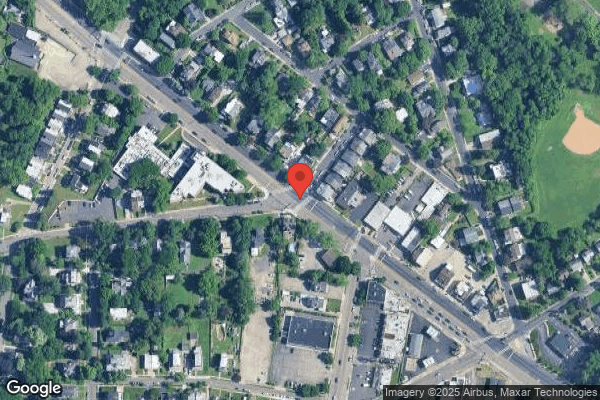

600 W CHELTENHAM AVENUE, PHILADELPHIA, PA 19126 (215) 927-7300
Non profit - Corporation 255 Beds AMERICAN HEALTH FOUNDATION Data: November 2025 4 Immediate Jeopardy citations
Trust Grade
0/100
#582 of 653 in PA
Last Inspection: December 2024

Within standard 12-15 month inspection cycle. Federal law requires annual inspections.

Overview

Independence Rehab and Nursing has received a Trust Grade of F, indicating significant concerns about the quality of care provided, which is among the lowest possible ratings. It ranks #582 out of 653 facilities in Pennsylvania, placing it in the bottom half overall, and #56 out of 58 in Montgomery County, suggesting only one local facility is worse. While the facility's trend is improving, with a decrease in issues from 23 in 2024 to just 1 in 2025, the current state is still troubling. Staffing is rated average at 3 out of 5 stars, with a turnover rate of 56%, which is higher than desirable but still near the state average. However, the facility has faced concerning fines totaling $336,546, which is higher than 94% of Pennsylvania facilities, and it has less RN coverage than 98% of state facilities, raising alarms about the level of oversight that residents receive. Specific incidents include a critical failure to prevent new wounds on a resident due to inadequate treatment and a serious medication error where a resident received the wrong insulin, both of which resulted in immediate jeopardy situations. Overall, while there are some signs of improvement, the facility has critical weaknesses that families should consider carefully.
Trust Score
F
0/100
In Pennsylvania
#582/653
Bottom 11%
Safety Record
High Risk
Review needed
Inspections
Getting Better
23 → 1 violations
Staff Stability
⚠ Watch
56% turnover. Above average. Higher turnover means staff may not know residents' routines.
Penalties
✓ Good
$336,546 in fines. Lower than most Pennsylvania facilities. Relatively clean record.
Skilled Nurses
⚠ Watch
Each resident gets only 18 minutes of Registered Nurse (RN) attention daily — below average for Pennsylvania. Fewer RN minutes means fewer trained eyes watching for problems.
Violations
⚠ Watch
51 deficiencies on record. Higher than average. Multiple issues found across inspections.
★☆☆☆☆
1.0
Overall Rating
★★★☆☆
3.0
Staff Levels
★☆☆☆☆
1.0
Care Quality
★☆☆☆☆
1.0
Inspection Score
Stable
2024: 23 issues
2025: 1 issues

The Good

  • Full Sprinkler Coverage · Fire safety systems throughout facility
  • No fines on record

Facility shows strength in fire safety.

The Bad

1-Star Overall Rating

Below Pennsylvania average (3.0)

Significant quality concerns identified by CMS

Staff Turnover: 56%

Near Pennsylvania avg (46%)

Frequent staff changes - ask about care continuity

Federal Fines: $336,546

Well above median ($33,413)

Significant penalties indicating serious issues

Chain: AMERICAN HEALTH FOUNDATION

Part of a multi-facility chain

Ask about local staffing decisions and management

Staff turnover is elevated (56%)

8 points above Pennsylvania average of 48%

The Ugly 51 deficiencies on record

4 life-threatening 1 actual harm
Apr 2025 1 deficiency
CONCERN (D) 📢 Someone Reported This

A family member, employee, or ombudsman was alarmed enough to file a formal complaint

Potential for Harm - no one hurt, but risky conditions existed

Deficiency F0761 (Tag F0761)

Could have caused harm · This affected 1 resident

Based on observation, staff interview, and clinical record review, it was determined that the facility failed to ensure that a medication label was accurate for one of (Resident R3). Findings include...

Read full inspector narrative →
Based on observation, staff interview, and clinical record review, it was determined that the facility failed to ensure that a medication label was accurate for one of (Resident R3). Findings include: Review of Resident R3's April 2026 physican orders revealed an order dated March 19, 2025, for Potassium Chloride Liquid 20 MEQ/15ML (10%), Give 20 mEq via PEG-Tube one time a day for Hypokalemia (low Potassium Levels) Observation conducted of the label on the medication for Potassium Chloride revealed Potassium Chloride Liquid 20 MEQ/7.5 ML. On April 28, 2025, at 10:31 a.m., interview with the Director of Nursing revealed that the Pharmacy wrongly labelled the dose of Potassium Chloride Liquid 20 MEQ/15ML (10%), for R3 as to administer 7.5 ML, instead of 15 ML. 28 Pa. Code 211.9(a)(1) Pharmacy services
Dec 2024 10 deficiencies 1 Harm
SERIOUS (G) 📢 Someone Reported This

A family member, employee, or ombudsman was alarmed enough to file a formal complaint

Actual Harm - a resident was hurt due to facility failures

Free from Abuse/Neglect (Tag F0600)

A resident was harmed · This affected 1 resident

Based on interviews with staff, review of clinical records, and facility documentation, it was determined the facility failed to protect Resident R112 from Resident R46 who had a history of verbal agg...

Read full inspector narrative →
Based on interviews with staff, review of clinical records, and facility documentation, it was determined the facility failed to protect Resident R112 from Resident R46 who had a history of verbal aggression towards Resident R112. This failure resulted in actual harm to Resident R112 who sustained a closed head injury and a fractured right finger when Resident R46 became physically violent towards Resident R112 for two of 33 resident records reviewed. (Resident R112 and Resident R46) Findings include: Review of Resident R46's quarterly MDS assessment (Minimum Data Set, assessment tool used to evaluate the functional abilities and cognitive status of a resident) dated July 16, 2024, revealed the resident was alert and oriented, capable of making independent decisions, diagnosed with Epilepsy, (chronic brain disorder that causes seizures) and Hemiplegia (one sided weakness) affecting the right dominate side. The resident was assessed as independent in all activities of daily living (ADL), including walking, and transferring and was continent of bowel and bladder. Review of Resident R112's quarterly MDS assessment, dated August 15, 2024, assessed the resident with severe cognitive impairment, diagnosed with Schizophrenia (chronic mental disorder) and Dementia (progressive degenerative disease of the brain). The resident was occasionally incontinent of urine and frequently incontinent of bowel, used a walker for ambulating and needed supervision with activities of daily needs. Review of Resident R112 care plan dated May 11, 2021, revealed a care plan developed for incontinence care and Activities of Daily Living. The resident was care planned for requiring staff assistance when needed. Review of Resident R46's nurses' notes dated, May 2, 2024, indicated a verbal altercation occurred between Residents R46 and R112. Resident R46 was heard yelling from bathroom door to Resident R112, cursing and threatening the resident, saying he would, 'Beat you the f-k up,' and 'You don't know me.' Resident R46 was asked to close the door and calm down, and social services was notified. Review of written statement taken by Social Services during an interview with Resident R112 and Resident R46 dated May 2, 2024 revealed, Resident R112 said [he/she] called the resident the N word because [Resident 46] kept yelling about the toilet. Resident R46 said [he/she] got into an argument because [he/she] keeps leaving the toilet clogged. When Resident R46 told the resident about it, Resident R46 said [he/she] was called the N word. Review of weekly nursing note dated June 3, 2024, states, Resident R46 frequently screams and curses at roommate related to shared bathroom. Review of Resident R112's nursing note dated October 12, 2024 revealed the nurse aide called this nurse around 6:10 a.m. and reported the resident is bleeding from [his/her] head and resident stated that a black guy hit [resident] on [resident] head. This nurse immediately responded and found resident sitting in a chair in front of [his/her] room bleeding from [his/her] head. Nursing supervisor made aware. Upon assessment laceration noted on the top of the head, on the middle of the head and also a laceration noted on the back of [his/her] head with hematoma. Resident also both with a small cut and a swollen and bruised right pinky finger. Resident is alert and awake with some period of confusion, able to make need known with no loss of consciousness. The resident was asked if he/she fell and the resident denied falling. This writer asked resident what happened and resident stated that [he/she] was coming out of the bathroom and a black guy hit [him/her] on [his/her] head with a cane. The physician was notified and order to send resident to the emergency room for evaluation. Review of information dated October 12, 2024 submitted by the facility on October 12, 2024 to the State Agency, revealed Resident R112 was seen walking to [his/her] bedroom with blood on [his/her] face. Resident R112 was noted to have a hematoma on the back of the head, a laceration on top of head and finger. The resident attending physician was notified and Resident R112 was sent to the hospital for evaluation. Continue review of information dated and submitted by the facility on October 12, 2024 to the State Agency revealed Resident R112 was treated at the hospital for a closed non displaced fracture of the proximal phalanx of the right little finger and a closed head injury. Further review of information dated October 12, 2024 and submitted by the facility on October 12, 2024 to the State Agency revealed the Nursing Home Administrator interviewed Resident Resident R107 who was R112's roommate. Resident R107 witnessed next-door-neighbor (Resident R46), who they share a bathroom with, push Resident R112 and hit [Resident R112] with [his/her] cane. The investigation concluded that Resident R46 was identified as the perpetrator and the facility substantiated the resident-to-resident altercation as abuse. The facility failed to ensure that Resident R112 was free from physical abuse from Resident R46 with a history of verbal aggression towards Resident R112. This failure resulted in actual harm to Resident R112 who sustained a closed head injury and a right fractured finger when Resident R46 became physically violent towards Resident R112. 28 Pa. Code 201.29 (c)(3)(4) Resident rights 28 Pa. Code 211.12(d)(1) Nursing services
CONCERN (D) 📢 Someone Reported This

A family member, employee, or ombudsman was alarmed enough to file a formal complaint

Potential for Harm - no one hurt, but risky conditions existed

Comprehensive Care Plan (Tag F0656)

Could have caused harm · This affected 1 resident

**NOTE- TERMS IN BRACKETS HAVE BEEN EDITED TO PROTECT CONFIDENTIALITY** Based on review of clinical records, review of facility policy,and interviews with staff, it was determined that the facility fa...

Read full inspector narrative →
**NOTE- TERMS IN BRACKETS HAVE BEEN EDITED TO PROTECT CONFIDENTIALITY** Based on review of clinical records, review of facility policy,and interviews with staff, it was determined that the facility failed to develop and implement a comprehensive care plan related to Resident R46's diagnosis of physical aggression, paranoia, insomnia and Resident R170 needing oxygen therapy for two of 33 resident records reviewed Findings include: Review of the facility policy titled, Comprehensive Care Plan, dated November 2019, states, It is the policy of the facility to develop and implement a comprehensive person-centered care plan for each resident, consistent with resident rights, that includes measurable objectives and timeframes to meet a resident's medical, nursing, and mental and psychosocial needs that are identified in the resident's comprehensive assessment. Review of Resident R46's quarterly MDS (Minimum Data Set, an assessment tool used to evaluate the functional abilities and cognitive status of a resident) dated July 16, 2024, revealed the resident was alert and oriented capable of making independent decisions, diagnosed with epilepsy, (a chronic brain disorder that causes seizures) and hemiplegia (one sided weakness) affecting the right dominate side. The resident was assessed as independent in all activities of daily living (ADL), including walking, and transferring and was continent of bowel and bladder. Review of Resident R46's nurses' notes dated, May 2, 2024, indicated a verbal altercation between both residents. Resident R46 was heard yelling from bathroom door to Resident R112, cursing and threatening the resident, saying he would, 'Beat you the f-k up,' and 'You don't know me'. Resident R46 was asked to close the door and calm down. Weekly nursing note dated June 3, 2024, states, Resident R46 frequently screams and curses at roommate related to shared bathroom. Review of facility documentation and resident's witness statement revealed on October 12, 2024 Resident R46 was seen to push Resident R112 and hit him/her with his/her cane. This caused Resident R112 a hematoma to the back of his head, a laceration to the front, and a fractured finger. Review of Resident R46's psychiatric note dated October 22, 2024, noted the physical aggression towards another resident. The note further stated that the resident was paranoid and suspicious, and that the resident stated, People been watching my moments too much and I don't like it. The same note, listed medications Trazadone and Melatonin given for insomnia and Risperdal an antipsychotic given for unspecified psychosis. Further review of Resident R46's clinical record revealed no evidence a care plan was developed for the resident's physical aggression, paranoia and suspicious behaviors, including the May 2, 2024, and October 12, 2024 altercation with Resident R112. Furthermore, the facility failed to develop a care plan for Resident R46 for the diagnosis of insomnia and taking an antipsychotic medication for his diagnosis of psychosis. Observation conducted on December 16, 2024, at 11:15 am during tour of the second-floor unit revealed that Resident R170 was in bed awake. Further observation revealed that Resident R170 was on oxygen concentrator via nasal cannula running at 2 liters per minute. Interview with Resident R 170 at the time of the observation revealed that she did not know when her oxygen was started. Further Resident R170 did not provide any more information during the interview. Review of Resident R170's clinical record revealed that Resident R170 was admitted to the facility on [DATE], with diagnoses of Anemia and Acute Myeloblastic Leukemia (cancer of the blood and bone marrow). Further review of Resident R170's clinical record revealed a physician's order for 2 liters of oxygen as needed for SOB (shortness of breath) - ordered December 15, 2024. Further review of Resident R170's clinical record revealed that there was no care plan develop to address Resident R170's shortness of breath and the need for oxygen use. Interview with ADON (Assistant Director of Nursing) Employee E9 conducted on December 18, 2024, at 2:43 pm confirmed that there was no care plan for respiratory or oxygen use developed for Resident R170. Refer to F600 28 Pa. Code 211.10 (c) Resident care policies. 28 Pa. Code 211.10 (d)(1) Nursing services
CONCERN (D) 📢 Someone Reported This

A family member, employee, or ombudsman was alarmed enough to file a formal complaint

Potential for Harm - no one hurt, but risky conditions existed

Quality of Care (Tag F0684)

Could have caused harm · This affected 1 resident

Based on review of clinical records, interviews with staff, and facility policy, it was determined the facility failed to provide treatment and services in accordance with professional standards of pr...

Read full inspector narrative →
Based on review of clinical records, interviews with staff, and facility policy, it was determined the facility failed to provide treatment and services in accordance with professional standards of practice related to a failure to conduct routine testing to verify therapeudic levels of a seizure medication. The facility failed to clarify the orders when a medication for epilepsy was decreased in error, and failed to inform the physician of a recommended psychotropic dose increase for one of 33 resident records reviewed. (Resident R46 ) Findings included: Review of the facility's policy, Medication and Treatment Orders revised October 2016 states, Orders for medications and treatments will be consistent with principles of safe and effective order writing . Review of Resident R46's quarterly MDS (Minimum Data Set, an assessment tool used to evaluate the functional abilities and cognitive status of a resident) dated July 16, 2024, revealed the resident was alert and oriented capable of making independent decisions, diagnosed with epilepsy, (a chronic brain disorder that causes seizures) and hemiplegia (one sided weakness) affecting the right dominate side. The resident was assessed as independent in all activities of daily living (ADL), including walking, and transferring and was continent of bowel and bladder. On admission, dated October 23, 2024, Resident R46 was ordered Depakote (used to prevent seizures and for certain psychiatric conditions) instructed to give three, 125 milligrams (mg) tablets of Depakote (equally 375 mg), twice a day (daily total of 750 mg ) for the resident's diagnosis of Epilepsy. Review of Resident R46's care plan dated October 24, 2024, for the resident's diagnosis of seizures stated seizure medications will be maintained at therapeutic levels with interventions that include to obtain and monitor labs/diagnostics work. Review of Resident R46's nursing note dated June 3, 2024, stated the resident was seen by psychology and the resident's Depakote increased from 125mg to 250mg twice a day. This order was not clarified, instead the dose was decreased, now receiving 250 mg twice a day to equal 500 mg daily. The new order was administered from June 4, 2024, to June 17, 1014. On June 18, 2024, the Depakote was increased back to the original dose of 750 mg a day. On December 18 and 19, 2024 the Nursing Home Administrator (NHA) and the Director of Nursing (DON) were asked what the facility's policy/protocol was for testing residents' Depakote levels. The NHA and DON failed to answer nor provide documentation. During the same time the NHA and DON were questioned as to why Resident R46's Depakote was lowered by psychiatry, when the resident was taking the medication for epilepsy not for a mental illness. The NHA and DON failed to answer, nor provide supporting documentation. Further review of Resident R46's clinical records revealed Depakote levels were tested on admission, dated, October 23, 2023, no further documented evidence therapeutic levels were tested prior to lowering the dose on June 4, 2024. On October 22, 2024, psychiatric note indicated Resident R46's order for Risperdal (an antipsychotic medication) be increased to 1 mg due to the resident's increased paranoia and aggression. Surveyor requested and the NHA confirmed there was no documented evidence the physician was made aware of this recommendation and the dose was not increased. During an interview with the psychiatrist on December 19, 2024, at 12:00 p.m. confirmed the dose of Depakote should not have changed. The psychiatrist explained it was to simplify the number of pills given to the resident at one time, from three-125 mg of Depakote twice a day to one 250 mg pill in the morning and 2- 250 mg pill in the evening. The psychiatrist indicated Depakote levels should be done every six months to ensure they are at the therapeutic levels for residents taking the medication for seizures. During the same interview it was also confirmed the recommended increase in Risperdal to 1 mg was not completed. 28 Pa. Code 211.12(d)(1) Nursing services
CONCERN (D) 📢 Someone Reported This

A family member, employee, or ombudsman was alarmed enough to file a formal complaint

Potential for Harm - no one hurt, but risky conditions existed

Deficiency F0688 (Tag F0688)

Could have caused harm · This affected 1 resident

**NOTE- TERMS IN BRACKETS HAVE BEEN EDITED TO PROTECT CONFIDENTIALITY** Based on observations, review of facility policy, review of clinical records, and staff and resident interviews, it was determin...

Read full inspector narrative →
**NOTE- TERMS IN BRACKETS HAVE BEEN EDITED TO PROTECT CONFIDENTIALITY** Based on observations, review of facility policy, review of clinical records, and staff and resident interviews, it was determined that the facility failed to ensure that residents with limited range of motion received treatment and services to maintain or improve range of motion/mobility for two of 36 residents reviewed for limited range of motion (Resident R7 and Resident R37). Findings include: Observation conducted during the tour of the second-floor unit on December 16, 2024, at 9:34 am revealed that Resident R7 was in bed with his left arm in a fixed position on his chest. Review of Resident R7's clinical record revealed that Resident R7 was admitted to the facility on [DATE], with diagnoses of but not limited to Paraplegia, Multiple Sclerosis, Acquired Absence of Right and Left Leg, Muscle Weakness, Contractures of Muscles Multiple Sites. Review of Resident R7's quarterly MDS (Minimum Data Set, a federally required assessment completed at a specific interval) dated October 7, 2024 section GG0115 (Functional Limitation in Range of Motion), revealed that A. Upper extremity (shoulder, elbow, wrist, hand) was coded 1 indicating that resident R7 had impairment on one side, B. Lower extremity (hip, knee, ankle, foot) was coded 2, indicating that Resident R7 had impairment on both sides Review of occupational therapy notes revealed that resident was receiving occupational therapy services from November 25, 2024, through October 11, 2024, with discharge recommendations to continue with previously established splinting. Review of Resident R7's clinical record revealed the following previously established restorative nursing program: Nursing Maintenance Program- Passive ROM (range of motion) in all planes 2 x15 as tolerated to prevent further joint stiffness daily dated 12/19/23 Nursing Maintenance Program-Don bilateral resting hand splint 2 hour/day with skin checks pre/post, and hygiene performed before and after as tolerated-dated 8/9/24 Nursing Maintenance Program-Resident will wear left hand palm protector with finger separators for 3 hours/day. assess [NAME] at donning/doffing and provide hygiene daily as tolerated dated 12/3/23 Nursing Maintenance Program-Splinting- Patient to tolerate left elbow extension splint for 2 hours/day with skin checks pre/post as tolerate-dated 8/12/24 Further review of Resident R7's clinical record revealed no documented evidence that restorative nursing program/splinting was provided to Resident R7. Interview with ADON (assistant director of nursing) Employee E9 conducted on December 19, 2024, at 10:57 a.m. confirmed that there was no documentation indicating that that restorative nursing program/splinting was provided to Resident R7. Review of Resident R37's clinical record revealed that Resident R37 was originally admitted to the facility on [DATE], with the most recent readmission date of November 19, 2023. with diagnoses of CVA (Cerebrovascular Accident-stroke) Hemiplegia/Hemiparesis (paralysis/weakness of one side of the body), Muscle weakness, Contracture of unspecified joint. Review of OT (Occupational Therapy) Discharge summary dated [DATE], revealed a recommendation for: Restorative Splint and Brace Program. Resume prior RNP (Restorative Nursing Program) for daily management with skin checks pre and post. Review of Resident R37's clinical record revealed the following previously established restorative nursing program: Nursing Maintenance Program Ambulation with Hemi walker with +1 contact guard assistance/min for 20-30 feet with wheelchair follow as tolerated to be completed daily. Ensure resident wears appropriate footwear or nonskid sock, allow to take time or breaks as needed. Dated November 30, 2023 Nursing Maintenance Program-Apply left hand splint during the nighttime hours as tolerated to decrease stiffness. Inspect skin before and after application. Review of Resident R37's care plan initiated on November 20, 2023, revealed the following: Resident R37 will wear a left-hand splint for 6 hours a day, Splint to be applied at 10 p.m. and removed at 4 a.m, Nursing to assess residents' skin at the time of application and removal of the brace for alterations in skin integrity and provide hygiene-Dated December 3, 2023 Nursing Maintenance Program-Left resting hand splint don in am and doff in pm (at least 4 hours) with skin checks before and after application. refer to PT/OT as needed-Dated December 3, 2024 Further review of Resident R37's clinical record revealed that there was no documented evidence that the previously established Restorative Nursing Program or Nursing Maintenance Program was reinstated and provided to Resident R37. Interview with ADON (Assistant Director of Nursing) conducted on December 29, 2024, at 10:58 am confirmed that there was no documented evidence that Restorative nursing/splinting was provided to Resident R37 Observation conducted during the tour of the second-floor unit on December 17, 2024, at 11:05 am revealed that Resident R37 was in bed with her left arm on her side. Follow-up observation on Resident R37 conducted with Director of Rehab, Employee E10 on December 18, 2024, at 1:36 pm revealed that Resident R37 was in the hall way of the second floor unit, sitting on a wheelchair. Further, Resident R37's left upper and lower extremities were limp. Interview with Employee E10 confirmed that Resident R7 had a left sided hemiplegia. Interview with Resident R37 in the presence of Employee E10 conducted at the time of the observation revealed that no one puts her and that she is not able to put it in on on her own. Upon further interview with Resident R37, she revealed that sometimes one of the staff will put it on her at night. Observation of Resident R37's room together with Employee E10 revealed that there were no splints in her drawers, bed side table or anywhere in her room. Employee E10 stated that she will get Resident R37 a new pair of splints. 28 Pa Code 211.10(d) Resident care policies 28 Pa. Code 211.12 (d)(1)(3) Nursing services
CONCERN (D) 📢 Someone Reported This

A family member, employee, or ombudsman was alarmed enough to file a formal complaint

Potential for Harm - no one hurt, but risky conditions existed

Accident Prevention (Tag F0689)

Could have caused harm · This affected 1 resident

**NOTE- TERMS IN BRACKETS HAVE BEEN EDITED TO PROTECT CONFIDENTIALITY** Based on the review of clinical records, observation, facility documentation and interviews with staff, it was determined that t...

Read full inspector narrative →
**NOTE- TERMS IN BRACKETS HAVE BEEN EDITED TO PROTECT CONFIDENTIALITY** Based on the review of clinical records, observation, facility documentation and interviews with staff, it was determined that the facility failed to ensure that the residents' environment was free of accident hazards, and failed to ensure that hazardous material were not accessible to a resident in one nursing unit of one of three nursing units. (Third floor) Findings include: Review of Resident R575's clinical record revealed that the resident was admitted to the facility on [DATE], with diagnosis' including opioid dependence with withdraw, other psychoactive substance dependence, homicidal ideations, nicotine dependence with withdrawal, homelessness, and suicide attempt. Review of MDS (minimum data set, assessment of resident care needs) for Resident R575 dated December 11, 2024, revealed that the Resident R 575 had a BIMS (brief interview for mental status) score of 15 which indicated the cognitive status of the resident was intact. Review of hospital record for Resident R 575 dated November 7, 2024, revealed the Resident reports that he had head injury in 1995 and report significant anger issues. The resident has a history of suicide ideation, homicide ideation, opioid use disorder spent most of his life in prison. Review of care plan for Resident R 575 dated December 5, 2024, revealed the resident was noted with a history of suicide attempt. Interventions included to allow the resident to express feelings and offer support, consult psychology, the door to residence room to be left open, items with resident could harm self to be removed from resident's room, residents be maintained on every hour check, and resident will use plastic utensils during meals. Also included in the intervention is a tap bell (no cords attached) given in place of call bell light for safety. Observation of Resident R575 on December 18, 2024, at 11:50 a.m. revealed Resident R575 standing in the doorway of the resident's room with 2 razors in hand. Interview with Resident R575 at time of above observation revealed that razors were found in the bathroom, set on the sick, they were left by Employee E4 nursing assistant. Interview with Employee E4, nursing assistant on December 18, 2024 confirmed that this employee accidently left the razors in the bathroom. Interview with Director of Nursing (DON), Employee E2 and administrator and Employee E1 on December 18, 2024, at 2:10 p.m. confirmed Resident 575 has history of behaviors and has care intervention in place for prevention of harm. DON confirmed that the resident should not have had access to razors. 28 Pa. Code 211.10(d) resident care policies 28 Pa. Code 201.14(a) responsibility of licensee 28 Pa. Code 211.18(b)(1) management
CONCERN (D) 📢 Someone Reported This

A family member, employee, or ombudsman was alarmed enough to file a formal complaint

Potential for Harm - no one hurt, but risky conditions existed

Deficiency F0757 (Tag F0757)

Could have caused harm · This affected 1 resident

Based on clinical record review, interviews with staff and reviews of policies and procedures, it was determined the facility failed to ensure a medication were administered with adequate indications ...

Read full inspector narrative →
Based on clinical record review, interviews with staff and reviews of policies and procedures, it was determined the facility failed to ensure a medication were administered with adequate indications for use and monitoring for two of 33 resident clinical records reviewed (Resident R46 and R83). Findings include: A review of the policy titled antipsychotic medication use dated December 2016 revealed that the antipsychotic medications would be prescribed by the physican at the lowest possible dosage for the shorest period of time. The policy also indicated that psychotropic medications were to be evaluated by the physician for gradual dose reduction routinely. The policy said that residents would only receive antipsychotic medications when necessary to treat specific conditions for which they are indicated. The policy indicated that the need to continue as needed orders for psychotropic medications beyond 14 days required that the physician document the rationale for the extended order. Review of Resident R46's quarterly MDS (Minimum Data Set, an assessment tool used to evaluate the functional abilities and cognitive status of a resident) dated July 16, 2024, revealed the resident was alert and oriented capable of making independent decisions, diagnosed with epilepsy, (a chronic brain disorder that causes seizures) and hemiplegia (one sided weakness) affecting the right dominate side. The resident was assessed as independent in all activities of daily living (ADL), including walking, and transferring and was continent of bowel and bladder. Review of Resident R46's physician orders instructed to give 3 milligrams (mg) of Melatonin dated August 13, 2024, and 50 mg of Trazodone dated October 24, 2023, to be given at night for insomnia. Further review of Resident R46's clinical record revealed the resident did not have a diagnosis of insomnia. Clinical record review revealed a quarterly MDS assessement dated September 22, 2024 that indicated Resident R83 had severe cognitive impairment and diagnoses of anxiety disorder, psychotic disorder and schizophrenia. The assessment also indicated that this resident was receiving antianxiety medication and antipsychotic medication. Clinical record review for Resident R83 revealed a psychiatrist's note dated December 5, 2024 that indicated that Resident R83 had diagnoses of schizophrenia, anxiety disorder and psychosis. Clinical record review revealed the physician had an order dated May 2, 2024 for Lorazepam (antianxiety agent) .5 mg orally every four hours as needed for anxiety disorder. Clinical record review revealed that there was no documentation to indicate the rationale for the continued use of an as needed psychotropic medication, Lorazepam, beyond 14 days for Resident R83. There was no clinical record documentation to indicate the duration that the antianxiety medication was to be used. Interview with Licensed nurse, Employee E17, at 9:30 a.m., on December 19, 2024 confirmed that there was no clinical record documentation, as required for the rationale and extended use of the psychotropic medication, Lorazepam for Resident R83. Clinical record review for Resident R83 revealed that the physician had an order dated Setember 4, 2024 for Depakote sprinkles (anticonvulsant medication) 125 mg twice a day for behavior for Resident R83. Clinical record review also revealed that a valporic acid blood level (used to determine that effectiveness of therapy of the drug depakote) had been obtained and documented as below normal range of 50 to 100 micrograms per milliliter at 16.2 micrograms per milliliter for Resident R83 on October 29, 2024. There was no clinical record documentation to indicate that the laboratory study had been reviewed with the physician to ensure adequate monitoring of the drug use and that an acceptable blood range was acheived for Resident R83. Clinical record review for Resident R83 revealed that the physician had an order dated Setember 4, 2024 for depakote sprinkles (anticonvulsant medication) 125 mg twice a day for behavior for Resident R83. There was no clinical record documentation to indicate the physican had prescribed the medication depakote with adequate indication for its' use. The drug depakote was used pharmacologically for the treatment of bipolar polar disorder, epilepsey or migraine headaches. Interview with licensed practical nurse, Employee E17, at 9:45 a.m., on December 19, 2024 confirmed that there was no clinical record documentation to indicate that depakote (an anticonvulsant medication) was being used with adequate monitoring or with an adequate indication for use for Resident R83. 28 Pa. Code 211.12(d)(1) Nursing services
CONCERN (D)

Potential for Harm - no one hurt, but risky conditions existed

Deficiency F0772 (Tag F0772)

Could have caused harm · This affected 1 resident

**NOTE- TERMS IN BRACKETS HAVE BEEN EDITED TO PROTECT CONFIDENTIALITY** Based on clinical records review and staff interview, it was determined that the facility failed to obtain a laboratory study as...

Read full inspector narrative →
**NOTE- TERMS IN BRACKETS HAVE BEEN EDITED TO PROTECT CONFIDENTIALITY** Based on clinical records review and staff interview, it was determined that the facility failed to obtain a laboratory study as ordered by the physician for one of 33 clinical records reviewed. (Resident R158) Findings include: Clinical record review for Resident R158 revealed a diagnosis of obesity (overweight with excess body fat). Resident R158 was 68 inches in height and weighed 231 pounds indicating a weight of 25% above the ideal body weight of 154 +/- 10%. Clinical record review for Resident R158 revealed a quarterly MDS dated [DATE] that indicated that this resident was at high risk for pressure sore development and had moisture associated skin damage. Clinical record review for November 13 and 15, 2024 revealed that the physician had ordered laboratory studies of the blood to review the metabolism of albumin (a blood test to determine nutritional deficiencies and measure liver and kidney function) and thyroid (a gland that controls metabolism which effects how your body uses energy, regulates body temperature, blood pressure and heart rate) function for Resident R158. There was no clinical record documentation to indicate that these tests were completed as ordered by the physician for Resident R158. Interview with the Licensed nurse, Employee E17, at 10:00 a.m., on December 19, 2024 confirmed the lack of following the physician's orders for laboratory testing on November 13 and 15, 2024 for Resident R158. 28 Pa Code 211.12(d)(1) Nursing services
CONCERN (D) 📢 Someone Reported This

A family member, employee, or ombudsman was alarmed enough to file a formal complaint

Potential for Harm - no one hurt, but risky conditions existed

Infection Control (Tag F0880)

Could have caused harm · This affected 1 resident

**NOTE- TERMS IN BRACKETS HAVE BEEN EDITED TO PROTECT CONFIDENTIALITY** Based upon observations, staff interviews, and review of clinical records, it was determined this facility failed to establish a...

Read full inspector narrative →
**NOTE- TERMS IN BRACKETS HAVE BEEN EDITED TO PROTECT CONFIDENTIALITY** Based upon observations, staff interviews, and review of clinical records, it was determined this facility failed to establish and maintain enhanced barrier precautions for one resident of eight resident reviewed (Resident R15). Findings include: Review of the CDC Center for Disease Control and Prevention title enhanced barrier precaution and skilled nursing facilities dated November of 2022, revealed that enhanced barrier precautions (EBPS) in addition to standard precautions, are utilized to prevent the spread of multi drug resistant organisms to residents. Enhanced barrier precautions employees targeted gown and gloves use during high contact resident care activities when contact precautions do not otherwise apply. Gloves and gowns are applied prior to performing the high contact resident care activity as opposed to before entering the room. All protective equipment is changed before caring for another resident. Example of high contact resident care activities requiring the use of gown and gloves for enhanced barrier precautions include dressing, bathing, transferring, providing hygiene, changing linen, changing briefs, device care (urinary catheter, feeding tube, ventilator, tracheotomy), and wound care. Signs are posted on the door or wall outside the resident's room indicating high contact resident care activities that require the use of gowns and gloves. Review of quarterly MDS (minimum data set assessment of resident care needs) for Resident R15 revealed Resident R15 was admitted into the facility November 13, 2012, then again readmitted [DATE] with diagnoses including Parkinson's disease (progressive disease of the central nervous system), dyskinesia (difficulty with voluntary movement), anxiety, bipolar disorder (condition in which a person has periods of depression and period of being extremely happy), muscle wasting, and dysphasia (difficulty swallowing). Further review of this MDS revealed that Resident R15 require enteral nutrition (food delivered through tube feeding). Review of Resident R15's care plan dated November 4, 2024, revealed Resident R15 requires tube feeding related to gastrostomy status with goals including tube insertion site will be free of signs and symptoms of an infection. Further review of the care plan revealed interventions that include to monitor, document, and report any signs or symptoms of aspiration or fever. Observation of Resident R15, door entering the resident room revealed a sign that stated, STOP, Enhanced Barrier Precautions, Everyone Must: Clean their hands, including before entering and when leaving the room. Providers and staff must also wear gloves and gown for the following high contact resident care activities dressing, bathing, transferring, changing linens, providing hygiene, changing briefs, to voice care such as central line urinary catheter, feeding tube, tracheotomy, and wound care. Observation of Resident R15 on December 18, 2024, at 11:51 a.m. revealed that nurse aide, Employee E6 was providing incontinence care to Resident R15. Employee E6 was viewed as only wearing gloves, no gown was seen. Interview with nursing aide, Employee E6 on December 18, 2024, at 12:00 p.m. confirmed that this employee was aware of the enhanced barrier precaution instructed and did not follow the proper procedure of wearing a gown. 28. Pa Code 211.12(d)(1)(5) Nursing services 28 Pa. Code 201.14(a) Responsibility of licensee
CONCERN (E) 📢 Someone Reported This

A family member, employee, or ombudsman was alarmed enough to file a formal complaint

Potential for Harm - no one hurt, but risky conditions existed

Deficiency F0809 (Tag F0809)

Could have caused harm · This affected multiple residents

Based on clinical record reviews, interviews with residents and staff, reviews of policies and procedures and food committee meeting minutes, it was determined that for eight of nine residents reviewe...

Read full inspector narrative →
Based on clinical record reviews, interviews with residents and staff, reviews of policies and procedures and food committee meeting minutes, it was determined that for eight of nine residents reviewed, the facility failed to ensure that suitable and nourishing snacks were provided for the residents who wanted to eat at non-traditional times, outside of the scheduled meal service schedule. (Residents R111, R23, R476, R95, R145, R133, R162 and R167). Findings include: A review of the facility policy titled the serving of between meal and bedtime snacks dated September, 2010 revealed that it was the facility's responsibility to provide each resident with adequate nutrition. The policy indicated that bedtime snacks were to be placed on the overbed table or serving area for each resident. Nursing staff were responsible for positioning all residents so that the bedtime snack was easily reachable. Each resident was to be placed in upright position. All residents were to receive assistance with eating their bedtime snacks (foods and beverages) as necessary, by the nursing staff. A group meeting held at 10:30 a.m., on December 17, 2024 with alert and oriented Residents (R111, R23, R476, R95, R145, R133, R162 and R167) revealed that these residents were able to verbally express their nutritional preferences and needs. During the meeting it was the residents consensus that they were not being routinely offered nourishing snacks (foods or beverages) at bedtime. Clinical record review for Residents (R111, R23, R476, R95, R145, R133, R162 and R167) confirmed that all of these residents were all alert and oriented and able to express their nutritional needs to staff. Clinical record review for resident R111 revealed an annual comprehensive assessment MDS (an assessment of care needs) dated September 16, 2024 that indicated this resident was cognitively intact. Clinical record review for Resident R23 revealed a quarterly comprehensive assessment MDS (an assessment of care needs) dated October 28, 2024 that indicated this resident was cognitively intact. Clinical record review for Resident R476 revealed an admission comprehensive assessment MDS (an assessment of care needs) dated December 9, 2024 that indicated this resident was cognitively intact. Clinical record review for Resident R95 revealed a quarterly comprehensive assessment MDS (an assessment of care needs) dated November 15, 2024 that indicated this resident was cognitively intact. Clinical record review for Resident R145 revealed a quarterly comprehensive assessment MDS (an assessment of care needs) dated October 9, 2024 that indicated this resident was cognitively intact. Clinical record review for Resident R133 revealed a quarterly comprehensive assessment MDS (an assessment of care needs) dated September 6, 2024 that indicated this resident was cognitively intact. Clinical record review for Resident R162 revealed an annual comprehensive assessment MDS (an assessment of care needs) dated October 8, 2024 that indicated this resident was cognitively intact. Clinical record review for Resident R167 revealed a quarterly comprehensive assessment MDS (an assessment of care needs) dated September 24, 2024 that indicated this resident was moderately cognitively impaired. Observations at 9:00 a.m., on December 18, 2024 of the medication rooms on the first floor nursing units revealed that the dietary department had provided bulk snacks at 6:00 a.m., for the residents. Licensed nursing staff, Employees E16 and E17 reported at 10:00 a.m., on December 18, 2024 that they would use the bulk snacks in the medication rooms for the residents during the 7-3 shift, if the residents requested a snack. The licensed nurses also reported that they were unaware if the 3-11 nursing staff were offering all the residents a bedtime snack routinely. Clinical record review for Residents (R111, R23, R476, R95, R145, R133, R162 and R167) revealed a lack on consistent and complete documentation to indicate that staff members responsible for offering and assisting residents with bedtime snacks (food and beverages) were completing this task. A review of the food committee meeting minutes for November 14, 2024 revealed that a resident that was in attendance at this meeting had voiced concerns about the between meals and bedtime snacks. The resident said that she was not offered between meals and bedtime snacks frequently, as care planned. 28 Pa. Code 201.18(b)(3) Management
CONCERN (E) 📢 Someone Reported This

A family member, employee, or ombudsman was alarmed enough to file a formal complaint

Potential for Harm - no one hurt, but risky conditions existed

Food Safety (Tag F0812)

Could have caused harm · This affected multiple residents

Based on observations, interviews with staff, and a review of facility procedures, it was determined that the facility failed to store, prepare, distribute, and serve food in accordance with professio...

Read full inspector narrative →
Based on observations, interviews with staff, and a review of facility procedures, it was determined that the facility failed to store, prepare, distribute, and serve food in accordance with professional standards for food service safety. Findings include: Review of facility policy, Ware washing, revised February 2023 indicated that the dining services staff will be knowledgeable in the proper technique for processing dirty dishware through the dish machine, and proper handling of sanitized dishware. An initial tour of the main kitchen was conducted on December 16, 2024, at 9:38 a.m. with the Food Service Director (FSD), Employee E11. Interview with Employee E11, revealed that the facility dish machine is operating as a low temperature machine, primarily relying on chemical sanitation. Observations at 8:45 a.m. revealed dietary staff, Employee E13 and Employee E14, were starting the dishwasher to clean dirty dishware. Employee 13 and Employee 14 completed two loads of dirty dishes and stored them to dry. Further observations revealed that a test load of dishes was not conducted and the sanitizer testing strip to test the concentration of the final rinse waster was not utilized. Review of facility documentation, Dish machine log for the month of December 2024 revealed that the machine was tested at breakfast, lunch, and dinner on December 13th through the 15th by the Dietary Assistant, Employee E12. Observations of Dietary Assistant, Employee E12 testing the chemical dish machine revealed that Employee E12 utilized incorrect test strips, QAC QR test strip, which are used to measure the concentration of Quaternary Ammonium Compounds in a solution. Observations revealed that the strip did not change color and remained light green, indicating 0 parts per million (ppm). Follow up interview with Dietary Assistant, Employee E12 revealed that Employee E12 utilized the QAC QR test strips each time when completing the Dish Machine Log, and that she is unsure if this is the proper sanitation procedure. Interview with the FSD at 10:00 a.m. revealed that chlorine test strips are to be used to measure the concentration of chlorine in the sanitizing dishwasher solution and confirmed that Employee E12 did not use the correct test strips during observations. Further interview confirmed that proper sanitation practices for food safety were not followed. 28 Pa. Code: 201.14(a) Responsibility of licensee. 28 Pa. Code 201.18(b)(3) Management
Apr 2024 1 deficiency
CONCERN (D) 📢 Someone Reported This

A family member, employee, or ombudsman was alarmed enough to file a formal complaint

Potential for Harm - no one hurt, but risky conditions existed

Deficiency F0552 (Tag F0552)

Could have caused harm · This affected 1 resident

Based on review of facility documentation, review of clinical records, and staff and resident interviews, it was determined that the facility failed to ensure that a resident was informed of and allow...

Read full inspector narrative →
Based on review of facility documentation, review of clinical records, and staff and resident interviews, it was determined that the facility failed to ensure that a resident was informed of and allowed to participate in decisions regarding the resident's care and treatment for one of five residents reviewed (Resident R1). Findings Include: Review of Resident R1's quarterly Minimum Data Set (MDS - federally mandated resident assessment and care screening) dated February 29, 2924, revealed the resident was cognitively intact and had diagnoses of anxiety and depression. Interview on April 18, 2024, at 12:27 p.m. with Resident R1 revealed the resident recently missed doses of Trazodone, a medication used to help the resident sleep. Resident R1 reported that nursing staff told him the medication was discontinued by the physician but was unable to explain why. Further interview with Resident R1 revealed poor sleep during the days Trazodone was not provided. Continued interview on April 18, 2024, at 12:27 p.m. with Resident R1 revealed the physician did not inform the resident of the medication changes or review alternative treatment options to help him sleep. Review of Resident R1's physician orders revealed the resident was prescribed Trazodone 150 milligrams (mg) at bedtime for insomnia (the inability to sleep adequately) started 2/20/2024 and discontinued 04/08/2024. Review of the discontinued ordered revealed it was marked as completed by the physician. There was no documented evidence by the physician why the medication was completed. Review of Resident R1's medication administration record confirmed the resident did not receive Trazodone on April 8, April 9, and April 10, 2024. Continued review of Resident R1's physician orders revealed the Trazodone 150mg every night was re-started for insomnia on April 11, 2024. Review of Resident R1's entire clinical record revealed no documented evidence that Resident R1 was informed by the physician of the medication change, was allowed to participate in decisions regarding his care and treatment, or that the physician reviewed alternative treatment options to help him sleep. 28 Pa Code 201.18(b)(2) Management 28 Pa Code 211.12(d)(1) Nursing services
Mar 2024 6 deficiencies
CONCERN (D)

Potential for Harm - no one hurt, but risky conditions existed

Deficiency F0698 (Tag F0698)

Could have caused harm · This affected 1 resident

**NOTE- TERMS IN BRACKETS HAVE BEEN EDITED TO PROTECT CONFIDENTIALITY** Based on staff interviews and the review of clinical records, it was determined that the facility failed to maintain complete an...

Read full inspector narrative →
**NOTE- TERMS IN BRACKETS HAVE BEEN EDITED TO PROTECT CONFIDENTIALITY** Based on staff interviews and the review of clinical records, it was determined that the facility failed to maintain complete and accurate records related to dialysis communication for one of four dialysis residents reviewed (Resident R148). Findings include: Review of Resident R148's clinical record revealed that the resident was admitted to the facility on [DATE], and that Resident R148 had diagnoses of End-Stage Renal Disease (a medical condition in which a person's kidneys cease functioning on a permanent basis leading to the need for a regular course of long-term dialysis or a kidney transplant to maintain life). Review of Resident R148's physician order, dated February 15, 2024, revealed Revealed that Resident R148 receive dialysis treatment at an outpatient dialysis facility on Mondays, Wednesdays, and Fridays. Review of Resident R148's Hemodialysis Communication Record revealed that on, March 1, 2024 and March 4, 2024 it was lacking information on Pre-Weight, Post- Weight, Pre-Blood Pressure, Post-Blood Pressure, and Temperature. On March 6, 2024; it was lacking information on access site, bruit, thrill (the rumbling or swooshing sound of a dialysis fistula bruit is caused by the high-pressure flow of blood through the fistula; although the bruit is usually heard with a stethoscope, it also can be felt on the overlying skin as a vibration, also referred to as a thrill), acute problem since last appointment, medication changes, and new orders/significant social change in condition during dialysis. Interview with the Unit Manager of First Floor, a Registered Nurse, Employee E17, on March 27, 2024, at 11:10 a.m., confirmed lack of communication with dialysis center. 28 Pa. Code 201.18(b)(1) Management 28 Pa. Code 211.5(f) Clinical records 28 Pa Code 211.5(g)(h) Clinical records 28 Pa Code 211.10(c) Resident care policies 28 Pa. Code 211.12(d)(3) Nursing services 28 Pa.Code 211.12(d)(1)(5) Nursing services
CONCERN (D)

Potential for Harm - no one hurt, but risky conditions existed

Deficiency F0802 (Tag F0802)

Could have caused harm · This affected 1 resident

Based on observations, review of facility documentation and interviews with residents and staff, it was determined that the facility failed to maintain sufficient dietary personnel to complete essenti...

Read full inspector narrative →
Based on observations, review of facility documentation and interviews with residents and staff, it was determined that the facility failed to maintain sufficient dietary personnel to complete essential job functions, related to meals being served late. Findings include: Observations in the main kitchen on March 25, 2024, at 10:50 a.m. revealed the stacks of dirty dishes and tray delivery carts full of trays with dirty dishware that still had to be unloaded, scrapped, stacked, racked, rinsed and run through the dish machine. After the dishes were cleaned, they needed to be stacked in the plate warmers, trays after air drying had to be stacked and preset for the lunch meal, the silverware had to be rinsed, washed, sorted, air dried and set up on the lunch trays. Interview with on March 25, 2024, at 1:08 p.m. with Licensed nurse, Employee E10, confirmed that the lunch trays were late, that they are usually delivered much earlier. Interview with on March 25, 2024, at 1:10 p.m. with Resident R82 revealed that she had not received her tray yet, that it very late for lunch. Interview with on March 25, 2024, at 1:11 p.m. with Resident R131 revealed that she had not received her tray yet, and that it is late again. Interview with on March 25, 2024, at 1:14 p.m. with Resident R6 revealed that she had not received her tray yet, and that she was waiting. Interview with on March 25, 2024, at 1:17 p.m. with Resident R18 revealed that she had not received her lunch tray, that it was really late, and that she had been waiting. Observations on the third floor revealed that the lunch tray cart was not delivered until 1:20 p.m. Review of the Dietary Meal Truck Delivery schedule revealed that the first cart to the third floor, cart 5, is scheduled to b delivered at 12:30 p.m. Interview with the Food Service Director (FSD), on March 29, 2024, at 2:15 p.m. revealed that the lunch meal was late and that he had one aide call off and another three hours late which put them behind causing the meal to be late. Review of the Dietary Department schedule for March 25, 2024, revealed that Employee E13 and Employee E17, AM Dietary Aides, were scheduled at 6:00 a.m. A review of the time clock punch report for March 25, 2024, revealed that Employee E13 did not punch in at all, and that Employee E14 punched in at 9:07 a.m. or about three hours late. 28 Pa. Code 201.14 (a) Responsibility of licensee 28 Pa. Code 201.18(b)(3) Management
CONCERN (D)

Potential for Harm - no one hurt, but risky conditions existed

Infection Control (Tag F0880)

Could have caused harm · This affected 1 resident

Based on observation, review of facility policy and procedure, and interviews with staff, it was determined that the facility failed to maintain an effective infection control program, related with li...

Read full inspector narrative →
Based on observation, review of facility policy and procedure, and interviews with staff, it was determined that the facility failed to maintain an effective infection control program, related with linen washing and processing, in one of one laundry room in the facility. (laundry room) Findings include: Observation at the laundry room of the facility, on March 28, 2024, at 12:14 p.m., revealed that two Laundry Aides, Employees E15 and E16, were processing and folding clean linens for the use of residents by holding the linens letting it to touch the Laundry Aides' personal clothing. It was also observed that while folding the washed and dried linens for the use of residents, the clean linens were in close contact with Employee E15's beard. At the time of the finding interviewed with Employees E15 and E16, confirmed that the linen should have been folded without letting it touch the employee's clothing to prevent contamination and to maintain infection control. 28 Pa Code 211.12 (d)(1)(5) Nursing services 28 Pa Code 201.14(a) Responsibility of licensee
CONCERN (E)

Potential for Harm - no one hurt, but risky conditions existed

Drug Regimen Review (Tag F0756)

Could have caused harm · This affected multiple residents

**NOTE- TERMS IN BRACKETS HAVE BEEN EDITED TO PROTECT CONFIDENTIALITY** Based on a review of clinical records and facility documentation, and staff interviews, it was determined the facility failed to...

Read full inspector narrative →
**NOTE- TERMS IN BRACKETS HAVE BEEN EDITED TO PROTECT CONFIDENTIALITY** Based on a review of clinical records and facility documentation, and staff interviews, it was determined the facility failed to implement a complete drug regimen review process for four of 36 residents reviewed (Resident R131, R37, R42 and R123). Findings Include: Review of the undated Consultant Pharmacist Services Provider Requirements Policy revealed, Medication Regimen Reviews (MRR) for each skilled nursing resident at least monthly, communicate to responsible prescriber, the facility's medical director and the director of nursing potential or actual problems detected, and other findings related to medication therapy orders at least monthly, review and follow-up to previous month's pharmacy recommendations with the nursing care center staff. Review of Resident R131's clinical record revealed that resident was admitted on [DATE], with diagnoses including multiple sclerosis (a chronic autoimmune disease that affects the central nervous system with symptoms including muscle weakness, spasticity and paralysis), anxiety disorder (intense, excessive and persistent worry and fear about everyday situations). A review of the pharmacy progress notes revealed the following notes: November 11, 2023, Medical chart reviewed, new recommendation, see report. December 6, 2023, Medical chart reviewed, recommendations made. January 6, 2024, Medical chart reviewed, recommendations made. February 9, 2024, Medical chart reviewed, recommendations made. Review of Resident R123's clinical record revealed that resident was admitted on [DATE], with diagnoses including other asthma, chronic obstructive pulmonary disease, type 2 diabetes, psychotic disturbance mood disturbance, anxiety disorder, major depressive and unspecified dementia. A review of the pharmacy progress notes revealed the following notes: March 7, 2024, Medical chart reviewed, recommendations made. February 9, 2024, Medical chart reviewed, new recommendations made. Review of Resident R37's clinical record revealed that the resident was admitted to the facility on [DATE] with diagnoses including type II diabetes mellitus with hyperglycemia; repeated falls; anemia; idiopathic peripheralautonomic neuropathy; myocardial ischemia; myocardial infarction; bipolar disorder; colostomy status; dementia without behavioral disturbance; chronic obstructive pulmonary disease; anxiety disorder; osteoarthritis and gastro-esophogeal reflux disease. Review of pharmacy progress notes revealed the following notes: November 12, 2023 medical chart reviewed, recommendations made. December 6, 2023 medical chart reviewed, recommendations made. January 8, 2024, medical chart reviewed, recommendations made. No review was available for February 2024. Review of Resident R42's clinical record revealed that resident was admitted to the facility on [DATE] with diagnoses including cardio-vascular disease, hemiplegia, hemiparesis, chronic obstructive pulmonary disease, diabetes mellitus type II, anxiety, major depressive disorder, spastic diplegic cerebral palsy, hypertension and other pulmonary embolism with acute cor pulmonale. There were no pharmacy progress notes for review for Resident R42. Interview with the Director of Nursing on March 28, 2024, at 10:18 a.m. revealed that there was no documentation to review related to the recommendations made by the consultant pharmacist or whether they were acknowledged by the physician and implemented or not and why. 28 Pa. Code 211.9 (k) Pharmacy services. 28 Pa. Code 211.12 (d)(1)(3)(5) Nursing services.
CONCERN (E)

Potential for Harm - no one hurt, but risky conditions existed

Medical Records (Tag F0842)

Could have caused harm · This affected multiple residents

Based on clinical record review and interviews with staff, it was determined that the failed to ensure complete and accurate documentation related to tuberculosis testing for three of three residents ...

Read full inspector narrative →
Based on clinical record review and interviews with staff, it was determined that the failed to ensure complete and accurate documentation related to tuberculosis testing for three of three residents reviewed (Resident R480, R479, R134). Findings include: Clinical record review for Resident R480 revealed an admitting diagnosis of chronic kidney disease on March 8, 2024. Continued review of clinical record revealed an order for TB skin test per protocol. Screening #1 to be administered within the first 24 hours of admission on March 8, 2024. Review of Resident R480's March 2024 Medication Administration Record (MAR) revealed code 1 indicated for this administration. When looking at the key it was revealed that code 1 is absent from home without medication. Continued review of clinical record revealed an order for TB skin test per protocol. Step #2 per protocol on March 15, 2024. MAR revealed code 1 indicated for this administration. When looking at the key it was revealed that code 1 is absent from home without medication. Further review of MAR revealed an order for TB skin test per protocol. Read result of step #2 on March 17, 2024. MAR revealed a notation of negative mm. Interview with Director of Nursing (DON) on March 26, 204 at 2:18 p.m. confirmed that code 1 does correspond to 'absent at home without medication'. It was also confirmed that resident was newly to the facility and not at home during those times. Further interview, revealed DON was 'unsure' how staff read the step #2 given on March 17, 2024 when the medication was not administered. Clinical record review for Resident R479 revealed an admitting diagnosis of chronic subdural hemorrhage on March 8, 2024. Continued review of clinical record revealed an order for TB skin test per protocol. Step #2 per protocol on March 15, 2024. Review of Resident R479's MAR revealed code 2 indicated for this administration. When looking at the key it was revealed that code 2 is refused. Further review of MAR revealed an order for TB skin test per protocol. Read result of step #2 on March 17, 2024. MAR revealed a notation of negative mm. Interview with Director of Nursing on March 26, 204 at 2:18 p.m. confirmed that code 2 does correspond to 'drug refused'. Further interview, revealed DON was 'unsure' how staff read the step #2 given on March 17, 2024 when the medication was not administered. Clinical record review for Resident R134 revealed an admitting diagnosis of type 2 diabetes mellitus without complication on November 3, 2023. Continued review of clinical record revealed an order for TB skin test per protocol. Screening #1 to be administered within the first 24 hours of admission on November 3, 2023. Review of Resident R134's MAR revealed code 1 indicated for this administration. When looking at the key it was revealed that code 1 is absent from home without medication. Continued review of clinical record revealed an order for TB skin test per protocol. Step #2 per protocol on November 10, 2023, 2024. MAR revealed code 2 indicated for this administration. When looking at the key it was revealed that code 2 is refused. Further review of MAR revealed an order for TB skin test per protocol. Read result of step #2 on November 12, 2023. MAR revealed a notation of negative mm. Interview with Director of Nursing on March 26, 204 at 2:18 p.m. confirmed that code 1 does correspond to 'absent at home without medication'. It was also confirmed that resident was newly to the facility and not at home during those times. Further interview revealed code 2 does correspond to 'drug refused'. Interview, revealed DON was 'unsure' how staff read the step #2 given on November 12 2023, when the medication was not administered. 28 PA Code 211.5(f)(ix) Medical records
CONCERN (F)

Potential for Harm - no one hurt, but risky conditions existed

Food Safety (Tag F0812)

Could have caused harm · This affected most or all residents

Based on observations, interviews with staff, and a review of facility policies and documentation, it was determined that the facility did not ensure that food was stored, prepared, distributed, and s...

Read full inspector narrative →
Based on observations, interviews with staff, and a review of facility policies and documentation, it was determined that the facility did not ensure that food was stored, prepared, distributed, and served in accordance with professional standards for food service safety. Findings include: The Policy: Food Storage: Cold Foods, updated February 2023, states, All foods will be stored wrapped or in covered containers, labeled and dated, and arranged in a manner to prevent cross contamination. An initial tour of the Food Service Department was conducted on March 25, 2024, at 10:15 a.m. with Employee E3, Food Service Director, FSD, which revealed the following: Observation in the corridor between the receiving door to the outside and the kitchen was very dusty and dirty with visible dirt and debris on the floor. Observation in the dry storage room revealed a pan rack with a reddish substance splashed over the rack, and the floor littered with paper, straws, packets and dust, and there was less than the required 18 between boxes (Dart Styrofoam cups, Steamtable Pan Lids, Latex Gloves) on the top shelf and the ceiling and sprinkler heads. Observation in the walk-in cooler revealed an undated container of garlic, and brown substance on the floor near the door and patches of a light-colored growth on the ceiling. Observation in the reach-in freezer revealed tilapia filets that were in an open box with the inner plastic liner open to the air. Observation in the second reach-in freezer revealed an open box of biscuits with the inner plastic liner open to the air, and the outside vent on the top of this freezer had a build-up of dark stick and dusty substance between the louvered vents. Observation on the prep sink revealed a steady stream of water running even when knobs were shut tight. Interview with the FSD at 10:30 a.m. on March 25, 2024, confirmed the above findings. 28 PA Code: 201.14(a) Responsibility of licensee. 28 Pa. Code 201.18(b)(3) Management
Jan 2024 6 deficiencies 1 IJ
CRITICAL (J) 📢 Someone Reported This

A family member, employee, or ombudsman was alarmed enough to file a formal complaint

Immediate Jeopardy (IJ) - the most serious Medicare violation

Pressure Ulcer Prevention (Tag F0686)

Someone could have died · This affected 1 resident

**NOTE- TERMS IN BRACKETS HAVE BEEN EDITED TO PROTECT CONFIDENTIALITY** Based on a review of clinical records, review of facility policies, observations and staff interviews, it was determined that th...

Read full inspector narrative →
**NOTE- TERMS IN BRACKETS HAVE BEEN EDITED TO PROTECT CONFIDENTIALITY** Based on a review of clinical records, review of facility policies, observations and staff interviews, it was determined that the facility failed to timely assess and consistently provide recommended and/or prescribed treatment and services, to prevent new wound development, promote healing and prevent worsening of existing wounds. This failure resulted in actual harm to Resident R1 who developed new and worsening wounds on the right clavicle and neck which resulted in an Immediate Jeopardy Situation for one resident of four clinical records reviewed. (Resident R1) Findings include: Review of the United States Department of Health and Human Services, Agency for Healthcare Research & Quality, the pressure ulcer best practice bundle incorporates three critical components in preventing pressure ulcers: Comprehensive skin assessment, Standardized pressure ulcer risk assessment and care planning and implementation to address areas of risk. The American College of Physicians [ACP] is a national organization of internists, who specialize in the diagnosis, treatment, and care of adults. The largest medical-specialty organization and the second-largest physician group in the United States) Clinical Practice Guidelines indicate that the treatment of pressure ulcers should involve multiple tactics aimed at alleviating the conditions contributing to ulcer development (i.e., support surfaces, repositioning and nutritional support); protecting the wound from contamination and creating and maintaining a clean wound environment; promoting tissue healing via local wound applications, debridement and wound cleansing; using adjunctive therapies; and possible surgical repair. Review of an undated facility policy Wound Treatment Management revealed that 1. Wound treatment will be provided in accordance with physician orders, including the cleansing method, type of dressing, and frequency of dressing change. 2. In the absence of treatment orders, the licensed nurse will notify physician to obtain treatment orders. This may be the treatment nurse, or the assigned licensed nurse in the absence of the treatment nurse. Review of an undated facility document Wound Management Program revealed that Based on the comprehensive assessment of a resident, 1. A resident who enters the facility without pressure sores does not develop pressure sores unless the individual's clinical condition demonstrates that they were unavoidable; and 2. A resident having pressure sores receives necessary treatment and services to promote healing, prevent infection and prevent new sores from developing. Review of Resident R1's quarterly Minimum Data Set assessment (MDS - a federally mandated standardized assessment process conducted periodically to plan resident care) dated October 6, 2023, revealed that Resident R1 was at risk for developing pressure sores and the resident was totally dependent on staff for activities of daily living to include bed mobility, transfers, and toilet use. The resident's cognition was severely impaired, and the assessment indicated that the resident was unable to complete interview. MDS also indicated that the resident rarely/never makes self-understood and able to understand others. Review of Resident R1's care plan dated December 30, 2023, revealed that the resident was at risk for skin integrity with interventions included body check weekly and as needed, notify physician and family of changes and provide skin care as needed. Observation of tracheostomy care to Resident R1 on January 5, 2024, at 11.44 a.m. with Unit Manager, Employee E4, and Licensed Nurse, Employee E5, was completed. During the observation a pack of gauze was observed on resident's right side of neck under his trach ties and the right neck area. Both employees did not know why the resident had gauze to the right side of the neck. Resident was observed with his neck towards right ride with his chin bone touching the area of the shoulder bone. A request was made to Employee E4 and E5 to open the gauze. Further observation after the gauze was removed from Resident R1's neck revealed that there were two new wounds under the gauze. There was a 2 x 2 boarder dressing on one of the wounds without any medications. There was no date on the dressing. The right clavicle wound appeared to be an area where resident's chin touching the clavicle bone and the neck wounds appeared to be an area where the trach tie touched the skin. It was observed that resident's neck tilted towards the right side and right side of the chin was touching the right clavicle bone. No offloading or pressure reducing measures were observed to the area. Interview with Licensed Nurse, Employee E5 on January 5, 2023, stated she was not aware of resident's two wounds to the right side of the neck. There was no information provided to the shift-to-shift report. Employee E5 stated there was no physician order to provide treatment or check residents wound to the right neck. Review of physician orders for Resident R1 dated July 7, 2023, revealed an order to check for skin integrity around the neck related to trach collar. Review of nursing progress note dated December 21, 2023 revealed that the resident was identified with moisture associated dermatitis to left clavicle which measured 0.5 centimeter (cm) x 1.0 cm. X 0.1 cm. Review of progress note for Resident R1 dated December 26, 2023, revealed a skin documentation that a new skin impairment was observed on residents left chin area which measured 1.5 centimeter (cm) x 2.0 cm. Review of physician orders for Resident R1 dated December 27, 2023, revealed an order to complete full body skin assessment three times a week. New skin impairment should be documented; initiate a treatment document in the nurses' notes. Review of the clinical record revealed that the resident was transfered to the hospital on December 27, 2023, with a repiratory change in condition. The resident was readmitted to the facility on [DATE]. Review of hospital record for Resident R1 dated December 29, 2023, revealed under skin condition that the resident had Stage II pressure ulcer on right and left clavicle, right leg wound and a DTI (Deep Tissue Injury) to the right foot. Review of facility admission assessment dated [DATE], revealed no evidence that the resident's right clavicle wound was indicated on the assessment, or a treatment plan was initiated. Review of a readmission assessment of Resident R1 dated December 29, 2023, revealed that there was no negative finding noted on the skin assessment. Review of progress note for Resident R1 dated December 30, 2023, revealed a skin documentation which indicated right clavicle's wound measuring 1 cm x 1.5 cm, and left clavicle's wound and left chin. All treatment in place. Review of progress note for Resident R1 dated December 31, 2023, indicated that resident's skin was assessed by the nurse and the supervisor which revealed a skin documentation which indicated that the resident had wounds to right clavicle, left clavicle and left chin. All treatment in place. Review of physician order for Resident R1 dated December 29, 2023, and December 30, 2023, revealed no evidence that there was a physician order for treatment to right clavicle wound. Review of a dietician progress note date January 2, 2024, revealed that the resident had multiple wounds to the left calf, left clavicle, right clavicle, left chin. Review of a skin assessment completed by Licensed nurse, Employee E4 on January 3, 2024, revealed that a skin assessment was performed, and no new skin issues identified. Further review of progress revealed no documented evidence that the right clavicle wound was identified in the skin assessment. Interview with Licensed nurse, Employee E4, on January 5, 2024, at 1:00 p.m. stated she was not aware of the new skin concerns when she documented the skin assessment for Resident R1 on January 4, 2024. Interview with Director of Nursing, Employee E2, on January 5, 2024, at 2:00 p.m. stated Licensed nurse, Employee E4 did not conduct a proper skin assessment. Staff were expected to conduct skin assessment and document the findings in the medical record. Any changes to skin integrity should be addressed with the physician for treatment orders. Review of clinical record for Resident R1 revealed no documented evidence that the physician or wound care practitioner was notified about Resident R1's right clavicle wound when it was first documented on December 30, 2023, subsequently after. There were no interventions implemented to promote the wound healing or preventing further skin breakdown. A skin assessment completed on January 5, 2024, at 1:39 p.m., revealed that the right clavicle measured 1.5 cm x 2.3 cm. and right neck wound measured 0.7 cm. x 2 cm. A wound care consult report dated January 5, 2024, after the surveyor observation of the right clavicle and right neck wound revealed that resident had muscle weakness, reduced mobility and extreme contracture with right clavicle pressure ulcer and right lateral neck pressure ulcer. Right clavicle was an acute Stage 3 (ulcer involving full thickness of skin loss) pressure ulcer and measured 1.3 cm x 2 cm. x 0.2 cm. Right lateral neck was an acute Stage 3 pressure ulcer and measured 0.9 cm. x 1.3 cm x 0.1 cm. Further review of the wound care consult report dated January 5, 2024, and progress note for Resident R1 dated December 30, 2023, confirmed that the right clavicle wound increased in size and a new wound was developed adjacent to the right clavicle wound. Review of Medication Administration Record for December 2023 and January 2024 revealed that the nursing staff did not administer any care to the right clavicle and right neck area including, wound treatment, wound prevention, and interventions to promote wound healing. Interview with Director of Nursing, Employee E2, on January 5, 2024, at 2:00 p.m. confirmed that the staff did not notify physician when resident developed right clavicle wound and obtained treatment orders. Employee E2 also confirmed that the staff did not implement interventions for wound prevention and promote wound healing to Resident R1's right neck area. Employee E2 stated staff was expected to initiate an incident report and implement interventions when a new wound was identified which was not completed when Resident R1's wound was first identified with wounds to the right clavicle. Employee E2 also stated Licensed nurse, Employee E4 completed an inaccurate skin assessment on January 3, 2024, which resulted in facility not identifying the new pressure ulcers and resident not receiving treatment to the right neck pressure ulcer areas. The facility failed to identify, develop and implement interventions to promote wound healing and prevent wound development in accordance to the resident' plan of care, facility polices and professional standards of practice. Facility failed to timely identify, assess and provide treatment to pressure sore which resulted in actual harm to Resident R1, who developed new and worsening wounds on his right clavicle and neck. Immediate jeopardy was called on January 17, 2024 at 9:22 AM and the IJ Template was provided to the facility. Facility developed the following approved action plan: 1. Resident (R1) was assessed by the Nurse Practicioner on 1/5/2024. The area identified on Resident (R1's) right clavicle and right lateral neck were determined to be moisture associated skin dermatitis (MASD). Resident (R1) does not have any pressure-related wounds. Treatment orders were obtained and followed per physician orders. 2. On 1/10/2024 the unit managers assessed all residents in the facility. Treatment orders are in place for all wounds. 3. The facility has implemented additional skin assessments for all residents, a minimum of 2 times per week to identify any new alteration of skin integrity. 4. On 1/17/2024 Nurse management team started education for licensed nursing staff on the facility's pressure ulcer prevention policy and procedure including protocols for skin assessments and treatments for new and existing residents. The facility will have 80% of the staff educated by 1/18/2024. The remaining staff will be educated prior to the start of the shift. 5. The DON, NHA and/or designee will complete weekly audits for residents at risk for developing pressure ulcers. Audits will continue for 3 months. Audits will be reviewed at the Quality Assurance Performance Improvement meeting. Review of facility documentation revealed that the corrective action plan was immediately initiated on January 17, 2024. On January 18, 2024, wound treatment orders were reviewed for Residents R1, R2, R3, R4, R5, R6, R7, R8, R9, R10, R11, R12 - treatment orders in place. Interviewed the following staff regarding PU/PI prevention policy and neglect related to prevention of skin wounds: 12 licensed nurses, employees E9, E10, E11, E12, E13, E14, E15, E16, E17, E18, E19, E20 and five nurse aides, employees E21, E22, E23, E24, E25. Reviewed Abuse/Neglect prevention education provided for 96% of all staff. Reviewed Wound Management education provided for nursing staff - completed at 96%. Immediate Jeopardy was lifted on January 18, 2024 at 4:05 PM. 28 Pa. Code 211.10(a)(d) Resident care policies 28 Pa. Code 211.12(d)(1) Nursing services 28 Pa. Code 211.12(d)(3) Nursing services 28 Pa. Code 211.12(d)(5) Nursing services
CONCERN (D) 📢 Someone Reported This

A family member, employee, or ombudsman was alarmed enough to file a formal complaint

Potential for Harm - no one hurt, but risky conditions existed

Deficiency F0658 (Tag F0658)

Could have caused harm · This affected 1 resident

Based on the review of employee job description, clinical records and interviews with staff, it was determined that the facility failed to complete a skin assessment according to professional standard...

Read full inspector narrative →
Based on the review of employee job description, clinical records and interviews with staff, it was determined that the facility failed to complete a skin assessment according to professional standards of nursing practice. (Employee E4) Findings Include: Review of job description for Unit Manager, revealed that Unit Manager will oversee the medical and personal care of residents and supervise the nurses and other caregivers who interact with the residents on a daily basis in accordance with state and federal regulations to promote high quality of care and service. Responsibilities: Ensures complete and prompt reporting of incidents with follow-up as necessary to Administrator and Director of Nursing. Oversee resident care to promote the highest level of physical, mental and psychosocial functioning possible for assigned unit. Ensures that significant changes in resident condition are communicated to the physician, family or responsible party. Makes daily rounds on unit to ensure resident care needs and environmental standards are met, this includes monitoring of dining rooms meal times. Observation of tracheostomy care to Resident R1 on January 5, 2024, at 11.44 a.m. with Unit Manager, Employee E4, and Licensed Nurse, Employee E5, was completed. During the observation a pack of gauze was observed on resident's right side of neck under his trach ties and the right neck area. Both employees did not know why the resident had gauze to the right side of the neck. Resident was observed with his neck towards right ride with his chin bone touching the area of the shoulder bone. A request was made to Employee E4 and E5 to open the gauze. Further observation after the gauze was removed from Resident R1's neck revealed that there were two new wounds under the gauze. There was a 2 x 2 boarder dressing on one of the wounds without any medications. There was no date on the dressing. The right clavicle wound appeared to be an area where resident's chin touching the clavicle bone and the neck wounds appeared to be an area where the trach tie touched the skin. It was observed that resident's neck tilted towards the right side and right side of the chin was touching the right clavicle bone. No offloading or pressure reducing measures were observed to the area. Review of physician orders for Resident R1 dated December 27, 2023, revealed an order to complete full body skin assessment three times a week. New skin impairment should be documented; initiate a treatment document in the nurses' notes. Review of progress note for Resident R1 dated December 30, 2023, revealed a skin documentation which indicated right clavicle's wound measuring 1 cm x 1.5 cm, and left clavicle's wound and left chin. All treatment in place. Review of progress note for Resident R1 dated December 31, 2023, indicated that resident's skin was assessed by the nurse and the supervisor which revealed a skin documentation which indicated that the resident had wounds to right clavicle, left clavicle and left chin. All treatment in place. Review of physician order for Resident R1 dated December 29, 2023, and December 30, 2023, revealed no evidence that there was a physician order for treatment to right clavicle wound. Review of a dietician progress note date January 2, 2024, revealed that the resident had multiple wounds to the left calf, left clavicle, right clavicle, left chin. Review of a skin assessment completed by Licensed nurse, Employee E4 on January 3, 2024, revealed that a skin assessment was performed, and no new skin issues identified. Further review of progress revealed no documented evidence that the right clavicle wound was identified in the skin assessment. Interview with Licensed nurse, Employee E4, on January 5, 2024, at 1:00 p.m. stated she was not aware of the new skin concerns when she documented the skin assessment for Resident R1 on January 4, 2024. Interview with Director of Nursing, Employee E2, on January 5, 2024, at 2:00 p.m. confirmed that the staff did not notify the physician when resident developed right clavicle wound and obtained treatment orders. Employee E2 also stated Licensed nurse, Employee E4 completed an inaccurate skin assessment on January 3, 2024, which resulted in facility not identifying the new pressure ulcers and resident not receiving treatment to the right neck pressure ulcer areas. 28 Pa. Code: 201.14(a) Responsibility of licensee. 28 Pa. Code 211.12(d)(1)(2)(5) Nursing services
CONCERN (D) 📢 Someone Reported This

A family member, employee, or ombudsman was alarmed enough to file a formal complaint

Potential for Harm - no one hurt, but risky conditions existed

Respiratory Care (Tag F0695)

Could have caused harm · This affected 1 resident

Based on observations, review of clinical records, review of facility policy and interviews with staff, it was determined the facility failed to ensure that residents who needed respiratory care were ...

Read full inspector narrative →
Based on observations, review of clinical records, review of facility policy and interviews with staff, it was determined the facility failed to ensure that residents who needed respiratory care were provided such care, consistent with professional standards of practice for one of four clinical records reviewed (Resident R1). Findings include: Review of CDC (Centers for Disease Control and Prevention), Guidelines for Preventing Health-Care--Associated Pneumonia, 2003, Recommendations of CDC and the Healthcare Infection Control Practices Advisory Committee recommendations revealed that, Prevention of Person-to-Person Transmission of Bacteria 1. Standard Precautions a. Hand hygiene: Decontaminate hands by washing them with either antimicrobial soap and water or with nonantimicrobial soap and water (if hands are visibly dirty or contaminated with proteinaceous material or are soiled with blood or body fluids) or by using an alcohol-based waterless antiseptic agent (e.g., hand rub) if hands are not visibly soiled after contact with mucous membranes, respiratory secretions, or objects contaminated with respiratory secretions, whether or not gloves are worn. Decontaminate hands as described previously before and after contact with a patient who has an endotracheal or tracheostomy tube in place, and before and after contact with any respiratory device that is used on the patient, whether or not gloves are worn. b. Gloving 1) Wear gloves for handling respiratory secretions or objects contaminated with respiratory secretions of any patient. 2) Change gloves and decontaminate hands as described previously between contacts with different patients; after handling respiratory secretions or objects contaminated with secretions from one patient and before contact with another patient, object, or environmental surface; and between contacts with a contaminated body site and the respiratory tract of, or respiratory device on, the same patient. c. When soiling with respiratory secretions from a patient is anticipated, wear a gown and change it after soiling occurs and before providing care to another patient. 2. Care of patients with tracheostomy a. Perform tracheostomy under aseptic conditions (II). b. When changing a tracheostomy tube, wear a gown, use aseptic technique, and replace the tube with one that has undergone sterilization or high-level disinfection (IB Review of an undated facility policy Tracheostomy Care revealed that The facility will ensure that residents who need respiratory care, including tracheostomy care and tracheal suctioning, is provided such care consistent with professional standards of practice, the comprehensive person-centered care plan and resident goals and preferences. Procedure with Use of Disposable Cannula: a. Verify that the inner cannula is disposable. Verify correct size. b. Explain the procedure to the resident and screen for privacy. c. Perform hand hygiene and put on clean gloves. d. Slowly remove present inner cannula from the tracheostomy tube by squeezing tabs on connector until both snaps clear the ridged lock on the outer cannula. e. Dispose of the removed inner cannula. f. Pick up the new inner cannula, touching only the outer locking portion. Insert and lock the inner cannula into position g. Change trach ties/tube holder when soiled or wet. Replace dressing using manufactured split dressing with flaps pointing upward h. Discard gloves and perform hand hygiene. Make sure oxygen is administered as ordered. Document procedure and report any signs or symptoms of infection to the physician. Review of an undated facility policy Enhanced Barrier Precaution revealed that Enhanced barrier precautions referred to the use of gown and gloves for use during high-contact resident care activities for resident known to be colonized or infected with a MDRO as well as those at increased risk of MDRO acquisition. An order for enhanced barrier precautions will be obtained for residents with any of the following 1. Wounds and/or indwelling medical devices ( eg. Tracheostomy/ventilator tubes). Implementation of enhanced barrier precautions- a. Make gowns and gloves available immediately outside of the resident's room. Note: face protection may also be needed if performing activity with risk of splash or spray. c. Position a trash can inside the resident's room and near the exit for discarding PPE after removal, prior to exit of the room or before providing care for another resident in the same room. 4. High contact resident care activities include; g. Device care or use . tracheostomy/ventilator tubes. Enhanced barrier precautions should be used for the duration of the affected residents stay in the facility or until the wound heals or indwelling medical device is removed. During the survey a tracheostomy care observation for Resident R1 was requested by the surveyor on January 5, 2024, at 11.44 a.m. with Unit Manager, Employee E4, and Licensed Nurse, Employee E5. Employee E5 wore a clean glove, touched resident's tracheostomy site, surrounding skin, removed the tracheostomy tube from the resident's stoma, using the same gloves opened the new tracheostomy tube, touched the new sterile tube, placed the tube on the table, removed the contaminated gloves, worn another clean glove and placed the new tubing into resident's stoma. It was observed that Employee E5 did not wash her hand or sanitize the hand after removing tracheostomy tube from the resident and changing the gloves or prior to wearing the new glove. Employee E4 and Employee E5 did not wear a gown, a face mask or a face protection. Staff did not use tracheostomy sterile dressing change kit or sterile gloves. Interview with Employee E5 on January 5, 2024, at 11.50 a.m. confirmed that she touched the sterile tracheostomy tube prior to changing the contaminated glove. Employee E5 confirmed that she did not use sterile or clean technique while providing tracheostomy care for Resident R1. Employee E5 stated she did not receive any tracheostomy training or competency assessment from the facility, and she was not aware that the resident was on enhanced barrier precautions. Interview with Director of Nursing, Employee E2, on January 5, 2024, at 2:00 p.m. stated facility practice of tracheostomy care and changing of inner cannula was a sterile procedure. There were sterile trays available at the facility for tracheostomy dressing change which the staff was expected to use. 28 Pa. Code 211.12(d)(1) Nursing services 28 Pa. Code 211.12(d)(5) Nursing services
CONCERN (D) 📢 Someone Reported This

A family member, employee, or ombudsman was alarmed enough to file a formal complaint

Potential for Harm - no one hurt, but risky conditions existed

Deficiency F0726 (Tag F0726)

Could have caused harm · This affected 1 resident

Based on the review of facility policy, interviews with staff, it was determined that the facility failed to ensure that the nursing staff possessed appropriate competencies for tracheostomy care for ...

Read full inspector narrative →
Based on the review of facility policy, interviews with staff, it was determined that the facility failed to ensure that the nursing staff possessed appropriate competencies for tracheostomy care for one of one employee record reviewed. (Employee E5). Findings Include: Review of CDC (Centers for Disease Control and Prevention), Guidelines for Preventing Health-Care--Associated Pneumonia, 2003, Recommendations of CDC and the Healthcare Infection Control Practices Advisory Committee recommendations revealed that, Prevention of Person-to-Person Transmission of Bacteria 1. Standard Precautions a. Hand hygiene: Decontaminate hands by washing them with either antimicrobial soap and water or with nonantimicrobial soap and water (if hands are visibly dirty or contaminated with proteinaceous material or are soiled with blood or body fluids) or by using an alcohol-based waterless antiseptic agent (e.g., hand rub) if hands are not visibly soiled after contact with mucous membranes, respiratory secretions, or objects contaminated with respiratory secretions, whether or not gloves are worn. Decontaminate hands as described previously before and after contact with a patient who has an endotracheal or tracheostomy tube in place, and before and after contact with any respiratory device that is used on the patient, whether or not gloves are worn. b. Gloving 1) Wear gloves for handling respiratory secretions or objects contaminated with respiratory secretions of any patient. 2) Change gloves and decontaminate hands as described previously between contacts with different patients; after handling respiratory secretions or objects contaminated with secretions from one patient and before contact with another patient, object, or environmental surface; and between contacts with a contaminated body site and the respiratory tract of, or respiratory device on, the same patient. c. When soiling with respiratory secretions from a patient is anticipated, wear a gown and change it after soiling occurs and before providing care to another patient. 2. Care of patients with tracheostomy a. Perform tracheostomy under aseptic conditions (II). b. When changing a tracheostomy tube, wear a gown, use aseptic technique, and replace the tube with one that has undergone sterilization or high-level disinfection. During the survey a tracheostomy care observation for Resident R1 was requested by the surveyor on January 5, 2024, at 11.44 a.m. with Unit Manager, Employee E4, and Licensed Nurse, Employee E5. Employee E4 wore a clean glove, touched resident's tracheostomy site, surrounding skin, removed the tracheostomy tube from the resident's stoma, using the same gloves opened the new tracheostomy tube touched the new sterile tube, placed the tube on the table, removed the contaminated gloves, worn another clean glove and placed the new tubing into resident's stoma. It was observed that Employee E5 did not wash her hand or sanitize the hand after removing tracheostomy tube from the resident and changing the gloves or prior to wearing the new glove. Employee E4 and Employee E5 did not wear a gown, a face mask or a face protection. Staff did not use tracheostomy sterile dressing change kit or sterile gloves. Interview with Employee E5 on January 5, 2024, at 11.50 a.m. confirmed that she touched the sterile tracheostomy tube prior to changing the contaminated glove. Employee E5 confirmed that she did not use sterile or clean technique while providing tracheostomy care for Resident R1. Employee E5 stated she was not aware of the appropriate steps in tracheostomy care. Employee E5 stated she was an agency staff, and she did not receive any tracheostomy training or competency assessment from the facility. Facility did not provide any evidence of competency evaluation for tracheostomy care for Employee E4 during the survey. 28 Pa. Code 211.12 (c)(d)(1)(5) Nursing services.
CONCERN (D) 📢 Someone Reported This

A family member, employee, or ombudsman was alarmed enough to file a formal complaint

Potential for Harm - no one hurt, but risky conditions existed

Administration (Tag F0835)

Could have caused harm · This affected 1 resident

Based on a review of clinical records, facility documentation and interview with staff, it was determined that the Nursing Home Administrator and the Director of Nursing did not ensure to effectively ...

Read full inspector narrative →
Based on a review of clinical records, facility documentation and interview with staff, it was determined that the Nursing Home Administrator and the Director of Nursing did not ensure to effectively manage the facility related to prevention of pressure ulcers and pressure injuries (PU/PI) for one of one residents reviewed (Resident R1) Findings include: Review of the job description for the Nursing Home Administrator (NHA) revealed The administrator is responsible for planning and is accountable for all activities and departments of the center subject to rules and regulations promulgated by government agencies to ensure proper health care services to residents. The Administrator administers, directs and coordinates all activities of the center to assure that the highest degree of quality care is consistently provided to the resident of the facility. Review of job description for the Director of Nursing (DON) revealed The Director of Nursing is responsible for administration of nursing service in the nursing center. He/she directs plan and coordinates service activities of professional nursing and auxiliary nursing personnel in rendering resident care. The Director of Nursing interprets center policies and regulations to all nursing personnel and ensures compliance as well as analyzes and evaluates nursing and related service rendered to improve quality of resident are and to better utilize staff time and abilities. The Director of Nursing also ensures the provision of in-service trainings programs for nursing personnel. Review of R1's clinical records revealed a diagnosis of acute and chronic respiratory failure with hypoxia (insufficient amount of oxygen available to tissues), nontraumatic intracranial hemorrhage, functional quadriplegia, obesity, muscle weakness, rhabdomyolysis (occurs when damaged muscle tissue releases its proteins and electrolytes into the blood), dysphagia (difficulty swallowing), tracheostomy status. A review of a quarterly Minimum Data Set assessment (MDS - a federally mandated standardized assessment process conducted periodically to plan resident care) dated October 6, 2023, revealed that Resident R1 was at risk for developing pressure sores and the resident was totally dependent on staff for activities of daily living to include bed mobility, transfers, and toilet use. The resident's cognition was severely impaired, and the assessment indicated that the resident was unable to complete interview. MDS also indicated that the resident rarely/never makes self-understood and able to understand others. Review of R1's care plan revealed that R1 is at risk for alteration in skin integrity related to anticoagulant therapy, chronic progressive disease, circulation impairment, diabetes, disease process, incontinence of bowel movements, mobility impairment quadriplegia with interventions in place to notify the physician and family of changes as needed and to complete body checks weekly and as needed. Review of progress note for Resident R1 dated December 26, 2023, revealed a skin documentation that a new skin impairment was observed on residents left chin area which measured 1.5 cm X 2.0 cm. Review of progress note for Resident R1 dated December 30, 2023, revealed a skin documentation which indicated that the resident had wounds to right clavicle wound which measured 1 cmX1.5 cm, left clavicle wound and left chin. All treatment in place. Review of progress note for Resident R1 dated December 31, 2023, indicated that resident's skin was assessed by the nurse and the supervisor which revealed a skin documentation which indicated that the resident had wounds to right clavicle wound which measured 1 cmX1.5 cm, left clavicle wound and left chin. All treatment in place. Review of physician order for Resident R1 dated December 29, 2023, and December 30, 2023, revealed no evidence that there was a physician order for treatment to right clavicle wound. Review of a dietician progress note date January 2, 2024, revealed that the resident had multiple wounds to the left calf, left clavicle, right clavicle, left chin Review of a skin assessment completed by Employee E4 on January 3, 2024, revealed that a skin assessment was performed, and no new skin issues identified. Further review of progress revealed no documented evidence that the right clavicle wound was identified in the skin assessment. Interview with Employee E4, on January 5, 2024, at 1:00 p.m. stated she was aware not aware of the new skin concerns when she documented the skin assessment for Resident R1 on January 4, 2024. Interview with Director of Nursing, Employee E2, on January 5, 2024, at 2:00 p.m. stated Employee E4 did not conduct a proper skin assessment. Staff were expected to conduct skin assessment and document the findings in the medical record. Any changes to skin integrity should be addressed with the physician for treatment orders. Review of clinical record for Resident R1 revealed no documented evidence that the physician or wound care practitioner was notified about Resident R1's right clavicle wound when it was first documented on December 30, 2023, subsequently after on December 31, 2023, and January 2, 2024. There were no interventions implemented to promote the wound healing or preventing further skin breakdown. A skin assessment completed on January 5, 2024, at 1:39 p.m., revealed that the right clavicle measured 1.5 cm X 2.3 cm. and right neck wound measured 0.7 cm. X 2 cm. A wound care consult report dated January 5, 2024, after the surveyor observation of the right clavicle and right neck wound revealed that resident had muscle weakness, reduced mobility and extreme contracture with right clavicle pressure ulcer and right lateral neck pressure ulcer. Right clavicle was an acute Stage 3 pressure ulcer and measured 1.3 cm X 2 cm. X 0.2 cm. Right lateral neck was an acute Stage 3 pressure ulcer injury measured 0.9 cm. X 1.3 cm X 0.1 cm. Further review of the wound care consult report dated January 5, 2024, and progress note for Resident R1 dated December 30, 2023, revealed that the right clavicle wound increased in size and a new wound was developed adjacent to the right clavicle wound. Review of Medication Administration Record for December 2023 and January 2024 revealed that the staff did not administer any care to the right clavicle and right neck area including, wound treatment, wound prevention, and interventions to promote wound healing. Interview with facility's DON and Administrator on January 17, 2023 at 11:20 am revealed that facility's physician, employee E7, completed a virtual wound assessment on January 5, 2024 - which resulted to be an inaccurate assessment as supported by in person assessment of facility's nurse practitioner, employee E8 and E7's associate - that areas affected are due to unavoidable prolonged exposure to mucus/moisture from patient's tracheostomy. Facility administrator and DON did not properly manage and supervise staff to ensure prevention of skin wounds and to ensure prevention of inaccurate assessments and documentation. Refer to F686 and F600 28 Pa Code 201.14(a) Responsibility of licensee 28 Pa Code 201.18(b)(1) Management 28 Pa Code 201.18(e)(1) Management 28 Pa Code 211.10(d) Resident care policies 28 Pa Code 211.12(d)(1)(5)Nursing services
CONCERN (D) 📢 Someone Reported This

A family member, employee, or ombudsman was alarmed enough to file a formal complaint

Potential for Harm - no one hurt, but risky conditions existed

Infection Control (Tag F0880)

Could have caused harm · This affected 1 resident

Based on review of facility policy, observations, and staff interviews, it was determined that the facility failed to implement proper use of personal protective equipment (PPE) when practicing enhanc...

Read full inspector narrative →
Based on review of facility policy, observations, and staff interviews, it was determined that the facility failed to implement proper use of personal protective equipment (PPE) when practicing enhanced barrier precautions during tracheostomy care and failed to follow enhanced barrier precautions as ordered by the physician. One of four resident records reviewed. (Resident R1) Findings Include: Review of an undated facility policy Enhanced Barrier Precaution revealed that Enhanced barrier precautions referred to the use of gown and gloves for use during high-contact resident care activities for resident known to be colonized or infected with a MDRO (Multidrug-resistant bacteria are bacteria that are resistant to three or more classes of antimicrobial drugs.)as well as those at increased risk of MDRO acquisition. An order for enhanced barrier precautions will be obtained for residents with any of the following 1. Wounds and/or indwelling medical devices ( eg. Tracheostomy/ventilator tubes). Implementation of enhanced barrier precautions- a. Make gowns and gloves available immediately outside of the resident's room. Note: face protection may also be needed if performing activity with risk of splash or spray. c. Position a trash can inside the resident's room and near the exit for discarding PPE after removal, prior to exit of the room or before providing care for another resident in the same room. 4. High contact resident care activities include; g. Device care or use . tracheostomy/ventilator tubes. Enhanced barrier precautions should be used for the duration of the affected residents stay in the facility or until the wound heals or indwelling medical device is removed. Review of physician orders for resident R1 dated December 14, 2023 revealed that the resident was ordered for enhanced barrier precaution for Carbapenem-Pseudomonas(A class of drug resistant bacteria)-MDRO. Review of clinical record dated December 26, 2023, revealed that the resident was on enhanced barrier precaution due to Carbapenem-Pseudomonas. Observation of the Resident R1's room on January 5, 2024, at 11:30 a.m. revealed that there was no sign placed outside the resident room to alert the staff and visitors of resident's enhanced barrier precaution status. There was no PPE's and trash can available outside or inside resident's room consistent with facility policy. During the survey a tracheostomy care observation for Resident R1 was requested by the surveyor on January 5, 2024, at 11.44 a.m. with Unit Manager, Employee E4, and Licensed Nurse, Employee E5. It was observed that Employee E4 and Employee E5 did not wear a gown, a face mask or a face protection during the tracheostomy care. Interview with Employee E5 on January 5, 2024, at 11.50 a.m. confirmed that the resident was ordered for enhanced barrier precaution due to Carbapenem-Pseudomonas. 28 Pa. Code 211.12(d)(1) Nursing services 28 Pa. Code 211.12(d)(5) Nursing services
Oct 2023 23 deficiencies 2 IJ
CRITICAL (J) 📢 Someone Reported This

A family member, employee, or ombudsman was alarmed enough to file a formal complaint

Immediate Jeopardy (IJ) - the most serious Medicare violation

Free from Abuse/Neglect (Tag F0600)

Someone could have died · This affected 1 resident

**NOTE- TERMS IN BRACKETS HAVE BEEN EDITED TO PROTECT CONFIDENTIALITY** Based on interviews with residents and staff, review of clinical records, review of facility policy and review of facility docum...

Read full inspector narrative →
**NOTE- TERMS IN BRACKETS HAVE BEEN EDITED TO PROTECT CONFIDENTIALITY** Based on interviews with residents and staff, review of clinical records, review of facility policy and review of facility documentation, it was determined that the facility failed to ensure that Resident R92 was free from neglect related to a significant medication error. This failure resulted in an Immediate Jeopardy situation for Resident R92 who received 10 units of a fast-acting insulin that was intended for another resident and without proper monitoring following the administration of the insulin for one of 40 residents reviewed. (Resident 92). Findings include: Review of the facility policy entitled, Freedom from Abuse Neglect & Exploitation implementation date November 28, 2017, revealed The purpose of this procedure is to comply with reporting of crimes that may occur at the facility in accordance with section 1150B of the elder Justice Act (EJA). To protect elders with diminished capacity while maximizing their autonomy and help elders recognize the right to be free of abuse, neglect and exploitation. Review of Resident 92's clinical record revealed an admission date of April 25, 2017, with diagnoses that included Alzheimer's disease (a brain disorder cause of dementia of progressive memory loss, impaired thinking disorientation and changes in personality and mood), dementia (memory loss), cognitive communication deficit, delusional disorder. A review of Resident 92's clinical file confirmed that the resident is non-diabetic and does not have a physician order for insulin. Review of Resident R92's quarterly Minimum Data Set Assessment (MDS- a periodic assessment of a resident's needs) dated October 10, 2023, indicated that the resident was severely impaired, and had memory problems. A review of Resident 92's nursing notes dated September 20, 2023, at 7:23 p. m. revealed that License nurse, Supervisor, Employee E23 noted this nursing supervisor was asked to come 3rd floor by 3 East Charge Nurse, Employee 25 to assess and respond to an issue. Upon arriving to 3rd floor, this Nursing Supervisor, was informed by staff that the 3 South charge nurse, Employee E24 had accidently given the resident 10 u (units) of Humalog. When asked about med error, 3 South charge nurse, Employee E24 reported that resident was sitting in another resident's room and that the resident didn't identify herself. The aide nearby didn't say anything and the other resident in the room just said that resident takes meds whole. 3 South charge nurse, Employee E24 said she then proceeded to give the resident the wrong medication. When asked by this charge nurse did she verify and check the resident's armband or her picture on the EMAR (electronic medical record), she said no and that she was just going off the census sheet. Resident given food and sugary drinks to help keep sugar elevated. Resident R92 checked and was with in normal range. MD made aware and ordered to continue to give sugary foods and drinks, continue to monitor resident for s/s of hypoglycemia and recheck her at bedtime. Review of facility documentation submitted to the Department of Health on September 20, 2023, revealed a patient/resident neglect report submitted on September 20, 2023, revealed Resident R92 had a licensed charge nurse Employee E24 mistakenly given 10 units of Humalog. Resident R92 does not received insulin. Resident R92 does not have a diagnosis of diabetes. Resident R92 resides in room [ROOM NUMBER]B and was in room [ROOM NUMBER]A sitting in 320A chair. Licensed nurse, Employee E24 believed that Resident R92 was Resident R107. Employee E24 failed to properly identify Resident R92. Resident R92 was assessed by nursing supervisor Employee E23 no distress was noted. MD made aware and ordered to continue to give sugary foods and drinks, continue to monitor resident for s/s (signs and symptoms) of hypoglycemia and recheck her Resident R92 at bedtime Nurse Practitioner, Employee E27 evaluated Resided R92 and noted there was no ill effects noted. Facility determined the investigation to be unsubstantiated for neglect. Review of Resident R92's September 2023's physican orders revealed that on September 20, 2023, order for Accu check, one time only for Glucose (sugar). According to the Medication Administration Report (MAR) on September 20, 2023, at 11:53 p.m. the Accu-check reading was 153. Resident R92 also had a physician order to Monitor resident for s/s of hypoglycemia every shift for 3 days starting on September 20, 2023. Review of Resident R92's September 2023 Medication Administration Record revealed that Accu-check on September 20, 2023, at 10:53 p.m. reading of 153 blood sugar level and at 11:11 p.m. of 130 blood sugar reading. An attempt was made on September 21, 2023, at 4:20 a.m. and Resident R92 refused. Review of nursing notes revealed no documented evidence of continue monitoring of Resident R92 for signs and symptoms of hypoglycemia, and of what type of sugary drink and food was the resident provided with ordered by the physician. On October 18, 2023, at 11:31 a.m. an observation was made of Resident R92 sitting in her room without an identifying wristband. An interview was conducted with nursing supervisor, Employee E4 confirming that Resident R92 refused to wear identifying wristband. Further observation of another resident in the unit (Resident R157) revealed that the resident also did not have an identifying wristband. On October 18, 2023, at 11:39 a.m. an interview was held with Licensed agency nurse, Employee E22 who reported a resident would be identified based on the name sign in the room, census report or asking the supervisor. On October 18, 2023, between 3:40 p.m. and 4:03 p.m. about 19 residents were observed and/or interviewed on the 2nd floor and all of them had an identifying wristband on. On October 18, 2023, at approximately 2:00 p.m. an interview with the Director of Nursing (DON) confirmed that the facility unsubstantiated the neglect investigation related to Resident R92 as it was just a one time occurrence and that the agency nurse made an error. The neglect investigation only included two statements that the Nursing Supervisor, Employee E23 conducted. DON confirmed there was no evidence of proper monitoring following the administration of the insulin. There was no training conducted to all staff on medication administration, and/or identification of residents. An interview held with Nurse supervisor, Employee E23 on October 18, 2023, at 4:03 p.m. revealed nurse Employee E24 failed to follow the five rights of medication administration which resulted in neglect of Resident R92. It further revealed most likely Licensed nurse, Employee E24's first time in the building and there was no orientation training for nursing staff who come from the agency to ensure competencies of medication administration. Nursing Supervisor, Employee E23 confirmed there was no evidence of proper monitoring following the administration of the insulin medication. Based on the above mentioned findings an immediate jeopardy situation was identified to the Nursing Home Administrator and Director of Nursing on October 18, 2023, at 4:47 p.m. The immediate jeopardy template was provided at the time to the Nursing Home Administrator and an immediate action plan was requested. On October 18, 2023 and 9:57 p.m. the facility provided the following corrective actions: 1. On 9/20/2023 Resident R92 was assessed by the RN supervisor after being administered insulin intended for another resident. Resident R92 was also seen and assessed by the Nurse Practitioner on 9/20/2023. Resident R92 was monitored as per physician orders. There was no adverse effect or signs of hypoglycemia from receiving insulin. The employee responsible for the medication error no longer works in the facility. 2. On 10/18/2023 the medication administration records for all residents were reviewed by the DON and there were no other occurrences of insulin administration to non-diabetic residents. 3. On 10/18/2023 the department head staff audited all residents currently in the facility to [NAME] that the resident can be properly identified. Proper identification includes a name band and/or a picture in the facility's electronic record system. Residents who refuse to wear a name band will be identified by the picture in the EMR system. In the event of a medication error the facility will notify the physician and follow the physicians' order related to the type of medication error. The resident will be on 24-hour report and monitored based on the physician recommendation. The facility will obtain parameters for specific monitoring instructions for the medication error. The nurse will document monitoring in nursing notes. 4. On 10/18/2023 the facility started education nursing staff on following the facility's medication administration policy, the five rights of medication administration, methods of properly identifying residents who have been prescribed insulin and monitoring of residents following insulin administration. The facility will have 80% of the staff educated by 10/19/2023. The remaining staff will be educated prior to the start of their shifts. Staff will be required to sign the education materials acknowledging the understanding of the training provided to them. Staff will be required to sing off on the training prior to their first shift worked in the facility. 5. The DON, NHA and/or designee will complete weekly audits for residents receiving insulin verifying that the 5 rights of medication administration are being followed. Audits will continue for 3 months. Audits will be reviewed at the Quality Assurance Performance Improvement meeting. The implementation of the action plan was confirmed on October 18, 2023, at 10:12 p.m. Interviews were conducted with facility nursing staff on October 18, and 19, 2023. Nursing staff reported they had all been in-services on medication administration policy, the five rights of medication administration and methods of properly identifying residents who have been prescribed insulin and monitoring of residents following insulin administration. On October 19, 2023, at 4:57 p.m. the Immediate Jeopardy was lifted. 28 Pa. Code 201.14(a) Responsibility of Licensee 28 Pa. Code 201.18(b)(1) Management 28 Pa. Code 201.18(b)(2) Management 28 Pa. Code 201.18(e)(1) Management 28 Pa. Code 201.29 (c) Resident rights 28 Pa. Code 211.12(c) Nursing services 28 Pa. Code 211.12(d)(1) Nursing services
CRITICAL (J) 📢 Someone Reported This

A family member, employee, or ombudsman was alarmed enough to file a formal complaint

Immediate Jeopardy (IJ) - the most serious Medicare violation

Deficiency F0760 (Tag F0760)

Someone could have died · This affected 1 resident

**NOTE- TERMS IN BRACKETS HAVE BEEN EDITED TO PROTECT CONFIDENTIALITY** Based on observations, review of facility policy, review of clinical records and staff interviews, it was determined that the fa...

Read full inspector narrative →
**NOTE- TERMS IN BRACKETS HAVE BEEN EDITED TO PROTECT CONFIDENTIALITY** Based on observations, review of facility policy, review of clinical records and staff interviews, it was determined that the facility failed to ensure that a resident was free of medication errors for one of 40 residents reviewed (Resident R92). This failure resulted in an Immediate Jeopardy situation for Resident R92 who was administered 10 units of a fast- acting insulin medication that was intended for another resident. Findings include: Review of the facility policy entitled, Administering Medications date May 2016, revealed Medication are administered as prescribed in accordance with manufactures' specifications, good nursing principles and practices and only by person legally authorized to do so, Personnel authorized to administer medication do so only after they have familiarized themselves with the medication. It further states under bulletin 10. Resident are identified before medication is administered using at least two resident identifiers. Methods of identification may include a. check identification band 2. Check photograph attached to medication record 3. Verify resident identification with other nursing care center personnel note: the resident's room number or physical location is not used as an identifier. Review of Resident R92's clinical record revealed an admission date of April 25, 2017, with diagnoses that included Alzheimer's disease (a brain disorder cause of dementia of progressive memory loss, impaired thinking disorientation and changes in personality and mood), dementia (memory loss), cognitive communication deficit and delusional disorder. Review of the Resident R92's quarterly Minimum Data Set Assessment (MDS- a periodic assessment of a resident's needs) dated October 10, 2023, indicated that the resident was severe cognitive impairment. A BIMS (Brief Interview of Mental Status) score was not documented due to resident being rarely/never understood. A review of Resident R92's September 2023 physician orders did not list the resident with a diagnosis of Diabetes Mellitus (failure of the body to produce insulin to enable sugar to pass from the blood stream to cells for nourishment) and no orders for insulin. A review of a nursing note dated September 20, 2023, at 7:23 p.m. revealed that License nurse supervisor, Employee E23 noted this nursing supervisor was asked to come 3rd floor by 3 East Charge Nurse, Employee 25 to assess and respond to an issue. Upon arriving to 3rd floor, this Nursing Supervisor, was informed by staff that the 3 South charge nurse, Employee E24 had accidently given the resident 10 u of Humalog. When asked about med error, 3 South charge nurse, Employee E24 reported that resident was sitting in another resident's room and that the resident didn't identify herself. The aide nearby didn't say anything and the other resident in the room just said that resident takes meds whole. 3 South charge nurse, Employee E24 said she then proceeded to give the resident the wrong medication. When asked by this charge nurse did she verify and check the resident's armband or her picture on the EMAR (electronic medical administration record), she said no and that she was just going off the census sheet. Resident given food and sugary drinks to help keep sugar elevated. Resident R92 checked and was with in normal range. MD made aware and ordered to continue to give sugary foods and drinks, continue to monitor resident for s/s of hypoglycemia and recheck her at bedtime. Review of facility documentation revealed a witness statement, dated September 20, 2023, by License nurse supervisor, Employee E23 who worked the shift of September 20, 2023, from 3:00 p.m. to 11:00 p.m. noted that she was asked by 3 East charge nurse, Employee E25 to come to the floor and assess an issue. Upon arrival was told by staff that 3 south nurse had accidentally given resident 10 units of Humalog. When asked what happened, 3 south nurse, Employee E24 stated she saw resident sitting in 320 A chair and thought that was her room. Employee E24 stated the resident didn't property answer, aide/CNA (nurse aide), Employee E26 nearby didn't say anything and that the resident in 320 B (Resident 108) just said resident takes meds whole .(Resident R92) noted w/Alzheimer + confusion and wonders and sits in different rooms. When asked did the 3 South charge nurse, Employee E24 check resident's armband or picture on the EMAR, she stated no and was just going by the census sheet. MD made aware and ordered resident be given sugary snacks + drinks, monitor for s/s of hypoglycemia + accu-checks at bedtime. RP made aware and just wants to be updated with any changes. Resident given snacks and drinks. Review of facility documentation revealed a witness statement, dated September 20, 2023, completed by License nurse supervisor, Employee E23 regarding license nurse, Employee E24 who worked the shift of September 20, 2023, from 3:00 p.m. to 11:00 p.m. revealed charge nurse gave Resident R92 10 units of Humalog accidentally stating that because Resident R92 was sitting in 320A chair & room, she thought it was Resident R107. License nurse, Employee E24 then said that while she was talking to Resident R92, nurse aide, Employee E26, who was nearby did not say she was talking to the wrong resident and that Resident R108 said Resident R92 takes her meds whole. Resident R92 has Alzheimer and confusion and wonders from room and wouldn't be aware enough to say anything. When nursing supervisor, Employee E23 told the charge nurse, Employee E24, she became irritable stating that at other facilities, residents are not allowed to sit in other resident's room. When asked did she check the resident's armband or picture on the EMAR she said no, she was just getting off the census sheet. She then tried to accuse/put blame on Employee E26, nurse aide for not saying anything and of Resident R108. License Nurse, Employee E24 came to the supervisor office and dropped the keys off and stating she wasn't and isn't in the right mental status to work . and then left the facility. An interview held with Nurse Supervisor, Employee E23 on October 18, 2023, at 4:03 p.m. confirmed the above-mentioned statements. Nursing Supervisor, Employee E23 stated that she received a call approximately at 4:30 p.m. on September 20, 2023, from charge nurse, Employee E25 making her aware that there was issue with Resident R92. Upon arrival Employee E23 learned that Employee E24 who was an agency license nurse assigned to Resident's 92's accidentally administered 10 units of Humalog to Resident R92 who was non-diabetic resident which should have been administered to Resident R107. Resident R92 was sitting in room [ROOM NUMBER]A chair which belong to Resident R107. Employee E24 failed to check resident's armband, Electronic Medical Administration Record (EMAR) or picture and depended on census report to identify the Resident R92. Nurse Supervisor, Employee E23 further revealed mostly likely was Employee E24's first time in the building and there was no orientation training for nursing staff who come from the agency. Nursing Supervisor, Employee E24 told Employee E25 make sugary nourishment to keep Resident R92's sugar elevated and notified the physician. Physician gave an order to give juices, snacks and monitor her blood sugar. Nursing Supervisor, Employee E23 assessed the Resident R92 there was no signs of hyperglycemia or distress. Nurse Practitioner, Employee E27 evaluated Resident R92 this same night at approximately 9:00 p.m. Employee E23 did not write a witness statement nor made herself available after the incident to be part of the investigation. Nursing Supervisor, Employee E23 wrote the above witness statement regarding his encounter with Employee E24. A telephone interview was held with License nurse, Employee E25 on October 18, 2023, at 6:16 p.m. who worked on September 20, 2023, from 3:00 p.m. to 11:00 p.m. revealed that nurse aide, Employee E26 approached her approximately 4:15 p.m. on October 20, 2023, and notified her that license nurse, Employee E24 accidently gave insulin to Resident R92 who is non-diabetic. Licensed nurse, Employee 25 immediately notified supervisor Employee E26 and went to assess the situation. Upon her arrival Resident R92 was as her normal self, sitting with her hands crossed her chest with no distress. Licensed nurse, Employee E24 notified Licensed nurse, Employee E25 that she measures her blood sugar before she gave an insulin, and it was 144. Licensed nurse, Employee E24 further reported that she did not verify Resident's R92 identity per the medication policy but only used her census sheet. Licensed nurse, Employee E25 checked Resident's R92's blood sugar level and to her best memory it was 80. Resident R92 had dinner that night and sugary snacks and drinks were provided such as orange juice and peanut butter sandwich to elevate her sugar level. Resident R92 at any point was not in any distress during the night. At approximately 6:00 p.m. Licensed nurse, Employee E24 left her shift and supervisor was notified. A telephone interview was held with nurse aide, Employee E26 on October 18, 2023, at 8:56 p.m. who worked the shift of September 20, 2023, from 3:00 p.m. to 11:00 p.m. revealed she was not in the room when insulin was administered to Resident R92. Employee E26 walked into room [ROOM NUMBER] and observed Resident R92 sitting in a 320A room's chair and License nurse, Employee E24 with a needle in her hand. Nurse aide, Employee E26, questioned if Licensed nurse, Employee E24 gave an insulin to Resident R92. Licensed nurse, Employee E24, responded, no I gave it to Resident 107. Nurse aide, Employee E26, then told Licensed nurse, Employee E24 that was not Resident R107 but Resident R92. Employee E26, immediately went to another nurse, Employee E25 who was covering 3rd floor South Unit and reported that Resident R92 was given insulin and Resident R92 was a non-diabetic resident. Licensed Nurse, Employee E25 immediately notified the nursing supervisor Employee E23 who came to assess the situation. On October 18, 2023, at 7:25 p.m. an attempt was made to conduct a phone interview with license nurse, Employee E24 whose number was not working. This same time an interview with Director of Nursing revealed that a staffing agency for whom nurse, Employee E24 was employed at was notified and Employee E24 was placed on the do not return list and not permitted at the facility moving forward. Review of Resident R92's clinical record revealed that physician orders obtained on October 20, 2023 for a one time Accu-Check for glucose level and to monitor the resident for signs and symptoms of hypoglycemia every shift for 3 days starting on September 20, 2023. Review of Resident R92's September 2022, Medication Administration Record revealed that on September 20, 2023, at 11:53 p.m. the one-time Accu-check reading was 153 blood glucose (sugar) reading. Based on the above mentioned findings, an Immediate Jeopardy was identified to the Nursing Home Administrator and Director of Nursing on October 18, 2023, at 4:45 p.m. The Immediate Jeopardy template was provided to the Nursing Home Administrator and an immediate action plan was requested at the time noted above. On October 19, 2023, at 9:57 p.m. the facility provided the following corrective action plan: 1. On 9/20/2023 Resident R92 was assessed by the RN supervisor after being administered insulin intended for another resident. Resident R92 was also seen and assessed by the Nurse Practitioner on 9/20/2023. Resident R92 was monitored as per physician orders. There was no adverse effect or signs of hypoglycemia from receiving insulin. 2. On 10/18/2023 the medication administration records for all residents were reviewed by the DON (Director of Nursing) and there were no other occurrences of insulin administration to non-diabetic residents. 3. On 10/18/2023 the department head staff audited all residents currently in the facility to [NAME] that they resident can be properly identified. Proper identification includes a name band and/or a picture in the facility's electronic record system. Residents who refuse to wear a name band will be identified by the picture in the EMR system. 4. On 10/18/2023 the facility started education nursing staff on following the facility's medication administration policy, the five rights of medication administration, methods of properly identifying residents who have been prescribed insulin and monitoring of residents following insulin administration. The facility will have 80% of the staff educated by 10/19/2023. The remaining staff will be educated prior to the start of their shifts. Staff will be required to sign the education materials acknowledging the understanding of the training provided to them. Agency staff will be required to sign off on the training prior to their first shift worked in the facility. 5. The DON, NHA and/or designee will complete weekly audits for residents receiving insulin verifying that the 5 rights of medication administration are being followed. Audits will continue for 3 months. Audits will be reviewed at the Quality Assurance Performance Improvement meeting. The implementation of the action plan was verified on October 18, 2023 at 10:12 p.m. Interviews were conducted with nursing staff on October 18, 2023 and October 19, 2023. Nursing staff reported they had all been in-services on medication administration policy, the five rights of medication administration and methods of properly identifying residents who have been prescribed insulin and monitoring of residents following insulin administration. The Immediate Jeopardy was lifted on October 19, 2023, at 4:57 p.m. 28 Pa. Code 201.14(a) Responsibility of Licensee 28 Pa. Code 201.18(b)(1) Management 28 Pa. Code 201.18(e)(1) Management 28 Pa. Code 211.12 (d) (5) Nursing Services
CONCERN (D)

Potential for Harm - no one hurt, but risky conditions existed

Resident Rights (Tag F0550)

Could have caused harm · This affected 1 resident

**NOTE- TERMS IN BRACKETS HAVE BEEN EDITED TO PROTECT CONFIDENTIALITY** Based on observation, staff and family interviews, and review of clinical records, it was determined that the facility failed to...

Read full inspector narrative →
**NOTE- TERMS IN BRACKETS HAVE BEEN EDITED TO PROTECT CONFIDENTIALITY** Based on observation, staff and family interviews, and review of clinical records, it was determined that the facility failed to ensure care for residents that maintains dignity related to incontinence care for one of eight residents reviewed. (Resident R427) Finding include: Review of Resident R427's clinical record revealed that the resident was admitted on [DATE] with a diagnosis of acidosis (an overproduction of acids in the bloodstream when you kidneys and lungs cannot maintain proper ph.(potential of hydrogen,) balance, hypercalcemia (extra calcium in the blood which can result in kidney damage, abnormal heart rhythm, and can lead to confusion, bacterium (presence of bacteria in the urine, osteoporosis(bone become weak and brittle), hypertension (high blood pressure) and unplanned weight loss. Further review of resident Resident R 427's clinical record revealed that the resident was admitted to hospice care on October 17, 2023. Review of Resident R427's care plan, initiated October 17, 2023, revealed that Resident R427 choose to not wear incontinence briefs. The intervention was for the resident to use pulls ups (underwear with an absorbent padding) in place of incontinence briefs. The care plan also stated to perform hourly checks for incontinence. Observation on October 17, 2023 at 10:25 a.m. of Fourth floor nursing unit, revealed Resident R 427 was observed sleeping with family member bedside. Visiting family member of Resident R427 removed the blankets to make visible the resident with no diaper or briefs lying in a urine saturated bed. Interview with residents' family member October 17,2023 at 10:25 a.m. revealed that this family member was very upset and infuriated with the condition this resident was found. The resident's family member requested clean linens from the desk nurse forty-five minutes prior to this interview and was handed incontinent briefs. Another family member returned at the time of interview, from the convenient store with cleaning products for this resident stating that the resident was found in the same condition the day prior. Interview with Director of Nursing and Licensed nurse, Employee E14 revealed that Employee E14 confirmed that she had given the family member the continent briefs for the resident. She was unaware that the resident's bedding needed to be changed. 28 Pa. Code 201.29 (j) Resident Rights 28 Pa. Code 211.10 (d) Resident care policies 28 Pa. Code 211.12 (c) Nursing Services 28 Pa. Code 211.12 (d)(5) Nursing Services
CONCERN (D)

Potential for Harm - no one hurt, but risky conditions existed

Deficiency F0557 (Tag F0557)

Could have caused harm · This affected 1 resident

Based on observations, staff interviews and the review of clinical records, it was determined that the facility failed to ensure that one resident was treated with dignity and respect related to prope...

Read full inspector narrative →
Based on observations, staff interviews and the review of clinical records, it was determined that the facility failed to ensure that one resident was treated with dignity and respect related to proper footwear for 1 out of 40 residents reviewed (Resident R152). Findings include: Review of the October 2023 physician orders for Resident R152 indicated that the resident was admitted into the facility on December 29, 2022 with the diagnoses of end stage renal disease (a condition where the kidney reaches advanced state of loss of function respiratory failure); diabetes (a condition that happens when your blood sugar is too high) and hypertension (high blood pressure). During an interview with Resident R152 on October 17, 2023, at 10:30 a.m. Resident R152 reported that he has been at the facility for almost a year and does not have any shoes to wear. Resident R152 reported that when he goes out he wears multiple pairs of socks since he has no shoes. During an observation in the resident's room and an observation with him in his closet there were no shoes for the resident to wear. During an interview with the unit manager (Employee E21) on October 20, 2023 at 11:45 a.m. it was confirmed with the unit manager that Resident R152 does not have any shoes to wear. 28 Pa. Code 201.18 (b)(1) Management 28 Pa. Code 211.10(d) Resident care policies 28 Pa. Code 211.12(d)(3) Nursing services
CONCERN (D)

Potential for Harm - no one hurt, but risky conditions existed

Notification of Changes (Tag F0580)

Could have caused harm · This affected 1 resident

Based on the review of clinical records and interviews with staff, it was determined that the facility failed to monitor, properly assess a resident, and notify the physician of a change in a resident...

Read full inspector narrative →
Based on the review of clinical records and interviews with staff, it was determined that the facility failed to monitor, properly assess a resident, and notify the physician of a change in a resident's medical status for 1 out of 40 resident's reviewed (Resident R134). Findings include: Review of the October 2023 physician orders for the resident indicated that she was admitted into the facility on August 5, 2023 with diagnosis of multiple sclerosis (a potentially disabling disease of the brain and spinal cord/central nervous system); anxiety (an emotion which is characterized by an unpleasant state of inner turmoil and includes feelings of dread over anticipated events); depression (a mood disorder that causes a persistent feeling of sadness and loss of interest) and dysphagia (difficulty swallowing). Review of a nursing note dated May 21, 2023, at 11:19 p.m. documented that on the 3:00 p.m. through the 11:00 p.m. nursing shift Resident R134 was observed by nursing staff as having slurred speech, and displaying abnormal behavior. Continued view of the nursing note indicated that the resident was also observed slumped over in wheelchair. The nursing note documented that the nursing supervisor was notified of the above and instructed the nursing to continue to monitor the resident. The nursing note also indicated that the nurse asked Resident R134 if she had taken anything other than her medications provided by the facility, and resident reported that she had not. Further review of Resident R134's clinical record revealed no further monitoring of Resident R134 who had a documented change in her health status on May 21, 2023. Continued review of the clinical record regarding referenced incident did not show evidence that the resident's physician was notified of the incident to ensure that the appropriate, and services, monitoring, assessments and interventions were provided to Resident R134. During an interview with the unit manger (Employee E21) on October 20, 2023 at 1:43 p.m. it was confirmed that there was documentation to show evidence that Resident R134 received continued assessment an monitoring by nursing staff after her change in medical status, and no documentation that the physician was notified of the change in the resident's medical status. 28 Pa. Code 211.12 (d)(1)(2)(3) Nursing services
CONCERN (D)

Potential for Harm - no one hurt, but risky conditions existed

Safe Environment (Tag F0584)

Could have caused harm · This affected 1 resident

Based on observations and interviews with staff, it was determined that the facility failed to ensure that a safe, clean comfortable home like environment was maintained related to broken furnishings ...

Read full inspector narrative →
Based on observations and interviews with staff, it was determined that the facility failed to ensure that a safe, clean comfortable home like environment was maintained related to broken furnishings and broken window blinds for two out of 40 residents reviewed (Resident R148 and R160). Findings include: During an observation on October 17, 2023, in Resident R148's room, approximately 4-5 blinds were observed to have been missing on the right side of the window. During an observation on October 17, 2023, at 10:30 a.m. in Resident R160's room, the resident's drawer cover was missing, resulting in the resident's clothing in the drawer being exposed. During a discussion with the unit manager (Employee E21) on October 19, 2023, at 1:00 p.m. the above observations were discussed with the unit manager. 28 Pa. Code 201.14(a) Responsibility of licensee
CONCERN (D)

Potential for Harm - no one hurt, but risky conditions existed

Investigate Abuse (Tag F0610)

Could have caused harm · This affected 1 resident

**NOTE- TERMS IN BRACKETS HAVE BEEN EDITED TO PROTECT CONFIDENTIALITY** Based on staff interviews, review of the facility's policy, review of facility documentation, review of faciltiy policy and revi...

Read full inspector narrative →
**NOTE- TERMS IN BRACKETS HAVE BEEN EDITED TO PROTECT CONFIDENTIALITY** Based on staff interviews, review of the facility's policy, review of facility documentation, review of faciltiy policy and review of clinical records, it was determined that the facility failed to ensure that an allegation of neglect was thoroughly investigated in reference to significant medication error for 1 resident (Resident R92) and that a complete and through investigation was completed for 1 resident with bruises of unknown origin for two of 40 residents reviewed (Resident R92 and Resident R138). Findings include: Review of the facility policy entitled, Freedom from Abuse Neglect & Exploitation implementation date November 28, 2017, revealed The purpose of this procedure is to comply with reporting of crimes that may occur at the facility in accordance with section 1150B of the elder Justice Act (EJA). To protect elders with diminished capacity while maximizing their autonomy and help elders recognize the right to be free of abuse, neglect and exploitation. Review of Resident 92's clinical record revealed an admission date of April 25, 2017, with diagnoses of Alzheimer's disease (a brain disorder cause of dementia of progressive memory loss, impaired thinking disorientation and changes in personality and mood), dementia (memory loss), cognitive communication deficit, delusional disorder. Review of the Resident R92's quarterly Minimum Data Set Assessment (MDS- a periodic assessment of a resident's needs) dated October 10, 2023, indicated that the resident had severe cognitive impairment. A BIMS (Brief Interview of Mental Status) score was not documented due to resident is rarely/never understood. A review of Resident 92's clinical record confirmed that resident was non-diabetic and did not have a physician order for insulin. A review of progress note dated September 20, 2023, at 7:23 p, m. revealed License nurse, Supervisor Employee E23 wrote this nursing supervisor was asked to come 3rd floor by 3 East Charge Nurse, Employee 25 to assess and respond to an issue. Upon arriving to 3rd floor, this Nursing Supervisor, was informed by staff that the 3 South charge nurse, Employee E24 had accidently given the resident 10 u of Humalog. When asked about med error, 3 South charge nurses, Employee E24 reported that resident was sitting in another resident's room and that the resident didn't identify herself. The aide nearby didn't say anything and the other resident in the room just said that resident takes meds whole. 3 South charge nurses, Employee E24 said she then proceeded to give the resident the wrong medication. When asked by this charge nurse did, she [NAME] and check the resident's armband or her picture on the EMAR, she said no and that she was just going off the census sheet. Resident given food and sugary drinks to help keep sugar elevated. Resident R92 checked and was with in normal range. MD made aware and ordered to continue to give sugary foods and drinks, continue to monitor resident for s/s of hypoglycemia and recheck her Resident R92 at bedtime. Review of facility documentation submitted to the Department of Health on September 20, 2023, revealed a patient/resident neglect report submitted on September 20, 2023, indicated Resident R92 had a license charge nurse Employee E24 mistakenly given 10 units of Humalog. Resident R92 does not received insulin. Resident R92 does not have a diagnosis of diabetes. Resident R92 resided in room [ROOM NUMBER]B and was in room [ROOM NUMBER]A sitting in 320A chair. License nurse, Employee E24 believe that Resident R92 was a Resident R107. Employee E24 failed to property identify Resident R92. Resident R92 was assessed by nursing supervisor Employee E23 no distress was noted. MD (physician) made aware and ordered to continue to give sugary foods and drinks, continue to monitor resident for s/s of hypoglycemia and recheck her Resident R92 at bedtime Nurse Practitioner, Employee E27 evaluated Resided R92 and noted there was no ill effects noted. Facility determined the investigation to be unsubstantial for neglect. On October 18, 2023, at approximately 2:00 p.m. an interview with the Director of Nursing (DON) was confirmed that facility unsubstantiated the neglect investigation as it was just one occurrence and agency nurse made an error. The neglect investigation only included two statement that nursing supervisor, Employee E23 conducted. DON confirmed there was no evidence of proper monitoring following the administration of the insulin medication. An interview was held with nurse supervisor, Employee E23 on October 18, 2023, at 4:03 p.m. revealed nurse Employee E24 failed to follow the five rights of medication administration which resulted in neglect of Resident R92. Nursing Supervisor, Employee E23 did only write a witness statement for himself and regarding nurse, Employee E24. Nursing Supervisor, Employee E23 confirmed he there no evidence of thorough investigating the allegation of neglect by conducting witness interviews of Resident R108, Resident R107, nurse Employee E25 and nursing aid, Employee E26. Review of the October 2023 physician orders for Resident R138 included the diagnoses of depression (a mood disorder that causes a persistent feeling of sadness and loss of interest); cerebral infarction (a stroke) and dementia (a group of symptoms that affects memory, thinking and interferes with daily life). Review of the resident's quarterly Minimum Data Set Assessment (MDS- a periodic assessment of a resident's needs) dated August 21, 2023 indicated that the resident was severely cognitively impaired. Review of a nursing note dated June 29, 2023 at 1:35 p.m. Resident R138 was seen coming out of her room with a bruising on left under eye, and right forehead and that the resident was unable to tell the nurse how the bruises occurred. Review of facility documentation related to the incident provided no evidence that the facility conducted an investigation to make an attempt to find out how the resident sustained bruising on her facial area found on the resident during the 7:00 a.m. through the 3:00 p.m. nursing shift on June 29, 2023. Continued review of clinical record did not show evidence that staff on the current nursing shift on which the bruise was noticed, or any staff on previous nursing shifts (e.g. nursing, nursing assistants, activity department) were interviewed to provide information as to how Resident R138 sustained bruises on the above noted areas. During an interview with the Director of Nursing (DON) on October 23, 2023 at 1:25 p.m. the DON confirmed that there was no investigation conducted by the facility regarding the bruises of unknown original that were found on Resident R138. 28 Pa. Code 211.12(c) Nursing services 28 Pa. Code 201.18(b)(1)(3) Management.
CONCERN (D) 📢 Someone Reported This

A family member, employee, or ombudsman was alarmed enough to file a formal complaint

Potential for Harm - no one hurt, but risky conditions existed

Transfer Notice (Tag F0623)

Could have caused harm · This affected 1 resident

Based on clinical record review and interview with staff, it was determined that the facility did not ensure that appropriate notices were provided related to transfer to the hospital/discharge for fo...

Read full inspector narrative →
Based on clinical record review and interview with staff, it was determined that the facility did not ensure that appropriate notices were provided related to transfer to the hospital/discharge for four of 40 records reviewed (Residents R52, R70, R71, R326). Findings include: Review of Resident R52's clinical record revealed that the resident was sent to the hospital on July 17, 2023, due to blockage of his suprapubic catheter (a tube surgically inserted through the skin over the pubic bone in order to drain urine from the bladder). Review of Resident R70's clinical record revealed that the resident was sent to the hospital on August 8, 2023, due to exacerbation of CHF (congestive heart failure, a condition in which the heart does not pump efficiently, which causes fluid to back up in the system, causing weight gain, edema and difficulty breathing). Review of Resident R71's clinical record revealed that the resident was sent to the hospital on August 27, 2023, due to elevated temperature and a swollen, discolored right hand. Review of Resident 32's clinical record revealed that the resident was sent to the hospital on October 3, 2023, for a change in condition including delayed responsiveness and altered mental status. Interview with Nursing Home Administrator, on October 20, 2023, at 2:30 p.m. revealed that the written notification sent to the family included appropriate bed hold information, and the date of the residents' transfers, but not the reasons for the transfers was inlcuded in the notification. 28 Pa. Code: 211.5 (f) Medical records
CONCERN (D)

Potential for Harm - no one hurt, but risky conditions existed

Comprehensive Care Plan (Tag F0656)

Could have caused harm · This affected 1 resident

Based on the review of clinical records and interviews with staff, it was determined that the facility did not ensure that a person centered, comprehensive care plan was developed related to a urinary...

Read full inspector narrative →
Based on the review of clinical records and interviews with staff, it was determined that the facility did not ensure that a person centered, comprehensive care plan was developed related to a urinary infection and suicide ideation for 2 out of 40 residents reviewed (Resident R19 and Resident R65). Findings Include: Review of Resident R19's clinical record revealed the resident was discharged to the hospital on July 20, 2023, and returned July 21, 2023, with diagnosis of UTI (Urinary Tract Infection). Further review revealed Resident R19 was treated for UTI at the facility. Review of Resident R19's current care plan, revealed that no care plan was developed related to UTI treatment and antibiotics following diagnosis. An interview conducted on October 20, 2023, at 11:00 a.m. with the Registered Nurse Assessment Coordinator, Employee E18, confirmed that no care plan was developed for Resident R19 related to UTI and treatment. Review of the October 2023 physician orders for Resident R65 indicated that the resident was admitted into the facility on August 5, 2022, with diagnosis of cerebral infarction (a stroke); schizophrenia (a mental disorder characterized by an individual having false beliefs, experiencing situation that do not exist, and having disorganized thoughts, speech and behavior); depression (a mood disorder that causes a persistent feeling of sadness and loss of interest) and aphasia (a disorder that affects an individual's ability to communicate). Review of nursing note dated June 14, 2023, at 8:06 p.m. revealed that Resident R65 was sent out and admitted into the behavioral health unit of a nearby hospital for hearing voices that were telling her to slit her wrist. The resident was admitted back into the facility on June 21, 2023 after the conclusion of her treatment. Review of a nursing note dated June 30, 2023 at 9:00 a.m. the nursing note documented that the resident wanted to kill herself and had a plan that included slitting her wrist. The resident was accessed by mobile crisis and reported that she planned use a soda opener to slit her wrist. Review of a nursing note dated July 12, 2023, at 2:00 p.m. documented that Resident R65 was hearing voices telling her to kill herself. Resident was sent out to the behavioral health unit of a nearby hospital on the above referenced date for treatment, and admitted back into the facility on July 20, 2023. Review of a multidisciplinary note written the social worker, dated July 27, 2023, at 8:01 a.m. documented that the resident was hearing voices telling her to kill herself. The note also documented that the resident wanted to listen to them so that she could be with her mother. Resident R65 was transferred to the behavioral health unit of a local hospital on the above referenced date and admitted back into the facility on August 4, 2023, at the conclusion of her treatment. Review of a multidisciplinary note dated August 7, 2023, at 2:20 p.m. written by the social worker documented that the resident was exhibiting bitting behaviors and that she was hearing voices telling her to slit her wrist. Resident R65 was transferred to the behavioral health unit of a local hospital on the above referenced date and admitted back into the facility on August 15, 2023, at the conclusion of her treatment. Review of a nursing note dated August 25, 2023 at 6:20 p.m. documented that Resident R65 reported to nursing staff that she was hearing voices. Resident was assigned nursing staff member to provide one-on-one supervision to her. Review of a nursing note on August 27, 2023 at 2:06 a.m. documented that the resident notified a nurse aid that she was planning to use a nail clipper to cut her wrist. Review of a nursing note on August 28, 2023 at at 12:15 p.m. documented that the resident telling the psychiatrist that she will use anything in the community to slit her wrist. Resident R65 was transferred to the behavioral health unit of a local hospital on the above referenced date and admitted back into the facility on September 20, 2023, at the conclusion of her treatment. Review of Resident R65's person-centered plan of care did not include a plan of care with goals and interventions that would be used to address and prevent harm related to resident's verbalizations of suicide ideations with a plan, which resulted in multiple hospitalizations. During an interview with the unit manager (Employee E21) on October 19, 2023 at 11:45 a.m. confirmed that no information could be produced to show evidence of the resident's person-centered plan of care related to suicidal ideation with a plan. 28 Pa. Code 211.10 (d) Resident care policies 28 Pa. Code 211.12 (d)(3) Nursing services
CONCERN (D)

Potential for Harm - no one hurt, but risky conditions existed

ADL Care (Tag F0677)

Could have caused harm · This affected 1 resident

Based on clinical record review and staff interview, it was determined that the facility failed to provide services necessary to maintain good personal hygiene and grooming of residents' requiring ass...

Read full inspector narrative →
Based on clinical record review and staff interview, it was determined that the facility failed to provide services necessary to maintain good personal hygiene and grooming of residents' requiring assistance with activities of daily living for three out of 40 residents reviewed. (Residents R53, R91 and R 111). Findings include: A review of Resident R53's clinical record revealed an admission to the facility on January 27, 2016, with diagnoses of hemiplegia (a condition of weakness of one entire side of the body), hemiparesis ( a condition most severe form, complete paralysis of half of the body), muscle weakness, and contracture of right knee. Review of Resident 's R53's Minimum Data Set (MDS- assessment of resident's care needs) dated September 11, 2023, revealed that the resident required extensive assistance for hygiene. On October 17, 2023, at 1:10 p.m., observations were made during the interview with Resident R53 which revealed long nails that curled around the fingers. A License nurse, Employee E11, confirmed the observation. Review of the October 2023 physician orders for Resident R111 indicated that he was admitted into the facility on June 17, 2022, with the diagnoses of diabetes (failure of the body to product insulin); cerebral vascular disease (stroke); depression (major loss of interest in pleasurable activities) and cognitive communication deficit. Review of the resident's quarterly Minimum Data Set (MDS- assessment of resident's care needs) dated August 28, 2023, indicated that the resident was dependent on nursing staff to activities of daily living, such as shaving, and nail care. During an observation on October 18, 2023, at 12:00 p.m. Resident R111 was observed lying in bed, with an appearance of an overgrown beard and an overgrown hair. Continued observation indicated that the resident had a contracted right hand with a splint that was applied to it. Both hands were observed with long fingernails. The long fingernails on the resident's right hand observed to be piercing the palm of the resident's right contracted hand. Review of the October 2023, physician orders for Resident R91 indicated that he was admitted into the facility on April 11, 2022 with diagnoses of hypertension (hhg blood pressure); dysphagia (difficulty swallowing); post-traumatic stress disorder; cerebral infarction (a stroke;) hemiplegia (paralysis affecting one side of an individual's body), affecting the resident's right dominant side. Review of Resident R91's quarterly Minimum Data Set Assessment (MDS-a periodic assessment of a resident's needs), dated September 22, 2023, indicated that the resident was severely cognitively impaired. Continued review of the MDS indicated that the resident was dependent on nursing staff for activities of daily living, such as shaving. During an observation on October 18, 2023, at 12:00 p.m. Resident R91 was observed lying in bed, with an appearance of an overgrown beard and an overgrown hair. During an observation with the unit manager (Employee E21) on October 19, 2023, the above referenced observations were discussed. When asked if there was any documentation to show evidence of the last time staff offered the Resident R111 nail care, and R111 and R91 the opportunity to have their beard shaved, and to see the barber for a hair cut, no information could be produced. 28 Pa. Code 211.10(d) Resident care policies 28 Pa Code 211.12 (c)(d)(5) Nursing services
CONCERN (D)

Potential for Harm - no one hurt, but risky conditions existed

Quality of Care (Tag F0684)

Could have caused harm · This affected 1 resident

**NOTE- TERMS IN BRACKETS HAVE BEEN EDITED TO PROTECT CONFIDENTIALITY** Based on clinical record review and interviews with staff, it was determined that the facility failed to follow physician orders...

Read full inspector narrative →
**NOTE- TERMS IN BRACKETS HAVE BEEN EDITED TO PROTECT CONFIDENTIALITY** Based on clinical record review and interviews with staff, it was determined that the facility failed to follow physician orders related to safety utensils for one of 40 residents reviewed (Residents R67). Findings include: Review of Resident R67's quarterly MDS (Minimum Data Set - a mandatory periodic resident assessment tool), dated August 2, 2023, revealed that the resident was admitted to the facility on [DATE],with the diagnoses of brain dysfunction (conditions that affect the brain), dementia (group of conditions characterized by impairment of at least two brain functions, such as memory loss and judgment), psychotic disorder (a mental disorder characterized by a disconnection from reality), schizophrenia (disorder that affects a person's ability to think, feel, and behave clearly), lack of coordination, and gait (deviation from normal walking). First floor dining observations conducted on October 18, 2023, at 11:53 p.m. revealed Resident R67 received metal utensils (including a knife, fork, and spoon) and a ceramic plate at mealtime. Review of Resident R67's meal slip indicated an alert for paper plates and plastic utensils. Review of resident R67's clinical records revealed a physician order dated, October 26, 2018, which indicated paper plate and plastic utensils for safety. Interview with The Nurse aide, Employee E7, conducted on October 18, 2023, at 12:08 p.m. confirmed the above-mentioned findings. 28 Pa. Code 211.12(d)(1) Nursing services 28 Pa. Code 211.12(d)(3) Nursing services 28 Pa Code 211.12(d)(5) Nursing services
CONCERN (D)

Potential for Harm - no one hurt, but risky conditions existed

Deficiency F0685 (Tag F0685)

Could have caused harm · This affected 1 resident

Based on staff interviews and review of clinical records, it was determined that the facility failed to ensure that glasses were provided to resident to maintain his vision, as recommended by the opto...

Read full inspector narrative →
Based on staff interviews and review of clinical records, it was determined that the facility failed to ensure that glasses were provided to resident to maintain his vision, as recommended by the optometrist for 1 out of 40 residents reviewed (Resident R152). Findings include: Review of the October 2023 physician orders for Resident 152 revealed that the resident was admitted into the facility on December 29, 2022, with the diagnoses of end stage renal disease (a condition where the kidney reaches advanced state of loss of function respiratory failure); diabetes (a condition that happens when your blood sugar is too high) and hypertension ( high blood pressure). During an interview with Resident R152 on October 17, 2023, at 10:30 a.m. Resident R152 reported that he has been at the facility for almost a year and has not received his glasses. Resident R152 reported that he saw the eye doctor in June, was supposed to get glasses, but never got them. Review of the resident's consultation completed by optometrist optometry (an eye care specialist who can examine, diagnose, and treat various vision problems and eye diseases) indicated that the resident was see by the eye care specialist on June 22, 2023. Diagnosis documented on the consultation included retinopathy (a condition where the retina, the light-sensitive layer of the eye, gets damaged by disease or high blood sugar) and diabetic proliferative in both eyes (a complication of diabetes that can lead to vision problems). Review of the consultation indicated that under the subject heading, ACTION REQUIRED BY NURSING HOME STAFF, the optometrist documented that glasses for Resident R152 were required, and that the staff should encourage the resident to utilize the glasses on a part time basis for distance. Review of a nursing note dated June 26, 2023 at 9:01 a.m. documented recommendations made by the optometrist Resident was seen by Optometry, Follow up IN 6-9 Months. Optometry states Glasses required: encourage part-time use for distance. Review of the clinical record provided no documentation that facility followed up to ensure that the resident received the glasses that he needed to ensure appropriate care and services related to maintaining his vision. During an interview with the unit manager (Employee E21) on October 20, 2023, at 10:40 a.m. it was confirmed by the unit manager the there was no evidence that the facility followed up on the June 22, 2023 recommendation for eye glasses for Resident R152. 28 Pa. Code 211.12 (d)(3) Nursing services
CONCERN (D)

Potential for Harm - no one hurt, but risky conditions existed

Deficiency F0688 (Tag F0688)

Could have caused harm · This affected 1 resident

Based on clinical record review and interview with staff, residents and family, it was determined that the facility did not provide appropriate care for residents to maintain their ability to perform ...

Read full inspector narrative →
Based on clinical record review and interview with staff, residents and family, it was determined that the facility did not provide appropriate care for residents to maintain their ability to perform Activities of Daily Living (ADL's) for one of 40 records reviewed related to restorative services (Resident R42). Findings include: Interview with Resident R42 on October 17, 2023, at 11:15 a.m. revealed that the resident was not walking with staff daily. She stated, I walked two times, (and was) told therapy is over. Review of clinical documentation revealed that Resident R42 had an order dated December 2, 2022, which stated Restorative Nursing Program, patient will be able to walk in corridor with assist of one using a Hemiwalker .completed daily as tolerated. Review of task completion documentation revealed that for the weeks of October 6 through October 19, 2023, the tasks of Walk in Room, and Walk in Corridor, were marked as Not applicable, indicating that the activity was not expected to be performed. Interview with Employee E2 on October 23, 2023, at 2:30 p.m. confirmed that Resident R42 had orders for restorative ambulation, and that they were not being followed. 28 Pa. Code 211.12 (c) Nursing Services 28 Pa. Code 211.12 (d)(1)(5) Nursing services 28 Pa. Code 211.12 (d)(1)Nursing services
CONCERN (D)

Potential for Harm - no one hurt, but risky conditions existed

Tube Feeding (Tag F0693)

Could have caused harm · This affected 1 resident

**NOTE- TERMS IN BRACKETS HAVE BEEN EDITED TO PROTECT CONFIDENTIALITY** Based on observations, clinical record, and staff interview it was determined that the facility failed to ensure that the reside...

Read full inspector narrative →
**NOTE- TERMS IN BRACKETS HAVE BEEN EDITED TO PROTECT CONFIDENTIALITY** Based on observations, clinical record, and staff interview it was determined that the facility failed to ensure that the resident received enteral feedings as prescribed and services designed to prevent potential complications associated with tube feedings for one resident receiving an enteral feeding out of one resident sampled (Resident 126). Findings include: Review of Resident 126's clinical record revealed that the resident was admitted to the facility on [DATE], with diagnoses, which included chronic respiratory failure, dysphagia following cerebral infarction (stroke), chronic obstructive pulmonary disease (is a condition of airflow limitation, shortness of breath), Asthma, acute kidney failure, dementia, tracheostomy, acute respiratory failure with hypoxia, gastrostomy (feeding tube). Resident 126 required a percutaneous endoscopic gastrostomy (PEG tube) also known as G-tube (gastrostomy tube is a medical procedure in which a tube is passed into the patient's stomach through the abdominal wall, most commonly to provide a means of feeding when oral intake is not adequate for enteral feeding [enteral nutrition generally refers to any method of feeding that uses the gastrointestinal (GI) tract to deliver part or all of a person's caloric requirements). Review of Resident R126's Ocotber 2023 physician orders revealed an order for every shift flush enteral feeding tube with 250 ml of water every 6 hours total volume =1000ml; administer Glucerna 1.5 tube feeding to run at 55 ml/hr x20 hours via enteral tube. Down on 12.00 noon; up at 4pm. Observations of the resident's tube feeding pump on October 18, 2023, at 11:12 AM revealed feed bag had no identifying details on the bag , to include the name of the enteral feeding formula and rate of delivery to ensure that the resident was receiving the enteral feeding as prescribed. License nurse, unit manager Employee E4 confirmed the observation and reported that it should have been labeled with the name of its content, rate given, On October 18, 2023, at 11:39 a.m. an interview with license nurse, Employee E22 who was the nurse assigned to the resident confirmed that he did place bag but forgot to label it. 28 Pa. Code 211.12 (d)(1)(5) Nursing services
CONCERN (D)

Potential for Harm - no one hurt, but risky conditions existed

Respiratory Care (Tag F0695)

Could have caused harm · This affected 1 resident

**NOTE- TERMS IN BRACKETS HAVE BEEN EDITED TO PROTECT CONFIDENTIALITY** Based on observation, staff interviews, review of facility policy and the review of clinical records, it was determined that the...

Read full inspector narrative →
**NOTE- TERMS IN BRACKETS HAVE BEEN EDITED TO PROTECT CONFIDENTIALITY** Based on observation, staff interviews, review of facility policy and the review of clinical records, it was determined that the facility failed to follow physician orders for oxygen administration for two out of 40 residents reviewed (Residents R126 and R131). Findings include: Review of Resident 126's clinical record revealed that the resident was admitted to the facility on [DATE], with diagnoses, which included chronic respiratory failure, dysphagia following cerebral infarction (stroke), chronic obstructive pulmonary disease (is a condition of airflow limitation, shortness of breath), Asthma, acute kidney failure, dementia, tracheostomy, acute respiratory failure with hypoxia, gastrostomy (feeding tube). Continued review of the physician orders for November 19, 2022 also indicated that the resident was dependent on the use of oxygen tracheostomy: cuffless, portex #6, 5 Liters O2 via Trach, fiox 28% humidification. The resident should be administered 5 liters. During an observation on October 18, 2023, at 11:04 a.m. in the resident's room, the resident's oxygen concentrator was set at 6 liters, and not the correct amount of oxygen as ordered by the physician. During an observation with the License nurse, unit manager, Employee E4 confirmed the observation on October 18, 2023, at 10:10 a.m. that the resident's oxygen concentrator was not set at 5 liters which was below the amount that was ordered by the physician. Review of the October 2023 physician orders for Resident R131 indicated that she was admitted into the facility on October 13, 2022 with diagnosis that included dysphasia (difficulty swallowing); muscle weakness; and cognitive communication deficient. The resident also underwent a procedure for a tracheostomy (a procedure that creates a hole in the neck to access the windpipe and help breathing). Continued review of the resident's October 2023 physician orders indicted a physician's order with a start date of March 30, 2023 for the resident to have 5 liters of oxygen administered to her through her trachea every shift. Review of the resident's quarterly Minimum Data Assessment (MDS-a periodic assessment of a resident's needs) dated August 9, 2023 indicated that the resident was cognitively impaired. During an observation in the resident's room on October 17, 2023 with the Director of Nursing (DON) at 12:23 p.m. confirmed that the oxygen was set at 6 liters on the resident's oxygen concentrator. Confirmed with the DON at 12:40 p.m. on October 17, 2023 that the physician's order for oxygen is for the resident to be administered 5 liters and not 6 liters. 28 Pa. Code 211.10© Resident care policies 28 Pa. Code 211.12(d)(1) Nursing services
CONCERN (D)

Potential for Harm - no one hurt, but risky conditions existed

Pharmacy Services (Tag F0755)

Could have caused harm · This affected 1 resident

Based on interviews with residents and staff, review of faciltiy policy and the review of clinical records, it was determined that the facility failed to ensure that medications were reordered and sto...

Read full inspector narrative →
Based on interviews with residents and staff, review of faciltiy policy and the review of clinical records, it was determined that the facility failed to ensure that medications were reordered and stocked in a timely manner for two out of 40 residents reviewed (Resident R134 and R160) and failed to ensure that medications were distributed according to professional standards for one of eight residents reviewed. (Resident R 93) Findings include: Review of the facility policy,Ordering and Receiving Non-Controlled Medications, dated 2010, indicated that the timely deliver of new order is required so that medication administration is not delayed. The policy states that staff should reorder routine medications by the re-order date on the back of the label to assure an adequate supply is on hand. Review of facility policy medication administration titled Medication Administration General Guidelines dated May 2016 revealed that medications supplied for one resident are never administered to another resident. Review of Resident R93's clinical record revealed that Resident R93 had a physician order for the medication Hydoroxine (a blood pressure reducing medication to be given daily. Resident R93's physician orders also included and order for 1 milligram of folic acid (a B vitamin that assists in making new cells in the body) to be given daily. Further review of Resident R93's October 2023 Medication Administration Record revealed that Resident R93 received Hydrozine and folic acid every day during the month of October 2023. Observation of medication pass on October 17, 2023 at 9:43 a.m, on the third floor nursing unit, with Licensed nurse, Employee E11, revealed Employee E11 preparing medication for Resident R93. During this observation, Resident R93 did not have the prescribed medication Hydrolizine available. Licensed nurse, Employee E11 then took blister pack of another resident (Resident R12) medication Hydrolizne and placed in the medication cup to be given to Resident R93. Interview conducted at the time of the observation revealed that Resident R93's medication Hydrolizine was on order and not yet received from the pharmacy. Employee E11, stated that she will replace the medication when it is received. Employee E11 stated she will make a note for herself of the medication. Further Obsservations of medication pass with Licensed nurse, Employee E11 on October 17, 2023 at 9:45 a.m. revealed that Resident R93 did not have his prescribe medication folic acid available on the medication cart. Licensed nurse, Employee E11 then had taken a blister pack of medication from another resident, (Resident R37), and ejected that medication into the cup prepared for Resident R93. Interview conducted during this observation revealed that Licensed nurse, Employee E11 stated she will place an order for this residents folic acid and write a note for herself to replace the folic acid. Review of Resident R134's October 2023 physician orders revealed that the resident was admitted into the facility on August 5, 2023 with diagnosis of multiple sclerosis (a potentially disabling disease of the brain and spinal cord/central nervous system); anxiety (an emotion which is characterized by an unpleasant state of inner turmoil and includes feelings of dread over anticipated events); depression (a mood disorder that causes a persistent feeling of sadness and loss of interest) and dysphagia (difficulty swallowing). Review of the resident's Minimum Data Set Assessment (MDS- a periodic assessment of a resident's needs) dated August 23, 2023, indicted that the resident was cognitively intact. During an interview with Resident R134 on October 18, 2023, at 10:00 a.m. Resident R134 reported concerns about staff not ordering the medication that manages her saliva on time on multiple occasions, resulting in her choking on her saliva because she did not have the medication, and its was too much saliva to handle when she is not administered the medication. Review of the resident's physician orders indicated a physician's order for the resident to take 1 milligram tablet of the mediation, Glycopyrrolate 2 times a day, for the management of the resident's salivary secretions. Review of nursing notes August 7, 2023, through August 10, 2023, indicated that the medication awaiting delivery from pharmacy and was not available for the resident to take, as ordered by the physician for the treatment of her medical condition. During an interview with the unit manager (Employee E21) on October 20, 2023, at 1:35 p.m. it was confirmed that the resident's above referenced medication was not ordered in time, resulting in her missing 8 doses of it from August 7, 2023, through August 10, 2023. Review of the October 2023 physician orders for Resident R160 indicated that the resident was admitted into the facility on September 13, 2023 with diagnosis of hypertension (high blood pressure); respiratory failure, and dry eye syndrome (a medical condition in which tears cannot properly lubricate the eyes). Continued review of the resident's October 2023 physician orders revealed an order for 0.5% of the Timolol Maleate Ophthalmic Solution with instructions for 1 drop of the medication to be administered in both eyes, 2 times a day for the treatment of dry eye syndrome. Review of nursing notes dated September 28, 2023 through October 3, 2023, indicating that the facility was awaiting the medication from the pharmacy and that medication was not available to be administered to the resident, as ordered for treatment for her medical condition. Review of a nursing note dated October 3, 2023 at 8:13 p.m. indicated that the medication was still not at the facility, and that the resident's insurance will cover the refill for the eye drops on October 8, 2023, and not any sooner. During an interview with the Director of Nursing (DON) on October 23, 2023, at 1:27 p.m. the DON confirmed that the resident's eye drops ran out and the insurance would not pay for her to have them sooner that October 8, 2023, so the medication was not available for the resident to have it administered to her. 28 Pa. Code 211.10(c) Resident care policies 28 Pa. Code 211.12 (c) Nursing services 28 Pa. Code 211.12 (d)(5) Nursing services 28 Pa. Code 211.9 (a)(1) Pharmacy services
CONCERN (D)

Potential for Harm - no one hurt, but risky conditions existed

Deficiency F0806 (Tag F0806)

Could have caused harm · This affected 1 resident

**NOTE- TERMS IN BRACKETS HAVE BEEN EDITED TO PROTECT CONFIDENTIALITY** Based on review of facility documentation, observations, and staff interviews, it was determined that the facility failed to ens...

Read full inspector narrative →
**NOTE- TERMS IN BRACKETS HAVE BEEN EDITED TO PROTECT CONFIDENTIALITY** Based on review of facility documentation, observations, and staff interviews, it was determined that the facility failed to ensure residents were provided meals that honor food preferences for one of 40 residents reviewed. (Resident R28) Findings Include: First floor dining observations conducted on October 18, 2023, at 11:53 p.m. revealed Resident R28 refused to eat her meal which consisted of a puree meatloaf, mashed potato, and puree carrots. Resident R28 appeared frustrated and attempted to leave the dining room table. Interview with the nurse aide, Employee E7, conducted on October 18, 2023, at approximately 12:10 p.m. revealed that the resident did not like the puree texture and refuses to eat puree textured meals. Further observations conducted on October 18, 2023, between 11:53 a.m. and 12:30 p.m. revealed no alternative food options were offered to Resident R28 at lunch time. Review of Resident R28's quarterly MDS (Minimum Data Set - a mandatory periodic resident assessment tool), dated September 13, 2023, revealed the resident was admitted to the facility on [DATE], with diagnoses including brain dysfunction and aphasia (a language disorder that affects a person's ability to communicate) and had severely impaired cognition. Review of Resident R28's clinical record revealed a progress note by the dietitian, Employee E9, dated June 28, 2023, and September 13, 2023, which stated, resident allowed bread, soft sandwiches per Speech Language Pathologist (SLP). Further review revealed a progress note by Employee E9, dated August 11, 2023, at 10:21 a.m. which stated Resident R28 has increased acceptance of soft sandwiches at lunch. Review of physician orders revealed an order dated April 8, 2023, for a regular diet, mechanical soft texture with thin liquids and to allow soft sandwiches (tuna, PBJ). Interview with the Rehabilitation Director, Employee E10, conducted on October 20, 2023 at approximately at approximately 2:57 p.m. confirmed that Resident R28 should be offered a soft sandwich as an alternative option during mealtimes, per physician order. 28 Pa. Code: 211.6(a)(c) Dietary service 28 Pa. Code 201.29(j) Resident rights
CONCERN (D)

Potential for Harm - no one hurt, but risky conditions existed

Deficiency F0808 (Tag F0808)

Could have caused harm · This affected 1 resident

Based on observations, review of clinical records, and interviews with staff, it was determined that the facility failed to ensure therapeutic diets were served per physician orders for three of 40 re...

Read full inspector narrative →
Based on observations, review of clinical records, and interviews with staff, it was determined that the facility failed to ensure therapeutic diets were served per physician orders for three of 40 residents reviewed (Residents R127, R28 and R33). Findings include: Clinical record review for Resident R127 revealed a physician's order, dated April 10, 2023, for a Magic Cup supplement, three times a day. Review of Resident R127's care plan, date-initiated April 21, 2023, revealed that resident was at risk for altercation in skin integrity and required a dietary supplement per order. During first floor dining observations conducted on October 18, 2023, at 11:53 a.m., Resident R127's meal slip indicated, 4 Fl oz Magic cup, Berry. Observations confirmed that Resident R127 did not receive a magic cup at mealtime. Clinical record review for Resident R28 revealed a physician's order, dated July 7, 2023, for a magic Cup supplement to aid in weight gain. Review of Resident R28's care plan, date-initiated November 18, 2021, revealed that resident has a significant weight loss problem. The care plan indicated nutritional supplements as interventions. During first floor dining observations conducted on October 18, 2023, at approximately 11:54 a.m., revealed Resident R28's meal slip indicated, 4 Fl oz Magic cup, Berry. Observations confirmed that Resident R28 did not receive a magic cup at mealtime. Clinical record review for Resident R33 revealed a physician's order dated December 20, 2022, for a health shake, two times a day for unplanned weight loss with breakfast and lunch. Review of Resident R33's current care plan, date-initiated September 21, 2022, revealed that Resident R33 has unplanned weight loss related to inadequate PO intake as evidenced by dysphasia (difficulty swallowing). During first floor dining observations conducted on October 18, 2023, at approximately 11:56 a.m., revealed Resident R33's meal slip indicated, 4 Fl oz Magic cup, Berry. Observations confirmed that Resident R28 did not receive a magic cup at mealtime. Interview with Nurse aide, Employee E7, conducted on October 18, 2023, at 12:08 p.m. confirmed the above-mentioned findings. 28 Pa. Code 211.6(c) Dietary services
CONCERN (E)

Potential for Harm - no one hurt, but risky conditions existed

Deficiency F0726 (Tag F0726)

Could have caused harm · This affected multiple residents

Based on review of personnel files, facility documentation and interviews with staff, it was determined that the facility failed to ensure that nursing staff possessed the required skills to properly ...

Read full inspector narrative →
Based on review of personnel files, facility documentation and interviews with staff, it was determined that the facility failed to ensure that nursing staff possessed the required skills to properly care for residents' needs for one of four personnel files reviewed related to skills competencies evaluations (Employees E24). Findings include: Review of Employee E24's personnel file revealed that the employee was agency employee worked on September 20, 2023, hired by the staffing agency on December 5, 2021, as a licensed nurse. Nurse, Employee E24 has worked on September 20, 2023 and failed to identify a resident which created a likelihood of harm level deficiency for significant medication error and neglect. Review of Employee E24's skills competency evaluations revealed that there was no documentation of skills verification related to medication administration was completed or neglect. On October 23, 2023, at 11:03 a.m. an interview with Human Resource Director, Employee E27 and Director of Nursing, Employee E2 confirmed that agency staff including nurse, Employee E24 are not being evaluated on their competency of medication administration nor any other area of care to ensure nursing employees possess the required skills to properly care for resident's needs. 28 Pa. Code 201.19(7) Personnel policies and procedures 28 Pa. Code 201.20(a) Staff development
CONCERN (E)

Potential for Harm - no one hurt, but risky conditions existed

Administration (Tag F0835)

Could have caused harm · This affected multiple residents

**NOTE- TERMS IN BRACKETS HAVE BEEN EDITED TO PROTECT CONFIDENTIALITY** Based on a review of clinical records, facility documentation and interviews with staff, it was determined that the Nursing Home...

Read full inspector narrative →
**NOTE- TERMS IN BRACKETS HAVE BEEN EDITED TO PROTECT CONFIDENTIALITY** Based on a review of clinical records, facility documentation and interviews with staff, it was determined that the Nursing Home Administrator and the Director of Nursing failed to effectively manage the facility related to a non-diabetic resident who received an insulin that was intended for another resident for one of 40 clinical records reviewed (Resident R92). This failure placed Resident R92 at high risk for likelihood injury and was identified as an Immediate Jeopardy situation. Findings include: Review of the job description for the Nursing Home Administrator (NHA) revealed The administrator is responsible for planning and is accountable for all activities and departments of the center subject to rules and regulations promulgated by government agencies to ensure proper health care services to residents. The Administrator administers, directs and coordinates all activities of the center to assure that the highest degree of quality care is consistently provided to the resident of the facility. Review of job description for the Director of Nursing (DON) revealed The Director of Nursing is responsible for administration of nursing service in the nursing center. He/she directs plan and coordinates service activities of professional nursing and auxiliary nursing personnel in rendering resident care. The Director of Nursing interprets center policies and regulations to all nursing personnel and ensures compliance as well as analyzes and evaluates nursing and related service rendered to improve quality of resident are and to better utilize staff time and abilities. The Director of Nursing also ensures the provision of in-service trainings programs for nursing personnel. Review of Resident 92's clinical record revealed an admission date of April 25, 2017, with diagnoses that included Alzheimer's disease (a brain disorder cause of dementia of progressive memory loss, impaired thinking disorientation and changes in personality and mood), dementia (memory loss), cognitive communication deficit, delusional disorder. Review of the Resident R92's quarterly Minimum Data Set Assessment (MDS- a periodic assessment of a resident's needs) dated October 10, 2023, indicated that the resident was severely cognitive impaired, and had memory problem. A BIMS (Brief Interview of Mental Status) score was not documented due to resident is rarely/never understood. A review of Resident 92 clinical record confirmed that resident was non-diabetic and did not have a physician's order for insulin. A review of progress note dated September 20, 2023, at 7:23 p, m. revealed License nurse, supervisor Employee E23 wrote this nursing supervisor was asked to come 3rd floor by 3 East Charge Nurse, Employee 25 to assess and respond to an issue. Upon arriving to 3rd floor, this Nursing Supervisor, was informed by staff that the 3 South charge nurse, Employee E24 had accidently given the resident 10 u of Humalog. When asked about med error, 3 South charge nurses, Employee E24 reported that resident was sitting in another resident's room and that the resident didn't identify herself. The aide nearby didn't say anything and the other resident in the room just said that resident takes meds whole. 3 South charge nurses, Employee E24 said she then proceeded to give the resident the wrong medication. When asked by this charge nurse did, she [NAME] and check the resident's armband or her picture on the EMAR, she said no and that she was just going off the census sheet. Resident given food and sugary drinks to help keep sugar elevated. Resident R92 checked and was with in normal range. MD made aware and ordered to continue to give sugary foods and drinks, continue to monitor resident for s/s of hypoglycemia and recheck her Resident R92 at bedtime. Review of facility documentation submitted to the Department of Health on September 20, 2023, revealed a patient/resident neglect report submitted on September 20, 2023, revealed Resident R92 had a license nurse Employee E 24 mistakenly given 10 units of Humalog. Resident R92 does not received insulin. Resident R92 does not have a diagnosis of diabetes. Resident R92 resided in room [ROOM NUMBER]B and was in room [ROOM NUMBER]A sitting in 320A chair. License nurse, Employee E24 believe that Resident R92 was a Resident R107. Employee E24 failed to property identify Resident R92. An interview with the facility with the Nursing Home Administrator, Employee E1, and Director of Nursing, Employee E2, conducted on October 18, 2023, at approximately 4:45 p.m. confirmed facility failed to follow accepted professional standards and principles for administering medications which jeopardized resident's health and safety of Resident R92 contributing to the Immediate Jeopardy situation. Refer to F600 and F760. 28 Pa. Code 201.14(a) Responsibility of licensee 28 Pa. Code 201.18(b)(1) Management 28 Pa. Code 201.18(e)(1) Management 28 Pa. Code 211.10(d) Resident care policies 28 Pa. Code 211.12(d)(1) Nursing services 28 Pa. Code 211.12(d)(5) Nursing services
CONCERN (E)

Potential for Harm - no one hurt, but risky conditions existed

Deficiency F0940 (Tag F0940)

Could have caused harm · This affected multiple residents

Based on review of facility policy and staff interviews, it was determined that the facility failed to implement, and maintain an effective training program for individuals providing services under co...

Read full inspector narrative →
Based on review of facility policy and staff interviews, it was determined that the facility failed to implement, and maintain an effective training program for individuals providing services under contractual arrangement, consistent with their expected roles for one out of the four employees reviewed (Employee E24). Findings include. Review of Licensed nurse Employee E24's personnel file revealed that the employee was agency contracted staff who worked on September 20, 2023, and had been hired by the staffing agency on December 5, 2021, as a licensed nurse. Employee E24 worked on September 20, 2023, and failed to identify a resident which resulted in an Immediate Jeopardy situation for Resident R92 for a significant medication error and neglect. Review of Licensed nurse, Employee E24's personnel file revealed that the Employee E24 was not part of any training program when they begin working at the facility. On October 23, 2023, at 11:03 a.m. an interview with Human Resource Director, Employee E27 with Director of Nursing, Employee E2 confirmed that contracted agency staff including nurse, Employee E24's. Contracted agency staff do not do any orientation when they first begin their shift at the facility to orient them to the facility practices. Refer to F600 and F760 28 Pa. Code 201.20(a)(b)(c)(d) Staff Development.
CONCERN (F)

Potential for Harm - no one hurt, but risky conditions existed

Garbage Disposal (Tag F0814)

Could have caused harm · This affected most or all residents

Based on observations and an interview with staff, it was determined that the facility did not ensure that garbage and refuse was disposed properly. Findings include: An initial tour of the Food Ser...

Read full inspector narrative →
Based on observations and an interview with staff, it was determined that the facility did not ensure that garbage and refuse was disposed properly. Findings include: An initial tour of the Food Service Department conducted on October 17, 2023, at approximately 9:15 a.m. with the Food Service Director (FSD), Employee E8, revealed the following concerns in the outdoor receiving area and hallway: Plastic wrap was observed around the dumpster area; a tarp; dirty gloves and other plastics; and open trashcan. Further observations revealed the receiving hallway contained opened paint and plywood paste; detergents; disinfecting chemical agents; and six broken air conditioning units filled with dust and debris. Interview on October 17, 2023, at approximately 9:40 a.m. with the FSD confirmed the above-mentioned findings and acknowledged that the current receiving, and dumpster area allowed pest harborage (conditions or place where pests can obtain water or food, nest, or obtain shelter). 29 Pa. Code 201.18 (b)(1) Management
CONCERN (F)

Potential for Harm - no one hurt, but risky conditions existed

Infection Control (Tag F0880)

Could have caused harm · This affected most or all residents

Based on observation, interviews with staff, and review of facility policies, the facility failed to maintain proper infection control and prevention relating to notices of precaution and proper adher...

Read full inspector narrative →
Based on observation, interviews with staff, and review of facility policies, the facility failed to maintain proper infection control and prevention relating to notices of precaution and proper adherences to the precautions for one of eight units (4th floor) and laundry service. Findings include: Review of facility policy and procedures titled Infection Prevention and Control dated 2020, revealed the policy is to identify and communicate information about residents with potentially transmissible infectious agents. Continued review of this policy reveals standard and transmission based and enhanced barrier precautions to be followed to prevent the spread of infections, example is use of PPE (personal protective equipment). When a resident is placed on transmission-based precautions, facility staff should implement the following: Clearly identify the type of precautions and the appropriate PPE (Personal Protective Equipment) to be used and place signage that includes instructions for use of specific PPE in a conspicuous location outside the resident's room (e.g., on the door or on the wall next to the doorway). Additionally, either the CDC (Center for Disease Control and Prevention) category of transmission-based precautions (e.g., contact, droplet, or airborne) or instructions to see the nurse before entering should be included in signage. Ensure that signage also complies with residents' rights to confidentiality and privacy. Further review of policy tilted Facility Policy Infection Control Disinfecting During Laundry Process revised September 5, 2017, reveled soiled linen containers should be lined with an impervious (waterproof liner). Do not allow soiled linens to simply be dropped into a container. Observation on October 17, 2023, at 11:05 a.m. On the fourth-floor nursing unit, revealed Resident R146 and Resident R428's rooms had no signs to inform staff and visitors, no indications of transmission-based precautions for these residents. Observation on October 18, 2023 at 9:50 am revealed Resident 146 and Resident R428's rooms have been identified with signs indicating that these room were on transmission-based precautions along with a PPE (personal protective Equipment) station outside the room consisting of masks, gowns, and gloves. Employee E12 was observed exiting resident R146's room without any PPE. Interview with Employee E12 on October 18, 2023 at 09:50 am revealed that she was unaware that Resident R146 was on precaution. Employee E12 did not see the sign or PPE outside the door, nor did she know why the resident was on transmission-based precaution measures. Interview with the DON and licensed nurse unit manager Employee E14 on October 18,2023 at 10:02 a.m. revealed that signs were just hung on the doors that morning. Resident R146 and Resident R 428 have been on precaution but there were no signs available before this time to hang and notify staff and visitors of the precaution measures in place. Licensed nurse, Employee E14 stated that the staff were aware of those residents on precaution. Observation conducted on October 20, 2023 1:10p.m. on the fourth floor nursing unit revealed that the door to Resident R133's door was open, the resident was identiried on transmission based contact precaution, nurse aide, Employee E13 was observed bedside, wearing a gown with no mask or gloves consuming an apple. Interview with nurse aide, Employee E13 revealed that she is aware that PPE is required for this resident's room, nurse aide, Employee E13 could not find any gloves to wear. Tour of the laundry room escorted by Housekeeping director, Employee E16, October 2023 at 9:30a.m. revealed the laundry chute (a vertical shaft in the building which dirty cloths and linens can be dropped) was visibly filled with soiled laundry. The laundry was observed loose, unbagged and/or contained. Interview with Housekeeping director, Employee E13 confirmed that the laundry is supposed to be bagged with the understanding to prevent cross contamination of bacteria. Employee E13 stated that the staff does not follow instruction regarding bagging the laundry prior to sending down the chute. 28 Pa. Code 210.14(a) Responsibility of Licensee 28 Pa. Code 211.12(d)(5) Nursing Services 28 Pa. Code205.26(c) Laundry
Mar 2023 3 deficiencies 1 IJ
CRITICAL (J) 📢 Someone Reported This

A family member, employee, or ombudsman was alarmed enough to file a formal complaint

Immediate Jeopardy (IJ) - the most serious Medicare violation

Deficiency F0740 (Tag F0740)

Someone could have died · This affected 1 resident

**NOTE- TERMS IN BRACKETS HAVE BEEN EDITED TO PROTECT CONFIDENTIALITY** Based on observations, review of clinical record, review of hospital record, resident and staff interviews and policy review, it...

Read full inspector narrative →
**NOTE- TERMS IN BRACKETS HAVE BEEN EDITED TO PROTECT CONFIDENTIALITY** Based on observations, review of clinical record, review of hospital record, resident and staff interviews and policy review, it was determined that the facility failed to monitor residents for the possession of unprescribed substances and provide behavioral health services including the development of behavioral contracts for two of 38 residents reviewed with substance abuse disorder (Resident R141 and Resident R154). This failure resulted in Resident R154 obtaining and providing an unprescribed narcotic medication to Resident R141 and both residents receiving emergency medical care for narcotic overdosing at the facility. This failure placed Residents R141 and R154 at high risk for injury and resulted in an Immediate Jeopardy situation. Findings include: A review of the policy titled Safety for Residents with Substance Use Disorder dated October 2022, revealed that it was the intent of this policy to create an environment free of accident hazards for residents with a history of substance use disorder. The policy indicated that a resident with substance use disorder would be assessed for leaving the facility and using illegal or unprescribed drugs during the leave. A resident with substance use disorder would have a care plan implemented to include increased monitoring and supervision to include any visitors the resident may have. Continued review of the facility's policy stated that staff were expected to assess the resident for substance use (illegal drugs, unprescribed medication or alcohol use/abuse). The staff were to recognize if the resident was leaving the facility frequently with or without facility knowledge. In accordance with this policy the facility was responsible for preventing substance use for each resident by providing behavioral health substance use treatment services, medication-assistance treatment, alcoholic/narcotics anonymous meetings for the resident and family, increase monitoring and supervision of the resident and address goals related to discharge planning as needed. Review of the policy titled Behavioral Health Services dated October 2022, revealed the purpose of this policy was to ensure that all residents received necessary behavioral health services to assist residents to attain and maintain their highest level of mental and psychosocial functioning. This policy indicated that the facility was to ensure behavioral health care services were person centered and reflected the resident's goals for care, while maximizing the resident's dignity, autonomy, privacy, socialization, independence, choice and safety. A review of the policy titled Behavioral Contracts dated October 2022, revealed that the purpose of this policy was to identify residents who exhibit behaviors which could endanger themselves, others or staff and to develop a behavioral health contract to ensure that the resident was receiving appropriate services and interventions to meet their needs. In accordance with this policy, residents with substance use disorder would have a contract to address inspections of the resident's possessions if there was reasonable suspicion of illegal, unprescribed drugs, alcohol, weapons or unauthorized items that could endanger the resident or others. This policy also indicated that drug testing would be considered if suspension of illegal drug use could adversely affect the resident's condition, restricted or supervised visiting would be necessary if the visits were deemed dangerous to the resident, other residents or staff, increased monitoring and supervision in the facility would be appropriate to maintain the health and safety of the resident suspected of substance use and the protection of the other residents from the substance user/abuser. Review of Resident R141's clinical record revealed that the resident was admitted to the facility on [DATE], with the diagnosis of substance abuse disorder. Review of Resident R141's Minimum Data Set (MDS- assessment of resident's care needs) dated January 23, 2023, revealed that the resident was cognitively intact. This assessment also indicated that this resident was independent with locomotion in the bedroom and on the nursing unit; with no upper or lower body extremity impairments. Review of Resident R141's nursing note dated January 23, 2023, at 2:59 p.m, revealed Resident noted to be more sleepier than normal. Resident unable to be woken up easily. Resident admitted to taking medication. Resident states she brought a Percocet 30 mg (milligrams). Resident was able to be woken up after hard sternum rubs. Resident was encourage to go to the hospital. Resident refused to go to the hospital. Review of nursing note dated January 23, 2023, at 3:28 p.m. noted that the resident assisted back to bed for comfort. Resident R141's vital signs were elevated with a blood pressure of 155/85 (normal blood pressure is 120/80) and heart rate was 112 (normal pulse rate is 60-100). Review of Resident R141's care plan revealed that there was no care plan developed for substance abuse or a behavioral contract as indicated in the facility's policy. Interviews conducted with Nursing Home Administrator and Director of Nursing on March 28, 2023, at 1:00 p.m. confirmed that there was no investigation conducted by the facility related to how the resident was able to obtain the narcotic medication Percocet. Further, it was confirmed during interview that there was no person centered care planning or behavioral contract established with Resident R141 to protect the resident from substance use and abuse. Review of Resident R141's nursing documentation dated March 16, 2023, at 7:30 p.m. by Licensed nurse, Employee E31 revealed that approximately at 6:40 p.m. Employee E31 was called to assess Resident R141. The nursing supervisor was informed by the charge nurse that Resident R154 had told the charge nurse that Resident R141 was in his room and had overdose on something he gave her. Upon assessing resident, resident was noted with slow shallow breathing, cold and clammy skin and slow pulse. When asking [Resident R154] what happened, he stated she came to him because she was in pain and according to [Resident R154] gave her some narcotics including Percocet 30 mg and then began to become unresponsive. 2 doses of Narcan given to resident via alternating nostrils. 911 (Emergency Medical Services) called for transportation to ER (Emergency Room) for evaluation. DON/MD (medical doctor) made aware. Resident became more alert and responsive appx. 5-10 minutes after Narcan administration. Continued review of nursing documentation revealed a nursing note dated March 16, 2023, at 9:02 p.m. which noted that Resident R154 came to the nurse to report that Resident R141 overdose in his room. Resident R154 was asked what Resident R141 had taken and how did she get it. Resident R154 said she asked him to get her some Heroin and Oxycodone which he did when he went out on a leave of absence. A review of Resident R141's hospital record dated March 16, 2023, revealed that this resident was treated for an opioid overdose. The hospital record indicated that Resident R141 was evaluated after opioid overdose and that emergency care with Narcan was administered to Resident R141. The hospital emergency department staff discharged Resident R141 on March 16, 2023; to return to the nursing facility for further observation and monitoring. Review of Resident R141's nursing documentation dated March 17, 2023, revealed that the nursing staff witnessed Resident R141 demanding Resident R154 to give her that black plastic bag. The nursing staff member asked to see what was in the black plastic bag however, Residents R141 and Resident R154 would not allow the licensed nurse to visualize the contents of this bag. Review of Resident R141's nursing note dated March 22, 2023, revealed that during the 11-7 shift a licensed nurse found Resident R141 vaping. When the licensed nurse questioned the resident about what was happening, Resident R141 denied using the vape. The nursing assistant found the vaping devise on the floor in front of Resident R141's bed. The nursing documentation indicated that the drug paraphernalia was turned into the supervisor on March 22, 2023. Interview with the Director of Nursing, on March 28, 2023 at 1:30 p.m. confirmed that there was no investigation into how the resident was able to have access to this vaping device. The Director of Nursing also confirmed that there was no investigation of the vaping device that was turned in to the supervisor on March 22, 2023. Observation and interview with Resident R141 on March 28, 2023, at 11:00 a.m. revealed that the resident utilized a wheelchair for mobility. Resident R141 confirmed during interview using a vaping device and that she prefers to use marijuana with the device, when she can get a hold of this drug. Interview with the Director of Nursing on March 28, 2023, at 2:00 p.m., confirmed the event that took place on March 16, 2023, between Resident R154 and Resident R141. The Director of Nursing reported that both of these residents have a significant history for substance use disorder. The Director of Nursing also reported that since Resident R141 and Resident R154 have been associating with each other both residents have relapsed into using unprescribed medications and other narcotics. Further interview with the Director of Nursing revealed that Resident R154 had been obtaining unprescribed medications from individuals at the outside treatment clinic that he attended daily. According to the Director of Nursing, Resident R154 was being supplied with unprescribed drugs from friends that take him out on outings as well. Review of clinical record revealed that R154 was admitted to the facility on [DATE], with diagnoses of Psychoactive Substance Abuse, Alcohol Abuse, Major Depressive Disorder, Rhabdomyolysis, Osteoarthritis, Hypertension. Review of Resident R154's quarterly MDS dated [DATE], revealed a BIMS (Brief Interview of Mental Status) score of 15 suggesting that Resident R154 was cognitively intact. Review of Resident R154's May 2022 physician orders revealed an order dated May 31, 2022, may have therapeutic leave of absence. Review of Resident R154's substance abuse care plan initiated on February 9, 2022, revealed that the resident will not be under the influence of alcohol or illicit substances. The care plan interventions included to encourage expression of feelings, assist the resident to recognize what triggers behaviors and develop constructive ways of dealing with these behaviors, provide diversional activities as needed, provide factual information about substance abuse and correct misinterpretations. provide information/access to groups (nursing assistants/activity assistants) as needed, provide therapeutic sessions that address addiction and associated behaviors, and teach stress management techniques and coping strategies. Review of Resident R154's care plan initiated on February 9, 2022, for potential for alteration in activities indicated that Resident R154 attends NA/AA (Narcotics Anonymous/Alcoholic Anonymous) meetings weekly. Review of Resident R154's nursing notes dated December 21, 2022, revealed that Resident R154 tested positive for marijuana. Further, due to the positive test for marijuana, Resident R154 was no longer allowed to have his methadone administered in the facility. Resident R154 had to go to the methadone clinic every day to receive his daily methadone dose with an escort for three months (until March 21, 2023). Review of Resident R154's nursing note dated January 24, 2023, at 12:03 a.m. revealed that at approximately 5:45 p.m. nurse was alerted by CNA (nurse aide) that resident was slumped over on his wheelchair and has not touched dinner tray. This nurse came into room to assess resident, HR (heart rate) 50 RR (respirations) 16 Sp02 (oxygen level) 94% at room air. Nurse was unable to obtain B/P (blood pressure). Resident R154 unable to be aroused. made UM (unit manager) aware. UM attempted to arouse resident also noted ineffective. Nursing supv. (supervisor) made aware, resident responding briefly to nsg (nursing) supv. Resident appeared to be suffering from overdose recommended that Narcan be admin (administered). 2 doses of Narcan adm. 3 minutes apart 1 in each nostril. Resident R154 was sent to local hospital via 911 (Emergency Medical Services). Resident R154 returned to the facility on January 24, 2023. Review of hospital emergency department discharge notes dated January 23, 2023, revealed a diagnosis of Opioid dependence, Opioid withdrawal, and Opioid overdose. Further review of Resident R154's documentation dated January 24, 2023 at 7:55 p.m. revealed that Nursing Home Administrator (NHA) and Director of Nursing (DON) interviewed Resident R154 and Resident R154 admitted to NHA and DON that he bought a pill from someone outside of the clinic while getting his methadone treatment. Review of Resident R154's nursing note dated March 16, 2023, at 8:35 p.m. confirmed that Resident R154 admitted that he gave Resident R141 30 milligrams of Percocet because Resident R141 kept asking him for it. Continued review of Resident R154's nursing notes dated March 16, 2023, revealed that at 9:46 p.m. the resident was observed with signs and symptoms of overdose. Resident R154 was observed to be very lethargic and sleeping (nodding) while wheeling himself in the hallway. Resident R154 was observed to periodically stop and sleep off and required hard tapping to get him up. Resident R154 appeared to be breathing normally with vital signs as follow: Blood pressure-142/90, Pulse-85, Respiration-20. Resident R154 was offered a dose of Naloxone (Narcan), but he refused. Further, on March 17, 2023, at 4:41 a.m., Resident R154 was observed giving Resident R141 items in black plastic bag that he would not allow nurse to see. Resident R154 was agitated during the shift and was cursing at CNA (nurse aide) assigned to him. Resident R154 was observed to be very lethargic and sleeping very deeply slumped over in wheelchair in room. Every two hourly checks were performed. Resident R154 continued to require hard tapping to arouse. Review of Social Services note dated March 17, 2023, at 12:56 p.m. revealed that Social Service Director, Employee E14 met with resident at 7:00 a.m. to educate him on the dangers of brining drugs into the facility and giving them to other residents. Resident understands and agrees. SSD (Social Service Director) and Unit Manager asked resident if they could perform room search. Resident agrees. SSD and Unit Manger searched resident's room. Marijuana vape pen found. No other drug paraphernalia found . SSD called 911 (Emergency Medical Services) to report drug overdose. Further review of Resident R154's nursing notes revealed that on March 17, 2023, at 3:00 p.m. NHA and DON spoke to Resident R154 regarding bringing in drugs to the facility and giving them to Resident R141 causing Resident R141 to overdose which resulted in hospitalization. Resident R154 refused to get help for drug rehabilitation. DON informed Resident R154 that he will not be going to the methadone clinic daily and his bottles will be picked up and administered at facility. Further, Resident R154 was informed that the clinic was reducing his methadone daily dose from 180 milligrams to 162 milligrams. Review of Resident R154's physician's orders dated March 17, 2023, revealed an order for Resident cannot go out on leave of absence. Review of Resident R154's care plan revealed that a care plan for the potential for opioid overdose was not initiated until March 17, 2023. Further, Resident R154's behavior of supplying drug to another resident was not addressed in the care plan until on March 29, 2023 Review of the NA/AA (Narcotics Anonymous/Alcoholic Anonymous) meeting (via zoom meeting) list revealed that there was only one meeting in February 2023 and two meetings in March 2023. Further, Resident R154 did not attend the meeting dated February 8, 2023, attended only half of the meeting on March 22, 2023, and did not attend the meeting on March 29, 2023. Further review of Resident R154's clinical record revealed that there was no documented evidence that resident R154 was monitored after returning from a methadone clinic for the pocession of unprescribed medications. Further, there was no evidence that toxicology tests were offered/conducted on Resident R154 after he was observed exhibiting signs and symptoms of drug use on January 23, 2023, February 9, 2023, and March 16, 2023. Interview with Resident R154 conducted on March 29, 2023, at 1:28 p.m. confirmed that he got the pills outside of the methadone clinical but did not provide details regarding the incident. Interviews with Facility Administrator and Director of Nursing conducted on March 28, 2023, at 1:00 p.m. confirmed that resident admitted to them that he purchased the pills from someone at the methadone clinic. Further interview with NHA and DON also confirmed that there was no behavioral contract established with Resident R154 to address both his substance use and giving unprescribed narcotic to Resident R141. Further interview with DON confirmed that the substance abuse care plan for Resident R154 was not updated and did not have new interventions to address Resident R154's positive for marijuana on December 21, 2022, and his bringing unprescribed medication into the facility and using it on January 23, 2023. Based on the above findings an Immediate Jeopardy situation was identified to the Nursing Home Administrator on March 28, 2023, at 3:41 p.m. for the failure to identify and intervene with care and services to meet the needs of two residents with a history of substance abuse disorder. The two residents received emergency care for narcotic overdosing at the facility. The facility also failed to prevent access to unprescribed narcotics for these residents and other residents of the facility. An Immediate Jeopardy template (a document which included information necessary to establish each of the key components of immediate jeopardy) was provided to the Nursing Home Administrator (NHA) on March 28, 2023, at 3:41 p.m. On March 28, 2023, at 7:45 p.m., the facility's action plan was accepted. The action plan included the following: - On March 17, 2023, [Resident R154] was moved to the 4th floor and [Resident R141] was moved closer to the nursing station on the [NAME] wing. The reason for the move was to separate and to increase the visibility of [Resident 141]. -On March 21, 2023, Cheltenham Nursing and Rehab reviewed all resident's electronic health record and identified a list of residents with a diagnosis of substance use disorder. -On December 21, 2022, Cheltenham Nursing and Rehab conducted education for the facility on CMS's implementation of Phase 3, dealing with Behavioral Health and Substance Use Disorder. -On January 26, 2023, during QAPI (Quality Assurance Improvement Plan), Cheltenham Nursing and Rehab reviewed and approved new policies and procedures for residents with mental health diagnosis and substance use disorder. -Cheltenham Nursing and Rehab Center has implemented various interventions to prevent access to unprescribed medications. These interventions include, with resident permission a search of belongings brought into the facility after an outing or delivery, search of the resident's room, non-approval of leave of absence request, securing windows of resident rooms with ground level access. The facility sends and escorts on trips to the methadone clinic to limit access to narcotics. The facility has also implemented NA (Narcotic Anonymous) and AA (Alcoholic Anonymous) meetings for identified residents. -Interventions specific to [Resident R154] include January 24, 2023, facility spoke with the Methadone clinic to inform the clinic of the drug transaction that occurred at their location. On January 24, 2023, Maintenance team secured the window outside of [Resident R154's] room to eliminate the possibility of narcotics being supplied through his window. On January 24, 2023, Resident agreed to allow the staff to search his belongings when he returns from an outing or has a delivery sent to the facility. On January 24, 2023, [Resident R154] informed the NHA that he wanted to start attending NA meetings again. On March 17, 2023, NHA and DON spoke with the Medical Director of the Methadone Clinic and got approval for a facility staff member to pick-up take home bottles of Methadone in order to limit his ability to have access to obtain narcotics. On March 17, 2023, the Medical Director of Cheltenham wrote an order to restrict [Resident R154] from going on leave of absence and outings. The Medical Director deemed [Resident R154] unsafe to go into the community alone. On March 20, 2023, the facility sent a referral to [Alcohol and Drug Rehabilitation Facility] -On March 28, 2023, the facility started training facility staff on identifying residents with possible drug abuse history and developing interventions to prevent residents access to unprescribed drugs. The facility will have 80% of the staff educated within 24 hours. The remaining staff will be educated prior to the start of their shift. Staff will be required to sign the education material acknowledging the understanding of the training provided to them. -The DON, NHA and/or designee will complete weekly audits of new admissions and current residents with a history of substance use for three months. Audits will be reviewed at the Quality Assurance Performance Improvement meeting. Interviews were conducted with facility staff on March 29, 2023, between 8:00 a.m. and 4:30 p.m., to verify the implementation of the Action Plan. Facility staff were able to verbalize how they would identify residents with substance abuse disorder and implement interventions to prevent these residents from access to unprescribed drugs. A review was conducted of the education provided to the facility staff related to behavioral health care and services for residents with substance abuse disorder and the prevention of these residents from accessing unprescribed drugs. A review of resident's care plans confirmed that residents care plans were updated to include that close monitoring and supervision was added to prevent access to unprescribed medications and promote a safe environment free of accident hazards. Following the verification of the immediate action plan the Immediate Jeopardy was lifted on March 29, 2023 at 5:27 p.m. 28 Pa Code 201.14 (a) Responsibility of licensee 28 Pa Code 201.18 (a) Management 28 Pa Code 201.18 (b) (1) Management 28 Pa Code 201.18 (b) (3) Management 28 Pa Code 201.18 (d) Management 28 Pa Code 211.10 (a) Resident Care policies 28 Pa Code 211.10 (d) Resident Care Policies 28 Pa Code 211.12.(c) Nursing Services 28 Pa Code 211.12 (d) (3) Nursing Services 28 Pa Code 211.12 (d) (5) Nursing Services
CONCERN (D) 📢 Someone Reported This

A family member, employee, or ombudsman was alarmed enough to file a formal complaint

Potential for Harm - no one hurt, but risky conditions existed

Quality of Care (Tag F0684)

Could have caused harm · This affected 1 resident

**NOTE- TERMS IN BRACKETS HAVE BEEN EDITED TO PROTECT CONFIDENTIALITY** Based on observations, clinical record reviews and interviews with staff, it was determined that facility failed to administer m...

Read full inspector narrative →
**NOTE- TERMS IN BRACKETS HAVE BEEN EDITED TO PROTECT CONFIDENTIALITY** Based on observations, clinical record reviews and interviews with staff, it was determined that facility failed to administer medications as ordered by the physician and failed to follow physician orders for skin care for two of 38 residents reviewed. (Resident R5 and Resident R108) Findings include: Review of Resident R5's annual comprehensive Minimum data Set (MDS- assessment of resident's care needs) assessment dated [DATE] indicated that the resident had diagnoses of end stage renal disease and diabetes mellitus (failure of the body to produce insulin) and deep venous thrombosis (the formation or presence of a blood clot in a blood vessel). Interview with the Licensed nurse, Employee E27 on March 30, 2023 at 2:00 p.m. revealed that Resident R5 was ordered hemodialysis treatments at an outside dialysis clinic three days a week (Tuesday, Thursday, Saturday). Licensed nurse, Employee E27 reported that the resident was out of the facility from 10:00 a,m. until 2:00 p.m., on hemodialysis treatment days. The licensed nurse reported that the food and nutrition department provides a lunch for this resident to take to the dialysis center. Review of Resident R5's March 2022 physican orders revealed an order for Heparin 1 milliliter injection subcutaneously every 8 hours for acute embolism and thrombosis, Humalog (lispro insulin) 10 units, before meals for diabetes mellitus and Sevelamar carbonate (a medication used to lower phosphorus in the blood) 800 mg 1 tablet by mouth with meals. Review of Resident R5's march Treatment Administration Record (TAR) revealed that the 1:00 p.m., dose of Heparin was not administered on March 2, 4, 7, 9, 11, 14, 16, 18, 21 and 28. Further there was no documentation to indicate that the nursing staff notified the physician for clarification of the medication order on these dates and times of administration. Continued review of Resident R5's March TAR revealed that the 12 noon dose of Humalog was omitted on March 2, 4, 7, 9, 11, 14, 16, 18, 21, 23, 25, 28 and 30, 2023. There was no documentation to indicate that the nursing staff notified the physician for clarification of the medication order on these dates and times of administration. Further the noon dose of medication was omitted on March 2, 4, 7, 9, 11, 21, 23, 28 and 30 2023. There was no documentation to indicate that the nursing staff notified the physician for clarification of the medication order on these dates and times of administration. Interview with the Director of Nursing, on March 30, 2023 at 2:15 p.m. confirmed the omission of the medications for Resident R5 during the month of March, 2023. The Director of Nursing also confirmed that there was no clarification obtained related to the medication orders and day and time of administration. Review of physician orders for Resident R108 dated September 15, 2022 revealed an order to cleanse right lower extremity with 15ml hibiclens (antimicrobial skin cleanser) with 50 ml of normal saline solution, dry, and apply honey, 4 inch x 4 inch dressing , ABD pad (used absorb heavy drainage) and wrap leg with kling(absorbent gauze roll). every 8 hours as needed related to excoriation. Review of Medication Administration for Resident R108 for the month of March 2023 revealed that the above order was not administered for the month of March. Observation of Resident R108 on March 27, 2023 at 10:27 a.m. revealed that there were multiple dried scabs and actively bleeding areas on the resident's right leg. There was no dressing or treatment observed this area. A heel boot in resident's room was also noted with dried blood. During an interview Resident R108 on March 27, 2023 at 10:27 a.m. stated he was scratching the area and bleeding for past two days, he stated he did not receive any cream or medications to area for over a month. Continued observation of Resident R108 on March 29, 2023 at 2:13 p.m. revealed that the dried scab and open areas were still left open to air. This observation was confirmed by Employee E9, Licensed Practical Nurse. 28 PA. Code 211.12(a)(c)(d)(3)(5) Nursing services 28 PA. Code 211.5(f)(g)(h) Clinical records 28 PA. Code 211.9(a)(1)(b)(d) Pharmacy services
CONCERN (D) 📢 Someone Reported This

A family member, employee, or ombudsman was alarmed enough to file a formal complaint

Potential for Harm - no one hurt, but risky conditions existed

Administration (Tag F0835)

Could have caused harm · This affected 1 resident

Based on review of clinical records, facility documentation, review of job description and interviews with staff, it was determined that the Nursing Home Administrator and Director of Nursing failed t...

Read full inspector narrative →
Based on review of clinical records, facility documentation, review of job description and interviews with staff, it was determined that the Nursing Home Administrator and Director of Nursing failed to effectively manage the facility related to ensuring that two residents received behavioral services for substance use disorder to prevent access to unprescribed medications for two of 38 residents reviewed. (Residents R141 and R154) Findings include: A review of the job description for the Nursing Home Administrator revealed that the administrator was responsible for all activities and departments in the center to assure that the highest degree of quality of care was consistently provided to all of the residents. The administrator was also responsible to ensure that proper health care services was provided for all residents by implementing rules and regulations promoted by government agencies. A review of the job description for the Director of Nursing revealed that the Director of Nursing was responsible for the administration of nursing services in the center. The Director of Nursing was responsible for directing the professional nursing and nursing personnel in rendering resident care; while ensuring compliance with policies and regulations governing nursing care of residents. The Director of Nursing was responsible for reviewing nursing progress notes to ensure that documentation and nursing care were being implemented in accordance with the resident's plan of care. The Director of Nursing was responsible for ensuring a formal liaison between the medical staff and the nursing department. Review of Resident R141's nursing note dated January 23, 2023, at 2:59 p.m, revealed Resident noted to be more sleepier than normal. Resident unable to be woken up easily. Resident admitted to taking medication. Resident states she brought a Percocet 30 mg (milligrams). Resident was able to be woken up after hard sternum rubs. Resident was encourage to go to the hospital. Resident refused to go to the hospital. Interviews conducted with Nursing Home Administrator and Director of Nursing on March 28, 2023, at 1:00 p.m. confirmed that there was no investigation conducted by the facility related to how the resident was able to obtain the narcotic medication Percocet. Further, it was confirmed during interview that there was no person centered care planning or behavioral contract established with Resident R141 to protect the resident from substance use and abuse. Review of Resident R141's nursing documentation dated March 16, 2023, at 7:30 p.m. by Licensed nurse, Employee E31 revealed that approximately at 6:40 p.m. Employee E31 was called to assess Resident R141. The nursing supervisor was informed by the charge nurse that Resident R154 had told the charge nurse that Resident R141 was in his room and had overdose on something he gave her. Upon assessing resident, resident was noted with slow shallow breathing, cold and clammy skin and slow pulse. When asking [Resident R154] what happened, he stated she came to him because she was in pain and according to [Resident R154] gave her some narcotics including Percocet 30 mg and then began to become unresponsive. 2 doses of Narcan given to resident via alternating nostrils. 911 (Emergency Medical Services) called for transportation to ER (Emergency Room) for evaluation. DON/MD (medical doctor) made aware. Resident became more alert and responsive appx. 5-10 minutes after Narcan administration. Continued review of nursing documentation revealed a nursing note dated March 16, 2023, at 9:02 p.m. which noted that Resident R154 came to the nurse to report that Resident R141 overdose in his room. Resident R154 was asked what Resident R141 had taken and how did she get it. Resident R154 said she asked him to get her some Heroin and Oxycodone which he did when he went out on a leave of absence. A review of Resident R141's hospital record dated March 16, 2023, revealed that this resident was treated for an opioid overdose. The hospital record indicated that Resident R141 was evaluated after opioid overdose and that emergency care with Narcan was administered to Resident R141. The hospital emergency department staff discharged Resident R141 on March 16, 2023; to return to the nursing facility for further observation and monitoring. Review of Resident R154's nursing note dated January 24, 2023, at 12:03 a.m. revealed that at approximately 5:45 p.m. nurse was alerted by CNA (nurse aide) that resident was slumped over on his wheelchair and has not touched dinner tray. This nurse came into room to assess resident, HR (heart rate) 50 RR (respirations) 16 Sp02 (oxygen level) 94% at room air. Nurse was unable to obtain B/P (blood pressure). Resident R154 unable to be aroused. made UM (unit manager) aware. UM attempted to arouse resident also noted ineffective. Nursing supv. (supervisor) made aware, resident responding briefly to nsg (nursing) supv. Resident appeared to be suffering from overdose recommended that Narcan be admin (administer). 2 doses of Narcan adm. 3 minutes apart 1 in each nostril. Resident R154 was sent to local hospital via 911 (Emergency Medical Services). Resident R154 returned to the facility on January 24, 2023. Review of hospital emergency department discharge notes dated January 23, 2023, revealed a diagnosis of Opioid dependence, Opioid withdrawal, and Opioid overdose. Further review of Resident R154's documentation dated January 24, 2023 at 7:55 p.m. revealed that Nursing Home Administrator (NHA) and Director of Nursing (DON) interviewed Resident R154 and Resident R154 admitted to NHA and DON that he bought a pill from someone outside of the clinic while getting his methadone treatment. Review of Resident R154's care plan revealed that a care plan for the potential for opioid overdose was not initiated until March 17, 2023. Further, Resident R154's behavior of supplying drug to another resident was not addressed in the care plan until on March 29, 2023 Further review of Resident R154's clinical record revealed that there was no documented evidence that Resident R154 was monitored after returning from a methadone clinic for the procession of unprescribed medications. Further, there was no evidence that toxicology tests were offered/conducted on Resident R154 after he was observed exhibiting signs and symptoms of drug use on January 23, 2023, February 9, 2023, and March 16, 2023. Interviews with Facility Administrator and Director of Nursing conducted on March 28, 2023, at 1:00 p.m. confirmed that resident admitted to them that he purchased the pills from someone at the methadone clinic. Further interview with NHA and DON also confirmed that there was no behavioral contract established with Resident R154 to address both his substance use and giving unprescribed narcotic to Resident R141. Based on the deficiencies identified in this report, the Nursing Home Administrator and Director of Nursing failed to fulfill essential duties and responsibilities of their position, contributing to the Immediate jeopardy situation. Refer to F740 28 Pa. Code 201.14(a) Responsibility of Licensee 28 Pa. Code 201.18(b)(1) Management 28 Pa. Code 201.18(b)(2) Management 28 Pa. Code 201.18(e)(1) Management 28 Pa Code 201.29 (c) Resident rights 28 Pa. Code 211.10(d) Resident care policies 28 Pa. Code 211.12(d)(1) Nursing services
Dec 2022 1 deficiency
CONCERN (D) 📢 Someone Reported This

A family member, employee, or ombudsman was alarmed enough to file a formal complaint

Potential for Harm - no one hurt, but risky conditions existed

Deficiency F0557 (Tag F0557)

Could have caused harm · This affected 1 resident

Based on observations, staff interview, and facility's documentation, it was determined that facility failed to ensure that a resident was treated with respect and dignity for one of three residents r...

Read full inspector narrative →
Based on observations, staff interview, and facility's documentation, it was determined that facility failed to ensure that a resident was treated with respect and dignity for one of three residents reviewed. (Resident R3) Findings include: Review of the orientation training program stated under section title Attitude- every day, every conversation and every encounter can be controlled in a positive way by choosing the right body language, tone of voice, facial expressions and words. Attitudes are contagious. Care givers cannot afford to convey an image of a bad attitude - because the collective actions of staff convey the attitude of the entire facility. Review of Resident R3's clinical record revealed that the diagnosis of recurrent major depressive disorder (loss of interest in pleasurable activites), cerebrovascular disease (stroke), hemiplegia (weakness on one side of the body), high blood pressure. Review of Resident R3's Minimum Data Set (MDS- assessment of resident's care need) dated September 16, 2022, revealed that the resident was assessed with a BIMS (Brief Interview of Mental Status) score of 15, which indicated that the resident was cognitive intact. Review of Resident R3's care plan date revised August 19, 2022 revealed a care plan stating that Resident R3 had behavioral symptoms which were related to his adjustment to nursing home placement. Interventions include: Intervene as necessary to protect the rights and safety of others. Approach/speak in a calm manner. Divert attention. Remove from situation and take to alternate location. During an interview with Resident R3 on December 12, 2022, at 10:20 a.m. Resident R3 stated, I got my roommates medications. An interview conducted with Licensed nurse, Employee E10 on December 12, 2022 at 10:25 a.m., related to Resident R3 verbal statement of receiving the wrong medication. Licensed nurse, Employee E10 stated I did not give the wrong medication to this resident, I asked him to come up to cart so I can explain which medications he's receiving. During the above interview with Licensed nurse, Employee E10 a verbal altercation occurred between Employee E10 and Resident R3. Licensed nurse Employee E10 engaged in arguing with Resident R3 which resulted in Resident R3 becoming agitated and disruptive. The unit manager, Licensed nurse, Employee E4 was present during the verbal altercation but failed to intervene to de-escalate the argument. The facility failed to ensure that Resident R3 was treated with dignity and respect. 28 Pa. Code 201.29(j) Resident rights 28 Pa. Code 211.12(d)(5) Nursing services
Understanding Severity Codes (click to expand)
Life-Threatening (Immediate Jeopardy)
J - Isolated K - Pattern L - Widespread
Actual Harm
G - Isolated H - Pattern I - Widespread
Potential for Harm
D - Isolated E - Pattern F - Widespread
No Harm (Minor)
A - Isolated B - Pattern C - Widespread

Questions to Ask on Your Visit

  • "What changes have you made since the serious inspection findings?"
  • "What safeguards are in place to prevent abuse and neglect?"
  • "Why is there high staff turnover? How do you retain staff?"
  • "Can I speak with families of current residents?"
  • "What's your RN coverage like on weekends and overnight?"

Our Honest Assessment

Strengths
  • • Licensed and certified facility. Meets minimum state requirements.
Concerns
  • • Multiple safety concerns identified: Federal abuse finding, 4 life-threatening violation(s), 1 harm violation(s), $336,546 in fines. Review inspection reports carefully.
  • • 51 deficiencies on record, including 4 critical (life-threatening) violations. These warrant careful review before choosing this facility.
  • • $336,546 in fines. Extremely high, among the most fined facilities in Pennsylvania. Major compliance failures.
  • • Grade F (0/100). Below average facility with significant concerns.
Bottom line: This facility has a substantiated abuse finding. Extreme caution advised. Explore alternatives.

About This Facility

What is Independence Rehab And Nursing's CMS Rating?

CMS assigns Independence Rehab and Nursing an overall rating of 1 out of 5 stars, which is considered much below average nationally. Within Pennsylvania, this rating places the facility higher than 0% of the state's 100 nursing homes. A rating at this level reflects concerns identified through health inspections, staffing assessments, or quality measures that families should carefully consider.
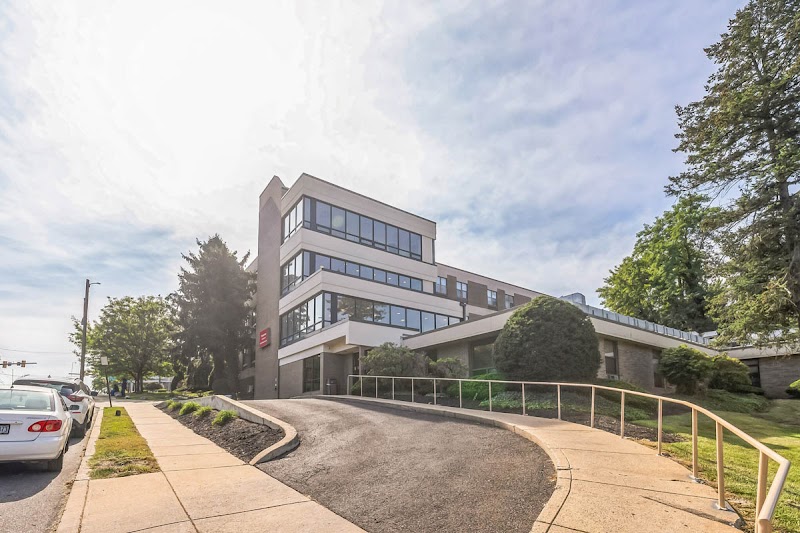
How is Independence Rehab And Nursing Staffed?

CMS rates Independence Rehab and Nursing's staffing level at 3 out of 5 stars, which is average compared to other nursing homes. Staff turnover is 56%, which is 10 percentage points above the Pennsylvania average of 46%. High turnover can affect care consistency as new staff learn residents' individual needs.

What Have Inspectors Found at Independence Rehab And Nursing?

State health inspectors documented 51 deficiencies at Independence Rehab and Nursing during 2022 to 2025. These included: 4 Immediate Jeopardy (the most serious level, indicating potential for serious harm or death), 1 that caused actual resident harm, and 46 with potential for harm. Immediate Jeopardy findings are rare and represent the most serious regulatory concerns. They require immediate corrective action.
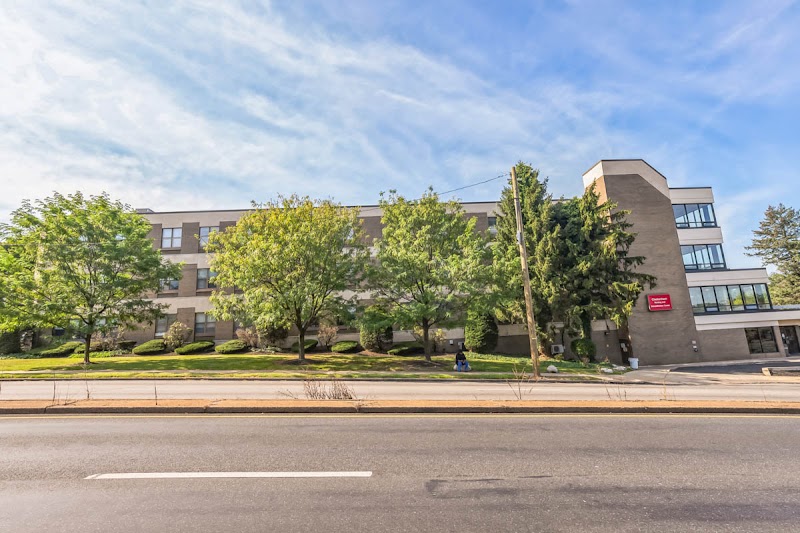
Who Owns and Operates Independence Rehab And Nursing?

Independence Rehab and Nursing is owned by a non-profit organization. Non-profit facilities reinvest revenue into operations rather than distributing to shareholders. The facility is operated by AMERICAN HEALTH FOUNDATION, a chain that manages multiple nursing homes. With 255 certified beds and approximately 186 residents (about 73% occupancy), it is a large facility located in PHILADELPHIA, Pennsylvania.

How Does Independence Rehab And Nursing Compare to Other Pennsylvania Nursing Homes?

Compared to the 100 nursing homes in Pennsylvania, Independence Rehab and Nursing's overall rating (1 stars) is below the state average of 3.0, staff turnover (56%) is near the state average of 46%, and health inspection rating (1 stars) is much below the national benchmark.

What Should Families Ask When Visiting Independence Rehab And Nursing?

Based on this facility's data, families visiting should ask: "What changes have been made since the serious inspection findings, and how are you preventing similar issues?" "What safeguards and monitoring systems are in place to protect residents from abuse or neglect?" "How do you ensure continuity of care given staff turnover, and what is your staff retention strategy?" "Can I visit during a mealtime to observe dining assistance and food quality?" These questions are particularly relevant given the facility's Immediate Jeopardy citations, the substantiated abuse finding on record, and the facility's high staff turnover rate.

Is Independence Rehab And Nursing Safe?

Based on CMS inspection data, Independence Rehab and Nursing has documented safety concerns. The facility has 1 substantiated abuse finding (meaning confirmed case of resident harm by staff or other residents). Inspectors have issued 4 Immediate Jeopardy citations (the most serious violation level indicating risk of serious injury or death). The facility has a 1-star overall rating and ranks #100 of 100 nursing homes in Pennsylvania. Families considering this facility should ask detailed questions about what corrective actions have been taken since these incidents.

Do Nurses at Independence Rehab And Nursing Stick Around?

Staff turnover at Independence Rehab and Nursing is high. At 56%, the facility is 10 percentage points above the Pennsylvania average of 46%. High turnover means new staff may not know residents' individual needs, medications, or preferences. It can also be disorienting for residents, especially those with dementia who rely on familiar faces. Families should ask: What is causing the turnover? What retention programs are in place? How do you ensure care continuity during staff transitions?

Was Independence Rehab And Nursing Ever Fined?

Independence Rehab and Nursing has been fined $336,546 across 6 penalty actions. This is 9.2x the Pennsylvania average of $36,444. Fines at this level are uncommon and typically indicate a pattern of serious deficiencies, repeated violations, or failure to correct problems promptly. CMS reserves penalties of this magnitude for facilities that pose significant, documented risk to resident health or safety. Families should request specific documentation of what issues led to these fines and what systemic changes have been implemented.

Is Independence Rehab And Nursing on Any Federal Watch List?

Independence Rehab and Nursing is not on any federal watch list. The most significant is the Special Focus Facility (SFF) program, which identifies the bottom 1% of nursing homes nationally based on persistent, serious quality problems. Not being on this list means the facility has avoided the pattern of deficiencies that triggers enhanced federal oversight. This is a positive indicator, though families should still review the facility's inspection history directly.