KEARSLEY REHABILITATION AND NURSING CENTER
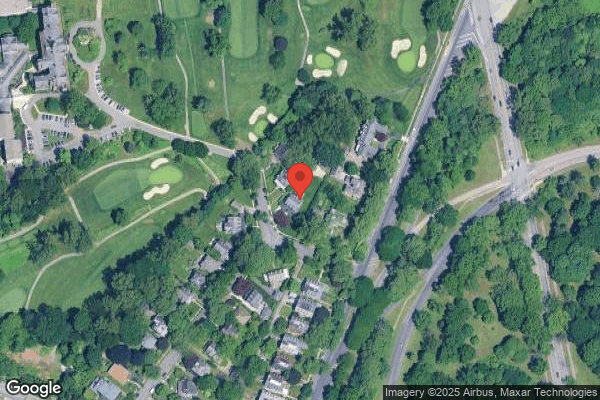

2100 NORTH 49TH STREET, PHILADELPHIA, PA 19131 (215) 877-1565
For profit - Partnership 96 Beds MARQUIS HEALTH SERVICES Data: November 2025
Trust Grade
43/100
#302 of 653 in PA
Last Inspection: May 2025

Inspected within the last 6 months. Data reflects current conditions.

Overview

Kearsley Rehabilitation and Nursing Center has received a Trust Grade of D, indicating below-average performance with some significant concerns. It ranks #302 out of 653 facilities in Pennsylvania, placing it in the top half, and #16 out of 46 in Philadelphia County, meaning it has limited competition nearby. The facility is currently improving, with a decrease in issues from 15 in 2024 to 13 in 2025. Staffing is rated average with a turnover of 39%, which is better than the state average, suggesting staff stability. However, the center has faced $19,355 in fines, which is higher than 75% of facilities in Pennsylvania, indicating compliance issues. Recent inspection findings include serious incidents where residents were not given adequate supervision during transfers, leading to significant falls and fractures. For example, one resident fell out of bed and sustained a serious leg injury because only one staff member was present when two were required. Another resident suffered multiple serious fractures due to improper use of a mechanical lift, with only one staff member assisting when two were necessary. While there are strengths in staffing levels and quality measures, these serious incidents highlight critical weaknesses in care and supervision that families should consider carefully.

Trust Score
D
43/100
In Pennsylvania
#302/653
Top 46%
Safety Record
High Risk
Review needed
Inspections
Getting Better
15 → 13 violations
Staff Stability
○ Average
39% turnover. Near Pennsylvania's 48% average. Typical for the industry.
Penalties
⚠ Watch
$19,355 in fines. Higher than 86% of Pennsylvania facilities, suggesting repeated compliance issues.
Skilled Nurses
✓ Good
Each resident gets 49 minutes of Registered Nurse (RN) attention daily — more than average for Pennsylvania. RNs are trained to catch health problems early.
Violations
⚠ Watch
45 deficiencies on record. Higher than average. Multiple issues found across inspections.
★★★☆☆
3.0
Overall Rating
★★★☆☆
3.0
Staff Levels
★★★★★
5.0
Care Quality
★★☆☆☆
2.0
Inspection Score
Stable
2024: 15 issues
2025: 13 issues

The Good

  • 5-Star Quality Measures · Strong clinical quality outcomes
  • Full Sprinkler Coverage · Fire safety systems throughout facility
  • No fines on record
  • Staff turnover below average (39%)

    9 points below Pennsylvania average of 48%

Facility shows strength in quality measures, fire safety.

The Bad

3-Star Overall Rating

Near Pennsylvania average (3.0)

Meets federal standards, typical of most facilities

Staff Turnover: 39%

Near Pennsylvania avg (46%)

Typical for the industry

Federal Fines: $19,355

Below median ($33,413)

Minor penalties assessed

Chain: MARQUIS HEALTH SERVICES

Part of a multi-facility chain

Ask about local staffing decisions and management

The Ugly 45 deficiencies on record

3 actual harm
May 2025 7 deficiencies 1 Harm
SERIOUS (G) 📢 Someone Reported This

A family member, employee, or ombudsman was alarmed enough to file a formal complaint

Actual Harm - a resident was hurt due to facility failures

Accident Prevention (Tag F0689)

A resident was harmed · This affected 1 resident

**NOTE- TERMS IN BRACKETS HAVE BEEN EDITED TO PROTECT CONFIDENTIALITY** Based on review of clinical documentation and staff interviews, it was determined the facility failed to ensure adequate supervi...

Read full inspector narrative →
**NOTE- TERMS IN BRACKETS HAVE BEEN EDITED TO PROTECT CONFIDENTIALITY** Based on review of clinical documentation and staff interviews, it was determined the facility failed to ensure adequate supervision during care by ensuring two staff were available for one of two residents reviewed (Resident R56). This failure resulted in actual harm to Resident R56 who fell out of bed and sustained a compound fracture of the right femur (hip). This deficiency was identified as past non-compliance. Findings include: Review of Resident R56's clinical record revealed the resident was admitted to the facility on [DATE], with diagnoses of cerebral infarction (area of brain tissue that has died), psychomotor deficit (slowing down of both thoughts and physical movements) following cerebral infarction, Hemiplegia and Hemiparesis (paralysis affecting only one side of the body) affecting the right dominant side, and need for assistance with personal care. Review of Resident R56's quarterly MDS (Minimum Data Set, periodic assessment of resident care needs), section G, Functional Status, dated [DATE], revealed the resident required extensive assistance of two or more staff members for bed mobility (how resident moves to and from lying position, turns side to side, and positions body while in bed or alternate sleep furniture). Further review of of Resident R56's MDS assessment, Section C, Cognitive Patterns, revealed the resident was rarely understood, and a Staff Assessment for Mental Status concluded the resident had long and short term memory deficits and was unable to recall the current season, location of his/her room, names and faces of staff members, or that he/she was a resident in a nursing facility. As such, it was determined the resident was non-interviewable. Review of Resident R56's care plan dated February 12, 2025 revealed the following intervention, I am dependent on 2 staff and a sheet for turning and repositioning. Review of Resident R56's bedside [NAME] report (report of information available to nurse aides to alert them to resident care needs) revealed an intervention under the section Bed Mobility/Positioning which indicated I am dependent on 2 staff and a sheet for turning and repositioning. Review of the nursing notes for Resident R56 revealed a note written by Registered Nurse Supervisor, Employee E6, on [DATE], at 6:17 a.m. The nursing note indicated, Called by nurse to assess resident .related to fall. Resident was lying on floor to left side of [his/her] bed. Resident was noted bleeding from left knee from tiny laceration Resident transported to ER (emergency room) at 6:23 am. Continued review of nursing notes revealed a note from Licensed Nurse, Employee E7, on [DATE], at 8:19 a.m. which revealed, @ 6am I heard a scream, then heard CNA (nurse aide) calling for me, I immediately ran to the room, observing the resident in a sitting position with right knee pulsating with blood, from a small laceration, large amount of blood observed. Review of facility's incident report for Resident R56 revealed a fall occurred on [DATE], at 6:00 a.m. The report indicated the fall was witnessed, and the resident lowered himself/herself to the ground. The report concluded the resident slid from bed while receiving incontinent care. [Resident R56] is dependent on toileting, was being toileted as usual with [his/her] routine CNA (Nurse Aide, Employee E8). [The resident], while holding onto [his/her]right assist rail, [his/her] legs slid off the bed onto the floor .[she/he] held onto the rail, preventing [his/her] top half from falling, the CNA safely lowered [him/her] to the floor. The report further revealed the resident was sent to the emergency department for evaluation. [Resident R56] was admitted to the hospital with a diagnosis of fractured femur (hip), and that he/she underwent surgical fracture repair. Review of the hospital documentation signed by hospital physician, Employee E9, revealed Resident R56 had been admitted to the hospital with an open fracture (where the bone protrudes through the skin) of the right femur, which will require operative fixation. Telephone interview with Employees E6, E7, and E8 were conducted on [DATE]. Interview with RN Supervisor, Employee E6 at 2:38 p.m. revealed on the night of the fall, he was summoned to the room to assess the resident following the incident. He stated that staff was providing care to Resident R56 when he/she fell out of bed, and that upon his entry to the room, the only staff present were the charge nurse, Employee E7, and the nurse aide, Employee E8. Interview with the charge nurse, Employee E7, at [DATE] at 2:44 p.m., revealed, I was outside [the room] and I heard a scream and the CNA (Employee E8) calling for help. I went in and saw the CNA holding the resident up. [He/she] was [rolled] on [his/her] right side, which is [his/her] weak side . [Employee E8] said she had turned [resident], and [he/she] slipped off the bed. The bed was high because it was in position for the CNA. She further stated that this was the first fall for the resident in the three years [he/she]'s been here, and the Nurse aide, Employee E8 was the only staff member present in the room at the time of the fall. She also stated the resident was not on paired care. Charge nurse, Employee E7 had been unaware at the time of the resident's needed level of assistance for bed mobility and turning was a two or more person assist. Interview with the Nurse Aide, Employee E8, on [DATE] at 2:48 p.m., revealed during continence care, I was changing [resident], and [he/she] was on [his/her] side. I don't even really know how [resident's] legs slipped off the bed .it was just me. I rolled [him/her] side to side . I was changing [resident], and [his/her] legs slipped off. Employee E8 revealed the resident had been rolled to the right side of the bed, holding the rail with [his/her] left arm. Employee E8 clarified that she had been standing on the left side of the bed at the time, and that the resident's legs had slid out of the right side of the bed, opposite of where she was standing. She said that she was able to assist the resident to the floor, and then called the charge nurse for help. She revealed that she was not aware at the time of the incident, the resident required assistance of two or more staff for bed mobility and repositioning. On [DATE], the Nursing Home Administrator (NHA), Employee E1, presented documentation indicating that the facility had initiated a plan of correction on [DATE], related to ensuring nursing staff were made aware of the level of assistance required for care of residents and they verified ADL (Activities of Daily Living) care needs including bed mobility and transfer status prior to providing care. Review of facility Action plan/Follow up documentation revealed the following information. 1. [Resident R56] care plan and [NAME] have been updated to reflect current needs. 2. Sweep of current residents conducted to ensure ADL care needs reflect their current needs and are reflective in the care plan and [NAME]. 3. Contracted Occupational Therapist educated on ensuring changes in care needs are reflective in the care plan and communicated to the resident's charge nurse. Also, it is vital to ensure current care needs are resolved or edited when a change is made [to] any previous bed mobility. 4. NHA or designee will conduct weekly audits to ensure care plan and [NAME] clearly indicate the level of care needed. Results of the audits will be reviewed by the QAA (Quality Assurance) committee and the QAA committee will determine continuation of audits. The facility alleged a date of compliance with this plan of correction of [DATE]. Facility education record and subsequent audits were verified for completion. Staff were interviewed to verify education of facility policy on assistance level verification for ADL care. Nursing staff and resident interviews were conducted to verify compliance with the plan of correction. No continuing concerns were identified through record review, interview or observation. This deficiency was cited as past non-compliance. 28 Pa. Code 201.14(a) Responsibility of Licensee. 28 Pa. Code 201.18(b)(1)(e)(1) Management. 28 Pa. Code 211.12(d)(1)(3)(5) Nursing Services
CONCERN (D)

Potential for Harm - no one hurt, but risky conditions existed

Deficiency F0655 (Tag F0655)

Could have caused harm · This affected 1 resident

**NOTE- TERMS IN BRACKETS HAVE BEEN EDITED TO PROTECT CONFIDENTIALITY** Based on review of facility documentation, review of clinical records, and staff interview it was determined that the facility f...

Read full inspector narrative →
**NOTE- TERMS IN BRACKETS HAVE BEEN EDITED TO PROTECT CONFIDENTIALITY** Based on review of facility documentation, review of clinical records, and staff interview it was determined that the facility failed to develop and implement a baseline care plan related to a pressure ulcer for one of two new admissions reviewed (Resident R47). Findings Include: Review of facility policy Care Plans - Baseline revealed a baseline plan of care to meet the resident's immediate health/safety needs is developed for each resident within 48 hours of admission. Review of Resident R47's admission Minimum Data Set (MDS - federally mandated resident assessment and care screening) dated April 10, 2025, revealed the resident was admitted to the facility on [DATE], and had diagnoses of muscle weakness, malnutrition (deficiencies, excesses, or imbalances in a person's intake of energy and/or nutrients), and depression (mood disorder which causes persistent feelings of sadness of loss of interest). Continued review of the MDS dated [DATE], included a review of Section M - Skin Conditions which indicated Resident R47 was at risk of developing pressure ulcers/injuries and had an unhealed pressure ulcer/injury. Resident R47 was noted to have an unstageable deep tissue injury. Review of facility wound report dated April 7, 2025, revealed Resident R47 had a left medial heel deep tissue injury that was present at the time of admission on [DATE]. Review of Resident R47's clinical record and baseline care plan revealed no documented evidence a baseline care plan was created to include the interventions and treatments for the left heel deep tissue injury that was present at the time of admission. Review of Resident R47's clinical record revealed a care plan for the left heel deep tissue injury was not developed and implemented until April 8, 2025. 28 Pa. Code 211.10 (d) Resident care policies.
CONCERN (D)

Potential for Harm - no one hurt, but risky conditions existed

Comprehensive Care Plan (Tag F0656)

Could have caused harm · This affected 1 resident

**NOTE- TERMS IN BRACKETS HAVE BEEN EDITED TO PROTECT CONFIDENTIALITY** Based on observations and clinical record review, it was determined that the facility did not ensure the comprehensive care plan...

Read full inspector narrative →
**NOTE- TERMS IN BRACKETS HAVE BEEN EDITED TO PROTECT CONFIDENTIALITY** Based on observations and clinical record review, it was determined that the facility did not ensure the comprehensive care plan was implemented related to communication for one of 18 residents reviewed (Resident R46). Finding include: Review of Resident R46 's clinical record revealed that Resident R46 was admitted to the facility on [DATE] with diagnoses of, but not limited to, Chronic Respiratory Failure, Cerebrovascular Accident (also known as a stroke), cognitive impairment. Review of Resident R46's care plan revised on October 1, 2024 revealed that Resident R46 has a communication deficit related to Aphasia. Intervention implemented on December 12, 2022 that Resident R46 is able to communicate by: lip reading, writing, communication board, gestures, sign language, translator. Further review of Resident R46's care plan revised on February 1, 2021 revealed that Resident R46 is dependent on staff for activities, cognitive stimulation, social interaction related to immobility, physical limitations. Interventions implemented on February 1, 2021 for all staff to converse with resident while providing care. Observation on May 13, 2025 at 11:45am revealed Licensed Practical Nurse, Employee E3, providing care to Resident R46. Resident R46 appearing agitated and confused, stating I'm scared. Employee E3 preformed care without speaking or addressing the resident, no reassurance or directions provided to the resident.
CONCERN (D)

Potential for Harm - no one hurt, but risky conditions existed

Deficiency F0692 (Tag F0692)

Could have caused harm · This affected 1 resident

**NOTE- TERMS IN BRACKETS HAVE BEEN EDITED TO PROTECT CONFIDENTIALITY** Based on clinical record reviews and staff interviews, it was determined that the facility failed to ensure that weights were mo...

Read full inspector narrative →
**NOTE- TERMS IN BRACKETS HAVE BEEN EDITED TO PROTECT CONFIDENTIALITY** Based on clinical record reviews and staff interviews, it was determined that the facility failed to ensure that weights were monitored for two of 18 residents reviewed (Resident R23, R29) Findings include Review of Resident R23 's clinical record revealed that Resident R23 was admitted to the facility on [DATE] with diagnoses of, but not limited to, fracture of thoracic vertebrae (middle of back) , Type 2 diabetes, malnutrition. Review of Resident R23's care plan revised on December 9, 2024, revealed that resident has a nutritional problem or potential nutritional problem related to past medical history, underweight, fat/ muscle loss, skin breakdown/wounds. Intervention implemented on December 9, 2024 to obtain weights as ordered. Review of Resident R23's physician orders revealed an order dated December 4, 2024 for weights monthly. Review of Resident 23's clinical record revealed on March 4, 2025 Resident R23 weighed 105.4 and April 9, 2025 Resident R23 weighed 102.8 lbs (-2.47%). Further review of clinical record revealed on May 1, 2025, Resident R23 weighed 96.0 lbs (-6.61%). Further review of Resident 23 's clinical record revealed no documented evidence of reweigh or nutritional assessment related to significant weight change. Review of Resident R29 's clinical record revealed that Resident R29 was admitted to the facility on [DATE] with diagnoses of, but not limited to, osteoarthritis, hyperlipidemia, type 2 diabetes. Review of Resident R29's care plan revised on March 13, 2025 revealed that resident has a nutritional problem or potential nutritional problem related to past medical history, bedbound, therapeutic diet, altered diet texture, obesity, difficulty swallowing, abnormal labs, wound. Intervention implemented on March 13, 2025 for Registered Dietician to evaluate nutritional status and make recommendations as applicable as needed. Review of Resident R29's clinical record revealed on April 16, 2025 Resident R29 weighed 219.lbs. Further review of clinical record revealed on May 6, 2025, Resident R29 weighed 203.6 lbs (-7.6%). Further review of Resident 29 's clinical record revealed no documented evidence of reweigh or nutritional assessment related to significant weight change. 28 Pa. Code 211.12(c) Resident care policies 28 Pa. Code: 211.12(c)(d)(1) Nursing services
CONCERN (D)

Potential for Harm - no one hurt, but risky conditions existed

Unnecessary Medications (Tag F0759)

Could have caused harm · This affected 1 resident

Based on observations, review of facility policies, clinical record review and interviews with staff, it was determined that the facility failed to ensure that the medication error rate was less than ...

Read full inspector narrative →
Based on observations, review of facility policies, clinical record review and interviews with staff, it was determined that the facility failed to ensure that the medication error rate was less than five percent for one of three residents observed during medication administration (Residents R6). Findings include: The facility's medication error rate was 40% based on observation of 25 medication administration opportunities with 10 errors observed. Review of facility policy, Administering Medications revised April 2019, revealed, Medications are administered withing one hour of their prescribed time, unless otherwise specified. Review of Medication Administration Records (MARs) for Resident R6 revealed the following physician's orders: Albuterol Sulfate Inhalation Nebulization Solution (2.5 MG/3ML) 0.083% 1 inhalation inhale orally via nebulizer four times a day, administration time ordered for May 13, 2025, at 9:00am. Amlodipine Besylate Oral Tablet 10 MG Give 1 tablet by mouth one time a day related to hypertension, administration time ordered for May 13, 2025, at 9:00am. Azithromycin Oral Tablet 250 MG Give 1 tablet by mouth one time a day for bacterial infection, administration time ordered for May 13, 2025, at 9:00am. Aspirin EC Tablet Delayed Release 81 MG Give 1 tablet by mouth one time a day for prophylaxis, administration time ordered for May 13, 2025, at 9:00am. Cholecalciferol Oral Capsule 50 MCG Give 1 capsule by mouth one time a day for supplement, administration time ordered for May 13, 2025, at 9:00am. Budesonide Inhalation Suspension 0.5 MG/2ML 2 ml inhale orally two times a day for Wheezing/Shortness of breath, administration time ordered for May 13, 2025, at 9:00am. Escitalopram Oxalate Oral Tablet 10 MG Give 1 tablet by mouth one time a day related To Generalized anxiety disorder, administration time ordered for May 13, 2025, at 9:00am. Fenofibrate Oral Tablet 160 MG Give 1 tablet by mouth one time a day related to Hyperlipidemia, administration time ordered for May 13, 2025, at 9:00am. Gabapentin Oral Tablet 600 MG Give 1 tablet by mouth three times a day for Nerve pain, administration time ordered for May 13, 2025, at 9:00am. Prednisone Tablet Give 10 mg by mouth one time a day related to age-related osteoporosis without current pathological fracture, administration time ordered for May 13, 2025, at 9:00am. Observation of morning medication pass on May 13, 2025, at 12:00pm revealed that Licensed Practical Nurse, Employee E3, verified physician orders for Resident R6's medications. Interview with Licensed Practical Nurse, Employee E3 confirmed that all medications that will be given were ordered for 09:00am. Observation of all above listed medications being administered to Resident R6 on May 13, 2025, at 12:05pm. Interview with Administrator, Employee E1 on May 13, 2025, at 2:00pm confirmed that medications were being passed late because of staffing issues. Further review of Resident R6's clinical record revealed no documented evidence that physician was notified prior to administering medications related to late administration of medications. 28 Pa. Code 211.9(a)(1) Pharmacy services 28 Pa. Code 211.12 (d)(5) Nursing services
CONCERN (D)

Potential for Harm - no one hurt, but risky conditions existed

Deficiency F0760 (Tag F0760)

Could have caused harm · This affected 1 resident

**NOTE- TERMS IN BRACKETS HAVE BEEN EDITED TO PROTECT CONFIDENTIALITY** Based on observations, review of facility policies, clinical record review and interviews with staff, it was determined that the...

Read full inspector narrative →
**NOTE- TERMS IN BRACKETS HAVE BEEN EDITED TO PROTECT CONFIDENTIALITY** Based on observations, review of facility policies, clinical record review and interviews with staff, it was determined that the facility failed to be free of significant medication error for one of three residents (Residents R6). Findings include: Review of facility policy, Administering Medications revised April 2019, revealed, Medications are administered withing one hour of their prescribed time, unless otherwise specified. Review of Resident R6's clinical record revealed Resident R6 was admitted on [DATE] with diagnosis of, but not limited to COPD (Chronic Obstructive Pulmonary Disease), Diabetes, Hypertension (high blood pressure). Review of Resident R6' s MDS (Minimum Data Set) dated April 9, 2025, revealed that resident has a BIMS (Brief interview for mental status) of 15, indicating resident is cognitively intact. Review of Resident R6's physician orders revealed order for Albuterol Sulfate Inhalation Nebulization Solution (2.5 MG/3ML) 0.083% 1 inhalation inhale orally via nebulizer four times a day, administration time ordered for May 13, 2025, at 9:00am. Further review revealed physician order for Budesonide Inhalation Suspension 0.5 MG/2ML 2 ml inhale orally two times a day for Wheezing/Shortness of breath, administration time ordered for May 13, 2025, at 9:00am. Interview with Resident R6 on May 13, 2025 at 11:30am revealed that resident had not received her morning medications on May 13, 2025 and she was most concerned with her breathing treatments because they help me breathe better, I really need them on time. Observation of Medication Pass on May 13, 2025 at 12:05 p.m. revealed Licensed Practical Nurse, Employee E3 administering Albuterol and Budesonide. Interview with Licensed Practical Nurse, Employee E3 confirmed medications being administered are ordered for May 13, 2025 at 09:00am. Further review of Resident R6's clinical record revealed no documented evidence that physician was notified prior to administering medications related to late administration of medications causing significant medication errors. Review of Medication Administration Records (MARs) for Resident R6, further revealed incorrect documentation for administration times for ten of ten medications passed during observation of medication pass on May 13, 2025, at 12:05pm. Per documentation entered by Licensed Practical Nurse, Employee E3, all medications were administered to Resident R6 on May 13, 2025 between 10:24am and 10:30am. Interview with Licensed Practical Nurse, Employee E3 on May 14, 2025, at 11:45am revealed that medications were not properly signed out at time of administration, I write it all down on paper and go back to document later. 28 Pa. Code 211.12(d)(1) Nursing services 28 Pa. Code 211.12(d)(3) Nursing services 28 Pa. Code 211.12(d)(5) Nursing services
CONCERN (D)

Potential for Harm - no one hurt, but risky conditions existed

Deficiency F0761 (Tag F0761)

Could have caused harm · This affected 1 resident

Based observations and staff interviews, it was determined that facility did not ensure that opened medications were properly labeled with the date that the medication was opened for two of three medi...

Read full inspector narrative →
Based observations and staff interviews, it was determined that facility did not ensure that opened medications were properly labeled with the date that the medication was opened for two of three medication carts reviewed and one of one medication room reviewed. (Upper Level Med room, Lower Level South Med Cart, Lower Level North Med Cart). Findings include: Observation of Medication cart on Lower-Level South Med Cart on May 14, 2025 at 10:05 a.m. revealed one opened bottle of medication, including Geri-tussin 200ml/10ml Solution, not labeled with an open date. Interview with Licensed nurse, Employee E4 on May 14, 2025 at 10:05am confirmed one opened bottles of medication not labeled with an open date. Observation of Medication cart on Lower-Level North Med Cart on May 13, 2025 at 11:45 am revealed two open packages, Albuterol Sulfate 0.083% nebulizer treatment and Budosemide 0.5mg/2ml nebulizer treatment, not labeled with an open date. Interview with Licensed nurse, Employee E3 on May 13, 2025 at 11:45am confirmed two opened packages of medication not labeled with an open date. Observation in Upper Level Med Room on May 14, 2025 at 11:12am revealed two open bottles including Vancomycin 50mg/ml oral solution and Tuberculin 5tu-0.1ml injectable, not labeled with open date. Interview with Employee E5 on May 14, 2025 at 11:12 a.m. confirmed two open bottles with no open date. 28 Pa. Code 211.12 (d)(1) Nursing services.
Apr 2025 3 deficiencies
CONCERN (D) 📢 Someone Reported This

A family member, employee, or ombudsman was alarmed enough to file a formal complaint

Potential for Harm - no one hurt, but risky conditions existed

Comprehensive Care Plan (Tag F0656)

Could have caused harm · This affected 1 resident

Based on review of clinical records and facility provided documentation, it was determined facility failed to develop a care plan related to urinary track infection for one of nine residents reviewed ...

Read full inspector narrative →
Based on review of clinical records and facility provided documentation, it was determined facility failed to develop a care plan related to urinary track infection for one of nine residents reviewed (Resident R1) Findings include: Review of facility policy 'Care Planning - Interdisciplinary Team,' revised March 2022, indicates that comprehensive, person-centered care plans are based on resident assessments and developed by an interdisciplinary team. Review of Resident R1's electronic medication administration record (e-MAR), revealed physician order for Bactrim DS oral tablet 800-160 milligrams (mg) every 12 hours for urinary tract infection (UTI), for 5 days, starting March 6, 2025. Further review of Resident R1's e-MAR, revealed a physician order for Ciprofloxacin HCL oral tablet 250 mg to administer one tablet every 12 hours for UTI for three days, starting March 7, 2025. Review of incident report, completed on March 18, 2025, indicated that Resident R1 had a change of mental status due to positive UTI. Review of Resident R1's nursing note, dated March 7, 2025, at 11:50 am, indicated that the resident was treated for UTI. Review of Resident R1's care plan revealed no evidence of goals or interventions related to UTI; finding confirmed with facility's director of nursing and administrator. 28 Pa Code 211.12(d)(5) Nursing services
CONCERN (D) 📢 Someone Reported This

A family member, employee, or ombudsman was alarmed enough to file a formal complaint

Potential for Harm - no one hurt, but risky conditions existed

Deficiency F0675 (Tag F0675)

Could have caused harm · This affected 1 resident

Based on interview with resident and review of facility provided documentation, it was determined that facility failed to ensure that toiletries were provided upon admission to the facility for one of...

Read full inspector narrative →
Based on interview with resident and review of facility provided documentation, it was determined that facility failed to ensure that toiletries were provided upon admission to the facility for one of three residents reviewed. ( Resident R4) Findings include: Further interview with Resident R4 revealed that upon admission, she was not provided with any toiletries or basin. During interview it was observed that there was a roll of toilet paper on resident's bedside table, which Resident R4 stated she received when she asked for tissues. Review of Resident R4's additional grievance report, dated March 23, 2025, revealed that resident was observed with no new toiletries upon admission, she was issued a new set up and care nurses re-educated to make sure all resident is issued a setup with toiletries and labeled with their room number. 28 Pa Code 211.12(d)(1)(5) Nursing services
CONCERN (D) 📢 Someone Reported This

A family member, employee, or ombudsman was alarmed enough to file a formal complaint

Potential for Harm - no one hurt, but risky conditions existed

Deficiency F0725 (Tag F0725)

Could have caused harm · This affected 1 resident

Based on interview with residents and review of facility provided documentation, it was determined that facility failed to ensure that call bells were responded to for three of nine residents reviewed...

Read full inspector narrative →
Based on interview with residents and review of facility provided documentation, it was determined that facility failed to ensure that call bells were responded to for three of nine residents reviewed ( Residents R2, R3, and R4) Findings include: Review of facility policy ' Answering the Call Light,' indicates that purpose of policy is to ensure staff answer the resident call system as soon as possible. When answering an auditory request for assistance, identify yourself and politely respond to the resident by his/her name, and when answering a visual request for assistance (light above the room door), knock on the room door. When the resident responds, address the resident by his/her name. Interview with Resident R4 on April 3, 2025, revealed that she has to wait extended period of time for assistance after using call bell. Review of Resident R4's grievance report, dated March 23, 2025, revealed that on March 21, 2025 she pulled call bell light on at 7:00 am, informing staff that she wanted to use bed pan. The staff member told her she cannot assist her by herself and that she is going to get help. She turned her call light off and did not return. Further review of grievance report indicated that nursing staff were in-serviced regarding 'call bell response.' Interview with Resident R2, on April 3, 2025, revealed that she has to wait for an extended period of time for assistance after using call bell. Interview with Resident R3, on April 3rd, 2025, revealed that she has to wait for extended period of time for assistance after using call bell. 28 Pa Code 211.12(d)(1)(5) Nursing services
Mar 2025 2 deficiencies
CONCERN (D) 📢 Someone Reported This

A family member, employee, or ombudsman was alarmed enough to file a formal complaint

Potential for Harm - no one hurt, but risky conditions existed

Medical Records (Tag F0842)

Could have caused harm · This affected 1 resident

Based on clinical record review, facility policy, resident and staff interview, it was determined that the facility failed to ensure complete and accurate medication administration for one of 2 reside...

Read full inspector narrative →
Based on clinical record review, facility policy, resident and staff interview, it was determined that the facility failed to ensure complete and accurate medication administration for one of 2 residents reviewed (Resident R2). Findings include: The Facility Policy titled Administering Medication dated 2021, revealed Mediations are administered in a safe and timely manner, and as prescribed. It further under policy interpretation and implementation 4. states Medications are administered in accordance with prescriber orders, including any required time frame . A review of the clinical record for Resident R2 revealed an admission date of January 13, 2025, with a diagnosis of Type 2 diabetes mellitus without complications and long-term use of insulin. A review of the physician orders dated July 18, 2024, revealed a NovoLOG FlexPen Subcutaneous Solution Pen-injector 100 Unit/ml (insulin Aspart) Inject 10 unit subcutaneously before meals for dm (diabetes mellitus) at 8:00 a.m., 11:00 a.m., 4:00 p.m. On March 12, 2025, at 10:19 a.m. an interview with Resident R2 revealed that on March 6, 2025, and March 9, 2025, during the afternoon medication pass a license nurse, Employee E4 was not aware of how much insulin Resident R2 was supposed to get. I had to tell her that I get 10 units, and she eventually gave me proper amount. A review of the Medication Administration Report (MAR) showed that March 6, 2025, and March 9, 2025, at 4:00 p.m. revealed that insulin Aspart was not documented as administered. On March 12, 2025, at 1:54 p.m., a telephone interview with Licensed Nurse, Employee E4, revealed that medication was administered to Resident R2 on both March 6 and 9, 2025; however, it was not documented. When asked why the documentation did not reflect this, Employee E4 responded, I don't know. On March 12, 2025, at 2:42 p.m. an interview with the Director of Nursing, Employee E2 confirmed that insulin medication was not appropriately documented for March 6, 9, 2025. 28 Pa. Code 211.12(d)(1)(5) Nursing services
CONCERN (E) 📢 Someone Reported This

A family member, employee, or ombudsman was alarmed enough to file a formal complaint

Potential for Harm - no one hurt, but risky conditions existed

Safe Environment (Tag F0584)

Could have caused harm · This affected multiple residents

**NOTE- TERMS IN BRACKETS HAVE BEEN EDITED TO PROTECT CONFIDENTIALITY** Based on observations and interviews with residents and staff, it was determined that the facility failed to provide a comfortab...

Read full inspector narrative →
**NOTE- TERMS IN BRACKETS HAVE BEEN EDITED TO PROTECT CONFIDENTIALITY** Based on observations and interviews with residents and staff, it was determined that the facility failed to provide a comfortable environment due to clogged bathroom sinks in two of the four nursing units observed (Upper-Level South and North Nursing Units). Findings include: On March 12, 2025, at 10:19 a.m. an interview with the Maintenance Assistant, Employee E8 revealed that facility does have a issue with sinks being clogged. Today he already unclogged bathroom sinks in rooms [ROOM NUMBERS] on the upper-level nursing unit. A review of the maintenance log from December 2024 to March 2025 identified the followings clogged sinks in residents' rooms: December 2, 2024, room [ROOM NUMBER] sink has been clogged December 23, 2024, room [ROOM NUMBER] clogged sink January 9, 2025, room [ROOM NUMBER] clogged sink January 30, 2025, room [ROOM NUMBER] & 61 clogged sink February 11, 2025, room [ROOM NUMBER] clogged sink February 14, 2025, room [ROOM NUMBER] clogged sink On March 12, 2025, at 11:20 a.m., an interview was conducted with Resident R6, who reported an ongoing issue with the sink being clogged in room [ROOM NUMBER]. The Resident R6 mentioned that maintenance had unclogged the sink the previous day, but today, the water still wasn't draining properly. On March 12, 2025, at 11:56 a.m. an observation with the Maintenance Director, Employee E5 confirmed the following clogged sinks: Upper-Level North nursing units: 43-56 Rooms 44, 48, 54, 56 room [ROOM NUMBER]- has a sink full half full of standing water, room [ROOM NUMBER]- had full sink of standing water, Upper-Level South nursing unit: Rooms: 29- still clogged, this room was treated to be unclogged this morning by the maintenance Room: 34 clogged room [ROOM NUMBER]- clogged with half full standing water in the sink On March 12, 2025, at 12:56 p.m., an interview with the Administrator confirmed ongoing sink clogging issues within the facility. 28 Pa Code 201.18(b)(1)(3)Management 28 Pa Code 205.63(b) Plumbing and piping systems required for existing and new construction
Jan 2025 1 deficiency
CONCERN (D) 📢 Someone Reported This

A family member, employee, or ombudsman was alarmed enough to file a formal complaint

Potential for Harm - no one hurt, but risky conditions existed

Comprehensive Care Plan (Tag F0656)

Could have caused harm · This affected 1 resident

**NOTE- TERMS IN BRACKETS HAVE BEEN EDITED TO PROTECT CONFIDENTIALITY** Based on review of clinical records, review of facility policy, and interviews with staff, it was determined that the facility f...

Read full inspector narrative →
**NOTE- TERMS IN BRACKETS HAVE BEEN EDITED TO PROTECT CONFIDENTIALITY** Based on review of clinical records, review of facility policy, and interviews with staff, it was determined that the facility failed to develop and implement a comprehensive care plan related to wound care for one of 6 residents observed (Resident R1). Findings include: Review of facility policy Care Planning revealed the facility's interdisciplinary team is responsible for the development of an individualized comprehensive care plan for each resident. Continued review of facility policy revealed a comprehensive care plan for each resident is developed within seven (7) days of completion of the Resident Assessment (MDS). Review of Resident R1's clinical record revealed that Resident R1 was originally admitted to the facility on [DATE], and was most recently readmitted to the facility on [DATE], with diagnoses of but not limited to Cerebral Infarction, Unspecified Severe Protein Calory Malnutrition, Adult failure to Thrive. Review of Resident R1's admission MDS (minimum data set- a federally required resident assessment completed at a specific interval) assessment dated [DATE], revealed that Section M0150 Risk of Pressure Ulcers/Injuries was coded 1 (yes) indicating that Resident R1 was at risk of developing pressure ulcers/injuries. Section M0210 Unhealed Pressure Ulcers/Injuries was coded 0 (No) indicating that Resident R12 did not have one or more unhealed pressure ulcers/injuries. M1040. Other Ulcers, Wounds and Skin Problems #H. Moisture Associated Skin Damage (MASD) (e.g., incontinence-associated dermatitis [IAD], perspiration, drainage) was checked. Review of wound note dated December 9, 2024, revealed WOUND ASSESSMENT: Wound: 1 Location: right dorsal foot Primary Etiology: Abrasion Stage/Severity: Full Thickness NEW: Right Dorsal Foot: cleanse with NSS, apply medical grade honey Daily and PRN, cover with bordered foam. Monitor site for signs and symptoms of infection- bogginess, drainage, erythema. The patient was noted to have a suspected abrasion. Recommend preventing further skin injury by avoiding friction/shear, careful handling during ambulation, assistance, and transfer, use of daily emollients, long sleeves and pants when possible, and preventing use of adherent tape directly to skin. Review of Skin and wound note revealed that on December 9, 2024, Nurse Practitioner was asked by facility to see Resident R1 for new skin opening to right dorsal foot, found by nursing. On December 20, 2024, Resident R1 was seen for follow up. Resident R1 with new skin opening to sacrum and right dorsal foot, found by nursing per staff. Assessment: Abrasion, right foot, Pressure ulcer of sacral region, Pressure-induced deep tissue damage of right heel PLAN: Wound # 1 right dorsal foot Abrasion Treatment Recommendations: 1. Cleanse with normal saline. 2. apply Medical grade honey to base of the wound. 3. secure with Bordered foam. 4. change Daily, and PRN (as needed). PREVENTATIVE MEASURES: Monitor skin under braces, prosthetics, splints, casts, and other non-removal devices. Continue to float heels while in bed with use of heel boots. NEW RECOMMENDATIONS: Continue the above treatment plan and recommendations. Debridement completed to sacrum and right dorsal foot. Monitor site for signs and symptoms of infection- bogginess, drainage, erythema. Pain management per PCP (Primary Care Physician). The patient has multiple factors that may impair wound healing, including impaired mobility, impaired nutrition, cognitive impairment, risk of dehydration/malnutrition, Failure to Thrive, previous CVA (Cerebral Vascular Disease- stroke), advanced age, multiple wounds, enteral feeds Review of Resident R1's care plan revealed that the full thickness abrasion on Resident R1's dorsal foot was not addressed in the care plan. Interview with the Director of Nursing Employee E2 conducted on January 22, 2025, at 1:12 p.m. confirmed that care plan to address the full thickness abrasion Resident R1's right dorsal foot was not developed. 28 Pa. Code 211.10 (c) Resident care policies. 28 Pa. Code 211.10 (d)(1) Nursing services
Dec 2024 1 deficiency
CONCERN (D) 📢 Someone Reported This

A family member, employee, or ombudsman was alarmed enough to file a formal complaint

Potential for Harm - no one hurt, but risky conditions existed

Deficiency F0806 (Tag F0806)

Could have caused harm · This affected 1 resident

Based on interviews, review of facility documentation, and review of clinical records, it was determined that the facility failed to ensure that appealing food options were available for residents for...

Read full inspector narrative →
Based on interviews, review of facility documentation, and review of clinical records, it was determined that the facility failed to ensure that appealing food options were available for residents for 1 out of 5 residents reviewed (Resident R1). Findings include: Review of information received from the State Survey Agency on Deceembe 2, 2024 reported that facility did not provide alternative meal options for residents who did not want the main entrees offered at meal times. During an interview with Resident R1 on December 10, 2024, the resident reported that she did not want that Thanksgiving Day Meal that was served at lunch on November 28, 2024. Resident R1 reported that she notified her assigned nurse (Employee E3) once she received the meal, asked if she could have a grilled cheese, and reported that the dietary department informed her assigned nurse that they would not be able to provide the grilled cheese sandwich to her. Review of the Thanksgiving Day luncheon menu that was served on November 28, 2024 included turkey, ham, various side items and dessert choices. During an interview with Employee E4 (dietary aide) on December 11, 2024 at 12:45 p.m. Employee E4 reported that when holiday meals are served, such as the most recent Thanksgiving Day meal on November 28,2024, the options that residents have from the Always Available menu if they do not want the holiday meal are the cold sandwich (e.g. tuna sandwich, egg salad sandwich) items only. Employee E4 reported that the hot menu items (e.g. cheeseburgers grilled cheese, pizza) are not available for residents from the Always Available menu because when holiday meals are being provided, the dietary staff have a larger number of plates to prepare because they are feeding both the residents, and the facility staff members. Employee E5 also reported that the dietary department also does not have enough dietary staff members to do all that extra stuff involved with cooking the hot food items off the Always Available menu. Continued interview with Employee E4 indicated that when a holiday meal is being provided for the day, he notifies the nurses on the floor that the kitchen is preparing a holiday meal for lunch, and that if a resident would like something off the Always Available menu instead of the holiday meal, their options are any of the cold sandwiches. During an interview with Employee E8 (licensed nurse) on December 11, 2024 at 2:15 p.m. Employee E8 reported that all residents received the Thanksgiving Day holiday meal for lunch on November 28, 2024. Employee E8 reported that Resident R1 received her lunch meal, did not want it, and asked if she could have a grilled cheese sandwich instead. Employee E8 reported that she (Employee E8) called down to the kitchen, did not remember who she spoke with, but was told that the kitchen could not prepare a grilled cheese sandwich for Resident R1. When asked what the resident ate for her lunch time meal since a grilled cheese was not provided, Employee E8 stated she had snacks in her room. Review of the resident's food intake document for November 28, 2024 lunch meal indicated that the resident did not eat lunch. The food intake document documented the resident as refusing lunch. The facility failed to ensure that appealing food options were available for Resident R1 who requested a different meal option for the lunchtime Thanksgiving Day meal. 28 Pa. Code 201.18 (b)(3) Management 28 Pa. Code 201.29 (a) Resident Rights 28 Pa. Code 211.6 (a) Dietary Services
Nov 2024 1 deficiency
CONCERN (E) 📢 Someone Reported This

A family member, employee, or ombudsman was alarmed enough to file a formal complaint

Potential for Harm - no one hurt, but risky conditions existed

Deficiency F0925 (Tag F0925)

Could have caused harm · This affected multiple residents

**NOTE- TERMS IN BRACKETS HAVE BEEN EDITED TO PROTECT CONFIDENTIALITY** Based on review of clinical records, and interviews with residents and staff, it was determined that the facility failed to main...

Read full inspector narrative →
**NOTE- TERMS IN BRACKETS HAVE BEEN EDITED TO PROTECT CONFIDENTIALITY** Based on review of clinical records, and interviews with residents and staff, it was determined that the facility failed to maintain an effective pest control program related to mice infestation on two of four nursing units (LL South Wing, and LL North Wing). Findings include: On November 25, 2024, at 11:59 a.m., interviewed Resident R2 , in her room at LL South Wing. R2 stated that in her room yesterday she saw a mouse on her bed. On November 25, 2024, at 12:09 p.m., interviewed Resident R3, in her room at LL South Wing. R3 stated that through the vent of the AC, mice come into the room. On November 25, 2024, at 12:19 p.m., interviewed Resident R12, in her room at LL North Wing. R12 stated that mice were seen in the room the day before yesterday. On November 25, 2024, at 12:27 p.m., interviewed Resident R13, in her room at LL North Wing. R13 stated that mice were seen in the room three days before. On November 25, 2024, reviewed the work-orders of the facility revealed that on October 1, 2024, in room [ROOM NUMBER]-P, and in room [ROOM NUMBER]-P, mouse sighting was reported; and in room [ROOM NUMBER], dead mouse sighting was reported. Interview with Residents R3, R12 and R13 confirmed that the measures implemented by the facility did not solve the infestation of rodents Review of the log of pest control products including mouse traps, used in the facility on September 4, 2024; September 23, 2024; October 2, 2024; October 16, 2024; November 7, 2024; and November 21, 2024, indicated that the facility used pest control products including mouse traps to eliminate the infestation of rodents in the facility. Interview on November 25, 2024, at 2:42 p.m., with the Director of Nursing, and the Director of Maintenance, Employee E14, confirmed the findings. 28 Pa Code 201.14(a) Responsibility of licensee 28 Pa Code 201.18(b)(3) Management
Oct 2024 2 deficiencies 2 Harm
SERIOUS (G) 📢 Someone Reported This

A family member, employee, or ombudsman was alarmed enough to file a formal complaint

Actual Harm - a resident was hurt due to facility failures

Free from Abuse/Neglect (Tag F0600)

A resident was harmed · This affected 1 resident

**NOTE- TERMS IN BRACKETS HAVE BEEN EDITED TO PROTECT CONFIDENTIALITY** Based on review of facility policies, clinical record review, and staff interview, it was determined that the facility failed to...

Read full inspector narrative →
**NOTE- TERMS IN BRACKETS HAVE BEEN EDITED TO PROTECT CONFIDENTIALITY** Based on review of facility policies, clinical record review, and staff interview, it was determined that the facility failed to ensure that Resident R1 was free of neglect during a transfer via mechanical lift which resulted in actual harm to Resident R1 who was transfered with the assistance of one staff member, the tightening of the sling pad and sustaining a fracture of the fourth lumbar vertebra, compresion fracture of the second lumbar vertebra, multiple fracture of ribs to the left side, and compression fracture of the third vertebra for one of three residents reviewed. (Resident R1) This deficiency was cited as past non-compliance. Findings include: Review of the facility policy, Safe Lifting and Movement of Residents dated 2001, indicated Nursing staff, in conjunction with the rehabilitation staff, shall assess individual residents 'needs for transfer assistance on an ongoing basis. Staff will document resident transferring and lifting needs in the care plan. Under item 9 it [NAME] Enough slings, in the sizes required by residents in need, will be available at all times. As an alternative resident with lifting and movement needs will be provided with single-resident use disposable slings. Review of the clinical record indicated Resident R1 was admitted to the facility on [DATE], with a diagnosis of Occlusion and Stenosis of Right Carotid Artery, Osteoarthritis ( is a degenerative joint disease characterized by the breakdown of cartilage-the protective tissue that cushions the ends of bones), Polyosteoarthritis (is a form of osteoarthritis that affects multiple joints simultaneously), Hemothorax ( typically caused by trauma to the chest, such as a rib fracture or injury from a car accident, but it can also occur due to complications from surgery, tumors, or certain medical conditions), Other intervertebral disc degeneration, lumbar region, (refers to the breakdown of the intervertebral discs located in the lower back (lumbar spine). These discs, which act as cushions between the bones (vertebrae) of the spine, can deteriorate due to aging, wear and tear, or other factors), Nontraumatic subdural hemorrhage, absolute glaucoma, bilateral (advanced, end-stage form of glaucoma where there is total and irreversible vision loss due to severe damage to the optic nerve). Based on the hospital record following the discharge on [DATE], it was also noted that Resident R1 does have a diagnosis of osteopenia (condition characterized by lower-than-normal bone mineral density, but not low enough to be classified as osteoporosis. It occurs when bones lose minerals, such as calcium, faster than the body can replace them, making them weaker and more likely to fracture compared to healthy bone). Review of Resident R1's Minimum Data Set (MDS - a periodic assessment of care needs) dated September 9, 2024, revealed a Brief Interview for Mental Status (BIMS) not recorded which means the resident was unable to participate in the assessment due to severe cognitive impairment. The MDS's Functional Abilities and Goals revealed that Resident R1's upper (shoulder, elbow wrist, hand) and lower (hip, knee, ankle, foot) extremities have impairment on both sides. Review of facility documentation submitted to the State Survey Agency dated 9/13/24, revealed that , [Resident R1] was assessed today by CRNP (Certified Registered Nurse Practitioner) after brusing was discovered on his stomach. Area was tender to touch. Resident has no known falls or incidents. Resident is not a reliable historian and is rarely understood. [Resident R1] send to emergency department for Evaluation. Resident admitted to hospital with fractured ribs. Facility investigation initiated immediately. Update: 9/16/2024 Facility investigation concluded that CNA (nurse aide) used mechanical lift by herself on 9/11/2024 when injures occurred Facility investigation concluded that injuries occurred during transfer, caused by the tightening of the sling. These injuries occurred due to his osteopenic bones. The resident will be reassessed for transfers when returns. Our investigation unsubstantiated neglect. The aid has been reeducated on ensuring 2 license staff assist with mechanical lift transfers. Injuries sustained are not consistent with a fall. Review of an employee statement written by nurse aide, Employee E3 dated September 16, 2024, indicated, I was the CNA assigned to Resident R1 on 7-3, 9/9/ through 9/12. I wash and dressed him, I used a hoyer lift to transfer him. I do not remember who helped me with the hoyer lift on each of those days. There were no unusual events that happened. When I was helping nursing aid, [Employee E4] transfer [Resident R1] on 9/12 during the 3-11 shift, [Employee E4] and I saw that [Resident R1] had reddened spots on his left side. We reported this to license nurse, Employee E9. Employee E4 reported that he was in pain. During the time that I had him, Resident R1 did not have any incidents, accidents or complaints. On Thursday morning I transferred to him with Employee E4, [Resident R1] did not have any wincing or seemed not to have any pain'. Review of an employee statement written by nurse aide Employee E4 dated September 16, 2024, indicated, I was CNA assigned to [Resident R1] on 9/12 3-11. I transferred him back to bed with [nurse aide, Employee E3] using hoyer lift with no incident. On 9/12, after dinner, I transferred him with [nurse aide, Employee E3] using the hoyer. When he was in bed, I started to change his brief, I noticed a discolored area on the left chest. [Resident R1] was acting like his usual, self and did not seem to be in pain. I told [license nurse, Employee E9] about the discoloration; I saw [licensed nurse, Employee E9] go into his room. I have no knowledge of him failing or having any incident. Review of an employee statement written by Nurse aide Employee E11, dated September 16, 2024, indicated, I routinely have [Resident R1] on my assignment. On 9/11, I have him a bed bath. As I was washing him, I noticed a redden area on his abdomen, I did not think it was out of the ordinary because [Resident R1] routinely has temporary redden areas after bathing. I have no knowledge of him having any recent falls. On October 1, 2024, at 11: 47 a.m. a telephone interview was conducted with nurse aide, Employee E3, who confirmed that Resident R1 was under her care during the day shift (7 a.m. to 3 p.m.) from Monday, September 9, 2024, to Thursday, September 12, 2024. On Wednesday, September 11, 2024, at approximately 10:30 a.m., Employee E3 transferred Resident R1 from bed to a Gerry chair using a full-body sling pad with a Hoyer mechanical lift, performing the transfer by herself because she didn't see anyone in the hallway. Employee E3 admitted , 'I'm at fault for using the Hoyer lift by myself. Resident R1 did not display any signs of pain before or after the transfer. Employee E3 stated that she has transferred residents 'numerous times' using the mechanical Hoyer lift by herself, despite the facility's policy requiring two people for such transfers. The interview further revealed on Thursday, September 12, 2024, nursse aide Employee E3, along with another nurse aide, Employee E4, assisted in transferring Resident R1 from bed to a chair. However, Employee E3 noted that this transfer differed from previous ones because a split Hoyer pad was used instead of a full-body pad to position the resident before attaching him to the Hoyer lift. Employee E3 explained that the full-body pad was unavailable, and only a split pad could be found, even though each resident who uses a Hoyer lift is supposed to have their own designated pad. After locating the split pad, Employee E3 crossed its ends and positioned it under Resident R1's body, including his legs. Employee E3 stated I placed his legs inside the pad. Normally, with the full-body pad, the resident's legs would remain outside the pad, but in this case, Resident R1's legs had to stay inside to ensure he remained securely in the split pad. On October 1, 2024, at 12:40 p.m. a telephone attempt was made to interview nurse aide, Employee E4; however, there was no response or returned call back. Clinical record was reviewed, and it was revealed that Resident R1 was admitted to the hospital on [DATE], with the following diagnosis, fracture of fourth lumbar vertebra, Wedge compression fracture of second lumbar vertebra, Multiple fractures of Ribs left side, Wedge compression fracture of third lumbar vertra, Multiple fractures of ribs unspecify side initial encounter for closed fracture. This deficiency was identified as actual harm past non-compliance for failure to ensure that Resident R1 was free of neglect during a transfer via mechanical lift which resulted in actual harm to Resident R1 who was transfered with the assistance of one staff member, the tightening of the sling pad as concluded by the facility and sustaining a fracture of the fourth lumbar vertebra, compresion fracture of the second lumbar vertebra, multiple fracture of ribs to the left side, and compression fracture of the third vertebra. On October 1, 2024, the Nursing Home Administrator presented documentation, indicating that the facility initiated a plan of correction on September 13, 2024. The facility plan of correction included the following: -Conduct competencies for using mechanical lifts with nursing staff. -Interview residents who require full mechanical lifts about feeling safe and confirming 2 staff perform transfer. -Interview nursing staff to ensure they are comfortable in reporting abuse or neglect and if they have any knowledge of an incident or accident not being reported. -Educate staff on reporting abuse and neglect and following plan of care. The facility alleged compliance with their plan of correction as of September 18, 2024. Facility education records and competency records verified for completion. Nursing staff was interviewed on October 1, 2024 verified education related to abuse and neglect. 28 Pa. Code 201.14(a) Responsibility of licensee 28 Pa. Code 201.29(a) Resident rights 28 Pa. Code 211.10(c)(d) Resident care policies 28 Pa Code 211.12(d)(1)(2)(5) Nursing services
SERIOUS (G) 📢 Someone Reported This

A family member, employee, or ombudsman was alarmed enough to file a formal complaint

Actual Harm - a resident was hurt due to facility failures

Accident Prevention (Tag F0689)

A resident was harmed · This affected 1 resident

**NOTE- TERMS IN BRACKETS HAVE BEEN EDITED TO PROTECT CONFIDENTIALITY** Based on review of facility policies and documents, clinical record review, and staff interview, it was determined that the faci...

Read full inspector narrative →
**NOTE- TERMS IN BRACKETS HAVE BEEN EDITED TO PROTECT CONFIDENTIALITY** Based on review of facility policies and documents, clinical record review, and staff interview, it was determined that the facility failed to ensure the proper transfer of Resident R1 via mechanical lift with the assistance of two staff, which resulted in actual harm to Resident R1 with the tightening of the sling pad, sustaining fracture of the fourth lumbar vertebra, compresion fracture of the second lumbar vertebra, multiple fracture of ribs to the left side, and a compression fracture of the third vertebra. (Resident R1) This deficiency is cited as past non-compliance. Findings include: Review of the facility policy, Safe Lifting and Movement of Residents dated 2001, indicated Nursing staff, in conjunction with the rehabilitation staff, shall assess individual residents 'needs for transfer assistance on an ongoing basis. Staff will document resident transferring and lifting needs in the care plan. Under item 9 it [NAME] Enough slings, in the sizes required by residents in need, will be available at all times. As an alternative resident with lifting and movement needs will be provided with single-resident use disposable slings. Review of the clinical record indicated Resident R1 was admitted to the facility on [DATE], with a diagnosis of Occlusion and Stenosis of Right Carotid Artery, Osteoarthritis ( is a degenerative joint disease characterized by the breakdown of cartilage-the protective tissue that cushions the ends of bones), Polyosteoarthritis (is a form of osteoarthritis that affects multiple joints simultaneously), Hemothorax ( typically caused by trauma to the chest, such as a rib fracture or injury from a car accident, but it can also occur due to complications from surgery, tumors, or certain medical conditions), Other intervertebral disc degeneration, lumbar region, (refers to the breakdown of the intervertebral discs located in the lower back (lumbar spine). These discs, which act as cushions between the bones (vertebrae) of the spine, can deteriorate due to aging, wear and tear, or other factors), Nontraumatic subdural hemorrhage, absolute glaucoma, bilateral (advanced, end-stage form of glaucoma where there is total and irreversible vision loss due to severe damage to the optic nerve). Based on the hospital record following the discharge on [DATE], it was also noted that Resident R1 does have a diagnosis of osteopenia (condition characterized by lower-than-normal bone mineral density, but not low enough to be classified as osteoporosis. It occurs when bones lose minerals, such as calcium, faster than the body can replace them, making them weaker and more likely to fracture compared to healthy bone). Review of Resident R1's Minimum Data Set (MDS - a periodic assessment of care needs) dated September 9, 2024, revealed a Brief Interview for Mental Status (BIMS) not recorded which means the resident was unable to participate in the assessment due to severe cognitive impairment. The MDS's Functional Abilities and Goals revealed that resident R1's upper (shoulder, elbow wrist, hand) and lower (hip, knee, ankle, foot) extremities are impairment on both sides. Review of facility documentation submitted to the State Survey Agency dated 9/13/24, revealed that , [Resident R1] was assessed today by CRNP (Certified Registered Nurse Practitioner) after brusing was discovered on his stomach. Area was tender to touch. Resident has no known falls or incidents. Resident is not a reliable historian and is rarely understood. [Resident R1[ send to emergency department for Evaluation. Resident admitted to hospital with fractured ribs. Facility investigation initiated immediately. Update: 9/16/2024 Facility investigation concluded that CNA (nurse aide) used mechanical lift by herself on 9/11/2024 when injures occurred Facility investigation concluded that injuries occurred during transfer, caused by the tightening of the sling. These injuries occurred due to his osteopenic bones. The resident will be reassessed for transfers when returns. Our investigation unsubstantiated neglect. The aid has been reeducated on ensuring 2 license staff assist with mechanical lift transfers. Injuries sustained are not consistent with a fall. Review of an employee statement written by nursing aide, Employee E3 dated September 16, 2024, indicated, I was the CNA assigned to Resident R1 on 7-3, 9/9/ through 9/12. I wash and dressed him, I used a hoyer lift to transfer him. I do not remember who helped me with the hoyer lift on each of those days. There were no unusual events that happened. When I was helping nursing aid, [Employee E4] transfer [Resident R1] on 9/12 during the 3-11 shift, [Employee E4] and I saw that [Resident R1] had reddened spots on his left side. We reported this to license nurse, Employee E9. Employee E4 reported that he was in pain. During the time that I had him, Resident R 1 did not have any incidents, accidents or complaints. On Thursday morning I transferred to him with Employee E4, [Resident R1] did not have any wincing or seemed not to have any pain'. Review of an employee statement written by nursing aide Employee E4 dated September 16, 2024, indicated, I was CNA assigned to [Resident R1] on 9/12 3-11. I transferred him back to bed with [nurse aide, Employee E3] using hoyer lift with no incident. On 9/12, after dinner, I transferred him with [nurse aide, Employee E3] using the hoyer. When he was in bed, I started to change his brief, I noticed a discolored area on the left chest. [Resident R1] was acting like his usual, self and did not seem to be in pain. I told [license nurse, Employee E9] about the discoloration; I saw [licensed nurse, Employee E9] go into his room. I have no knowledge of him failing or having any incident. Review of an employee statement written by Nurse aide Employee E11, dated September 16, 2024, indicated, I routinely have [Resident R1] on my assignment. On 9/11, I have him a bed bath. As I was washing him, I noticed a redden area on his abdomen, I did not think it was out of the ordinary because [Resident R1] routinely has temporary redden areas after bathing. I have no knowledge of him having any recent falls. On October 1, 2024, at 11: 47 a.m. a telephone interview was conducted with nursing aide, Employee E3, who confirmed that Resident R1 was under her care during the day shift (7 a.m. to 3 p.m.) from Monday, September 9, 2024, to Thursday, September 12, 2024. On Wednesday, September 11, 2024, at approximately 10:30 a.m., Employee E3 transferred Resident R1 from bed to a Gerry chair using a full-body sling pad with a Hoyer mechanical lift, performing the transfer by herself because she didn't see anyone in the hallway. Employee E3 admitted , 'I'm at fault for using the Hoyer lift by myself. Resident R1 did not display any signs of pain before or after the transfer. Employee E3 stated that she has transferred residents 'numerous times' using the mechanical Hoyer lift by herself, despite the facility's policy requiring two people for such transfers. The interview further revealed On Thursday, September 12, 2024, nurse aide Employee E3, along with another nurse aide, Employee E4, assisted in transferring Resident R1 from bed to a chair. However, Employee E3 noted that this transfer differed from previous ones because a split Hoyer pad was used instead of a full-body pad to position the resident before attaching him to the Hoyer lift. Employee E3 explained that the full-body pad was unavailable, and only a split pad could be found, even though each resident who uses a Hoyer lift is supposed to have their own designated pad. After locating the split pad, Employee E3 crossed its ends and positioned it under Resident R1's body, including his legs. Employee E3 stated I placed his legs inside the pad. Normally, with the full-body pad, the resident's legs would remain outside the pad, but in this case, Resident R1's legs had to stay inside to ensure he remained securely in the split pad. On October 1, 2024, at 12:40 p.m. an telephone attempt was made to interview nurse aide, Employee E4; however, there was no response or returned call back. Clinical record was reviewed, and it was revealed that Resident R1 was admitted to the hospital on [DATE], with the following diagnosis, fracture of fourth lumbar vertebra, Wedge compression fracture of second lumbar vertebra, Multiple fractures of Ribs left side, Wedge compression fracture of third lumbar vertra, Multiple fractures of ribs unspecify side initial encounter for closed fracture. This deficiency was identified as actual harm past non-compliance for failure to ensure that Resident R1 was transfer safely via mechanical lift into a chair with the assistance of two staff, tightening of the sling pad as concluded by the facility which resulted in actual harm to Resident R1 who sustained a fracture of the fourth lumbar vertebra, compresion fracture of the second lumbar vertebra, multiple fracture of ribs to the left side, and a compression fracture of the third vertebra. On October 1, 2024, the Nursing Home Administrator presented documentation, indicating that the facility initiated a plan of correction on September 13, 2024, to address the proper staff assistance via transfer of a resident using a mechanical lift. The facility plan of correction included the following: -Conduct competencies for using mechanical lifts with nursing staff. -Interview residents who require full mechanical lifts about feeling safe and confirming 2 staff perform transfer. -Interview nursing staff to ensure they are comfortable in reporting abuse or neglect and if they have any knowledge of an incident or accident not being reported. -Educate staff on reporting abuse and neglect and following plan of care. The facility alleged compliance with their plan of correction as of September 18, 2024. Facility education records and competency records verified for completion. Nursing staff was interviewed on October 1, 2024 to verify education related to the use of mechanical lifts requiring 2 person assist during resident transfer. 28 Pa. Code 201.14(a) Responsibility of licensee 28 Pa. Code 201.29(a) Resident rights 28 Pa. Code 211.10(c)(d) Resident care policies 28 Pa Code 211.12(d)(1)(2)(5) Nursing services
Jul 2024 8 deficiencies
CONCERN (D)

Potential for Harm - no one hurt, but risky conditions existed

Deficiency F0553 (Tag F0553)

Could have caused harm · This affected 1 resident

Based on staff interviews and the review of clinical records, it was determined that the facility failed to ensure that the resident's clinical record included complete and accurate documentation that...

Read full inspector narrative →
Based on staff interviews and the review of clinical records, it was determined that the facility failed to ensure that the resident's clinical record included complete and accurate documentation that residents were provided with the right to participate in his/her care plan meetings for 6 out of 6 residents reviewed (Resident R63, R18, R30, R1 and R3). Findings include: During a resident group meeting on July 18, 2024, at 11:00 a.m. during a discussion about care plan meetings and a description of them, including what facility staff may have been present during them (e.g. social worker, nurse), Resident R63, R18, R30, R1 and R3 reported that they did not recall having attended a care plan meeting or having being invited to one. Review of the clinical record for Resident R63 indicated on a Care Plan Meeting Review document that her last care plan meeting was held on June 20, 2024. Review of the clinical record for Resident R18 indicated on a Care Plan Meeting Review document that his last care plan meeting was held on May 2, 2024. Review of the clinical record for Resident R30 indicated on a Care Plan Meeting Review document that her last care plan meeting was held on June 6, 2024. Review of the clinical record for Resident R1 indicated on a Care Plan Meeting Review document that his last care plan meeting was held on May 2, 2024. Review of the clinical record for Resident R3 indicated on a Care Plan Meeting Review document that her last care plan meeting was held on May 30, 2024. Review of the above identified resident's Care Plan Meeting Review document and review of the resident's clinical notes not include any information as to the time that the care plan meeting was scheduled, the date that the resident was notified of the June 20, 2024 care plan meeting, their response to the verbal or written invitation and if they requested that an outside attendee be invited as well (e.g. responsible party, friend, family member). Review of the multidisciplinary notes and the Care Plan Meeting Review, did not include any documentation as to what specifically discussed during the meeting. During an interview with Employee E14 (social worker) on July 22, 2024 at 9:00 a.m. Employee E14 reported that she notifies residents verbally regarding the date and time of their care plan meeting. Employee E14 reported that if the resident is not alert or oriented, she contacts the resident's family by phone to invite them. Employee E14 reported that she also provides letters to the resident and his/her family inviting them to the care plan meeting, but reported that she did not have a copy of any that she sent out. Reviewed the resident's Care Plan Meeting revealed no specific documentation in the multi disciplinary notes or on the Care Plan Meeting Review document to show evidence that the residents were provided with the right to participate in their care plan meetings. 28 Pa. 211.5(f) Clinical records 28 Pa. Code 211.12(c) Nursing services 28 Pa. Code 211.12(d)(1)(5) Nursing services
CONCERN (D)

Potential for Harm - no one hurt, but risky conditions existed

Quality of Care (Tag F0684)

Could have caused harm · This affected 1 resident

Based on staff interviews, review of facility policy and the review of clinical records, it was determined that the facility failed to ensure that physician orders were followed for the administration...

Read full inspector narrative →
Based on staff interviews, review of facility policy and the review of clinical records, it was determined that the facility failed to ensure that physician orders were followed for the administration of pain medication for one out of 21 residents records reviewed (Resident R5). Findings include: Review of the facility's undated Pharmacy Services Overview, indicated that the facility shall contract with a licensed consultant pharmacist to help it obtain and maintain timely and appropriate pharmacy services that support residents' needs, are consistent with current standards of practice, and meet state and federal requirements. The policy also indicated that pharmacy services are available to residents 24 hours a day and 7 days a week. The policy also stated that residents will have sufficient supply of their prescribed medications and receive medications (routine, emergency or as needed) in a timely manner. Continued review of the policy indicated that nursing staff will communicate prescriber orders to the pharmacy and are responsible for contacting the pharmacy if a resident's medication is not available for administration. Review of the July 2024 physician orders for Resident R5 indicated that the resident was admitted into the facility on June 22, 2024 with diagnosis that included the following: malnutrition; cerebral infarction (a stroke); depression; post-traumatic stress disorder, cervical disc disorder, spinal stenosis, and other chronic pain. During an interview with the resident on July 15, 2024 at 10:30 a.m. Resident R5 reported that her medicine, Oxycodone (an opioid medication that treats severe pain), is always not available for her to take because nursing staff is not notifying the physician in a timely manner that a new prescription is needed. Resident R5 reported that she is scheduled for surgery on her spine soon and stated, I should not have to be in pain like this. Review of the resident's July 2024 physician orders included physician orders for the following: An order dated June 22, 2024 and monthly thereafter for the resident to have 1-10 milligram tablet of Oxycodone administered every 12 hours, as an abuse deterrent (to prevent altered routes of administration of the medication such as crushing for snorting or dissolving for injection), at 9:00 a.m. and 9:00 p.m. for pain related to the resident's diagnosis of cervical disc disorder. An order dated June 22, 2024 and monthly thereafter for the resident to have 1-10 milligram Oxycodone tablet, PRN (as needed) administered to her every 4 hours as needed for severe pain. An order dated June 22, 2024 and monthly thereafter for the resident to have 1-5milligram Oxycodone tablet administered 4 hours as needed for severe pain levels (7-10) that are not relieved with the 1-10 milligram tablet of oxycodone. The order indicated that the 1-5 milligram tablet should be administered to the resident after 30 minutes of receiving the 10 milligram tablet. Review of a nursing note on June 23, 2024 at 1:44 p.m. the nursing note indicated that the pharmacy is awaiting the script from the physician to send the resident's 10 milligram tablets of Oxycodone to the facility that the resident is prescribed to be administered every 12 hours. Review of the Resident R5's Medication Administration Record (MAR) revealed that the pain medication Oxycodone was not adminitered to the resident as indicated on June 23, 2024 at the 9:00 a.m. and the 9:00 p.m. Review of a nursing note dated June 24, 2024 at 11:35 a.m. documented that the resident's 9:00 a.m. dose of 1-10 milligram tablet of oxycodone administered every 12 hours was not administered. The nursing note stated that the nurse practitioner signed the script that was referenced in the June 23, 2024 nursing note that was needed by the pharmacy in order for the medication to be sent to the facility. Review of the MAR for June 23, 2024 indicated that the 9:00 a.m. dose was not administered to the resident as ordered. During an interview with the Director of Nursing (DON) on July 19, 2024 at 9:30 a.m. it was confirmed that the resident was not administered the above reference doses of her medication as ordered by the physician, because a script was not obtained from the physician in a timely manner. 28 Pa. Code 211.10(c) Resident care policies 28 Pa. Code 211.12 (c)(d)(5) Nursing services
CONCERN (D)

Potential for Harm - no one hurt, but risky conditions existed

Deficiency F0692 (Tag F0692)

Could have caused harm · This affected 1 resident

Based on clinical record review, review of facility policy and staff interviews, it was determined that the facility failed to accurately record resident's weight, and failed to monitor, assess and im...

Read full inspector narrative →
Based on clinical record review, review of facility policy and staff interviews, it was determined that the facility failed to accurately record resident's weight, and failed to monitor, assess and implement interventions in a timely manner for a resident with significant weight loss for 1 of 21 records reviewed. (Resident R76) Findings include: Review of the facility policy, Weight Assessment and Interventions, with a revision dated of March 2022 indicate that residents are weighed upon admission and at intervals established by the interdisciplinary team and/or as ordered by the physician. The policy also indicated that any weight change of 5% or more since the last weight assessment is retaken the next day for confirmation and nursing will immediately notify the dietitian in writing. Review of the July 2024 physician orders for Resident R76 indicated that the resident was admitted into the facility on May 22, 2024 with the following diagnosis: failure thrive (insufficient weight gain); dysphagia (difficulty swallowing); abnormal weight loss; chronic kidney disease (gradual loss of kidney function that can lead to kidney failure); depression (a mood disorder that causes persistent sadness and loss of interest) and adjustment disorder (involves emotional or behavioral problems that occur after a stressful event). Continued review of the resident's July 2024 physician orders included a physician's order for the resident to have her weight taken weekly every Wednesday morning starting May 29, 2024 and monthly thereafter. Review of the weight history for Resident R76 included the following: May 22, 2024 at 3:54 p.m. weight recorded as 125.6 lbs. (pounds) June 5, 2024 at 2:16 p.m. weight recorded as 112.6 lbs. June 17, 2024 at 8:21 a.m. weight recorded as 109.8 lbs. June 26, 2024 at 11:49 a.m. weight recorded as 94.2 lbs. July 10, 2024 at 12:34 p.m. weight recorded as 106.2 lbs. July 14, 2024 at 10:02 a.m. weight recorded as 105.6 lbs. Review of a nursing note dated June 5, 2024 at 2:34 p.m. indicated that the residents weights were taken and recorded as 112.6lbs. at 2:16 p.m. Review of the resident's weight on June 5, 2024 when compared to the resident's admission weight on May 22, 2024 indicated a 13 lbs. weight loss and a -10.4% weight loss. Review of the registered dietician's notes indicated that the above referenced significant weight loss was not addressed by the dietician until 6 days after the significant weight loss was recorded by the facility. The significant weight loss was not addressed with the resident, and her responsible party until 7 days after the significant weight loss was recorded by the facility. Review of a progress notes dated June 11, 2024 at 3:03 p.m. (6 days after the resident's June 5, 2024 weight was recorded by the facility staff and identified as a significant weight loss), indicated that the resident had a significant weight loss and that the weight loss was unplanned. The registered dietician (Employee E12) indicated in her progress notes that she will continue the resident's current nutritional plan of care, monitor for a hospice evaluation, and that she will notify the nurse practitioner. Continued review of the resident's progress notes, indicated that on June 12, 2024 at 10:55 a.m. the registered dietician met with Resident R76 on the above referenced date (7 days after the resident's June 5, 2024 weight was taken by nursing staff and indicated a significant weight loss) to notify the resident of significant weight loss. Continued review of the progress notes indicated that the resident was receptive to adding a protein supplement to her diet which would be an 8-ounce drink that she would be given each morning, with encouragement from the registered dietician to sip on the drink throughout the day. Continued review of the resident's clinical record indicated that on June 17, 2024 at 8:21 a.m. the resident's weight was recorded by nursing staff as 109.8 lbs which was a 2.8 lbs weight loss since the last weight of June 5, 2024. Continued review of the resident's weight indicated that the resident's weight continued to trend downward and on June 26, 2024, the resident's weight was recorded as being 94.2 lbs on June 26, 2024 at 11:49 a.m. Continued review of the resident's clinical record indicated that on June 26, 2024 at 11:49 a.m. the resident's weight was recorded as 94.2 lbs with a -25% significant weight loss over the last month (since May 22, 2024 weight of 125.6) with a total of 31.4 lbs. loss by the resident since her admission of May 22, 2024. Continued review of the multidisciplinary notes did not show evidence that the significant weight loss recorded by the facility on June 26, 2024 was monitored for a resident with impaired nutrition and new interventions developed and implemented in a timely manner, in order to stabilize or improve the resident's nutritional status. The significant weight loss was not addressed by the dietician until 5 days after the significant weight loss was recorded by the facility. The significant weight loss was not addressed with the resident, and her responsible party until 6 days after the significant weight loss was recorded by the facility. Review of a progress notes dated July 1, 2024 at 10:25 a.m. (5 days after the resident's June 26, 2024 weight was taken by nursing staff and indicated a significant weight loss), indicated that the resident had a significant weight loss, and that the weight loss was unplanned. The registered dietician (Employee E12) adjusted the resident's current tube feeding due to the significant weight loss. Continued review of the resident's progress notes, indicated that on July 2, 2024 at 7:21 a.m. the registered dietician met with Resident R76 on the above referenced date (6 days after the resident's June 5, 2024 weight was taken by nursing staff and indicated a significant weight loss) to notify the resident of significant weight loss and what her recommendations were for the resident. Continued review of the resident's weight record revealed that resident's weights were not being accurately recorded and monitored by the registered dietician with a weight being deleted by the registered dietician over two weeks. Continued review of the resident's weight records indicated that on July 16, 2024, the resident's weight of 94.2 lbs, this weight record was striked-out by the registered dietician (Employee E12) on July 16, 2024, 20 days after it was recorded, and considered a weight that was no longer valid for Resident R76. Review of the dietician's note dated July 16, 2024 at 10:49 a.m. documented the following in regards to the weight of 94.2 lbs that was recorded as a significant weight loss by the dietician on June 26, 2024: . Suspect 6/26 weight of 94.2# is outlier considering rt has had multiple weights over the past month that are ~105-110#. Review of the resident's weights recorded after the resident's recorded weight of 94.2 lbs on June 26, 2024, and the implementation of interventions used to promote weight gain (e.g. increase in the resident's tube feeding volume) were recorded as being a weight increase for the resident. July 10, 2024 at 12:34 p.m. weight recorded as 106.2 lbs July 14, 2024 at 10:02 a.m. weight recorded as 105.6 lbs During an interview with Employee E12 and Employee E13 (Regional Dietician) on July 19, 2024 at 11:00 a.m. it was discussed with Employee E12 (facility dietician) and Employee E13 (Regional registered dietician) that the resident's significant weight loss was not addressed in a timely manner. When asked what their department's procedures was in in regard to the time frame of addressing a resident's significant weight loss, no time frame as to when a significant weight loss is expected to be addressed by the registered dietician was provided during the interview. Employee E12 reported that she has a number of residents to see so things have to be prioritized. The regional dietician asked during the interview, what is considered a timely manner? Continued interview with Employee E12 discussed resident's weight of 94.2 lbs being identified as an outlier, 20 days after she identified as a significant weight loss, and interventions were identified and implemented as a result of that weight. Employee E12 reported that she did not think that it was an accurate weight when compared to the resident's other weights. 28 Pa. Code 201.18 (b)(1) Management 28 Pa. Code 211.12(d)(1)(3) Nursing services
CONCERN (D)

Potential for Harm - no one hurt, but risky conditions existed

Deficiency F0730 (Tag F0730)

Could have caused harm · This affected 1 resident

Based on a review of facility documentation and interviews with staff, it was determined that the facility failed to complete performance reviews of nurse aides as required. Findings include: Review o...

Read full inspector narrative →
Based on a review of facility documentation and interviews with staff, it was determined that the facility failed to complete performance reviews of nurse aides as required. Findings include: Review of facility documentation on July 19, 2024, at 12:55 p.m., with the Director of Nursing, related to staff education and in-service records, orientation trainings and personnel files, revealed that no documentation was available for review at the time of the survey related to performance reviews for facility staff. Interview, on July 7, 2023, at 1:20 p.m. the Administrator confirmed that the DON, who was responsible for annual performance reviews and nursing staff training, was not able to find any documentation of performance reviews for any staff, including the selected nurse aides. The Administrator revealed that the nursing department had no process in place at the facility to ensure that performance reviews are being completed and used to guide training. The Administrator further stated that training is guided by events at the facility and not based on needs identified by staff evaluation. 28 Pa. Code 201.19(2) Personnel policies and procedure 28 Pa. Code: 201.20(a) Staff development
CONCERN (D) 📢 Someone Reported This

A family member, employee, or ombudsman was alarmed enough to file a formal complaint

Potential for Harm - no one hurt, but risky conditions existed

Medical Records (Tag F0842)

Could have caused harm · This affected 1 resident

**NOTE- TERMS IN BRACKETS HAVE BEEN EDITED TO PROTECT CONFIDENTIALITY** Based on a review of clinical records, review of facility policy and staff interviews, it was determined that the facility did n...

Read full inspector narrative →
**NOTE- TERMS IN BRACKETS HAVE BEEN EDITED TO PROTECT CONFIDENTIALITY** Based on a review of clinical records, review of facility policy and staff interviews, it was determined that the facility did not maintain complete and accurate clinical records related to enteral feeding volume documentation for 2 of 21 records reviewed (Resident R64 and Resident R191). Findings include: Review of the facility's policy, Charting and Documentation, with a revision date of July 2017 indicated that documentation in the resident's medical record will be objective, complete and accurate. Continued review of the policy indicated that documentation of procedures and treatment will include care specific details that include, but not limited to: Documentation of procedures and treatments will include care-specific details, including, but not limited to: -the date and time the procedure/treatment was provided -how the resident tolerated the procedure/treatment -whether the resident refused the procedure/treatment -notification of family, physician or other staff, if indicated Review of Resident R64's clinical record revealed the resident was admitted to the facility on [DATE], with diagnosis to include but not limited to dysphagia, oropharyngeal phase (difficulty transferring food from the mouth into the pharynx (part of the throat behind the mouth and nasal cavity) and esophagus (food tube connecting pharynx to stomach) to initiate the involuntary swallowing process). Further review of Resident R64's clinical record revealed physician orders dated June 29, 2024, enteral feed order four times a day one carton of Jevity 1.5 = 355 ml via PEG daily. Review of Resident R64's medication administration record (MAR) revealed that most shifts it was documented that 355 ml's of formula were administered from July 1, 2024, to July 15, 2024, when the order was changed. The new enteral feeding order on July 15, 2024, was four times a day, five cartons of Jevity 1.5 via PEG daily. Further review of Resident R64's MAR revealed that on July 17, 2024, all four feeding were documented as 770 ml. Interview with Employee E11, LPN, on July 18, 2024, at 10:50 a.m. revealed that one carton of Jevity 1.5 was 237 ml, or roughly 240 ml, and not 355 ml as was charted from July 1, 2024, through July 15, 2024. Observation of a carton of Jevity 1.5 provided by Employee E11, revealed that the carton was 237 ml, and contained 355 calories. Employee E11 indicated that the order which stated one carton provided 355 ml was not accurate, and that staff, including her, should have documented 237 or 240 ml for each feeding that was one carton. Interview with the Director of Nursing on July 18, 2024, at 11:15 a.m. confirmed that the June 29, 2024, enteral feeding order had the wrong volume for a carton of Jevity 1.5 which was 240 ml, not 355 ml, and that most of the volumes listed on the July MAR for Resident R64 were not documented accurately. Interview with Employee E12, Registered Dietitian on July 19, 2024 at 10:55 a.m., revealed that she had documented in a June 25, 2024, nutrition progress note in Resident R64's record that a carton of Jevity was 355 ml, which was the caloric value and not the volume. She indicated that the error on her June 25, 2024, recommendation may have caused the error on the June 29, 2024, enteral feeding order. Review of the February 2024 physician orders for Resident R191 included the following diagnosis: atrial fibrillation (irregular and often very rapid heartbeat); hypertension (high blood pressure), and heart failure (a condition in which the heart cannot pump blood as well as it should causing an individual to have fluid buildup and shortness of breath). Resident R191 was admitted into the facility on October 5, 2023, and discharged home on February 20,2024 with his daughter. During an interview with Resident R191 on July 15, 2024, at 2:20 p.m. reported that the cardiologist who visit him at the facility changed his dosage of his Lasix (a diuretic that treats fluid retention and high blood pressure) shortly after he arrived at the facility for care in October 2024, and did not tell him about this. Review of a note from the Cardiologist on October 20, 2023, at 12:38 p.m. indicated that the resident was seen by the cardiologist on the referenced date and that the dosage of his Lasix was decreased to from 60 milligrams a day to 40 milligrams a day. Review of the note did not show evidence that the resident was notified of the change in the dosage of the Lasix that the cardiologist was recommending. During an interview with the Director of Nursing (DON) on June 22, 2024 at 11:00 a.m. the DON reported that she accompanies the cardiologist around the facility when he meets with residents and notifies them verbally of any changes that he will make regarding their care. During the above referenced interview, the DON acknowledged that there was no documentation during the October 20, 2024 visit indicating that the resident was notified about the recommended changes from the cardiologist. 28 Pa Code: 211.5(f) Clinical records. 28 Pa Code: 211.12(d)(1)(5) Nursing services.
CONCERN (D)

Potential for Harm - no one hurt, but risky conditions existed

Deficiency F0849 (Tag F0849)

Could have caused harm · This affected 1 resident

Based on staff interviews, the review of the clinical record and facility documentation, it was determined that the facility failed to ensure that a communication process was utilized for communicatio...

Read full inspector narrative →
Based on staff interviews, the review of the clinical record and facility documentation, it was determined that the facility failed to ensure that a communication process was utilized for communication between the facility and the hospice care agencies for 1 out of 1 resident review receiving hospice care (Resident R41). Findings include: Review of the facility's Hospice Program policy with a revision date of July 2017 indicated that it is the hospice agency to manage the resident's care as it relates to the terminal illness and related conditions. The policy also indicated that the Social Services Director or designee was responsible for coordinating care provided to the resident by the facility and hospice staff, which included, but not limited to: collaborating hospice staff and coordinating facility staff participation in the hospice care planning process for residents receiving hospice services; communicating with hospice representatives and other health care providers participating in the resident's care in addition to ensuring that the facility communicates with hospice care medical director and other care providers to coordinate the resident's hospice care with other care provided by physicians. Review of the July 2024 physician orders for Resident R41 included the following diagnosis: dementia (a group of symptoms affecting an individual's memory, thinking, and social abilities); anxiety (a extensive, excessive and persistent worry and fear about everyday situations);diabetes (a disease characterized by elevated levels of blood sugar); acute kidney failure (a condition in which one or both of your kidneys no longer work on their own), and dysphagia (difficulty swallowing). Review of the resident's July 2024 included a physician's order dated January 20, 2024 and monthly thereafter, for the resident to receive hospice care in the facility from an outside agency. Review of the facility's hospice communication log (a communication book for hospice providers to utilize when they enter the facility by ensuring that the provide a summary to the facility of what services they provided to the resident) indicated that Resident R41 from June 18, 2024 through July 17, 2024: June 18, 23, 26 and 28th and July 2, 3, 5, 9, 10, 11,12,14, 16 and 17, was visited by licensed nurses, nurse aide and other hospice staff (e.g. Chaplin and social services). The hospice communication log included a section for the name of the nurse and nurse aides, in addition to the date of their visit with Resident R41. The hospice log also included a section for hospice staff to write who they provided a report to regarding their visit, when they left. The communication log also included a section where licensed nursing staff can leave a written summary of their visit with the resident. Continued review of the hospice communication log did not include any information as to what occurred during the visits that were logged in the book by the hospice staff who visits Resident R41 (e.g. licensed nurse, nurse aides) to ensure ongoing communication between the facility and hospice agency what services and care was provided to the resident. Review of the hospice log did not provide any documented information to the facility on what services the hospice nurse and/or nurse aide provided to the resident. Continued review of the hospice log indicated that the hospice agency was in the building on a specified day to see Resident R41 with no information related to what specific care, services, and/or other details were provided. Review of nursing note on June 18, 2024 at 1:07 p.m. documented hospice resident care given by hospice. Review of nursing note on June 23, 2024 at 3:35 p.m. documented resident seen by rn from hospice. Review of nursing note on July 9, 2024 at 2:58 p.m. documented that the resident received adl care by the hospice nurse aid and that the resident was seen by the hospice nurse. Review of nursing note on July 11, 2024 at 2:02 p.m. documented that the resident was seen by the hospice chaplain. During an interview with Employee E14 (licensed nurse) on July 22, 2024 at 12:00 p.m. the hospice book was reviewed and Employee E14 that she speaks with hospice staff when they come to see Resident R41, but could not provide any evidence that hospice is documenting for facility staff the care and services that they are providing to the resident, in addition to any other relevant information that the facility should be aware of. 28 Pa Code 201.18(b)(1) Management 28 Pa Code 211.5(f)Clinical records 28 Pa Code 211.12(d)(5) Nursing services
CONCERN (E)

Potential for Harm - no one hurt, but risky conditions existed

Safe Environment (Tag F0584)

Could have caused harm · This affected multiple residents

**NOTE- TERMS IN BRACKETS HAVE BEEN EDITED TO PROTECT CONFIDENTIALITY** Based on observation and resident and staff interviews, it was determined that the facility failed to maintain a safe, clean, co...

Read full inspector narrative →
**NOTE- TERMS IN BRACKETS HAVE BEEN EDITED TO PROTECT CONFIDENTIALITY** Based on observation and resident and staff interviews, it was determined that the facility failed to maintain a safe, clean, comfortable and homelike environment for 8 out of 18 residents reviewed. (Residents R70, R87, R51, R65, R141, R75, R23 and R45). Findings Include: An initial tour of the facility was taken on July 16, 2024, at 10:15 a.m. of Upper Level North units revealed the following: Interview with Resident R70 revealed that she was unable to call her family stating that her phone has not been working since she was admitted on [DATE]. Observation of Resident R70's phone revealed that it was plugged into the wall, but did not have a dial tone or light up. Interview with Resident R87 revealed that her phone did not work either. Observation of Resident R70's phone revealed that it was plugged into the wall, but did not have a dial tone or light up. Interview with Resident R51 revealed that her phone did not work. Observation of Resident R51's phone revealed that it was plugged into the wall but did not have a dial tone or light up. Further observation revealed a portable air conditioning (A/C) unit vented out the window. Further interview with Resident R51 revealed that the built-in A/C unit was not working consistently, and when it got too hot her family complained and the facility installed the portable unit which she said worked well if she was sitting near it. Interview with Resident R65 revealed that the temperature in the room varied, and that he was often warm. Observation revealed that R65 shared a room with Resident R141, and that there was a portable A/C unit near Resident R141's bed. Interview with Resident R141 revealed that he was happy being near the portable A/C unit. Observation of Resident R75's phone revealed that it was plugged into the wall but did not have a dial tone or light up. Observation of Resident R23's phone revealed that it was plugged into the wall but did not have a dial tone or light up. Observation of Resident R45's phone revealed that it was plugged into the wall but did not have a dial tone or light up. Observation of the window at the end of the Upper Level North long hall revealed that the window on the right side did not close, and the screen only covered half of the window, and there was a wasp observed flying around this window. Interview with Employee E10, Maintenance Director, confirmed the above observations and stated that the phone system has been a problem, and he is working with corporate to get approval to replace the system. 28 Pa Code 201.14 (a) Responsibility of licensee 28 Pa Code 201.18(b)(1) Management
CONCERN (F)

Potential for Harm - no one hurt, but risky conditions existed

Food Safety (Tag F0812)

Could have caused harm · This affected most or all residents

Based on observations, interviews with staff, and a review of facility policies and documentation, it was determined that the facility did not ensure that food was stored, prepared, distributed, and s...

Read full inspector narrative →
Based on observations, interviews with staff, and a review of facility policies and documentation, it was determined that the facility did not ensure that food was stored, prepared, distributed, and served in accordance with professional standards for food service safety. Findings include: The November 2022, policy Food Receiving and Storage states, All food stored in the refrigerator and freezer are covered, dates and labeled. An initial tour of the Food Service Department was conducted on July 16, 2024, at 9:50 a.m. with Employee E3, Food Service Director (FSD), which revealed the following: Observations in the dry storage room revealed that the white tile floor had dark colored path of dirt leading through the entrance into the room and there were multiple ceiling tiles that had brown stains on them. Observation in the walk-in refrigerator revealed a pan of thick red sauce with no label or date. Observation in the walk-in freezer revealed a pan of chicken that was partially covered with thin plastic wrap which was torn in one corner exposing the food to circulating air. Further observation revealed frozen icicles hanging from both sides of the condenser and from the black foam covered drainpipe and dripping down the shelving unit below it onto the floor where there was a patch of ice. Observation in the corner of the kitchen near the three-compartment sink revealed a hand sink that had water squirting from the drainpipe onto the wall and floor. Interview with the FSD 10:00 a.m. on July 16, 2024, confirmed the above findings. 28 PA Code: 201.14(a) Responsibility of licensee. 28 Pa. Code 201.18(b)(3) Management
May 2024 2 deficiencies
CONCERN (D) 📢 Someone Reported This

A family member, employee, or ombudsman was alarmed enough to file a formal complaint

Potential for Harm - no one hurt, but risky conditions existed

Deficiency F0658 (Tag F0658)

Could have caused harm · This affected 1 resident

**NOTE- TERMS IN BRACKETS HAVE BEEN EDITED TO PROTECT CONFIDENTIALITY** Based on the observation, review of clinical records, and staff interviews, it was determined that the facility failed to ensure...

Read full inspector narrative →
**NOTE- TERMS IN BRACKETS HAVE BEEN EDITED TO PROTECT CONFIDENTIALITY** Based on the observation, review of clinical records, and staff interviews, it was determined that the facility failed to ensure that nursing services met professional standards of quality according to the Pennsylvania Code Title 49, Professional and Vocational Standards, by documenting on the Medication Administration Record that medications were administered to a resident who was at dialysis treatment for one of 5 clinical records reviewed. (Resident R2). Findings include: According to the Pennsylvania Code Title 49, Professional and Vocational Standards Department of State, Chapter 21 State Board of Nursing, Chapter 21.145 Functions of the LPN (Licensed Practical Nurse) requires the following: (a) The LPN is prepared to function as a member of the health care team by exercising sound nursing judgement based on preparations, knowledge, skills, understandings, and past experiences in nursing situations. The LPN participates in the planning, implementation, and evaluation of nursing care in settings where nursing takes place. (b) The LPN administers medication and carries out the therapeutic treatment ordered for the patient in accordance with the following: (d) The Board recognizes codes of behavior as developed by appropriate practical nursing associations as the criteria for assuring safe and effective practice. Review of Resident R2's clinical record revealed that the resident was admitted to the facility on [DATE], with diagnoses of protein-calorie malnutrition, immunodeficiency due to conditions classified elsewhere, hypertension, dependence on supplemental oxygen, heart failure, dependence on renal dialysis, chronic respiratory failure with hypoxia, and muscle wasting and atrophy. Observation conducted on May 10, 2024, at 9:35 a.m. of Resident's R2 room revealed that there were two medication cups left on top of the tray table in the room. One with red liquid filling a quarter of its volume, while the other contained orange syrup halfway of the cup. Resident R2 was not in the room. On May 10, 2024, at 9:36 a.m. an interview was held with the license nurse, Employee E3 who did confirm that Resident's R2's medication cups were on the tray table. When questioned what type of medications they were, Employee E3 responded that she did not know since none of the medications were given to Resident R2 during her shift as the Resident R2 was at dialysis. Review of Resident's R2's May 2024 Medication Administration Record (MAR) with Licensed nurse, Employee E3 revealed that the orange syrup was Liquid protein 30ml. Further investigation revealed the red syrup which was found on the Resident's R2's tray table was Cinacalcet 120 milligrams given by dialysis registered nurse, Employee E4. Continued review of Resident R2's MAR revealed that the following medications were signed out as given to Resident R2 on May 10, 2024, at 8:25 a.m. Liquid protein 30 ml, Loratadine table 10 mg, Calcitriol Capsule .25mcg capsule, Cholecalciferol oral tablet 100 mcg, Cholecalciferol Oral Tablet 100 MCG (4000 UT), Vitamin D and Booster breeze one time a day 8 oz. On May 10, 2024, at 10:17 a.m. Director of Nursing, Employee E2 confirmed with Employee E3 that she signed out Resident's R2 medications; however, those medications were not given to Resident R2 as the resident was receiving dialysis treatment. On May 10, 2024, at 10:17 a.m. Director of Nursing, Employee E2 confirmed that no medicine cups with a medication should have been left behind and Employee E3 should have never signed out the medication without first giving to the Resident R2. 28 Pa. Code: 201.14(a) Responsibility of licensee. 28 Pa. Code 211.12(d)(1)(2)(5) Nursing services 28 Pa. Code: 211.12(d)(3) Nursing services.
CONCERN (E) 📢 Someone Reported This

A family member, employee, or ombudsman was alarmed enough to file a formal complaint

Potential for Harm - no one hurt, but risky conditions existed

Pharmacy Services (Tag F0755)

Could have caused harm · This affected multiple residents

**NOTE- TERMS IN BRACKETS HAVE BEEN EDITED TO PROTECT CONFIDENTIALITY** Based on review of facility policies, clinical record review and interviews with staff, it was determined that the facility fail...

Read full inspector narrative →
**NOTE- TERMS IN BRACKETS HAVE BEEN EDITED TO PROTECT CONFIDENTIALITY** Based on review of facility policies, clinical record review and interviews with staff, it was determined that the facility failed [NAME] ensure that medications were administered at the correct time as ordered by the physician for one of 5 residents reviewed (Residents R1). Findings include: Facility's policy titled Administering Medication last revised April 2019 revealed under bulletin #7. Medication is administered within one (1) hour of their prescribed time, unless otherwise specified (for example before and after meal orders). Review of the Resident R1's clinical record revealed that the resident was admitted of April 19, 2024, with the diagnoses of disorders of the brain, malignant neoplasm of brain, hemiplegia and hemiparesis, severe protein-calorie malnutrition. Interview conducted on May 10, 2024, at 11:41 a.m. with Director of Nursing, Employee E2 confirmed that the facility policy for medication administration was according to the physician order one hour prior or after. Review of Resident R1's May 2024 physcian orders revealed an order for Carboxymethylcellulose Sodium Pphalmic Gel 1% schedule for every 4 hours for dry eyes. Review of Resident R1's May 2024 Medication Administration Record revealed the following: On May 6, 2024 Sodium Pphalmic Gel 1% schedule for 8:00 a.m. and it was administered at 10:01 a.m. On May 6, 2024 Sodium Pphalmic Gel 1% schedule for 12:00 p.m. and it was administered at 1:32 p.m. On May 6, 2024 Sodium Pphalmic Gel 1% schedule for 4:00 p.m. and it was administered at 9:13 p.m. On May 5, 2024 Sodium Pphalmic Gel 1% schedule for 8:00 a.m. and it was administered at 10:50 a.m. On May 5, 2024 Sodium Pphalmic Gel 1% schedule for 12:00 p.m. and it was administered at 2:31 p.m. On May 5, 2024 Sodium Pphalmic Gel 1% schedule for 4:00 p.m. and it was administered at 7:48 p.m. On May 4, 2024 Sodium Pphalmic Gel 1% schedule for 8:00 a.m. and it was administered at 11:12 a.m. On May 3, 2024 Sodium Pphalmic Gel 1% schedule for 8:00 a.m. and it was administered at 10:07 a.m. On May 2, 2024 Sodium Pphalmic Gel 1% schedule for 12:00 p.m. and it was administered at 4:36 p.m. On May 2, 2024 Sodium Pphalmic Gel 1% schedule for 4:00 p.m. and it was administered at 6:53 p.m. On May 1, 2024 Sodium Pphalmic Gel 1% schedule for 4:00 p.m. and it was administered at 6:18 p.m. Continued review of the physician order indicated that Resident R1 was prescribed Gabapentin Oral Capsule 100 milligrams twice a day and Medline Active liquid protein one a day. Review of Resident R1's May 2024 Medication Administration Record revealed the following: On May 9, 2024, Gabapentin Oral Capsule was scheduled for 8:00 a.m. and it was administered at 10:56 a.m. On May 8, 2024, Gabapentin Oral Capsule was scheduled for 8:00 a.m. and it was administered at 10:24 a.m. On May 5, 2024, Medline Active Liquid was scheduled at 9:00 a.m. and it was administered at 11:01 a.m. On May 4, 2024, Medline Active Liquid was scheduled at 9:00 a.m. and it was administered at 11:12 a.m. On May 1, 2024, Medline Active Liquid was scheduled at 9:00 a.m. and it was administered at 1:23 p.m. On May 10, 2024, at 12:12 p.m. the Director of Nursing, Employee E2 confirmed the above findings. 28 Pa Code 211.10(c) Resident care policies 28 Pa. Code 211.12(d)(5) Nursing services
Mar 2024 1 deficiency
CONCERN (D) 📢 Someone Reported This

A family member, employee, or ombudsman was alarmed enough to file a formal complaint

Potential for Harm - no one hurt, but risky conditions existed

Comprehensive Care Plan (Tag F0656)

Could have caused harm · This affected 1 resident

**NOTE- TERMS IN BRACKETS HAVE BEEN EDITED TO PROTECT CONFIDENTIALITY** Based on review of clinical records, observations, and staff interviews, it was determined that the facility did not complete a ...

Read full inspector narrative →
**NOTE- TERMS IN BRACKETS HAVE BEEN EDITED TO PROTECT CONFIDENTIALITY** Based on review of clinical records, observations, and staff interviews, it was determined that the facility did not complete a comprehensive care plan for one of five residents reviewed (Resident CL1). Findings include: Interview with Resident R1 conducted on March 13, 2024, at 10:00 a.m. revealed that at nighttime, someone screams in the hallway and wakes me up every night. Interview with Resident R2 on March 13, 2024, at 10:05 a.m. revealed that at approximately 3:00 a.m. a resident yells and disturbs everyone's sleep. Resident R2 stated, it is impossible to sleep through the screaming. Interview with Resident R4 on March 13, 2024, at 10:20 a.m. revealed that Resident CL1 screams every night, waking everyone up. It is unbearable. Review of Resident CL1's clinical record revealed that Resident CL1 was admitted to the facility on [DATE], with diagnoses including cardiogenic shock (heart cannot pump enough blood and oxygen to the brain and other vital organs) and dementia (a group of thinking and social symptoms that interferes with daily functioning). Further review revealed a progress note, dated February 16, 2024, resident slept in bed quietly with signs of agitation and yelling this night. Interview with Charge Nurse on the 7-3 p.m. shift, Employee E3, on March 13, 2024, at 12:33 p.m. revealed that, several times, the night charge nurse reported that Resident CL1 was being disruptive during the nighttime. Further interview confirmed that Resident CL1 did not have a care plan in place for his disruptive behaviors. Interview with the Nurse Supervisor on the 7-3 p.m. shift, Employee E4, on March 13, 2024, at 12:35 p.m. revealed that the nighttime nurse, Employee E5, previously reported that Resident CL1 was agitated at nighttime and screams. Further interview confirmed that Resident CL1 did not have a care plan in place for his disruptive behaviors. Interview with the Nurse Supervisor on the 11-7 a.m. shift, Employee E6, on March 13, 2024, at 12:41 p.m. revealed that some nights, [the Resident CL1] screams, this is how we know it was time to take him to the nursing station and give him a snack. Then he would calm down and go back to bed. Employee E6 confirmed that a care plan was not developed for Resident CL1's nighttime disruptive behaviors. Review of Resident CL1's Care Plan date initiated, January 22, 2024, revealed that there were no focus, interventions, and outcomes (goals) care planned for Resident CL1's disruptive nighttime behaviors. 28 Pa Code 211.10 (c)(d) Resident care policies
Dec 2023 1 deficiency
CONCERN (D) 📢 Someone Reported This

A family member, employee, or ombudsman was alarmed enough to file a formal complaint

Potential for Harm - no one hurt, but risky conditions existed

Medical Records (Tag F0842)

Could have caused harm · This affected 1 resident

Based on the review of clinical records, review of facility policy and interviews with staff, it was determined that the facility failed to ensure that complete and accurate clinical records were main...

Read full inspector narrative →
Based on the review of clinical records, review of facility policy and interviews with staff, it was determined that the facility failed to ensure that complete and accurate clinical records were maintained for one out of three residents reviewed (Resident R1). Findings include: Review of the facility's policy, Charting and Documentation, with a revision date of July 2017 indicated that all services provided to the resident, progress toward the care plan goals, or any changes in their resident's medical, physical, functional or psychosocial condition, shall be documented in the resident's medical record. The policy also indicated that the medical record should facilitate communication between the interdisciplinary team regarding the resident's condition and response to care. Continued review of the policy indicated that information that should be documented in the resident's medical record included: treatments or services performed; changes in the resident's condition and events, incidents or accidents involving the resident. Review of documentation from the facility's Nurse Practitioner, dated November 15, 2023, at 8:55 a.m. documented that the resident was admitted in the facility on November 10, 2023, after undergoing left hip replacement surgery at a local hospital. Review of the resident's November 2023, physician orders included the diagnosis of hypertension (high blood pressure); diabetes (a condition that happens when an individual's blood sugar is too high); chronic kidney disease (a condition characterized by a gradual loss of kidney function over time) and presence of left artificial hip. Review of information reported to the State Survey Agency on November 30, 2023, indicated that Resident R1 complained of having difficulty breathing on November 30, 2023, and went to the nursing station to notify staff at 5:30 a.m. During an interview with Employee E3 (licensed nursing staff) on December 6, 2023 at 11:21 a.m. Employee E3 reported that she was assigned to the resident on November 30, 2023, during the 11:00 p.m. through the 7:00 a.m. nursing shift that she worked. Employee E3 reported that the resident came to the nursing station at 5:30 a.m. and reported that he was having trouble breathing. Employee E3 reported that she assessed the resident by taking the resident's vital signs, and that everything was fine. Review of the resident's nursing notes from November 10, 2023 through November 30, 2023, did not show evidence of documentation of the resident reporting that he was having trouble breathing, and no evidence of documentation that the resident was assessed by Employee E3 when it was reported to her, and the results of the assessment to ensure continued appropriate care and services for Resident R1. Continued interview with Employee E3 (licensed nursing staff) and the Director of Nursing on December 6, 2023 at 11:47 a.m. confirmed that no documentation in the resident's clinical record could be produced to show evidence that nursing staff documented the resident's report of having trouble breathing, and no evidence of documentation of the resident's assessment that Employee E3 reported that she conducted on the resident. 28 Pa. Code 211.5 (f) Medical records 28 Pa. Code 211.12(c) Nursing services 28 Pa. Code 211.12(d)(1) Nursing services
Oct 2023 11 deficiencies
CONCERN (D)

Potential for Harm - no one hurt, but risky conditions existed

Safe Environment (Tag F0584)

Could have caused harm · This affected 1 resident

Based on observation, resident and staff interviews, it was determined the facility failed to ensure a safe, clean, comfortable, and homelike environment for 12 out of 26 residents reviewed. (Resident...

Read full inspector narrative →
Based on observation, resident and staff interviews, it was determined the facility failed to ensure a safe, clean, comfortable, and homelike environment for 12 out of 26 residents reviewed. (Resident R13, Resident R29, Resident R183, Resident R39, Resident R36, Resident 43, Resident R13, Resident R63, Resident 27, Resident R56's, Resident R42's and Resident 55 ) Findings include: Interview with Resident R13 stated that she has not had a television for three weeks. Resident stated that she has complained numerous times to maintenance, the social worker, and nursing staff. Resident was informed that she will receive a new television. Interview with Licensed nurse, Employee E11 on October 11, 2023 at 8:50 a.m. revealed that if a resident has any maintenance needs, the complaint is communicated on the computer, staff can enter a maintenance request for the resident with a description of the complaint. Interview with Employee E9, maintenance staff, on October 11, 2023 at 12:15 p.m. revealed that Employee E9 has been made aware of Residents R13 needing a new television. Employee E9 stated that there was a television on order for Resident R13 as well as two other residents in need of new televisions. A request for a receipt of order for the televisions were made, Employee E9 was unable to provide that information. Employee E9 stated that he just started this position in this facility and does not have access to the orders. Interview with Resident R29 on October 11, 2023 at 9:50a.m. stated that nothing works in here. Resident R29 stated her sink does not drain causing water to spill out on the floor. Observation of R29's bathroom sink revealed that the sink does not function properly. The drain does not drain the water in a timely manner causing an overflow of water. During an interview on October 11, 2023 at 9:40 a.m. with Resident R183 the resident stated , what kind of a place is this? You come here and they put you in a room with a brooken clock! Obervation of the resident's analog clock displayed the time as being 10:40 a.m Review of the resident's October 2023 orders indicated that he was admitted into the facility on October 6, 2023. A tour of the lower-level nursing unit accompanied with Employee E9, Maintenance staff revealed that the bathroom's sick of Resident R29, Resident R56's, Resident R42's and Resident 55's bathroom room sink did not function properly. These observations were confirmed by Employee E9. Continued observation on the lower-level nursing unit on October 13,2023 at 8:35 a.m. revealed nonfunctioning analog clocks on the walls of six individual rooms. Observation of Resident R39's analog clock on the room wall displayed the time as 10:05 a.m., the correct time was 8:30 a.m. Observation of Resident R36's analog clock on the room wall displayed the time as 9:30 a.m., the correct time was 8:33 a.m. Observation of Residents R43's analog clock on the room wall displayed the time as 6:40 a.m., the correct time was 08:35 a.m. Observation of Residents R13's analog clock on the room wall displayed the time as 10:40 a.m., the correct time was 08:36 a.m. Observation of Resident R63's analog clock on the room wall displayed the time as 5:55 a.m., the correct time was 08:39 a.m. Observation of Resident R27's analog clock on the room wall displayed the time as 1:40 a.m., the correct time was 8:45a.m. Interview with Employee E9, Maintenance staff, on October 13, 2023 at 10:50 a.m. revealed that Employee E9 was aware of the broken clocks and was installing new batteries in all the room clocks. 28 Pa. Code 207.2(a) Administrators responsibility
CONCERN (D)

Potential for Harm - no one hurt, but risky conditions existed

Investigate Abuse (Tag F0610)

Could have caused harm · This affected 1 resident

Based on review of clinical records, review of facility policy and interview with resident and staff, it was determined that the facility failed to conduct a complete and through investigation related...

Read full inspector narrative →
Based on review of clinical records, review of facility policy and interview with resident and staff, it was determined that the facility failed to conduct a complete and through investigation related to missing property (Resident R55) and accidents (Resident R75) for 2 out of 22 residents reviewed. Findings include: Review of the policy, Abuse, Neglect, Exploitation and Misappropriation Prevention Program, with a revision date of October 2022 indicated that staff will identify and investigate all possible incidents of abuse, neglect, mistreatment, or misappropriation of resident property, and to immediately protect residents from additional abuse during investigations. Interview with Resident R55 on October 10, 2023 at 11:10 a.m. revealed that two weeks ago her purse was stolen out of her room. On another occasion Residents R55 stated that three sweaters were stolen from the dresser drawers in the room during cleaning while she was asked to sit in the hallway. Further interview with Resident R55 on October 13, 2023 at 10:05 a.m. revealed that she has complained many times to the nursing staff, the facility Ombudsman, Social Worker, Employee E18, and Nursing Home Administrator (NHA), Employee E1. Interview with Licensed nurse, Employee E22 on October 13, 2023 at 11:00 a.m., revealed that she was aware of the allegations of stolen items, she believed the items were disposed of during the deep cleaning of Resident R55's room. Interview with Social Worker, Employee E18 on October 13, 2023 at 11:30 a.m. revealed that she was aware of the complaint of missing items. Employee E18 stated it is the protocol of the facility when items are reported missing that Employee E18 will then look for the missing items in the facilities lost and found. If the items are not recovered then Employee18 then reports the complaint to the NHA, Employee E1. Interview with NHA, Employee E1 on October 13,2023 at 11:50 a.m. revealed that the missing items of Resident R 55's purse and sweaters have been reported to him. The NHA admited he did not start an investigation claiming that the resident was crazy and a hoarder, the NHA preceded to show pictures of the resident's room prior to deep cleaning to convey the hoarding disorder of Resident R55. NHA then reiterated that he did not start an investigation for Resident R55's complaint of stolen property. Review of the Resident R75's October 2023 physician orders indicated that the resident was admitted into the facility on August 28, 2023 with the following diagnosis: cerebral infarction (a stroke); dysphagia (difficulty swallowing) and diabetes (a condition that happens when your blood sugar is too high). Review of a nursing note dated September 4, 2023 at 7:48 a.m. indicated that the resident rolled off bed while being changed. Review of the investigation included a statement from Employee E21, nurse aide who stated As I turned the resident during care, she rolled a little bit and I could not hold her over because she was holding onto her chair that was on the side of the bed which made it hard to hold her back over i Called for help and she rolled to her knees she didn't hit her head and that she let the nurse know and myself and the nurse put her back into the bed and proceeded to do her together. Review of the investigation did not include any information on which the nurse aide was interviewed on the manner in which she provided care to the resident in order to ensure that proper steps were taken when providing care to rule out abuse/neglect. During an interview with the Director of Nursing (DON) on October 13, 2023 at 11:30 a.m. it was confirmed that there were no additional information regarding the resident's fall related to whether or not the investigation included any information about any details regarding the above steps the nurse aide took when providing care to the resident. Pa. Code 201.18(b)(1) Management Pa Code 201.14(a) Responsibility of licensee
CONCERN (D)

Potential for Harm - no one hurt, but risky conditions existed

Comprehensive Care Plan (Tag F0656)

Could have caused harm · This affected 1 resident

**NOTE- TERMS IN BRACKETS HAVE BEEN EDITED TO PROTECT CONFIDENTIALITY** Based on observations, staff interviews, review of clinical records and facility policy and procedures, it was determined that t...

Read full inspector narrative →
**NOTE- TERMS IN BRACKETS HAVE BEEN EDITED TO PROTECT CONFIDENTIALITY** Based on observations, staff interviews, review of clinical records and facility policy and procedures, it was determined that the facility failed to develop and implement a comprehensive person-centered care plans related to a breathing machine and anti seizure medication for five of 25 residents reviewed. (Resident R132 and R7). Findings include: Review of facilities policy, Care Planning - Interdisciplinary Team, dated March 2022, revealed that comprehensive, person-centered care plans are based on resident assessments and developed by an interdisciplinary team (IDT). A review of Resident R132's clinical record revealed that the resident was admitted to the facility on [DATE], with a diagnosis of obstructive sleep apnea (the most common sleep-related breathing disorder and is characterized by recurrent episodes of complete or partial obstruction of the upper airway leading to reduced or absent breathing during sleep). Observations during an interview with Resident R132 on October 10, 2023, at 11:45 a.m. revealed a BiPap machine on her bedside nightstand. When asked about the BIPap, Resident R132 indicated that she was using it at night to help her sleep. Further review of Resident R132's clinical record revealed a September 29, 2023, physician's order for a BiPap at night and for naps or shortness of breath with setting of 8/5, to be removed for meds, drinking and meals. A review of Resident R132's care plan did not reveal any care plan regarding the use of a BiPap machine to aide with breathing. Interview with the Employee E2, Director of Nursing (DON), on October 16, 2023, at 1:45 p.m. confirmed that Resident R132 did not have a care plan developed and implemented for her use of the BiPap machine. Review of the October 2023 physician orders for Resident R7 indicated that the resident was admitted into the facility on September 8, 2023, with the following diagnosis of chronic obstruction pulmonary disease (COPD-a chronic inflammatory lung disease that causes obstructed airflow from the lungs); kidney failure (kidneys suddenly become unable to filter waste products from your blood) and epilepsy (a neurological disorder that causes seizures or unusual sensations and behaviors). Continued review of the resident's October 2023 physician orders included a physician's with a start date of September 9, 2023 and monthly thereafter for order for 150 milligrams of the medication Oxcarbazepine for the treatment of the resident's seizure disorder. The physician's order instructed nursing staff to administer 3 tablets by mouth to the resident every 12 hours for the next 90 days until finished. Review of the resident's person-centered plan of care did not show evidence that a plan of care was developed related to the resident's seizure disorder. During a discussion with the Director of Nursing on October 13, 2023 at 9:42 a.m. confirmed that the resident did not have a person-centered plan of care related to his seizure disorder. 28 Pa. Code 211.10(d) Resident care policies 28 Pa. Code 211.12(d)(5) Nursing services
CONCERN (D)

Potential for Harm - no one hurt, but risky conditions existed

Quality of Care (Tag F0684)

Could have caused harm · This affected 1 resident

**NOTE- TERMS IN BRACKETS HAVE BEEN EDITED TO PROTECT CONFIDENTIALITY** Based on review of clinical records, review of facility policy and interviews with staff, it was determined that the facility di...

Read full inspector narrative →
**NOTE- TERMS IN BRACKETS HAVE BEEN EDITED TO PROTECT CONFIDENTIALITY** Based on review of clinical records, review of facility policy and interviews with staff, it was determined that the facility did not ensure that physician's orders were obtained regarding leave of absences for one resident (Resident R59) and that physician's orders were followed regarding fluid restrictions for one resident (Resident R185) out of 22 residents reviewed. Findings include: Review of facility policy, Resident Leaves of Absence, dated March 2022, states, The physician will be made aware of the resident, or resident's representative's, request for the resident to go on LOA and will provide an order to allow the resident to go on LOA, if deemed safe and appropriate. Review of Resident R59's clinical record revealed that the resident was admitted to the facility on [DATE], with a diagnosis including but not limited to Age-Related Physical Debility (also known as Frailty, is a multidimensional state of decreased physiologic reserves). Observation of Resident R59's Room, a private room, on multiple days of the survey revealed that the resident was not present. Interview with the licensed nurse on the unit, Employee E25, on October 11, 2023, at 11:45 a.m. revealed that Resident R59 was on LOA (leave of absence). When asked about the LOA, she stated that he was at work, that he goes out every morning before 8 a.m. and returns in the afternoon after 3 p.m. Interview with the Nursing Home Administrator on October 12, 2023, at 11:15 a.m. confirmed that Resident R59 has a job Monday thru Friday and that he uses the facility more like a hotel than a nursing facility. Interview with the Director of Nursing, DON, on October 12, 2023, at 11:45 a.m. confirmed that Resident R59 was out on LOA, but that there was no physician's order for LOA. Further review of Resident R59's clinical record revealed no physician's order for leave of absence. Review of the facility policy, Encouraging and Restricting Fluids, revised October 2010 indicated that the purpose of procedure is to provide the resident with the amount of fluids necessary to maintain optimum heath and may include encouraging or restricting fluids. Review of the policy indicated that staff follow special instructions concerning fluid intake or restrictions, be accurate when recording fluid intake, and encourage the resident's family and visitors to stay within the limits of the resident's fluid intake. Review of the Resident R185's October 2023 physician orders indicated that the resident was admitted into the facility on October 4, 2023 with the diagnoses of end stage renal disease (the gradual loss of kidney function); encephalopathy (a medical term used to describe a disease that affects brain structure or function that causes altered mental state and confusion); respiratory failure (a condition where there's not enough oxygen or too much carbon dioxide in your body) and diabetes (a condition that happens when your blood sugar is too high). Continued review of the October 2023 physician orders included a physician's order for a 1500 milliliter fluid restriction within a 24 hour period with Fluid Restriction : 660 ml during a 24 hour period for Nursing (300 ml on 7-3, 300 ml on 3-11, 60 ml on 11-7) Dietary: 840 ml/24hr ( 360 ml @Breakfast, 240 ml for lunch time meal Lunch and 240 ml for Dinner). During an observation on October 12, 2023, at 1:15 p.m. Resident R185 was observed in his room eating his lunch meal. Resident R185 was also observed with 4 ounces of apple juice, 8 ounces of a hot beverage and a 16 ounce carton of a strawberry flavored Nova Source (a protein drink for dialysis patients) that was opened and the resident was observed drinking during the observation. The above referenced beverage amounts were confirmed by the Director of Nursing at 1:20 p.m. during her observation. During an interview with the Director of Nursing (DON) on October 12, 2023 at 1:23 p.m., it was confirmed that Resident R183 was provided with beverage amounts that were over his physician ordered fluid amount for his lunch time meal. The DON also reported that the Nova Source was a supplement that the family brought into the facility for the resident to consume, and that there was no physician's order for the resident to consume the supplement. 28 Pa. Code:201.18(b)(1)(3) Management. 28 Pa. Code:211.12(d)(1)(5) Nursing services.
CONCERN (D)

Potential for Harm - no one hurt, but risky conditions existed

Respiratory Care (Tag F0695)

Could have caused harm · This affected 1 resident

Based on observation, staff interviews, review of facility policy and the review of clinical records, it was determined that the facility failed to follow physician orders for oxygen administration fo...

Read full inspector narrative →
Based on observation, staff interviews, review of facility policy and the review of clinical records, it was determined that the facility failed to follow physician orders for oxygen administration for 2 out of 22 residents reviewed (Resident R184 and Resident R7). Findings include: Review of the facility's policy, Oxygen Administration, with a revision date of October 2010 indicated that the purpose of the policy was for the safe administration of oxygen and that in preparation to administrating the therapy to the resident, nursing staff should verify that there is a physician order for this treatment. Review of the October 2023's physician orders for Resident R184 indicated that the resident was admitted into the facility on October 6, 2023 included the following diagnosis: Parkinson disease (a brain disorder that causes unintended or uncontrollable movements, such as shaking, stiffness, and difficulty with balance and coordination); respiratory failure ( a condition that makes it difficult for an individual to breath on their own) and cerebral infarction (a stroke). Continued review of the physician orders for October 2023 also indicated that the resident was dependent on the use of oxygen intermittent (PRN- as needed) and that when the oxygen is administered on an as needed basis, the resident should be administered 3 liters at a minimum. During an observation on October 11, 2023 at 10:32 a.m. in the resident's room, the resident's oxygen concentrator was set at 2.5 liters, and the resident was not getting the correct amount of oxygen as ordered by the physician. During an observation with the Director of Nursing (DON) on October 11, 2023, at 10:42 a.m. it was confirmed that the resident's oxygen concentrator was not set at 2.5 liters which was below the amount that was ordered by the physician. Review of the October 2023 physician orders for Resident R7 indicated that the resident was admitted into the facility on September 8, 2023, with the following diagnosis: chronic obstruction pulmonary disease (COPD-a chronic inflammatory lung disease that causes obstructed airflow from the lungs); epilepsy (a neurological disorder that causes seizures or unusual sensations and behaviors. and kidney failure (kidneys suddenly become unable to filter waste products from your blood). Continued review of the resident's October 2023 physician orders included a physician's order dated September 11, 2023 and monthly thereafter for the resident to have 2 liters of oxygen administered through a nasal cannula every shift. During an observation on October 10, 2023 at 11 a.m. in the resident's room, the resident's oxygen concentrator was set at 2.5 liters of oxygen and not 2 liters, as order by the physician. The incorrect oxygen amount was observed and confirmed with Employee E20 (licensed nursing staff) on October 10, 2023 at 11: 15 a.m. 28 Pa. Code 211.10(c)m Resident care policies 28 Pa. Code 211.12(d)(1) Nursing services
CONCERN (D)

Potential for Harm - no one hurt, but risky conditions existed

Deficiency F0761 (Tag F0761)

Could have caused harm · This affected 1 resident

Based on observation, interview with staff, and review of facility policy, it was determined that the facility failed to ensure proper disposal of medications in one of two units. (2nd Floor) Findings...

Read full inspector narrative →
Based on observation, interview with staff, and review of facility policy, it was determined that the facility failed to ensure proper disposal of medications in one of two units. (2nd Floor) Findings include: Review of policy Discarding and Destroying Medications revised November 2022 Non-controlled and Schedule V (non-hazardous) controlled substances are disposed of in accordance with state regulations and federal guidelines regarding disposition of non-hazardous medications. Review of facility policy Medication Labeling and Storage revised February 2023 states that the compartments (including, but not limited to, drawers, cabinets, rooms, refrigerators, carts, and boxes) containing medications and biologicals are locked when not in use, and trays or carts used to transport such items are not left unattended if open or otherwise potentially available to others. Medications requiring refrigeration are stored in a refrigerator located in the medication room at the nurses 'station or other secured location. Medications are stored separately from food and are labeled accordingly. Continued review of the facility policy Medication Labeling and Storage revised February 2023, revealed that medications requiring refrigeration are stored in a refrigerator located in the medication room at the nurses 'station or other secured location. Medications are stored separately from food and are labeled accordingly. Further review of this policy states that labeling of medications and biologicals dispensed by the pharmacy is consistent with applicable federal and state requirements and currently accepted pharmaceutical practices. The medication label includes, at a minimum: medication name (generic and/or brand); prescribed dose; strength; expiration date, when applicable; resident's name; route of administration; and appropriate instructions and precautions. Observation of Licensed nurse, Employee E16 during medication pass on the upper level second floor middle medication cart on October 11, 2023 at 9: 30 a.m. revealed Employee E16 preparing medication for Resident R58. The medication cart was observed as holding several medication cards on top of the cart. Employee E16 left the cart to enter the room leaving the medication on top of the cart. Further observation of the medication cards on top of the cart on October 11, 2023 at 9:38 a.m. revealed seven medications cards containing the medications Methylprednisolone 4 milligrams (a steroid used to treat conditions such as arthritis, blood disorders, severe allergic reactions , certain cancers and immune system disorders), and Gabapentin 100 mg (a medicine used to treat seizures, nerve pain, and restless led syndrome) prescribed to a resident no longer in the facility. Interview with Licensed nurse, Employee E16 on October 11, 2023 at 9:35 a.m. revealed that the medication cards on top of the cart were prescribed for a resident that no longer resides in the facility. Employee E16 believed the resident left the facility the previous day. Employee E16 did not know what the medication was doing on top of the cart. Employee E16 the took the medications card into the medication room to dispose of them. Observation of the Second floor medication room October 11, 2023 at 10:00 a.m. revealed an unlocked medication refrigerator that contained medication vancomycin, (an antibiotic to treat infections) Kineret (an immunosuppressive drug to treat rheumatoid arthritis), Veltassa (a medication used to treat high blood potassium), Insulin a hormone, chemical messenger that allows cells to absorb glucose. Along with these medications, the medication refrigerator contained the influenza vaccine (flu shot), and a tuberculin skin test (detects tuberculosis). Observed in the medication refrigerator were two unlabeled full syringes, set on the shelf with no identifier. Interview with Licensed nurse, Employee E7 on October 11, 2023, at 10:00 a.m. had no explanation of what the syringes contained and what or who they were for. 28 Pa. Code 210.18(b)(1) Management 28 Pa. Code 211.12(d)(1) Nursing Services
CONCERN (D)

Potential for Harm - no one hurt, but risky conditions existed

Medical Records (Tag F0842)

Could have caused harm · This affected 1 resident

Based on observations, interviews and review of clinical records, it was determined that the facility failed to ensure that complete and accurate clinical records were maintained for 1 out of 22 resid...

Read full inspector narrative →
Based on observations, interviews and review of clinical records, it was determined that the facility failed to ensure that complete and accurate clinical records were maintained for 1 out of 22 residents reviewed (Resident R7). Findings include: Review of the October 2023 physician orders for Resident R7 indicated that the resident was admitted into the facility on September 8, 2023, with the following diagnosis: chronic obstruction pulmonary disease (COPD-a chronic inflammatory lung disease that causes obstructed airflow from the lungs); epilepsy (a neurological disorder that causes seizures or unusual sensations and behaviors. and kidney failure (kidneys suddenly become unable to filter waste products from your blood). Continued review of the resident's October 2023 physician orders included a physician's order dated September 11, 2023, and monthly thereafter for the resident to have 2 liters of oxygen administered through a nasal cannula (a medical device that delivers supplemental oxygen to people with low oxygen levels in their blood every shift). Review of three nursing assessments/documentation dated September 28, 2023, October 4, 2023, and October 7, 2023 documented that the resident was receiving 3 liters of oxygen through a nasal cannula, and did not reflect accurate clinical records related to the resident's oxygen care. During a discussion with the Director of Nursing (DON) on October 12, 2023 at 10:30 a.m. the above referenced notes and the documented discrepancies regarding the resident's oxygen amount as being incorrectly written as 3 liters was discussed with the DON.
CONCERN (E) 📢 Someone Reported This

A family member, employee, or ombudsman was alarmed enough to file a formal complaint

Potential for Harm - no one hurt, but risky conditions existed

Deficiency F0557 (Tag F0557)

Could have caused harm · This affected multiple residents

**NOTE- TERMS IN BRACKETS HAVE BEEN EDITED TO PROTECT CONFIDENTIALITY** Based on observations and interviews, it was determined that the facility failed to ensure that personal belongings were account...

Read full inspector narrative →
**NOTE- TERMS IN BRACKETS HAVE BEEN EDITED TO PROTECT CONFIDENTIALITY** Based on observations and interviews, it was determined that the facility failed to ensure that personal belongings were accounted and release upon discharged for one out of 22 residents reviewed. Findings include: Review of the undated policy, Release of a Resident's Personal Belongings, indicated that the facility protects the personal belongings of a resident who has been transferred or discharged from the facility. Review of the [DATE] physician orders for Resident R181 indicated that the resident was admitted into the facility on [DATE]. Review of the clinical record indicated that the resident expired at the facility on [DATE]. Review of the electronic clinical record and the resident's paper record did not produce evidence of the Resident R181's resident's inventory sheet upon her admission to the facility where resident's clothing and personal properly was recorded and accounted for upon admission (e.g. clothing, dentures, cell phone, shoes) Continued review of the clinical record did not show evidence that upon the resident's death at the facility, there was no documentation from the facility of the disposition off the resident's belongings (e.g. clothing, dentures, other personal items) . During an interview with the Director of Nursing on [DATE] at 9:42 a.m. it was confirmed that there was no documentation that an inventory sheet was completed by facility staff upon the resident's admission to the facility documenting any clothing and personal property that the resident entered the facility with. Further there was no documentation of what, if anything was taken the resident's reponsible party and/or family members upon or after her death. 28 Pa. Code 201.18 Management
CONCERN (E)

Potential for Harm - no one hurt, but risky conditions existed

Deficiency F0698 (Tag F0698)

Could have caused harm · This affected multiple residents

**NOTE- TERMS IN BRACKETS HAVE BEEN EDITED TO PROTECT CONFIDENTIALITY** Based on review of clinical records, review of facility policy, facility documentation and interviews with staff, it was determi...

Read full inspector narrative →
**NOTE- TERMS IN BRACKETS HAVE BEEN EDITED TO PROTECT CONFIDENTIALITY** Based on review of clinical records, review of facility policy, facility documentation and interviews with staff, it was determined that the facility failed to maintain ongoing communication between the facility and a dialysis provider for three of eight dialysis residents reviewed (Residents R44 and R133). Findings include: A review of the Dialysis Policy dated June 2021, revealed that routine communication of relevant information will be provided by the facility to the dialysis center on treatment days, and more frequently as necessary and that the dialysis center will communicate relevant information to the facility upon the resident's return to the facility. Review of Resident R44's clinical record revealed that the resident was admitted on [DATE], with diagnosis of end stage renal disease (condition where the kidney reaches advanced state of loss of function). Further review of Resident 44's clinical record revealed that the resident has dialysis treatments three times per week on Monday, Wednesday and Friday at the dialysis center. A review of Resident R44's dialysis communication book revealed that all 16 dialysis hand off communication reports available for review (9/1/23, 9/4/23, 9/6/23, 9/8/23, 9/11/23, 9/13/23, 9/15/23, 9/18/23, 9/20/23, 9/23/23, 9/25/23, 9/27/, 9/29/13, 10/2/23, 10/4/23, 10/6/23) had no documented communication from the dialysis center. Further review of the logbook revealed that the 10/6/23 form was not completed by the facility or by the dialysis center. Review of Resident R133's clinical record revealed that the resident was admitted on [DATE], with diagnoses of end stage renal disease (condition where the kidney reaches advanced state of loss of function). Further review of Resident 133's clinical record revealed that the resident has dialysis treatments five times per week on Monday through Friday done by the dialysis provider in the facility. A review of Resident R44's dialysis communication book revealed that three of nine dialysis hand off communication reports available for review had the top portion that were not completed by the facility (9/6/23, 911/23 and 9/19/23). Further review of the logbook revealed that nine forms were not available for review (9/4/23, 9/5/23, 9/7/23, 9/8/23, 9/12/23, 9/13/23, 9/14/23, 9/15/23 and 9/18/23). An interview on October 16, 2023, at 10:45 a.m. with the Unit Manager, Employee E7, confirmed the above findings, acknowledging that the log sheets should be completed each time the resident goes to dialysis, and that the dialysis center should be completing the lower section of the report. 28 Pa. Code: 211.10(c) Resident care policies 28 Pa Code 211.5(f) Clinical records 28 Pa. Code 211.12(d)(1)(3)(5) Nursing services
CONCERN (E)

Potential for Harm - no one hurt, but risky conditions existed

Deficiency F0919 (Tag F0919)

Could have caused harm · This affected multiple residents

Based on observations and interviews, it was determined that the facility failed to ensure that call bell alert buttons were functional for three out of 22 residents reviewed (Resident R232, R29, and ...

Read full inspector narrative →
Based on observations and interviews, it was determined that the facility failed to ensure that call bell alert buttons were functional for three out of 22 residents reviewed (Resident R232, R29, and R66). Findings include: Review of the October 2023 physician orders for Resident R232 included the following diagnosis: hypertension (high blood pressure); diabetes (a condition that happens when your blood sugar is too high); cerebral infarction (a stroke) and aphasia (a disorder that affects how you communicate). Review of the resident's October 6, 2023 Quarterly Minimum Data Set Assessment (MDS- a periodic assessment of a resident's needs) indicated that the resident was moderately cognitively impaired. During an observation on October 12, 2023, at 2:39 p.m. the resident was observed lying in her bed. Upon entering the resident's room her call bell was observed to have exposed wiring coming out of it. The red button was pushed to see if it was working, and the button was observed to be loose and leaning to the side, and when pushed, the call light was found to not be operable, providing the resident with no way to contact staff for care and/or services. At 2:40 p.m. Employee E22 (licensed nursing staff) was summoned to the resident's room and confirmed the condition of the resident's call bell button and that the resident was moved to that room a couple months ago. During an interview with the resident's roommate (Resident R29) on October 12, 2023, at 2:42 p.m. it was reported that the resident's call bell system has not been working for for a couple of months. Resident R29 stated that she reported it being broken to staff few times. Review of Resident R66's October 2023 physician orders revealed that the resident had the diagnoses of cerebral infarction (a stroke); a hip fracture and diabetes (a condition that happens when your blood sugar is too high). During an observation at the nursing station on October 10, 2023 at 11:41 a.m. Resident R66's call light was sounding at the nursing station. Continued observation indicated that the call light indicator was also lit outside of the resident' room. Upon entering the resident's room at Resident R66 reported that she wanted her water cup re-filled by nursing staff and that her call light had been on for 1 hour. At 12:21 Employee E7 (Unit manager) was seen entering the room to assist the resident, 40 minutes after the light was observed as souding at the nursing station, and the light notfication outside of the resident's room, which are two indicators that are used to notify staff that a resident is in need of care and services.
CONCERN (F)

Potential for Harm - no one hurt, but risky conditions existed

Food Safety (Tag F0812)

Could have caused harm · This affected most or all residents

**NOTE- TERMS IN BRACKETS HAVE BEEN EDITED TO PROTECT CONFIDENTIALITY** Based on observations and interviews with staff, it was determined that the facility did not ensure that food was stored, prepar...

Read full inspector narrative →
**NOTE- TERMS IN BRACKETS HAVE BEEN EDITED TO PROTECT CONFIDENTIALITY** Based on observations and interviews with staff, it was determined that the facility did not ensure that food was stored, prepared, distributed and served in accordance with professional standards for food service safety. Findings include: Review of facility policy, Foods Brought by Family/Visitors, revised March 2022, states that food brought by family/visitors that is left with the resident to consume later is labeled and stored in a manner that it is clearly distinguishable from facility-prepared food. Perishable foods are stored in re-sealable containers with tightly fitting lids in a refrigerator. Containers are labeled with the resident's name and date. A tour of the Food Service Department conducted on October 10, 2023, at 11:00 a.m. with the Food Service Director (FSD), Employee E5, revealed the following concerns: Observation in the outside receiving area revealed that the lids on two of the three dumpsters were left open revealing the contents. Observation in the reach-in freezer revealed a build-up of sticky yellow substance on the bottom shelf. Observation in the walk-in freezer revealed a build-up of ice hanging from the black insulation wrapped around the pips coming from the condenser and dripping onto the shelf below. Observation in the kitchen revealed a stainless-steel table next to the oven which had an undershelf with rust-colored stains on the surface, and the legs of the stove and the table had a build-up for dirt and food debris splashed on the surface. Observation in the dish-room revealed the pipes and legs of the tables and equipment had a build-up of dirt and dust on the surface. Observation of the corners of the baseboard and floor near the pot and pan sink revealed a heavy build-up of dark colored accumulation of dust and dirt. Interview with the FSD on October 10, 2023, at 11:15 a.m. confirmed the above findings. Observation during a follow up visit on October 12, 2023, at 1:30 p.m. revealed that the lids of all three dumpsters in receiving area were open with cardboard boxes inside the dumpster visible. Observation in the chemical and paper storage room revealed four cardboard cases each containing four one-gallon jugs of chemicals that were sitting directly on the floor and on the top shelf there were at least five cases of Dinex plastic lids and other cardboard boxes of paper supplies which were stores less than the required 18 from the ceiling and well above the blue tape line on the wall. Interview on October 12, 2023, at 1:40 p.m. with the FSD confirmed the above findings and that nothing was supposed to be stored above the blue line. Observation on October 13, 2023, at 10:13 a.m. in room [ROOM NUMBER]P, revealed food brought in by Resident R33's family (fish) was not labeled, dated or refrigerated. 28 Pa. Code 201.14(a) Responsibility of licensee
Aug 2023 1 deficiency
CONCERN (E) 📢 Someone Reported This

A family member, employee, or ombudsman was alarmed enough to file a formal complaint

Potential for Harm - no one hurt, but risky conditions existed

Safe Environment (Tag F0921)

Could have caused harm · This affected multiple residents

**NOTE- TERMS IN BRACKETS HAVE BEEN EDITED TO PROTECT CONFIDENTIALITY** Based on observation and interview with staff and residents, it was determined that facility failed to provide a safe, functiona...

Read full inspector narrative →
**NOTE- TERMS IN BRACKETS HAVE BEEN EDITED TO PROTECT CONFIDENTIALITY** Based on observation and interview with staff and residents, it was determined that facility failed to provide a safe, functional and comfortable environment for two of two units. (Upper and Lower level units) Findings include: Observation of the Lower Level unit conducted on August 10, 2023, from 8:40 a.m. to 11:14 a.m. during the tour of the facility revealed that the air-conditioning (AC) unit in room [ROOM NUMBER] was not working. Further observation revealed that resident had a fan on, and his window was open. Interview with Resident R1 revealed that AC has not been working for most of the summer and that he has reported it to the staff. Further resident stated that he didn't have air conditioning a few weeks back when there was a heat wave. Interview with Director of Maintenance, Employee E5 conducted at the time of the observation, revealed that he was aware that the air conditioner in room [ROOM NUMBER] was not working and that there was a work order in place to fix the air-conditioner. Temperature check of room [ROOM NUMBER] conducted by Employee E5 at the time of the observation revealed that the temperature was 83.0 degrees Fahrenheit. Observation of room [ROOM NUMBER] conducted on August 10, 2023, from 8:40 a.m. to 11:14 a.m. during the tour of the facility revealed that the air-conditioning unit was not working. Further observation revealed that there was a fan in the room. Resident not available for interview. Interview with Director of Maintenance, Employee E5 conducted at the time of the observation, revealed that he was just made aware that the air conditioner in room [ROOM NUMBER] was not working and that he will put in a work order to fix the air-conditioner. Observation of room [ROOM NUMBER] conducted on August 10, 2023, from 8:40 to 11:14 a.m. during the tour of the facility revealed that the air-conditioning unit was not working. Further the air conditioner was set at 81 but upon checking, the air-conditioning unit was not working. Further, there was no fan in room [ROOM NUMBER] Interview with Resident R2 conducted at the time of the observation revealed that resident complained that the room was hot and uncomfortable. Further, resident revealed that the air-conditioning unit in her room has not been working since the day she was transferred in the room about a week ago. Temperature check of room [ROOM NUMBER] conducted by Employee E5 at the time of the observation revealed that the temperature was 83.0 degrees Fahrenheit. Observation of room [ROOM NUMBER] conducted on August 10, 2023, from 8:40 a.m. to 11:14 a.m. during the tour of the facility revealed that the air-conditioning unit was not working. Further observation revealed that there was no fan in the room. Residentwas not available for interview Interview with Director of Maintenance, Employee E5 conducted at the time of the observation, revealed that he was just made aware that the air conditioner in room [ROOM NUMBER] was not working and that he will put in a work order to fix the air-conditioner. Observation of room [ROOM NUMBER] toilet conducted on August 10, 2023, from 8:40 a.m. to 11:14 a.m. during the tour of the facility revealed that there was a note taped up above the sink do not use poured acid in sink further observation revealed that the sink had liquid in it filling up approximately one quarter of the sink. Further, the sink was not draining. Further observation of the toilet revealed that the door was open and accessible to everyone who enters the room. Interview with Director of Nursing, Employee E2 conducted at the time of the observation revealed that she was not made aware that the sink had chemical in it. Interview with Director of maintenance conducted on August 10, 2023 at 11:50 a.m, reveled that he just drained the sink of the chemical. Observation of the Upper Level unit conducted on August 10, 2023, from 8:40 to 11:14 a.m. during the tour of the facility revealed that the air-conditioning unit in room [ROOM NUMBER] was not working. Further, there was no fan in the room. Interview with Director of Maintenance, Employee E5 conducted at the time of the observation, revealed that the unit just to be re-set when it turns off because the condensation sometimes causes the unit to turn off. And that sometimes the tubing for the condensation gets clogged. Maintenance Director opened the side panel of the unit and adjusted the unit. 28 Pa. Code 201.18(b)(3) Management 28 Pa. Code 207.2(a) Administrator's responsibility
Jun 2023 1 deficiency
CONCERN (D) 📢 Someone Reported This

A family member, employee, or ombudsman was alarmed enough to file a formal complaint

Potential for Harm - no one hurt, but risky conditions existed

Quality of Care (Tag F0684)

Could have caused harm · This affected 1 resident

**NOTE- TERMS IN BRACKETS HAVE BEEN EDITED TO PROTECT CONFIDENTIALITY** Based on closed clinical record review, and interviews with staff, it was determined that the facility failed to follow physicia...

Read full inspector narrative →
**NOTE- TERMS IN BRACKETS HAVE BEEN EDITED TO PROTECT CONFIDENTIALITY** Based on closed clinical record review, and interviews with staff, it was determined that the facility failed to follow physician orders for one of three records reviewed (Resident R1). Findings include: Review of Resident R1's closed clinical record revealed the resident was admitted on [DATE], with diagnosis including traumatic brain injury (injury to the brain usually results from a violent blow or jolt to the head or body). Review of Resident R1's closed clinical record revealed a May 17, 2023, nursing progress note written by Licensed nurse, Employee E9, which states, patient admitted to floor, family at bedside, helmet in place for head protection due to frontal bone removal for prior surgical procedure. A review of hospital Discharge summary dated [DATE], revealed that Resident R1 must wear helmet when out of bed, and limit use of helmet while in bed to prevent infection. Review of Resident R1's physician orders revealed no order for a helmet to protect the resident's head from further injury. Interview on June 14, 202 at 1:30 p.m., with the Administrator and Director of Nursing confirmed that the resident had been wearing a helmet for protection against further head injury and that there was no physician's order for this device which would include when it was to be worn. 28 Pa. Code 211.10(c) Resident care policies 28 Pa. Code 211.12(d)(1)(5) Nursing services
Dec 2022 3 deficiencies
CONCERN (D) 📢 Someone Reported This

A family member, employee, or ombudsman was alarmed enough to file a formal complaint

Potential for Harm - no one hurt, but risky conditions existed

Safe Environment (Tag F0584)

Could have caused harm · This affected 1 resident

Based on observation, review of facility policy, and resident and staff interviews, it was determined that the facility failed to ensure that residents had clean bed and bath linens available and in g...

Read full inspector narrative →
Based on observation, review of facility policy, and resident and staff interviews, it was determined that the facility failed to ensure that residents had clean bed and bath linens available and in good condition on one of four nursing units. (Upper-level South wing COVID unit) Findings include: A review of the facility's policy titled Bed, Making an Occupied stated the purpose of this procedure is to provide the resident with a clean and comfortable environment and to prevent skin irritation and breakdown. On December 16, 2022, at 10:33 a.m. observations of Resident R82's room were completed and it was noted that the linen sheet was dirty with brown and old bloody stains all over the lower section of the bed. The floor in the room had paper wrappings, crumbs, multiple cups of water on the tray table, and 75% of a full urinal on his tray. A resident reported that he has not received care and his urinal has not been taken out. On December 19, 2022, at 10:30 a.m. observations were made that the resident had linens with blood stains all over his lower section of the bed. Resident R82 reported that his linens were not changed. On December 20, 2022, at 9:48 a.m. it was confirmed by Employee E18, Regional Laundry/Housekeeping Director, and Employee E14, Facility Laundry/Housekeeping Director, that the resident continued to have linens with bloody and brown color stains. A group meeting held on December 19, 2022, at 10:30 a.m. with Residents R41, R49, R30, R45, R59, and R15, which revealed that these residents were unsatisfied with laundry services. Not having enough linens and wash towels for residents to use daily. 483.15 (h) (2) Housekeeping and Maintenance 28 Pa. Code 207.2(a) Administrator's responsibility
CONCERN (D) 📢 Someone Reported This

A family member, employee, or ombudsman was alarmed enough to file a formal complaint

Potential for Harm - no one hurt, but risky conditions existed

Deficiency F0658 (Tag F0658)

Could have caused harm · This affected 1 resident

Based on observation, review of facility policy and staff interview, it was determined that the facility failed to follow professional standards of practice when providing medication administration an...

Read full inspector narrative →
Based on observation, review of facility policy and staff interview, it was determined that the facility failed to follow professional standards of practice when providing medication administration and for wound treatments five of five residents reviewed. (Residents' R66, R59, R57, R75, R82 and R88). Findings include: Review of facility's administering medications policy, on December 20, 2022, under 'policy interpretation and implementation': 4. Medications are administered in accordance with prescriber orders, including any required time frame. 5. Medication administration times are determined by resident need and benefit, not staff convenience. Factors that are considered include: a. enhancing optimal therapeutic effect of the medication; b. preventing potential medication or food interactions; and c. honoring resident choices and preferences, consistent with his or her care plan. 7. Medications are administered within one (1) hour of their prescribed time, unless otherwise specified (for example, before and after meal orders). Review of facility's medication pass times, on December 20, 2022, morning shift medication pass times are between 8:00 am to 10:00 pm. During medication administration observation on Friday, December 16, 2022, at 10:15 am, a licensed nurse, employee E17 (E17) administered morning scheduled medications after 10 am to R66, R59, R57, and R75 residing on the lower left south wing unit. Review of policy titled Wound Care indicated under Steps in the Procedure 5. [NAME] the dressing label or tape it with the date, time, and initials On December 19, 2022, at 1:08 p.m. wound observation was conducted with Employee E2, Director of Nursing. Wound observation was done for Resident R88 on the upper level south wing unit. Director of Nursing who confirmed that the soiled dressing which was there prior to the wound treatment was not labeled with the date, time, and initial. 28 Pa. Code 211.12(d)(1) Nursing services 28 Pa. Code 211.12(5) Nursing services
CONCERN (D) 📢 Someone Reported This

A family member, employee, or ombudsman was alarmed enough to file a formal complaint

Potential for Harm - no one hurt, but risky conditions existed

ADL Care (Tag F0677)

Could have caused harm · This affected 1 resident

**NOTE- TERMS IN BRACKETS HAVE BEEN EDITED TO PROTECT CONFIDENTIALITY** Based on a review of clinical records, observations, and resident and staff interviews, it was determined that the facility fail...

Read full inspector narrative →
**NOTE- TERMS IN BRACKETS HAVE BEEN EDITED TO PROTECT CONFIDENTIALITY** Based on a review of clinical records, observations, and resident and staff interviews, it was determined that the facility failed to maintain adequate personal hygiene for a dependent resident for one of 19 residents reviewed (Resident R88). Findings include: Review of Resident R88's Quarterly Minimum Data Set (MDS - resident assessment and care screening) dated November 30, 2022, revealed the resident was admitted to the facility on [DATE], and had a diagnosis of a quadriplegic, arthrodesis (surgical immobilization of a joint by fusion of the adjacent bones), retention of urine, neuromuscular dysfunction of bladder. Other disorders of electrolyte and fluid balance, diabetes mellitus, neurogenic bowel (the loss of normal bowel function), and hypertensive retinopathy (eye disorder). A continued review of the MDS revealed Resident R88 is incontinent and required two-person physical assistance with bed mobility, and transfers and one-person assistance with personal hygiene. Review of Resident R88's care plan dated November 30, 2022, revealed the resident's potential for skin tears r/t fragile skin, friction/shear. On December 19, 2022, at 12:00 p.m., an interview was conducted at the resident's bedside with a daughter who reported that her father declined with his care at the facility. On 12/9/22 she came to see him around 4ish in the afternoon at that time his light was on and Resident R88 reported to her that his light has been on since 1:00 p.m. and therapy hasn't came to see him because he was soiled, so they didn't give him therapy. Resident R88 has developed two sores due to his incontinence within the month of being at the facility. She reported all issues to the case manager. On December 19, 2022, at 1:00 p.m., an interview was held with Employee E6, the case manager who reported that she took four complaints from the daughter and will investigate. On December 19, 2022, at 2:12 p.m., an interview was held with Employee E5, the Rehabilitation director, who confirmed that on December 9, 2022, around 3:30 p.m., Resident's R88 therapy was canceled due to R88 being soiled, his session was rescheduled. Normally if the resident has toileting goals, therapy would be conduct therapy, but R88 had no toileting goals. On December 20, 2022, at 10:30 a.m. an interview and record review of all skin assessments were reviewed with Employee E2, Director of Nursing, who confirmed that the resident sustained a facility-acquired moisture-associated skin damage (MASD) on the right side of the sacrum on December 12, 2022, which measured 2.5 cm by 2 cm and the second MASD was not yet documented nor measured as the family brought it up to their attention. On December 20, 2022, at 10:57 a.m. an observation of MASD was conducted with Employee E2 and revealed R88 had two Sacral MASD's. The first one was 3 cm by 2cm and the second was 1 cm by 1cm approximately. Grievances were reviewed from September 2022- December 2022 and revealed that there were six complaints about residents not being changed, and their call bells not being answered for the months of October and November 2022. 28 Pa. Code 211.12 (d)(1) Nursing Services 28 Pa. Code 211.12 (d)(5) Nursing Services
Understanding Severity Codes (click to expand)
Life-Threatening (Immediate Jeopardy)
J - Isolated K - Pattern L - Widespread
Actual Harm
G - Isolated H - Pattern I - Widespread
Potential for Harm
D - Isolated E - Pattern F - Widespread
No Harm (Minor)
A - Isolated B - Pattern C - Widespread

Questions to Ask on Your Visit

  • "Can I speak with families of current residents?"
  • "What's your RN coverage like on weekends and overnight?"

Our Honest Assessment

Strengths
  • • 39% turnover. Below Pennsylvania's 48% average. Good staff retention means consistent care.
Concerns
  • • Multiple safety concerns identified: 3 harm violation(s). Review inspection reports carefully.
  • • 45 deficiencies on record, including 3 serious (caused harm) violations. Ask about corrective actions taken.
  • • $19,355 in fines. Above average for Pennsylvania. Some compliance problems on record.
  • • Grade D (43/100). Below average facility with significant concerns.
Bottom line: Trust Score of 43/100 indicates significant concerns. Thoroughly evaluate alternatives.

About This Facility

What is Kearsley Rehabilitation And Nursing Center's CMS Rating?

CMS assigns KEARSLEY REHABILITATION AND NURSING CENTER an overall rating of 3 out of 5 stars, which is considered average nationally. Within Pennsylvania, this rating places the facility higher than 0% of the state's 100 nursing homes. This mid-range rating indicates the facility meets federal standards but may have areas for improvement.

How is Kearsley Rehabilitation And Nursing Center Staffed?

CMS rates KEARSLEY REHABILITATION AND NURSING CENTER's staffing level at 3 out of 5 stars, which is average compared to other nursing homes. Staff turnover is 39%, compared to the Pennsylvania average of 46%. This relatively stable workforce can support continuity of care.

What Have Inspectors Found at Kearsley Rehabilitation And Nursing Center?

State health inspectors documented 45 deficiencies at KEARSLEY REHABILITATION AND NURSING CENTER during 2022 to 2025. These included: 3 that caused actual resident harm and 42 with potential for harm. Deficiencies causing actual harm indicate documented cases where residents experienced negative health consequences.
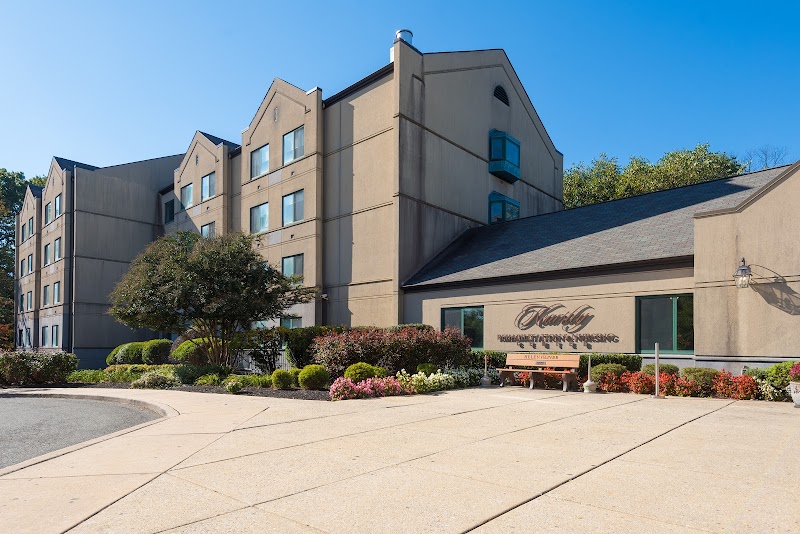
Who Owns and Operates Kearsley Rehabilitation And Nursing Center?

KEARSLEY REHABILITATION AND NURSING CENTER is owned by a for-profit company. For-profit facilities operate as businesses with obligations to shareholders or private owners. The facility is operated by MARQUIS HEALTH SERVICES, a chain that manages multiple nursing homes. With 96 certified beds and approximately 88 residents (about 92% occupancy), it is a smaller facility located in PHILADELPHIA, Pennsylvania.
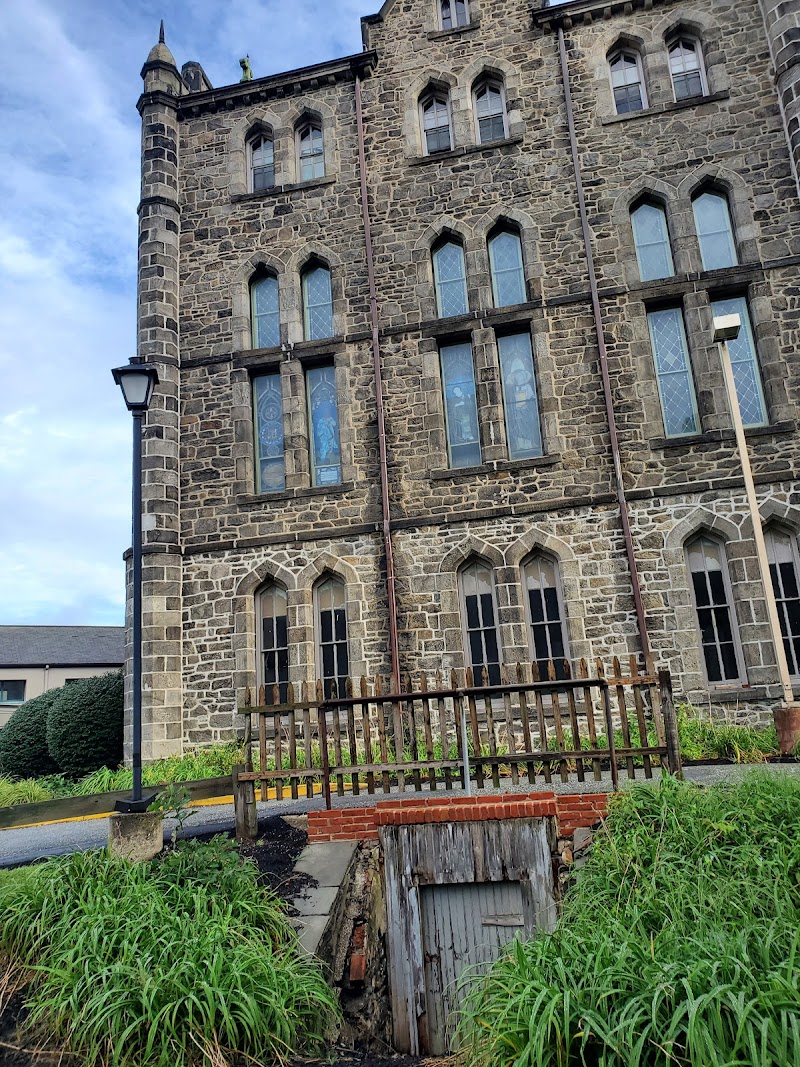
How Does Kearsley Rehabilitation And Nursing Center Compare to Other Pennsylvania Nursing Homes?

Compared to the 100 nursing homes in Pennsylvania, KEARSLEY REHABILITATION AND NURSING CENTER's overall rating (3 stars) matches the state average, staff turnover (39%) is near the state average of 46%, and health inspection rating (2 stars) is below the national benchmark.

What Should Families Ask When Visiting Kearsley Rehabilitation And Nursing Center?

Based on this facility's data, families visiting should ask: "Can I visit during a mealtime to observe dining assistance and food quality?" "How do you handle medical emergencies, and what is your hospital transfer rate?" "Can I speak with family members of current residents about their experience?"

Is Kearsley Rehabilitation And Nursing Center Safe?

Based on CMS inspection data, KEARSLEY REHABILITATION AND NURSING CENTER has a clean safety record: no substantiated abuse findings (meaning no confirmed cases of resident harm), no Immediate Jeopardy citations (the most serious violation level indicating risk of serious injury or death), and is not on the Special Focus Facility watch list (a federal program monitoring the lowest-performing 1% of nursing homes). The facility has a 3-star overall rating and ranks #1 of 100 nursing homes in Pennsylvania. While no facility is perfect, families should still ask about staff-to-resident ratios and recent inspection results during their visit.

Do Nurses at Kearsley Rehabilitation And Nursing Center Stick Around?

KEARSLEY REHABILITATION AND NURSING CENTER has a staff turnover rate of 39%, which is about average for Pennsylvania nursing homes (state average: 46%). Moderate turnover is common in nursing homes, but families should still ask about staff tenure and how the facility maintains care continuity when employees leave.

Was Kearsley Rehabilitation And Nursing Center Ever Fined?

KEARSLEY REHABILITATION AND NURSING CENTER has been fined $19,355 across 2 penalty actions. This is below the Pennsylvania average of $33,272. While any fine indicates a compliance issue, fines under $50,000 are relatively common and typically reflect isolated problems that were subsequently corrected. Families should ask what specific issues led to these fines and confirm they've been resolved.

Is Kearsley Rehabilitation And Nursing Center on Any Federal Watch List?

KEARSLEY REHABILITATION AND NURSING CENTER is not on any federal watch list. The most significant is the Special Focus Facility (SFF) program, which identifies the bottom 1% of nursing homes nationally based on persistent, serious quality problems. Not being on this list means the facility has avoided the pattern of deficiencies that triggers enhanced federal oversight. This is a positive indicator, though families should still review the facility's inspection history directly.