LAFAYETTE-REDEEMER, THE
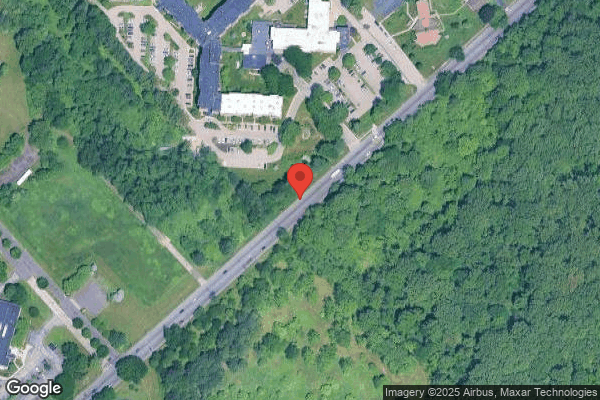
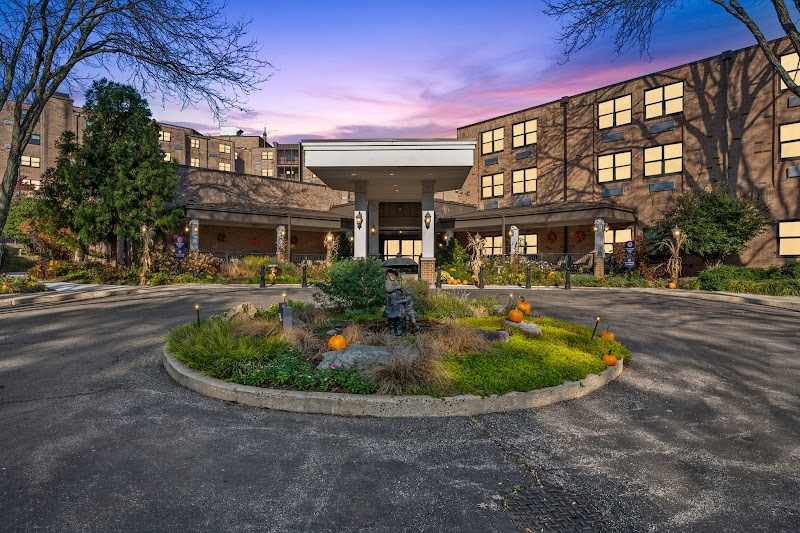
8580 VERREE ROAD, PHILADELPHIA, PA 19111 (215) 214-2820
Non profit - Corporation 120 Beds Independent Data: November 2025
Trust Grade
88/100
#63 of 653 in PA
Last Inspection: April 2024

Within standard 12-15 month inspection cycle. Federal law requires annual inspections.

Overview

Lafayette-Redeemer, located in Philadelphia, Pennsylvania, has a Trust Grade of B+, which indicates it is above average and recommended for families considering care options. It ranks #63 out of 653 facilities in Pennsylvania, placing it in the top half, and #3 out of 46 in Philadelphia County, meaning only two local homes are rated higher. The facility is experiencing a worsening trend, with issues increasing from 1 in 2023 to 3 in 2024. Staffing is a strong point, rated 5/5 stars with a turnover rate of only 27%, significantly better than the state average, suggesting a stable and knowledgeable staff. There have been no fines, which is a positive sign, but the RN coverage is average, which means there may be room for improvement in nursing oversight. Some specific incidents raised concerns, including a serious issue where a resident suffered a first-degree burn from hot water due to improper temperature checks. Additionally, a staff member was observed yelling at a resident who fell asleep at the dining table, which could undermine the dignity of residents. Another incident involved a resident sustaining a leg injury that required stitches during a transfer, highlighting potential safety risks. While the home has notable strengths, these incidents indicate that there are areas needing attention to enhance resident care and safety.

Trust Score
B+
88/100
In Pennsylvania
#63/653
Top 9%
Safety Record
Moderate
Needs review
Inspections
Getting Worse
1 → 3 violations
Staff Stability
✓ Good
27% annual turnover. Excellent stability, 21 points below Pennsylvania's 48% average. Staff who stay learn residents' needs.
Penalties
✓ Good
No fines on record. Clean compliance history, better than most Pennsylvania facilities.
Skilled Nurses
✓ Good
Each resident gets 56 minutes of Registered Nurse (RN) attention daily — more than average for Pennsylvania. RNs are trained to catch health problems early.
Violations
○ Average
6 deficiencies on record. Average for a facility this size. Mostly minor or procedural issues.
★★★★★
5.0
Overall Rating
★★★★★
5.0
Staff Levels
★★★★☆
4.0
Care Quality
★★★★☆
4.0
Inspection Score
Stable
2023: 1 issues
2024: 3 issues

The Good

  • 5-Star Staffing Rating · Excellent nurse staffing levels
  • 4-Star Quality Measures · Strong clinical quality outcomes
  • Low Staff Turnover (27%) · Staff stability means consistent care
  • Full Sprinkler Coverage · Fire safety systems throughout facility
  • No fines on record
  • Staff turnover is low (27%)

    21 points below Pennsylvania average of 48%

Facility shows strength in staffing levels, quality measures, staff retention, fire safety.

The Bad

No Significant Concerns Identified

This facility shows no red flags. Among Pennsylvania's 100 nursing homes, only 1% achieve this.

The Ugly 6 deficiencies on record

1 actual harm
Apr 2024 3 deficiencies
CONCERN (D)

Potential for Harm - no one hurt, but risky conditions existed

Accident Prevention (Tag F0689)

Could have caused harm · This affected 1 resident

**NOTE- TERMS IN BRACKETS HAVE BEEN EDITED TO PROTECT CONFIDENTIALITY** Based on review of clinical records, review of facility documentation and interviews with staff, it was determined that the faci...

Read full inspector narrative →
**NOTE- TERMS IN BRACKETS HAVE BEEN EDITED TO PROTECT CONFIDENTIALITY** Based on review of clinical records, review of facility documentation and interviews with staff, it was determined that the facility failed to ensure that one of 19 was free of accidents related to a transfer into a shower chair. (Resident CL209). Findings include: A review of clinical record for Resident R209 revealed that the resident was admitted to the facility on [DATE], with diagnoses including abnormalities of gait and mobility (deviation from normal walking), muscle weakness, need for assistance with personal care, and history of falling. Review of facility investigation dated, September 29, 2023, revealed that Resident CL209 bumped her leg on the shower chair and sustained a tear to the right lower leg during transfer from bed to shower chair which resulted in 14 stitches. Review of a statement, dated September 29, 2023, by unknown staff, revealed that Resident CL209 was being transferred by two staff: was transferring her with my teammate, I saw blood running down her leg . Further review revealed a statement by a student, dated 9/29, which stated that the two employees were transferring a patient and the patient's foot got stuck under the shower chair. And her foot started to bleed. Further review of staff statements failed to reveal information regarding how the transfer was initiated and performed, by the two nurse aides in order to determined if the resident was transfer from bed to the shower chair safely. Interview with the Nursing Home Administrator, Employee E1, and Director of Nursing, Employee E2, conducted on April 11, 2024, at 12:50 p.m. Employee E1 stated that the reenactment of the incident with the staff took place in the shower room, not in Resident CL209's room, where the original transfer occurred. Further, during interview it was stated that the shower chair was removed from use for safety checks. There was no documentation to confirm that the shower chair was inspected for safety. 28 Pa Code 211.10(c) Patient care policies 28 Pa. Code 211.12(c)(d)(1)(3)(5) Nursing services
CONCERN (D)

Potential for Harm - no one hurt, but risky conditions existed

Deficiency F0761 (Tag F0761)

Could have caused harm · This affected 1 resident

Based on and review of facility policy, observation and staff interview, it was determined that the facility failed to ensure that all drugs are biologicals were stored and labeled in accordance with ...

Read full inspector narrative →
Based on and review of facility policy, observation and staff interview, it was determined that the facility failed to ensure that all drugs are biologicals were stored and labeled in accordance with professional standards for one of four medication rooms observed. Findings include: Review of facility policy on drug storage reveal that under the section policy, medications included in the Drug Enforcement Administration classification as controlled substances are subject to special handling, storage, disposal and recording in the facility in accordance with federal, state and other applicable laws and regulations. Under section Procedures, A. the Director of Nursing and collaboration with the consultant pharmacist maintains the facilities compliance with federal and state laws and regulations in the handling of controlled substances. Only authorized license nursing and pharmacy personnel have access to controlled substance. B. Schedule ll to lV medications and other medications subject to abuse or diversion are stored in a permanently affixed, double locked compartment separate from all other medications or per state regulation. Alternatively, in a unit dose system, medication may be kept with other medications in the cart if the supply of medication is minimal and the shortage is readily detectable. The access system to the compartment is different from the key that opens the medication cart. If a key system is used the medication nurse on duty maintains possession of the key to control substance storage areas. Backup keys to all medication storage areas, including those for controlled substances, are kept by the director of nursing or designee. C. Controlled substances that require refrigeration are stored within a locked box within the refrigerator. This box must be attached to the inside of the refrigerator. Observation of the second-floor medication room conducted on April 10, 2024, at 10:39 a.m. together with Licensed Nurse, Employee E6 revealed that a narcotic refrigerator was inside the medication room. Further, observation revealed that the narcotic refrigerator had a lock. However further inspection revealed that the refrigerator was not locked and can be opened without the use of a key. Interview with Employee E6 conducted at the time of the observation confirmed that the narcotic refrigerator was inside the medication room was not locked. Observation of the contents of the narcotic refrigerator revealed that a locked plastic see-through narcotic box containing two boxes of Ativan liquid and a dark colored plastic. Further, observation of the narcotic box revealed that it was not affixed to the refrigerator. Inspection of the contents of the narcotic box revealed two boxes of Ativan liquid and a dark colored plastic bag filled with 7 syringes labelled Ativan 0.5 mg/0.5 ml Inspection of the contents of the box together with the DON (Director of Nursing) Employee E2 and Employee E6 revealed box#1 labelled with Resident R3's name containing an opened but full vial of 5 ml liquid oral lorazepam 2 mg/ml full, box#2 labelled with Resident R3's name containing an unopened bottle of 5 ml liquid oral Lorazepam 2 mg/ml. Further the narcotic box also contained one dark colored plastic bag labelled with Resident R159's name containing seven prefilled syringes containing Ativan 0.5 ml of liquid. review of labels affixed to the syringes revealed the following: lorazepam 0 .5 mg/0.5 ml. Interview with the DON, Employee E2 conducted at the time of the observation confirmed that the narcotic refrigerator was not locked, further Employee E2 also confirmed that the box containing two bottles of liquid oral Ativan and seven prefilled syringes with 0.5 ml of Ativan was not permanently affixed to the refrigerator. Employee E2 stated that she will immediately have engineering attached the box to the refrigerator. 28 Pa. Code 201.18(b)(l) Management 28 Pa. Code 211.12(d) Nursing Services 28 Pa. Code 211.9 (i) Pharmacy Services
CONCERN (E)

Potential for Harm - no one hurt, but risky conditions existed

Resident Rights (Tag F0550)

Could have caused harm · This affected multiple residents

Based on observations and interviews with staff, it was determined that the facility failed to promote care for residents that maintains or enhances dignity and respect related to dining for one of tw...

Read full inspector narrative →
Based on observations and interviews with staff, it was determined that the facility failed to promote care for residents that maintains or enhances dignity and respect related to dining for one of two dining rooms observed (Second floor dining room). Findings include: Observations of the Seceond floor dining room revealed that Resident R2 was falling asleep at the dining table. Licensed Practical Nurse, Employee E4, shouted across tables, R2, you better wake up or I'll have to come over there and feed you like a baby! Follow-up observations of lunch dining in the second-floor dining room, on April 10, 2024, at 12:00 p.m. revealed the following: A table with four residents seated; one resident was served a meal at 12:00 p.m.; two residents were served at 12:22 p.m.; another resident was served at 12:34 p.m. A table of two residents seated; one resident was served a meal at 12:11 p.m. and the other resident was served at 12:21 p.m. Observations at 12:10 p.m. revealed a nurse aide, Employee E5, was assisting Resident R10 with her meal, while standing up. Interview with Employee E5 confirmed that she should have been seated while feeding the resident. 28 Pa. Code 201.29(d) Resident Rights
Jun 2023 1 deficiency
CONCERN (D)

Potential for Harm - no one hurt, but risky conditions existed

Comprehensive Care Plan (Tag F0656)

Could have caused harm · This affected 1 resident

**NOTE- TERMS IN BRACKETS HAVE BEEN EDITED TO PROTECT CONFIDENTIALITY** Based on review of facility policy, observation, clinical record review and interview with staff and residents, it was determine...

Read full inspector narrative →
**NOTE- TERMS IN BRACKETS HAVE BEEN EDITED TO PROTECT CONFIDENTIALITY** Based on review of facility policy, observation, clinical record review and interview with staff and residents, it was determined that the facility did not develop comprehensive care plans related to hearing loss, non-compliance with care, and transmission-based precautions for three of 16 records reviewed (Residents R5, R22, R26). Findings include: Review of facility policy titled Comprehensive Plan of Care, dated March 6, 2023, revealed that the plan of care is continually reviewed and updated .to reflect the current needs of the resident, and the interdisciplinary team identifies and prioritizes resident care needs based on analysis of assessment data. Interview with Resident R5 on June 20, 2023, at 11:23 a.m. revealed that the resident has significant hearing loss, which required hearing aids and/or those to whom he has talked to raise their voice in order for them to be heard by the resident. Review of Resident R5's most recent MDS (Minimum Data Set, a periodic assessment of resident care needs), section B, Hearing, Speech, and Vision, completed on April 18, 2023, revealed that the resident utilized a hearing aid in order to understand others adequately. Review of the care plan for the resident revealed no care plan had been developed for his hearing loss as of June 21, 2023. Interview with the Director of Nursing, on June 21, 20233 at 9:50 a.m. confirmed that Resident R5 had hearing loss which had the potential to impact how he communicates and should have had a care plan developed for such. Review of Resident R22's MDS dated [DATE], revealed the resident had cognitive impairment and had diagnoses of dementia (disease that affects the brain's ability to think, remember, and function normally) and muscle weakness. Review of Resident R22's care plan revised May 30, 2023, revealed the resident was at risk for skin breakdown related to impaired mobility with history of skin tear to the plan of her right hand. Interventions dated July 14, 2022, included to encourage resident to keep gauze in right hand due to contracture (permanent tightening of the muscles, tendons, skin, and surrounding tissues that causes the joints to shorten and stiffen). Review of Resident R22's physician orders revealed an order dated August 4, 2022, to apply rolled gauze to the plan of right hand daily. Observations on June 20, 2023, at 11:14 a.m. revealed Resident R22 had a right-hand contracture. Resident R22 was observed to be making a fist with her right hand and was unable to open her hand when asked. Further observations revealed no rolled gauze was in the resident's right hand. Follow-up observations on June 21, 2023, at 9:15 a.m. again revealed Resident R22's right hand in a closed fits and no rolled gauze in her hand. Interview and observations on June 21, 2023, at 9:20 p.m. with Licensed Nurse, Employee E5, confirmed Resident R22 did not have rolled gauze in the right hand. Interview with Licensed Nurse, Employee E5, revealed Resident R22 does not allow staff to put anything in her hand for contracture and that the resident rips everything out that is put in the hand. Observations confirmed Resident R22 became upset when Licensed Nurse, Employee E5, attempted to open the resident's hand. Resident R22 denied any pain. Review of Resident R22's comprehensive care plan revealed no documented evidence a person-centered comprehensive care plan was developed related to the right-hand contracture and non-compliance of treatment. Interview on June 21, 2023, at 9:45 a.m. with the Director of Nursing and Assistant Director of Nursing, Employee E2, confirmed Resident R22 was non-compliant with care of right-hand contracture. Observations on June 20, 2023, at 11:00 a.m. revealed transmission-based precautions signage on the door of 209 with protective personal equipment set up outside the door. Interview on June 21, 2023, at 9:30 a.m. with Licensed Nurse, Employee E5, revealed Resident R26 was on enhanced barrier cautions (require gown and glove during high contact resident care activities). Review of Resident R26's comprehensive care plan revealed no documented evidence a care plan was developed for enhanced barrier precautions or why the resident required enhanced barrier precautions. Interview on June 22, 2023, at 12:42 p.m. with the Director of Nursing, confirmed Resident R26 was on enhanced barrier precautions for colonized MDRO (multidrug-resistant organisms) Klebsiella (type of bacteria that can cause infections that become resistant to antibiotics). Further interview with the Director of Nursing, confirmed no comprehensive care plan was developed. 28 Pa. Code 211.11(d) Resident care plan 28 Pa. Code 211.12(c) Nursing services
Aug 2022 2 deficiencies 1 Harm
SERIOUS (G)

Actual Harm - a resident was hurt due to facility failures

Accident Prevention (Tag F0689)

A resident was harmed · This affected 1 resident

**NOTE- TERMS IN BRACKETS HAVE BEEN EDITED TO PROTECT CONFIDENTIALITY** Based on review of clinical record, review of facility documentation, review of facility policy and interviews with staff, it wa...

Read full inspector narrative →
**NOTE- TERMS IN BRACKETS HAVE BEEN EDITED TO PROTECT CONFIDENTIALITY** Based on review of clinical record, review of facility documentation, review of facility policy and interviews with staff, it was determined that the facility failed to test the temperature of a hot water beverage provided to one of 13 residents reviewed (Resident R4). This failure resulted in actual harm to Resident R4 who spilled the hot water beverage on his thigh resulting in a first-degree burn. This deficiency was identified as past non-compliance. Findings include: Review of facility policy Hot Beverage Service in Senior Dining revealed hot beverages will be served at a temperature no greater than 170 degrees Fahrenheit (F). Upon completion of brewing hot beverages, allow to cool to a temperature of 170 degrees Fahrenheit. Once the temperature has reached 170 degrees F or less, the hot beverage can be served. Review of Resident R4's Annual MDS (Minimum Data Set - a mandatory periodic resident assessment tool), dated March 9, 2022, revealed the resident was admitted to the facility on [DATE], with diagnoses of muscle weakness, arthritis (inflammation of joints causing pain and stiffness), dysphagia (swallowing difficulty), and dementia (loss of cognitive functioning). Continued review of the MDS assessment revealed that the resident was not cognitively intact and required limited assistance for eating with the assistance of one staff person. Review of facility reported documentation indicated that on March 17, 2022, at 6:00 p.m. Resident R4 spilled tea on self. Continued review of facility documentation revealed that hot beverages were brewed at a temperature of 190 degrees Fahrenheit in the main kitchen, the hot beverages then sat on room temperature for an unspecified amount of time, and then got poured into carafe and sent up to the units. Review of facility documentation revealed a written statement by Licensed nurse, Employee E3 that on March 17, 2022, she was made aware by Resident R4's nursing assistant that the resident had spilled a cup of hot tea on his pants. Licensed nurse, Employee E3 promptly assessed the area which revealed a pink area on Resident R4's right upper thigh and a small portion of skin peeled back. Review of Resident R4's skin and wound evaluation dated March 17, 2022, revealed the resident sustained a blister that measured 1.6 cm x 1.8 cm. Continued review of evaluation revealed wound pain was assessed and the resident showed signs of facial grimacing and body language appeared rigid (fists clenched, knees pulled up, pushing or pulling away). Review of Resident R4's clinical record revealed the physician was made aware of the burn on March 17, 2022, and recommended new treatment orders to apply Zinc Oxide to resident's right thigh, twice a day, for seven days. Interview with the Nursing Home Administrator and the Director of Nursing on August 10, 2022, at 3:00 p.m. revealed that food temperatures were being checked before service, however, hot beverage temperatures were not being monitored. Continued interview confirmed the hot beverage temperatures were not checked on March 17, 2022, after brewing and before serving to the residents to ensure safe serving temperatures. On March 17, 2022, following the incident, the facility immediately implemented the following corrective actions: -Resident R4 was immediately removed from dining room following the spill and skin assessment was completed. -The physician was made aware and treatment orders were initiated March 17, 2022. - Rehabilitation screening was initiated March 17, 2022, for Resident R4 to be treated and evaluated by therapy for safety with hot beverages. -Resident R4's care plan was updated March 18, 2022, with new interventions to monitor during meals and provide cueing and assistance with handling of hot beverages. -Dietary staff will keep and maintain kitchen temperature log, initiated March 18, 2022, for hot beverages when they leave the kitchen and log at the point of service on the unit and maintain logs in the dietary office. -Education initiated March 18, 2022, and completed April 3, 2022, for all nursing staff on serving residents and lids on hot liquids in the dining room. -Education initiated March 23, 2022, and completed April 21, 2022, for all dietary staff regarding new standards for hot beverage preparation and distribution. The coffee machine will stay calibrated at a brew temperature of 160 degrees Fahrenheit +/- 5 degrees. -Facility dining service policy was revised March 31, 2022, that hot beverages will be served at a temperature no greater than 150 degrees Fahrenheit +/- 5 degrees. Interviews with nursing and dietary staff on August 10, 2022, confirmed that they had all been in-serviced on policy and procedures regarding serving residents hot liquids in the dining room and checking hot beverage temperatures at point of service. This deficiency was identified as past non-compliance. 28 Pa Code 201.14(a) Responsibility of licensee 28 Pa Code 201.18(b)(1) Management 28 Pa. Code 211.10(d) Resident care policies 28 Pa Code 211.12(d)(1) Nursing services 28 Pa Code 211.12(d)(5) Nursing services
CONCERN (D)

Potential for Harm - no one hurt, but risky conditions existed

Deficiency F0655 (Tag F0655)

Could have caused harm · This affected 1 resident

**NOTE- TERMS IN BRACKETS HAVE BEEN EDITED TO PROTECT CONFIDENTIALITY** Based on review of closed clinical records, review of facility policy and clinical documentation, it determined that the facilit...

Read full inspector narrative →
**NOTE- TERMS IN BRACKETS HAVE BEEN EDITED TO PROTECT CONFIDENTIALITY** Based on review of closed clinical records, review of facility policy and clinical documentation, it determined that the facility failed to develop a baseline care plan related to diuretic therapy for one of three closed clinical records reviewed (Resident R50). Findings Include: Review of facility policy Baseline Care Plan Guidelines revealed a baseline care plan will be completed and implemented within 48 hours of a resident's admission in order to promote continuity of care and communication among staff, and increased safety. Key elements of a baseline care plan include physician orders and other needs based upon professional standards of care. The care plan will reflect the resident's goals and provide interventions that address current needs. Review of Resident R50's clinical record revealed the resident was admitted to the facility on [DATE], with diagnoses that included atrial fibrillation (rapid heart rate that commonly causes poor blood flow) and retention of urine. Review of Resident R50's admission summary dated [DATE], revealed the resident had edema (swelling caused by excess fluid trapped in the body's tissues) to his bilateral lower extremities. Review of Resident R50's June 2022 Medication Administration Record revealed an order dated June 2, 2022, for Furosemide (diuretic - treats fluid retention & swelling) one time per day for diuresis (increased or excessive production of urine). Review of Resident R50's clinical record revealed documentation dated June 8, 2022, by the Physician, Employee E6, that the resident was seen for leg swelling and made recommendations to adjust the resident's diuretic medication. Review of Resident R50's Discharge summary dated [DATE], by Employee E6, revealed the resident was noted with increased edema in legs, was unresponsive to baseline diuretics, and was noted with urinary retention. Resident R50 was subsequently transferred to the hospital. Review of Resident R50's baseline care plan revealed no care plan was developed related to the resident's diuretic therapy. 28 Pa. Code 211.11 (d) Resident care plan 28 Pa. Code 211.12(d)(1) Nursing services
Understanding Severity Codes (click to expand)
Life-Threatening (Immediate Jeopardy)
J - Isolated K - Pattern L - Widespread
Actual Harm
G - Isolated H - Pattern I - Widespread
Potential for Harm
D - Isolated E - Pattern F - Widespread
No Harm (Minor)
A - Isolated B - Pattern C - Widespread

Questions to Ask on Your Visit

  • "Can I speak with families of current residents?"
  • "What's your RN coverage like on weekends and overnight?"

Our Honest Assessment

Strengths
  • • Grade B+ (88/100). Above average facility, better than most options in Pennsylvania.
  • • No fines on record. Clean compliance history, better than most Pennsylvania facilities.
  • • 27% annual turnover. Excellent stability, 21 points below Pennsylvania's 48% average. Staff who stay learn residents' needs.
Concerns
  • • 6 deficiencies on record, including 1 serious (caused harm) violation. Ask about corrective actions taken.
Bottom line: Generally positive indicators. Standard due diligence and a personal visit recommended.

About This Facility

What is Lafayette-Redeemer, The's CMS Rating?

CMS assigns LAFAYETTE-REDEEMER, THE an overall rating of 5 out of 5 stars, which is considered much above average nationally. Within Pennsylvania, this rating places the facility higher than 99% of the state's 100 nursing homes. This rating reflects solid performance across the metrics CMS uses to evaluate nursing home quality.

How is Lafayette-Redeemer, The Staffed?

CMS rates LAFAYETTE-REDEEMER, THE's staffing level at 5 out of 5 stars, which is much above average compared to other nursing homes. Staff turnover is 27%, compared to the Pennsylvania average of 46%. This relatively stable workforce can support continuity of care.

What Have Inspectors Found at Lafayette-Redeemer, The?

State health inspectors documented 6 deficiencies at LAFAYETTE-REDEEMER, THE during 2022 to 2024. These included: 1 that caused actual resident harm and 5 with potential for harm. Deficiencies causing actual harm indicate documented cases where residents experienced negative health consequences.
Who Owns and Operates Lafayette-Redeemer, The?

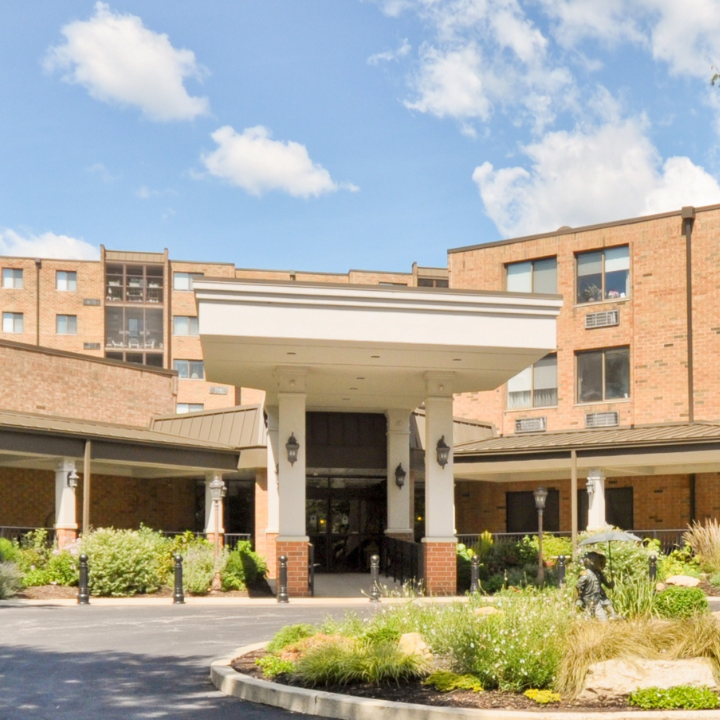
LAFAYETTE-REDEEMER, THE is owned by a non-profit organization. Non-profit facilities reinvest revenue into operations rather than distributing to shareholders. The facility operates independently rather than as part of a larger chain. With 120 certified beds and approximately 68 residents (about 57% occupancy), it is a mid-sized facility located in PHILADELPHIA, Pennsylvania.
How Does Lafayette-Redeemer, The Compare to Other Pennsylvania Nursing Homes?

Compared to the 100 nursing homes in Pennsylvania, LAFAYETTE-REDEEMER, THE's overall rating (5 stars) is above the state average of 3.0, staff turnover (27%) is significantly lower than the state average of 46%, and health inspection rating (4 stars) is above the national benchmark.

What Should Families Ask When Visiting Lafayette-Redeemer, The?

Based on this facility's data, families visiting should ask: "Can I visit during a mealtime to observe dining assistance and food quality?" "How do you handle medical emergencies, and what is your hospital transfer rate?" "Can I speak with family members of current residents about their experience?"

Is Lafayette-Redeemer, The Safe?

Based on CMS inspection data, LAFAYETTE-REDEEMER, THE has a clean safety record: no substantiated abuse findings (meaning no confirmed cases of resident harm), no Immediate Jeopardy citations (the most serious violation level indicating risk of serious injury or death), and is not on the Special Focus Facility watch list (a federal program monitoring the lowest-performing 1% of nursing homes). The facility has a 5-star overall rating and ranks #1 of 100 nursing homes in Pennsylvania. While no facility is perfect, families should still ask about staff-to-resident ratios and recent inspection results during their visit.

Do Nurses at Lafayette-Redeemer, The Stick Around?

Staff at LAFAYETTE-REDEEMER, THE tend to stick around. With a turnover rate of 27%, the facility is 19 percentage points below the Pennsylvania average of 46%. Low turnover is a positive sign. It means caregivers have time to learn each resident's needs, medications, and personal preferences. Consistent staff also notice subtle changes in a resident's condition more quickly. Registered Nurse turnover is also low at 25%, meaning experienced RNs are available to handle complex medical needs.

Was Lafayette-Redeemer, The Ever Fined?

LAFAYETTE-REDEEMER, THE has no federal fines on record. CMS issues fines when nursing homes fail to meet care standards or don't correct problems found during inspections. The absence of fines suggests the facility has either maintained compliance or corrected any issues before penalties were assessed. This is a positive indicator, though families should still review recent inspection reports for the full picture.

Is Lafayette-Redeemer, The on Any Federal Watch List?

LAFAYETTE-REDEEMER, THE is not on any federal watch list. The most significant is the Special Focus Facility (SFF) program, which identifies the bottom 1% of nursing homes nationally based on persistent, serious quality problems. Not being on this list means the facility has avoided the pattern of deficiencies that triggers enhanced federal oversight. This is a positive indicator, though families should still review the facility's inspection history directly.