LAUREL SQUARE HEALTHCARE AND REHABILITATION CENTER
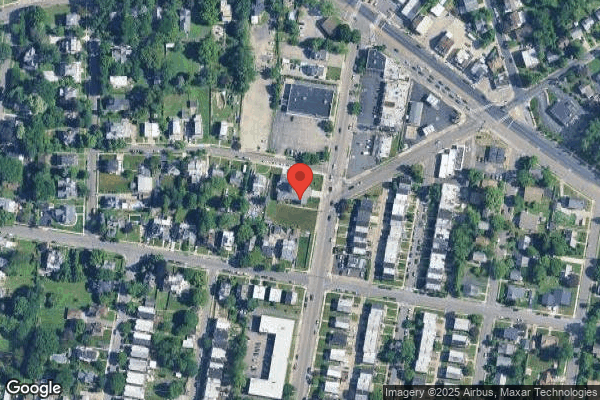
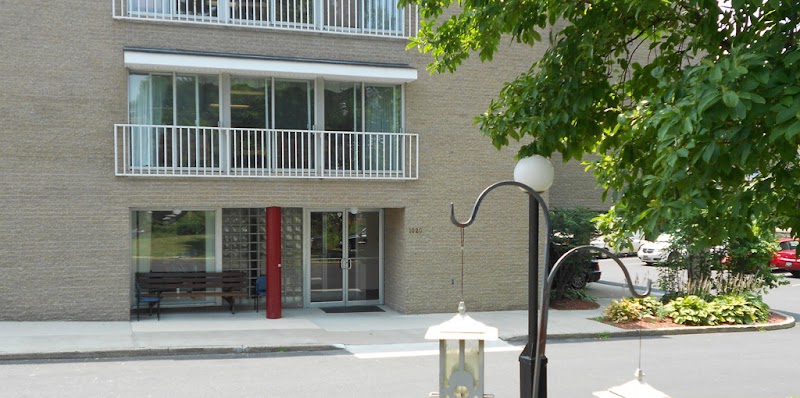
1020 OAK LANE AVENUE, PHILADELPHIA, PA 19126 (215) 224-9898
For profit - Partnership 87 Beds NATIONWIDE HEALTHCARE SERVICES Data: November 2025 1 Immediate Jeopardy citation
Trust Grade
36/100
#451 of 653 in PA
Last Inspection: June 2025

Inspected within the last 6 months. Data reflects current conditions.

Overview

Laurel Square Healthcare and Rehabilitation Center has received a Trust Grade of F, indicating significant concerns about the facility's quality and care. Ranking #451 out of 653 facilities in Pennsylvania places it in the bottom half, and #30 out of 46 in Philadelphia County shows that there are better local options available. The facility's trend is currently improving, reducing issues from 12 in 2024 to 10 in 2025, but there are still notable weaknesses. Staffing is relatively strong with a rating of 4 out of 5 stars and a turnover rate of 44%, which is below the state average, suggesting that staff are experienced and familiar with residents. However, there are serious concerns, including a critical incident where a resident eloped from the facility due to inadequate supervision, and ongoing food safety violations that could affect residents' health. Families should weigh these strengths and weaknesses carefully when considering this nursing home.

Trust Score
F
36/100
In Pennsylvania
#451/653
Bottom 31%
Safety Record
High Risk
Review needed
Inspections
Getting Better
12 → 10 violations
Staff Stability
○ Average
44% turnover. Near Pennsylvania's 48% average. Typical for the industry.
Penalties
✓ Good
$7,727 in fines. Lower than most Pennsylvania facilities. Relatively clean record.
Skilled Nurses
○ Average
Each resident gets 36 minutes of Registered Nurse (RN) attention daily — about average for Pennsylvania. RNs are the most trained staff who monitor for health changes.
Violations
⚠ Watch
32 deficiencies on record. Higher than average. Multiple issues found across inspections.
★★☆☆☆
2.0
Overall Rating
★★★★☆
4.0
Staff Levels
★★★☆☆
3.0
Care Quality
★★☆☆☆
2.0
Inspection Score
Stable
2024: 12 issues
2025: 10 issues

The Good

  • 4-Star Staffing Rating · Above-average nurse staffing levels
  • No fines on record
  • Staff turnover below average (44%)

    4 points below Pennsylvania average of 48%

Facility shows strength in staffing levels.

The Bad

2-Star Overall Rating

Below Pennsylvania average (3.0)

Below average - review inspection findings carefully

Staff Turnover: 44%

Near Pennsylvania avg (46%)

Typical for the industry

Federal Fines: $7,727

Below median ($33,413)

Minor penalties assessed

Chain: NATIONWIDE HEALTHCARE SERVICES

Part of a multi-facility chain

Ask about local staffing decisions and management

The Ugly 32 deficiencies on record

1 life-threatening
Jul 2025 1 deficiency
CONCERN (E) 📢 Someone Reported This

A family member, employee, or ombudsman was alarmed enough to file a formal complaint

Potential for Harm - no one hurt, but risky conditions existed

Deficiency F0804 (Tag F0804)

Could have caused harm · This affected multiple residents

Based on observations of the noon meal service, reviews of food committee meeting minutes, reviews of policies and procedures and interviews with residents and staff, it was determined that foods and ...

Read full inspector narrative →
Based on observations of the noon meal service, reviews of food committee meeting minutes, reviews of policies and procedures and interviews with residents and staff, it was determined that foods and drinks were not appetizing, palatable and served at safe temperatures that were satisfactory to the residents. Residents: (R2, R3, R4, R5, R6, R7, R8, R10, R11, R12, R15 and R16) Findings include: A review of the facility policy and procedure titled healthcare services group dated June 23, 2025 revealed that it was the responsibility of the food and nutrition department to evaluate and test the teperature of the foods being served to the residents at point of service. Interview with the director of dietary services, Employee E6, at 1:00 p.m., on July 8, 2025 confirmed that the dietitian and the director of dietary services were responsibile for conducting routine temperature test trays at point of service to the residents. The test tray evaluations were used to monitor the safety and quality of the foods along with the timeliness of the food delivery system. The director of dietary, Employee E6, reported that hot foods and fluids were expected to be served to each resident at temperatures between 120 to 135 degrees Fahrenheit and cold foods and fluids were expected to be served to each resident at temperatures between 41 and 55 degrees Fahrenheit. A review of the food committee meeting minutes dated June 13, 2025 revealed that the alert and oriented residents who attended the meeting were not satisfied with the foods and beverages being served for their meals, at the facility. The residents were complaining about the selection of foods and fluids being offered, by the food service department. The residents also voiced that they were unhappy with food temperature, taste and appearance of the foods and beverages that were being prepared and served to them by the food and nutrition services department. A review of the posted meal time scheduled revealed that the noon meal was scheduled at 11:30 a.m., until 12:15 p.m. daily. The menu posted on the unit planned for a cold meal of Tuna salad hoagie, macaroni salad, tomato basil salad and fruit salad. There were no drinks planned/listed on the menu. Observations and test tray evaluations of the noon meal service on the first floor nursing unit revealed that cold foods were not being served cold. The tuna salad inside the hoagie roll registered 75 degrees Fahrenheit. The macaroni salad measured 73 degrees Fahrenheit. The canned fruit (pears) registered 72 degrees Fahrenheit. The tomato basil salad registered 60 degrees Fahrenheit. Observations and test tray evaluations of the noon meal service on the first floor nursing unit also revealed that none of the residents were given offered or served milk on the first floor nursing unit. Although juice was not listed on the preplanned menus, four ounces of apple juice was served. The registered nurse, Employee E4, confirmed the lack of menu planning for fluids for the residents. Interviews with alert and oriented Residents: (R2, R3, R4, R5, R6, R7, R8, R10, R11, R12, R115 and R16) revealed several complaints of disappointment with the food and nutrition services department. Residents complainted that the foods and drinks were unpresentable all mixed together on a plate. The residents said the it was difficult to figure out what you were eating. Interview with Resident R6 at 10:00 a.m., on July 8, 2025 revealed that he receives foods that he does not find palatable. The resident said that he dislikes oatmeal and hard boiled eggs and was served these foods at breakfast often. Interview with Resident R7 at 10:10 a.m., on July 8, 2025 revealed that the resident was supposed to be receiving large portions at each meal, hot tea and salt as a condiment. The resident said that he does not receive hot tea it was always cold. The resident said the portion of meats that he receives was small. The resident said that he was not given a salt packet unless he asks for one. The resident said he needs a blend of herbs for his foods; it always tastes bland. Interviews with Residents R3 and R4 at 10;45 a.m., on July 8, 2025 revealed that they have been asking to have a salad platter once a day. They have already told the nursing staff several times. residents R3 and R4 expressed frustration with the palatability of their foods. The residents would be pleased to have the kitchen staff prepare and serve the salad platters (tuna, chicken ham) for them at least once a day. Interview with Resident R16 at 11:45 a.m., on July 8, 2025 revealed that this resident does not like tuna and had reported her preferences to the dietitian. Observation of Resident R16 during the noon meal service on the second floor nursing unit revealed that the resident refused the tuna hoagie that was served to her for lunch on July 8, 2025. 28 PA. Code 211.10(a)(b)(c)(d) Resident care policies 28 PA. Code 201.18(b)(1)(3) Management 28 PA. Code 201.14(a) Responsibility of licensee
Jun 2025 8 deficiencies
CONCERN (D)

Potential for Harm - no one hurt, but risky conditions existed

Deficiency F0559 (Tag F0559)

Could have caused harm · This affected 1 resident

**NOTE- TERMS IN BRACKETS HAVE BEEN EDITED TO PROTECT CONFIDENTIALITY** Based upon interviews with resident and staff, review of clinical records and facility policies, it was determined the facility ...

Read full inspector narrative →
**NOTE- TERMS IN BRACKETS HAVE BEEN EDITED TO PROTECT CONFIDENTIALITY** Based upon interviews with resident and staff, review of clinical records and facility policies, it was determined the facility failed to ensure the rights of a resident were exercised to refuse a room change in accordance with professional standards of practice for one of 18 resident records reviewed (Resident R70). Findings Include: Review of the facility's policy titled, Resident Rights states, basic rights to all residents of the facility include exercising his or her rights and be supported by the facility in exercising those rights. Residents have the right to perform services for the facility if chooses or the right to refuse and the right to refuse a transfer from a distinct part within the institution. Review of the facility's policy titled, Transfer, Room to Room revised December 2016 states under Documentation The following information should be recorded in the resident's medical record: 1. The date and time the room transfer was made. 2. the name and title of the individual(s) who assisted in the move 3. If the resident refused the move, the reason(s) why and the intervention taken. Under the heading Reporting it states to notify the supervisor if the resident refuses the move, and 2. Report other information in accordance with facility policy and professional standards of practice. Review of Resident R70's clinical record revealed that the resident was admitted to the facility on [DATE]. The resident was alert and oriented and diagnosed with high blood pressure and a history of bladder cancer. Review of Resident R70's social service progress notes indicated on April 9, 2025, the resident was moved to another room due to Roommate Incompatibility. Review of Resident R70's psychiatric note dated, April 24, 2025, stated the resident Is not happy that they move out of her room into another room for her roommate. She feels that she was being punished by administration just to pacify her former roommate. NP (nurse practioner) notified and pacified patient to hold on while she discusses with administration. Interview with Resident R70 on June 3, 2025, at approximately 11:00 a.m. explained, They (the facility) told me my roommate was difficult. It was easier to move me than (roommate's name) even though she was the one that requested the move. I was very close to another resident in that room. The roommate had a hard time opening up to people but wasn't like that with me. I cried when I had to leave. Interview with the Nursing Home Administrator and Director of Nursing on June 3, 2025, stated Resident R70 wanted to move, and she likes her new room but failed to reveal documentation that a written notice and the reason for the room change was given to Resident R70 before the resident's room, in the facility, was changed. 28 Pa. Code 201.14(a) Responsibility of licensee 29 Pa. Code 201.29(d) Resident rights 29 Pa. Code 201.29(j) Resident rights
CONCERN (D)

Potential for Harm - no one hurt, but risky conditions existed

Comprehensive Care Plan (Tag F0656)

Could have caused harm · This affected 1 resident

Based on review of facility policy, review of clinical records, observations, and staff interviews, it was determined that the facility failed to develop a comprehensive person-centered care plan for ...

Read full inspector narrative →
Based on review of facility policy, review of clinical records, observations, and staff interviews, it was determined that the facility failed to develop a comprehensive person-centered care plan for one of eighteen residents reviewed (Residents R50). Findings Include: Review of facility policy titled, Care Planning- Interdisciplinary Team, with a revision date of March 2022 states, Policy Statement- The interdisciplinary team is responsible for the development of resident care plans. Policy Interpretation and Implementation- 1. Resident care plans are developed according to the timeframes and criteria established by 483.21 2. Comprehensive, person-centered care plans are based on resident assessments and developed by an interdisciplinary team. A review of the clinical record for Resident R4 revealed an admission date of September 13, 2022, with diagnoses including Dementia (a progressive decline in cognitive abilities, including memory, language, and reasoning, that significantly impairs daily life and activities) with agitation. Review of Resident R4's current care plan last updated October 4, 2024 revealed the resident's care plan did not address interventions related to the resident's diagnosis of Dementia. 28 Pa Code 211.10 (c)(d) Resident care policies 28 Pa Code 211.12(d)(1)(3)(5) Nursing services
CONCERN (D)

Potential for Harm - no one hurt, but risky conditions existed

Garbage Disposal (Tag F0814)

Could have caused harm · This affected 1 resident

Based on observations and an interview with staff, it was determined that the facility did not ensure that garbage and refuse was disposed of properly. Finding Include: Observations were made on the d...

Read full inspector narrative →
Based on observations and an interview with staff, it was determined that the facility did not ensure that garbage and refuse was disposed of properly. Finding Include: Observations were made on the day of arrival to the facility, June 2, 2025 at 9:03 a.m. of the parking lot grass area where there were multiple trash items. Trash items in the grass and in the parking lot included; used paper towels, latex gloves, empty plastic bottles, plastic disposable utensils, and food particles. A tour of the Food Service Department was conducted on June 2, 2025, at 10:23 a.m., with the Food Director, Employee E9. In the area of the loading dock, refuse area one of two dumpsters was so full boxes were preventing the dumpster from completely closing. A toilet was near the dumpster area along with PVC piping that was once used at the facility. The Director could not say how long these items where there because he was not aware of the trash schedule. 28 Pa. Code 201.18(b)(3) Management 28 Pa. Code 207.2(a) Administrator's responsibility
CONCERN (E)

Potential for Harm - no one hurt, but risky conditions existed

Safe Environment (Tag F0584)

Could have caused harm · This affected multiple residents

Based on review of facility policies, observations and staff interview, it was determined that the facility failed to maintain a clean and homelike environment for two of two nursing units observed (F...

Read full inspector narrative →
Based on review of facility policies, observations and staff interview, it was determined that the facility failed to maintain a clean and homelike environment for two of two nursing units observed (First Floor and Second Floor Units). Findings Include: Review of facility policy titled, Homelike Environment revised February 21, 2025, states Policy Statement- Residents are provided with safe, clean, comfortable and homelike environment and encouraged to use their personal belongings to the extent possible. 2. The facility staff and management maximizes, to the extent possible, the characteristics of the facility that reflect a personalized, homelike setting. These characteristics include: a. clean, sanitary, and orderly environment; f. pleasant, neutral scents. Review of the facility policy titled, Resident Dining Room Meal Service dated December 2023 states, Policy Statement- The purpose of this policy is to facilitate a safe, comfortable, and resident centered dining experience. Procedure- 1. Dining room staff will perform hand hygiene. 2. Nurse Aides, will offer residents clothing protectors. 3. Once meals are prepared and delivered by dietary, the nurse aides will begin passing to each table. 4. Deliver all ordered good to every resident at the first table. 5. Provide any food prep assistance to the residents at table one prior to moving to the next table. Observations on June 2, 2025 at 10:01 a.m. of Resident R63's room revealed two brown water-stained ceiling tiles. Observations on June 2, 2025 at 12:20 p.m. of the lunch service on the first floor revealed the residents gathering to the dining/activities room for lunch. The lunch menu posted for the day listed Truck arrived at 12:26 p.m. The nurse aides started serving the lunch trays at 12:27 p.m. Nurse Aide, Employee E4, came into the room with the first lunch tray and stated, They ain't got no juice today for lunch so I just want to let you all know so you do not ask. There was one table where five people were seated together at the time they started serving lunch. The first resident was served their lunch at 12:28 p.m. The second person at the table was served their lunch tray at 12:33 p.m. The third person at the table was served their lunch tray 12:43 p.m. The fourth person at the table was served their lunch tray 12:44 p.m. The fifth person at the table was served their lunch tray 12:48 p.m. Nurse aide Employee E4 served all five of the residents at the table on their lunch trays. All lunch trays at the table contained no drink or fluids. Further observations on June 3, 2025 at 12:20 p.m. of the lunch service on the first floor revealed the residents. At no time were clothing protectors offered to residents. Observations on June 3, 2025 at 11:05 a.m. of Resident R80's room revealed five brown water-stained ceiling tiles. Further observation on June 5, 2025 of the first floor unit at 8:18 a.m. revealed paper trash and plastic trash on the floors in the hallways. 28 Pa. Code 201.14 (a) Responsibility of licensee.
CONCERN (E)

Potential for Harm - no one hurt, but risky conditions existed

Deficiency F0657 (Tag F0657)

Could have caused harm · This affected multiple residents

**NOTE- TERMS IN BRACKETS HAVE BEEN EDITED TO PROTECT CONFIDENTIALITY** Based on review of facility policies, review of clinical records, observations, and staff interviews, it was determined that the...

Read full inspector narrative →
**NOTE- TERMS IN BRACKETS HAVE BEEN EDITED TO PROTECT CONFIDENTIALITY** Based on review of facility policies, review of clinical records, observations, and staff interviews, it was determined that the facility failed to develop a comprehensive person-centered care plan for two of eighteen residents reviewed (Resident R23 and Resident R80). Findings Include: Review of facility policy titled, Care Planning- Interdisciplinary Team, with a revision date of March 2022 states, Policy Statement- The interdisciplinary team is responsible for the development of resident care plans. Policy Interpretation and Implementation- 1. Resident care plans are developed according to the timeframes and criteria established by 483.21 2. Comprehensive, person-centered care plans are based on resident assessments and developed by an interdisciplinary team. Review of facility policy titled, Bath, Shower/Tub revised October 2024 states, Purpose- the purpose of this procedure are to promote cleanliness, provide comfort to the resident and to observe for condition of the resident's skin. Further review of the policy revealed, Documentation- 1. The date and time the shower/tub bath was performed. 5. If the resident refused the shower/tub bath, the reason(s). Reporting- 1. Notify the supervisor if the resident refuses the shower/tub bath. Review of Resident R23's clinical revealed the resident was admitted to the facility on [DATE] with diagnosis of: Diabetes Type Two Mellitus with Hyperglycemia (occurs when a person's blood sugar elevates to potentially dangerous levels), Dysphagia (difficulty swallowing), Hyperlipidemia, and Paralysis of Vocal Cords and Larynx. An interview was held on June 2, 2025 at 9:54 a.m. with Resident R23 who was awake, alert, and oriented. Resident R23 has a deficit in communicating therefore he utilized an electronic device and pen to use a keyboard to type out sentences. Resident R23 typed out that he has not been receiving his regular shower. When asked when Resident R23 usually receives a shower he typed, Wednesday and Saturday. When asked when the last time he got a shower was he typed, two weeks or more. Interview held with the Assistant Director of Nursing, Employee E14 on June 3, 2025 at 2:21 p.m. and Employee E14 stated, I was there when staff tried to assist him with getting out of bed the other day to get a shower and he refused. Review of Resident R23's nursing notes from the months of June 2025 and May 2025 indicate no refusals for shower. Review of Resident R23's from May 7, 2025 through the current date revealed no instances where Resident Refused was checked off. Review of Resident R23's current care plan last updated on March 13, 2025 shows no indication and no focus area for refusals for the resident. Review of Resident R80's clinical record revealed the resident was admitted to the facility on [DATE], with a diagnosis of: Dysphagia (difficulty swallowing), Cognitive Communication Deficit (difficulty with communication due to impairments in cognitive functions,), and Hyperosmolality and Hypernatremia (high concentration of solutes / sodium in the blood). On June 3, 2025 at 11:05 a.m. Resident R80 was approached by the surveyor in the dining/activities room. When the surveyor asked to speak privately, Resident R80 slowly wheeled himself out of the dining/activities room towards his bedroom. Right outside of the dining/activities room the resident took a styrofoam cup he had in his hand and filled it with ice cubes from the ice machine. After obtaining the ice, Resident R80 started putting pieces of the ice in his mouth, chewing on the ice, and then swallowing it. Review of Resident R80's nursing progress notes from April 27, 2025 revealed, Resident was observed refilling his cup of water at the ice machine then returning to his room. explained to the resident that he is still nothing by mouth, and the potential complications from his non-compliance. Resident offered empathy and consoled due to his distress with wanting to eat. Residents stated I have to do what I have to do. Further review of Review R80's nursing notes from April 18, 2025 states, Writer observed resident as I was rounding on the floor with a cup of ice in his hand and a piece in his mouth. Resident is currently still NPO (nothing by mouth), education provided to the resident & I gently asked if I could have the cup, resident abided. Resident informed I will place a speech consult request for re-evaluation. Doctor in house and made aware and confirmed request. Resident also placed on observation to monitor. Review of Resident R80's clinical record revealed a physician order the resident has had a NPO (nothing by mouth) order in place since February 17, 2025. NPO (nothing by mouth) status was included in the care plan, but there was no indication that the resident has been non-compliant to his NPO (nothing by mouth) status. Review of Resident R80's current care plan last updated March 13, 2025 revealed there was no indication and no focus area for the resident being non-compliant with NPO (Nothing by mouth) status. The above findings were confirmed by licensed nurse Employee E3 on June 4, 2025 at 1:13 p.m. 28 Pa. Code 211.10 (d) Resident care policies 28 Pa. Code 211.12 (d)(5) Nursing services
CONCERN (E)

Potential for Harm - no one hurt, but risky conditions existed

Deficiency F0947 (Tag F0947)

Could have caused harm · This affected multiple residents

Based on reviews of staff training and competency sets for nursing assistants, reviews of the facility assessment and interviews with staff, it was determined that, the facility failed to ensure that ...

Read full inspector narrative →
Based on reviews of staff training and competency sets for nursing assistants, reviews of the facility assessment and interviews with staff, it was determined that, the facility failed to ensure that nursing assistants retained a required minimum of 12 hours of nursing training annually for two of four nurse aides personnel records reviewed. (Employees E12 and E13). Findings Include: Employee E12, nursing assistant was hired on July 25, 2025. Annual training and competencies based on the needs of the residents (dementia care of the cognitively impaired, abuse prevention, accident prevention, restorative nursing techniques, emergency preparedness, resident rights, cultural competency) were not documented and available for review for this nursing assistant. Employee E13, nursing assistant was hired on October 29, 2010. Annual training and competencies based on the needs of the residents (dementia care of the cognitively impaired, abuse prevention, accident prevention, restorative nursing techniques, emergency preparedness, resident rights, cultural competency) were not documented and available for review for this nursing assistant. Interview with the Administrator, Employee E1, at 1:00 p.m., on June 5, 2025, confirmed that the necessary trainings and competency sets for (dementia care of the cognitively impaired, abuse prevention, accident prevention, restorative nursing techniques, emergency preparedness, resident rights, cultural competency) were not documented or available for review for nursing staff (Employees E12 and E13) that were selected for review. 28 PA. Code 201.20(a)(1)(2)(5)(6) Staff development 28 PA. Code 201.14(a) Responsibility of licensee 28 PA. Code 201.19(1)(3)(7) Personnel policies and procedures
CONCERN (F)

Potential for Harm - no one hurt, but risky conditions existed

Menu Adequacy (Tag F0803)

Could have caused harm · This affected most or all residents

**NOTE- TERMS IN BRACKETS HAVE BEEN EDITED TO PROTECT CONFIDENTIALITY** Based on observation, review of facility documentation, facility policy, and interviews with residents and staff, it was determi...

Read full inspector narrative →
**NOTE- TERMS IN BRACKETS HAVE BEEN EDITED TO PROTECT CONFIDENTIALITY** Based on observation, review of facility documentation, facility policy, and interviews with residents and staff, it was determined that the facility failed to prepare and serve items as planned on the menu and failed to provide residents with their requested foods of preference for five of 18 residents interviewed (Residents R23, R28, R63, R70, and R289 ). Findings Include: Review of the facility posted Always Available menu posted in the first-floor dining/activities room lists beverages as Apple Juice, Cranberry Juice, Orange Juice, Hot Tea, Coffee, and Decaf Coffee. Review of facility policy titled, Therapeutic Diets revised September 2017 states, Polciy Statement- All residents have a diet order, including regular, therapuetic, and texture modification, that is prescribed by the attending physician, physician extender, or credentialed practioner in accordance with applicable guidelines. Procedures- .3.Diets are prepared in accordance with the guidelines in the approved Diet Manual and the individualized plan of care. Resident R23 was admitted to the facility on [DATE] with the following diagnoses: Dysphagia (difficulty swallowing) and Hyperkalemia (high potassium levels in the blood, which can damage your heart and muscles). Interview held with Resident R23 on June 2, 2025 at 9:54 a.m. and the resident used a electronic device to type out words and sentences to communicate. The resident stated, they approved me for regular food but I get puree. When asked who stated that he said, the dietician she say she updated it, she updated it, but it keeps happening. Review of Resident R23's quarterly Nutrition Evaluation dated May 22, 2025 states under Food Preferences, Culteral/Ethnic/Religious-On file-Updates likes mac & cheese and sweet potatoes, collard greens. Dislikes mashed potatoes. Further review of the evaluation revealed, Recommendations and Plan- Diet as ordered., textures per Speech. Large protein/veg portions. Soup with lunch daily. Observation on June 2, 2025 at 12:25 p.m. revealed the resident has a dislike of mashed potatoes and was served mashed potatoes. All portions on his plate looked like single portions. Observation on June 5, 2025 at 8:11 a.m. revbealed resident R23 was seated in bed starting to eat his breakfast. The resident made a face at the surveyor and then looked at his breakfast plate. The surveyor observed the resident with a yellow pureed food on his plate. The resident took his pen to type on his electronic device eggs puree. The resident stated the other stuff I don't know what it is so I can't eat it can I have another oatmeal. Review of Resident R23's Weight record revealed the resident had a weight of 118 pounds on May 12, 2025. On Feburary 2, 2025 the resident weighed 138.2 pounds. The resident had a weight loss of 20 pounds over three months. Resident R63 was admitted to the facility on [DATE] with the following diagnoses: gastoparesis (delayed gastric emptying, meaning the stomach takes too long to empty its contents), Hyperlipidemia ( abnormally high levels of lipids (fats) in the blood, including cholesterol and triglycerides), Gastroesophageal reflux disease (GERD) with esophagitis occurs when the stomach's acidic contents flow back into the esophagus, causing tissue erosion and unpleasant symptom, and Pancytopenia (involves having low levels of red blood cells, white blood cells and platelets), Interview was held with Resident R63 on June 2, 2025 at 10:01 a.m. and the resident stated that he still receives items that he requests not to have. He gave the example of corn and beef. Review of Resident R63's allergies from admission lists corn, green peas, beef, and pork as intolerances as of August 20, 2024. The surveyor revisited the resident during lunch on June 3, 2025 due to their being corn on the lunch menu. Observation was made of Resident R 63's lunch tray on June 5, 2025 at 12:59 p.m. the resident was eating in his room and he had corn served to him. Interview held on June 4, 2025 at 1:00 p.m. with facility registered dietician Employee E15. When asked how likes/disklikes are updated she stated there is an electronic meal tracker system and you go in and update preferences and likes/dislikes. When asked how the kitchen staff would know is a food item was a dislike from the ticket, she stated, dislikes shouldn't show up on trays. When asked about Resident R23 getting pureed eggs for breakfast on a Mechnical Soft diet she stated, When residents are on mechincal, some food can be pureed also, we follow the Diet Manual. Review of the facility menu provided by the facility listed Thursday Day 12- Scrambled Eggs- Dysphagia Mechanical Diet 1/4 cup. Further review of all the menus provided that listed scrambled eggs for breakfast list no days where Dysphagia Mechanical diet has eggs lised as pureed. Review of Resident R28's clinical record revealed that Resident R28 was admitted to the facility on [DATE] with diagnoses of but not limited to End Stage Renal Disease. Further review of Resident R28's clinical record revealed physician order for carb consistent/ renal diet. Interview with Resident R28 on June 2, 2025 at 1:05pm revealed that meal tickets don't match what the resident receives on a regular basis. Observation of dining room on June 2, 2025 at 1:15pm revealed that Resident R28 was ordered to have a ham sandwich with lettuce and tomato. Resident R28's tray did not contain lettuce or tomato. Meal ticket read peach pie for dessert, Resident R28 recieved cookie. Interview with Resident R70, an alert and oriented resident, on June 2, 2025 during the facility's lunchtime meal stated, Missing food items and food items that are different from what is listed is an everyday occurrence. Observation of Resident R70's lunch tray revealed Peach pie should have been served, instead the resident received a cookie. Interview with Resident R289's family on June 2, 2025, at approximately 1:00 p.m. indicated Resident R289, Always gets mash potatoes and most times, butterscotch pudding no matter what is being served that day. Observation of Resident R289's lunch tray revealed pureed Cheesy Rice was requested but the resident received mashed potatoes and instead of pureed peach pie with crumb topping stated on the resident's meal ticket, pudding was served. 28 Pa. Code 211.6(a) Dietary services 28 Pa. Code 201.14(a) Responsibility of licensee 28 Pa. Code 201.18(b)(3) Management
CONCERN (F)

Potential for Harm - no one hurt, but risky conditions existed

Food Safety (Tag F0812)

Could have caused harm · This affected most or all residents

Based on observations, review of facility policy and interviews with staff, it was determined that the facility did not ensure that food was stored, prepared, distributed and served in accordance with...

Read full inspector narrative →
Based on observations, review of facility policy and interviews with staff, it was determined that the facility did not ensure that food was stored, prepared, distributed and served in accordance with professional standards for food service safety for three of three floors reviewed. (Ground, First, and Second Floors) Findings Include: Review of facility policy titled, Food Storage: Cold Foods revised April 2018 states, Policy Statement- All Time/Temperature Control For Safety (TCS) foods, frozen and refrigerated, will be appropriately stored in accordance with guidelines for the FDA Food Code. Further review of the policy revealed, Procedures . 5. All foods will be stored wrapped or in covered containers, labeled and dated, and arranged in a manner to prevent cross contamination. Review of facility policy titled, Food Storage: Dry Goods, revised September 2017 states, Procedures- . 5. All packaged and canned food items will be kept clean, dry, and properly sealed. 6. Storage areas will be neat, arranged for easy identification, and date marked as appropriate. 7. Toxic materials will not be stored with food. Initial tour held on June 2, 2025 at 9:49 a.m. with Kitchen Manager Employee E9. Observations made of the walk-in refridgerator revealed diced chicken in fridge was not labled properly and pork pieces not labled or marked. Observation of the first-floor resident care areas on June 2, 2025 at 12:00 p.m. revealed numerous unlabeled, undated and expired foods in the pantry area. Nurse aide, Employee E4 unlocked the locked resident pantry area at 12:01 p.m. outside of the first floor dining/activities room. Nurse aide Employee E4 confirmed this area was used to store resident food only. After opening the door there was dirt visible on the hand sink, on the floors, and on the refrigerator in the pantry. The refrigerator was dirty with spilled juice all over the bottom of the refrigerator and door. There were three grocery bags filled with prepared food that were unlabeled. On top of the refrigerator was a piece of corn on the cob in a paper towel and a bottle of maple syrup that had a watered-down liquid in it. All findings of unlabeled, undated, unidentifiable food were confirmed by nurse aide Employee E4. Observation of the second-floor resident care areas on June 2, 2025 at 12:10 pm in revealed numerous unlabeled, undated and expired foods in refrigerator. Pantry floors and walls visibly soiled and dirty. Multiple used and soiled trays stacked on counter next to ice machine. Interview with Kitchen Manager Employee E9 on June 2, 2025 at 12:15PM confirmed above listed findings. 28 Pa. Code 201.14(a) Responsibility of licensee
Mar 2025 1 deficiency
CONCERN (D) 📢 Someone Reported This

A family member, employee, or ombudsman was alarmed enough to file a formal complaint

Potential for Harm - no one hurt, but risky conditions existed

Deficiency F0691 (Tag F0691)

Could have caused harm · This affected 1 resident

The facility must ensure that residents who require colostomy services, received such care consistent with professional standards of practice and the comprehensive person-centered care plan, and the r...

Read full inspector narrative →
The facility must ensure that residents who require colostomy services, received such care consistent with professional standards of practice and the comprehensive person-centered care plan, and the resident's goals and preferences for one of five residents reviewed. (Resident R1) Findings Include: According to guidelines from American Cancer Society for Caring for colostomy (A colostomy is an opening in the belly abdominal wall that's made during surgery. It's usually needed because a problem is causing the colon to not work properly, or a disease is affecting a part of the colon and it needs to be removed) , The skin around your stoma should always look the same as skin anywhere else on your abdomen. Use the right size pouch and skin barrier opening. An opening that's too small can cut or injure the stoma and may cause it to swell. If the opening is too large, output could get to and irritate the skin. In both cases, change the pouch or skin barrier and replace it with one that fits well. Change the pouching system regularly to avoid leaks and skin irritation. It's important to have a regular schedule for changing your pouch. Don't wait for leaks or other signs of problems, such as itching and burning. Interview with Resident R1 on March 13, 2025, revealed that her colostomy appliance was loose and not fitting properly, as a result it was leaking. She stated she had to change the appliance several times which lead to shortage of supply. Resident stated she cared for the colostomy and was using a special tape to seal the leak. Resident stated she was out of the tape, and she used a paper tape to seal the surrounding. Resident stated her colostomy leakage and use of additional supplies and frequent changes were happening for at least past four months. Resident stated she spoke to staff including the unit manager, but she was only seen by a nurse two days ago but did not receive any recommendations. Resident stated she had her brother deliver additional supplies like tape because she used it a lot to prevent leakage. Observation of Resident R1's stoma site and colostomy appliance revealed that the appliance was lose on right and left side of the stoma, resident used paper tape to secure the appliance however it appears that the paper tape was adhering Review of progress note for Resident R1 dated January 7, 2025, reveaed that resident requested for her colostomy bag to be changed two times this morning before leaving at 8am and after returned from appointment with request to get changed again. Resident was informed that the bag could get emptied however that bag could not keep getting discarded due to limited supplies. Further review of the clinical record did not reveal any evidence that the staff assessed the stoma site or the colostomy appliance to ensure proper seal or any issues. Review of progress note for Resident R1 dated January 29, 2025, revealed that resident was reportedly sent colostomy supplies by her brother at resident's request. Package was delivered to facility, and items were given to resident. Review of a progress note by wound care nurse practitioner dated March 10, 2025, revealed that the resident was seen by the request of the resident and staff for stomal leakage with new recommendations for larger size colostomy appliance and dressing. Review of progress note for Resident R1 dated February 25, 2025, revealed Received call from resident's brother stating that resident is calling and requesting for colostomy supplies, wafers, bags, and tape- resident's brother had provided supplies in addition to what is provided from the facility- resident is removing wafers and colostomy bags multiple times during the day- had used 60 colostomy bags within 2 weeks- resident was educated on recommended changes and to allow nursing to apply items- resident is very anxious regarding colostomy care and had asked brother for additional supplies. Nursing will continue to supply colostomy care . and resident's brother was notified that supplies are given and that it's resident's preference to request supplies from brother. Further review of the clinical record did not reveal any evidence that the staff assessed the stoma site or the colostomy appliance to ensure proper seal or any issues. Review of Resident R1's active care plan on March 13, 2025, revealed no evidence that a comprehensive resident centered care plan for resident R1 for colostomy care was developed. Interview with the Director of Nursing (DON) on March 13, 2025, stated facility was aware of resident using additional supplies for colostomy due to issues from her past concerns. DON stated facility had a wound care nurse practitioner who was specialized in ostomy care visit the facility every week. DON stated she requested the nurse practitioner to see the resident a while ago but was only seen on March 10, 2025. The nurse practitioner recommended larger supplies, but it was on order and resident did not receive the supplies yet. Observation of the resident's stoma site with the DON on March 13, 2025, revealed that the skin surrounding the stoma was red and irritated consistent with tape usage. Resident stated she had to use the tape to prevent leakage. 28 Pa Code 211.12 (c)(d)(1)(3)(5) Nursing Services 28 Pa. Code 211.10(a)(c) Resident care policies
Dec 2024 1 deficiency
CONCERN (D) 📢 Someone Reported This

A family member, employee, or ombudsman was alarmed enough to file a formal complaint

Potential for Harm - no one hurt, but risky conditions existed

Room Equipment (Tag F0908)

Could have caused harm · This affected 1 resident

**NOTE- TERMS IN BRACKETS HAVE BEEN EDITED TO PROTECT CONFIDENTIALITY** Based on observations and interviews with residents and staff, it was determined that the facility failed to ensure that essenti...

Read full inspector narrative →
**NOTE- TERMS IN BRACKETS HAVE BEEN EDITED TO PROTECT CONFIDENTIALITY** Based on observations and interviews with residents and staff, it was determined that the facility failed to ensure that essential equipment related to bathroom sink and ice and water dispenser on the first floor were in a safe and working condition for use by residents and nursing staff on one of two nursing units (Second Floor nursing unit). Findings include: Observation on December 3, 2024, at 10:45 a.m. in room [ROOM NUMBER] on the second-floor nursing unit revealed a sink with no fixtures (hot and cold water faucets and spout) were on the sink so that no water could be run to wash your hands. Interview with Resident R5, who lives in room [ROOM NUMBER], Bed A, revealed that the water in the sink has not been working for at least the past five days. She stated that she has to walk to the other end of the hall to go to the bathroom and wash her hands and to wash up in the morning. Interview with Resident R8, who lives in room [ROOM NUMBER], Bed C, revealed that she also has to walk to the other end of the hall to the central bath go to the bathroom and wash her hands and to wash up. Interview with the Maintenance Director on December 3, 2024, at 12:40 p.m. revealed that the sink in room [ROOM NUMBER] has been out of service since Thursday, November 28, 2024, and that they had to patch the wall which took longer. Interview with the Director of Nursing on December 3, 2024, at 12:50 p.m. revealed that it was not appropriate for these two residents and staff giving care in room [ROOM NUMBER] to have to walk to the central bath to wash their hands. Observation on December 3, 2024, at 10:55 a.m. on the second floor nursing unit revealed an ice and water dispenser in the hall outside the dining room that was not working, it would not dispense ice or water. Interview with Employee E9, nurse aide, on December 3, 2024, at 10:55 a.m. revealed that the ice and water dispenser has not been working for at least a week, and before it was turned off it was dispensing water that was very cloudy and disgusting. She further indicated that they get the ice from the first floor and the water from Dietary. Interview with the Administrator on December 3, 2024, at 12:40 p.m. confirmed that the water and ice dispenser has been out of service for the past few days, that they are waiting for a new filter. 28 Pa. Code 201.14(a) Responsibility of licensee 28 Pa. Code 211.12(d)(5) Nursing services
Sept 2024 10 deficiencies
CONCERN (D)

Potential for Harm - no one hurt, but risky conditions existed

Grievances (Tag F0585)

Could have caused harm · This affected 1 resident

Based on observations and interviews with resident and staff, it was determined that the facility failed to make a process available to allow residents to file a grievance anonymously on two of two nu...

Read full inspector narrative →
Based on observations and interviews with resident and staff, it was determined that the facility failed to make a process available to allow residents to file a grievance anonymously on two of two nursing units. (First and Second Floor) Findings include: During a group interview conducted on September 10, 2024, at 1:30 p.m. with seven alert and oriented residents (R42, R7, R19, R63, R17, R73 and R11), the residents stated that they were not aware of how to file a grievance with the facility anonymously. All seven residents in attendance stated that they thought there should be a box with a lock so they could file a grievance anonymously if they wanted to. Observations of the nursing unit on the Frist and Second Floor and bulletin boards throughout the facility, conducted on the first two days of survey from September 9, 2024, through September 10, 2024, revealed no place to file an anonymous grievance. During an interview during a tour of the facility on September 11, 2024, at 9:15 a.m., the Social Services Director confirmed that there were no locked boxes on the nursing units to file a grievance anonymously. An interview on September 11, 2024, at 9:15 a.m. the Administrator acknowledged that the facility failed to provide the residents with a way to file a grievance anonymously. 28 Pa. Code 201.18(e)(1) Management 28 Pa. Code 201.29(a) Resident rights 28 Pa. Code 201.29(c)(d)(e) Resident rights
CONCERN (D)

Potential for Harm - no one hurt, but risky conditions existed

Comprehensive Care Plan (Tag F0656)

Could have caused harm · This affected 1 resident

**NOTE- TERMS IN BRACKETS HAVE BEEN EDITED TO PROTECT CONFIDENTIALITY** Based on review of facility policy, review of facility documentation, and review of clinical records, it was determined that the...

Read full inspector narrative →
**NOTE- TERMS IN BRACKETS HAVE BEEN EDITED TO PROTECT CONFIDENTIALITY** Based on review of facility policy, review of facility documentation, and review of clinical records, it was determined that the facility did not ensure to develop a person-centered, comprehensive care plan related to bowel obstruction and constipation for one of 19 residents reviewed (Resident R72) Findings include: Review of facility provided policy 'care plans, comprehensive person - centered,' revised March 2022, states that the comprehensive, person-centered care plan: e. reflects currently recognized standards of practice for problem areas and conditions. Review of Resident R72's clinical record revealed medical diagnosis of intestinal obstruction, retention of urine, ulcerative colitis, acute abdomen, nausea and vomiting, hemiplegia and hemiparesis following cerebral infarction (paralysis/weakness post stroke) on right side of body. Review of R72's hospital discharge documentation dated April 30, 2024 revealed Resident R72 presented to emergency room with 4 days of suprapubic abdominal pain and constipation for 4 days. Evaluation revealed high grade small bowel obstruction in the right lower quadrant and visible transition point. Further review of Resident R72's hospital Discharge summary, dated [DATE], indicated Resident R72 was hospitalized for hematochezia (presence of blood in stool) and small bowel obstruction. Review of Resident R72's medication administration record revealed an active physician order, started May 10, 2024, for Senna, 2 tablets to be administered at bedtime for constipation, polyethylene glycol powder, 17 gram to be administered twice a day for constipation, Bisacodyl rectal suppository 10 mg every 24 hours as needed for constipation, bisacodyl suppository , 10 mg, every 24 hours as needed for bowel protocol if no bowel movement after milk of magnesia, enema every 24 hours as needed for bowel protocol if no result from suppository, and milk of magnesia suspension 1200 mg/15 ml's to be given 30 ml's every 24 hours as needed for constipation if no bowel movement in 3 days. Review of R72's care plan revealed no evidence of goals, measurable interventions or timeframes related to constipation and bowel obstruction. 28 Pa Code 211.10(d) Resident care policies
CONCERN (D)

Potential for Harm - no one hurt, but risky conditions existed

ADL Care (Tag F0677)

Could have caused harm · This affected 1 resident

Based on review of facility policy, review of facility documentation, review of clinical records and interview with residents, it was determined that facility did not ensure to assist dependent reside...

Read full inspector narrative →
Based on review of facility policy, review of facility documentation, review of clinical records and interview with residents, it was determined that facility did not ensure to assist dependent residents with activities of daily living related to hearing aids, nail care and hygiene care (Residents R2, R9) Findings include: Review of facility policy 'Care of Hearing Aid,' revised February 2018, indicates that nursing staff are to review resident's care plan to assess for any special needs of the resident, and if hearing aid is not functioning properly, check the battery. Review of Resident R89's care plan, revised on May 7, 2024, revealed Resident R9 has a communication problem related to hearing deficit, with intervention to ensure availability and functioning of adaptive communication equipment message board, hearing aids, telephone amplifier, computer, pocket talker, etc. Review of Resident R9's clinical record revealed an active physician order to assist resident with hearing aides at 6:00 AM. Observations of Resident R9 on September 9, 2024 at 11:42 AM revealed Resident R9 watching television with hearing aids on bedside table in front of him. Upon greeting Resident R9, he stated they're not working, I can't hear. Observations of R9 on September 10, 2024 at 10:21 AM without hearing aids. Review of facility policy 'Care of Fingernails/Toenails,' revised February 2018, indicates to review resident's care plan to assess for nay special needs of the resident, and nail care includes daily cleaning and regular trimming. Review of Resident R2's care plan, revised March 26, 2024, indicates that Resident R2 has ADL self care performance deficit and requires two staff assistance for ADL. Observed Resident R2 on September 9, 2024 at 11:39 AM with untrimmed and dirty nails. Upon interview, Resident R2 stated he would like to have nail care and it gets in the way, and staff get frustrated when I ask for things. Interviewed nurse aide, Employee E13, regarding Resident R2's nail care, on September 9, 2024 at 11:45 AM, assigned to care for Resident R2, who stated that we are short staffed Further observations of Resident R2 on day shift of September 9th, 2024 and September 8, 2024 revealed resident in bed, leaning to the right side, with used urinal attached to right bed side rail, near Resident R2's face. Further observations revealed unkempt facial hair. 28 Pa Code 211.12(d)(5) Nursing Services
CONCERN (D)

Potential for Harm - no one hurt, but risky conditions existed

Deficiency F0698 (Tag F0698)

Could have caused harm · This affected 1 resident

Based on review of clinical records and facility documentation and interviews with staff, it was determined that the facility failed to maintain ongoing communication between the facility and a dialys...

Read full inspector narrative →
Based on review of clinical records and facility documentation and interviews with staff, it was determined that the facility failed to maintain ongoing communication between the facility and a dialysis provider for two of two residents receiving dialysis reviewed (Residents R54 and R7). Findings include: Review of Resident R54's clinical record revealed a physician's order for hemodialysis every Tuesday, Thursday and Saturday with a 10 a.m. chair time at a local dialysis center with transportation by local ambulance company. Further review of Resident R54's dialysis log record revealed that only two of five log pages were completed with two pages having no documentation from the dialysis center on the resident's clinical information. Interview with the Nursing Supervisor, Employee E12, on September 11, 2024, at 2:15 p.m. confirmed that the dialysis center had failed to complete the clinical documentation on two log pages for Resident R54. Review of Resident R7's clinical record revealed a physician's order for hemodialysis every Monday, Wednesday and Friday with a 2:45 p.m. chair time at a local dialysis center with transportation by local ambulance company. Further review of Resident R7's dialysis log record revealed that one log page in the past three weeks was not completed by the facility staff before the resident went to dialysis. Interview with the Nursing Supervisor, Employee E12, on September 12, 2024, at 10:15 a.m. confirmed that the facility nurse had not completed the pre-dialysis documentation of Resident R7's clinical status. An interview on September 13, 2024, at 12:45 p.m. with the Director of Nursing, acknowledging that the log sheets should be completed each time the resident goes to dialysis by both the facility nurse and the dialysis center staff. A review of facility contracts for outside services, including dialysis, were reviewed and there was no contract for the dialysis centers serving Resident R54 or Resident R7 available to review. An interview with the Administrator on September 13, 2024, at 1:15 p.m. confirmed that there was no contract to review related to dialysis services for Resident R54 and Resident R7. 28 Pa. Code: 211.10(c) Resident care policies 28 Pa Code 211.5(f)(ix) Clinical records 28 Pa. Code 211.12(d)(1)(3)(5) Nursing services
CONCERN (D)

Potential for Harm - no one hurt, but risky conditions existed

Deficiency F0730 (Tag F0730)

Could have caused harm · This affected 1 resident

Based on clinical record review and interview with staff, it was determined that the facility did not provide requested evidence of yearly performance reviews for nurse aides for two out of five emplo...

Read full inspector narrative →
Based on clinical record review and interview with staff, it was determined that the facility did not provide requested evidence of yearly performance reviews for nurse aides for two out of five employees reviewed (Employee E13, E14) Findings include: On September 12, 2024, at 11:00 AM interviewed facility's human resources, Employee, E8, requesting evidence of yearly performance reviews for nurse aides. Per interview with facility's Director of Nursing, Employee E2, on September 12, 2024, at 12:00 PM, confirmed that Nurse aides, Employees E13 and E14 did not have performance evaluations/in-service education based on the outcome of these reviews completed. 28 Pa Code 211.12(d)(1) Nursing services 28 Pa Code 211.12(d)(5) Nursing services
CONCERN (D)

Potential for Harm - no one hurt, but risky conditions existed

Staffing Information (Tag F0732)

Could have caused harm · This affected 1 resident

Based on observation, review of posted daily nurse staffing data, and staff interview, it was determined that the facility did not ensure to post nursing staffing information in a prominent place, rea...

Read full inspector narrative →
Based on observation, review of posted daily nurse staffing data, and staff interview, it was determined that the facility did not ensure to post nursing staffing information in a prominent place, readily accessible to residents on three of three floors observed. (Ground, First and Second floors) Findings include: Observation of the facility on September 10, 2024 and again on September 11, 2024 revealed the facility did not post the nurse staffing data at beginning of each shift, with complete and accurate information, in a visible place - accessible to residents and staff. Posted Nurse staffing information excluded required/actual nursing hours, adjusted census, and call outs. These findings were reviewed with the Human Resources, Employee, E8, on September 12, 2024 at 11:30 AM. 28 Pa Code 201.14(a)Responsibility of licensee 28 Pa Code 211.12(d)(1) Nursing services
CONCERN (D)

Potential for Harm - no one hurt, but risky conditions existed

Deficiency F0804 (Tag F0804)

Could have caused harm · This affected 1 resident

Based on observations, resident and staff interviews, and a review of facility documentation, it was determined that the facility failed to provide food and drink that was palatable and served at pala...

Read full inspector narrative →
Based on observations, resident and staff interviews, and a review of facility documentation, it was determined that the facility failed to provide food and drink that was palatable and served at palatable temperatures for seven of seven residents in the group meeting (R42, R7, R19, R63, R17, R73 and R11). Findings include: A review of Test Tray Form, revealed that the standard temperature for hot foods, including entrée, vegetable and starch, on tray line was 135 degrees and cold food, including milk and juice, was 41 degrees. During a group meeting with alert and oriented resident who regularly attend resident council meetings, all seven residents (R42, R7, R19, R63, R17, R73 and R11) indicated that the food is not very good, not cooked right, that residents often order out because they don't like the food, and that the food is often served cold. Observations during a test tray conducted with Employee E10, Assistant Food Service Director (AFSD), on September 11, 2024, at 12:05 p.m., revealed that the ham was at 128 degrees, the sweet potatoes were 133 degrees, and the orange juice was 69 degree. Tasting the food on the tray revealed that the food on the hot plate were not very warm, the roll was sitting in the spinach and sweet potatoes and the bottom of the roll was very soggy and dripping wet. Further observation revealed that the white cake with white icing was served in a plastic bag and was all crumbled up and the icing was sticking to the plastic bag. Overall presentation was not appetizing. An interview with the FSD, on September 11, 2024, at 12:25 p.m. confirmed that the ham and sweet potatoes and orange juice was not served at an acceptable temperature and therefore not palatable. 28 Pa. Code 201.14(a) Responsibility of licensee 28 Pa. Code 201.18(b)(3) Management 28 Pa. Code 211.6(f) Dietary services
CONCERN (D)

Potential for Harm - no one hurt, but risky conditions existed

Food Safety (Tag F0812)

Could have caused harm · This affected 1 resident

Based on observations, interviews with staff, and a review of facility policies and documentation, it was determined that the facility did not ensure that food was stored, prepared, distributed, and s...

Read full inspector narrative →
Based on observations, interviews with staff, and a review of facility policies and documentation, it was determined that the facility did not ensure that food was stored, prepared, distributed, and served in accordance with professional standards for food service safety. Findings include: The Policy: Food Storage, Cold Foods, which was revised February 2023, states, All foods will be stored wrapped or in covered container, labeled and dated, and arranged in a manner to prevent cross contamination. An initial tour of the Food Service Department was conducted on September 9, 2024, at 10:45 a.m. with Employee E9, Food Service Director (FSD), which revealed the following: Observations in the dry storeroom revealed that one ceiling tile was missing revealing pipes above and another ceiling tile which had a damp spot in the center. Further observation revealed metal wire shelving was pitted with rust colored and dark stains which was in front of the outer aluminum wall of the walk-in refrigerated units had a dark black substance growing up from the floor level to two to three feet high. Continued observation revealed two cardboard boxes of pretzels and plastic lids were on the top shelf less than the required 18 from the ceiling. Observations in the walk-in freezer revealed three cases of food that were not closed, and the inner plastic bag was not sealed and left open to the air (whole kernel corn, tater tots and omelets). Observation of the convection ovens revealed a build-up of black burned on food spillage on all interior surfaces of both ovens. Observation of the wall between the dish machine and the reach-in refrigerator had food spattered on the wall and pipes. Observation of the wall behind the tilt skillet revealed that the paint on the wall was peeling. Interview with the FSD on September 9, 2024, at 10:55 a.m. confirmed the above findings. 28 PA Code: 201.14(a) Responsibility of licensee. 28 PA Code: 201.18(e)(1) Management. 28 Pa. Code 201.18(b)(3) Management
CONCERN (D)

Potential for Harm - no one hurt, but risky conditions existed

Garbage Disposal (Tag F0814)

Could have caused harm · This affected 1 resident

Based on observations and interviews with staff, it was determined that the facility did not ensure that that trash and recyclables were properly disposed of in the receiving and dumpster area. Findin...

Read full inspector narrative →
Based on observations and interviews with staff, it was determined that the facility did not ensure that that trash and recyclables were properly disposed of in the receiving and dumpster area. Findings include: An initial tour of the Food Service Department was conducted on September 9, 2024, at 10:45 a.m. with Employee E9, Food Service Director (FSD), which revealed the following: Observation in the receiving area revealed the side sliding door to the garbage dumpster was open, and both top lids to the recycling dumpster were open due to too many boxes, including many boxes which were not broken down, which kept the lids from closing. Further observation revealed that there were nine wooden pallets haphazardly piled near the dumpsters. There were three wheelchairs and five over-bed tables in the area. Interview with FSD revealed that equipment was to be discarded and pallets were not from food or central supply as these items are hand carted from the driveway. Interview with the FSD on April 30, 2024, at 10:15 a.m. confirmed the above findings and that the equipment was to be discarded and pallets were not from food service or central supply. 28 PA Code: 201.14(a) Responsibility of licensee. 28 Pa. Code 201.18(b)(3) Management
CONCERN (D)

Potential for Harm - no one hurt, but risky conditions existed

Deficiency F0919 (Tag F0919)

Could have caused harm · This affected 1 resident

**NOTE- TERMS IN BRACKETS HAVE BEEN EDITED TO PROTECT CONFIDENTIALITY** Based on observation, staff and resident interview, it was determined that the facility failed to ensure that call bells were av...

Read full inspector narrative →
**NOTE- TERMS IN BRACKETS HAVE BEEN EDITED TO PROTECT CONFIDENTIALITY** Based on observation, staff and resident interview, it was determined that the facility failed to ensure that call bells were available and operable for resident use for one of 18 residents interviewed(Residents R33). Findings include: Interview with Resident R33 in room [ROOM NUMBER], Bed A, conducted on September 9, 2024, at 11:15 a.m. revealed that his call bell does not work. Following the call bell cord from the button revealed that the plug on the other end was laying on the floor. Observations of the wall behind the bed did not reveal a plug in the wall for the plug and there was a hole in the wall where an outlet may have been. Observation of the call bell for bed B in room [ROOM NUMBER] revealed that the call bell was plugged into a box that was sitting on top of the overbed light and not attached to the wall. Interview with Employee E11, the Licensed Nurse, on September 9, 2024, at 11:20 a.m. confirmed that the call bell for room [ROOM NUMBER], Bed A was not plugged into an outlet, and that she had no idea why it was like that, and that she needed to be prompted to contact maintenance to check into it. Interview with the Nursing Home Administrator on September 12, 2024, at 12:20 p.m. confirmed that the maintenance department was aware of the nonfunctioning call bell for room [ROOM NUMBER], Bed A. 28 Pa. Code 205.67(k) Electric requirements for existing construction 28 Pa. Code 201.18 (b)(1) Management 28 Pa Code 211.12(d)(1)(3)(5) Nursing services
Aug 2024 1 deficiency
CONCERN (E) 📢 Someone Reported This

A family member, employee, or ombudsman was alarmed enough to file a formal complaint

Potential for Harm - no one hurt, but risky conditions existed

Quality of Care (Tag F0684)

Could have caused harm · This affected multiple residents

**NOTE- TERMS IN BRACKETS HAVE BEEN EDITED TO PROTECT CONFIDENTIALITY** Based on observations, review of facility provided documentation and interview with staff, it was determined facility did not en...

Read full inspector narrative →
**NOTE- TERMS IN BRACKETS HAVE BEEN EDITED TO PROTECT CONFIDENTIALITY** Based on observations, review of facility provided documentation and interview with staff, it was determined facility did not ensure to implement resident-directed care and treatment consistent with professional standards of practice, placing the residents at risk for infections or accidents for two residents observed (Resident R4, R5) Findings include: Review of facility policy 'Bath, Bed,' revised on March 2021, indicates to empty and clean the wash basin with hot, soapy water, and return wash basin to designated storage area. Review of facility policy 'Shaving the Resident,' revised on February 2018, indicates that If using a safety or disposable razor .dispose of the razor in a designated sharps container. Review of facility policy 'Catheter Care, Urinary, revised on April 2024, indicates under infection control, to be sure the catheter tubing and drainage bag are kept off of floor. Observations on first floor unit of room [ROOM NUMBER] on August 19, 2024 at 11:00 AM revealed a used basin with used glove inside stacked on top of bed pan under the sink, another used basin with wet washcloths near the toilet, and another basin filled with water left in sink. Further observed were multiple used and opened urinals stacked on toilet hand rails with used wash cloth and towel near it. Interviewed licensed nurse, employee E5, on August 19, 2024 at 11:15 AM who stated that basins are labeled by residents' room numbers, however only one basin had a fading room number on it and that four different residents share the restroom space. Reviewed facility provided grievance report dated August 6, 2024 revealed that a grievance was submitted by resident R8, regarding a care nurse (nurse aide, employee E7) who provided care left the room a mess after she completed care. Bedside table was used during care and when she was done , feces was found on the table. Charge nurse ended up cleaning the bedside table when she came in to complete residents treatment; E7 was in-serviced regarding infection control practice and received written warning on employee performance improvement/action notification. Further observations of restroom shared for residents in rooms [ROOM NUMBERS] revealed a used razor next to sink faucet, without razor guard, left unattended. Per interview with Employee E5, licensed nurse, was unaware of which resident the razor belonged to. Interview with director of nursing revealed razor is being used by Resident R5. Further observations of resident R4 in room [ROOM NUMBER] revealed foley catheter on the floor. 28 Pa Code 211.12(d)(1)(3)(5) Nursing services
Nov 2023 8 deficiencies
CONCERN (D)

Potential for Harm - no one hurt, but risky conditions existed

Report Alleged Abuse (Tag F0609)

Could have caused harm · This affected 1 resident

Based on review of facility policies and documentation, clinical record review and interviews with staff, it was determined that the facility failed to report the results of fall with major injury and...

Read full inspector narrative →
Based on review of facility policies and documentation, clinical record review and interviews with staff, it was determined that the facility failed to report the results of fall with major injury and transfer to the hospital within 5 working days of the incident for two of 19 residents reviewed (Residents R45 and R61). Findings include: A review of facility documentation submitted to the State Survey Agency on May 4, 2023 , revealed that Resident R45 was observed sitting on the floor and on assessment Resident R45 was unable to move her left leg and had severe pain. The resident stated that she/he was sleep walking and fell out bed. Resident R45 was transferred and admitted to local emergency hospital with a diagnosis of displaced intertrochanteric fracture on left femur. Review of Resident R45's clinical record revealed that the fall incident occurred on February 1, 2023. The facility did not report the resident transfer to the hospital because of injury until May 4, 2023, 3 months after the incident occurred. On November 6, 2023, at 12:53 p.m. a family interview was held for Resident R61 which revealed a Resident R61 had an unwitnessed fall which resulted in laceration to upper right eyebrow. Resident R61 was transferred to the local hospital and returned to the facility getting 3 stitches to his upper right eyebrow. A review of a clinical record progress dated October 27, 2023, confirmed the above injury. An interview was held on November 6, 2023, at 2:10 p.m. with Director of Nursing (DON), Employee E2, requesting a full investigation and evidence that the incident sustained by Resident R61 was reported to the State Survey Agency. Employee E2 reported that facility did not report this event as she/he was not aware it was a reportable incident and should have been reported within 5 days. Employee E2 started gathering information to investigate the unwitnessed fall as the witness statements were not completed from the nursing staff during the shift coverage on October 27, 2023. During this same interview DON, Employee E2 also confirmed that facility failed to submit the events in timely manner and the event for Resident R45 was submitted 3 months later and a reportable event for Resident R61, 11 days later. 28 Pa. Code 201.18 (e)(1) Management 28 Pa. Code 201.29(a)(c) Resident rights
CONCERN (D)

Potential for Harm - no one hurt, but risky conditions existed

Comprehensive Care Plan (Tag F0656)

Could have caused harm · This affected 1 resident

Based on review of clinical records, it was determined that the facility failed to develop a comprehensive person-centered care plans for oxygen use for one of 19 records reviewed (Resident R38) Findi...

Read full inspector narrative →
Based on review of clinical records, it was determined that the facility failed to develop a comprehensive person-centered care plans for oxygen use for one of 19 records reviewed (Resident R38) Findings include: Facility policy titled Care Plans -Baseline last revised December 2016 revealed a baseline plan of care to meet the resident's immediate needs shall be developed for each resident within forty-eight (48) hours of admission. Review of Resident R38's clinical record revealed admission date on August 28, 2020, with diagnoses of chronic obstructive pulmonary disease (long term progressive lung disease). A review of September 2023 physician orders revealed an order for 2 liters oxygen via nasal canula, as needed with a start date of March 14, 2023. Review of Resident R38's comprehensive care plan last revised on July 18, 2023 revealed that there was no care plan developed for oxygen therapy. On November 6, 2023, at 1:54 p.m. an interview was held with the Resident R38 who was receiving oxygen therapy. On November 7, 2023, at 11:49 a.m. an interview with the Employee E2, Director of Nursing confirmed that facility failed to develop a care plan for oxygen therapy. 28 Pa. Code: 211.12(d)(1)(5) Nursing services
CONCERN (D)

Potential for Harm - no one hurt, but risky conditions existed

Deficiency F0761 (Tag F0761)

Could have caused harm · This affected 1 resident

Based on observation, review of facility policies, review of manufacture's recommendations and interview with staff, it was determined that the facility failed to ensure that medications were properly...

Read full inspector narrative →
Based on observation, review of facility policies, review of manufacture's recommendations and interview with staff, it was determined that the facility failed to ensure that medications were properly stored and labeled in one of four medication carts. (Second floor med cart front hall) Findings include: Review of facility policy medication labeling and storage revealed that Medications requiring refrigeration are stored in a refrigerator located in the medication room at the nurses' station or other secured location. Review of Latanoprost ophthalmic solution prescribing information package insert stated that the storage for this medication should be protected from light. Store unopened bottle(s) under refrigeration at 2°C to 8°C (36°F to 46°F). During shipment to the patient, the bottle may be maintained at temperatures up to 40°C (104°F) for a period not exceeding 8 days. Once a bottle is opened for use, it may be stored at room temperature up to 25°C (77°F) for 6 weeks. Observation on November 7, 2023 at 9:05 a.m. during medication pass of the Second floor nursing unit front cart with Licensed staff, Employee E10 revealed that the medication cart contained seven bottles of eye drops all opened and undated. Four of the bottles of eye drops were labeled Latanoprost, Eye drops for ophthalmic glaucoma. The bottles had instruction labeled in red to refrigerate. Interview at time of observation with Licensed nurse, Employee E10 during medication pass confirmed that the total seven bottles of eye drops did not reveal the date of opening on the bottles. 28 Pa. Code 211.9(a)(1) Pharmacy services 28 Pa. Code 211.12(c) Nursing services 28 Pa. Code 211.12(d)(1) Nursing services
CONCERN (D)

Potential for Harm - no one hurt, but risky conditions existed

Deficiency F0804 (Tag F0804)

Could have caused harm · This affected 1 resident

Based on observations, review of facility policy, and resident and staff interviews, it was determined that the facility failed to provide food and beverage that were at a safe and appetizing temperat...

Read full inspector narrative →
Based on observations, review of facility policy, and resident and staff interviews, it was determined that the facility failed to provide food and beverage that were at a safe and appetizing temperature for one of one meal observed (noon meal). Findings include: Review of facility policy, titled Food Preparation , revised September 20, 2017, revealed under number 13 All food swill be held at appropriate temperatures, greater than 135(F) degrees Fahrenheit degrees (or as state regulation requires) for hot holding, and less than 41F for cold food holding. Interview with Resident R1 on November 6, 2023, at 1:51 p.m. revealed cold meals are being served. That last week a grilled cheese was served cold I don't mean warm, but cold grilled cheese. During the resident council group meeting held on November 8, 2023, at 10:30 a.m. with 8 alert and oriented Residents (R2, R46, R28, R13, R69, R72, R45, R54,) revealed that food sometimes is being served cold and look warm. On November 8, 2023, at 12:26 p.m. a test food tray was performed on 1st Floor unit with Employee E9, Food Service Director. The food temperatures were as follows: spinach: 130 F.; Baked Ham: 113 F.; milk: 53 F.; apple juice 45 F. It was confirmed by Employee E9, that food temperatures at the point of service were unsatisfactory. 28 Pa. Code 201.18(b)(1) Management
CONCERN (D)

Potential for Harm - no one hurt, but risky conditions existed

Deficiency F0807 (Tag F0807)

Could have caused harm · This affected 1 resident

**NOTE- TERMS IN BRACKETS HAVE BEEN EDITED TO PROTECT CONFIDENTIALITY** Based on observation, review of select facility policy, and resident and staff interviews, it was determined that the facility f...

Read full inspector narrative →
**NOTE- TERMS IN BRACKETS HAVE BEEN EDITED TO PROTECT CONFIDENTIALITY** Based on observation, review of select facility policy, and resident and staff interviews, it was determined that the facility failed to consistently provide water to 11 of 19 sampled residents (R2, R46, R28, R13, R69, R72, R45, R54, R126, R16, R39). Findings include: Observation conducted on November 6, 2023, at 1:42 p.m. on the 1st floor nursing unit revealed that Resident R39 in room [ROOM NUMBER]A, had their water cup labeled November 5, 2023. Further observation room [ROOM NUMBER], 110, 113, 102 all had cups labeled with yesterday's November 5, 2023, date and some had empty cups with no water. License Nurse Unit Manager, Employee E5 confirmed the observation On November 8, 2023, at 9:57 a.m Resident R126 came out of her room and asked for a fresh cup of water. R126 reported that he/she pressed a call bell, but no one brought her water. Surveyor observed that the 1st unit nursing station which had an ice chest with no ice and empty water pitcher. Resident R16 came out of her room with an empty cup and reported 1st floor ice machine is broken since she been admitted (September 30, 2022) and many times she would have to get water from her bathroom sink. Resident's R164 roommates in room [ROOM NUMBER] all had requested water this morning and have not received it. Observation was confirmed by License Nurse, Employee E4 that ice chest was empty and there was no water available on 1st floor unit. Interview with the Director of Nursing (DON) and Nursing Home Administrator on November 8, 2023 , at approximately 10:18 a.m. confirmed that facility failed to demonstrate that fresh water was readily accessible to residents. During the resident council group meeting that was held on November 8, 2023, at 10:30 a.m. with 8 alert and oriented Residents (R2, R46, R28, R13, R69, R72, R45, R54,) revealed that ice machine on the 1st floor unit had been broken and fresh water was not always available. 28 Pa. Code 201.18(b)(1) Management 28 Pa. Code 211.12(d)(1) Nursing services
CONCERN (D)

Potential for Harm - no one hurt, but risky conditions existed

Food Safety (Tag F0812)

Could have caused harm · This affected 1 resident

**NOTE- TERMS IN BRACKETS HAVE BEEN EDITED TO PROTECT CONFIDENTIALITY** Based on review of facility policy, observations, and staff interviews, it was determined that the facility failed to store food...

Read full inspector narrative →
**NOTE- TERMS IN BRACKETS HAVE BEEN EDITED TO PROTECT CONFIDENTIALITY** Based on review of facility policy, observations, and staff interviews, it was determined that the facility failed to store food and food containers in a safe and sanitary manner. Findings include: Review of a facility policy entitled Labeling and Dating Inservice undated, indicated under guidelines for labeling and dating all foods should be dated upon receipt before being stored . Food labels must include: the food item name, the date of preparation/receipt/removal from freezer, the used by date. During the initial tour of the kitchen conducted on November 6, 2023, with Dietary Director, Employee E9 revealed in main dry storage room a large bag of rice expired on 12/2022, [NAME] of bread opened and not labeled, yellow cake mix opened not labeled. Main refrigerator had cheese opened not labeled. Main freezer had stake opened not labeled. Beverage refrigerator had expired milk with date 11/4/2023. During this initial tour broom and dustpan were observed to be on the floor by the beverage refrigerator. Employee E9 opened the mop closet which revealed mop being on the floor, 2 brooms and dustpan on the floor. Observation conducted of the refrigerator in the main kitchen on November 8, 2023, at 2:16 p.m. reveled an open salad with no date, left over salad individually stored without a date. These observations were confirmed with Employee E9. 28 Pa. Code 201.14(a) Responsibility of licensee 28 Pa. Code 201.18(b)(1)(3) Management
CONCERN (D)

Potential for Harm - no one hurt, but risky conditions existed

Safe Environment (Tag F0921)

Could have caused harm · This affected 1 resident

**NOTE- TERMS IN BRACKETS HAVE BEEN EDITED TO PROTECT CONFIDENTIALITY** Based on observation and staff interview, it was determined that the facility failed to ensure a functional and sanitary environ...

Read full inspector narrative →
**NOTE- TERMS IN BRACKETS HAVE BEEN EDITED TO PROTECT CONFIDENTIALITY** Based on observation and staff interview, it was determined that the facility failed to ensure a functional and sanitary environment on one of one nursing unit. (1st Floor) Findings include: On November 6, 2023, at approximately 12:30 p.m. there was a significant urine smell on the first-floor nursing station hallway. Observation in room [ROOM NUMBER]-B an empty urinal was laying behind the bed. Family member who was visiting Resident R61 reported that Resident 61 does not use the urinal and it has been there for a while. There was also a broken light bulb by the window. Observation was confirmed by the License nurse, Employee E4. On November 8, 2023, at 9:35 a.m. observation was taken place with Housekeeping Director, Employee E7 confirmed strong urine smell on the first floor by the nursing station. On November 8, 2023, at 10:11 a.m. it was revealed that 1st floor ice machine which produces ice and fresh water was broken. 28 Pa. Code 201.14(a) Responsibility of licensee 28 Pa. Code 201.18(b)(1) Management
CONCERN (F)

Potential for Harm - no one hurt, but risky conditions existed

Deficiency F0922 (Tag F0922)

Could have caused harm · This affected most or all residents

Based on review of the facility Emergency Operations plan, observation, and staff interview, it was determined that the facility failed to establish written procedures to ensure that potable (drinking...

Read full inspector narrative →
Based on review of the facility Emergency Operations plan, observation, and staff interview, it was determined that the facility failed to establish written procedures to ensure that potable (drinking) water was available to essential areas during periods when there was a loss of normal water supply. Findings include: Review of the facility Emergency Supplies Planning policy , revised August 2018, revealed under Supplies Assessment 1. An adequate supply of emergency water, food, medication supplies, and non-medical emergency items and equipment is maintained in appropriate quantitates and in accordance with all applicable regulations to accommodate the needs of residents, staff members, and their family members for emergency situations requiring evacuation or sheltering -in -place. Observation of the dry storage room of the main kitchen conducted on November 6, 2023, at 9:20 a.m. with Food Service Director, Employee E9. revealed there was shortage of emergency drinking water stored onsite for the current census of 88 residents. There was only a total 30 gallons of water available for emergency. An interview conducted with the Nursing Home Administrator on November 7, 2023, at approximately 9:30 a.m. confirmed that there is lack of emergency water available to all residents and order has been place to restoke emergency water. 28 Pa. Code: 201.18(b)(1)(3) Management
Aug 2023 2 deficiencies 1 IJ
CRITICAL (J) 📢 Someone Reported This

A family member, employee, or ombudsman was alarmed enough to file a formal complaint

Immediate Jeopardy (IJ) - the most serious Medicare violation

Accident Prevention (Tag F0689)

Someone could have died · This affected 1 resident

Based on review of facility policies, review of facility documentation, review of clinical records, and interviews with staff, it was determined that the facility failed to adequately supervise one of...

Read full inspector narrative →
Based on review of facility policies, review of facility documentation, review of clinical records, and interviews with staff, it was determined that the facility failed to adequately supervise one of three residents reviewed who exhibited elopement behaviors, resulting in Resident R1 eloping from the facility and found by medical personnel at a park the next day and taken to the local hospital. This failure placed Resident R1 at high risk for injury and resulted in an Immediate Jeopardy situation. (Resident R1) Findings include: Review of the facility policy, Wandering and Elopements, with a revision date of March 2019 indicated that the facility will identify residents who are at risk of unsafe wandering and strive to prevent harm while maintaining the least restrictive environment for residents. Continued review of the facility policy indicated that if a resident is identified as a risk for wandering, elopement, or other safety issues, the resident's care plan will include strategies and interventions to maintain the resident's safety. Review of Resident R1's July 2023, physician orders indicated that the resident was admitted into the facility on September 3, 2021, with the diagnoses of kidney failure (loss of kidney function); encephalopathy (a disease that affects brain structure or function. It causes altered mental state and confusion); anxiety (the mind and body's reaction to stressful, dangerous, or unfamiliar situations) and dementia (a term used to describe a group of symptoms affecting memory, thinking and social abilities). Review of Resident R1's quarterly Minimum Data Set Assessment (MDS- periodic assessment of a resident's needs) dated July 19, 2023, indicated that the resident was severely cognitively impaired. Review of a nursing note dated April 20, 2023, at 7:09 p.m. indicated that around 6:30 p.m. on the referenced date, Resident R1 was found downstairs in the facility lobby. Continued review of the note revealed that the resident stated to the licensed nursing staff member, I want to go outside to the store. The note indicated that Resident R1 was placed on 30 minute checks. Continued review of nursing note revealed that the resident was monitored for elopement attempts from April 20, 2023, through April 23, 2023. Review of the Elopement Risk Evaluation dated April 21, 2023, completed by licensed nursing staff did not reflect the resident's elopement behavior that occurred on April 20, 2023. The questions, Does the resident have a history of elopement or an attempted elopement while at home was marked, No despite the resident's exiting the nursing unit on April 20, 2023. The question, Does the resident wander? was marked No. Continued review of the assessment also indicated that the question, Is the wandering behavior a pattern, goal-directed (i.e. specific destination in mind, going home, etc.)? was marked by licensed nursing staff as No. The question, Is the resident's wandering behavior likely to affect the safety or well-being of self/others? was also marked, No by the licensed nursing staff member despite the documented incident on April 20, 2023. During a discussion with the facility's Regional Nurse Representative, Employee E5, on August 3, 2023, at 5:15 p.m. it was reported that the facility had no policy/instructions for nursing staff related to the assessment criteria needed when deciding which residents need a wander guard, and no policy/written instructions on completing the Elopement Risk Evaluation on resident to ensure that staff is conducting complete and accurate assessments of the residents who may exhibit wandering/elopement behaviors. Review of the resident's current person-centered plan of care initiated September 3, 2021, revealed that the resident was care planned for alteration in cognition related to Alzheimer's, dementia with expected decline and progression of the disease. Interventions included to monitor resident's where about. Continued review of the resident's plan of care did not show evidence that the resident's plan of care was updated after the April 20, 2023, incident to ensure appropriate interventions were put in place to ensure safety for Resident R1 who exhibited the elopement behaviors. During a discussion with the Nursing Home Administrator (NHA) and the Assistant Director of Nursing (ADON) on August 3, 2023, at 12:00 p.m. regarding Resident R1, it was discussed that the resident's person-centered plan of care was not updated after the April 20, 2023 incident to reflect the resident's elopement behavior. Review of information provided to the State Survey Agency on July 30, 2023, indicated that on the referenced date, Resident R1 eloped from the facility after following a dietary worker, Employee E3 out of the front door at approximately 7:10 p.m. after his shift was over. This observation was determined by the NHA after reviewing the security footage. Documentation from the facility indicated that dietary worker, Employee E3, was interviewed, Employee E3 did not know that the resident was behind him once he used his employee badge to open the door and leave after his shift. Review of facility documentation regarding the incident indicated that the resident's assigned nurse, Employee E4 noticed that the resident was missing from the unit at approximately 7:45 p.m. on July 30, 2023 and that he was last seen on the unit at approximately 6:45 p.m. During an interview with Licensed nurse, Employee E4 on August 4, 2023, at 2:09 p.m. Employee E4 reported that he noticed that he did not see the resident, so he started looking on the unit for him. When he could not locate him, he contacted the Nursing Supervisor, Employee E5 to let her know that he could not locate the resident on the unit. Review of the facility information indicated that the facility was notified by the Social Worker at a local hospital on July 31, 2023, at approximately 10:00 a.m. that the resident was at that hospital. Review of hospital records indicated that Resident R1 was found outside on a bench and brought to the hospital by emergency medical staff on July 31, 2023 where he became responsive to chest rubs, was a poor historian, did not remember his name, was not able to finish two words, did not understand that he was in the hospital, and did not recall why was in the hospital. Based on the above findings, an Immediate Jeopardy to the safety of the resident was identified to the Nursing Home Administrator on August 3, 2023 at 5:19 p.m. for failure to provide proper monitoring and adequate supervision to Resident R1 who went missing on July 30, 2023. An Immediate Jeopardy template (a document which included information necessary to establish each of the key components of immediate jeopardy) was provided to the Nursing Home Administrator (NHA) and Director of Nursing (DON) on August 3, 2023 at 5:19 p.m. On August 3, 2023 at 8:49 p.m., the facility provided the following corrective action plan: 1. Facility wide education with all staff, including agency regarding residents at risk for elopement. 2. Education with licensed nursing staff members regarding the recognition of residents and behaviors that put them at risk for elopement and measures to put in place to avoid elopement and the importance of completing an accurate elopement assessment. 3. Audits completed by the ADON/designee of current resident's electronic medical records to evaluate if elopement assessments were current and accurate. Such assessments were updated and revised as needed. 4. Audits of the last two months of progress notes, completed by the ADON/designee to evaluate for behaviors, exit seeking and behaviors indicating that the resident wants to leave the facility. 5. Any new admissions will have progress notes reviewed and elopement assessments checked by the ADON/designee. Interviews were conducted with facility staff on July 9, 2022 between 10:00 a.m.- 4:30 p.m. to verify the implementation of the action plan. Facility staff was able to verbalize what they would do if they found a resident with exit seeking behaviors and Resident R1 was observed in his room with a wander guard on his right ankle (device that is place adjacent to the body which activates an alarm when the resident is near an exit door) A review was conducted of the education provided to facility staff related to resident elopement. Following verification of the implementation of the immediate action, the Immediate Jeopardy was lifted on August 4, 2023, at 4:59 p.m. 28 Pa. Code 201.18(b)(1)Management 28 Pa. Code 201.18 (b)(3)Management 28 Pa. Code 211.10(d) Resident care policies 28 Pa. Code 211.12(c) Nursing services 28 Pa. Code 211.12(d)(1) Nursing services 28 Pa. Code 211.12(d)(3) Nursing services 28 Pa. Code 211.12(d)(5) Nursing services
CONCERN (D) 📢 Someone Reported This

A family member, employee, or ombudsman was alarmed enough to file a formal complaint

Potential for Harm - no one hurt, but risky conditions existed

Administration (Tag F0835)

Could have caused harm · This affected 1 resident

Based on a review of clinical records, facility documentation and interviews with staff, it was determined that the Nursing Home Administrator and the Director of Nursing failed to effectively manage ...

Read full inspector narrative →
Based on a review of clinical records, facility documentation and interviews with staff, it was determined that the Nursing Home Administrator and the Director of Nursing failed to effectively manage the facility regarding the elopement of one of three clinical records reviewed (Residents R1), which resulted in an Immediate Jeopardy situation. Findings include: Review of the job description for the Nursing Home Administrator (NHA) indicated that the purpose of the position is to establish and maintain systems that are effective and efficient to operate the facility in a manner to safety meet the residents' needs in compliance with federal, state and local requirements. Review of the job description for the Director of Nursing (DON) indicated that the purpose of the description is to provide nursing management, set resident care standards for all direct care providers and provide complete supervision and management for the nursing department, in addition to assessing resident care needs, setting resident care standards in accordance with accepted current standards of care to provide high quality care to residents, developing and implementing policies and procedures for nursing care of residents, supervising and managing all aspects of the nursing department, and assess, direct and supervise resident care needs. Review of Resident R1's July 2023, physician orders indicated that the resident was admitted into the facility in September 3, 2021, with the diagnoses of kidney failure (loss of kidney function); encephalopathy (a disease that affects brain structure or function. It causes altered mental state and confusion); anxiety (the mind and body's reaction to stressful, dangerous, or unfamiliar situations) and dementia (a term used to describe a group of symptoms affecting memory, thinking and social abilities). Review of Resident R1's quarterly Minimum Data Set Assessment (MDS- periodic assessment of a resident's needs) dated July 19, 2023, indicated that the resident was severely cognitively impaired. Review of the resident's current person-centered plan of care initiated September 3, 2023, revealed that the resident was care plan for alteration in cognition related to Alzheimer's, dementia with expected decline and progression of the disease. Interventions included to monitor resident's where about. Review of information provided to the State Survey Agency on July 30, 2023, indicated that on the referenced date, Resident R1 eloped from the facility after following a dietary worker, Employee E3 out of the front door at approximately 7:10 p.m. after his shift was over. This observation was determined by the NHA after reviewing the security footage. Documentation from the facility indicated that dietary worker, Employee E3, was interviewed, Employee E3 did not know that the resident was behind him once he used his employee badge to open the door and leave after his shift. Review of facility documentation regarding the incident indicated that the resident's assigned nurse, Employee E4 noticed that the resident was missing from the unit at approximately 7:45 p.m. on July 30, 2023 and that he was last seen on the unit at approximately 6:45 p.m. During an interview with Licensed nurse, Employee E4 on August 4, 2023, at 2:09 p.m. Employee E4 reported that he noticed that he did not see the resident, so he started looking on the unit for him. When he could not locate him, he contacted the Nursing Supervisor, Employee E5 to let her know that he could not locate the resident on the unit. Review of the facility information indicated that the facility was notified by the Social Worker at a local hospital on July 31, 2023, at approximately 10:00 a.m. that the resident was at that hospital. Review of hospital records indicated that Resident R1 was found outside on a bench and brought to the hospital by emergency medical staff on July 31, 2023 where he became responsive to chest rubs, was a poor historian, did not remember his name, was not able to finish two words, did not understand that he was in the hospital, and did not recall why was in the hospital. Based on the deficiencies identified in this report, the NHA and the DON failed to fulfill essential duties and responsibilities of their position, contributing to the Immediate Jeopardy situation. Refer to F689 28 Pa. Code 201.18 (b)(1) Management 28 Pa. Code 201.18 (d) Management 28 Pa. Code 211.10 (d) Resident Care Policies 28 Pa. Code 211.12 (c) Nursing Services 28 Pa. Code 211.12 (d)(3) Nursing Services 28 Pa. Code 211.12 (d)(5) Nursing Services
Understanding Severity Codes (click to expand)
Life-Threatening (Immediate Jeopardy)
J - Isolated K - Pattern L - Widespread
Actual Harm
G - Isolated H - Pattern I - Widespread
Potential for Harm
D - Isolated E - Pattern F - Widespread
No Harm (Minor)
A - Isolated B - Pattern C - Widespread

Questions to Ask on Your Visit

  • "What changes have you made since the serious inspection findings?"
  • "Can I speak with families of current residents?"
  • "What's your RN coverage like on weekends and overnight?"

Our Honest Assessment

Strengths
  • • 44% turnover. Below Pennsylvania's 48% average. Good staff retention means consistent care.
Concerns
  • • Multiple safety concerns identified: 1 life-threatening violation(s). Review inspection reports carefully.
  • • 32 deficiencies on record, including 1 critical (life-threatening) violation. These warrant careful review before choosing this facility.
  • • Grade F (36/100). Below average facility with significant concerns.
Bottom line: Trust Score of 36/100 indicates significant concerns. Thoroughly evaluate alternatives.

About This Facility

What is Laurel Square Healthcare And Rehabilitation Center's CMS Rating?

CMS assigns LAUREL SQUARE HEALTHCARE AND REHABILITATION CENTER an overall rating of 2 out of 5 stars, which is considered below average nationally. Within Pennsylvania, this rating places the facility higher than 0% of the state's 100 nursing homes. A rating at this level reflects concerns identified through health inspections, staffing assessments, or quality measures that families should carefully consider.
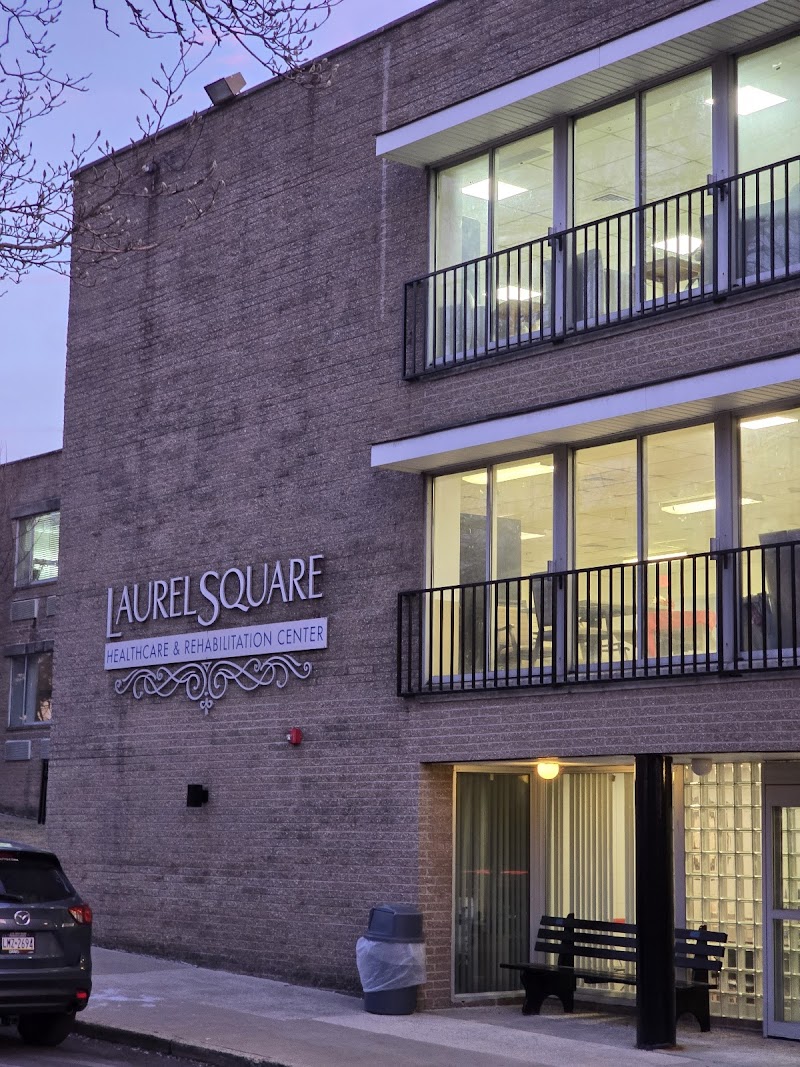
How is Laurel Square Healthcare And Rehabilitation Center Staffed?

CMS rates LAUREL SQUARE HEALTHCARE AND REHABILITATION CENTER's staffing level at 4 out of 5 stars, which is above average compared to other nursing homes. Staff turnover is 44%, compared to the Pennsylvania average of 46%. This relatively stable workforce can support continuity of care.

What Have Inspectors Found at Laurel Square Healthcare And Rehabilitation Center?

State health inspectors documented 32 deficiencies at LAUREL SQUARE HEALTHCARE AND REHABILITATION CENTER during 2023 to 2025. These included: 1 Immediate Jeopardy (the most serious level, indicating potential for serious harm or death) and 31 with potential for harm. Immediate Jeopardy findings are rare and represent the most serious regulatory concerns. They require immediate corrective action.
Who Owns and Operates Laurel Square Healthcare And Rehabilitation Center?

LAUREL SQUARE HEALTHCARE AND REHABILITATION CENTER is owned by a for-profit company. For-profit facilities operate as businesses with obligations to shareholders or private owners. The facility is operated by NATIONWIDE HEALTHCARE SERVICES, a chain that manages multiple nursing homes. With 87 certified beds and approximately 84 residents (about 97% occupancy), it is a smaller facility located in PHILADELPHIA, Pennsylvania.
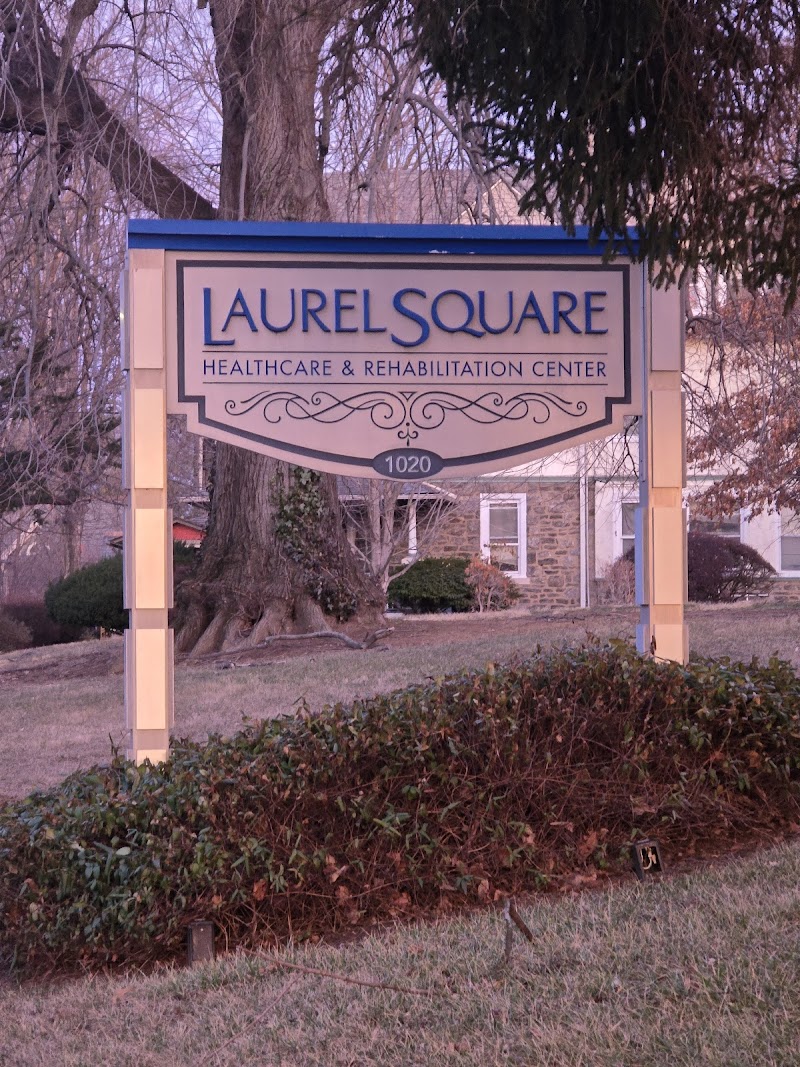
How Does Laurel Square Healthcare And Rehabilitation Center Compare to Other Pennsylvania Nursing Homes?

Compared to the 100 nursing homes in Pennsylvania, LAUREL SQUARE HEALTHCARE AND REHABILITATION CENTER's overall rating (2 stars) is below the state average of 3.0, staff turnover (44%) is near the state average of 46%, and health inspection rating (2 stars) is below the national benchmark.

What Should Families Ask When Visiting Laurel Square Healthcare And Rehabilitation Center?

Based on this facility's data, families visiting should ask: "What changes have been made since the serious inspection findings, and how are you preventing similar issues?" "Can I visit during a mealtime to observe dining assistance and food quality?" "How do you handle medical emergencies, and what is your hospital transfer rate?" "Can I speak with family members of current residents about their experience?" These questions are particularly relevant given the facility's Immediate Jeopardy citations.

Is Laurel Square Healthcare And Rehabilitation Center Safe?

Based on CMS inspection data, LAUREL SQUARE HEALTHCARE AND REHABILITATION CENTER has documented safety concerns. Inspectors have issued 1 Immediate Jeopardy citation (the most serious violation level indicating risk of serious injury or death). The facility has a 2-star overall rating and ranks #100 of 100 nursing homes in Pennsylvania. Families considering this facility should ask detailed questions about what corrective actions have been taken since these incidents.

Do Nurses at Laurel Square Healthcare And Rehabilitation Center Stick Around?

LAUREL SQUARE HEALTHCARE AND REHABILITATION CENTER has a staff turnover rate of 44%, which is about average for Pennsylvania nursing homes (state average: 46%). Moderate turnover is common in nursing homes, but families should still ask about staff tenure and how the facility maintains care continuity when employees leave.

Was Laurel Square Healthcare And Rehabilitation Center Ever Fined?

LAUREL SQUARE HEALTHCARE AND REHABILITATION CENTER has been fined $7,727 across 1 penalty action. This is below the Pennsylvania average of $33,156. While any fine indicates a compliance issue, fines under $50,000 are relatively common and typically reflect isolated problems that were subsequently corrected. Families should ask what specific issues led to these fines and confirm they've been resolved.

Is Laurel Square Healthcare And Rehabilitation Center on Any Federal Watch List?

LAUREL SQUARE HEALTHCARE AND REHABILITATION CENTER is not on any federal watch list. The most significant is the Special Focus Facility (SFF) program, which identifies the bottom 1% of nursing homes nationally based on persistent, serious quality problems. Not being on this list means the facility has avoided the pattern of deficiencies that triggers enhanced federal oversight. This is a positive indicator, though families should still review the facility's inspection history directly.