LIBERTY CENTER FOR REHABILITATION AND NURSING
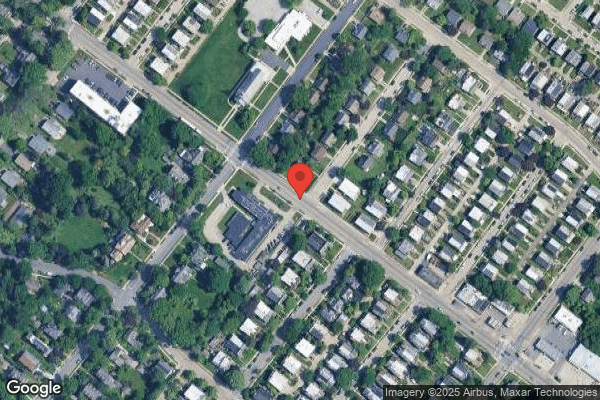

7310 STENTON AVENUE, PHILADELPHIA, PA 19150 (215) 242-2727
For profit - Corporation 94 Beds LME FAMILY HOLDINGS Data: November 2025
Trust Grade
38/100
#304 of 653 in PA
Last Inspection: June 2025

Inspected within the last 6 months. Data reflects current conditions.

Overview

Liberty Center for Rehabilitation and Nursing has received a Trust Grade of F, indicating significant concerns about the facility's quality of care. Ranking #304 out of 653 in Pennsylvania places it in the top half of nursing homes in the state, but the low trust grade suggests there are serious issues to consider. The facility's trend is worsening, as the number of reported issues increased from 14 in 2024 to 15 in 2025. Staffing is average with a turnover rate of 51%, slightly above the state average, and the facility has concerning fines totaling $18,540, which is higher than 75% of Pennsylvania facilities. While they have average RN coverage, there have been serious incidents, such as a resident developing pressure ulcers due to inadequate monitoring and concerns about food safety practices, which included improper food storage in the kitchen. Overall, while there are some strengths, the concerning findings and the low trust grade indicate that families should approach this facility with caution.

Trust Score
F
38/100
In Pennsylvania
#304/653
Top 46%
Safety Record
High Risk
Review needed
Inspections
Getting Worse
14 → 15 violations
Staff Stability
⚠ Watch
51% turnover. Above average. Higher turnover means staff may not know residents' routines.
Penalties
○ Average
$18,540 in fines. Higher than 67% of Pennsylvania facilities. Some compliance issues.
Skilled Nurses
○ Average
Each resident gets 36 minutes of Registered Nurse (RN) attention daily — about average for Pennsylvania. RNs are the most trained staff who monitor for health changes.
Violations
⚠ Watch
49 deficiencies on record. Higher than average. Multiple issues found across inspections.
★★★☆☆
3.0
Overall Rating
★★★☆☆
3.0
Staff Levels
★★★★★
5.0
Care Quality
★★☆☆☆
2.0
Inspection Score
Stable
2024: 14 issues
2025: 15 issues

The Good

  • 5-Star Quality Measures · Strong clinical quality outcomes
  • Full Sprinkler Coverage · Fire safety systems throughout facility
  • No fines on record

Facility shows strength in quality measures, fire safety.

The Bad

3-Star Overall Rating

Near Pennsylvania average (3.0)

Meets federal standards, typical of most facilities

Staff Turnover: 51%

Near Pennsylvania avg (46%)

Higher turnover may affect care consistency

Federal Fines: $18,540

Below median ($33,413)

Minor penalties assessed

Chain: LME FAMILY HOLDINGS

Part of a multi-facility chain

Ask about local staffing decisions and management

The Ugly 49 deficiencies on record

1 actual harm
Jun 2025 15 deficiencies
CONCERN (D)

Potential for Harm - no one hurt, but risky conditions existed

Resident Rights (Tag F0550)

Could have caused harm · This affected 1 resident

Based on review of clinical record, observations, and staff interview it was determined that the facility failed to maintain dignity for one of eight residents during dining (Resident R70). Findings I...

Read full inspector narrative →
Based on review of clinical record, observations, and staff interview it was determined that the facility failed to maintain dignity for one of eight residents during dining (Resident R70). Findings Include: Review of Resident R70's physician order summary revealed a diet order dated April 7, 2025, that the resident was NPO (nothing by mouth for food or drinks). Review of Resident R70's comprehensive care plan dated April 16, 2025, revealed the resident was allowed pudding or applesauce at lunch time only with specific feeding instructions. Continued review of Resident R70's comprehensive care plan dated December 16, 2024, revealed the resident was dependent on staff for eating, dressing, and mobility. Observations on June 4, 2025, at 12:45 p.m. revealed Resident R70 was in the 1st floor activity room sitting in a geri chair (specialized medical recliner) surrounded by about 5 other residents who were consuming lunch. Resident R70 did not have any pudding or applesauce provided during dining. Interview on June 4, 2025, at 12:45 p.m. with Nurse Aide, Employee E20, confirmed Resident R70 was put in the dining room while other residents ate lunch. Further interview with Nurse Aide, Employee E20, revealed Resident R70 was allowed pudding and applesauce but was not offered any during dining with the other residents. 28 Pa. Code 201.29 (a) Resident Rights
CONCERN (D)

Potential for Harm - no one hurt, but risky conditions existed

Free from Abuse/Neglect (Tag F0600)

Could have caused harm · This affected 1 resident

Based on review of facility policy, review of clinical records, observation, and staff interviews it was determined the facility failed to ensure that residents were free from neglect for one of 8 res...

Read full inspector narrative →
Based on review of facility policy, review of clinical records, observation, and staff interviews it was determined the facility failed to ensure that residents were free from neglect for one of 8 residents reviewed relating to one employee not providing supervision and care for one resident over a period of two scheduled shifts.(resident R16) Findings include: Review of policy titled Abuse Prevention program dated January 1st, 2022, revealed residents have the right to be free from abuse common neglect, misappropriation of resident property and exploitation. This includes neglect which is defined as a failure to provide goods and services as necessary to avoid physical harm, mental anguish, or mental illness. The following are some examples of neglect and signs and symptoms of neglect that should be promptly recorded reported some signs of neglect are dehydration, poor hygiene, inappropriate clothing, inadequate provision of care, caregiver indifference to resident's personal care and needs, leaving someone unattended who needs supervision. Review of facility documentation certified nursing assistant job description revealed the description is to ensure resident care is provided according to the care and manner that meets the residents physical, mental and psychosocial needs and enables the individual to attain or maintain the highest practical level of functioning, complete assignments timely, conduct resident rounds, and identify resident problems and concerns. Review of resident R16's quarterly minimum data set (MDS-federal mandated assessment tool for all residents) dated May 5, 2025, revealed that resident R16 entered the facility on July 23, 2021 with diagnosis' including cerebral vascular accident )CVA-stroke-blockage of blood flow to the brain), seizure disorder(uncontrolled electrically activity between brain cells which cause temporary abnormalities in movements), Schizophrenia(mental disorder that affects a person's ability to think, feel, and behave clearly) with a cognitive brief mental interview (BMI- cognition assessment) score of 3 indicating the resident has severe cognitive impairment . Resident R16 was assessed with behaviors of wandering (pacing, trying to leave a care facility or home, and or becoming lost in a familiar place). Most of resident R16, functional abilities such as eating, toileting, showering, dressing required partial or moderate assistance (helper does more than half the effort), with supervision required for walking. This resident is having been determined occasional incontinence of bowel and bladder. Review of resident R16's care plan dated September 13, 2021, revealed that this resident has been identified as having the following health status and conditions that are individually planned with goals and interventions to meet the resident specific needs: Bowel and bladder incontinence with interventions to encourage fluids, assist to the bathroom and check as needed as required for incontinent care, use of anti-psychotropic drugs dated April 11 2024 for interventions to monitor behaviors and moods to monitor their side effects, impaired cognitive function dated with interventions to monitor document and report changes of cognitive function. Further review of resident R 16's care plan revealed that resident R 16 is risk of elopement dated September 13th, 2021, with interventions to ensure that all ancillary staff is aware of elopement potential and provide supervision while outside. Continued review of this document revealed that resident R16 is care plans for seizure activity dated April 11 2024 with interventions to take vitals and perform neuro checks if any signs and symptoms of a seizure to turn the resident on his side, to remain with the resident and maintain his airway, and monitor signs and symptoms of seizure activity, and this resident requires assistance with activities of daily living (ADLs)dated June 1, 2019 with interventions including supervised transfers one assist while dressing one assist with grooming resident requires setup for eating and occasional supervision for mobility. Review floor assignment schedules on the days on May 31, 2025, and June 2, 2025, for the second floor nursing unit 7a.m.-3p.m. shift revealed that employee E 14 was assigned to room C1-C7 (resident R16 occupied room C5). Observation on the second-floor nursing unit on June 2, 2025, at 11:00 a.m. revealed resident R16, room shared with resident R1. Bed A was observed to have no sheets, a plastic mattress torn with foam emerging and infested with bugs. Interview with nurse assistant Employee E 14 at time of the above observation, employee E 14 stated there is no one in that bed This employee is new to the floor but has had this assigned room before and confirmed there was never any resident in bed A. Review of resident R16's clinicla record revealed the resident was assigned to that room bed A. Further review revealed facility midnight census indicated that R16 was also assigned to the room and Bed A. Employee E 14 believed that the resident must have been moved to another room, again, confirming she had no knowledge of that bed occupied for the last week. Interview with Licensed nurse Employee E10 on June 2, 2025, at 12:10 p.m. on the second-floor nursing unit, revealed that resident R 16 and Resident R 1 occupy room C 5. Employee E 10 stated that she had seen resident R 16 earlier that morning and had administered his medications in the hall. This employee claimed that resident R 16 is always walking around. When asked why employee E 14 was unaware that she had this resident to care for, employee E10 stated that she is new to the floor. Interview with employee E 1 on June 5, 2025, at 10:55 a.m. revealed that all shifts have staff reports. The staff are informed of the resident and their specific needs. Interview with certified nurse Employee E 21 on June 5, 2025 at 11:50 a.m. revealed that this employee usually rotates assignments and has confirmed being assigned to room C5 . This employee states that at the beginning of each shift there is a report given and employee E 21 then checks on all residents. Employee E 21 revealed that there is no conceivable way that an employee assigned to a resident would not know the resident is their responsibility. 28 Pa. Code 201.18(b)(1) Management 28 Pa. Code 201.29(d) Resident Rights
CONCERN (D)

Potential for Harm - no one hurt, but risky conditions existed

Comprehensive Care Plan (Tag F0656)

Could have caused harm · This affected 1 resident

**NOTE- TERMS IN BRACKETS HAVE BEEN EDITED TO PROTECT CONFIDENTIALITY** Based on interview with residents and staff as well as review of clinical records, it was determined facility did not develop an...

Read full inspector narrative →
**NOTE- TERMS IN BRACKETS HAVE BEEN EDITED TO PROTECT CONFIDENTIALITY** Based on interview with residents and staff as well as review of clinical records, it was determined facility did not develop and implement a comprehensive resident centered care plan related to maintaining resident's hearing and nutrition for one of 19 residents reviewed (Resident R25) Findings include: Review of facility's policy Care Plans, Comprehensive Person-Centered, revised March 2022, indicates that the comprehensive, person-centered care plan: b. describes the services that are to be furnished to attain or maintain the resident's highest practicable physical, mental, and psychosocial well-being and c. reflects currently recognized standards of practice for problem areas and conditions. Review of resident R25's clinical record revealed an [AGE] year old male resident, awake, alert and oriented to self only, with medical diagnosis of psychomotor deficit (impaired motor function accompanied by cognitive or mental slowing), and cognitive communication deficit (difficulty with communication due to impairments in cognitive functions, rather than speech or language problems). During interview with Resident R25, on Monday, June 2, 2025, at 10:30 am , R25 stated he is hard of hearing and that staff at times become frustrated with him when he can not hear them. R25 further asked if he can receive assistance regarding hearing aides. Interview with licensed nurse, employee E1, on Tuesday, June 3, 2025 at 9:50 am, indicated that R25 currently does not have any hearing aides. Review of R25's clinical record revealed admission screening completed on January 2, 2025 at 8:27 pm, indicating resident has hearing aides in both ears. Review of R25's progress notes, dated January 29, 2025 at 12:13 p.m., indicates resident was assessed to be hard of hearing. Further review of progress notes, dated January 3, 2025 at 1217, indicates resident is hard of hearing. Further review of progress notes, dated January 22, 2025 at 1530, indicates resident is hard of hearing. Further review of progress notes, dated April 2, 2025 at 1557, indicates resident is hard of hearing. Further review of progress notes, dated March 26, 2025 at 1358, indicates resident is hard of hearing. Further review of progress notes, dated March 19, 2025 at 1449, indicates resident is hard of hearing. Further review of progress notes, dated February 26, 2025 at 1543, indicates resident is hard of hearing. Further review of progress notes, dated February 19, 2025, at 1527, indicates resident is hard of hearing. Review of R25's care plan revealed no evidence of goals or interventions related to maintaining his hearing. Review of facility policy titled Weight Assessment and Intervention dated September 2008 revealed the multidisciplinary team will strive to prevent, monitor, and intervene for undesirable weight loss for our residents. Care planning for weight loss or impaired nutrition will be a multidisciplinary effort and will include the physician, nursing staff, the dietitian, the consultant pharmacist, and the resident or the resident's legal surrogate. The care plan Interventions for undesirable weight loss shall be based on careful consideration of resident choice or preferences comment nutrition and hydration needs of the resident, functional factors, environmental factors, chewing and swallowing abnormalities, medications, use of supplementation and advanced directives. Review of the resident's three months of weights revealed : 3/6/2025 153lbs. 4/7/2025 149.5 lbs. 4/14/2025 146.9 lbs. 5/5/2025 144.4 lbs. 5/8/2025 142.5 lbs. 5/21/2025 139.7 lbs. 6/2/2025 139.8 lbs. Total decline of weight over three-month period equaling 8.63 % / 13.2 pounds. Review of resident R28 care plan dated December 23, 2024, revealed that the resident was at a nutritional risk due to mechanically altered diet, with interventions including encourage adequate through the fluid intakes at meals all for alternate choices as needed, provide diet is ordered by medical doctor and respite care. Further review of resident R28's care plan revealed no indication that the residents weight loss had been addressed or any interventions were created to communicate the plan of care. Review of residents clinical record revealed a dietary note of a weigh warning, weight change warning dated June 3, 2025, weight is down 10.3% since December 23, 2024 resident receives a mechanically soft diet, meal intake is 70 to 100 percent, the resident's weight has been trending downward since admission. Recommended supplemental protein and caloric drink. Interview with dietician employee E8 on June 4, 2025, at 2:38 p.m. revealed that the resident did not trigger for significant weight loss until June 3, 2025, she did confirm that the resident has been trending downward and had implemented 60 cc med pass (supplemental drink). Employee E8 stated that typically after the resident has triggered for a weight loss, it is the protocol to address the loss, discuss with interdisciplinary team, including physician(email), offer alternate choices, determine resident's meal intake, and care plan. Continued interview with dietician employee E8 on June 5, 2025, at 10:00 a.m. revealed that she also has a weight meeting with departments and confirmed that there is no indication in this resident chart of any weight meeting and no current updated care plan to address the resident weight loss. 28 Pa Code 211.10 (c )(d) Resident Care Policies 28 Pa Code 211.12 (d)(1)(3)(5) Nursing services
CONCERN (D)

Potential for Harm - no one hurt, but risky conditions existed

ADL Care (Tag F0677)

Could have caused harm · This affected 1 resident

**NOTE- TERMS IN BRACKETS HAVE BEEN EDITED TO PROTECT CONFIDENTIALITY** Based on observations and review of clinical records, it was determined facility did not maintain proper grooming and personal h...

Read full inspector narrative →
**NOTE- TERMS IN BRACKETS HAVE BEEN EDITED TO PROTECT CONFIDENTIALITY** Based on observations and review of clinical records, it was determined facility did not maintain proper grooming and personal hygiene for two of 19 residents reviewed (Resident R26, R52) Findings include: Review of facility's policy 'Activities of Daily Living (ADL's) , Supporting,' revised March 2018, indicates that residents who are unable to carry out activities of daily living independently will receive the services necessary to maintain good nutrition, grooming and personal and oral hygiene. Further review of policy indicates that if residents with cognitive impairment or dementia resist care, staff will attempt to identify the underlying cause of the problem and not just assume the resident is refusing or declining care. Approaching the resident in a different way or at a different time, or having another staff member speak with the resident may be appropriate. Review of R26's clinical record revealed an [AGE] year old male resident with medical diagnosis of need for assistance with personal care, difficulty walking, schizophrenia, anxiety, gait and mobility abnormalities, vision impairment. Further review of R2'6s minimum data set (MDS) , completed on May 6, 2025, indicates that he requires substantial/maximal assistance with toileting/hygiene. Review of R26's care plan revealed resident is to be checked for incontinence as required, wash, rinse and dry perineum. Change clothing as needed after incontinence episodes. Observations on Monday, June 2nd, 2025 at 10:00 am, in room C-12, revealed R26 in bed with soiled brief exposed and gnats flying around. Review of R52's clinical record revealed a [AGE] year old male resident, with medical diagnosis of attention and concentration deficit, cognitive communication deficit, dementia with behavioral disturbance, major depressive disorder, psychotic disorder with delusions. Review of R52's MDS, completed on May 19, 2025, indicates he is substantial/maximal assistance for shower/bathing. Review of R52's care plan revealed he is to receive bath/shower twice weekly. Observations of R52 on Monday, June 2nd, 2025 at 10:00 am, in room C-12, revealed him in bed with only briefs on and heavily soiled lower extremities. Used breakfast meal tray was on resident's bed with gnats flying around. 28 Pa Code 211.10(d) Resident care policies 28 Pa Code 211.12(d)(1) nursing services
CONCERN (D)

Potential for Harm - no one hurt, but risky conditions existed

Deficiency F0685 (Tag F0685)

Could have caused harm · This affected 1 resident

Based on interview with staff and resident, as well as review of clinical records, it was determined facility did not ensure that resident received proper treatment and assistive device to maintain he...

Read full inspector narrative →
Based on interview with staff and resident, as well as review of clinical records, it was determined facility did not ensure that resident received proper treatment and assistive device to maintain hearing abilities for one of 19 residents reviewed (Resident R25) Findings include: According to §483.25(a)(2) - Assistive devices to maintain hearing include, but are not limited to, hearing aids, and amplifiers. The facility's responsibility is to assist residents and their representatives in locating and utilizing any available resources (e.g., Medicare or Medicaid program payment, local health organizations offering items and services which are available free to the community) for the provision of the services the resident needs. This includes making appointments and arranging transportation to obtain needed services. In situations where the resident has lost their device, facilities must assist residents and their representative in locating resources, as well as in making appointments, and arranging for transportation to replace the lost devices. Review of R25's clinical record revealed admission screening completed on January 2, 2025 at 8:27 pm, indicating resident has hearing aides in both ears. Review of R25's progress notes, dated January 29, 2025 at 1213, indicates resident was assessed to be hard of hearing. Further review of progress notes, dated January 3, 2025 at 1217, indicates resident is hard of hearing. Further review of progress notes, dated January 22, 2025 at 1530, indicates resident is hard of hearing. Further review of progress notes, dated April 2, 2025 at 1557, indicates resident is hard of hearing. Further review of progress notes, dated March 26, 2025 at 1358, indicates resident is hard of hearing. Further review of progress notes, dated March 19, 2025 at 1449, indicates resident is hard of hearing. Further review of progress notes, dated February 26, 2025 at 1543, indicates resident is hard of hearing. Further review of progress notes, dated February 19, 2025, at 1527, indicates resident is hard of hearing. During interview with Resident R25, on Monday, June 2, 2025, at 10:30 am , R25 stated he is hard of hearing and that staff at times become frustrated with him when he can not hear them. R25 further asked if he can receive assistance regarding hearing aides. Interview with licensed nurse, employee E1, on Tuesday, June 3, 2025 at 9:50 am, indicated that R25 currently does not have any hearing aides. 28 Pa Code 211.12(d)(1)(3)(5) Nursing services 28 Pa Code 201.21(c) Use of outside resources 28 Pa Code 201.14(a) responsibility of licensee
CONCERN (D)

Potential for Harm - no one hurt, but risky conditions existed

Accident Prevention (Tag F0689)

Could have caused harm · This affected 1 resident

Based on observations, review of facility policies and interviews with staff it was determined that the facility failed to maintain a safe environment free from accident hazards for one resident relat...

Read full inspector narrative →
Based on observations, review of facility policies and interviews with staff it was determined that the facility failed to maintain a safe environment free from accident hazards for one resident related to hazardous material endangering the environment and welfare for two of two residents reviewed. (Resident R44 and R68) Findings include: Review of facility policy titled Quality of Life - Home like Environment revised May 2017, revealed residents are provided with a safe, clean, comfortable in home like environment and encourage to use their personal belongings to the extent possible. Review of residents R 44's quarterly minimum data set (MDS - a federal mandated assessment tool for all residents) dated February 21st, 2025, revealed that the resident entered the facility June 11, 2024, with diagnosis including cerebrovascular Accident (CVA_ stroke) and dementia (loss of cognitive function) with a brief interview of mental status (BIMS) score of three indicating significant cognitive decline. This resident requires substantial assistance for hygiene, toileting, dressing, sit to stand and transfers, and uses a wheelchair. Review of residence 44's care plan revealed that this resident is at risk of falls related to history of falls with interventions to provide a clutter free environment dated June 12, 2024. Further review of resident R 44's care plan revealed that this resident has a history of suicide ideation, verbalizing wanting to kill herself and at risk of injury dated July 30th, 2024. Review of resident R68 minimum data set (MDS- federal mandated assessment tool for all residents) revealed that this resident entered the facility January 7, 2025 with a diagnosis including depression and a brief interview mental status (BIMS)score of 13 indicating that the residents cognition is intact. Review of resident r 68's care plan revealed that this resident has a behavioral problem related to depression, hoarding stuff, ordering lots of items from Walmart, has lots of other stuff in her room, will not allow staff to remove clutter from the room. Observation of resident R44's and R 68's room on June 2nd, 2025, at 10:35 AM revealed neither resident was available in the room however the room was viewed as a risk due to electrically hazardous materials including eight wires hanging from the shelf and three electrical extension cords. Further observation revealed a bottle of liquid dish detergent with the liquid poured into a cup set on bed b as well as a pharmacy medication bag filled with white powder-like substance unable to be identified at time of observation. The above observation was confirmed by DON employee E3. Employee E3 could not determine what the white substance was at time of observation, however she did confirm that resident R 68 liked to collect things and often refuses housekeeping to clean. Interview with housekeeping employee E 21 at time of observation confirmed that the room is a hazard, the resident should not have all the electrical wire and extension cords. Interview with DON employee E 3 on June 2, 2025, at 11:55 a.m. revealed that the pharmacy bag found in resident R 68's room was filled with baking soda. Continued interview determined that the psychologic issues of hoarding of resident R 68 was directly placing resident R44 at risk for harm. Resident R44 was removed from the room for safety reasons. 28 Pa. Code 201.18 (b)(1) Management 28 Pa. code 211.10 (d) Resident care policies
CONCERN (D)

Potential for Harm - no one hurt, but risky conditions existed

Deficiency F0699 (Tag F0699)

Could have caused harm · This affected 1 resident

Based on review of clinical records and staff and resident interviews, it was determined that the facility failed to provide culturally competent, trauma care in accordance with professional standards...

Read full inspector narrative →
Based on review of clinical records and staff and resident interviews, it was determined that the facility failed to provide culturally competent, trauma care in accordance with professional standards of practice, accounting for residents past experiences and preferences in order to eliminate and or mitigate triggers that may cause re- traumatization of the resident for two of two residents sampled. (Residents R28 and R30) Findings include: Review of facility policy titled Trauma Informed Care revealed guidelines for implementing trauma informed care in long term care facilities to support residents and staff who may have experience trauma. The goal is to provide care that is safe, respectful, and responsive to the effects of trauma while fostering a supportive environment. Care will be provided in a manner that prevents retraumatization and promotes healing and empowerment . This will be done through staff training, resident assessment and care planning, to develop individual care plans that account for trauma related needs, preferences and triggers , implement measures to minimize unnecessary disruptions or stressors , avoid practices or language that could re-traumatize residents , provide resources and support , monitor and evaluate care outcomes to ensure compliance with trauma informed principles . Review of resident R28's quarterly minimum data set (MDS- a federal mandated assessment tool for all residents) dated April 12,2025 revealed that this resident entered the facility on December 20, 2024 with diagnosis' including schizophrenia (mental health disorder that effects how a person thinks, feels, and behaves) and post-traumatic stress disorder (PTSD-a disorder in which a person has difficulty recovering after witnessing a terrifying event). Resident R28 was assessed with brief interview of mental status (BIMS) score of 3 indicating severe cognitive deficit. The residents' functional abilities are assessed as partial assistance needed for activities of daily living (ADLs) such as dressing, toileting, bathing and supervision needed for activities of walking, and transfers. Review of residence care plan revealed that resident R28 has been assessed of problem areas related to diagnosis of PTSD, however the care plan did not actually identifying specific needs of resident diagnosis of post-traumatic stress disorder. Examples are resident is moderate risk for falls related to PTSD dated December 21st, 2024, has chronic pain related to PTSD With goals that she will have no interruption of normal activities due to pain. Continued review of resident R28' care plan revealed this resident has potential for impairment to skin integrity related to PTSD with a goal of the resident will maintain and develop clean and intact skin and the resident has a behavior problem related to Post traumatic stress disorder and schizophrenia with a goal of having no evidence of behavior problems and interventions consisting of administered medications anticipate the residents needs, explain all procedures, praise any indication of the residence progress or improvement. Review of resident R30's quarterly minimum data set(MDS- a federal mandated assessment tool for all residents dated may 27, 2025, revealed this resident entered the facility July 14 2022, with diagnosis including dementia (a term for several diseases that affect memory, thinking and ability to perform daily activities), bipolar(a mental health condition that causes extreme mood swings) and post-traumatic stress disorder ( PTSD-a disorder in which a person has difficulty recovering after witnessing a terrifying event). Resident R30 was assessed with a brief interview of mental status (BIMS) score of 15 indicating the resident's cognition is intact. The resident's functional abilities are assessed as all activities of daily living (ADLs) such as toileting, dressing, bathing, transferring, and walking requires supervision. Review of resident R 30's care plan revealed that resident R30 has been assessed of problem areas related to diagnosis of PTSD, however the care plan did not actually identify specific needs of resident diagnosis of post-traumatic stress disorder. Examples are resident R30 uses antipsychotic medication related to post traumatic stress with a goal that he will reduce the use of psychoactive medication through review date and interventions including to administer medications consult with pharmacy monitor and record any occurrence of target behavior symptoms monitor and report any side effects. Continued review of resident's care plan revealed a focus concern of a psychiatric diagnosis related to bipolar disorder and post-traumatic stress disorder with a goal that resident will notify staff of hallucinations and delusions through the new review date. Avoid attempts to argue with the resident encourage participation and activities and the resident has behavior problem related to bipolar and PTSD with interventions to administer medication and anticipate the residents needs dated April 25, 2024. Interview with DON employee E3 on June 5, 2025, at 10:45 a.m. revealed that both residents have been identified with the diagnosis and care planned for post-traumatic stress disorder demonstrated by care plan focus of behaviors and the DON confirmed that there was no specific focus of the diagnosis but identified the condition. 28 Pa. Code 211.12 (c)(d)(3)(5) Nursing Services 28 Pa. Code 211.11 (e) Resident Care Plan 28 Pa. Code 211.16 (a) Social Service
CONCERN (D)

Potential for Harm - no one hurt, but risky conditions existed

Menu Adequacy (Tag F0803)

Could have caused harm · This affected 1 resident

Based on review of facility documentation, observations, and staff and resident interviews it was determined that the facility failed to serve the posted menu for one of three dining observations (Jun...

Read full inspector narrative →
Based on review of facility documentation, observations, and staff and resident interviews it was determined that the facility failed to serve the posted menu for one of three dining observations (June 2, 2025, lunch meal). Findings Include: Observations on June 2, 2025, at 1:00 p.m. revealed the posted lunch menu was a pork chop topped with apple marinade. Furter observations on June 2, 2025, at 1:00 p.m. revealed Resident R20 was served a plain pork chop without any gravy or marinade. Resident R20 subsequently requested gravy for the pork chop. Interview on June 2, 2025, at 1:05 p.m. with Activity Aide, Employee E23, confirmed what was on the posted menu and further confirmed Resident R20 did not get gravy on the pork chop. Activity Aide, Employee E23, went to kitchen for gravy but reported that the kitchen did not have any. Interview on June 2, 2025, at 1:35 p.m. with the Cook, Employee E24, confirmed the apple marinade was not served with the pork for lunch per the posted menu, Further interview revealed there was no applesauce left to use for medication pass and therefore needed to use the apples intended for the lunch time meal to make applesauce instead. 28 Pa. Code 201.14 (a) Responsibility of licensee 28 Pa. Code 211.6 (a) Dietary services.
CONCERN (D)

Potential for Harm - no one hurt, but risky conditions existed

Administration (Tag F0835)

Could have caused harm · This affected 1 resident

**NOTE- TERMS IN BRACKETS HAVE BEEN EDITED TO PROTECT CONFIDENTIALITY** Based on review of facility provided documentation, observations , and interview with staff, it was determined facility did not ...

Read full inspector narrative →
**NOTE- TERMS IN BRACKETS HAVE BEEN EDITED TO PROTECT CONFIDENTIALITY** Based on review of facility provided documentation, observations , and interview with staff, it was determined facility did not use its hoursekeeping resources effectively and effeciently to provide services in compliance with accepted professional standards and principles that apply to professionals providing services in the facility related to housekeeping services. Findings include: Review of facility's assessment indicates that the purpose of the assessment is to determine what resources are necessary to care for residents competently during both day-to-day operations and emergencies. Facility assessment is to be used to make decisions about facility's direct care staff needs, as well as capabilities required to provide services to the residents in facility. Further review of facility's assessment indicates that using a competency-based approach focuses on ensuring that each resident is provided care that allows the resident to maintain or attain their highest practicable, physical, mental, and psychosocial well-being. Further review of facility's assessment indicates that facility requires one housekeeping supervisor - to supervise housekeeping and laundry staff. Special projects person - to complete deep cleaning, floor maintenance, painting and other duties. Housekeeping and laundry staff which are assigned based on current census. Observations on Monday, June 2nd,2025, at 10:00 am, C-unit, revealed excess trash, gnats, food crumbs in room C-12; used cups, used apple sauce cups, dirty bed side tables, used utensils. Further observations on C-unit revealed a large bin near room D-19, with used breakfast utensils, cups and plates with gnats flying around. Further observations revealed excess trash on floor in room D-26. Further observations on D-unit, revealed two urine filled portable urinals on floor in room D-21as well as dirty bed linens. Interview with nurse aide, employee E19, on Monday, June 2nd, 2025, at 10:38 am, revealed that this is the cleanest this unit has been in a while, and it's due to surveyors being here . Further observations on C-unit dining room, revealed pillow case, food crumbs, and wheel chair foot rests stored under table. Additional observations during week of full health survey revealed excess amount of flies during medication administration observation, on Tuesday, June 3rd, 2025, with licensed nurse, employee E1 and on June 4th, 2025 at 9:23 am with licensed nurse, employee E18. Interview on June 3, 2025, at 11:00 a.m. Resident R79 (room A-9) complained of gnats in the room. Review of facility provided pest log revealed gnats and flying insects reported on dates January 31, 2025, on second floor units, and on March 13, 2025 on first floor units; no further elaboration on pest control measures or exact location of staff observations. Review of facility provided service inspection report, completed on May 22, 2025 at 3:06 pm, revealed the following: A3 - gnats 5/21 confirmed via phone. Inspected and treated room A3 for gnats. Treated walls, window sills and frames, floor, bed frames and bathroom drain. Excessive activity observed during service. Poor sanitation and room [NAME] of urine. Interview with facility's administrator on Thursday, June 5th, 2025, and on Friday, June 6th, 2025 at 1204, revealed that facility requires six housekeeping staff for a census of 87 residents. Review of facility provided housekeeping schedule revealed four housekeeping employees on schedule for a census of 87 residents on Thursday, June 5th, 2025. Interview with facility's housekeeping director, employee E4, on Thursday, June 5, 2025, revealed that housekeeping employees tend not to complete their assigned tasks as per job description unless they are being supervised. Further review of housekeeping schedule for the week of May 31, 2025 through June 6th, 2025, revealed that housekeeping director is not on the schedule. 28 Pa Code 201.18(b)(1) Management 28 Pa Code 201.14(a) Responsibility of licensee
CONCERN (D)

Potential for Harm - no one hurt, but risky conditions existed

Infection Control (Tag F0880)

Could have caused harm · This affected 1 resident

Based on observations and interview with staff and residents, it was determined facility did not implement and maintain an effective infection prevention control program related to water management, m...

Read full inspector narrative →
Based on observations and interview with staff and residents, it was determined facility did not implement and maintain an effective infection prevention control program related to water management, meal service and hygiene care for one of 19 residents reviewed (Resident R25) Findings include: Review of facility policy 'Infection Prevention and Control Program,' revised October 2018, indicates that important facets of infection prevention include instituting measures to avoid complications or dissemination. Further review of policy indicates that the infection preventionist or designee shall monitor the effectiveness of our infection prevention and control work practices and protective equipment. This includes but is not necessarily limited to: a. surveillance of workplace to ensure that established infection prevention and control practices are observed and protective clothing and equipment are provided and properly used. Interview with resident R25 on Monday, June 2nd, 2025, at 10:30 am, revealed his concern of clogged sink in his restroom, stated that it has been clogged for a while. Interview with facility's maintenance director, employee E5, as well as review of maintenance logs for months of April 2025, May 2025 and June 2025 - revealed that clogged sink in R25's room D-25 was neither reported nor addressed. Further observations during lunch meal service as well as interview with R25 indicated he is not able to wash his hands prior to meals served nor was he provided a hand disinfectant as alternative. Further observations during lunch meal service on Monday, June 2, 2025, on second floor units, at 12:47 p.m., revealed the kitchen cook, employee E7, removed the food thermometer from food , touched apron and placed it back into food multiple times. Review of Centers for Disease Control and Prevention CDC guideline for Water Management in Healthcare Facilities revealed Legionella water management programs identify hazardous conditions and include taking steps to minimize the growth and spread of Legionella in the building water system. Having a water management program is now an industry standard for large buildings in the United States. Review of Department of Health and Human Services, Centers for Medicare and Medicaid Services (CMS) memo Requirement to Reduce Legionella Risk in Healthcare Facility Water Systems to Prevent Cases and Outbreaks of Legionnaires Disease dated July 6th, 2018, revealed Facilities must develop and adhere to policies and procedures that inhibit microbial microbial growth in building water systems that reduce the risk of growth and spread of Legionella and other opportunistic pathogens in water. This policy memorandum applies to Hospitals, Critical Access Hospitals (CAHs) and Long Term Care(LTC). However, this policy memorandum is also intended to provide general awareness for all health care organizations Facilities must have water management plans and documentation that, at minimum, ensure each facility: -Conducts a facility risk assessment conducts a facility risk assessment to identify we are Legionella and other opportunistic waterborne pathogens (eg: Pneumonias ,Acinetobacter, Burkholderia, Stenotrophomonas ,nontuberculous mycobacteria, and fungi could grow and spread in the facility water system -Develops and implements a water management program that considers the ASHRAE industry standards and the CDC toolkit - specifies testing protocols and acceptable ranges for control measures, and documents the results of testing and corrective action taken when control limits are not maintained -Maintains compliance with other acceptable Federal, State and local requirements. During interviews with the nursing home administrator(NHA) on June 5, 2025, at 10:15 AM confirmed that the facility did not have policies and procedures of water management program, such as Legionella risk assessment, a water system flow chart that identifies risk areas, testing of shower heads, and professional water testing to determine any contaminants. The facility was unable to show control measures to prevent the growth and spread of water borne contaminants, The facility was unable to show control measures to prevent the growth and spread of water borne contaminants, no water quality parameter measurements, no validation for routine environment sample results of Legionella, no monitoring of high risk areas, and no plan for when control limits are not met and or control measures are not effective. 28 Pa. Code 201.14(a) Responsibility of licensee 28 Pa Code 211.10 (c )(d) resident care policies 28 Pa Code 211.12 (d)(5) nursing services
CONCERN (D)

Potential for Harm - no one hurt, but risky conditions existed

Room Equipment (Tag F0908)

Could have caused harm · This affected 1 resident

The facility failed to maintain essential kitchen equipment in safe, operating condition. Findings Include: Review of facility policy Food Storage revealed temperatures for the freezer should be 0 d...

Read full inspector narrative →
The facility failed to maintain essential kitchen equipment in safe, operating condition. Findings Include: Review of facility policy Food Storage revealed temperatures for the freezer should be 0 degrees or below and must be recorded daily. A tour of the main kitchen was conducted on June 2, 2025, at 10:00 a.m. with the Food Service Director, Employee E27, which revealed the following: Observations inside the walk-in freezer revealed it had a significant build-up of ice on the outside of the fan and ceiling. The hot dogs and bread were not frozen solid to touch which indicated that these food items had begun to defrost. The thermometer on the outside of the freezer was reading 32 degrees Fahrenheit (F), and the thermometer on the inside of the freezer was reading 28 degrees F. Per an interview with the Food Service Director, Employee E27, the morning cook had reported that the freezer temporarily turned off. The facility had no log or documentation to show the ongoing monitoring of the freezer temperature and its components. Observations of the dish machine revealed when in use water began to pour out from the food trap and all over the floor, making it so that staff were unable to use it due to the flooding it caused on the floor. Observations inside the reach-in produce refrigerator revealed a large bag of cabbage was sitting in a stagnant puddle of water. Observations also revealed condensation on other items within the produce fridge. Observations of the above equipment were confirmed by the Food Service Director, Employee E27. The Food Service Director, Employee E27, subsequently followed-up with the service providers to assess the conditions of the equipment. Follow-up to the main kitchen on June 2, 2025, at 12:00 p.m. revealed maintenance staff opened up the grease trap up (which is under the floor next to the dish machine) mid lunch service to clean it out to correct the issue with the dish machine overflowing with water. Per an interview with the Registered Dietitian, Employee E8, on June 2, 2025, at 12:00 p.m., dietary staff are not cleaning the dishes off well enough before putting through the dish machine which contributed to the clogged grease trap. Review of Reach In and Walk In Freezer Diagnosis invoice dated June 3, 2025, revealed the reach-in produce fridge had a clogged condensate line. The service provider successfully removed the obstruction in the vinyl tubing that connects the evaporator coil to the drain. Regarding the walk-in freezer, it is necessary for the facility to replace the defrost board and the door gasket to ensure a proper seal. Per the report, parts were ordered and both items were fixed and working after serviced by the outside provider.
CONCERN (E)

Potential for Harm - no one hurt, but risky conditions existed

Safe Environment (Tag F0584)

Could have caused harm · This affected multiple residents

Based on observations, interview with staff and residents, it was determined facility did not ensure the facility was maintained in a clean, safe, and homelike environment on two out of four nursing u...

Read full inspector narrative →
Based on observations, interview with staff and residents, it was determined facility did not ensure the facility was maintained in a clean, safe, and homelike environment on two out of four nursing units observed (A-wing, C-Wing, D-Wing, and Dining Room). Findings include: Review of facility policy 'Quality of Life - Homelike Environment,' revised May 2017, indicates that the facility staff and management shall maximize, to the extent possible, the characteristics of the facility that reflect a personalized, home-like setting. The characteristics include: a.Clean, sanitary and orderly environment; e. clean bed and bath linens that are in good condition Observations on Monday, June 2, 2025 at 10:00 am, on wing C, revealed gnats in room C-12, as well as used cups, excess food crumbs on floor, dirty bedside tables, used utensils and used apple sauce cups on bed side tables. Room C-12 was noted to have foul urine odor. Further observations on wing-D, near room D-19, revealed a large bin with used breakfast cups/plates, gnats. Further observations in room D-21 revealed used portable urinals hanging on trash bin, used napkins and plastic wraps on floor, as well dirty bed linen. Further observations in room D26 revealed excess trash on floor consisting of food crumbs as well as gnats. Further observations on Monday, June 2, 2025 at 11:09 AM, on second floor units (wing C and D revealed a collection of used breakfast cups/plates/utensils in a large bin near day room as well as gnats. Further observations during lunch meal service, in dining room on second floor units, revealed used linen under a table as well as foot rests stored under a table. Observations on June 2, 2025, at 12:58 p.m. revealed a steam table was set up in the 1st floor dining room to arrange and deliver meal trays to residents in their rooms. Observations on June 2, 2025, at 1:00 p.m. revealed the 1st floor dining room was only equipped with two tables. The back half of the dining room was also being used to store bed frames. Further observations revealed three resident meal trays were left on one of the tables from breakfast. Interview on June 2, 2025, at 1:00 p.m. with Registered Dietitian, Employee E8, revealed not many residents utilize the dining room for mealtimes. Registered Dietitian, Employee E8, confirmed observations of the 1st floor dining room. Observations on June 3, 2025, at 10:58 a.m. revealed the sink in room A-9 was hanging off of the wall. Observations on June 3, 2025, at 11:00 a.m. revealed the window shades in room A-11 were stained with a brown substance. 28 Pa Code 201.14(a) Responsibility of licensee.
CONCERN (E)

Potential for Harm - no one hurt, but risky conditions existed

Deficiency F0809 (Tag F0809)

Could have caused harm · This affected multiple residents

Based on review of facility documentation, observations, and resident interviews it was determined that the facility failed to serve meals timely for one of three dining observations (June 3, 2025, br...

Read full inspector narrative →
Based on review of facility documentation, observations, and resident interviews it was determined that the facility failed to serve meals timely for one of three dining observations (June 3, 2025, breakfast meal). Findings Include: Review of facility documentation Mealtimes revealed breakfast is scheduled to be served at 8:00 a.m. Observations on June 3, 2025, at 9:26 a.m. revealed seven residents were still waiting for breakfast to be served. Resident R20 and R36 complained of being hungry. Observations on June 3, 2025, at 9:30 a.m. revealed dietary staff just began to plate meal trays from the steam table in the 1st floor dining room. Interview with the Registered Dietitian, Employee E8, confirmed breakfast was late due to dietary employees not showing up for work. Interview on June 3, 2025, at 11:30 a.m. during the group meeting with alert and oriented Resident R20, R29, R40, and R22 revealed meals are not served in accordance with posted meal times which reportedly interferes with being able to develop a consistent routine for residents. 28 Pa. Code 201.14 (a) Responsibility of licensee.
CONCERN (E)

Potential for Harm - no one hurt, but risky conditions existed

Deficiency F0925 (Tag F0925)

Could have caused harm · This affected multiple residents

**NOTE- TERMS IN BRACKETS HAVE BEEN EDITED TO PROTECT CONFIDENTIALITY** Based on observations and interview with staff and residents as well as review of facility provided documentation, it was determ...

Read full inspector narrative →
**NOTE- TERMS IN BRACKETS HAVE BEEN EDITED TO PROTECT CONFIDENTIALITY** Based on observations and interview with staff and residents as well as review of facility provided documentation, it was determined facility did not ensure to maintain effective pest control program on two out of four units observed (Units, A, C, and D). Findings include: Review of facility policy 'Pest control,' revised May 2008, indicates that facility shall maintain an effective pest control program, and garbage and trash are not permitted to accumulate and are removed from facility daily. Maintenance services assist, when appropriate and necessary, in providing pest control services. Observations on Monday, June 2nd,2025, at 10:00 am, C-unit, revealed excess trash, gnats, food crumbs in room C-12; used cups, used apple sauce cups, dirty bed side tables, used utensils. Further observations on C-unit revealed a large bin near room D-19, with used breakfast utensils, cups and plates with gnats flying around. Further observations revealed excess trash on floor in room D-26. Further observations on D-unit, revealed two urine filled portable urinals on floor in room D-21as well as dirty bed linens. Interview with nurse aide, employee E19, on Monday, June 2nd, 2025, at 10:38 am, revealed that this is the cleanest this unit has been in a while, and it's due to surveyors being here . Further observations on C-unit dining room, revealed pillow case, food crumbs, and wheel chair foot rests stored under table. Additional observations during week of full health survey revealed excess amount of flies during medication administration observation, on Tuesday, June 3rd, 2025, with licensed nurse, employee E1 and on June 4th, 2025 at 9:23 am with licensed nurse, employee E18. Interview on June 3, 2025, at 11:00 a.m. Resident R79 (room A-9) complained of gnats in the room. Review of facility provided pest log revealed gnats and flying insects reported on dates January 31, 2025, on second floor units, and on March 13, 2025 on first floor units; no further elaboration on pest control measures or exact location of staff observations. Review of facility provided service inspection report, completed on May 22, 2025 at 3:06 pm, revealed the following: A3 - gnats 5/21 confirmed via phone. Inspected and treated room A3 for gnats. Treated walls, window sills and frames, floor, bed frames and bathroom drain. Excessive activity observed during service. Poor sanitation and room [NAME] of urine. 28 Pa Code 201.14(a) Responsibility of licensee 28 Pa Code 201.18(b)(1)(3)( e)(1)(2)(2.1) Management
CONCERN (F)

Potential for Harm - no one hurt, but risky conditions existed

Food Safety (Tag F0812)

Could have caused harm · This affected most or all residents

Based on review of facility documentation, observations, and staff interview it was determined that the facility failed to ensure food was stored and prepared in accordance with standards for food ser...

Read full inspector narrative →
Based on review of facility documentation, observations, and staff interview it was determined that the facility failed to ensure food was stored and prepared in accordance with standards for food service safety. Findings Include: Review of facility policy Food Storage revealed temperatures for the freezer should be 0 degrees or below and must be recorded daily. A tour of the main kitchen was conducted on June 2, 2025, at 10:00 a.m. with the Food Service Director, Employee E27, which revealed the following: Observations in the outbuilding containing the walk-in freezer revealed a steel entry door that was not closed properly, and the bottom of the door was rusted through and did not seal. There was significant dirt and debris built-up within the outbuilding containing the walk-in freezer. Observations inside the walk-in freezer revealed it had a significant build up of ice on the outside of the fan and ceiling. The hot dogs and bread were not frozen solid to touch which indicated that these food items had began to defrost. The thermometer on the outside of the freezer was reading 32 degrees Fahrenheit (F), and the thermometer on the inside of the freezer was reading 28 degrees F. Per an interview with the Food Service Director, Employee E27, the morning cook had reported that the freezer temporarily turned off. The facility had no log or documentation to show the ongoing monitoring of the freezer temperature and its components. Following a tour of the walk-in freezer located in the outbuilding, we continued into the main kitchen located within the facility: Observations of the juice machine revealed it was sticky to touch. Observations inside the reach-in produce refrigerator revealed a large bag of cabbage was sitting in a stagnant puddle of water. Observations of the dish machine revealed when in use water began to pour out from the food trap and all over the floor. Observations were confirmed by the Food Service Director, Employee E27, along the duration of the tour. Observations on June 2, 2025, at 12:30 p.m. revealed the ice machine was in the hallway that leads into Social Services office. Observations revealed there was no 1-inch air gap between the end of the ice machine drain and floor drain. The ice machine drain was observed to be sitting in a stagnant pool of water collected in the floor drain. Interview with Maintenance, Employee E5, confirmed the drain set-up and reported it would be fixed.
Aug 2024 11 deficiencies
CONCERN (D)

Potential for Harm - no one hurt, but risky conditions existed

Free from Abuse/Neglect (Tag F0600)

Could have caused harm · This affected 1 resident

**NOTE- TERMS IN BRACKETS HAVE BEEN EDITED TO PROTECT CONFIDENTIALITY** Based on review of facility policies, reviewof clinical records, facility documentation, staff and resident interviews, it was d...

Read full inspector narrative →
**NOTE- TERMS IN BRACKETS HAVE BEEN EDITED TO PROTECT CONFIDENTIALITY** Based on review of facility policies, reviewof clinical records, facility documentation, staff and resident interviews, it was determined that the facility failed to ensure that residents were free from abuse for one of 18 residents reviewed (Resident R137). Findings include: A review of the clinical record indicated Resident's R137 was admitted to the facility on [DATE] with the diagnoses of severe intellectual disability (previously known as mental retardation characterized by limitation in intellectual functioning and adoptive behavior), restlessness and agitation, psychotic disorder with delusion, autism (autism spectrum disorder known as developmental disorder and effects communication, behaviors and social interaction), mood disorder. Review of Resident R137's Minimum Data Set (MDS - a periodic assessment of care needs) dated May 22, 2024, revealed a Brief Interview for Mental Status (BIMS) of 10 which indicated that the resident was moderate impairment. A facility investigation dated June 5, 2024, revealed the early morning of June 5, 2024, dietary staff, Employe E17 was walking towards the scene, stating that, the nursing assistant , Employee E18 was swinging the mopping stick in front of the Resident R 137. Employee E18 was removed from the scene immediately. Resident R137 was assessed by the charge nurse with no injury noted. All appropriate parties were notified. Upon the outcome of the investigation Employee E18 was terminated on June 5, 2024. A written statement forms the nursing assistant, Employee E18 dated June 6, 2024 indicated on the night of June 6, 2024 [Resident R137] was behaving a little weird and he shoved me hard and roughly making my head hit against the wall as I was sitting down by the window. [Resident R137] ran out of the dayroom and I got up and proceeded behind him and he turned like he was coming after me. I grabbed the broom and tried to keep distance between us, and he came again, and I was swinging it to keep him back and he ran up and pushed me over the wheelchair. Review of an interview conducted by the director of nursing (DON), Employee E2 with Nurse aide, Employee E18 dated June 6, 2024 revealed that Employee E18 noticed that Resident R137 was acting a little strange and unbalance. Walking back and forth sat down, holding his head. I asked are you alright and he said, yes mam Resident R137 came to the day room, left and looked through the hallway window into the day room. I was doing the kiosk sitting at the table in the day room by the window.[ Resident R137] came up and hit me on my shoulder and I told [Resident R137] not to do that. [Resident R137] went back to this room. Came back, looked through the window and ran showed me and my head hit the wall. Then I got up, he ran out and I got and came behind him, [Resident R137] stopped by the room B25 and I said don't be pushing me like that, that's not nice. [Resident R137] was smiling like it's a game. A broom was in the day room. I grabbed the broom; [Resident R137] looked like was coming towards me and pushed me over the wheelchair in the hallway by the room B17. Director of nursing, Employee E2 questioned if Nurse aide, Employee E18 hit the resident with a broom stick. Nurse aide, Employee E18 said no. DON, Employee 2 So, the broom stick did not touch the resident? Nurse aide, Employee E18 no it did not. DON, aked Why did you swing the broom at the resident? Nurse aide, Employee E18 because he turned around as if he's going at me again, to keep him back from getting to me. DON, Did you call for help before it got to the level of swinging the broom at the resident? Nurse aide, Employee E18 no because I didn't understand what just happened. DON, asked Instead what grabbing the stick, why didn't you walk away from the resident? Nurse aide, Employee E18 I should have but he already stopped by room B25, and I told him not to do that. The lady from the kitchen saw when he pushed me over the chair. A statement written by the Cook, Employee 17, revealed on June 5, 2024, at around 4:30 a.m. walking towards the 1st floor day room, I heard a CNA (don't know her name) saying he hit me. I figured it was Resident R137 because he had just left the day room as she was saying it. I can't recall if anything was in her hand at the time or if she picked up the mop handle from the hallway. I just saw it swing, I didn't see if she hit him because I was trying to get the attention of the nurse and CNA that be at the front desk. A statement written by the license nurse, Employee E19 dated 6/5/2024 revealed at about 4:20 a.m. I was at the nurses station when I heard a loud commotion at B wing when I rushed over there I saw a [NA, Employee E18] holding a mop stick, the Resident R137 was in front of the room B17, when I asked the case nurse what happened she stated that the resident pushed her against the wall. Then this writer asked her did you hit the Resident R137? NA, Employee E18 said no but I was swinging the mop to keep him away from me. This writer did not see CNA hit the resident. On August 1, 2024, at 10:07 a.m. an interview was held with the Cook, Employee E17 who revealed that she been employed at the facility for 6 years and starts her shift from 5 a.m. -2 p.m. On June 5, 2024, at approximately 4:20 a.m. she was coming from the lobby towards the kitchen and when she got to the day room she hurt a noise saying he hit me. Then she observed Resident R137 came out of the day room and NA., Employee E18 followed him. I turned around and called the charge nurse, Employee E19 Supervisor you need to come in and handle a situation. She came right away. I did not see a [NA, Employee E18] hit the resident. Not sure if CNA already had a broom stick or she grabbed it, but I did see a broom stick. I did not see CNA swing the stick. On August 1, 2024, at 10:22 a.m. an telephone interview was held with license nurse, Employee E19 who reported that she was a charge nurse on June 6, 2024, it was approximately early morning around 4 a.m. I was at the nursing station doing my documentation and heard noise coming from the B wing hallway. I went and saw CNA holding and stick and resident was in the hallway. I asked what's going on [NA, Employee E18] responded he pushed me. I asked how did he pushed you? Did you hit him? [NA, Employee E18] said no. Resident R137 was standing in the hallway. I saw a stick in [NA, Employee E18] hand and she was not swinging it. I took the Resident R137 back to his room and conducted a nursing skin assessment. There were no injuries noted. An interview with Director of Nursing, Employee E2 on July 31, 2024, at approximately 11:40 a.m. revealed that Nurse aide, Employee E18 was terminated for not appropriately handing the situation with Resident R137. Facility has conducted an in-service abuse training on June 7, 2024-June 17, 2024, and in-service all their staff. In-service abuse training was validated with staff signing sheets. An interview with the Director of Nursing on August 1, 2024, at approximately 4:00 p.m. confirmed that Nurse Aide, Employee E18 did not acted appropriately with swinging a mop stick which placed a Resident R137 in a harmful situation. 28 Pa. Code 201.14(a) Responsibility of Licensee. 28 Pa. Code 201.18(b)(e)(1) Management. 28 Pa. Code 201.29(a)(j) Resident Rights. 28 Pa. Code 211.12(d)(5) Nursing Services.
CONCERN (D)

Potential for Harm - no one hurt, but risky conditions existed

Investigate Abuse (Tag F0610)

Could have caused harm · This affected 1 resident

**NOTE- TERMS IN BRACKETS HAVE BEEN EDITED TO PROTECT CONFIDENTIALITY** Based on review of clinical records, resident and staff interviews and review of facility policy, it was determined that the fac...

Read full inspector narrative →
**NOTE- TERMS IN BRACKETS HAVE BEEN EDITED TO PROTECT CONFIDENTIALITY** Based on review of clinical records, resident and staff interviews and review of facility policy, it was determined that the facility failed to conduct a complete and though investigation to rule out abuse related to one of one allegation of potential sexual abuse. (Resident R11) Findings include: Review of facility policy titled Abuse Prevention Program dated January 1, 2022, revealed the primary purpose of the policy is for the residents have the right to be free from abuse, neglect, misappropriation of resident property and exploitation. The following implementations are indicated in the prevention program; Separate the residents, identify what happened, notify each resident's representative of the incident ;review the events with the Nursing Supervisor and Director of Nursing, consult with the Attending Physician to identify treatable conditions such as acute psychosis that may have caused or contributed to the problem; make any necessary changes in the care plan approaches to any or all of the involved individuals; document in the resident's clinical record all interventions and their effectiveness; consult psychiatric services as needed for assistance in assessing the resident, identifying causes, and developing a care plan for intervention and management as necessary or as may be recommended by the Attending Physician or Interdisciplinary Care Planning Team; complete a Report of Incident/Accident form and document the incident, findings, and any corrective measures taken in the resident's medical/clinical record; and Report incidents, findings, and corrective measures to appropriate agencies as outlined in our facility's abuse reporting policy. Review of Resident R11's quarterly MDS (minimum data set- a mandatory periodic resident assessment tool) dated July, 2, 2024, revealed that the resident was admitted to the facility on [DATE], with diagnoses of Schizophrenia (a serious mental debilitating health condition that effects a person's thoughts, feelings, and behavior, characterized by hallucinations, delusions, disorganized thinking, and behavior., anxiety disorder, ( a type of mental health condition that involves persistent and excessive worry ) and psychotic disorder(a severe mental disorder that causes abnormal thinking and perception) ,and Bipolar disorder (a mental health condition that causes unusual intense shifts in mood, energy and behavior). Resident R11 was determined to be cognitively impaired with a BIMS (Brief interview for mental status- a mandatory tool used to screen cognitive conditions of residents) score of 14. Review of Resident R11's care plan, initiated January 11, 2024, revealed that Resident R11 has been identified as having a behavior problem related to pretending to be asleep and putting self on the floor. Resident R11 is also noted to refuse medications. Interventions included to monitor for behavior episodes, attempt to determine underlying cause, document behavior and potential causes. Review of resident's clinical records revealed a psychological note dated May 16, 2024, written by Employee E24, stated that He addressed complaints about him touching another resident and coming to her door when she did not welcome him. He denied touching resident, or going to her door, even talking with her despite a few different reports by staff and his peers witnessing him doing so. Review of Resident R42 's quarterly MDS dated [DATE] revealed that the resident was admitted to the facility on [DATE], with a diagnosis of Schizophrenia (a serious mental debilitating health condition that effects a person's thoughts, feelings, and behavior, characterized by hallucinations, delusions, disorganized thinking, and behavior., anxiety disorder, (a type of mental health condition that involves persistent and excessive worry )and psychotic disorder (a severe mental disorder that causes abnormal thinking and perception), dementia (a term used to describe a group of diseases and illness that effect thinking, memory, reasoning, personality an mood and behavior) and depression (a mental disorder that involves a depressed mood or loss of pleasure or interest in activities for long periods of time with symptoms affecting memory, thinking and social abilities.) Resident R42 was determined to be cognitively impaired with a BIMS (Brief interview for mental status- a mandatory tool used to screen cognitive conditions of residents) score of 8. Review of Resident R42's psychotherapy progress note dated May 16, 2024, written by Employee E 24, revealed the Reason for visit was Inappropriate peer/To help resident cope and handle the uncomfortable feelings.Resident shared about being uncomfortable with a peer. She agreed to set boundaries. Further review of Resident R 42's psychotherapy progress notes written by Employee E 24 dated June 5, 2024 revealed SW (Social Worker) met with/ the resident to discuss a concern she had about a male resident coming into her room. When what concern she had, she stated I have none, I'm over it, when asked what the concern was, she stated I was just mad at him because he was bringing up old stuff and I didn't want to hear it. Interview with licensed nurse unit manager, Employee E 8 on July 31, 2024, at 11:25 a.m. revealed that this was not investigated as an incident, but she did take a statement from the resident, R42. The incident with Resident R11 was described as Resident R42 was taking a nap and Resident R11 entered her room and bothered her. Resident R42 left her room and went to the nurse's station and reported that Resident R11 entered her room and would not leave. Employee E8 spoke to Resident R 11, and he became angry. Employee then requested that Social Worker, Employee E42 speak with resident R11. Interview with Resident R42 on July 31, 2024, at 11:45 am revealed Resident R11 lives on the floor, he came into her room and pulled at her arms, when asked what he wanted Resident R42 reported that he wanted her to hug and love him. Resident R42 repeatedly asked him to stop. Resident R42 reported the incident to Licensed nurse, Employee 8. Second interview with Resident R42 on August 1, 2024 revealed that no residents have touched her, no residents have kissed her, no residents have exposed themselves to her . Resident R 42 stated I feel safe. Interview with Social Worker, Employee E24 on August 1, 2024, at 12:25 p.m. revealed that he was requested to speak to Resident R 11 by the staff due to his behavior. Employee E 4 revealed that he usually is notified by staff of residents that need to be assessed. Employee E24 counseled Resident R11 on boundaries and distance from Resident R42. Employee E24 also assessed Resident R42; she has a history of abuse giving some concern of her relations with other male residents. The resident did not indicate that she felt unsafe. 28 Pa. Code 201.14 (a) Responsibility of Licensee 28 Pa. Code 201.18 (e)(1) Management 28 Pa. Code 211.12 (d) Nursing Services
CONCERN (D)

Potential for Harm - no one hurt, but risky conditions existed

Accident Prevention (Tag F0689)

Could have caused harm · This affected 1 resident

**NOTE- TERMS IN BRACKETS HAVE BEEN EDITED TO PROTECT CONFIDENTIALITY** Based on observation and staff interview, it was determined that the facility failed to ensure that the environment remained fre...

Read full inspector narrative →
**NOTE- TERMS IN BRACKETS HAVE BEEN EDITED TO PROTECT CONFIDENTIALITY** Based on observation and staff interview, it was determined that the facility failed to ensure that the environment remained free of accident hazards for one out of the 37 residents reviewed and had residents would have appropriate supervision. (Resident R30) Findings include: A review of the clinical record indicated Resident R30 was admitted to the facility on [DATE] with the following diagnosis schizophrenia ( chronic and severe mental disorder which includes hallucination, delusion, disorganized thinking, agitation or erratic behaviors) and major depressive disorder (feeling sadness, loss of interest, significant change in weight or appetite, feeling of worthlessness, difficult concentrating or making decisions). Review of Resident R30's Minimum Data Set (MDS - a periodic assessment of care needs) dated May 3, 2024, revealed a Brief Interview for Mental Status (BIMS) of 15 which indicated that the resident was cognitively intact. A comprehensive care plan was developed on June 9, 2022 which revealed that Resident R30 had behaviors such as manipulative behavior, refusing be seen by the wound team, accusing staff of giving wrong medication, refusing ADLs, video recording staff, likes to block the exit doors, non-compliant with isolation precautions, hoarding behavior and refusing staff assistance with cleaning. An interview was held on July 29, 2029, at 11:41 a.m. with Resident R30 revealed an observation of three large 5 gallon bottles with blue substance being on the floor. When questioned what's the blue substance Resident R30 reported that cleaning supplies for his commode. When started to question what kind of cleaning supplies or how the resident received the cleaning supplies, Resident R30 started to become verbally aggressive frustrated. An interview with Director of Nursing, Employee E2 on July 29, 2024, at 12:20 p.m. confirmed that Resident R30 had unknown cleaning supplies in his room on the floor and agreed to place the cleaning bottles into his closet under the locked lock. The lock and the key were provided to the resident. On August 1, 2024, an observation was held with the Director of Nursing, Employee E2 which revealed Resident R30 no longer had the cleaning supplies in his room and reported that his family came in and took it away. On July 29, 2024, at 11:06 a.m. second floor D nursing unit dining area had 6 resident sitting in the dining room who were not alert and oriented with no staff. On July 30, 2024, at 10:10 a.m. first floor activity room had approximately 6-7 residents in the room with no supervision. Regional Nurse, Employee E15 confirmed the observations. On August 1, 2024, at 9:47 a.m. Resident R5 was observed being outside on his own sleeping with no staff supervision. Nursing Aid, Employee E16 was in the hallway next to the activity room on B wing had to come to the window to identify the resident and reported that activity staff should be outside. On August 1, 2024, at 9:42 a.m. a Resident R78 barricaded himself in the second-floor shower using his wheelchair and staff were observed to try to open the door. On August 1, 2024, at 9:52 a.m. a Resident R78 was heard to be in the second-floor shower with no staff. Director of Nursing, Employee E2 walked in and confirmed that Resident R78 was taking a shower with no supervisor. CFR. 483.25(d)(2) Accidents. 28 Pa. Code 211.12(d)(5) Nursing services. 28 Pa Code 201.14(c) Responsibility of licensee 28 Pa Code 201.18(b)(1) Management 28 Pa Code 211.12(d)(1)Nursing services
CONCERN (D)

Potential for Harm - no one hurt, but risky conditions existed

Medication Errors (Tag F0758)

Could have caused harm · This affected 1 resident

Based on clinical record review and staff interview, it was determined that the facility failed to ensure that a resident's medication regime was free from potentially unnecessary medications for one ...

Read full inspector narrative →
Based on clinical record review and staff interview, it was determined that the facility failed to ensure that a resident's medication regime was free from potentially unnecessary medications for one of four residents reviewed (Resident 68). Findings include: Facility policy titled Policy for Psychotropic Use in Long-Term Care (LTC), indicated that The facility will adhere to all relevant federal, state, and local regulations regarding the use of psychotropic medications in LTC settings. Clinical record review revealed Resident R68 was admitted to the facility February 09, 2022, with a diagnosis that included but not limited to Cerebral Infarction (disruption of blood supply to the brain that causes brain tissue death), Schizophrenia (mental health condition that affects how people think, feel, and behave), and Altered Mental Status. Review of Resident R68's medication orders revealed a physician order initiated June 28, 2024 to administer Ativan 0.5 mg (anti-anxiety medication) orally (by mouth) every four hours as needed for anxiety. The medication order indicated a stop date of indefinite, which lacked the required stop date within 14 days Review of Resident R68's pharmacy notes to attending physician/prescriber dated July 11, 2024, revealed a recommendation If you believe this resident's PRN order for Ativan is appropriate beyond 14 days- see CMS regulations below, then follow the instructions below: 1. if the PRN order is to continue, please document your rationale and indicate the duration of therapy in the resident's medical record or below. 2. Please write a new order, if it should continue, prior to the 14 days. Per CMS, this new order must include a duration of use, i.e 30 day, 60 day, 3 months, ect. The physician responded on July 11, 2024, resident is on hospice and prone to agitation. The physician failed to indicate a duration of PRN Ativan. Further review of clinical record revealed PRN Ativan 0.5 mg was ordered for anxiety. Resident R68 had no documented diagnosis for anxiety. The facility failed to ensure psychotropic medication was used to treat a specific condition as diagnosed and documented in the clinical record. During an interview on August 01, 2024, at 10:25 am, Director of Nursing confirmed that Resident R68 lacked the required stop date within 14 days. During an interview on August 01, 2024, at 12:41 pm, Medical Director confirmed that Resident R68 lacked a proper diagnosis that was documented in the clinical record. 28 Pa. Code 211.2(d)(3) Medical director 28 Pa. Code 211.12(d)(1)(3)(5) Nursing services
CONCERN (D)

Potential for Harm - no one hurt, but risky conditions existed

Deficiency F0761 (Tag F0761)

Could have caused harm · This affected 1 resident

Based on review of clinical records, review of facility policy, observation, and staff and resident interviews, it was determined that the facility failed to ensure that all drugs and biologicals are ...

Read full inspector narrative →
Based on review of clinical records, review of facility policy, observation, and staff and resident interviews, it was determined that the facility failed to ensure that all drugs and biologicals are stored and labeled in accordance with professional standards. For one of eighteen residents reviewed. (Resident R40). Findings include: Review of the facility policy and storage of medication revealed that under section policy statement, the facility stores all drugs and biologicals in a safe, secure and orderly manner under section Policy Interpretation and Implementation #1. Drugs and biologicals used in the facility are stored in locked compartments under proper temperature, light and humidity controls. #3 The nursing staff is responsible for maintaining medication storage and preparation areas in a clean, safe, and sanitary manner. #4. Drug containers that have missing, incomplete, improper, or incorrect labels are returned to the pharmacy for proper labeling before storing. #8 compartments, including but not limited to drawers, cabinets, rooms, refrigerators, carts, and boxes containing drugs and biologicals are locked when not in use. #12 Only persons authorized to prepare and administer medications have access to lock medications. Observation conducted during tour of the first floor A unit on Jully 29, 2024 at 11:42 am revealed that Resident R40 was in bed awake. Further observation revealed a tube of Medihoney on resident's overhead table which was next to her. Interview with Resident R40 conducted at the time of the observation revealed that she has an ulcer on her bottom. Further, Resident R 40 revealed that a nurse left the Medihoney with her. Interview with DON Employee E2 conducted at the time of the observation confirmed that the Medihoney was with resident R40. Further Employee E2 revealed that a nurse's aide left the medihoney with the resident. Further interview with Employee E2 revealed that the Medihoney should not be with the resident and that it should have been stored in the locked treatment cart. 28 Pa. Code 201.8(b)(l) Management 28 Pa. Code 211.12(d) Nursing services
CONCERN (D)

Potential for Harm - no one hurt, but risky conditions existed

Deficiency F0825 (Tag F0825)

Could have caused harm · This affected 1 resident

**NOTE- TERMS IN BRACKETS HAVE BEEN EDITED TO PROTECT CONFIDENTIALITY** Based on review of facility policy, review of clinical records, observations and staff interviews, it was determined that the fa...

Read full inspector narrative →
**NOTE- TERMS IN BRACKETS HAVE BEEN EDITED TO PROTECT CONFIDENTIALITY** Based on review of facility policy, review of clinical records, observations and staff interviews, it was determined that the facility failed to assess the need for specialized occupational therapy services according to the professional standards of practice for one out of one resident reviewed for rehabilitation services (Resident R18). Findings include: Review of facility policy Standards and Guidelines: Restorative Nursing Services dated August, 2022, revealed that To promote the resident's optimum function, a restorative nursing program may be developed by proactively identifying, care planning, and monitoring of a resident's assessments and indicators, Restorative nursing program refers to interventions that promote the resident's ability to adopt and adjust to living as independently and safely as possible. This concept actively focuses on achieving and maintaining optimal physical, mental and psychosocial functioning. Restorative programs may be initiated by nursing and/or therapy. A review of the clinical record indicated Resident R18 was admitted to the facility on [DATE] with the following diagnosis age-related osteoporosis (bones become weak and brittle due to aging), need for assistance with personal care, abnormalities of gait and mobility, muscle weakness, psychomotor deficit, lack of coordination, and dementia (range of progressive neurological disorders that affect memory, thinking, behavior, and the ability to perform everyday activities). Review of Resident R18's Minimum Data Set (MDS - a periodic assessment of care needs) dated June 7, 2024, revealed a Brief Interview for Mental Status (BIMS) not recorded which means the resident was unable to participate in the assessment due to severe cognitive impairment. A family interview was conducted on July 29, 2024, at 12:27 p.m. with Resident's R18 daughter who reported that her mother had not been walking and she needs assistance to walk. An interview with the Rehabilitation Director, Employee E13 who reported that Resident R18 was discharged from physical therapy on June 10, 2024, and started a restorative program on June 11, 2024. The restorative nursing program included the following interventions: Ambulation - 140 feet in increments using a RW (Rolling Walker) with Contact Guard to Minimum Assistance (25-50% assistance) of 1 person, with verbal and tactile cues for direction, for AD (assistive device) maneuvering, for maneuvering around the obstacles and for increased hip and knee flexion to clear the floor. Second intervention was for transfers - 90 degree or 180 degree turns to facilitate SPT (stand pivot transfers) and STS (sit to stand transfers) with RW (Rolling Walker) with Contact Guard to Minimum Assistance (25-50% of assistance) of 1 person. These two-intervention needed to be done on daily bases. Further interview revealed that facility had a restorative aid, Employee E14 which last worked on June 11, 2024, when she was trained how to appropriately implement the two interventions for Resident R18. Then Employee E14 had life threatening event which placed her in a coma. Facility had not had any other staff provide restorative program to any residents. On August 1, 2024, at approximately 10:30 a.m. an interview was conducted with Director of Nursing, Employee E2 who reported that Administrator oversees restorative program. The nursing staff do not provide restorative program to any of the residents. On August 1, 2024, at 12:47 p.m. an interview was conducted with the Administrator, Employee E1 who reported that Restorative Aid, Employee E14 has not worked since June 11, 2024, and the facility has not trained any staff to implement the restorative program for any of the residents. Administrator, Employee E1 confirmed the facility intends to hire a new restorative aide; however, it has not provided the restorative program to any of its residents. 28 Pa Code: 201.18(e)(1) Management. 28 Pa. Code: 211.10(c)(d) Resident care policies.
CONCERN (D)

Potential for Harm - no one hurt, but risky conditions existed

Deficiency F0882 (Tag F0882)

Could have caused harm · This affected 1 resident

Based on review of facility documentation and staff interview it was determined that the facility failed to ensure a designated infection prevention (IP) works at the facility focusing only on infecti...

Read full inspector narrative →
Based on review of facility documentation and staff interview it was determined that the facility failed to ensure a designated infection prevention (IP) works at the facility focusing only on infection control at least part time as required one or more individuals servicing as infection Preventionist responsible for the facility's infection prevention plan. Finding include: Review of facility documentation identified the Director of Nursing (DON) fulfilled the job of Infection Preventionist. The DON works full time and was unable to provide valid proof that additional part time hours focusing only on infection control were completed in addition to his/her full time DON duties. Review of the Infection preventionist (IP) job description revealed that the IP is responsible for the activities aimed at healthcare associated infections. The responsibilities include collecting, analyzing health data, and interpreting, implementing, and evaluating public health practices. The IP will conduct education and training on healthcare associated infections for staff and management. Interview on July 31, 2024, at 1:40 p.m. with DON Employee E 2 revealed that she has been the IP and DON, she is able to divide her time. she states while working at infection control, her director of nursing assistant can cover the floor. The Administrator and Director of Nursing were asked to provide official documentation that the DON was at the facility after her work hours conducting infection control business. There was no time stamped computer notes or punch report evidence provided that the DON worked additional hours . 28 Pa. Code 210.18(e)(1) Management 28 Pa Code 211.12 (d)(1) Nursing Services
CONCERN (D)

Potential for Harm - no one hurt, but risky conditions existed

Room Equipment (Tag F0908)

Could have caused harm · This affected 1 resident

Based on observations of the food and nutrition department, and interview with staff, it had been determined that the facility failed to maintain essential food service equipment in a safe operating c...

Read full inspector narrative →
Based on observations of the food and nutrition department, and interview with staff, it had been determined that the facility failed to maintain essential food service equipment in a safe operating condition relating to a gas stove control knobs and kitchen exhaust fan. Findings Include: Review of facility policy titled Supplies and Equipment, Environmental Services revised February 2009, revealed equipment must be always ready for use at all times. An initial tour of the main kitchen conducted on July 29, 2024, at 09:35 AM with employee E 25 with Dietary director, revealed the facility had five refrigerators, four are functioning and one is out of order, and a gas oven/ grill with no knobs to be used for igniting the flame and controlling the amount gas to the range for temperature adjustment. Interview with Employee E17 on July 30, 2024, at 8:10 a.m. during breakfast preparation revealed that for an individual to use the stove without any knobs, in the kitchen there is a plastic knob on the shelf to be placed over the valve and turn. Employee E17 then demonstrated the knob, which was unsuccessful at turning the gas on. She tried again and the gas ignited. Employee E 17 revealed that she has been employee for six years and the oven has never worked in that period. There is another commercial convection oven that is used was the exhaust fan is functioning. Review of the facility menus for the week of the survey revealed the entrée choices for lunch and dinner were sandwiches that included hot dogs, ham and cheese, roast beef sandwich, tuna salad, egg salad, turkey sandwich served with sides including potatoes salad , cole slaw, potato chips, cheese curls, corn salad, beet salad and tossed salad. Interview with dietician employee E 26, revealed that kitchen is serving a cold menu due to the kitchen exhaust not functioning. Making the conditions in the kitchen intolerable for the kitchen staff. Employee E 26 provided evidence that the menus meet the dietary requirements and is a temporary menu. Review of the exhaust fan manufactures manual revealed that the centrifugal upblast fan is the industry standard for efficient air extraction. Originally for the commercial kitchen industry, these fans have backward inclined blades that utilize centrifugal properties to remove the grease and particulates from the air stream while preventing excessive build-up on the blades. Review of the National Fire Protection and Association which explicitly states the need for all components of the commercial kitchen exhaust system, including hoods, ducts, upblast exhaust fans, and fire-extinguishing systems, to be kept in working condition (4.1.3). Interview with NHA Employee E1 revealed that the exhaust fan has been ordered and has provided the original estimate dated July 5, 2024. Employee E 1 also provided deposit payment dated July 19, 2024. Installation was determined to be the week of August 4, 2024. 28 Pa. Code 207.2(a) Administrators responsibility 28 Pa. Code 211.6(d) Dietary Services
CONCERN (E)

Potential for Harm - no one hurt, but risky conditions existed

Deficiency F0645 (Tag F0645)

Could have caused harm · This affected multiple residents

**NOTE- TERMS IN BRACKETS HAVE BEEN EDITED TO PROTECT CONFIDENTIALITY** Based on review of facility policy, clinical record review and interviews with staff, it was determined that the facility failed...

Read full inspector narrative →
**NOTE- TERMS IN BRACKETS HAVE BEEN EDITED TO PROTECT CONFIDENTIALITY** Based on review of facility policy, clinical record review and interviews with staff, it was determined that the facility failed to ensure a Level ll PASARR was conducted for residents with mental disorders as required for four of four residents reviewed. (Residents R1, R3, R20 and R36). Findings include: Review of facility policy titled Patient Access to Service and Record (PASR) Policy, not dated, revealed that the purpose of The PASARR screening is to ensure that individuals with mental illness and or intellectual disabilities are appropriately evaluated and placed in skilled nursing facilities with access to necessary services in compliance with federal and state regulations. Further review of the facility policy revealed the process of the PASARR evaluation begins with a preadmission screening, all prospective residents will undergo a PASARR screening prior to admission, if an individual level 1 screening indicates a potential mental illness, a level ll evaluation will be completed. admission to the facility will be contingent upon completion of the PASARR process to ensure the facility can meet the identified needs of the individual. Continued review of the policy revealed that the facility will conduct regular audits to ensure compliance with PASARR requirements. Review of Resident R1's quarterly MDS (minimum data set- a mandatory periodic resident assessment tool) dated May 3, 2024, revealed that the resident was admitted to the facility on [DATE], and the resident had a Level ll PASARR (Pennsylvania Preadmission Screening Resident Review- a process for screening and evaluating all residents for mental disorders and intellectual disabilities) condition related to a serious mental illness. Continued review of the MDS assessment revealed that the resident had a diagnosis of Schizophrenia (a serious mental debilitating health condition that effects a person's thoughts, feelings, and behavior, characterized by hallucinations, delusions, disorganized thinking and behavior). Review of Resident R 1's Level 1 PASARR form, dated February 21, 2018, revealed the resident met the criteria to have a Level ll evaluation. Continued review of the clinical record revealed that there was no indication in the record that a Level ll PASARR evaluation had been completed. Review of Resident R3 quarterly MDS (minimum data set- a mandatory periodic resident assessment tool dated May 17, 2024, revealed that the resident was admitted to the facility on [DATE], and that the resident had a Level ll PASARR condition related to a serious mental illness. Continued review of the MDS assessment revealed that the resident had a diagnosis of Schizophrenia (a serious mental debilitating health condition that effects a person's thoughts, feelings, and behavior, characterized by hallucinations, delusions, disorganized thinking, and behavior., anxiety disorder, ( a type of mental health condition that involves persistent and excessive worry ) and psychotic disorder(a severe mental disorder that causes abnormal thinking and perception) . Review of Resident R3's Level 1 PASARR form, dated August 14, 2018, revealed the resident met the criteria to have a Level ll evaluation. Continued review of the clinical recorded revealed that there was no indication in the record that a level ll PASARR evaluation had been completed. Review of resident R20's quarterly MDS (minimum data set- a mandatory periodic resident assessment tool dated June 5, 2024, revealed that the resident was admitted to the facility on [DATE], and readmitted [DATE], that the resident had a Level ll PASARR condition related to a serious mental illness. Continued review of the MDS assessment revealed that the resident had a diagnosis of Schizophrenia (a serious mental debilitating health condition that effects a person's thoughts, feelings, and behavior, characterized by hallucinations, delusions, disorganized thinking, and behavior, and a diagnosis of depression (a mental disorder that involves depressed mood of loss of pleasure of interest in activities for long periods of time). Review of Resident R 20's Level 1 PASARR form, dated May 23, 2019, revealed the resident met the criteria to have a Level ll evaluation. Continued review of the clinical recorded revealed that there was no indication in the record that a level ll PASARR evaluation had been completed. Interview with Employee Interview with employee E23, social worker, on July 31, 2024 at 2:20 p.m. confirmed that a level ll PASARR evaluation had not been completed for Residents R1, R3, and R20 as required. Clinical record review revealed Resident R36 was admitted to the facility July 14, 2022 with a diagnosis that included but not limited to Post Traumatic Stress Disorder (mental illness triggered by a terrifying event, either experiencing it or witnessing it), Bipolar Disorder (mental illness that causes mood episodes that ranges from extremely high to extremely low), Dementia (the loss of cognitive functioning that interferes with daily life), and Anxiety (mental health condition that involves persistent and excessive worry). Review of Resident R36 PASARR 1 form, dated July 12, 2022, revealed that Resident R36 met the criteria to have a Level II PASARR evaluation completed. Continued review of the clinical record revealed that there was no indication in the record that a Level II PASARR evaluation had been completed. Interview with Employee E23, social worker, on August 01, 2024 at 11:51 a.m, confirmed Level II PASARR evaluation had not been completed for Residents R36 as required. 28 Pa. Code 201.14(a) Responsibility of licensee
CONCERN (E)

Potential for Harm - no one hurt, but risky conditions existed

Deficiency F0883 (Tag F0883)

Could have caused harm · This affected multiple residents

**NOTE- TERMS IN BRACKETS HAVE BEEN EDITED TO PROTECT CONFIDENTIALITY** Based on Review of clinical record, review of facility policy and interview with staff, it was determined that the facility fail...

Read full inspector narrative →
**NOTE- TERMS IN BRACKETS HAVE BEEN EDITED TO PROTECT CONFIDENTIALITY** Based on Review of clinical record, review of facility policy and interview with staff, it was determined that the facility failed to ensure that residents were provided with education regarding the benefits and potential side effects of influenza immunization for three of three residents (Residents R85, R8 and R17). Findings: Review facility policy on Influenza Vaccine revealed that under Section Policy Statement, all residents and employees who have no medical contraindications to the vaccine will be offered the influenza vaccine annually to encourage and promote the benefits associated with vaccination against influenza. The facility shall provide pertinent information about the significant risks and benefits of vaccines to staff and residents or residents legal representatives. For example, risk factors that have been identified for specific age groups or individuals with risk factors such as such as allergies and pregnancy. Under section Policy Interpretation and Implementation. #1 Between October 1st and March 31st each year, the influenza vaccine will be offered to residents and employees unless the vaccine is medically contraindicated, or the resident or employee has already been immunized. #2 employees hired or residents admitted between October 1st and March 31st, will be offered the vaccine within 5 working days of the employee's job assignment or the resident's admission to the facility. #4 Prior to the vaccination, the resident or resident's legal representative, will be provided information and education regarding the benefits and potential side effects of the influenza vaccine. Review of Resident R85's clinical record revealed that Resident R85 was admitted to the facility on [DATE]. Further review of resident R85's clinical record revealed no documented evidence that Resident R85 or Resident R85's representative was provided education regarding the benefits and potential side effects of influenza immunization. Review of Resident R8 clinical record revealed that Resident R8 was admitted to the facility on [DATE]. Further review of Resident R8's clinical record revealed no documented evidence that Resident R8 or Resident R8's representative was provided education regarding the benefits and potential side effects of influenza immunization. Review of Resident R17's clinical record revealed that resident R17 was admitted to the facility on [DATE]. Further review of Resident R17's clinical record revealed no documented evidence that Resident R17 or Resident R17's representative was provided education regarding the benefits and potential side effects of influenza immunization. Interview with the DON (Director of Nursing) Employee E2 conducted on July 31, 2024, at 1:14pm confirmed that the facility did not have documented evidence that residents or resident representatives were provided with education regarding the benefits and potential side effects of influenza immunization. Further Employee E2 also revealed that moving forward, the facility will initiate a form for influenza education and documentation. 28 Pa. Code 201.14(a) Responsibility of licensee 28 Pa. Code 211.12(d)(1)(5) Nursing services
CONCERN (E)

Potential for Harm - no one hurt, but risky conditions existed

Safe Environment (Tag F0921)

Could have caused harm · This affected multiple residents

**NOTE- TERMS IN BRACKETS HAVE BEEN EDITED TO PROTECT CONFIDENTIALITY** Based on observations and staff interviews, it was determined that the facility failed to ensure a safe, functional, and sanitar...

Read full inspector narrative →
**NOTE- TERMS IN BRACKETS HAVE BEEN EDITED TO PROTECT CONFIDENTIALITY** Based on observations and staff interviews, it was determined that the facility failed to ensure a safe, functional, and sanitary environment for residents, staff, and the public on four out of four nursing units. (A, B, C, D nursing units) Findings include: On July 29, 2024, from 10:33 a.m. to 11:06 a.m. observations were conducted on the D unit revealed the following: Room D15 had no baseboard from the door to the bedside dresser, the room had a strong urine smell and sticky floors. Room D25 bed by the window had a missing shelf from the dresser, large, ripped cardboard box was on the floor with the box being overloaded with random resident's items in the box. Room D14 window bed had boxes and random bags on the floor which cluttered the pathway to get around the resident's rooms. Room D17 there was stool in the bathroom floor and all around the toilet, the bed next to the door had no baseboard from the door to the bed dresser. The room had sticky floors, strong stool smell in the room. Resident's closet did not have a right side doorknob. On July 29, 2024, at 11:07 a.m. the assistant of director of nursing, Employee E4 confirmed the above observations. On July 29, 2024, at 12:51 p.m. the second floor D unit dining floor was missing a baseboard on the left side by the sink and two tiles are missing from the floor and 6 tiles are broken off. Administrator Employee E1 confirmed the observations. On July 29, 2024, at 1:14 p.m. observation revealed that Resident R4 in room D20 had no call bell. Call bell was observed to be cut off and hanging wires from the light above the bed. Resident R18 in Room D22 had her call bell ripped and disconnected from the wall. Maintenance Director, Employee E7 confirmed the observations. Room D22 The cover of the internet outlet is detached from the wall. Room D21 was missing a full door to the closet and 1 drawer was broken. Resident R78 had a missing call bell wire. License nurse, Employee E9 confirmed the above observations. On July 29, 2024, at 2:45 p.m. an interview with the Maintenance Director, Employee E7 confirmed that call bells were broken on the following units: C wing-rooms C4, C5. B unit rooms B16, B17, B18, B24. Nursing unit A had the following rooms with the broken call bell: A2, A4, A9, A10, A11. Employee E7 reported that he was unaware of the broken call bells and emphasized the need for an in-service session for all nursing staff to ensure they alert maintenance when a call bell isn't functioning. Observation conducted during the tour of the first-floor unit A wing together with DON (Director of Nursing) Employee E2 revealed that Room# 00009-A, the call bell did not work, Room# 00022-B the call bell did not work, Room# 00010-B, the call bell prong was inserted not into the call bell socket. Further observation revealed that the call bell cord was cut from the base of the call bell plug/prong and did not have a cord and did not have a call button attached. Observation conducted during the tour of the first-floor unit B wing together with Employee E2 revealed that room [ROOM NUMBER]-2, the call bell cord was not clipped to the bed and call bell was not within reach of the resident, room# 00016-1 did not have a cord, room# 00017-1, call bell did not work, room# 00017-2, call bell did not work, room# 00018- 2, call bell was not working. Interview with Resident R8 (resident who lives in room# 00018-2, revealed that the call bell has not been working for a month now. Further, Resident R8 also revealed that he reported it a couple times but was never fixed, Room# 00020, call bell . was on the floor next to roommate's bed, further, the call bell was not within reach of the resident, room# 00025-1 the call bell was not clipped to the bed and was on the floor under bed-2 out of reach of resident, room# 00024-1, the call bell cord was cut from the base of the call bell plug/prong, there was no cord and there was no call button.
May 2024 2 deficiencies
CONCERN (D) 📢 Someone Reported This

A family member, employee, or ombudsman was alarmed enough to file a formal complaint

Potential for Harm - no one hurt, but risky conditions existed

Deficiency F0694 (Tag F0694)

Could have caused harm · This affected 1 resident

**NOTE- TERMS IN BRACKETS HAVE BEEN EDITED TO PROTECT CONFIDENTIALITY** Based on observations, reviews of clinical records and review of facility policies and procedures, it was determined that the fa...

Read full inspector narrative →
**NOTE- TERMS IN BRACKETS HAVE BEEN EDITED TO PROTECT CONFIDENTIALITY** Based on observations, reviews of clinical records and review of facility policies and procedures, it was determined that the facility failed to provide adequate treatment, assessment and monitoring for the care and maintenance of an intravenous catheter in accordance with professional standards of practice for one of 7 residents reviewed (Resident CL1). Findings include: According to the standards of nursing practice guidelines in the Journal of the American Nurse's Association, dated November 2013, complications of a PICC line includes, but is not limited to catheter-tip migration (assessed by external length of the catheter-amount of catheter tubing that is visible outside of the vein moves from original insertion and may cause medical complications). Review of facility policy, Peripherally Inserted Central Catheters, revised May 18, 2020, indicated that the medical doctor must be notified immediately if changes in the length of the catheter exiting from the insertion site occurs. Review of Resident CL1's clinical record revealed that he was admitted to the facility on [DATE], with a PICC line inserted in the left arm. Continued review of physician orders revealed an order dated February 21, 2024, for change LUE (left upper extremity) PICC LINE dressing weekly on Monday during the 11-7 shift and PRN (as needed) when soiled. Measure external PICC catheter during weekly change schedule. A review of the treatment administration record (TAR) in the electronic medical record for the month of February and March 2024 revealed no documentation related to the assessment of the PICC line, measurment of the external length of the catheter and the resident's arm circumference . The lack of documentation, monitoring and assessment for Resident CL1's PICC line for February 21, 2024, through Mach 25, 2024, was confirmed with the Director of nursing on April 30, 2024, at 1:00 p.m. 28 PA. Code: 211.10 (c)(d) Resident care policies 28 PA. Code: 211.12(c)(d)(1)Nursing services
CONCERN (E) 📢 Someone Reported This

A family member, employee, or ombudsman was alarmed enough to file a formal complaint

Potential for Harm - no one hurt, but risky conditions existed

Deficiency F0804 (Tag F0804)

Could have caused harm · This affected multiple residents

Based on observations, and staff and resident interviews, it was determined that the facility failed to provide food that was palatable, attractive, and at a safe and appetizing temperature (second fl...

Read full inspector narrative →
Based on observations, and staff and resident interviews, it was determined that the facility failed to provide food that was palatable, attractive, and at a safe and appetizing temperature (second floor nursing unit). Findings Include: Interview with Resident R2, on April 30, 2024, at 11:30 a.m. revealed that the meat consistency is too chewy. I cannot swallow any of the meat because it is a weird texture. Interview with Resident R1, on April 30, 2024, at 12:00 p.m. revealed that the protein source (meat) served at the facility is very tough to chew. Interview with Resident R3, on April 30, 2024, at 12:30 p.m. revealed that the meat served for lunch is tough. Observations of dining conducted on the second-floor dining room, on April 30, 2024, at 1:00 p.m. revealed that the burger patty melts (beef patty covered with melted cheese) were pink in color and appeared undercooked. Interview with the Director of Nursing at time of observation confirmed this observation. Interview with the server, Employee E5, at the time of observation confirmed that the beef patties were pink in color and appeared undercooked. Employee E5 stated that the beef patties should appear brown when thoroughly cooked. Interview with the Food Service Director (FSD), Employee E6, and further observations revealed that beef patties which had cheese applied to them were pink, and the patties with no cheese were brown in color. Interview with the chef, Employee E4, and FSD confirmed that there is no evidence that the beef patties reached the safe minimum internal cooking temperature of 155 degrees Fahrenheit for 17 seconds, to reduce pathogens in food to safe levels. Further interview with the FSD, Chef, and Director of Nursing, on April 30, 2024, at approximately 1:45 p.m. confirmed that beef burger patties covered with melted cheese were pink, unattractive, and not palatable. 28 Pa. Code 201.14(a) Responsibility of licensee 28 Pa. Code 201.18(b)(3) Management
Mar 2024 1 deficiency
CONCERN (D) 📢 Someone Reported This

A family member, employee, or ombudsman was alarmed enough to file a formal complaint

Potential for Harm - no one hurt, but risky conditions existed

Comprehensive Care Plan (Tag F0656)

Could have caused harm · This affected 1 resident

**NOTE- TERMS IN BRACKETS HAVE BEEN EDITED TO PROTECT CONFIDENTIALITY** Based on clinical record review, reviews of policies and procedures and interviews with staff, it was determined that the facili...

Read full inspector narrative →
**NOTE- TERMS IN BRACKETS HAVE BEEN EDITED TO PROTECT CONFIDENTIALITY** Based on clinical record review, reviews of policies and procedures and interviews with staff, it was determined that the facility failed to develop and implement a comprehensive person-centered care plan for skin alterations and skin disorders for one of three residents reviewed. (Resident Cl1) Findings include: A review of the facility policy titled comprehensive person-centered care plans, dated March 2022 revealed that the interdisciplinary care team was responsible for development of a care plan for each resident with measurable objectives and timetables to meet the resident's physical, psychosocial and functional needs. The resident and his/her family or legal representative was to participate in the care planning process. The care plan was to describe the services that are to be furnished to attain or maintain the resident's highest practicable physical, mental and psychosocial well-being. Care plan interventions were required to address the underlying source of the problem areas not just the symptoms or triggers. Clinical record review revealed that Resident Cl1 was admitted to the facility on [DATE]. The residents diagnoses included seizure disorder, obesity, hypertension (high blood pressure), diabetes mellitus, lymphedema (swelling of the limbs and arms caused by a compromised lymphatic system) of the lower extremities and fungal dermatitis (a red, itchy scaly rash of the skin). Clinical record review revealed a physician's order dated July 13, 2023 through March 26, 2024, for a topical cream (clotrimazole betamethasone) to be applied to the gluteus (buttocks) twice a day for Resident Cl1,. The physician also gave instructions for the care giver to apply this topical cream to the skin, after the skin was washed with soap and water and dried. Clinical record review for Resident Cl1 revealed that the interdisciplinary care team failed to develop a care plan for Resident Cl1 with a diagnosis of fungal dermatitis. Clinical record review for Resident Cl1 revealed that the interdisciplinary care team failed to develop a care plan for Resident Cl1 with a diagnosis of lymphedema of the extremities, to include measurable goals for the care of this skin disorder. Interview with the Director of Nursing, Employee E2 and interview with Licensed nurse, Employee E3 at 1:00 p.m., on March 26, 2024 confirmed that the interdisciplinary care team had failed to develop and implement a comprehensive care plan for the care and treatment of a skin disorder, lymphedema for Resident Cl1. 28 Pa. Code 211.10(a)(c)(d) Resident care policies 28 Pa. Code 211.12(d)(1)(3)(5) Nursing services 28 Pa. Code 201.14(a) Responsibility of licensee
Oct 2023 10 deficiencies
CONCERN (D)

Potential for Harm - no one hurt, but risky conditions existed

Deficiency F0576 (Tag F0576)

Could have caused harm · This affected 1 resident

Based on observation, staff interviews, review of grievances, and facility policy, it was determined that the facility failed to ensure that privacy was provided related to telephone usage for 11 of 1...

Read full inspector narrative →
Based on observation, staff interviews, review of grievances, and facility policy, it was determined that the facility failed to ensure that privacy was provided related to telephone usage for 11 of 13 residents (R39, R5, R24, R69, R42, R11, R11, R8, R48, R38, R12). The findings include: A review of the facility policy titled Telephones, Resident Use of, revised in March 2017, Designated telephones are available to residents to make and received private telephone calls. The telephones at the nursing stations should ordinarily be reserved for staff use, unless no other alternative is available. Telephones will be in areas that offer privacy and accommodate the hearing impaired, and wheelchair bound residents. An interview was held with Resident R71 on October 10, 2023, at 12:53 p.m. who reported that facility lacks privacy to make phone calls. On October 11, 2023, at 10:42 a.m. an interview was held with the Director of Nursing, Employee E2 about having privacy in the building to make phone calls. DON reported they have a conference room on the first floor which surveyors occupied for four days and there was no other place in the building to have privacy. The outside courtyard was closed and the second dining hall on the first floor was also closed. The cordless phone was operable on the first floor and second to be used by resident. During the Resident Council meeting on October 12, 2023, at 10:30 a.m. with 13 alert and orientated residents (R5, R24, R39, R69, R42, R11, R8, R91, R94, R48,R12, R71, R38) who reported that they were not able to make private calls. Residents shared that each floor has a cordless phone but sometimes it's not functioning so they must use the nursing station telephone and there was no privacy. When cordless phone is operable there is no privacy because residents share bedrooms, the building has only one dining room on the second floor with no privacy and the nursing station has no privacy. First floor has a nursing station, lobby, conference room or day room, which also has no privacy. 28 Pa. Code 201.29(j) Resident rights.
CONCERN (D)

Potential for Harm - no one hurt, but risky conditions existed

Safe Environment (Tag F0584)

Could have caused harm · This affected 1 resident

Based on observations and staff interviews, it was determined that the facility failed to maintain a clean, safe and homelike environment for the 2nd Floor D and C nursing units and 1st floor B nursin...

Read full inspector narrative →
Based on observations and staff interviews, it was determined that the facility failed to maintain a clean, safe and homelike environment for the 2nd Floor D and C nursing units and 1st floor B nursing unit shower room for two of two units observed. (1st and 2nd Floor) Findings include: On October 10, 2023, at 10:58 a.m. an interview with Resident R34 reported that the shower room on the 2nd floor and 1st floor has mold around the edges and smells. An observation was held with the Director of Housekeeping, Employee E3 on October 10, 2023, at 11:11 a.m. and confirmed the 2nd floor shower room stall 1 had dark brown mold around the edges, brown and pink mold like substances on 3 walls in the shower room. Facility only used stall 1 for residents to take a showers on the 2nd floor. The observation on the 1st floor shower room also revealed brown mold like substance around the edges of the shower stall. On October 10, 2023, at 11:23 a.m. an observation was done in room C12 with licensed nurse, Employee E4, who confirmed that residents dressers had broken drawers. Resident R21 was interviewed and reported that his dresser has been broken for about a month. On October 11, 2023, at 12:56 p.m. observation was made with Nursing Home Administrator, Employee E1 in Room D15 and it was confirmed that privacy curtain had large and small brown spots throughout. On October 11, 2023, at 12:34 p.m. observations were made in the 2nd floor dining area where three residents were seated at the soiled table which had brown smashed substances across the table. Lunch was served and the table was not cleaned up and residents were sitting and eating at a table that was soiled. A License nursing unit manager, Employee E5 confirmed observations. 28 Pa. Code 201.29 (a) Resident rights.
CONCERN (D)

Potential for Harm - no one hurt, but risky conditions existed

Transfer Notice (Tag F0623)

Could have caused harm · This affected 1 resident

**NOTE- TERMS IN BRACKETS HAVE BEEN EDITED TO PROTECT CONFIDENTIALITY** Based on clinical record review and staff interview, it was determined the facility failed to provide written notice of facility...

Read full inspector narrative →
**NOTE- TERMS IN BRACKETS HAVE BEEN EDITED TO PROTECT CONFIDENTIALITY** Based on clinical record review and staff interview, it was determined the facility failed to provide written notice of facility-initiated transfers to the representative of the office of the State Long Term Care Ombudsman for one of 21 resident records reviewed (Resident R30). Findings include: Review of Resident R30's clinical record revealed the resident was admitted on [DATE], with the diagnoses of chronic obstructive pulmonary disease (lung disease), high blood pressure, heart failure (heart does not pump sufficiently) and kidney disease. Review of Resident R30's clinical records revealed the resident complained of chest pains on August 22, 2023. That day, the resident had an unplanned transfer to the hospital and was admitted . Interview with the Social Worker, Employee E6 on October 13, 2023, at 1:30 p.m. revealed Resident R30's unplanned hospital transfer was not reported to the Office of State Long-Term Care Ombudsman as required. 28 Pa. Code 201.18(b)(3) Management
CONCERN (D)

Potential for Harm - no one hurt, but risky conditions existed

PASARR Coordination (Tag F0644)

Could have caused harm · This affected 1 resident

Based on review of clinical records, interview with staff and review of facility policy, it was revealed that the facility failed to revise a resident's PASARR (Pre-admission Screening and Resident Re...

Read full inspector narrative →
Based on review of clinical records, interview with staff and review of facility policy, it was revealed that the facility failed to revise a resident's PASARR (Pre-admission Screening and Resident Review) with mental health diagnosis for one of 21 resident records reviewed (Resident R27). Findings include: Review of the facility policy titled, PASARR revised March 2019, stated all new admissions and readmissions are screened for mental disorders (MD), intellectual disabilities (ID), or related disorders (RD) per the Medicaid PASARR. A Level I PASARR screen for all potential admissions to determine if the individual meets the criteria for a MD, ID, or RD. Review of Resident R27's clinical records revealed the resident was diagnosed with mental health conditions. The resident was diagnosed with Bipolar Disorder, Anxiety Disorder, and Mood Disorder, in July 2018, and Major Depressive disorder in September 2018 and Schizophrenia in June 2021. Review of Resident R27's PASARR Level I screen completed on June 6, 2022, failed to indicate the resident's mental health diagnosis. Section III-(Mental Health) indicated serious mental illness diagnoses that include Schizophrenia, Anxiety Disorder, Bipolar disorder Depressive Disorder may lead to chronic disability. Section III-A (related questions related to the resident's diagnoses) answered No that the resident does not have a mental health condition or suspect dental health condition that may lead to a chronic disability. This was confirmed with Regional Director of Marketing, Employee E20, on October 13, 2023, at 12:14 p.m. 28 Pa. Code 211.10 (c) Resident Care Policies
CONCERN (D)

Potential for Harm - no one hurt, but risky conditions existed

ADL Care (Tag F0677)

Could have caused harm · This affected 1 resident

**NOTE- TERMS IN BRACKETS HAVE BEEN EDITED TO PROTECT CONFIDENTIALITY** Based on clinical record review and staff interview, it was determined that the facility failed to provide services necessary to...

Read full inspector narrative →
**NOTE- TERMS IN BRACKETS HAVE BEEN EDITED TO PROTECT CONFIDENTIALITY** Based on clinical record review and staff interview, it was determined that the facility failed to provide services necessary to maintain good personal hygiene and grooming of residents' requiring assistance with activities of daily living for two out of five residents reviewed. (Residents R36 and R45). Findings include: A review of Resident R36's clinical record revealed admission to the facility on March 7, 2023, with diagnoses of lack of coordination, cognitive communication, difficulty in walking, muscle weakness, and heart failure. Review of Resident 's R36's Minimum Data Set (MDS- assessment of resident's care needs) dated September 1, 2023 revealed that the resident required maximum assistance for showers. On October 10, 2023, at 12:16 p.m., observations were made during the interview with Resident R36 which revealed long nails toe nails. A License nurse, unit manager, Employee E5, confirmed the observation and reported that she was not aware of the resident's toe nails being long. Further interview with Licensed nurse, Employee E5 confirmed on October 11, 2023, at 1:46 p.m. that Resident R36 had no prior history of seeing a podiatrist at the facility. A review of the clinical record of Resident R45 revealed admission to the facility on September 2022, with diagnoses of partial traumatic metacarpophalangeal amputation of right index finger, need for assistance with personal care, muscle weakness, lack of coordination, pain in right forearm. Review of Resident R36's MDS dated [DATE] revealed that the resident required substantial to maximum assistance for showers The resident required assistance with personal hygiene, bathing, and showers. A review of the resident's clinical record revealed that the resident was to be showered on Mondays and Thursdays on the 3 PM to 11 PM shift. On October 10, 2023, at 1:10 p.m. an interview with Resident R45 revealed the resident had long hair, long beard, and a long mustache on his face. R45 reported mustache is in his mouth and hasn't had a hair cut in a year. Resident R45 desires to have a shave and a haircut. Nursing Unit Manager, Employee E5 confirmed the observation. On October 12, 2023, at 1:20 p.m. a second observation was made and Resident R45 continued to have facial hair, long mustache, and long hair. Resident R45 reported that no one gave him a shave nor a haircut. Observation was confirmed by license nurse, Employee E8. 28 Pa. Code 211.10(d) Resident care policies 28 Pa Code 211.12 (c)(d)(5) Nursing services
CONCERN (D)

Potential for Harm - no one hurt, but risky conditions existed

Deficiency F0687 (Tag F0687)

Could have caused harm · This affected 1 resident

**NOTE- TERMS IN BRACKETS HAVE BEEN EDITED TO PROTECT CONFIDENTIALITY** Based on review of resident clinical records, interviews with staff and review of facility policy, it was determined that the fa...

Read full inspector narrative →
**NOTE- TERMS IN BRACKETS HAVE BEEN EDITED TO PROTECT CONFIDENTIALITY** Based on review of resident clinical records, interviews with staff and review of facility policy, it was determined that the facility failed to provide foot care in accordance with professional standards of practice, for one of 21 resident records reviewed (Resident R30). Findings include: Review of the facility policy for foot care revised on March 2018 stated residents will be provided with foot care and treatment in accordance with professional standards of practice. Review of Resident R30's clinical record revealed the resident was admitted on [DATE], diagnoses with chronic obstructive pulmonary disease (lung disease), high blood pressure, heart failure (heart does not pump sufficiently), kidney disease and Charcot's joint unspecified ankle and foot (loss of feeling, unable to feel injuries or infections in your feet). Review of Resident R30's progress note revealed on August 23, 2023, the resident called 911 and was sent to the hospital admitted with chest pain. Review of Resident R30's August 23, 2023, hospital admission records revealed a wound was found on the resident's foot. The wound care evaluation documented the resident's right second toe was covered with brown crusting which easily lifted when cleansed, revealing an open red nailbed with tan purulent drainage. The evaluation indicated the resident's great toe had firm crusting over the nailbed and dry peeling skin on foot. The same examination noted impairments of strength and range of motion to his upper and lower extremities, restricted by impaired bed mobility, inability to dress wound independently and difficulties with activities of daily living (ADL). Recommending a Podiatry consultation. Further review of Resident R30's clinical record revealed no documented evidence of the wound prior to his hospital admission. Resident R30 had a physician order since April 2023 for evaluation and treatment but had no documented evidence he was seen prior to and after the hospitalization. Further review of the resident's clinical record revealed he was not care planned for foot care nor Podiatry services. This was confirmed with the Director of Nursing on October 13, 2023, at 1:15 p.m. that the facility failed to provide foot care treatment and necessary services to Resident R30. 28 Pa. Code 211.10(c)(d) Resident care policies 28 Pa. Code 211.12(d)(1)(3) Nursing Services
CONCERN (E)

Potential for Harm - no one hurt, but risky conditions existed

Deficiency F0804 (Tag F0804)

Could have caused harm · This affected multiple residents

Based on review of facility policies, observations, resident and staff interviews, it was determined that the facility failed to serve food items at appetizing temperatures on one of 4 units observed....

Read full inspector narrative →
Based on review of facility policies, observations, resident and staff interviews, it was determined that the facility failed to serve food items at appetizing temperatures on one of 4 units observed. (2nd floor D nursing unit) Findings include: The facility's food handling policy, not dated, revealed the temperature of potentially hazardous cold foods will be not greater than 40 degrees Fahrenheit (F) during assembly and 45 degrees F. when served to the resident. The point of service temperature to residents will be within the range of 120-140 degrees for hot foods based on the resident's preference. During the Resident Council meeting on October 12, 2023, at 10:30 a.m. with 13 alert and orientated residents (R5, R24, R39, R69, R42, R11, R8, R91, R94, R48,R12, R71, R38) who reported that food is being served cold after the food is served in the dining hall. The residents stated that if you are desiring to eat in the bedroom, then your food tray almost always is served cold. Observation of the tray line for the lunch meal on the 2nd floor D nursing unit on October 12, 2023, at 12:35 p.m. revealed that the cart arrived on the nursing unit at 12:35 p.m., and the last resident was served at dining hall at 12:51 p.m. The dietary staff proceed to beginning service to delivered trays to the residents who ate in their rooms. The last room tray was delivered at 1:24 p.m. The test tray was tempted at 1:25 p.m. and the Juice was 46 degrees F., coffee was 107 degrees F. and ham was 112 degrees F. Interview with Food Service Director, Employee E10 on October 12, 2023, at 1:25 p.m. confirmed that the coffee, juice, ham were not served at the proper temperatures. 28 Pa. Code 201.18(b)(1)(3)Management
CONCERN (E)

Potential for Harm - no one hurt, but risky conditions existed

Food Safety (Tag F0812)

Could have caused harm · This affected multiple residents

Based on observations, review of facility policy and interviews with staff, it was determined that the facility did not ensure that food was prepared, distributed and served in accordance with profess...

Read full inspector narrative →
Based on observations, review of facility policy and interviews with staff, it was determined that the facility did not ensure that food was prepared, distributed and served in accordance with professional standards for food service safety. Findings include: Review of facility policy, Sanitizing Flatware, not dated, states flatware shall be sanitized properly in the dish machine using the following procedure. Presoak flatware in detergent solution. Place flatware loosely in flat racks for the first wash (no more than 100 pieces per rack). For second wash, sort flatware loosely in cylinders and wash with handles down. After washing and allowing to air dry, place a clean empty cylinder over the mouthpiece and insert the cylinder so that the handles point up. Do not handle the mouthpieces. On October 10, 2023 at 9:54 a.m. observation were made during the kitchen tour of the janitor closet on the first floor which revealed two wet mots being soaked on the floor and brooms not being hang up. Dietary Director Employee E10 confirmed the obrservations and started to clean up the janitors closet. During the test tray which was conducted on the 2nd floor D nursing unit on October 12, 2023, at approximately 1:24 p.m. Resident R1 was missed during dining tray delivery as Resident R1 came in little later. Surveyor notified the cook, Employee E9 that Resident R1 missing the lunch meal tray and was sitting at the dining table. Employee E9 took the dirty plate which was already collected by the staff and washed it under the small hand sink in the dining hall with a dirty washcloth, wipe it with paper towels and served a meal to the Resident R1. A license nurse, Employee E8 was in the dining hall and confirmed the observations. An interview was held with Food Service Director, Employee E10 on October 12. 2023 at approximately 1:30 p.m. to question why there was not enough of plates for all the residents to be served. Employee E10 reported that facility was short of about 10 plates as the facility census had risen about 10 residents and facility has only 86 plates and there are 93 residents' total. 28 Pa. Code 201.14(a) Responsibility of licensee
CONCERN (F)

Potential for Harm - no one hurt, but risky conditions existed

Grievances (Tag F0585)

Could have caused harm · This affected most or all residents

Based on review of policies, as well as interviews with residents and staff, it was determined that the facility failed to ensure that residents and/or their representatives could file a grievance/con...

Read full inspector narrative →
Based on review of policies, as well as interviews with residents and staff, it was determined that the facility failed to ensure that residents and/or their representatives could file a grievance/concern anonymously by failing to ensure that information on how to file a grievance or complaint was available to residents or their representatives without asking. Findings include: A review of the facility policy Grievance-Complaints, filing, revised April 1, 2017 stated Residents and their representatives have the right to file grievances, either orally or in writing, to the facility staff or to the agency designated to hear grievances (e.g., the State Ombudsman). On October 11, 2023, at 10:59 a.m. during an observation of First A and B nursing unit and Second, Floor C and D nursing units with the Social Worker Director, Grievance officer, Employee E6 confirmed grievance forms were not available to residents. E6 reported that she was not aware that forms needed to be made available to resident for residents to make anonymous complaints. There was no drops off box or methods set up for residents to drop off anonymous grievances. During the Resident Council meeting on October 12, 2023, at 10:30 a.m. with 13 alert and orientated residents (R5, R24, R39, R69, R42, R11, R8, R91, R94, R48,R12, R71, R38) who reported that they were not aware of a grievance form or have completed a grievance form to resolve any issues that arise. Residents had grievances to report and had a desire to have access to the form. On October 11, 2023, at approximately 11:10 a.m. Nursing Home Administrator confirmed that grievances were not made available, and he will order drop off box for residents to have an opportunity to complete and drop off anonymous grievances. 28 Pa Code 201.14(a) Responsibility of licensee
MINOR (C)

Minor Issue - procedural, no safety impact

Deficiency F0575 (Tag F0575)

Minor procedural issue · This affected most or all residents

**NOTE- TERMS IN BRACKETS HAVE BEEN EDITED TO PROTECT CONFIDENTIALITY** Based on review of facility policy, observation, and resident and staff interview, it was determined that the facility failed to...

Read full inspector narrative →
**NOTE- TERMS IN BRACKETS HAVE BEEN EDITED TO PROTECT CONFIDENTIALITY** Based on review of facility policy, observation, and resident and staff interview, it was determined that the facility failed to post the State Survey Agency's telephone number/contact information readily accessible on the 2nd Floor of D and C nursing and 1st floor A wing for four of four nursing units. (1st Floor-A, B 2nd Floor C, D nursing units) Findings include: A review of the facility policy Grievance-Complaints, Filing, revised April 1, 2017 stated · Residents and their representatives have the right to file grievances, either orally or in writing, to the facility staff or to the agency designated to hear grievances (e.g., the State Ombudsman). On October 10, 2023, at 11:58 a.m. an interview was held with Resident R56 who reported that the State Agency, Department of Health contact information was not posted and Resident R56 desire to have that information for future need. Resident R56 was admitted to the facility on [DATE] and has not seen a State Agency's phone number nor been educated how to contact the State Department of Health. On October 11, 2023, at 10:59 a.m. during an observation of the First A and B nursing unit and Second, Floor C and D nursing units with the Social Worker Director / Grievance officer, Employee E6 confirmed the posting of the State contact information was not available. At approximately 11:05 a.m. Nursing Home Administrator, Employee E1, showed that there was a State phone number posted on the A wing; however, the sign was not wheelchair accessible. During the Resident Council meeting on October 12, 2023, at 10:30 a.m. with 13 alert and oriented residents (R5, R24, R39, R69, R42, R11, R8, R91, R94, R48,R12, R71, R38) who reported that they were not aware on how to contact the State Survey Agency and have not seen any postings in the building. 28 Pa. Code 201.14(a) Responsibility of licensee
Dec 2022 10 deficiencies 1 Harm
SERIOUS (G) 📢 Someone Reported This

A family member, employee, or ombudsman was alarmed enough to file a formal complaint

Actual Harm - a resident was hurt due to facility failures

Pressure Ulcer Prevention (Tag F0686)

A resident was harmed · This affected 1 resident

**NOTE- TERMS IN BRACKETS HAVE BEEN EDITED TO PROTECT CONFIDENTIALITY** Based on clinical record review, observations of resident care and services, and interviews with staff, it was determined that t...

Read full inspector narrative →
**NOTE- TERMS IN BRACKETS HAVE BEEN EDITED TO PROTECT CONFIDENTIALITY** Based on clinical record review, observations of resident care and services, and interviews with staff, it was determined that the facility failed to ensure that one of three residents reviewed for pressure ulcers was monitored, assessed and received the necessary services to prevent new ulcers from developing, resulting in actual harm of pressure ulcer development for Resident R28. Findings include: Review of Resident R28's clinical record revealed an admission date of November 22, 2022 diagnosed with cerebral palsy, severe intellectual disabilities, epilepsy, encephalopathy (A broad term for any brain disease that alters brain function or structure), acute respiratory failure with hypoxia, retention of urine with use of a Foley catheter, a tracheostomy used to assist in breathing, and a gastrostomy (feeding tube) for nutritional needs. Review of Resident R28's admission Minimum Data Set (MDS is an assessment of resident's care needs) dated November 28, 2022 revealed severe cognitive impairment, totally dependent on staff with the need of two staff members assisting him for bed mobility, transfers, dressing, toileting, hygiene, and bathing, Further review of Resident R28's clinical record revealed a care plan dated November 23, 2022, At risk for skin breakdown related to his immobility, and medical condition. Interventions on admission included keeping his skin clean and dry, providing a pressure reducing mattress and a well-balanced diet via feeding tube. Review of Resident R28's nursing progress notes dated December 10, 2022, revealed, Treatment to BLLE (bilateral lower extremity) maintained, dressing is intact at 5:21 p.m., Wound care provided and at 10:29 p.m. indicated, Treatment to sacrum is ongoing. Review of Resident R28's clinical record did not include further wound assessments and/or documentation related to the wound. Review of the facility's policy titled Prevention of Pressure Ulcer/Injuries dated March 2022 stated the purpose of the procedure is to provide information regarding identification of pressure ulcer/injury risk factors and interventions for specific risk factors. The policy states to assess the resident on admission and to repeat the risk assessment weekly. Review of a Wound Care note dated December 14, 2022, revealed: wound on the area is deemed unavoidable due to history of PEG tube requiring Head of Bed elevated to at least 30 degrees at all times, Cerebral Palsy, unable to reposition self, incontinence, weakness. Preventative measures currently in place: Low Air Loss Mattress. Review of Resident R28's nursing assessment on admission, dated November 22, 2022 and Weekly Skin assessment dated [DATE] indicated no pressure areas and/or skin conditions. Further review of the resident's record revealed no further skin assessments since November 29, 2022 and/or documented evidence the facility completed weekly skin assessments when the sacral wound was discovered on December 10, 2022. The same policy stated to Repositioning resident as indicated on the care plan. Review of Resident R28's care plan did not have interventions to turn and reposition the resident. Review of the tasks completed by the nursing assistants revealed no documented evidence the resident was being turned and repositioned. The task was documented as being completed once the sacral wound was discovered. Review of the facility's policy titled, Shower/Tub Bath dated March 2022 revealed one purpose was to observe the condition of the resident's skin for any redness, broken skin, reddish or blue-gray area of skin over a pressure point. The policy further states to document the date and time the shower was performed in the resident's medical record, including assessment data (e.g., reddened areas, sores), notify the physician of any skin areas that may need to be treated and report other information in accordance with facility policy and procedures. Review of the tasks completed by the nursing assistants prompts the nursing assistant to document whether a shower, bath or bed bath were given to the resident. Review of Resident R28's clinical record revealed no documented evidence the resident was given a shower, bath or bed bath since admission and the nursing assistants responses were non-applicable. An order for bi-weekly showers was not ordered until December 15, 2022, after the sacral wound was discovered. Review of the facility's policy Pressure Ulcers/Skin Breakdown dated March 2022 stated when an assessment and recognition of a pressure ulcer occurs nursing shall describe and document/report the full assessment of the pressure ulcer including the location, stage, length, width and depth, presence of exudate's or necrotic tissue. Further review of Resident R28's clinical record revealed the facility failed to assess and document the sacral wound in the resident's clinical record. Request of this documentation was not available for review Per the Director of Nursing on December 12, 2022 at 3:00 p.m. stated, The incident report, (which is not part of the resident's clinical record) was still under investigation. On December 15, 2022 at 1:30PM. an interview with Charge Nurse, Employee E9, who initially assessed the wound and completed the facility's incident report could not describe the wound when it was initially found and could not provide further documentation revealing the description of the wound, only what was documented in the incident report stating the wound Was about 4 cm x 5 cm. Further review of the incident report stated a pressure reducing mattress was in place when the sacral wound was found. Documentation and further review of the care plan indicated a pressure reducing mattress was used since admission and a new order for a low air loss mattress was not obtained until after the sacral wound was found. On December 14, 2022 Resident R28's sacral wound was clinically assessed by a certified wound specialist, four days after the initial observation. The wound was assessed and measured with full-thickness ulceration of the Sacrum that measures 8.0 x 5.0 x 0. 2cm, wound base is 90% adherent yellow slough and 10% intact, scant non-odorous serous drainage, edges adherent to the wound base. The specialist further stated, The sacral wound is assessed as unstageable pressure ulcer/injury of the sacrum secondary to slough and stated that it would be expected that with the resolution of slough and necrotic tissue, wound depth and undermining is likely to be observed. The wound specialist noted that the staff reports the Resident R28's with fecal incontinent, poor bed mobility, and unable to self-reposition. Instructs the staff to off-load pressure to affected areas, continue with Low-air loss support surface mattress, and turn and reposition. The facility failed to implement wound prevention measures for a resident who was at increased risk of pressure ulcer development related to the resident's head of bed needing to be elevated to at least 30 degrees at all times for feeding, Cerebral Palsy, the resident being unable to reposition self, incontinence and weakness, which resulted in actual harm to the resident for not turning and repositioning the dependant resident, not properly assessing the resident leading to an unstageable wound being discovered, and not having a Low-air loss support surface mattress in place until after the wound was discovered. 28 Pa. Code 211.5 (f) Clinical Records 28 Pa. Code 211.12 (d) (1) Nursing Services 28 Pa. Code 211.12 (d) (3) Nursing Services
CONCERN (D) 📢 Someone Reported This

A family member, employee, or ombudsman was alarmed enough to file a formal complaint

Potential for Harm - no one hurt, but risky conditions existed

Notification of Changes (Tag F0580)

Could have caused harm · This affected 1 resident

**NOTE- TERMS IN BRACKETS HAVE BEEN EDITED TO PROTECT CONFIDENTIALITY** Based on clinical record reviews and interviews with staff, it was determined that the facility failed to obtain consent and inf...

Read full inspector narrative →
**NOTE- TERMS IN BRACKETS HAVE BEEN EDITED TO PROTECT CONFIDENTIALITY** Based on clinical record reviews and interviews with staff, it was determined that the facility failed to obtain consent and inform a resident's responsible party of a medical procedure for one of 18 resident's records reviewed (Resident R79). Findings include: Resident R79 was admitted to the facility on [DATE] diagnosed with high blood pressure and facial weakness. Interview with Resident R79's responsible party on December 13, 2022, indicated the facility did not ask for consent or notify the responsible party of the swallowing study that was done. Review of a nursing progress note dated May 4, 2022 indicated Resident R79 went for a Barium Swallow Test (used during a swallowing test to make certain areas of the body show up more clearly on an X-ray). On December 15, 2022 at 1:48 p.m. the Nursing Home Administrator confirmed the facility failed to obtain a consent and inform the responsible party of the swallow study. 28 Pa Code 201.29(g) Resident rights 28 Pa Code 211.2(a) Physician services
CONCERN (D) 📢 Someone Reported This

A family member, employee, or ombudsman was alarmed enough to file a formal complaint

Potential for Harm - no one hurt, but risky conditions existed

Quality of Care (Tag F0684)

Could have caused harm · This affected 1 resident

Based on clinical record review, and interviews with staff it was determined that the facility failed to follow physician orders regarding medication administration for one of 18 resident records revi...

Read full inspector narrative →
Based on clinical record review, and interviews with staff it was determined that the facility failed to follow physician orders regarding medication administration for one of 18 resident records reviewed (Resident R28). Findings include: Review of Resident R28's clinical record revealed an admission date of November 22, 2022 diagnosed with cerebral palsy (spastic paralysis), severe intellectual disabilities, and epilepsy (seizures). Review of Resident R28's medical administration record (MAR) revealed an order for Clobazam Suspension 2.5 milligrams per milliliter 8 ml was to be given at bedtime for seizures. Further review of the MAR revealed the medication was not given as ordered for November 24 to November 30, 2022. Interview with the Director of Nursing on December 15, 2022 at 10:15 a.m. confirmed no orders were received from the physician to stop the medication and the medication was not given as ordered. 28 Pa. Code:211.12(d)(1)(5) Nursing services.
CONCERN (D) 📢 Someone Reported This

A family member, employee, or ombudsman was alarmed enough to file a formal complaint

Potential for Harm - no one hurt, but risky conditions existed

Deficiency F0692 (Tag F0692)

Could have caused harm · This affected 1 resident

Based on clinical record reviews, policy and procedure reviews, and interviews with staff and residents it was determined that the facility failed to ensure that one of five residents reviewed for nut...

Read full inspector narrative →
Based on clinical record reviews, policy and procedure reviews, and interviews with staff and residents it was determined that the facility failed to ensure that one of five residents reviewed for nutrition maintained accetable parameters of nutritional status related to usual body weight. (Resident R10) Findings include: A review of the facility policy titled PO Intake and Calorie Counts revealed that the nursing staff was responsible to monitor and recorded all residents food and fluid intake. The policy also indicated that the nursing staff were responsible for notifying the licensed nursing staff of poor food and fluid intake (25% or less of a meal or snack). The licensed nurse was then responsible for reporting a resident who had a poor po intake over a two day period to the dietitian for clinical evaluation, assessment and recording in the clinical record. A review of the policy titled weight assessment and intervention revealed that nursing staff were responsible for measuring monthly weights for each resident. Any weight that was 5% loss or 5% gain from the previous weight would be retaken and recorded. The policy also indicated that the dietitian would review monthly weights and evaluate the nutrional status of each resident to develop a care plan to meet the nutritional needs of each resident. Clinical record review for Resident R10 revealed that the nursing staff obtained a monthly weight of 85 pounds during the month of August 2022 for this resident. There was no documentation to indicate that a weight was retaken; since the weight recorded was a significant weight change from the previous month. The weight recorded for July, 2022 was 105.5 pounds. The weight records also indicated that Resident R10, had an idea body weight of 122 to 150 pounds based on a height of 67 inches. Clinical record review revealed that the physician had entered a progress note for Resident R10 on September 29, 2022 that indicated a 20 pound weight loss for this resident. This physician's progress note dated September 29, 2022 also indicated that Resident R10 was cognitively intact. Clinical record review for Resident R10 revealed a comprehensive quarterly assessment (MDS-an assessment of care needs) dated November 18, 2022 indicating that this resident was not on a physican prescribed weight-loss program. Interview with with Resident R10 at 10:30 a.m., on December 13, 2022 revealed that this resident would like his food preferences to be updated with the dietary services department. The resident reported that he likes regular milk and chocolate, soft sandwiches and a bowl of soup for lunch. Observations of the noon meal services on the second floor nursing unit on December 13, 2022 revealed that Resident R10 received lasagna, tossed salad and bread sticks for the luncheon meal. The noon meal tray observation for Resident R10 did not include milk (regular or chocolate) as the resident's beverage for the day. Clinical record review revealed that there was no documentation of a monthly weight for September, October, November or December , 2022 for Resident R10. There was no documentation to indicate that the resident had refused weight recording or weighing for September, October, November or December, 2022. This was confirmed during an interview with the Dietician, Employee E8, at 11:00 a.m., on December 13, 2022. Clinical record review for meal intake recording and monitoring for Resident R10 revealed that nursing staff were not consistently or accurately recording food and fluid consumption for November 14, 2022 through December 13, 2022. This lack of documentation concerning food and fluid intakes for Resident R10 was confirmed during an interview with the Director of Nursing, Employee E2, at 2:00 p.m., on December 13, 2022. 28 Pa. Code 211.6(d) Dietary services 28 Pa. Code 211.12(c)(d)(3)(5) Nursing services 28 Pa. Code 211.10(a)(c)(d) Resident care policies 28 Pa. Code 211.5(f) Clinical records
CONCERN (D) 📢 Someone Reported This

A family member, employee, or ombudsman was alarmed enough to file a formal complaint

Potential for Harm - no one hurt, but risky conditions existed

Respiratory Care (Tag F0695)

Could have caused harm · This affected 1 resident

**NOTE- TERMS IN BRACKETS HAVE BEEN EDITED TO PROTECT CONFIDENTIALITY** Based on review of clinical records and staff interviews it was determined the facility failed to obtain, follow or clarify phys...

Read full inspector narrative →
**NOTE- TERMS IN BRACKETS HAVE BEEN EDITED TO PROTECT CONFIDENTIALITY** Based on review of clinical records and staff interviews it was determined the facility failed to obtain, follow or clarify physician orders for respiratory therapy for two of 18 residents reviewed (Resident R28 and R43). Finding include: Review of Resident R28's clinical record revealed an admission date of November 22, 2022. The resident was diagnosed with cerebral palsy (spastic paralysis), severe intellectual disabilities, epilepsy (seizures), acute respiratory failure with hypoxia, (lack of oxygen) and a tracheostomy used to assist in breathing. Review of Resident R28's physician orders failed to obtain and/or clarify the size of the Shiley (inner canula) used with the tracheostomy. This was confirmed with the Director of Nursing on December 15, 2022 at 10:30 a.m. Resident R43 was admitted to the facility on [DATE] diagnosed with Chronic Obstructive Pulmonary Disease (disease of the respiratory system) Physician order for Albuterol Sulfate Nebulization Solution (2.5 MG/3ML) 0.083% 3 ml instructed to inhale orally via nebulizer three times a day for shortness of breath. Review of a physician note dated July 26, 2022 noted the resident with intermittent shortness of breath and indicated the nebulizer machine was not working properly. Further review of Resident R43 medication administration record revealed the nebulizer treatment was not given on July 31, 2022 and two doses missed on August 3, 2022 because they were noted as waiting delivery from pharmacy. Interview with the Director of Nursing on December 15, 2022 at 10:15 a.m. confirmed the medication was missed in error. 28 Pa. Code:211.12(d)(1)(5) Nursing services.
CONCERN (D) 📢 Someone Reported This

A family member, employee, or ombudsman was alarmed enough to file a formal complaint

Potential for Harm - no one hurt, but risky conditions existed

Deficiency F0697 (Tag F0697)

Could have caused harm · This affected 1 resident

Based on review of clinical records, review of facility documentation, and staff interviews, it was determined that the facility failed to ensure that pain management was provided for one out of eight...

Read full inspector narrative →
Based on review of clinical records, review of facility documentation, and staff interviews, it was determined that the facility failed to ensure that pain management was provided for one out of eighteen residents reviewed (Resident R34). Findings include: The facility's policy, Pain Assessment and Management Purpose with a revision date of March 2022 stated that the purpose of the policy was to help the staff identify pain in the resident and to develop interventions that are consistent with the resident's goals and needs and that addresses the underlying causes of pain. The policy also states that the pain management program is based on a facility-wide commitment to resident comfort, and that staff should conduct a pain comprehensive pain assessment upon admission to the facility, at the quarterly review, whenever there is a significant change in condition and when there is onset of new pain or the worsening of existing pain. Continued review of the policy indicated that nursing staff should assess the resident's pain and consequences of pain at least each shift for acute pain or significant changes in levels of chronic pain, and at least weekly in stable chronic pain. Review of Resident R34's December 2022 physician orders included the following diagnosis: chronic obstructive pulmonary disease (a chronic disease of the lungs that causes an individual to have obstructed airflow from the lungs); dementia ( a disorder that affects memory, thinking and interferes with daily life); difficulty walking, and Bells palsy (a condition that causes sudden weakness in the muscles on one side of the face). Review of a nursing note dated May 29, 2022 at 9:45 a.m. revealed that during medication administration, Resident R34 complained of his pain being 10 out of 10 to his neck, head, and face. The nursing note written by Employee E11, Licensed Nurse, also stated that the resident's face was drooping. The resident's reported having difficulty swallowing, chewing, and his blood pressure was 157/93 (high). The resident was sent to the local hospital with an admitting diagnosis of Bell's palsy, and returned to the facility the next day, May 30, 2022. Review of nursing notes dated June 1, 2022, at 9:36 p.m. from Employee E11, Licensed Nurse, revealed that the resident had multiple inquiries about his Bell's palsy diagnosis, and complained of severe pressure to his head, the back of his head, and the neck. Continued review of the nursing note stated that Resident R34 also complained of having a 10 out of 10 generalized pain. The nursing note also stated that the pain was unrelieved with the resident's current medication regimen. The note also stated that the resident continued to inquire about a stronger narcotic that he reported that the physician promised to order for him. The note stated that nursing will follow up on the resident's concern and questions. Review of the nursing notes and clinical record did not show any documented evidence that the facility notified the physician of the resident's pain level or took any measure to alleviate the resident's pain that was reported to the nursing staff member. On December 15, 2022, at 2:26 p.m. a discussion with the Director of Nursing (DON) regarding the resident's reported pain level to Employee E11. No documented evidence could be produced to show evidence that the facility took any measures to alleviate the resident's pain that he reported to nursing staff on June 1, 2022. 28 Pa. Code 211.5(f) Clinical records 28 Pa. Code 211.5(g) Clinical records 28 Pa. Code 211.5(h) Clinical records 28 Pa. Code 211.12(c) Nursing services 28 Pa. Code 211.12(d)(1) Nursing services 28 Pa. Code 211.12(d)(5) Nursing services
CONCERN (D) 📢 Someone Reported This

A family member, employee, or ombudsman was alarmed enough to file a formal complaint

Potential for Harm - no one hurt, but risky conditions existed

Deficiency F0698 (Tag F0698)

Could have caused harm · This affected 1 resident

Based on observations, review of facility policy, review of clinical records, and interviews with staff it was determined that the facility failed to ensure that appropriate care and services related ...

Read full inspector narrative →
Based on observations, review of facility policy, review of clinical records, and interviews with staff it was determined that the facility failed to ensure that appropriate care and services related to missed medication and the monitoring and evaluation of the resident's fluid restriction for one out of one residents reviewed receiving dialyses treatment (Resident R17). Findings include: Review of Resident R17's clinical record revealed a December 2022 physician order which included the following diagnosis: cerebral infarction (a stroke), end stage renal disease (a condition where the kidney reaches advanced state of loss of function), dependence on renal dialysis (the process of removing excess water, solutes, and toxins from the blood in people whose kidneys can no longer perform these functions naturally), and seizures (the sudden, uncontrolled electrical disturbance in the brain which can cause changes in behavior, movements, feelings, and consciousness); Human Immunodeficiency Virus (HIV- a virus that attacks a person's immune system), coronary artery disease (involves the reduction of blood flow to the heart which can cause chest pain and shortness of breath), and heart failure (a progressive heart disease that affects pumping action of the heart muscles, and causes fatigue, shortness of breath). Review of the resident's December 2022 physician orders included a physician's order with an order date of May 26, 2022 for the resident to attend dialysis treatment at an outside facility on Tuesday, Thursday and Saturday at 7:30 a.m. Review of the facility policy, Care of the Resident Receiving Dialysis, with a revised date of March 2022, stated that the purpose of the policy is to provide caregivers of the facility and the dialysis center the information needed to provide quality care to the resident receiving dialysis service. Review of the policy also stated that depending on the time of the dialysis treatment, the resident will receive an appropriate meal prior to going to dialysis, and if a meal will be served while the resident is at dialysis, the facility may send a bagged lunch or provide a meal to the resident if they arrive back to the facility after a meal is served. Continued review of the policy stated that a resident's medications will be discussed with the attending physician to accommodate the resident's treatment days, and that times will be adjusted in accordance with the time they leave and return from treatment. Review of the resident's physician orders for October 2022 included a physician's order for the resident to be administered one 600-3 milligram tablet of the medication, Abacavir sulfate-Lamivudine at 9:00 a.m. for the treatment of HIV. Review of the MAR indicated that the resident was not administered this medication on Tuesday, October 4, 2022; Thursday, October 6, 2022; Saturday, October 8, 2022; Tuesday, October 11, 2022; Thursday, October 13, 2022; Saturday, October 15, 2022; Tuesday, October 18, 2022; Tuesday; October 25, 2022; Thursday, October 27, 2022; Saturday, October 29, 2022, which were all mornings that Resident R17 was out receiving his hemodialysis treatment. Review of the MAR indicated that the resident was on leave of absence on the above reference days during the time that the treatment was scheduled to be administered to Resident R17. Review of the resident's physician orders for November 2022 included a physician's order for the resident to be administered one 600-3 milligram tablet of the medication, abacavir sulfate-lamivudine at 9:00 a.m. for the treatment of HIV. Review of the MAR indicated that the resident was not administered this medication on Thursday, November 3, 2022; Thursday, November 17, 2022, and Tuesday, November 22, 2022, which were all mornings that Resident R17 was out receiving his hemodialysis treatment. Review of the MAR indicated that the resident was on leave of absence on the above reference days during the time that the treatment was scheduled to be administered to Resident R17 Review of the resident's physician orders for October 2022 included a physician's order for the resident to be administered one 81 milligram tablet of the medication, aspirin at 9:00 a.m. for the treatment of coronary arteries disease. Review of the MAR indicated that the resident was not administered this medication on Tuesday, October 4, 2022; Thursday, October 6, 2022; Saturday, October 8, 2022; Tuesday, October 11, 2022; Thursday, October 13, 2022; Saturday, October 15, 2022; Tuesday, October 18, 2022; Tuesday; October 25, 2022; Thursday, October 27, 2022; Saturday, October 29, 2022, which were all mornings that Resident R17 was out receiving his hemodialysis treatment. Review of the MAR indicated that the resident was on leave of absence on the above reference days during the time that the treatment was scheduled to be administered to Resident R17. Review of the resident's physician orders for October 2022 included a physician's order for the resident to be administered one 81 milligram tablet of the medication, aspirin at 9:00 a.m. for the treatment of coronary arteries disease. Review of the MAR indicated that the resident was not administered this medication on Thursday, November 3, 2022; Thursday, November 17, 2022, and Tuesday, November 22, 2022, which were all mornings that Resident R17 was out receiving his hemodialysis treatment. Review of the MAR indicated that the resident was on leave of absence on the above reference days during the time that the treatment was scheduled to be administered to Resident R17. Review of the resident's physician orders for October 2022 included a physician's order for the resident to be administered one 1000 milligram tablet of the medication, levetiracetam for the treatment of the resident's seizures. Review of the MAR indicated that the resident was not administered this medication on Tuesday, October 4, 2022; Thursday, October 6, 2022; Saturday, October 8, 2022; Tuesday, October 11, 2022; Thursday, October 13, 2022; Saturday, October 15, 2022; Tuesday, October 18, 2022; Tuesday; October 25, 2022; Thursday, October 27, 2022; Saturday, October 29, 2022, which were all mornings that Resident R17 was out receiving his hemodialysis treatment. Review of the MAR indicated that the resident was on leave of absence on the above reference days during the time that the treatment was scheduled to be administered to Resident R17. Review of the resident's physician orders for November 2022 included a physician's order for the resident to be administered one 1000 milligram tablet of the medication, levetiracetam for the treatment of the resident's seizures. Review of the MAR indicated that the resident was not administered this medication on, Thursday, November 3, 2022; Thursday, November 17, 2022, and Tuesday, November 22, 2022, which were all mornings that Resident R17 was out receiving his hemodialysis treatment. Review of the MAR indicated that the resident was on leave of absence on the above reference days during the time that the treatment was scheduled to be administered to Resident R17. On December 15, 2022, at 2:26 p.m. a discussion was held with the Director of Nursing (DON) regarding the medications that are not documented as being administered to the resident on the days of his dialysis treatment days. Review of the December 2022 physician order for Resident R17 included a physician's order for the resident's fluid intake to be restricted due to concerns of congested heart failure and end stage renal disease. Resident R17 to have 1500 cubic centimeters, which is approximately 50 ounces of fluid each day. The physician's order stated that the resident should receive 300 cc (10 ounces) of fluid during the 7:00 a.m. through the 3:00 p.m. nursing shift; 300cc (10 ounces) of fluid during the 3:00 p.m. through the 11:00 p.m. nursing shift, and 60cc (2 ounces) of fluid during the 11:00 p.m. through the 7:00 a.m. nursing shift. The December 2022 physician orders also stated that during meals, the resident would receive the following number of fluids for each meal: 360 cc (12 ounces) for breakfast; 240 cc (8 ounces) for lunch, and 240 cc (8 ounces) of fluid for dinner. Review of the resident's Dialysis Communication Form indicated that on the following days, Resident R17 was administered one 0.75 milligram tablet by mouth of the medication, Calcitriol (vitamin D): October 24, 2022; October 18, 2022; October 20, 2022; October 25, 2022; November 3, 2022, November 5, 2022; November 10,2022; November 19, 2022; November 22, 2022; November 24, 2022; November 26, 2022; November 29, 2022; December 1, 2022; December 3, 2022; December 6, 2022; December 8, 2022, and December 9, 2022. There was no documentation from the facility, as to the intake amount of any fluid, if any that the resident was provided with during the administration of his medication by the dialysis staff to ensure that his fluid intake for his end stage renal disease and congestive heart failure is being is being properly monitored and evaluated by the facility nursing and nutritional staff on the days that he attends dialysis treatment. Review of the resident's Dialysis Communication Form indicated that on the following days, Resident R17 was administered 8 ounce supplement of nova source (a nutritional supplement for individuals receiving dialysis treatment) tablet by mouth of the medication, Calcitriol (vitamin D): October 24, 2022; October 18, 2022; November 10,2022; November 19, 2022; November 24, 2022; November 26, 2022; November 29, 2022; December 1, 2022; December 6, 2022; December 8, 2022, and December 9, 2022. Review of the resident's nursing notes and Medication Administration Record (MAR) did not indicate any documentation regarding resident's consumption of the nutritional supplement, and if it was being included in the resident's total fluid restriction that was permitted for each day to ensure that his fluid intake for his end stage renal disease and congestive heart failure was being properly monitored and evaluated by the facility nursing and nutritional staff . On December 15, 2022, at 2:26 p.m. a discussion with the Director of Nursing (DON) regarding the resident's nutritional supplement that is not documented as being administered to the resident on the days of his dialysis treatment days were discussed. 28 Pa. Code 211.10(a) Resident care policies 28 Pa Code 211.12(c)(3) Nursing services 28 Pa Code 211.12 (c)(5) Nursing services
CONCERN (D) 📢 Someone Reported This

A family member, employee, or ombudsman was alarmed enough to file a formal complaint

Potential for Harm - no one hurt, but risky conditions existed

Unnecessary Medications (Tag F0759)

Could have caused harm · This affected 1 resident

Based on observations, review of clinical records, and interviews with facility staff, it was determined that the facility failed to ensure that it was free of medication error rates of five percent o...

Read full inspector narrative →
Based on observations, review of clinical records, and interviews with facility staff, it was determined that the facility failed to ensure that it was free of medication error rates of five percent or greater. Findings include: Review of Resident R15's medication record revealed an order for Fluticasone Propionate Suspension 50 mcg/act nose spray for dry nose instructed two sprays in each nostril daily. On December 14, 2022, at 9:10 am during observation of medication administration with Registered Nurse (RN), Employee E10, the nurse failed to give the resident the nose spray as ordered. On December 14, 2022 at 9:15 a.m. during observation of medication administration with RN, Employee E10, Resident R59 was given Protonix 40mg. Further review of Resident R59's medication orders did not reveal an order for Protonix and was given in error. The facility incurred a medication error rate of 8% of 25 medication opportunities observed. Pa Code:211.12(d)(1)(2)(5) Nursing Services.
CONCERN (D) 📢 Someone Reported This

A family member, employee, or ombudsman was alarmed enough to file a formal complaint

Potential for Harm - no one hurt, but risky conditions existed

Deficiency F0925 (Tag F0925)

Could have caused harm · This affected 1 resident

Based on observations of the physical environment, reviews of the pest control operator's reports, and interviews with staff, it was determined that the facility failed to maintain an effective pest c...

Read full inspector narrative →
Based on observations of the physical environment, reviews of the pest control operator's reports, and interviews with staff, it was determined that the facility failed to maintain an effective pest control program to ensure that the facility was free of pests on the ground floor of the facility. Findings include: Observations of the food and nutrition department revealed that the metal double doors adjacent to the kitchen that leads directly outside the building was not sealing completely upon closing. A three inch air gap was visualized, at the threshold of the door, allowing easy entry for pests and rodents. There was also a vertical gap (measuring one inch) noted between the doors, upon closing. The improper maintenance and seal of these double doors was confirmed with the Maintenance Director at 9:30 a.m., on December 13, 2022. Observations of the main kitchen accompanied by Employee E8, Dietitian, at 9:45 a.m., on December 13, 2022, revealed a black substance resembling mold was accumulated along the wall behind the sorting area of the dish machine. A space measuring three feet in length, two inches in width; where the dish machine was situated away from the wall was seen. Strips of industrial tape were placed in the obvious gap. A proper seal was not provided so that the dish machine was flush with the wall. This dark and moist space/area was not easily cleanable and provided a place for pests and rodents to feed and breed. A review of the pest control operator's reports for the months of October, November and December, 2022, revealed that the main kitchen plumbing and dish room , nurses station and physical therapy areas; which were all physically located on the ground floor of the building, received continuous treatments (glue boards, bait, chemical spray) for common household pest (roaches, mice, small flying insects) . The pest control operators reports were confirmed with the administrator, Employee E1, at 1:00 p.m., on December 14, 2022. 28 Pa. Code 201.18(a)(b)(1) Management 28 Pa. Code 207.2(a) Administrator's responsibility
CONCERN (E) 📢 Someone Reported This

A family member, employee, or ombudsman was alarmed enough to file a formal complaint

Potential for Harm - no one hurt, but risky conditions existed

Safe Environment (Tag F0584)

Could have caused harm · This affected multiple residents

Based on observations of the physical environment and interviews with staff, it was determined that the necessary housekeeping and maintenance services to ensure a sanitary, orderly and comfortable in...

Read full inspector narrative →
Based on observations of the physical environment and interviews with staff, it was determined that the necessary housekeeping and maintenance services to ensure a sanitary, orderly and comfortable interior were not functionally maintained on three of four nursing units observed (A, B, and D nursing units). Findings include: Observations of resident's rooms on the D wing nursing unit revealed that the wall area behind resident beds were heavily marred, gouged, scraped and damaged. Painting was missing and plaster board was exposed. (Rooms: D14 A and B beds, D15 A and B beds, D17 A and B beds, D25 B bed, D26 A and B bed) Interview with the Director of Maintenance, Employee E5 at 9:00 a.m., on December 15, 2022 confirmed the lack of a home-like interior inside the resident bedrooms on the D wing nursing unit. Observation of resident's rooms on the A and B hallways revealed the white walls were heavily marred and dirty. Interview with the Nursing Home Administrator confirmed on December 15, 2022 at 10:00 a.m. the hallways lacked the necessary cleaning and maintenance for a home-like appearance. 28 Pa. Code 207.2(a) Administrator's responsibility
Understanding Severity Codes (click to expand)
Life-Threatening (Immediate Jeopardy)
J - Isolated K - Pattern L - Widespread
Actual Harm
G - Isolated H - Pattern I - Widespread
Potential for Harm
D - Isolated E - Pattern F - Widespread
No Harm (Minor)
A - Isolated B - Pattern C - Widespread

Questions to Ask on Your Visit

  • "What safeguards are in place to prevent abuse and neglect?"
  • "Can I speak with families of current residents?"
  • "What's your RN coverage like on weekends and overnight?"

Our Honest Assessment

Strengths
  • • Licensed and certified facility. Meets minimum state requirements.
Concerns
  • • Multiple safety concerns identified: Federal abuse finding, 1 harm violation(s). Review inspection reports carefully.
  • • 49 deficiencies on record, including 1 serious (caused harm) violation. Ask about corrective actions taken.
  • • $18,540 in fines. Above average for Pennsylvania. Some compliance problems on record.
  • • Grade F (38/100). Below average facility with significant concerns.
Bottom line: This facility has a substantiated abuse finding. Extreme caution advised. Explore alternatives.

About This Facility

What is Liberty Center For Rehabilitation And Nursing's CMS Rating?

CMS assigns LIBERTY CENTER FOR REHABILITATION AND NURSING an overall rating of 3 out of 5 stars, which is considered average nationally. Within Pennsylvania, this rating places the facility higher than 0% of the state's 100 nursing homes. This mid-range rating indicates the facility meets federal standards but may have areas for improvement.
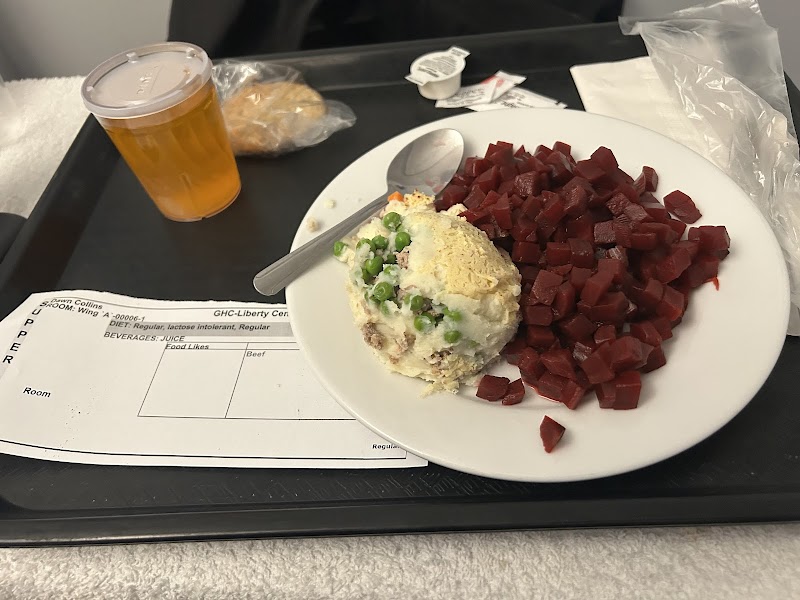
How is Liberty Center For Rehabilitation And Nursing Staffed?

CMS rates LIBERTY CENTER FOR REHABILITATION AND NURSING's staffing level at 3 out of 5 stars, which is average compared to other nursing homes. Staff turnover is 51%, compared to the Pennsylvania average of 46%.

What Have Inspectors Found at Liberty Center For Rehabilitation And Nursing?

State health inspectors documented 49 deficiencies at LIBERTY CENTER FOR REHABILITATION AND NURSING during 2022 to 2025. These included: 1 that caused actual resident harm, 47 with potential for harm, and 1 minor or isolated issues. Deficiencies causing actual harm indicate documented cases where residents experienced negative health consequences.
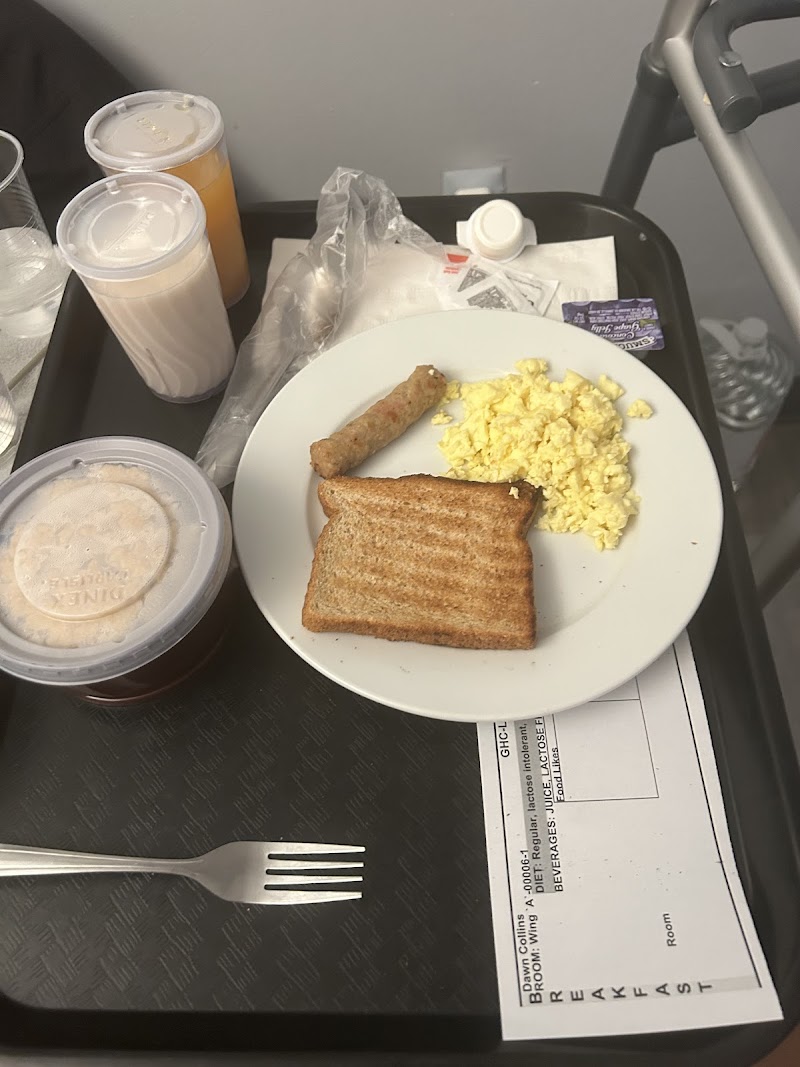
Who Owns and Operates Liberty Center For Rehabilitation And Nursing?

LIBERTY CENTER FOR REHABILITATION AND NURSING is owned by a for-profit company. For-profit facilities operate as businesses with obligations to shareholders or private owners. The facility is operated by LME FAMILY HOLDINGS, a chain that manages multiple nursing homes. With 94 certified beds and approximately 85 residents (about 90% occupancy), it is a smaller facility located in PHILADELPHIA, Pennsylvania.

How Does Liberty Center For Rehabilitation And Nursing Compare to Other Pennsylvania Nursing Homes?

Compared to the 100 nursing homes in Pennsylvania, LIBERTY CENTER FOR REHABILITATION AND NURSING's overall rating (3 stars) matches the state average, staff turnover (51%) is near the state average of 46%, and health inspection rating (2 stars) is below the national benchmark.

What Should Families Ask When Visiting Liberty Center For Rehabilitation And Nursing?

Based on this facility's data, families visiting should ask: "What safeguards and monitoring systems are in place to protect residents from abuse or neglect?" "Can I visit during a mealtime to observe dining assistance and food quality?" "How do you handle medical emergencies, and what is your hospital transfer rate?" "Can I speak with family members of current residents about their experience?" These questions are particularly relevant given the substantiated abuse finding on record.

Is Liberty Center For Rehabilitation And Nursing Safe?

Based on CMS inspection data, LIBERTY CENTER FOR REHABILITATION AND NURSING has documented safety concerns. The facility has 1 substantiated abuse finding (meaning confirmed case of resident harm by staff or other residents). The facility has a 3-star overall rating and ranks #1 of 100 nursing homes in Pennsylvania. Families considering this facility should ask detailed questions about what corrective actions have been taken since these incidents.

Do Nurses at Liberty Center For Rehabilitation And Nursing Stick Around?

LIBERTY CENTER FOR REHABILITATION AND NURSING has a staff turnover rate of 51%, which is 5 percentage points above the Pennsylvania average of 46%. Moderate turnover is common in nursing homes, but families should still ask about staff tenure and how the facility maintains care continuity when employees leave.

Was Liberty Center For Rehabilitation And Nursing Ever Fined?

LIBERTY CENTER FOR REHABILITATION AND NURSING has been fined $18,540 across 2 penalty actions. This is below the Pennsylvania average of $33,264. While any fine indicates a compliance issue, fines under $50,000 are relatively common and typically reflect isolated problems that were subsequently corrected. Families should ask what specific issues led to these fines and confirm they've been resolved.

Is Liberty Center For Rehabilitation And Nursing on Any Federal Watch List?

LIBERTY CENTER FOR REHABILITATION AND NURSING is not on any federal watch list. The most significant is the Special Focus Facility (SFF) program, which identifies the bottom 1% of nursing homes nationally based on persistent, serious quality problems. Not being on this list means the facility has avoided the pattern of deficiencies that triggers enhanced federal oversight. This is a positive indicator, though families should still review the facility's inspection history directly.