MONUMENTALPOSTACUTECARE AT WOODSIDE PARK
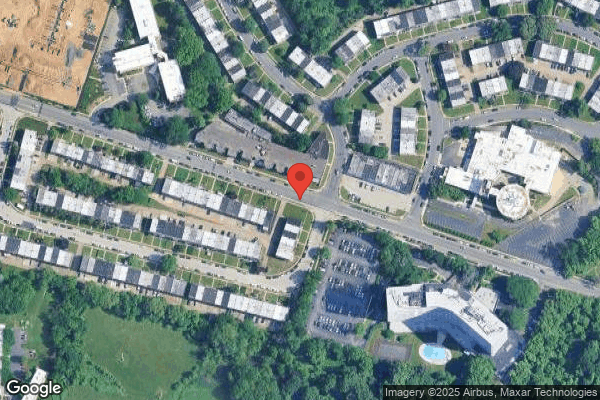
4001 FORD ROAD, PHILADELPHIA, PA 19131 (215) 877-5400
For profit - Corporation 180 Beds Independent Data: November 2025
Trust Grade
48/100
#463 of 653 in PA
Last Inspection: January 2025

Within standard 12-15 month inspection cycle. Federal law requires annual inspections.

Overview

Monumental Post Acute Care at Woodside Park has a Trust Grade of D, which indicates below-average performance and raises some concerns about the quality of care provided. It ranks #463 out of 653 facilities in Pennsylvania, placing it in the bottom half, and #32 out of 46 in Philadelphia County, meaning there are only a few local options that are better. The facility's performance is worsening, with the number of issues increasing from 12 in 2024 to 16 in 2025. Staffing is average with a 3 out of 5-star rating and a turnover rate of 54%, which is similar to the state average. However, there is concerningly less RN coverage than 98% of Pennsylvania facilities, which may affect the care residents receive. Specific incidents include a failure to assist residents out of bed according to their preferences for nine residents, which could impact their well-being. Additionally, the facility has not maintained a clean and comfortable environment in four of the twenty rooms observed, with issues like used towels on the floor and unclean shower areas, which could contribute to a less than homelike atmosphere. While the facility has some strengths, such as average staffing levels, the weaknesses are significant and should be carefully considered by families researching nursing home options.

Trust Score
D
48/100
In Pennsylvania
#463/653
Bottom 30%
Safety Record
Low Risk
No red flags
Inspections
Getting Worse
12 → 16 violations
Staff Stability
⚠ Watch
54% turnover. Above average. Higher turnover means staff may not know residents' routines.
Penalties
⚠ Watch
$4,233 in fines. Higher than 91% of Pennsylvania facilities. Major compliance failures.
Skilled Nurses
⚠ Watch
Each resident gets only 18 minutes of Registered Nurse (RN) attention daily — below average for Pennsylvania. Fewer RN minutes means fewer trained eyes watching for problems.
Violations
⚠ Watch
42 deficiencies on record. Higher than average. Multiple issues found across inspections.
★★☆☆☆
2.0
Overall Rating
★★★☆☆
3.0
Staff Levels
★★★☆☆
3.0
Care Quality
★★☆☆☆
2.0
Inspection Score
Stable
2024: 12 issues
2025: 16 issues

The Good

  • Full Sprinkler Coverage · Fire safety systems throughout facility
  • No fines on record

Facility shows strength in fire safety.

The Bad

2-Star Overall Rating

Below Pennsylvania average (3.0)

Below average - review inspection findings carefully

Staff Turnover: 54%

Near Pennsylvania avg (46%)

Higher turnover may affect care consistency

Federal Fines: $4,233

Below median ($33,413)

Minor penalties assessed

The Ugly 42 deficiencies on record

Sept 2025 3 deficiencies
CONCERN (D) 📢 Someone Reported This

A family member, employee, or ombudsman was alarmed enough to file a formal complaint

Potential for Harm - no one hurt, but risky conditions existed

Report Alleged Abuse (Tag F0609)

Could have caused harm · This affected 1 resident

Based on staff interview and facility documentation, it was determined that the facility failed to report to the State Survey Agency and conduct an investigation related to an allegation of neglect fo...

Read full inspector narrative →
Based on staff interview and facility documentation, it was determined that the facility failed to report to the State Survey Agency and conduct an investigation related to an allegation of neglect for one of 9 residents reviewed. (Resident R2) Findings include:A review of the Incident and Accidents Documentation policy, which was undated, revealed The facility will document unusual occurrences and events. Guidelines q. The following occurrences warrant an incident report a. Actual, alleged, or suspected abuse, including verbal abuse, oral, written or gestured, sexual abuse, harassment, coercion, assault, physical abuse, hitting, slapping, pinching, kicking, pushing, pulling, rough hanging, etc.On September 4, 2025, at 2:45 p.m., an interview was conducted with the Administrator, Employee E1, who reported that the facility was not aware of any incontinence neglect, with respect to Resident R2. Employee E1 further reported that the Human Resources Director, Employee E11, was out sick, and the facility was unable to provide the nurse aide personnel file for Employee E14, who had been terminated on August 29, 2025. Employee E1 stated that Employee E14's file would be forwarded to the surveyor via email on September 5, 2025.On September 5, 2025, at 2:00 p.m., a review of nurse aide, Employee E14's, personnel file contained an email from Employee E14 to the Nursing Home Administrator, dated August 23, 2025, at 5:53 p.m. In the email, Employee E14 reported: Resident R2, at approximately 3:00 p.m., at the start of my second shift, I found the resident seated in a Geri chair. The resident's clothing and the Hoyer pad were saturated with urine. The urine had soaked through all layers of clothing and the pad, and the chair was also wet. The Hoyer pad in use was observed to be a size not recommended for the resident's weight per the care plan. There was no indication or documentation that the resident had been toileted or changed prior to my shift.The same day an email was sent to the facility at 2:29 p.m. and again at 4:01 p.m. requesting the investigation of the above allegation of neglect. No response was received from the Administration. There was no documented evidence that the allegation of neglect was reported to the State Agency as required and that the facility conducted an investigation upon becoming aware of the allegation of neglect related to delivering timely incontinence care to Resident R2. 28 Pa. Code 201.14(a)(b) Responsibility of licensee28 Pa. Code 201.18(b)(1)(2)(3) Management28 Pa. Code 201.29(a) Resident rights
CONCERN (D) 📢 Someone Reported This

A family member, employee, or ombudsman was alarmed enough to file a formal complaint

Potential for Harm - no one hurt, but risky conditions existed

Accident Prevention (Tag F0689)

Could have caused harm · This affected 1 resident

**NOTE- TERMS IN BRACKETS HAVE BEEN EDITED TO PROTECT CONFIDENTIALITY** Based on review of facility documentation, clinical record review, observation, and staff interviews, it was determined that the...

Read full inspector narrative →
**NOTE- TERMS IN BRACKETS HAVE BEEN EDITED TO PROTECT CONFIDENTIALITY** Based on review of facility documentation, clinical record review, observation, and staff interviews, it was determined that the facility failed to provide adequate supervision to prevent a fall and to ensure that an air mattress was properly fastened to the bed for two out of nine residents reviewed. (Residents R1 and R8).Findings include:A review of the undated facility policy title Incident and Accidents Documentation revealed The facility will document unusual occurrences and events. Guidelines q. The following occurrences warrant an incident report a. Actual, alleged, or suspected abuse, including verbal abuse, oral, written or gestured, sexual abuse, harassment, coercion, assault, physical abuse, hitting, slapping, pinching, kicking, pushing, pulling, rough hanging, etc.Clinical record review revealed that Resident R1 was admitted to the facility on [DATE], with diagnoses of cerebral infarction, falls, pain, acute kidney failure, encephalopathy (disease of the brain), muscle weakness, cognitive communication deficit, mixed receptive-expressive language disorder, and obesity.Review of Resident R1's Minimum Data Set (MDS-an assessment of a resident's abilities and care needs), dated August 7, 2025, revealed that Resident R1 did not have a Brief Interview for Mental Status (BIMS) score recorded, indicating that the resident was unable to participate in the assessment due to severe cognitive impairment.Review of Resident R1's care plan, initiated on March 14, 2022, revealed that the resident had a self-care deficit, requiring assistance with activities of daily living (ADLs) related to decreased cognition and generalized muscle weakness. Interventions included: two-person assistance with transfers and turning, mechanical lift with two or more persons, two-person assistance for incontinent care, repositioning in bed, and transfers with a Hoyer (mechanical) lift.A comprehensive care plan, dated August 27, 2025, further revealed that Resident R1 was at risk for falls due to decreased cognition and decreased mobility. Interventions included: Have maintenance check the mattress to ensure it is well fastened to the bed.Review of facility documentation, dated August 28, 2025, revealed an investigation was initiated on August 26, 2025 related to Resident R1's had a witnessed fall in her bedroom during routine care. At about 11:45 a.m. 2 staff members, a certified nursing aide, [Employee E4] and charge nurse were providing routine a.m./incontinence care for [Resident R1] in her bed. While turning the resident onto her right side towards the [Nurse Aide, Employee E4] suddenly the mattress shifted causing the [Resident R1] to accidentally roll out of bed to the floor mat resulting in a small hematoma to the left side of her forehead.An interview was conducted with nurse aide, Employee E4. E4 on September 4, 2025, at 11:22 a.m., revealed that on August 26, 2025, while providing incontinence care to Resident R1, I was standing approximately two feet away from Resident R1 bed and turned her towards myself. The mattress shifted, and Resident R1 fell into the two-foot gap between myself and the bed. Employee E4 further explained that he had been trained to use his body to close the gap between himself and the bed to prevent accidental falls. He acknowledged, I was too far from the bed, which allowed the resident to fall.An interview was conducted with the Maintenance Director, Employee E7 on September 4, 2025, at 12:03 p.m. who confirmed that he had placed an air mattress for Resident R1 a month ago before the fall and the mattress was secured with six straps before resident's fall on August 26, 2025.Observation conducted of Resident R8, who was also ordered to have an air mattress in room [ROOM NUMBER]B. Resident R8's mattress was not fastened to the bed with the six straps. Maintenance Director, Employee E7 confirmed this observation and reported that it is common practice in the facility for evening or night staff, when changing an air mattress for a resident, to not fasten the mattress to the bed. He acknowledged that this practice could result in the air mattress shifting. Employee E7 immediately fastened the six straps securing Resident R8's mattress to the bed.On September 4, 2025, at 2:45 p.m., an interview was conducted with the Nursing Home Administrator, Employee E1. who confirmed that Nurse aide, Employee E4, was standing approximately two feet away from Resident R1 during incontinence care, which resulted in the resident's fall. Employee E1 further confirmed that Resident R8's air mattress should have been secured to the bed with six straps.28 Pa. Code 201.14 (a) Responsibility of licensee.28 Pa. Code 211.12 (d)(5) Nursing Services.
CONCERN (D) 📢 Someone Reported This

A family member, employee, or ombudsman was alarmed enough to file a formal complaint

Potential for Harm - no one hurt, but risky conditions existed

Medical Records (Tag F0842)

Could have caused harm · This affected 1 resident

Based on review of clinical records and staff interview, it was determined that the facility failed to maintain complete documentation of resident's clinical records for one of 9 resident records revi...

Read full inspector narrative →
Based on review of clinical records and staff interview, it was determined that the facility failed to maintain complete documentation of resident's clinical records for one of 9 resident records reviewed (Resident R9).Findings include:A review of the Incident and Accidents Documentation policy, which was undated, revealed The facility will document unusual occurrences and events. Guidelines q. The following occurrences warrant an incident report a. Actual, alleged, or suspected abuse, including verbal abuse, oral, written or gestured, sexual abuse, harassment, coercion, assault, physical abuse, hitting, slapping, pinching, kicking, pushing, pulling, rough hanging, etc.On September 4, 2025, at 2:35 p.m., an interview was conducted with the Administrator, Employee E1, and the weekend supervisor, Employee E13. They reported that on August 24, 2025, at 6:00 p.m., an incident occurred in the front lobby involving Resident R9 during a visit with the resident's family. Employee E13, who responded to the situation, confirmed that there was no documentation in Resident R9's clinical record regarding the incident. 28 Pa. Code 201.14(a)(b) Responsibility of licensee28 Pa. Code 201.18(b)(1)(2)(3) Management28 Pa. Code 201.29(a) Resident rights
Apr 2025 2 deficiencies
CONCERN (E) 📢 Someone Reported This

A family member, employee, or ombudsman was alarmed enough to file a formal complaint

Potential for Harm - no one hurt, but risky conditions existed

Deficiency F0558 (Tag F0558)

Could have caused harm · This affected multiple residents

Based on observations, and interview with staff and residents, it was determined that facility failed to ensure that resident were assisted out of bed as per resident's preference for nine of 69 resid...

Read full inspector narrative →
Based on observations, and interview with staff and residents, it was determined that facility failed to ensure that resident were assisted out of bed as per resident's preference for nine of 69 residents observed (Resident R10, R11, R12, R13, R14, R15, R16, R17, R18) Findings include: Review of facility policy 'Quality of Care: Activities of Daily Living - Prevent Deterioration,' indicates that based on the comprehensive assessment of a resident, the facility must ensure that a resident's abilities in activities of daily living do not diminish unless circumstances of the individual's clinical condition demonstrate that diminution was unavoidable. Interview with licensed nurse, employee E4, on April 9, 2025 at 10:50 am, revealed that residents are to be assisted out of bed by 11:00 am. Interview with Resident R11, on April 9, 2025, at 11:15 am, revealed that he is paralyzed on right side of body and requires assistance with transfer from bed to chair. Interview with Resident R11 revealed that the resident prefers to be placed in wheelchair during day shift (7-3 shift). Further observations of residents on unit 2-West, revealed Residents R10, R11, R12, R13, R14, R15, R16, R17, and R18 in beds at 11:15 am. 28 Pa. Code 211.10(d) Resident care policies 28 Pa. Code 211.12(d)(1) Nursing services
CONCERN (E) 📢 Someone Reported This

A family member, employee, or ombudsman was alarmed enough to file a formal complaint

Potential for Harm - no one hurt, but risky conditions existed

Safe Environment (Tag F0584)

Could have caused harm · This affected multiple residents

**NOTE- TERMS IN BRACKETS HAVE BEEN EDITED TO PROTECT CONFIDENTIALITY** Based on observations and interview with residents, it was determined that facility did not provide a clean, comfortable, homeli...

Read full inspector narrative →
**NOTE- TERMS IN BRACKETS HAVE BEEN EDITED TO PROTECT CONFIDENTIALITY** Based on observations and interview with residents, it was determined that facility did not provide a clean, comfortable, homelike environment for four of 20 rooms observed (common shower room, Resident R8's room, room#225-B, room [ROOM NUMBER]-A) Findings include: Review of facility policy related to 'Physical environment: common areas,' states that the facility will be maintained to protect the health and safety of residents, personnel and the public. Observations of common shower room on unit 2-West, on April 9, 2025, at 10:30 am, revealed used towels on floor and used paper towels on floor in toilet stall. Further observations revealed shower gel/shampoo bottles on floor in shower stall. Further observations revealed used hygiene products on shower bed; shower bed appeared unclean. Findings confirmed with facility's director of nursing. Observations in room [ROOM NUMBER] revealed stained ceiling tile near bed B; upon interview with resident R7 it was revealed that during rainy weather water leaks through the ceiling tile, down the wall and from the bottom of HVAC. A towel was observed under HVAC (air conditioning system). Further observations on 2-West unit revealed Resident R8, sitting on bed stained with feces, urine-soaked linen on top of bed, foul odor noted and trash laying on the floor. Resident R8 was attempting to pick up soiled brief from floor. Further observations on unit 2-West, room#228, bed A, revealed used urinal attached to trash bin, briefs on floor, washbasin on floor, used washcloth on bedside table, toilet paper on bedside table. Review of facility provided grievance reports revealed a concern reported by resident's family member on March 4, 2025, which states the following : On Sunday, March 2, 2025, I came into my mom's room at 10:30 am. There were used latex gloves on the dresser, used tissues on the floor, a wet washcloth laying on the side of the bed. I cleaned the room. Today (March 4, 2025) I come in her room and her dentures are sitting on the edge of the bedside table and could have easily broken. I would like the aides to clean up after themselves and not leave discarded supplies lying around the room. Also, when not in her mouth, please put her dentures in the blue cup provided. 28 Pa Code 201.18(b)(1)(3) Management 28 Pa Code 205.63(b) Plumbing and piping systems required for existing and new construction.
Jan 2025 11 deficiencies
CONCERN (D)

Potential for Harm - no one hurt, but risky conditions existed

Transfer Notice (Tag F0623)

Could have caused harm · This affected 1 resident

Based on review of facility documentation, review of clinical records, and interviews with staff, it was determined that the facility failed to notify the Office of the State Long-Term Care Ombudsman ...

Read full inspector narrative →
Based on review of facility documentation, review of clinical records, and interviews with staff, it was determined that the facility failed to notify the Office of the State Long-Term Care Ombudsman of facility-initiated emergency transfers to the hospital and that a resident's representative was made aware of a facility-initiated transfer, for one of four residents reviewed. (Residents R136) Findings Include: Review of nursing notes for Resident R136 dated April 21, 2024, at 11:37 p.m. revealed that the resident had a seizure and was transferred to a local hospital for evaluation at approximately 11:25 a.m. Further review revealed a note, dated July 24, 2024, at 6:27 a.m., which indicated that Resident R136 was admitted to the local hospital for altered mental status on July 23, 2024. Further record reviews for Residents R136 revealed that no documentation was available for review at the time of the survey to indicate that the Office of the State Long-Term Care Ombudsman was notified of the facility-initiated emergency transfers and discharges. Review of documentation provided by the Social Services Director, Employee E9, on January 10, 2025, at 1:12 p.m., revealed the Office of the State Long Term Care Ombudsman was not made aware Resident R136's facility-initiated emergency transfers to the hospital as required. Further interview confirmed that the facility failed to notify the residents representative of the transfer and reasons for the move in writing and in a language and manner they understand. 28 Pa. Code 201.14(a) Responsibility of licensee 28 Pa. Code 201.18(b)(2) Management
CONCERN (D)

Potential for Harm - no one hurt, but risky conditions existed

Deficiency F0625 (Tag F0625)

Could have caused harm · This affected 1 resident

Based on clinical record review and interviews with staff, it was determined that the facility failed provide appropriate bed hold notice to a resident's representative of a facility-initiated transfe...

Read full inspector narrative →
Based on clinical record review and interviews with staff, it was determined that the facility failed provide appropriate bed hold notice to a resident's representative of a facility-initiated transfer to the hospital for one of four residents reviewed related to transfers (Resident R136). Findings include: Review of Resident R136's admission MDS (Minimum Data Set - a mandatory periodic resident assessment tool), dated February 26, 2024, revealed that the resident had severely impaired cognition. Review of nursing notes for Resident R136 revealed a note, dated April 21, 2024, at 11:37 p.m. which indicated that the resident had a seizure and was transferred to a local hospital for evaluation at approximately 11:25 a.m. Further review revealed a note, dated July 24, 2024, at 6:27 a.m., which indicated that Resident R136 was admitted to the local hospital for altered mental status on July 23, 2024. Review of Resident R136's clinical record revealed that there was no bed hold notice available for review in the resident's record. Interview with the Social Services Director, Employee E9, on January 10, 2025, at 1:12 p.m. confirmed that there were no documented evidence to indicate that Resident R136's representative was provided with written information that specified the duration of the state bed-hold policy at the time of the resident's transfer to the hospital. Social Services Director, Employee E9 confirmed that there was no documentation available for review at the time of the survey to indicate that the resident or her representative was notified of the bed hold policy at the time of the resident's transfer to the hospital. 28 Pa Code 201.18(b)(2) Management 28 Pa Code 211.5(f)(ix) Medical records 28 Pa Code 211.12(d)(1) Nursing services
CONCERN (D)

Potential for Harm - no one hurt, but risky conditions existed

Assessment Accuracy (Tag F0641)

Could have caused harm · This affected 1 resident

**NOTE- TERMS IN BRACKETS HAVE BEEN EDITED TO PROTECT CONFIDENTIALITY** Based on observation, clinical record review and interview with staff, it was determined that the facility did not ensure that r...

Read full inspector narrative →
**NOTE- TERMS IN BRACKETS HAVE BEEN EDITED TO PROTECT CONFIDENTIALITY** Based on observation, clinical record review and interview with staff, it was determined that the facility did not ensure that resident assessments accurately reflected resident status related to restraints for two of 34 records reviewed (Residents R9, R38). Findings include: Review of clinical documentation revealed that Resident R9 was most recently admitted to the facility on [DATE], and had diagnoses of schizophrenia (a chronic mental illness characterized by a disconnect from reality, disorganized thinking and speech, and changes in behavior), anxiety, and dementia (progressive degenerative disease of the brain) Review of the most recent MDS (Minimum Data Set- a periodic assessment of resident care needs) completed on September 22, 2024, revealed that in section P- Restraints and Alarms, it was documented that the resident's chair prevents rising and that this restraint was used less than daily. Observations conducted on January 8, 2025, at 1:15 p.m. revealed that Resident R9 was ambulating at will through the unit. During an interview with Employee E1, the Nursing Home Administrator, and Employee E2, the Director of Nursing, on January 9, 2025 at 1:13 p.m., they stated that the facility was restraint-free and confirmed that the resident has never had a restraint. They confirmed that the MDS was coded inaccurately. Review of clinical documentation revealed that Resident R38 was admitted to the facility on [DATE], and had diagnoses including Anxiety Disorder (mental health conditions that involve persistent and excessive feelings of fear or worry), Non-Alzheimer's Dementia ( Non-Alzheimer's Dementia can have complex symptoms that overlap with neurological and psychiatric disorders). Review of the most recent MDS (Minimum Data Set- a periodic assessment of resident care needs) completed on October 8, 2024, revealed that in section P- Restraints and Alarms, it was documented that the resident R38 used Limb Restraint in chair or out of bed, and that the restraint was used less than daily. Observations conducted on January 7, 2025, at 1:02 p.m., revealed that Resident R38 had no restraints. Review of physician order for Resident R38 did not indicate any order for restraints. On January 7, 2025, at 1:02 p.m., during an interview Resident R38 stated that he never had any restraints. During an interview with Employee E1, the Nursing Home Administrator, and Employee E2, the Director of Nursing, on January 9, 2025, at 1:13 p.m., they stated that the facility was restraint-free and confirmed that the resident has never had a restraint. They confirmed that the MDS was coded inaccurately. 28 Pa Code 211.5(f)(ix) Medical records 28 Pa. Code 211.12(d)(1) Nursing services
CONCERN (D)

Potential for Harm - no one hurt, but risky conditions existed

PASARR Coordination (Tag F0644)

Could have caused harm · This affected 1 resident

**NOTE- TERMS IN BRACKETS HAVE BEEN EDITED TO PROTECT CONFIDENTIALITY** Based on clinical record review and staff interview, it was determined that the facility failed to update Pennsylvania Pre-admis...

Read full inspector narrative →
**NOTE- TERMS IN BRACKETS HAVE BEEN EDITED TO PROTECT CONFIDENTIALITY** Based on clinical record review and staff interview, it was determined that the facility failed to update Pennsylvania Pre-admission Screening Resident Review (PASRR) of one resident with a new diagnosis of a serious mental disorder, out of 34 sampled residents reviewed (Residents R 103). Findings include: Review of Resident R103's clinical record revealed; the resident was admitted to the facility on [DATE], and had diagnoses including Acute Kidney Failure (Acute kidney injury happens when the kidneys suddenly can't filter waste products from the blood; when the kidneys can't filter wastes, harmful levels of wastes may build up), Injury of Unspecified Body Region, and Type 2 Diabetes Mellitus (a disease that occurs when the body doesn't use insulin properly, resulting in high blood sugar levels). Review of Pennsylvania Pre-admission Screening Resident Review (PASRR- an in-depth mental health assessment to determine appropriate services and placement) Level I Form of R 103 indicated that it was completed on March 4, 2021. Under Section VIII -PASRR Level I Screening Outcome, it was stated that, individual has a negative screen for Serious Mental Illness, Intellectual Disability/Developmental Disability, or other related condition; no further evaluation (Level II) is necessary. Further review of diagnosis sheet in the clinical records of R 103 revealed, on June 4, 2021, a new diagnosis of Undifferentiated Schizophrenia was included. (people with undifferentiated schizophrenia exhibit symptoms of more than one type of schizophrenia; these may include delusions, paranoia, hallucinations, and other symptoms that interfere with a person's sense of reality). Additional review of clinical records did not provide any documented evidence to indicate that following the diagnosis of a new, serious mental disorder, the facility considered or addressed a referral to the appropriate state-designated authority for a Level II PASARR evaluation and determination; or to update the PASRR. During an interview on January 9, 2025, at 10: 52 a.m., the Director of Social Services, Employee E9, confirmed the above stated finding. 28 Pa. Code 211.5(f)(iv) Medical records
CONCERN (D)

Potential for Harm - no one hurt, but risky conditions existed

Comprehensive Care Plan (Tag F0656)

Could have caused harm · This affected 1 resident

**NOTE- TERMS IN BRACKETS HAVE BEEN EDITED TO PROTECT CONFIDENTIALITY** Based on observation, clinical record review and interview with staff and residents, it was determined that the facility did not...

Read full inspector narrative →
**NOTE- TERMS IN BRACKETS HAVE BEEN EDITED TO PROTECT CONFIDENTIALITY** Based on observation, clinical record review and interview with staff and residents, it was determined that the facility did not develop a comprehensive care plan related to dementia, smoking, and pain management for 3 of 34 records reviewed (Residents R7, R28, R155). Findings include: Review of clinical records revealed that Resident R7 was admitted to the facility on [DATE], and had diagnoses that included Type 2 Diabetes Mellitus (a disease that occurs when the body doesn't use insulin properly, resulting in high blood sugar levels), and Dementia (a general term for a group of brain conditions that cause a decline in mental abilities). Review of Resident R7's current care plan revealed that there was no care plan was developed for the dementia care. During an interview with the Nursing Home Administrator, and the Director of Nursing, on January 13, 2025, at 12:20 p.m., it was confirmed that no care plan was developed for the Dementia care needs of Resident R7. Observations conducted on January 10, 2025, at 9:53 a.m. revealed that the Resident R28 went to smoke breaks and was a smoker. Review of Resident R28's current care plan revealed that there was no care plan was developed for safety during smoking for Resident R28 Interview with the Unit manger, Nurse Employee E14, on January 10, 2025, 11:40 a.m. revealed that Resident R28 was a smoker and was not sure why Resident R28 was not care planned for smoking. Observations conducted on January 8, 2025, at 1:30 p.m. revealed that the Resident R155 appeared to be in pain, with facial grimacing and negative verbalizations noted. Review of clinical documentation revealed that Resident R155 was most recently admitted to the facility on [DATE], and had diagnoses that included, prostate cancer, and septic pulmonary embolism (a blood clot in the lung which had become infected). Review of the resident's physician orders revealed that the resident had an order for hospice services dated November 1, 2024, related to his stage 4 prostate cancer. In addition, medications were ordered for pain management, including Gabapentin Capsule 300 MG (milligrams) Give 1 capsule by mouth three times a day for pain, dated October 26, 2024, and Morphine Sulfate (Concentrate) Solution 20MG/ML Give 0.25 ml by mouth every 3 hours as needed for pain, dated November 1, 2024. Review of the resident's care plan revealed that no care plan had been developed to address pain related to cancer diagnosis. During an interview with Employee E1, the Nursing Home Administrator, and E2, the Director of Nursing, on January 13, 2025 at 12:25 p.m., they stated that it was the expectation of the facility that a care plan should be developed for all resident care needs and confirmed that none was developed for pain for Resident R155. 28 Pa Code 211.11(d) Resident care plan 28 Pa Code 211.12(d)(1) Nursing services
CONCERN (D)

Potential for Harm - no one hurt, but risky conditions existed

Deficiency F0657 (Tag F0657)

Could have caused harm · This affected 1 resident

**NOTE- TERMS IN BRACKETS HAVE BEEN EDITED TO PROTECT CONFIDENTIALITY** Based on clinical record review and interview with staff, it was determined that the facility did not ensure that care plans wer...

Read full inspector narrative →
**NOTE- TERMS IN BRACKETS HAVE BEEN EDITED TO PROTECT CONFIDENTIALITY** Based on clinical record review and interview with staff, it was determined that the facility did not ensure that care plans were updated in a timely manner for one of 34 records reviewed related to hospice (Resident R31). Findings include: Review of clinical documentation revealed that Resident R31 was admitted to the facility on [DATE], and had diagnoses including, congestive heart failure (an accumulation of fluid around the heart which makes it more difficult for the heart to beat effectively), ventricular tachycardia (a heart rhythm where the ventricles constrict abnormally fast, putting the resident at risk of cardiac arrest), and presence of pacemaker (a device implanted into the chest to regulate heart rhythm). Further review revealed a physician order dated October 10, 2023, which read Pacemaker .to be turned off due to hospice status. Review of the care plan revealed that it had been updated that same day to read the same. A physician order was found to discontinue hospice care dated December 2, 2024. As of January 10, 2025, the care plan had not been updated to reflect this change in status as it related to the resident's pacemaker. Interview with Employee E1, the Nursing Home Administrator, and Employee E2, the director of nursing, on January 13, 2025, at 2:15 p.m. revealed that the expectations of the facility are that care plans are to be reviewed and updated timely with every major change, including signing on to or discontinuing hospice care. It was confirmed that this care plan item had not been updated as required. 28 Pa. Code 211.10 (d) Resident care policies 28 Pa. Code 211.12 (d)(5) Nursing services
CONCERN (D)

Potential for Harm - no one hurt, but risky conditions existed

Deficiency F0726 (Tag F0726)

Could have caused harm · This affected 1 resident

Based on review of personnel records and interview with staff, it was determined that the facility did not provide requested evidence of competency trainings for licensed nursing staff. Findings incl...

Read full inspector narrative →
Based on review of personnel records and interview with staff, it was determined that the facility did not provide requested evidence of competency trainings for licensed nursing staff. Findings include: On January 10, 2024, at 1:45 p.m. the surveyor requested skills competency evaluations for Licensed Nurses. The requested skills were to be related to medication administration, dementia and behavioral, catheter, tracheostomy care, wound care, and abuse prevention and reporting. In an interview on January 10, 2024, at 1:54 p.m. with Educator, Employee E12, stated that the facility was unable to supply the surveyor with all the requested skills competencies for the nurses, stating that they didn't have them. 28 Pa. Code: 211.12(d)(1) Nursing services 28 Pa. Code 211.12(d)(5) Nursing services
CONCERN (D)

Potential for Harm - no one hurt, but risky conditions existed

Pharmacy Services (Tag F0755)

Could have caused harm · This affected 1 resident

**NOTE- TERMS IN BRACKETS HAVE BEEN EDITED TO PROTECT CONFIDENTIALITY** Based on closed clinical record review, and interviews with staff, it was determined that the facility failed to ensure that con...

Read full inspector narrative →
**NOTE- TERMS IN BRACKETS HAVE BEEN EDITED TO PROTECT CONFIDENTIALITY** Based on closed clinical record review, and interviews with staff, it was determined that the facility failed to ensure that controlled medications were disposed in a timely manner for one of 3 closed records reviewed (Resident R162). Findings include: Review of clinical documentation for Resident R162 revealed that she was admitted to the facility on [DATE], and discharged from the facility against medical advice on October 24, 2024. While a resident, she had an order for Morphine Sulfate (Concentrate) Solution 20 MG/ML Give 0.25 milliliter by mouth every three hours as needed for Pain/SOB hospice, and Lorazepam Concentrate 2 MG/ML Give 0.25 milliliter by mouth every 6 hours as needed for anxiety/agitation. Morphine is a Schedule 2 controlled medication, which are classified as high potential for misuse, dependence, and addiction. Lorazepam is a schedule 4 controlled substance which has a lower potential for abuse than schedule 2 substances, however, the abuse of a schedule 4 medication may lead to physical or psychological dependence. Further review of resident records revealed a nursing note from January 9, 2025, which stated Resident discharged home. All medications: albuterol sulfate neb 2.5 mg/3 ml #4, fluticasone Propionate suspension 50 mg/act #1, hyoscyamine sulfate 0.125 mg #4, loratadine 10 mg #6, lorazepam 2 mg/ml #20 ml, losartan potassium 25 mg #6, morphine sulfate 20 mg/ml #15 ml, prochlorperazine 10 mg #5, vitamin d3 1250 mcg #6, triamterene & hydrochlorothiazide 37.5-25 mg #7. All medications counted and destroyed. The Controlled Medication Accountability forms for both the morphine and the lorazepam were signed as wasted/destroyed on January 9, 2025. Interview with the Director of Nursing, Employee E2, on January 13, 2025, at 1:30 p.m. confirmed that the medications for Resident R162 had not been disposed of until January 9, 2025, 11 weeks after the resident was discharged , which Employee E2 confirmed was not considered to be a timely manner. 28 Pa Code 211.9(a)(1) Pharmacy services 28 Pa Code 211.12(d)(5) Nursing services
CONCERN (D)

Potential for Harm - no one hurt, but risky conditions existed

Infection Control (Tag F0880)

Could have caused harm · This affected 1 resident

Based on observations, review of facility policies, review of facility documentation, clinical record review and interviews with staff, it was determined that the facility failed to maintain an effect...

Read full inspector narrative →
Based on observations, review of facility policies, review of facility documentation, clinical record review and interviews with staff, it was determined that the facility failed to maintain an effective infection control program related with Transmission Based Precautions for one of 34 residents reviewed ((Resident R113). Findings include: Review of literature review revealed that Enhanced Barrier Precautions are infection control interventions designed to reduce the transmission of novel or Multi-Drug Resistant Organisms. Enhanced Barrier Precautions require to employ the use of targeted personal protective equipment (PPE) during high contact patient/resident activities. On January 10, 2025, at 2:39 p.m., review of the door of the room of Resident R113 revealed a guiding description pasted on it, indicating that Resident R113 was on Enhanced Barrier Precautions. Review of the physician order for Resident R113 revealed that Resident R113 had an order dated July 11, 2024, to Cleanse G-tube site daily with soap and water, every day-shift. Observation on January 10, 2025, at 2:41 p.m., revealed that a Licensed Nurse, Employee E17, was cleansing Resident R113's G-tube site. Employee E17 did not wear PPE, even though Resident R113 was on Enhanced Barrier Precautions; and the same information was noted on the door of the resident room. At the time of the finding, the observation was confirmed with Employee E17. 28 Pa Code 211.10(d) Resident care policies 28 Pa. Code 211.12(d)(1) Nursing services
CONCERN (E)

Potential for Harm - no one hurt, but risky conditions existed

Food Safety (Tag F0812)

Could have caused harm · This affected multiple residents

Based on observations, interviews with staff, and a review of facility procedures, it was determined that the facility failed to store, prepare, distribute, and serve food in accordance with professio...

Read full inspector narrative →
Based on observations, interviews with staff, and a review of facility procedures, it was determined that the facility failed to store, prepare, distribute, and serve food in accordance with professional standards for food service safety. Findings include: Review of facility policy titled, Storage of Refrigerated Foods Policy, revised March 9, 2024, indicated that staff must label and note pull date on all food items when removing from freezer. Further review revealed that refrigerated food held for more than 24 hours will be marked to indicate the date the food will be consumed or discarded. A follow-up tour of the main kitchen was conducted on Thursday, January 9, 2025, at 10:45 p.m. with the Food Service Director (FSD), Employee E13. Observations at 10:46 a.m. revealed a bucket with soapy water and rag was standing on the preparation table in the cooking area meanwhile the cook was assembling sandwiches. Observations of the main refrigerator at 10:50 p.m. revealed three rolls of 10-pound ground beef, a bag of raw mixed chicken, and a bag of raw chicken thighs were unlabeled and undated. Interview with the FSD revealed that the ground beef rolls, mixed chicken, and chicken thighs were pulled from the freezer to thaw on Tuesday, January 7, 2025. Further interview acknowledged that these food items should have been dated with a pull date. Further observations at 10:55 p.m. revealed dishes were drying on the tray line with limited all-around airflow. Prepared hot food was observed on the tray line by the drying dishware. Follow up interview confirmed that drying racks should have been utilized to allow proper draining and all-around airflow. 28 Pa. Code: 201.14(a) Responsibility of licensee. 28 Pa. Code 201.18(b)(3) Management
CONCERN (E)

Potential for Harm - no one hurt, but risky conditions existed

Garbage Disposal (Tag F0814)

Could have caused harm · This affected multiple residents

Based on observations and an interview with staff, it was determined that the facility did not ensure that garbage and refuse was disposed of properly. Findings include: An initial tour of the Food Se...

Read full inspector narrative →
Based on observations and an interview with staff, it was determined that the facility did not ensure that garbage and refuse was disposed of properly. Findings include: An initial tour of the Food Service Department was conducted on Tuesday, January 7, 2025, at 9:57 a.m. with Employee E16, Cook, which revealed that the blue dumpster was fully open and overflowing with cardboard boxes. Additional piles of cardboard and boxes was observed on the ground on all four sides of the dumpster. Follow up observation with the Food Service Director (FSD), Employee E13, conducted on Thursday, January 9, 2025, at 10:32 a.m. revealed that the blue dumpster remained fully open and overflowing with cardboard and carboard boxes. Additional piles of cardboard and boxes was observed on the ground on all four sides of the dumpster. Interview with the FSD at 10:32 a.m. on Thursday, January 9, 2025, confirmed the above findings. 28 Pa. Code: 201.14(a) Responsibility of licensee. 28 Pa. Code 201.18(b)(3) Management
Jun 2024 1 deficiency
CONCERN (D) 📢 Someone Reported This

A family member, employee, or ombudsman was alarmed enough to file a formal complaint

Potential for Harm - no one hurt, but risky conditions existed

Comprehensive Care Plan (Tag F0656)

Could have caused harm · This affected 1 resident

**NOTE- TERMS IN BRACKETS HAVE BEEN EDITED TO PROTECT CONFIDENTIALITY** Based on observation, a review of clinical records, review of facility documentation and staff interviews, it was determined tha...

Read full inspector narrative →
**NOTE- TERMS IN BRACKETS HAVE BEEN EDITED TO PROTECT CONFIDENTIALITY** Based on observation, a review of clinical records, review of facility documentation and staff interviews, it was determined that the facility failed to develop and implement a comprehensive person-centered care plans regarding preventing a reinfestation of lice for one of ten residents reviewed. (Resident R2). Findings include: Review of clinical records revealed that Resident R2 was admitted to the facility on [DATE], with diagnosis to include bipolar disorder (disorder associated with episodes of mood swings ranging from depressive lows to manic highs). Further review of Resident R2's clinical record indicated that on May 31, 2024, he returned to the facility after a visit with his sister, and the next day was observed to have lice in his scalp and received treatment to himself, his roommate and there room and clothing. Further review revealed a similar incident that happened on April 16, 2024, when his sister brought in clothing for him which were infested with lice and resulted with the same treatments. Review of Resident R2's care plan revealed no care plan to prevent further infestations of lice related to family visits or bringing in infested items into the facility. An interview on June 11, 2024, at 11:25 a.m. with the LNAC (Licensed Nurse Assessment Coordinator) confirmed that there was no care plan for preventing a lice infestation related to visits with family or items brought in to the facility, and she also noted that it is the unit manager who generally writes these care plans. An interview on June 11, 2024, at 12:20 p.m. with the Director of Nursing confirmed that the resident did not have a comprehensive care plan regarding preventing another lice infestation. 28 Pa. Code 211.10(d) Resident care policies 28 Pa. Code 211.12(d)(5) Nursing services
Apr 2024 11 deficiencies
CONCERN (D)

Potential for Harm - no one hurt, but risky conditions existed

Deficiency F0558 (Tag F0558)

Could have caused harm · This affected 1 resident

Based on staff interviews, observations, and record reviewed, it was determined that the facility failed to ensure proper accommodation of needs for one of seven residents reviewed regarding appropria...

Read full inspector narrative →
Based on staff interviews, observations, and record reviewed, it was determined that the facility failed to ensure proper accommodation of needs for one of seven residents reviewed regarding appropriate wheelchair size. (Resident R47) Finding include: Review or Resident 47's clinical record revealed that this resident was admitted into the facility on December 4, 2023, with diagnoses including chronic kidney disease, unspecified dementia (irreversible, progressive degenerative disease of the brain), type 2 diabetes (failure of the body to produce insulin), pain in unspecified joints and muscle weakness. Review of Resident R47' s current care plan revealed that Resident R47 was at risks for falls related to ambulatory disfunction, decrease cognition, decreased mobility, and unsteady gait. Resident R47 was assessed by physical therapy on December 5, 2023, then provide a wheelchair. Review of physical therapy notes revealed that Resident R 47 was re-assessed on February 20, 2024, and it was determined that the resident's wheelchair was too small and required a larger wheelchair. Review of Resident R47's care conference notes dated March 20, 2024, revealed a request made by the resident's nephew for a larger wheelchair. Resident R47 was then re-assessed and determined that a larger wheelchair was necessary. Observation of Resident 47 on March 2, 2023 at 10:40 a.m. and March 3, 2023 at 11:43 a.m. revealed that the resident was in the hallway outside of his room. The resident was sat in a noticeably improper fitted wheelchair. Interview with Resident 47 on March 3, 2023 during observation revealed that he was uncomfortable in the wheelchair and would like a larger fitting wheelchair. Interview with physical therapist, Employee E 23 on March 3, 2023 at 11:45 a.m. at time of observation, confirmed that the wheelchair the resident was observed in was obviously too small. It was not until the surveyor brought up the observation to the physical therapist, Employee E23 went to locate a larger wheelchair for the resident. 28 Pa. Code 210.29(4) Resident rights
CONCERN (D)

Potential for Harm - no one hurt, but risky conditions existed

Deficiency F0578 (Tag F0578)

Could have caused harm · This affected 1 resident

**NOTE- TERMS IN BRACKETS HAVE BEEN EDITED TO PROTECT CONFIDENTIALITY** Based on clinical record reviews and interviews with staff, it was determined that the facility failed to ensure that advanced d...

Read full inspector narrative →
**NOTE- TERMS IN BRACKETS HAVE BEEN EDITED TO PROTECT CONFIDENTIALITY** Based on clinical record reviews and interviews with staff, it was determined that the facility failed to ensure that advanced directives were accurately reflected in residents' records for one of 35 residents reviewed (Resident R45). Findings include: Review of Resident R45's Significant Change MDS (Minimum Data Set - a mandatory periodic resident assessment tool), dated February 4, 2024, revealed that the resident was admitted to the facility on [DATE], and had diagnoses including cerebrovascular accident (damage to the brain from interruption of its blood supply), end stage renal disease (a medical condition in which a person's kidneys cease functioning on a permanent basis leading to the need for a regular course of long-term dialysis or a kidney transplant to maintain life), seizure disorder (abnormal electrical activity in the brain) and aphasia (loss of ability to understand or express speech, caused by brain damage). Continued review revealed that the resident had a BIMS (Brief Interview for Mental Status) scored of six which indicated that the resident was severely cognitively impaired. Review of Resident R45's POLST form (Pennsylvania Orders for Life-Sustaining Treatment), dated March 2, 2023, revealed DNR (do not resuscitate - do not perform lifesaving interventions in the event the resident has no pulse and had stopped breathing). Review of Resident R45's active physician orders, revealed an order, dated April 2, 2024, for Full Code (allows for all interventions needed to restore breathing or heart functioning, including chest compressions, a defibrillator and insertion of a breathing tube). Review of progress notes from March 6, 2024, through April 4, 2024, for Resident R45 revealed no indication as to why the physician's orders did not match the resident's POLST. Interview on April 4, 2024, at 11:35 a.m. Employee E9, unit manager, confirmed that Resident R45's physician orders did not match his POLST and was unable to explain the discrepancy. 28 Pa Code 211.12(d)(3) Nursing services 28 Pa Code 211.12(d)(5) Nursing services
CONCERN (D)

Potential for Harm - no one hurt, but risky conditions existed

Safe Environment (Tag F0584)

Could have caused harm · This affected 1 resident

**NOTE- TERMS IN BRACKETS HAVE BEEN EDITED TO PROTECT CONFIDENTIALITY** Based on observations and interviews with residents and staff, it was determined that the facility failed to maintain a safe, co...

Read full inspector narrative →
**NOTE- TERMS IN BRACKETS HAVE BEEN EDITED TO PROTECT CONFIDENTIALITY** Based on observations and interviews with residents and staff, it was determined that the facility failed to maintain a safe, comfortable and homelike environment on one of three nursing units reviewed (Two [NAME] unit). Findings include: Observation, on April 2, 2024, at 11:39 a.m. revealed that the window in room [ROOM NUMBER] was open and that there was no screen in the window. Observation, on April 2, 2024, at 11:57 a.m. revealed the front panel of the heating/air conditioning system in room [ROOM NUMBER] was falling off. Continued observation, on April 2, 2024, at 12:05 p.m. revealed a large hole in the wall above the baseboard by the bathroom. Interview, at the time of the observation, Resident R19 stated that the hole bothered her and wished that it could be repaired. Continued observation, on April 3, 2024, at 11:01 a.m. of the Two [NAME] unit revealed that following: room [ROOM NUMBER] there was a hole in the wall along the baseboard behind the A bed; room [ROOM NUMBER] the dresser by the B bed had a broken drawer, there were holes in the wall behind the C bed, and there were large holes in the window screen; room [ROOM NUMBER] had a large hole in the window screen; room [ROOM NUMBER] was missing baseboard panels. A tour was conducted on April 3, 2024, at 1:17 p.m. with Employee E7, Maintenance Director, who confirmed the above findings. 28 Pa Code 201.14(a) Responsibility of licensee 28 Pa Code 205.19(a) Windows and windowsills
CONCERN (D)

Potential for Harm - no one hurt, but risky conditions existed

Investigate Abuse (Tag F0610)

Could have caused harm · This affected 1 resident

**NOTE- TERMS IN BRACKETS HAVE BEEN EDITED TO PROTECT CONFIDENTIALITY** Based on review of clinical records, facility policies and interviews with staff, it was determined that the facility failed to ...

Read full inspector narrative →
**NOTE- TERMS IN BRACKETS HAVE BEEN EDITED TO PROTECT CONFIDENTIALITY** Based on review of clinical records, facility policies and interviews with staff, it was determined that the facility failed to conduct a complete and thorough investigation of one incident during a resident incontinence care for one of 32 residents reviewed. (Resident R 442). Findings include: Review of Resident R442's clinical record revealed that the resident was admitted to the facility on [DATE], resident's cognition is intact. Resident R442 was transferred to facility for continued medical management and physical therapy/ occupational therapy services. Resident was transferred from the hospital after repeated falls, no head trauma and bilateral leg weakness and feeling anxious about ambulating. On April 2, 2024, at 1:05 p.m. a family interview was held with the Resident R442, resident's husband, and son. It was reported that on March 23 to 24, 2024 Resident R442 waiting a long time to receive incontinence care. Resident R442 reported that she was wet and soil for hours from Saturday, March 23 to Sunday, March 24, 2024. Family reported to the social worker and made a grievance. Review of the full investigation report that was reported to Social Service on March 25, 2024, it was revealed the steps taken in investigation: social service spoke with resident; staff were requested to give statement regarding concerns. DON (Director of Nursing) / staff educator made aware for provided education to staff and Admin made aware of concerns and outcomes of result. The investigation only had one statement from Nurse Aide, Employee E30, worked on shift 11pm-7am, wrote a statement stating: starting of my shift at 11pm doing my regular routine/ rounds checking on my residents. [Resident R442] was laying in her bed watching tv. I did my second round by 2 a.m. and [Resident R442] was asleep . and asked if she needs to be change, she responded no. I did my third round by 5 a.m. provided her with ice cold water and I changed her. The investigation stated that the social worker spoke with resident but there was no Resident's R442 statement. Also, no statement from Nurse Aide morning shift 7am-3pm statement. An interview was held with Social Worker, Employee E11, Director of Social Worker, Employee E12 and Assistant Nursing Home Administrator (ANHA) Employee E3 on April 4, 2024, at 10:28 a.m. after reviewing Resident R442's investigation report, it was confirmed by the ANHA, Employee E3 that investigation was incomplete. 28 Pa. Code 201.18(b)(1) Management 28 Pa. Code 211.10(d) Resident care policies 28 Pa. Code 211.12(d)(1) Nursing services
CONCERN (D)

Potential for Harm - no one hurt, but risky conditions existed

ADL Care (Tag F0677)

Could have caused harm · This affected 1 resident

**NOTE- TERMS IN BRACKETS HAVE BEEN EDITED TO PROTECT CONFIDENTIALITY** Based on observations, review of facility policy, clinical record reviews and interviews with residents and staff, it was determ...

Read full inspector narrative →
**NOTE- TERMS IN BRACKETS HAVE BEEN EDITED TO PROTECT CONFIDENTIALITY** Based on observations, review of facility policy, clinical record reviews and interviews with residents and staff, it was determined that the facility failed to provide nail care for two of eight residents reviewed related to activities of daily living (Residents R45 and R70). Findings include: Review of facility policy Grooming - Hair and Nails revised January 31, 2024, revealed it is the policy of the facility to provide grooming services that promote an appropriately attractive appearance, improve morale, and prevent infections. Staff should provide fingernail care by cleaning fingernail beds and keeping fingernails trimmed and smooth Observation, on April 2, 2024, at 12:24 p.m. revealed that Resident R45's fingernails were long, overgrown, and had dirt underneath them. Interview, at the time of the observation, Resident R45 stated that he does not like long nails, that he needed his fingernails trimmed and cleaned, and that he was unable to do it himself due to his right-sided hand and arm weakness. Review of Resident R45's Significant Change MDS (Minimum Data Set - a mandatory periodic resident assessment tool), dated February 4, 2024, revealed that the resident was admitted to the facility on [DATE], and had diagnoses including cerebrovascular accident (damage to the brain from interruption of its blood supply), muscle weakness and aphasia (loss of ability to understand or express speech, caused by brain damage). Continued review revealed that the resident had upper extremity impairment on one side and that he required maximal assistance with personal hygiene. Review of Resident R45's care plan, dated initiated January 27, 2023, revealed that the resident requires assistance with activities of daily living related to decreased mobility and weakness, with interventions including to ensure that morning and evening care are provided daily. Interview on April 4, 2024, at 9:26 a.m. Employee E4, Rehabilitation Director, stated that Resident R45 was currently receiving therapy services related to his right-sided weakness and need for assistance with activities of daily living. Employee E4, Rehabilitation Director, stated that nail care is done by nursing staff and is not something that therapy staff would do. Continued observation, on April 4, 2024, at 11:31 a.m. revealed that Resident R45's nails were still long and dirty. Resident R45 again stated that he needed to have his fingernails trimmed and cleaned and that he was unable to do it himself. Interview on April 4, 2024, at 11:35 a.m. Employee E9, unit manager, confirmed that Resident R45's fingernails needed to be trimmed and cleaned. Observations on April 2, 2024, at 11:19 a.m. revealed Resident R70 had bilateral hand contractures and significantly long fingernails on both hands that required trimming and cleaning. Review of Resident R70's comprehensive care plan dated initiated October 6, 2017, revealed the resident requires assistance with activities of daily living releated to decreased cognitiy, decreased mobility, and weakness. Further review revealed intervention date initiated November 15, 2019, for nail care/file nails on shower days (Monday and Thursday). Interview and observation on April 4, 2024, at 12:30 p.m. with Registered Nurse, Employee E9, confirmed Resident R70 had long fingernails that required trimming and cleaning. 28 Pa Code 211.12(d)(5) Nursing services
CONCERN (D)

Potential for Harm - no one hurt, but risky conditions existed

Deficiency F0730 (Tag F0730)

Could have caused harm · This affected 1 resident

Based on a review of facility documentation and interviews with staff, it was determined that the facility failed to complete performance reviews for two of two nurse aides reviewed as required (Emplo...

Read full inspector narrative →
Based on a review of facility documentation and interviews with staff, it was determined that the facility failed to complete performance reviews for two of two nurse aides reviewed as required (Employees E28 and E29). Findings Include: Review of undated facility documentation, Active Employees Over 1 Year, revealed that Employee E28 was hired by the facility as a nurse aide on July 12, 2022. Continued review revealed that Employee E29 was hired by the facility as a nurse aide on August 3, 2009. Annual performance reviews were requested for Employees E28 and E29. Interview on April 4, 2024, at 3:00 p.m. with the Nursing Home Administrator, Employee E1, revealed annual performance reviews were not completed for Nurse Aides, Employee E28 and E29. 28 Pa. Code 201.19(2) Personnel policies and procedures
CONCERN (D)

Potential for Harm - no one hurt, but risky conditions existed

Deficiency F0761 (Tag F0761)

Could have caused harm · This affected 1 resident

Based on facility policy and observation, it was determined that the facility failed to ensure one of two medication carts observed remained locked on a secured nursing unit. (Second floor0. Findings...

Read full inspector narrative →
Based on facility policy and observation, it was determined that the facility failed to ensure one of two medication carts observed remained locked on a secured nursing unit. (Second floor0. Findings include: Review of facility policy titled Grand Rx policy and Procedure Manual last revised June 1, 2020 revealed that to properly maintain security of all medications, employee are to keep medication carts always locked, unless in immediate attendance and not let medication cart sit in nursing station, hall, or lounge unlocked. Observation on second floor secured nursing unit on April 2,2024 at 11:00 a.m. revealed an unlocked medication cart in the hall with no employee in sight. Observed was a resident sitting in a wheelchair next to the open cart. Interview with Licensed nurse, Employee E24 at time of observation confirmed that the medication cart was unlocked, and that this employee was assigned to the medication cart and stepped away to assists to a resident in another room. 28 Pa.Code 211.9 (a)(1) Pharmacy Services 28 Pa. Code 211.12 (d)(1) Nursing Services
CONCERN (E)

Potential for Harm - no one hurt, but risky conditions existed

Deficiency F0805 (Tag F0805)

Could have caused harm · This affected multiple residents

Based on review of facility documentation, observation, and staff interview, it was determined that the facility failed to ensure that food was prepared appropriately for nine of nine residents on a p...

Read full inspector narrative →
Based on review of facility documentation, observation, and staff interview, it was determined that the facility failed to ensure that food was prepared appropriately for nine of nine residents on a pureed diet (Residents R52, R125, R4, R113, R445, R34, R55, R66, and R87). Findings Include: Review of undated facility documentation Dysphagia Level 1/Pureed Diet revealed the consistency of pureed foods should be smooth and thick enough to mound on the plate, and similar in consistency to that of pudding. Review of facility documentation dated April 5, 2024, revealed the following nine residents were ordered a pureed diet: Residents R52, R125, R4, R113, R445, R34, R55, R66, and R87. Observations on April 2, 2024, at 12:08 p.m. revealed Resident R52 was having lunch in the dining room. Observations of Resident R52's lunch revealed the pureed chicken and green, pureed vegetable had a watery appearance and was runny on the plate. Observations on April 2, 2024, at 12:30 p.m. of the tray line steam table in the main kitchen with the Food Service Director, Employee E16, revealed when the pureed chicken and pureed vegetable were plated, the food items were runny on the plate and not thick enough to mound on the plate. Further interview on April 3, 2024, at 9:45 a.m. with the Food Service Director, Employee E16, confirmed the pureed items were runny and that the dietary staff was educated to make sure the pureed food items are prepared to the proper consistency. 28 Pa. Code 201.14 (a) Responsibility of licensee
CONCERN (E)

Potential for Harm - no one hurt, but risky conditions existed

Infection Control (Tag F0880)

Could have caused harm · This affected multiple residents

Based on observations, review of facility policies, clinical record reviews and interviews with residents and staff, it was determined that the facility failed to maintain an effective infection preve...

Read full inspector narrative →
Based on observations, review of facility policies, clinical record reviews and interviews with residents and staff, it was determined that the facility failed to maintain an effective infection prevention and control program related to infection surveillance, antibiotic usage and isolation precautions for four of four residents reviewed for antibiotics (Residents R45, R33, R124 and R15). Findings include: Review of facility policy, Infection Control undated, revealed, Surveillance data shall be routinely reviewed, and recommendations made for the prevention and control of additional cases. Continued review revealed, Investigates, controls and prevents infections in the facility; Decides what procedures, such as isolation, shall be applied to an individual resident; Maintains a record of incidents and corrective actions related to infections; Maintains a log of infections, of urinary catheters, residents with DRO [drug resistant organisms] and their room numbers and a log of residents on antibiotics. Further review revealed, When the Infection Control Program determines that a resident needs isolation to prevent the spread of infection, the facility will isolate the resident only to the degree necessary. Review of facility policy, Standard Precautions undated, revealed, All resident blood, body fluids, excretions ad secretions other than sweat will be considered potentially infectious [and] Standard Precaution are indicated for all residents. Continue review revealed that PPE (Personal Protective Equipment), including gloves, masks and gowns, should be worn whenever there is planned or anticipated contact with blood and/or bodily fluids. Review of facility policy, Contact Precautions undated, revealed, Contact Precautions shall be used in addition to Standard Precautions for residents with specific infections that can be transmitted by direct and indirect contact. Continued review revealed, Gloves should be worn when entering the room and while providing care for a resident. Review of facility policy, Droplet Precautions undated, revealed, Droplet Precautions shall be used in addition to Standard Precautions for residents with infections that can be transmitted by droplets. Continued review revealed, A mask should be worn within approximately six feet of a resident at all times. Observation on April 2, 2024, at 12:23 p.m. revealed a sign posted on Resident R45's door that stated, Special Droplet/Contact Precautions. The sign further indicated that required PPE (Personal Protective Equipment) for entering the room included an N95 mask, protective eyewear, a gown and gloves. During an interview conducted at the time of the observation, Resident R45 stated that he felt very lonely with his door closed all day and wanted to know how much longer he needed to be in isolation. Review of progress notes for Resident R45 revealed a nurses note, dated March 27, 2024, at 10:41 p.m. which stated that the resident was readmitted to the facility after being hospitalized for a right foot infection. The note indicated that the resident was positive for MRSA (Methicillin-resistant Staphylococcus aureus, a bacteria causing infection that is tougher to treat than most strains of staphylococcus aureus because it's resistant to commonly used antibiotics) and that he was placed on contact isolation precautions. Review of physician orders for Resident R45 revealed an order, dated March 27, 2024, for Contact isolation for MRSA. Continued review revealed that the resident was prescribed amoxicillin-pot clavulanate (an antibiotic medication) to treat his right foot wound infection through May 8, 2024. Review of Resident R45's care plan, dated initiated March 28, 2024, revealed that the resident has MRSA in his right foot, with interventions including antibiotic therapy, contact precautions, use of PPE. Continued observation on April 3, 2023, at 11:23 a.m. revealed that the sign for Special Droplet/Contact Precautions was still posted on Resident R 45's door. Interview on April 3, 2024, at 1:30 p.m., Employee E6, Infection Preventionist, confirmed that Resident R45 only required Contact Precautions, not Special Droplet/Contact Precautions, and that the incorrect sign was on his door. Continued observation on April 4, 2024, at 11:31 a.m. revealed a sign on Resident R45's door that stated, Enhanced Barrier Precautions. Interview on April 4, 2024, at 11:35 a.m. Employee E9, unit manager, revealed that the sign was changed on Resident R45's door to Enhanced Barrier Precautions, however, Resident R45's physician's orders still reflected that he required Contact Precautions and that he was still receiving antibiotics therapy to treat the MRSA infection. Employee E9, unit manager, was unsure of the difference between Contact and Enhanced Barrier Precautions. Clinical record review for Resident R33 revealed a nurses note, dated March 28, 2024, at 1:17 p.m. which indicated that the resident was evaluated during wound rounds and that the consulting wound physician recommended clindamycin (an antibiotic medication). Review of Resident R33's Medication Administration Records (MARs) revealed that the resident was prescribed clindamycin for a right foot infection from March 28, 2024, through April 4, 2024. Clinical record review for Resident R124 revealed a nurses note, dated March 28, 2024, at 11:00 a.m. which indicted that the resident was evaluated during wound rounds for bilateral leg wounds, and to continue the current treatment of gentamicin cream (topical antibiotic). Review of Treatment Administration Records (TARs) for Resident R124 revealed that the resident was prescribed gentamicin cream to both legs for wound healing from March 8 to 14, 2024, and again on April 3 and 4, 2024. Clinical record review for Resident R15 revealed a physician's note, dated March 30, 2024, at 5:53 p.m. which indicated that the resident's urine culture was positive for Morganella morganii, Providencia stewartia (bacteria) sensitive to IV (intravenous) antibiotics only. The physician noted that the resident would need an IV line placed. Review of Medication Administration Records for Resident R15 revealed that ceftazidime was initiated on April 1, 2024, via intravenous line for urinary tract infection. A follow-up interview with Employee E6, Infection Preventionist, was conducted on April 4, 2024, at 1:48 p.m. No infection surveillance data was available for review for the months of February, March and April 2024. No infection data or antibiotic tracking was available for review for Residents R45, R33, R124 and R15. No infection analysis was available for review to determine of any of the infections were facility acquired or reportable to PA-PSRS (Pennsylvania Patient Safety Reporting System). In addition, Employee E6, Infection Preventionist, was unable to provide a policy related to Enhanced Barrier Precautions or provide any information related to the facility's infection committee. Interview on April 5, 2024, at 9:58 a.m. Employee E3, Assistant Administrator, revealed that the facility did not have a policy related to Enhanced Barrier Precautions. Follow-up interview on April 5, 2024, at 11:32 a.m. infection committee information was reviewed with Employee E3, Assistant Administrator. The facility was only able to provide information from its last infection committee meeting that occurred in December 2023. Review of the December 2023 meeting minutes revealed that only infection data, such as the total number of infections, total number of antibiotics, vaccinations and testing for tuberculosis for the month of December 2023 were reviewed during that meeting. There were no laboratory or pharmacy personnel on the committee nor was there any data analysis from the laboratory or pharmacy. There was no information provided related to any infection control practices or processes, such as physical plant operations, medical equipment, PPE inventories and requirements, antibiotic stewardship and prescribing practices, education programs for staff or review of any pertinent health advisories. No other months of infection committee meetings were available for review at the time of the survey. 28 Pa Code 201.14(a) Responsibility of licensee 28 Pa Code 211.12(d)(5) Nursing services
CONCERN (E)

Potential for Harm - no one hurt, but risky conditions existed

Antibiotic Stewardship (Tag F0881)

Could have caused harm · This affected multiple residents

Based on review of facility policies, clinical record reviews and interviews with staff, it was determined that the facility failed to maintain an effective antibiotic stewardship program that include...

Read full inspector narrative →
Based on review of facility policies, clinical record reviews and interviews with staff, it was determined that the facility failed to maintain an effective antibiotic stewardship program that included antibiotic use protocols and systems for monitoring antibiotic use, for four of four residents reviewed for antibiotics (Residents R45, R33, R124 and R15). Findings include: Review of facility policy, Infection Control undated, revealed, The facility will maintain an Infection Control Program designed to provide a safe, sanitary, and comfortable environment and to help prevent the development and transmission of disease and infection. During Entrance Conference on April 2, 2024, at 10:51 a.m. information pertaining to the facility's Antibiotic Stewardship program was requested. Review of progress notes for Resident R45 revealed a nurses note, dated March 27, 2024, at 10:41 p.m. which stated that the resident was readmitted to the facility after being hospitalized for a right foot infection. The note indicated that the resident was positive for MRSA (Methicillin-resistant Staphylococcus aureus, a bacteria causing infection that is tougher to treat than most strains of staphylococcus aureus because it's resistant to commonly used antibiotics) and the he was placed on contact isolation precautions. Review of physician orders for Resident R45 revealed an order, dated March 27, 2024, for Contact isolation for MRSA. Continued review revealed that the resident was prescribed amoxicillin-pot clavulanate (an antibiotic medication) to treat his right foot wound infection through May 8, 2024. Clinical record review for Resident R33 revealed a nurses note, dated March 28, 2024, at 1:17 p.m. which indicated that the resident was evaluated during wound rounds and that the consulting wound physician recommended clindamycin (an antibiotic medication). Review of Resident R33's Medication Administration Records (MARs) revealed that the resident was prescribed clindamycin for a right foot infection from March 28, 2024, through April 4, 2024. Clinical record review for Resident R124 revealed a nurses note, dated March 28, 2024, at 11:00 a.m. which indicted that the resident was evaluated during wound rounds for bilateral leg wounds, and to continue the current treatment of gentamicin cream (topical antibiotic). Review of Treatment Administration Records (TARs) for Resident R124 revealed that the resident was prescribed gentamicin cream to both legs for wound healing from March 8 to 14, 2024, and again on April 3 and 4, 2024. Clinical record review for Resident R15 revealed a physician's note, dated March 30, 2024, at 5:53 p.m. which indicated that the resident's urine culture was positive for Morganella morganii, Providencia stewartia (bacteria) sensitive to IV (intravenous) antibiotics only. The physician noted that the resident would need an IV line placed. Review of MARs for Resident R15 revealed that ceftazidime was initiated on April 1, 2024, via intravenous line for urinary tract infection. During an interview on April 3, 2024, at 1:30 p.m. with Employee E6, Infection Preventionist, information pertaining to the facility's Antibiotic Stewardship program was again requested. A follow-up interview with Employee E6, Infection Preventionist, was conducted on April 4, 2024, at 1:48 p.m. No infection data or antibiotic tracking was available for review for Residents R45, R33, R124 and R15. In addition, Employee E6, Infection Preventionist, was unable to provide any information related to the facility's Antibiotic Stewardship program. Interview on April 5, 2024, at 10:47 a.m. the Director of Nursing presented a letter from the county health department, dated November 2022, regarding antibiotic stewardship, however, there was no information provided in the letter regarding any of the facility's actual antibiotic stewardship plans, policies or procedures. The Director of Nursing stated that he was still looking for the facility's Antibiotic Stewardship binder. Follow-up interview on April 5, 2024, at 11:36 a.m. the Director of Nursing presented an infection control binder with data from 2019 and 2020. There was no recent data and there were no antibiotic stewardship plans, policies or procedures available for review in the binder. Follow-up interview on April 5, 2024, at 12:17 p.m. the Director of Nursing presented another binder related to infection control. The binder contained staff trainings related to antibiotics, however, there was no recent data related to infections, antibiotic usage or any facility plans, policies or procedures related to Antibiotic Stewardship. No information pertaining to the facility's Antibiotic Stewardship program, including antibiotic tracking, usage, prescribing protocols, policies or procedures were provided or made available for review at the time of the survey. 28 Pa Code 201.14(a) Responsibility of licensee 28 Pa Code 211.12(d)(5) Nursing services
CONCERN (F)

Potential for Harm - no one hurt, but risky conditions existed

Deficiency F0925 (Tag F0925)

Could have caused harm · This affected most or all residents

**NOTE- TERMS IN BRACKETS HAVE BEEN EDITED TO PROTECT CONFIDENTIALITY** Based on observations of the physical environment, reviews of the pest control operators' service, reports and contract and inte...

Read full inspector narrative →
**NOTE- TERMS IN BRACKETS HAVE BEEN EDITED TO PROTECT CONFIDENTIALITY** Based on observations of the physical environment, reviews of the pest control operators' service, reports and contract and interviews with residents and staff, it was determined that the facility failed to maintain an effective pest control program. Findings include: A review of the pest control operator's contracted service agreement revealed that it was the responsibility of the maintenance department staff to repair structural concerns (gaps under doors, holes in walls, screens, around pipes, crevices around windows or doorways, faulty downspouts). The service agreement indicated that the repairs to the physical environment were essential to eradicate pest and rodent problems. Observations of the physical enviornment of the facility revealed that the main kitchen, main dinning room, lobby, entrance to the facility, administrator's office, first floor nursing unit were located on the ground level of the building. Observations of the food and nutrition services department on April 2, 2024 revealed that the double doors that were located adjacent to the main kitchen, leading directly outside were not sealed; allowing easy access to the interior for pests and rodents. Observations of the food and nutrition services department on April 2, 2024 revealed a plumbing issue inside the janitor closet. The entire janitor closet was covered with water; as a result of the clogged floor mounted janitor sink drain. There was obvious on-going sewage back-up with water damage of the janitor closet door. Observations of the food and nutrition department on April 2, 2024 revealed that ceiling tiles directly above the hot food preparation area were covered with a film of oil and grease. This was available food for pests to live and breed. Observations of the food and nutrition department on April 2, 2024 revealed the dry food area with a piece of kitchen equipment used for deep fat frying foods. This commercial deep fat fryer was not completely cleaned for storage, as it contained cooking oils and food debris, which was food for common household pests. Observations of the trash receptacles on April 2, 2024 located directly outside the food and nutrition department revealed the lid of the dumpster units were not covered. The units were surrounded by discarded trash and garbage (papers, food, plastic items). The unkept grounds and open dumpster units provided food and shelter for pests, rodents and birds. Interview with the Director of Dietary Services, Employee E16, at 10:30 a.m., on April 2, 2024 confirmed the structural, plumbing, and lack of cleaning within the dietary services department to effectively remove common household pests from the interior of the building. Further interview with the Director of Dietary Service, Employee E16 revealed that the pest control operator had asked the maintenance department to address holes around pipes of the air conditioning/heating units located inside the main dinning room. This dining room was built along side the central kitchen; where food preparation, storage and assembly for delivery to the nursing units takes place daily. Review of the pest control operator's service reports for February and March, 2024 revealed the following:oOn February 8, 2024 the pest control service identified voids, holes or gaps inside resident rooms on the first and second floor nursing units. Rooms listed were 120 through 125 and Rooms 224 through 251. Treatment for mice, roaches and insects was necessary. On February 9, 2024 the pest control operator (PCO) reports indicated that mice activity was found in the main kitchen behind the hot food preparation area. On February 15, 2024 rooms 218, 224 and 251 were found to have mice activity. The rooms were identified with holes and gaps that structurally needed to be repaired. On March 1, 2024 the PCO received verbal reports from the nursing staff indicating that there was a lot of mice activity on the second floor nursing unit. On March 5, 2024 mice activity and mice droppings were noted on the PCO's reports for rooms [ROOM NUMBER]. The notations were made inside the air conditioning and heating units inside the resident rooms; because holes were noted in and around the units attached to an outside wall. The PCO indicated that the kitchen and lobby were treated for roaches, insects and mice. On March 7, 2024 mice activity was noted in room [ROOM NUMBER] and 229. These rooms had multiple voids and holes according to the PCO. The kitchen and dining areas were treated for roaches, insects and mice. On March 12, 2024 the mice activity was noted in rooms 217, 220, 226, 238, 239, 240 and 242 on the second floor nursing unit. The PCO said that voids and holes need sealing in these rooms. The kitchen, dining area and lobby were treated for roaches insects and mice. On March 14, 2024 mice were observed along with voids, gaps and holes that were identified in resident rooms on the first floor nursing unit by the PCO. On March 19, 2024 mice and roaches were found in rooms 123, 206 and 210. A resident reported seeing the mice run in and out of the bathroom. Structural defects holes, gaps and voids were requested to be repaired to eradicate the pests and rodents inside the building. On March 28, 2024 the PCO indicated that roach activity was found on the first floor nursing unit. Structural voids, hole and gaps were identified in trash rooms and resident rooms on the first floor nursing unit. Mice activity was seen by the PCO in room [ROOM NUMBER]. Mice activity and mice droppings were also seen in the administrator's office and other connecting offices on the first floor. On March 29, 2024 the PCO indicated that mice were seen in the main kitchen; because holes, voids and gaps have not been sealed properly. The PCO found that it was necessary to treat the kitchen, dishroom and lobby area for pests and rodents. Interview with the administrator, Employee E1 at 2:00 p.m., on April 2, 2024 confirmed the pest and rodent presence throughout the facility. The administrator also confirmed the structural deficits and lack of housekeeping that was contributing to the common household pest problem for the facility. Interview on April 2, 2024, at 11:05 a.m. with Resident R58 revealed the resident complained of mice. Interview on April 2, 2024, at 11:26 a.m. with Resident R126 revealed the resident had a mice problem in the room. Interview on April 2, 2024, at 11:30 a.m. with Resident R60 and Resident R8 revealed residents complained of mice in room. Observations revealed a container of grapes at the beside of Resident R60. The grapes were not stored in an air tight container. Observation and interview on April 3, 2024, at 1:20 p.m. with Registered Nurse, Employee E9, confirmed Resident R60's grapes at bedside were not stored in an airtight container. Observation on April 4, 2024, at 12:37 p.m. revealed Resident R15 had a piece of rotting fruit, which resembled a pear, on the windowsill. Registered Nurse, Employee E9, was made aware of observations. 28 PA. Code 201.18(b)(1)(3)(e)(1)(2.1) Management 28 PA. Code 201.21(c) Use of outside resources 28 PA. Code 201.14(a)(b) Responsibility of licensee
Dec 2023 4 deficiencies
CONCERN (D) 📢 Someone Reported This

A family member, employee, or ombudsman was alarmed enough to file a formal complaint

Potential for Harm - no one hurt, but risky conditions existed

Deficiency F0603 (Tag F0603)

Could have caused harm · This affected 1 resident

**NOTE- TERMS IN BRACKETS HAVE BEEN EDITED TO PROTECT CONFIDENTIALITY** Based on clinical record review, observation and staff interviews, it was determined that the facility failed to prevent involun...

Read full inspector narrative →
**NOTE- TERMS IN BRACKETS HAVE BEEN EDITED TO PROTECT CONFIDENTIALITY** Based on clinical record review, observation and staff interviews, it was determined that the facility failed to prevent involuntary seclusion for four of four residents reviewed (Resident R1, R2, R3, and R4). Findings include: Observation tour of the second floor locked behavioral health unit on December 11, 2023, at 12:00 p.m. revealed upon entrance to the unit there are a set of two locked doors that prevent residents from entering or exiting the nursing unit without a staff swipe card which restricts the residents' movements to the unit. Upon entering the locked unit, it was observed that R1, R2, R3, and R4, were restricted to a side hallway of the T shaped locked behavioral health unit which further restricted the residents from the dining room and the shower room related to the behavioral health unit still being under renovations. An interview with the Administrator on December 11, 2023, at 1:30 p.m. where the Administrator was asked for evidence that the Resident / Representative received notification that the new behavioral health unit is a locked unit where the residents are restricted to the unit. A review of the family notification document dated September 22, 2023, revealed The City of Philadelphia has selected Monumental Post Acute Care as the facility to initiate a new behavioral health pilot program. This program will offer specialized behavioral health services provided by the Behavioral Wellness Center at [NAME]. Our goal is to provide sub-acute in-patient behavioral health services for persons in patients in need. Some of the services include therapy sessions with Psychologists, as well as art, music, and movement therapy. The program will begin with 24 beds with plans to possibly expand to 48 beds in the future. The new program will be located on the 2 east unit and will begin accepting admissions on November 1st, 2023. We are very excited about this endeavor as we will be the first facility in our city to offer this much needed service! Beginning the month of October, we will need to relocate our residents on 2 east to other rooms in the facility. We will make every effort to ensure that residents move to appropriate rooms with compatible roommates. To make this a smooth transition, we will be making phone calls to family members of the 2 east unit to collaborate with them regarding their loved ones' move to their new room. Further, review of the document revealed no indication that the behavioral health unit is locked thus restricting the residents' movements to the behavioral health unit. Further interview with the Administrator where the administrator confirmed that the above mentioned letter did not mention that the new behavioral health unit is a locked unit where the residents are restricted to the unit. Review of Resident R1's clinical record revealed the resident was admitted to the second floor locked behavioral health unit on November 15, 2023, with a diagnosis to include Schizophrenia (a serious mental illness that affects how a person thinks, feels, and behaves). Review of Resident R2's clinical record revealed the resident was admitted to the second floor locked behavioral health unit on November 22, 2023, with a diagnosis to include Schizoaffective disorder (a combination of symptoms of schizophrenia and mood disorder, such as depression or bipolar disorder). Review of Resident R3's clinical record revealed the resident was admitted to the second floor locked behavioral health unit on November 21, 2023, with a diagnosis to include Schizophrenia (a serious mental illness that affects how a person thinks, feels, and behaves). Review of Resident R4's clinical record revealed the resident was transferred to the second floor locked behavioral health unit on December 5, 2023, with a diagnosis to include Schizophrenia (a serious mental illness that affects how a person thinks, feels, and behaves). Further, review of Resident R1, R2, R3, and R4's clinical record revealed no documented evidence that the resident/resident representative were made aware that the behavioral unit is a locked unit prior to admission / transfer in order to be involved and make a determination on the placement decision and there was no documented evidence the facility developed a care plan which involves the resident/representative in the care planning, including the decision for placement in a secured/locked area and the development of interventions based upon the resident ' s comprehensive assessment and needs.
CONCERN (D) 📢 Someone Reported This

A family member, employee, or ombudsman was alarmed enough to file a formal complaint

Potential for Harm - no one hurt, but risky conditions existed

Comprehensive Care Plan (Tag F0656)

Could have caused harm · This affected 1 resident

Based on clinical record review and staff interview, it was determined that the facility failed to develop a comprehensive care plan that included non-pharmacological interventions for a resident rece...

Read full inspector narrative →
Based on clinical record review and staff interview, it was determined that the facility failed to develop a comprehensive care plan that included non-pharmacological interventions for a resident receiving PRN (as needed) psychotropic medications for one of four residents reviewed (Resident R1). Findings include: Review of Resident R1's clinical record revealed the resident was admitted to the second floor locked behavioral health unit on November 15, 2023, with a diagnosis to include Schizophrenia (a serious mental illness that affects how a person thinks, feels, and behaves). Review of Resident R1's Care Plan initiated on November 16, 2023, revealed a focus area of Resident receives Psychotropic medication with interventions to include non-medication inventions prior to medicating resident. Further review of the care plan revealed no non-pharmacological interventions mentioned that were to be attempted prior to administering PRN psychotropic medications. Review of a Nurse Progress note dated December 3, 2023, at 6:07 a.m. revealed: Received resident in bed sleeping. Around 3am resident was yelling and talking to self. PRN Chlorpromazine (Thorazine - antipsychotic medication) 50mg given. Around 5am resident fell asleep in her wheelchair in room. Further review of Resident R1 ' s clinical record revealed no documented evidence that non-pharmacological behavioral approaches were attempted prior to administering the Chlorpromazine. Review of a Psychiatry Note dated December 3, 2023, at 9:38 a.m. revealed: Nursing staff called earlier around 0715 as [Resident R1] is not sleeping and yelling and screaming. Thorazine did not work A/P - One time dose of Ativan [anti-anxiety] 0.5 mg given. Further review of Resident R1 ' s clinical record revealed no documented evidence that non-pharmacological behavioral approaches were attempted prior to administering the Ativan. Review of a Nursing Note dated December 9, 2023, at 9:28 a.m. revealed: Resident noted yelling and cursing, Redirecting unsuccessful, upon administering medication resident smacked the pills out of this nurses hand. She stated that she was going to kick staff member if we did not get out of her room. Resident became combative trying to swing her arms and legs towards staff. Call place to MD, one time order for Lorazepam Injection Solution 0.5mg and Haldol Injection Solution 5 MG/ML. Haldol injection administered IM to right upper arm. No adverse. Further review of Resident R1 ' s clinical record revealed no specific documented evidence that non-pharmacological behavioral approaches were attempted prior to administering the medications. Review of a Nursing Note dated December 9, 2023, at 1:20 p.m. revealed: [Resident R1] was very boisterous, hostile and she verbally threatened staff today Action: she was given an injection [IM Ativan 0.5mg] by the nurse. Further review of Resident R1 ' s clinical record revealed no documented evidence that non-pharmacological behavioral approaches were attempted prior to administering the Ativan. Review of a Nursing Note dated December 11, 2023, at 5:29 a.m. revealed Seroquel [antipsychotic]Oral Tablet 50 MG Give 50 mg orally every 6 hours as needed for agitation . Further review of Resident R1 ' s clinical record revealed no documented evidence that non-pharmacological behavioral approaches were attempted prior to administering the Seroquel. Review of a Nursing Note dated December 10, 2023, at 9:41 p.m. revealed Lorazepam Tablet 0.5 MG Give 1 tablet by mouth as needed for increase agitation one time dose . Further review of Resident R1 ' s clinical record revealed no documented evidence that non-pharmacological behavioral approaches were attempted prior to administering the Ativan. An interview with Employee E3, Program Director, on December 11, 2023, at approximately 1:30 p.m. where she confirmed the no documented evidence that non-pharmacological behavioral approaches were attempted prior to administering the above mentioned psychotropic medications and that the resident's care plan was in the process of being updated to include non-pharmacological behavioral approaches attempted prior to administering PRN psychotropic medications . 28 Pa. Code 211.12(d)(1)(5)Nursing services.
CONCERN (D) 📢 Someone Reported This

A family member, employee, or ombudsman was alarmed enough to file a formal complaint

Potential for Harm - no one hurt, but risky conditions existed

Medication Errors (Tag F0758)

Could have caused harm · This affected 1 resident

Based on review clinical records and staff interviews, it was determined that the facility failed to ensure that residents were free from unnecessary medications for one of four residents reviewed (Re...

Read full inspector narrative →
Based on review clinical records and staff interviews, it was determined that the facility failed to ensure that residents were free from unnecessary medications for one of four residents reviewed (Resident R1). Findings include: Review of Resident R1's clinical record revealed the resident was admitted to the second floor locked behavioral health unit on November 15, 2023, with a diagnosis to include Schizophrenia (a serious mental illness that affects how a person thinks, feels, and behaves). Review of a Nurse Progress note dated December 3, 2023, at 6:07 a.m. revealed: Received resident in bed sleeping. Around 3am resident was yelling and talking to self. PRN Chlorpromazine (Thorazine - antipsychotic medication) 50mg given. Around 5am resident fell asleep in her wheelchair in room. Further review of Resident R1's clinical record revealed no documented evidence that non-pharmacological behavioral approaches were attempted prior to administering the Chlorpromazine. Review of a Psychiatry Note dated December 3, 2023, at 9:38 a.m. revealed: Nursing staff called earlier around 0715 as [Resident R1] is not sleeping and yelling and screaming. Thorazine did not work A/P - One time dose of Ativan [anti-anxiety] 0.5 mg given. Further review of Resident R1's clinical record revealed no documented evidence that non-pharmacological behavioral approaches were attempted prior to administering the Ativan. Review of a Nursing Note dated December 9, 2023, at 1:20 p.m. revealed: [Resident R1] was very boisterous, hostile and she verbally threatened staff today Action: she was given an injection [IM Ativan 0.5mg] by the nurse. Further review of Resident R1's clinical record revealed no documented evidence that non-pharmacological behavioral approaches were attempted prior to administering the Ativan. Review of a Nursing Note dated December 11, 2023, at 5:29 a.m. revealed Seroquel [antipsychotic]Oral Tablet 50 MG Give 50 mg orally every 6 hours as needed for agitation . Review of the Resident's Medication Administration record revealed the Seroquel was administered to the resident on December 11, 2023. Further review of Resident R1's clinical record revealed no documented evidence that non-pharmacological behavioral approaches were attempted prior to administering the Seroquel. Review of a Nursing Note dated December 10, 2023, at 9:41 p.m. revealed Lorazepam Tablet 0.5 MG Give 1 tablet by mouth as needed for increase agitation one time dose . Review of the Resident's Medication Administration record revealed the Lorazepam was administered to the resident on December 10, 2023, as a one time dose. Further review of Resident R1's clinical record revealed no documented evidence that non-pharmacological behavioral approaches were attempted prior to administering the Ativan. An interview with Employee E3, Program Director, on December 11, 2023, at 1:30 p.m. where she confirmed the no documented evidence that non-pharmacological behavioral approaches were attempted prior to administering the above mentioned psychotropic medications. 28 Pa. Code 211.12(d)(5) Nursing services.
CONCERN (E) 📢 Someone Reported This

A family member, employee, or ombudsman was alarmed enough to file a formal complaint

Potential for Harm - no one hurt, but risky conditions existed

Deficiency F0838 (Tag F0838)

Could have caused harm · This affected multiple residents

**NOTE- TERMS IN BRACKETS HAVE BEEN EDITED TO PROTECT CONFIDENTIALITY** Based on clinical record reviews, observations, and staff interviews, it was determined that the facility failed to ensure that ...

Read full inspector narrative →
**NOTE- TERMS IN BRACKETS HAVE BEEN EDITED TO PROTECT CONFIDENTIALITY** Based on clinical record reviews, observations, and staff interviews, it was determined that the facility failed to ensure that the Facility's Assessment included a risk assessment for each resident environment to remain free of accident hazards for one of one nursing units observed (Second Floor Behavioral Health Nursing Unit) and one of one resident's reviewed (Resident R1). Findings include: A review of the Facility's Facility Assessment Tool no date, revealed: Purpose The purpose of the assessment is to determine what resources are necessary to care for residents competently during both day-to-day operations and emergencies. Use this assessment to make decisions about your direct care staff needs, as well as your capabilities to provide services to the residents in your facility. Using a competency-based approach focuses on ensuring that each resident is provided care that allows the resident to maintain or attain their highest practicable physical, mental, and psychosocial well-being. The intent of the facility assessment is for the facility to evaluate its resident population and identify the resources needed to provide the necessary person-centered care and services the residents require. Guidelines for Conducting the Assessment . 3. The facility must review and update this assessment annually or whenever there is/the facility plans for any change that would require a modification to any part of this assessment. For example, if the facility decides to admit residents with care needs who were previously not admitted , such as residents on ventilators or dialysis, the facility assessment must be reviewed and updated to address how the facility staff, resources, physical environment, etc., meet the needs of those residents and any areas requiring attention, such as any training or supplies required to provide care. · It is not the intent that the organizational assessment is updated for every new person that moves into the nursing home, but rather for significant changes such as when the facility begins admitting residents that require substantially different care. Likewise, hiring new staff or a director of nursing or even remodeling should not require an update of the facility assessment, unless these are actions that the facility assessment indicated the facility needed to do. Physical environment and building/plant needs 3.8. List (or refer to or provide a link to inventory) physical resources for the following categories. Review the resources in the example below and modify as needed. If applicable, describe your processes to ensure adequate supplies and to ensure equipment is maintained to protect and promote the health and safety of residents. On November 15th, 2023, in conjunction with The City of Philadelphia and Behavioral Wellness Center at [NAME], MPAC opened the behavioral health unit housed inside a nursing home. This Pilot program is the FIRST of its kind and it is called, The Philadelphia Model. The unit currently has 24 beds with plans to possibly expand to 48. This unit was developed to provide much needed behavioral health services to individuals with serious mental illness who also have physical clinical needs and require 24hr nursing home care. All staff who work on the unit were provided with intensive behavioral health training and the has is own dedicated staff, including a full-time in-house Psychiatrist. Further, review of the Facility's assessment revealed no mention of a physical environment risk assessment for the facility's new locked behavioral health unit that was designed for residents with serious mental illness . Review of Resident R1's clinical record revealed the resident was admitted to the second floor locked behavioral health unit on November 15, 2023, from an outside acute locked behavioral health unit with a diagnosis to include Schizophrenia (a serious mental illness that affects how a person thinks, feels, and behaves). Review of Resident R1's hospital record progress note dated May 14, 2021, revealed :Collateral information is obtained from ED charts. The 302 [involuntary admission] states 'today when I entered [Resident R1's] room, I found her with a plastic bag tied over her head. She refused to answer any questions and began cursing. Her conversation does not make sense. Her appetite is poor. She threatened to kill staff and is verbally abusive. She believes others want to harm her. She is at times physically aggressive toward staff. She yells/screams. At times she is easily angered/unable to calm down. I believe when she needs psychiatric treatment, She does not take her medications consistently and believes staff wants to poison her.' Review of a Nursing Note dated December 9, 2023, at 9:28 a.m. revealed: Resident noted yelling and cursing, Redirecting unsuccessful, upon administering medication resident smacked the pills out of this nurses hand. She stated that she was going to kick staff member if we did not get out of her room. Resident became combative trying to swing her arms and legs towards staff. Observation tour of the Second Floor Locked Behavioral Health Nursing Unit on December 11, 2023, at 12:00 p.m. revealed the following: Resident Rooms 212, 211, 210, 209, 208, 201, 202, 203, 207, 206, , 205, and 204, contained the following: - A door to the bathroom that can be locked from the inside. The facility did not have a key to unlock the bathrooms in case staff needed immediate access to get into the bathroom in case of an emergency. - Ligature opportunities where residents could potentially harm themselves to include the following: cable cords dangling from the walls; open grab bars in the bathrooms; open metal wires fastened to the bathroom walls for boxes of glove's; Television wall mounted brackets; open ceiling ventilation metal registers; the trash cans were lined with plastic bags; and the resident's shoes had laces. Resident room [ROOM NUMBER]'s bathroom window was open approximately two feet long where the glass was no longer present and there was just the screen. Resident room [ROOM NUMBER] had a tub in the bathroom that could potentially be used to harm oneself by drowning. The Soiled Utility room door located in the hallway had a non-functioning lock and inside the room contained housekeeping cleaning chemicals. An interview with the Administrator on December 11, 2023, at 12:30 p.m. revealed that the facility had attempted to identify ligature opportunities in resident rooms by replacing the call bells and the overbed light switches to make them breakaway. A further interview with the Administrator on December 11, 2023, at 1:30 p.m. where the administrator confirmed that the facility had not incorporated the new Behavioral Health unit into the Facility Assessment's physical environment for residents with serious mental illness related to equipment, services, and other physical plant considerations that are necessary to care for this population related to resident safety and risk assessment.
Oct 2023 3 deficiencies
CONCERN (D) 📢 Someone Reported This

A family member, employee, or ombudsman was alarmed enough to file a formal complaint

Potential for Harm - no one hurt, but risky conditions existed

Transfer Notice (Tag F0623)

Could have caused harm · This affected 1 resident

Based on the review of clinical records and interview with staff, it was determined that the facility failed to notify the resident and the resident's representative(s) of the transfer to the hospital...

Read full inspector narrative →
Based on the review of clinical records and interview with staff, it was determined that the facility failed to notify the resident and the resident's representative(s) of the transfer to the hospital and the reasons for the transfer in a timely manner, in writing and in a language and manner they understood after a selected resident was transferred to the hospital for one of nine residents reviewed. (Resident R1) Findings Include: Review of MDS (Minimum Data Set-Assessment of resident care needs) for Resident R1 dated September 8, 2023, revealed that the resident had a BIMS score of 10 which indicated that the cognitive status was moderately impaired. Review of nursing note for Resident R1 dated October 13, 2023, revealed that the resident was transported out to the hospital related to an unwitnessed fall. Review of clinical record revealed no evidence that Resident R31's representative was notified of the transfer to the hospital and the reasons for the transfer in writing, and in a language and manner they understood. Interview with the Nursing Home Administrator, Employee E1, on October 25, 2023, at 12:17 p.m. confirmed that the Residents R1's representative was not notified in writing of the reasons for the transfer, and in a language and manner they understood. 28 Pa. Code 201.14(a) Responsibility of license 28 Pa. Code 201.29(a) Resident rights
CONCERN (D) 📢 Someone Reported This

A family member, employee, or ombudsman was alarmed enough to file a formal complaint

Potential for Harm - no one hurt, but risky conditions existed

Deficiency F0625 (Tag F0625)

Could have caused harm · This affected 1 resident

**NOTE- TERMS IN BRACKETS HAVE BEEN EDITED TO PROTECT CONFIDENTIALITY** Based on clinical record review and staff interview, it was determined that the facility failed to ensure that the resident and ...

Read full inspector narrative →
**NOTE- TERMS IN BRACKETS HAVE BEEN EDITED TO PROTECT CONFIDENTIALITY** Based on clinical record review and staff interview, it was determined that the facility failed to ensure that the resident and resident representative receive written notice of the facility bed-hold policy at the time of a facility-initiated transfer to a hospital for one of nine residents reviewed. (Resident R1) Findings include: Review of MDS (Minimum Data Set-Assessment of resident care needs) for Resident R1 dated September 8, 2023, revealed that the resident was admitted to the facility on [DATE], and had a BIMS score of 10 which indicated that the cognitive status was moderately impaired. Review of Nursing note for resident R1 dated October 13, 2023, revealed that the resident was transported out to the hospital related to an unwitnessed fall. Further review of Resident R1's clinical record revealed that there was no documented evidence that Resident R1's representative was provided with a written notice of the facility bed-hold policy at the time of Resident R1's facility-initiated transfer to the hospital. Interview with the Nursing Home Administrator, Employee E1, on October 25, 2023, at 12:17 p.m. confirmed that the Residents R1's representative was not provided with the bed hold policy during transfer. 28 Pa Code 201.14(a) Responsibility of licensee
CONCERN (D) 📢 Someone Reported This

A family member, employee, or ombudsman was alarmed enough to file a formal complaint

Potential for Harm - no one hurt, but risky conditions existed

Deficiency F0657 (Tag F0657)

Could have caused harm · This affected 1 resident

Based on clinical record review and interviews with staff, it was determined that the facility failed to update and revise a resident's care plan after multiple falls one of nine residents reviewed (R...

Read full inspector narrative →
Based on clinical record review and interviews with staff, it was determined that the facility failed to update and revise a resident's care plan after multiple falls one of nine residents reviewed (Resident R1). Findings include: Review of facility undated policy, titled, Fall Prevention Policy, indicated that the care plan will be reviewed and revised to reflect immediate interventions and ongoing interventions to prevent further falls. Review of Resident R1's clinical record revealed a nursing note dated, September 12, 2023, Resident R1 had a fall and hit the back of his head and was discharged to the hospital. Further review revealed a nursing note dated, October 12, 2023, at 5:04 p.m. which stated, resident was found on the floor in his room next to bed and was complaining of pain. Another nursing note dated, October 12, 2023, at 12:41 a.m. noted another fall, within 24 hours, resident was on floor beside bed. Resident R1 was discharged to the hospital. Review of Resident R1's care plan, dated revised May 31, 2023, revealed that Resident R1 was at risk for falls. Interview with the Director of Nursing, Employee E2, and Nurse Manager, Employee E3 conducted on October 25, 2023, at 12:39 p.m. confirmed that Resident R1's care plan was not updated or revised post three recent falls and discharges to the hospital. Further interview confirmed that the care plan should have been updated and revised to reflect immediate and ongoing interventions to prevent further falls. 28 Pa.Code 211.5(f) Clinical Records 28 Pa. Code 211.12(d)(1) Nursing Services
Jun 2023 7 deficiencies
CONCERN (D)

Potential for Harm - no one hurt, but risky conditions existed

Resident Rights (Tag F0550)

Could have caused harm · This affected 1 resident

Based on observations and interviews with staff, it was determined that the facility failed to promote care for residents that maintains or enhances dignity and respect related to dining for two of tw...

Read full inspector narrative →
Based on observations and interviews with staff, it was determined that the facility failed to promote care for residents that maintains or enhances dignity and respect related to dining for two of two dining rooms observed. (Second floor, East and [NAME] side dining rooms.) Findings include: Observations of the Second-Floor [NAME] side dining room on May 30, 2023, at 12:01 p.m. revealed the following: A table with two residents, only one resident was served a meal. Another table with four residents seated, only two residents were served a meal. Observations of the Second-Floor East side dining room at 12:05 p.m. revealed a table with two residents, one resident was eating their meal and one was not served a meal. Further observation reveled the resident's meal tray arrived at 12:17 p.m. Follow-up observations of the Second-Floor East dining room on May 31, 2023, at 12:02 p.m. revealed the following: A table with 3 residents; two residents ate 50% of their meal while one resident was still waiting to be served a meal. Further observations revealed the residents' tray arrived at 12:16 p.m. Further observations reveled two tables with two residents seated at each table, only one of two residents was served a meal. Observations revealed resident meal trays at 12:18 p.m. Follow-up observations of the Second-Floor East dining room on June 1, 2023, at 12:07 p.m. revealed the following: Two tables with two residents seated at each table, only one of two residents was served a meal. Further observations revealed the resident was later served a meal at 12:18 p.m. Interview with the second floor Unit Manager, Employee E15, On June 1, 2023, at 12:18 p.m. confirmed the above-mentioned findings. 28 Pa. Code 201.29(d) Resident Rights
CONCERN (D)

Potential for Harm - no one hurt, but risky conditions existed

Accident Prevention (Tag F0689)

Could have caused harm · This affected 1 resident

Review of the review of clinical records, interviews with the staff and observations, it was determined that the facility failed to ensure that a resident who required staff assistance for activities ...

Read full inspector narrative →
Review of the review of clinical records, interviews with the staff and observations, it was determined that the facility failed to ensure that a resident who required staff assistance for activities of daily living (ADL) received adequate staff assistance during care which resulted in resident sustaining a fall during care for one of 30 residents reviewed. (Resident R79). Findings Include: Review of care plan for Resident R72 dated November 11, 2020, revealed that the resident required 2-person assistance for turning, incontinence care, toileting, moving up in bed and transfers with Hoyer lift. Review of nursing assistance task instructions revealed that the resident required 2-person assistance for turning, incontinence care, toileting, moving up in bed and transfers with Hoyer lift. During an observation of facility second floor on May 31, 2023, at 1:56 p.m., a loud thumb was heard from Resident R79's room. The door was closed, and the surveyor was standing next to the door. When the door was opened, the resident was observed laying on the floor and Employee E20, nursing assistant was observed standing next to the resident. Interview with Employee E21, Licensed Nurse, on May 31, 2023, at 2:04 p.m., stated the resident was getting washed up. Employee E21 stated resident had a bowel movement. Interview with Employee E20, Nursing Assistant, on May 31, 2023, at 2:04 p.m., stated he turned the resident to the side to pull the draw sheet and went inside the toilet to get basin and water. When he returned resident moved and started sliding to the floor. Resident slid through employees' leg to the floor. He landed on the floor mats. Employee E21 stated he was aware that the resident required 2-person assistance for bed mobility and incontinence care but there was no other staff available for help. Interview with Employee E1, Nursing Home Administrator, on May 31, 2023, at 2:04 p.m., stated resident was on 2-person assistance for turning, incontinence care, toileting, moving up in bed due to combative behavior. She stated when he talked to Employee E20 he said during care resident became combative and slid out of bed. Administrator also stated resident should have 2-person assistance during care per the care plan. 28 Pa. Code 211.12(d)(1) Nursing services 28 Pa. Code 211.12(d)(1)(5) Nursing services 28 Pa. Code 211.10(d) Resident care policies
CONCERN (D)

Potential for Harm - no one hurt, but risky conditions existed

Unnecessary Medications (Tag F0759)

Could have caused harm · This affected 1 resident

Based on observations, review of clinical records, and interviews with facility staff, it was determined that the facility failed to ensure that it was free of medication error rate of five percent or...

Read full inspector narrative →
Based on observations, review of clinical records, and interviews with facility staff, it was determined that the facility failed to ensure that it was free of medication error rate of five percent or greater. Findings include: Observation during the medication administration on May 31, 2023 at 9:14 a.m. revealed that 2 medication administration errors were made during 27 medication opportunities. The facility incurred a medication error rate of 7.41%. Review of Resident R54's physician order revealed an order dated May 30, 2023, for Ascorbic Acid Oral Tablet 500 milligrams (mg), give 1 tablet by mouth, one time a day for wound healing. Observation conducted on May 31, 2023, at 9:14 a.m., of Licensed nurse, Employee E5, administering medications to Resident R54 revealed that Employee E5 adminstered Ascorbic Acid Oral Tablet 250 mg and not 500 mg as ordered by the physician to Resident R54. Review of Resident R54's physician order revealed; an order dated May 26, 2023, for Senna Oral Tablet 8.6 mg (Sennosides), give 1 tablet by mouth, every 12 hours for constipation. Observation conducted on May 31, 2023, at 9:14 a.m., with Licensed nurse, Employee E5, revealed that Employee E5, administered Senna Plus tablet which contains the ingredients Docusate Sodium 50 mg, and Sennosides 8.6 mg to Resident R54. At the time of the observation, interviewed with Licensed nurse, Employee E5 confirmed the above findings. 28 Pa Code 211.10(d) Resident care policies. 28 Pa Code 211.12(d)(5) Nursing services Pa Code:211.12(d)(1)(2)(5) Nursing Services
CONCERN (D)

Potential for Harm - no one hurt, but risky conditions existed

Garbage Disposal (Tag F0814)

Could have caused harm · This affected 1 resident

Based on observations and an interview with staff, it was determined that the facility did not ensure that garbage and refuse was disposed of properly. Findings Include: An initial tour of the Food ...

Read full inspector narrative →
Based on observations and an interview with staff, it was determined that the facility did not ensure that garbage and refuse was disposed of properly. Findings Include: An initial tour of the Food Service Department conducted on May 30, 2023, at 9:43 a.m. with Food Service Director (FSD), Employee E10, revealed the following concerns in the dumpster area: The trash compactor with lids open, exposing the trash inside to open air and possible pest infestation. The trash compactor was observed to be overflowing with trash bags, with plastic wrap on the floor surrounding the dumpster. The gate behind the trash compactor was open, and broken wood pallets observed behind the dumpster. Further observation revealed four ripped mattress, a broken bed frame, dresser, broken laundry hanger, sofa, and an open grey trashcan against the parking garage wall, spread into the dumpster area. The area surrounding the dumpster was not maintained under sanitary conditions to prevent the harborage of pests. Interview with the Food Service Director, Employee E10, confirmed the above-mentioned findings. 28 Pa. Code 201.18(b)(3) Management 28 Pa. Code 207.2(a) Administrator's responsibility
CONCERN (D)

Potential for Harm - no one hurt, but risky conditions existed

Medical Records (Tag F0842)

Could have caused harm · This affected 1 resident

**NOTE- TERMS IN BRACKETS HAVE BEEN EDITED TO PROTECT CONFIDENTIALITY** Based on review of facility policy, review of clinical records, and staff interview, it was determined that the facility failed ...

Read full inspector narrative →
**NOTE- TERMS IN BRACKETS HAVE BEEN EDITED TO PROTECT CONFIDENTIALITY** Based on review of facility policy, review of clinical records, and staff interview, it was determined that the facility failed to ensure the POLST form accurately reflected the resident's code status for one of 34 residents reviewed (Resident R22). Findings Include: Review of Resident R22's clinical record revealed the resident was admitted to the facility on [DATE], and had a diagnosis of Vascular Dementia (Vascular dementia is a general term describing problems with reasoning, planning, judgment, memory, and other thought processes caused by brain damage from impaired blood flow to your brain), and Cerebrovascular Disease (Cerebrovascular disease includes a range of conditions that affect the flow of blood through the brain. This alteration of blood flow can impair the brain's functions). Review of Resident R22's electronic clinical record revealed a physician order dated [DATE], that specified the resident's code status was Do Not Resuscitate (DNR - allow natural death if resident found with no pulse and is not breathing). Review of Resident R22's physical clinical record revealed a form, Physician Orders for Life Sustaining Treatment (POLST), dated and signed by the physician on [DATE], that indicated the resident's code status was a CPR/Attempt Resuscitation (Cardiopulmonary Resuscitation (CPR) is an emergency procedure consisting of chest compressions often combined with artificial ventilation in an effort to manually preserve intact brain function until further measures are taken to restore spontaneous blood circulation and breathing in a person who is in cardiac arrest). Interview with the Unit Manager, Registered Nurse (RN), Employee E15, on [DATE], at 9:59 a.m. confirmed the POLST form did not accurately reflect the physician order for code status on Resident R22's electronic medical record. 28 Pa Code 211.10(d) Resident care policies. 28 Pa Code 211.12(d)(5) Nursing services.
CONCERN (D)

Potential for Harm - no one hurt, but risky conditions existed

Infection Control (Tag F0880)

Could have caused harm · This affected 1 resident

Based on observation, policy review, and staff interviews, it was determined that the facility failed to develop and implement Water Management Program for the prevention, detection, and control of wa...

Read full inspector narrative →
Based on observation, policy review, and staff interviews, it was determined that the facility failed to develop and implement Water Management Program for the prevention, detection, and control of water-borne contaminants, such as Legionella (a bacteria that may cause Legionnaires' Disease (a serious type of pneumonia)). Findings include: Review of Centers for Disease Control and Prevention (CDC) guidelines for Water Management in Healthcare Facilities revealed Legionella water management programs identify hazardous conditions and include taking steps to minimize the growth and spread of Legionella in building water systems. Having a water management program is now an industry standard for large buildings in the United States. Review of Department of Health and Human services, Centers for Medicare and Medicaid services (CMS) memo Requirement to Reduce Legionella Risk in Healthcare Facility Water Systems to Prevent Cases and Outbreaks of Legionnaires' Disease (LD) dated July 6, 2018, revealed, Facilities must develop and adhere to policies and procedures that inhibit microbial growth in building water systems that reduce the risk of growth and spread of Legionella and other opportunistic pathogens in water. This policy memorandum applies to Hospitals, Critical Access Hospitals (CAHs) and Long-Term Care (LTC). However, this policy memorandum is also intended to provide general awareness for all healthcare organizations. Facilities must have water management plans and documentation that, at a minimum, ensure each facility: o Conducts a facility risk assessment to identify where Legionella and other opportunistic waterborne pathogens (e.g. Pseudomonas, Acinetobacter, Burkholderia, Stenotrophomonas, nontuberculous mycobacteria, and fungi) could grow and spread in the facility water system. o Develops and implements a water management program that considers the ASHRAE industry standard and the CDC toolkit. o Specifies testing protocols and acceptable ranges for control measures, and document the results of testing and corrective actions taken when control limits are not maintained. o Maintains compliance with other applicable Federal, State and local requirements. Review of facility Water Management Program developed on May 15, 2018, revealed, Monitoring and Verification Plan: Monitoring Task: Legionella culture test, Control Measure: <1CFU/ml, Frequency: Quarterly on a rotation basis. A request was made to the facility administrator for testing log for monitoring/prevention of legionella according to the facility protocol. There was no documented evidece provided related to the facility testing or monitoring potential legionella growth as required. During interviews with the Home Administrator (NHA) on June 1, 2023, at 11:02 a.m., confirmed that the facility did not test or monitor potential legionella growth as required. 28 Pa. Code 211.12(d)(1)(3)(5) Nursing services
CONCERN (D)

Potential for Harm - no one hurt, but risky conditions existed

Deficiency F0883 (Tag F0883)

Could have caused harm · This affected 1 resident

**NOTE- TERMS IN BRACKETS HAVE BEEN EDITED TO PROTECT CONFIDENTIALITY** Based on review of clinical records and staff interviews, it was determined that the facility failed to offer and/or provide pne...

Read full inspector narrative →
**NOTE- TERMS IN BRACKETS HAVE BEEN EDITED TO PROTECT CONFIDENTIALITY** Based on review of clinical records and staff interviews, it was determined that the facility failed to offer and/or provide pneumococcal immunization for three of five residents reviewed (Residents R129, R32, and R102) The findings include: Review of the clinical record for Resident R129 revealed the resident was admitted to the facility on [DATE]. Review of Resident R129's immunization records revealed no evidence that the resident received the pneumococcal vaccine, or the facility offered the pneumococcal vaccine. Review of the clinical record for Resident R32 revealed the resident was admitted to the facility on [DATE]. Review of R32's immunization records revealed no evidence that the resident received the pneumococcal vaccine, or the facility offered the pneumococcal vaccine. Review of the clinical record for Resident R102 revealed the resident was admitted to the facility on [DATE]. Review of R102's immunization records revealed no evidence that the resident received the pneumococcal vaccine, or the facility offered the pneumococcal vaccine. 28 Pa. Code: 201.14 (a ) Responsibility of licensee 28 Pa. Code: 201.18 (b)(1) Management 28 Pa. Code: 211.15 (f) Clinical records
Understanding Severity Codes (click to expand)
Life-Threatening (Immediate Jeopardy)
J - Isolated K - Pattern L - Widespread
Actual Harm
G - Isolated H - Pattern I - Widespread
Potential for Harm
D - Isolated E - Pattern F - Widespread
No Harm (Minor)
A - Isolated B - Pattern C - Widespread

Questions to Ask on Your Visit

  • "Can I speak with families of current residents?"
  • "What's your RN coverage like on weekends and overnight?"

Our Honest Assessment

Strengths
  • • No major safety red flags. No abuse findings, life-threatening violations, or SFF status.
  • • $4,233 in fines. Lower than most Pennsylvania facilities. Relatively clean record.
Concerns
  • • 42 deficiencies on record. Higher than average. Multiple issues found across inspections.
  • • Grade D (48/100). Below average facility with significant concerns.
Bottom line: Trust Score of 48/100 indicates significant concerns. Thoroughly evaluate alternatives.

About This Facility

What is Monumentalpostacutecare At Woodside Park's CMS Rating?

CMS assigns MONUMENTALPOSTACUTECARE AT WOODSIDE PARK an overall rating of 2 out of 5 stars, which is considered below average nationally. Within Pennsylvania, this rating places the facility higher than 0% of the state's 100 nursing homes. A rating at this level reflects concerns identified through health inspections, staffing assessments, or quality measures that families should carefully consider.
How is Monumentalpostacutecare At Woodside Park Staffed?

CMS rates MONUMENTALPOSTACUTECARE AT WOODSIDE PARK's staffing level at 3 out of 5 stars, which is average compared to other nursing homes. Staff turnover is 54%, compared to the Pennsylvania average of 46%.

What Have Inspectors Found at Monumentalpostacutecare At Woodside Park?

State health inspectors documented 42 deficiencies at MONUMENTALPOSTACUTECARE AT WOODSIDE PARK during 2023 to 2025. These included: 42 with potential for harm.

Who Owns and Operates Monumentalpostacutecare At Woodside Park?

MONUMENTALPOSTACUTECARE AT WOODSIDE PARK is owned by a for-profit company. For-profit facilities operate as businesses with obligations to shareholders or private owners. The facility operates independently rather than as part of a larger chain. With 180 certified beds and approximately 161 residents (about 89% occupancy), it is a mid-sized facility located in PHILADELPHIA, Pennsylvania.
How Does Monumentalpostacutecare At Woodside Park Compare to Other Pennsylvania Nursing Homes?

Compared to the 100 nursing homes in Pennsylvania, MONUMENTALPOSTACUTECARE AT WOODSIDE PARK's overall rating (2 stars) is below the state average of 3.0, staff turnover (54%) is near the state average of 46%, and health inspection rating (2 stars) is below the national benchmark.

What Should Families Ask When Visiting Monumentalpostacutecare At Woodside Park?

Based on this facility's data, families visiting should ask: "Can I visit during a mealtime to observe dining assistance and food quality?" "How do you handle medical emergencies, and what is your hospital transfer rate?" "Can I speak with family members of current residents about their experience?"

Is Monumentalpostacutecare At Woodside Park Safe?

Based on CMS inspection data, MONUMENTALPOSTACUTECARE AT WOODSIDE PARK has a clean safety record: no substantiated abuse findings (meaning no confirmed cases of resident harm), no Immediate Jeopardy citations (the most serious violation level indicating risk of serious injury or death), and is not on the Special Focus Facility watch list (a federal program monitoring the lowest-performing 1% of nursing homes). The facility has a 2-star overall rating and ranks #100 of 100 nursing homes in Pennsylvania. While no facility is perfect, families should still ask about staff-to-resident ratios and recent inspection results during their visit.

Do Nurses at Monumentalpostacutecare At Woodside Park Stick Around?

MONUMENTALPOSTACUTECARE AT WOODSIDE PARK has a staff turnover rate of 54%, which is 8 percentage points above the Pennsylvania average of 46%. Moderate turnover is common in nursing homes, but families should still ask about staff tenure and how the facility maintains care continuity when employees leave.

Was Monumentalpostacutecare At Woodside Park Ever Fined?

MONUMENTALPOSTACUTECARE AT WOODSIDE PARK has been fined $4,233 across 1 penalty action. This is below the Pennsylvania average of $33,121. While any fine indicates a compliance issue, fines under $50,000 are relatively common and typically reflect isolated problems that were subsequently corrected. Families should ask what specific issues led to these fines and confirm they've been resolved.

Is Monumentalpostacutecare At Woodside Park on Any Federal Watch List?

MONUMENTALPOSTACUTECARE AT WOODSIDE PARK is not on any federal watch list. The most significant is the Special Focus Facility (SFF) program, which identifies the bottom 1% of nursing homes nationally based on persistent, serious quality problems. Not being on this list means the facility has avoided the pattern of deficiencies that triggers enhanced federal oversight. This is a positive indicator, though families should still review the facility's inspection history directly.