OAKWOOD HEALTHCARE & REHABILITATION CENTER
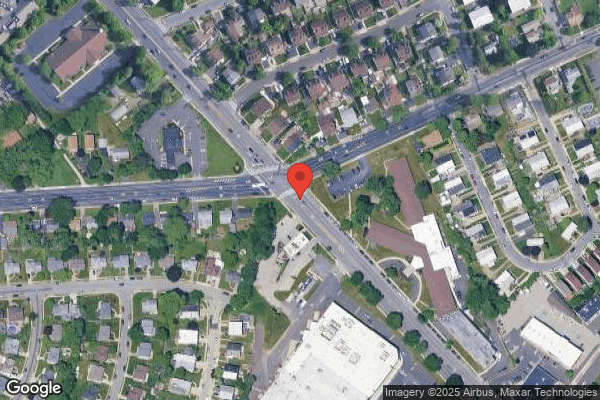

2109 RED LION ROAD, PHILADELPHIA, PA 19115 (215) 673-7000
For profit - Corporation 148 Beds COLEV GESTETNER Data: November 2025
Trust Grade
58/100
#326 of 653 in PA
Last Inspection: June 2025

Inspected within the last 6 months. Data reflects current conditions.

Overview

Oakwood Healthcare & Rehabilitation Center has a Trust Grade of C, which means it is average compared to other facilities, sitting in the middle of the pack. It ranks #326 out of 653 facilities in Pennsylvania, placing it in the top half, and #20 out of 46 in Philadelphia County, indicating only 19 local options are better. The facility is improving, as the number of issues reported decreased from 11 in 2024 to 7 in 2025. Staffing is rated at 4 out of 5 stars, which is a strength, but it faces a concerning turnover rate of 48%, which is similar to the state average. Although the fines of $5,269 are average, the facility has less RN coverage than 79% of Pennsylvania facilities, meaning fewer registered nurses are available to catch potential problems. Specific incidents raise some concerns, such as a resident expressing distress over delayed responses to call bells, sometimes waiting over an hour for assistance. Additionally, one resident reported that they did not want a specific nurse to care for them due to previous medication mistakes, yet their wishes were not respected. The facility also failed to administer blood pressure medication according to professional standards for some residents, which could jeopardize their health. Overall, while Oakwood shows some strengths in staffing and is on an upward trend, there are notable weaknesses that families should consider.

Trust Score
C
58/100
In Pennsylvania
#326/653
Top 49%
Safety Record
Low Risk
No red flags
Inspections
Getting Better
11 → 7 violations
Staff Stability
⚠ Watch
48% turnover. Above average. Higher turnover means staff may not know residents' routines.
Penalties
✓ Good
$5,269 in fines. Lower than most Pennsylvania facilities. Relatively clean record.
Skilled Nurses
○ Average
Each resident gets 32 minutes of Registered Nurse (RN) attention daily — about average for Pennsylvania. RNs are the most trained staff who monitor for health changes.
Violations
⚠ Watch
33 deficiencies on record. Higher than average. Multiple issues found across inspections.
★★★☆☆
3.0
Overall Rating
★★★★☆
4.0
Staff Levels
★★★☆☆
3.0
Care Quality
★★★☆☆
3.0
Inspection Score
Stable
2024: 11 issues
2025: 7 issues

The Good

  • 4-Star Staffing Rating · Above-average nurse staffing levels
  • Full Sprinkler Coverage · Fire safety systems throughout facility
  • No fines on record

Facility shows strength in staffing levels, fire safety.

The Bad

3-Star Overall Rating

Near Pennsylvania average (3.0)

Meets federal standards, typical of most facilities

Staff Turnover: 48%

Near Pennsylvania avg (46%)

Higher turnover may affect care consistency

Federal Fines: $5,269

Below median ($33,413)

Minor penalties assessed

Chain: COLEV GESTETNER

Part of a multi-facility chain

Ask about local staffing decisions and management

The Ugly 33 deficiencies on record

Jun 2025 6 deficiencies
CONCERN (D) 📢 Someone Reported This

A family member, employee, or ombudsman was alarmed enough to file a formal complaint

Potential for Harm - no one hurt, but risky conditions existed

Report Alleged Abuse (Tag F0609)

Could have caused harm · This affected 1 resident

**NOTE- TERMS IN BRACKETS HAVE BEEN EDITED TO PROTECT CONFIDENTIALITY** Based on review of facility policies, clinical record reviews and interviews with staff, it was determined that the facility did...

Read full inspector narrative →
**NOTE- TERMS IN BRACKETS HAVE BEEN EDITED TO PROTECT CONFIDENTIALITY** Based on review of facility policies, clinical record reviews and interviews with staff, it was determined that the facility did not ensure that all allegations of abuse and neglect were reported immediately to the Pennsylvania Department of Health for two of 26 residents reviewed. (Resident R24, R433) Findings Include: A review of the facility policy titled Oakwood Health and Rehabilitation Center Policy and Procedure, revised September 2023, revealed the following under Section #6, Investigating and Reporting: Once an allegation of abuse has been made, the supervisor who initially received the report must inform the Administrator of Nursing immediately and initiate gathering the requested information. An investigation must be directed by the Administrator or designee immediately. Review of Resident 24's clinical record revealed the resident was admitted to the facility on [DATE], and had a diagnosis of muscle wasting and atrophy, heart failure, need for assistance with personal care, other abnormalities of gait and mobility, disorder of muscle, adult failure to thrive, difficulty in walking, muscle weakness. A review of Resident R24's annual Minimum Data Set (MDS), dated [DATE], indicated a Brief Interview for Mental Status (BIMS) score of 14, reflecting cognitive intact. The functional abilities section of the MDS indicated that Resident R24 requires partial/moderate assistance with toileting hygiene tasks. An interview conducted on June 2, 2025, at 12:35 p.m. revealed that Resident R24 reported pressing the call bell at 2:00 a.m. during the previous night shift due to being wet with urine and needing a brief change. However, the resident was not changed until 5:00 a.m. Resident R24 stated that she reported the incident to the current morning charge nurse, Employee E6, who advised her that she would notify the Director of Nursing, Employee E2. On June 2, 2025, at 2:45 p.m., the surveyor informed the Director of Nursing, Employee E2, that Resident R24 had made an allegation of neglect, which had been reported to Employee E6. Employee E2 stated she was not aware of the allegation and would begin an immediate investigation. It was confirmed that the charge nurse, Employee E6, did not report the allegation of neglect to the Director of Nursing. Review of Resident 433's clinical record revealed the resident was admitted to the facility on [DATE], and had a diagnosis of adult failure to thrive, muscle wasting and atrophy, acquired absence of left leg above knee, and muscle spasm. A review of Resident R433's admission Minimum Data Set (MDS), dated [DATE], indicated a Brief Interview for Mental Status (BIMS) score of 15, reflecting cognitive intact. The functional abilities section of the MDS indicated that Resident R433 requires substantial/maximal assistance with toileting hygiene tasks. On June 5, 2025, at 10:35 a.m., a family interview was conducted for Resident R433. The interview revealed that when concerns are brought to the charge nurses, they remain at the nursing level and are not communicated to the administration. Earlier that morning, Resident R433 had been sitting in urine for approximately two hours while eating breakfast. She was not changed until the nursing aides had finished collecting breakfast trays. This concern was communicated to the Unit Manager, Employee E5, who apologized. On June 5, 2025, at 10:40 a.m., an interview was conducted with Resident R433, who reported that she pressed the call bell between 7:00 a.m. and 7:30 a.m. because she was wet with urine and needed a change. A nursing aide responded to the call bell but stated that it was breakfast time, and she needed to finish passing trays. Resident R433 expressed frustration, as she had to eat breakfast while sitting in urine. On June 5, 2025, at 10:50 a.m., an interview was conducted with the Unit Manager, Employee E5. She reported that she was aware of the allegation of neglect involving Resident R433 but did not report it to the Director of Nursing. On June 5, 2025, at 11:10 a.m., an interview with the charge nurse, Employee E6, revealed that she was aware of the allegation of neglect reported by Resident R24 and understood it needed to be reported within two hours. However, she failed to report it to the Director of Nursing due to the presence of surveyors on-site. 28 Pa. Code: 201.14(a)(c) Responsibility of licensee. 28 Pa. Code: 201.18(b)(1)(e)(1) Management.
CONCERN (D)

Potential for Harm - no one hurt, but risky conditions existed

Deficiency F0657 (Tag F0657)

Could have caused harm · This affected 1 resident

**NOTE- TERMS IN BRACKETS HAVE BEEN EDITED TO PROTECT CONFIDENTIALITY** Based on clinical record review and interview with staff, it was determined that the facility did not ensure that care plans wer...

Read full inspector narrative →
**NOTE- TERMS IN BRACKETS HAVE BEEN EDITED TO PROTECT CONFIDENTIALITY** Based on clinical record review and interview with staff, it was determined that the facility did not ensure that care plans were revised in a timely manner related to fall interventions for one of three records reviewed for falls. (Resident R5). Findings include: Review of facility policy, Care Plans, Comprehensive Person Centered, revised March 2022, indicated that care plans are revised as information about the resident's change. Review of clinical documentation revealed that Resident R5 was readmitted to the facility on [DATE], had diagnoses including, but not limited to, muscle wasting, difficulty walking and atrophy, and muscle weakness. Review of Progress Note dated, October 15, 2024, revealed Resident R5 had an unwitnessed fall and was observed sitting on the floor next to her bed. Further review revealed that on October 16, 2024, Resident R5 complained of right femur pain post fall yesterday. On October 17, 2024, Resident R5 was admitted to the hospital with diagnosis of right femur fracture. Review of Resident R5's current Care Plan revealed that Fall care plan was initiated on December 27, 2025; and interventions including, assisting resident out of bed and monitoring for toilet needs were dated to be initiated on January 9, 2025. Interview with the Director of Nursing conducted on June 4, 2025, at 1:51 p.m. confirmed that the residents care plan had not been updated timely post fall. 28 Pa. Code 211.10 (d) Resident care policies 28 Pa. Code 211.12 (d)(5) Nursing services
CONCERN (D) 📢 Someone Reported This

A family member, employee, or ombudsman was alarmed enough to file a formal complaint

Potential for Harm - no one hurt, but risky conditions existed

ADL Care (Tag F0677)

Could have caused harm · This affected 1 resident

**NOTE- TERMS IN BRACKETS HAVE BEEN EDITED TO PROTECT CONFIDENTIALITY** Based on a review of clinical records, and interviews with residents, family members, and staff, it was determined that the faci...

Read full inspector narrative →
**NOTE- TERMS IN BRACKETS HAVE BEEN EDITED TO PROTECT CONFIDENTIALITY** Based on a review of clinical records, and interviews with residents, family members, and staff, it was determined that the facility failed to provide the necessary assistance with activities of daily living (ADLs) to maintain proper grooming for five of the five residents reviewed (Residents R24, R53, R33, R93, R433) Findings: Review of Resident 24's clinical record revealed the resident was admitted to the facility on [DATE], and had a diagnosis of muscle wasting and atrophy, heart failure, need for assistance with personal care, other abnormalities of gait and mobility, disorder of muscle, adult failure to thrive, difficulty in walking, muscle weakness. A review of Resident R24's annual Minimum Data Set (MDS), dated [DATE], indicated a Brief Interview for Mental Status (BIMS) score of 14, reflecting cognitive intact. The functional abilities section of the MDS indicated that Resident R24 requires partial/moderate assistance with toileting hygiene tasks. An interview conducted on June 2, 2025, at 12:35 p.m. revealed that Resident R24 reported pressing the call bell at 2:00 a.m. during the previous night shift due to being wet with urine and needing a brief change. However, the resident was not changed until 5:00 a.m. Resident R24 stated that she reported the incident to the current morning charge nurse, Employee E6, who advised her that she would notify the Director of Nursing, Employee E2 Review of Resident 93's clinical record revealed the resident was admitted to the facility on [DATE], and had a diagnosis Parkinson's disease, muscle wasting and atrophy right and left ankle and foot, lack of coordination, dementia (memory loss) , difficulty in walking. A review of Resident R93's quarterly Minimum Data Set (MDS), dated [DATE], indicated a Brief Interview for Mental Status (BIMS) score of 8, indicating the resident is moderately cognitively impaired. The functional abilities section of the MDS indicated that Resident R93 partial/moderate assistance with toileting hygiene tasks. On June 2, 2025, at 12:45 p.m. an observation of Resident R93 was conducted revealing facial hair on the chin. License nurse, Employee E4 confirmed the observations. Review of Resident 33's clinical record revealed the resident was admitted to the facility on [DATE], and had a diagnosis of dementia, muscle weakness, muscle wasting and atrophy, contracture right hand, disorder of muscle, difficulty in walking. A review of Resident R33's annual Minimum Data Set (MDS), dated [DATE], indicated a Brief Interview for Mental Status (BIMS) score of 3, indicating the resident is severely cognitively impaired. The functional abilities section of the MDS indicated that Resident R33 dependent with toileting, hygiene tasks. A comprehensive care plan dated March 21, 2023, revealed routine nail care and as needed. On June 2, 2025, at 12:50 p.m. an observation was conducted of Resident R33 revealing long nails. Director of Nursing confirmed the observations and reported that staff will attempt to cut it. Resident R33 is nonverbal. A telephone interview with the family, conducted on June 2, 2025, at 1:32 p.m., revealed that the family desires for Resident R33 to have her nails kept short. Review of Resident 53's clinical record revealed the resident was admitted to the facility on [DATE], and had a diagnosis of dementia, muscle wasting. On May 1, 2025, Resident R53 was diagnosed with a fracture of the distal end of the right radius, with unspecified fracture morphology, and was provided with an arm sling for healing. A review of Resident R53's quarterly Minimum Data Set (MDS), dated [DATE], indicated a Brief Interview for Mental Status (BIMS) score of 4, indicating the resident is severely cognitively impaired. The functional abilities section of the MDS indicated that Resident R53 requires setup or clean-up assistance with toileting, hygiene tasks. An interview conducted on June 2, 2025, at 1:12 p.m. revealed that Resident R53 had long nails and was wearing an arm sling for her right fracture. Resident R53 wanted them to be cut. License Nurse, Employee E6 confirmed the observation. Review of Resident 433's clinical record revealed the resident was admitted to the facility on [DATE], and had a diagnosis of adult failure to thrive, muscle wasting and atrophy, acquired absence of left leg above knee, and muscle spasm. A review of Resident R433's admission Minimum Data Set (MDS), dated [DATE], indicated a Brief Interview for Mental Status (BIMS) score of 15, reflecting cognitive intact. The functional abilities section of the MDS indicated that Resident R433 requires substantial/maximal assistance with toileting hygiene tasks. On June 4, 2025, at 10:30 a.m., a resident council meeting was held with 12 alert and oriented residents (R7, R112, R104, R84, R26, R113, R56, R35, R87, R82, R68, R97). The residents reported that, on many occasions, nursing aides would turn off call bells without providing assistance, stating, I'm not your aide. They also noted that call bell response is worst during the shift change between 2:00 p.m. and 4:00 p.m., as well as during the evening shift from 3:00 p.m. to 11:00 p.m. On June 5, 2025, at 10:35 a.m., a family interview was conducted for Resident R433. The interview revealed that earlier that morning, Resident R433 had been sitting in urine for approximately two hours while eating her breakfast. She was not changed until the nursing aides finished collecting breakfast trays. This concern was communicated to the unit manager, employee E5 who apologized. On June 5, 2025, at 10:40 a.m., an interview was conducted with Resident R433, who reported that she pressed the call bell between 7:00 a.m. and 7:30 a.m. because she was wet with urine and needed a change. A nursing aide responded to the call bell but stated that it was breakfast time, and she needed to finish passing trays. Resident R433 expressed frustration, as she had to eat breakfast while sitting in urine. At approximately 8:30 a.m., Resident R433 pressed the call bell. A nursing aide entered the room and stated that she was not sure if Resident R433 was on her assignment and then turned off the call bell. At 8:50 a.m., the same nursing aide returned, confirmed that Resident R433 was on her assignment, and proceeded to provide care. On June 5, 2025, at 10:50 a.m., an interview with the unit manager, Employee E4, confirmed that she was aware of the situation involving Resident R433. 28 Pa. Code 211.10 (d) Resident care policies 28 Pa code 211.12.(d)(1)(5) Nursing services
CONCERN (D) 📢 Someone Reported This

A family member, employee, or ombudsman was alarmed enough to file a formal complaint

Potential for Harm - no one hurt, but risky conditions existed

Quality of Care (Tag F0684)

Could have caused harm · This affected 1 resident

**NOTE- TERMS IN BRACKETS HAVE BEEN EDITED TO PROTECT CONFIDENTIALITY** Based on review of clinical record reviews and interviews with staff, it was determined that the facility failed to follow the p...

Read full inspector narrative →
**NOTE- TERMS IN BRACKETS HAVE BEEN EDITED TO PROTECT CONFIDENTIALITY** Based on review of clinical record reviews and interviews with staff, it was determined that the facility failed to follow the physician orders related to medication administration for one of 26 residents reviewed (Residents R433). Findings include: Review of Resident 433's clinical record revealed the resident was admitted to the facility on [DATE], and had a diagnosis of adult failure to thrive, muscle wasting and atrophy, acquired absence of left leg above knee, and muscle spasm. A review of Resident R433's admission Minimum Data Set (MDS), dated [DATE], indicated a Brief Interview for Mental Status (BIMS) score of 15, reflecting cognitive intact. A review of the clinical progress notes indicated a progress physician note dated on May 16, 2025 indicated resident admitted to the facility. She is alert and oriented. All medication were reviewd and verified with physician, [Employee E3]. Review of hospital's physician orders indicated that Resident R433 was prescribed Insulin Aspart Flex Pen 100 unit/ml Sopn inject 15-18 units under the skin in the morning and 15-18 units at noon and 15-18 units in the evening. Inject before meal take 15 u with breakfast and 18 units with lunch and dinner. Last time this was given: May 16, 2025, at 9:01 a.m. Sliding scale 200-250 =2 units, 251-300= 4 units, 301-350= 6 units, 351-400=8 units, call MD if BS<60 or >400 upon discharge on [DATE]. On June 5, 2025, at 10:50 a.m., an interview was conducted with the Unit Manager, Employee E5, who confirmed that the Medication Administration Record (MAR) for May 2025 did not reflect that the sliding scale insulin order from the physician was created or administered until May 21, 2025. A review of the progress notes showed no changes in the insulin orders by the facility's physician. The sliding scale insulin order should have been created and administered upon the resident's admission to the facility on May 16, 2025, as indicated in the hospital discharge documentation. On June 5, 2025, at 11:30 a.m., an interview with the Director of Nursing confirmed that the facility failed to follow the physician's order to administer insulin based on a sliding scale. The facility did not have a sliding scale insulin order in place until May 21, 2025. 28 Pa Code 211.12(d)(5) Nursing services
CONCERN (D)

Potential for Harm - no one hurt, but risky conditions existed

Deficiency F0697 (Tag F0697)

Could have caused harm · This affected 1 resident

**NOTE- TERMS IN BRACKETS HAVE BEEN EDITED TO PROTECT CONFIDENTIALITY** Based on review of facility policy, review of clinical records, and interview with staff, it was determined that the facility fa...

Read full inspector narrative →
**NOTE- TERMS IN BRACKETS HAVE BEEN EDITED TO PROTECT CONFIDENTIALITY** Based on review of facility policy, review of clinical records, and interview with staff, it was determined that the facility failed to implement non-pharmacological interventions in accordance with professional standards for one of 26 residents reviewed (Resident R120). Findings include: Review of facility policy Pain Evaluation and Management Policy, revised December 12, 2020, revealed that The comprehensive pain evaluation is reviewed by the nurse and the physician, and interventions are implemented as appropriate. Care plans will be developed to include both pharmacologic and non- pharmacologic interventions. Care plans will be reviewed and revised as new interventions are needed. Review of Resident R120's clinical record revealed the resident was admitted to the facility on [DATE], and had diagnoses including fracture of left femur(left hip fracture) with orthopedic aftercare. Review of Resident R120's care plan revised May 2, 2025, revealed the resident was at risk for pain related to the diagnosis of left femur fracture. The care plan did not include any non-pharmacological interventions. Review of physician orders for Resident R120 dated April 29, 2025, revealed an order for Oxycodone(opioid pain medication) 5 mg every 4 hours as needed for severe pain. Review of clinical record for Resident R120 revealed no documented evidence that the resident was offered or received non-pharmacological interventions. Review of Medication Administration Record for Resident R120 revealed that Resident R120 received 39 doses of oxycodone in May 2025. Review of Medication Administration Record for Resident R120 revealed that Resident R120 received 3 doses of oxycodone from June 2 to June 4. Interview with Director of Nursing, Employee E2, on June 5, 2025, at 11:00 a.m. confirmed that Resident R120 was not receiving any non-pharmacological interventions and stated staff should attempt non-pharmacological interventions prior to administering pharmacological interventions. 28 Pa Code 211.12(d)(3)(5) Nursing services
CONCERN (D)

Potential for Harm - no one hurt, but risky conditions existed

Infection Control (Tag F0880)

Could have caused harm · This affected 1 resident

Based on review of facility policy and procedures, observations, and staff interviews, it was determined that the facility failed to follow acceptable infection control practices related to the use of...

Read full inspector narrative →
Based on review of facility policy and procedures, observations, and staff interviews, it was determined that the facility failed to follow acceptable infection control practices related to the use of appropriate personal protective equipment for one of three nursing units on transmission-based isolation precautions. (B unit) Findings include: Review of a undated facility policy titled Managing Residents with COVID-19, revealed 1. Use of standard and transmission-based precautions for COVID-19, per current guidelines, with appropriate PPE use and signage. 2. Place in a single-person room when able. 3. If single-room quarantine is unavailable due to limited single rooms or multiple residents are identified as COVID-19 positive, resident~ positive for COVID-19 will be cohorted. 5. Restrict the resident to their room when[ possible. 6. Provide the resident with a surgical mask if they need to leave their room. 7. Restrict residents to medically necessary outings during the isolation period Review of CDC guidelines for COVID-19 revealed that Residents placed in Transmission-Based Precautions for acute respiratory infection should primarily remain in their rooms except for medically necessary purposes. If they must leave their room, they should practice physical distancing and wear a facemask for source control. HCP who enter the room of a resident with signs or symptoms of an unknown respiratory viral infection that is consistent with SARS-CoV-2 infection should adhere to Standard Precautions and use a NIOSH-approved particulate respirator with N95 filters or higher, gown, gloves, and eye protection (i.e., goggles or a face shield that covers the front and sides of the face). Review of an isolation precaution sign placed outside Resident R120 room revealed instruction to wear N-95 masks, goggles/eye wear, and gowns. Observation of the B nursing unit on June 4, 2025, at 10:33 a.m. revealed that Employee E5, Nurse Aide, was transporting Resident R120 in the hallway towards the shower room. The aide was not wearing a gown or eye protection. Resident R120 did not wear facemask. Continued observation revealed that the aide took the resident back to the room. The aide was helping the resident inside the room without wearing a gown or eye protection. Interview with the Unit Manager, Employee E6 on June 4, 2025, at 10:40 a.m. confirmed that the resident was on respiratory isolation precaution and all staff should wear N-95 masks, goggles/eye wear, and gowns when entering resident room or providing care. Employee E6 stated when residents on respiratory isolation goes outside the room, they should wear N-95 mask. 28 Pa. Code 201.14(a) Responsibility of licensee. 28 Pa. Code 211.12(d)(1) Nursing services
Mar 2025 1 deficiency
CONCERN (D) 📢 Someone Reported This

A family member, employee, or ombudsman was alarmed enough to file a formal complaint

Potential for Harm - no one hurt, but risky conditions existed

Medical Records (Tag F0842)

Could have caused harm · This affected 1 resident

**NOTE- TERMS IN BRACKETS HAVE BEEN EDITED TO PROTECT CONFIDENTIALITY** Based on clinical record review, facility policy, and staff interview, it was determined that the facility failed to ensure comp...

Read full inspector narrative →
**NOTE- TERMS IN BRACKETS HAVE BEEN EDITED TO PROTECT CONFIDENTIALITY** Based on clinical record review, facility policy, and staff interview, it was determined that the facility failed to ensure complete and accurate medication administration for one of 9 residents reviewed (Resident CR1). Findings include: The Facility Policy titled Administering Medication revised on [DATE], revealed Mediations are administered in a safe and timely manner, and as prescribed. It further under policy interpretation and implementation 23. states As required or indicated for a medication, the individual administering the medication records in the resident's medication record. A. the date and time the medication was administered, b. the dosage, c. the route of administration, d. the injection site (if applicable), e. any complaint or symptoms for which the drug was administered, f. any results achieved and when those results were observed, and g. the signature and title of the person administering the drug. Clinical record review revealed the facility admitted Resident CR1 on [DATE], and expired on [DATE]. Resident CR1 had the following diagnosis of sequelae of cerebral infarction ( complications from a stroke), Parkinson's disease without dyskinesia without mention of fluctuations, dementia with other behavioral disturbance. Review of Resident CR1's physician orders revealed that the order for Acetaminophen Table 500 milligrams give 1 table by mouth every 4 hours as needed for Temp >100 Fahrenheit. A clinical progress note documented on [DATE], by the license nurse, Employee E6 revealed that Resident CL1 received in bed awake alert . resident temp is 100.3 Tylenol was given with cold compress, fever decrease to 99.1. [Medical Physician, Employee E7] was in the facility new order given for chest X-ray, call placed stat (immediate) with claim number Start Levaquin 500 mg one time a day for 7 days for infections no adverse reaction. Review of the Medication Administration for [DATE] did not show any medication administration of the Acetaminophen Table 500 as it stated per the progress note. On [DATE], at 12:27 p.m. an interview with the license nurse, Employee E6 reveled that she did provide the Acetaminophen (Tylenol); however, did not document in the medication administration record. On [DATE], at 2:47 p.m., an interview with the Director of Nursing, Employee E2, confirmed that licensed nurse, Employee E6, did not document the complete and accurate administration of Acetaminophen. 28 Pa. Code 211.12(d)(1) Nursing services
Aug 2024 10 deficiencies
CONCERN (D)

Potential for Harm - no one hurt, but risky conditions existed

Deficiency F0583 (Tag F0583)

Could have caused harm · This affected 1 resident

Based on observation, and staff interview, it was determined that the facility failed to maintain the confidentiality of residents' medical information on one of three nursing units (Unit A Medication...

Read full inspector narrative →
Based on observation, and staff interview, it was determined that the facility failed to maintain the confidentiality of residents' medical information on one of three nursing units (Unit A Medication Cart). Findings include: During an observation on August 26, 2024, at 12:50 p.m. the Infection Preventionist, Employee E3 confirmed Medication Cart that was assigned to license nurse, Employee E5 which revealed to be left unattended with the computer screen open with identifiable information any passerby could see resident personal and confidential information. Employee E3 was not in the hallway nor near her medication cart. During an observation on August 26, 2024, at 2:25 p.m. the license wound nurse, Employee E8 confirmed Medication Cart that was assigned to license nurse, Employee E5 which revealed to be left unattended with the computer screen open with identifiable information any passerby could see resident personal and confidential information. Employee E5 was not in the hallway nor near her medication cart. On August 29, 2024, at 11:44 a.m. an Administrator, Employee E1 confirmed observation on A wing that Medication Cart which was assigned to registered nurse, Employee E13 revealed to be left unattended with the computer screen open with identifiable information any passerby could see resident personal and confidential information. Employee E13 was not in the hallway or nearby. During an interview on August 29, 2024, at approximately 2:30 p.m. the Nursing Home Administrator confirmed that the facility failed to maintain the confidentiality of residents' medical information as required. 28 Pa Code 211.5(b) Medical records
CONCERN (D)

Potential for Harm - no one hurt, but risky conditions existed

Investigate Abuse (Tag F0610)

Could have caused harm · This affected 1 resident

**NOTE- TERMS IN BRACKETS HAVE BEEN EDITED TO PROTECT CONFIDENTIALITY** Based on review of clinical record, review of policy and procedure, and interviews with staff and residents, it was determined t...

Read full inspector narrative →
**NOTE- TERMS IN BRACKETS HAVE BEEN EDITED TO PROTECT CONFIDENTIALITY** Based on review of clinical record, review of policy and procedure, and interviews with staff and residents, it was determined that the facility failed to investigate an allegation of possible abuse and neglect and report to the State survey agency the result of the investigation for one of 26 clinical records reviewed. (Resident R44) Findings include: Review of Resident R44's clinical record revealed that the resident was admitted to the facility on [DATE], with the diagnoses of schizophrenia (mental disease characterized by loss of reality contact), major depression, muscle spasticity, low back pain with sciatica (pain going from the lower back down the leg), IV (intravenous) drug abuse. Review of Resident R44's February 2024 physician orders revealed that the resident was ordered May 3, 2023, the pain/ narcotic medication Oxycodone 5 milligrams (mg) by mouth five times a day for severe pain and on May 5, 2023 Baclofen 10 mg by mouth ever six hours as needed for muscle spasms. Clinical record review revealed that on February 9, 2024 the nursing note indicated that Resident R44 was found unresponsive to verbal and painful stimuli. The staff attempted to arouse Resident R44 several times with no positive effect. The physician was contacted and ordered the staff to administer Naloxone nasally 4mg. After administration of the naloxone the nursing staff documented that the resident was aroused but had slurred speech and was unaware of time of place. The physician then ordered the nursing staff to send the resident to the hospital emergency room. Hospital record review revealed that on February 9, 2024 Resident R44 was examined by the emergency room physician who documented that Resident R44 had oxycodone and baclofen use and had an unintentional overdose with these medications. The physician had documented that Resident R44 had experienced hypercapnic respiratory failure and unintentional overdose or polypharmacy. Upon interview Resident R44 told the hospital examining physician that he was given oxycodone and Baclofen at the same time causing him to become unresponsive. Resident R44 reported to the hospital physician that he took two doses of baclofen incidentally with oxycodone and then went to sleep. Clinical record review on February 12, 2024 for Resident R44 revealed the diagnosis of poisoning by unspecified drugs, medications and biological substances. Clinical record review for Resident R44 revealed a psychiatry assessment on July 29, 2024 that indicated Resident R44 had diagnoses of depression and schizophrenia. The psychiatrist indicated that Resident R44 was alert and oriented and reporting that nursing staff may have given him too much narcotics because he was diagnosed with medication poisoning at the hospital, last time he was there. Interview with licensed nursing staff, Employee E15 at 10:00 a.m., on August 29, 2024 revealed that Resident R44 was found unarousable between 9:00 a.m., and 10:00 a.m., on February 9, 2024. The licensed practical nurse, Employee E15 also said that the physician ordered the administration of naloxone HCL nasal spray to be administered to Resident R44 for medication overdose on February 9, 2024. Employee E15 documented neurological checks as low blood pressure 81/53 and low pulse 56 for Resident R44 on February 9, 2024. The licensed nurse, Employee E15 reported that she called for emergency transport to the hospital for Resident R44 on February 9, 2024 as directed by the physician. Further interview with Employee E15 at 10:30 a.m., on August 29, confirmed that Resident R44 left the facility unescorted by staff for a cardiology appointment on January 16, 2024 and February 29, 2024. Interview with the Nursing Home Administrator and Director of Nursing at 10:00 a.m., on August 28, 2024 confirmed that there was no investigation into a case of possible neglect for Resident R44; who was found diagnosed at the hospital with unintentional overdose. 28 Pa. Code 201.14(a) Responsibility of licensee 28 Pa. Code 201.18(b)(1)(3)(d)(4)(e)(1) Management 28 Pa. Code 211.12(c)(d)(1) Nursing services
CONCERN (D)

Potential for Harm - no one hurt, but risky conditions existed

Comprehensive Care Plan (Tag F0656)

Could have caused harm · This affected 1 resident

**NOTE- TERMS IN BRACKETS HAVE BEEN EDITED TO PROTECT CONFIDENTIALITY** Based on clinical record review and staff interviews, it was determined the facility failed to develop person-centered care plan...

Read full inspector narrative →
**NOTE- TERMS IN BRACKETS HAVE BEEN EDITED TO PROTECT CONFIDENTIALITY** Based on clinical record review and staff interviews, it was determined the facility failed to develop person-centered care plans related to elopement for one out of 26 residents sampled (Resident 78). Findings include: A review of the clinical record revealed Resident 78 was admitted to the facility on [DATE], with diagnoses of depression, anxiety disorder, recurrent, borderline personality disorder, narcissistic personality disorder. A review of a physician order, initially dated August 21, 2024 revealed the resident had a wanderguard (device that is place on ankle or wrist that activate the locking mechanism on doors to the outside of the facility) to back/right armrest of W/C (wheelchair). A review of progress notes dated, August 21, 2024, written by the license nurse, Employee E16 revealed resident continuously refused to take her meds. Resident has an increase aggression physically and verbally to staff. Resident was screaming/yelling/swinging at staff. Resident is at risk for elopement, stated I'm going to get out of here, and I'm not going back to this place and tends to stay by the exit door. A review of the current resident's plan of care revealed the resident's care plan failed to identify the resident's is an elopement risk and interventions develop on the resident's care plan to prevent elopment. An interview with the Resident R78 on August 26, 2024, at 10:54 a.m. revealed that she doesn't like the wander guard on the back right side of her armrest of the wheelchair and yesterday she cut it off with a butter knife. License Nurse, Employee E4 confirmed that the Resident's R78's wheelchair did not have a wander guard. Interview with the Director of Nursing on August 29, 2024, at approximately 1:30 p.m. confirmed the facility failed to ensure that comprehensive care plans were developed. 28 Pa. Code 211.12 (d)(5) Nursing services
CONCERN (D)

Potential for Harm - no one hurt, but risky conditions existed

Deficiency F0685 (Tag F0685)

Could have caused harm · This affected 1 resident

**NOTE- TERMS IN BRACKETS HAVE BEEN EDITED TO PROTECT CONFIDENTIALITY** Based on clinical record review, observations, and staff interviews, it was determined that the facility failed to ensure that r...

Read full inspector narrative →
**NOTE- TERMS IN BRACKETS HAVE BEEN EDITED TO PROTECT CONFIDENTIALITY** Based on clinical record review, observations, and staff interviews, it was determined that the facility failed to ensure that residents receive proper treatment and assistive devices to maintain hearing and vision abilities for one of 26 residents reviewed (Resident R32). Findings include: Review of the clinical record indicated that Resident R32 was admitted to the facility on [DATE], with diagnoses to include anxiety disorder, major depressive disorder, rheumatoid arthritis (chronic autoimmune disorder which effects joints, causing inflammation, pain and swelling), osteoporosis (bones loose density, making them thinner and less durable). A quarterly Minimum Data Set (MDS) assessment (a mandated assessment of a resident's abilities and care needs) for Resident R32, dated, July 18, 2024 revealed that the resident was cognitively intact. Review of Resident R32's inhouse new Audiology summary dated January 25, 2024, indicated a recommendation for the Resident R32 for in office visit for myringotomy treatment (a surgery performed by an ear, nose, and throat (ENT) specialist to drain fluid from your middle ear). A follow ENT was conducted inhouse on June 26, 2024, for Resident R32 recommending the same treatment as it was not completed. On July 23, 2024, another hearing assessment report was conducting Resident's R32 hearing decreased; however, there was no documentation that Resident R32 was taken for the myringotomy treatment. Further review of the clinical record for Resident R32 revealed a vision consultation occurred on June 18, 2024 with a recommendation of bilateral cataracts surgery for left eye. An interview was held with the Resident R32 on August 26, 2024, at 1:57 p.m. that she unable to hear and reported I want to know about my hearing appointment, also it's been months for me to get cataract surgery. I had an appointment but did not go because there was no one who could go with me. Surveyor had to speak closely to Resident's R32's ear as Resident R32 was unable to hear. License nurse, Employee E24 who came in to administered medication confirmed that Resident R32 was unable to hear. On August 28, 2024, approximately 11:30 a.m. Director of Nursing, Employee E2 brought in Audiology summary assessment and reported that an appointment has been scheduled for September 5, 2024, by the medical record, Employee E11 for resident to go for myringotomy appointment and another appointment was scheduled for the resident to get her cataracts treatment for her vision on September 16, 2024. An interview with the medical record, Employee E11 on August 28, 2024, at 1:25 p.m. who reported that it's her responsibility to schedule appointments and she was not aware of the need for myringotomy treatment and scheduled her an appointment on August 27, 2024 when surveyor questioned the recommendation. The protocol she would get a communication request from the unit manager to schedule an appointment for residents and then she calls to schedule. In this case she received a request for the myringotomy appointment request yesterday on August 27, 2024 from the unit manager. It was further revealed by Employee E11 who confirmed that an early cataract appointment was schedule for July 29, 2024, at 7:15 a.m.; however, due to staffing shortage there was no available staff to accompany the resident and it was canceled. It was further communicated that even transportation showed up at 7:15 a.m. However, there was no staff to accompany the resident. It was rescheduled for September 16, 2024. On August 29, 2024, at 8:51 a.m., an interview was conducted with the unit manager, Employee E15, who was responsible for communicating the need for appointments to the medical record staff. Employee E15 confirmed that Resident R32 had originally received a recommendation on January 26, 2024, for myringotomy treatment; however, the appointment was not scheduled until August 27, 2024, following an inquiry by the surveyor. Employee E15 was also unaware that Resident R32's cataract appointment had been canceled by the facility due to a staffing shortage. 28 Pa. Code 211.10(a)(c)(d) Resident care policies. 28 Pa. Code 211.12(d)(3) Nursing services.
CONCERN (D)

Potential for Harm - no one hurt, but risky conditions existed

Accident Prevention (Tag F0689)

Could have caused harm · This affected 1 resident

**NOTE- TERMS IN BRACKETS HAVE BEEN EDITED TO PROTECT CONFIDENTIALITY** Based on review of facility policy, facility documentation, review of clinical records, observations, and staff interviews, it w...

Read full inspector narrative →
**NOTE- TERMS IN BRACKETS HAVE BEEN EDITED TO PROTECT CONFIDENTIALITY** Based on review of facility policy, facility documentation, review of clinical records, observations, and staff interviews, it was determined that the facility failed to appropriately determine the effectiveness of interventions for a resident who was assessed as an elopement risk for one of the 26 residents reviewed (Resident R78) Findings include: A review of the facility policy titled Elopement Risk Evaluation Policy revised 12/12 revealed It is the policy of the facility that all residents will be evaluated upon admission, re-admission quarterly and with any changed in the resident's status to assess their risk for elopement. The Elopement Risk Evaluation will be reviewed and completed. Under procedure number 4. Interventions will be developed and implemented by the interdisciplinary Care Plan Team. The Interdisciplinary Team will re-evaluate interventions with each Elopement Risk Evaluation care conference and with any change in the resident's status. A review of the clinical record revealed Resident 78 was admitted to the facility on [DATE], with diagnoses of depression, anxiety disorder, borderline personality disorder, and narcissistic personality disorder. Review of Quarterly Minimum Data Set (MDS-a periodic assessment of care needs) dated August 22, 2024, indicated that the Brief Interview for Mental Status (BIMS) score of 14-cognition intact. A review of a physician order, initially dated August 21, 2024 revealed the resident had a wander guard (device that is place on ankle or wrist that activate the locking mechanism on doors to the outside of the facility) to back/right armrest of W/C (wheelchair). A review of Resident R78's clinical record did not indicate an Elopement Risk Evaluation was completed. A review of progress notes dated, August 21, 2024, written by the license nurse, Employee E16 revealed resident continuously refused to take her meds. Resident has an increase aggression physically and verbally to staff. Resident was screaming/yelling/swinging at staff. Resident is at risk for elopement, stated I'm going to get out of here, and I'm not going back to this place and tends to stay by the exit door. An interview with the Resident R78 on August 26, 2024, at 10:54 revealed that she doesn't like the wander guard on the back right side of her armrest of the wheelchair and yesterday she cut it off with a butter knife. License Nurse, Employee E4 confirmed that the Resident's R78's wheelchair did not have a wander guard. On August 29, 2024, at 1:34 p.m. with the license nurse, Employee E13 confirmed that for Resident R78's wheelchair does not have a wander guard and the resident unwilling to place the wander guard on Resident R78's wheelchair. It was confirmed that intervention to prevent elopment was ineffective. On August 29, 2024, at 1:52 p.m. an interview with the unit manager, Employee E15 confirmed there was no other interventions explored by the facility besides the wander guard. Employee E15 confirmed that wander guard intervention was ineffective, and she has removed the physician order. An elopement assessment was requested to see if facility evaluated the significant risk for the resident for elopement. On August 30, 2024, at 2:00 p.m. Director of Nursing, Employee provided a Quarterly Evaluation which was created on August 21, 2024, documented that\ Resident R78 had an attempt in the last 30 days to elope and at risk to elope. 28 Pa. Code 211.12(d)(1)(5) Nursing services.
CONCERN (D)

Potential for Harm - no one hurt, but risky conditions existed

Respiratory Care (Tag F0695)

Could have caused harm · This affected 1 resident

**NOTE- TERMS IN BRACKETS HAVE BEEN EDITED TO PROTECT CONFIDENTIALITY** Based on clinical record review, observations, and staff interviews, it was determined that the facility failed to provide appro...

Read full inspector narrative →
**NOTE- TERMS IN BRACKETS HAVE BEEN EDITED TO PROTECT CONFIDENTIALITY** Based on clinical record review, observations, and staff interviews, it was determined that the facility failed to provide appropriate tracheostomy care for one of 26 residents (Resident R71). Findings include: Review of the clinical record indicated that Resident R71 was admitted to the facility on [DATE], with a diagnosis of encounter for attention to tracheostomy (a surgically created opening in the neck that allows direct access to the trache for breathing), chronic obstructive pulmonary disease (a chronic inflammatory lung disease that causes obstructed airflow from the lungs), acute respiratory failure hypoxia (is an emergency where the lungs are unable to supply enough oxygen to the blood, leading to dangerously low oxygen level (hypoxia). A review of Resident R71's Quarterly Minimum Data Set (MDS), a periodic assessment of care needs, dated July 21, 2024, showed that the Brief Interview for Mental Status (BIMS), which assesses cognitive function, returned a score of unknown, indicating that the resident's cognitive status could not be assessed at that time. On August 26, 2024, at 1:12 p.m., an observation was conducted with Infection Preventionist Employee E3 in Resident R71's room to assess tracheostomy supplies. Based on the physician's order dated April 25, 2024, Resident R71 was to have the following supplies at the bedside: Ambu bag, syringe, spare trach tubes (same trach size/type 6 and smaller trach size/type 4), and water-based lubricant. During the observation, it was confirmed that the required size 6 trach tube was not present at the bedside. Employee E3 then checked the medication cart, but the size 6 trach tube was not available there either. On August 26, 2024, at approximately 2:05 p.m., a surveyor observed a family member repeatedly entering and exiting Resident R71's room, requesting to speak with the assigned licensed nurse, Employee E5. When the surveyor approached the family member for an interview, it was revealed that Resident R71 had taken a shower earlier that morning, and the trach collar had not been changed, leaving it wet. The surveyor inquired how the family member knew the collar was wet and needed to be changed. The resident's faily memeber confirmed this by touching the collar and stating it was soaking wet and should have been changed after the shower. Family member further reported that a license nurse who was providing care it's not her regular nurse and most likely forgot to change her trach collar after a shower was given. The surveyor then went to the nursing station to locate Employee E5, only to be informed that Employee E5 was on a break outside the building. At 2:46 p.m., same day Employee E5 returned to change the collar. On August 29, 2024, at 11:45 a.m., licensed nurse Employee E12 was observed performing a tracheostomy treatment on Resident R71, which included changing the resident's trach collar. During the procedure, Resident R71 required suctioning; however, Employee E12 did not have a disposable inner cannula readily available, either at the bedside or in the medication cart. Another licensed nurse, Employee E17, had to retrieve the cannula from the medication storage room. On August 29, 2024, at approximately 2:30 p.m., these observations were confirmed by Infection Preventionist Employee E3 and Director of Nursing Employee E2. 28 Pa. Code: 201.14(a) Responsibility of licensee 28 Pa. Code 211.12(d)(1)(2)(3)(5) Nursing services
CONCERN (D)

Potential for Harm - no one hurt, but risky conditions existed

Drug Regimen Review (Tag F0756)

Could have caused harm · This affected 1 resident

Based on review of facility provided documentation, and review of clinical record, it was determined that the facility did not ensure to have attending physician address and document pharmacist's iden...

Read full inspector narrative →
Based on review of facility provided documentation, and review of clinical record, it was determined that the facility did not ensure to have attending physician address and document pharmacist's identified irregularities for one of 26 residents reviewed (Resident R127) Findings include: Review of facility provided policy 'Pharmacy Consultant Recommendations,' revised December 16 (unknown year), indicates that the attending physician must document in the resident's medical record that the identified irregularity has been reviewed and what, if any, action has been taken to address it. If there is to be no change in the medication, the attending physician should document his or her rationale in the resident's medical record. Review of R127's clinical record on August 29, 2024 at 12:00 PM, revealed Resident R127 was admitted to facility July 26, 2024 with BIMS (Brief Interview of Mental Status) score of 5, which indicated that the resident was cognitively impaired. The resident's diagnoses included of depression, subsequent encounter of falls, muscle wasting and atrophy, dementia with mood disturbance, difficulty swallowing, difficulty walking, transient ischemic attack (stroke), anemia, vitamin D deficiency. Further review of Resident R127's clinical record revealed an active order for Trazadone HCL oral tablet 50 mg on August 5, 2024 at 10:47 AM, to give 25 mg (milligrams) by mouth every 12 hours as needed for anxiety/insomnia. Review of Resident R127's pharmacy review 'comments report' dated August 12, 2024, completed by pharmacist - Employee E9, states that a duration must be specified for as needed (PRN) psychoactive medications. First order is limited to only 14 days, but if rationale documented by prescriber to continue order, then next duration may be for longer, i.e. 30, 60, or 90 days. Please update order for trazadone per CMS regulations. Further review of Resident R127's clinical record revealed no evidence of whether the attending physician identifying the need for and continuing use of Trazadone medication identifying and addressing adverse consequences related to medication. 28 Pa Code 211.2(a)Physician Services
CONCERN (D)

Potential for Harm - no one hurt, but risky conditions existed

Infection Control (Tag F0880)

Could have caused harm · This affected 1 resident

**NOTE- TERMS IN BRACKETS HAVE BEEN EDITED TO PROTECT CONFIDENTIALITY** Based upon review of facility policy and procedure, observation, and clinical record review, it was determined the facility fail...

Read full inspector narrative →
**NOTE- TERMS IN BRACKETS HAVE BEEN EDITED TO PROTECT CONFIDENTIALITY** Based upon review of facility policy and procedure, observation, and clinical record review, it was determined the facility failed to establish Enhanced Barrier Precautions for three of 26 residents observed (Resident 71, Resident 4, and Resident 63) Findings include: Review of facility policy and procedure titled Enhanced Barrier Precaution (EBP) revealed All applicable employee to adhere to Enhanced Barrier Precautions, per guidelines. Under Process: A physician order for enhanced barrier precautions is entered in the EHR. The order will contain the a reason for the EBP. EBP will be Care Planned and tasked out to the Care [NAME]. An Enhanced Barrier Precautions sign will be posted on the door/outside of the room, of Residents that required Enhanced Barrier Precautions. A red Dot (Sticker) will be placed on the affected Resident's door tag to indicate which Resident requires Enhanced Barrier Precautions. The Unit Manger is responsible for: Updating and completion of the Enhanced Barrier Precautions log, Providing the IP or designee an updated EBP log weekly, Enhanced Barrier Precautions signage on the door, A red Dot (Sticker)placed on the affected Resident's door tag. Unit round audits checking for: Proper Signage/Dots, Staff adherence to precautions. On August 26, 2024, at 12:33 p.m., Resident R4, located in room A22-1, was observed receiving wound treatment from licensed nurse Employee E5 while in bed. During the procedure, Employee E5 did not utilize Enhanced Barrier Precautions (EBP) as required. After exiting the room, Employee E5 confirmed that she had provided wound care to Resident R4's knee without using EBP. A review of Resident R4's clinical record, including a physician's order dated May 15, 2024, indicated that the resident was to Maintain Transmission-Based Precautions: Enhanced Barrier Precautions due to MRSA bacteremia in the blood and a right knee sinus tract, as well as MSSA in a bone/joint wound. Additionally, it was noted that Resident R4's door sign did not have a red dot, as per facility policy, which would have alerted staff to the need for EBP. On August 26, 2024, at 12:39 p.m., licensed nurse Employee E5 provided wound treatment to Resident R63, residing in room A22-2, for a sacral wound without using Enhanced Barrier Precautions (EBP). After completing the treatment, Employee E5 exited the privacy curtain and requested assistance from nursing assistant Employee E25 to help reposition Resident R63, again without applying EBP. Following the procedure, an interview was conducted with Employee E5, who reported that she was unaware that EBP was required. It was noted that Resident R63's door had a red dot sign, indicating to staff that EBP should have been used during care and treatment. On August 26, 2024, at 12:50 p.m., an interview was conducted with Infection Preventionist Employee E3, who explained that a red dot on a resident's outside door sign indicates that Enhanced Barrier Precautions (EBP) are required when providing care or wound treatment. It was confirmed that both Residents R4 and R63 should have red dots on their door signs. However, during the interview, it was observed that Resident R4's sign did not have a red dot to communicate the need for EBP. During the interview, licensed nurse Employee E5 was asked about her understanding of the red dot's meaning, and she reported that she was unaware of its significance. Employee E11 was then retrained on the meaning of the red dot and the implementation of EBP. Review of the clinical record indicated that Resident R71 was admitted to the facility on [DATE], with a diagnosis of encounter for attention to tracheostomy (a surgically created opening in the neck that allows direct access to the trache for breathing). On August 29, 2024, at 11:45 a.m., licensed nurse Employee E11 was observed performing a tracheostomy treatment on Resident R71, which involved changing the resident's trach collar without following Enhanced Barrier Precautions (EBP). These precautions are required for all tracheostomy treatments to ensure proper infection control and safety. On August 29, 2024, at approximately 2:30 p.m., Infection Preventionist Employee E3 confirmed that all tracheostomy treatments for Resident R71 require the use of Enhanced Barrier Precautions (EBP) when providing care or treatment. 28 Pa. Code 201.18(b)(1)(3) Management 28 Pa. Code 211.12(c)(d)(1)(2)(3)(5) Nursing Services
CONCERN (E)

Potential for Harm - no one hurt, but risky conditions existed

Deficiency F0725 (Tag F0725)

Could have caused harm · This affected multiple residents

**NOTE- TERMS IN BRACKETS HAVE BEEN EDITED TO PROTECT CONFIDENTIALITY** Based on review of staffing schedules, facility documentation, and staff interview, it was determined that the facility failed t...

Read full inspector narrative →
**NOTE- TERMS IN BRACKETS HAVE BEEN EDITED TO PROTECT CONFIDENTIALITY** Based on review of staffing schedules, facility documentation, and staff interview, it was determined that the facility failed to ensure sufficient nursing staff to assure residents attain or maintain the highest practicable physical, mental, and psychosocial well-being for 3 of 26 residents reviewed (Residents R78, R100, R32). Findings include: A review of the clinical record revealed Resident 78 was admitted to the facility on [DATE]. Review of Quarterly Minimum Data Set (MDS-a periodic assessment of care needs) dated August 222, 2024, indicated that the Brief Interview for Mental Status (BIMS) score of 14-cognition intact On August 26, 2024, at 10:40 a.m., an interview was conducted with Resident R78, who expressed feeling very upset and began crying. Resident R78 stated, They don't answer the call bell and make me wait for an hour to be changed. The last time I was changed was at 6:00 a.m. this morning. The surveyor asked her to press the call bell, but it was not functioning, as the indicator light did not turn on. The surveyor then approached licensed nurse, Employee E4, who was distributing medications outside the door. Employee E4 confirmed that the call bell was indeed not working. When asked if the resident had received her morning care, Employee E4 responded, No, explaining that they were short-staffed. The A wing has 44 residents, but only three nursing assistants and two nurses to cover the area. Some residents require the assistance of two staff members or the use of lifts. Employee E4 further confirmed that Resident R78, who is incontinent, was wet and required assistance with Activities of Daily Living (ADL). On August 26, 2024, at 12:15 p.m., observations were made in the main dining room, where approximately 10-12 residents were seated, waiting for lunch to be served. No staff members were present in the dining room at that time. At 12:29 p.m., the regional RN, Employee E25, was interviewed regarding supervision requirements in the dining area inthe company of the Assistance Nursing Home Administrator, Employee E1. It was reported that activity staff member or nursing personnel should always be present to oversee the dining room. The Assistance Nursing Home Administrator further stated that the Director of Nursing's (DON) office and the Administrator's office are located outside of the dining hall, allowing them to help if necessary. Review of the admission record indicated Resident R100 was admitted to the facility on [DATE]. Review of Quarterly Minimum Data Set (MDS-a periodic assessment of care needs) dated August 20, 2024, indicated that the Brief Interview for Mental Status (BIMS) score of 15-cognition intact. On August 26, 2024, at 1:45 p.m., an interview was conducted with Resident R100, who reported receiving care at 5:30 a.m. that morning. He stated that he is typically placed in his wheelchair by 10:30 a.m. or 11:00 a.m., but on this day, Resident R100 was still in bed because no one had come to assist him into his wheelchair. Resident R100 pressed the call bell, and a nursing aide, Employee E25, responded. Employee E25 confirmed that they were behind schedule due to staffing shortages, noting that there were 44 residents and only three nursing aides. She also mentioned that she was responsible for 15 residents that day and give four showers. An assignment sheet was provided as evidence, confirming that Employee E25 was assigned to residents in rooms A6-1, A8-1, A8-2, A9-1, A9-2, A10-1, A10-2, A11-1, A11-2, A12-A, A12-2, A13-1, A13-2, A15-1, and A15-2. An interview was held with the Resident R32 on August 26, 2024, at 1:57 p.m. that she unable to hear and reported also it's been months for me to get cataract surgery. I had an appointment but did not go because there was no one who could go with me. On August 26, 2024, at 2:03 p.m. a nursing assistant, Employee E7 was interviewed and reported that she was assigned to 14 residents and was behind on providing care. On August 27, 2024, at approximately 8:00 a.m., there were no staff members present on the A wing when the surveyor approached the nursing station. All the nursing aides (Employee E7, and E21) assigned to the unit were observed having breakfast. When the surveyor inquired why the residents had not yet received their morning care, a licensed nurse Employee E15 responded that she had not yet completed the assignment sheet to allocate specific room coverage to the nursing aides. On August 27, 2024, at 10:36 a.m. a resident group meeting was held with nine alert and oriented residents ( R75. R115, R83, R83, 51, R55, R34, R4, R99, R48) who reported that Sunday, August 25, 2024, a dining room was closed due to shortage of staffing. The facility one main dining room and residents were told due to shortage of staffing they had to eat lunch and dinner in their rooms. It was further revealed by medical record, Employee E11 who confirmed that Resident R32 had an early cataract appointment schedule for July 29, 2024, at 7:15 a.m.; however, due to staffing shortage there was no available staff to accompany the resident and it was canceled. It was further communicated that transportation showed up at 7:15 a.m. However, there was no staff to accompany the resident. It was rescheduled for September 16, 2024. 28 Pa Code 211.12 (d)(4) Nursing services 28 Pa Code 201.14(a) Responsibility of licensee 28 Pa Code 201.18(b)(1)(3) Management
MINOR (B)

Minor Issue - procedural, no safety impact

Deficiency F0577 (Tag F0577)

Minor procedural issue · This affected multiple residents

Based on observation and an interview with staff, it was determined that the facility failed to ensure that the Department of Health Survey results were readily accessible to residents and visitors on...

Read full inspector narrative →
Based on observation and an interview with staff, it was determined that the facility failed to ensure that the Department of Health Survey results were readily accessible to residents and visitors on three of three nursing units. (A, B, C nursing units) Findings Include: On August 27, 2024, at 10:36 a.m. a resident group meeting was held with nine alert and oriented residents ( R75. R115, R83, R83, 51, R55, R34, R4, R99, R48) who reported that they were not aware of the survey results binder and were not aware of the location where the survey results binder would be located and available to review. Observation on August 27, 2024, at 11:27 a.m. revealed the survey binder was in the main lobby behind the receptionist desk. Further observation with the Nursing Home Administrator, Employee E1 revealed the survey binder on nursing units A, B, C were all behind the nursing station desk which confirmed that residents do not have access and it is not readily accessible to residents. Interview on August 27, 2024, at 11:27 with Nursing Home Administrator, Employee E1 confirmed the state survey results were not readily accessible for resident, families, and visitors to review. 28 Pa. Code 201.14 (a) Responsibility of licensee
May 2024 1 deficiency
CONCERN (E) 📢 Someone Reported This

A family member, employee, or ombudsman was alarmed enough to file a formal complaint

Potential for Harm - no one hurt, but risky conditions existed

Deficiency F0561 (Tag F0561)

Could have caused harm · This affected multiple residents

Based on the review of clinical records, interviews with resident and staff, it was determined that the facility failed to ensure that the resident had the right to choose healthcare and providers of ...

Read full inspector narrative →
Based on the review of clinical records, interviews with resident and staff, it was determined that the facility failed to ensure that the resident had the right to choose healthcare and providers of healthcare consistent with resident's interests and plan of care for one of three residents reviewed. (Resident R1) Findings Include: Interview with Resident R1 on May 30, 2024, at 10:00 a.m. stated he did not want Employee E4, Licensed Nurse, to provide care for him. He stated after the last survey by the State Survey Agency in September 2023, he did not want her to provide him care and administer medications. Resident also stated she made mistakes with his medication administration, and he was told by the facility staff that Employee E3 would not administer him his medications. Resident R1 stated Employee E4 prepared and administered his medications numerous times even after he requested not to have Employee E4 as his nurse. Interview with Employee E3, Unit Manager on May 30, 2024, at 10:00 a.m. stated Licesed nurse, Employee E4 should not administer medication to Resident R1. She stated there was some concern with Employee E4 and Resident R1, and Resident R1 requested not to have Employee E4 administer him the medication since January 2024. Employee E3 stated Resident R1's medication was administered by other nurses. Review of care plan for Resident R1 dated July 13, 2021, stated to allow Resident R1 to make safe independent decisions regarding plan of care, maintain compliance with resident's rights, and empower resident by involving in all aspects of care. Review of Medication Administration Record for Resident R1 for the month of March 2024 revealed that Licensed nurse, Employee E4 administered medications to Resident R1 on March 2, 5, 7, 8, 11, 12, 13, 14, 17, 18, 19, 21, 22, 25, 26, 27 and 28. A total of 17 days. Review of Medication Administration Record for Resident R1 for the month of April 2024 revealed that Licensed nurse, Employee E4 administered medications to Resident R1 on April 1, 2, 4, 14, 15, 16, 26, 29 and 30. A total of 9 days. Review of Medication Administration Record for Resident R1 for the month of May 2024 revealed that Employee Licensed nurse, E4 administered medications to Resident R1 on May 2, 5, 7, 8 ,11, 12, 13, 14, 17, 18, 19 ,21, 22, 24, 25, 26, 27 and 28. A total of 18 days. 28 Pa. Code 201.29 (a) Resident rights 28 Pa. Code 201.18 (b)(2) Management
Nov 2023 6 deficiencies
CONCERN (D)

Potential for Harm - no one hurt, but risky conditions existed

Deficiency F0558 (Tag F0558)

Could have caused harm · This affected 1 resident

Based on observations, facility's documentation and staff interviews, it was determined that the facility did not accommodate residents preferences to promote a homelike environment for one of seven r...

Read full inspector narrative →
Based on observations, facility's documentation and staff interviews, it was determined that the facility did not accommodate residents preferences to promote a homelike environment for one of seven residents reviewed. (Resident R48) Findings include: Review of facility's policy 'Quality of Life-Dignity', revised 2001, indicated the following: Each resident shall be cared for in a manner that promotes and enhances quality of life, dignity, respect and individuality, Demeaning practices and standards of care that compromise dignity are prohibited, and Staff shall treat cognitively impaired residents with dignity and sensitivity: for example: Not challenging or contradicting the resident's beliefs or statements. Review of Residents R48's clinical records revealed the diagnoses of schizophrenia (mental disease characterized by loss of reality), major depressive disorder, heart failure, heart disease, hemiplegia (paralysis of left non-dominant side), muscle weakness. Review of facility investigation report dated October 13, 2023 revealed that facility received a call from adult protective services (APS) related to a call they received from Resident R48. [Resident R48] reported to APS that he believes staff is 'against him'. Social services interviewed [Resident R48] who reported that he believes that 2 staff members whistle in the hallway just to get on his 'nerves.' These two particular aides do not render care to Resident R48 and do not enter his room at the direction of director of nursing unless there is an emergent reason. Review of information submitted to the State Survey Agency on November 1, 2023, revealed that the nature of abuse was mental and Resident R48 has reported this is exact incident in the past and it has been reported to department of health (DOH). Additional review of the facility submitted documentation revealed that a signed statement was obtained from one of the nurse aides accused of mental abuse, Employee E15. The statement revealed on November 7, 2023, [Employee E15] is my name I don't whistle and do not provide care to [Resident R48.] Facility did not obtain signed statement from nurse aide, Employee E14. Further review of facility documentation revealed a progress note form Social Worker, Employee E22 dated October 13, 2023 at 2:39 p.m., stating that employee from the department of aging came by with complaint regarding two aides that have been discussed multiple times before and have no involvement in his care, declined a room change. Currently, both nurse aides, [Employee E15] and [Employee E14] work on unit A but are not assigned to care for [Resident R48] Interview with Resident R48 on November 6, 2023 at 11:00 a.m. revealed that the reason the two nurse aides , Employees E14 and E15 were prohibited from providing care to him was because he was physically assaulted by [Employee E15] in the past. Resident R48 stated that he was ill and preferred calm, quiet environment as he was sick, and need rest. Resident R48 stated that the whistling is triggering to him. During interview with Resident R48, surveyor heard nurse aide, Employee E14 on unit A whistling. Employee E14 was observed intermittently whistling throughout day shift on November 7, 2023. 28 Pa Code 211.12(c)(d)(1) Nursing Services
CONCERN (D)

Potential for Harm - no one hurt, but risky conditions existed

Deficiency F0676 (Tag F0676)

Could have caused harm · This affected 1 resident

Based on observation, review of resident's records, review of facility policy and interview with staff and resident, it was determined that the facility failed to provide proper nail care, dressing an...

Read full inspector narrative →
Based on observation, review of resident's records, review of facility policy and interview with staff and resident, it was determined that the facility failed to provide proper nail care, dressing and bathing for one of seven residents reviewed. (Resident R4) Findings include: Review of facility's policy 'Quality of Life-Dignity', revised in 2001, states the following: Residents shall be groomed as they wish to be groomed (hair styles, nails, facial hair, etc.) and each resident shall be cared for in a manner that promotes and enhances quality of life, dignity, respect and individuality. Review of R4's clinical records revealed the diagnosis of schizoaffective disorder, adult failure to thrive, legal blindness, abnormalities of gait and mobility. Review of R4's care plan, revised on August 7, 2023, indicated that Resident R4's had an ADL Activities of Daily Living) function deficit as evidenced by requiring assistance related to the diagnosis of 'adult failure to thrive' The intervention included: wash resident daily/shower resident as per facility's protocol and encourage participation and praise all effort to participate in bathing, dressing and grooming as much as possible. Observations of Resident R4 on November 6, 2023, at 10:03 a.m., revealed long fingernails. Resident R4 appeared disheveled and wore a patient gown. Findings confirmed by Licensed nurse, Employee E16. Interview with Resident R4 on November 6, 2023, at 10:03 a.m., revealed that Resident R4 has previously asked staff to cut her nails but staff stated that nail clipper was not available. Further interview revealed resident would like to receive a shower instead of bed bath. Review of Resident R4's clinical records revealed that from October 27, 2023 through November 9, 2023,(14 days) R4 received one full bed bath on October 29, 2023, one bath on November 6, 2023, and partial bed bath for the rest of the days. 28 Pa Code 211.12(d)(5)Nursing services
CONCERN (D)

Potential for Harm - no one hurt, but risky conditions existed

Infection Control (Tag F0880)

Could have caused harm · This affected 1 resident

Based on observations, review of facility policies and interviews with staff, it was determined that the facility failed to maintain an effective infection control program related with Enhanced Barrie...

Read full inspector narrative →
Based on observations, review of facility policies and interviews with staff, it was determined that the facility failed to maintain an effective infection control program related with Enhanced Barrier Precautions for one of one resident observed on precautions. (Resident R99) Findings include: Review of the facility policy dated, August 2022, revised on September 11, 2023, on 'Enhanced Barrier Precautions (EBPs)', indicated that EBPs are used as an infection prevention and control intervention to reduce the spread of multi-drug resistant organisms (MDROs) to residents. Review of the 'Enhanced Barrier Precautions' notice, placed at the entrance of resident's room, C 17-1, revealed as follows: Everyone must clean their hands, including before entering and when leaving the room. Providers and staff must also wear gloves and gown for the following High-Contact Resident Care Activities- dressing, bathing, showering, transferring, changing linens, providing hygiene . On November 6, 2023, at 10;14 a.m., during observational tour of the facility it was observed that a Nurse Aide, Employee, E12, entered resident room C 17-1, room of Resident R99, without cleaning her hands, without wearing gloves and gown, as directed in the Enhanced Barrier Precautions Notice, pasted at the entrance of Resident room C 17-1. On November 6, 2023, at 10:20 a.m., it was observed that Employee E12, changing bed sheet of Resident R99, transferring Resident R99 to wheelchair and coming out of Resident R99's room without cleaning her hands. Reviewed Resident R99's September 2023 Physician Order, dated September 1, 2023, for Resident R99 revealed, Enhanced Barrier Precautions, related to the history of Methicillin-Resistant Staphylococcus Aureus (MRSA) in blood and skin/wound (surgical site), and MSSA in urine (MRSA is a cause of staph infection that is difficult to treat because of resistance to some antibiotics; MSSA, is an infection caused by a type of bacteria commonly found on the skin, MRSA and MSSA only differ in their degree of antibiotic resistance, other than that there is no real difference between them). Interview conducted on November 6, 2023, at 10:22 a.m., with nurse aide Employee E12, confirmed that she did not follow the Enhanced Barrier Precautions as directed, as she did not follow the instructions mentioned in the Enhanced Barrier Precautions notice placed at the entrance of resident's room C 17-1. Interview conducted on November 6, 2023, at 10:22 a.m., with Unit Manager of C Wing, Licensed nurse, Employee E10, confirmed that Resident R99 was on Enhanced Barrier Precautions. 28 Pa. Code 211.10(d) Resident care policies 28 Pa. Code 211.12(d)(1)(5) Nursing services
CONCERN (D)

Potential for Harm - no one hurt, but risky conditions existed

Room Equipment (Tag F0908)

Could have caused harm · This affected 1 resident

Based on observations of the food and nutrition services department, interviews with staff and reviews of refrigeration contractor proposals and service reports, it was determined that the facility wa...

Read full inspector narrative →
Based on observations of the food and nutrition services department, interviews with staff and reviews of refrigeration contractor proposals and service reports, it was determined that the facility was not maintaining all mechanical food service equipment in safe operating condition. Findings include: Observations of the mechanics of the walk-in refrigerator unit door were confirmed with the Director of Dietary Services, Employee E4, at 10:00 a.m., on November 6, 2023. The door gasket was missing. The door hindge was broken. The door latch that would enable proper sealing and securing of the door was missing. According to the mainufacturer's specifications for the walk-in refrigerator and freezer units the temperature for the freezer unit was to be maintained at a temperature to keep frozen foods solid. Standards of professional practice at Food Safety.gov indicate the freezer temperatures were to maintained at 0 degrees Fahrenheit and refrigerator temperatures were to be maintained at 40 degrees Fahrenheit or below. Observations of the walk-in refrigerator unit at 10:00 a.m., on November 6, 2023 revealed the gauge mounted outside the unit reading 50 degrees Fahrenheit and a thermometer inside the unit reading 46 or 47 degrees Fahrenheit. Observationsof the walk-in refrigerator unit on November 7, 2023 at 9:30 a.m., revealed the gauge outside the unit reading 50 degrees Fahrenheit and a thermometer inside the unit reading 45 degrees Fahrenheit. Observations of the walk-in refrigerator unit at 10:30 a.m., November 7, 2023 revealed a the guage outside the unit reading 50 degrees Fahrenheit and a thermometer inside the unit reading 40 degrees Fahrenheit. Observations of the temperature inside the walk-in freezer unit that was connected to the walk-in refrigerator unit at 10:00 a.m., on November 6, 2023 revealed a thermometer inside the unit registering 20 degrees Fahrenheit. A thick accumulation of ice build-up was obvious throughout this walk-in freezer unit. Observations of the walk-in freezer unit at 9:30 a.m., on November 7, 2023 revealed a thermometer inside the unit registering 20 degrees Fahrenheit. A review of the refrigeration service report dated November 7, 2023 confirmed that the temperature inside the walk-in freezer temperature was running high . The report also indicated that the technician found that a coil was frosted inside this unit. The technician advised the facility to purchase and install freezer and refrigerator curtains to maintain the units at proper and safe temperatures. Interview with the Maintenance Director, Employee E7, at 10:00 a.m., on November 9, 2023 revealed that the walk-in refrigerator door had been broken since August, 2023. A review of the refrgeration company's estimated proposed costs for repairing or replacing the door were dated August 2, 2023, October 30, 2023 and November 6, 2023 and confirmed that the walk-in refrigerator door was not operating properly. 28 Pa. Code 201.14(a) Responsibility of licensee 28 Pa. Code 201.18(b)(1)(3)(2.1) Management
CONCERN (E)

Potential for Harm - no one hurt, but risky conditions existed

Quality of Care (Tag F0684)

Could have caused harm · This affected multiple residents

Based on review of clinical records, review of facility policy, interview with resident and staff, it was determined that facility did not provide needed care and services in accordance with professio...

Read full inspector narrative →
Based on review of clinical records, review of facility policy, interview with resident and staff, it was determined that facility did not provide needed care and services in accordance with professional standards of practice related to administering blood pressure medication outside of physician ordered parameters for two out of seven residents reviewed (Resident R48 and R380) Findings include: Review of facility's policy 'Vital Signs', revised on March 1st, 2017, states the following: blood pressures that are taken in conjunction with antihypertensive meds should be documented as per facility guidelines. Review of Resident R48's clinical record revealed the diagnoses of atherosclerotic heart disease, hemiplegia (weakness of one side of the body) and hemiparesis (paralysis of left non-dominant side), hypertensive heart disease, ischemic cardiomyopathy, atrial fibrillation (irregular hear beat), heart failure, acute embolism and thrombosis of deep veins of left upper extremity. During interview with Resident R48 on November 6, 2023, at 11:00 a.m., the resident stated that Licensed nurse, employee E16 is the only nurse who doesn't check blood pressure before administering blood pressure medications. Review of Resident R48's 'order audit report,' revealed an order was placed on May 6, 2023 at 7:34 p.m., for Metoprolol Tartrate Oral Tablet 50 milligrams (mg)- Give 1 tablet by mouth two times a day for HTN (Hypertension), Hold if SBP (systolic blood pressure) <110 HR (heart rate) <60. Review of Resident R48's electronic medication administration records (e-MAR), revealed that Metoprolol 50 mg was administered on July 11, 2023, at 5:00 p.m., by Licensed nurse, Employee E17, with Resident R48's pulse 51 as well as on July 25, 2023, at 5:00 p.m. with pulse 55. Review of e-MAR for August 2023, Resident R48 was administered Metoprolol 50 mg by Licensed nurse, Employee E16 on August 2, 2023, 9:00 a.m. with blood pressure 98/64 and pulse 70bpm. Per interview with Employee E16 on November 8, 2023, nurse had permission from physician to administer medication since pulse was high. The second dose of Metoprolol was administered that same day at 5:00 p.m. with pulse 56bpm by Employee E17. Metoprolol 50 mg was also administered on July 12, 2023, at 9:00 a.m. by E17 with pulse 59 and on July 15, 2023, at 5:00 p.m. with pulse 59bpm. Review of e-MAR for September 2023 revealed that Metoprolol 50 mg was administered by Employee E16 on September 11, 2023 at 9:00 a.m. with blood pressure of 108 over 68; medication was also administered by Employee E17 on September 20, 2023 with pulse 57. Metoprolol 50 mg was administered on September 22, 2023 at 9:00 a.m. by Employee E16 with blood pressure 101 over 68. Medication was administered on September 26, 2023 at 5:00 p.m., by Employee E17 with pulse 59. Review of e-MAR for October 2023 revealed metoprolol 50 mg was administered on October 8, 2023 at 5:00 p.m. by Employee E18 with pulse 57 and by E17 on October 21, 2023 at 9:00 am, with pulse 54. Review of e-MAR for November 2023, revealed Metoprolol 50mg was administered by Employee E17 on November 4, 2023 at 9:00am with pulse 56. Review of Employee E16's personnel file revealed individual in-service completed on June 28, 2023, for medication error; Nurse signed out medication blood pressure given out side of parameters. Education: 1. Read medication order in MAR fully and carefully. 2. Do vital signs if parameters are indicated prior to pulling medication. 3. Do the three checks of medication administration prior to administering a medication. Review of R380's e-MAR revealed physician's order for metoprolol succinate ER (extended release) 25 mg 1 tablet by mouth one time a day for HTN, hold for SBP less than 110 or HR less than 60. Further review of Employee E16's In-service revealed that Metoprolol Succinate ER 25 mg was administered on May 14, 2023 for Resident R380 with blood pressure of 103 over 78. Metoprolol 25 mg was also administered on May 27, 2023 with Resident R380's blood pressure 108 over 78; was administered on June 2, 2023 with blood pressure 105 over 62 and on June 16, 2023 with blood pressure 107 over 64. Facility was unable to provide evidence that physician gave permission to administer Metoprolol 50 mg for Resident R48 outside of the parameters given. 28 Pa. Code 211.10(c) Resident care policies 28 Pa Code 211.12(d)(1)(3)(5) Nursing services
CONCERN (E)

Potential for Harm - no one hurt, but risky conditions existed

Menu Adequacy (Tag F0803)

Could have caused harm · This affected multiple residents

Based on observations of the dietary services, interviews with staff and reviews of the facility's menus and food committee meeting minutes, it was determined that the menus were not being followed as...

Read full inspector narrative →
Based on observations of the dietary services, interviews with staff and reviews of the facility's menus and food committee meeting minutes, it was determined that the menus were not being followed as planned, updated and reviewed by the facility's dietitianon three of three nursing units. ( A, B and C wing nursing units) Findings include: On November 8, 2023 a meal tray evaluation was completed with the Director of Dietary Services, Employee E4, during the noon meal service on the B wing nursing unit. It was observed that the regular diet was served cream of asparagus soup; however none of the other diets (No Added Salt, Carbohydrate Controlled, Renal, Cardiac, Dysphagia, Mechanical Soft or Ground) were afforded the opportunity to eat the soup on November 8, 2023 during the noon meal service. A review of the four week cycle menus revealed that cream of asparagus soup was not on the master spread sheet for all diets. The cream of asparagus soup was not listed on the menu for November 8, 2023; the residents were unaware that any variety of soup was planned and served on this date. A review of the food committee meeting minutes for October 25 and October 31, 2023 revealed that the residents were asking the facility's food and nutrition department to add butter, fresh fruit (bananas), a variety of soups and fried eggs to the menus. Interview with the facility's dietitian, Employee E5, at 9:30 a.m., on November 9, 2023 confirmed that the four week cycle menu had not been reviewed, signed and approved for nutritional adequacy. The butter, fresh fruit, a variety of soups and fried eggs had not been approved and added to the menus. A review of the four week cycle menus with the dietitian and the food service director, confirmed that the menus were not developed to meet the choices, nutritional needs, religious, cultural and ethic backgrounds of all the residents. 28 Pa. Code 211.6(a) Dietary services 28 Pa. Code 201.18(b)(1)(3) Management
Jan 2023 7 deficiencies
CONCERN (D) 📢 Someone Reported This

A family member, employee, or ombudsman was alarmed enough to file a formal complaint

Potential for Harm - no one hurt, but risky conditions existed

Deficiency F0558 (Tag F0558)

Could have caused harm · This affected 1 resident

**NOTE- TERMS IN BRACKETS HAVE BEEN EDITED TO PROTECT CONFIDENTIALITY** Based on observation, interview with resident and staff and review of facility policy determined the facility failed to ensure a...

Read full inspector narrative →
**NOTE- TERMS IN BRACKETS HAVE BEEN EDITED TO PROTECT CONFIDENTIALITY** Based on observation, interview with resident and staff and review of facility policy determined the facility failed to ensure a resident's access to their call bell for one of 28 resident records reviewed (Resident R119). Findings include: Review of facility policy for Call Bell and Light Bulb System not dated, states, It is the policy of this facility to ensure that all call bell and light bulb systems are in good working condition. Review of the facility policy for Call Lights not dated, states, Ensure that all residents have access to the call signal at all times. Resident R119 was admitted to the facility on [DATE] diagnosed with metabolic encephalopathy (a condition in which brain function is disturbed temporarily or permanently due to a different disease or toxins), Diabetes Mellitus (persistently high levels of sugar in the blood), malnutrition (lack of sufficient nutrients in the body), depression (severe sadness) seizures (an electrical disturbance in the brain), traumatic hemorrhage of cerebrum (brain injury), with loss of consciousness, fracture of first thoracic vertebrae and muscle weakness. Resident R119's December 19, 2022, Quarterly Minimum Data Set (MDS is an assessment of resident needs) revealed the resident was cognitively impaired, totally dependent on staff for toileting, bathing, and personal hygiene, and needed extensive assistants with bed mobility, transfers, eating. The same MDS indicated the resident was incontinent of bowel and had an indwelling catheter for urinating. Further record review, revealed Resident R119 was care planned for a potential risk of falls related to her decreased mobility, dated September 9, 2022. Intervention included to provide a safe environment with a working reachable call light. During an interview with Resident R119 on January 3, 2023 at 11:51 a.m. the resident said she was So thirsty she would drink anything. The resident's call bell was not in reach and was observed under the resident's bed. The surveyor informed Licensed Practical Nurse (LPN), Employee E7, the resident was thirsty. The LPN asked the resident why she did not use her call bell. The surveyor pointed to the call bell and made the LPN aware it was on the floor. When the LPN placed the call bell in Resident R119's hand it was also observed that the clip that holds and attaches the call bell to the bed was missing. The LPN confirmed that should be fixed. Resident R119's roommate, Resident R114 stated, Most times I use the call bell for her (Resident R119) because she cannot find it. 28 Pa. Code 201.29(j) Resident rights 28 Pa. Code 211.10(d) Resident care policies
CONCERN (D) 📢 Someone Reported This

A family member, employee, or ombudsman was alarmed enough to file a formal complaint

Potential for Harm - no one hurt, but risky conditions existed

Comprehensive Care Plan (Tag F0656)

Could have caused harm · This affected 1 resident

**NOTE- TERMS IN BRACKETS HAVE BEEN EDITED TO PROTECT CONFIDENTIALITY** Based on interviews, review of clinical records and facility policy, it was determined that the facility failed to develop a pla...

Read full inspector narrative →
**NOTE- TERMS IN BRACKETS HAVE BEEN EDITED TO PROTECT CONFIDENTIALITY** Based on interviews, review of clinical records and facility policy, it was determined that the facility failed to develop a plan of care for restorative nursing care for three out of 28 records reviewed (Resident R114, R119 and R123). Findings include: Review of the facility's policy for Nursing Restorative and Maintenance Programs, not dated, states, The program is to assist in preventing decline in Activities of Daily Living (ADL), to restore prior function and to facilitate timely implementation of interventions. It defines restorative rehabilitation as a non-skilled service with professional oversight to improve resident function. Nursing in collaboration with rehabilitation will create a resident specific plan with specific goals. Resident R114's clinical record revealed an admission date of July 21, 2022 diagnosed with high blood pressure, osteoarthritis, and generalized weakness. Review of Resident R114 quarterly, Minimum Data Set (MDS is an assessment of resident's needs) dated, October 27, 2022 revealed the resident was cognitively intact, incontinent of bowel and bladder, and required extensive assistance with bed mobility, dressing, toileting, personal hygiene and was totally dependent on staff for bathing. Interview with Resident R114 on January 3, 2023 at 11:45 a.m. indicated she was unsure if she was still receiving therapy. Review of Resident R114's Occupational Therapy discharge summary, for the dates of service from July 22, 2022 through October 27, 2022, revealed the resident was to receive Restorative Nursing for bed mobility and range of motion. Further review of Resident R114's clinical record revealed the facility failed to create a person-centered plan of care for the resident's Restorative Nursing program. Resident R119 was admitted to the facility on [DATE] diagnosed with metabolic encephalopathy (brain function is disturbed due to a different disease or toxins), Diabetes Mellitus (persistently high levels of sugar in the blood), malnutrition (lack of sufficient nutrients in the body), depression (severe sadness) seizures (an electrical disturbance in the brain), traumatic hemorrhage of cerebrum (brain injury) with loss of consciousness, fracture of first thoracic vertebrae and muscle weakness. Resident R119's December 19, 2022, Quarterly MDS revealed the resident was cognitively impaired, totally dependent on staff for toileting, bathing, and personal hygiene, and needed extensive assistants with bed mobility, transfers and eating. Review of Resident R119's discharge instructions from Occupational Therapy dated December 30, 2022, recommended the restorative program for range of motion, right upper extremity strengthening, and passive range of motion exercises. Further review of Resident R119's clinical record revealed the facility failed to create a person-centered plan of care for the resident's Restorative Nursing program. Review of the January 2023 physician orders for Resident R123 indicated that the resident was admitted to the facility from the hospital on November 19, 2022 for diagnosis that included: kidney failure (a condition where the kidney reaches an advanced state of loss of function); diabetes (a disorder in which the body has high sugar levels for prolonged periods of time); need for assistance with personal care, and muscle weakness. Review of the resident's admission Minimum Data Set Assessments (MDS-a periodic assessment of a resident's needs) dated November 23, 2022 indicated that the resident was cognitively intact. During an interview with Resident R123 on January 3, 2023 at 11:30 a.m. the resident reported that he had not had physical therapy in approximately three weeks, has not been out of his bed in three weeks, and stated during the interviews, I'm afraid of muscle atrophy (a progressive decline and deterioration or shrinkage of an individual's muscles or nerve tissue). Review of the January 2023 physician orders included a physician's order with a start date of January 3, 2023 for the resident to wear a left resting hand split for 4 hours daily for comfort and positioning. The order also stated that skin checks are to be performed on the resident before and after every shift. During an interview on January 5, 2023 with Employee E12 at 2:20 p.m. Employee E12 reported that Resident R123 started rehabilitation services on November 19, 2022, and was discharged from rehabilitation services on December 15, 2022. Employee E12 reported that the resident's restorative nursing program should have been initiated by the facility's nursing staff on December 15, 2022. Review of the resident's restorative nursing program was reviewed with Employee E12, and stated that the resident's program consisted of range of motion exercises on the residents right upper extremities and lower extremities. Review of the resident's restorative nursing program that was reviewed with Employee E12 also stated that the resident was to have a left resting hand splint applied to his left hand for 3-4 hours a day during the daytime hours. Further review of Resident R123's clinical record revealed the facility failed to create a person-centered plan of care for the resident's Restorative Nursing program. 28 Pa. Code 211.5(f) Clinical records 28 Pa. Code 211.12(d)(1)(5) Nursing services
CONCERN (D) 📢 Someone Reported This

A family member, employee, or ombudsman was alarmed enough to file a formal complaint

Potential for Harm - no one hurt, but risky conditions existed

Deficiency F0657 (Tag F0657)

Could have caused harm · This affected 1 resident

Based on observations, clinical record review, review of facility documents and staff interviews, it was determined that the facility failed to revise the care plan for the prevention of frequent fall...

Read full inspector narrative →
Based on observations, clinical record review, review of facility documents and staff interviews, it was determined that the facility failed to revise the care plan for the prevention of frequent falls for one of thirty four residents reviewed (Resident R43). Findings include: Review of Resident R43's clinical record revealed, diagnoses including Dementia (a group of conditions characterized by impairment of memory and judgment), Anxiety Disorder (a mental health disorder indicated by feelings of worry, anxiety, or fear that are strong enough to interfere with one's daily activities), and Muscle Weakness. Review of Nursing Progress Notes of R43, revealed that R43 had falls, on August 21, 2022; November 19, 2022; November 25, 2022; December 19, 2022; and December 20, 2022. Review of the care plan for R43, indicated that the resident had fall-related care plan, initiated on July 2, 2021, revised on November 28, 2022, with the target date February 1, 2023, without no specific interventions to prevent frequent falls. On January 6, 2023, at 11:25 a.m., the Director of Nursing, confirmed that the findings regarding the lack of revision and updating of the care plan for R43, related with the fall prevention care was accurate. 28 Pa Code 211.5(f) Clinical records 28 Pa Code 211.11(d) Resident Care Plan 28 Pa Code 211.12(c)(d)(3) Nursing services 28 Pa Code 211.12(d)(1)(5) Nursing services
CONCERN (D) 📢 Someone Reported This

A family member, employee, or ombudsman was alarmed enough to file a formal complaint

Potential for Harm - no one hurt, but risky conditions existed

Deficiency F0688 (Tag F0688)

Could have caused harm · This affected 1 resident

**NOTE- TERMS IN BRACKETS HAVE BEEN EDITED TO PROTECT CONFIDENTIALITY** Based on resident and staff interviews, clinical record review and facility policy determined the facility failed to ensure thre...

Read full inspector narrative →
**NOTE- TERMS IN BRACKETS HAVE BEEN EDITED TO PROTECT CONFIDENTIALITY** Based on resident and staff interviews, clinical record review and facility policy determined the facility failed to ensure three residents received restorative therapy to maintain or strengthen their range of motion for 3 out of 28 clinical records reviewed (Resident R114 and R119 and R123). Findings include: Review of the facility's policy for Nursing Restorative and Maintenance Programs, not dated, states, The program is to assist in preventing decline in Activities of Daily Living (ADL), to restore prior function and to facilitate timely implementation of interventions. It defines restorative rehabilitation as a non-skilled service with professional oversight to improve resident function. Nursing in collaboration with rehabilitation will create a resident specific plan with specific goals, the care plan would be updated to reflect care needs and established goals, a log with all residents on restorative program, including goals is maintained by nursing and rehab and on a daily basis, the restorative aide documents the amount of minutes each resident has participated with the program and level of progress achieved in accordance with established goals. Resident R114's clinical record revealed an admission date of July 21, 2022 diagnosed with high blood pressure, osteoarthritis, and generalized weakness. Review of Resident R114 quarterly, Minimum Data Set (MDS is an assessment of resident's needs) dated, October 27, 2022 revealed the resident was cognitively intact, incontinent of bowel and bladder, and required extensive assistance with bed mobility, dressing, toileting, personal hygiene and was totally dependent on staff for bathing. Interview with Resident R114 on January 3, 2023 at 11:45 a.m. indicated she was unsure if she was still receiving therapy. The resident stated, There was someone from PT (Physical therapy) that would come to my room and do some exercises with me but that stopped. She used to do leg raises when I was in bed too. I want to get out of here and I need therapy to help me get out. I do not know what's going on. Please find out for me! Please, I want to get out of this place. Review of Resident R114's Occupational Therapy discharge summary, for the dates of service from July 22, 2022 through October 27, 2022, revealed the resident was to receive restorative nursing for bed mobility and range of motion. Further review of Resident's clinical records revealed no documented evidence the therapy was being completed. Resident R119 was admitted to the facility on [DATE] diagnosed with metabolic encephalopathy (brain function is disturbed due to a different disease or toxins), Diabetes Mellitus (persistently high levels of sugar in the blood), malnutrition (lack of sufficient nutrients in the body), depression (severe sadness) seizures (an electrical disturbance in the brain), traumatic hemorrhage of cerebrum (brain injury) with loss of consciousness, fracture of first thoracic vertebrae and muscle weakness. Resident R119's December 19, 2022, Quarterly MDS revealed the resident was cognitively impaired, totally dependent on staff for toileting, bathing, and personal hygiene, and needed extensive assistants with bed mobility, transfers and eating. Review of Resident R119's discharge instructions from Occupational Therapy dated December 30, 2022, recommended the restorative program for range of motion, right upper extremity strengthening, and passive range of motion exercises. Further review of the resident's clinical records revealed no documented evidence this was being completed. Interview with the Restorative Nursing Aide, Employee E9 on January 4, 2022 at 1:55 p.m. stated, I don't get enough time to see everyone. Some residents don't get seen, and some may only get some of the exercises. I do my best instead of 10 they get 5 reps. I have Resident R119 and if the staff gets her out of bed, she will do her exercises. Resident R114, I don't get to see her every day. The Restorative nursing aide could not show documented evidence in the residents, Restorative log that restorative therapy was being completed for Resident R114 and R119 for January or December and any dates prior could not be found. During the same interview the Director of Nursing revealed she was aware of this and stated, We are short one restorative aide and are trying to find more help. Review of the January 2023 physician orders for Resident R123 indicated that the resident was admitted to the facility from the hospital on November 19, 2022 for diagnosis that included: kidney failure (a condition where the kidney reaches an advanced state of loss of function); diabetes (a disorder in which the body has high sugar levels for prolonged periods of time); need for assistance with personal care, and muscle weakness. Review of the resident's admission Minimum Data Set Assessments (MDS-a periodic assessment of a resident's needs) dated November 23, 2022 indicated that the resident was cognitively intact. During an interview with Resident R123 on January 3, 2023 at 11:30 a.m. the resident reported that he had not had physical therapy in approximately three weeks, has not been out of his bed in three weeks, and stated during the interviews, I'm afraid of muscle atrophy (a progressive decline and deterioration or shrinkage of an individual's muscles or nerve tissue). Review of the January 2023 physician orders included a physician's order with a start date of January 3, 2023 for the resident to wear a left resting had split for 4 hours daily for comfort and positioning. The order also stated that skin checks are to be performed on the resident before and after every shift. During the above referenced interview the resident was observed without a hand splint. During an observation on January 4, 2023 at 12:05 p.m. the resident was observed without a hand splint. During an observation on January 4, 2023 at 2:10 p.m. the resident was observed without a hand splint. During an observation on January 4, 2023@2:40 p.m. the resident was observed without a hand splint. During the observation, Employee E13 (licensed nurse for the Resident R123) was in the room and reported that therapy is responsible for applying hand splints on the resident. During the above referenced observation with Employee E13 the resident reported that he has never worn anything on his hand. During an interview on January 5, 2023 with Employee E12 at 2:20 p.m. Employee E12 reported that Resident R123 started rehabilitation services on November 19, 2022, and was discharged from rehabilitation services on December 15, 2022. Employee E12 reported that the resident's restorative nursing program should have been initiated by the facility's nursing staff on December 15, 2022. Review of the resident's restorative nursing program was reviewed with Employee E12, and stated that the resident's program consisted of range of motion exercises on the residents right upper extremities and lower extremities. Review of the resident's restorative nursing program that was reviewed with Employee E12 also stated that the resident was to have a left resting hand splint applied to his left hand for 3-4 hours a day during the daytime hours. During an interview with the Director of Rehabilitation on January 6, 2023 at 10:30 a.m. regarding Resident R123's restorative care nursing program, the Director of Rehabilitation reported that when a resident is discharged from therapy, and a restorative nursing program is provided, it is to implemented by the nursing department. The Director of Rehabilitation also reported that the nursing department should also notify the rehabilitation department of any declines and improvements with the resident(s). Review of the resident's clinical record did not include any documentation that the resident had been participating in restorative nursing care to ensure that appropriate treatment, services and assistance were provided to the resident to ensure that that the resident's range of motion was maintained and/or strengthened through the recommended activities from the therapy department. During an interview with the Director of Nursing (DON) on January 6, 2023, at 12:23 p.m. the DON reported that she could not provide any documentation to show evidence that the facility was ensuring that the resident was participating in his restorative nursing program. 28 Pa. Code 211.10(c) Patient care policies 28 Pa. Code 211.10(d)(1) Nursing services 28 Pa. Code 211.12(d)(5) Nursing services
CONCERN (D) 📢 Someone Reported This

A family member, employee, or ombudsman was alarmed enough to file a formal complaint

Potential for Harm - no one hurt, but risky conditions existed

Deficiency F0810 (Tag F0810)

Could have caused harm · This affected 1 resident

Based on observations, interviews with resident and staff, and review of clinical records, it was determined that the facility failed to provide assistive equipment for eating for one of 28 resident r...

Read full inspector narrative →
Based on observations, interviews with resident and staff, and review of clinical records, it was determined that the facility failed to provide assistive equipment for eating for one of 28 resident records reviewed (Resident R3). Findings include: Review of Resident R3's clinical record revealed the resident was diagnosed with hemiplegia (one sided weakness) following a cerebrovascular incident (stroke) affecting his left side, left hand contracture, muscle weakness and lack of coordination. Physician orders dated July 27, 2022 required a scope dish during mealtimes in order to increase independence during mealtimes. On January 5, 2023 at 12:40 p.m. Resident R3 was observed eating without his scope dish. The resident stated it makes eating easier but I don't always get it (scope dish). Charge Nurse, Employee E18 on January 5, 2023 at 12:50 p.m. confirmed the resident should be given a scope plate during meals and did not receive one during lunch. 28 Pa Code 211.10(c) Resident care policies 28 Pa Code 211.10(d) Resident care policies
CONCERN (D) 📢 Someone Reported This

A family member, employee, or ombudsman was alarmed enough to file a formal complaint

Potential for Harm - no one hurt, but risky conditions existed

Infection Control (Tag F0880)

Could have caused harm · This affected 1 resident

Based on observation, review of facility policy and procedure and interviews with staff, it was determined that the facility failed to maintain an effective infection control program related to medica...

Read full inspector narrative →
Based on observation, review of facility policy and procedure and interviews with staff, it was determined that the facility failed to maintain an effective infection control program related to medication administration and wound treatment for two of the four Medication Administration Reviews, and one of the two Wound Treatment Observations (Residents R110 and R104). Findings include: Review of the facility Policy and Procedure on Medication Administration, undated, indicated to use gloves if touching a pill. On January 4, 2023, at 9:34 a.m., during medication administration, the Charge Nurse, a Licensed Practical Nurse (LPN), Employee E16, touched a capsule medicine with the bare hand, while getting off the capsule from its blister pack, and administered the same capsule to resident R110. At the time of the finding, E16 confirmed it. On January 5, 2023, at 2:40 p.m., during the wound-treatment, administered to Resident R104, the wound nurse, an LPN, Employee E17, removed the dirty and soiled wound dressing of R104, and placed it, on a barrier sheet, which was kept on the bed sheet of R104. While continuing other wound treatments for the same resident R104, the LPN, E17, placed that dirty barrier sheet, with its soiled contents, on a clean barrier sheet, where the wound treatment items were kept; and used those treatment items for R 104. At the time of the finding, E17 confirmed the same. 28 Pa Code 211.12 (d)(1)(5) Nursing services
CONCERN (E) 📢 Someone Reported This

A family member, employee, or ombudsman was alarmed enough to file a formal complaint

Potential for Harm - no one hurt, but risky conditions existed

Medical Records (Tag F0842)

Could have caused harm · This affected multiple residents

**NOTE- TERMS IN BRACKETS HAVE BEEN EDITED TO PROTECT CONFIDENTIALITY** Based on interviews with residents and staff, review of clinical records and facility policy revealed the facility failed to mai...

Read full inspector narrative →
**NOTE- TERMS IN BRACKETS HAVE BEEN EDITED TO PROTECT CONFIDENTIALITY** Based on interviews with residents and staff, review of clinical records and facility policy revealed the facility failed to maintain clinical records that were complete, accurately documented, and readily accessible for two of 28 resident records reviewed (Resident R 114 and R119). Findings include: Review of the facility's policy for Nursing Restorative and Maintenance Programs, not dated, states, The program is to assist in preventing decline in Activities of Daily Living (ADL), to restore prior function and to facilitate timely implementation of interventions. It defines restorative rehabilitation as a non-skilled service with professional oversight to improve resident function. Nursing in collaboration with rehabilitation will create a resident specific plan with specific goals, the care plan would be updated to reflect care needs and established goals, a log with all residents on restorative program, including goals is maintained by nursing and rehab and on a daily basis, the restorative aide documents the amount of minutes each resident has participated with the program and level of progress achieved in accordance with established goals. Resident R114's clinical record revealed an admission date of July 21, 2022 diagnosed with high blood pressure, osteoarthritis, and generalized weakness. Review of Resident R114 quarterly, Minimum Data Set (MDS is an assessment of resident's needs) dated, October 27, 2022 revealed the resident was cognitively intact, incontinent of bowel and bladder, and required extensive assistance with bed mobility, dressing, toileting, personal hygiene and was totally dependent on staff for bathing. Interview with Resident R114 on January 3, 2023 at 11:45 a.m. indicated she was unsure if she was still receiving therapy. Review of Resident R114's Occupational Therapy documentation which file is not readily accessible unless requested revealed a Discharge summary, dated [DATE] through October 27, 2022, indicating the resident was to receive restorative nursing for bed mobility and range of motion. Further review of Resident's clinical records revealed no documented evidence nursing ensured the therapy was being implemented. Resident R119 was admitted to the facility on [DATE] diagnosed with metabolic encephalopathy (a condition in which brain function is disturbed temporarily or permanently due to a different disease or toxins), Diabetes Mellitus (persistently high levels of sugar in the blood), malnutrition (lack of sufficient nutrients in the body), depression (severe sadness) seizures (an electrical disturbance in the brain), traumatic hemorrhage of cerebrum (brain injury), with loss of consciousness, fracture of first thoracic vertebrae and muscle weakness. Resident R119's December 19, 2022, Quarterly Minimum Data Set (MDS is an assessment of resident needs) revealed the resident was cognitively impaired, totally dependent on staff for toileting, bathing, and personal hygiene, and needed extensive assistants with bed mobility, transfers, eating. The same MDS indicated the resident was incontinent of bowel and had an indwelling catheter for urinating and had one unstageable pressure ulcer (unable to determine actual depth due to covered with slough and/or eschar). Review of Resident R119's progress note dated November 29, 2022 indicated the resident was readmitted from the hospital noted with an Open area on sacrum 4.2. L x 7.2 W X 0.1 D, some necrotic tissue noted. Continue review of the resident's clinical record did not reveal additional assessments relating to this pressure ulcer when found on readmission which would include an assessment of the wound bed, the actual percent of necrotic tissue found and/or the condition/type of the remaining tissue, including the assessment of the periwound (the condition of the surrounding tissue) and amount of drainage/type if any. Continue review of Resident R119's progress note dated December 2, 2022 from the wound care nurse, Employee E17 indicated the Sacral Stage III wound was assessed by the wound specialist, consisting of granulation and slough tissue (failing to include the percent of each type of tissue found on assessment) and failing to document the size of the wound during assessment. On January 4, 2023 at 12:00 p.m. the Director of Nursing (DON) was asked where the wound documentation would be found in a resident's clinical file. The DON stated, Further wound assessments would be found in the facility's incident report (which is not part of the residents' clinical record) and is seen by the wound care specialist (which notes were not found in the resident's clinical file). The DON stated the notes should be scanned into the clinical file (which were not attached to file) along with a detailed note from the facility's wound care nurse, Employee E17 (wound nurse notes failed to include pertinent description of wound.) Surveyor was denied access to the Wound specialist notes but instead the facility supplied copies when asked. On January 4, 2023 at 3:30 p.m. the DON confirmed the resident's clinical chart did not include a complete assessment of Resident R119 pressure ulcer from November 29, 2022 to current and included an in-service dated January 4, 2023, for the wound care nurse, Employee E17 failing to follow protocol by not placing printed copies of the wound specialist report in Resident R119's clinical chart, and /or not uploading the wound specialist assessments in the residents computer data file. Review of Resident R119's discharge instructions from Occupational Therapy dated December 30, 2022, which file is not readily accessible unless requested, recommended the restorative program for range of motion, right upper extremity strengthening, and passive range of motion exercises. Further review of the resident's clinical records revealed no documented evidence this was being completed. Interview with the Restorative Nursing Aide, Employee E9 on January 4, 2022 at 1:55 p.m. stated, I don't get enough time to see everyone. Some residents don't get seen, and some may only get some of the exercises. I have Resident R119 and if the staff gets her out of bed, she will do her exercises Resident R114, I don't get to see her every day. When requested, the Restorative nursing aide could not show documented evidence in the residents' restorative log that restorative therapy was being completed and/or not completed for Resident R114 and R119. During the same interview the Director of Nursing (DON)revealed she was aware of residents not receiving restorative therapy because We are short one restorative aide and are trying to find more help. On January 5, 2022 at 3:00 p.m. the DON confirmed documentation related to residents' restorative therapy was not accessible to the clinical file, which failed to include restorative therapy documentation and staff compliancy and stated, A performance improvement project will be submitted for our restorative nursing program. 28 Pa Code: 211.5(f) Clinical records.
Nov 2022 2 deficiencies
CONCERN (D) 📢 Someone Reported This

A family member, employee, or ombudsman was alarmed enough to file a formal complaint

Potential for Harm - no one hurt, but risky conditions existed

Report Alleged Abuse (Tag F0609)

Could have caused harm · This affected 1 resident

**NOTE- TERMS IN BRACKETS HAVE BEEN EDITED TO PROTECT CONFIDENTIALITY** Based on staff interviews, review of facility policy and review of facility documentation, it was determined that the facility f...

Read full inspector narrative →
**NOTE- TERMS IN BRACKETS HAVE BEEN EDITED TO PROTECT CONFIDENTIALITY** Based on staff interviews, review of facility policy and review of facility documentation, it was determined that the facility failed to ensure that allegations of neglect were reported to the State Survey Agency for two out of three residents reviewed (Resident R1 and Resident R2). Findings include: Review of the facility policy, Abuse, Neglect, and Mistreatment of Residents (no date provided) stated that an accident/incident reported is completed when there exists reason to suspect that abuse was committed by an employee. The policy also stated that the alleged perpetrator will be suspended pending outcome of an investigation, and that the Director of Nursing (DON)/designee is designated as the individual who conducts the investigation. Continued review of the policy stated that the DON/designee will review the accident/incident report, obtain written statements of staff assigned to the resident for the shift during which the allegation(s) is noted, and 16 hours prior, if indicated, interview witnesses, if any, and review the resident's record. The policy also stated that the DON/Administrator/designee will report the incident to the department of health within 24 hours if there is reason to suspect abuse, neglect, or mistreatment of a resident. Review of the October 2022 physician orders for Resident R1 included the diagnoses of glaucoma (a condition that affects an individual's vision) dysphagia (difficulty swallowing), seizures, and hypertension (high blood pressure). Review of the resident's interdisciplinary notes indicated that the resident was admitted into the facility from the hospital on September 2, 2022 and was subsequently discharged to the hospital on October 19, 2022. Review of the resident's admission Minimum Data Set (MDS) assessment dated [DATE], indicated that the resident was cognitively impaired. Review of the Resident/Family Comment and Concern Form dated October 8, 2022 stated that concerns regarding the resident were reported to the facility by the resident's wife. The form included the statement .when I came up yesterday he was soaked to the bone his sheets were balled up on the middle of the bed and his aide could not be found. Review of the Resolution section of the Resident/Family Comment and Concern Form with a signature of review from the Director of Nursing (DON) included a statement that stated, CNA (nurse aide) aware of duties, schedule and plan of care. Review of the resident's nursing notes indicated that the Resident R2 was admitted into the facility on October 20, 2022, with diagnoses of osteomyelitis of the right foot and ankle (an infection in the bone caused by bacteria or fungi), diabetes, amputation of the left leg below the knee, and chronic kidney disease. Review of the admission MDS assessment dated [DATE] for Resident R2 indicated that the resident was cognitively intact. Review of the Resident/Family Comment and Concern Form dated October 28, 2022 documented that on that date, Resident R2 reported that the 11:00 a.m. through the 7:00 a.m. shift did not come in to change him again past 2:00 a.m. -3:00 a.m. The concern form documented that the resident reported that he spent most of the early morning in his own feces with no brief on. Review of the Resolution section of the Resident/Family Comment and Concern Form completed by the Director of Nursing (DON) stated that the nursing assistant that was assigned to Resident R2 was from an outside agency and has been deemed a Do not return to the center. During a discussion with the Nursing Home Administrator (NHA) and the Director of Nursing (DON) on November 2, 2022, at approximately 1:15 p.m. it was confirmed that that the allegations of neglect made regarding the nursing assistants for Resident R1 and Resident R2 were not reported to the State Survey Agency. 28 Pa. Code 201.14(a) Responsibility of licensee 28 Pa. Code 201.14(a) Responsibility of licensee
CONCERN (D) 📢 Someone Reported This

A family member, employee, or ombudsman was alarmed enough to file a formal complaint

Potential for Harm - no one hurt, but risky conditions existed

Investigate Abuse (Tag F0610)

Could have caused harm · This affected 1 resident

**NOTE- TERMS IN BRACKETS HAVE BEEN EDITED TO PROTECT CONFIDENTIALITY** Based on interviews, review of facility policy and review of facility documentation, it was determined that the facility failed ...

Read full inspector narrative →
**NOTE- TERMS IN BRACKETS HAVE BEEN EDITED TO PROTECT CONFIDENTIALITY** Based on interviews, review of facility policy and review of facility documentation, it was determined that the facility failed to conduct a complete and through investigation for two allegations of neglect for two out of three residents reviewed (Resident R1 and Resident R2). Findings include: Review of the facility policy, Abuse, Neglect, and Mistreatment of Residents stated that an accident/incident reported is completed when there exists reason to suspect that abuse was committed by an employee. The policy also stated that the alleged perpetrator will be suspended pending outcome of an investigation, and that the Director of Nursing (DON)/designee is designated as the individual who conducts the investigation. Continued review of the policy stated that the DON/designee will review the accident/incident report, obtain written statements of staff assigned to the resident for the shift during which the allegation(s) is noted, and 16 hours prior, if indicated, interview witnesses, if any, and review the resident's record. The policy also stated that the DON/Administrator/designee will report the incident to the department of health within 24 hours if there is reason to suspect abuse, neglect, or mistreatment of a resident. Review of the October 2022 physician orders for Resident R1 included the diagnoses of glaucoma (a condition that affects an individual's vision) dysphagia (difficulty swallowing), seizures, and hypertension (high blood pressure). Review of the resident's interdisciplinary notes indicated that the resident was admitted into the facility from the hospital on September 2, 2022 and was subsequently discharged to the hospital on October 19, 2022. Review of the resident's admission Minimum Data Set (MDS) assessment dated [DATE], indicated that the resident was cognitively impaired. Review of the Resident/Family Comment and Concern Form dated October 8, 2022 stated that concerns regarding the resident were reported to the facility by the resident's wife. The form included the statement .when I came up yesterday he was soaked to the bone his sheets were balled up on the middle of the bed and his aide could not be found. Review of the Resolution section of the Resident/Family Comment and Concern Form with a signature of review from the Director of Nursing (DON) included a statement that stated, CNA aware of duties, schedule and plan of care. Review of the resident's nursing notes indicated that the Resident R2 was admitted into the facility on October 20, 2022, with diagnosis of osteomyelitis of the right foot and ankle (an infection in the bone caused by bacteria or fungi), diabetes, amputation of the left leg below the knee, and chronic kidney disease. Review of the admission MDS assessment dated [DATE] for Resident R2 indicated that the resident was cognitively intact. Review of the Resident/Family Comment and Concern Form dated October 28, 2022 documented that on that date, Resident R2 reported that the 11:00 a.m. through the 7:00 a.m. shift did not come in to change him again past 2:00 a.m. -3:00 a.m. The concern form documented that the resident reported that he spent most of the early morning in his own feces with no brief on. Review of the Resolution section of the Resident/Family Comment and Concern Form completed by the Director of Nursing (DON) stated that the nursing assistant that was assigned to Resident R2 was from an outside agency and has been deemed a Do not return to the center. Interview with the Nursing Home Administrator (NHA) and the Director of Nursing (DON) on November 2, 2022, at approximately 1:15 p.m. related to the the allegations of neglect involving Resident R1 and Resident R2 revealed that documentation could be produced to show evidence that a complete and a through investigation was conducted; including written statements of staff assigned to the resident for the shift during which the allegations were noted, and 16 hours prior, interview with any witnesses, and review of the residents record. 28 Pa. Code 201.14(a) Responsibility of licensee 28 Pa. Code 201.29(a) Resident rights
Understanding Severity Codes (click to expand)
Life-Threatening (Immediate Jeopardy)
J - Isolated K - Pattern L - Widespread
Actual Harm
G - Isolated H - Pattern I - Widespread
Potential for Harm
D - Isolated E - Pattern F - Widespread
No Harm (Minor)
A - Isolated B - Pattern C - Widespread

Questions to Ask on Your Visit

  • "Can I speak with families of current residents?"
  • "What's your RN coverage like on weekends and overnight?"

Our Honest Assessment

Strengths
  • • No major safety red flags. No abuse findings, life-threatening violations, or SFF status.
Concerns
  • • 33 deficiencies on record. Higher than average. Multiple issues found across inspections.
  • • Grade C (58/100). Below average facility with significant concerns.
Bottom line: Mixed indicators with Trust Score of 58/100. Visit in person and ask pointed questions.

About This Facility

What is Oakwood Healthcare & Rehabilitation Center's CMS Rating?

CMS assigns OAKWOOD HEALTHCARE & REHABILITATION CENTER an overall rating of 3 out of 5 stars, which is considered average nationally. Within Pennsylvania, this rating places the facility higher than 0% of the state's 100 nursing homes. This mid-range rating indicates the facility meets federal standards but may have areas for improvement.
How is Oakwood Healthcare & Rehabilitation Center Staffed?

CMS rates OAKWOOD HEALTHCARE & REHABILITATION CENTER's staffing level at 4 out of 5 stars, which is above average compared to other nursing homes. Staff turnover is 48%, compared to the Pennsylvania average of 46%.

What Have Inspectors Found at Oakwood Healthcare & Rehabilitation Center?

State health inspectors documented 33 deficiencies at OAKWOOD HEALTHCARE & REHABILITATION CENTER during 2022 to 2025. These included: 32 with potential for harm and 1 minor or isolated issues.

Who Owns and Operates Oakwood Healthcare & Rehabilitation Center?

OAKWOOD HEALTHCARE & REHABILITATION CENTER is owned by a for-profit company. For-profit facilities operate as businesses with obligations to shareholders or private owners. The facility is operated by COLEV GESTETNER, a chain that manages multiple nursing homes. With 148 certified beds and approximately 129 residents (about 87% occupancy), it is a mid-sized facility located in PHILADELPHIA, Pennsylvania.
How Does Oakwood Healthcare & Rehabilitation Center Compare to Other Pennsylvania Nursing Homes?

Compared to the 100 nursing homes in Pennsylvania, OAKWOOD HEALTHCARE & REHABILITATION CENTER's overall rating (3 stars) matches the state average, staff turnover (48%) is near the state average of 46%, and health inspection rating (3 stars) is at the national benchmark.

What Should Families Ask When Visiting Oakwood Healthcare & Rehabilitation Center?

Based on this facility's data, families visiting should ask: "Can I visit during a mealtime to observe dining assistance and food quality?" "How do you handle medical emergencies, and what is your hospital transfer rate?" "Can I speak with family members of current residents about their experience?"

Is Oakwood Healthcare & Rehabilitation Center Safe?

Based on CMS inspection data, OAKWOOD HEALTHCARE & REHABILITATION CENTER has a clean safety record: no substantiated abuse findings (meaning no confirmed cases of resident harm), no Immediate Jeopardy citations (the most serious violation level indicating risk of serious injury or death), and is not on the Special Focus Facility watch list (a federal program monitoring the lowest-performing 1% of nursing homes). The facility has a 3-star overall rating and ranks #1 of 100 nursing homes in Pennsylvania. While no facility is perfect, families should still ask about staff-to-resident ratios and recent inspection results during their visit.

Do Nurses at Oakwood Healthcare & Rehabilitation Center Stick Around?

OAKWOOD HEALTHCARE & REHABILITATION CENTER has a staff turnover rate of 48%, which is about average for Pennsylvania nursing homes (state average: 46%). Moderate turnover is common in nursing homes, but families should still ask about staff tenure and how the facility maintains care continuity when employees leave.

Was Oakwood Healthcare & Rehabilitation Center Ever Fined?

OAKWOOD HEALTHCARE & REHABILITATION CENTER has been fined $5,269 across 2 penalty actions. This is below the Pennsylvania average of $33,132. While any fine indicates a compliance issue, fines under $50,000 are relatively common and typically reflect isolated problems that were subsequently corrected. Families should ask what specific issues led to these fines and confirm they've been resolved.

Is Oakwood Healthcare & Rehabilitation Center on Any Federal Watch List?

OAKWOOD HEALTHCARE & REHABILITATION CENTER is not on any federal watch list. The most significant is the Special Focus Facility (SFF) program, which identifies the bottom 1% of nursing homes nationally based on persistent, serious quality problems. Not being on this list means the facility has avoided the pattern of deficiencies that triggers enhanced federal oversight. This is a positive indicator, though families should still review the facility's inspection history directly.