PENNYPACK NURSING AND REHABILITATION CENTER
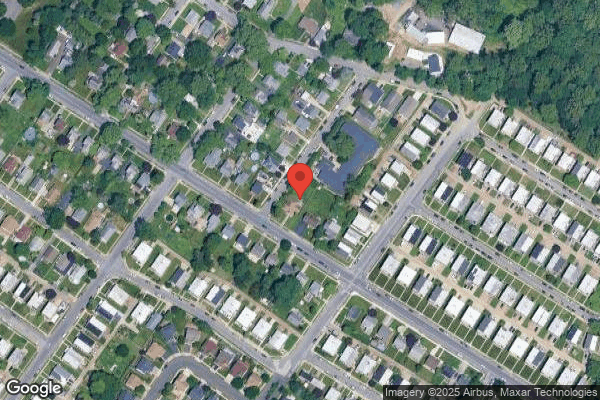
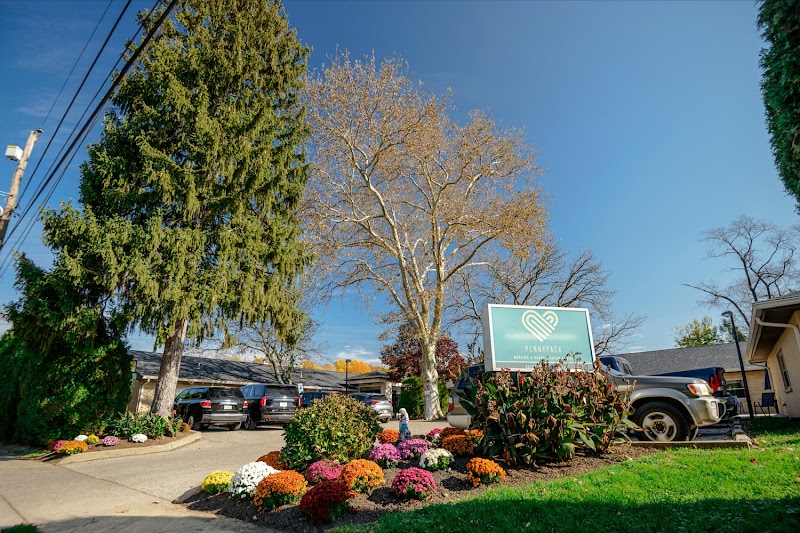
8015 LAWNDALE AVENUE, PHILADELPHIA, PA 19111 (215) 725-2525
For profit - Limited Liability company 54 Beds IMPERIAL HEALTHCARE GROUP Data: November 2025
Trust Grade
55/100
#333 of 653 in PA
Last Inspection: June 2025

Inspected within the last 6 months. Data reflects current conditions.

Overview

PennyPack Nursing and Rehabilitation Center has a Trust Grade of C, indicating that it is average compared to other facilities. Ranked #333 out of 653 in Pennsylvania means it falls in the bottom half of state facilities, and at #21 out of 46 in Philadelphia County signifies that only a few local options are better. The facility's trend is stable, with 10 identified issues consistently over the last two years. Staffing is a concern, with a rating of 2 out of 5 stars and a high turnover rate of 65%, which is above the state average. On a positive note, they have not incurred any fines, which is a good sign, and they provide average RN coverage, ensuring some level of oversight. However, specific incidents raised concern, such as improper food storage practices that could lead to safety issues and failures to notify necessary representatives about residents’ health changes, which may compromise care. Overall, while the facility has some strengths, there are clear areas that need improvement.

Trust Score
C
55/100
In Pennsylvania
#333/653
Top 50%
Safety Record
Low Risk
No red flags
Inspections
Holding Steady
10 → 10 violations
Staff Stability
⚠ Watch
65% turnover. Above average. Higher turnover means staff may not know residents' routines.
Penalties
✓ Good
No fines on record. Clean compliance history, better than most Pennsylvania facilities.
Skilled Nurses
○ Average
Each resident gets 33 minutes of Registered Nurse (RN) attention daily — about average for Pennsylvania. RNs are the most trained staff who monitor for health changes.
Violations
⚠ Watch
30 deficiencies on record. Higher than average. Multiple issues found across inspections.
★★★☆☆
3.0
Overall Rating
★★☆☆☆
2.0
Staff Levels
★★★☆☆
3.0
Care Quality
★★★☆☆
3.0
Inspection Score
Stable
2024: 10 issues
2025: 10 issues

The Good

  • Full Sprinkler Coverage · Fire safety systems throughout facility
  • No fines on record

Facility shows strength in fire safety.

The Bad

3-Star Overall Rating

Near Pennsylvania average (3.0)

Meets federal standards, typical of most facilities

Staff Turnover: 65%

19pts above Pennsylvania avg (46%)

Frequent staff changes - ask about care continuity

Chain: IMPERIAL HEALTHCARE GROUP

Part of a multi-facility chain

Ask about local staffing decisions and management

Staff turnover is elevated (65%)

17 points above Pennsylvania average of 48%

The Ugly 30 deficiencies on record

Aug 2025 1 deficiency
CONCERN (D) 📢 Someone Reported This

A family member, employee, or ombudsman was alarmed enough to file a formal complaint

Potential for Harm - no one hurt, but risky conditions existed

Deficiency F0582 (Tag F0582)

Could have caused harm · This affected 1 resident

**NOTE- TERMS IN BRACKETS HAVE BEEN EDITED TO PROTECT CONFIDENTIALITY** Based on the review of clinical records, and interviews with staff, it was determined that the facility failed to inform each re...

Read full inspector narrative →
**NOTE- TERMS IN BRACKETS HAVE BEEN EDITED TO PROTECT CONFIDENTIALITY** Based on the review of clinical records, and interviews with staff, it was determined that the facility failed to inform each resident before, or at the time of admission, and periodically during the resident's stay, of services available in the facility and of charges for those services, including any charges for services not covered under Medicare/ Medicaid or by the facility's per diem rate for one of 5 residents reviewed. (Resident R1).Findings Include:Review of clinical record revealed that Resident R1 was admitted to the facility on [DATE].Review of admission agreement for Resident R1 signed by resident and facility staff, at the time of resident's admission, revealed that the charges for the services including charges for residents stay at the facility when not covered under Medicare/Medicaid or insurance was not informed to the resident. The section where the charges should be described was left empty.Facility did not provide any documents that informed Resident R1 services available in the facility and of charges for those services, including any charges for services not covered under Medicare/ Medicaid.Interview with Employee E3, Business office manager, on August 21, 2025, at 11:00 a.m. stated the rate should be provided to residents upon admission with admission agreement.28 Pa. Code 201.18(e)(1) Management.
Jun 2025 9 deficiencies
CONCERN (D)

Potential for Harm - no one hurt, but risky conditions existed

Investigate Abuse (Tag F0610)

Could have caused harm · This affected 1 resident

Based on staff interviews and review of facility documentation, it was determined that the facility failed to conduct a complete and thorough investigation related to an allegation of potential abuse/...

Read full inspector narrative →
Based on staff interviews and review of facility documentation, it was determined that the facility failed to conduct a complete and thorough investigation related to an allegation of potential abuse/neglect for 1 out of 13 residents reviewed (Resident R101) Findings include: Review of the June 2025 physician orders for Resident R101 included the following diagnosis: diabetes (a disease characterized by elevated levels of blood glucose); hypertension (high blood pressure); pressure ulcer of left hip (a bedsore that develops due to prolonged pressure on that particular area of the body), and heart failure (the heart is unable to pump enough blood to meet the body's needs). Review of information submitted from the facility and to the State Survey Agency on November 20, 2024 indicated that on November 20, 2024 Resident R101 reported that a nurse aide (Employee E8) shoved a bed pan under him which hit his pressure ulcer, causing him to have severe pain during the 3:00 p.m. -11:00 p.m. nursing shift. The resident also indicated that the nurse aide delayed providing him care by telling the resident that he/she would return to assist him after the resident told the nurse aide that he just had a bowel movement. Review of the undated witness statement submitted by nurse aide, Employee E8 indicated I care for the resident as I should of and never abused any resident. Continued review of the undated statement did not show evidence that the facility asked nurse aide, Employee E8 about the resident's allegations to ensure a complete and through investigation into the resident's allegations. Continued review of the investigation revealed two witness statements from 2 licensed nurses (Employee E9 and Employee E10) regarding the alleged incident. Review of the nursing schedule provided by the facility for the 3:00 p.m. through the 11:00 p.m. nursing shift on November 20, 2024 indicated that there were 4 additional nursing staff members who were working on the floor during that time who were not interviewed (licensed nurse Employee E11; nurse aide E12; nurse aide E13 and nurse aide E14). Continued review of the facility's investigation regarding the resident's allegations provided no evidence of documentation of any interviews with the above referenced staff on the 3:00 p.m. through the 11:00 p.m. shift regarding the resident's allegations against Employee E8. During an interview with the Director of Nursing (DON) on June 6, 2025 at 1:22 p.m. Employee E8's statement was reviewed with the DON and the above referenced concerns regarding the statement from the alleged perpetrator was discussed. It was also discussed during the interview with the DON that the facility did not have any statements from the 4 referenced nursing staff members who worked on the 3:00 p.m. through the 11:00 p.m. nursing shift on November 20, 2024. 28 Pa. Code 201.14(a)(e) Responsibility of licensee 28 Pa. Code 201.18(b)(1)(3)(e)(1) Management 28 Pa. Code 201.29(c) Resident rights
CONCERN (D)

Potential for Harm - no one hurt, but risky conditions existed

MDS Data Transmission (Tag F0640)

Could have caused harm · This affected 1 resident

**NOTE- TERMS IN BRACKETS HAVE BEEN EDITED TO PROTECT CONFIDENTIALITY** Based on clinical record reviews, review of facility policies and interviews with staff, it was determined that the facility fai...

Read full inspector narrative →
**NOTE- TERMS IN BRACKETS HAVE BEEN EDITED TO PROTECT CONFIDENTIALITY** Based on clinical record reviews, review of facility policies and interviews with staff, it was determined that the facility failed to complete a discharge MDS assessment for one of 19 residents reviewed (Resident R9). Findings include: Review of facility policy, Resident Assessments dated March 2022, revealed, The resident assessment coordinator is responsible for ensuring that the interdisciplinary team conducts timely and appropriate resident assessments and reviews. Clinical record review for Resident R9 revealed that the resident was admitted to the facility on [DATE], for short term rehabilitation. Review of progress notes revealed that the resident discharged home on February 3, 2025. Review of MDS (Minimum Data Set - a mandatory periodic resident assessment tool) assessments for Resident R9 revealed that a discharge MDS assessment had not been completed. Interview on June 5, 2025, at 9:03 a.m. the Director of Nursing confirmed that a discharge MDS had not been completed for Resident R9. 28 Pa Code 201.14(a) Responsibility of licensee
CONCERN (D)

Potential for Harm - no one hurt, but risky conditions existed

Deficiency F0655 (Tag F0655)

Could have caused harm · This affected 1 resident

**NOTE- TERMS IN BRACKETS HAVE BEEN EDITED TO PROTECT CONFIDENTIALITY** Based on review of facility policy and review of clinical records, it was determined that the facility failed to develop and imp...

Read full inspector narrative →
**NOTE- TERMS IN BRACKETS HAVE BEEN EDITED TO PROTECT CONFIDENTIALITY** Based on review of facility policy and review of clinical records, it was determined that the facility failed to develop and implement a baseline care plan for one of six new admissions reviewed (Resident R19). Findings Include: Review of facility policy on Care Plans-Baseline revealed that under section Policy Statement A baseline plan of care to meet the resident's immediate health and safety needs is developed for each resident within forty-eight (48) hours of admission. Under section Policy Interpretation and Implementation #1. The baseline care plan includes instructions needed to provide effective, person-centered care of the resident that meet professional standards of quality care and must include the minimum healthcare information necessary to properly care for the resident including, but not limited to the following: a. Initial goals based on admission orders and discussion with the resident/representative; b. Physician orders. c. Dietary orders. #2. The baseline care plan is used until the staff can conduct the comprehensive assessment and develop an interdisciplinary person-centered comprehensive care plan (no later than 21 days after admission). The baseline care plan is updated as needed to meet the resident's needs until the comprehensive care plan is developed. #3. A comprehensive care plan may be used in place of the baseline care plan providing the comprehensive care plan is developed within 48 hours of the resident's admission and meets the requirements of a comprehensive assessment. Review of Resident R19's clinical record revealed that Resident R19 was admitted to the facility on [DATE], with diagnosis of Severe Protein Calorie Malnutrition. Further review of Resident R19's clinical record revealed that Resident R19 was transferred to a local hospital on December 20, 2025, was readmitted to the facility on [DATE], and was transferred back to a local hospital on December 31, 2024, and was readmitted back to the facility on January 5, 2025. Further review of Resident R19's clinical record revealed no documented evidence that a baseline care plan addressing Resident R19's severe protein calorie malnutrition and weight status was developed and implemented until January 8, 2025, when a comprehensive care plan was developed. Interview with facility dietician Employee E3 conducted on June 4, 2025, at 2:45 p.m. confirmed that there was no baseline care plan for nutrition. 28 Pa Code 211.10(c) Resident care policies 28 Pa Code 211.12(d)(5) Nursing services
CONCERN (D)

Potential for Harm - no one hurt, but risky conditions existed

Quality of Care (Tag F0684)

Could have caused harm · This affected 1 resident

Based on observations, review of facility policies, clinical record reviews and interviews with staff, it was determined that the facility failed to follow physician orders during medication administr...

Read full inspector narrative →
Based on observations, review of facility policies, clinical record reviews and interviews with staff, it was determined that the facility failed to follow physician orders during medication administration for one of five residents observed during medication administration (Resident R34). Findings include: Review of facility policy, Administering Medications dated April 2019, revealed, Medications are administered in accordance with prescriber orders. Observation on June 3, 2025, at 9:37 a.m. of morning medication pass revealed Employee E5, licensed nurse, prepare a lidocaine 4% patch (pain medication applied to the skin) and apply it to Resident R34's left shoulder. Review of physician's orders for Resident R34 revealed an order dated February 9, 2025, for lidocaine 5% patch, apply to left shoulder in the morning. Interview on June 3, 2025, at 2:10 p.m. Employee E5, licensed nurse, confirmed that Resident R34 was ordered a lidocaine 5% patch and that she administered a lidocaine 4% patch. Employee E5, licensed nurse, stated that there were only lidocaine 4% patches available in the medication cart and that she did not know where to get a lidocaine 5% patch. 28 Pa Code 211.9(a)(1) Pharmacy services 28 Pa Code 211.10(c) Resident care policies 28 Pa Code 211.12(d)(5) Nursing services
CONCERN (D)

Potential for Harm - no one hurt, but risky conditions existed

Tube Feeding (Tag F0693)

Could have caused harm · This affected 1 resident

Based on observations, review of facility policies, clinical record reviews and interviews with staff, it was determined that the facility failed to ensure appropriate enteral feeding practices relate...

Read full inspector narrative →
Based on observations, review of facility policies, clinical record reviews and interviews with staff, it was determined that the facility failed to ensure appropriate enteral feeding practices related to labeling and implementing dietician recommendations for one of two residents reviewed related to enteral feeds (Resident R33). Findings include: Review of facility policy, Medical Nutrition Therapy: Assessment and Care undated, revealed, The Registered Dietician/Nutritionist (RDN) or other clinically qualified nutrition professional's recommendations for changes in the nutrition plan of care will be communicated to the licensed nursing team and Dining Services Director via the summary recommendations sheet. The RDN or other clinically qualified nutrition professional will be responsible for ensuring follow up and appropriate documentation of recommended changes in the plan of care. Observation on June 3, 2025, at 11:17 a.m. revealed Resident R33's enteral tube feeding (nutrition delivered directly into the gastrointestinal tract through a tube) of Glucerna 1.5 was infusing via a pump at 40 ml/hr (milliliters per hour) with water flushes of 74 ml every two hours. Continued observation revealed that there was no date on the bottle of when the Glucerna was opened and no name or date label on the bag for water flushes. Interview on June 3, 2025, at 11:19 a.m. Employee E5, licensed nurse, stated that Resident R33 receives continuous tube feedings, that the Glucerna was already infusing when she started her shift and that she did not know when the bottle was opened. Continued observation on June 4, 2025, at 9:34 a.m. revealed that Resident R33's tube feeding of Glucerna 1.5 was infusing via a pump at 40 ml/hr with water flushes of 74 ml every two hours. Review of physician order for Resident R33 revealed an order, dated May 7, 2025, for Glucerna 1.5 via continuous feed at 40ml/hr. Continued review revealed another order, date May 16, 2025, for water flushes of 75ml every two hours via auto flush (via feeding pump). Further review revealed an order, dated May 5, 2025, to delegate the task of writing dietary orders to a clinically qualified nutrition professional. Clinical record review for Resident R33 revealed a nutrition note, dated May 16, 2025, at 11:42 a.m. which indicated that the resident had weight loss and the registered dietician recommended to increase the tube feeding to Glucerna 1.5 at 50 ml/hr for 22 hours per day. Interview on June 4, 2025, at 2:31 p.m. the Director of Nursing stated that when the dietician makes recommendations, the dietician is expected to enter the order and then the nursing department verifies the order. Interview on June 4, 2025, at 2:45 p.m. Employee E3, dietician, stated that when she makes recommendations, she either verbally informs or emails the Director of Nursing, and that the Director of Nursing then reviews the recommendations and enters the order. Continued interview revealed that Employee E3, dietician, was unaware that her recommendations to increase Resident R33's tube feedings were not implemented and that the resident's water flushes were not set at the correct rate on the feeding pump. 28 Pa Code 211.10(c) Resident care policies 28 Pa Code 211.12(d)(3)(5) Nursing services
CONCERN (D)

Potential for Harm - no one hurt, but risky conditions existed

Respiratory Care (Tag F0695)

Could have caused harm · This affected 1 resident

**NOTE- TERMS IN BRACKETS HAVE BEEN EDITED TO PROTECT CONFIDENTIALITY** Based on a review of clinical records and facility policies and procedures, observations, and interviews with staff, it was dete...

Read full inspector narrative →
**NOTE- TERMS IN BRACKETS HAVE BEEN EDITED TO PROTECT CONFIDENTIALITY** Based on a review of clinical records and facility policies and procedures, observations, and interviews with staff, it was determined that the facility failed to provide respiratory care and supplemental oxygen according to physician's order for one of seventeen residents reviewed. (Resident R40). Findings include: Review of facility Policy on Oxygen Administration under section Purpose The purpose of this policy is to provide guidelines for safe oxygen administration. Under section Preparation #1. Verify that there is a physician's order for this procedure. Review the physician's orders for oxygen administration. Under section Steps in the Procedure #8. Turn on the Oxygen. Unless otherwise ordered, start the flow of the oxygen at the rate of 2 to 3 liters per minute. Review of Resident R40's clinical record revealed that Resident R40 was admitted to the facility on [DATE], with diagnoses of chronic obstructive pulmonary disease. Review of Resident R40's physician's orders revealed an order for; 02 (Oxygen) at 3 Liters via nasal cannula, every shift for SOB (shortness of breath) Observation conducted on Resident R40 during the tour of the facility conducted on June 3, 2025, at 12:24 p.m. revealed that Resident R40 was sitting up on her bed with nasal cannula connected to an oxygen concentrator. Observation of the oxygen concentrator revealed that the oxygen guage was set at 2 liters/minute. Interview with Resident R40 conducted at the time of the observation revealed that she did not know that her oxygen was at 2 liters and did not know who adjusted it. Interview with licensed nurse Employee E7 conducted on June 3, 2025, at 12:30 p.m. confirmed that the oxygen order for Resident R40 was oxygen at 3 Liters via nasal cannula, every shift for SOB (shortness of breath). Follow-up observation of Resident R40 conducted together with Employee E7 on June 3, 2025, at 12:38p.m. confirmed that Resident R40's oxygen was set at 2 liters/ minute. Employee E7 then proceeded to adjust Resident R40's oxygen concentrator to 3 liters/minute. 28 Pa Code 211.12(d)(1) Nursing services 28 Pa Code 211.12(d)(5) Nursing services
CONCERN (D)

Potential for Harm - no one hurt, but risky conditions existed

Deficiency F0712 (Tag F0712)

Could have caused harm · This affected 1 resident

**NOTE- TERMS IN BRACKETS HAVE BEEN EDITED TO PROTECT CONFIDENTIALITY** Based on clinical record reviews and interviews with staff, it was determined that the facility failed to ensure physician visit...

Read full inspector narrative →
**NOTE- TERMS IN BRACKETS HAVE BEEN EDITED TO PROTECT CONFIDENTIALITY** Based on clinical record reviews and interviews with staff, it was determined that the facility failed to ensure physician visits were completed as required for one of 19 residents reviewed (Resident R4). Findings include: Review of Resident R4's Quarterly MDS (Minimum Data Set - a mandatory periodic resident assessment tool) dated May 2, 2025, revealed that the resident was admitted to the facility on [DATE], and had diagnoses including cancer, heart failure (a chronic condition in which the heart doesn't pump blood as well as it should), renal failure (a condition in which the kidneys lose the ability to remove waste and balance fluids) and dementia (decline in memory or other thinking skills severe enough to reduce a person's ability to perform everyday activities). Review of progress notes for Resident R4 revealed that there were no physician or practitioner notes from November 2024 through June 2025 available for review at the time of the survey. Continued review revealed that the last time the resident was seen by a physician was August 2, 2024. Interview on June 5, 2025, at 9:41 a.m. the Director of Nursing confirmed that there were no notes in Resident R4's clinical record from Resident R4's attending physician and that there were no notes from any physician or practitioner since August 2024 available for review at the time of the survey. 28 Pa Code 201.14(a) Responsibility of licensee 28 Pa code 211.2 (d)(3) Medical Director
CONCERN (D)

Potential for Harm - no one hurt, but risky conditions existed

Deficiency F0813 (Tag F0813)

Could have caused harm · This affected 1 resident

Based on observations, review of facility policies and interviews with staff, it was determined that the facility failed to ensure that personal foods were stored and labeled in accordance with food s...

Read full inspector narrative →
Based on observations, review of facility policies and interviews with staff, it was determined that the facility failed to ensure that personal foods were stored and labeled in accordance with food safety standards for one of one medication rooms reviewed (A/B Wing medication room). Findings include: Review of facility policy, Medication Storage and Labeling dated 2001, revealed, Medications are stored separately from food and are labeled accordingly. Review of facility policy, Foods Brought by Family/Visitors dated March 2022, revealed, Food brought by family/visitors that is left with the resident to consume later is labeled and stored in a manner that it is clearly distinguishable from facility-prepared food. Observation of the A/B wing medication storage room on June 3, 2025, at 9:47 a.m. with Employee E5, licensed nurse, revealed a container of food, that was unlabeled and undated, stored in a refrigerator that contained vaccines. Interview, at the time of the observation, Employee E5, licensed nurse, confirmed the above finding and stated that she did not know who the food belonged to or when it was from. 28 Pa Code 205.25(b) Kitchen
CONCERN (F)

Potential for Harm - no one hurt, but risky conditions existed

Food Safety (Tag F0812)

Could have caused harm · This affected most or all residents

**NOTE- TERMS IN BRACKETS HAVE BEEN EDITED TO PROTECT CONFIDENTIALITY** Based on observations, review of facility policy and staff interviews, it was determined that the facility failed to ensure that...

Read full inspector narrative →
**NOTE- TERMS IN BRACKETS HAVE BEEN EDITED TO PROTECT CONFIDENTIALITY** Based on observations, review of facility policy and staff interviews, it was determined that the facility failed to ensure that food was stored, prepared, distributed and served in accordance with professional standards for food service safety. Findings include: Review of the facility's undated Food Storage Policy, indicated that the Food Service Director and/or Cook(s) will ensure that all food items are stored properly, labeled and dated, and have 2 date system, which is the prepared date and use by date. Continued review of the policy also indicated that the Food Service Director and or cook(s) will ensure that all food items are stored properly by being in an air-tight container and labeled (if not in the original package) and dated with the receive date and then with opened and use by dates). During a tour of the dietary department on June 5, 2025 at 11:30 a.m. with the Food Service Director various food items were observed to have been opened, but not properly dated as follows: -a bag of frozen cut green beans observed in the freezer were dated as being opened on June 5, 2025, but there was no use by date listed on the bag by the dietary staff. -a bag of frozen carrots observed in the freezer were dated as being opened on June 5, 2025, but there was no use by date listed on the bag by the dietary staff. -a pack of frozen hamburgers observed in the freezer were dated as being opened on May 5, 2025, but there was no used by date listed on the package by the dietary staff. -a gallon of milk observed in the refrigerator was dated as being opened on June 5, 2025, but there was no use by date listed on the container by the dietary staff. -a container of Italian dressing observed in the refrigerator had an open date of June 3, 2025, but there was no use by date listed on the container by the dietary staff. -a container of soy [NAME] sauce observed in the refrigerator that had been used by facility staff to prepare food was in observed in the refrigerator without an open date, and without a use by date. During an interview with the Food Service Director on June 5, 2025 during the tour which started at 11:30 a.m. the food service director reported that the food items should display a date that the food item was opened by the food service staff and a and a use by date should also be displayed. 28 PA Code: 201.14(a) Responsibility of licensee. 28 Pa. Code 201.18(b)(3) Management
Nov 2024 1 deficiency
CONCERN (D) 📢 Someone Reported This

A family member, employee, or ombudsman was alarmed enough to file a formal complaint

Potential for Harm - no one hurt, but risky conditions existed

Deficiency F0760 (Tag F0760)

Could have caused harm · This affected 1 resident

**NOTE- TERMS IN BRACKETS HAVE BEEN EDITED TO PROTECT CONFIDENTIALITY** Based on review of clinical record, review of facility policy, and interview with facility staff, it was determined that the fac...

Read full inspector narrative →
**NOTE- TERMS IN BRACKETS HAVE BEEN EDITED TO PROTECT CONFIDENTIALITY** Based on review of clinical record, review of facility policy, and interview with facility staff, it was determined that the facility failed to ensure that residents were free of significant medication errors for one of five newly admitted resident reviewed (Resident R1). Findings Include: Review of facility policy titled Medication and Treatment Orders and dated July 2016, revealed the following; 15. Upon admission, the admitting nurse will review the transfer record of the newly admitted patient. The admitting nurse will then notify the attending physician or on-call physician to review admission medications on the transfer record. After medications are reviewed with the physician, the admitting nurse or designee will input the approved medications from the transfer record into the PCC Emar system. The admitting nurse will need to review the transfer record against the Emar record after all medications have been transcribed to ensure all medications are transcribed correctly. Review of the clinical record for Resident R1 revealed that the patient was admitted to the facility on [DATE], for skilled nursing care following discharge from an acute care hospital. The admitting diagnoses included cerebral edema (swelling of the brain), pulmonary embolism (a blockage in the lungs caused by a blood clot), diabetes (inability of the body to produce enough insulin or to use it effectively), seizure disorder (abnormal electrical activity in the brain), cushing's syndrome (caused by prolonged exposure to group of medications known as glucocorticoids). Review of the hospital discharge summary revealed that the list of prescribed medications included Depakote 500 milligrams 1,000 two tablets by mouth every 12 hours. The last time the medication was administered was on October 20, 2024 at 8:51 a.m. Review of Resident R1's nursing note dated October 20, 2024 at 3:30 p.m. revealed New order received to continue medication as per hospital discharged summary papers. Review of Resident R1's October 2024 Medication Administration Record revealed that the medication Depakote 500 milligrams was not transcribed into the resident's orders and Medication Administration Record per physician instructions. An interview was conducted with Interim Director of Nursing, Employee E4 on November 7, 2024, at 11:00 a,m. Employee E4 confirmed that the the transcription error. 28 Pa. Code 211.9 (a)(1) Pharmacy Services 28 Pa. Code 211.9 (d) Pharmacy Services
Aug 2024 7 deficiencies
CONCERN (D)

Potential for Harm - no one hurt, but risky conditions existed

Deficiency F0582 (Tag F0582)

Could have caused harm · This affected 1 resident

**NOTE- TERMS IN BRACKETS HAVE BEEN EDITED TO PROTECT CONFIDENTIALITY** Based on review of clinical records, facility documentation, and interviews with staff, it was determined that the facility fail...

Read full inspector narrative →
**NOTE- TERMS IN BRACKETS HAVE BEEN EDITED TO PROTECT CONFIDENTIALITY** Based on review of clinical records, facility documentation, and interviews with staff, it was determined that the facility failed to issue the resident/resident representative a Notice of Medicare Non-Coverage (NOMNC) prior to termination of Medicare A services, as required, for one of three residents' records reviewed (Resident R25). Findings include: Review of Facility policy on Medicare Advance Beneficiary and Medicare Non-coverage Notices, indicated that if the resident's Medicare covered Part A stay or when all of Part B therapies are ending, a Notice of Medicare Non-coverage (CMS form 10123) is issued to the resident at least two calendar days before benefits end. Review of the clinical record for Resident R25 revealed that the resident was admitted to the facility on [DATE], with Medicare insurance coverage for skilled nursing care. Further review of the record revealed that Resident R25's Last Covered Day of Part A Service was June 28, 2024. Review of clinical records revealed that the Notice of Medicare Non-Coverage (NOMNC - written notice to the resident, beneficiary, or resident representative, of the right to an expedited review of a Medicare service termination) was issued to Resident R25 or the resident's representative only on July 17, 2024. Interview with the Nursing Home Administrator on August 26, 2018, at 12:30 p.m., confirmed that the facility failed to issue a Notice of Medicare Non-Coverage (NOMNC) to Resident R25 prior to the termination of the Medicare A service. The facility failed to issue a Notice of Medicare Non-Coverage (NOMNC) prior to termination of Medicare A services, as required. 28 Pa. Code 201.29(f) Resident rights
CONCERN (D)

Potential for Harm - no one hurt, but risky conditions existed

Deficiency F0645 (Tag F0645)

Could have caused harm · This affected 1 resident

**NOTE- TERMS IN BRACKETS HAVE BEEN EDITED TO PROTECT CONFIDENTIALITY** Based on clinical record review and staff interview, it was determined that the PASRR (Preadmission Screening and Resident Revie...

Read full inspector narrative →
**NOTE- TERMS IN BRACKETS HAVE BEEN EDITED TO PROTECT CONFIDENTIALITY** Based on clinical record review and staff interview, it was determined that the PASRR (Preadmission Screening and Resident Review) was not appropriately completed for one of 24 residents reviewed (Resident R16). Findings include: The PASRR (Preadmission Screening Resident Review) was created in 1987 through language in the Omnibus Budget Reconciliation Act (OBRA) and it has three goals: to identify individuals with mental illness and/or intellectual disability, to ensure they are placed appropriately, whether in the community or in a nursing facility, and to ensure they receive the services they require for their mental illness or intellectual disability. The PASRR Level 1 must be completed on all persons who are considering admission to a Medicaid certified nursing facility. Review of Resident R16's clinical record revealed the resident was admitted to the facility on [DATE], with a diagnosis to include Major Depressive Disorder (A mental health disorder characterized by persistently depressed mood or loss of interest in activities, causing significant impairment in daily life), Post-Traumatic Stress Disorder (A disorder in which a person has difficulty recovering after experiencing or witnessing a terrifying event), Schizoaffective Disorder (Schizoaffective disorder is a combination of symptoms of schizophrenia and mood disorder, such as depression or bipolar disorder), and Anxiety Disorder (A mental health disorder characterized by feelings of worry, anxiety, or fear that are strong enough to interfere with one's daily activities). Review of Resident R16's clinical record revealed a Pennsylvania Preadmission Screening Resident Review Identification Level I Form (PASRR) which indicated; for section VIII- PASRR LEVEL I Screening Outcome, the resident was not checked off for the outcomes that may or may not lead to chronic disability. Interview on August 26, 2024, at 11:30 a.m., with the Director of Nursing, confirmed the finding. 28 Pa Code 211.5(f) Clinical records 28 Pa Code 211.16(a) Social services
CONCERN (D)

Potential for Harm - no one hurt, but risky conditions existed

Deficiency F0657 (Tag F0657)

Could have caused harm · This affected 1 resident

Based on observations, clinical record review, review of facility documents and staff interviews, it was determined that the facility failed to revise the care plan for fall prevention, for one of 24 ...

Read full inspector narrative →
Based on observations, clinical record review, review of facility documents and staff interviews, it was determined that the facility failed to revise the care plan for fall prevention, for one of 24 residents reviewed (Resident R25). Findings include: Review of Resident R25's clinical record revealed that the Resident was admitted in the facility on April 10, 2019. R25's diagnoses included, Unspecified Dementia (Dementia is a group of conditions characterized by impairment of at least two brain functions, such as memory loss and judgment), Anxiety Disorder (A mental health disorder characterized by feelings of worry, anxiety, or fear that are strong enough to interfere with one's daily activities), Unspecified Glaucoma (A condition in which there is a build-up of fluid in the eye, which presses on the retina and the optic nerve. The retina is the layer of nerve tissue inside the eye that senses light and sends images along the optic nerve to the brain. Glaucoma can damage the optic nerve and cause loss of vision or blindness), Muscle Wasting and Atrophy (Muscular Atrophy is the decrease in size and wasting of muscle tissue), Unspecified Lack of Coordination (Lack of Coordination can be due to damage to brain, nerves, or muscles). Review of Clinical Nursing Progress Note, dated April 3, 2024, for R25, indicated that Resident fell at about 11:35 a.m., outside of another resident's room, resident found lying on her left side, it was observed during assessment that resident had hematoma on left-side of forehead, and per physician-order Resident R25 was sent to the hospital for evaluation and treatment. Resident R25 was readmitted from the hospital on April 8, 2024. Further review of clinical progress notes dated April 8, 2024, indicated the Fall Risk Evaluation for Resident R25, resulted in Fall Risk Score of 21.0. Review of the care plan for Resident R25, indicated that the resident's fall- prevention- care plan, initiated on January 5, 2023, with the target date of April 2, 2024, was not updated, or revised, to reflect the interventional status, based on the fall risk evaluation or the fall occurred on April 3, 2024. On August 26, 2024, at 1:17 p.m., the Director of Nursing, confirmed that the findings regarding the lack of revision and updating of the care plan for Resident R25, related with the fall was accurate. 28 Pa Code 211.5(f) Clinical records 28 Pa Code 211.11(d) Resident Care Plan 28 Pa Code 211.12(c)(d)(3) Nursing services 28 Pa Code 211.12(d)(1)(5) Nursing services
CONCERN (D)

Potential for Harm - no one hurt, but risky conditions existed

Deficiency F0697 (Tag F0697)

Could have caused harm · This affected 1 resident

**NOTE- TERMS IN BRACKETS HAVE BEEN EDITED TO PROTECT CONFIDENTIALITY** Based on observation, review of resident's records, facility's policies and interviews with staff, it was determined that the fa...

Read full inspector narrative →
**NOTE- TERMS IN BRACKETS HAVE BEEN EDITED TO PROTECT CONFIDENTIALITY** Based on observation, review of resident's records, facility's policies and interviews with staff, it was determined that the facility failed to ensure adequate pain management was provided for one resident documented with severe pain of 16 resident records reviewed (Resident R38). Findings include: Review of the facility's policy for Pain Assessment and Management revised on October 2022, states that pain management is a process that includes assessing the resident for potential pain, recognizing the presence of pain, developing and implementing interventions for pain, monitoring the resident to determine if the resident's pain is being adequately controlled, and to assess the effectiveness of the resident's level of comfort overtime. The same policy states to contact the physician immediately if the resident's pain or medication are not adequately controlled. Review of Resident R38's clinical record revealed an initial admission date of May 1, 2024 diagnosed with a cerebral infarction (stroke), and following the stroke diagnosed with Aphasia (inability to understand or express speech) and dysphagia (swallowing difficulties) with severe malnutrition (lack of proper nutrition), In addition the resident was diagnosed with Parkinson's disease (a progressive nervous system disorder), bipolar (a mental disorder that causes extreme mood swings) dementia (loss of intellectual function), bilateral knee contractures, multiple pressure ulcers, osteomyelitis (bone infection from the pressure ulcers), urethral fistula (a tunnel that connects to the genital area, causing urine to enter the rectum, and feces to enter the bladder) and used a gastrostomy ( a surgical feeding tube place through the skin into the stomach allowing direct access of fluids and nutrients). Review of Resident R38's admission MDS (Minimum Data Set, an assessment of resident's needs) dated May 5, 2024, assessed the resident as severely, cognitively impaired, with physical impairments to both sides of the upper and lower body, and was incontinent of bowel and bladder. The resident was assessed as completely dependent on staff for bed mobility, transfers, personal hygiene, toileting and bathing, The same MDS indicated the resident was on a scheduled pain medication regimen, receiving pain medication when needed, noting the resident did not receive non-medication interventions for pain. The resident was assessed with one (1), Stage III pressure ulcer (full thickness tissue loss, subcutaneous fat may be visible, slough may be present but does not obscure the depth of the tissue loss that may include undermining and tunneling) and two (2) Stage IV Pressure Ulcers (full thickness tissue loss with exposed bone, tendon, or muscle, slough or eschar may be present and often includes undermining and tunneling, and five unstageable pressure ulcers (depth unknown due to the wounds covered by slough and/or eschar). On August 20, 2024, at 12:00 p.m. Resident R38 was observed in bed with her eyes closed not acknowledging the presence of the surveyor when name was repeatedly called. On August 23, 2024, at 10:00 a.m. the surveyor observed the resident in bed with her eyes closed. The resident did not respond when the surveyor called out her name. When surveyor asked if she had pain, the resident's eyes opened looking in the direction of the surveyor unable to verbalize her needs. Review of Resident R38's physician orders revealed an order for Tramadol 50 mg starting on May 1, 2024, until August 2, 2024, that instructed to give a half a tablet every eight hours for pain (the severity or type of pain was not specified) and to indicate the level of pain 0 to 10 (10 being the worst pain). Review of Resident R38's care plan for pain management dated May 6, 2024 included intervention to monitor/record/report any signs and symptoms of non-verbal pain and to report these occurrences to the physician. Resident R38's pain assessment dated [DATE], indicated the resident's pain, Frequently limited the resident's participation in rehabilitation, the pain Almost constantly limited the resident's day to day activities, the pain intensity was assessed at a 9 with the resident's verbal descriptor scale as severe, with indicators of pain that included non-verbal sounds, verbal complaints of pain, and facial expressions of pain. The pain location was documented at the resident's left hip, right hip, coccyx, right elbow, left and right heel, Review of Resident R38's electronic medication administration record (EMAR) during the time the pain medication was given for the months of May, June, and July, 2024 revealed the resident was documented as frequently experiencing very strong, to the worst pain possible (8-10). Further review of the MAR for May, June, and July 2024 revealed no evidence of further assessments or appropriate monitoring for the effectiveness of the pain medication once it was administered. Interview with the Regional Registered Nurse Employee E8 and Licensed Registered Nurse Employee R7 on August 23, 2024, at 10:30 a.m. stated on August 2, 2024 the resident was experiencing pain on night shift and the resident's pain regimen changed to Percocet (a medication for pain) given as needed. The facility could not show evidence prior to this change that they responded appropriately when documentation revealed Resident R38's was experiencing severe pain. 28 Pa. Code 211.12(c) Nursing services 28 Pa. Code 211.12(d)(1) Nursing services 28 Pa. Code 211.12(d)(2) Nursing services 28 Pa. Code 211.12(d)(3) Nursing services
CONCERN (D)

Potential for Harm - no one hurt, but risky conditions existed

Unnecessary Medications (Tag F0759)

Could have caused harm · This affected 1 resident

Based on observations, review of clinical records, and interviews with facility staff, it was determined that the facility failed to ensure that it was free of medication error rate of five percent or...

Read full inspector narrative →
Based on observations, review of clinical records, and interviews with facility staff, it was determined that the facility failed to ensure that it was free of medication error rate of five percent or greater for three of four residents observed during medication administration (Resident R31, R48, and R49). Findings include: On August 21, 2024, 9:02 a.m., observed that Employee E3, a Licensed Nurse, administered to Resident R49, the medicine, Aspirin 81 mg, Chewable tablet, one tablet by mouth; when asked the Licensed Nurse to double check the medicine, the nurse stated it was Aspirin 81 mg, Chewable tablet. Review of physician order for Resident R49, dated August 17, 2024, revealed an order to administer Aspirin Enteric-Coated (EC) Tablet Delayed Release 81 MG (Aspirin), Give 1 tablet by mouth one time a day for Thrombocytosis. Review of literature revealed that Aspirin comes in enteric-coated and non-enteric (regular) forms. Regular Aspirin is absorbed in the stomach, while Enteric-Coated aspirin is absorbed in the small intestine. At the time of the observation, interview with Licensed nurse Employee E3, confirmed the above findings. On August 21, 2024, 9:16 a.m., observed that Employee E4, a Licensed Nurse, administered to Resident R31, the medicine Calcium with Vitamin D 600 mg/10 mcg ( 400 IU), by mouth. Review of physician order for Resident R31, dated February 28, 2022, revealed an order to administer Calcium-Vitamin D3 Tablet 500-400 MG-UNIT (Calcium Carb-Cholecalciferol), Give 1 tablet by mouth two times a day for Supplement With breakfast and lunch. At the time of the observation, interview with Licensed nurse Employee E4, confirmed the above findings. Review of physician order for Resident R48, dated August 8, 2024, revealed an order to administer Senna Oral Tablet 8.6 MG (Sennosides), Give 1 tablet by mouth in the morning for constipation. On August 21, 2024, 9:32 a.m., observed that Employee E4, a Licensed Nurse, was going to administer to Resident R48, the medicine named Senna Plus tablet, by mouth, but was prevented the administration of Senna Plus tablet. Review of literature indicated that Senna Plus is used to treat constipation. It contains two medications: Sennosides and docusate. Sennosides are known as stimulant laxatives. They work by keeping water in the intestines, which helps to cause movement of the intestines. Docusate is known as a stool softener. It helps increase the amount of water in the stool, making it softer and easier to pass. Review of literature specified that Sennosides are known as stimulant laxatives. They work by keeping water in the intestines, which causes movement of the intestines. At the time of the observation, interview with Licensed nurse Employee E4, confirmed the above findings. The facility incurred a medication error rate of 11.54%. Pa Code:211.12(d)(1)(2)(5) Nursing Services.
CONCERN (E)

Potential for Harm - no one hurt, but risky conditions existed

Transfer Notice (Tag F0623)

Could have caused harm · This affected multiple residents

**NOTE- TERMS IN BRACKETS HAVE BEEN EDITED TO PROTECT CONFIDENTIALITY** Based on clinical record review and staff interview, it was determined that the facility failed to notify the representative of ...

Read full inspector narrative →
**NOTE- TERMS IN BRACKETS HAVE BEEN EDITED TO PROTECT CONFIDENTIALITY** Based on clinical record review and staff interview, it was determined that the facility failed to notify the representative of the Office of the State Long Term Care Ombudsman for two of 16 resident records reviewed (Residents R2, R36). Finding include: Review of Resident R2's clinical record revealed that the resident was admitted to the facility on [DATE], diagnosed with neuromuscular dysfunction of the blader and infection and inflammatory reaction due to indwelling urethral catheter. Review of Resident R2's nursing progress note dated May 21, 2024, revealed the resident was transferred to the hospital when there was a complaint of severe abdominal pain and blood noted in urine. Further review of the resident's record revealed the resident was transferred to the hospital on June 6, 2024, due to acute kidney failure. Resident R36 was admitted to the facility on [DATE], for aftercare following a joint replacement. Review of Resident R36's nursing progress notes dated July 13, 8 and 7, 2024 indicated the resident was transferred to the hospital due to a change in condition. Interview on August 23, 2024, at 2:00 p.m. the Nursing [NAME] Administrator confirmed that there were no written notices of the hospital transfers given to the State Long Term Care Ombudsman upon transfer out of the facility for Resident R2, and Resident R36. . 28 Pa. Code 201.29(h) Resident rights
CONCERN (E)

Potential for Harm - no one hurt, but risky conditions existed

Infection Control (Tag F0880)

Could have caused harm · This affected multiple residents

Based on observation, review of facility policy and procedures and interview with staff, it was determined that the facility failed to maintain an effective infection control program related to the tr...

Read full inspector narrative →
Based on observation, review of facility policy and procedures and interview with staff, it was determined that the facility failed to maintain an effective infection control program related to the transportation, sorting, washing, and drying of soiled resident clothing and the storage of clean linens and residents' clothing in the laundry room. Findings include: Review of facility Policy on Infection prevention and control program revealed that infection prevention and control program (IPCP) was established and maintained to provide a safe, sanitary, and comfortable environment and to help prevent the development and transmission of communicable diseases and infections. Review of facility document entitled Clean Linen Storage and Handling revealed; sort, transport, and store clean linens in a manner that prevents risk of contamination by dust, debris, soiled linens, or other soiled items. Observation on August 20, 2024 at 10:20 AM in the presence of the Food Service Director and the Director of Housekeeping revealed that the facility's outside dumpster area contained large blue containers filled with dirty hospital gowns. The Director of Housekeeping indicated the facility used a laundry service and the gowns were waiting to be picked up tomorrow for their services. Observation of the laundry room located in the basement conducted on August 26, 2024, at 10:48 a.m. revealed that the basement was accessible from inside the facility through a door leading to a wooden staircase, which was covered with dust and particles of stains. Further observation revealed that to reach the laundry room, used for the laundry service of the personal clothing of the residents, multiple congested areas, filled with various obsolete- looking pieces of gadgets had to be walked behind, and there was only one door to the laundry area. The laundry room measured approximately 18 x 15 feet in size. In the laundry room, there were three dryers (non-commercial). There were two washing machines (non-commercial) adjacent to the wall facing the door. On the corner of the room, near the entrance wall, and near the washing machines and the dryers, were a big pile of clear plastic bags of clothing on the floor reaching to the same height as the washing machines. Continued observation of the laundry area revealed that to the left of the room (left wall) was a desk with computer and printer, and further down the left wall was kept, housekeeping supplies, and tools seems like scrubbing pads for floor stripping machines, and mop heads. Further, observation of the Laundry room revealed that there was a large pile of sweeper mop cloths. Additional observation revealed that the floor of the Laundry room was dirty with black colored sticky particles, peeled paintings, rusted metal parts. Also observed that the laundry room was congested with gadgets like materials, clean and soiled items, personal clothes, and mop heads which were not sufficiently separated. Interview with Housekeeping staff, Employee E6 confirmed that the pile of sweeper mop cloths were items that had already been washed. Observation of the laundry room revealed that there were no clear designated area for soiled items, and clean items. Additionally, the congested space in which the soiled clothing and other soiled items were transported, delivered, sorted, washed, dried, folded and stored, did not allow for the prevention of contamination of the clean clothing by the soiled items. Observation of the shower room, located near the resident room B6, conducted on August 26, 2024, at 11:23 a.m., revealed that clean linens were stored in racks without doors, but with covering drapes. Further observation revealed that soiled lines were stored in the same shower room, in plastic bags. At the time of the finding, it was confirmed with the Housekeeping Director, Employee E6. Observation of the shower room, located near the resident room A10, conducted on August 26, 2024, at 11:33 a.m., revealed that clean linens were stored in racks without doors, but with covering drapes. Further observation revealed that soiled lines were stored in the same shower room, in plastic bags. At the time of the finding, it was confirmed with the Housekeeping Director, Employee E6. 28 Pa. Code 201.14(a) Responsibility of licensee 28 Pa. Code 201.18(a)(3) Management
Mar 2024 2 deficiencies
CONCERN (D) 📢 Someone Reported This

A family member, employee, or ombudsman was alarmed enough to file a formal complaint

Potential for Harm - no one hurt, but risky conditions existed

Abuse Prevention Policies (Tag F0607)

Could have caused harm · This affected 1 resident

**NOTE- TERMS IN BRACKETS HAVE BEEN EDITED TO PROTECT CONFIDENTIALITY** Based on review of facility policy, review of clinical records, interviews with staff and residents, it was determined that the ...

Read full inspector narrative →
**NOTE- TERMS IN BRACKETS HAVE BEEN EDITED TO PROTECT CONFIDENTIALITY** Based on review of facility policy, review of clinical records, interviews with staff and residents, it was determined that the facility failed to implement the facility abuse policy for one of four residents reviewed . (Resident R1) Findings Include: Review of facility policy titled, Abuse, Neglect, Exploitation or Misappropriation-Reporting and Investigating last revised September 2022 states, All reports of resident abuse (including injuries of unknown origin), neglect, exploitation, or theft/misappropriation of resident property are reported to local, state, and federal agencies (as required by current regulations) and thoroughly investigated by facility management. Further review of the facility policy revealed, 1. If resident abuse, neglect, exploitation, misappropriation of resident property or injury of unknown source is suspected, the suspicion must be reported immediately to the administrator and to other officials according to state law. 2. The administrator of the individual making the allegation immediately reports his or her suspicion to the following persons and agencies: a. The state licensing/certification agency responsible for surveying/licensing the facility; b. The local/state ombudsman c. The resident's representative d. Adult protective services (where state law provides jurisdiction in long-term care); e. Law enforcement officials. f. The resident's attending physician; and g. The facility medical director 3. Immediately is defined as: a. within two hours of an allegation involving abuse or result in serious bodily injury; or b. Within 24 hours of an allegation that does not involve abuse or result in serious bodily injury. Review of Resident R1's clinical record revealed that the resident was admitted to the facility December 6, 2018. Review of Resident R1's quarterly MDS (Minimum Data Set) from February 19, 2024 revealed that the resident had a BIMS (Brief Interview for Mental Status) score of 15, showing intact cognitive response. Review of Resident R1's medical diagnoses revealed diagnoses of Hereditary and Idiopathic Neuropathy, Anemia, Major Depressive Disorder, Post-Traumatic Stress Disorder, Insomnia, Abnormalities of Gait, Schizoaffective Disorder, and Anxiety Disorder. Review of nursing progress note from March 13, 2024 at 11:11 a.m. by license nurse, Employee E7 revealed Resident noted yelling out in the hallway. This nurse addressed the issue/concern with resident. Resident stated that she was sleeping in her bed when a CNA (nurse aide) pushed her wheelchair into her bed resulting in the wheelchair hitting her right knee. Resident is noted crying out in pain. Resident states abnormal amount of swelling but looks normal to this nurse. MD (physician) notified of incident and c/o (complaint) of pain to right knee. New order for x-ray to right knee. Review of nursing progress note from March 13, 2024 at 2:47 p.m. by license nurse, Employee E8 revealed, EMS (Emergency Medical Services) arrived on scene stated that they received call to take resident out. Call was not originated from facility. Resident states that she did not make call and was unaware of it's origins. Resident further states that she is not in destress and has no need of evaluation. Resident refused EMS and ER (emergency department). This nurse inquired if resident was sure that she did not want to be evaluated. Resident stated again for second time that she had no need and did not call nor did she want to go. On March 14, 2024 the Director of Nursing, Employee E2 came in to work and around 6:30 a.m. noticed a witness statement on her desk. The Director of Nursing Employee E2 then called the Nursing Home Administrator, Employee E1 and started an investigation. Interview held with Resident R1 on March 15, 2024 at 9:23 a.m. with Resident R1 revealed that on March 13, 2024 she was sleeping in bed and she heard nurse aide, Employee E6 wheel her roommate in and put her in to bed. The resident stated that she was laying in bed on her side with her leg propped up on her wheelchair and she was hit in the left knee with her wheelchair. Resident R1 then stated that nurse aide, Employee E6 stated she was going to punch me in the throat, gave me the finger, and then left the room. The resident stated she got up and started yelling and another nurse came to calm her down. She stated now that her leg is hurting but she in taking pain medication currently for liver pain. Interview and observation held with Resident R1 and Nursing Home Administrator Employee E1 on March 15, 2024 at 10:10 a.m. Resident R1 again stated that she made a mistake and her left knee was the one that was propped up on her wheelchair and hit. Resident R1 pulled up her left pant leg and that was noticeable yellow bruising on her left knee cap. Resident R1 pulled up her right pant leg and that was not bruising or swelling to the right knee cap. Interview held with nurse aide Employee E6 on March 15, 2024 at 10:56 a.m. via phone. Nurse aide Employee E6 stated, I went into her room that morning and Resident R1's chair was in the walkway at the end of her bed. I went to nurse Employee E5 and asked her to communicate the issue. Licensed nurse, Employee E5 must have gone in and asked her to move the chair. A little while longer the chair was moved back and her foot was resting on it. I turned the chair to the left so I could get around. I turned the chair towards the door. Her foot was still resting in the chair a little so she could get past. Resident R1 then jumped up and started cursing at me. I said Resident R1, you have been asked if your butt is not in the chair you need to move it and it's in the way. Resident R1 was yelling and cursing at me and I said [Resident R1] the chair is the problem. She said go to hell and I said you go first. Further interview with nurse aide Employee E6 revealed, I was still on the same unit but was not allowed to go in Resident R1's room. Nurse aide Employee E6 stated that she has gone to Former Director of Nursing in regard to the issues she has been having with [Resident R1]. [Resident R1] has been known to have her wheelchair and walker in her room and she has been told not to. This situation between me and [Resident R1] has been escalating for weeks. I've had to tell [Resident R1] I am talking to your roommate mind your business. Interview held on March 15, 2024 at 11:11 a.m. with Licensed Nurse, Employee E9 in person who stated I was working a double on the other side (A side) when I heard commotion by the nurses station. Heard noises and the Police came inside and said someone called them. [Resident R1] refused to go. I overheard staff talking about a nurse aide hitting [Resident R1] with a wheelchair. I was working a double and Resident R1 was not my patient so I went back to continue giving out medications on my side. Interview held over the phone with licensed nurse Employee E7 at Interview held on March 15, 2024 at 12:08 p.m. Licensed Nurse, Employee E7 revealed, I was sitting at nursing station and I heard yelling. I jumped up and saw [Resident R1] yelling in the hall and rolling down the fall in her wheelchair. I said talk to me, [Resident R1] said she was sleeping and [nurse aide Employee E6] walked by and pushed her wheelchair into her bed and her knee got hit by the wheelchair. [Nurse aide Employee E4] told then told [nurse aide Employee E6] to write a witness statement. I wrote a nurses note, let the doctor know, and called in the order to do a x-ray. My shift was done at 11:00 a.m. because I left early that day. [Nurse aide' Employee E4] told [Nurse Aide' Employee E6] she could not go into that room the rest of the day. Interview held on March 15, 2024 at 12:20 p.m. nurse aide, Employee E4 in person and stated I was in the area of the nurses station sitting next to[ licensed nurse Employee E7]. I heard a female voice from B-hall yelling and I said to [licensed nurse Employee E7] you need to get up and go investigate that. At that point she got up and went to investigate what was going on. At one point[ licensed Nurse Employee E7] says the employee bumped the wheelchair on Resident R1's knee. I say to[ licensed nurse Employee E7], you need to report this immediately. [Resident R1] was upset in the hallway, and I told her to go to the social worker and helped her down the hall to talk with the [social worker Employee E3]. I told [nurse aide Employee E6] not to go back in her room, because I make the assignments. I took the room for the rest of the shift and I worked until 11:00 p.m. Interview with license nurse, Employee E8 held on March 15. 2024 at 1:08 p.m. over the phone. Licensed nurse, Employee E8 stated, [Resident R1] never reported to him about abuse. I arrived at 2:45 p.m. shortly after coming in I received a phone call from a police officer who said he was calling to follow up and the call was then transferred to the[ Social Worker Employee E3]. He stated he assumed abuse had been reported and the facility had called the police to report. Shortly after EMS showed up to take to take [Resident R1] to the hospital. EMS said they were there to take [Resident R1] to the hospital. I had thought the accusation of the abuse was reported to nurse was my impression. Then as time went on we thought her family member must have called. We asked her several times are you sure you don't want to get checked out, but she refused to go with EMS. I wrote a note that EMS showed up. I was working as the supervisor of the shift for the second shift, assigned to the desk. I did put in a note for an order for skin checks every shift. Interview held with the Nursing Home Administrator, Employee E1 and Director of Nursing, Employee E2 on March 15, 2024 at 2:01 p.m. and there were asked in the absence of the Nursing Home Administrator and Director of Nursing who oversaw the building to take action. The Nursing Home Administrator, Employee E1 and Director of Nursing, Employee E2 stated that the unit manager licensed nurse, Employee E7 would have been in charge. The Director of Nursing, Employee E2 stated that the only person notified of the incident the day that it occurred was social services. Interview held with Social Services, Director Employee E3 on March 18. 2024 at 9:35 a.m. revealed that on Wednesday [Resident R1] came into my office sobbing in the morning around 11:00 a.m. to11:30 a.m. She had said a nurse aid had rammed her wheelchair into the bed and it hurt her right knee. [Resident R1] was wearing pants and pulled up her pants to check both knees. The right knee was red swollen and appeared to have a [NAME]. The resident stated the aide said she would punch her in the throat and gave her the finger. [Nurse Aide Employee E4] came in and told [nurse aide Employee E]6 not to have contact with [Resident R1] for the rest of the day. I wrote up a grievance and she was in my office calming down for about twenty minutes total. Around 3:00 p.m. I took a phone call from the police, called to say he was calling regarding a reported assault-said to let [Resident R1] know a police report has been filed. Emergency Medical Services (EMS) came in around 3:00 p.m. and couldn't figure out who they were here to see. I leave around 3:00 p.m., and I was not sure if they were here for [Resident R1] or not. They could not figure out who it was they were here to see. The surveyor asked if the social worker reported the incident happening to any licensed nurse on shift? The social worker stated she assumed that since there were a bunch of people when the commotion was going in the hall, that I thought that the channel of communicating to everyone that needed to be done had already been completed. Interview with Nursing Home Administrator, Employee E1 on March 18, 2024 at 9:10 a.m. revealed an x-ray was completed for Resident R1 on March 17, 2024 of the left knee which showed contusions to the left knee. Interview held on March 18, 2024 at 11:55 a.m. with the Nursing Home Administrator and Director of Nursing Employee E2 confirmed that the employee identified was not immediately taken off of the shift. Nurse aid Employee E6 was still allowed to finish her shift and remained on the same unit at Resident R1. 28 Pa. Code: 201.18 (b)(1)(2) Management. 28 Pa. Code: 201.29(a)(c)(d) (j)(m) Resident rights.
CONCERN (D) 📢 Someone Reported This

A family member, employee, or ombudsman was alarmed enough to file a formal complaint

Potential for Harm - no one hurt, but risky conditions existed

Investigate Abuse (Tag F0610)

Could have caused harm · This affected 1 resident

**NOTE- TERMS IN BRACKETS HAVE BEEN EDITED TO PROTECT CONFIDENTIALITY** Based on observation, review of facility policy, review of facility documentation, review of clinical records, interviews with s...

Read full inspector narrative →
**NOTE- TERMS IN BRACKETS HAVE BEEN EDITED TO PROTECT CONFIDENTIALITY** Based on observation, review of facility policy, review of facility documentation, review of clinical records, interviews with staff, and interviews with the resident it was determined the facility failed to conduct an investigation timely to rule out neglect and/or abuse for one of four sampled residents (Resident R1). Findings Include: Review of facility policy titled, Abuse, Neglect, Exploitation or Misappropriation-Reporting and Investigating last revised September 2022 states, All reports of resident abuse (including injuries of unknown origin), neglect, exploitation, or theft/misappropriation of resident property are reported to local, state, and federal agencies (as required by current regulations) and thoroughly investigated by facility management. Further review of the facility policy revealed, 1. If resident abuse, neglect, exploitation, misappropriation of resident property or injury of unknown source is suspected, the suspicion must be reported immediately to the administrator and to other officials according to state law. 2. The administrator of the individual making the allegation immediately reports his or her suspicion to the following persons and agencies: a. The state licensing/certification agency responsible for surveying/licensing the facility; b. The local/state ombudsman c. The resident's representative d. Adult protective services (where state law provides jurisdiction in long-term care); e. Law enforcement officials. f. The resident's attending physician; and g. The facility medical director 3. Immediately is defined as: a. within two hours of an allegation involving abuse or result in serious bodily injury; or b. Within 24 hours of an allegation that does note involve abuse or result in serious bodily injury. Review of the clinical record indicated Resident R1 was admitted to the facility December 6, 2018. Review of Resident R1's quarterly MDS (Minimum Data Set) from February 19, 2024 showed a BIMS (Brief Interview for Mental Status) score of 15, showing intact cognitive response. Review of Resident R1's medical diagnoses revealed diagnoses of; Hereditary and Idiopathic Neuropathy, Anemia, Major Depressive Disorder, Post-Traumatic Stress Disorder, Insomnia, Abnormalities of Gait, Schizoaffective Disorder, and Anxiety Disorder. Review of nursing progress note from March 13, 2024 at 11:11 a.m. by license nurse Employee E7 states, Resident noted yelling out in the hallway. This nurse addressed the issue/concern with resident. Resident stated that she was sleeping in her bed when a CNA pushed her wheelchair into her bed resulting in the wheelchair hitting her right knee. Resident is noted crying out in pain. Resident states abnormal amount of swelling but looks normal to this nurse. MD notified of incident and c/o (complaint) of pain to right knee. New order for x-ray to right knee. Review of nursing progress note from March 13, 2024 at 2:47 p.m. by license nurse Employee E8 revealed, EMS arrived on scene stated that they received call to take resident out. Call was not originated from facility. Resident states that she did not make call and was unaware of it's origins. Resident further states that she is not in destress and has no need of evaluation. Resident refused EMS and ER. This nurse inquired if resident was sure that she did not want to be evaluated. Resident stated again for second time that she had no need and did not call nor did she want to go. On March 14, 2024 the Director of Nursing, Employee E2 came in to work and around 6:30 a.m. noticed a witness statement on her desk. The Director of Nursing Employee E2 then called the Nursing Home Administrator Employee E1 and started an investigation. Interview held with Resident R1 on March 15, 2024 at 9:23 a.m. Resident stated that on March 13, 2024 she was sleeping in bed and she heard nurse aide Employee E6 wheel her roommate in and put her in to bed. The resident stated that she was laying in bed on her side with her leg propped up on her wheelchair and she was hit in the left knee with her wheelchair. Resident R1 then stated that nurse aide Employee E6 stated she was going to punch me in the throat, gave me the finger, and then left the room. The resident stated she got up and started yelling and another nurse came to calm her down. She stated now that her leg is hurting but she in taking pain medication currently for liver pain. Interview and observation held with Resident R1 and Nursing Home Administrator Employee E1 on March 15, 2024 at 10:10 a.m. Resident R1 again stated that she made a mistake and her left knee was the one that was propped up on her wheelchair and hit. Resident R1 pulled up her left pant leg and that was noticeable yellow bruising on her left knee cap. Resident R1 pulled up her right pant leg and that was not bruising or swelling to the right knee cap. Interview held with nurse aide Employee E6 on March 15, 2024 at 10:56 a.m. via phone. Nurse aide Employee E6 stated, I went into her room that morning and [Resident R1's] chair was in the walkway at the end of her bed. I went to nurse [Employee E5] and asked her to communicate the issue. [Licensed nurse, Employee E5] must have gone in and asked her to move the chair. A little while longer the chair was moved back and her foot was resting on it. I turned the chair to the left so I could get around. I turned the chair towards the door. Her foot was still resting in the chair a little so she could get past. [Resident R1] then jumped up and started cursing at me. I said [Resident R1], you have been asked if your butt is not in the chair you need to move it and it's in the way. [Resident R1] was yelling and cursing at me and I said [Resident R]1 the chair is the problem. She said go to hell and I said you go first. Further interview with nurse aide Employee E6 revealed, I was still on the same unit but was not allowed to go in Resident R1's room. Nurse aide Employee E6 stated that she has gone to Former Director of Nursing in regard to the issues she has been having with Resident R1. '[Resident R1] has been known to have her wheelchair and walker in her room and she has been told not to. This situation between me and [Resident R1] has been escalating for weeks. I've had to tell Resident R1 I am talking to your roommate mind your business. Interview held on March 15, 2024 at 11:11 a.m. with Licensed Nurse, Employee E9 in person who stated I was working a double on the other side (A side) when I heard commotion by the nurses station. Heard noises and the Police came inside and said someone called them. [Resident R1] refused to go. I overheard staff talking about a nurse aide hitting [Resident R1] with a wheelchair. I was working a double and [Resident R1] was not my patient so I went back to continue giving out medications on my side. Interview held over the phone with licensed nurse Employee E7 at Interview held on March 15, 2024 at 12:08 p.m. Licensed Nurse Employee E7 revealed, I was sitting at nursing station and I heard yelling. I jumped up and saw [Resident R1] yelling in the hall and rolling down the fall in her wheelchair. I said talk to me, [Resident R1] said she was sleeping and [nurse aide Employee E6] walked by and pushed her wheelchair into her bed and her knee got hit by the wheelchair. [Nurse aide Employee E4] told then told [nurse aide Employee E6] to write a witness statement. I wrote a nurses note, let the doctor know, and called in the order to do a x-ray. My shift was done at 11:00 a.m. because I left early that day. [Nurse aide Employee E4] told [Nurse Aide Employee E6] she could not go into that room the rest of the day. Interview held on March 15, 2024 at 12:20 p.m. nurse aide, Employee E4 stated I was in the area of the nurses station sitting next to [licensed nurse Employee E7]. I heard a female voice from B-hall yelling and I said to[ licensed nurse Employee E7] you need to get up and go investigate that. At that point she got up and went to investigate what was going on. At one point licensed [Nurse Employee E7] says the employee bumped the wheelchair on Resident R1's knee. I say to[ licensed nurse Employee E7], you need to report this immediately. [Resident R1] was upset in the hallway, and I told her to go to the social worker and helped her down the hall to talk with the [social worker Employee E3]. I told [nurse aide Employee E6] not to go back in her room, because I make the assignments. I took the room for the rest of the shift and I worked until 11:00 p.m. Interview with license nurse, Employee E8 held on March 15. 2024 at 1:08 p.m. over the phone. Licensed nurse, Employee E8 stated, [Resident R1] never reported to him about abuse. I arrived at 2:45 p.m. shortly after coming in I received a phone call from a police officer who said he was calling to follow up and the call was then transferred to the [Social Worker Employee E3]. He stated he assumed abuse had been reported and the facility had called the police to report. Shortly after EMS showed up to take to take [Resident R1] to the hospital. EMS said they were there to take [Resident R]1 to the hospital. I had thought the accusation of the abuse was reported to nurse was my impression. Then as time went on we thought her family member must have called. We asked her several times are you sure you don't want to get checked out, but she refused to go with EMS. I wrote a note that EMS showed up. I was working as the supervisor of the shift for the second shift, assigned to the desk. I did put in a note for an order for skin checks every shift. Interview held with the Nursing Home Administrator Employee E1 and Director of Nursing Employee E2 on March 15, 2024 at 2:01 p.m. and there were asked in the absence of the Nursing Home Administrator and Director of Nursing who oversaw the building to take action. The Nursing Home Administrator Employee E1 and Director of Nursing Employee E2 stated that the unit manager licensed nurse Employee E7 would have been in charge. The Director of Nursing Employee E2 stated that the only person notified of the incident the day that it occurred was social services. Interview held with Social Services Director Employee E3 on March 18. 2024 at 9:35 a.m. on Wednesday [Resident R1] came into my office sobbing in the morning around 11:00 a.m. to11:30 a.m. She had said a nurse aide had rammed her wheelchair into the bed and it hurt her right knee. [Resident R]1 was wearing pants and pulled up her pants to check both knees. The right knee was red swollen and appeared to have a [NAME]. The resident stated the aide said she would punch her in the throat and gave her the finger. [Nurse Aide Employee E4] came in and told [nurse aide Employee E6] not to have contact with [Resident R]1 for the rest of the day. I wrote up a grievance and she was in my office calming down for about twenty minutes total. Around 3:00 p.m. I took a phone call from the police, called to say he was calling regarding a reported assault-said to let [Resident R1] know a police report has been filed. Emergency Medical Services (EMS) came in around 3:00 p.m. and couldn't figure out who they were here to see. I leave around 3:00 p.m., and I was not sure if they were here for Resident R1 or not. They could not figure out who it was they were here to see.' The surveyor asked if the social worker reported the incident happening to any licensed nurse on shift? The social worker stated she assumed that since there were a bunch of people when the commotion was going in the hall, that I thought that the channel of communicating to everyone that needed to be done had already been completed. Interview with Nursing Home Administrator Employee E1 on March 18, 2024 at 9:10 a.m. confirmed that the licensed nurse Employee E7 and social worker Employee E3 failed to follow the abuse policy with reporting allegations of abuse of neglect immediately to the administrator. This failure resulted in a delay of investigation. 28 Pa. Code: 201.14 (a) Responsibility of licensee 28 Pa. Code: 201.14 (c) (e) Responsibility of licensee 28 Pa. Code 201.18 (e) (1) Management.
Oct 2023 5 deficiencies
CONCERN (D)

Potential for Harm - no one hurt, but risky conditions existed

Safe Environment (Tag F0584)

Could have caused harm · This affected 1 resident

Based on opbservation and staff interview, it was determined that the facility failed to ensure a safe, clean, homelike environment in the facility's only dining room. Findings include: Observation co...

Read full inspector narrative →
Based on opbservation and staff interview, it was determined that the facility failed to ensure a safe, clean, homelike environment in the facility's only dining room. Findings include: Observation conducted during lunch conducted in the facility dining room on October 22, 2023, at 11:28 a.m. revealed that residents were gathered at the dining area waiting for their lunch. Further observation revealed that to the right of the room, there were large boxes on the floor occupying approximately seven-by-eight feet area of one side of the dining room. Further observation revealed that tables were pushed to the corner of the room to accommodate the boxes. Further observation of the dining room revealed that the left side of the dining room had a metal cabinet and a vending machine. Further, there were recreation supplies stored on top of the cabinet and large box of cups were sitting on the floor next to vending machine. Interview with Maintenance Director Employee E5 conducted at the time of the observation revealed that the boxes were lighting supplies and equipment that was delivered five days ago and were stored in the resident's dining room because there was no other space to store the boxes. Interview with the Nursing Home Administrator Employee E1 conducted at the time of the interview revealed that the people who delivered the boxes placed them in the dining room a few days go. Further she confirmed that there was no space to store the boxes. Interview with the Director of Nursing, Employee E2 conducted at the time of the observation confirmed that a large box of cups was on the floor next to the vending machine. Interview with Recreation Director, Employee E8 conducted at the time of the observation confirmed that recreation supplies were on top of the cabinet in the dining room. 28 Pa. Code 201.14(a) Responsibility of licensee 28 Pa. Code 201.18(b)(1) Management
CONCERN (D)

Potential for Harm - no one hurt, but risky conditions existed

Assessment Accuracy (Tag F0641)

Could have caused harm · This affected 1 resident

**NOTE- TERMS IN BRACKETS HAVE BEEN EDITED TO PROTECT CONFIDENTIALITY** Based on review of clinical record, review of the CMS's (Centers for Medicare and Medicaid Services) RAI (Resident Assessment In...

Read full inspector narrative →
**NOTE- TERMS IN BRACKETS HAVE BEEN EDITED TO PROTECT CONFIDENTIALITY** Based on review of clinical record, review of the CMS's (Centers for Medicare and Medicaid Services) RAI (Resident Assessment Instrument) Version 3.0 Manual, interview with resident and staff, it was determined that the facility failed to accurately complete and resident assessment related to a resident's cognition for one of 12 residents reviewed. (Resident R38) Findings include: Review of the CMS's RAI Version 3.0 Manual revealed the intent of section C as follow: The items in this section are intended to determine the resident's attention, orientation, and ability to register and recall new information and whether the resident has signs and symptoms of delirium. These items are crucial factors in many care-planning decisions. Under Item Rationale Health-related Quality of Life o Most residents are able to attempt the Brief Interview for Mental Status (BIMS), a structured cognitive interview. o A structured cognitive test is more accurate and reliable than observation alone for observing cognitive performance. - Without an attempted structured cognitive interview, a resident might be mislabeled based on their appearance or assumed diagnosis. - Structured interviews will efficiently provide insight into the resident's current condition that will enhance good care. Planning for Care o Structured cognitive interviews assist in identifying needed supports. o The structured cognitive interview is helpful for identifying possible delirium behaviors C0100: Should Brief Interview for Mental Status Be Conducted? Coding Instructions o Code 0, no: if the interview should not be conducted because the resident is rarely/never understood; cannot respond verbally, in writing, or using another method; or an interpreter is needed but not available. o Code 1, yes: if the interview should be conducted because the resident is at least sometimes understood verbally, in writing, or using another method, and if an interpreter is needed, one is available. Review of Resident R38's clinical record revealed that he was admitted to the facility on [DATE] with the diagnoses of Sensorineural Hearing Loss (a hearing loss caused by damage to the inner ear or the nerve from the ear to the brain), mild cognitive impairment, and malignant neoplasm of the retina (cancer of the inner part of the eye). Review of Resident R38's Minimum Data Set (MDS- assessment of resident's care needs) dated August 3, 2023, revealed that section B0200 Hearing was coded 3 absence of useful hearing, B0300 Hearing Aid no hearing aid, B0600. Speech Clarity was coded 0 (clear speech), B0700. Makes Self Understood was coded 1 (Usually understood - difficulty communicating some words or finishing thoughts but is able if prompted or given time), B0800. Ability To Understand Others was coded 1 Usually understands - misses some part/intent of message but comprehends most conversation. Review of Section C0100 (Should Brief Interview for Mental Status (C0200-C0500) be conducted?) with instructions to attempt to conduct interview with all residents was coded yes-should be interviewed, Section C0200 Repetition of Three Words, C0300 Temporal Orientation (orientation to year, month, and day). and C0400 (recall) were coded as not assessed, Section C0500 BIMS score (brief interview for mental status) did not have a score. Telephone interview with corporate MDS coordinator, Employee E 11 conducted on October 23, 2023, at 11:51 am confirmed that section C0200, C0300 and C0400 should have been completed. Interview with Resident R38 conducted on October 23, 2023, following the non meal revealed that resident was verbally responsive had clear speech and understood the surveyor. Further observation revealed that resident had difficulty hearing but was able to hear once volume of voice was adjusted and speaking slowly. Resident did not verbalize any concerns. Resident interview conducted by Director of Nursing (DON), Employee E2 and observed by surveyor conducted on October 24, 2023, at 12:54 pm revealed that resident had clear speech and was able to understand and communicate with the Director of Nursing. Further resident revealed that he did not want to read his braille book at the time but requested some other activity. Interview with DON, Employee E2 confirmed that she was able to communicate with Resident R38. Further, review of Resident R38's clinical record revealed that there was no documented evidence that resident's cognition fluctuates. Interview with Activity Director, Employee E8 at 12:06 pm conducted on October 25, 2023 revealed that Resident R38 has always been able to speak clearly and was able to make his needs known verbally and that he was able understand when spoken to as long as the speaker speaks loud enough and clearly. Further she revealed that Resident R38 was able to participate in activities and was able to interact with staff and other resident. 28 Pa. Code 201.14(a) Responsibility of licensee 28 Pa. Code 211.5(f) Medical record
CONCERN (D)

Potential for Harm - no one hurt, but risky conditions existed

Deficiency F0729 (Tag F0729)

Could have caused harm · This affected 1 resident

Based on review of personnel files, Pennsylvania State nurse aide registry information, review of facility policy and staff interview, it was determined that facility did not ensure current registry v...

Read full inspector narrative →
Based on review of personnel files, Pennsylvania State nurse aide registry information, review of facility policy and staff interview, it was determined that facility did not ensure current registry verification for one of five registries reviewed. (Employee E7) Findings include: According to facility's 'Hiring' policy, revised January 2008, 4. The following criteria will be considered in determining whether an applicant is qualified for a particular job position: Ability to perform the essential functions of the job (with or without reasonable accommodations); Skill, knowledge, training, efficiency, etc.; and Certifications and licenses. Review of Nurse aide, Employee E7's personnel file revealed no evidence of training prior to date of hire. Further review of 'Acknowledgement and Provisional Employment from Pennsylvania,' dated September 8, 2023, revealed I am a non-certified nursing assistant applying to begin a state approved Nurse Aide Training Class, a criminal history check and clearance must be received prior to enrollment in the program, signed by Employee E7 and facility's representative. Further review revealed, Employee E7 started orientation on September 18, 2023. According to Pennsylvania State nurse aide registry database, there is no information available related to certification for Employee E7. Per interview with Nursing Home Adminstrator, Employee E1, on October 25, 2023 at 2:00 p.m., Employee E7 has been terminated as well as previous human resources (HR) employee who hired Employee E7. Facility is in process of seeking to hire another human resources employee. Further interview revealed that previous HR employee used 'LinkedIn' resource to hire Employee E7. 28 Pa Code 201.18(e)(1)(3) Management 28 Pa Code 201.19(3) Personnel policies and procedures 28 Pa Code 211.12(c) Nursing services
CONCERN (D)

Potential for Harm - no one hurt, but risky conditions existed

Deficiency F0925 (Tag F0925)

Could have caused harm · This affected 1 resident

Based on observations, review of pest control documentation and resident and staff interview, it was determined that the facility did not ensure to maintain an effective pest control program for five ...

Read full inspector narrative →
Based on observations, review of pest control documentation and resident and staff interview, it was determined that the facility did not ensure to maintain an effective pest control program for five out of 18 residents reviewed (Residents R21, R11, R26, R49 and R39) Findings include: Review of facility's policy 'Pest Control,' revised on May 2008, this facility maintains an on-going program to ensure that the building is kept free of insects and rodents. Interview with (Residents R21, R11, R26, R49 and R39) during resident council meeting on Tuesday, October 24, 2023 at 11:00 a.m., revealed that gnats are seen in residents' rooms, as well as shower rooms and dining room. Residents complained of seeing thousand-legger bugs as well as flies and gnats in their rooms. Additional interview with residents revealed that exterminator mostly addresses common areas during visits and does not inspect all of residents' rooms. Resident R18 resides in room B2-W, R11 resides in room A-8D, R26 resides in room B-4D, R49 resides in room A-11W, and R39 resides in room A6-W. Reviewed 'Service Inspection Report' for July 2023, August 2023, and September 2023. Review of 'Service Inspection Report' invoice on July 20, 2023, Inspected rooms A1 and A7 for biting insects. No activity seen at time of service. Review of 'Service Inspection Report' from September 14, 2023, inspected and treated rims A3 and A7 for roach activity no activity observed during service. Technician mostly focused on common areas, such as hallways, nursing station, kitchen, vending machines and restrooms. Gnats were observed in the Nursing Home Administrator's office intermittently during duration of survey from October 22, 2023 through October 25, 2023. 28 Pa. Code 201.14(a)Responsibility of licensee 28 Pa. Code 201.18(b)(1) Management
CONCERN (E)

Potential for Harm - no one hurt, but risky conditions existed

Infection Control (Tag F0880)

Could have caused harm · This affected multiple residents

Based on observation, review of facility policy and procedures and interview with staff, it was determined that the facility failed to maintain an effective infection control program related to the tr...

Read full inspector narrative →
Based on observation, review of facility policy and procedures and interview with staff, it was determined that the facility failed to maintain an effective infection control program related to the transportation, sorting, washing, and drying of soiled resident clothing's and the storage of clean linens and residents' clothing in the laundry room. Findings include: Review of facility Policy on Infection prevention and control program revealed that under section Policy Statement, and infection prevention and control program is (IPCP) is established and maintained to provide a safe, sanitary, and comfortable environment and to help prevent the development and transmission of communicable diseases and infections. User section Policy Interpretation and Implementation, #2. The program is based on accepted national infection prevention control risk assessment. #3. The infection prevention and control program is a facility wide effort involving all disciplines and individual's and is an integral part of the quality assurance and performance improvement program. #11. Prevention of infection. a. Important facets of infection prevention include: 2. instituting measures to avoid complications or dissemination, 3. educating staff and ensuring that they adhere to proper techniques and procedure. Review of facility document entitled Clean Linen Storage and Handling revealed the following: Sort, transport, and store clean linens in a manner that prevents risk of contamination by dust, debris, soiled linens, or other soiled items. Observation of the multi-purpose room conducted on October 22, 2023 at 11:43 a.m. revealed that facility clean linens, blankets, towels and gowns were stored in three closets without closet doors in the Multi-purpose room which was also used as an office space and staff locker room. Further observation revealed that the middle closet of the three closets had curtain but was drawn open. Further, closet next to the door had linens and blankets on the floor. One closet had linens on a pallet, but some linens were also touching the floor. Interview with the Nursing Home Administrator, Employee E1 and Director of Nursing, Employee E2 conducted at the time of the observation confirmed that the closet next to the door had linens and blankets on the floor. Observation of the laundry room located in the basement conducted on October 25, 2023, at 10:48 a.m. revealed that the basement was only accessible from inside the facility through a door leading to a wooden staircase. Further observation revealed that there was only one door to the laundry area. The room measured approximately 18 x 15 feet in size. immediately to the right of the door (right wall) was a space with a vacuum cleaner and a signage Clean Area posted on the wall. Then there were three dryers (non-commercial). On top of the dryers were five plastic bags of clothing and a plastic laundry basket with plastic bags and a box of latex gloves. The wall facing the door were two washing machines (non-commercial) with a sink between the two washing machines. On the corner of the room, between the washing machines and the dryers, was a (Catty Corner) space were a big pile of clear plastic bags of clothing on the floor reaching to the same height as the washing machines. Continue observation of the laundrey area revealed that to the left of the room (left wall) was a desk with computer and printer and further down the left wall was a metal rack containing, housekeeping supplies and scrubbing pads for floor stripping machines. Further, running the entire length of the left wall close to the ceiling were pipes. Further, hanging on one of the pipes to were mop heads covering the entire length of the pipe from one end of the left wall to the other. Further, in the middle of the room was a large pile of blankets, comforters, curtains, wash cloths and sweeper mop cloths some in plastic bags and some were not. Further observation revealed that from the side of the pile, boxes were visible where some of the curtains and comforters were placed on and on top of the boxes the bottom of the pile could not be seen due to the size of the pile. Interview with Housekeeping staff, Employee E6 confirmed that the pile of blankets, comforters, curtains, wash cloths and sweeper mop cloths were items that had already been washed. Further Employee E6 revealed that the pile of clothing in the corner between the washing machine and the dryer were all soiled resident clothing and the pile bags on top of the dryer were clean resident clothing. Further interview revealed that the mop heads hanging from the pipes had been washed and was hanged there to dry and to store. Further Employee E6 revealed that the pile of curtains, blankets, wash cloths, sweeper mop cloths were all washed. Interview with Maintenance Director, Employee E5 conducted at the time of the observation revealed that the mops head were used to mop the kitchen floor and other floors in the building. Interview with Housekeeping staff, Employee E4 conducted at the time of the interview, revealed that they have been using the pipes to dry the mop heads. The observation of the laundry room revealed that there was no clear designated area for soiled items, and clean items. Further, sequence in which the soiled clothing and other soiled items were transported, delivered, sorted, washed, dried, folded and stored, did not allow for the prevention of contamination of the clean clothing by the soiled items. Observation of soiled clothing collection conducted with Housekeeping staff, Employee E6 on October 25, 2023, at 9:47 am revealed that Employee E6 used a yellow cart to transport soiled clothing. Employee 6 collected soiled clothing in a plastic bag from residents' rooms, transported them using the yellow cart and carries the bags of soiled clothes down to the basement by hand for washing. Interview with Housekeeping staff, Employee E6 conducted at the time of the observation revealed that she used the yellow cart to transport all soiled resident clothing to the basement door and she carried the bags of soiled clothing to the basement. Further Housekeeping staff, Employee E6 also revealed that she used the same cart to transport clothing back to residents' rooms and that she the yellow cart is clean occasionally. Further Employee E6 also revealed that other people also uses the cart for other purposes. 28 Pa. Code 201.14(a) Responsibility of licensee 28 Pa. Code 201.18(a)(3) Management
Aug 2023 2 deficiencies
CONCERN (D) 📢 Someone Reported This

A family member, employee, or ombudsman was alarmed enough to file a formal complaint

Potential for Harm - no one hurt, but risky conditions existed

Deficiency F0655 (Tag F0655)

Could have caused harm · This affected 1 resident

**NOTE- TERMS IN BRACKETS HAVE BEEN EDITED TO PROTECT CONFIDENTIALITY** Based on clinical record reviews and interviews with staff, it was determined that the facility failed to develop a baseline car...

Read full inspector narrative →
**NOTE- TERMS IN BRACKETS HAVE BEEN EDITED TO PROTECT CONFIDENTIALITY** Based on clinical record reviews and interviews with staff, it was determined that the facility failed to develop a baseline care plan within 48 hours of admission that includes the instructions needed to provide effective person-centered care and failed to provide the resident and their representative with a summary of the baseline care plan for one of four residents reviewed (Resident R4). Findings include: Review of Resident R4's admission MDS (Minimum Data Set - a mandatory periodic resident assessment tool), dated June 4, 2023, revealed that the resident was admitted to the facility on [DATE], and had diagnoses including hypertension (high blood pressure), coronary artery disease (damage in the heart's major blood vessels), diabetes (ability to produce or respond to the hormone insulin is impaired, resulting in abnormal metabolism of carbohydrates and elevated levels of glucose), heart failure (a chronic condition in which the heart doesn't pump blood as well as it should), cerebrovascular accident (damage to the brain from interruption of its blood supply), chronic obstructive pulmonary disease (a group of lung diseases that block airflow and make it difficult to breathe), sprain of cervical spine (neck) ligaments, anxiety disorder (intense, excessive, persistent worry or fear), depression (mood disorder characterized by low mood, a feeling of sadness, and a general loss of interest in things), hemiplegia (paralysis) and traumatic brain injury (brain damage). Continued review revealed that Resident R4 required extensive assistance from two or more staff persons for bed mobility, transfers, dressing, toileting and hygiene and that the resident was totally dependent on staff for bathing. Further review revealed that Resident R4 was admitted to the facility with a surgical wound. Review of physician orders that were ordered upon Resident R4's admission to the facility revealed orders for physical and occupational therapies, toe touch weight bearing to right leg due to pelvic fracture, cervical collar (neck brace) at all times, amoxicillin (antibiotic medication) for post surgical abdominal incision, aripiprazole (antipsychotic medication), budesonide-formoterol inhaler for COPD, buprenorphine for opioid dependence, carvedilol for hypertension, ciprofloxin (antibiotic medication) for post surgical abdominal incision, hydralazine for hypertension, glargine insulin (medication used to lower blood sugar levels) for diabetes, lispro insulin for diabetes, nifedipine for hypertension, sacubitril-valsartan for hypertension, tradjenta for diabetes and trazodone for depression. Review of Resident R4's care plan, dated initiated June 1, 2023, revealed focus areas for advance directives, fall risk, nutrition, pain and potential for skin impairment. Continued review of Resident R4's care plan revealed that there was no care plan developed related to activities of daily living (bed mobility, transfers, dressing, toileting, hygiene and bathing), physical and occupational therapy services, need for cervical collar (neck brace), antibiotic use, abdominal incision, use of antipsychotic and antidepressant medications, opioid dependence, insulin use for diabetes, high blood pressure and COPD medications. Review of progress notes for Resident R4 revealed no evidence that the resident or his representative was invited to participate in a care planning meeting or that he was provided with a summary of his baseline care plan. Interview on August 9, 2023, at 1:30 p.m. the Director of Nursing (DON) confirmed that an appropriate baseline care plan was not developed for Resident R4 that included the minimum healthcare information necessary to properly care for the resident. The DON also confirmed that there was no evidence of any baseline care planning meetings for Resident R4. 28 Pa Code 201.18(b)(1) Management
CONCERN (D) 📢 Someone Reported This

A family member, employee, or ombudsman was alarmed enough to file a formal complaint

Potential for Harm - no one hurt, but risky conditions existed

Quality of Care (Tag F0684)

Could have caused harm · This affected 1 resident

**NOTE- TERMS IN BRACKETS HAVE BEEN EDITED TO PROTECT CONFIDENTIALITY** Based on clinical record reviews and interviews with staff, it was determined that the facility failed to follow physician order...

Read full inspector narrative →
**NOTE- TERMS IN BRACKETS HAVE BEEN EDITED TO PROTECT CONFIDENTIALITY** Based on clinical record reviews and interviews with staff, it was determined that the facility failed to follow physician orders for one of four records reviewed (Resident R4). Findings include: Review of Resident R4's admission MDS (Minimum Data Set - a mandatory periodic resident assessment tool), dated June 4, 2023, revealed that the resident was admitted to the facility on [DATE], and had diagnoses including hypertension (high blood pressure) and diabetes (ability to produce or respond to the hormone insulin is impaired, resulting in abnormal metabolism of carbohydrates and elevated levels of glucose). Review of physician orders for Resident R4 revealed an order dated June 1, 2023, for hydralazine oral tablet 25 m.g (milligrams), give one tablet three times a day for hypertension, hold if systolic blood pressure (the first number of a blood pressure reading, measures the pressure in the arteries when your heart beats) is less than 120. Review of Resident R4's Medication Administration Records (MARs) revealed the following: On June 3, 2023, at 9:00 a.m. the resident's blood pressure was 116/62 and the medication was documented as administered; On June 5, 2023, at 1:00 p.m. the resident's blood pressure was 91/68 and the medication was documented as administered; On June 7, 2023, at 1:00 p.m. the resident's blood pressure was 84/52 and the medication was documented as administered; On June 9, 2023, at 1:00 p.m. the resident's blood pressure was 105/69 and the medication was documented as administered; On June 14, 2023, at 1:00 p.m. the resident's blood pressure was 103/59 and the medication was documented as administered; On June 17, 2023, at 1:00 p.m. the resident's blood pressure was 103/67 and the medication was documented as administered; On June 20, 2023, at 1:00 p.m. the resident's blood pressure was 118/66 and the medication was documented as administered; On July 5, 2023, at 1:00 p.m. the resident's blood pressure was 98/58 and the medication was documented as administered; On July 10, 2023, at 9:00 a.m. the resident's blood pressure was 99/81 and the medication was documented as administered. Continued review of physician's orders for Resident R4 revealed an order dated June 1, 2023, for lispro insulin (medication used to lower blood sugar) inject 12 units subcutaneously (under the skin) with meals for diabetes, hold if blood sugar less than 100. Review of Resident R4's MARs revealed the following: On June 9, 2023, at 8:00 a.m. the resident's blood sugar was 98 and the medication was documented as administered; On June 23, 2023, at 8:00 a.m. the resident's blood sugar was 64 and the medication was documented as administered; On June 23, 2023, at 1:00 p.m. the resident's blood sugar was 74 and the medication was documented as administered; On June 27, 2023, at 8:00 a.m. the resident's blood sugar was 95 and the medication was documented as administered; On June 27, 2023, at 1:00 p.m. the resident's blood sugar was 64 and the medication was documented as administered; On July 1, 2023, at 8:00 a.m. the resident's blood sugar was 94 and the medication was documented as administered; On July 10, 2023, at 8:00 a.m. the resident's blood sugar was 96 and the medication was documented as administered; On July 10, 2023, at 1:00 p.m. the resident's blood sugar was 70 and the medication was documented as administered; On July 12, 2023, at 8:00 a.m. the resident's blood sugar was 94 and the medication was documented as administered; On July 12, 2023, at 1:00 p.m. the resident's blood sugar was 88 and the medication was documented as administered; On July 14, 2023, at 8:00 a.m. the resident's blood sugar was 81 and the medication was documented as administered. Review of progress notes for Resident R4 revealed that there were no notes for the above doses of hydralazine and lispro insulin to indicate why the medications were administered outside of their prescribed ranges. Interview on August 9, 2023, at 1:30 p.m. the Director of Nursing confirmed that the above doses of hydralazine and lispro insulin were administered outside of their prescribed ranges. 28 Pa Code 211.12(d)(5) Nursing services
Jul 2023 1 deficiency
CONCERN (D) 📢 Someone Reported This

A family member, employee, or ombudsman was alarmed enough to file a formal complaint

Potential for Harm - no one hurt, but risky conditions existed

Deficiency F0688 (Tag F0688)

Could have caused harm · This affected 1 resident

**NOTE- TERMS IN BRACKETS HAVE BEEN EDITED TO PROTECT CONFIDENTIALITY** Based on review of facility policy, review clinical record, staff, and resident interview, it was determined that the facility f...

Read full inspector narrative →
**NOTE- TERMS IN BRACKETS HAVE BEEN EDITED TO PROTECT CONFIDENTIALITY** Based on review of facility policy, review clinical record, staff, and resident interview, it was determined that the facility failed to ensure that residents receive care and services to prevent deterioration in mobility for one of two residents reviewed (Resident R1). Findings include: Review of facility policy Restorative Nursing Services with a revision date of July 2017 revealed that under section Policy Statement Resident will receive restorative nursing care as needed to help promote optimal safety and independence. Under section Policy Interpretation and Implementation #1. Restorative Nursing consist of nursing interventions that may or may not be accompanied by formalized restorative services (e.g., Physical, Occupational or Speech therapies). #2. Residents may be started on restorative nursing program upon admission, during the course of stay or when discharged from rehabilitative services. #4. Restorative goals may include but are not limited to supporting and assisting the resident in: #b. developing, maintaining, or strengthening his/her physiological and psychological resources. #c. maintaining his/her dignity, independence, and self-esteem. Interview with Resident R1 conducted during a tour of the facility on July 24, 2023, at 8:48 a.m. revealed that Resident R1 used to walk when he was admitted to the facility and that he cannot walk anymore because his therapy was discontinued due to the insurance stopping payment. Review of Resident R1's clinical record revealed that resident was admitted to the facility on [DATE]. Resident R1's diagnoses were as follow: Cerebral Infarction (stroke), Type Two Diabetes Mellitus (failure of the body to produce insulin), Muscle Weakness, Other Unspecified Disorder of the muscles, Abnormality of Gait and Mobility, Mild Neurocognitive Disorder due to known Physiological Condition with behavioral disturbance, Anemia and Chronic Kidney Disease Stage Four. Review of Resident R1's admission MDS (Minimum Data Set is a federally required resident assessment completed at a specific interval) dated January 21, 2023, Section C0500 (BIMS-brief interview for mental status) revealed that resident's BIMS score was 15 suggesting that resident was cognitively intact. Review of Section G (Functional Status) revealed that resident needed limited assistance with one person assist in walking in his room, walking in the corridor, locomotion on the unit and locomotion off the unit. Review of quarterly MDS dated [DATE], Section G (Functional Status), revealed that resident needed extensive assistance with one person assist in walking in his room, walking in the corridor, locomotion on the unit and locomotion off unit. Review of Resident R1's care plan for Limited in physical mobility related to stroke initiated on January 18, 2023 and revised on May 30, 2023 revealed a goal for resident to demonstrate the appropriate use of a least restrictive assistive devise in functional mobility with assistance. Further, the care plan only had the following interventions: Physical therapy, Occupational Therapy referrals as ordered whenever necessary. Further review of Resident R1's care plan for Limited in physical mobility related to stroke revealed that there were interventions to prevent the deterioration and maintain Resident R1's mobility after the physical therapy was discontinued. Further review of Resident R1's clinical record revealed the there was no documented evidence that the facility provided Resident R1 with services to prevent deterioration of Resident R1's mobility after the physical therapy was discontinued. Interview with RNAC (Resident Assessment Coordinator), Employee E2 revealed that she initiated the care plan for Resident R1 and nursing completed the care plan. Further, Employee E2 revealed that the restorative nursing team has not picked up any residents. Further interview with Employee E2 confirmed that Resident R1 was not in restorative nursing at any time since his admission. Follow-up review of quarterly MDS dated [DATE], conducted after it was partially completed by Employee E2 revealed that Section G (Functional Status), revealed that last seven days from July 17, 2023, Resident R1 only walked in his room and in the corridor once or twice with two-person physical assist and resident needed extensive assistance with two person assist, locomotion on the unit and locomotion off unit. Follow-up interview with Employee E2 confirmed that there was a significant change in Resident R1's Activities in Daily Living and that she will initiate a significant change assessment MDS assessment. Review of Resident R1's Physical Therapy Evaluation dated January 18, 2023, revealed that, under Functional Mobility Assessment for Ambulation, Resident R1 walked ten feet with substantial/maximal assistance. Review of the Physical Therapy Encounter Note dated March 3, 2023, under Functional Status as a Result of Skilled Interventions (Ambulation) revealed that Resident R1 walked ten feet with partial to moderate assistance, gait distance of 15 feet with assistive device (two wheeled walker). Review of Physical Therapy Discharge summary dated [DATE], under section Functional Skills Assessment (ambulation) revealed that Resident R1 walked fifty feet with two turns with partial/moderate assistance using a two wheeled walker. Under section Assessment and Summary of Skilled Services (Patient Progress) revealed that Patient's functional abilities have progressed as a result of skilled interventions. Further review of Physical Therapy (PT) Discharge summary dated [DATE], revealed that the discharge reason was discharge per physician or case manager. Continued review of the PT discharged summary revealed that the resident was to maintain current level of functioning with consistent staff follow through. Further review of Resident R1's Physical Therapy Discharge summary dated [DATE], revealed that there were no discharge recommendations to maintain Resident R1's mobility status at the time of his discharge from Physical Therapy. Review of Physical Therapy Evaluation and Plan of Treatment dated April 7, 2023, under section Functional Mobility (Ambulation) revealed that Resident R1 was dependent in walking ten feet and distance of zero feet with two-wheel walker with maximum assistance. Review of Physical Therapy Discharge summary dated [DATE], under section Functional Skills Assessment (ambulation) revealed that Resident R1 walked ten feet with partial/moderate assistance Under section Assessment and Summary of Skilled Services (Patient Progress) revealed that Resident R1 had reached maximum potential with skilled services Further review of Physical Therapy Discharge summary dated [DATE], revealed that the discharge reason was highest practical level achieved. Further, under section Discharge Recommendation and Status revealed that Restorative Program not in was not indicated, Functional Maintenance Program was not indicated, Prognosis to maintain current level of functioning was good with consistent staff follow through. Further review of Resident R1's Physical Therapy Discharge summary dated [DATE], revealed that there were no discharge recommendations to maintain Resident R1's mobility status at the time of his discharge from Physical Therapy. Comparative review of Physical therapy Discharge summary dated [DATE] and Physical Therapy Evaluation and Plan of Treatment dated April 7, 2023 revealed that resident had deteriorated in his ambulation from being able to walk for a distance of fifty feet with two turns with partial/moderate assistance using a two wheeled walker when he was discharged on March 3, 2023 to being dependent in walking for a distance of only ten feet and distance of zero feet with two-wheel walker with maximum assistance. Further, there were no discharge recommendations to maintain Resident R1's mobility status at the time of his discharge from Physical Therapy for both discharge episodes (March 3, 2023, and June 13, 2023). Interview with Physical Therapist, Employee E3 conducted during the tour of the rehabilitation department on July 24, 2023, at 11:50 a.m. revealed that Resident R1 was initially started on therapy on January 18, 2023, when he was admitted and was discharged on March 3, 2023, because the resident's insurance stopped coverage. Further Employee E3 revealed that if Resident R1's insurance continued his coverage in March, his therapy would not have been discontinued as he would have continued to benefit from therapy at that time. Continued interview with Employee E3 confirmed that R1's Physical Therapy Discharge Summary failed to indicated discharge recommendations to maintain Resident R1's mobility status at the time of his discharge from Physical Therapy. Interview with Director of Nursing, Employee E1 conducted on July 24, 2023, at 1:05 p.m. confirmed that that Resident R1 was not on a floor ambulation program. Follow up interview with Resident R1 conducted on July 24, 2023, at 1:19 p.m. revealed that the nurses never walked him in the hallway or in his room since he was admitted to the facility. Further Resident R1 revealed that he has never been walked to the bathroom and that he has never even been to the bathroom. Further, Resident R1 revealed that he was only made to walk in therapy. But that was when he was on therapy and not since therapy was stopped. Interview with Nurse's Aide, Employee E4 conducted on July 24, 2023, at 1:13 p.m., revealed that she never saw Resident R1 walk. Further, Employee E4 revealed that she had never walked Resident R1 on the floor and that Resident R1 was not walked by the nurse's aides. Interview with Nurse Aide, Employee E5 conducted on June 24, 2023, at 1:22 p.m. revealed that Resident R1 was never walked in the hallway by the nursing staff. Further interview with Employee E5 revealed that she knows what a restorative nursing program is and that they do it for some resident but not for Resident R1. 28 Pa. Code 211.10 (d) Resident care policies 28 Pa. Code 211.10 (b) Resident care plans 28 Pa. Code 211.12 (d)(1)(3)(5) Nursing services
Jun 2023 2 deficiencies
CONCERN (D) 📢 Someone Reported This

A family member, employee, or ombudsman was alarmed enough to file a formal complaint

Potential for Harm - no one hurt, but risky conditions existed

Grievances (Tag F0585)

Could have caused harm · This affected 1 resident

Based on review of interviews with residents and staff, it was determined that the facility failed to ensure that grievances were responded to for one of one resident interviewed. (Resident R7) Findin...

Read full inspector narrative →
Based on review of interviews with residents and staff, it was determined that the facility failed to ensure that grievances were responded to for one of one resident interviewed. (Resident R7) Findings include: On June 6, 2023, at 10:45 a.m. an interview with Employee E6, admission Director confirmed that two residents in the past 5 weeks were discharged due to the resident wanting to be discharge from the facility as a result of the facility having smells, a dirty environment and resident not receiving care and those issues not being address by grievance officer. On June 6, 2023, at 11:07 a.m. an interview was conducted with Resident R7 in the company of the Nursing Home Administrator (NHA). Resident R7 was very upset with the NHA for not addressing her past concerns wanting to be discharge and nursing aides ignoring her. On June 6, 2023, at 11:30 a.m. an interview with the NHA confirmed that there were no grievances that were written in regard to Resident R7 concerns. A review of 5 months grievance log from February, 2023 through June 2023 only showed 3 grievances being documented. 28 Pa. Code 201.18(b)(3) Management
CONCERN (E) 📢 Someone Reported This

A family member, employee, or ombudsman was alarmed enough to file a formal complaint

Potential for Harm - no one hurt, but risky conditions existed

Safe Environment (Tag F0921)

Could have caused harm · This affected multiple residents

Based on observation, review of facility policy and staff interview, it was determined the facility failed to maintain an environment that was safe and functional environment in two of two nursing uni...

Read full inspector narrative →
Based on observation, review of facility policy and staff interview, it was determined the facility failed to maintain an environment that was safe and functional environment in two of two nursing units (A and B nursing units). The findings include: Review facility policy named Preventative Maintenance General revised November 2009 revealed Each site will have a program in place that schedules preventative maintenance on equipment and the physical plant. To extend the life of equipment, reduce downtime, and curtail the need for major repairs to the physical plant. Observations conducted in the company of Licensed nurse, Employee E2 on June 6, 2023, at 9:53 a.m. revealed the following: Resident's closet doors were missing for Rooms A1D, A13-W, B 11D. Resident's closet door was off the railing for rooms A1-W, A6-D, A7-W, A7-D, B6-W, B6-D; B9-D; B10-D. Resident's closet door nobs were missing for rooms A7-W, A7-D, B6-D, B10-W. Resident's closet door was completely off the closet: B15-D. Rooms A3D broken and missing slacks in the closet door and whole in the door. On June 6, 2023, at 11:00 a.m. an observation was made with Employee E1, Director of Nursing (DON) in room B12-D had a urine saturated mattress that had significant urine smell. 28 Pa. Code: 207.2(a) Administrator's responsibility
Understanding Severity Codes (click to expand)
Life-Threatening (Immediate Jeopardy)
J - Isolated K - Pattern L - Widespread
Actual Harm
G - Isolated H - Pattern I - Widespread
Potential for Harm
D - Isolated E - Pattern F - Widespread
No Harm (Minor)
A - Isolated B - Pattern C - Widespread

Questions to Ask on Your Visit

  • "Why is there high staff turnover? How do you retain staff?"
  • "Can I speak with families of current residents?"
  • "What's your RN coverage like on weekends and overnight?"

Our Honest Assessment

Strengths
  • • No major safety red flags. No abuse findings, life-threatening violations, or SFF status.
  • • No fines on record. Clean compliance history, better than most Pennsylvania facilities.
Concerns
  • • 30 deficiencies on record. Higher than average. Multiple issues found across inspections.
  • • Grade C (55/100). Below average facility with significant concerns.
  • • 65% turnover. Above average. Higher turnover means staff may not know residents' routines.
Bottom line: Mixed indicators with Trust Score of 55/100. Visit in person and ask pointed questions.

About This Facility

What is Pennypack's CMS Rating?

CMS assigns PENNYPACK NURSING AND REHABILITATION CENTER an overall rating of 3 out of 5 stars, which is considered average nationally. Within Pennsylvania, this rating places the facility higher than 0% of the state's 100 nursing homes. This mid-range rating indicates the facility meets federal standards but may have areas for improvement.
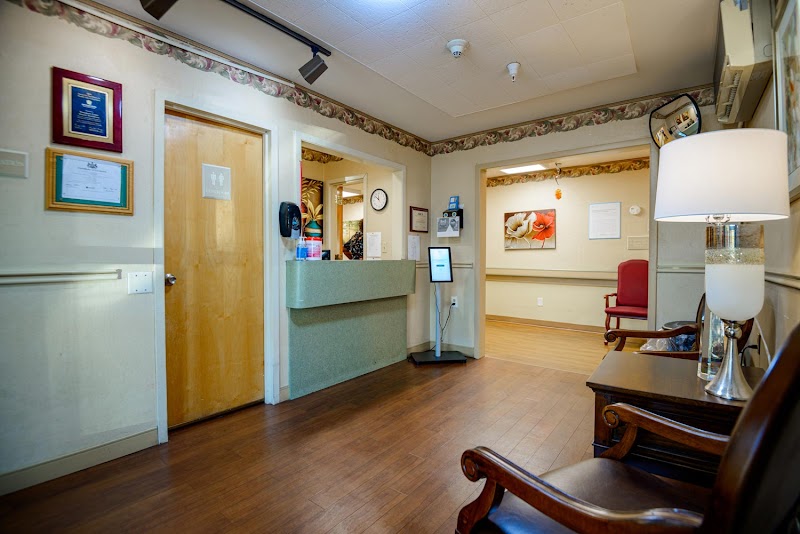
How is Pennypack Staffed?

CMS rates PENNYPACK NURSING AND REHABILITATION CENTER's staffing level at 2 out of 5 stars, which is below average compared to other nursing homes. Staff turnover is 65%, which is 19 percentage points above the Pennsylvania average of 46%. High turnover can affect care consistency as new staff learn residents' individual needs. RN turnover specifically is 57%, which is notably high. RNs provide skilled clinical oversight, so turnover in this role can affect medical care quality.

What Have Inspectors Found at Pennypack?

State health inspectors documented 30 deficiencies at PENNYPACK NURSING AND REHABILITATION CENTER during 2023 to 2025. These included: 30 with potential for harm.
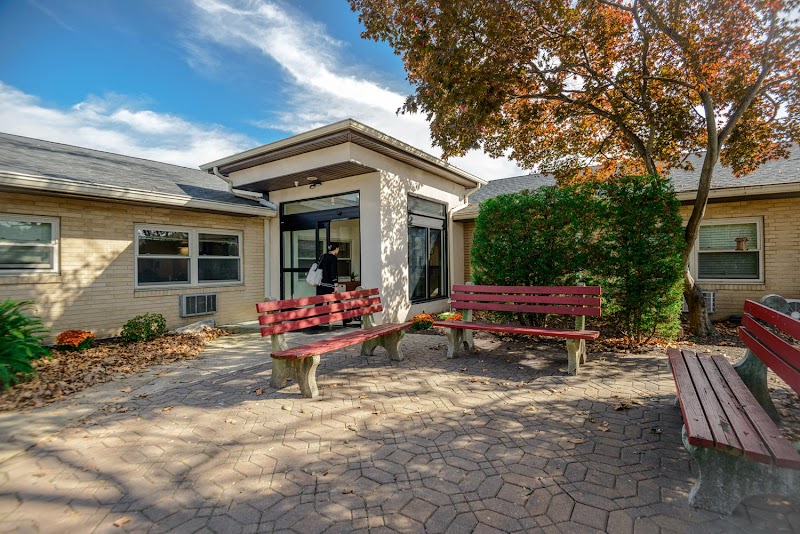
Who Owns and Operates Pennypack?

PENNYPACK NURSING AND REHABILITATION CENTER is owned by a for-profit company. For-profit facilities operate as businesses with obligations to shareholders or private owners. The facility is operated by IMPERIAL HEALTHCARE GROUP, a chain that manages multiple nursing homes. With 54 certified beds and approximately 47 residents (about 87% occupancy), it is a smaller facility located in PHILADELPHIA, Pennsylvania.
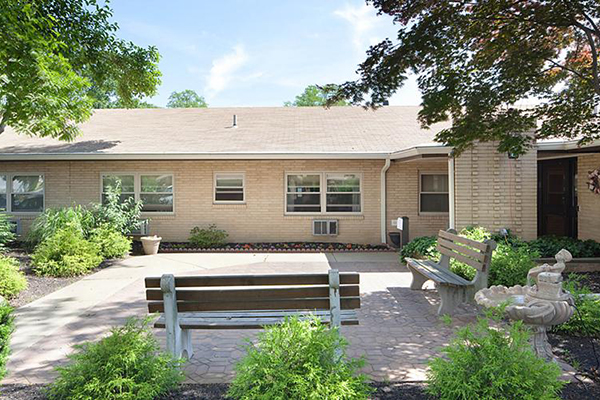
How Does Pennypack Compare to Other Pennsylvania Nursing Homes?

Compared to the 100 nursing homes in Pennsylvania, PENNYPACK NURSING AND REHABILITATION CENTER's overall rating (3 stars) matches the state average, staff turnover (65%) is significantly higher than the state average of 46%, and health inspection rating (3 stars) is at the national benchmark.

What Should Families Ask When Visiting Pennypack?

Based on this facility's data, families visiting should ask: "How do you ensure continuity of care given staff turnover, and what is your staff retention strategy?" "Can you walk me through typical staffing levels on day, evening, and night shifts?" "Can I visit during a mealtime to observe dining assistance and food quality?" "How do you handle medical emergencies, and what is your hospital transfer rate?" These questions are particularly relevant given the facility's high staff turnover rate and the below-average staffing rating.

Is Pennypack Safe?

Based on CMS inspection data, PENNYPACK NURSING AND REHABILITATION CENTER has a clean safety record: no substantiated abuse findings (meaning no confirmed cases of resident harm), no Immediate Jeopardy citations (the most serious violation level indicating risk of serious injury or death), and is not on the Special Focus Facility watch list (a federal program monitoring the lowest-performing 1% of nursing homes). The facility has a 3-star overall rating and ranks #1 of 100 nursing homes in Pennsylvania. While no facility is perfect, families should still ask about staff-to-resident ratios and recent inspection results during their visit.

Do Nurses at Pennypack Stick Around?

Staff turnover at PENNYPACK NURSING AND REHABILITATION CENTER is high. At 65%, the facility is 19 percentage points above the Pennsylvania average of 46%. Registered Nurse turnover is particularly concerning at 57%. RNs handle complex medical decisions and coordinate care — frequent RN changes can directly impact care quality. High turnover means new staff may not know residents' individual needs, medications, or preferences. It can also be disorienting for residents, especially those with dementia who rely on familiar faces. Families should ask: What is causing the turnover? What retention programs are in place? How do you ensure care continuity during staff transitions?

Was Pennypack Ever Fined?

PENNYPACK NURSING AND REHABILITATION CENTER has no federal fines on record. CMS issues fines when nursing homes fail to meet care standards or don't correct problems found during inspections. The absence of fines suggests the facility has either maintained compliance or corrected any issues before penalties were assessed. This is a positive indicator, though families should still review recent inspection reports for the full picture.

Is Pennypack on Any Federal Watch List?

PENNYPACK NURSING AND REHABILITATION CENTER is not on any federal watch list. The most significant is the Special Focus Facility (SFF) program, which identifies the bottom 1% of nursing homes nationally based on persistent, serious quality problems. Not being on this list means the facility has avoided the pattern of deficiencies that triggers enhanced federal oversight. This is a positive indicator, though families should still review the facility's inspection history directly.