RENAISSANCE HEALTHCARE & REHABILITATION CENTER
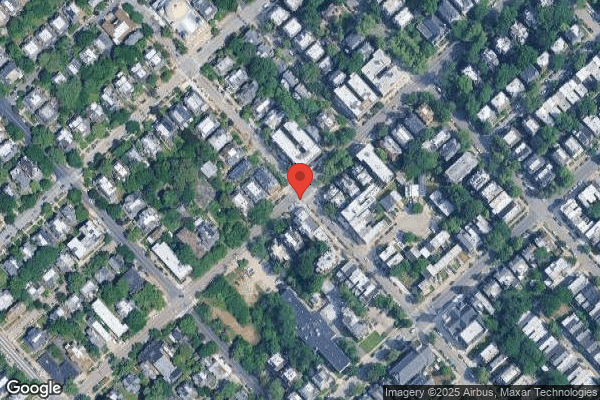
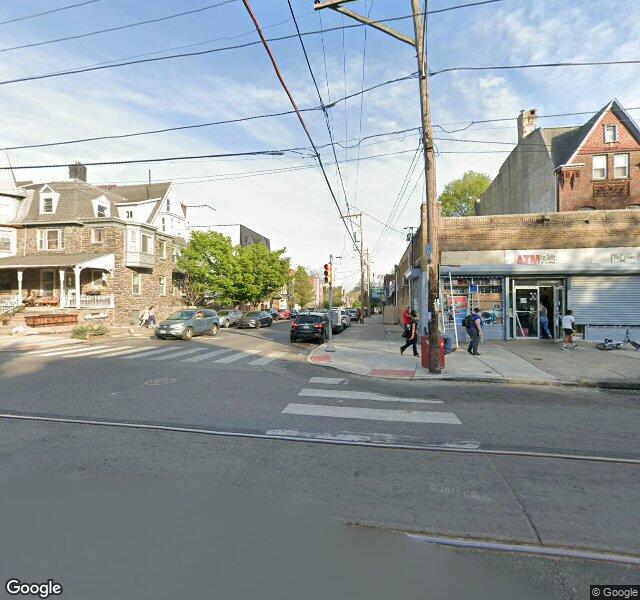
4712 CHESTER AVENUE, PHILADELPHIA, PA 19143 (215) 727-4450
For profit - Limited Liability company 123 Beds NATIONWIDE HEALTHCARE SERVICES Data: November 2025
Trust Grade
58/100
#344 of 653 in PA
Last Inspection: October 2024

Within standard 12-15 month inspection cycle. Federal law requires annual inspections.

Overview

Renaissance Healthcare & Rehabilitation Center has a Trust Grade of C, which means it is average and falls in the middle of the pack among nursing homes. It ranks #344 out of 653 facilities in Pennsylvania, placing it in the bottom half, and #22 out of 46 in Philadelphia County, indicating that only one local option is better. The facility's condition is improving, with a decrease in issues from 24 in 2023 to 14 in 2024. Staffing is rated 3 out of 5 stars with a turnover rate of 42%, which is below the state average, but it has concerning RN coverage, being lower than 84% of other facilities in Pennsylvania. However, the facility has faced issues, such as failing to notify the state of emergency transfers and not providing anonymous grievance forms, which could hinder residents' ability to voice concerns. Additionally, some residents reported that their dietary preferences were not honored, which points to areas needing attention.

Trust Score
C
58/100
In Pennsylvania
#344/653
Bottom 48%
Safety Record
Low Risk
No red flags
Inspections
Getting Better
24 → 14 violations
Staff Stability
○ Average
42% turnover. Near Pennsylvania's 48% average. Typical for the industry.
Penalties
○ Average
$8,018 in fines. Higher than 53% of Pennsylvania facilities. Some compliance issues.
Skilled Nurses
⚠ Watch
Each resident gets only 29 minutes of Registered Nurse (RN) attention daily — below average for Pennsylvania. Fewer RN minutes means fewer trained eyes watching for problems.
Violations
⚠ Watch
38 deficiencies on record. Higher than average. Multiple issues found across inspections.
★★★☆☆
3.0
Overall Rating
★★★☆☆
3.0
Staff Levels
★★★★☆
4.0
Care Quality
★★★☆☆
3.0
Inspection Score
Stable
2023: 24 issues
2024: 14 issues

The Good

  • 4-Star Quality Measures · Strong clinical quality outcomes
  • Full Sprinkler Coverage · Fire safety systems throughout facility
  • No fines on record
  • Staff turnover below average (42%)

    6 points below Pennsylvania average of 48%

Facility shows strength in quality measures, fire safety.

The Bad

3-Star Overall Rating

Near Pennsylvania average (3.0)

Meets federal standards, typical of most facilities

Staff Turnover: 42%

Near Pennsylvania avg (46%)

Typical for the industry

Federal Fines: $8,018

Below median ($33,413)

Minor penalties assessed

Chain: NATIONWIDE HEALTHCARE SERVICES

Part of a multi-facility chain

Ask about local staffing decisions and management

The Ugly 38 deficiencies on record

Oct 2024 12 deficiencies
CONCERN (D)

Potential for Harm - no one hurt, but risky conditions existed

Deficiency F0572 (Tag F0572)

Could have caused harm · This affected 1 resident

**NOTE- TERMS IN BRACKETS HAVE BEEN EDITED TO PROTECT CONFIDENTIALITY** Based on review clinical records, review of facility documentation, and interviews with staff, it was determined that the facili...

Read full inspector narrative →
**NOTE- TERMS IN BRACKETS HAVE BEEN EDITED TO PROTECT CONFIDENTIALITY** Based on review clinical records, review of facility documentation, and interviews with staff, it was determined that the facility failed to inform residents of their rights, rules, regulations, and responsibilities prior to and/or upon the resident's admission for three out of twenty-three residents reviewed. (Residents R29, R74, R317) Findings Include: Resident Council held on October 2, 2024 at 10:00 a.m. with ten awake, alert, and oriented residents revealed that when asked about resident rights being reviewed there were l residents stated they have not received a copy or had a copy reviewed with them. Review of Resident R29's clinical record reveled the resident was admitted on [DATE] and the resident's admission packet was not reviewed with the resident until August 21, 2024. Interview held with Admissions staff, Employee E3 on October 3, 2024 at 12:20 p.m. revealed Resident R29 was admitted on a Friday, and that she does not recall why the admission paperwork was not signed on that Friday. Employee E3 admitted she needed to go back the following week and must have not done so on Monday or Tuesday. Review of Resident R74's clinical record revealed the resident was admitted on [DATE]. Further review of the resident's record revealed the resident's admission packet was not reviewed with the resident's representative until January 19, 2023. Interview held with Admissions staff, Employee E3 on October 3, 2024 at 12:20 p.m. revealed she was not employed here when the paperwork was signed, she only started in May 2024. Review of Resident R317's clinical record revealed the resident was admitted to the facility on [DATE]. Further review of the resident's clinical record revealed the resident's admission packet was not reviewed with the resident until October 1, 2024. Interview with Admissions staff, Employee E3 on October 3, 2024 at 12:20 p.m. revealed she was unsure of why the admissions packet was not completed timely. Employee E3 stated that having the admission paperwork signed timely is something that needs to be worked on. 28 Pa. Code 201.29 (e) Resident rights
CONCERN (D) 📢 Someone Reported This

A family member, employee, or ombudsman was alarmed enough to file a formal complaint

Potential for Harm - no one hurt, but risky conditions existed

Deficiency F0573 (Tag F0573)

Could have caused harm · This affected 1 resident

Based on review of facility documentation, clinical record review, and interviews with staff, it was determined that the facility failed to provide copies of medical records as requested in a timely m...

Read full inspector narrative →
Based on review of facility documentation, clinical record review, and interviews with staff, it was determined that the facility failed to provide copies of medical records as requested in a timely manner for one of one residents reviewed for medical record request (Resident R317). Findings include: Review of a Medical Record and [NAME] Request letter provided by Employee E1 the Nursing Home Administrator stated the next of kin was requesting medical records from 1/1/2021 to 10/31/2022 in an electric format only. Interview on October 2, 2024, at 1:13 p.m. Employee E1, the Nursing Home Administrator (NHA) stated that he received the request for medical records for Resident R317 on May 29, 2024. The NHA stated that the request was never fulfilled and that the records have not been sent out to the requestor. The NHA explained that he lost track of the request due to him needing to request the ability to send over the documents through the facility's corporate quality assurance team. Employee E1, the NHA stated he needed to transfer the information onto an external disk which was difficult and he said it was his fault for loosing track of sending the requested information once it was approved to be sent by corporate. Continued interview with Employee E1 revealed that the NHA was unable to produce a log or any tracking system related to requests received by the facility for medical records and stated that no such records have been kept by medical records personnel. 28 Pa Code 201.14(a) Responsibility of licensee 28 Pa Code 201.18(b)(3) Management 28 Pa Code 201.29(a) Resident rights
CONCERN (D)

Potential for Harm - no one hurt, but risky conditions existed

Deficiency F0692 (Tag F0692)

Could have caused harm · This affected 1 resident

**NOTE- TERMS IN BRACKETS HAVE BEEN EDITED TO PROTECT CONFIDENTIALITY** Based on review of facility documentation, observation, review of clinical records, and interview with staff, it was determined ...

Read full inspector narrative →
**NOTE- TERMS IN BRACKETS HAVE BEEN EDITED TO PROTECT CONFIDENTIALITY** Based on review of facility documentation, observation, review of clinical records, and interview with staff, it was determined that the facility failed to ensure feeding assistance was provided for one of twenty-three residents reviewed. (Resident R80) Findings Include: Review of facility documentation titled, Facility Food Service Program states, Policy and Procedure: Red/Yellow Program- the facility has developed a program to identify residents more easily at mealtime who are at nutritional risk and is in need of supervision, partial assist, or extensive feeding assistance during mealtimes. The following outlines the procedure for flagging those residents. 1. The residents on the list will receive a RED sticker or YELLOW sticker on their meal tags in addition to their usual white napkin. Red Program-Extensive Feeding assistance. Observation of Resident R80 during the lunch meal on September 30, 2024 at 12:53 p.m. revealed the resident was seated in the dining room with two other residents at her table. During the lunch meal observation Resident R80 was observed eating a Styrofoam cup of chocolate pudding. Resident R80 was only using her right arm and hand to feed herself. When asked if the resident enjoyed her lunch she stated, I only ate the chocolate pudding, I do not know what my puree food is and I never eat it. Review of Resident R80's meal ticket revealed the resident's ticket had the regular meal on her ticket for lunch which included bruschetta chicken, garlic green beans, and parmesan noodles. Observation of the food on the Styrofoam plate revealed the puree meal appeared to consist of mashed potatoes, pureed carrots, and pureed chicken. During the lunch meal none of the staff in the dining room provided the resident with feeding assistance at any time. Review of Resident R80's clinical record revealed the resident was admitted to the facility on [DATE]. Review of the resident's record revealed a diagnosis of Aphasia following cerebral infraction dated July 19, 2024. The resident also has a diagnosis of Muscle Weakness with a date of February 22, 2022. Review of Resident R80's clinical record revealed the resident was seen on August 16, 2024 for a modified barium swallow study. Review of the swallow study results revealed a recommendation for a puree diet with thin liquids. Also recommended for the resident to be sitting upright during meals, eat at a slow rate, take small bites/sips, and having 1:1 feeding assistance. Review of Resident R80's clinical record revealed two physician's orders including; Ensure resident has her chin [NAME] when consuming liquids- dated August 16, 2024, Resident is a 1:1 feed and should be sitting upright with meals- dated August 16, 2024, and RED NAPKIN- dated August 16, 2024. Review of facility documentation titled 1st Floor Red Program provided by the Director of Nursing Employee E2 did not include Resident R80 in the list of resident's needing extensive assistance for feeding. Interview held with Licensed nurse, Employee E5 on October 2, 2024 at 12:24 p.m. The licensed nurse was asked what red napkin meant when displayed in the physician's orders or on the resident's ticket. The licensed nurse Employee E5 said she was not one-hundred percent sure what is meant but she would guess that it was a label for residents who have trouble utilizing one arm to eat during mealtimes. 28 Pa. Code 201.18 (b)(1) Management 28 Pa. Code 211.12(d)(1)(3) Nursing services
CONCERN (D)

Potential for Harm - no one hurt, but risky conditions existed

Respiratory Care (Tag F0695)

Could have caused harm · This affected 1 resident

**NOTE- TERMS IN BRACKETS HAVE BEEN EDITED TO PROTECT CONFIDENTIALITY** Based on observation, review of facility policy, review of clinical records, and interviews with residents and staff, it was det...

Read full inspector narrative →
**NOTE- TERMS IN BRACKETS HAVE BEEN EDITED TO PROTECT CONFIDENTIALITY** Based on observation, review of facility policy, review of clinical records, and interviews with residents and staff, it was determined that the facility failed to ensure appropriate orders, care plan, and maintenance related to respiratory care were in place for one of twenty-three resident's reviewed. (Resident R83). Findings Include: Review of facility policy titled, CPAP/BiPAP Support with a revision date of March 2015 states, Purpose- 1. To provide the spontaneously breathing resident with continuous positive airway pressure with or without supplemental oxygen. 2. To improve arterial oxygenation (PaO2) in residents with respiratory insufficiency, obstructive sleep apnea, or restrictive/obstructive lung disease. 3. To promote resident comfort and safety. Observation on September 30, 2024 at 10:30 a.m. of Resident R83 in their room revealed the resident had a a CPAP machine bedside. Interview held with Resident R83 revealed the resident stated that the machine was a non-invasive CPAP machine that she had brought from home with her to the facility. Resident R83 stated that she wears it every night and during naps when she is asleep. Further observation of the CPAP machine revealed the water tank was very cloudy with the water currently in it was a light brown color. When asked regarding maintenance and the color of the water Resident R83 stated that the tank needed to be cleaned and the water needed to be changed. Review of Resident R83's clinical record revealed the resident was admitted to the facility on [DATE] with the diagnosis of Respiratory Failure and Obstructive Sleep Apnea. Review of Resident R83's clinical record revealed the resident currently had no order, no care plan, and no maintenance log related to the CPAP machine. Interview with the licensed nurse Employee E5 on October 2, 2024, at 12:25 p.m. confirmed there were no current orders, care plan, or maintenance log related to Resident R83's CPAP machine. Observation of Resident R83's CPAP machine with the licensed nurse Employee E5 confirmed the CPAP water tank was very cloudy and was light brown in color. Employee E5 stated that the water should be changed daily, and the water tank should have a cleaning schedule, or a new tank should be ordered for Resident R83. 28 Pa. Code 211.10(c) Resident care policies 28 Pa. Code 211.12 (d)(3) Nursing Services 28 Pa. Code 211.12 (d)(5) Nursing Services
CONCERN (D)

Potential for Harm - no one hurt, but risky conditions existed

Deficiency F0710 (Tag F0710)

Could have caused harm · This affected 1 resident

**NOTE- TERMS IN BRACKETS HAVE BEEN EDITED TO PROTECT CONFIDENTIALITY** Based on clinical record review and interviews with staff, it was determined that the facility did not ensure that a physician a...

Read full inspector narrative →
**NOTE- TERMS IN BRACKETS HAVE BEEN EDITED TO PROTECT CONFIDENTIALITY** Based on clinical record review and interviews with staff, it was determined that the facility did not ensure that a physician assessment was completed related to unplanned weight loss for one of 23 residents reviewed (Resident R21). Findings include: Review of clinical documentation for Resident R21 revealed that she was admitted to the facility on [DATE], and had diagnoses of , dementia, diverticulitis of the large intestine (a condition wherein abnormal pouches which protrude off of the intestine, known as diverticulum, become inflamed, causing pain and disruption of normal bowel function), and type 2 diabetes. Review of the resident's weight documentation revealed that on August 9, 2024, the resident weighed 225 pounds and on September 20, 2024, the resident weighed 199 pounds. This was an 11.56 % weight loss in less than three months, which met the criteria of a significant weight loss. Continued review of her clinical documentation revealed a Nutrition Evaluation from the Registered Dietitian, Employee E11, dated September 23, 2024. Review of physician progress notes from September 27 and October 1, 2024, revealed no mention of the resident's recent weight loss. No evaluation by the physician in order to address the potential medical causes for the significant weight change noted. Interview with the Nursing Home Administrator, Employee E1 and the Director of Nursing, Employee E2, on October 3, 2024, at 2:30 p.m. confirmed the resident's significant weight change. They confirmed that the physician had not documented an assessment of the potential medical causes of Resident R21's weight loss. 28 Pa. Code: 211.12(d)(5) Nursing services. 28 Pa. Code: 211.2(a) Physician services. 28 Pa. Code: 211.5(f) Clinical records
CONCERN (D)

Potential for Harm - no one hurt, but risky conditions existed

Medical Records (Tag F0842)

Could have caused harm · This affected 1 resident

**NOTE- TERMS IN BRACKETS HAVE BEEN EDITED TO PROTECT CONFIDENTIALITY** Based on review of clinical record and interview with staff, it was determined facility did not ensure that medical records were...

Read full inspector narrative →
**NOTE- TERMS IN BRACKETS HAVE BEEN EDITED TO PROTECT CONFIDENTIALITY** Based on review of clinical record and interview with staff, it was determined facility did not ensure that medical records were complete and accurately documented in accordance with accepted professional standards of for two of 23 residents reviewed (Residents R6 and R58) Findings include: Review of clinical records for Resident R6 revealed that he was admitted to the facility on [DATE], and had diagnoses of acute osteomyelitis (bone infection) of the left ankle and foot, open wound of the left foot, and peripheral vascular disease (a condition in which blood vessels outside of the brain and heart narrow, spasm, or become blocked; this can lead to reduced blood flow and potential tissue damage). Continued review revealed a wound care consultation note written by Employee E12, Registered Nurse Practitioner and wound specialist, written on September 30, 2024. The note stated, the resident has a treatment change .reference the recommended orders for updated treatments . Recommend changing treatment to left heel to silver alginate. The note also stated Left heel pressure (wound) treatment recommendations: 1. Cleanse with Acetic Acid 1% (vinegar). 2. Apply silver alginate (an absorbent material which incorporates silver as an antimicrobial agent) to base of the wound. 3. Secure with ABD (abdominal pads; a soft, absorbent item used in wound care), rolled gauze. 4. change daily, and PRN (as needed). Review of the physician orders for Resident R6 revealed an order for Acetic acid solution .apply to left heel topically one time a day for wound care, dated September 30, 2024. As of October 3, 2024, no order was found for the silver alginate, or the rest of the treatment recommended. In an interview on October 3, 2024, at 12:01 p.m., with Employee E13, wound care RN, she confirmed that she had spoken to the resident's attending physician regarding the recommendations, and that they were approved. She stated, I have my cheat sheet [of wound care treatments], and I know he said to use the alginate, so I've been using it. I thought I put it in the order, but I guess I didn't. She confirmed that the order should have been placed at the time the physician approved it. Observations of Resident R58 on Wednesday, October 2, 2024, at 9:30 a.m., on Second floor unit, revealed a posting on resident's room wall, indicating Resident R58 speaks Cantonese. Interview with Licensed nurse, Employee E9, on October , 2024, at 9:35 a.m., confirmed Resident R58 is of Asian descent and speaks Cantonese. Review of resident R58's Minimum Data Set (resident assessment and care screening/MDS) on October 2, 2024, at 12:00 p.m. revealed Resident R58 to be black or African American. Further review of resident R58's clinical record revealed 'Notice of Medicare Non-Coverage,' form labeled under another resident's name, Resident R21. Further review of resident R58's clinical record revealed 'change in condition assessment,' completed on April 11, 2024, indicating altered mental status started on October 11, 2024. Further review of Resident R58's clinical record revealed a medical diagnosis of unspecified dementia, unspecified severity, without behavioral disturbance, psychotic disturbance, mood disturbance and anxiety, (diagnosed in 2015) and unspecified psychosis not due to a substance or known physiological condition, (diagnosed in 2022). Review of progress notes completed by facility's Nurse Practitioner, Employee E10, dated October 28, 2022, at 6:41 p.m., states resident R58 psychiatry diagnosis: Dementia with psychosis 28 Pa. Code 211.12(c) Nursing service 28 Pa. Code 211.12(d)(1) Nursing service 28 Pa. Code 211.12(d)(2) Nursing service 28 Pa. Code 211.12 (d)(5) Nursing service
CONCERN (E)

Potential for Harm - no one hurt, but risky conditions existed

Grievances (Tag F0585)

Could have caused harm · This affected multiple residents

Based on review of facility policy, observation, and interviews with residents and staff, it was determined that the facility failed to ensure that residents and/or their representatives could file a ...

Read full inspector narrative →
Based on review of facility policy, observation, and interviews with residents and staff, it was determined that the facility failed to ensure that residents and/or their representatives could file a grievance/concern anonymously by failing to ensure that grievance or complaint forms were available to residents or their representatives without asking for two of two units reviewed. (First floor and Second floor) Findings include: Review of the facility policy titled, Grievances/Complaints, Filing with a revision date of April 2017 states, Policy Statement- Residents and their representatives have the right to file grievances, either orally or in writing, to the facility staff or to the agency designated to hear grievances (e.g., the State Ombudsman). Further review of the facility policy revealed, Policy Interpretation and Implementation .5. Grievances and/or complaints may be submitted orally or in writing and may be filed anonymously. 13. If the grievance was filed anonymously, the grievance officer will inform the resident that a grievance has been anonymously filed on his or her behalf and the steps will be taken to investigate that grievance(s)v and report the findings. The grievance officer will reiterate to the resident that is it against facility policy and federal regulations to discriminate or sanction a resident who has filed or verbalized a complaint against the facility, and that his or her rights to be free of discrimination or reprisal will be protected. On October 1, 2024 at 11:00 a.m. a facility tour was conducted with the Director of Social Services, Employee E7 to observe where grievance forms and grievance boxes were located on the first floor and second floor units. The tour of the first and second floor revealed there were no forms readily accessible for residents or their representatives available without having to ask. Further observation revealed there was no locked grievance box available on the first floor or second floor units allowing for residents or their representatives to turn in grievance forms anonymously. On October 1, 2024 at 11:05 a.m. an interview held with the Director of Social Services Employee E7 revealed the only place that grievances form were located was currently in the social services office. Employee E7 stated that if a resident or resident's representative has a concern or a grievance, they have to come to her for her to fill out and file a grievance for them. Employee E7 confirmed there are no grievance forms readily accessible and there is currently no way for the grievance forms to be turned in anonymously. Resident Council held on October 2, 2024 at 10:00 a.m. with ten awake, alert, and oriented residents. When asked about grievance forms five out of ten of the residents (R97, R74, R3, R29, and R72) stated they were not aware of where to access grievance forms in the facility. 28 Pa code 201.18(b)(2)(3) Management 28 Pa code 201.29(a) Resident rights
CONCERN (E)

Potential for Harm - no one hurt, but risky conditions existed

Deficiency F0806 (Tag F0806)

Could have caused harm · This affected multiple residents

**NOTE- TERMS IN BRACKETS HAVE BEEN EDITED TO PROTECT CONFIDENTIALITY** Based on observation, clinical record review, and interviews with staff and residents, it was determined that the facility did n...

Read full inspector narrative →
**NOTE- TERMS IN BRACKETS HAVE BEEN EDITED TO PROTECT CONFIDENTIALITY** Based on observation, clinical record review, and interviews with staff and residents, it was determined that the facility did not ensure that dietary preferences were honored for three of 23 residents (Residents R72, R97, R65). Findings include: During a group interview on October 2, 2024, at 10:00 a.m., Resident R97 stated that he had told facility staff multiple times that he did not like ravioli or egg salad, but that they kept serving those items to him. During this same interview, Resident R72 stated that he was on a no-salt diet, but that the food they served him was too salty. Review of clinical documentation revealed that Resident R72 was admitted to the facility on [DATE]. Review of his most recent MDS (a periodic assessment of resident care needs) completed on August 19, 2024, revealed that in section C- Cognitive Patterns, the resident had been assessed to have a BIMS (Brief Interview for Mental Status, an assessment which measures short term memory and orientation to person, place, time, and situation) of 15, which indicated that the resident was fully cognitively intact. Review of Resident R97 MDS assessment, completed on August 12, 2024, revealed that in section C- Cognitive Patterns, the resident had been assessed to have a BIMS score of 15, which indicated that the resident was fully cognitively intact. Observation of the lunch meal was conducted on October 2, 2024, at 1:34 p.m., in the second floor dining room. Review of the menu for the day posted on the wall revealed that the main course for the meal was cheese ravioli, and sides included caesar salad. Residents R72 and R97 were noted to be seated at the same table. The meal ticket for Resident R97 was printed with the main course as spaghetti noodles; this was crossed out in pen, and cheese ravioli was written instead. His plate had cheese ravioli in a white sauce. His tray did not have a salad. At time of meal service, Resident R97 stated I keep telling them I don't want ravioli. Resident R97 then requested a hamburger as a substitute and was told the kitchen did not have any available. He then requested a peanut butter and jelly sandwich on whole wheat bread. At this time, Resident R72 also requested an alternate meal of a turkey and cheese sandwich, as he did not like the ravioli either. Observation of his tray revealed that his salad appeared limp and soggy. Resident R72 said of the salad it looks nasty. At 1:52 p.m., a dietary aide entered the dining room with three sandwiches, one ham and cheese, one turkey and cheese, and one tuna salad. Resident R97 was given the ham and cheese sandwich instead of the peanut butter and jelly he had requested. The resident accepted the sandwich, and stated, It's not what I asked for, but I guess I'll eat it if that's all they have. The aide then looked at Resident R72's meal ticket, which stated that his dislikes included turkey and tuna. Resident R72 was told that due to the information on his ticket, he could not have either of the sandwiches, and then was offered a peanut butter and jelly sandwich. He then stated, I have no choice, so okay. The aide then said he would return to the kitchen to prepare a new sandwich. At 1:57 p.m. the dietary aide returned to the dining room and offered Resident R72 an egg salad sandwich, which the resident refused, stating he doesn't like egg salad. At 2:06 p.m. the dietary aide returned to the dining room and served Resident R72 a peanut butter and jelly sandwich which was served on a hamburger bun. The resident accepted the sandwich, but stated, I'm only eating it because I'm hungry and at this point it's better than nothing. An interview was conducted with Employees E4, the Food Services Manager and Employee E11, the registered dietitian, on October 3, 2024, at 10:14 a.m. Employee E4 stated that the sandwiches should have been prepared before the meal service, both for those who have them ordered, and for residents who might request them, and confirmed that the meal service provided to Residents R72 and R97 on October 2, 2024 was not appropriate. She also stated that the reason the salad had looked unappetizing was that kitchen staff had used too much dressing. Employee E4 also confirmed that the kitchen did have hamburgers available, as Resident R97 originally requested. Employee E11 confirmed that Resident R97 was served ravioli instead of the spaghetti despite documentation that the resident did not like ravioli. When asked if staff were aware of the resident's dislikes, Employee E11 stated that a dislike of ravioli was documented for the resident, but that kitchen staff were unable to access it while assembling lunch trays. She then stated that the spaghetti substitute was on the list of items for the kitchen staff to prepare on October 2, 2024 but that it had not been cooked. She stated that as the spaghetti was not available for lunch service, the staff made the choice to serve Resident R97 ravioli. Observation on October 1, 2024 at 12:30 p.m. revealed Resident R65 received barbecued pork, baked beans and creamed spinach. Observation of Resident R65 ' s meal ticket revealed Resident R65 ' s selection was ground Salisbury steak with brown gravy, parmesan noodles, creamed spinach, dinner roll with margarine and applesauce. Resident R65 did not receive a dinner roll, margarine and applesauce. Interview on October 1, 2024 at 12:40 p.m. with Food Service Director confirmed that Resident R65 did not receive her preferences that were listed on her mealticket. 28 Pa. Code: 211.6(b)(d) Dietary services 28 Pa. Code 211.29 (j) Resident rights.
CONCERN (E)

Potential for Harm - no one hurt, but risky conditions existed

Deficiency F0809 (Tag F0809)

Could have caused harm · This affected multiple residents

Based on observation, review of facility documents, and interview with staff and residents, it was determined that the facility did not ensure that meals and snacks were provided at appropriate times ...

Read full inspector narrative →
Based on observation, review of facility documents, and interview with staff and residents, it was determined that the facility did not ensure that meals and snacks were provided at appropriate times for two of two floors observed (First and Second floor). Findings include: Review of the list of facility mealtimes revealed that lunch in the Second floor dining room is scheduled to be served at 12:00 p.m. every day. Observations of the Second floor dining conducted on September 30, 2024, at 11:45 a.m. revealed that residents were seated in the dining room, some with clothing protectors already in place. Continued observation revealed that the cart containing the lunch trays was delivered at 1:29 p.m. Staff began to distribute the trays at that time. The final tray was delivered at 1:48 p.m. Observations of the Second floor dining room conducted on October 2, 2024, at 12:07 p.m. revealed that again residents were seated in the dining room, some with clothing protectors in place. The cart of lunch trays was delivered to the floor at 1:28 p.m., with the final tray served at 1:35 p.m. The final meal for residents who requested substitutions was delivered at 2:06 p.m. 28 Pa. Code: 201.14(a) Responsibility of license
CONCERN (F)

Potential for Harm - no one hurt, but risky conditions existed

Transfer Notice (Tag F0623)

Could have caused harm · This affected most or all residents

Based on clinical record reviews and interviews with staff, it was determined that the facility failed to notify the Office of the State Long-Term Care Ombudsman of facility-initiated emergency transf...

Read full inspector narrative →
Based on clinical record reviews and interviews with staff, it was determined that the facility failed to notify the Office of the State Long-Term Care Ombudsman of facility-initiated emergency transfers and discharges for nine of nine months reviewed (January, February, March, April, May, June, July, August, and September). Findings include: The facility was asked for evidence that the facility was notifying the Office of the State Long-Term Care Ombudsman of facility-initiated emergency transfers and discharges for the last six months including the months of April, May, June, July, August, and September, 2024. On October 3, 2024 1 at 1:11 a.m. the Nursing Home Administrator, Employee E1 stated that there was no evidence of the transfers and discharges being sent to the Office of the State Long-Term Care Ombudsman due to the social worker being new to the facility. Employee E1 was asked to provide evidence that the notices were sent during the month of January, February, and March, 2024. Employee E1, the Nursing Home Administrator was not able to provide these notices. Resident R11 was transferred to the hospital and admitted with a diagnosis of pneumonia on May 15, 2024. An interview on October 3, 2024 at 11:10 a.m. with Employee E1, Nursing Home Administrator, confirmed that no ombudsman notification was available for review. Resident R8 was transferred to the hospital on December 18, 2024 and admitted through December 21, 2023. An interview on October 3, 2024 at 11:10 a.m. with Employee E1, Nursing Home Administrator, confirmed that no ombudsman notification was available for review. 28 Pa. Code 201.14(a) Responsibility of licensee 28 Pa. Code 201.18(b)(2) Management
MINOR (B)

Minor Issue - procedural, no safety impact

Deficiency F0575 (Tag F0575)

Minor procedural issue · This affected multiple residents

Based on observations and interview with staff, it was determined that the facility failed to post contact information for the Pennsylvania Department of Health and the Office of the State Long-Term C...

Read full inspector narrative →
Based on observations and interview with staff, it was determined that the facility failed to post contact information for the Pennsylvania Department of Health and the Office of the State Long-Term Care Ombudsman program as required for two of four nursing units that was accessible to residents and their representatives. (First floor and Second Floor) Findings Include: On October 1, 2024 at 11:00 a.m. a facility tour was conducted with the Director of Social Services Employee E7 to observe where the Pennsylvania Department of Health and the Office of the State Long-Term Care Ombudsman program postings were on the first floor and second floor units. Observation during the tour of the first-floor unit revealed there was no information posted as required for the Office of the State Long-Term Care Ombudsman. Observation during the tour of the second-floor unit revealed there was no Pennsylvania Department of Health or Office of the State Long-Term Care Ombudsman information posted as required. These findings were confirmed by Employee E7 the Director of Social Services. 28 Pa. Code: 201.14(a)Responsibility of licensee 28 Pa. Code: 201.18(e) Management
MINOR (B)

Minor Issue - procedural, no safety impact

Deficiency F0577 (Tag F0577)

Minor procedural issue · This affected multiple residents

Based on observation and an interview with staff, it was determined that the facility failed to ensure that the most recent Department of Health Survey results were in a place readily accessible to re...

Read full inspector narrative →
Based on observation and an interview with staff, it was determined that the facility failed to ensure that the most recent Department of Health Survey results were in a place readily accessible to residents and visitors for two or two nursing units. (First floor and Second Floor) Findings Include: On October 1, 2024 at 11:00 a.m. a facility tour was conducted with the Director of Social Services Employee E7 to observe where the Department of Health Survey binder was located in the facility. Observation of the facilities front lobby revealed the Department of Health survey results binder was behind the desk in the main lobby not accessible for residents or visitors without having to ask. Review of binder revealed the information in the binder also was not up to date. The last results in the binder were from the annual survey dated March 11, 2022. The Director of Social Services Employee E 7 confirmed that this was the only location in the facility where the survey results were available. 28 Pa. Code 201.14(a) Responsibility of licensee 28 Pa. Code 201.18(a) Management
Feb 2024 2 deficiencies
CONCERN (D) 📢 Someone Reported This

A family member, employee, or ombudsman was alarmed enough to file a formal complaint

Potential for Harm - no one hurt, but risky conditions existed

Deficiency F0583 (Tag F0583)

Could have caused harm · This affected 1 resident

**NOTE- TERMS IN BRACKETS HAVE BEEN EDITED TO PROTECT CONFIDENTIALITY** Based on review of facility policy, observation, and staff interview, it was determined that the facility failed to maintain the...

Read full inspector narrative →
**NOTE- TERMS IN BRACKETS HAVE BEEN EDITED TO PROTECT CONFIDENTIALITY** Based on review of facility policy, observation, and staff interview, it was determined that the facility failed to maintain the confidentiality of resident's medical information on two or two nursing units. (Unit one and Unit Two) Findings Include: Review of facility policy titled, Resident Rights last revised December 2016 states, Employees shall treat all residents with kindness, respect, and dignity. The unauthorized release, access, or disclosure of resident information in prohibited. All release, access, or disclosure of resident information must be in accordance with current laws governing privacy of information issues. All inquiries concerning the release of resident information should be directed to the HIPPA Compliance Officer. During observation of unit one on February 27, 2024 at 10:50 a.m. revealed the medication cart used by Licensed Nurse, Employee E6 outside room [ROOM NUMBER] on unit one was left unattended with the computer screen open with identifiable information so any passerby could see resident personal and confidential information. Licensed Nurse, Employee E6 was outside room [ROOM NUMBER] preparing medications when she went into resident room [ROOM NUMBER] and left the computer screen open and the cart unlocked. Two minutes after going into the resident's room and administering medications, Licensed Nurse E6 quickly came out of the room. When pointed out to the Licensed Nurse, Employee E6 that the information was up and the cart was unlocked, she stated she was nervous and realized she had left the information up on the screen. During observation of unit two on February 27, 2024 at 11:33 a.m. revealed the medication cart used by Licensed Nurse, Employee 7 outside room [ROOM NUMBER] on unit two was left unattended with the computer screen open with identifiable information so any passerby could see resident personal and confidential information. There was no licensed nurse in sight. At 11:35 a.m.License Nurse, Employee E7 came out of a resident's room and stated she was sorry another resident heard her voice, and she went in to talk with them. Licensed Nurse, Employee E7 confirmed she should have not left her cart unattended with identifiable information up on the screen. 28 Pa. Code: 211.5(b) Clinical records 28 Pa. Code:210.29(i) Resident Rights 28 Pa. Code:211.12 (d)(3) Nursing Services
CONCERN (E) 📢 Someone Reported This

A family member, employee, or ombudsman was alarmed enough to file a formal complaint

Potential for Harm - no one hurt, but risky conditions existed

Deficiency F0761 (Tag F0761)

Could have caused harm · This affected multiple residents

**NOTE- TERMS IN BRACKETS HAVE BEEN EDITED TO PROTECT CONFIDENTIALITY** Based on observation, staff interviews, and review of facility policy, it was determined that the facility failed to ensure that...

Read full inspector narrative →
**NOTE- TERMS IN BRACKETS HAVE BEEN EDITED TO PROTECT CONFIDENTIALITY** Based on observation, staff interviews, and review of facility policy, it was determined that the facility failed to ensure that all drugs and biologicals used in the facility were stored in accordance with professional standards for two of two units observed. (Unit One and Unit Two) Findings Include: Review of facility policy titled, Storage of Medication with a revision date of April 2007 states, The facility shall store all drugs and biologicals in a safe, secure, and orderly manner. 7. Compartments (including, but not limited to, drawers, cabinets, rooms, refrgiators, carts, and boxes.) containing drugs and biologicals shall be locked when not in use, and trays or carts used to transport such items shall not be left unattended if open or otherwise potentially available to others. During observation of unit one on February 27, 2024 at 10:50 a.m. revealed the medication cart used by Licensed Nurse, Employee E6 outside room [ROOM NUMBER] on unit one was left unattended and unlocked. Licensed Nurse, Employee E6 was outside room [ROOM NUMBER] preparing medications when she went into resident room [ROOM NUMBER] and left the cart unlocked. Two minutes (10:52 a.m.) after going into the resident's room and administering medications, Licensed Nurse E6 quickly came out of the room. When pointed out to the Licensed Nurse, Employee E6 that the cart was unlocked, she stated she was nervous and realized she had left the cart unlocked and unattended. During observation of unit two on February 27, 2024 at 11:33 a.m. revealed the medication cart used by Licensed Nurse, Employee 7 outside room [ROOM NUMBER] on unit two was left unattended with a medication cup with poured there was a medication cart outside of room [ROOM NUMBER] towards the end of the hall. Five medication bottles out on the cart, a cup of poured medications out on the cart, and an unlocked cart with no licensed nurse in sight. License Nurse, Employee E7 came out of a resident's room and stated she was sorry another resident heard her voice, and she went in to talk with them. Licensed Nurse, Employee E7 confirmed she should have not left her cart with medication bottles and a poured cup of medications out of the cart unattended. 28 Pa. Code 201.14 (a) Responsibility of licensee 28 Pa. Code 211.12 (c) Nursing services 28 Pa. Code 211.12 (d)(1) Nursing Services
Dec 2023 11 deficiencies
CONCERN (D)

Potential for Harm - no one hurt, but risky conditions existed

Deficiency F0657 (Tag F0657)

Could have caused harm · This affected 1 resident

Based on a review of clinical records, facility policies and facility documentation, and interviews with staff, it was determined that the facility failed to review and revise a comprehensive person-c...

Read full inspector narrative →
Based on a review of clinical records, facility policies and facility documentation, and interviews with staff, it was determined that the facility failed to review and revise a comprehensive person-centered plan of care in a timely manner, for one of 26 clinical records reviewed (Residents R19). Findings include: Review of facility policy, Care Plans, Comprehensive Person-Centered, revised December 2016, revealed, Assessments of residents are ongoing and care plans are revised as information about the residents and the residents' conditions change. Observations conducted on the first-floor nursing unit on December 12, 2023, at 1:17 p.m. revealed that Resident R19 had dentures placed on her table stand. Interview with the resident at the time of the observation revealed that Resident R19's dentures are no longer fitting, and that she has had a hard time chewing for months. Review of Resident R19's dental records dated, May 30, 2023, revealed that Resident R19's edentulous ridge (the raised part of the alveolar process after teeth have been removed) was moderate and that she was recommended full lower dentures. Further review revealed that Resident R19 required a full mouth x-ray series and was listed as priority. Further review of Resident R19's dental records dated, July 17, 2023, revealed that Resident R19 was not wearing her lower dentures due to poor edentulous ridge ad that she required continued exams. Review of Resident R19's care plan dated March 10, 2014, revealed that the resident was care planned for self-care deficit (dressing, grooming, bathing, and hygiene needs) and that the resident required help with removing her dentures at night for cleaning and inserting them in the morning. Resident R19's care plan revealed lack of updated plan pertaining to no longer fitting dentures. Interview conducted with the Registered Dietitian, Employee E4, on December 15, 2023, at 10:53 a.m. confirmed that Resident R19's care plan should have been updated to reflect the resident's poor oral status and required care. Employee E4 acknowledged that care plan interventions including close monitoring of Resident R19's eating habits, risk of choaking, and weight loss should have been implemented. 28 Pa. Code 211.11(b)(c) Resident care plan 28 Pa. Code 211.12(d)(1)(3)(5) Nursing services
CONCERN (D)

Potential for Harm - no one hurt, but risky conditions existed

Quality of Care (Tag F0684)

Could have caused harm · This affected 1 resident

Based on interviews with staff and review of the clinical record, it was determined that the facility failed to ensure that that residents received treatment and care in accordance with professional s...

Read full inspector narrative →
Based on interviews with staff and review of the clinical record, it was determined that the facility failed to ensure that that residents received treatment and care in accordance with professional standards of practice related to failing to ensure that recommendations from the resident's cardiologist recommendations were followed for one out of 26 residents reviewed (Resident R24). Findings include: Review of the December 2023 physician orders for Resident R24 indicated that the resident was admitted into the facility on December 23, 2022, and had diagnoses of diabetes (a condition that related to an individual having blood sugar that is too high); hypertension (high blood pressure) and difficulty in walking. Review of the resident's Quarterly Minimum Data Set Assessment (MDS- a periodic assessment of a resident's needs) dated December 1, 2023 indicated that the resident was cognitively intact. Review of a consultation dated November 28, 2023, from the resident's cardiologist appointment on the referenced day, documented that the resident had a diagnosis of chronic systolic heart failure (a condition in which an individual's left ventricle of the heart is weak and cannot pump blood efficiently). Continued review of the consultation included the following Daily Goals that the cardiologist made for Resident R24's care which included being weighed daily, and notifying the cardiologist if his weight increased 2-3 pounds overnight, or if his weight increased to 3-5 pounds within a week. The other Daily Goals made after the consultation instructed the resident to limit his salt intake to 1500-2000 milligrams per a day to prevent fluid retention, instructing the resident to limit his fluid intake to no more than 64 ounces of fluid each day, in addition to instructing the resident to exercise for a limited amount of time each day. During an interview with Resident R24 on December 12, 2023, at 2:14 p.m. Resident R24 was observed on his bed eating with 2 bottles of water on his bed that were 16.9 ounces each. Four cases of water were also observed on the side of the resident's bed, in the corner, next to his window. Resident R24 was asked if he got his weight taken every day at the facility and he replied no. During the interview the resident was also asked if the fluid he drank each day was limited by a certain amount, and Resident R24 reported that he received a kidney transplant years ago, and as far as I know, I can drink as much as I want to drink each day. Review of the resident's clinical record did not show evidence that the facility acknowledged/followed up with any of the recommendations that were made by the cardiologist to ensure continued appropriate care, services treatment and monitoring related to his heart failure condition that he was seeing the cardiologist for. During an interview with Employee E12 on December 13, 2023 at 10:55 a.m. it was confirmed that there was no documentation to show evidence that the facility ensured that the recommendations of the cardiologist were followed through with, and if not, a valid reason provided. 28 Pa. Code:201.18(b)(1)(3) Management. 28 Pa. Code:211.12(d)(1)(5) Nursing services.
CONCERN (D)

Potential for Harm - no one hurt, but risky conditions existed

Respiratory Care (Tag F0695)

Could have caused harm · This affected 1 resident

Based on observation, staff interviews, review of facility policy, and review of clinical records, it was determined that the facility failed to follow physician orders for oxygen administration for t...

Read full inspector narrative →
Based on observation, staff interviews, review of facility policy, and review of clinical records, it was determined that the facility failed to follow physician orders for oxygen administration for two of 26 residents observed. (Resident R79 and Resident R42). Findings include: Review of facility policy on Oxygen Administration revealed that under section Purpose revealed that the purpose of this procedure is to provide guidelines for safe oxygen administration. Under section Steps in the Procedure# 8. Turn on the Oxygen. Unless otherwise ordered, start the flow of Oxygen at the rate of 2 to 3 liters per minute. #10. Adjust the flow of Oxygen device so that it is comfortable for the resident and proper flow of Oxygen is being administered. Review of Resident R79's physician's order dated February 9, 2023, revealed an order for Oxygen orders 2 liters/minute, via nasal canula, continuous oxygen every shift. Observation of Resident R79 conducted on December 12, 2023, at 10:18 am during the tour of the second floor revealed that Resident R79 was on oxygen concentrator via nasal cannula at 3.5 liters/minute. Further observation revealed that the oxygen tubing attached from Resident R79's nasal cannula to the oxygen concentrator did not have a date affixed on it. Review of Resident R79's clinical record revealed an order for Oxygen orders- 2Liters perminute, via nasal canula, continuous oxygen every shift for SOB (shortness of breath). Follow-up observation on Resident R79 conducted on December 13, 2023, at 8:35 am revealed that Resident R79 was on oxygen concentrator at 3.5 liters/minute. Interview with Nurse Supervisor Employee E12 conducted at the time of the observation confirmed that Resident R79 was on oxygen Concentrator via nasal cannula at 3.5 liters/minute. Further, Employee E12 also confirmed that Resident R79's order was for 2 liters of Oxygen. Employee E12 adjusted Resident R79's Oxygen rate from 3.5 liters to 2 liters. Employee E12 adjusted the Oxygen flow rate from 3.5 liters/minute to 2 liters/minute. Review of the December 2023 physician orders for Resident R42 included the following diagnosis: bipolar (a mental health condition that causes extreme mood swings between emotional highs and lows); dementia (a group of symptoms that affects memory, thinking and interferes with daily life) and diabetes (a condition that related to an individual having blood sugar that is too high). Review of the Resident R42 December 2023 physician orders included a physician's order with a start date of December 12, 2023 for nursing staff to administer 2 liters of oxygen to the resident to treat his shortness of breath. During an observation in Resident R42's room on December 12, 2023 at 1:13 p.m. Resident R42's oxygen concentrator was observed as administering 2.75 liters of oxygen. During an observation with Employee E16 in Resident R42's room on December 12, 2023 at 1:15 p.m. Employee E16 was confirmed that the resident was not receiving the correct amount of oxygen, as ordered by the physician. 28 Pa. Code 211.12(d)(1)(5) Nursing services
CONCERN (D)

Potential for Harm - no one hurt, but risky conditions existed

Pharmacy Services (Tag F0755)

Could have caused harm · This affected 1 resident

Based on a review of facility documents, observations, and interviews with staff, it was determined that the facility did not establish a system of records of receipt and disposition of controlled dru...

Read full inspector narrative →
Based on a review of facility documents, observations, and interviews with staff, it was determined that the facility did not establish a system of records of receipt and disposition of controlled drugs in sufficient detail to enable an accurate reconciliation for one resident and failed to provide necessary pharmaceutical services for one of five residents reviewed. (Resident R86 and Resident R4). Findings include: Review of facility policy on controlled substances revealed that under section Policy Statement, the facility shall comply with all laws and regulations and other requirements related to storage, disposal and documentation of scheduled II and another controlled substances. Under section Policy Interpretation and Implementation, #3. Controlled substances must be, counted upon delivery. The nurse receiving the medication, along with the person delivering the medication, must count the controlled substances together. Both individuals must sign the designated controlled substance record. #4. If the count is correct, an individual resident controls substance record must be made for each resident who will be receiving a controlled substance. Do not enter more than one prescription per page. This record must contain: a. Name of the resident, b. Name and strength of the medication, c. Quantity received, d. Number on hand, e. Name of Physician, f. Prescription number, g. Name of Issuing Pharmacy, h. Date and time received, i. Time of administration, j. Method of administration, k. Signature of person receiving medication and l. Signature of nurse administering medication. #5. Controlled substances must be stored in the medication room in a locked container, separate from containers for any non-controlled medications. This container must remain locked at all times, except when it is accessed to obtain medications for residents. #9. Nursing staff must count controlled medications at the end of each shift. The nurse coming on duty and the nurse going off duty must make the count together. They must document and report any discrepancies through their Director of Nursing services. Review of second floor narcotic book revealed that there were two narcotic accountability sheets for liquid morphine sulphate for Resident R4. Review of the first narcotic accountability for a Morphine Sulphate for Resident R4 conducted with Employee E13 revealed that the page was numbered 70. Further, the following were written on the accountability sheet. Resident's name: Resident R4, Drug dosage: 0.25 milliliters (ml) (morphine sulphate), Direction: 0.25 ml every 3 hours for pain or SOB (shortness of breath) . Further review revealed that on July 10 (no year was indicated), 30 ml was the amount left. Review of the second narcotic accountability for a Morphine Sulphate for Resident R4 conducted with Employee E13 revealed that the page was numbered 72. Further, the following were written on the accountability sheet: Resident's name: Resident R4, Drug dosage: 0.25ml (morphine sulphate), Direction: 0.25 ml every 3 hours for pain or SOB. Further review revealed that on July 14 (no year was indicated), at 9am, 30 was the amount left. Observation of the medication refrigerator in the second-floor medication room with Employee E13 conducted on December 13, 2023, at 12:03 pm revealed a box containing two bottles of liquid Morphine Sulfate. Observation of bottle #1 conducted with Employee E13 revealed that bottle #1 of Morphine Sulfate was labelled with Resident R4's name. Further, it was labelled Morphine Sulphate Solution 100 ml/5ml solution, quantity 30, light blue, solution raspberry. Further observation revealed that there was 30 ml of liquid inside bottle #1 Observation of bottle #2 conducted with Employee E13 revealed that the second bottle of Morphine Sulfate was labelled with Resident R4's name. Further, it was labelled Morphine Sulphate 20 mg/ml concentrate Generic for Roxanol, 0.25 ml, quantity 15 and with date July 13, 2023 Further observation revealed that there was 15 ml of liquid inside bottle #2. The above observation revealed that there was a discrepancy between the 15 ml. of Morphine Sulphate in bottle #2 and the documentation on the morphine sulphate accountability sheet. Interview with Licensed nurse. Employee E13 conducted at the time of the observation confirmed that that bottle #1 labelled Morphine Sulphate Solution 100 ml/5ml (20 mg/ml) for Resident R4 had 30 ml of liquid inside bottle #1 and that bottle #2 was labelled Morphine Sulphate 20 mg/ml concentrate Generic for Roxanol had 15 ml of liquid inside bottle #2. Further interview with Licensed nurse, Employee E13 also confirmed that there was a discrepancy between the 15 ml. of Morphine Sulphate in bottle #2 and the documentation on the morphine sulphate accountability sheet. This discrepancy was not identified during the shift-to-shift count from July 14, 2023, to December 13, 2023. Review of physician orders for Resident R86 dated November 18, 2023, revealed medication orders for Cephalexin (Antibiotic medication) 500 mg one tablet four times a day for cellulitis. Review of medication administration record (MAR) for Resident R86 for the month of November 2023 revealed that the resident did not receive Cephalexin on November 18, 2023, at 1:00 p.m., November 19, 2023, at 1:00 p.m. and 5:00 p.m. and November 28, 2023, at 9:00 p.m. The MAR documentation revealed that the medication was not available to be administered. Interview with the Assistant Director of Nursing, Employee E3, on December 15, 2023, at 11:10 a.m. confirmed that the medication was not administered as ordered and the medication was not available from the pharmacy. 28 Pa. Code 201.18(b)(2) Management 28 Pa. Code 211.9(a)(1)(k) Pharmacy services 28 Pa. Code 211.12(d)(1)(3)(5) Nursing services
CONCERN (D)

Potential for Harm - no one hurt, but risky conditions existed

Deficiency F0761 (Tag F0761)

Could have caused harm · This affected 1 resident

Based on observation, staff interview, review of facility documents and review of facility policy, it was determined that the facility failed to ensure that all drugs and biologicals used in the facil...

Read full inspector narrative →
Based on observation, staff interview, review of facility documents and review of facility policy, it was determined that the facility failed to ensure that all drugs and biologicals used in the facility were stored in accordance with professional standards for one of two medication rooms observed (second floor medication room). Findings include: Review of facility policy on controlled substances revealed that under section Policy Statement, the facility shall comply with all laws and regulations and other requirements related to storage, disposal and documentation of scheduled II and another controlled substances. Under section Policy Interpretation and Implementation, #3. Controlled substances must be, counted upon delivery. The nurse receiving the medication, along with the person delivering the medication, must count the controlled substances together. Both individuals must sign the designated controlled substance record. #4. If the count is correct, an individual resident controls substance record must be made for each resident who will be receiving a controlled substance. Do not enter more than one prescription per page. This record must contain: a. Name of the resident, b. Name and strength of the medication, c. Quantity received, d. Number on hand, e. Name of Physician, f. Prescription number, g. Name of Issuing Pharmacy, h. Date and time received, i. Time of administration, j. Method of administration, k. Signature of person receiving medication and l. Signature of nurse administering medication. #5. Controlled substances must be stored in the medication room in a locked container, separate from containers for any non-controlled medications. This container must remain locked at all times, except when it is accessed to obtain medications for residents. #9. Nursing staff must count controlled medications at the end of each shift. The nurse coming on duty and the nurse going off duty must make the count together. They must document and report any discrepancies through their Director of Nursing services. Observation of the second-floor medication room with Employee E12 conducted on December 13, 2023, at 12:03 pm revealed that the medication room had a lock. Interview with Employee E12 conducted at the time of the observation revealed that only the charge nurses have the key to the medication room. Observation of the medication refrigerator in the second-floor medication room revealed that the refrigerator did not have a lock. Further observation of the refrigerator revealed a locked transparent plastic box labelled two south containing 2 bottles of liquid Morphine Sulfate and a bottle of Liquid Lorazepam. Further observation revealed that the screw attaching the box to the inside of the refrigerator broke off from the refrigerator and the box was not affixed to the refrigerator. Interview with Licensed nurse, Employee E12 conducted at the time of the observation confirmed that the screw attaching the box to the inside of the refrigerator broke off from the refrigerator and the box was not affixed to the refrigerator. Interview with Licensed nurse, Employee 12 conducted at the time of the observation confirmed that the box containing 2 bottles of Morphine Sulfate and a bottle of 30 ml of Lorazepam 2mg/ml has broken off from the refrigerator and that it was not permanently affixed to the refrigerator. Licensed nurse, Employee E12 then left the medication room and Licensed nurse, Employee E 13 came in to complete with observation with surveyor. Further observation of the second-floor medication room with Licensed nurse, Employee E13 confirmed that the medication refrigerator in the second-floor medication room contained a locked box labelled two south containing 2 bottles of Morphine Sulfate and a bottle of liquid Lorazepam and that the box was not affixed to the refrigerator. Further interview with Licensed nurse, Employee E13 confirmed that the screw attaching the box to the inside of the refrigerator broke off from the refrigerator and the box was not affixed to the refrigerator and that the screw attaching the box to the inside of the refrigerator broke off from the refrigerator and the box was not affixed to the refrigerator. Observation of bottle #1 conducted with Licensed nurse, Employee E13 revealed that bottle #1 of Morphine Sulfate was labelled with Resident R4's name. Further, it was labelled Morphine Sulfate Solution 100 ml/5ml solution, quantity 30, light blue, solution raspberry. Further observation revealed that there was 30 ml of liquid inside bottle #1 Observation of bottle #2 conducted with Employee E13 revealed that bottle #2 of Morphine Sulfate was labelled with Resident R4's name. Further, it was labelled Morphine Sulfate 20 mg/ml concentrate Generic for Roxanol, 0.25 ml, quantity 15 and with date July 13, 2023 Further observation revealed that there was 15 ml of liquid inside bottle #2. Observation of bottle #3 conducted with Employee E13 revealed that the bottle #3 was labelled with Resident R4's name. Further, it was labelled Lorazepam Oral Concentrate 2mg/ml. Further observation revealed that there was 30 ml of liquid inside bottle #3. Interview with Employee 13 conducted at the time of the observation confirmed that the above observation. Follow-up observation of the second-floor medication room conducted on December 14, 2023, at 9:30 am with Licensed Nurse, Employee E14 revealed that the medication refrigerator did not have a lock. Further observation revealed that the medication refrigerator contained a locked box labelled two south containing 2 bottles of liquid Morphine Sulfate and a bottle liquid Lorazepam Further observation revealed that the box was temporarily attached to the inside wall of the refrigerator using a black tape. Further, the box was falling out of the inside wall of the refrigerator and a gray putty like material was observed between the inside wall of the refrigerator and the box attach the box into the inside of the refrigerator. Further observation revealed that the putty like material was soft with the consistency of a playdough. Further, the box containing two bottles of liquid Morphine Sulfate and one bottle liquid Lorazepam can be easily pulled off from the inside of the refrigerator and was not permanently affixed to the inside of the refrigerator. Interview with Employee 13 conducted at the time of the observation confirmed that that the box was temporarily attached to the inside wall of the refrigerator using a black tape. Further, the box was falling out of the inside wall of the refrigerator and a gray putty like material was observed between the inside wall of the refrigerator and the box attach the box into the inside of the refrigerator. Further observation revealed that the putty like material was soft with the consistency of a playdough. Further, the box containing two bottles of liquid Morphine Sulfate and one bottle liquid Lorazepam can be easily pulled off from the inside of the refrigerator and was not permanently affixed to the inside of the refrigerator. The box containing 2 bottles of liquid Morphine Sulfate and a bottle liquid Lorazepam was not permanently affixed to the unlocked refrigerator from the time of the initial observation (December 13, 2023) through the time of the follow-up observation (December 14, 2023). 28 Pa. Code 201.14(a) Responsibility of licensee 28 Pa. Code. 211.12(c) Nursing services 28 Pa. Code 211.12 (d)(1) Nursing services.
CONCERN (D)

Potential for Harm - no one hurt, but risky conditions existed

Deficiency F0808 (Tag F0808)

Could have caused harm · This affected 1 resident

Based on observations, review of clinical records, and interviews with staff, it was determined that the facility failed to ensure therapeutic diets were served per physician orders for three of 26 re...

Read full inspector narrative →
Based on observations, review of clinical records, and interviews with staff, it was determined that the facility failed to ensure therapeutic diets were served per physician orders for three of 26 residents reviewed (Residents R36, R31 and R71). Findings include: A review of facility policy titled, Therapeutic Diets, revised October 2017, indicted that therapeutic diets are prescribed by the attending physician to support the resident's treatment and plan of care. Review of Resident R36's clinical records revealed a physician order dated, June 26, 2023, for a therapeutic diet, Puree texture, nectar consistency. A review of Resident R36's Speech Language Pathology discharge recommendations dated, September 14, 2023, revealed Resident R36 was recommended Nectar Thick Liquids. A review of Resident R31's Speech Language Pathology discharge recommendations dated, October 23, 2023, Resident R31 was recommended Nectar Thick Liquids. A review of Resident R31's clinical records revealed a physician's order dated, November 3, 2023, for a therapeutic diet, pureed texture, Nectar consistency. A review of Resident R71's clinical record revealed a physician order dated, September 9, 2023, for a therapeutic diet, pureed texture, nectar consistency. First floor dining observations conducted on December 12, 2023, at 12:33 p.m. revealed the following: Resident R36's meal slip indicated that Resident R36 was to receive Nectar thickened Hot Coffee. Observations revealed that Resident R36 received coffee, regular consistency. Interview with the Nurse aide, Employee E6, revealed that he was unaware that the resident's coffee was regular consistency and confirmed that Resident R36 had not received all thickened liquids according to the prescribed therapeutic diet. Second floor dining observations conducted on December 13, 2023, at 12:45 p.m. revealed the following: Resident R31 was observed drinking water, regular consistency. Observations of meal slip revealed Resident R31 was to receive Nectar Thickened Liquids. Interview with Nurse aide, Employee E7 at approximately 12:50 p.m.confirmed this finding. Further observations revealed Resident R71's meal slip indicated that the resident was to receive nectar thickened liquids. Interview with Nurse aide, Employee E8, who was assisting Resident R71, at 12:52 p.m. revealed she was not ware Resident R71's milk was regular consistency and confirmed that thickened beverages were not provided for resident as ordered. 28 Pa. Code 211.6(c) Dietary services 28 Pa Code 211.12(d)(3) Nursing services
CONCERN (D)

Potential for Harm - no one hurt, but risky conditions existed

Garbage Disposal (Tag F0814)

Could have caused harm · This affected 1 resident

Based on observations and an interview with staff, it was determined that the facility did not ensure that garbage and refuse was disposed properly. Findings include: An initial tour of the Food Ser...

Read full inspector narrative →
Based on observations and an interview with staff, it was determined that the facility did not ensure that garbage and refuse was disposed properly. Findings include: An initial tour of the Food Service Department conducted on December 12, 2023, at approximately 9:35 a.m. with the Food Service Director (FSD), Employee E5, revealed the following concerns in the outdoor garbage and receiving area: Debris and plastics (cups, lids, dirty gloves, condiment packets, saran wrap) was observed around the trashcan area. Observations revealed piles of spoiled fruit droppings (premature shedding of fruit from a tree before fully ripe) throughout the receiving and garbage area with unpleasant odors, which created an unsafe and unsanitary environment in the main food receiving area. Interview on December 12, 2023, at approximately 9:45 a.m. with the FSD confirmed the above-mentioned findings and acknowledged that the current receiving, and dumpster area was unsafe and allowed pest harborage (conditions or place where pests can obtain water or food, nest, or obtain shelter). 29 Pa. Code 201.18 (b)(1) Management
CONCERN (D)

Potential for Harm - no one hurt, but risky conditions existed

Antibiotic Stewardship (Tag F0881)

Could have caused harm · This affected 1 resident

Based on a review of the facility's infection control policies and procedures and clinical records and staff interview, it was determined the facility failed to consistently implement an antibiotic st...

Read full inspector narrative →
Based on a review of the facility's infection control policies and procedures and clinical records and staff interview, it was determined the facility failed to consistently implement an antibiotic stewardship program and maintain a system to effectively monitor antibiotic usage for one of six sampled residents for unnecessary medication usage (Resident R86). Findings include: A review of facility policy entitled Infection Prevention and Control Plan last reviewed October 2023, revealed The facility assures there is an infection control program that is effective for investigating, controlling and preventing infections. This facility will assign an infection control coordinator to collect data, monitor, analyze, and make recommendations. The data will be submitted to the AQPI committee monthly. Review of infection control protocols submitted by the facility during the survey revealed that the facility followed McGeer's Criteria to evaluate and monitor the use the use of antibiotics. Review of physician orders for Resident R86 dated November 18, 2023, revealed medication orders for Cephalexin (Antibiotic medication) 500 milligrams (mg) one tablet four times a day for cellulitis. Review of Medication Administration Record for Resident R86 for the month of November 2023 revealed that the resident received Cephalexin from November 18, 2023 to November 29, 2023. A review of facility infection surveillance for the month of November 2023 revealed that the facility did not include Resident R86's antibiotic use for review. Interview with the Infection Control Nurse, Employee E9, on December 15, 2023, at 11:10 a.m. stated facilities antibiotic stewardship program included the use of surveillance and tracking form for antibiotics ordered. Facility did not use any other documentation for antibiotic stewardship usage. Facility followed McGreer's Criteria for antibiotic stewardship, however did not document the evaluation based on the criteria. Continued interview with Infection Control Nurse, Employee E9 confirmed that the facility did not review and monitor Resident R86's antibiotic usage from November 18, 2023 to November 29, 2023, for appropriate use of antibiotics. 28 Pa. Code 211.12 (c)(d)(1)(3)(5) Nursing services 28 Pa. Code 211.2(d)(3)(5) Medical Director 28 Pa. Code 211.10(a)(d) Resident care policies
CONCERN (E)

Potential for Harm - no one hurt, but risky conditions existed

Resident Rights (Tag F0550)

Could have caused harm · This affected multiple residents

Based on observations and interviews with staff, it was determined that the facility failed to promote care for residents that maintains or enhances dignity and respect related to dining for two of tw...

Read full inspector narrative →
Based on observations and interviews with staff, it was determined that the facility failed to promote care for residents that maintains or enhances dignity and respect related to dining for two of two dining rooms observed. (First floor and second floor dining rooms.) Findings include: Observations of lunch dining on the first-floor dining room, on December 12, 2023, at 12:32 p.m. revealed the following: A table with four residents seated; two residents were served a meal at 12:36 p.m. and consumed 100% of their meal meanwhile two other residents were waiting to be served a meal. Resident R109 stated, I don't know why I always get my food last. Further observations revealed the residents' meal tray arrived at 12:54 p.m. Observations of lunch dining on the second-floor dining room, on December 13, 2023, at 12: 19 p.m. revealed the following: 16 out of 16 residents were dressed in aprons without permission. A table with four residents seated; one resident was served a meal at 12:34 p.m.; another resident was served a meal at 12:50 p.m.; and two residents were served at 12:55 p.m. A table with two residents seated; one resident was served a meal at 12:34 p.m. and the other resident was served at 12:51 p.m. A table with two residents seated; one resident was served a meal at 12:37 p.m. and the other resident was served at 12:54 p.m. A table with three residents seated; one resident was served a meal at 12:42 p.m.; another resident was served a meal at 12:49 p.m.; and two residents were served at 1:00 p.m. Interview with the assistant administrator, Employee E3, on December 15, 2023, at 12:39 confirmed the above-mentioned findings. Employee E3 stated that this has been an ongoing problem at the facility. 28 Pa. Code 201.29(d) Resident Rights
CONCERN (E)

Potential for Harm - no one hurt, but risky conditions existed

Food Safety (Tag F0812)

Could have caused harm · This affected multiple residents

Based on observations and interviews with staff, it was determined that the facility did not ensure that food was stored, prepared, distributed, and served in accordance with professional standards fo...

Read full inspector narrative →
Based on observations and interviews with staff, it was determined that the facility did not ensure that food was stored, prepared, distributed, and served in accordance with professional standards for food service safety. Findings include: A review of undated facility policy titled, Labeling and Dating Inservice, indicated that all foods should be dated upon receipt before being stored. Food labels must include the item name; the date of preparation/receipt/removal from freezer; and use by date . A tour of the Food Service Department was conducted on December 12, 2023, at 9:35 a.m. with Employee E5, Food Service Director (FSD), revealed the following concerns: Observations throughout the foodservice department, including the main kitchen area, dish room, pantry, and other common areas revealed the floors were dirty with food crumbs, crevices in the floor tile were filled with debris. Observations of the walk-in refrigerator revealed the following items were opened, unlabeled, and undated: sour cream; Swiss cheese, mozzarella cheese; two pork sausage bulk links; turkey roast; and ham. Interview with the FSD on December 12, 2023, at 9:10 confirmed that he was not aware of how long the food items have been in the fridge due to improper dating and labeling upon receipt before being stored; and that the grime on the floor was a result of not maintaining the kitchen floors over several days/weeks. 28 Pa. Code 201.14(a) Responsibility of licensee
MINOR (C)

Minor Issue - procedural, no safety impact

Staffing Information (Tag F0732)

Minor procedural issue · This affected most or all residents

Based on observation and staff interview, it was determined that the facility failed to accurately display facility daily nurse staffing hours as required for one of four days. Findings Include: On Se...

Read full inspector narrative →
Based on observation and staff interview, it was determined that the facility failed to accurately display facility daily nurse staffing hours as required for one of four days. Findings Include: On September 15, 2023, at 11:04 a.m. observations at the front receptionist desk revealed staffing data was posted for the previous day, December 13, 2023. Further observation revealed that the staffing indicated the projected number of staff, but the actual number was left blank. Further observations in the lobby area, including the front and back doors of the facility, the first and second- floor nursing units failed to reveal posted staffing data. Interview with the facility receptionist, Employee E10, on December 15, 20253 at approximately 11:06 a.m. confirmed the above-mentioned findings, that there was no staffing data posted anywhere in the lobby area. Interview with the first-floor unit manager, Employe E17, on December 15, 2023, at approximately 11:10 a.m. confirmed that there was no staffing data posted on the first floor. Interview with he first floor Unit Manager, Employee E18, revealed that the staffing person would be responsible to ensure that the staffing data is posted. 28 Pa. Code 211.12 (d)(1)(3)(4) Nursing services
Feb 2023 13 deficiencies
CONCERN (D)

Potential for Harm - no one hurt, but risky conditions existed

Resident Rights (Tag F0550)

Could have caused harm · This affected 1 resident

Based on review of facility policy, observation, and interview with staff and residents, it was determined that the facility failed to ensure that resident rights were maintained related to privacy fo...

Read full inspector narrative →
Based on review of facility policy, observation, and interview with staff and residents, it was determined that the facility failed to ensure that resident rights were maintained related to privacy for one of 22 residents reviewed (Resident R43). Findings include: Review of facility policy titled Quality of Life-Dignity, undated, revealed that residents are treated with dignity and respect at all times, and that staff are expected to know and request permission before entering residents' rooms. Observations conducted on February 14, 2023, at 11:52 a.m. revealed that while the surveyor was interviewing Resident R43, a staff member knocked on the resident's door and entered without waiting for an answer and without identifying herself. The staff member spent 3 minutes restocking supplies in the resident's room before leaving, and did not respond to the surveyor's request for her name. The surveyor was unable to locate her after she exited Resident R43's room. Interview with Resident R43 at that time revealed that she did not like that the staff member came in without permission, stating, she didn't even have a care that you (the surveyor) was [sic] in here. They always do this. I don't even know her name, just that she's an aide, that's it. Interview with the Nursing Home Administrator and the Director of Nursing on February 16, 2023, at 4:30 p.m. confirmed that staff are expected to knock and identify themselves, and then wait for permission before entering a resident room, and that the unidentified staff member should have done so before restocking supplies. 28 Pa. Code 201.29(j) Resident rights
CONCERN (D)

Potential for Harm - no one hurt, but risky conditions existed

Investigate Abuse (Tag F0610)

Could have caused harm · This affected 1 resident

Based on observations, clinical record review, interviews with staff and policy and procedure review, it was determined that the facility failed to ensure that a complete and thorough investigation wa...

Read full inspector narrative →
Based on observations, clinical record review, interviews with staff and policy and procedure review, it was determined that the facility failed to ensure that a complete and thorough investigation was completed, to rule out possible neglect for two of 25 residents reviewed. (Residents R40 and R60) Findings include: A review of the facility policy titled Enteral tube feeding revealed that the staff were responsible for ensuring that equipment and devices were working properly. A review of the policy titled Abuse prevention program revealed a policy statement that indicated that residents have the right to be free from abuse, neglect, misappropriation of property and explotation. The policy also indicated that the administrator was responsible for identifying and assessing all possible incidents of abuse and investigate all possible incidents. A review of the policy titled aAccident and incident investigation and reporting revealed that all accidents or incidents involving residents must be investigated and reported to the administrator. This policy also indicated that the nursing staff were responsible for documenting the investigation of the incident or accident. The policy said that the circumstances surrounding the incident, the witnesses and their accounts of the incident were to be investigated. The nursing staff were to document the corrective action taken and follow-up information including interventions in preventing the incident or accident. Clinical record review for Resident R40 revealed that this resident had diagnoses of dementia (progressive degenerative disease of the brain) and placement of a cholecystostomy tube (a thin tube placed into the gallbladder that was used to drain blocked and infected gallbladder fluid. This gallbladder fluid would drain outside the body into a collection bag). Review of nursing notes dated January 20, 2023 revealed that Resident R40 was assessed with a gallbladder tube secured, patent, draining and flushed by this nursing staff member. Continued review of nursing notes dated January 25, 2023 revealed that Resident R40 was found with a dislodged gallbladder tube. The nursing staff contacted the physician, who responded by sending Resident R40 to the hospital for emergency room services. On February 8, 2023 the physician progress note indicated that Resident R40 underwent a laproscopic cholecystectomy on Janaury 27, 2023; while a patient at the hospital. Interview with the Nursing Home Administrator and Director of Nursing on February 14, 2023 at 1:00 p.m. revealed that there was no documentation available for reveiew related to the incident of Resident R40 being found with a displaced cholecystomy tube. Interview with the Director of Nursing on February 15, 2023 at 10:30 a.m. revealed that the cause of the cholecystomy tube dislodgement on January 25, 2023 was that these tubes just fall out. Review of Resident R60's nursing notes dated January 22, 2023 revealed that Resident R60's PEG (percutaneous endoscopic gastrostomy- a surgical procedure in which a flexible feeding tube is placed through the abdominal wall and into the stomach. The PEG allows nutrition, fluids or medications to be put directly into the stomach) became dislodged while Resident R60 was receiving incontinence care. Continued review of nursing documentation dated Janaury 26, 2023 revealed that Resident R60 was transferred to the hospital for surgical replacement of the PEG tube. Interview with the Director of Nursing and Nursing Home Administrator, on February 16, 2023 at 10:48 a.m. confirmed that there was no documentation to support an investigation and findings for the incident that occurred on Janaury 22, 2023 whereby Resident R60's PEG tube feeding became dislodged. There were no evidence that written statements were obtained from the staff members that were rendering care to Resident R60 on January 22, 2023. Interview with the Medical Director, Employee E12 on February 16, 2023 at 11:36 a.m., revealed that the physician was unaware of the causitive factor for the tube dislodgement for Resident R60 on January 22, 2023. 28 Pa Code 201.29(b) Resident rights 28 Pa Code 211.12(d)(1) Nursing services
CONCERN (D)

Potential for Harm - no one hurt, but risky conditions existed

Assessment Accuracy (Tag F0641)

Could have caused harm · This affected 1 resident

**NOTE- TERMS IN BRACKETS HAVE BEEN EDITED TO PROTECT CONFIDENTIALITY** Based on review of the Resident Assessment Instrument (RAI) Manual, review of clinical records, and staff interviews, it was det...

Read full inspector narrative →
**NOTE- TERMS IN BRACKETS HAVE BEEN EDITED TO PROTECT CONFIDENTIALITY** Based on review of the Resident Assessment Instrument (RAI) Manual, review of clinical records, and staff interviews, it was determined that the facility failed to ensure that the Minimum Data Set assessments accurately reflected resident status related to discharge status, hospice care, and anticoagulant use for three of 22 records reviewed (Residents R48, R97 and R98). Findings include: Review of the Centers for Medicare and Medicaid Services (CMS) Long Term Care RAI Manual dated October 2019 revealed the Minimum Data Set (MDS - a federally mandated standardized assessment conducted at specific intervals to plan resident care) coding instructions for Section N: Medications, Record the number of days an anticoagulant medication was received by the resident at any time during the 7-day look-back period (or since admission/entry or reentry if less than 7 days). Do not code antiplatelet medications such as aspirin/extended release, dipyridamole, or clopidogrel here. Review of Resident R48's quarterly MDS dated [DATE], revealed that in Section N, number N0410 title Medications Received, anticoagulant medication days received was coded as seven out of seven days for the look back period. Review of Resident R48's December 2022 physician orders revealed that during the look back period, the resident had not been prescribed any medication that met the definition of anticoagulants as set forth by the RAI manual. Interview with the Registered Nurse Assessment Coordinator (RNAC), Employee E13, on February 16, 2023, at 1:45 p.m. confirmed that the resident had not been on an anticoagulant and that the MDS section had been coded in error. Review of Resident R97 quarterly MDS dated [DATE], revealed that in Section A, title Identification Information, discharge status was coded as Acute Hospital. Review of Social Services progress note dated May 29, 2022 revealed that Resident R97 was discharged home with family on May 29, 2022. Review of Discharge Form for Resident R97 confirmed Resident R97 was discharged home on May 29, 2022 and not to an acute hospital. Interview with Registered Nurse Assessment Coordinator (RNAC), Employee E13, on February 16, 2023, at 1:45 p.m. confirmed that the resident had been discharged home and that the MDS section had been coded in error. Review of physician orders dated January 24, 2023, for Resident R98 revealed Resident R98 was receiving Hospice Services. Review of Resident R98 quarterly MDS dated [DATE], revealed that in Section O, title Special Treatments, Procedures, and Programs, Resident R98 was not coded as receving hospice services. Interview with Registered Nurse Assessment Coordinator (RNAC), Employee E13, on February 16, 2023, at 1:45 p.m. confirmed that the resident had been receiving hospice services and that the MDS section had been coded in error. 28 PA Code 211.5(f) Clinical records
CONCERN (D)

Potential for Harm - no one hurt, but risky conditions existed

Comprehensive Care Plan (Tag F0656)

Could have caused harm · This affected 1 resident

**NOTE- TERMS IN BRACKETS HAVE BEEN EDITED TO PROTECT CONFIDENTIALITY** Based on clinical record reviews and interviews with staff, it was determined that for one of 22 residents reviewed the facility...

Read full inspector narrative →
**NOTE- TERMS IN BRACKETS HAVE BEEN EDITED TO PROTECT CONFIDENTIALITY** Based on clinical record reviews and interviews with staff, it was determined that for one of 22 residents reviewed the facility failed to develop comprehensive care plan related to pain management. (Residents R62) Findings include: Review of Resident R62's clinical record revealed that the resident was admitted to the facility on [DATE] with the diagnoses of multiple fractures of ribs, and fracture of unspecified thoracic vertebra. Review of Resident R62's physician order dated January 27, 2023, indicated an order to rate pain level on a scale of 0 to 10 (0= no pain, 1 to 3= mild pain, 4 to 5 = moderate pain, 6 to 9 = severe pain, 10= excruciating pain) every shift. Continued review of physician order dated January 28, 2023, indicated an order for the pain medication Lidocaine External Patch 5%, apply to affected area topically one time a day for pain and remove per schedule; Oxycodone HCl oral solution 5 mg/5ml, give 2.5 ml, by mouth, every 4 hours, as needed for severe pain; Oxycodone HCl oral tablet 10 mg, give 1 tablet by mouth, every 12 hours for pain; Tylenol extra strength oral tablet 500 mg, give 2 tablets by mouth every 8 hours for mild pain. Review of Resident R62's current care plan revealed that there were no focus, interventions, and outcomes (goals) care- planned for pain management. On February 15, 2023, at 1:29 p.m., Licensed nurse, Employee E7, confirmed that there was no pain mangement care plan developed for Resident R62 28 Pa. Code 211.11(c)(d) Resident care plan 28 Pa. Code 211.12(c)(d)(1) Nursing services
CONCERN (D)

Potential for Harm - no one hurt, but risky conditions existed

Accident Prevention (Tag F0689)

Could have caused harm · This affected 1 resident

Based on observation, facility policy review, clinical record review and interview with staff and residents, it was determined that the facility did not ensure that the resident environment remained a...

Read full inspector narrative →
Based on observation, facility policy review, clinical record review and interview with staff and residents, it was determined that the facility did not ensure that the resident environment remained as free of accident hazards as was possible for one of six medication carts and two of 22 residents records reviewed (Resident R74 and Resident R250). Findings include: Review of facility policy titled Administering Medications, dated April 2019, revealed that the medication cart is kept closed and locked when out of sight of the medication nurse or aide. Observations conducted on February 13, 2023, at 11:15 a.m. revealed that a medication cart on the second floor was unlocked and unattended. At 11:20 a.m., Licensed Nurse, Employee E24, approached the cart. When the surveyor asked why the cart was unlocked, Employee E24 stated, we had an emergency, a resident fell out of the chair, and that due to that emergency, she failed to lock the cart. Interview with the Nursing Home Administrator and the Director of Nursing, on February 16, 2023, at 4:30 p.m. confirmed that medication carts should be locked at all times when unattended, even in an emergency. Observations conducted on February 14, 2023, at 11:36 a.m. revealed that Resident R250 had a half of a previously lit cigarette on his bedside table. Licensed nurse, Employee E16, confirmed that the cigarette was present and stated, He's a former smoker. They took away his cigarette pack and lighter, but he wanted to keep [the cigarette butt]. Interview with Nursing Home Administrator on February 16, 2023, at 4:30 p.m., revealed that the cigarette butt had been removed from the resident's room, and he confirmed that at no time should any resident have tobacco, lighters, or any other smoking paraphernalia while in the building. Observations conducted on February 14, 2023, at 12:00 p.m. revealed a medication cup containing three pills on the overbed table for Resident R74. The resident stated, the nurse left them for me to take, but I haven't gotten around to it yet. Licensed nurse, Employee E16, confirmed that the cup should not have been left there and stated, I don't know who did that. I didn't see it earlier. Licensed nurse, Employee E16 then disposed of the medication. Interview with the Nursing Home Administrator and the Director of Nursing, on February 16, 2023, at 4:30 p.m. confirmed that the medications should not have been left in the room for Resident R74 to self-administer without supervision of the nurse. 28 Pa. Code 211.10(d) Resident care policies 28 Pa. Code 211.12(c) Nursing services 28 Pa. Code 211.12(d)(1) Nursing services 28 Pa. Code 211.12(d)(5) Nursing services
CONCERN (D)

Potential for Harm - no one hurt, but risky conditions existed

Pharmacy Services (Tag F0755)

Could have caused harm · This affected 1 resident

Based on review of narcotic shift count records and staff interview, it was determined that the facility failed to implement procedures to promote accurate narcotic medication records on two of six me...

Read full inspector narrative →
Based on review of narcotic shift count records and staff interview, it was determined that the facility failed to implement procedures to promote accurate narcotic medication records on two of six medication carts reviewed. (1 South medication cart and 2 South medication cart) Finding include: A review of the Narcotic and Controlled Substances Shift to Shift Count Sheets for the 1 South Medication Cart on February 16, 2023, from 10:57 a.m. through 11:11 a.m., revealed that the oncoming nurse and/or off-going nurse failed to sign the sheets during the various shifts on the following dates to verify counts of controlled drugs in the respective medication cart: December 26, 2022; December 28, 2022; December 29, 2022; January 1, 2023; January 2, 2023; January 3, 2023; January 4, 2023; January 11, 2023; January 12, 2023; January 13, 2023; January 15, 2023; January 17, 2023; January 18, 2023; January 19, 2023; January 29, 2023; February 2, 2023; February 5, 2023; February 6, 2023; February 8, 2023; February 9, 2023; February 10, 2023; February 14, 2023, and February 15, 2023. Interviewed Licensed nurse, Employee E15, at the time of the finding, confirmed that there was no signature from the oncoming nurse and/or off-going to verify counts of controlled drugs. A review of the Narcotic and Controlled Substances Shift to Shift Count Sheets for the 2 South Medication Cart on February 16, 2023, from 11:49 a.m. to 12:02 p.m. revealed that the oncoming nurse and/or off-going nurse failed to sign the sheets during the various shifts on the following dates to verify counts of controlled drugs in the respective medication cart: January 2, 2023; January 4, 2023; January 6, 2023; January 8, 2023; January 10, 2023; January 15, 2023; January 16, 2023; January 18, 2023; January 19, 2023; January 26, 2023; January 28, 2023; January 31, 2023; February 3, 2023; February 5, 2023; February 10, 2023; February 13, 2023; February 14, 2023; and February 15, 2023. Interviewed Licensed nurse, Employee E19, confirmed that there was no signature from the oncoming nurse and/or off-going to verify counts of controlled drugs. Interview with the Director of Nursing on February 15, 2023, at 12:17 p.m. confirmed that there were no nursing staff signatures on the dates noted above to demonstrate consistent implementation of procedures for promoting accurate drug records. 28 Pa Code 211.9(a)(1)(k) Pharmacy services. 28 Pa Code 211.12 (a)(c)(d)(1)(3)(5) Nursing services.
CONCERN (D)

Potential for Harm - no one hurt, but risky conditions existed

Medication Errors (Tag F0758)

Could have caused harm · This affected 1 resident

Based on clinical record reviews, interviews with staff, and policy and procedure review, it was determined that the facility failed to ensure each resident prescribed psychotropic drugs received grad...

Read full inspector narrative →
Based on clinical record reviews, interviews with staff, and policy and procedure review, it was determined that the facility failed to ensure each resident prescribed psychotropic drugs received gradual dose reductions for one of 45 residents reviewed. (Resident R54) Findings include: A review of the policy titled Antipsychotic medication use revealed that antipsychotic medications were to be prescribed at the lowest possible dosage for the shortest period of time and were subject to gradual dose reduction. The policy also indicated that behavioral interventions during the use of antipsychotic medication use must be include in the care plan and attempted to minimize the need for medications, permit use of the lowest possible dose or to allow medications to be discontinued. Clinical record review revealed that Resident R54 had an assessment by the psychiatrist (a medical doctor who can prescribe medications and provide psychotherapy) on Janaury 19, 2023. The physician indicated that Resident R54's Lexapro (antidepressant medication) was to be increased to 10 milligrams (mg). The physician also indicated that Resident R54's Seroquel (antipsychotic) was to be discontinued. The physician continued an order for Ativan as needed for anxiety. Clinical record review for Resident R54 revealed Medication Administration Records for January and February 2023 that indicated the resident was receiving 5mg of Lexapro and 25 mg of Seroquel. Interview with the Director of Nursing on February 15, 2023 at 11:00 a.m. confirmed that the psychiatrist's recommendations for Resident R54 were not being implemented. Review of Resident R54's January and February 2023 Medication Administration Records revealed that Resident R54 was administered the antianxiety medication Ativan on January 1, 3, 4, 5, 10, 12, 14, 18, 19, 26, 28, 30, 2023 and February 1, 2, 5, 7, 8, 12, 2023. There was no documentation to indicate that behavioral approaches/ non-pharmacological approaches were implemented before administration of psychoactive medication for the dates stated above to Resident R54. 28 Pa. Code 211.5(f) Clinical records 28 Pa. Code 211.10(c) Resident care plan 28 Pa. Code 211.12(c)(d)(1) Nursing services
CONCERN (D)

Potential for Harm - no one hurt, but risky conditions existed

Unnecessary Medications (Tag F0759)

Could have caused harm · This affected 1 resident

**NOTE- TERMS IN BRACKETS HAVE BEEN EDITED TO PROTECT CONFIDENTIALITY** Based on observations, review of clinical records, and interviews with facility staff, it was determined that the facility faile...

Read full inspector narrative →
**NOTE- TERMS IN BRACKETS HAVE BEEN EDITED TO PROTECT CONFIDENTIALITY** Based on observations, review of clinical records, and interviews with facility staff, it was determined that the facility failed to ensure that it was free of medication error rate of five percent or greater. Findings include: Review of Resident R22's physician order revealed an order for Aspercreme Lidocaine Patch 4 % (Lidocaine), apply to affected area topically one time a day, apply to knees 1 time a day for pain and remove per schedule. (Aspercreme is a topical pain reliever, which is applied to the skin). On February 14, 2023, at 9:49 a.m., observed that Licensed nurse, Employee E16, applied Lidocaine patch 5% to the right shoulder of Resident R22, and did not mark the date of treatment on the patch. At the time of the observation, interviewed with Employee E16, and confirmed the finding. Review of Resident R87's physician order revealed Resident R87 was ordered for Lovaza Capsule 1 gm (Omega-3-acid Ethyl [NAME]), give 1 capsule by mouth, one time a day. (Lovaza is indicated as an adjunct to diet to reduce triglyceride (TG) levels). Observation on February 14, 2023, at 10:13 a.m., revealed that Licensed nurse, Employee E17 administered fish oil capsule 1000 mg to R87. Further verification indicated that Lovaza and fish oil are not same in treatment effect. Review of Resident R87's physician order revealed; R87 was ordered for Vitamin C Tablet (Ascorbic Acid), give 1 tablet by mouth one time a day for supplement. The physician order did not indicate the dosage of Vitamin C. Observation on February 14, 2023, at 10:13 a.m. revealed that Employee E17, administered Vitamin C, 500 milligrams tablet. Review of Resident R87's physician order revealed the resident was ordered for Ferrous Sulfate Tablet Delayed Release 325 (65 Fe) milligrams, give 1 tablet by mouth one time a day for supplement, take this medication daily with breakfast. Observation on February 14, 2023, at 10:13 a.m., revealed that Licensed nurse, Employee E17, administered Ferrous Sulfate Tablet Delayed Release 325 (65 Fe) mg, by mouth, but not with breakfast. At the time of the observation, Interviewed with Licensed nurse, Employee E17 and confirmed the finding. During Medication Administration, 26 Medication opportunities were observed with two medication errors. The facility incurred a medication error rate of 7.69%. Pa. Code 211.12(d)(1)(2)(5) Nursing Services
CONCERN (D)

Potential for Harm - no one hurt, but risky conditions existed

Garbage Disposal (Tag F0814)

Could have caused harm · This affected 1 resident

Based on observations of the facility's physical environment, it was determined that the garbage and refuse area was not maintained in a sanitary condition to prevent the harborage and feeding of pest...

Read full inspector narrative →
Based on observations of the facility's physical environment, it was determined that the garbage and refuse area was not maintained in a sanitary condition to prevent the harborage and feeding of pests. Findings include: Observations of the outdoor garbage receptacle and surrounding area were made with the Food Service Supervisor, Employee E11, at 11:00 a.m., on February 13, 2023. A dozen discarded wooden pallets were noted being held for disposal on the premises. The driveway that was adjacent to the garbage and trash receptacles contained an obvious place for rodents to feed, hibernate and breed. The large outdoor garbage receptacle (dumpster) contained foul odors, and waste fat. An accumulation of oil and sludge were on the leaves and ground (dirt and pavement) directly in front of the dumpster. The dumpster/compactor was leaking and surrounded by dried leaves, mud, rubbish, discarded rubber gloves, containers and papers. The trash and garbage being held for disposal was observed; it was noted as the dumpster unit was opened/uncovered. Inside the compactor were opened bags of disposable soiled briefs, discarded moistened papers and rubbish from the main kitchen. 28 Pa. Code 207.2(a) Administrator's responsibility 28 Pa. Code 211.6(c)(d) Dietary services 28 Pa. Code 201.18(a)(b)(1)(3)(e)(1) Management FACILITY
CONCERN (D)

Potential for Harm - no one hurt, but risky conditions existed

Medical Records (Tag F0842)

Could have caused harm · This affected 1 resident

**NOTE- TERMS IN BRACKETS HAVE BEEN EDITED TO PROTECT CONFIDENTIALITY** Based on clinical record review and interview with staff, it was determined that the facility did not maintain complete and accu...

Read full inspector narrative →
**NOTE- TERMS IN BRACKETS HAVE BEEN EDITED TO PROTECT CONFIDENTIALITY** Based on clinical record review and interview with staff, it was determined that the facility did not maintain complete and accurate clinical records related to diagnoses for medication orders for three of 22 records reviewed (Residents R48, R87, R201). Findings include: Review of clinical documentation for Resident R48 revealed that she was admitted to the facility on [DATE], with diagnoses including chronic diastolic (congestive) heart failure (excessive body fluid caused by a weakened heart muscle), anxiety disorder, essential hypertension (high blood pressure), and Alzheimer's disease (progressive degenerative disease of the brain). Further review of documentation for Resident R48 revealed an order for Methimazole Oral Tablet 5 milligrams (mg) (Methimazole) give 2.5 tablet by mouth one time a day for thyroid agents. Thyroid agents was not an appropriate diagnosis. Methimazole is typically prescribed for an over-active thyroid (hyperthyroidism). A further order was found for Furosemide Oral Tablet 40 mg (Furosemide) give 1 tablet by mouth one time a day every Mon, Wed, Fri for diuretics (a medication class which works by removing excess fluid from the system via urination). Diuretics was not an appropriate diagnosis. Furosemide is typically given to treat conditions such as heart failure. A further order was found for Senna Tablet 8.6 mg (Sennosides) give 1 tablet by mouth one time a day for laxative. (a medication class which makes it easier for a person to pass a bowel movement). Laxative was not an appropriate diagnosis. Senna is typically prescribed for constipation. Interview with the Director of Nursing on February 16, 2023, at 4:30 p.m. confirmed that medication orders needed to have a relevant diagnosis in order to be complete. 28 Pa. Code 211.12(c) Nursing service 28 Pa. Code 211.12(d)(1) Nursing service 28 Pa. Code 211.12(d)(2) Nursing service 28 Pa. Code 211.12 (d)(5) Nursing service
CONCERN (D)

Potential for Harm - no one hurt, but risky conditions existed

Deficiency F0925 (Tag F0925)

Could have caused harm · This affected 1 resident

Based on observations of the physical environment of the Food and Nutrition Services Department and review of the pest control operator's reports, it was determined that the facility failed to maintai...

Read full inspector narrative →
Based on observations of the physical environment of the Food and Nutrition Services Department and review of the pest control operator's reports, it was determined that the facility failed to maintain an effective pest control program. Findings include: Observations of the main kitchen, dishroom, dry food storage area and outdoor garbage receptacles were made with the Food Service Supervisor, Employee E11 at 11:00 a.m., on February 13, 2023. Observations of the dish room revealed a ceiling full of dead household pests (roaches, flies, insects). The pests were contained inside the two feet by four feet light fixtures that were placed throughout the dish room for lighting this work area. The lighting fixtures were a part of the ceiling tiles that were assembled throughout the ceiling area. The faucets to the sinks inside the main kitchen were not sealed properly. Water was constantly dripping despite the faucet being placed in a shut-off position by dietary staff. The water was a supply for common household pests. A wooden door leading directly outside to the garbage and refuse area was not sealed properly. The door upon closing evidenced a three inch gap at the top of the door; allowing easy access to household pests, birds, and bats. The bottom of this door located at the threshold of the door was also noted with improper sealing. The door contained an inch gap allowing easy access to the main kitchen for common household pests (mice, roaches, flies, ants). 28 Pa. Code 207.2(a) Administrator's responsibility 28 Pa. Code 211.6(c)(d) Dietary services 28 Pa. Code 201.18(a)(b)(1)(3)(e)(1) Management
CONCERN (E)

Potential for Harm - no one hurt, but risky conditions existed

Food Safety (Tag F0812)

Could have caused harm · This affected multiple residents

Based on observations of the physical environment of the main kitchen and review of the food and nutrition department's cleaning schedules, it was determined that foods were not being stored, prepared...

Read full inspector narrative →
Based on observations of the physical environment of the main kitchen and review of the food and nutrition department's cleaning schedules, it was determined that foods were not being stored, prepared, distributed and served in accordance with professional standards for food service safety. Findings include: Observations of the main kitchen were made with the Food Service Supervisor, Employee E11, at 11:15 a.m., on February 13, 2023. The main kitchen did not have ample light. The overhead height was not fully functionally working due to an electrical outage. According to interview with the food service supervisor, Employee E11, at 11:15 a.m., on February 13, 2023, the electrical problems inside the kitchen had been on-going for several weeks. Interviews with dietary staff, Employees E20, 21, 22 and 23, at 11:45 a.m., on February 13, 2023, related to the dreary and muted lighting throughout the main kitchen revealed that staff reported that it was difficult to perform their every day duties of cleaning and sanitizing; hand washing; reading labels and recipes; and meal tray tickets which are required in their job descriptions. The ceiling tiles, rusted ceiling supports, air circulation vents and light screens throughout the main kitchen and dish room contained an accumulation on dirt, dust, and dried food debris. The light screens inside the dish room contained numerous dead bugs. Four hot and cold water faucets that dietary staff are required to use everyday for cleaning and food preparation were not turning off completely. Interview with the director of maintenance, Employee E8, at 11:20 a.m., on February 13, 2023, revealed that the water was extremely hot that was being distributed to the kitchen and that in order to keep the adapted plumbing equipment used to secure the faucets when turned off, he had to turn down the water temperature being supplied by the boiler. The continuous water dripping inside the main kitchen was an ample supply for common household pests. The walk in refrigerator was soiled with a build -up of sticky food substances. The shelving and flooring inside this unit contained a sour smelling substance. The air circulation vents were covered with a heavy accumulation of dust and dirt. The wall area inside this unit contained a white/green film. Prepared and poured juices and thickened milk were not labeled inside the reach-in refrigerator unit. The food service supervisor said that these items had been prepared for the noon meal service for the residents. The door leading directly outside from the kitchen was not sealed properly, allowing easy access from the outside. The top of the door evidenced a three inch gap upon closing and the bottom of the door at the threshold evidenced an inch gap, upon closure. This improper sealing allowed building access for birds, bats and common household pests( mice, roaches, flies and ants). A review of the cleaning schedules for the main kitchen and dish room area revealed that cleaning and sanitizing of the the equipment and physical environment was not all inclusive. The dietary staff were not assigned cleaning and sanitizing duties for all food equipment and the physical plant/environment inside and outside the food service establishment. Interview with the food service supervisor, Employee E11, at 9:45 a.m., on February 14, 2023 confirmed the lack of development and implementation of a cleaning and sanitizing schedule for the daily, weekly and monthly duties for the dietary staff. 28 Pa. Code 211.6(c)(d) Dietary services 28 Pa. Code 207.2(a) Administrator's responsibility
CONCERN (E)

Potential for Harm - no one hurt, but risky conditions existed

Infection Control (Tag F0880)

Could have caused harm · This affected multiple residents

Based on observation, review of facility policy and procedure and interviews with staff, it was determined that the facility failed to maintain an effective infection control program related to the ha...

Read full inspector narrative →
Based on observation, review of facility policy and procedure and interviews with staff, it was determined that the facility failed to maintain an effective infection control program related to the hand hygiene during medication administration, tracheostomy care, and tube feeding for three of three residents observed. (Resident R18, Resident R36 and Resident R69) Findings include: Observation of medication administration to Resident R18 on February 14, 2023, at 9:58 a.m. with Licensed Nurse, Employee E16, revealed that Employee E16 administered medications to Resident R18. Employee E16 did not wash or sanitize her hands prior to touching and picking Carvedilol Tablet 12.5 mg., Folic Acid Tablet 1 mg., and Eliquis Tablet 5 mg. (Apixaban) with her bare hands. Interview on February 14, 2023, at 10:04 a.m. with Employee E16 confirmed the above observation. Observation conducted of tracheostomy care to Resident R69 on February 15, 2023, at 1:53 p.m. with Licensed nurse, Employee E15, revealed that Employee E15, did not change soiled gloves while cleaning the trach site as Employee E15 did touch the clean treatment gauze with the soiled gloves. During an interview on February 15, 2023, at 1:57 p.m., E15 confirmed the above findings. On February 16, 2023, at 10:59 a.m. Licensed nurse, Employee E20, administered enteral nutrition Jevity 1.5, bolus 237 milliliters, via peg tube to Resident R36. Licensed nurse, Employee E20 did not wash or sanitize her hands during the administration of the enteral feeding. During an interview on February 16, 2023, at 11:10 a.m. with Employee E20 confirmed the above findings. 28 Pa Code 211.12 (d)(1)(5) Nursing services
Understanding Severity Codes (click to expand)
Life-Threatening (Immediate Jeopardy)
J - Isolated K - Pattern L - Widespread
Actual Harm
G - Isolated H - Pattern I - Widespread
Potential for Harm
D - Isolated E - Pattern F - Widespread
No Harm (Minor)
A - Isolated B - Pattern C - Widespread

Questions to Ask on Your Visit

  • "Can I speak with families of current residents?"
  • "What's your RN coverage like on weekends and overnight?"

Our Honest Assessment

Strengths
  • • No major safety red flags. No abuse findings, life-threatening violations, or SFF status.
  • • 42% turnover. Below Pennsylvania's 48% average. Good staff retention means consistent care.
Concerns
  • • 38 deficiencies on record. Higher than average. Multiple issues found across inspections.
  • • Grade C (58/100). Below average facility with significant concerns.
Bottom line: Mixed indicators with Trust Score of 58/100. Visit in person and ask pointed questions.

About This Facility

What is Renaissance Healthcare & Rehabilitation Center's CMS Rating?

CMS assigns RENAISSANCE HEALTHCARE & REHABILITATION CENTER an overall rating of 3 out of 5 stars, which is considered average nationally. Within Pennsylvania, this rating places the facility higher than 0% of the state's 100 nursing homes. This mid-range rating indicates the facility meets federal standards but may have areas for improvement.

How is Renaissance Healthcare & Rehabilitation Center Staffed?

CMS rates RENAISSANCE HEALTHCARE & REHABILITATION CENTER's staffing level at 3 out of 5 stars, which is average compared to other nursing homes. Staff turnover is 42%, compared to the Pennsylvania average of 46%. This relatively stable workforce can support continuity of care.

What Have Inspectors Found at Renaissance Healthcare & Rehabilitation Center?

State health inspectors documented 38 deficiencies at RENAISSANCE HEALTHCARE & REHABILITATION CENTER during 2023 to 2024. These included: 35 with potential for harm and 3 minor or isolated issues.

Who Owns and Operates Renaissance Healthcare & Rehabilitation Center?

RENAISSANCE HEALTHCARE & REHABILITATION CENTER is owned by a for-profit company. For-profit facilities operate as businesses with obligations to shareholders or private owners. The facility is operated by NATIONWIDE HEALTHCARE SERVICES, a chain that manages multiple nursing homes. With 123 certified beds and approximately 108 residents (about 88% occupancy), it is a mid-sized facility located in PHILADELPHIA, Pennsylvania.

How Does Renaissance Healthcare & Rehabilitation Center Compare to Other Pennsylvania Nursing Homes?

Compared to the 100 nursing homes in Pennsylvania, RENAISSANCE HEALTHCARE & REHABILITATION CENTER's overall rating (3 stars) matches the state average, staff turnover (42%) is near the state average of 46%, and health inspection rating (3 stars) is at the national benchmark.

What Should Families Ask When Visiting Renaissance Healthcare & Rehabilitation Center?

Based on this facility's data, families visiting should ask: "Can I visit during a mealtime to observe dining assistance and food quality?" "How do you handle medical emergencies, and what is your hospital transfer rate?" "Can I speak with family members of current residents about their experience?"

Is Renaissance Healthcare & Rehabilitation Center Safe?

Based on CMS inspection data, RENAISSANCE HEALTHCARE & REHABILITATION CENTER has a clean safety record: no substantiated abuse findings (meaning no confirmed cases of resident harm), no Immediate Jeopardy citations (the most serious violation level indicating risk of serious injury or death), and is not on the Special Focus Facility watch list (a federal program monitoring the lowest-performing 1% of nursing homes). The facility has a 3-star overall rating and ranks #1 of 100 nursing homes in Pennsylvania. While no facility is perfect, families should still ask about staff-to-resident ratios and recent inspection results during their visit.

Do Nurses at Renaissance Healthcare & Rehabilitation Center Stick Around?

RENAISSANCE HEALTHCARE & REHABILITATION CENTER has a staff turnover rate of 42%, which is about average for Pennsylvania nursing homes (state average: 46%). Moderate turnover is common in nursing homes, but families should still ask about staff tenure and how the facility maintains care continuity when employees leave.

Was Renaissance Healthcare & Rehabilitation Center Ever Fined?

RENAISSANCE HEALTHCARE & REHABILITATION CENTER has been fined $8,018 across 1 penalty action. This is below the Pennsylvania average of $33,159. While any fine indicates a compliance issue, fines under $50,000 are relatively common and typically reflect isolated problems that were subsequently corrected. Families should ask what specific issues led to these fines and confirm they've been resolved.

Is Renaissance Healthcare & Rehabilitation Center on Any Federal Watch List?

RENAISSANCE HEALTHCARE & REHABILITATION CENTER is not on any federal watch list. The most significant is the Special Focus Facility (SFF) program, which identifies the bottom 1% of nursing homes nationally based on persistent, serious quality problems. Not being on this list means the facility has avoided the pattern of deficiencies that triggers enhanced federal oversight. This is a positive indicator, though families should still review the facility's inspection history directly.