RITTENHOUSE POST ACUTE
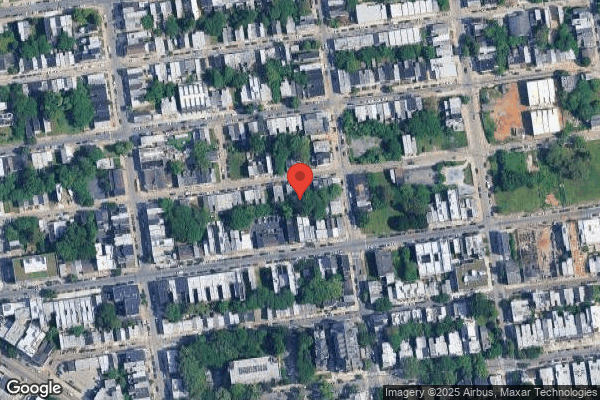
PENN MED RITTENHOUSE CAMPUS 1800 LOMBARD ST 5TH FL, PHILADELPHIA, PA 19104 (215) 893-2250
For profit - Limited Liability company 19 Beds MARQUIS HEALTH SERVICES Data: November 2025
Trust Grade
55/100
#221 of 653 in PA
Last Inspection: May 2025

Inspected within the last 6 months. Data reflects current conditions.

Overview

Rittenhouse Post Acute in Philadelphia has a Trust Grade of C, which means it is average and sits in the middle of the pack among nursing homes. It ranks #221 out of 653 facilities in Pennsylvania, placing it in the top half, and #11 of 46 in Philadelphia County, indicating only ten local options are better. The facility's trend is stable, with 10 issues noted in both 2024 and 2025, suggesting they are not improving or worsening. Staffing is a concern, rated at 2 out of 5 stars with a high turnover rate of 75%, much higher than the state average of 46%, which may impact the quality of care. Fortunately, there have been no fines, which is a positive indicator, and they have more RN coverage than 76% of Pennsylvania facilities, meaning residents benefit from attention that CNAs might not provide. However, there have been some serious issues, such as a resident who fell and fractured a nasal bone due to not being accompanied as required during a medical appointment, as well as concerns about unqualified staff overseeing activities and improper food safety practices. This mix of strengths and weaknesses suggests families should weigh their options carefully.

Trust Score
C
55/100
In Pennsylvania
#221/653
Top 33%
Safety Record
Moderate
Needs review
Inspections
Holding Steady
10 → 10 violations
Staff Stability
⚠ Watch
75% turnover. Very high, 27 points above average. Constant new faces learning your loved one's needs.
Penalties
✓ Good
No fines on record. Clean compliance history, better than most Pennsylvania facilities.
Skilled Nurses
✓ Good
Each resident gets 69 minutes of Registered Nurse (RN) attention daily — more than 97% of Pennsylvania nursing homes. RNs are the most trained staff who catch health problems before they become serious.
Violations
⚠ Watch
25 deficiencies on record. Higher than average. Multiple issues found across inspections.
★★★★☆
4.0
Overall Rating
★★☆☆☆
2.0
Staff Levels
★★★★★
5.0
Care Quality
★★★☆☆
3.0
Inspection Score
Stable
2024: 10 issues
2025: 10 issues

The Good

  • 5-Star Quality Measures · Strong clinical quality outcomes
  • Full Sprinkler Coverage · Fire safety systems throughout facility
  • No fines on record

Facility shows strength in quality measures, fire safety.

The Bad

Staff Turnover: 75%

28pts above Pennsylvania avg (46%)

Frequent staff changes - ask about care continuity

Chain: MARQUIS HEALTH SERVICES

Part of a multi-facility chain

Ask about local staffing decisions and management

Staff turnover is very high (75%)

27 points above Pennsylvania average of 48%

The Ugly 25 deficiencies on record

1 actual harm
Aug 2025 2 deficiencies
CONCERN (D) 📢 Someone Reported This

A family member, employee, or ombudsman was alarmed enough to file a formal complaint

Potential for Harm - no one hurt, but risky conditions existed

Comprehensive Care Plan (Tag F0656)

Could have caused harm · This affected 1 resident

Based on clinical record review and staff interview, it was determined that the facility failed to ensure that a plan of care was related to the diagnosis of seizure for one of two residents reviewed....

Read full inspector narrative →
Based on clinical record review and staff interview, it was determined that the facility failed to ensure that a plan of care was related to the diagnosis of seizure for one of two residents reviewed. (Resident R1)Findings include:Review of Resident R1's August 2025 physician orders included the diagnoses of depression (a mood disorder that causes a persistent feeling of sadness and loss of interest); back pain; convulsions (rapid, involuntary muscle contractions that cause uncontrollable shaking and limb movement that can happen during of without seizures) and cerebral infarction (a stroke). Continued review of the resident's physician's orders indicated that the resident also was being prescribed medication for the treatment of seizures (a sudden burst of electrical activity in the brain. It can cause changes in behavior, movements, feelings and levels of conscious).Review of the resident's person-centered plan of care did not include a plan of care for the resident's seizure diagnosis to ensure that appropriate goals and interventions are included and in place for this care area.During an interview with the Director of Nursing (DON) on August 19, 2025, at 1:46 p.m. the DON confirmed during the interview that the resident did not have a car plan in place for seizures.28 Pa Code 211.11(d) Resident care plan 28 Pa. Code 211.12(c(1) )Nursing services 28 Pa. Code 211.12(d)(1) Nursing services 28 Pa. Code 211.12(d)(5) Nursing services
CONCERN (D) 📢 Someone Reported This

A family member, employee, or ombudsman was alarmed enough to file a formal complaint

Potential for Harm - no one hurt, but risky conditions existed

Pharmacy Services (Tag F0755)

Could have caused harm · This affected 1 resident

Based on review of clinical records, review of facility policy and staff interview, it was determined that the facility failed to ensure that medication was deliver timely from the pharmacy to be admi...

Read full inspector narrative →
Based on review of clinical records, review of facility policy and staff interview, it was determined that the facility failed to ensure that medication was deliver timely from the pharmacy to be administer to the resident as ordered by the physician for 1 out of 2 residents reviewed (Resident R1). Findings include: Review of the facility policy, Policy Services Overview, with a revision date of April 2019 indicated that the facility shall contract with a licensed consultant pharmacist to help it obtain and maintain timely and appropriate pharmacy services that support residents' needs, are consistent with current standards of practice, and meet state and federal requirements. The policy also indicated that pharmacy services are available to residents 24 hours a day, seven days a week and indicated that residents will have sufficient supply of their prescribed medications and receive medications (routine, emergency or as needed) in a timely manner.Review of the Resident R1's August 2025 physician orders included a physician's order with a start date of August 10, 2025. at 9:00 a.m., for the resident to be administered 1-100 milligram tablet of the medication, Lamotrigine, once a day (9:00 a.m.) by mouth. The physician orders indicated that the medication was being prescribed for the treatment of the resident's seizure diagnosis. Review of Resident R1's August 2025 physician orders included an order with a start date of August 9, 2025, at 9:00 p.m. for the resident to administer 1-125 milligram tablet of the medication, Lamotrigine, by mouth at bedtime (9:00 p.m.). The physician orders indicated that medication was being prescribed for the treatment of the resident's seizure diagnosis. Lamotrigine Oral Tablet (Lamotrigine)Give 125 mg by mouth at bedtime for seizures.Continued review of the August 2025 physician orders included a physician's order, with a start date of August 9, 2025, at 9:00 p.m. for the resident to be administered 1-50 milligram tablet of the medication, Lacosamide, by mouth every morning (9:00 a.m.) and at bedtime (9:00 p.m.) for seizure disorder: Vimpat Oral Tablet 50 MG (Lacosamide) Give 1 tablet by mouth every morning and at bedtime for Seizure Disorder.Review of the Medication Administration Record (MAR) indicated that on August 9, 2025, the resident was not administered her 9:00 p.m. dose of the medication, Lacosamide. Continued review of the MAR indicated that the resident was also not administered her 9:00 p.m. dose of the medication, Lamotrigine on August 9, 2025. Review of a nursing note dated August 10, 2025 at 6:03 a.m. by nursing staff documented that the resident did not receive her seizure 9:00 p.m. seizure medications during the 7:00 p.m. through the 7:00 a.m. nursing shift. Patient did not receive Seizure medications this shift. Doctor . made aware.During an interview with the Director of Nursing (DON) on August 19, 2025, at 11:45 a.m. the DON confirmed that the resident was not administered the above referenced seizure medications, as ordered by the physician, because they were not delivered by the facility's pharmacy. 28 Pa Code 211.9 (d) Pharmacy services28 Pa Code 211.9 (l)(1) Pharmacy services28 Pa Code 211.9 (l)(2) Pharmacy services
May 2025 8 deficiencies 1 Harm
SERIOUS (G)

Actual Harm - a resident was hurt due to facility failures

Accident Prevention (Tag F0689)

A resident was harmed · This affected 1 resident

**NOTE- TERMS IN BRACKETS HAVE BEEN EDITED TO PROTECT CONFIDENTIALITY** Based on review of facility policies and documentation, clinical records, and interviews with staff, it was determined the facil...

Read full inspector narrative →
**NOTE- TERMS IN BRACKETS HAVE BEEN EDITED TO PROTECT CONFIDENTIALITY** Based on review of facility policies and documentation, clinical records, and interviews with staff, it was determined the facility failed to ensure Resident R65 who required supervision/assistance with ambulation was accompanied by an escort during a medical appointment outside of the facility. This failure resulted in actual harm to Resident R65 who sustained a fall and fracture of nasal bone for one of four residents reviewed. (Resident R65) Findings include: Review of facility policy titled Transportation, Diagnostic Services dated December 2008, revealed under section Policy Statement indicated, Our facility will assist residents in arranging transportation to/from diagnostic appointments when necessary. Additional review of facility policy revealed under section Policy Interpretation and Implementation revealed the following: #1. Should it become necessary to transport a resident to a diagnostic service outside the facility, the social service designee or charge nurse shall notify the resident's representative (sponsor) and inform them of the appointment. #2. The resident's representative (sponsor) will be responsible for transporting the resident to his or her lab appointment. # 4. A member of the nursing staff, or social services, will accompany the resident to the diagnostic center when the resident's family is not available. Review of facility policy titled Safety and Supervision of Residents dated December July 2017, under section titled, Policy Statement revealed Our facility strives to make the environment as free from accident hazards as possible. Resident safety and supervision and assistance to prevent accidents are facility-wide priorities. Additional review of facility policy indicated under section Policy Interpretation and Implementation, subsection Facility-Oriented Approach to Safety revealed the following, #1. Our facility-oriented approach to safety addresses risks for groups of residents. #2. Safety risks and environmental hazards are identified on an ongoing basis through a combination of employee training, employee monitoring, and reporting processes; QAPI (Quality Assessment Improvement Program) reviews of safety and incident/accident data; and a facility-wide commitment to safety at all levels of the organization. # 4. Employees shall be trained on potential accident hazards and demonstrate competency on how to identify and report accident hazards and try to prevent avoidable accidents. Further review of same facility policy, under subsection titled, Individualized, Resident-Centered Approach to Safety revealed the following: #1. Our individualized, resident-centered approach to safety addresses safety and accident hazards for individual residents. #2. The interdisciplinary care team shall analyze information obtained from assessments and observations to identify any specific accident hazards or risks for individual residents. #3. The care team shall target interventions to reduce individual risks related to hazards in the environment, including adequate supervision and assistive devices. 4. Implementing interventions to reduce accident risks and hazards shall include the following: a. Communicating specific interventions to all relevant staff; b. Assigning responsibility for carrying out interventions; c. Providing training, as necessary d. Ensuring that interventions are implemented. Review of facility policy titled Falls - Clinical Protocol dated September 2012, under section titled Assessment and Recognition revealed the following; #1. As part of the initial assessment, the physician will help identify individuals with a history of falls and risk factors for subsequent falling. #c. While many falls are isolated individual incidents, a significant proportion occur among a few residents/patients. Those individuals may have a treatable medical disorder or functional disturbance as the underlying cause. #2. In addition, the nurse shall assess and document/report the following: c. Musculoskeletal function, observing for change in normal range of motion, weight bearing, etc. #3. The staff will document risk factors for falling in the resident's record and discuss the resident's fall risk. #a. Risk factors for subsequent falling include lightheadedness or dizziness, multiple medications, musculoskeletal abnormalities, peripheral neuropathy, gait and balance disorders, cognitive impairment, weakness, environmental hazards, confusion, visual impairment, and illnesses affecting the central nervous system and blood pressure. Review of Resident R65's clinical record revealed, Resident R65 was admitted to the facility on [DATE], with diagnoses including Obstructive Pulmonary Disease (lung and airway disease that restricts breathing), Muscle Weakness, Unspecified Abnormalities of Gait and Mobility. Review of Resident R65's admission MDS (Minimum Data Set- federally required resident assessment completed at specific intervals) dated December 19, 2024, subsection GG0115 revealed Functional Limitation in Range of Motion (Code for limitation that interfered with daily functions or placed resident at risk of injury in the last 7 days), A. Upper extremity (shoulder, elbow, wrist, hand) was coded 1- (Impairment on one side), section GG - Functional Abilities, D. Sit to stand: The ability to come to a standing position from sitting in a chair, wheelchair, or on the side of the bed was coded 04(Supervision or touching assistance - Helper provides verbal cues and/or touching/steadying and/or contact guard assistance as resident completes activity. Assistance may be provided throughout the activity or intermittently.), E. Chair/bed-to-chair transfer: The ability to transfer to and from a bed to a chair (or wheelchair) was coded 04, I. Walk 10 feet: Once standing, the ability to walk at least 10 feet in a room, corridor, or similar space, J. Walk 50 feet with two turns: Once standing, the ability to walk at least 50 feet and make two turns and K. Walk 150 feet: Once standing, the ability to walk at least 150 feet in a corridor or similar space were all coded 04. Further section L. Walking 10 feet on uneven surfaces: The ability to walk 10 feet on uneven or sloping surfaces (indoor or outdoor), such as turf or gravel. And M. 1 step (curb): The ability to go up and down a curb and/or up and down one step, were coded 88 (Not attempted due to medical condition or safety concerns). Review of Resident R65's care plan initiated December 13, 2024 revealed I have an ADL (Activities of Daily Living) Self Care Performance Deficit r/t (related to) Muscle wasting, Atrophy. Care plan interventions/tasks include the following: ambulation: I require supervision with ambulation. Transfers: I require supervision/setup with transfers. Review of the Resident R65's Physical Therapy Evaluation and Treatment Plan, under section Functional Mobility assessment dated [DATE], revealed the following: Transfers, Resident R65 requires SBA (standby assist- someone must be always be standing behind the resident to provide physical assistance in case resident loses balance or to provide physical support as needed ), Gait on level surfaces, Resident R65 requires SBA, Distance on Level Surfaces, can walk up to a distance of 150 feet, Assistive Device: 2 wheeled walker. Further review of Resident R65's Physical Therapy Evaluation and Treatment Plan, revealed for uneven surfaces indicated DNT (did not test- resident has not been evaluated on his ability to ambulate safely on uneven surfaces), Stairs was indicated DNT, number of stairs- 0 steps, Negotiated stairs-DNT ([Resident R65] has not been evaluated on his/her ability to safely go up and down stairs and to navigate stairs, Community Ambulation (ambulating outside of the facility) = SBA Further, under section Sensation/Sensory =IMPAIRED (impaired-not functioning normally), Touch Pressure=IMPAIRED (history of mild neuropathy bilateral feet). Review of Resident R65's Physical Therapy Assessment Summary dated December 13, 2024, revealed Resident R65 presented with deficits in cardiovascular endurance, dynamic balance (ability to maintain control of one's center of mass while the body is in motion or experiencing external forces. It involves adjusting and controlling the body's position in space while moving, walking, and other activities that require balance), functional strength, and activity tolerance limiting participation in functional mobility. Further, Resident R65 was below baseline levels. Resident R65 required SBA (standby assist) for functional transfers, with picking up object from ground and to ambulate 150 feet with rolling walker. Further additional functional mobility was not assessed due to increased fatigue. Review of Resident R65's physical therapy treatment encounter dated December 17, 2024 revealed skilled intervention focused on outdoor mobility training, and ambulation over uneven surfaces: 1. Gait training over uneven surfaces, carpets, change in surfaces, navigating through elevators, 500 feet with rolling walker and supervision for balance and rolling walker management with one episode of minimal assist for mild LOB (loss of balance) when navigating over carpet stuck on rolling walker, 3. Outdoor gait training over inclined and declined surfaces and uneven sidewalks 500 feet without assistive device and Sup (supervision) (close supervision -resident within arm's length for safety in case resident loses balance) for balance due to mild increased sway, seated rest breaks required between trials to manage increased fatigue. Review of Resident R65's physician's order with start date of December 19, 2024 revealed an order for: Follow up with plastic surgery and reconstructive surgery on December 19, 2024 at 2:00 pm. Further review of Resident R65's clinical record failed to reveal physician order for LOAs (leave of absences) to go to medical appointment or instructions during LOA. Review of Resident R65's nursing notes dated December 13, 2024, December 15, 2024, December 18, 2024, and December 19, 2024 (time stamped 4:02AM), revealed ADLs/Functional Status: Exhibits Unsteady gait weakness. Review of Resident R65's nursing notes dated December 19, 2024 (1:16 p.m.), revealed Resident R65 left facility to attend a doctor's appointment using a rolling walker. Resident R65 was picked up by an ambulance transportation. Review of Resident R65's progress notes dated December 19, 2024, at 8:50 p.m., revealed Resident R65 returned to the facility from local hospital with a fractured nose. Continued review of Resident R65's nursing note dated December 20, 2024, revealed the following: Resident R65 was alert and oriented x 4 (oriented to people, places, and time) with a BIMS (Brief Interview of Mental Status) of 15 (indicating full cognitive functioning), went LOA to an appointment via ambulance transport around 1 p.m. on December 19, 2024 at 4:30 p.m. Charge nurse called to check in on patient status and nurse was informed that patient was at a local hospital following a fall that occurred while out on appointment. Hospital's nurse informed Charge Nurse that Resident R65 will be transported back to the facility with paperwork. When asked [he/she] tripped while ambulating in the lobby of appointment building. Patient returned to facility with a Dx (diagnosis) of nasal fracture and sinus precautions. Review of facility document titled, Full QA (Quality Assurance) report signed by Director of Nursing, Employee E2 on December 20, 2024, revealed a statement from Resident R65 indicating; When I was walking past the lobby, there were a thick mats where my walker got caught up which made me trip and fall forward. Interview with Rehabilitation Department staff, Employee E8 conducted on May 15, 2025, at 12:05 p.m. confirmed that before Resident R65 fall incident on December 19, 2024, Resident R65 was still unsteady and required standby assist for ambulation (walking). Further interview with Employee E8 revealed that standby assist during ambulation means that someone must be always standing behind Resident R65 while the resident is ambulating, to provide resident with verbal cueing and or physical help or physical support if needed in order to prevent falling in case of a loss of balance. Interview with Director of Nursing (DON), Employee E2 conducted on May 15, 2025, at 12:30 p.m. confirmed the facility allowed Resident R65 to go out to a doctor's appointment without an escort. Further, Employee E2 revealed that the plan was for Resident R65's family to meet Resident R65 inside the doctor's office. Continued interview on May 15, 2025 with Director of Nursing, Employee E2, revealed Resident R65 was transported via ambulance from the facility to the building where the doctor's office was located. Resident R65 was dropped off by the ambulance in front of the building and Resident R65 proceeded to walk with a rolling walker into the building unassisted and without supervision, where the resident subsequently fell in the lobby resulting in a fracture of the nasal bone. The facility failed to ensure Resident R65, who required supervision/assistance with ambulation was provided with an escort to supervise the resident during a medical appointment which resulted in actual harm to Resident R65 after sustaining a fall and fracture to the nasal bone. 28 Pa. Code 201.14(a) Responsibility of licensee 28 Pa. Code 201.18(b)(1) Management 28 Pa. Code 201.18(e)(1) Management 28 Pa. Code 211.10(d) Resident care policies 28 Pa. Code 211.12(d)(1) Nursing services 28 Pa. Code 211.12(d)(5) Nursing services
CONCERN (D)

Potential for Harm - no one hurt, but risky conditions existed

Deficiency F0582 (Tag F0582)

Could have caused harm · This affected 1 resident

Based on review of documentation and staff interview, it was determined the facility failed to ensure residents were provided a Notification of Medicare Non-Coverage (NOMNC) for one of three residents...

Read full inspector narrative →
Based on review of documentation and staff interview, it was determined the facility failed to ensure residents were provided a Notification of Medicare Non-Coverage (NOMNC) for one of three residents reviewed (Resident R66). Findings include: Review of facility documentation revealed no evidence that the Notification of Medicare Non-coverage was provided to Resident R66. Interview with Director of Social Services, Employee E3 conducted on May 14, 2025, at 11:05 a.m. confirmed that she was responsible for sending the Notice of Medicare Non-Coverage to residents who were discharged from Medication Part A with remaining Medicare days. Continued interview with Social Services, Employee E3 revealed that Resident R66 was scheduled to leave at a planned date of September 27, 2024, but requested to leave on September 25, 2025. Further, Employee E3 also revealed that Resident R66 informed Employee E3 of his wishes to go home earlier a few days before September 25, 2025. Further, Employee E3 also revealed that she informed Rehab about Resident R66 wishing to leave earlier, and that rehab cleared the resident to go home. Employee E3 confirmed that she did not provide Resident R66 with a Notification of Medicare Non-coverage. Further Employee E3 also confirmed that should have been provided to Resident R66 with a Notification of Medicare Non-coverage. 28 Pa. Code 201.18(b)(1) Management
CONCERN (D)

Potential for Harm - no one hurt, but risky conditions existed

Comprehensive Care Plan (Tag F0656)

Could have caused harm · This affected 1 resident

Based on observations, review of facility policy, review of clinical records, and staff in our view, it was determined that the facility failed to develop and implement a person center and comprehensi...

Read full inspector narrative →
Based on observations, review of facility policy, review of clinical records, and staff in our view, it was determined that the facility failed to develop and implement a person center and comprehensive care plan related to resident's nutritional needs and weight loss for one resident. (Resident R1) Findings include: Review of facility policy titled Care Plans, Comprehensive Person Centered dated March 2022, revealed that a comprehensive person center care plan includes measurable objectives and timetables to meet all resident's physical, psychosocial and functional needs. The care plan includes the resident's goals upon admission, reflects currently recognized standards of practice for problem areas and conditions. When possible, the care plan interventions address the underlying source of the problem areas. Assessments of the residents are ongoing, and care plans are reassessed as information about the resident and the residents' conditions change. The interdisciplinary team reviews and updates the care plan when there has been a significant change in the residents' condition. Review of policy titled Weight Assessment and Intervention dated March 2022, revealed that resident weights are monitored for undesirable or unintended weight loss or gains. Undesirable weight change is evaluated, this evaluation includes recent target weight range, resident's calorie protein and other nutrient needs compared to the resident's current intake, the relationship between current medical condition or clinical situation and recent fluctuations in weight and whether and to what extent weight stabilizing or improvement can be anticipated. Care planning for weight loss or impaired nutrition is a multi-disciplinary effort and includes the physician nursing staff, the dietitian, the consultant pharmacist, and the resident or resident's legal surrogate. Individualized care plan shall address, to extent possible the identified cause of weight loss, goals and benchmarks for improvement, and time frames and perimeters for modern monitoring and reassessment. Interventions for undesirable weight loss are based on careful consideration of the following; resident choice preferences, common nutrition, functional factors that may inhibit independent eating, environmental factors that may inhibit appetite, chewing and swallowing abnormalities, medications that may interfere with appetite, the use of supplementation or feeding tubes and end of life directives. Review of Review of resident R 1's admission minimum data set (MDS- a federal mandated assessment tool for all residents) dated December April 23, 2025, revealed that resident R1 was admitted into the facility April 16, 2025, 2024 with diagnosis' including Coronary artery disease( a heart disease that happens when coronary arteries cannot supply the heart with enough blood, oxygen and nutrients), hypertension(high blood pressure-a condition where the force of blood in the heart is consistently too high), diabetes(the body does not produce enough insulin or cannot properly use insulin, leading to high blood sugar levels), aphasia(inability to swallow ), malnutrition(Lack of proper nutrition ), and depression(persistent feeling of sadness and changes of how you think, sleep, eat , and act). Resident assessment with a cognitive BIMS (brief interview for mental status) score of 11, indicating the resident is moderate cognitive impairment. Review of resident's weight summary dated April 16th, 2025, resident was recorded as being 118.0 pounds admission, April 23rd, 2025, resident reported being 107.6, indicating a 10.4-pound weight loss. After two weeks the resident was weighted again and was documented as 102.8 pounds, indicating a 4.8-pound weight loss. Review of resident R1's care plan revealed that Resident is at risk for malnutrition related to muscle fat wasting on NFPE (nutrition focused physical exam), need for modified food texture food, need for an ONS (oral nutrition supplements), altered nutrition related labs, increased metabolic needs and chronic medical diagnosis which was initiated April 22, 2025. The intervention for this focus was to provide a regular, thin liquid diet that noted I prefer the following foods: pescatarian diet A diet that is free of meat and chicken, primarily a plant-based diet with fish consumption. Further review of resident R1's care plan revealed no focus or intervention and goals of resident 's documented weight loss. Continued review of resident R1's care plan revealed there was no interventions of resident's preference of pescatarian diet and supplemental needs that accompany this diet. Interview with dietitian, employee E5, conducted on May 14, 2025, at 10:53 AM confirmed that the resident has documented weight loss which has not been included in the resident care plan. Employee E5 stated that she has worked with the kitchen staff to develop a pescatarian diet for resident R1. There is no indication that the facility has any documented menu choices for pescatarian residents' preferences. 28 Pa Code 211.10(c) Resident care policies 28 Pa Code 211.12(d)(5) Nursing service
CONCERN (D)

Potential for Harm - no one hurt, but risky conditions existed

Deficiency F0692 (Tag F0692)

Could have caused harm · This affected 1 resident

**NOTE- TERMS IN BRACKETS HAVE BEEN EDITED TO PROTECT CONFIDENTIALITY** Based on review of facility policy, clinical record reviews and staff interviews, it was determined that the facility failed to ...

Read full inspector narrative →
**NOTE- TERMS IN BRACKETS HAVE BEEN EDITED TO PROTECT CONFIDENTIALITY** Based on review of facility policy, clinical record reviews and staff interviews, it was determined that the facility failed to monitor, implement and modify interventions consistent with the resident's assessed needs to maintain acceptable parameters of nutrition for two of sixteen resident records reviewed. (Residents R61 and Resident R1) Findings include: Review of facility policy on Weight Assessment and Intervention dated March 2022, section Policy Statement Resident weights are monitored for undesirable or unintended weight loss or gain. Section Policy Interpretation and Implementation Weight Assessment #1. Residents are weighed upon admission and at intervals established by the interdisciplinary team. #2. Weights are recorded in each unit's weight record chart and in the individual's medical record. #3. Any weight change of 5% or more since the last weight assessment is retaken the next day for confirmation. a. If the weight is verified, nursing will immediately notify the dietitian in writing. #4. Unless notified of significant weight change, the dietitian will review the unit weight record monthly to follow individual weight trends over time. #5. The threshold for significant unplanned and undesired weight loss will be based on the following criteria [where percentage of body weight loss = (usual weight - actual weight)/(usual weight) x 100]: a. 1 month - 5% weight loss is significant; greater than 5% is severe. Section Evaluation #1. Undesirable weight change is evaluated by the treatment team whether or not the criteria for significant weight change has been met. The evaluation includes a. the resident's target weight range (including rationale if different from ideal body weight); b. the resident's calorie, protein, and other nutrient needs compared with the resident's current intake; c. the relationship between current medical condition or clinical situation and recent fluctuations in weight; and d. whether and to what extent weight stabilization or improvement can be anticipated. Review of Resident R61's clinical record revealed that Resident R61 was admitted to the facility on [DATE], with diagnoses of Fracture of Lumbosacral spine ad pelvis. Review of resident R61's weight record revealed the following: On May 3, 2025, Resident R61's weight was 179.0 lbs. (pounds), On May 6, 2025, Resident R61's weight was 171.8 lbs., On May 13, 2025, Resident R61's weight was 169.8 lbs. Further review of Resident R61's clinical record revealed that there were no dietary notes until May 14, 2025. Review of Dietary note dated May 14, 2025, revealed a Weight Change Note as follow: WEIGHT CHANGE: Value: 169.8 -5.0% change [ 5.1%, 9.2] reweigh pending. Further review of Resident R61's weight record revealed that no reweight was done. Last recorded weight was on May 13, 2025, at 169.8 lbs. Further, review of Resident R61's clinical record revealed that there was no documented evidence that the weight loss was addressed by the dietician Employee E5 or by staff at the facility. Review of the nutrition care plan revealed that Resident R61 was at risk for malnutrition related to muscle/fat wasting, need for therapeutic diet, altered nutrition-related labs, increased metabolic needs, and chronic medical Dx. Date Initiated: 05/05/2025 Further review of Resident R61's care plan revealed that the care plan was not updated to address the significant weight loss observed on May 3, 2025, May 6, 2025, and May 13, 2025. Interview with Dietician Employee E5 conducted on May 14, 2025, at 10:53 AM confirmed that Resident R61 had a 9.2 lbs. weight loss or 5.14% weight loss from May 3, 2025, to May 13, 2025, a 5.14%weight loss in 10 days. Further Employee E5 confirmed that she has not seen Resident R61 until May 14, 2025. Review of Review of resident R 1's admission minimum data set (MDS- a federal mandated assessment tool for all residents) dated December April 23, 2025, revealed that resident R1 was admitted into the facility April 16, 2025, 2024 with diagnosis' including Coronary artery disease( a heart disease that happens when coronary arteries cannot supply the heart with enough blood, oxygen and nutrients), hypertension(high blood pressure-a condition where the force of blood in the heart is consistently too high), diabetes(the body does not produce enough insulin or cannot properly use insulin, leading to high blood sugar levels), aphagia(inability to swallow ), malnutrition(Lack of proper nutrition ), and depression(persistent feeling of sadness and changes of how you think, sleep, eat , and act). Resident assessment with a cognitive BIMS (brief interview for mental status) score of 11, indicating the resident is moderate cognitive impairment. Review of resident R1's hospital record prior to entering the facility, dated April 15, 2025, revealed resident presented to the emergency room on April 13, 2025, following a fall with progressively worsening lower back pain., she was treated conservatively with pain control and early mobilization and was discharged on April 16th to a skilled nursing facility. This document included resident's current weight as 53.5 kilograms,118 pounds dated April 15, 2025. Review of resident nutritional risk assessment dated [DATE]st, 2025, revealed resident is at risk for malnutrition with a score of 11.0. The resident's BMI (body mass index-measure of body fat based on height and weight) was 23.8(indicating resident is within normal body weight). Resident's most recent weight documented as 118 pounds on the admission April 16th, 2025. The resident estimated calories are 1501 to 1770. Resident R1's documented food intake revealed that intake meals 51 to 75% of estimated needs. The resident report she is pescatarian RD (registered dietician) will update diet preferences via food service director. Continue review of this assessment document revealed that this resident is at risk for malnutrition she presents a need for modified food texture, need for ONS(oral nutritional supplement), altered nutrition related to labs, increased metabolic needs, and chronic medical diagnosis with a plan to offer ensure plus 8 ounce via PO twice a day for low protein and albumin provides 350K Cal and 20 grams of protein. Review of resident recorded weights revealed on April 16, 2025(admission resident weight recorded as 118.0, April 23, 2025, resident's weight recorded as 107.6 pounds, May 7, 2025, resident's weight recorded as 102.8 pounds. Review of resident clinical record dietary notes revealed that on April 30, 2025, resident R1 triggered for weight warning indication that resident R 1 has sustained a weight loss of 10.4 pounds 8.8% change. REWEIGHT PENDING. There was no indication that resident R1 was reweighed. Further review of resident R 1 clinical record dietary notes dated May 7, 2025, revealed that resident R 1 triggered weight warning indicating resident now recorded weight of 102.8, 12.7 % one-month weight loss. The RD met with resident to address recent significant weight change. Residents reported that occasionally her family provides her own food. RD offered Ensure clear once a day. Full comprehensive assessment to follow. Further review of resident R 1 clinical record dietary notes dated May 14, 2025, revealed Note Text: WEIGHT CHANGE: Value: 102.9Vital Date: 2025-05-13 14:13:00.0MDS: -5.0% change over 30 day(s) [ 12.7%, 15.0]-5.0% change [ 12.8% , 15.1 ]-7.5% change [ 12.8% , 15.1 ]-10.0% change [ 12.8% , 15.1 ]reweight pending. No indication that resident R 1 was reweighed. Interview with resident R 1 on May 13, 2025, at 10:48 a.m. revealed that this resident has concerns of diet and weight loss. Resident R1 stated that she has not been provided her dietary preference of a pescatarian diet. Interview with Resident R 1 on May 15, 2025, revealed that this resident was served a plate of French fries the previous evening for dinner. Interview with dietitian employee E5 conducted on May 14, 2025, at 10:53 AM revealed that she is aware of resident R1's recent weight loss, she believed the weight loss has been attributed to healing process, and the initial weight recorded may have been inaccurate. This employee was unable to provide any meal tracking or nutritional requirements for this resident. Employee E5 and has confirmed that a full comprehensive assessment addressing the residents weight loss, or any documented interdisciplinary team notification has not been completed. 28 Pa. Code 211.12(c) Resident care policies 28 Pa. Code: 211.12(c)(d)(1)(2)(3)(5) Nursing services
CONCERN (D)

Potential for Harm - no one hurt, but risky conditions existed

Deficiency F0699 (Tag F0699)

Could have caused harm · This affected 1 resident

**NOTE- TERMS IN BRACKETS HAVE BEEN EDITED TO PROTECT CONFIDENTIALITY** Based on review of clinical records, staff and resident interviews, it was determined that the facility failed to provide cultur...

Read full inspector narrative →
**NOTE- TERMS IN BRACKETS HAVE BEEN EDITED TO PROTECT CONFIDENTIALITY** Based on review of clinical records, staff and resident interviews, it was determined that the facility failed to provide culturally competent, trauma informed care in accordance with professional standards of practice, accounting for the resident's past experiences and preferences in order to eliminate and/or mitigate triggers that may cause re-traumatization of residents for two of two residents with diagnosis of PTSD (post-traumatic stress disorder). (Resident R60 and Resident R63) Findings include: Review of facility policy on Trauma Informed Care and Culturally Competent Care dated August 2022 revealed that under section Purpose To guide staff in providing care that is culturally competent and trauma-informed in accordance with professional standards of practice. To address the needs of trauma survivors by minimizing triggers and/or re-traumatization. Under section General Guidelines 1. Traumatic events which may affect residents during their lifetime include: a. physical, sexual and emotional abuse; b. neglect; c. interpersonal or community violence; d. serious injury or illness; e. bullying; f. forced displacement; g. racism; h. war; and i. generational or historical trauma. # 2. Trauma-informed care is based on Trauma-Informed and Resilience Oriented ([NAME]), evidence-based and emerging best practices. 3. For trauma survivors, the transition to living in an institutional setting (and the associated loss of independence) can trigger profound re-traumatization. 4. Triggers are highly individualized. Under section Organizational Strategies #1. Evaluate the need for trauma-informed practices as part of the facility assessment. #2. Utilize the facility assessment to identify the cultural characteristics of the resident population, including language, religious or cultural practices, values and preferences. #3. Develop an organizational culture that supports all Trauma-Informed and Resilience Oriented ([NAME]) domains. These include: a. universal and early screening and assessment; b. resident-centered care and services; e. safe and secure environments; g. ongoing performance improvement and evaluation. #7. Establish an environment of physical and emotional safety for residents and staff. Under section Resident Screening #1. Perform universal screening of residents, which includes a brief, non-specialized identification of possible exposure to traumatic events. #2. Utilize screening tools and methods that are facility-approved, competently delivered, culturally relevant and sensitive. #3. Screening may include information such as: a. trauma history, including type, severity and duration; b. depression, trauma-related or dissociative symptoms; c. risk for safety (self or others); d. concerns with sleep or intrusive experiences; e. behavioral, interpersonal or developmental concerns; f. historical mental health diagnosis; g. substance use; h. protective factors and resources available; and i. physical health concerns. 4. Utilize initial screening to identify the need for further assessment and care. [NAME] section Resident Assessment #1. Assessment involves an in-depth process of evaluating the presence of symptoms, their relationship to trauma, as well as the identification of triggers. #2. Utilize licensed and trained clinicians who have been designated by the facility to conduct trauma assessments. #3. Use assessment tools that are facility-approved and specific to the resident population. Review of Resident R60's clinical record revealed that Resident R60 was admitted to the facility on [DATE], with diagnoses of but not limited to PTSD (Post Traumatic Stress Disorder). Review of Resident R60's admission MDS (Minimum Data Set-a federally required resident assessment completed at a specific interval) dated May 7, 2025, Section I - Active Diagnoses, I6100. Post Traumatic Stress Disorder (PTSD) was marked X indicating that resident had a diagnosis of PTSD. Further review of Resident R60's clinical record revealed no documented evidence that an assessment related to PTSD was conducted on Resident R60, Furtherer, there was no documented evidence that Resident R60 received services to address Resident R60's diagnoses of PTSD. Further review of Resident R60's clinical record revealed a psych note dated May 5, 2025. Review of the psych note dated May 5, 2025, revealed that Resident R60 was seen due to psychotropic use while in a rehabilitation setting. Further, there was no mention of Resident R60's diagnoses of PTSD in the psych evaluation. Review of Resident R60's care plans revealed no care plan addressing Resident R60's PTSD diagnoses. Review of Resident R63's clinical record revealed that Resident R63 was admitted to the facility on [DATE], with diagnoses of but not limited to PTSD (Post Traumatic Stress Disorder). Further review of Resident R63's clinical record revealed no documented evidence that an assessment related to PTSD was conducted on Resident R63. Furtherer, there was no documented evidence that Resident R63 received services to address Resident R63's diagnoses of PTSD. Review of resident R63's care plans revealed no care plan addressing Resident R63's PTSD diagnoses. 28 Pa. Code 211.12(c)(d)(3)(5) Nursing services
CONCERN (D)

Potential for Harm - no one hurt, but risky conditions existed

Deficiency F0760 (Tag F0760)

Could have caused harm · This affected 1 resident

**NOTE- TERMS IN BRACKETS HAVE BEEN EDITED TO PROTECT CONFIDENTIALITY** Based on review of facility policy, review of clinical records, and staff and resident interviews, it was determined that the fa...

Read full inspector narrative →
**NOTE- TERMS IN BRACKETS HAVE BEEN EDITED TO PROTECT CONFIDENTIALITY** Based on review of facility policy, review of clinical records, and staff and resident interviews, it was determined that the facility failed to ensure one resident was free from significant medication error for 1 of 3 resident reviewed. (Resident R1) Findings include: Review a facility policy titled Administering Medications dated April 2019, revealed that all medications are administered in accordance with prescriber orders and residents may self-administer their medication only if the attending physician comment in conjunction with the interdisciplinary care planning team, has determined that they have the decision-making capacity to do so safely. Review of the National Institute of Health article titled Magnesium Fact Sheet for health professionals dated June 2, 2022, revealed magnesium is a nutrient that the body needs to stay healthy magnesium is an important for many processes in the body including regulating muscle and nerve function, blood sugar levels, and blood pressure and making protein, bone and DNA. Recommended intakes for magnesium and other nutrients are provided in a dietary reference intakes developed by the Food and Nutrition Board at the Institute of Medicine and the National Academies. Health risks from excessive magnesium too much magnesium from foods does not pose a health risk in healthy individuals because the kidneys eliminate excess amounts in urine however high doses of magnesium from dietary supplements or medications often result in diarrhea and can be accompanied by nausea and abdominal cramping. Very large doses of magnesium containing lads live in and acids providing more than 5000 milligrams a day have been associated with magnesium toxicity including fatal hyper magnesium [NAME]. The risk of magnesium toxicity increases with impaired renal function or kidney failure. Several types of medication that has potential to interact with magnesium supplements or affect the magnesium status. Review of Resident R1's clinical record physician's orders revealed no order for the supplement Magnesium. Observation of licensed nurse employee E6 on May 14, 2025 at 10:05 a.m. revealed licensed nurse employee E 6 administering morning medication to resident R1. During this observation a bottle of magnesium gummy vitamins 84 mg were viewed on the resident's table. Interview with Resident R1 at time of the above observation revealed that they are her vitamins and she takes them twice daily. Interview with licensed nurse employee E6 at time of the above observation confirmed that there was no order for this supplement and this nurse was unaware that resident R1 was consuming this supplement. 28 Pa.Code 211.10(c) Resident Care Policies 28 Pa. Code 211.12(c) Nursing Services
CONCERN (D)

Potential for Harm - no one hurt, but risky conditions existed

Deficiency F0761 (Tag F0761)

Could have caused harm · This affected 1 resident

**NOTE- TERMS IN BRACKETS HAVE BEEN EDITED TO PROTECT CONFIDENTIALITY** Based on review of facility policy, observation, and staff interview, it was determined that the facility failed to ensure that ...

Read full inspector narrative →
**NOTE- TERMS IN BRACKETS HAVE BEEN EDITED TO PROTECT CONFIDENTIALITY** Based on review of facility policy, observation, and staff interview, it was determined that the facility failed to ensure that drugs ad biologicals are stored in a safe/secure environment in accordance with professional standards for one of one medication room and for one of sixteen residents observed. (Resident R60) Findings include: Review of facility policy on Medication Labeling and Storage dated February 2023, under section Policy Statement, The facility stores all medications and biologicals in locked compartments under proper temperature, humidity and light controls. Only authorized personnel have access to keys. Under section Policy Interpretation and Implementation, subsection Medication Storage 4. Compartments (including, but not limited to, drawers, cabinets, rooms, refrigerators, carts, and boxes) containing medications and biologicals are locked when not in use, and trays or carts used to transport such items are not left unattended if open or otherwise potentially available to others. 5. Medications are stored in an orderly manner in cabinets, drawers, carts, or automatic dispensing systems. Each resident's medications are assigned to an individual cubicle, drawer, or other holding area to prevent the possibility of mixing medications of several residents. 6. Medications requiring refrigeration are stored in a refrigerator located in the medication room at the nurses' station or other secured location. Medications are stored separately from food and are labeled accordingly. Subsection Medication Labeling #1. Labeling of medications and biologicals dispensed by the pharmacy is consistent with applicable federal and state requirements and currently accepted pharmaceutical practices. # 5. Multi-dose vials that have been opened or accessed (e.g., needle punctured) are dated and discarded within 28 days unless the manufacturer specifies a shorter or longer date for the open vial. Review of Resident R60's clinical record revealed that Resident R60 was admitted to the facility on [DATE], with diagnoses of but not limited to Chronic Obstructive Pulmonary Disease (COPD-lung an dairway disease that restict breathing). Review of Resident R60's physician's orders revealed an order for Fluticasone-Salmeterol 500-50 MCG/ACT Aerosol Powder, breath activated 1 puff inhale orally every 12 hours for COPD Instruct patient to rinse mouth to prevent thrush. -start date-05/01/2025 Observation of Resident R60's environment conducted on May 13, 2025, at 9:26 a.m. during the initial tour of the facility revealed the inhaler Fluticasone with Resident R60's name on it on top of the overbed table. Interview with Resident R60 conducted at the time of the observation revealed that the nurses gave her the Fluticasone. Further interview revealed that Resident R60 did not remember the name of the nurse who gave her the Fluticasone Inhaler. Follow-up observation conducted with Director of Nursing Employee E2 on May 13, 2025, at 10:04 am revealed that the Fluticasone inhaler was still on top of Resident R60's overbed table. Interview with DON (Director of Nnursing) Employee E2 conducted at the time of the observation confirmed that Fluticasone inhaler labelled with Resident R60'd name was on top of Resident R60's overbed table. Observation of the medication refrigerator located in the medication room conducted on May 14, 2025, at 9:57 a.m. with DON, Employee E2 revealed an open vial of tuberculin purified protein derivative. Further observation revealed that the open vial of tuberculin purified protein derivative was not dated. Interview with Employee E2 conducted at the time of the observation confirmed that the vial of tuberculin purified protein derivative was not dated. 28 Pa. Code 201.14(a) Responsibility of licensee
CONCERN (D)

Potential for Harm - no one hurt, but risky conditions existed

Deficiency F0801 (Tag F0801)

Could have caused harm · This affected 1 resident

Based on review of personnel files, review of facility documentation, and staff interview, it was determined that the facility failed to employ a qualified registered dietitian. Findings include: Revi...

Read full inspector narrative →
Based on review of personnel files, review of facility documentation, and staff interview, it was determined that the facility failed to employ a qualified registered dietitian. Findings include: Review of dietitian job description revealed the clinical dietitian assesses the nutritional needs and dietary restrictions of the residents to develop and implement a plan of care to meet nutritional needs and maintain overall quality of life. Job descriptions and responsibilities include to complete assessments, chart reviews, develop an individualized nutrition care plan, nutrition focus physical exams, provide nutrition education counseling and support, review all monthly and weekly weights complete assessment and make modifications to nutrition plan of care as clinically indicated. Further review of the dietitians' responsibilities includes collaborate with inner disciplinary team members, consult with positions, assistant coordination of nutritional care services, monitor food service operations, perform all duties necessary and in accordance with the facility policy, understand and follow CMS guidelines and combines with the Department of health regulations. Requirements needed for the position of registered dietitian includes registered dietitian with the American Dietetic Association maintaining the statuses or requirement of the position. Review of the regional dietitian job description revealed the responsibilities and duties include to provide facility coverage during the absence of a registered dietitian. Interview on May 14, 2025, at 10:53 a.m. with registered dietitian employee E5 confirmed that the dietitian has not completed the mandatory dietary LDN licensure exam. Interview with NHA employee E1 and DON employee E2 on May 15, 2025, confirmed that dietician employee E5 has not completed the LDN licensure exam. Employee E5 has been working under the direct supervision of regional dietician employee E 11. Review of resident records revealed that there was no indication that licensed dietician reviewed or consulted on any clinical documents. Review of Resident R1's clinical record of dietary notes, weight loss notation, nutritional assessment and care plan, revealed that resident dietician employee E5 was the only employee who reviewed and documented any notes pertaining to resident significant weight loss. There is no cosignature or indication that employee E 11 reviewed and or advised on the clinical record. 28 Pa. Code 201.18(b)(3) Management 28 Pa. Code 211.6(c) Dietary Services
Aug 2024 10 deficiencies
CONCERN (D)

Potential for Harm - no one hurt, but risky conditions existed

Transfer Notice (Tag F0623)

Could have caused harm · This affected 1 resident

Based on review of facility documentation, clinical record reviews, and interviews with staff, it was determined that the facility failed to notify the Office of the State Long-Term Care Ombudsman of ...

Read full inspector narrative →
Based on review of facility documentation, clinical record reviews, and interviews with staff, it was determined that the facility failed to notify the Office of the State Long-Term Care Ombudsman of facility-initiated emergency transfers as required for one of one records reviewed related to hospital transfers (Residents R10). Findings include: Review of progress notes for Resident R10 revealed a note, dated May 28, 2024. which indicated that the resident was transferred to a local hospital emergency department due her medical conditions. A request for the evidence of notification of the Office of the State Long-Term Care Ombudsman of facility-initiated emergency transfers were requested to the administrator and facility administrative staff from previous management, Employee E5. Facility did not submit evidence of notification of the Office of the State Long-Term Care Ombudsman of facility-initiated emergency transfers as requested. Interview on August 27, 2024, Employee E5 confirmed that the Office of the State Long-Term Care Ombudsman was not notified as required of facility-initiated emergency transfers for Resident R10. Employee E5 also stated facility did not send any notification to the Office of the State Long-Term Care Ombudsman as required for any hospital transfers. 28 Pa. Code 201.14(a) Responsibility of licensee 28 Pa. Code 201.18(b)(2) Management
CONCERN (D)

Potential for Harm - no one hurt, but risky conditions existed

Comprehensive Assessments (Tag F0636)

Could have caused harm · This affected 1 resident

Based on review of facility documentation, clinical record reviews, and interviews with staff, it was determined that the facility failed to ensure that a comprehensive assessment was conducted with d...

Read full inspector narrative →
Based on review of facility documentation, clinical record reviews, and interviews with staff, it was determined that the facility failed to ensure that a comprehensive assessment was conducted with direct observation and communication with resident as required for one of eight residents reviewed. (Resident R62) Findings Include: Review of RAI (Resident Assessment Instrument) manual Section J, under the tile of Should Pain Assessment Interview Be Conducted? revealed guidelines for pain assessment which indicated Health-related Quality of Life o Most residents who are capable of communicating can answer questions about how they feel. o Obtaining information about pain directly from the resident, sometimes called hearing the resident's voice, is more reliable and accurate than observation alone for identifying pain. Planning for Care o Interview allows the resident's voice to be reflected in the care plan. o Information about pain that comes directly from the resident provides symptom-specific information for individualized care planning. Steps for Assessment 1. Interact with the resident using their preferred language. Be sure they can hear you and/or have access to their preferred method for communication. If the resident appears unable to communicate, offer alternatives such as writing, pointing, sign language, or cue cards. 2. Determine whether or not the resident is rarely/never understood verbally, in writing, or using another method. If the resident is rarely/never understood, skip to item J0800, Indicators of Pain or Possible Pain. 3. Review Language item (A1110) to determine whether or not the resident needs or wants an interpreter. o If the resident needs or wants an interpreter, complete the interview with an interpreter. Interview with Resident R62 on August 26, 2024, at 12:26 p.m. stated she had knee surgery and she experienced severe pain rated up to 10 of a scale of 10. She stated after she admitted to the facility for three days the pain was so severe that it affected her sleep, therapy and other activities. Review of MDS (Minimum Data Set-Assessment of Resident needs) Section J dated August 13, 2024 for Resident R62 revealed that a pain assessment was completed. Further review of the MDS revealed that there was an interview conducted with Resident R2 and the following question and resident response were documented. Ask resident: Have you had pain or hurting at any time in the last 5 days? Response was documented as Yes Ask resident: How much of the time have you experienced pain or hurting over the last 5 days? Response was documented as Frequently Ask resident: Over the past 5 days, how much of the time has pain made it hard for you to sleep at night? Response was documented as Rarely or not at all Ask resident: Over the past 5 days, how often have you limited your participation in rehabilitation therapy sessions due to pain? Response was documented as Rarely or not at all Ask resident: Over the past 5 days, how often have you limited your day-to-day activities (excluding rehabilitation therapy sessions) because of pain? Response was documented as Rarely or not at all Ask resident: Over the past 5 days, how often have you limited your day-to-day activities (excluding rehabilitation therapy sessions) because of pain? Response was documented as Rarely or not at all. Ask resident: Please rate your worst pain over the last 5 days on a zero to ten scale, with zero being no pain and ten as the worst pain you can imagine. Response was documented as 7. Continued review of the MDS revealed that the assessment was completed and signed by Employee E7, MDS coordinator. Review of pain assessment for Resident R62 revealed that the resident had highest documented pain level of 10 from August 9, 2024, to August 13, 2024. Interview with Regional MDS coordinator, Employee E6, on August 27, 2024, at 9:43 a.m. stated Employee E7 completed the assessment for Resident R62, and she worked remotely. Employee E6 stated Employee E7 did not complete any MDS assessment onsite with direct observation or communication with resident. Employee E6 stated all of the information in the MDS was obtained from documentation completed by other staff not from a direct interview by the MDS cordinator. Employee E6 confirmed that there was no source documented in the clinical record for response such as effect on sleep, therapy and day to day activities as documented in the MDS. Employee E6 confirmed that the above response and the pain scale documented in the record were inaccurate. 28 Pa Code 211.12 (d)(1) Nursing services
CONCERN (D)

Potential for Harm - no one hurt, but risky conditions existed

Assessment Accuracy (Tag F0641)

Could have caused harm · This affected 1 resident

Based on the review of clinical records and staff interviews, it was determined that the facility failed to complete comprehensive assessments that accurately reflected the resident status for one of ...

Read full inspector narrative →
Based on the review of clinical records and staff interviews, it was determined that the facility failed to complete comprehensive assessments that accurately reflected the resident status for one of eight residents reviewed (Resident R62). Findings include: Review of MDS (Minimum Data Set-Assessment of Resident needs) Section J dated August 13, 2024 for Resident R62 revealed that a pain assessment was completed. Further review of the MDS revealed that there was an interview conducted with Resident R2 and the following question and resident response were documented. Ask resident: Have you had pain or hurting at any time in the last 5 days? Response was documented as Yes Ask resident: How much of the time have you experienced pain or hurting over the last 5 days? Response was documented as Frequently Ask resident: Over the past 5 days, how much of the time has pain made it hard for you to sleep at night? Response was documented as Rarely or not at all Ask resident: Over the past 5 days, how often have you limited your participation in rehabilitation therapy sessions due to pain? Response was documented as Rarely or not at all Ask resident: Over the past 5 days, how often have you limited your day-to-day activities (excluding rehabilitation therapy sessions) because of pain? Response was documented as Rarely or not at all Ask resident: Over the past 5 days, how often have you limited your day-to-day activities (excluding rehabilitation therapy sessions) because of pain? Response was documented as Rarely or not at all. Ask resident: Please rate your worst pain over the last 5 days on a zero to ten scale, with zero being no pain and ten as the worst pain you can imagine. Response was documented as 7. Review of pain assessment for Resident R62 revealed that the resident had highest documented pain level of 10 from August 9, 2024, to August 13, 2024 Interview with Regional MDS coordinator, Employee E6, on August 27, 2024, at 9:43 a.m. stated Employee E7 completed the assessment for Resident R62, and she worked remotely. Employee E6 stated all of the information in the MDS was obtained from documentation completed by other staff not from a direct interview by the MDS coordinator. Employee E6 confirmed that there was no source documented in the clinical record for response such as effect on sleep, therapy and day to day activities as documented in the MDS. Employee E6 confirmed that the above response and the pain scale documented in the record were inaccurate. 28 Pa. Code 211.5(f) Clinical records
CONCERN (D)

Potential for Harm - no one hurt, but risky conditions existed

Deficiency F0655 (Tag F0655)

Could have caused harm · This affected 1 resident

**NOTE- TERMS IN BRACKETS HAVE BEEN EDITED TO PROTECT CONFIDENTIALITY** Based on review of facility policies and clinical records and staff interviews, it was determined that the facility failed to en...

Read full inspector narrative →
**NOTE- TERMS IN BRACKETS HAVE BEEN EDITED TO PROTECT CONFIDENTIALITY** Based on review of facility policies and clinical records and staff interviews, it was determined that the facility failed to ensure that a written summary of the baseline care plan was provided to the resident and/or the resident's representative for one of three residents reviewed (Resident R65, R62 and R64). Findings include: Interview with Resident R65 on August 26, 2024, at 10: 02 a.m. stated she did not receive a copy of the baseline care plan including the initial goals of the resident, a summary of the resident's medications and dietary instructions and services and treatments to be administered by the facility. A review of the clinical record for Resident R65 revealed that the resident was admitted to the facility on [DATE]. Further review of the clinical record for Resident R65 revealed no evidence that the facility provided written summary of baseline care plan to the resident or the resident representative. Interview with Resident R62 on August 26, 2024, at 10:20 a.m. stated she did not receive a copy of the baseline care plan including the initial goals of the resident, a summary of the resident's medications and dietary instructions and services and treatments to be administered by the facility. A review of the clinical record for Resident R62 revealed that the resident was admitted to the facility on [DATE]. Further review of the clinical record for Resident R62 revealed no evidence that the facility provided written summary of baseline care plan to the resident or the resident representative. Interview with Resident R64 on August 26, 2024, at 10: 02 a.m. stated she did not receive a copy of the baseline care plan including the initial goals of the resident, a summary of the resident's medications and dietary instructions and services and treatments to be administered by the facility. A review of the clinical record for Resident R64 revealed that the resident was admitted to the facility on [DATE]. Further review of the clinical record for Resident R64 revealed no evidence that the facility provided written summary of baseline care plan to the resident or the resident representative. Interview with the Director of Nursing, Employee E2 on August 28, 2024, at 12:00 p.m. confirmed that the facility did not provide a written copy of baseline care plan to Resident R65, R62 and R64's or their representative. 28 Pa Code 211.10(d) Resident care policies
CONCERN (D)

Potential for Harm - no one hurt, but risky conditions existed

Quality of Care (Tag F0684)

Could have caused harm · This affected 1 resident

**NOTE- TERMS IN BRACKETS HAVE BEEN EDITED TO PROTECT CONFIDENTIALITY** Based on the review of clinical records, interviews with staff and resident, it was determined that the facility failed to provi...

Read full inspector narrative →
**NOTE- TERMS IN BRACKETS HAVE BEEN EDITED TO PROTECT CONFIDENTIALITY** Based on the review of clinical records, interviews with staff and resident, it was determined that the facility failed to provide care and services to a surgical wound according to professional standards of practice and as ordered by the physician for one of eight residents reviewed. (Resident R65) Findings Include: Interview with Resident R65 on August 26, 2024, at 10:00 a.m. stated she was admitted to the facility two weeks ago from the hospital after a back surgery. Resident stated she had surgical incision to her back which was hard for her to monitor and care. Resident stated facility staff did not monitor or cleaned the incision for few days after her admission. Resident stated after few days she had to call the physician and complained to the staff to get the treatment in place. Resident also stated the incision eventually became infected and she was on antibiotics. Review of hospital record for Resident R65 dated August 14, 2024, revealed an order to clean the incision with soap and water daily. Further review of the hospital record revealed instruction to call the physician with changes to the surgical area and signs and symptoms of infection. Review of clinical record for Resident R65 revealed that the resident was admitted to the facility on [DATE], after spinal surgery. Further review of the clinical record revealed no evidence that the staff cleaned the surgical wound as recommended by the hospital from [DATE] to August 20, 2024. Review of the clinical record revealed no evidence that the staff monitored the surgical incision for changes to the surgical area and signs and symptoms of infection. Interview with the Director of Nursing, Employee E2, on August 28, 2024, at 12:00 p.m. confirmed that the facility did not provide appropriate treatment as ordered by the hospital for Resident R65's surgical incision from August 14 to August 20, 2024. Employee E2 also confirmed that the facility did not monitor the incision as recommended by the hospital. 28 Pa. Code 211.12(d)(1)(3)(5) Nursing services
CONCERN (D)

Potential for Harm - no one hurt, but risky conditions existed

Pharmacy Services (Tag F0755)

Could have caused harm · This affected 1 resident

Based on the review of facility documentation, review of clinical records, staff and resident interviews, it was determined that the facility failed to provide necessary pharmaceutical services for on...

Read full inspector narrative →
Based on the review of facility documentation, review of clinical records, staff and resident interviews, it was determined that the facility failed to provide necessary pharmaceutical services for one of eight residents reviewed. (Resident R64) Findings include: Review of physician order for Resident R64 dated August 18, 2024 revealed orders for the following medications: Amlodipine (treat high blood pressure) Tablet 5MG (milligrams) 1 tablet by mouth one time a day Atorvastatin (treat high cholesterol) Oral Tablet 80 MG 1 tablet by mouth one time a day Ezetimibe (it can lower high cholesterol levels.)Tablet 10 MG by mouth one time a day Repatha(It can lower high cholesterol levels.) Subcutaneous Solution 140 MG/ML subcutaneously one time a day every 14 day(s) Venlafaxine(used to treat depression) ER oral Tablet Extended Release 150 MG by mouth one time a day Metoprolol Tartrate Tablet (treat high blood pressure) 100 MG by mouth two times a day Ramipril (Treat high blood pressure) Oral Capsule 10 MG by mouth two times a day. Review of Medication Administration Record for Resident R64, revealed that the resident did not receive the following medications: Amlodipine at 9:00 a.m. on August 18, 2024 Atorvastatin at 9:00 a.m. on August 18, 2024 Ezetimibe at 9:00 a.m. on August 18, 2024 Repatha at 9:00 a.m. on August 18, 2024 Venlafaxine at 9:00 a.m. on August 18, 2024 Metoprolol at 9:00 a.m. and 5:00 p.m. on August 18, 2024 Ramipril at 9:00 a.m. and 5:00 p.m. on August 18, 2024 Review of clinical record dated August 18, 2024 revealed that the medications were not available to be administered. Interview with Director of Nursing, Employee E2, on August 27, 2024, at 12:00 p.m. confirmed that the medications were not available from pharmacy to be administered as ordered by the physician. 28 Pa. Code: 201.14(a) Responsibility of licensee. 28 Pa. Code: 211.9(a)(1)(f)(2)(4) Pharmacy services.
CONCERN (D)

Potential for Harm - no one hurt, but risky conditions existed

Deficiency F0868 (Tag F0868)

Could have caused harm · This affected 1 resident

Based on review of facility documents of Quality Assurance meeting attendance and staff interviews, it was determined that the facility failed to ensure that the Infection Preventionist or their desig...

Read full inspector narrative →
Based on review of facility documents of Quality Assurance meeting attendance and staff interviews, it was determined that the facility failed to ensure that the Infection Preventionist or their designee attended a quarterly Quality Assurance Process Improvement (QAPI) committee meetings for four of four quarters reviewed (October 2023 through July 2024). Findings Include: A review of QAPI committee meeting attendees list via online web meeting for the month of October 2023, January 2024, April 2024 revealed that it lacked an Infection Preventionist. There was no sign in sheet or QAPI information available for July 2024. Interview with Clinical Administrative staff, Employee E5, on August 28, 2024, at 11:00 a.m. confirmed that there was no Infection Preventionist attended the QAPI meeting for the facility. 28 Pa. Code 201.18 (1)(3) Management.
CONCERN (E)

Potential for Harm - no one hurt, but risky conditions existed

Deficiency F0680 (Tag F0680)

Could have caused harm · This affected multiple residents

Based on staff interviews and a review of employee personnel records, it was determined that the facility's activities program was not directed by a qualified professional as required. Findings includ...

Read full inspector narrative →
Based on staff interviews and a review of employee personnel records, it was determined that the facility's activities program was not directed by a qualified professional as required. Findings included: Interview with the nursing home administrator (NHA) and Regional Staff, Employee E3 on August 26, 2024, at 1:00 p.m., stated Employee E8, Social Worker oversaw facility activity program including programs and assessments and tha the facility did not have any other activity staff. Interview with Employee E8, Social Worker on August 26, 2024, at 2:02 p.m., stated she did not possess a license or registration as qualified therapeutic recreation specialist or an activity professional. She stated she did not have 2 years of experience in a social or recreational program within the last 5 years, one of which was full-time in a therapeutic activities program. Employee E8, Social Worker stated she was not a qualified occupational therapist or occupational therapy assistant; or has completed a training course approved by the State. Employee E8, Social Worker confirmed that she did not have qualification as a activity professional or as an activity director and she was not aware of the requirement. 28 Pa. Code 201.18(e)(6) Management
CONCERN (E)

Potential for Harm - no one hurt, but risky conditions existed

Food Safety (Tag F0812)

Could have caused harm · This affected multiple residents

Based on review of facility policy, observations, and staff interview, it was determined that the facility failed to ensure that food was stored, prepared, distributed, and served in accordance with p...

Read full inspector narrative →
Based on review of facility policy, observations, and staff interview, it was determined that the facility failed to ensure that food was stored, prepared, distributed, and served in accordance with professional standards for food service safety. Findings include: Facility policy titled Sanitization (revised 2022), indicated that dishwasher machines are operated according to manufacturer's instructions. General recommendations for heat and chemical sanitation for high temperature dishwasher: wash temperature (150-165 F) and rinse temperature (180 F). During an observation in the main kitchen dish room area revealed a high temperature dishwasher machine with a wash cycle temperature at 172 Fahrenheit (F) and final rinse cycle temperature at 515 F. Follow up kitchen observation revealed wash cycle temperature at 170 F and final rinse cycle temperature at 210 F. Interview with Employee E4, Dietary Director, confirmed the temperatures and stated the facility is in contact with the manufacture to fix the inaccurate readings noted on the digital thermostat. During an observation in the main kitchen dry storage area on August 27, 2024 at 10:42 am, revealed four boxes of cornbread mix dated June, 2024, one container of molasses dated January 22, 2024, one container of cooking wine dated February 1, 2024, and loafs of bread not dated. Interview on August 29, 2024, at 10:48 am, with Employee E4, Dietary Director, confirmed the facility failed to dispose of expired food products. 28 Pa. Code: 201.14(a) Responsibility of licensee. 28 Pa. Code 211.6(f) Dietary Services.
CONCERN (E)

Potential for Harm - no one hurt, but risky conditions existed

Infection Control (Tag F0880)

Could have caused harm · This affected multiple residents

**NOTE- TERMS IN BRACKETS HAVE BEEN EDITED TO PROTECT CONFIDENTIALITY** Based on review of facility policy, observation, clinical record review, and staff interview, it was determined that the facilit...

Read full inspector narrative →
**NOTE- TERMS IN BRACKETS HAVE BEEN EDITED TO PROTECT CONFIDENTIALITY** Based on review of facility policy, observation, clinical record review, and staff interview, it was determined that the facility failed to establish Enhanced Barrier Precautions for five of six residents reviewed (Resident 62, Resident 63, Resident 65, Resident 112, Resident 116). Findings include: Enhanced Barrier Precautions dated August 2022 revealed that Enhanced barrier precautions (EBPs) are utilized to prevent the spread of multi-drug resistant organisms (MDROs) to residents. EBPs employ targeted gown and glove use during high contact resident care activities when contact precautions do not otherwise apply. a. Gloves and gown are applied prior to performing the high contact resident care activity (as opposed to before entering the room). b. Personal protective equipment (PPE) is changed before caring for another resident. c. Face protection may be used if there is also a risk of splash or spray. Examples of high-contact resident care activities requiring the use of gown and gloves for EBPs include: d. dressing; e. bathing/showering; f. transferring; g. providing hygiene; h. changing linens; i. changing briefs or assisting with toileting; j. device care or use (central line, urinary catheter, feeding tube, tracheostomy/ventilator, etc.); and k. wound care (any skin opening requiring a dressing). EBPs are indicated (when contact precautions do not otherwise apply) for residents with wounds and/or indwelling medical devices regardless of MDRO colonization. EBPs remain in place for the duration of the resident's stay or until resolution of the wound or discontinuation of the indwelling medical device that places them at increased risk. Staff are trained prior to caring for residents on EBPs. Signs are posted in the door or wall outside the resident room indicating the type of precautions and PPE required. PPE is available outside of the resident rooms. Residents, families and visitors are notified of the implementation of EBPs throughout the facility. Observation on August 26, 2024, at 11:00 a.m. of resident rooms for Resident R62, R63, and R65 revealed that there were signs for Enhanced Barrier Precaution at the door. Further observation revealed no isolation cart or supplies available near the above resident rooms or that side of the nursing unit. Interview with Resident R65 on August 26, 2024, at 10:30 a.m. stated she did not see any staff wearing any gowns when providing care including incontinence care. Review of clinical record revealed that Resident R65 was admitted to the facility with spinal surgery and open wound on August 14, 2024. Review of physician order for Resident R65 revealed that the Enhanced Barrier Precaution was only ordered on August 26, 2024. Review of clinical record revealed that Resident R63 was admitted to the facility with a urinary catheter on August 23, 2024. Review of physician order for Resident R63 revealed that the Enhanced Barrier Precaution was ordered on August 26, 2024. Review of clinical record revealed that Resident R62 was admitted to the facility with joint replacement surgery and open wound on August 9, 2024. Review of physician order for Resident R65 revealed that the Enhanced Barrier Precaution was ordered on August 26, 2024. Observation on August 26, 2024, at 10:00 a.m. of Resident R112 and R116 rooms revealed that there were signs for Enhanced Barrier Precaution at the door. Further observation revealed no isolation cart or supplies available near the above resident rooms. Clinical record review revealed Resident R112 was admitted to the facility on [DATE] for after care following joint replacement surgery. Resident R112 cultures were positive for group A hemolytic strep (type of bacteria that can cause a variety of infections). Interview with Resident R112 on August 26, 2024, at 10:30 a.m. stated she does not see any staff wearing gowns when providing direct care. Review of physician order for Resident R112 revealed no orders for Enhanced Barrier Precaution. Interview with Licensed nurse, Employee E9 on August 27, 2024 at 10:05 a.m. confirmed Resident R112 should be on Enhanced Barrier Precautions due to recent surgery and positive cultures for Group A hemolytic strep. Clinical record review revealed Resident R116 was admitted [DATE] for surgical aftercare following surgery on the skin and subcutaneous tissue. Observation on August 28, 2024 at 09:20 a.m. revealed nurse aide, Employee E10 providing direct care to Resident R116 without a gown. Review of physican orders for Resident R116 revealed Enhanced Barrier Precaution was only ordered on August 27, 2024. Interview with Licensed nurseEmployee E9 on August 28, 2024 at 9:25 a.m. confirmed gowns should be worn while providing direct care with Resident R116. 28 Pa.Code 211.10(d) Resident care policies 28 Pa.Code 211.12(d)(1) Nursing services
Oct 2023 5 deficiencies
CONCERN (D)

Potential for Harm - no one hurt, but risky conditions existed

Comprehensive Care Plan (Tag F0656)

Could have caused harm · This affected 1 resident

**NOTE- TERMS IN BRACKETS HAVE BEEN EDITED TO PROTECT CONFIDENTIALITY** Based on review of facility policies, clinical records, and staff interviews, it was determined that the facility failed to deve...

Read full inspector narrative →
**NOTE- TERMS IN BRACKETS HAVE BEEN EDITED TO PROTECT CONFIDENTIALITY** Based on review of facility policies, clinical records, and staff interviews, it was determined that the facility failed to develop comprehensive care plans to meet care needs for two of 11 residents reviewed. (Resident R112) Findings include: Review of facility policy titled, Documentation in the Inpatient Medical Record revised July 19, 2023, indicated that within 24 hours of patient admission, nursing develops a plan of care based on the patient's goals, and individualizes interventions specific to the patient's identified goals. Nurses evaluate the patients plan of care and the patients' progress. The Nursing Care Plan is kept current by ongoing assessments of the patients needs and of the patient's response to interventions or change in condition. Review of Resident R112's Quarterly Minimum Data Set (MDS - federally mandated assessment of a resident's abilities and care needs) dated October 4, 2023, revealed Resident R112 was admitted to the facility on [DATE], with diagnoses including dementia (progressive or persistent loss of intellectual functioning, especially with impairment of memory and abstract thinking) and clavicle fracture (broken collarbone). Review of Resident's BIMS (Brief Interview for Mental Status) revealed the resident had severely impaired cognition. During observations of the main nursing unit conducted on October 2, 2023, at 12:57 p.m. revealed Resident R112 was in her room, unsuccessful at attempting to open a tightly sealed dessert. Residents right hand was observed halfway supported by a sling (a device used to support and keep still (immobilize) an injured part of the body). Interview with Resident R112 at 12:58 revealed she was told not to use her arm and that she is unsure of why she was given this kind of sling as it allowed her to move her right arm freely, especially when she would forget that she should keep it still. Resident stated, It hurts my neck, and I am unable to sleep with this. Shortly after, Resident R112 reached for her dessert, with her right arm, and was in severe pain. Resident stated she voiced these concerns to staff. Review of Resident R112's clinical records revealed a Physician dated, September 22, 2023, for non weight bearing for right upper extremity. Review of Progress notes reveled a note dated October 2, 2023, by the Occupational Therapist, Employee E3, stated resident has demonstrated poor carryover with education on donning/doffing sling. Further review of Resident R112's clinical record revealed no documented evidence a comprehensive care plan was developed regarding sling care. Interview with the Physical Therapist, Employee E3, and Occupational Therapist, Employee E4, conducted on October 4, 2023, at 11:38 a.m. revealed that Resident R112 was ordered a sling to keep her arm in pace, Resident R112 was not to move her arm at all. Resident R112 was educated to not move her arm during occupational and physical therapy sessions, but the resident cannot carry over information due to her dementia. During the interview, Employee E3 and E4 confirmed that a care plan for sling care should have been developed to ensure resident is wearing it appropriately and reminded to not move her right arm. Interview with the Director of Nursing, Employee E2, conducted on October 4, 2023 at 12:35 p.m. where the above information was brought to her attention. Employee E2 confirmed that Resident R112 should have been Care Planned for sling care. 28 Pa. Code 211.10(c)(d) Resident care policies. 28 Pa. Code 211.12(d)(1)(3)(5) Nursing services.
CONCERN (D)

Potential for Harm - no one hurt, but risky conditions existed

Deficiency F0806 (Tag F0806)

Could have caused harm · This affected 1 resident

Based on review of clinical records, observations, and staff and resident interviews, it was determined that the facility failed to ensure residents were provided food that accommodates resident's all...

Read full inspector narrative →
Based on review of clinical records, observations, and staff and resident interviews, it was determined that the facility failed to ensure residents were provided food that accommodates resident's allergies for one of 11 residents reviewed. (Resident R66) Findings include: Review of Resident R66's clinical record revealed the resident was admitted to the facility August 22, 2023, and had a diagnosis of anaphylactic reaction due to fish (A serious life-threatening allergic reaction which usually occurs within few seconds or minutes of exposure to allergic substances). Further review of Resident R66's clinical record revealed a progress note by a physician, EmployeeE10, dated September 1, 2023, at 1:48 p.m., which stated, Patient noted by RN to begin coughing after taking a bit of her lunch. I went to patient's room to evaluate her. I noted that patient appeared to be short of breath w/ wheezing and stridor. Pt reports she has a fish allergy and received fish for lunch. I requested epi pen, non available on floor . Decision then made to transfer patient to the ER at PAH for further management and close observation. Further review of progress notes revealed another note by the Registered Nurse, Employee E11, dated September 1, 2023, at 1:58 p.m., revealed, patient was up in chair, noted with cough and difficulty to breath, patient stated she is allergic to fish and just had some fish from lunch tray, MD notified, verbal order for one dose of Epipen, no epipen available on floor, MD at bedside, rapid response called per MD. Review of Residents Dietary ticket titled, Friday (September 1, 2023) indicated Resident R66 was allergic to seafood. Interview with the food service director, Employee E13, on October 3, 2023, at approximately 12:30 p.m. confirmed that Resident R66 should not have received salmon as she was allergic to seafood. Employee E13 stated that the cook plated the wrong meal, and the ambassador did not check the tray before setting up for the patient. 28 Pa. Code: 211.6(a)(c) Dietary service 28 Pa. Code 201.29(j) Resident rights
CONCERN (D)

Potential for Harm - no one hurt, but risky conditions existed

Garbage Disposal (Tag F0814)

Could have caused harm · This affected 1 resident

Based on observations and interviews with staff it was determined that the facility failed to ensure that garbage and refuse was disposed of properly in the Food Service Department's receiving area. A...

Read full inspector narrative →
Based on observations and interviews with staff it was determined that the facility failed to ensure that garbage and refuse was disposed of properly in the Food Service Department's receiving area. A tour of the Food Service Department conducted on October 2, 2023, at 9:30 a.m. with the Food Service Director (FSD), Employee E13 revealed the following: Observation in the receiving area revealed multiple grey trashcans were open and filled with water, algae, water worms, plastic cups, plastics, gloves, and other trash. Other gray colored trashcans were flipped upside down and contained holes throughout. Wooden pallets were stacked unevenly beside the trashcans and receiving entrance area. Interview on October 2, 2023, at approximately 9:45 a.m. with the FSD confirmed the above-mentioned findings and acknowledged that the current receiving, and dumpster area allowed pest harborage (conditions or place where pests can obtain water or food, nest, or obtain shelter). The facility failed to maintain the outside dumpster area in a safe and sanitary condition. 28 Pa. Code 201.18(b)(3) Management 28 Pa. Code 207.2(a) Administrator's responsibility
CONCERN (D)

Potential for Harm - no one hurt, but risky conditions existed

Deficiency F0922 (Tag F0922)

Could have caused harm · This affected 1 resident

Based on review of the facility Emergency Operations plan, observation, and staff interview, it was determined that the facility failed to establish written procedures to ensure that potable (drinking...

Read full inspector narrative →
Based on review of the facility Emergency Operations plan, observation, and staff interview, it was determined that the facility failed to establish written procedures to ensure that potable (drinking) water was available to essential areas during periods when there was a loss of normal water supply. Findings include: Review of the facility Emergency operations Plan, revised on July 3, 2023, revealed the facility does not have provisions to obtain the minimum amount of water required in the event of an emergency. Observation of the dry storage room of the main kitchen conducted on October 2, 2023, at 9:51 a.m. revealed there was no emergency drinking water stored onsite. Review of facility documentation revealed an order was placed for Deer Park Water on October 2, 2023, at 10:27 a.m. and had a delivery date of October 4, 2023. Interviewed with the Food Service Director, Employee E13 and the facility Administrator conducted on October 3, 2023, at approximately 11:30 a.m. confirmed that the last water bottle was distributed over the weekend and that the facility was in the process of rotating the water. An Interview conducted with the facility administrator on October 3, 2023, at approximately 1:20 p.m. confirmed that there are no written procedures to ensure that drinking water was available in case of an emergency for a duration of at least three days. The administrator acknowledged that the emergency water should have been restocked before rotating it out. 28 Pa. Code: 201.18(b)(1)(3) Management 28 Pa. Code: 211.10(a)(b)(c)(d) Resident care policies 28 Pa. Code: 209.7(a) Disaster preparedness
CONCERN (D)

Potential for Harm - no one hurt, but risky conditions existed

Deficiency F0943 (Tag F0943)

Could have caused harm · This affected 1 resident

Based on review of facility documentation and interviews with staff, it was determined that the facility did not maintain an annual abuse prevention training program, for one out of five personnel fil...

Read full inspector narrative →
Based on review of facility documentation and interviews with staff, it was determined that the facility did not maintain an annual abuse prevention training program, for one out of five personnel files reviewed (Employee E6) Findings include: Review of facility's policy titled 'Abuse, Neglect, Misappropriation of Resident Property', effective March 22nd, 2027, states that All facility employees will be in-serviced at the time of initial orientation, annually, and subsequently as the needs dictate regarding the following: Definitions of resident abuse, neglect, and misappropriation of resident property. Review of nurse aide's personnel file, employee E6, on October 4th, 2023 at 11:30 a.m., revealed that E6 was hired on June 25, 2023. Review of e-mail sent by facility's director of nursing, employee E2, on July 7th, 2023 at 3:46 p.m., revealed the following: We are in our 2023 Annual PA Department of Health Survey window. In addition to knowledge link, there are 5 mandatory education requirements that still must be completed by all staff. Attached are five (5) mandatory education modules that need to be completed no later than Tuesday, August 1, 2023. Rather than providing paper copies, I am attaching the modules as pdf files so that they can be read at any computer. When you are finished reading the modules and post-tests, please sign the education completed signature sheets that are at the nurses' station. Each module has a different signature sheet. Additional review of e-mail discussion revealed a reply from nurse aide, employee E6, on October 4th, 2023 at 4:04 p.m., stating I acknowledge and confirm I received this e-mail and read all the modules and completed the post test questions. Review of 'Abuse and Elopement Learning Module/Mandatory Education' sign-off sheet, which was to be completed by Tuesday, August 1, 2023, revealed no evidence of nurse aide's, employee E6's signature. 28 Pa Code 201.19(7) Personnel policies and procedures 28 Pa Code 201.20(a) Staff development
Understanding Severity Codes (click to expand)
Life-Threatening (Immediate Jeopardy)
J - Isolated K - Pattern L - Widespread
Actual Harm
G - Isolated H - Pattern I - Widespread
Potential for Harm
D - Isolated E - Pattern F - Widespread
No Harm (Minor)
A - Isolated B - Pattern C - Widespread

Questions to Ask on Your Visit

  • "Why is there high staff turnover? How do you retain staff?"
  • "Can I speak with families of current residents?"
  • "What's your RN coverage like on weekends and overnight?"

Our Honest Assessment

Strengths
  • • No fines on record. Clean compliance history, better than most Pennsylvania facilities.
Concerns
  • • 25 deficiencies on record, including 1 serious (caused harm) violation. Ask about corrective actions taken.
  • • Grade C (55/100). Below average facility with significant concerns.
  • • 75% turnover. Very high, 27 points above average. Constant new faces learning your loved one's needs.
Bottom line: Mixed indicators with Trust Score of 55/100. Visit in person and ask pointed questions.

About This Facility

What is Rittenhouse Post Acute's CMS Rating?

CMS assigns RITTENHOUSE POST ACUTE an overall rating of 4 out of 5 stars, which is considered above average nationally. Within Pennsylvania, this rating places the facility higher than 99% of the state's 100 nursing homes. This rating reflects solid performance across the metrics CMS uses to evaluate nursing home quality.

How is Rittenhouse Post Acute Staffed?

CMS rates RITTENHOUSE POST ACUTE's staffing level at 2 out of 5 stars, which is below average compared to other nursing homes. Staff turnover is 75%, which is 28 percentage points above the Pennsylvania average of 46%. High turnover can affect care consistency as new staff learn residents' individual needs. RN turnover specifically is 81%, which is notably high. RNs provide skilled clinical oversight, so turnover in this role can affect medical care quality.

What Have Inspectors Found at Rittenhouse Post Acute?

State health inspectors documented 25 deficiencies at RITTENHOUSE POST ACUTE during 2023 to 2025. These included: 1 that caused actual resident harm and 24 with potential for harm. Deficiencies causing actual harm indicate documented cases where residents experienced negative health consequences.

Who Owns and Operates Rittenhouse Post Acute?

RITTENHOUSE POST ACUTE is owned by a for-profit company. For-profit facilities operate as businesses with obligations to shareholders or private owners. The facility is operated by MARQUIS HEALTH SERVICES, a chain that manages multiple nursing homes. With 19 certified beds and approximately 17 residents (about 89% occupancy), it is a smaller facility located in PHILADELPHIA, Pennsylvania.

How Does Rittenhouse Post Acute Compare to Other Pennsylvania Nursing Homes?

Compared to the 100 nursing homes in Pennsylvania, RITTENHOUSE POST ACUTE's overall rating (4 stars) is above the state average of 3.0, staff turnover (75%) is significantly higher than the state average of 46%, and health inspection rating (3 stars) is at the national benchmark.

What Should Families Ask When Visiting Rittenhouse Post Acute?

Based on this facility's data, families visiting should ask: "How do you ensure continuity of care given staff turnover, and what is your staff retention strategy?" "Can you walk me through typical staffing levels on day, evening, and night shifts?" "Can I visit during a mealtime to observe dining assistance and food quality?" "How do you handle medical emergencies, and what is your hospital transfer rate?" These questions are particularly relevant given the facility's high staff turnover rate and the below-average staffing rating.

Is Rittenhouse Post Acute Safe?

Based on CMS inspection data, RITTENHOUSE POST ACUTE has a clean safety record: no substantiated abuse findings (meaning no confirmed cases of resident harm), no Immediate Jeopardy citations (the most serious violation level indicating risk of serious injury or death), and is not on the Special Focus Facility watch list (a federal program monitoring the lowest-performing 1% of nursing homes). The facility has a 4-star overall rating and ranks #1 of 100 nursing homes in Pennsylvania. While no facility is perfect, families should still ask about staff-to-resident ratios and recent inspection results during their visit.

Do Nurses at Rittenhouse Post Acute Stick Around?

Staff turnover at RITTENHOUSE POST ACUTE is high. At 75%, the facility is 28 percentage points above the Pennsylvania average of 46%. Registered Nurse turnover is particularly concerning at 81%. RNs handle complex medical decisions and coordinate care — frequent RN changes can directly impact care quality. High turnover means new staff may not know residents' individual needs, medications, or preferences. It can also be disorienting for residents, especially those with dementia who rely on familiar faces. Families should ask: What is causing the turnover? What retention programs are in place? How do you ensure care continuity during staff transitions?

Was Rittenhouse Post Acute Ever Fined?

RITTENHOUSE POST ACUTE has no federal fines on record. CMS issues fines when nursing homes fail to meet care standards or don't correct problems found during inspections. The absence of fines suggests the facility has either maintained compliance or corrected any issues before penalties were assessed. This is a positive indicator, though families should still review recent inspection reports for the full picture.

Is Rittenhouse Post Acute on Any Federal Watch List?

RITTENHOUSE POST ACUTE is not on any federal watch list. The most significant is the Special Focus Facility (SFF) program, which identifies the bottom 1% of nursing homes nationally based on persistent, serious quality problems. Not being on this list means the facility has avoided the pattern of deficiencies that triggers enhanced federal oversight. This is a positive indicator, though families should still review the facility's inspection history directly.