ST JOHN NEUMANN CTR FOR REHAB & HEALTHCARE
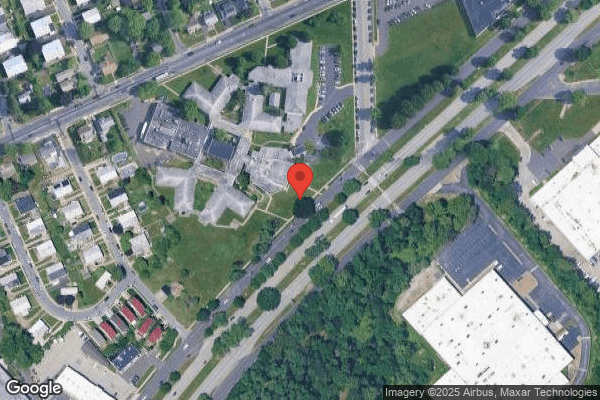

10400 ROOSEVELT AVENUE, PHILADELPHIA, PA 19116 (215) 698-5600
For profit - Corporation 226 Beds THE ROSENBERG FAMILY Data: November 2025 1 Immediate Jeopardy citation
Trust Grade
33/100
#497 of 653 in PA
Last Inspection: January 2025

Within standard 12-15 month inspection cycle. Federal law requires annual inspections.

Overview

St. John Neumann Center for Rehab & Healthcare has received a Trust Grade of F, indicating significant concerns about the quality of care provided. Ranking #497 out of 653 facilities in Pennsylvania places it in the bottom half, and #33 out of 46 in Philadelphia County suggests few better local options. While the facility is improving, with a reduction in issues from 15 in 2024 to 10 in 2025, there are still serious concerns, including a critical finding where residents faced uncomfortable air temperatures that could lead to hypothermia. On a positive note, staffing is a strength with a 5/5 star rating and a turnover rate of 38%, which is below the state average, indicating that staff members tend to stay long-term. However, the facility also has $26,043 in fines, which is concerning, and there have been incidents where resident dignity was not upheld during meal times and equipment was not properly maintained.

Trust Score
F
33/100
In Pennsylvania
#497/653
Bottom 24%
Safety Record
High Risk
Review needed
Inspections
Getting Better
15 → 10 violations
Staff Stability
○ Average
38% turnover. Near Pennsylvania's 48% average. Typical for the industry.
Penalties
✓ Good
$26,043 in fines. Lower than most Pennsylvania facilities. Relatively clean record.
Skilled Nurses
✓ Good
Each resident gets 42 minutes of Registered Nurse (RN) attention daily — more than average for Pennsylvania. RNs are trained to catch health problems early.
Violations
⚠ Watch
41 deficiencies on record. Higher than average. Multiple issues found across inspections.
★★☆☆☆
2.0
Overall Rating
★★★★★
5.0
Staff Levels
★★★★☆
4.0
Care Quality
★☆☆☆☆
1.0
Inspection Score
Stable
2024: 15 issues
2025: 10 issues

The Good

  • 5-Star Staffing Rating · Excellent nurse staffing levels
  • 4-Star Quality Measures · Strong clinical quality outcomes
  • Full Sprinkler Coverage · Fire safety systems throughout facility
  • No fines on record
  • Staff turnover below average (38%)

    10 points below Pennsylvania average of 48%

Facility shows strength in staffing levels, quality measures, fire safety.

The Bad

2-Star Overall Rating

Below Pennsylvania average (3.0)

Below average - review inspection findings carefully

Staff Turnover: 38%

Near Pennsylvania avg (46%)

Typical for the industry

Federal Fines: $26,043

Below median ($33,413)

Moderate penalties - review what triggered them

Chain: THE ROSENBERG FAMILY

Part of a multi-facility chain

Ask about local staffing decisions and management

The Ugly 41 deficiencies on record

1 life-threatening
May 2025 1 deficiency
CONCERN (D) 📢 Someone Reported This

A family member, employee, or ombudsman was alarmed enough to file a formal complaint

Potential for Harm - no one hurt, but risky conditions existed

Safe Environment (Tag F0584)

Could have caused harm · This affected 1 resident

**NOTE- TERMS IN BRACKETS HAVE BEEN EDITED TO PROTECT CONFIDENTIALITY** Based on observations, review facility policies and staff interview, it was determined that the facility failed to maintain a cl...

Read full inspector narrative →
**NOTE- TERMS IN BRACKETS HAVE BEEN EDITED TO PROTECT CONFIDENTIALITY** Based on observations, review facility policies and staff interview, it was determined that the facility failed to maintain a clean and homelike environment in resident care areas and dining experience for one of five nursing units observed ([NAME] dementia Unit). Findings Include: Review of facility policy Housekeeping Safe and Sanitary Living Arrangements dated on June 1, 1996, revealed, St. [NAME] Nursing Home shall provide a safe and hygienic living arrangement for residents as designated by governmental agencies for licensure and certification purposes. In order to comply with this mandate, we require that employee within the Housekeeping Department clean resident rooms including bathrooms daily. On May 20, 2025, at 11:12 a.m. an observation was conducted on the nursing unit [NAME] in room [ROOM NUMBER] revealed Resident's R1, R2 and R3 bathroom was dirty. The toilet bowl had spot feces all over with urine smell, bathroom was not clean and had files in the bathroom when opening the door. On May 20, 2025, at 11:14 a.m , an interview was conducted with Registered Nurse, Employee E5 revealed that when families have concerns about the resident's rooms or environment issues nursing staff reply that it's dementia residents with behaviors and will get to it when they have time. Interview with Housekeeping Director, Employee E4 on May 20, 2025 at 11:15 a.m. confirmed the bathroom in room [ROOM NUMBER] was dirty, the toilet had spot of feces all over and housekeeping didn't clean the bathroom because of shortage of housekeeping staff. Interview with the Nurse aide, Employee E6 on May 20, 2025 at 11:28 a.m. revealed that at 9:14 am in the resident R2 task she helped and clean resident R2 after he was in the toilet and had a loose/ diarrhea. Never informed the housekeeping that Resident's R2's bathroom was dirty. Resident R1 was send out to the hospital on May 7, 2025, with the Diagnosis with UTI and ESBL (extended-spectrum beta-lactamase producing bacteria) and still is getting antibiotics. On May 20, 2025, at 12:25 p.m. an interview was conducted with the infection control staff, Employee E7 confirmed that Resident R1was in the hospital and treated for UTI and ESBL (extended-spectrum beta-lactamase producing bacteria). The infection control also confirmed that a person using a dirty bathroom can get the bacteria. 28 Pa. Code 201.14 (a) Responsibility of licensee.
Jan 2025 9 deficiencies 1 IJ (1 affecting multiple)
CRITICAL (K)

Immediate Jeopardy (IJ) - the most serious Medicare violation

Safe Environment (Tag F0584)

Someone could have died · This affected multiple residents

**NOTE- TERMS IN BRACKETS HAVE BEEN EDITED TO PROTECT CONFIDENTIALITY** Based on observation, reviews of the electronic maintenance communication logs, interviews with staff and residents, policy and ...

Read full inspector narrative →
**NOTE- TERMS IN BRACKETS HAVE BEEN EDITED TO PROTECT CONFIDENTIALITY** Based on observation, reviews of the electronic maintenance communication logs, interviews with staff and residents, policy and procedure reviews, and clinical record review, it was determined the facility failed to ensure comfortable air temperature levels were provided on the 300 nursing unit placing residents at risk for developing hypothermia (condition of having a lower body temperature than normal body temperature). The cold air temperatures placed 19 of 32 cognitively impaired residents on the 300 nursing unit in an Immediate Jeopardy situation. (Residents R118, R149, R142, R85, R163, R103, R61, R145, R91, R113, R15, R164, R51, R179, R146, R27, R66, R264 and R9). Findings include: Review of the undated facility policy titled Room Temperature Maintenance revealed, it was the facility's responsibility to take and record room and lounge temperatures weekly. The policy indicated the room and lounge temperatures were to be maintained at 71 to 81 degrees Fahrenheit. If the facility had obtained any variance in this temperature range of 71 to 81 degrees Fahrenheit; then it would be the responsibility of that person to report the temperature variance to the administrator and maintenance director. Interview with Resident R91 at 11:00 a.m., on Janaury 22, 2025 revealed his/her room of 313 was extremely cold and uncomfortable. The resident reported the heating system in his/her room does not work. The resident reported that he/she worries about his roommate (Resident 145) being cold and becoming ill. The resident reported that his/her roommate needs warmer clothes and shoes and possibly a jacket to wear inside their bed room. Clinical record review for Resident R91 revealed a quarterly assessment Minimum Data Set (MDS- assessment of care needs) dated January 3, 2025, indicated this resident was able to make his/her needs known to staff. The assessment revealed the resident was independent with upper and lower body dressing (putting on/taking off clothing). Clinical record review for Resident R145 revealed a quarterly MDS assessment dated [DATE], indicated that the resident had severe cognitive impairment. The assessment also indicated the diagnoses of dementia, anemia (a low red blood count) and schizophrenia (mental disease characterized by loss of reality contact). Continued review of the MDS assessment revealed that this resident required staff supervision with upper and lower body dressing. Observations with nursing staff, Employee E8, January 22, 2025, at 11:15 a.m., revealed that the heating unit connected to the wall area heating system in room [ROOM NUMBER] where Resident R91 and Resident R145 resided was not functioning or operational. Observations and air temperatures taken with maintenance staff, Employee E7, January 22, 2025 at 11:30 a.m., of room [ROOM NUMBER] and the hallway outside this room revealed air temperatures of 56 degrees Fahrenheit. Observations conducted with nursing staff member, Employee E8, at 11:35 on January 22, 2025 of room [ROOM NUMBER] revealed the heating unit was blowing warm air, only slightly. The heating system in room [ROOM NUMBER] was blowing cold air. The heating system in room [ROOM NUMBER] was blowing cold air and the heating unit in room [ROOM NUMBER] was blowing cold air. The nursing staff member confirmed, the heating systems in rooms 315, 316 and 317 were non operational. The nursing staff member confirmed, the heating system in room [ROOM NUMBER] was not fully functioning. Observations of rooms 314, 315, 316 and 317 with a maintenance staff, Employee E7 at 11:40 a.m., on January 22, 2025 revealed the following room air temperatures: room [ROOM NUMBER]- 71 degrees Fahrenheit, room [ROOM NUMBER]- 65 degrees Fahrenheit, room [ROOM NUMBER]- 61 degrees Fahrenheit and room [ROOM NUMBER]-62 degrees Fahrenheit. Observations of Resident R142 at 11:45 a.m., on January 22, 2025 revealed the resident was seated in his/her wheel chair in the hall way outside of room [ROOM NUMBER]. This resident was only wearing a thin cotton hospital gown and socks. The resident's arms and legs were exposed to the cold hallway temperatures of 56 degrees Fahrenheit. Observations conducted of Resident 149 at 11:45 a.m., on January 22, 2025, revealed the resident was in bed constantly moving and kicking her sheet and blanket off her body. The resident was wearing a thin cotton hospital gown only. The temperature recorded for room [ROOM NUMBER] was at 64 degrees Fahrenheit at 4:00 p.m It was noted that the two heating units were turned off or not blowing warm air into resident's room. Observations of Residents R27 and R9 at 11:50 a.m., on January 22, 2025, revealed the residents were in room [ROOM NUMBER]. Both residents were lying in bed dressed with multiple layers of blankets and clothes. Interview with the nursing assistant, Employee E8, at this time revealed that this was the only way we could keep Resident R27 and R9 comfortable by using two or three blankets, since the heating units were not functioning and supplying warm air for this room. Resident room air temperatures were taken on the 300 nursing unit with the regional administrative staff Employee E3, at 4:00 p.m., on Janaury 22, 2025, and revealed temperatures below 71 degrees Fahrenheit as follows: room [ROOM NUMBER]- 64 degrees Fahrenheit, room [ROOM NUMBER]-62 degrees Fahrenheit, room [ROOM NUMBER]- 62 degrees Fahrenheit, room [ROOM NUMBER]- 60 degrees Fahrenheit, room [ROOM NUMBER]-69 degrees Fahrenheit, room [ROOM NUMBER]- 62 degrees Fahrenheit, room [ROOM NUMBER]- 61 degrees Fahrenheit, and room [ROOM NUMBER]-62 degrees Fahrenheit. Reviews of the documented maintenance communication system logs (electronic communication system used by the staff to report concerns with resident rooms or the nursing unit environment to the maintenance department and administrator) revealed on November 11, 2024, Registered nurse, Employee E11 documented the heating unit in room [ROOM NUMBER] was not working. Registered nurse, Employee E11 indicated there was no heat for residents in this room. There was no documentation to indicate what staff member responded to the nursing staff member's request to repair the heating unit. Reviews of the documented maintenance communication system logs (an electronic communication system used by the staff to report any issues with resident rooms or the nursing unit environments to the maintenance department and administrator), revealed a work order from the licensed nursing staff, member Employee E9 indicating on November 22, 2024 the nurse alerted the maintenance staff in writing of the heating units in rooms 313, 314, 315, 316 and 317 were not working. The licensed nurse indicated these rooms were cold. The licensed nurse wrote the heating units needed to be repaired immediately. There was no documentation to indicate what staff member responded to the nursing staff member's request to repair the heating units. Interview with the Nursing Home Administrator, on January 22, 2025, at 11:45 a.m. confirmed the temperatures taken with the maintenance staff, Employee E7 were cold and uncomfortable for the residents living on the 300 nursing unit. Interviews with the activities and nursing staff Employees E8, E12, E13, E14, E15 and E16 working on the 300 nursing unit on January 22, 2025, 12:30 p.m., revealed that the heating units had not been fully functioning to provide warmth for the residents in rooms 310, 311, 312, 313, 314, 315, 316 and 317 since November 2024. Licensed nursing staff member, Employee E9, was interviewed on Janaury 22, 2025, at 4:00 p.m., and confirmed that the maintenance communication system was used to alert and document the on-going issue of lack of heat to the maintenance department as well as the administrative staff at the facility. Interviews on January 22, 2025, with the nursing staff Employees E8, E12, E14, E15, E4, E18, E19 and E17 who were most familiar with caring for the residents in rooms 310, 311, 312, 313, 314, 315, 316 and 317 revealed that all 19 residents have a diagnosis of dementia or cognitive impairment. The nursing staff also reported that all of these residents required supervision with activites of daily living, especially dressing. Clinical record review for Resident R118 revealed a quarterly MDS assessment dated [DATE], indicated Resident R118 had a diagnosis of Dementia (progressive disease of the brain) and required staff supervision for dressing. Clinical record review for Resident R149 revealed a quarterly MDS assessment MDS dated [DATE], indicating resident had a diagnosis of cerebral vascular accident (stroke) and required maxium staff assistance for dressing. Clinical record review for Resident R142 revealed a quarterly MDS assessment MDS dated [DATE], indicated resident had a diagnosis of Schizophrenia and required staff supervision for dressing. Clinical record review for Resident R85 revealed an admission comprehensive assessment MDS dated [DATE], that indicated that this resident had a diagnosis of Alzheimer's disease irreversible progressive degenerative disease of the brain) and required maxium staff assistance for dressing. Clinical record review for Resident R163 revealed a quarterly MDS assessment dated [DATE], that indicated that this resident had a diagnosis of dementia and required set up staff assistance for dressing. Clinical record review for Resident R103 revealed a quarterly MDS assessment dated [DATE], that indicated that this resident had a diagnosis of dementia and required set up staff assistance for dressing. Clinical record review for Resident R61 revealed an annual comprehensive assessment MDS dated [DATE], that indicated that this resident had a diagnosis of dementia and schizophrenia and required maximum staff assistance for dressing. Clinical record review for Resident R113 revealed a quarterly MDS assessment dated [DATE], that indicated that this resident had a diagnosis of dementia and required substantial assistance from staff for dressing. Clinical record review for Resident R15 revealed a quarterly MDS assessment dated [DATE], that indicated that this resident had a diagnosis of dementia and required substantial assistance from staff for dressing. Clinical record review for Resident R164 revealed a quarterly MDS assessment MDS dated [DATE], that indicated that this resident had a diagnosis of dementia and required substantial assistance from staff for dressing. Clinical record review for Resident R51 revealed an admission comprehensive MDS assessment dated [DATE], that indicated that this resident had a diagnosis of dementia and required supervision from staff for dressing. Clinical record review for Resident R179 revealed a quarterly MDS assessment dated [DATE], that indicated that this resident had a diagnosis of dementia and required supervision from staff for dressing. Clinical record review for Resident R146 revealed a quarterly MDS assessment dated [DATE], that indicated that this resident had a diagnosis of dementia and required moderate assistance from staff for dressing. Clinical record review for Resident R264 revealed an admission comprehensive MDS assessment dated [DATE], that indicated that this resident had a diagnosis of dementia and required set up assistance from staff for dressing. Clinical record review for Resident R27 revealed an admission comprehensive MDS dated [DATE], that indicated that this resident had a diagnosis of dementia and required supervision from staff for dressing. Clinical record review for Resident R66 revealed an admission comprehensive assessment MDS dated [DATE], that indicated that this resident had a diagnosis of Alzheimer's disease and required supervision from staff for dressing. Clinical record review for Resident R9 revealed a quarterly MDS assessment dated [DATE], that indicated that this resident had a diagnosis of dementia and required partial assistance from staff for dressing. Clinical record review for Resident R264 revealed an admission comprehensive assessment MDS dated [DATE], that indicated that this resident had a diagnosis of dementia and required set up assistance from staff for dressing. Based on the above findings an Immediate Jeopardy was identified for failure to provide safe and comfortable air temperatures for residents living on the 300 nursing unit. The facility's failure to furnish the necessary maintenance services to ensure that safe and comfortable temperature levels were maintained in resident bedrooms and hallway posed a safety risk with the loss of body heat for 19 residents identified. An Immediate Jeopardy template (document which included information necessary to establish each of the key components of the immediate jeopardy) was provided to the Nursing Home Administrator on January 22, 2025 at 6:46 p.m. The facility's plan of action included the following: The facility indicted that they failed to ensure that air temperatures were maintained between 71 degrees Fahrenheit and 81 degrees Fahrenheit for 19 residents. -All affected residents were moved to other areas of the facility (PT Gym and empty resident rooms) where the temperature was maintained between 71 degrees Fahrenheit and 81 degrees Fahrenheit. All residents were assessed for signs and symptoms of hypothermia. None were found to be showing signs and symptoms of hypothermia. Vitals signs were taken on all affected residents and none showed any adverse effects, related to being affected by temperatures less than 71 degrees Fahrenheit. All responsible parties and all residents physicians were made aware. -Room temperatures of other units were audited after the affected rooms were identified and all rooms were found to have temperatures between 71 degrees fahrenheit and 81 degrees Fahrenheit. Vital signs were taken on all unaffected residents and none show any adverse effects. -Education was provided to the facility staff that were working when the areas were found to be affected and education will continue for staff who will work until temperatures are maintained between 71 degrees Fahrenheit and 81 degrees Fahrenheit in the affected rooms. The education includes reporting any residents with concerns of being cold, offering blankets accetable temperature ranges or have signs and symptoms of hypothermia. The is taking hourly temperatures of resident rooms to assure that the temperature is maintained between 71 degrees Fahrenheit and 81 degrees Fahrenheit. Additionally staff has been added to the schedule for the immediate nursing shifts to assure resident safety. Additionally, staff will continue to be added to the schedule to assure resident safety until the temperature is maintained between 71 degrees Fahrenheit and 81 degrees Fahrenheit in the affected area and residents are returned to their original rooms. -Industrial heating units have been procured and are expected to arrive in the next two hours. The industrial heating units will be placed in the affected area. -Vital signs will be taken every four hours for all residents at the facility to assure that no resident will have any negative affects as related to the signs and symptoms of hypothermia and vital signs will continue until heat is restored to the affected area. -Repairs of heating units will continue until heat is restored to the affected area and the temperature is maintained between 71 degrees Fahrenheit and 81 degrees Fahrenheit. -The Maintenance Director or designee will audit room temperatures daily for four weeks, then weekly for 8 weeks to ensure that the room temperature is between 71 and 81 degrees Fahrenheit. Corrective action will be taken as necessary. The results of the audits will be reported at monthly QAPI (Quality Assurance Improvement Plan) meeting until substantial compliance is reached. On January 22, 2025, at 9:25 p.m., the facility's immediate action plan was accepted. Interviews with licensed nursing staff, recreational staff, maintenance staff and administrative staff confirmed that they were all knowledgeable of the air temperatures in resident rooms and nursing units and the importance of keeping the residents warm. All staff reported that they were to report to their supervisor immediately any cold rooms, heating units that were not fully functioning to maintain temperatures between 71 and 81 degrees Fahrenheit and any resident complaints of being cold. The supervisors were to report immediately any cold rooms, heating units that were not fully functioning to maintain temperatures between 71 and 81 degrees Fahrenheit and any resident complaints of being cold to the administrator. Interview with the administrative and regional administrative staff confirmed that they were all knowledgeable of their responsibility for the maintenance of equipment to ensure comfortable and safe temperatures in the residents' living environments. Temperatures were taken on all nursing units with special focus on the 300 nursing unit to ensure that the heating equipment was fully functioning and suppling heat to resident rooms and common areas on the nursing unit. Air temperatures were registering between 71 and 81 degrees Fahrenheit. The hourly vital signs auditing was reviewed to ensure residents were not exhibiting signs and symptoms of hypothermia. On January 23, 2025, at 5:42 p.m., the Immediate Jeopardy was lifted. 28 PA. Code 201.14(a) Responsibility of licensee 28 PA. Code 201.18(b)(1)(3)(e)(1)(2.1) Management 28 PA. Code 204.19 Plumbing, heating ventilation and air conditioning and electric
CONCERN (D)

Potential for Harm - no one hurt, but risky conditions existed

Transfer Requirements (Tag F0622)

Could have caused harm · This affected 1 resident

**NOTE- TERMS IN BRACKETS HAVE BEEN EDITED TO PROTECT CONFIDENTIALITY** Based on clinical record review and interviews with staff, it was determined that the facility failed to ensure that a resident ...

Read full inspector narrative →
**NOTE- TERMS IN BRACKETS HAVE BEEN EDITED TO PROTECT CONFIDENTIALITY** Based on clinical record review and interviews with staff, it was determined that the facility failed to ensure that a resident with a facility-initiated transfer to the hospital was necessary and document the basis for the transfer in the residence medical record for one of three residents reviewed related to transfers. Resident R 212 Finding include: Review of Resident R 212's admission MDS (minimum data set a mandatory resident assessment tool), entry tracking records dated November 22, 2024, revealed that the resident was admitted to the facility on [DATE]. Residence R 212's discharge assessment dated [DATE], revealed that the resident was discharged for reason of behaviors and a return is not anticipated. Review of Resident R 212's clinical record revealed that this resident was admitted to the facility with diagnosis's including unspecified mood disorder, dementia, kidney failure, personal history of transit ischemic attack (a temporary blockage of blood flow to the brain), history of falling, bipolar disorder (a disorder classified by episodes of mood swings ranging from depressive lows to manic highs), major depressive disorder, and anxiety disorder. Review of facility documentation dated November 27, 2024, revealed the resident was sent to the hospital reason for transfer states and no on other information was completed on this form. Review of nursing notes for Resident R 212's five days of stay in the facility did not contain any documentation of any behaviors of warranting any safety concerns. Review of nursing notes dated November 22, 2024, patient refused all night meds and morning labs. Review of nursing notes dated November 23, 2024, resident received in bed, resident refused all morning care, food and medications resident noted agitated and yelling at staff. Review of nursing notes dated November 24, 2024; a nursing note revealed resident consumed 75 % to 100% of snacks provided. The resident refused to eat when offering but noted eating after this nurse leave the room. Refused all care and medications. Resident yelling at staff without any provocation. Review of residents nursing note dated November 25, 2024, revealed the resident refused all due medication with verbal aggression. Review of nursing notes dated November 26, 2024, revealed that a psychological consultation was done and a new order for Zyprexa was obtained. Review of nursing notes dated November 27, 2024, revealed Resident is noted with refusing the care, medications, labs, chest X-ray, therapy, changes the clues. Noted with meal percentages of zero to 25%. Resident is noted with aggressive behavior from last five days. Received order for transfer to [hospital] due to safety concerns. Review of Nursing note dated November 27, 2024, revealed resident transfer .with all the belongings. Interview with licensed nurse Employee E4 on January 24, 2025, at 1:22 p.m. confirmed she was familiar with resident R 212's and this resident had behavior concerns. She sates that the resident was refusing all care, including ADL's, bathing, toileting, medication and therapy. Employee E4 states she spoke with the president's wife and was asked to send him to the hospital. Employee E4 then obtained an order for discharge. Interview with Director of Nursing, (DON), Employee E2 on January 24, 2024, at 2:05 p.m. revealed that the resident was discharged due to aggressive behavior towards staff and refusal of care. Employee E2 stated that the resident was discharged due to his resistance to care and refusal of medications. When question why this resident was sent to the hospital with all belongings he stated the resident carries all belonging with him at all times. Employee E2 was unable to provide evidence that Resident R212 transfer was necessary for the resident's welfare, and the facility was unable to meet the residents needs or that the health and safety of individuals at the facility were endangered due to the residence status. The DON state the facility was unwilling to continue to provide ongoing care to resident R 212. 28 Pa. Code 201.18(b)(2) Management 28 Pa. Code 211.5(f) Medical records 28 Pa. Code 211.12(d)(1) Nursing services
CONCERN (D)

Potential for Harm - no one hurt, but risky conditions existed

Deficiency F0655 (Tag F0655)

Could have caused harm · This affected 1 resident

**NOTE- TERMS IN BRACKETS HAVE BEEN EDITED TO PROTECT CONFIDENTIALITY** Based on clinical record review, it was determined that the facility failed to ensure that a baseline care plan was developed fo...

Read full inspector narrative →
**NOTE- TERMS IN BRACKETS HAVE BEEN EDITED TO PROTECT CONFIDENTIALITY** Based on clinical record review, it was determined that the facility failed to ensure that a baseline care plan was developed for a one of 35 residents reviewed. (Resident R212. Findings include: Review of Resident R212's admission Minimum Data Set (MDS-a mandatory resident assessment tool), entry tracking dated November 22, 2024, revealed that the resident was admitted to the facility on [DATE]. Resident R212's discharge assessment dated [DATE], revealed that the resident was discharged for reason of behaviors and a return is not anticipated. Review of Resident R212's clinical record revealed that this resident was admitted to the facility with diagnosis's including unspecified mood disorder, dementia, kidney failure, personal history of transit ischemic attack (a temporary blockage of blood flow to the brain), history of falling, bipolar disorder (a disorder classified by episodes of mood swings ranging from depressive lows to manic highs), major depressive disorder, and anxiety disorder. Review of facilities documentation dated November 27, 2024, revealed the resident was sent to the hospital, reason for transfer states behavior systems and no on other information was completed on this form. Review of resident's hospital record dated November 20, 2024 revealed the resident was admitted for mental status change. The patient's wife reported at this time patient has become increasingly violent. Patient's wife is unable to take care of him with his psychological issues. Patient remains calm and comfortable, however refuses medications and has refused labs. Review of nursing notes dated November 22, 2024, patient refused all night meds and morning labs. Review of nursing notes dated November 23, 2024, resident received in bed, resident refused all morning care, food and medications. Resident noted agitated and yelling at staff. Review of nursing notes dated November 24, 2024,resident consumed 75 % to 100% of snacks provided. The resident refused to eat when offering but noted eating after this nurse leave the room. Refused all care and medications. Resident yelling at staff without any provocation. Review of residents nursing note dated November 25, 2024, revealed the resident refused all due medication with verbal aggression. Review of nursing notes dated November 26, 2024, revealed that a psychological consultation was done and a new order for Zyprexa was obtained. Review of nursing notes dated November 27, 2024, revealed Resident is noted with refusing the care, medications, labs, chest X-ray, therapy, changes the clues. Noted with meal percentages of zero to 25%. Resident is noted with aggressive behavior from last five days. Received order for transfer to [hospital] due to safety concerns. Interview with licensed nurse Employee E4 on January 24, 2025, at 1:22 p.m. confirmed she was familiar with Resident R 212's and this resident had behavior concerns. She sates that the resident was refusing all care, including ADL's, bathing, toileting, medication and therapy. Employee E4 states she spoke with the resident's wife and was asked to send him to the hospital. Employee E4 then obtained an order for discharge. There was no evidence that a baseline care plan was developed related to refusal of care, medications, and verbal and agitated behaviors. 28 Pa. Code 201.18(b)(2) Management 28 Pa. Code 211.5(f) Medical records 28 Pa. Code 211.12(d)(1) Nursing services
CONCERN (D)

Potential for Harm - no one hurt, but risky conditions existed

Deficiency F0685 (Tag F0685)

Could have caused harm · This affected 1 resident

**NOTE- TERMS IN BRACKETS HAVE BEEN EDITED TO PROTECT CONFIDENTIALITY** Based on observations of care and services, clinical record reviews and interviews with responsible family members and staff, it...

Read full inspector narrative →
**NOTE- TERMS IN BRACKETS HAVE BEEN EDITED TO PROTECT CONFIDENTIALITY** Based on observations of care and services, clinical record reviews and interviews with responsible family members and staff, it was determined that the facility failed to ensure that a consultation with an optometrist or ophthalmologist was obtained for one of 35 residents reviewed (Resident R201) Findings include: Interview with the responsible family member for Resident R201 at 11:00 a.m. on January 21, 2025, revealed that the family member visits the facility at lunch time daily. The family also reported that he had spoken to the nursing staff about having Resident 201's eyes examined by a professional optometrist or ophthalmologist (branch of medicine concerned with the treatment of disorders and diseases of the eyes). Observations of Resident R201 on January 21, 2025, revealed that this resident was sitting in the well illuminated dining area. The family member said that he thinks both eyes were impaired because Resident R201 can not follow objects with her eyes. The family member said that Resident R201 had no corrective eyewear and she needs a pair of corrective lenses. Clinical record review for Resident R 201 revealed an admission comprehensive assessment dated [DATE] that indicated that this resident was admitted to the facility on [DATE]. The assessment also indicated that Resident R201 was severely cognitively impaired. The assessment also indicated that this resident had a diagnosis of dementia. Interview with the licensed nursing staff, Employee E4, at 10:00 a.m., on Janaury 24, 2025 confirmed that the responsible party for Resident R201 had requested for Resident R201 to be evaluated and assessed by an eye specialist in November and December, 2024 and January, 2025. There was no documentation to indicate that the consultation had been discussed with the physician. The registered nurse, Employee E4 confirmed that the responsible party for Resident R201 had requested that the services of an optometrist or ophthalmologist during the months of November, December, 2024 and January 2025; however there was no vision consults available to review for Resident R201. 28 PA. Code 211.12(d)(1)(3)(5) Nursing services 28 PA. Code 201.21(c) Use of outside resources 28 PA. Code 201.14(a) Responsibility of licensee
CONCERN (D)

Potential for Harm - no one hurt, but risky conditions existed

Deficiency F0699 (Tag F0699)

Could have caused harm · This affected 1 resident

**NOTE- TERMS IN BRACKETS HAVE BEEN EDITED TO PROTECT CONFIDENTIALITY** Based on review of clinical records, staff and resident interviews, it was determined that the facility failed to provide cultur...

Read full inspector narrative →
**NOTE- TERMS IN BRACKETS HAVE BEEN EDITED TO PROTECT CONFIDENTIALITY** Based on review of clinical records, staff and resident interviews, it was determined that the facility failed to provide culturally competent, trauma informed care accounting for the resident's past experiences and preferences in order to eliminate and/or mitigate triggers that may cause re-traumatization of the resident for one of seven residents sampled (Resident R 191) Findings include: A review of the clinical record revealed that Resident R191 was admitted to the facility on [DATE], with diagnoses to anxiety disorder, and post-traumatic stress disorder (PTSD) Further review of the clinical record for Resident R191 revealed that the resident PTSD diagnoses is unknown by facility. Resident R191's current care plan on December 19, 2024, revealed a care plan for PTSD. Further review of the care plan did not address resident's actual diagnoses/condition of PTSD, identifying the resident's past experiences and possible triggers that may cause re-traumatization. Interview with the Social worker, Employee E6, on January 24, 2025, at 10:12 a.m. confirmed that Resident 191 plan of care for PTSD did not include resident's actual diagnoses/condition of PTSD, identifying the resident's past experiences and possible triggers that may cause re-traumatization. 28 Pa. Code 211.12(c)(d)(3)(5) Nursing services
CONCERN (D)

Potential for Harm - no one hurt, but risky conditions existed

Deficiency F0744 (Tag F0744)

Could have caused harm · This affected 1 resident

**NOTE- TERMS IN BRACKETS HAVE BEEN EDITED TO PROTECT CONFIDENTIALITY** Based on clinical record review and staff interview, it was determined that the facility failed to develop and implement an indi...

Read full inspector narrative →
**NOTE- TERMS IN BRACKETS HAVE BEEN EDITED TO PROTECT CONFIDENTIALITY** Based on clinical record review and staff interview, it was determined that the facility failed to develop and implement an individualized person-centered care plan to address a resident's dementia care needs for one of 35 residents reviewed (Resident R 88). Findings Include: Review of the admission sheet of Resident R88, revealed that Resident R88 was admitted to the facility on [DATE]. Review of the admission sheet of Resident R88 indicated that, on January 30, 2023, Resident R88 was diagnosed with Dementia (Dementia is not a specific disease but is rather a general term for the impaired ability to remember, think, or make decisions that interferes with doing everyday activities). Review of Minimum Data Set assessment (MDS- an assessment tool to review all care areas specific to the resident such as a resident's physical, mental or psychosocial needs) dated December 16, 2024, revealed that Resident R88 had active diagnoses of Non-Alzheimer's Dementia (a progressive form of Dementia that destroys memory and other important mental functions). Review of MDS revealed that Resident R 88 received antipsychotic (Antipsychotic medications have the effect of changing a person's behavior, mood, and emotions), and anti-depressant medications. On January 25, 2025, at 10:16 a.m., review of Resident 88's care plan revealed no care plan with measurable goals and interventions to address the care and treatment need related with dementia care of Resident R88. During an interview on January 25, 2025, at 10:19 a.m., the Director of Nursing (DON), confirmed the finding, and the DON stated that the facility tried to make the care plans as specific as possible. No additional information was received. 28 Pa Code 211.11(d) Resident care plan 28 Pa Code 211.12 (d)(1)(3)(5) Nursing service
CONCERN (D)

Potential for Harm - no one hurt, but risky conditions existed

Laboratory Services (Tag F0770)

Could have caused harm · This affected 1 resident

**NOTE- TERMS IN BRACKETS HAVE BEEN EDITED TO PROTECT CONFIDENTIALITY** Based on review of clinical records and staff interviews, it was determined that the facility failed to obtain and report labora...

Read full inspector narrative →
**NOTE- TERMS IN BRACKETS HAVE BEEN EDITED TO PROTECT CONFIDENTIALITY** Based on review of clinical records and staff interviews, it was determined that the facility failed to obtain and report laboratory results to meet resident needs for three of 35 residents reviewed (Resident R72, R204, and R169). Findings Include: Review of Resident R72's Minimum Data Set (MDS - federally mandated resident assessment and care screening) dated October 21, 2024, revealed the resident had a diagnosis of hyperkalemia (elevated levels of potassium in the blood because the kidneys are unable to excrete the excess potassium - severe symptoms can include muscle weakness or affect the heart). Review of Resident R72's clinical record revealed a physician progress note dated November 28, 2024, by Physician, Employee E10, that indicated Resident R72 had a nephrology (medical specialty that focuses on the study of kidneys) consult on November 8, 2024, with recommendations to implement a low potassium diet and to recheck labs in two weeks. Review of Resident R72's clinical record revealed the resident had labs drawn on November 29, 2024. Per a review of the labs, results were reported the same day which indicated Resident R72 had critical lab values for elevated potassium levels of 6.6 mMOL/L (normal range 3.4 - 5.3 mMOL/L). Review of Resident R72's entire clinical record revealed no documented evidence the physician was promptly made aware of the critical lab values that resulted on November 29, 2024. Continued review of Resident R72's clinical record revealed the physician was not made aware of the lab results until three days later, on December 1, 2024. Resident R72 was subsequently transferred to the hospital on December 1, 2024, for further evaluation and management, as ordered by the physician. Review of nursing note dated December 1, 2024, revealed Resident R72 was admitted to the hospital with a diagnosis of hyperkalemia. Interview on January 24, 2025, at 11:04 a.m. with Registered Nurse, Employee E4, confirmed Resident R72's critical lab values resulted on November 29, 2024, and documentation indicated the physician was made aware on December 1, 2024. Further interview on January 24, 2025, at 11:04 a.m. with Registered Nurse, Employee E4, revealed if lab results are critical the lab will typically call to inform the facility, otherwise the lab results should be checked by nursing. Review of Resident R204's clinical record revealed the resident was admitted to the facility on [DATE], with diagnosis including Urinary Tract Infection (Urinary tract infections (UTIs) often start when bacteria get into the tube through which urine leaves the body, the urethra), Sepsis (Sepsis is a life-threatening condition that occurs when the body's immune system overreacts to an infection), Acute Cystitis With Hematuria (a condition where someone experiences a sudden onset bladder infection (acute cystitis) accompanied by the presence of blood in their urine (hematuria), meaning they are experiencing symptoms of a bladder infection along with visible blood when they urinate; this can be a sign of a more severe infection and warrants medical attention), and Pneumonia (Pneumonia is a lung infection that causes the air sacs in the lungs to fill with fluid or pus. This makes it difficult to breathe and limits the amount of oxygen that reaches the bloodstream). Review of clinical records of Resident R204 indicated that on September 20, 2024, the pharmacist recommended for a lab tests on Urine pH with Methenamine, but the physician did order it only on January 8, 2025. Review of Resident R204's entire clinical record revealed no documented evidence to establish that the test was completed in a timely manner, as suggested by the Drug Regimen Review Recommendation of the Pharmacist. Review of the comprehensive quarterly assessment MDS (an assessment of care needs) dated January 1, 2025 for Resident R169 revealed that this resident was admitted to the facility on [DATE]. The resident had diagnoses of Alzheimer's disease, seizure disorder, bipolar disorder and schizophrenia. The assessment also indicated that this resident was prescribed antipsychotic and antidepressant medications. Clinical record review revealed a medication administration record for Resident R169 for the months of December, 2024 and January, 2025 that indicated that the resident was receiving valporic acid (Depakene) 250 milligrams twice a day for the treatment of bipolar disorder. Clinical record review revealed that on December 16, 2024 the physician had ordered laboratory studies for valporic acid (to measure the amount of valporic acid in the blood) to be completed for Resident R169. There was no documentation to indicate that the studies had been completed as ordered by the physician. Interview with the Registered nurse, Employee E4, at 12:30 p.m., on January 24, 2025 confirmed that there were no valporic acid blood level studies completed for Resident R169 for the months of December, 2024 or January, 2025 for this resident as requested by the physician. 28 Pa. Code 211.12 (d)(5) Nursing services.
CONCERN (D)

Potential for Harm - no one hurt, but risky conditions existed

Administration (Tag F0835)

Could have caused harm · This affected 1 resident

**NOTE- TERMS IN BRACKETS HAVE BEEN EDITED TO PROTECT CONFIDENTIALITY** Based on review of clinical records, facility documentation and interviews with residents and staff, it was determined that the ...

Read full inspector narrative →
**NOTE- TERMS IN BRACKETS HAVE BEEN EDITED TO PROTECT CONFIDENTIALITY** Based on review of clinical records, facility documentation and interviews with residents and staff, it was determined that the Nursing Home Administrator failed to effectively manage the facility related to air temperatures between 71 degrees Fahrenheit and 81 degrees Fahrenheit in resident rooms and common areas for 19 cognitively impaired residents. This failure to maintain comfortable and safe air temperatures for residents residing in rooms 310, 311, 312, 313, 314, 315, 316 and 317 resulted in an Immediate Jeopardy situation. Findings include: Review of the job description for the Nursing Home Administrator revealed that the Administrator was responsible for the direct day to day functions of the facility in accordance with current federal, state and local standards, guidelines and regulations that govern long-term care facilities to assure that the highest degree of quality care can be provided to the residents at all times. The Administrator was responsible to plan, developed, organize, implement, evaluate and direct the facility's programs and activites. The Administrator was responsible to assist department directors in the development and use of developmental policies and procedures and establish rapport in and among departments so that each can realize the importance of team work. The Administrator was responsible to assure that all employees, residents, visitors and the general public follow established facility policies and procedures. The Administrator was responsible to assure that all employees, residents, visitors and general public follow established policies and procedures. The Administrator was responsible for making written and oral reports to the governing board concerning the operation of the facility. The Administrator was responsible for making routine inspections of the facility to assure that established policies and procedures were being implemented and followed. The Administrator was responsible to consult with department directors concerning the operation of their departments to assist in correcting problem areas. The Administrator was responsible for assuring that the building was maintained in good repair. The Administrator was responsible for assuring that the facility was maintained in a clean and safe manner for residents comfort by assuring that necessary equipment and supplies were maintained to perform such services every day. Interview with Resident R91 at 11:00 a.m., on Janaury 22, 2025 revealed his/her room of 313 was extremely cold and uncomfortable. The resident reported the heating system in his/her room does not work. The resident reported that he/she worries about his roommate (Resident 145) being cold and becoming ill. The resident reported that his/her roommate needs warmer clothes and shoes and possibly a jacket to wear inside their bed room. Clinical record review for Resident R91 revealed a quarterly assessment Minimum Data Set (MDS- assessment of care needs) dated January 3, 2025, indicated this resident was able to make his/her needs known to staff. The assessment revealed the resident was independent with upper and lower body dressing (putting on/taking off clothing). Clinical record review for Resident R145 revealed a quarterly MDS assessment MDS dated [DATE], indicated that the resident had severe cognitively impaired. The assessment also indicated the diagnoses of dementia, anemia (a low red blood count) and schizophrenia (mental disease characterized by loss of reality contact). Continued review of the MDS assessment revealed that this resident required staff supervision with upper and lower body dressing. Observations with nursing staff, Employee E8, at 11:15 a.m., revealed that the heating unit connected to the wall area heating system in room [ROOM NUMBER] where Resident R91 and Resident R145 resided was not functioning or operational. Observations and air temperatures taken with maintenance staff, Employee E7, at 11:30 a.m., of room [ROOM NUMBER] and the hallway outside this room revealed air temperatures of 56 degrees Fahrenheit. Observations conducted with nursing staff member, Employee E8, at 11:35 on January 22, 2025 of room [ROOM NUMBER] revealed the heating unit was blowing warm air, only slightly. The heating system in room [ROOM NUMBER] was blowing cold air. The heating system in room [ROOM NUMBER] was blowing cold air and the heating unit in room [ROOM NUMBER] was blowing cold air. The nursing staff member confirmed, the heating systems in rooms 315, 316 and 317 were non operational. The nursing staff member confirmed, the heating system in room [ROOM NUMBER] was not fully functioning. Observations of rooms 314, 315, 316 and 317 with a maintenance staff, Employee E7 at 11:40 a.m., on January 22, 2025 revealed the following room air temperatures: room [ROOM NUMBER]- 71 degrees Fahrenheit, room [ROOM NUMBER]- 65 degrees Fahrenheit, room [ROOM NUMBER]- 61 degrees Fahrenheit and room [ROOM NUMBER]-62 degrees Fahrenheit. Observations of Resident R142 at 11:45 a.m., on January 22, 2025 revealed the resident was seated in his/her wheel chair in the hall way outside of room [ROOM NUMBER]. This resident was only wearing a thin cotton hospital gown and socks. The resident's arms and legs were exposed to the cold hallway temperatures of 56 degrees Fahrenheit. Observations conducted of Resident 149 at 11:45 a.m., on January 22, 2025, revealed the resident was in bed constantly moving and kicking her sheet and blanket off her body. The resident was wearing a thin cotton hospital gown only. The temperature recorded for room [ROOM NUMBER] was at 64 degrees Fahrenheit at 4:00 p.m It was noted that the two heating units were turned off or not blowing warm air into resident's room. Observations of Residents R27 and R9 at 11:50 a.m., on January 22, 2025, revealed the residents were in room [ROOM NUMBER]. Both residents were lying in bed dressed with multiple layers of blankets and clothes. Interview with the nursing assistant, Employee E8, at this time revealed that this was the only way we could keep Resident R27 and R9 comfortable by using two or three blankets, since the heating units were not functioning and supplying warm air for this room. Resident room air temperatures were taken on the 300 nursing unit with with the regional administrative staff Employee E3, at 4:00 p.m., on Janaury 22, 2025, and revealed temperatures below 71 degrees Fahrenheit as follows: room [ROOM NUMBER]- 64 degrees Fahrenheit, room [ROOM NUMBER]-62 degrees Fahrenheit, room [ROOM NUMBER]- 62 degrees Fahrenheit, room [ROOM NUMBER]- 60 degrees Fahrenheit, room [ROOM NUMBER]-69 degrees Fahrenheit, room [ROOM NUMBER]- 62 degrees Fahrenheit, room [ROOM NUMBER]- 61 degrees Fahrenheit, and room [ROOM NUMBER]-62 degrees Fahrenheit. Reviews of the documented maintenance communication system logs (electronic communication system used by the staff to report concerns with resident rooms or the nursing unit environment to the maintenance department and administrator) revealed on November 11, 2024, Registered nurse, Employee E11 documented the heating unit in room [ROOM NUMBER] was not working. Registered nurse, Employee E11 indicated there was no heat for residents in this room. There was no documentation to indicate what staff member responded to the nursing staff member's request to repaired the heating unit. Reviews of the documented maintenance communication system logs (an electronic communication system used by the staff to report any issues with resident rooms or the nursing unit environments to the maintenance department and administrator), revealed a work order from the licensed nursing staff, member Employee E9 indicating on November 22, 2024 the nurse alerted the maintenance staff in writing of the heating units in rooms 313, 314, 315, 316 and 317 were not working. The licensed nurse indicated these rooms were cold. The licensed nurse wrote the heating units needed to be repaired immediately. There was no documentation to indicate what staff member responded to the nursing staff member's request to repaired the heating units. Interview with the Nursing Home Administrator, on January 22, 2025, at 11:45 a.m. confirmed the temperatures taken with the maintenance staff, Employee E7 were cold and uncomfortable for the residents living on the 300 nursing unit. Interviews with the activities and nursing staff Employees E8,E12, E13, E14, E15 and E16 working on the 300 nursing unit on January 22, 2025, 12:30 p.m., revealed that the heating units had not been fully functioning to provide warmth for the residents in rooms 310, 311, 312, 313, 314, 315, 316 and 317 since November, 2024. Licensed nursing staff member, Employee E9, was interviewed on Janaury 22, 2025, at 4:00 p.m., and confirmed that the maintenance communication system was used to alert and document the on-going issue of lack of heat to the maintenance department as well as the administrative staff at the facility. Based on the above findings an Immediate Jeopardy was identified for failure to provide safe and comfortable air temperatures for residents living on the 300 nursing unit. The facility's failure to furnish the necessary maintenance services to ensure that safe and comfortable temperature levels were maintained in resident bedrooms and hallway posed a safety risk with the loss of body heat for 19 residents identified. Based on the deficiencies identified in this report, the Nursing Home Administrator failed to fulfill essential duties and responsibilities of their position, contributing to the Immediate jeopardy situation. 28 PA. Code 201.18(b)(1)(3)(e)(1)(2.1) Management 28 PA. Code 201.14(a) Responsibility of licensee 28 PA. Code 204.19 Plumbing, heating ventilation and air conditioning and electric
CONCERN (E)

Potential for Harm - no one hurt, but risky conditions existed

Room Equipment (Tag F0908)

Could have caused harm · This affected multiple residents

**NOTE- TERMS IN BRACKETS HAVE BEEN EDITED TO PROTECT CONFIDENTIALITY** Based on observations and interviews with residents and staff, it was determined that the facility failed to maintain resident c...

Read full inspector narrative →
**NOTE- TERMS IN BRACKETS HAVE BEEN EDITED TO PROTECT CONFIDENTIALITY** Based on observations and interviews with residents and staff, it was determined that the facility failed to maintain resident care equipment in safe, operating conditions for three of seven nursing units toured (300, 400, and 700 nursing unit). Findings include: Review of facility maintenance work orders for five of five nursing units in the facility dated from September 9, 2024 through January 22, 2024 revealed multiple ongoing and reoccurring requests for residents' bathroom sink malfunction. Work order 7713 clogged sink room [ROOM NUMBER] Work order 7714 clogged sink room [ROOM NUMBER] Work order 7735 clogged sink room [ROOM NUMBER] Work order 7793 clogged sink bathroom Work order 7823 clogged sink room [ROOM NUMBER] Work order 7838 clogged sink rooms [ROOM NUMBERS] Work order 7855 clogged sink room [ROOM NUMBER] Work order 7883 clogged sink room [ROOM NUMBER] Work order 7887 clogged sink room [ROOM NUMBER] Work order 7902 clogged sink room [ROOM NUMBER] Work order 7914 clogged sink room [ROOM NUMBER] Work order 7945 clogged sink room [ROOM NUMBER] Work order 8031 clogged sink rooms 700, 702, 734 Work order 8044 clogged sink med room Work order 8066 clogged sink med room Work order 8106 clogged sink room [ROOM NUMBER] Work order 8131 clogged sink room [ROOM NUMBER], 702, 734 Work order 8040 clogged sink room [ROOM NUMBER] Work order 8068 clogged sink med room Work order 8004 clogged sinrooms706,709,711,722 8095 clogged sink med room Work order 8106 clogged sink rooms 705,706,724 Interview with Residents: R 155, R146, R418, R421, R64, R420, R43,and R425 on January 21, 2025 between the hours of 10:00 a.m. and 12:00 p.m. on the 700 nursing unit revealed complaints and concerns of residents bathroom sinks not functioning properly, the sinks do not drain. Interview with Resident R425 on January 22, 2025 revealed this resident displeased with the equipment. The sink has been leaking since she arrived, she has stated she made many complaints to the facility staff and no employee has been to fix it . Observations of the individual bathroom sinks during these above interviews revealed defective, clogged sinks filled with water. Observations confirmed during tour of the affected rooms on January 21, 2025 at 2:00 p.m. with Housekeeping Employee E20 confirmed the sinks were observed to be clogged. Observations on January 22, 2025, at 10:29 a.m. in the bathroom of room [ROOM NUMBER] revealed the frame of the seat riser above the toilet was rusted. Observations on January 24, 2025, at 02:10 p.m. with the Regional Administrator, Employee E3, revealed the faucet was lose in the bathroom of room [ROOM NUMBER] and the sink was clogged/filled with water in the bathroom of room [ROOM NUMBER]. Further observations on January 24, 2025, at 2:15 p.m. with the Regional Administrator, Employee E3, revealed the rusted seat riser was still in the bathroom of room [ROOM NUMBER]. 28 Pa. Code 201.14 (a) Responsibility of licensee.
Dec 2024 1 deficiency
CONCERN (D) 📢 Someone Reported This

A family member, employee, or ombudsman was alarmed enough to file a formal complaint

Potential for Harm - no one hurt, but risky conditions existed

Deficiency F0657 (Tag F0657)

Could have caused harm · This affected 1 resident

Based on review of facility policy, review of clinical records, and staff interviews it was determined that the facility failed to review and revise behavior health care plan for one of nine residents...

Read full inspector narrative →
Based on review of facility policy, review of clinical records, and staff interviews it was determined that the facility failed to review and revise behavior health care plan for one of nine residents reviewed (Resident R1). Findings Include: Review of facility policy Interdisciplinary Care Planning Protocol reviewed February 2023 revealed problems established by the team with the resident/family must be specific and individualized. Review of Resident R1's Minimum Data Set (MDS - federally mandated resident assessment and care screening) dated October 13, 2024, revealed the resident was cognitively impaired and had diagnoses of dementia (a decline in cognitive function severe enough to interfere with daily life), anxiety disorder (excessive fear, worry, and nervousness that disrupt daily life), depression (persistent feeling of sadness and loss of interest), and manic depression (bipolar disorder - a serious mental illness characterized by extreme mood swings). Continued review of Resident R1's MDS revealed the resident received an antipsychotic medication on a routine basis. Review of Resident R1's comprehensive care plan revised March 5, 2024, revealed the resident could not always communicate effectively due to a language barrier (primary language is Spanish). Continued review of Resident R1's comprehensive care plan revised October 28, 2024, revealed the resident had potential for changes in mood related to depression and anxiety. Updated March 18, 2024, it was noted that Resident R1 initiated a physical altercation with the roommate. Interventions dated May 19, 2023, indicated to provide medications as ordered and monitor for effectiveness and potential side effects. Review of Resident R1's clinical record revealed a nursing note dated June 8, 2024, that Resident R1 punched his roommate at approximately 5:54 a.m. Resident R1 was noted with agitation and confusion. Continued review of Resident R1's clinical record revealed a note by the Nurse Practitioner, Employee E3, dated June 8, 2024, that indicated Resident R1 was seen at bedside, unpleasant with the surroundings and stated he was not happy being at the facility. The Nurse Practitioner, Employee E3, noted that nursing reported Resident R1 was not taking his medication. When questioned, Resident R1 confirmed he was not taking his medications. Review of Resident R1's clinical record revealed a psych note dated June 10, 2024, that indicated Resident R1 was forgetful with decreased cognition and has nonsensical responses to questions at times. Interventions included an adjustment of medications and to evaluate progression in mood and behavior. Review of Resident R1's clinical record revealed a nursing note dated June 21, 2024, that Resident R1 was noted with low blood sugar, refused interventions, and stated I don ' t want to eat I want to die. Resident R1 also refused to be transferred to the hospital but ultimately agreed to eat. Resident R1 was assessed by psych via a phone consultation who recommended medication changes. Review of Resident R1's clinical record revealed a nursing note dated July 4, 2024, that Resident R1 refused medications. Review of Resident R1's clinical record revealed a nursing note dated July 6, 2024, that indicated Resident R1 initiated a physical altercation with his roommate. Review of Resident R1's clinical record revealed a nursing note dated July 17, 2024, that the resident refused all scheduled medications. Continued review of Resident R1's clinical record revealed nursing notes dated August 26 and August 28, 2024, that indicated the resident expressed agitation and refused medications. Review of Resident R1's comprehensive care plan revealed no documented evidence the care plan was reviewed and revised to address behavior of refusing care and medications. 28 Pa. Code 211.10 (a) Resident care policies. 28 Pa. Code 211.10 (c) Resident care policies. 28 Pa. Code 211.12 (d)(5) Nursing services.
Oct 2024 1 deficiency
CONCERN (D) 📢 Someone Reported This

A family member, employee, or ombudsman was alarmed enough to file a formal complaint

Potential for Harm - no one hurt, but risky conditions existed

Investigate Abuse (Tag F0610)

Could have caused harm · This affected 1 resident

Based on review of clinical records, review of facility provided documentation and interview with staff, it was determined that facility failed to ensure that a thorough investigation was conducted re...

Read full inspector narrative →
Based on review of clinical records, review of facility provided documentation and interview with staff, it was determined that facility failed to ensure that a thorough investigation was conducted related to a injury sustained by a resident for one of five residents reviewed (Resident R1) Findings include: Review of facility policy 'Incident/Occurrence Investigation Policy,' revised on November 2023, indicates all injuries of unknown origin will be investigated to make a determination if a resident is a victim of abuse or mistreatment, and Nursing Administration or Social Services will conduct their initial investigation and review all pertinent documentation related to the event . Review of Resident R1's clinical record revealed a medical history of dementia, unspecified severity, without behavioral disturbance, psychotic disturbance, mood disturbance and anxiety, colostomy status, major depressive disorder, stroke without residual deficits, falling, alcohol abuse, anemia, bipolar disorder, thrombocytopenia, obstructive and reflux uropathy. Review of nursing progress note dated October 2, 2024 at 2:34 p.m., revealed that Resident R1 was physically aggressive towards staff during morning care. Resident R1 was assessed and noted to be without injury. Nursing progress note dated October 2, 2024 at 5:32 p.m. revealed Resident R1 was noted to have bruise on right hand and wrist. Nursing progress note dated October 2, 2024 at 11:39 p.m. revealed bruise on right arm Nursing note dated October 3, 2024 at 2:20 AM, revealed R1 was observed to be in lying in bed with cut above right eye bleeding from above right eye Nursing progress note dated October 5, 2024 at 4:24 p.m. revealed Resident R1 was noted with discoloration on bilateral eyes Review of nurse aide's statement, Employee E9, dated October 3, 2024, stated that Employee E9 did not notice any skin tears during her shift but resident was very combative on October 2, 2024 Review of nurse aide statement , Employee E7, dated October 3, 2024, stated on my first round the resident were okay and on my second round at 1:00AM I noticed he is bleeding on the left right eyebrows. Review of facility provided follow-up investigation report related to R1's head injury on October 3, 2024 states skin tear on the right eye with measuring of 4 x 0.5 cm. NO incident is noted on prior shifts possible to hitting on the edge of TV. Interview with Licensed nurse, Employee E5, on October 23, 2024 at 12:45 p.m., revealed that Resident R1 does not get up from bed unassisted and has not been attempting to get up from bed unassisted for approximately a year. Observation of Resident R1 in room#413 revealed healing bruise near left eye. 28 Pa Code 201.14(a)(e) Responsibility of licensee 28 Pa Code 201.18(b)(1)(3)(e)(1) Management 28 Pa Code 201.29(c) Resident rights 28 Pa Code 211.10(d) Resident care policies
Apr 2024 1 deficiency
CONCERN (D) 📢 Someone Reported This

A family member, employee, or ombudsman was alarmed enough to file a formal complaint

Potential for Harm - no one hurt, but risky conditions existed

Deficiency F0559 (Tag F0559)

Could have caused harm · This affected 1 resident

Based on review of facility policies, clinical record review and interviews with residents and staff, it was determined that the facility failed to provide written notice, including reason for the cha...

Read full inspector narrative →
Based on review of facility policies, clinical record review and interviews with residents and staff, it was determined that the facility failed to provide written notice, including reason for the change, before a resident's room change for one of 11 residents reviewed (Resident R2). Findings Include: Review of facility policy titled, Room Change, revised November 27, 2023, revealed that the facility may change a resident's room when it is medically necessary or if the resident requires a different level of care. Review of clinical records for Resident R2 revealed a progress note which stated that the resident was notified that he will be changed to a semiprivate room and that the family member was also informed. Interview with the Administrator, Employee E1, and Director of Nursing, Employee E2, on April 15, 2024, at 12:54 p.m. confirmed that the resident had a room change related to a change in level of care. Further interview confirmed that the facility failed to provide a written notice to resident or residents representative, including reason for the change, before Resident R2's room change was initiated. 28 Pa. Code 201.14(a) Responsibility of licensee 29 Pa. Code 201.29(d) Resident rights 29 Pa. Code 201.29(j) Resident rights
Mar 2024 9 deficiencies
CONCERN (D)

Potential for Harm - no one hurt, but risky conditions existed

Deficiency F0676 (Tag F0676)

Could have caused harm · This affected 1 resident

Based on observation, review of clinical records, and staff interviews, it was determined that the facility failed to provide a communication device to maintain optimal communication for one of 36 res...

Read full inspector narrative →
Based on observation, review of clinical records, and staff interviews, it was determined that the facility failed to provide a communication device to maintain optimal communication for one of 36 residents reviewed. (Residents R189) The findings include: Observations during the screening process, on March 5, 2024, at 1:32 p.m. revealed that Resident R189 had a language communication barrier. When the surveyor approached Resident R189's room, the resident was observed laying in bed. When the surveyor requested permission to enter the room, the resident appeared anxious and voiced Nurse aide, Employee E20's name repeatedly. Further observations revealed that Resident R189 got out of bed, and roamed the hallway, anxiously calling for Employee E20. Review of Resident R189's admission Minimum Data Set Assessment (MDS, an assessment tool selected at specific intervals to determine care needs) dated, January 17, 2023, revealed that in section A, the resident was coded, yes for does the resident need or want an interpreter to communicate with a doctor or health professional? Review of Resident R189's care plan dated, initiated on January 20, 2023, revealed that [Resident R189] is Creole-Speaking only. Interventions listed included a communication board; use translation phone application to communicate with resident. Interview with Licensed Practical Nurse, Employee E21, conducted on March 5, 2024, at 1:38 p.m. revealed that Resident R189 does not speak English and requires translation. Employee E21 further stated that employees sometimes translate for Resident R189 when they are available. Further interview confirmed that Resident R189 did not have a communication board or a phone translation line in resident's room. Interview with Nurse aide, Employee E22, conducted on March 5, 2024, at 1:40 p.m. revealed that it is hard to communicate with Resident R189 due to the language barrier. Further interview confirmed that the resident had no communication board or a phone translation line available in her room. Interview with Nurse aide, Employee E20, on March 5, 2024, at 1:41 p.m. who provided direct care to Resident R189 confirmed that there is no communication board or translation line available in resident's room. Further interview with Employee E20 and Resident R189 confirmed that the resident would benefit from a communication board or a phone translation line, as Employee E20 is not always available to assist the resident with translation. Interview conducted on March 5, 2024, at 2:57 p.m. with the Registered Dietitian, Employee E23; Speech language Pathologist, Employee E24; and Social Worker, Employee E13; confirmed that Resident R189 never had a communication board or a translation line available. This interview revealed that google translate is often used when communicating with the resident, but is challenging because the resident has a soft voice. Interview with the Director of Nursing, Employee E2 and Facility Administrator, Employee E1 on March 6, 2024, at approximately 2:50 p.m. confirmed the above-mentioned findings. A communication policy for non-English speaking residents was not provided during survey. 28 Pa. Code 211.10(c) Resident care policies 28. Pa Code 211.12 (d)(3)(5) Nursing Services.
CONCERN (D)

Potential for Harm - no one hurt, but risky conditions existed

Incontinence Care (Tag F0690)

Could have caused harm · This affected 1 resident

Based on review of clinical records, observations, and resident and staff interviews, it was determined that the facility failed to ensure the appropriate size of an indwelling urinary catheter was u...

Read full inspector narrative →
Based on review of clinical records, observations, and resident and staff interviews, it was determined that the facility failed to ensure the appropriate size of an indwelling urinary catheter was used for one of 36 residents reviewed (Resident R2). Findings include: Review of Physician order dated February 16, 2022, for Resident R2, indicated an order to change Foley Catheter 16fr/10cc, every one month, one time a day, starting on the 16th and ending on the 16th every month. On March 7, 2024, at 11:39 a.m., reviewed the Foley Catheter of R2, in the presence of a Licensed Nurse, Employee E33, and observed that R2 had Foley Catheter Size 18 FR, with the Balloon Size 30 cc. At the time of the finding, Licensed nurse, Employee E33 confirmed that Resident R2 had the incorrect catheter size. 28 Pa. Code 211.12(d)(1) Nursing services
CONCERN (E)

Potential for Harm - no one hurt, but risky conditions existed

Resident Rights (Tag F0550)

Could have caused harm · This affected multiple residents

**NOTE- TERMS IN BRACKETS HAVE BEEN EDITED TO PROTECT CONFIDENTIALITY** Based on observation, review of facility policy and interview with facility staff, it was determined that the facility failed to...

Read full inspector narrative →
**NOTE- TERMS IN BRACKETS HAVE BEEN EDITED TO PROTECT CONFIDENTIALITY** Based on observation, review of facility policy and interview with facility staff, it was determined that the facility failed to provide care and services to enhance residents' dignity related to feeding residents, serving meals on disposable paperware and providing incontinent care for four of 36 Residents reviewed. (Residents R79, R4, R21, and R18). Findings include: A review of the facility policy and procedure, titled, Feeding Residents, revised November 2023, states that it is the facility's policy to sit next to or face resident while feeding to promote socialization and correct feeding techniques. Clinical record review for Resident R79 revealed that resident was admitted to the facility on [DATE]. Observations during the initial tour of the facility on March 5, 2024, at 10:45 a.m. in Resident R79's room revealed that resident was laying in her bed, and stated that she had to urinate. The Unit Manager, Employee E6, who was also in the room asked her to wait. Resident R79 then said, should I go in my diaper? The Unit Manager responded that it was okay. Observation at 12:30 p.m. on March 5, 2024, in the 300 dining room during the lunch meal revealed a nurse aide, Employee E7, who was standing and feeding Resident R4, who was sitting at a table. Further observation revealed that Resident R21's meal was served on a Styrofoam plate. Further review of Resident R21's record revealed no physician's order for Styrofoam or disposable plate at mealtime. During an interview with Unit Manager, Employee E6, at 12:35 p.m. on March 5, 2024, confirmed that Resident R21 had disposable dishware on her tray, and that it was because she came from a behavioral unit. Further observation at 12:40 p.m. on March 5, 2024, in the 300 dining room during the lunch meal revealed a nurse aide, Employee E8, who was standing and feeding Resident R18, who was sitting at a table. Observation at 12:25 p.m. on March 6, 2024, in the 300 dining room during the lunch meal revealed a nurse aide, Employee E7, who was standing and feeding Resident R18, who was sitting at a table. Further observation at 12:25 p.m. on March 6, 2024, in the 300 dining room during the lunch meal revealed the Unit Manager, Employee E6, who was standing and feeding Resident R4, who was sitting at a table. Interview with the Director of Nursing (DON) and Administrator on March 7, 2024, at 2:30 p.m. confirmed the above findings. 28 Pa. Code: 201.18(b)(1) Management 28 Pa. Code: 201.29(a) Resident rights
CONCERN (E)

Potential for Harm - no one hurt, but risky conditions existed

Grievances (Tag F0585)

Could have caused harm · This affected multiple residents

Based on observations, review of documentation and interviews with residents and staff, it was determined that the facility failed to ensure that residents had access to grievance forms and access to ...

Read full inspector narrative →
Based on observations, review of documentation and interviews with residents and staff, it was determined that the facility failed to ensure that residents had access to grievance forms and access to the contact information of the grievance official on five out of five nursing units. (300-700 nursing units). Findings include: Observations on March 5, 2024, at 10:55 a.m. of the 700 rooms nursing units revealed that no grievance forms and box were available for residents to be able to anonymously file a grievance. In addition, there was no information made available to residents on how to contact the grievance officer. Interviewed Unit manger, Employee E15 revealed that forms were filed in the nursing station. Continued observations on March 5, 2024 at 11:00 a.m. other nursing units revealed that no grievance forms were available for residents to be able to anonymously file a grievance. In addition, there was no information made available to residents on how to contact the grievance officer. Interview on March 5, 2024 at 1:45 p.m. a.m. with the Director of Social Work, Employee E13, confirmed that there was no contact information posted on how to contact the grievance officer and that there were no grievance forms and box available for residents to use anonymously. 28 Pa. Code 201.18(b)(2) Management 28 Pa. Code 201.29(a)(i) Resident rights
CONCERN (E)

Potential for Harm - no one hurt, but risky conditions existed

Accident Prevention (Tag F0689)

Could have caused harm · This affected multiple residents

Based on the review of clinical records, observations, and interview with staff, it was determined that the facility failed to ensure that the resident environment was free of accident hazards related...

Read full inspector narrative →
Based on the review of clinical records, observations, and interview with staff, it was determined that the facility failed to ensure that the resident environment was free of accident hazards related to medication administration for two out of 36 residents reviewed (Resident R147 and Resident R69) , and failed to ensure that hazardous materials were not accessible to residents on one of five nursing units. (700 unit) Findings include: Observation conducted on March 8, 2024, at 11:08 a.m. in the 700 unit by the nursing station shower room revealed that there was used twin blade disposable razors in the trash, on the sink and on the floor. Interviewed conducted with the Unit manger, Register nurse, Employee E12, revealed, and confirmed that razors should not been left out or thrown out in the trash in the shower room. It must be discarded in the sharp container after being used. The Unit manger, Register nurse, Employee E12, took all of razors and discarded them in the sharp container. Interview conducted with the Director of Nursing, Employee E2 on March 8, 2024, at 11:44 a.m. reported that razors must be discarded in the sharp container after used. Facility policy titles medication Administration revealed that the resident may self-administer their own medications only if the attending physician, in conjunction with the interdisciplinary care planning team, has determined that they have decision making capacity to do so safely. Review of Resident R69's clinical record revealed that Resident R69 was admitted in to the facility on July 21, 2021 with diagnoses of chronic pulmonary disease (COPD is a chronic inflammatory lung disease that causes obstructed airflow from the lungs), cervical disc degeneration (a condition caused by age related that compresses the spinal cord and nerves in the neck) , pneumonia (an infection that inflames the air sacs in one or both lungs), and atrial fibrillation (an abnormal heart rhythm). Review of Resident R69's MDS (Minimum Data Set, a resident assessment, is a health status screening and assessment tool) revealed that this resident had a BIMS (brief interview for mental status 0-7 suggest severe cognitive impairment, 8-9 suggest moderate cognitive impairment and 13-15 suggest cognition is intact) score of 8 . Further review of Resident R69's physician orders revealed no orders for medication self-administration. Observation of Resident R69 in the resident room, on March 5, 2024, at 10:40 a.m. revealed resident asleep, Resident R69 share living space with Residenst R1 and R39, one roommate watching television, the other out of the room. Observed was a small cup containing nine unidentified pills on the resident's bedside table. The licensed nurse, Employee E3 administering the medication interviewed at time of observation stated, she can take them when she wakes up. Further review of Resident R69's clinical record revealed the Medication Administration Record was document as the medications being given by Licensed nurse, Employee E3 were listed as Aspirin 81 milligrams (used for heart and stoke protection ), Lexapro (used to treat depression), Spironolactone (used to treat high blood pressure), Eliquis(an anticoagulant drug commonly used for atrial fibrillation), Budesonide (a corticosteroids decrease inflammation in the digestive system) , Metoprolol (beta blocker, used to treat high blood pressure), Mucinex (medication used to decrease cough and loosen mucus in the chest), Buspirone (medication to treat anxiety) and Tylenol (acetaminophen used as a pain reliever and fever reducer) Review of Resident 147's clinical record revealed that Resident R147 revealed the resident entered the facility July 23, 2021with diagnosis of chronic obstructive pulmonary disease (COPD is a chronic inflammatory lung disease that causes obstructed airflow from the lungs), morbid obesity(clinical sever obesity, a severe health condition), malignant neoplasm of breast(breast cancer), dermatitis( skin inflammation), major depressive disorder (a mood disorder causing a persistent feeling of sadness), hypertension (high blood pressure), atrial fibrillation(an abnormal heart rhythm), and hypothyroidism (an overactive thyroid gland producing too much hormones). Further review of Resident R147's clinical record revealed a BIMS (brief interview for mental status 0-7 suggest severe cognitive impairment, 8-9 suggest moderate cognitive impairment and 13-15 suggest cognition is intact) score of 14. Observation of Resident 147 on March 5, 2024, at 11:10 a.m. revealed a small cup on her bedside containing pills. Interview with Resident R147 at time of observation revealed that the nurse brought then in, but this resident requires one pill to be crushed, so this resident has not taken any of her scheduled medications. Further observation revealed that Resident R147 shared the living space with Resident R 68 and Resident R112. Further review of Resident R147's clinical records revealed the resident was ordered Amiodarone (medication used to treat irregular heartbeats) Anastrozole (used to treat breast cancer), Aspirin 81mg (used for heart and stoke protection ), Calcium (crushed, a dietary supplement), Meclizine (antihistamine used to treat nausea), multi vit (dietary supplement), Pepcid (medication used to treat stomach acid) , Senokot (a laxative used to treat constipation) Torsemide (used to reduce extra fluid in the body), Zoloft (a medication used to treat mental and mood disorders), Buspirone (medication used to treat anxiety), Celebrex (an anti-inflammatory used to treat pain), Depakote (medication used to treat seizures and bipolar disorder), Eliquis (an anticoagulant used to treat and prevent blood clots) and Tylenol (acetaminophen used as a pain reliever and fever reducer) Interview with Licensed nurse Employee E3, at time of observation confirmed that she left the medications on the table and exited the room. 28 Pa. Code 201.18(a)(b)(1)(3) Management 28 Pa. Code 211.12(d)(1) Nursing Services
CONCERN (E)

Potential for Harm - no one hurt, but risky conditions existed

Respiratory Care (Tag F0695)

Could have caused harm · This affected multiple residents

Based on observation, review of clinical record, review of facility policy and staff interviews, it was determined that the facility failed to provide appropriate respiratory care and services for 3 o...

Read full inspector narrative →
Based on observation, review of clinical record, review of facility policy and staff interviews, it was determined that the facility failed to provide appropriate respiratory care and services for 3 of 36 residents reviewed (Residents R29, R60, and 195). Findings include: Review of facility policy for Tracheostomy care revised March 2024, revealed Check orders for tracheostomy care. Assure an extra tracheostomy tube with inner cannula is always available for emergency replace resident bedside as ordered. Assure an Ambu bag is at resident bedside for emergency procedure as ordered. Review of Resident R60's clinical record revealed the resident was diagnosed with tracheostomy status (procedure to help air and oxygen reach the lungs by creating an opening into the trachea (windpipe) from outside the neck). Review of Resident R60's physician's orders dated March 5, 2024, revealed the tracheostomy cuffed Shiley number 4. Observation of Resident R60 conducted on March 5, 2023, at 11:44 a.m. with Unit manager, Employee E15, revealed no extra tracheostomy tube with inner cannula size 4 and ambu bag by resident bedside for emergency procedure. Review of Resident R29's clinical record revealed the resident was diagnosed with tracheostomy status (procedure to help air and oxygen reach the lungs by creating an opening into the trachea (windpipe) from outside the neck). Review of Resident R29's physician's orders dated May 17, 2023, revealed the tracheostomy size 6XL shiley. Observation of Resident R29 conducted on March 5, 2023, at 11:49 a.m. with Unit manager, Employee E15, revealed no extra tracheostomy tube with inner cannula size 6 x l and ambu bag by resident bedside for emergency procedure. Review of Resident R195's clinical record revealed the resident was diagnosed with tracheostomy status (procedure to help air and oxygen reach the lungs by creating an opening into the trachea (windpipe) from outside the neck). Review of Resident R195's physician's orders dated September 26, 2023, revealed the tracheostomy uncuffed shiley number 6. Observation of Resident R195 conducted on March 5, 2023, at 12:07 p.m. with Unit manger, Employee E15, revealed no extra tracheostomy tube with inner cannula size 6 and ambu bag by resident bedside for emergency procedure. Interview with the Nursing Home Administrator, Employee E1, conducted on March 7, 2024, at 9:30 a.m. confirmed and update tracheostomy policy, that the residents on tracheostomy need to have an extra tracheostomy tube with inner cannula and ambu bag is always available for emergency replace resident bedside. 28 Pa. Code 211.12(d)(1)(5) Nursing services
CONCERN (E)

Potential for Harm - no one hurt, but risky conditions existed

Unnecessary Medications (Tag F0759)

Could have caused harm · This affected multiple residents

Based on observations, review of clinical records, and interviews with facility staff, it was determined that the facility failed to ensure that it was free of medication error rate of five percent or...

Read full inspector narrative →
Based on observations, review of clinical records, and interviews with facility staff, it was determined that the facility failed to ensure that it was free of medication error rate of five percent or greater two of two residents observed for medication administration. (Resident R127, and Resident R13) Findings include: On March 6, 2024, at 8:34 a.m., observed that Employee E32, a Licensed Nurse, administered to Resident R127, Aspirin Enteric Coated Tablet 81 MG, one tablet. Review of physician order for Resident R127, dated September 22, 2023, revealed an order to administer Aspirin Tablet Chewable 81 MG, give 1 tablet by mouth in the morning for Coronary Artery Disease (Coronary Artery Disease Damage or disease in the heart's major blood vessels; the usual cause is the buildup of plaque; this causes coronary arteries to narrow, limiting blood flow to the heart). Review of medical literature, in, https://newsnetwork.mayoclinic.org/discussion, revealed that with enteric-coated aspirin, research indicated that bloodstream absorption may be delayed and reduced, compared to regular aspirin absorption. Regular aspirin is quickly dissolved and absorbed in the stomach. As a result, enteric-coated aspirin may not be as effective as regular aspirin at reducing blood clot risk. At the time of the observation, an interviewed with Licensed nurse, Employee E32, confirmed the above findings. On March 6, 2024, at 8:54 a.m., observed that Employee E31, a Registered Nurse, administered to Resident R13, Gerikot 8.6 mg, one tablet by mouth, for constipation. Review of physician order for Resident R13, dated July 9, 2021, revealed an order to administer Senna Plus Tablet 8.6-50 MG (Sennosides-Docusate Sodium), give one tablet by mouth for constipation. Review of medical literature, in, https://www.webmd.com/drugs/2/drug-20755/senna-plus-oral/details, revealed that Gerikot is the generic name for the medicine, named Senna, which treats occasional constipation; it works by helping the muscles in the intestines move stool. Senna Plus Tablet, 8.6-50 MG contains, two medications, namely Sennosides and docusate. Sennosides are known as stimulant laxatives; they work by keeping water in the intestines, which helps to cause movement of the intestines. Docusate is known as a stool softener; it helps increase the amount of water in the stool, making it softer and easier to pass; and Senna Plus should be taken by mouth with a full glass, or eight ounces or 240 milliliters of water. Continued observations on March 6, 2024, at 8:54 a.m., Licensed nurse, Employee E31 administered to Resident R13, Vitamin C Tablet 250 MG (Ascorbic Acid), two tablets by mouth. Review of physician order for R13, dated June 6, 2019, revealed an order to administer Vitamin C Tablet 500 MG (Ascorbic Acid), give 2 tablet by mouth one time a day. At the time of the observation, and interviewed with Employee E31, and confirmed the above findings. The facility incurred a medication error rate of 10.71 %. Pa Code:211.12(d)(1)(2)(5) Nursing Services.
CONCERN (E)

Potential for Harm - no one hurt, but risky conditions existed

Deficiency F0761 (Tag F0761)

Could have caused harm · This affected multiple residents

**NOTE- TERMS IN BRACKETS HAVE BEEN EDITED TO PROTECT CONFIDENTIALITY** Based on facility policy, observations, and interviews with staff, it was determined that the facility failed to ensure that all...

Read full inspector narrative →
**NOTE- TERMS IN BRACKETS HAVE BEEN EDITED TO PROTECT CONFIDENTIALITY** Based on facility policy, observations, and interviews with staff, it was determined that the facility failed to ensure that all drugs and biologicals used in the facility are labeled in accordance with professional standards, including expiration dates and with appropriate accessory and cautionary instructions on three of five nursing units. (700 unit, 300 unit and All Saints unit) Findings include: Review of facility policy titled Policy St [NAME] Storage of Medications revealed that the nursing staff shall be responsible for maintaining medication storage and preparation areas in a clean, safe, sanitary, manner. Further review of this policy revealed that medications requiring refrigeration must be stored in a refrigerator looked in the drug room at the nurses' station or other secured location. Medications must be stored separately from food and must be locked accordingly. Observation of medication cart 700 third cart on March 8, 2024, at 10:10 a.m., revealed 31 unidentified looses pills in the top drawer of the cart. Interview with Licensed nurse Employee E12 at time of observation confirmed this observation. Observation of med cart 300 second cart On March 8, 2024n at 10:40 a.m. revealed 7 loose pills in the top drawer of the cart. Interview with licensed nurse Employee E11 at time of observation confirmed this observation. Observation of med cart on All Saint's hall cart one, revealed a small cup with unidentified pills in the top drawer. At this observation Employee E10 threw the cup out. Interview with Licensed nurse, Employee E10 at time of observation confirmed there was a small cup of pills, employee stated that the medication was only Tylenol. Observation of the 300 nursing unit medication storage room revealed the medication refrigerator stored with insulin and vaccines also was observed as containing food, specifically cheese. Interview with Licensed nurse, Employee E11 at time of observation confirmed that the food product does not belong in the med refrigerator. 28 Pa. Code (j)(1)(4)211.9 Pharmacy Services 28 .Pa Code 211.12 (d)(1)(5) Nursing Services
CONCERN (E)

Potential for Harm - no one hurt, but risky conditions existed

Deficiency F0804 (Tag F0804)

Could have caused harm · This affected multiple residents

Based on review of facility documentation, observations, and resident and staff interviews, it was determined that the facility failed to provide food that was palatable and served at the proper tempe...

Read full inspector narrative →
Based on review of facility documentation, observations, and resident and staff interviews, it was determined that the facility failed to provide food that was palatable and served at the proper temperature for nine of 36 residents reviewed (Residents R119, R75, R31, R182, R34, R81, R85, R10, R71). Findings include: Review of facility policy titled, Food Temperatures, dated February 1, 2021, revealed that temperatures of food will be monitored to ensure safety and that hot foods must stay above 135 degrees Fahrenheit and cold foods stay below 41 degrees Fahrenheit during the holding and serving process. During a group interview, held on March 7, 2024, at 10:30 a.m. with Residents R119, R75, R31, R182, R34, R81, R85, R10, R71, revealed that food is not appetizing and palatable. Observations during lunch tray line on March 8, 2024, from 12:15 p.m. to 1:00 p.m. revealed that the fruit cups, pudding, sandwiches, and salads were prepared in bulk and observed on a rack not being chilled prior to tray assembly. Observations during a test tray conducted with the Food Service Director (FSD), Employee E19, on March 8, 2024, at 1:04 p.m. revealed that the pudding registered at 53.4 degrees F; salad greens registered at 69.33 degrees F; turkey and cheese registered at 67.3 degrees F; fruit cup at 70.7 degrees F; fish fillet at 139.1 degrees F. An interview with the FSD, on March 8, 2024, at approximately 1:07 p.m. confirmed that the above-mentioned food items were below and above the acceptable temperatures and therefore not palatable. 28 Pa. Code 201.14(a) Responsibility of licensee 28 Pa. Code 201.18(b)(3) Management 28 Pa. Code 211.6(f) Dietary services
Jan 2024 3 deficiencies
CONCERN (D) 📢 Someone Reported This

A family member, employee, or ombudsman was alarmed enough to file a formal complaint

Potential for Harm - no one hurt, but risky conditions existed

Deficiency F0658 (Tag F0658)

Could have caused harm · This affected 1 resident

Based on the review of facility policy, facility wound care tracking, hospital records, clinical records, national pressure ulcer guidelines and interview with facility staff, it was revealed that the...

Read full inspector narrative →
Based on the review of facility policy, facility wound care tracking, hospital records, clinical records, national pressure ulcer guidelines and interview with facility staff, it was revealed that the facility failed to conduct a thorough skin assessment of a resident with pressure ulcers and documented history of skin impairment, consistent with professional standards of practice for one of three residents reviewed. (Resident R1) Findings Include: Review of National Pressure Injury Advisory Panel, Prevention and Treatment of Pressure Ulcers/Injuries: Clinical Practice Guidelines, 2019, revealed that Assessment of Pressure Injuries and Monitoring of Healing: Conduct a comprehensive initial assessment of the individual with a pressure injury. Set treatment goals consistent with the value and goals of the individual, with input from the individual's informal caregivers, and develop a treatment plan that supports these values and goals. Assess the pressure injury initially and re-assess at least weekly to monitor progress toward healing. Select a uniform, consistent method for measuring pressure injury size and surface area to facilitate meaningful comparisons of wound measurements across time. Assess the physical characteristics of the wound bed and the surrounding skin and soft tissue at each pressure injury assessment. Assess the physical characteristics of the wound bed and the surrounding skin and soft tissue at each pressure injury assessment. Monitor the pressure injury healing progress. Consider using a validated tool to monitor pressure injury healing. Review of the United States Department of Health and Human Services, Agency for Healthcare Research & Quality, the pressure ulcer best practice bundle incorporates three critical components in preventing pressure ulcers: Comprehensive skin assessment, Standardized pressure ulcer risk assessment and care planning and implementation to address areas of risk. Review of an undated facility policy Pressure ulcer prevention revealed that, RN or designated skin care provider may determine the need for and implement appropriate skin care treatment. Assessment: Visually assess all bony prominences heels, ankles, sacrum, occiput, ears, shoulders, elbows) at least daily. Review of facility policy Wound Tracking Log dated November 2013 revealed that the wound tracking log will be used to record the status of all wounds in order to facilitate quality improvement and as a communication tool. Procedure: All resident s with pressure ulcers will be listed on the Wound Tracking Log by unit. There is a separate log for non-pressure areas (may include surgical sites and skin tears at discretion of the wound care team). Wound measurements are recorded on the log weekly. Review of hospital record for Resident R1 dated December 27, 2023, revealed that the resident had anterior ankle and lateral foot wounds, pressure ulcer (Injury to skin and underlying tissue resulting from prolonged pressure on the skin.) to the left heel, which was unstageable, right heel pressure ulcer which was a Stage 1 and a sacral pressure ulcer which was a deep tissue injury (DTI- a serious form of pressure injury). Review of admission assessment for Resident R1 dated December 27, 2023, revealed that the resident had pressure ulcer on bilateral heel and redness on the sacrum. Further review of admission assessment and clinical record revealed no documented wound evaluation of size, characteristics, exudate, etc. on admission. admission assessment did not include assessment of other wounds (anterior ankle and lateral foot wounds) that was documented in the hospital record and his discharge note from the facility dated December 29, 2023. Interview with Resident Representative on January 9, 2024, at 2:33 p.m. stated, residents wound deteriorated in the facility. Resident representative stated the wound on the buttocks and heels got worsened and the top of the foot wound was open which was closed before resident admitted to the facility. Review of wound tracking log for the week of December 24 to 30, 2023, revealed that Resident R1 was not included in facility wound tracking. Review of clinical record for Resident R1 dated December 29, 2023, revealed that the resident was transferred to the hospital for a change in condition related to his skin and foot wounds. Interview with Employee E3 wound care nurse, on January 9, 2024, at 11:51 a.m. stated, admission nurses are expected to complete wound assessment when a resident admits to the facility with wounds. Employee E3 stated wound measurements were compared from week to week to track the progress. Employee E3 stated she was on leave on December 28 and 29, 2023 so she was not able to see Resident R1. Employee E3 confirmed that Resident R1 was not included in facility wound tracking. Employee E3 also confirmed that Resident R1's wound assessment was incomplete and did not include measurement of the wound and its characteristics. Interview with the Director of Nursing (DON), Employee E2, on January 9, 2024, at 1:45 p.m. stated facility did not complete a wound assessment that included wound measurements and characteristics of Resident R1's wounds on admission and during his stay at the facility. 28 Pa. Code 211.12(d) Resident care policies 28 Pa. Code 211.12 (c)(d)(1)(3)(5) Nursing Services
CONCERN (D) 📢 Someone Reported This

A family member, employee, or ombudsman was alarmed enough to file a formal complaint

Potential for Harm - no one hurt, but risky conditions existed

Quality of Care (Tag F0684)

Could have caused harm · This affected 1 resident

Based on the review of clinical records, facility policies, hospital records and interviews with staff and resident representative, it was determined that the facility failed to ensure that a podiatry...

Read full inspector narrative →
Based on the review of clinical records, facility policies, hospital records and interviews with staff and resident representative, it was determined that the facility failed to ensure that a podiatry (a branch of medicine devoted to the study, diagnosis, and treatment of disorders of the foot and ankle) wound care recommendations from hospital was administered as recommended for one of three residents reviewed. Findings Include: Review of hospital record for Resident R1 dated December 27, 2023, revealed that the resident had anterior ankle and lateral foot wounds, pressure ulcer (Injury to skin and underlying tissue resulting from prolonged pressure on the skin.) to the left heel, which was unstageable, right heel pressure ulcer which was a Stage 1 and a sacral pressure ulcer which was a deep tissue injury (DTI- a serious form of pressure injury). Review of hospital After Visit Summary included a wound care recommendation from podiatry to bilateral feet, anterior ankle, and lateral foot. Recommendation indicated to remove previous dressing and rinse with saline, gently pat dry. Soak 2 to 3 sterile gauze pads with Betadine and apply to heel, anterior ankle. Pad heel and wound with ABD (Abdominal pads dressing-used to absorb drainage). Wrap with conforming gauze (kerlix/kling). Secure with tape. Replace SAGE boots (used for pressure relief). Review of a vascular consult recommendation from the hospital revealed that the resident had atherosclerosis (thickening or hardening of the arteries) to left and right lower extremity with ulcerations to heel, deep tissue injury to sacrum. There was a recommendation of wound care to apply Mepilex (Absorbent foam dressing) with boarder gauze to change daily and as needed. Vascular physician recommended to follow podiatry orders for bilateral foot wound care. Interview with Resident Representative on January 9, 2024, at 2:33 p.m. stated, the facility did not follow hospital wound care recommendation for his wounds. She stated resident was re-hospitalized after his wounds on the foot became worse. Resident representative also stated there was open wound on the foot and sacrum when the resident got to the hospital which was not there before admitting to the facility. Review of admission assessment for Resident R1 dated December 27, 2023, revealed that the resident had pressure ulcer on bilateral heel. Review of physician order for Resident R1 dated December 28, 2023, revealed an order to clean resident's bilateral heels with normal saline and apply dressing. Further review of the physician order did not clarify the type of dressing staff should apply to the heels. Resident's physician orders did not include any treatment for his anterior ankle and lateral foot as ordered by the physician. Review of clinical record revealed no documented reason for not following hospital podiatry recommendation for foot wound care without a wound care assessment or change in wound status. Review of clinical record for Resident R1 dated December 29, 2023. revealed that the resident had left foot wound, pressure ulcer on the heel, necrotic area on the top of the foot which was already noted. The foot was observed warm to touch, swollen, painful and the nurse practitioner was notified and ordered to send resident to the hospital. Further review of the clinical record dated December 29, 2023, revealed that the resident was admitted with the left foot cellulitis. Interview with the Director of Nursing (DON) on January 9, 2024, at 1:45 p.m. stated staff did not follow hospital recommendations for wound care. He stated the nurse practitioner saw the resident and ordered to continue wound care. DON confirmed that the clinical record did not contain documentation for the reason for not following the hospital wound care order which was recommended by the podiatry. Interview with the Nurse Practitioner, Employee E3, on January 10, 2023, at 2:39 p.m. stated she works for Resident R1's primary physician team. She stated primary care physicians do not change any wound care recommendations or other specialty care recommendations unless there is a change in condition. Employee E3 stated she did not see resident's wounds because there was dressing in place during her visits. Employee resident's primary care physician did not see resident during his stay at the facility. Employee E3 stated primary care providers wanted the hospital wound care recommendations to continue until seen by the wound care physician in the facility which Resident R1 was ordered. 28 Pa. Code 211.12 (c)(d)(1)(3)(5) Nursing Services
CONCERN (D) 📢 Someone Reported This

A family member, employee, or ombudsman was alarmed enough to file a formal complaint

Potential for Harm - no one hurt, but risky conditions existed

Pressure Ulcer Prevention (Tag F0686)

Could have caused harm · This affected 1 resident

**NOTE- TERMS IN BRACKETS HAVE BEEN EDITED TO PROTECT CONFIDENTIALITY** Based on the review of clinical records, facility policy, hospital records and interview with staff and resident representative,...

Read full inspector narrative →
**NOTE- TERMS IN BRACKETS HAVE BEEN EDITED TO PROTECT CONFIDENTIALITY** Based on the review of clinical records, facility policy, hospital records and interview with staff and resident representative, it was revealed that the facility failed to provide necessary treatment and services to promote healing of pressure ulcer consistent with professional standards of practice for one of three residents reviewed. (Resident R1) Findings Include: Review of hospital record for Resident R1 dated December 27, 2023, revealed that the resident had anterior ankle and lateral foot wounds, pressure ulcer (Injury to skin and underlying tissue resulting from prolonged pressure on the skin.) to the left heel, which was unstageable, right heel pressure ulcer which was a Stage 1 and a sacral pressure ulcer which was a deep tissue injury (DTI- a serious form of pressure injury). Review of hospital Discharge summary dated [DATE], revealed an order to apply zinc oxide 40% paste, apply two times a day to sacrum and scrotum. Review of admission assessment for Resident R1 dated December 27, 2023, revealed that the resident had pressure ulcer on bilateral heel and redness on the sacrum. Interview with Resident Representative on January 9, 2024, at 2:33 p.m. stated, the facility did not follow hospital wound care recommendation for his wounds. She stated resident was re-hospitalized after his wounds on the foot became worse. Resident representative also stated there was open wound on the foot and sacrum when the resident got to the hospital which was not there before admitting to the facility. Review of physician order for Resident R1 initiated on December 27, 2023, revealed no evidence that the resident's pressure ulcer treatment recommendation from the hospital was implemented. Review of Medication Administration Record for Resident R1 for December 2023 revealed no documented evidence that the resident received treatment as ordered by the hospital. Interview with the Nurse Practitioner, Employee E3, on January 10, 2023, at 2:39 p.m. stated primary care providers wanted the hospital wound care recommendations to continue until seen by the wound care physician in the facility which Resident R1 was ordered. Interview with the Director of Nursing (DON) and Administrator on January 9, 2024, at 1:45 p.m. confirmed that there was no documented evidence that Resident R1's received pressure ulcer treatment as ordered by the hospital. 28 Pa. Code 211.12 (c)(d)(1)(3)(5) Nursing Services.
Oct 2023 2 deficiencies
CONCERN (D) 📢 Someone Reported This

A family member, employee, or ombudsman was alarmed enough to file a formal complaint

Potential for Harm - no one hurt, but risky conditions existed

Comprehensive Care Plan (Tag F0656)

Could have caused harm · This affected 1 resident

Based on review of facility policies, clinical records, and staff interviews, it was determined that the facility failed to develop comprehensive care plans to meet care needs for one of nine resident...

Read full inspector narrative →
Based on review of facility policies, clinical records, and staff interviews, it was determined that the facility failed to develop comprehensive care plans to meet care needs for one of nine residents reviewed. (Resident R6) Findings include: Review of facility policy titled, Care planning, revised on September 2015, indicated that immediately recognizable problems should be cere planned upon admission including UTI (acute infections still requiring treatment). Review of Resident R6's clinical record revealed a nurses note dated July 25, 2023, which indicated that Resident R6 was being treated for a urinary track infection (UTI). Further review of Resident R6's clinical record revealed a physician order dated, July 21, 2023, for Ciprofloxacin HCl Oral Tablet; Give1 tablet by mouth two times a day for UTI for 7 days. Further review of Resident R6's clinical record revealed no documented evidence a comprehensive care plan was developed regarding UTI treatment. Interview with the Assistant Director of Nursing, Employee E5, was conducted on October 26, 2023, at approximately 2:34 p.m. where the above-mentioned findings were brought to her attention. Employee E5 confirmed that the facility failed to create a care plan for Resident R6's UTI treatment. 28 Pa. Code 211.10(c)(d) Resident care policies. 28 Pa. Code 211.12(d)(1)(3)(5) Nursing services.
CONCERN (D) 📢 Someone Reported This

A family member, employee, or ombudsman was alarmed enough to file a formal complaint

Potential for Harm - no one hurt, but risky conditions existed

Deficiency F0804 (Tag F0804)

Could have caused harm · This affected 1 resident

Based on review of facility documentation, observations, and resident and staff interviews, it was determined that the facility failed to provide food that was palatable and served at the proper tempe...

Read full inspector narrative →
Based on review of facility documentation, observations, and resident and staff interviews, it was determined that the facility failed to provide food that was palatable and served at the proper temperature for five of eleven residents reviewed (Residents R5, R1, R3, R2 and R6). Findings include: Interview with Resident R5 on October 26, 2023, at 10:57 a.m. revealed that his hot food arrived cold in the morning. Interview with Resident R1 on October 26, 2023, at 11:01 a.m. revealed that the hot food was sometimes cold. Interview with Resident R3 on October 26, 2023, at 11:05 a.m. revealed that hot foods are cold and ice cream is all melted. Interview with Resident R2 on October 26, 2023, at 11:20 a.m. revealed that food is often cold. Interview with Resident R6 on October 26, 2023, at 1:38 p.m. revealed that his lunch consisted of beef stroganoff today and it arrived cold. Resident stated that he refused to eat the cold beef stroganoff. Observations during a test tray conducted with Employee E3, Food Service Director (FSD), on October 26, 2023, at 1:32 p.m., revealed the beef stroganoff was 120 degrees Fahrenheit (F); macaroni was 120.5 degrees F; and carrots were 130 degrees F. An interview with the FSD, on October 26, 2023, at 1:32 p.m., confirmed that the beef stroganoff, macaroni, and carrots were below the acceptable temperature and therefore too cold to be palatable. 28 Pa. Code 201.14(a) Responsibility of licensee 28 Pa. Code 201.18(b)(3) Management 28 Pa. Code 211.6(f) Dietary services
May 2023 8 deficiencies
CONCERN (D) 📢 Someone Reported This

A family member, employee, or ombudsman was alarmed enough to file a formal complaint

Potential for Harm - no one hurt, but risky conditions existed

Deficiency F0558 (Tag F0558)

Could have caused harm · This affected 1 resident

Based on observations, resident and staff interviews and the review of the clinical records, it was determined that the facility did not provide reasonable accommodations of needs related to toileting...

Read full inspector narrative →
Based on observations, resident and staff interviews and the review of the clinical records, it was determined that the facility did not provide reasonable accommodations of needs related to toileting for one of 35 resident records reviewed. (Resident R67) Findings include: Review of Resident R67 quarterly Minimun Data Set (MDS-an assessment of resident's needs) dated April 15, 2023, revealed the resident was cognitively intact. Continued review of the MDS revealed that the resident was diagnosed with mood disorder of anxiety and manic depressive disorder. (Bipolar). The resident was assessed with impairments to her bilateral lower extremities, was occasionally incontinent of bowel and bladder, and needed assistance moving on and off the toilet. Interview with Resident R67 on May 15, 2023, at 10:52 a.m. stated, Therapy said I was getting a commode to place over my toilet because the toilet is so low but instead, they gave me a shower chair. The shower chair isn't sturdy, and the toilet is so low to the ground I'm afraid to use it so I must use the bedpan. Observation conducted at the time of the resident interview revelaed that in the resident's bathroom there was a shower chair over the toilet. On May 16, 2023, at 11:52 a.m. with Licensed Nurse, E13 confirmed the resident should be accommodated with a commode and not be using a shower chair. 28 Pa. Code 211.12(d)(5) Nursing services
CONCERN (D) 📢 Someone Reported This

A family member, employee, or ombudsman was alarmed enough to file a formal complaint

Potential for Harm - no one hurt, but risky conditions existed

Deficiency F0573 (Tag F0573)

Could have caused harm · This affected 1 resident

**NOTE- TERMS IN BRACKETS HAVE BEEN EDITED TO PROTECT CONFIDENTIALITY** Based on review of clinical records, review of facility documentation and staff interview, it was determined that the facility f...

Read full inspector narrative →
**NOTE- TERMS IN BRACKETS HAVE BEEN EDITED TO PROTECT CONFIDENTIALITY** Based on review of clinical records, review of facility documentation and staff interview, it was determined that the facility failed to provide clinical records as requested in a timely manner for one of two closed records reviewed (Resident R248). Findings Include: Review of facility policy for Release of Information date on July 1, 1996, reveled only the administrator and/ or his/her designee is authorized to release information regarding the operation of the facility. All information concerning any aspect of a resident's care, treatment, condition, etc, is strictly confidential and may not be released without written consent of the resident and/ or his/her proper representative. Review of Resident R248's clinical record revealed the resident was admitted to the facility on [DATE]. Further review of Resident R248's clinical record revealed the resident was discharged on May 16, 2022. Review of documentation provided by the facility revealed a request for a copy of Resident R248's clinical record from the resident's authorized representative. The letter for the clinical record request was dated June 3, 2022, and indicated this was the 2nd Request. The letter was originally dated March 14, 2023. The request was never provided. During interview conducted with the Nursing Home Administrator (NHA) on May 15, 2023, at 9:30 a.m. it was revealed that it took time with the facility's lawyers to review the information. Interview with the NHA on May 18, 2023, at 9:45 a.m. confirmed with email that they received the request for March 14, 2023, and the request for the resident's clinical record was not sent out until May 15, 2023. The NHA communicated that she was not sure what happed with the first request of June 3, 2022, and why it took long time for second request on March 14, 2023, to be sent in. 28 Pa. Code 201.14(a) Responsibility of licensee 28 Pa. Code 201.18(b)(3) Management 28 Pa. Code 201.29(a) Resident rights
CONCERN (D) 📢 Someone Reported This

A family member, employee, or ombudsman was alarmed enough to file a formal complaint

Potential for Harm - no one hurt, but risky conditions existed

Deficiency F0676 (Tag F0676)

Could have caused harm · This affected 1 resident

**NOTE- TERMS IN BRACKETS HAVE BEEN EDITED TO PROTECT CONFIDENTIALITY** Based on observations, review of clinical records, and interviews with staff determined the facility failed to provide restorati...

Read full inspector narrative →
**NOTE- TERMS IN BRACKETS HAVE BEEN EDITED TO PROTECT CONFIDENTIALITY** Based on observations, review of clinical records, and interviews with staff determined the facility failed to provide restorative therapy to maintain the ability to ambulate without the use of a wheelchair for one of 35 residents reviewed (Resident R67). Findings include: Review of Resident R67 quarterly MDS (an assessment of resident's needs) dated April 15, 2023, revealed the resident was cognitively intact, had a psychiatric mood disorder of anxiety and manic depressive (Bipolar), had impairments to her bilateral lower extremities, was occasionally incontinent of bowel and bladder, needed extensive assistance for toileting, was able to move on and off the toilet with assistance and used a walker and a wheelchair for ambulating. Interview with Resident R67 on May 15, 2023, at 10:52 a.m. stated after attending Physical Therapy she was suppose to receive restorative therapy from the aides for transfers and ambulating. She doesn't get the therapy because the aides feel uncomfortable doing the exercises with her even though they were trained. Physician orders for Restorative Nursing dated April 13, 2023, for Resident R67 to ambulate on the unit. Review of Resident R67's Physical Therapy's Discharge summary dated [DATE], recommended Restorative Nursing Program (RNP) to Prevent deconditioning and to Facilitate patient maintaining current level of performance and in order to prevent decline. In addition to the discharge summary, the therapist noted she attended care conference for Resident R67 and discussed the RNP order for the resident to ambulate on the unit using a rolling walker with the aides to prevent deconditioning. The resident verbally expressed to the therapist that, 'No aide has walked with me ever,' and noted the Unit Manager was present for care conference and aware. Review of RNP documentation for Resident R67 revealed the therapy was not documented as being completed. This was confirmed on May 16, 2023, at 11:52 a.m. with Unit Manager, Licensed Practical Nurse, Employee E13. 28 Pa. Code 201.29(j) Resident rights. 28 Pa Code 211.12(a) Nursing.
CONCERN (D) 📢 Someone Reported This

A family member, employee, or ombudsman was alarmed enough to file a formal complaint

Potential for Harm - no one hurt, but risky conditions existed

ADL Care (Tag F0677)

Could have caused harm · This affected 1 resident

**NOTE- TERMS IN BRACKETS HAVE BEEN EDITED TO PROTECT CONFIDENTIALITY** Based on observation, staff interviews and review of clinical records, it was determined that the facility failed to ensure resi...

Read full inspector narrative →
**NOTE- TERMS IN BRACKETS HAVE BEEN EDITED TO PROTECT CONFIDENTIALITY** Based on observation, staff interviews and review of clinical records, it was determined that the facility failed to ensure residents unable to carry out activities of daily living, received the necessary services to maintain personal hygiene and grooming for three of 35 residents reviewed (Residents R59, R90 and R298). Finding include: Review of Resident R59 quarterly Minimum Data Set (MDS- an assessment of resident's needs) dated February 15, 2023, revealed the resident was cognitively impaired, and non-verbal. Continued review of the MDS revealed that the resident was diagnosed with a history of anoxic brain damage with respiratory failure and used a ventilator to assist in breathing via tracheostomy (a surgically created hole in your trachea that allows for breathing). Reviewof Resident R59's May 2023 physician's order revealed an order for roll to be placed in both hands 4 to 6 hours a day due to bilateral hand contractures. Observations conducted of Resident R59 on May 16, 2023 at 10:58 a.m. with Licensed nurse, Employee E13 and Wound Care Nurse, Employee E15 revealed that Resident R59's hands were opened revealing long jagged fingernails that were pressing into the palms of her hand. Review of Resident R298's clinical record revealed that the resident was admitted to the facility on [DATE] with the diagnoses of with acute respiratory failure with hypoxia (inadequate amount of oxygen), pneumonia (lung infection), Covid 19 (viral disease), muscle wasting, atrophy and weakness. Review of Resident R298's admissions MDS, dated [DATE] revealed the resident was completely dependent on staff to provide assistance with bathing and needed extensive assistance for personal hygeine, dressing, and toileting. Review of nursing note dated May 5, 2023, indicated Resident R298 was awake, alert and oriented, pleasant, cooperative and compliant with care. During an interview with Resident R298 on May 15, 2023, at 11:30 a.m. the resident asked, How do you get a shower here? I've been here for two weeks, and I haven't showered. Review of Resident R298's shower/bathing documentation revealed no documented evidence showers were offered/given/nor refused since her admission to the facility on April 29, 2023. This was confirmed with Registered Nurse, Employee E12. Clinical record review for Resident R90 revealed a quarterly MDS dated [DATE] that indicated that this resident was cognitively impaired. The assessment also indicated that this resident required limited assistance of one staff person with personal hygiene (combing hair, shaving, applying makeup, washing and drying face and hands). Observations conducted of Resident R90 on May 15, 2023 at 11:00 a.m. and on May 16, 2023 at 10:45 a.m. revealed that the resident was ambulating about the nursing unit on both days with heavy, bushy eye brows and over grown untrimmed facial and neck hair. Interview with the Licensed nurse, Employee E17, on May 16, 2023 at 9:45 a.m. confirmed the lack of personal hygiene provided for Resident R90. The licensed nurse, Employee E17 reported that Resident R90 was not on the list of residents for the 300 nursing unit to have services provided by the consulting hair dresser. 28 Pa. Code 211.10(d) Resident care policies 28 Pa Code 211.12(c) Nursing services 28 Pa. Code 211.12(d)(1) Nursing services 28 Pa. Code 211.12(5) Nursing services
CONCERN (D) 📢 Someone Reported This

A family member, employee, or ombudsman was alarmed enough to file a formal complaint

Potential for Harm - no one hurt, but risky conditions existed

Deficiency F0804 (Tag F0804)

Could have caused harm · This affected 1 resident

Based on observation, resident and staff interview, it was determined that the facility did not prepare food by methods that conserve flavor, and appearance and did not provide food that was palatable...

Read full inspector narrative →
Based on observation, resident and staff interview, it was determined that the facility did not prepare food by methods that conserve flavor, and appearance and did not provide food that was palatable. Findings include: Interview with Resident R26, on May 18, 2023 at 9:48 a.m. on unit 500, revealed that the grilled cheese sandwich served as part of dinner meal on May 17, 2023 was not thoroughly toasted, cheese was not melted and it was not at an appropriate temperature. Resident R26 stated that the grilled cheese sandwich appeared soggy and he was unable to eat it. Interview with the unit clerk on unit 500, Employee E23, on May 18, 2023 at 9:50 a.m. revealed that grilled cheese sandwiches are rarely grilled. Observation of the preparation of grilled cheese sandwiches on May 18, 2023, at 10:00 a.m. prepared by facility's Food Service Director, Employee E18. Revealed that Employee E18 buttered two slices of bread and placed unbuttered sides of the bread on the skillet; continued to place cheeses on buttered side of the two slices of bread. Bread slices were not toasted thoroughly before Employee E18 attempted to remove cheese sandwich from skillet. The bread was not grilled equally and thoroughly on either side of the sandwich. 28 Pa. Code 211.6(d) Dietary services
CONCERN (D) 📢 Someone Reported This

A family member, employee, or ombudsman was alarmed enough to file a formal complaint

Potential for Harm - no one hurt, but risky conditions existed

Medical Records (Tag F0842)

Could have caused harm · This affected 1 resident

Bases on review of clinical records, review of facility policy and interview with staff, it was determined that the facility failed to maintain complete and accurate documentation of the administratio...

Read full inspector narrative →
Bases on review of clinical records, review of facility policy and interview with staff, it was determined that the facility failed to maintain complete and accurate documentation of the administration of narcotic medication for one of three resident clinical records reviewed. (Resident R2) Findings: Review of the facility's medication administration policy revised date January 2015 revealed under procedures that medication administration documentation is done accurately and at time of administration. Review of Resident R2 March, April and May 2023 physician orders revealed an order for Oxycodone HCL 5 milligrams (mg) tablet (a narcotic drug used for pain) to be administered as needed for complaint of pain. Review of Residents R2's March through May, 2023 Medication Administration Record (MAR) revealed discrepancies of dates and times with the Medication Cart 2 controlled substances inventory log for the medication Oxycodone. Review of March 2023's MAR revealed the medication Oxycodone HCL 5 mg was administered on March 8, 2023, 7:57 a.m. not at 9:00 a.m. as documented in the inventory log; March 20, 2023 10:32 p.m. this date and time was not recorded in the inventory log. Continued review of March 2023's MAR revealed that the medication was administered on March 26, 2023 at 10:52 p.m. The inventory log noted that the medication was taken at 9:00 a.m. on March 26, 2023. Further on March 26, 2023 the medication was also administered on 5:29 p.m The inventory log documented that the medication was administered at 4:00 p.m. Continued review of May 2023 MAR revealed that the medication was administered on May 11, 2023 at 1:20 p.m. The inventory log documented the medication was taken at 12:00 p.m. Interview with the Director of Nursing on May 18. 2023 3:30 p.m. confirmed the discrepancy and reveled that there was known explanation. 28 Pa. Code 211.5(f) Clinical records 28 Pa. Code 211.12 (d)(1) Nursing services 28 Pa. Code 211.12 (d)(5) Nursing services
CONCERN (E) 📢 Someone Reported This

A family member, employee, or ombudsman was alarmed enough to file a formal complaint

Potential for Harm - no one hurt, but risky conditions existed

Respiratory Care (Tag F0695)

Could have caused harm · This affected multiple residents

**NOTE- TERMS IN BRACKETS HAVE BEEN EDITED TO PROTECT CONFIDENTIALITY** Based on the review of clinical records, observations, and interviews with staff, it was determined that the facility failed to ...

Read full inspector narrative →
**NOTE- TERMS IN BRACKETS HAVE BEEN EDITED TO PROTECT CONFIDENTIALITY** Based on the review of clinical records, observations, and interviews with staff, it was determined that the facility failed to provide appropriate care and services for one resident needing continuous oxygen therapy for one of 35 resident records reviewed (Resident R298). Findings Include: Review of Resident R298's clinical record revealed that the resident was admitted to the facility on [DATE], with the diagnoses of acute respiratory failure with hypoxia (inadequate amount of oxygen), pneumonia (lung infection), Covid 19 (viral disease), muscle wasting, atrophy, and weakness. Review of Resident R298's May 2023, physician orders dated April 30, 2023, revealed an order for three liters of oxygen to be continuously administered via venturi mask for shortness of breath. Review of Resident R298's care plan dated May 1, 2023, revealed the resident was at risk for decreased cardiac output related to the diagnosis of tachycardia (heartbeat abnormally fast) and at risk for respiratory impairment related to her diagnosis of Pneumocystis Jarvea Pneumonia (a serious fungal infection in the lungs). Interventions included administering medication and oxygen per physician orders. Observations conducted on May 15, 2023, at 11:30 a.m. with Licensed Nurse Employee E11 confirmed that Resident R298's oxygen was set at five liters of oxygen not three liters of oxygen per physician orders. 28 Pa. Code 211.10(c) Resident care policies 28 Pa. Code 211.11 (d) Resident care plan 28 Pa. Code 211.12 (d)(1) Nursing services 28 Pa. Code 211.12 (d)(5) Nursing services
CONCERN (E) 📢 Someone Reported This

A family member, employee, or ombudsman was alarmed enough to file a formal complaint

Potential for Harm - no one hurt, but risky conditions existed

Menu Adequacy (Tag F0803)

Could have caused harm · This affected multiple residents

**NOTE- TERMS IN BRACKETS HAVE BEEN EDITED TO PROTECT CONFIDENTIALITY** Based on observations of the foods and beverages delivered, resident and staff interviews, reviews of menus, review of residents...

Read full inspector narrative →
**NOTE- TERMS IN BRACKETS HAVE BEEN EDITED TO PROTECT CONFIDENTIALITY** Based on observations of the foods and beverages delivered, resident and staff interviews, reviews of menus, review of residents clinical record and policies and procedures review, it was determined that facility failed to meet the nutritional needs of each resident, in accordance with established national guidelines for menus and nutritional adequacy for ten out of 40 residents reviewed (Residents R106, R25, R21, R107, R26, R118, R31, R56, R104, R26) Findings include: Review of the undated policy titled Patient Tray Audit revealed that the food and nutrition services department was responsible for conducting routine meal reviews to ensure that the temperature, portion size, appearance, quality, preparation, taste and aroma of the foods and beverages were meeting the nutritional and safety needs of the residents. A review of the comments from the residents attending the group meetings that were held during the months of February, 2023, March, 2023 and April 2023 revealed that condiments (mustard, ketchup) were not being offered, fresh fruits were limited, salads were few, portion sizes of foods were inconsistent, vegetables were over cooked, cottage cheese was seldom planned, cheese steak hoagies were missing cheese and the roll used to serve the cheesesteak was a hot dog bun verses a cheese steak hoagie roll. A meal tray evaluation completed during the survey with the dietary supervisor on May 16, 2023 confirmed the resident's concerns about the menus and the nutritional adequacy of the foods being served to them. A review of the planned menu indicated that 3 ounces of oven fried chicken with gravy was expected. The recipe for the oven fried chicken called for 3 ounces of chicken breast with a flour, milk, salt and pepper as a dressing for the chicken breast. Continued review of the planned menu also revealed that fresh fruit (watermelon) was planned for dessert. Observations of the noon meal delivered to the 500 nursing unit on May 16, 2023 at 1:15 p.m., revealed that as the main dish, a leg or drum stick of chicken was delivered and served with mashed potatoes and harvard beets. Canned fruit cup was also delivered and served with whole milk and coffee. An evaluation of this noon meal in the presence of the Dietary Services Supervisor, Employee E24 revealed that the menu for May 16, 2023 was not being followed. Residents were served baked chicken (one leg with 2 ounces of chicken meat) with no dressing or gravy. The portion size was less than what the menu indicated. Gravy was planned but not served. Salt, pepper and sugar was planned but not served. The foods tasted bland and unflavored. The temperature evaluation of the mashed potatoes, beets and coffee were 120 degrees Fahrenheit. The temperature was below the standard established by the facility which was 125 to 145 degrees Fahrenheit for hot foods at point of service for the residents. Observations and interview with the Dietary Services Supervisor, Employee E24, at 1:30 p.m., on the 500 nursing unit revealed that the menus were not posted or available for use on the nursing unit. Further interview confirmed that the residents on the 500 unit were uninformed of any menu changes that were made for the noon meal on May 16, 2023. Review of Resident R104's clinical record revealed a quarterly Minimum Data Set (MDS-an assessment of care needs) dated May 1, 2023 that indicated that the resident was not on a physician prescribed weight loss regimen. Review of Resident R104's physician's progress note dated May 10, 2023 indicated that this resident was cognitively intact. Further clinical record review revealed a nutrition progress note entered by the dietitian for Resident R104 on May 2, 2023. The progress note indicated that a weight had not been recorded for Resident R104 during the month of May, 2023. There was also no documentation to indicate that Resident R104's food preferences were assessed, monitored or recorded by the Registered Dietician during the month of May, 2023. Interview with Resident R104 revealed that her food preferences were two ham and cheese sandwiches with a beverage of gingerale at lunch and dinner meals. The resident also preferred double portions of the main dish at the breakfast, lunch and dinner meals. Observations of Resident R104 during the noon meal on May 15 and May 16, 2023 revealed that this resident did not receive the food and beverage selections as indicated on the meal tray ticket. The food and nutrition department failed to prepare and provide double portions of foods (main dish) and the preferred foods (ham and cheese sandwiches with gingerale) during the noon meal observations for Resident R104 on the 500 nursing unit. Interview with the Registered Dietician, Employee E19 on May 17, 2023 at 11:30 a.m. on confirmed that the May, 2023 weight for Resident R104 had not been obtained yet. The dietitian also confirmed that Resident R104's food and beverage preferences (sandwiches and gingerale) and double portion requests were not assessed and entered into the resident's care plan. Clinical record review for Resident R107 revealed a quarterly MDS dated [DATE] which indicated that this resident was cognitively intact. The assessment also indicated that the resident was not on a physician prescribed weight loss regimen. Interview with Resident R107 during the noon meal service on May 15 and 16, 2023 revealed that this resident had many food complaints. This resident was also reporting that food preferences were not being honored. Resident R107 said that suggestions for the foods and beverages for the menus were being ignored by the food and nutrition department. Resident R107, who was alert and oriented reported on May 17, 2023 at 10:00 a.m., that there were no fresh fruits, salads, fresh vegetables, toast dinner rolls with butter offered on the menus; despite repeated comments from him and other residents. Review of Resident R107's weight record revealed that the resident had lost weight. The recorded weight for December, 2022 weight was 169 pounds; April, 2023 was 163 pounds and May, 2023 was 158 pounds. During interview on May 15, 2023, at 10:45 am, on unit 500, Resident R26, stated facility doesn't have enough money to buy quality food. If I ask for seconds, I get a sandwich. Interview with Resident R56 on May 15, 2023, at 10:56 a.m. revealed I don't get what I order always; I didn't get grapes or waffles or a banana, regarding breakfast meal served. Interview with Resident R118 on May 15, 2023, at 11:00 a.m. revealed I don't get what I order; we get substandard food. Interview with Resident R21 on May 15, 2023, at 11:05 a.m. revealed quality of food is not good. Interview with Resident R107 on May 15, 2023, at 11:15 a.m. revealed food is not cooked right at all, complete slop, and portions are inappropriate for adults. Resident R107 had multiple and continuous complaints throughout survey regarding food quality; stated that menu is misleading, and he was not served food which he requested. Resident R107 stated he received half of hot dog roll instead of garlic bread; one specific frozen patty is used for multiple different dish meals. Pasta is not being drained and everything sticks together, as stated by Resident R107. Interview with Resident R25 on May 15, 2023, at 11:45 a.m. revealed food is horrible, half the time I don't know what I am eating. We receive a menu but do not receive what we ordered. I don't know what kind of seasoning is being used but it is not consistent; sometimes it is bitter. Interview with Resident R31, on May 15, 2023, at 12:00 p.m. revealed dietary sucks, I am a diabetic and certain thing I cannot eat. I cannot eat rice, artificial sugar, and starch. I spoke with dietician about a month ago, but nothing changed. Soup served is more like water, has no taste. Interview with Resident R104, on May 15, 2023, at 12:30 p.m. revealed I am supposed to receive double portions, but I do not always receive a sandwich. I am supposed to receive ginger ale and not milk, milk gives me diarrhea. I asked to talk to dietician and was told there is none. Interview with Resident R106, on May 15, 2023, at 12:45 p.m. revealed I would like a sandwich besides main meal. During a resident council meeting held on May 17, 2023 at 10:30 a.m. with eight alert and oriented residents, the residents reported that they have food community after each resident council meet every month and they asked if they could have more health food like fresh fruit and vegetables. The Resident Council President, Resident R84 reported that food is a big issue in this facility. Resident R84 reported the meal slip doesn't follow the menu, the food quality is not good and not everyone get what they ordered. Reviews of the three week cycle menus confirmed that there were scant amounts of fresh fruits on the menus, there were minute amounts of salads and fresh vegetables on the menus, there was no toast offered and dinner rolls with butter were not planned. Interview with the Dietary Services Supervisor, Employee E24 on May 17, 2023 at 10:30 a.m. confirmed the lack of menu planning that reflected the resident requests, needs and preferences. Employee E24 also confirmed that the feedback from the resident groups was not reflected on the facility's menus. 28 Pa. Code 201.18 (b)(3) Management 28 Pa. Code 201.29 (j) Resident rights 28 Pa. Code 211.6 (a)(b) Dietary services
Mar 2023 1 deficiency
CONCERN (D) 📢 Someone Reported This

A family member, employee, or ombudsman was alarmed enough to file a formal complaint

Potential for Harm - no one hurt, but risky conditions existed

Deficiency F0925 (Tag F0925)

Could have caused harm · This affected 1 resident

**NOTE- TERMS IN BRACKETS HAVE BEEN EDITED TO PROTECT CONFIDENTIALITY** Based on observations, staff interviews, review of faciltiy policy and a review of facility documentation, it was determined tha...

Read full inspector narrative →
**NOTE- TERMS IN BRACKETS HAVE BEEN EDITED TO PROTECT CONFIDENTIALITY** Based on observations, staff interviews, review of faciltiy policy and a review of facility documentation, it was determined that the facility was not maintaining an effective pest control program on two of five units observed. (400 unit and 600 unit) Findings include: A review of facility Pest Control policy dated February 2021, states that the facility will maintain an on-going pest control program to ensure that the building is kept free of insects and rodents. Observations during a tour of the facility on March 22, 2023, at 10:45 a.m. in room [ROOM NUMBER]B revealed small black cylinder-shaped mouse dropping in the top drawer of the dresser next to the window. Further observation in room [ROOM NUMBER] at 11:15 a.m. revealed a hole in the wall just above the baseboard near the bathroom which had an opening over two inches long and over an inch wide. An interview on March 22, 2023, at 10:50 a.m., with Employee E7, Environmental Services Director, who confirmed the above findings stating that the pest control company has been treating for mice. An interview on March 22, 2023, at 11:00 a.m. with Resident R8, in room [ROOM NUMBER], revealed that she had clothing that had been chewed by mice and that she had seen mice run under her roommates bed a few nights ago. An interview on March 22, 2023, at 11:20 a.m. with Resident R15, in room [ROOM NUMBER], revealed that she had recently smelled a foul odor near the closet and it turned out to be a dead mouse. An interview on March 22, 2023, at 11:25 a.m. with Resident R11, in room [ROOM NUMBER], revealed that he has seen gnats flying around his room, usually near food. A brief review of the pest logs at the facility revealed mice sighting as follows: March 8, 2023 - dead mouse in room [ROOM NUMBER], mouse droppings in rooms 304, 308, 315 & 316 March 13, 2023 - dead mouse in RM [ROOM NUMBER] March 14, 2023 - dead mouse in rm March 15, 2023 - mouse droppings in drawer 300 wing March 21, 2023 - mouse droppings RM [ROOM NUMBER] February 18, 2023 - mouse droppins in drawer RM [ROOM NUMBER] March 21, 2023 - mouse droppings RM [ROOM NUMBER], 402, 404 & 411 March 22, 2023 - mouse sighting RM [ROOM NUMBER] February 21, 2023 - mouse sighting RM [ROOM NUMBER] A brief review of the pest management company reports revealed the following: March 15, 2023 Report - treated for mice activity in RM [ROOM NUMBER], 307 & 312, recommended better sanitation and food storage to help prevent pest activity. March 8, 2023 - treated for mice activity in RM [ROOM NUMBER], 307, 308, 316 & 318, observed dead mouse on glueboard in room [ROOM NUMBER]. March 1, 2023 - observed mice activity in pantry of 300 wind during service. February 1, 2023 - treated for mice activity in RM [ROOM NUMBER], observed mouse droppings near radiator in RM [ROOM NUMBER]. January 18, 2023 - observed dead mice in RM [ROOM NUMBER] & 304 Interview on March 22, 2023, at 11:20 a.m. with Environmental Services Director and Building Maintenance Manager confirmed above pest log observations and reports from pest management company 28 Pa. Code: 207.2(a) Administrator's responsibility 28 Pa. Code: 201.18(a)(b)(1)(3) Management
Feb 2023 2 deficiencies
CONCERN (D) 📢 Someone Reported This

A family member, employee, or ombudsman was alarmed enough to file a formal complaint

Potential for Harm - no one hurt, but risky conditions existed

Deficiency F0697 (Tag F0697)

Could have caused harm · This affected 1 resident

**NOTE- TERMS IN BRACKETS HAVE BEEN EDITED TO PROTECT CONFIDENTIALITY** Based on review of clinical records and resident and staff interviews, it was determined that the facility did not ensure that t...

Read full inspector narrative →
**NOTE- TERMS IN BRACKETS HAVE BEEN EDITED TO PROTECT CONFIDENTIALITY** Based on review of clinical records and resident and staff interviews, it was determined that the facility did not ensure that the highest practicable level of pain management was maintained in accordance with professional standards of practice for one of one resident's reviewed (Resident R1). Findings include: Record review revealed that Resident R1 was admitted to the facility on [DATE], was hospitalized on [DATE], for change in mental status and was readmitted from Torresdale hospital on January 29, 2023 with a diagnosis of multiple fractures of the rib and Hyponatremia (low sodium level in the blood). Interview with Resident R1 conducted on February 23, 2023, at 12:24 p.m. revealed that Resident R1 continues to experience pain on his side despite the pain medications given to him. Review of resident ' s physician ' s orders revealed an order for the following pain medication as a standing dose: · Gabapentin 100 mg one capsule po three times a day for pain ordered October 19, 2022, and still on going · Gabapentin 400 mg capsule po three times a day for pain ordered October 19, 2022, and still on-going. · Acetaminophen tablet 325 mg 2 tabs po BID for pain started on November 15, 2022, and still on going. · Suboxone Sublingual Film 4-1 MG (Buprenorphine HCl-Naloxone HCl Dihydrate) 1 film sublingually two times a day for Pain was started on February 13, 2023 and was discontinued on February 23, 2023. · Suboxone Sublingual Film 4-1 MG (Buprenorphine HCl-Naloxone HCl Dihydrate) 2 film sublingually one time only for dx: pain for one day give 2 films to = 8-2MG was ordered on February 23, 2023. · Pain assessment twice a day (Pain scale as follow: mild pain= 1 to 4, moderate pain = 5 to 7 and severe pain = 8 to 10) started on July 22, 2022, and was on going. Review of resident R1's February 2023 medication administration record revealed that resident received all standing pain medication. Further review of Resident R1's February 2023 medication administration record (Pain Assessment) and administration record for Tylenol Tablet (Acetaminophen) 325 mg, give two tablets by mouth as needed every six hours for moderate pain/mild pain, revealed that Resident R1 continued to experience pain on the following dates but did not receive the Tylenol Tablet (Acetaminophen) 325 mg, give two tablets by mouth as needed every six hours for moderate pain/mild pain for pain management. · February 1, 2023, in the afternoon at pain level 4 (1-4-mild pain) · February 2, 2023, in the morning at pain level 5 (5-7- moderate pain) · February 3, 2023, in the morning at level 6 (5-7-moderate pain) · February 7, 2023, in the morning at level 5 (5-7 moderate pain) · February 11, 2023, in the morning at pain level 4 (1-4 mild pain) · February 11, 2023, in the afternoon at pain level 3 (1-4 mild pain) · February 18, 2023, in the morning at pain level 5 (5-7 moderate pain) · February 18, 2023, in the afternoon at pain level 5 (5-7 moderate pain) · February 20,2023, in the morning at pain level 5 (5-7 moderate pain) · February 21, 2023, in the morning at pain level 2 (1-4 mild pain) · February 21, 2023, in the afternoon at pain level 2 (1-4 mild pain) 28 Pa Code 211.12(a)(3) 28 Pa [NAME] 211.12(d)(5)
CONCERN (D) 📢 Someone Reported This

A family member, employee, or ombudsman was alarmed enough to file a formal complaint

Potential for Harm - no one hurt, but risky conditions existed

Deficiency F0886 (Tag F0886)

Could have caused harm · This affected 1 resident

**NOTE- TERMS IN BRACKETS HAVE BEEN EDITED TO PROTECT CONFIDENTIALITY** Based on review of clinical records, review of employee records, review of employee labor log, review of facility policy and pro...

Read full inspector narrative →
**NOTE- TERMS IN BRACKETS HAVE BEEN EDITED TO PROTECT CONFIDENTIALITY** Based on review of clinical records, review of employee records, review of employee labor log, review of facility policy and procedures and interview with staff it was determined that the facility did not check/document the results of a (positive) covid 19 test (Employee E5). Findings include: Review of undated facility Procedure and Practice on Covid 19 Notification of Employees and residents revealed that if a staff member, vendor, or resident should test positive for Covid during routine or outbreak testing, the individual will be notified. If a vendor should test negative for Covid during routine or outbreak testing, the individual will be notified if they inquire of their result. Otherwise, the individual is to presume that they tested negative. Review of the facility's undated Outbreak Response Plan revealed that the infection Preventionist and their regional staff have worked closely with the nurse consultant to set in place policies and procedures to address the COVID 19 outbreak and the consultant keeps the facility protocols updated in compliance with the changing guidance from CDC (center for Disease Control), PADOH (Pennsylvania Department of Health) and CMS (centers for Medicare and Medicaid Services). Review of facility documents revealed Employee E5 was a Rehab Personnel and was a Physical Therapy Assistant working at the facility on a per diem basis. Employee E5 was asymptomatic and tested at the facility for covid 19 on May 9, 2022. Review of facility's employee labor log revealed that employee E5 worked at the facility on May 9 and 10, 2023. Review of employee E5's Covid 19 test results revealed that Employee E5 was tested for covid 19 using PCR - based test (Polymerase Chain Reaction) on May 9, 2022, which resulted in a positive test result dated May 10, 2023. Interview with Employee E3, Infection Preventionist, conducted on February 23, 2023, at 12:50 p.m. confirmed that Employee E5 was tested on [DATE] and that she missed the positive covid test result for Employee E5 dated May 10, 2023. Further interview with Employee E3 confirmed that Employee E5 was not informed of his positive Covid test result until July 9, 2022. 28 Pa Code 201.14(a) Responsibility of licensee 28 Pa [NAME] 201.18(b)(1) Management 28 Pa Code 2101.18(e)(1) Management
Feb 2023 2 deficiencies
CONCERN (D) 📢 Someone Reported This

A family member, employee, or ombudsman was alarmed enough to file a formal complaint

Potential for Harm - no one hurt, but risky conditions existed

Safe Environment (Tag F0584)

Could have caused harm · This affected 1 resident

**NOTE- TERMS IN BRACKETS HAVE BEEN EDITED TO PROTECT CONFIDENTIALITY** Based on observation, and interview with staff and residents, it was determined that the facility did not maintain a safe, clean...

Read full inspector narrative →
**NOTE- TERMS IN BRACKETS HAVE BEEN EDITED TO PROTECT CONFIDENTIALITY** Based on observation, and interview with staff and residents, it was determined that the facility did not maintain a safe, clean, comfortable, homelike environment for two of five units reviewed (Units 400 and 600). Findings include: Interviews with Residents R11 and R12 on February 2, 2023, at 3:05 p.m. revealed that room [ROOM NUMBER] had several broken floor tiles near the window. Also, the sink in the bathroom was draining slowly so that it filled up before hot water was available for hand washing, and there was a brown substance on the wall behind C bed. Observations conducted at that time confirmed these reports. Observations conducted on February 2, 2023, at 3:45 p.m. revealed that the radiator under the sink in the bathroom for room [ROOM NUMBER] was rusted, with a piece of the rusted metal laying loose on the floor. Several floor tiles in the bathroom were also cracked. Additionally, the door for the 400 unit soiled utility room was broken and unable to close properly. These observations were confirmed at that time by nursing assistants, Employees E2 and E3. Interview with the Director of Nursing on February 2, 2023, at 4:30 p.m. confirmed that the facility had not addressed these maintenance needs. 28 Pa. Code 201.18(3) Management 28 Pa. Code 207.2(a) Administrator's responsibility
CONCERN (D) 📢 Someone Reported This

A family member, employee, or ombudsman was alarmed enough to file a formal complaint

Potential for Harm - no one hurt, but risky conditions existed

Accident Prevention (Tag F0689)

Could have caused harm · This affected 1 resident

Based on observation and interviews with staff, it was determined that the facility did not ensure that the resident environment remained as free of accident hazards for one of five units (400 unit). ...

Read full inspector narrative →
Based on observation and interviews with staff, it was determined that the facility did not ensure that the resident environment remained as free of accident hazards for one of five units (400 unit). Findings include: Observations of the 400 unit conducted on February 2, 2023, at 3:45 p.m. revealed that the soiled utility room was left open, unattended, and unobserved. The soiled utility room contained the biohazard and sharps disposal containers. Nursing assistants, Employees E2 and E3, confirmed this observation, and stated that the mechanism meant to automatically close the door was often ineffective to close the door, and that, because the door had no external handle, the only way to close it was to pull on the combination lock box. The nursing aides stated that if the door was not pulled closed, it would be left open. Interview with Director of Nursing, Employee E1, on February 2, 2023, at 4:30 p.m. confirmed that the open soiled utility room door presented a risk to patient safety. 28 Pa. Code 211.10(d) Resident care policies 28 Pa. Code 211.12(c) Nursing services 28 Pa. Code 211.12(d)(1) Nursing services 28 Pa. Code 211.12(d)(5) Nursing services
Dec 2022 1 deficiency
CONCERN (E) 📢 Someone Reported This

A family member, employee, or ombudsman was alarmed enough to file a formal complaint

Potential for Harm - no one hurt, but risky conditions existed

Safe Environment (Tag F0584)

Could have caused harm · This affected multiple residents

Based on observations and interviews with residents and staff, it was determined that the facility failed to maintain a clean, comfortable, and homelike environment related to comfortable bathing temp...

Read full inspector narrative →
Based on observations and interviews with residents and staff, it was determined that the facility failed to maintain a clean, comfortable, and homelike environment related to comfortable bathing temperatures and cleanliness of tube-feeding poles for five of five nursing units (Nursing Units 300, 400, 500, 600, 700). Findings Include: Interview on November 28, 2022, at 10:45 a.m. with alert and oriented Resident R190 revealed shower temperatures do not always reach warm, comfortable temperatures for bathing. Resident R190 reported in the early afternoons the showers are usually cold. Shower temperatures were taken on November 28, 2022, at 11:03 a.m. with Maintenance Technician, Employee E6, in the shower room on the 500-nursing unit. Temperatures were tested from three shower heads as follows: 96 degrees, 91 degrees, and 89 degrees. Interview on November 28, 2022, at 11:25 a.m. with alert and oriented Resident R26 revealed shower temperatures are not warm enough for comfortable bathing. Interview on November 29, 2022, at 11:40 a.m. with alert and oriented Resident R51 revealed showers are cold depending on the time of day. Interview on November 29, 2022, at 11:50 a.m. with alert and oriented Resident R115 revealed sometimes the facility runs out of hot water and showers become cold. During an interview with Resident R 160 on November 29, 2022 at 11:00 a.m. Resident R160 reported that she had not had a shower in a while because the water in the facility is cold. On November 30, 2022 at 11:00 a.m. during a group interview, residents reported concerns with the temperatures of the facility's water. Resident R123 reported that the water in her bathroom sink was cold and that sometimes she cannot take a shower because the shower room water is cold. Resident R166 reported that there was a period of time in the facility when there was no hot water at all. Resident R86 reported that the water in the facility is cold and that it used to be hot. Resident R95 reported that the shower water is cold. Resident R32 reported that there were periods of weeks when the water in the facility was not hot. Observations on November 29, 2022, at 11:00 a.m. revealed Resident R127 was being fed via continuous enteral nutrition therapy (therapy where a feeding tube supplies nutrients to people via liquid formula who cannot get enough nutrition through eating). Observations revealed a thick buildup of tube-feeding formula on the bottom of the tube-feeding pole and surrounding area on the floor under/behind the resident's bed. Follow-up observations on November 30, 2022, at 12:20 p.m. revealed Resident R127's tube feeding pole and surrounding area on the floor, still had a thick buildup of dried tube-feeding formula Observations of Resident R127's tube-feeding pole was confirmed on November 30, 2022, at 2:30 p.m. with Licensed Nurse, Employee E3. Interview with Employee E3 revealed Resident R127 had a new bed put in the room earlier in the day and that the formula should have been cleaned up during the exchange of the old and new bed. 28 Pa. Code 207.2(a) Administrator's responsibility
Understanding Severity Codes (click to expand)
Life-Threatening (Immediate Jeopardy)
J - Isolated K - Pattern L - Widespread
Actual Harm
G - Isolated H - Pattern I - Widespread
Potential for Harm
D - Isolated E - Pattern F - Widespread
No Harm (Minor)
A - Isolated B - Pattern C - Widespread

Questions to Ask on Your Visit

  • "What changes have you made since the serious inspection findings?"
  • "Can I speak with families of current residents?"
  • "What's your RN coverage like on weekends and overnight?"

Our Honest Assessment

Strengths
  • • 38% turnover. Below Pennsylvania's 48% average. Good staff retention means consistent care.
Concerns
  • • Multiple safety concerns identified: 1 life-threatening violation(s), $26,043 in fines. Review inspection reports carefully.
  • • 41 deficiencies on record, including 1 critical (life-threatening) violation. These warrant careful review before choosing this facility.
  • • $26,043 in fines. Higher than 94% of Pennsylvania facilities, suggesting repeated compliance issues.
  • • Grade F (33/100). Below average facility with significant concerns.
Bottom line: Trust Score of 33/100 indicates significant concerns. Thoroughly evaluate alternatives.

About This Facility

What is St John Neumann Ctr For Rehab & Healthcare's CMS Rating?

CMS assigns ST JOHN NEUMANN CTR FOR REHAB & HEALTHCARE an overall rating of 2 out of 5 stars, which is considered below average nationally. Within Pennsylvania, this rating places the facility higher than 0% of the state's 100 nursing homes. A rating at this level reflects concerns identified through health inspections, staffing assessments, or quality measures that families should carefully consider.

How is St John Neumann Ctr For Rehab & Healthcare Staffed?

CMS rates ST JOHN NEUMANN CTR FOR REHAB & HEALTHCARE's staffing level at 5 out of 5 stars, which is much above average compared to other nursing homes. Staff turnover is 38%, compared to the Pennsylvania average of 46%. This relatively stable workforce can support continuity of care.

What Have Inspectors Found at St John Neumann Ctr For Rehab & Healthcare?

State health inspectors documented 41 deficiencies at ST JOHN NEUMANN CTR FOR REHAB & HEALTHCARE during 2022 to 2025. These included: 1 Immediate Jeopardy (the most serious level, indicating potential for serious harm or death) and 40 with potential for harm. Immediate Jeopardy findings are rare and represent the most serious regulatory concerns. They require immediate corrective action.
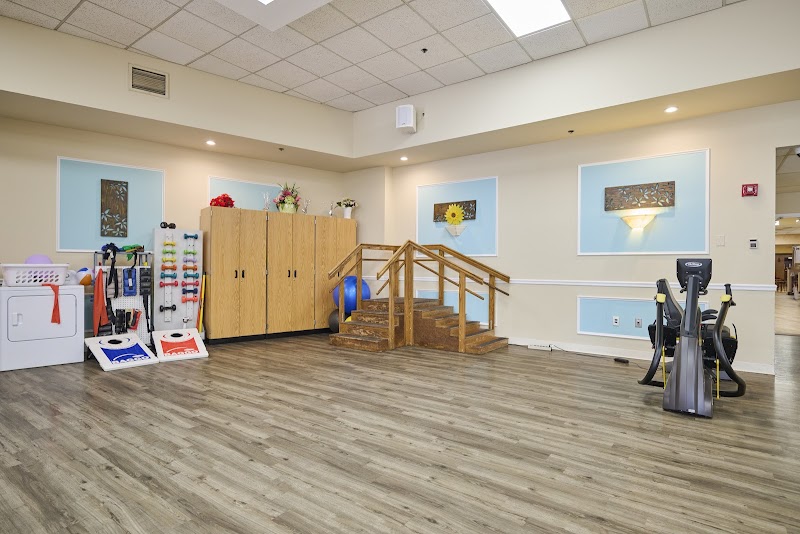
Who Owns and Operates St John Neumann Ctr For Rehab & Healthcare?

ST JOHN NEUMANN CTR FOR REHAB & HEALTHCARE is owned by a for-profit company. For-profit facilities operate as businesses with obligations to shareholders or private owners. The facility is operated by THE ROSENBERG FAMILY, a chain that manages multiple nursing homes. With 226 certified beds and approximately 214 residents (about 95% occupancy), it is a large facility located in PHILADELPHIA, Pennsylvania.
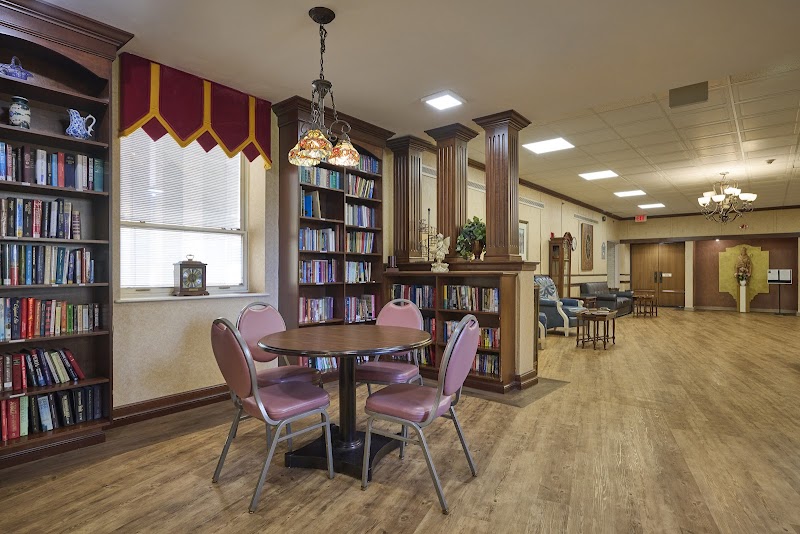
How Does St John Neumann Ctr For Rehab & Healthcare Compare to Other Pennsylvania Nursing Homes?

Compared to the 100 nursing homes in Pennsylvania, ST JOHN NEUMANN CTR FOR REHAB & HEALTHCARE's overall rating (2 stars) is below the state average of 3.0, staff turnover (38%) is near the state average of 46%, and health inspection rating (1 stars) is much below the national benchmark.

What Should Families Ask When Visiting St John Neumann Ctr For Rehab & Healthcare?

Based on this facility's data, families visiting should ask: "What changes have been made since the serious inspection findings, and how are you preventing similar issues?" "Can I visit during a mealtime to observe dining assistance and food quality?" "How do you handle medical emergencies, and what is your hospital transfer rate?" "Can I speak with family members of current residents about their experience?" These questions are particularly relevant given the facility's Immediate Jeopardy citations.

Is St John Neumann Ctr For Rehab & Healthcare Safe?

Based on CMS inspection data, ST JOHN NEUMANN CTR FOR REHAB & HEALTHCARE has documented safety concerns. Inspectors have issued 1 Immediate Jeopardy citation (the most serious violation level indicating risk of serious injury or death). The facility has a 2-star overall rating and ranks #100 of 100 nursing homes in Pennsylvania. Families considering this facility should ask detailed questions about what corrective actions have been taken since these incidents.

Do Nurses at St John Neumann Ctr For Rehab & Healthcare Stick Around?

ST JOHN NEUMANN CTR FOR REHAB & HEALTHCARE has a staff turnover rate of 38%, which is about average for Pennsylvania nursing homes (state average: 46%). Moderate turnover is common in nursing homes, but families should still ask about staff tenure and how the facility maintains care continuity when employees leave.

Was St John Neumann Ctr For Rehab & Healthcare Ever Fined?

ST JOHN NEUMANN CTR FOR REHAB & HEALTHCARE has been fined $26,043 across 1 penalty action. This is below the Pennsylvania average of $33,339. While any fine indicates a compliance issue, fines under $50,000 are relatively common and typically reflect isolated problems that were subsequently corrected. Families should ask what specific issues led to these fines and confirm they've been resolved.

Is St John Neumann Ctr For Rehab & Healthcare on Any Federal Watch List?

ST JOHN NEUMANN CTR FOR REHAB & HEALTHCARE is not on any federal watch list. The most significant is the Special Focus Facility (SFF) program, which identifies the bottom 1% of nursing homes nationally based on persistent, serious quality problems. Not being on this list means the facility has avoided the pattern of deficiencies that triggers enhanced federal oversight. This is a positive indicator, though families should still review the facility's inspection history directly.