ST MONICA CENTER FOR REHABILITATION & HEALTHCARE
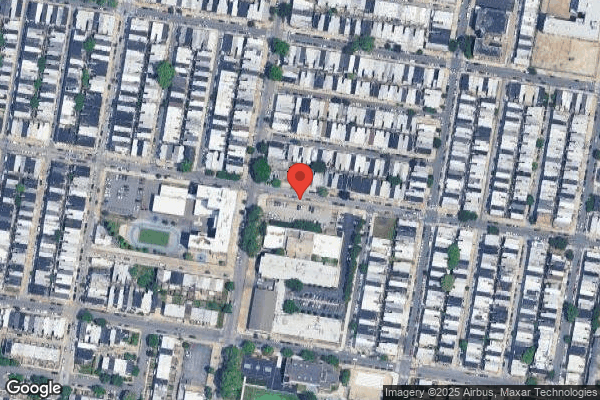
2509 SOUTH FOURTH STREET, PHILADELPHIA, PA 19148 (215) 271-1080
For profit - Individual 180 Beds THE ROSENBERG FAMILY Data: November 2025
Trust Grade
50/100
#498 of 653 in PA
Last Inspection: July 2025

Inspected within the last 6 months. Data reflects current conditions.

Overview

St. Monica Center for Rehabilitation & Healthcare has a Trust Grade of C, which means it's average and sits in the middle of the pack compared to other nursing homes. It ranks #498 out of 653 facilities in Pennsylvania, placing it in the bottom half for quality. The facility’s situation is worsening, with issues increasing from 12 reported in 2024 to 14 in 2025. Staffing is rated average, with a turnover of 51%, which is similar to the state average, but the facility has no fines on record, which is a positive sign. However, there are concerning incidents, such as improper garbage disposal that led to a foul odor and unaddressed care plans for residents with chronic conditions, highlighting both the need for improvement and some significant operational challenges.

Trust Score
C
50/100
In Pennsylvania
#498/653
Bottom 24%
Safety Record
Low Risk
No red flags
Inspections
Getting Worse
12 → 14 violations
Staff Stability
⚠ Watch
51% turnover. Above average. Higher turnover means staff may not know residents' routines.
Penalties
✓ Good
No fines on record. Clean compliance history, better than most Pennsylvania facilities.
Skilled Nurses
○ Average
Each resident gets 33 minutes of Registered Nurse (RN) attention daily — about average for Pennsylvania. RNs are the most trained staff who monitor for health changes.
Violations
⚠ Watch
47 deficiencies on record. Higher than average. Multiple issues found across inspections.
★★☆☆☆
2.0
Overall Rating
★★★☆☆
3.0
Staff Levels
★★★☆☆
3.0
Care Quality
★★☆☆☆
2.0
Inspection Score
Stable
2024: 12 issues
2025: 14 issues

The Good

  • Full Sprinkler Coverage · Fire safety systems throughout facility
  • No fines on record

Facility shows strength in fire safety.

The Bad

2-Star Overall Rating

Below Pennsylvania average (3.0)

Below average - review inspection findings carefully

Staff Turnover: 51%

Near Pennsylvania avg (46%)

Higher turnover may affect care consistency

Chain: THE ROSENBERG FAMILY

Part of a multi-facility chain

Ask about local staffing decisions and management

The Ugly 47 deficiencies on record

Jul 2025 14 deficiencies
CONCERN (D)

Potential for Harm - no one hurt, but risky conditions existed

Resident Rights (Tag F0550)

Could have caused harm · This affected 1 resident

**NOTE- TERMS IN BRACKETS HAVE BEEN EDITED TO PROTECT CONFIDENTIALITY** Based on observation, interview with facility staff, it was determined that the facility failed to provide care and services to ...

Read full inspector narrative →
**NOTE- TERMS IN BRACKETS HAVE BEEN EDITED TO PROTECT CONFIDENTIALITY** Based on observation, interview with facility staff, it was determined that the facility failed to provide care and services to enhance residents' dignity related to serving meals on disposable paperware and plasticware for one of three units (3rd Floor) and for one of 35 residents reviewed (Resident R8) Findings include: A review of the facility policy and procedure, titled, Resident Rights, revised March 2025, states that it is the facility's policy that employees shall treat all residents with kindness, respect, and dignity. Observations during a follow up visit to the kitchen on July 23, 2025, at 12:05 p.m. revealed that on the tray line all the desserts consisting of mixed tropical fruit and vanilla pudding were prepared in a 4-ounce portion control disposable plastic cup with a plastic lid were being placed on all the trays going to all resident floors. Observations in the third-floor dining room on July 23, 2025, at 12:30 p.m. revealed that all residents' trays had the disposable plastic cups of fruit and pudding. It was noted that two residents at the first table closest to the nursing station also had white plastic forks and spoons on their tray. One resident was eating with her fingers and when the Food Service Director (FSD) put the plastic spoon on her plate she used it to push the food together and then set it down and continued to eat with her fingers. Nursing staff in the dining room did not intervene to help or redirect the resident. Interview with the FSD on July 23, 2025, at 12:30 p.m. confirmed the use of disposable cups and plasticware. Review of Resident R84's clinical record revealed the resident was admitted to the facility on [DATE]. The resident has the following diagnosis: Alzheimer's (a progressive brain disorder that gradually impairs memory, thinking, and reasoning skills), Dementia with behavioral disturbance (neuropsychiatric symptoms that often accompany dementia, including agitation, aggression, delusions, hallucinations, and more), Anxiety (feelings of worry, nervousness, or unease) , and a Cognitive Communicative Deficit(difficulties in communication arising from impairments in cognitive functions like attention, memory, and executive functions).Review of Resident R84's physician orders showed an active order dated April 22, 2025 which stated the resident had an order for Regular Diet, Regular texture, Thin consistency and the directions listed were Disposable Utensils. On July 21, 2025 Resident R84 was observed in the third-floor dining room waiting for her lunch. At 1:06 p.m. Resident R84 was served her lunch. The resident was observed with a meal ticket that had Disposable Utensils listed and the resident was using a plastic fork. Observation of the third-floor dining room during lunch on July 23, 2025 at 1:13 p.m. revealed Resident R84 was again served her lunch meal with plastic utensils. The resident was observed putting down her utensils and using her hands to scoop her chicken, rice, and vegetables.Further review of Resident R84's clinical record revealed no documentation over the past year of any behaviors related to utensils during dining. The facility was unable to provide documentation on when the last behavior related to utensils during dining was. Review of the July physician orders for Resident R8 included the following diagnosis: history of falls; macular degeneration (a medical condition that affects the central part of the retina, leading to blurred or no vision in the center of the visual field); diabetes (a group of diseases that affect how the body uses blood sugar glucose), and depression.During an observation on July 21, 2025 at 10:06 a.m. the resident came up to the nursing station and asked if he could have a cup of ice. When asked, the resident was told by licensed nurse (Employee E19) that he could not have ice and stated the following: no you ask for ice all day every day. You know you can't have ice. He always asking for ice.Review of the resident's clinical record did not include any clinical restrictions to the resident having ice/beverages.During an interview with the Unit Manager (Employee E18) on [DATE] at 10:20 a.m. regarding the incident, the unit manager confirmed that there are no restrictions on any ice/beverages that the resident can have. 28 Pa. Code: 201.18(b)(1) Management 28 Pa. Code: 201.29(a) Resident rights
CONCERN (D)

Potential for Harm - no one hurt, but risky conditions existed

Deficiency F0554 (Tag F0554)

Could have caused harm · This affected 1 resident

Based on observations, staff interviews and the review of clinical records, it was determined that the facility failed to ensure that a resident was properly assessed for the self-administration of a ...

Read full inspector narrative →
Based on observations, staff interviews and the review of clinical records, it was determined that the facility failed to ensure that a resident was properly assessed for the self-administration of a medication that was located in the resident's room for 1 out of 35 residents reviewed (Resident R160) Findings include:Review of the July 2025 physician orders for Resident R160 included the diagnoses of transient ischemic attack (TIA- a mini stroke); seizures (a sudden burst of electrical activity in the brain that can cause changes in behavior, movements, feelings and levels of consciousness); kidney failure (a condition in which one or both of your kidneys no longer work on their own); diabetes (a group of diseases that affect how the body uses blood sugar glucose), and xerosis cutis(excessive dry skin)Review of the July 2025 physician orders included an order dated February 13, 2025 and monthly thereafter, for the resident to have a medicated lotion Ammonium Lactate External Lotion 12% applied to her legs in the evening: Apply B/L LE (bilaterally legs) topically in the evenings related to XEROSIS CUTIS (L85.3) Wash legs with soap and water pat dry, apply lotion.During an observation in the resident's room on July 21, 2025, at 11:35 a.m. a bottle of the medication was observed lying on the resident's dresser along with personal items that belonged to the resident. The resident was asked about the lotion and reported that it belonged to her, and stated, that goes on my legs. They keep it up there (referring to it being on top of her dresser). During an observation on July 23, 2025, at 11:33 a.m. in the resident's room, the resident was asked where all her items were that were on top of her dresser and reported that someone came in and put it in her drawer. During an observation with the Unit Manager on July 23, 2025, at 11:33 a.m. the Unit Manager observed the medication in the unlocked drawer and retrieved it from the drawer and removed it from out of the resident's room.Review of the resident's clinical record provided no evidence that the resident had been assessed by the facility to self-administer any of her medications.During an interview with Employee E3, Assistant Director of Nursing (ADON) on July 24, 2025 at 11:25 a.m. it was confirmed by the ADON that there were no physician orders or assessment completed that indicated that the resident was able to self administer medication.28 Pa. Code 211.12(d)(1) Nursing services
CONCERN (D)

Potential for Harm - no one hurt, but risky conditions existed

Assessment Accuracy (Tag F0641)

Could have caused harm · This affected 1 resident

**NOTE- TERMS IN BRACKETS HAVE BEEN EDITED TO PROTECT CONFIDENTIALITY** Based on a review of clinical records and staff interview, it was determined that the facility failed to ensure that the Minimum...

Read full inspector narrative →
**NOTE- TERMS IN BRACKETS HAVE BEEN EDITED TO PROTECT CONFIDENTIALITY** Based on a review of clinical records and staff interview, it was determined that the facility failed to ensure that the Minimum Data Set Assessments (MDS - a federally mandated standardized assessment conducted at specific intervals to plan resident care) accurately reflected the status of one out of 35 residents sampled (Residents R60).Findings include:A review of Resident R60's clinical record revealed that he was admitted to the facility on [DATE], with diagnoses including end stage renal disease (is the final stage of chronic kidney disease, where the kidneys can no longer function adequately, requiring dialysis or a kidney transplant for survival) and dependance on dialysis. Review of July 2025 physician order revealed that Resident R60 was receiving dialysis on Tue, Thu, Sat at 10:30 a.m. at a local dialysis center.Review of Resident R60's admission Minimum Data Set did not identified the resident has receiving dialysis services.Interview with the Director of Nursing (DON) on July 23, 2025, at 1:45 p.m. confirmed that Resident R60 was admitted on dialysis that Section O of the MDS should have been triggered for dialysis. 28 Pa. Code 201.14(a) Responsibility of licensee 28 Pa. Code 211.5(f) Clinical Records
CONCERN (D)

Potential for Harm - no one hurt, but risky conditions existed

Quality of Care (Tag F0684)

Could have caused harm · This affected 1 resident

Based on observations, staff interviews, review of facility policy and the review of clinical records, it was determined that that the facility failed to ensure that a physician was notified of a rapi...

Read full inspector narrative →
Based on observations, staff interviews, review of facility policy and the review of clinical records, it was determined that that the facility failed to ensure that a physician was notified of a rapid and significant weight gain, and failed to clarify a physician's order for 1 out of 35 residents reviewed (Resident R160) Findings include:Review of the facility policy Weight Assessment, Management and Intervention Procedure, with a date of 3/25, indicated that nursing staff will measure resident weight on admission and monthly or as ordered by physician and that any weight change of 5% or more since the last monthly weight assessment will be retaken for confirmation, and if the weight is verified, nursing will notify the Dietitian. The policy also indicated that the Dietitian will respond within 24-72 hours of receipt of notification.Continued review of the policy indicated that resident assessment information shall be analyzed by the interdisciplinary team and conclusions shall be made regarding: Resident's target weight range (including rationale if different from ideal/usual body weight); approximate calorie, protein, and other nutrient needs compared with the resident's current intake; whether and to what extent weight stabilization or improvement can be anticipated, the resident cognitive status, in addition to analyzing the relationship between the resident's current medical condition or clinical situation, and recent fluctuations in weight.Review of Resident R160's July 2025 physician orders included the following diagnoses: transient ischemic attack (TIA- a mini stroke); seizures (a sudden burst of electrical activity in the brain that can cause changes in behavior, movements, feelings and levels of consciousness); kidney failure (a condition in which one or both of your kidneys no longer work on their own); diabetes (a group of diseases that affect how the body uses blood sugar glucose), xerosis cutis(excessive dry skin); shortness of breath, and congestive heart failure ( CHF-a condition that affects the heart's ability to pump blood often leading to fluid retention in the body, symptoms of swelling, shortness of breath, rapid weight gain, and requires careful management through medications and lifestyle changes).Review of the resident's July 2025 physician orders included a physician's order dated February 13, 2025, and monthly thereafter for the administration of the medication, Furosemide tablet 40 milligrams give 1 tablet by mouth every 24 hours as needed for shortness of breath, increase weight over 2 pounds related to chronic systolic ( congestive) heart failure.Review of the resident's Weight Summary report indicated that on June 26, 2025, the resident's weight was recorded by nursing staff as being 125.6 pounds. On July 2, 2025, 7 days later, the resident's weight was recorded by nursing staff as being 137.2 pounds, indicating a 11.6 pound weight gain, and a significant weigh gain of 9.2% in 6 days. During an interview with the Regional Dietician (Employee E12) on July 24, 2025 at 11:25 a.m. the resident's weights were reviewed and it was confirmed by the Regional Dietician that the resident had a significant weight gain of 9.2% and gained 11.6 pounds in 6 days.Review of the clinical record provided no evidence that the physician was notified of the resident significant weight gain that occurred within a 6 day time period. During an interview with the Assistant Director of Nursing (ADON), Employee E3 on July 25, 2025 at 11:25 a.m. it was confirmed that no information could be produced to show evidence that the physician was notified of the resident's significant weight gain. Further, review of the physician's orders for Furosemide did not include any instructions for how often the physician wanted the resident weighed and when the resident should be administered the Furosemide (e.g. administer if the resident weight increased greater that 2lbs overnight/2 days/1 day). During an interview with the ADON, Employee E3 on July 25, 2025 at 11:25 a.m. the physician's order for Furosemide was reviewed with the ADON and it was confirmed during this time that the physician order was no clarified so that staff would know the frequency to administer the Furosemide when weight gain was recorded for the resident.The facility failed to ensure that a physician was notified of a rapid and significant weight gain and failed to clarify a physician's order for Resident R160.
CONCERN (D)

Potential for Harm - no one hurt, but risky conditions existed

Pressure Ulcer Prevention (Tag F0686)

Could have caused harm · This affected 1 resident

**NOTE- TERMS IN BRACKETS HAVE BEEN EDITED TO PROTECT CONFIDENTIALITY** Based on the review of clinical records, observations and staff interviews, it was determined that the facility failed to develo...

Read full inspector narrative →
**NOTE- TERMS IN BRACKETS HAVE BEEN EDITED TO PROTECT CONFIDENTIALITY** Based on the review of clinical records, observations and staff interviews, it was determined that the facility failed to develop and implement interventions such as turning and repositioning or offloading of heels for resident with total dependence to prevent the development of a pressure ulcer for one of three residents reviewed (Resident R17).Review of Resident R17's clinical record revealed Resident R17 was readmitted to the facility on [DATE] with diagnoses of, but not limited to, Dementia (progressive degenerative disease of the brain) and Chronic Kidney Disease.Review of Resident R17's quarterly Minimum Data Set assessment (MDS-federally mandated standardized assessment process conducted periodically to plan resident care) dated June 13, 2025, revealed Resident R17 required extensive assistance and 2- person physical assist for bed mobility (how resident moves to and from lying position, turns side to side, and positions body while in bed or alternate sleep furniture).Review of Resident R17'S care plan initiated on April 28, 2025, revealed that resident is at risk for alteration in skin integrity related to impaired mobility, incontinence, blanchable redness sacrum.Review of Resident R17's clinical record failed to reveal documented evidence that facility provided turning and repositioning for resident at high risk of developing pressure ulcers.Review of Resident R17's nursing progress note dated July 7, 2025, revealed that resident's sacrum and coccyx redden. Treatment ordered for redden area.Review of Resident R17's physician order dated July 8, 2025, revealed order for Balsam Peru Castor Oil External Ointment, apply to sacrum.Review of Resident R17's clinical record revealed no documented evidence of wound team consult after reddened area noted.Review of Resident R17's body check dated July 9, 2025, revealed no newly identified issues.Review of Resident R17's nursing progress note dated July 17, 2025, revealed that resident has change in skin condition and wound care consulted.Review of Resident R17's Skin/ Wound care notes dated July 18, 2025, revealed that resident had an open area on the sacrum 5 cm x 3cm. Wound bed with visible slough, no active bleeding. Surrounding skin with mild erythema. No signs or symptoms of infection. Area cleansed with Normal Saline, patted dry and applied calcium alginate, covered with bordered gauze.Review of Resident R17's wound evaluation and management summary dated July 23, 2025 revealed resident has end-stage skin failure sacrum full thickness, wound measurements of 3.2 cm x 4 cm x 0.5 cm.Interview with Employee E16, Licensed Practical Nurse on July 23, 2025 at 11:15am confirmed she is the nurse assigned to Resident R17. Interview further revealed that resident R17 is a total assist with turning and repositioning. Confirmed that resident is not on a turning and repositioning program and there is no way to document or confirm when resident was last turned and repositioned.Review of Resident R17's physician orders dated July 7, 2025, revealed offload heels with pillow every shift.Observation of Resident room on July 23, 2025 at 11:15am revealed resident laying in bed with head of bed flat on back and resident's heels are offloaded.Interview with Employee E16, Licensed Practical Nurse on July 23, 2025 at 11:15 am confirmed Resident R17's heels were not being offloaded while in bed.Review of Resident R17's Comprehensive Care Plan revealed no evidence of off-loading heels intervention in place.Interview with Employee E2, Director of Nursing on July 23, 2025 at 12:20 pm confirmed that facility does not have policy in place for turning and repositioning of residents that require total dependence. All residents are expected to be turned and repositioned by staff every 2 hours. Confirmed no documented evidence of this intervention for Resident R17.Interview with Employee E17, Nursing Aide on July 24, 2025 at 12:00pm revealed there was no set schedule to turn and reposition Resident R17, I try to do it before breakfast, lunch and before I leave for the day. Further revealed that there was no documentation involved in turning and repositioning of resident.Observation of resident's room on July 24, 2025 at 12:10pm revealed the resident in bed sitting with head of bed at 90 degrees and resident's heel not being offloaded.Interview with Employee E17, Nursed Aide on July 24, 2025 at 12:10pm confirmed resident heels were not offloaded. 28 Pa. Code 211.10(c)(d) Resident care policies 28 Pa. Code 211.12(c)(d)(1)(3)(5) Nursing services
CONCERN (D)

Potential for Harm - no one hurt, but risky conditions existed

Deficiency F0692 (Tag F0692)

Could have caused harm · This affected 1 resident

**NOTE- TERMS IN BRACKETS HAVE BEEN EDITED TO PROTECT CONFIDENTIALITY** Based on observations, review of facility policies, clinical record review and interview with staff and residents, it was determ...

Read full inspector narrative →
**NOTE- TERMS IN BRACKETS HAVE BEEN EDITED TO PROTECT CONFIDENTIALITY** Based on observations, review of facility policies, clinical record review and interview with staff and residents, it was determined that the facility failed to ensure that resident significant weight gain was assessed in a timely manner for one resident (Resident R160), and failed to ensure that the nutrition and hydration status were properly assessed related to the use of a PEG tube (feeding tube inserted into stomach) for another resident (Resident R10) for 2 out of 35 residents reviewed.Review of the facility policy Weight Assessment, Management and Intervention Procedure, with a date of 3/25, indicated that nursing staff will measure resident weight on admission and monthly or as ordered by physician and that any weight change of 5% or more since the last monthly weight assessment will be retaken for confirmation, and if the weight is verified, nursing will notify the Dietitian. The policy also indicated that the Dietitian will respond within 24-72 hours of receipt of notification.Continued review of the policy indicated that resident assessment information shall be analyzed by the interdisciplinary team and conclusions shall be made regarding: Resident's target weight range (including rationale if different from ideal/usual body weight); approximate calorie, protein, and other nutrient needs compared with the resident's current intake; whether and to what extent weight stabilization or improvement can be anticipated, the resident cognitive status, in addition to analyzing the relationship between the resident's current medical condition or clinical situation, and recent fluctuations in weight.Review of Resident R160's July 2025 physician orders for the resident included the following diagnosis: transient ischemic attack (TIA- a mini stroke); seizures (a sudden burst of electrical activity in the brain that can cause changes in behavior, movements, feelings and levels of consciousness); kidney failure (a condition in which one or both of your kidneys no longer work on their own); diabetes (a group of diseases that affect how the body uses blood sugar glucose); shortness of breath, and congestive heart failure ( CHF-a condition that affects the heart's ability to pump blood often leading to fluid retention in the body, symptoms of swelling, shortness of breath, rapid weight gain, and requires careful management through medications and lifestyle changes).Review of Resident R160's July 2025 physician orders included a physician's order dated February 13, 2025, and monthly thereafter for the administration of the medication, Furosemide 40 milligrams five 1 tablet by mouth every 24 hours for shortness of breath and for the treatment of congestive heart failure; increase weight >2 pounds. related to chronic congestive heart failure. Review of the resident's Weight Summary report indicated that on June 26, 2025, the resident's weight was recorded by nursing staff as being 125.6 pounds. On July 2, 2025, 7 days later, the resident's weight was recorded by nursing staff as being 137.2 pounds, indicating a 11.6 pound weight gain, and a significant weigh gain of 9.2% in 6 days. Continued review of the clinical record did not show evidence that the resident significant weight gain was acknowledged and/or addressed/assessed by the facility's dietician. During an interview with the Regional Dietician (Employee E12) on July 24, 2025 at 11:25 a.m. the resident's weights were reviewed and it was confirmed by the Regional Dietician that the resident had a significant weight gain of 9.2% and gained 11.6 pounds in 6 days. During the above referenced interview, the Regional Dietician confirmed that the significant weight gain was not acknowledged and/or addressed by the facility dietician. Review of Resident R10's clinical record revealed resident was admitted to the facility on [DATE] with the diagnoses of, Dysphasia (swallowing difficulties), Type 2 Diabetes, and muscle weakness.Review of Resident R10's nutrition assessment dated [DATE], resident continues to receive bolus tube feeds via PEG tube (feeding tube that goes through the stomach wall) 2 times a due to need for additional nutrition and combat weight loss. Further review revealed resident is tolerating tube feed, will continue with current regimen. Tube feed provides 40% calorie needs, 55% protein needs, 43% fluid needs. Need for nutritional support via PEG.Review of Resident R10's nursing progress notes, dated December 28, 2025, revealed was called in by CNA (nurse aide), nurse went to observe patient feeding tube on her belly, patient did not seem in any discomfort or pain, patient smiling at nurse. Nursing Supervisor notified, 16F foley inserted, MD notified explained that patient eats all three meals being fed by nursing staff, MD and nursing supervisor agreed to remove feeding tube, nursing care continued.Review of Resident R10's nursing notes, dated December 28, 2025 revealed notified by charge nurse, resident had G-tube dislodgement. On assessment, resident stoma had no signs of bleeding. G-tube was found with balloon inflated. Resident had no signs or symptoms of pain or discomfort. 16 F foley was inserted while awaiting orders. New order given by doctor to discontinue G-Tube. Stoma site is cleaned and covered. Resident was made comfortable. Care plan updated.Review of Resident R10's comprehensive care plan dated September 18, 2024, revealed resident has the potential for alteration in nutrition and hydration related to past medical history, aphasia (loss of ability to understand or express speech), need for mechanically altered and therapeutic diet, and history of significant weight loss.Review of Resident R10's clinical record revealed no significant weight changes between December 2024 and July 2025.Interview with Employee E2, Director of Nursing on July 23, 2025 at 12:00pm, revealed that resident's PEG tube and tube feedings were discontinue on December 28, 2024.Interview with Employee E12, Regional Dietitian, confirmed that nutrition assessments completed by Registered Dietician, dated December 28, 2024 through June 25, 2025, have stated that resident is receiving nutrition via PEG tube and resident has not had a PEG tube in place.
CONCERN (D)

Potential for Harm - no one hurt, but risky conditions existed

Respiratory Care (Tag F0695)

Could have caused harm · This affected 1 resident

**NOTE- TERMS IN BRACKETS HAVE BEEN EDITED TO PROTECT CONFIDENTIALITY** Based on observation, review of clinical record, review of facility policy and interview with staff, it was determined that the ...

Read full inspector narrative →
**NOTE- TERMS IN BRACKETS HAVE BEEN EDITED TO PROTECT CONFIDENTIALITY** Based on observation, review of clinical record, review of facility policy and interview with staff, it was determined that the facility failed to ensure that resident was administered oxygen according to physician's order for one resident of one resident reviewed on oxygen therapy. (Resident R158) Findings include: Review of facility policy on Oxygen Therapy revealed that under section POLICY: Oxygen is administered appropriately to resident to improve oxygenation and provide comfort to residents experiencing respiratory difficulties. Oxygen is administered by licensed staff and with a physician's order. Under section PROCEDURE: #12. To use oxygen with a resident: a. Turn on the Oxygen. Start the flow of Oxygen s ordered by the physician. Review of Resident R158's clinical record revealed that Resident R158 was admitted to the facility on [DATE], with diagnoses of but not limited to Asthma (a condition in which a person's airways become inflamed, narrow and swell, and produce extra mucus, which makes it difficult to breath). Further review of Resident R158's clinical record revealed a physician's order for O2 (oxygen) @ 2L via N/C (nasal cannula) PRN(as needed) for SOB (shortness of breath) Review of Resident R158's MDS (minimum data set- a federally required resident assessment completed at a specific interval) dated June 6, 2025, Section O - Special Treatments, Procedures, and Programs, C1 Oxygen therapy, reveled that Resident R158 was on Oxygen. Observation conducted on the second-floor dining area on July 21, 2025, at 1:28 PM revealed that Resident R158 was in a wheelchair with oxygen concentrator at 3 liters/minute via nasal cannula. Interview with unit manager, Employee E13 confirmed that resident's oxygen was at 3 liters/minute. Further, Unit Manager proceeded to adjust Resident R158's Oxygen to 2 liters/minute. 28 Pa. Code 211.12(d)(1) Nursing services28 Pa. Code 211.12(d)(5) Nursing services
CONCERN (D)

Potential for Harm - no one hurt, but risky conditions existed

Deficiency F0761 (Tag F0761)

Could have caused harm · This affected 1 resident

**NOTE- TERMS IN BRACKETS HAVE BEEN EDITED TO PROTECT CONFIDENTIALITY** Based on observations, review of facility policies and interviews with staff, it was determined that the facility failed to ensu...

Read full inspector narrative →
**NOTE- TERMS IN BRACKETS HAVE BEEN EDITED TO PROTECT CONFIDENTIALITY** Based on observations, review of facility policies and interviews with staff, it was determined that the facility failed to ensure that medications were properly labeled and dated for two of three units reviewed (Second floor unit, First floor St. [NAME] unit) and properly stored for one of one resident observed with medication in the room. (Resident R160) Findings include: Review of facility policy on Storage of Medication section Policy Statement revealed that The facility shall store all drugs and biologicals in a safe, secure and orderly manner. Under section Policy Interpretation and Implementation #4. The faciality shall not use discontinued, outdated or deteriorated drugs or biologicals. All such drugs shall be returned to the dispensing pharmacy or destroyed.Observation of the Second-floor medication room conducted with licensed nurse Employee E14 and Unit Manager, Employee E13 conducted on July 21, 2025, at 11:46AM reveled that two opened vials of Tuberculin Purified Protein Derivative vials (PPD-a substance injected into the skin to test for tuberculosis exposure) was in the medication refrigerator. Further observation revealed that one of the opened vials was inscribed 4/2 and the other opened PPD vial was not labeled or dated.Interview conducted at the time fo the observation with Unit Manager, Employee E13 confirmed that that 2 opened Tuberculin Purified Protein Derivative vials (PPD-a substance injected into the skin to test for tuberculosis exposure) was in the medication refrigerator. Further unit manager confirmed that one of the opened vials was inscribed 4/2 and the other opened PPD vial was not labeled nor dated. Further interview with unit manager, Employee E13 revealed that multidose vials are discarded 30 days after opening. Observation of the St. [NAME] Medication room with Unit Manager, Employee E15 conducted on July 22, 2025, at 12:38PM revealed one unopened bottle of Pedialyte with an expiration date of [DATE].Interview with unit Employee E15 confirmed that the bottle of Pedialyte had an expiration date of October 1, 2021 Review of Resident R160 July 2025 physician orders included the diagnoses of transient ischemic attack (TIA- a mini stroke); seizures (a sudden burst of electrical activity in the brain that can cause changes in behavior, movements, feelings and levels of consciousness); kidney failure (a condition in which one or both of your kidneys no longer work on their own); diabetes (a group of diseases that affect how the body uses blood sugar glucose), and xerosis cutis(excessive dry skin).Review of Resident R160's July 2025 physician orders included an order dated February 13, 2025 and monthly thereafter, for the resident to have a medicated lotion (Ammonium Lactate External Lotion 12%) applied to her legs in the evening as follows Ammonium Lactate External Lotion 12% applied to her legs in the evening: Apply B/L LE (bilaterally legs) topically in the evenings related to XEROSIS CUTIS (L85.3) Wash legs with soap and water pat dry, apply lotion.During an observation on July 23, 2025, at 11:33 a.m. in the resident's room, the resident was asked where all her items were that were on top of her dresser the other day and reported that someone came in and put it in her drawer. Observation confirmed that the above referenced medicated lotion was stored in the resident the resident's unlocked drawer, along with the resident's personal belongings that had been on the top of her dresser 2 days ago. This bottle of medication found in the unlocked drawer with no name or properly labeling on it had room [ROOM NUMBER] W written on it with a black marker. Resident R160's room number is in room [ROOM NUMBER]. During an observation with the Unit Manager on July 23, 2025 at 11:33 a.m. the Unit Manager observed the medication in the unlocked drawer and retrieved it from the drawer and removed it from out of the resident's room.28 Pa Code 211.9(a)(1) Pharmacy services28 Pa Code 211.12(d)(2) Nursing services
CONCERN (D)

Potential for Harm - no one hurt, but risky conditions existed

Deficiency F0801 (Tag F0801)

Could have caused harm · This affected 1 resident

Based on staff interviews and a review of employee credentials, it was determined that the facility failed to employ a qualified director of food and nutrition services (Employees E7). Findings includ...

Read full inspector narrative →
Based on staff interviews and a review of employee credentials, it was determined that the facility failed to employ a qualified director of food and nutrition services (Employees E7). Findings include: An interview on July 21, 2025, at 9:45 a.m. with Employee E7, Food Service Director (FSD), revealed that his responsibilities included oversight of ordering, receiving, storing, preparation and service of food. Further interview with the FSD confirmed that he was not currently a certified dietary manager (CDM); or a certified food manager (CFM); or had a national certification for food service management and safety from a national certifying body; and that he had not received frequently scheduled consultations from a qualified dietitian. A review of Employee E3's credentials revealed that Employee E7 did not meet the statutory qualifications of a director of food and nutrition services. During an interview on July 24, 2025, at 11:15 a.m. with Employee E1, Administrator, the FSD's personnel file and his qualifications were discussed which revealed he had been working at the facility for several years and was not a Certified Dietary Manager or Certified Food Manager. Employee E1 confirmed that the FSD had not completed these requirements. The Nursing Home Administrator was unable to provide evidence that the FSD was Certified, and therefore unqualified to direct the dietary department.28 Pa. Code 211.6(c)(d) Dietary services28 Pa Code 201.18(e)(1)(6) Management
CONCERN (D)

Potential for Harm - no one hurt, but risky conditions existed

Deficiency F0804 (Tag F0804)

Could have caused harm · This affected 1 resident

Based on observations, resident and staff interviews, and a review of facility documentation, it was determined that the facility failed to provide food and drink that was palatable and served at pala...

Read full inspector narrative →
Based on observations, resident and staff interviews, and a review of facility documentation, it was determined that the facility failed to provide food and drink that was palatable and served at palatable temperatures for five of 35 residents reviewed (Residents R18, R22, R60, R104, and R187). Findings include: A review of the undated Room Test Tray Evaluation form from Nutrition Services, Inc., revealed that the Standard for cold food is 40-55 degrees and for hot food 135-160 degrees.Interview with Resident R60 on July 21, 2025, at 10:30 a.m. revealed that he did not like that the hot food was often cold and the milk could be colder.Interview with Resident R187 on July 21, 2025, at 10:35 a.m. revealed that he is at the end of the hallway and his food is always cold, and that the French fries the other day were not even cooked, and that the eggs are terrible when they are cold. Interviews were held on July 23, 2024 with 12 alert, and oriented residents during resident council. Residents had complaints about the food served at the facility. Resident R18 stated, the food is cold, just about every day. Resident R22 stated, the food it cold, especially breakfast who wants cold toast or eggs. Resident R104, the food is garbage on a plate, it's always cold.Observations during a test tray conducted on July 23, 2025, at 12:45 p.m. revealed that the tray cart left the kitchen at 12:20 p.m. and the last tray was passed at 12:45 p.m. Temperatures were taken by the Food Service Director (FSD), Employee E7, revealed that the chicken was only 110 degrees, the rice was only 122 degrees, the mixed vegetable was only 122 degrees, the mixed fruit cup was 78 degrees, the apple juice was only 67 degrees and the whole milk was 58 degrees all outside the acceptable temperature range for palatability. An interview with the FSD, on July 23, 2025, at 12:55 p.m. confirmed that these food items were outside the acceptable temperature range and therefore not palatable.28 Pa. Code 201.14(a) Responsibility of licensee28 Pa. Code 201.18(b)(3) Management
CONCERN (D)

Potential for Harm - no one hurt, but risky conditions existed

Deficiency F0847 (Tag F0847)

Could have caused harm · This affected 1 resident

Based on a review of facility documents and interviews with staff, it was determined that the facility failed to ensure that terms of a binding arbitration agreement included required language to prot...

Read full inspector narrative →
Based on a review of facility documents and interviews with staff, it was determined that the facility failed to ensure that terms of a binding arbitration agreement included required language to protect the rights of the resident or resident representative.Findings include: Review of Binding Arbitration Agreement, enclosed in the admission Agreement revealed that the agreement did not contain language that would allow the resident or anyone else (e.g., resident's representative) to communicate with federal, state, or local officials such as federal and state surveyors, other federal or state health department employees and representative of the Office of the State Long Term Care Ombudsman.Interview on July 24, 2025, at 11:45 a.m. with Employee E1, Nursing Home Administrator and Employee E8, Regional Operations Director confirmed that the arbitration agreement did not contain the required language as state above.28 Pa. Code: 201.14(a)(b) Responsibility of licensee.28 Pa. Code: 201.18(b)(3) Management
CONCERN (D)

Potential for Harm - no one hurt, but risky conditions existed

Deficiency F0849 (Tag F0849)

Could have caused harm · This affected 1 resident

Based on staff interview, review of hospice documentation and review of clinical records, it was determined that the facility failed to ensure that a recommendation from the contracted hospice agency ...

Read full inspector narrative →
Based on staff interview, review of hospice documentation and review of clinical records, it was determined that the facility failed to ensure that a recommendation from the contracted hospice agency related to a resident's medication management was addressed and/or implemented for 1 out of 1 hospice record reviewed (Resident R90). Findings include: Review of the facility policy, Hospice Program dated 3/25, indicated that when a resident participates in the hospice program, a coordinated plan of care between the facility, hospice agency and resident/family will be developed and shall include directives for managing pain and other uncomfortable symptoms. The care plan shall be revised and updated as necessary to reflect the resident's current status.Review of Resident R90's July 2025 physician orders included the following diagnosis: multiple sclerosis (a disease that causes breakdown of the protective covering of nerves and can cause numbness, weakness, trouble walking, vision changes and other symptoms), chronic obstructive pulmonary disease (COPD- a term for lung and airway diseases that restrict an individual's breathing); dementia (a term used to describe a group of symptoms affecting memory, thinking and social abilities, and anxiety (includes persistent and excessive anxiety and worry about activities or events).Continued review of the physician orders included a physician's order for hospice services with a start date of July 3, 2025. Admit to Hospice. Admitting DX (diagnosis) Senile degeneration of the brain. Review of the hospice communication sheet from the hospice agency, Recommendations for Symptom Management, dated February 14, 2025, included a recommendation from the hospice agency nurse for Ativan 1milligram (mg) (0.5ml) po (by mouth /SL (sublingual) q (every) 2 h (hours) prn (as needed) for breakthrough agitation. Review of the physician orders obtained on July 22, 2025, included no indication that the medication Ativan was order by the physician.During an interview with the Assistant Director of Nursing, Employee E3 on July 24, 2025, at 11:25 a.m. it was confirmed by the Assistant Director of Nursing that that there was no indication in the clinical record that the recommendation for Ativan by the hospice nurse was addressed and/or implemented by the facility. 28 Pa. Code 211.10(c) Resident care policies28 Pa. Code 211.12(d)(1) Nursing services
CONCERN (E)

Potential for Harm - no one hurt, but risky conditions existed

Comprehensive Care Plan (Tag F0656)

Could have caused harm · This affected multiple residents

**NOTE- TERMS IN BRACKETS HAVE BEEN EDITED TO PROTECT CONFIDENTIALITY** Based on observation, review of clinical records, review of facility policy, interview with staff and residents, it was determin...

Read full inspector narrative →
**NOTE- TERMS IN BRACKETS HAVE BEEN EDITED TO PROTECT CONFIDENTIALITY** Based on observation, review of clinical records, review of facility policy, interview with staff and residents, it was determined that the facility failed to develop a comprehensive person-centered care plan related to COPD (chronic obstructive pulmonary disease), oxygen use and Anxiety/ Dementia Care for three of 35 residents reviewed. (Resident R22, Resident R143 and Resident 163). Findings Include: Review of facility policy on Interdisciplinary Care Planning Protocol revealed section All Admissions - Day of admission #2. Nursing Initiates Interim Care Plan – the interim care plan must address all immediate care needs. Under section Skilled Subacute Care Admissions #2. Interim care plan initiated on the day of admission must be reviewed by the IDCP team and modified by 8th day of admission. Under section Long Term Care Admissions -Within Fourteen Days #3. CAA Summary Sheet – CAA assessment is to be completed and documented in Section V and also in a CAA assessment note - triggered areas will be discussed by the team and the care plan finished no later than seven days after MDS assessment completion date. Under section Interdisciplinary Care Planning #8. Problems established by the team with resident/family input MUST be specific and individualized. Review of Resident R143's clinical record revealed the Resident R143 was admitted to the facility on [DATE], with diagnoses of COPD (Chronic Obstructive Pulmonary Disease-a lung disease that blocks airflow to the lungs making it difficult to breath) Further review of Resident R143's clinical record revealed a physician's order for O2 (oxygen) 3L (liters) via NC (nasal cannula) continuously every shift for COPD-Order Date-07/10/2024. Further, an MDS (Minimum Data Set- a federally required resident assessment completed at a specific interval) dated May 28, 2025, Section O - Special Treatments, Procedures, and Programs, C1 Oxygen therapy, reveled that resident was on oxygen. Further review of Resident R143's clinical record revealed that there was no comprehensive person-centered respiratory care plan in place. Further, there was other care plan addressing Resident R143's Oxygen use. Observation conducted on July 21, 2025, at 10:35AM during tour of the second-floor unit revealed that Resident R143 was in bed with O2 concentrator at 3 liters/minute via nasal cannula. Interview with licensed nurse, Employee E3 conducted on July 24, 2025, at 10:26 AM confirmed that there was no respiratory care plan nor any care plan addressing Resident R143's Oxygen use. Review of Resident R22's clinical record revealed the Resident R22 was admitted to the facility on [DATE], with diagnoses of but not limited to COPD. Further review of Resident R22's clinical record revealed a physician's order for Oxygen 2L via NC Continuously every shift related to Chronic Obstructive Pulmonary Disease -start date -3/12/2022. Further, an MDS dated [DATE], Section O - Special Treatments, Procedures, and Programs, C1 Oxygen therapy, reveled that resident was on Oxygen. Further review of Resident R22's clinical record revealed that there was no comprehensive person-centered respiratory care plan in place. Further, there was other care plan addressing Resident R143's Oxygen use. Observation conducted on July 22, 2025, at 8:43 AM revealed that Resident R22 was in bed on oxygen concentrator at 2 liters/minute via nasal canula. Interview with Resident R22 conducted at the time of the observation confirmed that she was on oxygen at 2 liters/minute. Interview with licensed nurse, Employee E3 conducted on July 24, 2025, at 10:26 AM confirmed that there was no respiratory care plan nor any care plan addressing Resident R22's Oxygen use. Review of Resident R3 was admitted to the facility on [DATE]. The resident had the following diagnoses: Cognitive Communication Deficit (difficulties in communication that arise from impairments in cognitive functions like attention, memory, reasoning, and problem-solving) and Depression (amental health condition characterized by persistent feelings of sadness, hopelessness, and loss of interest or pleasure in activities). Review of Resident R3's care plan dated July 11, 2025 did not include a care plan or interventions for the resident’s diagnosis of Depression. Review of Resident R63 was admitted to the facility on [DATE]. The resident readmitted to the facility after a hospital stay on May 24, 2025. Review of the resident’s diagnoses revealed new diagnosis is Anxiety and Dementia (a decline in mental ability severe enough to interfere with daily life) dated May 15, 2025. Review of Resident R63's care plan dated July 11, 2025 did not include a care plan or Interventions for the resident’s diagnosis of Anxiety (a normal human emotion that can range from mild unease to intense fear or panic) and Dementia. Review of Resident R143's clinical record revealed the Resident R143 was admitted to the facility on [DATE], with diagnoses of COPD (Chronic Obstructive Pulmonary Disease-a lung disease that blocks airflow to the lungs making it difficult to breath) Further review of Resident R143's clinical record revealed a physician's order for O2 (oxygen) 3L (liters) via NC (nasal cannula) continuously every shift for COPD-Order Date-07/10/2024. Further, an MDS (Minimum Data Set- a federally required resident assessment completed at a specific interval) dated May 28, 2025, Section O - Special Treatments, Procedures, and Programs, C1 Oxygen therapy, reveled that resident was on oxygen. Further review of Resident R143's clinical record revealed that there was no comprehensive person-centered respiratory care plan in place. Further, there was other care plan addressing Resident R143's Oxygen use. Observation conducted on July 21, 2025, at 10:35AM during tour of the second-floor unit revealed that Resident R143 was in bed with O2 concentrator at 3 liters/minute via nasal cannula. Interview with licensed nurse, Employee E3 conducted on July 24, 2025, at 10:26 AM confirmed that there was no respiratory care plan nor any care plan addressing Resident R143's Oxygen use. Review of Resident R22's clinical record revealed the Resident R22 was admitted to the facility on [DATE], with diagnoses of but not limited to COPD. Further review of Resident R22's clinical record revealed a physician's order for Oxygen 2L via NC Continuously every shift related to Chronic Obstructive Pulmonary Disease -start date -3/12/2022. Further, an MDS dated [DATE], Section O - Special Treatments, Procedures, and Programs, C1 Oxygen therapy, reveled that resident was on Oxygen. Further review of Resident R22's clinical record revealed that there was no comprehensive person-centered respiratory care plan in place. Further, there was other care plan addressing Resident R143's Oxygen use. Observation conducted on July 22, 2025, at 8:43 AM revealed that Resident R22 was in bed on oxygen concentrator at 2 liters/minute via nasal canula. Interview with Resident R22 conducted at the time of the observation confirmed that she was on oxygen at 2 liters/minute. Interview with licensed nurse, Employee E3 conducted on July 24, 2025, at 10:26 AM confirmed that there was no respiratory care plan nor any care plan addressing Resident R22's Oxygen use. Review of Resident R3 was admitted to the facility on [DATE]. The resident had the following diagnoses: Cognitive Communication Deficit (difficulties in communication that arise from impairments in cognitive functions like attention, memory, reasoning, and problem-solving) and Depression (amental health condition characterized by persistent feelings of sadness, hopelessness, and loss of interest or pleasure in activities). Review of Resident R3's care plan dated July 11, 2025 did not include a care plan or interventions for the resident’s diagnosis of Depression. Review of Resident R163 was admitted to the facility on [DATE]. The resident readmitted to the facility after a hospital stay on May 24, 2025. Review of the resident’s diagnoses revealed new diagnosis is Anxiety and Dementia (a decline in mental ability severe enough to interfere with daily life) dated May 15, 2025. Review of Resident R163's care plan dated July 11, 2025 did not include a care plan or Interventions for the resident’s diagnosis of Anxiety (a normal human emotion that can range from mild unease to intense fear or panic) and Dementia. 28 Pa Code 201.18(b)(1) Management 28 Pa Code 211.10(a) Resident care policies 28 Pa Code 211.12(d)(5) Nursing services
CONCERN (E)

Potential for Harm - no one hurt, but risky conditions existed

Food Safety (Tag F0812)

Could have caused harm · This affected multiple residents

Based on observations and interviews with staff, it was determined that the facility did not ensure that food was stored, prepared, distributed and served in accordance with professional standards for...

Read full inspector narrative →
Based on observations and interviews with staff, it was determined that the facility did not ensure that food was stored, prepared, distributed and served in accordance with professional standards for food service safety.Findings include: A tour of the Food Service Department was conducted on July 21, 2025, at 9:30 a.m. January 28, 2025, at 10:00 a.m. with Employee E7, Food Service Director (FSD), revealed the following concerns:Observation in the dry storage area revealed no designated area for dented cans.Observation in the walk-in freezer revealed an open box of chocolate chip cookie dough with the inner plastic bag open, and a box of pizza shells with the inner plastic bag open and a box of bacon with the inner plastic bag open to the circulating air.Interview with the FSD on July 21, 2025, at 9:40 a.m. confirmed the above findings and that he had slipped and fallen in the dish room getting bleach on his clothing.Observation during a follow up visit to the kitchen on July 23, 2025, at 9:40 a.m. revealed that when the dish machine drained between the wash and rinse cycle the water overflowed the open floor drain trough and splashed all over the floor causing an unsafe surface with soapy water up to an inch deep. The grout around the floor tiles in this area was wearing away and the water was leaking into the grease trap which was missing a plug. Observations on July 23, 2025, at 12:10 p.m. during tray-line operation the FSD slipped on the wet floor, the milk was in an ice bath in a plastic pan that was leaking and dripping onto the floor causing a slipping hazard.Interview with the FSD on July 23, 2025, at 9:40 a.m. and 12:10 p.m. confirmed the above findings.28 Pa. Code 201.14(a) Responsibility of licensee
Sept 2024 12 deficiencies
CONCERN (D)

Potential for Harm - no one hurt, but risky conditions existed

Pressure Ulcer Prevention (Tag F0686)

Could have caused harm · This affected 1 resident

**NOTE- TERMS IN BRACKETS HAVE BEEN EDITED TO PROTECT CONFIDENTIALITY** Based on review of facility policy, review of clinical records, and staff interview, it was determined that the facility failed ...

Read full inspector narrative →
**NOTE- TERMS IN BRACKETS HAVE BEEN EDITED TO PROTECT CONFIDENTIALITY** Based on review of facility policy, review of clinical records, and staff interview, it was determined that the facility failed to address the potential for developing a pressure ulcer and develop/implement a plan of care to prevent pressure ulcers for one of 34 residents reviewed (Resident R145). Findings Include: Review of undated facility policy Care Planning Protocol revealed nursing provides an overview of medical and nurse care regimes. Nursing provides input especially related to activities of daily living, skin, weights, and safety needs. Care Are Assessment Summary triggers are reviewed by the team to decide whether to proceed with care planning for each triggered area. Review of Resident R145's admission Minimum Data Set (MDS - federally mandated resident assessment and care screening) dated January 25, 2024, revealed the resident was admitted to the facility on [DATE], was cognitively intact, and had a diagnoses of muscle weakness and malnutrition (an imbalance between the nutrients your body needs and the nutrients it gets). Review of Resident R145's MDS dated [DATE], revealed the resident required partial/moderate assistance with rolling left and right (the ability to roll from lying on back to left and right side, and return to lying on back on the bed). Continued review of Resident R145's MDS dated [DATE], revealed the resident was identified as at risk of developing pressure ulcers/injuries (localized injury to the skin and/or underlying tissue as a result of intense and/or prolonged pressure or pressure in combination with shear). Further review of Resident R145's Section V - Care Area Assessment (CAA) Summary within the MDS dated [DATE], revealed Pressure Ulcer/Injury was identified as a triggered care are, which further required a care plan decision. Review of Resident R145's Braden Scale (a validated tool used in healthcare to assess a patient's risk of developing pressure ulcers) assessments dated 01/19/2024, 01/30/2024, and 02/06/2024 identified Resident R145 as at risk for skin breakdown. Review of Resident R145's clinical record revealed no documented evidence the facility developed and implemented a comprehensive person-centered care plan pertaining to the resident's identified risk of pressure ulcer development and further implementing preventative measures. Review of Resident R145's clinical record revealed a skin/wound note dated February 13, 2024, by Licensed Nurse, Employee E5, that indicated the employee was consulted to see Resident R145 for a new intact blister identified on the right heel. Further review revealed Licensed Nurse, Employee E5, recommend pillow boots, offloading heels, and to only wear shoes when working with physical therapy. Review of Resident R45's clinical record revealed the resident was assessed by the Wound Team Physician, Employee E6, on February 14, 2024. Review of the wound consult dated February 14, 2024, by the Wound Care Physician, Employee E6, revealed the area on Resident R145's right heel was assessed as a Stage 2 pressure ulcer (Partial-thickness loss of skin with exposed dermis, presenting as a shallow open ulcer). Interview on September 17, 2024, at 12:23 p.m. with the Director of Nursing, Employee E2, confirmed there was no comprehensive care plan developed for Resident R145 being identified as at risk for skin breakdown. 211.10 (d) Resident care policies. 211.12 (d)(5) Nursing services.
CONCERN (D)

Potential for Harm - no one hurt, but risky conditions existed

Accident Prevention (Tag F0689)

Could have caused harm · This affected 1 resident

Based on facility policy, observation, and staff interviews, it was determined the facility failed to ensure the resident's environment remained free of accidents and hazards relating to medication fo...

Read full inspector narrative →
Based on facility policy, observation, and staff interviews, it was determined the facility failed to ensure the resident's environment remained free of accidents and hazards relating to medication found at bedside for one of seven residents observed. (Resident R 153) Findings include: Review of facility policy titled Medication Administration Policy revealed licensed nursing professionals will administer medications according to time of administration determined by the facility. Medications administered outside the prescribed time frame requires physician notification and documentation in a medical record. Review of facility policy titled titled Self-Medication Administration Policy revealed that this policy applies to all residents who have been assessed and deemed capable of safely managing their own medications, in accordance with state regulations and nursing home protocols. Documentation of resident's eligibility, training, and ongoing monitoring will be maintained in the resident's medical records. Review of resident physician orders revealed no order or indication that Resident R153 was able to self-administer medication. Review of resident's quarterly minimum data set (MDS -a federally mandated assessment tool) dated July 10, 2024, revealed Resident R153 was admitted into the facility on May 10, 2023, with a diagnosis of dementia (a chronic condition that causes loss of cognitive function such as thinking remembering and reasoning). Further review of Resident R 153's MDS revealed that Resident R153 was determined to have a BIMS (Brief Interview of Mental Status) score of 6. Score of six indicates severe cognitive impairment. Observation of resident's double occupancy room sharded with Resident R432 on September 24, 2024, at 1:46 p.m., revealed Resident R153 sleeping in a chair at the end of his bed. A small medication cup containing four pills was observed on Resident R 153's bedside table. Interview with Assistant Director of Nursing, Licensed nurse, Employee E11 at time of above observation confirmed that the cup of medication pills on the bedside table should not have been left there. It is not facility policy to leave medications. Employee E11 is unsure what pills they are and what employee left them. 28 Pa. Code 210.20 (a)(1)(6)Staff development 28 Pa. Code 211.12 (d)(5) Nursing Services
CONCERN (D)

Potential for Harm - no one hurt, but risky conditions existed

Deficiency F0698 (Tag F0698)

Could have caused harm · This affected 1 resident

**NOTE- TERMS IN BRACKETS HAVE BEEN EDITED TO PROTECT CONFIDENTIALITY** Based on review of clinical records, observations, interviews with staff and residents, it was determined that the facility fail...

Read full inspector narrative →
**NOTE- TERMS IN BRACKETS HAVE BEEN EDITED TO PROTECT CONFIDENTIALITY** Based on review of clinical records, observations, interviews with staff and residents, it was determined that the facility failed to ensure the ready availability of necessary emergency supplies for one out of three sampled residents receiving hemodialysis (Resident 141). Findings include: A review of the clinical record revealed that Resident R141 was admitted to the facility on [DATE], with a diagnosis of Dependance on Renal Dialysis. Review of physician order for Resident R141, dated September 25, 2024, indicated a modification of the previous orders for Dialysis as follows: Resident receives dialysis on Tuesday/Thursday/Saturday, one time a day. (Dialysis is a procedure to remove waste products and excess fluid from the blood when the kidneys stop working properly). Physician order dated September 19, 2024, for Resident R141, indicated to check Permacath at right chest wall, and to ensure caps are secure and that clamps are closed, Emergency Clamp at bedside. (A Permacath is a special catheter used for short-term dialysis treatment. First a tunnel is created under the skin, then the catheter is placed inside a blood vessel in the neck or just under the collarbone and then threaded into the right side of the heart. The catheter can remain in place up to 12 months). An observation and interview with the Resident R141 on September 27, 2024, at 10:14 a.m., revealed there was no emergency equipment located in the resident room or any Emergency Clamp at bedside. This absence Emergency Clamp at bedside was confirmed with the Unit Manager, a Licensed Nurse, Employee E3, on September 27, 2024, at 10:17 a.m 28 Pa Code 211.12(d)(1)(3)(5) Nursing services.
CONCERN (D)

Potential for Harm - no one hurt, but risky conditions existed

Pharmacy Services (Tag F0755)

Could have caused harm · This affected 1 resident

Based on review of facility documentation, review of clinical records, and staff interview. it was determined that the facility failed to develop and implement procedures that assure the accurate acqu...

Read full inspector narrative →
Based on review of facility documentation, review of clinical records, and staff interview. it was determined that the facility failed to develop and implement procedures that assure the accurate acquiring, receiving, dispensing, and administering of medications to meet resident needs for one of 34 residents reviewed (Resident R117). Findings Include: Review of Resident R117's quarterly Minimum Data Set (MDS - federally mandated resident assessment and care screening) dated June 22, 2024, revealed the resident was cognitively impaired and had a diagnosis of anxiety (a feeling of worry, nervousness, or unease). Review of Resident R117's comprehensive care plan dated October 5, 2022, revealed the resident used anti-anxiety medications related to anxiety disorder. Intervention dated December 8, 2020, included to give anti-anxiety medications as ordered. Review of Resident R117's physician order summary revealed a physician order dated June 17, 2024, to administer two milligrams (mg) of diazepam two times per day for anxiety. Review of Resident R117's medication administration record for September 2024 revealed the 09/14/2024 and 09/15/2024 evening doses of diazepam were coded as 5, which means Hold/See Nurses Note. Review of Resident R117's clinical record revealed no corresponding nurses note as to why the nurse did not administer the diazepam in the evening of 9/14/2024. Continued review of Resident R117's clinical record revealed an order administration note for the diazepam 2mg dated September 15, 2024, at 7:50 p.m. medication not available. Review of Resident R117's clinical record revealed no documented evidence that the physician was made aware of the missed doses, that an alternate treatment was requested, or specific orders for monitoring while the medication was unavailable. Review of the clinical record revealed no documented evidence the licensed nurse determined the reason for unavailability, length of time medication is unavailable, and what efforts were attempted to obtain the medication. Interview on September 27, 2024, at approximately 2:45 p.m. with Regional Support, Employee E7, revealed the facility did not have a written procedure for pharmacy services/unavailability of medications. 28 Pa. Code 211.9 (a)(1) Pharmacy services. 28 Pa. Code 211.9 (k) Pharmacy services. 28 Pa Code 211.12 (d)(5) Nursing Services.
CONCERN (D)

Potential for Harm - no one hurt, but risky conditions existed

Drug Regimen Review (Tag F0756)

Could have caused harm · This affected 1 resident

Based on review of facility policy, review of clinical records, and staff interview, it was determined that the facility failed to ensure the attending physician timely reviewed identified irregularit...

Read full inspector narrative →
Based on review of facility policy, review of clinical records, and staff interview, it was determined that the facility failed to ensure the attending physician timely reviewed identified irregularities and failed to document the action taken to address the irregularities for two of five residents reviewed (Resident 117 and 144). Findings Include: Review of undated facility policy Consultant Pharmacist revealed the consultant pharmacist will establish a system whereby the consultant pharmacist's observations and recommendations regarding the resident's drug therapy are communicated to the appropriate designee to implement and/or respond to the recommendations in an appropriate and timely fashion. Further review of facility policy revealed the timing of these recommendations should enable a response prior to the next drug regimen review. Review of Resident R117's Consultant Pharmacist Review Physician Report dated February 9, 2024, by consultant pharmacist, Employee E10, revealed the resident's medication olanzapine with Major Depressive Disorder (MDD) diagnosis will trigger for inappropriate antipsychotic use per Centers for Medicaid and Medicare Services (CMS) and to review the diagnosis. Further review revealed the physician did not acknowledge/sign the February 9, 2024, Pharmacist Review Physician Report until April 30, 2024. The physician disagreed with the recommendation and ordered a psych consult for diagnosis for use of the medication. Review of Resident R117's clinical record revealed no documented evidence a psych consult was obtained per the physicians response. Review of Resident R117's Consultant Pharmacist Review Physician Report dated May 18, 2024, revealed the consultant pharmacist, Employee E10, again indicated that the resident's medication olanzapine with MDD diagnosis will trigger for inappropriate antipsychotic use per CMS and to review the diagnosis. Further review revealed the physician did not acknowledge/sign the May 18, 2024, Pharmacist Review Physician Report until August 5, 2024. The physician again ordered a psych consult for diagnosis for use of the medication. Review of Resident R117's clinical record revealed the resident was not assessed by psych until August 7, 2024. Review of Resident R117's Consultant Pharmacist Review Physician Report dated March 9, 2024, by consultant pharmacist, Employee E10, revealed recommendations to consider a gradual dose reduction (GDR) for the medication temazepam. Further review revealed the physician did not acknowledge/sign the March 9, 2024, Pharmacist Review Physician Report until May 8, 2024. The physician disagreed with the recommendation and did not document clinical rationale as to why the irregularity was not addressed. Review of Resident R144's Consultant Pharmacist Review Physician Report dated April 30 and May 18, 2024, by consultant pharmacist, Employee E10, revealed recommendations to consider a gradual dose reduction (GDR) for the medication Clonazepam and Klonopin. Further review revealed the physician did not acknowledge/sign the April 30 and May 18, 2024, Pharmacist Review Physician Report until May 8, 2024. The physician disagreed with the recommendation and did not document clinical rationale as to why the irregularity was not addressed. Interview on September 17, 2024, at 12:12 p.m. with Licensed Nurse, Employee E9, revealed this employee started in April 2024 and was catching up on previous pharmacy reviews that were not addressed by the physician. 28 Pa. Code 211.9 (a)(1) Pharmacy services. 28 Pa Code 211.12 (d)(5) Nursing Services.
CONCERN (D)

Potential for Harm - no one hurt, but risky conditions existed

Medication Errors (Tag F0758)

Could have caused harm · This affected 1 resident

Based on review of facility documentation and clinical record review it was determined that the facility failed to ensure documentation for the need for a medication to treat a specific diagnosed cond...

Read full inspector narrative →
Based on review of facility documentation and clinical record review it was determined that the facility failed to ensure documentation for the need for a medication to treat a specific diagnosed condition with use of a psychotropic medication for one of five residents reviewed (Resident R117). Findings Include: Review of Resident R117's quarterly Minimum Data Set (MDS - federally mandated resident assessment and care screening) dated January 4, 2024, revealed the resident was cognitively impaired and had diagnoses of anxiety and depression. During the monthly medication regimen review, the pharmacist evaluates resident-related information for dose, duration, continued need, and the emergence of adverse consequences for all medications. Review of Resident R117's monthly medication regimen review, dated February 9, 2024, revealed recommendations by the Consultant Pharmacist, Employee E10, that olanzapine (also known as Zyprexa - antipsychotic medication used to treat severe agitation associated with certain mental/mood conditions) with major depressive disorder (MDD) diagnosis will trigger quality indicator for inappropriate antipsychotic use and to further review the diagnosis. Continued review of Resident R117's monthly medication regimen review, dated February 9, 2024, revealed the physician did not acknowledge these recommendations until April 30, 2024. The physician disagreed with these recommendations and ordered a psych consult for diagnosis for this [olanzapine] medication. Review of Resident R117's clinical record revealed a physician order dated August 7, 2024, for 2.5 milligrams of Zyprexa to be given every night for psych consult. Review of Resident R117's entire clinical record revealed no documented specific diagnosed condition for the use of the antipsychotic medication, olanzapine. 28 Pa Code 211.12(d)(1) Nursing services
CONCERN (D)

Potential for Harm - no one hurt, but risky conditions existed

Unnecessary Medications (Tag F0759)

Could have caused harm · This affected 1 resident

Based on observations, review of clinical records, and interviews with facility staff, it was determined that the facility failed to ensure that it was free of medication error rate of five percent or...

Read full inspector narrative →
Based on observations, review of clinical records, and interviews with facility staff, it was determined that the facility failed to ensure that it was free of medication error rate of five percent or greater for two of six residents observed during medication administration (Resident R29, and R151). Findings include: On September 26, 2024, at 9:39 a.m., observed that Employee E13, a Licensed Nurse, administered to Resident R 29, Vitamin D3 10 MCG 400 IU tablet. Review of physician order for Resident R29, revealed an order to administer Vitamin D3 Tablet 25 MCG (1000 UT) (Cholecalciferol), one tablet by mouth in the morning. At the time of the observation, interview with Licensed Nurse, E13, confirmed the above findings. On September 26, 2024, at 9:54 a.m., observed that Employee E14, a Licensed Nurse, administered to Resident R151, the medicine, Metoprolol Succinate ER (Extended Release) Oral Tablet Extended Release 24 Hour 25 MG (Metoprolol Succinate), one tablet by mouth. Employee E14 was going to crush the Extended-Release Tablet, but was timely prevented from crushing the Metoprolol Succinate ER Oral Tablet Extended Release, before administering it. Review of literature indicated that crushing extended-release medicines can result in the administration of a large dose all at once, and can alter the mechanism designed to protect the drug from gastric acids. At the time of the observation, interview with Licensed nurse Employee E14, confirmed the above findings. The facility incurred a medication error rate of 7.41%. Pa Code:211.12(d)(1)(2)(5) Nursing Services.
CONCERN (D)

Potential for Harm - no one hurt, but risky conditions existed

Laboratory Services (Tag F0770)

Could have caused harm · This affected 1 resident

Based on review of facility documentation, review of clinical records, and staff interview, it was determined that the facility failed to obtain laboratory services to meet resident needs for one of 3...

Read full inspector narrative →
Based on review of facility documentation, review of clinical records, and staff interview, it was determined that the facility failed to obtain laboratory services to meet resident needs for one of 34 residents reviewed (Resident R10). Findings Include: Review of Resident R10's significant change Minimum Data Set (MDS - federally mandated resident assessment and care screening) dated April 2, 2024, revealed the resident had a diagnosis of schizophrenia (a mental disorder characterized by delusions, hallucinations, disorganized thoughts, speech, and behavior). Review of Resident R10's comprehensive care plan dated July 18, 2024, revealed the resident had potential for episodes of anxiety (a feeling of worry, nervousness, or unease) related to disease process, schizophrenia. Intervention included psychological consultation and treatment as needed. Review of Resident R10's physician order history revealed an order dated April 2, 2024, for Divalproex (also known as Depakote - a medication that contains valproic acid, used to treat manic episodes associated with mood disorder) 500 milligrams (mg) every 12 hours to treat schizoaffective disorder, bipolar type (a form of mental illness that has the features of both schizophrenia and a mood disorder). Review of Resident R10's clinical record revealed a psychiatry progress note dated April 3, 2024, by Psychiatrist, Employee E8, which indicated to continue Depakote as ordered and to check valproic acid levels in two weeks. Review of Resident R10's entire clinical record revealed no documented evidence valproic acid levels were drawn following the psychiatrist's recommendations. Interview on September 26, 2024, at 12:20 p.m. with the Unit Manager, Employee E9, confirmed valproic acid levels were not drawn per the psychiatrists recommendations. 28 Pa Code 211.12(d)(1) Nursing services
CONCERN (D)

Potential for Harm - no one hurt, but risky conditions existed

Dental Services (Tag F0791)

Could have caused harm · This affected 1 resident

**NOTE- TERMS IN BRACKETS HAVE BEEN EDITED TO PROTECT CONFIDENTIALITY** Based on review of facility policy, review of clinical records and interview with staff and residents, it was determined the fac...

Read full inspector narrative →
**NOTE- TERMS IN BRACKETS HAVE BEEN EDITED TO PROTECT CONFIDENTIALITY** Based on review of facility policy, review of clinical records and interview with staff and residents, it was determined the facility failed to provide dental services in a timely manner for one of eight residents reviewed.(resident R 97) Finding include: Review of facility policy titled Dental Services revealed that the facility will assist residents in obtaining routine care, 24-hour emergency dental care and denture replacement in the case of loss, damage, or ill-fitting dentures. This dental care may be provided in-facility or by scheduling and transporting to a dental provider. In case of an emergency the resident will be transported to a facility that provides emergency dental services. Further review of this policy indicates that any resident identified needing dental services will be referred to the dental provider within 3 days of the identification, and the resident care plan and [NAME] will be updated as needed. Interview with Resident R97's family member on September 24, 2024, at 12:20 p.m. revealed that they had concerns relating to a request for dental services since Resident R97 was complaining of dental pain. Review of Resident R97's progress noted revealed a nursing note dated February 18, 2024 stating family wants dentist to see him for tooth pain. management notified. Further review of Resident R97's clinical record revealed residents care conference note dated February 22, 2024, revealed resident 97 and his family are requesting for Resident R97 to see the dentist for tooth pain. Social worker/team added resident R 97 to the dentist list. Review of resident's clinical record indicated the only documented visit from the dentist was June 13, 2024. Request for information regarding this resident's dental history was requested and not provided by the facility. Interview with mobile dentist office (contracted for the facility) receptionist on September 26, 2024 at 12:37 pm, revealed that the resident had only been seen on June 13, 2024. 28 Pa. Code 211 .12 (d)(3)Nursing services 28 Pa. Code 211.15(a) Dental services
CONCERN (D)

Potential for Harm - no one hurt, but risky conditions existed

Infection Control (Tag F0880)

Could have caused harm · This affected 1 resident

Based on observation, review of facility policy and procedure and interviews with staff, it was determined that the facility failed to maintain an effective infection control program related to hand h...

Read full inspector narrative →
Based on observation, review of facility policy and procedure and interviews with staff, it was determined that the facility failed to maintain an effective infection control program related to hand hygiene, appropriate cleaning techniques for medical equipment, for four of the six residents observed during medication administration pass. (Resident 8, Resident 24, Resident 46 and Resident 155) Findings include: Review of Facility policy on Hand Hygiene, and Enhanced Barrier Precautions (EBP), effective date April 1, 2024, indicated that the staff will follow established infection control procedures such as hand washing, antiseptic technique, gloves, and isolation precautions for administration of medications, as applicable. It also indicated that all reusable equipment will be decontaminated and/or sterilized between residents at the point-of-care. On September 25, 2024, 9:24 a.m., during medication administration, to Resident R 155, Employee E15, a Licensed Nurse, used the sphygmomanometer (an instrument for measuring blood pressure), and the pulse oximeter (an electronic device that measures the saturation of oxygen carried in an individual's red blood cells), without disinfecting it, which was used for checking blood pressure, and saturation of oxygen of other residents. At the time of the finding, E15 confirmed the same. On September 25, 2024, 9:39 a.m., during medication administration, to Resident R46, Employee E15, used the sphygmomanometer, and the pulse oximeter, without disinfecting it, which was used for checking blood pressure, and saturation of oxygen of other residents. At the time of the finding, E15 confirmed the same. On September 25, 2024, 9:54 a.m., during medication administration to Resident R8, Employee E14, a Licensed Nurse; after touching the drawer, medication cart, computer, and medication-blister-pack; without disinfecting her hands; picked medication tablet, named Amlodipine Besylate Oral Tablet 10 MG, from the medication-blister-pack; and placed in the medicine- dispensing-cup; with her bare hand. At the time of the finding, E14 confirmed the same. On September 25, 2024, 10:09 a.m., during medication administration to Resident R24, Employee E14; after touching the drawer, medication cart, computer, and medication-blister-pack; without disinfecting her hands; picked medication tablet, named Zonisamide Oral Capsule 100 MG, from the medication-blister-packs; and placed in the medicine- dispensing-cup; with her bare hand. At the time of the finding, E14 confirmed the same. 28 Pa Code 211.12 (d)(1)(5) Nursing services
CONCERN (E)

Potential for Harm - no one hurt, but risky conditions existed

Deficiency F0760 (Tag F0760)

Could have caused harm · This affected multiple residents

**NOTE- TERMS IN BRACKETS HAVE BEEN EDITED TO PROTECT CONFIDENTIALITY** Based on review of clinical records and staff interviews, it was determined that the facility failed to ensure two residents wer...

Read full inspector narrative →
**NOTE- TERMS IN BRACKETS HAVE BEEN EDITED TO PROTECT CONFIDENTIALITY** Based on review of clinical records and staff interviews, it was determined that the facility failed to ensure two residents were free from significant medication errors for two of three residents reviewed. (Resident R24, and Resident R101) Findings include: Review of resident R 24's annual [NAME] Datra Set (MDS- a federal mandated process for clinical assessments for all residents) dated August 4, 2024, revealed that Resident R24 was readmitted to the facility on [DATE], with diagnoses of seizure disorder and dementia. Resident R 4 was assessed as having a BIMS (Brief Interview of Mental States) score of 5 indicating severely impaired cognition. Review of Resident R24's care plan revealed that Resident R 24 had seizure disorder with a plan to give medications as ordered, monitor and document for effectiveness and side effects. Review of Resident R24's physician orders revealed that Resident 24 had an order for Vimpat (Lacosamide, medication used to treat seizures) oral solution 10 milligram per mill give 15ML by mouth every 12 hours related to seizures ordered August 27, 2024. Review of Resident R24's medication administration report ( MAR) revealed that resident had an order for Vimpat oral solution 10 milligram per ml. to give 15ML by mouth every 12 hours related to seizures. Further review of Resident R24's MAR revelaed that on the dates of September 23 ,24 , and 25, 2024, the medication was not administer. Continue review of the MAR noted the numeral #5 for the days of September 23, 24, and 25, 2024 instructing to see the nurses' notes. Review of Resident R24's nursing noted dated September 23, 2024, revealed that a new script for Vimpat was needed. Review of Resident R24's nursing notes dated September 24, 2025 and September 25, 2024 revealed no nursing notes on the relating to the resident's medication. Review of nursing progress note dated September 27, 2024 revealed Resident R24 is being monitored for seizure activity due to missed doses of Vimpat. The resident at this time has had no seizure activity alert oriented to person in place. The doctor and Resident 24's family have been notified of the missed medication. The nursing staff were educated on importance and vigilance of medication refill. Review of Resident 101's [NAME] Datra Set, MDS dated [DATE] revealed that Resident 101 was readmitted to the facility April 11, 2024, with diagnosis' including Atrial Fibrillation, hyperlipidemia, and dementia. Review of Resident R101's physician order revealed an order for a nitroglycerine transdermal patch every 24-hour 0.2 mg. instructed to apply on patch transdermal one time a day for Atrial Fibrulation and remove per schedule. Review of Resident R101's clinical record revealed a nursing note dated June 12, 2024, indicating that there was no patch available. Review of resident Medication Administration record (MAR) revealed resident did not receive the nitroglycerin patch medication on June 12, 2024. Interview with Director of Nursing Employee E2, on September 26, 2024, at 1:35 p.m. confirmed that the medications were not available to administer the residents. 28 pa code 211.10 Resident care policies 28 pa code 211.12(c) Nursing services 28 pa code 211.12(d)(3) Nursing services
CONCERN (F)

Potential for Harm - no one hurt, but risky conditions existed

Garbage Disposal (Tag F0814)

Could have caused harm · This affected most or all residents

Based on observations and staff interview, it was determined that the facility failed to dispose of garbage and refuse properly where food and laundry is received. Findings Include: On September 27,...

Read full inspector narrative →
Based on observations and staff interview, it was determined that the facility failed to dispose of garbage and refuse properly where food and laundry is received. Findings Include: On September 27, 2024, 11:27 a.m., reviewed the dumpster area in the presence of the Director of Environmental Services, Employee E16 (dumpster is a large trash receptacle designed to be hoisted and emptied into a truck). The dumpster was leaking and oozing creamy colored, foul odorous liquid, through the sides of the dumpster, over the floor, around the dumpster, where the floor was irregularly covered with dark greasy appeared substances. At the time of the finding, E16 confirmed the observation. 28 Pa. Code 201.18(b)(3) Management
Dec 2023 13 deficiencies
CONCERN (D)

Potential for Harm - no one hurt, but risky conditions existed

Investigate Abuse (Tag F0610)

Could have caused harm · This affected 1 resident

**NOTE- TERMS IN BRACKETS HAVE BEEN EDITED TO PROTECT CONFIDENTIALITY** Based on review of clinical records, facility policies and interviews with staff, it was determined that the facility failed to ...

Read full inspector narrative →
**NOTE- TERMS IN BRACKETS HAVE BEEN EDITED TO PROTECT CONFIDENTIALITY** Based on review of clinical records, facility policies and interviews with staff, it was determined that the facility failed to conduct a complete and thorough investigation of one incident of resident injury sustained during a resident incontinence care for one of 34 residents reviewed . (Resident R67). Findings include: Review of the facility's policy titled, Residents/Patient Rights-Abuse, Neglect, Mistreatment or Misappropriation of Resident/Patent's Property not dated reveals, procedure are in place to prevent any incidence of abuse; neglect, mistreatment or misappropriation of resident/patient's property. Review of Resident R67's clinical record revealed that the resident was admitted to the facility on [DATE], with a diagnosis of cerebral infarction, occlusion, and stenosis of left middle cerebral artery hemiplegia and hemiparesis following cerebral infarction affecting right dominant side, nontraumatic subarachnoid hemorrhage, aphasia, heart failure. Review of the Resident R67's quarterly Minimum Data Set Assessment (MDS- a periodic assessment of a resident's needs) dated August 8, 2023, indicated a BIMS (Brief Interview of Mental Status) cognition intact. On December 04, 2023, at 12:59 p.m. a family interview was held with the Resident's 67's daughter who reported that Resident R67 was hit with a remote control about three weeks ago. Review of Resident R67's nursing progress note dated November 5, 2023, noted the resident stated that [Nurse Aide, Employee E19] hit her in the head with the call light. When this nurse picked up the bed remote to raise the bed resident said she used it to hit her. Resident has a small reddened area on forehead. Review of the full investigation it was revealed Nurse Aide, Employee E19 wrote a statement stating: I fed resident (R67) lunch resident requested to go to bathroom I took resident down to the hall to room a placed her in her bed so she can go. I cannot put resident on toilet because pt has not evaluated that I left and then I returned resident was finished I attempted to clean patient and she stated yelling and crying 'your mean you don't want to take me to the bathroom, I'm going to get you fired. Further review revealed that the facility did not notify the police of the allegation of physical abuse according to the Department of Health PB-22 form. On December 7, 2023, at 10:00 a.m. an interview was held with the Director of Nursing, Employee E2 who read the above statement agreed that the Nurse Aide statement stated that Nurse Aide took the Resident R67 to have a bowel movement in her bed. DON agreed that there was no clarification or follow up conducted with the Nurse Aide to address the inappropriateness of putting the Resident' R67 in bed for a bowel movement which could have escalated Resident's 67 behavior of her being upset. DON reported that she recalls that the Nurse Aide informed her that it was not the bed but bed pan. But no clarification noted until the surveyor noted. On December 7, 2023, at 11:15 a.m. an interview was conducted with Resident R67 who reported she's incontinent and the way she goes to release her urine or bowel movement is in her brief. Resident R67 further stated I poop and pee in my diaper, no one puts me on the bed pan. Interview with the Nursing Home Administrator (NHA) on December 7, 2023. at 1:00 p.m. confirmed that police was not notified of the allegation of abuse and Nurse Aide statement had no clarification if she used the bed pan for the resident to have a bowel movement. NHA further reported that family did not want to notify the police; however, this was not documented in the clinical file or in the investigation and could not be validated. Facility unsubstantiated the allegation and did not provide reasoning on what bases the allegation was unsubstantiated and where or how the resident sustained an injury (red mark on her forehead). The investigation was incomplete. 28 Pa. Code 201.18(b)(1) Management 28 Pa. Code 211.10(d) Resident care policies 28 Pa. Code 211.12(d)(1) Nursing services
CONCERN (D)

Potential for Harm - no one hurt, but risky conditions existed

Comprehensive Care Plan (Tag F0656)

Could have caused harm · This affected 1 resident

**NOTE- TERMS IN BRACKETS HAVE BEEN EDITED TO PROTECT CONFIDENTIALITY** Based on clinical record review and staff interview, it was determined that the facility failed to develop a comprehensive care ...

Read full inspector narrative →
**NOTE- TERMS IN BRACKETS HAVE BEEN EDITED TO PROTECT CONFIDENTIALITY** Based on clinical record review and staff interview, it was determined that the facility failed to develop a comprehensive care plan to meet each resident's needs identified in the comprehensive assessment for three of 34 sampled residents. (Residents 107, R86, R121). Findings include: A review of the facility policy titled Interdisciplinary Care Planning Protocol undated revealed Nursing admission Assessment completed on day of admission but in no event later than 24 hours of admission. Nursing initiates interim Care Plan - the interim care plan must address all immediate care needs. Review of Resident R107's clinical record revealed the resident was admitted on [DATE], with the diagnoses of chronic respiratory failure with hypoxia, chronic pulmonary edema, heart failure. Observation conducted on December 5, 2023, at 11:10 a.m. revealed resident having a oxygen concentrator near bedside and a portable oxygen tank behind his wheelchair. Oxygen was turned off during the interview. When questioned the Resident R107 about his oxygen therapy, R107 reported that he's on oxygen and observation was made that R107 administered oxygen on his own at 3 Liter. Surveyor notified license nurse, Employee E19 who confirmed that R107 does not have an active order for oxygen therapy in the clinical chart. License nurse unit manager, Employee E14 confirmed that R107 had no oxygen order and E14 created based on the physician recommendation. A review of R107 physician orders dated December 5, 2023 pulse ox every shift apply oxygen therapy at 2 Liters via n/c if greater 92%. A review of the current comprehensive care plan did not include no evidence that interventions to address Resident's 107 respiratory/oxygen needs were included in the current care plan. The quarterly comprehensive assessment dated [DATE] indicated that Resident R86 was cognitively intact. The assessment also indicated that this resident had no functional impairment of the upper body. Observations of Resident R86 at 10:30 a.m., on December 5, 2023 revealed that this resident was using bilateral bed rails. Interview with Resident R86 revealed that the bed rails were added after she had a fall from bed on September 8, 2023. There was no care plan developed related to the use of bed rails for Resident R86. Interview with the licensed nurse, Employee E9, at 11:00 a.m., on December 6, 2023 confirmed the lack of care planning for the use of bed rails for Resident R86. The quarterly comprehensive assessment dated [DATE] for Resident R121 revealed that this resident was at risk for pressure sore development. The assessment also indicated that this resident was frequently incontinent of bowel and bladder. The consulting wound care specialist documented on November 29, 2023 that Resident R121 had a pressure sore located on the sacrum. The consulting wound care physician indicated on November 29 and December 6, 2023 that the nursing staff was to provide aggressive off-loading of the wound and adjust the mattress motor settings based on Resident R121's most recent weight. There was no care plan developed to include pressure sore preventative measures dictated by the wound care specialist for Resident R121 that were to include: aggressive off-loading of the sacral pressure ulcer by adjustment of the air mattress setting based on this resident's current weight. 28 Pa. Code 211.12(d)(1)(5)Nursing services.
CONCERN (D)

Potential for Harm - no one hurt, but risky conditions existed

Quality of Care (Tag F0684)

Could have caused harm · This affected 1 resident

**NOTE- TERMS IN BRACKETS HAVE BEEN EDITED TO PROTECT CONFIDENTIALITY** Based on observations, reviews of resident clinical records, facility policies and procedures, and interviews with staff and res...

Read full inspector narrative →
**NOTE- TERMS IN BRACKETS HAVE BEEN EDITED TO PROTECT CONFIDENTIALITY** Based on observations, reviews of resident clinical records, facility policies and procedures, and interviews with staff and residents, it was determined that the facility failed to follow physician orders for one resident (R46) out of eight residents' medication administration reviewed and failed to follow physician orders for one of 34 sampled residents reviewed (Resdient R85). Findings include: Review of the clinical records of Resident R46 revealed; the resident was admitted to the facility on [DATE], with diagnosis including Chronic Obstructive Pulmonary Disease (COPD) (COPD refers to a group of diseases that cause airflow blockage and breathing-related problems), and Hyperlipidemia (a condition in which there are high levels of fat particles-lipids- in the blood). Review of physician order dated April 26, 2023, for Resident R46, revealed an order for Aspirin Oral Tablet Chewable 81 MG, give one tablet by mouth, one time a day, to prevent stroke. On December 5, 2023, at 9:37 a.m., it was observed that a Licensed Nurse, Employee E19, administered Aspirin Oral Tablet Delayed Release 81 MG to R46. Review of literature, published in the National Library of Medicine(https://www.ncbi.nlm.nih.gov/pmc/articles/PMC3236147) revealed; chewable tablets are quickly broken down in the mouth before swallowing, the chewable aspirin formulation achieved the most rapid rate of absorption. Delayed Release (DR) medications are medications that are designed to release the active ingredient(s) later after taking it, which can help control where it is released in the body (e.g., small intestines). Many people at risk for heart disease take daily low-dose aspirin to help prevent blood clots. Since Delayed Release Aspirin has to wait until it gets to the small intestines to be absorbed into the bloodstream, its effects can take longer than regular aspirin, which is quickly absorbed in the stomach. Interview with Employee E19, at the time of the findings confirmed these observations. Review of R85's past medical history reveals diagnosis of dependance on supplemental oxygen, chronic respiratory failure, diabetes mellitus, cardiomyopathy. Further review of R85's clinical records revealed a wound evaluation and management summary dated November 8, 2023, for stage 3 pressure wound of the left ear (resolved 11/8/2023), prior healing wound has improved and requires confirmation of current clinical status and evaluation with preventive recommendations to prevent recurrence. Further review revealed Site covered with normal dermis. Ear protectors not in place. Please secure with tape if having trouble keeping in place. Wound remains high risk for recurrence, with recommendations: protective pads on oxygen tubing. Review of R85's physicians orders revealed an active order placed on October 26, 2023 at 11:39 am for protective foam pads on oxygen tubing, every shift for preventative care, as well as an active order for Oxygen 2L via NC (nasal cannula) continuously for COPD (chronic obstructive pulmonary disease). Observation of R85 on December 6, 2023 at 2:00 pm on St [NAME] unit, dining room, revealed resident with oxygen tank and nasal cannula in place, without protective foam pads on oxygen tubing. Finding confirmed with unit manager, employee E14 and licensed nurse, employee E15. 28 Pa Code:201.18(a)(b)(1)(3) Management. 28 Pa Code:211.12(d)(1)(5) Nursing services.
CONCERN (D)

Potential for Harm - no one hurt, but risky conditions existed

Respiratory Care (Tag F0695)

Could have caused harm · This affected 1 resident

**NOTE- TERMS IN BRACKETS HAVE BEEN EDITED TO PROTECT CONFIDENTIALITY** Based on the review of clinical records, observations, and interviews with staff, it was determined that the facility failed to ...

Read full inspector narrative →
**NOTE- TERMS IN BRACKETS HAVE BEEN EDITED TO PROTECT CONFIDENTIALITY** Based on the review of clinical records, observations, and interviews with staff, it was determined that the facility failed to provide appropriate care and services for one resident needing continuous oxygen therapy for two of 34 resident records reviewed (Resident R2 and R107). Findings Include: Review of Resident R2's clinical record revealed the resident was admitted on [DATE], with the diagnoses of chronic respiratory failure with hypoxia, acute on chronic diastolic heart failure, peripheral vascular disease, dependence on supplement oxygen. Review of Resident R2 physician orders dated July 3, 2023, revealed 4 liters of oxygen was to be continuously administered via nasal cannula. Review of Resident R2's care plan dated January 4, 2023, revealed give oxygen therapy as ordered by the physician. Observation conducted on December 5, 2023, at 12:07 p.m. revealed that the oxygen concentrator was set at 3 Liter. This observation was confirmed by the license nurse, unit manager, Employee E14. Observation conducted on December 7, 2023, at 10:25 a.m. revealed that the oxygen concentrator was set at 3 Liter. This observation was confirmed by the Director of Nursing, Employee E1. Resident R107 was admitted on [DATE], with the diagnoses of chronic respiratory failure with hypoxia, chronic pulmonary edema, and heart failure. Observation conducted on December 5, 2023, at 11:10 a.m. revealed resident having a oxygen concentrator near bedside and portable oxygen tank behind his wheelchair. Oxygen was turned off during the interview. When questioned the Resident R107 about his oxygen therapy, R107 reported that he's on oxygen and observation was made that R107 administered oxygen on his own at 3 Liter. Surveyor notified license nurse, Employee E19 who confirmed that R107 does not have an active order for oxygen therapy in the clinical chart. Licensed nurse unit manager, Employee E14 confirmed that R107 had no oxygen order and E14 created an order based on the physician recommendation. A review of R107 physician orders dated December 5, 2023 pulse ox every shift apply oxygen therapy at 2 Liters via n/c if greater 92%. 28 Pa. Code 211.10(c) Resident care policies 28 Pa. Code 211.11 (d) Resident care plan
CONCERN (D)

Potential for Harm - no one hurt, but risky conditions existed

Deficiency F0697 (Tag F0697)

Could have caused harm · This affected 1 resident

Based on observations, review of clinical records and interview with resident and staff, it was determined that the facility did not ensure that pain management was provided to a resident who required...

Read full inspector narrative →
Based on observations, review of clinical records and interview with resident and staff, it was determined that the facility did not ensure that pain management was provided to a resident who required such services, consistent with professional standards of practice, and resident's goals and preferences for one of 34 residents reviewed (Resident R88) Findings include: Review of R88's clinical records revealed past medical history of presence of right artificial knee joint, fracture of surgical neck of left humerus, history of falls, depression, chronic pain, neurocognitive disorder with Lewy bodies. During interview with Resident R88 on December 4, 2023 at 11:45am, resident complained of being roughly handled during morning hygiene care. R88 stated the aide came in room asked if I needed to be changed, I said yes and she said to turn over on your side - when she turned she pulled my right leg backwards causing excruciating pain. I initially told woman to be careful with left arm because it was painful and it's in process of healing and is sensitive but she grabbed my left shoulder roughly and I hollered out in pain. During additional interview with R88, on December 6th, 2023 at 1:20 pm, resident confirmed she was roughly handled during morning hygiene care, on December 4, 2023 which resulted in pain level over 10.When asked what the current pain level was on a scale of 0 to 10, with 10 being the highest intensity of pain, resident stated 10. When asked if R88 received pain medication, resident stated that no one ever asks me my pain level. R88 stated that her husband visited her on Monday, December 4, 2023 at approximately 2:30 pm, and that she was still here; referring to nurse aide who performed hygiene task earlier that morning. Per R88's statement, it should be documented somewhere because my husband made a report to head nurse. Findings were confirmed with facility's director of nursing, employee E2 and facility's social worker, employee E16 who were present during this interview. During phone Interview with R88's spouse on December 6th, 2023 at 12:06 pm, it was revealed that he reported rough handling which resulted in excruciating pain to the nurse in charge. Review of R88's physician's orders revealed an active order placed on February 2, 2023 at 5:12 pm, for pain assessment: every shift for pain assessment verbal pain use scale Mild Pain: 1-4; Moderate pain 5-7; severe pain 8 -10. Non-verbal pain use PAINAD (pain assessment in advanced dementia scale) scale. Review of R88's clinical records for pain assessments under numerical scale was 0 for following dates/times: 12/7/2023 09:33 12/7/2023 09:27 12/7/2023 07:03 12/6/2023 20:02 12/6/2023 20:00 12/6/2023 13:39 12/6/2023 10:22 12/6/2023 10:21 12/6/2023 05:46 12/5/2023 22:46 12/5/2023 22:45 12/5/2023 14:18 12/5/2023 10:04 12/5/2023 10:01 12/5/2023 05:43 12/4/2023 22:24 12/4/2023 22:24 12/4/2023 13:04 12/4/2023 12:40 12/4/2023 12:36 12/4/2023 05:52 Additional review of R88's clinical records revealed an active order placed on December 6th, 2023 for Oxycodone 5mg and consult for pain; another order placed on December 7, 2023 for Tramadol 50mg and Lidocaine external patch 5%. Review of psych evaluation dated December 6, 2023 at 3:34 pm revealed the following: I am asked to follow up with (R88) for depression. She is known to this writer with last visit 9/6/2023. Since the last visit, she was started on low dose Restoril for insomnia by her primary. She was seen with her husband who was visiting after request. She states that she has had a bad week. She states that she has had increased leg pain. She states that she has had ongoing issues with her leg, but that the pain was worse after an episode of care. When asked about depression, she states that she is not more depressed, it is all the pain.She states that she often does not like the food choices and enjoys food brought in by her husband on his daily visits. She denies suicidal ideation or hallucinations. She denies N/V/SOB/HA. Objective: MSE: Cooperative female in bed, speech soft, fluent, not tearful, mood anxious, thought processes goal directed, focused on pain, no overt AH or VH, denies suicidal ideation,Ox2, poor STM, insight fair . Continue pain control Facility did not manage R88's pain consistent with professional standards of practice; failed to address resident's pain in timely manner. 28 Pa Code 211.10(c )Resident care policies 28 Pa Code 211.12(d)(1)Nursing services
CONCERN (D)

Potential for Harm - no one hurt, but risky conditions existed

Deficiency F0700 (Tag F0700)

Could have caused harm · This affected 1 resident

**NOTE- TERMS IN BRACKETS HAVE BEEN EDITED TO PROTECT CONFIDENTIALITY** Based on observations of care and services, interviews with staff and residents and clinical record reviews, it was determined t...

Read full inspector narrative →
**NOTE- TERMS IN BRACKETS HAVE BEEN EDITED TO PROTECT CONFIDENTIALITY** Based on observations of care and services, interviews with staff and residents and clinical record reviews, it was determined that the facility failed to assess each resident for the use of bed rails and obtain informed consent for the use of bed rails for one of three residents who had experienced falls. (Resident R86) Findings include: Observations of the bed used by Resident R86 at 10:30 a.m., on December 5, 2023 revealed that this resident had bed rails attached on either side near the head of the bed. Interview with the licensed nurse, Employee E9, at 9:30 a.m., on December 6, 2023 revealed that this nurse was familiar with the care of Resident R86. The nurse reported that there were no bedrail on the resident's bed at the time of the fall on September 8, 2023. The bed rails were added to Resident R86's bed post fall to assist with turning during incontinence care . Clinical record review for Resident R86 revealed a quarterly comprehensive assessment dated [DATE] indicating that this resident was cognitively intact. The assessment also indicated that this resident was always continent of bowel and bladder. Clinical record review revealed that there was no documentation to indicate that the interdisciplinary care team assessed the use of the bed rails or an alternative prior to installing the bed rails for Resident R86. There was no documentation to indicate that a discussion had taken place with Resident R86 about the possible risk of entrapment with bed rail use and there was no documentation to indicate that a consent was obtained from Resident R86 before installation of the bed rails. There was no documentation to indicate that the care plan had been revised to include the bilateral bed side rail use for turning and repositioning in bed for Resident R86. Interview with the director of nursing, Employee E2, at 1:00 p.m., on December 7, 2023 confirmed the lack of care planning and assessment for the use of the bed side rails for Resident R86. The director of nursing also confirmed that consent to use the bed side rails was not obtained from the resident or responsible party. 28 PA. Code 211.5(f)(i)(ii)(iii)(ix) Medical records 28 PA. Code 211.12(d)(1)(5) Nursing services 28 PA. Code 201.18(b)(1) Management
CONCERN (D) 📢 Someone Reported This

A family member, employee, or ombudsman was alarmed enough to file a formal complaint

Potential for Harm - no one hurt, but risky conditions existed

Deficiency F0725 (Tag F0725)

Could have caused harm · This affected 1 resident

**NOTE- TERMS IN BRACKETS HAVE BEEN EDITED TO PROTECT CONFIDENTIALITY** Based on observations, interview with residents, residents' family members and staff, as well as review of facility's documentat...

Read full inspector narrative →
**NOTE- TERMS IN BRACKETS HAVE BEEN EDITED TO PROTECT CONFIDENTIALITY** Based on observations, interview with residents, residents' family members and staff, as well as review of facility's documentation, it was determined that facility did not ensure there are a sufficient number of skilled licensed nurses, nurse aides, and other nursing personnel to provide care and respond to each resident's basic needs and individual needs as required by the resident's diagnoses, medical condition, and plan of care for three of 34 residents reviewed. (Residents R69, R56) Findings include: Review of 'St. [NAME] Facility Assessment Tool' revealed Individual staff assignments are reviewed and determined daily by the charge nurse(s) with input from the interdisciplinary team based upon resident needs. Staff assignments are modified, as applicable, regarding resident care needs in order to provide optimal care for each resident. Interview with licensed nurse, employee E18, on December 4, 2023, at 11:18 am, on St. [NAME] unit, revealed that she was assigned to 30 residents and last thing I heard there are four nurse aides for census of 58 residents. Review of nursing assignment sheet for day shift on St [NAME] unit, on December 4, 2023, revealed two licensed nurses and four nurse aides. Observed unit manager, employee E14, add two more nurse aides to assignment sheet at 11:30 am, stating they came in late. Interview with Residents R56's family member (son), on December 4, 2023, at 11:36 am on St. [NAME] unit, revealed that he is here five days a week due to facility being short staffed, specifically on evening shifts and weekends. Further interview revealed that facility is always sending people home; they used to have good nurses ., at 7:30pm or 8:00 pm at night my mother calls me due to two to three hours wait time for assistance. Observations on St [NAME] unit on December 6, 2023 at 11:08 am revealed Resident R69 in bed, appeared to be in distress, stating I need to get washed and out of bed please, i already called for assistance, no one answered, they must have turned call bell off'. Interview with licensed nurse, employee E15, assigned to R69 on December 6, 2023 at 11:15 am, revealed that he has two nurse aides assigned to his residents, stating technically three. E15 was not sure how many nurse aides were on the unit. Interview with nurse aide, employee E17, on December 6, 2023 at 11:16 am, revealed that she was previously waiting for assistance with transferring resident in hoyer lift; which is why R69's care was delayed. Further interview revealed that she usually has 12 to 13 residents assigned to her care. 28 Pa Code 211.12(d)(1)(5) Nursing services 28 Pa Code 211.10(d)Resident care policies
CONCERN (D)

Potential for Harm - no one hurt, but risky conditions existed

Deficiency F0744 (Tag F0744)

Could have caused harm · This affected 1 resident

Based on clinical record review and staff interview, it was determined that the facility failed to develop and implement an individualized person-centered care plan to address residents' dementia care...

Read full inspector narrative →
Based on clinical record review and staff interview, it was determined that the facility failed to develop and implement an individualized person-centered care plan to address residents' dementia care needs for one of 32 residents reviewed (Resident R143). Findings Include: A review of the clinical record of Resident R143, revealed; admission to the facility on July 6, 2022, with diagnoses that included Dementia (Dementia is not a specific disease but is rather a general term for the impaired ability to remember, think, or make decisions that interferes with doing everyday activities), and Anxiety Disorder (Severe, ongoing anxiety that interferes with daily activities). Review of the Minimum Data Set (MDS), which is a Resident Assessment and Care Screening Item Set, dated May 1, 2023, also indicated that, R143 had the diagnosis of Dementia. On December 4, 2023, at 12:31 p.m., review of R143's interdisciplinary plan of care revealed no care plan pertaining to dementia care. During an interview on December 4, 2023, at 12:35 p.m., the Unit Manager, a Licensed Practical Nurse, Employee E21, confirmed the finding. 28 Pa Code 211.11(d) Resident care plan 28 Pa Code 211.12 (d)(1)(3)(5) Nursing service
CONCERN (D)

Potential for Harm - no one hurt, but risky conditions existed

Deficiency F0809 (Tag F0809)

Could have caused harm · This affected 1 resident

**NOTE- TERMS IN BRACKETS HAVE BEEN EDITED TO PROTECT CONFIDENTIALITY** Based on resident council interview, staff interviews, review of facility policy and reviews of the established meal time schedu...

Read full inspector narrative →
**NOTE- TERMS IN BRACKETS HAVE BEEN EDITED TO PROTECT CONFIDENTIALITY** Based on resident council interview, staff interviews, review of facility policy and reviews of the established meal time schedule, it was determined that the facility failed to ensure a nourishing snack was provided when 14 hours are between a substantial evening meal and breakfast in two of two nursing units. (3rd floor and 2nd floor unit). Findings include: A review of facility policy titled Nutrition Services (between meal and bedtime), serving undated revealed Each resident is provided with a nourishing, palatable, well-balanced diet that meets his or her daily nutritional and special dietary needs, taking into consideration the preferences of each resident. A review of the established meal schedule for the residents revealed that the supper meal was scheduled for 6:30 p.m. on St. [NAME] nursing unit. The breakfast meal the following morning was scheduled for 8:45 a.m., on the St. [NAME] nursing unit. The times indicated on the meal time schedule were over fourteen hours, until the breakfast meal the following morning. Interview with the registered dietitian, Employee E11 at 10:30 a.m., on November 7, 2023 confirmed the hours of the supper and breakfast meals on the St. [NAME] nursing unit. The registered dietitian also confirmed that the time span between supper and breakfast the following morning was over 14 hours and that a substantial evening snack was not provided to the residents on this nursing unit. An interview was conducted on December 6, 2023, at 11:00 a.m. during the resident council with 9 alert and oriented Residents R61, R133, R7, R10, R137, R44, R36, R60, R131, revealed that snacks were not offered at bedtime. Residents reported that they do get hungry at nighttime. An interview with Dietician, Employee E11 held on December 6, 2023, at 1:45 p.m. revealed that night snacks are given consistent bases to diabetic residents only. The rest of the residents can request. An interview with Dietary Director, Employee E9, on December 6, 2023, at 2:16 p.m. revealed night snacks come up most often with the dinner cart and are being left at the nursing station. An interview with Director of Nursing on December 7, 2023, at 10:25 a.m. revealed that R137, R61, R2 did not get a snack last night. R2 reported I did not like my dinner last night and did not get a snack at night. 28 Pa. Code: 201.14(a) Responsibility of license
CONCERN (D)

Potential for Harm - no one hurt, but risky conditions existed

Garbage Disposal (Tag F0814)

Could have caused harm · This affected 1 resident

**NOTE- TERMS IN BRACKETS HAVE BEEN EDITED TO PROTECT CONFIDENTIALITY** Based on observations and interviews with staff, it was determined that the facility failed to ensure that the garbage and refus...

Read full inspector narrative →
**NOTE- TERMS IN BRACKETS HAVE BEEN EDITED TO PROTECT CONFIDENTIALITY** Based on observations and interviews with staff, it was determined that the facility failed to ensure that the garbage and refuse area was maintained in a manner to prevent common household pests from entering the building. Findings include: Observations at 1:00 p.m., on December 4, 2023 revealed two sets of doors leading directly outside the building and into the driveway where garbage and refuse was being stored. The driveway contained an uncovered dumpster unit and a trash compactor, broken furniture, plastic crates and wooden pallets. This area was also used as a loading and receiving area for outside vendors to bring goods and services into the facility. The outdoor garbage and refuse holding area was located on the first floor of the facility. The St. [NAME], St. [NAME] and St. [NAME] nursing units were also located on the first floor of the facility. Further observations of the two sets of doors opening to the outside, revealed that the doors were not sealing securely. It was noted that the threshold of these doors provided easy access, for pests and rodents. The threshold of the doors evidenced a one inch air gap upon closing. The director of dietary services, Employee E8, confirmed the unsealed doors at 1:00 p.m., on December 4, 2023. 28 PA. Code 201.18(b)(1)(3)(e)(1)(2.1) Management
CONCERN (D)

Potential for Harm - no one hurt, but risky conditions existed

Deficiency F0847 (Tag F0847)

Could have caused harm · This affected 1 resident

**NOTE- TERMS IN BRACKETS HAVE BEEN EDITED TO PROTECT CONFIDENTIALITY** Based on review of facility documents and resident clinical record and staff and resident interviews it was determined that the ...

Read full inspector narrative →
**NOTE- TERMS IN BRACKETS HAVE BEEN EDITED TO PROTECT CONFIDENTIALITY** Based on review of facility documents and resident clinical record and staff and resident interviews it was determined that the facility failed to ensure a resident had the capacity to understand the terms of a binding arbitration agreement for one of one residents reviewed (Resident R169). Findings include: Review of admission record indicated Resident R169 was admitted to the facility on [DATE] with the following diagnosis Post laminectomy syndrome (condition which patient continues to feel pain after undergoing a correctional laminectomy or another form of back surgery), muscle weakness, post cholecystectomy syndrome (the presence of abdominal symptoms after a cholecystectomy), post thrombotic syndrome (also called post phlebitis syndrome and venous stress disorder). Review of the Resident Assessment Instrument 3.0 User's Manual effective October 2019, indicated that a Brief Interview for Mental Status (BIMS) is a screening test that aides in detecting cognitive impairment. The BIMS total score suggests the following distributions: 13-15: cognitively intact 8-12: moderately impaired 0-7: severe impairment Review of Resident R169's Minimum Data Set (MDS - a periodic assessment of care needs) admission assessment, dated December 1, 2023, indicated BIMS score indicated 13 - cognitively intact. Review of Resident R169's Binding Arbitration Agreement (a binding agreement by the parties to submit to arbitration all or certain disputes which have arisen or may arise between them in respect of a defined legal relationship, whether contractual or not. The decision is final, can be enforced by a court, and can only be appealed on very narrow grounds) indicated she signed the document on admission on [DATE]. On December 4, 2023, at 9:45 a.m. during entrance meeting Administrator, Employee E1 who reported that Business Director, Employee E20 is Lead on the Arbitration process. Interview with Resident R169 on December 12, 2023, at 12:25 p.m. was not aware about Binding Arbitration Agreement and was not sure what it meant. R169 stated I don't remember signing arbitration argument, why would I sign something like this? I would want my rights in case something bad happens. Further in the interview, R169 was not informed about her 30 days rights if she/he desires to change her/his decision. R169 wanted to revoke the arbitration argument and regain her civil rights back. On December 7, 2023, at 2:03 p.m. an interview was held with Business Director, Employee E20, who is the Lead on Arbitration process, confirmed that she's the lead on Arbitration process and she does educate residents with admission Director by reading the arbitration agreement to residents. Employee E20 further reported I can't recall if I mentioned the 30 days when resident have the right to rescind the agreement. Further review of the facility's admission Packed Exhibit 1 Binding Arbitration sub-Agreement signed by the Resident R169 November 11, 2023, did not contained a language to allow the residents or anyone else (e.g, resident's representative) to communicate with federal, state, or local officials such as federal and state surveyors, other federal or state health department employees and representative of the Office of the State Long Term Care Ombudsman. A general admission Packed Exhibit 1 Binding Arbitration sub-Agreement was also reviewed and it did not contain the language. This concern was brought up to the Administrator, Employee E1 on December 7, 2023, at approximately 2:00 p.m. and Administrator did not provide reasoning why this requirement was not included in the facility's arbitration agreement. On December 7, 2023, at 3:00 p.m. during the exit meeting surveyor team was informed that Resident R169 did rescind the agreement as of December 7, 2023, as she/he was with in her 30 days. 28 Pa. Code: 201.14(a)(c)(d)(e) Responsibility of licensee. 28 Pa. Code: 201.18(e)(1) Management
CONCERN (D)

Potential for Harm - no one hurt, but risky conditions existed

Safe Environment (Tag F0921)

Could have caused harm · This affected 1 resident

**NOTE- TERMS IN BRACKETS HAVE BEEN EDITED TO PROTECT CONFIDENTIALITY** Based on observation, review of facility policy and staff interviews, it was determined that the facility failed to maintain a s...

Read full inspector narrative →
**NOTE- TERMS IN BRACKETS HAVE BEEN EDITED TO PROTECT CONFIDENTIALITY** Based on observation, review of facility policy and staff interviews, it was determined that the facility failed to maintain a safe, sanitary and home like environment for residents in two of two nursing units. (St. [NAME] 1st Floor unit and St. [NAME] 2nd floor,) Findings include: On December 4, 2023, at approximately 10:30 a.m. an interview was conducted with Resident R138 who reported that housekeeping staff do not remove trash out of her room on daily bases. On December 4, 2023, at 1:34 p.m. Resident R107 observed wheeling out in his room [ROOM NUMBER] in the wheelchair with a large and full garbage bag and wanted to throw away his trash into the housekeeping large trash can which was standing in the hallway. During the interview it revealed that housekeeping staff do not daily empty the personal trash can and R107 will not let his trash overflow. R107 restroom also was observed dirty with brown substance on the floor, restroom trash had no trash bag and had brown substance in the trash, used and unsanitary 4 basins were collected underneath the sink and 2 basins on the top of the sink. Housekeeping Director, Employee E3 confirmed the observations. On December 5, 2023 at 10:03 a.m. observation were made in room [ROOM NUMBER]-B and significant urine smell was observed. Housekeeping Director, Employee E3 confirmed the observations and reported the smell was coming from the Resident's R 57's mattress. On December 5, 2023, at 1:11 p.m. observation were made in room [ROOM NUMBER]-A and significant urine smell was observed. Resident R23's restroom also had brown stool around the toilet seat, on the floor, and in the toilet. There was a dirty bath towel hanging down from the toilet. Observation was confirmed by the license nurse, Employee E20. On December 6, 2023, at approximately 12:15 p.m. observation was made in room [ROOM NUMBER]-A room with ombudsmen and there was still significant urine smell. Resident R23 reported to she's/he's incontinent and does her incontinent care independently. On December 7, 2023, at approximately 10:25 a.m. observation was made with DON and room [ROOM NUMBER]-B continued to have significant urine smell. Both Resident R23 and R57 are incontinent and need incontinent care to ensure their environment is free from unsanitary and urine smell. 28 Pa. Code 201.18(b)(1)(3) Management 28 Pa. Code 207.2(a) Administrator's responsibility
CONCERN (D)

Potential for Harm - no one hurt, but risky conditions existed

Deficiency F0925 (Tag F0925)

Could have caused harm · This affected 1 resident

**NOTE- TERMS IN BRACKETS HAVE BEEN EDITED TO PROTECT CONFIDENTIALITY** Based on observation and interviews with residents and staff, it was determined that the facility failed to maintain an effectiv...

Read full inspector narrative →
**NOTE- TERMS IN BRACKETS HAVE BEEN EDITED TO PROTECT CONFIDENTIALITY** Based on observation and interviews with residents and staff, it was determined that the facility failed to maintain an effective pest control program related to flying insects on one of four nursing units reviewed (third floor) and in the main kitchen. Findings include: Observations on December 4, 2023, at 10:21 a.m., of St. [NAME], the third floor, revealed there were flying insects that resembled house flies in the room of Resident R117, room [ROOM NUMBER] B. Observations on December 6, 2023, at 12:09 p.m., of St. [NAME], the third floor, revealed there were flying insects that resembled house flies in the room of Resident R117, room [ROOM NUMBER] B. On December 5, 2023, at 1:11 p.m. observation were made in room [ROOM NUMBER]-A and flies were observed by Resident R23's bedside. On the top of Resident R23'sbedside dresser there was a white pest trap. When questioned why there was a pest trap on the top of the dresser, R23 stated pest control exterminator placed it there. Observation was confirmed by the license nurse, Employee E20. An interview was conducted on December 6, 2023, at 11:00 a.m. during the resident council with 9 alert and oriented Residents R61, R133, R7, R10, R137, R44, R36, R60, R131, revealed that President of Resident Council, R61. reported 3 weeks ago, I have mice in my room they jump in out of the heater. R131 reported water bugs roaches within a week or two told nurses or aid at the time and nursing aids killed it with their feet. Interview on December 6, 2023, at 12:09 p.m., with Employee E22, a Licensed Practical Nurse (LPN), the Charge Nurse of third floor, confirmed that the third-floor resident room [ROOM NUMBER] B had flying insects that resemble house flies. On December 6, 2023, at approximately 12:15 p.m. observation was made in room [ROOM NUMBER]-A room with ombudsmen and there were 2 flies were observed with the pest trap on the bed side dresser. On December 7, 2023, at approximately 10:25 a.m. observation was made with DON, Employee E1 and the pest trap was still on the top of the dresser. DON removed it and placed it on the floor. Resident R23 confirmed when being questioned that the pest trap was placed on her bedside dresser by the pest control exterminator. 28 Pa Code 201.14(a) Responsibility of licensee 28 Pa Code 201.18(a) Management 28 Pa Code 201.18(b)(3) Management 28 Pa Code 207.2(a) Administrator's responsibility
Oct 2023 1 deficiency
CONCERN (D) 📢 Someone Reported This

A family member, employee, or ombudsman was alarmed enough to file a formal complaint

Potential for Harm - no one hurt, but risky conditions existed

Deficiency F0676 (Tag F0676)

Could have caused harm · This affected 1 resident

Based on observations, clinical record reviews and interviews with residents and staff, it was determined that the facility failed to provide assistance with showers for three of five residents review...

Read full inspector narrative →
Based on observations, clinical record reviews and interviews with residents and staff, it was determined that the facility failed to provide assistance with showers for three of five residents reviewed (Residents R1, R4 and R5). Findings include: Review of facility policy titled Activites of Daily Living (ADLs) dated July, 1, 2021 stated based on the comprehensive assessment of a resident/patient (herein after patient) and consistent with the patient's needs and choices, the Center must provide the necessary care and services to ensure that a patient's activities of daily living (ADL) activities are maintained or improved and do not diminish unless circumstances of the individual's clinical condition demonstrate that a change was unavoidable. During observation on October 5, 2023, at 10:48 a.m. Resident R1 stated that her shower days are Saturdays and Wednesdays. Yesterday October 4, 2023, was a Wednesday and she did not get a shower. No one offered her a shower and she prefer a shower. During a follow up interview at 11:18 a.m. on this same day Resident R1 reported the last time she took a shower was two weeks ago. Review of Resident R1's Minimum Data Set (MDS- assessment of resident care needs) dated August 21, 2023 revealed that the resident was assessed with intact cognition and required one-person physical assist with activities of daily living. An interview on October 5, 2023, at 10:50 a.m. with Licensed nursing staff, Unit manager, Employee E3 confirmed the based on the daily shower/body check audit no one had a shower on Wednesday October 4, 2023. There was five people scheduled to get a shower and all five people received bed baths. During a review of the tasks assigned to nurse aides to completed with the Employee E3 under the Shower Task the nursing staff marked that Resident R1 received the shower; however, based on the daily shower/body check audit sheet and Resident R1 interview it was validated that a shower was not provided. Employee E3 confirmed that based on the clinical documentation Resident R1 did not have any refusals to take a shower. An interview was held with Resident R4 on October 5, 2023, at approximately 10:53 a.m. who also confirmed that R4 was scheduled for a Wednesday shower on October 4, 2023, and did not receive the shower. Based on the shower/body check audit sheet he was given a bed bath. Resident R4 stated he prefers a shower. During an electronic clinical review with the Licensed nurse, Unit manager, Employee E3 it revealed that under Shower Task the nursing staff marked that Resident R4 received the shower; however, based on the daily shower/body check audit sheet and Resident R4 interview validated that shower was not provided. Employee E3 confirmed that based on the clinical documentation Resident R4 did not have any refusals to take a shower. Review of Resident R4's MDS completed on August 24, 2023 revealed that the resident was assessed with moderate cognitive impairment and required one-person physical assist with activities of daily living. An interview was held with Resident R5 on October 5, 2023, at approximately 10:55 a.m. who also confirmed that R5 was scheduled for a Wednesday shower on October 4, 2023, and did not receive the shower. Review of Resident R5's MDS completed on September 12, 2023, revealed that the resident required two-person physical assist with activities of daily living. Based on the shower/body check audit sheet he was given a bed bath. During an electronic clinical review with the license nursing staff, Employee E3 it was confirmed that Resident R5 did not have any showers since R5's readmission to the facility on September 12, 2023. In addition, R5 had no refusals documented in the clinical record. 28 Pa Code 211.12(d)(5) Nursing services
Sept 2023 1 deficiency
CONCERN (E) 📢 Someone Reported This

A family member, employee, or ombudsman was alarmed enough to file a formal complaint

Potential for Harm - no one hurt, but risky conditions existed

Deficiency F0919 (Tag F0919)

Could have caused harm · This affected multiple residents

**NOTE- TERMS IN BRACKETS HAVE BEEN EDITED TO PROTECT CONFIDENTIALITY** Based on observations, interviews with residents and staff, review of facility policy, and review of facility documentation, it ...

Read full inspector narrative →
**NOTE- TERMS IN BRACKETS HAVE BEEN EDITED TO PROTECT CONFIDENTIALITY** Based on observations, interviews with residents and staff, review of facility policy, and review of facility documentation, it was determined the facility failed to ensure that call bells were available and working for five of five units observed. (St. [NAME], St. [NAME], St. [NAME], St. [NAME] , and St. [NAME] De [NAME]). Findings Include: Review of facility policy Call Bell Policy and Procedure dated 2/20 stated Resident will have functioning call bells to alert staff of their needs. Interview with Resident R2 on September 11, 2023 at 10:15 a.m. revealed the resident's call bell has not been working. The resident stated that the call bell has not been working for a few days now. Resident R2 stated that a nurse came in and gave him a call bell this morning but that other people have had their bells for a few days now. The call bell was tested at 10:21 a.m. and the call bell did not light at the base of the wall in Resident R2's room. At 10:31 a.m. the light was checked outside of the resident's room and was observed not to have the light on. Interview with Licensed nurse, Employee E4, on September 11, 2023 at 10:33 a.m. revealed the audio alert and visual lights for the calls bells were not currently working on St.[NAME]'s unit. The maintenance log was reviewed on the unit and no entries were found. Interview with Resident R4, on September 11, 2023 at 10:41 a.m. revealed the resident's call bell was not currently working. When asked how long her call bell has not been working the resident stated a few days. When asked how the resident has been getting in touch with staff when she needs something she stated at 10:45 a.m. I holler. The resident's room was observed to not have a call bell. licensed nurse, Employee E4, was called to the room at 10:52 a.m. and confirmed the resident did not currently have a hand bell and stated she would find her one. Observations of St. [NAME] unit at 11:03 a.m. revealed no audio alerts working on the unit. At 11:06 a.m. Resident R5 was observed in bed with her call bell on the floor and no hand bell near her. When asked about a hand bell, the resident stated she was given one a few days ago, but she did not know where it currently was. Interview with Resident R9 on September 11, 2023 at 11:35 a.m. revealed the resident stated his call bell was not working over the weekend. The resident stated that he had to use a hand bell over the weekend and it took staff a while to get to him. Resident R9 stated his call bell just started to work again about twenty minutes ago. Interview with Licensed nurse, Employee E10, at 1:38 p.m. revealed she worked over the weekend and the residents call bells both the audio alert and the visual light were not working over the weekend. When asked if the residents only were able to use their hand bells to alert for help over the weekend Employee E10 confirmed yes. Interview with Licensed nurse, Employee E8 at 1:48 p.m. revealed St. Edwards's call lights were not fully working over the weekend and this morning. Employee E8 stated that the audio alert was not working but the visual light was. Interview with Employee E9, Maintenance Director on September 11, 2023 at 2:05 p.m. revealed the audio alert was not working on all five of the units since Friday September 8, 2023. Employee E9 was asked how often the complete call bell audits on the unit and he replied weekly. Employee E9 stated that he was new to the facility, only being there two weeks. At 2:10 p.m. he stated that he still needed to develop a system when it comes to auditing the call bells. No call bell maintenance records were able to be provided. 28 Pa. Code 201.18 (b)(1) Management 28 Pa. Code 201.14 (a) Responsibility of licensee 28 Pa. Code 211.12(c) Nursing services
Jul 2023 2 deficiencies
CONCERN (D) 📢 Someone Reported This

A family member, employee, or ombudsman was alarmed enough to file a formal complaint

Potential for Harm - no one hurt, but risky conditions existed

Safe Environment (Tag F0584)

Could have caused harm · This affected 1 resident

**NOTE- TERMS IN BRACKETS HAVE BEEN EDITED TO PROTECT CONFIDENTIALITY** Based on observation, it was determined the facility failed to ensure a safe, comfortable home like enviornment for four of four...

Read full inspector narrative →
**NOTE- TERMS IN BRACKETS HAVE BEEN EDITED TO PROTECT CONFIDENTIALITY** Based on observation, it was determined the facility failed to ensure a safe, comfortable home like enviornment for four of four nursing units. (St. [NAME], St. [NAME], St. [NAME], and St. [NAME]) Findings include: A tour of St. [NAME] on July 24, 2023 at 9:15 a.m. revealed trash observed on the floor of Resident R3's room. Resident R1's room had dust caked onto the window sills, brown liquid splattered on the blinds, and cut toe nails on the floor of the bathroom. Resident R4 and Resident R5's room had soiled sheets on the floor, trash on the floor, brown liquid splattered on the floor. The resident room had an open trash can with trash with no liner bag. Resident R4 and R5's bathroom had soiled brief of the floor, liquid on the floor, and feces smeared on the toilet. An interview with Resident R4 revealed during the weekend there were less people to help clean. Resident R4 stated she tried to keep the bathroom clean herself. Resident R6's room had trash on the floor including a bottle cap, empty sugar packets, dirty tissues, and a straw. The resident room had an open trash can with trash and no liner bag. Interview with Resident R6 revealed her daughter recently bought a dust pan and broom to sweep up the room when they are here. A black and red dust pan and broom was observed with Resident R6's items at the end of her bed. Resident R7's room had a spoon, napkins, and tissues on the floor. Resident R9's room had black markings all over his floor. Resident R9 room had trash on the floor by the window including pieces of food, dirty tissues, and straw wrappers. The window sill was observed with four empty and dirty cups. A tour of St. [NAME] was taken and milk spill was observed on the floor in the hallway from 9:44 a.m. to 10:05 a.m. Several staff were observed walking past the spill before it being cleaned. Resident Resident R10's room was observed with floors that were sticky, a large half patched whole behind the resident bed, a dirty tray table, and dust and brown residue on the air conditioning unit. Resident R10's toilet was dirty. Interview with Resident R10 revealed he did not see many staff on the weekends. A tour of St. [NAME] was taken at 10:03 a.m. The tour revealed Resident R12's room had several wet towels, empty sugar packets, and gauze with blood residue on the floor of his room. Resident R13's room had an open trash can with trash and no liner bag. The room was also observed with a medication cup and dirty tissues on the floor. Resident R13 toilet was dirty. At 10:24 a.m. a round white pill was observed outside room [ROOM NUMBER]. Employee E3 was called over and observed the pill on the floor with a maintenance worker. Employee E3 quickly picked up the pill and walked back to her medication cart and discarded the pill. The pill was then unable to be identified. 28 Pa. Code 201.14(a) Responsibility of licensee
CONCERN (D) 📢 Someone Reported This

A family member, employee, or ombudsman was alarmed enough to file a formal complaint

Potential for Harm - no one hurt, but risky conditions existed

Deficiency F0687 (Tag F0687)

Could have caused harm · This affected 1 resident

**NOTE- TERMS IN BRACKETS HAVE BEEN EDITED TO PROTECT CONFIDENTIALITY** Based on observations, interviews with staff, and review of clinical records, it was determined the facility failed to ensure ap...

Read full inspector narrative →
**NOTE- TERMS IN BRACKETS HAVE BEEN EDITED TO PROTECT CONFIDENTIALITY** Based on observations, interviews with staff, and review of clinical records, it was determined the facility failed to ensure appropriate nail care for one of thirteen residents reviewed (Resident R1). Findings include: Review of Resident R1's clinical record revealed that the resident was admitted to the facility on [DATE]. There were no documented evidence that the resident was seeing by the podiatrist. Observations on July 24, 2023 at 9:24 a.m. of Resident R1's bathroom revealed approximately two inch long toe nail clippings on the bath room floor. Observation on July 24, 2023 at 12:05 p.m. of Resident R1's toenails revealed a black toenail on his middle toe of the resident's left foot. Interview with Licensed nurse, Employee E5 on July 24, 2023 at 12:09 p.m. indicated she had put in a request for Resident R1 to see podiatry about two weeks prior to July 23, 2023. When questioned regarding podiatry Licensed nurse, Employee E5 pulled out the resident's podiatry book which had no consult forms. Interview with the Director of Nursing (DON), on July 24, 2023 at 12:42 p.m. revealed all residents are supposed to see podiatry upon admission. When asked why Resident R1 has yet to see podiatry she stated she was unsure. When questioned how often nail care was completed, The DON stated it was to be completed daily with AM or PM care. 28 Pa. Code 211.12(d)(1)(5) Nursing services
Feb 2023 3 deficiencies
CONCERN (D) 📢 Someone Reported This

A family member, employee, or ombudsman was alarmed enough to file a formal complaint

Potential for Harm - no one hurt, but risky conditions existed

Safe Environment (Tag F0584)

Could have caused harm · This affected 1 resident

**NOTE- TERMS IN BRACKETS HAVE BEEN EDITED TO PROTECT CONFIDENTIALITY** Based on interviews with residents and facility staff, it was determined the facility did not ensure residents received access t...

Read full inspector narrative →
**NOTE- TERMS IN BRACKETS HAVE BEEN EDITED TO PROTECT CONFIDENTIALITY** Based on interviews with residents and facility staff, it was determined the facility did not ensure residents received access to a personal locked drawer for protection of the residents property from loss or theft for three of 34 residents reviewed (Resident R18, R90 and R117) Findings include: Interview with Resident R18 on February 23, 2023, at 11:15 a.m. stated, I've been asking for a key since I've been here. I lost $20.00. They replaced the money and now I finally have a key. Interview with Resident R90's daughter on February 23, 2023, at 12:00 p.m. stated, We have lost jewelry that was very precious to my mother. My mother's wedding band the [NAME] she got from my father. No one ever offered us a locked drawer with key. I did not know I could.get one. Interview with Resident R117 stated she lost $300.00 when she first got here. The resident stated, I told the second shift at the desk what happened, but no one got back to me. I was never offered a personal locked drawer and key. they never gave me one and I would like a drawer that locks. On February 24, 2023, at 12:35 p.m. the Nursing Home Administrator stated residents are offered a key to a locked drawer on admission, but we try to give the residents what they need and tell them not to bring in valuables that could be lost or stolen. There was no documented evidence Resident R18, R90, and R115 was offered a drawer with locked key on admission. 28 Pa. Code 207.2(a) Administrator's responsibility
CONCERN (E) 📢 Someone Reported This

A family member, employee, or ombudsman was alarmed enough to file a formal complaint

Potential for Harm - no one hurt, but risky conditions existed

Resident Rights (Tag F0550)

Could have caused harm · This affected multiple residents

Based on review of facility policy and review of clinical records, observations, and staff interviews, it was determined that the facility failed to maintain resident dignity for four of 34 residents ...

Read full inspector narrative →
Based on review of facility policy and review of clinical records, observations, and staff interviews, it was determined that the facility failed to maintain resident dignity for four of 34 residents observed (Residents R66, R90, R156, and R336) Findings include: Observation conducted on February 23, 2023, at 10:50 a.m. at the common area of the second floor, Resident R90 ws near the nursing station,. The resident was upset stating numerous times They took my shoes!They took my shoes! I have no shoes. Resident R90 was observed with no shoes on her feet. The resident's roommate (Resident R17) stated,They took her shoes away from her around ten days ago and she's been very upset. Interview conducted with Licensed Nurse, Employee E28 revealed, We told the daughter she needed new shoes because her shoes were too tight but the daughter hasn't returned my call. At the time, Resident R90's daughter called the nursing station asking to speak with her mother. During that time the surveyor spoke to Resident R90's daughter who confirmed no one from the facility called her about replacing her mother's shoes nor was aware they took her shoes. Observation conducted on with Resident 336 on February 22, 2023 at 1:23 p.m. Of Resident 336 revealed that the resident's indwelling urinary catheter (tubing to drain urine into a bag from the bladder) bag was laying directly on the floor and uncovered exposing the bag with urine to be viewed easily by all who enter the resident's room. During interview with the resident at the time of the observation Resident R336 stated it's been laying like this all the time. Licensed Nurse, Employee E18, came into the room and confirmed the above observation. Observations of February 23, 2023 at 10:47 a.m. revealed Resident R66's urinary catheter bag was uncovered, exposing the bag with urine to be viewed easily by all who enter the resident's room. During an interview on February 23, 2023, at 10:47 a.m. Licensed Nurse, Employee E16 confirmed that Resident R66's urinary catheter was uncovered exposing the urine bag. Employee E16 also confirmed that Resident R66's urinary catheter bag should be covered to protect Resident R66's privacy/dignity. A review of Resident R156's Minimum Data Assessment (a tool used to assess functions of a resident including cognitive functions) dated December 14, 2022, revealed that Resident R156 was assessed with a BIMS (Brief Interview of Mental Status) score of 15 which indicated that the resident was cognitively intact. On February 23, 2023, at 11:39 p.m. an interview was held with Resident 156 who reported that on September 8, 2022 the resident had a room change from the 1st floor to the 3rd floor. The resident expressed that she had a desire to pack her personal belonging; however, a staff (unknown) wheeled her out and told her they will pack her items for her and bring it to the third floor. R156 reported that she waited 2 hours on the third-floor dining area until her room was ready. She was never offered a security key to her cabinet to lock her valuable items. The following day she checked her items and discovered that $315 was missing from her bank envelop where she only found $45 left from a total of $315. She reported immediately and facility conducted their interval investigation and were not able to substantiate the allegation. Facility failed to give an opportunity for the R156 to pack her items personally. 28 Pa. Code 201.29(j) Resident rights 28 Pa. Code 211.12(d)(1)(5) Nursing services
CONCERN (E) 📢 Someone Reported This

A family member, employee, or ombudsman was alarmed enough to file a formal complaint

Potential for Harm - no one hurt, but risky conditions existed

Deficiency F0572 (Tag F0572)

Could have caused harm · This affected multiple residents

Based on observation, review of facility documentation, interviews with residents and staff, it was determined that the facility failed to ensure all residents were informed of their right and of all ...

Read full inspector narrative →
Based on observation, review of facility documentation, interviews with residents and staff, it was determined that the facility failed to ensure all residents were informed of their right and of all rules and regulations governing residents during their residents stay for four of six residents interviewed. (Residents R59, R117, R123, and R155) Findings include: A group interview was conducted with six alert and oriented residents on February 24, 2023 at 10:00 a.m. Resident R59, R117, R123, and R155 revealed there were not familiar with their rights, rules, and regulations while residing at the facility. Review of resident council meeting minutes for the month of November 2022, December 2022, and January 2023 given by the Director of Recreational Therapy, Employee E8 revealed only one of the residents right -Advance Directives was reviewed with residents during the month of January 2023. Upon interview with Director of Social Services, Employee E7 on February 24, 2023 at 9:45 a.m. revealed resident's rights were reviewed at quarterly care conferences as well as at monthly resident council. Facility was unable to provide documented evidence of such. 28 Pa. Code 201.18(b)(2) Management 28 Pa. Code 201.29(b)(i)(j)Resident rights
Dec 2022 1 deficiency
CONCERN (D) 📢 Someone Reported This

A family member, employee, or ombudsman was alarmed enough to file a formal complaint

Potential for Harm - no one hurt, but risky conditions existed

Medical Records (Tag F0842)

Could have caused harm · This affected 1 resident

Based on interviews and the review of clinical records, it was determined that the facility failed to ensure complete and accurate clinical documentation to ensure that a decision related to the resid...

Read full inspector narrative →
Based on interviews and the review of clinical records, it was determined that the facility failed to ensure complete and accurate clinical documentation to ensure that a decision related to the resident's care was clinically appropriate for one out of four residents reviewed (Resident R1). Findings include: Review of the December 2022 physician orders for Resident R1 included the following diagnosis: a history of COVID-19 ( a contagious disease caused by a virus); chronic respiratory failure (long-term condition in that happens when an individual's lungs cannot get enough oxygen into their blood); multiple sclerosis (a potentially disabling disease of the brain and spinal cord (central nervous system), and immunodeficiency disorder (a disorder that disrupts the body's ability to defend itself against bacteria, viruses, and parasites). Review of the resident's person-centered plan of care included a plan of care related to Resident R1 being at risk for infection due to a history of urinary tract infections (an infection in any part of the urinary system, such as the kidneys, ureters, bladder and urethra); COVID-19 history, and a history of sepsis (an infection of the blood stream resulting in a cluster of symptoms such as drop in a blood pressure, increase in heart rate and fever). A request for a facility policy on clinical documentation was requested for review during the investigation on December 19, 2022 at 2:00 p.m. and the Director of Nursing (DON) reported that the facility did not have a policy on clinical documentation. Review of the resident' nursing notes on December 16, 2022 at 2:57 p.m. documented that the resident was not feeling well. Review of nursing notes on December 16, 2022, at 10:30 p.m. stated that the resident was transferred to the hospital. Review of a nursing note on December 17, 2022 at 6:22 p.m. stated that the resident was admitted to the hospital with the flu. Review of a physician's note on page 18 of the resident's hospital records indicated that the physician will recommend that the resident be placed in an individual room due to her being a high infection risk. During an interview with the Director of Nursing (DON) on December 19, 2022 at 11:00 a.m. The DON reported that she received some kind of documentation via email that was sent to the facility's admission department stating that Resident R1 needed a private room due to the resident being immunocompromised. The documentation that the DON reported was sent to the facility was requested several times during the investigation to review but was not provided by the facility for review. During the interview with the DON on the above referenced date and time, it was reported that a meeting took place with the DON, the Nursing Home Administrator (NHA), and the resident's son on December 9, 2022 to discuss the email correspondence that referenced the resident needing a private room. The DON reported that the resident's son was informed during the meeting that the facility did not have any private rooms. The DON reported that the resident's son agreed to have his mother return back to the facility without being admitted into a private room. Review of the resident's clinical record and nursing notes did not show evidence of any documentation related to the email request sent to the facility regarding the request for the resident to have a private room related to the resident being immunocompromised, and the meeting that took place with the DON, NHA, and the resident's son Review of the clinical record showed no evidence of documentation from the facility that the facility's physician was notified and consulted about the documentation that was sent to the facility regarding the request for the resident to have a private room, to ensure that the physician could follow up with the request that was being made and that the decision was clinically appropriate for the care of Resident R1. During an interview with the DON and NHA on December 19, 2022 at 3:15 p.m. the facility confirmed that the above referenced information was not documented in the resident's clinical record. 28 Pa. Code 211.2(a)Physician services 28 Pa. Code 211.2(b)Physician services 28 Pa. Code 211.2(c)Physician services 28 Pa. Code 211.5(f) Clinical records 28 Pa. Code 211.12(d)(1) Nursing services 28 Pa. Code 211.12(d)(5) Nursing services 28 Pa. Code 211.12(d)(e) Nursing services
Understanding Severity Codes (click to expand)
Life-Threatening (Immediate Jeopardy)
J - Isolated K - Pattern L - Widespread
Actual Harm
G - Isolated H - Pattern I - Widespread
Potential for Harm
D - Isolated E - Pattern F - Widespread
No Harm (Minor)
A - Isolated B - Pattern C - Widespread

Questions to Ask on Your Visit

  • "Can I speak with families of current residents?"
  • "What's your RN coverage like on weekends and overnight?"

Our Honest Assessment

Strengths
  • • No major safety red flags. No abuse findings, life-threatening violations, or SFF status.
  • • No fines on record. Clean compliance history, better than most Pennsylvania facilities.
Concerns
  • • 47 deficiencies on record. Higher than average. Multiple issues found across inspections.
  • • Grade C (50/100). Below average facility with significant concerns.
Bottom line: Mixed indicators with Trust Score of 50/100. Visit in person and ask pointed questions.

About This Facility

What is St Monica Center For Rehabilitation & Healthcare's CMS Rating?

CMS assigns ST MONICA CENTER FOR REHABILITATION & HEALTHCARE an overall rating of 2 out of 5 stars, which is considered below average nationally. Within Pennsylvania, this rating places the facility higher than 0% of the state's 100 nursing homes. A rating at this level reflects concerns identified through health inspections, staffing assessments, or quality measures that families should carefully consider.

How is St Monica Center For Rehabilitation & Healthcare Staffed?

CMS rates ST MONICA CENTER FOR REHABILITATION & HEALTHCARE's staffing level at 3 out of 5 stars, which is average compared to other nursing homes. Staff turnover is 51%, compared to the Pennsylvania average of 46%.

What Have Inspectors Found at St Monica Center For Rehabilitation & Healthcare?

State health inspectors documented 47 deficiencies at ST MONICA CENTER FOR REHABILITATION & HEALTHCARE during 2022 to 2025. These included: 47 with potential for harm.

Who Owns and Operates St Monica Center For Rehabilitation & Healthcare?

ST MONICA CENTER FOR REHABILITATION & HEALTHCARE is owned by a for-profit company. For-profit facilities operate as businesses with obligations to shareholders or private owners. The facility is operated by THE ROSENBERG FAMILY, a chain that manages multiple nursing homes. With 180 certified beds and approximately 176 residents (about 98% occupancy), it is a mid-sized facility located in PHILADELPHIA, Pennsylvania.

How Does St Monica Center For Rehabilitation & Healthcare Compare to Other Pennsylvania Nursing Homes?

Compared to the 100 nursing homes in Pennsylvania, ST MONICA CENTER FOR REHABILITATION & HEALTHCARE's overall rating (2 stars) is below the state average of 3.0, staff turnover (51%) is near the state average of 46%, and health inspection rating (2 stars) is below the national benchmark.

What Should Families Ask When Visiting St Monica Center For Rehabilitation & Healthcare?

Based on this facility's data, families visiting should ask: "Can I visit during a mealtime to observe dining assistance and food quality?" "How do you handle medical emergencies, and what is your hospital transfer rate?" "Can I speak with family members of current residents about their experience?"

Is St Monica Center For Rehabilitation & Healthcare Safe?

Based on CMS inspection data, ST MONICA CENTER FOR REHABILITATION & HEALTHCARE has a clean safety record: no substantiated abuse findings (meaning no confirmed cases of resident harm), no Immediate Jeopardy citations (the most serious violation level indicating risk of serious injury or death), and is not on the Special Focus Facility watch list (a federal program monitoring the lowest-performing 1% of nursing homes). The facility has a 2-star overall rating and ranks #100 of 100 nursing homes in Pennsylvania. While no facility is perfect, families should still ask about staff-to-resident ratios and recent inspection results during their visit.

Do Nurses at St Monica Center For Rehabilitation & Healthcare Stick Around?

ST MONICA CENTER FOR REHABILITATION & HEALTHCARE has a staff turnover rate of 51%, which is 5 percentage points above the Pennsylvania average of 46%. Moderate turnover is common in nursing homes, but families should still ask about staff tenure and how the facility maintains care continuity when employees leave.

Was St Monica Center For Rehabilitation & Healthcare Ever Fined?

ST MONICA CENTER FOR REHABILITATION & HEALTHCARE has no federal fines on record. CMS issues fines when nursing homes fail to meet care standards or don't correct problems found during inspections. The absence of fines suggests the facility has either maintained compliance or corrected any issues before penalties were assessed. This is a positive indicator, though families should still review recent inspection reports for the full picture.

Is St Monica Center For Rehabilitation & Healthcare on Any Federal Watch List?

ST MONICA CENTER FOR REHABILITATION & HEALTHCARE is not on any federal watch list. The most significant is the Special Focus Facility (SFF) program, which identifies the bottom 1% of nursing homes nationally based on persistent, serious quality problems. Not being on this list means the facility has avoided the pattern of deficiencies that triggers enhanced federal oversight. This is a positive indicator, though families should still review the facility's inspection history directly.