TUCKER HOUSE NURSING AND REHABILITATION CENTER
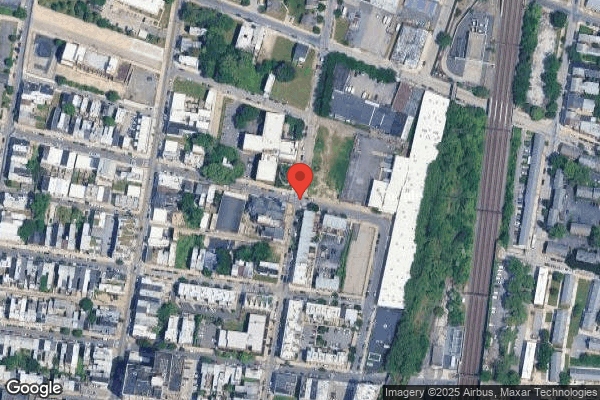
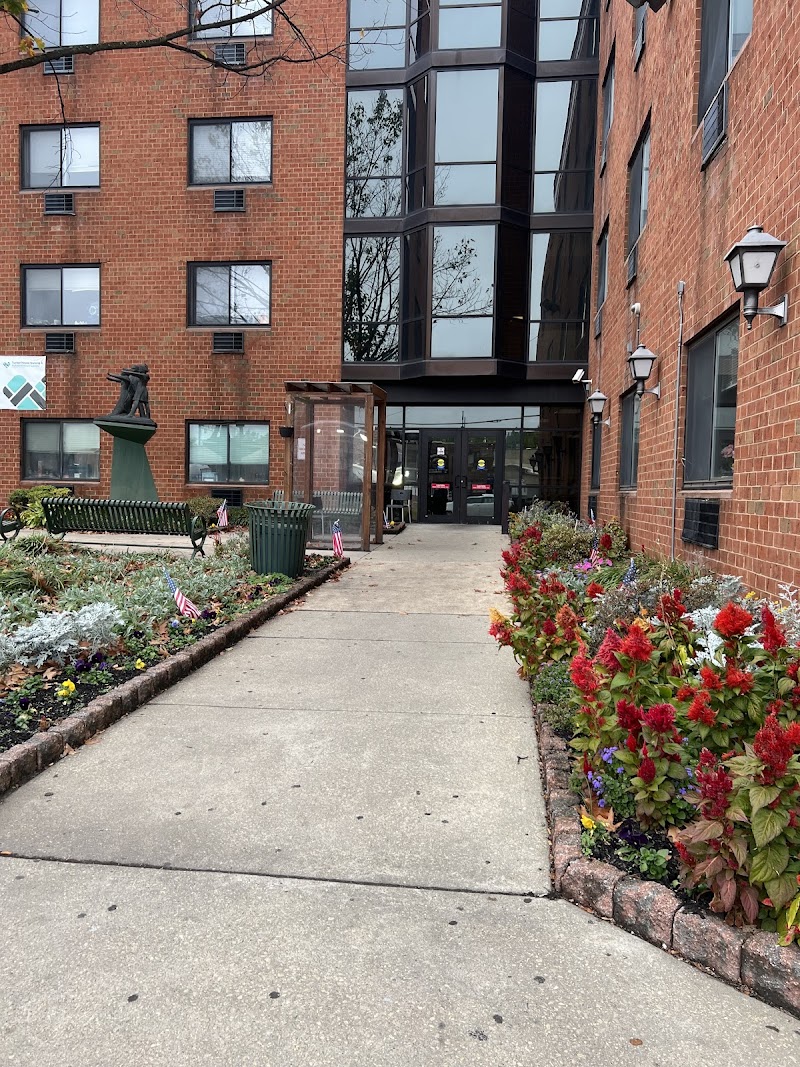
1001 WALLACE STREET, PHILADELPHIA, PA 19123 (215) 235-1600
For profit - Corporation 180 Beds BEDROCK CARE Data: November 2025
Trust Grade
48/100
#504 of 653 in PA
Last Inspection: November 2024

Within standard 12-15 month inspection cycle. Federal law requires annual inspections.

Overview

Tucker House Nursing and Rehabilitation Center has received a Trust Grade of D, indicating below-average performance with some significant concerns. It ranks #504 out of 653 facilities in Pennsylvania, placing it in the bottom half, and #35 out of 46 in Philadelphia County, meaning there are only a few local options that are better. The facility is showing improvement, reducing its issues from 24 in 2024 to just 2 in 2025. Staffing is a strength with a rating of 4 out of 5 stars, although the turnover rate is average at 51%. However, the nursing home has some troubling findings, including a failure to maintain effective pest control, with residents reporting live roaches and mice in the facility, as well as inadequate care plans for some residents. Overall, while there are strengths in staffing, the facility has serious cleanliness and care planning issues that families should consider.

Trust Score
D
48/100
In Pennsylvania
#504/653
Bottom 23%
Safety Record
Low Risk
No red flags
Inspections
Getting Better
24 → 2 violations
Staff Stability
⚠ Watch
51% turnover. Above average. Higher turnover means staff may not know residents' routines.
Penalties
✓ Good
$3,250 in fines. Lower than most Pennsylvania facilities. Relatively clean record.
Skilled Nurses
○ Average
Each resident gets 30 minutes of Registered Nurse (RN) attention daily — about average for Pennsylvania. RNs are the most trained staff who monitor for health changes.
Violations
⚠ Watch
68 deficiencies on record. Higher than average. Multiple issues found across inspections.
★★☆☆☆
2.0
Overall Rating
★★★★☆
4.0
Staff Levels
★★★★☆
4.0
Care Quality
★★☆☆☆
2.0
Inspection Score
Stable
2024: 24 issues
2025: 2 issues

The Good

  • 4-Star Staffing Rating · Above-average nurse staffing levels
  • 4-Star Quality Measures · Strong clinical quality outcomes
  • Full Sprinkler Coverage · Fire safety systems throughout facility
  • No fines on record

Facility shows strength in staffing levels, quality measures, fire safety.

The Bad

2-Star Overall Rating

Below Pennsylvania average (3.0)

Below average - review inspection findings carefully

Staff Turnover: 51%

Near Pennsylvania avg (46%)

Higher turnover may affect care consistency

Federal Fines: $3,250

Below median ($33,413)

Minor penalties assessed

Chain: BEDROCK CARE

Part of a multi-facility chain

Ask about local staffing decisions and management

The Ugly 68 deficiencies on record

Jul 2025 1 deficiency
CONCERN (D) 📢 Someone Reported This

A family member, employee, or ombudsman was alarmed enough to file a formal complaint

Potential for Harm - no one hurt, but risky conditions existed

Deficiency F0773 (Tag F0773)

Could have caused harm · This affected 1 resident

Based on a review of resident clinical record, interview with staff and review of facility policy, it was determined that the facility failed to notify the ordering physician of a critical laboratory ...

Read full inspector narrative →
Based on a review of resident clinical record, interview with staff and review of facility policy, it was determined that the facility failed to notify the ordering physician of a critical laboratory results for one of eight resident records reviewed (Resident R2).Findings include: Review of the facility policy titled, ‘Clinical Guideline; Labs and Diagnostics', dated 2021, without date and Month, indicated; ‘Facility staff will notify the ordering prescriber of results that are outside of clinical reference ranges or per prescribers' order. The prescriber or designee prescriber will sign and date that notification has occurred, and this can be done manually or by e-signature, if available'.Review of Resident R2's clinical record revealed that Resident R2 was admitted in the facility on August 30, 2025. Resident R2's diagnoses included Malignant Neoplasm of Unspecified site of Right Female Breast (commonly known as breast cancer, is a cancerous tumor that develops in breast tissue. These tumors are characterized by their ability to grow rapidly, invade surrounding tissues, and potentially spread to other parts of the body), and cellulitis of left lower limb (an infection of the deeper layers of the skin and subcutaneous tissues. It is usually caused by bacteria entering the skin through a break or cut, such as a wound, surgical incision, or even insect bites).Review of Resident R2's clinical record revealed a laboratory result of a BNP (is a peptide (a short chain of amino acids) that the heart and blood vessels make. It works as a hormone) which indicated critical values on June 6, 2025.Review of nursing note by a Registered Nurse, Employee E4, dated June 7, 2025, revealed; Critical lab value received at 1:24 a.m Efforts to reach MD for review proved futile. Nursing will continue to reach out to MD for review and new orders.On July 24, 2025, at 12:43 p.m., interview with the Nursing Home Administrator, reveled that the Registered Nurse, Employee E4, was not available for interview.On July 24, 2025, at 1:57 p.m., interviewed the Medical Director, E3. revealed I am unclear why the nurse was unable to call the lab result of [Resident R2] into the physician on call.On July 24, 2025, further review of the clinical records indicated no documented evidence the physician was informed of the results. 28 Pa Code 211.12(d)(1) Nursing services28 Pa Code 211.12(d)(3) Nursing services
Jul 2025 1 deficiency
CONCERN (D) 📢 Someone Reported This

A family member, employee, or ombudsman was alarmed enough to file a formal complaint

Potential for Harm - no one hurt, but risky conditions existed

Deficiency F0675 (Tag F0675)

Could have caused harm · This affected 1 resident

**NOTE- TERMS IN BRACKETS HAVE BEEN EDITED TO PROTECT CONFIDENTIALITY** Based on interview with residents and staff and review of facility documentation, it was determined that facility failed to ensr...

Read full inspector narrative →
**NOTE- TERMS IN BRACKETS HAVE BEEN EDITED TO PROTECT CONFIDENTIALITY** Based on interview with residents and staff and review of facility documentation, it was determined that facility failed to ensrue that residents' clothing was properly identified for two of eight residents reviewed. (Resident R1, and Resident R2) Findings include: Review of facility policy 'Laundry Services - Personal Clothing, Handling,' unknown date, indicates that all resident clothing must be labeled clearly with the resident's name upon admission or upon new clothing being brought in, and personal clothing is separated from facility linens. Interview with Resident R1and Resident R1's relative, on fourth floor unit, at 11:45 am, revealed that he has been waiting to receive his personal laundry for about two weeks. Interview with facility's laundry aides, Employee E3 and E4, on [DATE] at 12:10 p.m., revealed that delayed personal laundry services has been an ongoing issue, stating that nurse aides need to label residents' clothing otherwise we will wait until someone complains and asks for their belongings .then nurse aides have to come down here and figure out who it belongs to . During interview with Laundry aide, Employee E3, on [DATE] at 12:10 pm, Employee E3 uncovered a dirty bin filled with bed linens and residents personal belongings mixed. Further observations during laundry room tour revealed a pile of residents' clothing, unidentified. Review of facility provided grievances for months of [DATE] and [DATE], revealed ten submitted grievances related to laundry delay and missing items. Review of grievance report, completed on [DATE], indicated that facility returned deceased Residents R2 belongings to family member in a wet condition. 28 Pa Code 201.29(a) Resident rights
Dec 2024 1 deficiency
CONCERN (E) 📢 Someone Reported This

A family member, employee, or ombudsman was alarmed enough to file a formal complaint

Potential for Harm - no one hurt, but risky conditions existed

Deficiency F0925 (Tag F0925)

Could have caused harm · This affected multiple residents

**NOTE- TERMS IN BRACKETS HAVE BEEN EDITED TO PROTECT CONFIDENTIALITY** Based on observations, review of the consulting pest control reports, , and interviews with staff and residents, it was determin...

Read full inspector narrative →
**NOTE- TERMS IN BRACKETS HAVE BEEN EDITED TO PROTECT CONFIDENTIALITY** Based on observations, review of the consulting pest control reports, , and interviews with staff and residents, it was determined that the facility failed to maintain an effective pest control program in the resident care areas for three of three nursing floors. (2nd floor, 3rd Floor and 4th floor) Findings include: An observation of Resident room [ROOM NUMBER] on December 27, 2024, at 10:56 a.m. with Employee E4, Nurse Aide, revealed that there were live roaches inside the drawer of nightstand. There was also dead roaches inside and around the night stand. Dark colored numerous tiny spots were observed inside the drawer which appeared like roach/pest droppings. Resident room was observed with trash, food particles on the floor. Interview with Resident R1 on December 27, 2024, at 11:00 a.m. stated he saw a mice came out of the wall that morning. Resident pointed to a whole in baseboard to indicate the location where the mice came out. Interview with Resident R1 on December 27, 2024, at 11:05 a.m. stated he often saw roaches in his room. An observation of Resident room [ROOM NUMBER] on December 27, 2024, at 11:10 a.m. revealed that there were roaches inside the dresser. Resident R3 opened the drawer and showed the roaches, he stated he had roach infestation problem in his room. An observation of Resident room [ROOM NUMBER] on December 27, 2024, at 11:30 a.m. revealed that there were roaches inside the dresser with dark sports appeared like droppings. Resident R5 who was a resident of the room stated she purchased traps a month ago and placed under the dresser. Resident removed the trap and it was observed that there was numerous dead and live roaches on the trap. The room also appeared to have clutter and food waste on the floor. Observation of the facility elevator revealed that there were food particles on the floor of the elevator to wards the corner and the elevator door track. Review of pest control operators report dated December 23, 2024, revealed that observed positive roach acceptance on monitor placed under dishwasher area. Recommended better sanitation throughout the kitchen. Review of pest control operators report dated December 16, 2024, revealed that Inspected and treated room [ROOM NUMBER] and 232 for roach activity. Recommend better sanitation in both rooms and for rooms to be cleaned thoroughly. Recommended decluttering room [ROOM NUMBER]. Recommended better sanitation throughout the kitchen. Review of pest control operators report dated December 2, 2024, revealed that Inspected and treated room [ROOM NUMBER] for roach activity. Recommended decluttering in room for proper treatment. Observed minor live activity around the sink in resident room. Recommend leaks in dishwasher area to be fixed and recommend better sanitation practice in kitchen and dishwasher area. Review of pest control operators report dated November 29, 2024, revealed that Inspected and treated room [ROOM NUMBER] for roach activity. Recommended decluttering in room for proper treatment. Recommend leaks in dishwasher area to be fixed and recommend better sanitation practice in kitchen and dishwasher area. 28 Pa. Code 201.18(a)(b)(1) Management 28 Pa. Code 201.14(a) Responsibility of licensee
Nov 2024 8 deficiencies
CONCERN (D)

Potential for Harm - no one hurt, but risky conditions existed

Deficiency F0657 (Tag F0657)

Could have caused harm · This affected 1 resident

Based on review of facility policy, clinical records, and staff interviews, it was determined that the facility failed to ensure that a resident's care plan was updated/revised to reflect the resident...

Read full inspector narrative →
Based on review of facility policy, clinical records, and staff interviews, it was determined that the facility failed to ensure that a resident's care plan was updated/revised to reflect the resident's specific care needs for two of five residents reviewed (Residents R85, R89). Findings include: Review of facility policy titled Care Plans (dated April 2022) indicated that the interdisciplinary team must review and update the care plan when there has been a change in the resident's condition. Clinical record review revealed Resident R85 was admitted to the facility August 3, 2023 with a diagnosis that included but not limited to diabetes mellitus (chronic disease that causes high blood sugar levels), anxiety disorder, and dementia. Review of Resident R85's clinical record revealed Resident R85 had a significant weight loss from June 2024 through November 2024. Further review of Resident R85's clinical record revealed an order, dated October 08, 2024, for two house shakes a day for weight loss. Review of Resident R85's care plan revealed interventions that included one house shake to be given daily. Resident R85's care plan did not include the updated order for two house shakes to be given daily. Further review of Resident R85's care plan revealed Residents R85's goal is to maintain weight stability within 3% of current weight, 115.8 lbs, through next review date. Resident R85's current weight is 107.6 lbs, which is greater than the 3% goal of 115.8 lbs. Resident R85's care plan was revised on November 12, 2024, but did not include an updated/revised goal to reflect Resident R85's current weight loss. Interview with Dietician, Employee E7, on November 14 at 12:00 p.m. confirmed Resident R85 is on two house shakes daily and has a current weight of 105.7 lbs. Clinical record review revealed Resident R89 was admitted to the facility December 12, 2023 with a diagnoses of thrombotic pulmonary embolism (when blood clot travels to an artery in the lung, blocking blood flow), muscle wasting and atrophy, and lack of coordination. Review of Resident R89's Minimum Data Set (MDS) assessment (a mandated assessment of a resident's abilities and care needs) dated October 14, 2024 revealed Resident R89's bed mobility and transfer required two or more persons physical assist. Review of Resident R89's care plan revealed one person physical assist for bed mobility and transfer. Interview with Licensed nurse, Employee 8, on November 14 at 9:53 a.m. confirmed Resident R89 requires two persons assist when repositioning in bed and transferring Resident R89. 28 Pa. Code 211.12(d)(5) Nursing Services.
CONCERN (D) 📢 Someone Reported This

A family member, employee, or ombudsman was alarmed enough to file a formal complaint

Potential for Harm - no one hurt, but risky conditions existed

ADL Care (Tag F0677)

Could have caused harm · This affected 1 resident

**NOTE- TERMS IN BRACKETS HAVE BEEN EDITED TO PROTECT CONFIDENTIALITY** Based on review of clinical record, observations, and staff interview, it was determined that the facility failed to provide nai...

Read full inspector narrative →
**NOTE- TERMS IN BRACKETS HAVE BEEN EDITED TO PROTECT CONFIDENTIALITY** Based on review of clinical record, observations, and staff interview, it was determined that the facility failed to provide nail care for a dependent resident for one of 30 residents reviewed (Resident R65). Findings Include: Review of Resident R65's quarterly Minimum Data Set (MDS - federally mandated resident assessment and care screening) dated August 21, 2024, revealed the resident was cognitively impaired and had diagnoses of hemiplegia (paralysis on one side of the body) affecting the left side and muscle weakness. Further review of the MDS revealed Resident R65 was dependent on staff for personal hygiene. Review of Resident R65's comprehensive care plan revised August 25, 2021, revealed the resident had an activities of daily living self-care performance deficit related to decreased mobility. Intervention revised on September 30, 2019, included to check nail length and trim and clean on bath day and as necessary. Review of Resident R65's nursing [NAME] (a documentation system that enables nurses to write, organize, and easily reference key patient information that shapes their nursing care plan) revealed the resident received a bed bath on November 14, 2024. Observations on November 12, 2024, at 10:30 a.m. revealed Resident R65's left hand was contracted. Resident R65 made a fist with the left hand due to contracture. Observations on November 15, 2024, at 9:15 a.m. with Licensed Nurse, Employee E10, revealed Resident R65's fingernails on bilateral hands were significantly long and required trimming. 28 Pa. Code 211.12 (d)(5) Nursing services
CONCERN (D) 📢 Someone Reported This

A family member, employee, or ombudsman was alarmed enough to file a formal complaint

Potential for Harm - no one hurt, but risky conditions existed

Incontinence Care (Tag F0690)

Could have caused harm · This affected 1 resident

**NOTE- TERMS IN BRACKETS HAVE BEEN EDITED TO PROTECT CONFIDENTIALITY** Based on review of select facility policies and procedures, clinical record review, and staff interview, it was determined that ...

Read full inspector narrative →
**NOTE- TERMS IN BRACKETS HAVE BEEN EDITED TO PROTECT CONFIDENTIALITY** Based on review of select facility policies and procedures, clinical record review, and staff interview, it was determined that the facility failed to implement treatment and services for incontinence management for one of five residents reviewed with incontinence concerns (Resident R137). Findings include: Review of Resident R137's clinical record revealed that the resident was admitted to the facility on [DATE] with the diagnoses of Neuromuscular Dysfunction of Bladder (a condition that occurs when the nerves and muscles that control the bladder don't work properly. This can be caused by damage to the brain, spinal cord, or nerves, and can lead to a loss of bladder control). Review of physician order for Resient R137, dated October 24, 2024, indicated an order for urinary Foley catheter size 16FR (french)/10ML. On November 12, 2024, at 11:07 a.m., it was observed that Resident R137 had a Foley Catheter of 18FR/10ML. At the time of the finding, confirmed the same Employee E4, a Registered Nurse. 28 Pa Code 211.12(d)(1) Nursing services 28 Pa Code 211.12(d)(5) Nursing services
CONCERN (D)

Potential for Harm - no one hurt, but risky conditions existed

Deficiency F0692 (Tag F0692)

Could have caused harm · This affected 1 resident

**NOTE- TERMS IN BRACKETS HAVE BEEN EDITED TO PROTECT CONFIDENTIALITY** Based on review of facility policy, review of clinical record, and staff interview, it was determined that the facility failed t...

Read full inspector narrative →
**NOTE- TERMS IN BRACKETS HAVE BEEN EDITED TO PROTECT CONFIDENTIALITY** Based on review of facility policy, review of clinical record, and staff interview, it was determined that the facility failed to evaluate and address the nutrition needs of each resident in a timely manner for two of four residents reviewed for nutrition (Resident R84 and R107). Findings Include: Review of facility policy Weight Assessment and Intervention dated February 15, 2022, revealed the nursing staff and the Registered Dietitian will cooperate to prevent, monitor, and intervene for undesirable weight loss for the residents. Further review of facility policy revealed if a weight loss is significant, the Registered Dietitian should discuss with the interdisciplinary team and make recommendations. Per the facility policy, significant weight change is defined as more or less than 5% within 30 days, and more or less than 10% within 6 months. Review of Resident R84's comprehensive Minimum Data Set (MDS - federally mandated resident assessment and care screening) dated February 5, 2024, revealed the resident had moderate cognitive impairment and had diagnoses of adult failure to thrive (refers to a decline, often accompanied by weight loss, muscle wasting, fatigue, and decreased overall quality of life), muscle wasting, and dementia (a group of symptoms that affects memory, thinking and interfers with daily life). Interview on November 12, 2024, at 10:45 a.m. with Resident R84 revealed the resident complained of being hungry and a reported history of weight loss. Review of Resident R84's clinical record revealed a comprehensive nutrition assessment dated [DATE], which indicated that the resident was at nutrition risk. Resident R84 was assessed based on a weight of 125.4 pounds and was deemed underweight per standards of professional practice. The nutrition assessment indicated that a gradual weight gain was desired and that the Registered Dietitian would reassess as needed. Review of Resident 84's weight history revealed a documented weight on February 12, 2024, of 128 pounds and a documented weight on February 17, 2024, of 117.8 pounds, which reflected a 7.9% significant weight loss in one week. Continued review of Resident R84's weight history revealed a re-weigh was obtained on February 20, 2024, confirming the weight loss with a documented weight of 118.3 pounds. Review of Resident R84's entire clinical record revealed no documented evidence the Registered Dietitian was made aware of the weight loss. Further review of Resident R84's clinical record revealed no documented evidence the Registered Dietitian promptly addressed Resident R84's significant weight loss and reviewed, and modified interventions consistent with the resident needs. Continued review of Resident R84's clinical record revealed the Registered Dietitian did not address Resident R84's significant weight loss from February 17, 2024, until a nutrition assessment on May 6, 2024. Review of Resident R107's comprehensive MDS dated [DATE], revealed the resident was cognitively impaired and had diagnoses of alcohol dependence, cognitive communication deficit, and lack of coordination. Observations on November 12, 2024, at 10:18 a.m. revealed Resident R107 was wandering up and down the hallway. Resident R107 was observed to have a physically thin appearance. Interview on November 12, 2024, at 10:20 a.m. with Registered Nurse, Employee E11, confirmed Resident R107 is physically active most of the day wandering up and down the hallway. Review of Resident R107's nutrition assessment dated [DATE], identified Resident R107 to be at nutrition risk. Per the nutrition assessment, it can be difficult to have Resident R107 sit down for a full meal. Resident R107 frequently wanders near the nurse's station and would benefit from having finger foods/sandwiches to eat while walking around. Continued review of Resident R107's nutrition assessment dated [DATE], revealed the resident was assessed at a weight of 152.3 pounds and was noted with a gradual weight loss over time. The Registered Dietitian added snacks between meals as an intervention with the goal for weight maintenance. Review of Resident R107's weight history revealed a documented weight on February 1, 2024, at 152.3 pounds and a documented weight on March 14, 2024, at 144.4 pounds, which reflected a 5.19% significant weight loss in one month. Continued review of Resident R107's weight history revealed the resident's weight continued to trend down per a documented weight of 141.8 pounds on May 1, 2024. Review of Resident R107's entire clinical record revealed no documented evidence the Registered Dietitian was made aware of the weight loss. Further review of Resident R107's clinical record revealed no documented evidence the Registered Dietitian promptly addressed Resident R84's significant weight loss and reviewed, and modified interventions consistent with the resident needs. Continued review of Resident R107's clinical record revealed the Registered Dietitian did not address Resident R107's significant weight loss from March 14, 2024, until a nutrition assessment on May 15, 2024. 28 Pa. Code 211.10 (c) Resident care policies 28 Pa. Code 211.12 (d)(3) Nursing services
CONCERN (D)

Potential for Harm - no one hurt, but risky conditions existed

Deficiency F0697 (Tag F0697)

Could have caused harm · This affected 1 resident

Based on review of facility policy, review of clinical record, and staff interview, it was determined that the facility failed to ensure that pain management was provided to residents consistent with ...

Read full inspector narrative →
Based on review of facility policy, review of clinical record, and staff interview, it was determined that the facility failed to ensure that pain management was provided to residents consistent with standards of professional practice for one of one resident reviewed for pain (Resident R70). Findings Include: Review of facility policy Administering Pain Medication dated April 1, 2022, revealed the purpose of the policy was to provide guidelines for assessing the resident's level of pain prior to administering pain medications. Review of facility policy revealed staff should obtain the location and intensity of the pain. Staff should evaluate the effectiveness of non-pharmacological interventions and administer pain medications as ordered. Further review of facility policy revealed staff should document per facility protocol in the resident's electronic health record. Review of Resident R70's quarterly Minimum Data Set (MDS - federally mandated resident assessment and care screening) dated September 7, 2024, revealed the resident was cognitively impaired and had a diagnosis of myalgia (muscle pain) of head and neck. Review of Resident R70's physician order summary revealed an order dated March 24, 2022, to give two 325 milligram Tylenol tablets every six hours as needed for mild pain. Observations on November 12, 2024, at 10:24 a.m. revealed Resident R70 was tearful in the hallway requesting pain medication from Registered Nurse, Employee E11. Registered Nurse, Employee E11, reminded Resident R70 that Tylenol was already given and should begin to alleviate pain soon. Review of Resident R70's medication administration record revealed Registered Nurse, Employee E11, did not document the administration of the as needed pain medication on November 12, 2024. Review of Resident R70's clinical record revealed no documented evidence non-pharmacological interventions were implemented prior to administration of pain medications. Continued review of Resident R70's clinical record revealed no documented evidence that staff completed a pain assessment and obtained the location and intensity of the pain prior to medication administration. Further review of Resident R70's clinical record revealed no documented follow-up to evaluate the effectiveness of the pain medication administered. Interview on November 12, 2024, at 1:10 p.m. with Registered Nurse, Employee E11, confirmed Resident R70 was given pain medication in the morning of November 12, 2024, due to generalized pain. Interview on November 15, 2024, at 10:41 a.m. with Regional Regsitered Nurse, Employee E3, confirmed the nurse did not document the administration of the as needed Tylenol for Resident R70 on Novembr 12, 2024. Further interview confirmed the nurse did not accurately document a pain assessment for Resident R70 as required. 28 Pa. Code 211.9 (a)(1) Pharmacy services. 28 Pa. Code 211.12 (d)(5) Nursing services.
CONCERN (D)

Potential for Harm - no one hurt, but risky conditions existed

Deficiency F0699 (Tag F0699)

Could have caused harm · This affected 1 resident

**NOTE- TERMS IN BRACKETS HAVE BEEN EDITED TO PROTECT CONFIDENTIALITY** Based on review of clinical records, staff and resident interviews, it was determined that the facility failed to identify the ...

Read full inspector narrative →
**NOTE- TERMS IN BRACKETS HAVE BEEN EDITED TO PROTECT CONFIDENTIALITY** Based on review of clinical records, staff and resident interviews, it was determined that the facility failed to identify the resident's possible triggers that may cause re-traumatization related to post-traumatic stress disorder (PTSD) for one of one resident sampled with a diagnosis of PTSD. (Resident R 81) Findings include: A review of the clinical record revealed that Resident R81 was admitted to the facility on [DATE], with diagnoses to include suicidal ideations, major depressive disorder, and (PTSD) Further review of the clinical record for Resident R81 revealed that the resident was sexually and physically abused by his father as a child. Resident R81's current care plan on August 29, 2024, revealed a care plan for PTSD. Further review of the care plan failed to identify possible triggers that may cause re-traumatization. Interview with the Director of Nursing, Employee E1, on October 18, 2024, at 11:00 a.m. confirmed that Resident R81's plan of care for PTSD did not identify the resident's possible triggers that may cause re-traumatization. Interviewed Regional nurse, Employee E3 on November 14, 2024, at 2:30 p.m. revealed that care plan did not identify possible triggers that may cause re traumatization. 28 Pa. Code 211.12(c)(d)(3)(5) Nursing services
CONCERN (D)

Potential for Harm - no one hurt, but risky conditions existed

Infection Control (Tag F0880)

Could have caused harm · This affected 1 resident

Based on observation, review of facility policy and procedure and interviews with staff, it was determined that the facility failed to maintain an effective infection control program related to hand h...

Read full inspector narrative →
Based on observation, review of facility policy and procedure and interviews with staff, it was determined that the facility failed to maintain an effective infection control program related to hand hygiene during one of the six Medication Administration Reviews, and during peg tube dressing change for one of one resident review with a feeding tube Findings include: Review of facility policy title Hand Hygiene, and Enhanced Barrier Precautions (EBP), indicated that the staff will follow established infection control procedures such as hand washing, antiseptic technique, gloves, and isolation precautions for administration of medications, care, and treatments, as applicable. Observation conducted during medication administration to Resident R 85 on November 13, 2024, 9:11 a.m., with Licensed nurse, Employee E5, revealed that with bare hands Employee E5, touched the drawer of the medication cart, computer mouse, and medication-blister-pack; and without disinfecting her hands; the employee picked up medication tablet, Olanzapine Oral Tablet 10 milligram, and Klonopin Oral Tablet 0.5 MG, from the medication-blister-pack; and placed in the medicine- dispensing-cup. At the time of the finding, Employee E5 confirmed the same. Review of care plan for Resident R98, initiated on October 22, 2024, indicated that the resident was on Enhanced Barrier Precautions (EBP) related to Tube Feeding (EBP are a set of targeted gowns- and- glove-use- practices, designed to reduce the spread of Staphylococcus Aureus, a type of bacteria, and Multidrug-Resistant Organisms. EBP are used during high-contact-resident-care activities, and are indicated for residents with indwelling medical devices, such as: central lines, urinary catheters, feeding tubes, and tracheostomies). On November 13, 2024, 12:24 p.m., observed the peg-site-dressing-change administered to Resident R98, by a Licensed Nurse, Employee E6 revealed that Employee E6, did not wear the Personal Protective Equipment (PPE), which was essential to act in accordance with the Enhanced Barrier Precautions. Employee E6, also did not remove the soiled gloves, and did not put-on clean gloves, before placing the new dressing around the peg site. At the time of the finding, employee E6 confirmed the same. 28 Pa Code 211.10(c) Resident care policies 28 Pa Code 211.12 (d)(1)(5) Nursing services
CONCERN (E)

Potential for Harm - no one hurt, but risky conditions existed

Comprehensive Care Plan (Tag F0656)

Could have caused harm · This affected multiple residents

**NOTE- TERMS IN BRACKETS HAVE BEEN EDITED TO PROTECT CONFIDENTIALITY** Based on review of facility policy, review of clinical records, observation, and staff interview it was determined that the faci...

Read full inspector narrative →
**NOTE- TERMS IN BRACKETS HAVE BEEN EDITED TO PROTECT CONFIDENTIALITY** Based on review of facility policy, review of clinical records, observation, and staff interview it was determined that the facility failed to develop and implement a comprehensive care plan related to mobility, vision, and pressure ulcers for four of 35 residents reviewed (Residents R65, R1, and R102). Findings Include: Review of facility policy Baseline Care Plan, Comprehensive Care Plan and Ongoing Care Plan Updates dated April 1, 2022, revealed the facility will develop and implement a comprehensive person-centered care plan for each resident. The comprehensive care plan will describe the services that are to be furnished to attain or maintain the resident's highest practicable physical, mental, and psychosocial well-being. Review of Resident R65's quarterly Minimum Data Set (MDS - federally mandated resident assessment and care screening) dated August 21, 2024, revealed the resident was cognitively impaired and had diagnoses of hemiplegia (paralysis on one side of the body) affecting the left side and muscle weakness. Observations on November 12, 2024, at 10:30 a.m. revealed Resident R65's left hand was contracted. Resident R65 made a closed fist with the left hand due to contracture (permanent tightening of the muscles, tendons, skin, and surrounding tissues that causes the joints to shorten and stiffen). Interview on November 12, 2024, at 10:32 a.m. with Registered Nurse, Employee E11, confirmed Resident R65's left hand was contracted, causing Resident R65 to make a closed fist with his hand. Further interview on November 12, 2024, at 10:32 a.m. with Registered Nurse, Employee E11, revealed Resident R65 was dependent on staff for feeding assistance due to limited mobility. Review of Resident R65's clinical record revealed no documented evidence a comprehensive care plan was developed and implemented to address Resident R65's left hand contracture. Review of Resident R65's comprehensive care plan revealed it did not include specific interventions to maintain or improve, or to prevent further decline, in the resident's range of motion and mobility. Review of Resident R1's clinical record revealed the resident had an eye exam on September 6, 2024, and was diagnosed with glaucoma (damage to the optic nerve (the connection between your eyes and your brain that lets you see)), and cataract (couldy area in the lens of your eye that can make your vision blurry, hazy, or less colorful). Review of Resident R1's care plan dated May 12, 2024, revealed that the care plan only addressed vison problems in the risk of fall. Interview on November 15, 2024, at 9:41 am with Regional Registered Nurse, Employee E3, revealed that vision impairment is only noted in the fall care plan and the care plan would be updated to address the new diagnosis of glaucoma. Review of Resident R102's clinical record revealed the resident was admitted [DATE] with a diagnoses that included chronic respiratory failure, muscle wasting and atrophy, and dysphagia (difficulty swallowing). Further review of Resident R102's clinical record revealed an order dated August 19, 2024 to apply heel protectors to bilateral heels daily and to remove to assess feet and care. Interview with Resident R102 on November 14, 2024 at 9:45 a.m. revealed Resident R102 only wears one heel protector at times due to preference or refuses both heel protectors. Review of Resident R102's care plan revealed the new intervention to apply heel protectors to Resident R102 daily or Resident R102's refusal to wear heel protectors at times was not included in Resident R102's care plan. Interview on November 14, 2024 at 10:00 a.m. with Licensed Nurse, Employee E8, confirmed Resident R102's care plan did not include the intervention to apply heel protectors daily or Resident R102's refusal to wear heel protectors at times. 28 Pa. Code 211.10 (c) Resident care policies. 28 Pa. Code 211.10 (d) Resident care policies.
May 2024 1 deficiency
MINOR (B) 📢 Someone Reported This

A family member, employee, or ombudsman was alarmed enough to file a formal complaint

Minor Issue - procedural, no safety impact

Deficiency F0567 (Tag F0567)

Minor procedural issue · This affected multiple residents

Based on clinical record review, interviews with staff and review of facility policy, it was determined that the facility did not ensure that a resident had reasonable access to their personal funds f...

Read full inspector narrative →
Based on clinical record review, interviews with staff and review of facility policy, it was determined that the facility did not ensure that a resident had reasonable access to their personal funds for one of one clinical record reviewed (Resident CL1). Findings include: Review of the facility policy titled Resident Trust Policy, dated April 1, 2022 revealed upon the discharge, eviction, or death of resident with a personal fund deposited with the facility, the facility shall convey within 90 days the resident's funds, and a final accounting of those funds, to the resident, or in the case of death, the individual or probate jurisdiction administering the resident's estate, in accordance with State law. Reviewing Resident CL1's clinical record revealed that Resident CL1 was discharge from the facility and transferred to a different facility on November 30, 2023. Interview with the business office, Employee E3 on May 16, 2024, at 12:13 p.m., provided resident account documentation and confirmed that the Resident CL1's account was closed on February 1, 2024, it was late and the request for refund was send to corporate on February 20, 2024. Review Resident CL1's fund account revealed that they account was closed on February 1, 2024, and facility still needed to refund the resident $3,418.20. An interview with the Nursing Home Administrator, Employee E1, on May 16, 2024, at approximately 2:43 p.m. revealed that refund request was never received by the corporate office and the refund check was never send out to the resident. 28 Pa. Code 201.29(a)(c)(d)(e) Resident rights 28 Pa. Code 201.18(a)(b)(3) Management
Mar 2024 1 deficiency
CONCERN (D) 📢 Someone Reported This

A family member, employee, or ombudsman was alarmed enough to file a formal complaint

Potential for Harm - no one hurt, but risky conditions existed

Deficiency F0698 (Tag F0698)

Could have caused harm · This affected 1 resident

Based on clinical record review, policy and procedure review and interviews with staff, it was determined that the facility failed to assure an ongoing collaboration with the dialysis facility for the...

Read full inspector narrative →
Based on clinical record review, policy and procedure review and interviews with staff, it was determined that the facility failed to assure an ongoing collaboration with the dialysis facility for the provision medications as ordered by the physician before and after hemodialysis treatment for one of one residents on renal dialysis. (Resident R1) Findings include: A review of the facility policy titled Administering Medications dated April 1, 2022 revealed that the licensed nurse was responsible for administering and documenting in the clinical record the administration of medications and treatments according to the orders, in required time frames, as set forth by the physician. A review of the policy titled Dialysis dated April 1, 2022 revealed that it was the facility's responsibility to ensure that the dialysis services were managed so that each resident attain or maintain their highest practicable physical, mental and psychosocial well-being. The policy indicated that it was the responsibility of the facility to ensure that the resident's needs related to dialysis treatment was met. The policy also indicated that it was the facility's responsibility to ensure effective communication and collaboration of the resident's care plan inorder to implemented the dialysis care among the nursing home and dialysis staff. Review of the facility's dialysis contract revealed that the facility contracted with an outside dialysis center to provide hemodialysis care and services, within professional standards of practice for the residents. According to the contract, the center and the facility were to provide ongoing communication and collaboration with the dialysis facility regarding the residents' care and services. Review of Resident R1's March 2023 physican's orders revealed an order for hemodialysis (a machine that filters wastes, salts and fluids from the blood when a persons' kidneys are not working normally) care weekly on Monday, Wednesday and Friday, by the physician. Clinical record review revealed that Resident R1 was scheduled to leave the facility weekly at 5:00 a.m., on Monday, Wednesday and Friday and return to the facility at 12:00 noon each Monday, Wednesday and Friday after completing hemodialysis care. Clinical record review revealed that the physician had ordered medications to be administered to Resident R1 before his departure for the dialysis center. The nursing staff were responsible for giving Resident R1the medication Lispro (insulin) 10 units subcutaneously before meals for diabetes mellitus. The resident was scheduled morning doses on March 1, 2024, March 4, 2024, March 6, 2024, March 11, 2024. Review of the medication administration record revealed no evidence that the medication was administered according to the physican's orders. Clinical record review revealed that the physician had ordered medications to be administered to Resident R1 upon return from the dialysis center. The physician had ordered that Lispro (insulin) 10 units be administered subcutaneously at noon, upon return from the dialysis center. On March 1, 2024, March 6, 2024, March 8, 2024 and March 11, 2024 upon return from dialysis at noon the insulin, Lispro as ordered by the physician was not given to Resident R1. Clinical record review revealed that physician had ordered that Phos lo (calcium acetate phosphate binder) oral capsule 667 mg be administered three times a day at 8:00 a.m., 12:00 p.m., and 5:00 p.m., daily to Resident R1 for hyperkalemia. On March 1, 2024, March 4, 2024, March 6, 2024 March 8, 2024 and March 11, 2024 Resident R1 did not receive the medication Phos lo as ordered by the physician for administration at 8:00 a.m. Clinical record review revealed that Resident R1 was not administered the medication phos lo, as ordered by the physician at 12:00 p.m., on March 1, March 8, 2024 and March 11, 2024. Clinical record review revealed that Resident R1 was ordered apixaban a 5mg tablet one tablet every 12 hours for atrial fibrillation to be administered at 9: 00 a.m., and 9:00 p.m., daily. On March 1, 2024, March 4, 2024 March 8, 2024 and March 11, 2024 this resident did not receive the 9:00 a.m., doses as ordered by the physician. Clinical record review revealed that Resident R1 was ordered medication isosorbide mononitrate ER 60 mg one tablet one time a day for hypertension. On March 1, 2024, March 4, 2024, March 6, 2024 and March 11, 2024 Resident R1 did not receive the medication, isosorbide mononitrate ER as ordered by the physician. Interview with the director of nursing, Employee E2, at 2:00 p.m., on March 15, 2024 confirmed that Resident R1 who had a diagnosis of end stage kidney disease and was ordered hemodialysis treatments outside of the facility three days during the week was not receiving medications as ordered by the physician for the month of March, 2024. 28 PA. Code 201.18(b)(1)(3) Management 28 PA. Code 211.10(a)(b)(d) Resident care policies 28 PA. Code 211.12(d)(1)(2)(3)(5) Nursing services 28 PA. Code 211.5(f)(x)(ix)(viii)(vii) Medical records 28 PA. Code 201.21(c) Use of outside resources
Jan 2024 13 deficiencies
CONCERN (D)

Potential for Harm - no one hurt, but risky conditions existed

Report Alleged Abuse (Tag F0609)

Could have caused harm · This affected 1 resident

Based on review of facility policy, review of facility documentation, review of clinical records, and staff interviews it was determined that the facility failed to report allegations of resident abus...

Read full inspector narrative →
Based on review of facility policy, review of facility documentation, review of clinical records, and staff interviews it was determined that the facility failed to report allegations of resident abuse to the state agency as required for two of four abuse allegations reviewed (Resident R22 and R32). Findings Include: Review of undated facility policy Abuse revealed allegations of abuse are reported per Federal and State Law. Further review of facility policy revealed the facility will ensure that all alleged violations involving abuse are reported to the administrator of the facility and to other officials, including to the State Survey Agency. If an allegation is considered reportable, the designee will make an initial (immediate or within 24 hours) report to the State Agency. A follow up investigation will be submitted to the State Agency within five working days. Review of facility documentation revealed an incident report with a witness statement by Registered Nurse, Employee E14, dated May 24, 2023, that the 4th floor unit manager reported that Resident R22 alleged that a nurse hit him in the head. Further review of the incident report revealed that the perpetrator was identified as Registered Nurse, Employee E15, who was suspended pending investigation. Review of the State Survey Agency event reporting system revealed allegations of abuse were not reported as required. Interview on January 31, 2024, at 1:56 PM with the Assistant Administrator, Employee E3, confirmed allegations and results of the investigation were not reported to the state agency. Continued review of the policy indicated that during the investigation of injuries of unknown origin or suspicious injuries must immediately investigated to rule out abuse. The policy also indicated that when an incident or suspected incident of abuse is reported, the administrator or designee investigation will include the following: investigating who was involved, obtaining witness statements, resident statements, resident roommate statements, in addition to other investigative areas. Review of Resident R32's January 2024 physician orders included the following diagnosis: cerebral palsy (a group of disorders that affects an individual's movement, muscle tone, balance, and posture); adult failure to thrive, osteoporosis (a condition when an individual's bone strength weakens, making that individual susceptible to fractures), adult failure to thrive (occurs when an older adult has a loss of appetite, eats and drinks less than usual, loses weight, and is less active than normal), and dementia (a group of symptoms affecting memory, thinking and social abilities). Review of the resident's Discharge Minimum Data Set that was completed due to a hospital admission, dated December 6, 2023 indicated that the resident was cognitively impaired. Review of a nursing noted written by licensed nursing staff (Employee E16) dated January December 5, 2023 at 8:15 p.m. indicated that the resident complained to the nurse about her left lower leg, and when the nurse started to assess the resident and touched her left lower leg, Resident R32 began to scream. Continued review of the nursing notes indicated that the physician was notified, an x-ray was obtained, and review of the nursing note dated December 6, 2023 4:11 p.m. indicated that the resident sustained an acute hairline spiral fracture of the distal third of the tibial shaft (left leg fracture). Severe osteoporosis. Review of the Radiology Results Reports dated December 6, 2023, corroborated the above referenced nursing note. Review of the events reported to the State Survey Agency for the months of December 2024, January 2024, and February 2024 did not show evidence that an event related to Resident R32's injury of unknown origin was reported to the State Survey Agency, as required, despite her diagnosis of osteoporosis. During an interview with the Director of Nursing (DON) and the Regional Nurse (Employee E4) on January 31, 2024 at 11:40 a.m. it was confirmed with the Regional Nurse that the facility did not report the resident's injury of unknown origin to the State Survey Agency, as required. 28 Pa. Code 51.3 (f) Notification 28 Pa. Code 51.3 (g)(6) Notification 28 Pa. Code 211.12 (d)(5) Nursing Services
CONCERN (D)

Potential for Harm - no one hurt, but risky conditions existed

Investigate Abuse (Tag F0610)

Could have caused harm · This affected 1 resident

**NOTE- TERMS IN BRACKETS HAVE BEEN EDITED TO PROTECT CONFIDENTIALITY** Based on interviews, review of clinical records and facility documentation, it was determined that the facility failed to ensure...

Read full inspector narrative →
**NOTE- TERMS IN BRACKETS HAVE BEEN EDITED TO PROTECT CONFIDENTIALITY** Based on interviews, review of clinical records and facility documentation, it was determined that the facility failed to ensure a complete and through investigation to rule about abuse and/or neglect for an injury of an unknown origin for 1 out of 33 residents reviewed (Resident R32). Findings include: Review of the facility's undated Abuse policy indicated that during the investigation of injuries of unknown origin or suspicious injuries must be immediately investigated to rule out abuse. The policy also indicated that when an incident or suspected incident of abuse is reported, the administrator or designee investigation will include the following: investigating who was involved, obtaining witness statements, resident statements, resident roommate statements, in addition to other investigative areas. Continued review of the policy indicated that during the investigation of injuries of unknown origin or suspicious injuries must immediately investigated to rule out abuse. The policy also indicated that when an incident or suspected incident of abuse is reported, the administrator or designee investigation will include the following: investigating who was involved, obtaining witness statements, resident statements, resident roommate statements, in addition to other investigative areas. Review of Resident R32's January 2024 physician orders included the following diagnosis: cerebral palsy (a group of disorders that affects an individual's movement, muscle tone, balance, and posture); adult failure to thrive, osteoporosis (a condition when an individual's bone strength weakens, making that individual susceptible to fractures), adult failure to thrive (occurs when an older adult has a loss of appetite, eats and drinks less than usual, loses weight, and is less active than normal), and dementia (a group of symptoms affecting memory, thinking and social abilities). Review of the resident's Discharge Minimum Data Set that was completed due to a hospital admission, dated December 6, 2023 indicated that the resident was cognitively impaired. Review of a nursing note written by licensed nursing staff (Employee E16) dated January December 5, 2023 at 8:15 p.m. indicated that the resident complained to the nurse about her left lower leg, and when the nurse started to assess the resident and touched her left lower leg, Resident R32 began to scream. Continued review of the nursing notes on the above referenced date, indicated that the physician was notified, and an x-ray was obtained on December 6, 2023. Review of the nursing note dated December 6, 2023 4:11 p.m. indicated that the resident sustained an acute hairline spiral fracture of the distal third of the tibial shaft (fracture of the left leg) Severe osteoporosis. Review of the Radiology Results Reports dated December 6, 2023, corroborated the above referenced nursing note. Review of witness statements indicated the assigned nurse aides for December 3, 2024, December 4, 2023 and December 5, 2023 during the 7-3 a.m. shift (Employee E21 and E24) and the 3-11 p.m. (Employee E22 and Employee E23) were interviewed, in addition to the resident's roommate. Employee E21 reported in her undated statement that before care and after care resident was lying on her back both days and reported to Employee E21 that her leg hurt. Employee E21 that she then told the nurse Employee E24 reported in her statement that was obtained on December 11, 2023, 5 days after the results of the x-rays determined that the resident sustained a fracture of her left leg, that the resident complained about pain to her leg, explained how the resident had a sheet folded in between her knees, so she repositioned the resident. Employee E24 explained how the resident let the nurse know about her pain and that a few days prior Resident R32 was transferred to her [NAME] chair. Employee E22 reported in his undated statement that he was assigned to her, her bedside table was on the side of her, and that a week ago he had her, he was told by the resident's roommate that she got up and out of her bed. She was not in her pain and everything seems ok. Employee E23, reported in her statement dated December 5, 2023 that the resident was lying down during her shift, and that the bedside table was across the resident as she was lying in her bed. Resident R136 (resident's roommate) reported in her statement obtained on December 12, 2024, 6 days after results of the x-rays determined that the resident sustained a fracture of her left leg, that the resident does not get out of bed and that she gets out when they put her in her blue chair. Resident R136 reported, she didn't fall out of bed. She don't walk. Review of the facility investigation did not include any interviews with nurse aides who were assigned to the resident on the following dates and times: Employee E25 December 3, 2023, 11 p.m. through 7:00 a.m. shift; Employee E26 assigned to the resident on December 4, 2023, 11:00 p.m. through 7:00 a.m. shift, and Employee E27 who was assigned to the resident on December 5, 2023, 11:00 through 7:00 a.m. shift. Continued review of facility documentation also did not show evidence of any interviews with any additional staff/ nursing staff members (e.g., nurses, nursing assistants, therapy staff) who may not have been assigned to resident, but may have helped with her care, to see if they may have witnessed something, observed something, or overheard something, or know of something that would have provided insight/information to rule out neglect, and find out if anything related to the resident's treatment, care and services, could have attributed to the fracture of her left leg, despite of the resident's diagnosis of osteoporosis. During an interview with the Director of Nursing (DON) and the Regional Nurse (Employee E4) on January 31, 2024 at 11:40 a.m. it was confirmed with the Regional Nurse that the facility did not include statements from the above referenced nurse aides, in addition to other licensed nursing staff members and nurse aides who worked on various shifts. 28 Pa. Code 201.18(b)(1)(3) Management 28 Pa. Code 211.12(c) Nursing services
CONCERN (D)

Potential for Harm - no one hurt, but risky conditions existed

Transfer Notice (Tag F0623)

Could have caused harm · This affected 1 resident

Based on the review of clinical records and interview with staff, it was determined that the facility failed to notify the resident and the resident's representative(s) of the transfer to the hospital...

Read full inspector narrative →
Based on the review of clinical records and interview with staff, it was determined that the facility failed to notify the resident and the resident's representative(s) of the transfer to the hospital and the reasons for the transfer in a timely manner, in writing and in a language and manner they understood after a selected resident was transferred to the hospital for two of 33 residents reviewed (Residents R22 and R471). Findings include: Review of Resident R22's clinical record revealed that the resident was transferred to the hospital on September 4, 2023, after a fall and October 28, 2023, due to lung cancer. Further review of Resident R22's clinical record failed to reveal documentation of a written hospital transfer notice provided by the facility to the Office of the State Long-Term Ombudsman. Review of Resident R471's clinical record revealed that the resident was transferred to the hospital on November 4, 2023, January 3, 2024, and January 27, 2024, related to Resident R471 having Hematemesis (vomiting of blood). Further review of Resident R471's clinical record failed to reveal documented evidence of a written hospital transfer notice provided by the facility to the Office of the State Long-Term Ombudsman. Interview with the Assistant Nursing Home Administrator, Employee E3, on January 31, 2024, at 2:38 p.m. confirmed that Residents R22 and R471 didn't have transfer notices provided by the facility to the Office of the State Long-Term Ombudsman. 28 Pa. Code 201.14(a) Responsibility of license 28 Pa. Code 201.29(a) Resident rights
CONCERN (D)

Potential for Harm - no one hurt, but risky conditions existed

Quality of Care (Tag F0684)

Could have caused harm · This affected 1 resident

Based on observations, review of facility policies, review of clinical records, and staff interviews, it was determined that the facility failed to ensure one resident had a physician order for a wand...

Read full inspector narrative →
Based on observations, review of facility policies, review of clinical records, and staff interviews, it was determined that the facility failed to ensure one resident had a physician order for a wander guard for one of 33 residents reviewed (Resident R62). Findings Include: Review of Resident R62's significant change Minimum Data Set (MDS - federally mandated resident assessment and care screening) dated November 3, 2023, revealed the resident had a diagnosis of dementia (the loss of cognitive functioning - thinking, remembering, and reasoning - to such an extent that it interferes with a person's daily life and activities). Further review of the MDS revealed Resident R62 had severe cognitive impairment and used a wheelchair for mobility. Review of Resident R62's comprehensive nursing evaluation, Section 11. Elopement Risk, dated January 3, 2024, revealed the resident was not at risk for elopement. Observations on January 29, 2024, at 2:10 p.m. with licensed nurse, Employee E13, revealed Resident R62 had a wander guard on the right wrist. Interview with licensed nurse, Employee E13, revealed the nurse was previously unaware Resident R62 had a wander guard and further confirmed there was no physician order or care plan to indicate the resident had a wander guard. Email communication on January 30, 2024, at 11:30 a.m. with Regional Registered Nurse, Employee E4, revealed the facility does not have a specific wander guard policy. Review of the facility elopement, pressure ulcer, and skin integrity policy revealed these policies do not address the use of wander guards. Interview on January 30, 2024, at 12:00 p.m. with Regional Registered Nurse, Employee E4, revealed residents with a wander guard should have a physician order to check placement and function of wander guard at least daily. Registered Nurse, Employee E4, was unsure of facility protocol or policy regarding skin checks for a wander guard. Follow-up interview on January 31, 2024, at 11:15 a.m. with Regional Registered Nurse, Employee E4, revealed the resident previously had a physician order for a wander guard to the right wrist that was discontinued April 24, 2023. Continued interview with Registered Nurse, Employee E4, revealed the employee was unsure if the wander guard was ever actually taken off Resident R62's wrist. Observations on January 31, 2024, at 12:00 p.m. with licensed nurse, Employee E10, revealed Resident R62 still had the wander guard to her right wrist. Interview with licensed nurse, Employee E10, confirmed Resident R62 was non-ambulatory and used to be at risk for elopement but no longer is. Licensed nurse, Employee E10, reported Resident R62 did not need the wander guard. Review of Resident R6's physician orders revealed no physician order for use of wander guard, checking for placement and function daily, or an order for skin checks surrounding the wander guard. 28 Pa. Code 211.10 (d) Resident care policies. 28 Pa. Code 211.12 (d)(5) Nursing services.
CONCERN (D) 📢 Someone Reported This

A family member, employee, or ombudsman was alarmed enough to file a formal complaint

Potential for Harm - no one hurt, but risky conditions existed

Accident Prevention (Tag F0689)

Could have caused harm · This affected 1 resident

**NOTE- TERMS IN BRACKETS HAVE BEEN EDITED TO PROTECT CONFIDENTIALITY** Based on review of facility policy, review of facility documentation, observations, review of clinical records, and staff interv...

Read full inspector narrative →
**NOTE- TERMS IN BRACKETS HAVE BEEN EDITED TO PROTECT CONFIDENTIALITY** Based on review of facility policy, review of facility documentation, observations, review of clinical records, and staff interviews it was determined that the facility failed to ensure residents received adequate supervision and were free from accidents and hazards related to smoking, mechanically altered diets, and resident safety (Resident R40, R105, and 162). Findings include: Review of facility policy Smoking Safety, revised October 2022, revealed residents who smoke will be permitted to smoke in the designated outside smoking area. Residents must agree to and comply with the safe smoking practices and the conditions of the Smoking Safety Policy and Procedure. Residents will be assessed after admission by Nursing/ Social Services/designee and at a minimum, annually. Further review of facility policy revealed noncompliance with the safe smoking practices could pose significant negative impact on the safety of all residents and staff. Violations include smoking in areas not designated for smoking. Review of Resident R40's quarterly Minimum Data Set (MDS - federally mandated resident assessment and care screening) dated December 6, 2023, revealed the resident was admitted to the facility on [DATE], and had diagnoses of hemiplegia (paralysis of one side of the body) affecting left nondominant side and mild cognitive impairment. Further review of the MDS revealed the resident had impaired vision and required use of corrective lenses. Review of Resident R40's comprehensive care plan revised June 29, 2023, revealed the resident had an activities of daily living self-care performance deficit related to bilateral arm weakness/hemiplegia. Continued review of Resident R40's comprehensive care plan revised January 24, 2024, revealed the resident was a smoker and violated the smoking policy. Further review of Resident R40's comprehensive care plan revised January 21, 2024, revealed the resident had a behavior problem related to smoking cannabis and refusal to follow the facility smoking policy. Review of Resident R40's clinical record revealed a nurses note dated November 22, 2023, that indicated Resident R40 was observed on November 21, 2022, smoking marijuana in the main dining room. Review of Resident R40's quarterly smoking assessments dated September 21, 2023, and November 22, 2023, revealed assessments were incomplete. Review of the assessments revealed the rehabilitation and social screen sections were not completed. Interview on January 30, 2024, at 12:10 p.m. with the Regional Registered Nurse, Employee E4, confirmed smoking assessments on September 21, 2023, and November 22, 2023, were incomplete. Interview on January 29, 2024, at 12:15 p.m. with nurse aide, Employee E9, revealed a couple weeks ago there was a fire in the 3rd floor shower room because Resident R40 threw a cigarette into the trash can. Further interview on January 30, 2024, at 12:10 p.m. with the Administrator, Employee E1, Director of Nursing, Employee E2, and Regional Registered Nurse, Employee E3, confirmed Resident R40 violated the smoking policy again on January 16, 2024, when the resident was found smoking in the 3rd floor shower room. Review of facility incident report dated January 16, 2024, revealed Resident R40 was seen by staff smoking in the shower room. Further review of the incident report revealed a statement by the Director of Nursing, Employee E2, that there was smoke coming from the 3rd floor shower room and upon further observation there was a small fire with lots of smoke that was noted coming from the trash can. A fire extinguisher was used to contain the fire. Review of Resident R40's comprehensive care plan revealed interventions dated January 17, 2024, that the resident's smoking privileges were revoked and resident was further placed on 1:1 supervision. Review of facility diet manual revealed the facility followed the International Dysphagia Diet Standardization Initiative (IDDSI) Framework (provides a common terminology to describe food textures and drink thickness). Review of the diet manual revealed IDDSI Level 4 - Pureed Diet is designed for individuals who have moderate to severe dysphagia (swallowing difficulty). Foods are pureed, which are of a smooth, homogenous, and cohesive consistency and keep their shape when on a spoon. Review of the facility lunch menu for January 26, 2024, revealed garlic buttered fish, roasted potatoes, creamed spinach, and chilled peaches were being served. Review of the diet extension sheets (a report that shows the breakdown of the menu items for each day and mealtime by diet type and consistency) for the lunch meal revealed the chilled peaches should be pureed for the IDDSI Level 4 - Pureed diet. Review of Resident R105's physician order dated December 8, 2023, revealed the resident was ordered a Pureed - Level 4 diet texture. Observations on January 26, 2024, at 12:15 p.m. revealed facility staff pre-set the dining room tables for lunch with a cup of chilled, diced peaches at each place setting. Further observations on January 26, 2024, at 12:26 p.m. revealed Resident R105 grabbed a cup of diced peaches (not pureed) and began to consume them. Observations were confirmed by nurse aide, Employee E7, who confiscated the peaches from the resident. Review of Residents R162 clinical record revealed that resident R 162 has a behavior problem to potential for harming herself and others. There was incident reported occurred on November 15, 2023, reported that resident R162 was first hit and trying stab other resident with a fork. Review of R162's care plan, created on November15, 2023, revealed that due to resident's behavior and incident, resident will use only plastic eating utensil for all meals and 1:1 supervision. Observation in dining room at the 4th floor on January 26, 2024, at 12:13 PM, observed metal utensil was set on the table were resident R162 was sitting and didn't have nurse aide 1:1 supervision at her table. Observation in dining room at the 4th floor on January 29, 2024, at 12:15 PM, observed metal utensil was set on the table where resident R162 was sitting and didn't have nurse aide 1:1 supervision at her table. Interview with the Nursing Home Administrator, Employee E1, on January 4, 2024, at 12:20 PM in the dining room at the 4th floor about the resident's R162 behavior and clinical record says about resident using only plastic utensil and 1:1 supervision. Nursing Home Administrator, Employee E1 reported that he was not aware of the resident's behaviors and remove the metal utensil and give resident plastic utensil. Also asked her nurse aid to sit with her at the table. 211.10 (d) Resident care policies. 211.12 (d)(5) Nursing services.
CONCERN (D)

Potential for Harm - no one hurt, but risky conditions existed

Incontinence Care (Tag F0690)

Could have caused harm · This affected 1 resident

Based on clinical record review and observation, it was determined that the facility failed to ensure the proper care of indwelling urinary catheter and tubing for two of two residents observed with u...

Read full inspector narrative →
Based on clinical record review and observation, it was determined that the facility failed to ensure the proper care of indwelling urinary catheter and tubing for two of two residents observed with urinary catheters. (Residents R16 and Resident R59). Findings include: According to the facilities Catheter Care, Urinary policy, dated April 1, 2022, all 'catheter tubing and drainage bags are to be kept off the floor'. Review of Resident R16's clinical record revealed an admission date of November 9, 2021, with diagnoses that included retention of urine. A physician order was obtained on April 24, 2023, for the use of an indwelling foley catheter. Observation made on January 26, 2024, at 10:36 a.m. revealed that Resident R16's urinary catheter drainage bag and tubing extended out and lying directly on the floor underneath the bed. Observation conducted of Resident R59 on January 26, 2024, at 10:45 a.m. revealed that Resident R59 was laying in bed with the urinary catheter drainage bag and tubing extended out and lying directly on the floor. 28 Pa. Code 211.12 (d)(1)(3)(5) Nursing services
CONCERN (D)

Potential for Harm - no one hurt, but risky conditions existed

Deficiency F0692 (Tag F0692)

Could have caused harm · This affected 1 resident

**NOTE- TERMS IN BRACKETS HAVE BEEN EDITED TO PROTECT CONFIDENTIALITY** Based on review of facility policy, review of clinical records, and staff interviews, it was determined the facility failed to e...

Read full inspector narrative →
**NOTE- TERMS IN BRACKETS HAVE BEEN EDITED TO PROTECT CONFIDENTIALITY** Based on review of facility policy, review of clinical records, and staff interviews, it was determined the facility failed to ensure adequate monitoring to identify and apply relevant approaches to maintain acceptable parameters of nutritional status for one of six residents reviewed for nutrition (Resident R78). Findings Include: Review of facility policy Weight Assessment and Intervention revised February 15, 2022, revealed the nursing staff and Dietitian will cooperate to prevent, monitor, and intervene for undesirable weight loss for the residents. Review of facility policy indicated the registered dietitian will review monthly weights by the 10th of the month to follow individual weight trends over time. Negative trends will be assessed and addressed by the registered dietitian whether or not the definition of significant weight change is met. Continued review of facility policy revealed significant weight changes are defined as: more or less than 5% within 30 days; and more or less than 10% within 6 months. If a weight loss meets the definition of significant, the registered dietitian should discuss with the interdisciplinary team and make recommendations. Review of Resident R78's quarterly Minimum Data Set (MDS - federally mandated resident assessment and care screening) dated December 14, 2023, revealed the resident had a diagnosis of dementia (affect the brain's ability to think, remember, and function normally) and was rarely/never understood. Continued review of the MDS revealed the resident had a loss of 5% or more in the last month or loss of 10% or more in the last 6 months and was not on a physician-prescribed weight-loss regimen. Review of Resident R78's comprehensive care plan revised September 7, 2023, revealed the resident had a nutritional problem related to significant weight loss. Interventions dated August 13, 2019, revealed the registered dietitian would evaluate and make diet change recommendations as needed. Review of Resident R78's weight history revealed a documented weight on October 4, 2023, of 124 pounds and two documented weights on November 1, 2023, of 107.4 pounds and 107.2 pounds for confirmation. This would reflect a significant weight loss of 16.8 pounds and 13.5% in one month. Review of Resident R78's clinical record revealed a nursing note dated November 3, 2023, by licensed nurse, Employee E11, that confirmed Resident R78 had a significant weight loss of 16.8 pounds in one month and indicated the Dietitian was aware and addressing. Continue review of the nursing note revealed Licensed nurse, Employee E11, initiated weekly weights and a 3-day calorie count for monitoring. Review of Resident R78's physician orders confirmed the 3-day calorie count was ordered with a start date of November 4, 2023, and the weekly weights were ordered with a start date of November 6, 2023. Review of Resident R78's entire clinical record revealed no evidence of the results or follow-up to the 3-day calorie count that was ordered. Further review of the clinical record revealed weekly weights were not completed as ordered. Further review of Resident R78's clinical record revealed the weight loss was not addressed by the dietitian until December 14, 2023. Review of the Resident R78's nutrition assessment dated [DATE], by Nutrition and dietetic technician, registered (NDTR - trained in food and nutrition; work independently as team members under the supervision of Registered Dietitians), Employee E12, confirmed Resident R78 had a significant weight loss and met the criteria for malnutrition (an imbalance between the nutrients your body needs to function and the nutrients it gets). NDTR, Employee E12, recommended weekly weights and the addition of a supplement four times per day. Review of Resident R78's clinical record revealed no documented evidence the weekly weights or supplement were initiated as recommended. Continued review of Resident R78's clinical record revealed no documented evidence the resident was weighed for the month of January. Interview on January 30, 2024, at 2:15 p.m. with Registered Dietitian, Employee E6, confirmed there was no January weight for Resident R78 and further confirmed the November 1, 2023, significant weight loss was not addressed by a nutrition professional until December 14, 2023. Follow-up interview on January 31, 2024, at 10:30 a.m. with Registered Dietitian, Employee E6, confirmed there was no follow-up to the 3-day calorie count ordered November 4, 2023, and the weekly weights from November were also not completed. Continued interview confirmed that the nutritional recommendations made by NDTR, Employee E12, on December 14, 2023, were also not implemented. Further interview on January 31, 2024, at 10:30 a.m. with Registered Dietitian, Employee E6, revealed nursing staff obtained a weight for Resident R78 on January 31, 2024, of 104.5 pounds which would reflect a continued, undesirable, downward weight trend. 201.14 (a) Responsibility of licensee 201.18 (b)(1) Management 211.10 (d) Resident care policies
CONCERN (D)

Potential for Harm - no one hurt, but risky conditions existed

Tube Feeding (Tag F0693)

Could have caused harm · This affected 1 resident

Based on observations, review of facility policies, clinical record review and interviews with staff, it was determined that the facility failed to ensure appropriate enteral feeding practices related...

Read full inspector narrative →
Based on observations, review of facility policies, clinical record review and interviews with staff, it was determined that the facility failed to ensure appropriate enteral feeding practices related to labeling for one of three residents reviewed for tube feedings (Resident R74). Findings include: Review of facility policy, Enteral Feeding dated last revised January 2, 2021, revealed that, tube feeding formula will be labeled with residents name, date and time hung'. It also revealed that syringes should be dated and labeled with the resident name. Review of care plan for R74 revealed the use of tube feed related to dysphasia. Observation on January 2, 2024, at 11:29 a.m. revealed Resident R74 resting in bed. Next to his bed hanging in a feeding pump was an opened, undated, unlabeled bottle of tube feed. On the bedside table, rested 3 opened, undated, unlabeled syringe bottles. Interview, at the time of the observation, the Director of Nursing confirmed that it is the expectation of nurses to label, date and time all tube feed and supplies. 28 Pa Code 211.12(d)(5) Nursing services
CONCERN (D)

Potential for Harm - no one hurt, but risky conditions existed

Deficiency F0726 (Tag F0726)

Could have caused harm · This affected 1 resident

Based on review of personnel files and staff interviews it was determined that the facility failed to ensure that nurse aides were able to demonstrate competency in skills and techniques necessary to ...

Read full inspector narrative →
Based on review of personnel files and staff interviews it was determined that the facility failed to ensure that nurse aides were able to demonstrate competency in skills and techniques necessary to care for residents for one nursing staff reviewed (Employee E8) Findings Include: Review of nurse aide, Employee E8's, personnel file revealed the nurse aide was hired by the facility on October 10, 2023. Further review of nurse aide, Employee E8's, personnel file revealed no competencies were available to ensure the nurse aide was competent in skills and techniques necessary to care for residents needs including activities of daily living such as personal hygiene, transfers, and mobility. Interview with the Nursing Home Administrator, Employee E1, and Regional Registered Nurse, Employee E4 on January 31, 2024, at 1:30 p.m. confirmed that there was no documentation available to review to show that licensed nursing staff had been evaluated for competencies. 201.20 (b) Staff development. 201.20 (d) Staff development.
CONCERN (D) 📢 Someone Reported This

A family member, employee, or ombudsman was alarmed enough to file a formal complaint

Potential for Harm - no one hurt, but risky conditions existed

Deficiency F0745 (Tag F0745)

Could have caused harm · This affected 1 resident

**NOTE- TERMS IN BRACKETS HAVE BEEN EDITED TO PROTECT CONFIDENTIALITY** Based on review of the clinical and facility documentation, it was determined that the facility failed to ensure that medically ...

Read full inspector narrative →
**NOTE- TERMS IN BRACKETS HAVE BEEN EDITED TO PROTECT CONFIDENTIALITY** Based on review of the clinical and facility documentation, it was determined that the facility failed to ensure that medically related social services were provided to a resident who was cognitively impaired, and the recommendation of guardianship was made, to ensure treatment and care concerns were being made in the best interest of the resident, for 1 out of 33 residents reviewed (Resident R120). Findings include: Review of the January 2024 physician orders for Resident R120 included the following diagnosis: cerebral infarction (a stroke); dysphasia (difficulty swallowing); cognitive communication deficit (a type of communication problem that affects an individual's cognition, which involves problems with thinking, remembering, judging and problem-solving); peripheral vascular disease (a condition in which an individual's narrowed arteries reduce blood flow to an individual's arms or legs); acquired absence of the left leg above the knee ( left leg amputation above the knee). Review of the resident's Quarterly Minimum Data Set Assessment (MDS-a periodic assessment of a resident's needs) dated November 9, 2023 indicated that the resident was severely cognitively impaired. Review of the resident's Significant Change MDS assessment dated [DATE], also indicated that the resident was severely cognitively impaired. Review of the resident's person-centered plan of care indicated a plan of care dated October 2, 2021, stating that the resident had impaired cognition function/dementia or impaired through processes related to dementia, difficulty making decision, and impaired decision making. Review of a physician's note dated August 4, 2023 at 4:41 p.m. indicated that the resident refused to go out to the hospital for an evaluation of the blistering of his left lower extremity when transportation arrived. Nursing documented that the resident is his own responsible party, and that a call was made to the resident's son, but the facility was unable to leave a message on the son's phone. Review of a physician's note on August 4, 2023 at 8:11 p.m. in reference to his left lower extremity blister, documented .he (Resident R120) reports mild pain, but he has some cognitive impairment as he does not understand the gravity of the situation . Nursing notes dated August 5, 2023, through August 9, 2023 documented multiple times that the resident refused things such as vitals signs, care, treatment to his wound, and medications. Nursing notes reviewed during his time period also indicated the resident refused to go out to the hospital when another attempt was made to have the resident admitted for the evaluation and treatment of a the blister located on his lower left leg. Review of a social service note on August 7, 2023, at 1:37 p.m. indicated that a letter was sent to the resident's son, as the facility has been unable to be contact him by phone. Review of a social service note on August 8, 2023, at 2:03 p.m. indicated that a contact letter was mailed to the resident's son. Review of a nursing note on August 9, 2023 at 9:25 a.m. indicated that the resident refused wound treatment, the resident's son was contacted by phone, but the phone number was no longer in service. Review of a nursing note on August 9, 2024 at 11:04 p.m. indicated that the resident was hospitalized for treatment of his left foot wound, and was readmitted to the facility on [DATE] at 4:53 p.m. Review of above referenced nursing note upon his return from the hospital indicated that the resident's foot had become gangrene (tissue death of a part of the body that is caused by the lack of blood supply). Continued review of the admission nursing note indicated that the hospital was unable to reach the resident's family regarding the decision that they would like to make about his left foot. The hospital also made the recommendation for the facility to obtain a guardianship (a legal process when a person can no longer make or communicate safe or sound decisions about his/her person and/or property) for Resident R120. Review of a physician's examination note dated August 14, 2023 at 10:21 documented that Resident R120 was alert and oriented to self .He has no guardian and thus was discharged back to the facility to continue guardianship process . Review of a physician's examination note on August 16, 2023 at 10:51 p.m. indicated that Resident R120 was a poor historian, and is confused due to memory difficulty. Review of physician assistant's examination note dated August 24, 2023 at 9:22 p.m. indicated that the resident was alert and oriented to self and that his prognosis is poor, but no guardian to help with the code status or goal of care Await guardianship. Continued review of nursing notes from August 14, 2023 through September 9, 2023 document refusals from Resident R120 with things such as vitals signs, care, treatment to his wound, and medications. Review of a physician's note on September 6, 2023 at 6:41 p.m. indicated that the resident had no guardian, and as a result the resident cannot be placed on hospice, and no decisions can be made. The note also documented that the resident is confused at baseline and does not answer questions appropriately. Continued review of the physician's note indicated that a physician's order was obtained for the resident to be transported to the hospital on the above reference date due to abnormal vital signs. Review of a nursing note dated September 7, 2023 at 7:26 a.m. indicated that Resident R120 was admitted to the hospital with sepsis (an infection of the blood stream resulting in a cluster of symptoms such as drop in a blood pressure, increase in heart rate and fever) and returned to the facility on October 11, 2023 with a above the knee amputation of his left leg. Review of a nursing note on October 27, 2023 at 6:04 a.m. indicated that the resident was admitted into the hospital for failure to thrive (occurs when an older adult has a loss of appetite, eats and drinks less than usual, loses weight, and is less active than normal). Resident R120 was readmitted to the facility on [DATE]. Review of the resident's clinical record from August 2023 through January 2024 did not show evidence that the facility made any efforts to obtain a guardianship of Resident R120, as recommend by the treating hospital, and as requested in the resident's treating physician's at the facility thereafter, to ensure that appropriate decisions were being made by someone in the best interest of Resident R120 who it was determined to not be able to make treatment and care decisions on his own, due to his cognitive impairment. Review of the resident's Admissions Consent for hospice services provided by the facility, documented the resident's name and signature, indicating that the resident consented to hospice services from the hospice agency on January 12, 2024. Review of the clinical record revealed that the residents POLST (physician's order for life sustaining treatment-a form that allows a person to summarize their wishes for end-of-life treatment in an advanced directives) dated January 15, 2024 revealed resident's printed name and signature consenting to the change of his code status stating that he did not want to be resuscitated, does not want a breathing tube should he not be able to breath on his own, and does not want to be hospitalized (DNR/DNI/DNH). Review of a nursing note dated January 23, 2024, at 2:20 p.m. indicated that hospice services were being provided to the resident. During an interview with the Director of Social Services (Employee E18) on January 31, 2024 at 12:12 p.m. It was also confirmed that guardianship services were recommended by the hospital, but not pursued by the facility. It was confirmed by the Social Services Director that the resident is receiving hospice services that he consented to. During an interview with the social work coordinator (Employee E19) on January 31, 2024 at 12:21 p.m. the social services coordinator indicated that she met with the resident on January 15, 2024 to change his code status, and that the resident provided his consent for the change to DNR/DNI/DNH. 28 Pa Code 201.14(a) Responsibility of Licensee 28 Pa Code 201.18(b)(1) Management 28 Pa Code 201.18(b)(2) Management 28 Pa Code 201.18(e)(1) Management 28 Pa. Code 211.12(c)Nursing Services 28 Pa. Code 211.12 (d)(2)(3) Nursing Services
CONCERN (D)

Potential for Harm - no one hurt, but risky conditions existed

Drug Regimen Review (Tag F0756)

Could have caused harm · This affected 1 resident

Based on review of facility policy, review of clinical records, and staff interview it was determined that the facility failed to ensure that the physician documented that the pharmacist's identified ...

Read full inspector narrative →
Based on review of facility policy, review of clinical records, and staff interview it was determined that the facility failed to ensure that the physician documented that the pharmacist's identified irregularities were reviewed and failed to document the action taken or not taken to address the irregularities for one of five residents reviewed (Resident R14). Findings Include: Surveyor requested the policy regarding monthly medication reviews on January 31, 2024, at 12:45 p.m. Subsequently the facility provided the policy Drug Regimen Free From Unnecessary Drugs, revised October 24, 2022. Review of facility policy Drug Regimen Free From Unnecessary Drugs revealed the policy did not address the time frames for steps in medication regimen review or steps the pharmacist must take when an irregularity requires urgent action. Review of Resident R14's clinical record revealed clinical notes by the consultant pharmacist dated 8/8/2023, 9/12/2023, 9/22/2023, and 10/10/2023 that the medication regimen was reviewed. Recommendations were made to prescriber and to see medication regimen review report. Review of Resident R14's clinical record revealed recommendation reports from the consultant pharmacist were unavailable. No documented evidence that the reports were reviewed and addressed by the attending physician. Interview on January 31, 2024, at 11:30 a.m. with Regional Nurse, Employee E4, confirmed the reports were not available for review as they were unable to be located. 211.9 (k) Pharmacy Services.
CONCERN (D) 📢 Someone Reported This

A family member, employee, or ombudsman was alarmed enough to file a formal complaint

Potential for Harm - no one hurt, but risky conditions existed

Medical Records (Tag F0842)

Could have caused harm · This affected 1 resident

Based on interviews with staff and review of facility documentation, it was determined that the facility failed to ensure that resident electronic signatures on admission documents were safeguarded to...

Read full inspector narrative →
Based on interviews with staff and review of facility documentation, it was determined that the facility failed to ensure that resident electronic signatures on admission documents were safeguarded to prevent unauthorized use of the signatures for one out of two residents reviewed (Resident R121). Findings include: Review of the Electronic Signature policy dated April 1, 2022, indicted that this policy addressed the usage of electronic signatures for medical records and agreements throughout the operations of the facility. Continued review of the policy indicated that when electronic signatures are used, safeguards to prevent unauthorized access, reconstruct information, and minimize fraud must be in place. The policy indicated that safeguards included but are not limited to (1) Verification of a person's identity before assigning the unique qualifier (2) System security roles to control what sections/areas individuals can access or enter data based on the individual's role, security role and unique identifier (3) A specific computer lock out time that is activated when there has been no activity (4) System security that prevents a record from being changed once it is electronically signed and requires any corrections to be entered as amendments to the record. Review of the January 2024 physician orders for Resident R121 indicated that the resident was admitted into the facility on March 2, 2023 included the following diagnosis: heart disease (a broad term for various conditions that affect the heart's function and blood flow); heart failure (occurs when the heart muscle doesn't pump blood as well as it should); hypertension (high blood pressure); atrial fibrillation (a disease of the heart characterized by an irregular and often faster heartbeat); depression(a mood disorder that causes a persistent feeling of sadness and loss of interest); schizophrenia (a mental disorder that includes believing things that are not real or shared by other people, and seeing, hearing, feeling, or smelling something that does not exist, in addition to having disorganized thoughts, speech and behavior); alcohol use with intoxication; adjustment disorder; cocaine use; bipolar disorder (a mental illness that causes extreme mood swings, from high to low, that affect an individual's energy, thinking, and behavior). Review of the resident's admission agreement dated March 2, 2023, included the following information that was reviewed by the admission Director with resident upon his admission into the facility by the facility's admission department: visitation, payment for cost of care, medical care, discharges, transfers, beholds, arbitration agreements, the facility's smoking policy in addition to other information relevant to his stay at the facility. Review of the resident's admission Agreement made on the above referenced date indicated that admission agreement was reviewed by the resident, and acknowledged by the electronic signature of the resident using what resembled a cursive signature font on the admission Agreement for Resident R121. Continued review of the electronic signature documentation indicated that the electronic admission Agreement utilized by the admission Department did not include as a safeguard in obtaining electronic signatures from residents and or their responsible parties such as, but not limited to, assigned identifiers for residents and/ or their responsible party who are signing the agreements to minimize fraud, and to ensure that an entry could not be changed once entered by just anyone, with the exception of the identifier resident and/or responsible party for that resident who signed the electronic document, instead of the facility's current system in which the admission staff types in the resident and/or responsible party's signature, or even the resident typing in their own signature without any of the required safeguards in place. During an interview with the admission Director (Employee E17) on January 31, 2024 at 12:50 p.m. Employee E17 discussed the process of utilizing the computer system for the admission documents that she reviews with the resident confirmed that when reviewing the admission documents with resident and/or responsible party, she first logs into the system using her user name and password, reviews the admission documents with the resident and/or responsible party, and then types in the residents and/or responsible party's name, when obtaining their electronic signature of acknowledgement of the documents that were reviewed with the resident. 28 Pa. Code 201.14(a) Responsibility of licensee 28 Pa. Code 201.18(b)(1) Management 28 Pa Code 211.12(d)(1) Nursing services 28 Pa Code 211.12(d)(5) Nursing services
CONCERN (E)

Potential for Harm - no one hurt, but risky conditions existed

Safe Environment (Tag F0584)

Could have caused harm · This affected multiple residents

**NOTE- TERMS IN BRACKETS HAVE BEEN EDITED TO PROTECT CONFIDENTIALITY** Based on observations and staff interviews it was determined that the facility failed to maintain resident care areas and person...

Read full inspector narrative →
**NOTE- TERMS IN BRACKETS HAVE BEEN EDITED TO PROTECT CONFIDENTIALITY** Based on observations and staff interviews it was determined that the facility failed to maintain resident care areas and personal belongings in a clean and homelike environment for three of three nursing units (2nd, 3rd, and 4th floor Nursing Units). Findings Include: Observations on January 26, 2024, at 11:50 a.m. in room [ROOM NUMBER] revealed the floors were sticky to touch and there was a red juice stain next to the window bed. Further observations revealed Resident R115's wheelchair was dirty with significant build-up of food/debris along the frame of the chair. Observations on January 26, 2024, at 12:00 p.m. revealed residents seated in the 3rd floor dining room and lunch was about to start. The floors were observed to be dirty from breakfast with breakfast food spillage and wrappers on the floor. Further observations revealed a breakfast tray was left out on a table in the corner of the room. Observations on January 29, 2024, at 11:15 a.m. in the 3rd floor dining room revealed spillage stains on the walls throughout the room and dining room chairs were soiled with stains. Further observations revealed a pile of stained sheets in the corner of the room. During an observation on January 26, 2024 at 1:15 p.m. upon entering room [ROOM NUMBER], the floor felt sticky while walking on it, and made sounds indicating it was sticky. Resident R164 was observed lying in his bed which is near the window. The resident's window was covered with a white blanket that had thumb tacks holding it up on the walls. There were no blinds or curtains observed behind the white blanket in room [ROOM NUMBER]. A green chair was also observed on Resident R164's side of the room. The chair was observed to have several stains of an unknown substances on it. A pink basin was observed on the right side of the bed with what appeared to be a yellow unknown liquid substance inside of it with what appeared to be brown particles floating inside the unknown liquid substance that was in the pink basin. The unknown substance was later confirmed to be urine during an observation with Employee E20 on January 30, 2024 at 1:51 p.m. when the pink basin was observed still in the resident's room, filled with the above referenced substance, and sticking out from under the resident's bed. The floor inside the room were tile flooring and, and one tile on the right side of the resident's bed (when facing the front of the bed) was broken/chipped and needed to be repaired. The resident privacy curtains had stains of an unknown substance that were brown that could be seen on the outside of the curtains belonging to Resident R164 when entering the room. Resident R71 who also residents in room [ROOM NUMBER] had two dressers drawers. Upon entering the room and looking to the left, you could see that both dressers were damaged with several scratches on the side of them with various parts of both dressers missing pieces of wood. A mouse trap was also observed on Resident R71's fall mat. During an observation in room [ROOM NUMBER] on January 26, 2024 at 1: 23 p.m. upon entering room [ROOM NUMBER], the floor felt sticky while walking on it and made sounds indicating it was sticky. Resident R150, was lying in his bed, and stated these floors need to be cleaned, don't they? Further observation revealed a big light brown stain under the bed of Resident R104, who is the roommate for Resident R150. During an observation on January 26, 2024, at 1:27 p.m. Resident R120 was observed lying in his bed in room [ROOM NUMBER]. A mousetrap was observed against the wall on the right side of his bed with two deceased bugs in it. Several blinds attached to the resident's windows were broken and/or missing. A green chair was also observed on Resident R28's side of the room, who shares a room with Resident R120. The chair was observed to have several stains of an unknown substance on it. 28 Pa. Code 211.10 (d) Resident care policies
Oct 2023 4 deficiencies
CONCERN (D) 📢 Someone Reported This

A family member, employee, or ombudsman was alarmed enough to file a formal complaint

Potential for Harm - no one hurt, but risky conditions existed

Quality of Care (Tag F0684)

Could have caused harm · This affected 1 resident

Based on review of clinical records, review of facility policy, and interview with staff, it was determined the facility failed to complete weekly weights for a resident with a significant weight loss...

Read full inspector narrative →
Based on review of clinical records, review of facility policy, and interview with staff, it was determined the facility failed to complete weekly weights for a resident with a significant weight loss for one of eight residents reviewed. (Resident R1) Findings Include: Review of Resident R1 Minimum Data Set (MDS- assessment of resident care needs) dated June 28, 2023, revealed the diagnoses of hypertension (when the pressure in your blood vessels is too high [140/90 mmHg or higher]), cellulitis of lower left lower limb (a deep infection of the skin caused by bacteria), hyperlipidemia, hyperkalemia (an elevated level of lipids like cholesterol and triglyceride in your blood), systemic inflammatory response syndrome (is an exaggerated defense response of the body to a noxious stressor), major depressive disorder (a mental health disorder characterized by persistently depressed mood or loss of interest in activities, causing significant impairment in daily life). Review of clinical records revealed a physician order for weekly weights on Monday for four weeks starting October 2, 2023. No weekly weights were completed on October 16, 2023 and October 23, 2023. Weekly weights not completed for the month of October 2023 according to physician's orders. Interview with the Nursing Home Administrator, Employee E1 on October 25, 2023 at 1:10 p.m. confirmed the above findings. 28 Pa. Code 211.12 (c) Nursing Services 28 Pa. Code 211.12 (d) (1)(5) Nursing Services
CONCERN (D) 📢 Someone Reported This

A family member, employee, or ombudsman was alarmed enough to file a formal complaint

Potential for Harm - no one hurt, but risky conditions existed

Deficiency F0804 (Tag F0804)

Could have caused harm · This affected 1 resident

Based on observations of the food and nutrition services, review of facility policy, and interviews with staff and residents, it was determined that the facility failed to ensure that each resident re...

Read full inspector narrative →
Based on observations of the food and nutrition services, review of facility policy, and interviews with staff and residents, it was determined that the facility failed to ensure that each resident received food at safe and appetizing temperatures on one of three nursing floors (Third floor) Findings Include: Review of facility policy titled, Food Temperatures dated January 17, 2019 states, 2. All cold food items must be maintained and served at a temperature of 41 degrees or below. Further review of the policy states 6. Food sent to the units for distribution (such as meals, snacks, nourishments, oral supplements) will be transported and delivered to maintain temperatures at or below 50 degrees for cold foods and at or above 125 degrees for hot foods. Point of service temperatures should be palatable to the taste. Observation of signage on the Third floor stated that lunch starts at 12:15 p.m. and ends at 1:15 p.m. Observation of the Third-floor dining hall revealed the food arrived on the unit to the tray line at 12:10 p.m. Observation revealed several times Director of Dining, Employee E3 going back to the kitchen to gather more food or drinks for service. A test tray was completed on the Third floor once everyone on the floor was served on October 24, 2023 at 12:52 p.m. Review of the test tray with Employee E9 revealed the hot foods not serve within appropriate temperatures. The baked chicken temperature was 131.5 degrees Fahrenheit, the bow tie pasta at 103.8 Fahrenheit, and the mixed vegetable at 118.6 Fahrenheit . The cold food on the tray was tested and the pineapple chunks measured at 67.1 degrees Fahrenheit. 28 Pa. Code 201.14 (a) Responsibility of licensee 28 Pa. Code 201.18 (b)(3) Management 28 Pa Code 211.6 (f) Dietary services
CONCERN (D) 📢 Someone Reported This

A family member, employee, or ombudsman was alarmed enough to file a formal complaint

Potential for Harm - no one hurt, but risky conditions existed

Medical Records (Tag F0842)

Could have caused harm · This affected 1 resident

Based on review of facility policy, facility documentation, clinical records, observations, and interviews with residents and staff, it was determined that the facility failed to ensure proper documen...

Read full inspector narrative →
Based on review of facility policy, facility documentation, clinical records, observations, and interviews with residents and staff, it was determined that the facility failed to ensure proper documentation regarding treatment and services for one of eight residents reviewed. (Resident R1) Findings Include: Review of facility policy dated January 3, 2022 Refusal of Care states, Residents have a right to refuse any portion of their plan of care. However, since the refusal may be harmful to the resident's health and well being the interdisciplinary team will make every effort to obtain complaint with the plan of care. Further review revealed, If the resident continues to refuse, the refusal is documented in the medical record. The refusal and reason are documented in the electronic medical record. Review of Resident R1's Minimum Data Set (MDS- assessment of resident's care needs) dated June 28, 2023 revealed diagnoses of hypertension (when the pressure in your blood vessels is too high [140/90 mmHg or higher]), cellulitis of lower left lower limb (a deep infection of the skin caused by bacteria), hyperlipidemia, hyperkalemia (an elevated level of lipids like cholesterol and triglyceride in your blood), systemic inflammatory response syndrome (is an exaggerated defense response of the body to a noxious stressor), major depressive disorder (A mental health disorder characterized by persistently depressed mood or loss of interest in activities, causing significant impairment in daily life). Review of Resident R1's clinical record revealed showers to be given twice a week on Monday and Thursdays. Review of Resident R1's shower documentation revealed that the resident shower days were scheduled for Monday October 16, 2023. Further review of October 16, 2023 hair cleansing record revealed on October 16, 2023 staff documented that Resident R1 had her hair cleansed. Review of Resident R1's bathing record revealed not applicable checked on October 16, 2023. No bathing refusal noted on any part of the clinical record. Review of facility concern form from October 13, 2023 revealed the complainant had filed a grievance for Resident R1 for having no baths. Further review of Resident R1's clinician record revealed that house shakes documented as drank 100% of on October 23, 23 during the morning shift. Observation of Resident R1 on October 24, 2023 at 11:14 a.m. revealed that the resident had a house shake unopened on her bedside table that was dated October 23, 2023. 28 Pa. Code 211.12(d)(1)(5) Nursing services 28 Pa. Code 211.5(f) Medical records
CONCERN (E) 📢 Someone Reported This

A family member, employee, or ombudsman was alarmed enough to file a formal complaint

Potential for Harm - no one hurt, but risky conditions existed

Room Equipment (Tag F0908)

Could have caused harm · This affected multiple residents

Based on observation and interviews with residents and staff, it was determined that the facility failed to ensure that essential equipment needed for resident care was in safe operating condition. Fi...

Read full inspector narrative →
Based on observation and interviews with residents and staff, it was determined that the facility failed to ensure that essential equipment needed for resident care was in safe operating condition. Findings Include: A tour of the facility on October 26, 2023 at 9:45 a.m. it was revealed that there were serval pieces of broken equipment in the facility. Interview with Licensed nurse, Employee E6 on October 24, 2023, at 12:14 p.m. revealed we need new equipment. Employee E6 revealed the facility only has two or three working hoyer lifts for the entire facility and sometimes people have to wait to get care. Observation of the second floor shower room on October 24, 2023 at 11:15 a.m. revealed one sit to stand broken in the shower room area and one hoyer lift broken in the shower room area not being used. Observation on the third floor on October 24, 2023 at 1:15 p.m. revealed a hoyer lift in the hallway with the battery exposed with a piece of tape attached. Licensed nurse, Employee E7 attempted to place the battery in to turn the weight scale on but it would not work. Observation on the third floor on October 24, 2023 at 1:23 p.m. revealed a hoyer lift from the fourth floor being brought to the third floor in order to weigh Resident R1. Review of facility concern form from October 13, 2023 revealed the complainant had filed a grievance for Resident R1 for the hoyer lift being broken in the building. 28 Pa. Code 201.14 (a) Responsibility of licensee 28 Pa. Code 201.18(b)(1) Management 28 Pa. Code 201.18 (b)(3) Management
Oct 2023 4 deficiencies
CONCERN (D) 📢 Someone Reported This

A family member, employee, or ombudsman was alarmed enough to file a formal complaint

Potential for Harm - no one hurt, but risky conditions existed

Incontinence Care (Tag F0690)

Could have caused harm · This affected 1 resident

**NOTE- TERMS IN BRACKETS HAVE BEEN EDITED TO PROTECT CONFIDENTIALITY** Based on observations, review of clinical records and family and staff interviews, it was determined that the facility failed to...

Read full inspector narrative →
**NOTE- TERMS IN BRACKETS HAVE BEEN EDITED TO PROTECT CONFIDENTIALITY** Based on observations, review of clinical records and family and staff interviews, it was determined that the facility failed to ensure that a resident with an indwelling catheter received timely care for one of one resident reviewed. (Resident R1) Findings include: Review of Resident R1's clinical record revealed that the resident was admitted to the facility on [DATE], with the diagnosis of bladder dysfunction. Review of Resident R1's October 2023, physician orders revealed an order for a Foley catheter to straight drainage every shift due to urinary retention, size 14/10 French. Family interview conducted on October 15, 2023, at 6:10 p.m. revealed that the the family member was concern with the urine bag from the urinary catheter being completely full and laying on the floor. Observations conducted at the time of the family interview confirmed that Resident R1's urinary catheter bag was completely full and laying directly on the floor underneath the resident's bed. Resident R1 was observed in bed. Interview conducted with Licensed nurse, Employee E3 at the time of the observation confirmed that the resident's urinary catheter bag was full of urine and laying directly on the floor. 28 Pa. Code 211.12(d)(1)(5) Nursing services
CONCERN (D) 📢 Someone Reported This

A family member, employee, or ombudsman was alarmed enough to file a formal complaint

Potential for Harm - no one hurt, but risky conditions existed

Safe Environment (Tag F0921)

Could have caused harm · This affected 1 resident

**NOTE- TERMS IN BRACKETS HAVE BEEN EDITED TO PROTECT CONFIDENTIALITY** Based on observation and staff interview, it was determined that the facility failed to ensure a safe, functional and sanitary e...

Read full inspector narrative →
**NOTE- TERMS IN BRACKETS HAVE BEEN EDITED TO PROTECT CONFIDENTIALITY** Based on observation and staff interview, it was determined that the facility failed to ensure a safe, functional and sanitary environment on one of three nursing units (4th Floor) Findings include: Observations conducted of the 4th Floor on October 15, 2023, between 5:45 p.m.-7:00 p.m. revealed the following: -the toilet paper holder was missing in the bathrooms of room [ROOM NUMBER] and room [ROOM NUMBER]. -the toilet tank cover was removed from the toilet in the bathroom of room [ROOM NUMBER] and there were feces in the toilet. -the toilet located inside the central shower room had a sign posted indicating that the toilet was out of order and feces were left on the toilet. The above findings were confirmed with Licensed nurse, Employee E3 at the time of the observations. 28 Pa. Code 201.14(a) Responsibility of licensee 28 Pa. Code 201.18(b)(1) Management
CONCERN (E) 📢 Someone Reported This

A family member, employee, or ombudsman was alarmed enough to file a formal complaint

Potential for Harm - no one hurt, but risky conditions existed

Safe Environment (Tag F0584)

Could have caused harm · This affected multiple residents

**NOTE- TERMS IN BRACKETS HAVE BEEN EDITED TO PROTECT CONFIDENTIALITY** Based on observations, resident and staff interviews and review of housekeeping aide's job description, it was determined that t...

Read full inspector narrative →
**NOTE- TERMS IN BRACKETS HAVE BEEN EDITED TO PROTECT CONFIDENTIALITY** Based on observations, resident and staff interviews and review of housekeeping aide's job description, it was determined that the facility failed to ensure a safe, clean, homelike environment in one of three nursing units. (4th Floor) Findings include: Review of the housekeeping service aide job description revealed that the housekeeping aide provides cleaning services to provide a safe, sanitary, comfortable and homelike environment for residents, staff and the public. The essential duties and responsibilities included to clean (dust, dry mop, wet mop, sanitize, scrub) assigned resident rooms, bathroom and common areas daily according to facility procedures. Clean walls, ceilings, windows, mirrors, waxes floors according to department procedures and cleaning schedules, disposes of trash and waste, including bio-hazards waste and other materials that require special handling. Observations conducted during a tour of the 4th floor on October 15, 2023, between 5:45 p.m. - 7:00 p.m. revealed the following: -on the floor of room [ROOM NUMBER] there was a piece of bread, a plastic wrapper from a sandwich, and the perimeter of the room was soiled with debrie. -observation of room [ROOM NUMBER] revealed that this was a private room and Resident R2 was in bed and required a mechanical lift to be transfer into a chair. There were two urinals on the floor in the corner of room [ROOM NUMBER], the lid from the the meal plate was on the floor, there was clothing thrown on the floor on the [NAME] of the room, the cover to the air conditioning unit was broken off exposing the coils inside the unit. -on the bathroom of room [ROOM NUMBER] there was a soiled blanket of the floor, the top of the toilet tank was off and feces were observed in the toilet bowl. The cover to the air condition unit was broken off exposing the coils inside the air conditioning unit. -in room [ROOM NUMBER] there was a pill on the floor, the perimeter of the room was soiled with a sticky appearance and debrie, medicine cups were laying on the floor. A plunger was observed in the adjoining bathroom. -a part of the floor was broken off under B bed in room [ROOM NUMBER]. -room [ROOM NUMBER] A bed had a large collection of bags (approximately 5) in a corner of the room near the closet, 5 hangers thrown on the floor and one of them was broken laying under the bed. The night stand for B bed had 3 urinals sitting on it. Two of them were a 1/4 full. The baseboard under the air conditioning unit was detached from the wall. The dresser for the for the resident on B bed had a broken drawer exposing nails on both side of the dresser where the drawer was supposed to be. - an unopened milk carton was sitting on the window seal in room [ROOM NUMBER] dated October 14, 2023, trash was observed laying on the floor including two containers of a protein supplement and an empty soda bottle. The resident lounge was observed on October 15, 2023, at 6:45 p.m. with candy wrappers laying on the floor, on a two tier cart there was an opened empty container of a protein shake, and an open yogurt cup dated October 14, 2023, a bottle of water on the floor. The above findings were confirmed with Licensed nurse, Employee E3 at the time of each observation. Observations conducted on October 16, 2023, on the 4th floor between 12:03 p.m.- 12:20 p.m. revealed the following: -there was a clean incontinent brief thrown in the corner of room [ROOM NUMBER], there was a missing ceiling tile and the cover to the air conditioning unit was broken exposing the coils inside the unit. -At 12:16 p.m. a strong urine odor was detected in room [ROOM NUMBER]. Interview conducted with housekeeping staff, Employee E4 on October 15, 2023, at 8:20 p.m. revealed that he was the only housekeeping staff for the entire building. His duties were to sweep and mop the dining areas and take out the trash and buff floors and that it was not possible to clean every room. He was also called often through out the shift to attend to maintenance jobs too. Interview conducted with the Director of Housekeeping, Employee E7 on October 16, 2023, at 2:35 p.m. revealed that the there were 6 full time staff in the housekeeping department. Two staff for each floor and that after 3:00 p.m. there was a floor tech who was in charge of taking out the trash, linens and biohazard trash. That after 3:00 p.m. there was no staff to clean resident rooms. Employee E7 confirmed that on October 15, 2023, there was only 1 housekeeper assigned to the 7-3 shift for each floor. Further Employee E7 stated that one person can not do all the rooms and probably didn't get to all of them. That the facility currently had three opening in the housekeeping department. 28 Pa. Code 201.14(a) Responsibility of licensee 28 Pa. Code 201.18(b)(1) Management
CONCERN (E) 📢 Someone Reported This

A family member, employee, or ombudsman was alarmed enough to file a formal complaint

Potential for Harm - no one hurt, but risky conditions existed

Deficiency F0925 (Tag F0925)

Could have caused harm · This affected multiple residents

**NOTE- TERMS IN BRACKETS HAVE BEEN EDITED TO PROTECT CONFIDENTIALITY** Based on observations, review of pest control documentation and resident and staff interviews, it was determined that the facili...

Read full inspector narrative →
**NOTE- TERMS IN BRACKETS HAVE BEEN EDITED TO PROTECT CONFIDENTIALITY** Based on observations, review of pest control documentation and resident and staff interviews, it was determined that the facility failed to maintain an effective pest control program in one of three nursing units. (4th floor). Findings include: Observations conducted on October 15, 2023 between 5:45 p.m.- 7:00 p.m. revealed the following: -7 dead bugs were observed laying on the floor at the head of the B-bed. -there was a soiled blanket on the floor of room [ROOM NUMBER], upon opening the door a number of naps were observed flying on top of the blanket and inside the bathroom. -there was a live roach crawling on the floor in room [ROOM NUMBER]. -a live roach was observed inside the bathtub in room [ROOM NUMBER]. The above findings were confirmed at the time of the observation with Licensed nurse, Employee E3. - live live roaches were observed running around room [ROOM NUMBER]. Interview with Resident R4 at the time of the observation revealed that the resident confirmed that roaches are always in the room and distress over the seeing them as she had her feet on the ground and was eating her dinner meal. Further there were 2 flies laying on the resident's back. The floor of the room was soiled. The above findings were confirmed at the time of the observation with the Nursing Home Administrator, Employee E1 and the Director of Nursing, Employee E2 Review of pest control report from July 21, 2023 noted reports of roach activity in rooms [ROOM NUMBERS]. Pest control report dated July 14, 2023 noted roach activity in rooms 401, 404, 406, 407. Pest control report dated July 28, 2023 noted reports of roach activity in rooms [ROOM NUMBERS]. Recommend mopping sticky floors, proper storage, and better sanitation. Pest control report dated August 11, 2023 noted Reports on roaches on 4th floor room [ROOM NUMBER], recommend proper food storage practices. Pest control report dated August 25, 2023 noted Treated rooms [ROOM NUMBERS] .The rooms I was in to do service today need heavy housekeeping attention. Pest control report dated September 1, 2023 noted observed 4th floor, feces on the floor of shower room. Observed excess bio-hazard containers in soiled linen. The aforementioned conditions are conducive to pests such as roaches and drain flies and it is strongly urges that these be corrected. Pest control report dated September 8, 2023 noted Recommend decluttering room [ROOM NUMBER]. Pest control report dated September 29, 2023 noted Report of roach activity in room [ROOM NUMBER] and 418. Recommend better sanitation, proper food storage, throwing trash out in a timely manner for room [ROOM NUMBER]. Recommend decluttering in room [ROOM NUMBER]. Interview conducted with housekeeping, Employee E4 on October 15, 2023 at 8:20 p.m. confirmed seeing roaches in resident rooms on the 4th floor. Interview conducted with nurse aide, Employee E9 on October 15, 2023 at 7:52 and with nurse aide, Employee E10 at 8:00 p.m. both confirmed seeing roaches in resident rooms on the 4th floor. Refer to F584 and F921 28 Pa. Code 201.14(a) Responsibility of licensee 28 Pa. Code 201.18(b)(1) Management
Aug 2023 3 deficiencies
CONCERN (D) 📢 Someone Reported This

A family member, employee, or ombudsman was alarmed enough to file a formal complaint

Potential for Harm - no one hurt, but risky conditions existed

Deficiency F0557 (Tag F0557)

Could have caused harm · This affected 1 resident

**NOTE- TERMS IN BRACKETS HAVE BEEN EDITED TO PROTECT CONFIDENTIALITY** Based on staff interviews, review of facility policy and review of the clinical record, it was determined that the facility fail...

Read full inspector narrative →
**NOTE- TERMS IN BRACKETS HAVE BEEN EDITED TO PROTECT CONFIDENTIALITY** Based on staff interviews, review of facility policy and review of the clinical record, it was determined that the facility failed to ensure that residents were provided with their personal belongings once discharged from the facility for 3 out of 3 residents reviewed (Residents R1, R2 and R3). Findings include: Review of the facility policy, Inventory of Resident Personal Belongings/Property, with a revision date of July 1, 2023, states that the facility will inventory and record all personal clothing and property belonging to each resident. Review of the policy also indicated that the purpose of the policy was to review the facility requirement for all resident personal items to be properly labeled and accounted for. Continued review of the policy stated that all items brought in for the resident must be taken to the receptionist and the receptionist/designee will complete an inventory by the resident/responsible party (if possible) and documented in the note section of the software. Continued review of the policy indicate that when preparing a resident for discharge from the facility, social services/nursing will review the items listed with the resident/responsible party to ensure the belongings/valuables are accounted for. The policy also indicated that all inventory forms must be reviewed and signed for via the electronic tracking system. The policy also indicated that the facility will not store resident belongings past 30 days of discharge and that during this waiting period the facility will follow the appropriate procedure which included taping a copy of the inventory form(s) to the outside of the resident's belongings, and writing a progress note in the resident's medical record regarding notifications related to the resident's belongings and the coordination of the resident's belongings. Review of Resident R1's clinical record revealed a physician note dated June 19, 2023 at 7:19 p.m. indicated that Resident R1 was admitted into the facility for rehabilitation services on the referenced date after being transferred from the local hospital. Review of a nursing note on July 21, 2023 at 7:56 p.m. indicated that the resident was discharged from the facility on the reference date. Continued review of the clinical record did not produce evidence of the Resident R1's resident's inventory sheet upon his admission to the facility where resident's clothing and personal properly was recorded and accounted for upon admission. Continued review of the clinical record did not show evidence that upon the resident's discharge on [DATE], the resident's personal items were returned to him. Review of the nursing note dated July 14, 2023, at 9:24 p.m. indicated that the Resident R2 was admitted into the facility for rehabilitation services on the referenced date after being transferred from the local hospital. Review of a nursing note dated July 21, 2023, at 12:05 p.m. indicate that that the resident was no longer at the facility. Continued review of the clinical record did not produce evidence of the Resident R2's resident's inventory sheet upon his admission to the facility where resident's clothing and personal properly was recorded and accounted for upon admission. Continued review of the clinical record did not show evidence that upon the resident's discharge on [DATE], the resident's personal items were returned to him. Review of the August 2023 physician orders indicated that the Resident R3 was admitted into on the referenced date after being transferred from the local hospital. Continued review of the clinical record did not produce evidence of the Resident R3's resident's inventory sheet upon his admission to the facility where resident's clothing and personal properly was recorded and accounted for upon admission. During an interview with the Nursing Home Administrator (NHA) and the Director of Nursing (DON) on August 28, 2023 at 11:45 p.m. it was confirmed that no documentation could be produced to show evidence that resident belongings were recorded and accounted for upon their admission (Resident R1, R2, and R3) and no documentation regarding the return of such items upon the resident's discharges from the facility (Resident R1 and Resident R2). 28 Pa. Code 201.29 (a)(c) Resident rights
CONCERN (D) 📢 Someone Reported This

A family member, employee, or ombudsman was alarmed enough to file a formal complaint

Potential for Harm - no one hurt, but risky conditions existed

Deficiency F0655 (Tag F0655)

Could have caused harm · This affected 1 resident

Based on interviews, review of facility policy and the review of clinical records, it was determined that the facility failed to ensure that a baseline plan of care was developed for 1 resident review...

Read full inspector narrative →
Based on interviews, review of facility policy and the review of clinical records, it was determined that the facility failed to ensure that a baseline plan of care was developed for 1 resident reviewed related to a resident's history of suicide attempts and bereavement for 1 out of 3 residents reviewed (Resident R2). Findings include: Review of the facility policy, Baseline Care Plan, Comprehensive Care Plan an Ongoing Care Plan Update, dated April 1, 2022 indicated that the facility will develop and implement a baseline care plan for each resident that includes the instructions needed to provide effective and person-centered care of the resident that meets professional standards of quality care. The policy also indicated that the baseline care plan will be developed within 48 hours of a resident's admission and include the minimum health care information necessary to properly care for a resident including, but not limited to initial goals based on admission orders, physician orders, dietary orders, therapy services, social services and PASARR recommendations if applicable. Review of the August 2023 physician orders for Resident R2 included the following diagnosis: depression (a mood disorder that causes a persistent feeling of sadness and loss of interest), anxiety (an emotion which is characterized by an unpleasant state of inner turmoil and includes feelings of dread over anticipated events), substance abuse disorder, post-traumatic stress disorder (a mental health condition that develops following a traumatic event characterized by intrusive thoughts about the incident, recurrent distress/anxiety, flashback and avoidance of similar situations); schizophrenia (a severe brain disorder that affects how people perceive and interact with reality), and back pain. Review of a nursing note dated July 21, 2023, at 12:05 p.m. indicated that the resident had been discharged from the facility after leaving for a leave of absence on July 20, 2023 and not returning to the facility. Review of the resident's Pennsylvania Preadmission Screening Review (PASRR- a preadmission screening for individuals with a mental disorder and individuals with intellectual disability) completed by the transferring hospital indicated that the resident was hospitalized in a psychiatric hospital on April 3, 2022 and May 4, 2023. The resident had a history of suicide attempt or suicide ideation within the past 2 years that were associated with depression and bereavement The PASRR was completed on July 13, 2023 by hospital personnel. Review of the resident's person-centered plan of care did not show a plan of care for the resident's suicidal attempt and/or ideation that was documented on the resident's PASRR. Review of the person-centered plan did not show evidence of a plan of care related to bereavement, to ensure appropriate interventions are in place to assist the resident with addressing issues and concerns related to the grievance/bereavement process (e.g. who/what is he grieving). During an interview with the Director of Nursing on August 28, 2023 at 1:00 p.m. it was discussed that there was no care plan related to the resident's suicide ideation and no care plan related to the assisting the resident with the bereavement process, as documented on his PASRR. 28 PA Code 201.29 (a)(c)(d) Resident care policies
CONCERN (D) 📢 Someone Reported This

A family member, employee, or ombudsman was alarmed enough to file a formal complaint

Potential for Harm - no one hurt, but risky conditions existed

Quality of Care (Tag F0684)

Could have caused harm · This affected 1 resident

Based on the review of clinical records, review of facility policy and interviews with staff, it was determined that the facility failed to ensure that residents were assessed by the physician prior t...

Read full inspector narrative →
Based on the review of clinical records, review of facility policy and interviews with staff, it was determined that the facility failed to ensure that residents were assessed by the physician prior to going out on leave of absences from the facility for 2 out of 3 residents reviewed (Resident R2 and Resident R3). Findings include: Review of the facility policy, Leave of Absence, with a revision date of October 22, 2022 indicated that it is the policy of the facility to coordinate, when appropriate, the preparation for and return from a leave of absence including, but no limited to physical, medical and medication needs of the resident. The policy stated that upon being informed of a request for a leave of absence, the nurse will ensure that there is a physician's order, perform any education needed and complete a plan of care. The policy also stated that the physician will provide an order for leave of absences (independent leave of absences-with no family or staff and supervised leave of abuse (with family or staff). The policy stated that residents admitted with substance abuse disorders will be evaluated for the type of leave of absence upon their admission to the facility or with a change in their plan of care. When residents with substance abuse disorders return from their leave of absence, they will be assessed for signs/symptoms of substances abuse. Review of the nursing note dated July 14, 2023, at 9:24 p.m. indicated that the Resident R2 was admitted into the facility for rehabilitation services on the referenced date from the local hospital after being treated for back pain after a fall. Review of the August 2023 physician orders for Resident R2 included the following diagnosis: depression (a mood disorder that causes a persistent feeling of sadness and loss of interest), anxiety (an emotion which is characterized by an unpleasant state of inner turmoil and includes feelings of dread over anticipated events), substance abuse disorder, post-traumatic stress disorder (a mental health condition that develops following a traumatic event characterized by intrusive thoughts about the incident, recurrent distress/anxiety, flashback and avoidance of similar situations); schizophrenia (a severe brain disorder that affects how people perceive and interact with reality), and back pain. Review of the resident's Pennsylvania Preadmission Screening Review (PASRR a preadmission screening for individuals with a mental disorder and individuals with intellectual disability) completed by the transferring hospital indicated that the resident was hospitalized in a psychiatric hospital on May 3, 2022 and May 4, 2023. The resident had a history of suicide attempt or suicide ideation within the past within the past 2 years that were associated with depression and bereavement. Review of a nursing note dated July 20, 2023 at 4:35 p.m. documented that Resident R2 left the unit on a leave of absence. Review of a nursing note dated July 21, 2023 at 7:01 p.m. documented that the resident remains on leave of absence overnight, and that he did not return to the facility as expected. Review of a discharge nursing note dated July 21, 2023, at 11:45 a.m. documented that Resident R2 went on a leave of absence with his sister on July 20, 2023, at 4:30 p.m. and he did not return to the facility. The note also stated that the resident's sister stated R2 does this all the time and he will be back. Review of a nursing note dated July 21, 2023, at 12:05 p.m. indicate that that the resident was no longer at the facility. Review of the resident's July 2023 physician orders did not include a physician's order indicating that the resident's physical, mental status and safety status on leave of a absences was assessed by the physician and documented in his medical record/physician orders that he could leave the facility on leave of absences. During an interview with the Director of Nursing (DON) on August 28, 2023 at 1:00 p.m. it was confirmed by the DON that Resident R2 did not have a physician's order for a leave of absence off the facility's premises. Review of the August 2023 physician orders indicated that the Resident R3 was admitted into the facility on December 8, 2023, with diagnosis that included: oral pharyngeal cancer (throat cancer); dysphasia (difficulty swallowing), a tracheostomy procedure (a surgical opening made in the front of the neck into the trachea, or windpipe to assist an individual with breathing), and he required the use of a peg tube (a percutaneous endoscopic gastrostomy procedure which a tube passed into an individual's stomach and allows that individual to receive their nutritional needs) and substance abuse. Review of the resident's hospital documentation indicated that he reported upon his admission to the hospital on November 24, 2022, that that he was currently abusing the substances, methamphetamines and heroin. Review of a nursing note dated August 3, 2023 at 12:23 p.m. documented that the resident was out of the facility at a medical appointment and that he left at 9:01 a.m. on the above referenced date. Continued review of the nursing notes indicated that the resident did not return back to the facility on August 3, 2023 after his doctor's appointment as planned. Review of a nursing note dated August 4, 2023 at 8:49 p.m. documented that the resident returned from his leave of absence on the referenced date. During an interview with the Nursing Home Administrator (NHA) and the Director of Nursing (DON) on August 28, 2023 that the resident left out on August 3, 2023 for an appointment with his doctor and did not return until August 4, 2023 at approximately 8:49 p.m. The DON reported that the resident's family reported that the resident went over a friend's house after his doctor's appointment on August 3, 2023. Review of the resident's August 2023 physician orders did not include a physician's order indicating that physician's order for the resident to leave the facility on a leave of absence indicating the resident's physical and mental status, and safety was assessed by the physician to ensure resident safety when out on a leave of absence. During an interview with the Director of Nursing (DON) on August 28, 2023 at 1:00 p.m. it was confirmed by the DON that Resident R3 did not have a physician's order for a leave of absence off the facility's premises. 28 Pa. Code 211.12 (c) Nursing Services 28 Pa. Code 211.12 (d)(1)(5) Nursing Services
Jul 2023 1 deficiency
CONCERN (D) 📢 Someone Reported This

A family member, employee, or ombudsman was alarmed enough to file a formal complaint

Potential for Harm - no one hurt, but risky conditions existed

Safe Environment (Tag F0921)

Could have caused harm · This affected 1 resident

**NOTE- TERMS IN BRACKETS HAVE BEEN EDITED TO PROTECT CONFIDENTIALITY** Based on observation, facility documentation and interviews with staff, it was determined that the facility did not maintain a a...

Read full inspector narrative →
**NOTE- TERMS IN BRACKETS HAVE BEEN EDITED TO PROTECT CONFIDENTIALITY** Based on observation, facility documentation and interviews with staff, it was determined that the facility did not maintain a a safe, functional, sanitary and comfortable environment related to two shower rooms (Third Floor) and one elevator. Fidings include: Review of [NAME] House Housekeeping Operations Manual revealed: Assigned daily tasks: Shower Cleaning. Purpose: To maintain cleanliness, sanitation, and optimum levels of safety. To control the spread of infection and bacteria and to minimize unpleasant odors. To mantain the outward appearance of the facility. Procedure for cleaning a shower room. 8 clean shower and bathtubs. 9. clean toilets, raised toilet seats and urinals.13. sweep floor, empty debris into wastebag on cart. Damp mop entire floor, including inside of stall showers and agaist all walls. Elevators: non resilient linoleum: sweep, damp mop, spot mop. An observation tour on July 12, 2023 at 10:30 a.m. revealed one of two shower rooms had a sign Out of Order. However, the door was unlocked and a large amount of feces was noted on the floor. An observation tour of one of two shower rooms on the Third floor revealed toilet seat covered with a large amount of feces. The toilet lid had been removed and placed on the floor. There were soiled wash cloths on shower safety rail as well as used razors. There was debris including paper wrappers on the floor. There was a power wheelchair against the wall. The floor needed to be swept and wet mopped. Further observation at 12:00 p.m. revealed there was a large amount of urine on the floor of the elevator. Residents pushed their wheelchairs into and out of the elevator. These findings were confirmed by Nursing Home Administrator and Director of Nursing. 28 Pa. Code 201.18 (b)(3) Management
Jul 2023 5 deficiencies
CONCERN (D) 📢 Someone Reported This

A family member, employee, or ombudsman was alarmed enough to file a formal complaint

Potential for Harm - no one hurt, but risky conditions existed

Quality of Care (Tag F0684)

Could have caused harm · This affected 1 resident

**NOTE- TERMS IN BRACKETS HAVE BEEN EDITED TO PROTECT CONFIDENTIALITY** Based on clinical record review, it was determined that the faciltiy failed to ensure that recommendations from a medical specia...

Read full inspector narrative →
**NOTE- TERMS IN BRACKETS HAVE BEEN EDITED TO PROTECT CONFIDENTIALITY** Based on clinical record review, it was determined that the faciltiy failed to ensure that recommendations from a medical specialist were communicated to the resident's attending physican for one of 11 residents clinical records reviewed. (Resident CL1) Findings include: Review of Resident CL1's clinical record revealed admission date of September 10, 2022 with diagnoses of respiratory disorders, severe protein calories malnutrition, human immunodeficiency virus (HIV- weakens a person's immune system by destroying important cells that fight disease and infection), abnormal weight loss. Continued review of Resident CL1's clinical record revealed that the resident was hospitalized on [DATE], due refusing to eat, drink and take his medication. Further review of Resident CL1 clinical record also revealed there was a history of refusal to take medications as well as refusal to eat and drink. It was noted that resident has a severe protein calories malnutrition and abnormal weight loss. Therefore, monitoring Resident's CL1 food intake, meeting his food preferences and ensuring all professional recommendation for his medication to be followed to minimize the Resident's CL1 refusals. Continued review of Resident CL1's clinical record indicated that Resident CL1 had an infection disease appointment May 23, 2023, and the physician recommendation was please continue put each pill in separate med cup with apple juice or apple sauce, please offer preferred foods in double portions daily. An interview with Director of Nursing (DON) and License nurse, Employee E5 on July 6, 2023, at 2:30 p.m. confirmed that there was no physician order to give Resident's CL1's medications in separate medication cups with apple juice or apple sauce. 28 Pa. Code 211.12(c) Nursing services 28 Pa. Code 211.12(d)(1) Nursing services 28 Pa. Code 211.12(d)(3) Nursing services
CONCERN (D) 📢 Someone Reported This

A family member, employee, or ombudsman was alarmed enough to file a formal complaint

Potential for Harm - no one hurt, but risky conditions existed

Deficiency F0685 (Tag F0685)

Could have caused harm · This affected 1 resident

**NOTE- TERMS IN BRACKETS HAVE BEEN EDITED TO PROTECT CONFIDENTIALITY** Based on clinical record review and staff interview, it was determined that the faciltiy failed to ensure that an appointment wi...

Read full inspector narrative →
**NOTE- TERMS IN BRACKETS HAVE BEEN EDITED TO PROTECT CONFIDENTIALITY** Based on clinical record review and staff interview, it was determined that the faciltiy failed to ensure that an appointment with an opthalmologist was obtained for one of 11 resident clinical records reviewed. (Resident CL1) Findings include: Review of Resident CL1's clinical record revealed that Resident CL1 was prior hospitalized on [DATE], thought April 29, 2023. Review of hospital discharged documentation revealed that it was recommended to get continue follow up with OP ophthalmology at [local hospital]. Review of Resident CL1's entire clinical record revealed no documented evidence that the resident was seen by an ophthalmologist or that an appointment with an opthalmologist was secured. Interview with License nurse, Employee E5 on July 6, 2023 at 2:15 p.m. confirmed that Resident CL did not have a follow up with ophthalmology after being discharge from hospital on April 29, 2023. 28 Pa. Code 211.12(d)(1) Nursing services 28 Pa. Code 211.12(d)(3) Nursing services
CONCERN (D) 📢 Someone Reported This

A family member, employee, or ombudsman was alarmed enough to file a formal complaint

Potential for Harm - no one hurt, but risky conditions existed

Deficiency F0773 (Tag F0773)

Could have caused harm · This affected 1 resident

**NOTE- TERMS IN BRACKETS HAVE BEEN EDITED TO PROTECT CONFIDENTIALITY** Based on clinical record review and staff interview, it was determined that the faciltiy failed to ensure laboratory results wer...

Read full inspector narrative →
**NOTE- TERMS IN BRACKETS HAVE BEEN EDITED TO PROTECT CONFIDENTIALITY** Based on clinical record review and staff interview, it was determined that the faciltiy failed to ensure laboratory results were communicated to the ordering physician for one of 11 residents clinical records reviewed. (Resident CL1) Findings include: Review of Resident CL1's clinical record revealed admission date of September 10, 2022 with diagnoses of respiratory disorders, severe protein calories malnutrition, human immunodeficiency virus (HIV- weakens a person's immune system by destroying important cells that fight disease and infection), abnormal weight loss. Continued review of Resident CL1's clinical record revealed that the resident was hospitalized on [DATE], due refusing to eat, drink and take his medication. Further review of Resident CL1's indicated that the resident had an infection disease appointment May 23, 2023, and the physician recommendation was Need HIV viral load + GenoSure (genotypic HIV drug resistance test) + CD4 (cluster of differentiation 4 is a glycoprotein that serves as a co-receptor for the T-cell receptor ) ASAP (as soon as possible). An interview with Director of Nursing (DON) and License nurse, Employee E5 on July 6, 2023, at 2:30 p.m. confirmed that there that facility obtained HIV, GenoSure labs on June 15, 2023, and the lab report were not communicated with the infection disease physician. 28 Pa. Code 211.12(c) Nursing services 28 Pa. Code 211.12(d)(1) Nurseing services 28 Pa. Code 211.12(d)(3) Nursing services
CONCERN (D) 📢 Someone Reported This

A family member, employee, or ombudsman was alarmed enough to file a formal complaint

Potential for Harm - no one hurt, but risky conditions existed

Deficiency F0836 (Tag F0836)

Could have caused harm · This affected 1 resident

Based on a review of facility documents and interviews with staff, it was determined that the facility failed to provide completed documentation and information as required within the appropriate time...

Read full inspector narrative →
Based on a review of facility documents and interviews with staff, it was determined that the facility failed to provide completed documentation and information as required within the appropriate time frames. Findings include: During the exit meeting on July 6, 2023, at 3:30 p.m. with Nursing Home Administrator and Director of Nursing a copy of electronic facility roster matrix, a copy of medication administration and grievance policies were requested, and they were not received by surveyor via email. On July 11, 2023 a surveyor called the facility at 10:53 a.m. to make another attempt to request a copy of electronic documentation and the facilities main number was not answered and call went into automatic voice message was which was full. Surveyor called again and a live person answered and transferred the call to administration voice message. A message was left but no documentation was shared with the surveyor. 28 Pa. Code 201.18 (a) Management 28 Pa. Code 201.18(b)(3) Management 28 Pa. Code 201.14(a) Responsibility of licensee
CONCERN (E) 📢 Someone Reported This

A family member, employee, or ombudsman was alarmed enough to file a formal complaint

Potential for Harm - no one hurt, but risky conditions existed

Grievances (Tag F0585)

Could have caused harm · This affected multiple residents

Based on review of facility policy and interviews with residents and staff, it was determined that the facility failed to establish grievance policies and procedures that include the right to file a g...

Read full inspector narrative →
Based on review of facility policy and interviews with residents and staff, it was determined that the facility failed to establish grievance policies and procedures that include the right to file a grievance anonymously. Findings include: An interview was held with Resident R12 on July 6, 2023, at 12:12 p.m. who shared his concern about food and sanitary condition with the surveyor and reported Resident R11 reported those concerns to the dietary director but no action has been taken. An interview was held with Resident R11 on July 6, 2023, at 12:15 p.m. who reported concerns about sanitation of the building, food being cold and not having lids over meals that are being served. During an interview with the Nursing Home Administrator three month (April 2023-July 2023) of grievances were requested and it revealed there were only three grievances for the month of June 2023. The three grievances did not represent the above concerns that Resident R11 and R12 shared. On July 6, 2023, at 2:30 p.m. Nursing Home Administrator confirmed that facility lacks the implementation of grievances process and Administrator was planning to conduct a training with all staff how to address resident's grievances. 28 Pa. Code 201.18(b)(2) Management 28 Pa. Code: 201.29(a) Resident's Rights
Apr 2023 23 deficiencies
CONCERN (D)

Potential for Harm - no one hurt, but risky conditions existed

Deficiency F0557 (Tag F0557)

Could have caused harm · This affected 1 resident

Based on clinical record review and staff interview, it was determined that the facility failed to ensure the dignity of the residents with urinary catheters bags. (Resident R14 and Resident R8) Findi...

Read full inspector narrative →
Based on clinical record review and staff interview, it was determined that the facility failed to ensure the dignity of the residents with urinary catheters bags. (Resident R14 and Resident R8) Findings include: Review of Resident R14's clinical record revealed an admission date of November 9, 2021, with diagnoses that included retention of urine and encounter for fitting and adjustment of urinary device. A physician order was obtained on March 28, 2023 for the use of an indwelling urinary foley catheter. Observation made on March 29, 2023, at 10:17 a.m. revealed that Resident R14's catheter drainage bag on the floor underneath the bed. There was no cover over the urinary catheter's bag to ensure resident privacy. Observation on March 29, 2023, at 10:16 a.m. revealed Resident R8 seated in a recliner chair the indwelling catheter drainage bag next to the chair. There was no cover over the urinary catheter's bag to ensure resident privacy. Interview conducted on March 29, 2023, at 11:15 a.m. with Registered Nurse Coordinator, Employee E21, confirmed that Resident R8's urinary foley catheter bag was exposed and had no dignity bag. 28 Pa. Code 211.12 (d)(1)(3)(5) Nursing services
CONCERN (D)

Potential for Harm - no one hurt, but risky conditions existed

Deficiency F0578 (Tag F0578)

Could have caused harm · This affected 1 resident

**NOTE- TERMS IN BRACKETS HAVE BEEN EDITED TO PROTECT CONFIDENTIALITY** Based on a review of clinical records, review of facility policies and interviews with facility staff, it was determined the fac...

Read full inspector narrative →
**NOTE- TERMS IN BRACKETS HAVE BEEN EDITED TO PROTECT CONFIDENTIALITY** Based on a review of clinical records, review of facility policies and interviews with facility staff, it was determined the facility failed to ensure that one resident's choice of advanced directives were accurately reflected in their clinical record for one of 36 residents reviewed (Resident R78). Findings include: A review of facility policy, Advance Care Planning dated [DATE], revealed that the facility will support the tights of residents in making decisions regarding their care and treatment. Continued review revealed that the facility will provide written information to the resident concerning his/her right to make decisions concerning medical care, including the right to accept or refuse medical or surgical treatment, and the right to formulate advance directives. Review of Resident R78's admission MDS (Minimum Data Set - a mandatory periodic resident assessment tool), dated [DATE], revealed that the resident was admitted to the facility on [DATE], and had diagnoses including atrial fibrillation (an irregular, often rapid heart rate that commonly causes poor blood flow), cerebrovascular accident (damage to the brain from interruption of its blood supply), seizure disorder (abnormal electrical activity in the brain), schizophrenia (mental illness associated with loss of reality contact, delusions and hallucinations), cellulitis (bacterial skin infection) and osteomyelitis (infection of the bone). Review of Resident R78's clinical record revealed a POLST form (Pennsylvania Orders for Life-Sustaining Treatment), dated [DATE], signed by the resident's representative and the provider. The POLST describes the resident's wishes for health care in a medical emergency including whether or not to perform CPR (Cardiopulmonary Resuscitation) in the event the resident stopped breathing or their heart stopped beating. The resident's wishes per the POLST were for full treatment, to provide CPR and attempt resuscitation. Continued review of Resident R78's clinical record revealed a physician's order, dated [DATE], for DNR/DNI (do not resuscitate - do not perform lifesaving interventions in the event the resident has no pulse and had stopped breathing; do not intubate - do not perform the placement of a flexible plastic tube into the trachea to maintain an open airway). Interview on [DATE], at 10:30 a.m. Employee E5, unit manager, confirmed the discrepancy between Resident R78's POLST form and physician orders. Employee E5 stated that she would need to call the family to clarify what the resident's wishes were. 28 Pa Code 201.29(a) Resident rights
CONCERN (D)

Potential for Harm - no one hurt, but risky conditions existed

Safe Environment (Tag F0584)

Could have caused harm · This affected 1 resident

**NOTE- TERMS IN BRACKETS HAVE BEEN EDITED TO PROTECT CONFIDENTIALITY** Based on observations and interviews with residents and staff, it was determined that the facility failed to maintain a safe, cl...

Read full inspector narrative →
**NOTE- TERMS IN BRACKETS HAVE BEEN EDITED TO PROTECT CONFIDENTIALITY** Based on observations and interviews with residents and staff, it was determined that the facility failed to maintain a safe, clean, comfortable and homelike environment for three of three nursing units (Second, Third and Fourth floor nursing units). Findings include: Observation on March 29, 2023, at 10:23 a.m. of room [ROOM NUMBER] revealed that the air conditioning filter was exposed with no cover. The filter was observed to be half hanging down by being disconnected from the air conditioning. The air conditioning filter was visibly soil with a thick layer of dust. Further observation revealed, the room was observed being dirty with random papers, breadcrumbs on the floor. Underneath the R14's bed on the floor there was two small white pills located on the right side of the bed. The room was clutter with multiple sets of wheelchair rests, bags of unpacked clothing, lots of clutter was observed. During with resident Resident R14 at the time of the observation, Resident R14 reported that he's unable to clean it up and staff is not willing to clean for him and keep his items organized. R14 was wheelchair bound. On March 29, 2023, at 10:34 a.m. an interview was conducted with Licensed staff, Employee E11,on the Second floor who confirmed the above observation. On March 29, 2023, at 12:11 p.m. an interview was conducted with Employee E17, Maintenance Assisting Director who confirmed the observation on the 4th floor dining room had two air conditioning unit with dirty filters, and air conditioning on the left side when you are facing the entry door was missing a cover of the unit and the air conditioning unit was attached with a duct tape around the unit. Interview on March 31, 2023, at 10:30 a.m. Resident R134 stated that the ceiling in his room and his bathroom were dirty and in disrepair. Observation on March 31, 2023, at 11:40 a.m. of Resident R134's room revealed four ceiling tiles over the resident's bed by the window that had brown colored stains. Continued observation of Resident R134's bathroom revealed that a ceiling tile was missing above the toilet, exposing brown colored pipes. In addition, there were four ceiling tiles in the bathroom with brown colored stains. Paint was flaking off the wall in the area under the toilet paper holder and the toilet paper holder was broken. Interview, at the time of the observation, with Employee E6, housekeeper, confirmed the above observations and stated that it was the maintenance department's responsibility for repairing the rooms. On March 29, 2023, at 11:05 a.m. observations were made of Resident R65 who used a wound vac machine. The wound vac machine was observed on the floor as well as the tubing being directly on the floor. Interview conducted with the Registered Nurse Coordinator, Employee E21, confirmed the above mentioned observation at approximately 11:15 a.m. Employee E21 stated that it should never be on the floor. On March 30, 2023 at 1:05 p.m. observation were made on the 4th floor dining area where facility was serving lunch to approximately 21 resident. The dietary staff brought clean plates and placed them on the windowsill. The windowsill had a bucket of dirty water to clean the table and sanitizer solution. 28 Pa. Code 201.14(a) Responsibility of licensee 28 Pa. Code 201.18(b)(3) Management 28 Pa. Code 207.2(a) Administrator's responsibility
CONCERN (D)

Potential for Harm - no one hurt, but risky conditions existed

Deficiency F0602 (Tag F0602)

Could have caused harm · This affected 1 resident

Based on review of policies, clinical records, facility investigation, and staff interviews, it was determined that the facility failed to prevent the misappropriation of medication for one of 35 resi...

Read full inspector narrative →
Based on review of policies, clinical records, facility investigation, and staff interviews, it was determined that the facility failed to prevent the misappropriation of medication for one of 35 residents reviewed (Residents R171). Findings include: The facility's Abuse Policy revised on October 24, 2022, stated abuse and neglect exist in many forms and to varying degrees. It defines misappropriation of resident property as the deliberate misplacement, exploitation, or wrongful, temporary, or permanent use of a resident's belongings or money without the resident's consent. Information submitted by the facility revealed on December 16, 2022, a nurse attempted to administer Resident R171's pain medication, Oxycodone IR 5 milligrams (mg) and noted the medication was missing from the medication cart along with the narcotic count sheet. A nurse from the 7-3 shift that worked the day prior was able to validate the narcotic, 24 tablets of Oxycodone, were in the medication cart when she was going off her shift, counting the narcotics with the oncoming nurse Registered Nurse (RN) Employee E28. The oncoming nurse that relieved RN, Employee E28 was not aware of the missing medication, the Oxycodone was not there when she started her shift. The facility's investigation concluded Registered Nurse Employee E28 took the narcotic sheet when she also took the resident's Oxycodone. Interview with the Director of Nursing (DON) on April 3, 2023, at approximately 11:00 a.m. explained a blister pack of a narcotic comes with a narcotic sheet. This sheet is left in a binder and the narcotic is left in the nurse's locked medication cart. If a narcotic is taken from the blister pack it is documented on the narcotic sheet. The number of pills on the narcotic sheet will equal the same number of pills on the blister pack of narcotics. Once the blister pack count is zero, the narcotic sheet which also shows a zero count is removed from the binder and recorded in the resident's record. The DON went on to say that if someone took the medication pack with the narcotic sheet there would be no record of the medication. That is what RN Employee E28 tried to do. The DON stated the facility no longer uses the narcotic sheet when the nurses are counting medication. Currently when the facility receives narcotics from the pharmacy it is now documented in a tampered proof narcotic book to ensure the accuracy of the narcotics is correct. 28 Pa. Code 201.14(a) Responsibility of license. 28 Pa. Code 201.18(b)(1) Management. 28 Pa. Code 211.12(d)(5) Nursing services.
CONCERN (D)

Potential for Harm - no one hurt, but risky conditions existed

Assessment Accuracy (Tag F0641)

Could have caused harm · This affected 1 resident

Based on review of the Resident Assessment Instrument (RAI) Manual, review of clinical records, and staff interviews, it was determined that the facility failed to ensure that the Minimum Data Set ass...

Read full inspector narrative →
Based on review of the Resident Assessment Instrument (RAI) Manual, review of clinical records, and staff interviews, it was determined that the facility failed to ensure that the Minimum Data Set assessments accurately reflected resident status related to the use of a urinary device one of 35 records reviewed (Residents R122). Findings include: Review of Resident R122 admission Minim Data Set (MDS - a federally mandated standardized assessment conducted at specific intervals to plan resident care) dated March 8, 2023, revealed that in section H, titled Bladder and Bowel, Resident R122 was coded with the use of an indwelling urinary catheter (retention balloon to allow for bladder drainage). Review of Resident R122's admission nursing evaluation, dated March 2, 2023, did not reveal the use of an indwelling urinary catheter. Resident of Resident R12's March 2023 physician orders did not reveal an order for the use of an indwelling urinary catheter. Interview with Register Nurse Assessment Coordinator, Employee E20, on April 3, 2023, at 10: 27 a.m. confirmed that the resident had not been using an indwelling urinary catheter and that the MDS section had been coded in error. 28 Pa. Code 211.5(f) Clinical records
CONCERN (D)

Potential for Harm - no one hurt, but risky conditions existed

Deficiency F0645 (Tag F0645)

Could have caused harm · This affected 1 resident

**NOTE- TERMS IN BRACKETS HAVE BEEN EDITED TO PROTECT CONFIDENTIALITY** Based on clinical record review, review of facility policies and staff interview, it was determined that the PASRR (Preadmission...

Read full inspector narrative →
**NOTE- TERMS IN BRACKETS HAVE BEEN EDITED TO PROTECT CONFIDENTIALITY** Based on clinical record review, review of facility policies and staff interview, it was determined that the PASRR (Preadmission Screening and Resident Review) was not appropriately completed according to the resident assessment for two of 5 residents reviewed (Residents R78 and R37). Findings include: The PASRR (Preadmission Screening Resident Review) was created in 1987 through language in the Omnibus Budget Reconciliation Act (OBRA) and it has three goals: to identify individuals with mental illness and/or intellectual disability, to ensure they are placed appropriately, whether in the community or in a nursing facility, and to ensure they receive the services they require for their mental illness or intellectual disability. The PASRR Level 1 must be completed on all persons who are considering admission to a Medicaid certified nursing facility. A Level II PASRR evaluation must be completed if the Level 1 PASRR determined that the person is a targeted person with mental illness or an intellectual disability. The Level II PASRR would determine if placement or continued stay in the requested or current nursing facility is appropriate. Review of facility policy, Pre-admission Screening and Resident Review (PASRR) Program dated April 1, 2022, revealed that the facility will assure that all residents admitted to the facility will receive a Pre-admission Screening and Resident Review, in accordance with State and Federal Regulations. Clinical record review for Resident R78 revealed that she was admitted to the facility from the hospital. Review of hospital records, dated July 1, 2022, revealed that Resident R78 had diagnoses including dementia (decline in memory or other thinking skills severe enough to reduce a person's ability to perform everyday activities) and schizophrenia (mental illness associated with loss of reality contact, delusions and hallucinations). Review of Resident R78's admission MDS (Minimum Data Set - a mandatory periodic resident assessment tool), dated July 11, 2022, revealed that the resident was admitted to the facility on [DATE], and had diagnoses including schizophrenia and major depressive disorder (mood disorder characterized by low mood, a feeling of sadness, and a general loss of interest in things). Review of Resident R78's PASRR Level I revealed that the facility completed it on July 4, 2022, and indicated that Resident R78 did not have a neurocognitive disorder (such as dementia) and that the resident did not have a serious mental illness diagnosis (such as schizophrenia and depressive disorder). Interview on March 30, 2023, at 10:30 a.m. Licensed nurse, Employee E5, confirmed that Resident R78's PASRR assessment did not include the mental health diagnoses that were noted in the resident's clinical record. Interview on March 31, 2023, at 8:45 a.m. Employee E2, regional nurse, confirmed that Resident R78 had diagnoses including dementia and schizophrenia that were not included on her PASRR assessment. Employee E2 stated that the PASRR would need to be updated. Review of Resident R37's admission MDS dated , August 17, 2021, revealed that the resident was admitted to the facility on [DATE], and had diagnoses including non-Alzheimer's dementia. Continued review revealed Quarterly MDS, dated [DATE], indicated that the resident had a diagnosis of dementia and schizophrenia. Review of Resident R37's PASRR Level I revealed that the facility completed it on August 8, 2021, and it indicated that Resident R37 did not have a neurocognitive disorder (such as dementia) and that the resident did not have a serious mental illness diagnosis (such as schizophrenia). Interview on April 3, 2023, at 10:40 a.m. Employee E2, Regional nurse, confirmed that Resident R37 had diagnoses including non-Alzheimer's dementia and schizophrenia that were not included on her PASRR assessment. Employee E2 stated that the PASRR would need to be updated to reflect Resident R37's existing diagnoses. 28 Pa Code 201.8(b)(1) Management 28 Pa Code 201.8(e)(1) Management 28 Pa Code 211.5(f) Clinical records 28 Pa Code 211.10(a) Resident care policies 28 Pa Code 211.16(a) Social services
CONCERN (D)

Potential for Harm - no one hurt, but risky conditions existed

Comprehensive Care Plan (Tag F0656)

Could have caused harm · This affected 1 resident

**NOTE- TERMS IN BRACKETS HAVE BEEN EDITED TO PROTECT CONFIDENTIALITY** Based on clinical record review, review of facility policies and interviews with staff and residents, it was determined that the...

Read full inspector narrative →
**NOTE- TERMS IN BRACKETS HAVE BEEN EDITED TO PROTECT CONFIDENTIALITY** Based on clinical record review, review of facility policies and interviews with staff and residents, it was determined that the facility did not develop a comprehensive care plan related to mental health needs for one of 36 residents reviewed (Residents R78). Findings include: Review of facility policy, Baseline Care Plan, Comprehensive Care Plan and Ongoing Care Plan Updates dated April 1, 2022, revealed that the facility will develop and implement a comprehensive person-centered care plan for each resident to meet a resident's medical, nursing, mental and psychosocial needs that are identified in the comprehensive assessment. A comprehensive care plan must be developed within 7 [seven] days after completion of the comprehensive assessment. Clinical record review for Resident R78 revealed that she was admitted to the facility from the hospital. Review of hospital records, dated July 1, 2022, revealed that Resident R78 had diagnoses including dementia (decline in memory or other thinking skills severe enough to reduce a person's ability to perform everyday activities) and schizophrenia (mental illness associated with loss of reality contact, delusions and hallucinations). Review of Resident R78's admission MDS (Minimum Data Set - a mandatory periodic resident assessment tool), dated July 11, 2022, revealed that the resident was admitted to the facility on [DATE], and had diagnoses including schizophrenia and major depressive disorder (mood disorder characterized by low mood, a feeling of sadness, and a general loss of interest in things). Review of Resident R78's care plan, dated initiated on September 13, 2022, revealed that there was no care plan developed related to the resident's mental health needs, including dementia, schizophrenia and major depressive disorder. Interview on April 3, 2023, at 10:13 a.m. Employee E2, regional nurse, confirmed that no care plan had been developed related to Resident R78's mental health needs. 28 Pa. Code 211.11(d) Resident care plan
CONCERN (D)

Potential for Harm - no one hurt, but risky conditions existed

Deficiency F0675 (Tag F0675)

Could have caused harm · This affected 1 resident

Based on observations and clinical record review, it was determined that the facility failed to ensure proper positioning was maintained during dining for one of 36 residents reviewed (Resident R32). ...

Read full inspector narrative →
Based on observations and clinical record review, it was determined that the facility failed to ensure proper positioning was maintained during dining for one of 36 residents reviewed (Resident R32). Findings include: Review of Resident R32's care plan, dated initiated November 4, 2021, revealed that the resident has an activities of daily living (ADL) self care performance deficit related to her medical conditions and that she is totally dependent on staff for eating. Continued review of Resident R32's care plan, dated initiated December 16, 2022, revealed that the resident has a nutritional problem and that she requires pureed foods with honey thickened liquids. The care plan revealed that, to minimize s/s [signs and symptoms] of aspiration [when food or liquids go into the lungs]: position upright while eating, allow [resident] to feed herself as much as possible. Continued clinical record review for Resident R32 revealed a swallowing evaluation, dated October 14, 2022, which indicated that the resident had moderate to severe oropharyngeal dysphagia (swallowing problems that occur in the mouth and/or throat) with recommendations to sit upright with all intake. Observation, on March 30, 2023, at 1:47 p.m. revealed Employee E9, nurse aide, enter Resident R32's room to deliver her lunch meal. Resident R32 was provided with a bowl of pureed food. Resident R32 was observed sitting in her bed leaning over to the right side. She was struggling to feed herself, scraping food from her bowl with a spoon, had difficulty bringing the spoon to her mouth without the contents spilling and was unable to position herself in an upright manner. Employee E9 entered the resident's room a second time to provide her with a bowl of applesauce and gather the resident's sippy cup. Employee E9 entered the room a third time to provide the resident with a sippy cup full of Ensure (dietary supplement). Employee E9 then left to continue distribution of meal trays. Employee E9 did not at any time offer to assist Resident R32 with eating or provide any assistance to the resident to ensure that she was positioned properly for the noon meal. 28 Pa. Code 211.6(c) Dietary services 28 Pa. Code 211.12(d)(1) Nursing services 28 Pa. Code 211.12(d)(3) Nursing services 28 Pa. Code 211.12(d)(5) Nursing services
CONCERN (D)

Potential for Harm - no one hurt, but risky conditions existed

Accident Prevention (Tag F0689)

Could have caused harm · This affected 1 resident

**NOTE- TERMS IN BRACKETS HAVE BEEN EDITED TO PROTECT CONFIDENTIALITY** Based on review of facility policy, review of clinical records, and staff interview, it was determined that the facility failed ...

Read full inspector narrative →
**NOTE- TERMS IN BRACKETS HAVE BEEN EDITED TO PROTECT CONFIDENTIALITY** Based on review of facility policy, review of clinical records, and staff interview, it was determined that the facility failed to to ensure that residents were not in possession of smoking paraphernalia for two of two residents observed. (Resident R7 and Resident R8) Findings include: A review of the facility policy Smoking Safety Policy revised: October 22, 2022, indicated New admissions shall be informed upon admission that we enforce a smoking safety policy and procedure through the admission agreement. They will be informed to NOT give smoking paraphernalia to any residents including their loved one. All smoking materials are to be delivered to the staff for proper storage. It further stated Smoking and lighting materials will be kept in a designated area and not in the resident's possessions. A review of the clinical record indicated Resident R7 was admitted to the facility on [DATE] and had a smoking assessment completed on November 15, 2022. Observation conducted on March 29, 2023, at 1:00 p.m. during the afternoon smoking break revealed that Resident R7 was in her wheelchair by the entrance door along the wall in the dining room. Residents who would smoke would come through the door and approach Resident R7 for the lighter. Resident R7 was observed to have a lighter in her possession. Resident would take the lighter from Resident R7 and light their own cigarettes. This observation was confirmed by the Nursing Home Administrator who was present during the observation. On March 30, 2023, at 12:33 p.m. an interview was conducted with Resident R8 who is bedbound resident. Resident R8 was observed to be in her bed with her tray across her bed and had 4 cigarettes on her tray table. When questioned where she got them, the resident responded I bought them at the store, I'm not a smoker just wanted to have them. On March 30, 2023, at 12:38 p.m. an interview was conducted with Licensed staff, Employee E13, who confirmed that there resident was resident's unable to purchase cigarettes at the store and she was not sure how the resident obtained the 4 cigarettes. On April 3, 2023, at 11:51 a.m. an interview was conducted with Employee E19, Activity Director who oversees smoking breaks and procedure. Employee E19 reported that residents should never have lighters or cigarettes in their possession , all cigarettes are being tracked and stored by staff. Staff are responsible to light up each cigarette for a smoking resident. 28 Pa. Code 201.14(a) Responsibility of licensee. 28 Pa. Code 201.18(b)(1)(e)(1) Management. 28 Pa. Code 211.11(d) Resident care policies. 28 Pa. Code 211.12(d)(1)(5) Nursing services.
CONCERN (D)

Potential for Harm - no one hurt, but risky conditions existed

Incontinence Care (Tag F0690)

Could have caused harm · This affected 1 resident

Based on clinical record review and observation, it was determined that the faciltiy failed to ensure the proper care of indwelling urinary catheter and tubing for two of two residents observed with u...

Read full inspector narrative →
Based on clinical record review and observation, it was determined that the faciltiy failed to ensure the proper care of indwelling urinary catheter and tubing for two of two residents observed with urinary catheters. (Residents R14 and Resident R8). Findings include: Review of Resident R14's clinical record revealed an admission date of November 9, 2021, with diagnoses that included retention of urine and encounter for fitting and adjustment of urinary device. A physician order was obtained on March 28, 2023, for the use of an indwelling foley catheter. Observation made on March 29, 2023, at 10:17 a.m. revealed that Resident R14's urinary catheter drainage bag and tubing extended out and lying directly on the floor underneath the bed. Observation conducted of Resident R8 on March 29, 2023, at 10:16 a.m. revealed that Resident R8 was seated in a reclining chair with the urinary catheter drainage bag and tubing extended out and lying directly on the floor next to the chair. Observations were confirmed by Licensed staff, Employee E11, on March 29, 2023, at 10:30 a.m. 28 Pa. Code 211.12 (d)(1)(3)(5) Nursing services
CONCERN (D)

Potential for Harm - no one hurt, but risky conditions existed

Deficiency F0692 (Tag F0692)

Could have caused harm · This affected 1 resident

**NOTE- TERMS IN BRACKETS HAVE BEEN EDITED TO PROTECT CONFIDENTIALITY** Based on review of facility policy, review of clinical records, and staff interview, it was revealed that the facility failed to...

Read full inspector narrative →
**NOTE- TERMS IN BRACKETS HAVE BEEN EDITED TO PROTECT CONFIDENTIALITY** Based on review of facility policy, review of clinical records, and staff interview, it was revealed that the facility failed to assess and implement interventions to ensure acceptable parameters of nutritional status for three of 35 residents reviewed (Resident R20, Resident R88 and Resident ). Findings include: Review of Facility policy titled, Weight assessment and Intervention, dated February 15, 2022, revealed that significant weight changes are defined as more or less than 5% within 30 days and more or less than 10% in 6 months. If the weight change is desirable this will be documented and no change in the care plan will be necessary. If a weight loss meets the definition of Significant, the Dietitian should discuss with the Interdisciplinary Team and make recommendations. Review of facility policy titled; MNT Policies, dated January 17, 2019, revealed that progress notes should include information such as weight status, food intake, condition changes, and medications. When significant changes occur, notes should be updated. Significant changes can include but are not limited to changes in condition, diet order, food intake and weight. Review of Clinical records for Resident R20 revealed that she was admitted to the facility on [DATE], with diagnoses including Diabetes Mellitus (diseases that affect how the body uses blood sugar), Hyperlipidemia (condition that incorporates various genetic and acquired disorders that describe elevated lipid levels within the human body), and Heart Failure (A progressive heart disease that affects pumping action of the heart muscles). Further review revealed that on November 2, 2022, the resident's weight was documented as 157.2 pounds, and on February 2, 2023, her weight was documented as 135.4 pounds, which is a 13.8% weight loss in three months. Review of Resident R20's clinical record revealed that the Registered Dietitian did not address the significant weight loss until February 10, 2023 Interview with the Dietitian on March 31, 2023, at 1:30 p.m. confirmed that Resident R20's significant weight loss of 13.8% in three months was not addressed until February 10, 2023. Review of weight change note dated February 10, 2023, by Employee E10, Registered Dietitian, revealed new interventions included snacks three times per day and double portions at meals to prevent weight loss. Further review of Resident R20's clinical record revealed no documented intakes of snacks three times per day and double portions at meals. During the interview with Employee E10 on March 31, 2023, at approximately 1:30 p.m. she confirmed that Resident R20's snack consumption's were not documented. Interview with the Dietitian, Employee E10, on April 3, 2023, at approximately 11:05 a.m. confirmed resident's severe weight loss of 13.8% in three months was unplanned and undesirable. The Dietitian stated that she used to be much better at documenting and following up with residents and that she needs to improve. During the interview, she acknowledged that she did not document the resident R20's medications (including diuretics) prior to Resident R20's significant weight loss. Review of Resident R88's clinical record revealed an admission date of August 8, 2019, diagnosed with a history of a cerebral infarction (stroke) causing hemiplegia (one sided weakness) affecting the left non-dominate side of the resident. Resident R88's was care planned for a nutritional problem or potential nutritional problem related to his left sided weakness, weight loss, and Dysphagia (difficulties in swallowing) dated October 8, 2021. The goal for the resident to maintain adequate nutrition by evidence of maintaining weight within 5% of 143 pounds. Interventions included using a sippy cup, an adaptive equipment to aide in drinking, and to monitor for a significant weight loss; more than 5% in one month. Review of Resident R88's recorded weights revealed the resident weighed 146. Pounds (lbs.) on December 6, 2022, and 137.8 lbs. on January 25, 2023, lbs., an 8.2-pound difference and/or a 5.62 % weight loss. There is no documented evidence this weight was retaken to confirm its accuracy. Further review of Resident R88's weights revealed on March 2, 2023, the resident's recorded weight was 150.0 lbs., a gain of 12.2 pounds, and/or 8.85% weight gain since the last recorded weight of 137.8 lbs. on January 25, 2023. There is no documented evidence this weight was retaken to confirm its accuracy. Review of Resident 35's clinical record revealed that the diagnoses of dementia (decline in brain that affects memory, thinking and behaviors), Chronic Kidney Disease (high blood pressure is caused by kidney disease), vascular disease (blood vessels that carry blood through the body and remove waste from the tissues). Further review of Resident R35's clinical record revealed a physician's order initiated on April 20, 2020 and continued there after, for weekly weights, every 7 day(s) prophylaxis related to essential Hypertension (high blood pressure). Review of Resident 35's Weight Summary revealed that on November 3, 2022, Resident R35 weighed 103.2 pounds (lbs). On December 7, 2022, the resident weighed 93 pounds which was a -9.88 % significant weight loss within one month period. Further review of the weight summary from November 2022- April 2023 revealed no evidence that Resident R35 was weight weekly as ordered by the physican. On April 3, 2022 at 9:45 a.m. an interview was held with Register Dietician, Employee E10, who confirmed that weekly weights would have been helpful to have as part of the nutrition plan. On April 3, 2023, at 2:45 p.m. an interview was conducted with the Director of Nursing who confirmed that the physician order to obtain weekly weights was not followed when Resident R35 started loosing weight from November 2022- April 2023. 28 Pa. Code 211.5 (f) Clinical records 28 Pa. Code 211.6 (d) Dietary services 28 PA Code 211.10(c)Resident care policies 28 Pa. Code 211.12 (c)(5) Nursing Services
CONCERN (D)

Potential for Harm - no one hurt, but risky conditions existed

Tube Feeding (Tag F0693)

Could have caused harm · This affected 1 resident

Based on review of clinical record, and interview with staff, it was determined that the facility failed to ensure appropriate treatment to maintain hydration status for one resident receiving enteral...

Read full inspector narrative →
Based on review of clinical record, and interview with staff, it was determined that the facility failed to ensure appropriate treatment to maintain hydration status for one resident receiving enteral nutrition of 35 residents reviewed (Resident R49). Findings include: Review of Resident R49 clinical record revealed an admission date of July 25, 2022 diagnosed with, seizures (uncontrolled brain activity), pressure induced deep tissue damage (obscured full-thickness skin and tissue loss) of left heel, dementia (progressive loss of intellectual functioning), high blood pressure, unspecified encephalopathy (brain disease that alters brain function or structure) , cerebral amyloid angiopathy (plaque buildup that disrupts cell function in the brain), and received medical management of a gastrostomy (aka peg or feeding tube, a surgical opening in the stomach for nutritional needs). Review of Resident R49's quarterly MDS (an assessment of resident's needs) dated December 12, 2022, revealed cognitive impairment, and extensive assistance with bed mobility, transfers, and all activities of daily living. Review of Resident R49's physician order for hydration dated July 26, 2022, ordered automatic flush with 50 ml (milliliters) x 20 hrs. (hours) *TV (total volume) of flush = 1000 ml/day (ml. per day) that was discontinued on September 9, 2022. Review of Resident R49's comprehensive care plan initiated on August 2, 2022, for dehydration, or potential fluid deficit related to the use of the peg tube, was to be free of symptoms of dehydration and to maintain moist mucous membranes, and good skin turgor. Interventions included flush peg tube with water as ordered, monitor and document intake and output, and signs and symptoms of dehydration. Review of the dietary progress note dated December 8, 2022, indicated Resident R49 continued the automatic flush of 50 ml x 20 hours equaling a total volume 1000 ml. a day. The note further stated, TF (tube feed) and flush order has remained unchanged since admission). Nursing note dated December 17, 2022, revealed 911 was called and Resident R49 was sent to the emergency room and was hospitalized until December 26, 2022, due to a clogged peg tube. Review of the hospital's discharge instructions dated December 26, 2022, indicated changes to the resident's medication was to start taking Free water for intermittent enteral nutrition. 200 ml gastric, 6 x daily. Interview with Registered Dietitian, Employee E10 on April 3, 2023, at 11:30 a.m. stated she was not aware Resident R49's water flushes for hydration were discontinued in September 2022 and confirmed this was done in error. 28 Pa. Code: 211.10(d) Resident care policies. 28 Pa. Code:211.12(d)(1) Nursing services. 28 Pa. Code:211.12(d)(5) Nursing services.
CONCERN (D)

Potential for Harm - no one hurt, but risky conditions existed

Deficiency F0710 (Tag F0710)

Could have caused harm · This affected 1 resident

**NOTE- TERMS IN BRACKETS HAVE BEEN EDITED TO PROTECT CONFIDENTIALITY** Based on clinical record review and interviews with staff, it was determined that the facility did not ensure that a physician a...

Read full inspector narrative →
**NOTE- TERMS IN BRACKETS HAVE BEEN EDITED TO PROTECT CONFIDENTIALITY** Based on clinical record review and interviews with staff, it was determined that the facility did not ensure that a physician assessment was completed following a significant weight loss for two of 35 records reviewed (Residents R35 and R20). Findings include: Review of Facility policy titled, Weight assessment and Intervention, dated February 15, 2022, revealed that significant weight changes are defined as more or less than 5% within 30 days and more or less than 10% in 6 months. If the weight change is desirable this will be documented and no change in the care plan will be necessary. If a weight loss meets the definition of Significant, the Dietitian should discuss with the Interdisciplinary Team and make recommendations. Review of Resident R35's clinical record revealed admission date June 19, 2015, with the following diagnosis: a diagnosis of dementia (decline in brain that affects memory, thinking and behaviors), Chronic Kidney Disease (high blood pressure is caused by kidney disease), vascular disease (blood vessels that carry blood through the body and remove waste from the tissues)_ Review of Resident R35's Weight Summary indicated monthly weights not being completed as of May 27, 2021. On November 3, 2022, R35 weighed 103.2 lbs. On December 7, 2022, the R35 weighed 93 pounds which was a -9.88 % significant weight Loss within one month period. During an interview with Employee E10, Dietician on April 3, 2023, at 10:30 a.m. reported that she is not responsible to notify the physician regarding resident weight loss changes, and that she is not sure who is responsible to make the physician aware. Interview with the Physician, Employee E22, on April 4, 2023, at 1:24 p.m that there was no documentation of E22 being notified of the significant weight loss. Review of Clinical records for Resident R20 revealed that she was admitted to the facility on [DATE] with diagnoses of Diabetes Mellitus (diseases that affect how the body uses blood sugar), Hyperlipidemia (condition that incorporates various genetic and acquired disorders that describe elevated lipid levels within the human body), Renal Insufficiency (syndrome in which all kidney functions are impaired; it results in disturbance of water, electrolyte, and nitrogen metabolism), and Heart Failure (A progressive heart disease that affects pumping action of the heart muscles). Further review revealed that on November 2, 2022, the resident's weight was documented as 157.2 pounds, and on February 2, 2023, her weight was documented as 135.4 pounds, which is a 13.8% weight loss in three months. During an interview with Employee E10 on April 3, 2023, at approximately 11:05 a.m. she stated that she is not responsible to notify the physician regarding resident weight loss changes, and that she is not sure who is responsible to make the physician aware. Continued review revealed that physician notes written on November 7, 30, 2023; December 9, 14, 16, 20, 23, 2022; January 4, 27, 2023; and February 6, 2023; failed to address and assess the possible medical causes of Resident R20's significant weight loss. Interview with the Physician, Employee E22, on April 4, 2023, at 2:24 p.m. revealed that Resident has heart failure and although weight gain is undesirable, he acknowledged that weight loss of 13.8% in three months is significant. Employee E22 stated that the mention of daily weight measurement in the physician's notes are in reference to monitoring weight gain and edema in Cardiac Heart Failure residents and confirmed that the physician failed to evaluate and document a note regarding Resident R20's significant weight loss. 28 Pa. Code:211.2(a) Physician services. 28 Pa. Code:211.12(d)(5) Nursing services.
CONCERN (D)

Potential for Harm - no one hurt, but risky conditions existed

Deficiency F0806 (Tag F0806)

Could have caused harm · This affected 1 resident

Based on observations, clinical record reviews and interviews with residents and staff, it was determined that the facility failed to ensure residents were able to make choices regarding their meals f...

Read full inspector narrative →
Based on observations, clinical record reviews and interviews with residents and staff, it was determined that the facility failed to ensure residents were able to make choices regarding their meals for seven of 36 residents reviewed (Residents R35, R88, R32, R167, R20, R56, and R160). Findings include: Observation of the luncheon meal service on March 30, 2023, on the third floor nursing unit revealed the following: At 12:38 p.m. food trucks arrived to the unit and Employee E7, dietary aide, placed the food items on a steam table. At 12:54 p.m. Employee E7 began serving lunch to the residents. Food items that were served to the residents included chicken parmesan, spaghetti, marinara sauce and broccoli. The menu posted outside the dining room revealed that the alternate menu item was Salisbury steak. No Salisbury steak was observed to be available on the steam table for the residents. Interview with Employee E8, food service director, revealed that the alternate menu item was not readily available on the unit and that it would only be served on request. Continued observation on March 30, 2023, from 1:08 p.m. through 1:20 p.m. revealed Resident R35 was served chicken parmesan, spaghetti, marinara sauce, broccoli and pineapple. The resident was observed picking at her food, moving it around the plate and declining to eat it. Nursing staff provided encouragement and offered assistance to the resident to eat her food, however, the resident continued to decline the meal. Nursing staff requested for the alternate item to be served to the resident, however, it was never provided. Continued observation and review of Resident R35's meal ticket revealed that she was supposed to receive a sandwich, graham crackers, magic cup (nutritional supplement) and whole milk with her meal, but those items were never provided to the resident. Continued observation on March 30, 2023, at 1:31 p.m. revealed Resident R88 was eating lunch in his room. Observation and review of Resident R88's meal ticket revealed that he was supposed to receive large portions, specifically one and a half pieces of chicken, however, the resident was only served one regular piece of chicken. Observation, on March 30, 2023, at 1:47 p.m. revealed Employee E9, nurse aide, enter Resident R32's room to deliver her lunch meal. Resident R32 was provided with a bowl containing a lumpy white substance. The resident took a bite of the food and stated, I don't like it. Employee E9 provided Resident R32 with a cup of Ensure (dietary supplement) then continued to distribute meal trays to other residents. Resident R32 was never offered or provided with the alternative menu item. Interview with Resident R167 on March 29, 2023, at 11:46 a.m. revealed that Resident R167's food dislikes included eggs, grits, and oatmeal but the facility repeatedly serves her these foods. Resident stated, I did not like these foods since childhood, but they keep bringing me those things. I like veggies and pasta. Interview with resident R20 on March 29, 2023, at 12:25 p.m. revealed resident did not receive a weekly menu and a food alternatives menu. Resident stated, You get what they give you. Observation on March 29, 2023, at 12:08 p.m. revealed Resident R56's meal slip read give wheat bread with all meals. Observations revealed no wheat bread on resident R56's lunch tray. Employee E27 was notified about this finding by surveyor immediately. Employee E27 replied, I don't know, I didn't see any on the floor and did not accommodate Resident R56 with an alternative food item. Resident R56's food preference was not honored by the facility. Interview with Resident R160 on March 30, 2023, at approximately 11:15 a.m. revealed that Resident R160 was never provided with a weekly menu and is unaware of a food alternatives menu to honor her preferences. Interview with Food Service directors, Employee E8, and Employee E16, on Aril 3, 2023 at 1:18 p.m. revealed that the computer system selects meal items for each resident. During the interview, Employee E8 and E16 confirmed that residents do not receive a daily or weekly menu and acknowledged that alternate food choices are not communicated to the residents. 28 Pa Code 201.29(j) Resident rights 28 Pa Code 211.6 (c) Dietary services
CONCERN (D)

Potential for Harm - no one hurt, but risky conditions existed

Deficiency F0808 (Tag F0808)

Could have caused harm · This affected 1 resident

Based on observations, review of clinical records, and interviews with residents and staff, it was determined that the facility failed to ensure therapeutic diets were served that were consistent with...

Read full inspector narrative →
Based on observations, review of clinical records, and interviews with residents and staff, it was determined that the facility failed to ensure therapeutic diets were served that were consistent with posted menu items and per physician orders for one of 36 residents reviewed (Resident R32). Findings include: Clinical record review for Resident R32 revealed a physician's order, dated January 30, 2023, for pureed texture moderately thick consistency. Review of Resident R32's care plan, dated initiated November 4, 2021, revealed that the resident has an activities of daily living (ADL) self care performance deficit related to her medical conditions and that she is totally dependent on staff for eating. Continued review of Resident R32's care plan, dated initiated December 16, 2022, revealed that the resident has a nutritional problem and that she requires pureed foods with honey thickened liquids. The care plan revealed that, to minimize s/s [signs and symptoms] of aspiration [when food or liquids go into the lungs]: position upright while eating, allow [resident] to feed herself as much as possible. Continued clinical record review for Resident R32 revealed a swallowing evaluation, dated October 14, 2022, which indicated that the resident had moderate to severe oropharyngeal dysphagia (swallowing problems that occur in the mouth and/or throat) with recommendations to continue with a puree diet. Observation of the luncheon meal service on March 30, 2023, on the third floor nursing unit revealed that at 12:38 p.m. food trucks arrived to the unit and Employee E7, dietary aide, placed the food items on a steam table. At 12:54 p.m. Employee E7 began serving lunch to the residents. Food items that were served to the residents included chicken parmesan, spaghetti, marinara sauce, broccoli, pineapple, a four ounce juice cup and a hot beverage (coffee, tea or cocoa). The menu posted outside the dining room revealed that the meal should include cheesy chicken parmesan, spaghetti with marinara, broccoli, pineapple, milk and a hot beverage. Observation, on March 30, 2023, at 1:47 p.m. revealed Employee E9, nurse aide, enter Resident R32's room to deliver her lunch meal. Resident R32 was provided with a bowl containing a lumpy white substance. The food appeared unappetizing; the resident took a bite of the food and stated, I don't like it. The resident was unable to describe what the food was or what it tasted like. Review of the resident's meal ticket revealed that the resident was supposed to receive a scoop of pureed chicken parmesan, a scoop of pureed spaghetti with marinara, a scoop of pureed broccoli, honey texture thickened milk and honey texture thickened coffee. Interview, at the time of the observation, Employee E9 stated that she was unsure what the bowl of lumpy white substance was and stated, That's what they gave her. Employee E9 confirmed that Resident R9 was not provided with pureed foods and honey texture thickened drinks consistent with the posted menu items. Employee E9 then provided Resident R32 with an Ensure (dietary supplement). 28 Pa. code 211.6(c) Dietary services
CONCERN (D)

Potential for Harm - no one hurt, but risky conditions existed

Deficiency F0810 (Tag F0810)

Could have caused harm · This affected 1 resident

Based on observations, review of clinical records, and interviews with staff, it was determined that the facility failed to ensure adaptive equipment was available during dining services for one of 36...

Read full inspector narrative →
Based on observations, review of clinical records, and interviews with staff, it was determined that the facility failed to ensure adaptive equipment was available during dining services for one of 36 residents reviewed (Residents R88). Findings include: Clinical record review for Resident R88 revealed a care plan, dated initiated October 8, 2021, which indicated that the resident had a nutritional problem related to his medical conditions with a goal to maintain an adequate nutritional status. The care was updated on March 29, 2023, to provide the resident with adaptive equipment, including a sippy cup, during meals. Observation of the luncheon meal on March 30, 2023, at 1:31 p.m. revealed Resident R88 eating in his room. Resident R88 consumed all of the juice from a four ounce juice cup and then proceeded to drink the liquid from a cup of pineapple tidbits. Observation and review of Resident R88's meal ticket revealed that he was supposed to receive a sippy cup with his meal, but that it was never provided to the resident. Clinical record review for Resident R118 revealed a care plan which indicated that the resident had a nutrition problem related to her medical condition with a goal to maintain adequate nutritional status. The care plan was updated on March 29, 2023 to provide the resident with adaptive equipment, including a sippy cup and built up utensils. Observation of the luncheon meal on March 30, 2023 at 1:00 p.m. revealed Resident R118 eating in the dining room. Observation and review of Resident R118's meal ticket revealed that she was supposed to receive a sippy cup and built up utensils with her meal, but this was not provided to the resident. 28 Pa. Code 201.18(b)(1) Management. 28 Pa. Code 211.12 (d)(5) Nursing services
CONCERN (D)

Potential for Harm - no one hurt, but risky conditions existed

Medical Records (Tag F0842)

Could have caused harm · This affected 1 resident

Based on review of clinical records and interview with staff it was determined the facility did not ensure complete and accurate clinical records were maintained for one resident's allergies to medica...

Read full inspector narrative →
Based on review of clinical records and interview with staff it was determined the facility did not ensure complete and accurate clinical records were maintained for one resident's allergies to medications of 35 resident records reviewed (Resident R49). Finding includes: Review of Resident R49 clinical record revealed an admission date of July 25, 2022 diagnosed with, seizures (uncontrolled brain activity), pressure induced deep tissue damage (obscured full-thickness skin and tissue loss) of left heel, dementia (progressive loss of intellectual functioning), high blood pressure, unspecified encephalopathy (brain disease that alters brain function or structure), cerebral amyloid angiopathy (plaque buildup that disrupts cell function in the brain), and received medical management of a gastrostomy (aka peg or feeding tube, a surgical opening in the stomach for nutritional needs). Review of Resident R49's quarterly MDS (an assessment of resident's needs) dated December 12, 2022, revealed cognitive impairment, and extensive assistance with bed mobility, transfers, and all activities of daily living. Nursing note dated December 17, 2022, revealed 911 was called and Resident R49 was sent to the emergency room and was hospitalized until December 26, 2022, due to a clogged peg tube. Review of Resident R49's hospital's discharge instructions dated December 26, 2022, noted the resident suffered a drug reaction on December 19, 2022, after starting both medications and was uncertain which was the culprit but improved when both medications were stopped. Would use caution with both medications in the future. The same discharge instruction further stated, the medication Remdesivir was given then stopped and may also been a culprit of the drug reaction. Further review of Resident R49's clinical record revealed the resident's allergies were not updated with the hospitals recommendation nor documented evidence these allergies were acknowledged. 28 Pa. Code 211.12(d)(1) Nursing service 28 Pa. Code 211.12(d)(2) Nursing service 28 Pa. Code 211.12 (d)(5) Nursing service
CONCERN (D)

Potential for Harm - no one hurt, but risky conditions existed

Room Equipment (Tag F0908)

Could have caused harm · This affected 1 resident

Based on observations of the food and nutrition department, and interviews with staff, it was determined that the facility failed to maintain essential foodservice equipment in safe operating conditio...

Read full inspector narrative →
Based on observations of the food and nutrition department, and interviews with staff, it was determined that the facility failed to maintain essential foodservice equipment in safe operating condition. Findings Include: An Initial tour of the main kitchen was conducted on March 29, 2023, at 9:50 a.m. with the Food Service Director, Employee E8. Observations in the main kitchen revealed that the main convection oven was vastly rusted. The oven top, sides, and the back had rusted away. Rust flakes were observed. Further observation revealed the two left leveling oven legs were broken resulted in asymmetrical positioning of the oven. The two left leveling oven legs were standing on additional single tile to provide support and result in temporary symmetrical positioning of the oven. Interview with Employee E8 on March 29, 2023, at approximately 10:00 a.m. revealed that he has been requesting a replacement for the rusted oven since he started working at the facility. He acknowledged that flaking rust is an unsafe chemical and physical food contaminant and confirmed the above-mentioned findings. Interview with the Cook, Employee E24, and Supervisor Cook, Employee E25, on March 30, 2023, at approximately 1:30 p.m. confirmed that this is the main oven used to prepare food for residents and that the conditions and safety of the oven impacts their ability to safely prepare food for residents. 28 Pa. Code 207.2(a) Administrator's responsibility 28 Pa. Code 211.6(d) Dietary services
CONCERN (E)

Potential for Harm - no one hurt, but risky conditions existed

Deficiency F0574 (Tag F0574)

Could have caused harm · This affected multiple residents

Based on review of facility policy, observation, and staff interview, it was determined that the facility failed to post the State Survey Agency and the State Long-Term Care Ombudsman program number r...

Read full inspector narrative →
Based on review of facility policy, observation, and staff interview, it was determined that the facility failed to post the State Survey Agency and the State Long-Term Care Ombudsman program number readily accessible on the 1st Floor and on three out of three nursing units. (1st Floor, 2nd Nursing Unit, 3rd Nursing Unit, 4th Floor Nursing Unit) Findings include: A review of the facility policy Resident's Rights -Grievance-Social Services, dated April 1, 2022 stated · Notifying resident individually or through postings in prominent locations throughout the facility of the right to file grievances orally (meaning spoken) or in writing; the right to file grievances anonymously; the contact information of the grievance official with whom a grievance can be filed, that is, his or her name, business address (mailing and email) and business phone number; a reasonable expected time frame for completing the review of the grievance; the right to obtain a written decision regarding his or her grievance; and the contact information of independent entities with whom grievances may be filed, that is, the pertinent State agency, Quality Improvement Organization, State Survey Agency and State Long-Term Care Ombudsman program or protection and advocacy system. During an observation of First, Second, Third and Fourth Floor of nursing units with the Nursing Home Administrator on March 31, 2023, at 10:06 a.m. confirmed the posting of the State and Ombudsman contact information were only posted on first and fourth floors. There was no posting of the State and Ombudsman contact information readily available on the Second and Third floor. During the Resident Council meeting on March 31, 2023, at 10:30 a.m. with 10 alert and orientated residents (R2, R3, R28, R38, R65, R91, R94, R108, R130, R134) who reported that they were not aware how to contact the State Survey Agency or Ombudsman Office and have not seen any postings in the building. 28 Pa. Code: 201.18(a)(e)(1) Management 28 Pa. Code: 201.18(b)(1) Management
CONCERN (E)

Potential for Harm - no one hurt, but risky conditions existed

Grievances (Tag F0585)

Could have caused harm · This affected multiple residents

Based on observation, facility policy review, and staff interview, it was determined that the facility failed to provide residents access to grievance forms in a manner that honors the right to file g...

Read full inspector narrative →
Based on observation, facility policy review, and staff interview, it was determined that the facility failed to provide residents access to grievance forms in a manner that honors the right to file grievances anonymously on all three out of three nursing units. (2nd , 3rd, 4th Nursing Floor Units). Findings include: A review of the facility policy Resident's Rights -Grievance-Social Services, dated April 1, 2022 stated · Notifying resident individually or through postings in prominent locations throughout the facility of the right to file grievances orally (meaning spoken) or in writing; the right to file grievances anonymously; the contact information of the grievance official with whom a grievance can be filed, that is, his or her name, business address (mailing and email) and business phone number; a reasonable expected time frame for completing the review of the grievance; the right to obtain a written decision regarding his or her grievance; and the contact information of independent entities with whom grievances may be filed, that is, the pertinent State agency, Quality Improvement Organization, State Survey Agency and State Long-Term Care Ombudsman program or protection and advocacy system. On March 29, 2023 at 12:36 an interview was held with Resident R150 reported that he's not aware how to report grievance and desires to speak to a Grievance officer. An interview and observation on March 31, 2023, at 10:06 a.m., the Nursing Home Administrator and Employee, E29 Social Worker, revealed that facility did not make grievance/concern forms readily available to residents or resident representatives. Employee E29, Social Worker had them stored electronically. Both employees revealed that they will print the grievance forms and make a sleeve where they could be readily accessible to the resident and will have a drop off box labeled grievances drop off to submit a grievance anonymously. During the Resident Council meeting on March 31, 2023, at 10:30 a.m. with 10 alert and orientated residents (R2, R3, R28, R38, R65, R91, R94, R108, R130, R134) confirmed that they were not aware where to access grievance/concern forms. 28 Pa. Code 201.18(b)(2) Management 28 Pa. Code 201.29(a)(i) Resident rights
CONCERN (E)

Potential for Harm - no one hurt, but risky conditions existed

Menu Adequacy (Tag F0803)

Could have caused harm · This affected multiple residents

Based on a review of facility documentation, observation, and resident and staff interviews, it was determined that the facility failed to ensure that menu items were made available for two of three n...

Read full inspector narrative →
Based on a review of facility documentation, observation, and resident and staff interviews, it was determined that the facility failed to ensure that menu items were made available for two of three nursing units (Second floor nursing unit, third floor nursing unit). Findings Include: Interview with Resident R46 on March 29, 2023, at 10:41 a.m. revealed that the resident was upset because the facility did not provide food items that match with what is listed on the menu. Observation of the luncheon meal service on March 30, 2023, on the third floor nursing unit revealed the following: At 12:38 p.m. food trucks arrived to the unit and Employee E7, dietary aide, placed the food items on a steam table. At 12:54 p.m. Employee E7 began serving lunch to the residents. Food items that were served to the residents included chicken parmesan, spaghetti, marinara sauce, broccoli, pineapple, a four ounce juice cup and a hot beverage (coffee, tea or cocoa). The menu posted outside the dining room revealed that the meal should include cheesy chicken parmesan, spaghetti with marinara, broccoli, pineapple, milk and a hot beverage. Continued observation on March 30, 2023, at 1:31 p.m. revealed Resident R88 was eating lunch in his room. Resident R88 consumed all of his juice cup and then proceeded to drink the liquid from a cup of pineapple tidbits. Observation and review of Resident R88's meal ticket revealed that he was supposed to receive milk and coffee, but those items were never provided to the resident. Continued observation on March 30, 2023, at 1:37 p.m. revealed Resident R75 was eating lunch in his room. Observation and review of Resident R75's meal ticket revealed that he was supposed to receive milk and pineapple tidbits, but those items were never provided to the resident. Observation of the luncheon meal service on March 29, 2023, on the second floor nursing unit revealed the following: Observation and review of Resident R167 meal ticket on March 29, 2023, at 12:17 p.m. revealed Resident R167 was to receive sauerkraut with polish sausage and mashed potatoes but sauerkraut was not provided to the resident. Interview with Employee E2 confirmed this finding. Observation and review of Resident R134 meal ticket on March 29, 2023, at 12:20 p.m. revealed Resident R1634 was to receive sauerkraut with polish sausage and mashed potatoes, chilled pears, whole milk, and coffee but the sauerkraut and milk was not provided to the resident. Interview with Employee E2 at approximately 12:21 confirmed this finding. Interview with Resident R20 on March 30, 2023, at 12:38 revealed resident meal slip items listed: baked fish, tartar sauce, mashed potatoes, garden vegetable salad, sauerkraut, chilled pears, coffee, creamer, salt, and pepper. Observations revealed Resident R 167 meal tray contained mashed potatoes, chopped meat over potatoes, sauerkraut, peaches, and juice. Interview with unit Manager, Employee E5, confirmed that resident R20's meal slip and the food provided on her tray did not reflect the facility's menu of the day. 28 Pa Code: 201.18(b)(3) Management
CONCERN (E)

Potential for Harm - no one hurt, but risky conditions existed

Deficiency F0809 (Tag F0809)

Could have caused harm · This affected multiple residents

Based on observations, resident and staff interviews and review of the dietary meal time schedule, it was determined that the facility failed to serve meals timely and in accordance with resident pref...

Read full inspector narrative →
Based on observations, resident and staff interviews and review of the dietary meal time schedule, it was determined that the facility failed to serve meals timely and in accordance with resident preferences for one of one meals observed (third floor nursing unit). Findings include: Review of the dietary meal time schedule that was posted conspicuously throughout the facility revealed that the lunch meal was scheduled to be served from 12:15 p.m. until 1:15p.m. Interview with Resident R46 on March 29, 2023, at 10:41 a.m. revealed that meals were frequently served cold and late. Interview with Resident R115 on March 29, 2023, at 10:51 a.m. revealed that meals were often served late which caused them to be cold. Interview with Resident R132 on Mach 29, 2023, at 11:16 a.m. revealed that meals were frequently served late which interfered with the facility's scheduled smoke break times. Observation of the luncheon meal service on March 30, 2023, on the third floor nursing unit revealed that at 12:38 p.m. food trucks arrived to the unit and Employee E7, dietary aide, placed the food items on a steam table. At 12:54 p.m. Employee E7 began plating foods and serving lunch to the residents. Continued observation revealed that on March 30, 2023, at 1:55 p.m. lunch trays were still being distributed to residents on the third floor nursing unit by nurse aide staff. During an interview with Resident R20 on March 29, 2023, at 12:35 p.m. resident requested an alternate meal tray. Unit manager, Employee E5, was notified of Resident R20's request by surveyor at 12:38p.m. Further observation revealed Resident R20's alternate meal tray delivered to residents' room at 1:23 p.m. 28 Pa. Code 201.18(b)(3) Management
CONCERN (E)

Potential for Harm - no one hurt, but risky conditions existed

Food Safety (Tag F0812)

Could have caused harm · This affected multiple residents

Based on observations and interviews with residents and staff, it was determined that the facility failed to hold and serve foods at appropriate temperatures in accordance with professional standards ...

Read full inspector narrative →
Based on observations and interviews with residents and staff, it was determined that the facility failed to hold and serve foods at appropriate temperatures in accordance with professional standards for food service safety for # of three nursing units observed (Second floor nursing unit, third floor nursing unit). Findings include: Review of facility titled Food Temperatures, revised January 1, 2019, revealed that all hot food items must be cooked to appropriate internal temperatures, held, and served from steam table at temperature of at least 135 degrees Fahrenheit. Food service staff are to take temperatures often to monitor for safe temperature ranges of or below 41 degrees Fahrenheit for cold foods and at or above 135 degrees Fahrenheit for hot foods. Temperature danger zone is the temperature range which promotes the rapid growth of pathogenic microorganisms that cause foodborne illness. Temperature Danger Zone is described as foods held at temperatures above 41 degrees Fahrenheit and below 135 degrees Fahrenheit. Potentially hazardous foods (PHF) held in the danger zone for more than 4 hours may cause a foodborne illness outbreak if consumed (PHF foods include meats, poultry, seafood). Observation of the luncheon meal service on March 30, 2023, at 12:43 p.m., on the second-floor unit revealed that Employee E26 proceeded to test the temperatures of the foods on the food warmer and confirmed that the marinara sauce was 104 degrees Fahrenheit (F), rice 112 degrees F, and Salisbury steak 108 degrees F at point of service. Interview at the time of observation with the Supervisor Cook, Employee E25, confirmed that marinara sauce, Salisbury steak, and rice where in the temperature danger zone. Employee E25 stated that the marinara sauce, Salisbury steak, and rice will be sent to be reheated to appropriate temperatures in the main kitchen. Continued observation revealed that Employee E26 began plating foods and serving lunch without the marinara sauce. Further observation at 1:04 p.m. revealed residents were served frozen juice. Employee E25 acknowledged that the juice is frozen and stated, this is how they came in today. Dietary staff proceeded to serve frozen juice on resident trays. Observations of the luncheon meal service on March 31, 2023, at 12:17 p.m., on the third floor revealed salad bowls were held on the food warmer. Employee E27 proceeded to test temperature of the salad bowls and confirmed that the lettuce salad was at 59 degrees F. Employee E27 confirmed that the appropriate temperature for this salad must be 41 degrees F and below. Interview with Resident R46 on March 29, 2023, at 10:41 a.m. revealed that meals were frequently served cold and late. Interview with Resident R115 on March 29, 2023, at 10:51 a.m. revealed that meals were often served late which caused them to be cold. Observation of the luncheon meal service on March 30, 2023, on the third floor nursing unit revealed that at 12:38 p.m. food trucks arrived to the unit and Employee E7, dietary aide, placed the food items on a steam table. Food items that were prepared for the residents included chicken parmesan, spaghetti, marinara sauce, broccoli, pineapple, a four ounce juice cup and a hot beverage (coffee, tea or cocoa). Continued observation revealed that at 12:52 p.m. Employee E7 proceeded to test the temperatures of the foods and confirmed that the marinara sauce was 124.2 degrees Fahrenheit and that the spaghetti noodles were 123.2 degrees Fahrenheit. Interview at the time of the observation with Employee E8, food service director, revealed that the food temperatures were not appropriate and Employee E8 stated that he called down to the kitchen to request replacement items. Continued observation revealed that at 12:54 p.m. Employee E7 began plating foods and serving lunch to the residents, including the marinara and spaghetti noodles. Employee E7 continued to serve the food items for 25 minutes, until the replacement marinara and spaghetti noodles were brought to the unit at 1:20 p.m. By that time, all of the residents who were eating in the dining had been served the marinara and spaghetti noodles that were held and served at temperatures deemed out of acceptable range for proper food safety standards. 28 Pa Code 201.14(a) Responsibility of licensee 28 Pa Code 201.18(b)(3) Management
Feb 2023 2 deficiencies
CONCERN (D) 📢 Someone Reported This

A family member, employee, or ombudsman was alarmed enough to file a formal complaint

Potential for Harm - no one hurt, but risky conditions existed

Infection Control (Tag F0880)

Could have caused harm · This affected 1 resident

**NOTE- TERMS IN BRACKETS HAVE BEEN EDITED TO PROTECT CONFIDENTIALITY** Based on the review of facility policy, clinical records review , observations and interview with resident and staff, it was det...

Read full inspector narrative →
**NOTE- TERMS IN BRACKETS HAVE BEEN EDITED TO PROTECT CONFIDENTIALITY** Based on the review of facility policy, clinical records review , observations and interview with resident and staff, it was determined that the facility failed to establish an effective infection control program to prevent the transmission of communicable disease for one of five residents reviewed. (Resident R2). Findings Include: Review of facility policy Room Management revised October 4, 2022 revealed, Resident should be placed in a single room when available. The door should be closed (if safe to do so). 1. The resident should have a dedicated bathroom. 2. If limited single rooms available, or if numerous residents are simultaneously identified to have known SARS-CoV-2 exposures or symptoms concerning for COVID-19, residents should remain in their current location. Review of Pennsylvania Department of Health guidelines Interim Infection Prevention and Control Recommendations for Healthcare Settings during the COVID-19 Pandemic, 2022 - PAHAN - 663 - 10-04-UPD dated October 4, 2022, revealed Duration of Empiric Transmission-Based Precautions for Asymptomatic Patients following Close Contact with Someone with SARS-CoV-2 Infection. In general, asymptomatic patients do not require empiric use of Transmission-Based Precautions while being evaluated for SARS-CoV-2 following close contact with someone with SARS-CoV-2 infection. These patients should still wear source control and those who have not recovered from SARS-CoV-2 infection in the prior 30 days should be tested as described in the testing section. Examples of when empiric Transmission-Based Precautions following close contact may be considered include: o Patient is unable to be tested or wear source control as recommended for the 10 days following their exposure; o Patient is moderately to severely immunocompromised. o Patient is residing on a unit with others who are moderately to severely immunocompromised; o Patient is residing on a unit experiencing ongoing SARS-CoV-2 transmission that is not controlled with initial interventions. Patients placed in empiric Transmission-Based Precautions based on close contact with someone with SARS-CoV-2 infection should be maintained in Transmission-Based Precautions for the following time periods. o Patients can be removed from Transmission-Based Precautions after day 7 following the exposure (count the day of exposure as day 0) if they do not develop symptoms and all viral testing as described for asymptomatic individuals following close contact is negative. o If viral testing is not performed, patients can be removed from Transmission-Based Precautions after day 10 following the exposure (count the day of exposure as day 0) if they do not develop symptoms. C. Patient Placement. Place a patient with suspected or confirmed SARS-CoV-2 infection in a single-person room. The door should be kept closed (if safe to do so). The patient should have a dedicated bathroom. o If cohorting, only patients with the same respiratory pathogen should be housed in the same room. Multidrug-resistant organism (MDRO) colonization status and/or presence of other communicable disease should also be taken into consideration during the cohorting process. o Facilities could consider designating entire units within the facility, with dedicated HCP, to care for patients with SARS-CoV-2 infection when the number of patients with SARS-CoV2 infection is high. Dedicated means that HCP are assigned to care only for these patients during their shifts. Dedicated units and/or HCP might not be feasible due to staffing crises or a small number of patients with SARS-CoV-2 infection. o Limit transport and movement of the patient outside of the room to medically essential purposes. Review of facility COVID-19 tracking log revealed that Resident R1 tested positive for COVID-19 on February 1, 2023. Review of physician order for Resident R1 dated February 1, 2023, revealed that the resident was ordered for isolation precaution for positive COVID 19 until February 11, 2023. Observation on February 7, 2023, at 12:00 p.m., revealed that Resident R1 and Resident R2 was residing in double occupancy room. It was observed that the room which Resident R1 and Resident R2 staying had an isolation sign on the door. Interview with Employee E2, Licensed Practical Nurse, on February 7, 2023, at 12:02 p.m., stated Resident R1 and Resident R2 was staying in a isolation room (a dedicated room for residents who have tested positive for active COVID-19 infection and require quarantine). Resident R1 tested for COVID-19 and both residents were on isolation and Resident R2 was tested negative. Interview with Employee E3, Infection Control Nurse, on February 7, 2023, at 1:02 p.m., stated that Resident R1 was tested on [DATE], and result was negative. Resident R2 was offered a room change which Resident R2's representative declined however Resident R2 was exposed to COVID-19 was ordered isolation precautions. Review of physician order for Resident R2 dated February 1, 2023, revealed that the resident was ordered for isolation precaution for exposure with positive COVID 19 until February 11, 2023. Observation of Resident R2 on February 7, 2023, at 12:30 p.m. revealed that he was eating in the main dining room on the first floor with other residents. It was also observed that Resident R2 was in the hallway and in the elevator with other residents. Interview with Resident R2 on February 7, 2023, at 12:30 p.m. stated he was staying in a room with a COVID positive resident, and he would like a room change. Review of clinical record for Resident R2 revealed no documented evidence that the facility educated the resident to stay in his room for isolation precautions. Interview with Employee E3, Infection Control Nurse, on February 7, 2023, at 1:30 p.m., confirmed that Resident R1 was tested positive and Resident R2 was exposed to COVID 19 and was staying in a room with an active COVID-19 positive resident. Resident R2 should stay in his room as ordered by the physician for isolation precaution. Employee E3 confirmed that Resident R2 has a potential to expose other residents to COVID-19. 28 Pa. Code 211.01(d) Resident care policies 28 Pa. Code 211.12(d)(1)(5) Nursing services
CONCERN (D) 📢 Someone Reported This

A family member, employee, or ombudsman was alarmed enough to file a formal complaint

Potential for Harm - no one hurt, but risky conditions existed

Deficiency F0886 (Tag F0886)

Could have caused harm · This affected 1 resident

**NOTE- TERMS IN BRACKETS HAVE BEEN EDITED TO PROTECT CONFIDENTIALITY** Based on observations, clinical record review and interviews with residents and staff, it was determined that the facility faile...

Read full inspector narrative →
**NOTE- TERMS IN BRACKETS HAVE BEEN EDITED TO PROTECT CONFIDENTIALITY** Based on observations, clinical record review and interviews with residents and staff, it was determined that the facility failed to accurately document COVID-19 testing and results in the clinical record for one of five resident's positives for COVID-19 (Residents R2). Findings include: Observation on February 7, 2023, at 12:00 p.m., revealed that Resident R2 was not in his room. It was observed that the room which Resident R2 staying had an isolation sign on the door. Interview with Employee E2, Licensed Practical Nurse, on February 7, 2023, at 12:02 p.m., stated Resident R1 and Resident R2 was staying in a isolation room (a dedicated room for residents who have tested positive for active COVID-19 infection and require quarantine). Resident R1 tested for COVID-19 and both residents were on isolation and Resident R2 was tested negative. Interview with Employee E3, Infection Control Nurse, on February 7, 2023, at 1:02 p.m., stated that Resident R2 was tested on [DATE], and result was negative. Resident R2 was offered a room change which Resident R2's representative declined. Review of Resident R2's physician progress note dated February 1, 2023 revealed that I was informed that he(Resident R2) tested positive for COVID-19. Review of clinical record revealed no documented evidence that the staff documented Resident R2's COVID-19 test or results in his clinical record on February 2, 2023. Interview with Employee E3, Infection Control Nurse, on February 7, 2023, at 1:30 p.m., stated staff did not document Resident R2's COVID-19 test result and negative result. Employee E3 stated physician documentation on February 1, 2023, was inaccurate and the resident was tested negative for COVID-19. 28 Pa. Code 211.5(f) Clinical records 28 Pa. Code 211.12(d)(5) Nursing services
Understanding Severity Codes (click to expand)
Life-Threatening (Immediate Jeopardy)
J - Isolated K - Pattern L - Widespread
Actual Harm
G - Isolated H - Pattern I - Widespread
Potential for Harm
D - Isolated E - Pattern F - Widespread
No Harm (Minor)
A - Isolated B - Pattern C - Widespread

Questions to Ask on Your Visit

  • "Can I speak with families of current residents?"
  • "What's your RN coverage like on weekends and overnight?"

Our Honest Assessment

Strengths
  • • No major safety red flags. No abuse findings, life-threatening violations, or SFF status.
  • • $3,250 in fines. Lower than most Pennsylvania facilities. Relatively clean record.
Concerns
  • • 68 deficiencies on record. Higher than average. Multiple issues found across inspections.
  • • Grade D (48/100). Below average facility with significant concerns.
Bottom line: Trust Score of 48/100 indicates significant concerns. Thoroughly evaluate alternatives.

About This Facility

What is Tucker House's CMS Rating?

CMS assigns TUCKER HOUSE NURSING AND REHABILITATION CENTER an overall rating of 2 out of 5 stars, which is considered below average nationally. Within Pennsylvania, this rating places the facility higher than 0% of the state's 100 nursing homes. A rating at this level reflects concerns identified through health inspections, staffing assessments, or quality measures that families should carefully consider.
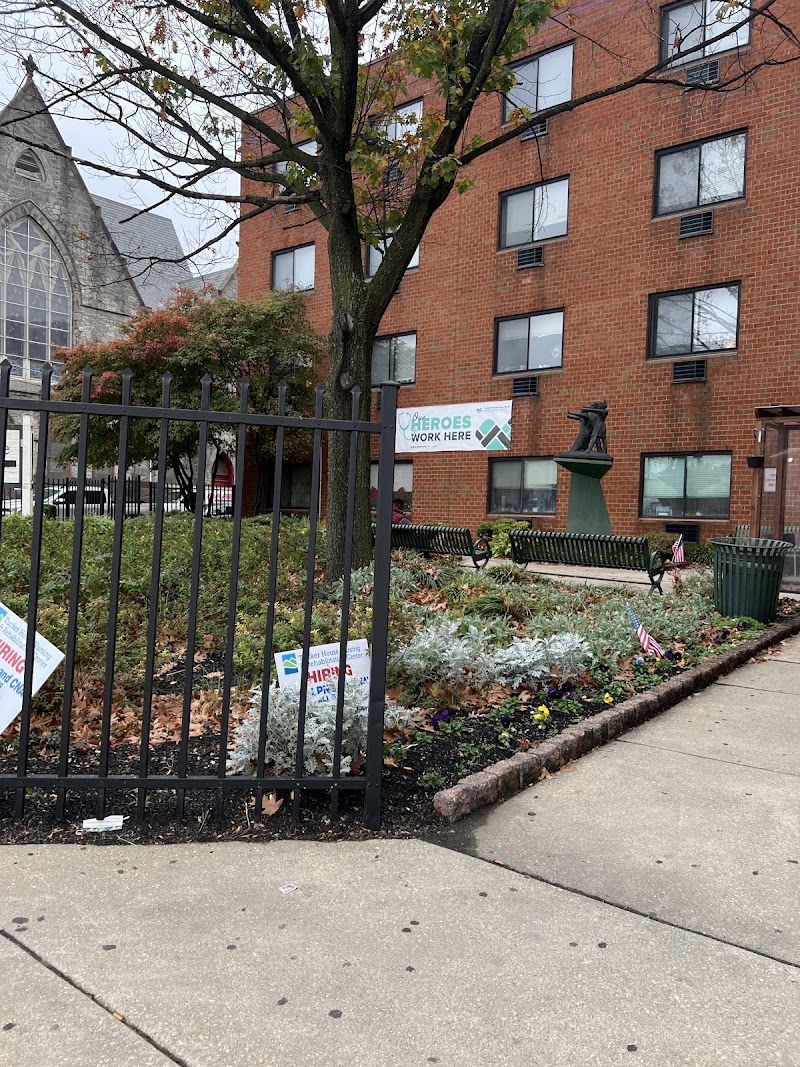
How is Tucker House Staffed?

CMS rates TUCKER HOUSE NURSING AND REHABILITATION CENTER's staffing level at 4 out of 5 stars, which is above average compared to other nursing homes. Staff turnover is 51%, compared to the Pennsylvania average of 46%.

What Have Inspectors Found at Tucker House?

State health inspectors documented 68 deficiencies at TUCKER HOUSE NURSING AND REHABILITATION CENTER during 2023 to 2025. These included: 67 with potential for harm and 1 minor or isolated issues. While no single deficiency reached the most serious levels, the total volume warrants attention from prospective families.
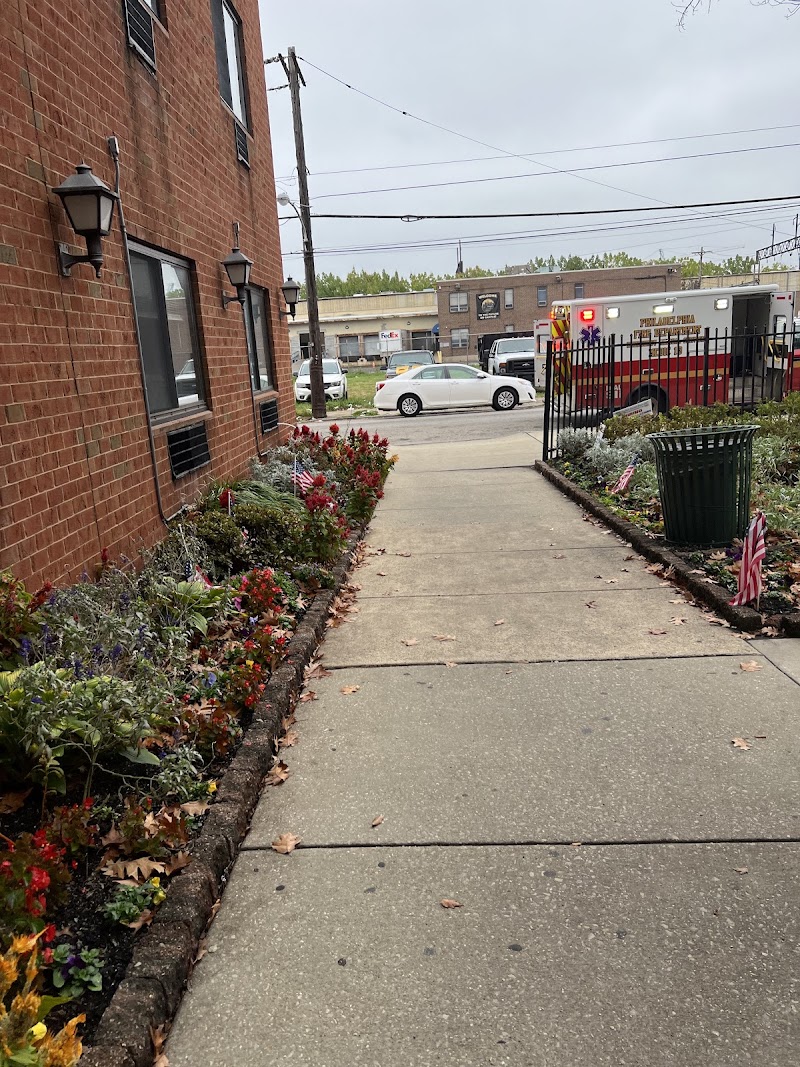
Who Owns and Operates Tucker House?

TUCKER HOUSE NURSING AND REHABILITATION CENTER is owned by a for-profit company. For-profit facilities operate as businesses with obligations to shareholders or private owners. The facility is operated by BEDROCK CARE, a chain that manages multiple nursing homes. With 180 certified beds and approximately 159 residents (about 88% occupancy), it is a mid-sized facility located in PHILADELPHIA, Pennsylvania.

How Does Tucker House Compare to Other Pennsylvania Nursing Homes?

Compared to the 100 nursing homes in Pennsylvania, TUCKER HOUSE NURSING AND REHABILITATION CENTER's overall rating (2 stars) is below the state average of 3.0, staff turnover (51%) is near the state average of 46%, and health inspection rating (2 stars) is below the national benchmark.

What Should Families Ask When Visiting Tucker House?

Based on this facility's data, families visiting should ask: "Can I visit during a mealtime to observe dining assistance and food quality?" "How do you handle medical emergencies, and what is your hospital transfer rate?" "Can I speak with family members of current residents about their experience?"

Is Tucker House Safe?

Based on CMS inspection data, TUCKER HOUSE NURSING AND REHABILITATION CENTER has a clean safety record: no substantiated abuse findings (meaning no confirmed cases of resident harm), no Immediate Jeopardy citations (the most serious violation level indicating risk of serious injury or death), and is not on the Special Focus Facility watch list (a federal program monitoring the lowest-performing 1% of nursing homes). The facility has a 2-star overall rating and ranks #100 of 100 nursing homes in Pennsylvania. While no facility is perfect, families should still ask about staff-to-resident ratios and recent inspection results during their visit.

Do Nurses at Tucker House Stick Around?

TUCKER HOUSE NURSING AND REHABILITATION CENTER has a staff turnover rate of 51%, which is about average for Pennsylvania nursing homes (state average: 46%). Moderate turnover is common in nursing homes, but families should still ask about staff tenure and how the facility maintains care continuity when employees leave.

Was Tucker House Ever Fined?

TUCKER HOUSE NURSING AND REHABILITATION CENTER has been fined $3,250 across 1 penalty action. This is below the Pennsylvania average of $33,111. While any fine indicates a compliance issue, fines under $50,000 are relatively common and typically reflect isolated problems that were subsequently corrected. Families should ask what specific issues led to these fines and confirm they've been resolved.

Is Tucker House on Any Federal Watch List?

TUCKER HOUSE NURSING AND REHABILITATION CENTER is not on any federal watch list. The most significant is the Special Focus Facility (SFF) program, which identifies the bottom 1% of nursing homes nationally based on persistent, serious quality problems. Not being on this list means the facility has avoided the pattern of deficiencies that triggers enhanced federal oversight. This is a positive indicator, though families should still review the facility's inspection history directly.