WESLEY ENHANCED LIVING AT STAPELEY
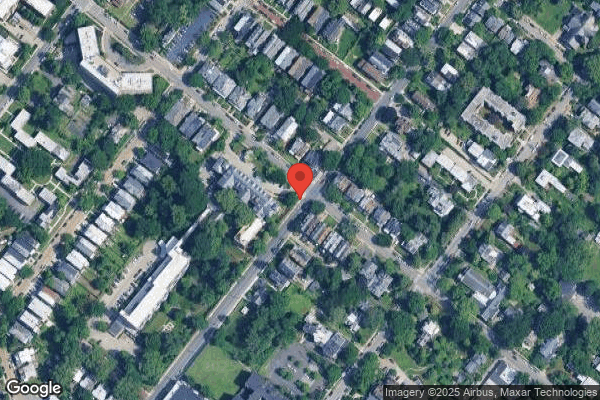
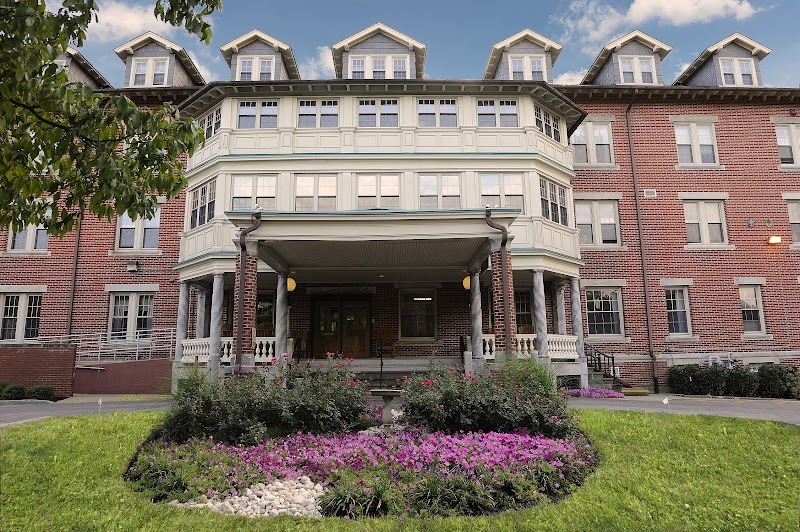
6300 GREENE STREET, PHILADELPHIA, PA 19144 (215) 844-0700
Non profit - Corporation 120 Beds Independent Data: November 2025
Trust Grade
45/100
#509 of 653 in PA
Last Inspection: May 2025

Inspected within the last 6 months. Data reflects current conditions.

Overview

Wesley Enhanced Living at Stapeley has a Trust Grade of D, indicating below-average performance with some concerning issues. It ranks #509 out of 653 nursing homes in Pennsylvania, placing it in the bottom half of facilities in the state, and #36 out of 46 in Philadelphia County, meaning only a few local options are better. Unfortunately, the facility's condition is worsening, with the number of issues increasing from 9 in 2024 to 15 in 2025. On a positive note, staffing is rated 4 out of 5 stars, with a turnover rate of 43%, which is slightly below the state average, suggesting that staff members tend to stay longer and develop familiarity with residents. However, there are significant concerns, such as a serious incident where a resident sustained a leg fracture during a transfer due to a lack of required assistance, and another incident involving failure to properly handle food safety, which poses health risks. While there are strengths in staffing, the facility's overall performance raises several red flags for potential residents and their families.

Trust Score
D
45/100
In Pennsylvania
#509/653
Bottom 23%
Safety Record
Moderate
Needs review
Inspections
Getting Worse
9 → 15 violations
Staff Stability
○ Average
43% turnover. Near Pennsylvania's 48% average. Typical for the industry.
Penalties
✓ Good
No fines on record. Clean compliance history, better than most Pennsylvania facilities.
Skilled Nurses
○ Average
Each resident gets 37 minutes of Registered Nurse (RN) attention daily — about average for Pennsylvania. RNs are the most trained staff who monitor for health changes.
Violations
⚠ Watch
35 deficiencies on record. Higher than average. Multiple issues found across inspections.
★★☆☆☆
2.0
Overall Rating
★★★★☆
4.0
Staff Levels
★★★★☆
4.0
Care Quality
★★☆☆☆
2.0
Inspection Score
Stable
2024: 9 issues
2025: 15 issues

The Good

  • 4-Star Staffing Rating · Above-average nurse staffing levels
  • 4-Star Quality Measures · Strong clinical quality outcomes
  • Full Sprinkler Coverage · Fire safety systems throughout facility
  • No fines on record
  • Staff turnover below average (43%)

    5 points below Pennsylvania average of 48%

Facility shows strength in staffing levels, quality measures, fire safety.

The Bad

2-Star Overall Rating

Below Pennsylvania average (3.0)

Below average - review inspection findings carefully

Staff Turnover: 43%

Near Pennsylvania avg (46%)

Typical for the industry

The Ugly 35 deficiencies on record

1 actual harm
May 2025 12 deficiencies
CONCERN (D)

Potential for Harm - no one hurt, but risky conditions existed

Resident Rights (Tag F0550)

Could have caused harm · This affected 1 resident

**NOTE- TERMS IN BRACKETS HAVE BEEN EDITED TO PROTECT CONFIDENTIALITY** Based on review of facility policies, observation, interviews with residents and staff, it was determined the facility failed to...

Read full inspector narrative →
**NOTE- TERMS IN BRACKETS HAVE BEEN EDITED TO PROTECT CONFIDENTIALITY** Based on review of facility policies, observation, interviews with residents and staff, it was determined the facility failed to promote care for residents that maintains or enhances dignity and respect related to privacy during treatment administration and ensuring residents' care and comfort is maintained by providing necessary necessities of bedding for two of eight residents reviewed. (Resident 4 and Resident 370) Findings include: Review of facility policy titled Abuse and Neglect dated March 2018, clinical protocol defines neglect as the failure of the facility, its employees or service providers, to provide goods and services to a resident that are necessary to avoid physical harm, mental anguish or emotional distress. Review of facility policy titled Activities of Daily Living (ADL) dated March 2018 revealed residents will be provided with care, treatment and services as appropriate to maintain or improve their ability to carry out activities of daily living. Review of Resident R4's quarterly Minimum Data Set (MDS - federal mandated assessment tool for all residents) dated May 6, 2025, revealed that this resident was admitted into the facility on July 18, 2024 and required partial of moderate assistance with ADL's ( activities of daily living). The resident was assessed with a BIMS (Brief Interview of Mental Status) score of 12 indicating that this resident had moderate cognitive impairment. Review of Resident R4's clinical record revealed a physician order dated July 18, 2024, for the medication Lidocaine patch 5% to be administered daily to both shoulders topically one time a day for pain. Observation of medication administration on May 22, 2025, at 8:35 a.m. with Licensed nurse, Employee E13 revealed that Employee E13 prepared medications and administered the medication while the hallway to Resident R4. Licensed nurse, Employee E13, applied the Lidocaine patches to both of Resident R4's shoulders under the resident shirt, providing no privacy to the resident while in the hall, next to the activity room where six residents were observed watching television and other resident walking by toward the dining room for breakfast. Review of Resident R370's admission MDS dated [DATE], revealed that the resident entered the facility on May 14, 2025 with diagnosis' including, orthopedic condition (a condition that effects the bones, joints and or muscles), and arthritis. The resident was assessed as dependent for ADLs (activity of daily living), the resident used a wheelchair. Continued review of the MDS revealed that the resident had a BIMS (brief interview of mental status) score of 14, which indicated that Resident 370 had intact cognitive functions. Observation of Resident R370 in his room on May 21, 2025, at 9:50 a.m. who resided on the 2nd Floor nursing unit revealed the resident lying on his plastic bed mattress with no sheets, no blanket, and no pillowcase. Interview with resident at time of the above observation revealed that the resident received care earlier that morning (estimate over an hour prior) and the employee left after stripping the bed, she has not yet returned. Interview with Nurse aide, Employee E15 on May 21, 2025, at 10:15 confirmed she was assigned to Resident R370 and provided care and stripped his bed earlier. This employee stated that she was unable to complete making the bed due to lack of supplies, Employee E15 stated that there were no linens available on the unit. Interview with Nurse aide, Employee E18 on May 21, 2025, at 10:35 a.m. confirmed this employee was also assigned to the 2nd floor nursing unit and had all available linens to make all the beds assigned to her. Interview with Nurse aide, Employee E20 May 21, 2025, at 10:55 a.m. confirmed he provided care on the 2nd floor for residents also and had no shortage of linens. Employee E20 described the process of collecting supplies for each resident. Observed was a linen closet with sheets and blankets folded. There are two linen cabinets on the floor and if they run low on supplies, the laundry room is located on the second floor, and supplies can be obtained there. Tour of the laundry room revealed on May 21,2025 at 11:00 a.m. revealed lines clean, folded, stored and available , this observation confirmed by laundry Employee E16 and Unit Manager E17 . 28 Pa.Code 201.29(j) Resident Rights 28 Pa Code 211.12(d)(1)(5) Nursing Services
CONCERN (D)

Potential for Harm - no one hurt, but risky conditions existed

Deficiency F0628 (Tag F0628)

Could have caused harm · This affected 1 resident

Based on review of facility documentation, review of clinical records, and interviews with staff, it was determined that the facility failed to notify the Office of the State Long-Term Care Ombudsman ...

Read full inspector narrative →
Based on review of facility documentation, review of clinical records, and interviews with staff, it was determined that the facility failed to notify the Office of the State Long-Term Care Ombudsman of facility-initiated emergency transfers to the hospital for one of two hospitalizations reviewed (Resident R117). Findings Include: Review of Resident R117's clinical record revealed a nursing progress note dated March 18, 2025, that indicated the resident was transferred to the local hospital for evaluation. Review of documentation provided by the Nursing Home Administrator on May 23, 2025, at 10:35 a.m. revealed the Office of the State Long Term Care Ombudsman was not made aware of Resident R117's facility-initiated emergency transfers to the hospital as required until May 21, 2025. Interview on May 23, 2025, at 10:54 a.m. with the Nursing Home Administrator, Employee E1, confirmed the ombudsman was not made aware of Resident R117's hospital transfer on March 18, 2025. 28 Pa. Code 201.14(a) Responsibility of licensee 28 Pa. Code 201.18(b)(2) Management
CONCERN (D)

Potential for Harm - no one hurt, but risky conditions existed

Deficiency F0655 (Tag F0655)

Could have caused harm · This affected 1 resident

**NOTE- TERMS IN BRACKETS HAVE BEEN EDITED TO PROTECT CONFIDENTIALITY** Based on review of facility policy and review of clinical records, it was determined that the facility failed to develop and imp...

Read full inspector narrative →
**NOTE- TERMS IN BRACKETS HAVE BEEN EDITED TO PROTECT CONFIDENTIALITY** Based on review of facility policy and review of clinical records, it was determined that the facility failed to develop and implement a baseline care plan for one of two new admissions reviewed (Resident R319). Findings Include: Review of facility policy, Care Plan-Baseline dated 2001 revealed, A baseline plan of care to meet the resident's immediate health and safety needs is developed for each resident within forty-eight (48) hours of admissions. Review of Resident 319's clinical record revealed the resident was admitted to the facility on [DATE], and had a diagnosis of dementia (progressive degenerative disease of the brain). A comprehensive care plan which was initiated on May 12, 2025 did not indicate a baseline care plan for dementia. On May 21, 2025, at 1:48 p.m. an interview with the Director of Nursing, Employee E2 confirmed that Resident R319 did not have a baseline care plan. 28 Pa Code 211.10(c) Resident care policies 28 Pa Code 211.12(d)(5) Nursing services
CONCERN (D)

Potential for Harm - no one hurt, but risky conditions existed

ADL Care (Tag F0677)

Could have caused harm · This affected 1 resident

**NOTE- TERMS IN BRACKETS HAVE BEEN EDITED TO PROTECT CONFIDENTIALITY** Based on a review of clinical records, and interviews with residents, family members, and staff, it was determined that the faci...

Read full inspector narrative →
**NOTE- TERMS IN BRACKETS HAVE BEEN EDITED TO PROTECT CONFIDENTIALITY** Based on a review of clinical records, and interviews with residents, family members, and staff, it was determined that the facility failed to provide the necessary assistance with activities of daily living (ADLs) to maintain proper grooming for 3 of the six residents reviewed (Residents R319, R62 and R45). Findings: Review of Resident 319's clinical record revealed the resident was admitted to the facility on [DATE], and had a diagnosis of dementia, muscle weakness, difficulty in walking, and osteoarthritis ( join disease that results in breakdown of join cartilage and underlying bone). A review of Resident R319's admission Minimum Data Set (MDS), dated [DATE], indicated a Brief Interview for Mental Status (BIMS) score of 7, reflecting severe cognitive impairment. A comprehensive care plan initiated on May 12, 2025, indicated: I have an ADL deficit due to cognitive deficits, impaired balance, and spinal fracture. Assistance of one person is required for transfers, bed mobility, toileting, bathing/washing, dressing/grooming, and self-care. Provide setup assistance with needed or desired items. Allow ample time for the resident to complete tasks. On May 20, 2025, at 12: 14 p.m. an interview was held with Resident 319 who was observed to have long nails. Resident R319 wanted her/his nails to be cut. On May 20, 2025, at 12:46 an confirmation of Resident R319 having long nails was confirmed by unit manager, Employee E5. On May 20, 2025, at 12:58 p.m., a family interview was held for nonverbal Resident R45, who was on receiving hospice services. The family member revealed that the resident needed a haircut, which had been brought to the facility's attention a few weeks prior, but the haircut had not yet been provided. It was further stated that his nails become long before someone cuts them and that it takes some time to get them cut. Review of Resident 45's clinical record revealed the resident was admitted to the facility on [DATE], and had a diagnosis of dementia. A review of Resident R45's quarterly Minimum Data Set (MDS), dated [DATE], indicated a Brief Interview for Mental Status (BIMS) score of 99, meaning resident unable to participate in the cognitive interview due to severity of their severity of their impairment. On May 20, 2025, at 1:12 p.m. unit manager, Employee E5 confirmed the observations of resident having long nails and long hair. A comprehensive care plan dated May 4, 2025, was reviewed and revealed Resident R45 is a two person always assist with care. Dependent on staff for bathing washing, dressing/growing and self-care. On May 4, 2025, a facility developed a care plan for the resident to allow his/her nail to be filed down. A review of Resident R62's clinical record revealed that the resident was admitted to the facility on [DATE], with diagnoses including parkinsonism (a condition with movement-related symptoms like Parkinson's disease), difficulty walking, right hip pain, unsteadiness on feet, and orthostatic hypotension (a sudden drop in blood pressure when standing up from a sitting or lying position). A review of Resident R62's admission Minimum Data Set (MDS), dated [DATE], indicated a Brief Interview for Mental Status (BIMS) score of 3, reflecting severe cognitive impairment. The functional abilities section of the MDS indicated that Resident R62 requires maximum assistance with hygiene tasks. On May 20, 2025, at 11:23 a.m., Resident R62 was interviewed and observed to have facial hair and expressed a desire to be shaved. At 12:46 p.m. the same day, the unit manager, Employee E5, confirmed that the resident was in need of a shave. 28 Pa code 211.12.(d)(1)(5) Nursing services
CONCERN (D)

Potential for Harm - no one hurt, but risky conditions existed

Deficiency F0745 (Tag F0745)

Could have caused harm · This affected 1 resident

Based on review of facility policies, clinical record reviews and interviews with staff, it was determined the facility failed to ensure that medically related social services were provided as require...

Read full inspector narrative →
Based on review of facility policies, clinical record reviews and interviews with staff, it was determined the facility failed to ensure that medically related social services were provided as required for four of eight residents reviewed related to routine care plan meetings. (Residents R60, R61, R68, R97) Finds include: Review of facility policy titled Care Plans - Baseline dated March 2022 revealed the baseline plan includes instructions needed to provide effective person-centered care of the resident that meet professional standards of quality of care and must include minimum healthcare information necessary to properly care for the resident including but not limited to initial goals, physician orders, dietary orders, therapy services, social services, PASARR recommendations. The baseline care plan Is used until a staff can conduct the comprehensive assessment and develop interdisciplinary person standard comprehensive care plan the baseline care plan is updated as needed to meet the residents needs until the comprehensive care plan is developed. Review of Resident 60's clinical progress notes revealed this resident's last care plan meeting was held November 5, 2024. Participating in the care conference were representatives from Nursing, Dining Services, Recreation, and Social Services. Also participating in the Care Conference was Resident R'60's daughter. Further review of Resident R60's clinical record notes revealed that resident prior care conference meetings were dated August 9, 2024, June 25, 2024, and March 5, 2024. Review of Resident R61 clinical record revealed that this resident's last care conference was dated November 26, 2024. Participants in the care conference were nurse, dining, recreation, social services and resident's daughter. Review of Resident R68's clinical record revealed that this resident last care conference was held on November 5, 2024. Participating in the conference were representatives from nursing, dining services, recreation, and social services, also in attendance was Resident R68 POA (power of attorney). Medications and care plan were reviewed. Review of Resident R97's social service note revealed that this resident's last care conference was held on December 5, 2024, via conference call with resident's family and interdisciplinary team. Medication and care plan were reviewed. Interview with Resident R60's family member on May 20, 2025, at 12:43 p.m. revealed that she is dissatisfied with the social service communication. Resident R60 has not had a care plan meeting in over six months and there is not currently one planned. Interview with Social Service Director, Employee 24 on May 22, 2025, at 1:20 p.m. revealed that care conference should be held every quarter (every 3 months). Employee E confirmed that the care conferences have delayed due to shortness of staff in the department. 28 Pa. Code 201.14 Responsibility of Licensee 28 Pa. Code 211.16(a) Social services
CONCERN (D)

Potential for Harm - no one hurt, but risky conditions existed

Drug Regimen Review (Tag F0756)

Could have caused harm · This affected 1 resident

**NOTE- TERMS IN BRACKETS HAVE BEEN EDITED TO PROTECT CONFIDENTIALITY** Based on review of clinical records, staff interview, and pharmacy review recommendations, it was determined that the facility f...

Read full inspector narrative →
**NOTE- TERMS IN BRACKETS HAVE BEEN EDITED TO PROTECT CONFIDENTIALITY** Based on review of clinical records, staff interview, and pharmacy review recommendations, it was determined that the facility failed to act on the pharmacy recommendations in a timely manner for one of three residents reviewed (Resident R78). Findings include: Clinical record review revealed Resident R78 was admitted to the facility on [DATE], with a diagnosis that included but not limited to personal history of transient ischemic attach (TIA) (refers to it as a mini- stroke temporary blockage of blood flow to the brain), cerebral infarction, dementia, difficulty in walking, muscle weakness, unsteadiness on feet. Further review of Resident R78's clinical record revealed the physician ordered Diclofenac sodium external gel 1% apply to left hip and lower back topically four times a day for arthritis pain, apply 4 grams to left hip and lower back on January 14, 2025. During a drug regimen review on January 14, 2025, the pharmacist recommended that Voltaren Gel (Diclofenac Gel) should be administered as follow: lower extremities- apply 4 gram to affected area and upper extremities-apply 2 gram to affected area . Please add the gram strength to the directions for Voltaren Gel. During an interview on May 23, 2025, at 10:34 a.m., Director of Nursing E2 confirmed that the facility failed to implement the pharmacy recommendations for Resident R78, and recommendation had not been implement at all. 28 Pa. Code 211.12(d)(1)(3)(5) Nursing services.
CONCERN (D)

Potential for Harm - no one hurt, but risky conditions existed

Deficiency F0761 (Tag F0761)

Could have caused harm · This affected 1 resident

Based on observations, review of facility policies and interview with staff, it was determined that the facility failed to ensure that medications carts were kept locked and refrigerated medications k...

Read full inspector narrative →
Based on observations, review of facility policies and interview with staff, it was determined that the facility failed to ensure that medications carts were kept locked and refrigerated medications kept dry and at proper temperatures on one of two nursing floors. (2nd Floor) Findings include: Review facility policy titled Medication Labeling and Storage revealed the facility stores all medications and biologicals in locked compartments under proper temperature, humidity and light and only authorized personnel have access to keys. The nursing staff is responsible for maintaining medication storage and preparation areas in a clean, safe and sanctuary manner. Compartments but not limited to drawers, cabinets, rooms, refrigerators, carts and boxes containing medication biologicals are locked and such items or left are not left unattended if open or otherwise potentially available to others. Review of facility policy titled Administrating Medications revised 2012 revealed that during administration of medications, the medication cart will be kept closed and locked when out of sight of medication nurse or aide. It must be kept on the door away of the resident's room, with open drawers facing inward and all other sites closed. No medications or kept on top of the cart. The cart must be clearly visible to the personnel administrating medications, and all outward sides must be inaccessible to residents or others passing by. Observation on May 20, 2025 at 11:50 a.m. on the 2nd Floor revealed the cart assigned to Licensed nurse, Employee E22 was left unlocked. Employee E22 was observed coming out of a resident room at the end of the hallway. Interview with Licensed nurse, Employee E22 confirmed the cart was left unlocked. Observation on May 22, 2025 on the second floor nursing unit revealed that the low Cart assigned to Licensed nurse, Employee E23 was left unlocked. Interview with Nursing Supervisor, Employee E6 at time of above observation confirmed that cart was left unlocked. Interview with Licensed nurse, Employee E23 on May 22, 2025 at 9:12 a.m. revealed she was unaware the cart was unlocked. Observation of medication cart identified as middle cart on May 22, 2025 at 9:25 a. m. reveled Licensed nurse, Employee E13 leaving the cart unlocked while going to the kitchen on the nursing floor for supplies. Observation of the above confirmed by Nursing Supervisor, Employee E6 at time of the above observation. Observation of Second floor medication room on May 22, 2025 at 8:38 a.m. with Nursing Supervisor, Employee E6, revealed the medication refrigerator tempeture reading at 50 degrees and the top of the refrigerator frozen and dripping water onto the medications. All contents of the refrigerator were found to be wet. The observation above was confirmed by Nursing Supervisor, Employee E6 at time of the above observation 28 Pa. Code 211.9(a)(1) Pharmacy services 28 Pa. Code 211.12(d)(1) nursing services
CONCERN (D)

Potential for Harm - no one hurt, but risky conditions existed

Deficiency F0804 (Tag F0804)

Could have caused harm · This affected 1 resident

Based on observations of the operations of the food and nutrition services department, reviews of policies and procedures and interviews with residents and staff, it was determined that the facility f...

Read full inspector narrative →
Based on observations of the operations of the food and nutrition services department, reviews of policies and procedures and interviews with residents and staff, it was determined that the facility failed to ensure each resident received and the facility provided foods and drinks that were palatable, attractive and at a safe and appetizing temperature. Residents (R14,R3, R86, R115, R55, R85, R94, R94, R79). Findings include: A review of the undated facility policy titled test tray evaluation revealed that the acceptable temperature for the hot food entree, starch and vegetables were 135 degrees Fahrenheit at point of service for the residents and the acceptable temperature for soup was 165 degrees Fahrenheit at point of service for the residents. The policy also indicated that the dietary department was responsible to ensure that accepatable temperatures were provided at point of service for the residents, to maximize food quality, palatability and safety the foods and beverages. Observations during the noon meal service of the foods and beverages on May 20, 2025, for the residents that were eating in the dining rooms or having tray delivery service to their rooms revealed that the main hot entree was listed as country fried steak and cream gravy. The residents did not receive the cream gravy as planned. The country fried steak was over-cooked or held hot for extended time. The residents and staff had difficulty cutting and chewing the country fried steak. Residents were heard asking for a substitute food item for their main entree that day; because the food was not palatable, attrative and appetizing. A review of the menus planned by the dietitian and prepared by the food and nutrition department staff, on May 20, 2025 revealed that all diets Regular, Mechanical, Pureed, Carbohydrate Controlled, Renal were preplanned to receive cream gravy with their meals. On May 22, 2025, at 10:30 a.m., a resident group meeting was held with nine alert and oriented residents (R14, R3, R86, R115, R55, R85, R94, R94, and R79). The residents reported that food is being served cold during all three meals-breakfast, lunch, and dinner. They stated that the food is difficult to chew, lacks flavor, and is not seasoned. Some residents also reported that they often request items from the alternative menu, which typically consists of sandwiches. A test tray evaluation was completed on May 22, 2025 and supported the residents concerns that the foods and fluids were not regularly being received and provided that were palatable, attractive and at safe and appetizing temperatures for resident satisfactiony. Observations of the meal tray pass for the residents eating in their rooms on the second floor nursing unit revealed a delay in passing food trays, the nursing staff. The corned beef and cabbage was tested at point of service to the residents and was 116 degrees Fahrenheit. Mashed potatoes were tested at point of service to the residents and were 100 degrees Fahrenheit. The director of dietary services, Employee E9, was present during the test tray evaluation on the second floor nursing unit and confirmed the delays, in meal tray pass. The low or tepid temperatures of the hot foods (below the established standard of 135 degrees Fahrenheit at point of service) was also confirmed with the food service director on May 22, 2025. A review of the pre-planned menu devised by the dietitian for May 22, 2025 revealed that lentil soup was planned; however chicken noodle soup was prepared and served. Roasted carrots, potatoes and onions were planned; however mashed potatoes were served instead. Mixed fruit dump cake was planned; however corn bread was prepared and served for the residents. A dinner roll was planned with margarine; however it was not offered/served to the residents on this day. Interview with the director of dietary service, Employee E9, at 1:30 p.m., on May 22, 2025 confirmed that the recipe for country fried steak was not followed on May 20, 2025. The director of dietary services, Employee E9 also confirmed that the menu was not followed as planned on May 22, 2025. 28 PA. Code 211.12(a)(b)(c)(d) Resident care policies 28 PA. Code 211.12(c)(d)(3)(5) Nursing services
CONCERN (D)

Potential for Harm - no one hurt, but risky conditions existed

Deficiency F0813 (Tag F0813)

Could have caused harm · This affected 1 resident

Based on observations, interviews with staff, and review of facility policy, it was determined that the facility failed to ensure safe and sanitary storage and handling of personal food products broug...

Read full inspector narrative →
Based on observations, interviews with staff, and review of facility policy, it was determined that the facility failed to ensure safe and sanitary storage and handling of personal food products brought in from outside sources for three of 21 residents. (R80, R15). Findings Include: Review of Facility Policy: Foods Brought by Family/Visitors undated, states Food brought to the community by visitors and family is permitted. Community staff will strive to balance resident choice and a homelike environment with the nutritional and safety needs of residents. Safe food handling practices will be explained to family/visitors in a language and format they understand. Perishable foods must be stored in re-sealable containers with tightly fitting lids in a refrigerator. Contains will be labeled with the resident's name, the items and the use by date. On May 20, 2025, at 11:36 a.m., an observation conducted with the unit manager, Employee E5, revealed that Resident R15 had a personal refrigerator containing Chinese takeout food in Styrofoam container, red paper, and a peach. There was no temperature log to monitor the safe temperatures. It was further confirmed that the facility had not given her any guidance on how to maintain food in accordance with health and safety standards. On May 20, 2025, at 11:58 a.m., an observation conducted with the unit manager, Employee E5, revealed that Resident R80 had a personal refrigerator containing three food containers. The containers were not labeled with dates, and the refrigerator did not have a temperature log. Resident R80 stated that her family had provided the refrigerator, and that the facility had not given her any guidance on how to maintain food in accordance with health and safety standards. On May 21, 2025, at approximately 11:20 a.m., an interview was conducted with the Administrator, Employee E1, who confirmed that the facility allowed several residents to have personal refrigerators without providing guidance on how to maintain food in accordance with health and safety standards. On May 21, 2025, at 2:00 p.m., a follow-up interview was conducted with Resident R15, who expressed frustration that her Chinese food in a Styrofoam container, a peach, and a red paper item were frozen due to the refrigerator being at a freezing temperature. 28 Pa. Code 201.18(b)(1) Management
CONCERN (D)

Potential for Harm - no one hurt, but risky conditions existed

Infection Control (Tag F0880)

Could have caused harm · This affected 1 resident

Based on review of facility policy, facility documentation, and staff interviews, it was determined the facility failed to implement appropriate tracking and surveillance of infection for two of 3 mon...

Read full inspector narrative →
Based on review of facility policy, facility documentation, and staff interviews, it was determined the facility failed to implement appropriate tracking and surveillance of infection for two of 3 months reviewed April 2025 and May 2025. (Resident R97) Findings include: Review of facility policy titled Infection Prevention and Controlled Manual dated February 2020, revealed the primary objective of the infection prevention control program is to provide an effective facility wide program that ensures that the facility develops implements and maintains an infection prevention and control program in order to prevent recognize, and control, to the extent possible, the onset and spread of the infection within the facility. The infection prevention and control program will perform surveillance, prevent and control outbreaks, use records of infection reports to improve its infection control process and outcomes by taking corrective actions as indicated, implement hand hygiene, and properly store handle process and transport linens. Review of National Health Care Safety Network NHSN tool for tracking healthcare associated infections titled Long Term Care Facility Component Manual dated January 2023 revealed surveillance is defined as an ongoing systematic collection comment analysts, interpretation, and this emanation of data. A facility infection prevention and control program should use surveillance to identify infections and monitor performance of practices to reduce infection risks among residents' staff and visitors' information collected during surveillance activities can be used to develop and track prevention priorities for the facility. Review of Resident R97's nursing notes dated April 11, 2025, revealed that eye drainage was noticed by the nurse's aide, the eye was cleaned several times on this shift, but drainage continues. Spoke with medical doctor regarding right eye drainage. Medical doctor ordered polytime eye drops one drop in eye four times a day for one week. Review of resident physician orders revealed an order dated April 11, 2024, for the antibiotic Polytrim ophthalmic solution, with instructions to instill one drop in right eye four time a day for drainage from right eye. Further review of Resident R97's nurses notes dated April 18, 2025 revealed the resident has completed antibiotic poyltrim to right eye, no redness or drainage noted. Further review of Resident R97's nurses note dated May 7, 2025, revealed Resident R97 was seen by on site ophthalmologist. New orders as follows Ofloxacin (antibiotic eye drops) instill one drop every day in both eyes for seven days related to bacterial conjunctivitis. Continued review of resident clinical record physicians' orders revealed and an ordered dated May 8, 2025, for the antibiotic Ofloxacin with instruction to instill one drop in both eyes one time a day for bacterial conjunctivitis (pink eye, very contagious bacteria infection of the eye) for seven days Interview with Infection Preventionist, Employee E21 on May 22, 2025, at 1:02 p.m. confirmed the documentation that Resident R97 was diagnosed and treated for bacterial conjunctivitis and the infection tracking for the months of April 2025 and May 2025 did not reflect this resident's infection. Resident 97 was not listed for having a bacterial infection. Employee E 21 stated she is uncertain of how that was missed in the months of April 2025 and May 2025 in infection tracking. 28 Pa. code 211.10(d) Resident Care policies 28 Pa. code 211.12(d)(1)(5) Nursing services
CONCERN (D)

Potential for Harm - no one hurt, but risky conditions existed

Room Equipment (Tag F0908)

Could have caused harm · This affected 1 resident

Based on observations of the physical environment of the food and nutrition services department and interviews with staff, it was determined that essential equipment used to operate the main kitchen w...

Read full inspector narrative →
Based on observations of the physical environment of the food and nutrition services department and interviews with staff, it was determined that essential equipment used to operate the main kitchen where foods and beverages were prepared for the residents was not in safe functional condition. Findings include: The dish machine was not functioning to provide water hot enough for cleaning and sanitizing dishware's, utensils, pots, pans, cups, bowls, plates and mugs. The required final rinse temperature to clean and sanitize the dishware was 180 degrees Fahrenheit. Observations at 9:40 a.m., on May 20, 2025 of the final rinse temperature of the dish machine revealed the gauge and digital readings were was below the required temperature specified by the equipment manufacturer at 150 degrees Fahrenheit. Interview with the director of dietary services, Employee E9 at 9:45 a.m., on May 20, 2025 confirmed that the booster heater for the dish machine was not functioning. The director of dietary also confirmed that the water softener was not functioning for months either. Observations of the three compartment sinks revealed that the wells were in need of repair. The one well was not holding water. The sink stopper, piping and working mechanism underneath the sinks were leaking water all over this area. Observations of the food garbage disposal located adjacent to the three compartment sink revealed that this piece of equipment was not functioning according to manufacturers' specifications. The garbage disposal was spewing water onto the ceramic tiled flooring. The flooring contained deep groves with the missing grouting secondary to the water damaged tiles. The grouting on the tiled flooring in this area below the three compartment sink had been worn away from constant water leakage. The flooring contained deep groves secondary to the water damaged tiles. Observations of the grease trap that was located in the three compartment sink area revealed that it was out of commission and covered with a piece of soggy plywood. The continuous water leaking from the broken well of the three compartment sink and the constant spewing of the water from the broken garbage disposal unit saturated the plywood cover that had been placed over the broken grease trap that was installed in the floor of this area. Observations of the metal doors that open directly outdoors from the hallway located along side of the main kitchen were not sealing properly upon closing. There were noted gaps to the outside located at the threshold of the doors. Interview with the administrator, Employee E1 and the director of dietary services, Employee E9 at 10:00 a.m., on May 20, 2025 confirmed that essential equipment (dish washer, booster heater, water softener, garbage disposal, three compartment sink, grease trap and metal doors (adjacent to the main kitchen) leading directly outside the building) for the food and nutrition department was not maintained in safe mechanical and operational condition. 28 PA. Code 201.14(a) Responsibility of licensee 28 PA. Code 201.18(b)(1)(3)(d)(e)(1)(2.1) Management
CONCERN (D)

Potential for Harm - no one hurt, but risky conditions existed

Deficiency F0925 (Tag F0925)

Could have caused harm · This affected 1 resident

Based on environmental observations of the food and nutrition services department, reviews of the consulting pest control operator's reports and interviews with staff, it was determined that the facil...

Read full inspector narrative →
Based on environmental observations of the food and nutrition services department, reviews of the consulting pest control operator's reports and interviews with staff, it was determined that the facility failed to maintain an effective pest control program for the building. Findings include: Observations of the main kitchen, where foods and fluids are prepared, stored and assembled for delivery to the nursing units revealed that the flooring was in need of repair. The grouting was missing and worn away by water damage in the three compartment sink area. The flooring contained pooling of water and food debris from leaking and inoperatable equipment (sink, garbage disposal and grease trap). The water and food debris were nutrients for pests and rodents. Observations of the metal doors leading directly outdoors from the hallway near the main kitchen revealed that the doors were not sealing properly upon closing. There were noted gaps (one inch) located at the threshold of the doors. These doors opened to a driveway where the dumpster unit for trash and garbage was held for pick-up and disposal by an outside contractor. A review of the pest control operators reports for the months of February, 2025 through May, 2025 indicated that the facility, together with the main kitchen was treated for common household pests and rodents (mice, roaches and ants). Interview with the director of maintenance and housekeeping, Employee E7, at 11:30 a.m., on May 20, 2025 confirmed the repairs and cleaning that were necessary to ensure that the inside of the building was pest and rodent free. 28 PA. Code 201.14(a) Responsibility of licensee 28 PA. Code 201.18(b)(1)(3)(e)(1)(2.1) Management
May 2025 3 deficiencies
CONCERN (D) 📢 Someone Reported This

A family member, employee, or ombudsman was alarmed enough to file a formal complaint

Potential for Harm - no one hurt, but risky conditions existed

Investigate Abuse (Tag F0610)

Could have caused harm · This affected 1 resident

**NOTE- TERMS IN BRACKETS HAVE BEEN EDITED TO PROTECT CONFIDENTIALITY** Based on review of facility policy, review of clinical records, and interviews with staff, it was determined that the facility f...

Read full inspector narrative →
**NOTE- TERMS IN BRACKETS HAVE BEEN EDITED TO PROTECT CONFIDENTIALITY** Based on review of facility policy, review of clinical records, and interviews with staff, it was determined that the facility failed to provide evidence that an allegation of abuse/neglect was thoroughly investigated for one of six residents reviewed. (Resident R1). Findings Include: Review of facility policy titled, Abuse Prevention Program revised December 2016 states, Policy Statement-Our residents have the right to be free from abuse, neglect, misappropriation of resident property and exploitation. This includes but is not limited to freedom from corporal punishment, involuntary seclusion, verbal, mental, sexual or physical abuse, and physical or chemical restraint not required to treat the resident's symptoms. Review of facility grievance form titled, Resident/Family Concerns dated April 21, 2025 states, Concern-Nursing Received complaint by section is not checked off. Lists Writing, Verbal, During Resident Council, and Other all blank. Concern states, Resident reported that she fell on 4/19/25 when nurse aide Employee E6 attempted to hoyer her out of bed. She reported that she fell to the ground. Investigation section states, Date Initiated: 4/21/25 Date Competed is left blank Section states, Assignment sheet obtained, Employee E6 was the assigned nurse aide. This staff member resigned as of statements obtained from all other staff members. Review of facility records revealed Resident R1 was admitted to the facility on [DATE]. The resident had the following diagnoses: Hemiplegia (paralysis to one side of the body), Morbid Obesity, and Atherosclerosis of Native Arteries of Extremities with Rest Pain (Right Leg). Review of facility grievance form titled, Resident/Family Concerns dated April 21, 2025 states, Concern-Nursing Concern states, Resident reported that she fell on 4/19/25 when [nurse aide Employee E6] attempted to hoyer her out of bed. She reported that she fell to the ground. Investigation section states, Date Initiated: 4/21/25 Date Competed was left blank next Section stated, Assignment sheet obtained, Employee E6 was the assigned nurse aide. This staff member resigned as of statements obtained from all other staff members. Review of facility investigation statements revealed an undated resident statement, Resident was interviewed regarding a report of fall from Hoyer. Resident reported early Saturday morning [Employee E6] was attempting to transfer her from bed to wheelchair using a Hoyer lift. As she was suspended in the air, she reported that she was suddenly on the floor. She reported falling on the right side of the bed next to the bathroom. Resident R1 reported that [Employee E6] called nurse aide [Employee E4] to assist her with getting her from the floor back into bed. When asked why she had not reported the fall sooner, she reported that when she fell, [Employee E6] said, Shhh I'll get fired, I have 8 kids. She stated that she reported the incident because her leg was hurting, and she found out [Employee E6] had resigned. Review of statement dated April 22, 2025 states When I came to work on 4-21-25 I had Resident R1. As I was doing AM care she told me that she fell. I asked how could you fall. She said they pick her up and put her in the bed. She told me what they looked like. I told the nurse. Review of statement undated by Nurse aide Employee E4 states, When I worked with [Employee E6] I was asked to help with [Resident R2] who I changed and helped show an easier way to change. Then I needed help with a change so I went in [room XXX] and [Employee E6] was pulling the covers over when I asked for her assistance. Review of an undated written statement from Licensed nurse Employee E5 stated, Resident AAO (alert and oriented) x 3 (person, place and time) reported to a care nurse that she fell Saturday when the girl who had that assignment attempted to transfer her from the bed to wheelchair, the girl did not have anyone with her in the room, while she lifted her up with the Hoyer, she slid, the next thing she noticed that she was on the floor. Resident states that the girl attempted to get her off the floor, she had difficulty because she was screaming her legs hurt, then the care nurse called another care nurse to help her out. Nurse supervisors was notified, she went into the room assessed the resident. Resident back of left leg with mild swollen and painful. She is able to move all extremities. Pain medication 650 mg (milligrams) given for pain. Doctor was made aware. New order for stat x-ray left leg. Continue review of the facility's investigation revealed no evidence that the facility attempted to call and interview the alleged perpetrator Nurse aide, Employee E6. No evidence the facility attempted to interview any other licensed nurses or nurse's aids across shifts for April 18, April 19, 2025, April 20, 2025 or April 21, 2025. No evidence the facility attempted to interview any other residents on Nurse, aide,Employee E6's assignment or on the unit. 28 Pa Code 201.14(a) Responsibility of licensee 28 Pa Code 201.18(b)(1) Management 28 Pa Code 211.10(d) Resident care policies 28 Pa Code 211.12(c) Nursing services
CONCERN (E) 📢 Someone Reported This

A family member, employee, or ombudsman was alarmed enough to file a formal complaint

Potential for Harm - no one hurt, but risky conditions existed

Grievances (Tag F0585)

Could have caused harm · This affected multiple residents

Based on review of facility policies, clinical records, and interviews with staff, it was determined that the facility failed to ensure that grievance regarding abuse/neglect was filed, tracked and pr...

Read full inspector narrative →
Based on review of facility policies, clinical records, and interviews with staff, it was determined that the facility failed to ensure that grievance regarding abuse/neglect was filed, tracked and promptly resolved for one of six residents reviewed. (Resident R1). Findings Include: Review of facility policy titled, Grievances/Complaints, Filing dated April 2017 states, 8. Upon receipt of a grievance and/or complaint, the grievance officer will review and investigate the allegations and submit a written report of such findings to the administrator within five (5) working days of receiving the grievance and/or complaint. 9. The grievance officer will coordinate actions with the appropriate state and federal agencies, depending on the nature of the allegations. All alleged violations of neglect, abuse, and/or misappropriation of property will be report and investigated under guidelines for reporting abuse, neglect and misappropriation of property, as per state law.10. The administrator will review the findings with grievance officer to determine what corrective actions, if any, need to be taken Review of the facility grievance log provided for the months on March, April and May 2025 revealed there was no grievance listed for the month of April 2025 for Resident R1. Interview conducted with Social Worker, Employee E7 on May 8, 2025 at 12:02 p.m. revealed that the Grievance Form was filled out because it was a reportable incident but it was not added to the Grievance Log. Employee E7 revealed she has been working at the facility for around two years. When asked about a facility Grievance Policy Employee E7 stated that she had no knowledge of a Grievance Policy since being employed at the facility. Facility Social Worker Employee E7 stated that she has the residents on the first floor but was currently filling in for the Social Worker who has the residents on the second floor. Employee E7 stated that Employee E9 has been out of Family Medical Leave since February 2025. When asked who was in charge of the Grievance Log Employee E7 stated herself and Employee E9. On May 8, 2025 at at 12:01 p.m. the Nursing Home Administrator Employee E1 was asked to provide a Grievance Policy. A Grievance Procedure was provided as a part of the facility admissions packet. The Nursing Home Administrator Employee E1 stated that he had no knowledge of one. Social Worker, Employee E7 stated that she first became aware of the situation that occurred with Resident R1 on in the morning of Monday April 21, 2024 during clinical meeting. Employee E7 stated that she met and interviewed Resident R1. Employee E7 stated that assignments sheets are gathered and she partners with unit manager to gather interviews and then sends this to the administrator. When asked if Employee E7 interviewed any other residents on the alleged perpetrator, nurse aide Employee E6 Employee E7 stated that all the other residents were deemed non-interviewable. 28 Pa. Code 201.18 (b)(1)(3)(2.1)(4) Management 28 Pa. Code 201.29 (a) Resident Rights
CONCERN (E) 📢 Someone Reported This

A family member, employee, or ombudsman was alarmed enough to file a formal complaint

Potential for Harm - no one hurt, but risky conditions existed

Report Alleged Abuse (Tag F0609)

Could have caused harm · This affected multiple residents

**NOTE- TERMS IN BRACKETS HAVE BEEN EDITED TO PROTECT CONFIDENTIALITY** Based on review of facility policies, clinical record reviews and interviews with staff, it was determined that the facility did...

Read full inspector narrative →
**NOTE- TERMS IN BRACKETS HAVE BEEN EDITED TO PROTECT CONFIDENTIALITY** Based on review of facility policies, clinical record reviews and interviews with staff, it was determined that the facility did not ensure that all allegations of abuse and neglect were reported immediately to the Pennsylvania Department of Health for one of six residents reviewed. (Resident R1) Findings Include: Review of facility policy titled, Abuse Prevention Program revised December 2016 states, Policy Statement-Our residents have the right to be free from abuse, neglect, misappropriation of resident property and exploitation. This includes but is not limited to freedom from corporal punishment, involuntary seclusion, verbal, mental, sexual or physical abuse, and physical or chemical restraint not required to treat the resident's symptoms. Review of facility records revealed Resident R1 was admitted to the facility on [DATE]. The resident had the following diagnoses: Hemiplegia (paralysis to one side of the body), Morbid Obesity, and Atherosclerosis of Native Arteries of Extremities with Rest Pain (Right Leg). Review of facility grievance form titled, Resident/Family Concerns dated April 21, 2025 states, Concern-Nursing Concern states, Resident reported that she fell on 4/19/25 when [nurse aide Employee E6] attempted to hoyer her out of bed. She reported that she fell to the ground. Investigation section states, Date Initiated: 4/21/25 Date Competed was left blank next Section stated, Assignment sheet obtained, Employee E6 was the assigned nurse aide. This staff member resigned as of statements obtained from all other staff members. Review of facility investigation statements revealed an undated resident statement, Resident was interviewed regarding a report of fall from Hoyer. Resident reported early Saturday morning [Employee E6] was attempting to transfer her from bed to wheelchair using a Hoyer lift. As she was suspended in the air, she reported that she was suddenly on the floor. She reported falling on the right side of the bed next to the bathroom. Resident R1 reported that [Employee E6] called nurse aide [Employee E4] to assist her with getting her from the floor back into bed. When asked why she had not reported the fall sooner, she reported that when she fell, [Employee E6] said, Shhh I'll get fired, I have 8 kids. She stated that she reported the incident because her leg was hurting, and she found out [Employee E6] had resigned. Review of nurse aide, Employee E11 statement dated April 22, 2025 states When I came to work on 4-21-25 I had [Resident R1]. As I was doing AM care she told me that she fell. I asked how could you fall. She said they pick her up and put her in the bed. She told me what they looked like. I told the nurse. Interview with the Nursing Home Administrator held on May 8, 2025 at 1:34 p.m. revealed the Director of Nursing Employee E2 was on off Monday April 20, 2025 on the day Resident R1 reported the alleged abuse/neglect. The Nursing Home Administrator, Employee E1 stated he was working on April 21, 2025 and stated that the Social Worker Employee E7 was to enter the Incident into the Pennsylvania Electronic Event Report System as the social workers usually do. Employee E1 stated, I didn't follow up and that was my fault I should have but it was missed. The facility failed to enter the report of alleged abuse/neglect into the Pennsylvania Electronic Event Reporting System immediately of receiving the allegation from Resident R1. 28 Pa. Code: 201.14(a)(c) Responsibility of licensee. 28 Pa. Code: 201.18(b)(1)(e)(1) Management.
Nov 2024 1 deficiency 1 Harm
SERIOUS (G) 📢 Someone Reported This

A family member, employee, or ombudsman was alarmed enough to file a formal complaint

Actual Harm - a resident was hurt due to facility failures

Accident Prevention (Tag F0689)

A resident was harmed · This affected 1 resident

**NOTE- TERMS IN BRACKETS HAVE BEEN EDITED TO PROTECT CONFIDENTIALITY** Based on review of clinical record, review of facility documentation and interview with staff, it was determined that the facili...

Read full inspector narrative →
**NOTE- TERMS IN BRACKETS HAVE BEEN EDITED TO PROTECT CONFIDENTIALITY** Based on review of clinical record, review of facility documentation and interview with staff, it was determined that the facility failed to ensure that one of six residents reviewed receive the required assistance via mechanical lift during a bed to chair transfer. This failure resulted in actual harm to Resident R1 whose left leg got twisted during transfer and sustained a fracture of the left femur (thigh bone). (Resident R1) Findings include: Review of facility policy 'Using a Mechanical Lifting Machine,' revised July 2017, states the following: 4. Prepare the environment: a. clear an unobstructed path for the lift machine; b. ensure there is enough room to pivot; c. position the lift near the receiving surface; and d. place lift at correct height. Further review of policy instructs staff to 13. Lift the resident 2 inches from the surface to check the stability of the attachments, the fit of the sling and the weight distribution. 14. Check the resident's comfort level by asking or observing for signs of pinching or pulling of the skin. Review of Resident R1's clinical record revealed that the resident was admitted to the facility on [DATE] with the diagnosis of legal blindness, muscle weakness, dementia (progressive degenerative disease of the brain), Poly osteoarthritis, age-related osteoporosis without current pathological fracture. Review of Resident R1's quarterly Minimum Data Set (MDS- assessment of resident's care needs) dated August 17, 2024, revealed that the resident was visually impaired. The resident was assessed with cognitive impairment and required substantial to maximum assistance with transfer from bed to chair. Review of Resident R1's care plan revised September 12, 2024, revealed that up until the date of incident the resident was care planned for exhibiting factors related to falls such as impaired cognition and visual deficit. Interventions included for the resident to be transferred via mechanical (hoyer) lift with the assistance of 2 persons. The resident was also care planned for impaired vision as evidence of blindness. Review of Resident R1's nursing notes dated October 13, 2024, at 12:23 p.m., revealed that primary nurse reported incident occurrence during patient transfer from bed to chair. Complained of pain to left lower extremity noted, PRN (as needed) Tylenol given, skin intact, with no redness observed. on call provider notified, 2 views stat (immediate) ordered. Continued review of nursing notes revealed that on October 13, 2024 at 2:42 p.m. care nurse reported that [Resident R1] complaining of leg pain. PRN (as needed) Tylenol administered for pain. left hip down to femur tender to touch. no swelling no redness observed. on call provider notified. 2 views stat (immediate) ordered. Nursing note date October 14, 2024, revealed x-ray of the left tibia-fibula demonstrate no acute fracture. Continued review of nursing notes revealed that on October 14, 2024 at 3:01 p.m. resident is monitored for left leg pain. On left knee is swollen and resident is complaining when the leg is moved. I called [physician] and she ordered an x-ray of left hip, left femur and left knee. Further review of nursing note dated October 14, 2024, at 8:33 p.m. revealed Technician during x-ray stated resident has Fracture and displacement of L (left) femur in multiple areas and requested to not transfer resident from bed to chair, should ensure she stays in bed when turning to be very careful. Continued review of nursing notes dated October 15, 2024 at 7:33 a.m. stated that the resident was admitted to the hospital with the diagnosis of left femur fracture. Review of physician notes from Resident R1's outpatient office visits on October 24, 2024, revealed that upon physical examination Resident R1 was noted to have an abrasion over the anterior aspect of her left knee she also has an abrasion over her left lateral ankle. Review of facility investigation revealed a written statement from Nurse aide, Employee E2 [Nurse aide Employee E3] gave care to [Resident R1] while I gave care to . When the time came to get [Resident R1] up into her chair we lifted her, and put her into her chair. It wasn't until [Resident R1] said It hurts! that we noticed her leg bent. [Employee E3] made sure Resident R1 was safe and secured in her chair. Review of Nurse aide, Employee E3's written statement revealed while transferring [Resident R1] with another CNA [nurse aide, Employee E2] to her chair her left leg bent to her side. Interview with Nurse aide, Employee E2, on November 4, 2024, at 1:12 p.m., revealed that at the time of incident, Employee E2 was on orientation and unfamiliar with Resident R1's care related to transfers. Per Employee E2's report - she helped another nurse aide with transfer of Resident R1 from bed to geriatric chair during which time there were no incident, however Resident R1 started to complain of pain on left lower extremity immediately after transfer. Interview with Nurse aide, Employee E3, on November 4, 2024, at 1:20 p.m., revealed that Employee E3 was not familiar with Resident R1's care related to transfers since she is not her regular nurse aide; per Employee E3's report Resident R1's left leg twisted inward during transfer from bed to chair. The facility failed to ensure that Resident R1 with a diagnosis of Osteoporosis was transferred in accordance with the resident's care plan via mechanical lift from bed to chair. This failure resulted in actual harm to Resident R1's whose left leg got bent and twisted and sustained a fracture of the left femur. 28 Pa. Code 201.18(b)(1 Management 28 Pa. Code 211.10(d)Resident care policies 28 Pa. Code 211.12(d)(1)(5) Nursing services
Aug 2024 7 deficiencies
CONCERN (D) 📢 Someone Reported This

A family member, employee, or ombudsman was alarmed enough to file a formal complaint

Potential for Harm - no one hurt, but risky conditions existed

Safe Environment (Tag F0584)

Could have caused harm · This affected 1 resident

Based on environmental observations of two of thirty-six resident rooms, reviews of policies and procedures, interviews with staff and residents, it was determined that the facility failed to ensure r...

Read full inspector narrative →
Based on environmental observations of two of thirty-six resident rooms, reviews of policies and procedures, interviews with staff and residents, it was determined that the facility failed to ensure reasonable care for the protection of resident's property from loss or theft for two of 22 residents reviewed. (Resident R88 and Resident R27) Findings include: Review of the policy titled Abuse: zero tolerance dated February 25, 2009 revealed that it was the responsibility of the administrator to create an atmosphere at the facility in which abuse of any nature toward or by a resident, co-worker, visitor or service provider was not acceptable behavior. The policy indicated that the definition of abuse included but was not limited too misappropriation of property. Misappropriation of property was the deliberate misplacement, exploitation, or wrongful (temporary or permanaent) use of a resident's belongings or funds without the resident's consent. The policy also indicated that the facility was responsible for investigation to determine the causative factor of the missing personal property. The facility was also responsible for listing the amount of money missing, staff who would have had access to the money, when the money was last seen and where the money was usually kept. Review of the policy titled room furnishings dated August 8, 2024 revealed that the facility was responsible for providing each resident with a drawer or cabinet in their room that could be locked. Clinical record review for Resident R88 revealed a quarterly assessment MDS (an assessment of care needs) dated May 2, 2024 that indicated that this resident was cognitively intact. The assessment also indicated that Resident R88 had no functional limitations in range of motion of the upper extremities. Review of information reported to the State Survey agency dated May 16, 2027 indicated that Resident R27 reported to staff that she was missing money from her wallet. A total of $110.00 was missing on May 16, 2024, after she returned to the facility from the dialysis center. Interview with Resident R27 at 10:00 a.m., on August 9, 2024 confirmed that money in an amount of $110.00 dollars was never returned to her. Further interview with Resident R27 revealed that she was not offered or provided with a drawer or cabinet inside her room that could be locked to secure her personal property. Observations of Resident R27's bedroom revealed that this resident did not have a drawer or cabinet that could be secured for storing personal belongings. Interview with the Social Worker, Employee E12 at 10:30 a.m., on August 8, 2024 confirmed that Resident R27 was not offered or provided furniture in her room that could be locked or secured to safeguard personal property (money). Review of a report submitted to the State Survey Agency dated June 16, 2024 indicated that Resident R88 reported to staff that he was missing money from his desk drawer inside his room. Resident R88 reported that a total of $30.00 dollars had been removed from his desk. Observations of resident R88's bedroom revealed a piece of furniture that he brought into the facility from home. This desk was not able to be locked. There was no furniture provided by the facility inside the resident's room that had a locking drawer or cabinet to secure personal belongings (money). Interview with resident R88 at 9:30 a.m., on August 9, 2024 revealed that the resident was never offered a drawer or cabinet inside his room to safeguard his belongings. Interview with the Social Worker, Employee E7, at 11:00 a.m., on August 9, 2024 confirmed that Resident R88 had not been offered or provided a locked drawer or cabinet in his room to secure his personal belongings. 28 PA. Code 211.10(a)(b)(c)(d) Resident care policies 28 PA. Code 201.29(a)(b)(c) Resident rights 28 PA. Code 205.72 Furniture
CONCERN (D) 📢 Someone Reported This

A family member, employee, or ombudsman was alarmed enough to file a formal complaint

Potential for Harm - no one hurt, but risky conditions existed

Comprehensive Care Plan (Tag F0656)

Could have caused harm · This affected 1 resident

Based on observation, clinical record review and interviews with staff, it was determined that the facility failed to develop a comprehensive person-centered care plan related to edema for one of 22 r...

Read full inspector narrative →
Based on observation, clinical record review and interviews with staff, it was determined that the facility failed to develop a comprehensive person-centered care plan related to edema for one of 22 resident records reviewed (Resident R42). Findings include: Review of Resident R42 quarterly MDS (Minimum Data Set, an assessment of residents' needs) dated May 14, 2024, assessed the resident with severe, cognitive impairment, physical impairments to one side of the resident's upper and lower body, dependent on staff for wheelchair mobility, toileting, personal hygiene, and bathing. The MDS contained diagnosis of high blood pressure, Peripheral vascular disease (restricted blood flow to the lower extremities) Diabetes Mellitus (lack of insulin needed to send glucose to cells, leading to high blood sugar) Cerebrovascular Accident (stroke) and clinically depressed. Review of Resident R42's nursing progress notes noted the resident's right hand first appeared swollen on January 20, 2024. Physician orders dated March 9, 2024, instructed to elevate the resident's right upper extremity at all times for edema (swelling cause by ex excessive fluid accumulation). On August 5, 2024, at approximately 12:00 p.m. it was observed with Licensed Practical Nurse (LPN) Employee E13 that Resident R42 was in bed with her right arm by her side not elevated. The LPN confirmed orders to elevate the resident's right arm due to edema. Further review of Resident R42's clinical record revealed the facility failed to develop a plan of care for the resident's edema including intervention that included elevating the extremity . 28 Pa. Code 211.12(d)(3) Nursing services 28 Pa. Code 211.12(d)(5) Nursing service
CONCERN (D) 📢 Someone Reported This

A family member, employee, or ombudsman was alarmed enough to file a formal complaint

Potential for Harm - no one hurt, but risky conditions existed

Quality of Care (Tag F0684)

Could have caused harm · This affected 1 resident

Based on review of clinical records and interviews with staff, it was determined that the facility failed to ensure a neurological assessments were completed and to obtain orders for the use of a hand...

Read full inspector narrative →
Based on review of clinical records and interviews with staff, it was determined that the facility failed to ensure a neurological assessments were completed and to obtain orders for the use of a hand splint for two of 22 residents records reviewed (Resident R85 and Resident R42). Findings include Review of Resident R85's quarterly MDS (an assessment of residents' needs) dated June 24, 2024, was assessed as severely, cognitively impaired with unwanted physical and verbal behaviors to others The same MDS indicated the resident required supervision from staff for walking, using a cane or walker for ambulating. Review of Resident R85's care plan revealed he was a high risk for falls due to his impaired cognition and at risk for bleeding due to his diagnosis of Atrial fibrillation (irregular heartbeat with increased risk of blood clots and stroke). The resident was ordered Eliquis, an anticoagulant (blood thinner) medication used to decrease the risk of stroke. Care plan interventions included to monitor for bruising and or bleeding, and any decline in function and to notify the physician as needed. Interview with the facility's Medical Director on August 8, 2024, explained there is an increased risk of bleeding when you are on an anticoagulant. Not every fall or an unwitnessed fall (potential head injury) immediately needs to go to the hospital. Nurses are instructed to perform Neurological assessments that start immediately after the fall occurs. This is done numerous times in the first 24 hours and if neurological changes are seen, they would contact the doctor for further instructions. Further review of Resident R85's clinical record revealed on the following dates July 21, April 30, 29, and February 4, 2024, the resident experienced Unwitnessed falls and no evidence of the neurological assessments were completed by nursing. On August 8, 2024, at 1:00 p.m. the Director of Nursing and the Nursing Home Administrator were requested neurological assessments for the above dates, and revealed no further documented evidence the assessments were completed. Review of Resident R42's quarterly MDS (Minimum Data Set, an assessment of residents' needs) dated May 14, 2024, assessed the resident with severe cognitive impairment, physical impairments to one side of the resident's upper and lower body, dependent on staff for wheelchair mobility, toileting, personal hygiene, and bathing. The same MDS indicated the resident was diagnosed with high blood pressure, Peripheral vascular disease (restricted blood flow to the lower extremities) Diabetes Mellitus (lack of insulin needed to send glucose to cells, leading to high blood sugar) Cerebrovascular Accident (stroke) and clinically depressed. On August 5, 2024, at 12:00 p.m., it was observed with Licensed Practical Nurse (LPN) Employee E13, Resident R42 had a splint on her left hand. Review of Resident R42's physician order revealed the order for the resident's splint was discontinued and no evidence of an active order was found. On August 7, 2024, at 2:30 p.m. the Nursing Home Administrator confirmed the facility failed to obtain an order for Resident R42's splint and no evidence the skin was being assessed while in use. 28 Pa. Code 211.12(d)(3) Nursing services 28 Pa. Code 211.12(d)(5) Nursing service
CONCERN (D) 📢 Someone Reported This

A family member, employee, or ombudsman was alarmed enough to file a formal complaint

Potential for Harm - no one hurt, but risky conditions existed

Accident Prevention (Tag F0689)

Could have caused harm · This affected 1 resident

**NOTE- TERMS IN BRACKETS HAVE BEEN EDITED TO PROTECT CONFIDENTIALITY** Based on review of clinical records, review of facility documentation and interviews with staff, it was determined that the faci...

Read full inspector narrative →
**NOTE- TERMS IN BRACKETS HAVE BEEN EDITED TO PROTECT CONFIDENTIALITY** Based on review of clinical records, review of facility documentation and interviews with staff, it was determined that the facility did not ensure that each resident received adequate supervision to prevent a resident from falling out of the bed during personal care for one of 22 records reviewed (Resident R38). Findings include: Review of Facility Policy, Turning A Resident on His/Her Side Away From You undated, Purpose: The purposes of this procedure are to provide comfort to the resident, to prevent skin irritation and breakdown, and to promote good body alignment. Preparation: Review the resident's care plan to assess for any special needs of the resident. Review of Resident R38's clinical record revealed that the resident was admitted to the facility on [DATE] with the diagnoses of hemiplegia and hemiparesis following cerebral infarction affecting the right dominant side Muscle weakness or partial paralysis can't get rid off on one side of the body that can affect the arms, legs, and facial muscles); dysphagia (difficulty swallowing); muscle weakness and morbid obesity; Review of the quarterly Minimum Data Set- (a periodic review of residents needs) dated May 13, 2024, indicated that the resident was cognitively impaired and is rarely understood. Further review revealed that the resident was dependent (helper does all of the effort) for rolling left and right (the ability to roll from lying on back to left and right.) Functional status for bed mobility indicates extensive assistance with two persons physical assist. Review of Resident R38's plan of care dated March 16, 2024 revealed: I have an ADL (activity of daily living) deficit due to CVA (cerebral vascular disease) with right sided hemiplegia. I will be kept clean with dignity maintained. Staff will assist X 2 (staff member) when providing care. Review of nurse progress note dated May 20, 2024 revealed Nurse aide, Employee 21, Resident fell from bed. Small amount of blood around mouth was wiped away. Resident complained of pain in the face and right leg. Resident was assisted back to bed via hoyer. Resident was assessed. NP (Nurse practitioner) and family notified. Physician and NP in agreement to administer tylenol and begin neuro-checks (a neurological exam is a series of tests and questions that assess a person's nervous system, including the brain, spinal cord and nerve function). Continued review revealed .that Resident R38 will receive a bariatric bed. Review of facility documentation, Fall Investigation revealed Employee E20, nurse aide, note: I turned her on her left side and she went straight on the floor. Resident did not hit her head. She was face down lying on the floor. Interview on August 6, 2024 at 10:00 am. with Employee E2, Director of Nursing revealed, That staff member is no longer employed here. Employee was terminated. Interview on August 6, 2024 at 10:30 a.m. with Employee E18, Second Floor Unit Manager, revealed I conducted a re-education with our staff. We placed this resident on paired care. Residents who are on paired care will be placed on resident's dashboard. The facility failed to ensure that Resident R38 was provided with two persons physical assist during personal care. 28 Pa. 28 Code 201.14 (c) Responsibility of Licensee 28 Pa. 28 Code 201.18(b)(1) Management 28 Pa. 28 Code 211.12 (d)(1)(5) Nursing Services
CONCERN (D)

Potential for Harm - no one hurt, but risky conditions existed

Deficiency F0776 (Tag F0776)

Could have caused harm · This affected 1 resident

Based on review of clinical records, interviews with resident and staff, and facility policy. it was determined that the facility failed to obtain services in a timely manner when the facility could n...

Read full inspector narrative →
Based on review of clinical records, interviews with resident and staff, and facility policy. it was determined that the facility failed to obtain services in a timely manner when the facility could not obtain these services on site to meet the needs of one of 22 resident records reviewed (Resident R62). Findings included: Review of facility policy and protocol for labs and diagnostic test results reviewed in November 2018, revealed the physician will identify and order diagnostic and lab testing based on the resident's diagnostic and monitoring needs. The staff will process test requisitions and arrange for tests. The laboratory, diagnostic radiology provider, or other testing source will report test results to the facility. Review of Resident R62's Admission's MDS (an assessment of residents' needs) dated May 16, 2024 assessed the resident as alert and oriented, independent of making daily life decisions diagnosed with a fracture, coronary heart disease, high blood pressure, diabetes mellitus (lack of insulin needed to send glucose to cells, leading to high blood sugar), cerebral vascular accident (stroke) with one sided weakness, one unstageable pressure ulcer due to a device found on admission, Interview with Resident R62 on August 6, 2024 at 2:12 p.m. indicated at home she fell and broke her ankle in two places. The resident stated, I didn't know it but when I fell I had a heart attack. While I was in the hospital from the fall, I had a stroke. I wear an immobilizer (for healing of fracture) I got a wound on the inside of my left ankle and was seeing a wound doctor at the hospital. Review of Resident R62's physician's wound notes dated June 11, 2024 revealed the physician ordered ankle-brachial pressure indices (ABIs) a diagnostics for lower extremity arterial disease), left arterial duplex ultrasound (examines the arteries that carries blood to the leg) and left venous reflux ultrasound (evaluate for venous insufficiency). When Resident R62 returned from the appointment, nursing progress note, dated June 11, 2024, noted the three tests prescribed by the physician and that the doctor was Made aware of the recommendations and approved. Review of the following wound appointment dated June 25, 2025, indicated on the last visit (June 11, 2024) prescription for ABI's, left arterial duplex ultrasound, and left venous reflux ultrasound sent with patient to take to facility in order for the facility to schedule. The studies need to be done prior to follow-up in two weeks. Further review of Resident R62's clinical records revealed no evidence the ABI test was conducted. Interview with Unit Manager Employee E11 on August 8, 2024, at 1:00 p.m. stated we don't do ABI at the facility, and I do not see the test completed. 28 Pa. Code 211.12(d)(3) Nursing services 28 Pa. Code 211.12(d)(5) Nursing services
CONCERN (D) 📢 Someone Reported This

A family member, employee, or ombudsman was alarmed enough to file a formal complaint

Potential for Harm - no one hurt, but risky conditions existed

Infection Control (Tag F0880)

Could have caused harm · This affected 1 resident

Based on review of facility policy, observations, and interviews with staff, it was determined that the facility failed to maintain proper infection control practices to provide a safe, sanitary, and ...

Read full inspector narrative →
Based on review of facility policy, observations, and interviews with staff, it was determined that the facility failed to maintain proper infection control practices to provide a safe, sanitary, and comfortable environment and to help prevent the development and transmission of communicable diseases and infections for two of 22 residents reviewed (Resident R8 and R42 ) Findings include: Infection control policy for all nursing care procedures when caring for residents, revised on August 2012 states to perform hand hygiene after removing gloves, before handling clean or soiled dressings, and before moving from a contaminated body site to a clean body site during resident care and to perform hand hygiene before preparing or handling medications. Review of the facility policy Enhanced Barrier Precautions Policy and Procedure updated August 2024, states the purpose of this policy is to mitigate the risk of transmission of Multidrug-Resistant Organisms (MDRO) by implementing Enhanced Barrier Precautions (EBP) by expanding the use of personal protective equipment (PPE) during high-contact resident care activities for certain residents. High contact examples include, providing hygiene, changing briefs, or assisting with toileting, device care or use of feeding tube and wound care. The same policy further states that indwelling medical device, is a device that provides a direct pathway for pathogens in the environment to enter the body and cause infection. Examples of indwelling medical devices for which EBP should be used include, but are not limited to indwelling urinary catheters and Feeding tube. Review of Resident R42 quarterly MDS (Minimum Data Set, an assessment of residents' needs) dated May 14, 2024, assessed the resident with severe cognitive impairment, physical impairments to one side of the resident's upper and lower body, dependent on staff for wheelchair mobility, toileting, personal hygiene and bathing. The MDS included diagnosis of high blood pressure, Peripheral vascular disease (restricted blood flow to the lower extremities) Diabetes Mellitus (lack of insulin needed to send glucose to cells, leading to high blood sugar) Cerebrovascular Accident (stroke) and clinically depressed. Review of Resident R42 physician orders effective since March 9, 2024, revealed the resident required a G-Tube (a surgically inserted feeding tube into the stomach for nourishment), instructed to wash the site daily with soap and water, to apply a foam dressing pad daily to the sacrum for preventative care. On August 5, 2024 at 12:15 p.m with Licensed Practical Nurse (LPN) Employee E13 and Nursing Assistants (NA) Employee E16 and E17, Resident R42's incontinence and wound care was observed and staff did not ensure the enhanced barrier protection was being followed. During wound care the LPN removed Resident R42's sacral dressing and failed to clean hands prior to donning new gloves. August 7, 2024 at approximately 9:00 a.m. during medication administration LPN E13 held Resident R8's cup with hand on top of cup and palm rested on the rim as the drink was delivered to the resident. 28 Pa. Code 211.12(c )(d)(5) Nursing services
CONCERN (E) 📢 Someone Reported This

A family member, employee, or ombudsman was alarmed enough to file a formal complaint

Potential for Harm - no one hurt, but risky conditions existed

Food Safety (Tag F0812)

Could have caused harm · This affected multiple residents

Based on environmental observations of the food and nutrition department, interviews with staff and reviews of policies and procedures, it was determined that foods were not being stored, prepared, di...

Read full inspector narrative →
Based on environmental observations of the food and nutrition department, interviews with staff and reviews of policies and procedures, it was determined that foods were not being stored, prepared, distributed and served in accordance with professional standards for food service safety. Findings include: Review of the undated dietary policy titled cleaning of the main kitchen revealed that it was the responsibility of the dietary employees to ensure that food service equipment, housekeeping of the physical environment of the kitchen was cleaned and sanitized routinely. The dietary staff were responsible to report any maintenance issues to the maintenance department for repairs of equipment and structural adjustments. An environmental tour of the main kitchen where foods and beverages were being prepared, stored and distributed to the satellite kitchenettes on the firsrt floor and second floor nursing units revealed the following: The main kitchen environmental tour was completed with the director of dietary services, Employee E5 10:00 a.m., on August 5, 2024 and 9:30 a.m., on August 6, 2024. Interview with the director of dietary, Employee E5, at 10:30 a.m., on August 6, 2024 confirmed the lack of routine implementation of proper sanitation and food handling to prevent foodborne illness. Observations of the three compartment sink area where racks of cleaned dishes were being stored for cooking and food preparation revealed light fixtures and ceiling tiles that were heavily soiled with dust, dirt and food debris. A majority of the ceiling tiles contained brown stained and water damage. The area was dim and missing overhead lighting. The light screenscontained a collection of dead common household pests (roaches). The fan blowing directly on cleaned pots, pans, trays and dishes was heavily soiled with dirt and dust. The ceiling vent in this area was heavily soiled with dust and dirt. The wall area surrounding the three compartment sink was soiled with dried food debris. The sink garbage disposal for food scraps and kitchen waste was consistenly running spewing water into the sink and sorting area for cleaned dishes. There was no lid/cover for the garbage disposal while in use. The floor area underneath the three compartment sink, garbage disposal and large racks of cleaned dishes was covered with water. The floor drains contained a build-up of food debris and dirt which was obstructing the floor of water into the drain. The metal door leading directly outside the facility to the trash and refuse area was was not sealing completely. The threshold of the door upon closing left a one inch air gap and easy access to the building for common household pests and rodents. The dry food stage area was located adjacent to the unsealed doors. The entrance to the main kitchen of the food and nutrition department was located near the improperly installed doorway. 28 PA. Code 201.14(a) Responsibility of licensee 28 PA. Code 201.18(b)(1)(2.1) Management 28 PA. Code 211.6(f) Dietary services
Apr 2024 1 deficiency
CONCERN (D) 📢 Someone Reported This

A family member, employee, or ombudsman was alarmed enough to file a formal complaint

Potential for Harm - no one hurt, but risky conditions existed

Deficiency F0698 (Tag F0698)

Could have caused harm · This affected 1 resident

Based on clinical record review, interviews with staff and review of policies and procedures, it was determined that the facility failed to ensure that medications were administered according to profe...

Read full inspector narrative →
Based on clinical record review, interviews with staff and review of policies and procedures, it was determined that the facility failed to ensure that medications were administered according to professional standards of practice before and during dialysis treatment for one of two residents on hemodialysis.(Resident R1) Findings include: Review of the facility policy titled administering medication dated April, 2019 revealed that licensed nursing staff were required to administer medications to the residents in a safe and timely manner as prescribed by the physician. The policy also indicated that the administration of medications was supervised by the director of nursing services. This policy indicated that medications were required to be administered within on hour of their prescribed time. The policy said that a licensed individual administering the medication would be required to record in the medication administration record the date and time that the medication was administered. This administration would then require the signature of the licensed nurse that gave the drug. Review of Resident R1's physician's progress note dated April 4, 2024 revealed the diagnoses of end-stage renal disease (kidney failure) pseudoseizure disorder (epileptic seizures) and hypotension (low blood pressure) . The physician indicated that hemodialysis s(a machine that filters wastes, salts and fluids from the body when the kidneys are no longer able to do this) treatments were ordered routinely (three times a week). Clinical record review revealed that the physician had ordered medications to be administered during the months of March and April, 2024 for Resident R1. The physician had ordered Levetiracetam (used to treat pseudoseizure disorder) 500 milligrams (mg) twice a day at 8:00 a.m. and 9:00 p.m., daily and Carvedilol (used to treat cardiovascular disease) 6.25 mg to be administered at the breakfast and evening meal daily. The physician had also ordered that levetiracetam medication be sent with Resident R1 to the dialysis center on Tuesday, Thursday and Saturday for administration at the dialysis center. Interview with the Director of Nursing, Employee E2 and Licensed nursing staff, Employees E3 and E4, at 1:00 p.m., on April 9, 2024 confirmed that Resident R1 left the facility at 9:00 a.m., for the dialysis center on Tuesdays, Thursdays and Saturdays three times weekly for hemodialysis care. The nursing staff also reported that Resident R1 returned from the dialysis center after hemodialysis treatments at 3:00 p.m. weekly. Review of Resident R1's March, 2024 Medication Administration Record revealed that the nursing staff were administering medication (levetiracetam 500mg) at 9:00 a.m, on Tuesday, Thursday and Saturday for Resident R1. The medication administration record for March, 2024 also indicated that the nursing staff were giving Resident R1 500 mg of Levetiracetam to bring to dialysis for administration at the dialysis center on March 5, 7, 12, 14, 19, 21, 26, 28, and 30, 2024. The medication administration record for April, 2024 was reviewed and revealed that Resident R1 was administered medication Levetiracetam 500 mg at 9:00 a.m., on March 2, 2024. The medication administration record also indicated that Resident R1 was given 500 mg of Levetiracetam to bring with him to the dialysis center. Interview with Licensed nurse, Employee E3, at 10:30 a.m., on April 9, confirmed that Resident R1 was entrusted to bring the Levetiracetam 500 mg to the dialysis center three times a week to give to the dialysis staff. Further interview with Licensed practical nurse, Employee E3 confirmed that Resident R1 was entrusted with the safekeeping and transport of this medication from the nursing home to the dialysis unit three times a week. The licensed nurse, Employee E3 also confirmed that Resident R1 had not been assessed or care planned for the ability to self-administer medications or transport medications to the dialysis center three times a week. Nursing progress notes on March 19, 2024 indicated that Resident R1 was sent to the hospital in the morning from the dialysis unit because upon arrival to the dialysis center Resident R1 presented with experiencing a pseudoseizure. Nursing progress notes on April 5, 2024 indicated that Resident R1 refused to take all medications. There was no documentation to indicate that the director of nursing or the physician were notified of the resident's refusal of all medications. The resident refused the 9:00 a.m., levetiracetam (used to treat pseudo seizure disorder) and 9:00am., carvedilol (used to treat cardiovascular disease). Resident R1 was transported to the dialysis center on April 5, 2024 for hemodialysis treatment. Review of nursing note dated April 5, 2024 revelaed that the resident was transferred from the dialysis center to the hospital on April 5, 2024 due to signs and symptoms of unresponsiveness and syncope. Interview with Employee E2, Director of Nursing, at 10:00 a.m., on April 9, 2024 revealed that there were no policies and procedures collaborated with the dialysis center to ensure that Resident R1 was arriving to the dialysis center with the 500 mg of Levetiracetam. The Director of Nursing was not assured that Resident R1 was receiving this medication or holding on to the medication to use at another time . Interview with Employee E2, Director of Nursing at 11:00 a.m., on April 9, 2024 revealed that the facility and dialysis center had no record of what was happening with the medication Levetiracetam that was supposed to be delivered by the resident to the dialysis center during the entire months of March and April, 2024. The Director of Nursing, Employee E2, confirmed during an interview at 11:30 a.m., that the facility failed to ensure that Resident R1 received medications as ordered by the physician during the months of March and April, 2024, according to professional standards of practice for safe administration and security of medications on hemodialysis days. 28 PA. Code 211.12(b)(c)(d)(1)(2)(3)(5) Nursing services 28 PA. Code 211.10(a)(c)(d) Resident care policies 28 PA. Code 211.9(a)(1)(b)(c)(d) Pharmacy services 28 PA. Code 201.21(c) Use of outside resources 28 PA. Code 201.18(b)(1)(3) Management
Sept 2023 8 deficiencies
CONCERN (D)

Potential for Harm - no one hurt, but risky conditions existed

Resident Rights (Tag F0550)

Could have caused harm · This affected 1 resident

Based on interviews with resident and staff, it was determined that the facility failed to maintain dignity and respect while providing care for one of 29 clinical records reviewed (Resident R80). Fi...

Read full inspector narrative →
Based on interviews with resident and staff, it was determined that the facility failed to maintain dignity and respect while providing care for one of 29 clinical records reviewed (Resident R80). Finding includes: Review of Resident R80 quarterly MDS (Minimum Data Set- an assessment of resident's needs) dated July 11, 2023, revealed the resident was cognitively intact and needed extensive assistants with dressing and hygiene. Interview with Resident R80 on September 26, 2023, at 12:40 p.m. stated, A nursing assistant was getting me ready while she was talking on the phone, talking about another staff member. She was getting mad on the phone, so she was rough when she was getting me ready. Review of facility documentation dated April 21, 2023, revealed Resident R80 was receiving care from a nursing assistant (NA), who was on the phone cursing. The resident stated because of of her anger and the way she was talking, her touch was not of care and compassion. Interview with the Nursing Home Administrator on September 28, 2023, at 3:30 p.m. confirmed the resident was not treated with dignity. 28 Pa. Code 201.29(d) Resident Rights
CONCERN (D)

Potential for Harm - no one hurt, but risky conditions existed

Comprehensive Care Plan (Tag F0656)

Could have caused harm · This affected 1 resident

**NOTE- TERMS IN BRACKETS HAVE BEEN EDITED TO PROTECT CONFIDENTIALITY** Based on review of facility policies, review of clinical records, and staff interviews, it was determined that the facility fail...

Read full inspector narrative →
**NOTE- TERMS IN BRACKETS HAVE BEEN EDITED TO PROTECT CONFIDENTIALITY** Based on review of facility policies, review of clinical records, and staff interviews, it was determined that the facility failed to develop comprehensive care plans to meet care needs for two of 29 residents reviewed. (Resident R88 and Resident R100) Findings include: Review of facility policy titled, Care Plans, Comprehensive Person- Centered, revised December 2016, indicated that the comprehensive care plan will describe services that would are to be furnished to attain or maintain the resident's highest practicable physical, mental, and psychosocial well-being. Review of Resident R88's Quarterly Minimum Data Set (MDS - federally mandated assessment of a resident's abilities and care needs) dated September 6, 2023, revealed Resident R88 was admitted to the facility on [DATE], with diagnoses including Dysphasia (impairment in the production of speech resulting from brain disease or damage), muscle weakness, encephalopathy (a disease in which the functioning of the brain is affected by some agent or condition), and dementia (progressive or persistent loss of intellectual functioning, especially with impairment of memory and abstract thinking). Review of Resident's BIMS (Brief Interview for Mental Status) revealed resident had severely impaired cognition. Dining observations conducted on September 25, 2023, at 12:02 p.m. on the second-floor dining room, revealed, Resident R88 was served a chicken drumstick, which she could not eat. Further observations revealed the Resident had no upper teeth. Follow-up dining observations conducted on September 26, 2023, at 12:07 p.m. revealed Resident R88 could not eat the kielbasa that was served as part of her meal. Further observations revealed Nurse Aide, Employee E9, who was assisting the resident with her meal, requested a mashed potatoes and soup as an alternate meal. Interview conducted with Nurse aide, Employee E9 at approximately 12:10 p.m. Employee E9 stated, the outer skin makes it hard for her to chew and that Resident R88 had dentures but lost them about 3 months ago. Review of Resident R88's Oral/Dental Assessments dated September 30, 2020, and May 30, 2023, revealed, resident has full upper dentures and some teeth on lower. Further review of Resident R88's clinical record revealed no documented evidence a comprehensive care plan was developed regarding dentures and dental care. A review of Resident R100's MDS dated [DATE], revealed Resident R100 was admitted to the facility on [DATE], with diagnoses including brain dysfunction (brain damage), dementia, and muscle weakness. Review of Resident's BIMS revealed resident had mildly impaired cognition. Dining observations conducted on September 26, 2023, at 1:42 p.m. revealed resident did not eat the carrots and kielbasa served on her tray. Resident R100 stated, It is hard to chew because I don't have upper teeth and requested soup as an alternate food. Interview with Nurse Aide, Employee E11, revealed Resident R100 goes in and out of confusion; she must've put her dentures in the trash or left them on her tray. Review of Resident R88's Oral/Dental Assessments dated October 8, 2021, and June 13, 2023, revealed that resident has full upper and lower dentures. Further review of Resident R100's clinical record revealed no documented evidence a comprehensive care plan was developed regarding dentures and dental care. An interview conducted on September 28, 2023, at 3:00 p.m. with the Nursing Home Administrator and the Director of Nursing confirmed the above-mentioned findings. 28 Pa. Code 211.10(c)(d) Resident care policies 28 Pa. Code 211.12(d)(1)(3)(5) Nursing services
CONCERN (D)

Potential for Harm - no one hurt, but risky conditions existed

ADL Care (Tag F0677)

Could have caused harm · This affected 1 resident

**NOTE- TERMS IN BRACKETS HAVE BEEN EDITED TO PROTECT CONFIDENTIALITY** Based on clinical record review, resident and staff interviews, it was determined that the facility failed to provide appropriat...

Read full inspector narrative →
**NOTE- TERMS IN BRACKETS HAVE BEEN EDITED TO PROTECT CONFIDENTIALITY** Based on clinical record review, resident and staff interviews, it was determined that the facility failed to provide appropriate ADL care including incontinent care, and dressing for two of 29 residents reviewed (Resident R45 and R77) who was unable to carryout ADL care independently. Findings include: Review of Resident R45's Quarterly MDS (Minimum Data Set-Assessment of resident care needs) dated September 7, 2023, revealed that the resident required extensive assistance from two staff for bed mobility, toileting and dressing, and was totally dependent on assistance from one staff for bathing. Review of the Annual MDS dated [DATE], revealed that the resident had a BIMS (Brief Interview for Mental status) score of 15 which indicated that the resident's cognitive status for daily decision making was intact. Interview with Resident R45 on September 25, 2023, at 11:05 a.m. stated he was still waiting for his aide to change his brief and get him cleaned up for the morning. The resident said that he had a loose bowel movement and had put his call bell on earlier, and the aide, Employee E4, came in and told him that she did not have time to change him before she had to be in the lounge to monitor the residents from 11:00 a.m. to 11:30 a.m. At 11:32 a.m. Resident R45 was still in his night gown and said that he had not been changed yet. Interview with Employee E4, nurse aide, on September 25, 2023, at 11:45 a.m. who was making the beds in room [ROOM NUMBER], stated that she was caring for the residents in rooms 126 to room [ROOM NUMBER], which included Resident R45 who was in room [ROOM NUMBER]. After she was finished making the beds in room [ROOM NUMBER], Employee E4 was observed at 11:50 a.m. gathering towels and a brief and going into room [ROOM NUMBER] and shutting the door behind her. Interview with Employee E7, Unit Manager on September 25, 2023, at 11:55 a.m., confirmed that Employee E4 was on duty monitoring the residents in the lounge from 11:00 a.m. to 11:30 a.m. Interview with the Nursing Home Administrator on September 28, 2023, at 2:05 p.m. acknowledged that Resident R45 had not received timely incontinent care on the morning of September 25, 2023, and that Resident R45 has had ongoing loose bowels, and if Employee E4 was not able to provide care she should have gone to someone for help. Review of Resident R77 admissions note dated April 13, 2023 revealed the resident was admitted to the facility on [DATE] diagnosed with status post left hip fracture with an intermedullary nail (a metal rod that is inserted into the fractured bone to provide support) with staples in place. The resident was oriented to herself able to verbalize her needs, diagnosed with Alzheimer's Disease (progressive disease causing a decline in thought memory and language), cardiac heart failure (the heart does not pump sufficiently) high blood pressure and chronic obstructive pulmonary disease (lung disease restricting air flow and breathing). Review of Resident R77's quarterly MDS (minimum data set of resident's needs) dated September 13, 2023, revealed the resident was incontinent of bowel and bladder and required extensive assistants with all activities of daily living including bed mobility, transfers, dressing, and hygiene. Review of the facility's grievance log revealed on April 22, 2023 a family member observed Resident R77 at 2:00 p.m. during a visit , not properly dressed and still in her nightgown. The resident's nursing assistant (NA) Employee E11 explained because she knew it would be painful for her to get dressed. On April 23, 2023, family observed Resident R77 not fully dressed and still in bed at 1130 a.m. The same NA stated she would not get Resident R77 out of bed unless the resident said it was okay. Review of a witness statement from NA, Employee E11 stated Because of Resident 77's staples up and down her leg I was trying to prevent her from being in pain. I was considering my patients conformability level before transferring. This was confirmed with the Director of Nursing on September 28, 2023, at 3:00 p.m. 28 Pa. Code 211.10(d) Resident care policies 28 Pa. Code 211.12(d)(5) Nursing services
CONCERN (D)

Potential for Harm - no one hurt, but risky conditions existed

Staffing Information (Tag F0732)

Could have caused harm · This affected 1 resident

Based on observations and staff interview, it was determined that the facility failed to post daily nurse staffing data on each nursing unit on September 28, 2023, on both nursing floors of the facili...

Read full inspector narrative →
Based on observations and staff interview, it was determined that the facility failed to post daily nurse staffing data on each nursing unit on September 28, 2023, on both nursing floors of the facility. Finding include: Observations on September 28, 2023, at 2:15 p.m. on the first floor nursing unit at or near the bulletin board and nurse's station did not reveal that the staffing information was posted in a prominent place readily accessible to residents and visitors. Observations on September 28, 2023, at 2:20 p.m. on the second floor nursing unit at or near the bulletin board and nurse's station did not reveal that the staffing information was posted in a prominent place readily accessible to residents and visitors. An interview on September 28, 2023, at 2:20 p.m. with the Nursing Home Administrator, confirmed that the staffing information was not posted on the first or second floor. 28 Pa. Code 211.12 (d)(1)(3)(4) Nursing services
CONCERN (D)

Potential for Harm - no one hurt, but risky conditions existed

Deficiency F0840 (Tag F0840)

Could have caused harm · This affected 1 resident

**NOTE- TERMS IN BRACKETS HAVE BEEN EDITED TO PROTECT CONFIDENTIALITY** Based on review of clinical records, facility documentation and staff interviews, it was determined that the facility failed to ...

Read full inspector narrative →
**NOTE- TERMS IN BRACKETS HAVE BEEN EDITED TO PROTECT CONFIDENTIALITY** Based on review of clinical records, facility documentation and staff interviews, it was determined that the facility failed to ensure a contract was in placefor continuity of dialysis services were available for one resident (Resident R52) who required dialysis services, for one of 32 records reviewed. Findings Include: Review of Resident R52's Quarterly Minimum Data Set (MDS, federally mandated resident assessment and care screening) dated September 10, 2023, revealed the resident was admitted to the facility on [DATE], and was cognitively intact. Further review of the MDS revealed the resident had a diagnosis of end stage renal disease (when the kidneys permanently fail to work) and that he was receiving dialysis. Review of Resident R52's physician orders revealed a September 12, 2023, order for dialysis on Monday, Wednesday, Friday with a chair-time of 7:00 a.m. with a pick-up time of 6:00 a.m. Review of a facility documentation revealed that there was no contract in place for dialysis services for Resident R52. Interview on September 28, 2023, at 2:05 p.m. with the Nursing Home Administrator, confirmed that the facility had only one resident on dialysis, Resident R52, and that the facility did not have a contract in place with the dialysis center to ensure continued dialysis services for Resident R52. 28 Pa. Code: 201.21 (c) Use of Outside Resources 28 Pa Code:201.18(b)(1) Management
CONCERN (D)

Potential for Harm - no one hurt, but risky conditions existed

Room Equipment (Tag F0908)

Could have caused harm · This affected 1 resident

Based on observations of the food and nutrition department, review of facility policy and interviews with staff, it was determined that the facility failed to maintain essential food service equipment...

Read full inspector narrative →
Based on observations of the food and nutrition department, review of facility policy and interviews with staff, it was determined that the facility failed to maintain essential food service equipment in safe operating condition. Findings Include: Review of undated facility policy titled, Cleaning Dishes/Dish Machine, indicated that prior to use, staff must verify proper temperatures and machine function. Further review revealed that a High Temperature Dish Machine must reach a wash temperature of 160 degrees Fahrenheit and a final rinse temperature of 180 degrees Fahrenheit. An initial tour of the main kitchen was conducted on September 25, 2023, at 9:43 a.m. with the Food Service Manager, Employee E10. Observations in of the dish machine revealed water was leaking from the pipe connection above the dish washer. When the dish machine was running, it was noted the pipe above the dish machine was leaking and the wash and rinse temperatures registered at 160 degrees Fahrenheit. Review of the dish machine temperature log revealed missing temperatures for September 12, 2023 through September 25, 2023, for breakfast, lunch, and dinner shifts. Review of documentation from the company who service the dish machine, dated September 25, 2023, revealed, booster heater was not getting proper electric because of blown fuse and that the water leak on pressure regulator and vacuum breaker needed to be replaced. Further review confirmed that the dish machine which was designed as a High Temperature dish machine was out of compliance. 28 Pa. Code 201.18(b)(1) Management 28 Pa. Code 211.6(d) Dietary services
CONCERN (E)

Potential for Harm - no one hurt, but risky conditions existed

Deficiency F0925 (Tag F0925)

Could have caused harm · This affected multiple residents

**NOTE- TERMS IN BRACKETS HAVE BEEN EDITED TO PROTECT CONFIDENTIALITY** Based on observations, interviews, and a review of facility documentation, it was determined that the facility was not maintaini...

Read full inspector narrative →
**NOTE- TERMS IN BRACKETS HAVE BEEN EDITED TO PROTECT CONFIDENTIALITY** Based on observations, interviews, and a review of facility documentation, it was determined that the facility was not maintaining an effective pest control program. Findings include: Observations during a tour of the first floor of the facility on September 25, 2023, at 10:45 a.m. in room [ROOM NUMBER] revealed a fly buzzing around Resident R89 and landing on his bed and over-bed table. An interview on September 25, 2023, at 10:47 a.m., with Resident R89, who stated that the flies are a problem and that they constantly bother him. Observations during a tour of the first floor of the facility on September 25, 2023, at 10:50 a.m. in room [ROOM NUMBER] revealed several flies around a dirty brief that was sitting on the over-bed table. An interview on September 25, 2023, at 10:52 a.m., in room [ROOM NUMBER], with Resident R36, who stated that the flies are common in his room. Observations on March 8, 2023, at 11:05 a.m., in room [ROOM NUMBER] revealed small flies buzzing around the window. An interview on September 25, 2023, at 11:07 a.m., in room [ROOM NUMBER], with Resident R45, who stated that the flies are an ongoing concern in his room. A brief review of the pest logs at the facility revealed fly and gnat sightings. Reports from the pest control company confirmed observations and treatments for flies on several floors on several dates over the past few months. An interview on September 28, 2023, at 2:30 p.m. with the Administrator confirmed the pest logs sightings and pest company reports. 28 Pa. Code: 201.18(b)(1)(3) Management
CONCERN (F)

Potential for Harm - no one hurt, but risky conditions existed

Food Safety (Tag F0812)

Could have caused harm · This affected most or all residents

Based on review of facility policy, observations, and interviews with staff, it was determined that the facility did not ensure that food was stored, prepared, distributed, and served in accordance wi...

Read full inspector narrative →
Based on review of facility policy, observations, and interviews with staff, it was determined that the facility did not ensure that food was stored, prepared, distributed, and served in accordance with professional standards for food service safety. Findings include: Review of facility policy titled, Dish Machine Temperature Log, dated 2017, indicated that dishwashing staff will monitor and record dish machine temperatures to assure proper sanitizing of dishes. Staff will record dish machine temperatures for the wash and rinse cycles at each meal. Review of facility policy titled, Food Labeling Policy, indicated that all food items need to be labeled and rotated to ensure proper food safety . Each individual food item, when stored outside of its original box, will need to be tagged individually. Further review revealed, any item that is opened and being stored in its original manufacturer's container should be tagged with an orange Opened On label and the date it was opened is to be written legibly including the month, day, and year, in the following format MM/DD/YY. The Use First sticker should be used to indicate which item or product is the oldest to ensure proper food rotation. The blue Food Product Label (aka Prep Label) is to be used on any item that is stored outside of its original packaging, or on any prepped/prepared food item. Every line on the label needs to be clearly and legibly filled out. Review of undated facility policy titled, Cleaning Dishes/Dish Machine, indicated that prior to use, staff must verify proper temperatures and machine function. Further review revealed that a High Temperature Dish Machine must reach a wash temperature of 160 degrees Fahrenheit and a final rinse temperature of 180 degrees Fahrenheit. An initial tour of the Food Service Department conducted on September 25, 2023, at 9:43 a.m. with Employee E10, Food Service Manager, revealed the following: Observations in the manual dishwashing room revealed puddles of water. Dietary staff utilized this area to access clean pots and pans continually throughout the kitchen tour. Observations in in the dry storage room revealed the following items were opened, undated, and unlabeled: grits, cake mix, gelatin, pasta, and chocolate powder. Observations in the main walk- in refrigerator revealed the following items were unlabeled and undated: three pork rounds, corn beef brisket, six packages of ground beef, and two bags of chicken thighs. Further observations in the main cooking area revealed food and grease that have been burnt onto the inside of the oven and its windows. Dirt and grime were observed on the griddle. Observations in the kitchen maintenance area revealed brooms and mops were placed on the floor; the drain container was filled with filthy standing water and a damaged hose. Observations were confirmed by Employee E10, Food Service Manager, along the duration of the tour of the dietary department. Observations of the food service area on the second floor revealed steam table food temperatures were missing. Interview with the Dietary Team Lead, Employee E23, confirmed that she was running behind and did have a chance to validate safe internal temperatures of the food prior to serving residents; food temperatures at the steam table should have been verified and registered in the logbook prior to serving. 28 Pa. Code 201.18(b)(1) Management 28 Pa. Code 211.6 (f) Dietary Services
Jun 2023 3 deficiencies
CONCERN (D) 📢 Someone Reported This

A family member, employee, or ombudsman was alarmed enough to file a formal complaint

Potential for Harm - no one hurt, but risky conditions existed

Investigate Abuse (Tag F0610)

Could have caused harm · This affected 1 resident

**NOTE- TERMS IN BRACKETS HAVE BEEN EDITED TO PROTECT CONFIDENTIALITY** Based on review of facility policy, review of clinical records, grievance documentation and staff interviews, it was determined ...

Read full inspector narrative →
**NOTE- TERMS IN BRACKETS HAVE BEEN EDITED TO PROTECT CONFIDENTIALITY** Based on review of facility policy, review of clinical records, grievance documentation and staff interviews, it was determined that the facility failed to complete a thorough investigation to ensure that resident was free from neglect for one of 10 residents reviewed (Resident R7). Findings include: Based on review of facility policy, review of clinical records, review of hospital documentation and staff interviews, it was determined that the facility failed to ensure that a resident was free from neglect for one of 10 residents reviewed (Resident R7). Findings include: Review of facility policy Abuse and Neglect - Clinical Protocol revealed neglect is defined as the failure of the facility, its employees or services providers to provide goods and services to a resident that are necessary to avoid physical harm, pain, mental anguish, or emotional distress. Review of Resident R7's clinical record revealed a quarterly MDS (Minimum Data Set - resident assessment and care screening) dated May 26, 2023, which indicated that Resident R7 was admitted to the facility on [DATE], with the diagnoses of difficulty walking, muscle weakness, fall on same level, low back pain, displaced fracture of base of neck of left femur (thigh), and major depression disorder (loss of interest in pleasurable activities). Review of Resident R7's May 2023 physician orders revealed an order dated May 11, 2023, for posterior hip precautions, no hip flexion beyond 90 degrees, no crossing legs, no internal rotation of leg, use highchairs and elevated bedside commode, apply abduction pillow B/W (between) legs at all times when in bed. Continued review of physician orders revealed that the resident was to be out of bed as tolerated, may participate in recreational activities as tolerated,and that the resident may leave facility for therapeutic reasons. Review of the functional status section of the MDS revealed Resident R7 required extensive, one person assistance with toileting. Resident R7 toileting task showed that she received extensive assistance- resident involved in activity, staff provide weight-bearing support on May 20, 2023 at 9:27 p.m. and on May 21, 2023 at 1:12 a.m. An interview with a Resident R7 on June 7, 2023, at 11:11 a.m. revealed that on May 20, 2023 there was a grievance filed by Resident R7's daughter of concern of ' harsh treatment by nigh staff'. Review of the grievance report revealed a written statement written on May, 20, 2023 by Resident's R7 daughter, which stated had to use the bathroom, pushed red call bell button several times (note: call bottom was known to be broken so both roommate), [Resident CL10 and Resident R7] were given bells to ring. [Resident R7] thought her button was fixed since it was attached to her sheet. [Resident R7] removed her wedge pillow (required post surgery as hip precaution) and got out of bed unassisted. She used the walked to go to the bathroom but couldn't find her bathroom so he went into the hall. She was confused and upset and crying. [The nursing aide, Employee E17] she spoke quite harshly to her and told her to stop crying. [Resident CL10] also was upset by the way my mother was treated and spoke up for her for which I am very appreciated. Stress and fear only exacerbate confusion in the elderly and particularly for someone who has experience trauma (serious fall and concomitant psychedelically distress from pain). [Resident R7] reported to her daughter 'I tried to do what they tell me, I didn't mean to do anything wrong 'she was unkind to me and I was just scared because I wasn't sure where I was. Review of written statement dated May 20, 2023, which was dictated by Resident CL10 who was a eye witness and roommate of Resident R7, revealed the following my concern is they waited too long to assist the patient. The patient (Resident R7) could harm themselves due to the length of time they were waiting. The aide told (Employee E17) me I should not be ringing the bell, but the light was not working. There was no choice other than to use the bell. The aide (Employee E17) was angry and unprofessional, and she screamed at me. That felt really bad. I wanted to ring the bell again on hour later because the another patient was having trouble. The aide (Employee E17) told the other patient to get back to bed because she was confused. The aide (Employee E17) did not assist the other patient (Resident R7) she watched the patient (Resident R7) walk back to bed and get in bed by herself then the aide (Employee E17) left. Review of written statement dated May 20, 2023, by nursing assistant, Employee E13, revealed who was the receiving nursing assistant came in on May 20, 2023, to work 7:00 a.m. to 3 p.m. and reported when I started my shift at 7:00 a.m. [Resident R7] was sitting up in her chair sobbing uncontrollably. [Resident R7] said the aide p.m. the shift prior to 7-3 was very mean to her. Further review of the grievance report revealed a written statement written on May 20, 2023 by Employee E18, licensed nurse who was assigned to Resident R7 during the incident and revealed there were no concerns nor was I was made aware of any issues that were brought to my attention. Further review of the grievance report revealed a written statement written on May 21, 2023 by Employee E17, nursing aide who was assisting Resident R7 during the incident revealed I had no complaints from Resident R7 and from Resident CL10, resident's roommate. Interview conducted on June 7, 2023, at 2:13 p.m. with the grievance officer/ Social Worker, Employee E12 who investigated the grievance revealed that Employee E13 collected the statement and unsubstantiated any allegation of neglect to Resident R7 based on Employee E17, nursing aide and Employee E18, licensed nurse Facility re-educated Employee E17 on resident's right, respect and dignity on May 21, 2023 . Employee E12 reported that she did not do any follow up interviews of Employee E17 in regard to the allegation of neglect because Employee E17 nursing aide and Employee E18, License nurse were night shift staff. No further investigation was completed by the facility. Facility re-educated nurse aide, Employee E17 on resident's right, respect and dignity on May 21, 2023 . Employee grievance officer/ Social Worker, E12 reported that she did not do any follow up interviews of Employee E17 in regard to the allegation of neglect because Employee E17 nursing aide and Employee E18 license nurse were night shift staff. No further investigation was completed by the facility. An interview was held with the Nursing Home Administrator, on June 7, 2023, at 2:29 p.m. confirmed that the allegation of neglect was not further investigated by the facility. The allegation was not reported to the Department of Health as a possible neglect and PB22 was not completed, nor Employee E17 who was an alleged perpetrator was not remove from the victim Resident R7. 483.13 Resident Behavior and Facility Practices, 10-1-1998 edition. 28 Pa Code 201.14(a) Responsibility of licensee 28 Pa Code 201.18(b)(1) Management 28 Pa. Code 211.10(d) Resident care policies 28 Pa Code 211.12(d)(1) Nursing services 28 Pa Code 211.12(d)(5) Nursing services
CONCERN (D) 📢 Someone Reported This

A family member, employee, or ombudsman was alarmed enough to file a formal complaint

Potential for Harm - no one hurt, but risky conditions existed

ADL Care (Tag F0677)

Could have caused harm · This affected 1 resident

**NOTE- TERMS IN BRACKETS HAVE BEEN EDITED TO PROTECT CONFIDENTIALITY** Based on review of facility policy, observations and resident and staff interviews, it was determined that the facility failed t...

Read full inspector narrative →
**NOTE- TERMS IN BRACKETS HAVE BEEN EDITED TO PROTECT CONFIDENTIALITY** Based on review of facility policy, observations and resident and staff interviews, it was determined that the facility failed to maintain adequate hygiene for dependent residents for one of 10 residents reviewed (Residents R5). Findings Include: Review of facility policy titled, Activities of Daily Living, revised March 2018, revealed residents who are unable to carry out activities of daily living independently will receive the services necessary to maintain good nutrition, grooming and personal and oral hygiene. Review of Resident R5's clinical record revealed that the resident was admitted on [DATE]. Review of Resident R5's Annual MDS (Minimum Data Set- a periodic assessment of resident care needs) dated Mach 17, 2023 revealed that Resident R5 was alert and oriented. Further review of the MDS revealed that Resident R5 required extensive assistance (substantial/maximal assistance) with two persons physical assist for toilet use and extensive assistance and one-person physical assistance for maintaining personal hygiene. Interview with Resident R5 on June 7, 2023, at approximately 11:20 a.m. revealed Resident R5 was left unattended for approximately one hour after requesting personal care. Resident R5 activated the call bell for toilet use on June 7, 2023 at 9:45 a.m. Further interview revealed Resident R5 did not receive a response and called the facility number to be connected with the first-floor nurse at 10:11 a.m. At 10:20 the Nursing Assistant, Employee E14 came in the room, dropped off clean linens and said she will be back to take care of me. She was called into a meeting. At 10:40 she came back, and I was sitting in my poop. Resident stated, I monitored the clock, it is right in front of me. Interview with Nursing Assistant, Employee E14 on June 7, 2023, at approximately 11:33 a.m., confirmed she came into Resident R5's room and dropped off the linens and said to Resident R5, I will be right back because she was pulled into a meeting by Licensed nurse, Employee E15. Interview with Licensed nurse, Employee E15 on June 7, 2023, at 2:31 p.m. confirmed that Nursing Assistant, Employee E14 was pulled into a late meeting on June 7, 2023. 28 Pa. Code: 211.12(1) Nursing services. 28 Pa. Code: 211.10(d) Resident care policies. 28 Pa. Code: 211.12 (2)(5) Nursing services.
CONCERN (E) 📢 Someone Reported This

A family member, employee, or ombudsman was alarmed enough to file a formal complaint

Potential for Harm - no one hurt, but risky conditions existed

Deficiency F0919 (Tag F0919)

Could have caused harm · This affected multiple residents

**NOTE- TERMS IN BRACKETS HAVE BEEN EDITED TO PROTECT CONFIDENTIALITY** Based on observation and staff interview, it was determined that the facility failed to ensure a functional and or fully functio...

Read full inspector narrative →
**NOTE- TERMS IN BRACKETS HAVE BEEN EDITED TO PROTECT CONFIDENTIALITY** Based on observation and staff interview, it was determined that the facility failed to ensure a functional and or fully functional call bell communication system on two of two nursing units observed. (First Floor Nursing Unit, Second Floor Nursing Unit) Findings include: The surveyor requested call bell policy on June 7, 2023, at approximately 10:00 a.m. and 1:31 p.m. The facility provided the job description of Certified Nursing Assistant (CNA) in place of a Call bell Policy which revealed the CNA's responsibility to answer resident's call bells promptly and courteously. Observations of the First-floor nursing unit conducted on June 7, 2023 at 10:53 a.m revealed the following: Interview with Resident R4 at 11:15 a.m. revealed call bells sometimes work, sometimes not. Call bell test in Resident R4's room was conducted by surveyor at 11:52 a.m. Observations revealed Resident R4's call bell did not light up after five attempts. Interview with Maintenance Supervisor, Employee E16, on June 7, 2023, at 11:59 confirmed Resident R4's call bell was not working. A walk through the first floor Nursing Unit with the Maintenance Supervisor, Employee E16, at 12:24 p.m. confirmed call bell system not working in rooms 219A and 121B. Further interview with the Maintenance Supervisor, Employee E16, revealed that a call bell audit has not been performed in approximately a year and that the call bell system wires are probably defective. Observations of the Nursing Unit on the Second floor conducted on June 7, 2023, at 10:50 a.m. and revealed the following: At 10:57 a.m. an interview was held with Resident R6 who reported the facility is terrible on call bell. Resident R6 further explained that his call bell was recently fixed, meanwhile he was using a manual bell which did not work. The manual call bell was observed on resident's tray. Surveyor tested the manual call bell by several tapping attempts. The manual call bell failed to make a sound. On June 7, 2023, at 11:03 a.m. an interview was held with Nursing Assistant, Employee E10, who revealed that another resident is using a manual call bell in room [ROOM NUMBER]. On June 7, 2023, at 11:11 a.m. an interview with Resident R7 and Resident R7's daughter, revealed that Resident R7 had not had a functioning call bell since her admission on [DATE]. Resident R7 was admitted to the facility on [DATE], with displaced fracture of base of neck of left femur (left hip replacement surgery) into room [ROOM NUMBER]. Resident R7 was given a manual bell upon admission. Resident R7 and her roommate, Resident CL10, tapped their bells together to get a staff to assist them especially during the night shift from 11-7 p.m. Review of facility grievance log dated May 20, 2023, revealed Resident R7 tapped her manual call bell to request toileting assistance. Resident R7 did not get a timely response from the staff and proceeded to use the restroom unattended (post hip surgery) with the help of a walker. On June 7, 2023, at 11:34 a.m. an interview with the nursing staff, Employee E11, confirmed that room [ROOM NUMBER] had a broken call bell for a while and facility is addressing it with vendor. Further interview with Employee E11 confirmed Resident R6's manual call bell was broken. Surveyor observed Employee E11 attempted to fix Resident R6's broken call bell for approximately 15 minutes before throwing it into the trash. On June 7, 2023, at 11:41 a.m. an interview was held with Resident R8 who also reported my call bell isn't always working that's why I have a bell. During the interview her call bell was tested and was functioning. On June 7, 2023, at 2:29 p.m. an interview with Nursing Home Administrator who confirmed there's no documentation to validate that they have invoices or call bell audits or grievances or any documentation of fixing a call bell in room [ROOM NUMBER]. 28 Pa. Code 207.2(a) Administrator's responsibility
Understanding Severity Codes (click to expand)
Life-Threatening (Immediate Jeopardy)
J - Isolated K - Pattern L - Widespread
Actual Harm
G - Isolated H - Pattern I - Widespread
Potential for Harm
D - Isolated E - Pattern F - Widespread
No Harm (Minor)
A - Isolated B - Pattern C - Widespread

Questions to Ask on Your Visit

  • "Can I speak with families of current residents?"
  • "What's your RN coverage like on weekends and overnight?"

Our Honest Assessment

Strengths
  • • No fines on record. Clean compliance history, better than most Pennsylvania facilities.
  • • 43% turnover. Below Pennsylvania's 48% average. Good staff retention means consistent care.
Concerns
  • • 35 deficiencies on record, including 1 serious (caused harm) violation. Ask about corrective actions taken.
  • • Grade D (45/100). Below average facility with significant concerns.
Bottom line: Trust Score of 45/100 indicates significant concerns. Thoroughly evaluate alternatives.

About This Facility

What is Wesley Enhanced Living At Stapeley's CMS Rating?

CMS assigns WESLEY ENHANCED LIVING AT STAPELEY an overall rating of 2 out of 5 stars, which is considered below average nationally. Within Pennsylvania, this rating places the facility higher than 0% of the state's 100 nursing homes. A rating at this level reflects concerns identified through health inspections, staffing assessments, or quality measures that families should carefully consider.
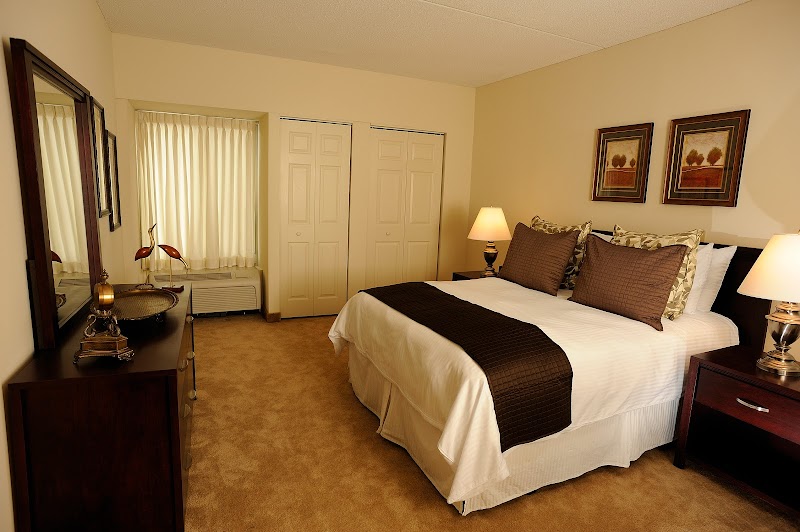
How is Wesley Enhanced Living At Stapeley Staffed?

CMS rates WESLEY ENHANCED LIVING AT STAPELEY's staffing level at 4 out of 5 stars, which is above average compared to other nursing homes. Staff turnover is 43%, compared to the Pennsylvania average of 46%. This relatively stable workforce can support continuity of care.

What Have Inspectors Found at Wesley Enhanced Living At Stapeley?

State health inspectors documented 35 deficiencies at WESLEY ENHANCED LIVING AT STAPELEY during 2023 to 2025. These included: 1 that caused actual resident harm and 34 with potential for harm. Deficiencies causing actual harm indicate documented cases where residents experienced negative health consequences.
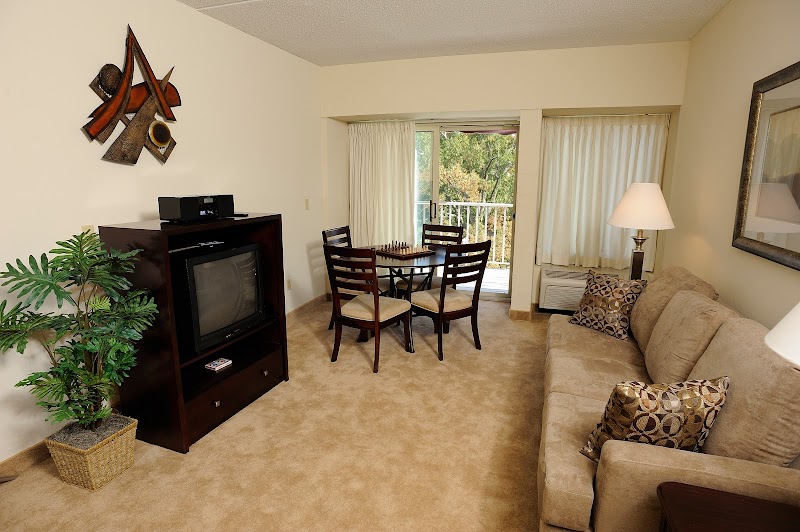
Who Owns and Operates Wesley Enhanced Living At Stapeley?

WESLEY ENHANCED LIVING AT STAPELEY is owned by a non-profit organization. Non-profit facilities reinvest revenue into operations rather than distributing to shareholders. The facility operates independently rather than as part of a larger chain. With 120 certified beds and approximately 110 residents (about 92% occupancy), it is a mid-sized facility located in PHILADELPHIA, Pennsylvania.

How Does Wesley Enhanced Living At Stapeley Compare to Other Pennsylvania Nursing Homes?

Compared to the 100 nursing homes in Pennsylvania, WESLEY ENHANCED LIVING AT STAPELEY's overall rating (2 stars) is below the state average of 3.0, staff turnover (43%) is near the state average of 46%, and health inspection rating (2 stars) is below the national benchmark.

What Should Families Ask When Visiting Wesley Enhanced Living At Stapeley?

Based on this facility's data, families visiting should ask: "Can I visit during a mealtime to observe dining assistance and food quality?" "How do you handle medical emergencies, and what is your hospital transfer rate?" "Can I speak with family members of current residents about their experience?"

Is Wesley Enhanced Living At Stapeley Safe?

Based on CMS inspection data, WESLEY ENHANCED LIVING AT STAPELEY has a clean safety record: no substantiated abuse findings (meaning no confirmed cases of resident harm), no Immediate Jeopardy citations (the most serious violation level indicating risk of serious injury or death), and is not on the Special Focus Facility watch list (a federal program monitoring the lowest-performing 1% of nursing homes). The facility has a 2-star overall rating and ranks #100 of 100 nursing homes in Pennsylvania. While no facility is perfect, families should still ask about staff-to-resident ratios and recent inspection results during their visit.

Do Nurses at Wesley Enhanced Living At Stapeley Stick Around?

WESLEY ENHANCED LIVING AT STAPELEY has a staff turnover rate of 43%, which is about average for Pennsylvania nursing homes (state average: 46%). Moderate turnover is common in nursing homes, but families should still ask about staff tenure and how the facility maintains care continuity when employees leave.

Was Wesley Enhanced Living At Stapeley Ever Fined?

WESLEY ENHANCED LIVING AT STAPELEY has no federal fines on record. CMS issues fines when nursing homes fail to meet care standards or don't correct problems found during inspections. The absence of fines suggests the facility has either maintained compliance or corrected any issues before penalties were assessed. This is a positive indicator, though families should still review recent inspection reports for the full picture.

Is Wesley Enhanced Living At Stapeley on Any Federal Watch List?

WESLEY ENHANCED LIVING AT STAPELEY is not on any federal watch list. The most significant is the Special Focus Facility (SFF) program, which identifies the bottom 1% of nursing homes nationally based on persistent, serious quality problems. Not being on this list means the facility has avoided the pattern of deficiencies that triggers enhanced federal oversight. This is a positive indicator, though families should still review the facility's inspection history directly.