WESLEY ENHANCED LIVING PENNYPACK PARK
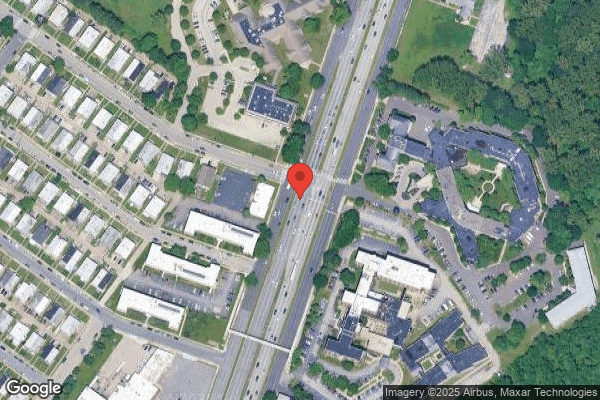
8401 ROOSEVELT BOULEVARD, PHILADELPHIA, PA 19152 (215) 624-5800
Non profit - Corporation 120 Beds Independent Data: November 2025
Trust Grade
48/100
#376 of 653 in PA
Last Inspection: October 2024

Within standard 12-15 month inspection cycle. Federal law requires annual inspections.

Overview

Wesley Enhanced Living Pennypack Park has a Trust Grade of D, indicating it is below average and has some concerns that potential residents should be aware of. It ranks #376 out of 653 nursing homes in Pennsylvania, placing it in the bottom half of facilities in the state, and #24 out of 46 in Philadelphia County, meaning there are better local options available. The facility is improving, with the number of issues decreasing from 20 in 2024 to 4 in 2025. Staffing is a relative strength with a rating of 4 out of 5 stars, although the turnover rate is 56%, which is average for the state. However, they have faced some serious concerns, including failing to monitor a resident's skin integrity, leading to a deep tissue injury, and a history of pest control issues within the building. Overall, while there are strengths in staffing and a trend of improvement, families should consider the facility's lower trust grade and specific incidents when making their decision.

Trust Score
D
48/100
In Pennsylvania
#376/653
Bottom 43%
Safety Record
Moderate
Needs review
Inspections
Getting Better
20 → 4 violations
Staff Stability
⚠ Watch
56% turnover. Above average. Higher turnover means staff may not know residents' routines.
Penalties
✓ Good
$10,059 in fines. Lower than most Pennsylvania facilities. Relatively clean record.
Skilled Nurses
✓ Good
Each resident gets 52 minutes of Registered Nurse (RN) attention daily — more than average for Pennsylvania. RNs are trained to catch health problems early.
Violations
⚠ Watch
34 deficiencies on record. Higher than average. Multiple issues found across inspections.
★★★☆☆
3.0
Overall Rating
★★★★☆
4.0
Staff Levels
★★☆☆☆
2.0
Care Quality
★★★☆☆
3.0
Inspection Score
Stable
2024: 20 issues
2025: 4 issues

The Good

  • 4-Star Staffing Rating · Above-average nurse staffing levels
  • Full Sprinkler Coverage · Fire safety systems throughout facility
  • No fines on record

Facility shows strength in staffing levels, fire safety.

The Bad

3-Star Overall Rating

Near Pennsylvania average (3.0)

Meets federal standards, typical of most facilities

Staff Turnover: 56%

Near Pennsylvania avg (46%)

Frequent staff changes - ask about care continuity

Federal Fines: $10,059

Below median ($33,413)

Minor penalties assessed

Staff turnover is elevated (56%)

8 points above Pennsylvania average of 48%

The Ugly 34 deficiencies on record

1 actual harm
Apr 2025 4 deficiencies
CONCERN (D) 📢 Someone Reported This

A family member, employee, or ombudsman was alarmed enough to file a formal complaint

Potential for Harm - no one hurt, but risky conditions existed

Safe Transfer (Tag F0626)

Could have caused harm · This affected 1 resident

Based on staff interviews, review of facility policy and review of clinical records, it was determined that the facility failed to re-admit a resident back into the facility after a change in conditio...

Read full inspector narrative →
Based on staff interviews, review of facility policy and review of clinical records, it was determined that the facility failed to re-admit a resident back into the facility after a change in condition for 1 out of 5 residents reviewed (Resident R1). Findings include: Review of the facility policy, Transfer or Discharge, Facility-Initiated, with a revision dated of October 2022, indicated that if the resident is being transferred or discharged because his or her needs cannot be met at the facility, documentation will include, but not limited to: the specific resident needs that cannot be met; the facility's attempt to meet those needs; the receiving facility's service(s) that are available to meet those needs, and that an appropriate notice was provided to the resident and/or legal representative from the facility. Review of the March 2024 physician orders for Resident R1 included the following diagnoses: morbid obesity; transient cerebral ischemic attack (a brief stroke-like attack); hypertension (high blood pressure); cognitive communication deficits; diabetes (a metabolic disorder in which the body has high sugar levels for prolonged periods of time), and a urinary tract infection. Resident was also being treated at the facility for anxiety (intense, excessive and persistent worry and fear about everyday situations); visual hallucinations (seeing people, places and things that do not exist), and disorientation. Review of multidisciplinary notes from January 14, 2024 through March 3, 2025 documented various behaviors that included, but were not limited to, kicking staff, scratching staff, yelling, screaming uncontrollably and unprovoked. Refusing meals and having a poor appetite, refusing medications, punching staff, hitting other residents; Resident noted with increased anxiety, trying to climb out of bed, taking his diaper and clothes off, and biting staff. Review of nursing note dated March 3, 2025 at 7:13 p.m. described the resident as being very aggressive, trying to hit other residents in the common area, trying to get out of wheelchair, and making loud noises. The note indicated that staff tried to redirect him, and offered snacks, but the resident did not calm down. The nursing note indicated that physician was contacted and advised the facility to send the resident out to the hospital. Review of a nursing note dated March 3, 2025 at 9:15 p.m. indicated that the resident when the transferred out to the hospital, was very combative and tried to bite the attendants who arrived to take him to the hospital. Review of a nursing note dated March 3, 2025 at 4:13 a.m. indicated that the nurse spoke to the nurse at the hospital and was informed that the resident was admitted with Acute kidney injury. Review of hospital records dated March 3, 2025 indicated that labs were performed on the resident and that he was being treated for a urinary track infection. Information provided by the hospital and reported to the State Survey Agency on March 14, 2025 indicated that the facility refused to accept the resident back after the facility reported to the hospital that the resident could not be admitted back to the facility if he was still required the use of Haldol (a medication that he was treated with during a a portion of his stay in the hospital) and if he still required the use of physical restraints. The hospital reported that upon the hospital's attempt to discharge the resident back to the facility on March 12, 2025, the resident no longer required the use of Haldol and had been off physical restraints for more that 60 hours prior to March 12, 2025. Review of hospital records written by the hospital social worker on March 12, 2025 at 11:07 a.m. documented that the patient had been off restraints for over 48 hours and that the hospital social worker arranged transportation for the resident to return to the facility at 1:00 pm. on March 12, 2025. The hospital social worker's note also indicated that she notified the facility regarding the resident's return. SW made pt team & facility aware. Review of a hospital note written by the hospital social worker on March 12, 2025 at 1:23 p.m., documented that she was notified by the facility's admission director (Employee E4) that the facility Nursing Home Administrator (NHA) was not happy that the resident was coming back to the facility on the above referenced date due to the resident being on restraints and being treated with the medication, Haldol. Continued review of the hospital social worker's documentation indicated that the social worker informed the facility admission director that the information was untrue and asked the facility's admission director to review the chart again and to inform the hospital social worker of where it stated that the resident is currently being administered Haldol, and on physical restraints. The hospital social worker reported that the facility admission's director informed her that if the resident is returned to the facility, the facility will send him back to the hospital. Continued review of hospital documentation on March 12, 2025, at 1:23 p.m. indicated that the facility admission's director contacted the hospital social worker and reported that the facility's Director of Nursing (DON) did not think the resident was stable because the hospital did not have 3 nursing notes a day stating the resident was stable. The hospital social worker documented in her progress note that that the facility's admission director stated, that's not good enough when the hospital social worker informed the facility admission director that the resident was medically stable. Review of a hospital's physician note dated March 13, 2025 at 8:31 a.m. documented, Pt was medically stable for discharge for several days prior to DC Was off restraints >60 hours at time of discharge. The physician's continued documentation stated, the director of nursing refused to re-admit the resident due to inadequate documentation of lack of restraints. Review of the clinical record did not show evidence of any documentation, as required from March 3, 2025 through March 12, 2025 indicating that the facility was not able to meet the resident's needs or and what the needs were, if they were unable to meet them. Continued review of the resident's clinical record at the facility did not show evidence of documentation from the facility indicating that the facility collaborated with the hospital related to the facility not be able to meet his needs. During an interview with the Director of Nursing (DON) on March 27, 2025 at 4:34 p.m. the DON confirmed that she notified nursing staff to send the resident back to the hospital when the hospital transported the resident back to the facility on March 12, 2025. The DON reported during the above-referenced interview that she had hospital records for the resident(e.g. physician notes, social worker notes, other multi-disciplinary notes, etc), but that she wanted to see the hospital nursing notes and reported that she did not have access to the nursing notes. During an interview with the NHA and the DON on April 7, 2025, at 2:15 p.m. it was discussed that the facility did not allow the resident to be re-admitted to the facility and had no documentation, as required to show that they collaborated with the hospital during the time that they resident was admitted prior to making the decision that he could not return to the facility. 28 Pa Code 201.18(a) Management 28 Pa Code 201.18(b)(1) Management 28 Pa Code 201.18 (b) (2) Management 28 Pa. Code 201.24(b) Admission 28. Pa Code 201.29(a) Resident rights 28 Pa Code 201.29 (f) Resident rights 28 Pa Code 201.29 (g) Resident rights 28 Pa Code 201.29 (j) Resident rights 28 Pa Code 201.25 (a) Discharge policy
CONCERN (D) 📢 Someone Reported This

A family member, employee, or ombudsman was alarmed enough to file a formal complaint

Potential for Harm - no one hurt, but risky conditions existed

Comprehensive Care Plan (Tag F0656)

Could have caused harm · This affected 1 resident

Based on staff interviews and the review of clinical records, it as determined that the facility failed develop a person-centered plan of care for behaviors and refusal of medications for 1 out of 2 r...

Read full inspector narrative →
Based on staff interviews and the review of clinical records, it as determined that the facility failed develop a person-centered plan of care for behaviors and refusal of medications for 1 out of 2 residents reviewed (Resident R1). Findings include: Review of the March 2024 physician orders for Resident R1 included the diagnoses of morbid obesity; transient cerebral ischemic attack (a brief stroke-like attack); hypertension (high blood pressure); cognitive communication deficits; diabetes (a metabolic disorder in which the body has high sugar levels for prolonged periods of time), and a urinary tract infection. Resident was also being treated at the facility for anxiety (intense, excessive and persistent worry and fear about everyday situations); visual hallucinations (seeing people, places and things that do not exist), and disorientation. Review of multidisciplinary notes from January 14, 2025 through March 3, 2025 documented various behaviors that included, kicking staff, scratching staff, yelling, screaming uncontrollably and unprovoked. Refusing meals and having a poor appetite, refusing medications, punching staff, hitting other residents; Resident noted with increased anxiety, trying to climbing out of bed, taking his diaper and clothes off, and biting staff. Review of nursing notes date January 25, 2025 at 10:41 p.m. revealed that at 10:41 a.m the resident was anxious, making loud noises and shouted at staff. Nursing note dated January 27, 2025 at 10:15 p.m. revealed that the resident was confused and lethargic, and was sent out to the hospital at 10:15 p.m. Continued review of nursing notes dated January 28, 2025 p.m. at 4:44 a.m. revealed that the resident returned to the facility at 4:24 a.m. with no new orders. Nursing note dated 1/30/2025 at 12:18 a.m. the resident was in the hallway yelling that he wanted to go home. On the same date at 12:36 a.m. the resident was still yelling, was anxious, and refused to go to bed. At 4:51 a.m. the administration of the resident's prn (as needed) medication used to help manage his anxiety was ineffective and nursing staff contact the resident's wife to assist with calming him down. Nursing note dated 2/1/2025 at 2:33 p.m. the resident refused all oral medications. Nursing note dated 2/7/2025 at 2:47 a.m. the resident was anxious, unable to sit in the chair, would not to stay in bed and when he was in bed he was climbing out of bed and when nursing staff put him in his chair he want to go back to bed. Very difficult to redirect. At 6:42 a.m. Resident continues on 1 hour checks due to multiple behaviors. Resident was noted as yelling out and screaming. Nursing note dated 2/8/2025 at 12:45 a.m. - Resident noted with increased anxiety, Restlessness, climbing out of bed, staff talk and listen, toileting done. Staff members assisted him in to the w/c (wheelchair) and brought him out to the common area with staff supervision. Nursing note dated 2/13/2025 at 2:36 p.m. - Resident had random outbursts of yelling and was hard to redirect at this time. At 4:52 a.m. Resident noted with behavior and had to be redirected Resident constantly tries to get up and move. He could not settle in bed to sleep. Staff brought him to the common area sat with him offered snacks Staff. Resident continues to scream uncontrollably and unprovoked. Nursing note dated 3/3/2025 at 5:10 a.m. the resident was combative during care scratch staff. At 4:46 p.m. the resident was calling out and trying to get out of wheelchair. The resident wanted to go home and was making loud noises. At 7:13 p.m. the resident was described as being very aggressive, trying to hit other residents in the common area, trying to get out of wheelchair, and making loud noises. The note indicated that the staff tried to redirect him, and offered snacks, but the resident did not calm down. The physician was contacted and advised the facility to send the resident out to the hospital. Review of the resident's person-centered plan of did not include a plan of care for the management of the resident's behaviors to ensure appropriate care and interventions are utilized to prevent behaviors from occurring and/or the management behaviors. During an interview with the Unit Manager (Employee E3) on March 27, 2025 at 3:25 p.m. the Unit Manager confirmed that there was no person-centered plan of care to address and management the resident's behaviors. 28 Pa Code 211.10(c) Resident care policies 28 Pa Code 211.10(d) Resident care policies 28 Pa Code 211.11(d) Resident care plan 28 Pa. Code 211.12(c)Nursing services 28 Pa. Code 211.12(d)(1) Nursing services 28 Pa. Code 211.12(d)(3) Nursing services 28 Pa. Code 211.12(d)(5) Nursing services
CONCERN (D) 📢 Someone Reported This

A family member, employee, or ombudsman was alarmed enough to file a formal complaint

Potential for Harm - no one hurt, but risky conditions existed

Laboratory Services (Tag F0770)

Could have caused harm · This affected 1 resident

**NOTE- TERMS IN BRACKETS HAVE BEEN EDITED TO PROTECT CONFIDENTIALITY** Based on staff interviews and the review of clinical records, it was determined that the facility failed to ensure that physicia...

Read full inspector narrative →
**NOTE- TERMS IN BRACKETS HAVE BEEN EDITED TO PROTECT CONFIDENTIALITY** Based on staff interviews and the review of clinical records, it was determined that the facility failed to ensure that physician orders were followed and recommendations were addressed regarding obtaining labs to ensure appropriate care and services could be provided for 1 out of 2 residents reviewed (Resident R1). Findings include: Review of a physician's note dated January 14, 2025 at 9:41 p.m. indicated that the resident was admitted to the facility on [DATE] from a local hospital after being brought to the hospital by his wife after exhibiting signs of increased confusion at home. The resident was subsequently diagnosed with acute encephalopathy (damage or disease that affects the brain that lead to an altered mental status) and a urinary tract infection. The resident was transferred to the facility for rehabilitation services once discharged from the hospital. Review of the March 2024 physician orders for Resident R1 included the following diagnoses: morbid obesity; transient cerebral ischemic attack (a brief stroke-like attack); hypertension (high blood pressure); cognitive communication deficits; diabetes (a metabolic disorder in which the body has high sugar levels for prolonged periods of time), and a urinary tract infection. Resident was also being treated at the facility for anxiety (intense, excessive and persistent worry and fear about everyday situations); visual hallucinations (seeing people, places and things that do not exist), and disorientation. Review of multidisciplinary notes from January 14, 2025 through March 3, 2025 documented various behaviors that included, kicking staff, scratching staff, yelling, screaming uncontrollably and unprovoked. Refusing meals and having a poor appetite, refusing medications, punching staff, hitting other residents; Resident noted with increased anxiety, trying to climbing out of bed, taking his diaper and clothes off, and biting staff. During an visit with the psychiatric nurse practioner on January 24, 2025 at 4:06 p.m. the nurse practitioner reported that she was seeing the resident due to facility concerns with his behavior. The nurse practitioner indicated in her assessment that the resident had a history of UTI with delirium and presented to her with reports of visual hallucinations, agitation, anxiety, and restlessness. Recommendations made by the nurse practitioner included the facility obtaining labs on the resident for further assessment of the resident. Collect U/A, CBC. CMP, to rule out infectious or metabolic cause of patient's mental status. Review of nursing notes from January 24, 2025, through January 31, 2025 indicated that resident's behavior continued and included but was not limited to the following: 1/25/2025 at 10:41 p.m. nursing note indicated that at 10:41 a.m indicated that the resident was anxious, making loud noises and shouted at staff 1/27/2025 at 10: 15 p.m. the resident was noted with confused and was lethargic, and was sent out to the hospital at 10:15 p.m. and per a nursing note dated returned on 1/28/2025 p.m. at 4:44 a.m. the resident returned to the facility at 4:24 a.m. with no new orders. 1/30/2025 at 12:18 a.m. the resident was in the hallway yelling that he wanted to go home. 1/30/2025 at 12:36 a.m. the resident was still yelling, was anxious, and refused to go to bed. 1/30at 4:51 a.m. - the administration of the resident's prn (as needed) medication used to help manage his anxiety was ineffective and nursing staff contact the resident's wife to assist with calming him down. Review of the nurse practitioner's note on January 31, 2025 at 1:30 p.m. after her visit with the resident, the nurse practitioner documented documented that the urine analysis lab work that she recommended during her January 24, 2025 visit had not been done. U/A not collected per previous recommendation- can reconsider to rule out that this is not a delirium related to an unresolved UTI. The nurse practitioner's recommendation for the January 31, 2025 visit included completing a urine analysis on the resident. Reconsider collecting U/A. Review of a note dated February 14, 2025 at 9:43 p.m. by the psychiatric nurse practitioner who visited with the resident indicated that the ressidents assessment remains unchanged from her last visit (January 31, 2025) The nurse practitioner also asked the facility to reconsider obtain a urine analysis on the resident. Reconsider collecting U/A to rule out all possible causes of patient's current mental status. Review of nursing notes from February 14, 2025, through March 3, 2025 when resident was discharged to the hospital, indicated that the resident's behaviors continued as follows: 3/3/2025 at 5:10 a.m. the resident was combative during care scratch staff. 3/3/2025 at 4:46 p.m. the resident was calling out and trying to get out of wheelchair. The resident wanted to go home and was making loud noises. 3/3/2025 at 7:13 p.m. the resident was described as being very aggressive, trying to hit other residents in the common area, trying to get out of wheelchair, and making loud noises. The note indicated that the staff tried to redirect him, and offered snacks, but the resident did not calm down. The physician was contacted and advised the facility to send the resident out to the hospital. 3/3/2026 at 9: 15 p.m. the resident was transferred out to the hospital, was very combative and tried to bite the attendants who arrived to take him to the hospital. 3/4/2025 at 4:13 a.m. a follow up call to the spoke ER nurse indicated that the resident was admitted with Acute kidney injury. Review of hospital records dated 3/3/4 indicated that labs were performed on the resident and that he was being treated for a urinary [NAME] infection. Review of the January 2025 physician's order dated January 21, 2025 included a physician's order for the resident to have urine analysis/culture and sensitivity related to symptoms of a urinary [NAME] infections. u/a C&S dx uti symptoms. 1/21/25. Continued review of the clinical record did not show evidence that this was completed, as ordered. Review of the resident's clinical record did not show evidence that the facility addressed the nurse practitioner's recommendations of obtaining the above referenced labs on the resident when she visited on January24, 2025, January 31, 2025 and February 14, 2025. During an interview on March 27, 2025 at 2:53 p.m. with the Unit Manager it was confirmed that the urine analysis that was ordered on January 21, 2025 by the physician was not completed. It was also confirmed that the urine analysis that was recommended by the nurse practitioner on January 24, 2025, January 31, 2025 and February 14, 2025 were not addressed by the facility. 28 Pa. Code 211.12(d)(1) Nursing services 28 Pa. Code 211.12(d)(3) Nursing services 28 Pa. Code 211.12(d)(5) Nursing services
CONCERN (D) 📢 Someone Reported This

A family member, employee, or ombudsman was alarmed enough to file a formal complaint

Potential for Harm - no one hurt, but risky conditions existed

Deficiency F0840 (Tag F0840)

Could have caused harm · This affected 1 resident

Based on staff interviews and review of clinical records, it was determined that the facility failed to ensure that a recommendation for a resident to be seeen by an endocrinologist was addressed for ...

Read full inspector narrative →
Based on staff interviews and review of clinical records, it was determined that the facility failed to ensure that a recommendation for a resident to be seeen by an endocrinologist was addressed for 1 out of 2 residents reviewed (Resident R1). Findings include: Review of multi-disciplinary notes indicated that the resident had a visit that the resident had with the facility endocrinologist (a physician who specializes in the treatment of diagnosis, such as diabetes) on January 27, 2025 at 1:06 p.m. Recommendations to the residents current treatment plan were made. Continued review of the clinical notes from the endocrinologist indicated that the endocrinologist would follow up with the resident in 2-4 weeks and that the facility could contact the endocrinologist sooner with any questions, concerns, or any changes in the resident's health care status related to diabetes. Will follow up in 2-4 weeks. Please email [name of office] sooner with any questions, concerns or changed in the pts's DM (Diabetes Melittus) control. Review of multidisciplinary notes from January 14, 2025 through March 3, 2025 documented various behaviors that included, kicking staff, scratching staff, yelling, screaming uncontrollably and unprovoked. Refusing meals and having a poor appetite, punching staff, hitting other residents; Resident noted with increased anxiety, trying to climbing out of bed, taking his diaper and clothes off, biting staff and refusing his medications, including medication related to the management of his diabetes. Review of a note dated February 14, 2025 at 9:43 p.m. by the psychiatric nurse practitioner who visited with the resident indicated that staff reported to her that the resident is worse when his blood sugars are low. The nurse practioner recommended that the facility consult endocrinology, as low blood sugars may be the cause of the resident's behavior. Advisable to consult endocrinology as it is possible this may be leading to patient's presentation. Frequent checking of patient's blood sugar is advisable as medications that address patient's AMS (altered mental status) may mask symptoms of hypoglycemia. Continue to rule out medical causes of patient's AMS as you are. The nurse practitioner also asked the facility to reconsider obtain a urinal analysis on the resident. Reconsider collecting U/A (urinalysis) to rule out all possible causes of patient's current mental status. Review of the clinical record did not show evidence that this recommendation was addressed by nursing staff, as there was no appointment scheduled for Resident R1 to see the endocrinologist or any other indication that nursing staff contacted the endocrinologist. During a interview with the Director of Nursing (DON) on April 7, 2025 at 2:10 p.m. regarding the recommendation made by the psychiatric nurse practitioner on February 13, 2025 and no evidence that the recommendation was addressed, or the endocrinologist contacted regarding concerns related to the resident's diabetes management. The DON reported that the endocrinologist was not at the facility every day, and only comes to the facility on certain days. 28 Pa. Code 211.10(c) Resident care policies 28 Pa. Code 211.12(d)(1)(3)(5) Nusing services
Oct 2024 13 deficiencies
CONCERN (D)

Potential for Harm - no one hurt, but risky conditions existed

Deficiency F0657 (Tag F0657)

Could have caused harm · This affected 1 resident

Based on observations, reviewof clinical record, review of facility documents and staff interviews, it was determined that the facility failed to revise the care plan for activities of daily leaving f...

Read full inspector narrative →
Based on observations, reviewof clinical record, review of facility documents and staff interviews, it was determined that the facility failed to revise the care plan for activities of daily leaving for one of 31 residents reviewed (Resident R32). Findings include: Review of Resident R32's clinical record revealed that the Resident R32 was admitted in the facility on January 16, 2024. Resident R32's diagnoses included, Muscle Weakness, Dementia (a group of conditions characterized by impairment of at least two brain functions, such as memory and judgment), and abnormalities of gait and mobility. Review of physician order for Resident R32, dated March 13, 2024, indicated an order for Physio-Therapy evaluation and treatment as indicated. Review of the care plan for Resident R32, initiated on January 16, 2024, with a target date of September 8, 2024, indicated that Resident R32 would demonstrate an improvement in Activities of Daily living status through skilled therapy intervention. Review of Resident R32's current care plan revealed that the resident's care plan was not updated or revised to reflect the improvement or care plan status related with the Activities of Daily Life Interview conducted on October 24, 2024 at 1:04 p.m. with the Directoof Nursing confirmed that the resident's care plan was not updated to reflect the resident current activities of daily living status. 28 Pa Code 211.11(d) Resident Care Plan
CONCERN (D)

Potential for Harm - no one hurt, but risky conditions existed

Accident Prevention (Tag F0689)

Could have caused harm · This affected 1 resident

**NOTE- TERMS IN BRACKETS HAVE BEEN EDITED TO PROTECT CONFIDENTIALITY** Based on review of clinical records, review of facility documentation, review ofd facility policies and interviews with staff, i...

Read full inspector narrative →
**NOTE- TERMS IN BRACKETS HAVE BEEN EDITED TO PROTECT CONFIDENTIALITY** Based on review of clinical records, review of facility documentation, review ofd facility policies and interviews with staff, it was determined that the facility failed to provide adequate supervision to prevent elopement of one out of 31 residents reviewed (Resident R80). Findings include: Review of facility policy, Elopement of a Resident effective dated December 12, 2016, revealed that it was the policy of the facility to put measures into place to prevent residents room eloping (leave without staff knowledge) from the facility. The policy defined elopement as the ability of a resident, who is not capable of self-preservation to successfully wander away, walk away, run away, escape, or otherwise leave the facility or environment unsupervised, unnoticed, and/or prior to their scheduled discharge and enter into a harmful situation. Review of the clinical record for Resident R80, revealed resident was admitted to the facility on [DATE], with diagnoses including Anxiety Disorder (a mental illness that causes a person to experience excessive and uncontrollable feelings of fear or anxiety. These feelings can be so severe that they interfere with a person's daily life), Abnormalities of Gait and Mobility, Other Symbolic Dysfunction (Other symbolic dysfunction is a language impairment caused by an underlying medical condition, such as brain damage, that affects the brain's ability to recognize symbols, identify sounds, write, or speak), and Alcohol Abuse. Review of Resident R80's Minimun Data Set (MDS- assessment of resident's care needs) dated, April 4,2024, revealed a BIMS score of 15 (Brief Interview for Mental Status, a cognitive screening tool used to assess mental status in patients), indicating that the resident was cognitively intact (the ability to clearly think, learn, and remember). Review of a nursing progress note of Resident R80, dated April 19, 2024, revealed that at about 4 PM the CNA (Nurse Aide) went to check on resident, but she (Reisdent R80) was not in her room and she (Nurse Aide) reported to the charge nurse. Staff searched for Resident R80 in every room on the floor and around the courtyard, but Resident R80 was nowhere to be found. It was reported to the Supervisor and the Security who joined in the search. A called was made to Resident R80's sister, and her daughter to verify if she was with them, but they said resident was not with them. When got back from the search at the courtyard, found resident in her room dressed up sitting on her bed; asked her where and whom she went out with, she said she went to a party on the third floor and that she told somebody before leaving, and the person promised to tell the nurse; left Resident R80 in her room on her bed; after a while Resident R80 started speaking in a high tone, nurse went in to see what was going on with her, as she was talking I smell alcohol in her breath, the nurse tried to investigate, and called the CNA and the other charge nurse to the room, they as well confirmed that they smell alcohol, so the nurse went through some shopping bags in [Resident R80's] room and on top of her bed, the nurse found a half bottle of [NAME] and a full bottle of wine on her bed, at that point [Resident R80] started forcing and yelling, and scratching the nurse's hand, crying so that the nurse should let go of the [NAME] that she got because she had cold; the nurse called the Supervisor who joined with the nurse to redirect [Resident R80] and she became calm, made her sister and her daughter aware; notified the Physician; placed the resident in her bed with all safety measure in place. Further review of clinical records revealed that, Resident R80 was assessed for any sign of injury, and none found, and Resident R80 denied any discomfort. Resident was Awake, Alert and Oriented; BIMS (Brief Interview for Mental Status, a cognitive screening tool used to assess mental status in patients) of 15 (perfect score); notified and updated emergency contact; care plan was updated with check every two hours for safety and high risk for elopement; notified MD and Security; informed Front Desk Staff and all staff that resident R80 needed to be escorted by family when leaving the facility. Front desk was given updated picture. The staff was able to verify resident had left building by self, no friend or family member was present. Resident did leave via the front desk wearing jeans, sneakers, white top, and jacket in arm, not using cane or walker like she (R80) normally would when leaving with family members. Front desk receptionist was present and did not notice anything out of the ordinary. Picture was not present at the time of elopement because resident had never shown any concern for elopement in the last year she had been in the facility, and R80's original admission was April 2023. The closest store where liquor can be bought was on the other side of the main road in the shopping center where there was a state store for fine wine and good spirits, approximately 10-minute walk according to google maps. Care-plan updated with every 15-minute checks as resident R80 continued to verbally say she would leave, resident refused to wear wander guard; so, wander guard was placed on cane and walker of R80, and resident was completely noncompliant with using safety devices now because of wanderguard places. R80 was also started on Gabapentin to help with alcohol withdrawal/anxiety. Resident 80's behaviors had continued, despite medication and family has been notified that alternative placement needs to be explored at this time. Resident was also seen by psych and during interview R80 told I'm leaving I don't need to be here. Alcohol when found was taken away from resident. R80 did not have an order for alcohol, so it was removed, and daughter was made aware. Resident R80 had not made any comments related to leaving or drinking alcohol before the incident. The daughter is against mother drinking and sister had verbalized to support that, who are R80's most frequent visitors. R80 does not have a P.O.A. Resident does not currently have any order to give or not give alcohol. Resident R80 remained on every 15 minutes checks until the staff received recommendation that psychologist/psychiatrist felt it would be appropriate to discontinue them. On October 21, 2024, 12:10 p.m., , interviewed Resident R80 in her room. R80 was not cooperative to talk about the incident. On October 21, 2024, 12:20 p.m., interviewed the DON, and the DON confirmed the information as mentioned in the clinical notes, as above. On October 22, 2024, 9:57 a.m., interviewed the Unit Manager, a Registered Nurse, Employee E1., who restated the same information as mentioned above, and added that Resident R80 was noted missing around 3 p.m., on April 19, 2024, during room rounds. Employee E10 confirmed that unit staff searched the unit and courtyard, notified security and supervisor; also made phone calls to Resident 80's contact persons and were able to confirm that family did not have resident with them. Resident does frequently go out with family. Then after about an hour and 45 minutes resident was noted returning entering the front desk and Resident R80 stated that she was with a friend. Resident would not elaborate on who the friend was. No one was seen dropping resident off as she walked in by herself. She did return with a black shopping bag with 2 bottles of alcohol, a bottle of wine 750 ml (unopened) and a 375 ml bottle of brandy half full. Resident R80 had stated, this is America, this is a free country, I can do what I want. Resident R80 does have a history of alcohol abuse. 28 Pa. Code 201.14(a) Responsibility of licensee 28 Pa. Code 201.18(b)(1)(3)(e)(1) Management 28 Pa. Code 211.10(d) Resident care policies 28 Pa. Code 211.12(c)(d)(1)(5) Nursing services
CONCERN (D)

Potential for Harm - no one hurt, but risky conditions existed

Incontinence Care (Tag F0690)

Could have caused harm · This affected 1 resident

**NOTE- TERMS IN BRACKETS HAVE BEEN EDITED TO PROTECT CONFIDENTIALITY** Based on review of facility policies and procedures, clinical record review, and staff interview, it was determined that the fac...

Read full inspector narrative →
**NOTE- TERMS IN BRACKETS HAVE BEEN EDITED TO PROTECT CONFIDENTIALITY** Based on review of facility policies and procedures, clinical record review, and staff interview, it was determined that the facility failed to ensure that physican orders were followed related to an indwelling urinary catheter for one of five residents reviewed with incontinence concerns (Resident R8). Findings include: Review of Resident R8's clinical record revealed that the resident was admitted to the facility on [DATE]. Diagnoses included Urinary Tract Infection, Cognitive Communication Deficit (a difficulty with communication that's caused by a disruption in cognitive processes. This can affect a person's ability to speak, listen, read, write, and interact socially) and Depression (a common mental health condition that can impact a person's thoughts, feelings, behavior, and sense of well-being. It's more than just feeling down or having a bad day, and it can interfere with daily activities like sleeping, eating, and working). Review of physician order for Resident R8, dated August 23, 2024, indicated an order for an indwelling urinary Foley catheter with size 16FR/10ML for urinary retention. On October 24, 2024, at 8:46 a.m., it was observed that for Resident R8, no 16FR/10ML was marked on the Foley Catheter, to verify the size of the Foley Catheter, which did not enable to confirm whether the facility had followed the physician order. At the time of the finding, confirmed the same with Employee E9, a Registered Nurse. 28 Pa Code 211.12(d)(1) Nursing services 28 Pa Code 211.12(d)(5) Nursing services
CONCERN (D)

Potential for Harm - no one hurt, but risky conditions existed

Deficiency F0692 (Tag F0692)

Could have caused harm · This affected 1 resident

**NOTE- TERMS IN BRACKETS HAVE BEEN EDITED TO PROTECT CONFIDENTIALITY** Based on observations of nutritional care and services, interviews with staff, reviews of policies and procedures, it was determ...

Read full inspector narrative →
**NOTE- TERMS IN BRACKETS HAVE BEEN EDITED TO PROTECT CONFIDENTIALITY** Based on observations of nutritional care and services, interviews with staff, reviews of policies and procedures, it was determined that the facility failed to assess and monitor the nutritional status of one of four residents reviewed to ensure that each resident maintained acceptable parameters of nutritional status related to usual body weight and laboratory values. (Resident R27) Findings include: A review of the policy titled weight management dated July 15, 2029 revealed that if there was a weight change from the previous weight for a resident that was less five pounds the dietitian was to be notified by the nursing staff. The dietitian was then responsible to conduct a nutritional assessment of the resident and provide interventions for the resident to maintain body weight and meet food and fluid needs daily. A review of the policy titled nutritional assessment dated [DATE] revealed that the dietitian in conjunction with the nursing staff and physician were to conduct a comprehensive assessment of each resident upon a change in a residents' condition. The nutritinal assessment was to identify usual meal patterns, snack patterns, food preferences, food form, toleration, texture and flavors for each resident. The clinical record review for Resident R27 revealed a laboratory study that was completed on September 30, 2024 that indicated this resident had a low albumin level. A low albumin level meant that the level of protein in the blood was below normal. A low albumin level was indicative of malnutrition or not eating enough nutritients. The clinical record indicated a physican's progress note dated October 10, 2024 that indicate Resident R27 had an arterial wound located on the left heel and a new sacral pressure sore. Review of the weight summary for Resident R27 indicated that on September 2024, the resident weighted 174 pounds and on October 2024 the resident weight was 167 pounds for a total of 7 pounds in 1 month. The weight record also indicated that Resident R27 lost three pounds during a weekly weight period October 4, 2024- 170 pounds and October 11, 2024 the resident weighted 167 pounds. The weight record indicated a significant twenty-one pound weight loss for Resident R27 over a six month period (May 2024- 188 pounds and October, 2024- 167 pounds.) There was no documentation to indicate that the dietitian had completed a comprehensive nutritional assessment of Resident R27 after a change in status and condition had occurred for this resident on October 10, 2024 with the development of the sacral pressure sore and continuous weight loss since May, 2024 and October, 2024. Observations of Resident R27 during the breakfast meal on October 24, 2024 revealed that this resident was requiring assistance with eating. The resident was enjoying warm cooked cereal with milk. There was no documented evidence that food preferences, nutritional supplementation or adapted utensils were considered to enhance the amount of foods consummed and eating abilities for this resident. Interview with the Registered nurse, Employee E5, Nursing aide, Employee E7 and Registered Dietitian, Employee E4 between 9:00 a.m. and 11:00 a.m., on October 24, 2024 confirmed that there was no documented nutritional assessment for the month of October, 2024 related to foods and fluid intake, adaptive equipment or nutritional supplentation for Resident R27. 28 Pa. Code 211.10(c) Resident care policies
CONCERN (D)

Potential for Harm - no one hurt, but risky conditions existed

Respiratory Care (Tag F0695)

Could have caused harm · This affected 1 resident

**NOTE- TERMS IN BRACKETS HAVE BEEN EDITED TO PROTECT CONFIDENTIALITY** Based on observations, review of clinical records and interview with staff, it was determined that the facility failed to admini...

Read full inspector narrative →
**NOTE- TERMS IN BRACKETS HAVE BEEN EDITED TO PROTECT CONFIDENTIALITY** Based on observations, review of clinical records and interview with staff, it was determined that the facility failed to administer oxygen as ordered by the physician for one of 31 residents reviewed. (Resident R22) Findings include: Review of Resident R22's clinical record revealed that Resident R22 was admitted to the facility on [DATE], with diagnoses of Type 2 Diabetes Mellitus without complications, Acute Embolism and Thrombosis of unspecified deep veins of left lower extremity, obesity, Essential Hypertension, Unspecified Fracture of Left Lower Leg. Further review of resident's clinical record revealed a physician's order dated September 26, 2024, for: O2 (oxygen) at 2L via NC (nasal cannula) for Pox (pulse oxygen level) < 92% on room air every shift for Pox < 92% on room air. Observation on Resident R22 conducted during tour of the second-floor unit on October 21, 2024, at 1:04 pm, revealed that Resident R22 was in bed asleep with family member (son) on bedside. Further observation revealed that Resident R22 was on oxygen via nasal cannula connected to an oxygen concentrator machine. Further, observation revealed that the oxygen tubing was not dated. Observation of the oxygen concentrator machine revealed that the oxygen level was at 4.5 liters/minute. Interview with Unit Manager Employee E8 conducted at the time of the observation confirmed that Resident R22's oxygen level was set at 4.5 liters/minute. Interview with Director of Nursing, Employee E2 conducted on October 24, 2024 at 12:25 pm revealed that the frequency of the oxygen tubing change is usually written on the physician's order. Review of the physician's orders for Resident R22 revealed no orders for the frequency of the oxygen tubing change. 28 Pa. Code 211.12(d)(1) Nursing services 28 Pa. Code 211.12(d)(5) Nursing services
CONCERN (D)

Potential for Harm - no one hurt, but risky conditions existed

Medication Errors (Tag F0758)

Could have caused harm · This affected 1 resident

**NOTE- TERMS IN BRACKETS HAVE BEEN EDITED TO PROTECT CONFIDENTIALITY** Based on review of facility policy, review of clinical records, and staff interviews, it was determined that the facility failed...

Read full inspector narrative →
**NOTE- TERMS IN BRACKETS HAVE BEEN EDITED TO PROTECT CONFIDENTIALITY** Based on review of facility policy, review of clinical records, and staff interviews, it was determined that the facility failed to ensure provide documentation of a clinical rationale for the continued administration of an antipsychotic medication and failed to ensure that a gradual dose reduction was attempted for a psychoactive drug for one out of two residents reviewed (Residents R32) Findings Include: Review of facility policy Medication Monitoring and Management, effective dated September 6, 2023, revealed if a resident is admitted on an antipsychotic medication or the facility initiates antipsychotic therapy, the facility must attempt a Gradual Drug Reduction (GDR involves the stepwise tapering of a dose to determine if symptoms, conditions, or risks can be managed by a lower dose or if the medication can be discontinued altogether) in two separate quarters (with at least one month between the attempts) within the first year, unless clinically contraindicated. After the first year, a GDR must be attempted annually, unless clinically contraindicated. A GDR is considered clinically contraindicated if: Target symptoms returned or worsened after the most recent attempt at a GDR, and the physician documents the clinical rationale for why any additional attempted dose reductions would likely impair the resident's function, increase distressed behavior, or cause psychiatric instability by exacerbating an underlying medical or psychiatric disorder. Review of admission Sheet of Resident R32 indicated that the resident was admitted to the facility on [DATE], with diagnoses including Dementia (a chronic condition that causes a gradual decline in cognitive abilities, such as thinking, remembering, and reasoning), and muscle weakness. Review of physician order for Resident R3, dated October 12, 2022, revealed an order for Quetiapine Fumarate Oral Tablet 25, give 2 tablet by mouth at bedtime for psychosis in the absence of dementia. (Quetiapine is an antipsychotic medication that treats several kinds of mental health conditions including schizophrenia and bipolar disorder). Review of Resident R32's clinical record revealed no documented evidence that the physician reviewed the medicine Quetiapine Fumarate for a gradual dose reduction or documented the rationale for the continued administration of the medication. Interview with the Director of Nursing on October 23, 2024 at 10:28 a.m. confirmed the above findings. 28 Pa Code 211.2(a) Physician services 28 Pa Code 211.9(a)(l)(k) Pharmacy services
CONCERN (D)

Potential for Harm - no one hurt, but risky conditions existed

Deficiency F0761 (Tag F0761)

Could have caused harm · This affected 1 resident

**NOTE- TERMS IN BRACKETS HAVE BEEN EDITED TO PROTECT CONFIDENTIALITY** Based on review of clinical records, observation, and staff and resident interview, it was determined that the facility failed t...

Read full inspector narrative →
**NOTE- TERMS IN BRACKETS HAVE BEEN EDITED TO PROTECT CONFIDENTIALITY** Based on review of clinical records, observation, and staff and resident interview, it was determined that the facility failed to ensure that all drugs and biologicals were safely stored for one of 31 residents reviewed (Resident R36). Findings include: Review of Resident R36's clinical record revealed that Resident R36 was admitted to the facility on [DATE] with diagnoses of Atherosclerosis Heart Disease, Type 2 Diabetes Mellitus, Occlusion and Stenosis of Bilateral Carotid Artery, Essential Hypertension, Hyperlipidemia, Further review of Resident R36's clinical record revealed the following physician's orders: Aspirin Oral Capsule 81 MG (Aspirin) Give 81 mg by mouth one time a day for CAD (coronary artery disease)-Order Date-September 27, 2023. Lasix Oral Tablet 20 MG (Furosemide) Give 1 tablet by mouth one time a day for LE (lower extremity) edema-Order Date-October 24, 2023. Metoprolol Tartrate Oral Tablet 25 MG (Metoprolol Tartrate) Give 25 mg by mouth one time a day for HTN (Hypertension) hold for sbp systolic blood pressure) below 110 and hr(heart rate) below 60-Order Date-September 27, 2023. Plavix Oral Tablet 75 MG (Clopidogrel Bisulfate) Give 1 tablet by mouth one time a day for CAD (coronary artery disease)-Order Date-October 24, 2023. Metformin HCl ER Oral Tablet Extended Release 24 Hour (Metformin HCl) Give 500 mg by mouth two times a day for DM (diabetes mellitus)-Order Date- December 11, 2023. Review of Resident R36's MAR (medication administration record) revealed that Aspirin Oral Capsule 81 MG (Aspirin) Give 81 mg by mouth one time a day for CAD (coronary artery disease)-Order Date-September 27, 2023 was schedule to be administered every 8am-12pm, Lasix Oral Tablet 20 MG (Furosemide) Give 1 tablet by mouth one time a day for LE (lower extremity) edema-Order Date-October 24, 2023 was schedule to be administered every 8am-12pm Metoprolol Tartrate Oral Tablet 25 MG (Metoprolol Tartrate) Give 25 mg by mouth one time a day for HTN (Hypertension) hold for sbp (systolic blood pressure) below 110 and hr(heart rate) below 60-Order Date-September 27, 2023 was schedule to be administered every 8am-12pm Plavix Oral Tablet 75 MG (Clopidogrel Bisulfate) Give 1 tablet by mouth one time a day for CAD (coronary artery disease)-Order Date-October 24, 2023 was schedule to be administered every 8am-12pm Metformin HCl ER Oral Tablet Extended Release 24 Hour (Metformin HCl) Give 500 mg by mouth two times a day for DM (diabetes mellitus)-Order Date- December 11, 2023 was schedule to be administered every 9am Observation on Resident R36 conducted on October 21, 2024, at 10:15 am, during the tour of the second-floor unit revealed that Resident R36 was awake and was sitting on his bed. Observation of Resident R36's surroundings revealed that there was a medication cup on his bedside table. Further inside the medication cup were 1 white oval tablet, 1 round reddish flesh colored tablet, 1 round light flesh colored tablet, 1 small white tablet, 1 large white colored tablet. Interview with Resident R36 conducted at the time of the observation confirmed that that five tablets in the medication cup on his bedside table were his. Further Resident R22 revealed that the nurse came by earlier and left his medications on his bedside table. Further, Resident R36 also revealed that he did not take his medications because the nurse did not explain to him what the medications were. Interview with licensed nurse Employee E9 conducted at the time of the observation confirmed that Resident R36's medications were still on his bedside table and that the medication were left on Resident R36/'d bedside table unattended by a nurse. 28 Pa. Code 201.8(b)(l) Management 28 Pa. Code 211.12(d) Nursing services
CONCERN (D)

Potential for Harm - no one hurt, but risky conditions existed

Deficiency F0790 (Tag F0790)

Could have caused harm · This affected 1 resident

**NOTE- TERMS IN BRACKETS HAVE BEEN EDITED TO PROTECT CONFIDENTIALITY** Based on interviews with residents and staff, reviews of policies and procedures, and clinical record reviews, it was determined...

Read full inspector narrative →
**NOTE- TERMS IN BRACKETS HAVE BEEN EDITED TO PROTECT CONFIDENTIALITY** Based on interviews with residents and staff, reviews of policies and procedures, and clinical record reviews, it was determined that the facility failed to provide as needed dental services for one of 31 clinical records reviewed. (Resident R56) Findings include: A review of the facility policy titled dental services dated December 2016 revealed that routine and emergency dental services were provided for all residents to meet their oral health needs. The policy indicated that a dentist provides care to the residents at the facility and was under a contracted agreement to visit the residents monthly and weekly as necessary. The policy indicated the the social worker was responsible for assisting residents with dental appointments and transportation arrangements to a dental office as needed. Clinical record review revealed a comprehensive annual assessment dated [DATE] that indicated Resident R56 was cognitively intact. Interview with Resident R56 at 9:30 a.m., on October 22, 2024 revealed that this resident had mouth pain and discomfort. The resident also reported that her tooth was decaying and she had been waiting for several months for the nursing staff to make arrangements for her to receive as needed dental services for teeth extractions. Clinical record review revealed a dental examination on August 28, 2024 that confirmed Resident R56 need for dental care. The dentists identified moderate peridontal disease and plaque and root extrations for decayed teeth. After the extractions, Resident R56 was to be fitted for upper and lower dentures. Interview with the Registered nurse, Employee E10 and the Social worker, Employee 15, at 10:30 a.m., on October 22, 2024 confirmed the lack of timely dental services for Resident R56. Employees E10 and E15 stated that they were aware of the dental evaluation and follow-up recommended by the dentist for Resident R56 on August 28, 2024. 28 Pa. Code 211.15 Dental services 28 Pa. Code 211.16(a)(1) Social services 28 Pa. Code 211.12(d)(3)(%) Nursing services 28 Pa. Code 211.10(c) Resident care policies
CONCERN (D)

Potential for Harm - no one hurt, but risky conditions existed

Medical Records (Tag F0842)

Could have caused harm · This affected 1 resident

Based on review of clinical records, observations, and resident and staff interviews, it was determined that the facility failed to ensure that physician orders were accurate for one of 31 residents r...

Read full inspector narrative →
Based on review of clinical records, observations, and resident and staff interviews, it was determined that the facility failed to ensure that physician orders were accurate for one of 31 residents reviewed (Resident R32). Findings include: Review of physician order dated March 13, 2024, for Resident R32, indicated an order to change oxygen tubing/cannula/plastic bag and inspect filter and clean or replace if soiled, weekly on Saturdays 11-7 shift; place initials and date changed the tubing that are placed in plastic bags; every night shift every Saturday. Check Pulse Ox every shift; Oxygen: 2 Liters/Minute, As Needed, via Nasal Canula for Pulse Ox below 92% Room Air, As Needed. Observation conducted on October 24, 2024, at 9:07 a.m., of Resident R2, in the presence of a Registered Nurse, Employee E9, revealed that Resident R32 had no oxygen devise placed with him as ordered. Interviewed with Resident R32 at the time of observation, revealed that he was not receiving or in need of any oxygen therapy for a long time. Reviewed the Minimum Data Set (MDS, a standardized way to evaluate a resident's health needs and functional abilities, and it helps nursing home staff to identify health issues of residents) of Resident R32, dated September 3, 2024, stated that Resident R32 was not receiving oxygen therapy. At the time of the finding, Employee E9 confirmed that Resident R32's physician orders related to oxygen were not accurate. 28 Pa. Code 211.12(d)(1) Nursing services
CONCERN (D)

Potential for Harm - no one hurt, but risky conditions existed

Infection Control (Tag F0880)

Could have caused harm · This affected 1 resident

Based on observations, review of facility policies, review of facility documentation, clinical record review and interviews with staff, it was determined that the facility failed to maintain an effect...

Read full inspector narrative →
Based on observations, review of facility policies, review of facility documentation, clinical record review and interviews with staff, it was determined that the facility failed to maintain an effective infection control program related to Transmission Based Precautions for one of 13 residents reviewed ((Resident R8). Findings include: Review of facility policy, Infection control Guidelines for all Nursing Procedures, effective dated October 2018, revealed that Transmission Based Precautions will be used whenever measures more stringent than Standard Precautions are needed to prevent the spread of infection. Standard Precautions apply to body fluids. Wear personal Protective Equipment (PPE) to prevent exposure to spills or splashes of body fluids. Observation on October 24, 2024, at 8:46 a.m. revealed that Employee E9, a Registered Nurse (RN) , examined the urinary Foley catheter of Resident R8. Employee E9 did not wear PPE during examinationo of the urinary catheter even though Resident R8 was suggested for Transmission Based Precautions. Employee E9 confirmed not wearing PPE at the time of the observation. 28 Pa Code 211.12(d)(1) Nursing services
CONCERN (D)

Potential for Harm - no one hurt, but risky conditions existed

Deficiency F0883 (Tag F0883)

Could have caused harm · This affected 1 resident

Based on clinical record review and interviews with staff, it was determined that the facility failed to ensure that residents were provided with education related to the influenza vaccines prior to a...

Read full inspector narrative →
Based on clinical record review and interviews with staff, it was determined that the facility failed to ensure that residents were provided with education related to the influenza vaccines prior to administration of the vaccine for six of six residents reviewed (Residents R2, R22, R29, R36, R83 and R115) Findings include: Review of clinical records of Resident R2, Resident R29, Resident R83, Resident R36, Resident R115 and Resident R22 revealed that all six residents were offered and received the flu vaccines for the flu season 2024-2025. Further review of Resident R2, Resident R29, Resident R83, Resident R36, Resident R115 and Resident R22's clinical record, revealed no documented evidence that that Resident R2, Resident R29, Resident R83, Resident R36, Resident R115 and Resident R22 were provided with education related to the influenza vaccines such as the benefits and potential side effects of the vaccines prior to administration of the influenza vaccines. Interview with the Director of Nursing (DON) Employee E2 conducted on October 24, 2024, at 12:25 p.m. confirmed that Resident R2, Resident R29, Resident R83, Resident R36, Resident R115 and Resident R22 were offered and received the Influenza vaccine for the 2024-2025 influenza season. Further interview with Employee E2 confirmed that Resident R2, Resident R29, Resident R83, Resident R36, Resident R115 and Resident R22 were not provided with education related to the influenza vaccines such as the benefits and potential side effects of the vaccines prior to administration of the influenza vaccines. 28 Pa Code 201.18(b)(1)(d) Management 28 Pa Code 211.12(c)(d)(1) Nursing services
CONCERN (D)

Potential for Harm - no one hurt, but risky conditions existed

Room Equipment (Tag F0908)

Could have caused harm · This affected 1 resident

Based on observations of the operations of the main dietary kitchen and the six kitchenettes constructed on the nursing units, reviews of manufactures' specifications for the dish machines and intervi...

Read full inspector narrative →
Based on observations of the operations of the main dietary kitchen and the six kitchenettes constructed on the nursing units, reviews of manufactures' specifications for the dish machines and interviews with staff, it was determined that essential mechanical equipment used for the food and nutrition services department was not fully operational and safe. Findings include: Observations of the dish machine area equipment inside the main kitchen revealed a dish machine whose manuafacturer's recommendations for safe operation were for hot water to be used for the cleaning and sanitation of dishes utencils bowls cups and every day china. The director of Dietary Services, Employee E3, reported that the booster heater required mechanical equipment (pressure reducing valve on the booster heater) and repair for the dish machine to be maintained safely and in accordance with manufacturer's specified final rinse temperature of 180 degrees Fahrenheit. Observations of the second floor B wing nursing unit kitchenette revealed a dish machine that was not maintained according to manufacturer's specifications to effectively sanitize the dish ware and utencils. The final water rinse temperature of this dish machine was 86 degrees Fahrenheit. The required temperature for heated water was 180 degrees Fahrenheit. Observations of the first floor A wing nursing unit kitchenette and the first floor C wing nursing unit kitchenette revealed dish machines that were not being maintained according to manuafacturer's specifications to effectively sanitize the dish ware cups, bowls mugs and utencils. The final rinse temperature of the dish machine registered 157 for the A wing nursing unit kitchenette and 165 for the C wing nursing unit kitchenette. The required final rinse water temperature for these dish machines to effectively sanitize the dish ware cups, bowls mugs and utencils was 180 degrees Fahrenheit. The lack of fully operational essential equipment for the food and nutritional services department that was confirmed with the director of dietary services, Employee E3, at 1:00 p.m., on October 22, 2024. 28 Pa. Code 201.18(b)(1)(3)(e)(1)(2)(2.1) Management 28 Pa. Code 201.14(a) Responsibility of licensee
CONCERN (E)

Potential for Harm - no one hurt, but risky conditions existed

Deficiency F0925 (Tag F0925)

Could have caused harm · This affected multiple residents

Based on observations of the physical environment of the food and nutrition services department and reviews of the pest control operator's reports it was determined that the facility failed to maintai...

Read full inspector narrative →
Based on observations of the physical environment of the food and nutrition services department and reviews of the pest control operator's reports it was determined that the facility failed to maintain an effective pest control program so that the building was free of pest. Findings include: Observations of the main kitchen revealed a set of double doors in hallway outside the kitchen. These doors opened directly onto the concrete dock. Additional observations revealed a large metal dumpster unit just below the concrete dock; where garbage and refuse was held for later disposal. The double doors did not seal completely upon closing; that was an air gap was evident along the threhold of the doors allowing easy access to the building for pests and rodents. Observations on the second floor B wing nursing unit kitchenette revealed a mouse running across the floor into a hole/void underneath the wooden cabinets. There was obvious water damage surrounding these wooden cabinets inside this kitchenette. A dish machine and sink were noted as part of the kitchenette equipment used for residents that were eating in the dining room on this second floor B wing nursing unit. A review of the contracted pest control operator's reports for October 7, 2024 revealed that the inside of the building was treated for common household pests (mice, roaches). A review of the contracted pest control operator's reports for September 12, 2024 revealed that the inside of the building was treated for common household pests (mice). A review of the contracted pest control operator's reports for September 3, 2024 revealed that the inside of the building was treated for common household pests (mice, roaches). The pest control operator indicated that the main kitchen contained food debris on the floors along with excess water. Floor drains needed cleaning for draining purposes. A review of the contracted pest control operator's reports for August 6, 2024 revealed that the inside of the building was treated for common household pests (mice, roaches and flies). A review of the contracted pest control operator's reports for July 15, 2024 revealed that the inside of the building was treated for common household pests (mice) on the second floor nursing unit. A review of the contracted pest control operator's reports for July 10, 2024 revealed that the inside of the building was treated for common household pests (mice, roaches). A review of the contracted pest control operator's reports for June 12, 2024 revealed that the inside of the building with focus especially in the main kitchen was treated for common household pests (mice, roaches). 28 Pa. Code 201.18(b)(1)(3) Management 28 Pa. Code 201.14(a) Responsibility of licensee
Jan 2024 7 deficiencies
CONCERN (D) 📢 Someone Reported This

A family member, employee, or ombudsman was alarmed enough to file a formal complaint

Potential for Harm - no one hurt, but risky conditions existed

Safe Transfer (Tag F0626)

Could have caused harm · This affected 1 resident

Based on review of the nursing assessment tool, review of clinical records, and staff interviews, it was determined that the facility failed to permit the readmission of a hospitalized resident withou...

Read full inspector narrative →
Based on review of the nursing assessment tool, review of clinical records, and staff interviews, it was determined that the facility failed to permit the readmission of a hospitalized resident without providing evidence that the facility was not able to meet the resident's needs for one of three residents reviewed for hospitalizations (Resident 106). Findings Include: Review of the facility nursing assessment tool (determines what resources are necessary to care for residents during day-to-day operations and used to make decisions regarding capabilities to provide services to the residents in the facility), reviewed by the facility November 17, 2023, revealed common diagnoses include impaired cognition, mental disorder, and behavior that needs interventions. Further review of the nursing assessment tool revealed the average or range of residents with behavioral health needs was twenty-five. Review of Resident R106's clinical record revealed the resident was admitted to the facility, from the hospital, on November 8, 2023, with a diagnosis of dementia (the loss of cognitive functioning to such an extent that it interferes with a person's daily life and activities) with other behavioral disturbance. Review of Resident R106's comprehensive care plan dated November 21, 2023, revealed the resident had diminished communications and cognitive abilities related to diagnosis of dementia, and short-term memory loss. Resident R106 was usually understood and sometimes understands. Resident R106 was moderately impaired in decision making. Review of Resident R106's hospital records dated November 4, 2023, revealed the resident had an episode of severe agitation in the hospital on November 1, 2023, requiring Haldol (medication used to treat mental/mood disorders) and violent restraints (appears to happen when resident is with a female sitter). Behavioral health was consulted and indicated that the resident had dementia with cognitive decline and intermittent behavioral changes. Review of Resident R106's clinical record revealed a psychiatric evaluation dated November 15, 2023, which indicated Resident R106 believed he was admitted to the facility for mental health problems. Continued review of Resident R106's clinical record revealed on December 13, 2023, the resident began to experience increased agitation and aggression. Resident R106 was noted to be exit seeking and showing signs of physical aggression toward staff. The physician was notified and gave orders to send Resident R106 to the hospital for safety and evaluation. Further review of Resident R106's clinical record revealed a nursing note dated December 13, 2023, that the hospital was ready to discharge the resident back to the facility as the resident had no medical diagnosis for admission to the hospital and had not experienced any behaviors at the hospital. It was further noted that the Executive Director said Resident R106 could not return to the facility as the facility was not able to meet Resident R106's care requirements. There was no indication that the facility had evaluated the resident's current treatment plan and the resident's response to that plan while he was hospitalized to determine if Resident R106 may be permitted to return to the long-term care facility. Interview on January 8, 2024, at 1:35 p.m. with the admissions director, Employee E18, confirmed the facility refused to readmit Resident R106 back to the facility after he was evaluated at the hospital. Further interview confirmed the facility did not receive or review any referral paperwork from the hospital because the facility refused to readmit Resident R106 based on aggressive behavior prior to hospitalization. 28 Pa. Code 211.12 (d)(5) Nursing Services
CONCERN (D)

Potential for Harm - no one hurt, but risky conditions existed

Comprehensive Care Plan (Tag F0656)

Could have caused harm · This affected 1 resident

**NOTE- TERMS IN BRACKETS HAVE BEEN EDITED TO PROTECT CONFIDENTIALITY** Based on review of facility policy, review of clinical records, observations, and staff interviews, it was determined that the f...

Read full inspector narrative →
**NOTE- TERMS IN BRACKETS HAVE BEEN EDITED TO PROTECT CONFIDENTIALITY** Based on review of facility policy, review of clinical records, observations, and staff interviews, it was determined that the facility failed to develop comprehensive person-centered care plans related to respiratory care, pain management, and falls for four of twenty-four residents reviewed (Resident R97, R76, R102, and R83.) Findings Include: Review of facility policy Care Plans, Comprehensive Person-Centered, revised December 2016, revealed the comprehensive person-centered care plan will describe the services that are to be furnished to attain or maintain the resident's highest practicable physical, mental, and psychosocial well-being. Review of Resident R97's medical diagnoses in the Medication Administration Record (MAR) on January 8, 2024, revealed a diagnosis for sleep apnea (a sleep disorder in which breathing repeatedly stops and starts). Review of Resident R97's MAR for January 2024, revealed a physician's order dated November 11, 2023, for continuous positive airway pressure machine (CPAP - a machine that uses a hose connected to a mask or nosepiece to deliver constant and steady air pressure to help you breathe while you sleep) to be worn at HS (at bedtime) every day at 9:00 p.m. Observation on January 4, 2024, at 09:55 a.m., revealed that Resident R97 had a CPAP machine on the nightstand. Review of Resident R97's care plan revealed that there were no care plans available related to the resident having a CPAP or having sleep apnea. Review of Resident R76's Annual Minimum Data Set (MDS - federally mandated resident assessment and care screening) dated December 5, 2023, revealed the resident was cognitively impaired and had a diagnosis of arthritis (joint pain, swelling, and stiffness). Further review of Resident R76's MDS, Section J- Health Conditions, revealed the resident received scheduled pain medication regimen and had reported frequent pain or hurting in the last five days. Interview on January 8, 2024, at 11:35 a.m. with Licensed Nurse, Employee E17, confirmed Resident R76 had pain related to arthritis and received topical medication for treatment. Review of Resident R76's clinical record revealed no documented evidence a comprehensive care plan was developed related to pain management. Interview on January 8, 2024, at 11:42 a.m. with the Unit Manager, Employee E9, confirmed no comprehensive care plan was developed related to pain management for Resident R76. Review of facility's Care Pans, Comprehensive Person-Centered policy, revised December 2016, states the care plan interventions are derived from a thorough analysis of the information gathered as part of the comprehensive assessment. The comprehensive, person-centered care plan will describe the services that are to be furnished to attain or maintain resident's highest practicable, physical, mental, and psychosocial well-being. Review of Resident R102's clinical records revealed medical diagnosis of high blood pressure, atherosclerotic heart disease, chronic obstructive pulmonary disease, malignant neoplasm of unspecified part of unspecified bronchus or lung. Review of R102's physicians orders revealed an active order placed on June 2, 2023 at 4:15pm for oxygen 2L via nasal cannula, with frequency every shift and schedule type everyday. Review of R102's care plan revealed no evidence of goals or interventions related to oxygen use. Review of facility policy titled Care Plan, Comprehensive Person Centered revised December 2016 revealed that the person-centered care plan will reflect treatment goals, timetables, and objectives in measurable outcomes; and may reflect currently recognized standards of practice for problem areas and conditions. Further review of this policy states that the interdisciplinary team must review and update the care plan when the desired outcomes are not met. Review of residents R 83s clinical record revealed that the resident was admitted to the facility on [DATE], with diagnoses of muscle weakness, abnormality of gait and mobility and dementia. A review of the Comprehensive Minimum Data Set (MDS, a periodic of the residents' assessments and care needs), dated November 30, 2023, revealed a BIMS (Brief interview for mental status- a brief screening tool that aids in detecting cognitive impairment, rated 1-15, 15 not impaired) Score of 05. Indicating that the resident R1 s cognition was impaired. Further review of Resident R 83 MDS revealed that R83 needed a one-person physical assistance with staff for transfers. Review of resident's progress notes, Resident R83 has sustained fifteen falls in the last three months. October 7,2023 at 12:04 p.m.; October 31, 2023, at 11:45 a.m.; November 7, 2023, at 7:26 a.m.; November 13, 2023, 8:00 p.m.; November 15,2023 at 3:20 pm; November 28, 2023, 10:00 am; November 28, 2023, at 4:00 p.m.; November 25, 2023, at 9:15 am; November 28,2023 at 10:00 a.m.; November 28, 2023, at 4:00 p.m.; December 1, 2023 at 2:35 p.m.; December 2, 2023 at 7:49 a.m.; December 8, 2023 at 1:45 p.m.; December 17, 2023 830 a.m.; December 29, 2023, at 1:48p.m. Review of Resident R 83's care plan revised on November 28,2023 revealed that resident R 83 had exhibited risk factors for falls related to cognitive impairment as evidence as frequent self-transferring out of bed. The goals set for this assessment is to encourage resident R83 to wear appropriate footwear (created September 11, 2023; offer assists with daily tasks (created December 2, 2023) and offer a toileting program (created December 29,2023. The interventions planned for these goals are as follows: Encourage resident R83 to participate in activities that promote exercise for strengthening and mobility created November 28, 2023. Restorative staff offer to decrease risk factors/ created October 10,2023. Therapy will offer exercise sessions to treat risk factors, created October 10, 2023. Will keep resident in dining area vs common area to reduce stimulation, created January 1,2023. Assists resident will all transfers, created October 20,2023. Monitor for any decline in function, Created November 7, 2023. Wear nonskid slipper socks and nonskid footwear created November 28,2023. Staff will review safety measures with resident Created September 24,2023. Staff will observe environment for fall hazards created November 13,2023. Physical and occupational therapy consult created October 20,2023. Offer to play the radio for resident created December 8, 2023. Staff will observe fall pattern to determine whether trends can be identified and addressed created October 31,2023. All the interventions have proved to be unsuccessful evident by continued falls, the last update or revision with this care plan was December 8, 2023 with the exception of January 1, 2023 which was to keep resident in dining area vs common area to reduce stimulation, created January, this is located where the resident will not be a visible to all halls. Interview with licensed nurse, employee E 13, revealed that this employee E 13 is aware of Resident R 83s risk factors for falls. Employee E 13 recited the plan of care for Resident R83 for fall risks are to check on the resident every thirty minutes, redirect the resident, and to keep him in the common area of the floor to be more easily monitored. Employee E 13 confirmed that resident has unwitnessed frequent falls and has fallen on her shift. Resident R 83 is usually found on the ground on his knees like he is trying to crawl after trying to ambulate without any assistance or devices. 28 Pa. Code 211.10 Resident Care Policies (a) 28 Pa. Code 211.10 Resident Care Policies (c) 28 Pa. Code 211.10 Resident Care Policies (d)
CONCERN (D)

Potential for Harm - no one hurt, but risky conditions existed

ADL Care (Tag F0677)

Could have caused harm · This affected 1 resident

Based on clinical record review and interviews with staff, it was determined that the facility failed to ensure that adequate personal hygiene and grooming was maintained related to incontinence care ...

Read full inspector narrative →
Based on clinical record review and interviews with staff, it was determined that the facility failed to ensure that adequate personal hygiene and grooming was maintained related to incontinence care and meal administration for one out of 24 residents reviewed. (Resident R91) Findings include: Review of facility's 'Activities of Daily Living (ADL's), Supporting,' revised March 2018, states Appropriate care and services will be provided for residents who are unable to carry out ADL's independently, with the consent of the resident and in accordance with the plan of care, including appropriate support and assistance with: a. Hygiene (bathing, dressing, grooming, and oral care and c. Elimination, and d. Dining (meals and snacks). Review of facility provided grievance report dated October 9, 2023, revealed that on October 9, 2023 at 3:15pm, R91 was noted looking disheveled while in bed. Her daughter reported that half of a sandwich from lunch was found on her mom's bed covers. When the CNA from 3 to 11 shift provided incontinence care at 3:15 pm, dry bowel movement was found on R91. Review of statement provided by nurse aide, employee E19, assigned to care for R91 for 7 to 3pm day shift on October 9, 2023, indicates that E19 had an emergency and left facility at 1:50 pm; informing unit clerk - employee E21, charge nurse - employee E17, and unit manager - employee E8. Review of statement from licensed nurse, employee E20, assigned to care for R91 on October 9, 2023 7 to 3 pm day shift, states I did not know the CNA (nurse aide) left after 13:00 o'clock. She did not notify me. Review of statement from unit clerk, E21, dated October 13, 2023 revealed that at approximately 1:30 pm nurse aide, E19, came to let her know she has to leave early. E21 instructed E19 to to speak with unit manager, E8. E21 asked charge nurse, E17 to split the assignment since she is a charge nurse and let people know. Review of statement from charge nurse, E17, dated October 11, 2023, states On October 9, 2023, I did not see the patient. She was not on my assignment. The CNA was also not on my assignment. Overall, I did not hear her say she was leaving early and she told me she informed the managers. Review of nursing schedule for October 9, 2023 day shift revealed that both licensed nurses - E17 and E20 were charge nurses for that shift. Facility did not provide coverage for R91 from 1:50 pm to 3 pm on October 9, 2023 resulting in ADL care not being done. 28 Pa Code 201.29(j) Resident rights 28 Pa Code 211.11(d)(1)(5) Nursing services
CONCERN (D)

Potential for Harm - no one hurt, but risky conditions existed

Accident Prevention (Tag F0689)

Could have caused harm · This affected 1 resident

**NOTE- TERMS IN BRACKETS HAVE BEEN EDITED TO PROTECT CONFIDENTIALITY** Based on observations, clinical record review, review of facility policies, and interviews with staff, it was determined that th...

Read full inspector narrative →
**NOTE- TERMS IN BRACKETS HAVE BEEN EDITED TO PROTECT CONFIDENTIALITY** Based on observations, clinical record review, review of facility policies, and interviews with staff, it was determined that the facility failed to provide adequate supervision to prevent accidents hazards for one of eight residents reviewed (Resident R 83), who sustained frequent unwitnessed falls. Findings include: Review of facility policy titled Fall Risk Assessment revised March 2018 states the nursing staff, in conjunction with the attending physician, consultant pharmacist, therapy staff, and others, will seek to identify and document resident risk factors for falls and establish a resident-centered falls prevention plan based on relevant assessment information. Review of residents R 83s clinical record revealed that the resident was admitted to the facility on [DATE], with diagnoses of muscle weakness, abnormality of gait and mobility, and dementia (Dementia is a general term for loss of memory, language, problem-solving and other thinking abilities that are severe enough to interfere with daily life). Review of the Comprehensive Minimum Data Set (MDS, a periotic of the residents' assessments and care needs), dated November 30, 2023, revealed a BIMS (Brief interview for mental status- a brief screening tool that aids in detecting cognitive impairment, rated 1-15, 15 not impaired) Score of 05. Indicating that resident R83s cognition was impaired. Further review of Resident R 83 MDS revealed that R83 needed a one-person physical assistance with staff for transfers. A review of Resident R 83's care plan revised on November 28,2023 revealed that resident R 83 had exhibited risk factors for falls related to cognitive impairment as evidenced as frequent self-transferring out of bed. Further review of residents R83 care plan revealed a plan of intervention created October 31,2023 that staff will observe resident R83s fall patterns to determine whether trend can be identified and addressed as well as staff will observe and monitor Residents environment for fall or trip hazards created November 13, 2023. A review of facility's record of grievances revealed a [NAME] Concern Form dated November 20, 2023, filed by residents R 83s family member revealed concerns that resident R83 has been placed in the common areas to be better monitored, this investigation confirmed that Resident R 83 is often in the common area to be monitored for fall prevention. The area is visibly from all four hallways and staff can monitor better. Observation of first floor nursing unit common area on January 4, 2023, at 09:40 a.m. revealed twelve residents eating watching a movie on the television. There was no staff in the common area at that time. Observation of first floor nursing unit common area on January 5 ,2023 at 1:25 p.m. revealed eight residents seated in chairs and wheelchairs watching a movie on television. There was no staff in the common area at that time. Observation of first floor nursing unit common area on January 8,2023 at 11:35a.m. revealed three residents seated in the common area. There was no staff in the common area at that time, Interview with licensed nurse Employee E13 on January 8, 2023, at 11:40 on the first-floor nursing unit revealed that Resident R 83 is a fall risk and is usually in the common area to be monitored. Employee E 13 stated that she has been on the floor during some of the fall incidents. She denies seeing him fall. Review of the facility's fall reports for resident R 83 over the last three months revealed that Resident R 83 has sustained fifteen falls. The investigations report that thirteen of these falls occurred in the common area and only two were witnessed by staff. 28 Pa. Code 211.10 (a)(b) Resident Care Policies Nursing services 28 Pa. Code 211.12 (d)(3) Nursing Services
CONCERN (D)

Potential for Harm - no one hurt, but risky conditions existed

Deficiency F0692 (Tag F0692)

Could have caused harm · This affected 1 resident

Based on review of facility policies and clinical records, as well as staff interviews, it was determined that the facility failed to ensure that residents maintained acceptable parameters of nutritio...

Read full inspector narrative →
Based on review of facility policies and clinical records, as well as staff interviews, it was determined that the facility failed to ensure that residents maintained acceptable parameters of nutritional status, by failing to ensure timely notification of the physician for one of eight residents reviewed. (Resident R20). Findings include: Review of the facility's policy titled Weight Assessment and Intervention Policy revised 2008 revealed that any weight change of 5% or more since the last weight assessment will be retaken the next day for confirmation. If the weight is verified, nursing will immediately notify the Dietitian in writing. Verbal notification must be confirmed in writing. The policy also states that the dietitian will respond within 24 hours of receipt of written notification. Review of resident R 20's clinical record revealed that Resident R20 was admitted to the facility November 28,2023 with diagnosis's of hemiplegia( a symptom that involves one sided paralysis effect either the right side or left side of the body) and hemiparesis(muscle weakness on one side of the body that effects arms , legs , and facial muscles) , dementia((a general term for loss of memory, language, problem solving and other thinking abilities that are severe enough to interfere with daily life), dysphagia (a medical term for difficulty swallowing). Review of weight record for resident R20 revealed on November 28,2023 resident weight 218.2 lbs weight on Hoyer scale (a lift or scale that is used to weigh bed-ridden or non-ambulatory patients), December 7, 2023, resident R20' weight was recorded as 217.0 lbs. n a Hoyer scale; December 14, 2023 resident R 20's weight was recorded as 218.0 lbs. on Hoyer scale; December 22, 2023, resident R 20's weight was recorded as 217.0 lbs. on Hoyer scale; January 2, 2023 resident R20's weight was recorded as 209.4 lbs. on Hoyer scale. Resident R 20 had a 7.6 lb. weight loss in two weeks. Review of Resident R20's care plan revealed that resident R20 has nutrition needs related to recent stroke, which included goals that the resident will consume foods at level of comfort, will maintain adequate hydration status and tolerating the current diet without difficulty chewing or swallowing. Interventions of these goals included to monitor weights, which was created on November 29,2023. Interview with dietitian Employee E 5 on January 5,2023 at 10:20a.m. revealed that she was aware of the resident's weight loss, confirmed that resident had initially had a significant weight loss when she entered the facility but since stabilized until the recent week. Employee E 5 stated that she will have resident E5 reweighed for accuracy and will address this at the weekly staff meeting. Review of resident R 20's clinical record on January 8, 2023, revealed resident R 20 had no updated weights in her chart. The facility failed to monitor and address Resident R 20's weight loss in a timely manner. 28 Pa. Code 211.6 Dietary services 28 Pa. Code 211.12 (d)(1) Nursing Services
CONCERN (D)

Potential for Harm - no one hurt, but risky conditions existed

Drug Regimen Review (Tag F0756)

Could have caused harm · This affected 1 resident

**NOTE- TERMS IN BRACKETS HAVE BEEN EDITED TO PROTECT CONFIDENTIALITY** Based on review of facility policy, review of clinical records, and staff interview, it was determined that the facility failed ...

Read full inspector narrative →
**NOTE- TERMS IN BRACKETS HAVE BEEN EDITED TO PROTECT CONFIDENTIALITY** Based on review of facility policy, review of clinical records, and staff interview, it was determined that the facility failed to ensure a licensed pharmacist conducted a medication regimen review at least monthly for two of five residents reviewed (Resident R62 and R3). Findings Include: Review of the undated facility policy Consultant Pharmacist and Reports revealed the consultant pharmacist will review the medication regimen of each resident at least monthly and submit a written report of findings and recommendations resulting from the review. Interview on January 4, 2024, at 2:30 p.m. with the Nursing Home Administrator, Employee E1, surveyor requested the last six months (July 2023 through December 2023) of monthly medication regimen reviews that were completed by the consultant pharmacist for Resident R62 and R3. Review of Resident R62's clinical record revealed the resident was admitted to the facility on [DATE]. Further review of clinical record revealed no documented evidence the pharmacist completed a medication regimen review for the month of December 2023. Review of Resident R3's clinical record revealed the resident was admitted to the facility on [DATE]. Further review of clinical record revealed no documented evidence the pharmacist completed a medication regimen review for August, October, November, or December 2023. Interview on January 8, 2024, at 9:18 a.m. with Medical Records, Employee E7, confirmed there were no other medication regimen reviews available for review for Residents R62 and R3. 28 Pa. Code 211.9 (k) Pharmacy services. 28 Pa. Code 211.12 (c) Nursing services. 28 Pa. Code 211.2 (d)(3) Medical Director
CONCERN (D)

Potential for Harm - no one hurt, but risky conditions existed

Medication Errors (Tag F0758)

Could have caused harm · This affected 1 resident

Based on review of facility policy, review of clinical records, and staff interview, it was determined that the facility failed to ensure that an as needed psychotropic medication was limited to 14 da...

Read full inspector narrative →
Based on review of facility policy, review of clinical records, and staff interview, it was determined that the facility failed to ensure that an as needed psychotropic medication was limited to 14 days, without a documented rationale for continued use for one of five residents reviewed (Resident R3). Findings Include: Review of facility policy Antipsychotic Medication Use, revised December 2016, revealed residents will not receive PRN (as needed) doses of psychotropic medications (can treat a persons mood, behavior, perception, and thoughts) unless that medication is necessary to treat a specific condition that is documented in the clinical record. Further review of the policy revealed the need to continue PRN orders for psychotropic medications beyond 14 days requires that the practitioner document the rationale and duration for the extended order. Review of Resident R3's quarterly Minimum Data Set (federally mandated resident assessment and care screening) dated October 24, 2023, revealed the resident had a diagnosis of dementia (caused by damage to or loss of nerve cells and their connections in the brain - affects memory, thinking and social abilities) and depression (persistent sadness and loss of interest in previously enjoyable activities). Review of Resident R3's physician orders revealed an order dated February 7, 2023, for Ativan 0.5 milligrams (mg) every four hours as needed for anxiety. There was no stop date or duration specified in the order. Further review of Resident R3's clinical record revealed no documented evidence the practitioner documented the rationale and duration for the extended order. 28 Pa. Code 211.12(d)(5) Nursing services.
Mar 2023 10 deficiencies 1 Harm
SERIOUS (G)

Actual Harm - a resident was hurt due to facility failures

Pressure Ulcer Prevention (Tag F0686)

A resident was harmed · This affected 1 resident

Based on interviews, review of clinical records and facility documentation and review of facility's policy, it was determined that the facility failed to assess and monitor Resident R85 for skin integ...

Read full inspector narrative →
Based on interviews, review of clinical records and facility documentation and review of facility's policy, it was determined that the facility failed to assess and monitor Resident R85 for skin integrity related to the use of a security device which resulted in actual harm to Resident R85, who developed a deep tissue injury on the left lateral ankle for one of 19 residents reviewed (Resident R85) Findings include: Review of facility policy titled Pressure Ulcer Prevention dated January 1, 2009, revealed that the purpose was to heal or prevent further pressure ulcers. General Guidelines for Assessment may include but are not limited to: skin at risk and general condition of skin. Review of Resident R85's clinical record revealed the diagnoses of epilepsy (a central nervous system disorder in which brain activity becomes abnormal, causing seizures or periods of unusual behavior, sensations and sometimes loss of awareness); depression (a mood disorder that causes a persistent feeling of sadness and loss of interest); Alzheimer's disease (a type of brain disorder that causes problems with memory, thinking and behavior), and muscle weakness. Review of the resident's quarterly Minimum Data Set (MDS- assessment of resident's care) dated February 10, 2022, indicated that the resident had short and long term memory impairments. Further review of the MDS revealed that the resident required extensive assistance of two people for bed mobility and dressing and total dependence of two people for transfer and bathing. The resident was assessed with no upper and lower extremities limitation of range of motion and at risk for the development of pressure ulcers. Review of Resident R85's care plan initiated October 7, 2021 revealed that the resident was at risk for skin breakdown due to bowel and bladder incontinence, and impaired physical mobility. Interventions included not to massage over bony prominence's and use mild cleansers for peri care/washing. Educate resident, family and care givers as to causes of skin breakdown, observed resident's skin areas when activities of daily living care were given. Report any redness or skin breakdown to nurse. Perform weekly skin checks noting any areas of redness or breaks in skin integrity. Follow skin protocol and follow up with physician as needed. Review of Resident R85's May 2022 physician orders revealed an order with a start date of October 12, 2021, and monthly thereafter, for the resident to have a Wanderguard placed on her left ankle, and for staff to check placement of the Wanderguard (a device placed on a resident's wrist or ankle that help protect residents against elopement) on all three nursing shifts. Continued review of physician's orders revealed an order for skin assessments weekly and document findings under skin note. Review of a nursing notes dated May 30, 2022, at 11:35 p.m. stated that the resident was noted with a deep tissue injury (DTI) on her left outer ankle. The nursing note stated that the DTI was found on the ankle that the resident's Wanderguard was placed on. The resident's Wanderguard was then removed. Review of the wound care physician progress note dated June 3, 2022, stated that Resident R85 was seen on the above referenced date for the evaluation of the resident's left ankle described as an acute partial thickness trauma wound. The initial measurements were 1.3 centimeter length 0.9 centimeter width with no measurable depth, with an area of 1.7 square centimeter. A treatment order was to cleanse the wound with Normal Saline, apply Skin Prep and leave open to air twice a day and as needed. Review of Resident R85's nursing documentation from October 12, 2021, through May 30, 2022, revealed no documented evidence that Resident 85's left ankle where the Wanderguard device was placed was assessed for skin integrity, skin tone and temperature, in order to ensure that the skin area underneath the device did not become compromised. During an interview with Licensed nurse, Employee E14 on March 3, 2023, at 10:56 a.m. regarding documentation related to the monitoring of the skin integrity under Resident R85's Wanderguard, Employee E14 reported that skin checks for residents with Wanderguard should be every shift and that this information would be in an order from the physician. On March 3, 2023, at 11:21 a.m. it was confirmed with Licensed nurse, Employee E14 that documentation related to the monitoring of the resident's left ankle for skin integrity could not be produced. During interview with Director of Nursing on March 43, 2023, at 11:45 a.m. it was reported that the resident was putting pressure on the leg were the Wanderguard was on while the resident was lying in bed. The facility failed to assessed and monitor Resident R85's skin integrity after placing a security device on the resident's ankle which resulted in actual harm to Resident R85 developing a deep tissue injury on the left lateral ankle. 28 Pa. Code 201.14(a) Responsibility of licensee 28 Pa. Code 201.18(b)(1) Management 28 Pa. Code 201.18(b)(3) Management 28 Pa. Code 211.12(d)(1) Nursing services 28 Pa.Code 211.12(d)(5) Nursing services
CONCERN (D)

Potential for Harm - no one hurt, but risky conditions existed

Deficiency F0578 (Tag F0578)

Could have caused harm · This affected 1 resident

Based on review of facility policy, clinical record review and staff interview, it was determined that the facility failed to accurately implement a resident's wishes for life sustaining treatment in ...

Read full inspector narrative →
Based on review of facility policy, clinical record review and staff interview, it was determined that the facility failed to accurately implement a resident's wishes for life sustaining treatment in the clinical record for one resident one of 3 resident records reviewed. (Resident R51) Findings include: A review of the facility policy, Advanced Directives, dated, December 2016, revealed that Information about whether or not the resident has executed an advance directive shall be displayed prominently in the medical record. The Director of Nursing or designee will notify the Attending Physician of advance directives so that appropriate orders can be documented in the resident's medical record and plan of care. Review of Resident R51's clinical record revealed that the code section of Resident R51's clinical record was empty. Interview with Social Worker, Employee E18 on March 2, 2023, 12:30 stated when code status documentation is empty or if a resident did not have any advance directive information documented in the clinical record that resident would be considered full code (a person's heart stopped beating and/or they stopped breathing, all resuscitation procedures will be provided to keep them alive.). Review of Resident R51's nursing documentation dated April 8, 2020, revealed that the nurse spoke to resident's son and resident regarding her code status (the type of emergent treatment a person would or would not receive if their heart or breathing were to stop.) The documentation stated that a DNR (Do Not Resuscitate) status. The physician was notified and order updated in the clinical record. Interview with Social Worker, Employee E18, on March 2, 2023, 12:56 stated she spoke to resident's son to clarify Resident R51's code status and her son stated he wish DNR for Resident R51. Employee E18 confirmed that Resident R51's clinical record did had documentation of Resident's R51's code status. 28 Pa. Code 201.18 (b)(2 ) Management 28 Pa. Code 201.18 (e)(1) Management 28 Pa. Code 201.29(d) Resident rights
CONCERN (D)

Potential for Harm - no one hurt, but risky conditions existed

Notification of Changes (Tag F0580)

Could have caused harm · This affected 1 resident

Based on review of clinical records and staff interviews, it was determined that the facility failed to ensure that the physician was notified of a statement that a resident made related to self-harm ...

Read full inspector narrative →
Based on review of clinical records and staff interviews, it was determined that the facility failed to ensure that the physician was notified of a statement that a resident made related to self-harm for one out of nineteen residents reviewed (Resident R65). Findings include: Review of the facility's policy, Charting and Documentation,with a revision date of July 2017 stated that all services provided to the resident, progress toward the care plan goals, or any changes in the resident's medical, physical, functional or psychosocial condition, shall be documented in the resident's medical record. The policy also stated that documentation of procedures and treatments will include the date and time the procedure was provided, the assessment data and/or any usual findings obtained during the procedures treatment, and the documentation of any notification made to the resident's family, physician or other staff. Review of the facility's policy, Suicide Threats, with a revision date of December 2007 stated that resident suicide threats shall be taken seriously and addressed appropriately. The policy also stated that staff will report any resident threats of suicide immediately to the nurse supervisor/charge nurse. Continued review of the policy indicated that after assessing the resident in more detail, the nurse supervisor/charge will notify the resident's attending physician and responsible party, and seek further direction from the physician. Review of the March 2023 physician orders for Resident R65 included the diagnoses of dysphagia (difficulty swallowing), dementia (a group of symptoms that affects memory, thinking and interferes with daily life) and major depression (a mood disorder that causes a persistent feeling of sadness and loss of interest for a specified period of time). Review of Resident R65's admission Minimum Data Set (MDS- assessment of resident's care needs) dated December 15, 2022 indicated that the resident was cognitively impaired. Review of a nursing note completed by Licensed nurse, Employee E15 dated December 22, 2022, at 5:19 p.m. stated that Resident R65 was repeatedly stating that she wanted to kill herself, and asking how she could kill herself. The nursing note stated, Resident is repeatedly stating, I will kill myself; how can I kill myself .? Review of Resident R65's clinical record did not show documented evidence that the physician was notified of the resident's statements to ensure that care, monitoring and services are provided as advised by the attending physician, as related to the resident's statement of self-harm. During an interview with the Director of Nursing (DON) on March 3, 2023, at 9:23 a.m. regarding notification of the physician in the change in the resident's mental status, the DON confirmed that there was no documentation in the clinical record that the physician was notified by nursing staff regarding the resident's statement of self-harm. 28 Pa. Code 201.29(a) Resident rights. 28 Pa. Code 211.2 (a) Physician services. 28 Pa. Code 211.5 (f) Clinical records. 28 Pa. Code 211.12 (d)(1) Nursing services. 28 Pa. Code 211.12 (d)(2) Nursing services.
CONCERN (D)

Potential for Harm - no one hurt, but risky conditions existed

Investigate Abuse (Tag F0610)

Could have caused harm · This affected 1 resident

**NOTE- TERMS IN BRACKETS HAVE BEEN EDITED TO PROTECT CONFIDENTIALITY** Based on review of clinical records, facility policies and procedures, interviews with resident and staff, it was determined tha...

Read full inspector narrative →
**NOTE- TERMS IN BRACKETS HAVE BEEN EDITED TO PROTECT CONFIDENTIALITY** Based on review of clinical records, facility policies and procedures, interviews with resident and staff, it was determined that the facility failed to conduct a complete and thorough investigation of one alleged violation of resident abuse for one of 22 residents reviewed. (Resident R51). Findings include: Review of the facility policy titled, Abuse: Zero Tolerance dated, July 18, 2016, revealed, Any suspected abuse, reported abuse or allegation of abuse is to be immediately reported to the DON (Director of Nursing) or NHA (Nursing Home Administrator) in order to initiate an investigation. Immediately is that moment in time and there is to be no delay (ensuring the resident's safety). Report any and all allegations, suspicion of or known abuse to your supervisor immediately. Once an allegation of abuse has been reported and the DON and/or NHA has been notified they may delegate responsibility to appropriate staff to immediately take the following action(s): a. Ensure the alleged party 1S removed from resident care b. Ensure the alleged party has no contact within the facility with the person making the allegation report c . Obtain a written statement from the alleged abuser (statement should be handwritten); if illegible, provide a typed copy of exact words on statement and have the individual sign and date d. All statements should describe the incident in full, including exact words, graphic descriptions, description of the scene, positioning of resident and staff, time, nature of injury, etc. e. Advise the accused party that they must leave the building f. Obtain written statements from the resident patient g. The person reporting the allegation of abuse h. Obtain written statements from any and all staff member who have knowledge, or should [NAME] knowledge, or other identified witnesses or parties who may have knowledge related to the abuse allegation Interview with Resident R51 on March 1, 2023, at 10.38 a.m. stated, Employee E19, Nursing Assistant was rough with her during her ADL (Activities of Daily Living) care. Resident stated when employee provided care, she rubs so hard it felt like her skin scrapes off. Resident stated it happened most of the times when she provided care, and it continued even after resident informing the employee that it hurts her. Resident R51 also stated she reported this to her primary doctor and her nurse two weeks ago. Resident stated Employee E19 still provided care to her. Interview with Director of Nursing, Employee E2, on March 2, 2023, at 11:30 a.m. stated facility did not have any documented evidence of Resident R51's allegation of abuse. Review of grievance log revealed no evidence that Resident R51's concern was reported and investigated according to facility abuse prevention policy. Interview with Licensed nurse, Employee E20, on March 3, 2023, at 10:08 a.m. stated that Resident R51 reported two weeks ago that she was unhappy with Employee E19's care and the employee was rough with her. Employee E20 stated Resident R51 told her that it happened during incontinence care. Employee E20 also stated she did not talk to Employee E19 about the allegation. Interview with Employee E21, Registered Nurse, on March 3, 2023, at 10.06 a.m. stated Employee E20 reported Resident R51's concern about Employee E19 and her care a week or two ago but she did not talk to the employee or obtained statements from the employee. 28 Pa. Code 201.14(a) Responsibility of licensee. 28 Pa. Code 201.18(e)(1) Management. 28 Pa. Code 211.10(c)(d) Resident care policies. 28 Pa. Code 211.12(d)(1) Nursing services.
CONCERN (D)

Potential for Harm - no one hurt, but risky conditions existed

Comprehensive Care Plan (Tag F0656)

Could have caused harm · This affected 1 resident

Based on staff interviews and a review of clinical records, it was determined that the facility failed to developed a plan of care for the prevention of pressure ulcers for one of 19 residents reviewe...

Read full inspector narrative →
Based on staff interviews and a review of clinical records, it was determined that the facility failed to developed a plan of care for the prevention of pressure ulcers for one of 19 residents reviewed. (Resident R85). Findings include: Review of the March 2023 physician orders for Resident R85 include the diagnoses of epilepsy (a central nervous system disorder in which brain activity becomes abnormal, causing seizures or periods of unusual behavior, sensations and sometimes loss of awareness); depression (a mood disorder that causes a persistent feeling of sadness and loss of interest); Alzheimer's disease (a type of brain disorder that causes problems with memory, thinking and behavior), and muscle weakness. Review of the May 2022 physician orders included an order with a start date of October 12, 2021 and monthly thereafter, for the resident to have a WanderGuard (device placed on a person's ankle of wrist which automatically locks exits doors when the person attempts to exit) on the resident's left ankle and for staff to check placement of the WanderGuard on all three nursing shifts. Review of a nursing notes dated May 30, 2022 at 11:35 p.m. stated that the resident was noted with a deep tissue injury (DTI- intact skin with localized non-blancheable deeep red, maroon, purple discoloration due to damage of underlying soft tissue) on her left outer ankle. The nursing note stated that the DTI was found on the ankle that the the resident's WanderGuard was placed on. Review of the wound care physician progress note dated June 3, 2022 stated that Resident R85 was seen by the said physician on the above referenced date for the evaluation of the resident's left ankle trauma wound on the resident's lateral ankle (outside ankle), and that the trauma was likely from the resident's medical device (WanderGuard). Review of the resident's person-centered plan of care did not include a plan of care for the monitoring and prevention of skin breakdown of the resident's left ankle area where the WanderGuard device was placed. During an interview with the Director of Nursing on March 3, 2023 at 11:45 a.m. it was discussed that the above-referenced plan of care could not be located. 28 Pa. Code 211.10(d) Resident care policies 28 Pa. Code 211.11(d) Resident care plan 28 Pa. Code 211.12(d)(1) Nursing services
CONCERN (D)

Potential for Harm - no one hurt, but risky conditions existed

Deficiency F0688 (Tag F0688)

Could have caused harm · This affected 1 resident

**NOTE- TERMS IN BRACKETS HAVE BEEN EDITED TO PROTECT CONFIDENTIALITY** Based on observations, resident interview and review of clinical records, it was determined that the facility failed to properly...

Read full inspector narrative →
**NOTE- TERMS IN BRACKETS HAVE BEEN EDITED TO PROTECT CONFIDENTIALITY** Based on observations, resident interview and review of clinical records, it was determined that the facility failed to properly positioning one of 22 sampled residents in wheelchair to ensure proper positioning while eating. (Resident R32) Findings include: A review of Resident R32's clinical record revealed resident was admitted to the facility on [DATE], with diagnoses including orthopedic conditions (injuries and diseases that affect the musculoskeletal system), and Parkinson's Disease (A chronic and progressive movement disorder that initially causes tremor in one hand, stiffness or slowing of movement). Review of Resident R32's quarterly Minimum Data Set (MDS - periodic assessment of residnet's care needs) dated January 27, 2023, revealed that Resident R32 required the assistance of two staff with how resident moves between surfaces including to or from: bed, chair, wheelchair, sitting and standing positions. The MDS indicated the resident was cognitively intact and able to make their needs known. Review of Resident R32's Occupational Therapy Discharge summary, dated [DATE] revealed that analysis of patient's body alignment, functional skills in new or existing wheelchair, instruction in proper body alignment in wheelchair to facilitate skin integrity and training in wheelchair propulsion/maneuvering within patient's environment were completed. Further review of the clinical record revealed that resident and primary caregivers were instructed in safe transfer techniques and safety precautions in order to facilitate improved functional abilities with 100% carryover demonstrated by primary care givers. Resident observation and interview on February 28, 2023, at 11:20 a.m. revealed that Resident R32 was positioned in wheelchair with improper pelvic migration posture which prohibited correct upper body weight support and spine positioning. Resident R32 stated, I am slouched in my chair and unable to feed myself during lunch with my hands shaking. Every time I ask to be positioned upright; they say they don't want to break their backs. Resident stated, I am embarrassed and refused the nurse to be called for help with repositioning at that time. An observation on March 1, 2023, at 10:36 a.m. revealed Resident R32 being transferred into wheelchair from bed via Hoyer lift (assistive device allowing transfer between bed and chair using electrical power) with the assistance of nursing assistant, Employee E11 and nursing assistant, Employee E12. Further observation revealed Resident R32 improperly positioned in wheelchair; observation revealed resident being slouched with improper wheelchair posture. Resident R32 was asked if they were comfortably seated in wheelchair, resident stated, no, I would like to be seated in an upright position. 28 Pa. Code 211.12 (d)(1)(3)(5) Nursing services 28 Pa. Code: 201.18 (b)(2) Management 28 Pa. Code: 211.10 (d) Resident care policies.
CONCERN (D)

Potential for Harm - no one hurt, but risky conditions existed

Medication Errors (Tag F0758)

Could have caused harm · This affected 1 resident

Based on review of facility policy, review of clinical records, and staff interview, it was determined that the facility failed to provide physician documentation of the clinical rationale for the con...

Read full inspector narrative →
Based on review of facility policy, review of clinical records, and staff interview, it was determined that the facility failed to provide physician documentation of the clinical rationale for the continued administration of a psychotropic medication for two of five residents reviewed (Resident R5 and R75). Findings include: Review of facility policy Medication Management revealed all medications for PRN (as needed) psychotropic medications must initially have a 14 day stop date. The medication must then be reviewed and re-initiated by the physician if they believe the resident's PRN order for psychotropic medications is appropriate beyond 14 days. The physician rationale must be documented, if the PRN order is to continue, with a specific duration of therapy added. Review of Resident R5's quarterly Minimum Data Set (federally mandated resident assessment and care screening) dated November 23, 2022, revealed the resident had a diagnosis of dementia (caused by damage to or loss of nerve cells and their connections in the brain - affects memory, thinking and social abilities) and depression (persistent sadness and loss of interest in previously enjoyable activities). Review of Resident R5's care plan revised July 15, 2022, revealed the resident had mood/behavior problems and was prescribed psychotropic medications. Review of Resident R5's physician orders revealed the resident was prescribed Ativan 0.5 mg PRN for agitation from October 17, 2022, through February 7, 2023. The physician order was revised for the prescribing diagnosis on February 7, 2023, to give Ativan 0.5 mg PRN for anxiety. Review of Resident R5's clinical record revealed a psychiatry note by the physician, Employee E9, dated December 13, 2022, that the resident denies depression or anxiety. Recommendations included to continue Ativan PRN. There was no documented evidence of a specific duration for continued use of the PRN psychotropic medication. Clinical record review for Resident R75 revealed a current physician's order dated July 5, 2022, for the anti- anxiety medication Lorazepam 0.5 milligrams give 1 tablet by mouth every 24 hours as needed for anxiety. Review of a pharmacy consultant review report dated November 30, 2022, revealed a recommendation Lorazepam (the PRN order) wasn't used in September, October, or November (up to this recommendation), will you consider evaluating Lorazepam at the current dose of 0.5 mg every 24 hours as needed, to see if a small dose reduction or trial discontinuation is possible and to verify it is at the lowest effective dose; but if no changes are to be made, please document your reason why in the response. Further review of the report revealed that the physician documented on December 4, 2022 will continue current dose Continued review of the report revealed no documented rationale or attempt of dose reduction as recommended by the pharmacist. Review of clinical record for Resident R75 revealed no documented rationale for continued use of as needed use of Lorazepam, an attempt to reduce to the smallest effective dose or discontinuation of therapy. 28 Pa. Code 211.9(a)(1) Pharmacy services 28 Pa. Code 211.12(d)(1)(5) Nursing services
CONCERN (D)

Potential for Harm - no one hurt, but risky conditions existed

Deficiency F0761 (Tag F0761)

Could have caused harm · This affected 1 resident

**NOTE- TERMS IN BRACKETS HAVE BEEN EDITED TO PROTECT CONFIDENTIALITY** Based on observation, review of facility policy and procedure and review of manufacturers' guidelines, it was determined that th...

Read full inspector narrative →
**NOTE- TERMS IN BRACKETS HAVE BEEN EDITED TO PROTECT CONFIDENTIALITY** Based on observation, review of facility policy and procedure and review of manufacturers' guidelines, it was determined that the facility failed to ensure that all drugs and biologicals used in the facility were stored and used in accordance with professional standards for two of three medication carts observed (Second Floor Hall 2 and 3). Findings include: Review of manufacturer's guidelines for Humalog Insulin (medication used to treat high blood sugar levels) revealed that Humalog must be discarded 28 days after opening. Review of manufacturer's guidelines for Lantus Insulin (medication used to treat high blood sugar levels) revealed that Lantus must be discarded 28 days after opening. Review of manufacturer's guidelines for Novolog Insulin revealed that the medication must be discarded 28 days after opening. Unopened NovoLog insulin vial should be refrigerated until use and discard after expiration date. Observation on [DATE], at 11:15 a.m. of the Second Floor Hall 3 nursing cart medication Cart with Registered Nurse, Employee E22, revealed an opened Novolog insulin pen with open date of [DATE] which was expired on February 26, 2023. Continued observation revealed an opened Novolog insulin pen with open date of [DATE] which was expired on February 10, 2023. It was also observed an opened Humalog Kwik pen with open date of [DATE] which was expired on [DATE]. Observation on [DATE], at 11:20 a.m. of the Second Floor Hall 2 nursing cart medication Cart with Registered Nurse, Employee E13, revealed an opened Lantus insulin pen with open date of [DATE] which was expired on February 16, 2023. Continued observation revealed an opened Novolog insulin pen with open date of [DATE] which was expired on February 16, 2023. 28 Pa. Code 211.12(c) Nursing Services 28 Pa. Code 211.12(d)(1)(5) Nursing Services 28 Pa. Code 211.9(a)(1) Pharmacy Services
CONCERN (D)

Potential for Harm - no one hurt, but risky conditions existed

Deficiency F0808 (Tag F0808)

Could have caused harm · This affected 1 resident

Based on review of facility policy, review of clinical records, observations, review of diet manual and staff interview, it was determined that the facility failed to ensure therapeutic diets were ser...

Read full inspector narrative →
Based on review of facility policy, review of clinical records, observations, review of diet manual and staff interview, it was determined that the facility failed to ensure therapeutic diets were served per physician orders for four of 19 residents observed during dining. (Resident R5, R18, R49, and R28) Findings include: Review of the facility diet manual titled, National Dysphasia Level 3 Advanced Nutrition Therapy, by the Academy of Nutrition and Dietetics, undated, and signed by the speech therapist, Employee E17, revealed a ground texture diet included breads such as soft pancakes that are well moistened with syrup or sauce, and pureed bread mixes. The diet manual indicated that all other breads should be avoided on a ground textured diet. Further review of the diet manual revealed that dry bread, toast, crackers are to be avoided on a chopped diet. Review of Resident R5's quarterly Minimum Data Set (federally mandated resident assessment and care screening) dated November 23, 2022, revealed the resident had a diagnosis of dementia (caused by damage to or loss of nerve cells and their connections in the brain - affects memory, thinking and social abilities). Further review of the MDS revealed the resident received a mechanically altered diet. Review of Resident R5's care plan revised January 17, 2023, revealed the resident had an altered textured diet in place with decreased appetite. Interventions dated October 25, 2022, revealed the resident should receive ground textures with soft bread and desserts. Review of Resident R5's physician orders confirmed the resident was ordered a ground textured diet, with soft bread and desserts, dated October 26, 2022. Observations on March 2, 2023, at 12:52 p.m. revealed Resident R5 received a ground ham sandwich on toasted bread. Observations were confirmed by nurse aide, Employee E4. Continued interview with Employee E4 at the time of observations revealed the resident's meal ticket was not served with the resident's lunch tray. Interview on March 2, 2023, at 1:18 p.m. with Dietary Manager, Employee E5, revealed meal tickets should be served with the resident's meal tray so the nurse aide is able to confirm the diet. Employee E5 provided a copy of Resident R5's meal ticket which confirmed the resident was ordered a ground textured diet. Resident R5's meal ticket did not specify how the bread should be prepared. Review of Resident R18's clinical record revealed an active physician order dated January 25, 2023, for the resident to only receive 16 oz of fluid at lunch and dinner. Observations on February 28, 2023, at 12:26 p.m. revealed Resident R18's food tray contained 8 ounces (oz) soup, 4 oz ice cream, 4 oz juice, 4 oz tea. Resident R18's lunch tray contained 20 oz of total fluid. Interview on February 28, 2023, at 12:28 PM with Employee E15, where the above information was brought to her attention. Employee E15 confirmed the resident had an active physician order for a 16 oz fluid restriction at lunch and dinner on January 25, 2023. Review of Resident R49's clinical record revealed an active physician order dated February 22, 2023, for the resident to receive an all ground with puree soups texture diet (food that is moist, and readily mashed with a fork). Observations on February 28, 2023, at 12:32 p.m. revealed Resident R49 was assisted by Employee E13, to a Puree Diet (pudding consistency) at lunch. Interview on February 28, 2023, at 12:35 p.m. with Employee E13, where the above information was brought to her attention. Employee E13 confirmed the resident had an active physician order for a Ground consistency diet on February 22, 2023. Review of Resident R28's clinical record revealed an active physician order dated April 28, 2021 for an all chopped texture diet. Observation on February 28, 2023, at 12:45 p.m. revealed Resident R28 received a grilled cheese on his lunch tray. Interview on February 28, 2023, at 12:48 p.m. with Employee E15, where the above information was brought to her attention. Employee E15 stated that a grilled cheese was not appropriate on a chopped diet. 28 Pa. code 211.6(c) Dietary services 28 Pa. Code 211.12(d)(5) Nursing services
CONCERN (D)

Potential for Harm - no one hurt, but risky conditions existed

Deficiency F0810 (Tag F0810)

Could have caused harm · This affected 1 resident

**NOTE- TERMS IN BRACKETS HAVE BEEN EDITED TO PROTECT CONFIDENTIALITY** Based on review of facility policy, review of clinical records, observations, and staff interview, it was determined that the fa...

Read full inspector narrative →
**NOTE- TERMS IN BRACKETS HAVE BEEN EDITED TO PROTECT CONFIDENTIALITY** Based on review of facility policy, review of clinical records, observations, and staff interview, it was determined that the facility failed to provide adaptive equipment for two of 19 residents observed during dining. (Resident R5, R64) Findings include: Review of facility policy Tray Cards revealed a tray card is a paper ticket printed by staff matching resident to their diet, preferences, allergies, and adaptive equipment. Tray cards are to be placed on resident trays with the appropriate meal that matches their diet, and with any other items residents may require, such as adaptive equipment. Nursing will deliver tray to the resident using identifying information and review that the tray card information matches diet and items on the tray. Review of Resident R5's quarterly Minimum Data Set (federally mandated resident assessment and care screening) dated November 23, 2022, revealed the resident had a diagnosis of dementia (caused by damage to or loss of nerve cells and their connections in the brain - affects memory, thinking and social abilities). Further review of the MDS revealed the resident required extensive assistance with eating/drinking and had functional limitation in range of motion on one side of the upper extremity. Review of Resident R5's occupational therapy (OT) evaluation and plan of treatment for certification period 10/18/2022 through 01/15/2023 revealed the resident was referred for OT due to new onset of decrease in strength, decrease in functional mobility, and reduced activities of daily living (ADL) participation. Skilled OT services were deemed warranted in order to enhance the resident's quality of life by improving ability to facilitate living in an environment with least the amount of supervision and assistance. Review of OT treatment notes dated October 21, 2022, and October 24, 2022, by Occupational Therapist, Employee E7, revealed the resident was administered and used the Kennedy cup (spill-proof drinking cup) for liquids at meals. Review of OT Discharge summary dated [DATE], revealed occupational therapy services included treatment and techniques to increase self-feeding. Review of Resident's physician orders dated October 20, 2022, revealed the resident was ordered a Kennedy cup with lid for liquids at mealtimes daily. Observations on March 2, 2023, at 12:52 p.m. revealed nurse aide, Employee E4, was setting up the resident's meal tray for lunch. Observations of the lunch tray revealed the resident was served 8oz of nectar thick juice in a regular cup. Interview with Employee E4 revealed the employee was unaware that the resident used an adaptive cup for liquids at mealtimes. Employee E4 stated that the resident was served a regular cup at mealtimes and was dependent on the staff to feed the beverage to her. Continued interview with Employee E4 at the time of observations revealed the resident's meal ticket was not served with the resident's lunch tray. Interview on March 2, 2023, at 1:18 p.m. with Dietary Manager, Employee E5, revealed meal tickets should served with the resident's meal tray so the nurse aide is able to confirm the diet. Employee E5 provided a copy of Resident R5's meal ticket which confirmed the resident was supposed to be served an adaptive cup for beverages. Review of Resident R64's quarterly Minimum Data Set (MDS- federally mandated resident assessment and care screening) dated January 12, 2023, revealed the resident had a diagnosis of Huntington's Disease (disease that causes the progressive breakdown of nerve cells in the brain which impacts functional abilities). Review of Resident R64's care plan dated January 19, 2023, revealed resident is to receive an assistive devise, scoop dish (a dish designed for use by individuals with upper extremity abilities), at mealtimes. Resident R64's MDS also revealed resident requires assistance of one staff when eating, drinking, regardless of skill. Observations on March 2, 2023, at 12:22 p.m. revealed nurse aide, Employee E16, assisted Resident R64 at mealtime. Observations revealed Resident R64 was not provided with the designated assistive device, scoop dish, during mealtime. Interview with nursing assistant, Employee E16, on March 3, 2023, at 12:30 PM confirmed Resident R64 was not served a scoop dish at mealtime and that Employee E16 assisted resident R64 utilizing a flat ceramic plate at lunch on March 2, 2023. Employee E16 was unaware that the resident utilizes a specialized scoop dish at mealtimes. 28 Pa. Code 211.12(d)(3) Nursing services 28 Pa. Code 211.12(d)(5) Nursing services
Understanding Severity Codes (click to expand)
Life-Threatening (Immediate Jeopardy)
J - Isolated K - Pattern L - Widespread
Actual Harm
G - Isolated H - Pattern I - Widespread
Potential for Harm
D - Isolated E - Pattern F - Widespread
No Harm (Minor)
A - Isolated B - Pattern C - Widespread

Questions to Ask on Your Visit

  • "Why is there high staff turnover? How do you retain staff?"
  • "Can I speak with families of current residents?"
  • "What's your RN coverage like on weekends and overnight?"

Our Honest Assessment

Strengths
  • • Licensed and certified facility. Meets minimum state requirements.
Concerns
  • • 34 deficiencies on record, including 1 serious (caused harm) violation. Ask about corrective actions taken.
  • • $10,059 in fines. Above average for Pennsylvania. Some compliance problems on record.
  • • Grade D (48/100). Below average facility with significant concerns.
  • • 56% turnover. Above average. Higher turnover means staff may not know residents' routines.
Bottom line: Trust Score of 48/100 indicates significant concerns. Thoroughly evaluate alternatives.

About This Facility

What is Wesley Enhanced Living Pennypack Park's CMS Rating?

CMS assigns WESLEY ENHANCED LIVING PENNYPACK PARK an overall rating of 3 out of 5 stars, which is considered average nationally. Within Pennsylvania, this rating places the facility higher than 0% of the state's 100 nursing homes. This mid-range rating indicates the facility meets federal standards but may have areas for improvement.

How is Wesley Enhanced Living Pennypack Park Staffed?

CMS rates WESLEY ENHANCED LIVING PENNYPACK PARK's staffing level at 4 out of 5 stars, which is above average compared to other nursing homes. Staff turnover is 56%, which is 10 percentage points above the Pennsylvania average of 46%. High turnover can affect care consistency as new staff learn residents' individual needs.

What Have Inspectors Found at Wesley Enhanced Living Pennypack Park?

State health inspectors documented 34 deficiencies at WESLEY ENHANCED LIVING PENNYPACK PARK during 2023 to 2025. These included: 1 that caused actual resident harm and 33 with potential for harm. Deficiencies causing actual harm indicate documented cases where residents experienced negative health consequences.

Who Owns and Operates Wesley Enhanced Living Pennypack Park?

WESLEY ENHANCED LIVING PENNYPACK PARK is owned by a non-profit organization. Non-profit facilities reinvest revenue into operations rather than distributing to shareholders. The facility operates independently rather than as part of a larger chain. With 120 certified beds and approximately 114 residents (about 95% occupancy), it is a mid-sized facility located in PHILADELPHIA, Pennsylvania.

How Does Wesley Enhanced Living Pennypack Park Compare to Other Pennsylvania Nursing Homes?

Compared to the 100 nursing homes in Pennsylvania, WESLEY ENHANCED LIVING PENNYPACK PARK's overall rating (3 stars) matches the state average, staff turnover (56%) is near the state average of 46%, and health inspection rating (3 stars) is at the national benchmark.

What Should Families Ask When Visiting Wesley Enhanced Living Pennypack Park?

Based on this facility's data, families visiting should ask: "How do you ensure continuity of care given staff turnover, and what is your staff retention strategy?" "Can I visit during a mealtime to observe dining assistance and food quality?" "How do you handle medical emergencies, and what is your hospital transfer rate?" "Can I speak with family members of current residents about their experience?" These questions are particularly relevant given the facility's high staff turnover rate.

Is Wesley Enhanced Living Pennypack Park Safe?

Based on CMS inspection data, WESLEY ENHANCED LIVING PENNYPACK PARK has a clean safety record: no substantiated abuse findings (meaning no confirmed cases of resident harm), no Immediate Jeopardy citations (the most serious violation level indicating risk of serious injury or death), and is not on the Special Focus Facility watch list (a federal program monitoring the lowest-performing 1% of nursing homes). The facility has a 3-star overall rating and ranks #1 of 100 nursing homes in Pennsylvania. While no facility is perfect, families should still ask about staff-to-resident ratios and recent inspection results during their visit.

Do Nurses at Wesley Enhanced Living Pennypack Park Stick Around?

Staff turnover at WESLEY ENHANCED LIVING PENNYPACK PARK is high. At 56%, the facility is 10 percentage points above the Pennsylvania average of 46%. High turnover means new staff may not know residents' individual needs, medications, or preferences. It can also be disorienting for residents, especially those with dementia who rely on familiar faces. Families should ask: What is causing the turnover? What retention programs are in place? How do you ensure care continuity during staff transitions?

Was Wesley Enhanced Living Pennypack Park Ever Fined?

WESLEY ENHANCED LIVING PENNYPACK PARK has been fined $10,059 across 1 penalty action. This is below the Pennsylvania average of $33,179. While any fine indicates a compliance issue, fines under $50,000 are relatively common and typically reflect isolated problems that were subsequently corrected. Families should ask what specific issues led to these fines and confirm they've been resolved.

Is Wesley Enhanced Living Pennypack Park on Any Federal Watch List?

WESLEY ENHANCED LIVING PENNYPACK PARK is not on any federal watch list. The most significant is the Special Focus Facility (SFF) program, which identifies the bottom 1% of nursing homes nationally based on persistent, serious quality problems. Not being on this list means the facility has avoided the pattern of deficiencies that triggers enhanced federal oversight. This is a positive indicator, though families should still review the facility's inspection history directly.