WEST PARK REHABILITATION AND NURSING CENTER
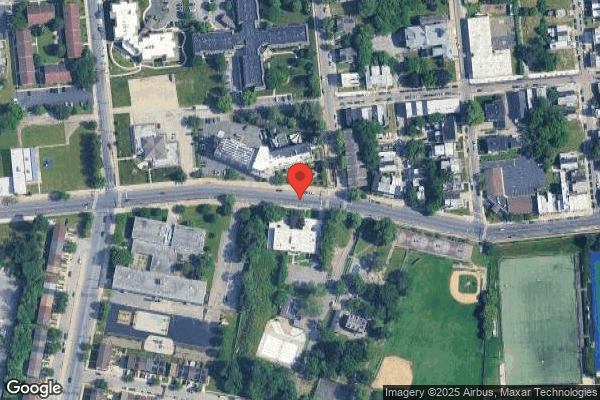
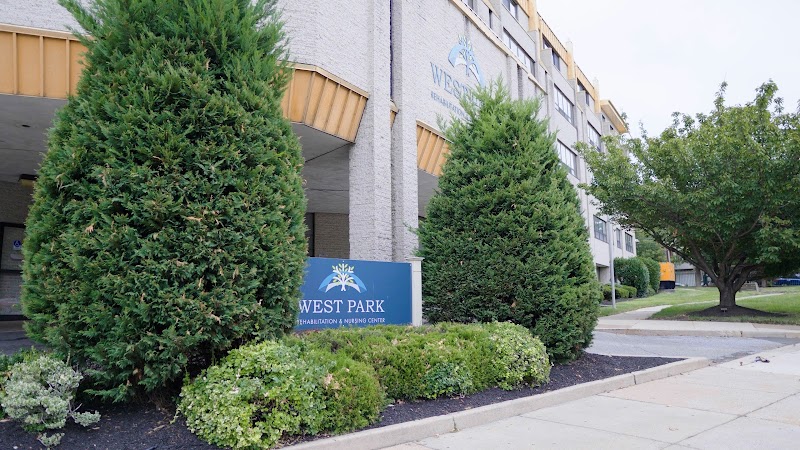
4401 HAVERFORD AVENUE, PHILADELPHIA, PA 19104 (215) 349-8800
Non profit - Corporation 176 Beds ALLAIRE HEALTH SERVICES Data: November 2025 1 Immediate Jeopardy citation
Trust Grade
26/100
#511 of 653 in PA
Last Inspection: February 2025

Within standard 12-15 month inspection cycle. Federal law requires annual inspections.

Overview

West Park Rehabilitation and Nursing Center has received a Trust Grade of F, indicating poor performance with significant concerns. Ranked #511 out of 653 facilities in Pennsylvania, they are in the bottom half, and #37 out of 46 in Philadelphia County, meaning there are many better options available nearby. Unfortunately, the facility's situation is worsening, with issues increasing from 9 in 2024 to 12 in 2025. Staffing is a serious issue, with a rating of 2 out of 5 stars and a turnover rate of 81%, much higher than the state average, which suggests instability among caregivers. While the facility does provide some good quality measures, they have faced concerning incidents such as failing to create a care plan for a cognitively impaired resident, which led to inappropriate behavior with another resident. Additionally, residents have reported issues with food quality, noting that meals are often served cold and unappetizing, which indicates a lack of attention to dining standards. Overall, families should weigh these significant weaknesses against the limited strengths when considering care for their loved ones.

Trust Score
F
26/100
In Pennsylvania
#511/653
Bottom 22%
Safety Record
High Risk
Review needed
Inspections
Getting Worse
9 → 12 violations
Staff Stability
⚠ Watch
81% turnover. Very high, 33 points above average. Constant new faces learning your loved one's needs.
Penalties
○ Average
$9,315 in fines. Higher than 59% of Pennsylvania facilities. Some compliance issues.
Skilled Nurses
○ Average
Each resident gets 33 minutes of Registered Nurse (RN) attention daily — about average for Pennsylvania. RNs are the most trained staff who monitor for health changes.
Violations
⚠ Watch
33 deficiencies on record. Higher than average. Multiple issues found across inspections.
★★☆☆☆
2.0
Overall Rating
★★☆☆☆
2.0
Staff Levels
★★★★☆
4.0
Care Quality
★★☆☆☆
2.0
Inspection Score
Stable
2024: 9 issues
2025: 12 issues

The Good

  • 4-Star Quality Measures · Strong clinical quality outcomes
  • Full Sprinkler Coverage · Fire safety systems throughout facility
  • No fines on record

Facility shows strength in quality measures, fire safety.

The Bad

2-Star Overall Rating

Below Pennsylvania average (3.0)

Below average - review inspection findings carefully

Staff Turnover: 81%

34pts above Pennsylvania avg (46%)

Frequent staff changes - ask about care continuity

Federal Fines: $9,315

Below median ($33,413)

Minor penalties assessed

Chain: ALLAIRE HEALTH SERVICES

Part of a multi-facility chain

Ask about local staffing decisions and management

Staff turnover is very high (81%)

33 points above Pennsylvania average of 48%

The Ugly 33 deficiencies on record

1 life-threatening
Jul 2025 2 deficiencies
CONCERN (D) 📢 Someone Reported This

A family member, employee, or ombudsman was alarmed enough to file a formal complaint

Potential for Harm - no one hurt, but risky conditions existed

Deficiency F0628 (Tag F0628)

Could have caused harm · This affected 1 resident

Based on review of facility provided documentation, review of closed record and interview with staff, it was determined facility did not convey the discharge summary to the continuing care provider at...

Read full inspector narrative →
Based on review of facility provided documentation, review of closed record and interview with staff, it was determined facility did not convey the discharge summary to the continuing care provider at the time of discharge and did not contain required components for one of two closed records reviewed (Resident R2) Findings include: Review of facility policy 'Discharge summary and plan,' revised May 2025, indicates discharge summary shall include a description of the residents reconciliation of pre- and post- medications, post discharge plan of care; and any post-discharge medical and non-medical services. Review of Resident R2's clinical record on July 1, 2025, indicated that the resident was admitted to facility on August 9, 2022 and discharged on June 4, 2025. Review of discharge summary plan, completed on June 3, 2025, by Licensed nurse, Employee E3, revealed that after discharge, resident was to receive ostomy care and peg tube care. Resident R1 was discharged with active tracheostomy (tube inserted through the neck to assist with breathing) treatment. Further review of Resident R2's clinical record revealed a nursing note, dated June 12, 2025 indicating that special care instructions were reviewed with resident's family member at a later date, after discharge. Further review of resident's discharge summary plan, completed on June 3, 2025, indicated no evidence of a list of medication reconciliation of all pre-discharge medications with the resident's post-discharge medications. Further review of discharge summary revealed that resident or responsible party was to acknowledge agreement of discharge plan by providing signature in wet ink. There was no documented evidence of signature of resident or resident's responsible party. Further review of discharge summary revealed Licensed nurse, Employee E3, signed and dated portion of discharge summary which was indicated for resident or residents' responsible party signature. Findings confirmed with Nursing Home Administrator and Director of Nursing on July 1, 2025 at 3:45 p.m 28 Pa Code 201.29(a)(c.3)(2) resident rights
CONCERN (D) 📢 Someone Reported This

A family member, employee, or ombudsman was alarmed enough to file a formal complaint

Potential for Harm - no one hurt, but risky conditions existed

Deficiency F0655 (Tag F0655)

Could have caused harm · This affected 1 resident

**NOTE- TERMS IN BRACKETS HAVE BEEN EDITED TO PROTECT CONFIDENTIALITY** Based on review of clinical record, review of facility policy and interview with staff, it was determined facility did not devel...

Read full inspector narrative →
**NOTE- TERMS IN BRACKETS HAVE BEEN EDITED TO PROTECT CONFIDENTIALITY** Based on review of clinical record, review of facility policy and interview with staff, it was determined facility did not develop and implement a base line care plan for one of eight residents reviewed related to tracheostomy care and epilepsy. (Resident R1) Findings include: Review of facility policy 'Baseline Care Plan,' revised May 2025, indicates that the interdisciplinary team will review the healthcare practitioner's orders and implement a baseline care plan to meet the resident's immediate care needs including but not limited to: physician orders. Review of Resident R1's clinical record revealed that the resident was admitted to the facility on [DATE]. Further review of Resident R1's clinical record revealed physician order placed on May 22, 2025, for seizure precautions, tracheostomy (tube inserted through the neck to assist with breathing) site assessment, tracheal suction, tracheostomy care with inner cannula change and trach collar order. Further review of Resident R1's clinical record revealed nursing notes, dated May 21, 2025 through May 31, 2025 indicated tracheostomy care was performed as well as documentation related to seizures. Review of resident's care plan indicated no evidence of goals and interventions related to tracheostomy care or seizure precautions. Findings confirmed with facility's Director of Nursing and Administrator on July 1, 2025 at 3:45 p.m 28 Pa Code 211.10(c ) resident care policies 28 Pa Code 211.12(d)(5) nursing services
Feb 2025 10 deficiencies
CONCERN (D)

Potential for Harm - no one hurt, but risky conditions existed

Deficiency F0554 (Tag F0554)

Could have caused harm · This affected 1 resident

Based on observations, resident, and staff interviews, it was determined that the facility failed to determine the ability to self-administer medications for one of six residents reviewed for medicati...

Read full inspector narrative →
Based on observations, resident, and staff interviews, it was determined that the facility failed to determine the ability to self-administer medications for one of six residents reviewed for medication safety (Resident R118). Findings include: Review of the facility policy Self-Administration of Medication dated August 2024, indicates Residents have the right to self-administer medications if the interdisciplinary team has determined that it is clinically appropriate and safe for the resident to do so. As part of their overall evaluation, the staff and practitioner will assess each resident's mental and physical abilities to determine whether self-administering medications is clinically appropriate for the resident. 2. In addition to general evaluation of decision-making capacity, the staff and practitioner will perform a more specific skill assessment, including (but not limited to) the resident's: a. Ability to read and understand medication labels; b. Comprehension of the purpose and proper dosage and administration time for his or her medications; c. Ability to remove medications from a container and to ingest and swallow ( or otherwise administer) the medication; and d. Ability to recognize risks and major adverse consequences of his or her medications. 3. If the team determines that a resident cannot safely self-administer medications, the nursing staff will administer the resident's medications. Self-administered medications must be stored in a safe and secure place, which is not accessible by other residents. If safe storage is not possible in the resident's room, the medications of residents permitted to self-administer will be stored on a central medication cart or in the medication room. Nursing will transfer the unopened medication to the resident when the resident requests them. Staff shall identify and give to the Charge Nurse any medications found at the bedside that are not authorized for self-administration, for return to the family or responsible party. Review of Resident R118's active physician order dated July 29, 2024, revealed an order for Asper-Flex External Cream 10 % (TrolamineSalicylate) Apply to affected areas topically two times a day for pain unsupervised self-administration. Observe resident to allow patient to use it at bed-side. Review of pharmacy consultant report dated January 28, 2025 revealed a recommendation self-administration of medication is noted on the orders. Ensure that there is a self-administration assessment completed. It was documented on the report as the recommendation was completed. Review of Resident R118's assessments on February 21, 2025, did not to include an assessment for medication self-administration. Interview with the Director of Nursing on February 21, 2025 confirmed that there was no medication self-administration assessment for Resident R60 and Resident R118. 28 Pa. Code 201.14(a) Responsibility of Licensee. 28 Pa. Code: 211.10(c)(d) Resident care policies. 28 Pa. Code: 211.12(d)(1)(5) Nursing services. 28 Pa. Code: 211.9(a)(1) Pharmacy services.
CONCERN (D)

Potential for Harm - no one hurt, but risky conditions existed

Safe Environment (Tag F0584)

Could have caused harm · This affected 1 resident

**NOTE- TERMS IN BRACKETS HAVE BEEN EDITED TO PROTECT CONFIDENTIALITY** Based on observations and resident and staff interviews, it was determined the facility failed to provide services to maintain a...

Read full inspector narrative →
**NOTE- TERMS IN BRACKETS HAVE BEEN EDITED TO PROTECT CONFIDENTIALITY** Based on observations and resident and staff interviews, it was determined the facility failed to provide services to maintain a clean and homelike environment for one of three nursing units. (4th [NAME] Nursing Units). Findings include: On February 18, 2025, at 12:14 p.m., an observation was made in room [ROOM NUMBER], where three mouse traps were noted. One of the traps contained mouse droppings, while another was covered in a significant amount of dust which looked like a dead mouse. The room's floors were observed to be dirty, with visible crumbs and spills present. Additionally, the trash can was dirty with brown substances and did not have a linen trash bag. During an interview, Resident R8 stated that housekeeping had entered to clean the room; however, the floor mats on both sides of the bed remained unclear with spills. These observations were confirmed by Licensed Nurse Employee E7. On February 18, 2025, at 12:14 p.m., additional observations with Licensed Nurse, Employee E7, confirmed that there were no linen trash bags in rooms 407, 408, 409, 410, 411, 412, and 413. Additionally, the trash cans in these rooms were noted to be dirty. On February 18, 2025, at 12:20 p.m., Maintenance Director Employee E12 entered room [ROOM NUMBER] and clarified that the mouse trap did not contain a dead mouse but had instead accumulated a large amount of dust. On February 18, 2025, at 12:40 p.m., an observation was made in room [ROOM NUMBER] of a strong urine odor. During an interview with Resident R41, it was noted that the resident's pillow was ripped and lacked a pillowcase. When asked about the missing pillowcase, Resident R41 stated that he was unsure why it was absent. Further observation revealed that the room's trash can did not contain a linen bag was dirty with brown spills. Multiple washcloths were seen drying on the bed railings, and the floor around the resident's bed was visibly dirty. Additionally, several used items, including dirty cups, condiment packets, and an apple juice container, were observed sitting on the windowsill. On February 18, 2025, at 1:07 p.m., an interview was held with Resident R46, who reported an ongoing shortage of essential supplies, including washcloths, linens, and briefs. Resident R46 further stated that on the previous day, there were no washcloths available, and she was instructed to wipe her face with a paper towel. On February 18, 2025, at 1:36 p.m., an observation was made on the 4th [NAME] Nursing Unit the rooms 412, 413 continued to have a strong urine smell and rooms remained unclear. This observation was confirmed by the Administrator, Employee E1. On February 20, 2025, at 12:20 p.m., during an interview with the housekeeping director, Employee E10 explained that the facility's procedure is to provide each resident with clean washcloths during every shift. Fresh linens, including washcloths, are delivered three times a day: from 7:00 a.m. to 8:00 a.m., from 2:30 p.m. to 3:00 p.m., and from 11:00 p.m. to 7:00 a.m. Each resident is expected to receive a clean washcloth at these intervals. However, the inventory available at the facility at the time of the interview indicated that only a one-day supply of washcloths remained. Employee E10 reported having placed an emergency order for additional washcloths on February 18, 2025, with expected delivery on February 20, 2025. 28 Pa. Code 201.18 (e)(1)(2.1) Management. 28 Pa. Code 201.29 (a) Resident rights.
CONCERN (D)

Potential for Harm - no one hurt, but risky conditions existed

ADL Care (Tag F0677)

Could have caused harm · This affected 1 resident

Based on clinical record review, observations, and interview with residents and staff, it was determined that the facility failed to provide bathing support and feeding assistance for two of two resid...

Read full inspector narrative →
Based on clinical record review, observations, and interview with residents and staff, it was determined that the facility failed to provide bathing support and feeding assistance for two of two residents sampled for activities of daily living (Resident R39 and Resident R73). Findings Include: Observation of the Resident R73 on February 18, 2025, at 1:00 p.m. revealed that the resident had beard and disheveled hair. Interview with Resident R73 on February 18, 2025, at 1:00 p.m. stated he wanted to shave and cut his hair, but staff did not offer him any help. Resident stated staff sometimes gave him bed bath but very rarely offered shower. Review of MDS-Minimum Data Set-Assessment of resident care needs for Resident R73 dated November 26, 2024, revealed that the resident had a BIMS score of 15 which indicated that the resident's cognitive status was intact. Further review of the MDS revealed that the resident required substantial/maximal assistance for shower or bathing. Review of shower documentation for Resident R73 revealed that the resident was scheduled for shower on Wednesday and Saturday every week. Further review of the shower data from January 19, 2025 to February 19, 2025 revealed that the resident on received 2 shower and one bed bath for the entire 30 days. Clinical record review revealed Resident R39 was admitted to the facility September 27, 2023 with a diagnosis that included but not limited to aphasia (lack of ability to comprehend or communicate due to brain damage), dysphagia (difficulty swallowing), hemiplegia (total or nearly complete paralysis on one side of body), and lack of coordination. Review of Resident R39's Minimum Data Set (MDS) assessment (a mandated assessment of a resident's abilities and care needs) dated February 02, 2025 revealed Resident R39 was cognitively impaired. Further review of Resident R39's MDS revealed Resident R39 required one person assistance with meals. Review of Resident R39's care plan, revised August 18, 2024, revealed Resident R39 has ADL (activities of daily living) self-care deficit related to dementia. Interventions for eating revealed Resident R39 is dependent and requires one staff to assist with meals. Observation conducted on February 18, 2025 at 1:06 p.m. revealed Resident R39 in bed and food tray on table. No staff was in the room to help assist Resident R39 with eating. Further observation on February 18, 2025 at 1:14 p.m. revealed Resident R39 still had meal on table that was untouched. Interview on February 19, 2025 at 9:53 a.m. with License Practical Nurse, Employee E14, confirmed Resident R39 requires feeding assistance at meals. Observation on February 19, 2025 at 12:07 p.m. revealed Resident R39 received food but no staff assisted Resident R39 with eating. Further observation on February 19, 2025 at 12:18 p.m. revealed Resident R39 eating bread with left hand and then holding cup with left hand to drink. Resident R39 had fork on plate and required assistance with using fork. Interview on February 19, 2025 at 12:41 p.m. with Unit Manager, Employee E15, stated Resident R39 does require staff assistance at meals, either with cues or assistance with feeding from staff. 28 Pa. Code 211.12 (d)(1)(5) Nursing services
CONCERN (D)

Potential for Harm - no one hurt, but risky conditions existed

Accident Prevention (Tag F0689)

Could have caused harm · This affected 1 resident

Based on clinical record review and staff interview, it was determined that the facility failed to ensure that prescribed wound care treatments were not left at the bedside for one of 31 residents rev...

Read full inspector narrative →
Based on clinical record review and staff interview, it was determined that the facility failed to ensure that prescribed wound care treatments were not left at the bedside for one of 31 residents reviewed. (Resident R60) Findings include: Review of Resident R60's Minimum Data Set (MDS - a periodic assessment of care needs) dated November 26, 2024, indicates the diagnosis of anemia (low iron in the blood) and dementia (loss of intellectual functioning). During an observation completed on February 18, 2025, at 1:00 p.m. Resident R60 was sitting in his bed and eating his lunch from a lunch tray. It was observed that there was open bottle of Dakin's wound care solution sitting next to the lunch tray which the resident was eating. When asked the resident what was inside the bottle, resident stated water. Surveyor immediately notified Employee E16, Licensed Practical Nurse. Further observation revealed that there was wound cleanser and wound care supplies sitting on top of resident's nightstand. Interview with Employee E16 stated that was open bottle of Dakin's solution with medication inside the bottle. Employee E16 stated these wound care supplies should not have left in resident's room. 28 Pa Code 211.10(d) Resident care policies 28 AP. Code 211.12(d)(1) Nursing services
CONCERN (D)

Potential for Harm - no one hurt, but risky conditions existed

Respiratory Care (Tag F0695)

Could have caused harm · This affected 1 resident

Based on observations and interviews with staff, it was determined that the facility failed to provide appropriate respiratory care services related to changing and labelling respiratory equipment's a...

Read full inspector narrative →
Based on observations and interviews with staff, it was determined that the facility failed to provide appropriate respiratory care services related to changing and labelling respiratory equipment's and administering oxygen as ordered by the physician for one of 31 residents reviewed. (Resident R19). Findings Include: Review of the facility policy Nebulizer Administration, dated January 2025 revealed that Rinse nebulizer, mouthpiece, and T piece with tap water and let air dry. a. Date and place supplies in a treatment bag. b. Replace and date the setup every seven days. c. Check compressor for air filters that require replacement and cleaning every 30 days. d. Follow manufacturer's instructions. e. Disinfect the outside of the compressor between use of Elders/residents/guests and as needed. Review of the facility policy Oxygen Administration, dated January 2025 revealed that Replace entire set-up every seven days. Date and store in treatment bag when not in use. If using a non-disposable humidifier, change bottle every seven days and change water every 24 hours to prevent bacterial decontamination. Review of physician order for Resident R19 dated December 14, 2024, revealed an order for change oxygen tubing on Tuesdays 11-7 shift weekly. Further review of the physician order revealed an order for continuous oxygen at 3Liters/per minute. Observation of Resident R19's on February 18, 2025, at 10:50 a.m. revealed that the oxygen tubing was lying on the floor without any bag, the oxygen concentrator was running. The date of the oxygen tube was February 1, 2025. Further observation of Resident R19's room revealed that there was a nebulizer mask inside the a bag. The date on the bag was January 28, 2025. Continued observation of Resident R19's room on February 18, 2025, at 1:04 p.m. revealed that the oxygen tubing was still lying on the floor, the oxygen concentrator was running. Staff provided lunch tray for the resident but did not remove the oxygen tubing from the floor. The above observation was confirmed by Employee E16, Licensed Practical Nurse, on February 18, 2025, at 1:04 p.m. 28 Pa. Code 211.12(d)(1) Nursing services 28 Pa. Code 211.12(d)(5) Nursing services
CONCERN (D)

Potential for Harm - no one hurt, but risky conditions existed

Drug Regimen Review (Tag F0756)

Could have caused harm · This affected 1 resident

Based on review of clinical records, and staff interviews, it was determined that the facility failed to ensure the identified pharmacy review irregularities were implemented for two of five residents...

Read full inspector narrative →
Based on review of clinical records, and staff interviews, it was determined that the facility failed to ensure the identified pharmacy review irregularities were implemented for two of five residents reviewed (Resident R118 and R104). Findings Include: Review of physician order for Resident R104 dated July 30, 2024 revealed an order for Nifedipine(antihypertensive medication), give 1 tablet by mouth one time a day for hypertension hold for systolic blood pressure less than100 or heart rate less than 60 Review of Resident R104's Consultant Pharmacist review report dated December 24, 2024, by consultant pharmacist, revealed a recommendation, Medication error noted. Nifedipine (antihypertensive medication) is not always held as required by the physician's hold order on 12/5, 12/6, 12/9, 12/10, 12/14, 12/15, 12/17, 12/18, 12/19 and 12/20. Heart rate was less than 60 (per MAR)(medication administration record) and the medication was still administered. Further review of the report revealed that the recommendation was completed on January 3, 2025. Review of Resident R104's Consultant Pharmacist review report dated January 23, 2025, by consultant pharmacist, revealed a recommendation, Medication error noted. Nifedipine(antihypertensive medication) is not always held as required by the physician's hold order on 1/2, 1/3, 1/12, 1/13, 1/14, 1/20, and 1/21. Heart rate was less than 60 (per MAR)(medication administration record) and the medication was still administered. The medication was not withheld as recommended by the pharmacist on above dates. Review of MAR for Resident R104 for February 2025 revealed that the staff administered Nifedipine on 2/12, 2/13, and 2/18 even with heart rate less than 60. Review of pharmacy consultant report dated January 28, 2025 revealed a recommendation self-administration of medication is noted on the orders. Ensure that there is a self-administration assessment completed. It was documented on the report as the recommendation was completed. Review of Resident R118's assessments on February 21, 2025, did not to include an assessment for medication self-administration. Interview with the Director of Nursing on February 21, 2025 confirmed that there was no medication self-administration assessment for Resident R118 . 28 Pa. Code 211.9 (a)(1) Pharmacy services. 28 Pa Code 211.12 (d)(5) Nursing Services.
CONCERN (D)

Potential for Harm - no one hurt, but risky conditions existed

Deficiency F0808 (Tag F0808)

Could have caused harm · This affected 1 resident

Based on review of facility policy, review of clinical record, observations and staff and resident interviews, it was determined that the facility failed provide food items consistent with the prescri...

Read full inspector narrative →
Based on review of facility policy, review of clinical record, observations and staff and resident interviews, it was determined that the facility failed provide food items consistent with the prescribed diet order for one of 31 residents reviewed (Resident R83). Findings include: Review of facility policy Thickened Liquids dated January 2025 revealed that A written order for thickened liquids will be communicated to the dietary department via diet requisition form. 3. The order will specify one of the following levels: a. Nectar - consistency of a thin milkshake or eggnog; should be semi-thick and pourable. b. Honey- consistency of honey at room temperature, or a thick milkshake; should be pourable. c. Pudding - consistency of pudding, with thickened liquid not runny but dropping in one semi-solid mass, should be spoon able but not pourable. 4. Residents who require thickened liquid will be provided pre-packaged thickened liquids (per the ordered consistency), or will be provided liquids thickened prior to service by a staff member who has completed education in thickening liquids. Review of physician order for Resident R83 dated November 26, 2024, revealed an order for nectar thick liquid consistency. Observation of Resident R83 on February 18, 2025, at 10:38 a.m. revealed that there was a cup of thin liquids with resident's room number written on the cup. Interview with Employee E16 on February 18, 2025, at 1:04 p.m. confirmed that the resident should only have nectar thick liquid. Observation of Resident R83 on February 20, 2025, at 12:35 p.m. revealed that there was a cup of thin liquids with resident's room number and his name written on the cup. It appears that the resident drank the thin liquid from the cup. Interview with Employee E2, Director of Nursing on February 20, 2025, at 12:35 p.m. confirmed that the resident should only have nectar thick liquid, and she removed the cup from resident's room. 28 Pa. Code 211.6(a) Dietary Services
CONCERN (D)

Potential for Harm - no one hurt, but risky conditions existed

Deficiency F0920 (Tag F0920)

Could have caused harm · This affected 1 resident

Based on observations, resident and staff interviews, it was determined that the facility failed to provide sufficient space for residents for dining services for two of three dining room revealed. (T...

Read full inspector narrative →
Based on observations, resident and staff interviews, it was determined that the facility failed to provide sufficient space for residents for dining services for two of three dining room revealed. (Third floor and Fourth floor) Findings include: Observation on February 19, 2025, at approximately 12:10 p.m., revealed that the lunch service was provided at the dining room on fourth floor. There were 12 residents sitting in the dining room which was congested and did not have space for staff to move around and place the meal trays. There were 8 residents sitting across the door which could not move of leave the dining room until four residents in the middle-finished eating. Observation on February 19, 2025, at12:00 p.m., revealed that the lunch service was provided at the dining room on the third floor. There were approximately 14 residents sitting in the dining room, It was observed that the staff moved a resident sitting in the middle of the room to outside of the dining room to create space for staff to move around inside the dining room. It was also observed that there were 2 residents outside the dining room waiting. Interview with Employee E17, Licensed Practical Nurse, on February 19, 2025, at approximately 12:00 p.m., stated there was 57 residents on the floor and the dining room did not have enough space to accommodate more than 12 to 14 residents. Employee E17 stated she was not sure why facility did not utilize the other dining room at the end of the hallway. Employee stated she started working in the facility since November 2024 and did not see that dining room getting utilized. Employee E17 stated all the other resident except these 12 residents eats all three meals in their rooms. During an interview with Resident R12, on February 20, 2025, at12:32 p.m., stated he would like to go to the dining room and have meal services there, but the facility did not have enough space to accommodate all the residents. Resident stated facility used to have dining in the main dining room, but it was stopped after COVID. Resident stated he knew that other residents would also like to eat in the dining room. During an interview with the Nursing Home Administrator (NHA) on February 20, 2025, at 1:00 p.m., indicated that the facility was temporarily not using the side dining room on both on third and fourth floor. Administrator confirmed that third floor and fourth floor dining room which the facility was using was congested and did not have enough space to accommodate more residents. 28 Pa. Code 201.14 (a) Responsibility of licensee 28 Pa. Code 201.18(e)(1) Management
CONCERN (E)

Potential for Harm - no one hurt, but risky conditions existed

Deficiency F0804 (Tag F0804)

Could have caused harm · This affected multiple residents

Based on observations, resident and staff interviews, it was determined that the facility failed to provide food and drink that was palatable and served at palatable temperatures. Findings include: Re...

Read full inspector narrative →
Based on observations, resident and staff interviews, it was determined that the facility failed to provide food and drink that was palatable and served at palatable temperatures. Findings include: Review of facility policy titled Food Temperatures revised January 2025, indicated that the serving temperature required for hot foods is at 135 degrees Fahrenheit (F) or above. Temperatures for cold foods, including milk and juice must be less than 41 degrees F. On February 18, 2025, at 12:00 p.m. an interview was held with Resident R14 reported warm juices and milk, those items should be cold. On February 19, 2025, at 10:30 a.m., a resident council group meeting was held with seven alert and oriented residents (R12, R15, R114, R113, R128, R30, R33) who reported concerns about the quality of meals. They stated that the food was consistently cold and repetitive, with meal temperatures remaining low. Additionally, they noted that peas and green beans were often hard and served cold. Observations during a test tray conducted with the Food Service Director (FSD), Employee E4, on February 20, 2025, at 12:55 p.m. revealed that meatloaf registered 127.2 degrees F; green beans registered 126 degrees F; mashed potatoes registered 124 degrees F; iced tea registered 47.8 degrees F; and milk registered 48 degrees F. An interview with the FSD, on February 20, 2025, at 1:00 p.m. confirmed that these food items were outside the acceptable temperature range and therefore not palatable. 28 Pa. Code 201.14(a) Responsibility of licensee 28 Pa. Code 201.18(b)(3) Management
CONCERN (E)

Potential for Harm - no one hurt, but risky conditions existed

Food Safety (Tag F0812)

Could have caused harm · This affected multiple residents

Based on observations, interviews with staff, and a review of facility procedures, it was determined that the facility failed to store, prepare, distribute, and serve food in accordance with professio...

Read full inspector narrative →
Based on observations, interviews with staff, and a review of facility procedures, it was determined that the facility failed to store, prepare, distribute, and serve food in accordance with professional standards for food service safety. Findings include: Review of facility policy titled, Labeling and Dating Food Items revised August 1, 2024, revealed that a visible label will be used to indicate appropriate use by date. Review of facility provided protocol, color codes for cutting boards, undated, revealed that the green cutting board is designated for ready to eat produce that will be cooked; and the red cutting board is used for raw proteins to prevent bacteria from spreading to another. A tour of the main kitchen was conducted with the Food Service Director (FSD), Employee E4, on February 18, 2025, at 10:00 a.m. Observations in the food preparation area revealed the Cook, Employee E13, was cutting chicken on the green cutting board (designated for vegetables). Observations in the refrigerator revealed nine wracks of individually sliced corn cakes, were undated and unlabeled. Further observations revealed 12 turkey and cheese, 10 pound of sliced ham, and peanut butter sandwiches were undated and unlabeled. Interview with the FSD during the kitchen tour confirmed the above mentioned findings. 28 Pa. Code: 201.14(a) Responsibility of licensee. 28 Pa. Code 201.18(b)(3) Management
Dec 2024 1 deficiency
CONCERN (D) 📢 Someone Reported This

A family member, employee, or ombudsman was alarmed enough to file a formal complaint

Potential for Harm - no one hurt, but risky conditions existed

Deficiency F0745 (Tag F0745)

Could have caused harm · This affected 1 resident

**NOTE- TERMS IN BRACKETS HAVE BEEN EDITED TO PROTECT CONFIDENTIALITY** Based on review of facility documentation, clinical record review and interviews with staff, it was determined that the facility...

Read full inspector narrative →
**NOTE- TERMS IN BRACKETS HAVE BEEN EDITED TO PROTECT CONFIDENTIALITY** Based on review of facility documentation, clinical record review and interviews with staff, it was determined that the facility failed to ensure that medically-related social services were provided as required for one of 4 residents reviewed (Residents R1). Findings include: Interview on December 5, 2024, at 9:30 a.m. with Resident R1 stated that she wanted to transfer to another facility because she did not like it here, and that there were no staff at the facility to assist her and her daughter in planning this transfer. Resident R1 expressed that he she was frustrated because her daughter requested to speak with the social worker since admission on [DATE]. Review of Resident R1's admission MDS (Minimum Data Set - a mandatory periodic resident assessment tool), revealed that the resident was admitted to the facility on [DATE], and had a BIMS (Brief Interview for Mental Status) score of fifteen (15), indicating that the resident was cognitively intact. Review of Resident R1's clinical record revealed a nursing progress note dated November 20, 2024, which indicated that Resident R1's daughter requested for Resident R1 to be transferred to another facility for care. Further review revealed a physician progress note dated November 20, 2024, which indicated that Resident R1's daughter plans on working with social services to transfer to University City rehab. Review of note by Social Services, Employee E5, dated November 21, 2024, revealed that discharge planning was completed with resident, and failed to include discharge planning to a different facility, per Resident R1'srequest. Review of Resident R1's care plan date-initiated November 15, 2024, failed to reveal a discharge plan to another facility. Continued review of progress notes for Resident R1 revealed that there were no further notes or follow-up from the social worker regarding the president's request to transfer to another facility. Further review of Resident R27's clinical record revealed that there was no documentation available for review that the resident received any other social services to assist with Resident R1's goal of transferring to another facility. Interview on December 5, 2024, at 1:23 p.m. with Employee E5, Social Services, revealed that she was unaware that Resident R1 wanted to transfer to another facility and stated that she would take care of that. Further interview confirmed that Employee E5 did not initiate and complete a discharge planning to another facility for Resident R1. Interview with the Director of Nursing, Employee E2, and the Unit manager, Employee E7 confirmed that Resident R1 requested to be transferred to a different facility on November 20, 2024, and that the discharge planning for her request was not initiated and completed by social services. 28 Pa Code 201.14(a) Responsibility of licensee 28 Pa Code 211.12(d)(3) Nursing services 28 Pa Code 211.16(a) Social services
Sept 2024 1 deficiency
MINOR (B) 📢 Someone Reported This

A family member, employee, or ombudsman was alarmed enough to file a formal complaint

Minor Issue - procedural, no safety impact

Transfer Notice (Tag F0623)

Minor procedural issue · This affected multiple residents

Based on clinical record review and interview with staff, it was determined that the facility did not ensure that appropriate discharge notices were provided to the office of the long-term care ombuds...

Read full inspector narrative →
Based on clinical record review and interview with staff, it was determined that the facility did not ensure that appropriate discharge notices were provided to the office of the long-term care ombudsman for the following months: January 2024, February 2024, March 2024, April 2024, May 2024, June 2024, and July 2024. Findings include: A review was conducted of facility records. The review did not reveal documentation that the required notifications were sent to the state office of the long-term care ombudsman for facility-initiated transfers and discharges during the period examined. Interview with the Executive Director, employee E1, on September 19, 2024, at 1:00 p.m. confirmed that the notifications for January 2024 through July 2024 had not been sent to the ombudsman's office in a timely manner as required. 28 Pa. Code 201.18(b)(3) Management
Apr 2024 7 deficiencies
CONCERN (D)

Potential for Harm - no one hurt, but risky conditions existed

Deficiency F0561 (Tag F0561)

Could have caused harm · This affected 1 resident

**NOTE- TERMS IN BRACKETS HAVE BEEN EDITED TO PROTECT CONFIDENTIALITY** Based on review of clinical records, and interviews with resident and staff, it was determined that the facility did not ensure ...

Read full inspector narrative →
**NOTE- TERMS IN BRACKETS HAVE BEEN EDITED TO PROTECT CONFIDENTIALITY** Based on review of clinical records, and interviews with resident and staff, it was determined that the facility did not ensure one resident's rights were exercised related to scheduled dialysis appointments for one of 27 resident records reviewed (Resident R22). Findings include: Review of Resident R22's clinical record revealed the resident was admitted to the facility on [DATE], independent in making personal decisions, diagnosed with End Stage Renal Disease (kidney failure) and Chronic Obstructive Pulmonary Disease (COPD a lung disease). During an interview with Resident R22 on April 2,2024 at 11:30 a.m. stated that resident went to Dialysis (treatment for kidney failure) three times a week. She stated she used to go early in the morning and enjoyed the earlier schedule much more but the facility changed it to later in the day. Interview with the Director of Nursing (DON) on April 4, 2024 at 1:00 p.m. stated, We changed Resident R22's dialysis time because she needed an escort and she agreed to the change. It was confirmed the DON did not have documented evidence that supported the mutual agreement. 28 Pa Code 211.5(f)(ii) Medical records
CONCERN (D)

Potential for Harm - no one hurt, but risky conditions existed

Deficiency F0694 (Tag F0694)

Could have caused harm · This affected 1 resident

**NOTE- TERMS IN BRACKETS HAVE BEEN EDITED TO PROTECT CONFIDENTIALITY** Based on observations, review of clinical records, facility policies and procedures, and interviews with staff and resident, it ...

Read full inspector narrative →
**NOTE- TERMS IN BRACKETS HAVE BEEN EDITED TO PROTECT CONFIDENTIALITY** Based on observations, review of clinical records, facility policies and procedures, and interviews with staff and resident, it was determined that the facility failed to provide adequate treatment and care for a mid line catheter in accordance with professional standards of practice for one of one resident with midline reviewed (Resident R113). Findings include: Review of facility policy, PICC, Central Line and Perpheral Line Dressing Changes dated July 2019 revealed that Central venous access devise and midline dressing changes will be done at established intervals and immediately if the integrity of the dressing is compromised, if moisture drainage or blood is present or for futher assessment if infection is suspected. Transparent semi-permeable membrane dressing are changed every 7 days and PRN. Observation of Resident R113 on April 2, 2024, at 12:14 p.m, revealed that the resident had a right upper extremity mid line insertion. There was documentation on the dressing to indicate the date and time the dressing last changed was March 29, 2024. Review of clinical record for Resident R113 revealed that the resident was admitted to the facility on [DATE]. Review Resident R113's physician order dated March 29, 2024, revealed an order to change PICC line dressing as soon as possible weekly. A review of the treatment administration record (TAR) for the month of March 2024 indicated that order was signed off by the staff on March 29, 2024. Continued review of the TAR revealed that the PICC line dressing was not changed from March 13, 2024, to March 29, 2024. An interview with Director of Nursing, Employee E2, on April 5, 2024, at 11:00 a.m. confirmed that that the PICC line dressing change was not completed from March 13, 2024 to March 29, 2024. 28 Pa. Code: 211.10 (c) Resident care policies 28 Pa. Code: 211.10 (d) Resident care policies 28 Pa. Code: 211.12 (d)(1) Nursing services 28 Pa. Code: 211.12(d)(5) Nursing services
CONCERN (D)

Potential for Harm - no one hurt, but risky conditions existed

Respiratory Care (Tag F0695)

Could have caused harm · This affected 1 resident

**NOTE- TERMS IN BRACKETS HAVE BEEN EDITED TO PROTECT CONFIDENTIALITY** Based on observation, clinical record review and interview with staff, it was determined that the facility did not ensure to adm...

Read full inspector narrative →
**NOTE- TERMS IN BRACKETS HAVE BEEN EDITED TO PROTECT CONFIDENTIALITY** Based on observation, clinical record review and interview with staff, it was determined that the facility did not ensure to administer oxygen therapy in accordance with professional standards of practice related to for two of 28 residents reviewed (Resident R18 and R22). Findings include: Review of facility's policy titled 'Oxygen Administration,' revised on August 2000, states nasal cannula or mask and oxygen tubing must be dated and changed weekly. Review of R18's clinical records revealed diagnosis of chronic obstructive pulmonary disease, high blood pressure, heart disease, kidney disease - stage 3. Observations of R18 on third floor unit, on April 2, 2024 at 11:31 am revealed oxygen tubing dated February 17, 2024; finding confirmed by licensed nurse, employee E3. Review of Resident R22 clinical record revealed the resident was admitted to the facility on [DATE] diagnosed with End Stage Renal Disease (kidney failure) and Chronic Obstructive Pulmonary Disease (COPD a lung disease). Further review of the resident's clinical chart revealed an order for 3 liters of oxygen. On April 2, 2024 at 2:30 p.m. with Licensed Practical Nurse, (LPN) Employee E6 observed that Resident R22's oxygen condenser was not clean. Observed was a thick gray coating that appeared to be dust covering the filter. 28 Pa Code 211.10(c) Resident Care Policies 28 Pa Code 211.12(d)(5) Nursing services
CONCERN (D)

Potential for Harm - no one hurt, but risky conditions existed

Deficiency F0698 (Tag F0698)

Could have caused harm · This affected 1 resident

**NOTE- TERMS IN BRACKETS HAVE BEEN EDITED TO PROTECT CONFIDENTIALITY** Based on review of facility policy, review of clinical documentation, and interviews with staff, determined the facility failed ...

Read full inspector narrative →
**NOTE- TERMS IN BRACKETS HAVE BEEN EDITED TO PROTECT CONFIDENTIALITY** Based on review of facility policy, review of clinical documentation, and interviews with staff, determined the facility failed to ensure residents who require dialysis receive such services, consistent with professional standards of practice, and the comprehensive person-centered care plan, by failing to provide dialysis treatment and medication as ordered for one of 34 resident records reviewed (Resident R22). Findings included: Review of the facility's policy titled, Dialysis Care Policy stated it is the facility's policy to coordinate dialysis care and services for residents receiving dialysis in a comprehensive manner and coordination of services between the facility and the dialysis center to maintain continuity of care. Review of Resident R22's clinical record revealed the resident was admitted to the facility on [DATE], independent in making personal decisions, diagnosed with End Stage Renal Disease (kidney failure) and received hemodialysis. Review of Resident R22's nursing progress notes revealed on March 15, 2024, the resident missed her scheduled dialysis because she did not have an escort. Further review of Resident R22's nursing progress notes dated March 22, 2024 stated the nurse was unable to give the resident medications scheduled for 10:00 a.m., and 2:00 p.m. because the resident was at dialysis. The above was confirmed with the Director of Nursing on April 4, 2024 at 10:00 a.m. 28 Pa Code 211.12(c) Resident care policies 28 Pa. Code 211.12(d)(1)(5) Nursing Services
CONCERN (D)

Potential for Harm - no one hurt, but risky conditions existed

Pharmacy Services (Tag F0755)

Could have caused harm · This affected 1 resident

Based on review of facility policy, review of clinical records, and interview with staff, it was determined the facility did not ensure to provide pharmaceutical services to meet resident's needs incl...

Read full inspector narrative →
Based on review of facility policy, review of clinical records, and interview with staff, it was determined the facility did not ensure to provide pharmaceutical services to meet resident's needs including acquiring, receiving, and administering medications for three of 28 residents reviewed. (Residents R32, R35, and R97) Findings include: Review of facility's policy titled 'Medication Administration,' revised on May 2020, indicates that drugs are to be administered in accordance with the written orders of the attending physician. When a resident's medication has not been delivered from pharmacy; the licensed nurse should immediately notify the pharmacy and notify a unit manager or nursing supervisor to obtain the medication from the medication dispense. Review of Resident R32's April 2024 physician orders revealed an order for Aspirin 81 milligrams (mg) delayed release to be administered once a day at 9:00 a.m. Continued review of phycisian orders revealed an order for Nifedipine 60mg extended release to be administered once a day at 9:00 a.m. Observations during medication administration on second floor unit, on April 2, 2024 at 9:50 a.m. with licensed nurse, Employee E4, revealed that pharmacy delivered double dose of Aspirin 81 mg and double dose of Nifedipine 60 mg. Resident R35 was admitted to the facility diagnosed with benign prostate hyperplasia, high blood pressure and an overactive bladder. Review of Resident R35's progress noted revealed a new order for the medication Mirabegron 25 mg, give daily for the diagnosis of overactive bladder to start on December 7, 2023. Continue review of Resident R35 clinical record revealed nursing note dated, December 10, 2024. revealed the resident's medication had not been administered because. meds are not available, pharmacy called. Review of the medication administration record revealed the medication was not administered on December 7,8,9,and 10, 2023. On April 4, 2024, at 10:32 a.m. during an interview with the Director of Nursing confirmed the medication was not given as ordered. Review of Resident R97's April 2024 physician orders revealed an order for Guaifenesin tablet extended release, 600 mg to be administered every 12 hours at 9:00 a.m. and 9:00 p.m. Observations during medication administration on April 3, 2024 at 10:26 a.m., with Licensed nurse, Employee E5, on third floor unit, revealed that medication was not available to be administered to Resident R97. 28 Pa Code 211.9(a)(1) Pharmacy Services 28 Pa Code 211.9(d) Pharmacy Services 28 Pa Code 211.12(d)(1) Nursing Services
CONCERN (D)

Potential for Harm - no one hurt, but risky conditions existed

Drug Regimen Review (Tag F0756)

Could have caused harm · This affected 1 resident

Based on review of facility policies, clinical records and interviews with staff, it was determined that the facility failed to develop and maintain policies and procedures for the monthly drug regime...

Read full inspector narrative →
Based on review of facility policies, clinical records and interviews with staff, it was determined that the facility failed to develop and maintain policies and procedures for the monthly drug regimen review that included time frames for the different steps in the medication regimen review process and act on irregularities reported by the licensed pharmacist during monthly drug regimen reviews in a timely manner for one of five residents reviewed related to medication regimen reviews (Residents R55). Findings include: 1. Review of facility policy Medication Regimen Review dated April 2024 revealed that Medication Regimen Review (MRR) is a thorough evaluation of the medication regimen of a resident with the goal of promoting positive outcomes and minimizing adverse consequences associated with medication. The review includes preventing, identifying, reporting, and resolving medication-related problems, medication errors, or other irregularities, and collaborating with other members of the interdisciplinary team. The pharmacist must report any irregularities to the attending physician and the facility's medical director and director of nursing, and the reports must be acted upon. a. Irregularities include, but are not limited to, any drug that meets the criteria for unnecessary drugs. b.Any irregularities noted by the pharmacist during this review must be documented on a separate, written report that is sent to the attending physician and the facility's medical director and director of nursing and lists, at minimum, the resident's name, the relevant drug, and the irregularity the pharmacist identified. c.The attending physician must document in the resident' medical record that the identified irregularity has been reviewed and what, if any, action has been taken to address it. If there is to be no change in the medication, the attending physician should document his or her rationale in the resident's medical record. Upon completion of the MRR, the facility designee and/or physician, will respond to the recommendations in a timely manner. If the pharmacist should identify an irregularity and communicates to the facility that it requires urgent action to protect a resident, it will be acted upon immediately. Continued review of facility policy revealed that there was no timeframe set to complete the physician and facility response to the pharmacy consultant recommendation/report. Review of Resident R55's Medication Regimen Review report, dated November 29, 2023, revealed that the pharmacist made a recommendation, to evaluate the current dose of Seroquel 12.5 once daily which the resident had been taking since June 2023 and consider dose reduction. Further review of the report revealed that the recommendation was addressed on January 18, 2024. Review of another Medication Regimen Review report Resident R55's, dated November 29, 2023, revealed an recommendation to add a stop date for an as needed Buspar (a psychotropic medication). As needed psychotropic need a 14 day stop date. Further review of the report revealed that this recommendation was addressed until on January 18, 2024. Review of Resident R55's Medication Regimen Review report, dated February 28, 2024, revealed a recommendation to discontinue as needed medication which was not administered since December 1. Further review of the report revealed that this recommendation was addressed unitl on March 14, 2024. 28 Pa. Code 211.12(d)(1) Nursing services 28 Pa. Code 211.12(d)(3) Nursing services 28 Pa. Code 211.12(d)(5) Nursing services
CONCERN (D)

Potential for Harm - no one hurt, but risky conditions existed

Deficiency F0883 (Tag F0883)

Could have caused harm · This affected 1 resident

**NOTE- TERMS IN BRACKETS HAVE BEEN EDITED TO PROTECT CONFIDENTIALITY** Based on review of clinical records and staff interview, it was determined that the facility failed to offer and/or provide the ...

Read full inspector narrative →
**NOTE- TERMS IN BRACKETS HAVE BEEN EDITED TO PROTECT CONFIDENTIALITY** Based on review of clinical records and staff interview, it was determined that the facility failed to offer and/or provide the pneumococcal immunization to two of five residents reviewed (Resident R18 and R33). Findings include: Review of an undated facility policy Pneumococcal Vaccine: dated revealed that Upon admission, residents will be assessed for eligibility to receive the pneumococcal vaccine series, and when indicated will be offered the vaccine unless medically contraindicated or the resident has already been vaccinated. Review of Resident 117's immunization records revealed no evidence that the resident received the pneumococcal vaccine, or the facility offered the pneumococcal vaccine. Review of clinical record revealed that the resident was [AGE] years of age. Review of R83's immunization records revealed no evidence that the resident received the pneumococcal vaccine, or the facility offered the pneumococcal vaccine. Review of clinical record revealed that the resident was [AGE] years of age. Review of clinical record for Resident R117 and R83 revealed no documented contraindication to immunization. Interview with the Director of Nursing, Employee E2, on April 5, 2024, at 11:00 a.m., confirmed that there was no documented evidence that Resident R117 and R83, received pneumococcal vaccine or the facility offered the pneumococcal vaccine. 28 Pa Code: 201.14 (a) Responsibility of licensee 28 Pa Code: 201.18 (b)(1) Management 28 Pa Code: 211.15 (f) Clinical records 28 Pa Code: 211.12 (d)(1)(5) Nursing services
Aug 2023 1 deficiency
CONCERN (D) 📢 Someone Reported This

A family member, employee, or ombudsman was alarmed enough to file a formal complaint

Potential for Harm - no one hurt, but risky conditions existed

Deficiency F0919 (Tag F0919)

Could have caused harm · This affected 1 resident

Based on observation and interviews with residents and staff, it was determined that the facility failed to ensure that the resident call systems were maintained in proper working order on one of thre...

Read full inspector narrative →
Based on observation and interviews with residents and staff, it was determined that the facility failed to ensure that the resident call systems were maintained in proper working order on one of three nursing floors. (Third Floor) Findings include: Observation of Resident R1, on August 23, 2023 at 10:46 a.m., during tour of the facility revealed that Resident R1 was in her room calling for help. The surveyor activated the call bell and the call bell was found to be non functional. There was no alert at the nurses station, and no light above the resident's door in the hallway to signal a residents call. Interviews conducted on the Third floor nursing unit with Residents R2, R3 and R4 on August 23, 2023 between the hours of 10:00 a.m. and 11:30 a.m. revealed that the residents were not satisfied with the call bell response times, related to their requests for staff assistance with care, after activating the nursing call system. Interview with Resident R4 revealed that the call bell was never answered. Surveyor requested Resident R4 to activate the call bell, after ten minutes, there was no response. Observation of Resident R4 room revealed that the visual light located outside the Resident R 4's room was not properly working to indicate that help was needed. Interview with the Maintenance Director, Employee E4 revealed he was unaware that the call system was not functioning properly. Tour of Third floor with the Maintenance Director, Employee E4, and Employee E5 revealed that testing the call system in Rooms: 307, 309, 310, 311, 312, 313 and 315 revealed that the call system was not functioning properly. This was confirmed by initiating the hand held call bell and pressing the button for assistance. The hallway lights above the resident doors were not functioning. Interview with the Nursing Home Administrator, on August 23, 2023 at 2:00 p.m. confirmed that the communication system on the Third floor was not fully functioning. 28 Pa. Code 201.14(a) Responsibility of licensee 28 Pa. Code 205.67(j) Electrical requirement for existing construction
Jun 2023 9 deficiencies 1 IJ
CRITICAL (J) 📢 Someone Reported This

A family member, employee, or ombudsman was alarmed enough to file a formal complaint

Immediate Jeopardy (IJ) - the most serious Medicare violation

Comprehensive Care Plan (Tag F0656)

Someone could have died · This affected 1 resident

**NOTE- TERMS IN BRACKETS HAVE BEEN EDITED TO PROTECT CONFIDENTIALITY** Based on review of facility documentation, review of facility policy, review of clinical records, and staff interviews, it was d...

Read full inspector narrative →
**NOTE- TERMS IN BRACKETS HAVE BEEN EDITED TO PROTECT CONFIDENTIALITY** Based on review of facility documentation, review of facility policy, review of clinical records, and staff interviews, it was determined that the facility failed to develop a plan of care for a cognitively impaired female resident who was seeking attention from others, especially men. This failure resulted in Resident R114 engaging in inappropriate sexual contact with a male resident placing Resident R114 and other residents in an Immediate Jeopardy situation. Findings Include: Review of facility policy Comprehensive Care Plans revised October 2015 revealed plans of care are developed by the interdisciplinary team, to coordinate and communicate care approaches and goals for the residents related to clinical diagnosis or identified concerns. Continued review of facility policy revealed the facility develops a comprehensive plan of care for each resident that includes measurable objectives and timetables to meet a resident's medical, nursing, and mental/psychosocial needs. Review of Resident R114's quarterly Minimum Data Set (MDS - federally mandated resident assessment and care screening) dated April 5, 2023, revealed the resident was admitted to the facility on [DATE], and had moderate cognitive impairment. Further review of the MDS revealed Resident R114 had diagnoses of depression (mood disorder that causes a persistent feeling of sadness and loss of interest) and dementia (disease that affects the brain's ability to think, remember, and function normally). Review of Resident R114's physician orders revealed an order dated February 7, 2023, that indicated Resident is NOT capable of understanding and making decisions - independently. Continued review of Resident R114's physician orders revealed an order dated May 10, 2023, for Abilify (antipsychotic medication used to treat mood disorders) daily for increase aggressive behavior. Review of Resident R114's clinical record revealed guardianship paperwork for the Estate of [Resident R114], An Alleged Incapacitated Person [when a person is no longer able to manage or maintain their own affairs or physical well-being] dated November 1, 2021. Review of guardianship paperwork dated November 1, 2021, revealed [Resident R114] suffers from cognitive limitations which totally impairs her capacity to receive or evaluate information effectively . or to meet essential requirements of her physical health and safety. Accordingly, it is herby ordered and decreed that [Resident R114] is adjudged [declared] a totally incapacitated person Further review of Resident R114's guardianship paperwork revealed an expert report (Form G-06: to establish incapacity, the petitioner must present testimony from an individual qualified by training and experience in evaluating persons with incapacities), regarding Resident R114, completed by Licensed Geriatric Psychiatrist, Employee E29, on June 13, 2021. It was noted that the Licensed Geriatric Psychiatrist, Employee E29, had previous experience with Resident R114 and treated/assessed her in August 2020, February 2021, April 2021, and May 2021. Review of the expert report revealed Resident R114 had a diagnosis of vascular dementia with behavior disturbance with symptoms/manifestations that included irrational thinking and poor memory. Further review revealed the resident had a diagnosis of borderline personality traits r/o borderline personality dis (mental illness characterized by the instability in mood, behavior, and functioning) with symptoms/manifestations that included seeks attention from others, especially men, in order to feel self-worth and in order to avoid boredom, paranoid ideation, impaired relationships with family members. The expert report indicated that Licensed Geriatric Psychiatrist, Employee E29, assessed Resident R114's ability to give informed consent as totally impaired. Based on further review of the expert report it was revealed that Licensed Geriatric Psychiatrist, Employee E29, expected Resident R114's abilities in the next 6 months to decline with the rationale that vascular dementia is a progressive degenerative brain disease. Review of facility documentation submitted to the Department of Health on June 5, 2023, revealed that on June 1, 2023, therapy staff witnessed Resident R114 having oral sex with Resident R126. Resident R126 said he was asleep and thought he was dreaming while it happened. Review of Resident R126's Comprehensive MDS dated [DATE], revealed the resident was admitted to the facility on [DATE], and was cognitively intact. Continued review of the MDS revealed the resident had a diagnosis of depression. Interview on June 6, 2023, at 12:30 p.m. with Licensed Nurse, Employee E4, revealed Resident R114 had a history of being interested in men. Reported that Resident R114 used to hold another resident's [Resident R64] hand. Continued interview with Licensed Nurse, Employee E4, revealed when Resident R114's guardian was called and made aware of the incident the guardian was not surprised about what happened. Review of Resident R64's quarterly MDS dated [DATE], revealed the resident was admitted to the facility on [DATE], and had severe cognitive impairment. Continued review of the MDS revealed the resident had diagnoses of aphasia (comprehension and communication disorder) and dementia. Interview on June 6, 2023, at 1:00 p.m. with nurse aide, Employee E8, revealed Resident R114 was already under supervision prior to the incident because she likes to go sit in/outside of Resident R64's room. Follow-up interview on June 6, 2023, at 2:21 p.m. with Licensed Nurse, Employee E4, revealed Resident R114's infatuation with Resident R64 began shortly after Resident R64 was transferred to the 3rd floor nursing unit, around October 2022. Licensed Nurse, Employee E4, reported that Resident R114 would call Resident R64 her boyfriend, was observed holding hands with him, and would frequently sit at his bedside and outside his room. Interview on June 7, 2023, at 11:00 a.m. with activities aide, Employee E5, revealed Resident R114 can be aggressive toward men and that staff needed to be careful with who the resident was placed next to during activities. Follow-up interview on June 7, 2023, at 11:32 a.m. with activities aide, Employee E5, to gather clarification on Resident R114's behaviors of being aggressive toward men revealed the resident would be touchy with men during activities such as grabbing their hand or arm. Interview on June 7, 2023, at 11:13 a.m. with Licensed Nurse, Employee E6, revealed this was Resident R114's assigned nurse on the 7:00 a.m. to 3:00 p.m. shift on June 1, 2023, at the time of the incident. Continued interview revealed around 11:15 a.m. on June 1, 2023, R114 was observed in Resident R126's room sitting in her wheelchair by the television having conversation with the male resident. Licensed Nurse, Employee E6, reported shortly after this the resident across the hall, Resident R105, made the nurse aware that she could no longer see Resident R114 in the male resident's room and was concerned of her whereabouts. Licensed Nurse, Employee E6, confirmed that Resident R114 was not visible from the doorway and when the employee approached Resident R126's bed [the bed closest to the window], Resident R114 was now sitting much closer, at the bedside of Resident R126 having conversation with the male resident. Continued interview with Licensed Nurse, Employee E6, revealed Resident R114 was not asked to leave the room as the employee did not think anything of it. Further interview revealed therapy came to Resident R126's room about 20 minutes later and observed the incident between Resident R114 and R126. Interview on June 7, 2023, at 12:00 p.m. with physical therapist, Employee E9, revealed on June 1, 2023, at 11:35 a.m. the therapist went to Resident R126's room for a physical therapy session. Physical therapist, Employee E9, reported Resident R126 always kept his curtain a little pulled. Physical Therapist, Employee E9, indicated she knocked on the door and proceeded to enter Resident R126's room and as she approached his bed, and peeked around the curtain, Employee E9 observed Resident R126 lying in bed with his eyes open, and Resident R114 at his bedside in her wheelchair in the act of providing oral sex. Physical therapist, Employee E9, reported Resident R126 was wearing shorts and no shirt at the time of the incident. Further interview with physical therapist, Employee E9, revealed about two days prior while in Resident R126's room for physical therapy, Resident R114 was sitting in the doorway smiling at Resident R126 and Resident R126 said to Employee E9, she [Resident R114] likes me. A review of Resident R114's entire clinical record revealed no documented evidence a comprehensive care plan was developed related to the resident's attention seeking behaviors from men prior to the incident with Resident R126 on June 1, 2023. An interview on June 7, 2023, at 1:50 p.m. with the Nursing Home Administrator and Director of Nursing, Employee E2, confirmed Resident R114 should have been care planned for her behaviors prior to the incident. An Immediate Jeopardy situation was identified to the Nursing Home Administrator and Director of Nursing, Employee E2 on June 8, 2023, at 11:16 a.m. for the facility's failure to ensure that a plan of care was developed for a cognitively impaired female resident who demonstrated attention seeking behaviors from men, resulting in Resident R114 engaging in inappropriate sexual contact with a male resident. An Immediate Jeopardy template (a document which included information necessary to establish each of the key components of immediate jeopardy) was provided to the Nursing Home Administrator, and Director of Nursing on June 8, 2023, at 11:30 a.m. The facility submitted a written plan of action on June 8, 2023, at approximately 3:36 p.m. and implemented the plan of action which included: 1. Resident 1 (F) [Female] [R114] and Resident 2 (M) [Male] [R126] were immediately separated. 2. Resident 2 (M) was immediately moved to a different floor. 3. The facility implemented a behavior care plan for Resident R1 (F) and Resident R2 (M) on Thursday June 1, 2023, the date the incident occurred. 4. Resident 1 (F) was seen by the Psychiatric Nurse Practitioner on June 2, 2023, and new orders were obtained, and care plan updated. 5. Resident 2 (M) was seen by the Psychiatric Nurse Practitioner on June 7, 2023, and new orders were obtained. 6.Resident 1 (F) and Resident 2 (M) were both placed on Q [every] thirty (30) minute behavioral checks for two (2) weeks at that time and it will be reassessed by the interdisciplinary team. 7. A full house audit/assessment took place on June 7, 2023, to screen all residents to identify if any other residents experienced inappropriate touching and to ensure the residents feel safe. 8. A questionnaire was used for the alert and oriented residents and full body checks took place for residents unable to communicate effectively. No other incidents of inappropriate touching were identified, and all residents reported feeling safe. 9. Resident 1 (F) and 2 (M) received a STAT STD [sexually transmitted disease] panel on June 8, 2023. The results pending at this time. 10. [The Facility] is conducting a full-house review to identify other residents who may be displaying attention seeking behavior. 11. Staff education is being initiated related to identifying and reporting residents with attention seeking behaviors leading to sexual advances. Clinical staff will also receive education on care plan completion and updating. Staff will not be scheduled to work until education is completed. 12. Eighty (80) percent of the staff education will be completed by close of business on June 9, 2023. Such education will include contract and agency staff. 13. The action plan will also be converted to a working performance improvement plan which will go to QAPI [Quality Assurance and Performance Improvement] monthly as another level to ensure our residents are safe. Interviews with 32 staff members from all departments were conducted on June 9, 2023, during the 7:00 a.m. to 3:00 p.m. and 3:00 p.m. to 11:00 p.m. shifts. All staff members reported that they received education regarding identifying and reporting residents with attention seeking behaviors leading to sexual advances and education on care plan completion and updating. Licensed nursing staff, nursing assistants as well as ancillary staff from all departments, including maintenance, therapy, dietary, activities, receptionist, and housekeeping were interviewed. Review of facility plan of action confirmed that the facility completed audits to ensure other residents with attention seeking behaviors were identified and that comprehensive care plans were developed to address behaviors with 100% compliance. Further review of the facility plan of action confirmed all residents were screened to identify if any other residents experienced inappropriate touching and to ensure the residents feel safe. All resident's reported feeling safe and there were no abnormal findings from the skin checks. Review of clinical records for Resident 1 (F) [R114] and Resident 2 (M) [R126] confirmed care plans were implemented for behaviors, psych consults were completed, and every 30-minute behavioral checks were being completed. Further review of clinical records confirmed STAT STD panels were drawn for both residents on June 8, 2023, and still pending as of June 9, 2023. The Immediately Jeopardy was lifted on June 9, 2023, at 4:20 p.m. 28 Pa. Code 201.14(a) Responsibility of licensee 28 Pa. Code 201.18(b)(1) Management 28 Pa. Code 211.11 (d) Resident care plan
CONCERN (D)

Potential for Harm - no one hurt, but risky conditions existed

Deficiency F0657 (Tag F0657)

Could have caused harm · This affected 1 resident

Based on observations, clinical record review, facility documentation and staff interviews, it was determined that the facility failed to revise or update a care plan for a gastrostomy feeding tube fo...

Read full inspector narrative →
Based on observations, clinical record review, facility documentation and staff interviews, it was determined that the facility failed to revise or update a care plan for a gastrostomy feeding tube for one out of 34 residents reviewed (R25). Findings include: Review of Resident R25's clinical record revealed the diagnoses of Gastrostomy status (A Gastrostomy is a surgical procedure used to insert a tube, often referred to as a G-tube, through the abdomen and into the stomach. Gastrostomy is used to provide a route for tube feeding). Review of clinical records of R25, dated May 10, 2023, indicated a physician order to cleanse peg site with normal saline solution, pat dry, apply Bacitracin, then apply two layers of Calcium Alginate, cover with drain sponge, once a day at night, and as needed. (PEG-Percutaneous endoscopic gastrostomy- is the preferred route of feeding and nutritional support in patients with a functional gastrointestinal system who require long-term enteral-through tube-nutrition). Review of the care plan for Resident R25, on June 8, 2023, at 12:31 p.m., revealed that the care plan had not been reviewed, and updated to address the care needs related with the peg tube site skin treatment. On June 8, 2023, at 12:39 p.m., Employee E4, the Nurse Manager, conducted an independent verification of the care plan, and confirmed that the findings regarding the revision and updating of the care plan for Resident R25 were accurate. 28 Pa. Code 211.5(f) Clinical records 28 Pa. Code 211.11(d) Resident Care Plan 28 Pa. Code 211.12(c)(d)(3) Nursing services
CONCERN (D) 📢 Someone Reported This

A family member, employee, or ombudsman was alarmed enough to file a formal complaint

Potential for Harm - no one hurt, but risky conditions existed

ADL Care (Tag F0677)

Could have caused harm · This affected 1 resident

**NOTE- TERMS IN BRACKETS HAVE BEEN EDITED TO PROTECT CONFIDENTIALITY** Based on observations, review of facility policy, review of clinical records, and staff interviews, it was determined that the f...

Read full inspector narrative →
**NOTE- TERMS IN BRACKETS HAVE BEEN EDITED TO PROTECT CONFIDENTIALITY** Based on observations, review of facility policy, review of clinical records, and staff interviews, it was determined that the facility failed to ensure dependent residents received necessary services to maintain good grooming and personal hygiene for four of 32 residents reviewed. (Resident R45, R72 R69 and R101) Findings Include: Review of facility policy Fingernails, Nail Care revised November 2018, revealed nail care includes daily cleaning and trimming of the fingernails. Review of Resident R45's Comprehensive Minimum Data Set (MDS - federally mandated resident assessment and care screening) dated May 11, 2023, revealed the resident was totally dependent on staff for personal hygiene. Review of Resident R45's comprehensive care plan dated July 2, 2022, revealed the resident had a left hand and bilateral upper extremity contracture with potential for skin breakdown related to dementia (disease that affects the brain's ability to think, remember, and function normally) and decreased mobility. Further review of Resident R45's comprehensive care plan dated May 12, 2023, revealed the resident was non-verbal, unable to voice her needs, and that staff and family anticipate her needs. Observations on June 6, 2023, at 1:25 p.m. with Licensed Nurse, Employee E4, revealed Resident R45's left and right hands were both very contracted, forming a clenched fist. Licensed Nurse, Employee E4, needed to physically open Resident R45's hands to check fingernail lengths. Observations revealed Resident R45's bilateral hands needed to be cleaned within the palm and fingernails required trimming. Review of Resident R72's Quarterly MDS dated [DATE], revealed the resident was totally dependent on staff for personal hygiene. Review of Resident R72's comprehensive care plan dated January 23, 2023, the resident had a right upper extremity contracture with potential for skin breakdown related to cerebrovascular accident (stroke - when blood flow to part of the brain is stopped). Observations on June 6, 2023, at 1:04 p.m. revealed the resident had a right-hand contracture. Further observations revealed the fingernails on her right hand were very long and curling under. Observations confirmed by nurse aide, Employee E8. Review of the June 2023 physician orders for Resident R69 included the following: anoxic brain damage; schizophrenia (a mental disorder characterized by false beliefs that are not real or shared by other people, hearing, feeling or smelling something that does not exist, disorganized thoughts, speech and behavior); cognitive communication deficit; contracture of right hand; contracture of left hand. Review of the resident's Minimum Data Set Assessment (MDS) dated [DATE], indicated that the resident was cognitively impaired and was totally dependent on staff for personal hygiene which included, combing her hair, putting on make-up, brushing her teeth, and washing and drying her face and hands. Review of the MDS also required total dependence from staff for showering and taking a bath. During and observation on June 9, 2023, at 9:30 p.m. with Licensed nurse, Employee E22, Resident R69 was observed with long nails on both hands. Observation of the resident's left index, middle finger and ring finger revealed nails that were beginning to curl under Employee E22 reported that they were long and that they needed to be cut. During an interview with the Director of Nursing on June 12, 2023, at 9:47 p.m. no documentation could be produced to show evidence of the last time Resident R39 received nail care by nursing staff. Review of the June 2023 physician orders for Resident R101 included the following diagnosis: chronic kidney disease (gradual loss of kidney function over a period), dysphasia (difficulty swallowing), hypertension (high blood pressure). Review of the resident MDS dated [DATE] indicated that the resident was cognitively impaired and needed assistance from staff with showering and taking a bath. During an interview with Resident R101 on June 8, 2023 at 11:30 a.m. Resident R101 reported a concern that he only recalls receiving only one shower since he has been at the facility. Review of the resident's clinical record from March 2023 through June 9, 2023 for Resident R101 showed no evidence that the resident was provided with the opportunity to take a shower or bath. Review of the resident shower book (where showers and skin assessments are recorded) and nursing notes did not show evidence Resident R101 were provided with a shower or bath by nursing staff. During an interview with Licensed nurse, Employee E23 on June 9, 2023 10:25 a.m. confirmed that no documentation could be produced that Resident R101 were provided with the opportunity to take a shower or a bath from March 2023 through June 8, 0223. Employee E23 reported that in addition to the book, the nurses are required to write in the clinical record when a shower or bath is given to a resident. 28 Pa. Code 211.12 (d)(1) Nursing Services 28 Pa. Code 211.12 (d)(5) Nursing Services
CONCERN (D)

Potential for Harm - no one hurt, but risky conditions existed

Pressure Ulcer Prevention (Tag F0686)

Could have caused harm · This affected 1 resident

**NOTE- TERMS IN BRACKETS HAVE BEEN EDITED TO PROTECT CONFIDENTIALITY** Based on clinical record review, review of facility policy, and interviews with staff, it was determined the facility failed to ...

Read full inspector narrative →
**NOTE- TERMS IN BRACKETS HAVE BEEN EDITED TO PROTECT CONFIDENTIALITY** Based on clinical record review, review of facility policy, and interviews with staff, it was determined the facility failed to ensure that skin assessments were completed for one of one residents reviewed with a facility acquired pressure ulcer. ( Resident R13) Findings include: Review of facility's policy titled Skin Assessments, revised on April 4, 2017, revealed On the scheduled bath/shower days twice a week a complete body/skin check will be completed by the charge nurse and the nursing assistant. The nurse will document the skin/nail check in the nurses notes. The nursing assistant will document in the appropriate section in Matrix. Any issues discovered will be addressed with the physician and the responsible party. Appropriate orders will be obtained and initiated. Unit Managers will also be notified of any issues. Review of Resident R13's clinical record revealed the resident was admitted on [DATE], with the diagnoses of with peripheral vascular disease (poor circulation of the extremities, reduced mobility, muscle weakness, type two diabetes mellitus (failure of the body to produce insulin) and chronically anticoagulated. Review of Resident R13's admission Minimum Data Set (MDS an assessment of resident's needs) dated November 21, 2022, revealed that resident was at risk for developing pressure ulcers/injuries and required pressure reducing device for chair, pressure reducing device for bed and application of ointments and medications. Review of Residents R13's care plan initiated on November 21, 2022, revealed Problem: potential for skin breakdown related to decreased bed mobility, diabetes mellitus with goal to be free of skin breakdown over the next 90 days. Interventions included elevate/float heels every shift, heel protectors to be applied to bilateral heels every shift, monitor for and notify physician of any skin redness, open areas, or any skin breakdown. Review of Resident R13's baseline care plan dated November 15, 2022, revealed Skin and nail check on 7-3 shift TU/F with showers, document assessment in nursing notes. Additional review of physicians orders with start date of November 15, 2022 revealed weekly skin and nail check 1 to body tx - 7-3 shift Tuesday/Friday special instructions: document in matrix. Interview with Licensed nurse, Employee E11, on June 8, 2023 at 1:30 p.m., revealed that skin assessments during shower/bath days are done by nurse, and documented in nursing progress notes. Interview with nurse aide, Employee E15, on June 8, 2023 at 11:00 a.m., revealed that she was not able to document bath or shower task in electronic system as there was no option available for that task. Employee E15 stated during the interview that the bath and shower task was documented in paper form but no skin assessment documentation was available. Review of Resident R13's clinical record including nursing notes from November 14, 2022 through January 19, 2023 revealed no documentation of skin assessments. Review of progress note from January 19, 2023 at 3:50 p.m. revealed that resident was seen by wound care nurse for deep tissue injury area with dark discolored eschar measuring 6.5cm x 7.2 cm. 28 Pa. Code 211.5 (f) Clinical records 28 Pa. Code 211.12 (d) Nursing Services
CONCERN (D)

Potential for Harm - no one hurt, but risky conditions existed

Accident Prevention (Tag F0689)

Could have caused harm · This affected 1 resident

Based on observations, review of facility documentation, review of clinical records, and staff interviews, it was determined that the facility failed to properly supervise and provide assistive device...

Read full inspector narrative →
Based on observations, review of facility documentation, review of clinical records, and staff interviews, it was determined that the facility failed to properly supervise and provide assistive devices necessary to prevent an elopement and accidents for two of four residents reviewed for accidents. (Resident R90 and Resident R111). Findings Include: Review of Resident R90's Quarterly Minimum Data Set (MDS - federally mandated resident assessment and care screening) dated August 18, 2023, revealed the resident had severe cognitive impairment and had diagnoses of aphasia (comprehension and communication disorder), dementia (disease that affects the brain's ability to think, remember, and function normally), and hemiplegia (weakness or paralysis on one side of the body). Further review of the MDS revealed Resident R90 used a wheelchair for mobility and did not exhibit behaviors related to wandering. Review of facility documentation submitted to the Department of Health on November 8, 2022, revealed that on November 3, 2022, Resident R90 left the nursing unit to attend an activity on 1st floor. After the activity, resident attempted to elope from the front door. Resident R90 was further returned to the unit. After returning Resident R90 to the unit, the unit secretary failed to alert charge nurse of the attempted elopement. Resident R90 then proceeded to get on the elevator, go down to the basement, and proceed out the open delivery door. Resident R90 found by the maintenance technician in back parking lot. Review of employee statement dated November 3, 2022, by 3rd Floor Unit Clerk, Employee E16, revealed as the employee was coming out of the lunchroom the receptionist, Employee E21, alerted her that Resident R90 was trying to leave. Resident R90 reported to Unit Clerk, Employee E16, that she wanted money. Unit Clerk, Employee E16, reported the business office manager subsequently came up and to bring the resident money and Resident R90 was left with the business office manager. Review of employee statement dated November 3, 2022, by Activities Aide, Employee E17, revealed the employee found Resident R90 on the 1st floor by the elevator as the employee was transporting residents to BINGO. Activities Aid, Employee E17, indicated Resident R90 did not want to attend activity and was escorted back up to the 3rd floor. Review of employee statement dated November 3, 2022, by Maintenance Technician, Employee E19, revealed as the employee was coming out of the garage Resident R90 was observed in the back parking lot. Maintenance Technician, Employee E19, alerted nurse aide, Employee 20. Interview on June 9, 2023, at 2:09 p.m. with activities aide, Employee E17, revealed while the employee was bringing residents to BINGO, she noted Resident R90 in the lobby by the front desk on the 1st floor. Activities aide, Employee E17, reported Resident R90 did not want to attend BINGO so the employee escorted Resident R90 back to her unit. Interview on June 9, 2023, at 2:15 p.m. with receptionist, Employee E21, confirmed on November 8, 2022, Resident R90 kept attempting to go out the front door in the lobby. Employee E21 reported that she asked the activities aide to assist Resident R90 to BINGO. Interview and tour on June 12, 2023, at 9:15 a.m. with Maintenance Technician, Employee E19, revealed the elevator leads down to the basement and when coming off the elevator in the basement there is a door to the left that leads out to a small garage where oxygen tanks are stored. Interview with Maintenance Technician, Employee E19, revealed the day Resident R90 got down into the basement, the door to the garage and the garage door were both open and the resident was able to wheel herself outside. Further interview with Maintenance Technician, Employee E19, revealed he happened to be walking by and saw Resident R90 sitting in her wheelchair outside. Review of facility documentation revealed no statements were available from the receptionist, Employee E21, or the resident's charge nurse. Further review of facility documentation revealed no other statements were available from the staff on the 3rd floor to determine the last time Resident R90 was seen on her unit or approximately when she left the 3rd floor. Review of the June 2023 physician orders for Resident R111 included the following: fractures of the right femur, zygomatic fracture (facial fracture); pain in right hip; hip fracture, and repeated falls. Review of a nursing resident's nursing note dated January 26, 2023, at 7:44 p.m. indicated that the resident was admitted into the facility from the hospital after a fall at her home that resulted in a right sided zygomatic facial fracture (zygomatic- a face bone). Review of the resident's Significant Change Minimum Data Set Assessment (MDS-a periodic assessment of a resident's needs) dated April 6, 2023 indicated that the resident was cognitively impaired. Review of a nursing note on March 25, 2023 at 10:27 a.m. indicated that the resident was found by nursing staff lying on the bathroom floor on her left side and holding her right knee. The nursing note stated the resident was trying to transfer herself from the toilet. Continued review of the nursing note indicated that the resident had two bruises to her knee, in addition to skin abrasion noted on the knee (Employee E24). Review of a nursing note on March 25, 2023 at 4:17 p.m. revealed that an x-ray was taking of the noted area and a fracture of the right femur (thigh bone) was found. Resident R111 was subsequently admitted into the hospital on March 25, 2023, and review of a nursing note dated March 26, 2023, at 3:03 a.m. indicated that the resident was admitted into the hospital with the diagnosis of a right hip fracture. The resident was readmitted back into the facility for care on March 30, 2023. Review of a nursing note written on June 6, 2023 at 7:10 p.m. indicated that Resident R111 was found on the floor of her room by licensed nursing staff (Employee E25) and reported to Employee E25 that that she was trying to give something to her husband, and then fell. Review of the resident's Occupational Therapy Evaluation of Treatment, indicated that the was approved for occupation therapy services from January 27, 2023 through February 25, 2023. Review of the resident's discharge from occupational therapy signed and dated February 22, 2023 by the occupational therapy (Employee E26 indicated the following discharge recommendations: floor mats (reduce slip and fall hazards), low bed and remove environmental barriers. Review of the resident's Occupational Therapy Evaluation of Treatment, indicated that the was approved for occupation therapy services from March 31, 2023 through April 26, 2023. Review of the resident's discharge from occupational therapy signed and dated April 26, 2023 by the occupational therapist (Employee E26) indicated that the discharge recommendations were the following: floor mats (a device used to reduce slip and fall hazards), low bed and remove environmental barriers. During observations on June 6 at 12:00 p.m., June 8 at 2:00 p.m. and June 9, 2023 at 11:44 a.m. resident was observed lying in bed on all occasions without any floor mats present to ensure that the safety precautions were implemented for the resident who has a history of falls, with at least two of those ( fall prior to admission and the fall on March 25, 2023) falls resulting in significant injuries resulting in facial fractures, and a broken hip. On June 9, 2023 at 12:00 p.m. a discussion with the Director of Nursing occurred regarding the above referenced observations related to the absence of the fall mats for Resident R111. 28 Pa Code 201.18 (b)(1) Management. 28 Pa. Code 211.10 (d) Resident care policies. 28 Pa Code 211.12 (d)(1) Nursing services.
CONCERN (D)

Potential for Harm - no one hurt, but risky conditions existed

Administration (Tag F0835)

Could have caused harm · This affected 1 resident

**NOTE- TERMS IN BRACKETS HAVE BEEN EDITED TO PROTECT CONFIDENTIALITY** Based on observation, review of facility documentation and interviews with staff, it was determined that the Nursing Home Admini...

Read full inspector narrative →
**NOTE- TERMS IN BRACKETS HAVE BEEN EDITED TO PROTECT CONFIDENTIALITY** Based on observation, review of facility documentation and interviews with staff, it was determined that the Nursing Home Administrator and the Director of Nursing failed to effectively manage the facility resulting in an Immediate Jeopardy situation with a cognitively impaired female resident, with a history of attention seeking behaviors, engaging in inappropriate sexual contact with a male resident. Findings Include: Review of the job description of the Nursing Home Administrator (NHA) revealed that, the primary responsibility of the employee is to assure the highest degree of quality care is provided to the resident ' s [NAME] the philosophy, mission, and values of the facility. The employee is responsible to direct the day-to-day operations of the facility in accordance with current federal, state, and local guidelines and regulations that govern long-term care facilities. The NHA develops and maintains implementation and enforcement of policies and procedures that govern the operation of the facility. The job description of the Director of Nursing (DON) revealed that, the employee is responsible for effective overall management of the Nursing Department personnel, policies and procedures, and coordination with other disciplines to ensure the efficacy of nursing service. The DON ensure that nursing interventions meet the personal, physical, and cognitive needs of each resident as well as maximize his/her self-care capacities, identity, independence, choice and opportunity for social interaction. Review of guardianship paperwork dated November 1, 2021, revealed [Resident R114] suffers from cognitive limitations which totally impairs her capacity to receive or evaluate information effectively . or to meet essential requirements of her physical health and safety. Accordingly, it is herby ordered and decreed that [Resident R114] is adjudged [declared] a totally incapacitated person Review of expert report (Form G-06: to establish incapacity, the petitioner must present testimony from an individual qualified by training and experience in evaluating persons with incapacities) revealed Resident R114 had a diagnosis of borderline personality traits r/o borderline personality dis (mental illness characterized by the instability in mood, behavior, and functioning) with symptoms/manifestations that included seeks attention from others, especially men, in order to feel self-worth and in order to avoid boredom, paranoid ideation, impaired relationships with family members. Review of facility documentation submitted to the Department of Health on June 5, 2023, revealed that on June 1, 2023, therapy staff witnessed Resident R114 having oral sex with Resident R126. Resident R126 said he was asleep and thought he was dreaming while it happened. Interview on June 6, 2023, at 12:30 p.m. with Licensed Nurse, Employee E4, revealed Resident R114 had a history of being interested in men. Reported that Resident R114 used to hold another resident's [Resident R64] hand. Continued interview with Licensed Nurse, Employee E4, revealed when Resident R114's guardian was called and made aware of the incident the guardian was not surprised about what happened. Interview on June 6, 2023, at 1:00 p.m. with nurse aide, Employee E8, revealed Resident R114 was already under supervision prior to the incident because she likes to go sit in/outside of Resident R64's room. Interview on June 7, 2023, at 11:00 a.m. with activities aide, Employee E5, revealed Resident R114 can be aggressive toward men and that staff needed to be careful with who the resident was placed next to during activities. Interview on June 7, 2023, at 11:13 a.m. with Licensed Nurse, Employee E6, revealed this was Resident R114's assigned nurse on the 7:00 a.m. to 3:00 p.m. shift on June 1, 2023, at the time of the incident. Continued interview revealed around 11:15 a.m. on June 1, 2023, R114 was at the bedside of Resident R126 having conversation with the male resident. Continued interview with Licensed Nurse, Employee E6, revealed Resident R114 was not asked to leave the room as the employee did not think anything of it. Further interview revealed therapy came to Resident R126's room about 20 minutes later and observed the incident between Resident R114 and R126. Interview on June 7, 2023, at 12:00 p.m. with physical therapist, Employee E9, revealed on June 1, 2023, at 11:35 a.m. the therapist went to Resident R126's room for a physical therapy session. Physical therapist, Employee E9, observed Resident R126 lying in bed with his eyes open, and Resident R114 at his bedside in her wheelchair in the act of providing oral sex. A review of Resident R114's entire clinical record revealed no documented evidence a comprehensive care plan was developed related to the resident's attention seeking behaviors from men prior to the incident with Resident R126 on June 1, 2023. An interview on June 7, 2023, at 1:50 p.m. with the Nursing Home Administrator and Director of Nursing, Employee E2, confirmed Resident R114 should have been care planned for her behaviors prior to the incident. Based on the deficiencies identified in this report the NHA and DON failed to fulfill essential duties and responsibilities of their position, contributing to the Immediate Jeopardy situation. Refer to F656. 28 Pa. Code 201.14(a) Responsibility of licensee 28 Pa. Code 201.18(a) Management
CONCERN (D)

Potential for Harm - no one hurt, but risky conditions existed

Medical Records (Tag F0842)

Could have caused harm · This affected 1 resident

**NOTE- TERMS IN BRACKETS HAVE BEEN EDITED TO PROTECT CONFIDENTIALITY** Based on observations, staff interviews and the review of clinical record, it was determined that the facility failed to ensure ...

Read full inspector narrative →
**NOTE- TERMS IN BRACKETS HAVE BEEN EDITED TO PROTECT CONFIDENTIALITY** Based on observations, staff interviews and the review of clinical record, it was determined that the facility failed to ensure that resident records were complete and accurate for two out of 32 residents reviewed (Resident R69 and R121). Findings include: Review of the facility's policy on Documentation, with an issue dated of October 2004 indicated that the purpose of the policy was to ensure that appropriate documentation is included in the resident's clinincal record for other healthcare professionals. Review of the June 2023 physician orders for Resident R69 included the following: anoxic brain damage; schizophrenia (a mental disorder characterized by false beliefs that are not real or shared by other people, hearing, feeling or smelling something that does not exist, disorganized thoughts, speech and behavior); cognitive communication deficit; contracture of right hand; contracture of left hand. Review of a note written by the resident's attending physician, Employee E27 written on April 20, 2023 at 9:07 p.m. indicated that the resident was seen by the physician on the above referenced day. Patient was seen both resting in bed and being changed by nursing staff. Continued review of the physician note described Resident R69 as a Caucasian female. Mrs. [NAME] is a [AGE] year old Caucasian female with a . Review of a note by the resident's attending physician, Employee E27 written on May 22, 2023 at 2:02 p.m. indicated that the resident was seen and examined by the physician on the referenced day. [AGE] year old Caucasian female LTC pt (patient) seen in follow up Review of a note by the resident's attending physician, Employee E27 written on June 7, 2023 at 6:25 p.m. indicated that the resident was seen and examined by the physician on the referenced day. [AGE] year old Caucasian female LTC pt (patient) seen in follow up. Review of the resident's clinical record identified Resident R69 as Black, not of Hispanic origin. During an observation on June 6, 2023 at 12:25 p.m. the resident was lying in her bed and she appeared to be a Black female. During an interview with Licensed nurse, Employee E23 on June 8, 2023 at 1:30 p.m. the physician notes written in April, May and June 2023 by the physician were reviewed and Employee E23 confirmed that Resident R69 is not a Caucasian female, and that she is a Black female. Review of the June 2023 physician orders for Resident R121 included the following diagnosis: Alzheimer's disease (a brain disorder that gets worse over time and results in memory loss) ; amputation of the right lower leg at the knee level; hypertension (high blood pressure); cerebral infarction (a stroke), and muscle weakness. Review of a nursing note dated December 12, 2022, at 3:00 p.m. and written by licensed nurse, Employee E31, indicated that Resident R121 had a fentanyl patch (a narcotic in the form of a medication patch that is applied to the skin and is used to relieve pain) that could not be accounted for. Resident had no FETANYL patch on. Not seen on resident's body. Nurse informed the Unit Manager. Review of the resident's physician orders for December 2022 showed no evidence that a fentanyl patch was ever prescribed to him during the time period referenced in the nursing note. During an interview with the Director of Nursing (DON) on June 12, 2023, at 9:47 a.m. the DON confirmed that Resident R121 never had a fentanyl patch prescribed to him and that she is not sure who the nurse is referring to in her notes. 28 Pa Code 211.5 (f) Clinical records 28 Pa Code 211.5 (i) Clinical records 28 Pa Code 211.12 (c) Nursing services 28 Pa Code 211.12 (d)(5) Nursing services
CONCERN (E)

Potential for Harm - no one hurt, but risky conditions existed

Deficiency F0638 (Tag F0638)

Could have caused harm · This affected multiple residents

Based on the review of clinical records and interviews with staff, it was determined that the facility failed to ensure that resident assessments were completed in a timely manner for 26 out of 32 res...

Read full inspector narrative →
Based on the review of clinical records and interviews with staff, it was determined that the facility failed to ensure that resident assessments were completed in a timely manner for 26 out of 32 residents reviewed (Residents R56, R90,R4,R74,R14,R35,R82,R135,R48,R24,R18,R80,R72,R108,R58,R10R131,R65,R64,R38,R62,R86,R67,R85, R20 and R113). Findings include: Review of the Minimum Data Set Assessments (MDS-the assessment of a resident's needs) did not show evidence that the assessments were completed in a timely manner. Continued review of the MDS for the referenced residents indicated that they were completed over 14 days after the assessment period ended for the following residents: Resident R56's assessment period ended on April 20, 2023 and the MDS was completed on June 7, 2023 Resident R90's assessment period ended on April 27, 2023 and the MDS was completed June 6, 2023. Resident R4's assessment period ended on April 12, 2023 and the MDS was completed on June 6, 2023. Resident R74's assessment period ended on April 12, 2023 and the MDS was completed on June 2, 2023. Resident R14's assessment period ended on April 12, 2023 and the MDS was on June 5, 2023. Resident R35's assessment period ended on April 19, 2023 and the MDS was completed on June 7, 2023. Resident R82's assessment period ended on April 12, 2023 and the MDS was completed on June 5, 2023. Resident R135's assessment period ended on April 19, 2023 and the MDS was completed on June 7, 2023. Resident R48's assessment period ended on April 19, 2023 and the MDS was completed on June 7, 2023. Resident R24's assessment period ended on April 27, 2023 and the MDS was completed on May 18, 2023. Resident R18's assessment period ended on April 19, 2023 and the MDS was completed on June 7, 2023. Resident R80's assessment period ended on April 20, 2023 and the MDS was on June 7, 2023. Resident R72's assessment period ended on April 20, 2023 and the MDS was completed on June 7, 2023. Resident R108's assessment period ended on April 20, 2023 and the MDS was completed on June 7, 2023. Resident R58's assessment period ended on April 13, 2023 and the MDS was completed on June 2, 2023. Resident R10's assessment period ended on April 12, 2023 and the MDS was completed on June 5, 2023. Resident R131's assessment period ended on April 19, 2023 and the MDS was completed on June 7, 2023. Resident R65's assessment period ended on April 20, 2023 and the MDS was completed on June 7, 2023. Resident R64's assessment period ended on April 27, 2023 and the MDS was completed on May 17, 2023. Resident R38's assessment period ended on April 12, 2023 and the MDS was completed on June 5, 2023. Resident R62's assessment period ended on April 19, 2023 and the MDS was completed on June 7, 2023. Resident R86's assessment period ended on April 13, 2023 and the MDS was completed 40 days later on June 5, 2023 Resident R67's assessment period ended on April 20, 2023 and the MDS was completed on June 7, 2023 Resident R85's assessment period ended on April 27, 2023 and the MDS was completed on May 17, 2023 Resident R20's assessment period ended on April 13, 2023 and the MDS was completed on June 5, 2023 Resident R113's assessment period ended on April 27, 2023 and the MDS was completed on May 16, 2023 During an interview with Registered Nurse Assesment Coordinator, Employee E30 on June 9, 2023 at 12:25 p.m. confirmed that resident assessments noted above were not completed on time. 28 Pa. Code 211.12 (c) Nursing services 28 Pa. Code 211.12 (d)(5) Nursing services
CONCERN (E) 📢 Someone Reported This

A family member, employee, or ombudsman was alarmed enough to file a formal complaint

Potential for Harm - no one hurt, but risky conditions existed

Deficiency F0688 (Tag F0688)

Could have caused harm · This affected multiple residents

**NOTE- TERMS IN BRACKETS HAVE BEEN EDITED TO PROTECT CONFIDENTIALITY** Based on observations, review of facility policy, review of clinical records, and staff interviews, it was determined that the f...

Read full inspector narrative →
**NOTE- TERMS IN BRACKETS HAVE BEEN EDITED TO PROTECT CONFIDENTIALITY** Based on observations, review of facility policy, review of clinical records, and staff interviews, it was determined that the facility failed to provide treatment and equipment to maintain or improve range of motion/mobility for six of six residents reviewed for range of motion/mobility (Resident R45, R72, R69, R121, R18 and R5) Findings Include: Review of facility policy Restorative Nursing, revised February 2020, revealed purposes of the restorative nursing program included to increase, or maintain resident's physical abilities, prevent functional deterioration, and improve the resident's quality of life. Further review of facility policy revealed restorative nursing programs include contracture prevention through use of splints/braces. Review of Resident R45's Comprehensive Minimum Data Set (MDS - federally mandated resident assessment and care screening) dated May 11, 2023, revealed the resident had diagnoses of muscle weakness, Alzheimer's disease (a progressive disease beginning with mild memory loss and possibly leading to loss of the ability to carry on a conversation and respond to the environment), and abnormal posture. Further review of the MDS revealed the resident had impairment to bilateral upper extremities. Review of Resident R45's comprehensive care plan dated July 20, 2022, revealed the resident had decreased mobility and range of motion with potential for weakness, atrophy (progressive and degeneration or shrinkage of muscles or nerve tissues), and deformity (abnormality in the shape or size of a body part). Further review of Resident R45's comprehensive care plan dated July 20, 2022, revealed the resident had left hand and bilateral upper extremity contractures. Review of Resident R45's restorative program recommendations for June 2022, by licensed Occupational Therapist, Employee E28, indicated Resident R45 will wear bilateral roll hand splints to promote joint/skin integrity. Review of Resident R45's physician orders revealed an order dated January 27, 2023, to apply right T bar hand splint and left-hand roll start time 7:00 a.m. Observations on June 6, 2023, at 1:25 p.m. with Licensed Nurse, Employee E4, revealed Resident R45's left and right hands were both very contracted, forming a clenched fist. Licensed Nurse, Employee E4, needed to physically open Resident R45's hands to check fingernail lengths. Licensed Nurse, Employee E4, confirmed hand roll and splint were not applied at this time. Review of Resident R72's Quarterly MDS dated [DATE], revealed the resident had diagnoses of aphasia (comprehension and communication disorder), hemiplegia (weakness or paralysis on one side of the body), muscle weakness, and reduced mobility. Further review of the MDS revealed the resident had impairment to one side of her upper extremity. Review of Resident R72's comprehensive care plan dated January 23, 2023, revealed the resident had decreased mobility and range of motion with potential for weakness, atrophy, and deformity. Further review of Resident R72's comprehensive care plan dated January 23, 2023, revealed the resident had right upper extremity contracture. Review of Resident R72's restorative program recommendations for July 2022, by licensed Occupational Therapist, Employee E28, indicated the resident would wear right comfy hand splint during daytime up to 8 hours as tolerated to promote skin/joint integrity and prevent further contractures Review of Resident R72's physician orders revealed an order dated February 9, 2023, to apply right hand comfy splint during daytime up to 8 hours daily. Observations on June 6, 2023, at 1:04 p.m. revealed Resident R72 had a right-hand contracture. Further observations revealed Resident R72 did not have a right-hand splint applied at this time. Observations were confirmed by nurse aide, Employee E8. Observations on June 9, 2023, at 11:56 a.m. revealed Resident R72 again did not have the right-hand splint on. Follow-up observations on June 9, 2023, at 1:20 p.m. revealed the right-hand splint was still not applied. Observations were confirmed by licensed nurse, Employee E4. Review of the June 2023 physician orders for Resident R69 included the following: anoxic brain damage; schizophrenia (a mental disorder characterized by false beliefs that are not real or shared by other people, hearing, feeling or smelling something that does not exist, disorganized thoughts, speech and behavior); cognitive communication deficit; contracture of right hand; contracture of left hand. Review of the resident's person-centered plan of care included a plan of care dated September 9, 2022 consisted of restorative nursing care services (treatment and services to increase an individual's range of motion and/or to prevent further decrease in an individual's range of motion) due to the resident having decreased mobility, atrophy and hand contractures. Interventions included a restorative nursing program for the resident to wear an elbow extension (device placed on the elbow to promote better posture for the resident, decrease her contractures in this area, improve skin integrity and decrease pain) and bilateral hand rolls. Continued review of the plan of care outlined various exercise and stretches designated for the restorative nursing program to implement with the resident for a specified number of times during the week and day. Observations on June 7, 2023 at 10:00 a.m. and 3:00 p.m.; June 8, 2023 at 1:00 p.m. and 3:00 p.m. and June 9, 2023 at 9:30 a.m. revealed that Resident R49 was observed without the elbow extender on. During an interview with Licensed nurse, Employee E22, the elbow extender could not be located in the room. Employee E22 stated that therapy puts it on everyday and not nursing. During an interview with the Director of Therapy, Employee E7 on June 9, 2023, at 9:47 a.m. it was stated by Employee E23 that nursing staff was responsible for ensuring that the resident has her elbow extension on. Review of the resident's clinical record revealed not documented evidence that the facility was ensuring that the restorative care nursing services were provided to the resident. Review of the June 2023 physician orders for Resident R5 included the following: multiple sclerosis (slow progressive disease of the central nervous system); reduced mobility; muscle weakness, and hypertension (high blood pressure). During an interview with Resident R5 on June 6, 2023 at 11:00 a.m. the resident reported that she stopped getting therapy. Review of the resident's person-centered plan of care included a plan of care dated November 23, 2023 related to the resident's decreased range in motion, extremity weakness and deformity related to her diagnosis of multiple sclerosis. Continued review of the plan of care outlined various exercise and stretches designated for the restorative nursing program to implement with the resident for a specified number of times during the week and day. Review of the clinical record did not show evidence that the facility was ensuring that restorative care nursing services were provided to the resident. Review of the June 2023 physician orders for Resident R121 included the following diagnosis: Alzheimer's disease (a brain disorder that gets worse over time and results in memory loss); amputation of the right lower leg at the knee level; hypertension(high blood pressure); cerebral infarction (a stroke), and muscle weakness. Review of the resident's June 2023 physician order included a physician's order with a start date of January 23, 2023 and monthly thereafter for the resident to participate in the restorative nursing care program. Review of the resident's restorative nursing program written included a program that consisted of various exercises and tasks with the goal of preventing decline with functional transfers, to help the resident maintain independence with self-care. Review of the clinical record did not show evidence that the facility was ensuring that restorative care nursing services were provided to the resident to ensure that proper care and services are provided to the resident to prevent further decrease in his/her range of motion. Review of the June 2023 physician orders for Resident R18 included the following diagnosis: anxiety disorder; unsteadiness on feet; lack of coordination; and muscle weakness. Review of the June 2023 physician orders included a physician's order with a start date of February 2, 2013, for the resident to participate in restorative nursing care program. Review of the resident's restorative nursing care program written in April 2023 after her discharge from therapy on April 26, 2023 included a program that consisted of various exercises and tasks to maintain safety and independence with her activities of daily living. Review of the clinical record did not show evidence that the facility was ensuring that restorative care nursing services were provided to the resident. During an interview with the Director of Therapy, Employee E7, on June 9, 2023 at 9:47 a.m. regarding the restorative plan of care for the above referenced residents, he confirmed that that residents should be receiving restorative nursing services. He reported that when a resident is discharged from therapy and restorative nursing care is recommended, the therapy department provides the plan of care to the registered nursing assessment coordinator who is responsible for ensuring that the restorative nursing program is implemented by nursing staff. During an interview with the Director of Nursing on June 12, 2023, at 9:44 a.m. she confirmed that there was no documented evidence that that residents noted above were receiving restorative care nursing services. 28 Pa. Code 211.5 (f) Clinical Records 28 Pa. Code 211.5 (c) Resident Care Policies 28 Pa. Code 211.11 (b) Resident Care Plan 28 Pa. Code 211. 12 (d)(5) Nursing Services
Feb 2023 1 deficiency
CONCERN (D) 📢 Someone Reported This

A family member, employee, or ombudsman was alarmed enough to file a formal complaint

Potential for Harm - no one hurt, but risky conditions existed

Safe Environment (Tag F0584)

Could have caused harm · This affected 1 resident

**NOTE- TERMS IN BRACKETS HAVE BEEN EDITED TO PROTECT CONFIDENTIALITY** Based on observations and resident interviews, it was determined that the facility failed to maintain the facility in a clean, c...

Read full inspector narrative →
**NOTE- TERMS IN BRACKETS HAVE BEEN EDITED TO PROTECT CONFIDENTIALITY** Based on observations and resident interviews, it was determined that the facility failed to maintain the facility in a clean, comfortable and homelike condition on one of three floors. (4th Floor) Findings include: Observations in room [ROOM NUMBER] on February 14, 2023, at 11:00 a.m. during a tour of the facility revealed a bedside commode next to bed 403C which contained urine and a large bowel movement. Interview on February 14, 2023, at 11:00 a.m. with Resident R3, in Bed 403C, revealed that she said that she had the bowel movement early in the morning when she first woke up. When asked if the staff would empty the commode, she said that someone will clean it up. When she was asked about what she is able to do for herself she said that she can do some things. Review of Resident R3's admission Minimum Data Set (MDS-comprehensive assessment of resident's needs) completed on January 13, 2023, revealed that the resident was cognitively intact. Observations in room [ROOM NUMBER] on February 14, 2023, at 11:55 a.m. revealed that the bowel movement was still in the bedside commode next to bed 403C. Observations in room [ROOM NUMBER] on February 14, 2023, at 12:45 p.m. revealed that lunch trays were being delivered to room [ROOM NUMBER] bed A and bed B, and that the bowel movement was still in the bedside commode next to bed 403C. An interview with Licensed nurse, Employee E6 on February 14, 2023, at 12:50 p.m. on the 4th floor, revealed that Resident R3 had the commode for a couple weeks due to resident having a sore heel and not being able to make it all the way to the bathroom without being incontinent of her urine. She also confirmed that the bowel movement being left in the bedside commode all morning, and especially while lunch was being served, did not create a homelike environment. 28 Pa. Code 207.2(a) Administrator's responsibility
Dec 2022 1 deficiency
CONCERN (D) 📢 Someone Reported This

A family member, employee, or ombudsman was alarmed enough to file a formal complaint

Potential for Harm - no one hurt, but risky conditions existed

Medical Records (Tag F0842)

Could have caused harm · This affected 1 resident

Based on clinical record review and interview with staff, it was determined that the facility did not maintain complete and accurate records related to personal belongings for three of six records rev...

Read full inspector narrative →
Based on clinical record review and interview with staff, it was determined that the facility did not maintain complete and accurate records related to personal belongings for three of six records reviewed (Resident R6, R7, R8). Findings include: Review of facility policy titled Personal Belongings Inventory, dated April 2018, revealed that On admission, the CNA (nursing aide) will complete the form with an inventory of the resident's personal belongings. This form will then be placed in the miscellaneous section of the resident's medical record. Also, if any other personal effects are brought into the facility after admission the family need to inform the nursing staff so that those items can be included on the inventory form. Observation of resident R6 on December 20, 2022, at 12:50 p.m. revealed that he had many clothing items present in his closet. Review of clinical documentation for R6 revealed that no personal belongings inventory sheet was present in his clinical record. As such, there was no record of his personal clothing. Observation of resident R7 on December 20, 2022, at 12:30 p.m. revealed that he was dressed in personal clothing, including a gray sweatshirt and a baseball cap. Many clothing items were present in his closet as well. Review of clinical documentation for R7 revealed that the personal belongings inventory sheet present in his chart had not been completed or signed by staff, family, or resident. As such, it did not reflect the personal clothing that the resident was wearing or were in his closet. Observation of resident R8 on December 20, 2022, at 12:35 p.m. revealed that she was in bed, covered with a purple constellation themed comforter, with a matching pillowcase on her pillow. The resident stated that this was a new set purchased by the facility to replace a blanket that was missing after being taken to the laundry. Review of clinical documentation for Resident R8 revealed that the personal belongings inventory sheet present in her chart was undated and unsigned by either staff, family, or resident. The sheet reflected only an Android cell phone with a blue/gray case and a charger for the phone. It did not reflect the new comforter and pillowcase set observed on her bed at the time of the survey. Interview with E1, the nursing home administrator, and E2, the director of nursing on December 20, 2022, at 2:15 p.m. confirmed that inventory sheets should be completed, and placed in the charts, and updated by staff as needed. 28 Pa. Code 211.12(c) Nursing service 28 Pa. Code 211.12(d)(1) Nursing service 28 Pa. Code 211.12(d)(2) Nursing service 28 Pa. Code 211.12 (d)(5) Nursing service
Understanding Severity Codes (click to expand)
Life-Threatening (Immediate Jeopardy)
J - Isolated K - Pattern L - Widespread
Actual Harm
G - Isolated H - Pattern I - Widespread
Potential for Harm
D - Isolated E - Pattern F - Widespread
No Harm (Minor)
A - Isolated B - Pattern C - Widespread

Questions to Ask on Your Visit

  • "What changes have you made since the serious inspection findings?"
  • "Why is there high staff turnover? How do you retain staff?"
  • "Can I speak with families of current residents?"
  • "What's your RN coverage like on weekends and overnight?"

Our Honest Assessment

Strengths
  • • Licensed and certified facility. Meets minimum state requirements.
Concerns
  • • Multiple safety concerns identified: 1 life-threatening violation(s). Review inspection reports carefully.
  • • 33 deficiencies on record, including 1 critical (life-threatening) violation. These warrant careful review before choosing this facility.
  • • Grade F (26/100). Below average facility with significant concerns.
  • • 81% turnover. Very high, 33 points above average. Constant new faces learning your loved one's needs.
Bottom line: Trust Score of 26/100 indicates significant concerns. Thoroughly evaluate alternatives.

About This Facility

What is West Park Rehabilitation And Nursing Center's CMS Rating?

CMS assigns WEST PARK REHABILITATION AND NURSING CENTER an overall rating of 2 out of 5 stars, which is considered below average nationally. Within Pennsylvania, this rating places the facility higher than 0% of the state's 100 nursing homes. A rating at this level reflects concerns identified through health inspections, staffing assessments, or quality measures that families should carefully consider.
How is West Park Rehabilitation And Nursing Center Staffed?

CMS rates WEST PARK REHABILITATION AND NURSING CENTER's staffing level at 2 out of 5 stars, which is below average compared to other nursing homes. Staff turnover is 81%, which is 34 percentage points above the Pennsylvania average of 46%. High turnover can affect care consistency as new staff learn residents' individual needs. RN turnover specifically is 79%, which is notably high. RNs provide skilled clinical oversight, so turnover in this role can affect medical care quality.

What Have Inspectors Found at West Park Rehabilitation And Nursing Center?

State health inspectors documented 33 deficiencies at WEST PARK REHABILITATION AND NURSING CENTER during 2022 to 2025. These included: 1 Immediate Jeopardy (the most serious level, indicating potential for serious harm or death), 31 with potential for harm, and 1 minor or isolated issues. Immediate Jeopardy findings are rare and represent the most serious regulatory concerns. They require immediate corrective action.
Who Owns and Operates West Park Rehabilitation And Nursing Center?

WEST PARK REHABILITATION AND NURSING CENTER is owned by a non-profit organization. Non-profit facilities reinvest revenue into operations rather than distributing to shareholders. The facility is operated by ALLAIRE HEALTH SERVICES, a chain that manages multiple nursing homes. With 176 certified beds and approximately 148 residents (about 84% occupancy), it is a mid-sized facility located in PHILADELPHIA, Pennsylvania.
How Does West Park Rehabilitation And Nursing Center Compare to Other Pennsylvania Nursing Homes?

Compared to the 100 nursing homes in Pennsylvania, WEST PARK REHABILITATION AND NURSING CENTER's overall rating (2 stars) is below the state average of 3.0, staff turnover (81%) is significantly higher than the state average of 46%, and health inspection rating (2 stars) is below the national benchmark.

What Should Families Ask When Visiting West Park Rehabilitation And Nursing Center?

Based on this facility's data, families visiting should ask: "What changes have been made since the serious inspection findings, and how are you preventing similar issues?" "How do you ensure continuity of care given staff turnover, and what is your staff retention strategy?" "Can you walk me through typical staffing levels on day, evening, and night shifts?" "Can I visit during a mealtime to observe dining assistance and food quality?" These questions are particularly relevant given the facility's Immediate Jeopardy citations, the facility's high staff turnover rate, and the below-average staffing rating.

Is West Park Rehabilitation And Nursing Center Safe?

Based on CMS inspection data, WEST PARK REHABILITATION AND NURSING CENTER has documented safety concerns. Inspectors have issued 1 Immediate Jeopardy citation (the most serious violation level indicating risk of serious injury or death). The facility has a 2-star overall rating and ranks #100 of 100 nursing homes in Pennsylvania. Families considering this facility should ask detailed questions about what corrective actions have been taken since these incidents.

Do Nurses at West Park Rehabilitation And Nursing Center Stick Around?

Staff turnover at WEST PARK REHABILITATION AND NURSING CENTER is high. At 81%, the facility is 34 percentage points above the Pennsylvania average of 46%. Registered Nurse turnover is particularly concerning at 79%. RNs handle complex medical decisions and coordinate care — frequent RN changes can directly impact care quality. High turnover means new staff may not know residents' individual needs, medications, or preferences. It can also be disorienting for residents, especially those with dementia who rely on familiar faces. Families should ask: What is causing the turnover? What retention programs are in place? How do you ensure care continuity during staff transitions?

Was West Park Rehabilitation And Nursing Center Ever Fined?

WEST PARK REHABILITATION AND NURSING CENTER has been fined $9,315 across 1 penalty action. This is below the Pennsylvania average of $33,172. While any fine indicates a compliance issue, fines under $50,000 are relatively common and typically reflect isolated problems that were subsequently corrected. Families should ask what specific issues led to these fines and confirm they've been resolved.

Is West Park Rehabilitation And Nursing Center on Any Federal Watch List?

WEST PARK REHABILITATION AND NURSING CENTER is not on any federal watch list. The most significant is the Special Focus Facility (SFF) program, which identifies the bottom 1% of nursing homes nationally based on persistent, serious quality problems. Not being on this list means the facility has avoided the pattern of deficiencies that triggers enhanced federal oversight. This is a positive indicator, though families should still review the facility's inspection history directly.