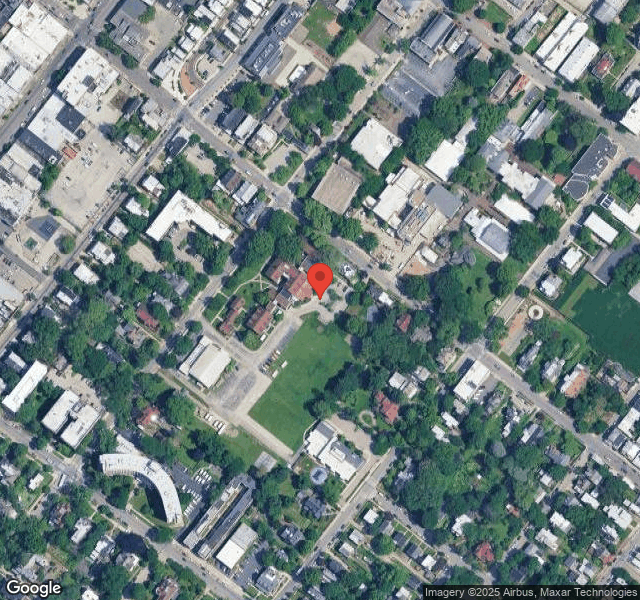
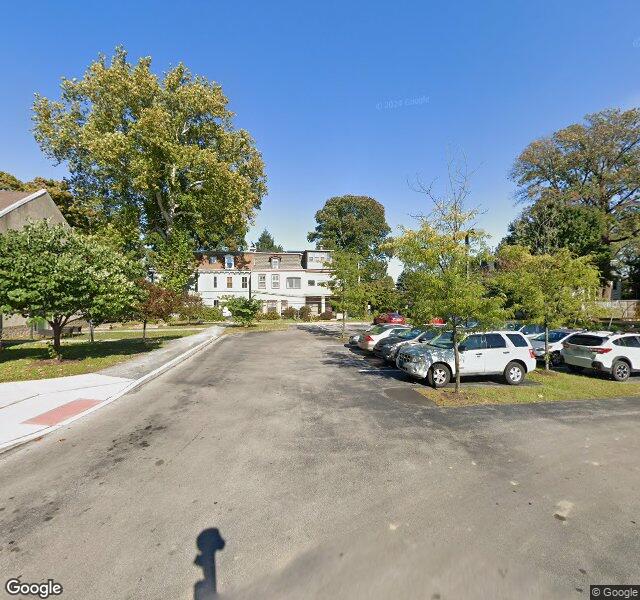
WILLOW TERRACE

ONE PENN BOULEVARD, PHILADELPHIA, PA 19144 (215) 951-8500
For profit - Corporation 174 Beds JONATHAN BLEIER Data: November 2025 1 Immediate Jeopardy citation
Trust Grade
21/100
#649 of 653 in PA
Last Inspection: January 2025

Within standard 12-15 month inspection cycle. Federal law requires annual inspections.

Overview

Willow Terrace in Philadelphia has received a Trust Grade of F, indicating significant concerns about its care quality. It ranks #649 out of 653 facilities in Pennsylvania, placing it in the bottom half for the state, and #46 out of 46 in Philadelphia County, meaning there are no local facilities rated better. The facility is worsening, with issues increasing from 17 in 2024 to 21 in 2025. Staffing is average with a 3/5 rating, but the turnover rate is 54%, which is concerning. There are serious incidents, including a resident escaping the facility for over six hours due to inadequate supervision and another resident who suffered an injury after being pushed by staff. Additionally, the facility failed to maintain comfortable temperatures, affecting residents' comfort and health.

Trust Score
F
21/100
In Pennsylvania
#649/653
Bottom 1%
Safety Record
High Risk
Review needed
Inspections
Getting Worse
17 → 21 violations
Staff Stability
⚠ Watch
54% turnover. Above average. Higher turnover means staff may not know residents' routines.
Penalties
⚠ Watch
$9,113 in fines. Higher than 97% of Pennsylvania facilities. Major compliance failures.
Skilled Nurses
⚠ Watch
Each resident gets only 24 minutes of Registered Nurse (RN) attention daily — below average for Pennsylvania. Fewer RN minutes means fewer trained eyes watching for problems.
Violations
⚠ Watch
54 deficiencies on record. Higher than average. Multiple issues found across inspections.
★☆☆☆☆
1.0
Overall Rating
★★★☆☆
3.0
Staff Levels
★★★☆☆
3.0
Care Quality
★☆☆☆☆
1.0
Inspection Score
Stable
2024: 17 issues
2025: 21 issues

The Good

  • Full Sprinkler Coverage · Fire safety systems throughout facility
  • No fines on record

Facility shows strength in fire safety.

The Bad

1-Star Overall Rating

Below Pennsylvania average (3.0)

Significant quality concerns identified by CMS

Staff Turnover: 54%

Near Pennsylvania avg (46%)

Higher turnover may affect care consistency

Federal Fines: $9,113

Below median ($33,413)

Minor penalties assessed

Chain: JONATHAN BLEIER

Part of a multi-facility chain

Ask about local staffing decisions and management

The Ugly 54 deficiencies on record

1 life-threatening 1 actual harm
Aug 2025 2 deficiencies 1 IJ
CRITICAL (J) 📢 Someone Reported This

A family member, employee, or ombudsman was alarmed enough to file a formal complaint

Immediate Jeopardy (IJ) - the most serious Medicare violation

Accident Prevention (Tag F0689)

Someone could have died · This affected 1 resident

**NOTE- TERMS IN BRACKETS HAVE BEEN EDITED TO PROTECT CONFIDENTIALITY** Based on review of facility policies and documentation, clinical record reviews and interviews with staff, it was determined tha...

Read full inspector narrative →
**NOTE- TERMS IN BRACKETS HAVE BEEN EDITED TO PROTECT CONFIDENTIALITY** Based on review of facility policies and documentation, clinical record reviews and interviews with staff, it was determined that the facility failed to provide adequate supervision to one of twelve residents reviewed (Resident R1) who was at risk for elopement. This failure resulted in Resident R1 exiting nursing unit via the elevator and walking out the front entrance doors. Resident R1 was unable to be located for over six hours. This failure placed the resident at high risk for injury and was identified as an Immediate Jeopardy of past non-compliance. (Resident R1)Findings Include:Review of facility policy, titled, Prevention and Management of Accident, Hazards Adequate Supervision, and Assistive Devices with a revision date of July 24, 2025, revealed, the facility will ensure that the resident environment remains as free of accident hazards as is possible, and that the residents will receive adequate supervision and assistive devices to prevent hazards. Continued review of the policy revealed, iii. Wandering/Elopement Elopement is a situation in which a resident leaves the premises or a safe area without the facility's knowledge or supervision, if necessary, would be considered an elopement. This situation represents a risk to the resident's health and safety and places the resident at risk of heat or cold exposure, dehydration and/or other medical complications, drowning, or being struck by a motor vehicle. Facility policies define the mechanisms and procedures for assessing and identifying, monitoring and managing residents at risk for elopement to minimize the risk of a resident leaving a safe area without the facility's awareness and/or appropriate supervision. Review of Resident R1's clinical record revealed Resident R1 was admitted to the facility on [DATE], with the following diagnoses; Unspecified Dementia (cognitive decline is evident, but the specific type of dementia cannot be determined), Adjustment Disorder with Depressed Mood (symptoms of depression or loss of interest, that arise in response to a specific stressful event), Depression (feelings of overwhelming sadness), Hyperlipidemia (elevated levels of lipids (fats and fat-like substances) in the blood, including cholesterol and triglycerides), and Hypertension (condition where the force of blood pushing against the artery walls is consistently too high). Review of Resident R1's Elopement Risk Evaluation completed on admission dated July 24, 2025, revealed the resident was ambulatory, with a history of elopement and exit seeking. The resident utilizes an electronic monitoring device, care plan for risk for elopement and place on secured unit. Review of Resident R1's admission MDS (Minimum Data Set- periodic assessment of resident's care needs) was not completed until July 28, 2025, and it revealed the resident was assessed with a BIMS (Brief Interview for Mental Status) score of 3. A score of 3 indicates severe cognitive impairment. Review of Resident R1's admission progress notes completed by the physician on July 25, 2025 revealed, .had some agitation at the hospital [he/she] wanders. Also noted in his progress notes, Psychiatry- no anxiety noted. Resident R1 has a history of wandering. Review of facility investigation provided by the facility revealed a timeline dated July 26, 2025. The following is the summary of the timeline:At 6:00 p.m. The resident was standing behind the unit door on or around 6:00 p.m. A staff member from housekeeping opened the door and the resident came out. The staff member asked the resident where [he/she] was going, and the resident responded outside. The staff member tried talking to the resident, but the resident headed straight to the elevator. The staff and resident rode down on the elevator together. As per housekeeping staff, the resident was unsure of where to exit the building, and security showed [him/her] the front door. As per security, he was unsure of the time this occurred but stated it was still light outside.At 7:45 p.m. staff noticed resident was missing at or around 7:45 p.m.At 8:00 p.m. a full search of the unit was performed, and the supervisor was notified around 8:00 p.m. The supervisor and facility staff conducted a full house check and check of the outside the perimeter of the facility for the resident. The Physician, Director of Nursing, and Responsible Party were notified at 8:45 p.m. A call was placed to the police, university security notified, and the elopement protocol initiated. 9:00 p.m.- 11:20 p.m. Continued perimeter and expanded perimeter search. Vicinity patrol over three local streets.July 27, 2025- 12:00 a.m. Approximately 12:00 a.m. phone call was placed to Resident R1's daughter to find out where resident would possibly go. Resident's last known address checked- no one was home. Daughter also provided alternative address.1:22 a.m. Resident was found at the alternative location at 1:22 a.m. The police were called several times while a staff member kept Resident R1 in sight until the police arrived to provide to transport the resident back to the facility at 2:00 a.m.2:00 a.m. Upon arrival to the facility the Director of Nursing received the resident, the resident was assessed no injury. Resident R1 was confused and unable to give an account of where [he/she] went. Resident was placed on one to one and labs were drawn. Interview held with the Regional Nurse, Employee E3 on August 7, 2025, at 10:00 a.m. revealed the incident that occurred with Resident R1 was an accident. The housekeeping staff openly admitted it in their statement that they let the resident go off of the unit onto the elevator. We tried to call the security staff twice and he did not return our phone calls. When asked if the resident was wearing a wander guard at the time of elopement Employee E3 stated, no. Review of facility investigation file revealed a statement from housekeeping staff Employee E18, indicating, I went on the fifth floor to look for a coworker and as I was leaving the floor the resident was standing by the door. I initially thought Resident R1 was a visitor but once Resident R1 left the floor and got on the elevator, I asked [him/her] did [he/she] stay here [he/she] said yes and that [he/she] was trying to get outside. I got off on the sixth floor to continue to look for my coworker after looking for him I got back on the elevator and Resident R1 was still on. Once we got on the first floor the Resident R1 started going in a different direction than outside. That's when the front desk security guard directed Resident R1 in the right director to get outside. Based on the above findings, an Immediate Jeopardy to the safety of the resident was identified for failure to provide adequate supervision of a resident who was assessed an elopement risk on July 24, 2025. The resident went missing on July 26, 2025, and was not returned to the facility until six hours later in the early morning hours of July 27, 2025. An Immediate Jeopardy template (document which included information necessary to establish each of the key components of immediate jeopardy) was provided to the Regional Nurse on August 8, 2025 at 11:50 a.m. The facility provided a Plan of Correction on August 7, 2025, for submission and it was approved at 2:31 p.m. The plan of correction was as follows: July 26, 2025, a unit search was done, and the resident was not located July 26, 2025, the police were notified. July 26, 2025, the resident's daughter was notified and asked about familiar places the resident would go to. July 26, 2025, the resident was located at the address given by then family. July 26, 2025, a skin assessment was completed on the resident. No new skin alterations or signs of physical injury were noted. July 26, 2025, the resident was placed on one to one supervision and laboratory tests were ordered by the physician. July 26, 2025, elopement reassessments were completed for all residents and care plans were reviewed and updated if necessary. July 27, 2025, elopement books were reviewed and updated. All staff were educated on elopement prevention and not allowing residents off the unit when entering/exiting units as well as communicating with a supervisor if a resident is exhibiting exit seeking behaviors. A whole house education started on July 26, 2025, and was completed on July 28, 2025. Any new staff as well as new agency staff will receive elopement education prior to starting a shift. The security desk was moved by the elevators so that security will be able to verify residents that are allowed to leave the unit and have the resident sign out on the logbook. Security staff were educated on verification of residents leaving and returning to the facility by signing out and back in on the resident logbook on July 27, 2025. A resident council meeting was held on July 28, 2025, to re-educate residents on signing out and in procedures when leaving and returning to the units. Random observation audits will be done on units daily to observe staff entering and leaving units to ensure residents remain secure on the unit. Audits will be done daily for two weeks then weekly for four weeks, then monthly for two months. Results of these audits will be submitted to the quality assurance committee to determine if further action is needed. A QAPI (Quality Assurance Performance Improvement) meeting was held on July 28, 2025, and the facility reviewed the elopement plan of correction related to the elopement that occurred on July 26, 2025. The Medical Director was in attendance as well as the Regional Nurse and the Regional Director of Operations. Elopement drills were completed on July 28, 2025, and August 1, 2025, with good response by the staff. Drills will be done monthly for three months the quarterly. Drills will be reviewed at QAPI (Quality Assurance Performance Improvement). On August 7, 2025, the implementation of the action plan was verified. Twelve facility staff were interviewed from various units, and departments. Facility staff were able to answer how you know if a resident is at risk for elopement, what you would do if an elderly person looked confused about where they were going while here, and what the code is for when someone has eloped from the facility. The new security desk set up was visualized in the main lobby and new signage was visualized on the locked doors of the nursing units. Review was made of documents including staff educations, elopement assessments, and elopement audits. Following the verification of the completion of the immediate action plan the Immediate Jeopardy was lifted on August 7, 2025, at 2:31 p.m. 28 Pa. Code 201.14(a) Responsibility of licensee28 Pa. Code 201.18(b)(1) Management28 Pa. Code 201.18(e)(1) Management28 Pa. Code 211.10(d) Resident care policies28 Pa. Code 211.12(d)(1)(5) Nursing services28 Pa. Code 211.12(d)(2) Nursing services
CONCERN (D) 📢 Someone Reported This

A family member, employee, or ombudsman was alarmed enough to file a formal complaint

Potential for Harm - no one hurt, but risky conditions existed

Administration (Tag F0835)

Could have caused harm · This affected 1 resident

**NOTE- TERMS IN BRACKETS HAVE BEEN EDITED TO PROTECT CONFIDENTIALITY** Based on the review of clinical records, job descriptions, review of facility policy, facility documentation and interviews with...

Read full inspector narrative →
**NOTE- TERMS IN BRACKETS HAVE BEEN EDITED TO PROTECT CONFIDENTIALITY** Based on the review of clinical records, job descriptions, review of facility policy, facility documentation and interviews with staff, it was determined that the Nursing Home Administrator (NHA) and the Director of Nursing (DON) did not effectively manage the facility to ensure the safety of one of twelve residents reviewed (Resident R1) with a diagnosis of Dementia who eloped from the facility. This failure resulted in an Immediate Jeopardy situation for Resident R1 who was missing from the facility overnight for approximately six hours. (Resident R1) Findings Include: Review of the job description for the Nursing Home Administrator (NHA) with a revision date of June 15, 2023 states, Position Summary-this position is responsible to establish and maintain systems that are efficient and effective to operate the nursing home in a manner to safely meet residents' needs in accordance with federal, state and local regulations. Also, develop and maintain systems that are effective and efficient to operate the facility in a financially sound manner. Further review of the NHA job description revealed, Essential Duties and Responsibilities-. Develop, maintain and implement operational policies and procedures to meet residents' need in compliance with federal, state and local requirements. Determine the personnel requirements of the facility in collaboration with Department Managers and hire or arrange for sufficient staff to provide for sound resident care and implement the facility policies and procedures. Review of the job description for the Director of Nursing (DON) with a revision date on October 10, 2023 states, Position Summary- The Director of Nursing functions as the administrative authority for the Department of Nursing. This Director will be responsible for the organization and oversight of all nursing operations and for the supervision of care for all residents at the facility. Further review of the DON job essential requirements revealed, Must possess the ability to plan, organize, develop, implement and interpret the programs, goals, objectives, policies and procedures, etc., that are necessary for providing quality of care. Review of facility policy abuse Abuse Policy- Prevention and Management last revised April 14, 2022 states, Policy-the facility prohibits the mistreatment, neglect, and abuse of residents/patients and misappropriation/exploitation of resident/patient property by anyone including staff, family, friends, visitors, etc. The Facility has designed and implemented processes, which strive to ensure the prevention and reporting of suspected or alleged resident/patient abuse, neglect, mistreatment, and/or misappropriation/exploitation of property. The facility must provide a safe resident environment and protect residents from abuse. This includes but is not limited to freedom from corporal punishment and involuntary seclusion. Further review of the policy revealed, .Neglect-Failure of the Facility, its employees or service providers to provide goods and services necessary to avoid physical harm, pain, mental anguish, or emotional distress. Neglect occurs when the facility is aware of, or should have been aware of, goods or services that a resident(s) requires but the facility fails to provide them to the resident(s), that has resulted in or may result in physical harm, pain, mental anguish, or emotional distress. Neglect includes cases where the facility's indifference or disregard for resident care, comfort or safety, resulted in or could have resulted in, physical harm, pain, mental anguish, or emotional distress. Neglect may be the result of a pattern of failures or may be the result of one or more failures involving one resident and one staff person. Review of Resident R1's clinical record revealed Resident R1 was admitted to the facility on [DATE], with diagnoses of Unspecified Dementia (cognitive decline is evident, but the specific type of dementia cannot be determined), Adjustment Disorder with Depressed Mood (symptoms of depression or loss of interest, that arise in response to a specific stressful event), Depression (feelings of overwhelming sadness), Hyperlipidemia (elevated levels of lipids (fats and fat-like substances) in the blood, including cholesterol and triglycerides), and Hypertension (condition where the force of blood pushing against the artery walls is consistently too high). Review of Resident R1's Elopement Risk Evaluation completed upon admission dated July 24, 2025, revealed the resident was ambulatory, with a history of elopement and exit seeking. The resident utilizes an electronic monitoring device, care plan for risk for elopement and place on secured unit. Review of Resident R1's admission MDS (Minimum Data Set- periodic assessment of resident's care needs) completed on July 28, 2025, revealed the resident was assessed with a BIMS (Brief Interview for Mental Status) score of 3. A score of 3 indicates severe cognitive impairment. Review of facility investigation dated July 26, 2025, revealed the following timeline: At 6:00 p.m. The resident was standing behind the unit door on or around 6:00 p.m. A staff member from housekeeping opened the door and the resident came out. The staff member asked the resident where he was going, and the resident responded outside. Staff member tried talking to the resident, but the resident headed straight to the elevator. Staff and resident rode down on the elevator together. As per housekeeping, the resident was unsure of where to exit the building, and security showed him the front door. As per security, he was unsure of the time this occurred but stated it was still light outside. At 7:45 p.m. staff noticed resident was missing at or around 7:45 p.m. the resident was brought back to the facility on July 27, 2025, at 2:00 a.m. Interview with the Regional Nurse, Employee E3 on August 7, 2025, at 10:00 a.m. revealed the incident that occurred with Resident R1 was an accident. The housekeeping staff openly admitted it their statement that they let the resident go off of the unit onto the elevator. We tried to call the security staff twice and he did not return our phone calls'. When asked if the resident was wearing a wander guard at the time of elopement Employee E3 stated, no. The Regional Nurse confirmed the facility did not ensure the safety of one resident. (Resident R1) Based on the deficiencies identified in this report, the Nursing Home Administrator and Director of Nursing failed to fulfill essential duties and responsibilities of their position contributing to the Immediate Jeopardy situation for Resident R1. 28 Pa Code 201.14(a) Responsibility of licensee 28 Pa. Code 201.18(b)(1) Management 28 Pa. Code 201.18(b)(3) Management
Jan 2025 19 deficiencies
CONCERN (D)

Potential for Harm - no one hurt, but risky conditions existed

Deficiency F0552 (Tag F0552)

Could have caused harm · This affected 1 resident

**NOTE- TERMS IN BRACKETS HAVE BEEN EDITED TO PROTECT CONFIDENTIALITY** Based on clinical record reviews and interviews with staff, it was determined that the facility failed to ensure that residents ...

Read full inspector narrative →
**NOTE- TERMS IN BRACKETS HAVE BEEN EDITED TO PROTECT CONFIDENTIALITY** Based on clinical record reviews and interviews with staff, it was determined that the facility failed to ensure that residents or their representatives were informed of treatment options, as well as the risks and benefits of the proposed care, for three of four residents reviewed for psychotropic medications (Residents R142, R139 and R158). Findings include: Review of Resident R142's Quarterly MDS (Minimum Data Set - a mandatory periodic resident assessment tool), dated November 14, 2024, revealed that the resident was admitted to the facility on [DATE], and had diagnoses including cerebrovascular accident (damage to the brain from interruption of its blood supply), dementia (decline in memory or other thinking skills severe enough to reduce a person's ability to perform everyday activities), depression (mood disorder characterized by low mood, a feeling of sadness, and a general loss of interest in things) and psychotic disorder (loss of contact with reality). Continued review revealed that the resident had a BIMS (Brief Interview for Mental Status) score of three, which indicated that the resident was severely cognitively impaired. Review of progress notes for Resident R142 revealed a nurses note, dated December 23, 2024, at 4:47 p.m. which indicated that the resident had an appointment with neurology (branch of medicine that specializes in disorders of the brain, spinal cord and nerves) and returned with a new order for risperidone (antipsychotic medication used to treat mood disorders) 1 m.g (milligram) twice per day. Review of Resident R142's neurology consultant note, dated December 23, 2024, revealed that the consultant recommended for the resident to receive risperidone 1 m.g twice per day. Review of Medication Administration Records (MARs) for Resident R142 revealed that the resident received risperidone on December 24, 25, and 26, 2024, for a total of four doses. Continued review of progress notes for Resident R142 revealed a nurses note, dated December 26, 2024, at 3:03 p.m. which indicated that the resident was seen by psychiatry (mental health) and discontinued the risperidone. Review of Resident R142's psychiatry note, dated December 26, 2024, noted that the resident was started on risperidone by neurology. The psychiatrist recommended to discontinue the risperidone because the resident was already on aripiprazole (antipsychotic medication) and that the resident should not be on two antipsychotic medications. The risperidone was subsequently discontinued on December 26, 2024. Further review of Resident R142's progress notes revealed no indication that the resident or her responsible party were notified of the medication recommendation, that the risks and benefits were explained or that the resident was offered alternative treatment options. Review of Resident R139's Annual MDS, dated [DATE], revealed that the resident was admitted to the facility on [DATE], and had diagnoses including severe depression with psychotic symptoms (a mental disorder characterized low mood and disconnection from reality). Continued review revealed that the resident had a BIMS score of 9, which indicated that the resident was moderately cognitively impaired. Review of Resident R139's progress notes revealed a nurses note, dated September 5, 2024, at 9:47 a.m. which indicated that the resident was seen by psychiatry and recommended to discontinue risperidone and start aripiprazole solution. Review of Resident R139's psychiatry note, dated September 4, 2024, revealed that the resident had paranoid delusions (false beliefs in something that is untrue) and auditory hallucinations (hearing things that are not there). The psychiatrist noted to add paranoid schizophrenia (mental illness associated with loss of reality contact, delusions and hallucinations) to the resident's diagnosis list, discontinue risperidone and start aripiprazole solution added to orange juice or apple sauce. Review of MARs for Resident R139 revealed that the resident was started on aripiprazole on September 6, 2024, and that the medication was discontinued on September 27, 2024. Continued review revealed that the resident received a total of 10 doses and refused the medication for a total of 12 doses. Continued review of Resident R139's progress notes revealed a nurses note, dated September 27, 2024, at 2:02 p.m. which indicated that the resident was seen by psychiatry and recommended to discontinue aripiprazole due to patient refusal. Review of Resident R139's psychiatry note, dated September 25, 2034, revealed that the psychiatrist recommended to discontinue aripiprazole due to patient refusal. Further review of Resident R139's progress notes revealed no indication that the resident or her responsible party were notified of the medication recommendation, that the risks and benefits were explained or that the resident was offered alternative treatment options. Review of Resident R158's admission MDS, dated [DATE], revealed that the resident was admitted to the facility on [DATE], and had diagnoses including non-traumatic brain dysfunction, delirium (confusion) and encephalopathy (brain damage). Continued review revealed that the resident had a BIMS score of 6, which indicated that the resident was severely cognitively impaired. Review of medication administration records revealed physician's orders for olanzapine (antipsychotic medication used to treat certain mental health disorders, such as schizophrenia [loss of reality with delusions and hallucinations] and bipolar [severe high and low mood changes]) 7.5 m.g (milligrams) once per day at bedtime for delirium. The medication was administered November 15, 2024, through January 8, 2025. Review of Resident R158's progress notes revealed a nurses note, dated January 8, 2025, which indicated that the resident was seen by psychiatry, recommended to discontinue olanzapine and start Depakote 125 m.g every 12 hours (medication used to treat seizures and certain mental health disorders such as bipolar). Review of Resident R158's psychiatry note, dated January 8, 2025, revealed that the psychiatrist recommended to discontinue olanzapine and start Depakote. Continued review of the consultation note revealed that there was no documented clinical indication or rationale for why the consultant recommended the medication change. Continued review of medication administration records revealed that Resident R158 began receiving Depakote on January 9, 2025, as recommended by the psychiatry consultant. Further review of Resident R158's progress notes revealed no indication that the resident or her responsible party were notified of the medication recommendation, that the risks and benefits were explained or that the resident was offered alternative treatment options. Interview on January 30, 2025, at 1:21 p.m. Employee E4, Assistant Director of Nursing (ADON) confirmed that there was no documentation available for review at the time of the survey to indicate that Residents R142, R139 and R158 or their responsible parties were informed of their psychotropic medication changes, that the risks and benefits were explained or that they were offered alternative treatment options. 28 Pa Code 201.29(a) Resident rights 28 Pa code 211.2(d)(6) Medical Director
CONCERN (D)

Potential for Harm - no one hurt, but risky conditions existed

Grievances (Tag F0585)

Could have caused harm · This affected 1 resident

Based on the review of clinical records, facility documentation, facility policies, and interviews with resident and staff, it was determined that the facility failed to demonstrate evidence that a re...

Read full inspector narrative →
Based on the review of clinical records, facility documentation, facility policies, and interviews with resident and staff, it was determined that the facility failed to demonstrate evidence that a resident/resident representative grievance was promptly documented and resolved for one of 32 resident records reviewed. (Resident R110) Findings Include: Review of facility policy Grievance/Concern Form; Grievance/Concern Log revised October 28, 2021 revealed Our facility will assist residents, their representatives, family members or resident advocates in filing a grievance/concern form or completing a review on the customer service kiosk when concerns are expressed, which may not be able to be handled immediately by the facility staff, requires further investigation or requires consultation with other facility staff, the attending physicians or outside service providers. Any resident, his/her representative, family member or advocate may file a Grievance/Concern. Form or complete a review on the Customer service kiosk regarding treatment, facility services, Medical care, behavior of other residents or staff members, theft of property, missing items, Discrimination, etc. without fear of threat or reprisal in any form. Upon request, the facility will provide a copy of the grievance policy to the resident or resident/Representative. The facility will practice immediate reporting standards as required by state law of all alleged violations involving neglect, abuse, including injuries of unknown source, and/or misappropriation of resident property, by anyone furnishing services on behalf of the provider, to the administrator of the provider. The resident and/or Resident Representative or person who presented the grievance will be Informed of the findings of the investigation and the actions that will be taken to resolve the issue or problem orally in person or phone and or in writing if requested. Interview with Resident R110 on January 28, 2025, at 11:42 a.m. stated a week ago a man came into my room and opened his pants and started masturbating right next to my bed. Resident stated she got terrified and screamed. Resident stated that was the man living across from her room. Resident pointed out Resident R34's room. Resident stated she reported this to a staff and completed a grievance form which was given by the staff. Resident stated she did not hear or see anything from the staff about the grievance or did not receive a copy of the grievance Resident stated she felt like she was harassed and would like to press charges against the resident. Review of facility investigation for Resident R110 dated January 24, 2025, revealed that the resident reported to the staff that another resident was showing his private parts in her room. Resident reported the incident to the staff. Staff provided a grievance form for the resident to fill out. Further review of the facility investigation revealed no evidence that the facility staff followed up with the resident or no information was available grievance. A copy of the grievance was requested to the Director of Nursing on January 29 and January 30, 2024. Interview with the Director of Nursing on January 31, 2025, at 11:00 a.m. stated there was no grievance available from the resident which the resident stated she filed on January 24, 2025. Interview with Social Worker on January 31, 2025, at 11:30 a.m. confirmed that the resident filed the grievance, gave it to the staff but the facility was unable to locate the grievance. Facility also did not know the content of the grievance filed by the resident on January 24, 2025. 28 Pa. Code 201.18 (b)(1)(3)(2.1)(4) Management 28 Pa. Code 201.29 (a) Resident Rights
CONCERN (D)

Potential for Harm - no one hurt, but risky conditions existed

Report Alleged Abuse (Tag F0609)

Could have caused harm · This affected 1 resident

**NOTE- TERMS IN BRACKETS HAVE BEEN EDITED TO PROTECT CONFIDENTIALITY** Based on interviews with facility staff and residents and review of facility documents, it was determined that the facility fail...

Read full inspector narrative →
**NOTE- TERMS IN BRACKETS HAVE BEEN EDITED TO PROTECT CONFIDENTIALITY** Based on interviews with facility staff and residents and review of facility documents, it was determined that the facility failed to report an incident of alleged sexual abuse to the State Agency and the Administrator as required for one of 32 residents reviewed (Resident R110). Findings include: Review of facility policy titled Abuse Investigation and Reporting dated September 8, 2022, indicated that The Facility prohibits the mistreatment, neglect, and abuse of residents/patients and misappropriation/exploitation of resident/patient property by anyone including staff, family, friends, visitors, etc. The Facility has designed and implemented processes, which strive to ensure the prevention and reporting of suspected or alleged resident/patient abuse, neglect, mistreatment, and/or misappropriation/exploitation of property. The facility must provide a safe resident environment and protect residents from abuse. This includes but is not limited to freedom from corporal punishment and involuntary seclusion. The Administrator, Director of Nursing, and Risk Manager, if applicable are responsible for investigation and reporting. They are also ultimately responsible for the following as they relate to abuse, neglect, and/or misappropriation/exploitation of policy standards and procedures: -Implementation -On-going monitoring -Reporting -Investigation -Tracking and trending When a facility has identified abuse, the facility must take all appropriate steps to remediate the Noncompliance and protect residents from additional abuse immediately. Facilities that take immediate Action to correct any issues can reduce the risk of further harm continuing or occurring to other Sexual abuse includes, but is not limited to: o Unwanted intimate touching of any kind especially of breasts or perineal area; o All types of sexual assault or battery, such as rape, sodomy, and coerced nudity; o Forced observation of masturbation and/or pornography; and o Taking sexually explicit photographs and/or audio/video recordings of a resident(s) and maintaining and/or distributing them (e.g., posting on social media). This would include, but is not limited to, nudity, fondling, and/or intercourse involving a resident. Residents, The Facility will report abuse, neglect, misappropriation, and/or exploitation incidents timely and within The Federal/State requirements. o Notify the Shift Supervisor/Charge Nurse/Manager immediately if an allegation or suspected abuse, Neglect, mistreatment, misappropriation of property occurs, or injury of unknown source. This responsible Manager will then notify the Administer and Director of nursing immediately. o Report the incident to the Administrator, Director of Nursing, and the Risk Manager, if applicable. The Administrator and Director of Nursing or designee will report to the Regional Clinical Manager and RDO and immediately assist with the direct of the investigation. o Notify the designated State agency(s) within 2 hours after identification of the alleged/suspected abuse, neglect and/or misappropriation incident by electronic reporting system/fax/ and or telephone based on Agency specific requirement for reporting. Initiate process according to the Federal/State regulations for abuse investigation and reporting and the Elder Justice Act for any incidents involving suspicion of a Crime. Review of Resident R110's Minimum Data Set (MDS- assessment of resident care needs) dated January 1, 2025 identified the resident with a BIMS (Brief Interview of Mental Status) score of 15 out of 15 which place the resident as cognitively intact. Review of Resident R34's Minimum Data Set (MDS- assessment of resident care needs) dated December 7, 2024 identified the resident with a BIMS (Brief Interview of Mental Status) score of 15 out of 15 which place the resident as cognitively intact. Review of MDS dated [DATE] revealed that the resident had a BIMS score of 11 which indicated that the resident's cognitive status was moderately impaired. Interview with Resident R110 on January 28, 2025, at 11:42 a.m. stated a week ago a man came into my room and opened his pants and started masturbating right next to my bed. Resident stated she got terrified and screamed. Resident stated that was the man living across from her room. Resident pointed out Resident R34's room. Resident stated she reported this to a staff and completed a grievance form which was given by the staff. Resident stated she did not hear or see anything from the staff about the grievance or did not receive a copy of the grievance Resident stated she felt like she was harassed and would like to press charges against the resident. Review of clinical record for Resident R34 dated January 24, 2025, which was entered late on January 26, 2024 revealed that This nurse was made aware from the Nurse Aide that resident was displaying sexual behaviors to himself in front of the other resident. The other resident was interviewed and explained that he entered her room while she was sleeping and stood at the edge of her bed and began to pleasure himself. Review of facility investigation for Resident R110 dated January 24, 2025, revealed that the resident reported to the staff that another resident was showing his private parts in her room and was masturbating. Resident reported the incident to the staff. Staff provided a grievance form for the resident to fill out. Interview with the Director of Nursing on January 31, 2025, at 11:00 a.m. stated that their staff did report that Resident R34 was in Resident R110's room however she was not aware of the details such as showing private parts or masturbating. Director of Nursing confirmed that the Administrator was not notified of the incident immediately as required. Director of Nursing also confirmed that the facility did not report the incident to state survey Agency as required, she stated after the allegation was reported by the surveyor the facility did report the allegation to appropriate agencies as required. 28 Pa Code 201.14. (c) Responsibility of licensee. 28 Pa. Code 211.12(d) Nursing services
CONCERN (D)

Potential for Harm - no one hurt, but risky conditions existed

Deficiency F0658 (Tag F0658)

Could have caused harm · This affected 1 resident

**NOTE- TERMS IN BRACKETS HAVE BEEN EDITED TO PROTECT CONFIDENTIALITY** Based on clinical record reviews and interviews with staff, it was determined that the facility failed to ensure that psychotrop...

Read full inspector narrative →
**NOTE- TERMS IN BRACKETS HAVE BEEN EDITED TO PROTECT CONFIDENTIALITY** Based on clinical record reviews and interviews with staff, it was determined that the facility failed to ensure that psychotropic medication changes met professional standards of practice for one of four residents reviewed for psychotropic medications (Resident R158). Findings include: Review of Resident R158's admission MDS (Minimum Data Set - a mandatory periodic resident assessment tool), dated November 21, 2024, revealed that the resident was admitted to the facility on [DATE], and had diagnoses including non-traumatic brain dysfunction, delirium (confusion) and encephalopathy (brain damage). Review of medication administration records revealed physician's orders for olanzapine (antipsychotic medication used to treat certain mental health disorders, such as schizophrenia [loss of reality with delusions and hallucinations] and bipolar [severe high and low mood changes]) 7.5 m.g (milligrams) once per day at bedtime for delirium. The medication was administered November 15, 2024, through January 8, 2025. Clinical record review for Resident R158 revealed a psychiatric (mental health) evaluation, dated January 8, 2025. The evaluation noted that the resident was confused, not oriented and had poor memory with impaired judgment and insight. The consultant noted that the resident had a diagnosis of dementia (decline in memory or other thinking skills severe enough to reduce a person's ability to perform everyday activities) with behavioral disturbances and impulse control disorder. The consultant recommended to discontinue olanzapine and start Depakote (medication used to treat seizures and certain mental health disorders such as bipolar) 125 m.g every 12 hours. Further review of the consultation note revealed that there was no documented clinical indication or rationale for why the consultant recommended the medication change. Review of progress notes for Resident R158 revealed that there were no documented changes in behavior for the resident prior to evaluation by psychiatry on January 8, 2025. Continued review of medication administration records revealed that Resident R158 began receiving Depakote on January 9, 2025, as recommended by the psychiatry consultant. The medication records indicated that the resident needed the medication for cognitive communication deficit. Interview on January 30, 2025, at 1:21 p.m. Employee E4, Assistant Director of Nursing (ADON) confirmed that there was no documented rationale or clinical indication for why the psychiatry consultant recommended Resident R158's psychotropic medications. 28 Pa code 211.2(d)(3) Medical Director
CONCERN (D)

Potential for Harm - no one hurt, but risky conditions existed

Quality of Care (Tag F0684)

Could have caused harm · This affected 1 resident

**NOTE- TERMS IN BRACKETS HAVE BEEN EDITED TO PROTECT CONFIDENTIALITY** Based on observations, clinical record reviews and interviews with staff, it was determined that the facility failed to ensure t...

Read full inspector narrative →
**NOTE- TERMS IN BRACKETS HAVE BEEN EDITED TO PROTECT CONFIDENTIALITY** Based on observations, clinical record reviews and interviews with staff, it was determined that the facility failed to ensure that wound care practitioner recommendations were addressed appropriately for one of two residents reviewed for wounds (Residents R151). Findings include: Review of Resident R151's clinical record revealed that the resident was readmitted to the facility on [DATE]. Clinical record review for Resident R151 revealed a wound consultant report, dated January 22, 2025. The report indicated that the resident had a left shin wound with arterial etiology and a right distal shin wound with arterial etiology both wound was documented as full thickness wound. that was present on his readmission to the facility. The wound consultant recommended that the left shin wound be cleansed with 0.125% Dakin's solution (used to prevent and treat wound infections), treated with betadine (antimicrobial wound treatment) and leave it open to air. Further review of the wound consultant report recommended that the right distal shin wound be cleansed with wound cleanser, apply medical grade honey and cover with boarder gauze. Clinical record review for Resident R151 revealed a wound consultant report, dated January 29, 2025. The wound consultant recommended that the left shin wound be cleansed with 0.125% Dakin's, apply with betadine (antimicrobial wound treatment) as primary treatment and leave it open to air. Further review of the wound consultant report recommended that the right distal shin wound be cleansed with wound cleanser, apply medical grade honey and cover with boarder gauze. Review of clinical record for Resident R151 revealed no documented evidence that the wound care physician report was communicated to the attending physician. There was no documented evidence that the physician approved or disapproved the recommendation. Review of active physician's orders for Resident R151 revealed an order, dated January 9, 2025, to cleanse bilateral shin wound with Dakin's solution and apply betadine and leave it open to air. There was no evidence that the right shin wound treatment recommended by the wound care practitioner was followed or the resident received the recommended treatment. Review of Medication Administration Record for Resident R151 for the month of January 2025 revealed that the resident received the same treatment to right and left shin from January 10, 2025. The wound care practitioner recommendation for January 22, 2025, and January 29, 2025 was not followed by the staff. Interview on January 30, 2025, at 1:00 p.m. Employee E2, Director of Nursing (ADON) confirmed that Resident R151 wound care was consistent with the wound consultant's recommendations. 28 Pa Code 211.12(d)(3)(5) Nursing services
CONCERN (D)

Potential for Harm - no one hurt, but risky conditions existed

Deficiency F0685 (Tag F0685)

Could have caused harm · This affected 1 resident

**NOTE- TERMS IN BRACKETS HAVE BEEN EDITED TO PROTECT CONFIDENTIALITY** Based on observations of care and services, clinical record review, interviews with staff and residents and reviews of facility ...

Read full inspector narrative →
**NOTE- TERMS IN BRACKETS HAVE BEEN EDITED TO PROTECT CONFIDENTIALITY** Based on observations of care and services, clinical record review, interviews with staff and residents and reviews of facility policies, it was determined that facility failed to ensure that each resident received proper treatment and assistive devices to maintain vision for one of two residents reviewed for communication needs. (Resident R138) Findings include: Review of the facility policy titled Clinical Manual, dated March 5, 2024 revealed that it was the responsiblility of the facility to make arrangements for each resident for needed vision services. The facility was also responsible to notify the resident's responsible party about the vision care and services that were needed. The policy also said that if the resident was in need of a vision consult that it would arrange for the consultation in a timely manner. Clinical record review for Resident R138 revealed a quarterly assessment dated [DATE] that indicated this resident's preferred language was Creole. The assessment also indicated that this resident needs an interpreter to communicate with the doctor or health care staff. The assessment indicated that Resident R138 had difficulty communication his needs. Observations of Resident R138 with Employee E17 at 9:30 a.m., on Janaury 29, 2025 revealed that the activities staff member provided Resident R138 with a news letter written in Creole on a weekly basis. The activities staff member confirmed she did not know if Resident R138 read the newspaper because she did not speak Creole and cannot ask the resident. Observations of the interactions with the Licensed nurse, Employee E15, who was also the interpreter for Resident R138 at 10:00 a.m., on January 31, 2025 revealed that Resident R138 was reporting that he cannot see to read the newspaper that the activities staff member was giving to him. The licensed nurse, Employee E15 reported that Resident R138 was able to read Creole and if he had glasses he could read and enjoy the newspaper. The licensed nurse reported that Resident R138 was not confused and that he has a language barrier with staff because he reads speaks and understands Creole.Llicensed nurse, Employee E15 reported that he does need an interpretor to facilitate his understanding with a doctor or healthcare staff member. Observations at 10:00 a.m., on January 31, 2025 with Licensed nurse, Employee E15 revealed that Resident R15 has a small printed picture board that he could not read; because his vision was impaired he seeing only large print not regular print in newspapers. Interview with Resident R138 at 10:15 a.m., on January 31, 2025 confirmed that the resident needs corrective lenses. The interpreter, Employee E15 reported that the resident was not sure if he had the money to pay for corrective lenses. Clinical record review for Resident R138 revealed an eye examination dated July 24, 2024 that indicated that the physician had requested the vision examination for the resident's impaired vision. The specialist examining the resident said that the resident would not confirm yes or no answers during the examination. The vision specialist determined that the resident had vision impairment on July 24, 2024. 28 PA Code 211.12(d)(1)(2)(3)(5) Nursing services
CONCERN (D)

Potential for Harm - no one hurt, but risky conditions existed

Pressure Ulcer Prevention (Tag F0686)

Could have caused harm · This affected 1 resident

**NOTE- TERMS IN BRACKETS HAVE BEEN EDITED TO PROTECT CONFIDENTIALITY** Based on observations, clinical record reviews and interviews with staff, it was determined that the facility failed to ensure t...

Read full inspector narrative →
**NOTE- TERMS IN BRACKETS HAVE BEEN EDITED TO PROTECT CONFIDENTIALITY** Based on observations, clinical record reviews and interviews with staff, it was determined that the facility failed to ensure that wound care practitioner recommendations were addressed appropriately for one of two residents reviewed for wounds (Residents R271). Findings include: Review of Resident R271's Entry MDS (Minimum Data Set - a mandatory periodic resident assessment tool), dated January 25, 2025, revealed that the resident was readmitted to the facility on [DATE]. Clinical record review for Resident R271 revealed a wound consultant report, dated January 27, 2025. The report indicated that the resident had a sacral pressure ulcer that was present on his readmission to the facility. The wound consultant recommended that the wound be cleansed with 0.125% Dakin's solution (used to prevent and treat wound infections), treated with medical grade honey (antimicrobial wound treatment) and calcium alginate (absorbent wound dressing that promotes healing), then covered with a bordered foam dressing. Review of progress notes for Resident R271 revealed a wound consultant note, dated January 27, 2025, at 2:39 p.m. which indicated that the resident had new treatments listed in his wound plan and to reference the recommended orders for updated treatments. Continued review of progress notes for Resident R271 revealed an attending physician note, dated January 27, 2025, at 11:17 p.m. which indicated to provide wound care to the resident's sacrum as reported. Review of physician's orders for Resident R271 revealed an order, dated January 27, 2025, to cleanse sacral ulcer with Dakin's 0.125% daily, apply skin prep to wound perimeter, follow by medihoney and cover with border foam. Continued review of physician's orders for Resident R271 revealed another order, dated January 27, 2025, to clean the sacrum with Dakin's 0.125%, apply medihoney and cover with bordered gauze daily. Observation on January 29, 2025, at 11:31 a.m. revealed Employee E10, licensed nurse, perform wound care to Resident R271's sacrum. Employee E10, licensed nurse, removed the old dressing, cleansed the wound with Dakin's solution, applied medihoney and applied a clean bordered foam dressing. Interview on January 30, 2025, at 1:21 p.m. Employee E4, Assistant Director of Nursing (ADON) confirmed that Resident R271 had two active wound care orders for his sacrum that specified different treatments and confirmed that neither order was consistent with the wound consultant's recommendations. Employee E4, ADON, confirmed that the facility follows recommendations made by the wound consultant unless the attending physician specifies an alternative treatment. Employee E4, ADON, stated that she would need to clarify the treatment orders for Resident R271's sacral wound. 28 Pa Code 211.12(d)(3)(5) Nursing services
CONCERN (D)

Potential for Harm - no one hurt, but risky conditions existed

Accident Prevention (Tag F0689)

Could have caused harm · This affected 1 resident

**NOTE- TERMS IN BRACKETS HAVE BEEN EDITED TO PROTECT CONFIDENTIALITY** Based on review of clinical records, review of facility documentation, review of facility policies and interviews with staff, it...

Read full inspector narrative →
**NOTE- TERMS IN BRACKETS HAVE BEEN EDITED TO PROTECT CONFIDENTIALITY** Based on review of clinical records, review of facility documentation, review of facility policies and interviews with staff, it was determined that the facility failed conduct smoking assessment to ensure the safety of a resident who smokes for one of 32 residents reviewed. (Resident R14) Findings include: Review of facility documentation revealed that the Resident R14 was a smoker, and the resident was included in the smoking list provided by the facility. Resident was added to smoking list with smoking privileges. Review of facility investigation for Resident R14 dated January 10, 2025, revealed that During this shift resident was observed on the floor sitting upright on his buttocks in front of the bathroom without his back brace or wheelchair in place. Resident was asked why he was on the floor at which the resident stated, I fell on the way back from the bathroom. Resident was then asked why he did not call for assistance to go to the bathroom at which he got out of bed to secretly smoked in the bathroom. Review of clinical records for Resident R14 did not reveal any evidence that facility conducted an evaluation to determine the ability of the resident to smoke safely with or without supervision at the time when resident admitted smoking in the room. Review of smoking assessment completed part of admission assessment dated [DATE] which was the only smoking assessment revealed that the resident was a non-smoker and no smoking care plan was created. Interview with the Activities Director, Employee E17 on January 31, 2025, at 1.00 p.m., confirmed that Resident R14 was a smoker, and he had the smoking privilege. She stated he smoked when he was first admitted , and the facility had his smoking supplies. Employee E17 also confirmed that the resident smoked in his room, and he was educated not to smoke in his room. Interview with the Director of Nursing, Employee E2 on January 31, 2025, at 12.30 p.m., confirmed that the facility should conduct a smoking safety assessment for all resident who wishes to smoke and should develop and smoking safety care plan with interventions. Employee E2 also confirmed that there was no smoking safety assessment available for Resident R14. 28 Pa Code 201.14(a) responsibility of licensee 28 Pa Code 201.18(b)(1) Management 28 Pa Code 211.12(d)(1) Nursing services 28 Pa Code 211.12(d)(5) Nursing services
CONCERN (D)

Potential for Harm - no one hurt, but risky conditions existed

Deficiency F0692 (Tag F0692)

Could have caused harm · This affected 1 resident

Based on the review of clinical records, review of facility policy, staff interviews, it was determined that the facility failed to maintain appropriate nutritional parameters for one of four resident...

Read full inspector narrative →
Based on the review of clinical records, review of facility policy, staff interviews, it was determined that the facility failed to maintain appropriate nutritional parameters for one of four residents reviewed. (Resident 65). Findings include: Review of facility policy Nutritional Assessment dated March 18, 2024, revealed The Facility will follow current professional standards of practice that recommend weighing the Resident on admission or readmission, the day following admission (to establish a baseline Weight), weekly for the first 4 weeks after admission and at least monthly thereafter to help Identify and document trends such as slow and progressive weight loss. Weighing may also be Pertinent if there is a significant change in condition, food Intake has declined and persisted (e.g. For more than a week), or there is other evidence of altered nutritional status or fluid and Electrolyte imbalance. Review of physician orders for Resident R65 dated December 16, 2024, revealed an order to weigh resident weekly for four weeks until January 20, 2025. Review of care plan for Resident R65 dated December 20, 2024 revealed that resident was at risk for alteration in nutrition/ hydration related to impaired skin integrity, need for mechanically altered diet, need for therapeutic diet, low weight. Review of weight data for Resident R65 revealed that the resident weighed 114.4 pounds on December 16, 2024, and 103 pounds on December 23, 2024, which was 11.4 pounds weight loss (9.96% weight loss over 7 days) Review of weight data revealed no evidence that the facility obtained weight for Resident R65 on December 30, 2024, as ordered by the physician. Review of weight data for Resident R65 revealed that the resident weighed 101.5 pounds on January 6, 2025, which was 11.4 pounds weight loss (11.27 % weight loss over 30 days). Further review of the weight documentation revealed no evidence that the facility reweighed the resident or confirm the weight loss or any further weight check was completed as ordered by the physician. Review of clinical record revealed no evidence that the resident was assessed by the dietician when the resident had documented weight loss on December 23, 2024. Further review of the clinical record revealed that the resident was only assessed by the dietician on January 9, 2025 which was more than two weeks after the initial weight loss. Review of nutritional progress note dated January 9, 2025, revealed that the resident had an unplanned weight loss and was ordered to monitor weights and labs. Review of clinical record for Resident R65 revealed no evidence that the physician was notified of the weight loss and the physician conducted an assessment of the resident in response to the weight loss. Interview with Registered Dietician, Employee E14, on January31, 2025 confirmed that Resident R65 was at nutritional risk due to pressure ulcer and the resident was ordered for weekly weight on admission which was not completed as ordered. Employee E14 also confirmed that the resident was not assessed in a timely manner when the resident was observed with weight loss on December 23, 2024. Employee E14 stated there was no documented evidence in the clinical record that the physician was notified, and an assessment was completed by the physician in response to the weight loss. 28 Pa. Code 211.12(d)(3) Nursing services. 28 Pa. Code 211.12(d)(5) Nursing services.
CONCERN (D)

Potential for Harm - no one hurt, but risky conditions existed

Deficiency F0698 (Tag F0698)

Could have caused harm · This affected 1 resident

Based on review of clinical records, review of facility policy and staff interview, it was determined that the facility failed to ensure communication with the dialysis provider for one of two residen...

Read full inspector narrative →
Based on review of clinical records, review of facility policy and staff interview, it was determined that the facility failed to ensure communication with the dialysis provider for one of two residents reviewed on renal dialysis (Resident R47) Findings include: Review of facility policy title Dialysis Management (Hemodialysis) dated March 28, 2024, revealed that the facility shall ensure that residents who require outpatient hemodialysis treatment have appropriate arrangements made by the facility with an outpatient treatment center to provide such service as directed by the physician. Further review of this policy reveals the facility to complete pre-dialysis information on the communication form and send with resident to dialysis on treatment days, to ensure communication of resident information and coordinate care between Dialysis Center and facility. Review of Resident R47 's record revealed Resident R47 entered the facility on June 9, 2022 with the diagnosis of end stage renal disease (a medical condition in which a person's kidney ceases functioning on a permanent basis leading to the need for regular course of long term dialysis or kidney transplant to maintain life), and dependent on dialysis (the process of removing waste products and excess fluid from the body dialysis is necessary when kidneys are not able to adequately filter the blood). Review of Resident R47's documented dialysis communication binder revealed that the daily documented pages included instructions to record both facility nurse to complete prior to leaving for dialysis and dialysis nurse to complete post dialysis. The daily pages also included any instructions, recommendations for care, any access problems, administered medications, lab work or any concerns before, during and after treatment. Review of treatment dates daily communication pages revealed incomplete communication: November 28, 2024, the documented page did not include Facility nurse to complete prior to leaving for dialysis. December 5, 2024, the documented page did not include Facility nurse to complete prior to leaving for dialysis. December 30, 2024, the documented page did not include Facility nurse to complete prior to leaving for dialysis. January 23, 2025, the documented page did not include Facility nurse to complete prior to leaving for dialysis. The above observation was confirmed by Licensed nurse, unit manager Employee E13 on January 31, 2025 at 10:49 am. 28 Pa. Code 211.12(d)(1) Nursing Services 28 Pa. Code 211.12(d)(3) Nursing Services
CONCERN (D)

Potential for Harm - no one hurt, but risky conditions existed

Deficiency F0710 (Tag F0710)

Could have caused harm · This affected 1 resident

Based on clinical record review, facility policy and interviews with staff, it was determined that the facility did not ensure that a physician assessment was completed related to unplanned weight los...

Read full inspector narrative →
Based on clinical record review, facility policy and interviews with staff, it was determined that the facility did not ensure that a physician assessment was completed related to unplanned weight loss for one of 32 residents reviewed (Resident R65). Findings include: Review of facility policy Nutritional Assessment dated March 18, 2024, revealed The Facility will follow current professional standards of practice that recommend weighing the Resident on admission or readmission, the day following admission (to establish a baseline Weight), weekly for the first 4 weeks after admission and at least monthly thereafter to help Identify and document trends such as slow and progressive weight loss. Weighing may also be Pertinent if there is a significant change in condition, food Intake has declined and persisted (e.g. For more than a week), or there is other evidence of altered nutritional status or fluid and Electrolyte imbalance. The facility may identify key individuals who could Participate in the assessment of nutritional status and related causes and consequences. For Example, nursing staff provide details about the resident's nutritional intake. Physicians and non-Physician practitioners help identify relevant diagnoses, identify causes of weight changes, and Monitor the continued relevance of those interventions. Qualified dietitians help identify Nutritional risk factors and recommend nutritional interventions, based on each resident's medical Condition, needs, preferences, and goals. Consultant pharmacists can help identify medications And medication interactions that may affect nutrition. Review of physician orders for Resident R65 dated December 16, 2024, revealed an order to weigh resident weekly for four weeks until January 20, 2025. Review of care plan for Resident R65 dated December 20, 2024 revealed that resident was at risk for alteration in nutrition/ hydration related to impaired skin integrity, need for mechanically altered diet, need for therapeutic diet, low weight. Review of weight data for Resident R65 revealed that the resident weighed 114.4 pounds on December 16, 2024, and 103 pounds on December 23, 2024, which was 11.4 pounds weight loss (9.96% weight loss over 7 days) Review of weight data revealed no evidence that the facility obtained weight for Resident R65 on December 30, 2024, as ordered by the physician. Review of weight data for Resident R65 revealed that the resident weighed 101.5 pounds on January 6, 2025, which was 11.4 pounds weight loss (11.27 % weight loss over 30 days). Review of nutritional progress note dated January 9, 2025, revealed that the resident had an unplanned weight loss and was ordered to monitor weights and labs. Review of clinical record for Resident R65 revealed no evidence that the physician was notified of the weight loss and the physician conducted an assessment of the resident in response to the weight loss. Interview with Registered Dietician, Employee E14, on January31, 2025 confirmed that Resident R65 was at nutritional risk due to pressure ulcer and the resident was ordered for weekly weight on admission which was not completed as ordered. Employee E14 also confirmed that the resident was not assessed in a timely manner when the resident was observed with weight loss on December 23, 2024. Employee E14 stated there was no documented evidence in the clinical record that the physician was notified, and an assessment was completed by the physician in response to the weight loss. Dietician stated facility staff notifies the physician of the weight loss and the physician was expected to complete an assessment of the resident and document it on the clinical record. 28 Pa. Code:211.12(d)(5) Nursing services. 28 Pa. Code:211.2(a) Physician services. 28 Pa. Code 211.5(f) Clinical records
CONCERN (D)

Potential for Harm - no one hurt, but risky conditions existed

Deficiency F0726 (Tag F0726)

Could have caused harm · This affected 1 resident

Based on observations, review of personnel files and interviews with staff, it was determined that the facility failed to ensure that agency licensed nurses had the specific competencies and skill set...

Read full inspector narrative →
Based on observations, review of personnel files and interviews with staff, it was determined that the facility failed to ensure that agency licensed nurses had the specific competencies and skill sets necessary to care for residents' needs related to medication administration practices and infection control practices, for three of three agency staff reviewed (Employees E7, E8, and E10). Findings include: Observation of the morning medication pass on January 29, 2025, at 9:38 a.m. revealed that Employee E8, licensed nurse, prepared and administered medications for Resident R132. Employee E8, licensed nurse, administered two of the resident's insulin (medication used to lower blood sugar levels) doses after the breakfast meal, instead of before the meal. Employee E8, licensed nurse, also administered two lidocaine patches (medicated patch to relieve pain) without allowing sufficient time between doses. This resulted in four medication errors. Interview with Employee E8, licensed nurse, revealed that she was an agency nurse and only worked at the facility sporadically. Employee E8, licensed nurse, could not recall if she received any training regarding medication administration from the facility. Refer to F759. Observation on January 29, 2025, at 10:44 a.m. with Employee E7, licensed nurse, of the fourth floor south medication cart, revealed that there was no documentation in the narcotic log book that shift-to-shift counts were completed at any time. Continued observation revealed that the index in the narcotic log book was incomplete and did not match with the individual residents' countdown records. Employee E7, licensed nurse, stated that it was his first day at the facility as an agency nurse, that he did not receive any training by the facility regarding medication administration or controlled substances and that he did not complete a shift-to-shift count with the previous night shift nurse. Refer to F755. Observation on January 29, 2025, at 11:31 a.m. revealed that a sign was posted on Resident R271's door indicating that he required enhanced barrier precautions (reduces the risk of spreading infectious organisms). The sign instructed staff to wear a gown and gloves while providing high-contact care activities, such as wound care. Continued observation revealed Employee E10, licensed nurse, entered the room and performed wound care to Resident R271's sacrum, which included removing the old dressing, cleansing the wound and application of a new dressing. Employee E10, licensed nurse, was observed wearing only gloves while providing care. Employee E10, licensed nurse, stated that she was an agency nurse and that she had not received training regarding enhanced barrier precautions. Refer to F880. Review of Employee E8, agency licensed nurse, personnel file revealed that a medication competency review was conducted on January 20, 2025. Review of the competency evaluation revealed that there were no skills evaluations related to the administration of insulin or topical medication patches. Further review revealed that the evaluation form was not signed by the employee. Continued review of Employee E8, licensed nurse, personnel file revealed that there was no training related to controlled substances or enhanced barrier precautions available for review at the time of the survey. Review of Employee E7, agency licensed nurse, personnel file revealed that a medication competency review was not conducted until January 30, 2025, which is after Employee E7, licensed nurse, began working at the facility. Continued review of Employee E7, licensed nurse, personnel file revealed that there was no training related to controlled substances or enhanced barrier precautions available for review at the time of the survey. Review of Employee E10, agency licensed nurse, personnel file revealed that there was no competency evaluation or training related to medication administration, controlled substances or enhanced barrier precautions available for review at the time of the survey. Interview on January 31, 2025, at 9:38 a.m. the Director of Nursing confirmed that Employees E8, E7 and E10, agency licensed nurses, did not receive adequate trainings related to medication administration, controlled substances and enhanced barrier precautions. The Director of Nursing stated that the facility's orientation process for agency staff needed to be revised. 28 Pa Code 201.20(b) Staff development 28 Pa Code 211.12(c) Nursing services
CONCERN (D)

Potential for Harm - no one hurt, but risky conditions existed

Deficiency F0740 (Tag F0740)

Could have caused harm · This affected 1 resident

**NOTE- TERMS IN BRACKETS HAVE BEEN EDITED TO PROTECT CONFIDENTIALITY** Based on clinical record reviews, interviews with staff, reviews of policies and procedures and the Department of Human Services...

Read full inspector narrative →
**NOTE- TERMS IN BRACKETS HAVE BEEN EDITED TO PROTECT CONFIDENTIALITY** Based on clinical record reviews, interviews with staff, reviews of policies and procedures and the Department of Human Services assessments, it was determined that the facility failed to provide the necessary behavioral health care and services to attain the highest practicable physical, mental and psychosocial well-being in accordance with the comprehensive assessment and care plan for one of four residents reviewed with mental illness (Residents R17). Findings include: Reviews of the facility policy titled Behavioral-Mental Healthcare Substance Use dated May 7, 2024 revealed that the facility was to provide an interdisciplinary approach for the care of residents who have a diagnosis of mental health disorder and decreased social interaction. The policy also indicated that the facility must provide the necessary Behavioral Health care and services to attain or maintain the highest practicable physical, mental and psychosocial well -being of the residents in accordance with their assessment and care plan. This policy said that the facility was required to conduct a preadmission screening and resident review (PASARR) to determine if the resident was qualified for specialized Behavioral Health services. Review of Resident R17's annual comprehensive Minimun Data Set (MDS- assessment of care needs) dated October 14, 2024 revealed that the resident was mildly cognitiely impaired. Continued review of th assessment indicated that this resident wanted his family and close friend involved with discussions about his care. The assessment indicated that the resident had the following diagnoses: anxiety, depression, schizophrenia and tramatic brain injury. Clinical record review revealed an assessment dated [DATE] and revised on June 1, 2024 through December 23, 2024 that indicated the Department of Human Serives Office of Mental Health and Substance Abuse assessed Resident R17 and determined that this resident was eligible and did qualify for the provision of mental health services such as preparation of systematic plans which are designed to facilitate appropriate behavior, drug therapy and monitoring for effectiveness and side effects, structured social activities, the teaching of daily living skills to enhance self-determination and independence; individual, group or family therapy or personal support networks and formal behavior modification programs provided by qualified personnel. Interview with Resident R17 at 10:30 a.m., on January 28, 2025 revealed that this resident was reporting boredom. Doesn't have the activities that meet his interest and capabilities. Resident R17 reported that he could use a job. Interview with the social worker, Employee E18, at 9:30 a.m., on January 29, 2025 revealed that this social worker requested that the physician arrange for the specialized mental health services needs of Resident R17. The physician responded with yes saying that Resident R17 was eligible for specialized services based on his comprehensive assessment and (PASARR) preadmission screening and resident review document. The physician reported to the social worker on January 29, 2025 that the next physician scheduled visit was on February 7, 2025 at that time the physician decided to implement a care plan for Resident R17's mental illnesses and special needs. Interview with the director of nursing at 1:00 p.m., on January 31, 2025 confirmed that Resident R17 had not been offered behavioral health services: ( preparation of systematic plans which are designed to facilitate appropriate behavior, structured social activities, the teaching of daily living skills to enhance self-determination and independence; individual, group or family therapy or personal support networks and formal behavior modification programs provided by qualified personnel ) to meet his highest practicable well-being since April 21, 2021 and the most recent recertification evaluation conducted on June 1, 2024 to December 23, 2024; which indicated the continued eligibility of special services for Resident R17. 28 PA. Code 211.12(d)(3)(5) Nursing services 28 PA. Code 201.14(a) Responsibility of licensee 28 PA. Code 211.10(d) Resident care policies
CONCERN (D)

Potential for Harm - no one hurt, but risky conditions existed

Pharmacy Services (Tag F0755)

Could have caused harm · This affected 1 resident

Based on observations, review of facility policies, clinical record reviews and interviews with staff, it was determined that the facility failed to ensure that drug records are in order and that an a...

Read full inspector narrative →
Based on observations, review of facility policies, clinical record reviews and interviews with staff, it was determined that the facility failed to ensure that drug records are in order and that an account of all controlled drugs is maintained and periodically reconciled for one of four medication carts reviewed (fourth floor south medication cart), and failed to ensure that medications were readily available for administration for three of 32 residents reviewed (Residents R132, R55, and R142). Findings include: Review of facility policy, Narcotic Management dated revised December 24, 2024, revealed, Control/Schedule II-V medication will be counted with two (2) professional nurses at the beginning and end of each shift. Documentation that a count was completed and accurate will be completed at the beginning and end of each shift. Control/Schedule II-V medications will be logged into a bound book or separate master index page once received from the pharmacy as well as individual countdown records. Observation on January 29, 2025, at 10:44 a.m. with Employee E7, licensed nurse, of the fourth floor south medication cart, revealed that there was no documentation in the narcotic log book that shift-to-shift counts were completed at any time. Continued observation revealed that the index in the narcotic log book was incomplete and did not match with the individual residents' countdown records. Interview, at the time of the observation, Employee E7, licensed nurse, confirmed the above findings. Employee E7, licensed nurse, stated that it was his first day at the facility as an agency nurse, that he did not receive any training by the facility regarding medication administration and that he did not complete a shift-to-shift count with the previous night shift nurse. Observation of the fourth floor south medication cart narcotic log book with Employee E9, unit manager, confirmed that the shift-to shift counts and index were not completed. Employee E9, unit manager, stated that staff need to be conducting these counts to prevent potential drug diversion. Observation of the morning medication pass on January 29, 2025, at 9:38 a.m. revealed Employee E8, licensed nurse, prepare medications for Resident R132. Review of physician orders for Resident R132 revealed an order, dated September 21, 2023, for amlodipine (medication used to treat high blood pressure) 10 m.g (milligrams) tabs, give one tab daily at 9:00 a.m. Employee E8, licensed nurse, was unable to administer Resident R132's amlodipine and stated that the medication was not available in the medication cart. Review of the facility's emergency pharmacy medication inventory list revealed that amlodipine 10 m.g tablets were available at the facility for administration. Observation of the morning medication pass on January 29, 2025, at 10:20 a.m. revealed Employee E7, licensed nurse, prepare medications for Resident R55. Review of physician orders for Resident R55 revealed an order, dated January 17, 2025, for potassium chloride (treats low potassium levels) oral packet 20 mEq (milliequivalent) give one packet daily. Employee E7, licensed nurse, was unable to administer Resident R55's potassium chloride and stated that the medication was not available in the medication cart. Review of medication administration records for Resident R142 for December 2024, revealed physician's orders for levetiracetam (medication used to treat seizures) give 750 m.g two times per day at 9:00 a.m. and 5:00 p.m. Continued review of the medication administration record revealed that the following doses were not administered: December 20, 2024, at 5:00 p.m.; December 21, 2024, at 9:00 a.m.; December 22, 2024, at 9:00 a.m.; December 23, 2024, at 5:00 p.m.; and December 25, 2024, at 9:00 a.m. Review of progress notes from December 20 through 25, 2024, revealed that the medication was not administered due to back order. Interview on January 30, 2025, at 1:21 p.m. Employee E4, Assistant Director of Nursing (ADON), revealed that if medications are not readily available in the medication cart that nurses should check the emergency supply to see if it is available. If the medication is not available, nurses are expected to call the physician. 28 Pa Code 211.9(a)(1) Pharmacy services 28 Pa Code 211.9(k) Pharmacy services
CONCERN (D)

Potential for Harm - no one hurt, but risky conditions existed

Unnecessary Medications (Tag F0759)

Could have caused harm · This affected 1 resident

Based on observations, review of facility policies, clinical record review and interviews with staff, it was determined that the facility failed to ensure that the medication error rate was less than ...

Read full inspector narrative →
Based on observations, review of facility policies, clinical record review and interviews with staff, it was determined that the facility failed to ensure that the medication error rate was less than five percent for one of three residents observed during medication administration (Resident R132). Findings include: The facility's medication error rate was 12.5% based on observation of 32 medication administration opportunities with four errors observed. Review of facility policy, Medication Administration/Disposition dated reviewed December 2024, revealed, Medications shall be administered in a safe and timely manner, and as prescribed by the physician. Facility staff involved in the administration of resident care will be knowledgeable of the policies and procedures regarding pharmacy services including medication administration. Medications, both prescription and non-prescription, shall be administered under the orders of the attending physician. Continued review revealed, Medications must be administered with one (1) hour of their prescribed time, unless otherwise specified (for example, before and after meal orders). Review of physician orders for Resident R132 revealed an order, dated September 21, 2023, for aspart (rapid acting) insulin (medication used to lower blood sugar levels), inject four units subcutaneously (under the skin) daily with breakfast. Continued review revealed order, dated September 20, 2023, for aspart insulin sliding scale (variable dosage based on blood sugar level), inject subcutaneously before meals and at bedtime. Both orders for aspart insulin were scheduled to be administered at 7:30 a.m. Observation of the morning medication pass on January 29, 2025, at 9:38 a.m. revealed Employee E8, licensed nurse, checked Resident R132's blood sugar level with a glucometer, and obtained a value of 258. Employee E8, licensed nurse, verified the physician orders for Resident R132; the sliding scale indicated that six units of insulin should be administered. Employee E8, licensed nurse, drew up a total of ten units of insulin (standing dose of four units plus six units of the sliding scale dose) and administered them to Resident R132. Both Resident R132 and Employee E8, licensed nurse, confirmed that the resident had already finished eating breakfast. Employee E8, licensed nurse, confirmed that Resident R132's insulin should have been administered before the breakfast meal. Continued review of physician orders for Resident R132 revealed an order, dated January 24, 2025, for lidocaine external 4% patch (medicated patch to relieve pain) apply to left knee at 9:00 a.m. and remove at 9:00 p.m. Further review of physician orders revealed an order, dated January 24, 2025, for lidocaine external 4% patch apply to right knee at 9:00 a.m. and remove at 9:00 p.m. Review of Medline (national library of medicines) drug information, available at https://medlineplus.gov/druginfo/ revealed that Nonprescription lidocaine transdermal comes as a 4% patch to apply to the skin. It is applied up to 3 times daily and for no more than 8 hours per application. If you wear too many lidocaine transdermal patches or topical systems or wear them for too long, too much lidocaine may be absorbed into your blood. In that case, you may experience symptoms of an overdose. Continued observation of the morning medication pass on January 29, 2025, at 10:05 a.m., Employee E8, licensed nurse, removed lidocaine patches from Resident R132's left and right knees; both patches had a date of January 28, 2025. Employee E8, licensed nurse, confirmed that the patches dated January 28, 2025, should have been removed on January 28, 2025, at 9:00 p.m. Further observation revealed that Employee E8, licensed nurse, administered new lidocaine patches to Resident R132's left and right knees immediately after removing the old patches. 28 Pa. Code 211.9(a)(1) Pharmacy services 28 Pa. Code 211.12 (d)(5) Nursing services
CONCERN (D)

Potential for Harm - no one hurt, but risky conditions existed

Deficiency F0761 (Tag F0761)

Could have caused harm · This affected 1 resident

Based on observations, review of facility policies and interviews with staff, it was determined that the facility failed to ensure that insulin pens and vials were labeled in accordance with currently...

Read full inspector narrative →
Based on observations, review of facility policies and interviews with staff, it was determined that the facility failed to ensure that insulin pens and vials were labeled in accordance with currently accepted professional principles for one of four medication carts reviewed (fourth floor north medication cart). Findings include: Review of facility policy, Medication Administration/Disposition dated reviewed December 2024, revealed, When opening a multi-dose container, the date opened is recorded on the container. Observation on January 29, 2025, at 10:14 a.m. of the fourth floor north medication cart with Employee E8, licensed nurse, revealed the following: A lantus (long acting) insulin (medication used to lower blood sugar levels) pen for Resident R17 that was opened and undated; A lantus insulin vial for Resident R132 that was opened and undated; A lispro (rapid acting) insulin vial for Resident R95 that was opened and undated; and An admelog (rapid acting) insulin vial for Resident R83 that was opened and undated. Interview, at the time of the observation, Employee E8, licensed nurse, confirmed the above findings. 28 Pa Code 211.9(a)(1) Pharmacy services 28 Pa Code 211.12(d)(5) Nursing services
CONCERN (D)

Potential for Harm - no one hurt, but risky conditions existed

Deficiency F0847 (Tag F0847)

Could have caused harm · This affected 1 resident

**NOTE- TERMS IN BRACKETS HAVE BEEN EDITED TO PROTECT CONFIDENTIALITY** Based on the review of facility documents and resident clinical record and staff interviews, it was determined that the facility...

Read full inspector narrative →
**NOTE- TERMS IN BRACKETS HAVE BEEN EDITED TO PROTECT CONFIDENTIALITY** Based on the review of facility documents and resident clinical record and staff interviews, it was determined that the facility failed to ensure a resident had the capacity to understand the terms of a binding arbitration agreement for two of three residents reviewed (Resident R147 and Resident R151). Findings Include: Review of Resident R147's admission Minimum Data Set (MDS - federally mandated resident assessment and care screening) dated May 6, 2024, revealed the resident was admitted to the facility on [DATE], and had a diagnosis of non-traumatic brain dysfunction and cognitive communication deficit. Further review of the MDS, Section C - Cognitive Patterns (items in this section are intended to determine the resident's attention, orientation, and ability to register and recall new information - these items are crucial factors in many care-planning decisions), indicated that Resident R147 scored a 12 on the Brief Interview for Mental Status (BIMS), which indicated the resident had moderate cognitive impairment. Review of Resident R151's admission Minimum Data Set (MDS - federally mandated resident assessment and care screening) dated May 14, 2024, revealed the resident was admitted to the facility on [DATE], and had a diagnosis of altered mental status. Further review of the MDS, Section C - Cognitive Patterns, indicated that Resident R151 scored a 2 on the Brief Interview for Mental Status (BIMS), which indicated the resident had severe cognitive impairment. Review of Resident R147's Binding Arbitration Agreement (a binding agreement by the parties to submit to arbitration all or certain disputes which have arisen or may arise between them in respect of a defined legal relationship, whether contractual or not. The decision is final, can be enforced by a court, and can only be appealed on very narrow grounds) indicated the resident signed the document on May 3, 2024. Further review of the Binding Arbitration Agreement revealed it was also signed by facility employee, admission Director, Employee E20. Review of Resident R151's Binding Arbitration Agreement (a binding agreement by the parties to submit to arbitration all or certain disputes which have arisen or may arise between them in respect of a defined legal relationship, whether contractual or not. The decision is final, can be enforced by a court, and can only be appealed on very narrow grounds) indicated the resident signed the document on May 9, 2024. Further review of the Binding Arbitration Agreement revealed it was also signed by facility employee, admission Director, Employee E20. Interview on January 31, 2025. with Employee E2, Director of Nursing confirmed that Resident R151 and Resident R147 had communication and cognitive deficit and should not be provided with arbitration agreement. 28 Pa. Code 211.10 (d) Resident care policies
CONCERN (D)

Potential for Harm - no one hurt, but risky conditions existed

Infection Control (Tag F0880)

Could have caused harm · This affected 1 resident

Based on observations, review of facility policies, clinical record reviews and interviews with staff, it was determined that the facility failed to maintain enhanced barrier precautions during wound ...

Read full inspector narrative →
Based on observations, review of facility policies, clinical record reviews and interviews with staff, it was determined that the facility failed to maintain enhanced barrier precautions during wound care for one of one observations of wound care performed (Resident R271). Findings include: Review of facility policy, Transmission Based Precautions dated revised July 11, 2024, revealed, Enhanced barrier precautions (EBP) are designed to reduce the transmission of multidrug-resistant organisms (MDRO) in facilities. Continued review revealed that, EBP consists of the use of gowns and gloves for high-contact care activities which include . changing briefs and wound care. Review of Resident R271's care plan, dated initiated January 29, 2025, revealed that the resident had a sacral wound and to maintain enhanced barrier precautions. Observation on January 29, 2025, at 11:31 a.m. revealed that a sign was posted on Resident R271's door indicating that he required EBP. The sign instructed staff to wear a gown and gloves while providing high-contact care activities, such as wound and continence care. Continued observation revealed that Employee E11, nurse aide, was in Resident R271's room providing continence care. Employee E11, nurse aide, was observed wearing only gloves while providing care. Further observation revealed Employee E10, licensed nurse, entered the room and performed wound care to Resident R271's sacrum, which included removing the old dressing, cleansing the wound and application of a new dressing. Employee E11, nurse aide, provided assistance to Employee E10, licensed nurse, while the wound care was being performed. Both employees were observed wearing only gloves while providing care. Interview on January 29, 2025, at 11:50 a.m. Employee E10, licensed nurse, revealed that there were no gowns readily available to wear. Employee E10, licensed nurse, stated that there might be some available in the treatment cart. Employee E10, licensed nurse, stated that she was an agency nurse and that she had not received training on enhanced barrier precautions. 28 Pa Code 211.10(d) Resident care policies 28 Pa Code 211.12(d)(5) Nursing services
CONCERN (E)

Potential for Harm - no one hurt, but risky conditions existed

Safe Environment (Tag F0584)

Could have caused harm · This affected multiple residents

Based on observations, review of facility records, interviews with resident and staff, it was determined that the facility failed to ensure comfortable and safe temperature levels. Facilities failed t...

Read full inspector narrative →
Based on observations, review of facility records, interviews with resident and staff, it was determined that the facility failed to ensure comfortable and safe temperature levels. Facilities failed to maintain a temperature range of 71 to 81°F for four of four resident rooms. (301, 302, 311, 328) Findings Include: Interview with Resident R169 on January 28, 2025, at 11:00 a.m. with Maintenance Director, Employee E9 stated the room temperature was too high, and she was suffocating in the room. She stated she had COPD and would like the room temperature at 72-degree Fahrenheit. Interview with Resident R134 on January 28, 2025, at 11:35 a.m. it was too hot for her, and she needed fan to make her comfortable. Resident stated it's been a month since the facility had the temperature issue. Interview with Resident R151 on January 28, 2025, at 11:34 a.m. stated it was very hot in the facility. He stated it was very hard for him to sleep at night due to the heat. Interview with Resident R169 on January 28, 2025, at 11:39 a.m. stated it was always hot in the facility. She showed the heater and there was a towel placed over the vent to prevent heat from getting in the room. Interview with Resident R14 on January 28, 2025, at 11:54 a.m. stated it was too hot in the facility. Interview with Resident R156 on January 28, 2025, at 11:57 a.m. stated it was too hot in the facility. Resident R156's family member stated its always hot in the facility whenever he visited. Interview with Resident R108 on January 28, 2025, at 12:30 p.m. stated it was always hot in the facility and she would like to be little cooler. Temperature check of resident rooms with the maintenance director using facility thermometer was performed on January 28, 2025, at 11:11 a.m. the following temperatures were recorded, 302-82.8-degree Fahrenheit. 301 82.2-degree Fahrenheit. 311 83.3-degree Fahrenheit. 328-83 -degree Fahrenheit. A follow up room temperature was performed at 12:44 p.m. which revealed the following; 301-84-degree Fahrenheit. 311-82.9-degree Fahrenheit. Interview with the Maintenance Director, Employee E9 on January 28, 2025, at 1:00 p.m. confirmed that the temperatures recorded above 81 degrees Fahreheit 28 Pa. Code 201.14(a) Responsibility of licensee
Sept 2024 2 deficiencies
CONCERN (D) 📢 Someone Reported This

A family member, employee, or ombudsman was alarmed enough to file a formal complaint

Potential for Harm - no one hurt, but risky conditions existed

Resident Rights (Tag F0550)

Could have caused harm · This affected 1 resident

**NOTE- TERMS IN BRACKETS HAVE BEEN EDITED TO PROTECT CONFIDENTIALITY** Based on observations, review of facility policies, clinical record reviews and interviews with residents and staff, it was dete...

Read full inspector narrative →
**NOTE- TERMS IN BRACKETS HAVE BEEN EDITED TO PROTECT CONFIDENTIALITY** Based on observations, review of facility policies, clinical record reviews and interviews with residents and staff, it was determined that the facility failed to ensure that residents were treated in a dignified manner for one of five residents reviewed (Resident R1). Findings include: Review of facility policy, Transmission Based Precautions dated revised April 6, 2024, revealed, Enhanced Barrier Precautions are designed to reduce the transmission of multidrug resistant organisms in facilities. Continued review revealed that Enhanced Barrier Precautions are indicated for residents with wounds and/or indwelling medical devices (such as central lines, foley catheters and feeding tubes). Further review revealed, Residents may share rooms with other residents who are not on Enhanced Barrier Precautions and residents may leave their rooms. Interview on September 11, 2024, at 10:00 a.m. Resident R1 stated that a few weeks ago she overheard staff outside of her room saying, I'm not going in there, I don't know what she's got. Resident R1 stated she needs assistance with toileting and wound care, and that staff have personal protective equipment (such as gowns and gloves) to wear if they want to protect themselves while assisting her with care. Resident R1 stated that staff tell her not to leave her room even though there are no restrictions with her leaving her room. Resident R1 stated that the statements made by staff made her feel embarrassed and undignified. Observation, at the time of the interview, Resident R1 had a wound to her buttocks area and a PICC line (peripherally inserted central catheter - a thin soft tube inserted in a vein in the arm with the tip of the tube positioned in a large vein that carries blood to the heart) in her right upper arm. Resident R1 stated that the PICC is used to administer intravenous antibiotics. Review of Resident R1's admission MDS (Minimum Data Set - a mandatory periodic resident assessment tool), dated August 29, 2024, revealed that the resident was admitted to the facility on [DATE], and had diagnoses including necrotizing fasciitis (serious bacterial infection that results in the death of the body's soft tissues). Review of Resident R1's care plan, dated initiated August 23, 2024, revealed that the resident has a wound infection, with interventions including to maintain enhanced barrier precautions. Continued review revealed that the resident receives intravenous antibiotics related to her wound infection. Review of progress notes for Resident R1 revealed a note, dated August 25, 2024, at 2:40 p.m. which stated, Resident came out of room this shift and was redirected back to room in which she declined, insisting that she is no longer contagious, resident was educated on risk of her not abiding by isolation precautions but still left the floor to go collect food downstairs. Interview on September 11, 2024, at 3:38 p.m., the Nursing Home Administrator and Director of Nursing confirmed that Resident R1 did not have an infectious disease requiring isolation and only required Enhanced Barrier Precautions due to her wound and PICC line. Continued interview confirmed that all residents on Enhanced Barrier Precautions are not restricted to their rooms and are allowed to leave their rooms, move about in the facility and participate in activities. 28 Pa Code 201.18(b)(1) Management 28 Pa Code 211.12(d)(1) Nursing services
CONCERN (E) 📢 Someone Reported This

A family member, employee, or ombudsman was alarmed enough to file a formal complaint

Potential for Harm - no one hurt, but risky conditions existed

Quality of Care (Tag F0684)

Could have caused harm · This affected multiple residents

**NOTE- TERMS IN BRACKETS HAVE BEEN EDITED TO PROTECT CONFIDENTIALITY** Based on observations, review of facility policies, clinical record reviews and interviews with residents and staff, it was dete...

Read full inspector narrative →
**NOTE- TERMS IN BRACKETS HAVE BEEN EDITED TO PROTECT CONFIDENTIALITY** Based on observations, review of facility policies, clinical record reviews and interviews with residents and staff, it was determined that the facility failed to obtain and follow physician orders related to medications, wound care and dietary recommendations for three of five residents reviewed (Residents R1, R2 and R3). Findings include: Review of facility policy, Medication Management - Unavailable Meds dated April 22, 2024, revealed, If a medication shortage is noted during normal pharmacy hours, a licensed nurse notifies the pharmacy and speaks to a registered pharmacist to determine the status of the order . if the next available delivery results in a delay or missed dose in the customer's medication schedule, take the medication from the emergency stock supply to administer the dose. If ordered medication is not available in the emergency stock, notify pharmacist that an emergency delivery is required . if an emergency delivery is not feasible, a licensed nurse contacts the attending physician to obtain orders or directions which may include holding the dose, use of alternative medication from the emergency stock supply, and change in order. Interview on September 11, 2024, at 10:00 a.m. Resident R1 stated that she did not receive appropriate wound care when she was first admitted to the facility, that she had missed several doses of her medications, including intravenous antibiotics and insulin, and that she does not receive snacks. Resident R1 stated that she's been frequently having diarrhea and that she hasn't been receiving medications to treat it. Observation, at the time of the interview, Resident R1 had a wound to her buttocks area and a PICC line (peripherally inserted central catheter - a thin soft tube inserted in a vein in the arm with the tip of the tube positioned in a large vein that carries blood to the heart) in her right upper arm. Resident R1 stated that the PICC is used to administer intravenous antibiotics. Review of Resident R1's admission MDS (Minimum Data Set - a mandatory periodic resident assessment tool), dated August 29, 2024, revealed that the resident was admitted to the facility on [DATE], and had diagnoses including necrotizing fasciitis (serious bacterial infection that results in the death of the body's soft tissues), diabetes (ability to produce or respond to the hormone insulin is impaired, resulting in abnormal metabolism of carbohydrates and elevated levels of glucose), malnutrition (lack of sufficient nutrients in the body) and depression (mood disorder characterized by low mood, a feeling of sadness, and a general loss of interest in things). Review of Resident R1's progress notes revealed an admission note, dated August 22, 2024, at 4:02 p.m. which indicated that the resident was admitted to the facility with a diagnosis of wounds and to refer to the admission Nursing Assessment. Review of Resident R1's admission Nursing Assessment, dated August 22, 2024, revealed that the resident was admitted to the facility with wounds. Continued review revealed that there was no assessment of the resident's wounds noted on the assessment, such as the location, type of wound, or wound measurements. Review of Resident R1's Treatment Administration Records for August 2024, revealed physician's orders, dated August 23, 2024, cleanse wound to buttocks with saline and apply Dakins (topical antiseptic used to treat wound infections) soaked kerlex (rolled gauze) and cover with clean dry dressing daily on day shift. Continued review of Resident R1's treatment record and progress notes revealed that there was no indication that the wound treatment was provided on August 23, 2024. Further review of Resident R1's clinical record revealed that the resident's wound was not assessed until August 25, 2024, which was three days after her admission to the facility. Review of Resident R1's Nutrition Assessment, dated August 26, 2024, revealed that the resident was at high risk for malnutrition with recommendations for afternoon snacks at 2:00 p.m. Review of physician orders, progress notes and food/meal/snack intake logs revealed no indication that the resident was offered or provided with 2:00 p.m. snacks as recommended by the dietician. Interview on September 11, 2024, at 11:50 a.m. Employee E3, Food Service Director, revealed that snacks are served at 2:00 p.m. and bedtime and are only prepared for residents who have physician orders for snacks. Review of Resident R1's Medication Administration Records (MARs) for August 2024 revealed a physician's order, dated August 23, 2024, for Unasyn (antibiotic medication) infuse nine grams intravenously every eight hours for wound infection. The MARs noted that administration times for the medication were scheduled for 6:00 a.m., 2:00 p.m. and 10:00 p.m. Continued review of MARs revealed that the August 23, 2024, dose for 2:00 p.m. was blank and that the August 24, 2024, dose for 6:00 a.m. was not administered and to See nurses note. Review of progress notes for Resident R1 revealed that was no indication as to why the medication was not initiated upon the resident's admission to the facility or why the scheduled dose on August 23, 2024, at 2:00 p.m. was not administered. Further review revealed an eMAR (electronic MAR note) note dated August 24, 2024, at 5:33 a.m. which stated that the medication was not administered due to waiting for delivery Review of the facility's emergency medication supply inventory revealed that Unasyn injectable vials were available for use at the facility. Continued review of Resident R1's MARs revealed a physician's order, dated August 23, 2024, for Micafungin (antibiotic medication) infuse 100 milligrams intravenously one time a day for wound infection. The MAR noted that the administration time for the medication was scheduled for 9:00 a.m. Continued review of MARs revealed that the August 23, 2024, dose for 9:00 a.m. was blank. Review of progress notes for Resident R1 revealed that was no indication as to why the scheduled dose on August 23, 2024, at 9:00 a.m. was not administered or that the physician was notified of the missed dose. Continued review of Resident R1's MARs revealed a physician's order, dated August 23, 2024, for Novolin 70/30 (insulin medication used to lower blood sugar levels in people with diabetes), inject 30 units subcutaneously (under the skin) two times a day before meals. The MARs noted that administration times for the medication were scheduled for 8:00 a.m. and 5:00 p.m. Continued review of MARs revealed that the August 23, 2024, dose for 8:00 a.m. was blank and that on August 27, September 1 and September 2, 2024, the 8:00 a.m. doses were not administered due to not due. Review of progress notes for Resident R1 revealed that there were no notes as to why the medication was not administered on August 23, 2024. Continued review revealed an eMAR note, dated September 1, 2024, at 9:17 a.m. which stated that the Resident's blood sugar was 117 and that the medication was withheld. Continued review revealed an eMAR note, dated September 2, 2024, at 9:40 a.m. which stated that the Resident's blood sugar was 103 and that the medication was held. Further review revealed that no hold parameters were prescribed by the physician regarding withholding the medication and there were no notes to indicate that the physician was notified to obtain any hold parameters. Continued review of Resident R1's MARs revealed physicians orders, dated August 23, 2024, for cetirizine (allergy medication) one time a day, losartan (medication used to treat high blood pressure) one time a day, sertraline (medication used to treat depression) one time a day, and metformin (medication used to treat diabetes) twice per day. Continued review of MARs revealed that the August 23, 2024, dose for 9:00 a.m. for all the above medications was blank. Review of progress notes for Resident R1 revealed there was no indication as to why the scheduled doses on August 23, 2024, at 9:00 a.m. were not administered or that the physician was notified of the missed doses. Review of the facility's emergency medication supply inventory revealed that metformin was available for use at the facility. Continued review of Resident R1's MARs revealed a physician's order, dated August 23, 2024, for floranex (lactobacillus, a probiotic medication used to treat diarrhea) give one packet three times for day. The medication was scheduled to be administered at 9:00 a.m., 1:00 p.m. and 5:00 p.m. Continued review of MARs revealed that the scheduled doses for August 23, 2024, at 9:00 and 1:00 p.m were blank. Further review revealed that the following doses were not administered and to See nurses note: August 24 at 9:00 a.m., 1:00 p.m. and 5:00 p.m.; August 25 at 9:00 a.m., 1:00 p.m. and 5:00 p.m.; August 26 at 9:00 a.m. and 1:00 p.m.; August 27 at 9:00 a.m., 1:00 p.m. and 5:00 p.m.; August 28 at 9:00 a.m. and 1:00 p.m.; August 29 at 9:00 a.m. and 1:00 p.m.; August 30 at 9:00 a.m. and 1:00 p.m.; August 31 at 5:00 p.m.; September 1 at 5:00 p.m.; September 3 at 9:00 a.m., 1:00 p.m. and 5:00 p.m.; September 4 at 9:00 a.m., 1:00 p.m. and 5:00 p.m.; September 5 at 1:00 p.m. and 5:00 p.m.; and September 6 at 9:00 a.m., 1:00 p.m. and 5:00 p.m Review of corresponding eMAR notes revealed that the medication was not administered due to not on hand or waiting for delivery. Further review revealed that there was no indication in the clinical record that the physician was notified of the missed doses or that the medication was unavailable. Review of Resident R2's admission MDS, dated [DATE], revealed that the resident was admitted to the facility on [DATE], and had diagnoses including osteomyelitis (bone infection) of left ankle and foot and ventricular tachycardia (irregular heart rate). Review of progress notes for Resident R2 revealed an admission note, dated May 24, 02024, at 9:12 p.m. which indicated that the resident was admitted to the facility and to refer to the admission Nursing Assessment. Review of Resident R2's admission Nursing Assessment, dated May 24, 2024, revealed that the resident had wounds on her left thigh, left ankle and left foot. Review of Treatment Administration Records for May 2024 for Resident R2 revealed a physician's order, dated May 26, 2024, to cleanse the left lower leg with normal saline, apply oil emulsion dressing and rolled gauze every day shift. Continued review revealed that on May 27, 2024, there was no indication that the treatment was completed. Continued review of Treatment Administration Records for Resident R2 revealed physicians orders, dated May 30, 2024, to apply wound cleanser and betadine to the resident's left heel and lateral (side) heel and to apply wound cleanser, topical antibiotic ointment and foam dressing to the resident's left posterior (back) thigh. Further review of Resident R2's clinical record revealed no indication as to why any of the above wound treatments were not implemented upon the resident's admission to the facility. Review of Resident R2's MARs for May 2024 revealed a physician's order, dated May 25, 2024, for Meropenem (antibiotic medication) infuse 2000 milligrams intravenously every eight hours. The MAR indicated that the medication was scheduled to be administered at 6:00 a.m., 2:00 p.m. and 10:00 p.m. Continued review revealed that the medication was not prescribed to begin until May 25, 2024, at 2:00 p.m. Further review revealed that the doses scheduled for May 25, 2024, at 2:00 p.m. and 10:00 were not administered and to See nurses note. Review of corresponding eMAR notes revealed that the medication was not administered due to pending delivery. Further review of progress notes for Resident R2 revealed that was no indication as to why the medication was not initiated upon the resident's admission to the facility or that the physician was notified of the missed doses. Continued review of Resident R2's MARs revealed physicians orders, dated May 25, 2024, for amiodarone (medication used to treat irregular heart rate) one time a day, ezetimibe (medication used to treat high cholesterol) one time a day, and rosuvastatin (medication used to treat high cholesterol) one time a day. Continued review of MARs revealed that the May 25, 2024, dose for 9:00 a.m. for all the above medications were noted as not administered and to See nurses note. Review of corresponding eMAR notes revealed that the medications were not administered due to not on hand/awaiting delivery. Further review revealed that there was no indication in the clinical record that the physician was notified of the missed doses or that the medication was unavailable. Review of the facility's emergency medication supply inventory revealed that amiodarone was available for use at the facility. Review of Resident R3's care plan, dated initiated September 7, 2024, revealed that the resident was admitted to the facility on [DATE], and had diagnoses including diabetes. Interventions included to administer diabetes medication as ordered by the physician. Review of MAR's for Resident R3 revealed a physician's order, dated September 7, 2024, for lispro insulin (rapid acting insulin) inject four units subcutaneously before meals. Continued review revealed that the following doses were not administered due to Hold/See nurses note: September 8 at 11:00 a.m., September 9 at 7:30 a.m. and September 10 at 11:00 a.m. Review of corresponding eMAR notes revealed that on September 8, 2024, the medication was held - blood sugar 100 and on September 9 and 10, 2024, that no rationale was provided as to why the medication was not administered. Further review revealed that no hold parameters were prescribed by the physician regarding withholding the medication and there were no notes to indicate that the physician was notified to obtain any hold parameters. Interview on September 11, 2024, at 3:38 p.m., the Nursing Home Administrator and Director of Nursing confirmed that medications should be obtained from the facility's emergency medication supply if they are unavailable. Continued interview revealed that they were unable to explain why the medications, wound treatments and dietary recommendations were not implemented in a timely manner for Residents R1, R2 and R3. 28 Pa Code 201.18(b)(1) Management 28 Pa Code 211.12(d)(5) Nursing services
Aug 2024 1 deficiency 1 Harm
SERIOUS (G) 📢 Someone Reported This

A family member, employee, or ombudsman was alarmed enough to file a formal complaint

Actual Harm - a resident was hurt due to facility failures

Free from Abuse/Neglect (Tag F0600)

A resident was harmed · This affected 1 resident

**NOTE- TERMS IN BRACKETS HAVE BEEN EDITED TO PROTECT CONFIDENTIALITY** Based on review of facility policies and documentation, clinical record review and interviews with staff, it was determined that...

Read full inspector narrative →
**NOTE- TERMS IN BRACKETS HAVE BEEN EDITED TO PROTECT CONFIDENTIALITY** Based on review of facility policies and documentation, clinical record review and interviews with staff, it was determined that the facility failed to ensure that a resident remained free from abuse, which resulted in actual harm to Resident R2 who was pushed by a nursing staff, fell to the floor and sustained an acute fracture of the distal radial metaphysis for one of eight residents reviewed. (Resident R2) Findings include: Review of facility policy, 'Abuse policy- Prevention and Management', dated September 8, 2022, reviewed on august 2024, revealed The Facility prohibits the mistreatment, neglect, and abuse of residents/patients and misappropriation/exploitation of resident/patient property by anyone including staff, family, friends, visitors, etc. The facility must provide a safe resident environment and protect residents from abuse. This includes but is not limited to freedom from corporal punishment and involuntary seclusion . Continued review revealed, abuse was defined as the willful infliction of injury. Examples of injuries that could indicate abuse include, but are not limited to injuries that are non-accidental or unexplained; fractures, sprains, or dislocations. Further review of the Abuse Policy indicated; When a nursing home accepts a resident for admission, the facility assumes the responsibility of ensuring the safety and well-being of the resident. The facility is responsible to ensure that all staff are trained and are knowledgeable in how to react and respond appropriately to resident behavior. All staff are expected to be in control of their own behavior, are to behave professionally, and should appropriately understand how to work with the nursing home population. Facility cannot disown the acts of staff since the facility relies on them to meet the Medicare and Medicaid requirements for participation by providing care in a safe environment. Striking a combative resident is not an appropriate response in any situation. Not acceptable for an employee to claim his/her action was reflexive or a knee-jerk reaction and was not intended to cause harm. Retaliation by staff is abuse, regardless of whether harm was intended, and must be reported. Review of Resident R2's quarterly MDS (Minimum Data Set - a mandatory periodic resident assessment tool), dated March 6, 2024, revealed that the resident was admitted to the facility on [DATE], and had diagnoses of Dementia (decline in memory or other thinking skills severe enough to reduce a person's ability to perform everyday activities), Arthritis (swelling and tenderness in one or more joints, causing joint pain or stiffness that often gets worse with age),Thyroid Disorder (Thyroid disease is a general term for a medical condition that keeps your thyroid from making the right amount of hormones), Diabetes Mellitus (DM) (Diabetes Mellitus is a disease of inadequate control of blood levels of glucose), and Cirrhosis (Cirrhosis is severe scarring of the liver). Further review revealed that the Resident R2 had a Summary Score of 6 in Brief Interview for Mental Status (BIMS). (The patient can score 0 to 15 points on the test. A score of 13 to 15 suggests the patient is cognitively intact, 8 to 12 suggests moderately impaired and 0 to 7 suggests severe impairment). Review of Resident R2's care plan, dated May 2, 2024, revealed that the resident was at risk for falls; was dependent on activities or staff to remind, invite, escort him to a variety of programs that meet his emotional, intellectual, physical, social needs; had non-compliant behaviors, potential to be physically aggressive behavior related to anger; and had impaired thought processes due to Dementia. Interventions included for staff to maintain a safe environment free of clutter and wet floors; ensure adequate lighting; when Resident R2 becomes agitated, intervene before agitation escalates; guide away from source of distress; engage calmly in conversation; if response is aggressive, staff to walk calmly away, and approach later. Review of facility documentation submitted to the Department of Health on August 17, 2024, revealed that on August 17, 2024, at 1:42 p.m., Resident R2 was in the 5th floor dining room. At that time, Employee E3, Director of Rehab, was walking into the 5th floor dining area. Employee E3 saw, Resident R2 yelling and cursing and walking towards a staff member, Nurse aide, Employee E4. The Nurse aide, Employee E4, approached Resident R2; then Resident R2 grabbed onto Nurse aide, Employee E4's hands. Director of Rehab, Employee E3, observed that the Nurse aide Employee E4 was pushing Resident R2 to get him off her. When Nurse aide, Employee E4 pushed Resident R2, the resident landed against the wall and then slid to the floor. Director of Rehab, Employee E3 immediately went to the Resident R2 to assist him. Resident R2 wanted to get up on his own, so Director of Rehab, Employee E3 stood by Resident R2 until he got up and then assisted him to his room. Director of Rehab, Employee E3 called the Nursing Supervisor, Registered Nurse, Employee E6, to explain what had occurred. The Nursing Supervisor, Employee E6, came to the unit and assessed Resident R2. The resident was noted to have two abrasions on his back and swelling was noted to his left wrist. The physician was called, and orders were received. The supervisor requested a statement from the nurse aide, Employee E4, and sent her home. Supervisor contacted the Nursing Home Administrator (NHA) to inform her of what occurred. Resident R2 received Tylenol for pain and orders to cleanse the abrasions to his back with normal saline and leave open to air. X-rays were ordered to the left hand and wrist as well as ice pack to be applied every 15 minutes for swelling. X-ray results were received and indicated a fracture of the left distal radial metaphysis (wrist). Review of facility investigation related to the incident revealed a written statement from Employee E3, Director of Rehab, dated August 17, 2024, which stated that he was in the fifth-floor dining room, where Resident R2 was observed yelling and cursing. Nurse Aide, Employee E4, approached Resident R2, when Resident R2 grabbed on to the Nurse aide, Employee E4. The Nurse Aide, Employee E4, was observed by the Director of Rehab, Employee E3, pushed Resident R2 to the ground, where Resident R2 landed on his side, with Resident R2's back against the wall. Director of Rehab, Employee E3 assisted Resident R2 off the ground and helped him to the room, where the Nurse Supervisor was contacted to assess the resident. Director of Rehab, Employee E3 contacted police and reported the incident. On August 29, 2024, at 12:30 p.m., interview with Director of Rehab, Employee E3 repeated the information given in his written statement as mentioned above. Review of facility investigation related to the incident revealed a written statement from the Nurse aide, Employee E4, dated August 17, 2024, which stated that: [Resident R2] walked up to me, grabbed my neck, I snatched away real quick and he fell on the floor. Phone interview conducted with Nurse aide, Employee E4 on August 29, 2024, at 12:15 p.m., revealed that on August 17, 2024, Resident R2 was there in the dining room of fifth floor for lunch. Resident R2 wanted to sit with a group of four residents, along with a female resident, but there was no space. Nurse aide, Employee E4 pulled the chair. Then Resident R2 spit on nurse aide, Employee E4's face. Resident R2 was not steady on his feet. Resident R2 fell backward. Nurse aide, Employee E4 stated that she did not touch Resident R2, as she was carrying the food tray in her left hand, and was using the right hand to prevent the spit falling on her face. Review of clinical nurses note, dated August 17, 2024, by Nursing Supervisor, Registered nurse, Employee E6, revealed as follows: This nurse was made aware by physical therapy (PT) staff that resident sustained physical injury from a care nurse while in the dining room. PT staff states that he witnessed resident behaving aggressively in the dining room and the resident hit a care nurse, and then the care nurse grabbed the resident by his neck and forcefully pushed him against the wall. The resident fell to the floor. The PT staff quickly intervene, and safely removed the resident from the dining area and took him to his room. Resident is not a good historian of the event. Resident assessed; injuries noted, two abrasions to his upper back, #1 measured 12 x 2.5 cm, #2 measured 5 x 1 cm. Upon further assessment swelling noted to (L) hand and wrist, facial grimacing, and guarding of the arm noted. Resident was able to wiggles fingers. Acetaminophen administered for pain. Call place to Physician, new order to X-ray the (L) arm. Ice pack x 3 days for swollen. Q (every) Shift pain assessment in place. New order to clean upper back daily with NSS ( Normal Saline Solution), Leave Open To Air. Staff was immediately removed from premises. Department head notified. On August 29, 2024, at 3:00 p.m., interviewed Nursing Supervisor, Registered nurse, Employee E6 restated the above information, and added that she did not witness the incident. Review of Imaging Narrative Note for Resident R2, dated August 18, 2024, for the X- ray service performed on August 17, 2024, indicated as follows: There is an acute fracture of the distal radial metaphysis. (Distal radial fractures are fractures that occur at the wrist). Review of Employee E4's personnel file revealed that she was hired by the facility on January 26, 2022, as a nurse aide. Continued review revealed that Employee E4, nurse aide, received training on the prevention of elder abuse on January 26, 2022. Further review revealed that Employee E4, nurse aide, received training on facility policy, De-escalation on May 9, 2022 and continued in-service on December 14, 2023. Interview on August 29, 2024, at 12:54 p.m., the Nursing Home Administrator, while reviewing the video footage of the incident, dated August 17, 2024, confirmed that Resident R2 fell, whereas Nurse aide, Employee E4, pushed the resident. The NHA confirmed that the resident sustained acute fracture of the distal radial metaphysis. The NHA confirmed that the facility substantiated the allegation of physical abuse against Employee E4, nurse aide, and subsequently terminated her from employment. The facility failed to ensure that Resident R2 remained free from abuse, resulting in actual harm to Resident R2 who was pushed by a nursing staff, fell to the floor and sustained an acute fracture of the distal radial metaphysis. 28 Pa Code 201.14(a) Responsibility of licensee 28 Pa Code 201.18(b)(1) Management 28 Pa Code 201.29(c) Resident rights
Jul 2024 1 deficiency
CONCERN (D) 📢 Someone Reported This

A family member, employee, or ombudsman was alarmed enough to file a formal complaint

Potential for Harm - no one hurt, but risky conditions existed

Safe Environment (Tag F0584)

Could have caused harm · This affected 1 resident

Based on review of facility policy, review of facility records, observations, and interviews with residents and staff it was determined that the facility failed to provide a safe, homelike environment...

Read full inspector narrative →
Based on review of facility policy, review of facility records, observations, and interviews with residents and staff it was determined that the facility failed to provide a safe, homelike environment for one of four resident units observed. (Unit Three) Findings Include: Review of facility policy titled, Temperature Extremes dated September 2017 states, The policy of [NAME] Terrace is to provide comfortable and safe temperature levels. The temperature throughout this facility shall be maintained at between 71 degrees and 81 degrees Fahrenheit. Any temperatures outside of this range requires specific intervention(s) to avoid potential negative impact on the residents' well-being. Should the A/C or heating system fail, specific monitoring and safety measures should be activated. Additional responses listed as, 1. Maintain a log of temperature monitoring. An initial tour was taken with the Director of Maintenance Employee E3 on July 17, 2024 at 9:40 a.m. A tour of the third-floor unit revealed several rooms above 81 degrees on the southside hall. The temperatures were taken in the hall on the southside in several areas. In one area of the hallway the temperature was 83.7 degrees. The temperatures in Resident R1's room measured 84.4 degrees. Observation of the resident's room revealed a box fan that was on the floor of the room not turned on. The temperatures in Resident R2's room measured 84.2 degrees. Observations of the resident's room revealed a box fan that was turned on, placed on top of the air conditioning unit. The temperatures in Resident R3's room measured 83.8 degrees. Observation of the resident's room revealed a box fan turned on that was on the floor. Interview with the resident revealed the resident said it is hot in the room even with the fan pointed towards him. The temperatures in Resident R4's room measured 83.5 degrees. Observation of the resident's room revealed a small circular fan on the top of the air conditioning unit. Further observation of the resident's air conditioning unit revealed cold air barely coming out of the air conditioning unit. The temperatures in Resident R5's room measured 86.4 degrees. Observation of the resident's room revealed a large circular fan on top of the air conditioning unit that was turned on and a box fan on the floor that was turned off. Further observation of the resident's air conditioning unit revealed cold air barely coming out of the air conditioning unit. Interview with Resident R5 revealed the resident's daughter brought her in the large circular fan due to the box fan not helping to cool down the ro6om. Resident R5 stated that it has always been hot since she has been in the facility. The temperatures in Resident R6's room measured at 83.9 degrees. Observation of the resident's room revealed a box fan on the floor not turned on. The resident was not in the room during the time of observation. The temperatures in Resident R7's room measured at 85.8 degrees. Observation of the resident's room revealed a box fan on top of the air conditioning unit turned on as well as a small circular fan turned on. Further observation of the resident's air conditioning unit revealed cold air barely blowing out. Interview with the resident at 12:11 p.m. revealed the room was too hot for him and that the fans were only blowing hot air. The temperatures in Resident R8's room measured at 82.5 degrees. Observation of the resident's room revealed a box fan on top of the air conditioning up blowing out hot air. Review of the facility documentation titled, Temperatures: Test and log air temperatures for the month of July 2024 revealed temperatures for the following dates: July 1, 2, 3, 5, 7, 8, 10, 11, 12, 15, 16, and 17 2024. Review of the temperature logs for these dates revealed the temperatures were measured in the same rooms for each day specified. The rooms listed include the following: 318, 322, 338, 348, 301, 432, 439, 440, 448, 511, 519, 532, 543, 611, and 644. Further review of the temperatures taken revealed none of the rooms above 81 degrees, that were noted on the observation on July 17, 2024, had been recorded during the month of July. Interview with the Director of Maintenance Employee E3 at 10:30 a.m. confirmed the temperatures were over 81 degrees. Interview with the Director of Maintenance Employee E4 and the Regional Director of Maintenance Employee E4 at 11:30 a.m. revealed the resident rooms that were measuring over 81 degrees were being looked into, and that the air conditioning valve had been adjusted in each one of their rooms. Re-check of temperatures on July 17, 2024 at 1:32 p.m. revealed several resident rooms at over 81 degrees. Resident R1's room was 83.1 degrees. Resident R7's room was 81.7 degrees. Resident R6's room was 81.9 degrees. Resident R5's room was 83.7 degrees. Resident R2's room was 81.9 degrees. 28 Pa. Code 201.14(a) Responsibility of licensee 28 Pa. Code 201.18(b)(1)(3)(e)(1)(2.1) Management
May 2024 1 deficiency
CONCERN (D) 📢 Someone Reported This

A family member, employee, or ombudsman was alarmed enough to file a formal complaint

Potential for Harm - no one hurt, but risky conditions existed

Quality of Care (Tag F0684)

Could have caused harm · This affected 1 resident

Based on review of clinical record and interview with staff, it was determined that the facility failed to inform residents of tests results and the facility failed to follow-up on the result of test ...

Read full inspector narrative →
Based on review of clinical record and interview with staff, it was determined that the facility failed to inform residents of tests results and the facility failed to follow-up on the result of test results resulting in a delay in providing resident of the test results for one of seven residents reviewed (Resident R1) Findings include: Review of Resident R1's annual MDS (Minimum Data Set- a federally required resident assessment completed at a specific interval) dated April 3, 2024, section C0500 BIMS (brief interview for mental status) revealed that Resident R1 scored 15 suggesting that Resident R1 was cognitively intact. Review of resident diagnoses list revealed that resident had diagnoses of but not limited to Diabetes Mellitus (a group of diseases that result in too much sugar in the blood), Anxiety Disorder, Depression Further review of Resident R1's clinical record revealed that a test for Hemoglobin A1C (HbA1C-a blood test that shows the average blood sugar during the past two to three months) was done on February 6, 2024. Further review of Resident R1's clinical record revealed that a test result dated February 6, 2024, indicated test previously reported. Further, there were no values indicated on the results. Further review of Resident R1's clinical record revealed no documentation regarding the result of the A1C, there was documented evidence that clinical staff followed up on the result and no documented evidence that Resident R1 was made aware of the result. Interview with the DON (Director of Nursing) Employee E2 revealed that the Hemoglobin A1C finding indicating test previously reported probably means that somebody from the laboratory probably called someone in the facility and that someone in the facility received the results but that the person who received the result did not document it in Resident R1's clinical record. Employee E2 also revealed that if someone received the result from the laboratory, the results should have been documented in Resident R1's clinical record. Review of physician note date May 29, 2024 revealed that CT (computed tomography-is a medical imaging technique used to obtain detailed internal images of the body) scan shows nodules. Further, there was a recommendation to see pulmonary. Further interview with Employee E2 revealed that CT scan was done a few weeks ago to rule out lung mass and that the results was just faxed to facility on May 29, 2024. Further, Employee E2 confirmed that the facility did not follow-up on the result of the CT scan until May 29, 2024. Further interview with Employee E 2 revealed that the CT scan findings shows nodule, and that the facility physician will speak with resident. 28 Pa. Code 211.12(d)(5) Nursing services
Apr 2024 11 deficiencies
CONCERN (D) 📢 Someone Reported This

A family member, employee, or ombudsman was alarmed enough to file a formal complaint

Potential for Harm - no one hurt, but risky conditions existed

Deficiency F0558 (Tag F0558)

Could have caused harm · This affected 1 resident

Based on observation, and review of resident clinical records, it was determined that the facility failed to ensure proper accommodation of needs for one of 32 residents reviewed regarding appropriate...

Read full inspector narrative →
Based on observation, and review of resident clinical records, it was determined that the facility failed to ensure proper accommodation of needs for one of 32 residents reviewed regarding appropriate bed size and mattress (Resident R17). Findings include: Review of Resident R17 annual MDS (an assessment of resident needs) dated January 22, 2024, indicated the resident was cognitively intact, diagnosed with a history of a cerebrovascular accident (stroke), arthritis, and quadriplegia. The MDS indicated the resident was impaired on one side of his upper body, both sides of his lower body, and was completely dependent on staff for bed mobility and all activities of daily living (ADL). The MDS indicated the resident was on a scheduled pain management regimen and reported the pain would frequently affect his sleep, and frequently interfere with his day-to-day activities, including therapy. The resident rated the intensity of his pain, an 8 out of 10 (ten being the worst level of pain). Further review of Resident R17's clinical record revealed a plan of care for chronic pain related from his limited range of motion, and contractures in his upper and bilateral lower extremities. Interventions included staff facilitating passive and active movements to enhance the flexibility of the resident's joints, and the use of bilateral side rails for the resident's bed mobility, and repositioning. Interventions included assessing the bed for loose rails and contacting maintenance for repairs. On March 27, 2024, at approximately 12:00 p.m. the surveyor observed Licensed Practical Nurse (LPN) Employee E7 asked Resident R17 to turn to his left side. The resident was tall, and thin and had limited space in his bed for repositioning. Both legs were bent at the knees, and his feet were pressed against the bottom of the bed frame. The resident was unable to independently turn himself using the bed rails because of his awkward positioning and needed the LPN to turn him onto his side. The mattress was observed with an area bulging and not smooth. The resident stated the bed was uncomfortable and explained, Some man came this weekend to look at his bed and said, 'Well, this is what you get' and left. Immediately the Nursing Home Administrator (NHA) and the Director of Nursing (DON) were called to the room. An attempt was made to reposition the resident by moving his body towards the top of the bed. Once repositioned, the feet no longer touched the bed frame, but the resident's head was approximately six inches past the head of the bed's mattress. 28 Pa. Code 210.29(4) Resident rights.
CONCERN (D) 📢 Someone Reported This

A family member, employee, or ombudsman was alarmed enough to file a formal complaint

Potential for Harm - no one hurt, but risky conditions existed

Deficiency F0676 (Tag F0676)

Could have caused harm · This affected 1 resident

Based on observations, clinical record reviews, review of facility policy and interviews with residents and staff, it was determined that the facility failed to provide assistance with showers for thr...

Read full inspector narrative →
Based on observations, clinical record reviews, review of facility policy and interviews with residents and staff, it was determined that the facility failed to provide assistance with showers for three of five residents reviewed (Residents R96). Findings include: Review of facility policy, Refusal of Care, revised March 2024, indicated that the nurse will monitor for recurring refusals of medication, treatments, care and services. Further review revealed that the IDT team will meet with the resident/resident representative to ascertain the reasons why they are refusing care and services and will review and offer alternative interventions as appropriate. Interview with Resident R96's power of attorney on March 27, 2024, at approximately 2:00 p.m. revealed that Resident R96 was not provided assistance with showers. Review of physician orders for Resident R96 revealed that the resident was to receive showers on Mondays and Thursdays on the 7-3 shift. Review of Resident R96's current care plan, date-initiated September 7, 2023, revealed that the resident requires assist of 1 for showering or bathing. Further review failed to reveal a care plan regarding shower refusals and interventions for Resident R96. Further review of resident R96's clinical records revealed that the resident had not received a shower on the following dates marked as -97 (N/A), 31 (no), -98 (refused): January 4, 8, 11, 15, 18, 22, 25, 2024; February 1, 5, 8, 12, 15, 19, 22, 2024; and March 4, 14, 18, 2024. Interview with the Administrator, Employee E1, on April 1, 2024, at 1:11 p.m. confirmed that there was no documentation in the clinical records of the reason as to why Resident R96 was not provided assistance with showers on the days noted above. Further interview confirmed there was no evidence of meetings with the interdisciplinary team and resident representative to ascertain the reasons why the resident was refusing care; no alternative interventions were offered. 28 Pa Code 211.12(d)(5) Nursing services
CONCERN (D) 📢 Someone Reported This

A family member, employee, or ombudsman was alarmed enough to file a formal complaint

Potential for Harm - no one hurt, but risky conditions existed

Respiratory Care (Tag F0695)

Could have caused harm · This affected 1 resident

**NOTE- TERMS IN BRACKETS HAVE BEEN EDITED TO PROTECT CONFIDENTIALITY** Based on review of clinical records, interviews with staff and review of facility policy, it was determined that the facility fa...

Read full inspector narrative →
**NOTE- TERMS IN BRACKETS HAVE BEEN EDITED TO PROTECT CONFIDENTIALITY** Based on review of clinical records, interviews with staff and review of facility policy, it was determined that the facility failed to ensure a resident who required respiratory care received the necessary care and services in accordance with professional standards of practice, and resident's plan of care for one of 32 resident records reviewed (Resident R96) Findings included: Review of the facility's policy titled, BIPAP CPAP revised May 2021 states, BIPAP and CPAP is administered by Licensed Nurses with a Physician's order . prescribed for some residents to augment resident breathing when they have difficulty maintaining adequate ventilation due to obstructive sleep apnea, central sleep apnea and complex sleep apnea. Review of Resident R96's clincial record revealed that the resident was admitted to the facility on [DATE], diagnosed with Obstructive Sleep Apnea (intermittent airflow blockage during sleep). Review of physician orders dated June 1, 2023, instructed to use the C-pap machine at bedtime and remove in the morning to aide with breathing related to the resident's shortness of breath. Further review of the resident's record revealed on March 6, 2024, the resident was transferred to the hospital and returned on March 8, 2024. There was no documented evidence of an order to continue the use of a C-pap machine or that the physcian was contacted related to the use of a C-pap machine. Interview with Resident R96's Power of Attorney on March 27, 2024, at approximately 2:00 p.m. revealed that Resident R96 was escorted to the ophthalmologist appointment on March 6, 2024, without an oxygen tank, which resulted in Resident R96's admission to the hospital for shortness of breath. Review of physician orders for Resident R96 revealed an order dated August 17, 2023, which stated, Oxygen at 2 L/min for Pulse Ox <90%, shortness of breath, or dyspnea; as needed. Review of Resident R96's clinical record, Oxygen Saturation Summary, dated February 5, 2024, through March 5, 2024, revealed that Resident R96 was utilizing Oxygen via Nasal cannula 28 times during the 30-day lookback period, leading up to her appointment on March 6, 2024. Further review revealed that on March 4, 2024, through March 5, 2024, Resident R96 was on oxygen via nasal cannula continuously, two days prior to the appointment. Review of Resident R96's care plan, date-initiated August 17, 2024, failed to reveal a care plan for oxygen use and respiratory care. Interview with nurse aide, Employee E8, who escorted Resident R96 to the ophthalmologist appointment on March 6, 2024, confirmed that the resident did not have an oxygen tank present at the appointment. Further interview revealed that the resident began to experience shortness of breath at the appointment and was admitted to the hospital. Review of hospital documentation dates March 6, 2024, confirmed that Resident R96 was admitted to the hospital on [DATE], for shortness of breath. Interview with the Director of Nursing, Employee E2, on April 1, 2024, at approximately 1:00 p.m. confirmed the above-mentioned findings. Further interview confirmed that Resident R96 was not assessed for oxygen saturation levels prior to leaving to the appointment and that there was no documented evidence of Resident R96 being cleared by the physician to proceed to the appointment without a portable oxygen tank. Employee E2 confirmed that Resident R96's oxygen levels needed to be assessed prior to being escorted to the Ophthalmology appointment on March 6, 2024. 28 Pa. Code 211.12 (d)(5) Nursing services
CONCERN (D) 📢 Someone Reported This

A family member, employee, or ombudsman was alarmed enough to file a formal complaint

Potential for Harm - no one hurt, but risky conditions existed

Deficiency F0740 (Tag F0740)

Could have caused harm · This affected 1 resident

**NOTE- TERMS IN BRACKETS HAVE BEEN EDITED TO PROTECT CONFIDENTIALITY** Based on the review of clinical records and interviews with staff, it was determined that the facility failed to ensure each res...

Read full inspector narrative →
**NOTE- TERMS IN BRACKETS HAVE BEEN EDITED TO PROTECT CONFIDENTIALITY** Based on the review of clinical records and interviews with staff, it was determined that the facility failed to ensure each resident received the necessary behavioral health services in a timely manner to attain or maintain the highest practicable mental and psychosocial well-being for two of 32 resident records reviewed (Resident 18 and R61). Findings include: Review of Resident R18 clinical record revealed the resident was initially admitted to the facility on [DATE] diagnosis included Traumatic Brain Injury, Major Depressive Disorder, recurrent, severe with psychotic symptoms, Unspecified Dementia, unspecified severity, with other behavioral disturbances, Vascular Dementia, unspecified severity, with other behavioral disturbance, Schizoaffective disorder, unspecified, Mood Disorder due to unknown physiological condition with depressive features, and unspecified Symbolic Dysfunctions, Review of Resident R18 psychiatric consultation dated August 9, 2023, indicated the physician recommendations were to monitor behaviors for agitation and/or psychoses, adverse effects of his medication and to follow-up with an appointment in three months. Further review of the clinical record revealed the facility failed to reschedule the appointment in the recommended time frame. The following psychiatric consultation was not until February 21, 2024, when the resident complained of increased anxiety with rapid breathing, pounding in his chest, and difficulty sleeping. The delay in rescheduling Resident R18's psychiatric consultation was confirmed with the Nursing Home Administrator on March 27, 2024, at 5:54 p.m. when no other documentation for review was found. Review of Resident R61's clinical record revealed the resident was initially admitted to the facility September 17, 2020, diagnosis included, Unspecified Dementia, Anxiety disorder, Major Depressive disorder, and insomnia. Review of Resident R61's psychiatric consultation dated November 29, 2023, revealed the reason for the follow up visit was due to reports of nightmares, with yelling in his sleep. Resident reported dreams of people chasing him that occurs once a month. The nurses indicated it happens about twice a week. Otherwise, he is feeling pretty good considering the circumstances. Expresses hopelessness about not being able to leave here. The consult recommended following up in three months. Further review of Resident R61's clinical record revealed the facility failed to reschedule the appointment in the recommended time frame and no further appointments had been scheduled. The delay in rescheduling Resident R61's psychiatric consultation was confirmed with the Nursing Home Administrator on March 27, 2024, at 5:54 p.m. when no other documentation for review was found. 28 Pa. Code 211.12(d)(1)(3)(5) Nursing services
CONCERN (D) 📢 Someone Reported This

A family member, employee, or ombudsman was alarmed enough to file a formal complaint

Potential for Harm - no one hurt, but risky conditions existed

Deficiency F0745 (Tag F0745)

Could have caused harm · This affected 1 resident

Based on review of clinical records and interview with staff and review of facility policy, it was determined that the facility failed to provide services to attain or maintain the highest practicable...

Read full inspector narrative →
Based on review of clinical records and interview with staff and review of facility policy, it was determined that the facility failed to provide services to attain or maintain the highest practicable physical, mental, and psychosocial well-being of a resident by failing to assist in community placement options until completion for one of 32 resident records reviewed (Resident R61). Findings include: Review of facility policy titled, Discharge Planning Process dated March 2021, last reviewed April 2023 stated, The policy is to ensure that the resident has a planned program of post-discharge continuing care that takes his/her needs into account for a safe discharge. Discharge planning is interdisciplinary and is initiated preadmission, admission and continues through continum of care. Review of Resident R61's clinical record revealed the resident was initially admitted to the facility September 17, 2020, diagnosis included, Unspecified Dementia, Anxiety disorder, Major Depressive disorder, and insomnia. Review of Resident R61's Social Service note dated June 29, 2023, revealed Social Services met with Resident R61 to introduce him to housing opportunities. The person offering these services took the resident's background information and informed him of housing options he was able to offer. The resident stated he was interested in learning more about the housing options and was told the person would return to the facility with additional information. Review of Resident R61's Social Services note dated July 14, 2023, revealed the resident attended a housing meeting to gather more information and the Social Worker indicated more housing options would be provided. Social Services note dated August 14, 2023, revealed Resident R61 wanted to move in with his son and the son was able to give 24-hour supervision. Social Services note dated August 23, 2023, informed the resident a care conference discharge meeting would be scheduled. Social Services note dated September 6, 2023, attempted to contact son and left message. Review of Resident R61's September 6, 2023, psychiatric consultation noted the resident's frustration over still being here and is requesting assistance to find a place to go. The psychiatric stated, the resident's capacity for discharge to another place is generally intact, but due to some mild short term memory impairment, he will need a place where his medications are dispensed. Ask social worker to work with patient to attempt to find a discharge plan. Continue review of Resident R61's Social Service notes indicated the resident's son was contacted in October, November, and December 2023 to schedule the care conference discharge meeting and each time the son had to cancel due to car troubles. The last documented Social Service note was dated December 12, 2023, indicated the resident's son was still experiencing transportation issues and needed to reschedule the meeting for January 12, 2024. No other correspondence was found regarding Resident R61's discharge. On March 29, 2024, at 11:24 a.m. during an interview with the Director of Social Services stated that was how it was left, the son had car problems and confirmed that there was no documented evidence that further attempts were made finding outside housing for Resident R61. 28 Pa. Code 201.14 (a) Responsibility of licensee
CONCERN (D) 📢 Someone Reported This

A family member, employee, or ombudsman was alarmed enough to file a formal complaint

Potential for Harm - no one hurt, but risky conditions existed

Pharmacy Services (Tag F0755)

Could have caused harm · This affected 1 resident

Based on review of facility policy, review of clinical records, and interview with staff, it was determined that the facility failed to provide pharmaceutical services to meet resident's needs includi...

Read full inspector narrative →
Based on review of facility policy, review of clinical records, and interview with staff, it was determined that the facility failed to provide pharmaceutical services to meet resident's needs including acquiring, receiving, and administering medications for two of 32 residents reviewed (Resident R17 and R96). Findings include: Review of the facility policy titled, Medication Storage/Unavailable Medications not dated, states when medications are not available the nurse will urgently initiate action. If delivery of the medication will be late or missed, take the medication from the emergency stock supply. If the medication is unavailable the nurse will call the physician for further orders. The policy further instructs to document missed doses on the EMAR (electronic medical record), document explanation for missed , See nurses notes for explanation. Document explanation of missed dose in the nurses note, describing the circumstance of medication shortage, notification of pharmacy and response and action(s) taken. Review of Resident R17 annual MDS (an assessment of resident needs) dated January 22, 2024, indicated the resident was cognitively intact, diagnosed with a history of a cerebrovascular accident (stroke), arthritis, and quadriplegia. The MDS indicated the resident had an impairment on one side of his upper body, both sides of his lower body, and was completely dependent on staff for bed mobility and all activities of daily living (ADL). The MDS indicated the resident was on a scheduled pain management regimen and reported the pain would frequently affect his sleep, and frequently interfere with his day-to-day activities, including therapy. The resident rated the intensity of his pain an 8 out of 10 (ten being the highest level of pain). Further review of Resident R17's clinical record revealed a plan of care for chronic pain related from his limited range of motion, and contractures in his upper and bilateral lower extremities. Interventions included administer analgesia as per orders, facilitating passive and active movement to enhance flexibility of his joints, and the resident's use of bilateral side rails for bed mobility. Review of Resident R17's medical record revealed an order for Tramadol HCl Oral Tablet 50 mg. for pain management active from December 22, 2023, to January 12, 2024, instructing to give 50 milligrams (mg) by mouth every 6 hours scheduled at 12:00 a.m., 6:00 a.m., 12:00 pm. and 6:00 p.m. The order was discontinued on January 12, 2024, and a new order, instructing to give 50 mg of Tramadol every eight hours, at 6:00a.m., 2:00 p.m., and 10 p.m. The order was discontinued on January 29, 2024, and a new order, instructing to administer 50 mg of Tramadol, four times a day, to be administered at 9:00 a.m., 1:00 p.m., 5:00 p.m. and 9:00 p.m. and is currently active. Review of Resident R17's electronic medical administration record (EMAR) and review of the nursing progress notes revealed the medication Tramadol was documented as not given, not available. pending delivery and/or back ordered for the following dates: On January 1, 2024, three dosages were not administered On January 2, 2024, two dosages were not administered On January 21, 2024, one dose was not administered On January 22, 2024, two dosages were not administered On January 26, 2024, two dosages were not administered On January 27, 2024, two dosages were not administered On February 9, 2024, two dosages were not administered On February 16, 2024, three dosages were not administered On February 26, 2024, one dose was not administered On March 11, 2024, one dose was not administered Continued review of Resident R17's clinical record revealed no documented evidence that the physician was made aware of the missed doses or that an alternate treatment was requested. Further review of the clinical record revealed no documented evidence the licensed nurse activated backup pharmacy process and procedures to obtain and administer the medication. Interview with Licensed Registered Nurse, Employee E7 on March 27, 2024, at 10:30 a.m. was not aware the emergency supply of medication included pain medication Tramadol. Review of Resident R96 clinical record revealed the resident was admitted with Chronic Systolic Congestive Heart Failure (the heart does not pump efficiently) Atrial Fibrillation (irregular heartbeat) and Obstructive Sleep Apnea on May 30, 2023. Resident R96 was ordered Carvedilol Oral Tablet 25 mg, instructed to give one tablet by mouth two times a day for hypertensive chronic kidney disease /end stage renal disease . On January 20, 2024, nursing progress note indicated the medication was not given due to the medication ordered. On March 5, 2024, Resident R96 was ordered Nitrofurantoin Macrocrystal oral capsule 100 mg, instructed to give one capsule by mouth two times a day for an urinary tract infection. Further review revealed the medication was not administered due to medication not available. Continued review of Resident R96's clinical record revealed no documented evidence that the physician was made aware of the missed doses or that an alternate treatment was requested. Further review of the clinical record revealed no documented evidence the licensed nurse activated backup pharmacy process and procedures to obtain and administer the medication. 28 Pa. Code 211.9 (a)(1) Pharmacy Services.
CONCERN (D) 📢 Someone Reported This

A family member, employee, or ombudsman was alarmed enough to file a formal complaint

Potential for Harm - no one hurt, but risky conditions existed

Deficiency F0804 (Tag F0804)

Could have caused harm · This affected 1 resident

Based on review of facility documentation, observations, and resident and staff interviews, it was determined that the facility failed to provide food that was palatable, attractive, and served at the...

Read full inspector narrative →
Based on review of facility documentation, observations, and resident and staff interviews, it was determined that the facility failed to provide food that was palatable, attractive, and served at the proper temperature for one of five nursing units observed (third floor nursing unit) Findings include: Review of undated facility policy titled, Meal Tray Accuracy Audit Report Policy, indicated that for satisfactory result, all got items must be 135 degrees or higher and all cold items must be 45 degrees or below at point of service. Interview with Resident R119 on March 26, 2024, at 12:04 p.m. revealed that food is always cold and coffee is never hot. Observations during a test tray conducted with The Food Service Director, Employee E3, on March 27, 2024, at 12:58 p.m. revealed that the hot coffee registered at 133.7 degrees Fahrenheit (F); macaroni and cheese at 135.7 degrees F; green beans at 138.4 degrees F; mashed potato at 124.9 degrees F; milk at 56 degrees F; rice pudding at 62.8 degrees F; and cranberry juice at 61 degrees F. An interview with the FSD, on March 27, 2024, at 1:03 p.m. confirmed that the above-mentioned food items were below and above the acceptable temperatures and therefore not palatable. Observations during the lunch meal, in the third-floor dining room, on March 26, 2024, at 12:39 p.m. revealed Resident R39 received his lunch meal which, according to the meal slip consisted of puree peas, pureed rice, and pureed potatoes. Observations revealed the consistency of the foods appeared as liquid which spread throughout the whole plate. Interview with the FSD confirmed that Resident R39's meal was not the appropriate pureed consistency. Further interview revealed that the pureed foods needed one and a half packets of thickening powder added to make the pureed foods attractive, palatable, and the appropriate pureed consistency. 28 Pa. Code 201.14(a) Responsibility of licensee 28 Pa. Code 201.18(b)(3) Management 28 Pa. Code 211.6(f) Dietary services
CONCERN (D) 📢 Someone Reported This

A family member, employee, or ombudsman was alarmed enough to file a formal complaint

Potential for Harm - no one hurt, but risky conditions existed

Deficiency F0808 (Tag F0808)

Could have caused harm · This affected 1 resident

Based on review of facility policy, review of clinical record, observations, and staff and resident interviews, it was determined that the facility failed provide food items consistent with the prescr...

Read full inspector narrative →
Based on review of facility policy, review of clinical record, observations, and staff and resident interviews, it was determined that the facility failed provide food items consistent with the prescribed diet order for one of four residents reviewed for nutrition (Resident R149). Findings Include: Review of facility diet guide sheet revealed Tuesday lunch offerings on March 25, 2024, was Herb Rubbed Pork, Parley New Potatoes, Braised Cabbage, and Chilled Peas. Per the diet guide sheet, a resident on a mechanically soft diet (consisting of food that have been bended, mashed, pureed, or chopped, making them soft and easy to eat without biting or chewing), should receive ground herb rubbed pork, mashed potatoes, and pureed braised cabbage. Review of Resident R149's physician orders revealed the resident was ordered a Mechanically Soft Textured diet dated January 25, 2024. Dining observation conducted on March 26, 2024, at 1:16 p.m. revealed Resident R149's meal ticket confirmed that the resident was ordered a Mechanical Soft Diet. Further review of the meal ticket indicated the resident was to receive ground herb rubbed pork with gravy, mashed potatoes, and pureed braised cabbage. Further observations of Resident R149's lunch time meal tray revealed the resident was served a regular consistency diet which included whole slices of rubbed pork, cubed potatoes, and braised cabbage; Licensed Practical Nurse, Employee E6, confirmed this finding. Further observations with the Speech Therapist, Employee E5, revealed that the resident had pocketed the cabbage due to the inability to swallow. The resident proceeded to taking the cabbage out of his mouth for over a ten-minute span. Interview with Employee E5 confirmed that the meal that was served to Resident R149 during lunch was not appropriate and had placed the resident at risk for chocking and aspiration hazard. 28 Pa. Code 211.6 (a) Dietary Services
CONCERN (D) 📢 Someone Reported This

A family member, employee, or ombudsman was alarmed enough to file a formal complaint

Potential for Harm - no one hurt, but risky conditions existed

Food Safety (Tag F0812)

Could have caused harm · This affected 1 resident

Based on observations, interviews with staff, and a review of facility policies and documentation, it was determined that the facility did not ensure that food was stored, prepared, distributed, and s...

Read full inspector narrative →
Based on observations, interviews with staff, and a review of facility policies and documentation, it was determined that the facility did not ensure that food was stored, prepared, distributed, and served in accordance with professional standards for food service safety. Findings include: Review of facility policy titled, Uniform Policy, revised May 27, 2023, indicated that facial hair coverings will be worn to cover any and all facial hair. Review policy titled, Dating and Labeling Policy revised January 24, 2023, indicated that the kitchen will assure food safety by maintaining proper dated and labels to all goods and ready to eat food products . An initial tour of the main kitchen was conducted on March 25, 2024, at approximately 10:19 a.m. with the Food Service Director (FSD), Employee E3. Observations revealed that two kitchen staff were not wearing a facial hair covering. Observations in the reach in refrigerator in the main cooking area revealed that gravy and macaroni and cheese was unlabeled and undated; hashbrowns and peas were inappropriately dated with the month and year, 3/24. Observations in the main refrigerator revealed four uncooked poultry products (turkey) were stored on the highest rack in the refrigerator and were leaking pink liquid. Further observations revealed that breadcrumbs and egg wash (mix of beaten whole egg) were stored on the rack below the raw poultry. Interview with the FSD on March 25, 2024, at approximately 10:40 a.m. confirmed that safe refrigerator storage requires raw poultry to be stored on the lowest rack possible; and that eggs are to be stored below ready-to-eat/fully cooked foods and produce, above raw poultry. FSD confirmed that the raw turkey was leaking pink liquid. Interview with the FSD at 10:41 a.m. on March 25, 2024, confirmed the above findings. 28 PA Code: 201.14(a) Responsibility of licensee. 28 Pa. Code 201.18(b)(3) Management
CONCERN (D) 📢 Someone Reported This

A family member, employee, or ombudsman was alarmed enough to file a formal complaint

Potential for Harm - no one hurt, but risky conditions existed

Deficiency F0840 (Tag F0840)

Could have caused harm · This affected 1 resident

Based on interviews with residents and staff and review of clinical records, it was determined that the facility failed to ensure timely provision of professional services furnished by outside provide...

Read full inspector narrative →
Based on interviews with residents and staff and review of clinical records, it was determined that the facility failed to ensure timely provision of professional services furnished by outside providers, for one of 32 residents reviewed (Residents R17). Findings include: Review of Resident R17 annual MDS (an assessment of resident needs) dated January 22, 2024, indicated the resident was cognitively intact, diagnosed with a history of a cerebrovascular accident (stroke), arthritis, and quadriplegia. The MDS indicated the resident had an impairment on one side of his upper body, both sides of his lower body, and was completely dependent on staff for bed mobility and all activities of daily living (ADL). During an interview on March 27, 2024, Resident R17 stated he had a cardiologist appointment in July but couldn't get a ride to his appointment, so the facility cancelled it but did not reschedule another visit. Review of the nursing progress notes dated July 17, 2023, stated, Cardiology appointment cancelled. This was confirmed on March 27, 2024, at 4:00 p.m. with the Nursing Home Administrator when no evidence of a rescheduled cardiologist appointment was found. 28 Pa. Code 211.12 (d)(1) Nursing Services.
CONCERN (D) 📢 Someone Reported This

A family member, employee, or ombudsman was alarmed enough to file a formal complaint

Potential for Harm - no one hurt, but risky conditions existed

Room Equipment (Tag F0908)

Could have caused harm · This affected 1 resident

Based on observations of the food and nutrition department, review of facility policy and interviews with staff, it was determined that the facility failed to maintain essential food service equipment...

Read full inspector narrative →
Based on observations of the food and nutrition department, review of facility policy and interviews with staff, it was determined that the facility failed to maintain essential food service equipment in safe operating condition. Findings Include: Review of facility policy titled, Dish Machine Usage Policy, revised November 15, 2023, revealed that dishwasher staff will monitor and record dish machine temperatures to assure compliance for wash and rinse cycles . FSD (food service director) or Designee will monitor temperature log and PPM readings prior to each usage for compliance. An initial tour of the main kitchen was conducted on March 25, 2024, at approximately 10:19 a.m. with the Food Service Director (FSD), Employee E3. Observations of the dish room revealed Dietary Aide, Employee E4, was utilizing the dish machine. Further observations revealed that the dish machine thermometers were not operating; FSD confirmed that the dish machine was not functioning properly. Review of the dish machine temperature log titled, Dish Machine Ware Washing- Low Temperature, revealed missing wash temperatures, final rinse temperatures, and chlorine sanitizer PPM for breakfast, lunch, and dinner meals from March 22, 2024, through March 25, 2024. Interview with the foodservice director, Employee E3 at 10:21 a.m. revealed that staff are not trained to look at the thermometers, they just run the machine and that they do not fill out the temperature log. Review of documentation titled, Cleanslate Kitchen Service Report dated March 25, 2024, confirmed that the dish machine wash temperature and rinse temperature were out of compliance. 28 Pa. Code 201.18(b)(1) Management 28 Pa. Code 211.6(d) Dietary services
Feb 2024 1 deficiency
CONCERN (D) 📢 Someone Reported This

A family member, employee, or ombudsman was alarmed enough to file a formal complaint

Potential for Harm - no one hurt, but risky conditions existed

Quality of Care (Tag F0684)

Could have caused harm · This affected 1 resident

Based on clinical record review, observation of medication administration and staff interview, it was determined that the faciltiy failed to ensure that medications were administered timely for one of...

Read full inspector narrative →
Based on clinical record review, observation of medication administration and staff interview, it was determined that the faciltiy failed to ensure that medications were administered timely for one of nine residents reviewed. (Resident R1) Findings include: Review of Resident R1's clinical record revealed that the resident had the diagnosis of aphasia (a disorder that results from damage to portions of the brain that are responsible for language). Continued review of the resident's clinical record revealed an order dated January 5, 2024 May crush medications unless contraindicated. Review of Resident R1's January 2024 physician's orders revealed an order obtained January 8, 2024 for Multivitamin-Minerals Oral Tablet (Multiple Vitamins w/ Minerals), give 1 tablet by mouth one time a day for nutritional needs, wound healing, crush and serve with applesauce/fluids; Aspirin 81 milligrams oral tablet chewable (Aspirin), give 1 tablet by mouth one time a day for Cerebral Vascular Accident (order date 1/5/2024); Amlodipine Besylate oral tablet 5 mg, 1 tablet by mouth one time a day for hypertension (high blood pressure (Order date 1/16/24); Metoprolol Tartrate Oral Tablet 25 milligrams 0.5 tablet by mouth every 12 hours for hypertension (Ordered 1/5/24); MiraLax Oral Powder 17 GM/SCOOP, 1 scoop by mouth one time a day for constipation, mix in 4-6 oz of fluids. (ordered 2/12/24); Multivitamin-Minerals Oral Tablet (Multiple Vitamins w/ Minerals), give 1 tablet by mouth one time a day for nutritional needs, wound healing crush and serve with applesauce/fluids. Observation of the medication administration with Licensed nurse, Employee E3, on February 14, 2024 at 11:26 a.m. revealed that Resident R1 was administered the above morning medications scheduled for 9:00 a.m. 1 hour and 30 minutes later at 11:26 a.m. instead of at the scheduled time of 9:00 a.m. through 10:00 a.m. 28 Pa. Code 211.12(d)(1) Nursing services
Nov 2023 1 deficiency
CONCERN (D) 📢 Someone Reported This

A family member, employee, or ombudsman was alarmed enough to file a formal complaint

Potential for Harm - no one hurt, but risky conditions existed

Deficiency F0658 (Tag F0658)

Could have caused harm · This affected 1 resident

**NOTE- TERMS IN BRACKETS HAVE BEEN EDITED TO PROTECT CONFIDENTIALITY** Based on review of facility policy, clinical record review, and staff interviews, it was determined that the facility failed to ...

Read full inspector narrative →
**NOTE- TERMS IN BRACKETS HAVE BEEN EDITED TO PROTECT CONFIDENTIALITY** Based on review of facility policy, clinical record review, and staff interviews, it was determined that the facility failed to provide care and services to meet the accepted standards of practice for one of five residents (Resident R1). Findings include: Review of facility policy Wound Vac Guidelines last reviewed October 2023, indicated, The Facility will utilize Negative Pressure Wound Therapy for specifically identified residents who meet criteria for use. A physician order is necessary to provide this treatment. There are numerous types of Wound VACs on the market; the Facility will utilize the equipment ordered by the physician. Nurses will be trained on the specific Wound VAC that the Facility is utilizing. Specific information regarding the equipment will be maintained and provided as a resource for the nurses. 1. Precautions for use: a. Precautions should be taken with active bleeding b. Difficult wound hemostasis c. Resident's on anticoagulant therapy d. Follow standard precautions e. When placing the V.A.C. dressing in proximity to blood vessels, take care to ensure that All vessels are adequately protected with overlying fascia, tissue or other protective Barriers. f. If wound vac therapy is off for more than 2 hours, remove dressing and replace with a New NPWT dressing or alternative dressing as ordered g. If active bleeding develops suddenly or large amount of frank red blood is in the Tubing or canister, turn off wound vac, leave dressing in place, and call physician. 9. Ordering the V.A.C. A. A physician's order is required and should include: 1. Product name 2. Location of wound to treat 3. Dressing change frequency 4. Therapy settings 5. Length of treatment per day 6. Wound cleansing 7. Monitoring for placement, function, seal, and setting q shift as per Physician order 4. Documentation of number of pieces/color of foam dressing removed from the wound bed and then number of pieces/color of foam placed in the wound bed during dressing change. 5. Change canister at least weekly and prn Review of the clinical record indicated that Resident R1 was admitted to the facility on [DATE], with a wound vac to his right lower extremity surgical wound. Review of physician orders for Resident R1 from October 5, 2023, to October 15, 2023, revealed that there was a physician order, do not remove wound vac until his follow up visit on October 24, 2023. Further review of physician orders revealed no evidence that the facility obtained a physician order to apply wound vac, monitor wound vac and interventions in case of a wound vac malfunction. Facility documentation did not indicate any evidence that the facility staff was provided instruction on the type, use, mechanism, and maintenance of wound vac machine used for Resident R1. Review of skin progress note completed by wound care nurse practitioner dated October 11, 2023, revealed that the wound vac was in place and moderate amount of serosanguinous drainage. Review of nursing progress note dated October 15, 2023, revealed that the resident reported to the staff that the wound vac was not functioning. He stated he reported that to the nurse on October 13, 2023. Wound vac was checked by the staff and no drainage or suction observed. The wound vac technical support was called, and they informed the wound vac was only good for seven days and machine passed its operation date. Technical support advised the staff to notify the orthopedic physician. Review of progress note dated October 16, 2023, revealed that the staff left a message for the physician, however no response received. Review of progress note prior to October 16, 2023, revealed no evidence that the staff was aware of the wound vac malfunction/not functioning condition. There was also no documented evidence of drainage from wound vac as documented by the wound care nurse practitioner on October 11, 2023. Review of progress note dated October 17, 2023, revealed that the staff spoke to the physician and new order received to clamp the wound vac. Interview with the Director of Nursing, Employee E2, on November 8, 2023, at 2:25 p.m. confirmed that there was no documented evidence that the wound vac for Resident R1 was consistently monitored for complication and drainage from October 5, 2023, to October 16, 2023. Employee E2 also confirmed that the staff did not obtain an order for wound vac, specification, duration of therapy, assessment, and maintenance of wound vac. Employee E2 stated this was a special wound vac and the facility staff did not have experience the kind of wound vac used for Resident R1. Employee E2 also confirmed that the facility did not obtain additional information from the physician or hospital related to the maintenance and functioning of wound vac at the time of admission. 28 Pa. Code: 201.14(a) Responsibility of licensee. 28 Pa. Code 211.12(d)(1)(2)(5) Nursing services
Sept 2023 1 deficiency
CONCERN (D) 📢 Someone Reported This

A family member, employee, or ombudsman was alarmed enough to file a formal complaint

Potential for Harm - no one hurt, but risky conditions existed

Deficiency F0804 (Tag F0804)

Could have caused harm · This affected 1 resident

Based on observations, review of facility policy and interviews with staff and residents it was determined the facility failed to provide food that was palatable, attractive, and served at appetizing ...

Read full inspector narrative →
Based on observations, review of facility policy and interviews with staff and residents it was determined the facility failed to provide food that was palatable, attractive, and served at appetizing temperatures for one of four units reviewed. (Unit four) Findings Include: Review of the facility policy titled, Recording Food Temperatures Policy last revised 8/16/18 states, Purpose: To ensure the quality and safety of food are met by providing and maintaining proper food temperatures during meal service. 6. Hot food will be maintained at 135 degrees or higher. The facility failed to ensure all food was maintained at 135 degrees Fahrenheit or higher. Interview with Resident R2 on September 28, 2023 at stated that the food comes cold, they let it sit twenty to thirty minutes. The resident stated he eats all his meals in his room and the meals are cold. Interview with Resident R4 on September 28, 2023 at 10:20 a.m. revealed the resident stated that the meals here are cold. When asked which meals come cold the resident stated all of them. Interview on September 28, 2023 at 11:52 a.m. with the Regional Director of Dining, Employee E5 revealed their food is currently coming from a satellite kitchen at a sister facility while their kitchen is being finished. The food is currently being brought in cold by truck to the facility, it is reheated in ovens on each unit, and then placed onto a steam table until serving time. Observation of the tray line in the fourth floor main dining room revealed the tray line started at 12:17p.m. The test tray plate was finished at 12:40p.m. and was covered with a lid and placed into the box cart. At 12:42p.m. the food cart left the kitchen. The food tray was tested at 12:53p.m. after the last tray on the floor was served. After testing all the hot food on the plate the collard greens on the plate measured only to 125.7 degrees Fahrenheit. Interview with Resident R11 on September 28, 2023 at 1:23 p.m. revealed the resident meal was not fully eaten. The resident still had roasted turkey and collard greens on his place. When asked about finishing his meal, the resident stated that he did not finish it because it was cold. Review of facility grievance logs from July 2023, August 2023, and September 2023 revealed several recent grievances regarding food temperatures. A grievance was filed on September 18, 2023 by Resident R2 regarding cold food. A grievance was filed on July 27, 2023 by a family member of Resident R8 regarding cold food. 28 Pa. Code 201.18 (b)(2) Management
Jun 2023 12 deficiencies
CONCERN (D)

Potential for Harm - no one hurt, but risky conditions existed

Deficiency F0553 (Tag F0553)

Could have caused harm · This affected 1 resident

**NOTE- TERMS IN BRACKETS HAVE BEEN EDITED TO PROTECT CONFIDENTIALITY** Based on review of facility polices, clinical record reviews and interviews with residents and staff, it was determined that the...

Read full inspector narrative →
**NOTE- TERMS IN BRACKETS HAVE BEEN EDITED TO PROTECT CONFIDENTIALITY** Based on review of facility polices, clinical record reviews and interviews with residents and staff, it was determined that the facility failed to provide a resident the right to participate in the care planning process, of 42 residents reviewed (Resident R63). Findings include: Review of facility policy, Care Planning Process and Care Conference dated last reviewed May 2023, revealed, Care conference invitations will be given/sent to the resident/patient and resident representative if applicable, with date and time. Evidence of invitation should be maintained by the facility. The resident/patient should be encouraged to attend and participate. Resident R63 stated during interview on May 30, 2023 at 11:01 a.m. that he has not been invited to or involved in his care planning process and that he would like to be. Review of Resident R63's quarterly MDS (Minimum Data Set - a mandatory periodic resident assessment tool), dated March 10, 2023, revealed that the resident was admitted to the facility on [DATE], and had diagnoses including heart failure (a chronic condition in which the heart doesn't pump blood as well as it should), renal failure (a condition in which the kidneys lose the ability to remove waste and balance fluids) and depression (mood disorder characterized by low mood, a feeling of sadness, and a general loss of interest in things). Continued review revealed that the resident had a BIMS (Brief Interview for Mental Status) of 15, indicating that the resident was cognitively intact. Continued clinical record review for Resident R63 revealed no indication that any care conference meetings were offered or conducted with the resident since his admission to the facility. Interview on June 1, 2023, at 1:28 p.m. the Director of Nursing confirmed that there were no care conference notes available for review in Resident R63's clinical record. Interview on June 1, 2023, at 2:13 p.m. Employee E9, unit manager, revealed that the unit was without a unit manager for several months and that as a result that they were behind on care conferences. Employee E9 confirmed that care conferences had not been conducted for Resident R63. 28 Pa Code 201.29(a) Resident rights 28 Pa Code 211.11(e) Resident care plan
CONCERN (D)

Potential for Harm - no one hurt, but risky conditions existed

Grievances (Tag F0585)

Could have caused harm · This affected 1 resident

**NOTE- TERMS IN BRACKETS HAVE BEEN EDITED TO PROTECT CONFIDENTIALITY** Based on a resident council meeting, resident interview, review of facility policy and procedures and staff interview, it was de...

Read full inspector narrative →
**NOTE- TERMS IN BRACKETS HAVE BEEN EDITED TO PROTECT CONFIDENTIALITY** Based on a resident council meeting, resident interview, review of facility policy and procedures and staff interview, it was determined that the facility failed to ensure that the grievance forms were available and accessible to residents' locations on the nursing units for 4 of 4 nursing units observed. (Floor 3, 4, 5, 6) Findings include: A review of the facility policy and procedure, titled, Grievance indicated under the Procedure section The facility will post information on how to file a grievance and information on the name, phone Number and contact information (including mail and email) for the facility grievance officer. Grievances may be received in writing, orally or anonymously. On May 31, 2023 at 10:23 a.m. an interview was held with Resident R319 who was admitted to the facility on [DATE] and had expressed several concerns about dietary, housekeeping, and pest control. When questioned her if she knew the grievance procedure she reported no I don't. She also did not know about grievance forms being available and that she had a right to file anonymously. On June 1, 2023, at 11 :00 a.m. a resident council meeting was held with ten residents, Residents R6, R9, R10, R23, R93, R121, R126, R127, R139 and R178 who were identified as being alert and oriented, revealed that the residents were unaware of where the grievance forms were located. The residents were unaware of any location of grievance/concern submission boxes to submit an anonymous grievance. On June 1, 2023, at 12:12 p.m a interview was conducted with Employee E3, Social Worker Director revealed that grievance forms were not available to residents. Employee E3 reported that the facility does not have a way to make it available for residents to report grievances anonymously or have the forms available for anonymous reporting. 28 Pa. Code 201.14(a)Responsibility of licensee 28 Pa. Code 201.18(b)(3) Management 28 Pa. Code 201.18(e)(1) Management 28 Pa. Code 201.29(a)(d)(i) Resident rights
CONCERN (D)

Potential for Harm - no one hurt, but risky conditions existed

Deficiency F0645 (Tag F0645)

Could have caused harm · This affected 1 resident

**NOTE- TERMS IN BRACKETS HAVE BEEN EDITED TO PROTECT CONFIDENTIALITY** Based on clinical record review, review of facility policies and staff interviews, it was determined that the PASRR (Preadmissio...

Read full inspector narrative →
**NOTE- TERMS IN BRACKETS HAVE BEEN EDITED TO PROTECT CONFIDENTIALITY** Based on clinical record review, review of facility policies and staff interviews, it was determined that the PASRR (Preadmission Screening and Resident Review) was not appropriately completed according to the resident assessment for two of three residents reviewed (Residents R58 and R268). Findings include: The PASRR (Preadmission Screening Resident Review) was created in 1987 through language in the Omnibus Budget Reconciliation Act (OBRA) and it has three goals: to identify individuals with mental illness and/or intellectual disability, to ensure they are placed appropriately, whether in the community or in a nursing facility, and to ensure they receive the services they require for their mental illness or intellectual disability. The PASRR Level 1 must be completed on all persons who are considering admission to a Medicaid certified nursing facility. A Level II PASRR evaluation must be completed if the Level 1 PASRR determined that the person is a targeted person with mental illness or an intellectual disability. The Level II PASRR would determine if placement or continued stay in the requested or current nursing facility is appropriate. Review of facility policy, Social Service Manual dated last reviewed April 2023, revealed that, Social Services is responsible for the Level I screening process. Ensures that the appropriate State-designated agency is contacted for any resident requiring MI/MR [Mental Health or Intellectual Disability] Level II screen either upon preadmission, annually or upon learning of an MI/MR diagnosis which was previously unknown or undetermined. Review of Resident R58's annual MDS (Minimum Data Set - a mandatory periodic resident assessment tool) dated August 24, 2022, revealed that the resident was admitted to the facility on [DATE], and had diagnoses including schizophrenia (mental illness associated with loss of reality contact, delusions and hallucinations) and depression (mood disorder characterized by low mood, a feeling of sadness, and a general loss of interest in things). Review of Resident R58's care plan, dated last revised on May 18, 2023, revealed that the resident uses psychotropic medications related to schizophrenia with symptoms including hearing voices and speaking to himself. Continued clinical record review for Resident R58 revealed that there was no PASRR Level I assessment available for review. Interview on May 31, 2023, at 11:36 a.m. Employee E9, unit manager, confirmed that Resident R58's PASRR assessment could not be found in his clinical record. Interview on June 1, 2023, at 12:55 p.m. the Nursing Home Administrator (NHA) confirmed that the facility was unable to find Resident R58's PASRR Level I assessment. Review of progress notes for Resident R268 revealed a note, dated May 21, 2023, at 1:56 p.m. which indicated that the resident was admitted to the facility on [DATE], with a diagnosis of schizophrenia. Review of hospital records, dated May 17, 2023, revealed that Resident R268 was treated in the hospital for aggravation of underlying schizophrenia and polysubstance [drug] abuse. The resident was discharged from the hospital to an inpatient psychiatric (mental health) facility. Review of additional hospital records, dated May 18, 2023, revealed that Resident R268 had a history of schizophrenia and opiate use disorder on suboxone (medication used to treat substance abuse disorders). Continued review revealed discharge recommendation for skilled nursing facility level rehabilitation for two to three weeks to increase functional mobility. Review of Resident R268's Level I PASRR assessment, dated May 21, 2023, revealed that the only listed mental health diagnosis was anxiety (intense fear or worry). In addition, there was no indication of the resident's substance abuse disorder or recent treatment in a psychiatric hospital. The assessment was signed as completed by Employee E3, social worker, on May 21, 2023. Interview on June 1, 2023, at 11:14 a.m. the NHA confirmed that Resident R268's PASRR assessment was not accurate and did not include all of the required information. 28 Pa Code 201.18(b)(1) Management 28 Pa Code 201.18(e)(1) Management 28 Pa Code 211.5(f) Clinical records 28 Pa Code 211.10(a) Resident care policies 28 Pa Code 211.16(a) Social services
CONCERN (D)

Potential for Harm - no one hurt, but risky conditions existed

Quality of Care (Tag F0684)

Could have caused harm · This affected 1 resident

Based on observations, clinical record review, and staff interviews, it was determined that the facility did not ensure that residents received treatment and care in accordance with professional stand...

Read full inspector narrative →
Based on observations, clinical record review, and staff interviews, it was determined that the facility did not ensure that residents received treatment and care in accordance with professional standards of practice for two of eight residents reviewed (Resident R54 and R3) Findings include: Review of Resident R54's clinical record revealed the diagnosis of chronic obstructive pulmonary disease (disease process that causes decreased ability of the lungs to perform). Review of Resident R54's May 2023 physicians orders revealed an active order for Budesonide - Formoterol Fumarate Inhalation Aerosol 160-4.5 mcg/act (Budesonide-Formoterol Fumarate Dihydrate, corticosteroid) to be administered twice daily; and Albuterol Sulfate Inhalation Aerosol Powder Breath Activated 108 (90 base) mcg/act (Albuterol Sulfate, bronchodilator) to be administered as needed for wheezing. During medication administration observations on May 31, 2023 at 9:30 a.m. Licenced nurse, Employee E12, was unsure if Albuterol was the same as Budesonide. Employee E12, prepared to administer Albuterol inhaler as needed for wheezing even though the resident had no symptoms of respiratory distress. Review of Resident R3's clinical records revealed that an imaging study was completed on May 19, 2023 on right shoulder, complete 2+ views with following findings: Degenerative changes are seen in the acromioclavicular joint with subacromial spurring and Erosion is seen within the medial aspect of the humeral head. Review of R3's Minimum Data Set (MDS- assessment of resident's care needs), completed on April 6, 2023 revealed a brief interview for mental status (BIMS) score of 15 indicating the resident is cognitivly intact. Review of Resident R3's clinical record revealed a '24 hour chart check-signature log' for 'new orders' for May 2023 which revealed no new orders for pain treatment. Additional review of Resident R3's clinical record revealed no active physicians orders for pain treatment and no active order for Lidocaine patch. Interview with Resident R3 on May 30, 2023 at 11:00 a.m revealed that Resident R3 had been receiving heating treatment during physical therapy services which had been discontinued on May 19, 2023. Resident R3 stated that she has not received a heating treatment since May 19, 2023. Resident R3 also stated that previous heating treatment to her right upper extremity had been effective. Resident R3 was observed wearing a Lidocaine patch on her right shoulder, on June 1, 2023 at 11:15 a.m. The patch was dated May 31, 2023, which was confirmed with Licensed Nurse, Employee E6. Resident R3 stated during observation that the Lidocaine patch was effective in minimizing her pain. Upon additional interview Resident R3 stated that physician stopped by last evening and left room upset. Afterwards, physician and nurse came in and physician told nurse that he should have already done that regarding putting an order in for the Lidocaine patch. 28 Pa. Code 201.18 (b)(1) Management 28 Pa. Code 211.12 (d)(1)(3)(5)Nursing Services
CONCERN (D)

Potential for Harm - no one hurt, but risky conditions existed

Deficiency F0688 (Tag F0688)

Could have caused harm · This affected 1 resident

Based on observations, clinical record review and interviews with staff, it was determined that the facility failed to ensure that a resident received appropriate treatment and services for contractur...

Read full inspector narrative →
Based on observations, clinical record review and interviews with staff, it was determined that the facility failed to ensure that a resident received appropriate treatment and services for contracture management as prescribed for one of one residents reviewed for contracture management (R62). Findings include: Observation on May 31, 2023, at 10:10 a.m. revealed Resident R62 resting in bed. The resident was noted with contractures (permanent shortening of a muscle or joint) in his hands, arms and legs. The resident was not wearing any devices for contracture management, such as splints, hand rolls or braces. Review of an occupational therapy discharge summary for Resident R62, dated April 13, 2023, revealed that the resident received therapy services for bilateral wrist splints and bilateral elbow extension splints for contracture management. The therapist recommended to continue using the splints upon discharge. Review of a physical therapy discharge summary for Resident R62, dated November 2, 2022, revealed that the resident received therapy services for bilateral lower extremity (leg) splints for contracture management. The therapist recommended to continue splinting up to eight hours per day upon discharge. Review of physician orders for Resident R62 revealed an order, dated April 27, 2023, for bilateral hand roll splints and bilateral elbow extension splints for six hours daily 8:00 a.m. to 2:00 p.m. Continued review revealed another order, dated April 27, 2023, for bilateral knee extension splints for six hours daily 8:00 a.m. to 2:00 p.m. Review of nurse aide documentation for Resident R62 related to splinting for the past 30 days revealed that from May 2, 2023, through May 30, 2023, the resident's splints were applied only two times, for ten minutes each. Follow-up observation on May 31, 2023, at 12:04 p.m. Resident R62 was not wearing any hand splints, elbow splints or leg splints as prescribed. Interview on May 31, 2023, at 12:10 p.m. Employee E9, unit manager, confirmed that Resident R62 was not wearing his splints as prescribed. 28 Pa Code 211.12(d)(3) Nursing services 28 Pa Code 211.12(d)(5) Nursing services
CONCERN (D)

Potential for Harm - no one hurt, but risky conditions existed

Deficiency F0710 (Tag F0710)

Could have caused harm · This affected 1 resident

**NOTE- TERMS IN BRACKETS HAVE BEEN EDITED TO PROTECT CONFIDENTIALITY** Based on clinical record review, facility policy and interviews with staff, it was determined that the facility did not ensure t...

Read full inspector narrative →
**NOTE- TERMS IN BRACKETS HAVE BEEN EDITED TO PROTECT CONFIDENTIALITY** Based on clinical record review, facility policy and interviews with staff, it was determined that the facility did not ensure that a physician assessment was completed related to unplanned weight loss for two of 33 residents with weight loss reviewed (Resident R21, R89). Findings include: Facility policy titled Nutrition Assessment indicates in the Procedure section #d. Physicians and non-Physician practitioners help identify relevant diagnoses, identify causes of weight changes and monitor the continued relevance of those interventions Review of clinical documentation for Resident R21 revealed that that the resident was admitted to the facility on [DATE], with diagnoses of Astro-esophageal reflux (acid reflux when stomach acid repeatedly flows back into the tube connecting your mouth and stomach) and severe protein-calorie malnutrition. Review of the resident's weight documentation revealed that on October 20, 2022, Resident R21 weighed 153.5 pounds and on November 21, 2022, the resident weighed 127.8 pounds which was unplanned weight loss of a -16.74% in one month, which met the criteria of a significant weight loss. On April 12, 2023, Resident R21 weighed 126.6 pounds and on May 31, 2023, the resident weighed 116.2 pounds which was unplanned weight loss of a -8.21%. Continued review of her clinical documentation revealed a Significant Weight Change assessment note from the Registered Dietitian, Employee E22, dated April 23, 2023, which stated MD (physician) is made aware. Review of clinical documentation for Resident R89 revealed that the resident was admitted to the facility on [DATE] with diagnoses of severe protein-calorie malnutrition. Review of the resident's weight documentation revealed that on April 8, 2023, Resident R89 weighed 95.6 pounds and on June 1, 2023, the resident weighed 88 pounds which was unplanned weight loss of a -7.95% in one month, which met the criteria of a significant weight loss. Continued review of Resident R21's and Resident R89's clinical record revealed no documented evidence that the residents' physican address the potential medical causes for the significant weight change. Interview with the Nursing Home Administrator and the Director of Nursing on June 1, 2023, at 12:38 p.m. revealed that physician was aware but there was no validating documentation from November 2022 to May 2023 about the significant weight loss of Resident R21. On June 2, 2023, at 10:05 a.m. an interview was with Employee E21, Medical Director who reported confirmed there was no documentation of any assessment of the resident's significant weight loss. 28 Pa. Code:211.12(d)(5) Nursing services. 28 Pa. Code:211.2(a) Physician services. 28 Pa. Code 211.5(f) Clinical records
CONCERN (D) 📢 Someone Reported This

A family member, employee, or ombudsman was alarmed enough to file a formal complaint

Potential for Harm - no one hurt, but risky conditions existed

Deficiency F0725 (Tag F0725)

Could have caused harm · This affected 1 resident

Based on observations, staff and resident interview, and clinical record review, it was determined that the facility did not ensure that a resident who was incontinent of bowel received care in a time...

Read full inspector narrative →
Based on observations, staff and resident interview, and clinical record review, it was determined that the facility did not ensure that a resident who was incontinent of bowel received care in a timely manner for one out of eight residents reviewed (Resident R4) Findings include: Review of Resident R4's clinical records revealed that the diagnoses of chronic kidney disease, chronic idiopathic constipation, urethral stricture, calculus of kidney, chronic obstructive pyelonephritis, acute kidney failure, other artificial openings of urinary tract status, urethral fistula. Review of R4's current care plan revealed a care plan for bowel incontinence 2/2 hx (history) of chronic bowel and impaired mobility. Interventions included: Check resident every two hours and assist with toileting as needed, provide pericare after each incontinent episode, observe pattern of incontinenc, and initiate toileting schedule if indicated. During interview with Resident R4 on May 30, 2023 at 12:20 p.m., the resident stated that facility has poor track record with answering call bells. The resident was observed with a urinary catheter and incontinent of bowel. Resident R4 used call bell twice, 15 minutes apart. Call bell was properly functioning since staff member answered the call bell alarm through intercom in Resident R4's room; R4 was unable to communicate loudly enough for staff member to hear him. No staff member came to check on resident afterwards. During interview with nurse aide on May 30, 2023 at 12:45 pm, on unit 6, it was revealed that nurse aide, employee E4, answered the call bell in R4's room. E4 stated I am agency aide, I don't know anything, I don't know where nursing schedule is at. I will find the assigned nurse aide for that resident. 28 Pa. Code 211.12(d)(1)(5) Nursing Services 28 Pa. Code 211.10(d) Resident care policies
CONCERN (D) 📢 Someone Reported This

A family member, employee, or ombudsman was alarmed enough to file a formal complaint

Potential for Harm - no one hurt, but risky conditions existed

Deficiency F0744 (Tag F0744)

Could have caused harm · This affected 1 resident

Based on review of facility policy, clinical record review and interview with staff, it was determined that the facility did not ensure that adequate activities were provided, that medications utilize...

Read full inspector narrative →
Based on review of facility policy, clinical record review and interview with staff, it was determined that the facility did not ensure that adequate activities were provided, that medications utilized for the management of dementia were appropriately prescribed, and that an individualized, person-centered care plan was developed and implemented to address a resident's dementia care needs for one of 33 records reviewed (R102). Findings include: Review of facility policy titled Care Planning, dated May 6, 2023, revealed that the facility will develop a comprehensive, resident centered care plan for each resident. Care plan development, renewal and revision will be based upon the results of the resident assessment. Observation of Resident R102 on May 30, 2023, at 11:57 a.m. revealed the resident to be alone in his room wearing only an incontinent brief and no other clothing. The resident was laying in his bed and unable to engage in meaningful conversation with the surveyor. No opportunities for engaging independent activities were found in the room other than a small radio playing music. Review of the activities calendar for the fifth floor nursing unit, designated for dementia and memory care, revealed that on June 1, 2023, an activity called Remembering Going Dancing was to start at 10:30 a.m. Observation on the fifth floor on June 1, 2023, at 10:45 a.m. revealed 18 residents and one staff member were present in the dining/activities room; no activities were being conducted. A large television was on in the back half of the room where not every resident could see it. Continued observation at 11:11 a.m. revealed 10 of the 18 residents were asleep in their chairs. Review of clinical documentation for Resident R102 revealed active diagnoses of Alzheimer's disease (a condition of progressive loss of cognitive function, particularly memory), hyperlipidemia (a condition of high cholesterol levels in the blood), hypertension (high blood pressure), COVID-19 (a viral respiratory infection), acute (sudden or short-term) kidney failure, and dysphagia (difficulty eating). No active diagnosis of anxiety was found. Review of the most recent MDS (Minimum Data Set, a periodic assessment of resident care needs) for R102 completed on April 26, 2023, revealed that the resident had a BIMS (Brief Interview for Mental Status, a tool used to measure a resident's cognitive function) score of 00, indicating severe cognitive impairment. The MDS assessment for mood and behaviors indicated that the resident did not have anxiety. Interview with Resident R102's wife on May 31, 2023, at 10:32 a.m. stated They have no activities anywhere, he just lays in bed all day, and doesn't even have a TV to watch, because he keeps taking them apart. The resident's wife also stated that he used to like to fix things and tinker, and that is why he disassembled the television, and had also taken apart multiple radios that she has brought for him. Review of the care plan revealed that Resident R102 uses antianxiety medications Ativan r/t (related to) Behavior management. Continued review of the resident's care plan revealed that it did not include interventions that were person-centered and individualized related to the resident's history of disassembling electronics or potential interventions to meet the needs that caused the behavior. Review of the resident's physician orders revealed the following antianxiety medication orders for the antianxiety medication Ativan tablet 0.5 milligrams (Lorazepam) 1 tablet by mouth at bedtime and Lorazepam Oral Concentrate 2 milligrams/ML1 ml by mouth in the morning every Tue, Fri for anxiety related to Alzheimer's disease. 28 Pa Code 211.11(d) Resident care plan 28 Pa Code 211.12 (d)(1)(3)(5) Nursing service
CONCERN (D)

Potential for Harm - no one hurt, but risky conditions existed

Deficiency F0805 (Tag F0805)

Could have caused harm · This affected 1 resident

Based on observation, review of facility policies and interviews with staff, it was determined that the facility failed to provide appropriately textured foods to meet the needs of residents on a mech...

Read full inspector narrative →
Based on observation, review of facility policies and interviews with staff, it was determined that the facility failed to provide appropriately textured foods to meet the needs of residents on a mechanically altered diet, on two of four nursing units observed (Fourth and Fifth Floor nursing units). Findings include: Review of facility diet and nutrition care manual related to puree diets, dated 2019, revealed that, All foods must be the consistency of moist mashed potatoes or pudding. Continued review revealed, It is important to make the diet look appealing. Review of the posted menu on the fourth floor nursing unit on May 30, 2023, revealed that BBQ chicken, vegetarian baked beans, corn and chilled peaches were to be served at the luncheon meal. Observations of the luncheon meal on the fourth floor nursing unit on May 30, 2023, from 12:32 p.m. through 1:49 p.m. revealed Employee E15, dietary aide, prepare the steam table in the dining room and began plating resident lunches at 12:59 p.m. Employee E15, dietary aide, was observed pouring pureed foods directly from containers onto plates without using any serving utensils to properly scoop or portion foods. The pureed food items were runny, lacked form, and swirled together on the plate. Observation of the fifth floor luncheon meal on May 30, 2023, at 1:05 p.m. revealed that puree meals served to residents were runny in texture, with all foods touching and combining on the plate. Interview on May 30, 2023, at 1:49 p.m. Employee E15, dietary aide, and Employee E8, regional food service director, confirmed that the pureed foods were runny and not served at the appropriate texture. 28 Pa. Code 211.6(c) Dietary services
CONCERN (D)

Potential for Harm - no one hurt, but risky conditions existed

Medical Records (Tag F0842)

Could have caused harm · This affected 1 resident

**NOTE- TERMS IN BRACKETS HAVE BEEN EDITED TO PROTECT CONFIDENTIALITY** Based on review of clinical records and interviews with staff, it was determined that the failed to maintain legible clinical re...

Read full inspector narrative →
**NOTE- TERMS IN BRACKETS HAVE BEEN EDITED TO PROTECT CONFIDENTIALITY** Based on review of clinical records and interviews with staff, it was determined that the failed to maintain legible clinical records for 2 of 42 residents reviewed (Residents R21 and R268). Findings include: Review of Resident R268's psychiatric (mental health) consultation, dated May 22, 2023, revealed that the handwritten consultation note was not legible. Multiple lines in the Findings section of the note, including the physician's assessment and key notes during the consultation, were unable to be deciphered. Interview on June 1, 2023, at 10:39 a.m. revealed that Employee E11, unit manager, E18, licensed nurse, and the Nursing Home Administrator were unable to read all portions of the note and confirmed that Resident R268's psychiatric consultation was not legible. Review of clinical documentation for Resident R21 revealed that that the resident was admitted to the facility on [DATE] and had unplanned weight loss on November 21, 2022 and needed to have a physician evaluation. On June 1, 2023, at 12:28 p.m. an interview with the Director of Nursing revealed physician consultation documentation dated March 15, 2023, which was unclear writing what was documented on the consultation. This revealed that facility failed to ensure physician notes were legible. 28 Pa. Code 211.5(f) Clinical records
CONCERN (E) 📢 Someone Reported This

A family member, employee, or ombudsman was alarmed enough to file a formal complaint

Potential for Harm - no one hurt, but risky conditions existed

Deficiency F0679 (Tag F0679)

Could have caused harm · This affected multiple residents

**NOTE- TERMS IN BRACKETS HAVE BEEN EDITED TO PROTECT CONFIDENTIALITY** Based on observations, review of facility policies and documentation, clinical record reviews and interviews with residents and ...

Read full inspector narrative →
**NOTE- TERMS IN BRACKETS HAVE BEEN EDITED TO PROTECT CONFIDENTIALITY** Based on observations, review of facility policies and documentation, clinical record reviews and interviews with residents and staff, it was determined that the facility failed to provide an ongoing program to support residents in their choice of activities for two of 42 residents reviewed (Residents R268, R76) Findings include: Review of facility policy, Activity Manual dated reviewed April 2023, revealed that, The facility will provide, based on the comprehensive assessment and care plan and the preferences of each resident, an ongoing program to support residents in their choice of activities, both facility sponsored group and individual activities and independent activities, designed to meet the interests of and support the physical, mental, and psychosocial well-being of each resident, encouraging both independence and interaction in the community. Observation of the fourth floor nursing unit on May 30, 2023, at 10:38 a.m. revealed an activities calendar posted prominently in the hallway. An activity titled It's up for Debate was scheduled for 10:30 a.m. Continued observations revealed that there were no engaging activity programs for residents to participate in. Interview, on May 30, 2023, at 11:34 a.m. Resident R268 stated that she was bored, that there was nothing to do at the facility and that she just sits staring at the wall all day. Review of Resident R268's care plan, dated initiated May 22, 2023, revealed that the resident was recently admitted to the facility on [DATE], and that she had a psychosocial well-being problem related to social isolation. Interventions included to encourage participation from the resident. Review of the posted activities calendar revealed that Morning Exercise was scheduled for May 30, 2023, at 11:30 a.m. Continued observation of the fourth floor nursing unit, on May 30, 2023, at 11:41 a.m. revealed that there were no engaging activity programs for residents to participate in. Interview on May 30, 2023, at 11:47 a.m. Resident R76 stated that there were no activities ever at the facility. Review of Resident R76's care plan, dated initiated June 20, 2022, revealed that the resident was independently capable of bringing himself to scheduled group activities and that he prefers social areas and enjoys attending large group activities. Interventions included to encourage the resident to participate in activities of choice and to provide the resident with activities materials Review of the posted activities calendar revealed that Morning Exercise was scheduled for May 31, 2023, at 11:30 a.m. Continued observation of the fourth floor nursing unit, on May 31, 2023, at 11:42 a.m. revealed that there were no engaging activity programs for residents to participate in. Review of the posted activities calendar revealed that Cranium Crunches was scheduled for June 1, 2023, at 10:30 a.m. Continued observation of the fourth floor nursing unit, on June 1, 2023, from 10:41 a.m. through 10:51 a.m. revealed that there were no engaging activity programs for residents to participate in. Interview on May 31, 223, at 2:16 p.m. Employee E19, Activities Director, stated that he was unaware that activities were not being conducted on nursing units as posted. Employee E19 stated that he was new at the facility and still the process of developing activities programs. Further interview revealed that Employee E19 was unable to provide any documentation or records of residents' activities participation. 28 Pa Code 201.29(j) Resident rights 28 Pa Code 211.10(d) Resident care policies
CONCERN (E)

Potential for Harm - no one hurt, but risky conditions existed

Menu Adequacy (Tag F0803)

Could have caused harm · This affected multiple residents

Based on observations, review of facility documentation and interviews with residents and staff, it was determined that the facility failed to provide appropriate serving equipment to dietary staff du...

Read full inspector narrative →
Based on observations, review of facility documentation and interviews with residents and staff, it was determined that the facility failed to provide appropriate serving equipment to dietary staff during dining services to ensure that menu portions were properly served, on one of four nursing units observed (Fourth Floor nursing unit). Findings include: Interview on May 30, 2023, at 11:34 a.m. Resident R268 stated that food portions were too small. Interview on May 30, 2023, at 11:47 a.m. Resident R76 stated that not enough food was served during meals and that foods had poor presentation. Review of the posted menu on the fourth floor nursing unit on May 30, 2023, revealed that BBQ chicken, vegetarian baked beans, corn and chilled peaches were to be served at the luncheon meal. The alternate meal posted was beef hot dog on a bun, macaroni salad and cauliflower. Review of the facility's Diet Guide Sheet revealed that portion sizes to be served for the luncheon meal were: three ounces of BBQ chicken, four ounces of vegetarian baked beans, one ear of corn and four ounces of chilled peaches. For the alternate meal the portion sizes were one hot dog on a bun, four ounces of macaroni salad and four ounces of cauliflower. Observations of the luncheon meal on the fourth floor nursing unit on May 30, 2023, from 12:32 p.m. through 1:49 p.m. revealed Employee E15, dietary aide, prepare the steam table in the dining room and began plating resident lunches at 12:59 p.m. Employee E15, dietary aide, did not have enough serving utensils for all food items and was observed using common silverware to serve food items, including using a fork to serve the hot dogs and using a spoon to serve the cauliflower, creamed corn and chopped meat. In addition, Employee E15, dietary aide, was observed pouring pureed foods directly from containers onto plates without using any serving utensils to properly scoop or portion foods. During the meal service, Employee E15, dietary aide, was heard stating to other staff, I need more scoops. Interview on May 30, 2023, at 1:30 p.m. Employee E15, dietary aide, and Employee E8, regional food service director, confirmed that appropriate serving utensils were not available for use by dietary staff during the meal service to ensure that foods were properly served and portioned. 28 Pa. Code 211.6(c) Dietary services
Mar 2023 1 deficiency
CONCERN (E) 📢 Someone Reported This

A family member, employee, or ombudsman was alarmed enough to file a formal complaint

Potential for Harm - no one hurt, but risky conditions existed

Safe Environment (Tag F0584)

Could have caused harm · This affected multiple residents

**NOTE- TERMS IN BRACKETS HAVE BEEN EDITED TO PROTECT CONFIDENTIALITY** Based on observation and interview with staff and residents, it was determined that the facility did not maintain a safe, clean,...

Read full inspector narrative →
**NOTE- TERMS IN BRACKETS HAVE BEEN EDITED TO PROTECT CONFIDENTIALITY** Based on observation and interview with staff and residents, it was determined that the facility did not maintain a safe, clean, and comfortable, homelike environment for four of four units reviewed (units 3, 4, 5 and 6). Findings include: Observations conducted on March 28, 2023, from 3:30 p.m. through 6:00 p.m. revealed the following: Dirt and food debris were noted on all baseboards in all common areas, including, but not limited to, the hallways and dining rooms on units 3, 4, 5 and 6. In the bathroom of room [ROOM NUMBER], the caulk for the sink surround was cracked, leaving a gap; broken and loose tiles were noted on the floor. In the bathroom of room [ROOM NUMBER], the caulk for the sink surround was cracked, leaving a gap; broken and loose tiles were noted on the floor. In the bedroom, the built-in drawers, which are utilized by the patient, were noted to be missing the top drawer pull. In addition, the blinds had several broken slats, and resident R13 stated that the blinds did not function. Upon trying to open and closed the blinds, it was confirmed by the surveyor that the blinds were not operational. In room [ROOM NUMBER], the cabinet of the sink had a large hole near the floor through which Resident R12 stated that mice and insects frequently entered his room. In the bathroom of room [ROOM NUMBER], broken and loose tiles were noted on the floor of the shower. Observations through the hallway windows on units 3 and 5 revealed that the wooden overhang of the windows on the below levels, levels 2 and 4, was rotted, leaving a large gap through which rodents and insects could enter the building. These observations were confirmed with Licensed staff, Employee E3, at 5:45 p.m. Interview with the Nursing Home Administrator and the Director of Nursing, on March 28, 2023, at 6:15 p.m. confirmed that the observed areas of the building that were dirty and in disrepair did not create a safe, comfortable, homelike environment for residents. 28 Pa Code 201.14(a) Responsibility of licensee 28 Pa Code 201.18(3) Management 28 Pa Code 207.2(a) Administrator's responsibility
Dec 2022 1 deficiency
CONCERN (D) 📢 Someone Reported This

A family member, employee, or ombudsman was alarmed enough to file a formal complaint

Potential for Harm - no one hurt, but risky conditions existed

Quality of Care (Tag F0684)

Could have caused harm · This affected 1 resident

**NOTE- TERMS IN BRACKETS HAVE BEEN EDITED TO PROTECT CONFIDENTIALITY** Based on clinical record review and interview with staff, it was determined that the facility did not ensure that a medication p...

Read full inspector narrative →
**NOTE- TERMS IN BRACKETS HAVE BEEN EDITED TO PROTECT CONFIDENTIALITY** Based on clinical record review and interview with staff, it was determined that the facility did not ensure that a medication prescribed by the hospital was addressed by the attending physician for one of eight clinical records reviewed (Resident R1). Findings include: Review of clinical documentation for Resident R1 revealed that prior to his most recent hospitalization on November 24, 2022, he had an active physician order for Latanoprost (eye drop medication used in the treatment of glaucoma) 0.005 % Solution, 1 drop both eyes at bedtime. Review of Resident R1 hospital discahrged documentation revealed that the resident was to continue Latanoprost. Review of the resident's November 2022 physician orders revealed that there was no order for the Latanoprost after the resident was readmitted to the facility on [DATE]. As of December 6, 2022, there was no order for Latanoprost, or any note or other record of physician rationale for not continuing the order. Interview with Licensed nurse, Employee E3 on December 6, 2022, at 1:45 p.m. revealed that the nursing staff was to relay to the attending physician any orders on the hospital discharge summary for admitting or readmitting residents, and to document any reason why a medication was declined by the physician. Employee, E3 confirmed that Latanoprost order should have been communicated to the physician, and an order obtained for its use, but that it had not been done. Interview with the Nursing Home Administrator and Director of Nursing, on December 6, 2022, at 2:30 p.m. confirmed that the medication should have either been ordered, or a note placed in the resident's clinical record for with a rationale for declining. 28 Pa. Code 211.9 (a)(1) Pharmacy services 28 Pa. Code 211.2 (a)(b) Physician services 28 Pa. Code 211.5 (f) Clinical records
Understanding Severity Codes (click to expand)
Life-Threatening (Immediate Jeopardy)
J - Isolated K - Pattern L - Widespread
Actual Harm
G - Isolated H - Pattern I - Widespread
Potential for Harm
D - Isolated E - Pattern F - Widespread
No Harm (Minor)
A - Isolated B - Pattern C - Widespread

Questions to Ask on Your Visit

  • "What changes have you made since the serious inspection findings?"
  • "Can I speak with families of current residents?"
  • "What's your RN coverage like on weekends and overnight?"

Our Honest Assessment

Strengths
  • • Licensed and certified facility. Meets minimum state requirements.
Concerns
  • • Multiple safety concerns identified: 1 life-threatening violation(s), 1 harm violation(s). Review inspection reports carefully.
  • • 54 deficiencies on record, including 1 critical (life-threatening) violation. These warrant careful review before choosing this facility.
  • • Grade F (21/100). Below average facility with significant concerns.
Bottom line: Trust Score of 21/100 indicates significant concerns. Thoroughly evaluate alternatives.

About This Facility

What is Willow Terrace's CMS Rating?

CMS assigns WILLOW TERRACE an overall rating of 1 out of 5 stars, which is considered much below average nationally. Within Pennsylvania, this rating places the facility higher than 0% of the state's 100 nursing homes. A rating at this level reflects concerns identified through health inspections, staffing assessments, or quality measures that families should carefully consider.

How is Willow Terrace Staffed?

CMS rates WILLOW TERRACE's staffing level at 3 out of 5 stars, which is average compared to other nursing homes. Staff turnover is 54%, compared to the Pennsylvania average of 46%.

What Have Inspectors Found at Willow Terrace?

State health inspectors documented 54 deficiencies at WILLOW TERRACE during 2022 to 2025. These included: 1 Immediate Jeopardy (the most serious level, indicating potential for serious harm or death), 1 that caused actual resident harm, and 52 with potential for harm. Immediate Jeopardy findings are rare and represent the most serious regulatory concerns. They require immediate corrective action.

Who Owns and Operates Willow Terrace?

WILLOW TERRACE is owned by a for-profit company. For-profit facilities operate as businesses with obligations to shareholders or private owners. The facility is operated by JONATHAN BLEIER, a chain that manages multiple nursing homes. With 174 certified beds and approximately 166 residents (about 95% occupancy), it is a mid-sized facility located in PHILADELPHIA, Pennsylvania.

How Does Willow Terrace Compare to Other Pennsylvania Nursing Homes?

Compared to the 100 nursing homes in Pennsylvania, WILLOW TERRACE's overall rating (1 stars) is below the state average of 3.0, staff turnover (54%) is near the state average of 46%, and health inspection rating (1 stars) is much below the national benchmark.

What Should Families Ask When Visiting Willow Terrace?

Based on this facility's data, families visiting should ask: "What changes have been made since the serious inspection findings, and how are you preventing similar issues?" "Can I visit during a mealtime to observe dining assistance and food quality?" "How do you handle medical emergencies, and what is your hospital transfer rate?" "Can I speak with family members of current residents about their experience?" These questions are particularly relevant given the facility's Immediate Jeopardy citations.

Is Willow Terrace Safe?

Based on CMS inspection data, WILLOW TERRACE has documented safety concerns. Inspectors have issued 1 Immediate Jeopardy citation (the most serious violation level indicating risk of serious injury or death). The facility has a 1-star overall rating and ranks #100 of 100 nursing homes in Pennsylvania. Families considering this facility should ask detailed questions about what corrective actions have been taken since these incidents.

Do Nurses at Willow Terrace Stick Around?

WILLOW TERRACE has a staff turnover rate of 54%, which is 8 percentage points above the Pennsylvania average of 46%. Moderate turnover is common in nursing homes, but families should still ask about staff tenure and how the facility maintains care continuity when employees leave.

Was Willow Terrace Ever Fined?

WILLOW TERRACE has been fined $9,113 across 1 penalty action. This is below the Pennsylvania average of $33,170. While any fine indicates a compliance issue, fines under $50,000 are relatively common and typically reflect isolated problems that were subsequently corrected. Families should ask what specific issues led to these fines and confirm they've been resolved.

Is Willow Terrace on Any Federal Watch List?

WILLOW TERRACE is not on any federal watch list. The most significant is the Special Focus Facility (SFF) program, which identifies the bottom 1% of nursing homes nationally based on persistent, serious quality problems. Not being on this list means the facility has avoided the pattern of deficiencies that triggers enhanced federal oversight. This is a positive indicator, though families should still review the facility's inspection history directly.