PHOENIX CENTER FOR REHABILITATION AND NURSING,THE
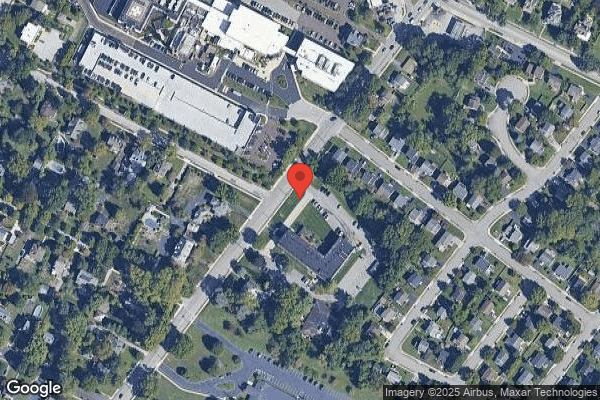
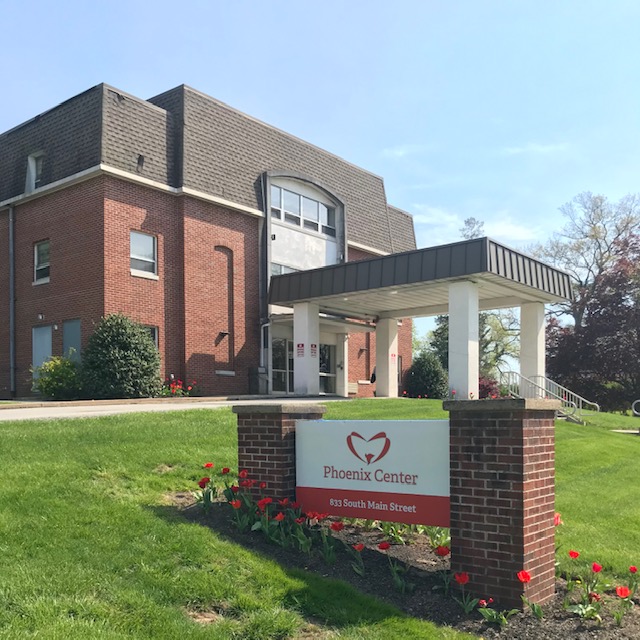
833 SOUTH MAIN STREET, PHOENIXVILLE, PA 19460 (610) 580-0100
For profit - Limited Liability company 138 Beds LME FAMILY HOLDINGS Data: November 2025 1 Immediate Jeopardy citation
Trust Grade
28/100
#475 of 653 in PA
Last Inspection: August 2025

Inspected within the last 6 months. Data reflects current conditions.

Overview

The Phoenix Center for Rehabilitation and Nursing has received a Trust Grade of F, indicating significant concerns about the quality of care provided. Ranked #475 out of 653 facilities in Pennsylvania and #18 out of 20 in Chester County, it is situated in the bottom half of both state and county rankings. While the facility is showing some improvement, with a decrease in issues from 11 in 2024 to 9 in 2025, staffing remains a concern with a high turnover rate of 60%, well above the state average. Additionally, the center has accrued $40,095 in fines, which is higher than 80% of Pennsylvania facilities, suggesting ongoing compliance issues. Specific incidents of concern include a critical failure to maintain safe hot water temperatures, putting residents at risk of burns, and a lack of proper precautions to prevent the spread of infections among residents with medical devices. Overall, while there are strengths in some quality measures, the facility has notable weaknesses that families should consider carefully.

Trust Score
F
28/100
In Pennsylvania
#475/653
Bottom 28%
Safety Record
High Risk
Review needed
Inspections
Getting Better
11 → 9 violations
Staff Stability
⚠ Watch
60% turnover. Above average. Higher turnover means staff may not know residents' routines.
Penalties
✓ Good
$40,095 in fines. Lower than most Pennsylvania facilities. Relatively clean record.
Skilled Nurses
⚠ Watch
Each resident gets only 28 minutes of Registered Nurse (RN) attention daily — below average for Pennsylvania. Fewer RN minutes means fewer trained eyes watching for problems.
Violations
⚠ Watch
29 deficiencies on record. Higher than average. Multiple issues found across inspections.
★★☆☆☆
2.0
Overall Rating
★★★☆☆
3.0
Staff Levels
★★★★★
5.0
Care Quality
★☆☆☆☆
1.0
Inspection Score
Stable
2024: 11 issues
2025: 9 issues

The Good

  • 5-Star Quality Measures · Strong clinical quality outcomes
  • Full Sprinkler Coverage · Fire safety systems throughout facility
  • No fines on record

Facility shows strength in quality measures, fire safety.

The Bad

2-Star Overall Rating

Below Pennsylvania average (3.0)

Below average - review inspection findings carefully

Staff Turnover: 60%

14pts above Pennsylvania avg (46%)

Frequent staff changes - ask about care continuity

Federal Fines: $40,095

Above median ($33,413)

Moderate penalties - review what triggered them

Chain: LME FAMILY HOLDINGS

Part of a multi-facility chain

Ask about local staffing decisions and management

Staff turnover is elevated (60%)

12 points above Pennsylvania average of 48%

The Ugly 29 deficiencies on record

1 life-threatening
Sept 2025 1 deficiency
CONCERN (D) 📢 Someone Reported This

A family member, employee, or ombudsman was alarmed enough to file a formal complaint

Potential for Harm - no one hurt, but risky conditions existed

Safe Environment (Tag F0584)

Could have caused harm · This affected 1 resident

**NOTE- TERMS IN BRACKETS HAVE BEEN EDITED TO PROTECT CONFIDENTIALITY** Based on observation, a review of clinical records, and interviews with residents and staff, it was determined that the facility...

Read full inspector narrative →
**NOTE- TERMS IN BRACKETS HAVE BEEN EDITED TO PROTECT CONFIDENTIALITY** Based on observation, a review of clinical records, and interviews with residents and staff, it was determined that the facility failed to provide a homelike environment for one of the three residents reviewed (Resident 1).Findings include:A review of Resident 1's admission assessment dated [DATE], revealed the resident was readmitted to the facility from the hospital for diagnosis of Congestive Heart Failure (CHF-A weakened heart condition that causes fluid buildup in the feet, arms, lungs, and other organs). The same assessment revealed that the resident was alert and oriented, and had skin openings on both legs.During an observation on September 2, 2025, at 11:52 a.m. Resident 1 was observed sitting on a chair beside the bed. The mattress was only half covered with a white flat sheet. The sheet covering the bottom part of the mattress had large dried brown stains and multiple dried red stains in different sizes. Additional observation revealed two loose white sheets on top of the bed, also with multiple dried dark yellow to light brown stains in different sizes.An interview with Resident 1 was conducted on September 2, 2025, at 11:55 a.m. Resident 1 reported that the brown stains on the bottom of the bed were from coffee spills, the red stains were blood from his/her legs, and the stains on the other sheets were from juice and food spills that occurred several times since he came back last August 29, 2025. The resident was unable to recall when the spills and blood stains occurred but reported that his bed sheets had not been changed since he/she arrived at the facility last Friday, August 29, 2025.An interview conducted with Nursing Assistant, Employee E1, on September 2, 2025, at 11:59 a.m., revealed that she/he was an agency staff member and did not know when the last time Resident 1's bed sheets were last changed. Employee E1 reported that Resident 1's bed sheets had not been changed since this morning because she /he did not get a chance to do it yet. The above was conveyed with theDirector of Nursing on September 2, 2025, at 12:05 p.m.The facility failed to ensure Resident 1 was provided with a homelike environment.28 Pa. Code 204.5(f) resident rooms
Aug 2025 4 deficiencies
CONCERN (D)

Potential for Harm - no one hurt, but risky conditions existed

Deficiency F0605 (Tag F0605)

Could have caused harm · This affected 1 resident

Number of residents sampled: Number of residents cited: Based on a review of closed clinical records, facility policy review, and staff interview, it was determined that the facility failed to assure ...

Read full inspector narrative →
Number of residents sampled: Number of residents cited: Based on a review of closed clinical records, facility policy review, and staff interview, it was determined that the facility failed to assure a Residents right to be free of chemical restraints for one of one Residents reviewed. (Resident 6).Findings include:Review of facility policy, titled Administering Medications revision date December 2012 revealed Medications must be administered in accordance with the orders, including any required time frame.Review of Resident 6's clinical record revealed there was a current physician's order for the resident to be receiving Tramadol HCl 50 mg. Give one tablet by mouth every 6 hours as needed for moderate to severe pain. Also a related order Pain Assessment/Pain Monitor (Able to communicate - Do you have pain? If Denies - Stop here. If Yes - Indicate Pain score 0-10, Offer a non-pharmacological intervention: 1. Repositioning/Turning, 2. Distraction, 3. Massage, 4. Hot/Cold Compress, 5. Emotional Support, 6. Quiet Environment, 7. Other, 8. Not ApplicableReview of Resident 6's Medication administration record revealed that Tramadol was administered 3 times in June outside of parameters for a pain scale of 0, with no non-pharmacological interventions noted.Interview conducted with the Director of Nursing, Employee E2, at 07/31/2025 12:16 PM, when asked why tramadol was administered a response of, they did not know, and a pain scale of zero out of 10 is not moderate to severe pain.The facility failed to follow a physician's order for tramadol and provide non-pharmacological interventions for Resident 6. PA Code 211.10(c) Resident Care Policies
CONCERN (D)

Potential for Harm - no one hurt, but risky conditions existed

Quality of Care (Tag F0684)

Could have caused harm · This affected 1 resident

**NOTE- TERMS IN BRACKETS HAVE BEEN EDITED TO PROTECT CONFIDENTIALITY** Based on a review of clinical records and staff interviews, it was determined that the facility failed to properly follow physic...

Read full inspector narrative →
**NOTE- TERMS IN BRACKETS HAVE BEEN EDITED TO PROTECT CONFIDENTIALITY** Based on a review of clinical records and staff interviews, it was determined that the facility failed to properly follow physician orders for three of 19 residents reviewed and failed to timely address a skin issue for one of 19 residents reviewed(Resident 1, Resident 5, Resident 30 and Resident 35).Review of Resident 1's face sheet revealed medical diagnoses that include Acute Respiratory Failure with Hypoxia (insufficient oxygen in blood). Review of Resident 1's clinical records revealed physician orders for oxygen continuous at 2 liters via nasal cannula every shift for monitor.Review of resident 1's clinical records revealed physician orders to change oxygen tubing, mask and/or nasal cannula weekly on Wednesday 11p.m. to 7 a.m. shift, date tubing and H20 bottle, wash filter, may change sooner as needed, every night shift every Wednesday for hygiene.Review of Resident 1's July 2025 Medication Administration Report (MAR)documents the tubing was last changed on July 30, 2025. Observations made of the tubing on Tuesday July 29, 2025, Thursday July 31, 2025, and Friday August 1, 2025, revealed the last documented date on the tubing was July 24, 2025.Observations made of oxygen tubing along with the Director of Nursing (DON) on August 1, 2025, at 10:45 a.m., confirmed Resident 1's oxygen tubing was documented for July 24, 2025.Review of Resident 5's face sheet revealed medical diagnoses that include Multiple Sclerosis (neurological disorder that affects central nervous system), Dysphagia Oropharyngeal Phase (difficulty swallowing while moving food from mouth into throat), other Abnormalities of Gait and Mobility (condition that affects walking and movement), and Need for Assistance with Personal Care.Review of Resident 5's clinical records revealed physician order dated February 5, 2025, for regular diet, mechanical soft texture, nectar thickened fluids consistency.Review of Resident 5's clinical records revealed physician order dated July 3, 2025, for staff to feed resident.Observations made on July 30, 2025, at 12:50 p.m., during lunch service showed Resident 5 feeding self with fingers. Staff did not assist the resident as per physician orders.Resident 5's lunch consisted of mechanical soft texture chicken alfredo and broccoli and Resident 5 was observed eating the meal with his/her fingers.Observations made on July 31, 2025, at 12:26 p.m., during lunch service showed Resident 5 feeding self with fingers. Staff did not assist the resident as per physician orders.Resident 5's Lunch consisted of mechanical soft texture candied sweet potatoes, cabbage and ham.Interview with Nursing Home Administrator (NHA) and DON on August 1, 2025, at 1:30 p.m., when the above was presented, the DON confirmed the physician orders for staff to feed resident were not followed. Review of Resident 30's face sheet revealed medical diagnoses that include Stage 2 Chronic Kidney Disease (mild to moderate decline in kidney function).Review of Resident 30's clinical records revealed a physician order dated May 31, 2025, for fluid restriction 2000 ml, nursing (7-3) = 360 cc, (3-11) =360 cc, (11-7) =200cc. Culinary breakfast 360cc, lunch 360 cc, dinner 360cc every shift for monitor.Review of Resident 30's 30-day fluid consumption task form revealed the resident's fluids were not being properly monitored by nursing staff.Further review of Resident 30's 30-day fluid consumption task form revealed no documentation from dietary staff noting the resident's fluid consumption. Review of Resident 30's July 2025 MAR revealed on July 10, 2025; nursing staff documented the resident obtained and consumed 420cc of fluids which was 180cc over the prescribed amount. Further review of Resident 30's July 2025 MAR revealed for 16 out of 30 days the resident received and consumed more than the physician ordered amount 200cc for 11 p.m. to 7 a. m. shift.Review of Resident 30's June 2025 MAR revealed the resident's fluid restrictions were not being followed by nursing staff.Interview with the NHA and DON on August 1, 2025, at 1:30 p.m., when the above was presented, the DON confirmed the physician orders for fluid restrictions were not being followed by either nursing staff or dietary staff.Review of Resident 35's diagnosis list revealed diagnoses including Alzheimer's Disease (irreversible, progressive degenerative disease of the brain, resulting in loss of reality, contact and functioning ability).Review of Resident 35's skin assessment dated [DATE], revealed little bumps are observed on resident hands, back and chest. Resident was observed scratching them continuously.Review of complaint allegations revealed that a groin rash as well as a body rash was reported to the facility in June 2025.Review of Resident 35's physician orders revealed an order dated July 28, 2025, for Nystatin External Cream (fungal cream) to be applied.Further review of Resident 35's clinical record failed to reveal evidence that the skin assessment and body rash were addressed from June 28, 2025, through July 28, 2025.Interview with the Director of Nursing on July 31, 2025, at 11:00 a.m. confirmed the above information. 28 Pa. Code 211.12(d)(1)(2)(5) Nursing ServicesPreviously cited 8/22/2024, 11/21/2024, 12/31/2024, 3/20/2025, 6/2/2025
CONCERN (D)

Potential for Harm - no one hurt, but risky conditions existed

Accident Prevention (Tag F0689)

Could have caused harm · This affected 1 resident

Number of residents sampled: Number of residents cited: Based on clinical record review, and staff interview, it was determined the facility failed to provide a hazard free environment for one of eigh...

Read full inspector narrative →
Number of residents sampled: Number of residents cited: Based on clinical record review, and staff interview, it was determined the facility failed to provide a hazard free environment for one of eight residents reviewed (Resident 6).Findings include:Review of facility policy, titled smoking policy - residents revision date 07/2017 revealed A resident's ability to smoke safely will be re-evaluated quarterly, upon a significant change (physical or cognitive) and as determined by staff.Review of Resident 6's clinical record revealed the most recent smoking assessment was dated June 09, 2024.Upon interview with Director of Nursing on August 01, 2025 at 09:34 am it was revealed that the last smoking assessment was June 09, 2024.The facility failed to provide a hazard free environment for Resident 6. PA Code 211.10(c) Resident Care Policies
CONCERN (E)

Potential for Harm - no one hurt, but risky conditions existed

Deficiency F0628 (Tag F0628)

Could have caused harm · This affected multiple residents

**NOTE- TERMS IN BRACKETS HAVE BEEN EDITED TO PROTECT CONFIDENTIALITY** Based on facility policy review, clinical record review, and staff interview, it was determined that the facility failed to ensu...

Read full inspector narrative →
**NOTE- TERMS IN BRACKETS HAVE BEEN EDITED TO PROTECT CONFIDENTIALITY** Based on facility policy review, clinical record review, and staff interview, it was determined that the facility failed to ensure that the resident and/or their representative received written notice of the facility bed-hold policy at the time of transfer for five of ten residents reviewed for hospitalization (Resident 1, Resident 3, Resident 31, Resident 86 and Resident 88). Review of Resident 1's clinical record revealed a face sheet documenting the resident has medical diagnoses that include Acute Respiratory Failure with Hypoxia (insufficient oxygen in blood). Review of Resident 1's clinical record revealed that they were transferred and admitted to the hospital on [DATE], due to respiratory distress. Further review of Resident 1's clinical record failed to reveal notation that the written notice of bed hold notification was provided to the Resident or Resident Representative upon transfer. Review of Resident 3’s clinical record revealed Resident 3 was discharged to the hospital on June 14, 2025. Further review of Resident 3’s clinical record failed to reveal evidence that Resident 3’s representative or Resident 3 were notified of the facility’s bed hold policy upon discharge to the hospital. Review of Resident 31’s clinical record revealed diagnoses that included Acute kidney injury. (Acute kidney injury happens when the kidneys suddenly can't filter waste products from the blood. When the kidneys can't filter wastes, harmful levels of wastes may build up. The blood's chemical makeup may get out of balance.). Review of Resident 31's clinical record revealed that they were transferred and admitted to the hospital on [DATE]. Further review of Resident 31's clinical record failed to reveal notation that the written notice of bed hold notification was provided to the Resident or Resident Representative upon transfer. Interview with the Director of Nursing on July 31, 2025, at 11:00 a.m. confirmed that no bed hold policy information was given to Resident 3 or their representatives upon discharge to the hospital. Review of Resident 86’s clinical record revealed Resident 86 was discharged to the hospital on June 17, 2025, and again on July 7, 2025. Further review of Resident 86’s clinical record failed to reveal evidence that Resident 86 or Resident 86’s representative was notified of the facility’s bed hold policy upon discharge to the hospital. Review of Resident 88's clinical record revealed diagnoses that included gram-negative sepsis unspecified (severe or potentially life-threatening condition that occurs when harmful bacteria invade the bloodstream and cause an overwhelming immune response). Review of Resident 88's clinical record revealed that they were transferred and admitted to the hospital on [DATE]. Further review of Resident 88's clinical record failed to reveal notation that the written notice of bed hold notification was provided to the Resident or Resident Representative upon transfer. Interview conducted with the Director of Nursing (DON) on July 31. 2025 at 10:54 a.m., when the above information was presented, the DON confirmed that the bed hold notifications were not provided. 28 Pa. Code 201.14(a) Responsibility of licensee
Jun 2025 2 deficiencies 1 IJ (1 facility-wide)
CRITICAL (L) 📢 Someone Reported This

A family member, employee, or ombudsman was alarmed enough to file a formal complaint

Immediate Jeopardy (IJ) - the most serious Medicare violation

Accident Prevention (Tag F0689)

Someone could have died · This affected most or all residents

⚠️ Facility-wide issue

**NOTE- TERMS IN BRACKETS HAVE BEEN EDITED TO PROTECT CONFIDENTIALITY** Based on review of facility policy, facility documentation, observations, and staff interviews, it was determined the facility f...

Read full inspector narrative →
**NOTE- TERMS IN BRACKETS HAVE BEEN EDITED TO PROTECT CONFIDENTIALITY** Based on review of facility policy, facility documentation, observations, and staff interviews, it was determined the facility failed to ensure hot water temperatures in residents' room and shower rooms were maintained at a safe temperature on three of three nursing units (First, Second and Third floors). This failure placed the residents at risk of serious injury from a burn and resulted in an Immediate Jeopardy Situation. Findings Include: Review of facility policy and procedure titled Test and Log the Hot Water Temperatures, undated, stated for burn prevention, federal guidelines advise that you keep domestic water temperatures below 120 degrees Fahrenheit, although this temp can still cause burns if exposure reaches five minutes. Many states have even stricter standards that set maximum temperatures lower than 120 degrees Fahrenheit is considered a safe water temperature for bathing. Test temperature in shower areas. Test temperature at the mixing valve. Check resident rooms at the end of each wing on a rotating basis or per facility policy. Common area bathrooms, public bathrooms and any other areas having since should be checked and recorded as well Record results in the water temperature log. Note any discrepancies. Adjust water heater setting as required. Retest as necessary. Observations conducted on May 30, 2025 at 10:52 a.m. with Maintenance Employee E3 revealed the following water temperatures: 1st floor Resident room [ROOM NUMBER]- 127 degrees Fahrenheit 1st floor shower room- 129 degrees Fahrenheit 2nd floor Resident room [ROOM NUMBER]- 126 degrees Fahrenheit 2nd floor shower room- 126 degrees Fahrenheit 3rd Floor Resident room [ROOM NUMBER]- 124 degrees Fahrenheit Resident room [ROOM NUMBER]- 125 degrees Fahrenheit 3rd floor shower room [ROOM NUMBER] degrees Fahrenheit Interview with Maintenance Employee E3 on May 30, 2025 at 11:12 a.m. after determine water temperatures were confirmed, Employee E3 confirmed the water temperatures were too high in each location, and the temperature should have been under 110 degrees Fahrenheit to comply with Commonwealth of Pennsylvania regulations of a maximum temperature of 110 degrees Fahrenheit. Maintenance Director Employee E3 stated he checks the water temperature daily choosing random rooms on each unit and documenting the temperature in the TELS system (maintenance management system). Further interview with Maintenance Employee E3 revealed the facility had two boilers, one for the domestic water supply the residents use and one for the service areas of the kitchen and laundry. The boiler for the residential water was broken and waiting for a part to complete service. The boiler for the service areas was being used to heat the water for both the service areas and the residential areas while the facility maintenance team were waiting for the necessary part to complete the needed maintenance on the boiler for the residential areas. Observation of the boilers on May 30, 2025 at 11:25 a.m. revealed the water was leaving the boiler at a temperature of 135 degrees Fahrenheit. Interview with Maintenance Employee E3 at the time of the observation revealed that 135 degrees Fahrenheit was the lowest temperature facility maintenance personnel could get the water to coming out of the boiler. Further interview with Maintenance Employee E3 on May 30, 2025 at 11:30 a.m. revealed that he had started at the facility on May 5, 2025 and noticed issues with the water temperatures on his second day of working which was May 7, 2025. Review of facility documentation revealed a Consolidated Service Report dated May 9, 2025 indicating the boiler system needs a new control board. Interview with maintenance Employee E3 on May 30, 2025 at 12:15 p.m. confirmed this is the part the facility maintance staff were waiting to have installed in the residential boiler, and they had been using the service area boiler for all areas of the facility since this time to provide heated water for the residents. Interview with the Nursing Home Administrator on May 30, 2025 at 12:30 p.m. revealed he had been absent from of the facility due to illness and was not made aware of the water temperatures until his return on May 22, 2025 when he signed a Service Repair Proposal for a Diagnostic Board Replacement for the boiler. Interview with the Nursing Home Administrator and Maintenance Employee E3 on May 30, 2025 at approximately 4:45 p.m. revealed the part needed to repair the boiler would not be available until Monday June 2, 2025. The facility was asked to provide water temp logs from May 1, 2025. The facility was unable to provide any documented evidence that water temperatures were being taken, recorded, or monitored to ensure safe temperatures in resident care areas. Observation of the 2nd floor shower room on May 30, 2025 at 10:56 a.m. while taking water temperature, revealed there was no thermometer in the shower room or logs to record the temperature of the water prior to a shower. Interview conducted with Nursing Assistant Employee E4 on May 30, 2025 at 11:30 a.m. revealed, that prior to providing a shower for a resident, staff would spray the water on the resident and ask them if it were comfortable. When asked how staff would ensure a safe water temperature for a resident who was nonverbal or cognitively impaired staff were unable to provide an answer. Interview with Nursing Assistant Employee E5 on May 30, 2025 at 11:35 a.m. revealed prior to providing a shower for a resident, staff would spray the water on the resident and ask them if it were comfortable. When asked how they would ensure a safe water temperature for a resident who was nonverbal or cognitively impaired, Employee E5 was unable to provide an answer. Interview with Nursing Assistant Employee E6 on May 30, 2025 at 11:38 p.m. revealed they would use a thermometer to test the water before providing a shower to the resident and make sure it was under 110 degrees. Nursing Assistant Employee E6 was asked to show this surveyor the thermometer staff would use to determine safe temperature of the shower water, but staff were unable to locate the thermometer. Interview with the Nursing Home Administrator on May 30, 2025 at 12:30 p.m. revealed, staff were expected take water temperature with a thermometer and document the temperature of the water in a log in the shower room. The Nursing Home Administrator was asked multiple times on May 30, 2025 and again on June 2, 2025 for the policy for staff were to follow to ensure safe water temperatures prior to showers and none was able to be provided to the surveyor. Based on the above findings, Immediate Jeopardy to the safety of the residents was identified to the Nursing Home Administrator on May 30, 2025, at 1:27 p.m. for failure to ensure safe hot water temperatures were maintained on the nursing unit and proper monitoring was conducted routinely and prior to providing residents with showers. The Nursing Home Administrator was provided with the Immediate Jeopardy template on May 30, 2025 at 1:30 p.m. and an immediate action plan was requested. On May 30, 2025 at 4:32 p.m. the facility provided the following corrective action plan: - Shower rooms were placed out of service and thermometers were placed in the shower rooms. - [Mechanical Company] on sight on May 30, 2025, to address concerns related to the water system - All other rooms in the facility have had hot water temperatures taken and residents affected will be continuously assessed every shift to ensure that no signs and symptoms of hyperthermia are present to include vital signs, skin assessments along with any other relevant assessments related to hyperthermia. - Facility staff will be educated on ensuring that water temperatures are checked appropriately before using the water for resident care and it if it out of range to stop use of water immediately and notify the appropriate parties. - Facility water temperatures will be checked every shift by the maintenance director or manger on duty/facility administration to ensure that the temperatures are within appropriate range along with resident interviews to ensure that they are comfortable with the current temperatures. - If the water temperature when checked does not meet and maintain the appropriate temperatures the facility will initiate the emergency plan to include closure of the shower rooms and providing residents with bed baths, allowing the water to reach appropriate temperatures before beginning. - An Ad Hoc QAPI meeting was held on May 30, 2025 to discuss the events surrounding the facility's failure to ensure that the water temperature in the facility were maintained between 105 and 110 degrees Fahrenheit, to identify the root cause, and to initiate improvements to the facility's processes and procedures regarding ensuring that water temperatures are appropriately maintained in the facility, the facility has a plan in place when water temperatures are mot maintained and to ensure that the system responsible for water temperatures has routine maintenance. Interviews were conducted with 15 staff members between May 31, 2025 and June 2, 2025 and Facility staff were able to confirm education was provided on the appropriate water temperature range; to use a thermometer to test the water prior to usage; notify maintenance and/or Nursing Home Administrator if water temperatures are too high and showering was currently suspended. Review of facility documentation of hot water temperatures revealed the facility is currently monitoring the temperature of the hot water. Following the verification of the immediate action plan the Immediate Jeopardy was lifted on June 2, 2025 at 3:58 p.m. 28 Pa. Code 201.14(a) Responsibility of licensee 28 Pa. Code 201.18(b)(1)(3) Management 28 Pa. Code 205.63 (c) Plumbing & Piping Systems-Hot Water Outlets 28 Pa. Code 211.10 (d) Resident Care Policies 28 Pa. Code 211.12 (d) (1)(2)(5) Nursing Services
CONCERN (D) 📢 Someone Reported This

A family member, employee, or ombudsman was alarmed enough to file a formal complaint

Potential for Harm - no one hurt, but risky conditions existed

Administration (Tag F0835)

Could have caused harm · This affected 1 resident

Based on observations, review of facility documentation and interviews with staff, it was determined that the Nursing Home Administrator failed to effectively manage the facility related to hot water ...

Read full inspector narrative →
Based on observations, review of facility documentation and interviews with staff, it was determined that the Nursing Home Administrator failed to effectively manage the facility related to hot water temperatures which resulted in an Immediate Jeopardy situation. Findings include: Review of the job description for the Nursing Home Administrator revealed the Nursing Home Administrator is to establish and maintain systems that are effective and efficient to operate the facility in a manner to safely meet residents' need in compliance with federal, state and local requirements; establish and maintain systems that are effective and efficient to operate the facility in a financially sound manner. Observations in the facility revealed that water temperatures were above 110 degrees Fahrenheit on the first, second and third floor. Interview the Maintenance Employee E3 on May 30, 2025 after the observation confirmed the water temperatures were above 110 degrees. Further interview with Maintenance Employee E3 on May 30, 2025 revealed that one of the boilers was in need of repair and the boiler for the service areas of the facility was being used for the residential areas and the water was leaving the boiler at 135 degrees and could not be lowered further. There was no documented evidence provided to the surveyor that the water temperatures were being monitored and the Nursing Home Administrator was made aware of the issue when he returned from a leave of absence on May 22, 2025 and there were no new interventions put into place knowing that the water was hot and could not be rectified until a new part was installed on the boiler designated for residential use. This failure placed residents at risk for serious injury from a burn and resulted in an Immediate Jeopardy situation. Based on the deficiencies identified in this report the NHA failed to fulfill essential duties and responsibilities of their position, contributing to the Immediate Jeopardy situations. Refer to F689 28 Pa. Code 201.14(a) Responsibility of licensee 28 Pa. Code 201.18(b)(1) Management
Mar 2025 1 deficiency
CONCERN (D) 📢 Someone Reported This

A family member, employee, or ombudsman was alarmed enough to file a formal complaint

Potential for Harm - no one hurt, but risky conditions existed

Infection Control (Tag F0880)

Could have caused harm · This affected 1 resident

Based on observations, clinical record reviews, and staff interviews, it was determined the facility failed to ensure Enhanced Barrier Precautionswere in place for residents requiring enhanced barrier...

Read full inspector narrative →
Based on observations, clinical record reviews, and staff interviews, it was determined the facility failed to ensure Enhanced Barrier Precautionswere in place for residents requiring enhanced barrier precautions for two of three residents reviewed (Resident 2, and Resident 3). Findings include: Review of the facility's policy titled Enhanced Barrier Precautions dated April 1, 2024, documents it is the policy of the facility to follow state and federal guidelines to minimize the spread of Multidrug Resistant Organisms (MDROs) by implementing effective Personal Protective Equipment (PPE) usage. Enhanced Barrier Precautions (EBP) are an infection control intervention designed to reduce transmission of resistant organism that employs targeted gown and glove use during high contact resident care activities. EBP are indicated for residents with any of the following: *Wounds or indwelling medical devices, regardless of MDRO colonization status. *Infection or colonization with an MDRO when contact precautions do not otherwise apply. Per facility policy effective implementation of EBP requires staff training on the proper use of personal protective equipment (PPE) and the availability of PPE and hand hygiene supplies at the point of care. Clinical records review revealed Resident 2 had an unstageable (full thickness) sacrum (Bone at the base of the spine) pressure ulcer. Observation conducted of Resident 2's room failed to reveal evidence of EBP signage/communication. Clinical records review revealed Resident 3 had an unstageable (full thickness) sacrum pressure ulcer. Further clinical records review revealed Resident 3 has a percutaneous endoscopic gastrostomy (PEG) (a tube used to receive nutrition through the stomach). Observation conducted of Resident 3's room failed to reveal evidence of EBP signage/communication. Interview with the Director of Nursing, Nursing Home Administrator, March 20, 2025, at 12:55 p.m. where it was confirmed that the EBP process was not followed for Resident 2 and Resident 3. 28 Pa. Code 201.18(b)(1) Management 28 Pa. Code 211.12(d)(1)(3)(5) Nursing services
Feb 2025 1 deficiency
CONCERN (D) 📢 Someone Reported This

A family member, employee, or ombudsman was alarmed enough to file a formal complaint

Potential for Harm - no one hurt, but risky conditions existed

Safe Environment (Tag F0584)

Could have caused harm · This affected 1 resident

Based on observations, resident interviews and staff interview it was determined the facility failed to ensure a comfortable environment with temperatures below 71 degrees for one room. (Resident 1's ...

Read full inspector narrative →
Based on observations, resident interviews and staff interview it was determined the facility failed to ensure a comfortable environment with temperatures below 71 degrees for one room. (Resident 1's room) Findings Include: Observations of Resident 1's room on February 20, 2025 at 9:15 a.m. revealed the resident laying in bed fully clothed with a blanket over them. Interview with Resdient 1 on February 20, 2025 at 9:15 a.m. revealed the heating unit for the room was not working. When it is turned on it will smoke and there is a smell of burning plastic and he was cold. Air temperature of the room recorded by the Nursing Home Administrator using an infrared thermometer gun on February 20, 2025 at 11:15 a.m. recorded a temperature of 68 degrees Fahrenheit. Interview with the Nursing Home Administrator confirmed that Resident 1's heating unit was not working, and she was made aware earlier that morning and that 68 degrees was an uncomfortable temperature in the room for the resident. 28 Pa. Code 201.14(a) Responsibility of licensee. 28 Pa. Code 201.18(b)(1)(3) (e)(3) Management. 28 Pa. Code 207.2(a) Administrator's responsibility
Dec 2024 1 deficiency
CONCERN (D) 📢 Someone Reported This

A family member, employee, or ombudsman was alarmed enough to file a formal complaint

Potential for Harm - no one hurt, but risky conditions existed

Notification of Changes (Tag F0580)

Could have caused harm · This affected 1 resident

Based on clinical record review and staff interview, it was determined that the facility failed to immediately notify the resident's representative of an accident involving the resident which resulted...

Read full inspector narrative →
Based on clinical record review and staff interview, it was determined that the facility failed to immediately notify the resident's representative of an accident involving the resident which resulted in an injury for one of three residents reviewed (Resident R1). Findings include: Review of facility policy Change in a Resident's Condition or Status, revised December 2016, revealed that our facility shall promptly notify the resident, his or her Attending Physician, and representative (sponsor) of changes in the resident's medical/mental condition and/or status. Unless otherwise instructed by the resident, a nurse will notify the resident's representative when the resident is involved in any accident or incident that results in an injury including injuries of an unknown source. Except in medical emergencies, notifications will be made within twenty-four hours of a change occurring in the resident's medical/mental condition or status. Review of Resident 1's progress note of November 24, 2024, written at 1:47 a.m. revealed that the resident was found on the right side on the floor next to the bed with a pool of blood on the floor at the resident's head and on the resident's hands. The resident was assessed and assisted to bed. A contusion on the right mid forehead with a laceration was noted. The area was cleansed and continued to bleed. Vital signs were taken and 911 called. Resident out to ed (emergency department) at approx (approximately) 0115 (1:15 a.m.) md aware, will call son in am and wait report from hospital. Review of additional progress note of November 24, 2024, written at 5:33 a.m. revealed that son is aware of fall and hospitalization. Interview with the Director of Nursing on December 17, at 1:10 p.m. revealed that the resident's representative was not notified immediately of the resident's fall and hospitalization. 28 Pa. Code: 211.5(f) Clinical records Previously cited 11/21/24, 8/22/24 28 Pa. Code 211.10(d) Resident Care Policies Previously cited 11/21/24 28 Pa. Code: 211.12(d)(1)(5) Nursing services Previously cited 11/21/24, 8/22/24
Nov 2024 1 deficiency
CONCERN (D) 📢 Someone Reported This

A family member, employee, or ombudsman was alarmed enough to file a formal complaint

Potential for Harm - no one hurt, but risky conditions existed

Free from Abuse/Neglect (Tag F0600)

Could have caused harm · This affected 1 resident

Based on review of facility policies, investigation reports, and clinical records, as well as staff and resident interviews, it was determined that the facility failed to ensure that residents were fr...

Read full inspector narrative →
Based on review of facility policies, investigation reports, and clinical records, as well as staff and resident interviews, it was determined that the facility failed to ensure that residents were free from abuse for one of 8 residents reviewed (Resident 1) Findings include: The facility's policy regarding abuse and neglect, last revised November 2019, define abuse as infliction of injury, unreasonable confinement, intimidation, or punishment with resulting physical harm, pain or mental anguish. Abuse also includes the deprivation by an individual, including a caretaker of goods or services that are necessary to attain or maintain physical, mental and psychosocial well-being. Instances of abuse of all residents, irrespective of any mental or physical condition, cause physical harm, pain or mental anguish. It includes verbal abuse . A quarterly Minimum Data Set (MDS) assessment (a mandated assessment of a resident's abilities and care needs) for Resident 1, dated October 31, 2024, revealed Resident 1's brief interview for mental status (BIMS, used to identify cognitive impairment) of 15 out of 15 (cognition is intact). Review of Event number: 1045802, revealed Resident 1 was verbally abused by Employee 3 (E3) when Resident 1 attempted to enter the kitchen to offer help, due to believing the kitchen was short staffed. Review of facility investigation, dated October 26, 2024, revealed that E3 verbally abused Resident 1 at approximately 12:30 p.m. on October 26, 2024, when Resident 1 attempted to enter the Kitchen. Review of investigation statement 1 from Employee 4 (E4) stated The [E3] came out of the kitchen complaining at a [Resident 1] in the kitchen. [Resident 1] and [E3] are yelling back and forth. [E3] threatens, yells at the [Resident 1], that she will slap the shit out of her . She told the [Resident 1] she will get scraps. Told resident she will not receive a meal . Review of investigation statement 2, dated October 26, 2024, states While cleaning the service hallway [Resident 1] had walked back to volunteer to help the cooks, one of the cooks snapped and told [Resident 1] to leave, as she followed [Resident 1], [E3] argued with [Resident 1] and said You dirty whore, I'll slap the shit out of you . Review of investigation statement 3, dated October 26, 2024, at 1:34 p.m. states At approximately 12:30 p.m., [E3] opened the door to the hall and stated to me come get your resident, I don't need them back in the kitchen . I came out through the doors and observed [Resident 1] yelling and [E3] stated back I will come over there and slap the shit out of you and then proceeded to call her a dirty hoe . [Resident 1] stated I was only trying to help but you are probably eating it all for yourself . [E3] then stated, I don ' t eat this food, I save the scraps for you . Then stated, keep talking and you won't get a meal at all . I then told [Resident 1] to go upstairs, and the elevator was shutting and [E3] called her a dirty smelly bitch . Review of facility completed PB-22 (mandated report that is submitted when a resident is suspected of being a victim of abuse) dated October 28. 2024, substantiated Resident 1 was a victim of verbal abuse at the hands of E3. Additional review of the PB-22 revealed E3 was terminated and placed on the do not hire list. Thorough review of employee files for all 11 staff members in the Dietary Department confirmed that each individual had completed mandatory abuse training prior to their employment start date. An additional interview was conducted with R1 at 11:05 a.m., during which she confirmed that the incident described was the only instance of verbal abuse she experienced while residing at the Phoenix Center. An interview conducted with Resident 1 on November 21, 2024, at 10:23 a.m. reported E3 did verbally abuse her when she offered to staff in the kitchen. Resident 1 reports that she feels safe in the facility and did not suffer any harm form the incident. Resident 1 also reported that she turned down therapy services because the whole thing wasn't that big of a deal . Interview conducted with the Nursing Home Administrator (NHA) and Director of Nursing (DON) on November 21, 2024, at 11:45 a.m. confirmed the above. 28 Pa. Code 211.10(d) Resident Care Policies. 28 Pa. Code 211.12(d)(1)(5) Nursing Services.
Aug 2024 8 deficiencies
CONCERN (D)

Potential for Harm - no one hurt, but risky conditions existed

Deficiency F0578 (Tag F0578)

Could have caused harm · This affected 1 resident

**NOTE- TERMS IN BRACKETS HAVE BEEN EDITED TO PROTECT CONFIDENTIALITY** Based upon clinical record review and interview, it was determined the facility failed to ensure the formulation of Advance Dire...

Read full inspector narrative →
**NOTE- TERMS IN BRACKETS HAVE BEEN EDITED TO PROTECT CONFIDENTIALITY** Based upon clinical record review and interview, it was determined the facility failed to ensure the formulation of Advance Directives was offered upon admission for one of 18 residents reviewed (Resident 223). Findings include: Review of Resident 223's clinical record revealed Resident 223 was admitted to the facility on [DATE]. Further review of Resident 223's clinical record failed to reveal evidence of the formulation of Advance Directives and failed to reveal evidence of the offering of the formulation of Advance Directives to Resident 223's representative upon admission. Interview with the Nursing Home Administrator on August 22, 2024, at 10:30 a.m. confirmed no evidence that the formulation of an Advance Directive was offered to Resident 223's representative upon admission and further confirmed no Advance Directives existed for Resident 223. 28 Pa. Code 211.5(f) Clinical Records Previously cited 9/22/2023, 3/20/2024
CONCERN (D)

Potential for Harm - no one hurt, but risky conditions existed

Notification of Changes (Tag F0580)

Could have caused harm · This affected 1 resident

Based on facility policy and procedure review, clinical record review, and staff interview, it was determined the facility failed to notify the physician of a change in a resident condition for one of...

Read full inspector narrative →
Based on facility policy and procedure review, clinical record review, and staff interview, it was determined the facility failed to notify the physician of a change in a resident condition for one of 24 residents reviewed. (Resident 173) Findings Include: Review of facility policy and procedure titled Change in a Residents Condition or Status, Revised December 2016, revealed Our facility shall promptly notify the resident, his or her Attending Physician, and representative of changes in the resident's medica;/mental condition and/or status. The nurse will notify the resident's Attending Physician or physician on call when there has been a(n): significant change in the resident's physical/emotional/mental condition. Review of Resident 173's progress notes reveled a nursing entry dated December 9, 2023 at 6:50 a.m. stating Resident was received in bed. Resident was observed with bright red bloody urine draining from his foley catheter (tube placed into the penis to drain urine from the bladder) and resident was also observed with bright red blood clots coming from his penis. There was no documented evidence the resident's physician was notified of this change in condition. Further review of Resident 173's progress notes revealed a nursing entry dated December 9, 2023 at 3:40 p.m. stating Resident lethargic and found with large clots coming from penis. Foley bag filled with bright red blood .new order received to send resident to ER (emergency room) for evaluation. Interview with the Nursing Home Administrator on August 22, 2024 at 10:30 a.m. confirmed Resident 173's physician was not notified of the change in condition when the resident was found to be bleeding from his penis on December 9, 2023 at 6:50 a.m. and was sent to the hospital later that day. 28 Pa. Code 211.5(f) Clinical Records 28 Pa. Code 211.12(d)(1)(5) Nursing Services 28 Pa Code: 211.10(c) Resident care policies
CONCERN (D)

Potential for Harm - no one hurt, but risky conditions existed

Investigate Abuse (Tag F0610)

Could have caused harm · This affected 1 resident

**NOTE- TERMS IN BRACKETS HAVE BEEN EDITED TO PROTECT CONFIDENTIALITY** Based upon review of facility policy and procedure, clinical records, and documentation provided by the facility and staff inter...

Read full inspector narrative →
**NOTE- TERMS IN BRACKETS HAVE BEEN EDITED TO PROTECT CONFIDENTIALITY** Based upon review of facility policy and procedure, clinical records, and documentation provided by the facility and staff interviews, it was determined the facility failed to thoroughly investigate a fall causing possible injury for one of 18 residents reviewed (Resident 223). Findings include: Review of facility policy and procedure titled Residents Right to freedom from Abuse, Neglect and Exploitation Policy and Procedure revealed in response to allegations of abuse, neglect, exploitation, or mistreatment, the facility shall: a) ensure that all alleged violations involving abuse, neglect, exploitation or mistreatment, including injuries of unknown source and misappropriation of resident property, are reported in the proper timeframe pursuant to this policy; b) have evidence that all alleged violations are thoroughly investigated; c) prevent further potential abuse, neglect, exploitation, or mistreatment while the investigation is in progress; d) report the results of all investigations to the administrator or his or her designated representative and to other officials in accordance with State law, including to the State Survey Agency, within 5 working days of the incident, and if the alleged violation is verified appropriate corrective action must be taken. Review of Resident 223's clinical record revealed Resident 223 was admitted to the facility on [DATE], for respite care. Review of Resident 223's progress notes dated [DATE], revealed At 3:25 p.m. called in by charge nurse to assess resident post fall. Upon arrival to room, resident found on bed with CNA [nurse aide] at bedside. Resident alert to name, verbal, unable to provide details of fall. Resident had an unwitnessed fall. Resident started on neuro checks per facility policy. Resident denies pain, full body assessed, no injury noted. Resident placed on close observation due to fall. At 3:35 p.m. charge nurse reported resident is sweating profusely. VS [vital signs] abnormal. Charge nurse called [physician] on call services, received order to transfer resident to ER [emergency room] for further evaluation. 911 called, ambulance arrive at 3:40 p.m., at 3:42 p.m. resident stopped breathing, no respirations noted. Resident code status not available on file, per facility protocol, immediately CPR [cardio-pulmonary resuscitation] started by EMTs [emergency medical technicians]. Airway established. 4 more EMT's arrived. CPR continued for 15 minutes, resident then transferred to [acute facility] via ambulance. Family notified. DON [Director of Nursing] notified. MD [Medical Doctor] notified. DON called in to check on status, resident declared dead at the hospital. Belongings secured in room and family made aware of resident passing at hospital. Review of documentation provided by facility dated [DATE], revealed On [DATE] at approximately 14:51, an aide was providing care to the resident who was in bed. The aide turned to pick up supplies and while she was turned, the resident started rolling. The aide tried to stop her but couldn't and the resident fell to the floor. The aide went to the nurses' station to get help. She returned to the room with 2 nurses. The first nurse went into the room with her, the other nurse turned around and got the equipment to take vital signs. The resident was assessed and had no apparent injury. Resident was verbal and responding. The nurse took the resident's vital signs and began 15-minute neurochecks. BP was high and pulse ox was low- nurse called physician service. The physician's service returned the call at approximately 15:15 and directed the nurse to send the resident out to hospital. The aide stayed with the resident throughout and reported that resident was responsive throughout. EMTs arrived at 15:25. While EMTs were in the room, the resident stopped breathing and CPR was initiated. EMTs placed resident on [NAME] devise. EMTs left with resident at 15:46. The Resident was transported to hospital where she was diagnosed with Cardiac Arrest. The husband agreed to stop CPR and the resident was pronounced dead at 16:01. Follow Up - Investigation occurred. Hospital records were obtained. Hospital did call coroner who decided death was not a coroner's case. Further review of facility documentation and Resident 223's clinical record failed to reveal evidence that Resident 223's fall was thoroughly investigated to determine the actual cause of the fall and potential injury and the resulting cardiac arrest and expiration of Resident 223. Interview with the Nursing Home Administrator on [DATE], at 10:00 a.m. confirmed a thorough investigation into Resident 223's fall and subsequent expiration was not conducted. 28 Pa. Code 201.18(a)(b)(1)(2) Management Previously cited [DATE]
CONCERN (D)

Potential for Harm - no one hurt, but risky conditions existed

Quality of Care (Tag F0684)

Could have caused harm · This affected 1 resident

**NOTE- TERMS IN BRACKETS HAVE BEEN EDITED TO PROTECT CONFIDENTIALITY** Based on clinical record review, hospital record review, and staff interview it was determined the facility failed to provide ca...

Read full inspector narrative →
**NOTE- TERMS IN BRACKETS HAVE BEEN EDITED TO PROTECT CONFIDENTIALITY** Based on clinical record review, hospital record review, and staff interview it was determined the facility failed to provide care and services related to monitoring a residents health status and following recommendations after transfer from an acute care hospital for one of 24 residents reviewed. (Resident 173) Findings Include: Review of facility policy and procedure titled Acute Condition Changes- Clinical Protocol, last revised December 2015 revealed before contacting a physician about someone with an acute change in condition, the nursing staff will make detailed observations and collect pertinent information to report to the physician .nurses are encouraged to use the communication form and progress note as a tool to help gather and organize information before notifying the physician. Review of Resident 173's progress notes revealed a nursing entry dated August 10, 2024 at 2:31 p.m. stating Went to flush resident catheter for 7-3 shift foley bag (bag used to contain urine from tube that is placed through the penis into the bladder to drain urine) contained blood and around the penis was bloody, attempted to flush foley which was not patent (open), I then notified the supervisor. The on call MD was called and ordered resident to be sent out to the emergency room. Further review of Resident 173's clinical record revealed there was no documented vital signs during this incident when the resident was sent out to the hospital, or a full assessment completed and no documentation on the resident's status since a progress note on August 1, 2024 at 12:23 p.m. Review of Resident 173's documentation from the hospital when sent to the ER on [DATE] revealed when Resident 173 entered the emergency room, they had a temperature of 103.8 (normal 98.6), a blood pressure of 115/42 (normal 120/80) and a pulse ox (measure of amount of oxygen in the blood stream) of 89% (normal above 90). The resident was also noted to have thick dark urine in [resident] foley catheter and sick looking and looked dehydrated. Interview with the Nursing Home Administrator revealed there was no documented evidence of a full assessment or adequate monitoring completed for Resident 173 with the change of condition on August 10, 2024. Review of Resident 173's Progress Notes revealed a nursing entry dated November 16, 2023 at 8:30 a.m. stating the resident had been admitted to the hospital with no diagnosis as of yet. Review of Resident 173's discharge instructions when they were discharged from the hospital on November 21, 2023 revealed a recommendation to follow up with urology in two weeks. Review of Resident 173's Progress Notes revealed a nursing entry dated January 24, 2024 at 8:52 p.m. stating the resident was admitted to the hospital with a diagnosis of possible UTI (Urinary Tract Infection) due to cloudy urine and elevation WBCs (White Blood Cells- elevated level is indicative of infection). Review of Resident 173's discharge instruction when they were discharged from the hospital on January 27, 2024 revealed a recommendation to follow up with urology in two weeks. Interview with the Nursing Home Administrator on August 22, 2024 at 10:30 a.m. confirmed the resident has not been scheduled for a follow-up with urology as recommended after the hospitalization of December 10, 2023 and January 24, 2024. 28 Pa. Code 201.18(b)(1) Management 28 Pa. Code 211.5(f) Clinical records 28 Pa. Code 211.12(d)(1)(3)(5) Nursing services
CONCERN (D)

Potential for Harm - no one hurt, but risky conditions existed

Incontinence Care (Tag F0690)

Could have caused harm · This affected 1 resident

**NOTE- TERMS IN BRACKETS HAVE BEEN EDITED TO PROTECT CONFIDENTIALITY** Based on observation, clinical record review and staff interview it was determined the facility failed to provide care and servi...

Read full inspector narrative →
**NOTE- TERMS IN BRACKETS HAVE BEEN EDITED TO PROTECT CONFIDENTIALITY** Based on observation, clinical record review and staff interview it was determined the facility failed to provide care and services for a resident with a foley catheter for one of two residents reviewed. (Resident 54) Findings Include: Observation of Resident 54 on August 19, 2024 at 9:30 a.m. revealed the resident had a Foley catheter (Tube placed into the bladder to drain urine). Review of Resident 54 clincal record revealed the resident was admitted to the facility on [DATE] with a Foley catheter. Further review of Resident 54's clinical record revealed there was no assessment to determine the need of the foley catheter and the catheter was not removed to attempt a voiding trial after admission. Review of Resident 54's progress notes revealed a nursing entry dated August 21, 2024 at 4:11 p.m. stating Resident 54's spouse and an RN from an outside agency requiested for the resident to have a voiding trial for the patient. The medical doctor was called and gave an order for a voiding trial that was successful. Interview with the Nursing Home Administrator on August 22, 2023 at 10:30 a.m. confirmed the facility did not assess the need for the foley catheter upon admission or attempt a voiding trial for Resident 54 until it was requested on August 21, 2024. 28 Pa. Code 211.5 (f) Clinical record 28 Pa. Code 211.12 (c)(d)(1)(3) Nursing services
CONCERN (D)

Potential for Harm - no one hurt, but risky conditions existed

Tube Feeding (Tag F0693)

Could have caused harm · This affected 1 resident

Based upon observation and clinical record review, it was determined the facility failed to ensure tube feedings were delivered according to physician orders for one of three residents observed (Resid...

Read full inspector narrative →
Based upon observation and clinical record review, it was determined the facility failed to ensure tube feedings were delivered according to physician orders for one of three residents observed (Resident 16). Findings include: Review of Resident 16's physician orders revealed an order dated May 22, 2024, for Enteral Feed every shift for nutrition; Formula Jevity 1.5 via pump at the rate of 55 ml/hr [55 milliliters per hour] x 24 hours. Observation on August 19, 2024, at 12:04 p.m. revealed Resident 16's enteral feed pump turned off. Further observation revealed a new bottle of Jevity 1.5 that was documented to have been placed on august 19, 2024 at 10:30 a.m. The bottle contained 1000 ml of tube feeding. Observation on August 20, 2024, at 10:15 a.m. revealed the same enteral feed bottle hanging with 300 ml left n the container and the pump was then running at 55 ml/hour. Review of Resident 16's clinical record failed to reveal evidence as to why Resident 16's tube feeding pump was turned off and/or not functioning and failed to reveal any documentation as to how much tube feeding was not provided due to the tube feeding pump not running. The facility failed to ensure that Resident 16's tube feeding for nutrition was running continuously at 55 ml/hour as ordered by the physician. The above information was conveyed to the Nursing Home Administrator on August 22, 2024, at 10:00 a.m. 28 Pa. Code 211.12(c)(d)(1)(2)(5) Nursing Services Previously cited 9/22/2023, 3/20/2024
CONCERN (E)

Potential for Harm - no one hurt, but risky conditions existed

Deficiency F0692 (Tag F0692)

Could have caused harm · This affected multiple residents

Based on facility policy review, clinical record review, and staff interview it was determined the facility failed to monitor the nutritional status for three of seven residents reviewed. (Residents 4...

Read full inspector narrative →
Based on facility policy review, clinical record review, and staff interview it was determined the facility failed to monitor the nutritional status for three of seven residents reviewed. (Residents 4, 15, and 66) Findings Include: Review of facility policy Weight Assessment and Intervention updated January 10, 2023, revealed weights will be recorded in each unit's Weight Record chart or notebook and then entered in the individual's medical record by the facility's designated weight manager. Any weight change of 5% or more since the last weight assessment will be retaken the next day for confirmation. Review of Resident 4's weights revealed a weight on July 18, 2024, of 154.4 pounds and a weight on August 1, 2024 of 170.2 ( gain of 15.8 pounds or 9.3%). Review of Resident 4's weight change note of August 2, 2024, revealed that the registered dietitian requested a re-weight to validate the weight. Further review of Resident 4's clinical record revealed that a reweight was not obtained until August 20, 2024 (18 days later). Interview with Employee E3 confirmed that the reweight was not obtained in a timely manner. Review of Resident 15's weights revealed a weight on July 31, 2024, of 242 pounds, and a weight on August 8, 2024, of 210 pounds. A loss of 32 pound or 13.22%. Review of Resident 15's progress notes revealed a weight alert note on August 8, 2024, from the registered dietitian requesting a re-weight. Further review of Resident 15's weights revealed there was no re-weight completed as requested and the next weight in the resident's clinical record is on August 20, 2024, of 215 pounds indicating the weight of July 31, 2024, was inaccurate. Review of Resident 15's hospital dietary notes dated July 12, 2024, revealed the resident weighed 226 pounds on June 19, 2024, and 226 pounds on July 11, 2024. Further review of Resident 15's clinical record revealed a weight from June 19, 2024, of 227 pounds that was marked out and labeled as incorrect documentation. Interview with the Employee E3 on August 22, 2024, at 11:44 a.m. confirmed Resident 15's weight loss identified on July 31, 2024, was not addressed until August 20, 2024. Employee E3 stated the weight from June 19, 2024, of 227 pounds was probably the resident's correct weight. Employee E3 stated the resident had cellulitis and edema since April. Employee E3 also stated the resident is prescribed Ozempic and Lispro for diabetes, all of which could be factors in significant weight changes. Review of Resident 66's weights revealed a weight on April 10, 2024 of 66.4 pounds, and a weight on May 17, 2024 of 59.1 pounds. A loss of 7.3 pound or 11%. Review of Resident 66's progress notes revealed a weight alert note on May 17, 2024 from the registered dietitian requesting a re-weight. Further review of Resident 66's weights revealed there was no re-weight completed as requested and the next weight in the resident's clinical record is on June 4, 2024 of 59.8 pounds indicating the weight of May 17, 2024 was accurate. The weight of June 4, 2024 was addressed on June 10, 2024 with a new intervention to give the resident a magic cup (fortified nutrition dessert cup) three times a day. Review of Resident 66's physician orders revealed the resident was ordered Magic cup three times a day on June 6, 2024. Interview with the Nursing Home Administrator on August 22, 2024 at 10:30 a.m. confirmed Resident 66's weight loss identified on May 17, 2024 was not addressed until June 6, 2024. 28 Pa. Code 211.5(f) Clinical Records 28 Pa. Code 211.12(d)(1)(5) Nursing Services 28 Pa Code: 211.10(c) Resident care policies
CONCERN (F)

Potential for Harm - no one hurt, but risky conditions existed

Infection Control (Tag F0880)

Could have caused harm · This affected most or all residents

**NOTE- TERMS IN BRACKETS HAVE BEEN EDITED TO PROTECT CONFIDENTIALITY** Based upon review of facility policy and procedure, observation, and clinical record review, it was determined the facility fail...

Read full inspector narrative →
**NOTE- TERMS IN BRACKETS HAVE BEEN EDITED TO PROTECT CONFIDENTIALITY** Based upon review of facility policy and procedure, observation, and clinical record review, it was determined the facility failed to establish Enhanced Barrier Precautions for four of four residents observed (Resident 16, Resident 54, Resident 58, and Resident 173). Findings include: Review of facility policy and procedure titled Enhanced Barrier Precaution (EBP) Policy and Procedure revealed It is the policy of the facility to follow state and federal guidelines to minimize the spread of Multidrug Resistant Organisms (MDROs) by implementing effective Personal Protective Equipment (PPE) usage. Enhanced Barrier Precautions [EBP] are to be utilized for all residents with any of the following: infection or colonization with an MDRO when contact precautions do not apply; wounds and/or indwelling medical devices (e.g. central line, urinary catheter, feeding tube, tracheostomy/ventilator) regardless of MDRO colonization status. Review of Resident 16's clinical record revealed Resident 16 has a PEG (feeding tube) in place. Observation of Resident 16's room failed to reveal evidence of PPE or EBP signage. Review of Resident 54's clinical record revealed Resident 54 was admitted to the facility on [DATE], with a foley (urinary) catheter in place. Observation of Resident 54's room failed to reveal evidence of PPE or EBP signage. Review of Resident 58's clinical record revealed Resident 58 was admitted to the facility on [DATE], with a foley catheter in place. Observation of Resident 58's room failed to reveal evidence of PPE or EBP signage. Review of Resident 173's clinical record revealed Resident 173 was readmitted to the facility on [DATE], with a foley catheter and peripherally inserted central catheter (PICC) line in place for antibiotic usage. Observation of Resident 173's room failed to reveal evidence of PPE or EBP signage. Interview with the Nursing Home Administrator on August 22, 2024, at 11:00 a.m. confirmed no Enhanced Barrier Precautions were in place throughout the building. 28 Pa. Code 201.18(a)(b)(1)(2)(3) Management Previously cited 9/22/2023 28 Pa. Code 211.12(c)(d)(1)(2)(3)(5) Nursing Services Previously cited 9/22/2023, 3/20/2024
Mar 2024 1 deficiency
CONCERN (D) 📢 Someone Reported This

A family member, employee, or ombudsman was alarmed enough to file a formal complaint

Potential for Harm - no one hurt, but risky conditions existed

Respiratory Care (Tag F0695)

Could have caused harm · This affected 1 resident

**NOTE- TERMS IN BRACKETS HAVE BEEN EDITED TO PROTECT CONFIDENTIALITY** Based on clinical records hospital records review and staff interviews it was determined that the facility failed to provide res...

Read full inspector narrative →
**NOTE- TERMS IN BRACKETS HAVE BEEN EDITED TO PROTECT CONFIDENTIALITY** Based on clinical records hospital records review and staff interviews it was determined that the facility failed to provide respiratory treatment and services timely for one of the two residents reviewed (Resident CL1). Findings include: Review of Resident CL1's clinical record revealed Resident CL1 was admitted to the facility on [DATE], with diagnoses of Sepsis (The body's extreme reaction to an infection, without prompt treatment can lead to organ failure, tissue damage, and death), Chronic Obstructive Pulmonary Disease (COPD - A type of progressive lung disease characterized by long-term respiratory symptoms and airflow limitations), acute and chronic respiratory failure. Review of Resident CL1's clinical record revealed a BIPAP order from the hospital dated February 10, 2024, revealed BIPAP 12/5 60% FiO2, expected discharge on [DATE]. The document was uploaded to Resident CL1's Electronic Medical Record (EMR) on February 15, 2024. Review of Resident CL1's respiratory therapist notes from the hospital dated February 12, 2024, revealed Resident R1's BIPAP machine model type, mask type, and machine setup order. The document was uploaded to Resident CL1's EMR on February 15, 2024. Review of the Initial Referral from the hospital dated February 14, 2024, revealed a note from the pulmonologist that the resident was on an overnight BIPAP (Bilevel Positive Airway Pressure - A machine used to help push air into your lungs). The documents were uploaded to the resident's EMR on January 15, 2023. Review of Resident CL1's clinical record revealed Bipap at HS (hours of sleep), removed in AM Settings 12/5 every day, and the evening shift was not ordered until February 17, 2024, two days after a resident was admitted to the facility. Interview with the admission staff, Employee E3 conducted on March 20, 2024, revealed that after a referral was sent by the hospital, the information was sent to the administrative team which includes the administrator and Director of Nursing (DON) to review the resident's needs. Employee E3 reported that hospital documentations were uploaded on the resident's EMR for clinical staff to review. Interview with the NHA conducted on March 20, 2024, revealed clinical staff (DON and/or ADON) reviews the referral from the hospital to determine the resident's clinical needs. Interview with the DON conducted on March 20, 2024, confirmed that she/he did not review the documents from the hospital which indicated that Resident CL1 required a BIPAP overnight. The DON reported that the nurse who admitted the resident relied on the transfer form from the hospital which did not indicate the use of BIPAP. The clinical records review failed to reveal that the physician was notified that Resident CL1 had a BIPAP order from the hospital. Interview with the DON conducted on March 20, 2024, revealed that A BIPAP order was made on January 17, 2024, after the resident's daughter informed the facility that Resident CL1 needed a BIPAP at night. The above information was conveyed to the NHA and DON on March 20, 2024, at 2:00 p.m. The facility failed to ensure Resident CL1's need for a BIPAP was communicated and ordered timely. 28 Pa. Code 211.5(f) Clinical records 28 Pa. 211.12(c)(d)(1)(3)(5) Nursing services
Sept 2023 9 deficiencies
CONCERN (D)

Potential for Harm - no one hurt, but risky conditions existed

Deficiency F0657 (Tag F0657)

Could have caused harm · This affected 1 resident

Based on clinical record review and staff interview it was determined the facility failed to update care plans to accurately reflect the resident's current status for 2 of 24 residents reviewed. (Resi...

Read full inspector narrative →
Based on clinical record review and staff interview it was determined the facility failed to update care plans to accurately reflect the resident's current status for 2 of 24 residents reviewed. (Residents 29 and 37) Findings Include: Review of resident 29's Diagnosis list included diagnosis for depression and dementia. Review of Resident 29's physician orders revealed an order for Buspar (anti-anxiety medications) 10 milligrams, three times a day for anxiety. Review of Resident 29's care plan revealed a care plan for the resident being on an antidepressant medication. Review of resident 29's physician orders revealed the resident was not on any antidepression medications. Further review of Resident 29's care plan revealed there was no care plan developed for the resident having anxiety or being on an anti-anxiety medication and a care plan for the resident having depression and taking anti-depression medications. Review of Resident 37's care plan revealed a care plan for the resident having anxiety but states the resident doesn't take any medication for it. Further review of Resident 37's care plan revealed a care plan for depression and the resident receiving anti-depression medications. Review of Resident 37's physician orders revealed the resident is currently receiving Buspar 15 milligrams twice a day for anxiety and fluoxetine 10mg daily for anxiety disorder. Further review of Resident 37's physician orders revealed there was no orders for anti-depression medications. Interview with the Director of Nursing on September 22, 2023 at 11:30 a.m. confirmed the care plans for Residents 29 and 37 did not accurately reflect the medications they were prescribed at the time. 28 Pa. Code 211.5(f) Clinical Records 28 Pa. Code 211.12(d)(3)(5) Nursing Services
CONCERN (D)

Potential for Harm - no one hurt, but risky conditions existed

Pressure Ulcer Prevention (Tag F0686)

Could have caused harm · This affected 1 resident

**NOTE- TERMS IN BRACKETS HAVE BEEN EDITED TO PROTECT CONFIDENTIALITY** Based on clinical records review and staff interview, it was determined that the facility failed to appropriately monitor and as...

Read full inspector narrative →
**NOTE- TERMS IN BRACKETS HAVE BEEN EDITED TO PROTECT CONFIDENTIALITY** Based on clinical records review and staff interview, it was determined that the facility failed to appropriately monitor and assess pressure ulcers for one of the four residents reviewed (Resident 51). Findings include: A review of Resident 51's diagnosis list revealed Osteomyelitis (infection of the bone), and chronic venous insufficiency. A review of the skin care plan initiated on September 7, 2023, revealed a resident with a stage 3 (Full-thickness skin loss) to the sacrum (tailbone), and interventions were provided. A review of the clinical records and admission assessment revealed a skin check was done upon admission on [DATE], and revealed resident was admitted with a pressure wound to the sacrum. Additional review failed to reveal the sacral wound size, description of the wound bed, drainage, and surrounding skin. A review of the September 2023, Treatment Administration Record revealed an order to cleanse the sacral wound with normal saline solution, pat dry, and apply foam cushion dressing daily and as needed. A review of the weekly skin assessment dated [DATE], revealed no information regarding Resident 51's sacral stage 3 wound. A review of the weekly skin assessment dated [DATE], revealed a sacral pressure wound. The assessment failed to reveal the description of the sacral wound (stage, size, drainage, wound bed, etc.) An interview conducted with the Director of Nursing (DON) on September 22, 2023, at 11:00 a.m., confirmed that there was no comprehensive assessment of Resident 51's sacral wound on admission and weekly. The facility failed to ensure Resident 51's stage 3 sacral wound identified upon admission was comprehensively assessed and appropriately monitored. 28 Pa. Code §211.12(d)(1)(3)(5) Nursing services Previously cited 9/15/22. 28 Pa. Code: 211.5 (f) Clinical records
CONCERN (D)

Potential for Harm - no one hurt, but risky conditions existed

Accident Prevention (Tag F0689)

Could have caused harm · This affected 1 resident

Based on a review of the facility's policy, clinical records review, and resident and staff interviews, it was determined that the facility failed to ensure appropriate supervision was provided during...

Read full inspector narrative →
Based on a review of the facility's policy, clinical records review, and resident and staff interviews, it was determined that the facility failed to ensure appropriate supervision was provided during smoking for one of three residents reviewed (Resident 60) Findings include: A review of the facility's policy titled Tobacco-Restrictive Policy, undated revealed staff will dispense the resident's cigarettes, light the cigarette, and stay with the resident until the cigarette is properly extinguished. A review of the facility documentation, and list of residents that smoke revealed Resident 60 smokes. A review of Resident 60's smoking risk assessment completed on March 15, 2023, revealed resident was safe to smoke with supervision. A review of the nursing progress notes dated May 28, 2023, at 1:57 p.m., revealed while Resident 60 was attempting to light another resident's cigarette, another resident became impatient and grabbed Resident 60's cigarette to light their cigarette. When Resident 60 took back the cigarette, it fell into her leg causing a burn in her pants and a blister to the left thigh. The resident denied pain, the blister was intact, and the surrounding skin was within normal condition. The physician was notified with no new order was made. An interview was conducted with Resident 60 on September 21, 2023, at 10:00 a.m. A resident reported that on the day of the incident, a staff member handed her the lighter, after lighting her cigarette, she gave it to a male resident but did not work so she gave him her cigarette to light his. Resident 53 suddenly took Resident 60's cigarette, and when she tried to take it back, cigarette ash accidentally fell on her left thigh causing a burn. The resident denied experiencing discomfort. A review of the facility's investigation and staff statement from Employee E3 revealed that the lighter used was weak, and another cigarette was used to light cigarettes. While Resident 60 was helping (to light a cigarette) another male resident, Resident 53 became impatient and took Resident 60's cigarette causing cigarette ash to fall on Resident 60's pants and creating a dot on her thigh. An interview with Employee E3 on September 22, 2023, at 11:30 a.m., revealed that on the day of the incident, the lighter used did not work but she/he was unable to leave the residents to get another lighter. Employee E3 confirmed letting residents light their cigarettes using another cigarette instead of getting assistance from other staff to obtain an appropriate lighting material and lighting residents' cigarettes to ensure safety. The facility failed to ensure appropriate supervision and provide appropriate lighting material used during smoking time. 28 Pa. Code §201.14(a) Responsibility of licensee Previously cited 9/15/22. 28 Pa. Code §201.18(b)(1)(3) Management Previously cited 9/15/22. 28 Pa. Code §211.10(c)(d) Resident care policies Previously cited 9/15/22. 28 Pa. Code §211.12(d)(1)(3)(5) Nursing services Previously cited 9/15/22.
CONCERN (D)

Potential for Harm - no one hurt, but risky conditions existed

Deficiency F0692 (Tag F0692)

Could have caused harm · This affected 1 resident

Based on clinical record review, facility policy review, and staff interview it was determined the facility failed to monitor the nutritional status of one of 3 residents reviewed. (Resident 37) Findi...

Read full inspector narrative →
Based on clinical record review, facility policy review, and staff interview it was determined the facility failed to monitor the nutritional status of one of 3 residents reviewed. (Resident 37) Findings Include: Review of facility policy Weight Assessment and Intervention, revised September 2008, revealed weights should be completed at least monthly. Review of Resident 37's weights revealed there was no weight completed for the month of August 2023. Further review of Resident 37's weights revealed a weight on September 6, 2023 of 218 pounds, a decrease of 8.6 pounds from the previous weight obtained on July 4, 2023 of 225.6 pounds. Review of resident 37's progress notes revealed this weight loss was addressed by the dietitian on July 14, 2023 by requesting staff to obtain another weight for accuracy. Further review of Resident 37's weights revealed there was no other weight obtained after the request from the dietitian on July 14, 2023 for another weight for accuracy. Interview with the Director of Nursing on August 22, 2023 at 11:30 a.m. confirmed Resident 37 had no weight obtained in August 2023 and no weight obtained as requested by the dietitian on July 14, 2023. 28 Pa. Code 211.5(f) Clinical Records 28 Pa. Code 211.10(c) Resident Care Policies 28 Pa. Code 211.12(d)(1)(3)(5) Nursing Services
CONCERN (D)

Potential for Harm - no one hurt, but risky conditions existed

Unnecessary Medications (Tag F0759)

Could have caused harm · This affected 1 resident

Based on observation, clinical records review, and staff interview, it was determined that the facility failed to correctly administer medications for one of four residents observed in accordance with...

Read full inspector narrative →
Based on observation, clinical records review, and staff interview, it was determined that the facility failed to correctly administer medications for one of four residents observed in accordance with a physician orders, resulting in a medication error rate of 13.79% percent (Resident 69). Findings include: A review of Resident 67's diagnosis list revealed hypertension (Elevated blood pressure), and Chronic congestive heart failure (CHF-A weakened heart condition that causes fluid buildup in the feet, arms, lungs, and other organs). A medication administration observation was conducted with licensed nurse Employee E4 on September 20, 2023, at 9:08 a.m. Before giving medication, Employee E4 checked the resident's blood pressure and reported that it was 101/56 mm Hg. Observation revealed Employee E4 did not administer the following scheduled morning medications to the resident: Lasix 40 mg (A medication used to treat fluid retention and swelling caused by CHF), Spironolactone (A medication to treat high blood pressure and heart failure) 25 mg, give 0.5 mg, Valsartan 40mg (A medication to treat high blood pressure), and Toprol XL (A medication to treat high blood pressure), 25mg, give 0.5 mg. Employee E4 reported that Lasix, Spironolactone, Valsartan, and Toprol XL were not administered due to low blood pressure. A review of Resident 67's physician's order and September 2023, Medication Administration Record revealed the following: Lasix 40 mg one tablet Given one time a day for edema; Spironolactone 25 mg Given 0.5 mg one time daily for edema and blood pressure; Valsartan 40mg Give one tablet one time a day for hypertension; and Toprol XL 25mg Give 0.5mg every 12 hours for blood pressure. MAR review revealed Lasix, Spironolactone, Valsartan, and Toprol XL were not administered during medication administration observation on September 20, 2023. Clinical records review failed to reveal a blood pressure parameter was ordered by the physician when administering Lasix, Spironolactone, Valsartan, and Toprol XL. Clinical records review failed to reveal that the physician was notified on September 20, 2023, that Resident 67's medications were held due to a blood pressure of 101/56 mm Hg. An interview with Employee E4 conducted on September 21, 2023, at 10:00 a.m., confirmed that there was no physician order to hold the Lasix, Spironolactone, Valsartan, and Toprol XL for a blood pressure of 101/56 mm Hg. The above was discussed with the Director of Nursing on September 22, 2023, at 11:00 a.m. The DON confirmed that physician notification documentation was made after concern was brought to the facility on September 21, 2023, at 10:00 a.m. 28 Pa. Code §211.12(d)(1)(3)(5) Nursing services Previously cited 9/15/22.
CONCERN (D)

Potential for Harm - no one hurt, but risky conditions existed

Medical Records (Tag F0842)

Could have caused harm · This affected 1 resident

**NOTE- TERMS IN BRACKETS HAVE BEEN EDITED TO PROTECT CONFIDENTIALITY** Based on clinical record review and staff interview it was determined the facility failed to maintain records accurately reflect...

Read full inspector narrative →
**NOTE- TERMS IN BRACKETS HAVE BEEN EDITED TO PROTECT CONFIDENTIALITY** Based on clinical record review and staff interview it was determined the facility failed to maintain records accurately reflecting the resident's status for one of 24 residents reviewed. (Resident 29) Findings Include: Review of Resident 29's progress notes revealed a nursing entry dated [DATE] stating CNA (Certified Nursing Assistant) came to this nurse to make aware of open area noted while giving care. Observed an open area to resident right hip measuring 1cm (centimeters) by 0.5cm. Review of Resident 29's physician orders revealed an order dated [DATE] to cleanse right hip with NSS (Normal Saline Solution-sterile salt water), apply triple antibiotic ointment, cover with clean dry dressing. one time a day for open area for 10 Days or until area resolved. Review of Resident 29's Medication Administration record Revealed the resident had the wound treatment ordered on [DATE] signed off as being completed as ordered until [DATE] when the 10 days of the order expired. Review of Resident 29's entire clinical record revealed there was no documentation of the type of wound the resident had sustained on [DATE] or when the wound had healed. Interview with the Director of Nursing on [DATE] at 11:30 a.m. revealed the resident had an abrasion that healed on [DATE] but was unable to provide where that was documented in Resident 29's clinical record. 28 Pa. Code: 211.5 (f) Clinical records 28 Pa. Code: 211.12 (d)(1)(5) Nursing services
CONCERN (E)

Potential for Harm - no one hurt, but risky conditions existed

Safe Environment (Tag F0584)

Could have caused harm · This affected multiple residents

**NOTE- TERMS IN BRACKETS HAVE BEEN EDITED TO PROTECT CONFIDENTIALITY** Based on observations and interviews with residents and staff, it was determined that the facility failed to maintain a safe, cl...

Read full inspector narrative →
**NOTE- TERMS IN BRACKETS HAVE BEEN EDITED TO PROTECT CONFIDENTIALITY** Based on observations and interviews with residents and staff, it was determined that the facility failed to maintain a safe, clean, comfortable, and homelike environment for one of three nursing units (Third floor nursing unit). Findings include: Observations conducted on September 19, 2023, at 09:18 a.m. of room [ROOM NUMBER] revealed that the floor was sticky and there was a hole in the wall above the resident's bed with exposed plaster from the sheetrock. Observations conducted on September 19, 2023, at 09:28 a.m. of room [ROOM NUMBER] revealed a trash and linen bin with a pair of used plastic gloves in the resident's shower. Further observation revealed brown stains on the wall near the headboard light. Observations conducted on September 19, 2023, at 09:32 a.m. of room [ROOM NUMBER] revealed that the front cover was hanging off the heater/air conditioner unit. The inside mechanism including wiring was exposed. The front cover was partially sitting on the floor in front of the unit. Further observation revealed, the room smelled heavily of urine. Observations conducted on September 19, 2023, at 09:35 a.m. of room [ROOM NUMBER] revealed that the front cover was completely off the heater/air conditioner unit, sitting on the floor in front of the unit. The inside mechanisms including wiring was exposed. Further observation revealed brown stains on the wall. Subsequent observations conducted on September 20, 2023, at 09:14 a.m. of room [ROOM NUMBER] revealed that there were two holes in the wall above the resident's head with exposed plaster from sheetrock. Further observation revealed the headboard was on the floor next to the bed. Subsequent observations on September 20. 2023, at 09:16 a.m. of room [ROOM NUMBER] revealed there was no privacy curtain. Further observation revealed a brown stain on the wall near the headboard light. Subsequent observations on September 20. 2023, at 09:18 a.m. of room [ROOM NUMBER] revealed cardboard was duct taped to the front of the heater/air conditioner unit as a cover. Subsequent observations on September 20. 2023, at 09:20 a.m. of room [ROOM NUMBER] revealed that the front cover was hanging off the heater/air conditioner unit. The inside mechanism including wiring was exposed. The front cover was partially sitting on the floor in front of the unit. Further observation revealed, the room smelled heavily of urine. Subsequent observations on September 20, 2023, at 09:21 a.m. of room [ROOM NUMBER] revealed that the front cover was hanging off the heater/air conditioner unit. The inside mechanism including wiring was exposed. The front cover was sitting on the floor in front of the unit. Further observation revealed brown stains on the wall, wire hanging from the headboard light and a broken nightlight cover in the bathroom. Subsequent observations on September 20, 2023, at 09:25 a.m. of room [ROOM NUMBER] revealed a hole in the wall near bed B, a broken cover on the bathroom nightlight, and the heater/air conditioner unit cover hanging off. Subsequent observations on September 20, 2023, at 09:29 a.m. of room [ROOM NUMBER] revealed the bathroom nightlight had no cover on it. The bulb was exposed. Subsequent observations on September 20, 2023, at 09:30 a.m. of third floor lounge area revealed a large red stain on the carpet and multiple black stains throughout the carpet. Further observation of the lounge area revealed cigarette butts in the heating/air conditioner unit vents. Furthermore, subsequent observations on September 21, 2023, between 10:37 a.m. and 10:53 a.m. revealed that the above conditions remained the same. On September 21, 2023, at 01:04 p.m. in the company of the NHA, the above observations were confirmed. Interview with the NHA revealed that the permanent maintenance worker was recently terminated due to poor work performance. The NHA stated the facility was in the process of hiring a new maintenance worker. Per the NHA the facility recently hired a special projects person to assist with floor care and other special projects. Further interview with the NHA revealed that the facility has been ordering three to four new heating/air conditioning units per month. The NHA stated that units which are not working properly have taken priority for replacement. The NHA also stated that new carpet is on order for the facility. An observation of the ground floor medication room was conducted on September 21, 2023, at 9:35 a.m., in the presence of licensed nurse Employee E5. The observation revealed five panels on the ceiling were observed with brown stain. One panel ceiling near the wall was missing. The wall facing the door was observed with multiple drips of dried brown substance. The above was discussed with the Nursing Home Administrator on September 22, 2023, at 10:30 a.m. 28 Pa. Code 201.14(a) Responsibility of licensee 28 Pa. Code 201.18(b)(3) Management 28 Pa. Code 207.2(a) Administrator's responsibility
CONCERN (E)

Potential for Harm - no one hurt, but risky conditions existed

Quality of Care (Tag F0684)

Could have caused harm · This affected multiple residents

**NOTE- TERMS IN BRACKETS HAVE BEEN EDITED TO PROTECT CONFIDENTIALITY** Based on clinical records review, and resident and staff interviews, it was determined that the facility failed to ensure physic...

Read full inspector narrative →
**NOTE- TERMS IN BRACKETS HAVE BEEN EDITED TO PROTECT CONFIDENTIALITY** Based on clinical records review, and resident and staff interviews, it was determined that the facility failed to ensure physician's orders were followed for four of 19 residents reviewed (Resident 31, 51, 59, and 67). Findings include: A review of Resident 31's diagnosis list includes End end-stage renal Failure, dependence on hemodialysis (A procedure where a dialysis machine and a filter called an artificial kidney, or a dialyzer, are used to clean your blood), and rotator cuff tear of the right shoulder. An interview with Resident 31 conducted on September 19, 2023, at 10:00 a.m., revealed that the resident goes out to dialysis every Monday, Wednesday, and Friday from around 10:30 a.m., until 3:00 p.m. A review of Resident 31's September 2023 Medication Administration Record revealed an order for Acetaminophen (A medication to treat mild pain) 500mg two tablets three times a day, and Gabapentin (A medication to treat nerve pain) 300mg 1 capsule three times a day. Both medications were scheduled to be administered at 8:00 a.m., 12:00 noon, and 4:00 p.m. The MAR review revealed that both medications were not administered on the following dates: September 1, 4, 6, 8, 11, 13, 15, 18, and 20. Documentations revealed medications were not administered due to the resident being out of the center. An interview was conducted with licensed employee E4 on September 21, 2023, at 10:00 a.m. Employee E4 reported that the medications mentioned above were not administered due to Resident 31 being out on dialysis. Clinical records review failed to reveal that the physician was notified of the missed Acetaminophen and Gabapentin medication on the above-mentioned dates. The above findings were discussed with the Director of Nursing (DON) on September 22, 2023, at 11:00 a.m. A review of Resident 51's diagnosis list revealed Osteomyelitis (infection of the bone), and chronic venous insufficiency. Clinical records review, and admission assessment dated [DATE], revealed resident was admitted to the facility with a vascular wound (A wound in the skin that developed because of a problem with blood circulation) to both legs and heels. A review of the September 2023 MAR revealed an order to cleanse bilateral lower extremities with normal saline solution, pat dry, apply Xeroform (A wound dressing used to cover and protect low to non-draining wounds), Aquacel AG (A dressing used in wounds that are infected or at risk for infection), 4x4 gauze, kerlix, then wrap with ace bandage one time a day every two days. MAR review revealed wound treatment for Resident 51's bilateral leg wounds was not done on September 16, and September 18. A review of the nursing progress notes dated September 16, 2023, at 2:49 p.m., revealed wound care was not done due to awaiting supplies. A review of the nursing progress notes dated September 18, 2023, at 4:39 p.m., revealed wound care was not done due to no xeroform available awaiting delivery. An interview was conducted with Resident 51 on September 19, 2023, at 1:00 p.m. Resident 51 confirmed that wound care to his/her bilateral legs was last done by the wound doctor on September 14, 2023, and treatment has not been done since then because there were no supplies available to treat his/her wounds. The resident reported that supplies came in this morning (pointed to boxes of wound supplies on the table) and was informed that wound treatment would be done today. The clinical records review failed to reveal that the physician was notified of the missed wound treatments for Resident 51's bilateral lower extremity wounds. An interview with the DON on September 22, 2023, at 11:00 a.m., confirmed that Resident 51's vascular wounds to the bilateral lower leg were not treated on September 16, and 18, 2023, due to unavailability of the wound treatment supply. The facility failed to ensure wound care orders for Resident 51's vascular wounds to the bilateral lower leg were followed. A review of Resident 59's diagnosis list revealed hypertension (Elevated blood pressure), and Chronic congestive heart failure (A weakened heart condition that causes fluid buildup in the feet, arms, lungs, and other organs). A review of the September 2023 MAR revealed an order for Lasix (A medication used to treat fluid retention and swelling caused by CHF) 20 mg Give one tablet in the morning for edema, and Valsartan 160 mg Give one tablet in the morning for hypertension. The MAR review revealed Lasix was not administered to Resident 59 on the following dates: September 5, 8, 11, 15, 18, 19, and 20, 2023. The MAR review also revealed that the Valsartan was not administered to the resident on the following dates: September 5, 6, 8, 11, 15, 18, 19, and 20, 2023. A review of the progress notes revealed that Lasix and Valsartan medications were not administered on the above-mentioned dates due to having blood pressure ranging from 100/54 to 106/64 mm Hg. Clinical records review failed to reveal a physician's order to hold medications for blood pressure ranging from 100/54 to 106/64 mm Hg. An interview was conducted with licensed nurse Employee E4 on September 21, 2023, at 10:00 a.m. Employee E4 confirmed that the physician did not order blood pressure parameters when administering Resident 59's Lasix and Valsartan medications. Clinical records review failed to reveal that the physician was notified of omitting Resident 69's ordered Lasix and Valsartan on the above-mentioned dates due to her/his blood pressure result. A review of Resident 67's diagnosis list includes CHF and hypertension. A review of the September 2023 MAR revealed the following orders: Lasix 40 mg one tablet Given one time a day for edema; Spironolactone (A medication to treat high blood pressure and heart failure) 25 mg Given 0.5 mg one time daily for edema and blood pressure; Valsartan 40mg Give one tablet one time a day for hypertension; and Toprol XL 25mg Give 0.5mg every 12 hours for blood pressure. MAR review revealed Lasix, Spironolactone, Valsartan, and Toprol XL were not administered on September 11, 15, 18, and 20, 2023. Clinical records review, and nursing progress notes revealed medications were not administered due to blood pressure of 99/53 mm Hg on September 11, 2023, 106/57 mm Hg on September 15, 2023, 106/63 mm Hg on September 18, 2023, and 101/56 mm Hg on September 20, 2023. Clinical records review failed to reveal an order for a blood pressure parameter for Lasix, Spironolactone, Valsartan, and Toprol XL medications. An interview was conducted with licensed nurse Employee E4 on September 21, 2023, at 10:00 a.m. Employee E4 confirmed that the physician did not order blood pressure parameters when administering Resident 67's Lasix, spironolactone, Valsartan, and Toprol XL medications. The clinical records review failed to reveal that the physician was notified that the above medications were not administered due to blood pressure results. The above was discussed with the DON on September 22, 2023, at 11:00 a.m. The DON confirmed documentation of physician notifications regarding holding Resident 59 and 69's medications due to blood pressure results was not done until after concerns were brought up by the surveyor. The facility failed to ensure Resident 59 and 67's medication orders were followed by the facility. 28 Pa. Code §211.12(d)(1)(3)(5) Nursing services Previously cited 9/15/22. 28 Pa. Code: 211.5 (f) Clinical records
MINOR (C)

Minor Issue - procedural, no safety impact

Transfer Notice (Tag F0623)

Minor procedural issue · This affected most or all residents

**NOTE- TERMS IN BRACKETS HAVE BEEN EDITED TO PROTECT CONFIDENTIALITY** Based upon clinical record review and staff interview, it was determined the facility failed to notify the State Ombudsman's off...

Read full inspector narrative →
**NOTE- TERMS IN BRACKETS HAVE BEEN EDITED TO PROTECT CONFIDENTIALITY** Based upon clinical record review and staff interview, it was determined the facility failed to notify the State Ombudsman's office of hospitalization of a resident for four of four residents reviewed (Residents 21, 25, 34, and 69). Findings include: Review of Resident 34's clinical record revealed the resident was hospitalized on [DATE]. Review of Resident 21's clinical record revealed the resident was hospitalized on [DATE]. Review of Resident 25's clinical record revealed the resident was hospitalized on [DATE], August 21, 2023, August 13 2024 and June 14, 2023. Review of Resident 69's clinical records revealed resident was hospitalized on [DATE]. Interview with the Nursing Home Adminstrator on September 22, 2023 at 12:20 p.m confirmed the State Ombudsman's office was not notified of Resident's hospitalization. This interview further confirmed the facility failed to notify the State Ombudsman's office of any hospitalizations or discharges of any resident from September 2022 through August, 2023. 28 Pa. Code 201.18(a)(b)(1)(3) Management
Understanding Severity Codes (click to expand)
Life-Threatening (Immediate Jeopardy)
J - Isolated K - Pattern L - Widespread
Actual Harm
G - Isolated H - Pattern I - Widespread
Potential for Harm
D - Isolated E - Pattern F - Widespread
No Harm (Minor)
A - Isolated B - Pattern C - Widespread

Questions to Ask on Your Visit

  • "What changes have you made since the serious inspection findings?"
  • "Why is there high staff turnover? How do you retain staff?"
  • "Can I speak with families of current residents?"
  • "What's your RN coverage like on weekends and overnight?"

Our Honest Assessment

Strengths
  • • Licensed and certified facility. Meets minimum state requirements.
Concerns
  • • Multiple safety concerns identified: 1 life-threatening violation(s), $40,095 in fines. Review inspection reports carefully.
  • • 29 deficiencies on record, including 1 critical (life-threatening) violation. These warrant careful review before choosing this facility.
  • • $40,095 in fines. Higher than 94% of Pennsylvania facilities, suggesting repeated compliance issues.
  • • Grade F (28/100). Below average facility with significant concerns.
Bottom line: Trust Score of 28/100 indicates significant concerns. Thoroughly evaluate alternatives.

About This Facility

What is Phoenix Center For Rehabilitation And Nursing,The's CMS Rating?

CMS assigns PHOENIX CENTER FOR REHABILITATION AND NURSING,THE an overall rating of 2 out of 5 stars, which is considered below average nationally. Within Pennsylvania, this rating places the facility higher than 0% of the state's 100 nursing homes. A rating at this level reflects concerns identified through health inspections, staffing assessments, or quality measures that families should carefully consider.
How is Phoenix Center For Rehabilitation And Nursing,The Staffed?

CMS rates PHOENIX CENTER FOR REHABILITATION AND NURSING,THE's staffing level at 3 out of 5 stars, which is average compared to other nursing homes. Staff turnover is 60%, which is 14 percentage points above the Pennsylvania average of 46%. High turnover can affect care consistency as new staff learn residents' individual needs.

What Have Inspectors Found at Phoenix Center For Rehabilitation And Nursing,The?

State health inspectors documented 29 deficiencies at PHOENIX CENTER FOR REHABILITATION AND NURSING,THE during 2023 to 2025. These included: 1 Immediate Jeopardy (the most serious level, indicating potential for serious harm or death), 27 with potential for harm, and 1 minor or isolated issues. Immediate Jeopardy findings are rare and represent the most serious regulatory concerns. They require immediate corrective action.
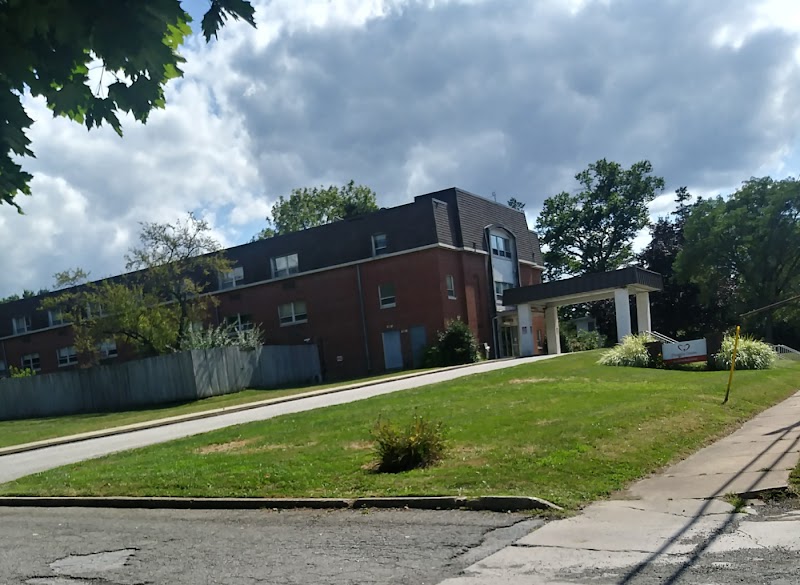
Who Owns and Operates Phoenix Center For Rehabilitation And Nursing,The?

PHOENIX CENTER FOR REHABILITATION AND NURSING,THE is owned by a for-profit company. For-profit facilities operate as businesses with obligations to shareholders or private owners. The facility is operated by LME FAMILY HOLDINGS, a chain that manages multiple nursing homes. With 138 certified beds and approximately 89 residents (about 64% occupancy), it is a mid-sized facility located in PHOENIXVILLE, Pennsylvania.
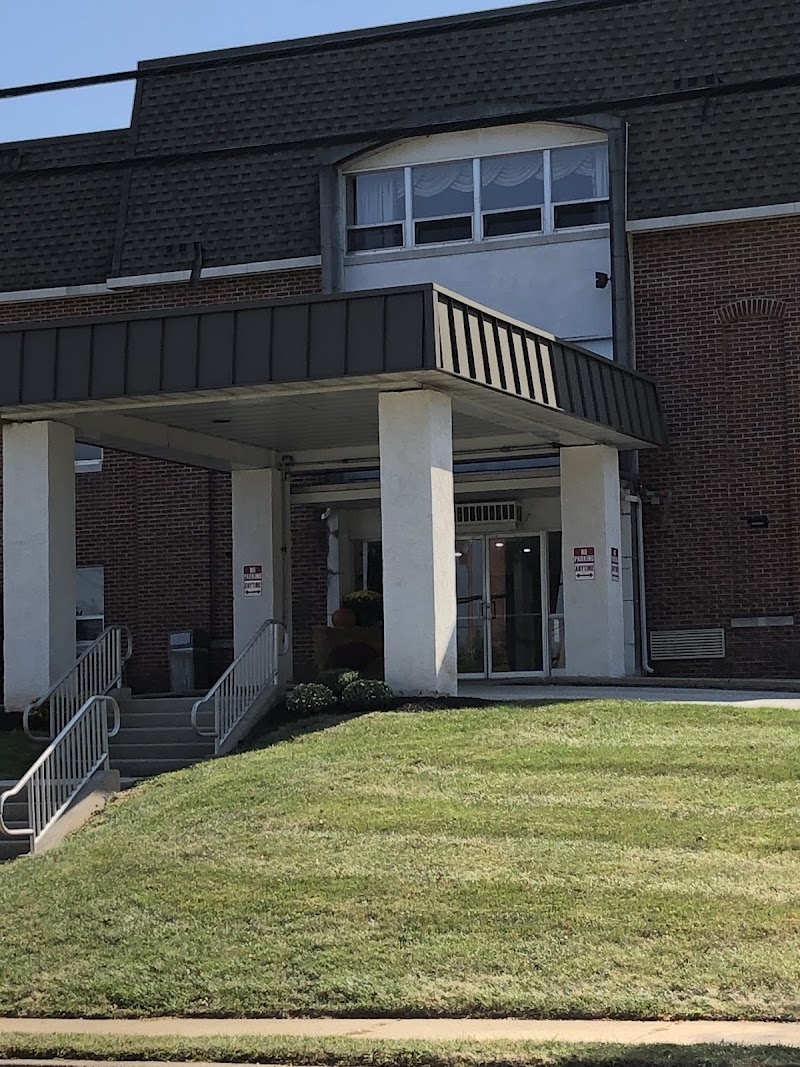
How Does Phoenix Center For Rehabilitation And Nursing,The Compare to Other Pennsylvania Nursing Homes?

Compared to the 100 nursing homes in Pennsylvania, PHOENIX CENTER FOR REHABILITATION AND NURSING,THE's overall rating (2 stars) is below the state average of 3.0, staff turnover (60%) is significantly higher than the state average of 46%, and health inspection rating (1 stars) is much below the national benchmark.

What Should Families Ask When Visiting Phoenix Center For Rehabilitation And Nursing,The?

Based on this facility's data, families visiting should ask: "What changes have been made since the serious inspection findings, and how are you preventing similar issues?" "How do you ensure continuity of care given staff turnover, and what is your staff retention strategy?" "Can I visit during a mealtime to observe dining assistance and food quality?" "How do you handle medical emergencies, and what is your hospital transfer rate?" These questions are particularly relevant given the facility's Immediate Jeopardy citations and the facility's high staff turnover rate.

Is Phoenix Center For Rehabilitation And Nursing,The Safe?

Based on CMS inspection data, PHOENIX CENTER FOR REHABILITATION AND NURSING,THE has documented safety concerns. Inspectors have issued 1 Immediate Jeopardy citation (the most serious violation level indicating risk of serious injury or death). The facility has a 2-star overall rating and ranks #100 of 100 nursing homes in Pennsylvania. Families considering this facility should ask detailed questions about what corrective actions have been taken since these incidents.

Do Nurses at Phoenix Center For Rehabilitation And Nursing,The Stick Around?

Staff turnover at PHOENIX CENTER FOR REHABILITATION AND NURSING,THE is high. At 60%, the facility is 14 percentage points above the Pennsylvania average of 46%. High turnover means new staff may not know residents' individual needs, medications, or preferences. It can also be disorienting for residents, especially those with dementia who rely on familiar faces. Families should ask: What is causing the turnover? What retention programs are in place? How do you ensure care continuity during staff transitions?

Was Phoenix Center For Rehabilitation And Nursing,The Ever Fined?

PHOENIX CENTER FOR REHABILITATION AND NURSING,THE has been fined $40,095 across 1 penalty action. The Pennsylvania average is $33,480. While any fine indicates a compliance issue, fines under $50,000 are relatively common and typically reflect isolated problems that were subsequently corrected. Families should ask what specific issues led to these fines and confirm they've been resolved.

Is Phoenix Center For Rehabilitation And Nursing,The on Any Federal Watch List?

PHOENIX CENTER FOR REHABILITATION AND NURSING,THE is not on any federal watch list. The most significant is the Special Focus Facility (SFF) program, which identifies the bottom 1% of nursing homes nationally based on persistent, serious quality problems. Not being on this list means the facility has avoided the pattern of deficiencies that triggers enhanced federal oversight. This is a positive indicator, though families should still review the facility's inspection history directly.