ARISTACARE AT MEADOW SPRINGS
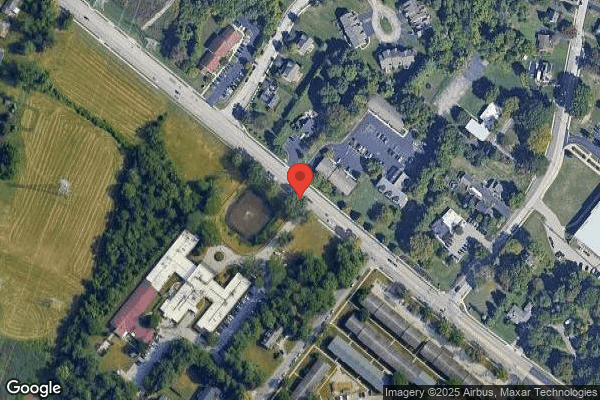
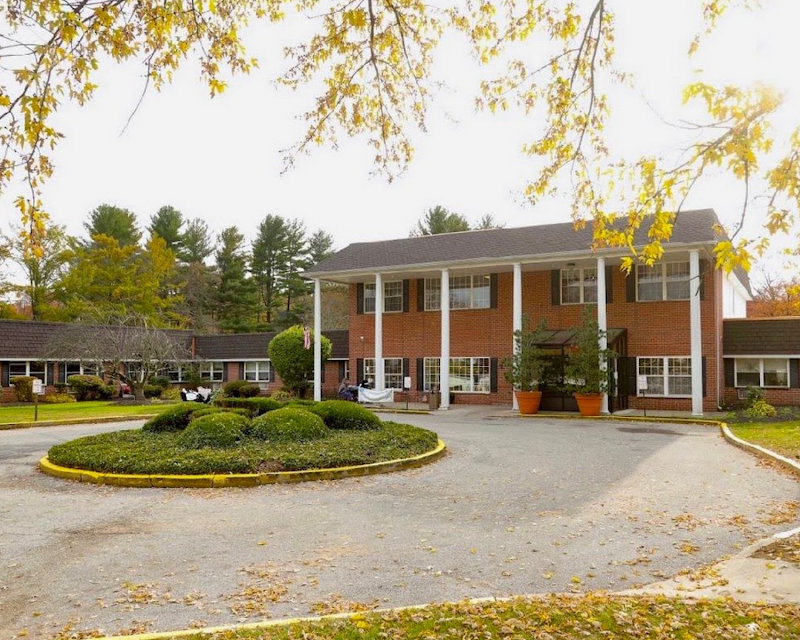
845 GERMANTOWN PIKE, PLYMOUTH MEETING, PA 19462 (610) 279-7300
For profit - Partnership 153 Beds ARISTACARE Data: November 2025 1 Immediate Jeopardy citation
Trust Grade
13/100
#523 of 653 in PA
Last Inspection: February 2025

Within standard 12-15 month inspection cycle. Federal law requires annual inspections.

Overview

Aristacare at Meadow Springs has received a Trust Grade of F, indicating significant concerns about the quality of care provided. With a state rank of #523 out of 653, the facility is in the bottom half of nursing homes in Pennsylvania, and it ranks #51 out of 58 in Montgomery County, suggesting that there are better local options available. Although the facility has shown some improvement over time, reducing issues from 12 in 2024 to 9 in 2025, it still faces serious challenges, including $104,094 in fines, which is higher than 88% of facilities in the state. Staffing is a mixed bag; while turnover is relatively low at 39%, the overall staffing rating is only 1 out of 5 stars, and there is less RN coverage than 92% of state facilities, meaning residents may not get adequate oversight. Specific incidents include a critical failure to maintain safe water temperatures in resident bathrooms, putting residents at risk of burns, and concerns about food being served at improper temperatures, which has led to complaints from multiple residents about the quality of their meals.

Trust Score
F
13/100
In Pennsylvania
#523/653
Bottom 20%
Safety Record
High Risk
Review needed
Inspections
Getting Better
12 → 9 violations
Staff Stability
○ Average
39% turnover. Near Pennsylvania's 48% average. Typical for the industry.
Penalties
✓ Good
$104,094 in fines. Lower than most Pennsylvania facilities. Relatively clean record.
Skilled Nurses
○ Average
Each resident gets 32 minutes of Registered Nurse (RN) attention daily — about average for Pennsylvania. RNs are the most trained staff who monitor for health changes.
Violations
⚠ Watch
40 deficiencies on record. Higher than average. Multiple issues found across inspections.
★☆☆☆☆
1.0
Overall Rating
★☆☆☆☆
1.0
Staff Levels
★★☆☆☆
2.0
Care Quality
★★☆☆☆
2.0
Inspection Score
Stable
2024: 12 issues
2025: 9 issues

The Good

  • Full Sprinkler Coverage · Fire safety systems throughout facility
  • No fines on record
  • Staff turnover below average (39%)

    9 points below Pennsylvania average of 48%

Facility shows strength in fire safety.

The Bad

1-Star Overall Rating

Below Pennsylvania average (3.0)

Significant quality concerns identified by CMS

Staff Turnover: 39%

Near Pennsylvania avg (46%)

Typical for the industry

Federal Fines: $104,094

Well above median ($33,413)

Significant penalties indicating serious issues

Chain: ARISTACARE

Part of a multi-facility chain

Ask about local staffing decisions and management

The Ugly 40 deficiencies on record

1 life-threatening
Sept 2025 1 deficiency
CONCERN (D) 📢 Someone Reported This

A family member, employee, or ombudsman was alarmed enough to file a formal complaint

Potential for Harm - no one hurt, but risky conditions existed

Deficiency F0655 (Tag F0655)

Could have caused harm · This affected 1 resident

**NOTE- TERMS IN BRACKETS HAVE BEEN EDITED TO PROTECT CONFIDENTIALITY** Based on observations, review of clinical record, and interview with staff, it was determined that facility failed to develop an...

Read full inspector narrative →
**NOTE- TERMS IN BRACKETS HAVE BEEN EDITED TO PROTECT CONFIDENTIALITY** Based on observations, review of clinical record, and interview with staff, it was determined that facility failed to develop and implement a care plan related to hygiene care for one of three residents reviewed (Resident R2)Findings include: Review of facility policy ‘Care Plans,' indicates that a care plan is developed in order to identify and maintain the highest level of functioning that a resident may be expected to attain. Each resident's comprehensive care plan has been designed to: incorporate identified problem areas.Review of Resident R2 (BIMS 99) clinical record on Wednesday, September 3rd, 2025, revealed a [AGE] year old male resident, admitted to facility on March 1, 2024, with medical diagnosis of quadriplegia, Parkinson's disease ( a disorder of central nervous system that affects movement, including tremors ), myocardial infarction, malnutrition, heart failure, chronic kidney disease - stage 3, gastrostomy status, dysphagia (difficulty swallowing), nontraumatic intracerebral hemorrhage.Further review of clinical record revealed progress note by facility's physician, employee E3, dated on August 17, 2025 at 00:00 am - resident's family concerned for dry flaky skin on scalp Further review of R2's clinical record revealed an order was placed on August 18, 2025 at 08:09 am by physician- employee E4, for Ketoconazole Shampoo 2% to apply to scalp topically every day shift - Wednesday, Saturday for tinea versicolor until scalp no longer dry and flaky.Observation of R2 in room [ROOM NUMBER]-D on Wednesday, September 3rd, 2024 at 12:00 pm, revealed yellow flakes on oily scalp and uncut nails.Findings confirmed with facility's director of nursing and wound care nurse, employee E2.Review of R2's care plan revealed no evidence of goals or interventions related to activities of daily living specifically related to hair and nail care for dependent resident. 28 Pa Code 211.10(a)(c) Resident care policies
Feb 2025 7 deficiencies
CONCERN (D)

Potential for Harm - no one hurt, but risky conditions existed

Deficiency F0625 (Tag F0625)

Could have caused harm · This affected 1 resident

Based on clinical record review and staff interview, it was determined that the facility failed to ensure that the resident and resident representative receive written notice of the facility bed-hold ...

Read full inspector narrative →
Based on clinical record review and staff interview, it was determined that the facility failed to ensure that the resident and resident representative receive written notice of the facility bed-hold policy at the time of a facility-initiated transfer to a hospital for one of 28 residents reviewed for hospitalization. (Resident R100) Findings include: Review of nursing note for Resident R100, dated February 17, 2025, revealed that Resident R100 was transferred to hospital emergency room for low hemoglobin levels. Further review of Resident R100's clinical record revealed that there was no documented evidence that the resident and his representative were provided with a written notice of the facility bed-hold policy at the time of Resident R100's facility-initiated transfer to the hospital. Interview with the Nursing Home Administrator, Employee E1, on February 27, 2025, at 3:24 p.m. that Resident R100 and his representative were not provided with the bed hold policy, that included information explaining the duration of the bed-hold, bed hold reserve payment and permitting return to a bed at the facility. Further interview confirmed that there was no system in place to ensure that the resident and resident representative receive written notice of the facility bed-hold policy at the time of a facility-initiated transfer to a hospital. 28 Pa Code 201.14(a) Responsibility of licensee 28 PA Code 201.29(f) Resident rights
CONCERN (D)

Potential for Harm - no one hurt, but risky conditions existed

Comprehensive Care Plan (Tag F0656)

Could have caused harm · This affected 1 resident

**NOTE- TERMS IN BRACKETS HAVE BEEN EDITED TO PROTECT CONFIDENTIALITY** Based on clinical record review,and review of policies and procedures, it was determined that the facility failed to update and ...

Read full inspector narrative →
**NOTE- TERMS IN BRACKETS HAVE BEEN EDITED TO PROTECT CONFIDENTIALITY** Based on clinical record review,and review of policies and procedures, it was determined that the facility failed to update and revise a resident care plan realted to a wrist fracture for one of three residents reviewed. (Resident R85) Findings include: A review of the undated facility policy titled ongoing care plan updates revealed that it was the responsibility of the facility to develop and update the comprehensive care plan to include resident's goals, preferences, and services that are to be furnished to attain or maintain the resident's highest practicable physical, mental and psychosocial well-being. Clinical record review revealed a quarterly assessment dated [DATE] indicated that this resident was severely cognitively impaired. The assessment indicated that Resident R85 had impaired upper and lower extremities. The assessment also indicated that Resident R85 was totally dependent on staff for rolling left to right and chair to bed/bed to chair transfers. Clinical record revealed that this resident was diagnosed with a left wrist dislocation on September 19, 2024. The orthopedic physician decided to treat the resident with immobilization instead of surgery. The orthopedic physician advised the staff at the facility to use caution when performing transfers with resident R85. Clinical record review revealed that Resident R85's care plan had not been updated or revised post incident dated September 19, 2024, to include using caution with the left wrist when performing transfers. 28 PA Code 211.10(a)(b)(c)(d) Resident care policies 28 PA Code 211.12(c)(d)(1)(3) Nursing services
CONCERN (D)

Potential for Harm - no one hurt, but risky conditions existed

Deficiency F0688 (Tag F0688)

Could have caused harm · This affected 1 resident

Based on observations, and interviews with staff, it was determined that the facility failed to provide appropriate treatment and services with a resident who exhibited a contracture of the hand for o...

Read full inspector narrative →
Based on observations, and interviews with staff, it was determined that the facility failed to provide appropriate treatment and services with a resident who exhibited a contracture of the hand for one of seven residents reviewed s. (Resident R85) Findings include: A review of the undated policy titled activities of daily living revealed that the facility was responsible for ensuring that residents receive assistance as needed for bathing, showering, dressing, grooming, betting out of bed, walking toileting and eating. The policy also indicated that special equipment would be provided as need for each resident. The policy said that the resident's care plan would reflect the appropriate level of care and personal preferences of each resident for activities of daily living. Clinical record review for Resident R85 revealed a quarterly Minimum Date Set (MDS- assessment of resident care needs) dated September 8, 2024 that indicated that Resident R85 had functional impairments of the upper and lower extremities. The assessment also indicated that this resident was fully dependent on staff for showering, bathing,and personal hygiene. This assessment indicated that Resident R85 was at risk for pressure sore development. Observations of Resident R85 at 11:00a.m., on February 25, 2025 with licensed nurse, Employee 12 revealed that this resident had contracted upper extremities. The resident was observed sitting in a geriatric chair at the bedside with long soiled fingernails. Further exam of the palms and fingers of Resident R85's hands revealed reddened palms that contained peeling and flaking skin. Interview with the physical therapist, Employee E5 at 9:30 a.m., on February 27, 2025 confirmed that Resident R85 was an appropriate candidate for right upper and left upper extremity adapted equipment (palm guards and lambs wool) to prevent skin breakdown and assist with further contracture development. 28 PA. Code 211.10(a)(b)(c)(d) Resident care policies 28 PA. Code 211.12(c)(d)(1)(3) Nursing services
CONCERN (D)

Potential for Harm - no one hurt, but risky conditions existed

Tube Feeding (Tag F0693)

Could have caused harm · This affected 1 resident

**NOTE- TERMS IN BRACKETS HAVE BEEN EDITED TO PROTECT CONFIDENTIALITY** Based on observations of care and services, clinical record review, interview with staff, and reviews of policies and procedures...

Read full inspector narrative →
**NOTE- TERMS IN BRACKETS HAVE BEEN EDITED TO PROTECT CONFIDENTIALITY** Based on observations of care and services, clinical record review, interview with staff, and reviews of policies and procedures, it was determined that the facility failed to ensure that for one of two residents reviewed with enteral nutrition that appropriate and timely treatment, to prevent complications of gastrojejunostomy tube feeding was implemented. (Resident R65) Findings include: A review of the undated policy titled Enteral Nutrition revealed that adequate nutritional support would be provided to residents that were unable to consume adequate nutritional intake by mouth. The policy indicated that enteral feeding orders would be written to ensure consistent volume infusion. The policy indicated that the dietitian was responsible for assessment of the gastrostomy or jejunostomy (surgical creation of an opening (stoma) through the skin at the front of the abdomen and the wall of the jejunum (part of the small intestine).tube feeding ) with the nurse. Clinical record review for Resident R65 revealed a comprehensive assessment MDS (an assessment of care needs) dated November 19, 2024 that indicated this resident was was severely cognitively impaired. The nutrional and swallowing assessment indicated that this resident had a tube feeding. Clinical record review for Resident R65 revealed that the nurse practitoner had assessed this resident on January 10, 2025 and documented that the resident had to have his tube feeding replaced for dislogement for the second time this week. The nurse practitioner indicated in this note that the tube feeding insertion site or ostomy was slightly worn and stretched. The care plan was to have Resident R65 evaluated by a gastrointestinal [NAME] for a different insertion site Clinical record review indicated that Resident R65 was experiencing complications with his gastrojejuno tube feeding. The nurse practitioner documented on January 27, 2025 that Resident R65 was being assessed at the request of the nursing staff for a leaking gastrojejunostomy tube feeding. The nurse practitioner's progress note indicated that Resident R65 had to have his tube feeding replaced twice in the past two weeks. The plan of care according to the nurse practitioner was to have the resident evaluated by a gastrointestional physician on February 3, 2025 to explore a different insertion site for the tube feeding for Resident R65. Clinical record review for Resident R45 revealed that the resident did not receive a gastrointestional examination on February 3, 2025 as care planned. The nursing progress note on February 25, 2025 indicated that the resident was sent to the hospital from the gastrointestional physician's consultation for surgical treatment of the tuge feeding site. Clinical record review revealed physician's orders for February, 2025 to cleanse the gastrojejuno tube feeding site with soap and water and apply barrier cream topically and cover with a drainage sponge every shift. Interview with the director of nursing at 1:00 p.m., on February 25, 2025 confirmed that Resident R65 gastrointestional consultation that was ordered to be completed on February 3, 2025, was not done timely and according to physican's orders. 28 PA. Code 211.10(c) Resident care policies 28 PA. Code 211.12(d)(1)Nursing services
CONCERN (D)

Potential for Harm - no one hurt, but risky conditions existed

Deficiency F0699 (Tag F0699)

Could have caused harm · This affected 1 resident

**NOTE- TERMS IN BRACKETS HAVE BEEN EDITED TO PROTECT CONFIDENTIALITY** Based on review of clinical records, staff and resident interviews, it was determined that the facility failed to provide cultur...

Read full inspector narrative →
**NOTE- TERMS IN BRACKETS HAVE BEEN EDITED TO PROTECT CONFIDENTIALITY** Based on review of clinical records, staff and resident interviews, it was determined that the facility failed to provide culturally competent, trauma informed care in accordance with professional standards of practice, accounting for the resident's past experiences and preferences in order to eliminate and/or mitigate triggers that may cause re-traumatization of the resident for one of 28 residents sampled (Resident R 27) Findings include: A review of the clinical record revealed that Resident R27 was admitted to the facility on [DATE], with diagnoses to anxiety disorder, and post-traumatic stress disorder (PTSD) Interviewed with Social worker, Employee E15 on February 26, 2025, at 2:10, revealed that the resident R27's PTSD triggers is unknown by facility. Resident R27's current care plan on February 24, 2025, revealed a care plan for PTSD. Further review of the care plan did not address resident's actual diagnoses/condition of PTSD, identifying the resident's past experiences and possible triggers that may cause re-traumatization. Interview with the Social worker, Employee E15, on January 26, 2025, at 2:26 PM. confirmed that Resident R27 plan of care for PTSD did not include resident's actual diagnoses/condition of PTSD, identifying the resident's past experiences and possible triggers that may cause re-traumatization. 28 Pa. Code 211.12(c)(d)(3)(5) Nursing services
CONCERN (D)

Potential for Harm - no one hurt, but risky conditions existed

Medication Errors (Tag F0758)

Could have caused harm · This affected 1 resident

Based on clinical record reviews, interviews with staff and policies and procedure reviews, it was determined that the facility failed to ensure that one of six residents reviewed was being monitored ...

Read full inspector narrative →
Based on clinical record reviews, interviews with staff and policies and procedure reviews, it was determined that the facility failed to ensure that one of six residents reviewed was being monitored and assesed for continued use of psychotropic medication. (Resident R19) Finding include: A review of the undated policy titled psychotropic medication revealed that it was the responsibility of the facility to ensure that psychotropic medications were being monitored and used properly. According to the policy psychotropic medications were drugs that effect brain activity with mental processing and behaviors. The policy indicated that as needed psychotropic medications were limited to fourteen days. The policy also indicated that if the prescriber wanted the as needed medication to be extended then the reason must be documented in the medical record and the duration of the as needed medication must also be indicated in the order for the psychotropic medication. Clinical record review for Resident R19 revealed a quarterly Minimun Data Set (MDS-an assessment of care needs) dated January 13, 2025 indicated this resident was cognitively intact and had diagnoses that included: seizure disorder and depression. The assessment also indicated the resident was receiving antidepressant and hyponotic mediations. Clinical record review revealed a physician's order dated December 4, 2024 for the medication Hydroxyzine HCL (an antihistamine) 25 milligrams (mg) every eight hours as needed for anxiety. Clinical record review revealed a psychatrist progress note dated February 10, 2025 that indicated Resident R19 had a diagnosis of dementia, insomnia and anxiety. The psychiatrist indicated that the resident reported that she was not anxious; however she reported being sad due to missing her family. Clinical record review revealed no documentation to indicate that the physician had ordered this as needed medication that was being used to treat symptoms of anxiety for a limited time of fourteen days. There was also no documentation to indicate that the physician indicated the rationale for the continued use and specific duration for the extended use of the medication Hydroxyzine HCL. Interview with the registered nurse, Employee E18 at 1:00 p.m., on February 27, 2025 confirmed confirmed that there was no documentation to indicated that the physician had ordered Hydroxyzine HCL for a limited 14 day time period. The registerd nurse also confirmed that there was no documentation to indicated that the physician was listing a rationale for the extended use of the Hydroxyzine HCL or the duration at which the physician planned to use this medication for Resident R19. 28 PA Code 211.5(f)(vii) Medical records 28 PA. Code 211.12(d)(1) Nursing services
CONCERN (D)

Potential for Harm - no one hurt, but risky conditions existed

Room Equipment (Tag F0908)

Could have caused harm · This affected 1 resident

Based on observations of the food and nutrition services department, interviews with staff, it was determined that essential food service equipment and mechanical devices were not operating efficientl...

Read full inspector narrative →
Based on observations of the food and nutrition services department, interviews with staff, it was determined that essential food service equipment and mechanical devices were not operating efficiently and effectively in the main kitchen. Findings include: Observations of the three compartment sink on February 24, 2025 revealed that the sink compartment used to sanitize the pots, pans, utencils, trays and cooking equipment was not holding water and the sanitizing solution. When tested the water and chemical were not at the proper concentration, according to the manufacturers recommendations. Upon further investigation the piping mechanism underneath the sinks were leaking water onto the floor. Interview with the Director of Dietary Services, Employee E13, on February 26, 2025 confirmed that this sink bay did not have the commercial sink drain and stopper to hold the chemical sanitizer and water concentration to effectively sanitize the pots, pans, utencils, trays and cooking equipment. Observations on February 24, 2025 of the metal doors leading directly from the main kitchen, to outside the building onto the loading and receiving dock, revealed that these doors were not sealing completely upon closing. Upon closing the doors a one inch open space was noted at the threshold of the doors. The essential mechanical door sweep for this exterior door was missing, allowing easy access for pest and rodents. Observations of the dry food storage area located in the main kitchen revealed rodent droppings on the floor underneath the large metal shelving being used for food storage. 28 PA. Code 201.18(e)(1)(2.1) Management
Jan 2025 1 deficiency
CONCERN (D) 📢 Someone Reported This

A family member, employee, or ombudsman was alarmed enough to file a formal complaint

Potential for Harm - no one hurt, but risky conditions existed

Deficiency F0657 (Tag F0657)

Could have caused harm · This affected 1 resident

**NOTE- TERMS IN BRACKETS HAVE BEEN EDITED TO PROTECT CONFIDENTIALITY** Based on review of clinical records and observations, as well as resident and staff interviews, it was determined that the facil...

Read full inspector narrative →
**NOTE- TERMS IN BRACKETS HAVE BEEN EDITED TO PROTECT CONFIDENTIALITY** Based on review of clinical records and observations, as well as resident and staff interviews, it was determined that the facility failed to ensure that care plan was updated to reflect changes in care needs for one of six residents reviewed (Resident R1). Findings include: A review of the facility policy titled Ongoing Care Plan Updates dated November 2028 revealed To develop a comprehensive care plan is developed that incorporates the resident's goals, preference, and services that are to be furnished to attain or maintain the resident's highest practicable physical, mental, and psychosocial well-being. A review of the clinical file revealed that Resident R1 was admitted to the facility on [DATE]. Further examination of Resident R1's Minimum Data Set (MDS), dated [DATE], indicated that the Brief Interview for Mental Status (BIMS) was not recorded. This omission suggests that the resident was unable to participate in the assessment due to severe cognitive impairment. A review of the clinical progress notes dated January 7, 2025, revealed that facility received a call from the local hospital where Resident R1 was discharge from that the AFB Sputum Culture obtained on December 4, 2024, Tuberculosis testing, returned with a positive result. Facility isolated Resident R1 for airborne precautions. Notified the county's Department of Health, received recommendations, notified the Resident R1's family and physician. A review of Resident R1's comprehensive care plan, dated December 30, 2024, revealed no revisions addressing the resident's new tuberculosis diagnosis. No interventions or specific care plan were developed to address the tuberculosis diagnosis. An interview with the Director of Nursing (Employee E2) on January 23, 2025, at 12:45 p.m. confirmed that Resident R1's care plan had not been updated to reflect the tuberculosis diagnosis or to include any special interventions related to care and isolation requirements. 28 Pa. Code 211.12(d)(5) Nursing Services.
Nov 2024 3 deficiencies
CONCERN (D) 📢 Someone Reported This

A family member, employee, or ombudsman was alarmed enough to file a formal complaint

Potential for Harm - no one hurt, but risky conditions existed

Quality of Care (Tag F0684)

Could have caused harm · This affected 1 resident

Based on clinical record reviews, interviews with staff and and policy and procedure review, it was determined that the facility failed to ensure that physician's orders were follow for one of ten res...

Read full inspector narrative →
Based on clinical record reviews, interviews with staff and and policy and procedure review, it was determined that the facility failed to ensure that physician's orders were follow for one of ten residents reviewed. (Resident R1) Findings include: A review of the facility policy titled administering medications August 18, 2022 revealed that medications and treatments were to be administrated in a safe and timely manner as prescribed by the physician. The policy also indicated that medications and treatments must be administered in accordance with the physician's orders, including any required time frame or parameters as specified by the physician. This policy said that if the drug was withheld the individual administering the medication was responsible to use the correct documentation on the MAR (Medication Administration Record) space provided for that drug. The policy indicated that the person administering the medication was responsible for recording the date and time of administration. A review of the policy titled physicians' medication orders dated August 18, 2024 revealed that a medication or treatment was to be administered upon a physician's order by a person licensed to prescribed medications and treatments in the State. The policy also said that verbal orders for treatments and drugs were to be received by licensed nurses. Review of Resident R1 was readmitted to the nursing facility on August 16, 2024 with a diagnosis of replaced dislodged DOB Hoff tube (used for enteral feedings and medications for residents with swallowing problems), aspiration pneumonitis, and respiratory failure. Review of physician's orders for August, 2024 revealed a physician's order for Metoprolol tartrate (drug therapy for angina) 25 milligrams (mg) to be given every 12 hours and hold for systolic blood pressure less than 100 or heart rate less than 60. Continued review of physician's orders revealed an order for Midodrine (drug therapy for high blood pressure) 10 mg three times a day and hold for systolic blood pressure greater than 130. Review of Resident R1's August 2024 Medication Administration Record (MAR) revealed than on August 17, 2024, at 5:00 a.m., the resident's blood pressure was 132/74 and the nurse responsible failed to hold Midodrine 10 mg and administered medication to Resident R1. Continued review of August 2024 MAR revealed that on August 18, 2024 the nursing staff member documented holding Midodrine 10 mg at 9:00 a.m., however the resident's blood pressure was 109/49. The nurse responsible for administering medications documented that the medication was held; which was not in accordance with the physician's orders. 28 Pa. Code 211.12(d)(1) Nursing services
CONCERN (D) 📢 Someone Reported This

A family member, employee, or ombudsman was alarmed enough to file a formal complaint

Potential for Harm - no one hurt, but risky conditions existed

Laboratory Services (Tag F0770)

Could have caused harm · This affected 1 resident

Based on clinical record review, interviews with staff and and policy and procedure review, it was determined that the facility failed to ensure that a doppler study was completed as ordered by the ph...

Read full inspector narrative →
Based on clinical record review, interviews with staff and and policy and procedure review, it was determined that the facility failed to ensure that a doppler study was completed as ordered by the physician for one of ten residents reviewed. (Resident R1) Findings include: Clinical record review revealed that Resident R1 was readmitted to the nursing facility on August 16, 2024 with a diagnosis of replaced dislodged DOB Hoff tube (used for enteral feedings and medications for residents with swallowing problems), aspiration pneumonitis, and respiratory failure. Clinical record review revealed that the nurse practitioner's progress note dated August 22, 2024 indicated that Resident R1 was ordered a doppler (a test to estimate the blood flow through your blood vessels) study of the left arm due to swelling and pain. There was no doppler study of the left arm completed and available for review. Clinical record review revealed that the nurse practitioner ordered a STAT (emergency) doppler study for acute pain and swelling of the left arm for Resident R1 at 12:30 p.m., on August 23, 2024. Interview with the director of nursing Employee E7, at 1:00 p.m., on November 14, 2024 revealed that STAT means emergency and that the facility would complete the study within four hours of the time the physician or nurse practitioner ordered the testing. There was no documentation to indicate that a STAT doppler study of the left arm was available for review on August 23 or 24, 2024. Clinical record documentation indicated that resident R1 was admitted to the hospital for hypotension and gastrointestinal bleeding at 7:30 a.m., on August 24, 2024. 28 Pa. Code 211.12(d)(1) Nursing services
CONCERN (D) 📢 Someone Reported This

A family member, employee, or ombudsman was alarmed enough to file a formal complaint

Potential for Harm - no one hurt, but risky conditions existed

Medical Records (Tag F0842)

Could have caused harm · This affected 1 resident

Based on clinical record reviews, review of physican orders and interviews with staff, it was determined that the facility failed to ensure complete documetation related to blood pressure for one of t...

Read full inspector narrative →
Based on clinical record reviews, review of physican orders and interviews with staff, it was determined that the facility failed to ensure complete documetation related to blood pressure for one of ten residents. (Resident R1) Findings include: A review of the facility policy titled administering medications August 18, 2022 revealed that medications and treatments were to be administrated in a safe and timely manner as prescribed by the physician. The policy also indicated that medications and treatments must be administered in accordance with the physician's orders, including any required time frame or parameters as specified by the physician. This policy said that if the drug was withheld the individual administering the medication was responsible to use the correct documentation on the MAR (Medication Administration Record) space provided for that drug. The policy indicated that the person administering the medication was responsible for recording the date and time of administration. Clinical record review revealed that Resident R1 was readmitted to the nursing facility on August 16, 2024 with a diagnosis of replaced dislodged DOB Hoff tube (used for enteral feedings and medications for residents with swallowing problems), aspiration pneumonitis, and respiratory failure. Clinical record review for the month of August, 2024 revealed a physician's order and care plan for Metoprolol tartrate (drug therapy for angina) 25 milligrams (mg) to be given every 12 hours and hold for systolic blood pressure less than 100 or heart rate less than 60. Clinical record review for Resident R1 indicated a physician's order for Midodrine (drug therapy for high blood pressure) 10 mg three times a day and hold for systolic blood pressure greater than 130. Review of Resident R1's August 2024 Medication Administration Record revealed that on August 17, 2024, at 9:00 p.m., the nurse failed to record the blood pressure and the administration of the medication according to physician' s orders. On August 19, 2024 at 1:00 p.m., Resident R1's blood pressure was 138/65. The nurse responsible for administration of the medication failed to document that the medication was held in accordance with physician's orders and standards of practice for medication administration. 28 Pa. Code 211.10 (c) Resident care plicies 28 Pa. Code 211.12(d)(1) Nursing services
Sept 2024 3 deficiencies
CONCERN (D) 📢 Someone Reported This

A family member, employee, or ombudsman was alarmed enough to file a formal complaint

Potential for Harm - no one hurt, but risky conditions existed

Transfer Notice (Tag F0623)

Could have caused harm · This affected 1 resident

Based on clinical record reviews and interviews with staff, it was determined that the facility failed to notify the Office of the State Long-Term Care Ombudsman of facility-initiated emergency transf...

Read full inspector narrative →
Based on clinical record reviews and interviews with staff, it was determined that the facility failed to notify the Office of the State Long-Term Care Ombudsman of facility-initiated emergency transfers and discharges for five of six residents reviewed (Residents R1, R2, R4, R5 and R6). Findings include: Clinical record review for Resident R1 revealed a nurse's note, dated May 3, 2024, at 8:10 p.m. which indicated that the resident had abnormal vital signs, including low blood pressure and high heart rate. The physician was notified and ordered for the resident to be transferred to a local hospital for evaluation. Continued clinical record review for Resident R1 revealed a nurse's note, dated June 15, 2024, at 10:01 a.m. which indicated that the resident was unresponsive with labored breathing. Emergency medical services were called and the resident was transferred to a local hospital for evaluation. Continued clinical record review for Resident R1 revealed a nurse's note, dated August 7, 2024, at 7:26 a.m. which indicated that the resident had two episodes of vomiting. The physician was notified and ordered for the resident to be transferred to a local hospital for evaluation. Continued clinical record review for Resident R1 revealed a nurse's note, dated August 25, 2024, at 7:35 a.m. which indicated that the resident had an episode of vomiting and went into respiratory distress. Emergency medical services were called and the resident was transferred to a local hospital for evaluation. The resident was subsequently discharged from the facility. Clinical record review for Resident R2 revealed a nurse's note, dated August 19, 2024, at 4:01 p.m. which indicated that the resident had swelling to the right side of her head. The practitioner evaluated the resident and ordered for the resident to be transferred to a local hospital for evaluation. The resident was subsequently discharged from the facility. Clinical record review for Resident R4 revealed a nurse's note, dated June 11, 2024, at 6:04 a.m. which indicated that the resident was in respiratory distress. Emergency medical services were called and the resident was transferred to a local hospital for evaluation. Clinical record review for Resident R5 revealed a nurse's note, dated June 11, 2024, at 5:44 p.m. which indicated that the resident had abnormal vital signs, including high blood pressure and heart rate. The practitioner was notified and ordered for the resident to be transferred to a local hospital for evaluation. The resident was subsequently discharged from the facility. Clinical record review for Resident R6 revealed a nurse's note, dated April 30, 2024, at 2:08 p.m. which indicated that the resident's abdomen (stomach) was distended, painful to the touch and tender. The practitioner was notified and ordered for the resident to be transferred to a local hospital for evaluation. The resident was subsequently discharged from the facility. Further record reviews for Residents R1, R2, R4, R5 and R6 revealed that no documentation was available for review at the time of the survey to indicate that the Office of the State Long-Term Care Ombudsman was notified of the facility-initiated emergency transfers and discharges. Interview on September 19, 2024, at 10:35 a.m. the Nursing Home Administrator confirmed that no documentation was available for review at the time of the survey to indicate that the Office of the State Long-Term Care Ombudsman was notified of the facility-initiated emergency transfers and discharges for Residents R1, R2, R4, R5 and R6. 28 Pa. Code 201.14(a) Responsibility of licensee 28 Pa. Code 201.18(b)(2) Management
CONCERN (D) 📢 Someone Reported This

A family member, employee, or ombudsman was alarmed enough to file a formal complaint

Potential for Harm - no one hurt, but risky conditions existed

Pressure Ulcer Prevention (Tag F0686)

Could have caused harm · This affected 1 resident

**NOTE- TERMS IN BRACKETS HAVE BEEN EDITED TO PROTECT CONFIDENTIALITY** Based on review of facility documentation, clinical record reviews and interviews with staff, it was determined that the facilit...

Read full inspector narrative →
**NOTE- TERMS IN BRACKETS HAVE BEEN EDITED TO PROTECT CONFIDENTIALITY** Based on review of facility documentation, clinical record reviews and interviews with staff, it was determined that the facility failed to ensure that residents with pressure ulcers received necessary treatments and services to promote healing, for one of six residents reviewed (Resident R1). Findings include: Review of Resident R1's admission MDS (Minimum Data Set - a mandatory periodic resident assessment tool), dated June 21, 2024, revealed that the resident was admitted to the facility on [DATE], and had diagnoses including neurogenic bladder (condition of bladder control problems dur to brain injury), paraplegia (paralysis of the legs and lower body), Parkinson's Disease (a progressive disorder of the nervous system that affects movement), spinal cord injury and muscle weakness. Continued review revealed that the resident had a BIMS (Brief Interview for Mental Status) score of 15, indicating that the resident was cognitively intact. Further review revealed that the resident was admitted to the facility with three unstageable pressure ulcers as well as moisture associated skin damage. Review of Resident R1's care plan, dated initiated April 17, 2024, revealed that the resident required total assistance to perform all activities of daily living. Continued review revealed that the resident had impaired skin integrity, including wounds to her left buttocks, left hip, left ischium (lower back part of hip) and right ischium with interventions including to provide incontinence care every two to three hours and as needed. Review of progress notes for Resident R1 revealed a nurse's note, dated June 14, 2024, at 7:58 p.m. which indicated that at 4:00 p.m. the resident was readmitted to the facility from the hospital. Continued review of progress notes for Resident R1 revealed a nurse's note, dated June 15, 2024, at 9:25 a.m. revealed that the resident had a change in condition, unresponsiveness and was transferred to the hospital for evaluation. Continued review revealed a nurse's note, dated June 17, 2024, at 4:25 p.m. which indicated that at 4:15 p.m. the resident was readmitted to the facility from the hospital. Continued review of progress notes for Resident R1 revealed a nurse's note, dated June 18, 2024, at 12:56 p.m. which indicated that the resident was seen by the wound care team, that she had four open areas upon admission and that wound treatments were applied. Another note, at 3:35 p.m. indicated that the resident had unstageable wounds to her left, right ischiums and left hip. Continued review of progress notes for Resident R1 revealed a nurse's note, dated July 12, 2024, at 12:31 a.m. which indicated that the resident was transferred to the hospital related to abnormal chest xray results. Continued review revealed a nurse's note, dated July 22, 2024, at 6:33 p.m. which indicated that the resident was readmitted to the facility at 1:00 p.m. Further review revealed a wound note, dated July 22, 2024, at 8:19 p.m. which indicated that the resident was readmitted with multiple stage 4 wounds (deep wound that affects muscle and bone), including right ischium, right posterior (back) thigh and left ischium. Wound treatments were applied. Review of wound consultant notes for Resident R1 revealed a note, dated June 20, 2024, which indicated that the resident had unstageable wounds to her right ischium and left ischium and that wound treatments were ordered. Continued review of wound consultant notes for Resident R1 revealed a note, dated June 27, 2024, which indicated that, as an addendum to the note from June 20, 2024, the resident had an area of erythema (redness) with a pedunculated piece (growth) in her groin area. The physician noted that the area was captured as a wound during his assessment on June 27, 2024, and a wound treatment was ordered for that area. Further review of wound consultant notes for Resident R1 revealed a note, dated July 25, 2024, which indicated that the resident was readmitted to the facility from the hospital with a stage 4 wound to the resident's left hip. An initial evaluation was conducted and wound treatments were ordered. Review of Treatment Administration Records (TARs) for Resident R1 revealed a physician's order, dated June 11, 2024, to apply calcium alginate (absorbent wound dressing) and calmoseptine (barrier cream to protect skin) to the resident's left lower buttocks daily. Continued review revealed that there was no indication that the treatment was provided on June 22, July 1, July 3, and July 8, 2024. Continued review of TARs for Resident R1 revealed a physician's order, dated June 20, 2024, to apply medihoney (antibacterial wound treatment) to the resident's right ischium daily. Continued review revealed that no other treatment orders for the resident's right ischium were prescribed from her readmission on [DATE], until June 20, 2024. Continued review revealed that there was no indication that the treatment was provided on June 22, July 1, July 3, and July 8, 2024. Further review revealed that the same treatment was reordered by the physician on July 26, 2024, and that there was no indication that the treatment was provided on August 3, 2024. Continued review of TARs for Resident R1 revealed a physician's order, dated June 20, 2024, to apply medihoney to the resident's left hip daily. Continued review revealed that there was no indication that the treatment was provided on June 22, July 1, July 3, and July 8, 2024. Continued review revealed that no other treatment orders for the resident's left hip were prescribed from her readmission on [DATE], until July 26, 2024. A physician's order, dated July 26, 2024, ordered to irrigate the resident's left hip with Dakins solution (wound treatment to treat and prevent wound infections) daily. Further review revealed that there was no indication that the treatment was provided on August 3, 2024. Continued review of TARs for Resident R1 revealed a physician's order, dated June 20, 2024, to apply medihoney to the resident's left ischium daily. Continued review revealed that no other treatment orders for the resident's right ischium were prescribed from her readmission on [DATE], until June 20, 2024. Continued review revealed that there was no indication that the treatment was provided on June 22, July 1, July 3, and July 8, 2024. A physician's order, dated August 2, 2024, ordered to cleanse the resident's left ischium with Dakins solution daily. Further review revealed that there was no indication that the treatment was provided on August 3, 2024. Continued review of TARs for Resident R1 revealed a physician's order, dated June 28, 2024, to apply calcium alginate to the resident's right groin daily. Continued review revealed that there was no indication that the treatment was provided on July 1 and July 3, 2024. Continued review revealed that no other treatment orders for the resident's right groin were prescribed from her readmission on [DATE], until July 26, 2024. Further review revealed that the same treatment was reordered by the physician on July 26, 2024, and that there was no indication that the treatment was provided on August 3, 2024. Interview on September 19, 2024, at 1:10 p.m. the above treatment records for Resident R1 were reviewed with the Director of Nursing (DON). The DON confirmed that wound treatments were not provided on the above dates. Continued review of progress notes for Resident R1 revealed a wound note, dated July 23, 2024, at 2:34 p.m. which indicated that the resident's family member requested a specialty mattress for the resident. The mattress was ordered at that time and was provided to the resident on July 24, 2024. Review of facility grievances revealed a grievance report, dated July 25, 2024, regarding an incident that occurred on July 24, 2024, involving Resident R1. The grievance noted that when nurse aides provided care to Resident R1, that the resident was not placed on the correct area of the specialty mattress. The concern was investigated by Employee E5, Director of Quality Experience, who noted that education on proper use of the specialty mattress was provided by the wound team to nursing staff. Interview on September 19, 2024, at 2:03 p.m. with Employee E5, Director of Quality Experience, revealed that staff were turning the specialty mattress off while providing care and that staff did not position the resident within the markings on the mattress. Employee E5 stated that staff were educated on proper use of the mattress, however, there were no supporting documents, such as staff statements or staff education records, for review at the time of the survey. 28 Pa Code 201.18(b)(1) Management 28 Pa Code 211.12(d) Nursing services
CONCERN (D) 📢 Someone Reported This

A family member, employee, or ombudsman was alarmed enough to file a formal complaint

Potential for Harm - no one hurt, but risky conditions existed

Incontinence Care (Tag F0690)

Could have caused harm · This affected 1 resident

**NOTE- TERMS IN BRACKETS HAVE BEEN EDITED TO PROTECT CONFIDENTIALITY** Based on review of facility documentation, clinical record reviews and interviews with staff, it was determined that the facilit...

Read full inspector narrative →
**NOTE- TERMS IN BRACKETS HAVE BEEN EDITED TO PROTECT CONFIDENTIALITY** Based on review of facility documentation, clinical record reviews and interviews with staff, it was determined that the facility failed to ensure that continence care was provided in a timely manner for one of six residents reviewed (Resident R1). Findings include: Review of Resident R1's admission MDS (Minimum Data Set - a mandatory periodic resident assessment tool), dated June 21, 2024, revealed that the resident was admitted to the facility on [DATE], and had diagnoses including neurogenic bladder (condition of bladder control problems dur to brain injury), paraplegia (paralysis of the legs and lower body), Parkinson's Disease (a progressive disorder of the nervous system that affects movement), spinal cord injury and muscle weakness. Continued review revealed that the resident had a BIMS (Brief Interview for Mental Status) score of 15, indicating that the resident was cognitively intact. Further review revealed that the resident was dependent for toileting and always incontinent of bowel and bladder. Review of Resident R1's care plan, dated initiated April 17, 2024, revealed that the resident required total assistance to perform all activities of daily living. Continued review revealed that the resident had impaired skin integrity, including wounds to her left buttocks, left hip, left ischium (lower back part of hip) and right ischium with interventions including to provide incontinence care every two to three hours and as needed. Continued review revealed that the resident was incontinent of bowel and to provide care and barrier cream after each episode of incontinence. Further review revealed that the resident had a urinary catheter and to provide catheter care daily and as needed. Review of progress notes for Resident R1 revealed a practitioner note, dated July 23, 2024, and signed by the practitioner at 4:45 p.m., which indicated that during the practitioner's evaluation, the resident was in bed upset awaiting care, states in a bad mood is scared and angry. The practitioner noted that the resident appeared frustrated. Review of facility grievances revealed a grievance report, dated July 23, 2024, regarding Resident R1. The grievance noted that the resident reported at 1:00 p.m. that she had not yet received care that morning. The concern was investigated by Employee E5, Director of Quality Experience, who noted that the nurse aide stated that the resident had refused care, however, Employee E5 noted that none of the refusals were documented. Employee E5 noted that the staff member was educated on the importance of refusal documentation. Continued review of facility grievances revealed another grievance report, dated July 25, 2024, regarding an incident that occurred on July 24, 2024, involving Resident R1. The grievance noted that at 2:00 p.m. Resident R1's family member noticed that the resident had a bowel movement and requested assistance from a staff member. The staff member informed them that they would find the nurse. At 2:40 p.m. Resident R1's family member informed the nurse that the resident had a bowel movement and needed to be cleaned. The nurse informed them that they would inform the nurse aide. At 3:20 p.m. Resident R1's family member informed another nurse aide, as well as a physical therapist and respiratory therapist, that the resident had a bowel movement and needed to be cleaned up. The physical therapist informed them that they would inform the nurse aide. At 3:30 p.m. Resident R1's family member informed the social worker that the resident had a bowel movement and needed assistance. The social worker informed them that they would find someone. At 3:40 p.m. Resident R1's family member informed another nurse aide that the resident had a bowel movement and needed to be cleaned. The nurse aide informed them that they did not know who the assigned aide was. At 3:45 p.m. two nurse aides entered the room to clean Resident R1. The grievance continued that at 6:00 p.m. Resident R1's family member noticed that the resident had feces between her legs and urinary catheter. The family member requested that a nurse aide come and clean the resident. At 6:30 p.m. a nurse entered the room to check and flush Resident R1's urinary catheter, however, no aide came to clean the resident. At 8:15 p.m. Resident R1's family member asked a nurse aide to come and clean the resident because she still had feces on her urinary catheter. At 9:00 p.m. the nurse aide entered the room to clean Resident R1. The concern was investigated by Employee E5, Director of Quality Experience, who noted that conversations were conducted with staff regarding timeliness of assignments and that any staff member can assist a resident regardless of resident assignment. Employee E5 noted that education was provided to nurse aides regarding proper continence care and importance of ensuring that catheter sites are fully cleaned. Employee E5 also noted that there was no documentation of resident refusals of care. Interview on September 19, 2024, at 2:03 p.m. with Employee E5, Director of Quality Experience, revealed that there were no supporting documents, such as staff statements or staff education records, for review related to the grievances filed related to Resident R1. Employee E5, Director of Quality Experience, stated that verbal education was provided and that he did not obtain any written statements from staff. Employee E5, Director of Quality Experience, agreed that the grievances filed related to Resident R1 demonstrated that there was a delay in providing continence care for the resident and that there was no evidence available for review at the time of the survey to indicate that any of the expressed concerns were not true. 28 Pa Code 201.18(b)(1) Management 28 Pa Code 211.12(d) Nursing services
Apr 2024 6 deficiencies 1 IJ (1 affecting multiple)
CRITICAL (K)

Immediate Jeopardy (IJ) - the most serious Medicare violation

Accident Prevention (Tag F0689)

Someone could have died · This affected multiple residents

**NOTE- TERMS IN BRACKETS HAVE BEEN EDITED TO PROTECT CONFIDENTIALITY** Based on observation, review of facility policies, facility documentation and interviews with staff, it was determined that the ...

Read full inspector narrative →
**NOTE- TERMS IN BRACKETS HAVE BEEN EDITED TO PROTECT CONFIDENTIALITY** Based on observation, review of facility policies, facility documentation and interviews with staff, it was determined that the facility failed to ensure that water temperatures in resident bathroom hand sinks and showers were maintained at a safe temperature for two of two nursing units observed (Unit One and Unit Two). This failure placed residents on Unit One and Unit Two at risk for serious injury from a burn and resulted in an Immediate Jeopardy situation. Findings Include: Review of the Water Temperatures, Safety of Policy undated states that tap water . shall be kept within a temperature range to prevent scalding residents. Policy Interpretation and Implementation 1. Water heaters that service resident rooms, bathrooms, common areas, and tub/shower areas shall be set to temperatures of no more than 100 degrees (44.33 Celsius), or the maximum allowable temperature per state regulation. 2. Maintenance staff is responsible for checking thermostats and temperature controls in the facility and recording these checks in a maintenance log. 3. Maintenance staff shall conduct periodic tap water temperature checks and record the water temperatures in the safety log. 4. If at any time water temperatures feel excessive to the touch (i.e., hot enough to be painful or cause reddening of the skin after removal of the hand from the water), staff will report this finding to the immediate supervisor. 5. Direct-care staff shall be informed of risk factors for scalding/burns that are more common in the elderly, such as: a. Decreased skin thickness b. Decreased skin sensitivity c. Peripheral neuropathy d. Reduced reaction time e. Decreased cognition f. Decreased mobility g. Decreased communication 6. The length of exposure to water or hot water, the amount of skin exposed, and the resident's current condition affect whether or not exposure to certain temperatures will cause scalding or burns. Therefore, ongoing resident observation and assessment during prolonged exposure to warm or hot water will help determine the safety of the situation. 7. Nursing staff will be educated about signs and symptoms of burns (first, second, and third degree) so that such injuries can be recognized and treated appropriately. Review of the Facility Shower/Bath Policy dated April 2023 stated that the purpose of this procedure is to promote cleanliness, provide comfort to the resident and to observe the condition of the resident's skin. General Guidelines 1. Be sure that the bath area is at a comfortable temperature for the resident. Equipment and Supplies 10. Fill the tub approximately one-half (1/2) full with water (105°F [40.5°C]). Test the water with the bath thermometer or your elbow. If using a shower regulate the temperature and the flow of the water. skin for any rashes, reddened areas, skin discoloration, etc.) Observation of the shower room one on Unit One on April 16, 2024, at 11:30 a.m. revealed nurse aide, Employee E10 was preparing the shower for a resident. Employee E10 was asked how she takes the temperature of the water? Employee E10 replied that the particular shower took a while to heat up and she test the temperature of the water on her hand or on her wrist. Observation of the shower room revealed there was no thermometer located in the room. Further observation of shower room two on Unit One was at 11:34 a.m. revealed there was no thermometer located in the room. The hot water at the hand sink in the shower room was turned on and felt too hot to the touch. Hot water temperatures were taken of the shower and the hand sink with he Director of Maintenance, Employee E12 on April 16, 2024, at 11:36 a.m. The hot water temperature at the sink was 124 degrees Fahrenheit. The shower temperature was 112 degrees Fahrenheit. The Director of Maintenance confirmed that the temperature of the hot water was high and that it should be between 98 degrees Fahrenheit and 110 degrees Fahrenheit. Observation of the shower room on Unit Two on April 16, 2024, at 11:40 a.m. with the Director of Maintenance Employee E12 revealed that there was no thermometer located in the shower room. Hot water temperatures were taken of the shower as well as the hand sink at 11:41 a.m. The hand sink temperature was 122 degrees Fahrenheit and the shower temperature was 114 degrees Fahrenheit. Observation of the boiler room on April 16, 2024, at 11:45 a.m. with the Director of Maintenance, Employee E12 revealed a domestic water storage tank which had a leak and water was observed on the floor. The Director of Maintenance, Employee E12 stated that the leak started over the week and that they currently had someone on site to drain the water and fix the tank. Observation was made of boiler one which was set at 118 degrees Fahrenheit. Observation was made of the incoming water tank which was set at 95 degrees. Interview with the Director of Maintenance, Employee E12 revealed the incoming water was high as it usually was set around 80 degrees Fahrenheit. A re-check of the water was completed on the shower room two on Unit One with the Director of Quality Experience, Employee E11 on April 16, 2024, at 12:19 p.m. The hand sink temperature was 117 degrees Fahrenheit. Observations conducted of the hand sink in resident rooms on Unit Two were as follows: room [ROOM NUMBER]- 112 degrees Fahrenheit room [ROOM NUMBER] -115 degrees Fahrenheit room [ROOM NUMBER] -112 degrees Fahrenheit room [ROOM NUMBER] -112 degrees Fahrenheit A re-check of shower room one on Unit One was completed on April 16, 2024, at 12:35 a.m. with the Director of Quality Experience, Employee E11. The temperature of the hand sink was 112 degrees Fahrenheit. Temperatures were taken of hand sinks in residents room at 12:38 p.m. were as follows: room [ROOM NUMBER] - 120 degrees Fahrenheit room [ROOM NUMBER] - 119 degrees Fahrenheit room [ROOM NUMBER] - 120 degrees Fahrenheit. room [ROOM NUMBER] - 124 degrees Fahrenheit. Review of the water temperature logs were completed for the month of April 2024. There was no documented temperatures during the weekends. Review of the water temperature logs revealed there was no temperatures recorded on the following dates: April 2, 2024, April 3, 2024, April 4, 2024, April 8, 2024, and April 9, 2024. Interview held with Licensed nurse, Employee E5 on April 16, 2024, at 1:38 p.m. revealed residents were given showers and bed baths on the unit on April 16, 2024. Licensed nurse Employee E5 stated he did not know what the hot water temperature should be for showers and he did not know of a thermometer being available in the shower room on the unit. Interview held with Nurse aide, Employee E40 on April 16, 2024, at 1:36 p.m. stated that the resident in room [ROOM NUMBER]D was given a shower. When asked did you test the temperature of the water? Nurse aide, Employee E40 stated yes with his hand. When asked if there was a thermometer available to test the water temperature, he stated no. When asked if he knew what the maximum temperature of the water should be he stated four. Interview held with Nurse aide, Employee E41 April 16, 2024 at 1:40 p.m. stated that she tested the hot water temperature with her hand. When asked did you have a thermometer available, she stated no there was not. Interview held with Nurse aide, Employee E42 one April 16, 2024, at 1:58 p.m. revealed that the resident in room [ROOM NUMBER]W was given a bed bath. When asked how you test the temperature of the water, she stated she tested it with her hand. When asked did you have a thermometer available, she stated no. Interview held on April 16, 2024, at 2:04 p.m. with Nurse aide, Employee E16 who was assigned residents in room [ROOM NUMBER]-D and 148-W. When asked if either residents were given a shower, Nurse aide, Employee E16 stated only resident on room [ROOM NUMBER]D was given a shower. When asked how do you test the temperature of the water, he stated he testes the water temperature on his hand and arm to see if it's too hot and also asks the resident. When asked did you have a thermometer available to test the temperature of the water he stated, no I have not had a thermometer available to test the temperature of the water. When asked what the temperature should be, he stated he does not know what the temperature should be. Interview held with Nurse aide, Employee E10 on April 16, 2024, at 1:49 p.m. revealed she was assisting giving the resident from room [ROOM NUMBER]B a shower. Nurse aide, Employee E10 stated she tests the water temperature with her hand and then takes the residents hand and has them test it to see if it is too warm. When asked what the temperature should be she stated lukewarm or warm. Nurse aide, Employee E10 also stated the water doesn't get hot due to safety. When asked what the highest temperature the water should be, she stated she does not know what degrees. When asked if there a thermometer available to test the water temperature in the shower room she stated that there was none available on the unit. Interview held with nurse aide, Employee E43 on April 16, 2024 at 2:03 p.m. revealed she use the thermometer in the shower room to test the hot water. When asked do you record the temperatures, she stated yes there should be a log sheet in the shower room. Interview held with Nurse aide, Employee E28 on April 16, 2024, at 1:51 p.m. revealed the resident in room [ROOM NUMBER] D was given a shower today. When asked how he tested the temperature of the water he said on my hand. When asked did you have a thermometer available, he stated no. When asked what the temperature was or did you record it he stated he doesn't know but it wasn't too hot, it's a set temperature throughout the facility. When asked what the temperature should be during a shower or a bed bath, he stated he does not know off the top of his head. Based on the above findings Immediate Jeopardy to the safety of the residents was identified to the Nursing Home Administrator and the Director of Nursing (DON) on April 16, 2024, at 3:43 p.m. for failure to ensure that safe hot water temperatures were maintained on the First and Second Floor Nursing units. The Nursing Home Administrator was provided with the Immediate Jeopardy template and an immediate action plan was requested. On April 16, 2024 at 7:49 p.m. the facility developed and submitted the following Corrective Action Plan: -The facility immediately suspended showers. -The maintenance supervisor adjusted the mixing valve and began monitoring. -Any residents who received a shower today has been assessed by nursing staff to ensure no injuries have occurred. -The facility mechanical contractors were on site and completed repairs to the hot water holding tanks. -The facility water policy on water temperatures and showering/bathing has been updated too include staff ensuring the water temperature is within acceptable range and to not give shower/bath. -Staff were immediately educated includes teaching staff how to properly test the water prior to giving the shower, and notify maintenance when temps are above the 110 requirement. -Thermometers have been placed in each shower room. - Staff in servicing has begun and will continue until all nursing staff have been educated. The staff will be in serviced prior to their next shift either in person or over the phone. The facility will be at 100% by 4/16/24 via text/email. Our system tracks individual signs offs of the notifications, followed by an in person/phone in-service prior to their next shift. - The facility will continue random temperatures monitors every shift through nursing supervisor, the maintenance supervisor will also complete temperature logs daily in the AM and again at the maintenance shift 5:00. - If the Maintenance director cannot be reached the Administrator will be notified if temperatures are found over 110. -Both logs will be summarized and reported to QAPI (Quality Assurance Program Improvement), with any trends and effective interventions monthly. The facilities action plan was submitted and accepted on April 16, 2024 at 8:32 p.m. Staff interviews were conducted on April 17, 2024 between 1:00 p.m. and 6:00 p.m., with nursing staff to verify the implementation of the immediate action plan. Nursing staff were able to verbalize to facility's updated policy, including that water temperatures should not exceed 110 degrees Fahrenheit, what to do if water temperatures were found to be too hot, and how often to check water temperatures. Nursing staff were able to demonstrate proper use of a thermometer for checking water temperatures and that they had sufficient thermometers available for use. Maintenance and Supervisory staff were observed checking water temperatures and completing audit logs. The hot water at residents' hand sinks were tested and verified that they did not exceed 110 degrees Fahrenheit. Water temperature logs were reviewed and revealed appropriate water temperatures. Staff education documentation was reviewed and revealed that the facility in-serviced 100 percent of the facility staff on proper hot water temperatures. Following verification of the implementation of the immediate action plan, review of water temperature logs and review of staff education documentation, the Immediate Jeopardy was lifted on April 17, 2024, at 5:49 p.m. 28 Pa Code 201.14(a) Responsibility of licensee 28 Pa Code 201.18(a) Management 28 Pa Code 201.18(b)(1) Management 28 Pa Code 201.18(b)(3) Management 28 Pa Code 205.63(c) Plumbing and piping systems required for existing and new construction 28 Pa Code 211.12(d)(3) Nursing services 28 Pa Code 211.12(d)(5) Nursing services
CONCERN (D)

Potential for Harm - no one hurt, but risky conditions existed

Pressure Ulcer Prevention (Tag F0686)

Could have caused harm · This affected 1 resident

Based on observations, review of clinical records and interview with staff, it was determined that the facility failed to ensure that pressure ulcer prevention measures were followed as ordered by the...

Read full inspector narrative →
Based on observations, review of clinical records and interview with staff, it was determined that the facility failed to ensure that pressure ulcer prevention measures were followed as ordered by the physician for one of one resident with pressure ulcer reviewed. (Resident R69) Findings include: Review of facility's policy 'Prevention of Pressure Ulcers,' indicates that when in bed, every attempt should be made to 'float heels' (keep heels off of the bed) by placing a pillow from knee to ankle or with other devices as recommended by therapist and prescribed by the physician. Review of Resident R69's clinical records revealed past medical history of cerebral infarction, anoxic brain damage, persistent vegetative state, anemia, long-term anticoagulant use, gastrostomy status, and ventilator status. Review of February 2024 physican orders revealed an order revised on February 8, 2023 to wear prevalon boots to BLE (bilateral legs) at all times except for hygiene or skin checks. Continued review of physician orders revealed another order dated April 15, 2022 to off load heels with pillows while in bed as tolerated. Review of R69's care plan revealed R69 has a history of impaired skin integrity related to cognitive deficit, fragile skin, limited mobility and chronic disease process with interventions such as to follow facility protocols for treatment of injury. Review of 'wound evaluation and management summary' from March 28, 2024 revealed stage 3 pressure wound of the right heel full thickness, etiology - pressure; re-opening of stage 3. Recommendations to off-load wound; reposition per facility policy; float feels in bed. Review of progress notes by wound care nurse, Employee E35, dated March 27, 2024 at 2:57 pm revealed Resident noted with stage 3 reopened pressure ulcer of Right heel. Area measures 4cm x 3cm with depth of 0.1cm. 100% granulating tissue . No S/S (signs and symptoms) of infection noted . Dependent on staff for bed mobility and repositioning. Resident has severe contractures of B/L lower extremities. ON FMP program for Prom and offloading of wedges and pillows between knees. Feet was not off loaded or prevalon boots on resident@ time of discovery. Further review of progress notes dated April 11, 2024 at 9:07 am revealed no improvement noted to stage 3 right heel wound. Continue with current treatment as ordered. Another progress note dated April 12, 2024 at 9:53 am revealed R69 was seen by nurse practitioner, employee E37 for stage 3 pressure ulcer - the wound is improving slowly. Currently, her booties are not on. Interview with wound care nurse, Employee E35 on April 17, 2024 at 12:50 p.m. during observation of wound care treatment, revealed that right heel wound re-opened because sometimes heel boot is not on and sometimes pillow is not propped up under knee. 28 Pa Code 211.10 (c ) Resident care policies 28 Pa Code 211.12(d)(1) Nursing services 28 Pa Code 211.12 (d)(5) Nursing services
CONCERN (D)

Potential for Harm - no one hurt, but risky conditions existed

Respiratory Care (Tag F0695)

Could have caused harm · This affected 1 resident

Based on review of facility policy, observations, record review, and staff interviews, it was determined that the facility failed to provide respiratory care services consistent with professional stan...

Read full inspector narrative →
Based on review of facility policy, observations, record review, and staff interviews, it was determined that the facility failed to provide respiratory care services consistent with professional standards of practice for three of 34 residents reviewed. (Residents R38, Resident R41, Resident R390). Findings Include: Review of facility policy Disposable Equipment Changes undated states, Policy Statement- Respiratory care disposable equipment changes are consistent with manufacturer's recommendations, CDC guidelines and per Respiratory Care Clinical Practice Guidelines. Purpose-To establish guidelines for consistent changes of disposable equipment. To limit the occurrence of equipment related infection. To assure disposable equipment maintains both its physical integrity and proper function. Please note: All equipment (disposable/Non-disposable) including: nasal cannulas, aerosol tubing, nebulizer caps and tubing, treatment nebs, BIPAP/CPAP tubing and masks, must be stored in a clean set-up bad when not in use (between usage). Review of facility policy titled Tracheostomy Care undated states, Purpose: To establish standards for the care and maintenance of tracheostomy tubes. Following these standards will assist in maintaining a patent airway, reduce the risk for nosocomial infection, and help to prevent excoriation, breakdown, and infection of surrounding skin. Procedure: 1. One sterile tracheostomy tube and obturator is kept at the patient's bedside for emergency use. (same size or one size smaller) Review of Resident R38's clinical record revealed the resident was admitted to facility on November 23, 2022 with a diagnosis of Acute and Chronic Respiratory Failure with Hypoxia, and encounter for attention to Tracheostomy. During an initial tour of the facility on April 16, 2024 at 11:03 a.m. it was observed that Resident R38 did not have an ambu bag and emergency kit set up at bedside. Further observation of unit one revealed that Resident R41 and Resident R390 had an ambu bag open to air set on top of equipment along the wall at the head of the bed. On April 16, 2024 at 11:57 a.m. and interview was held with Clinical Coordinator, Employee E27 confirmed there was no ambu bag and emergency kit set up at bedside for Resident R38. Employee E27 also confirmed the ambu bags not being in clean set-up bag and stated she would have to find some that would fit the equipment. Further observation on April 16, 2024 at 10:31 a.m. of Resident R85 aerosol tubing revealed there was no dated on the tubing. Interview with Respiratory Therapist Employee E9 at 11:20 a.m. confirmed the tubing should be changed monthly or as needed and confirmed Resident E85 did not have labeling on the filter of the tubing. 28 Pa. Code 211.12(d)(1)(2) Nursing Services
CONCERN (D)

Potential for Harm - no one hurt, but risky conditions existed

Administration (Tag F0835)

Could have caused harm · This affected 1 resident

Based on observation, review of facility documentation and interviews with staff, it was determined that the Nursing Home Administrator and the Director of Nursing failed to effectively manage the fac...

Read full inspector narrative →
Based on observation, review of facility documentation and interviews with staff, it was determined that the Nursing Home Administrator and the Director of Nursing failed to effectively manage the facility related to hot water temperatures which resulted in Immediate Jeopardy situation. Findings include: Review of the job description of the Nursing Home Administrator (NHA) revealed that, The primary purpose of your job position is to direct the day-to-day functions of the facility in accordance with current federal, state, and local standards, guidelines, and regulations that govern long-term care facilities to assure that the highest degree of quality care can be provided to our residents at all times. The job description of the Director of Nursing (DON) revealed that, The primary purpose of your job position is to plan, organize, develop and direct the overall operation of our Nursing Service Department in accordance with current federal, state, and local standards, guidelines, and regulations that govern our facility, and as may be director by the Administrator and the Medical Director, to ensure that the highest degree of quality care is maintained at all times. Observations during initial tour of the facility on April 16, 2024, revealed that water temperatures in resident bathroom sinks and shower rooms were above 110 degrees Fahrenheit on both nursing units (Nursing Units One and Two). Observations and interviews with the Director of Maintenance on April 16, 2024, confirmed that water temperatures were greater than 110 degrees Fahrenheit and there was a failure to identify this prior to the initial tour. This failure placed residents at risk for serious injury from a burn and resulted in an Immediate Jeopardy situation. Based on the deficiencies identified in this report the NHA and DON failed to fulfill essential duties and responsibilities of their position, contributing to the Immediate Jeopardy situations. Refer to F689 28 Pa. Code 201.14(a) Responsibility of licensee 28 Pa. Code 201.18(a) Management
CONCERN (D)

Potential for Harm - no one hurt, but risky conditions existed

Medical Records (Tag F0842)

Could have caused harm · This affected 1 resident

**NOTE- TERMS IN BRACKETS HAVE BEEN EDITED TO PROTECT CONFIDENTIALITY** Based on review of clinical records, it was determined that the facility failed to ensure that residents records were accurately...

Read full inspector narrative →
**NOTE- TERMS IN BRACKETS HAVE BEEN EDITED TO PROTECT CONFIDENTIALITY** Based on review of clinical records, it was determined that the facility failed to ensure that residents records were accurately documented for one of 27 residents reviewed (Resident R69) Findings include: Review of Resident R69's clinical records revealed that the resident was [AGE] year old female with past medical history of cerebral infarction, anoxic brain damage, persistent vegetative state, anemia, long-term anticoagulant use, gastrostomy status, and ventilator status. Resident R69's physician is Employee, E38. The resident was admitted on [DATE]. Review of R69's progress notes revealed a pulmonary progress note dated March 14, 2024 at 6:30 pm, completed by physician, Employee E39, which was not the resident's physician. The progress notes stated seen and examined 3/14/24 [AGE] year old male admitted in December after falling from bed. Found to have C4-5 fracture and underwent surgery as listed below. He put placed back on the vent due to pneumonia . Interval Recommendation - 2/16/24 Continue vent support on SIMV/PS. Continue weaning and advancing as tolerated. Hopefully can get back to trach collar during he day. Pulmonary toileting Daliresp 500 mcg Recommend Duoneb qid (every day) Recommend Budesonide 0.5mg neb BID (twice a day) Please obtain copy of prior CT chest to provide recommendations for follow-up of lung nodule. Hospital records reviewed. Interval Recommendation 3/7/24 He has been readmitted from the hospital. He was admitted with cardiac arrest.Continue vent support on SIMV/PS. He did PS as well today. Pulmonary toileting. Discussed with respiratory. Interval Recommendation 3/14/24 Continue vent support. On AC/14/440/35/5. Wean as tolerated. Findings confirmed with Nursing Home Administrator and Director of Nursing that the physician progress note was erroneously entered on Resident 69's clinical record and was not related to this resident. 28 Pa Code 211.5(f)(ii)(iv) Medical records 28 Pa Code 211.12(d)(1) Nursing services 28 Pa Code 211.12(c ) Nursing services
CONCERN (D)

Potential for Harm - no one hurt, but risky conditions existed

Infection Control (Tag F0880)

Could have caused harm · This affected 1 resident

**NOTE- TERMS IN BRACKETS HAVE BEEN EDITED TO PROTECT CONFIDENTIALITY** Based on facility policy and clinical record review, observations, and staff interviews, it was determined that the facility fai...

Read full inspector narrative →
**NOTE- TERMS IN BRACKETS HAVE BEEN EDITED TO PROTECT CONFIDENTIALITY** Based on facility policy and clinical record review, observations, and staff interviews, it was determined that the facility failed to maintain an effective infection control and prevention practice during medication administration for two of 27 residents reviewed. (Resident R6 and Resident R90) Findings include: Review of facility's policy title Administering Medications, revealed that medications shall be administered in safe and timely manner and as prescribed. No medications are kept on top of the cart. During observation of medication administration with Licensed nurse, Employee E36, on April 17, 2024 at 9:37 a.m. revealed an un-capped and pre-filled insulin syringe on top of cart. Employee E36 was observed carrying the un-capped insulin syringe to Resident R69's room and place it on bed side table. Employee E36 was observed to attempt to open new Lacosamide oral solution 10mg/ml bottle with her keys. Further observations revealed Employee E36 attempting to collect urine from Resident R69's foley by placing a cup under the urinary foley catheter, unable to uncap foley catheter. Employee E36 had her personal cell-phone fall on the floor multiple times - knocking the cup over, picking up phone from floor and touching the cup and foley catheter multiple times until nurse aide assisted in uncapping foley. A review of Resident R90's clinical record revealed that the resident was admitted to the facility on [DATE], with a diagnosis including Traumatic Hemorrhage of Cerebrum (bleeding in or around the brain), and Type 2 Diabetes Mellitus (a long-term condition in which the body has trouble controlling blood sugar). A review of physician order for Resident R90, dated March 30, 2024, revealed an order to cleanse Sacrum with Normal Saline Solution, pack with Calcium Alginate to wound bed, cover with Border Gauze, daily and as needed; every day-shift, for Wound Care, and as needed. An observation of the wound care treatment administered by Licensed nurse, Employee E44 to Resident R90, on April 19, 2024, at 10:32 a.m. revealed that the nurse used the same gauze piece, to cleanse the inside of the wound, after cleaning the peripheral area of the wound. An interview with Licensed nurse, Employee E44, at the time of the finding, confirmed that Licensed nurse, Employee E44 used the same gauze piece, to cleanse the inside of the wound, after cleaning the peripheral area of the wound, which was a break on infection control. 28 Pa Code 211.12(d)(1)(5) Nursing services
Jul 2023 1 deficiency
CONCERN (D) 📢 Someone Reported This

A family member, employee, or ombudsman was alarmed enough to file a formal complaint

Potential for Harm - no one hurt, but risky conditions existed

Medical Records (Tag F0842)

Could have caused harm · This affected 1 resident

Based on clinical record review and interview with staff, it was determined that the facility did not maintain complete and accurate clinical records related to medication and treatment administration...

Read full inspector narrative →
Based on clinical record review and interview with staff, it was determined that the facility did not maintain complete and accurate clinical records related to medication and treatment administration records during the month of July 2023, for seven of seven records reviewed (Residents R1, R2, R3, R4, R5, R6, R7). Findings include: Review of clinical documentation for Resident R1 revealed that administration documentation was missing for the dates and times indicated for orders including, but not limited to, the following: Budesonide (a respiratory medication) inhalation suspension 0.5mg/2mL .2mL via trach two times a day was not signed out as administered on July 10 and 13, 2023 at 7:00 p.m. on July 10 and 13. Formoterol fumarate (a respiratory medication) inhalation nebulization solution 20mcg/2mL .2mL via trach two times a day was not signed out as administered on July 10 and 13, 2023 at 8:00 p.m. Cleanse right flank with NSS (normal saline solution) apply border gauze daily and PRN (as needed) every day shift was not signed out as administered on July 13 or 14, 2023. Review of clinical documentation for Resident R2 revealed that administration documentation was missing for the dates and times indicated for orders including, but not limited to, the following: B/L resting hand splints and B/L elbow extension splints to be worn up to 6 hrs .every night shift was not signed out as administered on July 7, 2023. Enteral feed order up 1200, down at 6:00 a.m. Glucerna 1.5 via feeding tube pump was not signed out as administered on July 8, 2023 at 6:00 a.m. (Enteral feeds are when nutrient solutions, such as Glucerna or Jevity, are given to a resident enterally, that is via a gastric tube, which can be inserted through the nose, the mouth on through a tube placed directly into the stomach through a hole surgically made in the abdomen). Renacidin irrigation solution .use 1 application via irrigation every shift for foley patency was not signed out as administered on night shift (11:00 p.m.-7a.m.) on July 7, 2023. (Renacidin is a solution made to keep urinary catheters, such as a foley, which is inserted through the urethra, or a suprapubic which is inserted through a surgically created hole in the abdomen just above the pubic bone.) Heparin sodium (porcine) solution 5000 unit/mL Inject 1mL subcutaneously every 8 hours was not signed out as administered on July 8, 2023 at 5:00 a.m. (Heparin is a blood thinner which protects a patient from potentially harmful clots.) Metoprolol tartrate (a medication for lowering blood pressure) oral tablet 25mg .1 tablet enterally every 8 hours was not signed out as administered on July 8, 2023 at 6:00 a.m. Tizanidine hcl (a muscle relaxer) 4mg tablet give 4mg enterally every 8 hours was not signed out at 5:00 a.m. Skin prep bilateral heels daily. Every day shift was not signed out as administered on July 13, 23 or 27, 2023. Review of clinical documentation for Resident R3 revealed that administration documentation was missing for the dates and times indicated for orders including, but not limited to, the following: Cleanse left posterior (back) neck with NSS apply Nystatin powder (an antifungal), pack with calcium alginate (a type of dressing made to absorb excess fluid), apply zinc oxide ointment to periwound (area around the wound) and cover with ABD pad (a large, absorbent dressing) daily was not signed out as administered on July 11 or 19, 2023. Cleanse suprapubic [catheter] site with NSS apply calcium alginate and drainage sponge (a piece of gauze with a hole cut out to go around a tube) daily was not signed out as administered on July 11 or 19, 2023. Cleanse left plantar (bottom surface) foot and apply xeroform (a medicated wound dressing) cover tx (treatment) with CDD (clean dry dressing)/bordered gauze every day was not signed out as administered on July 11 or 19, 2023. Nystatin powder apply to left posterior neck topically every day shift was not signed out as administered on July 8, 9, 14, 18, 19, 20, 29 or 30, 2023. Review of clinical documentation for Resident R4 revealed that administration documentation was missing for the dates and times indicated for orders including, but not limited to, the following: Docu liquid (a laxative medication to relieve constipation) 50 mg/mL .give 10 mL enterally every 12 hours was not signed out as adminstered at 9:00 a.m. on July 21, 2023. Enteral feed order up 1200, down at 0600 Glucerna 1.2 via G-tube feeding tube pump was not signed out as administered at 12:00 p.m. on July 21, 2023. Ventilator settings: .wean per protocol every shift was not signed out as administered on day shift on July 4 or 21, 2023, or on night shift on July 12 or 20, 2023. Cleanse right heel with NSS apply dakin's (a dilute bleach solution used to prevent bacterial growth in wounds) moistened gauze and cover with ABD and Kerlix (rolled gauze) daily .every day shift was not signed out as administered on July 13 on 21, 2023. Left anterior thigh: apply antifungal powder after soap and water cleanse .every day shift was not signed out as administered on July 13 or 17, 2023. Sodium chloride solution 0.9% (normal saline solution) use 10 mL via irrigation every shift was not signed out as administered on day shift on July 4, 8,9, 14, or 21, or on night shift on July 25, 2023. Review of clinical documentation for R5 revealed that administration documentation was missing for the dates and times indicated for orders including, but not limited to, the following: Apply skin prep to B/L hand knuckles every day every day shift was not signed out on July 10, 15. 16, 20, or 25. Apply skin prep to B/L heels and ankles every day shift was not signed out on July 10, 15. 16, 20, or 25. Skin prep to heels every shift was not signed out on day shift on July 10, 15. 16, 20, or 25, or on night shift on July 25. Review of clinical documentation for R6 revealed that administration documentation was missing for the dates and times indicated for orders including, but not limited to, the following: Insulin aspart (medication given to control blood sugar levels in diabetics) solution 100unit/mL inject as per sliding scale .subcutaneously three times a day was not signed out at 6:00 p.m. on July 10, 19, 20, 21, or 27. Monitor blood sugar every 8 hours was not signed out nor a blood sugar value recorded at 6:00 p.m. on July 10, 19, 20, 21, or 27. Apply Xeroform to penile shaft post NSS cleanse and cover with border gauze every day was not signed out on July 7, or 10. Review of clinical documentation for Resident R7 revealed that administration documentation was missing for the dates and times indicated for orders including, but not limited to, the following: Amlodipine (medication given to lower blood pressure) 5mg tab give one tablet enterally one time a day was not signed out on July 29 or 30. Clobetasol propionate cream 0.05% (a topical steroid used to control itching and other symptoms) apply to face topically one time a day was not signed out on July 29 or 30, 2023. Docu liquid 50mg/5mL .give 200 mg enterally one time a day was not signed out on July 29 or 30, 2023. Dulcolax suppository (a laxative) 10 mg .insert 1 suppository rectally at bedtime was not signed out on July 26, 27 or 28, 2023. Nystatin powder apply to right ear topically every day shift was not signed out on July 29 or 30, 2023. Potassium chloride (a supplement) liquid 20 mEq/15mL (10%) give 15 mL enterally one time a day was not signed out on July 29 or 30, 2023. Enteral feed order up 1200, down at 0600 Jevity 1.5 via G feeding tube pump was not signed out at 6:00 a.m. on July 27, 28, or 29, 2023 or at 12:00 p.m. on July 29 or 30, 2023. Methylphenadate hcl (a stimulant medication) tablet 5 mg give 3 tablet enterally two times a day was not signed out at 9:00 a.m. or 6:00 p.m. on July 29 or 30, 2023. Baclofen (a muscle relaxer) tablet 10 mg give 1 tablet enterally every 8 hours was not signed out at 5:00 a.m. on July 27, 28, or 29, at 1:00 p.m. on July 29 or 30, or at 9:00 p.m. on July 26, 27 or 28, 2023. Apply calcium alginate to right lateral ankle post NSS cleanse and cover with border gauze everyday was not signed out on July 7, or 13, 2023. Interview with Employee E1, the Nursing Home Administrator, and Employee E2, the Director of Nursing, on July 31, 2023, at 2:00 p.m. confirmed that these and other missing documentation of administration were not appropriate and did not constitute a complete and accurate clinical record. 28 Pa. Code 211.12(c) Nursing service 28 Pa. Code 211.12(d)(1) Nursing service 28 Pa. Code 211.12(d)(2) Nursing service 28 Pa. Code 211.12 (d)(5) Nursing service
Jul 2023 1 deficiency
CONCERN (D) 📢 Someone Reported This

A family member, employee, or ombudsman was alarmed enough to file a formal complaint

Potential for Harm - no one hurt, but risky conditions existed

Notification of Changes (Tag F0580)

Could have caused harm · This affected 1 resident

**NOTE- TERMS IN BRACKETS HAVE BEEN EDITED TO PROTECT CONFIDENTIALITY** Based on clinical record reviews, interviews with staff and review of facility policies determined the facility failed to ensure...

Read full inspector narrative →
**NOTE- TERMS IN BRACKETS HAVE BEEN EDITED TO PROTECT CONFIDENTIALITY** Based on clinical record reviews, interviews with staff and review of facility policies determined the facility failed to ensure a resident's representative and/or family was notified when the resident had a change in condition for one of three residents reviewed (Resident R1) Finding include: Review of the facility's policy titled, Change in Condition or Status, not dated, stated the facility will. Promptly notify the resident's family or representative when there is a significant change in the resident's physical, mental or psychosocial status. Review of Resident R1's physician progress note, dated February 29, 2023, indicated the resident was admitted to the facility on [DATE] diagnosed with [NAME] disease (adrenal gland does not produce enough hormones), status post cardiac arrest, anoxic brain damage, acute and chronic respiratory failure, malnutrition (lack of proper nutrition), non-verbal with severe neurological impairment and required total care from staff. Further review of Resident R1's clinical record revealed a change in the resident's condition on March 10, 2023 when the resident was found gasping for air. Nursing call 911 and the resident was immediately taken to the hospital. Further review of the clinical record did not reveal Resident R1's family was notified of this incident. On July 13, 2023, at 4:00 p.m. the Director of Nursing confirmed the facility failed to inform the family of Resident R1's change in condition.
Jul 2023 11 deficiencies
CONCERN (D)

Potential for Harm - no one hurt, but risky conditions existed

Deficiency F0552 (Tag F0552)

Could have caused harm · This affected 1 resident

Based on resident and staff interviews, review of clinical records and review of facility policy, it was determined that the facility failed to ensure the rights of a resident was honored related to t...

Read full inspector narrative →
Based on resident and staff interviews, review of clinical records and review of facility policy, it was determined that the facility failed to ensure the rights of a resident was honored related to the resident's choice of caregivers for one of 29 residents reviewed. (Resident 125). Findings include: Review of the facility policy title Resident Rights, undated dated, stated the resident has a right to choose health care and providers of health care services consistent with their interests, assessments, and plan of care. Review of Resident R125's quarterly Minimum Data Set (MDS- assessment of residents' needs) dated May 14, 2023, revealed the resident was alert and oriented, responsible making personal decisions, totally dependent on two or more staff members for transfers, dressing, eating, toileting, and bathing and needed extensive assistance for bed mobility, personal hygiene, impairments on both sides of her lower extremities and used a wheelchair for mobility. The same MDS indicated the resident was diagnosed with multiple trauma, fracture of second thoracic vertebra (upper and med portion of the spine), high blood pressure, pneumonia (lung infection), Diabetes mellitus (the body cannot produce insulin), malnutrition, anxiety order, depressions, respiratory failure, used a tracheostomy to assist in breathing, and a gastrostomy to assist in bowel elimination. During an interview on July 7, 2023, at 11:00 a.m. Resident R125 stated in April 2023 she had a bad experience with Nursing assistant (NA), Employee E20 when the NA was determined to give her a shower despite the fact the resident requested to see the respiratory therapist first. The resident stated she was told she would never have the NA assigned to her again but within a few weeks the NA was assigned to her again. The resident stated again she notified the facility, but they put the NA back on my schedule and I have had her repeatedly in the past few days. During an interview on July 7, 2023, at 11:30 a.m. with Register Nurse, Unit Manager Employee E17 confirmed the Nurse aide, Employee E20 was assigned to Resident R125 from July 4 thru July 6, 2023, revealing a note attached to the assignment sheet noting nurse aide was not to be assigned to Resident R125. 28 Pa. Code 211.12(d)(1) Nursing services 28 Pa. Code 211.12(d)(2) Nursing services
CONCERN (D)

Potential for Harm - no one hurt, but risky conditions existed

Deficiency F0604 (Tag F0604)

Could have caused harm · This affected 1 resident

**NOTE- TERMS IN BRACKETS HAVE BEEN EDITED TO PROTECT CONFIDENTIALITY** Based on review of facility policy, observation, clinical record review, review of facility policy and interview with staff, it ...

Read full inspector narrative →
**NOTE- TERMS IN BRACKETS HAVE BEEN EDITED TO PROTECT CONFIDENTIALITY** Based on review of facility policy, observation, clinical record review, review of facility policy and interview with staff, it was determined that the facility did not ensure that residents were free from unnecessary physical restraints for two of 32 clinical records reviewed (Resident R17, Resident 81 and Resident R120). Findings include: Review of facility policy titled Use of Restraints, undated, revealed that 'Physical Restraints' are defined as .any manual or physical or mechanical device, material or equipment attached or adjacent to the resident's body that the individual cannot remove easily, which restricts freedom of movement . Also, that if the resident cannot remove a device in the same manner in which staff applied it given that resident's physical condition .and this restricts his/her typical ability to change position or place, that device is considered a restraint. Continued review of the policy revealed that residents and/or surrogate/sponsor shall be informed about the potential risks and benefits of .using restraints. Also, Prior to placing a resident in restraints, there shall be a pre-restraining assessment .to determine the need for restraints, and individuals shall be reviewed regularly (at least quarterly) to determine whether they are candidates for restraint reduction, less restrictive methods of restraints, or total restraint elimination. Continued review revealed that, care plans for residents in restraints will reflect interventions that address not only the immediate medical symptom(s), but the underlying problems .as well as include measures taken to systematically reduce or eliminate the need for restraint use. Care plans are to be updated as needed. Review of Resident R17's clinical record revealed the resident had the diagnoses of cerebral infarction, chronic respiratory failure with hypoxia (lack of oxygen) and used a tracheostomy to assist delivering oxygen to the lungs, gastrostomy (supplies the stomach with nutrients) and flaccid hemiplegia (loss of motor function to one side of the body) affecting the left nondominant side. Review of Resident R17's quarterly Minimum Data Set (MDS is an assessment of resident needs) dated June 10, 2023, indicated a brief interview for mental status (BIMS) was conducted revealing a score of 9 indicating the resident was moderately impaired. Further review of the resident's MDS revealed the resident was dependent on 1-2 staff members physically assisting the resident with all activities of daily living, including bed mobility, transfers, bathing, and hygiene. Review of Resident R17's care plan revealed the resident required bilateral hand mitt(s) as restraints to protect the resident from injuries revised on June 2, 2023. Interventions included to obtain the restraint assessments per protocol. Further review of Resident R17's clinical record revealed no documented evidence that quarterly restraint assessment were obtained. Review of Resident R81's Quarterly MDS (Minimum Data Set - a mandatory periodic resident assessment tool), dated, revealed that the resident was admitted to the facility on [DATE], with a diagnosis including but not limited to tracheostomy (a hole that surgeons make through the front of the neck and into the windpipe (trachea) a tracheostomy tube is placed into the hole to keep it open for breathing). Observation of Resident R81 on July 5, 2023, at 11:45 a.m. and again on July 6, 2023, at 11:25 a.m. revealed that Resident R81 was wearing the left hand mitt. Further review of Resident R81's clinical record revealed a physician's order for left hand mitt, and to remove every two hours for a skin check, and to document the every two hour skin checks in a progress note if the hand mitt is uses as needed. A review of the resident's progress notes revealed no notes related to removing the mitt for skin checks from June 25, 2023, through July 7, 2023, when the observation was made. An interview on July 10, 2023, at 2:20 p.m. with Employee E12, the Registered Nurse Assessment Coordinator, confirmed that there were no progress notes regarding the removal of the left-hand mitt every two hours for a skin check. Review of Resident R120's physician orders indicated the resident diagnoses of traumatic brain injury, acute respiratory failure with hypoxia and used a tracheostomy to assist in breathing. Orders dated January 10, 2023 revealed bilateral hand mitt/mitts, instructed to remove the mitt(s) every two hours for skin assessments and document in a progress note if used. Further review of Resident R120's clinical record revealed no documented evidence that to an updated quarterly restraint assessment was obtained. An interview with employee E1, the Nursing Home Administrator, and employee E2, the Director of Nursing, on July 10, 2023, at 4:45 p.m. confirmed that no restraint assessment had been done, no informed consent had been obtained, 28 Pa. Code 211.8(a)(f) Use of restraints 28 Pa. Code 211.10(d) Resident care policies
CONCERN (D)

Potential for Harm - no one hurt, but risky conditions existed

Investigate Abuse (Tag F0610)

Could have caused harm · This affected 1 resident

Based on review of clinical records, interviews with residents and staff and review of facility documentation and policies, it was determined that the facility failed to thoroughly investigate injurie...

Read full inspector narrative →
Based on review of clinical records, interviews with residents and staff and review of facility documentation and policies, it was determined that the facility failed to thoroughly investigate injuries of unknown origin to rule out abuse/neglect for two of 29 resident records reviewed (Resident R17 and R25). Findings include: Review of facility policy for Abuse dated January 2020, states the residents have the right to be free from abuse and neglect. Cases of abuse, including injuries of unknown source will be thoroughly investigated . to determine what happened . including a completed root cause and an analysis investigation. The policy further states the investigation will include, Who was involved, Residents statements, Residents' roommate statement, Involved staff, Witness Statements, A description of the resident's behavior and environment at the time of the incident. Lastly the policy states to include involved staff and witness statements, including staff members having contact with the resident during the relevant time periods or shifts of the alleged incident. Review of Resident R17's clinical record revealed the resident diagnoses of cerebral infarction, chronic respiratory failure with hypoxia and used a tracheostomy to assist with breathing, a gastrostomy (a tube inserted through the belly that brings nutrition directly to the stomach) and flaccid hemiplegia (severe or complete loss of one side of body) affecting the resident's left non dominated side. Review of Resident R17's quarterly Minimum Data Set (MDS is an assessment of resident needs) dated June 10, 2023, indicated the resident was dependent on 1-2 persons, physically assisting with all activities of daily living, including bed mobility, transfers, bathing, and hygiene, and impaired on one side of her upper extremity and both sides of her lower. Review of Resident R17's care plan revealed the resident was non-verbal, with moderate cognitive impairment. Communicating included mouthing words, communication board and staff asking yes, no questions to determine the resident's needs. Review of Licensed nurse, Employee E18's nursing note dated May 31, 2023, indicated the nurse was call to Resident R17 room at approximately 11:30 a.m. by nursing assistant. Employee E18 stated, Resident found with bruising to L (left) hand/thumb. Noted movement, warm to touch. Resident states she has pain. Resident has difficulty with conveying cause. That same day, next note written by Licensed nurse, Employee E18, approximately seven hours later, at 6:52 p.m. indicated the nurse was called to Resident R17's room by resident's roommate's family. Resident R17's feeding tube came loose and was draining on the resident. The nurse stated that while cleaning up, the resident began, Back fisting the side rail with her left hand, very hard. The note continued to say, And since, has been resting without further episodes of agitation. Review of Resident R17's radiology report dated June,1, 2023 revealed , Significant findings of the resident's left hand, that stated, Acute appearing slightly comminuted fracture (refers to a bone that is broken in at least two places; caused by severe traumas) at the proximal metaphysis of the 5th metacarpal (pinky finger) and an acute appearing impacted and dorsally angulated fracture (two ends of the broken bone are at an angle to each other) at the proximal metaphysis of the first proximal phalanx (the thumb). Review of the facility's investigation report time/dated for the incident that occurred on May 31, 2023 at 11:30 a.m. documented that No staff Interviews were obtained. The Director of Nursing (DON) confirmed on July 7, 2023, at 2:00 p.m. no witness statements were obtained and stated, I asked the resident if anyone hurt her and she shook her head no. The DON confirmed they failed to further investigate the injury to determine what happened and the root cause of the injury to rule out if abuse or neglect occurred. Review of Resident R25's clinical record revealed the resident was diagnosed with anoxic brain damage, in a vegetative state, chronic respiratory failure and used a tracheostomy to assist in breathing, and idiopathic epilepsy, unable to move freely in bed and was totally dependent upon staff for all activities of daily living. Review of facility's incident report stated on December 27, 2022, Resident R25's assigned CNA (Nursing Assistant) reported the resident was noted with brusing and swelling to her right arm. Resident R25's was transferred to the hospital and returned to the facility on December 29, 2022 with the diagnosis of with a contusion and hematoma of her right arm. The facility's incident report further stated, Statements were obtained from all caregivers from 72 hours prior to the incident. Further review of the incident report revealed the facility failed to obtain witness statements as previously noted and failed to complete a thorough investigation to rule out abuse and/or neglect. 28 Pa Code 210.14 (a) Responsibility of licensee 28 Pa Code 201.18 (b)(1) Management 28 Pa Code 201.29 (a) Resident rights 28 Pa Code 201.29 (c) Resident rights 28 Pa Code 201.29 (i) Resident rights
CONCERN (D)

Potential for Harm - no one hurt, but risky conditions existed

Comprehensive Care Plan (Tag F0656)

Could have caused harm · This affected 1 resident

**NOTE- TERMS IN BRACKETS HAVE BEEN EDITED TO PROTECT CONFIDENTIALITY** Based on a review of clinical records, facility policy and procedures and staff interviews, it was determined that the facility ...

Read full inspector narrative →
**NOTE- TERMS IN BRACKETS HAVE BEEN EDITED TO PROTECT CONFIDENTIALITY** Based on a review of clinical records, facility policy and procedures and staff interviews, it was determined that the facility failed to develop and implement a comprehensive person-centered care plans regarding restraints for two of 32 residents reviewed. (Resident R81 and R128). Findings include: Review of facility the undated policy, Care Plan - Comprehensive, revealed that an individualized comprehensive care plan that includes measurable objectives and timetables to meet the resident's medical, nursing, mental and psychological needs is developed for each resident. A review of Resident R81's clinical record revealed that the resident was admitted to the facility on [DATE], with a diagnosis including but not limited to tracheostomy (a hole that surgeons make through the front of the neck and into the windpipe (trachea) a tracheostomy tube is placed into the hole to keep it open for breathing). Observation of Resident R81 on July 5, 2023, at 11:45 a.m. and again on July 6, 2023, at 11:25 a.m. revealed that Resident R81 was wearing the left-hand mitt. Further review of Resident R81's clinical record revealed a physician's order for left hand mitt, and to remove every two hours for a skin check, and to document every two hour skin checks in a progress note if the hand mitt was use as needed. A review of Resident R81's care plan did not reveal any care plan regarding the use of the left-hand mitt. An interview on July 10, 2023, at 2:20 p.m. with the Register Nurse Assessment Coordinator, Employee E12, confirmed that the resident did not have a comprehensive care plan regarding the use of the left hand mitt. Review of resident records revealed that Resident R128 was admitted to the facility on [DATE], with diagnoses including, but not limited to anoxic brain damage (damage caused by prolonged lack of oxygen to the brain, which can significantly reduce cognitive ability and physical coordination), muscle weakness, and reduced mobility. Observation of Resident R128 on July 5, 2023, at 1:30 p.m., revealed that she was laying on a bed alarm (a device which alarms when the resident moves out of the bed or significantly off of the sensor pad, and which is considered a type of physical restraint). Review of the physician orders for Resident R128 revealed an order to Check placement and function of bed alarm every shift, dated June 30, 2023. Review of the resident's current care plan, revealed that the resident's care plan was not updated to include the use of a a bed alarm. An interview with the Nursing Home Administrator, and Employee E2, the Director of Nursing, on July 10, 2023, at 4:45 p.m. confirmed that no comprehensive care plan had been developed for the appropriate use of the bed alarm for Resident R128. 28 Pa. Code 201.14(a) Responsibility of licensee 28 Pa. Code 211.12(d)(3)(5) Nursing services
CONCERN (D) 📢 Someone Reported This

A family member, employee, or ombudsman was alarmed enough to file a formal complaint

Potential for Harm - no one hurt, but risky conditions existed

ADL Care (Tag F0677)

Could have caused harm · This affected 1 resident

Based on review of resident records, review of facility policy and staff interviews, it was determined that the facility failed to provide the necessary services to maintain good personal hygiene for ...

Read full inspector narrative →
Based on review of resident records, review of facility policy and staff interviews, it was determined that the facility failed to provide the necessary services to maintain good personal hygiene for one of 29 clinical records reviewed (Resident R103). Findings include: Review of the facility's policy titled Shower/Tub Bath not dated states the purpose is to promote cleanliness and provide comfort, and to observe the condition of the resident skin. It further states to document the event and to notify the nurse/supervisor if the resident refuses the shower/tub bath. Review of Resident R103's quarterly Minimum Data Set ( MDS - assessment of resident needs) dated May 5, 2023, indicated the resident was cognitively impaired, had impairments on both sides of his upper and lower extremities, and was completely dependent on staff for all his activities of daily living. Resident R103's physician orders indicated shower days were every Wednesday and Saturday and required to document refusals. Review of a 30 day look back period for showers/bathing from June 6, 2023, to July 6, 2023, revealed showers were not provided on June 10, 13, 17, 20, 24 and July 5, 2023 as ordered. Further review of the resident's clinical record revealed no documented evidence of refusals. This was confirmed with the Nursing Home Administrator on July 10, 2023, at 3:00 p.m. 28 Pa. Code 201.29(a) Resident rights. 28 Pa. Code 211.10 (c)(d) Resident care policies. 28 Pa. Code 211.12(d)(1)(5) Nursing services.
CONCERN (D)

Potential for Harm - no one hurt, but risky conditions existed

Pharmacy Services (Tag F0755)

Could have caused harm · This affected 1 resident

Based on observation, clinical record review, and interviews with staff, it was determined that the facility did not ensure that medications were available for two of 32 records reviewed (Resident R39...

Read full inspector narrative →
Based on observation, clinical record review, and interviews with staff, it was determined that the facility did not ensure that medications were available for two of 32 records reviewed (Resident R39 and Resident 120), and that controlled medications were properly reconciled with the clinical record for two of six medication carts reviewed (carts PLC1 B, and PLC2 C). Findings include: Review of Resident R39's clinical record revealed the diagnosis of psoriasis. Interview with Resident R39 on July 5, 2023 at 10:29 a.m. revealed resident was currently out of her Clobetasol Propionate ointment for her psoriasis. During resident interview the Resident R39 pulled a tube of ointment from her bedside table and stated, I have been out of this for weeks, I keep it here in my bedside table and show it to them each day when they come in to remind them I do not have it. The ointment was observed to be fully empty. Interview with Licensed nurse, Employee E23 on July 6, 2023 at 11:52 a.m. confirmed Resident R39 did not currently have the ointment Clobetasol Propionate available. Licensed nurse, Employee E23 stated she had ordered from the pharmacy twice on June 27, 2023 and on June 30, 2023 but that as on July 6, 2023 at 10:29 a.m. it had still no arrived. Review of Resident R120's physician orders indicated the resident was admitted to the facility with the diagnoses of traumatic brain injury, acute respiratory failure with hypoxia and used a tracheostomy to assist in breathing. Review of Resident R120's electronic medication administration record (eMAR) revealed an order initially started January 2023 for 25 mcg/hr Fentanyl patch given for pain. Orders instructed to apply one patch transdermal at bedtime every three days for pain. Review of Resident R120's eMAR for Fentanyl revealed the medication was documented as Not available on January 28, 2023, February 15, 2023, March 19, 2023, April 5,13,16 and 25, 2023, May 16, 23, 26, 2023 and July 4, 2023. The above findings were confirmed with the Director of Nursing on July 10, 2023, at 12:28 p.m. the resident did not receive his Fentanyl medication as ordered. Interview with E27 on July 10, 2023, at 9:30 a.m. revealed that the controlled medications (medications which are tightly controlled by the government because they may be abused or cause addiction), which were dispensed from the pharmacy in push-out cards, were kept in a locked drawer in the medication cart. She further stated that a logbook was used for documentation of administration, and each controlled medication card that was present in the cart had a corresponding page in the logbook. E27 stated that each resident was supposed to have a master list of controlled medication cards to reconcile with the number of pages present in the book, an index document labeled Controlled Substance Inventory (CSI). Review of the medication cart C on unit PLC2 in the presence of E27 revealed that the CSIs for Residents R3, R83, R91, and R136 were not in the logbook. Review of medication cart B on unit PLC1 on July 10, 2023, at 10:30 a.m. in the presence of E28 revealed that resident CSIs were missing or incorrectly reconciled as follows: CSI for R21 stated eight cards of Vimpat, and two cards of tramadol; actual inventory was three cards of Vimpat, and two cards of Tramadol. Vials of Lorazepam in the refrigerator were not on the CSI. CSI for R33 stated one card of Lorazepam; actual inventory was one card of Lorazepam, and two cards of Tramadol. CSI for R54 stated one card of Lorazepam; actual inventory was two cards of Lorazepam. CSI for R68 stated seven cards of Clonazepam, 15 cards of Vimpat; actual inventory was one card of Clonazepam, and four cards of Vimpat. Vials of Lorazepam in the refrigerator were not on the CSI. CSI for R77 stated one card of Diazepam, and one card of Oxycodone; actual inventory was one card of Diazepam, three cards of oxycodone and one card of Fentanyl. CSI for R139 did not reflect vials of Lorazepam in the refrigerator. CSI for R140 was not present. CSI for R249 was not present. Interview with the Nursing Home Administrator, and the Director of Nursing, on July 10, 2023, at 4:45 p.m. confirmed that the procedure to track and reconcile controlled medications utilizing the CSI was not being followed appropriately, which could lead to errors or other resident harm. 28 Pa Code 211.9(a)(1) Pharmacy services 28 Pa Code 211.12(d)(5) Nursing services
CONCERN (D)

Potential for Harm - no one hurt, but risky conditions existed

Deficiency F0773 (Tag F0773)

Could have caused harm · This affected 1 resident

Review of resident record review, interview with staff and review of facility policy, it was determined that the facility failed to notify the ordering physician critical laboratory results for one of...

Read full inspector narrative →
Review of resident record review, interview with staff and review of facility policy, it was determined that the facility failed to notify the ordering physician critical laboratory results for one of 29 resident records reviewed (Resident R125). Findings include: Review of the facility policy titled, Lab and Diagnostic Test Results-Clinical Protocol not dated, indicates a nurse will promptly notify the physician of a concerning lab with critical results as soon as possible. Review of Resident R125's quarterly Minimum Data Set (MDS is an assessment of residents' needs) dated May 14, 2023, revealed the resident was alert and oriented, responsible making personal decisions, totally dependent on two or more staff members for transfers, dressing, eating, toileting, and bathing and needed extensive assistance for bed mobility, personal hygiene, impairments on both sides of her lower extremities and used a wheelchair for mobility. The same MDS indicated the resident was diagnosed with multiple trauma, fracture of second thoracic vertebra (upper and med portion of the spine), high blood pressure, pneumonia (lung infection), Diabetes mellitus (the body cannot produce insulin), , malnutrition, anxiety order, depressions, respiratory failure, used a tracheostomy to assist in breathing, and a gastrostomy to assist in bowel elimination. Review of Resident R125's clinical record revealed critical lab results on November 18, 2022, and December 16, 2022. Interview with Register Nurse, Unit Manager, Employee E17 on July 7, 2023, at 1:00 p.m. stated the labs were reviewed by a unit manager but there should be a progress note noting the physician was notified of these critical labs. Physicians also request that critical labs be repeated. Further review of the lab results revealed a Unit Manager reviewed both labs but there was no documented evidence the physician was informed of the results, nor were they repeated. 28 Pa. Code 211.12(d)(1) Nursing services 28 Pa. Code 211.12(d)(3) Nursing services
CONCERN (D)

Potential for Harm - no one hurt, but risky conditions existed

Infection Control (Tag F0880)

Could have caused harm · This affected 1 resident

Based on review of facility policy, observation, and interview with staff, it was determined that the facility failed to maintain proper infection control practices during medication administration fo...

Read full inspector narrative →
Based on review of facility policy, observation, and interview with staff, it was determined that the facility failed to maintain proper infection control practices during medication administration for one of three residents observed during medication administration (Resident R4). Findings include: Review of facility policy titled Administering Medications, undated, revealed that staff shall follow .infection control procedures [including] .antiseptic technique .when these apply to the administration of medications. During observation of medication administration on July 10, 2023, at 9:20 a.m., Licensed nurse, Employee E27 dropped a tablet of Finasteride (medication use for the treatment of benign prostatic) on top of the cart. Employee E27 retrieved it with a glove and prepared it for administration to Resident R4. During the administration of the resident's medications via gastrostomy (indicating a hole made from the exterior of the body into the stomach, used primarily for administering nutrition and medication) tube, the plunger for the piston syringe (a device used to push fluid into the gastrostomy tube, the plunger is the part that moves) was placed onto the resident's over bed table, and subsequently fell on to the floor. Employee E27 rinsed the plunger in the sink for less than five seconds and used it to administer medications, including the Finasteride to the resident. Interview with the Nursing Home Administrator, and the Director of Nursing, on July 10, 2023, at 4:45 p.m. confirmed that both administering a tablet that had fallen onto the medication cart, and the use of equipment which had fallen onto the floor in order to administer medication were not appropriate and constituted a breach of infection control practices. 28 Pa Code 201.14(a) Responsibility of licensee 28 Pa. Code 211.12(c) Nursing services 28 Pa. Code 211.12(d)(1) Nursing services 28 Pa Code 211.12(d)(1) Nursing services
CONCERN (D)

Potential for Harm - no one hurt, but risky conditions existed

Deficiency F0919 (Tag F0919)

Could have caused harm · This affected 1 resident

Based on observations, interviews with staff and residents, and review of facility records, it was determined that the facility failed to ensure that resident call systems were maintained in proper wo...

Read full inspector narrative →
Based on observations, interviews with staff and residents, and review of facility records, it was determined that the facility failed to ensure that resident call systems were maintained in proper working order on three of three nursing units. Findings Include: Review of Call Bells policy dated September 2019 Policy states, It is the policy of AristaCare at Meadow Springs that all residents are to have access to call bells at all times, even if it is generally believed the resident is unable to use it. Staff is expected to be as vigilant as possible in keeping the call bell within reach of the resident. It is acknowledged that some residents have the capability to remove or move away from the call bell. Artistacare at Meadow Springs provides a variety of types to call bells to assist each resident in having the best means of communicating with staff. Guidelines state, 3. Report any defective call lights to Maintenance and follow-up with a work order. Residents may be offered with a tap bell to use until electric call bell is functioning normally. Review of Resident Council Meeting Minutes from the month of April 2023 mention Residents R10 and R24 expressing their call lights not working properly. Review of Resident Council Meeting Minutes from the month of May 2023 mention Residents R10 and R24 expressing their call lights still not working properly. Review of Resident Council Meeting Minutes from the month of June 2023 mention residents R10 and R24 expressing their call lights still not working properly without resolution. A tour of the unit on July 7, 2023 at 12:45p.m. with Nursing Home Administrator confirmed Residents R10 and R24's call lights were still in fact interlinked. Confirmed with Nursing Home Administrator that when Resident R10 rings their call light R74's call light goes on also. Confirmed with Nursing Home Administrator that when Resident R74 rings their call light and R10's call light goes on also. Upon review of the Systems Check from April 13, 2023 there were 42 beds listed with servicing needs. As of July 7, 2023 only 22 out of the 42 bed issues had been fixed. Interview with Director Maintenance Employee E5 on July 7, 2023 at 11:31p.m. revealed no full systems checks have been completed since April 13, 2023. 28 Pa. Code 201.14 (a) Responsibility of licensee 28 Pa. Code 201.18 (b)(1) Management 28 Pa. Code 205.67 (i) Electric requirements for existing and new construction
CONCERN (F)

Potential for Harm - no one hurt, but risky conditions existed

Grievances (Tag F0585)

Could have caused harm · This affected most or all residents

Based on review of clinical records, interviews with residents and staff, and review of facility documentation, it was determined that the facility failed to ensure that residents had access to grieva...

Read full inspector narrative →
Based on review of clinical records, interviews with residents and staff, and review of facility documentation, it was determined that the facility failed to ensure that residents had access to grievance/concern forms for eight of eight residents reviewed. (Residents R6, R10, R33, R56, R67, R74, R105, R125). Findings Include: Review of facility policy titled Grievance Program. Under Purpose: To promote an environment and culture open to feedback positive and or negative from residents, family members, employees, physicians, and any other visitors. Both positive and negative comments from these individuals helps provide information which will be incorporated into policies, procedures, and practices within the organization that focus on creating a culture of excellence through identification and resolution within continuous quality improvement. Under Right to file Grievances: residents and visitors have the right to present concerns/grievances on behalf or himself or herself or others to the staff or administrator of the facility either verbally or in writing, to governmental officials, or to any other persons; to file grievances anonymously; to receive a written decision related to the grievance filed, if requested; to recommend changes in policies and services to the facility personnel; and to join with other residents or individuals within or outside the facility to work for improvements in resident care, and be free from restraint, interference, coercion, discrimination, or reprisal. Observations conducted of the facility's lobby with Social Worker, Employee E11 on July 5, 2023 at 11:31 a.m. revealed that there was no paper grievance forms or grievance box available. There was a place to access a form to file a grievance via their online program, however this place was not accessible for residents who were in wheelchairs. Upon a tour of the units with Social Worker, employee E11 on July 5, 2023 at 11:42 a.m it was observed that units PLC2 and PLC1 had no posted grievance poster on the units. Units NLC1, PLC1, and PLC2 all did not have paper grievance forms accessible to residents or caretakers. A Resident council group meeting was held on July 7, 2023 at 10:30 a.m. with Residents R6, R10, R33, R56, R67, R74, R105, R125. All the resident's present stated they did not know where they could go to file a grievance anonymously at the facility. Upon review of the grievance postcard on July 5, 2023 at 2:10 p.m. given by Director of Quality Experience, Employee E3, it was observed that the QR code did not work and went to a link that stated the code was not active. On July 5, 2023 at 2:20 p.m. the Director of Quality Experience, Employee E3 confirmed the QR code on postcard was not currently work. On July 7, 2023 at 11:32 a.m. a grievance flyer was handed to Resident R6 after resident council due to him stating he could not access it. Resident R6 was in a wheelchair and could not access the forms where they were located in the front lobby due to them being too high off the ground. On July 7, 2023 at 2:44 p.m. a resident family member was given the QR code form for grievances due to her not knowing where to access them. 28 Pa. Code 201.29(i) Resident Rights.
CONCERN (F)

Potential for Harm - no one hurt, but risky conditions existed

Deficiency F0804 (Tag F0804)

Could have caused harm · This affected most or all residents

Based on observations, resident and staff interviews, and a review of facility documentation, it was determined that the facility failed to provide food and drink that was served at palatable temperat...

Read full inspector narrative →
Based on observations, resident and staff interviews, and a review of facility documentation, it was determined that the facility failed to provide food and drink that was served at palatable temperatures for five of 32 residents reviewed (Residents R6, R105, R74, R10 and R33). Findings include: A review of Time/Temperature Log, revealed that the standard temperature for hot foods, including entrée and starch, on tray line was 180 degrees Fahrenheit and cold food, including milk and juice, was 35 degrees Fahrenheit. Interview with Resident R6 on July 5, 2023, at 11:00 a.m. revealed that the food is bad, and not always hot. Interview with Resident R105 on July 5, 2023, at 11:15 a.m. revealed that the food is bad, and not always hot. Interview with Resident R74 on July 5, 2023, at 11:30 a.m. revealed that the food is not always hot. Interview with Resident R10 on July 5, 2023, at 11:45 a.m. revealed that the food is cold. Interview with Resident R33 on July 5, 2023, at 12:00 p.m. revealed that the food is not warm enough. Observations during a test tray conducted with Employee E13, Food Service Director (FSD), on July 7, 2023, at 12:17 p.m., revealed that the chicken salad on a kaiser roll was at 78.9 degrees. Tasting the chicken salad was very warm and unappealing. An interview with the FSD, on July 7, 2023, at 12:17 p.m. confirmed that the chicken salad was above the acceptable temperature and therefore too warm to be palatable. 28 Pa. Code 201.14(a) Responsibility of licensee 28 Pa. Code 201.18(b)(3) Management 28 Pa. Code 211.6(f) Dietary services
Apr 2023 3 deficiencies
CONCERN (D) 📢 Someone Reported This

A family member, employee, or ombudsman was alarmed enough to file a formal complaint

Potential for Harm - no one hurt, but risky conditions existed

Comprehensive Care Plan (Tag F0656)

Could have caused harm · This affected 1 resident

**NOTE- TERMS IN BRACKETS HAVE BEEN EDITED TO PROTECT CONFIDENTIALITY** Based on review of clinical record and review of facility policy, it was determined that the facility failed to develop a person...

Read full inspector narrative →
**NOTE- TERMS IN BRACKETS HAVE BEEN EDITED TO PROTECT CONFIDENTIALITY** Based on review of clinical record and review of facility policy, it was determined that the facility failed to develop a person-centered care plan to meet one resident's needs for one of three resident records reviewed (Resident R2). Finding include: Review of the facility's policy titled, Care Plan-Comprehensive stated that an individualized comprehensive care plan that includes measurable objectives and timetables to meet the resident's medical, nursing, mental and psychological needs is developed for each resident. Review of Resident R2's physician orders revealed the resident was admitted on [DATE], with the diagnosis of with Type Two Diabetes (failure of the body to produce insulin). Continued review of physician orders revealed an order for 4 units of the insulin Lispro injection solution 100 unit/ml to be administer subcutaneously (describes a needle that is inserted below the skin) before meals and to hold if the resident's blood sugar is less than 70 and to notify the physician. Further review of Resident R2's care plan revealed the facility failed to develop a care plan for Resident R2 diagnosis of Diabetes. Interview with the Nursing Home Administration on April 5, 2023 at 3:00 p. m. confirmed that Resident R2 didn ot have a care plan developed for the diagnosis of Diabetes. 28 Pa Code 211.11(d) Resident care plan 28 Pa. Code 211.12(d)(1)(5) Nursing services
CONCERN (D) 📢 Someone Reported This

A family member, employee, or ombudsman was alarmed enough to file a formal complaint

Potential for Harm - no one hurt, but risky conditions existed

ADL Care (Tag F0677)

Could have caused harm · This affected 1 resident

**NOTE- TERMS IN BRACKETS HAVE BEEN EDITED TO PROTECT CONFIDENTIALITY** Based on review of clinical records, interviews with staff and facility policy, it was determined that the facility failed to en...

Read full inspector narrative →
**NOTE- TERMS IN BRACKETS HAVE BEEN EDITED TO PROTECT CONFIDENTIALITY** Based on review of clinical records, interviews with staff and facility policy, it was determined that the facility failed to ensure showers were provided for one of three resident reviewed. (Resident R1) Findings include: Review of the facility's policy not dated, titles, Activity of Daily Living states, the purpose is to ensure residents are receiving the activities related to person care including bathing and showering. Review of Resident R1's clinical record revealed that the resident was admitted to the facility on [DATE], with a personal history of traumatic brain injury with encephalopathy (a brain disease that alters brain function ), chronic respiratory failure and used a tracheostomy (a device that delivers oxygen to the lungs if you're unable to breathe normally after an injury or accident). Review of Resident R1's care plan dated revised on April 11, 2022, revealed the resident required assistance to perform his activities of daily living (ADL) related to his cognitive deficit and limited mobility. Interventions included the resident requiring 1-2 staff members to assist in all ADL, including bathing. Review of the facility's ADL-shower sheet for Resident R1 revealed in the past 30 days from March 7, 2023 to April 5, 2023 the resident was given one shower, on March 22, 2023. For all other shower days, it was documented that a bed bath was given. Further review of the resident's clinical record revealed no documented evidence the resident refused a shower. 28 Pa. Code: 211.12(1) Nursing services. 28 Pa. Code: 211.10(d) Resident care policies. 28 Pa. Code: 211.12 (2)(5) Nursing services.
CONCERN (D) 📢 Someone Reported This

A family member, employee, or ombudsman was alarmed enough to file a formal complaint

Potential for Harm - no one hurt, but risky conditions existed

Quality of Care (Tag F0684)

Could have caused harm · This affected 1 resident

Based on reviews of resident records and interview with staff, it was determined that the facility failed to notify the physician for one of three resident records reviewed (Resident R2). Finding inc...

Read full inspector narrative →
Based on reviews of resident records and interview with staff, it was determined that the facility failed to notify the physician for one of three resident records reviewed (Resident R2). Finding include: Review of Resident R2's physician orders revealed an admission date of March 16, 2023, with the diagnosis of Type Two Diabetes (a chronic condition that effects the way blood sugar is processed in the body). The same orders instructed that the resident was to be administer 4 units of the insulin Lispro injection Solution 100 unit/ml subcutaneously (describes a needle that is inserted below the skin) before meals and further instructed to hold the insulin if the resident's blood sugar is less than 70 to notify the physician. Further review of the same orders revealed the resident's blood sugar was 66 on April 4, 2023 and 68 on March 21, 2023, with no documented evidence the physician was notified. This was confirmed with the Nursing Home Administrator on April 5, 2023, at 3:00 pm. 28 Pa Code 211.11(d) Resident care plan 28 Pa. Code 211.12(d)(1)(5) Nursing services
Feb 2023 1 deficiency
CONCERN (D) 📢 Someone Reported This

A family member, employee, or ombudsman was alarmed enough to file a formal complaint

Potential for Harm - no one hurt, but risky conditions existed

Report Alleged Abuse (Tag F0609)

Could have caused harm · This affected 1 resident

**NOTE- TERMS IN BRACKETS HAVE BEEN EDITED TO PROTECT CONFIDENTIALITY** Based on review of clinical records, facility documentation, and interviews with staff, it was determined that the facility fail...

Read full inspector narrative →
**NOTE- TERMS IN BRACKETS HAVE BEEN EDITED TO PROTECT CONFIDENTIALITY** Based on review of clinical records, facility documentation, and interviews with staff, it was determined that the facility failed to report an allegation of neglect to the State Survey Agency for one of six residents reviewed (Resident R1). Findings include: Review of Resident R1's clinical record revealed that the resident was admitted to the facility on [DATE] for long term care. The admitting diagnoses included cerebral vascular accident ( an injury to the brain caused by a blood clot or broken blood vessel. Symptoms can include weakness or paralysis on one side of the body, difficulty with speech or understanding language); hemiplegia (weakness on one side of the body); seizure disorder (a condition in which there is a surge of electrical activity in the brain that can cause uncontrolled movement, loss of consciousness and other symptoms. Review of the quarterly Minimum Data Set (MDS- assessment of resident's care needs) dated February 7, 2023 revealed that the resident required extensive assistant for bed mobility and the resident was assessed with short term and long term cognitive impairment. Continued review of the MDS revealed that the resident was assessed with upper body impairment on one side and impairment of the lower extremities on both sides of the body. Review of the facility grievance log for January 2023 revealed that a grievance was filed on behalf of Resident R1 on January 10, 2023 by the resident's daughter regarding the position of her father. Review of the grievance revealed other family members were visiting and it was noted that [Resident R1] was placed in bed with his arm behind his back. The arm that was behind his back was the arm that was affected by his stroke. Continued review of the grievance report revealed that this was the second concerns related the the nurse aide assigned to the resident and the nurse aide was not to return to the facility. An interview was conducted with the Nursing Home Administrator and the Director of Nursing on February 16, 2023, at 1:00 p.m. confirmed that the facility had not reported the allegation of neglect to the Department of Health via the Event Reporting System (ERS) as required by regulation. 28 Pa. Code 201.14(a) Responsibility of licensee 28 Pa. Code 201.14(c)(e) Responsibility of licensee
Jan 2023 2 deficiencies
CONCERN (D) 📢 Someone Reported This

A family member, employee, or ombudsman was alarmed enough to file a formal complaint

Potential for Harm - no one hurt, but risky conditions existed

Deficiency F0688 (Tag F0688)

Could have caused harm · This affected 1 resident

Based on observations, clinical record reviews, and staff interviews, it was determined that the facility failed to ensure that residents with limited range of motion consistently received appropriate...

Read full inspector narrative →
Based on observations, clinical record reviews, and staff interviews, it was determined that the facility failed to ensure that residents with limited range of motion consistently received appropriate treatment and services to increase range of motion and/or to prevent further decrease in range of motion for one of 5 residents reviewed. (Resident R1). Findings include: Review of an undated facility policy, Restorative Nursing Care, revealed, 1. General restorative nursing care is that which does not require the use of a Qualified Professional Therapist to render such care. 2. Nursing personnel will provide individualized restorative nursing care. AristaCare at Meadow Springs has a program of restorative nursing which is developed and coordinated through an effort between nursing and rehab. 3. AristaCare at Meadow Springs restorative nursing care program is designed to assist each resident to achieve and maintain an optimal level of function. 4. Restorative nursing care is perf med for those residents who may benefit such service. Such program includes, but is not limited to: a. Encouraging and assisting residents to maintain optimal level of performance in order to prevent decline. b. Making efforts to keep residents appropriately active between rehab evaluations for changes in conditions: a. to carry out prescribed therapy exercises b. maintain proper body alignment and positioning C. assist with routine range of motion exercises 5. The goals of restorative nursing care are reinforced through the resident care plan. Review of Resident R1's annual Minimum Data Set, (MDS - periodic assessment of needs) dated December 2, 2022, revealed that Resident R1's functional range of motion for upper and lower extremities was impaired on both sides. Review of the resident R1's care plan dated December 1, 2021, revealed a care plan for risk for impaired ROM and contractures. Interventions included 3 sets of 10 repetition of bilateral upper extremity passive range of motion to all upper extremity. Joints/planes, patient to wear bilateral T-bar splints with finger separators up to 6 hours with skin checks pre/post application for 4-5 times per week as tolerated. Review of physician order for Resident R1 dated September 21, 2022, revealed orders for 3 sets of 10 repetition of bilateral upper extremity passive range of motion to all upper extremity. Joints/planes, patient to wear bilateral T-bar splints with finger separators up to 6 hrs with skin checks pre/post application for 4-5 times per week as tolerated. Review of Resident R1's nursing task documentation for the month of December 2022 and January 2023 revealed that from December 18, 2022 to December 25 resident only received range of motion care two times over a week, December 25, 2022 to December 31, 2022 Resident R1 did not received range of motion care as ordered by the physician for the entire a week. From January 1, 2023, to January 7, 2023, resident only received range of motion care two times over a week. Observation of Resident R1 on January 19, 2023, at 10:38 a.m. revealed that Resident R1 was not wearing T bar splint. There was also a contracture splint sitting on top of the dresser. Interview with Director of Nursing, Employee E2, on January 19, 2023, at 12.42 p.m. confirmed that the resident's clinical record did not contain evidence that the treatment and services to increase range of motion and/or to prevent further decrease in range of motion were consistently provided. 28 Pa. Code 211.12 (d)(1)(3)(5) Nursing services 28 Pa. Code: 201.18 (b)(2) Management 28 Pa. Code: 211.10 (d) Resident care policies.
CONCERN (D) 📢 Someone Reported This

A family member, employee, or ombudsman was alarmed enough to file a formal complaint

Potential for Harm - no one hurt, but risky conditions existed

Accident Prevention (Tag F0689)

Could have caused harm · This affected 1 resident

Based on the review of clinical records and interviews with staff, it was determined that the facility failed to ensure that the resident's environment remained free of accident hazards and provided a...

Read full inspector narrative →
Based on the review of clinical records and interviews with staff, it was determined that the facility failed to ensure that the resident's environment remained free of accident hazards and provided appropriate supervision and assistance to prevent accidents during care for one of five residents reviewed. (Resident R1). Findings include: Review of clinical record for Resident R1 revealed that the resident was admitted to the facility with diagnoses including tetraplegic spasticity ((sometimes referred to as quadriplegia) is a term used to describe the inability to voluntarily move the upper and lower parts of the body with spasticity) and anoxic brain injury (caused by a complete lack of oxygen to the brain, which results in the death of brain cells after approximately four minutes of oxygen deprivation). Review of Resident R1's annual Minimum Data Set, (MDS - periodic assessment of needs) dated December 2, 2022, revealed that Resident R1's functional range of motion for upper and lower extremities was impaired on both sides. Further review of MDS revealed that the resident was totally dependent on staff for all ADL activities including bed mobility with two or more-person assistance. Review of an ADL care plan initiated on December 01, 2021, revealed no evidence that the facility developed interventions or the amount ADL assistance required for bed mobility or other ADL's. Review of progress note for Resident R1 dated January 15, 2023, revealed Nursing Assistant, Employee E5, was giving resident care, while turning the resident, she started sliding out of bed, Employee E5 grabbed the resident and lowered the resident to the floor. While the nursing assistant lowered her to the floor, the right knee hit the bed and sustained a bruise. Interview with Employee E5, on January 19, 2023, with the presence of Director of Nursing, stated on January 15, 2023, she washed Resident R1's hair which made the bed slippery from the soap she used for washing the hair. Resident stated she wiped the bed, but the bed was still wet and slippery. After washing the hair, she tried to remove the sheet underneath the resident while the bed was still wet and slippery from the soap. Resident started sliding of the bed due to the slippery bed surface, she could not stop the resident from falling and she eventually lowered the resident to the floor. Employee E5 also stated she did not wait for the bed to completely dry or request assistance from other staff. Review of fall investigation report dated January 15, 2023, revealed that the contributing factor for the fall as positioning. Interview with Physical Therapist, Employee E6, on January 19, 2023, at 12.25 p.m. stated resident had no trunk control and was totally depended on the staff for all mobility and positioning. Employee E6 stated he screened the resident after the fall but the resident did not require any physical therapy. Resident did not have any physical therapy needs at that time. Review of fall care plan which initiated on January 19, 2023, the day of survey, revealed a fall intervention to follow fall protocol and monitor bruising secondary to injury and anticoagulant use. No other resident centered fall intervention or prevention strategies were included on the care plan. 28 Pa. Code 211.12(d)(1) Nursing services 28 Pa. Code 211.12(d)(1)(5) Nursing services 28 Pa. Code 211.10(d) Resident care policies
Understanding Severity Codes (click to expand)
Life-Threatening (Immediate Jeopardy)
J - Isolated K - Pattern L - Widespread
Actual Harm
G - Isolated H - Pattern I - Widespread
Potential for Harm
D - Isolated E - Pattern F - Widespread
No Harm (Minor)
A - Isolated B - Pattern C - Widespread

Questions to Ask on Your Visit

  • "What changes have you made since the serious inspection findings?"
  • "Can I speak with families of current residents?"
  • "What's your RN coverage like on weekends and overnight?"

Our Honest Assessment

Strengths
  • • 39% turnover. Below Pennsylvania's 48% average. Good staff retention means consistent care.
Concerns
  • • Multiple safety concerns identified: 1 life-threatening violation(s), $104,094 in fines. Review inspection reports carefully.
  • • 40 deficiencies on record, including 1 critical (life-threatening) violation. These warrant careful review before choosing this facility.
  • • $104,094 in fines. Extremely high, among the most fined facilities in Pennsylvania. Major compliance failures.
  • • Grade F (13/100). Below average facility with significant concerns.
Bottom line: Trust Score of 13/100 indicates significant concerns. Thoroughly evaluate alternatives.

About This Facility

What is Aristacare At Meadow Springs's CMS Rating?

CMS assigns ARISTACARE AT MEADOW SPRINGS an overall rating of 1 out of 5 stars, which is considered much below average nationally. Within Pennsylvania, this rating places the facility higher than 0% of the state's 100 nursing homes. A rating at this level reflects concerns identified through health inspections, staffing assessments, or quality measures that families should carefully consider.

How is Aristacare At Meadow Springs Staffed?

CMS rates ARISTACARE AT MEADOW SPRINGS's staffing level at 1 out of 5 stars, which is much below average compared to other nursing homes. Staff turnover is 39%, compared to the Pennsylvania average of 46%. This relatively stable workforce can support continuity of care.

What Have Inspectors Found at Aristacare At Meadow Springs?

State health inspectors documented 40 deficiencies at ARISTACARE AT MEADOW SPRINGS during 2023 to 2025. These included: 1 Immediate Jeopardy (the most serious level, indicating potential for serious harm or death) and 39 with potential for harm. Immediate Jeopardy findings are rare and represent the most serious regulatory concerns. They require immediate corrective action.
Who Owns and Operates Aristacare At Meadow Springs?

ARISTACARE AT MEADOW SPRINGS is owned by a for-profit company. For-profit facilities operate as businesses with obligations to shareholders or private owners. The facility is operated by ARISTACARE, a chain that manages multiple nursing homes. With 153 certified beds and approximately 142 residents (about 93% occupancy), it is a mid-sized facility located in PLYMOUTH MEETING, Pennsylvania.
How Does Aristacare At Meadow Springs Compare to Other Pennsylvania Nursing Homes?

Compared to the 100 nursing homes in Pennsylvania, ARISTACARE AT MEADOW SPRINGS's overall rating (1 stars) is below the state average of 3.0, staff turnover (39%) is near the state average of 46%, and health inspection rating (2 stars) is below the national benchmark.

What Should Families Ask When Visiting Aristacare At Meadow Springs?

Based on this facility's data, families visiting should ask: "What changes have been made since the serious inspection findings, and how are you preventing similar issues?" "Can you walk me through typical staffing levels on day, evening, and night shifts?" "Can I visit during a mealtime to observe dining assistance and food quality?" "How do you handle medical emergencies, and what is your hospital transfer rate?" These questions are particularly relevant given the facility's Immediate Jeopardy citations and the below-average staffing rating.

Is Aristacare At Meadow Springs Safe?

Based on CMS inspection data, ARISTACARE AT MEADOW SPRINGS has documented safety concerns. Inspectors have issued 1 Immediate Jeopardy citation (the most serious violation level indicating risk of serious injury or death). The facility has a 1-star overall rating and ranks #100 of 100 nursing homes in Pennsylvania. Families considering this facility should ask detailed questions about what corrective actions have been taken since these incidents.

Do Nurses at Aristacare At Meadow Springs Stick Around?

ARISTACARE AT MEADOW SPRINGS has a staff turnover rate of 39%, which is about average for Pennsylvania nursing homes (state average: 46%). Moderate turnover is common in nursing homes, but families should still ask about staff tenure and how the facility maintains care continuity when employees leave.

Was Aristacare At Meadow Springs Ever Fined?

ARISTACARE AT MEADOW SPRINGS has been fined $104,094 across 2 penalty actions. This is 3.1x the Pennsylvania average of $34,120. Fines at this level are uncommon and typically indicate a pattern of serious deficiencies, repeated violations, or failure to correct problems promptly. CMS reserves penalties of this magnitude for facilities that pose significant, documented risk to resident health or safety. Families should request specific documentation of what issues led to these fines and what systemic changes have been implemented.

Is Aristacare At Meadow Springs on Any Federal Watch List?

ARISTACARE AT MEADOW SPRINGS is not on any federal watch list. The most significant is the Special Focus Facility (SFF) program, which identifies the bottom 1% of nursing homes nationally based on persistent, serious quality problems. Not being on this list means the facility has avoided the pattern of deficiencies that triggers enhanced federal oversight. This is a positive indicator, though families should still review the facility's inspection history directly.