KADIMA REHABILITATION & NURSING AT POTTSTOWN
3031 CHESTNUT HILL ROAD, POTTSTOWN, PA 19464 (610) 469-6228
For profit - Corporation 41 Beds KADIMA HEALTHCARE GROUP Data: November 2025 4 Immediate Jeopardy citations
Trust Grade
0/100
#591 of 653 in PA
Last Inspection: October 2024

Within standard 12-15 month inspection cycle. Federal law requires annual inspections.

Overview

Kadima Rehabilitation & Nursing at Pottstown has received a Trust Grade of F, indicating significant concerns about care quality. They rank #591 out of 653 facilities in Pennsylvania, placing them in the bottom half, and #57 out of 58 in Montgomery County, meaning there is only one facility in the area rated lower. The facility is showing improvement, having reduced the number of issues from 14 in 2024 to just 5 in 2025. Staffing is a strong point with a 4-star rating, but the turnover rate is concerning at 100%, much higher than the state average of 46%, which could impact continuity of care. However, they have incurred $138,400 in fines, which is alarming and suggests ongoing compliance problems. Specific incidents include a critical finding where the facility failed to provide adequate nursing staff, leaving all 39 residents at risk and in an Immediate Jeopardy situation. Additionally, residents were found to be cold due to inadequate heating, as temperatures in the facility fell below the required minimum. While the facility does have good RN coverage, more needs to be done to address these serious issues to ensure resident safety and comfort.

Trust Score
F
0/100
In Pennsylvania
#591/653
Bottom 10%
Safety Record
High Risk
Review needed
Inspections
Getting Better
14 → 5 violations
Staff Stability
⚠ Watch
100% turnover. Very high, 52 points above average. Constant new faces learning your loved one's needs.
Penalties
○ Average
$138,400 in fines. Higher than 74% of Pennsylvania facilities. Some compliance issues.
Skilled Nurses
✓ Good
Each resident gets 55 minutes of Registered Nurse (RN) attention daily — more than average for Pennsylvania. RNs are trained to catch health problems early.
Violations
⚠ Watch
31 deficiencies on record. Higher than average. Multiple issues found across inspections.
★☆☆☆☆
1.0
Overall Rating
★★★★☆
4.0
Staff Levels
★★★★☆
4.0
Care Quality
★☆☆☆☆
1.0
Inspection Score
Stable
2024: 14 issues
2025: 5 issues

The Good

  • 4-Star Staffing Rating · Above-average nurse staffing levels
  • 4-Star Quality Measures · Strong clinical quality outcomes
  • Full Sprinkler Coverage · Fire safety systems throughout facility
  • No fines on record

Facility shows strength in staffing levels, quality measures, fire safety.

The Bad

1-Star Overall Rating

Below Pennsylvania average (3.0)

Significant quality concerns identified by CMS

Staff Turnover: 100%

53pts above Pennsylvania avg (47%)

Frequent staff changes - ask about care continuity

Federal Fines: $138,400

Well above median ($33,413)

Significant penalties indicating serious issues

Chain: KADIMA HEALTHCARE GROUP

Part of a multi-facility chain

Ask about local staffing decisions and management

Staff turnover is very high (100%)

52 points above Pennsylvania average of 48%

The Ugly 31 deficiencies on record

4 life-threatening
Mar 2025 2 deficiencies
CONCERN (D) 📢 Someone Reported This

A family member, employee, or ombudsman was alarmed enough to file a formal complaint

Potential for Harm - no one hurt, but risky conditions existed

Deficiency F0567 (Tag F0567)

Could have caused harm · This affected 1 resident

Based on staff and resident interviews, it was determined that the facility failed to have petty cash available in the facility for any resident who may request funds from their accounts. Findings in...

Read full inspector narrative →
Based on staff and resident interviews, it was determined that the facility failed to have petty cash available in the facility for any resident who may request funds from their accounts. Findings include: Interviews with Resident's 4, 5, 6,and 7 on Mach 28, 2025 from 11:15 to 11:40 a.m. revealed residents never request funds from their accounts and residents had no knowledge of how much money, if any, was available in their accounts. Interview conducted with Nursing Home Administrator (NHA) on March 28, 2025, at 2:00 p.m. when the above information was presented the NHA stated when residents request funds a check is written from the resident's account. The NHA will then take the check to the bank and cash it on behalf of the resident. The NHA confirmed that no petty cash was available in the facility for resident use. 28 Pa. Code 201.14(a) Responsibility of licensee 28 Pa. Code 201.29(a)(d)(e) Resident Rights
CONCERN (D) 📢 Someone Reported This

A family member, employee, or ombudsman was alarmed enough to file a formal complaint

Potential for Harm - no one hurt, but risky conditions existed

Deficiency F0624 (Tag F0624)

Could have caused harm · This affected 1 resident

**NOTE- TERMS IN BRACKETS HAVE BEEN EDITED TO PROTECT CONFIDENTIALITY** Based on clinical record review, staff and resident interviews it was determined that the facility failed to provide appropriate...

Read full inspector narrative →
**NOTE- TERMS IN BRACKETS HAVE BEEN EDITED TO PROTECT CONFIDENTIALITY** Based on clinical record review, staff and resident interviews it was determined that the facility failed to provide appropriate preparation of the resident prior to transfer and discharge for one of three residents reviewed (Resident R1). Findings include: Review of Resident R1's clinical record revealed resident was admitted on [DATE], with medical diagnosis that include Chronic Obstructive Pulmonary Disease with Acute Exacerbation (lung and airway disease that restricts breathing with sudden or severe worsening), Pain, and Bronchitis (inflammation of airway to lungs). Review of Resident R1's clinical records revealed a nursing progress note dated February 20, 2025, documenting the resident was discharged and left at 1:25 p.m., with family to home in [NAME], PA, scheduled medications and prescriptions were made available. Discharge instruction was provided. Further review of Resident R1's clinical records revealed a discharge note dated February 24, 2025, documenting the resident was sent home with family. Discharge instructions were given to resident. Resident had order for Continuous Positive Airway Pressure (CPAP) machine, (a machine that keeps airways open while you sleep) and an oxygen concentrator (a medical device that supplies extra air) to be delivered to home. Home supplies were not delivered, and resident went to [NAME] hospital according to family. Review of Resident R1's clinical record revealed a discharge planning summary assessment dated [DATE]. Further review of the discharge summary failed to reveal any home supplies were ordered for the resident. Further review of resident's clinical records revealed no documentation a CPAP machine or oxygen concentrator was ordered for the resident. Interview conducted with Nursing Home Administrator (NHA) on March 28, 2025, at 2:00 p.m. when the above information was presented the NHA confirmed the facility had no documentation to confirm the resident's CPAP machine and oxygen concentrator were ordered. 28 Pa Code 211.16(a) Social Services
Feb 2025 3 deficiencies 1 IJ (1 affecting multiple)
CRITICAL (K) 📢 Someone Reported This

A family member, employee, or ombudsman was alarmed enough to file a formal complaint

Immediate Jeopardy (IJ) - the most serious Medicare violation

Accident Prevention (Tag F0689)

Someone could have died · This affected multiple residents

**NOTE- TERMS IN BRACKETS HAVE BEEN EDITED TO PROTECT CONFIDENTIALITY** Based on review of facility documentation, clinical records, and interviews with staff and residents it was determined the facil...

Read full inspector narrative →
**NOTE- TERMS IN BRACKETS HAVE BEEN EDITED TO PROTECT CONFIDENTIALITY** Based on review of facility documentation, clinical records, and interviews with staff and residents it was determined the facility failed to ensure the transportation vehicle had a safety inspection from [DATE], until February 4, 2025, during which time the vehicle was used to transport seven residents on 11 separate occasions to medical appointments. Additionally, staff using the transport van had not been trained in safety procedures. This resulted in an Immediate Jeopardy which had the potential to cause residents discomfort or pain and to jeopardize the health and safety of residents. Findings include: Review of facility documentation revealed the facility's wheelchair accessible van had a state safety inspection completed on [DATE]. Further review of facility documentation revealed the next safety inspection was completed on February 4, 2025. Telephone interview conducted on February 26, 2025, at 11:03 a.m. with representative from the automotive establishment that completed the state safety inspection on [DATE], revealed the safety inspection sticker expired on [DATE]. Review of Resident 1's quarterly MDS assessment (Minimum Data Set - periodic assessment of resident needs) dated [DATE], revealed resident had a BIMS (brief interview for mental status) indicating resident was cognitively intact. The MDS also indicated the resident had a diagnosis of Hemiplegia (paralysis) following cerebral infarction (stroke) affecting the left non-dominate side. Resident 1 had a functional limitation in range of motion on one side for the upper and lower extremity and used a wheelchair for mobility. Review of facility documentation dated [DATE], revealed, resident was being transported to pain management this am 0820 [8:20 a.m.], (he/she) slid from (his/her) wheelchair to the floor of the van, the driver stopped (Employee E3) and repositioned back into the wheelchair, fastened the seat belts, and continued on to (his/her) appointment, after determining that there was not injury sustained during the fall. Review of Employee E3's written statement obtained [DATE], revealed at 8:20 a.m. in the transport van, Resident 1 fell out of (his/her) wheelchair onto the floor of the van. Employee E3 indicated that they had slowed down to allow a car (opposing traffic) to pass by on the road. As we slowed down (going down hill) a loud thud was heard. The resident reported (he/she) slid out of (his/her) wheelchair onto the floor of the van. Employee E3 indicated the wheelchair locks and brakes were placed on wheelchair prior to leaving facility. Van does not have seatbelt for resident. Inteview with Resident 1 on February 26, 2025, at 1:10 p.m. revealed that when being transported in the van there was a loud noise and abrupt braking. Resident R1 stated (he/she) was wearing a seatbelt, but (he/she) slid from the wheelchair onto the floor. Further review of Resident 1's clinical record revealed a progress note of [DATE], indicated the resident left for an urology appointment. Progress note of [DATE], revealed resident has gone for an urology appointment. Additional progress note of February 24, 2025, revealed pt [patient] went out for CT [imaging test] abdomen. Review of Resident 2's progress note of [DATE], revealed patient returned to facility around 1700 from appointment. Review of Resident 3's progress note of [DATE], revealed Pt [patient] returned from (his/her) appointment from the kidney specialist. Review of Resident 4's progress note of [DATE], revealed resident on LOA [leave of absence] at 1pm for a GI [gastrointestinal] appt [appointment]. Review of progress note of [DATE], revealed resident on LOA with PT (physical therapy) transport to appointment. Review of Resident 5's medication administration note of [DATE], revealed resident out for oncology follow up and progress note revealed resident returned to facility around 1900. Review of progress note of [DATE], revealed resident is out to (his/her) appointment with transportation services. Review of Resident 6's progress note of [DATE], revealed resident is out to (his/her) neuro [neurology]appointment with transport services. Review of Resident 7's progress note of [DATE], revealed resident was out for an orthopedic appointment. Interview with the Nursing Home Administrator (NHA) on February 26, 2025, at 1:05 p.m. revealed there was no documented evidence that Employee E3 had received any training in safety procedures. The NHA also confirmed the facility did not use an outside contractor for transportation during the time period of [DATE], to present, indicating the above residents were transported using the facility transportation vehicle. Interview with Employee E4 on February 26, 2025, at 12:30 p.m. revealed, Employee E4 drove Resident 3 to an appointment in [NAME] and the tire pressure light was on in the vehicle. An additional interview on the same date at 2:20 p.m confirmed that Employee E4 had not received any training in safety procedures related to the transportation vehicle. Observations and interview with Employee E5 on February 26, 2025, confirmed the transportation vehicle was inspected on February 4, 2025. Additional interview on the same date at 2:05 p.m confirmed Employee E5 had driven the transportation vehicle, but had not received any training in safety procedures. Based upon the above information immediate jeopardy to the health and safety of the residents was identified and relayed to the Nursing Home Administrator on February 26, 2025, at 2:25 p.m. for failing to ensure that the transportation vehicle had a safety inspection while transporting residents to appointments and failing to provide training in safety procedures for transporting residents. The NHA was provided with the Immediate Jeopardy template and an immediate action plan was requested. The facility provided the following Action Plan on February 26, 2025 at 5:11 p.m.: 1. Facility vehicle will inspected by a mechanic at least annually. Regular maintenance (such as oil changes) will be maintained by the facility. Calendar for monthly checks was established to verify if preventative maintenance items are needed. 2. Corporate representative is now monitoring expiration dates of facility owned vehicles and will put vehicles out of service if they do not have a current vehicle inspection by a mechanic. A corporate contract with IMT (transportation company) was established for transportation services. 3. Facility designated drivers and back-up drivers will receive re-education and competency training on properly securing residents in wheelchairs to the vehicle. The facility will have at least three individuals designated as competent vehicle operators. 4. NHA or designee will complete an audit of staff competencies daily before appointments x 4 weeks. The audit will then transition to once weekly x 4 weeks then monthly x 2 months. The results will be submitted to the QAPI Committee for review and analysis of need for ongoing monitoring. After review of facility education documentation and interviews with three staff members, the implementation of the above stated action plan was confirmed on February 27, 2025, at 3:30 p.m. and the NHA was informed that the Immediate Jeopardy situation was lifted. Immediate Jeopardy was lifted on February 27, 2025, at 3:30 p.m. 28 Pa Code 201.14(a) Responsibility of licensee Previously cited [DATE], [DATE] 28 Pa Code 201.18(a) Management Previously cited [DATE] 28 Pa Code 201.18(b)(1) Management Previously cited [DATE] 28 Pa Code 201.18(b)(3) Management Previously cited [DATE]
CONCERN (D) 📢 Someone Reported This

A family member, employee, or ombudsman was alarmed enough to file a formal complaint

Potential for Harm - no one hurt, but risky conditions existed

Medical Records (Tag F0842)

Could have caused harm · This affected 1 resident

Based on a review of clinical records and interviews with staff, it was determined that the facility failed to maintain complete and accurate medical records for one of eight residents reviewed (Resid...

Read full inspector narrative →
Based on a review of clinical records and interviews with staff, it was determined that the facility failed to maintain complete and accurate medical records for one of eight residents reviewed (Resident 1). Findings include: Review of Resident 1's progress note of January 30, 2025, revealed resident returned to facility via transport van from pain management facility. Review of progress note of January 31, 2025, at 6:53 a.m. revealed resident is 2/9 (two of nine shifts) s/p (status post - condition or status after a specific event) fall. Further review of the clinical record revealed no documentation indicating that the resident had a fall. Review of facility documentation dated January 30, 2025, revealed that resident was being transported to pain management this am 0820 [8:20 a.m.], he slid from his wheelchair to the floor of the van, the driver stopped (COTA-L [certified occupational therapist - licensed] and repositioned back into the wheelchair, fastened the seat belts, and continued on to his appointment, after determining that there was not injury sustained during the fall. Interview with the Nursing Home Adminstrator on February 27, 2025, at 3:35 p.m confirmed that there was no documentation in the clinical record that the resident had sustained a fall. 28 Pa. Code 211.5(f) Clinical records Previously 10/25/24 28 Pa. Code: 211.12(d)(1) Nursing services
CONCERN (E) 📢 Someone Reported This

A family member, employee, or ombudsman was alarmed enough to file a formal complaint

Potential for Harm - no one hurt, but risky conditions existed

Administration (Tag F0835)

Could have caused harm · This affected multiple residents

Based on a review of job descriptions it was determined that the Nursing Home Administrator (NHA) and the Director of Nursing (DON) did not effectively manage the facility to make certain that proper ...

Read full inspector narrative →
Based on a review of job descriptions it was determined that the Nursing Home Administrator (NHA) and the Director of Nursing (DON) did not effectively manage the facility to make certain that proper procedures were followed to ensure proper staffing to care for and protect residents from potentially unsafe condition in the facility. Findings include: Review of the job description for the Nursing Home Administrator revealed the primary purpose of the job position is to manage the facility in accordance with current applicable federal, state, and local standards, guidelines, and regulations that govern long-term care facilities. To follow all facility policies and apply them uniformly to all employees. To ensure the highest degree of quality care is provided to our residents at all times. Review of the job description for the Director of Nursing revealed the purpose of the job position was to plan, organize, develop and direct the overall operation of the nursing service department in accordance with current federal, state and local standards, guidelines and regulations that govern the facility, and as may be directed by the Administration and the Medical Director, to ensure that the highest degree of quality of care is maintained at all times. The findings in this report identified the facility failed to ensure the safety of the residents being transported to appointments through the use of a facility transportation vehicle. The Nursing Home Administrator and Director of Nursing failed to fulfill their essential job duties to ensure that the federal and state guidelines and regulations were followed. Refer to F689 28 Pa. Code 201.14(a) Responsibility of licensee. Previously cited 12/30/24, 11/27/24 28 Pa. Code 201.18(b)(1)(3) (e)(3) Management. Previously cited 11/27/24 28 Pa. Code 207.2(a) Administrator's responsibility. Previously cited 11/27/24
Dec 2024 1 deficiency
CONCERN (D) 📢 Someone Reported This

A family member, employee, or ombudsman was alarmed enough to file a formal complaint

Potential for Harm - no one hurt, but risky conditions existed

Deficiency F0700 (Tag F0700)

Could have caused harm · This affected 1 resident

**NOTE- TERMS IN BRACKETS HAVE BEEN EDITED TO PROTECT CONFIDENTIALITY** Based on observations, review of facility policy, clinical record review, and staff interview, it was determined that the facili...

Read full inspector narrative →
**NOTE- TERMS IN BRACKETS HAVE BEEN EDITED TO PROTECT CONFIDENTIALITY** Based on observations, review of facility policy, clinical record review, and staff interview, it was determined that the facility failed to ensure correct installation, use, and maintenance of bed rails for one resident (Resident 1) Findings include: Review of Title 42 Code of Federal Regulations (CFR) §483.25(n) - Bed Rails states, If a bed or side rail is used, the facility must ensure correct installation, use, and maintenance of bed rails, including but not limited to the following elements, Follow the manufacturers' recommendations and specifications for installing and maintaining bed rails). Review of the facility policy Use of Side Rails dated August 28, 2018, indicated that the resident will be checked frequently for safety. Review of the admission record indicated Resident 1 was admitted to the facility on [DATE], with the following diagnoses: chronic respiratory failure with hypoxia (low oxygen levels in the blood), Hemiplegia, unspecified affecting left nondominant side (one-sided paralysis or weakness of the face, arm, or leg), Tracheostomy status (a surgical airway management procedure which consists of making an incision on the anterior front of the neck and opening a direct airway through an incision in the windpipe as a site for a tracheal tube to be inserted; this tube allows a person to breathe without the use of the nose or mouth). Review of Resident 1's side rail/restrain enabler evaluation assessment dated [DATE], revealed at this time side rails are indicated to provide safety. Interview conducted on December 30, 2024, at 9:41 a.m. with Resident 1 revealed the side rail located next to Resident 1's left hand was not properly secured to the bed and was unusable for turning and repositioning. At 9:47 a.m. the Nursing Home Administrator (NHA) accompanied the surveyor to Resident 1's room. The NHA confirmed the bedrail/side rail was not properly secured to the bed and nursing staff should have regularly performed inspections on Resident 1's bedrails/ side rails. 28 Pa. Code 201.14(a) Responsibility of Licensee. 28 Pa. Code: 211.10(c)(d) Resident care policies. 28 Pa. Code: 211.12(d)(1)(5) Nursing services.
Nov 2024 4 deficiencies 2 IJ (2 facility-wide)
CRITICAL (L) 📢 Someone Reported This

A family member, employee, or ombudsman was alarmed enough to file a formal complaint

Immediate Jeopardy (IJ) - the most serious Medicare violation

Free from Abuse/Neglect (Tag F0600)

Someone could have died · This affected most or all residents

⚠️ Facility-wide issue

Based on review of clinical records, facility documentation, observations, and interviews with staff, it was determined the facility failed to ensure residents were free from neglect by failing to pro...

Read full inspector narrative →
Based on review of clinical records, facility documentation, observations, and interviews with staff, it was determined the facility failed to ensure residents were free from neglect by failing to provide sufficient nursing staff to ensure nursing care, safety, and related services for 39 residents on November 22, 2024, during the 3 p.m. to 11 p.m. and 11 p.m. to 7 a.m. shifts. The facility failed to provide necessary nursing services to 39 out of 39 residents due to the lack of appropriate nursing levels placing all 39 residents in the facility in an Immediate Jeopardy situation. (Resdients R1, R2, R3, R4, R5, R6, R7, R8, R9, R10, R11, R12, R13, R14, R15, R16, R17, R18, R19, R20, R21, R22, R23, R24, R25, R26, R27, R28, R29, R30, R31, R32, R33, R34, R35, R36, R37, R38, R39) Findings Include: Observation upon arrival at the nursing home on November 22, 2024, at 3:53 p.m. revealed there was one Nursing Assistant (NA), one Licensed Practical Nurse (LPN) and one Registered Nurse (RN). Observations of the nursing unit upon entrance to the facility on November 22, 2024 at 3:53 p.m. revealed all 39 residents, Resdients Resdients R1, R2, R3, R4, R5, R6, R7, R8, R9, R10, R11, R12, R13, R14, R15, R16, R17, R18, R19, R20, R21, R22, R23, R24, R25, R26, R27, R28, R29, R30, R31, R32, R33, R34, R35, R36, R37, R38, R39, were in bed and a strong odor of urine was noted throughout the facility and observed to be unkept with unwashed hair and soiled clothing. Observations of Resident R3's room on November 22, 2024 at 4:36 p.m. revealed the trashcan was overflowing with trash. Observation of Resident R6's room on November 22, 2024 at 4:39 p.m. revealed crumbs next to the bed. Obervations of Resident R4's room on November 22, 2024 at 4:45 p.m. revealed the trashcan was overflowing with trash and there were small pieces of paper on the floor. Observation of both the East and [NAME] hallways revealed the floors were dirty with food particles, dried liquids and trash. Interview with Licensed Nursing Employee E2 on November 22, 2024 at approximately 4:00 p.m. revealed the staff member's concern of lack of staff scheduled for the 3 p.m. to 11 p.m shift on November 22, 2024 or for the night shift 11 p.m to 7 a.m hours on November 22-23, 2024. Continued interview with Licensed nurse Employee E2, revealed the Nursing Home Administrator (NHA) was aware of the lack of staff scheduled for November 22, 2024 since the beginning of the 7 a.m. to 3 p.m. shift but nursing staff were only able to get in touch with the NHA via text messaging. Employee E2 revealed the staff did not have any communication with the Administrator throughout the day and were not aware if any staff were coming for the 3-11 shift. Continued Interview with Registered Nurse (RN) Employee E2 revealed, the facility did not have a Director of Nursing (DON) since the previous DON suddenly resigned on Wednesday November 20, 2024 and staff were instructed not to contact the corporate representative, Employee E4, who had removed all contact information from the building. Continued interview with Registered Nurse (RN), Employee E2 revealed that when no staff showed up for the shift starting at 3 p.m., the current staff remained in the facility. Employee E2 stated the facility had no current nursing contracts with staffing agencies due to outstanding bills. Further interview with RN, Employee E2 and Licensed Practical Nurse, Employee E3 revealed their belief the facility's failure to pay it's employees timely has led to multiple staff members resigning recently. Additional interview with Employee E2 and Employee E3 at 4:25 p.m. revealed the residents are receiving their medications, but the administration of the medications is longer than the two-hour window (hour before or hour after set administration time) due to the lack of staff and nurses needing to respond to the needs of the residents. Licensed Nursing Employees E2 and E3 revealed, they believed the residents at the facility were in an unsafe situation due to the lack of staff currently in the facility, and inability to determine when more staff were to arrive. Interview with Resident R3 on November 22, 2024 at 4:36 p.m. revealed concerns due to staffing shortages, and indicated staff were unable to provide showers or bed baths, assist with change of clothes, perform incontinence care timely or respond to call bells. Interview with Resident R4 on November 22, 2024 at 4:42 p.m. revealed Resident R4 had not received a shower or bed bath in serval days due to a lack of staff. Interview with the Nursing Home Administrator via telephone on November 22, 2024 at 5:10 p.m. revealed she had taken the day off and was working from home but was aware of a lack of staffing for the 3-11 shift. Administrator further indicated, the facility currently had no contacts with nursing staffing agencies to provide RNs (Registered Nurse) or LPNs (Licensed Practical Nurse) to the facility. Administrator indicated she called one sister facility, but they were unable to provide any staff. Administrator indicated there was a nurse on her way to the facility that was to relieve one of the nurses currently working and there were two nurse aides now, to care for 39 residents. Surveyors were unable to determine the time the second nurse aide arrived at the facility. Review of a list of residents who needed assistance during meals with feeding revealed eight residents needing assistance with eating. Observations of the dinner meal revealed the trays were delivered to the resident timely. Observations conducted on November 22, 2023 at 5:33 p.m. revealed Residents R1 and R2 receiving no assistance with the meal with the meal tray placed at residents' bedside but remained untouched. Review of the shower schedule revealed seven residents were scheduled to be showered on the 7-3 dayshift and seven residents on the evening 3-11 shift on November 22, 2024. Interview with Nursing Employees E2 and E3 on November 22, 2204 at 7:35 p.m. confirmed seven residents were scheduled to be showered but anticipating none of the residents would receive a shower today due to lack of sufficient staffing for each resident's care needs except one resident who was able to shower independently. Review of facility staffing schedule for November 22, 2024, on the 3 p.m. to 11 p. m. shift failed to reveal an RN and LPN scheduled with only an asterisk in each slot. Further review of the facility staffing schedule for November 22, 2024 revealed three nurse aides were scheduled from a nursing agency with their names yellowed on the schedule. Interview with Registered Nurse Employee E2 on November 22, 2024 at 11:25 p.m. revealed if a staff's name is yellowed on the schedule, it indicates a need, or the staff member had called off. Further review of the facility staffing schedule failed to reveal an RN or LPN scheduled for November 22 2024 on the 11 p.m. to 7 a.m shift. Interview with the Nursing Home Administrator on November 22, 2024 at 12:30 a.m. confirmed the facility schedules were accurate and open availability for staffing. Based upon the above information immediate jeopardy to the health and safety of the residents was identified and presented to the Nursing Home Administrator on November 22, 2024 at 8:24 p.m. for neglect by failing to ensure sufficient nursing staff available to provide nursing care. This failure resulted in 39 residents not receiving medications timely and the required assistance during meals and adequate ADL (Activities of Daily living) care. The NHA was provided with the Immediate Jeopardy template and an immediate action plan was requested. The facility provided the following Action Plan on November 23, 2024 at 2:11 a.m.: 1. RN assessments were completed on residents to identify clinical needs. Corrections were made immediately. 2. The clinician completed clinical resident rounds to identify medical needs. Corrections were made immediately. 3. Facility staff were re-educated on what to do when staffing levels do not meet regulation requirements. A new Director of Nursing was hired and is working full time hours. 4. The DON or designee will complete clinical rounds weekly x 4 weeks then monthly x 2 months to ensure resident needs are being met. The results will be submitted to the QAPI committee for review and analysis of need for ongoing monitoring. After review of facility education documentation, observations of the facility and care provided to residents as well as interviews with six residents and 10 staff members, the implementation of the above stated action plan was confirmed on November 26, 2024, at 4:00 p.m. and the Nursing Home Administrator was informed that the Immediate Jeopardy situation was lifted. Immediate Jeopardy was lifted on November 26, 2024 at 4:00 p.m. 28 Pa Code 201.14(a) Responsibility of licensee 28 Pa Code 201.18(a) Management 28 Pa Code 201.18(b)(1) Management 28 Pa Code 201.18(b)(3) Management 28 Pa Code 211.12(d)(3) Nursing services 28 Pa Code 211.12(d)(5) Nursing services
CRITICAL (L) 📢 Someone Reported This

A family member, employee, or ombudsman was alarmed enough to file a formal complaint

Immediate Jeopardy (IJ) - the most serious Medicare violation

Deficiency F0725 (Tag F0725)

Someone could have died · This affected most or all residents

⚠️ Facility-wide issue

**NOTE- TERMS IN BRACKETS HAVE BEEN EDITED TO PROTECT CONFIDENTIALITY** Based on clinical record review, review of facility documentation, observations, and staff interviews, it was determined the fac...

Read full inspector narrative →
**NOTE- TERMS IN BRACKETS HAVE BEEN EDITED TO PROTECT CONFIDENTIALITY** Based on clinical record review, review of facility documentation, observations, and staff interviews, it was determined the facility failed to maintain sufficient nursing staff to provide nursing care and related services to assure resident safety on one of one nursing units on November 22, 2024, during the 3 p.m. to 11 p.m. and 11 p.m. to 7 a.m. shifts. Residents did not receive care and services due to the lack of appropriate nursing levels placing all 39 residents in the facility in an Immediate Jeopardy situation. (Resdients R1, R2, R3, R4, R5, R6, R7, R8, R9, R10, R11, R12, R13, R14, R15, R16, R17, R18, R19, R20, R21, R22, R23, R24, R25, R26, R27, R28, R29, R30, R31, R32, R33, R34, R35, R36, R37, R38, R39) Findings Include: Review of facility policy and procedure titled Emergency Staffing Plan- Kadima at Pottstown, undated, revealed, in the event of a staffing emergency, the first step will be to call all staffing personnel that is not currently in the facility and eligible to work. Staffing bonuses will be offered to entice employees to pick up the open shifts. Sister facilities will be made aware of the staffing needs and bonuses and/or mileage will be offered to entice employees to pick up the open shifts. After Kadima staff have been offered the shifts, staffing agencies will be alerted of the ongoing need to attempt to fill the open shifts with contracted agency staff. In the event that shift coverage cannot be found, staff currently in the facility will be mandated to stay to cover the shift. The call-in off-duty policy will be followed to allow for additional staff. Department heads and those in ancillary departments may be asked to cover nonclinical resident care needs. Observation upon arrival at the nursing home on November 22, 2024, at 3:53 p.m. revealed there was one Nursing Assistant (NA), one Licensed Practical Nurse (LPN) and one Registered Nurse (RN). Continued observation of the skilled nursing facility failed to reveal any additional staff members including staff members from departments such as therapy, housekeeping, or social work. Observations of the nursing unit revealed all residents who were dependent on staff for care were in bed and the residents observed to be unkept with unwashed hair and soiled clothing. Continued observations of the skilled nursing facility revealed a strong odor of urine noted throughout the facility. Interview with Registered Nurse (RN) Employee E2 on November 22, 2024, at approximately 4:00 p.m. revealed no additional staff were scheduled for the evening 3 p.m. to 11 p.m. shift on November 22, 2024, or the night shift 11 p.m. to 7 a.m. November 22-23, 2024. The Nursing Home Administrator (NHA) had been aware of staffing concern since the beginning of the 7 a.m. to 3 p.m. shift. Continued interview with Employee E2 revealed, the nursing staff were only able to get in touch with the Nursing Home Administrator via text and had not talked to her through the day and were unaware if replacement staff were coming for the 3-11 shift or not. Continued interview with RN, Employee E2 revealed the lack of a Director of Nursing (DON) as the previous DON suddenly resigned without notice Wednesday November 20, 2024, and the staff were instructed not to contact the corporate representative, Employee E4, who removed all contact information from the building. Continued interview with Registered Nurse, Employee E2 revealed, when no additional staff came for the evening shift (3 p.m. to 11 p.m.); the current staff remained in the facility. Employee E2 further stated the facility had no current contracts with staffing agencies due to outstanding bills. Further interview with Registered nurse Employee E2 and Licensed nurse Employee E3 revealed their belief of facility's failure to pay its employees has led to multiple staff members resigning their positions recently. Additional interview with Registered Nurse Employee E2 and Licensed nurse Employee E3 at 4:25 p.m. revealed the residents are getting their medications, but the administration of the medications is longer than the two-hour window(hour before scheduled administration time and hour after scheduled administration time) due to the lack of staff and the nurses needing to respond to the needs of the residents. Continued interview with Registered nurse, Employee E2 and licensed nurse, Employee E3 revealed, they believed the residents at the facility were currently in an unsafe environment due to lack of staff currently in the facility and inability to determine when more staff were to arrive. Interview with Resident R3 on November 22, 2024, at 4:36 p.m. revealed concerns due to staffing shortages, and indicated staff were unable to provide showers or bed baths, assist with changing of clothes, perform incontinence care timely or respond to call bells. Interview with Resident R4 on November 22, 2024, at 4:42 p.m. revealed Resident R4 had not received a shower or bed bath in serval days due to a lack of staff. Interview with the Nursing Home Administrator via telephone on November 22, 2024, at 5:10 p.m. revealed she had taken the day off and was working from home but was aware of the lack of staffing for the 3-11 shift. Administrator indicated the facility currently had no contacts with nursing staffing agencies to provide RNs or LPNs to the facility. She reported she called one sister facility, but they were unable to provide any staff. There was a nurse on her way in that was to relieve one of the nurses that was currently there and there were two NAs in the building now. Surveyors were unable to confirm the time of the second nurse aide's arrival at the facility. Review of the shower schedule revealed seven residents were scheduled to be showered on the 7-3 dayshift and seven residents on the evening 3-11 shift on November 22, 2024. Interview with Nursing Employees E2 and E3 on November 22, 2024, at 7:35 p.m. confirmed there were seven residents scheduled to be showered but none of the residents would receive a shower today due to lack of sufficient staffing to safely conduct the activity except for one resident who was able to shower independently. Review of a list of residents who needed assistance during meals with feeding revealed eight residents needing assistance with eating. Observations of the evening meal on November 22, 2024, revealed meal trays were delivered to the residents timely. Further observation of the evening meal on November 22, 2024, approximately 5:33 p.m. revealed Residents R1 and R2 were observed receiving no assistance with meal items and meal tray was placed at residents' bedside but remained untouched. Review of facility staffing schedule for November 22, 2024, on the 3 p.m. to 11 p. m. shift failed to reveal an RN and LPN scheduled with only an asterisk in each slot. Further review of the facility staffing schedule for November 22, 2024 revealed three nurse aides were scheduled from a nursing agency with their names yellowed on the schedule. Interview with Registered Nurse Employee E2 on November 22, 2024 at 11:25 p.m. revealed if a staff's name is yellowed on the schedule, it indicates a need, or the staff member had called off. Further review of the facility staffing schedule failed to reveal an RN or LPN scheduled for November 22 2024 on the 11 p.m. to 7 a.m shift. Interview with the Nursing Home Administrator on November 22, 2024 at 12:30 a.m. confirmed the facility schedules were accurate and open availability for staffing. Based upon the above information immediate jeopardy to the health and safety of the residents was identified and relayed to the NHA on November 22, 2024, at 8:24 p.m. for failing to ensure sufficient nursing staff were available to provide nursing care and services by ensuring during a staffing shortage emergency alternative resources could be utilized to ensure an adequate nurse staff level. This failure resulted in 39 residents not receiving medications timely and the required assistance during meals and adequate ADL (Activities of Daily living) care. The NHA was provided with the Immediate Jeopardy template and an immediate action plan was requested. The facility provided the following Action Plan on November 23, 2024, at 2:11 a.m.: 1. Agency contracts have been established with Eshyft, Revv, [NAME] and Ready shift. Sister facilities are available to be contacted for staffing support. There is a policy for calling in staff that are not currently in the facility and mandating staff to ensure resident care is completed. 2. Newly approved agency contracts were signed with [NAME] and Ready Shift staffing agency. Emergency protocols will be implemented when staffing drops below acceptable levels. 3. Nursing staff were re-educated on policy and procedure for when staffing levels are below adequate levels. Daily staffing meetings will be held to address needs. 4. The DON or designee will conduct an audit of staff PPD and ratios once/shift daily x7 days, then weekly x4 weeks, then monthly x2 months to ensure adequate staffing levels exist. The results will be submitted to the QAPI committee for review and analysis of need for ongoing monitoring. After review of facility education documentation, observations of the facility and care provided to residents and interviews with six residents and 10 staff members, the implementation of the above stated action plan was confirmed on November 26, 2024, at 4:00 p.m. and the Nursing Home Administrator was informed that the Immediate Jeopardy situation was lifted. Immediate Jeopardy was lifted on November 26, 2024, at 4:00 p.m. 28 Pa Code 201.14(a) Responsibility of licensee 28 Pa Code 201.18(a) Management 28 Pa Code 201.18(b)(1) Management 28 Pa Code 201.18(b)(3) Management 28 Pa Code 211.12(d)(3) Nursing services
CONCERN (F) 📢 Someone Reported This

A family member, employee, or ombudsman was alarmed enough to file a formal complaint

Potential for Harm - no one hurt, but risky conditions existed

Deficiency F0727 (Tag F0727)

Could have caused harm · This affected most or all residents

Based on observation and staff interview it was determined the facility failed to ensure a Director of Nursing was employed full time at the facility. Findings Include: Interview with Licensed Nursing...

Read full inspector narrative →
Based on observation and staff interview it was determined the facility failed to ensure a Director of Nursing was employed full time at the facility. Findings Include: Interview with Licensed Nursing Employee E2 on November 22, 2024 at 3:30 p.m. revealed there was no Director of Nursing (DON) since the last DON resigned on November 20, 2024. Interview with the Nursing Home Administrator on November 22, 2024 at 6:30 p.m. confirmed there has not been a DON employed since November 20, 2024 and there was a new DON starting on November 25, 2024. Interview with Licensed Nursing Employee E19 on November 25, 2024 at 9:30 a.m. confirmed it was the first day as DON and they were completing their orientation. The facility failed to have a full time Director of Nursing from November 20, 2024 to November 25, 2024. 28 Pa Code 201.3 Definitions 28 Pa Code 201.14(a) Responsibility of Licensee 28 Pa Code 211.12(b) Nursing Services
CONCERN (F) 📢 Someone Reported This

A family member, employee, or ombudsman was alarmed enough to file a formal complaint

Potential for Harm - no one hurt, but risky conditions existed

Administration (Tag F0835)

Could have caused harm · This affected most or all residents

Based on a review of job descriptions it was determined that the Nursing Home Administrator (NHA) and the Director of Nursing (DON) did not effectively manage the facility to make certain that proper ...

Read full inspector narrative →
Based on a review of job descriptions it was determined that the Nursing Home Administrator (NHA) and the Director of Nursing (DON) did not effectively manage the facility to make certain that proper procedures were followed to ensure proper staffing to care for and protect residents from potentially unsafe condition in the facility. Findings include: Review of the job description for the Nursing Home Administrator revealed the primary purpose of the job position is to manage the facility in accordance with current applicable federal, state, and local standards, guidelines, and regulations that govern long-term care facilities. To follow all facility policies and apply them uniformly to all employees. To ensure the highest degree of quality care is provided to our residents at all times. Review of the job description for the Director of Nursing revealed the purpose of the job position was to plan, organize, develop and direct the overall operation of the nursing service department in accordance with current federal, state and local standards, guidelines and regulations that govern the facility, and as may be directed by the Administration and the Medical Director, to ensure that the highest degree of quality of care is maintained at all times. The findings in this report identified the facility failed to ensure sufficient nursing staff were available to provide nursing care and services by ensuring that during an emergency staffing shortage alternative resources could be utilized to ensure an adequate nurse staff level, resulting in inadequate resident care. The Nursing Home Administrator and Director of Nursing failed to fulfill their essential job duties to ensure that the federal and state guidelines and regulations were followed. Refer to F600 and F725 28 Pa. Code 201.14(a) Responsibility of licensee. 28 Pa. Code 201.18(b)(1)(3) (e)(3) Management. 28 Pa. Code 207.2(a) Administrator's responsibility.
Oct 2024 8 deficiencies
CONCERN (D)

Potential for Harm - no one hurt, but risky conditions existed

Grievances (Tag F0585)

Could have caused harm · This affected 1 resident

Based on staff interviews and review of facility policy it was determined the facility had no grievance offer to monitor and system in place to ensure the prompt resolution of grievances. Findings inc...

Read full inspector narrative →
Based on staff interviews and review of facility policy it was determined the facility had no grievance offer to monitor and system in place to ensure the prompt resolution of grievances. Findings include: Review of facility policy titled Grievances, revised February 28, 2018, revealed the facility has a system in place to ensure the prompt resolution of all grievances with regard to the resident's rights. The grievance official shall oversee the grievance process, receive and track grievances through to their conclusion. The evidence of the results of all grievance will be maintained for no less than 3 years from the date the grievance decision was issued. During entrance conference with the Nursing Home Administrator and the Director of Nursing on October 22, 2024 at 9:10 a.m. the facility was asked to provide a list of the last 6 months of grievances. Interview with the Nursing Home Administrator and the Director of Nursing on October 25, 2024 at 10:00 a.m. revealed there was no tracking system at the facility and there was no evidence to show that grievances had been investigated and responded to by the facility or their conclusion. Further interview revealed it is the Social Worker who is designated the grievance official, but that position is currently vacant, and no one is acting in the role of grievance officer currently. 28 Pa. Code: 201.18(b)(1)(e)(1) Management 28 Pa. Code: 201.29(d) Resident rights
CONCERN (D)

Potential for Harm - no one hurt, but risky conditions existed

Pressure Ulcer Prevention (Tag F0686)

Could have caused harm · This affected 1 resident

**NOTE- TERMS IN BRACKETS HAVE BEEN EDITED TO PROTECT CONFIDENTIALITY** Based on clinical record review and staff interview it was determined the facility failed to develop interventions to prevent pr...

Read full inspector narrative →
**NOTE- TERMS IN BRACKETS HAVE BEEN EDITED TO PROTECT CONFIDENTIALITY** Based on clinical record review and staff interview it was determined the facility failed to develop interventions to prevent pressure ulcer for one of two residents reviewed. (Resident 4) Findings Include: Review of Resident 4's Braden assessment dated [DATE] revealed the resident was at risk for the development of pressure ulcers. Review of Resident 4's care plan revealed there was a care plan for the risk of pressure ulcer developed on July 7, 2024 with the only intervention being to apply lotion. Review of Resident 4's skin/wound notes revealed a note by the wound CRNP on September 9, 2024 noting a left heel 4.5 centimeter x 3.5 centimeter dry eschar (black dead tissue) cap forming (unstageable pressure ulcer). Interview with the Director of Nursing and the Nursing Home Administrator on October 25, 2024 at 10:00 a.m. confirmed Resident 4 developed a pressure ulcer on the left heel and there were no interventions developed for the prevention of pressure ulcers prior to the development of the wound other than to apply lotion which was inadequate. 28 Pa. Code 211.12 (c)(d)(1)(5) Nursing services 28 Pa Code 211.5(f) Clinical Records
CONCERN (D)

Potential for Harm - no one hurt, but risky conditions existed

Incontinence Care (Tag F0690)

Could have caused harm · This affected 1 resident

Based on clinical record review and staff interview it was determinant the facility failed to ensure proper care for a foley catheter for one of one resident reviewed. (Resident 2) Findings Include: R...

Read full inspector narrative →
Based on clinical record review and staff interview it was determinant the facility failed to ensure proper care for a foley catheter for one of one resident reviewed. (Resident 2) Findings Include: Review of Resident 2's physician orders revealed an order dated September 14, 2024 for a Foley catheter (a flexible tube that drains urine from the bladder into a collection bag outside the body). Review of Resident 2's entire clinical record revealed there was no documented evidence the facility was providing care to the catheter. Interview with the Director of Nursing on October 25, 2024 at 10:00 a.m. confirmed there was no documentation to show the facility was providing care to Resident 2's Foley catheter. 28 Pa. Code 211.5 (f) Clinical record 28 Pa. Code 211.12 (c)(d)(1)(3) Nursing services
CONCERN (E)

Potential for Harm - no one hurt, but risky conditions existed

Assessment Accuracy (Tag F0641)

Could have caused harm · This affected multiple residents

**NOTE- TERMS IN BRACKETS HAVE BEEN EDITED TO PROTECT CONFIDENTIALITY** Based on clinical record review and staff interview it was determined the facility failed to complete clinal assessments complet...

Read full inspector narrative →
**NOTE- TERMS IN BRACKETS HAVE BEEN EDITED TO PROTECT CONFIDENTIALITY** Based on clinical record review and staff interview it was determined the facility failed to complete clinal assessments completely and accurately for 8 of 16 residents reviewed. (Residents 4, 6, 13, 17, 21, 29, 34, and 38) Findings Include: Review of Resident 4's Quarterly Minimum Data Set (MDS- periodic assessment of resident needs) dated August 29, 2024, revealed Sections C for cognitive assessment and section D for mood were not completed. Review of Resident 6's Quarterly MDS, dated [DATE], revealed Sections C for cognitive assessment and section D for mood were not completed. Review of Resident 13's Quarterly MDS, dated [DATE], revealed Sections C for cognitive assessment and section D for mood were not completed. Review of Resident 17's Quarterly MDS, dated [DATE], revealed Sections C for cognitive assessment and section D for mood were not completed. Review of Resident 21's Quarterly MDS, dated [DATE], revealed Sections C for cognitive assessment and section D for mood were not completed. Review of Resident 29's Quarterly MDS, dated [DATE], revealed Sections C for cognitive assessment and section D for mood were not completed. Review of Resident 34's Quarterly MDS, dated [DATE], revealed Sections C for cognitive assessment and section D for mood were not completed. Review of Resident 38's Quarterly MDS, dated [DATE], revealed Sections C for cognitive assessment and section D for mood were not completed. Interview with licensed staff, Employee E3, on October 23, 2024 at 1:56 p.m. confirmed that sections C and D for the above residents were not completed. 483.20 Resident Assessments Previously cited 11/6/23 28 Pa. Code 211.5(f) Clinical records Previously cited 11/6/23 28 Pa. Code: 211.12(d)(1)(5) Nursing services Previously cited 11/6/23
CONCERN (E)

Potential for Harm - no one hurt, but risky conditions existed

Deficiency F0692 (Tag F0692)

Could have caused harm · This affected multiple residents

Based on facility policy, clinical record review, and staff interview, it was determined the facility failed to obtain and monitor weights for two of 12 residents reviewed for nutrition (Residents 6 a...

Read full inspector narrative →
Based on facility policy, clinical record review, and staff interview, it was determined the facility failed to obtain and monitor weights for two of 12 residents reviewed for nutrition (Residents 6 and 24). Findings include: Review of facility policy, Resident Weights, dated January 2020, indicated that weights must be obtained routinely to monitor the parameters of nutrition over time and identify residents at risk for significant weight change. Further review of the policy indicated that re-weights will be obtained within 72 hours of monthly weight if a weight change greater than 3%. Review of Resident 6's clinical record revealed an admission weight on May 30, 2024, of 110.0 pounds. No nutritional assessment was completed on admission. Resident's weight was recorded as 103.7 pounds on July 9, 2024, a loss of 6.3 pounds or 5.7%. Further review of the clinical record revealed that a re-weight was not obtained. Resident's weight was recorded as 104.2 pounds on August 6, 2024. Weight was 110.0 pounds on September 18, 2024, a gain of 5.8 pounds or 5.3% increase, with no evidence of a re-weight. Further review of the clinical record revealed that a nutritional assessment was not completed until October 12, 2024. Interview with the Director of Nursing (DON) on October 25, 2024, at 11:00 a.m. revealed that nutrition assessments should be completed on admission and quarterly. The DON also confirmed that re-weights should have been obtained for Resident 6. Review of Resident 24's clinical record revealed recorded weights of 128 pounds on April 2, 2024; 125.8 pounds on May 3, 2024; 123.6 pounds on June 6, 2024; 123.4 pounds on July 10, 2024; 122.5 pounds August 12 2024 and 117 pounds on September 18, 2024, a loss of 11 pounds or 8.59%. Further review of Resident 24's clinical record revealed a dietary note dated October 12, 2024, indicating the resident's weight. Further review of the same dietary note failed to reveal recommendations to address the weight loss. Surveyor requested Director of Nursing to reweigh Resident 24 on October 25, 2024, confirming Resident 24's weight of 116 pounds. Interview with the Director of Nursing on October 25, 2024, at 9:53a.m. confirmed that further dietary interventions should have been implemented to address Resident 24's weight loss. 28 Pa. Code 211.5(f) Clinical Records Previously 11/16/23 28 Pa. Code 211.10(c) Resident Care Policies Previously 6/14/24 28 Pa. Code 211.12(d)(1)(3)(5) Nursing Services Previously 6/14/24
CONCERN (F)

Potential for Harm - no one hurt, but risky conditions existed

Food Safety (Tag F0812)

Could have caused harm · This affected most or all residents

Based on review of facility policy, observations, and interview with staff, it was determined that the facility failed to maintain appropriate temperatures during dishwashing. Findings include: Review...

Read full inspector narrative →
Based on review of facility policy, observations, and interview with staff, it was determined that the facility failed to maintain appropriate temperatures during dishwashing. Findings include: Review of facility policy, Low Temperature Dish Machine Temperatures and Sanitizer Testing indicated a minimum wash temperature of 120 degrees Fahrenheit and a minimum rinse temperature of 140 degrees Fahrenheit. Additionally, the policy revealed 'Complete a test run before putting any dishes into machine. If the minimum temperature is not reached complete another test cycle. If the dish machine still does not reach the minimum temperature required, notify the Dining Service Manager and /or Administrator. DO NOT run any dishes through a wash/rinse cycle until the temperature is rectified. Observation on October 22, 2024, at 9:40am. with the Facility Cook, revealed staff using the dish machine, but the gauge was reading 100 Fahrenheit and rose to 110 Fahrenheit on the dish machine. The staff did not run a test cycle and ran the dishes in the dish machine. The Facility [NAME] indicated that the gauge had been changed and the facility was waiting on a booster for the dish machine. Review of the Dish Machine Temperature Log for October 2024 revealed that the wash temperature did not reach 120 degrees Fahrenheit on 17 of 21 occasions. Additional interview with the Nursing Home Administrator (NHA) on October 22, 2024, 01:54 p.m. confirmed that the minimum wash temperatures had not been reached. NHA indicated that earlier in the month the temperature gauge had been replaced, the facility was waiting on the booster for the machine. NHA stated that they are waiting on the repair company. Interview with the Nursing Home Administrator on October 24, 2024, at 10:15 a.m. confirmed that the minimum dish machine temperatures had not been met. 28 Pa. Code 201.14(a) Responsibility of licensee 28 Pa. Code 201.18(b)(1) Management
CONCERN (F)

Potential for Harm - no one hurt, but risky conditions existed

Infection Control (Tag F0880)

Could have caused harm · This affected most or all residents

Based on facility policy review, staff interviews, and observations it was determined the facility failed to implement enhanced barrier precautions for the entire facility. Findings Include: Review of...

Read full inspector narrative →
Based on facility policy review, staff interviews, and observations it was determined the facility failed to implement enhanced barrier precautions for the entire facility. Findings Include: Review of a training being developed based on facility policy revealed recommendations now include use of Enhanced Barrier Precautions (EBP) for residents with chronic wounds or indwelling medical devices during high contact resident care activities regardless of their multidrug-resistant organism status, EBP include the use of gown and gloves when there is a potential for exposure to the affected area. Observations made during all days of the survey revealed none of the residents with chronic wounds or indwelling medical devices had any signs to indicate the implementation of EBP or PPE available for use. Observation of tracheostomy care on October 25, 2024 at 10:30 a.m. with Licensed Nursing Employee E4 revealed while performing the care the staff did not don a gown. Interview with Licensed Nursing Employee E4 at the time of the observation revealed they had never heard of Enhanced Barrier Precautions needing to be implemented and had received no training. Interview with the Director of Nursing on October 25, 2024 at 10:45 a.m. confirmed the facility does not implement Enhanced Barrier Precautions. 28 Pa Code 201.18(b)(1)(3) Management 28 Pa Code 207.2(a) Administrator's responsibility 28 Pa. Code 211.10(c) Resident care policies 28 Pa Code 211.12(d)(1)(5) Nursing services
MINOR (C)

Minor Issue - procedural, no safety impact

Deficiency F0838 (Tag F0838)

Minor procedural issue · This affected most or all residents

Based on staff interview it was determined the facility failed to develop a resident assessment. Findings Include: During entrance conference with the Nursing Home administrator and Director of Nursin...

Read full inspector narrative →
Based on staff interview it was determined the facility failed to develop a resident assessment. Findings Include: During entrance conference with the Nursing Home administrator and Director of Nursing on October 22, 2024 at 9:30 a.m. the facility was asked to provide their facility assessment. Interview with the Nursing Home Administrator on October 25, 2024 at 10:00 a.m. revealed the facility did not have a current facility assessment. 28 Pa. Code 201.18(b)(1)(3) Management
Jun 2024 1 deficiency
CONCERN (D) 📢 Someone Reported This

A family member, employee, or ombudsman was alarmed enough to file a formal complaint

Potential for Harm - no one hurt, but risky conditions existed

Quality of Care (Tag F0684)

Could have caused harm · This affected 1 resident

Based on interview and clinical record review failed to ensure that residents attend medical appointments using reliable transportation service for two of three residents reviewed (Residents R1 and R3...

Read full inspector narrative →
Based on interview and clinical record review failed to ensure that residents attend medical appointments using reliable transportation service for two of three residents reviewed (Residents R1 and R3). Findings include: Review of Resident R1's clinical record including eMedication Administration Note dated May 20, 2024 (9:14 a.m.) revealed Orthopedic follow up .transport did not take. Further review of Resident R1's clinical record failed to reveal reason for missed transportation to medical appointment. Review of Resident R3's clinical record revealed diagnoses including but not limited to following: Peripheral Vascular Disease; Depression; Prostatic Hyperplasia w/ lower urinary tract symptoms; Muscle weakness; Diabetes Mellitus II; Muscle wasting and Atrophy; Anemia; Urinary Retention; and Pulmonary Hypertension (high blood pressure). Interview with Resident R3 on June 11, 2024, approximately 5:24 p.m. was conducted. Resident R3 indicated that he/she missed medical appointments, including veteran's appointments due to the transportation issues. Resident stated that he/she was at an eye doctor appointment and was told they (resident and transportation personnel) had to leave before the appointment was finished due to a conflict with another resident's medical appointment. The resident further stated that one of the medical appointments was rescheduled due to transportation driver had personal conflict. Review of Resident R3's nursing progress note dated June 4, 2024 (12:44 p.m.) Pt returned from [Physician] optometry. Eyes dilatated and injection of Avastin given. Pt (Patient) noted with severe non proliferative diabetic retinopathy and macular edema to R (right) eye and proliferative diabetic retinopathy to L (left) eye. F/U (follow/up) in 4 weeks. LVM at office tocall back to schedule follow up. Review of Resident R3's nursing progress note dated May 21, 2024 (13:58/1:58 p.m.) Nephrology appt cancelled due to transport conflict. Administrator spoke to office who states patient can get missed labs at (his/her) urology appt 6/18 and then nephrology will let us know when f/u is to be rescheduled. Further review of Resident R3's nursing progress note dated April 30, 2024 (09:16 a.m.) Patient upset with missed GI appointment. Nurse speaking with (him/her) and (he/she) began to yell and then states I'm not yelling, I am raising my voice. Review of Resident R3's nursing progress note dated April 30, 2024 (08:18 a.m.) No transport available for patients 0830 GI appt with [Physician]. Appt (appointment) rescheduled for 5/30 @ 8am with [Provider, Nurse Practitioner]. Pt (Patient) aware. (Doctor) aware. Additional review of Resident R3's nursing progress note dated April 26, 2024 (11:13 a.m.) Spoke with [Physician office representative] office as resident states [resident] did not have full appointment yesterday. Per [office representative], patient had most of the tests done but the aide had him leave because he had to pick up someone else so he did not see the doctor. Appointment rescheduled for 5/14/24 @ 1420. Pt (patient) and PCP (primary care physician) aware. Review of Resident R3's nursing progress note dated April 25, 2024 (7:55 a.m.) Pt to go OOF (out of facility) today for cataract surgery consultation. Review of Resident R3's nursing progress note dated April 25, 2024 (16:15/4:15 p.m.) Pt came back from ophthalmology appointment, no paperworks, no follow ups sent with the pt. Pt said his appointment for dilation of his eye needs to be rescheduled. Interview conducted on June 11, 2024, at approximately 6:56 p.m. with the Nursing Home Administrator when the above information was discussed. 28 Pa Code 211.10(c) Resident care policies 28 Pa Code 211.12(d)(1)(3)(5) Nursing services
Nov 2023 9 deficiencies 1 IJ (1 facility-wide)
CRITICAL (L)

Immediate Jeopardy (IJ) - the most serious Medicare violation

Safe Environment (Tag F0584)

Someone could have died · This affected most or all residents

⚠️ Facility-wide issue

**NOTE- TERMS IN BRACKETS HAVE BEEN EDITED TO PROTECT CONFIDENTIALITY** Based on observations and staff and resident interviews it was determined that the facility failed to maintain a temperature ran...

Read full inspector narrative →
**NOTE- TERMS IN BRACKETS HAVE BEEN EDITED TO PROTECT CONFIDENTIALITY** Based on observations and staff and resident interviews it was determined that the facility failed to maintain a temperature range between 71 to 81 degrees Fahrenheit in random selection of rooms and common areas occupied by residents resulting in immediate jeopardy to the residents. Findings include: Interview conducted with Resident 4 on November 1, 2023, at 12:30 p.m. and Resident 11 on November 2, 2023, at 9:30 a.m. revealed the residents were cold. Observations of residents residing in the facility revealed residents had multiple layers of clothing, including blankets and hats. Observation of resident rooms revealed multiple blankets on residents' beds. Observation of facility staff revealed staff wearing long sleeves under working attire (scrubs). Observations of the thermostats in the northwest hallway revealed temperatures of 69 and 67 degrees with additional observation of the front lobby with a temperature of 68 degrees. Interview with Maintenance Director revealed, the facility's boiler(heater) did not function properly, and a wire was recently fixed, but the boiler/heating unit malfunctioned again. The Maintenance Director only contacted a HVAC company after being informed by surveyors that temperatures on the thermostats were below required minimum standards of 71 degrees. Observation conducted with the Maintenance Director on November 2, 2023 at 9:45 a.m. revealed the following temperatures from the following locations using an infrared thermometer: Southwest hallway registered 68 degrees, room [ROOM NUMBER] registered 67.2 degrees, room [ROOM NUMBER] registered 64.5 degrees, room [ROOM NUMBER] registered 62.8 degrees, west hallway registered 58.1 degrees, room [ROOM NUMBER] registered 66.7 degrees, room [ROOM NUMBER] registered 66.2 degrees, and the activities room registered 68.1 degrees. Outside temperature at the time of the readings was 23 degrees Fahrenheit. Interview with Maintenance Director revealed the facility did not have temperatures logs documenting room or common area temperatures. Interview with the Nursing Home Administrator and the Director of Nursing on November 2, 2023 at 11: 45 a.m. revealed they were informed by Resident 4 on October 22, 2023 that the resident was cold. The Nursing Home Administrator went to the thermostat and raised the temperature. There was no communication of the resident being cold made to the Maintenance Director and there were no air temperatures conducted in the resident rooms to ensure a properly working HVAC (Heat Ventilation and Air Condition) system. The facility was asked to provide logs that air temperatures had been obtained to ensure safe temperature levels in the resident living areas. The Nursing Home Administrator and the Director of Nursing revealed that the current Maintenance Director was new and had not been routinely obtaining room temperatures and that they were unable to find logs from the previous Maintenance Director. An Immediate Jeopardy situation was identified by the facility having temperatures that were cold and unsafe, the facility had no process in place to monitor and ensure temperatures were at a safe level. The facility also had received complaints from residents of being cold and Administration failed to notify maintenance or put intervention's into place to ensure a properly working HVAC system. An Immediate Jeopardy (IJ) situation was identified to the Nursing Home Administrator on November 2, 2023, at 12:50 p.m. and an immediate action plan was requested. The Immediate Jeopardy template was provided to the facility. On November 2, 2023, at 4:15 p.m. an acceptable immediate action plan was approved which included the following interventions: 1. The facility created a warm zone in the activities/dining room. Staff were instructed to provide residents with warm clothing and/or blankets. A warm drinking station was also set up in the activities/dining room. 2. A heating company was contacted to evaluate and correct the heating malfunction (boiler control switch). 3. The facility will conduct initial audit of all resident rooms and then monitor temperatures hourly. The facility will conduct audits every 2 hours for 24 hours to ensure temperatures are within specified range of 71-81 degrees. 4. Nursing Home Administrator/designee will educate staff on maintaining appropriate heating in facility of 71-81 degrees. 5. Nursing Home Administrator/Designee will conduct two temperature audits a day/each resident room for one week then conduct daily temperature audit for 30 days for each resident room. Facility will conduct a temperature audit once a month for two months to ensure ongoing compliance. After review of facility temperature logs, observations of all resident room ambient temperatures, three resident interviews and seven staff interviews, the implementation of the above stated action plan was confirmed on November 4, 2023, at 12:50 p.m. and the Nursing Home Administrator was informed that the Immediate Jeopardy situation was lifted. 28 Pa Code 201.14(a) Responsibility of Licensee 28 Pa Code 201.18(b)(1) Management Previously cited on 12/9/21 28 Pa Code 201.18(e)(1) Management Previously cited on 12/9/21
CONCERN (D)

Potential for Harm - no one hurt, but risky conditions existed

Notification of Changes (Tag F0580)

Could have caused harm · This affected 1 resident

Based on review of policies, staff statements and clinical records, as well as resident and staff interviews, it was determined that the facility failed to notify the physician of lab services failing...

Read full inspector narrative →
Based on review of policies, staff statements and clinical records, as well as resident and staff interviews, it was determined that the facility failed to notify the physician of lab services failing to draw labs for one resident (Resident 37). Findings include: Review of Resident 37's clinical record including progress notes dated October 19, 2023 (6:41 p.m.) revealed Follow up call placed to Aculabs due to technician not showing up to draw blood. Additional review of Resident 37's progress notes revealed documentation on October 19, 2023, at 9:35 p.m. states contacted dispatch who again stated there is no tech in the area to draw blood. Further review of Resident 37's clinical record failed to find any documentation of staff notifying the physician that Aculabs failed to draw labs (Drawing blood from a patient) for Resident 37. Interview conducted with the Director of Nursing on November 3, 2023, at 12:48 p.m. confirmed there is no documentation that Resident 37's physician was not notified of Aculabs failing to draw labs from Resident 37. 28 Pa. Code 211.12(d)(3)(5) Nursing services.
CONCERN (D)

Potential for Harm - no one hurt, but risky conditions existed

Deficiency F0582 (Tag F0582)

Could have caused harm · This affected 1 resident

Based on review of facility documentation and staff interview, it was determined that the facility failed to provide the required Notice of Medicare Provider Non-Coverage (NOMNC) and Skilled Nursing F...

Read full inspector narrative →
Based on review of facility documentation and staff interview, it was determined that the facility failed to provide the required Notice of Medicare Provider Non-Coverage (NOMNC) and Skilled Nursing Facility Advanced Beneficiary Notice (SNF-ABN) to the resident or resident's representative for two of three records reviewed (Residents 5 and 33). Findings include: Review of form titled Instructions for the Notice of Medicare Non-Coverage (NOMNC) CMS-10123, (notice that informs the recipient when care receive from skilled nursing facility is ending and how you can contact a Quality Improvement Organization (QIO) to appeal) instructs that a Medicare provider must be delivered at least two calendar days before Medicare covered services end. The provider must ensure that the beneficiary or their representative signs and dates the NOMNC to demonstrate that the beneficiary or their representative received the notice and understands the termination of services can be disputed. Review of the form title Skilled Nursing Facility Advance Beneficiary Notice of Non-coverage (SNFABN) states that this notice is given to make residents aware of care that no longer meets Medicare coverage requirements and they may have to pay out of pocket for the care listed. The provider must ensure that the beneficiary or their representative signs and dates the SNFABN to demonstrate that the beneficiary or their representative received the notice of possible out of pocket costs. Review of facility documentation revealed that Resident 5 was discontinued from Medicare Part A on April 22, 2023, with benefit days remaining. There was no documentable evidence that the resident or resident's representative was provided the required NOMNC. Review of facility documentation revealed that Resident 33 was discontinued from Medicare Part A on October 17, 2023, with benefit days remaining. There was no documented evidence that the resident or resident's representative was provided the required SNF-ABN form. Interview with the Nursing Home Administrator on November 3, 2023, at 12:40 p.m. confirmed that there was no evidence that the NOMNC and SNF-ABN notices were provided to the above residents or their representative. 28 Pa. Code 201.18(b)(2) Management 28 Pa. Code 201.18(e)(1) Management 28 Pa. Code 201.29(a) Resident rights
CONCERN (D)

Potential for Harm - no one hurt, but risky conditions existed

Transfer Notice (Tag F0623)

Could have caused harm · This affected 1 resident

Based on clinical record review and staff interview it was determined that the facility failed to notify the representative of the Office of the State Long-Term Care Ombudsman of resident transfers in...

Read full inspector narrative →
Based on clinical record review and staff interview it was determined that the facility failed to notify the representative of the Office of the State Long-Term Care Ombudsman of resident transfers in writing and with required transfer information for one of 5 resident records reviewed (Residents 139). Findings include: Review of Resident 139's clinical record revealed diagnoses of Bipolar II Disorder (condition defined by periods of extreme mood disturbances that affect mood, thoughts, and behavior), Anxiety Disorder (mental illnesses that cause constant fear and worry), Panic Disorder (recurring and regular panic attacks), Major Depressive Disorder (persistently low or depressed mood and a loss of interest in activities), Unspecified Focal Traumatic Brain Injury without Loss of Consciousness (Injury to the brain caused by an external force), and Post-Traumatic Stress Disorder (a serious mental condition that some people develop after a shocking, terrifying, or dangerous event). Review of Resident 139's clinical record revealed that on September 24, 2023, Resident 139 was transferred out of the facility to the hospital for active suicidal ideations. On November 2, 2023, at approximately 1:25 p.m. the Director of Nursing (DON) was asked to provide evidence of the facility providing the Office of the State Long-Term Care Ombudsman of Resident 139's transfer to the hospital. On November 3, 2023, at approximately 12:16 p.m. the DON reported that the staff member who notifies the Office of the State Long-Term Care Ombudsman left her position in early September before Resident 139 was transferred to the hospital. The DON reported that the facility has not sent any notification in writing to the Office of the State Long-Term Care Ombudsman since mid-September. 28 Pa. Code 201.14(a) Responsibility of licensee.
CONCERN (D)

Potential for Harm - no one hurt, but risky conditions existed

Quality of Care (Tag F0684)

Could have caused harm · This affected 1 resident

Based on observations, clinical record review, and interviews with staff it was determined that the facility failed to follow physician, and or clarify physician, orders regarding Medication Administr...

Read full inspector narrative →
Based on observations, clinical record review, and interviews with staff it was determined that the facility failed to follow physician, and or clarify physician, orders regarding Medication Administration for one of eight residents reviewed (Resident 139). Findings include: Review of Resident R139's physician orders revealed on order for Oxycodone 5 mg (milligrams), two tabs PO (by mouth) QID (four times a day) for pain, with a start date of June 6, 2023. Review of Resident 139's clinical record revealed a progress note dated October 21, 2023, at approximately 6:48 a.m. stated 3/9 charting for monitoring med error. On November 3, 2023, the Director of Nursing provided this surveyor a copy of a Medication Incident form. The form stated that Resident 139 was given two tabs of Oxycodone 10 mg at 9:00 a.m. and 12:00 p.m. instead of two tabs of Oxycodone 5 mg. Interview conducted with the DON on November 3, 2023, at approximately 2:15 p.m. confirmed the above and provided evidence of the staff member receiving retraining on medication administration. 28 Pa. Code:201.18(a)(b)(1)(3) Management. 28 Pa. Code:211.12(d)(1)(5) Nursing services.
CONCERN (E)

Potential for Harm - no one hurt, but risky conditions existed

Assessment Accuracy (Tag F0641)

Could have caused harm · This affected multiple residents

**NOTE- TERMS IN BRACKETS HAVE BEEN EDITED TO PROTECT CONFIDENTIALITY** Based on clinical record review and staff interview it was determined the facility failed to complete clinal assessments complet...

Read full inspector narrative →
**NOTE- TERMS IN BRACKETS HAVE BEEN EDITED TO PROTECT CONFIDENTIALITY** Based on clinical record review and staff interview it was determined the facility failed to complete clinal assessments completely and accurately for 13 of 16 residents reviewed. (Residents 2, 4, 5, 6, 7, 8, 10, 11, 22, 25, 26, 27, and 139) Findings Include: Review of Resident 2's Quarterly Minimum Data Set (MDS- periodic assessment of resident needs) dated September 11, 2023, revealed Sections C for cognitive assessment and section D for mood were not completed. Review of Resident 4's Annual MDS, dated [DATE] revealed Sections C for cognitive assessment and section D for mood were not completed. Review of Resident 5's Significant Change MDS, dated [DATE] revealed Sections C for cognitive assessment and section D for mood were not completed. Review of Resident 6's Quarterly MDS, dated [DATE] revealed Sections C for cognitive assessment and section D for mood were not completed. Review of Resident 7's Quarterly MDS, dated [DATE] revealed Sections C for cognitive assessment and section D for mood were not completed. Review of Resident 8's Annual MDS, dated [DATE] revealed Sections C for cognitive assessment and section D for mood were not completed. Review of Resident 10's Quarterly MDS, dated [DATE] revealed Sections C for cognitive assessment and section D for mood were not completed. Review of Resident 11's Quarterly MDS, dated [DATE] revealed Sections C for cognitive assessment and section D for mood were not completed. Review of Resident 22's Annual MDS, dated [DATE] revealed Sections C for cognitive assessment and section D for mood were not completed. Review of Resident 25's Quarterly MDS, dated [DATE] revealed Sections C for cognitive assessment and section D for mood were not completed. Review of Resident 26's Quarterly MDS, dated [DATE] revealed Sections C for cognitive assessment and section D for mood were not completed. Review of Resident 27's Annual MDS, dated [DATE] revealed Sections C for cognitive assessment and section D for mood were not completed. Review of Resident 139's Quarterly MDS, dated [DATE] revealed Sections C for cognitive assessment and section D for mood were not completed. Interview with the Director of Nursing on November 1, 2023 at 12:15 p.m. confirmed that sections C and D on Residents 2, 4, 5, 6, 7, 8, 10, 11, 22, 25, 26, 27, and 139 were not completed. 28 Pa. Code 211.5(f) Clinical records 28 Pa. Code: 211.12(d)(1)(5) Nursing services
CONCERN (F)

Potential for Harm - no one hurt, but risky conditions existed

Administration (Tag F0835)

Could have caused harm · This affected most or all residents

Based on a review of job descriptions it was determined that the Nursing Home Administrator (NHA) and the Director of Nursing (DON) did not effectively manage the facility to make certain that proper ...

Read full inspector narrative →
Based on a review of job descriptions it was determined that the Nursing Home Administrator (NHA) and the Director of Nursing (DON) did not effectively manage the facility to make certain that proper procedures were followed to protect residents from potentially unsafe environmental condition in the facility. Findings include: Review of the job description for the Nursing Home Administrator revealed the primary purpose of the job position is to manage the facility in accordance with current applicable federal, state, and local standards, guidelines, and regulations that govern long-term care facilities. To follow all facility policies and apply them uniformly to all employees. To ensure the highest degree of quality care is provided to our residents at all times. Review of the job description for the Director of Nursing revealed the purpose of the job position was to plan, organize, develop and direct the overall operation of the nursing service department in accordance with current federal, state and local standards, guidelines and regulations that govern the facility, and as may be directed by the Administration and the Medical Director, to ensure that the highest degree of quality of care is maintained at all times. The findings in this report identified the facility failed to consistently maintain an environment that maintained safe temperature levels or had a process in place to ensure the facility was maintained at the safe temperature levels. The Nursing Home Administrator and Director of Nursing failed to fulfill their essential job duties to ensure that the federal and state guidelines and regulations were followed. Refer to F584 28 Pa. Code 201.14(a) Responsibility of licensee. 28 Pa. Code 201.18(b)(1)(3) (e)(3) Management. 28 Pa. Code 207.2(a) Administrator's responsibility.
CONCERN (F)

Potential for Harm - no one hurt, but risky conditions existed

Deficiency F0882 (Tag F0882)

Could have caused harm · This affected most or all residents

Based on staff interviews it was determined the facility failed to have a certified infection preventionist. Findings Include: Interview with the Director of Nursing and the Nursing Home Administrator...

Read full inspector narrative →
Based on staff interviews it was determined the facility failed to have a certified infection preventionist. Findings Include: Interview with the Director of Nursing and the Nursing Home Administrator during entrance on October 31, 2023 at 9:45 a.m. revealed the NHA was the infection Preventionist. Interview with the NHA on November 3, 2023 at 12:45 p.m. confirmed the NHA was not certified as an infection preventionist and there was no other staff in the building qualified as infection preventionist. 28 Pa. Code 201.14 (a) Responsibility of licensee 28 Pa. Code 201.18 (e)(1)(3)(6) Management 28 Pa. Code 211.12 (c)(d)(1)(3)(5) Nursing services
MINOR (C)

Minor Issue - procedural, no safety impact

Deficiency F0838 (Tag F0838)

Minor procedural issue · This affected most or all residents

Based on review of the facility assessment and employee interview it was determined the facility failed to update the facility assessment at least annually. Findings Include: Review of the facility as...

Read full inspector narrative →
Based on review of the facility assessment and employee interview it was determined the facility failed to update the facility assessment at least annually. Findings Include: Review of the facility assessment provided to the surveyors revealed an assessment completion date of November 6, 2023. Interview with the Nursing Home Administrator on November 6, 2023 at 9:30 a.m. revealed the facility assessment had not been provided to the surveys due to not having been updated since December 6, 2021 and the NHA was currently in the process of updating it. The facility failed to update the facility assessment as need and at least annually. 28 Pa. Code 201.18(b)(1)(3) Management
Dec 2022 3 deficiencies
CONCERN (D)

Potential for Harm - no one hurt, but risky conditions existed

Quality of Care (Tag F0684)

Could have caused harm · This affected 1 resident

**NOTE- TERMS IN BRACKETS HAVE BEEN EDITED TO PROTECT CONFIDENTIALITY** Based on observations, clinical record review, and interviews with staff it was determined that the facility failed to follow ph...

Read full inspector narrative →
**NOTE- TERMS IN BRACKETS HAVE BEEN EDITED TO PROTECT CONFIDENTIALITY** Based on observations, clinical record review, and interviews with staff it was determined that the facility failed to follow physician orders for one of 16 residents observed (Resident 32) Findings include: Clinical record review of Resident 32's medical diagnosis list revealed an active diagnosis of suicidal ideations (thoughts about self-harm, with deliberate consideration or planning of possible techniques of causing one's own death). Interview conducted with Resident 32 on December 12, 2022, at 10:15 a.m. revealed a recent psychiatric inpatient stay three months ago due to self-harm. Review of Resident 32's clinical record revealed a progress note dated September 10, 2022, at 9:50 a.m. Resident present with behavior this shift @ about 0930 AM this shift. Resident was found in the hallway prior to hurting self. Resident was found with blood on his LFA (left forearm). Resident noted I cut my self with a cutlery knife. The resident cut himself in three different places on LFA. Wound dressing to LFA, v/s (vital signs) wnl (within normal limits), 911 called, Dr. office called, resident sister [NAME] called in at a time, was notified. Resident tolerates well all his medications. Nursing to call hospital for transfer report Review of Resident 32's hospital record dated September 12, 2022, at 11:43 a.m. revealed Resident 32 cut his LFA three times with a butter knife due the voices told me to. Hospital records also revealed Resident 32 was brought to Pottstown Hospital multiple times in the past for previous self-harm/suicide attempts. Review of Resident 32's clinal record revealed a physician order to Remove all sharp objects from resident room with an order date of July 19, 2022. Observations conducted of Resident 32's room on December 12, 2022, at 12: 23 p.m. revealed a plastic knife, plastic fork, and a plastic spoon on resident bed side table. Interview conducted with E4 on December 12, 2022, at 12:27 p.m. confirmed that Resident 32 should not have had a plastic knife, plastic fork, or a plastic spoon in his room. Review of Resident 32's psychiatric notes dated; October 25, 2022; October 28, 2022; November 3, 2022; November 30, 2022; and December 7, 2022, revealed Resident 32 did not have any active suicidal ideations, or command auditory/visual hallucinations. Interview conducted with the Director of Nursing and Nursing Home Administrator on December 14, 2022, at 1:15 p.m. confirmed that Resident 32 should not have had a plastic knife, plastic fork, or a plastic spoon in his room. 28 Pa. Code:211.12(d)(1)(5) Nursing services.
CONCERN (D)

Potential for Harm - no one hurt, but risky conditions existed

Deficiency F0692 (Tag F0692)

Could have caused harm · This affected 1 resident

Based on review of clinical record and staff interview, it was determined that the facility failed to monitor a resident weight status for one of 16 residents reviewed (Resident 24). Findings include:...

Read full inspector narrative →
Based on review of clinical record and staff interview, it was determined that the facility failed to monitor a resident weight status for one of 16 residents reviewed (Resident 24). Findings include: Review of Resident 24's physician orders revealed an order for Weigh Patient- every evening shift every 1 month(s) starting on the 2nd for 1 day(s) for Health Monitoring. Review of Resident 24's active care plan revealed a focus dated June 6, 2022, of the resident has cardiac risk with Hypertension (high blood pressure), Hyperlipidemia (having am imbalance of the cholesterol levels in your blood that can lead to serious heart conditions). Further review of Resident 24's active care plan revealed an intervention for the above-mentioned focus as Obtain weights as ordered. Notify MD as needed. Review of Resident 24's clinical record revealed that weights were obtained as follows: June 7 2022 - 174.2 pounds; July 5, 2022 - 175.2 pounds; August 1, 2022 - 169.2 pounds; August 11, 2022 - 170.2 pounds; September 2, 2022 - 180.4 pounds; October 10, 2022 - 182.4 pounds; November 7, 2022 - 190.0 pounds; December 5, 2022 - 196.4 pounds. Review of facility policy titled Residents Weights with a published date of January 2020 revealed guidelines as follows: Monthly weights: All monthly weights will be completed by the 7th of the month. Re-weights will be obtained within 72 hours of monthly weight if a weight change is greater than 3%. If the weight change is validated, the Licensed Nurse will notify the Physician and dietitian. Further review of weight policy revealed the Licensed Nurse will notify the interdisciplinary team for further assessment if the weight change is significant (weight loss or gain of 5% in a month, 7.5% in 90 days, or 10% in 6 months), and the family will be notified. Review of Resident 24's clinical record revealed Resident 24's weight from June 7, 2022, to December 5, 2022, had a six month increase of 12.74%. Further review of Resident 24's clinical record failed to find any documentation notifying the physician or dietitian of Resident 24's weight gain. Review of clinical record revealed the dietitian last progress note was dated June 7, 2022. The above-mentioned information was conveyed to the Director of Nursing on December 14, 2022, at 1:20 p.m. The Director of Nursing confirmed that Resident 24 had a significant weight change of over 10% in six months. Director of Nursing also confirmed the Physician and dietitian should have been notified but were not. The facility failed to monitor Resident 24's weights to ensure acceptable weight parameters. 28 Pa. Code 211.5(f) Clinical Records 28 Pa. Code 211.12(d)(1)(5) Nursing Services
CONCERN (F)

Potential for Harm - no one hurt, but risky conditions existed

Food Safety (Tag F0812)

Could have caused harm · This affected most or all residents

Based on facility policy and procedure review, observations and staff interview it was determined the facility failed to store and prepare food in sanitary manner in the kitchen. Findings Include: Rev...

Read full inspector narrative →
Based on facility policy and procedure review, observations and staff interview it was determined the facility failed to store and prepare food in sanitary manner in the kitchen. Findings Include: Review of facility policy and procedure titled Food Storage, undated, revealed food storage should be clean at all times. All food or food items not requiring refrigeration shall be stored on shelves, racks, dollies or other surfaces which facilitate thorough cleaning, in a ventilated room and not subject to sewage or wastewater backflow or contamination condensation, leakage, rodents or vermin. All packaged food, canned food, or food items stored shall be kept clean and dry at all times. All foods stored in walk in refrigerators and freezers shall be stored above floor on shelves, racks, dollies, or other surfaces that facilitate thorough cleaning. All food will be dated at the time of receipt and will be inventoried using the FIFO (first in, first out) method. Observation of the dry storage room revealed between two shelving units, on a wall to the outside, there were two pipes coming through the wall that were observed leaking water. There was a hole in the drywall about one foot by one foot square and the insulation surrounding the pipes was saturated with water. The drywall from the hole was laying on the floor and the drywall still on the wall was saturated with water from the hole to the floor. Continued observation of the dry storage room revealed packages of dried items such as instant mashed potatoes, dried mixes and powered gravies were stored touching the wall that was saturated from the leaking pipes. Interview with Dietary Employee E3 at the time of the findings revealed the leaking pipes were reported to the maintenance department last week. Further observations of the dry storage room revealed two bags of powered sugar, a bag of instant potatoes, and 12 bags of assorted powered gravies and flavor mixes open and wrapped in plastic wrap but undated. A silver foil bag that was undated and unmarked was observed stored on the windowsill between the wall and the air conditioner and was viable soiled. Observation of the windowsill in the dry storage room revealed two whole dead insects. Observation of the reach in freezer in the dry storage room revealed 10 loaves of sliced white bread and 14 bags of hotdog buns and hamburger buns that were undated. Observation of the reach in refrigerator in the dry storage room revealed three bags of salad mix that expired on December 8, 2022 and appeared brown and spoiled. Observation of the reach in freezer in the kitchen area revealed two sherbet cups that expired on December 3, 2022 and two boxed of frozen muffins that were undated. Observation of the reach in refrigerator in the kitchen area revealed a pan of hotdogs that were undated, a pan of sliced tomatoes, sliced onions and turkey lunch meat wrapped in plastic wrap that was undated and a pan of cooked white rice that was undated. Observation of the reach in freezer in the kitchen area revealed a bag of chicken fingers, a bag of chicken patties, a bag of fish sticks, and a bag of fish patties all opened and undated. Interview with Dietary Employee E3 at the time of the findings confirmed all items were undated and should have been dated when the were placed in the storage areas. 28 Pa. Code: 201.18(b)(3) Management 28 Pa. Code 211.6(d) Dietary services
Understanding Severity Codes (click to expand)
Life-Threatening (Immediate Jeopardy)
J - Isolated K - Pattern L - Widespread
Actual Harm
G - Isolated H - Pattern I - Widespread
Potential for Harm
D - Isolated E - Pattern F - Widespread
No Harm (Minor)
A - Isolated B - Pattern C - Widespread

Questions to Ask on Your Visit

  • "What changes have you made since the serious inspection findings?"
  • "What safeguards are in place to prevent abuse and neglect?"
  • "Why is there high staff turnover? How do you retain staff?"
  • "Can I speak with families of current residents?"
  • "What's your RN coverage like on weekends and overnight?"

Our Honest Assessment

Strengths
  • • Licensed and certified facility. Meets minimum state requirements.
Concerns
  • • Multiple safety concerns identified: Federal abuse finding, 4 life-threatening violation(s), Special Focus Facility, $138,400 in fines, Payment denial on record. Review inspection reports carefully.
  • • 31 deficiencies on record, including 4 critical (life-threatening) violations. These warrant careful review before choosing this facility.
  • • $138,400 in fines. Extremely high, among the most fined facilities in Pennsylvania. Major compliance failures.
  • • Grade F (0/100). Below average facility with significant concerns.
Bottom line: This facility has a substantiated abuse finding. Extreme caution advised. Explore alternatives.

About This Facility

What is Kadima Rehabilitation & Nursing At Pottstown's CMS Rating?

CMS assigns KADIMA REHABILITATION & NURSING AT POTTSTOWN an overall rating of 1 out of 5 stars, which is considered much below average nationally. Within Pennsylvania, this rating places the facility higher than 0% of the state's 100 nursing homes. A rating at this level reflects concerns identified through health inspections, staffing assessments, or quality measures that families should carefully consider.
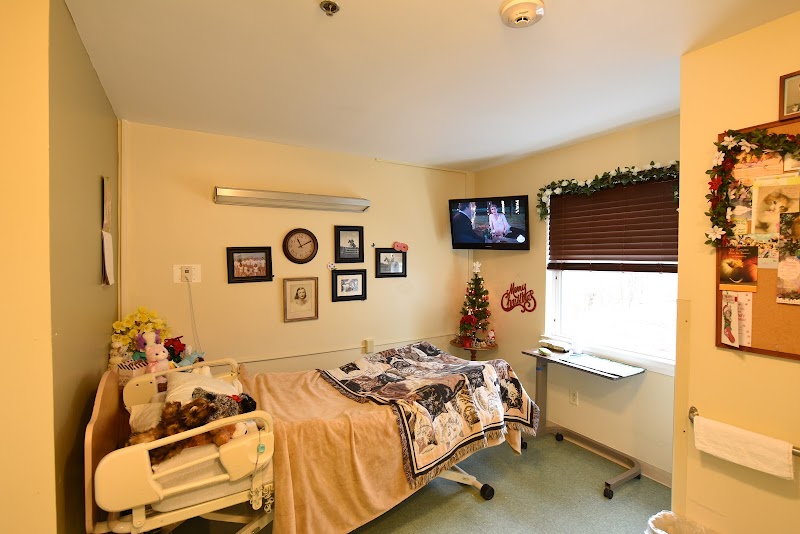
How is Kadima Rehabilitation & Nursing At Pottstown Staffed?

CMS rates KADIMA REHABILITATION & NURSING AT POTTSTOWN's staffing level at 4 out of 5 stars, which is above average compared to other nursing homes. Staff turnover is 100%, which is 53 percentage points above the Pennsylvania average of 47%. High turnover can affect care consistency as new staff learn residents' individual needs. RN turnover specifically is 100%, which is notably high. RNs provide skilled clinical oversight, so turnover in this role can affect medical care quality.

What Have Inspectors Found at Kadima Rehabilitation & Nursing At Pottstown?

State health inspectors documented 31 deficiencies at KADIMA REHABILITATION & NURSING AT POTTSTOWN during 2022 to 2025. These included: 4 Immediate Jeopardy (the most serious level, indicating potential for serious harm or death), 25 with potential for harm, and 2 minor or isolated issues. Immediate Jeopardy findings are rare and represent the most serious regulatory concerns. They require immediate corrective action.
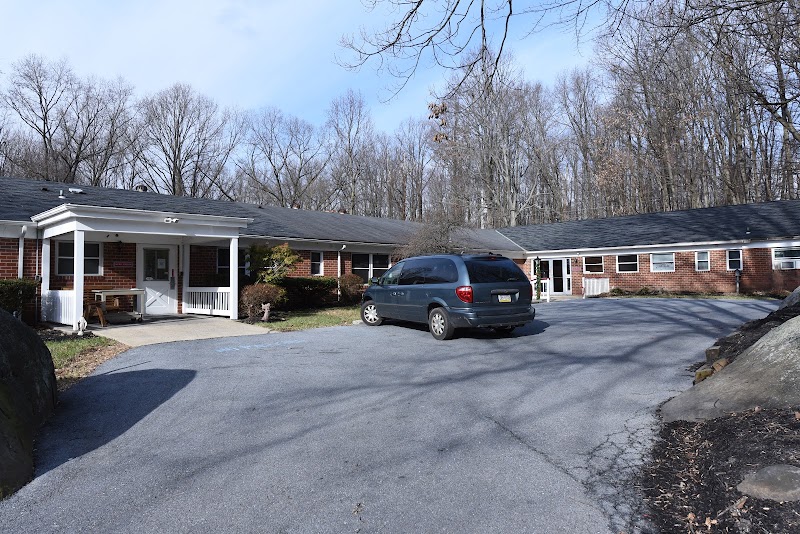
Who Owns and Operates Kadima Rehabilitation & Nursing At Pottstown?

KADIMA REHABILITATION & NURSING AT POTTSTOWN is owned by a for-profit company. For-profit facilities operate as businesses with obligations to shareholders or private owners. The facility is operated by KADIMA HEALTHCARE GROUP, a chain that manages multiple nursing homes. With 41 certified beds and approximately 32 residents (about 78% occupancy), it is a smaller facility located in POTTSTOWN, Pennsylvania.
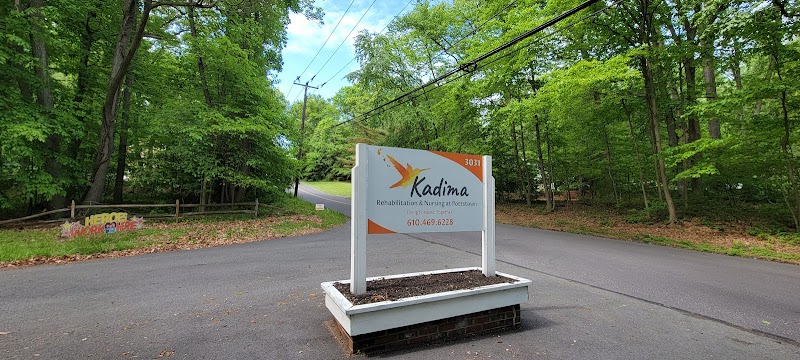
How Does Kadima Rehabilitation & Nursing At Pottstown Compare to Other Pennsylvania Nursing Homes?

Compared to the 100 nursing homes in Pennsylvania, KADIMA REHABILITATION & NURSING AT POTTSTOWN's overall rating (1 stars) is below the state average of 3.0, staff turnover (100%) is significantly higher than the state average of 47%, and health inspection rating (1 stars) is much below the national benchmark.

What Should Families Ask When Visiting Kadima Rehabilitation & Nursing At Pottstown?

Based on this facility's data, families visiting should ask: "What changes have been made since the serious inspection findings, and how are you preventing similar issues?" "What safeguards and monitoring systems are in place to protect residents from abuse or neglect?" "How do you ensure continuity of care given staff turnover, and what is your staff retention strategy?" "Can I visit during a mealtime to observe dining assistance and food quality?" These questions are particularly relevant given the facility's Immediate Jeopardy citations, the substantiated abuse finding on record, and the facility's high staff turnover rate.

Is Kadima Rehabilitation & Nursing At Pottstown Safe?

Based on CMS inspection data, KADIMA REHABILITATION & NURSING AT POTTSTOWN has documented safety concerns. The facility has 1 substantiated abuse finding (meaning confirmed case of resident harm by staff or other residents). Inspectors have issued 4 Immediate Jeopardy citations (the most serious violation level indicating risk of serious injury or death). The facility is currently on the Special Focus Facility watch list (a federal program monitoring the lowest-performing 1% of nursing homes nationwide). The facility has a 1-star overall rating and ranks #100 of 100 nursing homes in Pennsylvania. Families considering this facility should ask detailed questions about what corrective actions have been taken since these incidents.

Do Nurses at Kadima Rehabilitation & Nursing At Pottstown Stick Around?

Staff turnover at KADIMA REHABILITATION & NURSING AT POTTSTOWN is high. At 100%, the facility is 53 percentage points above the Pennsylvania average of 47%. Registered Nurse turnover is particularly concerning at 100%. RNs handle complex medical decisions and coordinate care — frequent RN changes can directly impact care quality. High turnover means new staff may not know residents' individual needs, medications, or preferences. It can also be disorienting for residents, especially those with dementia who rely on familiar faces. Families should ask: What is causing the turnover? What retention programs are in place? How do you ensure care continuity during staff transitions?

Was Kadima Rehabilitation & Nursing At Pottstown Ever Fined?

KADIMA REHABILITATION & NURSING AT POTTSTOWN has been fined $138,400 across 3 penalty actions. This is 4.0x the Pennsylvania average of $34,463. Fines at this level are uncommon and typically indicate a pattern of serious deficiencies, repeated violations, or failure to correct problems promptly. CMS reserves penalties of this magnitude for facilities that pose significant, documented risk to resident health or safety. Families should request specific documentation of what issues led to these fines and what systemic changes have been implemented.

Is Kadima Rehabilitation & Nursing At Pottstown on Any Federal Watch List?

KADIMA REHABILITATION & NURSING AT POTTSTOWN is currently an SFF Candidate, meaning CMS has identified it as potentially qualifying for the Special Focus Facility watch list. SFF Candidates have a history of serious deficiencies but haven't yet reached the threshold for full SFF designation. The facility is being monitored more closely — if problems continue, it may be added to the official watch list. Families should ask what the facility is doing to address the issues that led to this status.