POTTSTOWN SKILLED NURSING AND REHABILITATION CENTE
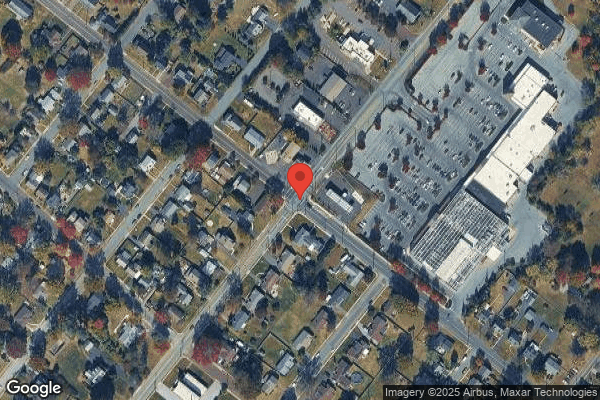

724 NORTH CHARLOTTE ST, POTTSTOWN, PA 19464 (610) 323-1837
For profit - Corporation 150 Beds GENESIS HEALTHCARE Data: November 2025
Trust Grade
60/100
#335 of 653 in PA
Last Inspection: April 2025

Within standard 12-15 month inspection cycle. Federal law requires annual inspections.

Overview

Pottstown Skilled Nursing and Rehabilitation Center has a Trust Grade of C+, indicating it is slightly above average but not exceptional. It ranks #335 out of 653 facilities in Pennsylvania, placing it in the bottom half of nursing homes in the state, and #39 out of 58 in Montgomery County, meaning there are better local options available. The facility's trend is worsening, with the number of issues increasing from 5 in 2024 to 9 in 2025. Staffing is a relative strength, with a 3/5 star rating and a turnover rate of 41%, which is below the state average. However, there are some concerns, such as failures to properly assess bladder incontinence for several residents and not implementing wound treatment orders for others, which could impact resident care. Overall, while there are some positive aspects, families should carefully weigh these issues when considering this facility.

Trust Score
C+
60/100
In Pennsylvania
#335/653
Bottom 49%
Safety Record
Low Risk
No red flags
Inspections
Getting Worse
5 → 9 violations
Staff Stability
○ Average
41% turnover. Near Pennsylvania's 48% average. Typical for the industry.
Penalties
✓ Good
No fines on record. Clean compliance history, better than most Pennsylvania facilities.
Skilled Nurses
✓ Good
Each resident gets 45 minutes of Registered Nurse (RN) attention daily — more than average for Pennsylvania. RNs are trained to catch health problems early.
Violations
⚠ Watch
26 deficiencies on record. Higher than average. Multiple issues found across inspections.
★★★☆☆
3.0
Overall Rating
★★★☆☆
3.0
Staff Levels
★★☆☆☆
2.0
Care Quality
★★★☆☆
3.0
Inspection Score
Stable
2024: 5 issues
2025: 9 issues

The Good

  • Full Sprinkler Coverage · Fire safety systems throughout facility
  • No fines on record
  • Staff turnover below average (41%)

    7 points below Pennsylvania average of 48%

Facility shows strength in fire safety.

The Bad

3-Star Overall Rating

Near Pennsylvania average (3.0)

Meets federal standards, typical of most facilities

Staff Turnover: 41%

Near Pennsylvania avg (46%)

Typical for the industry

Chain: GENESIS HEALTHCARE

Part of a multi-facility chain

Ask about local staffing decisions and management

The Ugly 26 deficiencies on record

Sept 2025 1 deficiency
CONCERN (D) 📢 Someone Reported This

A family member, employee, or ombudsman was alarmed enough to file a formal complaint

Potential for Harm - no one hurt, but risky conditions existed

Pressure Ulcer Prevention (Tag F0686)

Could have caused harm · This affected 1 resident

Based on clinical record review and staff interview, it was determined that the facility failed to ensure that physicians' orders for wound treatments were implemented for three of five sampled reside...

Read full inspector narrative →
Based on clinical record review and staff interview, it was determined that the facility failed to ensure that physicians' orders for wound treatments were implemented for three of five sampled residents. (Residents 1, 2, 3) Findings include: Clinical record review revealed that Resident 1 had diagnoses that included diabetes and kidney disease. On August 21, 2025, a physician ordered that staff clean the resident's pressure sore that was located on the second right toe with saline (wound cleaner) and apply one layer of Xeroform (sterile gauze to cover wounds) and an ABD (abdominal pad for large wounds), and wrap with a Kling (flexible bandage) every day on day shift and as needed. A review of Resident 1's Treatment Administration Record (TAR) revealed that there was no evidence that staff provided treatment on September 3, 9, and 10, 2025. Clinical record review revealed that Resident 2 had diagnoses that included hemiplegia and hemiparesis (paralysis on one side of the body) and hypertension (high blood pressure). On June 17, 2025, a physician ordered that staff apply amlactin (medicated skin lotion) to his left toes and foot in the morning to scaly skin to avoid heel wound. A review of Resident 2's TAR revealed that there was no evidence that staff administered the treatment on August 24, 25, 26, and 30, 2025, September 1, 5, 6, 10, and 11, 2025. Clinical record review revealed that Resident 3 had diagnoses that included heart failure and atrial fibrillation (abnormal heart rhythm). On August 28, 2025, a physician ordered that staff clean the resident's pressure sore that was located on the spine with saline, then dry, and cover with foam (wound dressing), and change every three days on day shift and as needed. A review of Resident 3's TAR revealed that there was no evidence that staff provided treatment on September 3 and 10, 2025. In an interview conducted on September 12 at 1:45 p.m., the Administrator confirmed that their was no evidence that the residents received wound treatments as ordered by the physician. 28 Pa. Code 211.12(d)(1)(5) Nursing services.
Aug 2025 1 deficiency
MINOR (C) 📢 Someone Reported This

A family member, employee, or ombudsman was alarmed enough to file a formal complaint

Minor Issue - procedural, no safety impact

Staffing Information (Tag F0732)

Minor procedural issue · This affected most or all residents

Based on observation and staff interview, it was determined that the facility failed to ensure that current and accurate nurse staffing information was posted in the facility at the beginning of each ...

Read full inspector narrative →
Based on observation and staff interview, it was determined that the facility failed to ensure that current and accurate nurse staffing information was posted in the facility at the beginning of each shift. Findings include:Observation on August 12, 2025, at 11:00 a.m., revealed that nurse staffing information was posted in the main lobby at the entrance to the facility. At that time, the nurse staffing information had the incorrect date and resident census, and the staffing hours did not accurately reflect the current total number of hours worked for licensed and unlicensed nursing staff directly responsible for resident care per shift. In an interview on August 12, 2025, at 1:20 p.m., the Administrator confirmed that the nurse staffing information did not accurately reflect current and accurate information for staffing hours and the census for August 12, 2025. 201.18(b)(3) Management.
Apr 2025 7 deficiencies
CONCERN (D)

Potential for Harm - no one hurt, but risky conditions existed

Deficiency F0558 (Tag F0558)

Could have caused harm · This affected 1 resident

Based on clinical record review, observation, resident interview, and staff interview, it was determined that the facility failed to ensure that call bells were accessible for one of 28 sampled reside...

Read full inspector narrative →
Based on clinical record review, observation, resident interview, and staff interview, it was determined that the facility failed to ensure that call bells were accessible for one of 28 sampled residents. (Resident 13) Findings include: Clinical record review revealed that Resident 13 had diagnoses that included hemiplegia and hemiparesis (paralysis on one side of the body), contracture of muscle (stiffness in the connective tissues of the body), and muscle weakness. The Minimum Data Set assessment, dated February 7, 2025, revealed Resident 13 was able to communicate needs to staff and required extensive assistance from staff for mobility and activities of daily living such as toilet use, grooming, and hygiene. Review of the care plan revealed that the resident had a self-care deficit due to physical limitations and contractures, and was a risk for behavioral symptoms. An intervention was for staff to provide Resident 13 with a handbell to call for assistance. On April 8, 2025, at 10:00 a.m., Resident 13 was observed in bed without a handbell. In an interview at that time, Resident 13 stated that she could not find her handbell. Resident 13 was observed again at 11:40 a.m. and at 1:30 p.m., in bed without a handbell. In an interview on April 10, 2025, at 9:10 a.m., the Director of Nursing confirmed that the handbell should have been provided for Resident 13 to call for assistance. 28 Pa. Code 211.12(d)(1)(5) Nursing services.
CONCERN (D)

Potential for Harm - no one hurt, but risky conditions existed

Comprehensive Care Plan (Tag F0656)

Could have caused harm · This affected 1 resident

**NOTE- TERMS IN BRACKETS HAVE BEEN EDITED TO PROTECT CONFIDENTIALITY** Based on clinical record review and staff interview, it was determined that the facility failed to develop a comprehensive care ...

Read full inspector narrative →
**NOTE- TERMS IN BRACKETS HAVE BEEN EDITED TO PROTECT CONFIDENTIALITY** Based on clinical record review and staff interview, it was determined that the facility failed to develop a comprehensive care plan that addressed individual resident needs as identified in the comprehensive assessment for two of 28 sampled residents. (Residents 45, 77) In addition, the facility failed to develop and implement interventions to address bowel incontinence in the resident's comprehensive care plan for one of 28 sampled residents. (Resident 129) Findings include: Clinical record review revealed that Resident 45 was admitted to the facility on [DATE], and had diagnoses that included diabetes, heart disease, and hypertension (high blood pressure). The Minimum Data Set (MDS) assessment and Care Area Assessment (CAA) summary dated September 10, 2024, noted that the resident's urinary incontinence was to be addressed in the care plan. There was no evidence that interventions to address Resident's 45's urinary incontinence were included in the current care plan. Clinical record review revealed that Resident 77 was admitted to the facility on [DATE], and had diagnoses that included diabetes, urinary tract infection, and hypertension. The MDS CAA summary dated November 27, 2024, noted that the resident's urinary incontinence was to be addressed in the care plan. There was no evidence that interventions to address Resident 77's urinary incontinence were included in the current care plan. Clinical record review revealed that Resident 129 was admitted to the facility on [DATE], and had diagnoses that included diabetes and hypertension. The MDS dated [DATE], indicated the resident was alert, frequently incontinent of bowel, and required assistance from staff for toileting. Review of the resident's care plan revealed the facility did not develop interventions to address Resident's 129's bowel incontinence. In an interview on April 10, 2025, at 9:10 a.m., the Director of Nursing confirmed there was no documented evidence that interventions for urinary or bowel incontinence were included in the aforementioned care plans. 28 Pa. Code 211.12(d)(1)(5) Nursing services.
CONCERN (D)

Potential for Harm - no one hurt, but risky conditions existed

Accident Prevention (Tag F0689)

Could have caused harm · This affected 1 resident

**NOTE- TERMS IN BRACKETS HAVE BEEN EDITED TO PROTECT CONFIDENTIALITY** Based on clinical record review, observation, and staff interview, it was determined that the facility failed to ensure that saf...

Read full inspector narrative →
**NOTE- TERMS IN BRACKETS HAVE BEEN EDITED TO PROTECT CONFIDENTIALITY** Based on clinical record review, observation, and staff interview, it was determined that the facility failed to ensure that safety interventions were in place for one of seven sampled residents at risk for falls. (Resident 45) Clinical record review revealed that Resident 45 had diagnoses that included diabetes, muscle weakness, dizziness, and giddiness (feeling of imbalance and lightheadedness). The Minimum Data Set assessment dated [DATE], revealed that Resident 45 required staff assistance for bed mobility and transfers. Review of progress notes dated March 23, 2025, revealed that the resident was found on the floor in his room by his bed. Review of the care plan identified that the resident was at risk for falls related to impaired mobility. The intervention was for staff to place floor mats on both sides of the bed while the resident was in bed. Multiple observations on April 8 and April 9, 2025, between 9:40 a.m. and 2:00 p.m., revealed Resident 45 was in bed and the floor mats were not in place. In an interview on April 11, 2025, at 9:10 a.m., the Director of Nursing confirmed that the fall mats should have been in place. 28 Pa. Code 211.12(d)(1)(5) Nursing services.
CONCERN (D)

Potential for Harm - no one hurt, but risky conditions existed

Deficiency F0742 (Tag F0742)

Could have caused harm · This affected 1 resident

**NOTE- TERMS IN BRACKETS HAVE BEEN EDITED TO PROTECT CONFIDENTIALITY** Based on clinical record review and staff interview, it was determined that the facility failed to provide appropriate services ...

Read full inspector narrative →
**NOTE- TERMS IN BRACKETS HAVE BEEN EDITED TO PROTECT CONFIDENTIALITY** Based on clinical record review and staff interview, it was determined that the facility failed to provide appropriate services and treatment in a timely manner for one of four sampled residents who exhibited behavioral and mood symptoms. (Resident 27) Findings include: Clinical record review revealed that Resident 27 had diagnoses that included congestive heart failure, schizoaffective disorder, and auditory hallucinations. The Minimum Data Set assessment dated [DATE], indicated that the resident was alert and oriented, had mood issues that included feeling down, had trouble falling asleep, was tired, and had bad feelings about herself. The assessment also indicated that she had a diagnosis of Post-Traumatic Stress Disorder (PTSD) and was prescribed antidepressant, antianxiety, and antipsychotic medications. Review of a psychiatric consultation report dated April 3, 2025, revealed that the resident was being treated for an increase in depressive and anxiety symptoms. There was a recommendation made to discontinue the current physician ordered antidepressant (Lexapro) and to order a different antidepressant (Zoloft) to be administered every day. Review of the current Medication Administration Record for March 2025, revealed that as of April 9, 2025, the resident was still receiving the Lexapro and that the Zoloft recommendation had not been reviewed and/or ordered by the physician. In addition, there was no care plan developed with a problem area and specific interventions to address the diagnosis and condition of PTSD. In an interview on April 10, 2025, at 11:45 a.m., the Director of Nursing stated that the recommendation for the medication change had not been done timely and that there had been no care plan developed to address the PTSD diagnosis for this resident. 28 Pa. Code 211.12(d)(1)(3)(5) Nursing services.
CONCERN (D)

Potential for Harm - no one hurt, but risky conditions existed

Deficiency F0761 (Tag F0761)

Could have caused harm · This affected 1 resident

Based on a review of facility policy, observation, and staff interview, it was determined that the facility failed to ensure that medications with the potential for abuse (controlled substances) were ...

Read full inspector narrative →
Based on a review of facility policy, observation, and staff interview, it was determined that the facility failed to ensure that medications with the potential for abuse (controlled substances) were secured in a locked, permanently affixed compartment at all times in one of four medication rooms. (First Floor) Finding include: Review of the facility policy entitled, Medication Storage Controlled Medication Storage, last reviewed on March 31, 2025, revealed that controlled substances listed as Schedule II-V of the Comprehensive Drug Abuse Prevention and Control Act of 1976 were to be separately locked in permanently affixed compartments, including those controlled substances stored in refrigerators. Observation on April 9, 2025, at 12:31 p.m., revealed that the first floor medication room refrigerator contained 12 vials and two bottles of a Schedule IV anti-anxiety medication (lorazepam). The medication was not secured in a locked, permanently affixed compartment in the refrigerator. In an interview on April 9, 2025, at 10:20 a.m., the Director of Nursing stated that the controlled medications should have been locked within a separate, locked, and permanently affixed compartment of the refrigerator. 28 Pa. Code 211.12(d)(1)(5) Nursing services.
CONCERN (E)

Potential for Harm - no one hurt, but risky conditions existed

Incontinence Care (Tag F0690)

Could have caused harm · This affected multiple residents

**NOTE- TERMS IN BRACKETS HAVE BEEN EDITED TO PROTECT CONFIDENTIALITY** Based on clinical record review, policy review, and staff interview, it was determined that the facility failed to assess bladde...

Read full inspector narrative →
**NOTE- TERMS IN BRACKETS HAVE BEEN EDITED TO PROTECT CONFIDENTIALITY** Based on clinical record review, policy review, and staff interview, it was determined that the facility failed to assess bladder incontinence and provide services to restore bladder function as much as possible for three of four sampled residents. (Residents 45, 77, 129) Findings include: Review of the facility policy entitled, Continence Management, last reviewed March 31, 2025, revealed that facility staff was to complete a urinary incontinence assessment and/or bowel incontinence assessment upon admission and re-admission and with a change in condition or change in continence status. Staff would review the pre-admission history, assess the resident's current bladder and bowel elimination problem, and identify causes of incontinence. If there was a change in urinary and/or bowel incontinence, staff would provide appropriate treatment and services to restore continence to the extent possible and implement a toileting diary to determine a resident's voiding pattern for assistance in decision-making and development of a toileting program. Clinical record review revealed that Resident 45 was admitted to the facility with diagnoses that included diabetes, heart disease, and hypertension (high blood pressure). A bowel and urinary incontinence evaluation was completed on September 2, 2024, and indicated that the resident was a candidate for a scheduled toileting program. According to the Minimum Data Set (MDS) assessment, dated March 10, 2025, the resident needed assistance from staff for toileting, was always incontinent of urine, and was not on a toileting program. Review of the current care plan revealed that Resident 45's type of urinary incontinence was not identified and there was no indication that the resident was on a scheduled toileting program. There was no documented evidence that a scheduled toileting program had been implemented. Clinical record review revealed that Resident 77 was admitted to the facility on [DATE], and had diagnoses that included diabetes, urinary tract infection, and hypertension. A review of the MDS assessments dated November 24, 2024, and February 19, 2025, revealed that Resident 77 was able to make her needs known and needed assistance from staff for toileting. The assessments further indicated that the resident was frequently incontinent of urine and bowel and was not on a toileting program. Review of the current care plan revealed that Resident 77's type of urinary and bowel incontinence was not identified and there were no specific interventions developed to address Resident 77's urinary and bowel incontinence. There was no documented evidence that a bowel and urinary incontinence evaluation, an assessment to determine the type of incontinence, and an appropriate incontinence program had been completed. Clinical record review revealed that Resident 129 was admitted to the facility on [DATE], and had diagnoses that included diabetes, kidney failure, and hypertension. A review of the MDS assessment January 7, 2025, revealed that Resident 129 was able to make his needs known and needed assistance from staff for toileting. The assessment further indicated that the resident was frequently incontinent of urine and bowel, and was not on a toileting program. A review of the MDS assessment, dated April 7, 2025, revealed that Resident 129's bowel incontinence had changed from frequently to always incontinent of bowel. There was no documentation in the clinical record to support that the resident's urinary and bowel incontinence were assessed by the facility upon admission and upon a change in Resident's 129 incontinence to determine if normal bladder and bowel function could be restored. There was no documented evidence that a toileting diary was completed upon identification of a change in the resident's incontinence status. In an interview on April 10, 2025, at 9:10 a.m., the Director of Nursing confirmed that there was no documented evidence that Resident 45's toileting program was implemented or that Residents 77 and 129's bowel and urinary incontinence was evaluated and addressed after a change in condition. 28 Pa. Code 211.12(d)(1)(5) Nursing services.
MINOR (C)

Minor Issue - procedural, no safety impact

Deficiency F0575 (Tag F0575)

Minor procedural issue · This affected most or all residents

Based on observation and interview, it was determined that the facility failed to ensure that information regarding how to contact State agencies and advocacy groups, including a statement that the re...

Read full inspector narrative →
Based on observation and interview, it was determined that the facility failed to ensure that information regarding how to contact State agencies and advocacy groups, including a statement that the resident may file a complaint with the State Survey Agency, was accessible to all residents, visitors, and staff. Findings include: In a confidential family interview on April 8, 2025, at 10:15 a.m., it was revelaed that information regarding how to contact State agencies and advocacy groups, including the State Survey Agency, was not available and posted for all residents, visitors and staff. In addition, observation revealed there was no information posted that included a statement that the resident may file a complaint with the State Survey Agency. In an interview on April 9, 2025, at 1:30 p.m., the Administrator confirmed that the names and phone numbers of various advocacy groups, including the State Survey Agency, was not posted and available to residents, staff, and visitors. 28 Pa. Code 201.29(a)(c.1) Resident rights.
Jun 2024 5 deficiencies
CONCERN (D)

Potential for Harm - no one hurt, but risky conditions existed

Resident Rights (Tag F0550)

Could have caused harm · This affected 1 resident

**NOTE- TERMS IN BRACKETS HAVE BEEN EDITED TO PROTECT CONFIDENTIALITY** Based on clinical record review, observation, and resident and staff interview, it was determined that the facility failed to pr...

Read full inspector narrative →
**NOTE- TERMS IN BRACKETS HAVE BEEN EDITED TO PROTECT CONFIDENTIALITY** Based on clinical record review, observation, and resident and staff interview, it was determined that the facility failed to provide grooming services to enhance and maintain each resident's dignity for one of two sampled residents. (Resident 51) Findings include: Clinical record review revealed that Resident 51 had diagnoses that included a stroke. The resident was observed on June 25, 2024, at 9:40 a.m., and June 26, 2024, at 10:05 a.m., with facial hair on her lower face. The resident stated that she wanted the facial hair removed, but sometimes staff is busy. The resident's Minimum Data Set assessment dated [DATE], revealed that the resident required moderate assistance with personal hygiene to include shaving. The resident had a care plan for activities of daily living due to a self care deficit and one of the interventions was for staff to assist her with grooming as needed. In an interview on June 27, 2024, at 10:06 a.m., the Director of Nursing confirmed that staff were to assist the resident with grooming as needed. Pa. Code 211.12(d)(1)(5) Nursing services.
CONCERN (D)

Potential for Harm - no one hurt, but risky conditions existed

Assessment Accuracy (Tag F0641)

Could have caused harm · This affected 1 resident

**NOTE- TERMS IN BRACKETS HAVE BEEN EDITED TO PROTECT CONFIDENTIALITY** Based on clinical record review and staff interview, it was determined that the facility failed to ensure that the Minimum Data ...

Read full inspector narrative →
**NOTE- TERMS IN BRACKETS HAVE BEEN EDITED TO PROTECT CONFIDENTIALITY** Based on clinical record review and staff interview, it was determined that the facility failed to ensure that the Minimum Data Set (MDS) assessment was completed to accurately reflect each resident's current status for two of 24 sampled residents. (Residents 26, 58) Findings include: Clinical record review revealed that Resident 26 had a Braden scale for predicting pressure sore risk dated March 15, 2024, that indicated she was at mild risk for developing pressure sores. Review of a Braden scale dated April 18, 2024, indicated that she was at moderate risk for developing pressure sores. Review of the Minimum Data Set (MDS) assessments dated March 17, 2024, and May 4, 2024, revealed that section M, skin conditions, did not indicate that the resident was at risk for developing pressure sores. Clinical record review revealed that Resident 58 had a diagnosis of atrial fibrillation. On May 18, 2024, a physician ordered for staff to administer an anti-coagulant medication (apixaban). Review of the MDS assessment dated [DATE], indicated that the resident was on an anti-platelet medication in the last seven days, not an anti-coagulant medication. The MDS inaccurately reflected the use of an anti-platelet medication, as the apixaban was an anti-coagulant medication. During interviews on June 27, 2024, at 9:49 a.m., and 10:39 a.m., the Director of Nursing stated that the aforementioned MDS assessments were coded inaccurately and did not reflect the residents' current status. 28 Pa. Code 211.12(d)(1)(5) Nursing services.
CONCERN (D)

Potential for Harm - no one hurt, but risky conditions existed

Quality of Care (Tag F0684)

Could have caused harm · This affected 1 resident

Based on clinical record review and staff interview, it was determined that the facility failed to ensure physician's orders were implemented for one of 24 sampled residents. (Resident 270) Findings i...

Read full inspector narrative →
Based on clinical record review and staff interview, it was determined that the facility failed to ensure physician's orders were implemented for one of 24 sampled residents. (Resident 270) Findings include: Clinical record review revealed that Resident 270 had diagnoses that included hypotension (low blood pressure). A physician's order dated June 20, 2024, directed staff to administer a medication (midodrine) three times a day for hypotension. Staff were not to administer the medication if the resident's systolic blood pressure (SBP, the first measurement of blood pressure when the heart beats and the pressure is at its highest) was greater than 130 millimeters of mercury (mm/Hg). Review of Resident 270's June medication administration record (MAR) revealed that staff administered the medication 14 times with no documentation that the blood pressure was assessed prior to medication administration per physician's order. In an interview on June 27, 2024, at 10:20 a.m., the Director of Nursing confirmed there was no documented evidence that Resident 270's blood pressure was taken prior to medication administration per physician's order. 28 Pa. Code 211.12(d)(1)(5) Nursing services.
CONCERN (D)

Potential for Harm - no one hurt, but risky conditions existed

Deficiency F0688 (Tag F0688)

Could have caused harm · This affected 1 resident

**NOTE- TERMS IN BRACKETS HAVE BEEN EDITED TO PROTECT CONFIDENTIALITY** Based on clinical record review, observation, and staff interview, it was determined that the facility failed to provide service...

Read full inspector narrative →
**NOTE- TERMS IN BRACKETS HAVE BEEN EDITED TO PROTECT CONFIDENTIALITY** Based on clinical record review, observation, and staff interview, it was determined that the facility failed to provide services to prevent further contractures and limitations in range of motion for one of four sampled residents who had limitations in range of motion. (Resident 55) Findings include: Clinical record review revealed that Resident 55 had diagnoses that included brain traumatic injury, dementia and contractures of the left and right hands. The Minimum Data Set assessment dated April. 1, 2024, indicated that the resident had severe memory impairment and had limitations in range of motion. A review of the care plan revealed that the resident had a deficit in activities of daily living due to physical limitations. There was an intervention for staff to apply a right palm protector in the morning and to remove it at night. Review of an occupational therapy Discharge summary dated [DATE], revealed that staff was to apply a right palm protector for at least four hours a day. The goal was for the resident to achieve normal anatomical alignment of the right hand for four hours using a palm guard in order to achieve proper joint alignment. Observations on June 25, 2024, at 10:00 a.m., 11:48 a.m., and 1:45 p.m., revealed the resident was in bed without the right palm protector in place. On June 26, 2024, at 11:30 a.m., and 12:45 p.m., the resident was again observed in bed without the right palm protector in place. During all of the observations, the right palm guard was on top of the resident's night stand beside his bed. In an interview on June 27, 2024, at 10:40 a.m., the Director of Nursing stated that the resident was to wear the right palm guard as reflected on the care plan. 28 Pa. Code 211.12(d)(1)(5) Nursing services.
CONCERN (D)

Potential for Harm - no one hurt, but risky conditions existed

Respiratory Care (Tag F0695)

Could have caused harm · This affected 1 resident

Based on facility policy review, clinical record review, observation, and staff interview, it was determined that the facility failed to ensure that oxygen tubing was changed and dated in accordance w...

Read full inspector narrative →
Based on facility policy review, clinical record review, observation, and staff interview, it was determined that the facility failed to ensure that oxygen tubing was changed and dated in accordance with facility policy and physician's order for one of three residents receiving oxygen therapy. (Resident 64) Findings include: Review of the facility policy entitled, Procedure: Respiratory Equipment/Supply Cleaning/Disinfecting, dated March 24, 2024, revealed that staff was to change the oxygen delivery tubing every seven days and date the tubing when it was changed. Clinical record review revealed that Resident 64 had diagnoses that included chronic respiratory failure and had a tracheostomy (a curved plastic tube placed through a small surgical opening in the front of the neck into the windpipe allowing air to flow in and out) in place to provide oxygen. A physician's order dated August 24, 2023, directed staff to change oxygen tubing weekly every Tuesday night and to label each component with date and initials. Observations on June 25, 2024, at 10:00 and 11:52 a.m., and at 1:00 p.m., revealed that the resident's oxygen tubing was dated May 29, 2024, and the tracheostomy aerosol tubing was not dated or labeled. In an interview on June 27, 2024, at 11:15 a.m., the Director of Nursing confirmed that tubing delivering oxygen should have been labeled with a date and initials per physician's order and facility policy. 28 Pa. Code 211.12(1)(d)(5) Nursing services.
May 2023 1 deficiency
CONCERN (D) 📢 Someone Reported This

A family member, employee, or ombudsman was alarmed enough to file a formal complaint

Potential for Harm - no one hurt, but risky conditions existed

Resident Rights (Tag F0550)

Could have caused harm · This affected 1 resident

**NOTE- TERMS IN BRACKETS HAVE BEEN EDITED TO PROTECT CONFIDENTIALITY** Based on clinical record review, and resident and staff interviews, it was determined that the facility failed to ensure that re...

Read full inspector narrative →
**NOTE- TERMS IN BRACKETS HAVE BEEN EDITED TO PROTECT CONFIDENTIALITY** Based on clinical record review, and resident and staff interviews, it was determined that the facility failed to ensure that residents were assisted with bathing in accordance with individual preference for one of four sampled residents. (Resident 1) Findings include: Clinical record review revealed that Resident 1 had diagnoses that included multiple sclerosis, paraplegia, and need for assistance with personal care. The Minimum Data Set assessment dated [DATE], indicated that the resident had no cognitive impairment and required extensive assistance from staff with activities of daily living (ADL), including dressing and personal hygiene. Review of the care plan revealed that the resident had an ADL self care deficit due to his disease processes. Review of the bathing records revealed that the resident was scheduled to receive a shower on Wednesdays and Saturdays on evening shift. There was no documented evidence that showers had been offered or given on Saturday May 6 and May 13, 2023. In an interview on May 15, 2023, at 12:00 p.m., Resident 1 stated that he would like to get a shower twice a week and that he was not being offered assistance to get a shower, especially on Saturdays as per his preference. In an interview on May 15, 2023, at 12:49 p.m., the Administrator confirmed that there was no documented evidence that Resident 1 had received his scheduled showers on a consistent basis as per his preference. 28 Pa. Code 201.29(j) Resident rights.
May 2023 9 deficiencies
CONCERN (D)

Potential for Harm - no one hurt, but risky conditions existed

Deficiency F0554 (Tag F0554)

Could have caused harm · This affected 1 resident

Based on facility policy review, clinical record review, observation, and staff interview, it was determined that the facility failed to ensure that a resident's capabilities to self-administer medica...

Read full inspector narrative →
Based on facility policy review, clinical record review, observation, and staff interview, it was determined that the facility failed to ensure that a resident's capabilities to self-administer medications were assessed, a physician's order was obtained, and that medications were stored securely for one of 25 sampled residents. (Resident 74) Review of the facility policy entitled, Medications: Self-Administration, dated February 1, 2023, revealed that if a resident desired to self-administer medications an assessment was to be conducted initially, quarterly, and with any significant change in condition to determine if the practice would be safe for the resident. The policy also stated a physician's order for self-administration of medications and bedside storage would be obtained. Observations on May 2, 2023, at 1:56 p.m., revealed Resident 74 had three unopened boxes of a pain ointment (Bengay), and open tubes of an anti itch cream, a muscle rub cream, and an antifungal cream on an open shelf across from his bed. In an interview at this time, Resident 74 stated that he used the topical medications according to his physician's orders as needed and that he preferred to apply these medications himself. Clinical record review revealed a physician's order dated February 15, 2023, that directed staff to apply all the topical medications that the resident had in his room. There was no documented evidence that Resident 74 was assessed to self-administer the medications as per facility policy. In addition, there was no documented evidence that a physician's order to self-administer the medications or store them at the resident's bedside was obtained. In an interview on May 5, 2023, at 11:04 a.m., the Director of Nursing confirmed there was no assessment or physician's orders for the resident to self-administer the medications at the resident's bedside. 28 Pa. Code 211.10(d) Resident care policies. 28 Pa. Code 211.12(d)(5) Nursing services.
CONCERN (D)

Potential for Harm - no one hurt, but risky conditions existed

Deficiency F0558 (Tag F0558)

Could have caused harm · This affected 1 resident

**NOTE- TERMS IN BRACKETS HAVE BEEN EDITED TO PROTECT CONFIDENTIALITY** Based on clinical record review, observation, and staff interview, it was determined that the facility failed to ensure that a c...

Read full inspector narrative →
**NOTE- TERMS IN BRACKETS HAVE BEEN EDITED TO PROTECT CONFIDENTIALITY** Based on clinical record review, observation, and staff interview, it was determined that the facility failed to ensure that a call bell was accessible for one of 25 sampled residents. (Resident 90) Findings include: Clinical record review revealed that Resident 90 had diagnoses that included Parkinson's disease, dementia, chronic obstructive pulmonary disease, and abnormalities of gait and mobility. According to the Minimum Data Set assessment dated [DATE], the resident was able to communicate needs to staff and required extensive assistance from staff for mobility and activities of daily living, including toileting, grooming, and hygiene. Observations on May 2, 2023, at 12:40 p.m., and 1:30 p.m, revealed the resident was in bed and the call bell was under the head of the bed, out of reach. Observations on May 3, 2023, at 12:29 p.m., revealed the resident was out of bed in a wheelchair and the call bell was on the opposite side of the bed, under the head of the bed, and out of reach. In an interview at that time, Resident 90 stated that she did not know where the call bell was. Observations on May 4, 2023, at 9:35 a.m., and 12:10 p.m., revealed Resident 90 was in bed and the call bell was under the head of the bed, out of reach. In an interview on May 5, 2023, at 9:39 a.m., the Administrator confirmed the resident's call bell should have been within reach. 28 Pa. Code 211.12(d)(1)(5) Nursing services.
CONCERN (D)

Potential for Harm - no one hurt, but risky conditions existed

Safe Environment (Tag F0584)

Could have caused harm · This affected 1 resident

**NOTE- TERMS IN BRACKETS HAVE BEEN EDITED TO PROTECT CONFIDENTIALITY** Based on observation it was determined that the facility failed to provide a clean and comfortable environment on two of four nu...

Read full inspector narrative →
**NOTE- TERMS IN BRACKETS HAVE BEEN EDITED TO PROTECT CONFIDENTIALITY** Based on observation it was determined that the facility failed to provide a clean and comfortable environment on two of four nursing units. (Second and Fourth Floors) Findings include: Observation at various times on all days of the survey revealed the following: In room [ROOM NUMBER], the top drawer of the bedside cabinet and dresser were missing. In room [ROOM NUMBER], the molding around the base of the air conditioning unit was missing, and molding at the wall near A bed was coming away from the wall. In room [ROOM NUMBER], there was exposed, unpainted drywall on the right side of the room and the dresser handle was not attached and hanging from one side. In room [ROOM NUMBER], the feeding tube pole had dried liquid, the privacy curtain was falling down from the hooks, the wallpaper under the window was peeled back, the bathroom molding was coming away from the wall, and there were bubbled areas of paint under the sink. In room [ROOM NUMBER], there was a large chunk of tile missing by the entrance and the privacy curtains between B and C beds had brown stains. In the bathroom, the toilet assist bars were loose. In room [ROOM NUMBER], the wallpaper under the windowsill had separated away from the wall and in the bathroom the paint on the wall was bubbled and cracked. In rooms 202, 216, 221, and 228, the air conditioning vents had an accumulation of dirt and debris. In the second floor central bath, the left side shower stall had stool and liquid spatter on the floor. A resident's clothes, a brief, washcloth and towel were on the floor by the toilet. In the second floor pantry, there was a stream of water flowing from the faucet eevn though the handles were in the off position and there was water all over the counter. There was a large area of the wall that had chipped paint and the floor was dirty. The left counter drawer had crumbled packaged crackers, cookies, crumbs, and debris. The microwave had orange spatter and a dry liquid stain. 28 Pa. Code 207.2(a) Administrator's responsibility.
CONCERN (D)

Potential for Harm - no one hurt, but risky conditions existed

Comprehensive Care Plan (Tag F0656)

Could have caused harm · This affected 1 resident

**NOTE- TERMS IN BRACKETS HAVE BEEN EDITED TO PROTECT CONFIDENTIALITY** Based on clinical record review and staff interview, it was determined that the facility failed to develop a comprehensive care ...

Read full inspector narrative →
**NOTE- TERMS IN BRACKETS HAVE BEEN EDITED TO PROTECT CONFIDENTIALITY** Based on clinical record review and staff interview, it was determined that the facility failed to develop a comprehensive care plan that addressed individual resident needs as identified in the Pre-admission Screening and Resident Review (PASARR) or comprehensive assessment for four of 25 sampled residents. (Residents 19, 65, 80, 131) Findings include: Clinical record review revealed that Resident 19 had diagnoses of intellectual disabilities, bipolar disorder, anxiety, and major depressive disorder. Review of the Minimum Data Set (MDS) assessment dated [DATE], indicated that the resident was alert and required extensive assistance from staff. On May 20, 2022, Resident 19 had a Pre-admission Screening and Resident Review (PASARR) Level 1 (federally required assessment to help ensure that all individuals with serious mental disorders and/or intellectual disabilities are not inappropriately placed in nursing homes for long term care). According to that assessment, Resident 19 had a positive screen for serious mental illness, intellectual disability, and/or other related condition that identified a need for specialized services in the resident's care plan. These services may include training, treatments, therapies, and related services to help people function as independent as possible. Review of the resident's care plan revealed that the facility did not develop any interventions to address the resident's specialized needs. Clinical record review revealed that Resident 65 had an MDS assessment completed on March 2, 2023. According to the assessment, the resident required dental care and had difficulty communicating. The Care Area Assessment (CAA) summary identified that dental care and communication were problem areas for the resident and should have been included on the comprehensive care plan. Review of the care plan revealed that the facility did not develop interventions to address these care areas. Clinical record review revealed that Resident 80 had an MDS assessment completed on December 1, 2022. According to the assessment the resident was incontinent. The CAA summary of that assessment identified that incontinence was a problem area for the resident and should have been included on the comprehensive care plan. Review of the care plan revealed that the facility did not develop interventions to address Resident 80's incontinence. Clinical record review revealed that Resident 131 had a MDS assessment completed on March 21, 2023. According to the CAA summary, the facility identified that the resident's psychotropic drug and pain medication use were problem areas and should have been included on the resident's comprehensive care plan. Review of the care plan revealed that the facility did not develop interventions to address these care areas. In an interview on May 5, 2023, at 10:09 a.m., the Director of Nursing confirmed that there were no care plan interventions developed to address Resident 19's need for specialized services and the identified care areas for Resident 65, Resident 80, and Resident 131. 28 Pa. Code 211.11(d) Resident care plan. 28 Pa. Code 211.12(d)(5) Nursing services.
CONCERN (D)

Potential for Harm - no one hurt, but risky conditions existed

Respiratory Care (Tag F0695)

Could have caused harm · This affected 1 resident

**NOTE- TERMS IN BRACKETS HAVE BEEN EDITED TO PROTECT CONFIDENTIALITY** Based on facility policy review, clinical record review, observation, and staff interview it was determined that the facility fa...

Read full inspector narrative →
**NOTE- TERMS IN BRACKETS HAVE BEEN EDITED TO PROTECT CONFIDENTIALITY** Based on facility policy review, clinical record review, observation, and staff interview it was determined that the facility failed to ensure the oxygen tubing and an oxygen humidification bottle were dated in accordance with facility policy for two of 25 sampled residents. (Residents 88, 90) Findings include: Review of the facility policy entitled, Oxygen: Nasal Cannula, and Oxygen: Aerosol/Tracheostomy Mask/Collar, dated February 1, 2023, revealed that staff was to label and date the oxygen tubing and humidification bottle and place a No Smoking-Oxygen In Use precaution sign on the resident's door. Clinical record review revealed that Resident 88 was admitted to the facility on [DATE], with diagnoses that included chronic respiratory failure and had a tracheostomy (a curved plastic tube placed through a small surgical opening in the front of the neck into the windpipe allowing air to flow in and out) in place to provide oxygen. A physician's order dated October 25, 2022, directed staff to administer oxygen at a rate of four liters per minute with cool air mist by tracheostomy collar. Observations on May 2, 2023, at 11:30 a.m., 12:22 p.m., and 1:45 p.m., May 3, 2023, at 10:15 a.m., and 12:30 p.m., and May 4, 2023 at 10:00 a.m., revealed the resident's humidification bottle and tubing were not dated and there was no oxygen in use signage at the resident's door. Clinical record review revealed that Resident 90 was admitted to the facility November 2, 2021, with diagnoses that included chronic obstructive pulmonary disease and anemia. A physician's order dated November 11, 2021, directed staff to administer oxygen at a rate of two liters per minute via nasal cannula (small, flexible tube that contains two open prongs that sit just inside your nostrils and delivers oxygen to your nose). Observations on May 2, 2023, at 12:40 p.m., and 1:30 p.m., May 3, 2023, at 12:29 p.m., and May 4, 2023, at 9:35 a.m., revealed the resident's oxygen tubing was not dated and there was no oxygen in use signage at the resident's door. In an interview on May 5, 2023, at 10:41 a.m., the Director of Nursing confirmed the oxygen tubing and humidification bottle should have been labeled with a date per facility policy. 28 Pa. Code 211.12(d)(5) Nursing services.
CONCERN (D)

Potential for Harm - no one hurt, but risky conditions existed

Deficiency F0699 (Tag F0699)

Could have caused harm · This affected 1 resident

Based on clinical record review and staff interview, it was determined that the facility failed to develop and implement an individualized person-centered plan to render trauma informed care to a resi...

Read full inspector narrative →
Based on clinical record review and staff interview, it was determined that the facility failed to develop and implement an individualized person-centered plan to render trauma informed care to a resident with a diagnosis of Post Traumatic Stress Disorder for one of 25 sampled residents. (Resident 12) Findings include: Clinical record review revealed that Resident 12 had diagnoses that included Post Traumatic Stress Disorder (PTSD), bipolar disorder and major depressive disorder. There was no assessment or care plan in Resident 12's clinical record that identified the PTSD diagnosis, symptoms and/or triggers related to this diagnosis or resident specific interventions to meet the resident's needs for minimizing triggers and/or re-traumatization. In an interview on May 5, 2023, at 10:19 a.m., the Director of Nursing confirmed that there was no assessment completed or care plan developed to address Resident 12's PTSD diagnosis, symptoms, or triggers. 28 Pa. Code 211.12(c)(d)(3)(5) Nursing services. 28 Pa. Code 211.11(e) Resident care plan.
CONCERN (D)

Potential for Harm - no one hurt, but risky conditions existed

Deficiency F0757 (Tag F0757)

Could have caused harm · This affected 1 resident

**NOTE- TERMS IN BRACKETS HAVE BEEN EDITED TO PROTECT CONFIDENTIALITY** Based on clinical record review, policy review, and staff interview, it was determined that the facility failed to adequately mo...

Read full inspector narrative →
**NOTE- TERMS IN BRACKETS HAVE BEEN EDITED TO PROTECT CONFIDENTIALITY** Based on clinical record review, policy review, and staff interview, it was determined that the facility failed to adequately monitor residents on psychoactive medications for six of 25 sampled residents. (Residents 19, 80, 106, 125, 129, 131) In addition, the facility failed to document the rationale for the continued use of as needed (PRN) anti-anxiety medications for one of 25 sampled residents. (Resident 19) Findings include: Review of the facility policy entitled, Assessment Grid, dated February 1, 2023, revealed that staff was to assess a resident for abnormal involuntary movements upon a new order for antipsychotic medication and every six months when on an antipsychotic medication. Clinical record review revealed that Resident 19 had diagnoses that included intellectual disabilities, bipolar disorder, major depressive disorder, and anxiety. The Minimum Data Set assessment dated [DATE], indicated that the resident was alert and had received an anti-anxiety medication in the last seven days. Review of the current care plan identified that the resident utilized anti-anxiety medications related to anxiety. On February 5, 2023, the physician ordered for staff to administer an anti-anxiety (Ativan) medication every six hours as needed for anxiety. Review of the medication administration record revealed staff had administered the medication 18 times in February 2023, 11 times in March 2023, and 12 times in April 2023. There was no documentation from the physician for the rationale to extend the as needed Ativan beyond 14 days from the original order on February 5, 2023. In addition, since admission the physician ordered that the resident receive an antipsychotic medication (Risperdal). There was no documentation in the clinical record that nursing staff monitored the resident for any abnormal involuntary movements per facility policy. Clinical record review revealed that Resident 80 was admitted to the facility on [DATE], with diagnoses that included dementia, major depressive disorder, and psychosis. Since admission, the physician ordered that the resident receive an antipsychotic medication (Seroquel). There was no documentation in the clinical record that nursing staff monitored the resident for any abnormal involuntary movements per facility policy. Clinical record review revealed that Resident 106 was admitted to the facility July 28, 2022, with diagnoses that included dementia, major depressive disorder, visual hallucinations and drug-induced tremor. Since admission, the physician ordered that the resident receive an antipsychotic medication (risperidone). The ongoing care plan revealed that the resident was to be monitored for adverse side effects related to the use of this medication. There was no documentation in the clinical record that nursing staff monitored the resident for any abnormal involuntary movements per facility policy or adverse side effects. Clinical record review revealed that Resident 125 was admitted to the facility on [DATE], with diagnoses that included dementia, major depressive disorder, and anxiety. Since admission, the physician ordered that the resident receive an antipsychotic medication (Zyprexa). There was no documentation in the clinical record that nursing staff monitored the resident for any abnormal involuntary movements per facility policy. Clinical record review revealed that Resident 129 was admitted to the facility December 31, 2022, with diagnoses that included dementia, Alzheimer's disease, and psychosis. A physician's order dated January 1, 2023, directed staff to administer an antipsychotic medication (Quetiapine fumarate). The ongoing care plan revealed that the resident was to be monitored for adverse side effects related to the use of this medication. There was no documentation in the clinical record that nursing staff monitored the resident for any abnormal involuntary movements per facility policy or adverse side effects. Clinical record review revealed that Resident 131 was admitted to the facility on [DATE], with diagnoses that included Alzheimer's disease, cocaine abuse and alcohol abuse. Since admission, the physician ordered that the resident recieve an antipsychotic medication (Seroquel). There was no documentation in the clinical record that nursing staff monitored the resident for any abnormal involuntary movements per facility policy. In an interview on May 4, 2023, at 1:15 p.m., the Administrator stated that there was no documentation to support that the aforementioned residents were monitored for abnormal involuntary movements per facility policy. The Administrator also confirmed that there was no documentation in the clinical record of Resident 19 from the physician for the rationale to extend the as needed anti-anxiety medications beyond the 14 days. 28 Pa. Code 211.12(d)(1)(3)(5) Nursing services.
CONCERN (D)

Potential for Harm - no one hurt, but risky conditions existed

Deficiency F0813 (Tag F0813)

Could have caused harm · This affected 1 resident

Based on facility policy review and observation, it was determined that the facility failed to label and store foods brought to residents by family/visitors per facility policy in one of four unit pan...

Read full inspector narrative →
Based on facility policy review and observation, it was determined that the facility failed to label and store foods brought to residents by family/visitors per facility policy in one of four unit pantries. (Second floor) Findings include: Review of the facility policy entitled, Food from Outside Sources, dated February 1, 2023, revealed that staff was to label food with the resident's name and date. Any food unconsumed after two days or food past the expiration date on the package would be disposed of by the facility. Observations of the Second floor pantry refrigerator on May 2, 2023 at 12:47 p.m., revealed the following food items labeled as belonging to residents: An open bag of chicken nuggets with no date and the bag was not sealed in the freezer. A gallon bottle of lemonade with no opened date. A container of noodles with no date. 28 Pa. Code 211.6(c) Dietary services.
MINOR (C)

Minor Issue - procedural, no safety impact

Transfer Notice (Tag F0623)

Minor procedural issue · This affected most or all residents

**NOTE- TERMS IN BRACKETS HAVE BEEN EDITED TO PROTECT CONFIDENTIALITY** Based on clinical record review and staff interview, it was determined that the facility failed to notify the resident and the r...

Read full inspector narrative →
**NOTE- TERMS IN BRACKETS HAVE BEEN EDITED TO PROTECT CONFIDENTIALITY** Based on clinical record review and staff interview, it was determined that the facility failed to notify the resident and the residents' representative(s) of the transfer and the reasons for transfer in writing for five of five sampled residents who were transferred to the hospital. (Residents 43, 52, 61, 78, 132) Findings include: Clinical record review revealed that Resident 43 was transferred and admitted to the hospital on [DATE], after a change in condition. There was no documented evidence that the resident and/or the resident's responsible party or legal representative was provided written information regarding the resident's transfer to the hospital. Clinical record review revealed that Resident 52 was transferred and admitted to the hospital on [DATE], after a change in condition. There was no documented evidence that the resident and/or the resident's responsible party or legal representative was provided written information regarding the resident's transfer to the hospital. Clinical record review revealed that Resident 61 was transferred and admitted to the hospital on [DATE], after a change in condition. There was no documented evidence that the resident and/or the resident's responsible party or legal representative was provided written information regarding the resident's transfer to the hospital. Clinical record review revealed that Resident 78 was transferred and admitted to the hospital on [DATE], after a change in condition. There was no documented evidence that the resident and/or the resident's responsible party or legal representative was provided written information regarding the resident's transfer to the hospital. Clinical record review revealed that Resident 132 was transferred and admitted to the hospital on [DATE], after a change in condition. There was no documented evidence that the resident and/or the resident's responsible party or legal representative was provided written information regarding the resident's transfer to the hospital. In an interview on May 4, 2023, at 1: 21 p.m., the Administrator confirmed that residents and/or residents' representatives were not notified in writing of the transfers to the hospital.
Nov 2022 2 deficiencies
CONCERN (D) 📢 Someone Reported This

A family member, employee, or ombudsman was alarmed enough to file a formal complaint

Potential for Harm - no one hurt, but risky conditions existed

Notification of Changes (Tag F0580)

Could have caused harm · This affected 1 resident

**NOTE- TERMS IN BRACKETS HAVE BEEN EDITED TO PROTECT CONFIDENTIALITY** Based on clinical record review, it was determined that the faciliy failed to ensure that the resident's responsible party and a...

Read full inspector narrative →
**NOTE- TERMS IN BRACKETS HAVE BEEN EDITED TO PROTECT CONFIDENTIALITY** Based on clinical record review, it was determined that the faciliy failed to ensure that the resident's responsible party and attending physician were notified about changes in medical condion for one of four sampled residents. (Resident CR1) Findings include: Clinical record review revealed that Resident CR 1 was admitted to the facility on [DATE], with diagnoses that included Lewy Body dementia. Covid-19 and mild rhabdomyolysis ( injury to muscles that caused death of muscles cells). Review of the Medication Administration Record (MAR) for October 2022 revealed that the resident refused a medication to treat depression (Wellbutrin) on three days, a medication to treat an adrenal disorder (Florinef) on three days, a medication for low blood pressure (Midodrine) on three days and a medication for memory decline (Aricept) on three days. There was a lack of documentation to indicate the the responsible party and physician were notified of the medication refusals. A note by a nurse on October 20, 2022 and October 22, 2022, revealed that the resident was combative, aggressive at times and had refused to eat. There was no documentation that responsible party was aware of the refusals or changes in behavior. 28 Pa. Code 211. (d)1)(5) Nursing services
CONCERN (D) 📢 Someone Reported This

A family member, employee, or ombudsman was alarmed enough to file a formal complaint

Potential for Harm - no one hurt, but risky conditions existed

Medical Records (Tag F0842)

Could have caused harm · This affected 1 resident

**NOTE- TERMS IN BRACKETS HAVE BEEN EDITED TO PROTECT CONFIDENTIALITY** Based on clinical record review, it was determined that the facility failed to ensure that complete and accurate medical informa...

Read full inspector narrative →
**NOTE- TERMS IN BRACKETS HAVE BEEN EDITED TO PROTECT CONFIDENTIALITY** Based on clinical record review, it was determined that the facility failed to ensure that complete and accurate medical information for one of four residents sampled. (Resident CR1) Findings include: Clinical record review revealed that Resident CR 1 was admitted to the facility on [DATE] with diagnosis that included Lewy Body dementia, rhabdomyolysis and Covid-19. The resident was admitted with skin tears on the left and right arms, bruises on the lower legs and back and ecchymosis of the right arm . On October 23, 2022, the resident continued with bruises on the extremities and skin tears on the arms. On October 24, 2022, Resident CR1 experienced an acute change in medical condition and was transferred to the emergency room. The documentation provided to the emergency room did not note any of the bruised areas or skin tears. 28 Pa. Code 211.5(f) Clinical records.
Understanding Severity Codes (click to expand)
Life-Threatening (Immediate Jeopardy)
J - Isolated K - Pattern L - Widespread
Actual Harm
G - Isolated H - Pattern I - Widespread
Potential for Harm
D - Isolated E - Pattern F - Widespread
No Harm (Minor)
A - Isolated B - Pattern C - Widespread

Questions to Ask on Your Visit

  • "Can I speak with families of current residents?"
  • "What's your RN coverage like on weekends and overnight?"

Our Honest Assessment

Strengths
  • • No major safety red flags. No abuse findings, life-threatening violations, or SFF status.
  • • No fines on record. Clean compliance history, better than most Pennsylvania facilities.
  • • 41% turnover. Below Pennsylvania's 48% average. Good staff retention means consistent care.
Concerns
  • • 26 deficiencies on record. Higher than average. Multiple issues found across inspections.
Bottom line: Mixed indicators with Trust Score of 60/100. Visit in person and ask pointed questions.

About This Facility

What is Pottstown Skilled Nursing And Rehabilitation Cente's CMS Rating?

CMS assigns POTTSTOWN SKILLED NURSING AND REHABILITATION CENTE an overall rating of 3 out of 5 stars, which is considered average nationally. Within Pennsylvania, this rating places the facility higher than 0% of the state's 100 nursing homes. This mid-range rating indicates the facility meets federal standards but may have areas for improvement.
How is Pottstown Skilled Nursing And Rehabilitation Cente Staffed?

CMS rates POTTSTOWN SKILLED NURSING AND REHABILITATION CENTE's staffing level at 3 out of 5 stars, which is average compared to other nursing homes. Staff turnover is 41%, compared to the Pennsylvania average of 46%. This relatively stable workforce can support continuity of care.

What Have Inspectors Found at Pottstown Skilled Nursing And Rehabilitation Cente?

State health inspectors documented 26 deficiencies at POTTSTOWN SKILLED NURSING AND REHABILITATION CENTE during 2022 to 2025. These included: 23 with potential for harm and 3 minor or isolated issues.

Who Owns and Operates Pottstown Skilled Nursing And Rehabilitation Cente?

POTTSTOWN SKILLED NURSING AND REHABILITATION CENTE is owned by a for-profit company. For-profit facilities operate as businesses with obligations to shareholders or private owners. The facility is operated by GENESIS HEALTHCARE, a chain that manages multiple nursing homes. With 150 certified beds and approximately 138 residents (about 92% occupancy), it is a mid-sized facility located in POTTSTOWN, Pennsylvania.

How Does Pottstown Skilled Nursing And Rehabilitation Cente Compare to Other Pennsylvania Nursing Homes?

Compared to the 100 nursing homes in Pennsylvania, POTTSTOWN SKILLED NURSING AND REHABILITATION CENTE's overall rating (3 stars) matches the state average, staff turnover (41%) is near the state average of 46%, and health inspection rating (3 stars) is at the national benchmark.

What Should Families Ask When Visiting Pottstown Skilled Nursing And Rehabilitation Cente?

Based on this facility's data, families visiting should ask: "Can I visit during a mealtime to observe dining assistance and food quality?" "How do you handle medical emergencies, and what is your hospital transfer rate?" "Can I speak with family members of current residents about their experience?"

Is Pottstown Skilled Nursing And Rehabilitation Cente Safe?

Based on CMS inspection data, POTTSTOWN SKILLED NURSING AND REHABILITATION CENTE has a clean safety record: no substantiated abuse findings (meaning no confirmed cases of resident harm), no Immediate Jeopardy citations (the most serious violation level indicating risk of serious injury or death), and is not on the Special Focus Facility watch list (a federal program monitoring the lowest-performing 1% of nursing homes). The facility has a 3-star overall rating and ranks #1 of 100 nursing homes in Pennsylvania. While no facility is perfect, families should still ask about staff-to-resident ratios and recent inspection results during their visit.

Do Nurses at Pottstown Skilled Nursing And Rehabilitation Cente Stick Around?

POTTSTOWN SKILLED NURSING AND REHABILITATION CENTE has a staff turnover rate of 41%, which is about average for Pennsylvania nursing homes (state average: 46%). Moderate turnover is common in nursing homes, but families should still ask about staff tenure and how the facility maintains care continuity when employees leave.

Was Pottstown Skilled Nursing And Rehabilitation Cente Ever Fined?

POTTSTOWN SKILLED NURSING AND REHABILITATION CENTE has no federal fines on record. CMS issues fines when nursing homes fail to meet care standards or don't correct problems found during inspections. The absence of fines suggests the facility has either maintained compliance or corrected any issues before penalties were assessed. This is a positive indicator, though families should still review recent inspection reports for the full picture.

Is Pottstown Skilled Nursing And Rehabilitation Cente on Any Federal Watch List?

POTTSTOWN SKILLED NURSING AND REHABILITATION CENTE is not on any federal watch list. The most significant is the Special Focus Facility (SFF) program, which identifies the bottom 1% of nursing homes nationally based on persistent, serious quality problems. Not being on this list means the facility has avoided the pattern of deficiencies that triggers enhanced federal oversight. This is a positive indicator, though families should still review the facility's inspection history directly.