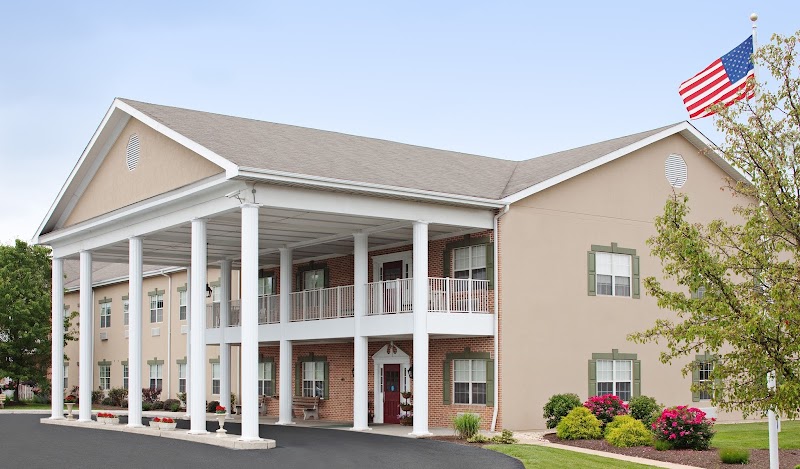

SANATOGA CENTER

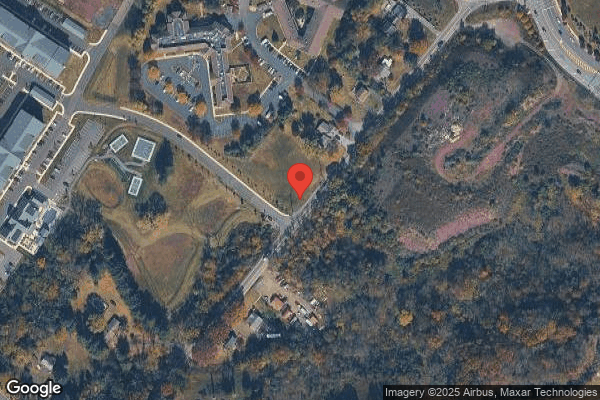
225 EVERGREEN ROAD, POTTSTOWN, PA 19464 (610) 323-1800
For profit - Corporation 130 Beds GENESIS HEALTHCARE Data: November 2025
Trust Grade
75/100
#224 of 653 in PA
Last Inspection: July 2025

Inspected within the last 6 months. Data reflects current conditions.

Overview

Sanatoga Center has a Trust Grade of B, indicating it is a good choice for families seeking care, as it falls within the 70-79 range on the grading scale. It ranks #224 out of 653 facilities in Pennsylvania, placing it in the top half of state options, and #28 out of 58 in Montgomery County, meaning there are few local alternatives that rank higher. The facility is improving, as the number of issues noted has decreased from 6 in 2024 to 4 in 2025. Staffing is considered average with a 3/5 star rating and a turnover rate of 44%, slightly below the state average, indicating some level of stability among caregivers. Notably, there have been no fines recorded, which is a positive sign. However, some concerns have been identified, including issues with food storage and sanitation, where opened food items were not properly dated, and pre-approved menus were not being followed, leading to residents not receiving their expected meals. Additionally, there were problems related to the overall cleanliness and maintenance of the environment, with damage and unsanitary conditions noted in residents' rooms. These weaknesses suggest that while Sanatoga Center has strengths in certain areas, there are critical areas for improvement that families should consider when evaluating this facility.

Trust Score
B
75/100
In Pennsylvania
#224/653
Top 34%
Safety Record
Low Risk
No red flags
Inspections
Getting Better
6 → 4 violations
Staff Stability
○ Average
44% turnover. Near Pennsylvania's 48% average. Typical for the industry.
Penalties
✓ Good
No fines on record. Clean compliance history, better than most Pennsylvania facilities.
Skilled Nurses
○ Average
Each resident gets 41 minutes of Registered Nurse (RN) attention daily — about average for Pennsylvania. RNs are the most trained staff who monitor for health changes.
Violations
⚠ Watch
15 deficiencies on record. Higher than average. Multiple issues found across inspections.
★★★★☆
4.0
Overall Rating
★★★☆☆
3.0
Staff Levels
★★★☆☆
3.0
Care Quality
★★★★☆
4.0
Inspection Score
Stable
2024: 6 issues
2025: 4 issues

The Good

  • Full Sprinkler Coverage · Fire safety systems throughout facility
  • No fines on record
  • Staff turnover below average (44%)

    4 points below Pennsylvania average of 48%

Facility shows strength in fire safety.

The Bad

Staff Turnover: 44%

Near Pennsylvania avg (46%)

Typical for the industry

Chain: GENESIS HEALTHCARE

Part of a multi-facility chain

Ask about local staffing decisions and management

The Ugly 15 deficiencies on record

Jul 2025 4 deficiencies
CONCERN (D)

Potential for Harm - no one hurt, but risky conditions existed

Safe Environment (Tag F0584)

Could have caused harm · This affected 1 resident

**NOTE- TERMS IN BRACKETS HAVE BEEN EDITED TO PROTECT CONFIDENTIALITY** Based on observation, it was determined that the facility failed to provide a safe, clean, and comfortable environment on two of...

Read full inspector narrative →
**NOTE- TERMS IN BRACKETS HAVE BEEN EDITED TO PROTECT CONFIDENTIALITY** Based on observation, it was determined that the facility failed to provide a safe, clean, and comfortable environment on two of two nursing units. (First and Second floors)Findings include:Observations on July 22, 2025, from 9:30 a.m. through at 2:30 p.m. and July 25, 2025, from 8:00 a.m. through 12:00 p.m. revealed the following:The wall between the door and dresser in room [ROOM NUMBER] was damaged. The wall beside the resident's bed was streaked with dried liquid in room [ROOM NUMBER]-A.room [ROOM NUMBER]-A had scuffed and peeling wallpaper, and a broken handle on the resident's dresser.The wall beside the resident's bed was streaked with dried liquid in room [ROOM NUMBER]-A.The wall beneath the towel rack in the bathroom in room [ROOM NUMBER] was damaged.The wall was damaged at the baseboard at the closet in room [ROOM NUMBER].room [ROOM NUMBER] A and B bedside tables had chipped wood on the tops. The second floor bathing room shower stall on the right side of the room had a thick black substance on the floor and molding.
CONCERN (D)

Potential for Harm - no one hurt, but risky conditions existed

Quality of Care (Tag F0684)

Could have caused harm · This affected 1 resident

Based on clinical record review and staff interview, it was determined that the facility failed to implement physicians' orders for four of 22 sampled residents. (Residents 5, 8, 9, and 10)Findings in...

Read full inspector narrative →
Based on clinical record review and staff interview, it was determined that the facility failed to implement physicians' orders for four of 22 sampled residents. (Residents 5, 8, 9, and 10)Findings include: Clinical record review revealed that Resident 5 had diagnoses that included diabetes mellitus and dysphagia (difficulty swallowing.) A physician's order dated July 11, 2025, directed staff to weigh Resident 5 two times per week, on Tuesdays and Fridays, for four weeks. Review of Resident 5's medication administration record (MAR) revealed that staff failed to weigh the resident as ordered on July 11, 18, and 22, 2025.Clinical record review revealed that Resident 8 had diagnoses that included post traumatic seizures, chronic systolic (congestive) heart failure, and diabetes mellitus. A physician's order dated January 31, 2025, directed staff to weigh the resident every Monday, Wednesday, and Friday. Review of Resident 8's MARs revealed that staff failed to weigh the resident as ordered five times in April 2025, once in May 2025, and once in June 2025.Clinical record review revealed that Resident 9 had diagnoses that included hypertensive chronic kidney disease and diabetes mellitus. A physician's order dated July 7, 2025, directed staff to weigh Resident 9 every Monday for four weeks. Review of Resident 9's MAR revealed that staff failed to weigh the resident as ordered on July 21, 2025.Clinical record review revealed that Resident 10 had diagnoses that included congestive heart failure and chronic kidney disease. A physician's order dated June 26, 2025, directed staff to administer a medication (metoprolol succinate) two times a day for hypertension. The medication was to be held if the resident's systolic blood pressure (SBP) was lower than 110 millimeters of mercury (mm/Hg) or if the resident's heart rate was less than 60 beats per minute. Review of Resident 10's MARs revealed that staff administered the medication two times in July 2025, when the resident's systolic blood pressure was below 110, and staff administered the medication once and held it once in July 2025 without assessing the blood pressure or heart rate.In interviews on July 25, 2025, at 10:00 a.m. and 11:23 a.m., the Director of Nursing confirmed that weights for residents 5, 8, and 9 had not been completed and medications were administered outside of the established parameters for Resident 10 on two occasions and administered or held without documented blood pressure on two occasions.CFR 483.25 Quality of CarePreviously cited 8/16/2428 Pa. Code 211.12(d)(1)(5) Nursing services.
CONCERN (D)

Potential for Harm - no one hurt, but risky conditions existed

Deficiency F0761 (Tag F0761)

Could have caused harm · This affected 1 resident

Based on observation and staff interview, it was determined that the facility failed to ensure that medications with the potential for abuse (controlled substances) were secured in a locked, permanent...

Read full inspector narrative →
Based on observation and staff interview, it was determined that the facility failed to ensure that medications with the potential for abuse (controlled substances) were secured in a locked, permanently affixed compartment at all times in one of two medication rooms. (Second Floor medication room) Findings include: Observation on July 25, 2025, at 11:50 a.m., revealed that the Second Floor medication room refrigerator contained four two-milligram vials of a Schedule IV anti-anxiety medication (lorazepam). The vials of medication were in a locked box, but the box was easily removable and not permanently affixed to the refrigerator. The refrigerator was not locked. In an interview on July 25, 2025, at 2:20 p.m., the Director of Nursing stated that the controlled medication storage box should have been permanently affixed to the refrigerator. 28 Pa. Code 211.12(d)(1)(5) Nursing services.
MINOR (C)

Minor Issue - procedural, no safety impact

ADL Care (Tag F0677)

Minor procedural issue · This affected most or all residents

**NOTE- TERMS IN BRACKETS HAVE BEEN EDITED TO PROTECT CONFIDENTIALITY** Based on observation, clinical record review, and staff and resident interviews, it was determined that the facility failed to p...

Read full inspector narrative →
**NOTE- TERMS IN BRACKETS HAVE BEEN EDITED TO PROTECT CONFIDENTIALITY** Based on observation, clinical record review, and staff and resident interviews, it was determined that the facility failed to provide services to maintain adequate grooming and hygiene for three of 22 sampled residents. (Residents 7, 9, and 116)Findings include: Clinical record review revealed that Resident 7 had diagnoses that included polyneuropathy, cognitive communication deficit, and congestive heart failure. A review of the Minimum Data Set (MDS) assessment dated [DATE], revealed that Resident 7 was alert and oriented and required moderate assistance with personal hygiene. Review of the care plan dated May 24, 2025, revealed that the resident required assistance with activities of daily living (ADLs) including grooming and bathing. On July 23, 2025, at 11:43 a.m., the resident was observed in his wheelchair. His fingernails were long and dirty. The resident stated that his fingernails needed to be cut. On July 24, 2025, at 12:04 p.m., the resident was again observed in his wheelchair. His fingernails remained long and dirty. Clinical record review revealed that Resident 9 had diagnoses that included polyneuropathy, shoulder pain, and muscle weakness. A review of the MDS assessment dated [DATE], revealed that Resident 9 was alert and oriented and required moderate assistance with personal hygiene. Review of the care plan dated July 9, 2025, revealed that the resident required assistance with ADLs including grooming and bathing. On July 22, 2025, at 12:37 p.m., July 23, 2025, at 8:50 a.m., and on July 24, 2025, at 9:57 a.m. and 12:45 p.m., the resident was observed in his wheelchair. His fingernails were long and dirty. In an interview on July 25, 2025, at 9:57 a.m., Resident 9 stated he prefers his nails short, that staff had not offered to trim them before today, and that he had trouble cutting them himself without injury due to his numbness, pain, and weakness in his upper extremities.Clinical record review revealed that Resident 116 had diagnoses that included Parkinson's disease and diabetes. A review of the MDS assessment dated [DATE], revealed that Resident 116 was alert with some confusion and required moderate assistance with personal hygiene. Review of the care plan dated July 2, 2025, revealed that the resident required ADLs including grooming and bathing. On July 22, 2025, at 12:57 p.m., July 23, 2025, at 12:40 p.m., and July 24, 2025, at 12:18 p.m., the resident was observed in his wheelchair. His fingernails were long and dirty. In an interview on July 24, 2025, at 12:14 p.m., the resident stated that he prefers his nails short, he wanted his fingernails cut, but he needed assistance. In interviews on July 25, 2025, at 10:00 a.m. and 10:16 a.m., the Director of Nursing confirmed that the residents' fingernails should have been trimmed when residents were bathed and as needed. 28 Pa. Code 211.12(d)(1)(5) Nursing services.
Dec 2024 1 deficiency
CONCERN (D) 📢 Someone Reported This

A family member, employee, or ombudsman was alarmed enough to file a formal complaint

Potential for Harm - no one hurt, but risky conditions existed

Deficiency F0658 (Tag F0658)

Could have caused harm · This affected 1 resident

Based on clinical record review, policy review, review of facility documentation, and resident and staff interview, it was determined that the facility failed to ensure that a licensed practical nurse...

Read full inspector narrative →
Based on clinical record review, policy review, review of facility documentation, and resident and staff interview, it was determined that the facility failed to ensure that a licensed practical nurse (LPN) maintained professional standards of quality care in following the established policies and procedures of the facility set forth in the Pennsylvania Code Title 49 Professional and Vocational standards for one of five residents sampled for medication administration. (Resident 1) Findings include: Review of Pennsylvania Code Title 49, Chapter 21, Subchapter B. Practical Nurses, revealed guidelines which included that an LPN shall follow the written, established policies and procedures of the facility. Review of the facility policy entitled, Medication Errors, last reviewed, July 1, 2024, revealed that medication errors that occurred at the center would be immediately reported to the Director of Nursing (DON) or designee and would be investigated. The nurse who discovered the medication error would enter the incident into the Risk Management portal and would initiate a change in condition assessment. Residents involved in the medication error would be evaluated for adverse effects and their provider would be notified. Clinical record review revealed that Resident 1 had diagnoses that included diplopia (double vision), bilateral cataract, and diabetes mellitus with complications related to the eyes. A physician's order dated September 26, 2024, directed staff to administer Natural Balance Tears ophthalmic solution into both eyes every six hours as needed. A physician's order dated October 24, 2024, directed staff to administer Debrox Otic solution into both ears on Thursdays and Sundays. Review of facility documentation dated November 27, 2024, revealed that the resident reported that Debrox ear drops were administered into his eyes instead of eye drops. In an interview on December 2, 2024, at 10:58 a.m., Resident 1 stated that on November 26, 2024, he experienced a burning sensation when drops were administered into his eyes and LPN 1 acknowledged that Debrox ear drops were administered into his eyes instead of eye drops. There was a lack of evidence to support that LPN 1 reported the medication error to the DON or designee at the time it was discovered. In an interview on December 2, 2024, at 11:29 a.m., LPN 1 confirmed that on November 26, 2024, Debrox ear drops were incorrectly obtained from the medication cart and administered into Resident 1's eyes and that she recognized the medication error at that time. LPN 1 confirmed that she did not report the medication error to the DON or the resident's provider. In an interview on December 2, 2024, at 2:08 p.m., the DON confirmed that the medication error was not reported at the time it was identified and LPN 1 should have reported the medication error to the resident's provider. 28 Pa. Code 211.10(c) Resident Care Policies. 28 Pa. Code 211.12(d)(1)(5) Nursing Services.
Aug 2024 2 deficiencies
CONCERN (D)

Potential for Harm - no one hurt, but risky conditions existed

Quality of Care (Tag F0684)

Could have caused harm · This affected 1 resident

**NOTE- TERMS IN BRACKETS HAVE BEEN EDITED TO PROTECT CONFIDENTIALITY** Based on clinical record review and staff interview, it was determined that the facility failed to ensure that physician's order...

Read full inspector narrative →
**NOTE- TERMS IN BRACKETS HAVE BEEN EDITED TO PROTECT CONFIDENTIALITY** Based on clinical record review and staff interview, it was determined that the facility failed to ensure that physician's orders were implemented for two of 25 sampled residents. (Residents 23, 111) Findings include: Clinical record review revealed that Resident 23 had diagnoses that included hypertension (high blood pressure). A physician's order dated December 25, 2023, directed staff to administer a medication (carvedilol) two times a day for hypertension. Staff were not to administer the medication if the resident's systolic blood pressure (SBP, the first measurement of blood pressure when the heart beats and the pressure is at its highest) was less than 110 millimeters of mercury (mmHg). Review of Resident 23's medication administration records revealed that staff administered the medication four times in July 2024 and three times in August 2024 outside of the ordered parameters. In an interview on August 16, 2024, at 10:30 a.m., the Director of Nursing confirmed the medication should not have been administered when the SBP was less than 110 mmHg per physician's order. Clinical record review revealed Resident 111 was admitted to the facility on [DATE], with diagnoses that included epilepsy. On July 24, 2024, the physician ordered for the resident to receive phenobarbital (an anticonvulsant medication) 64.8 milligrams at bedtime. There was no documented evidence that Resident 111 received the phenobarbital on July 25, 2024. In an interview on August 16, 2024, at 10:40 a.m., the Director of Nursing confirmed that Resident 111 did not receive the medication on July 25, 2024. CFR 483.25 Quality of Care Previously cited 8/18/23 and 5/28/24 28 Pa. Code 211.12(d)(1)(5) Nursing services.
CONCERN (F)

Potential for Harm - no one hurt, but risky conditions existed

Food Safety (Tag F0812)

Could have caused harm · This affected most or all residents

Based on staff interview and observation, it was determined that the facility failed to properly store food and maintain sanitary conditions in the dietary department, on one of two unit kitchens (Bis...

Read full inspector narrative →
Based on staff interview and observation, it was determined that the facility failed to properly store food and maintain sanitary conditions in the dietary department, on one of two unit kitchens (Bistro 1), and on one of two unit pantries (1st Floor). Findings include: In an interview on August 13, 2024, at 9:50 a.m., Dietary Manager (DM) 1 stated that all opened food items were to be labeled with a date. In an interview on August 16, 2024, at 10:35 a.m., the Administrator stated that refrigerated foods were to be discarded after seven days and that foods in the unit pantry were to have the resident's name and date written on them by staff. Observations of the main kitchen on August 13, 2024, at 9:50 a.m., revealed the following: In dry storage, there was a bottle of syrup removed from the original packaging that was not dated. In the walk-in cooler, there was an opened package of lunch meat that was not dated. In the snack reach-in cooler, there was a box of raw pork that was dated August 1, 2024. In the freezer truck, there were three opened garden burgers that were not dated. There were two boxes of opened hamburger buns with ice on top of them. In the food preparation area, the can opener piercer had thick dried food debris on it. In the Bistro 1 unit kitchen, the three drawers under the steam table had multiple areas of dried, sticky food debris on the front and edge. In the refrigerator, there was a package of turkey lunch meat and a pan of meat salad that were not dated. The freezer had dried food particles along the bottom. The outside of the refrigerator had multiple areas of dried food debris and several areas of rust along the door edges. In an interview on August 13, 2024, at 10:30 a.m., DM1 confirmed the previously mentioned food items should have been dated. Observation of the 1st floor unit pantry on August 14, 2024, at 1:06 p.m., revealed in the freezer, there were five bottles of water with no name or date on them. In the refrigerator, there was a salad with a use-by date of August 8, 2024, four opened bottles of tea, lemonade, two sports drinks, a bottle of juice, and a cup of ice tea. These items were not labeled with a resident's name or date. There were two cartons of chocolate milk with an expiration date of August 9, 2024. There were two dished containers of strawberries and pasta salad that were not dated. In the refrigerator drawer, there were two containers of a dished food with red sauce that were not labeled with a resident's name or date. In an interview on August 14, 2024, at 1:10 p.m., Registered Nurse (RN) 1, confirmed the unit pantry refrigerator was to be used for resident food items. 28 Pa. Code 201.14(a) Responsibility of licensee. 28 Pa. Code 201.18(e)(2.1) Management.
Jun 2024 1 deficiency
CONCERN (D) 📢 Someone Reported This

A family member, employee, or ombudsman was alarmed enough to file a formal complaint

Potential for Harm - no one hurt, but risky conditions existed

Notification of Changes (Tag F0580)

Could have caused harm · This affected 1 resident

**NOTE- TERMS IN BRACKETS HAVE BEEN EDITED TO PROTECT CONFIDENTIALITY** Based on facility policy review, clinical record review, and staff interview, it was determined that the facility failed to noti...

Read full inspector narrative →
**NOTE- TERMS IN BRACKETS HAVE BEEN EDITED TO PROTECT CONFIDENTIALITY** Based on facility policy review, clinical record review, and staff interview, it was determined that the facility failed to notify the resident's physician and responsible party of changes in condition for one of nine sampled residents. (Resident CL1) Findings include: A review of the facility policy entitled, Notification of Change in Condition, revealed that staff were to notify the physician and resident representative immediately if there was a change in condition. Clinical record review revealed that Resident CL1 was admitted to the facility on [DATE], with diagnoses that included metabolic encephalopathy (brain dysfunction) and repeated falls. On May 28, 2024, a nurse noted a reddened moisture associated skin dermatitis to Resident CL1's sacrum. There was no documented evidence that Resident CL1's physician and resident representative were made aware of the change in condition. In an on June 8, 2024, at 1:41 p.m., the Registered Nurse Supervisor (RN 1) confirmed there was no evidence that Resident CL1's physician and resident representative were notified of the change in condition. 28 Pa. Code 211.12(d)(1)(5) Nursing services.
May 2024 1 deficiency
CONCERN (D) 📢 Someone Reported This

A family member, employee, or ombudsman was alarmed enough to file a formal complaint

Potential for Harm - no one hurt, but risky conditions existed

Quality of Care (Tag F0684)

Could have caused harm · This affected 1 resident

**NOTE- TERMS IN BRACKETS HAVE BEEN EDITED TO PROTECT CONFIDENTIALITY** Based on clinical record review and staff interview, it was determined that the facility failed to follow physician orders for o...

Read full inspector narrative →
**NOTE- TERMS IN BRACKETS HAVE BEEN EDITED TO PROTECT CONFIDENTIALITY** Based on clinical record review and staff interview, it was determined that the facility failed to follow physician orders for one of six sampled residents. (Resident 1) Findings include: Clinical record review revealed that Resident 1 was admitted to the facility on [DATE], and had diagnoses that included hepatorenal syndrome (progressive kidney failure caused by severe liver damage), and cirrhosis of the liver (severe scarring of the liver). Review of Resident 1's hospital discharge instructions dated May 9, 2024, revealed R1 was to receive Rifaximin (an antibiotic used to lower the risk of a decline in brain function in adults with liver failure) two times a day. On May 10, 2024, the physician ordered for Resident 1 to receive Rifaximin two times a day. There was no documented evidence that Resident 1 had received the Rifaximin as ordered by the physician until May 18, 2024, when the medication was brought in by family. In an interview on May 28, 2024 at 1:54 p.m., the Nursing Home Administrator confirmed that Resident 1 did not receive the ordered Rifaximin in a timely manner. 28 Pa. Code 211.12(d)(1)(5) Nursing services.
Jan 2024 1 deficiency
CONCERN (D) 📢 Someone Reported This

A family member, employee, or ombudsman was alarmed enough to file a formal complaint

Potential for Harm - no one hurt, but risky conditions existed

Resident Rights (Tag F0550)

Could have caused harm · This affected 1 resident

**NOTE- TERMS IN BRACKETS HAVE BEEN EDITED TO PROTECT CONFIDENTIALITY** Based on clinical record review and resident interview, it was determined that the facility failed to provide services to enhanc...

Read full inspector narrative →
**NOTE- TERMS IN BRACKETS HAVE BEEN EDITED TO PROTECT CONFIDENTIALITY** Based on clinical record review and resident interview, it was determined that the facility failed to provide services to enhance each resident's quality of life by offering showers as scheduled to two of five sampled residents. (Residents 2, 3) Findings include: Clinical record review revealed that Resident 2 had diagnoses that included congestive heart failure. The Minimum Data Set (MDS) assessment dated [DATE], indicated that the resident was oriented and required substantial assistance from staff for bathing. The resident was to receive a shower twice per week on Monday and Thursday. During an interview on January 23, 2024, at 1:00 p.m., the resident reported that she preferred to take a shower twice a week and was not offered the opportunity to do so. Resident 1 stated that she would not refuse the opportunity to shower. Review of documentation in the clinical record revealed that the resident was not offered a shower five of seven scheduled times in the past 30 days. Clinical record review revealed that Resident 3 had diagnoses that included congestive heart failure and depression. The MDS assessment dated [DATE], indicated the resident was oriented and required moderate staff assistance for bathing. During an interview on January 23, 2023, at 1:30 p.m., Resident 3 stated that he preferred to take a shower twice a week and was not offered the opportunity to do so. Review of documentation in the clinical record revealed that the resident was not offered a shower two of eight scheduled times in the past 30 days. 28 Pa. Code 211.12(d)(5) Nursing services.
Nov 2023 1 deficiency
CONCERN (E) 📢 Someone Reported This

A family member, employee, or ombudsman was alarmed enough to file a formal complaint

Potential for Harm - no one hurt, but risky conditions existed

Menu Adequacy (Tag F0803)

Could have caused harm · This affected multiple residents

Based on resident interview, observation, facility documentation, and staff interview, it was determined that the facility failed to follow the pre-approved menus on two of two nursing units. Findings...

Read full inspector narrative →
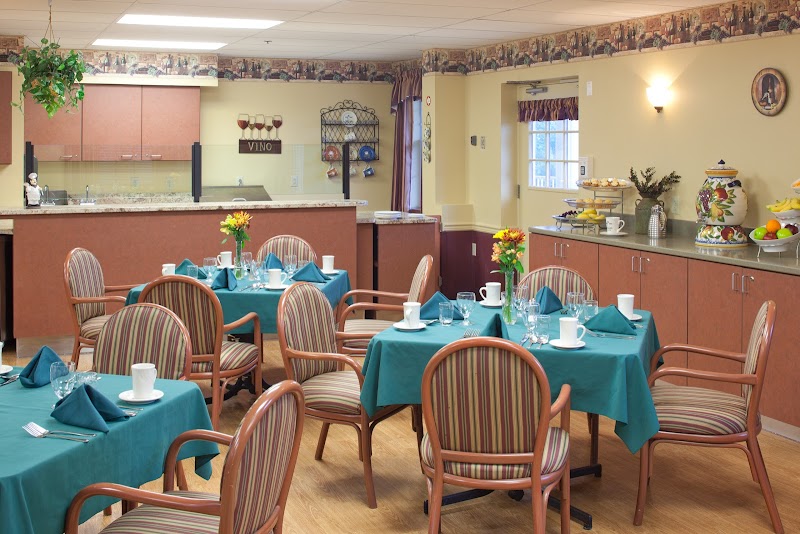
Based on resident interview, observation, facility documentation, and staff interview, it was determined that the facility failed to follow the pre-approved menus on two of two nursing units. Findings include: During interviews on November 5, 2023, from 12:30 p.m., through 1:45 p.m., Residents 5, 6, 7, 8, 9, 10, and 11 stated that menu items are frequently substituted without notification or not received. Residents 5, 6, 7, and 8 stated that bacon was on the menu for breakfast that morning and they did not receive it. Review of the facility menus revealed the breakfast meal on November 5, 2023, was to include oatmeal, French toast, bacon, milk and fruit juice. The lunch menu on November 5, 2023, was to include maple sage turkey, seasoned peas, cornbread dressing, pumpkin pie with whipped topping, milk, assorted beverage, and a dinner roll. Observation of Resident 9's lunch meal on November 5, 2023, at 12:45 p.m., revealed that staff served maple sage turkey, collard greens, pumpkin pie without the whipped topping, and cranberry juice. Review of Resident 9's meal ticket at that time indicated he was to receive maple sage turkey, seasoned peas, pumpkin pie with whipped topping, milk, cranberry juice, and a dinner roll. In an interview Resident 9 asked what kind of vegetable was on his plate and why he did not receive whipped topping for his pie, milk, or a dinner roll. Observation of Resident 10's lunch meal on November 5, 2023, at 12:50 p.m., revealed that he was served pureed maple sage turkey and a pureed green vegetable with two juices. Review of Resident 10's meal ticket at that time indicated he was to receive pureed maple sage turkey, pureed seasoned peas, pureed cornbread dressing, pureed pumpkin pie with whipped topping, nectar like milk, and pureed warm bread. In an interview Resident 10 asked why he did not receive a dessert, milk, or cornbread dressing. During a tour of the kitchen on November 5, 2023, at 2:00 p.m., a box of bacon was observed in the walk in refrigerator. In an interview with the Director of Dietary, she confirmed that bacon was not made for breakfast in the morning and should have been. She also stated that collard greens were substituted for season peas and pureed pumpkin pie was not made for the lunch meal. Pa. Code 211.6(a) Dietary services.
Aug 2023 2 deficiencies
CONCERN (D)

Potential for Harm - no one hurt, but risky conditions existed

Comprehensive Care Plan (Tag F0656)

Could have caused harm · This affected 1 resident

**NOTE- TERMS IN BRACKETS HAVE BEEN EDITED TO PROTECT CONFIDENTIALITY** Based on clinical record review and staff interview, it was determined that the facility failed to develop a care plan with meas...

Read full inspector narrative →
**NOTE- TERMS IN BRACKETS HAVE BEEN EDITED TO PROTECT CONFIDENTIALITY** Based on clinical record review and staff interview, it was determined that the facility failed to develop a care plan with measurable objectives and interventions for one of 24 sampled residents. (Resident 72) Findings include: Clinical record review revealed that Resident 72 had diagnoses that included hypertension, obstruction of the urinary pathway, and chronic kidney disease. The Minimum Data Set assessment dated [DATE], indicated Resident 72 had an indwelling urinary catheter. The Care Area assessment dated [DATE], and clinical documentation identified the resident had an indwelling urinary catheter and an individualized care plan with interventions was to be developed to address the care of the catheter. Review of the care plan revealed there were no measurable objectives and/or interventions developed to address the care of the indwelling urinary catheter. In an interview on August 18, 2023, at 1:12 p.m., the Director of Nursing confirmed the care plan was not developed for the resident's indwelling catheter needs. 28 Pa. Code 211.11(d) Resident care plan.
CONCERN (D)

Potential for Harm - no one hurt, but risky conditions existed

Quality of Care (Tag F0684)

Could have caused harm · This affected 1 resident

Based on clinical record review, observation, and staff interview, it was determined that the facility failed to follow physician's orders for one of 24 sampled residents. (Resident 72) Findings incl...

Read full inspector narrative →
Based on clinical record review, observation, and staff interview, it was determined that the facility failed to follow physician's orders for one of 24 sampled residents. (Resident 72) Findings include: Clinical record review revealed that Resident 72 had diagnoses that included hypertension, chronic obstructive pulmonary disease, and chronic kidney disease. On July 7, 2023, a physician ordered that staff administer a medication (hydralazine hydrochloride) three times per day to treat the resident's high blood pressure. Staff was not to give the medication if the resident had a systolic blood pressure below 160 mm/Hg (millimeters of mercury). A review of the July 2023, medication administration record revealed that staff administered the medication when the resident's systolic blood pressure was under the established parameters 12 times In an interview on August 18, 2023, at 1:14 p.m., the Director of Nursing confirmed the documentation indicated that Resident 72 received hydralazine hydrochloride when his systolic blood pressure was below 160 mm/Hg on twelve occasions. Review of the Minimum Data Set Assessment, dated July 21, 2023, revealed that Resident 72 was receiving intravenous medication to treat an infection. On July 22, 2023, a physician ordered that staff change the transparent dressing on the resident's intravenous catheter site every seven days. Review of the medication and task administration record for August, 2023, revealed a lack of documentation to support the dressing had been changed between August 3, 2023, and August 16, 2023. Observation on August 16, 2023, at 1:10 p.m., revealed the intravenous catheter site in Resident 72's left inner arm had a dressing dated August 3, 2023. In an interview on August 16, 2023, at 1:11 p.m., RN1 confirmed the date on the dressing was the date the dressing was last changed. RN1 stated the dressing should have been changed on August 10, 2023, but it was not done. On August 18, 2023, at 1:16 p.m., the Director or Nursing confirmed the intravenous dressing had not been changed within seven days, as ordered. 28 Pa. Code 211.12(d)(1)(5) Nursing services.
Jun 2023 2 deficiencies
CONCERN (D) 📢 Someone Reported This

A family member, employee, or ombudsman was alarmed enough to file a formal complaint

Potential for Harm - no one hurt, but risky conditions existed

Quality of Care (Tag F0684)

Could have caused harm · This affected 1 resident

Based on clinical record review and staff interview, it was determined that the facility failed to administer laxatives in accordance with physicians' orders for three of eight sampled residents. (Res...

Read full inspector narrative →
Based on clinical record review and staff interview, it was determined that the facility failed to administer laxatives in accordance with physicians' orders for three of eight sampled residents. (Residents 1, 2, 3) Findings include: In an interview on June 21, 2023, at 10:45 a.m., the Director of Nursing stated that night shift (11:00 p.m. to 7:00 a.m.) nursing staff was to review all bowel records and assess which residents had not had a bowel movement recently. According to the DON, the facility laxative regimen was as follows: if no bowel movement in three days staff was to administer an oral laxative, if no bowel movement in four days, staff was to administer a suppository, and if no bowel movement in five days staff was to administer an enema. Clinical record review revealed that Resident 1 had diagnoses that included dementia and constipation. According to the resident's bowel records, there was no documented bowel movement between June 3 and 8, 2023, and between June 16 and 20, 2023. There was no documented evidence that nursing staff offered a laxative in accordance with the facility laxative regimen during these times. Clinical record review revealed that Resident 2 had diagnoses that included diabetes and constipation. According to the resident's bowel records, there was no documented bowel movement between June 3 and 8, 2023, between June 11 and 14, 2023, and between June 16 and 20, 2023. There was no documented evidence that nursing staff offered a laxative in accordance with the facility laxative regimen during these times. Clinical record review revealed that Resident 3 had diagnoses that included Alzheimer's disease and constipation. According to the resident's bowel records, there was no documented bowel movement between June 2 and 7, 2023, between June 11 and 14, 2023, and between June 17 and 19. There was no documented evidence that nursing staff offered a laxative in accordance with the facility laxative regimen during these times. 28 Pa. Code 211.12(d)(1)(3)(5) Nursing services.
MINOR (C) 📢 Someone Reported This

A family member, employee, or ombudsman was alarmed enough to file a formal complaint

Minor Issue - procedural, no safety impact

Medical Records (Tag F0842)

Minor procedural issue · This affected most or all residents

Based on clinical record review it was determined that the facility failed to maintain clinical records that were complete and accurate for eight of eight sampled residents. (Residents 1, 2, 3, 4, 5, ...

Read full inspector narrative →
Based on clinical record review it was determined that the facility failed to maintain clinical records that were complete and accurate for eight of eight sampled residents. (Residents 1, 2, 3, 4, 5, 6, 7, 8) Findings include: Clinical record review revealed that Resident 1 had diagnoses that included dementia. Review of the nurse aide records related to daily mouth care since May 24, 2023, revealed 19 days with missing documentation. Clinical record review revealed that Resident 2 had diagnoses that included diabetes and chronic kidney disease. Review of the nurse aide records related to daily mouth care since May 24, 2023, revealed 20 days with missing documentation. Clinical record review revealed that Resident 3 had diagnoses that included Alzheimer's disease and diabetes. Review of the nurse aide records related to daily mouth care since May 24, 2023, revealed 20 days with missing documentation. Clinical record review revealed that Resident 4 had diagnoses that included cardiomyopathy and heart failure. Review of the nurse aide records related to daily mouth care since May 24, 2023, revealed 15 days with missing documentation. Clinical record review revealed that Resident 5 had diagnoses that included diabetes and chronic kidney disease. Review of the nurse aide records related to daily mouth care since May 24, 2023, revealed 12 days with missing documentation. Clinical record review revealed that Resident 6 had diagnoses that included an injury of the head and pulmonary embolism. Review of the nurse aide records related to daily mouth care since May 24, 2023, revealed 11 days with missing documentation. Clinical record review revealed that Resident 7 had diagnoses that included Parkinson's disease and Chron's disease. Review of the nurse aide records related to daily mouth care since May 24, 2023, revealed 11 days with missing documentation. Clinical record review revealed that Resident 8 had diagnoses that included Alzheimer's disease and major depressive disorder. Review of the nurse aide records related to daily mouth care since May 24, 2023, revealed 11 days with missing documentation. 28 PA. Code 211.5(f) Clinical records.
Understanding Severity Codes (click to expand)
Life-Threatening (Immediate Jeopardy)
J - Isolated K - Pattern L - Widespread
Actual Harm
G - Isolated H - Pattern I - Widespread
Potential for Harm
D - Isolated E - Pattern F - Widespread
No Harm (Minor)
A - Isolated B - Pattern C - Widespread

Questions to Ask on Your Visit

  • "Can I speak with families of current residents?"
  • "What's your RN coverage like on weekends and overnight?"

Our Honest Assessment

Strengths
  • • No major safety red flags. No abuse findings, life-threatening violations, or SFF status.
  • • No fines on record. Clean compliance history, better than most Pennsylvania facilities.
  • • 44% turnover. Below Pennsylvania's 48% average. Good staff retention means consistent care.
Concerns
  • • 15 deficiencies on record. Higher than average. Multiple issues found across inspections.
Bottom line: Generally positive indicators. Standard due diligence and a personal visit recommended.

About This Facility

What is Sanatoga Center's CMS Rating?

CMS assigns SANATOGA CENTER an overall rating of 4 out of 5 stars, which is considered above average nationally. Within Pennsylvania, this rating places the facility higher than 99% of the state's 100 nursing homes. This rating reflects solid performance across the metrics CMS uses to evaluate nursing home quality.

How is Sanatoga Center Staffed?

CMS rates SANATOGA CENTER's staffing level at 3 out of 5 stars, which is average compared to other nursing homes. Staff turnover is 44%, compared to the Pennsylvania average of 46%. This relatively stable workforce can support continuity of care.

What Have Inspectors Found at Sanatoga Center?

State health inspectors documented 15 deficiencies at SANATOGA CENTER during 2023 to 2025. These included: 13 with potential for harm and 2 minor or isolated issues.

Who Owns and Operates Sanatoga Center?

SANATOGA CENTER is owned by a for-profit company. For-profit facilities operate as businesses with obligations to shareholders or private owners. The facility is operated by GENESIS HEALTHCARE, a chain that manages multiple nursing homes. With 130 certified beds and approximately 115 residents (about 88% occupancy), it is a mid-sized facility located in POTTSTOWN, Pennsylvania.

How Does Sanatoga Center Compare to Other Pennsylvania Nursing Homes?

Compared to the 100 nursing homes in Pennsylvania, SANATOGA CENTER's overall rating (4 stars) is above the state average of 3.0, staff turnover (44%) is near the state average of 46%, and health inspection rating (4 stars) is above the national benchmark.

What Should Families Ask When Visiting Sanatoga Center?

Based on this facility's data, families visiting should ask: "Can I visit during a mealtime to observe dining assistance and food quality?" "How do you handle medical emergencies, and what is your hospital transfer rate?" "Can I speak with family members of current residents about their experience?"

Is Sanatoga Center Safe?

Based on CMS inspection data, SANATOGA CENTER has a clean safety record: no substantiated abuse findings (meaning no confirmed cases of resident harm), no Immediate Jeopardy citations (the most serious violation level indicating risk of serious injury or death), and is not on the Special Focus Facility watch list (a federal program monitoring the lowest-performing 1% of nursing homes). The facility has a 4-star overall rating and ranks #1 of 100 nursing homes in Pennsylvania. While no facility is perfect, families should still ask about staff-to-resident ratios and recent inspection results during their visit.

Do Nurses at Sanatoga Center Stick Around?

SANATOGA CENTER has a staff turnover rate of 44%, which is about average for Pennsylvania nursing homes (state average: 46%). Moderate turnover is common in nursing homes, but families should still ask about staff tenure and how the facility maintains care continuity when employees leave.

Was Sanatoga Center Ever Fined?

SANATOGA CENTER has no federal fines on record. CMS issues fines when nursing homes fail to meet care standards or don't correct problems found during inspections. The absence of fines suggests the facility has either maintained compliance or corrected any issues before penalties were assessed. This is a positive indicator, though families should still review recent inspection reports for the full picture.

Is Sanatoga Center on Any Federal Watch List?

SANATOGA CENTER is not on any federal watch list. The most significant is the Special Focus Facility (SFF) program, which identifies the bottom 1% of nursing homes nationally based on persistent, serious quality problems. Not being on this list means the facility has avoided the pattern of deficiencies that triggers enhanced federal oversight. This is a positive indicator, though families should still review the facility's inspection history directly.