EDENBROOK OF GREENWOOD HILL
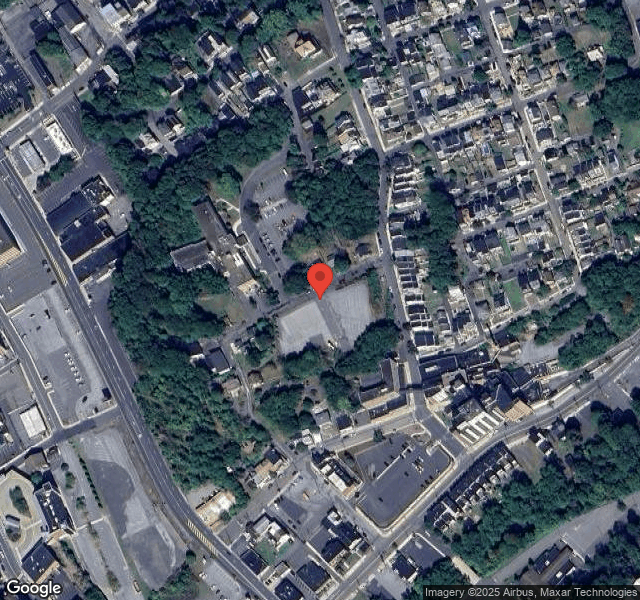
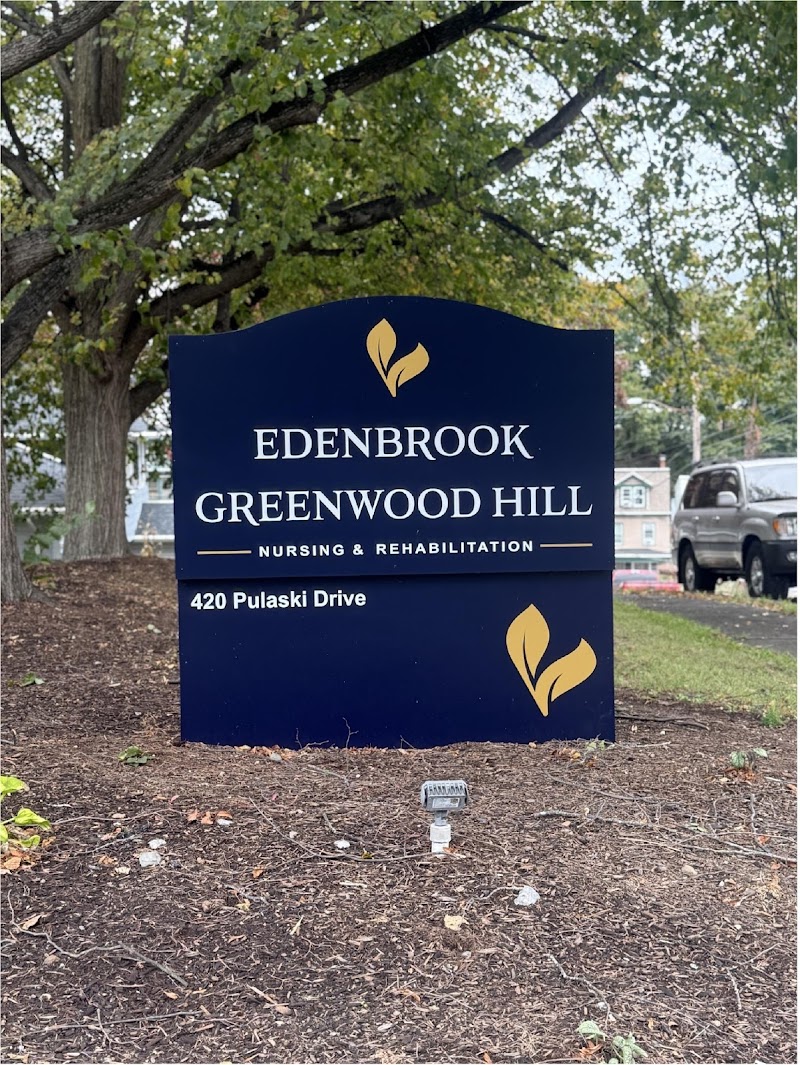
420 PULASKI DRIVE, POTTSVILLE, PA 17901 (570) 622-9582
For profit - Limited Liability company 160 Beds EDEN EAST HEALTHCARE MANAGEMENT Data: November 2025 1 Immediate Jeopardy citation
Trust Grade
0/100
#551 of 653 in PA
Last Inspection: August 2025

Inspected within the last 6 months. Data reflects current conditions.

Overview

Edenbrook of Greenwood Hill in Pottsville, Pennsylvania has a Trust Grade of F, which indicates significant concerns about the quality of care provided. They rank #551 out of 653 facilities in the state, placing them in the bottom half, and #11 out of 12 in Schuylkill County, suggesting limited local options. The facility is experiencing an improving trend, with issues decreasing from 24 in 2024 to 12 in 2025. Staffing is a mixed bag, with a 3/5 rating but a concerning 64% turnover rate, significantly higher than the state average. They have amassed $242,197 in fines, which is higher than 95% of facilities in Pennsylvania, raising alarms about compliance problems. However, the facility does have some strengths, such as being better at preventing issues than they were in the past. On the downside, there have been serious incidents, including a failure to protect a resident from sexual abuse by a staff member, neglect that resulted in harm during transportation, and inadequate planning for safe transfers that led to a major injury. These findings highlight both the need for improvement and the potential risks involved in choosing this facility for your loved one.

Trust Score
F
0/100
In Pennsylvania
#551/653
Bottom 16%
Safety Record
High Risk
Review needed
Inspections
Getting Better
24 → 12 violations
Staff Stability
⚠ Watch
64% turnover. Above average. Higher turnover means staff may not know residents' routines.
Penalties
✓ Good
$242,197 in fines. Lower than most Pennsylvania facilities. Relatively clean record.
Skilled Nurses
⚠ Watch
Each resident gets only 24 minutes of Registered Nurse (RN) attention daily — below average for Pennsylvania. Fewer RN minutes means fewer trained eyes watching for problems.
Violations
⚠ Watch
67 deficiencies on record. Higher than average. Multiple issues found across inspections.
★☆☆☆☆
1.0
Overall Rating
★★★☆☆
3.0
Staff Levels
★★★☆☆
3.0
Care Quality
★☆☆☆☆
1.0
Inspection Score
Stable
2024: 24 issues
2025: 12 issues

The Good

  • Full Sprinkler Coverage · Fire safety systems throughout facility
  • No fines on record

Facility shows strength in fire safety.

The Bad

1-Star Overall Rating

Below Pennsylvania average (3.0)

Significant quality concerns identified by CMS

Staff Turnover: 64%

18pts above Pennsylvania avg (46%)

Frequent staff changes - ask about care continuity

Federal Fines: $242,197

Well above median ($33,413)

Significant penalties indicating serious issues

Chain: EDEN EAST HEALTHCARE MANAGEMENT

Part of a multi-facility chain

Ask about local staffing decisions and management

Staff turnover is elevated (64%)

16 points above Pennsylvania average of 48%

The Ugly 67 deficiencies on record

1 life-threatening 3 actual harm
Aug 2025 7 deficiencies 1 Harm
SERIOUS (G) 📢 Someone Reported This

A family member, employee, or ombudsman was alarmed enough to file a formal complaint

Actual Harm - a resident was hurt due to facility failures

Free from Abuse/Neglect (Tag F0600)

A resident was harmed · This affected 1 resident

**NOTE- TERMS IN BRACKETS HAVE BEEN EDITED TO PROTECT CONFIDENTIALITY** Based on a review of closed clinical records, select facility policy, documentation provided by the facility, and staff intervie...

Read full inspector narrative →
**NOTE- TERMS IN BRACKETS HAVE BEEN EDITED TO PROTECT CONFIDENTIALITY** Based on a review of closed clinical records, select facility policy, documentation provided by the facility, and staff interviews, it was determined the facility displayed past non-compliance by failing to protect one out of four residents sampled (Resident 117) from neglect by not ensuring required vehicle safety devices were in place during transportation, resulting in actual harm in the form of a laceration requiring staples. Findings include: A review of the facility policy titled Vulnerable Adult Abuse and Neglect Prevention, last reviewed by the facility June 19, 2025, revealed it is the facility policy to provide professional care and services in an environment that is free from any type of neglect. The policy defines neglect as (a) the failure to provide goods and services necessary to avoid physical harm, mental anguish, or mental illness. (b) the failure or omission by a caregiver to supply a vulnerable adult with care or services, including, but not limited to, food, clothing, shelter, healthcare, or supervision, which is reasonable and necessary to obtain or maintain the vulnerable adult's physical or mental health or safety. A clinical record review revealed Resident 117 was admitted to the facility on [DATE], with diagnoses that included spinal stenosis (a condition where the spinal canal narrows, compressing the nerves in the lower back, leading to pain, numbness, tingling, or weakness in the legs). A care plan initiated May 24, 2025, documented that Resident 117 had limited physical mobility related to weakness, used a four-wheel wheelchair for locomotion (movement from place to place), and required assistance with transportation. A progress note dated July 11, 2025, at 11:31 AM documented the facility was notified that Resident 117 had fallen in the facility transport van and was taken by emergency medical services to the community emergency department for evaluation and treatment. A witness statement from Employee 3, Vehicle Transport Driver, dated July 11, 2025, revealed that while accelerating from a traffic light, she heard a bang and observed that Resident 117's wheelchair had tipped over. Upon stopping the vehicle, Employee 3 observed bleeding from the resident's head and called 911. Employee 3 used items from the first aid kit to hold pressure on the resident's wound. Emergency medical services responded and took the resident to the emergency department. Employee 3 described that she didn't have Resident 117's lap seat belt restraints on the resident during transport. A review of the community emergency department trauma note dated July 11, 2025, at 11:25 AM, revealed documentation that Resident 117's wheelchair had been improperly secured. When the transport van began moving forward, the wheelchair rolled backward, causing the resident's head to strike the van door/wall. The note indicated the resident did not fall out of the wheelchair. The resident reported having a headache but denied syncope (loss of consciousness) or vomiting. The resident stated he reached out with his right hand to brace himself, injuring the hand and reporting pain around the knuckles. The note documented no other injuries or complaints, and no pain involving the neck, chest, abdomen, or long bones (the major bones of the arms and legs). Examination findings included a 1.0 cm occipital scalp laceration (a cut at the back of the head) without active bleeding, with small, localized swelling in the area. The cervical spine (the vertebrae in the neck that supports the head) was examined and cleared using advanced imaging (diagnostic tests such as CT scans or X-rays), showing no cervical spine tenderness. The cervical spine collar (a medical device used to support and stabilize the neck and upper spine to limit movement after injury or surgery) was removed. The scalp laceration measuring 1.0 cm was closed with two staples. The note documented that the resident tolerated the procedure well without immediate complications. Upon return to the facility at 3:30 PM the same day, via stretcher with two emergency medical service personnel. The resident was noted to have a 1.0 cm x 0.1 cm scalp laceration with two staples and an abrasion (scrape or superficial skin injury) to the left scapula (shoulder blade) measuring 2.5 cm x 1.5 cm. No other skin alterations were noted. The resident had complaints of pain at the base of his head at a level of three out of ten (pain scale rating with 0 being no pain and 10 being the worst pain). A new order was noted for Bacitracin (an antibiotic ointment) twice daily for five days and leaving the area open to air. The physician was notified and in agreement. A physician's order for Resident 117 to cleanse the area with staples on the back of the head with soap and water, pat dry, and apply Bacitracin (an antibiotic ointment) and open to air twice a day was initiated on July 12, 2025, at 7:00 AM. A review of Resident 117's medication administration record (MAR) dated July 2025 revealed he received acetaminophen 650 mg on July 12, 2025, at 6:49 AM for pain level three out of ten. The MAR dated July 2025 also indicated the resident's wound was cleansed and treated with bacitracin as ordered by the physician. A progress note dated July 12, 2025, at 2:50 PM documented that Resident 117's neurological status checks (assessments of brain and nerve function, such as alertness, orientation, and movement) were within normal limits. The resident was able to move all extremities without difficulty. Acetaminophen (a pain-relieving medication) was administered for mild pain, with positive effects noted. The resident continued to report a mild headache. On August 7, 2025, the surveyor attempted to interview Resident 117 regarding the July 11, 2025 transportation incident. The resident was not available for interview on this date, as he was hospitalized at the time of the attempted interview. During an interview on August 7, 2025, at approximately 9:00 AM, Employee 3, Vehicle Transport Driver, explained that on July 11, 2025, Resident 117's wheelchair tipped over because she forgot to utilize the lap seat belt when securing him for transport. She recalled calling 911 and holding pressure to the back of Resident 117's head to stop the bleeding while she waited for emergency services to arrive. She explained the resident was taken by emergency services to the community emergency department. Employee 3 stated she had received training on securing wheelchairs for transport, was familiar with the procedure, and had prior experience transporting residents in wheelchair vans, but failed to ensure the lap belt was properly secured for this trip. During an interview on August 7, 2025, at approximately 1:30 PM, the Nursing Home Administrator (NHA) confirmed that the facility's investigation identified that Employee 3, Vehicle Transport Driver, failed to ensure required vehicle safety devices were in place prior to transporting the resident, resulting in the resident sustaining a scalp laceration that required closure with staples. This deficiency is cited as past non-compliance. The facility's corrective action plan included the following: 1. The driver called 911; the resident was assessed and sent to the emergency department for evaluation. Resident family and physician updated. The driver returned to the facility and was suspended pending investigation, and a vehicle accident report was completed. 2. All resident transports were outsourced to external transportation providers or rescheduled. Facility transport vehicles were removed from service. 3. The transportation policy was reviewed and revised to include an additional laminated checklist verifying seat belts, wheelchair restraints, and shoulder harnesses before each trip. Future transport drivers will complete new competencies before transporting residents. 4. The Director of Maintenance or designee will audit to ensure that facility-owned vans remain out of service and only outsourced transportation is used. The facility's compliance date for this deficient practice was July 11, 2025. 28 Pa. Code 201.14 (a) Responsibility of licensee. 28 Pa. Code 201.18 (e)(1) Management. 28 Pa. Code 201.29 (a) Resident rights. 28 Pa. Code 211.10 (c) Resident care policies. 28 Pa. Code 211.12 (d)(3) Nursing services.
CONCERN (D)

Potential for Harm - no one hurt, but risky conditions existed

PASARR Coordination (Tag F0644)

Could have caused harm · This affected 1 resident

**NOTE- TERMS IN BRACKETS HAVE BEEN EDITED TO PROTECT CONFIDENTIALITY** Based on a review of clinical records and staff interviews, it was determined that the facility failed to refer residents with n...

Read full inspector narrative →
**NOTE- TERMS IN BRACKETS HAVE BEEN EDITED TO PROTECT CONFIDENTIALITY** Based on a review of clinical records and staff interviews, it was determined that the facility failed to refer residents with newly evident or possible serious mental disorders, intellectual disabilities, or related conditions for a Preadmission Screening and Resident Review (PASRR) level II resident review for one out of 28 residents (Resident 99).Findings include: Preadmission Screening and Resident Review (PASRR) is a federal requirement to help ensure that individuals are not inappropriately placed in nursing facilities for long-term care. The PASRR process requires that all applicants to Medicaid-certified nursing facilities be given a preliminary assessment to determine whether they might have serious mental illness before admission. This is called a PASRR Level I screen. Those individuals who test positive for PASRR Level I are then evaluated in-depth; this is called PASRR Level II. The results of this evaluation result in a determination of need, a determination of an appropriate setting, and a set of recommendations for services for the individual's plan of care. A review of the Pennsylvania Department of Human Services Office of Long-Term Living Bulletin titled Revised Pennsylvania Preadmission Screening Resident Review (PASRR) Level 1 Identification Form (MA 376), effective July 1, 2024, revealed if the individual has a change in condition that affects program office criteria as found on the PASRR Level I form, a PASRR Level II evaluation form will need to be completed. Nursing facilities will communicate the need to have a PASRR Level II form done by notifying the department's Office of Long-Term Living, Division of Nursing Facility Field Operations Team. A clinical record review revealed Resident 99 was admitted to the facility on [DATE], with diagnoses that included major depressive disorder (a mood disorder characterized by persistent feelings of sadness and loss of interest in activities that impact daily life). Further clinical record review revealed Resident 99 was transferred to a community emergency department after a suicide attempt on April 2, 2025. Resident 99 was subsequently involuntarily committed to a community psychiatric hospital for evaluation and stabilization. Resident 99 was readmitted to the facility on [DATE]. A clinical record review revealed no documented evidence that the facility referred Resident 99 for a pre-admission screening and Resident Review level II through the state mental health authority following the emergence of his newly evident and serious maladaptive behaviors and readmission to the facility on April 15, 2025. During an interview on August 8, 2025, at approximately 9:30 AM, the Nursing Home Administrator (NHA) confirmed the facility failed to refer Resident 99 for a PASRR level II resident review after his suicide attempt on April 2, 2025, psychiatric hospitalization, and subsequent readmission to the facility on April 15, 2025. 28 Pa. Code 201.14(a) Responsibility of licensee
CONCERN (D) 📢 Someone Reported This

A family member, employee, or ombudsman was alarmed enough to file a formal complaint

Potential for Harm - no one hurt, but risky conditions existed

Comprehensive Care Plan (Tag F0656)

Could have caused harm · This affected 1 resident

**NOTE- TERMS IN BRACKETS HAVE BEEN EDITED TO PROTECT CONFIDENTIALITY** Based on a review of clinical records and staff interviews, it was determined the facility failed to fully develop, revise, and ...

Read full inspector narrative →
**NOTE- TERMS IN BRACKETS HAVE BEEN EDITED TO PROTECT CONFIDENTIALITY** Based on a review of clinical records and staff interviews, it was determined the facility failed to fully develop, revise, and implement a person-centered comprehensive care plan to meet the individualized needs of two residents out of 28 sampled (Resident 81 and 73).Finding include: A review of Resident 81's clinical record revealed the resident was admitted to the facility on [DATE], with diagnoses that included dementia (a chronic or persistent disorder of the mental processes caused by brain disease or injury and marked by memory disorders, personality changes, and impaired reasoning) and diabetes (a chronic disease that occurs either when the pancreas does not produce enough insulin which is a hormone that helps regulate blood sugar levels or when the body cannot effectively use the insulin it produces). A quarterly Minimum Data Set Assessment (MDS a federally mandated standardized assessment conducted at specific intervals to plan resident care) of Resident 81 dated July 31, 2025, revealed the resident was severely cognitively impaired with a BIMS score of 02 (brief interview for mental status, a tool to assess the residents' attention, orientation, and ability to register and recall new information; a score of 0-7 indicates severe cognitive impairment). Observation of Resident 81 on August 5, 2025, at 1:00 PM, revealed the resident was Spanish speaking. During an interview at 1:15 PM on the same day, Employee 8, Licensed Practical Nurse, stated that Resident 81 required Spanish-speaking staff, family, or an interpreter to translate the care being rendered, but understood some basic English words. A review of the resident's comprehensive plan of care, last revised on August 1, 2025, failed to include interventions required to effectively communicate with the resident. Further review of the clinical record revealed the resident was at high risk for falls and had sustained a fall on July 22, 2025; however, the August 1, 2025, plan of care did not reflect updated medical treatment goals or interventions for fall prevention. An elopement risk assessment dated [DATE], identified the resident as being at risk for wandering, yet the same plan of care failed to include updated treatment goals and interventions for elopement and wandering risk. During an interview on August 7, 2025, at approximately 10:00 AM, the Nursing Home Administrator confirmed the facility failed to ensure that the comprehensive care plan was fully developed for Resident 81. A clinical record review revealed that Resident 73 was admitted to the facility on [DATE], with diagnoses that included cerebral palsy (group of conditions affecting movement and posture caused by damage that occurs to the developing brain, usually before birth), quadriplegia (paralysis of both arms and legs), abnormalities of gait and mobility, and need for assistance with personal care. A falls risk assessment dated [DATE], identified the resident as moderate risk for falls. A review of the resident's comprehensive care plan, dated May 14, 2025, identified deficits in Activities of Daily Living (ADLs) related to musculoskeletal impairments. Interventions included: use of high back wheelchair with pressure relieving cushion and bilateral leg rests, dependent with bathing/showering with assistance of one staff member, dependent with dressing and eating, assistance of 2 staff members for repositioning and turning in bed, and use of a mechanical lift for transfers. During an interview with the Nursing Home Administrator (NHA) on August 7, 2025, at 1:30 PM, the NHA stated that nurse aides utilize the Kardex system (a nursing information system used to obtain up-to-date specific care information for each resident) to be informed of resident care directives and level of assistance required to perform tasks. A review of the resident's Kardex, dated June 29, 2025, did not reflect the resident's bed mobility status or indicate that two staff members were required to safely reposition the resident in bed, as outlined in the care plan. In a follow-up interview on August 8, 2025, at approximately 9:30 AM, the NHA was unable to provide documented evidence that the bed mobility interventions developed in the resident's care plan had been incorporated into the Kardex or otherwise communicated to direct care staff. Specifically, there was no documentation to support that staff were informed that two caregivers were required for safe repositioning and turning the resident in bed for personal care and hygiene. Refer F689 28 Pa. Code 201.18 (b)(1) Management. 28 Pa. Code 211.10(c) Resident care policies. 28 Pa. Code 211.12(d)(1) Nursing services.
CONCERN (D)

Potential for Harm - no one hurt, but risky conditions existed

Quality of Care (Tag F0684)

Could have caused harm · This affected 1 resident

**NOTE- TERMS IN BRACKETS HAVE BEEN EDITED TO PROTECT CONFIDENTIALITY** Based on clinical record review, select facility policy, and staff interviews, it was determined that the facility failed to pro...

Read full inspector narrative →
**NOTE- TERMS IN BRACKETS HAVE BEEN EDITED TO PROTECT CONFIDENTIALITY** Based on clinical record review, select facility policy, and staff interviews, it was determined that the facility failed to provide person-centered care for diabetes management and professional standards of practice for one resident out of 28 sampled (Resident 81). Findings include:A review of Resident 81's clinical record revealed the resident was admitted to the facility on [DATE], with diagnoses that included dementia (a chronic or persistent disorder of the mental processes caused by brain disease or injury and marked by memory disorders, personality changes, and impaired reasoning) and diabetes (a chronic disease that occurs either when the pancreas does not produce enough insulin (a hormone that helps regulate blood sugar levels) or when the body cannot effectively use the insulin it produces). A quarterly Minimum Data Set Assessment (MDS-a federally mandated standardized assessment conducted at specific intervals to plan resident care) of Resident 81 dated July 31, 2025, revealed the resident was severely cognitively impaired with a BIMS score of 02 (Brief Interview for Mental Status, a tool to assess the residents' attention, orientation, and ability to register and recall new information; a score of 0-7 indicates severe cognitive impairment). A review of facility policy entitled Care of the Diabetic Resident, last reviewed on June 19, 2025, revealed that if an Accu-Chek (a brand of blood glucose monitoring device used to measure the amount of glucose in the blood, reported in milligrams per deciliter [mg/dL]) reveals a blood glucose level below 70 mg/dL, or a level identified per individual physician's orders, then hypoglycemia should be suspected, and the resident's individual hypoglycemic protocol should be followed if ordered by a physician, and if no individual protocol is ordered, then the physician should be updated based on clinical assessment and current blood sugar. Further review indicated that hypoglycemia should be treated promptly with 15 to 20 grams of fast-acting carbohydrates if blood glucose levels are less than 70 mg/dL. A clinical record review for Resident 81 revealed physician orders, dated January 28, 2025, for insulin aspart (fast acting) with sliding scale parameters for subcutaneous (injection under the skin) injection dependent on the resident's blood glucose levels, to be administered four times daily with meals and at bedtime. Orders specified:70-149 mg/dL: 0 units of insulin< (less than)70 mg/dL: Call physician and notify the RN supervisor150-199 mg/dL: 2 units200-249 mg/dL: 4 units250-299 mg/dL: 6 units300-349 mg/dL: 8 units350-400 mg/dL: 10 units400 mg/dL: Contact the physician A clinical record review for Resident 81 revealed physician orders, dated May 22, 2025, for Novolog Insulin mix 70/30 subcutaneously for 10 units in the afternoon and to hold if blood glucose is less than 90 mg/dL. A review of a nursing note dated July 22, 2025, at 4:05 PM, revealed that Resident 81's Humalog 70/30 10 units was held due to a blood glucose level of 54 mg/dL (normal 70mg/dL to 110 mg/dL). A nursing progress note dated July 22, 2025, at 4:43 PM, revealed the resident had a fall out of their wheelchair, was lethargic but responsive, and that vital signs (blood pressure and heart rate) were normal, but the blood glucose was 57 mg/dL. Further review of the nurse's note revealed they were given orange juice per the hypoglycemic protocol. However, there was no documented evidence that Resident 81 received orange juice or any other carbohydrate in a timely manner after the initial hypoglycemic reading of 54 mg/dL at 4:05 PM. There was also no documented evidence that the RN supervisor was notified immediately of the low blood glucose level as required by physician orders; the RN supervisor was only notified after the fall occurred. Likewise, there was no documented evidence that the physician was notified of the hypoglycemia before being informed of the fall. During an interview with the Nursing Home Administrator on August 8, 2025, at approximately 1:00 PM, it was confirmed there was no documented evidence that Resident 81 received carbohydrates per hypoglycemic protocol in a timely manner during a hypoglycemic event and that no documented evidence that the physician and RN supervisor were notified of a low blood glucose until after a fall for Resident 81. 28 Pa Code 211.12 (c)(d)(1)(3)(5) Nursing services.
CONCERN (D) 📢 Someone Reported This

A family member, employee, or ombudsman was alarmed enough to file a formal complaint

Potential for Harm - no one hurt, but risky conditions existed

Accident Prevention (Tag F0689)

Could have caused harm · This affected 1 resident

**NOTE- TERMS IN BRACKETS HAVE BEEN EDITED TO PROTECT CONFIDENTIALITY** Based on a review of clinical records, select facility policy, facility investigative documentation, and staff interviews, it wa...

Read full inspector narrative →
**NOTE- TERMS IN BRACKETS HAVE BEEN EDITED TO PROTECT CONFIDENTIALITY** Based on a review of clinical records, select facility policy, facility investigative documentation, and staff interviews, it was determined the facility failed to implement necessary safety interventions to prevent a fall and maintain the physical health of one resident (Resident 73) out of 28 residents reviewed.Findings include: A review of the facility policy titled Fall Reduction Policy last reviewed by the facility on June 19, 2025, revealed it is the facility's policy to provide an environment that remains free of accident hazards as possible, to identify residents who are at risk for falling and to develop appropriate interventions to provide supervision and assistive devices to prevent or minimize fall related injuries, and to promote a systemic approach and monitoring process for the care of residents who have fallen and/or those who are determined to be at risk. A clinical record review revealed that Resident 73 was admitted to the facility on [DATE], with diagnoses that included cerebral palsy (group of conditions affecting movement and posture caused by damage that occurs to the developing brain, usually before birth), quadriplegia (paralysis of both arms and legs), abnormalities of gait and mobility, and need for assistance with personal care. A falls risk assessment dated [DATE], identified the resident as moderate risk for falls. A review of a quarterly Minimum Data Set assessment (MDS - a federally mandated standardized assessment process conducted periodically to plan resident care) dated May 6, 2025, revealed that Resident 73 was moderately cognitively impaired with a BIMS score of 10 (Brief Interview for Mental Status- a tool within the Cognitive Section of the MDS that is used to assess the resident's attention, orientation, and ability to register and recall new information; a score of 8-12 indicates moderate cognitive impairment), had an impairment on both sides of his upper extremity (arm) and lower extremity (leg), required total assistance to roll left and right in bed. A review of the resident's care plan dated May 14, 2025, identified deficits in Activities of Daily Living (ADLs) related to musculoskeletal impairments. Interventions included: use of high back wheelchair with pressure relieving cushion and bilateral leg rests, dependent assistance for bathing/showering with one staff member, dependent assistance for dressing and eating, assistance of two staff members for repositioning and turning in bed, and the use of a mechanical lift for transfers. The Registered Nurse (RN) Supervisor assessed the resident. Vital signs were stable (blood pressure 140/88 mmHg, pulse 74 beats per minute, temperature 97.1 F, respirations 18 per minute, oxygen saturation 98% on room air). The resident denied hitting his head or experiencing pain, and a staff member confirmed no head impact occurred. The resident stated, I rolled out of bed. The resident was returned to bed using a Hoyer lift (a mechanical lift used to transfer residents who cannot bear weight), and safety measures were put in place. The physician and responsible party were notified. Review of nursing documentation dated July 1, 2025, at 10:56 AM indicated the resident was complaining of pain in his left shoulder, left elbow, left ribs, and left hip. Tylenol was administered. The physician was made aware and ordered and x-ray of the left upper extremity (arm), rib and hip. Review of the x-ray report dated July 1, 2025, revealed no acute (new) fractures or dislocations. Soft tissue swelling of the left forearm was noted. A review of a facility provided documentation dated July 2, 2025, at 3:15 PM revealed that Employee 4, nurse aide, failed to follow the resident's plan of care, requiring assistance of two staff members for bed mobility/rolling left or right. In a written witness statement dated June 30, 2025, at 9:30 PM, Employee 4 described the incident: while providing care, Employee 4 rolled the resident away from her, briefly removing a hand to reach for a brief on the bedside table. During this moment, the resident rolled off the bed despite Employee 4's attempt to prevent the fall and protect the resident's head. Continued review of the witness statement revealed Employee 4 was asked three follow-up questions: 1. How many staff should be with the resident with transfers? Employee 4 answered Two. 2. How many staff should be with the resident with bed mobility? Employee 4 answered One.3. Which way was the resident rolled in bed? Employee 4 answered rolled him (the resident) away from me. He has two spots between his butt and thigh that needs skin protectant cream applied. If I would have had that second person, it would've been easier to apply the cream. Employee 4 continued to add I was doing what I was told when I was on 1st floor hired two years ago. I would do his bed cares with one person; I would also have a second person there for all transfers. During an interview with the Nursing Home Administrator (NHA) on August 7, 2025, at 1:30 PM, the NHA stated that nurse aides use the Kardex (a nursing information system used to obtain up-to-date specific care information for each resident) to determine the level of assistance required for resident care tasks. During an interview with Employee 4 on August 7, 2025, at 11:40 AM, she confirmed that staff rely on the Kardex for this information but that Resident 73's Kardex did not specify the number of staff needed for bed mobility at the time of the incident. During an interview with the Nursing Home Administrator (NHA) on August 7, 2025, at 1:30 PM, the NHA stated that nurse aides utilize the Kardex system (a nursing information system used to obtain up-to-date specific care information for each resident) to be informed of resident care directives and level of assistance required to perform tasks. During an interview with Employee 4 on August 7, 2025, at 11:40 AM, Employee 4 acknowledged that staff rely on the Kardex for resident care details but indicated that Resident 73's Kardex did not specify the level of assistance needed for bed mobility at the time of the fall. A review of the Kardex dated June 29, 2025, confirmed it lacked any entry identifying the resident's bed mobility status or the required number of staff for safe bed mobility. During a follow-up interview on August 8, 2025, at 9:30 AM, the NHA confirmed the absence of Resident 73's bed mobility information on the Kardex at the time of his fall and acknowledged the facility did not ensure necessary services were provided to prevent a fall during bed mobility. 28 Pa. Code 201.14 (a) Responsibility of licensee. 28 Pa. Code 201.18 (e)(1) Management. 28 Pa. Code 201.29 (a) Resident Rights. 28 Pa. Code 211.10 (d) Resident care policies. 28 Pa. Code 211.12 (d)(1)(5) Nursing Services
CONCERN (E)

Potential for Harm - no one hurt, but risky conditions existed

Deficiency F0761 (Tag F0761)

Could have caused harm · This affected multiple residents

Based on observation, a review of select facility policy and staff interview, it was determined the facility failed to implement procedures to ensure acceptable storage and use by dates for multi-dose...

Read full inspector narrative →
Based on observation, a review of select facility policy and staff interview, it was determined the facility failed to implement procedures to ensure acceptable storage and use by dates for multi-dose medications in two of three medication storage rooms (second and third floor medication rooms). Findings include: A review of the facility policy titled Medication Storage, last reviewed by the facility June 19, 2025, indicated the purpose is to ensure medications and biologicals are stored in a safe, secure storage area and ensure safe handling. Multi-use vials must be dated upon opening and discarded within 30 days unless otherwise specified by manufacturer. An observation of the medication room on the second floor on August 7, 2025, at 8:30 AM of medications stored in the medication refrigerator revealed a multi-dose bottle of Tuberculin (solution used for screening for tuberculosis) that had been opened, available for use, and dated July 2, 2025. Review of the manufacturer dosage and administration for Tuberculin revealed that vials in use for more than 30 days should be discarded. The current vial was 36 days beyond the manufacturer's recommended discard date. Interview with Employee 2 (Registered Nurse, Unit Manager) at the time of the observation on August 7, 2025, at 8:30 AM confirmed the Tuberculin vial was dated when opened on July 2, 2025, and was beyond the manufacturer recommended use by date (30 days) and had not been discarded within 30 days of opening. An observation of the medication room on the third floor on August 7, 2025, at 8:45 AM of medications stored in the medication refrigerator revealed a multi-dose bottle of Tuberculin that had been opened, available for use, and not dated when opened. Interview with Employee 1(licensed practical nurse) at the time of the observation on August 7, 2025, at 8:45 AM confirmed the Tuberculin vial was opened and not dated. Interview with the Nursing Home Administrator and Director of Nursing on August 7, 2025, at approximately 1:00 PM confirmed that medications are to be dated upon opening and expiration/use by dates were to be checked prior to administration and removed from the medication refrigerator upon expiration. 28 Pa. Code 211.9 (a)(1)(k) Pharmacy Services. 28 Pa. Code 211.10 (d) Nursing care policies. 28 Pa. Code 211.12 (c)(d)(3)(5) Nursing services.
MINOR (B)

Minor Issue - procedural, no safety impact

Deficiency F0628 (Tag F0628)

Minor procedural issue · This affected multiple residents

**NOTE- TERMS IN BRACKETS HAVE BEEN EDITED TO PROTECT CONFIDENTIALITY** Based on a review of clinical records, facility-initiated transfer notices, and staff interviews, it was determined the facility...

Read full inspector narrative →
**NOTE- TERMS IN BRACKETS HAVE BEEN EDITED TO PROTECT CONFIDENTIALITY** Based on a review of clinical records, facility-initiated transfer notices, and staff interviews, it was determined the facility failed to notify the resident and the resident's representative(s) of a facility initiated transfer in writing and in a language and manner they understand for five out of 28 residents reviewed (Residents 3, 5, 81, 99, and 117). Findings include: A clinical record review revealed Resident 99 was admitted to the facility on [DATE]. Further review showed Resident 99 was transferred to a community hospital on April 2, 2025, and readmitted on [DATE]. A review of the facility-initiated transfer notification form dated April 2, 2025, revealed the facility did not notify the resident or resident representative of the specific reason for the transfer in writing.A clinical record review revealed Resident 3 was admitted on [DATE]. The resident was transferred to a community hospital on April 26, 2025, and readmitted on [DATE]. The transfer notification form dated April 26, 2025, did not indicate the specific reason for the transfer, nor did it provide written information in a manner the resident or representative could understand. A clinical record review revealed Resident 5 was admitted on [DATE]. The resident was transferred to a community hospital on May 1, 2025, and readmitted on [DATE]. The transfer notification form dated May 1, 2025, did not include a written statement of the specific reason for transfer. A clinical record review revealed Resident 81 was admitted on [DATE]. The resident was transferred to a community hospital on July 22, 2025, and readmitted on [DATE]. A review of the facility-initiated transfer notification form dated July 22, 2025, revealed the specific reason for transfer was not documented in writing for the resident or representative. A clinical record review revealed Resident 117 was admitted on [DATE]. The resident was transferred to a community hospital on May 29, 2025, and readmitted on [DATE]. A review of the transfer notification form dated May 29, 2025, revealed the facility did not provide the specific reason for the transfer in writing. During an interview on August 7, 2025, at approximately 1:30 PM, the nursing home administrator was unable to provide documented evidence that residents 3, 5, 81, 99, and 117, or their representatives, had received written notification of the specific reason for their transfers on the aforementioned dates. 28 Pa. Code 201.14(a) Responsibility of licensee.
Apr 2025 1 deficiency
CONCERN (E) 📢 Someone Reported This

A family member, employee, or ombudsman was alarmed enough to file a formal complaint

Potential for Harm - no one hurt, but risky conditions existed

Resident Rights (Tag F0550)

Could have caused harm · This affected multiple residents

**NOTE- TERMS IN BRACKETS HAVE BEEN EDITED TO PROTECT CONFIDENTIALITY** Based on a review of clinical records, select facility policy, grievances filed with the facility, and resident and staff interv...

Read full inspector narrative →
**NOTE- TERMS IN BRACKETS HAVE BEEN EDITED TO PROTECT CONFIDENTIALITY** Based on a review of clinical records, select facility policy, grievances filed with the facility, and resident and staff interviews, it was determined the facility failed to provide care in a manner that promotes each resident's quality of life by failing to respond timely to residents' requests for assistance, including experiences reported by seven residents out of 18 residents sampled (Residents 3, 4, 6, 7, 8, 9, and 11). Findings include: A review of the facility policy titled Call Light Use and Response, last reviewed by the facility on September 26, 2024, revealed it is the facility's policy that facility staff will respond promptly to the residents' calls for assistance and ensure the call system is functioning. The policy indicates facility personnel will be aware of all call lights, answer call lights promptly, and answer call lights in a calm and courteous manner. A review of clinical records revealed Resident 3 was admitted to the facility on [DATE], with diagnoses that include heart failure (a condition that develops when the heart doesn't pump enough blood to meet the body's needs). A review of an admission Minimum Data Set assessment (MDS-a federally mandated standardized assessment process conducted periodically to plan resident care) dated February 7, 2025, revealed that Resident 3 is cognitively intact with a BIMS score of 14 (Brief Interview for Mental Status- a tool within the Cognitive Section of the MDS that is used to assess the resident's attention, orientation, and ability to register and recall new information; a score of 13-15 indicates cognition is intact). During an interview conducted on April 3, 2025, at 10:10 AM, Resident 3 stated that he often waits 30 minutes or longer for staff to respond after activating his call light for assistance. He further explained that staff frequently sit in the nurses ' station and do not respond when residents request help. Resident 3 reported that, on one occasion last week, he waited over four hours for staff assistance. He stated that he often uses his call light to request pain medication and becomes upset when staff fail to respond in a timely manner. A review of clinical records revealed Resident 4 was admitted to the facility on [DATE], with diagnoses that include major depressive disorder (a mood disorder characterized by a persistently low or depressed mood, decreased interest in pleasurable activities, feelings of worthlessness, lack of energy, poor concentration, appetite changes, sleep disturbances, or suicidal thoughts) and agoraphobia (an anxiety disorder characterized by intense fear and anxiety of situations where escape might be difficult or help unavailable, often leading to avoidance of public places or situations). A review of an admission MDS assessment dated [DATE], revealed that Resident 4 is cognitively intact with a BIMS score of 13 (a score of 13-15 indicates cognition is intact). During an interview conducted on April 4, 2025, at 10:20 AM, Resident 4 stated that on many occasions, he has waited up to an hour for staff to respond to his call light. He explained that, on average, he typically waits about 30 minutes for assistance. Resident 4 further reported that when he uses his call light to request medications or fresh water, he often experiences delays of approximately 30 minutes, which he attributed to a lack of available staff A review of clinical records revealed Resident 6 was admitted to the facility on [DATE], with diagnoses that include diabetes (a chronic disease that occurs either when the pancreas does not produce enough insulin or when the body cannot effectively use the insulin it produces) and morbid obesity (a chronic disease that's characterized by a body mass index of 40 or higher, or a body mass index of 35 or higher with obesity-related health issues). A review of a quarterly MDS assessment dated [DATE], revealed that Resident 6 is cognitively intact with a BIMS score of 15 (a score of 13-15 indicates cognition is intact). During an interview on April 4, 2025, at 10:25 AM, Resident 6 stated that she sometimes waits between 30 minutes to an hour and a half for staff assistance. She explained that she is dependent on staff to help her to the bathroom and to provide care if she soils herself. Resident 6 reported that a few weeks ago she filed a grievance after staff left her sitting on the toilet for over an hour. She stated that waiting so long for assistance is painful and uncomfortable. A review of grievances filed with the facility revealed a grievance form dated March 4, 2025, submitted by Resident 6. The grievance indicated that she rang her call bell before breakfast to request assistance to use the toilet. Resident 6 reported that staff told her she would not receive help until after breakfast. She stated she rang her call bell again, and although three different staff members responded, none provided care. The grievance indicated that Resident 6 waited two hours before staff assisted her. The grievance form documented that staff were provided education on care and responding to call bells for resident assistance. A review of clinical records revealed Resident 7 was admitted to the facility on [DATE], with diagnoses that include chronic obstructive pulmonary disease (COPD is a condition caused by damage to the airways or other parts of the lung that blocks airflow and makes it difficult to breathe). A review of an admission MDS assessment dated [DATE], revealed that Resident 7 is moderately cognitively impaired with a BIMS score of 12 (a score of 8-12 indicates moderate cognitive impairment). During an interview on April 4, 2025, at 10:30 AM, Resident 7 stated that he shares a room with his wife, Resident 6. He reported that many times she waits over 30 minutes for assistance after activating her call bell, and he becomes frustrated because he is unable to help her. Resident 7 explained that after waiting 15 to 20 minutes, he often goes into the hallway to look for staff, but there is frequently limited staff available to provide care. A review of clinical records revealed Resident 8 was admitted to the facility on [DATE], with diagnoses that include acute respiratory failure (a condition where the lungs fail to oxygenate the blood adequately or remove carbon dioxide, leading to insufficient oxygen to meet the body's needs). A review of an annual MDS assessment dated [DATE], revealed that Resident 8 is cognitively intact with a BIMS score of 15 (a score of 13-15 indicates cognition is intact). During an interview on April 4, 2025, at 10:35 AM, Resident 8 stated that while the facility has improved somewhat with care, she usually waits about 30 minutes for staff to respond after activating her call bell. She reported that, many times during the night shift, staff do not provide incontinence care, and she wakes up saturated in urine. Resident 8 stated that the longest wait times for care typically occur during the night shift. A review of clinical records revealed Resident 9 was admitted to the facility on [DATE], with diagnoses that include peripheral vascular disease (a condition in which narrowed arteries reduce blood flow to the arms or legs). A review of an annual MDS assessment dated [DATE], revealed that Resident 9 is moderately cognitively impaired with a BIMS score of 10 (a score of 8-12 indicates moderate cognitive impairment). During an interview on April 3, 2025, at 10:40 AM, Resident 9 stated that she often waits a long time for staff assistance. She explained that she needs help to get to the bathroom but frequently waits one to two hours for assistance. Resident 9 reported that, as a result, she often soils herself while waiting. She stated that the delays occur on all shifts. Resident 9 explained that she has discussed this concern with staff in the past, but nothing seems to have changed. A review of clinical records revealed Resident 11 was admitted to the facility on [DATE], with diagnoses that include chronic obstructive pulmonary disease (COPD is a condition caused by damage to the airways or other parts of the lung that blocks airflow and makes it difficult to breathe). A review of an admission MDS assessment dated [DATE], revealed that Resident 11 is cognitively intact with a BIMS score of 15 (a score of 13-15 indicates cognition is intact). During an interview on April 3, 2025, at 10:55 AM, Resident 11 stated that she typically waits 20 to 30 minutes for staff assistance. She explained that she knows this is unsafe, but she often transfers herself to the toilet because she would rather not soil herself while waiting for help. Resident 11 reported that she has only been at the facility for about a month but has already waited over an hour for assistance to the toilet on several occasions. During an interview on April 3, 2025, at approximately 1:00 PM, the Nursing Home Administrator (NHA) confirmed that all residents at the facility should be treated with dignity and respect and provided care in a manner that promotes each resident's quality of life. The NHA was unable to explain why residents are reporting untimely staff responses to residents' requests for assistance and care. 28 Pa. Code 201.18(e)(1) Management. 28 Pa. Code 201.29 (a) Resident rights. 28 Pa. Code 211.12 (d)(4) Nursing services.
Feb 2025 4 deficiencies 1 IJ
CRITICAL (J) 📢 Someone Reported This

A family member, employee, or ombudsman was alarmed enough to file a formal complaint

Immediate Jeopardy (IJ) - the most serious Medicare violation

Free from Abuse/Neglect (Tag F0600)

Someone could have died · This affected 1 resident

**NOTE- TERMS IN BRACKETS HAVE BEEN EDITED TO PROTECT CONFIDENTIALITY** Based on review of clinical records, the facility's abuse prohibition policy, and select investigative reports and interviews wi...

Read full inspector narrative →
**NOTE- TERMS IN BRACKETS HAVE BEEN EDITED TO PROTECT CONFIDENTIALITY** Based on review of clinical records, the facility's abuse prohibition policy, and select investigative reports and interviews with staff and residents it was determined the facility failed to ensure that one resident (Resident 1) was free from sexual abuse perpetrated by a facility staff member out of 6 residents sampled. This failure to prevent, identify, and respond appropriately to sexual abuse placed Resident 1 and all other residents in the facility at risk for further harm, resulting in Immediate Jeopardy. Findings include: A review of a facility policy entitled Abuse and Neglect Prevention revealed it is the policy of the facility to provide professional care and services in an environment that is free from any type of abuse, neglect, mistreatment, or exploitation. The facility will follow the federal guidelines dedicated to the prevention of abuse and timely and thorough investigations of allegations. Further it is indicated every resident has the right to be free from verbal, sexual, physical, and mental abuse. A review of Resident 1's clinical record revealed the resident was admitted to the facility on [DATE], with diagnoses which included chronic obstructive pulmonary disease (COPD a group of lung diseases that cause ongoing breathing problems), type 2 diabetes (high blood sugar), and muscle wasting. A review of a Quarterly Minimum Data Set Assessment (MDS - a federally mandated standardized assessment conducted at specific intervals to plan resident care) dated December 7, 2024, revealed the resident was cognitively intact with a BIMs score of 15 (brief interview for mental status, a tool to assess the residents attention, orientation and ability to register and recall new information, a score of 13-15 equates to being cognitively intact). A review of a facility investigation report dated February 9, 2025, at 7:45 PM revealed Employee 1 NA (nurse aide) approached Employee 2 RN (registered nurse) in regard to an inappropriate encounter between Resident 1 and Employee 3 NA. The resident was assessed at the time and no injuries were identified. Further it was indicated Employee 3 was escorted from the building and the resident refused to be transferred and evaluated in the hospital. A review of a witness statement from Employee 1 NA dated February 9, 2025, revealed the employee was passing snacks out to the residents. The employee stated she knocked on Resident 1's closed door and observed the resident's bed was raised to Employee 3's waist height. The resident was lying on her left side. Employee 1, NA reported witnessing Employee 3 receiving oral sex from Resident 1. Employee 1 NA observed that Employee 3 NA was holding the resident's head and shoulders while engaging in thrusting motions. Employee 1 indicated Employee 3 was startled when he saw Employee 1 and moved away from the resident quickly. A review of a statement from Employee 3 NA provided to facility staff via telephone dated February 10, 2025, revealed the employee was done with his work and was doing a walk throughout the hallways. He indicated Resident 1's dinner tray was still in her room and went to get it. The employee stated the resident looked uncomfortable, so he turned her on to her side and put a pillow behind her back. Further he indicated Employee 1 NA was quiet and he did not hear her come into the room. The employee stated Employee 1 NA walked by and put a sherbet on the foot of the resident's bed. The employee then indicated he got the resident situated and fed her the sherbet. When he exited the room, he was told he had to leave the facility. A review of a statement dated February 10, 2025, revealed the resident was questioned about the incident that occurred. Resident 1 was asked what had occurred the night before and asked if she was in a relationship with Employee 3. The resident stated he was married but she did give him oral sex the night before. The resident indicated that it was not the first time she had seen his genitals. The resident stated in the past Employee 3 had touched her genitals and oral sex was preformed once before. An interview with Resident 1 on February 13, 2025, at 9:50 AM revealed the resident denied that any incident occurred with Employee 3. The resident stated Employee 3 NA did come in her room, but they were just talking. During the interview the resident appeared to be uncomfortable and evasive when asked why the Employee would have come into her room and closed the door and pulled the curtain shut just to talk with her. The resident stated he didn't force me to do anything, and she stated she was fine. A second interview was completed with Resident 1 on February 13, 2025, at 11:45 AM. The surveyors explained to the resident they read her witness statement she provided to the facility on February 9, 2025, about an alleged sexual encounter that occurred and asked if she would like to talk about the incident. Resident 1 stated she was afraid she and Employee 3 was going to get in trouble. The surveyors explained to the resident she was not in trouble for anything. The resident then indicated Employee 3 had initiated sexual contact with her on February 9, 2025. The resident stated he approached her in her room was talking to her about sexual things. The resident stated one thing led to another and she performed oral sex on the employee. She indicated the oral sex stopped when Employee 3 pulled away from her when another staff member came into the room and saw what was happening. The resident stated this was not the first time she had a sexual encounter with Employee 3. The resident indicated that for at least a month her and Employee 3 would have sexual conversations, and she performed oral sex on Employee 3 one other time while he touched her bare genitals and penetrated her with his fingers. When asked if she ever had sexual intercourse with Employee 3 the resident stated no. A telephone interview was conducted by the surveyor with Employee 1 on February 13, 2025, at 12:23 PM. Employee 1 stated that on the evening of February 9, 2025, between 7:45 PM and 7:50 PM, she began passing out nighttime snacks to residents. When she arrived at Resident 1's room, she noticed that the door was closed, which she found unusual since neither Resident 1 nor her roommate typically closed their door. Employee 1 explained that she knocked lightly and slowly opened the door to avoid hitting anyone who might be walking to the bathroom. Upon entering the room, she observed that the privacy curtain was completely drawn around Resident 1's bed. She first approached Resident 1's roommate, who was on the other side of the room, and handed them a snack. As Employee 1 walked back toward the doorway, she noticed a small opening in the privacy curtain. Looking through the gap, she saw Employee 3 standing near the head of Resident 1's bed. She noted that the bed had been raised to the level of Employee 3's waist and that Resident 1 was lying on her side, propped up with pillows. Employee 1 observed that Employee 3 was holding the blankets up to Resident 1's head, had his hands on the resident's head, and was making thrusting motions toward the resident's face. Employee 1 stated that Employee 3 appeared focused on what he was doing and did not immediately realize she was in the room witnessing the interaction. When Employee 3 finally noticed her, he quickly pulled away and moved down from the resident's face. Employee 1, feeling scared and shocked by what she had just witnessed, immediately threw the snack she was holding onto the resident's bed, exited the room, and sought out Employee 2 RN for assistance. Employee 1 further stated that after she reported the incident, Employee 2 RN promptly removed Employee 3 NA from the building, and law enforcement was contacted. On February 13, 2025, at approximately 2:00 PM, a surveyor conducted an in-person interview with Employee 4 (NA). During the interview, Employee 4 stated that on February 9, 2025, she was working on the nursing unit alongside Employee 1. While charting at the time, Employee 1, who was visibly shaken, pale, and teary-eyed, approached her and asked for assistance in finding a supervisor. Employee 4 recalled that while riding the elevator, Employee 1 explained that when she entered Resident 1's room to distribute nighttime snacks, she witnessed a disturbing incident. According to Employee 1, upon entering the room, she saw that Employee 3 had propped up Resident 1 with pillows. Employee 1 described that Employee 3 was making thrusting motions at Resident 1's face while as he was receiving oral sex. After hearing this, Employee 4 NA and Employee 1 NA located Employee 2 RN on the second floor and informed him of what had occurred. Employee 4 NA reported that Employee 2 RN then went downstairs to investigate while she and Employee 1 NA stayed upstairs to document witness statements. When asked if she had ever observed any interactions between Resident 1 and Employee 3 NA before, Employee 4 NA indicated that she had seen Resident 1 make sexual and inappropriate comments to Employee 3 NA on prior occasions. Although she found these interactions unusual, she mentioned that she would correct Resident 1 by telling her it was inappropriate to talk to men that way. Additionally, Employee 4 NA noted that Employee 3 NA was not assigned to Resident 1 on the night of the incident, and there was no reason for him to be in her room. A telephone interview was also attempted with Employee 3 on February 13, 2025, at 2:22 PM. However, after calling his number twice, the line indicated the number was no longer in service. A telephone interview was completed on February 13, 2025, at 2:24 PM by the surveyor, Employee 5, a licensed practical nurse (LPN), stated that on February 9, 2025, she was working as the unit nurse while the Superbowl was airing, with residents gathered in the dining room under her supervision. She reported that she did not witness any sexual encounter that night. However, upon leaving the dining room, she noticed Employee 1, who appeared extremely distraught. When she asked Employee 1 NA what had happened, Employee 1 explained that Resident 1 had told her she witnessed Employee 3 NA receiving oral sex from Resident 1. Employee 5 LPN added that she and Employee 2 RN then went to speak with Resident 1. During that conversation, Resident 1's account was inconsistent-at times stating she was merely touching Employee 3's head and neck, and at other times claiming she had not touched him at all. Employee 5 also observed that Resident 1 kept wiping her mouth, which she found suspicious. Additionally, Employee 5 reported witnessing Employee 3 being escorted out of the building; he did not speak or ask any questions during his removal. In an interview conducted on February 13, 2025, at 2:57 PM, Employee 2 stated that on February 9, 2025, she was on the second floor when a visibly upset Employee 1-crying and shaking-approached her. Employee 1 informed her that while passing out snacks, she had seen Resident 1's bed raised to the level of Employee 3's waist, with Resident 1's face positioned near Employee 3's genitals as he moved back and forth over her face. Employee 1 noted that Employee 3 became startled when he saw her and quickly moved back. Employee 2 then went downstairs and observed Employee 3 pacing with a red face. She confronted him, told him he had to leave, and escorted him out of the building. When she asked him what had happened in the foyer, Employee 3 claimed that nothing had occurred, and that the interaction was consensual before leaving. Employee 2 further stated that she later discussed the incident with Resident 1 who was evasive and maintained that nothing had happened. Witness testimony and investigative reports confirmed that Employee 3 had engaged in prior sexual encounters with Resident 1, including inappropriate touching and penetration, which were undiscovered by facility staff. Despite initial denials, Resident 1 later confirmed that Employee 3 initiated sexual interactions and had been engaging in sexual contact with her for approximately one month. Interviews with multiple employees confirmed that Employee 1 was visibly distressed after witnessing the abuse and immediately reported the incident. Employee 3 was removed from the building that night but was able to engage in sexual activity with a resident without detection prior to this incident. The facility failed to ensure that residents were protected from sexual abuse by facility staff. Employee 3 was in a position of power and engaged in repeated sexual abuse of a resident, violating the resident's rights, dignity, and safety. The facility did not prevent or detect the abuse, placing all residents at risk for further harm. The failure to recognize, report, and intervene in a timely manner led to Immediate Jeopardy, which was identified on February 13, 2025, at 1:45 PM due to the facility's failure to prevent abuse and protect the residents beginning on February 9, 2025, at 7:45 PM when Resident 1 and Employee 3 were observed in a sexual act. The facility's immediate action plan dated February 13, 2025, indicated that the following actions would be taken: 1. An internal investigation was immediately initiated on February 9, 2025. 2.The employee who left the resident with the perpetrator was suspended on February 10, 2025. 3.The accused perpetrator was removed in the facility on February 9, 2025. 4. The nursing agency was notified of the alleged accusation towards their employee on February 10, 2025. 5. The abuse policy will be reviewed and revised which was completed on February 13, 2025. 6. The facility staff will be educated on the abuse policy and procedure, protecting resident safety which includes remaining with the resident, and guidelines on preserving an investigative scene prior to the start of their shift in person or via telephone beginning on February 12, 2025. Further no staff will be permitted to work until this education has been completed. 7. The facility immediately completed resident interviews with those residents with BIMS of 12 and above to determine if any other residents were affected on February 10, 2025. 18.The facility assessed residents with BIMS under 12 for signs of abuse on February 13, 2025. 9. The QAPI Committee will reconvene on February 14, 2025, to review the root cause of the noncompliance. 10. The NHA or designee we'll take a random sampling of residents an interview them to determine if any abuse has occurred and if appropriate steps were followed. Audits will occur daily until further direction beginning on February 14, 2025. Further a random sampling of employee interviews will be completed to ensure they know how to identify and respond to abuse. These audits will occur daily until further direction beginning on February 14, 2025. Following verification of the implementation of the corrective action plan the Immediate Jeopardy was lifted at on February 13, 2024, at 5:15 PM. 28 Pa. Code 201.14 (a) Responsibility of licensee 28 Pa. Code 201.18 (e)(1) Management 28 Pa. Code 201.29 (a)(c) Resident Rights 28 Pa. Code 211.12(c)(d)(5) Nursing Services
CONCERN (D) 📢 Someone Reported This

A family member, employee, or ombudsman was alarmed enough to file a formal complaint

Potential for Harm - no one hurt, but risky conditions existed

Abuse Prevention Policies (Tag F0607)

Could have caused harm · This affected 1 resident

Based on select facility policy and staff interview it was determined the facility failed to fully develop and implement an abuse prohibition policy that includes specific procedures to fulfill the re...

Read full inspector narrative →
Based on select facility policy and staff interview it was determined the facility failed to fully develop and implement an abuse prohibition policy that includes specific procedures to fulfill the requirement of fully identifying and investigating abuse. Findings include: A review of a facility policy entitled Abuse and Neglect Prevention revealed it is the policy of the facility to provide professional care and services in an environment that is free from any type of abuse, neglect, mistreatment, or exploitation. The facility will follow the federal guidelines dedicated to the prevention of abuse and timely and thorough investigations of allegations. Further it is indicated every resident has the right to be free from verbal, sexual, physical, and mental abuse. The facility policy includes components addressing: Screening Training Prevention Identification Investigation Protection Reporting/Response. Under the area of identification, the policy indicates in the event of a suspected maltreatment, the needs of the resident will be immediately assessed, and the safety of the resident will be insured. The safety and health of the resident will be attended to before any other action is taken. Immediate steps should be taken to ensure that no resident remains in danger of maltreatment, including medical intervention as needed. However, the facility's policy failed to include written procedures to assist staff in identifying abuse, neglect, and exploitation of residents, and misappropriation of resident property. Specifically, the policy does not provide guidance on recognizing different types of abuse, such as: Mental/verbal abuse Sexual abuse Physical abuse Deprivation of goods and services Under the area of investigation, the policy indicates upon receiving a complaint of alleged maltreatment, the administrator must be notified immediately and they, the director of nursing, or assigned designee will coordinate an investigation which will include completion of witness statements. When a specific staff member is implicated in the alleged event, the person will be removed from the resident care area immediately, interviewed by the supervisor assigned, asked to provide a written statement, and suspended until the investigation is completed. However, the facility's policy failed to include procedures specific to the handling of evidence in cases of sexual abuse. The policy does not state that the facility must conduct its investigation without tampering with evidence, which could interfere with a thorough investigation by the facility and external authorities. Examples of tampering include, but are not limited to: Washing linens or clothing Destroying documentation Bathing or cleaning the resident before a forensic examination (including a rape kit, if appropriate) Otherwise impeding a law enforcement investigation An interview with the Nursing Home Administrator on February 13, 2025, at approximately 11:00 AM confirmed the facility failed to fully develop and implement an abuse policy that ensures proper identification and investigation of abuse allegations. Failure to include these provisions in the facility's abuse prohibition policy increases the risk of incomplete investigations and failure to protect residents from further harm. 28 Pa. Code 201.18 (e)(1) Management 28 Pa. Code 211.12 (c)(d)(1)(5) Nursing Services 28 Pa. Code 201.29 (a)(c)Resident Rights 28 Pa. Code 201.14(a) Responsibility of Licensee
CONCERN (D) 📢 Someone Reported This

A family member, employee, or ombudsman was alarmed enough to file a formal complaint

Potential for Harm - no one hurt, but risky conditions existed

Investigate Abuse (Tag F0610)

Could have caused harm · This affected 1 resident

**NOTE- TERMS IN BRACKETS HAVE BEEN EDITED TO PROTECT CONFIDENTIALITY** Based on a review of select facility policy, facility investigative reports, clinical records and staff interviews it was determ...

Read full inspector narrative →
**NOTE- TERMS IN BRACKETS HAVE BEEN EDITED TO PROTECT CONFIDENTIALITY** Based on a review of select facility policy, facility investigative reports, clinical records and staff interviews it was determined the facility failed to ensure a complete and accurate investigation into sexual abuse was completed for one resident out of 6 sampled (Resident 1). Findings included: A review of a facility policy entitled Abuse and Neglect Prevention revealed it is the policy of the facility to provide professional care and services in an environment that is free from any type of abuse, neglect, mistreatment, or exploitation. The facility will follow the federal guidelines dedicated to the prevention of abuse and timely and thorough investigations of allegations. Further it is indicated every resident has the right to be free from verbal, sexual, physical, and mental abuse. Further review of the facility abuse policy revealed under the area of investigation when the facility receives a complaint of alleged maltreatment, the administrator must be notified immediately and they, the director of nursing, or assigned designee will coordinate an investigation which will include completion of witness statements. All parties involved including staff residents or visitors who were potentially involved or observed the alleged incident are to be interviewed by the director of nursing, director of social services, or their designees. When a specific staff member is implicated in an alleged event, the person will be removed from the resident care area immediately interviewed by the supervisor assigned and ask to provide a written statement. Under the area of protection of residents during an investigation the facility should remove the resident from the situation and examine and interview the resident immediately to ensure there is no injury. A review of Resident 1's clinical record revealed the resident was admitted to the facility on [DATE], with diagnoses which included chronic obstructive pulmonary disease (COPD a group of lung diseases that cause ongoing breathing problems), type 2 diabetes (high blood sugar), and muscle wasting. A review of a Quarterly Minimum Data Set Assessment (MDS - a federally mandated standardized assessment conducted at specific intervals to plan resident care) dated December 7, 2024, revealed that the resident was cognitively intact with a BIMs score of 15 (brief interview for mental status, a tool to assess the residents attention, orientation and ability to register and recall new information, a score of 13-15 equates to being cognitively intact). A review of the facility's investigation report dated February 9, 2025, at 7:45 PM revealed that Employee 1 (Nurse Aide) reported to Employee 2 (Registered Nurse) an inappropriate sexual encounter between Resident 1 and Employee 3 (Nurse Aide). The report indicated that Resident 1 was assessed, and no injuries were found. Employee 3 was escorted from the facility, and Resident 1 declined transfer to a hospital for evaluation. A witness statement from Employee 1 dated February 9, 2025, described the following: Employee 1 was passing out snacks when she knocked on Resident 1's closed door. Upon entering, she observed Employee 3 receiving oral sex from Resident 1. Resident 1's bed was raised to Employee 3's waist height, with the resident lying on her left side. Employee 3 was holding the resident's head and shoulders while moving back and forth. Employee 3 appeared startled when he noticed Employee 1 and quickly moved away from the resident. A statement from Employee 3, obtained via telephone on February 10, 2025, provided a conflicting account: Employee 3 claimed he was performing a routine walk-through on the unit and noticed Resident 1's dinner tray still in the room. He stated that the resident appeared uncomfortable, so he turned her onto her side and placed a pillow behind her back. He reported that Employee 1 quietly entered the room, placed a sherbet on the bed, and then left. Employee 3 stated that after adjusting Resident 1, he fed her the sherbet and then exited the room, at which point he was told he needed to leave the facility. A review of a statement dated February 10, 2025, revealed the resident was questioned about the incident that occurred. Resident 1 was asked what had occurred the night before and asked if she was in a relationship with Employee 3. The resident stated he was married but she did give him oral sex the night before. The resident indicated it was not the first time she had seen his genitals. The resident stated in the past Employee 3 had touched her genitals and oral sex occurred once before. A statement from Employee 4 (Nurse Aide) dated February 9, 2025, indicated that she did not witness the incident but last saw Resident 1 in bed at 6:30 PM. The facility failed to conduct a thorough and complete investigation by neglecting to interview and obtain statements from all staff members present in the unit during the incident. This includes: Employee 5 (Licensed Practical Nurse - LPN) Employee 2 (RN Supervisor) Both individuals were potentially involved or could have been witnesses to the events that transpired. Their accounts could have provided crucial information regarding the timeline of events and staff awareness of Resident 1's interactions with Employee 3. An interview conducted with the Nursing Home Administrator and Director of Nursing on February 13, 2025, at approximately 5:30 PM confirmed that the facility's investigation into the sexual abuse of Resident 1 was incomplete 28 Pa. Code 201.14 (a) Responsibility of licensee 28 Pa. Code 201.18(e)(1) Management 28 Pa. Code 201.29(a)(c) Resident Rights 28 Pa. Code 211.12(c)(d)(5) Nursing Services
CONCERN (F) 📢 Someone Reported This

A family member, employee, or ombudsman was alarmed enough to file a formal complaint

Potential for Harm - no one hurt, but risky conditions existed

Administration (Tag F0835)

Could have caused harm · This affected most or all residents

Based on a review of clinical records, select investigative reports, and employee job descriptions and staff interview it was determined the facility's administration failed to effectively use its res...

Read full inspector narrative →
Based on a review of clinical records, select investigative reports, and employee job descriptions and staff interview it was determined the facility's administration failed to effectively use its resources to promote resident safety and maintain the highest practicable physical and mental functioning of residents in the facility by failing to prevent the sexual abuse of one resident (Resident 1) out of 6 sampled residents. Findings included: A review of the job description for the nursing home administrator (NHA) signed and dated on February 1, 2025, revealed the administrator manages all business-related activity to achieve the facility's vision and supporting strategies and assures that the company's image as an ethical and high-quality provider of healthcare services is maintained. The essential job functions include the following: Know and respect patient rights. Ensure resident concerns and complaints are responded to with tact and urgency. Reports allegations of resident abuse, neglect, and or misappropriation of resident property. Follows established safety policies and procedures. Ensures potential safety and health hazards are eliminated. Direct the location of staff to provide high quality in daily care which meets and exceeds all standards within budget parameters. Intervenes as appropriate with potentially threatening situations and follows up with staff after the crisis has been resolved. Organizes the functions of the nursing home throughout appropriate departmentalization and the delegations of duties. Establishes formal means of accountability. Manages safety according to procedures and guidelines and ensures that potential safety health hazards are eliminated or controlled through regular reviews of work activities and materials. A review of the job description for the director of nursing (DON) signed and dated on February 1, 2025, revealed the director of nursing works with the administrator and directs the nursing department to maintain quality standards of care in accordance with current federal, state, and the facility standards guidelines and regulations. In the absence of the administrator, the director of nursing assumes the responsibility for center operations. The position conducts the nursing process, assessment, planning, implementation, and evaluation under the scope of the states nurse practice act of registered nurse licensure. The essential job functions include the following: Reports complaints made by the resident to the supervisor. Reports allegations of patient abuse, neglect, and or misappropriation of resident property. Follows established safety policies and procedures. Observed safety needs of patients as indicated in their care plan. Participates in and promotes resident rights and customer service programs. Understands and promotes the federal, state, and company position on abuse and neglect prevention. Ensures ethical care delivery with adherence to corporate compliance and safe business practices. Freedom from Abuse, Neglect, and Exploitation revealed that the administrator and director of nursing failed to fulfill the essential job duties for ensuring the safety of the residents and adherence to regulatory guidelines. Deficiencies cited under the Code of Federal Regulatory Groups for Long Term Care, Quality of Care (F600 F607 F610) 483.12(a)(1) Freedom from Abuse, Neglect, and Exploitation, 483.12(b) The facility must develop and implement written policies and procedures that 483.12(b)(1) Prohibit and prevent abuse, neglect, and exploitation of residents and misappropriation of resident property, 483.12(b)(2) Establish policies and procedures to investigate any such allegations, and 483.12(b)(3) Include training as required and 483.12(c) In response to allegations of abuse, neglect, exploitation, or mistreatment, the facility must: 483.12(c)(2) Have evidence that all alleged violations are thoroughly investigated. 483.12(c)(3) Prevent further potential abuse, neglect, exploitation, or mistreatment while the investigation is in progress. 483.12(c)(4) Report the results of all investigations to the administrator or his or her designated representative and to other officials in accordance with State law, including to the State Survey Agency, within 5 working days of the incident, and if the alleged violation is verified appropriate corrective action must be taken, revealed the NHA and DON failed to fulfill the essential job duties for ensuring the safety of the residents and adherence to regulatory guidelines. Cross refer F600, F607, F610 28 Pa. Code: 201.14 (a) Responsibility of licensee 28 Pa. Code: 201.18 (e)(1) Management 28 Pa. Code 211.12 (c) Nursing services
Nov 2024 10 deficiencies
CONCERN (D)

Potential for Harm - no one hurt, but risky conditions existed

PASARR Coordination (Tag F0644)

Could have caused harm · This affected 1 resident

**NOTE- TERMS IN BRACKETS HAVE BEEN EDITED TO PROTECT CONFIDENTIALITY** Based on a review of clinical records and staff interviews, it was determined that the facility failed to refer residents with n...

Read full inspector narrative →
**NOTE- TERMS IN BRACKETS HAVE BEEN EDITED TO PROTECT CONFIDENTIALITY** Based on a review of clinical records and staff interviews, it was determined that the facility failed to refer residents with newly evident or possible serious mental disorder, intellectual disability, or a related condition for a Preadmission Screening and Resident Review (PASRR) level II resident review for one out of 25 residents (Resident 114). Findings include: Preadmission Screening and Resident Review (PASRR) is a federal requirement to help ensure that individuals are not inappropriately placed in nursing facilities for long-term care. The PASRR process requires that all applicants to Medicaid-certified nursing facilities be given a preliminary assessment to determine whether they might have serious mental illness before admission. This is called a PASRR Level I screen. Those individuals who test positive for PASRR Level I are then evaluated in-depth; this is called PASRR Level II. The results of this evaluation result in a determination of need, a determination of an appropriate setting, and a set of recommendations for services for the individual's plan of care. A review of the Pennsylvania Department of Human Services Office of Long-Term Living Bulletin titled Revised Pennsylvania Preadmission Screening Resident Review (PASRR) Level 1 Identification Form (MA 376), effective July 1, 2024, revealed if the individual has a change in condition that affects program office criteria as found on the PASRR Level I form, a PASRR Level II evaluation form will need to be completed. Nursing facilities will communicate the need to have a PASRR Level II form done by notifying the department's Office of Long-Term Living, Division of Nursing Facility Field Operations Team. A clinical record review revealed Resident 114 was admitted to the facility on [DATE], with a diagnosis including dementia (a condition characterized by the loss of cognitive functioning such as thinking, remembering, and reasoning, to such an extent that it interferes with a person's daily life and activities). A review of the Pennsylvania Preadmission Screening Resident Review (PASRR) Identification Level I form, dated June 2, 2023, indicated Resident 114 does not have a mental health condition or suspected mental health condition other than dementia that may lead to a chronic disability (examples include schizophrenia, psychotic disorder, and personality disorder). The form indicated Resident 114 is a negative screen for serious mental illness; no further revaluation (Level II) is necessary. A psychiatric consultation note dated November 13, 2023, revealed an evaluation of Resident 114's mood, behaviors, and history indicated the resident's psychosis is not under control; her behaviors are severe and complicated, requiring an ongoing one staff to one resident (1:1) level of supervision. The consultation note indicated Resident 114 is receiving treatments for her schizophrenia (a chronic and severe mental disorder characterized by disruptions in thought processes, perceptions, emotional responsiveness, and social interactions). A care plan indicates Resident 114 has a mood problem related to schizophrenia initiated on March 1, 2024. A psychiatric consultation note dated September 25, 2024, revealed ongoing evaluation of Resident 114's mood and behavior. The note indicates Resident 114 has had a complicated stay in the facility, and after a very lengthy conversation with the resident's family and a review of her home behavior with a five-year lookback, the resident is noted to have a narcissistic personality and violent tendencies requiring a one-to-one level of supervision at the facility. The note also indicates Resident 114 is receiving treatments for schizophrenia. During an interview on October 30, 2024, at 1:00 PM, Employee 1, Director of Social Services, indicated that she had no documented evidence of reporting Resident 114's diagnoses of schizophrenia or narcissistic personality disorder to the state's mental health authority to determine if Resident 114 was appropriately placed in a nursing facility or required additional services to treat her mental health diagnoses. During an interview on November 1, 2024, at approximately 11:00 AM, the Nursing Home Administrator (NHA) confirmed it is the facility's responsibility to ensure all residents with newly evident or possible serious mental disorder, intellectual disability, or a related condition are referred for a Preadmission Screening and Resident Review (PASRR) level II. 28 Pa. Code 201.14(a) Responsibility of licensee.
CONCERN (D)

Potential for Harm - no one hurt, but risky conditions existed

Tube Feeding (Tag F0693)

Could have caused harm · This affected 1 resident

**NOTE- TERMS IN BRACKETS HAVE BEEN EDITED TO PROTECT CONFIDENTIALITY** Based on review of clinical records, select investigative reports, and staff interview, it was determined the facility failed to...

Read full inspector narrative →
**NOTE- TERMS IN BRACKETS HAVE BEEN EDITED TO PROTECT CONFIDENTIALITY** Based on review of clinical records, select investigative reports, and staff interview, it was determined the facility failed to provide care necessary to prevent complications with a gastric feeding tube for one resident out of four sampled (Resident 95). Findings include: Review of Resident 95's clinical record revealed the resident was admitted to the facility on [DATE], with diagnoses, which included dysphagia (difficulty swallowing) and a gastrostomy tube. (a tube inserted into his stomach). The resident had a physician order for Jevity 1.5 Enteral Liquid (liquid feeding formula) 68 milliliters per hour (ml/hr) via PEG-Tube (tube that is placed directly into the stomach through an abdominal wall incision for administration of food, fluids, and medications), and a water flush of 50 ml every 1 hour during the pump infusion. Review of the resident's care plan initially dated August 31, 2024, and revised September 4, 2024, indicated the resident has a potential for impairment to skin integrity. Interventions to help the resident maintain intact skin included an abdominal binder (wide compression belt that encircles the abdomen to prevent pulling out the tube) with frequent skin checks due to resident's tactile response PEG placement. Review of a facility investigation report dated October 4, 2024, at 11:50 PM indicated that nurse aides performing care found resident's g-tube to be dislodged with the balloon intact (water-filled balloon that holds the tube in place in the stomach). The resident was assessed for trauma to the insertion site with none noted. A physician's order was received to send the resident to the hospital for reinsertion of the peg tube. Further review of the facility investigation report revealed the resident's abdominal binder was found on the bedside table. The investigation failed to address why the resident was not wearing the abdominal binder prior to the incident. Interview with the director of nursing (DON) on November 1, 2024, at approximately 11:30 AM confirmed the above event requiring Resident 95's transfer to the hospital. The DON failed to provide documented evidence that the facility effectively implemented the resident's abdominal binder to prevent dislodgement of the resident's PEG-tube to the extent possible. 28 Pa. Code 211.12 (d)(1)(5) Nursing services.
CONCERN (D)

Potential for Harm - no one hurt, but risky conditions existed

Deficiency F0757 (Tag F0757)

Could have caused harm · This affected 1 resident

**NOTE- TERMS IN BRACKETS HAVE BEEN EDITED TO PROTECT CONFIDENTIALITY** Based on a review of clinical records and staff interview, it was determined the facility failed to ensure the resident's drug r...

Read full inspector narrative →
**NOTE- TERMS IN BRACKETS HAVE BEEN EDITED TO PROTECT CONFIDENTIALITY** Based on a review of clinical records and staff interview, it was determined the facility failed to ensure the resident's drug regimen was free of unnecessary antibiotic medication for one out of 25 residents sampled (Resident 88). Findings included: A clinical record review revealed Resident 88 was admitted to the facility on [DATE], with diagnoses that included dysphagia (difficulty swallowing) after a stroke, hypertension, and dementia (a general term for loss of memory, language, problem-solving and other thinking abilities that are severe enough to interfere with daily life). A community hospital emergency department document dated October 23, 2024, indicated that Resident 88 was evaluated in the emergency room after a fall out of bed at the facility with no evidence of acute trauma.The resident's laboratory values were at baseline. A slight urinary tract infection was noted and the resident was started on antibiotics. Further review of the hospital after visit summary revealed that a urinary culture (a urine culture is a method to grow and identify bacteria that may be in the urine. The sensitivity test helps select the best medicine to treat the infection) was pending and that if the culture ended up being negative the antibiotics would be discontinued. The emergency room discharged Resident 88 back to the facility on October 23, 2024, with new orders for Bactrim DS (antibiotic) one tablet two times a day for 7 days for urinary tract infection, with one dose administered while the resident was in the emergency room. Review of documentation dated October 23, 2024, at 2:29 p.m., indicated the resident's attending physician approved the orders from the hospital. Review of the resident's clinical record failed to provide evidence of the urine culture results to confirm the necessary antibiotic treatment for the possible urinary tract infection. Interview with the facility's Infection Preventionist on November 1, 2024, at approximately 9:45 a.m. confirmed the urinary culture and/or sensitivity was not available on the resident's clinical record. The Infection Preventionist further stated that according to conversation with the hospital, the urine culture and sensitivity report (a urine culture is a method to grow and identify bacteria that may be in the urine. The sensitivity test helps select the best medicine to treat the infection) was not completed as indicated in the resident's emergency room record. There was no documented evidence the resident had experienced any symptoms of a urinary tract infection, such as fever, chills, mental changes, confusion, fatigue, nausea, vomiting, pressure in the lower part of the pelvis, or an increase in urination. Review of Resident 88's Medication Administration Record dated October 2024 revealed the resident received 14 doses of antibiotic therapy for a probable urinary tract infection from October 24, 2024, through October 30, 2024. During an interview on November 1, 2024, at approximately 12:30 p.m., the Director of Nursing confirmed the administration of Bactrim was not clinically justified for use due to lack of evidence of a UTI. 28 Pa. Code 211.2 (d)(3) Medical Director 28 Pa. Code 211.9 (k) Pharmacy Services 28 Pa. Code 211.12 (d)(3) Nursing Services
CONCERN (E)

Potential for Harm - no one hurt, but risky conditions existed

Deficiency F0679 (Tag F0679)

Could have caused harm · This affected multiple residents

**NOTE- TERMS IN BRACKETS HAVE BEEN EDITED TO PROTECT CONFIDENTIALITY** Based on observation, clinical record review, calendar of activities programming, and resident and staff interviews, it was dete...

Read full inspector narrative →
**NOTE- TERMS IN BRACKETS HAVE BEEN EDITED TO PROTECT CONFIDENTIALITY** Based on observation, clinical record review, calendar of activities programming, and resident and staff interviews, it was determined that the facility failed to provide adequate, ongoing activities designed to meet the needs, interests, preferences, and functional and cognitive abilities of two of the 25 residents reviewed (Residents 31, 95) and experiences expressed by residents during a group interview (Residents 9, 84, 97, & 104). Findings include: During a resident group interview on October 30, 2024, at 10:00 AM, alert and oriented residents expressed dissatisfaction with the facility's activity offerings, particularly noting the lack of options in the evenings. Resident 9 reported that Bible study appears to be the only evening activity, and he expressed his interest in more engaging options, such as games, stating he would be willing to participate in almost any evening activity offered. Resident 84 expressed similar concerns, stating that she enjoys bingo and would like to see it offered more frequently, especially in the evenings. She also emphasized a desire for a broader variety of activities. Resident 97 shared that, aside from bingo, she finds the current activity schedule unsatisfactory and would like to see more arts and crafts activities as well as outdoor options. Similarly, Resident 104 noted that although bingo is available a few times a week, she is dissatisfied with the limited activity variety and would like to see more evening activities scheduled. A review of the October 2024 activity calendar revealed evening activities were offered on Tuesdays and Thursdays at 6:30 PM. A review of the upcoming activity calendar revealed that evening activities would be reduced to three days out of 30 in the month of November. Review of the clinical record revealed that Resident 31 was admitted to the facility on [DATE], with diagnoses that included diabetes and paraplegia (paralysis of the legs and lower body). An annual Minimum Data Set assessment (MDS - a federally mandated standardized assessment conducted at specific intervals to plan resident care) dated July 2, 2024, indicated the resident was cognitively intact with a Brief Interview for Mental Status (BIMS) score of 15 (a score of 13-15, indicates cognitively intact), activity preferences very important included music, animals, keeping up with the news, and going out for fresh air, and activity preferences somewhat important included doing things with a group of people. Interview with Resident 31 on October 30, 2024, at 10:00 AM revealed the resident does mostly prefer independent activities in his room, such as watching television, but that he does like to be made aware of activities being offered in the facility. Resident 31 also stated that he enjoys Word Find Puzzle books but does not currently have any to complete. Observation at this time revealed the current activity calendar on the resident's bulletin board was for September 2024. Resident 31 stated that he does not recall any recent visits from the activities department. Resident 31 stated that he did not have a current activity calendar. A review of Resident 31's current care plan, initially dated August 31, 2022, indicated the resident prefers independent/self-driven activities, likes watching the news and current events, being outdoors, playing cards, and cooking. Interventions included for staff to invite, make arrangements, offer materials, or provide assistance to facilitate participation in interests and for staff to meet with the resident to see if enjoyment is gained from activities or a self-directed routine. Further review of the clinical record revealed no documented evidence of the resident's participation in activities. There was no documented evidence that room visits were being completed to ensure the resident was being provided with an ongoing program of activities to meet his needs. Review of the clinical record revealed that Resident 95 was admitted to the facility on [DATE], with diagnoses that included intellectual disability (below average intelligence and set of life skills present before age [AGE]) and cerebral palsy (congenital disorder or movement, muscle tone, or posture). An admission Minimum Data Set assessment dated [DATE], indicated the resident was severely cognitively impaired, and activity preferences included being around animals and pets and going outside for fresh air. Further review of the clinical record revealed no evidence that an activity assessment and care plan specific to meeting the resident's activity needs were completed. There was no documented evidence of Resident 95's participation in activities or visits being provided to ensure the resident was being provided with an ongoing program of activities to meet her needs. Interview with the Nursing Home Administrator (NHA) on November 1, 2024, at 10:30 AM failed to provide documented evidence that Resident 95 and Resident 31 were being provided an ongoing program of activities designed to meet their interests and support their physical, mental, and psychosocial well-being. The NHA confirmed that Residents 9, 84, 97, and 104 should have access to group, individual, and independent activities developed based on their interests and designed to support their physical, mental, and psychosocial well-being. 28 Pa. Code 201.18 (e)(1)(6) Management. 28 Pa. Code 201.29 (a) Resident rights
CONCERN (E)

Potential for Harm - no one hurt, but risky conditions existed

Dental Services (Tag F0791)

Could have caused harm · This affected multiple residents

**NOTE- TERMS IN BRACKETS HAVE BEEN EDITED TO PROTECT CONFIDENTIALITY** Based on review of clinical records, review of select facility policy, and resident and staff interview, it was determined the f...

Read full inspector narrative →
**NOTE- TERMS IN BRACKETS HAVE BEEN EDITED TO PROTECT CONFIDENTIALITY** Based on review of clinical records, review of select facility policy, and resident and staff interview, it was determined the facility failed to provide dental services for two residents out of 25 residents sampled (Residents 92 and 31). Findings include: According to federal guidelines under §483.55 Dental Services, the facility must assist residents in obtaining routine and 24-hour emergency dental care. Under these guidelines, emergency dental services include services needed to treat an episode of acute pain in teeth, gums, or palate; broken or otherwise damaged teeth; or any other problem of the oral cavity that required immediate attention by a dentist. For Medicaid residents, the facility must provide all emergency dental services and those routine dental services to the extent covered under the Medicaid state plan. The facility must inform the resident of the deduction for the incurred medical expense available under the Medicaid State Plan and must assist the resident in applying for the deduction. If any resident is unable to pay for dental services, the facility should attempt to find alternative funding sources or delivery systems so that the resident may receive the services needed to meet their dental needs and maintain his/her highest practicable level of well-being. This can include finding other providers of dental services, such as a dental school or the provision of dental hygiene services on site at a facility. Review of the facility Dental Services Policy last reviewed September 26, 2024, indicated that if a resident loses his/her dentures and it was determined the loss or damage of the denture is the facility responsibility the following will occur: the facility may not charge a resident for the loss or damage of dentures when determined to be the facility's responsibility in accordance with the facility grievance policy. A clinical record review revealed Resident 92 was admitted to the facility on [DATE], with medical diagnoses that include multiple sclerosis (a disease where the immune system mistakenly attacks the protective covering around nerves in the brain and spinal cord). A review of a quarterly Minimum Data Set assessment (MDS-a federally mandated standardized assessment process conducted periodically to plan resident care) dated August 21, 2024 revealed that Resident 92 is cognitively intact with a BIMS score of 15 (Brief Interview for Mental Status-a tool within the Cognitive Section of the MDS that is used to assess the resident's attention, orientation, and ability to register and recall new information; a score of 13-15 indicates cognition is intact). During an interview on October 20, 2024, at 10:30 AM, Resident 92 indicated she had a dental appointment months ago. She explained the dentist recommended dentures, but the facility has not assisted her with the process. Resident 92 expressed frustration due to the lack of assistance. A clinical record review revealed a dental consultation sheet dated June 26, 2024, with recommendations for Resident 92 to have full upper dentures. A dental consultation treatment plan recommendation dated June 26, 2024, indicating full dentures are needed to fill the void of all missing teeth on the jaw so the resident can eat and not lose weight. The recommendation indicated the facility contact a local oral surgeon to schedule to extract mandibular teeth as needed if painful. A progress note dated August 24, 2024, at 1:50 PM indicated the resident was seen by dental services and is waiting for full upper dentures. The note indicated the physician and resident representative were made aware. Following questions asked during the survey, the facility provided documentation indicating Resident 92 now has approval to have impressions for full upper dentures as of October 31, 2024. During an interview on November 1, 2024, at approximately 11:00 AM, the Nursing Home Administrator (NHA) confirmed it is the facility's responsibility to ensure residents receive assistance in obtaining routine and 24-hour emergency dental care. The NHA was unable to provide documented evidence that Resident 92 was assisted with follow-up recommendations made during a dental consultation in June 2024, until inquiries were made during the week of the survey. A clinical record review revealed Resident 31 was admitted to the facility on [DATE], with diagnoses that include paraplegia (paralysis of the legs and lower body). A review of a quarterly Minimum Data Set assessment (MDS-a federally mandated standardized assessment process conducted periodically to plan resident care) dated October 1, 2024 revealed that Resident 31 is cognitively intact with a BIMS score of 15 (Brief Interview for Mental Status-a tool within the Cognitive Section of the MDS that is used to assess the resident's attention, orientation, and ability to register and recall new information; a score of 13-15 indicates cognition is intact). During interview with Resident 31 on October 30, 2024, at 10:00 AM the resident stated the bottom denture he received in the past was missing. Resident 31 noted that staff were aware his lower denture was missing. Resident 31 could not remember when his lower denture went missing but that it had been a while. Review of the clinical record revealed a dental visit dated April 2, 2024, which revealed that a full lower denture was provided to the resident. Review of Resident 31's care plan initially dated March 11, 2024, indicated the resident has an oral/dental health problem due to no natural teeth. An intervention dated May 8, 2024, noted the resident is non-compliant with proper care of dentures, leaves them on food trays and wrapped in napkins despite education. Further review of the clinical record revealed no documented evidence the facility identified that Resident 31's full lower denture was missing. There was no documented evidence the facility investigated as per the facility policy to determine if the facility would be responsible to pay for the cost to replace Resident 31's full lower denture. Interview with the administrator on November 1, 2024, at approximately 11:30 AM failed to provide documented evidence the facility investigated to determine what had happened to Resident 31's full lower denture and if the facility would be responsible for replacement. 28 Pa. Code 211.12(d)(3) Nursing services 28 Pa. Code 211.15 Dental services.
CONCERN (E)

Potential for Harm - no one hurt, but risky conditions existed

Deficiency F0809 (Tag F0809)

Could have caused harm · This affected multiple residents

**NOTE- TERMS IN BRACKETS HAVE BEEN EDITED TO PROTECT CONFIDENTIALITY** Based on a review of scheduled facility mealtimes and select facility policy, and resident and staff interviews, it was determin...

Read full inspector narrative →
**NOTE- TERMS IN BRACKETS HAVE BEEN EDITED TO PROTECT CONFIDENTIALITY** Based on a review of scheduled facility mealtimes and select facility policy, and resident and staff interviews, it was determined the facility failed to consistently provide snacks as desired by residents, including experiences reported by residents during a group interview (Residents 9, 50, 84, 85, 92, 97, 104, & 107). Findings include: A review of facility policy titled H.S.(hour of sleep) Snack Policy, last reviewed by the facility on September 26, 2024, revealed it is the facility's policy that all residents (unless NPO-nothing by mouth) will be offered an appropriately textured bedtime snack. The policy indicates if the meal span between the evening meal and breakfast the next day exceeds 14 hours, then a nourishing snack will be offered. The nourishing snack that will be offered will include food items from at least two food groups, one of which provides protein. A review of the facility's scheduled mealtimes revealed the time between dinner and breakfast the next day exceeds 14 hours. A clinical record review revealed Resident 9 was admitted to the facility on [DATE]. An annual Minimum Data Set assessment (MDS - a federally mandated standardized assessment process conducted periodically to plan resident care) dated August 6, 2024, revealed Resident 9 is cognitively intact with a BIMS score of 15 (Brief Interview for Mental Status- a tool within the Cognitive Section of the MDS that is used to assess the resident's attention, orientation, and ability to register and recall new information; a score of 13-15 indicates cognition is intact). A clinical record review revealed Resident 97 was admitted to the facility on [DATE]. A quarterly MDS assessment dated [DATE], revealed Resident 97 is cognitively intact with a BIMS score of 14. A clinical record review revealed Resident 50 was admitted to the facility on [DATE]. A quarterly MDS assessment dated [DATE], revealed Resident 50 is cognitively intact with a BIMS score of 15. A clinical record review revealed Resident 107 was admitted to the facility on [DATE]. A quarterly MDS assessment dated [DATE], revealed Resident 107 is cognitively intact with a BIMS score of 15. A clinical record review revealed Resident 84 was admitted to the facility on [DATE]. A quarterly MDS assessment dated [DATE], revealed Resident 84 is cognitively intact with a BIMS score of 14. A clinical record review revealed Resident 92 was admitted to the facility on [DATE]. A quarterly MDS assessment dated [DATE], revealed Resident 92 is cognitively intact with a BIMS score of 15. A clinical record review revealed Resident 104 was admitted to the facility on [DATE]. A quarterly MDS assessment dated [DATE], revealed Resident 104 is cognitively intact with a BIMS score of 15. A clinical record review revealed Resident 85 was admitted to the facility on [DATE]. A significant change in status MDS assessment dated [DATE], revealed Resident 85 is cognitively intact with a BIMS score of 15. During a resident group interview on October 30, 2024, at 10:00 AM, eight residents in attendance stated that they are not consistently offered a nourishing evening snack (Residents 9, 50, 84, 85, 92, 97, 104, & 107). The residents in attendance indicated the facility runs out of snacks and explained that staff do not always distribute the snacks to residents. The residents in attendance expressed frustration about not having snacks. During an interview on November 1, 2024, at approximately 11:00 AM, the Nursing Home Administrator (NHA) was unable to explain why residents are reporting the facility is not offering nutritious snacks as desired. The NHA confirmed it is the facility's policy to offer and serve residents a nourishing snack in accordance with their needs, preferences, and requests at bedtime on a daily basis. 28 Pa. Code 211.12 (d)(3)(5) Nursing services.
CONCERN (E)

Potential for Harm - no one hurt, but risky conditions existed

Food Safety (Tag F0812)

Could have caused harm · This affected multiple residents

Based on observation and staff interview, it was determined the facility failed to maintain acceptable practices for the storage and service of food to prevent the potential for contamination and micr...

Read full inspector narrative →
Based on observation and staff interview, it was determined the facility failed to maintain acceptable practices for the storage and service of food to prevent the potential for contamination and microbial growth in food, which increased the risk of food-borne illness in three of four resident pantries (First Floor, Second Floor, and Third Floor). Findings include: Food safety and inspection standards for safe food handling indicate that everything that comes in contact with food must be kept clean, and food that is mishandled can lead to foodborne illness. Safe steps in food handling, cooking, and storage are essential in preventing foodborne illness. You cannot always see, smell, or taste harmful bacteria that may cause illness, according to the USDA (The United States Department of Agriculture, also known as the Agriculture Department, is the U.S. federal executive department responsible for developing and executing federal laws related to food). During the initial tour of the kitchen with the facility's registered dietitian on October 29, 2024, at 9:30 AM revealed the following unsanitary practices with the potential to introduce contaminants into food and increase the potential for food-borne illness: There were 40 four-ounce thawed nutritional shakes without a thaw or discard date on the shelf in the refrigerator. The manufacturer instructions noted the shakes were to be consumed within 14 days of thawing. There were five sheet trays in the refrigerator containing 4-ounce servings of canned fruit cocktail which were not covered and dated. There were six cases of assorted food products being stored directly on the floor in the dry storage room. Interview with the registered dietitian at this time confirmed that food was to be stored in a sanitary manner. Observation of the Third-Floor resident pantry refrigerator on November 1, 2024, at 9:50 AM revealed two four-ounce thawed nutritional shakes without a thaw or discard date. Observation of the Second-Floor resident pantry refrigerator on November 1, 2024, at 10:00 AM revealed one four-ounce thawed nutritional shakes without a thaw or discard date. Observation of the First-Floor resident pantry on November 1, 2024, at 10:15 AM revealed the end of the condensation hose (hose connected to the ice machine and collects water that empties from the ice machine) leading from the ice machine to the floor drain had a heavy buildup of a pink-colored slime on the end of the hose. Interview with the nursing home administrator on November 1, 2024, at 11:00 AM confirmed that sanitary practices for food and ice storage should be maintained in the resident pantries. 28 Pa. Code 201.18 (e)(2.1) Management.
CONCERN (E)

Potential for Harm - no one hurt, but risky conditions existed

Smoking Policies (Tag F0926)

Could have caused harm · This affected multiple residents

**NOTE- TERMS IN BRACKETS HAVE BEEN EDITED TO PROTECT CONFIDENTIALITY** Based on a review of clinical records and select facility policy, observation, and resident and staff interview, it was determin...

Read full inspector narrative →
**NOTE- TERMS IN BRACKETS HAVE BEEN EDITED TO PROTECT CONFIDENTIALITY** Based on a review of clinical records and select facility policy, observation, and resident and staff interview, it was determined the facility failed to implement established facility policy procedures for smoking, smoking areas, and smoking safety as evidenced by one out of 25 sampled residents (Resident 100). Findings include: Review of the facility policy titled Non-Smoking Facility Policy, initially dated December 4, 2023, and last reviewed by the facility, September 26,2024, indicated it is the facility to provide a safe environment for residents, staff and visitors by providing a smoke free facility. Policy implementation: Referral sources are aware of the facility smoking policy, new admissions shall be informed, no smoking signs shall be prominently displayed throughout the facility where smoking is prohibited. Smoking restrictions shall be strictly enforced in all nonsmoking areas. Staff members and volunteer workers shall not purchase and/or provide smoking articles, the facility may check the resident's property/person for such materials. If a resident wishes to change their preferences and smoke, the facility will coordinate through social services a transfer to a smoking facility. Noncompliance could pose significant negative impact on the safety of ALL residents and staff, failure to comply could include discharge from the facility. Violations could include smoking in or on facility grounds, giving smoking materials to other residents. During entrance conference, on Tuesday, October 29,2024, at approximately 10:15 AM, the Director of Nursing (DON), and the Nursing Home Administrator (NHA) stated the facility is a non-smoking facility. A review of Resident 100's clinical record revealed the resident was admitted to the facility on [DATE], with a diagnosis to include abnormal posture (rigid body movements or abnormal positions of the body) and muscle wasting and atrophy (loss or thinning of muscle). A review of Resident 100's clinical record revealed that Resident 100 was alert and oriented. A review of Resident 100's care plan dated April 26, 2024, indicated the resident smokes cigarettes. The care plan did not identify the location of the resident's smoking materials, include specific times to smoke, or restriction of times, and or any equipment the resident required for safe smoking. A review of Resident 100's clinical record revealed the resident was noncompliant with the facility's smoking policy. Further review of the clinical record revealed a quarterly smoking evaluation dated February 8, 2024, indicated the resident does smoke, and has a dexterity issues (loss or underdevelopment of fine motor skills). An observation made on Wednesday, October 30,2024, at 1:22 P.M. revealed Resident 100 signed out for LOA (leave of absence) on a clip board posted at the nurse's station, removed a crossbody bag containing his cigarettes and lighter from the nurse's station and placed it over his head and across his body. It was then observed Resident 100 ambulated with the assistance of a rollator walker to the end of the facility entrance. During this observation, no staff were present when the resident signed out or when he retrieved the crossbody bag. Resident 100 was then observed crossing the street of the facility property, where he was witnessed removing a cigarette and a lighter from the crossbody bag and then lighting a cigarette at 1:25 P.M. During this observation, there were no smoking receptacles present in area for the resident to safely discard the cigarettes. Documentation provided by the facility during the survey on October 31,2024 at 9:30 A. M. revealed that Resident 100 did not have a current quarterly smoking assessment. Interview with the DON at this time confirmed the last smoking assessment was completed on February 8, 2024. During an interview with the Nursing Home Administrator (NHA) and the Director of Nursing (DON) on October 31, 2024, at approximately 1:30 P.M., the facility was aware of Resident 100 was keeping his crossbody bag containing cigarettes and a lighter at the nurses station. The NHA and DON confirmed they were aware Resident 100 was smoking at the end of the facility front entrance. The NHA failed to provide documented evidence the Non-Smoking Facility Policy was implemented as established by the facility. 28 Pa. Code 201.18 (b)(1)(e)(1)(2.1) Management 28 Pa. Code 209.3 (a)(c) Smoking.
MINOR (B)

Minor Issue - procedural, no safety impact

Deficiency F0577 (Tag F0577)

Minor procedural issue · This affected multiple residents

Based on observation and staff interview, it was determined the facility failed to ensure the Department of Health most recenbt survey results were readily accessible to residents and visitors for two...

Read full inspector narrative →
Based on observation and staff interview, it was determined the facility failed to ensure the Department of Health most recenbt survey results were readily accessible to residents and visitors for two out of the three nursing units (Nursing Units 2 and 3). Findings Include: During a resident council interview on October 30, 2024, at 10:00 AM, alert and oriented residents in attendance indicated they did not know where the facility posted the Department of Health survey results. During an observation on November 1, 2024, at 9:00 AM in the Unit 2 Nursing Station, the Department of Health survey results binder was located on the nursing station shelf. A medication cart was blocking access to the survey results. A review of the survey results binder revealed the facility failed to post information on the most recent department of health survey from August 2024. An observation on November 1, 2024, at 9:10 AM in the Unit 3 Nursing Station revealed the Department of Health survey results were not posted or accessible to residents and visitors. Residents and visitors were not able to access the survey results without asking staff for assistance. During an interview on November 1, 2024, at approximately 10:30 AM, the Nursing Home Administrator (NHA) confirmed it is the facility's responsibility to ensure the most recent Department of Health survey results are posted in a manner that is readily accessible to residents, family members, and legal representatives of residents. 28 Pa. Code 201.14(a) Responsibility of licensee.
MINOR (C)

Minor Issue - procedural, no safety impact

Transfer Notice (Tag F0623)

Minor procedural issue · This affected most or all residents

**NOTE- TERMS IN BRACKETS HAVE BEEN EDITED TO PROTECT CONFIDENTIALITY** Based on review of clinical records, facility-initiated transfer notices, and staff interview, it was determined the facility fa...

Read full inspector narrative →
**NOTE- TERMS IN BRACKETS HAVE BEEN EDITED TO PROTECT CONFIDENTIALITY** Based on review of clinical records, facility-initiated transfer notices, and staff interview, it was determined the facility failed to provide copies of written notices of facility-initiated hospital transfers of residents to a representative of the Office of the State Ombudsman for five out of five residents reviewed for facility-initiated transfers (Residents 9, 13, 29, 45, & 102). Findings include: Regulatory requirements indicate that before a facility transfers or discharges a resident, the facility must notify the resident and the resident's representative(s) of the transfer or discharge and the reasons for the move in writing and in a language and manner they understand. The facility must send a copy of the notice to the resident and/or resident's representative and to a representative of the Office of the State Long-Term Care Ombudsman. A review of the clinical record revealed Resident 9 was transferred to a community hospital on March 2, 2024, and readmitted to the facility on [DATE]. A review of the clinical record revealed Resident 13 was transferred to a community hospital on June 28, 2024, and readmitted to the facility on [DATE]. A review of the clinical record revealed that Resident 45 was transferred to the hospital on July 25, 2024, and was readmitted to the facility on [DATE]. A review of the clinical record revealed Resident 29 was transferred to a community hospital on August 13, 2024, and readmitted to the facility on [DATE]. Resident 29 was also transferred to the hospital on September 16, 2024, and readmitted to the facility on [DATE]. A review of the clinical record revealed that Resident 102 was transferred to the hospital on September 12, 2024, and returned to the facility on September 17, 2024. Resident 102 was also transferred to the hospital on September 17, 2024, and returned to the facility on September 24, 2024. Although written notices were provided to the residents, resident representatives, and the local Ombudsman of the facility-initiated transfers, there was no documented evidence the facility sent copies of written notices of these facility-initiated transfers to the representative of the Office of the State Long-Term Care Ombudsman. An interview with the Nursing Home Administrator (NHA) on November 1, 2024, at approximately 11:00 AM failed to provide documented evidence that copies of the facility-initiated transfer notices were sent to a representative of the Office of the State Long-Term Care Ombudsman. The NHA further confirmed there was no evidence that copies were sent to a representative of the Office of the State Long-Term Care Ombudsman since October 1, 2020. 28 Pa. Code 201.14(a) Responsibility of licensee.
Feb 2024 6 deficiencies
CONCERN (D) 📢 Someone Reported This

A family member, employee, or ombudsman was alarmed enough to file a formal complaint

Potential for Harm - no one hurt, but risky conditions existed

Deficiency F0658 (Tag F0658)

Could have caused harm · This affected 1 resident

Based on review of clinical records and staff interview it was determined the facility failed to provide care and services according to accepted standards of clinical practice for initiation of comfor...

Read full inspector narrative →
Based on review of clinical records and staff interview it was determined the facility failed to provide care and services according to accepted standards of clinical practice for initiation of comfort measures (care that is focused on symptom control, pain relief, and quality of life) based on established standards and facility policy to ensure staff awareness of the services and care that will be provided to the resident, with evidence of involvement the resident's designated representative, for one of three residents sampled (Resident B2). Findings include: Review of the clinical record revealed that Resident B2 had diagnoses, which include dementia (group of symptoms affecting intellectual and social abilities severely enough to interfere with daily functioning). A nurses note dated February 8, 2024, at 10:23 AM noted that the resident was unresponsive at that time. Using accessory muscle slightly while breathing. No distress noted. Color pale. No mottling noted at this time. Physician called and updated. New orders for comfort medications. Resident representative made aware of resident's decline. No questions or concerns voiced. A physician order dated February 8, 2024, was noted for Morphine Sulfate oral solution 20 mg/ml give 0.25 ml every two hours as needed for pain/shortness of breath to maintain comfort. A nurses note dated February 8, 2024, at 10:25 AM was noted that the results of a urinalysis were finalized at this time and the physician made aware of same. It was noted, however, due to end-of-life care being provided at this time, no treatment was ordered. The resident's representative was made aware. The entry noted that Per physician will be in before noon to see resident. Awaiting response of discontinuation of all oral medications other than comfort medications. A nurses note dated February 8, 2024, at 10:40 AM noted that call was received from the resident's responsible party requesting an update on the resident. Full physical evaluation completed at this time by nurse. Noted resident not alert, responds to painful stimuli only. Vitals obtained and noted Blood pressure 86/74; temperature 98.6 degrees Fahrenheit; Pulse ox 98% (on oxygen at 2L/min); respirations 18. Call placed back to responsible party who requested that the resident be sent to the emergency room. Physician notified and order to transfer resident to the emergency room for evaluation received. Review of the hospital history and physical notes dated February 8, 2024, indicated the resident was admitted to the hospital for diagnoses, which included acute kidney injury, dehydration, urinary tract infection, and altered mental status. Further review of the clinical record revealed no documented evidence of a physician order for comfort measures. There was no documented evidence of a discussion between the physician and the resident representative to ensure agreement with the physician indication for comfort measures and to withhold treatment (i.e, antibiotics for a urinary tract infection). At the time of the survey, the facility was unable to provide an established policy and corresponding procedures defining the facility's approach to providing comfort care, and those treatments and services. A nurses note dated February 14, 2024, at 4:24 PM noted that Resident B2 was readmitted to the facility. Interview with the director of nursing (DON) on February 15, 2024, at approximately 3:15 PM failed to provide documented evidence of the clinical rationale or specifics of the resident's clinical condition resulting in the physician decision for comfort care prior to the resident's recent hospitalization for treatment as requested by the resident's family. The DON confirmed that the resident was not currently on comfort measures at the time of the survey, following the resident's hospitalization and treatment. The DON failed to provide documented evidence of the criteria/facility policy for placing a resident on comfort measures. 28 Pa. Code 211.12 (c)(d)(1)(2)(5) Nursing Services 28 Pa. Code 211.10 (a)(c)(d) Resident Care Policies
CONCERN (D) 📢 Someone Reported This

A family member, employee, or ombudsman was alarmed enough to file a formal complaint

Potential for Harm - no one hurt, but risky conditions existed

Deficiency F0744 (Tag F0744)

Could have caused harm · This affected 1 resident

**NOTE- TERMS IN BRACKETS HAVE BEEN EDITED TO PROTECT CONFIDENTIALITY** Based on a review of select facility policy and clinical records, observations, and staff interview it was determined that the f...

Read full inspector narrative →
**NOTE- TERMS IN BRACKETS HAVE BEEN EDITED TO PROTECT CONFIDENTIALITY** Based on a review of select facility policy and clinical records, observations, and staff interview it was determined that the facility failed to develop and implement effective person-centered plans to address dementia-related behavioral symptoms displayed one resident out of 10 sampled (Resident A1). Findings included Clinical record review revealed that Resident A1 was admitted to the facility on [DATE] with diagnoses to include, DEGENERATIVE DISEASE OF NERVOUS SYSTEM, ALCOHOL USE, UNSPECIFIED WITH ALCOHOL-INDUCED PERSISTING DEMENTIA, and ALZHEIMER'S DISEASE WITH EARLY ONSET. An quarterly MDS assessment dated [DATE], revealed that the resident was severely, cognitively impaired, exhibited physical and verbal symptoms towards others, spoke only Spanish and required staff assistance for activities of daily living. A review of the resident's care plan addressing the resident's Physical Aggression, Verbal Aggression, refusing cares, throwing communication boards away, yelling at self in window/reflection, yelling at staff/other residents and sexually inappropriate with staff dated July 09, 2023, and last revised on February 8, 2024 revealed interventions for the following: Resident has a language barrier, will be redirected, translation will be provided when needed. If reasonable, discuss The resident's behavior. Explain/reinforce why behavior is inappropriate and/or unacceptable to the resident. Date Initiated: 07/09/2023 Intervene as necessary to protect the rights and safety of others. Approach/Speak in a calm manner. Divert attention. Remove from situation and take to alternate location as needed. Date Initiated: 07/09/2023 Monitor behavior episodes and attempt to determine underlying cause. Consider location, time of day, persons involved, and situations. Document behavior and potential causes. Date Initiated: 07/09/2023. Resident has a language barrier, will be redirected, translation will be provided when needed Date Initiated: 07/11/2023. Throws communication boards/language communication boards away Date Initiated: 07/09/2023, Administer medications as ordered. Monitor/document for side effects and effectiveness. Date Initiated: 07/09/2023. Anticipate and meet The resident's needs. Date Initiated: 07/09/2023 Caregivers to provided opportunity for positive interaction, attention. Stop and talk with him/her as passing by. Date Initiated: 07/09/2023 If reasonable, discuss The resident's behavior. Explain/reinforce why behavior is inappropriate and/or unacceptable to the resident. Date Initiated: 07/09/2023, Q 15 Min Safety Checks. Date Initiated: 12/18/2023, Revision on: 01/11/2024. Difficulty using interpreter devices/services due to dementia and impaired communication, Date Initiated: 02/08/2024. Placed on 1:1 observation after altercation with another resident. Date Initiated: 02/01/2024 Portable radio provided 02/08/2024 Clinical record review revealed that Resident A1 displayed multiple instances of aggressive behavior towards staff and other residents from the date of his admission through the date of the survey ending February 15, 2024. Nursing documentation revealed the following: January 3, 2024, at 03:39 AM During dinner time Resident A1 became agitated & combative. Yelling and trying to punch the nurse aides trying to redirect him back to his room so he can eat his dinner. January 5, 2024, at 08:40 AM the licensed nurse was in the hallway passing meds and heard a female resident yelling at Resident A1 , the female resident (Resident A3) attempted to physically strike Resident A1 while she was yelling at him, Resident A1 became upset and yelled back at her and struck her in the left shoulder/ upper arm. January 5, 2024, at 4:28 PM the licensed nurse heard residents yelling, when staff entered hallway from the nurse's desk Resident A1 was observed to strike a female resident in the face on her left side, crisis was called, RP called, 911 called, ER called and report given, resident sent to emergency room for emergency (302) psychiatric commitment. January 10, 2024, 12:55 PM Resident A1 returned from Hospital Stay related to his behaviors. January 10, 2024, at 10:44 PM resident A1 became aggravated in the dining room when nurse aides attempted to transfer him to scale chair to get his weight, he grabbed the arm of Resident A2 who did not receive a visible sign of any injury. January 17, 2024, at 2:52 PM Resident A1 was speaking to a female (non Spanish speaking resident) in Spanish and attempting to hold her arm. Staff intervened and separated residents immediately. Resident in and out of other residents' room most of the shift pulling things out their closets. Also pulling things off of the med cart. Not easily re-directed. January 20, 2024, at 3:02 PM Resident A1 in and out of rooms all shift moving/taking others belongings. Not easily redirected. When redirecting resident became agitated. At nurses' cart attempting to take computer mouse x 4 times. January 28, 2024, at 8:54 PM Resident A1 had several outbursts of anger this shift. Attempted to punch a CNA in her face as she was trying to keep him from touching another resident. Also had outbursts when entering other residents rooms & being told no. Very difficult to redirect. January 28, 2024, 11:37 PM Resident A1 was being aggressive toward staff, yelling and cursing at the staff. Resident A1 put up his fist as if to hit one of the CNA's. January 29, 2024, 15:18 PM Resident A1 rummaging throughout unit. Taking stuff from other rooms, off the medication cart, etc. Took a cup off of the counter in the dining room. When staff tried taking it resident flipped out almost hitting one of the aides. Resident kept attempting to take my computer and mouse off the medication cart. When trying to redirect he began yelling again. January 30, 2024, at 10:01 AM Resident A1 attempting to kiss and grab at aide during AM care. January 31, 2024, at 20:43 Resident A1 Going into other resident's rooms and taking their belongings. When approached by staff to retrieve items, became verbally abusive with staff and threatening with closed fist. Banged fists off of med cart, took mouse and computer from med cart. February 1, 2024, 3:05 PM Staff heard yelling in Spanish and a woman's voice yelling help me! He's hitting me coming from down the hall. I immediately ran down the hall yelling no! The yelling was coming from inside Resident A3's room. When I went to open the door it only opened not quite half way. I squeezed through the door. When I got through the door I saw Resident A1 behind the door standing in front of resident A3, who had her back up against the bathroom door. I immediately began redirecting Resident A1 away from the other resident. February 2, 2024, at 12:40 PM Resident A1 with increased agitation and sexually aggressive towards the CNA that was sitting in room this shift. February 8, 2024, at 6:32 PM Resident A1 was pacing in hallway and room. Took everything out of his closet and threw it on the floor. Entered dining room and attempted to take purse off of a female resident. When stopped by staff member, he went after staff member with closed fist, she jumped back out of his reach, he then attempted to kick her. February 9, 2024 at 08:54 AM when attempting care for Resident A1, he began yelling in Spanish and punched the licensed nurse in the ear. February 12, 2024 at 2:22 PM Resident A1 was taking all of his clothing out of his closet. Aide tried stopping him and he hit her in the arm. There was no indication that the facility had developed and implemented an individualized plan, including identifying and attempting purposeful and meaningful activities based on the resident's interests, past history or customary routines, and preferences, to address the resident's known dementia related behavior to promote the resident's quality of life of the resident Resident A1's highest practical level of psychosocial well-being and safety. Interview with the Nursing Home Administrator (NHA) on February 15, 2024, at approximately 2 PM confirmed the facility had not updated the resident's care plan for behaviors from July 2023, until February 2, 2024, when the facility placed the resident on 1:1 supervision after an altercation with another resident, and provided a portable radio on February 8, 2024, to address the resident's known dementia related behaviors to include yelling out, screaming out, cursing and verbally and physically assaulting residents and staff. The NHA stated that Resident A1 was not understood by the staff due to his Spanish dialect. He stated that he had advanced dementia and he was also not understood most of the time by the Spanish speaking staff. The NHA confirmed the facility failed to develop and implement effective individualized person-center interventions to minimize, modify or manage Resident A1's dementia-related behavior. 28 Pa Code 211.12 (d)(1)(3)(5) Nursing services
CONCERN (D) 📢 Someone Reported This

A family member, employee, or ombudsman was alarmed enough to file a formal complaint

Potential for Harm - no one hurt, but risky conditions existed

Deficiency F0745 (Tag F0745)

Could have caused harm · This affected 1 resident

**NOTE- TERMS IN BRACKETS HAVE BEEN EDITED TO PROTECT CONFIDENTIALITY** Based on observation, review of clinical records, and resident and staff interview, it was revealed that the facility failed to ...

Read full inspector narrative →
**NOTE- TERMS IN BRACKETS HAVE BEEN EDITED TO PROTECT CONFIDENTIALITY** Based on observation, review of clinical records, and resident and staff interview, it was revealed that the facility failed to provide therapeutic social services to promote the mental and psychosocial well-being of one resident out of 10 sampled (Resident B1). Findings include: A review of the clinical record revealed that Resident B1 was admitted to the facility on [DATE], with diagnoses to include cerebral infarction. A quarterly Minimum Data Set assessment (MDS-standardized assessment completed at specific intervals to identify specific resident care needs) dated November 28, 2023, revealed that the resident was cognitively intact, with a BIMS score of 15 ( Brief Interview for Mental Status (BIMS section of the MDS which assesses cognition, a tool to assess the resident's attention, orientation, and ability to register and recall new information, a score of 13-15 equates to being Cognitively Intact). The resident's care plan initially dated July 25, 2023, indicated that the resident hoards objects in her room with potential conflict with other residents and staff. The goal was for the resident to have less episodes of hoarding. Interventions include to assist the resident with more appropriate methods of coping and interacting, were to encourage the resident to express feelings appropriately, if reasonable discuss the resident's behavior, explain/reinforce why the behavior is inappropriate and/or unacceptable to the resident, intervene as necessary to protect the rights and safety of others, inform resident that the behavior is not acceptable and suggest appropriate ways to express self. Observation of Resident B1's room (a four-bedded room he shared with other residents) on February 15, 2024, at 1:30 PM revealed multiple boxes filled with the resident's belongings and other accumulated items directly on the floor surrounding the resident's bed. During interview with Resident B1 the resident stated that she was fine and did not want to discuss the excessive amount of items accumulated in her room. At the time of the survey ending February 15, 2024, there was no documented evidence that the facility was providing therapeutic social services to addressing the resident's hoarding behavior and had implemented behavior modification plans. There was no documented evidence of the provision of therapeutic social services developed and planned to assist the resident with factors that may be contributing to the resident's hoarding. There was no documented discussion of possibly placing some items in the facility's resident storage area which would still allow Resident B1 to have access to her belongings in the facility. During an interview on February 15, 2024, at approximately 3:00 PM, the administrator confirmed that Resident B1's hoarding behavior is a concern. The administrator failed to provide documented evidence that the facility consistently provided the necessary therapeutic social services to assist and support Resident B1 with resolving her hoarding behavior to promote the resident's mental and psychosocial well-being while helping to ensure the resident's room is maintained in an orderly and sanitary manner. 28 Pa. Code 201.29 (a) Resident rights.
CONCERN (E) 📢 Someone Reported This

A family member, employee, or ombudsman was alarmed enough to file a formal complaint

Potential for Harm - no one hurt, but risky conditions existed

Deficiency F0565 (Tag F0565)

Could have caused harm · This affected multiple residents

Based on a review of facility policy, the minutes from Resident Council meetings, and grievances lodged with the facility, and resident and staff interviews, it was determined that the facility failed...

Read full inspector narrative →
Based on a review of facility policy, the minutes from Resident Council meetings, and grievances lodged with the facility, and resident and staff interviews, it was determined that the facility failed to demonstrate sufficient efforts towards prompt resolution of continued resident complaints voiced during Resident Council meetings including those voiced by seven residents (Residents A4, A5, A6, A7, A8, A9, A10 and A11 ). The findings include: A review of facility policy for grievance program reviewed by the facility April 2023 revealed the process that upon receipt of a grievance, the grievance officer will designate an administrative staff member to investigate the concern. The goal of the facility is to investigate is to investigate the within 7 days. The administrative staff will determine what corrective actions. The resident or person filing the grievance will be informed of the findings of the investigation and the actions that will be taken to correct any identified problems and document on the appropriate concern form. A review of the minutes from the Resident Council meeting dated January 11, 2024, revealed that 22 residents attended the meeting. The residents reported that the council reviewed ongoing concerns and that facility staff reminded the residents that during meal tray pass that staff will answer call bells as soon as the meal trays are passed. The facility asked the residents to be mindful of when the meal is, and try to get their care needs done before meals. A review of resident concern forms filed during the Resident Council meeting dated January 11, 2024, reveled that Residents A4, A5, A6 and A7 voiced concerns that staff are going down the back stairs and smoking, Residents are able to smell staff smoking. The facility noted that the concern was addressed, and completed, dated Janaury 18, 2024, noting zero signs and symptoms of smoking in the stairwell. Will monitor. An additional concern form was filed on January 11, 2024, indicated that Residents A4, A5, A8, A7, A6, A11, A9 and A10 voiced complaints that, staff are more concerned about socializing with each other than doing their jobs after facility administration staff leave for the day. Staff telling you to go to their bed, go to your room, you don't belong here, you are in the wrong hallway. The facility indicated that concern was addressed, and noted the grievance resolution was completed, January 18, 2024, noting the resolution as education completed with staff. There was no documented evidence at the time of the survey ending February 15, 2024, that any education was provided to the facility staff as a means to resolve the residents' complaints filed January 11, 2024, as the facility noted on the grievance form. A review of a resident concern forms filed during the resident council meeting dated January 11, 2024 reveled that Residents A4 and A9 also stated that, during the middle of the night, approximately between 2 AM and 3 AM staff is extremely loud. Difficult for residents to sleep. The facility indicated that this complaint was addressed and resolution completed, dated Janaury 24, 2024, and noted screaming/loudness is a resident with behaviors. During an interviw February 15, 2024 at approximately 12:30 PM Resident A9 stated that it takes nursing staff up to one hour to respond to her call bell when she rings for assistance. She stated that staff will respond to the call bell, turn the bell off and not return to provide care in a timely manner. She stated that this problem occurs daily. She stated that she had informed licensed nursing staff of the issue and it is still happening. The facility was unable to provide evidence at the time of the survey ending February 15, 2024, that the facility had determined if the residents' felt that their complaints or grievances had been resolved through any efforts taken by the facility in response to the residents concerns with untimely call bell response times, staff behavior and treatment of residents, and the disruptive behaviors of other residents. During an interview with the Nursing Home Administrator (NHA) on February 15, 2024, at 3 PM, the NHA confirmed that the facility was unable to demonstrate that reasonable efforts were taken to ascertain the effectiveness of the facility's efforts in resolving the residents ongoing complaints regarding untimely staff call bell response times, staff behavior and conduct, and the disruptive behaviors of other residents. 28 Pa. Code 201.18 (e)(1)(2) Management 28 Pa. Code 201.29 (c) Resident rights
CONCERN (E) 📢 Someone Reported This

A family member, employee, or ombudsman was alarmed enough to file a formal complaint

Potential for Harm - no one hurt, but risky conditions existed

Safe Environment (Tag F0584)

Could have caused harm · This affected multiple residents

**NOTE- TERMS IN BRACKETS HAVE BEEN EDITED TO PROTECT CONFIDENTIALITY** Based on observations and staff interview, it was determined that the facility failed to provide housekeeping and maintenance se...

Read full inspector narrative →
**NOTE- TERMS IN BRACKETS HAVE BEEN EDITED TO PROTECT CONFIDENTIALITY** Based on observations and staff interview, it was determined that the facility failed to provide housekeeping and maintenance services necessary to maintain a clean, safe, orderly and sanitary resident environment and resident care equipment and the second and third floors of the facility. Findings include: Observations of the first floor shower room during an environmental tour of the first floor shower room on February 15, 2024, at 1 PM revealed a strong urine odor emanating from an empty dirty linen cart. There was a black substance observed in between the floor and wall tiles in the shower. The shower chairs observed in the shower room were soiled with a brown material and hair was observed on the seat. An accummulation of lint and hair were observed occluding in the shower floor drains. Multiple white stains were observed on the mesh shower bed. There was a missing ceiling tile in the first floor resident hallway, outside of room [ROOM NUMBER]. There was water observed dripping from the ceiling into a large maintenance rolling cart. Observations of the second floor shower room, on February 15, 2024 at 1:15 PM revealed a black substance was observed in between the tiles on the floor and walls in the showers. An accummulation of debris and hair were observed occluding in the shower floor drains. Observations of the third floor shower room, February 15, 2024 at 1:30 PM revealed revealed a black substance was observed in between the tiles on the floor and walls in the showers. An accummulation of debris and hair were observed occluding in the shower floor drains. In room [ROOM NUMBER] bathroom, a plastic resident wash basin containing a dried brown substance was observed on the floor behind the toilet. There were 2 uncovered bed pans (urine collection devices) placed behind the hand rails on the wall in the bathroom. Interview with the Administrator on February 15, 2024, at approximately 3 PM confirmed that the residents' environment was to be maintained in a clean and sanitary manner. 28 Pa. Code 201.18 (e)(2.1) Management
CONCERN (E) 📢 Someone Reported This

A family member, employee, or ombudsman was alarmed enough to file a formal complaint

Potential for Harm - no one hurt, but risky conditions existed

Free from Abuse/Neglect (Tag F0600)

Could have caused harm · This affected multiple residents

**NOTE- TERMS IN BRACKETS HAVE BEEN EDITED TO PROTECT CONFIDENTIALITY** Based on a review of clinical records, the facility's abuse prohibition policy, and select facility incident reports and staff i...

Read full inspector narrative →
**NOTE- TERMS IN BRACKETS HAVE BEEN EDITED TO PROTECT CONFIDENTIALITY** Based on a review of clinical records, the facility's abuse prohibition policy, and select facility incident reports and staff interview, it was determined that the facility failed to ensure that two residents out of 10 residents sampled were free from physical abuse (Residents A2 and A3 ) perpetrated by another resident (Resident A1). Findings include: Review of a facility policy entitled Abuse Policy - PA dated as reviewed August 14, 2023, defined abuse as the willful infliction of injury, unreasonable confinement, intimidation or punishment with resulting physical harm, pain, or mental anguish. Abuse also includes the deprivation by an individual, caretaker, of goods or services that are necessary to attain or maintain physical, mental, and psychosocial well-being. Abuse includes verbal abuse, sexual abuse, physical abuse, and mental abuse. Willful, as used in this definition of abuse, means the individual must have acted deliberately, not that the individual must have intended to inflict injury or harm. The facility's abuse policy indicated that it was the policy of the facility that each resident would be free from abuse. Additionally, residents will be protected from abuse, neglect, and harm while they are residing at the facility and that abuse or harm of any type would not be tolerated, and residents and staff would be monitored for protection. The facility would strive to educate staff and other applicable individuals in techniques to protect all parties. Further review of the abuse policy indicated that the facility's population presented as a factor that could result in maltreatment of residents such as residents with cognitive deficits, sensory deficits, aggressive behaviors, residents who have behaviors such as entering other residents' rooms, wandering behaviors, socially inappropriate behaviors, verbal outbursts, and residents with communication deficits. Additionally, the facility would ensure a comprehensive dementia management program to prevent resident abuse, if applicable. Clinical record review revealed that Resident A1 was admitted to the facility on [DATE] with diagnoses of DEGENERATIVE DISEASE OF NERVOUS SYSTEM, ALCOHOL USE, UNSPECIFIED WITH ALCOHOL-INDUCED PERSISTING DEMENTIA, and ALZHEIMER'S DISEASE WITH EARLY ONSET. An quarterly MDS assessment dated [DATE], revealed that the resident was severely, cognitively impaired, exhibited physical and verbal symptoms towards others, spoke only Spanish and required staff assistance with activities of daily living. A nurses note dated January 5, 2024, at 08:40 AM revealed that a nurse was in the hallway passing meds and heard a female resident (Resident A3) yelling at Resident A1. Resident A3 attempted to physically strike Resident A1 while she was yelling at him. Resident A1 became upset and yelled back at Resident A3 and struck her in the left shoulder/upper arm. The residents were immediately separated, 1:1 was provided to these residents. A review of a facility investigation dated January 5, 2024, at 4:45 P.M. revealed that another incident had occurred on this same date, involving Resident A3 and A1. Resident A3 was walking down the hallway when Resident A1 struck her on the left side of her face. Resident A3 stated that she did not see Resident A1 due to her blindness in her right eye and bumped into him. Resident A3 stated that Resident A1 then pushed her into the wall and punched her. A review of a nurses note dated January 5, 2024, at 4:28 P.M revealed that while charting heard residents yelling, when staff entered hallway from desk, Resident A1 was observed to strike a female resident (Resident A3) in the face on her left side for no apparent reason, female resident was ambulating in the hallway with another resident with her coloring papers and pencils to color when she was struck by Resident A1. The residents were immediately removed from each other, staff speaking with resident calmly to help him calm, RN supervisor immediately called and up to unit, PA-C (physician assistant) up to unit, social services up to unit, crisis called, RP called, 911 called, ER called and report given, resident sent to ER, 302, resident left for ER via stretcher with 2 attendants. A review of a nurses note dated January 10, 2024 at 12:55 P.M. Resident A1 readmitted to the facility. A review of a nurses note dated January 10, 2024, at 10:44 P.M. revealed that Resident A1 became aggravated in the dining room when nurse aides attempted to transfer him to scale chair to get his weight. Resident A1 grabbed the arm of Resident A2 a severely cognitively impaired resident. Resident 2 did not receive a visible sign of any injury and was immediately removed from the situation. A review of a facility investigation report dated February 1, 2024, at 2:15 P.M. revealed the Arcadia unit (locked dementia unit) nurse heard a male resident (Resident A1) yelling in Spanish and a female voice (Resident A3) yelling help me, help me, he is hitting me, coming from down the hall. The nurse immediately ran to Resident A3's room. When the nurse attempted to open the door to Resident A3's room, the nurse saw Resident A1 behind the door with Resident A3 in front of him, with her back up against the bathroom door. A review of a witness statement dated February 1, 2024, employee 1 (LPN) stated this nurse was at the nurses station when I heard a resident yelling in Spanish and a women's voice yelling help me, help me coming from down the hall. The yelling came from Resident A3's room. When I went to open the door, it only opened not quite one half way. I squeezed through the door. When I got through the door, I saw Resident A1 behind the door standing in front of Resident A3 who had her back up against the bathroom door. Resident A1 was removed from the room and away from Resident A3. A review of a nurses note dated February 1, 2024 3:05 P.M. revealed that nursing noted This nurse was at the nurses station charting when she heard yelling in Spanish and a woman's voice yelling help me! He's hitting me coming from down the hall. I immediately ran down the hall yelling no! The yelling was coming from inside room [ROOM NUMBER]. When I went to open the door it only opened not quite half way. I squeezed through the door. When I got through the door I saw Resident A1 behind the door standing in front of another resident (Resident A3)who had her back up against the bathroom door. I immediately began redirecting Resident A1 away from the other resident. The intervention implemented following the incident was to place Resident A1 on 1 to 1 supervision. Interview with the administrator on February 15, 2024 at 3:00 PM confirmed that the facility failed to consistently monitor intrusive wandering and adequately supervise Resident A1 whereabouts and behavior to prevent physical abuse of other residents including Residents A2 and A3. 28 Pa. Code 201.18 (e)(1)(3) Management. 28 Pa. Code 201.29 (a)(c) Resident Rights. 28 Pa. Code 211.12 (d)(3)(5) Nursing Services.
Jan 2024 8 deficiencies 1 Harm
SERIOUS (G) 📢 Someone Reported This

A family member, employee, or ombudsman was alarmed enough to file a formal complaint

Actual Harm - a resident was hurt due to facility failures

Comprehensive Care Plan (Tag F0656)

A resident was harmed · This affected 1 resident

**NOTE- TERMS IN BRACKETS HAVE BEEN EDITED TO PROTECT CONFIDENTIALITY** Based on review of clinical records, select incident reports and information submitted by the facility and staff interview it wa...

Read full inspector narrative →
**NOTE- TERMS IN BRACKETS HAVE BEEN EDITED TO PROTECT CONFIDENTIALITY** Based on review of clinical records, select incident reports and information submitted by the facility and staff interview it was determined that the facility failed to develop and implement a resident's person-centered comprehensive care plan in a manner that assures staff are aware of the resident's specific transfer needs to meet the objective of safe transfers, to prevent a fall with a serious injury, a left hip fracture, for one resident out of four sampled (Resident 70). Findings included: A review of Resident 70's clinical record revealed that the resident had diagnoses of a left leg above the knee amputation, cerebral infarction (stroke), muscle weakness, lack of coordination, abnormalities of gait and mobility, abnormal posture, and left femur (leg) fracture. The resident had an above the knee amputation. The resident's care plan, dated August 31, 2022, identified that the resident had activities of daily living (ADL) self-care performance deficit related to weakness, recent surgery, decrease mobility, cerebral infarction, absence of left leg above the knee and required the assistance of 1 staff to reposition in bed, but was independent with rolling. The resident's care plan also noted that the resident had an acquired absence of left leg above knee with interventions to use a draw sheet or lifting device to move resident, initiated September 01, 2022. Resident 70's care plan, dated September 15, 2023, indicated that the resident required restorative programs related to an unsteady gait with interventions noted as transfer - minimum assist of 1 for transfer with prosthetic on, and moderate assist of 1 without prosthetic. The care plan did not define moderate assistance of one staff and how it differed from minimum assistance of one staff. A review of the resident care [NAME] (a quick reference guide used to inform staff of the resident's care needs and staff tasks) dated December 4, 2023, revealed Resident Care; use a draw sheet or lifting device to move resident, Bed mobility; the resident requires assistance of 1 staff to reposition in bed; independent with rolling, Nursing Rehab / Restorative; Restorative - transfer, minimum assist of 1 for transfer with prosthetic on, and moderate assist of 1 without prosthetic, Transferring; the resident requires assist of 1 for bed/wheelchair modified transfer when wearing prosthetic. A nurse's note dated December 4, 2023, at 2:20 PM revealed that staff found the resident sitting on his buttocks facing the bed on the floor of his room. The resident was wearing a non-skid sock to his right lower extremity (RLE). At the time of the fall, one nurse aide was assisting the resident with a transfer. The resident denied hitting his head. The resident was holding his left hip with discomfort and he stated, I was transferring to weight chair and lost my balance. Nursing assessed the resident for injuries and no injuries were noted. The resident voiced complaints of left hip pain and Tylenol was administered. According to information dated December 4, 2023, submitted by the facility indicated that the resident was not wearing his prosthetic at the time of the above fall. A nurses note dated December 4, 2023, at 3:53 PM indicated that the physician assistant was in the facility to see the resident. The resident was complaining of left hip pain. A new order was noted for an x-ray of the left hip. Nursing documentation dated December 5, 2023, at 3:49 AM noted the results of the x-ray as a left hip fracture. Ortho consult in the AM, and non-weight bearing at all times. The resident was educated on non-weight bearing. Nursing noted on December 5, 2023, at 9:46 PM, that the resident was admitted to hospital with left femoral head fracture with impaction. Nursing noted on December 8, 2023, at 10:45 PM that the resident was readmitted to facility after left hip surgery related to fracture. The incident report (IR) entitled fall, dated December 4, 2023, noted the predisposing factor was gait imbalance during transfer. The root cause was identified that he lost his balance transferring to chair for weight. The intervention was to ensure caution by staff with assists during transfer to and from weight chair. The facility failed to identify the level of staff assistance required with transfers to prevent recurrence. A review of information dated December 4, 2023, submitted by the facility indicated the resident fell to the floor during a transfer from bed to a chair to be weighed with a nursing assistant present. The resident was admitted with a left femoral head impacted fracture. The care plan was being followed regarding transfer status and restorative nursing program. His transfer status was minimum assist of 1 staff when his prosthetic is on, and moderate assist of 2 when he does not have his prosthetic is on. During the transfer, the resident did not have his prosthetic on, he refused and wanted to transfer with the assist of 1 staff member. The facility indicated in this report that the resident's care plan was being followed, and indicated that his transfer status was minimum assist of 1 staff when his prosthetic is on, and moderate assist of 2 when he does not have his prosthetic is on, however the resident was being transferred with the assist of 1 staff member and was not wearing his prosthetic. The resident's care plan, in effect at the time of this fall, did not specify the moderate assist of two when he does not have his prosthetic on. The resident's care plan and care [NAME] in effect at the time of the fall indicated both noted minimum assist of 1 for transfer with prosthetic on, and moderate assist of 1 without prosthetic. A review of Employee 3, a nurse aide, witness statement dated December 4, 2023, revealed the aide brought the chair into the resident's room in order to weigh him. The resident was in bed, stood, pivoted, and lost his balance falling to the floor onto his left hip. During an interview with Employee 3, on January 18, 2024, at approximately 2:10 PM, she confirmed that she was alone in the resident's room without other staff members to assist with Resident 70's transfer. Employee 3 further stated she was unaware of the resident's transfer status and had looked at his care plan or [NAME], but other staff members told her that he was independent (no help required). Employee 3 stated that the resident did not refuse additional staff assistance (2nd staff member) and Employee 3, did not ask for additional assistance because he was independent. A review of facility provided document entitled Employee Education/Counseling Form date of incident December 4, 2023, indicated that Employee 3's transfer of Resident 70 from bed to scale was improperly performed, and to check the transfer status of the residents prior to transferring which is found in the [NAME]. Date signed January 18, 2024, during the survey ending January 18, 2024. The facility failed to accurately identify the resident's transfer status and needs on the resident's care plan and care [NAME] to ensure staff awareness of the level of assistance the resident required, both while wearing the prosthetic device on his lower leg and when not wearing the prosthesis. During an interview on January 18, 2024, at approximately 3:00 PM, the DON confirmed facility failed to fully develop and implement person-centered comprehensive care plan in a manner that assures staff are aware of the resident's specific transfer needs under varied situations to meet the individualized safety needs to prevent this fall with serious injury to the resident. 28 Pa. Code 211.12 (d)(3)(5) Nursing services
CONCERN (D) 📢 Someone Reported This

A family member, employee, or ombudsman was alarmed enough to file a formal complaint

Potential for Harm - no one hurt, but risky conditions existed

Notification of Changes (Tag F0580)

Could have caused harm · This affected 1 resident

**NOTE- TERMS IN BRACKETS HAVE BEEN EDITED TO PROTECT CONFIDENTIALITY** Based on a review of clinical records, and staff interview, it was determined that the facility failed to timely consult with th...

Read full inspector narrative →
**NOTE- TERMS IN BRACKETS HAVE BEEN EDITED TO PROTECT CONFIDENTIALITY** Based on a review of clinical records, and staff interview, it was determined that the facility failed to timely consult with the physician and notify the resident's interested representative of a significant weight gain and potential need to alter treatment of one resident out of 14 sampled (Resident CR 4). Findings include: A review of the clinical record revealed Resident CR4 was admitted to the facility on [DATE], with diagnoses to include diabetes, acute congestive heart failure (CHF), atrial fibrillation (irregular and often very rapid heart rhythm), stage 3 chronic kidney disease, and severe morbid obesity. A physician assistant (PA-C) progress note dated December 26, 2023, at 7:39 PM revealed that during an examination of Resident CR 4 the resident's lungs had decreased breath sounds bilaterally, and her extremities had trace to + 1 edema (swelling caused by excess fluid accumulation in the body tissues) on the bilateral lower extremity. (The edema grading scale measures how quickly the dimple goes back to normal {rebound} after a pitting test. The scale includes: Grade 1: Immediate rebound with 2 millimeter {mm} pit. Grade 2: Less than 15-second rebound with 3 to 4 mm pit. Grade 3: Rebound greater than 15 seconds but less than 60 seconds with 5 to 6 mm pit). A review of the resident's weight record revealed the following recorded weights: December 22, 2023 (11:45 PM) - 295.8 lbs December 26, 2023 (5:12 AM) - 293.6 lbs December 26, 2023 (7:24 PM) - 293.6 lbs January 3, 2024 (2:57 AM) - 290.2 lbs January 9, 2024 (6:51 AM) - 317.2 lbs weight gain (9.30 %) in 6 days. Resident CR 4 gained a total of 27.0 lbs. or 9.30 % of body weight in 6 days (January 3, to January 9, 2024). A nurses note dated December 28, 2023, at 10:32 PM indicated that the resident had edema to the lower legs and left upper arm and elevated the resident's arm throughout the day when possible. A review of a nurses note dated December 28, 2023, at 10:32 PM indicated the resident had + 1 pitting edema noted to calves. An MDS review note dated January 3, 2024, at 4:28 PM, indicated that the resident reports that she gets short of breath (SOB) when she lies flat in bed. Nursing documentation dated January 8, 2024, at 1:11 PM, revealed that the resident's daughter planned to pick up the resident tomorrow, January 9, 2024, for discharge home. Nursing documentation dated January 9, 2024, at 10:40 AM, indicated that the resident's family expressed concern regarding the resident's edema to the legs and left arm. The entry noted that nursing staff examined the resident, while the resident was lying in bed. The resident stated they're swollen, especially after I sit in my chair. Nursing instructed the resident to elevate extremities while in bed. Nursing noted that the resident's lungs were clear, abdomen (ABD) within normal limits. + 1 bilateral lower leg edema was present and the resident denies shortness of breath (SOB). Nursing documentation dated January 9, 2024, at 12:21 PM indicated that the resident's daughter was at the facility to pick up the resident for discharge and again expressed more concerns regarding the resident's edema. Nursing made the in house physician assistant notified, according to the nursing entry. A nursing note dated January 9, 2024, at 12:32 PM, indicated that the physician assistant saw the resident and a new order was noted to send the resident home with oxycodone (a narcotic opioid medication) tablets. Nursing documentation dated January 9, 2024, at 12:40 PM, indicated that the resident was discharged from the facility. There was no documented evidence that the consulted with the resident's physician of the resident's significant weight gain and persistent edema and had informed the resident's representative of the resident's 27 lb weight gain in less than one week, from January 3, to January 9, 2024. Interview with Employee 5, Physician Assistant (PA-C), via phone on January 18, 2024, at approximately 3:20 p.m., revealed that the PA-C stated that she was not aware of Resident CR 4's significant weight gain. She stated that she recalled hearing nursing staff's conversations questioning the proper functioning of scales (on the 3rd floor). Interview with the Director of Nursing (DON) on January 18, 2024, at approximately 3:28 p.m., confirmed that there was no evidence that the facility had timely consulted with the resident's physician and notified the resident's representative of the resident's significant weight gain. Refer F711 28 Pa Code 211.12 (c)(d)(3)(5) Nursing services
CONCERN (D) 📢 Someone Reported This

A family member, employee, or ombudsman was alarmed enough to file a formal complaint

Potential for Harm - no one hurt, but risky conditions existed

Deficiency F0711 (Tag F0711)

Could have caused harm · This affected 1 resident

Based on clinical record reviews and staff interviews, it was determined that the facility failed to ensure that the physician extender, a physician assistant, wrote a progress note with each visit fo...

Read full inspector narrative →
Based on clinical record reviews and staff interviews, it was determined that the facility failed to ensure that the physician extender, a physician assistant, wrote a progress note with each visit for one resident out of 14 residents reviewed (Resident CR 4). Findings include: A review of Resident CR 4's clinical record revealed a nurse's note dated January 9, 2024, at 12:32 PM, indicating that the in-house physician assistant was in the facility to see the resident. At the time of the visit, a new order was provided to send the resident home with 5 milligram (mg) oxycodone (an opioid narcotic pain medication) tablet. When reviewed during the survey ending January 18, 2024, there was no documented evidence in the resident's clinical record of the physician assistant's progress note for visit with the resident on the January 9, 2024, as noted in nurse's note on that same date. Interview with Employee 5, Physician Assistant (PA-C), via phone on January 18, 2024, at approximately 3:20 p.m., confirmed that the physician assistant did not write, sign and date a progress note at the time of the visit with the resident on January 9, 2024. Interview with the Director of Nursing (DON) on January 18, 2024, at approximately 3:20 p.m. verified that there was no Physician Assistant progress note for the visit on January 9, 2024, at the time of the survey on January 18, 2024. Refer F580 28 Pa. Code 211.2 (d)(8) Medical director 28 Pa. Code 211.5(f) Clinical records.
CONCERN (D) 📢 Someone Reported This

A family member, employee, or ombudsman was alarmed enough to file a formal complaint

Potential for Harm - no one hurt, but risky conditions existed

Room Equipment (Tag F0908)

Could have caused harm · This affected 1 resident

**NOTE- TERMS IN BRACKETS HAVE BEEN EDITED TO PROTECT CONFIDENTIALITY** Based on observation and staff interviews, it was determined that the facility failed to ensure that necessary mechanical and el...

Read full inspector narrative →
**NOTE- TERMS IN BRACKETS HAVE BEEN EDITED TO PROTECT CONFIDENTIALITY** Based on observation and staff interviews, it was determined that the facility failed to ensure that necessary mechanical and electrical resident care equipment was maintained in a safe and functional operating condition on two of three nursing unit floors (Floor 1 and 2). Findings include: An observation on January 18, 2024, at 11:05 AM in Resident room [ROOM NUMBER] revealed a cracked two-prong receptacle outlet panel on the wall opposite the resident bed. The crack extended 3 inches down the left side of the panel cover, and metal from the electrical box was visible. During an observation on January 18, 2024, at approximately 10:15 AM of the 3rd floor nursing unit revealed a cord to the nurse call bell system was frayed, exposing internal wires, in resident room [ROOM NUMBER] -B. A second observation, on January 18, 2024, at approximately 12:40 PM, in the presence of Employee 4, maintenance director, of the 3rd floor nursing unit confirmed that resident call bell cord wa frayed, exposing internal wires, in resident room [ROOM NUMBER] -B. A review of Resident CR4's clinical record revealed concerns with the lack of timely reweighing the resident to verify a significant weight gain as the resident was presenting with +1 pitting edema of the extremities. Interview with Employee 5, Physician Assistant (PA-C), via phone on January 18, 2024, at approximately 3:20 p.m., revealed that the PA-C stated that she was not aware of Resident CR 4's significant weight gain. She stated that she recalled hearing nursing staff's conversations questioning the proper functioning of scales (on the 3rd floor). During an interview on January 18, 2024, at approximately 11:05 AM with Employee 4, maintenance director, Employee 4 confirmed that approximately 1-2 weeks ago the scale used for weighing residents was not properly functioning on the 3rd floor resident unit. Employee 4, stated that the administrator informed him of nursing staff's current complaints of a malfunctioning scale on the 3rd floor nursing unit. The maintenance director provided an email, entitled 3rd Floor Scale, dated January 10, 2024, at 1:10 PM, which confirmed the communication between the maintenance director and the facility administrator regarding the scale. Employee 4 also provided a prior work order dated November 2023, indicating that the battery on the same scale was changed. An observation, on January 18, 2024, at approximately 12:50 PM, in the presence of Employee 4, maintenance director, of the 3rd floor nursing unit revealed a floor wheelchair scale platform which Employee 4 confirmed was the scale that had malfunctioned and needed a new battery November 2023 and malfunctioned again in early January 2024. During an interview on January 18, 2024, at approximately 3:00 PM, the Director of Nursing (DON) confirmed that it is the facility's responsibility to ensure that mechanical, electrical, and resident care equipment are consistently maintained in a safe operating condition. 28 Pa. Code 202.18 (e)(2.1) Management
CONCERN (E) 📢 Someone Reported This

A family member, employee, or ombudsman was alarmed enough to file a formal complaint

Potential for Harm - no one hurt, but risky conditions existed

Investigate Abuse (Tag F0610)

Could have caused harm · This affected multiple residents

Based on a review of clinical records, the facility's abuse prohibition policy and information submitted by the facility and staff interview it was revealed the facility failed to provide evidence tha...

Read full inspector narrative →
Based on a review of clinical records, the facility's abuse prohibition policy and information submitted by the facility and staff interview it was revealed the facility failed to provide evidence that all instances of alleged resident abuse were thoroughly investigated, the facility's efforts to protect residents from further potential abuse during the course of an investigation, any corrective action taken and submission of the results of all investigation to the State Survey Agency within five working days of the incident as evidenced by 14 of 16 allegations of abuse reviewed (Residents 129, 100, 86, 97, 88, 66, 75, 105, CR2, 84, 90, 76, 81, and Resident 70) Findings include: A review of the current facility policy entitled Abuse Policy-Pennsylvania indicated abuse, neglect, exploitation or mistreatment, including injuries of unknown source and misappropriation of resident property are reported per federal and state law. The facility will ensure that all alleged violations involving abuse, neglect, exploitation or mistreatment including injuries of unknown origin, misappropriation of property are reported immediately, but no later than two hours after the allegation is made. Employees must always report ay abuse or suspicion of abuse immediately to the administrator of the facility and other officials, including the state survey agency. The facility procedure for external reporting indicated if an incident or allegation is considered reportable, the administrator or designee will make an initial, an initial (immediate or within 24 hours) report to the State Agency. A follow up investigation will be submitted to the state agency within five (5) working days. When making a report, the following information should be reported to include but not limited to: law enforcement reporting would be reported within two hours after forming suspicion if the event that causes the suspicion results in serious bodily injury, or no later than 24 hours if the events that caused the suspicion do not result in serious bodily injury. Within five (5) working days of the incident, the facility will provide in its report sufficient information to describe the results of the investigation and indicate any corrective actions taken if the allegations were verified. A review of incidents of alleged abuse, neglect and misappropriation of property, the facility reported the incident to the State Survey Agency via the Electronic Reporting System (ERS) within the last three months revealed that the facility failed to report the findings and potential corrective actions of the following allegations of abuse, by submitting completed a PB22 (Pennsylvania Bulletin 22- form used to detail investigation, findings and actions) within five (5) working days of occurrence: On November 16, 2023 the facility became aware of an alleged misappropriation of resident's property. Resident 129 alleged a nurse aide, Employee 2, asked him for money. The facility notified the State Agency via ERS on November 28, 2023, and did not submit the PB22 until December 11, 2023. On November 24, 2023, Resident 100 bit Resident CR 1 on the great toe. The facility did not submit the PB22 until December 12, 2023. On November 30, 2023, Resident 86 hit Resident 97 on the back of the head three times. The PB22 was not submitted until December 12, 2023. On November 30, 2023, Resident 97 hit Resident 88 on the shoulder who in return retaliated by hitting back. The PB22 was not submitted until December 28, 2023. On December 6, 2023, Resident 66 hit Resident 75's leg with a reacher stick. The PB22 was not submitted until January 5, 2024. On December 10, 2023, Resident 100 hit Resident 105 on the wrist. The facility did not report to the State Agency until December 12, 2023, and the PB22 was not submitted until January 8, 2024. On December 21, 2023, Resident CR2 hit Resident 100 with a closed fist and yelled at her. Facility reported via ERS on December 23, 2023, and the PB22 was not submitted until January 11, 2024. On December 30, 2023, Resident 84 hit Resident 90 and in return Resident 90 kicked Resident 84. The PB22 was not submitted until January 14, 2024. On December 16, 2023, Resident 86 grabbed Resident 90's thumb and twisted it. The PB22 was not submitted until January 14, 2024. On December 28, 2023, Resident 76 was observed in Resident 81's room and was escorted out, later Resident 76 went back to Resident 81's room and hit her in the left shoulder. The facility reported via ERS on December 30, 2023, and the PB22 was not submitted until January 14, 2024. On December 28, 2023, Resident CR2 punched Resident 105 in the arm and cursed at her. The PB22 was not submitted until January 15, 2024. On December 4, 2023, Resident 70 was being transferred by nurse aide Employee 3 when the resident fell ad sustained a fractured hip. The event was not reported via ERS until December 6, 2023, and the PB22 was not submitted until January 11, 2024. Local law enforcement was not notified as of January 19, 2024, due to the resident's serious bodily injury. Correspondence with the nursing home administrator (NHA) on January 4, 2024, revealed the State Agency requested the outstanding events of alleged abuse be addressed and requested that the NHA submit, with proper agency notifications that may be required and applicable witness statements, regarding the specific events that were not fully investigated. The NHA stated he was pushing the director of nursing (DON) to complete them. He stated the DON showed him a pile. He stated he would work on them over the weekend. The State Survey sent another email to the NHA on January 8, 2024, asking to that the facility review, complete and submit the outstanding events and completed investigations. On January 11, 2024, the State Survey agency emailed NHA to again request that NHA address the seven outstanding allegations of abuse, dated back to December 16, 2023. The NHA responded to the State Survey agency by stating his DON was off until January 22, 2024. As directed by the NHA the acting DON and unit managers were assisting with the events and the annual survey plan of correction. The NHA stated he would keep the 2024 events current. On January 17, 2024, the State Survey Agency once again requested that the NHA address the outstanding abuse investigations and he responded to the State Survey Agency by stating that he was not in the facility. A review of the State agency ERS revealed that the facility repeatedly failed to submit the results of completed investigations into the above instances of alleged resident abuse to the State Survey Agency (PB22s) within 5 working days of the occurrence. The facility failed to provide evidence of timely and complete investigations into the instances of resident abuse and submission of completed investigations to the State Survey Agency within five working days of the occurrence. 28 Pa. Code 201.14 (a)(c)Responsibility of Licensee 28 Pa. Code 201.18 (e)(1) Management 28 Pa. Code 201.29 (a)(c) Resident rights
CONCERN (E) 📢 Someone Reported This

A family member, employee, or ombudsman was alarmed enough to file a formal complaint

Potential for Harm - no one hurt, but risky conditions existed

Deficiency F0679 (Tag F0679)

Could have caused harm · This affected multiple residents

Based on a review of the facility assessment, clinical records and calendar of activities programming, observation, and staff interviews, it was determined that the facility failed to provide an ongoi...

Read full inspector narrative →
Based on a review of the facility assessment, clinical records and calendar of activities programming, observation, and staff interviews, it was determined that the facility failed to provide an ongoing program of activities designed to meet the needs, interests, preferences, and functional and cognitive abilities of the residents on the Arcadia Unit (dementia care unit). Findings include: A review of the facility's Facility Assessment that was last revised by the facility July 2023, revealed that the facility offered a dementia care unit that provides daily dementia specific activities to meet the resident's needs and goals. Observation of the activities calendar posted on the wall in the Arcadia Unit on January 18, 2024, at 11:25 AM revealed the scheduled activities for the day included: Baby Animal Match at 10:00 AM; EZ Name That Tune at 11:00 AM; Meals of Choice at 1:30 PM; Dice Snowmen at 3:00 PM; and Adult Coloring at 4:30 PM. Further observation revealed 12 residents in the activity/lounge area. The television was on but the scheduled 11:00 AM activity was not occurring, and an activities aide was not present on the unit at the time of the observation. During an interview with employee 1 (LPN) on January 18, 2024, at 11:30 AM, the employee confirmed that there was not an activities aide on the unit and that the scheduled activities at 10:00 AM and 11:00 AM did not occur. Employee 1 (LPN) confirmed that the residents do enjoy activities when they occur. Review of the activities department schedule for the date of the survey revealed that an activities aide was not scheduled for the Arcadia Unit on that date. Interview with the director of nursing (DON) on January 18, 2024, at 1:00 PM confirmed that on the date of the survey, activities were not being performed as planned on the dementia care unit due to not having enough activities staff scheduled. The DON also confirmed that dementia specific activities for the residents residing on the Arcadia Unit (dementia care unit) were to be offered as scheduled on the posted calendar. The DON failed to provide documented evidence that activities staff were being scheduled in a manner to ensure sufficient staff were present to conduct dementia specific resident activities with the residents residing on the Arcadia Unit. 28 Pa. Code 201.29 (a) Resident rights 28 Pa. Code 201.18 (e)(1)(6) Management
CONCERN (E) 📢 Someone Reported This

A family member, employee, or ombudsman was alarmed enough to file a formal complaint

Potential for Harm - no one hurt, but risky conditions existed

Deficiency F0744 (Tag F0744)

Could have caused harm · This affected multiple residents

**NOTE- TERMS IN BRACKETS HAVE BEEN EDITED TO PROTECT CONFIDENTIALITY** Based on observation, a review of clinical records, select facility reports, information submitted by the facility and staff int...

Read full inspector narrative →
**NOTE- TERMS IN BRACKETS HAVE BEEN EDITED TO PROTECT CONFIDENTIALITY** Based on observation, a review of clinical records, select facility reports, information submitted by the facility and staff interviews, it was determined that the facility failed to fully develop and consistently implement individualized person-centered plans to address residents' dementia-related behavioral symptoms and provide the necessary care to manage dementia related behaviors for two residents out of 14 sampled residents (Residents 90 and Resident 86). Findings include: Observation on the Arcadia Unit (dementia care unit) on January 18, 2024, at 11:15 AM revealed Resident 90 seated in a chair in the hall. The was visibly upset, and yelling at Resident 86 who was walking up and down the hallway and coming in close proximity to Resident 90. Employee 1 (LPN) was observed to speak with Resident 90 in a reassuring voice to calm the resident and redirected Resident 86 away from where Resident 90 was sitting. Interview with Employee 1 (LPN) at this time revealed that Resident 90 and Resident 86 do not get along and attempts are made to keep the two residents from within reach of each other. Employee 1 (LPN) confirmed that Resident 90 often sits in the hallway and that Resident 86 often walks up and down the hall. Employee 1 confirmed that both Residents 90 and 86 have dementia with behaviors and are not to be close to each other but it is difficult to always keep them out of each other's reach. Observation at this time also revealed that the scheduled 11:00 AM activity for the Arcadia Unit was not being offered as scheduled. A review of information submitted by the facility dated January 5, 2024, at 8:30 AM revealed that Resident 90 was seated in a wheelchair in the hall while Resident 86 was walking back and forth in the hall. Resident 90 was yelling out in the hall at Resident 86 and attempted to physically strike him. No contact was made but Resident 86 yelled back at Resident 90 in response and hit her left shoulder. The residents were immediately separated and 1:1 supervision provided until calm and pleasant. No injuries or complaints of pain were noted. The facility noted that Activity staff will determine a distracting activity for staff to initiate with Resident 90 when verbally aggressive. A review of information submitted by the facility dated January 5, 2024, at 4:45 PM (8 hours and 15 minutes after the incident which occurred at 8:40 AM on the same date) Employee 4 (LPN) witnessed Resident 90 walking down the hallway when Resident 86 walked out of his room, went over to Resident 90, and hit her on the side of her face unprovoked. Employee 4 (LPN) was at the medication cart and could not intervene in time to prevent the incident. Resident 86 was placed on 1:1 and a 302 (mandated request to receive inpatient psychiatric treatment) was initiated for Resident 86 and he was admitted to the hospital for evaluation and treatment for his escalation in behavior. Review of Resident 90's clinical record revealed the resident has a diagnosis of dementia (chronic or persistent disorder of the mental processes caused by brain disease or injury and marked by memory disorders, personality changes, and impaired reasoning), anxiety, and depression. A quarterly Minimum Data Set Assessment (MDS - a federally mandated standardized assessment conducted at specific intervals to plan resident care) dated October 21, 2023, revealed that the resident was severely cognitively impaired with a BIMS score of 6 (the Brief Interview for Mental Status a tool to assess the resident's attention, orientation, and ability to register and recall new information, a score of 0-7 equates to being severely cognitively impaired). A review of Resident 90's care plan, initially dated June 17, 2023, identified a focus concern that the resident requires prompting for meeting emotional, intellectual, physical, and social needs due to cognitive deficits and goals to demonstrate comfort, acceptance, or enjoyment of activities as evidenced by activity enjoyment and maintain involvement in cognitive stimulation and social activities as desired. Planned interventions were to provide a program of activities that are of interest and empowers the resident by encouraging/allowing choice, self-expression, and responsibility. A review of Resident 90's care plan identified a focus concern dated October 16, 2023, that the resident has the potential to be the recipient of aggression from another resident and a goal to be free from episodes of aggression from others. Planned interventions were to that during activity involvement keep resident out of direct reach from aggressive residents, monitor for interactions with aggressive residents, redirect as needed, monitor whereabouts of resident, and provide direct supervision to agitated or aggressive residents. Resident 90's care plan identified a focus concern dated December 28, 2023, and revised January 9, 2024, that the resident can be physically aggressive related to anger, dementia, and depression and a goal to demonstrate effective coping skills and not harm self or others. Planned interventions were to assess and anticipate resident's needs and provide physical and verbal cues to alleviate anxiety, give positive feedback, assist verbalization of source of agitation, assist to set goals for more pleasant behavior, and encourage to seek out staff member when agitated. There was no evidence that the facility had revised and implemented an individualized person-centered plans to address, modify, and manage Resident 90's dementia-related behaviors based on the resident's past interactions with Resident 86. Further review of Resident 90's dementia related care plans revealed no documented evidence that a distracting activity for staff to initiate with Resident 90 when verbally aggressive was added to the resident's dementia care plan following the incident on January 5, 2024, at 8:40 AM. Review of Resident 86's clinical record revealed the resident had diagnoses which included Alzheimer's disease and psychotic disorder (mental disorder characterized by a disconnection from reality). A quarterly Minimum Data Set assessment dated [DATE], revealed that the resident was severely cognitively impaired, his primary language was Spanish, needs an interpreter to communicate with doctor or healthcare staff, and had behaviors which included physical, verbal, rejection of care, and wandering. A review of Resident 86's care plan initially dated July 9, 2023, and revised September 14, 2023, identified a focus concern that the resident has a behavior problem related to physical aggression, verbal aggression, refusing care, throwing communication boards away, yelling at staff and other residents, and sexually inappropriate with staff and a goal to be redirected and translation to be provided when needed due to language barrier. Planned interventions were to anticipate and meet the resident's needs and provide opportunities for positive interactions, stop and talk with resident as passing by, non-pharmacological interventions of Latin music and television, intervene as necessary to protect rights and safety of others, and every 15 minute safety checks (initiated December 18, 2023), encourage activity participation, and provide 1:1 attention until behavior passes. Further review of Resident 86's clinical record revealed that the resident was readmitted to the facility on [DATE], following the resident's 302 admission to the hospital for escalated behaviors on January 5, 2023, related to the incident with Resident 90. There was no evidence that the facility had revised and implemented an individualized person-centered plan to address, modify, and manage Resident 86's dementia-related behaviors based on his physical aggression and recent hospitalization for his escalation in behavior. The residents' care plans for behavioral symptoms failed to include individualized interventions based on an assessment of the resident's preferences, social/past life history, customary routines, and interests in effort to manage the resident's dementia-related behavioral symptoms to promote the resident's psychosocial well-being. The facility failed to demonstrate the use of qualified staff that demonstrate the competencies and skills to support residents through the implementation of individualized approaches to care, including direct care and activities, that are directed toward understanding, preventing, relieving, and/or accommodating the residents' distress or loss of abilities. Interview with the director of nursing (DON) on January 18, 2024, at 2:00 PM confirmed that the facility failed to fully develop and implement dementia-care plans for both Residents 90 and Resident 86 and provide care and services to treat the residents' dementia related behaviors, including diversional activities. The DON confirmed that Resident 86 and Resident 90 were to not be within reach of each other to limit altercations and this approach was not included on the resident's care plans. 28 Pa Code 211.12 (d)(3)(5) Nursing services
CONCERN (E) 📢 Someone Reported This

A family member, employee, or ombudsman was alarmed enough to file a formal complaint

Potential for Harm - no one hurt, but risky conditions existed

QAPI Program (Tag F0867)

Could have caused harm · This affected multiple residents

Based on review of the facility's plan of correction from the survey of November 17, 2023, and the findings of the survey ending January 18, 2024, it was determined that the facility's Quality Assuran...

Read full inspector narrative →
Based on review of the facility's plan of correction from the survey of November 17, 2023, and the findings of the survey ending January 18, 2024, it was determined that the facility's Quality Assurance Performance Improvement (QAPI) committee failed to develop and implement corrective action plans to prevent continued quality deficiencies related to activities and dementia care and to ensure that plans designed to improve the delivery of care and services were consistently implemented to effectively deter future quality deficiencies. Findings include: The facility's deficiencies and plan of correction for the survey ending November 17, 2023, revealed that the facility developed a plan of correction that included quality assurance monitoring systems to ensure that solutions were sustained. The results of the current survey ending January 18, 2024, revealed that an ongoing activities program for the Arcadia Unit (dementia care unit) was not being provided on the day of the survey and continued deficient practice was identified related to activities not being provided. In response to the deficiency cited under activities during the survey of November 17, 2023, the facility's plan of correction revealed that the plan included that the nursing home or designee will interview five residents weekly times 12 to ensure interests/needs are included on the calendar. Nursing home administrator or designee will audit five dementia unit activities weekly times 12 to ensure activities are provided as planned. Results will be tracked and trended through the QAPI process. This corrective active plan was to be in place by January 16, 2024. However, at the time of the revisit survey ending January 18, 2024, observation of the Arcadia Unit revealed that scheduled activities were not being provided. Review of the activities department schedule for the date of the survey revealed that an activities aide was not scheduled for the Arcadia Unit for the date of the survey. The facility's quality assurance monitoring plan failed to identify this ongoing deficient practice. The facility's quality assurance plan failed to identify continued quality deficiency and sustain solutions to the identified quality deficiency in activities. In response to the deficiency cited under dementia care during the survey of November 17, 2023, the facility's plan of correction revealed that the plan included the director of nursing or designee will audit dementia unit residents care plans to ensure person-centered interventions to manage dementia related behaviors are in place. The director of nursing or designee will educate nursing staff on person centered care planning and interventions to decrease dementia behaviors. Interdepartmental facility staff will be educated on interactions with dementia residents. The director of nursing or designee will complete random observation audits weekly times 12 to ensure compliance and understanding. Results will be tracked and trended through the QAPI process. The corrective action plan was to be in place by January 16, 2024. However, at the time of the revisit survey ending on January 18, 2024, observation and review of clinical records revealed that the facility failed to fully revise and implement individualized person-centered care plans to address dementia related behaviors and the potential for altercations between Resident 86 and Resident 90. The facility's quality assurance monitoring plan failed to identify this ongoing deficient practice. The facility's quality assurance plan failed to identify continued deficiency and sustain solutions to the identified quality deficiency in dementia care. Refer F679 and F744 28 Pa. Code 211.12(c) Nursing services 28 Pa. Code 201.18(e)(1) Management.
Nov 2023 20 deficiencies
CONCERN (D)

Potential for Harm - no one hurt, but risky conditions existed

Deficiency F0553 (Tag F0553)

Could have caused harm · This affected 1 resident

**NOTE- TERMS IN BRACKETS HAVE BEEN EDITED TO PROTECT CONFIDENTIALITY** Based on clinical record review and family and staff interview, it was determined that the facility failed to conduct care plan ...

Read full inspector narrative →
**NOTE- TERMS IN BRACKETS HAVE BEEN EDITED TO PROTECT CONFIDENTIALITY** Based on clinical record review and family and staff interview, it was determined that the facility failed to conduct care plan conferences and assure that the resident representative was invited to participate in the care planning process for one resident out of 30 residents sampled (Resident 76). Findings include: A review of Resident 76's clinical record revealed admission to the facility on April 6, 2023. The resident's admission Minimum Data Set assessment dated [DATE], (MDS - a federally mandated standardized assessment conducted at specific intervals to plan resident care) revealed that the resident's BIMS score was 6 (brief interview for mental status, orientation and ability to register and recall new information, a score of 0-7 indicates severe cognitive impairment). During an interview with the Resident 76's representative, his wife, on November 14, 2023, at 12:15 PM, revealed that she expressed concern that she was never invited to participate in a care plan conference. She revealed that she visits her husband daily for several hours at a time. She stated the staff members responsible for communicating with the family and scheduling meetings are very disorganized. On October 31, 2023, six (6) months after the resident was admitted to the facility, and at the request of the wife, a care plan conference was conducted with the wife in attendance. There was no documented evidence to show that the facility conducted a care plan conference or that Resident 76's representative was invited to participate in the care plan conference prior to October 31, 2023. During an interview with Employee 6 (Social Service Director) on November 16, 2023, at 1:54 PM she confirmed that October 31, 2023, was the first care plan conference conducted for Resident 76 and that his wife was in attendance. She stated that Resident 76 had multiple hospitalizations since admission and that was the reason for the delay in conducting the care plan conference. During an interview with the Director of Nursing (DON) on November 17, 2023, at 9:05 AM she confirmed that there was no evidence that the facility had conducted a care plan conference or invited the resident representative to attend the care plan conference and participate in the development of the resident's plan of care. 28 Pa. Code 201.29 (a) Resident rights
CONCERN (D) 📢 Someone Reported This

A family member, employee, or ombudsman was alarmed enough to file a formal complaint

Potential for Harm - no one hurt, but risky conditions existed

Safe Transfer (Tag F0626)

Could have caused harm · This affected 1 resident

**NOTE- TERMS IN BRACKETS HAVE BEEN EDITED TO PROTECT CONFIDENTIALITY** Based on review of clinical records, the facility Bed Hold Notices provided to residents upon transfer from the facility and int...

Read full inspector narrative →
**NOTE- TERMS IN BRACKETS HAVE BEEN EDITED TO PROTECT CONFIDENTIALITY** Based on review of clinical records, the facility Bed Hold Notices provided to residents upon transfer from the facility and interview with facility staff it was determined that the facility failed to demonstrate the implementation of specifically delineated procedures for Medicare payor source bed holds and the provision of notices of the facility's bed hold policy to ensure that a resident transferred from the facility with the expectation of returning to the facility was permitted to return or met the specific requirements for a facility initiated discharge for one out three discharged residents reviewed (Residents 148). Findings included: Review of the facility Notification of Bed Hold/Transfer indicated that if a resident who is Medicaid eligible and actively covered under the Medicaid program requires hospitalization, the facility agrees to hold the residents bed for up to 15 days as required by federal regulation. Review of Resident 148's clinical record indicated the resident was admitted to the facility on [DATE], and was Medicaid payor source. The resident was transferred to the hospital on September 18, 2023, and the bed hold policy in effect. The resident returned to the facility on September 20, 2023. Nurses note on October 9, 2023 at 3:41 p.m. indicated that Acute Care Transfer completed with the following items sent with the resident, Transfer/ Discharge Record, and a copy of Bed Hold Policy with Supplemental Documentation attached. A review of the clinical record revealed that Resident 148 was transferred to an acute care facility on October 9, 2023, as the facility was unable to flush her feeding tube and a stitch became dislodged. An order was given to send the resident to the ER for evaluation and treatment. The facility discharged the resident at the time of her transfer to the hospital and there was no bed hold. Interview with the Administrator on November 16, 2023 at 10:45 a.m. the NHA confirmed that the facility discharged the resident on October 9, 2023 and did not hold a bed for Resident 148. 28 Pa. Code 201.29(a) Resident Rights. 28 Pa. Code 201.18 (e)(1) Management
CONCERN (D)

Potential for Harm - no one hurt, but risky conditions existed

Assessment Accuracy (Tag F0641)

Could have caused harm · This affected 1 resident

**NOTE- TERMS IN BRACKETS HAVE BEEN EDITED TO PROTECT CONFIDENTIALITY** Based on a review of clinical records and the Resident Assessment Instrument and staff interviews, it was determined the facilit...

Read full inspector narrative →
**NOTE- TERMS IN BRACKETS HAVE BEEN EDITED TO PROTECT CONFIDENTIALITY** Based on a review of clinical records and the Resident Assessment Instrument and staff interviews, it was determined the facility failed to ensure the Minimum Data Set Assessments (MDS - a federally mandated standardized assessment conducted at specific intervals to plan resident care) accurately reflected the status of one resident out of 8 sampled (Resident 106). Findings include: According to the RAI User's Manual, Section A 1500 Preadmission Screening and Resident Review (PASRR) is to be completed if the type of assessment is an admission assessment, significant change or annual assessment. admission MDS' Assessments of Resident 106 dated August 3, 2023, revealed Section A 1500 was coded as 0 indicating that the resident was not considered by the State to require a Level II PASRR process, to have serious mental illness, and/or intellectual disability or mental retardation or a related condition. A review of Resident 106's clinical record revealed a Level I PASRR was completed on July 27, 2023, by the receiving facility, indicating that the resident did not meet the criteria for a Level II PASRR. A continued review of Resident 106's clinical record revealed a Level I PASRR was completed on July 26, 2023, by the transferring facility, which indicated that the resident met the criteria for a Level II PASRR. A further review of the resident's clinical record, revealed a letter of determination dated June 30, 2023, indicating the resident met the criteria for specialized services. Interview with Employee 6, (Social Services) on November 16, 2023, at approximately 10:20 AM, revealed she was not aware of the existence of either the Level I PASRR dated July 26, 2023, and the letter of determination dated June 30, 2023. Interview with the RNAC (registered nurse assessment coordinator) on November 16, 2023, at approximately 10:25 AM, confirmed that the resident's admission MDS assessment dated [DATE], was inaccurate, with respect to completion of Section A 1500 related to the PASRR. Refer F 644
CONCERN (D)

Potential for Harm - no one hurt, but risky conditions existed

PASARR Coordination (Tag F0644)

Could have caused harm · This affected 1 resident

Based on clinical record review and staff interviews, it was determined that the facility failed to incorporate the recommendations from the Pre-admission Screening and Resident Review (PASARR) level ...

Read full inspector narrative →
Based on clinical record review and staff interviews, it was determined that the facility failed to incorporate the recommendations from the Pre-admission Screening and Resident Review (PASARR) level II determination and the PASRR evaluation report into a resident's assessment, care planning, and transitions of care for one of eight residents reviewed (Resident 106). Findings include: Review of Resident 106's clinical record revealed she was admitted into the facility on July 27, 2023, with diagnoses to include alcohol abuse, major depression, conversion disorder with seizures or convulsions, borderline personality (a mental illness that affects how you feel and relate to others), and schizoaffective disorder (a mental health condition that is marked with a combination of hallucinations or delusions, and mood disorder symptoms such as depression or mania). A continued review of Resident 106's clinical record revealed a Level I PASRR was completed on July 26, 2023, by the transferring facility, which indicated that the resident met the criteria for a Level II PASRR. A PASARR Level II determination letter dated June 30, 2023, indicated that, the resident had been determined eligible for the level of services provided by a nursing facility and may be admitted or continue to reside in a nursing facility enrolled in the Department's Medicaid (MA) Program. The nursing facility must provide or arrange for provision of mental health services for any resident with mental illness who needs such services. Such services include: preparation of systematic plans which are designed to facilitate appropriate behavior, drug therapy and monitoring for effectiveness and side effects, structured social activities, the teaching of daily living skills to enhance self-determination and independence, Individual/group/family therapy, and/or personal support networks and formal behavior modification programs as determined by and provided by qualified personnel. Review of Resident 106's current care plan conducted during the survey ending November 17, 2023, revealed no care plan developed in relation to the PASARR II determination. The care plan failed to identify the individual and specific services recommended and/or provided to the resident as the result of the resident's mental health and PASARR II. There was no evidence that specific services were obtained, coordinated or provided based on the resident's PASARR Level II determination letter dated June 30, 2023. Interview with Employee 6, (Social Services) on November 16, 2023, at approximately 10:20 A.M., revealed she was not aware of the existence of either the Level I PASRR dated July 26, 2023, and the letter of determination dated June 30, 2023. An interview with the Nursing Home Administrator (NHA) on November 16, 2023, at approximately 11:10 A.M. confirmed that the PA-PASARR II form completed had identified Resident 106 as a target resident and were unable to provide evidence of coordination of services including care planning. Refer F 641 28 Pa. Code 211.5(f) Medical records 28 Pa. Code 201.14 (a) Responsibility of Licensee 28 Pa. Code 211.12 (d)(3)(5) Nursing services
CONCERN (D)

Potential for Harm - no one hurt, but risky conditions existed

Deficiency F0688 (Tag F0688)

Could have caused harm · This affected 1 resident

**NOTE- TERMS IN BRACKETS HAVE BEEN EDITED TO PROTECT CONFIDENTIALITY** Based on clinical record review, and staff interview, it was determined that the facility failed to provide restorative nursing ...

Read full inspector narrative →
**NOTE- TERMS IN BRACKETS HAVE BEEN EDITED TO PROTECT CONFIDENTIALITY** Based on clinical record review, and staff interview, it was determined that the facility failed to provide restorative nursing services to increase and/or prevent a decrease in range of motion to the extent possible for one resident out of 11 residents sampled (Resident 110). Findings include: A review of the clinical record revealed that Resident 110 was admitted to the facility on [DATE] and had diagnoses to include muscle weakness and dementia. A Physical Therapy Discharge Summary note dated October 2, 2023, revealed Discharge recommendations for Resident 110 were for restorative nursing program (RNP), for lower extremities (LE) active range of motion (AROM) exercises. There was no documentation that resident was provided an RNP from October 2, 2023 until current survey ending November 17, 2023 Interview with the Director of Nursing on November 16, 2023, at 10:30 a.m., she confirmed there evidence of the provision of the recommended RNP to Resident 110. 28 Pa. Code: 211.5(f) Clinical records 28 Pa Code 211.12 (c)(d)(5) Nursing services
CONCERN (D)

Potential for Harm - no one hurt, but risky conditions existed

Respiratory Care (Tag F0695)

Could have caused harm · This affected 1 resident

Based on review of clinical records, observation, and staff interview, it was determined that the facility failed to follow physician orders for oxygen therapy and maintain oxygen equipment in a funct...

Read full inspector narrative →
Based on review of clinical records, observation, and staff interview, it was determined that the facility failed to follow physician orders for oxygen therapy and maintain oxygen equipment in a functional and sanitary manner for two residents out of 30 sampled (Residents 14 and 6). Findings include: Clinical record review revealed that Resident 14 had a current physician's order, dated September 1, 2023, for continuous oxygen therapy administration via nasal cannula (flexible plastic tubing with small prongs inserted into the nostrils to deliver supplemental oxygen) at one liter per minute. An observation conducted on November 14, 2023, at 12:40 PM revealed that Resident 14 was lying in bed with supplemental oxygen in place via an oxygen concentrator (bedside machine that concentrates ambient air to supply an oxygen-rich gas stream) with the liter flow set at 2.0 liters per minute. The resident's oxygen tubing was not dated. Additional observation on November 15, 2023, at 11:20 AM revealed Resident 14's was lying in bed with supplemental oxygen tubing in place on his nose however the oxygen tubing was not connected to the oxygen concentrator and the resident was not receiving the prescribed oxygen. The oxygen tubing end was in contact with the floor. The oxygen liter flow was set a 2.0 liters per minute. Clinical record review revealed that Resident 6 had a current physician's order, initially dated January 26, 2023, for continuous oxygen therapy administration via nasal cannula at two liters per minute. An observation conducted on November 14, 2023, at 1:16 PM, and on November 15, 2023, at 11:30 AM revealed that Resident 6 was lying in bed with supplemental oxygen in place via an oxygen concentrator with the liter flow set at 3.0 liters per minute. The oxygen tubing was not dated. Resident 6's oxygen concentrator vent was visibly covered with dust. Interview with Employee 14 (RN Supervisor) on November 15, 2023, at 11:35 AM confirmed that Resident 14's oxygen tubing was not connected to the oxygen concentrator and that Resident 14 was prescribed one liter per minute of oxygen continuously, but the resident was currently receiving 2.0 liters per minute. Employee 14 also confirmed that Resident 6 was prescribed two liters of oxygen continuously, but the resident was currently receiving 3.0 liters per minute. Employee 14 confirmed Resident 6's oxygen concentrator vent was covered with dust. Interview with Nursing Home Administrator on November 16, 2023, at 1:45 PM confirmed the facility failed to follow physician orders for the administration of oxygen and that the condition of the oxygen concentrators was not consistent with facility policy for maintenance of oxygen delivery equipment. 28 Pa. Code 211.12 (d)(3)(5) Nursing services
CONCERN (D)

Potential for Harm - no one hurt, but risky conditions existed

Pharmacy Services (Tag F0755)

Could have caused harm · This affected 1 resident

**NOTE- TERMS IN BRACKETS HAVE BEEN EDITED TO PROTECT CONFIDENTIALITY** Based on review of clinical records and controlled drug records, and staff interview, it was determined that the facility failed...

Read full inspector narrative →
**NOTE- TERMS IN BRACKETS HAVE BEEN EDITED TO PROTECT CONFIDENTIALITY** Based on review of clinical records and controlled drug records, and staff interview, it was determined that the facility failed to implement procedures to promote accurate administration, and records accounting for controlled drugs for one of two residents sampled (Resident 106). Findings include: A review of the clinical record revealed that Resident 106 was admitted to the facility on [DATE], with diagnoses to include, fibromyalgia (a disorder that affects muscle and soft tissue characterized by chronic muscle pain, tenderness, fatigue and sleep disturbance), meralgia paresthetica lower limb (a condition characterized by tingling, numbness and burning pain in your thigh), chronic pain, and malignant neoplasm of cervix uteri. A physician order dated August 21, 2023, was noted for Oxycodone HCL (an opioid pain medication) 5 milligram (mg), give 5 mg by mouth every 4 hours as needed for moderate to severe pain. The facility provided narcotic controlled medication record, accounting for Resident 106's supply of Oxycodone 5 mg, revealed that on September 4, 2023, 11:40 AM), a dose was given, amount remaining 53, on September 7, 2023, at 0600 (6:00 AM), a dose was given, amount remaining 49, and on September 9, 2023, at 1600 (4:00 PM), one dose given, amount remaining 46. A review of the Medication Administration Record (MAR), for September 2023, revealed Oxycodone HCL 5 mg, give 5 mg by mouth every 4 hours as needed for moderate to severe pain. However, according to the resident's September 2023 MAR on September 4, 2023, no dose, of Oxycodone HCL 5 mg, was given to the resident on that date. According to the resident's September 2023 MAR on September 7, 2023, no Oxycodone HCL 5 mg, was given at 6:00 AM or on September 9, 2023. The facility failed to implement procedures to promote accurate administration and records of controlled substance medication and to deter the potential for drug diversion. During an interview with the Director of Nursing (DON) on November 17, 2023, at approximately 10:45 AM, confirmed that the controlled drug record and MARs should match, and that her expectation is that the controlled substance and clinical record accurately reflect the medication accounting/controlled drug use and administration to the resident. 28 Pa. Code 211.19 (a)(1)(k) Pharmacy services 28 Pa. Code 211.12 (d)(3)(5) Nursing services
CONCERN (D)

Potential for Harm - no one hurt, but risky conditions existed

Drug Regimen Review (Tag F0756)

Could have caused harm · This affected 1 resident

**NOTE- TERMS IN BRACKETS HAVE BEEN EDITED TO PROTECT CONFIDENTIALITY** Based on clinical record review and staff interviews, it was determined that the physician failed to act upon drug irregularitie...

Read full inspector narrative →
**NOTE- TERMS IN BRACKETS HAVE BEEN EDITED TO PROTECT CONFIDENTIALITY** Based on clinical record review and staff interviews, it was determined that the physician failed to act upon drug irregularities in the drug regimen of one resident out of five sampled (Resident 21). Findings included: A review of Resident 21's clinical record revealed that the resident was admitted to the facility on [DATE], with diagnoses to have included unspecified dementia, cognitive communication deficit [is a difficulty with communication that is caused by a cognitive impairment], and chronic kidney disease [is a condition characterized by a gradual loss of kidney function. Early stages can be asymptomatic and disease progression occurs slowly over time]. A physician's order dated June 19, 2023, at 10:55 AM, was noted for ABH gel (0.5mg Ativan /25mg Benadryl/0.5mg/ Haldol Gel) [is a compound that is made up of lorazepam, diphenhydramine, and haloperidol that is prescribed for individuals in hospice and palliative care settings for the treatment of nausea and vomiting and terminal delirium/agitation] every four hours PRN (as needed) for agitation/anxiety for seven days, then psych services to reassess. A review of a Note to Attending Physician/Prescriber that was completed by the consultant pharmacist on June 22, 2023, at 1:08 PM, indicated that on June 19, 2023, the resident was prescribed PRN ABH Gel for agitation/anxiety. The resident was noted to have had a urinary tract infection [(UTI) is an infection in any part of the urinary system that can cause confusion, delirium, and agitation/behaviors] around the same time that her behaviors increased. The pharmacist recommended the physician discontinue or provide clinical justification for continued use of the medication. A review of the attending physician's response dated June 28, 2023, noted solely no UTI, urine culture - no growth. Resident 21's clinical record failed to reveal that the attending physician documented in the resident's medical record what, if any, action has been taken to address the identified irregularity. The attending physician failed to document the clinical rationale for making no change in the medication in resident's medical record to include clinical justification for the continued use of antipsychotic medication, ABH Gel. In an interview with the Director of Nursing (SON), on November 16, 2023, at approximately 1:45 PM, confirmed that the facility failed to ensure that Resident 21's attending physicians provided clinical justification/rationale for the continued administration of antipsychotic medication. Refer F758 28 Pa. Code 211.9 (k) Pharmacy services. 28 Pa. Code 211.12 (c) Nursing services. 28 Pa. Code 211.2 (d)(3) Medical Director
CONCERN (D)

Potential for Harm - no one hurt, but risky conditions existed

Medication Errors (Tag F0758)

Could have caused harm · This affected 1 resident

**NOTE- TERMS IN BRACKETS HAVE BEEN EDITED TO PROTECT CONFIDENTIALITY** Based on clinical record review and staff interviews, it was determined that the facility failed to ensure the presence of physi...

Read full inspector narrative →
**NOTE- TERMS IN BRACKETS HAVE BEEN EDITED TO PROTECT CONFIDENTIALITY** Based on clinical record review and staff interviews, it was determined that the facility failed to ensure the presence of physician documentation of the clinical rationale for the continued administration of an antipsychotic medication for one resident out of five sampled residents for unnecessary medication use (Resident 21). Findings included: A review of Resident 21's clinical record revealed that the resident was admitted to the facility on [DATE], with diagnoses to have included unspecified dementia, cognitive communication deficit [is a difficulty with communication that is caused by a cognitive impairment], and chronic kidney disease [is a condition characterized by a gradual loss of kidney function. Early stages can be asymptomatic and disease progression occurs slowly over time]. A review of a Note to Attending Physician/Prescriber that was completed by the consultant pharmacist on January 27, 2023, at 2:14 PM, identified that Resident 21 had an order for Seroquel [an antipsychotic medication is used to treat certain mental/mood conditions (such as schizophrenia, bipolar disorder, sudden episodes of mania or depression associated with bipolar disorder) and contradicted for the elderly] 12.5 mg every HS (at bedtime) and indicated that the medication was due for assessment in accordance with CMS guidelines for psychopharmacological medications. If no dose reduction (GDR) is indicated, please include a brief patient specific rationale. A review of the attending physician's response dated January 30, 2023, failed to include a resident specific rationale to justify the continued use of the antipsychotic medication, Seroquel. A Note to Attending Physician/Prescriber that was completed by the consultant pharmacist on April 28, 2023, continued to identify Resident 21's irregular use of Seroquel 12.5 mg every HS (at bedtime) and indicated that the medication was due for assessment in accordance with CMS guidelines for psychopharmacological medications. If no dose reduction (GDR) is indicated, please include a brief patient specific rationale. A review of the attending physician's response dated May 5, 2023, failed to include a resident specific rationale to justify the continued use of the antipsychotic medication, Seroquel. A review of Resident 21's clinical record nursing progress notes dated June 19, 2023, at 10:06 AM, revealed that when the nurse attempted to administer AM medications that the resident spit them out and had increased behaviors during that shift. Psychiatric services assessed the resident and attending physician was notified of behaviors and psych recommendations. A physician orders dated June 19, 2023, at 10:55 AM, was noted for ABH gel (0.5mg Ativan /25mg Benadryl/0.5mg/ Haldol Gel) [is a compound that is made up of lorazepam, diphenhydramine, and haloperidol that is prescribed for individuals in hospice and palliative care settings for the treatment of nausea and vomiting and terminal delirium/agitation] every four hours PRN (as needed) for agitation/anxiety for seven days, then psych services to reassess. A review of a Note to Attending Physician/Prescriber that was completed by the consultant pharmacist on June 22, 2023, at 1:08 PM, indicated that on June 19, 2023, the resident was prescribed a PRN ABH Gel for agitation/anxiety. The resident was noted to have had a urinary tract infection [(UTI) is an infection in any part of the urinary system that can cause confusion, delirium, and agitation/behaviors] around the same time that her behaviors increased. The pharmacist recommended that the physician discontinue or provide clinical justification for continued use of the medication. A review of the attending physician's response dated June 28, 2023, noted no UTI, urine culture - no growth. A review of Resident 21's clinical record Medication Administration Record (MAR) date June 2023, revealed that she received eight (8) doses of the PRN ABH gel, an antipsychotic medication. The resident's July 2023 MAR revealed that she received nine (9) doses of the PRN ABH gel, an antipsychotic medication. The physician failed to provide documented clinical justification for the use of a PRN antipsychotic medication without an indicate stop date. In an interview with the Director of Nursing (DON), on November 16, 2023, at approximately 1:45 PM, confirmed that the facility failed to ensure that Resident 21's attending physician provided clinical justification/rationale for the continued administration of antipsychotic medication. Refer F756 28 Pa. Code 211.9 (k) Pharmacy services. 28 Pa. Code 211.12 (c) Nursing services. 28 Pa. Code 211.2 (d)(3) Medical Director
CONCERN (E) 📢 Someone Reported This

A family member, employee, or ombudsman was alarmed enough to file a formal complaint

Potential for Harm - no one hurt, but risky conditions existed

Free from Abuse/Neglect (Tag F0600)

Could have caused harm · This affected multiple residents

**NOTE- TERMS IN BRACKETS HAVE BEEN EDITED TO PROTECT CONFIDENTIALITY** Based on review of clinical records, select facility policy and investigative reports resident and staff interview, it was deter...

Read full inspector narrative →
**NOTE- TERMS IN BRACKETS HAVE BEEN EDITED TO PROTECT CONFIDENTIALITY** Based on review of clinical records, select facility policy and investigative reports resident and staff interview, it was determined that the facility failed to ensure that two residents were free from physical abuse out of 30 sampled residents (Resident 103 and Resident 32). Findings including Review of a facility policy entitled Abuse Policy - PA with a policy review date of August 14, 2023, defined abuse as the willful infliction of injury, unreasonable confinement, intimidation or punishment with resulting physical harm, pain, or mental anguish. Abuse also includes the deprivation by an individual, caretaker, of goods or services that are necessary to attain or maintain physical, mental, and psychosocial well-being. Abuse includes verbal abuse, sexual abuse, physical abuse, and mental abuse. Willful, as used in this definition of abuse, means the individual must have acted deliberately, not that the individual must have intended to inflict injury or harm. The facility's abuse policy indicated that it was the policy of the facility that each resident would be free from abuse. Additionally, residents will be protected from abuse, neglect, and harm while they are residing at the facility and that abuse or harm of any type would not be tolerated, and residents and staff would be monitored for protection. The facility would strive to educate staff and other applicable individuals in techniques to protect all parties. Further review of the abuse policy indicated that the facility's population presented as a factor that could result in maltreatment of residents such as residents with cognitive deficits, sensory deficits, aggressive behaviors, residents who have behaviors such as entering other residents' rooms, wandering behaviors, socially inappropriate behaviors, verbal outbursts, and residents with communication deficits. Additionally, the facility would ensure a comprehensive dementia management program to prevent resident abuse, if applicable. A review of Resident 140 was admitted to the facility on [DATE], with diagnoses that included late on-set Alzheimer's dementia and dysphagia (difficulty swallowing) post cerebral vascular accident (stroke). Review of Resident 140's quarterly Minimum Data Set Assessment (MDS - a federally mandated standardized assessment conducted at specific intervals to plan resident care) assessment dated [DATE], revealed that the resident had severe cognitive impairment and ambulated without an assistive devise. According to the assessment the resident displayed physical behavioral symptoms directed towards others (e.g., hitting, kicking, pushing, scratching, grabbing, abusing others sexually) occurring one to three days, verbal behavioral symptoms directed towards others (e.g., threatening others, screaming at others, cursing at others) occurred one to three days and wandering occurred four to six days during the assessment observation period. A review of Resident 140's care plan dated June 6, 2023, revealed that the resident had the potential to be physically aggressive related to anger and dementia and a goal for the resident does not harm self or others, the resident would demonstrate effective coping skills, and the resident would seek out staff/caregiver when agitation occurs. Planned interventions were to analyze times of day, places, circumstances, triggers, and what de-escalates behavior and document, administer medications as ordered and monitor/document the effectiveness, analyze times of day, places, circumstances, triggers, and what de-escalates behavior and document, assess and address for contributing sensory deficits, and assess when the resident becomes agitated: intervene before agitation escalates, guide away from source of distress, engage calmly in conversation, and if the response is aggressive, staff to walk calmly away, and approach later. The resident's care was revised on August 1, 2023, and September 18, 2023, to include the resident's behavior problems related to Alzheimer's such as places self on floor, reaching over nurses' station, attempting to throw computer/laptops, throwing water cups. Noted interventions included to intervene as necessary to protect the rights and safety of others, encourage activity participation, and monitor behaviors related to use of psychotropic medication, Risperdal. A nursing progress note completed by Employee 4, an agency registered nurse (RN) dated with an effective date of September 2, 2023, at 4:50 PM, and a create date of September 3, 2023, at 5:31 AM, revealed that the RN Supervisor was notified that the resident's roommate returned from the hospital. Per licensed practical nurse (LPN) and nurse aide (NA), the resident immediately became agitated and abusive towards roommate stating why the fuck are you in here? Get out f*ck out of here. Proceeding to try to push roommate and the NA and LPN had to intervene to protect patient's roommate. Resident removed from room at this time to avoid further confrontation. A review of an order administration note completed by Employee 5, a LPN, dated September 2, 2023, at 5:41 PM, revealed that ABH gel (0.5 mg Ativan /25 mg Benadryl/0.5 mg/ Haldol Gel) [is a compound that is made up of lorazepam, diphenhydramine, and haloperidol that is prescribed for individuals in hospice and palliative care settings for the treatment of nausea and vomiting and terminal delirium/agitation] 0.5-25-0.5 mg/ 1 ml cream was applied to a hairless area topically every 6 hours as needed for agitation for 90-days due to Resident 140 becoming agitated, hitting staff, attempting to opening med-cart. Med cart then locked and attempted to redirect and was ineffective. Resident 140 was throwing things off the top of the med-cart and the resident was cursing and calling staff names and continued wandering in hallway. PRN (as needed) medication administered on resident's back. The resident was under close supervision due to behaviors and for safety reasons. A review of a facility behavior problem incident report completed by Employee 9, a registered nurse (RN) dated September 2, 2023, at 10:30 PM, revealed that Resident 140 was involved in a resident-to-resident altercation. Resident 140 was heard cursing at Resident 32, who had been seated in chair in the hallway quietly. While staff were coming up the hall to break up the altercation, staff witnessed Resident 140 slapping Resident 32 on both arms forcefully several times. Three staff members broke up the altercation and redirected resident {Resident 140} to her room while she preceded to scream and curse at staff. The hallways were cleared of any residents to attempt to prevent further issues at this time. Resident 140 was ambulating around the hallways at this time. RN supervisor made aware. A review of Resident 103's nurses progress note that was completed by Employee 15, an agency RN, dated September 4, 2023, at 12:03 AM, revealed that the resident was in an altercation with Resident 140 this evening. Resident 103 went towards Resident 140 and with a closed fist, hit her {Resident 103) in the upper back. No injuries noted, no bruising at this time, no open areas. Vitals were obtained, no pain reported, and the attending physician and RP (responsible party) were notified. Further review of Resident 140's clinical record revealed that on September 4, 2023, at 11:25 AM, that the resident transferred to the emergency department for an evaluation due to increase of behaviors and resident to resident altercations. She returned to the facility from the emergency department on September 4, 2023, at 3:01 PM, and was placed on 1:1 for increased supervision and safety. A review of a facility behavior problem incident report completed by Employee 9, a registered nurse (RN) dated October 6, 2023, at 5:05 PM, revealed that as Resident 32 was rushing to sit down in the dining room chair before Resident 140 attempted to sit in the chair, Resident 140 became angry, made a fist, swung laterally, and hit Resident 32 in the chest and then kept on walking. Resident 140's assigned 1:1 staff member was at arm's length ambulating with her when Resident 140's behavior was swift and unpredictable as she kept on walking after the incident. Post incident assessment revealed that Resident 32 did not have apparent injuries at that time. The facility failed to protect residents from physical abuse and failed to effectively monitor and supervise a resident with known episodes of aggressive behaviors {Resident 140} to prevent repeated resident-to-resident altercations. The facility failed to implement measures to limit other residents' access to Resident 140's personal space and to maintain a safe distance between Resident 140 and other residents to decrease triggers that may cause Resident 140 to strike out and physically abuse other residents. During an interview with the Nursing Home Administrator (NHA) on November 16, 2023, at 1:55 PM, confirmed that the facility failed to monitor residents with known verbal and physical aggressive behaviors and failed to provide an environment that protects cognitively impaired residents free from physical abuse. A review of Resident 21's clinical record revealed that the resident was admitted to the facility on [DATE], with diagnoses to have included unspecified dementia, cognitive communication deficit [is a difficulty with communication that is caused by a cognitive impairment], and chronic kidney disease [is a condition characterized by a gradual loss of kidney function. Early stages can be asymptomatic and disease progression occurs slowly over time]. A review of Resident 21's care plan dated December 2, 2022, identified that the resident had potential to be verbally and physically aggressive towards staff and other residents related to diagnosis of dementia with planned interventions included analyze of key times, places, circumstances, triggers, and what de-escalates behavior and document, intervene before agitation escalates and guide away from source of distress, and to offer activities as diversion with increased behaviors such as coloring, card games, or crossword puzzles. A review of the resident's quarterly MDS assessment dated [DATE], revealed that the resident had severe cognitive impairment and frequently exhibited the presence of physical behavioral symptoms directed towards others (e.g., hitting, kicking, pushing, scratching, grabbing, abusing others sexually) that occurred one to three days, and verbal behavioral symptoms directed towards others (e.g., threatening others, screaming at others, cursing at others) occurred four to six days and wandering. A facility behavior problem incident report completed by Employee 18, a LPN, dated October 7, 2023, at 10:00 PM, revealed that Resident 121 came to the nurse's station and said, my roommate {Resident 21} said she was going to hit me, and she did. Resident 21 came to the door of their room and as Resident 32 passed by Resident 21 open-handedly slapped her {Resident 32} in the arm. Neither Resident 121 nor Resident 32 had injuries and were re-directed to a safe area by staff. Resident 21's attending physician was notified with new orders to the hospital for an evaluation and treatment. A review of a witness statement completed by Resident 121 (BIMs score of 13, cognitively intact), dated October 16, 2023, no time indicated, noted I was walking out of the room when she {Resident 21} hit me in anger in my shoulder that has arthritis, and walked the hall. A witness statement completed by Employee 17 dated October 16, 2023, no time indicated, noted that the resident {Resident 21} was standing in her doorway while police officers were talking to her. She {Resident 21} threatened to kick one of the officers in the scrotum. When she did attempt to kick him with her right foot, he took her by the leg and gently assisted her down to the floor. The two officers the guided her onto the litter. The resident offered no complaints of pain. A behavior problem incident report completed by Employee 19, a LPN, dated October 21, 2023, at 10:07 AM, revealed that she heard yelling in the dining room, noticed that resident {Resident 21} standing next to another resident {Resident 95} and yelling at her. Resident 95 was sitting in her assigned lunch seat. The resident {Resident 95} stated that she {Resident 21} hit her and that she was okay. An RN assessment noted that Resident 21 was the aggressor and was observed slapping another resident {Resident 95} on her arm. The resident did not remember and refused to speak to the nurse. The attending physician was notified and ordered to continue with Rexulti [a medication used in conjunction with antidepressant medicines to treat major depressive disorder in adults and also used treat agitation that may happen with dementia due to Alzheimer's disease], and to discontinue Ativan gel due to the resident refusing to allow placement. The facility failed to protect residents from physical abuse and failed to effectively monitor and supervise a resident with known episodes of aggressive behaviors {Resident 21} to prevent repeated resident-to-resident altercations. Interview with the NHA on November 16, 2023, at 2:00 PM, confirmed that the facility failed to monitor and supervise a resident with known verbal and physical aggressive behaviors and failed to provide an environment that protects residents from physical abuse. 28 Pa. Code 201.18(e)(1) Management 28 Pa. Code 201.29(a)(c)(d) Resident Rights
CONCERN (E)

Potential for Harm - no one hurt, but risky conditions existed

Abuse Prevention Policies (Tag F0607)

Could have caused harm · This affected multiple residents

Based on a review of employee personnel files and staff interviews, it was determined that the facility failed to implement abuse prohibition procedures to fully screen three out of five employees to ...

Read full inspector narrative →
Based on a review of employee personnel files and staff interviews, it was determined that the facility failed to implement abuse prohibition procedures to fully screen three out of five employees to ensure that they were eligible for employment in a long term care nursing facility. Findings include: In accordance with Act 13 Elder Abuse Mandatory Reporting and Act 169 Criminal Background Checks, nursing facilities are required to obtain a criminal background check on all newly hired employees. Facilities are required to obtain the Pennsylvania State Police background check within 30 days of hire on all prospective employees. If the prospective employee does not have continuous residency in Pennsylvania for two years prior to employment then the facility is required to obtain a Federal Bureau of Investigation (FBI) check within 90 days. Review of employee files revealed that Employee 1 (dietary Aide) was hired August 29, 2023. A Pennsylvania State Police background check was submitted August 24, 2023, with the request still pending for control at the time of the survey ending November 17, 2023. There was no indication the facility obtained the results of the Pennsylvania State Police background check to ensure the employee was eligible for employment in a long term care nursing facility. Employee 2 (Nurse Aide) was hired August 18, 2023, a Pennsylvania State Police background check was not requested until surveyor inquiry during the survey on November 16, 2023. There was no indication that the facility obtained the Pennsylvania State Police background checks within 30 days of hire. Employee 2 also had no employment application in her file and there was no indication that the facility attempted to contact a previous employer. A review of the personnel file revealed that Employee 3 (RN Supervisor) was hired September 15, 2023. Upon review during the survey ending November 17, 2023, there was no employment application in her file and there was no indication that the facility contacted a previous employer. Interview with the Administer in Training (AIT) on November 17, 2023 at 11:15 a.m. confirmed the above findings and the absence of the documentation to show that the facility fully screened the above employees for employment. 28 Pa. Code 201.29(a)(c) Resident rights 28 Pa. Code 201.19 (1) Personnel records
CONCERN (E)

Potential for Harm - no one hurt, but risky conditions existed

Deficiency F0625 (Tag F0625)

Could have caused harm · This affected multiple residents

Based on clinical record review and staff interview, it was determined that the facility failed to provide evidence of written information of the facility's bed hold policy provided to the resident an...

Read full inspector narrative →
Based on clinical record review and staff interview, it was determined that the facility failed to provide evidence of written information of the facility's bed hold policy provided to the resident and their representative upon transfer to the hospital for five residents out of 17 residents sampled (Residents 23, 35, 53, 110, and 113). Findings include: A review of Resident 23's clinical record revealed that the resident was transferred to the hospital on December 31, 2022 and returned to the facility on January 2, 2023. The resident was again transferred to the hospital on July 24, 2023, and returned to the facility on August 2, 2023. A review of Resident 35's clinical record revealed that the resident was transferred to the hospital on January 6, 2023 and returned to the facility on January 7, 2023. A review of Resident 53's clinical record revealed that the resident was transferred to the hospital on July 30, 2023 and returned to the facility on August 1, 2023. A review of Resident 110's clinical record revealed that the resident was transferred to the hospital on July 31, 2023 and returned to the facility on August 3, 2023, transferred to the hospital on August 22, 2023 and returned to the facility on August 23, 2023, and again was transferred to the hospital on October 16, 2023 and returned to the facility on October 18, 2023. A review of Resident 113's clinical record revealed that the resident was transferred to the hospital on May 31, 2023, and returned to the facility on June 7, 2023. The facility was unable to provide documented evidence, by the end of the survey on November 17, 2023, that the facility had provided the residents and the residents' representatives written information, at the time of transfer, of the specifics of the facility's bed hold policies, including notice of the duration of the bed-hold policy and the cost of holding a bed. Interview with the Administrator on November 16, 2023, at approximately 10:30 a.m. confirmed that there was no evidence that written notifications at the time of transfer were provided to the residents and their representatives of the specifics of the facility's bed hold policies, including notice of the duration of the bed-hold policy and the cost of holding a bed. 28 Pa Code 201.18 (e)(1) Management 28 Pa Code 201.29 (c.3)(1) Resident rights
CONCERN (E)

Potential for Harm - no one hurt, but risky conditions existed

Deficiency F0679 (Tag F0679)

Could have caused harm · This affected multiple residents

Based on a review of the facility assessment, clinical records and calendar of activities programming, observations and resident and staff interviews, it was determined that the facility failed to pro...

Read full inspector narrative →
Based on a review of the facility assessment, clinical records and calendar of activities programming, observations and resident and staff interviews, it was determined that the facility failed to provide an ongoing program of activities designed to meet the needs, interests, preferences, and functional and cognitive abilities of at least six residents out of 30 sampled residents (Residents 15, 47, 58, 105, 111, and 121). Findings include: A review of the facility's Facility Assessment that was last revised by the facility July 2023, revealed that the facility offered a dementia care unit that provides daily dementia specific activities to meet the resident's needs and goals. A review of the November 2023 activities calendar posted the Arcadia Unit, the facility's dementia care unit, indicated that on November 14, 2023, the scheduled 10:00 AM activity was news chronicles and the scheduled 1:30 PM activity was bingo. Observations of the activities scheduled to be performed with the Arcadia Unit residents on Tuesday, November 14, 2023, at 10:35 AM, revealed that the planned activity news chronicles was not conducted with the residents as planned. Further observations of the second floor Arcadia Unit on November 14, 2023, at 10:52 AM, revealed that Resident 121, with a BIMS (Brief Interview of Mental Status-a tool to assess cognitive function score) of 13 (a score of 13-15 indicates intact cognition) approached surveyor and stated, I wish we had more activities on this unit. Continued interview with Resident 121 revealed that the resident stated that over the past 3-months that they {residents residing on the Arcadia Unit} haven't been provided regularly scheduled activities. The resident referred to the posted activities calendar posted outside of their dining/activity room and stated that the scheduled activities were not being conducted with residents. She stated that she liked to color, do crafts, play bingo, and participate in other activities but the activities aren't consistently performed or available to her on that unit. Observations of activities scheduled to be performed on Tuesday, November 14, 2023, at 1:45 AM, revealed that the scheduled activity, bingo, was not conducted on the Arcadia Unit. A review of the first-floor activity schedule for November 2023, revealed that the planned activity on Wednesday, November 15, 2023, at 10:00 AM, was Holiday Craft that entailed residents crafting Christmas ornaments and the planned 10:00 AM craft on the second floor Arcadia Unit was Daily Chronicle. Interview with Resident 121 on November 15, 2023, at 10:10 AM, revealed that she would like to make an ornament and that she used to be able to go to the first floor to attend group activities, but no one has taken her. During a group meeting with five (5) alert and oriented residents (Residents 15, 47, 58, 105, and 111) on November 15, 2023, at 10:15 AM, all five residents in attendance stated that facility needs more activities. Residents 15, 47 and 58 stated that the facility needs more activities geared toward male residents and activities for residents with higher functioning cognitive abilities. The residents stated that they have brought the lack of variety of activities up at Resident Council meetings in the past without satisfactory resolution to date by the facility. Further review of the facility's activities calendar for November 2023, revealed that some of the scheduled activities were passive recreational activities [are independent activities that involve using little or no physical or mental activity] such as watching television/movies, reading, and coloring] such as Movie Choice, Daily Chronicle, Weekly Menu (Review and Select), Movie and Popcorn, Morning Gathering, and Current Events and activities of daily living (ADLs) [are acts of essential self-care such personal hygiene, grooming, and eating] such as Salon Haircuts, Paint Nails, and Coffee, Tea, and Treat. During an interview with the Director of Activities on November 16, 2023, at approximately 11:15 AM, the employee stated Resident 121 wanders off and that staff cannot conduct activities and supervise a wandering resident at the same time. The activities director stated that the facility does not have sufficient staff to consistently conduct dementia specific resident activities with the residents residing on the Arcadia Unit (dementia care unit). During an interview with the Nursing Home Administrator (NHA) on November 16, 2023, at 1:30 PM, confirmed that activities were not being performed as planned and the facility was not meeting the individual needs of residents for preferred activities and for residents that require dementia specific activities resident on the Arcadia Unit. 28 Pa. Code 201.29 (a) Resident rights 28 Pa. Code 201.18 (e)(1) Management
CONCERN (E)

Potential for Harm - no one hurt, but risky conditions existed

Quality of Care (Tag F0684)

Could have caused harm · This affected multiple residents

**NOTE- TERMS IN BRACKETS HAVE BEEN EDITED TO PROTECT CONFIDENTIALITY** Based on a review of select protocol, reports and clinical records and staff interview it was determined that the facility faile...

Read full inspector narrative →
**NOTE- TERMS IN BRACKETS HAVE BEEN EDITED TO PROTECT CONFIDENTIALITY** Based on a review of select protocol, reports and clinical records and staff interview it was determined that the facility failed to provide nursing services consistent with professional standards of practice by failing to timely follow physician orders for implementing prescribed bowel protocol for one resident out of 30 sampled (Resident 106) to promote normal bowel activity to the extent practicable, and failed to follow physicians orders for medication administration for two residents out of 30 sampled (Residents 106 and 110) Findings include: According to the American Academy of Family Physicians {The American Academy of Family Physicians is one of the largest medical organizations in the US founded to promote the science and art of family medicine}the primary goal of constipation management should be symptom improvement, and the secondary goal should be the passage of soft, formed stool without straining at least three times per week). The facility policy titled Bowel Protocol, last reviewed by the facility, August 2023, indicated the purpose is to maintain comfort, and avoid complications including impaction and obstruction. Each nurse will review the clinical alerts in PCC (electronic medical record) to identify residents who have not had a bowel movement (BM) in 72 hours (3 days). If the resident has not had a BM in 72 hours (3 days) the licensed nurse will initiate the bowel protocol. Bowel Protocol: Day 3, Milk of Magnesia (MOM) 30 ml, by mouth for 1 dose if no BM in 72 hours, Bisacodyl suppository, administer 1 rectally if MOM ineffective after 8 hours, fleet enema, administer 1 rectally if Bisacodyl suppository ineffective after 8 hours, notify physician if no BM after fleet enema. A review of the clinical record revealed that Resident 106 was admitted to the facility on [DATE], with diagnoses to include, chronic kidney disease (CKD), gastro-esophageal reflux disease (GERD), diaphragmatic hernia, transient ischemic attack (TIA) and cerebral infarction (stroke), and malignant neoplasm of cervix uteri. The resident had physician orders dated July 27, 2023, for the following bowel regimen: Milk of Magnesia (MOM) suspension 400 mg/5 ml give 30 ml by mouth every 24 hours as needed for constipation if no BM for 3 DAYS - if requested instead of suppository on 3-11 shift as needed (PRN). Dulcolax (bisacodyl) suppository 10 mg, insert 1 suppository rectally every 24 hours, PRN, for constipation if no BM on day 3, 3-11 PM shift. Fleet enema 7-19 gm/118 ml, insert 1 dose rectally every 24 hours PRN for constipation, administer Day 4 on 7-3 shift if no results from suppository or MOM PRN. Review of Resident 106's report of bowel activity from the Documentation Survey Report v 2 for August 2023, revealed that the resident did not have a bowel movement on August 3, 4, 5, 6, 7, and 8, 2023. Review of the resident's Medication Administration Record (MAR) for August 2023, revealed that on August 7, 2023, day 5 without a BM (bowel movement), milk of magnesia was administered. An order administration note dated August 7, 2023, at 2:37 PM, revealed the resident refused all other interventions, suppository and fleets enema, but agreed to take MOM at this time, which was administered per request. Bowel sounds (BS) active all 4 quadrants. Abdomen soft, nontender, nondistended. There was no documented evidence that nursing timely administered the prescribed bowel protocol during the time period without a bowel movement to promote bowel activity. During an interview with the Regional Nurse Consultant on November 16, 2023, at approximately 11:10 AM, the nurse consultant was unable to provide evidence that physician ordered bowel protocol was timely followed for Resident 106's lack of bowel activity. A review of the clinical record revealed that Resident 110 was admitted to the facility on [DATE] and had diagnoses to include muscle weakness and dementia. Resident 110 had a physicians order for Olanzapine (Zyprexa- used to treat severe agitation associated with certain mental/mood conditions) 2.5 milligrams (mg) once daily. Pharmacy recommendation on October 27, 2023 was to discontinue the Olanzapine. The physician accepted the recommendation on October 31, 2023. Review of Resident 110's Medication Administration Record (MAR) for October and November 2023, revealed the medication was still being administered to the resident until surveyor inquiry on November 16, 2023. Interview with the Director of Nursing on November 16, 2023 at 11:30 a.m. she confirmed that staff continued to administer the medication until November 16, 2023, despite the physician order for its discontinuation noted on October 31, 2023 The Principles of Medication Administration, The Five Rights of Medication Administration indicate that when you are giving medication, regardless of the type of medication, you must always follow the five rights. Each time you administer a medication, you need to be sure to have the: 1. Right individual 2. Right medication 3. Right dose 4. Right time 5. Right route A review of the clinical record revealed that Resident 106 was admitted to the facility on [DATE], with diagnoses to include, fibromyalgia (a disorder that affects muscle and soft tissue characterized by chronic muscle pain, tenderness, fatigue and sleep disturbance), meralgia paresthetica lower limb (a condition characterized by tingling, numbness and burning pain in your thigh), chronic pain, and malignant neoplasm of cervix uteri. A physician order dated August 21, 2023, was noted for Oxycodone HCL (an opioid pain medication) 5 milligram (mg), give 5 mg by mouth every 4 hours as needed for moderate to severe pain. A facility provided investigation report (IR) dated September 10, 2023, indicated that the wrong dose of Oxycodone HCL 10 mg, was incorrectly given to resident 106, instead of the physician prescribed 5 mg. Employee 16 (Registered Nurse), incorrectly removed the Oxycodone HCL 10 mg, belonging to Resident 148, and administered it to Resident 106 in error, without ill effect to either resident. A review of a nurses note dated September 10, 2023, at 3:23 PM, revealed that the physician was made aware of a medication error with no ill effects had occurred. New orders were obtained, family notified. During an interview with the Director of Nursing (DON) on November 17, 2023, at approximately 10:45 AM, confirmed the facility failed to provide nursing services consistent with professional standards of practice by failing to follow physician orders for medication administration. 28 Pa. Code 211.12 (d)(1)(3)(5) Nursing services 28 Pa. Code 211.5(f) Medical records
CONCERN (E)

Potential for Harm - no one hurt, but risky conditions existed

Accident Prevention (Tag F0689)

Could have caused harm · This affected multiple residents

**NOTE- TERMS IN BRACKETS HAVE BEEN EDITED TO PROTECT CONFIDENTIALITY** Based on observation, a review of select facility policy and clinical records, resident and staff interviews it was determined t...

Read full inspector narrative →
**NOTE- TERMS IN BRACKETS HAVE BEEN EDITED TO PROTECT CONFIDENTIALITY** Based on observation, a review of select facility policy and clinical records, resident and staff interviews it was determined that the facility failed to accurately and fully assess residents' ability to safely smoke, provide necessary safety measures and/or supervision to assure safe smoking and prevent accident hazards by four residents out of five residents who smoke (Residents 57, 104, 79, and 113) and failed to adequately supervise a newly admitted resident with wandering behavior to prevent an elopement (Resident 299) out of six residents sampled. Findings included Review of the facility policy titled Smoking Policy - Non Smoking Facility, last reviewed by the facility, August 2023, indicated it is the facility to provide a safe environment for our residents, staff and visitors by providing a smoke free facility. Policy implementation: Referral sources are aware of the facility smoking policy, new admissions shall be informed, no smoking signs shall be prominently displayed throughout the facility where smoking is prohibited. Smoking restrictions shall be strictly enforced in all nonsmoking areas. Staff members and volunteer workers shall not purchase and/or provide smoking articles, the facility may check the residents property/person for such materials. If a resident wishes to change their preferences and smoke, the facility will coordinate through social services a transfer to a smoking facility. Noncompliance could pose significant negative impact on the safety of ALL residents and staff, failure to comply could include discharge from the facility. Violations could include smoking in or on facility grounds, giving smoking materials to other residents. During entrance conference, on November 14, 2023, at approximately 10:15 AM, the Director of Nursing (DON), stated the facility is a non-smoking facility, but that residents leave the facility property, to go up the road, and smoke there. The DON was unable to state who owns the property on which the residents smoke, but she was unable to state. The facility provided a document Smoking Residents, with a list of 5 resident names, which included Resident 137, but also noted, handwritten that facility is non-smoking. A review of the clinical record revealed that Resident 137, was admitted to the facility on [DATE], lack of coordination, repeated falls, and incomplete quadriplegia (weakness or paralysis leading to partial or total loss of function in the arms, legs, truck, and pelvis) of cervical 5 - cervical 7. A review of a nurses note dated June 15, 2023, at 10:04 PM, revealed that the resident stated that he was nauseated throughout the day, that began in morning when he went outside to smoke a cigarette. The resident stated that he isn't going to smoke anymore and declined a nicotine patch at this time. Review of a nurses note dated August 10, 2023, at 8:06 AM, revealed a new order that resident may go leave of absences (LOA) outside of facility-on-facility grounds only independently from 8:00 AM - 8:00 PM, resident made aware of same. A nurses note dated August 12, 2023, at 12:24 AM, indicated that nursing approached resident to administer pain medication and the resident smelled of cigarettes but had not been out of facility. RN supervisor notified. A nurse's note dated August 12, 2023, at 12:30 AM, revealed that the resident was coming out of bathroom smelling of cigarette smoke. Nurse aides went into bathroom and it smelled of cigarette smoke. The staff called the administrator for suspected smoking in the building. RN supervisor confiscated a half smoked cigarette and lighter from the resident's room. A review of facility quarterly smoking screen, dated August 14, 2023, indicated that the resident does smoke, that he has difficulty using his bilateral hands. It was noted that the resident smokes, not only outside of facility, but in facility shower room as well. He is non-compliant with smoke-free facility policy, resident noted to have difficulty holding on to objects. The screen noted that the smoke free facility-policy should be enforced. A physician order was noted dated August 22, 2023, revealed that may go LOA on facility, and off facility grounds, as long as he signs out at the front desk from 8:00 AM to 8:00 PM. Must be back in building by 8:00 PM. A quarterly Minimum Data Assessment (MDS - a federally mandated standardized assessment conducted at specific intervals to plan resident care) dated August 22, 2023, revealed that the resident was cognitively intact with a Brief Interview for Mental Status (BIMS) score of 15, a score of 13-15, indicates cognitively intact. Nursing documentation dated September 20, 2023, at 9:09 AM, noted that when entering the parking lot at start of shift and coming around hard turn into lot, staff observed the resident sitting (in a wheelchair) in a blind spot for vehicles in the facility's parking lot. The staff member slowed for resident to safely propel self-off the road, but the resident did not do so. Nurse noted twice, staff witnessing residents decreased safety awareness. Staff out to provide safety education to resident, resident not receptive to education according to this nursing entry. A review of the resident's care plan dated October 2, 2023, indicated that the resident is a smoker occasionally non-compliant with rules/policies in place for smoking A review of facility provided document entitled smoking violation review dated October 6, and 25, 2023, indicated a violation had occurred (2 months after the above quarterly smoking screen dated August 14, 2023, had indicated he is known to smoke inside the facility shower room). Nursing documentation dated October 25, 2023, at 8:10 AM, noted that staff saw the resident out in the front of the building under pass, smoking a cigarette. Staff educated the resident at time of finding. Upon returning to unit the resident was educated again on non-smoking facility and smoking policies. Resident verbalized understanding of same. Nursing documentation dated November 8, 2023, at 8:08 AM, revealed that the resident was off the unit when this nurse arrived at facility. Multiple staff witnessed the resident self-propel off facility property and light a cigarette with a lighter he pulled from his pants. Upon returning to unit, staff requested the resident turn in lighter, as he signed paperwork that this is procedure. Resident refused to do so stating that he does not have a lighter. Resident refused to turn in lighter and propelled back to room. social services made aware. Interview with alert, and oriented Resident 137, on November 15, 2023, at approximately 10:55 AM, revealed that the resident confirms that he does continue to smoke, outside the facility, up the hill. The resident stated that he is able to smoke between the hours of 8:00 AM and 8:00 PM, at any time, and as frequently as he wishes. Resident 137 stated he has not smoked in approximately 1 week because he is waiting for smoking supplies to be provided by his family. Observation upon leaving the facility on November 15, 2023, at approximately 2:20 PM, the surveyors observed several residents smoking, grouped together on the left upper corner of the property. Upon approach, the surveyor observed four residents, all seated in wheelchairs, and no staff member present. In this group were Residents 57, 79, 104, and 113. After introduction, the surveyor spoke with the resident group. The residents stated that they are free to come outside and smoke between the hours of 8:00 AM to 8:00 PM, even presently with the hour of darkness being approximately 5:00 PM, and cold temperatures, without any staff supervision. During this observation, there were no smoking receptacles present for the residents to safely discard their cigarettes. The residents stated that their smoking materials are kept by nursing. During this observation, Resident 57 was was observed seated in his wheelchair holding his cigarette with the ashes falling, and resting on his clothing, shirt-lap. The resident was not wearing a smoking apron or other protective garment. A review of Resident 57's clinical record, revealed that he was alert and oriented. However, he had not been evaluated for safe smoking and his care did not include smoking. A review of Resident 104's clinical record, revealed she was alert and oriented. Her current care plan, revealed she is a smoker, and is non-compliant with the smoking policy. The care plan noted that staff were to instruct the resident about the policy on smoking, locations, times, and safety concerns. The resident's care plan did not identify where the resident's smoking material are to be stored. A review of facility quarterly smoking screen, dated October 13, 2023, indicated that the resident does smoke, and is non-compliant with smoking policy, that she resides at a non-smoking facility, and the recommendation was no smoking is allowed at this facility. A review of Resident 79's clinical record, revealed that he was alert and oriented. His care plan, revealed he had a history of smoking in the community, and inappropriate smoking related to nicotine dependence staff were to instruct the resident about the policy on smoking, locations, times, and safety concerns. The resident's care plan did not identify where the resident's smoking material are to be stored. A review of facility's quarterly smoking screen, dated October 13, 2023, indicated that the resident does smoke, and is non-compliant with smoking policy. The screen was incomplete when reviewed during the survey ending November 17, 2023. A review of Resident 113's clinical record, revealed that he was severely cognitively impaired, and had diagnoses of cerebral infarction (stroke), aphasia (disorder affecting the comprehension of language or unable to formulate language), and left sided hemiplegia and hemiparesis (weakness of one entire side of the body). His current care plan, revealed that he was a smoker and occasionally non-compliant with rules and policies. Staff were to instruct the resident about the policy on smoking, locations, times, and safety concerns. The resident's care plan failed to identify where the resident's smoking materials are stored. A review of facility quarterly smoking screen, dated October 13, 2023, indicated that the resident does smoke, had a cognitive loss, BIMS of 3, history of stroke, and is non-compliant with smoking policy. This screen was incomplete when reviewed during the survey ending November 17, 2023. On November 16, 2023, at approximately 11:50 AM, Employee 8 (Maintenance Director) measured the distance from the facility's main entrance/exit to the location the survey team observed the group of residents smoking. This paved road, is up a grade - incline, and is located left of a sign identifying the facility, just past a speed bump, and measured 185 feet, on the left, when exiting the facility. Upon observation, the surveyor and Employee 8, noted numerous cigarette butts on the ground, surrounded by dry leaves. During this observation, there were no smoking receptacles present for the residents to safely discard their cigarettes. In questioning, Employee 8 stated this location is on the property belonging to the facility. It was observed, just outside the facility's main entrance, a fire blanket was in a closed box attached to the building, with a glass/plastic face exposing a fire blanket. This fire blanket is located 185 feet from the location the residents were observed smoking. On November 17, 2023, at approximately 9:00 AM, the state survey team observed Resident 104 seated in her wheelchair, unsupervised, in the same location as previously observed on November 15, 2023, smoking a cigarette. At the time the survey ended, November 17, 2023, the facility provided the state survey team aerial maps of the area, county, town, however, was unable to provide the specific ownership of the property, on which the facility residents smoke as described by the DON during entrance conference. During an interview with the Nursing Home Administrator (NHA) on November 17, 2023, at approximately 10:40 AM, confirmed the facility failed to maintain an environment free from potential accident hazards by failing to fully and accurate assess residents' ability to safely smoke and assure necessary staff supervision and/or the use protective safety garments and devices for their smoking residents. A review of a facility policy Elopement that was last reviewed by the facility on August 14, 2023, indicated that it was the policy of the facility to provide a safe and secure environment for all residents. The assessment includes to assess a resident's mental stability, emotional status, and behavior modifications. Staff is educated on the responsibility to identify, report, and intervene related to wandering/elopement risk such as but not limited to, anticipate resident needs based upon wandering triggers and patterns, acknowledge resident's behavior as an attempt to communicate needs, and to encourage verbalization, identify etiology and recognize feelings etc. A review of Resident 299's clinical record revealed that the resident was admitted to the facility on [DATE], with diagnoses that included dementia, metabolic encephalopathy sepsis [is a severe neurologic syndrome characterized by a diffuse dysfunction of the brain caused by sepsis, a life-threatening condition resulting from the dysregulated response of the body to an infection], psychotic disturbance [are a group of serious illnesses that affect the mind and make it hard for someone to think clearly, make good judgments, respond emotionally, communicate effectively], and generalized anxiety disorder [is a group of mental illnesses that cause constant fear and worry that are characterized by sudden feeling of worry, fear and restlessness]. Employee 9, a registered nurse (RN), on October 12, 2023, at 12:15 AM, noted an admission assessment of Resident 299 indicating that the resident was alert with confusion to time and place, but was easily reoriented and cooperative. The resident questioned his need to be here {admitted to the facility}. The nursing documentation noted that the resident had a history of sundowners, which had progressed as the evening went on and became more confused and harder to reorient. Employee 9 also noted that the resident transferred himself unassisted to a wheelchair and wheeled himself down to nurse's station and was looking for something to eat. Employee 10, a licensed practical nurse (LPN), on October 13, 2023, at 3:27 AM, noted that the resident self-transferred himself OOB (out of bed) and was at nurses' station at the beginning of the shift looking for his wife, and was easily redirected without adverse behaviors noted at that time. Nurse's progress notes completed by Employee 11, Unit Manager/LPN, dated October 14, 2023, revealed that the resident was alert with confusion per baseline and was wandering the unit walking independently. An elopement incident report that was completed by Employee 11, dated October 16, 2023, at 2:45 PM, revealed that the resident was last seen on the 3rd floor ambulating up and down the hallway and that the resident went out of the front door of the facility and was ambulating down the left side of the sidewalk towards the road. Behavior interventions included re-direction and alternate activity. A call was placed to 911, police arrived on scene down the street from the facility as the resident continued to walk with staff that were accompanying him in attempt to find his home. A review of Employee 11's nurse statement of what happened and other contributing factors, completed at the time of the elopement incident report, revealed that this nurse {Employee 11} was leaving the facility to go to an appointment, I left the building and walked to my vehicle upon attempting to drive out of parking lot I noticed a resident {Resident 299} walking downside walk on left side of building and exiting into the street (Leader Road). I {Employee 11} immediately pulled over and attempted to redirect resident {Resident 299} back to the building. As doing so, I also called other staff from the building (The LPN on the unit where resident resides and a fellow unit manager.) The resident {Resident 299} continued to ambulate down Leader Road towards toward [NAME] avenue. The entire time the resident {Resident 299} and I {Employee 11} were walking I was attempting to redirect resident back to facility. At this time, other staff came to assist this nurse. Resident {Resident 299} was very aggressive and cursing at this nurse, stating I am going to walk into traffic and commit suicide! There is no crime in committing suicide is there, call the police on me! At this time, this nurse called 911 for police assistance/ambulance as resident was threatening to harm himself. We {Resident 299 and Employee 11} continued to walk down Leader Road and made a left onto [NAME] Avenue. This nurse {Employee 11} and fellow staff continued to follow resident while attempted to redirect and calm resident, unsuccessfully, down [NAME] Avenue to [NAME] Street, where we were met by a police officer. The officer exited her vehicle and resident began to escalate cursing and yelling, threatening to hurt himself and others. The officer offered the resident a ride in her vehicle and resident entered her patrol car on his own will. After the police officer closed the door, the resident began punching the window of the patrol car multiple times and screaming at the window. This {Employee 11} and fellow unit manager followed resident and officer an acute care facility where crisis was called and petition for 302 [Involuntary admission (also known as a 302) to an acute inpatient psychiatric hospital occurs when the patient does not agree to hospitalization on a locked inpatient psychiatric unit, but a mental health professional evaluates the patient and believes that, as a result of mental illness, the patient is at risk of harming self or others, or is unable to care for self. The person must pose a clear and present danger to self or others based upon statements and behavior that occurred in the past 30 days] was completed. A review of a witness statement completed by Employee 12, a nurse aide, dated October 16, 2023, no time indicated, revealed that she saw Resident 299 get on the elevator, out of the corner of her eye, around 2:40 PM. Employee 12 noted that she told the nurse that she thought that the resident got onto the elevator. Employee 12 also noted that when she went outside, {Resident 299} was in the parking lot with another nurse. Resident 299 stated that he was walking home and stated to take him to jail. He stated that he was going to kill himself. A review of a witness statement completed by Employee 13, front desk receptionist, dated October 17, 2023, no time indicated, revealed that on Monday afternoon around 2:10 PM, that a new resident came in and went to the third floor, also around that time, a resident was being discharged and she was in the lobby and her family was here to pick her up. In the meantime, a nurse came out and asked me if I saw a man {Resident 299} come out here in the lobby with pajamas on. I answered no I did not. Then, a few nurses came and went outside looking for a resident. During an interview with the Nursing Home Administration (NHA) on November 16, 2023, at approximately 1:30 PM, indicated that the 3rd floor staff should have identified Resident 299's increased wandering behaviors and provided increased supervision for safety to prevent elopement. Additionally, the NHA confirmed that Employee 13 failed to ensure that facility's lobby doors were monitored and secured to prevent a resident {Resident 299} with had wandering behaviors from eloping from the facility. Refer F 926 28 Pa. Code (d)(5) Nursing services
CONCERN (E)

Potential for Harm - no one hurt, but risky conditions existed

Deficiency F0698 (Tag F0698)

Could have caused harm · This affected multiple residents

**NOTE- TERMS IN BRACKETS HAVE BEEN EDITED TO PROTECT CONFIDENTIALITY** Based on observation, review of clinical records, and staff interview, it was determined that the facility failed to provide per...

Read full inspector narrative →
**NOTE- TERMS IN BRACKETS HAVE BEEN EDITED TO PROTECT CONFIDENTIALITY** Based on observation, review of clinical records, and staff interview, it was determined that the facility failed to provide person-centered care for residents receiving hemodialysis services and ensure the ready availability of necessary emergency supplies for two residents out of three sampled receiving hemodialysis (Resident 69 and 35). Findings include: A review of the clinical record revealed that Resident 69 was admitted to the facility on [DATE], with diagnoses to include diabetes, end stage renal disease and dependence on renal dialysis. Resident 69's clinical record indicated she was receiving hemodialysis (process of removing waste products and excess fluid from the body when the kidneys are not able to adequately filter the blood), on every Tuesday, Wednesday, Thursday and Saturday. A review of the resident's physician's orders, clinical record and care plan revealed no plans for monitoring the dialysis access site or location of an emergency kit available. Observation conducted on November 16, 2023, at 12:00 PM revealed that there were no emergency supplies at the resident's bedside or on the resident's wheelchair. A review of the clinical record revealed that Resident 35 was most recently admitted to the facility on [DATE], with a diagnosis to include diabetes, end stage renal disease, and dependence on renal dialysis. The resident was receiving hemodialysis on every Monday, Wednesday, and Friday. A review of the resident's clinical record and care plan revealed no plans for the location of an emergency kit available. Observations conducted on November 16, 2023, at 12:10 PM revealed no emergency supplies available at the resident's bedside or on the resident's wheelchair. Interview with Employee 14 (RN Supervisor) on November 16, 2023, at 12:15 PM revealed that each resident in the facility receiving dialysis should have emergency supplies at the bedside and on their wheelchair. Employee 14 confirmed that there were no emergency supplies available at Resident 69 and 35's bedside or wheelchair. Interview with the DON on November 17, 2023, at approximately 9:00 AM confirmed the facility failed to assure emergency kits readily available and physician's orders for care and planning for monitoring of the dialysis access site. 28 Pa. Code 211.12 (d)(3)(5) Nursing services
CONCERN (E) 📢 Someone Reported This

A family member, employee, or ombudsman was alarmed enough to file a formal complaint

Potential for Harm - no one hurt, but risky conditions existed

Deficiency F0744 (Tag F0744)

Could have caused harm · This affected multiple residents

**NOTE- TERMS IN BRACKETS HAVE BEEN EDITED TO PROTECT CONFIDENTIALITY** Based on a review of clinical records and select reports, observations, and staff interviews, it was determined that the facilit...

Read full inspector narrative →
**NOTE- TERMS IN BRACKETS HAVE BEEN EDITED TO PROTECT CONFIDENTIALITY** Based on a review of clinical records and select reports, observations, and staff interviews, it was determined that the facility failed to fully develop and consistently implement an individualized person-centered plans to address residents' dementia-related behavioral symptoms and provide the necessary care to manage dementia related behaviors for two residents out of 30 sampled residents (Resident 140 and Resident 21). Findings include: A review of Resident 140 was admitted to the facility on [DATE], with diagnoses that included late on-set Alzheimer's dementia and dysphagia (difficulty swallowing) post cerebral vascular accident (stroke). A review of Resident 140's care plan initiated on June 6, 2023, identified that the resident had the potential to be physically aggressive related to anger and dementia and a goal for the resident does not harm self or others, the resident would demonstrate effective coping skills, and the resident would seek out staff/caregiver when agitation occurs. Planned interventions were to analyze times of day, places, circumstances, triggers, and what de-escalates behavior and document, administer medications as ordered and monitor/document the effectiveness, analyze times of day, places, circumstances, triggers, and what de-escalates behavior and document, assess and address for contributing sensory deficits, and assess when the resident becomes agitated: intervene before agitation escalates, guide away from source of distress, engage calmly in conversation, and if the response is aggressive, staff to walk calmly away, and approach later. The resident's care, dated August 1, 2023, and revised on September 18, 2023, identified that the resident has a behavior problem related to Alzheimer's such as places self on floor, reaching over nurses' station, attempting to throw computer/laptops, throwing water cups with interventions to intervene as necessary to protect the rights and safety of others, encourage activity participation, and monitor behaviors related to use of psychotropic medication, Risperdal. Resident 140's quarterly Minimum Data Set Assessment (MDS - a federally mandated standardized assessment conducted at specific intervals to plan resident care) assessment dated [DATE], revealed that she had severe cognitive impairment and frequently had physical and verbal behavioral symptoms towards other residents, and exhibited wandering behavior. A review of Resident 140's nursing progress notes from her initial admission through survey ending November 17, 2023, revealed that the resident exhibited aggressive, threatening, and abusive behaviors towards other residents and staff members such throwing large objects (computer screens, laptops, shoes, and supplies), punching, slapping, yelling, cursing, wandering, and exit seeking. Resident 140 had three instances of physical resident-to-resident altercations and was the aggressor at each altercation (the October 6, 2023, altercation was with 1:1 staff supervision present). Observations during survey that began on November 14, 2023, and ended on November 17, 2023, revealed that Resident 140 was observed wandering about the unit and displaying intrusive behaviors with other cognitively impaired residents. There was no evidence that the facility had implemented an individualized person-centered plan to address, modify, and manage Resident 140's dementia-related behaviors. The resident's care plan for behavioral symptoms failed to include individualized interventions based on an assessment of the resident's preferences, social/past life history, customary routines, and interests in effort to manage the resident's dementia-related behavioral symptoms to promote the resident's psychosocial well-being. Interview with the Nursing Home Administrator (NHA) on November 16, 2023, at 1:25 PM, confirmed that the facility failed to fully develop and implement a dementia-care plan that included specific interventions to manage Resident 140's behaviors. A review of Resident 21's clinical record revealed that the resident was admitted to the facility on [DATE], with diagnoses to have included unspecified dementia, cognitive communication deficit [is a difficulty with communication that is caused by a cognitive impairment], and chronic kidney disease [is a condition characterized by a gradual loss of kidney function. Early stages can be asymptomatic and disease progression occurs slowly over time]. A review of the resident's quarterly MDS assessment dated [DATE], revealed that the resident had sever cognitive impairment and frequently exhibited the presence of physical behavioral symptoms directed towards others (e.g., hitting, kicking, pushing, scratching, grabbing, abusing others sexually) occurred one to three days, and verbal behavioral symptoms directed towards others (e.g., threatening others, screaming at others, cursing at others) occurred four to six days and wandering. A review of Resident 21's plan of care initiated on December 2, 2022, identified that the resident had potential to be verbally and physically aggressive towards staff and other residents related to diagnosis of dementia with planned interventions to analyze of key times, places, circumstances, triggers, and what de-escalates behavior and document, intervene before agitation escalates and guide away from source of distress, and to offer activities as diversion with increased behaviors such as coloring, card games, or crossword puzzles. A review of Resident 21's clinical record through survey ending November 17, 2023, revealed that she was the aggressor in verbal and physical incidents with other cognitively impaired residents and staff members. Additionally, the clinical record revealed that the resident exhibited aggressive, threatening, and abusive behaviors towards other residents and staff members. Observations during survey that began on November 14, 2023, and ended on November 17, 2023, revealed that Resident 21 was observed wandering about the unit and displaying intrusive behaviors with other cognitively impaired residents. The facility failed to develop and implement an individualized person-centered plan to address, modify, and manage Resident 21's dementia-related behaviors. The resident's care plan for behavioral symptoms failed to include individualized interventions based on an assessment of the resident's preferences, social/past life history, customary routines, and interests in effort to manage the resident's dementia-related behavioral symptoms to promote the resident's psychosocial well-being. The facility failed to demonstrate the use of qualified staff that demonstrate the competencies and skills to support residents through the implementation of individualized approaches to care, including direct care and activities, that are directed toward understanding, preventing, relieving, and/or accommodating the residents' distress or loss of abilities. Interview with the Nursing Home Administrator (NHA) on November 16, 2023, at 1:28 PM, confirmed that the facility failed to fully develop and consistently implement care and services to treat the resident's dementia related behaviors. Refer F679 28 Pa Code 211.12 (d)(3)(5) Nursing services
CONCERN (E)

Potential for Harm - no one hurt, but risky conditions existed

Deficiency F0809 (Tag F0809)

Could have caused harm · This affected multiple residents

Based on review of select facility policy and resident and staff interviews, it was determined that the facility failed to routinely offer bedtime snacks as desired to include five alert and oriented ...

Read full inspector narrative →
Based on review of select facility policy and resident and staff interviews, it was determined that the facility failed to routinely offer bedtime snacks as desired to include five alert and oriented residents (Residents 15, 47, 58, 105, and 111). Findings include: Review of the facility's policy, titled Snacks (Between Meal and Bedtime) last reviewed by the facility August 14, 2023, indicated that the purpose is to provide the resident with adequate nutrition. During a group interview with five alert and oriented residents on November 15, 2023, at 10:00 AM, all five residents (Residents 15, 47, 58, 105, and 111) in attendance stated that snacks are not routinely offered to them in the evenings. The residents stated they would like to receive an evening/bedtime snack. During an interview with the Nursing Home Administrator on November 16, 2023, at approximately 10:25 AM, he was unable to explain why the residents were not routinely provided with a bedtime/evening snack. 28 Pa. Code 211.12 (d)(3)(5) Nursing Services
CONCERN (E)

Potential for Harm - no one hurt, but risky conditions existed

Smoking Policies (Tag F0926)

Could have caused harm · This affected multiple residents

Based on a review of clinical records and select facility policy, observation, resident, and staff interview, it was determined that the facility failed to implement procedures for smoking safety and ...

Read full inspector narrative →
Based on a review of clinical records and select facility policy, observation, resident, and staff interview, it was determined that the facility failed to implement procedures for smoking safety and safety of smoking areas as evidenced by five out of five sampled residents who smoke (Resident 137, 113, 104, 79, and 57). Findings include: Review of the facility policy titled Smoking Policy - Non Smoking Facility, last reviewed by the facility, August 2023, indicated it is the facility to provide a safe environment for our residents, staff and visitors by providing a smoke free facility. Policy implementation: Referral sources are aware of the facility smoking policy, new admissions shall be informed, no smoking signs shall be prominently displayed throughout the facility where smoking is prohibited. Smoking restrictions shall be strictly enforced in all nonsmoking areas. Staff members and volunteer workers shall not purchase and/or provide smoking articles, the facility may check the residents property/person for such materials. If a resident wishes to change their preferences and smoke, the facility will coordinate through social services a transfer to a smoking facility. Noncompliance could pose significant negative impact on the safety of ALL residents and staff, failure to comply could include discharge from the facility. Violations could include smoking in or on facility grounds, giving smoking materials to other residents. During entrance conference, on November 14, 2023, at approximately 10:15 AM, the Director of Nursing (DON), stated the facility is a non-smoking facility but stated that leave the facility property to smoke. The DON stated that the residents go up the road, and smoke there. The DON was unable to state who owned the property on which the residents smoke and whether the facility owns that property that is the designated smoking area. The facility provided a document Smoking Residents, listing 5 resident names and a handwritten indicating that the facility is non-smoking. A facility quarterly smoking evaluation - screen of Resident 137 dated August 14, 2023, indicated that the resident does smoke, that he has difficulty using his bilateral hands, and the resident noted to smoke not only outside of facility but in facility shower room as well. He is non compliant with smoke free facility policy, resident noted to have difficulty holding onto objects. The screen did not identify the level of supervision the resident required. The evaluation noted that smoke - free facility policy should be enforced, or whether any adaptive equipment is required, for safe smoking. A review Resident 137's care plan plan indicated that the resident is a smoker occasionally non-compliant with rules/policies in place for smoking, dated October 2, 2023. The care plan did not include specific times to smoke, or restriction of times, and or any equipment the resident required for safe smoking. A quarterly smoking evaluation - screen, dated November 14, 2023, indicated the resident does smoke, has cognitive loss (memory loss), multiple infractions involving smoking, refusing to return smoking items, and the recommendations (level of supervision) is that the resident not be permitted to smoke. When the surveyors were leaving the facility on November 15, 2023, at approximately 2:20 PM, team observed several residents smoking, grouped together on the left upper corner of the property. Four residents, Residents 57, 79, 104 and 113, were seated in wheelchairs, and no staff member were present. Interviews with the residents at this time revealed that the residents stated that they free to come outside and smoke between the hours of 8:00 AM to 8:00 PM, even during the current season, with the hour of darkness being approximately 5:00 PM, and colder temperatures. The residents stated that no staff supervision is needed or provided. During this observation, there were no smoking receptacles present in area for the residents to safely discard their cigarettes. The residents stated indicated that their smoking materials (cigarettes, lighters etc.) are kept by nursing. During this observation, Resident 57 was observed seated in his wheelchair holding his cigarette with the ashes falling, and resting on his clothing, shirt-lap. A review of Resident 57's clinical record, revealed he is alert and oriented. However, a smoking evaluation - screen, had not been completed, and that his care plan failed to address smoking. A review of Resident 113's clinical record, revealed he is severely cognitively impaired and had left sided hemiplegia and hemiparesis (weakness of one entire side of the body). His current care plan, revealed that he is a smoker, and is occasionally non-compliant with rules policies. The resident's care plan did not identify the location of the resident's smoking material, the level of supervision required, times to smoke, restrictions of times, and if any equipment is required for safe smoking. A quarterly evaluation - screen, dated October 13, 2023, indicated that the resident does smoke, has a cognitive loss, BIMS of 3, history of CVA (stroke), and is non-compliant with smoking policy. The screen was not completed whereas it failed to include smoking recommendations (level of supervision required), and or the need of any adaptive equipment for safe smoking. A review of Resident 104's clinical record, revealed that she was alert and oriented. Her current care plan revealed she is a smoker, and is non-compliant with the smoking policy. Staff were to instruct the resident about the policy on smoking, locations, times, and safety concerns. However, failed to identify where the smoking material is to be stored, level of supervision required, and or equipment needed for safe smoking. A facility quarterly smoking evaluation - screen, dated October 13, 2023, indicated that the resident does smoke, and is noncompliant with smoking policy, that she resides at a non-smoking facility, and recommendations were noted as she resides in a non smoking facility, without identifying the level of supervision required to smoke safely. A review of Resident 79's clinical record, revealed that he was alert and oriented. His current care plan revealed he had a history of smoking in the community and inappropriate smoking related to nicotine dependence. The resident's care plan did not identify where the smoking material is to be stored, supervision required, times of smoking, restriction of times, and equipment required, for safe smoking. A review of facility quarterly evaluation - screen, dated October 13, 2023, indicated that the resident does smoke, and is non-compliant with smoking policy. The screen was incomplete, failing to include the smoking recommendations (level of supervision required), and or the need of any adaptive equipment for safe smoking. On November 16, 2023, at approximately 11:50 AM, Employee 8 (Maintenance Director) measured the distance from the facility's main entrance/exit to the location the survey team observed the group of residents smoking. This paved road, is up a grade - incline, and is located left of a sign identifying the facility, just past a speed bump, and measures 185 feet, on the left, when exiting the facility. Upon observation, this surveyor and Employee 8, noted numerous cigarette butts on the ground, surrounded by dry leaves. During this observation, there were no smoking receptacles present for the residents to safely discard their cigarettes. During interview at this time, Employee 8 stated this location is on the property belonging to the facility. It was observed, just outside the facility's main entrance, a fire blanket was observed in a closed box attached to the building, with a glass/plastic face exposing a fire blanket. This fire blanket was located 185 feet from the location the residents were observed smoking by survey team. On November 17, 2023, at approximately 9:00 AM, the state survey team observed Resident 104 seated in her wheelchair, unsupervised, in the same location as previously observed on November 15, 2023, smoking a cigarette. At the time the survey ended, November 17, 2023, the facility provided the state survey team aerial maps of the area, county, town, however, but failed to show specific ownership of the smoking area property, where the facility allows their residents to smoke and as described by the DON during entrance conference. During an interview with the Nursing Home Administrator (NHA) on November 17, 2023, at approximately 10:40 AM, confirmed that the facility was aware of the identified residents smoking outside the front entrance of the facility, just up the road, and confirmed that the residents indicated above did not have either a smoking care plan, and or fully developed care plan, and that the facility did not have completed smoking evaluations - screens, on the residents as stated above, to ensure safe smoking and safe smoking areas as stated in the facility policy. Refer F689 28 Pa. Code 201.18 (b)(1)(e)(1)(2.1) Management 28 Pa. Code 209.3 (a)(c) Smoking.
MINOR (B)

Minor Issue - procedural, no safety impact

Transfer Notice (Tag F0623)

Minor procedural issue · This affected multiple residents

Based on clinical record reviews and staff interviews, it was determined that the facility failed to ensure that a written notice of facility-initiated transfer to the hospital was provided to the res...

Read full inspector narrative →
Based on clinical record reviews and staff interviews, it was determined that the facility failed to ensure that a written notice of facility-initiated transfer to the hospital was provided to the resident and resident's representative for five residents out of 17 residents sampled (Residents 23, 35, 53, 110, and 113). Findings include: A review of Resident 23's clinical record revealed that the resident was transferred to the hospital on December 31, 2022, and returned to the facility on January 2, 2023. The resident was again transferred to the hospital on July 24, 2023, and returned to the facility on August 2, 2023. A review of Resident 35's clinical record revealed that the resident was transferred to the hospital on January 6, 2023 and returned to the facility on January 7, 2023. A review of Resident 53's clinical record revealed that the resident was transferred to the hospital on July 30, 2023, and returned to the facility on August 1, 2023. A review of Resident 110's clinical record revealed that the resident was transferred to the hospital on July 31, 2023, and returned to the facility on August 3, 2023, transferred to the hospital on August 22, 2023, and returned to the facility on August 23, 2023, and again was transferred to the hospital on October 16, 2023, and returned to the facility on October 18, 2023. A review of Resident 113's clinical record revealed that the resident was transferred to the hospital on May 31, 2023, and returned to the facility on June 7, 2023. There was no evidence of the written notice provided to the residents and their representatives of the facility-initiated transfers to the hospital for the transfers noted above. Interview with the Administrator on November 16, 2023, at approximately 10:30 a.m. confirmed that there was no evidence that written notifications of transfer were provided to the residents and their representatives. 28 Pa. Code 201.29 (c.3)(2)Resident Rights.
Aug 2023 2 deficiencies
CONCERN (E) 📢 Someone Reported This

A family member, employee, or ombudsman was alarmed enough to file a formal complaint

Potential for Harm - no one hurt, but risky conditions existed

Resident Rights (Tag F0550)

Could have caused harm · This affected multiple residents

Based on a review of grievances/concerns lodged with the facility and interviews with residents and staff it was determined that the facility failed to provide care in an environment which promotes ea...

Read full inspector narrative →
Based on a review of grievances/concerns lodged with the facility and interviews with residents and staff it was determined that the facility failed to provide care in an environment which promotes each resident's quality of life by failing to treat residents with dignity and respect as reported by four residents out of 16 interviewed (Residents 140, 102, 119, and 59), and respond timely to residents' request for assistance, as reported by five residents out of 16 interviewed (Residents 102, 119, 123, 127, and 48). Findings include: Interview with alert and oriented Resident 140 on August 16, 2023, at approximately 12:04 PM, revealed that the resident stated on more than one occasion that staff do not consistently treat him respectfully. He stated that the staff make you feel that they are better then you, referred to him as the black man, and have made racial jokes and slurs, which he has overheard. The resident stated that the facility staff are aware of his concerns. A review of a Resident Concern Report, dated July 26, 2023, from Resident 150 revealed that I'm {Resident 140} tired of these employees making racial slurs at me. A follow-up interview with Resident 140 on August 16, 2023, at approximately 2:10 PM, revealed that the resident confirmed that to date, the facility has not followed up with him regarding the concern report he filed dated July 26, 2023. Interview with alert and oriented Resident 102 on August 16, 2023, at approximately 12:35 PM, revealed that the resident stated that on more than one occasion staff have not treated him with respect and dignity. The resident explained that staff don't pay attention to you, which to him is a sign of disrespect. Interview with alert and oriented Resident 119 on August 16, 2023, at approximately 11:45 AM, revealed that the resident stated that on more than one occasion staff have not treated her with respect and dignity. She continued to explain that staff lets you know you're old, which the resident stated is disrespectful. Interview with alert and oriented Resident 59 on August 16, 2023, at approximately 11:55 AM, revealed that the resident stated that on more than one occasion staff have not treated her with with respect/dignity. She continued to state that staff could use an attitude adjustment and sometimes they are just downright rude, which is disrespectful. Random interviews conducted with alert and oriented residents on August 16, 2023, residing on the 100 unit, 200 unit, and 300 unit, revealed that five (1 residing on the 100 unit, 1 residing on the 200 unit, and 3 residing on the 300 unit) residents interviewed expressed concerns that they have waited extended periods of time for staff to respond to their requests for assistance, including untimely responses to their requests via the nurse call bell system, which has negatively affected their quality of life in the facility. The residents stated that they believe that the facility is short staffed because of the delays in responding to their requests for assistance and meeting their needs in a timely manner. Interview with Resident 102 on August 16, 2023, at approximately 12:35 PM, revealed that the resident stated that staff are very slow to respond to his needs, and that he waits 30 minutes or longer for staff to answer his call bell and provide requested care or services. He further stated that sometimes staff never came and answered his call bell, by which time he had fallen asleep waiting. Resident 102 explained that there have been times that he has soiled himself while waiting for staff to answer his call bell. The resident also stated that these waits occur daily, and mostly on 3rd shift (night shift). The resident stated he feels that these long waits are because the facility could use more staff. Interview with Resident 119 on August 16, 2023, at approximately 11:45 AM, revealed that she waits over an hour for staff to answer her call bell and provide requested care or services. The resident stated that these waits occur weekly, and during 1st, 2nd, and 3rd, shift of nursing duty, and believes the facility could use more help. Interview with Resident 123 on August 16, 2023, at approximately 11:54 AM, revealed that she feels that short staffing is a problem in the facility because she waits on average 30 minutes for staff to answer her call bell, which occurs weekly, during 1st, 2nd, and 3rd, shifts. Resident 123 further stated that she has soiled herself while waiting for the call bell to be answered. Interview with Resident 127 on August 16, 2023, at approximately 12:00 PM, revealed that the resident stated that he waits, on average 30 minutes, for staff to answer his call bell, weekly. The resident stated that these waits occur mostly on 2nd shift (evening shift), and that there have been times he has soiled himself while waiting for the call bell to be answered. The resident stated that these waits are because the facility could use more staff in his experience. Interview with Resident 48 on August 16, 2023, at approximately 12:25 PM, revealed that, on a daily basis, the wait times for staff to answer his call bell were over one hour. The resident stated that the wait is mostly on 2nd and 3rd shift adding night shift seems like there is nobody here, nobody shows up. Resident 48 stated he feels the facility does not have sufficient staffing to meet the needs of the residents. Interview on August 16, 2023, at approximately 1:50 PM with the Nursing Home Administrator (NHA) confirmed that the lack of evidence of facility follow-up to Resident 140's concern regarding staff treatment. The NHA verified that it is her expectation that all residents be treated with dignity and respect. The NHA was unable to explain why multiple residents are reporting untimely call response times, resulting in the residents' feelings that the facility is not adequately staffed, which was negatively affecting the residents' quality of life in the facility. 28 Pa. Code 201.29 (d) Resident Rights
CONCERN (F) 📢 Someone Reported This

A family member, employee, or ombudsman was alarmed enough to file a formal complaint

Potential for Harm - no one hurt, but risky conditions existed

Pharmacy Services (Tag F0755)

Could have caused harm · This affected most or all residents

Based on review of controlled drug records and staff interview, it was determined that the facility failed to implement procedures to promote accurate accounting of controlled medications on six of si...

Read full inspector narrative →
Based on review of controlled drug records and staff interview, it was determined that the facility failed to implement procedures to promote accurate accounting of controlled medications on six of six medication carts (3 North, 3 South, 1 North, 1 West, 2 North, and Arcadia). Finding include: A review of the Controlled Substance Log for the 3 North medication cart on August 16, 2023, in the presence of Employee 1 (LPN) at approximately 9:22 AM, revealed that the on-coming nurse and/or off-going nurse failed to sign the sheets during shift change on the following dates to verify counts of controlled drugs in the respective medication cart: July 26, 2023, and August 13, 2023. The controlled substance record also revealed only one entry on August 13, 2023. Interview with Employee 1 (LPN), confirmed that it was not usual practice that only one nurse worked the medication cart for 24 hours and was unable to explain the the single entry for August 13, 2023. A review of the Controlled Substance Log for the 3 South medication cart on August 16, 2023, in the presence of Employee 2 (LPN) at approximately 9:36 AM, revealed that the on-coming nurse and/or off-going nurse failed to sign the sheets during shift change on the following dates to verify counts of controlled drugs in the respective medication cart: July 30, 2023, and August 1, 3, 6, and 14, 2023. The controlled substance record also revealed only one entry on July 31, 2023, and August 12, 2023. Interview with Employee 2 (LPN), confirmed that it was not usual practice that only one nurse worked the medication cart for 24 hours and was unable to explain the the single entries for those dates. A review of the Controlled Substance Log for the 1 [NAME] medication cart on August 16, 2023, in the presence of Employee 3 (LPN) at approximately 9:49 AM, revealed that the on-coming nurse and/or off-going nurse failed to sign the sheets during shift change on the following dates to verify counts of controlled drugs in the respective medication cart: August 2, 3, 10, and 12, 2023. The controlled substance record also revealed only one entry on July 28, 2023, and July 29, 2023, and August 4, 2023, and August 8, 2023. Interview with Employee 3 (LPN), confirmed that it was not usual practice that only one nurse worked the medication cart for 24 hours and was unable to explain the the single entries for those dates. A review of the Controlled Substance Log for the 1 North medication cart on August 16, 2023, in the presence of Employee 4 (LPN) at approximately 9:58 AM, revealed that the on-coming nurse and/or off-going nurse failed to sign the sheets during shift change on the following date to verify counts of controlled drugs in the respective medication cart: July 27, 29, August 5, 6 , 12, 13, and 15, 2023. The controlled substance record revealed no entries for July 28, 2023. The controlled substance record revealed only one entry on August 4, 2023. Interview with Employee 4 (LPN), confirmed the voided entry for July 28, but verified that it would be unusual that only one nurse worked the medication cart for 24 hours and was unable to explain the the single entries for that date. A review of the Controlled Substance Log for the 2 North medication cart on August 16, 2023, in the presence of Employee 6 (LPN) at approximately 9:45 AM, revealed that the on-coming nurse and/or off-going nurse failed to sign the sheets during shift change on the following dates to verify counts of controlled drugs in the respective medication cart: July 31, and August 9, 2023. A review of the Controlled Substance Log for the Arcadia medication cart on August 16, 2023, in the presence of Employee 5 (LPN) at approximately 9:35 AM, revealed that the on-coming nurse and/or off-going nurse failed to sign the sheets during shift change on the following date to verify counts of controlled drugs in the respective medication cart: August 10, 2023. Only one entry was noted on the controlled substance record on August 6, 2023 Interview with Employee 5 (LPN) confirmed it is highly unlikely that only one nurse worked the medication cart for 24 hours and was unable to explain the single entry for August 6, 2023. Interview with the Nursing Home Administrator (NHA) on August 16, 2023, at approximately 10:14 AM, confirmed that it is her expectation that nursing staff signs the Control Substance logs at change of shift, and at the time the survey ended was unable to explain the dates listed above having 1 entry during a 24 hour period, and or no entry. 28 Pa. Code 211.19(a)(1)(k) Pharmacy services 28 Pa. Code 211.12 (d)(3)(5) Nursing services
Jun 2023 1 deficiency
CONCERN (D) 📢 Someone Reported This

A family member, employee, or ombudsman was alarmed enough to file a formal complaint

Potential for Harm - no one hurt, but risky conditions existed

Pressure Ulcer Prevention (Tag F0686)

Could have caused harm · This affected 1 resident

**NOTE- TERMS IN BRACKETS HAVE BEEN EDITED TO PROTECT CONFIDENTIALITY** Based on a review of clinical records, and staff interview it was determined that the facility failed to consistently provide ca...

Read full inspector narrative →
**NOTE- TERMS IN BRACKETS HAVE BEEN EDITED TO PROTECT CONFIDENTIALITY** Based on a review of clinical records, and staff interview it was determined that the facility failed to consistently provide care and services, consistent with professional standards of practice, to prevent the development of pressure ulcers for one resident out of four sampled residents with pressure sores (Resident 39). Findings include: According to the US Department of Health and Human Services, Agency for Healthcare Research & Quality, the pressure ulcer best practice bundle incorporates three critical components in preventing pressure ulcers: Comprehensive skin assessment, Standardized pressure ulcer risk assessment and care planning and implementation to address areas of risk. ACP (The American College of Physicians is a national organization of internists, who specialize in the diagnosis, treatment, and care of adults. The largest medical-specialty organization and second-largest physician group in the United States) Clinical Practice Guidelines indicate that the treatment of pressure ulcers should involve multiple tactics aimed at alleviating the conditions contributing to ulcer development (i.e., support surfaces, repositioning and nutritional support); protecting the wound from contamination and creating and maintaining a clean wound environment; promoting tissue healing via local wound applications, debridement and wound cleansing; using adjunctive therapies; and considering possible surgical repair. A review of the clinical record revealed that Resident 39 was admitted to the facility on [DATE], with diagnoses that included diabetes, epilepsy, vascular dementia (a disease that causes changes to memory, thinking, behavior resulting from conditions that affect the blood vessels in the brain), chronic kidney disease, hemiplegia and hemiparesis following nontraumatic intracerebral hemorrhage affecting right non-dominant side. An admission Minimum Data Set assessment (MDS- a federally mandated standardized assessment process conducted at specific intervals to plan resident care) dated April 13, 2023, revealed that the resident was severely cognitively impaired with a BIMS score of 6 (Brief Interview for Mental Status a tool to assess the resident's attention, orientation, and ability to register and recall new information), required extensive staff assistance, two person for bed mobility, transfers, dressing, personal hygiene, toilet use, was always incontinent of bowel and bladder and was at risk for developing pressure sores. Resident 39's care plan initiated April 6, 2023, indicated that the resident was at risk for alteration in skin integrity related to foley catheter in place. The interventions planned to maintain the resident's skin integrity were use caution during transfers and bed mobility to prevent striking arms, legs, and hands against any sharp or hard surface, incontinence care and preventative skin care, keep skin clean and dry, use a draw sheet or lifting device to move resident, dated April 6, 2023, monitor/document location, size and treatment of skin injury. The resident's care plan was updated on May 4, 2023, to include the interventions for staff to report abnormalities, failure to heal, signs - symptoms of infection, maceration etc. to MD, and provide treatments as ordered The resident's care plan dated April 7, 2023, for the problem of ADL deficient included the interventions for assistance rolling x 1 person assist with bed mobility, supine - sit with assist of two staff and the use of an air mattress with bilateral body pillows added April 21, 2023. Review of Resident 39's admission Braden Scale Assessment (a standardized, evidence -based assessment tool commonly used in health care to assess and document a patient's risk for developing pressure injuries) dated April 6, 2023, revealed that the resident scored a 6 (total score of 9 or below) indicates the resident is at very high risk) for developing a pressure sore. Nursing documentation on April 30, 2023, indicated that the resident was sent to the emergency room and admitted with seizure like activity. Hospital documentation, entitled Wound Healing Team Consult dated May 2, 2023, revealed that the resident's heels blanch-elevated, foley in place, MASD (moisture associated skin disorder) to buttocks-blanchable erythema with pinpoint rash, sacrum and spine intact. The treatment plan included: cleanse areas of MASD with soap and water and apply Micatin and Z Guard, turn/reposition every 2 hours with wedges, elevate heels off of bed surface. Nursing documentation dated May 4, 2023, at 10:17 PM, indicated resident returned to the facility at 6:25 PM. A review of facility form entitled admission Nursing Evaluation - V8.1, Reentry, dated May 4, 2023, Section 8 Skin, indicated that the resident had MASD groin, MASD scrotum, MASD/Split anus to scrotum, and redness chest and scalp. The resident's readmission nursing assessment included no further description or characteristics of the appearance (width, any drainage) of the split from the resident's anus to scrotum. The resident's care plan was not updated to reflect the resident's MASD or the split from the anus to scrotum. The resident's clinical record also failed to contain evidence that the MASD was monitored and tracked for healing status. On May 11, 2023, the resident presented with elevated temperature, lung crackles and was sent to the hospital emergency room and was admitted with pneumonia, cerebral vascular accident (CVA), and pyelonephritis (inflammation of the kidneys). Nursing documentation dated May 14, 2023, at 2:18 PM revealed that the resident returned to the facility via ambulance. It was noted that the resident was to be turned and repositioned every two hours. RP and MD made aware of resident's arrival. On May 19, 2023, the resident was sent to the hospital emergency room and returned the same day with the diagnosis of urinary tract infection (UTI). A review of facility form entitled eINTERACT Transfer Form V5, transfer to hospital, dated May 19, 2023, Section B, Key Clinical Information, Section D, supplemental information, 2 skin/wound care, pressure ulcers/injuries: blank, other wounds or bruises present: blank. Blank - indicating either not present or not documented. During an interview on June 21, 2023, at approximately 12:40 PM, with the Director of Nursing (DON), confirmed that the staff failed to identify the resident's skin impairments on the May 19, 2023, eINTERACT form and the area left blank. Nursing noted on June 7, 2023, 10:00 PM, that the resident's skin revealed was clean, warm, dry, and intact. Nursing notes dated June 11, 2023, 2:46 PM, indicated that during care nurse aides found the following areas of skin breakdown: left inner heel eschar (collection of dry, thick, leathery, dead tissue, that often appears tan, brown, or black, commonly seen with pressure ulcers) deep tissue pressure 3.2 x 2.8 cm; right calf 0.4 x 0.5 cm abrasion, right heel red slow but blanchable 5 cm x 5 cm, buttock/coccyx 6 cm x 4.5 cm x 0.1 Stage II, left lateral foot red slow but blanchable, right posterior thigh 1 cm x 0.5 cm red area blanchable, and left inner ankle is red and blanchable. The nurse aides called a nurse to the resident's room and the above skin damage was assessed. The physician was informed and the following treatments ordered: right heel, right calf, right thigh, and left lateral foot apply skin prep. Sacrum/Buttocks Med Honey with Calcium Alginate. cover with ABD, left heel paint with betadine, and left inner ankle kin prep with comfort foam. Nursing noted Will educate staff to turn and reposition resident every two hours. RP notified of skin impairments. A review of the nursing note's above on June 11, 2023, at 2:46 PM, revealed the first measurement of the right calf abrasion 0.4 x 0.5 cm, then at 3:02 PM, right calf measured 10.4 x 0.5 abrasion. An incident/ accident report, entitled pressure, dated June 11, 2023, indicated the skin injuries stated above, however, noted that the right calf abrasion was now as 0.4 x 0.5. Immediate action taken was to educate staff to turn and reposition resident every 2 hours, and the root cause indicated resident is dependent on staff for all needs, resident hemiplegia affecting right side, protein calorie malnutrition. Nursing documentation dated June 11, 2023, indicated the resident's foley catheter was found on the floor, balloon intact. The resident was transferred to Hospital ER approximately 10:00 PM, and returned on June 12, 2023. Nursing noted on June 14, 2023, at 12:49 PM, that the resident was again transferred and admitted to the hospital with a mass left side of his neck and elevated WBC. At the time of the survey ending, June 21, 2023, Resident 39 remained hospitalized . A review of facility form entitled Documentation Survey Report v2, for the month of May, and June 2023, revealed that the tasks of turning and repositioning the resident every two ours and elevating the resident's heels off the bed were not initiated until June 11, 2023, after the resident was found with areas eschar, multiple pressure areas, and abraded areas. The facility had failed to initiate the turn/reposition every 2 hours, elevate heels off of bed surface, as planned on the Wound Healing Team Consult, dated May 2, 2023, and as documented in nursing notes on May 14, 2023. During an interview with the DON on June 21, 2023, at approximately 12:40 PM, and Regional Nurse Consultant on June 21, 2023, at approximately 1:10 PM, confirmed that the facility failed to timely implement measures necessary to prevent and promote healing of pressure sores and skin breakdown and failed to demonstrate accurate and consistent wound and skin tracking and nursing documentation of the assessment of the status and appearance of pressure wounds and skin breakdown. 28 Pa. Code 211.12(a)(c)(d)(1)(3)(5) Nursing services. 28 Pa. Code 211.5(f)(g)(h) Clinical records. 28 Pa. Code 211.10 (a)(d) Resident care policies 28 Pa. Code 211.11 (d)(e) Resident care plan
May 2023 1 deficiency
CONCERN (D) 📢 Someone Reported This

A family member, employee, or ombudsman was alarmed enough to file a formal complaint

Potential for Harm - no one hurt, but risky conditions existed

Deficiency F0744 (Tag F0744)

Could have caused harm · This affected 1 resident

**NOTE- TERMS IN BRACKETS HAVE BEEN EDITED TO PROTECT CONFIDENTIALITY** Based on a review of clinical records and select incident and accident reports and staff interview, it was determined that the f...

Read full inspector narrative →
**NOTE- TERMS IN BRACKETS HAVE BEEN EDITED TO PROTECT CONFIDENTIALITY** Based on a review of clinical records and select incident and accident reports and staff interview, it was determined that the facility failed to develop and implement an individualized person-centered plan to address a resident's dementia-related behavioral symptoms to promote the resident's highest practicable physical and mental well-being for one out of 13 residents (Resident 1). Findings include: A review of the clinical record revealed that Resident 1 was admitted to the facility on [DATE], with diagnoses to include Parkinson's Disease and Vascular dementia (A disease that causes changes to memory, thinking, behavior resulting from conditions that affect the blood vessels in the brain). A Quarterly MDS Assessment (Minimum Data Set - an assessment process completed periodically to plan resident care) dated March 3, 2023, revealed that Resident 1 was severely cognitively impaired. The assessment noted that the resident exhibited physical behaviors (hitting, kicking, pushing, scratching, grabbing), verbal behaviors (threaten, screaming, cursing), other behavioral symptoms (pacing, rummaging, disrobing), and wandering. The resident required assistance with activities of daily living including transfers and ambulation. A review of Resident 1's nursing progress notes from January 2023 until the time of the survey ending May 23, 2023, revealed that the resident exhibited behaviors of wandering, unsafe self-transferring from chair/bed and attempting to self-ambulate without needed assistance from staff. The resident had 17 falls in the facility from January 2023 until the date of the survey ending May 23, 2023, with many related to the resident's dementia related behaviors. A review of the resident's most recent fall prior to the survey revealed that on May 10, 2023, at 12:40 PM, Resident noted to have behaviors prior to being transported by staff. Resident was being transported to dining room in w/c (wheelchair) by staff. Resident pushed himself up from the w/c and started walking forward, staff unable to reach the resident in enough time. Resident fell unto floor on his left side, hitting his head off floor. A review of the resident's current care plan to address his cognitive impairment and mood in effect at the time of the survey revealed that the resident's care plan failed to identify the dementia-related behaviors frequently exhibited by the resident as reflected in the resident's MDS assessment and nursing progress notes. There was no documented evidence of an individualized plan with non-pharmacological approaches to the resident's care, including purposeful and meaningful activities, that address the resident's customary routines, interests, preferences, and choices to enhance the resident's well-being and directed toward understanding, preventing, relieving, and/or accommodating a resident's distress or loss of abilities that may be contributing to the resident's unsafe behaviors and repeated falls. An interview with NHA (Nursing Home Administrator) at approximately 5:30 PM confirmed that the facility failed to develop and implement an individualized person-centered plan to address this resident's dementia-related behavioral symptoms. 28 Pa Code 211.12 (a)(c)(d)(1)(3)(5) Nursing services 28 Pa Code 211.11(d) Resident care plan
Mar 2023 2 deficiencies 1 Harm
SERIOUS (G) 📢 Someone Reported This

A family member, employee, or ombudsman was alarmed enough to file a formal complaint

Actual Harm - a resident was hurt due to facility failures

Free from Abuse/Neglect (Tag F0600)

A resident was harmed · This affected 1 resident

**NOTE- TERMS IN BRACKETS HAVE BEEN EDITED TO PROTECT CONFIDENTIALITY** Based on a review of select facility policy, clinical records and select facility reports and interviews with staff, it was dete...

Read full inspector narrative →
**NOTE- TERMS IN BRACKETS HAVE BEEN EDITED TO PROTECT CONFIDENTIALITY** Based on a review of select facility policy, clinical records and select facility reports and interviews with staff, it was determined that the facility failed to ensure that one out of seven residents reviewed was free from physical abuse (Resident 1) perpetrated by another resident (Resident 2), which resulted in actual harm of a fractured wrist to Resident 1. Findings include: A review of the current facility policy titled Abuse Policy reviewed by the facility December 2022, revealed that residents have the right to be free from abuse, neglect, misappropriation of property, corporal punishment, and involuntary seclusion, noting that No abuse or harm of any type will be tolerated. A review of Resident 2's clinical record revealed that the resident was admitted to the facility on [DATE], with diagnoses, which included alzheimer's disease (chronic or persistent disorder of the mental processes caused by brain disease or injury and marked by memory disorders, personality changes, and impaired reasoning). A quarterly Minimum Data Set assessment dated [DATE], indicated that the resident was severely cognitively impaired with a BIMS (brief interview for mental status - a tool to assess cognitive status) of 3. According to the MDS Section E. Behavior, Resident 2 displayed verbal behaviors such as threatening others, screaming at others, cursing at others on 1-3 days during the assessment look back period and had physical behaviors of kicking, biting, scratching at others, etc., 1-3 days of the assessment look back period. The clinical record revealed that due to previous incidents of resident to resident abuse, perpetrated by Resident 2 in the past recent months, Resident 2 was receiving 1-1 staff supervision while awake and 15-minute checks while sleeping at the time of the incident on February 14, 2023. A review of a facility investigation report dated February 14, 2023, at 2:30 p.m., revealed that Employee 1 (LPN) heard a resident yelling let go of my hand. When Employee 1 entered the dining room she observed Resident 2 standing next to Resident 1 with his hand around Resident 1's left hand. Resident 2 was asked what happened and he stated, I don't know, that was my seat. Both residents were assessed. A review of Resident 1's clinical record revealed that the resident was admitted to the facility on [DATE], with diagnoses, which included Alzheimer's disease (chronic or persistent disorder of the mental processes caused by brain disease or injury and marked by memory disorders, personality changes, and impaired reasoning). A review of Resident 1's Quarterly Minimum Data Set assessment dated [DATE], revealed that the resident was severely cognitively impaired, with a BIMS score of 3. A review of information submitted by the facility and a facility incident investigation dated February 14, 2023, at 2:30 p.m., revealed that Employee 1 heard Resident 1 yell for help. Employee 1 was behind the nurses' station at that time, Employee 1, saw Resident 2 with his hand around Resident 1's left hand in the dining room. Resident 2 wanted Resident 1's seat and was squeezing Resident 1's hand. The residents were separated. Resident 1's hand swelled over the evening of February 14, 2023, and her physician ordered an x-ray. Results of an x-ray of Resident 1's left hand indicted a potential occult fracture of the distal cortical margin of the radius (wrist fracture). Resident 1 required a cast for two weeks. The facility reported that prior to the incident on February 14, 2023, Resident 2 was last seen sleeping and was not due to be checked on for another 5 minutes because the plan was to check the resident every 15 minutes while sleeping. A review of staffing for the day, February 14, 2023, of the incident revealed two LPNs and two CNAs were assigned to the resident's unit at time of the incident. Review of the facility incident report, including employee witness statements, revealed only two staff members were on the unit at the time of the incident as the other two employees were on lunch breaks, Employee 1 and Employee 2 (CNA). Employee 1 was behind the nurses station at the time of the incident. According to Employee 2's witness statement she was toileting another resident. There was no staff present in the dining room where there were multiple residents with dementia, left unsupervised according to the report. Resident 2's room is located at the end of the hallway farthest away from the dining room where the incident occurred. The facility failed to ensure that Resident 1 was free from physical abuse perpetrated by Resident 2, resulting in serious injury to Resident 1. An interview with the DON (director of nursing) and NHA (nursing home administrator) on March 29 2023, at approximately 2:00 p.m., confirmed that the facility substantiated physical abuse of Resident 1 by Resident 2. 483.13 - Resident Behavior and Facility Practices, 10-1-1998 edition 28 Pa. Code 201.14(a) Responsibility of licensee 28 Pa. Code 201.18(e)(1) Management 28 Pa. Code 201.29(a) Resident Rights 28 Pa. Code 201.29(c)(d) Resident Rights 28 Pa. Code 211.12(a)(c)(d)(5) Nursing Services
CONCERN (E) 📢 Someone Reported This

A family member, employee, or ombudsman was alarmed enough to file a formal complaint

Potential for Harm - no one hurt, but risky conditions existed

ADL Care (Tag F0677)

Could have caused harm · This affected multiple residents

**NOTE- TERMS IN BRACKETS HAVE BEEN EDITED TO PROTECT CONFIDENTIALITY** Based on staff interviews and a review of clinical records and facility documentation, it was determined that the facility faile...

Read full inspector narrative →
**NOTE- TERMS IN BRACKETS HAVE BEEN EDITED TO PROTECT CONFIDENTIALITY** Based on staff interviews and a review of clinical records and facility documentation, it was determined that the facility failed to ensure that residents dependent on staff for assistance with activities of daily living consistently received showers and bathing as planned to maintain good personal hygiene for four of seven residents sampled (Residents 5, 6, 1 and CR1). Findings included: Review of the current facility policy Shower/Bath provided during the survey of March 29, 2023, revealed that the facility will offer two shower or baths to each resident per week or per resident preference. A review of the clinical record revealed that Resident 5 was admitted to the facility on [DATE], with diagnoses to include Alzheimer's dementia, muscle weakness, abnormal posture, abnormalities of gait and need for personal assistance. A quarterly Minimum Data Set assessment (MDS- a federally mandated standardized assessment process conducted at specific intervals to plan a resident's care) dated February 22, 2023, revealed that the resident was severely impaired with a BIMS score of 3 (Brief Interview for Mental Status - a tool to assess cognitive function - a score of 0-7 indicates severe cognitive impairment), required physical help in part with bathing with one person physical assistance in order to take full-body bath/shower, sponge bath, and transfers in/out of tub/shower. Review of Resident 5's Documentation Survey Reports (direct care nursing tasks completed for the resident) dated February 2023 and March 2023, through the end of survey March 28, 2023, revealed that the resident was scheduled to receive a shower on day shift every Tuesday and Friday. The report noted that the resident refused a shower on February 3, February 14, February 17, February 28, March 7, March 14, March 21, March 24, and March 28, 2023. The report noted that the resident received a bed bath on March 24, 2023. There is no documented evidence that the resident was offered or provided a shower on another day of the week or during another shift to promote good personal hygiene. There was no documented evidence that the facility showered the resident twice each week as planned and according to facility policy. There was no documented evidence in the resident's clinical record or care plan of any resident refusals of personal or reasons for not showering this resident as scheduled or interventions planned in response to the resident's reported repeated refusals to be showered. A review of Resident 6's clinical record revealed she was admitted to the facility on [DATE], with diagnoses of abnormal posture, need for assistance with personal care and muscle weakness. A quarterly Minimum Data Set assessment (MDS), dated [DATE], revealed that the resident was not administered the BIMS. The bathing task activity itself did not occur and the ADL activity itself did not occur during the assessment period. The prior quarterly MDS dated [DATE], reports the resident's BIMS were not assessed, the bathing task was total dependence requiring one-person physical assist in order to take full-body bath/shower, sponge bath, and transfers in/out of tub/shower. A review of the Documentation Survey Reports dated February 2023 and March 2023 revealed that the resident preferred showers on Tuesday and Friday on day shift. According to these reports, the resident was not showered during the months of February 2023 and March 2023. Staff noted that a bed bath was provided on February 10, February 14, February 24, February 28, March 14, March 24 and March 28, 2023. This report indicates Resident 6 was bathed only four times in February 2023 and three times in March 2023. There was no documented evidence that the facility showered the resident twice each week as planned and according to facility policy. There was no documented evidence in the resident's clinical record or care plan of any resident refusals of personal care or reasons for not showering this resident as scheduled along with interventions to be implemented in response to the resident's reported repeated refusals to be showered. A review of Resident 1's clinical record revealed that the resident was admitted to the facility February 4, 2021, with diagnoses, which included dementia. Resident 1's quarterly Minimum Data Set Assessment (MDS - a federally mandated standardized assessment conducted at specific intervals to plan resident care) dated February 24, 2023, indicated that the resident required the assistance of one staff member for bathing/showers. The resident was cognitively impaired with a BIMS score of 6 (brief interview for mental status, a tool to assess the residents' attention, orientation, and ability to register and recall new information, a score of 6 indicates the resident is cognitively impaired). A review of the resident's February 2023 shower record revealed that Resident 1 was showered on February 9 and February 24, 2022. A review of the resident's March 1, through the end of survey ending March 29, 2023, shower record revealed the resident received two showers during the month of March, on March 9 and March 24, 2023. There was no documented evidence that the facility showered the resident twice each week as planned and according to facility policy. There was no documented evidence in the resident's clinical record or care plan of any resident refusals of personal hygiene care or reasons for not showering this resident as scheduled and interventions developed for staff use in response to any reported resident refusal to maintain good personal hygiene and grooming. A review of Resident CR1's clinical record revealed that the resident was admitted to the facility February 16, 2023, with diagnoses which included diabetes. Resident CR1's 5-day Medicare Minimum Data Set Assessment (MDS - a federally mandated standardized assessment conducted at specific intervals to plan resident care) dated February 22, 2023, indicated that the resident required the assistance of one staff member for bathing/showers. The resident was cognitively intact with a BIMS score of 14 (brief interview for mental status, a tool to assess the residents' attention, orientation, and ability to register and recall new information, a score of 14 indicates the resident is cognitively intact). A review of the resident's February 16, to her discharge February 23, 2023, shower record revealed that Resident CR1 was not showered during the resident's stay at the facility. There was no documented evidence that the facility showered the resident twice each week as planned and according to facility policy. There was no documented evidence in the resident's clinical record or care plan of any resident refusals or reasons for not showering this resident as scheduled. Interview with the Director of Nursing (DON) on March 29, 2023, at approximately 1:15 PM, confirmed that nursing staff are to document on the residents' shower record when a shower or bed bath are completed for each resident. 28 Pa. Code 201.29 (j) Resident rights 28 Pa. Code 211.11 (d) Resident care plan 28 Pa. Code 211.12 (a)(c)(d)(5) Nursing services. 28 Pa. Code 211.10(a)(d) Resident care policies
Jan 2023 3 deficiencies
CONCERN (D) 📢 Someone Reported This

A family member, employee, or ombudsman was alarmed enough to file a formal complaint

Potential for Harm - no one hurt, but risky conditions existed

Transfer Notice (Tag F0623)

Could have caused harm · This affected 1 resident

Based on clinical record review and staff interview, it was determined the facility failed to ensure that a written notice of a facility initiated transfer to the hospital was provided to the resident...

Read full inspector narrative →
Based on clinical record review and staff interview, it was determined the facility failed to ensure that a written notice of a facility initiated transfer to the hospital was provided to the resident and the resident's representative identifying the reason for the resident's transfer in a language and manner that could be easily understood for one out of 3 residents sampled (Residents CR1). Findings include: A review of the clinical record revealed that Resident CR1 was transferred to the hospital on December 21, 2022. A review of the transfer notice provided to Resident CR1 failed to identify the reasons for the facility initiated transfer written in a language and manner the resident understands. A review of the resident's clinical record revealed a late entry progress note dated December 21, 2022 at 12:00 PM, entered on December 22, 2022 at 8:50 AM noting, resident transferred out to [acute care hospital name] in [location of hospital] for work up as per MD. The resident's clinical record revealed no physician order to transfer the resident to the acute care hospital on December 21, 2022. Interview with Employee 2, RN, revealed that Director of Nursing had advised her that the resident was on Megan's Law (Megan's Law is the name for a federal law in the United States requiring law enforcement authorities to make information available to the public regarding registered sex offenders; in Pennsylvania's Megan's Law requires the State Police to create and maintain a registry of persons who reside, or is transient, work/carry on a vocation, or attend school in the Commonwealth and who have either been convicted of, entered a plea of guilty to, or have been adjudicated delinquent of Certain Sexual Offenses in Pennsylvania or another jurisdiction, a.k.a. Megan's List) and the physician wanted the resident sent out to the hospital for a medical workup. Employee 2 stated that the resident was showing no signs or symptoms of any physical or emotional distress at the time of transfer. Interview with the Nursing Home Administrator on January 18, 2023, at approximately 2:00 PM, confirmed that the written notice of the facility initiated transfer provided to the resident did not identify the reason for the resident's transfer in a language that could be easily understood. 28 Pa. Code 201.29 (f)(h) Resident rights 28 Pa. Code 201.14(a) Responsibility of Licensee
CONCERN (D) 📢 Someone Reported This

A family member, employee, or ombudsman was alarmed enough to file a formal complaint

Potential for Harm - no one hurt, but risky conditions existed

Assessment Accuracy (Tag F0641)

Could have caused harm · This affected 1 resident

**NOTE- TERMS IN BRACKETS HAVE BEEN EDITED TO PROTECT CONFIDENTIALITY** Based on a review of clinical records and the Resident Assessment Instrument and staff interviews, it was determined that the fa...

Read full inspector narrative →
**NOTE- TERMS IN BRACKETS HAVE BEEN EDITED TO PROTECT CONFIDENTIALITY** Based on a review of clinical records and the Resident Assessment Instrument and staff interviews, it was determined that the facility failed to ensure that the Minimum Data Set Assessments (MDS - a federally mandated standardized assessment conducted at specific intervals to plan resident care) accurately reflected the status of one resident out of seven sampled (Resident CR2). Findings include: A review of Resident CR2's admission MDS assessment dated [DATE], revealed in Section A0800, Gender, that the resident was noted to have a number 2 listed, indicating female. However, a review of hospital referral documentation revealed the resident was identified as a male. Interview with the Nursing Home Administrator on January 18, 2023, at 2:00 PM confirmed that the resident's quarterly MDS was inaccurate with respect to gender. 28 Pa. Code 211.5(g)(h) Clinical records. 28 Pa. Code 211.12(c)(d) (1)(3)(5) Nursing Services
CONCERN (D) 📢 Someone Reported This

A family member, employee, or ombudsman was alarmed enough to file a formal complaint

Potential for Harm - no one hurt, but risky conditions existed

Accident Prevention (Tag F0689)

Could have caused harm · This affected 1 resident

Based on observation and staff interview it was determined that the facility failed to maintain an environment free of potential accident hazards on one of three nursing units. Findings include: An ob...

Read full inspector narrative →
Based on observation and staff interview it was determined that the facility failed to maintain an environment free of potential accident hazards on one of three nursing units. Findings include: An observation of the first floor nursing unit on January 18, 2023, at approximately 9:15 AM revealed that the hallways of the resident unit was lined with linen carts, medication carts, wheelchairs, housekeeping carts, meal carts, and bedside tables obstructing access to the handrails. Interview with the nursing home administrator on January 18, 2023, at approximately 2:15 PM confirmed the halls of the resident were lined with equipment obstructing access and continued unimpeded access to the handrails, which was an impediment to resident mobility, and created an accident hazard. 28 Pa. Code 201.18 (e)(1) Management 28 Pa. Code 205.9(c) Corridors 28 Pa. Code 207.2(a) Administrator's responsibility
Dec 2022 2 deficiencies
CONCERN (D) 📢 Someone Reported This

A family member, employee, or ombudsman was alarmed enough to file a formal complaint

Potential for Harm - no one hurt, but risky conditions existed

Deficiency F0657 (Tag F0657)

Could have caused harm · This affected 1 resident

**NOTE- TERMS IN BRACKETS HAVE BEEN EDITED TO PROTECT CONFIDENTIALITY** Based on review of clinical records, and staff interviews, it was determined that the facility failed to review and revise the c...

Read full inspector narrative →
**NOTE- TERMS IN BRACKETS HAVE BEEN EDITED TO PROTECT CONFIDENTIALITY** Based on review of clinical records, and staff interviews, it was determined that the facility failed to review and revise the comprehensive care plan to address to accurately identify a resident's need for staff assistance with activities of daily living for one resident out of four sampled (Resident 30). Findings include: A review of Resident 30's clinical record revealed admission to the facility June 2, 2020, with diagnosis to include parkinsonism, right hemiplegia (paralysis that affects only one side of the body), muscle weakness, early onset Alzheimers, transient ischemic attack (TIA - mini stroke) and cerebral infarction (stroke), abnormal posture, bilateral osteoarthritis of the knee, and morbid (severe) obesity. A fall risk evaluation, dated September 1, 2021, (most recent fall evaluation completed prior to the residents fall), scored a 12, high risk, a score of 10 and over is a high risk for falls. A Quarterly MDS assessment dated [DATE], revealed that the resident was cognitively intact with a BIMS score of 14 and required extensive staff assistance with bed mobility, dressing, toilet use, and personal hygiene, and was totally dependent on staff for transfers. A review of the resident's current care plan revealed that the resident was at risk for falls due to impaired balance/poor coordination, unsteady gait, sensory deficit , seizures, potential medication side effects, refusal of nonskid socks, history of falls and non compliance with asking for assistance with transfers and past medical history of need for assistance with personal care, dementia, Parkinson's, lack of coordination, pain, anemia, TIA/CVA, syncope and collapse, abnormal posture, OA, obesity, anxiety, MDD, muscle weakness, and dementia. The planned interventions to avoid/prevent a fall were to encourage non-skid footwear at all times, have commonly used articles within easy reach, and reinforce need to call for assistance. A Physical Therapy (PT) discharge summary for the dates of service from November 18, 2021, to December 15, 2021, indicated the the resident was seen for multiple daily tasks including to improve the ability to roll from lying on back to left and right side and return to lying on back. The resident was discharged on December 15, 2021, for reaching the goal of substantial/maximal assistance. The discharge recommendation was to use a full mechanical lift for all transfers. Recommend bilateral (B), lower extremity (LE) range of motion (ROM) restorative nursing program (RNP). The physical therapy discharge summary did not identify whether the substantial/maximal assistance required the use of one or two persons. The resident's care plan, dated, May 21, 2022, also revealed that the resident has an activity of daily living (ADL) self-care performance deficit related to ADL dysfunction. The care plan noted that the resident is totally dependent on staff to provide bath/showers, dressing, and toilet use. The care plan noted that the resident is totally dependent on staff transfers and required the mechanical lift (Hoyer) to transfer. The resident's care problem did not address the level of staff assistance the resident required for bed mobility. Assistance with bed mobility was not addressed under falls or ADL deficit on the resident's care plan. A nurses note dated November 19, 2022, at 10:55 PM, indicated that the nurse aide informed the nurse that the resident fell out of bed during care. The resident sustained a skin tear to his left elbow, measuring 5.6 cm c 2.5 cm. The resident stated that I rolled out of bed when I was rolled over for care. I did not hit my head but my leg hurts. An incident report dated November 19, 2022, at 8:35 PM revealed that the nurse aide informed the nurse that the resident had fallen out of bed onto the floor at this time during cares. The witness statement from the nurse aide dated November 19, 2022, included with this incident report noted that I was in doing care on resident. I had one hand holding the resident as I used the other to clean him. He stated, 'I'm going (to fall out of bed), and before I could grasp him enough to prevent him from rolling, he had fallen from the bed. I then made sure the resident wasn't in immediate danger and notified the LPN. The notes section of incident report dated November 22, 2022, indicated the intervention is for the staff member to be educated on following the care plan as written. However, the resident's care plan failed to identify the level of staff assistance with bed mobility. Interview conducted on December 8, 2022, at approximately 12:20 PM, with Employee 7 (Therapy Director), confirmed that Resident 30's care plan had failed to identify his bed mobility status. She further stated that the PT discharge summary goal the resident reaches for substantial/maximal assistance, is understood, implied to mean assist of 1 staff member. She further stated that staff can always assist up and use 2 staff members at any time. A review of the documentation survey report v2 (tasks completed for the resident), for September 2022 through December 2022, for ADL - bed mobility revealed that staff provided Resident 30 with 2 staff members assistance with bed mobility more than 50 % of the time. A review of the quarterly MDS Assessments dated November 2021, February 2022, May 2022, Annual MDS August 2022, and quarterly MDS November 2022, all indicated the resident required extensive staff assistance of two staff members with bed mobility. During interview with alert and oriented Resident 30, on December 7, 2022, at approximately 1:50 PM, the resident stated that he is assisted by either 1 or 2 staff members for bed mobility. The facility failed to consistently provide Resident 30 with necessary staff assistance with bed mobility to prevent a fall from bed with minor injury. The facility further failed to accurately identify the resident' needs for staff assistance on the resident's care plan to ensure staff awareness of the resident's need for two person assistance with bed mobility. During interview on December 9, 2022, at approximately 10:45 AM, the Nursing Home Administrator (NHA) confirmed that the resident's care plan failed to identify the resident's needs for staff assistance with bed mobility. Facility staff provided the resident with varied levels of assistance with bed mobility, either one or two staff. The resident fell from bed while being assisted by only one staff member and that the fall may have been prevented by the presence of another staff member. Refer F 689 28 Pa. Code 211.12 (a)(c)(d)(1)(3)(5) Nursing services 28 Pa. Code 211.11(d) Resident care plan 28 Pa. Code 201.29 (a)(c) Resident rights Interview with the Nursing Home Administrator (NHA) on December 8, 2022, at approximately 1:00 PM, confirmed that the care plan had not been reviewed and or revised in response to the residents fall, and or to reflect the residents bed mobility status. Refer F 689 28 Pa. Code 211.12(a)(c)(d)(1)(5) Nursing Services. 28 Pa. Code 211.11(d)(e) Resident Care Plan.
CONCERN (D) 📢 Someone Reported This

A family member, employee, or ombudsman was alarmed enough to file a formal complaint

Potential for Harm - no one hurt, but risky conditions existed

Accident Prevention (Tag F0689)

Could have caused harm · This affected 1 resident

**NOTE- TERMS IN BRACKETS HAVE BEEN EDITED TO PROTECT CONFIDENTIALITY** Based on a review of clinical records and investigative reports, and resident and staff interviews, it was determined that the f...

Read full inspector narrative →
**NOTE- TERMS IN BRACKETS HAVE BEEN EDITED TO PROTECT CONFIDENTIALITY** Based on a review of clinical records and investigative reports, and resident and staff interviews, it was determined that the facility failed to ensure that the resident's environment was free of potential accident hazards and failed to provide necessary staff assistance during care and planned safety measures to maintain resident and prevent falls for one resident(Resident 30) out of four sampled residents. Findings include: A review of Resident 30's clinical record revealed admission to the facility June 2, 2020, with diagnosis to include parkinsonism, right hemiplegia (paralysis that affects only one side of the body), muscle weakness, early onset Alzheimers, transient ischemic attack (TIA - mini stroke) and cerebral infarction (stroke), abnormal posture, bilateral osteoarthritis of the knee, and morbid (severe) obesity. A fall risk evaluation, dated September 1, 2021, (most recent fall evaluation completed prior to the residents fall), scored a 12, high risk, a score of 10 and over is a high risk for falls. A Quarterly MDS assessment dated [DATE], revealed that the resident was cognitively intact with a BIMS score of 14 and required extensive staff assistance with bed mobility, dressing, toilet use, and personal hygiene, and was totally dependent on staff for transfers. A review of the resident's care plan dated September 2021, revealed that the resident was at risk for falls due to impaired balance/poor coordination, unsteady gait, sensory deficit, seizures, potential medication side effects, refusal of nonskid socks, history of falls and non compliance with asking for assistance with transfers and past medical history of need for assistance with personal care, dementia, Parkinson's, lack of coordination, pain, anemia, TIA/CVA, syncope and collapse, abnormal posture, OA, obesity, anxiety, MDD, muscle weakness, and dementia. The planned interventions to avoid/prevent a fall were to encourage non-skid footwear at all times, have commonly used articles within easy reach, and reinforce need to call for assistance. A Physical Therapy (PT) discharge summary for the dates of service from November 18, 2021, to December 15, 2021, indicated the resident was seen for multiple daily tasks including to improve the ability to roll from lying on back to left and right side and return to lying on back. The resident was discharged on December 15, 2021, for reaching the goal of substantial/maximal assistance. The discharge recommendation was to use a full mechanical lift for all transfers. Recommend bilateral (B), lower extremity (LE) range of motion (ROM) restorative nursing program (RNP). The physical therapy discharge summary did not identify whether the substantial/maximal assistance required the use of one or two persons. The resident's care plan, dated, May 21, 2022, also revealed that the resident has an activity of daily living (ADL) self-care performance deficit related to ADL dysfunction. The care plan noted that the resident is totally dependent on staff to provide bath/showers, dressing, and toilet use. The care plan noted that the resident is totally dependent on staff transfers and required the mechanical lift (Hoyer) to transfer. The resident's care plan did not address the level of staff assistance the resident required for bed mobility. Assistance with bed mobility was not addressed under falls or ADL deficit on the resident's care plan. A nurses note dated November 19, 2022, at 9:22 PM, indicated resident had a fall this shift, detailed note to come when time allows. Skin tear noted to left (L) elbow. New order to cleanse with normal saline solution (NSS), pat dry, apply bacitracin, cover with non-adherent and wrap with kling. Resident c/o pain in right (R) knee and hip, MD gave new order for x-rays to those areas. RP aware. A nurses note dated November 19, 2022, at 10:55 PM, indicated that the nurse aide informed the nurse that the resident fell out of bed during care. The resident sustained a skin tear to his left elbow, measuring 5.6 cm c 2.5 cm. The resident stated that I rolled out of bed when I was rolled over for care. I did not hit my head but my leg hurts. New orders for x-rays were also given for the right knee and hip. Requesting a larger sized bed for resident. Md aware with new orders as stated above. RP aware. X-ray results dated November 20, 2022, at 1:56 AM, revealed no fractures or dislocation. A nurse's note, dated November 22, 2022, at 5:06 AM, revealed that the resident's had bruising/swelling to right hand/wrist area and an order for an X-ray of right hand/wrist was noted, which were negative for fractures. An incident report dated November 19, 2022, at 8:35 PM revealed that the nurse aide informed the nurse that the resident had fallen out of bed onto the floor at this time during cares. The witness statement from the nurse aide dated November 19, 2022, included with this incident report noted that I was in doing care on resident. I had one hand holding the resident as I used the other to clean him. He stated, 'I'm going (to fall out of bed), and before I could grasp him enough to prevent him from rolling, he had fallen from the bed. I then made sure the resident wasn't in immediate danger and notified the LPN. The notes section of incident report dated November 22, 2022, indicated the intervention is for the staff member to be educated on following the care plan as written. However, the resident's care plan failed to identify the level of staff assistance with bed mobility. Interview conducted on December 8, 2022, at approximately 12:20 PM, with Employee 7 (Therapy Director), confirmed that Resident 30's care plan had failed to identify his bed mobility status. She further stated that the PT discharge summary goal the resident reaches for substantial/maximal assistance, is understood, implied to mean assist of 1 staff member. She further stated that staff can always assist up and use 2 staff members at any time. A review of the documentation survey report v2 (tasks completed for the resident), for September 2022 through December 2022, for ADL - bed mobility revealed that staff provided Resident 30 with 2 staff members assistance with bed mobility more than 50 % of the time. A review of the quarterly MDS Assessments dated November 2021, February 2022, May 2022, Annual MDS August 2022, and quarterly MDS November 2022, all indicated the resident required extensive staff assistance of two staff members with bed mobility. During interview with alert and oriented Resident 30, on December 7, 2022, at approximately 1:50 PM, the resident stated that he is assisted by either 1 or 2 staff members for bed mobility. The facility failed to consistently provide Resident 30 with necessary staff assistance with bed mobility to prevent a fall from bed with minor injury. The facility further failed to accurately identify the resident' needs for staff assistance on the resident's care plan to ensure staff awareness of the resident's need for two person assistance with bed mobility. During interview on December 9, 2022, at approximately 10:45 AM, the Nursing Home Administrator (NHA) confirmed that the resident fell from bed while being assisted by only one staff member and that the fall may have been prevented by the presence of another staff member. Refer F 657 28 Pa. Code 211.12 (a)(c)(d)(1)(5) Nursing services 28 Pa. Code 211.11(d) Resident care plan 28 Pa. Code 201.29 (a)(c) Resident rights
Understanding Severity Codes (click to expand)
Life-Threatening (Immediate Jeopardy)
J - Isolated K - Pattern L - Widespread
Actual Harm
G - Isolated H - Pattern I - Widespread
Potential for Harm
D - Isolated E - Pattern F - Widespread
No Harm (Minor)
A - Isolated B - Pattern C - Widespread

Questions to Ask on Your Visit

  • "What changes have you made since the serious inspection findings?"
  • "What safeguards are in place to prevent abuse and neglect?"
  • "Why is there high staff turnover? How do you retain staff?"
  • "Can I speak with families of current residents?"
  • "What's your RN coverage like on weekends and overnight?"

Our Honest Assessment

Strengths
  • • Licensed and certified facility. Meets minimum state requirements.
Concerns
  • • Multiple safety concerns identified: Federal abuse finding, 1 life-threatening violation(s), 3 harm violation(s), $242,197 in fines, Payment denial on record. Review inspection reports carefully.
  • • 67 deficiencies on record, including 1 critical (life-threatening) violation. These warrant careful review before choosing this facility.
  • • $242,197 in fines. Extremely high, among the most fined facilities in Pennsylvania. Major compliance failures.
  • • Grade F (0/100). Below average facility with significant concerns.
Bottom line: This facility has a substantiated abuse finding. Extreme caution advised. Explore alternatives.

About This Facility

What is Edenbrook Of Greenwood Hill's CMS Rating?

CMS assigns EDENBROOK OF GREENWOOD HILL an overall rating of 1 out of 5 stars, which is considered much below average nationally. Within Pennsylvania, this rating places the facility higher than 0% of the state's 100 nursing homes. A rating at this level reflects concerns identified through health inspections, staffing assessments, or quality measures that families should carefully consider.

How is Edenbrook Of Greenwood Hill Staffed?

CMS rates EDENBROOK OF GREENWOOD HILL's staffing level at 3 out of 5 stars, which is average compared to other nursing homes. Staff turnover is 64%, which is 18 percentage points above the Pennsylvania average of 46%. High turnover can affect care consistency as new staff learn residents' individual needs. RN turnover specifically is 87%, which is notably high. RNs provide skilled clinical oversight, so turnover in this role can affect medical care quality.

What Have Inspectors Found at Edenbrook Of Greenwood Hill?

State health inspectors documented 67 deficiencies at EDENBROOK OF GREENWOOD HILL during 2022 to 2025. These included: 1 Immediate Jeopardy (the most serious level, indicating potential for serious harm or death), 3 that caused actual resident harm, 59 with potential for harm, and 4 minor or isolated issues. Immediate Jeopardy findings are rare and represent the most serious regulatory concerns. They require immediate corrective action.

Who Owns and Operates Edenbrook Of Greenwood Hill?

EDENBROOK OF GREENWOOD HILL is owned by a for-profit company. For-profit facilities operate as businesses with obligations to shareholders or private owners. The facility is operated by EDEN EAST HEALTHCARE MANAGEMENT, a chain that manages multiple nursing homes. With 160 certified beds and approximately 116 residents (about 72% occupancy), it is a mid-sized facility located in POTTSVILLE, Pennsylvania.

How Does Edenbrook Of Greenwood Hill Compare to Other Pennsylvania Nursing Homes?

Compared to the 100 nursing homes in Pennsylvania, EDENBROOK OF GREENWOOD HILL's overall rating (1 stars) is below the state average of 3.0, staff turnover (64%) is significantly higher than the state average of 46%, and health inspection rating (1 stars) is much below the national benchmark.

What Should Families Ask When Visiting Edenbrook Of Greenwood Hill?

Based on this facility's data, families visiting should ask: "What changes have been made since the serious inspection findings, and how are you preventing similar issues?" "What safeguards and monitoring systems are in place to protect residents from abuse or neglect?" "How do you ensure continuity of care given staff turnover, and what is your staff retention strategy?" "Can I visit during a mealtime to observe dining assistance and food quality?" These questions are particularly relevant given the facility's Immediate Jeopardy citations, the substantiated abuse finding on record, and the facility's high staff turnover rate.

Is Edenbrook Of Greenwood Hill Safe?

Based on CMS inspection data, EDENBROOK OF GREENWOOD HILL has documented safety concerns. The facility has 1 substantiated abuse finding (meaning confirmed case of resident harm by staff or other residents). Inspectors have issued 1 Immediate Jeopardy citation (the most serious violation level indicating risk of serious injury or death). The facility has a 1-star overall rating and ranks #100 of 100 nursing homes in Pennsylvania. Families considering this facility should ask detailed questions about what corrective actions have been taken since these incidents.

Do Nurses at Edenbrook Of Greenwood Hill Stick Around?

Staff turnover at EDENBROOK OF GREENWOOD HILL is high. At 64%, the facility is 18 percentage points above the Pennsylvania average of 46%. Registered Nurse turnover is particularly concerning at 87%. RNs handle complex medical decisions and coordinate care — frequent RN changes can directly impact care quality. High turnover means new staff may not know residents' individual needs, medications, or preferences. It can also be disorienting for residents, especially those with dementia who rely on familiar faces. Families should ask: What is causing the turnover? What retention programs are in place? How do you ensure care continuity during staff transitions?

Was Edenbrook Of Greenwood Hill Ever Fined?

EDENBROOK OF GREENWOOD HILL has been fined $242,197 across 4 penalty actions. This is 6.8x the Pennsylvania average of $35,501. Fines at this level are uncommon and typically indicate a pattern of serious deficiencies, repeated violations, or failure to correct problems promptly. CMS reserves penalties of this magnitude for facilities that pose significant, documented risk to resident health or safety. Families should request specific documentation of what issues led to these fines and what systemic changes have been implemented.

Is Edenbrook Of Greenwood Hill on Any Federal Watch List?

EDENBROOK OF GREENWOOD HILL is not on any federal watch list. The most significant is the Special Focus Facility (SFF) program, which identifies the bottom 1% of nursing homes nationally based on persistent, serious quality problems. Not being on this list means the facility has avoided the pattern of deficiencies that triggers enhanced federal oversight. This is a positive indicator, though families should still review the facility's inspection history directly.