GREEN VALLEY SKILLED NURSING AND REHABILITATION CE
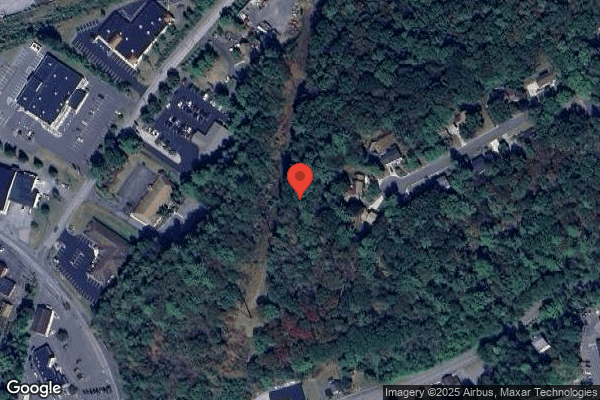
1 MATTHEW DRIVE, POTTSVILLE, PA 17901 (570) 644-0489
For profit - Corporation 48 Beds Independent Data: November 2025
Trust Grade
53/100
#291 of 653 in PA
Last Inspection: February 2025

Within standard 12-15 month inspection cycle. Federal law requires annual inspections.

Overview

Green Valley Skilled Nursing and Rehabilitation Center has a Trust Grade of C, which means it is considered average and is in the middle of the pack among nursing homes. In Pennsylvania, it ranks #291 out of 653 facilities, placing it in the top half, and #5 out of 12 in Schuylkill County, indicating that only four nearby options are better. However, the facility is experiencing a worsening trend, with reported issues increasing from 8 in 2024 to 9 in 2025. Staffing is average with a rating of 3 out of 5 stars and a turnover rate of 52%, which is concerning but close to the state average of 46%. The facility has incurred fines of $10,033, which is higher than 76% of Pennsylvania facilities, suggesting recurring compliance problems. Positive aspects include that the facility has more registered nurse coverage than many others in the state, which is beneficial for resident care. However, there are significant weaknesses, such as a serious incident where a resident suffered a sprained ankle due to neglect in care, and concerns from residents about insufficient activities and the lack of a qualified full-time nutrition services manager. Overall, families should weigh these strengths and weaknesses carefully when considering this facility for their loved ones.

Trust Score
C
53/100
In Pennsylvania
#291/653
Top 44%
Safety Record
Moderate
Needs review
Inspections
Getting Worse
8 → 9 violations
Staff Stability
⚠ Watch
52% turnover. Above average. Higher turnover means staff may not know residents' routines.
Penalties
⚠ Watch
$10,033 in fines. Higher than 93% of Pennsylvania facilities. Major compliance failures.
Skilled Nurses
✓ Good
Each resident gets 48 minutes of Registered Nurse (RN) attention daily — more than average for Pennsylvania. RNs are trained to catch health problems early.
Violations
⚠ Watch
29 deficiencies on record. Higher than average. Multiple issues found across inspections.
★★★☆☆
3.0
Overall Rating
★★★☆☆
3.0
Staff Levels
★★☆☆☆
2.0
Care Quality
★★★☆☆
3.0
Inspection Score
Stable
2024: 8 issues
2025: 9 issues

The Good

  • Full Sprinkler Coverage · Fire safety systems throughout facility
  • No fines on record

Facility shows strength in fire safety.

The Bad

3-Star Overall Rating

Near Pennsylvania average (3.0)

Meets federal standards, typical of most facilities

Staff Turnover: 52%

Near Pennsylvania avg (46%)

Higher turnover may affect care consistency

Federal Fines: $10,033

Below median ($33,413)

Minor penalties assessed

The Ugly 29 deficiencies on record

1 actual harm
Feb 2025 9 deficiencies
CONCERN (D) 📢 Someone Reported This

A family member, employee, or ombudsman was alarmed enough to file a formal complaint

Potential for Harm - no one hurt, but risky conditions existed

Deficiency F0604 (Tag F0604)

Could have caused harm · This affected 1 resident

**NOTE- TERMS IN BRACKETS HAVE BEEN EDITED TO PROTECT CONFIDENTIALITY** Based on a review of clinical records, select facility policy, documentation provided by the facility, and staff interviews, it ...

Read full inspector narrative →
**NOTE- TERMS IN BRACKETS HAVE BEEN EDITED TO PROTECT CONFIDENTIALITY** Based on a review of clinical records, select facility policy, documentation provided by the facility, and staff interviews, it was determined the facility failed to ensure that residents are free from physical restraints that are not required to treat a resident's medical symptoms for one resident out of three closed records reviewed (Resident 196). Findings include: A review of facility policy titled Abuse Policy and Procedure, last reviewed December 14, 2024, revealed it is facility policy to protect residents from abuse, neglect, misappropriation of property, corporal punishment, and involuntary seclusion. The policy indicates physical abuse includes, but is not limited to, hitting, slapping, pinching, or kicking. It also includes controlling behavior through corporal punishment. A review of facility policy titled Restraint Utilization and Reduction Policy, last reviewed December 14, 2024, revealed for each resident to attain and maintain his or her highest practicable well-being in an environment that prohibits the use of restraints, physical or chemical, for discipline or convenience and limits restraint use to circumstances in which the resident has medical symptoms. The policy indicates that restraints will only be considered 1.) as a last resort measure after a trial period where less restrictive measures have been undertaken and proven unsuccessful; 2.) with a physician's order; 3.) with the consent of the resident (or legal representative); 4.) when the benefits of the restraint outweigh the identified risks. A clinical record review revealed Resident 196 was admitted to the facility on [DATE], with diagnoses that include osteoarthritis (a degenerative joint disease that occurs when tissues that cushion the ends of bones within the joints break down) and acute respiratory failure (a condition where the lungs are unable to exchange oxygen and carbon dioxide between the blood and environment to meet the body's needs). A review of a quarterly Minimum Data Set assessment (MDS-a federally mandated standardized assessment process conducted periodically to plan resident care) dated October 23, 2024, revealed that Resident 196 is severely cognitively impaired with a BIMS score of 4 (Brief Interview for Mental Status- a tool within the Cognitive Section of the MDS that is used to assess the resident's attention, orientation, and ability to register and recall new information; a score of 0-7 indicates severe cognitive impairment). A review of Resident 196's care plan revealed the resident has an altered sleep and wake cycle, feeling tired, initiated on July 22, 2024. Interventions in place included decreasing environmental stimulation at night and evaluating for reasons sleep is not being obtained, such as grief, noise, pain, disease management, and disease diagnoses. The care plan indicated Resident 196 has a communication problem related to usually understanding and being understood initiated on July 25, 2024. Interventions in place include providing a safe environment with call light in reach, the bed in the lowest position, and avoiding isolation. A care plan indicated Resident 196 has a behavior problem related to suicidal ideation initiated on September 21, 2024. Interventions include calling external behavior health services as needed, 15-minute checks when in bed, and allowing the resident to lie on fall mats for safety when threatening to throw themselves on the ground. A clinical record review revealed a progress note dated October 27, 2024, at 12:28 AM, indicating the resident was found on the floor near her bed. The note indicated the resident was assessed without injury and transferred to the nursing station for observation and safety. The note indicated that Resident 196 requested to return to bed but continued under observation for safety reasons. A progress note dated October 27, 2024, at 3:38 AM, indicated the resident was returned to bed at approximately 1:00 AM but attempted to roll out of bed. The resident was brought out to the nurse's station in her wheelchair, where she ate pudding, and watched videos. Resident 196 requested to be put back in bed, stating, I don't want those pillows suffocating me. Resident 196 was offered a mattress on the floor in the common area, where she appeared comfortable. Resident assessed with vital signs within normal limits. A review of a witness statement dated November 4, 2024, revealed Employee 1, Registered Nurse's (RN), description of events that occurred on October 27, 2024, indicated Resident 196 was unwilling to remain in her bed. Resident 196 continually attempted to stand and slide from her wheelchair despite being offered snacks, toileted, diverted with videos, covered with warm linens, or engaged in conversation. Employee 1, RN, placed Resident 196's mattress and safety mats directly on the floor in the common area. Employee 1, RN, indicated she utilized available furniture to surround Resident 196 while she was positioned on the mats and mattress to create an adult-sized playpen. Employee 1, RN, indicated that after a while, Resident 196 stated, I don't like it in here, and Get me out of the cellar. Employee 1, RN, indicated she directed staff to remove Resident 196 from the playpen and return her to her wheelchair. A review of a witness statement dated November 4, 2024, revealed Employee 2, Licensed Practical Nurse (LPN), indicated that on October 27, 2024, Employee 1, RN, placed furniture around Resident 196 to make a playpen around the resident. Employee 2, LPN, indicated that Employee 1, RN, brought the bed out into the dayroom, placed the resident on the bed, and surrounded the bed with furniture to keep Resident 196 safe. Employee 2, LPN, explained that the resident attempted to get off the mattress, and additional mats were placed near the resident. Employee 2, LPN, confirmed that furniture was placed around Resident 196 to prevent her from moving. Employee 2, LPN, expressed concern regarding this intervention but did not report taking further action. A witness statement from Employee 3, Nurse Aide (NA), described the placement of furniture around Resident 196 as abusive and confirmed the resident remained surrounded by furniture for at least one hour before being removed. A review of Resident 196's clinical record revealed no physician's orders or documented evidence that a licensed provider authorized the use of surrounding furniture as a restraint to ensure her safety. Additionally, there was no documented evidence that other less restrictive measures were attempted and failed prior to the use of this restraint method. Further, there was no evidence that the resident or the resident's representative consented to the intervention or documented evidence that Employee 1, RN, attempted to call the external behavioral health service with concerns regarding the resident's safety. During an interview on February 27, 2025, approximately 12:30 PM, Employee 3, Nurse Aide (NA), indicated that on October 27, 2024, she recalled that Resident 196 was not herself. Employee 3, NA, indicated that Resident 196 was more active than usual, attempting to get out of bed and out of her chair. Employee 3, NA, indicated she remembered the resident's bed and chair alarm went off frequently that night. Employee 3, NA, indicated she observed Resident 196 in the dayroom surrounded by furniture but did not see who placed the furniture around the resident. Employee 3, NA, estimated the resident was surrounded by furniture for about an hour but was uncertain of the exact duration. Employee 3, NA, explained that Resident 196 would not have been able to remove the furniture without staff assistance. Employee 1, RN, and Employee 2, LPN, were not available for interview in person or by telephone interview. During an interview conducted on February 28, 2025, the Director of Nursing (DON) and Nursing Home Administrator (NHA) confirmed there was no documented physician order, care plan intervention, or resident or resident representative consent for the use of surrounding furniture as a safety intervention. The DON and NHA acknowledged the facility failed to ensure that Resident 196 was free from physical restraints not required to treat a medical symptom and that all appropriate interventions should have been exhausted before considering a restraint. 28 Pa. Code 201.14 (a) Responsibility of licensee. 28 Pa. Code 201.18(e)(1) Management. 28 Pa. Code 201.29(a) Resident rights. 28 Pa. Code 211.12 (c)(d)(1)(3)(5) Nursing services.
CONCERN (D)

Potential for Harm - no one hurt, but risky conditions existed

Assessment Accuracy (Tag F0641)

Could have caused harm · This affected 1 resident

**NOTE- TERMS IN BRACKETS HAVE BEEN EDITED TO PROTECT CONFIDENTIALITY** Based on a review of clinical records and the Resident Assessment Instrument and staff interview, it was determined the facility...

Read full inspector narrative →
**NOTE- TERMS IN BRACKETS HAVE BEEN EDITED TO PROTECT CONFIDENTIALITY** Based on a review of clinical records and the Resident Assessment Instrument and staff interview, it was determined the facility failed to ensure the Minimum Data Set Assessments (MDS - a federally mandated standardized assessment conducted at specific intervals to plan resident care) accurately reflected the status of one resident out of 13 sampled. (Residents 4). Findings included: A review of Resident 4's clinical record revealed the resident was admitted to the facility on [DATE] with diagnoses which included paranoid schizophrenia (a disorder that affects a person's ability to think, feel, and behave clearly) and major depressive disorder (a mental health condition that causes a persistently low or depressed mood and a loss of interest in activities that once brought joy). A review of the resident's Pennsylvania Preadmission Screening Resident Review Identification (PASRR) Level 1 form dated October 4, 2016, revealed the resident had a positive screen for serious mental illness and requires a further Level II evaluation. A review of a letter from the Pennsylvania Department of Human Services Office of Mental Health and Substance Abuse Services dated October 6, 2025, revealed the resident had been determined eligible for Level II services and the facility must provide or arrange for provision of mental health services. A review of Resident 4's significant change MDS assessment dated [DATE], revealed in Section A 1500 Preadmission Screening and Resident Review (PASRR) the resident was not considered a state Level II PASRR to have a serious mental illness. An interview with the RNAC (registered nurse assessment coordinator) on February 27, 2025, at 12:40 PM, confirmed the aforementioned MDS Assessment was inaccurate. 28 Pa. Code 201.18(e)(1) Management 28 Pa. Code 211.12(c)(d)(1)(5) Nursing services
CONCERN (D)

Potential for Harm - no one hurt, but risky conditions existed

Deficiency F0694 (Tag F0694)

Could have caused harm · This affected 1 resident

**NOTE- TERMS IN BRACKETS HAVE BEEN EDITED TO PROTECT CONFIDENTIALITY** Based on review of clinical records, select facility policy, and staff interview, it was determined the facility failed to provi...

Read full inspector narrative →
**NOTE- TERMS IN BRACKETS HAVE BEEN EDITED TO PROTECT CONFIDENTIALITY** Based on review of clinical records, select facility policy, and staff interview, it was determined the facility failed to provide person-centered care as prescribed to meet the current clinical needs, and failed to follow physician orders for management of a PICC line for one of 13 residents sampled (Resident 94). Findings include: Review of the facility Flushing Central Vascular Access Devices (CVAD- also known as a central line or central venous catheter is a thin flexible tube that is inserted into a vein to deliver fluids, medication, and other therapies into the bloodstream) and Midline Catheters (thin flexible tube that is inserted into a vein in the upper arm to deliver fluids and medications into the bloodstream)last reviewed December 14, 2024, indicated that Central Venous Access Devices and midline catheters will be flushed and aspirated for a blood return prior to each infusion to assess catheter function and after each infusion to clear the infused medication/solution from the catheter lumen, to decrease the risk of contact between incompatible medication/solutions, and to prevent complications. A physician order is required and should include type, amount, and frequency of flush. Review of the clinical record revealed that Resident 94 was admitted to the facility on [DATE], with a PICC line (a long tubing introduced through a vein in the arm, then through the subclavian vein into the superior vena cava or right atrium of the heart to administer parenteral fluids and medication) in the upper left arm for antibiotic therapy and had diagnoses to include right total knee replacement (TKR) and left knee infection. A physician order dated February 6, 2025, noted an order for Vancomycin HCL (an antibiotic) 1.5 gm intravenous (within a vein) one time daily for left knee infection until March 13, 2025. A physician order dated February 6, 2025, noted an order for Cefazolin Sodium (an antibiotic) 2 gm intravenous three times per day for right TKR until March 13, 2025. A physician order dated February 5, 2025, noted an order for Normal Saline flush 0.9% use 10 ml intravenously every shift for medications before and after IV (intravenous- within a vein) antibiotic administration. Review of Resident 94's February 2025 Medication Administration Record (MAR) failed to indicate the Resident's PICC line was flushed before and after the administration of each IV antibiotic as per physician order and facility policy. Interview with the Director of Nursing on February 28, 2025, at approximately 11:30 AM confirmed that there was no documented evidence that Resident 94's PICC line was consistently flushed before and after use for medication administration in accordance with physician orders and facility policy. 28 Pa. Code 211.12(d)(1)(3)(5) Nursing Services.
CONCERN (D)

Potential for Harm - no one hurt, but risky conditions existed

Respiratory Care (Tag F0695)

Could have caused harm · This affected 1 resident

**NOTE- TERMS IN BRACKETS HAVE BEEN EDITED TO PROTECT CONFIDENTIALITY** Based on a review of select facility policy, observation, and staff interview, it was determined the facility failed to maintain...

Read full inspector narrative →
**NOTE- TERMS IN BRACKETS HAVE BEEN EDITED TO PROTECT CONFIDENTIALITY** Based on a review of select facility policy, observation, and staff interview, it was determined the facility failed to maintain respiratory equipment in a manner to promote optimal functioning for one resident out of 13 sampled residents. (Resident 24). Findings include: A review of facility policy entitled Oxygen Therapy Mask and Nasal Cannula; Nebulizer Treatments last reviewed on December 14, 2024, revealed oxygen is administered appropriately to residents to improve oxygenation and provide comfort to residents experiencing respiratory difficulties Additionally, the policy states that oxygen tubing and humidifier bottles are to be changed weekly. A review of Resident 24's clinical record revealed the resident was admitted to the facility on [DATE], with diagnoses which included congestive heart failure (a condition where the heart muscle is weakened and cannot pump blood effectively). A review of the resident's clinical record revealed a physician's order dated January 16, 2025, and discontinued on January 23, 2025, for oxygen at 2 liters per minute via nasal cannula (a device that delivers extra oxygen through a tube into the nose) as needed for shortness of breath. A current physician's order dated January 24, 2025, was noted for oxygen at 1 liter per minute via nasal cannula as needed for shortness of breath. An observation on February 25, 2025, at approximately 11:00 AM revealed an oxygen concentrator in the resident's room. The oxygen tubing attached to the machine was dated January 20, 2025. An observation on February 26, 2025, at 11:45 AM, revealed the oxygen tubing remained attached to the oxygen concentrator and dated January 20,2025. An observation on February 27, 2025, at 9:20 AM revealed the oxygen tubing remained attached to the resident's oxygen concentrator dated January 10, 2025. An interview with the Director of Nursing on February 27, 2025, at 9:28 AM revealed the oxygen tubing should be changed weekly, and the DON acknowledged the oxygen tubing for Resident 24 had not been replaced per facility policy and confirmed the facility's failure to maintain the resident's oxygen equipment. 28 Pa. Code 211.12 (c)(d)(1)(3)(5) Nursing Services
CONCERN (D)

Potential for Harm - no one hurt, but risky conditions existed

Pharmacy Services (Tag F0755)

Could have caused harm · This affected 1 resident

**NOTE- TERMS IN BRACKETS HAVE BEEN EDITED TO PROTECT CONFIDENTIALITY** Based on review of clinical records, select facility policy, and staff interview, it was determined the facility failed to provi...

Read full inspector narrative →
**NOTE- TERMS IN BRACKETS HAVE BEEN EDITED TO PROTECT CONFIDENTIALITY** Based on review of clinical records, select facility policy, and staff interview, it was determined the facility failed to provide pharmaceutical services to ensure a system of records of receipt and disposition of all controlled drugs in sufficient detail to enable accurate accounting of controlled drugs when acquiring, receiving, dispensing, and or administering to identify possible diversion for one of three residents reviewed (Resident 43). Findings include: Review of the facility's Disposition of Controlled Medications Policy last reviewed December 14, 2024, indicated all controlled medication will be disposed of in accordance with federal and state laws and regulations. To prevent unauthorized/potential misappropriation of property, all controlled medications will be disposed of in a timely manner. Controlled medications must be accounted for, inventoried, and destroyed in the presence of two licensed clinicians. The disposition is documented on the accountability record to include the prescription number of the drug, name of the drug, and dosage of the drug, the quantity of the drug being disposed, method of disposal, and the signature of the clinicians present. Review of Resident 43's clinical record revealed the resident was admitted to the facility on [DATE], with diagnoses that included diabetes and prostate cancer (cancer that develops in the prostate gland, which is part of the male reproductive system). A physician's order dated November 14, 2024, noted an order for Oxycodone (opioid analgesic pain medication, a controlled medication) 2.5 mg every 2 hours as needed for pain or dyspnea. (difficult breathing). Nursing documentation dated November 27, 2024, revealed Resident 43 was discharged to home with discharge instructions and medications. Review of Resident 43's signed discharge instructions indicated the resident was discharged home with medications which included a total of 10 Oxycodone 2.5 mg tablets. Further review Resident 43's closed record revealed no documented evidence of a controlled medication accountability record for the Oxycodone 2.5 mg tablets. Interview with the director of nursing (DON) on February 28, 2025, at 10:00 AM failed to provide documented evidence that Resident 43's controlled medication accountability record for the Oxycodone 2.5 mg tablets was completed per facility policy. The DON confirmed that a controlled medication accountability record is to be completed for all controlled medications to prevent unauthorized or potential misappropriation of property and ensure accurate accounting and disposition of controlled drugs. 28 Pa. Code 211.12(d)(1)(3)(5) Nursing services
CONCERN (D)

Potential for Harm - no one hurt, but risky conditions existed

Medication Errors (Tag F0758)

Could have caused harm · This affected 1 resident

**NOTE- TERMS IN BRACKETS HAVE BEEN EDITED TO PROTECT CONFIDENTIALITY** Based on clinical record review and staff interviews, it was determined the facility failed to ensure the presence of physician ...

Read full inspector narrative →
**NOTE- TERMS IN BRACKETS HAVE BEEN EDITED TO PROTECT CONFIDENTIALITY** Based on clinical record review and staff interviews, it was determined the facility failed to ensure the presence of physician documentation of the clinical rationale for the increase of an antipsychotic medication for one resident out of five sampled residents for unnecessary medication use. (Resident 2). Findings included: Clinical record review revealed Resident 2 was admitted to the facility on [DATE], with diagnoses that include psychotic disorder (a mental health condition that causes a significant loss of touch with reality) and dementia (a condition characterized by the loss of cognitive functioning such as thinking, remembering, and reasoning, to such an extent that it interferes with a person's daily life and activities). A review of a quarterly Minimum Data Set assessment (MDS-a federally mandated standardized assessment process conducted periodically to plan resident care) dated December 15, 2024, revealed that Resident 2 is severely cognitively impaired with a BIMS score of 03 (Brief Interview for Mental Status- a tool within the Cognitive Section of the MDS that is used to assess the resident's attention, orientation, and ability to register and recall new information; a score of 01-07 indicates severe cognitive impairment). Additionally, a care plan for impaired cognitive function related to dementia, initiated on March 30, 2020, included interventions such as encouraging engagement in activities, promoting movement within the facility, and ensuring consistent caregivers whenever possible. A care plan indicating Resident 2 has the potential to be physically aggressive related to anger and dementia was initiated on September 20, 2021, with interventions including medication administration as ordered, behavioral analysis, psychiatric consultation as needed, and redirection from distressing stimuli. Additionally, a care plan for impaired cognitive function related to dementia, initiated on March 30, 2020, included interventions such as encouraging engagement in activities, self-propelling in facility hallways and activity rooms, and providing consistent caregivers as much as possible. A progress note dated January 27, 2025, at 1:25 PM, documented that a psychiatric interdisciplinary team meeting was held, where new recommendations were made, and the physician was noted to be aware and in agreement. Subsequently, a new physician order was written to increase Quetiapine Fumarate Oral Tablet 25 MG, directing 12.5 mg (½ tablet) by mouth twice a day, revised from once a day to twice a day. However, further review of the clinical record revealed no documented evidence of the clinical rationale for increasing Resident 2's antipsychotic medication, no discussion of alternative treatment options, and no documentation of resident or resident representative involvement in the decision-making process. A review of medication administration records from January 2025 through February 2025 confirmed that Resident 2 received the additional dose of Quetiapine Fumarate daily from January 28, 2025, through February 28, 2025 (32 doses administered). During an interview on February 27, 2025, at approximately 1:00 PM, the Director of Nursing (DON) stated they were unable to provide documented evidence of a clinical rationale for the medication increase. The DON confirmed the resident's antipsychotic medication was increased and acknowledged the clinical record lacked documentation supporting the rationale for the dosage increase, alternative interventions considered, or evidence of resident or resident representative participation in the decision-making process. The DON also confirmed it is the facility's responsibility to ensure residents are free from unnecessary psychotropic medication. 28 Pa. Code 201.29 (a) Resident rights. 28 Pa. Code 211.2 (d)(3)(7)(9) Medical director. 28 Pa. Code 211.5 (f)(ii)(iii)(x) Medical records. 28 Pa. Code 211.12 (d)(3) Nursing services.
CONCERN (E)

Potential for Harm - no one hurt, but risky conditions existed

Deficiency F0679 (Tag F0679)

Could have caused harm · This affected multiple residents

**NOTE- TERMS IN BRACKETS HAVE BEEN EDITED TO PROTECT CONFIDENTIALITY** Based on review of clinical records, resident council meeting minutes, and resident and staff interviews, it was determined the ...

Read full inspector narrative →
**NOTE- TERMS IN BRACKETS HAVE BEEN EDITED TO PROTECT CONFIDENTIALITY** Based on review of clinical records, resident council meeting minutes, and resident and staff interviews, it was determined the facility failed to provide an ongoing program of activities designed to meet the needs, interests, and preferences of residents as expressed by three out of four residents interviewed during a resident group interview. (Residents 4, 6, and 8). Findings include: A review of Resident Council meeting minutes dated January 16, 2025, revealed residents in attendance expressed concerns about decreased activity staff. The minutes indicated this concern was previously addressed by the Nursing Home Administrator (NHA). A review of Resident Council meeting minutes dated February 21, 2025, revealed residents in attendance expressed a desire to lead Bingo activities one day each week. A clinical record review revealed Resident 4 was admitted to the facility on [DATE]. A review of a change in status Minimum Data Set assessment (MDS-a federally mandated standardized assessment process conducted periodically to plan resident care) dated January 17, 2025, revealed that Resident 4 is cognitively intact with a BIMS score of 15 (Brief Interview for Mental Status- a tool within the Cognitive Section of the MDS that is used to assess the resident's attention, orientation, and ability to register and recall new information; a score of 13-15 indicates cognition is intact). A clinical record review revealed Resident 6 was admitted to the facility on [DATE]. A review of a quarterly MDS assessment dated [DATE], Section C1000. Cognitive Skills for Daily Decision Making revealed that Resident 6 has moderate impairment in her ability to make decisions regarding tasks of daily life. The assessment indicated the resident was not able to complete the Brief Interview for Mental Status (BIMS). A clinical record review revealed Resident 8 was admitted to the facility on [DATE]. A review of a quarterly Minimum Data Set assessment dated [DATE], revealed that Resident 8 is cognitively intact with a BIMS score of 15 indicating intact cognition. During a resident group interview on February 26, 2025, at 10:00 AM, three out of four residents in attendance raised concerns indicating there were no staff available to facilitate programs or activities on Sundays or Mondays. Resident 4 stated that she would prefer at least one program on Sundays and Mondays and expressed an interest in hymn singing on Sundays. Residents 6 and 8 also indicated there is very little to do on Sundays and Mondays. Both residents indicated an interest in an additional bingo activity. Resident 8 stated she would be interested in leading an activity for other residents on days when no activity staff were available. Resident 6 stated that she does not socialize or spend time in the activity room when no staff are present to facilitate activities. Residents 4, 6, and 8 confirmed they had brought up the concern about the lack of activities on Sundays and Mondays during Resident Council meetings, but no action had been taken to resolve the issue. A review of the resident activity calendar for February 2025 confirmed that no staff-facilitated activities were scheduled on Sundays or Mondays from February 1, 2025, through February 28, 2025. A review of facility staffing documentation confirmed that no activity staff were assigned to work on Sundays or Mondays from February 1, 2025, through February 28, 2025. During an interview with the Nursing Home Administrator (NHA) on February 27, 2025, at approximately 1:00 PM, the NHA confirmed that no activity staff were assigned to work on Sundays or Mondays. The NHA also confirmed that residents had raised concerns during Resident Council meetings and that the facility was in the process of assigning activity staff to address residents' interests, needs, and preferences. The NHA acknowledged that it is the facility's responsibility to ensure that residents are provided with an ongoing program of activities designed to meet their needs, interests, and preferences. 28 Pa. Code 201.29 (a) Resident rights.
CONCERN (E)

Potential for Harm - no one hurt, but risky conditions existed

Deficiency F0692 (Tag F0692)

Could have caused harm · This affected multiple residents

**NOTE- TERMS IN BRACKETS HAVE BEEN EDITED TO PROTECT CONFIDENTIALITY** Based on review of clinical records, select facility policy, and staff interview it was determined the facility failed to monito...

Read full inspector narrative →
**NOTE- TERMS IN BRACKETS HAVE BEEN EDITED TO PROTECT CONFIDENTIALITY** Based on review of clinical records, select facility policy, and staff interview it was determined the facility failed to monitor the nutritional parameters of two residents (Resident 36 and Resident 20) with an identified significant weight loss and failed to implement a planned nutrition intervention in response to weight loss for one resident (Resident 20) out of 13 residents sampled. Findings include: A review of a facility policy titled Monitoring Resident's Weight last reviewed by the facility on December 14, 2024, revealed if a resident experiences a weight loss or gain, the resident will be reweighed at the time of the noted change in weight. If there is a weight change a physician will be notified. Further the policy indicated if there is a five-pound weight gain or loss, the resident will be reweighed at the time of the noted change in weight. If there is a gain/loss it will be documented, and the physician and the Food Service Supervisor will be notified. A review of the clinical record revealed that Resident 36 was admitted to the facility on [DATE], with diagnoses that include cerebral infarction due to unspecified occlusion or stenosis of the right MCA (a type of stroke in the middle cerebral artery that occurs when blood flow to the brain is blocked), dysarthria (a speech disorder that makes it hard to speak clearly), and hemiplegia affecting the left dominant side (the left side of the body including the arm, leg, and face are paralyzed). A review of Resident 36's clinical record noted the following weights: December 8, 2024 - 174.0 lbs. December 17, 2024 - 161.6 lbs. indicating a 12.4 lb. weight loss which was a 7.12% weight loss in 9 days. Further review of the resident's clinical record revealed the following weights: February 9, 2025- 157.2 lbs. February 24, 2025 - 150.2 lbs. indicating a 7 lb. weight loss. There was no documented evidence the facility conducted a required reweight at the time of the weight loss, as outlined in the facility's policy. Additionally, there was no documentation the physician and resident representative were notified of the weight loss. Interview with the Director of Nursing on February 27, 2025, at approximately 10:00 AM confirmed that the resident's reweights were not conducted as per facility's policy when a change in weight was documented, and the weight loss was not communicated to the physician each time a significant weight loss was noticed. Review of the clinical record revealed that Resident 20 was admitted to the facility on [DATE], with diagnoses which include dementia (chronic or persistent disorder of the mental processes caused by brain disease or injury and marked by memory disorders, personality changes, and impaired reasoning) and diabetes. A review of the resident's weight record revealed the following recorded weights: September 20, 2024- 255.6 lbs. October 3, 2024- 245.6 lbs. November 1, 2024- 235.2 lbs. November 2, 2024- 234 lbs. December 11, 2024- 232 lbs. January 8, 2025- 226 lbs. February 5, 2025- 217.6 lbs. (reflective of a 38 lb.,14.8% significant weight loss since September 20, 2024) February 19, 2025- 221 lbs. The facility failed to reweigh the resident following the significant weight loss documented on February 5, 2025, and there was no documented evidence that the physician and resident representative were notified. A review of a dietary weight change note written by the registered dietitian on February 14, 2025, indicated that a dietary referral had been made in response to a 37.9-pound weight loss over five months. The resident's current weight was 217.6 pounds, with a body mass index (BMI screening tool calculation that estimates body fat based on weight and height) of 31.2, which falls within the overweight category, despite the significant weight loss. The dietitian recommended daily weights to monitor further changes. The resident's appetite was noted to vary, and the resident was receiving a no concentrated sweets (NCS), no added salt (NAS) regular diet with fortified foods at all meals to support nutritional intake. Additionally, the resident's protein powder supplement was increased from one scoop to three times daily to provide additional protein. The note also referenced a fluid restriction of 1800 cc due to congestive heart failure (a chronic condition in which the heart cannot pump enough blood to meet the body's needs) and edema (swelling caused by excess fluid buildup in the body's tissues). To further support caloric intake, the dietitian recommended adding a daily health shake, a nutritional beverage supplement that provides additional calories, protein, and essential nutrients. However, a review of the clinical record revealed discrepancies as the resident's fluid restriction had been discontinued on October 1, 2024, yet it was still referenced in the dietary note. There was no documented evidence that daily weights were being completed as recommended and there was no documented evidence the recommended health shake was implemented as part of the resident's nutritional intervention. Interview with the director of nursing (DON) on February 28, 2025, at approximately 11:00 AM confirmed that the resident's reweight was not conducted as per facility's policy when a change in weight was documented, and the weight loss was not communicated to the physician and resident representative at the time the significant weight loss was noticed. The DON confirmed that Resident 20's fluid restriction was discontinued, daily weights were not being completed, and that the health shake which was recommended as a nutritional intervention was not implemented. 28 Pa Code 211.5(f)(ii)(ix) Medical records 28 Pa Code 211.10 (c) Resident care policies 28 Pa. Code 211.12 (c)(d)(3)(5) Nursing services
CONCERN (E)

Potential for Harm - no one hurt, but risky conditions existed

Drug Regimen Review (Tag F0756)

Could have caused harm · This affected multiple residents

**NOTE- TERMS IN BRACKETS HAVE BEEN EDITED TO PROTECT CONFIDENTIALITY** Based on a review of clinical records and staff interview, it was determined the physician failed to act upon pharmacist identif...

Read full inspector narrative →
**NOTE- TERMS IN BRACKETS HAVE BEEN EDITED TO PROTECT CONFIDENTIALITY** Based on a review of clinical records and staff interview, it was determined the physician failed to act upon pharmacist identified irregularities in the medication regimen of three of 13 residents sampled (Resident 11, 24, and 4). Findings include: A review of the clinical record revealed that Resident 11 was admitted to the facility on [DATE], and had diagnoses that included anxiety disorder, major depressive disorder (condition characterized by persistent low mood, loss of interest, and other symptoms that significantly interfere with daily life), and dementia (disorder characterized by a progressive decline in cognitive abilities, such as memory, thinking, reasoning, and problem-solving) Medication regimen reviews were conducted on October 10, 2024, November 11, 2024, December 10, 2024, and February 2, 2025, indicating the pharmacist made recommendations. However, the facility was unable to provide documentation of the recommendations or the physician's response to the recommendations. A review of Resident 24's clinical record revealed the resident was admitted to the facility on [DATE], with diagnoses which included dementia and major depressive disorder. Medication regimen reviews conducted on July 23, 2024, and September 20, 2024, indicated that the pharmacist made recommendations. The facility could not provide documentation of the recommendations or the physician's response to the recommendations. A review of Resident 4's clinical record revealed the resident was admitted to the facility on [DATE], with diagnoses which included paranoid schizophrenia (a disorder that affects a person's ability to think, feel, and behave clearly) and major depressive disorder. Medication regimen reviews conducted on September 20, 2024, and October 10, 2024, indicated that the pharmacist made recommendations. However, the facility was unable to provide documentation of the recommendations or the physician's response to the recommendations. In an interview with the Nursing Home Administrator on February 28, 2025, at approximately 1:00 PM, the administrator confirmed that the facility could not locate documentation of the pharmacist's recommendations and confirmed there was no documentation the physician had acted upon the pharmacist recommendations. 28 Pa. Code 211.9 (k) Pharmacy services. 28 Pa. Code 211.12 (c) Nursing services. 28 Pa. Code 211.2 (d)(3) Medical Director
Mar 2024 8 deficiencies 1 Harm
SERIOUS (G)

Actual Harm - a resident was hurt due to facility failures

Free from Abuse/Neglect (Tag F0600)

A resident was harmed · This affected 1 resident

**NOTE- TERMS IN BRACKETS HAVE BEEN EDITED TO PROTECT CONFIDENTIALITY** Based on a review of the facility's abuse prohibition policy, select incident reports and clinical records, and interviews with ...

Read full inspector narrative →
**NOTE- TERMS IN BRACKETS HAVE BEEN EDITED TO PROTECT CONFIDENTIALITY** Based on a review of the facility's abuse prohibition policy, select incident reports and clinical records, and interviews with staff and a resident's family, it was determined that the facility neglected to provide the care and services necessary to avoid physical harm and maintain the physical health of one resident out of 14 residents sampled (Resident 33), resulting in an sprained ankle, which caused the resident pain and a decline in abilities to perform activities of daily living. Findings include: A review of the facility policy titled Abuse Policy and Procedure, indicated as last reviewed by the facility on November 1, 2023, revealed that it is the facility's policy to protect residents from neglect and all incidents of suspected neglect will be thoroughly investigated and reported to the Pennsylvania Department of Health and other agencies as directed by law. The policy defines neglect as the failure of the facility, its employees, or service providers to provide services to a resident that are necessary to avoid physical harm, pain, mental anguish, or emotional distress. A clinical record review revealed that Resident 33 was admitted to the facility on [DATE], with diagnoses that included cerebral ischemia (a condition characterized by impaired blood flow to the brain) and dementia (a condition characterized by the loss of cognitive functioning such as thinking, remembering, and reasoning, to such an extent that it interferes with a person's daily life and activities). A review of a quarterly Minimum Data Set assessment (MDS - a federally mandated standardized assessment process conducted periodically to plan resident care) dated February 16, 2024 revealed that Resident 33 has severe cognitive impairment with a BIMS score of 05 (Brief Interview for Mental Status- a tool within the Cognitive Section of the MDS that is used to assess the resident's attention, orientation, and ability to register and recall new information; a score of 00-07 indicates severe cognitive impairment). The resident's care plan identified that Resident 33 had ADL self-care performance deficit related to dementia and impaired balance, initiated August 14, 2023, with planned interventions that the resident requires the assistance of two staff for toileting. A physician's order was noted on January 3, 2024, indicating that Resident 33 requires two staff for all transfers with a gait belt and rollator walker (a mobility assistance device with wheels). A physician's order was initiated on January 19, 2024, for physical therapy, therapeutic exercise, therapeutic activity, wheelchair training, and gait training. An employee witness statement dated February 29, 2024, provided by Employee A1, nurse aide, revealed that on February 29, 2024, at 9:45 AM, he was transferring Resident 33 from the toilet when the resident's left knee gave out. Employee A1's statement indicated that he then lowered Resident 33 to the floor. The employee's statement indicated that Employee A1 transferred the resident by himself without the assistance of another staff member as the resident required. A progress note dated February 29, 2024, at 9:58 AM revealed that Resident 33's left leg gave out while being transferred from toilet to wheelchair. The note indicated that no injuries were identified and that the resident had no complaints of pain. A progress note dated February 29, 2024, at 3:03 PM revealed that Resident 33 was reporting left ankle tenderness, edema, and pain. The resident's left ankle was swollen. The resident's representative was present and indicated that Resident 33 was not able to bear weight on her ankle. The physician ordered that Resident 33 was to receive an X-ray of her left ankle. A progress note dated February 29, 2024, at 5:08 PM revealed that X-ray results were received and no fractures were noted. A review of a facility incident report dated March 1, 2024, revealed that Employee A1, nurse aide, was aware that Resident 33 required the assistance of two staff members for transfers, but Employee A1 felt he was strong enough {to transfer the resident by himself}. The report indicated that Employee A1 received a written disciplinary warning and was educated on following physician orders and care plans. The report also indicated that Resident 33's ankle was sprained with edema and slight redness. A progress note dated March 1, 2024, at 12:30 PM revealed that the resident continued to have left ankle pain. Resident 33's left ankle was wrapped for support, ice was applied, and the leg was elevated. The resident had complaints of pain when bearing weight. A review of the resident's Medication Administration Records for February 2024 and March 2024 revealed that Resident 33 received: Tylenol 325 mg on February 29, 2024, at 2:53 PM with a pain level of 6 out of 10 Tylenol 325 mg on February 29, 2024, at 11:57 PM with a pain level of 4 out of 10 Tylenol 325 mg on March 1, 2024, at 10:30 AM with a pain level of 6 out of 10 Tylenol 325 mg on March 1, 2024, at 3:42 PM with a pain level of 6 out of 10 A physician order was initiated on March 2, 2024, for Resident 33 to be transferred with a Hoyer lift until her ankle swelling decreased. The order was discontinued on March 13, 2024. A review of physical therapy treatment encounters revealed that on February 26, 2024, prior to the injury to the resident's ankle, on February 29, 2024, Resident 33 performed gait training for 10 feet, 40 feet, and 30 feet with a front wheeled walker (mobility device) with the assistance of one staff and performed sit-to-stand transfer training with the assistance of one staff. The summary of service indicated that the resident did not experience pain during the session. On February 26, 2024, the resident's progress was discussed with Resident 33's family member. The resident was able to ambulate 15 to 20 feet. The family member indicated that he is hopeful that with continued treatment he will be able to take Resident 33 home. The note indicated that there would be a greater focus on transfer training. The summary of service indicated that the resident did not experience pain during the session. Therapy documentation indicated that on February 28, 2024, Resident 33 performed sit-to-stand transfer training with minimal staff assistance. The summary of service indicated that the resident did not experience pain during the session. Following the injury to the resident's ankle on February 29, 2024, therapy noted on March 4, 2024, that Resident 33 performed transfer training from sit to stand with moderate assistance from one staff member. During the physical therapy session, the resident complained of a constant stabbing left foot/ankle pain level of 5 out of 10. The summary of service indicated that the resident's left foot pain impacted the therapy session. Therapy noted on March 6, 2024, that Resident 33 performed transfer training from sit to stand with moderate and maximum assistance from one staff member. During the physical therapy session, the resident reported moderate pain in the left ankle/foot. The summary of service indicated that pain limited the resident's ability to transfer and ambulate. Therapy noted on March 8, 2024, that Resident 33 performed transfer training from sit to stand with moderate assistance from one staff member. The resident was able to stand for a maximum of 30 seconds with caregiver assistance. The summary of service indicated that the resident was reporting pain in the left foot that limited transferring and ambulation. A documentation survey report for February 2024 of the activities of daily life tasks walking in the corridor (how the resident walks in the corridor) and walking in the room (how the resident walks in her room) revealed that Resident 33 was able to walk in the facility corridors on 12 occasions with staff assistance and 16 times in her room with staff assistance from February 1, 2024, through February 29, 2024. However, following the resident's ankle injury on February 29, 2024, the documentation survey report for March 2024 for the activities of daily life tasks walking in the corridor and walking in her room revealed that these tasks were not applicable or that the resident was dependent on staff for the activities occurring from March 1, 2024, through March 25, 2024. During an interview on March 26, 2024, at 11:10 AM, Resident 33's family member stated that Resident 33 fell and twisted her ankle a few weeks ago while one staff member was trying to transfer her instead of two people that she requires. He explained that since the resident's fall, Resident 33 has had a setback in her physical rehabilitation. He stated that the resident is now unable to walk as well as she did before the incident. He explained that the goal is for Resident 33 to be discharged home after rehab, but now he's unsure when the resident will have recovered enough to return home. During an interview on March 28, 2024, at approximately 9:30 AM, the Nursing Home Administrator (NHA) confirmed that the facility staff failed to ensure that Resident 33 received the services necessary to avoid physical harm. The NHA confirmed that Employee A1, Nurse Aide, was aware that Resident 33's transfer was to be performed with two people but neglected to assure the presence of a second person and performed the transfer by himself, resulting in Resident 33's sprained ankle and subsequent decline in activities of daily life (i.e. walking in her room and corridor. 28 Pa. Code 201.18 (e)(1) Management 28 Pa. Code 201.29 (a) Resident Rights 28 Pa. Code 211.12 (d)(5) Nursing Services
CONCERN (D)

Potential for Harm - no one hurt, but risky conditions existed

Deficiency F0558 (Tag F0558)

Could have caused harm · This affected 1 resident

**NOTE- TERMS IN BRACKETS HAVE BEEN EDITED TO PROTECT CONFIDENTIALITY** Based on observations, a review of clinical records, and resident and staff interviews, it was determined that the facility fail...

Read full inspector narrative →
**NOTE- TERMS IN BRACKETS HAVE BEEN EDITED TO PROTECT CONFIDENTIALITY** Based on observations, a review of clinical records, and resident and staff interviews, it was determined that the facility failed to provide reasonable accommodations to facilitate a resident's participation in activities for one of the 14 residents sampled (Resident 41). Findings include: A clinical record review revealed that Resident 41 was admitted to the facility on [DATE], with diagnoses that included chronic obstructive pulmonary disease (COPD is a condition caused by damage to the airways or other parts of the lung that blocks airflow and makes it hard to breathe). A review of an initial comprehensive Minimum Data Set assessment (MDS - a federally mandated standardized assessment process conducted periodically to plan resident care) dated February 17, 2024 revealed that Resident 41 is cognitively intact with a BIMS score of 15 (Brief Interview for Mental Status- a tool within the Cognitive Section of the MDS that is used to assess the resident's attention, orientation, and ability to register and recall new information; a score of 13-15 indicates cognition is intact). The resident's care plan, initated February 15, 2023, identified that Resident 41 has a need for socialization and engagement with interventions planned to invite the resident to scheduled activities. Resident 41's activity preferences were identified as bingo, arts and crafts, exercise, singing in church choir, and church or faith based activities. During an interview on March 26, 2024, at 12:00 PM, Resident 41 stated that she doesn't attend many activities because her wheelchair will not pass through the Activity Room door. She explained that once, she sat in the hallway outside the Activity Room during spiritual services and listened the best she could because her wheelchair won't fit through the door. A review of the facility's March 2024 Activity Calendar revealed that approximately 50 activities are scheduled to occur in the facility's Activity Room, including bingo, hymnal singing, and pastoral activities. A review of Resident 41's wheelchair dimensions and specifications revealed that the resident has a bariatric wheelchair with a 30-inch seat. The wheels of the chair extend an additional four inches from the seat on both sides of the chair with an approximate width of the chair at 40 inches. During an observation on March 28, 2024, at approximately 10:15 AM, the Director of Maintenance measured the Activity Room door as 36-inches. During an interview at the same time as the observation, the Director of Maintenance confirmed that Resident 41 was unable to enter the facility's Activity Room because her wheelchair would not fit through the door. He also explained that he was aware of the issue and provided a work order dated March 15, 2024, to address the resident's access to the room, which had yet to be completed as of the time of the survey ending March 28, 2024. During an interview on March 28, 2024, at approximately 9:30 AM, the Nursing Home Administrator (NHA) confirmed that the facility failed to make reasonable accommodations to afford Resident 41 the opportunity to participate in activities of choice. 28 Pa. Code 201.29 (a) Resident rights
CONCERN (D)

Potential for Harm - no one hurt, but risky conditions existed

Abuse Prevention Policies (Tag F0607)

Could have caused harm · This affected 1 resident

Based on a review of the facility's abuse policy and employee personnel files and staff interview, it was determined that the facility failed to implement their established abuse prohibition procedure...

Read full inspector narrative →
Based on a review of the facility's abuse policy and employee personnel files and staff interview, it was determined that the facility failed to implement their established abuse prohibition procedures for fully screening and training one employee out of five reviewed to ensure that they were eligible for employment in a long-term care nursing facility (Employee 1). Findings include: A review of the facility's policy titled Abuse Policy and Protection last reviewed by the facility November 1, 2023, revealed procedures for screening potential employees for history of abuse, neglect, and misappropriation of property that included protocols for conducting background checks for Federal criminal (if applicable) and State criminal, reference checks to focus on obtaining information from current and previous employers, and verification that all employees with certification or licensure are checked to verify licensure or certification is in good standing. It also indicated in the training procedures that the facility trains employees and volunteers through orientation and annually on issues related to abuse, which includes the facility's abuse prevention policies and procedures. Review of the personnel files of newly hired employees in the last 4 months, provided by the facility during the survey ending March 28, 2024, revealed that Employee 1 (nurse aide) was rehired on December 23, 2023. Employee 1 was initially hired August 16, 2022, and terminated August 18, 2023. There was no documented evidence that the facility obtained an employment application for the December 23, 2023, re-hire of Employee 1. There was no indication that a PA State Police criminal background check was conducted. There was no indication that the facility contacted previous employers to screen for history of abuse or mistreatment. There was no indication that the employee's nurse aide certification was verified. There also was no documentation that Employee 1 had received orientation training to include abuse training, according to facility policy. Interview with Employee 2 (Business Office Manager) on March 27, 2024, at 11:25 AM verified that the facility did not have an application packet for Employee 1's re-hire on December 23, 2023. She indicated that Employee 1 was beyond the 30-day return to work timeframe and that the facility should have obtained a new application. Employee 2 was unable to provide evidence that a PA criminal background check was completed, that previous employers were contacted, and that Employee 1's nurse aide certification was verified. There was also no evidence that Employee 1 received orientation training to include abuse training for the December 23, 2023, employment. 28 Pa Code 201.18 (e)(1) Management 28 Pa. Code 201.29(a)(c) Resident rights 28 Pa. Code 201.20(b)(d) Staff Development 28 Pa. Code 201.19 (6)(7)(9)(10) Personnel
CONCERN (D)

Potential for Harm - no one hurt, but risky conditions existed

Report Alleged Abuse (Tag F0609)

Could have caused harm · This affected 1 resident

Based on the review of the facility's abuse prohibition policy, clinical records, select facility investigations, and staff interviews, it was determined that the facility failed to timely report an i...

Read full inspector narrative →
Based on the review of the facility's abuse prohibition policy, clinical records, select facility investigations, and staff interviews, it was determined that the facility failed to timely report an instance of resident neglect to the State Survey Agency for one out of the 14 residents reviewed (Resident 33). Findings include: A review of the facility policy titled Abuse Policy and Procedure, indicated as last reviewed by the facility on November 1, 2023, revealed that it is the facility's policy to protect residents from neglect, and all incidents of suspected neglect will be thoroughly investigated and reported to the Pennsylvania Department of Health and other agencies as directed by law. The policy indicates that the nature of the allegations and the names of the resident(s) and individual(s) implicated will be reported to the Department of Health within five calendar days of the incident. A witness statement dated February 29, 2024, provided by Employee A1, nurse aide, revealed that on February 29, 2024, at 9:45 AM, he was transferring Resident 33 from the toilet when her left knee gave out. Employee A1 indicated that he then lowered Resident 33 to the floor. A progress note dated February 29, 2024, at 9:58 AM revealed that Resident 33's left leg gave out while being transferred from toilet to wheelchair. The note indicated that no injuries were identified and that the resident had no complaints of pain. A progress note dated February 29, 2024, at 3:03 PM revealed that Resident 33 was reporting left ankle tenderness, edema, and pain. The note indicated that the resident's left ankle was swollen. The resident's representative was present and indicated that Resident 33 was not able to bear weight on her ankle. A review of a facility incident report dated March 1, 2024, revealed that Employee A1, Nurse Aide, was aware that Resident 33 required the assistance of two staff members for transfers, but Employee A1 felt he was strong enough {to transfer the resident by himself}. The report indicated that Employee A1 received a written disciplinary warning and was educated on following physician orders and care plans. The report also indicated that Resident 33's ankle was sprained with edema and slight redness. A Fall Committee Meeting Progress note dated March 7, 2024, at 10:33 AM indicated that Resident 33 fell during a transfer and sustained an ankle injury. The progress note indicated that a nurse aide transferred the resident with only one staff member when the resident had physician orders for the use of two staff members. Education was provided to the nurse aide. During an interview on March 28, 2024, at approximately 9:30 AM, the Nursing Home Administrator (NHA) confirmed that the facility staff failed to ensure that Resident 33 received the services necessary to avoid physical harm. The NHA confirmed that Employee A1, Nurse Aide, was aware that Resident 33's transfer was to be performed with two people but neglected to assure the presence of a second person and performed the transfer by himself, resulting in Resident 33's sprained ankle. The NHA confirmed that the neglect of Resident 33 that occurred on February 29, 2024, was not reported to the State Survey Agency within the required time frames. Refer to F600 28 Pa Code 201.1 (a) Responsibility of licensee 28 Pa Code 201.18 (e)(1) Management
CONCERN (D)

Potential for Harm - no one hurt, but risky conditions existed

Deficiency F0745 (Tag F0745)

Could have caused harm · This affected 1 resident

**NOTE- TERMS IN BRACKETS HAVE BEEN EDITED TO PROTECT CONFIDENTIALITY** Based on review of clinical records and staff interviews, it was revealed that the facility failed to provide therapeutic social...

Read full inspector narrative →
**NOTE- TERMS IN BRACKETS HAVE BEEN EDITED TO PROTECT CONFIDENTIALITY** Based on review of clinical records and staff interviews, it was revealed that the facility failed to provide therapeutic social services to promote the mental and psychosocial well-being of one resident out of 14 sampled (Resident 8) Findings include: According to regulatory guidance at §483.40(d) Situations in which the facility should provide social services or obtain needed services from outside entities include, but are not limited to the following: • Meeting the needs of residents who are grieving from losses and coping with stressful events. • Lack of an effective family or community support system or legal representative; • Expressions or indications of distress that affect the resident's mental and psychosocial well-being, resulting from depression, chronic diseases (e.g., Alzheimer's disease and other dementia related diseases, schizophrenia, multiple sclerosis), difficulty with personal interaction and socialization skills, and resident to resident altercations; • Abuse of any kind (e.g., alcohol or other drugs, physical, psychological, sexual, neglect, exploitation); • Difficulty coping with change or loss (e.g., change in living arrangement, change in condition or functional ability, loss of meaningful employment or activities, loss of a loved one); and • Need for emotional support. • A review of the clinical record revealed that Resident 8 was admitted to the facility on [DATE], with diagnoses to include malignant neoplasm of the colon, chronic obstructive pulmonary disease (COPD), depression and dementia (chronic or persistent disorder of the mental processes caused by brain disease or injury and marked by memory disorders, personality changes, and impaired reasoning). A review of a quarterly Minimum Data Set assessment (MDS - a federally mandated standardized assessment process conducted periodically to plan resident care) dated December 22, 2023, revealed that the resident was moderately cognitively impaired with a BIMS score of 10 (Brief Interview for Mental, which assesses cognition, a tool to assess the resident's attention, orientation, and ability to register and recall new information). The resident's care plan indicated that she has a behavior problem related to verbal and other behaviors, date-initiated June 6, 2023. A review of a behavior note dated December 1, 2023, 5:03 PM indicated that the resident asked aides for scissors or a razor. When asked why she stated I want to slit my wrists. There was no documentation in Resident 8's clinical record that therapeutic Social Services were provided to the resident in response to the statement of distress made on December 1, 2023. Interview with Director of Social Services, on March 27, 2024, at approximately 2:20 PM revealed she was not aware of the statement made by the resident and verified that she had not followed up, or talked with Resident 8 in response to statement of wanting to slit her wrists. Interview with the Nursing Home Administrator (NHA) on March 28, 2024, at approximately 9:00 AM, confirmed that there was no documented evidence of the provision of therapeutic social services provided to Resident 8 following her statement of desire to harm herself. 28 Pa. Code 201.29 (a) Resident rights.
CONCERN (D)

Potential for Harm - no one hurt, but risky conditions existed

Medical Records (Tag F0842)

Could have caused harm · This affected 1 resident

**NOTE- TERMS IN BRACKETS HAVE BEEN EDITED TO PROTECT CONFIDENTIALITY** Based on a review of clinical records and resident and staff interview, it was determined that the facility failed to maintain a...

Read full inspector narrative →
**NOTE- TERMS IN BRACKETS HAVE BEEN EDITED TO PROTECT CONFIDENTIALITY** Based on a review of clinical records and resident and staff interview, it was determined that the facility failed to maintain accurate and complete clinical records consistent with professional standards of practice by failing to timely and accurately document the facility's response to a change in a resident's condition for one resident out of 14 sampled. Findings include: According to the American Nurses Association Principles for Nursing Documentation, nurses document their work and outcomes and provide an integrated, real-time method of informing the health care team about the patient status. Timely documentation of the following types of information should be made and maintained in a patient's EHR (electronic health record) to support the ability of the health care team to ensure informed decisions and high quality care in the continuity of patient care: · Assessments · Clinical problems · Communications with other health care professionals regarding the patient · Communication with and education of the patient, family, and the patient ' s designated support person and other third parties. A review of the clinical record revealed that Resident 40 was most recently admitted to the facility on [DATE], with diagnoses that included congestive heart failure (CHF), diabetes, chronic kidney disease, and gastro-esophageal reflux disease (GERD). A quarterly Minimum Data Set assessment (MDS-standardized assessment completed at specific intervals to identify specific resident care needs) dated March 3, 2024, indicated that the resident was cognitively intact with a BIMS (brief interview to assess cognitive status) score of 15 (13 - 15 represents cognitively intact), had impairment on both sides with her functional range of motion (ROM) in her lower extremity, and that she required substantial/maximal assistance with her lower body dressing. A nursing note dated March 23, 2024, at 12:53 PM, indicated that the resident's vital signs were stable, continued on a fluid restriction as ordered, laid down after each meal, with feet elevated, left lower leg weeping and monitored. Weight within normal limits. Continues on pain management as ordered. No new areas noted. Nursing noted Will continue to monitor. A review of a nursing note dated March 24, 2024, at 8:15 PM, indicated that the resident had some weeping of the left lower extremity and an dressing (ABD) was applied, loose wrap of cling to contain the drainage. During an interview Resident 40 on March 26, 2024, at approximately 11:20 AM, in her room, the resident was seated in a wheelchair. The resident stated that her legs are weeping. and showed the surveyor her left lower extremity, which presented clear fluid running down her leg. She stated she was recently hospitalized for congestive heart failure (CHF), had a recent weight gain, and is taking a diuretic (medication to help the body reduce extra fluid from the body). The resident was unsure if the physician was aware of the condition of her legs and the weeping. A nursing note dated March 26, 2024, at 12:12 PM, noted that the resident's bilateral lower legs were edematous and weeping. The resident complained of shortness of breath (SOB). Pulse ox 94 % on room air. Nebulizer treatment was provided as ordered and effective. Nursing noted that the resident had no signs/symptoms distress. The physician was made aware. A nursing note dated March 27, 2024, at 9:41 AM, indicated that the resident's physician was in facility this morning, visited with the resident, and reviewed all lab results. A new order was noted to increase the resident's Trazadone (a medication used to treat depression) to 25 milligram (mg) at bedtime (HS). Nursing noted that the resident was aware of all information. There was no corresponding physician progress note reflecting the contents of this physician visit with the resident and if the physician had discussed the condition of the resident's weeping lower leg with the resident. During a follow-up interview with Resident 40 on March 27, 2024, at approximately 1:35 PM, the resident was seated in a wheelchair in her room, with bilateral cling dressings loosely wrapped down at her ankles. Resident 40 stated last evening some nurse was speaking with her and had applied the dressings and had changed her bedding because of the sheets being wet. The resident further stated she had no recollection of the physician being in to visit her this morning as noted in the nursing progress note or examining her legs earlier this morning. She continued to state, I'm worried about this, pointing to her legs. Interview conducted on March 27, 2024, at approximately 1:45 PM with the Director of Nursing (DON), revealed that the DON stated that she spoke with Resident 40 last evening (March 26, 2024), had applied the dressings, and had changed the resident's bedding because of they were wet. The DON further stated that she had spoken to the physician last evening, and that the physician had been in the facility early this morning. She further acknowledged that there was no documentation of this physician visit however. The DON also noted that there were no current orders for the bilateral legs to be wrapped noted in the resident's clinical record. A review of a late entry nurses note, entered in the resident's clinical record, following surveyor interview with the DON on March 27, 2024, and dated March 26, 2024, at 6:00 PM, revealed spoke to physician regarding weeping legs for 3 days, and resident is uncomfortable with the bed linen now getting wet and she feels it is increasing from her legs. Unable to see exact area where weeping is coming from legs, +2 edema, not warm to touch or reddened, pulse present able to where slippers that were tight dressing was applied to lower legs with abd pad and cling was utilized. Physician is aware to see resident in am, resident was educated on edema present and decrease in fluids and physician to see in AM. A nursing note also dated March 27, 2024, at 1:58 PM, indicated that the resident's physician was aware of legs weeping, orders noted to continue fluid restrictions. Nursing noted on March 27, 2024, at 2:00 PM, that a new order was received to wrap legs with dry dressing at bedtime and that the resident was aware of information. An interview with the Nursing Home Administrator (NHA) on March 28, 2024, at approximately 9:00 AM confirmed that the facility failed to demonstrate that the nursing documentation in the resident's clinical record surrounding the resident's change in condition was not timely, accurate and complete. 28 Pa. Code 211.12 (c)(d)(1)(3)(5) Nursing services 28 Pa. Code 211.5 (f) Medical records
CONCERN (E)

Potential for Harm - no one hurt, but risky conditions existed

Food Safety (Tag F0812)

Could have caused harm · This affected multiple residents

Based on observation and staff interview, it was determined that the facility failed to maintain acceptable practices for the storage and service of food to prevent the potential for contamination and...

Read full inspector narrative →
Based on observation and staff interview, it was determined that the facility failed to maintain acceptable practices for the storage and service of food to prevent the potential for contamination and microbial growth in food, which increased the risk of food-borne illness in the food and nutrition services department and resident pantry. Findings include: Food safety and inspection standards for safe food handling indicate that everything that comes in contact with food must be kept clean and food that is mishandled can lead to foodborne illness. Safe steps in food handling, cooking, and storage are essential in preventing foodborne illness. You cannot always see, smell, or taste harmful bacteria that may cause illness according to the USDA (The United States Department of Agriculture, also known as the Agriculture Department, is the U.S. federal executive department responsible for developing and executing federal laws related to food). According to CMS guidance, dated May 20, 2014 (S & C 14-34-NH) Skilled nursing and nursing facilities should use pasteurized shell eggs or liquid pasteurized eggs to eliminate the risk of residents contracting Salmonella Enteritis (SE). The use of pasteurized eggs allows for resident preference for soft-cooked, undercooked or sunny-side up eggs while maintaining food safety. In accordance with the Centers for Disease Control and Prevention (CDC) and the U.S. Food and Drug Administration (FDA) standards, skilled nursing and nursing facilities should not prepare nor serve soft-cooked, undercooked or sunny-side up eggs from unpasteurized eggs. Observation during the initial tour of the food and nutrition services department on March 26, 2024, at 9:15 AM revealed two cases of fresh shell eggs, which were not pasteurized (salmonella infections may be prevented by using pasteurized eggs in place of unpasteurized eggs in the preparation of foods where the egg will not be thoroughly cooked) were present on a shelf in the walk-in refrigerator. Interview with the food service director (FSD) at this time confirmed that the fresh shell eggs were being used to serve dippy eggs. The FSD confirmed that the fresh shell eggs were not pasteurized. The FSD confirmed that the fresh shell eggs were ordered by mistake instead of pasteurized shell eggs from the food supplier. Observation of the resident pantry refrigerator on March 26, 2024, at 11:30 AM revealed the following food storage/sanitation concerns: There was a thawed 4-ounce nutritional shake and a 10-gallon plastic bag which contained 4-ounce nutritional shakes in the refrigerator which were not dated with a thaw or discard date. The manufacturer label noted the shakes should be used within 14 days after thawed. There were two plastic storage containers of applesauce on the shelf, which were not dated. There were two 46-ounce bottles of thickened juice, which were opened but not dated. The manufacturer label noted that the juice should be used within 10 days of opening. There was a 60-ounce bottle of apple juice, which was opened but not dated. There was a spill observed under the plastic pull-out crisper drawer of the refrigerator. Interview with the foods service director (FSD) on March 27, 2024, at 9:30 AM confirmed that food and beverages were to be stored and thawed according to acceptable practices. The FSD confirmed that the food and nutrition services department and resident pantry were to be maintained in a sanitary manner to prevent potential contamination of food and storage items. Refer F801 28 Pa. Code 201.18 (e)(2.1) Management 28 Pa. Code 211.6 (f) Dietary services
CONCERN (F)

Potential for Harm - no one hurt, but risky conditions existed

Deficiency F0801 (Tag F0801)

Could have caused harm · This affected most or all residents

Based on staff interview and a review of employee time sheets and qualifications, it was determined that the facility failed to employ a full-time qualified director of food and nutrition services man...

Read full inspector narrative →
Based on staff interview and a review of employee time sheets and qualifications, it was determined that the facility failed to employ a full-time qualified director of food and nutrition services manager in the absence of a full-time qualified dietitian. Findings include: An interview with the food service director (FSD) on March 26, 2024, at 9:30 AM revealed that she was currently enrolled in an online course to become a certified dietary manager and she was presently not qualified for the position according to regulatory criteria. Further interview with the FSD revealed that the facility employed a part-time consultant dietitian who works approximately four hours per week. Review of monthly time sheets for the consultant dietitian dated December 4 through March 22, 2024, confirmed that the consultant dietitian did work four hours per week and was not full-time. Interview with the nursing home administrator (NHA) on March 26, 2024, at approximately 11:30 AM, confirmed that the previous full-time qualified foodservice director's last day of employment was on October 20, 2023. The administrator confirmed that the facility did not currently employ a full-time qualified food service director in the absence of a full-time qualified dietitian. Refer F812 28 Pa Code 201.18 (e)(1)(6) Management.
Dec 2023 1 deficiency
CONCERN (E) 📢 Someone Reported This

A family member, employee, or ombudsman was alarmed enough to file a formal complaint

Potential for Harm - no one hurt, but risky conditions existed

Resident Rights (Tag F0550)

Could have caused harm · This affected multiple residents

**NOTE- TERMS IN BRACKETS HAVE BEEN EDITED TO PROTECT CONFIDENTIALITY** Based on review of clinical records, select facility policy and grievances lodged with the facility, and resident and staff inte...

Read full inspector narrative →
**NOTE- TERMS IN BRACKETS HAVE BEEN EDITED TO PROTECT CONFIDENTIALITY** Based on review of clinical records, select facility policy and grievances lodged with the facility, and resident and staff interviews, it was determined that the facility failed to provide care in an environment, which promotes each resident's quality of life by failing to respond timely to residents' request for assistance as reported by five residents out of nine interviewed (Residents 2, 7, 1, 6, and 8 ). Findings include: A review of the undated facility policy Resident Call Light provided during the survey ending December 27, 2023, revealed that it was the policy of the facility to respond to a resident's call light within 3-5 minutes and assess their immediate need and provide assistance. Resident's immediate needs e.g., needing the bathroom, safety issues, pain or acute illness, will be addressed at the time of need. A review of Resident 2's clinical record revealed admission to the facility on February 6, 2023, revealed that the resident was cognitively intact and required staff supervision or touch assistance with toileting. An interview with Resident 2 on December 27, 2023, at approximately 10:15 AM, revealed that last night (December 26, 2023) the resident waited over 30 minutes for staff to respond to her call bell and assist the resident to the bathroom. The resident stated that after waiting over 30 minutes for staff to respond she took herself to the bathroom to prevent becoming incontinent of urine. Resident 2 also stated that she slid off the toilet last evening trying to transfer herself back into her wheelchair after self-toileting. The resident stated that the facility staff do the best they can to take care of everyone, but sometimes there isn't enough staff to tend to everyone timely. A review of Resident 7's clinical record revealed that she was admitted to the facility on [DATE], with diagnoses of a hip fracture, required substantial/maximum assistance with transfers, toileting, and bed mobility and was cognitively intact. Resident 7 filed a Grievance/Complaint Report dated November 14, 2023, which revealed that she was incontinent of bowel and had a BM (bowel movement) in her brief and waited four hours for staff to change her brief and provide incontinence care. Resident 7 also indicated that staff would not bring her fresh water. An interview with Resident 7 on December 27, 2023, at approximately 10:35 AM, revealed that earlier this morning she waited over an hour for staff to respond to her call bell. She then asked staff to bring her a drink but staff failed to bring her a drink as requested approximately 2-hours earilier. The resident stated, I'm at the mercy of staff to do things that I can't do for myself and it's frustrating when it takes them hours to come in and care for you. A review of Resident 1's clinical record revealed that she was admitted to the facility on [DATE], with diagnoses that included arthritis, malnutrition, and a history of cancer. The resident was cognitively intact and dependent for transfers and toileting. Interview with Resident 1 on December 27, 2023, at approximately 10:45 AM, revealed that this morning at 6:00 AM she was incontinent of BM (bowel movement) and pressed her call bell for staff to change her soiled brief. The resident stated that she waited until 6:50 AM (50-minutes later) for staff to provide her incontinence care. The resident stated that she was upset that she had to sit in feces for that length of time and didn't want it {feces} to soil her blankets. A review of clinical record revealed Resident 6 was admitted to the facility on [DATE], with diagnosis to include cerebral infarction (stroke), Cauda Equina Syndrome (extreme pressure and swelling of the nerves at the bottom of the spinal cord which cuts off sensation and movement to the lower body and can affect control of the bladder and bowel) and retention of urine (Urinary retention is when you can't empty your bladder completely or at all). A review of Resident 6's care plan, dated December 16, 2023, revealed that the resident had functional bladder incontinence due to impaired mobility and Cauda Equina Syndrome with a planned intervention for staff to straight catheterize the resident every 6 hours (tube inserted into the bladder to drain the urine). Interview with Resident 6 on December 27, 2023, at approximately 12:00 PM, revealed that he has waited 30 minutes or more for staff to answer his call bell when he requests assistance. He expressed concern that since he is unable to empty his bladder on his own due to his medical condition and requires nursing staff to perform a straight catheterization, he has experienced uncomfortable abdominal pressure and pain waiting for staff to respond to his call bell when he needs to be catheterized. He reported that nursing staff perform the straight catheterization every six hours as ordered but sometimes he needs it more frequently, especially at night. He stated that the extended wait times generally occurred during the middle of the night or early morning shifts. A review of clinical records revealed Resident 8 was admitted to the facility on [DATE], with diagnoses of hemiplegia (paralysis of one side of the body) and hemiparesis (weakness on one side of the body) following a cerebral infarction (stroke). Interview with Resident 8 on December 27, 2023, at 12:30 PM revealed that he feels that short staffing is a problem in the facility because he waits up to 45 minutes to an hour for staff to answer his call bell. The resident stated that staff have told him you have to wait in line, we're short staffed and that there have been times he has soiled himself while waiting for staff to answer his call bell when he needs toileting assistance. Interview on December 27, 2023, at approximately 2:15 PM with the Nursing Home Administrator (NHA) and Director of Nursing (DON) verified that it is the expectation that all residents be treated with dignity and respect. The DON was unable to explain why multiple residents are reporting untimely staff response to their requests for assistance and staff's failure to provide needed care and services in a timely manner, which was negatively affecting the residents' quality of life in the facility. 28 Pa. Code 201.18 (e)(1) Management 28 Pa. Code 211.12 (d)(5) Nursing Services 28 Pa. Code 201.29 (a) Resident rights
Apr 2023 11 deficiencies
CONCERN (D)

Potential for Harm - no one hurt, but risky conditions existed

PASARR Coordination (Tag F0644)

Could have caused harm · This affected 1 resident

Based on clinical record review and staff interview, it was determined that the facility failed to incorporate the recommendations from the Pre-admission Screening and Resident Review (PASARR) level I...

Read full inspector narrative →
Based on clinical record review and staff interview, it was determined that the facility failed to incorporate the recommendations from the Pre-admission Screening and Resident Review (PASARR) level II determination and the PASRR evaluation report into a resident's assessment, care planning, and transitions of care for one of one resident reviewed (Resident 34). Findings include: Review of clinical record of Resident 34 revealed diagnoses to include Down's syndrome (Down syndrome (DS or DNS), also known as trisomy 21, is a genetic disorder caused by the presence of all or part of a third copy of chromosome 21. It is typically associated with physical growth delays, mild to moderate intellectual disability, and characteristic facial features. The average IQ of a young adult with Down syndrome is 50, equivalent to the mental ability of an 8- or 9-year-old child). Further review of Resident 34's clinical record revealed a PASARR Level I (federally required assessment to help ensure that all individuals with serious mental disorders and/or intellectual disabilities are not inappropriately placed in nursing homes for long term care) dated February 1, 2023, with the following outcome: Individual has a positive screen for Serious Mental Illness, Intellectual Disability, and/or Other Related Condition; requires further evaluation (Level II). A PASARR Level II determination letter dated February 7, 2023, indicated that, You have evidence of an Intellectual Disability. The Office of Developmental Programs, Department of Human Services has reviewed your information for nursing facility placement and the possibility that you are a person with an ID. Additional ID specialized services are available for individuals who are in a nursing facility. These services can include training, treatments, therapies and related services to help people function as independently as possible. Based on the review of your information the departments determination appears below: You do not require ID/MR specialized services. However, Resident 60 was still considered a PASARR II. Review of Resident 34's current care plan conducted during the survey ending April 13, 2023, revealed no care plan developed in relationship to the PASARR II determination. The care plan failed to identify the individual and specific referrals made, or services recommended and/or provided to the resident as the result of the resident's intellectual disability and PASARR II. An interview with the Director of Nursing on April 13, 2022, at 1:00 p.m. confirmed that the PA-PASARR-ID II form completed had identified Resident 34 as a target and were unable to provide evidence of coordination of services including care planning. There was no evidence at the time of the survey that the facility had timely identified and coordinated the provision of specialized services for this targeted resident. 28 Pa. Code 201.18(e)(1) Management 28 Pa. Code 211.12 (c)(d)(3)(5) Nursing services 28 Pa. Code 211.5(f) Clinical Records
CONCERN (D)

Potential for Harm - no one hurt, but risky conditions existed

Deficiency F0655 (Tag F0655)

Could have caused harm · This affected 1 resident

**NOTE- TERMS IN BRACKETS HAVE BEEN EDITED TO PROTECT CONFIDENTIALITY** Based on clinical record review and staff interview it was determined that the baseline care plan of one of the five residents r...

Read full inspector narrative →
**NOTE- TERMS IN BRACKETS HAVE BEEN EDITED TO PROTECT CONFIDENTIALITY** Based on clinical record review and staff interview it was determined that the baseline care plan of one of the five residents reviewed (Resident 198) failed to address the resident's immediate individual needs for care and services following admission. Findings: A review of Resident 198's clinical record revealed that the resident was admitted to the facility on [DATE], with diagnoses that included Parkinson's disease, urinary tract infection, metabolic encephalopathy, heredity and idiopathic neuropathy, gastroesophageal reflux disease, major depressive disorder, dementia, gastroparesis, and hyperlipidemia. Resident 198's baseline care plan failed to reflect the resident's initial goals for care and treatment based on admission physician orders, dietary orders and therapy services and provide instructions for the provision of effective and person-centered care to the resident. Interview with the Director of Nursing on April 13. 2023, at approximately 2:00 PM confirmed that the facility failed to ensure that the baseline care plans included the minimum healthcare information necessary to properly care for each resident upon their admission and addressed resident-specific health and safety concerns to meet the resident's current needs from the time of admission. 28 Pa Code 211.11 (a)(c)(d)(e) Resident care plan. 28 Pa Code 211.12 (d)(1)(3)(5) Nursing Services.
CONCERN (D)

Potential for Harm - no one hurt, but risky conditions existed

Comprehensive Care Plan (Tag F0656)

Could have caused harm · This affected 1 resident

**NOTE- TERMS IN BRACKETS HAVE BEEN EDITED TO PROTECT CONFIDENTIALITY** Based on review of clinical records and staff interviews, it was determined that the facility failed to develop a person-centere...

Read full inspector narrative →
**NOTE- TERMS IN BRACKETS HAVE BEEN EDITED TO PROTECT CONFIDENTIALITY** Based on review of clinical records and staff interviews, it was determined that the facility failed to develop a person-centered comprehensive care plan to meet the individualized needs of two of 15 residents (Residents 26 and 34). Findings include: A review of the clinical record revealed Resident 26 was admitted to facility on November 14, 2022, with diagnoses to include fracture left patella (kneecap), Parkinson's disease, dementia (chronic or persistent disorder of the mental processes caused by brain disease or injury and marked by memory disorders, personality changes, and impaired reasoning), unspecified psychosis (Psychosis is a symptom or feature of mental illness typically characterized by radical changes in personality, impaired functioning, and a distorted or nonexistent sense of objective reality), depression, and anxiety. A review of Resident 26's Quarterly Minimum Data Set assessment (MDS-a federally mandated standardized assessment tool conducted at specific intervals to plan a resident's care) dated January 7, 2023, under Section G-Functional Status: G 0110. Activities of Daily Living (ADL) Assistance, revealed that Resident 26 required extensive assist for bed mobility, transfers, dressing, toilet use and personal hygiene and supervision with eating. G 0120. Bathing revealed Resident 26 required physical help in part of bathing activity with two+ person physical assist. MDS Section K-Swallowing/Nutritional Status: K0300. Weight Loss, revealed Resident 26 experienced a loss of 5% or more in last month or loss of 10% or more in last 6 months. MDS Section N-Medications N0410. Medications Received, revealed Resident 26 received antipsychotic medication daily. Resident 26's comprehensive care plan, initially dated November 15, 2022, failed to address Resident R26's ADL/self-care performance deficits, nutritional needs and weight loss, and use of an antipsychotic medication. During an interview on April 12, 2023 at 11:00 a.m., the Director of Rehab failed to provide documented evidence that the facility developed a person-centered care plan to meet Resident 26's needs related to ADL assistance and supervision with eating. During an interview on April 12, 2023 at 1:00 p.m. the director of nursing (DON) failed to provide documented evidence the facility developed a comprehensive care plan to address Resident 26's nutritional needs and weight loss. The DON also confirmed that the resident's care plan did not address Resident 26's diagnosis of psychosis which required the use of an antipsychotic medication for treatment. A review of clinical records revealed Resident 34 was admitted to facility on February 14, 2023, with diagnoses to include fracture right tibia/fibula (lower leg), down syndrome, and pneumonia. A review of Resident 34's admission MDS dated [DATE], under Section G-Functional Status: G0110. Activites of Daily Living (ADL) Assistance, revealed resident 34 required extensive assist for bed mobility, transfers, dressing, eating, toilet use and personal hygiene. G0120. Bathing revealed Resident 34 required total dependence with two+ person physical assist with this task. A review of Resident 34's comprehensive care plan initially dated February 15, 2023, revealed that the care plan failed to address Resident 34's ADL/self-care performance deficits and interventions to meet the resident's ADL/self-care needs. During an interview on April 13, 2023 at 10:45 a.m., the Nursing Home Administrator failed to provide documented evidence the facility developed a comprehensive person-centered care plan to meet the needs of Residents 26 and 34. 28 Pa. Code 211.11(d) Resident care plan.
CONCERN (D)

Potential for Harm - no one hurt, but risky conditions existed

Quality of Care (Tag F0684)

Could have caused harm · This affected 1 resident

**NOTE- TERMS IN BRACKETS HAVE BEEN EDITED TO PROTECT CONFIDENTIALITY** Based on a review of clinical records and select facility policy and staff interviews, it was determined that the facility faile...

Read full inspector narrative →
**NOTE- TERMS IN BRACKETS HAVE BEEN EDITED TO PROTECT CONFIDENTIALITY** Based on a review of clinical records and select facility policy and staff interviews, it was determined that the facility failed to provide nursing services consistent with professional standards of practice by failing to assess and timely communicate physical findings in accordance with standards of practice, for one resident out of 15 sampled residents (Resident 25). Findings include: According to the American Nurses Association Principles for Nursing Documentation, nurses document their work and outcomes and provide an integrated, real-time method of informing the health care team about the patient status. Timely documentation of the following types of information should be made and maintained in a patient's EHR (electronic health record) to support the ability of the health care team to ensure informed decisions and high-quality care in the continuity of patient care: · Assessments · Clinical problems · Communications with other health care professionals regarding the patient · Communication with and education of the patient, family, and the patient ' s designated support person Review of facility policy entitled Acute Condition Changes, last reviewed by the facility on January 5, 2023, indicated direct care staff, including nursing assistants will be trained in recognizing subtle but significant changes in the resident (for example, a decrease in food intake, increased agitation, changes in skin color or condition) and how to communicate these changes to the Nurse. The physician and nursing staff will review the details of any recent hospitalization and will identify complications and problems that occurred during the hospital stay that may indicates instability of the risk of having additional complications; for example, acute bronchitis or gastrointestinal bleeding in someone with advanced COPD (Chronic Obstructive Pulmonary Disease) who is receiving corticosteroids after a prolonged, complicated, recent hospitalization. Before contacting the physician about someone with an acute change of condition, the nursing staff will collect pertinent details to report to the physician, for example, the history of present illness and previous and recent test results for comparison. Nursing should complete the Change in Condition for in PCC and phone calls to the attending or on-call physician should be made by an adequately prepared nurse who has collected and organized pertinent information, including the resident/patient's current symptoms and status. A review of the clinical record revealed that Resident 25 was admitted to the facility on [DATE], with diagnoses that included gastrointestinal hemorrhage and thrombocytopenia. A review of Resident 25's admission Minimum Data Set Assessment (MDS - a federally mandated standardized assessment completed at specific times to identify resident care needs) dated March 19, 2023, revealed the resident did not receive any anticoagulants. Resident 25's care plan failed to address the resident's risk factors and needs related to the diagnosis of gastrointestinal hemorrhage and thrombocytopenia. Review of current physician orders failed to reveal that the resident was on anticoagulation therapy. Additionally, anticoagulation therapy was not included on the resident's care plan. A nursing note dated March 23, 2023, at 1338 (1:38 PM) indicated that the resident was on anticoagulant therapy and being monitored. A nursing note dated April 11, 2023, at 21:44 (9:44PM) indicated that Small Amount of blood noted in BM (bowel movement) this shift. Will monitor. However, there was no indication in the clinical record an assessment was performed or the physician was made aware of the presence of blood in the resident's bowel movement. During the survey ending April 13, 2023, the facility provided a fax form entitled physician interim order dated April 12, 2023, at 2100 (9:00 PM) noting, small amount of blood noted in brief. Hemorrhoidal bleeding noted by daughter. However, this form was dated the day after the findings were observed. The resident's clinical record did not contain a professional nursing assessment of the resident upon finding the blood. During an interview on April 13, 2023, at approximately 2:00 PM, with the Director of Nursing, confirmed there was no documented evidence of a professional nursing assessment of the resident based on the blood observed by the resident's daughter to timely identify and address any current needs or concerns in relationship to the observed symptom. 28 Pa. Code 211.12 (a)(c)(d)(1)(3)(5) Nursing services 28 Pa. Code 211.5(f)(g)(h) Clinical records. 28 Pa. Code 211.10 (c)(d) Resident care policies
CONCERN (D)

Potential for Harm - no one hurt, but risky conditions existed

Accident Prevention (Tag F0689)

Could have caused harm · This affected 1 resident

Based on a review of clinical records, facility provided documentation and select investigative reports and resident and staff interview, it was determined that failed to provide sufficient staff supe...

Read full inspector narrative →
Based on a review of clinical records, facility provided documentation and select investigative reports and resident and staff interview, it was determined that failed to provide sufficient staff supervision and effective monitoring of resident whereabouts to prevent an elopement for one of 14 residents reviewed (Resident 17). Findings include: A review of Resident 17's clinical record revealed admission to the facility on January 18, 2016, with a diagnosis of dementia. Review of a quarterly Minimum Data Set Assessment (MDS- a federally mandated standardized assessment process completed at specific intervals to plan resident care) dated January 15, 2023, indicated the resident was severely cognitively impaired with a BIMS (brief interview mental screener that aids in detecting cognitive impairment) score of 5 (a score of 0-7 indicated that the resident was cognitively impaired). Review of Resident 17's clinical record revealed that the resident had a long-standing history of wandering, elopement attempts, and successful elopements. Review of Resident 17's care plan in place at time of elopement August 9, 2022, revealed the problem of elopement risk was resolved on May 12, 2022. There was not an individualized elopement care plan in place between May 12, 2022, and August 9, 2022, for this resident with a history of elopements, wandering, and expressions of wanting to go home. According to information submitted by the facility, on August 9, 2022, 1:55 p.m., Employee 2, (LPN), arrived at the facility for her shift, and saw Resident 17 in the parking lot walking towards the driveway. Resident 17 told Employee 2 that he climbed out his window because he did not need to stay in the facility. Employee 2 called for assistance from other staff to get Resident 17 back into facility. Resident 17 returned to the building and was assessed with no injury. The facility submitted information, indicated that the window stops, which are in place to prevent a window from opening more than 5 inches, were not present on Resident 17's window. Maintenance replaced the window stops and assessed the rest of windows in the facility to ensure the window stops were present in rest of resident room windows. Further review revealed that Resident 17 had a recent gradual dose reduction of an anti-psychotic and medication change that may have been contributed to the resident's behavior. An employee witness statement from Employee 2 (LPN) revealed that she pulled into the parking lot behind the building to report to work and was coming around the front of the building to enter facility when she noticed Resident 17 walking by himself in the parking lot on the way to the driveway of building. When she approached the resident, he stated Leave me go! I am going home. The physical therapy director came out to assist and was able to help bring resident back to the facility. There was no witness statement to indicate the last time and place the resident was seen by staff prior to his elopement. The facility failed to re-assess the resident's risk for elopement and develop and implement current individualized safety measures to effectively monitor the resident's exit seeking behaviors and supervise the resident's whereabouts and activities to prevent elopement. An interview with the NHA on April 12, 2023, at approximately 1:00 PM confirmed that the facility failed to provide adequate supervision for a resident with known exit seeking behavior, to prevent the resident from exiting the facility without staff supervision placing the resident at risk for accidents and injury. 28 Pa. Code 211.12 (a)(c)(d)(1)(3)(5) Nursing services.
CONCERN (D)

Potential for Harm - no one hurt, but risky conditions existed

Deficiency F0694 (Tag F0694)

Could have caused harm · This affected 1 resident

Based on review of clinical records and select facility policy, and staff interview it was determined that the facility to ensure an intravenous access site was assessed and person centered care was p...

Read full inspector narrative →
Based on review of clinical records and select facility policy, and staff interview it was determined that the facility to ensure an intravenous access site was assessed and person centered care was provided consistent with professional standards of quality for physician ordered intravenous antibiotics via a PICC line [(Percutaneously Inserted Central Catheter) is a medical device that is placed into a vein to allow access to the bloodstream. A type of vascular access device that allows fluids and medications to be given to a patient] for one of one resident sampled (Resident 26) with a PICC line. Findings include: The facility policy Central Venous Access policy dated as last reviewed by the facility January 5, 2023, indicated that site care included to obtain a physicians order for dressing change, observe the insertion site for erythema (redness), purulent drainage, edema, remove the old dressing with gloves careful not to touch the insertion site, discard according to policy, inspect for signs and symptoms of infection or irritation, cleanse catheter insertion site with gentle friction, apply transparent occlusive dressing, secure the dressing edges with tape as needed, label dressing with date and nurse initials. Review of Resident 26's clinical record revealed that the resident had diagnoses, which included a fracture of the left patella (kneecap) and Parkinson's disease. A physician order dated March 27, 2023, was noted for Vancomycin HCL (an antibiotic) intravenous solution 750 mg/150ml one dose every twelve hours for MRSA (Methicillin-Resistant Staphylococcus aureus) of the knee. A physician order change dated March 31, 2023, was noted for Vancomycin HCL reconstituted 750 mg/250 ml D5 %W use 166 ml/hr intravenously two times per day for MRSA of the knee. A physician order dated March 27, 2023, was noted for a single lumen (one tubing and one cap on the end) PICC line dressing change with catheter secure device every Tuesday night shift for PICC line care replace cap with needleless connectors and as needed for lifting/soiling. Include note with external length in centimeters (cm) from insertion to hub (end of the PICC line that connects to the blood line or cap), and arm circumference 4 cm above insertion site. A nurses note dated March 31, 2023, at 5:47 AM indicated that the single lumen PICC line dressing was changed as ordered. Arm circumference 4 cm above insertion site equals 25 cm; external catheter from insertion site to hub equals 1.5 cm. Insertion site without erythema and scant amount of dry blood. Area cleansed with alcohol. Cath secure device changed. Entire area cleansed with ChloraPrep (antiseptic) for 30 seconds. Transparent dressing applied. Cap changed. Flushes easily, post brisk blood return. Entire procedure done while maintaining aseptic technique. Resident tolerated procedure well. Review of Resident 26's March 2023 Treatment Administration Record and March 2023 Medication Administration Record failed to reflect the aforementioned dressing change as noted in nursing documentation. Review of Resident 26's April 2023 Treatment Administration Record and March 2023 Medication Administration Record revealed that the weekly single lumen PICC line dressing change scheduled for April 7, 2023, was not completed. A dressing change was completed on April 12, 2023, but failed to include the arm circumference 4 cm above the insertion site and and external length in cm from insertion to hub. Further review of the resident's current comprehensive care plan failed to include Resident 26's need for intravenous antibiotic therapy via a PICC line. Interview with employee 1 (assistant director of nursing/infection preventionist) on April 13, 2023 at approximately 1:30 PM failed to provide documented evidence intravenous access sites were maintained as per professional standards of quality, facility policy and physician orders. Employee 1 confirmed the facility failed to develop a resident-centered care plan to address Resident 26's need for intravenous antibiotic medication via a PICC line and interventions to implemented to ensure adequate care/emergency care of the PICC line were not identified on the resident's plan of care. 28 Pa. Code 211.11(d) Resident care plan. 28 Pa. Code 211.12(a)(c)(d)(1)(3)(5) Nursing Services
CONCERN (D)

Potential for Harm - no one hurt, but risky conditions existed

Deficiency F0697 (Tag F0697)

Could have caused harm · This affected 1 resident

**NOTE- TERMS IN BRACKETS HAVE BEEN EDITED TO PROTECT CONFIDENTIALITY** Based on observation, clinical record review and staff and family interviews it was determined that the facility failed to follo...

Read full inspector narrative →
**NOTE- TERMS IN BRACKETS HAVE BEEN EDITED TO PROTECT CONFIDENTIALITY** Based on observation, clinical record review and staff and family interviews it was determined that the facility failed to follow physician orders for pain management and develop and implement resident-centered pain management programs, including non-pharmacological interventions, to reduce pain and deter potential medication-related side effects for one resident out of one sampled for pain management (Resident 198). Findings include: A review of Resident 198's clinical record revealed that the resident was admitted to the facility on [DATE], with diagnoses that included Parkinson's disease, urinary tract infection, metabolic encephalopathy, heredity and idiopathic neuropathy, gastroesophageal reflux disease, major depressive disorder, dementia, gastroparesis, and hyperlipidemia. The resident's baseline care plan did not include pain or pain management problems/needs. Resident 198's clinical record revealed current physician's orders, initially dated April 6, 2023, for acetaminophen (non-opioid pain reliever) tablet give 325 milligrams (mg), give 1 tabs every four hours as needed (PRN) for mild pain (pain scale levels 1-3) not to exceed 3 grams in a 24 hour period. The resident also had physician's orders initially dated April 6, 2023, for Hydrocodone- Acetaminophen ((Norco: a narcotic (opioid) used to relieve moderate to severe pain) 5- 335 milligram give one tablet by mouth every 6 hours as needed for severe pain (pain scale level 7-10). Interview with the resident's interested family member on April 11, 2023, at 11:53 AM, revealed that the family member relayed that the facility is giving the resident very strong pain medication two times a day, the resident's family feels is making the resident very sedated. Observation of Resident 198 on April 11, 2023, at 11:53 AM revealed that the resident was in bed sleeping. The resident's family member stated at that time, then when at home, prior to the resident's admission to the facility she (Resident 198) never sleeps this much at home. A review of the April 2023 Medication Administration Record (MAR) revealed that staff administered Hydrocodone- Acetaminophen 5-325 mg to the resident on April 8, 2023, at 0925 (9:25 AM) for a pain level of 7. Further review of the resident's April 2023 MAR revealed that on April 8, 2023, at 2211 (10:11PM) staff administered the narcotic pain medication to Resident 198 for a pain level of 3, which was not consistent with the physician's order for the narcotic pain medication. The resident was prescribed Tylenol for the lesser severity of pain, at a level 3 . Additionally, there was no documented evidence of any attempts to use non-pharmacological interventions to alleviate the resident's pain prior to administration of the as needed pain medications. Nursing staff also failed to document the site/location of the pain the resident was experiencing that required treatment with the prn pain medications. An interview with the Director of Nursing on April 14, 2023, at approximately 2:00 PM confirmed that nursing staff failed to consistently implement non-pharmacological interventions prior to the administration of prn pain medications and failed to follow physician orders for administration of pain medication based on assessed levels of pain severity. 28 Pa. Code 211.5(f)(g) Clinical records 28 Pa. Code 211.12 (a)(c)(d)(1)(3)(5) Nursing Services 28 Pa. Code 211.11 (d)(e) Resident care plan
CONCERN (D)

Potential for Harm - no one hurt, but risky conditions existed

Deficiency F0744 (Tag F0744)

Could have caused harm · This affected 1 resident

**NOTE- TERMS IN BRACKETS HAVE BEEN EDITED TO PROTECT CONFIDENTIALITY** Based on a review of clinical records and staff interview, it was determined that the facility failed to develop and implement a...

Read full inspector narrative →
**NOTE- TERMS IN BRACKETS HAVE BEEN EDITED TO PROTECT CONFIDENTIALITY** Based on a review of clinical records and staff interview, it was determined that the facility failed to develop and implement an individualized person-centered plan to address a resident's dementia-related behavioral symptoms for one out of 15 residents (Resident 30). Findings include: A review of the clinical record revealed that Resident 30 was admitted to the facility on [DATE], with diagnoses to include dementia (a chronic or persistent disorder of the mental processes caused by brain disease or injury and marked by memory disorders, personality changes, and impaired reasoning). Further review of Resident 30's clinical record revealed that the resident had frequent behaviors of rejecting and resisting the provision of care. The resident's behaviors noted in progress notes, described the resident as attempting to bite and hit staff when providing daily care. A review of the resident's current care plan in effect at the time of the survey ending April 13, 2023, revealed no documented evidence that the facility had developed an individualized person-centered plan for the resident's dementia care, while maximizing the resident's dignity, autonomy, privacy, socialization, independence, choice, and safety and using individualized, non-pharmacological approaches to care, including purposeful and meaningful activities that address the resident's customary routines, interests, preferences, and choices to enhance the resident's well-being. An interview with DON (Director of Nursing) on April 13, 2023, at approximately 11:30 a.m. confirmed the facility failed to develop and implement an individualized person-centered plan to address the resident's dementia. 28 Pa Code 211.12 (a)(c)(d)(1)(3)(5) Nursing services 28 Pa Code 211.11(d) Resident care plan
CONCERN (D)

Potential for Harm - no one hurt, but risky conditions existed

Deficiency F0790 (Tag F0790)

Could have caused harm · This affected 1 resident

**NOTE- TERMS IN BRACKETS HAVE BEEN EDITED TO PROTECT CONFIDENTIALITY** Based on review of clinical records and resident payor source data, and staff interview, it was determined that the facility fai...

Read full inspector narrative →
**NOTE- TERMS IN BRACKETS HAVE BEEN EDITED TO PROTECT CONFIDENTIALITY** Based on review of clinical records and resident payor source data, and staff interview, it was determined that the facility failed to ensure prompt referral, within 3 days, for dental services for one resident with damaged dentures out of two sampled for dental care. (Resident 27). Findings include: A review of the clinical record revealed that Resident 27 was admitted to the facility on [DATE], with diagnoses to include dementia and dysphasia. The resident was identified as private payor source. Review of Resident 27's annual MDS assessment dated [DATE], indicated that the resident was severely cognitively impaired. MDS Section L. 0200 Dental was coded as none of the above indicating, according to the RAI manual 3.0, that the resident who has some, but not all, of his/her natural teeth that do not appear damaged (e.g., are not broken, loose, with obvious or likely cavity) and who does not have any other conditions in L0200A-G, should be coded in L0200Z, none of the above. A review of facility admission assessment paperwork dated August 17, 2022, entitled Section C. Oral/Nutritional indicated the resident had her OWN TEETH. Resident 27's current comprehensive resident care plan failed to address the resident dentition. Nursing progress notes dated March 23, 2023, indicated that When doing cares staff found a tooth in the bed. Placed in denture cup in nightstand drawer. Family yo (misspelled word) be notified. Further review of the clinical record failed to reveal any indication that the resident's physician, resident representative or dental services were made aware of the lost tooth. There was no indication an assessment of the resident's oral cavity was performed in response to the tooth found in the resident's bed. Interview with the Director of Nursing on April 13, 2023, at 2:00 PM revealed that the resident did not lose a tooth, but the resident's dentures had broken and it was a tooth from her dentures. The DON confirmed that the resident was not promptly referred, with 3 days, of the identification that the resident's dentures were damaged. The DON also verified that there was no documented nursing assessment of the resident's oral cavity upon finding the lost tooth and no documentation in the resident's clinical record of accurate assessment and care planning for the care of the resident's dentures and oral care/dental needs. 28 Pa. Code 211.12 (c)(d)(3)(5) Nursing services 28 Pa. Code 211.15(a) Dental services
CONCERN (D)

Potential for Harm - no one hurt, but risky conditions existed

Deficiency F0883 (Tag F0883)

Could have caused harm · This affected 1 resident

**NOTE- TERMS IN BRACKETS HAVE BEEN EDITED TO PROTECT CONFIDENTIALITY** Based on review of select facility policy and clinical records, and staff interview, it was determined that the facility failed ...

Read full inspector narrative →
**NOTE- TERMS IN BRACKETS HAVE BEEN EDITED TO PROTECT CONFIDENTIALITY** Based on review of select facility policy and clinical records, and staff interview, it was determined that the facility failed to provide the influenza immunization to one of five residents reviewed (Resident 26). Findings include: Review of the facility Annual Influenza Immunizations Policy last reviewed January 5, 2023 indicated that: Residents who are residing in the facility during the influenza season (typically October through March) will be included in the facility's influenza immunization program. Any resident admitted during the influenza season will be assessed for history of recent influenza immunization. If the resident does not have a current immunization, he will be included in the facility's program. If a resident is determined to have received the immunization prior to admission, this information will be documented on the resident Immunization Record and placed on the medical record. In the absence of an immediate reaction to the vaccine, the resident will be monitored for systemic reactions for 24 hours after receiving the vaccine. Symptoms include fever, malaise, muscle pain/weakness, and headache. These symptoms will be managed with the resident's ordered analgesic. Documentation in the Medication Administration Record will include the date, time, and injection site of the vaccine. Nurses' notes will include verification of allergy assessment, verification of signed consent, the resident's temperature prior to administration, and the presence or absence of immediate adverse effects. Documentation addressing adverse reaction monitoring will continue for 24 hours after the immunization. A review of the clinical record revealed that Resident 26 was admitted to the facility on [DATE]. Facility provided documentation indicated that Resident 26's responsible party signed the form consenting to the influenza immunization of the resident on admission. Further review of the clinical record which included Resident 26's November Medication Administration revealed no documented evidence that the facility had administered influenza immunization to Resident 26 as agreed upon by the resident's representative upon admission. Interview with employee 1 (assistant director of nursing/infection preventionist) on April 13, 2023, at 1:00 PM failed to provide documented evidence that the influenza immunization was provided to Resident 26 as per facility policy. 28 Pa Code 211.12 (a)(c)(d)(1)(5) Nursing services 28 Pa Code 201.29 (a) Resident rights 28 Pa Code 211.5 (f) Clinical records. 28 Pa Code 211.10 (c)(d) Resident care policies
CONCERN (E)

Potential for Harm - no one hurt, but risky conditions existed

Deficiency F0692 (Tag F0692)

Could have caused harm · This affected multiple residents

**NOTE- TERMS IN BRACKETS HAVE BEEN EDITED TO PROTECT CONFIDENTIALITY** Based on a review of select facility policy and clinical records, and staff interview, it was revealed that the facility failed ...

Read full inspector narrative →
**NOTE- TERMS IN BRACKETS HAVE BEEN EDITED TO PROTECT CONFIDENTIALITY** Based on a review of select facility policy and clinical records, and staff interview, it was revealed that the facility failed to conduct thorough nutritional assessments to determine residents' nutritional needs to maintain acceptable parameters of nutritional status and maintain proper hydration to the extent possible for two residents out of five sampled (Residents 26 and 39). Findings include: A review of the facility's policy entitled Nutritional Assessment, last reviewed by the facility on January 5, 2023, indicated a nutritional assessment including current nutritional status and risk factors for impaired nutrition shall be conducted for each resident. The dietitian will complete an estimate of calorie, protein, nutrient and fluid needs and whether the resident's current intake is adequate to meet his/her needs. Once current conditions and risk factors for impaired nutrition are assessed and analyzed, individual care plans will be developed that address the resident's risks for nutritional complications. A review of the clinical record revealed that Resident 26 was admitted to the facility on [DATE], with diagnoses, which included fracture of the left patella (kneecap) and Parkinson's disease. Resident 26's initial weight upon admission dated November 15, 2022, was 123.5 pounds. The resident's height was recorded as 72 inches. Review of a Mini Nutritional assessment dated [DATE], indicated that the resident had moderate decrease in food intake, weight loss greater than 6.6 pounds in the last three months and had a BMI (body mass index: weight-to-height ratio used as indicator of obesity and underweight) less than 19 (below 18.5 is underweight) and was malnourished (poorly or improperly nourished). Further review of the clinical record failed to reveal documented evidence of a comprehensive nutritional assessment for Resident 26 which included an estimate of Resident 26's calorie, protein, and fluid needs to determine whether the resident's current intake was adequate to meet her nutritional needs and ensure optimal nutritional status to the extent possible. There was no documented evidence a care plan was developed to address Resident 26's risk for nutritional complications as per facility policy to address the resident's risk for nutritional complications. A review of the clinical record revealed that Resident 39 was admitted to the facility on [DATE], with diagnoses, which included rheumatoid arthritis (chronic inflammatory disorder affecting many joints including those in the hands and feet). A physician order dated December 17, 2022, noted an order for comfort measures only do not transfer to the hospital. Review of a Mini Nutritional assessment dated [DATE], indicated the resident weighed 102.8 pounds, had a height of 56 inches, a BMI 23 or greater (BMI 18.5-24.9 indicates healthy weight), and was at normal nutritional status. Further review of the clinical record failed to reveal documented evidence of a comprehensive nutritional assessment for Resident 39 which included an estimate of Resident 39's calorie, protein, and fluid needs to determine a baseline for desired food and fluid intake to meet the resident's nutritional needs and ensure optimal nutritional status to the extent possible. Review of information provided following the conclusion of the survey and interview with the assistant administrator on April 14, 2023, at approximately 12:30 PM failed to provide documented evidence that the facility implemented their resident care policy for nutritional assessment to ensure adequate parameters of nutritional status and maintain proper hydration to the extent possible for Residents 26 and 39. 28 Pa. Code 211.12(a)(c)(d)(3)(5) Nursing services 28 Pa. Code 211.5(f)(g)(h) Clinical records 28 Pa. Code 211.10(a)(c)(d) Resident care policies
Understanding Severity Codes (click to expand)
Life-Threatening (Immediate Jeopardy)
J - Isolated K - Pattern L - Widespread
Actual Harm
G - Isolated H - Pattern I - Widespread
Potential for Harm
D - Isolated E - Pattern F - Widespread
No Harm (Minor)
A - Isolated B - Pattern C - Widespread

Questions to Ask on Your Visit

  • "Can I speak with families of current residents?"
  • "What's your RN coverage like on weekends and overnight?"

Our Honest Assessment

Strengths
  • • Licensed and certified facility. Meets minimum state requirements.
Concerns
  • • 29 deficiencies on record, including 1 serious (caused harm) violation. Ask about corrective actions taken.
  • • $10,033 in fines. Above average for Pennsylvania. Some compliance problems on record.
  • • Grade C (53/100). Below average facility with significant concerns.
Bottom line: Mixed indicators with Trust Score of 53/100. Visit in person and ask pointed questions.

About This Facility

What is Green Valley Skilled Nursing And Rehabilitation Ce's CMS Rating?

CMS assigns GREEN VALLEY SKILLED NURSING AND REHABILITATION CE an overall rating of 3 out of 5 stars, which is considered average nationally. Within Pennsylvania, this rating places the facility higher than 0% of the state's 100 nursing homes. This mid-range rating indicates the facility meets federal standards but may have areas for improvement.

How is Green Valley Skilled Nursing And Rehabilitation Ce Staffed?

CMS rates GREEN VALLEY SKILLED NURSING AND REHABILITATION CE's staffing level at 3 out of 5 stars, which is average compared to other nursing homes. Staff turnover is 52%, compared to the Pennsylvania average of 46%.

What Have Inspectors Found at Green Valley Skilled Nursing And Rehabilitation Ce?

State health inspectors documented 29 deficiencies at GREEN VALLEY SKILLED NURSING AND REHABILITATION CE during 2023 to 2025. These included: 1 that caused actual resident harm and 28 with potential for harm. Deficiencies causing actual harm indicate documented cases where residents experienced negative health consequences.

Who Owns and Operates Green Valley Skilled Nursing And Rehabilitation Ce?

GREEN VALLEY SKILLED NURSING AND REHABILITATION CE is owned by a for-profit company. For-profit facilities operate as businesses with obligations to shareholders or private owners. The facility operates independently rather than as part of a larger chain. With 48 certified beds and approximately 41 residents (about 85% occupancy), it is a smaller facility located in POTTSVILLE, Pennsylvania.

How Does Green Valley Skilled Nursing And Rehabilitation Ce Compare to Other Pennsylvania Nursing Homes?

Compared to the 100 nursing homes in Pennsylvania, GREEN VALLEY SKILLED NURSING AND REHABILITATION CE's overall rating (3 stars) matches the state average, staff turnover (52%) is near the state average of 46%, and health inspection rating (3 stars) is at the national benchmark.

What Should Families Ask When Visiting Green Valley Skilled Nursing And Rehabilitation Ce?

Based on this facility's data, families visiting should ask: "Can I visit during a mealtime to observe dining assistance and food quality?" "How do you handle medical emergencies, and what is your hospital transfer rate?" "Can I speak with family members of current residents about their experience?"

Is Green Valley Skilled Nursing And Rehabilitation Ce Safe?

Based on CMS inspection data, GREEN VALLEY SKILLED NURSING AND REHABILITATION CE has a clean safety record: no substantiated abuse findings (meaning no confirmed cases of resident harm), no Immediate Jeopardy citations (the most serious violation level indicating risk of serious injury or death), and is not on the Special Focus Facility watch list (a federal program monitoring the lowest-performing 1% of nursing homes). The facility has a 3-star overall rating and ranks #1 of 100 nursing homes in Pennsylvania. While no facility is perfect, families should still ask about staff-to-resident ratios and recent inspection results during their visit.

Do Nurses at Green Valley Skilled Nursing And Rehabilitation Ce Stick Around?

GREEN VALLEY SKILLED NURSING AND REHABILITATION CE has a staff turnover rate of 52%, which is 6 percentage points above the Pennsylvania average of 46%. Moderate turnover is common in nursing homes, but families should still ask about staff tenure and how the facility maintains care continuity when employees leave.

Was Green Valley Skilled Nursing And Rehabilitation Ce Ever Fined?

GREEN VALLEY SKILLED NURSING AND REHABILITATION CE has been fined $10,033 across 1 penalty action. This is below the Pennsylvania average of $33,179. While any fine indicates a compliance issue, fines under $50,000 are relatively common and typically reflect isolated problems that were subsequently corrected. Families should ask what specific issues led to these fines and confirm they've been resolved.

Is Green Valley Skilled Nursing And Rehabilitation Ce on Any Federal Watch List?

GREEN VALLEY SKILLED NURSING AND REHABILITATION CE is not on any federal watch list. The most significant is the Special Focus Facility (SFF) program, which identifies the bottom 1% of nursing homes nationally based on persistent, serious quality problems. Not being on this list means the facility has avoided the pattern of deficiencies that triggers enhanced federal oversight. This is a positive indicator, though families should still review the facility's inspection history directly.