ROCHESTER RESIDENCE AND CARE CENTER
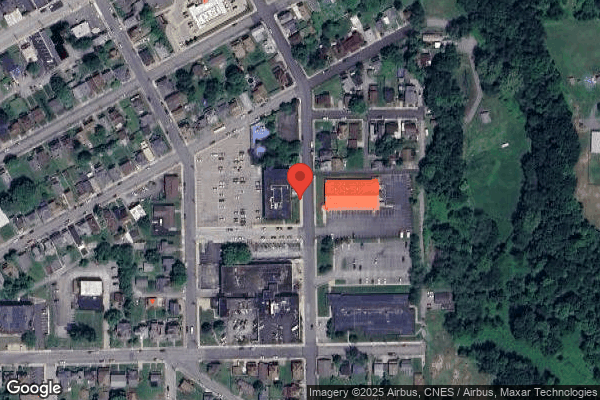
174 VIRGINIA AVENUE, ROCHESTER, PA 15074 (724) 775-6400
For profit - Corporation 119 Beds POLLAK HOLDINGS Data: November 2025 7 Immediate Jeopardy citations
Trust Grade
0/100
Last Inspection: March 2025

Within standard 12-15 month inspection cycle. Federal law requires annual inspections.

Overview

Rochester Residence and Care Center has received a Trust Grade of F, indicating significant concerns about the quality of care, which is among the worst in Pennsylvania. It ranks at the bottom in both state and county levels, meaning there are no facilities rated lower in the state or county. The situation is worsening, with issues increasing from 35 in 2024 to 47 in 2025. Staffing is a critical concern here, with a high turnover rate of 59%, well above the state average of 46%, which suggests instability in care. Additionally, the facility has faced $551,682 in fines, indicating serious compliance issues, and while RN coverage is average, it does not mitigate other significant problems, such as the failure to provide adequate supervision for residents, leading to dangerous situations like elopement. Families should be aware of both the alarming findings and the potential risks associated with this facility.

Trust Score
F
0/100
In Pennsylvania
#112/223
Top 50%
Safety Record
High Risk
Review needed
Inspections
Getting Worse
35 → 47 violations
Staff Stability
⚠ Watch
59% turnover. Above average. Higher turnover means staff may not know residents' routines.
Penalties
○ Average
$551,682 in fines. Higher than 66% of Pennsylvania facilities. Some compliance issues.
Skilled Nurses
✓ Good
Each resident gets 50 minutes of Registered Nurse (RN) attention daily — more than average for Pennsylvania. RNs are trained to catch health problems early.
Violations
⚠ Watch
118 deficiencies on record. Higher than average. Multiple issues found across inspections.
☆☆☆☆☆
0.0
Overall Rating
☆☆☆☆☆
0.0
Staff Levels
☆☆☆☆☆
0.0
Care Quality
☆☆☆☆☆
0.0
Inspection Score
Stable
2024: 35 issues
2025: 47 issues

The Good

  • Full Sprinkler Coverage · Fire safety systems throughout facility
  • No fines on record

Facility shows strength in fire safety.

The Bad

Staff Turnover: 59%

13pts above Pennsylvania avg (46%)

Frequent staff changes - ask about care continuity

Federal Fines: $551,682

Well above median ($33,413)

Significant penalties indicating serious issues

Chain: POLLAK HOLDINGS

Part of a multi-facility chain

Ask about local staffing decisions and management

Staff turnover is elevated (59%)

11 points above Pennsylvania average of 48%

The Ugly 118 deficiencies on record

7 life-threatening 4 actual harm
Sept 2025 5 deficiencies
CONCERN (E) 📢 Someone Reported This

A family member, employee, or ombudsman was alarmed enough to file a formal complaint

Potential for Harm - no one hurt, but risky conditions existed

Free from Abuse/Neglect (Tag F0600)

Could have caused harm · This affected multiple residents

**NOTE- TERMS IN BRACKETS HAVE BEEN EDITED TO PROTECT CONFIDENTIALITY** Based on review of facility policy and documentation, staff and resident interviews it was determined that the facility failed t...

Read full inspector narrative →
**NOTE- TERMS IN BRACKETS HAVE BEEN EDITED TO PROTECT CONFIDENTIALITY** Based on review of facility policy and documentation, staff and resident interviews it was determined that the facility failed to protect residents from neglect and verbal abuse for three of three residents (Resident R13, R26, and R32). Findings include: Review of facility policy Abuse, Neglect, Mistreatment and Misappropriation of Resident Property dated 1/7/25, indicated: Neglect is the failure of the home, its employees, or service providers to provide goods and services to a resident that are necessary to avoid physical harm, pain, mental anguish, or emotional distress. Verbal abuse means the use of oral, written or gestured communication or sounds that willfully include disparaging and derogatory terms to residents. Review of the Resident Assessment Instrument 3.0 User's Manual, effective October 2024, indicated that a Brief Interview for Mental Status (“BIMS”) is a screening test that aides in detecting cognitive impairment. The BIMS total score suggests the following distributions: 13-15: cognitively intact8-12: moderately impaired0-7: severe impairment Review of the clinical record indicated Resident R13 was admitted to the facility on [DATE]. Review of Resident R13's MDS (Minimum Data Set, periodic assessment of resident care needs) dated 6/25/25, indicated diagnoses of high blood pressure, anemia (too little iron in the body causing fatigue), and difficulty swallowing. Question C0500 BIMS Summary Score indicated the resident scored a 15, cognitively intact. Question H0300 Urinary Continence indicated the resident was coded 3 always incontinent (no episodes of continent voiding). Review of a facility submitted document dated 7/19/25, indicated the following: Resident R13 reported that she had not been changed at all on the previous shift. Resident reports that prior to the daylight nurse aide providing care on 7/19/25, she had not been changed for incontinence since seven or eight p.m. the previous night. Review of Resident R13's witness statement dated 7/19/25, indicated that the last time she was changed for incontinence was around 7:00- 8:00 p.m. on 7/18/25. Resident reported that she slept on and off throughout the night but was never woken to be changed by staff. Resident reports that she woke up this morning at around 7:20 a.m. when a staff member came in to provide her with fresh ice water. Review of a written witness statement from Licensed Practical Nurse Employee E30 dated 7/19/25, indicated that Resident R13 informed nurse that she was not changed by the aide last night, and that resident stated she was wet until the daylight aides came in to change them. During an interview on 9/16/25, at 11:12 a.m. Resident R13 confirmed the above incident and added I was soaked, went 12hours without being checked. During an interview on 9/18/25, at 2:17 p.m. the Director of Nursing confirmed that staff should have checked on Resident R13, and that If residents are asleep, you still have to change them. That should not have happened., and that the facility failed to prevent an incident of neglect for Resident R13. Review of the clinical record indicated Resident R26 was admitted to the facility on [DATE]. Review of resident R26's MDS dated [DATE], indicated the diagnoses of diabetes (a long-term condition in which the body has trouble controlling blood sugar and using it for energy), stroke (damage to the brain from an interruption of blood supply), and high blood pressure. Review of Resident R26's progress note dated 9/10/25, at 11:45 a.m. indicated resident told this nurse that on 11-7 shift the night before, the Nurse Aide (NA) whom resident could not remember the name of double briefed the resident and resident ended up leaking urine out the side as the NA did not have the briefs on right and then the NA preceded to the resident they are not getting any more water for the night. Administrator, Director of Nursing, and unit manager notified. Skin assessment done. Moisture areas noted to bottom of buttocks. Cream applied. Review of facility provided documentation dated 9/8/25, indicated Resident R26 reported to staff on 9/10/25, two nights before (9/8/25) a staff member put two briefs on the resident and told the resident they were not getting any more water for the night. Resident's skin assessed and a moisture associated area was identified on the left gluteal fold (horizontal skin crease on the lower part of the buttocks that separates them from the posterior upper thigh). Review of Nurse Aide (NA) Employee E18's witness statement dated 9/12/25, indicated NA did care for the resident, removed the brief and washed and changed the resident. At no time did the NA see or apply two briefs. NA also denied telling the resident they could not have any water. Review of Resident R26's Skin Alteration evaluation dated 9/10/25, indicated left gluteal fold, new moisture areas noted to bottom of buttocks RE: double briefing from 11-7 shift the night before. Interview on 9/17/25, at 9:00 a.m. Resident R26 indicated NA Employee E18 did double brief the resident, and the resident indicated that it was not allowed, and resident knew it was not allowed to deny the resident water. Interview on 9/17/25, at 12:57 p.m. [NAME] President of Operations Employee E11 confirmed that the facility failed to protect residents from neglect and verbal abuse for one of three residents (Resident R26). Review of the clinical record indicated Resident R32 was admitted to the facility on [DATE]. Review of Resident R32's MDS dated [DATE], indicated diagnoses of high blood pressure, need for assistance with personal care, and muscle weakness. Question C0500 BIMS Summary Score indicated the resident scored a 15, cognitively intact. Question H0300 Urinary Continence indicated the resident was coded 2 frequently incontinent (7 or more episodes of urinary incontinence, but at least one episode of continent voiding). Review of a facility submitted document dated 9/16/25, indicated the following: Resident R32 reported that on 9/16/25 an aide grabbed her blankets and said you have to stop this, you're old enough to know to not wet these blankets. Review of Resident R32's witness statement indicated the resident stated, I don't know her name, but someone said it was NA Employee E4. She came in and grabbed my blankets and said, you have to stop this, you're old enough to know not to wet all these blankets. I apologized to her and today she was very nice. I don't want to report anyone, and I don't want to get anyone in trouble, but I don't want anyone to be treated the way I was treated. Review of a witness statement dated 9/16/25, indicated Occupational Therapist (OT) Employee E8 stated, When therapist arrived initially, first time, NA Employee E4 just finished attending to resident [Resident R32]. NA Employee E4 reported she just finished stripping resident's bed. Therapist seen resident later in morning. Resident asked therapist the CNA (Certified Nurse Aide) name who was present this morning stripping bed. Resident was upset how staff treated her this morning. Resident reported that she was never treated that way before. Therapist followed up with nursing manager. Review of a witness statement dated 9/19/25, completed by NA Employee E4 stated, I did not say that to her. All I said to her was [NAME] you gotta be laying here freezing, why didn't you ring and let them know or ask for the bed pan she said she didn't know she could do that I told her that she is allowed to ring any time she wants. As I was changing the bed OT Employee E8 came in the room to tell me she did an ADL (activities of daily living) on one of the residents. I had all the wet linens on the floor, and she asked me if she wet the bed, I said yes and OT Employee E8 told her that she is capable of ringing for the bed pan.During an interview on 9/19/25, at 9:29 a.m. the Nursing Home Administrator confirmed that the facility failed to protect Resident R32 from verbal abuse. 28 Pa. Code: 201.14(a) Responsibility of licensee28 Pa. Code: 201.18(b)(1) Management.28 Pa. Code: 211.10(d) Resident care policies.28 Pa. Code: 211.12(d)(1)(5) Nursing services.
CONCERN (E) 📢 Someone Reported This

A family member, employee, or ombudsman was alarmed enough to file a formal complaint

Potential for Harm - no one hurt, but risky conditions existed

Deficiency F0725 (Tag F0725)

Could have caused harm · This affected multiple residents

Based on review of facility policy, resident observations, resident and staff interviews, it was determined that the facility failed to have sufficient nursing staff to provide nursing and related ser...

Read full inspector narrative →
Based on review of facility policy, resident observations, resident and staff interviews, it was determined that the facility failed to have sufficient nursing staff to provide nursing and related services to attain or maintain the highest practicable physical, mental, and psychosocial well-being on four of five days (9/15/25, 9/16/25, 9/17/25, and 9/18/25).Findings include: Review of facility policy Nursing Services Sufficient Staff dated 1/7/25, indicated the facility will provide sufficient staff with appropriate competencies and skill sets to assure resident safety and attain or maintain the highest practicable physical, mental, and psychosocial well-being of each resident, as determined by resident assessments and individual plans of care. During an interview on 9/15/25, at 12:32 p.m. Nurse Aide (NA) Employee E1 stated, We've been having a problem for a while now. Weeks, at least a month. We don't have enough towels, wash cloths, fitted sheets. We 100% have not been able to give baths or showers because we don't have enough staff or supplies. We have to pick and choose who gets a bath because we don't have enough supplies to give them.During an interview on 9/15/25, at 12:45 p.m. NA Employee E14 stated, There were a lot of call offs yesterday, they had to pull and aide from upstairs, there were only two nurses. We couldn't give proper care because we didn't have enough staff. During an interview on 9/15/25, at 12:46 p.m. NA Employee E4 stated, Our residents are in peed over beds because we don't have enough staff to do care. Observation on 9/15/25, at 1:04 p.m. staff on the fourth floor were passing lunch trays to the residents' rooms. Interview on 9/15/25, at 1:05 p.m. Nurse Aide (NA) Employee E32 indicated We haven't had the dining room in a long while. It's because you need one NA in the dining room which would leave only three of us on the floor. Interview on 9/15/25, at 1:15 p.m. Registered Nurse (RN) Employee E10 confirmed the fourth-floor dining room is not used to her knowledge and RN had been at facility approximately seven months. Observation on 9/16/25, at 9:15 a.m. Licensed Practical Nurse (LPN) Employee E7 was observed at the medication cart on the fourth floor. Interview on 9/16/25, at 9:16 a.m. LPN Employee E7 indicated I'm the only nurse on the floor, which means I have all three carts. It'll probably take me until noon to pass my morning medications. We have 49 residents up here. Observation on 9/16/25, at 12:45 p.m. the dining room on the fourth floor was being utilized for lunch. Interview on 9/16/25, at 12:46 p.m. an unidentified visitor indicated this is the first time they've had lunch in here. Normally it's only used for holidays or special celebrations. Interview on 9/16/25, at 9:30 a.m. the Director of Nursing confirmed that the other nurse for the fourth floor who was scheduled to start at 7:00 a.m. wasn't coming in until 11:00 a.m. and confirmed LPN Employee E7 was the only nurse on the floor. Interview on 9/17/25, at 12:00 p.m. fourth floor staff indicated they had four NA's on the floor and one NA was sitting one on one with a resident, which left only three for the floor. If they were to do the dining room for lunch it would only leave two NA's on the floor. Interview on 9/17/25, at 12:15 p.m. LPN Employee E7 confirmed there were only four NA's on the floor. Interview on 9/18/25, at 12:20 p.m. fourth floor staff indicated they had four NA's on the floor and one NA was sitting one on one with a resident, which left only three for the floor. If they were to do the dining room for lunch it would only leave two NA's on the floor. Interview on 9/18/25, at 12:30 p.m. Registered Nurse (RN) Employee E10 confirmed there were only four NA's on the floor. Interview on 9/18/25, at 1:30 p.m. the Director of Nursing confirmed that the facility failed to have sufficient nursing staff to provide nursing and related services to attain or maintain the highest practicable physical, mental, and psychosocial well-being on four of five days (9/15/25, 9/16/25, 9/17/25, and 9/18/25). 28 Pa. Code: 201.14(a) Responsibility of licensee.28 Pa. Code: 201.18(b)(1)(e)(6) Management.28 Pa. Code: 211.10(d) Resident care policies.28 Pa. Code: 211.12(d)(1)(4)(5)(f.1)(i) Nursing services.
CONCERN (F) 📢 Someone Reported This

A family member, employee, or ombudsman was alarmed enough to file a formal complaint

Potential for Harm - no one hurt, but risky conditions existed

Resident Rights (Tag F0550)

Could have caused harm · This affected most or all residents

**NOTE- TERMS IN BRACKETS HAVE BEEN EDITED TO PROTECT CONFIDENTIALITY** Based on facility policy, review of facility documents, and resident records, resident council group interview, review of reside...

Read full inspector narrative →
**NOTE- TERMS IN BRACKETS HAVE BEEN EDITED TO PROTECT CONFIDENTIALITY** Based on facility policy, review of facility documents, and resident records, resident council group interview, review of resident representative concern, observation and staff interview, it was determined that the facility failed to ensure that care was provided in a manner which maintained resident dignity for two of two residents (Resident R18 and R51), failed to assist a resident to eat in a timely manner and failed to ensure that food was provided in a manner which maintained resident dignity for one of four residents (Resident R67), and failed to provide a dignified dining experience for all residents for three out of six months (July, August, and September 2025). Findings include: Review of facility policy Catheter Care dated 1/7/25, indicated privacy bags will be available and catheter drainage bags will be covered at all times while in use. Review of facility policy “Activities of Daily Living (ADLs)” dated 1/7/25, indicated the facility will ensure a resident's abilities in ADL's do not deteriorate unless deterioration is unavoidable. Care and services will be provided for the following ADLs: - Bathing, dressing, grooming, and oral care - Transfer and ambulation - Toileting - Eating to include meals and snacks Review of the clinical record indicated Resident R18 was admitted to the facility on [DATE]. Review of Resident R18's Minimum Data Set (MDS - a periodic assessment of care needs) dated 9/10/25, indicated diagnoses of diabetes (a metabolic disorder in which the body has high sugar levels for prolonged periods of time), chronic pain, and atrial fibrillation (irregular heart rhythm). Review of Resident R18's physician order dated 6/5/25, indicated foley catheter related to neuromuscular dysfunction of bladder. During an observation on 9/15/25, at 10:37 a.m. Resident R18's catheter draining bag was observed hanging on bed frame without a dignity/privacy bag. During an interview on 9/15/25, at 10:40 a.m. Licensed Practical Nurse Employee E7 confirmed Resident R18's catheter draining bag did not have a privacy cover and that the facility failed to ensure that care was provided in a manner in which maintained Resident R18's dignity. Review of the clinical record indicated Resident R51 was admitted to the facility on [DATE]. Review of Resident R51's MDS dated [DATE], indicated diagnoses of high blood pressure, depression, and neurogenic bladder (a condition where the nerves that control bladder function are damaged or impaired, leading to abnormal bladder control). Section H- Bladder and Bowel H0100 Appliances A- Indwelling catheter is coded. Review of Resident R51's physician order dated 1/15/25, indicated foley catheter related to neuromuscular dysfunction of bladder. Review of Resident R51's physician order dated 2/26/25, indicated keep foley drainage bag covered at all times. During an observation on 9/15/25, at 11:35 a.m. Resident R51's catheter draining bag was observed hanging on bed frame without a dignity/privacy bag. During an interview on 9/15/25, at 11:37 a.m. Registered Nurse Employee E2 confirmed Resident R51's catheter draining bag did not have a privacy cover and that the facility failed to ensure that care was provided in a manner in which maintained Resident R51's dignity. Review of the clinical record indicated Resident R67 was admitted to the facility on [DATE]. Review of Resident R67's MDS dated [DATE], indicated diagnoses of depression, dementia (a group of symptoms that affects memory, thinking and interferes with daily life), and heart failure (a progressive heart disease that affects pumping action of the heart muscles). Section GG-Functional Abilities A-Eating is coded as a “1”, indicating dependent – helper does all of the work. Review of Resident R67's physician order dated 9/3/25, indicated Assist to Dine. During an observation on 9/17/25, at 1:40 p.m. Resident R67 was sitting at the nurse's station in his chair and his lunch was sitting on top of the nurse's station, not served. During an interview on 9/17/25, at 1:45 p.m. Registered Nurse (RN) Employee E2 stated, “Oh, I'll feed him now” and proceeded to set up and feed Resident R67. When asked, “Is his food still hot?” RN Employee E2 felt the bottom of the plate and stated it was still warm. Then SA (State Agency) felt the bottom of the plate at the same time and the plate felt cold to touch. During an interview of 9/17/25, at 1:58 p.m. RN Employee E2 confirmed that Resident R67 was given cold food for lunch and the facility failed to assist a resident to eat in a timely manner and failed to ensure that food was provided in a manner which maintained resident dignity for one of four residents (Resident R67). Review of Resident Council Meeting Minutes dated 7/2/25, stated Foods are served on foam plates. Would like to have soup in a different container. Not Styrofoam. Review of a Resident Representative concern dated 9/8/25, stated All silverware is plastic. No plates, Styrofoam container. During a Group interview on 9/16/25, at 1:30 p.m. five out of five residents stated that they receive food on Styrofoam and plastic silverware on a regular basis. During an Interview on 9/18/25, at 10:54 a.m. Dietary Manager Employee E22 stated that the facility has been experiencing a shortage of plates, bowls, plate warmers, and silverware since she started at the facility in August 2025. During an interview on 9/18/25, at 2:30 a.m. the Nursing Home administrator confirmed that the facility failed to provide a dignified dining experience for three of six months by serving on disposable dinnerware. 28 Pa. Code: 211.10(d) Resident care policies.28 Pa. Code: 211.12(d)(1)(5) Nursing services.
CONCERN (F) 📢 Someone Reported This

A family member, employee, or ombudsman was alarmed enough to file a formal complaint

Potential for Harm - no one hurt, but risky conditions existed

Safe Environment (Tag F0584)

Could have caused harm · This affected most or all residents

**NOTE- TERMS IN BRACKETS HAVE BEEN EDITED TO PROTECT CONFIDENTIALITY** Based on review of facility policy, observations, and staff interviews, it was determined that the facility failed to accommodat...

Read full inspector narrative →
**NOTE- TERMS IN BRACKETS HAVE BEEN EDITED TO PROTECT CONFIDENTIALITY** Based on review of facility policy, observations, and staff interviews, it was determined that the facility failed to accommodate the proper linen needs for two of two units (third and fourth floors) and provide a clean, safe, comfortable and homelike environment on one of two nursing units (Third Floor).Findings include: A review of facility policy Safe and Homelike Environment dated 1/7/25, indicated in accordance with residents ' rights, the facility will provide a safe, clean, comfortable and homelike environment. This includes ensuring that the residents can receive care and services safely. The facility will provide and maintain bed and bath linens that are clean and in good condition. During a tour of the facility on 9/15/25, at 9:20 a.m. the following was observed:-The clean linen rack on the fourth floor outside room [ROOM NUMBER], failed to have linen that was in good condition. Observation revealed that eight pieces of towel were ripped in pieces to create washcloths. Also noted were ripped bath blankets, four sheets and two bath blankets. No towels or pillowcases were present.-The main linen rack outside of room [ROOM NUMBER] had zero towels and zero washcloths.-The linen rack outside of room [ROOM NUMBER] had three towels, four pillowcases, and three washcloths.-The linen rack outside of room [ROOM NUMBER] had seven torn washcloths made from towels or blankets, no towels, and six bath blankets. During an interview and tour with Licensed Practical Nurse (LPN) Employee E7 the lack of adequate linens in good condition was confirmed. Interview with Nurse Aide (NA) Employee E15 on 9/15/25, at 9:25 a.m. indicated it's gotten pretty bad with the linens. We can't give care in the morning without linens. We do the best we can. Interview with NA Employee E16 on 9/15/25, at 9:29 a.m. indicated we have some wipes, but we'll use whatever we have to for morning care. Interview with NA Employee E17 on 9/15/25, at 10:02 a.m. indicated there's not enough linen, morning care is rough. They'll bring more linen up by lunch. NA continued to explain that torn washcloths were better than nothing. Observation on 9/15/25, at 10:05 a.m. Resident R45's privacy curtain was soiled with a substance on the lower half of the curtain. Interview with Registered Nurse (RN) Employee E10 on 9/15/25, at 10:15 a.m. indicated the facility is not providing the supplies we need. There is never enough linen, sometimes no toilet paper and there is no hand sanitizer, it has been backed up on orders since June. RN also confirmed appearance of Resident R45's privacy curtain being soiled. Observation on 9/15/25, at 10:35 a.m. Resident R4's family member was emptying the trash can that was full of soiled briefs. Interview on 9/15/25, at 10:38 a.m. Resident R87 indicated they have no washcloths here. The staff have washed me with pillowcases, bath blankets, or whatever they can find. During an interview on 9/15/25, at 12:32 p.m. NA Employee E1 stated, We've been having a problem for a while now. Weeks, at least a month. We don't have enough towels, wash cloths, fitted sheets. We 100% have not been able to give baths or showers because we don't have enough staff or supplies. We have to pick and choose who gets a bath because we don't have enough supplies to give them.During an interview on 9/15/25, at 12:34 p.m. NA Employee E1 stated, The resident in room [ROOM NUMBER] passed away over the weekend. That room has been cleaned and is ready for a new admission, but there is still a dirty urinal in the bathroom. During an observation on 9/15/25, at 12:35 p.m. a disposable urinal with dark amber colored stains was observed sitting on the toilet in the bathroom of room [ROOM NUMBER].During an observation on 9/15/25, at 12:50 p.m. of the Third Floor Shower Room revealed the following:- Two mechanical lifts, one empty linen cart, a shower chair, and a bedside commode were observed in the whirlpool tub room.- A broken tile was observed on the wall of the shower stall adjacent to the whirlpool tub room.- Debris was noted on the floor of two of three of the shower stalls.- Yellow discoloration was noted on all three of the shower stall floors.- Rust was noted on the ceiling of the shower stall located adjacent to the whirlpool tube room.- One of three shower stalls had visible peeling on the ceiling in two separate locations. Peeling was noted around the light fixture in the ceiling and additional peeling reveal a small hole in the ceiling. Light could be seen coming from the floor above through the hole in the ceiling. - An open bottle of white distilled vinegar was noted on the floor of the main room of the shower room. The cap was sitting on the floor next to the bottle. A piece of white tape had been placed on the bottle with handwriting that stated, Opened 4/4.During an interview on 9/15/25, at 1:54 p.m. the Nursing Home Administrator (NHA) confirmed that the facility failed to provide a clean, safe, homelike environment in room [ROOM NUMBER] and the Third Floor Shower Room. Interview on 9/15/25, at 3:00 p.m. the NHA confirmed that the facility failed to accommodate the proper linen needs for two of two units (third and fourth floors) and provide a clean, safe, comfortable and homelike environment. 28 Pa. Code: 201.14(a) Responsibility of licensee.28 Pa. Code: 211.10(d) Resident care policies.28 Pa. Code: 211.12(d)(1)(5) Nursing services.
CONCERN (F) 📢 Someone Reported This

A family member, employee, or ombudsman was alarmed enough to file a formal complaint

Potential for Harm - no one hurt, but risky conditions existed

Infection Control (Tag F0880)

Could have caused harm · This affected most or all residents

**NOTE- TERMS IN BRACKETS HAVE BEEN EDITED TO PROTECT CONFIDENTIALITY** Based on facility policy, clinical record review, facility documents, observation, and staff interview, it was determined that t...

Read full inspector narrative →
**NOTE- TERMS IN BRACKETS HAVE BEEN EDITED TO PROTECT CONFIDENTIALITY** Based on facility policy, clinical record review, facility documents, observation, and staff interview, it was determined that the facility failed to ensure proper hand hygiene, failed to prevent cross contamination during a dressing change for one of three residents (Resident R74), and failed to implement an infection control program that included a system of surveillance to identify possible communicable diseases or infections, identify floor mapping for three of five months (July, August, and September 2025) and failed to implement Covid outbreak response timely for one of three residents (Resident R72). Finding include: Review of facility policy Hand Hygiene dated 1/7/25, indicated that all staff will perform proper hand hygiene procedures to prevent the spread of infection to other personnel, residents, and visitors. Alcohol-based hand rub with 60 to 95% alcohol is the preferred method of cleaning hands in most clinical situations. All staff will perform proper hand hygiene procedures to prevent the spread of infections to other personnel, residents, and visitors. The use of gloves does not replace hand hygiene. If your task requires gloves, perform hand hygiene prior to putting gloves on, and immediately after removing gloves. Review of the facility policy Clean Dressing Change reviewed 1/7/25, indicated the facility will provide wound care in a manner to decrease potential for infection and cross-contamination. Physician's orders will specify type of dressing and frequency of changes. Review of facility policy Infection Prevention and Control Program dated 1/7/25, indicated an infection prevention and control program is established to maintain and provide a safe, sanitary and comfortable environment and to help prevent the development and transmission of communicable diseases and infections. Surveillance tools are used for identifying the occurrence of infections, recording their numbers and frequency, detecting outbreaks and epidemics, monitoring employee infection, monitoring adherence to infection prevention and control practices, and detecting unusual pathogens with infection control implications. Review of a resident representative concern dated 9/2/25, stated that The hand sanitizer stations are empty. During an observation on 9/15/25, from 1:00 p.m. to 1:05 p.m. seven out of seven hand sanitizer stations were found to be empty through the Third and Fourth floors. During an interview on 9/15/25, at 1:05 p.m. Registered Nurse Employee E31 confirmed that the hand sanitizer dispensers are empty and added That's been going on for weeks. During an interview on 9/15/25, the Nursing Home Administrator (NHA) confirmed that the facility has not had hand sanitizers, as the brand that was being used was recalled by the manufacturer and they had to be removed, but will refill the dispensers with another product. During an observation on 9/16/25, at 10:07 a.m. hand sanitizer stations remained empty. During an interview on 9/16/25, at 10:20 a.m. the NHA confirmed that the facility failed to ensure proper hand hygiene was being completed due to not having hand sanitizer readily available. Review of Resident R74's clinical record indicated resident was admitted to the facility on [DATE]. Review of Resident R74's MDS dated [DATE], indicated diagnoses of high blood pressure, diabetes (a metabolic disorder in which the body has high sugar levels for prolonged periods of time), and venous insufficiency (a condition in which the veins enlarge due to malfunction of their valves causing improper flow of blood, and pooling). Section M- Skin conditions coded as “4”- total number of venous ulcers present. Review of Residents R74's physician orders dated 7/10/25, indicate to cleanse with soap and water lightly scrubbing legs, apply triamcinolone cream (a steroid cream used to reduce inflammation) in a thin layer, then ammonium lactate (lotion used to treat dry scaly skin conditions) cream, then Adaptic (a non-adherent wound dressing) over open areas. Secure with Kerlix (cotton gauze bandage rolls) every three days. During an observation on 9/18/25 at 10:52 a.m. Licensed Practical Nurse (LPN) Employee E7 entered Resident R74's room to complete a dressing change. LPN Employee E7 placed a barrier for supplies. Then placed a towel under Resident R74's leg. LPN Employee E7 unwrapped bandage off residents' leg and changed gloves. She failed to wash her hands. New gloves put on. LPN Employee washed leg per order, took gloves off, and failed to wash hands. New gloves put on. Medication applied. Gloves taken off, failed to wash hands between medications. New gloves put on. LPN Employee E7 removed scissors from her pocket and failed to clean them prior to use. Scissors were put back into pocket. Dressing secured with Kerlix. Date and initials added to dressing appropriately. Gloves taken off, failed to wash hands. Upon leaving the room, SA (State Agency) reminded LPN Employee to wash hands prior to leaving the room. During an interview on 9/18/25, at 11:15 a.m. LPN Employee E7 confirmed that no hand washing was completed during the dressing change or afterwards, failed to clean scissors prior to use, and failed to prevent cross contamination during a dressing change for one of three residents (Resident R74). - Asymptomatic residents with close contact with someone with SARS-CoV-2 infection should have a series of three viral test for SARS-CoV-2 infection. Testing is recommended immediately (but not earlier than 24 hours after exposure) and, if negative, again 48 hours after the first negative test and, if negative again 48 hours after the second negative test. This will typically be at day one (whereby day of exposure is day zero), day three, and day five. Review of the facility's monthly tracking of surveillance on 9/18/25, failed to include a system of surveillance to identify possible communicable diseases or infections, and identify floor mapping for three of six months (July, August, and September 2025). Interview on 9/18/25, at 12:09 p.m. the Director of Nursing confirmed the facility failed to implement an effective infection control plan as required for the months of July, August, and September 2025, and was unable to produce the documents with surveillance including floor mapping. Interview on 9/16/25, at 9:44 a.m. the Director of Nursing (DON) indicated the facility had one resident test positive for Covid at 5:00 a.m. (Resident R72). -Registered Nurse (RN) Employee E33 tested positive on Saturday, 9/12/25, and didn't inform the facility until Sunday, 9/13/25 via email. -DON indicated RN Employee E33 was swabbed in the parking lot outside the facility on 9/13/25, and the positive test was confirmed. -DON indicated the facility did not conduct contact tracing or test any residents or staff who may have been exposed during the transmission time of RN Employee E33 last working day in the facility which was 9/11/25, who didn't feel well at work that day. -DON indicated the facility finally tested all residents on the third floor, where the exposure would have occurred from the positive nurse, on the 11:00 p.m. to 7:00 a.m. shift on 9/15/25, into early morning of 9/16/25. Observation by Survey agency (SA) on 9/16/25, at 11:00 a.m. Resident R72 was in the room with two staff members who had masks on. Nurse Aide (NA) Employee E4 indicated Resident R72 had covid. The other staff member who was masked was unaware of the positive resident status. Neither staff member had eye protection in place at the time. SA was unaware of the positive Covid status prior to entering the room as there failed to be proper signage to alert staff/visitors of the precautions required. Resident R72's roommates' privacy curtain was not pulled, and the roommate was not wearing any source control for protection from exposure from Resident R72. Interview on 9/16/25, at 1:00 p.m. the Director of Nursing confirmed the facility failed to implement an infection control program that included a system of surveillance to identify possible communicable diseases or infections, identify floor mapping for three of five months (July, August, and September 2025) and failed to implement Covid outbreak response timely for one of three residents (Resident R72). 28 Pa. code: 201.14(a) Responsibility of licensee.28 Pa. Code: 201.18 (b)(1)(e)(1) Management.28 Pa. Code: 211.10(a)(d) Resident care policies.28 Pa. Code: 211.12 (d)(1)(2)(5) Nursing services.
Aug 2025 3 deficiencies
CONCERN (D) 📢 Someone Reported This

A family member, employee, or ombudsman was alarmed enough to file a formal complaint

Potential for Harm - no one hurt, but risky conditions existed

Deficiency F0692 (Tag F0692)

Could have caused harm · This affected 1 resident

**NOTE- TERMS IN BRACKETS HAVE BEEN EDITED TO PROTECT CONFIDENTIALITY** Based on review of facility policy, clinical record review, and staff interviews, it was determined that the facility failed to ...

Read full inspector narrative →
**NOTE- TERMS IN BRACKETS HAVE BEEN EDITED TO PROTECT CONFIDENTIALITY** Based on review of facility policy, clinical record review, and staff interviews, it was determined that the facility failed to properly monitor weight and nutrition status by failing to address weight loss for one of three residents (Residents R1).Finding include: Review of the facility policy, Weight Monitoring dated 1/7/25, indicated that a weight monitoring schedule will be developed upon admission for all residents. Weights should be recorded at the time obtained. Monitor weight monthly. A significant change in weight is defined as: 5% change in weight in 1 month7.5% change in weight in 3 months10% change in weight in 6 months Review of Resident R1's admission record indicated admission to the facility on 9/19/24, and readmitted on [DATE]. Review of Resident R1's Minimum Data Set (MDS-periodic assessment of care needs) assessment dated [DATE], included diagnoses of high blood pressure, hyperlipidemia (high fat in the blood) and low back pain. Review of Resident R1's clinical record revealed that weight were recorded as followed:11/12/24 = 177.5 pounds12/16/25 = 171.5 pounds1/14/25 = 183.0 pounds2/4/25 = 175.5 pounds3/5/25 = 170.0 pounds4/2/25 =170.0 pounds5/4/25 = 157.0 pounds , loss of 7.6% in one month, loss of 10.5% in three months, and 11.5% loss in six months Review of Resident R1's clinical record did not reveal any documentation or interventions for May 2025 significant weight loss. During an interview completed on 8/12/25, at 2:31 p.m. Registered Dietitian Employee E5 confirmed that the facility failed to properly monitor weight and nutrition status by failing to address Resident R1's May 2025 significant weight loss. 28 Pa. Code: 201.18(b)(1)(e)(1) Management.28 Pa. Code: 211.12(d)(5) Nursing services.
CONCERN (F) 📢 Someone Reported This

A family member, employee, or ombudsman was alarmed enough to file a formal complaint

Potential for Harm - no one hurt, but risky conditions existed

Deficiency F0804 (Tag F0804)

Could have caused harm · This affected most or all residents

Based on a review of facility menu, and resident and staff interviews, it was determined that the facility failed to follow the facility menu, and serve palatable food for the lunch meal served on 8/7...

Read full inspector narrative →
Based on a review of facility menu, and resident and staff interviews, it was determined that the facility failed to follow the facility menu, and serve palatable food for the lunch meal served on 8/7/25, breakfast meal served on 8/9/25, and dinner meal served on 8/9/25.Findings include: Review of facility menu indicated that on 8/7/25, at lunch the following was to be served:Tossed salad with dressingChicken fettuccini alfredo Review of facility menu indicated that on 8/9/25, at dinner the following was to be served:Beef chili with beans Review of a Resident Representative concern dated 8/7/25, stated He was served a scoop of buttered noodles and a salad with no dressing for lunch. During an interview on 8/12/25, at 12:34 p.m. Nurse Aide (NA) Employee E1 stated This weekend the kitchen served scrambled eggs and poured chicken soup over top of them. When asked why this was done NA Employee E1 stated To keep them moist I guess. It looked disgusting. During an interview on 8/12/25, at 12:35 p.m. NA Employee E2 stated The residents were supposed to get Chicken [NAME] and all they got was plain noodles and a salad with no dressing. And on Saturday they got a bowl of ground beef with beef broth poured over it. During an interview on 8/12/25, at 2:21 p.m. Registered Dietitian (RD) Employee E5 confirmed that the above food items were served to residents, and that the items served would not be palatable. RD Employee E4 confirmed that the facility failed to follow menus and provide attractive, palatable food to meet acceptable standards. PA Code: 201.14 (a) Responsibility of licensee
CONCERN (F) 📢 Someone Reported This

A family member, employee, or ombudsman was alarmed enough to file a formal complaint

Potential for Harm - no one hurt, but risky conditions existed

Deficiency F0806 (Tag F0806)

Could have caused harm · This affected most or all residents

Based on observations and resident and staff interviews it was determined that the facility failed to provide residents food products based on their preferences for two of two nursing units (The Garde...

Read full inspector narrative →
Based on observations and resident and staff interviews it was determined that the facility failed to provide residents food products based on their preferences for two of two nursing units (The Gardens, and Scenic Heights).Findings include: During an observation on 8/12/25, at 12:30 p.m. Nurse Aide (NA) Employee E2 brought a lunch tray to The Gardens Nurses Station and stated to Unit Clerk (UC) Employee E3 Look at this. They did it again. State Agency inquired as to the what the problem was, and NA Employee E2 stated They gave Resident R2 minced and pureed food, and she is on a regular diet. They do this all the time. Review of Resident R2's clinical record revealed a physician's order dated 11/18/24, for a regular diet. During an observation on 8/12/25, at 12:28 p.m. UC Employee E3 placed a call while on speaker phone to the Dietary Department to inform them that the wrong food was provided to Resident R2. The call was answered with a recording of The person at this extension is unavailable. The call did not leave an opportunity or an ability to leave a message for the Dietary Department. During an interview on 8/12/25, at 12;20 p.m. UC Employee E3 stated that in regards to the phone not being answered in Dietary, and not being able to leave a message for the department This happens all the time. You have to call three and four times. It can take an hour or two to get someone what they want. During an interview on 8/12/25, at 12:46 p.m. Resident R2 confirmed that she was provided the incorrect food items at lunch. She added This happens all the time where they are giving me things I won't eat. During an interview at the Scenic Heights Nursing Station on 8/12/25, at 1:04 p.m. Licensed Practical Nurse (LPN) Employee E4 stated that she also could not get through to the dietary department via telephone to request food items for residents. I don't think the phone is working or it is off the hook. During an interview on 8/12/25, at 1:20 p.m. Resident R3 stated I didn't get my salad again. I never get what I ask for. During an interview of 8/12/25, at 2:34 p.m. Registered Dietitian (RD) Employee E5 stated that if residents would like to have a different menu item, or request additional foods, it would be expected that the resident or staff member would call the kitchen and leave a message. RD Employee E5 confirmed that the facility failed to provide the correct diet to Resident R2 as she is not pureed or minced, and that the facility failed to honor preferences for both nursing units, by not being to take phone calls for food requests. Pa Code: 201.14(a) Responsibility of licensee
Jun 2025 1 deficiency
CONCERN (D) 📢 Someone Reported This

A family member, employee, or ombudsman was alarmed enough to file a formal complaint

Potential for Harm - no one hurt, but risky conditions existed

Notification of Changes (Tag F0580)

Could have caused harm · This affected 1 resident

**NOTE- TERMS IN BRACKETS HAVE BEEN EDITED TO PROTECT CONFIDENTIALITY** Based on review of clinical records and staff interviews, it was determined that the facility failed to the notify resident repr...

Read full inspector narrative →
**NOTE- TERMS IN BRACKETS HAVE BEEN EDITED TO PROTECT CONFIDENTIALITY** Based on review of clinical records and staff interviews, it was determined that the facility failed to the notify resident representative of a change in condition or care for one of three residents (Resident R1). Findings include: Review of facility policy Notification of Changes: dated 1/7/25, indicated that the facility will promptly inform the resident, and notifies the resident's representative when there is a change requiring notification which include circumstances that require a need to alter treatment. This may include new treatment or discontinuation of treatment. For competent individuals the facility must still notify the resident's representative, if known. Review of the clinical record indicated Resident R1 was admitted to the facility on [DATE]. Review of Resident R1's Minimum Data Set (MDS - periodic assessment of resident care needs) dated 5/18/25, included diagnoses of high blood pressure, sepsis (a life-threatening reaction to an infection), and muscle weakness. Review of Resident R1's demographic profile indicated that resident had two emergency contacts. Review of Resident R1's progress note dated 6/11/25, at 10:35 a.m. indicated that Nurse was informed at this time that there is presence of live lice, as well as a significant amount of nits present. This nurse assessed resident and, per resident, she was unaware that they were present. Review of Resident R1's progress note dated 6/11/25, at 14:15 p.m. indicated that RN )Registered Nurse) Supervisor spoke to Nurse Practitioner regarding resident's head lice. Orders received and implemented for one time only lice shampoo. Order faxed to pharmacy. Coconut oil and shower cap was placed on resident's hair until lice shampoo arrives. This was well tolerated. Review of clinical record did not reveal documentation that Resident R1's family/emergency contact were notified of the presence of lice and need to add treatment. During an interview on 6/17/25, at 2:24 p.m. the Director of Nursing confirmed the facility failed to provide documentation that the facility notified a resident representative of a change in condition or care for one of three residents. 28 Pa. Code: 201.14(a) Responsibility of licensee. 28 Pa. Code: 201.18 (b)(1) Management. 28 Pa. Code: 211.10 (c)(d) Resident Care policies. 28 Pa. Code: 211.12 (d)(1)(2)(3)(5) Nursing services.
May 2025 5 deficiencies 1 IJ
CRITICAL (J) 📢 Someone Reported This

A family member, employee, or ombudsman was alarmed enough to file a formal complaint

Immediate Jeopardy (IJ) - the most serious Medicare violation

Deficiency F0726 (Tag F0726)

Someone could have died · This affected 1 resident

**NOTE- TERMS IN BRACKETS HAVE BEEN EDITED TO PROTECT CONFIDENTIALITY** Based on facility policy, clinical record review, and staff interview it was determined that the facility failed to ensure that ...

Read full inspector narrative →
**NOTE- TERMS IN BRACKETS HAVE BEEN EDITED TO PROTECT CONFIDENTIALITY** Based on facility policy, clinical record review, and staff interview it was determined that the facility failed to ensure that nursing staff have the specific competencies and skill sets necessary to provide care for a resident with an insulin pump (wearable device that delivers insulin continuously to people with diabetes), and placed one resident (Resident R1) in immediate jeopardy in which health and safety were impacted. Findings include: Interview on 4/29/25, at 9:35 a.m. the Director of Nursing (DON) indicated I don't think we have a policy for insulin pumps. Review of facility policy Competent Nursing Staff dated 1/7/25, indicated it is the policy of the facility to provide staff with appropriate competencies and skill sets to assure resident safety and attain or maintain the highest practicable physical, mental and psychosocial well-being of each resident, as determined by resident assessments and individual plans of care. Review of the clinical record revealed that Resident R1 was admitted to the facility on [DATE]. Review of Resident R1's Minimum Data Set (MDS - a periodic assessment of care needs) dated 3/30/25, indicated diagnoses of heart failure (heart doesn't pump blood as well as it should), diabetes (a long-term condition in which the body has trouble controlling blood sugar and using it for energy), and hypertension (the force of the blood against the artery walls is too high). Section C0500 a Brief Interview for Mental Status test (BIMS - is a screening test that aides in detecting cognitive impairment) indicated a score of 12 - moderately impaired cognition. Review of Resident R1's nursing admission evaluation dated 3/25/25, indicated Section D Skin Integrity - chronic (something that lasts a long time, often three months or more) wound left foot, and right below the knee amputation (surgical removal of a limb or part of a limb) incision with staples (used to close incisions after surgery). The skin assessment failed to indicate the presence of an insulin pump. Review of Resident R1's hospital discharge transfer orders dated 3/25/25, indicated Humalog (insulin Lispro) a rapid-acting insulin used to manage blood sugar) 100 units/milliliter injectable solution, injectable via insulin pump - average daily dose is 90 units (max dose 100 units daily). Review of Resident R1's physician order dated 3/25/25, indicated Humulin R (insulin regular - a short acting insulin used to manage blood sugar) injection solution, inject 90 units subcutaneously (injecting a drug into the fatty tissue layer beneath the skin) one time a day for Diabetes Insulin Pump, max dose 100 units daily. Order was erroneously transcribed by LPN Employee E6. Review of Resident R1's care plan on 4/29/25, failed to include a problem, goal, or interventions for care and management of an insulin pump. Interview on 4/29/25, at 9:41 a.m. Registered Nurse (RN) Employee E1 indicated No. I haven't had education on an insulin pump. Interview on 4/29/25, at 9:44 a.m. Licensed Practical Nurse (LPN) Employee E2 indicated remembering Resident R1 having an insulin pump, but admitted she only knows about the pump because a relative of hers had one. Nobody at the facility taught her about an insulin pump. She believed the pump came with insulin already inside of it. When asked how long the pump lasted before needing changed or refilled, LPN Employee E2 indicated they last a long while and that she did not know what type of insulin pump Resident R1 had or what it looked like. Interview on 4/29/25, at 9:51 a.m. RN Employee E3 indicated she had not received education regarding an insulin pump. Recalled Resident R1 had one because she found it beeping one day and notified the resident's nurse. Indicated the pump looked like a very tiny infusion machine. Interview on 4/29/25, at 9:54 a.m. LPN Employee E4 indicated she had not received education regarding an insulin pump. Interview on 4/29/25, at 9:57 a.m. LPN Employee E5 indicated not receiving training on an insulin pump, but recalls a resident downstairs had one recently. It was LPN Employee E5's first day of orientation and that's all they could recall. Telephonic interview on 4/29/25, at 10:12 a.m. LPN Employee E6 indicated she only picked up one shift at this facility. Recalled an admission that night during her shift of 7:00 p.m. - 7:00 a.m. When asked if she was familiar with insulin pumps, she indicated not having experience with one or receiving education on it. Recalled she arrived to work at 7:00 p.m. for her first shift at the facility and they told her she had a new admission. She remembered calling the On Call doctor who said someone will come in and see the new admission in the morning. She indicated she transcribed the orders from the hospital discharge transfer orders. She indicated she did not receive any training at the facility, had to pass her medications and do the admission on her own. She indicated she was not aware she entered the incorrect insulin type and that she was not aware she wrote the insulin to be injected subcutaneously in error, rather than to refill the pump. Review of Resident R1's progress note dated 3/31/25, at 12:03 p.m. indicated resident was wearing an insulin pump. Resident was ordered to be given 90 units Humulin insulin to refill insulin pump; but the nurse administered Humulin 90 units subcutaneously in error and was transferred to the hospital where he was diagnosed with hypoglycemia and accidental insulin overdose. Review of LPN Employee E6's employee file failed to include evidence of orientation to the facility, Interview on 4/29/25, at 2:00 p.m. the Director of Nursing confirmed LPN Employee E6, and the facility nursing staff were not trained on insulin pumps. Confirmed LPN Employee E6 was not trained on facility processes, admission process, transcribing physician orders from hospital discharge papers, transcribed the incorrect insulin type in the admission orders, and this resulted in a negative resident outcome. On 4/29/25, at 2:03 p.m., the Nursing Home Administrator (NHA) and Director of Nursing (DON) were made aware that Immediate Jeopardy (IJ) existed, NHA was provided the IJ Template, that placed one resident (Resident R1) in immediate jeopardy in which health and safety were impacted, and a corrective action plan was requested. On 4/29/25, at 4:01 p.m., an acceptable Corrective Action Plan was received which included the following interventions: Immediate Action: Resident was sent out to the hospital for evaluation regarding insulin medication error and returned to the facility in stable condition. Resident R1 has been discharged from the facility with no plans to return. The root cause of the event was that the facility failed to educate licensed staff on insulin pump usage, admission process, and transcribing physician orders from hospital discharge paperwork. Residents: -Residents will be audited by the DON or designee to identify specialty equipment by 4/29/25. If specialty equipment is identified, the staff will obtain physician orders. Care plans will be updated to include specialty equipment (if applicable) by 4/29/25. -admission assessments for residents admitted from 3/25/25, to present will be audited for special equipment specifically insulin pumps and/or continuous glucose monitors by the DON or designee by 4/29/25. -Physician orders from discharge paperwork for residents admitted from 3/25/25, to present will be audited for accuracy by DON or designee by 4/29/25. System Correction: -Pre-admission resident screening will be conducted by the Admissions Director (AD) or designee to identify any special equipment. Special equipment needs will be communicated to the nursing team prior to resident admission. AD will be educated on this process by the NHA or designee by 4/29/25. Licensed nursing staff (including agency) will be educated on the following: -Pre-admission resident screening will be conducted by the AD or designee to identify any special equipment. Special equipment needs will be communicated to the nursing team prior to resident admission. -Assessing residents upon admission for special equipment including insulin pumps/continuous glucose monitors (CGM's). -Obtaining physician orders for specialty equipment. -Accurate order transcription and admission red lining processes (a process to double check accuracy of orders). -Care plan updates on specialty equipment (insulin pumps/CGM's). -The DON or designee will educate licensed nursing staff (including agency) on updated processes by 4/30/25, or before the start of their next scheduled shift. -Facility policy on medication administration updated and reviewed to include specialty equipment, obtaining physician orders, and updating care plans. Monitoring: -Audits of new resident admission assessments will be conducted by the DON or designee weekly for four weeks, monthly for two months to ensure assessments, redlining, and orders are completed and accurate. Findings of audits will be submitted through facility Quality Assurance and Performance Improvement (QAPI) program. Next QAPI meeting scheduled for 5/1/25. Interview on 4/30/25, at 10:50 a.m. RN Employee E6 indicated she wasn't familiar with insulin pumps prior to receiving training, and that Resident R1's insulin pump was beeping and she asked him what it was. Resident R1 (with a BIMS of 12) educated RN Employee E6 on the insulin pump. RN Employee E6 drew up the insulin and Resident R1 showed RN Employee E6 how to fill the pump with the insulin. Telephonic interview on 4/30/25, at 11:29 a.m. LPN Employee E7 verified she received education on insulin pumps, facility processes, admission process and transcribing physician orders from hospital discharge papers. Telephonic interview on 4/30/25, at 11:37 a.m. LPN Employee E8 verified she received education on insulin pumps, facility processes, admission process and transcribing physician orders from hospital discharge papers. Review of the Abatement plan on 4/30/25, indicated: -Resident R1 was sent out to the hospital and later returned. Has since discharged home status post physical and occupational therapy and wound care. -The root cause of the event was listed as the facility failed to educate licensed staff on insulin pump usage, admission process, and transcribing physician orders from hospital discharge paperwork. -The DON completed a house audit on 84 of 84 residents in house for specialty equipment needs. No new residents identified. -New Admissions (20 residents) assessed for special equipment since 3/25/25, completed. -New Admissions (20 residents) physician order audit for accuracy and no discrepancies found. -AD was in-serviced on pre-admission screening for special equipment prior to acceptance to facility including, life vest, insulin pump, CGM's, pacemakers, etc. -Facility policy updated to include specialty equipment having physician orders and care plans reflective of equipment. -Facility professional nurses 27 of 27 received education. -Agency professional nurses 17 of 17 received education. Total professional staff 44. -Interviewed nine of nine professional staff in house on 4/30/25, who verified they received training. -Six professional nurses confirmed via phone on 4/30/25, 11:39 a.m. -Total of 15 verified receiving education. -Audit forms completed per plan, next QAPI, May 1, 2025. -No additional equipment needs were identified through the abatement process. The Immediate Jeopardy was lifted on 4/30/25, at 12:03 p.m. when the action plan was verified. During an interview on 4/29/25, at 2:03 p.m. the NHA and DON confirmed that the facility failed to ensure that nursing staff have the specific competencies, and skill sets necessary to provide care for a resident with an insulin pump, and placed one resident (Resident R1) in immediate jeopardy in which health and safety were impacted. 28 Pa. Code: 201.14(a) Responsibility of Licensee. 28 Pa. Code: 211.10(d) Resident care policies. 28 Pa. Code: 211.12 (d)(5) Nursing Services.
SERIOUS (G) 📢 Someone Reported This

A family member, employee, or ombudsman was alarmed enough to file a formal complaint

Actual Harm - a resident was hurt due to facility failures

Quality of Care (Tag F0684)

A resident was harmed · This affected 1 resident

**NOTE- TERMS IN BRACKETS HAVE BEEN EDITED TO PROTECT CONFIDENTIALITY** Based on observation, review of clinical records, facility policies and procedures and staff and resident interviews, it was det...

Read full inspector narrative →
**NOTE- TERMS IN BRACKETS HAVE BEEN EDITED TO PROTECT CONFIDENTIALITY** Based on observation, review of clinical records, facility policies and procedures and staff and resident interviews, it was determined that the facility failed to ensure that one of three residents (Resident R1) received treatment and care in accordance with professional standards of practice which resulted in actual harm to Resident R1, who received a medication that was not given according to the physician's orders, resulting in Resident R1 being overdosed on insulin (injectable diabetic medication) overdose and required treatment in an acute care emergency department. Findings include: Review of the facility policy Provision of Quality Care dated 1/7/25, indicated based on comprehensive assessments, the facility will ensure that residents receive treatment and care by qualified persons in accordance with professional standards of practice, the comprehensive person-centered care plans and the resident's choices. Qualified persons will provide the care and treatment in accordance with professional standards of practice, the resident's care plan, and the resident's choices. Review of the clinical record revealed that Resident R1 was admitted to the facility on [DATE]. Review of Resident R1's MDS (Minimum Data Set, periodic assessment of care needs) dated 3/30/25, indicated diagnoses of heart failure (heart doesn't pump blood as well as it should), diabetes (a long-term condition in which the body has trouble controlling blood sugar and using it for energy), and hypertension (the force of the blood against the artery walls is too high). Section C0500 a Brief Interview for Mental Status test (BIMS - is a screening test that aides in detecting cognitive impairment) indicated a score of 12, moderately impaired cognition. Review of Resident R1's Nursing admission evaluation dated 3/25/25, indicated Section D Skin Integrity - chronic (something that lasts a long time, often three months or more) wound left foot, and right below the knee amputation (surgical removal of a limb or part of a limb) incision with staples (used to close incisions after surgery). The skin assessment failed to indicate the presence of an insulin pump. Review of Resident R1's hospital discharge transfer orders dated 3/25/25, indicated Humalog (insulin Lispro) a rapid-acting insulin used to manage blood sugar) 100 units/milliliter injectable solution, injectable via insulin pump (wearable device that delivers insulin continuously to people with diabetes) - average daily dose is 90 units (max dose 100 units daily). Review of Resident R1's physician order dated 3/25/25, indicated Humulin R (insulin regular - a short acting insulin used to manage blood sugar) injection solution, inject 90 units subcutaneously (injecting a drug into the fatty tissue layer beneath the skin) one time a day for Diabetes Insulin Pump, max dose 100 units daily. Order was transcribed by LPN Employee E6, incorrectly from the written hospital discharge orders, was not written clearly by the admitting nurse, the physician was not questioned by the admitting nurse for clarification and the medication was not given according to the physician's written orders upon discharge from the hospital. Review of Resident R1's care plan on 4/29/25, failed to include a problem, goal, or interventions for care and management of an insulin pump. Interview on 4/29/25, at 9:30 a.m. the Director of Nursing confirmed, and telephonic interview on 5/15/25, at 9:19 a.m. with the Nursing Home Administrator confirmed the admission nursing evaluation dated 3/25/25, failed to identify the use of an insulin pump for Resident R1, confirmed that the admitting nurse transcribed the hospital discharge transfer order on 3/25/25, as Humulin R and not the correct medication ordered, which was Humalog, confirmed the order read subcutaneously rather than injectable via insulin pump, further confirmed that Resident R1 was given 90 units of subcutaneous Humulin R insulin as a result of these omissions and errors in transcription and administration that resulted in actual harm and that the resident was sent to the emergency room for monitoring from an insulin overdose and hypoglycemia. 28 Pa. Code: 201.14(a) Responsibility of Licensee. 28 Pa. Code: 211.10(d) Resident care policies. 28 Pa. Code: 211.12 (d)(5) Nursing Services.
SERIOUS (G) 📢 Someone Reported This

A family member, employee, or ombudsman was alarmed enough to file a formal complaint

Actual Harm - a resident was hurt due to facility failures

Deficiency F0760 (Tag F0760)

A resident was harmed · This affected 1 resident

**NOTE- TERMS IN BRACKETS HAVE BEEN EDITED TO PROTECT CONFIDENTIALITY** Based on review of facility policy and clinical records, as well as staff interviews, it was determined that the facility failed...

Read full inspector narrative →
**NOTE- TERMS IN BRACKETS HAVE BEEN EDITED TO PROTECT CONFIDENTIALITY** Based on review of facility policy and clinical records, as well as staff interviews, it was determined that the facility failed to provide medication as ordered by the physician, resulting in a significant medication error for one of three residents which created an actual harm of an accidental insulin overdose and acute care emergency room visit for Resident R1. Findings include: Review of the facility policy Medication Administration dated 1/7/25, indicated medications are administered by licensed nurses, as ordered by the physician and in accordance with professional standards of practice. Ensure that the six rights of medication administration are followed: right resident, right drug, right dose, right route, right time, and right documentation. Review of the clinical record revealed that Resident R1 was admitted to the facility on [DATE]. Review of Resident R1's MDS (Minimum Data Set, periodic assessment of care needs) dated 3/30/25, indicated diagnoses of heart failure (heart doesn't pump blood as well as it should), diabetes (a long-term condition in which the body has trouble controlling blood sugar and using it for energy), and hypertension (the force of the blood against the artery walls is too high). Section C0500 a Brief Interview for Mental Status test (BIMS - is a screening test that aides in detecting cognitive impairment) indicated a score of 12, moderately impaired cognition. Review of Resident R1's Nursing admission evaluation dated 3/25/25, indicated Section D Skin Integrity - chronic (something that lasts a long time, often three months or more) wound left foot, and right below the knee amputation (surgical removal of a limb or part of a limb) incision with staples (used to close incisions after surgery). The skin assessment failed to indicate the presence of an insulin pump. Review of Resident R1's hospital discharge transfer orders dated 3/25/25, indicated Humalog (insulin Lispro) a rapid-acting insulin used to manage blood sugar) 100 units/milliliter injectable solution, injectable via insulin pump - average daily dose is 90 units (max dose 100 units daily). Review of Resident R1's physician order dated 3/25/25, indicated Humulin R (insulin regular - a short acting insulin used to manage blood sugar) injection solution, inject 90 units subcutaneously (injecting a drug into the fatty tissue layer beneath the skin) one time a day for Diabetes Insulin Pump, max dose 100 units daily. Order was transcribed by LPN Employee E6. Review of Resident R1's progress note dated 3/31/25, at 12:03 p.m. indicated resident was wearing an insulin pump. Resident was ordered to be given 90 units Humulin insulin to refill insulin pump; but Licensed Practical Nurse (LPN) Employee E10 administered Humulin 90 units subcutaneously in error and Resident R1 was transferred to the hospital where he was diagnosed with hypoglycemia and accidental insulin overdose. Review of LPN Employee E10's witness statement dated 3/31/25, indicated Statement is in regard to wrong dose medication. Resident R1 was ordered 90 units subcutaneously one time a day for diabetes insulin pump maximum dose 100 units daily. When she read the order, she thought Resident R1 was supposed to get 90 units subcutaneously daily in one dose. The insulin pump was empty, so she just administered subcutaneously from how she read the order at 8:50 a.m. Around 11:00 a.m. on 3/31/25, the wound nurse alerted LPN Employee E10 that Resident R1 was groggy. LPN Employee E10 then explained what she did, and the supervisor was made aware of the mistake. Resident was then sent to the emergency room per physician order. Interview on 4/29/25, at 9:30 a.m. the Director of Nursing, and telephonic interview on 5/15/25, at 9:19 a.m. with the Nursing Home Administrator confirmed the facility failed to provide medication as ordered by the physician, resulting in a significant medication error for one of three residents which created an actual harm of an accidental insulin overdose and acute care emergency room visit for Resident R1. 28 Pa. Code: 211.10(d) Resident care policies. 28 Pa. Code: 211.12 (d)(5) Nursing Services.
CONCERN (D) 📢 Someone Reported This

A family member, employee, or ombudsman was alarmed enough to file a formal complaint

Potential for Harm - no one hurt, but risky conditions existed

Safe Environment (Tag F0584)

Could have caused harm · This affected 1 resident

**NOTE- TERMS IN BRACKETS HAVE BEEN EDITED TO PROTECT CONFIDENTIALITY** Based on a review of facility documents, observations, and staff interviews, it was determined that the facility failed to maint...

Read full inspector narrative →
**NOTE- TERMS IN BRACKETS HAVE BEEN EDITED TO PROTECT CONFIDENTIALITY** Based on a review of facility documents, observations, and staff interviews, it was determined that the facility failed to maintain a homelike environment on two of two nursing floors (Second floor). Findings include: A review of facility policy Safe and Homelike Environment dated 1/7/25, indicated that housekeeping and maintenance services will be provided as necessary to maintain a sanitary, orderly, and comfortable environment. Review of a Resident Representative concern dated 4/8/25, stated that There was poop all over the walls in her bathroom. Review of a Resident Representative concern dated 4/9/25, stated that On the third floor you have a broken faucet in the 'spa' area. During an observation in room [ROOM NUMBER] bathroom on 4/29/25, at 2:29 p.m. the walls behind the toilet and sink had multiple areas with chipped paint and dark brown stains. During an interview on 4/29/25, at 2:42 p.m. Director of Plant Operations Employee E11 confirmed the above findings. During an observation on the Third Floor Spa area on 4/29/25, at 2:57 p.m. the faucet on the first sink was crooked, and did not appear to be mounted properly. During an interview on 4/30/25, at 10:27 a.m. Director of Plant Operations Employee E11 confirmed the above findings, and that the facility failed to create a home-like environment. 28 Pa. Code: 201.18(b)(3) Management
CONCERN (D) 📢 Someone Reported This

A family member, employee, or ombudsman was alarmed enough to file a formal complaint

Potential for Harm - no one hurt, but risky conditions existed

Comprehensive Care Plan (Tag F0656)

Could have caused harm · This affected 1 resident

**NOTE- TERMS IN BRACKETS HAVE BEEN EDITED TO PROTECT CONFIDENTIALITY** Based on review of policies and clinical records, as well as observations and staff interviews, it was determined that the facil...

Read full inspector narrative →
**NOTE- TERMS IN BRACKETS HAVE BEEN EDITED TO PROTECT CONFIDENTIALITY** Based on review of policies and clinical records, as well as observations and staff interviews, it was determined that the facility failed to develop comprehensive care plans that included specific and individualized interventions to address the care needs of residents for one of three residents reviewed (Resident R1), relating to use of an insulin pump (wearable device that delivers insulin continuously to people with diabetes). Findings include: Review of the facility policy Comprehensive Care Plans dated 1/7/25, indicated that the comprehensive, person-centered care plan included measurable objectives and time frames, to meet a resident's medical, nursing, and mental and psychosocial needs and all services that are identified to meet the resident's needs. Review of the clinical record revealed that Resident R1 was admitted to the facility on [DATE]. Review of Resident R1's MDS (Minimum Data Set, periodic assessment of care needs) dated 3/30/25, indicated diagnoses of heart failure (heart doesn't pump blood as well as it should), diabetes (a long-term condition in which the body has trouble controlling blood sugar and using it for energy), and hypertension (the force of the blood against the artery walls is too high). Section C0500 a Brief Interview for Mental Status test (BIMS - is a screening test that aides in detecting cognitive impairment) indicated a score of 12, moderately impaired cognition. Review of Resident R1's hospital discharge transfer orders dated 3/25/25, indicated Humalog (insulin Lispro) a rapid-acting insulin used to manage blood sugar) 100 units/milliliter injectable solution, injectable via insulin pump - average daily dose is 90 units (max dose 100 units daily). Review of Resident R1's current care plan on 4/29/25, indicated the resident has diabetes, with a goal of remaining free from signs and symptoms of hypo/hyperglycemia (blood sugars too low/high) through the next review date. Interventions included instruction to resident on signs and symptoms of hypo/hyperglycemia, and Accu-Chek monitoring four times daily with regular insulin coverage. The care plan failed to reflect the resident had an insulin pump that was infusing continuous insulin to the resident twenty-four hours a day. Review of Resident R1's progress note dated 3/31/25, at 12:03 p.m. indicated resident was wearing an insulin pump. Resident was ordered to be given 90 units Humulin insulin to refill insulin pump; but the nurse administered Humulin 90 units subcutaneously in error and was transferred to the hospital where he was diagnosed with hypoglycemia and accidental insulin overdose. There was no documented evidence that a care plan was developed to address Resident R1's specific and individualized interventions and care needs related to the continuous use of an insulin pump. Interview with the Director of Nursing and the Registered Nurse Assessment Coordinator (RNAC) Employee E9 on 4/30/25, at 12:20 p.m., and telephonic interview on 5/15/25, at 9:19 a.m. with the Nursing Home Administrator confirmed that there was not a care plan for the insulin pump and that the facility failed to develop comprehensive care plans that included specific and individualized interventions to address the care needs of residents for one of three residents reviewed (Resident R1), relating to use of an insulin pump. 28 Pa. Code: 211.10(d) Resident care policies. 28 Pa. Code: 211.12 (d)(5) Nursing Services.
Mar 2025 24 deficiencies 1 IJ
CRITICAL (J) 📢 Someone Reported This

A family member, employee, or ombudsman was alarmed enough to file a formal complaint

Immediate Jeopardy (IJ) - the most serious Medicare violation

Accident Prevention (Tag F0689)

Someone could have died · This affected 1 resident

**NOTE- TERMS IN BRACKETS HAVE BEEN EDITED TO PROTECT CONFIDENTIALITY** Based on review of facility policy and documents, clinical records, and staff interviews, it was determined that the facility fa...

Read full inspector narrative →
**NOTE- TERMS IN BRACKETS HAVE BEEN EDITED TO PROTECT CONFIDENTIALITY** Based on review of facility policy and documents, clinical records, and staff interviews, it was determined that the facility failed to make certain each resident received adequate supervision and failed to identify a resident who was an elopement risk, failed to re-evaluate residents for elopement risk, which resulted in an elopement for two of eleven residents (Residents R79 and R289) and transfer to a local hospital, then to a level one trauma center for one of eleven residents (Resident R289). This failure created an immediate jeopardy situation for two of 11 residents (Resident R79 and R289). Findings include: Review of the facility policy Elopements and Wandering Residents dated 1/7/25, indicated that the facility ensures that residents who exhibit wandering behavior and/or are at risk for elopement (resident exits to an unsupervised and unauthorized location without staff's knowledge) receive adequate supervision to prevent accidents, and receive care in accordance with their person-centered plan of care addressing the unique factors contributing to wandering or elopement risk. Alarms are not a replacement for necessary supervision. Staff are to be vigilant in responding to alarms in a timely manner. Residents will be assessed for risk of elopement and unsafe wandering upon admission and throughout their stay by the interdisciplinary care plan team. Review of the admission record indicated Resident R79 was admitted on [DATE]. Review of Resident R79's MDS assessment (Minimum Data Set assessment: MDS -a periodic assessment of resident care needs) dated 12/29/24, indicated diagnoses of Alzheimer's (A type of brain disorder that causes problems with memory, thinking and behavior. This is a gradually progressive condition.), dementia (loss of cognitive functioning-thinking, remembering, and reasoning to such an extent that it interferes with a person's daily life and activities), and non-exudative age-related macular degeneration (AMD- common eye condition that primarily affects older adults, leading to a gradual loss of central vision). The residents Brief Interview for Mental Status (BIMS) assessment was 7, severely cognitively impaired. Review of an Elopement Risk Evaluation dated 12/28/24, indicated Resident R79 was a high elopement risk. Review of Resident R79's care plan dated 12/30/24, indicated Resident R79 was care planned for elopement. The care plan failed to include supervision as an intervention. Review of progress note dated 12/18/24, indicated Resident R79 was ambulating through hallway with walker attempting to figure out codes to exits to find her way out. Wander guard applied to the left wrist after verifying function. Resident R79 was attempting to obtain the codes to the exits and wanted to go home. Review of a progress note dated 2/6/25, at 5:01 p.m. revealed staff heard alarm sounding on the 4th floor at 3:05 p.m. Resident R79 was observed in the stairwell. Staff assisted Resident R79 back to the unit. An assessment was completed with no injuries observed. The resident's responsible party and certified registered nurse practitioner (CRNP) were notified. There were no new orders. Review of information submitted to the Department of Health on 2/7/25, indicated on 2/6/25, Resident R79 eloped from the 4th floor at 3:05 p.m. It was indicated Resident R79 was in the stairwell. Staff assisted the resident back to the unit. The resident's wander guard (system designed to support the safety and independence of patients by monitoring their movements and gently preventing them from unintentionally leaving) was in place at the time of the event and was functioning appropriately. The Registered Nurse completed an assessment with no injuries observed. The resident was able to move extremities, and no pain or bruising was noted. The resident's responsible party and physician were notified. There were no new orders. It was indicated elopement assessments and care plans were updated. Review of Nurse Aide, Employee E14's witness statement dated 2/6/25, indicated at 3:05 p.m. an alarm was going off in the back stairwell. NA, Employee E14 opened the door and saw Resident R79 sitting on a step three floors down. NA, Employee E14 notified staff. Review of Nurse Aide, Employee E18's witness statement dated 2/6/25, indicated while giving report to NA, Employee E19, NA, Employee E14 came up to the nursing station and said a resident went down the stairwell. NA, Employee E18 and E19 looked at the call bell system and noticed Resident R79's call light was not on. NA, Employee E14, E18, and E19 ran down the hall to get the resident. Resident R79 made it about five flights of steps between the 3rd and 2nd floor. NA, Employee E18 took the resident back to the 4th floor using the elevator. The nurse and Director of Nursing were notified. Review of NA, Employee E19's witness statement dated 2/6/25, indicated at 3:05 p.m. NA, Employee E14 stated Resident R79 was observed past the third floor in the stairwell. NA, Employee E18 escorted Resident R79 to the third floor, and took the elevator back up to the fourth floor. During an interview on 3/18/25, at 10:15 a.m. Licensed Practical Nurse, Employee E31 was notified by staff on 2/6/25, Resident R79 was found in the stairwell. When LPN, Employee E31 went to assess Resident R79, Resident R79 was being brought back to the unit by a nurse aide. LPN, Employee E31 stated earlier that day Resident R79 was observed coming out of their room and seemed confused earlier in the day. Resident R79's room was located near the door at the end of the hallway. Resident R79 eloped during a change in shift. During an interview on 3/18/25, at 9:40 a.m. NA, Employee E18 stated Resident R79 eloped down the stairwell during shift change on 2/6/25. NA, Employee E18 indicated Resident R79 was observed down five flights of stairs. Resident R79 was throwing the walker down the steps. NA, Employee E18 indicated Resident R79 was tired after returning to the unit. NA, Employee E18 indicated the button on the stairwell was not working and maintenance was called to get it fixed. Resident R79's room was not changed. During an interview on 3/18/25, at 9:51 a.m. Director of Maintenance, Employee E32 indicated the door's egress (system used to provide a safe and accessible exit route in case of an emergency) and magnetic locks weren't working properly on 2/6/25. The facility had a company come the night Resident R79 eloped to take care of situation. The door got repaired around 1:00 a.m. on 2/7/25. During an interview on 3/18/25, at 10:39 a.m. Registered Nurse, Employee E34 stated on 2/6/25, it was reported that Resident R79 was found in the stairwell. Resident R79 had tossed the walker down the stairs. During an interview on 3/18/25, at 10:57 a.m. the Nursing Home Administrator (NHA) confirmed the facility failed to supervise Resident R79 and prevent an elopement on 2/6/25. The NHA confirmed the facility failed to update Resident R79's care plan for elopement. Resident R289 was admitted to the facility on [DATE], with the diagnoses of heart failure (heart doesn't pump blood as well as it should), UTI (urinary tract infection), non-Alzheimer's Dementia (a general term for loss of memory, language, problem solving and other thinking abilities that are severe enough to interfere with daily life), depression, and chronic obstructive pulmonary disease (COPD- a group of diseases that block airflow and make it hard to breathe). Review of Resident R289's MDS dated [DATE], indicated the diagnoses remained current. Section C indicated a BIMS score of 10 (Brief Interview for Mental Status (BIMS) is a screening test that aides in detecting cognitive impairment). A score of 8-12 indicates moderately impaired cognition. Section GG question Q - Does the resident use a wheelchair and/or scooter - Yes. Question R - Wheel 50 feet with two turns: once seated in wheelchair/scooter the ability to wheel at least 50 feet and make two turns indicated resident can do with supervision or touching assistance. Question S - Ability to wheel 150 feet once seated in wheelchair/scooter the ability to wheel at least 150 feet in a corridor or similar place indicated resident can do with supervision or touching assistance. Review of elopement risk evaluation dated 3/2/25, indicated Resident R289 was not at risk for elopement. Review of R289's clinical documentation progress notes indicated the following: - 3/1/25, 11:04 p.m. Resident stated that she was able to walk. Per report, husband stated that she could stand but was non-ambulatory. -3/2/25, at 1:40 a.m. Resident asked earlier when her husband was coming to get her. -3/3/25, at 2:23 a.m. Resident was alert and verbal with confusion, she continued to ask when her husband was coming to get her. Required frequent reminders regarding location and situation. -3/4/25, at 8:30 a.m. Resident was unable to verbalize reason for fall. Stated that she needed to go on down there. -3/4/25, at 1:13 p.m. Resident room changed to 353 B due to resident increase in falls and baseline confusion. -3/10/25, at 5:30 p.m. this nurse was alerted by Physical Therapist (PT) Employee E4 that resident had fallen down emergency exit steps. She was assessed and assisted into her wheelchair and carried up ten stairs with maximum assistance. Orders received and implemented to send her to the emergency room (ER) for further evaluation. -3/10/25, at 9:44 p.m. spoke with ER nurse at local hospital, resident being transferred to a level one trauma center for further evaluation at that time. Review of facility provided witness statements indicated the following: PT Employee E4 indicated she was in the gym charting with the doors closed due to it being the end of the day. She heard some loud thuds and bangs nearby and went to check where the noise came from. She looked through the window to the stairwell by the gym and saw Resident R289 lying down the stairs on the landing on her right side with her wheelchair down by her feet. PT Employee E4 ran to get a nurse. Licensed Practical Nurse (LPN) Employee E5 indicated she was alerted by PT that a resident fell down the stairs in her wheelchair. Found resident lying at the bottom of stairs in stairwell. Resident was out of her wheelchair lying on her right side. A little diaphoretic (sweaty) and somewhat incoherent. EMS (emergency medical services) called. Nurse Aide (NA) Employee E6 indicated at 5:20 p.m. she was passing trays and noticed Resident R289 was not by the nurse's station where she was a few minutes prior. The alarm was going off so she and NA Employee E7 started checking doors, arrived at the Pub's door and resident was in stairwell with the nurses. NA Employee E7 indicated at the end of passing the second cart they heard an alarm go off and she and NA Employee E6 went to stair wells and didn't see anyone. A nurse was putting food in the fridge over in the café end of the floor and stated Resident R289 fell down the steps. During a telephonic interview on 3/17/25, at 1:51 p.m. PT Employee E4 indicated I heard a bunch of noise. I was in the therapy room with the door shut. It was around dinner time and the aides were passing trays. Something was crashing or falling nearby, I looked for where the noise was and there was a glass window I glanced down because there was nothing in hall. Resident R289 was on the landing on the floor below. She was on the landing, fell down ten steps and the wheelchair was with her. I ran to get a nurse. The first noise I heard was a banging crash, the first nurse I grabbed (LPN Employee E5) ran with me and stayed with the resident. She was not her nurse, so I ran a second time to get the patients nurse (Registered Nurse, RN Employee E8). The wheelchair was on its side on top of her legs, she was on her side on the landing and the wheelchair was on its side. I've seen Resident R289 in the lobby area, I did work with her for physical therapy. I saw her that day and she was due for a report. I reviewed her goals, resident stated I'm glad I'm making progress because I want to go. Telephonic interview attempted with LPN Employee E5 on 3/21/25, at 11:52 a.m. unsuccessfully and voice mail was full. During an interview on 3/18/25, at 9:42 a.m. NA Employee E6 indicated Resident R289 said she wanted to go home. She's been saying that ever since she got here. She did not have a wanderguard. At the time we were picking up a second food cart and Resident R289 was out front at the desk. I was taking the cart back around the corner and Resident R289 said I want to go home. I told her let's eat dinner first and then we'll talk about it. When I came back Resident R289 was gone. At that time, I didn't tell the nurse because she wasn't in the hallway then I would have to find her which would take how long. During an interview on 3/18/25, at 11:31 a.m. NA Employee E7 indicated the type of residents they've been bringing in here are more confused residents, and it was dinner time. Resident R289 was saying she wanted to go home the same week she came. Said we were keeping her hostage, and she was saying she wanted to leave. Everyone was noticing Resident R289 was saying that. She was starting to show it in the hallway roaming. Resident R289 was at the nurses desk by her room, but more by the desk. We just got the second cart, and we were passing it. We heard the alarm. I ran to one stairwell and NA Employee E6 ran to the other steps. That's when therapy found her at the other stairway down the steps. During a telephonic interview on 3/17/25, at 2:28 p.m. RN Employee E8 indicated I was passing my meds as RN Supervisor; I think therapy put her in her chair and Resident R289 was asking about dinner to some staff. I said what's wrong, Ms. Resident R289 She said I'm not talking to you. The therapist came to get me and said she fell down the steps. I went straight to the stairwell. I saw her lying down ten steps on the landing with her wheelchair. There were other nurses there when I arrived. Resident was laying on her side/belly and she was alert. I did text the Assistant Director of Nursing (ADON) Employee E9 because one of the aides expressed concern for her needing a wander guard. Before I knew it, she was at the bottom of the steps, maybe within ten minutes of me texting the ADON. During an interview on 3/17/25, at 12:22 p.m. Assistant Director of Nursing (ADON) Employee E9 indicated RN Employee E8 called me ten minutes prior to the incident asking where the wander guards were kept because Resident R289 was acting agitated and asking about the elevators which was new for her. RN Employee E8 called me back about ten minutes later and stated Resident R289 went to the Pub, opened the door in her wheelchair. The magnetic lock has a fire safety mechanism that if pushed on long enough will open up as a fire safety rule. Someone in therapy heard a noise and found Resident R289 at bottom of stairs. During an interview on 3/18/25, at 1:55 p.m. the Director of Nursing (DON) and Nursing Home Administrator (NHA) confirmed that Resident R289 was in the hallway, pressed the doorway to release the fire alarm on the doorway, wheeled self through doorway and went down the stairs in her wheelchair and the facility failed to identify elopement risk behaviors timely. The DON and NHA were made aware that an Immediate Jeopardy situation existed for residents on 3/18/25, at 1:55 p.m. and an immediate action plan was requested. On 3/18/25, at 1:55 p.m. the Immediate Jeopardy template was provided to the facility administration. On 3/18/25, at 4:32 p.m. an acceptable Corrective Action Plan was received which included the following interventions: Immediate Action: Resident R79 was returned safely to her room by staff and assessed by RN. No injuries observed and no pain voiced by resident. Elopement risk evaluation updated, and care plan updated to include resident preferences and any triggers for exit seeking behavior. Care plan also updated to include remaining safe on my unit and free of elopements through next review. Cited Resident R289 dated 3/10/25 is no longer in facility and no longer expected to return. Family collected personal belongings. Root cause analysis identified as staff did not report exit seeking behavior timely and facility failed to provide appropriate supervision. Residents: All residents will have updated elopement risk evaluations completed by DON or designee by 3/19/25. Care plan interventions for residents identified for elopement risk will be implemented by ensuring staff are provided with person centered interventions. This will be completed by DON or designee by 3/19/25. Care plan goals for residents who are identified for elopement risk updated to include remaining safe on the unit through staff supervision and free of elopements through next review. This will be completed by DON or designee by 3/19/25. System Correction: Whole house education on elopement risks and assessments, supervision, and care plans of residents. This education includes agency staff and staff will be educated prior to their next scheduled shift. This will be completed by NHA or designee by 3/20/25. Review and update the elopement policy as needed by end of day 3/19/25. Monitoring: Audits of new exit seeking behaviors will be conducted by DON or designee daily x 2 weeks, weekly x 2 weeks, then monthly x 2 months to ensure evaluations and care plans are up to date. Findings of audits will include updated elopement evaluations and care plan goals/interventions. Ongoing results will be submitted to QA. Immediate Jeopardy was lifted on 3/19/15, at 1:53 p.m. and the abatement plan was verified as follows: -88/88 Residents were assessed for risk of elopement on 3/18/25. Two residents were newly admitted after IJ was called and the facility completed an elopement assessment. The residents were not identified as a risk. Total of 90/90 residents were assessed for elopement risk. -12/12 Residents identified as an elopement risk through assessment. 12/12 Resident care plans were updated on 3/18/25, with interventions to prevent elopement, including supervision of the resident. Review of assessments identified one resident was newly identified as an elopement risk from entrance. The resident was added to elopement binders. -12/12 Resident care plan goals were updated to I will remain safe on the unit through staff supervision and free of elopements through next review. -106/138 in-house staff were educated on elopement risks and assessments, supervision, and care plans of residents. The facility utilizes two agency companies. 24/24 agency staff were educated. 36/36 in-person interviews were completed and confirmed staff were educated. 7/7 telephonic interviews conducted revealed staff received education. Staff were educated on the importance of supervision of residents, exit-seeking behaviors as well as when to reevaluate residents for an elopement risk. All staff must verify education prior to the start of their next shift. -Elopement and Wandering Residents policy was reviewed and revised on 3/18/25. It was indicated care plan goals will include remaining free of elopements by supervision. Adequate supervision will be provided to help prevent accidents or elopements. -An audit of residents with newly identified exit seeking behaviors was completed on 3/18/25, and 3/19/25. No residents were observed with exit seeking behaviors. -The facility's next scheduled QA meeting is 3/26/25. During an exit interview on 3/21/25, at 2:45 p.m. information was disseminated to the Director of Nursing (DON), Nursing Home Administrator (NHA), and the Corporate [NAME] President of Operations Employee E26 that the facility failed to make certain each resident received adequate supervision and failed to identify a resident who was an elopement risk, failed to re-evaluate residents for elopement risk, which resulted in an elopement for two of eleven residents (Residents R79 and R289) and transfer to a local hospital, then to a level one trauma center for one of eleven residents (Resident R289) and this failure created in an immediate jeopardy situation potentially placing residents at risk of harm or injury for two of 11 residents (Resident R79 and R289). 28 Pa. Code: 201.14(a) Responsibility of Licensee. 28 Pa. Code: 211.10(d) Resident care policies. 28 Pa. Code: 211.12 (d)(5) Nursing Services.
CONCERN (D)

Potential for Harm - no one hurt, but risky conditions existed

Notification of Changes (Tag F0580)

Could have caused harm · This affected 1 resident

**NOTE- TERMS IN BRACKETS HAVE BEEN EDITED TO PROTECT CONFIDENTIALITY** Based on review of clinical records, facility documents, and staff interviews, it was determined that the facility failed to not...

Read full inspector narrative →
**NOTE- TERMS IN BRACKETS HAVE BEEN EDITED TO PROTECT CONFIDENTIALITY** Based on review of clinical records, facility documents, and staff interviews, it was determined that the facility failed to notify the physician of a change in treatment in a timely manner for one of three residents (Resident R290). Findings include: Review of facility policy Notification of Changes dated 1/7/25, indicated the purpose of this policy is to ensure the facility promptly informs the residents, consults the resident's physician, and notifies, consistent with his or her authority, the resident's representative when there is a change requiring notification. The facility must inform the resident's physician when there is a circumstance that require a need to alter treatment. Review of the clinical record revealed that Resident R290 was admitted to the facility on [DATE], with diagnoses of high blood pressure, depression, and non-Alzheimer's dementia (the loss of memory and other intellectual functions severe enough to cause problems in one's abilities to perform their usual personal, social, or occupational activities.) Review of Resident R290's MDS (Minimum Data Set, periodic assessment of resident care needs) dated 3/9/25, indicated diagnoses were current. Review of Resident R290's physician order dated 3/14/25, indicated to administer one liter of 5-0.45% Dextrose-Sodium Chloride (solution for fluid and electrolyte replenishment and caloric supply) at 50 milliliters/hour (ml/hr) for hypernatremia (the medical term to describe too much sodium in your blood). It was indicated to place a midline (a short catheter which is interested into one of the superficial veins of an extremity) if needed. Review of Resident R290's March 2025 Medication Administration revealed Resident R290 failed to receive the one liter of 5-0.45% Dextrose-Sodium Chloride solution as ordered. It was documented midline not yet placed, unable to give. Review of Resident R290's clinical record failed to include evidence the physician was notified the resident did not receive intravenous (IV) fluids as ordered. Review of Resident R290's physician order dated 3/17/25, indicated to administer two liters of Dextrose 5% in Water (D5W-IV solution used to replace lost fluids and provide carbohydrates to the body) at 100 ml/hr for acute kidney injury and hypernatremia. It was indicated to start the IV fluids at 12:00 p.m. Review of Resident R290's March 2025 Medication Administration Record revealed the IV fluids ordered on 3/17/25, at 12:00 p.m. was left blank and not signed off for completion. Review of Resident R290's progress note dated 3/17/25, at 9:32 p.m. indicated a midline was inserted into the resident's right cephalic vein and D5W was infusing at 100 ml/hr. Review of Resident R290's clinical record failed to indicate a physician was notified of the delay in administration of Resident R290's IV fluids as ordered on 3/17/25. Review of Resident R290's physician order dated 3/19/25, indicated to obtain a CMP (Comprehensive Metabolic Panel is a series of 14 blood tests. It gives your doctor a snapshot of how your liver and kidneys are working, your blood sugar (glucose) level, and your electrolyte and fluid balance.), CBC (Complete Blood Count complete blood count is a blood test that measures amounts and sizes of your red blood cells, hemoglobin, white blood cells and platelets.) with differential for acute kidney injury, hypernatremia, and anemia (a problem of not having enough healthy red blood cells or hemoglobin to carry oxygen to the body's tissues). It was indicated facility staff must draw. Review of Resident R290's clinical record failed to include evidence Resident R290's lab work was obtained as ordered on 3/19/25, by facility staff. During an interview on 3/20/25, at 11:26 a.m. the Nursing Home Administrator confirmed the facility failed to notify Resident R290's physician of the failure to administer the IV fluids on 3/14/25, delayed administration of IV fluids on 3/17/25, and failure to obtain labs on 3/19/25, as ordered. During an interview on 3/20/25, at 2:25 p.m. Medical Doctor, Employee E39 stated he was under the assumption Resident R290 was provided all the IV fluids and lab work as ordered. Medical Doctor, Employee E39 confirmed the facility failed to notify a physician of Resident R290's missed and delayed treatment. 28 Pa. Code: 201.14(a)(c) Responsibility of licensee. 28 Pa. Code: 211.12(d)(1)(2)(3)(5) Nursing services.
CONCERN (D)

Potential for Harm - no one hurt, but risky conditions existed

Report Alleged Abuse (Tag F0609)

Could have caused harm · This affected 1 resident

**NOTE- TERMS IN BRACKETS HAVE BEEN EDITED TO PROTECT CONFIDENTIALITY** Based on review of facility policy, resident clinical record, documentation provided by the facility, and staff interview it was...

Read full inspector narrative →
**NOTE- TERMS IN BRACKETS HAVE BEEN EDITED TO PROTECT CONFIDENTIALITY** Based on review of facility policy, resident clinical record, documentation provided by the facility, and staff interview it was determined that the facility failed to report an allegation of possible neglect within 24 hours to the local state field office for one of seven residents (Resident R30). Findings include: Review of facility policy Abuse Neglect, and Exploitation last reviewed 1/7/25, indicated the facility will provide protections for the health, welfare, and rights of each resident by developing and implementing written policies and procedures that prohibit and prevent abuse and neglect. An immediate investigation is warranted when suspicion of abuse, or neglect occurs. It was indicated all persons, including witnesses, and others who might have the knowledge of the allegation must be identified and interviewed. A complete and through documentation of the investigation must be conducted. The facility will have written procedures that include reporting of all alleged violations to the Administrator, State Agency, adult protective services and to all other required agencies within specified timeframes: a) Immediately , but no later than 2 hours after the allegation is made, if the events that cause the allegation involve abuse or result in serious bodily injury or. b) Not later than 24 hours if the events that cause the allegation do not involve abuse and do not result in serious bodily injury. Review of the facility policy Incidents and Accidents last reviewed 1/7/25, indicated the facility staff will report, investigate, and review any accidents or incidents that occur on facility property and may involve a resident. Licensed staff will report incidents/accidents and assist with completion of any investigative information to identify root cause. Incidents that require an incident report include observed accidents/incidents, choking, and self-inflicted and unobserved injuries. The supervisor will be notified of the incident, and the nurse will contact the resident's practitioner to inform them of the incident, report any injuries, and obtain orders, if indicated. The nurse will enter the incident information into the appropriate form/system within 24 hours of occurrence and will document all pertinent information. Documentation should include the date, time, nature of incident, location, initial findings, immediate interventions and will document all pertinent information. Review of Resident R30's admission record indicated she was admitted on [DATE]. Review of Resident R30's MDS assessment (Minimum Data Set assessment: MDS -a periodic assessment of resident care needs) dated 1/28/25, indicated diagnoses Alzheimer's Disease (A type of brain disorder that causes problems with memory, thinking and behavior. This is a gradually progressive condition), dementia (the loss of cognitive functioning-thinking, remembering, and reasoning to such an extent that it interferes with a person's daily life and activities), and anxiety. Review of Resident R30's care plan dated 2/29/24, indicated the resident exhibits behaviors symptoms such as wandering the unit and in and out of resident rooms, placing items in mouth, due to dementia, cognitive impairment, and PICA (an eating disorder where a person compulsively eats things that aren ' t food and don ' t have any nutritional value or purpose). Interventions included to praise and reinforce while gently redirecting out of other rooms, notify physician of negative behavior or activity. Review of Resident R30's progress note dated 2/28/25, at 5:10 p.m. indicated the resident was found in the sun room. Resident R30 took a bite out of a gold glitter Styrofoam coin. Resident still had pieces of Styrofoam in her mouth. Resident would not allow nurse to attempt to remove them. Gave resident three spoonful's of pudding to allow resident to swallow without choking on pieces. Review of documentation provided to the local state field office from 2/28/25, to 3/20/25, did not include Resident R30's incident of possible neglect. During an interview on 3/20/25, at 9:33 a.m. the Nursing Home Administrator confirmed that the facility failed to report Resident R30's incident of within 24 hours to the local state field office as required for one of seven residents (Resident R30). 28 Pa. Code: 201.14(a)(c) Responsibility of licensee. 28 Pa. Code: 211.12(d)(1)(2)(3)(5) Nursing services. 28 Pa Code: 201.18 (b)(1)(e)(1) Management.
CONCERN (D)

Potential for Harm - no one hurt, but risky conditions existed

Investigate Abuse (Tag F0610)

Could have caused harm · This affected 1 resident

**NOTE- TERMS IN BRACKETS HAVE BEEN EDITED TO PROTECT CONFIDENTIALITY** Based on review of facility documents, facility policy, clinical records, and staff interviews, it was determined that the facil...

Read full inspector narrative →
**NOTE- TERMS IN BRACKETS HAVE BEEN EDITED TO PROTECT CONFIDENTIALITY** Based on review of facility documents, facility policy, clinical records, and staff interviews, it was determined that the facility failed to conduct a thorough investigation of an incident to rule out possible neglect for one of seven residents (Resident R30). Findings include: Review of facility policy Abuse Neglect, and Exploitation last reviewed 1/7/25, indicated the facility will provide protections for the health, welfare, and rights of each resident by developing and implementing written policies and procedures that prohibit and prevent abuse and neglect. An immediate investigation is warranted when suspicion of abuse, or neglect occurs. It was indicated all persons, including witnesses, and others who might have the knowledge of the allegation must be identified and interviewed. A complete and through documentation of the investigation must be conducted. Review of the facility policy Incidents and Accidents last reviewed 1/7/25, indicated the facility staff will report, investigate, and review any accidents or incidents that occur on facility property and may involve a resident. Licensed staff will report incidents/accidents and assist with completion of any investigative information to identify root cause. Incidents that require an incident report include observed accidents/incidents, choking, and self-inflicted and unobserved injuries. The supervisor will be notified of the incident, and the nurse will contact the resident's practitioner to inform them of the incident, report any injuries, and obtain orders, if indicated. The nurse will enter the incident information into the appropriate form/system within 24 hours of occurrence and will document all pertinent information. Documentation should include the date, time, nature of incident, location, initial findings, immediate interventions and will document all pertinent information. Review of Resident R30's admission record indicated she was admitted on [DATE]. Review of Resident R30's MDS assessment (Minimum Data Set assessment: MDS -a periodic assessment of resident care needs) dated 1/28/25, indicated diagnoses Alzheimer's Disease (A type of brain disorder that causes problems with memory, thinking and behavior. This is a gradually progressive condition), dementia (the loss of cognitive functioning-thinking, remembering, and reasoning to such an extent that it interferes with a person's daily life and activities.), and eating disorder. Review of Resident R30's care plan dated 2/29/24, indicated the resident exhibits behaviors symptoms such as wandering the unit and in and out of resident rooms, placing items in mouth, due to dementia, cognitive impairment, and PICA (an eating disorder where a person compulsively eats things that aren ' t food and don ' t have any nutritional value or purpose). Interventions included to praise and reinforce while gently redirecting out of other rooms, notify physician of negative behavior or activity. Review of Resident R30's progress note dated 2/28/25, at 5:10 p.m. indicated the resident was found in the sun room. Resident R30 took a bite out of a gold glitter Styrofoam coin. Resident still had pieces of Styrofoam in her mouth. Resident would not allow nurse to attempt to remove them. Gave resident three spoonful's of pudding for resident to swallow without choking on pieces. Review of the facility list of incidents on 3/19/25, at 1:34 p.m. failed to include Resident R30's incident of ingesting a foreign body. During an interview on 3/20/25, at 9:33 a.m. the Nursing Home Administrator confirmed that the facility failed to conduct a thorough investigation of an incident to rule out possible neglect for one of seven residents (Resident R30), involving the ingestion of a foreign body on 2/28/25. 28 Pa. Code: 211.12(d)(1)(2)(3)(5) Nursing services. 28 Pa Code: 201.18 (b)(1)(e)(1) Management.
CONCERN (D)

Potential for Harm - no one hurt, but risky conditions existed

Quality of Care (Tag F0684)

Could have caused harm · This affected 1 resident

**NOTE- TERMS IN BRACKETS HAVE BEEN EDITED TO PROTECT CONFIDENTIALITY** Based on review of facility policy, clinical records, and staff interview it was determined that the facility failed to document...

Read full inspector narrative →
**NOTE- TERMS IN BRACKETS HAVE BEEN EDITED TO PROTECT CONFIDENTIALITY** Based on review of facility policy, clinical records, and staff interview it was determined that the facility failed to document assessment and notify the physician of a change in condition for one of four residents (Resident R80). Findings include: Review of the facility policy Notification of Changes dated 1/7/25, indicated the facility will promptly inform the resident, consult the resident's physician, and notify the resident's representative when there is a change requiring notification. Review of the admission record indicated Resident R80 admitted to the facility on [DATE]. Review of the Minimum Data Set (MDS - a periodic assessment of care needs) dated 2/28/25, indicated the diagnoses of anemia (the blood doesn't have enough healthy red blood cells), End Stage Renal Disease (kidneys cease to function on a permanent basis leading to the need for a regular course of long-term dialysis or a kidney transplant to maintain life), and high blood pressure. Review of Resident R80's physician order dated 2/24/25, indicated dialysis every Monday, Wednesday, and Friday. Review of Resident R80's care plan dated 2/20/25, indicated resident is on anticoagulant therapy (medications that prevent blood from clotting) related to cerebral vascular accident (damage to the brain from an interruption of blood supply). Monitor for signs and symptoms of bleeding and notify physician for any complications. Observation on 3/17/25, at 9:36 a.m. Resident R80 was in the wheelchair in the hallway with an active nosebleed. Resident R80 was holding a tissue to his nose. Interview on 3/17/25, at 9:40 a.m. Registered Nurse (RN) Employee E20 indicated Resident R80 had an active nosebleed, his blood pressure was high, and that he missed dialysis today. Review of Resident R80's progress note dated 3/17/25, at 1:26 p.m. indicated resident did not go to dialysis today. The progress notes failed to include the nosebleed, an assessment of the active nosebleed, failed to include a blood pressure reading, and failed to have notification to the physician of the symptoms or of Resident R80 not attending dialysis that day. Interview with the Director of Nursing on 3/17/25, at 2:30 p.m. confirmed the facility failed to document assessment and notify the physician of a change in condition for one of four residents (Resident R80). 28 Pa. Code: 201.14(a) Responsibility of licensee. 28 Pa. Code 211.12(d)(1)(2)(3)(5) Nursing services
CONCERN (D)

Potential for Harm - no one hurt, but risky conditions existed

Deficiency F0688 (Tag F0688)

Could have caused harm · This affected 1 resident

**NOTE- TERMS IN BRACKETS HAVE BEEN EDITED TO PROTECT CONFIDENTIALITY** Based on facility policy, observation, clinical record review, and staff interview, it was determined that the facility failed t...

Read full inspector narrative →
**NOTE- TERMS IN BRACKETS HAVE BEEN EDITED TO PROTECT CONFIDENTIALITY** Based on facility policy, observation, clinical record review, and staff interview, it was determined that the facility failed to provide treatment and services to prevent further decrease in range of motion for one of four residents (Resident R32). Findings include: Review of the Code of Federal Regulations (CFR) §483.25(c)(2) A resident with limited range of motion receives appropriate treatment and services to increase range of motion and/or to prevent further decrease in range of motion. Review of the admission record indicated Resident R32 was admitted to the facility on [DATE]. Review of Resident R32's Minimum Data Set (MDS - a periodic assessment of care needs) dated 2/6/25, indicated the diagnoses of non-Alzheimer's dementia (a general term for loss of memory, language, problem solving and other thinking abilities that are severe enough to interfere with daily life), anxiety, and high blood pressure. Review of Resident R32's physician order dated 2/11/25, indicated right resting hand splint (positions the hand in a way that provides a stretch to connective tissues to reduce spasticity) put on with morning care and take off with evening care. Skin checks to be completed upon application and removal of splint. Review of Resident R32's current care plan on 3/20/25, indicated resident has the potential to improve range of motion as evidenced by decreased range of motion due to activity intolerance. Resident will participate in a passive range of motion restorative nursing program and will attain right upper extremity-shoulder flexion adduction (movement toward midline of the body), external rotation, elbow extension and supination (rolling outward) of the wrist. Observation on 3/20/25, at 9:45 a.m. Resident R32 was observed in room with a blue washcloth rolled in the right hand. Interview on 3/20/25, at 9:59 a.m. Occupational Therapist Employee E22 indicated we do not have a restorative program here. Interview on 3/20/25, at 10:09 a.m. Registered Nurse (RN) Employee E23 confirmed the splint was not in place, the care plan was not reflective of current treatment, and the facility does not have a restorative program. Interview on 3/20/25, at 2:30 p.m. the Director of Nursing confirmed the facility failed to provide treatment and services to prevent further decrease in range of motion for one of four residents (Resident R32). 28 Pa. Code 201.14(a) Responsibility of Licensee. 28 Pa. Code 211.12(d)(1)(2)(3)(5) Nursing services.
CONCERN (D)

Potential for Harm - no one hurt, but risky conditions existed

Deficiency F0694 (Tag F0694)

Could have caused harm · This affected 1 resident

**NOTE- TERMS IN BRACKETS HAVE BEEN EDITED TO PROTECT CONFIDENTIALITY** Based on review of policy and clinical records, staff and resident interview, it was determined that the facility failed to ensu...

Read full inspector narrative →
**NOTE- TERMS IN BRACKETS HAVE BEEN EDITED TO PROTECT CONFIDENTIALITY** Based on review of policy and clinical records, staff and resident interview, it was determined that the facility failed to ensure parenteral fluids were administered consistent with professional standards of practice and in accordance with physician orders for one of three residents (R290). Findings include: Review of the clinical record revealed that Resident R290 was admitted to the facility on [DATE], with diagnoses of high blood pressure, depression, and non-Alzheimer's dementia (the loss of memory and other intellectual functions severe enough to cause problems in one's abilities to perform their usual personal, social, or occupational activities.) Review of Resident R290's MDS (Minimum Data Set, periodic assessment of resident care needs) dated 3/9/25, indicated diagnoses were current. Review of Resident R290's physician order dated 3/14/25, indicated to administer one liter of 5-0.45% Dextrose-Sodium Chloride (solution for fluid and electrolyte replenishment and caloric supply) at 50 milliliters/hour (ml/hr) for hypernatremia (the medical term to describe too much sodium in your blood). It was indicated to place a midline if needed. Review of Resident R290's March 2025 Medication Administration revealed Resident R290 failed to receive the one liter of 5-0.45% Dextrose-Sodium Chloride as ordered. It was documented midline not yet placed, unable to give. Review of Resident R290's physician order dated 3/17/25, indicated to administer two liters of Dextrose 5% in Water (D5W-IV solution used to replace lost fluids and provide carbohydrates to the body) at 100 ml/hr for acute kidney injury and hypernatremia. It was indicated to start the IV fluids at 12:00 p.m. Review of Resident R290's March 2025 Medication Administration Record revealed the IV fluids ordered on 3/17/25, at 12:00 p.m. was left blank and not signed off for completion. Review of Resident R290's progress note dated 3/17/25, at 9:32 p.m. indicated a mid line was inserted into the resident's right cephalic vein and D5W was infusing at 100 ml/hr. The facility failed to timely administer parenteral fluids as ordered. During an interview on 3/20/25, at 11:26 a.m. the Nursing Home Administrator confirmed the facility failed to ensure parenteral fluids were administered consistent with professional standards of practice and in accordance with physician orders for one of three residents (R290). During an interview on 3/20/25, at 2:25 p.m. Medical Doctor, Employee E39 stated he was under the assumption Resident R290 was provided all the IV fluids as ordered. During an interview and observation on 3/21/25, at 9:48 a.m. Licensed Practical Nurse, Employee E38 indicated the facility uses an outside provider to insert midline and central lines. It was indicated they are available anytime to obtain a midline. An observation of the third floor nursing station revealed a phone number listed on the wall to call for central and midline IV insertions. 28 Pa. Code: 201.14(a)(c) Responsibility of licensee. 28 Pa. Code: 211.12(d)(1)(2)(3)(5) Nursing services.
CONCERN (D)

Potential for Harm - no one hurt, but risky conditions existed

Deficiency F0698 (Tag F0698)

Could have caused harm · This affected 1 resident

**NOTE- TERMS IN BRACKETS HAVE BEEN EDITED TO PROTECT CONFIDENTIALITY** Based on review of resident clinical records, facility policy and staff interview, it was determined the facility failed to prov...

Read full inspector narrative →
**NOTE- TERMS IN BRACKETS HAVE BEEN EDITED TO PROTECT CONFIDENTIALITY** Based on review of resident clinical records, facility policy and staff interview, it was determined the facility failed to provide care and services for the provision of hemodialysis (treatment that helps body remove extra fluid and waste products) consistent with professional standards of practice for one of two residents (Resident R80). Findings include: Review of the facility policy Hemodialysis dated 1/7/25, indicated the facility will assure that each resident receives care and services for the provision of hemodialysis consistent with professional standards of practice. The facility will coordinate and collaborate with the dialysis facility to assure that the resident's needs related to dialysis treatments are met. Documentation requirements are met to assure that treatments are provided as ordered by the physician. Review of the admission record indicated Resident R80 admitted to the facility on [DATE]. Review of the Minimum Data Set (MDS - a periodic assessment of care needs) dated 2/28/25, indicated the diagnoses of anemia (the blood doesn't have enough healthy red blood cells), End Stage Renal Disease (kidneys cease to function on a permanent basis leading to the need for a regular course of long-term dialysis or a kidney transplant to maintain life), and high blood pressure. Review of Resident R80's physician order dated 2/24/25, indicated dialysis every Monday, Wednesday, and Friday. Review of Resident R80's current care plan indicated resident requires hemodialysis related to renal failure. Encourage resident to go for scheduled dialysis appointments. Observation on 3/17/25, at 9:36 a.m. Resident R80 was in the wheelchair in the hallway. Interview with Nurse Aide (NA) Employee E33 on 3/17/25, at 9:30 a.m. indicated Resident R80 missed his ride because he wasn't up on time. Interview on 3/17/25, at 9:40 a.m. Registered Nurse (RN) Employee E20 confirmed Resident R80 missed his transportation to dialysis today and that medic rescue could not come to transport him today. Resident will not go to dialysis until Wednesday now. Interview on 3/20/25, at 2:30 p.m. the Director of Nursing confirmed the facility failed to provide care and services for the provision of hemodialysis consistent with professional standards of practice for one of two residents (Resident R80). 28 Pa. Code: §211.10(c) Resident care policies. 28 Pa. Code: §211.12(d)(1)(3)(5) Nursing services.
CONCERN (D)

Potential for Harm - no one hurt, but risky conditions existed

Deficiency F0744 (Tag F0744)

Could have caused harm · This affected 1 resident

**NOTE- TERMS IN BRACKETS HAVE BEEN EDITED TO PROTECT CONFIDENTIALITY** Based on clinical record review and staff interview, it was determined that the facility failed to ensure a resident with dement...

Read full inspector narrative →
**NOTE- TERMS IN BRACKETS HAVE BEEN EDITED TO PROTECT CONFIDENTIALITY** Based on clinical record review and staff interview, it was determined that the facility failed to ensure a resident with dementia, receives the appropriate treatment and services to attain or maintain his or her highest practicable physical, mental, and psychosocial well-being for one of six residents reviewed (Resident R30). Findings include: Review of the facility Dementia Care policy last reviewed 1/7/25, indicated it is the policy of the facility to provide the appropriate treatment and services to every resident who displays signs of or is diagnosed with dementia, to meet his or her highest practicable, physical, and psychosocial well-being. Review of the facility policy Incidents and Accidents last reviewed 1/7/25, indicated the facility staff will report, investigate, and review any accidents or incidents that occur on facility property and may involve a resident. Licensed staff will report incidents/accidents and assist with completion of any investigative information to identify root cause. Incidents that require an incident report include observed accidents/incidents, choking, and self-inflicted and unobserved injuries. The supervisor will be notified of the incident, and the nurse will contact the resident's practitioner to inform them of the incident, report any injuries, and obtain orders, if indicated. The nurse will enter the incident information into the appropriate form/system within 24 hours of occurrence and will document all pertinent information. Documentation should include the date, time, nature of incident, location, initial findings, immediate interventions and will document all pertinent information. Review of Resident R30's admission record indicated she was admitted on [DATE]. Review of Resident R30's MDS assessment (Minimum Data Set assessment: MDS -a periodic assessment of resident care needs) dated 1/28/25, indicated diagnoses Alzheimer's Disease (A type of brain disorder that causes problems with memory, thinking and behavior. This is a gradually progressive condition), dementia (the loss of cognitive functioning-thinking, remembering, and reasoning to such an extent that it interferes with a person's daily life and activities.), and eating disorder. Review of Resident R30's care plan dated 9/1/22, revised 2/28/23, indicated the resident has an alteration in cognition due to dementia. Interventions included to anticipate the resident's needs to the extent as possible. Review of Resident R30's care plan dated 2/29/24, indicated the resident exhibits behaviors symptoms such as wandering the unit and in and out of resident rooms, placing items in mouth, due to dementia, cognitive impairment, and PICA (an eating disorder where a person compulsively eats things that aren ' t food and don ' t have any nutritional value or purpose). Interventions included to praise and reinforce while gently redirecting out of other rooms, notify physician of negative behavior or activity. Review of Resident R30's progress note dated 2/28/25, at 5:10 p.m. indicated the resident was found in the sun room. Resident R30 took a bite out of a gold glitter Styrofoam coin. Resident still had pieces of Styrofoam in her mouth. Resident would not allow nurse to attempt to remove them. Gave resident three spoonful's of pudding o allow resident to swallow without choking on pieces. Review of Resident R30's late entry progress note dated entered by the Director of Nursing on 3/12/25, at 1:05 p.m. indicated the resident's family and provider was notified of incident on 2/28/25. It was indicated social services is working with family to provide possible placement to a controlled environment due to diagnosis and behaviors. The facility failed to timely document a physician was notified, obtain orders, and document immediate interventions implemented for Resident R30 after ingesting a foreign object on 2/28/25. Review of the facility list of incidents on 3/19/25, at 1:34 p.m. failed to include Resident R30's incident of ingesting a foreign body. During an interview on 3/20/25, at 9:33 a.m. the Nursing Home Administrator confirmed the facility failed to ensure a resident with dementia, receives the appropriate treatment and services to attain or maintain his or her highest practicable physical, mental, and psychosocial well-being for one of six residents reviewed (Resident R30). 28 Pa. Code: 211.10 (c)(d) Resident care policies. 28 Pa. Code: 211.12 (d)(1)(2)(3)(5) Nursing services.
CONCERN (D)

Potential for Harm - no one hurt, but risky conditions existed

Drug Regimen Review (Tag F0756)

Could have caused harm · This affected 1 resident

**NOTE- TERMS IN BRACKETS HAVE BEEN EDITED TO PROTECT CONFIDENTIALITY** Based upon clinical record review, and staff interview, it was determined that the facility failed to ensure that any irregulari...

Read full inspector narrative →
**NOTE- TERMS IN BRACKETS HAVE BEEN EDITED TO PROTECT CONFIDENTIALITY** Based upon clinical record review, and staff interview, it was determined that the facility failed to ensure that any irregularities submitted in the medication regiment reviews (MRR) by pharmacy were acted upon for one out of five residents (Resident R30). Findings include: Review of the facility Use of Psychotropic Medication(s) policy dated 8/21/24, indicated it is the intent of this policy to ensure that residents only receive psychotropic medications when other nonpharmacological interventions are clinically contraindicated. A psychotropic drug is any drug that affects brain activities associated with mental processes and behaviors. Psychotropic drugs include, but are not limited to the antipsychotics, antidepressants, anti-anxiety, and hypnotics. Residents who use psychotropic drugs shall receive gradual dose reductions, unless contraindicated, in an effort to discontinue these drugs. The effects of the psychotropic medications on a resident's physical, metal, and psychosocial well-being will be evaluated on an ongoing basis, such as during the pharmacist's monthly medication regimen review. Review of Resident R30's admission record indicated she was admitted on [DATE]. Review of Resident R30's MDS assessment (Minimum Data Set assessment: MDS -a periodic assessment of resident care needs) dated 1/28/25, indicated diagnoses Alzheimer's Disease (A type of brain disorder that causes problems with memory, thinking and behavior. This is a gradually progressive condition), dementia (the loss of cognitive functioning-thinking, remembering, and reasoning to such an extent that it interferes with a person's daily life and activities.), and anxiety. Review of Resident R30's care plan dated 9/1/22, revised 7/19/23, indicated the resident has a potential for adverse reactions from ongoing use of psychotropic medications. Attempt gradual dose reduction as indicated unless previous attempts have failed and or is contraindicated due to medical condition. Identify potential side effects of the medications and monitor for/document changes in clinical appearances (increased falls). Notify physician as needed for further interventions. Obtain labs as ordered and notify physician of results for further interventions. Consult psychiatric services as indicated. Review of Resident R30's pharmacy medication regimen review dated 1/7/25, indicated pharmacy recommendations from October 2024 were still not responded to. It was indicated the resident has had several recent falls, which may have been aggravated by the following medication(s): Seroquel 25mg/50mg, Ativan 1 mg, trazadone 25 mg, and her low diastolic blood pressure. Fluvoxamine and trazadone may lead to SIADH (Syndrome of Inappropriate Antidiuretic Hormone Secretion occurs when the bod makes excess amounts of antidiuretic hormone (ADH).), which can cause imbalance problems that may lead to falls as well as low blood pressure. It was indicated to please consider lab order to determine if this may be a problem for this resident. The resident's diastolic blood pressure has been low 58 and 64 for example. It was indicated Fluvoxamine 100mg and Trazadone 25mg were due for a gradual dose reduction (GDR) and to consider having a psychiatric services re-evaluate the resident for a possible GDR. After physician was reviewed, please place in Resident's Chart. The facility failed to obtain a physician response. During an interview on 3/21/25 09:24 a.m. the Nursing Home Administrator confirmed the facility failed ensure the attending physician reviewed the pharmacist's identified irregularities and failed to document the action taken or not taken to address the irregularities for one of four residents (Resident R30). 28 Pa. Code: 201.14(a)(c) Responsibility of licensee. 28 Pa. Code: 211.12(d)(1)(2)(3)(5) Nursing services. 28 Pa. Code 211.5(f)(i)-(xi) Medical records.
CONCERN (D)

Potential for Harm - no one hurt, but risky conditions existed

Laboratory Services (Tag F0770)

Could have caused harm · This affected 1 resident

**NOTE- TERMS IN BRACKETS HAVE BEEN EDITED TO PROTECT CONFIDENTIALITY** Based on clinical record review and staff interview it was determined the facility failed to obtain laboratory services as order...

Read full inspector narrative →
**NOTE- TERMS IN BRACKETS HAVE BEEN EDITED TO PROTECT CONFIDENTIALITY** Based on clinical record review and staff interview it was determined the facility failed to obtain laboratory services as ordered for one of two residents (Resident R290). Findings Include: A review of the facility Laboratory Services and Reporting reviewed 1/7/25, indicated the facility must provide or obtain laboratory services when ordered by a physician, physician assistant, nurse practitioner, or clinical nurse specialist in accordance with state law. The facility must provide or obtain laboratory to meet the needs of its residents. The facility is responsible for the timeliness of the service. A review of the facility Provision of Physician Ordered Services last reviewed 1/7/25, indicated the facility will provide a reliable process for the proper and consistent provision of physician ordered services according to professional standards of quality. The facility will maintain a schedule of diagnostic tests (laboratory and radiology) in accordance with the physician orders. Review of the clinical record revealed that Resident R290 was admitted to the facility on [DATE], with diagnoses of high blood pressure, depression, and non-Alzheimer's dementia (the loss of memory and other intellectual functions severe enough to cause problems in one's abilities to perform their usual personal, social, or occupational activities.) Review of Resident R290's MDS (Minimum Data Set, periodic assessment of resident care needs) dated 3/9/25, indicated diagnoses were current. Review of Resident R290's physician orders indicated to obtain a CMP (Comprehensive Metabolic Panel a series of 14 blood tests. It gives your doctor a snapshot of how your liver and kidneys are working, your blood sugar (glucose) level, and your electrolyte and fluid balance.) and CBC (Complete Blood Count complete blood count (CBC) is a blood test that measures amounts and sizes of your red blood cells, hemoglobin, white blood cells and platelets.) on 3/17/25, one time only for hypernatremia. Review of a progress note dated 3/17/25, stated per lab tech, labs were obtained on 3/14/25. Review of Resident R290's clinical record failed to include evidence Resident R290's lab work was obtained as ordered on 3/17/25. Review of Certified Registered Nurse Practitioner, Employee E40 follow-up note dated 3/19/25, indicated Resident R290 was to have labs drawn on 3/17/25, but they were not completed. A new order was entered to have labs drawn on 3/19/25. Review of Resident R290's physician order dated 3/19/25, indicated to obtain a CMP, CBC with differential for acute kidney injury, hypernatremia, and anemia (a problem of not having enough healthy red blood cells or hemoglobin to carry oxygen to the body's tissues). It was indicated facility staff must draw. Review of Resident R290's clinical record failed to include evidence Resident R290's lab work was obtained as ordered on 3/19/25, by facility staff. During an interview on 3/20/25, at 11:26 a.m. the Nursing Home Administrator confirmed the facility failed to obtain Resident R290's lab work as ordered. During an interview on 3/20/25, at 2:25 p.m. Medical Doctor, Employee E39 stated he was under the assumption Resident R290 labs were obtained by staff on 3/19/25, as ordered. 28 Pa. Code: 201.14(a)(c) Responsibility of licensee. 28 Pa. Code: 211.12(d)(1)(2)(3)(5) Nursing services.
CONCERN (D)

Potential for Harm - no one hurt, but risky conditions existed

Deficiency F0849 (Tag F0849)

Could have caused harm · This affected 1 resident

**NOTE- TERMS IN BRACKETS HAVE BEEN EDITED TO PROTECT CONFIDENTIALITY** Based on a review of facility policy, resident clinical records, and staff interview, it was determined the facility failed to e...

Read full inspector narrative →
**NOTE- TERMS IN BRACKETS HAVE BEEN EDITED TO PROTECT CONFIDENTIALITY** Based on a review of facility policy, resident clinical records, and staff interview, it was determined the facility failed to ensure the coordination of hospice services with facility services to meet the needs of each resident for end-of-life care for two of three residents (Resident R15 and R30). Findings include: Review of the facility policy Coordination of Hospice Services dated 8/21/24, last reviewed 1/7/25, indicate when a resident chooses to receive hospice care and services, the facility will coordinate and provide care in cooperation with hospice staff in order to promote the resident ' s highest practicable physical, mental, and psychosocial well-being. Guidelines include but not inclusive to: 1. The facility maintains written agreements with hospice providers that specify the care and services to be provided and the process for hospice and nursing home communication of necessary information regarding the resident's care. 2. The facility will communicate with hospice and identify, communicate, follow and document all interventions put into place by hospice and the facility. 3. The facility will maintain communication with hospice as it relates to the resident's plan of care and services to ensure each entity is aware of their responsibilities. 4. The facility will monitor for medications and medical supplies to ensure they are provided by hospice as indicated in the plan of care for palliation and management of the terminal illness. Review of the clinical record indicated Resident R15 was admitted to the facility on [DATE]. Review of Resident R15's MDS assessment (MDS-Minimum Data Set assessment: periodic assessment of resident care needs) dated 2/28/25, indicated diagnoses of hypertension (high blood pressure), diabetes (high sugar in the blood) and chronic obstruction pulmonary disease (COPD- difficulty in breathing). Section O-0110 Special treatments indicated an x for hospice services. Review of Resident R15's physician orders dated 6/26/24, indicates a hospice evaluation. Review of Resident R15's physician orders dated 6/27/24, indicate hospice initiated for the diagnosis of COPD. Review of Resident R15's clinical record failed to include a written agreement with the hospice provider that specify the care and services to be provided and the process for hospice and nursing home communication of necessary information regarding the resident's care. Review of Resident R15's clinical record failed to maintain communication with hospice as it relates to the residents' plan of care and services to ensure each entity is aware of their responsibilities. Review of Resident R15's hospice binder on 3/20/25, at 10:09 a.m. indicated faxed hospice notes for the months of 8/24, and 9/24. During an interview completed on 3/20/25, at 10:06 a.m. upon asking Registered Nurse Employee E25 concerning Resident R15's hospice binder and recent hospice services received he stated, I haven't seen anyone here from this hospice since I have been here, I'm only here 3 days a week and I just started on 2/21/25. During an interview completed on 3/20/25, at 10:18 a.m. Medical Record Director Employee E24 confirmed that there was not a current hospice binder for Resident R15 and stated, all information we have for her is faxed over, the other agencies have the documentation in their binders I don't see anything current in hers. During an interview completed on 3/20/25, at 1:00 p.m. the [NAME] President of Clinical Operations Employee E26 confirmed that no hospice contract was available for Resident R15's chosen hospice provider and the hospice binder was not kept up to date and that the facility failed to ensure the coordination of hospice services with facility services to meet the needs of each resident for end-of-life care for one of three residents (Resident R15). Review of Resident R30's admission record indicated she was admitted on [DATE]. Review of Resident R30's MDS assessment (Minimum Data Set assessment: MDS -a periodic assessment of resident care needs) dated 1/28/25, indicated diagnoses Alzheimer's Disease (A type of brain disorder that causes problems with memory, thinking and behavior. This is a gradually progressive condition), dementia (the loss of cognitive functioning-thinking, remembering, and reasoning to such an extent that it interferes with a person's daily life and activities.), and anxiety. Review of Resident R30's care plan dated 2/29/24, indicated the resident exhibits behaviors symptoms such as wandering the unit and in and out of resident rooms, placing items in mouth, due to dementia, cognitive impairment, and PICA. Interventions included to administer psychotropic medications as ordered. Review of Resident R30's physician order dated 4/18/24, indicated to administer 25 milligram (mg) of Seroquel one time a day for dementia with psychotic disturbance. Review of Resident R30's care plan dated 6/11/24, indicated the resident is on hospice with a diagnoses of Alzheimer's Disease with behaviors of wandering. It was indicated to administer antianxiety medications per orders, assess and documented effectiveness, and to notify the physician and hospice if not effective. Review of Resident R30's physician order dated 6/11/24, indicated to admit to hospice. Review of Resident R30's recommendations from Hospice dated 1/22/25, indicated to discontinue Seroquel and order Zyprexa 5 mg one tablet in the morning and 10 mg, two tablets at bedtime to help control behaviors of PICA. Review of Resident R30's progress note dated 2/28/25, at 5:10 p.m. indicated the resident was found in the sun room. Resident R30 took a bite out of a gold glitter Styrofoam coin. Resident still had pieces of Styrofoam in her mouth. Resident would not allow nurse to attempt to remove them. Gave resident three spoonful's of pudding o allow resident to swallow without choking on pieces. Review of Resident R30's clinical record on 3/20/25, at 10:04 a.m. revealed Resident R30's Seroquel was discontinued as ordered by hospice on 1/22/25. Review of Resident R30's clinical record failed to include an order for Zyprexa to help control Resident R30's behaviors of PICA. During an interview on 3/20/25, at 1:26 p.m. Registered Nurse (RN) Employee E41 confirmed Resident R30 was never ordered Zyprexa to help control her behaviors of PICA. During an interview on 3/20/25, at 1:42 p.m. the Nursing Home Administrator confirmed the facility failed to ensure the coordination of hospice services with facility services to meet the needs of each resident for end of life care for two of three residents (Resident R15, R30, and R37). 28 Pa. Code: 201.14(a) Responsibilities of licensee. 28 Pa. Code: 201.18(b)(1)(3) Management.
CONCERN (D) 📢 Someone Reported This

A family member, employee, or ombudsman was alarmed enough to file a formal complaint

Potential for Harm - no one hurt, but risky conditions existed

Deficiency F0865 (Tag F0865)

Could have caused harm · This affected 1 resident

Based on review of the facility's policy, plan of correction for previous incident, resident records and staff interview it was determined that the facility's Quality Assurance Performance Improvement...

Read full inspector narrative →
Based on review of the facility's policy, plan of correction for previous incident, resident records and staff interview it was determined that the facility's Quality Assurance Performance Improvement (QAPI) committee failed to correct quality deficiencies and make certain that plans to improve the delivery of care and services effectively addressed concerns identified during an elopement (2/6/25). Findings include: The facility Quality assessment and assurance committee policy last reviewed on 1/7/25, indicated that the facility will maintain a QA committee to identify quality issues and develop appropriate plans of action to correct quality deficiencies. Review of the facility policy Elopements and Wandering Residents dated 1/7/25, indicated that the facility ensures that residents who exhibit wandering behavior and/or are at risk for elopement (resident exits to an unsupervised and unauthorized location without staff's knowledge) receive adequate supervision to prevent accidents, and receive care in accordance with their person-centered plan of care addressing the unique factors contributing to wandering or elopement risk. Review of Resident R79's progress note dated 2/6/25, at 5:01 p.m. indicated the staff heard alarm sounding on the 4th floor at 3:05 p.m. and the resident was observed off the unit on the emergency stairwell, staff assisted the resident back to the unit. Review of Quality assurance meeting documentation on 2/6/25, indicated that the QA committee met on 2/6/25 and put correct concerns in place to prevent future elopements down the emergency stairway. Review of R289's clinical progress notes indicated that on 3/10/25, at 5:30 p.m. staff was alerted by Physical Therapist (PT) Employee E4 that Resident R289 had eloped and fallen down emergency exit steps. The incident on 3/10/25 was the second elopement in an emergency stairway by a resident. During an interview on 3/21/25, at 12:21 p.m. the Nursing Home Administrator (NHA) information was disseminated that the facility failed to correct quality deficiencies and make certain that plans to improve the delivery of care and services effectively addressed concerns identified during an elopement on 2/6/25. 28 Pa. Code 201.14(a) Responsibility of licensee 28 Pa. Code 201.18(b)(1) Management
CONCERN (E) 📢 Someone Reported This

A family member, employee, or ombudsman was alarmed enough to file a formal complaint

Potential for Harm - no one hurt, but risky conditions existed

Deficiency F0558 (Tag F0558)

Could have caused harm · This affected multiple residents

**NOTE- TERMS IN BRACKETS HAVE BEEN EDITED TO PROTECT CONFIDENTIALITY** Based on review of facility policy, observations, and staff interview, it was determined that the facility failed to accommodate...

Read full inspector narrative →
**NOTE- TERMS IN BRACKETS HAVE BEEN EDITED TO PROTECT CONFIDENTIALITY** Based on review of facility policy, observations, and staff interview, it was determined that the facility failed to accommodate the call bell needs for three of three residents (Resident R26, R37, and R56 ). Findings include: Review of facility policy Call Lights: Accessibility and Timely Response last reviewed 1/7/25, indicated all staff members who see or hear an activated call light are responsible for responding. If the staff member cannot provide what the resident desires, the appropriate personnel should be notified. Process for responding to call lights: a. Turn off the signal light in the resident's room. b. Identify yourself and call the resident by name. c. Listen to the residents' request and respond accordingly. Inform the resident if you cannot meet the need and assure him/her that you will notify the appropriate personnel. d. Inform the appropriate personnel of the resident's need. e. Do not promise something you cannot deliver. f. If assistance is needed with a procedure, summon help by using the call light. Stay with the resident until help arrives. Resident R26 was admitted to the facility on [DATE]. Reivew of Resident R26's MDS (minimum data set a periodic assessment of needs) indicated a diagnosis of heart failure (condition in which the heart muscle can't pump enough blood to meet the body's needs for blood and oxygen), hypotension (condition where the force of blood pushing against the artery walls is too low), and diabetes mellitus (disease that occurs when your blood glucose, also called blood sugar, is too high). During an observation on 3/17/25, at 10:34 a.m. Resident R26 call bell was observed being on for 18 minutes on the the facility call bell system. Resident R56 was admitted on [DATE]. Review of Resident R56 MDS indicated a diagnosis of congestive heart failure (occurs when the heart muscle doesn't pump blood as well as it should), and hypertension (when the force of blood flowing through your blood vessels is consistently too high). During an observation on 3/17/25, at 10:38 a.m. Resident R56 call bell was observed being on for one hour on the the facility call bell system. During an interview on 3/17/25, with Registered Nurse Employee E25 confirmed that Resident R26 waiting 18 minutes and Resident R56 waiting an one hour for call bell response exceed the time frame to answer a call bell timely, and that the facility failed to answer the call bells timely. Review of the clinical record indicated Resident R37 was admitted to the facility on [DATE]. Review of Resident R37's Minimum Data Set (MDS - a periodic assessment of care needs) dated 1/12/25, indicated diagnoses of atrial fibrillation (abnormal heart rhythm), heart failure (heart doesn't pump the way it should), and hyperlipidemia (high fats in the blood) During an interview completed on 3/17/25, at 11:30 a.m. Resident R37 was in her bed. During this interview, Resident R37 stated, no one has come I've been pushing it constantly (referring to her call bell), I've been laying here waiting since breakfast, I'm not able to get my shower as we only had one nurse aid in the morning, some staff have come in since. During an observation on 3/17/25, at 11:31 a.m. the kiosk on the Hilltop hallway indicated that Resident R37's call light had been on for fifty minutes. During an interview completed on 3/17/25, at 11:31 a.m. Nurse Aid Employee E27 confirmed that the call bell for Resident R37 was on for fifty minutes. Nurse Aid Employee E27 also stated, I did speak with the resident earlier in the shift about her shower, she should have her shower today as more help has arrived. 28 Pa. Code: 201.29(j) Resident rights. 28 Pa. Code: 211.10(d) Resident care policies. 28 Pa. Code: 211.12(d)(3)(5) Nursing services.
CONCERN (E)

Potential for Harm - no one hurt, but risky conditions existed

Deficiency F0565 (Tag F0565)

Could have caused harm · This affected multiple residents

Based on review of facility policy and documentation, resident and staff interview it was determined that the facility failed to respond the residents concerns from resident council for five of six mo...

Read full inspector narrative →
Based on review of facility policy and documentation, resident and staff interview it was determined that the facility failed to respond the residents concerns from resident council for five of six month reviewed (September, October, November and December of 2024, and February of 2025). Findings include: Review of facility policy Resident and Family Concerns/Grievances dated 1/7/25, indicated : The Grievance Official is responsible for overseeing the grievance process; receiveing and tracking grievances through to their conclusion, leading any necessary investigations by the facility, maintaining the confidentiality of all information associated with grievances; issuing written grievance decisions to the resident. Review of facility documentation resident council notes indicated the following concerns: 6/12/24: call bells(a problem answered timely), meal trays late, alternate (for meals - ability to receive). 7/12/24: call bells takes up to an hour for a response, snack cart and meal trays late. 8/14/24: snack cart not taken around. 9/11/24: snack cart is hit or miss. 10/9/24: snack cart not being delivered in the evening, meal tray carts sit and not being delivered. 11/13/24: snack cart not being delivered, hoyer lift not being charged 12/19/24: snack carts not being passed. 1/8/25: no concerns 2/19/25: would like for activites to re-group. During a resident group meeting, on 3/19/25, at 2:45 p.m. residents indicated the following are on-going concerns: call bells being answered timely ( related to staffing), meal trays and snack carts being passed timely, and the facility providing activities, and allowing residents to gather together to participate in activities. Resident indicated that they were not allowed to gather every month for resident council when the facility has COVID outbreaks. Residents stated they don't get feedback on their concerns from resident council and the above concerns continue. Residents also indicated that they don't want to attend the resident council meeting because they continue to discuss the same concerns without resolution. During an interview on 3/21/24, at 12:01 p. m Nursing Home Adminstrator confirmed that the facility failed to respond to resident concerns for six of six months. Pa. Code 201.18 (d) Management.
CONCERN (E)

Potential for Harm - no one hurt, but risky conditions existed

Deficiency F0679 (Tag F0679)

Could have caused harm · This affected multiple residents

Based on review of facility documentation, resident and staff interview it was determined that the facility failed to provide ongoing program of activities to meet the interest of and support the phys...

Read full inspector narrative →
Based on review of facility documentation, resident and staff interview it was determined that the facility failed to provide ongoing program of activities to meet the interest of and support the physical, mental, and psychosocial well-being of each resident for four of four residents: Findings include: Review of activity calendar for March 17th through March 21, 2025, revealed: Bible study: Manicures: Observations on 3/19/25, at 10:30 a.m. bible study was on the activity calendar observations in the activity room at 10:40 a.m. Showed two residents watching a movie in the activity room. Resident group interview on 3/19/25, at 3:00 p.m. residents indicated that the activities program was not meeting their needs. -Residents stated that they do not consistenly get together for activities or resident council. - Residents stated that they can't always gather for activities due to COVID. -Residents requested to re- start activites from February resident council meeting and this had not been met. -Residents indicated they wanted to do activities to include: going outside, going to restaurants and shopping, getting together in groups, going for ice cream, and going to ball games. When asked about the activities calendar the residents stated that they don't do activities together. Observations on 3/21/25, at 10:23 a.m. noted the Activity Director Employee E15 going into resident room while manicures were listed on the activity calendar for 10:00 a.m. When asked when did manicures take place, Activity Director Employee E15 indicated that they were done. Review of facility documentation - showed four residents receiving manicures - no other residents received manicures. During an interview on 3/21/25, at 12:01 p.m. with Nursing Home Administrator confirmed that the facility failed to provide ongoing program of activities to meet the interest of and support the physical, mental, and psychosocial well-being of each resident for four of four residents. 28 Pa. Code 201.18 (3) Management.
CONCERN (E)

Potential for Harm - no one hurt, but risky conditions existed

Incontinence Care (Tag F0690)

Could have caused harm · This affected multiple residents

**NOTE- TERMS IN BRACKETS HAVE BEEN EDITED TO PROTECT CONFIDENTIALITY** Based on facility policy, clinical record review, and interview, the facility failed to develop an individualized care plan for ...

Read full inspector narrative →
**NOTE- TERMS IN BRACKETS HAVE BEEN EDITED TO PROTECT CONFIDENTIALITY** Based on facility policy, clinical record review, and interview, the facility failed to develop an individualized care plan for the use of a urinary catheter (insertion of a tube into the bladder to remove urine) for one of six residents (R64) and failed to provide privacy for the collection bags for four of six residents reviewed (Residents R32, R34, R51, and R64). Findings include: Review of facility policy Comprehensive Care Plans dated 1/7/25, indicated it is the policy of the facility to develop and implement a comprehensive person-centered care plan for each resident, consistent with resident rights, that includes measurable objectives and timeframes to meet a resident's medical, nursing, and mental and psychosocial needs and all services that are identified in the resident's comprehensive assessment and meets professional standards of quality. Review of the facility policy Catheter Care dated 1/7/25, indicated it is the policy of this facility to ensure that residents with indwelling catheters receive appropriate catheter care and maintain their dignity and privacy when in use. Privacy bags will be available and catheter drainage bags will be covered at all times while in use. Review of the admission record indicated Resident R32 was admitted to the facility on [DATE]. Review of Resident R32's Minimum Data Set (MDS - a periodic assessment of care needs) dated 2/6/25, indicated the diagnoses of non-Alzheimer's dementia (a general term for loss of memory, language, problem solving and other thinking abilities that are severe enough to interfere with daily life), anxiety, neurogenic bladder (lack of bladder control due to a brain, spinal cord or nerve problem), and high blood pressure. Review of Resident R32's physician order dated 10/27/24, indicated catheter care for suprapubic catheter (a thin, flexible tube inserted directly into the bladder through a small incision in the lower abdomen) every shift. Review of Resident R32's current care plan indicated to cover catheter bag with bag cover. Observation on 3/20/25, at 9:00 a.m. indicated Resident R32 in bed with a catheter collection bag full of urine clearly visible without a privacy bag. Interview and observation on 3/20/25, at 9:00 a.m. Licensed Practical Nurse (LPN) Employee E29 confirmed that Resident R32 did not have a privacy bag as required. Review of admission record indicated Resident R34 was admitted to the facility on [DATE]. Review of Resident R34's MDS dated [DATE], indicated diagnoses of renal insufficiency (condition where the kidneys lose the ability to remove waste and balance fluids), high blood pressure, and diabetes (a long-term condition in which the body has trouble controlling blood sugar and using it for energy). Review of Resident R34's physician order dated 3/11/25, indicated foley catheter 16 French 10 cc (cubic centimeter) balloon. Change monthly. Review of Resident R34's current care plan indicated Resident has an indwelling foley catheter for pressure ulcer. Observation on 3/20/25, at 1:40 p.m. indicated Resident R34 walking in the hallway with a walker. The catheter collection bag was full of urine clearly visible without a privacy bag, hanging off the resident's walker. Interview and observation on 3/20/25, at 1:40 p.m. Therapy Employee E30 confirmed the collection bag was hanging off the walker full of urine clearly visible without a privacy bag as required. Review of the admission record indicated Resident R51 was admitted to the facility on [DATE]. Review of Resident R51's MDS dated [DATE], indicated the diagnoses of hypertension (high blood pressure), neurogenic bladder (loss of bladder control), and benign prostatic hyperplasia (BPH- enlargement of the prostate gland). Review of Resident R51's physician orders dated 1/15/25, indicates 16 French 10cc balloon foley catheter for neurogenic bladder. Review of Resident R51's physician order dated 2/26/25, indicated keep foley drainage bag covered at all times. Observation on 3/17/25, at 10:04 a.m. Resident R51 was in bed with a catheter collection bag full of urine clearly visible without a privacy bag. During an interview completed on 3/17/25, at 10:29 a.m. Licensed Practical Nurse (LPN) Employee E3 confirmed the catheter collection bag was not covered with a privacy bag. Review of Resident R64's admission record indicated that she was admitted to the facility 11/3/22. Review of Resident R64's MDS dated [DATE], indicated diagnoses of diabetes mellitus (a metabolic disorder in which the body has high blood sugar levels for extended periods of time), respiratory failure, and kidney failure. Review of Resident R64's physician order dated 2/6/25, indicated 16 French 5cc balloon foley catheter for aggressive diuretic therapy due to congestive heart failure. Review of Resident R64's current care plan failed to address care and services related to the use of a foley catheter. During an interview on 3/20/25, at 1:50 p.m., Registered Nurse Assessment Coordinator (RNAC) Employee E36 confirmed that Resident R64's current care plan failed to address care and services for foley catheter use. Review of Resident R64's physician order dated 2/26/25, indicated to keep foley drainage bag covered at all times. Observation on 3/21/25, at 1:35 p.m., Resident R64 was in bed with a catheter collection bag containing urine clearly visible without a privacy bag. Interview on 3/21/25, at 1:40 p.m., RN Employee E23 confirmed the facility failed to provide privacy for the collection bags for four of six residents reviewed (Residents R32, R34, R51, and R64). 28 Pa. Code 211.10(c)(d) Resident Care Policies 28 Pa. Code 211.12(d)(1)(2)(5) Nursing Services
CONCERN (E)

Potential for Harm - no one hurt, but risky conditions existed

Deficiency F0692 (Tag F0692)

Could have caused harm · This affected multiple residents

**NOTE- TERMS IN BRACKETS HAVE BEEN EDITED TO PROTECT CONFIDENTIALITY** Based on review of facility policies, clinical records, and staff interviews, it was determined that the facility failed to iden...

Read full inspector narrative →
**NOTE- TERMS IN BRACKETS HAVE BEEN EDITED TO PROTECT CONFIDENTIALITY** Based on review of facility policies, clinical records, and staff interviews, it was determined that the facility failed to identify and address significant weight loss in a timely manner for one out of seven residents (R38), failed to develop or update an individualized nutrition care plan for two out of seven residents (R1 and R38), and failed to timely assess the nutritional status of four out of seven residents (Residents R1, R9, R38, and R64). Findings include: Review of facility policy Nutritional Management dated 1/7/2025, indicated a comprehensive nutritional assessment will be completed by a dietitian within 72 hours of admission, annually, and upon significant change in condition. Follow-up assessments will be completed as needed. The assessment shall clarify the resident's current nutritional status and individual risk factors for altered nutrition/hydration. The resident's goals and preferences regarding nutrition will be reflected in the resident's plan of care. Interventions will be individualized to address the specific needs of the resident. Monitoring of the resident's condition and care plan interventions will occur on an ongoing basis. The care plan will be updated as needed, such as when a resident's condition changes, goals are met or the resident changes his or her goals, interventions are determined to be ineffective, or as new causes of nutrition-related problems are identified. The Resident Assessment Instrument (RAI) User's Manual, which gives instructions for completing Minimum Data Set (MDS) assessments (mandated assessments of a resident's abilities and care needs), dated October 2024, indicated the following instructions: - Section K0300: significant weight loss is defined as 5% weight loss or more in 30 days or 10% weight loss or more in 180 days GUIDANCE §483.25(g) Significant weight loss is defined as: 5% or greater in one month 7.5% or greater in three months 10% or greater in six months Review of Resident R1's admission record indicated that she was admitted to the facility 4/5/24. Review of Resident R1's Minimum Data Set (MDS) assessment (mandated assessment of a resident's abilities and care needs) dated 2/19/25, indicated diagnoses of bipolar disorder (a serious mental illness characterized by extreme mood swings), chronic kidney disease, and diabetes mellitus (a metabolic disorder in which the body has high blood sugar levels for extended periods of time). Further review of Resident R1's MDS assessment dated [DATE], indicated in Section A0310: Type of Assessment, A. Federal OBRA Reason for Assessment, was coded 03 Annual Assessment. Review of Resident R1's clinical record failed to reveal that a comprehensive nutritional assessment was completed addressing her nutritional status for Annual MDS dated [DATE]. Review of Resident R1's clinical record failed to reveal documentation of nutritional status monitoring associated with MDS dated [DATE]. Further review of Resident R1's clinical record failed to reveal any Medical Nutrition Therapy documentation since 8/20/24. Further review of Resident R1's clinical record failed to indicate that a nutrition care plan was developed to address resident's current nutritional status. During an interview on 3/19/25, at 12:37 p.m., Dietetic Technician Registered (DTR) Employee E28 confirmed that she failed to assess and clinically document Resident R1's nutritional status since 8/20/24, and that she must have missed documentation due to her workload. Review of Resident R9's admission record indicated that she was admitted to the facility 9/1/05. Review of Resident R9's Minimum Data Set (MDS) assessment (mandated assessment of a resident's abilities and care needs) dated 2/20/25, indicated diagnoses of bipolar disorder (a serious mental illness characterized by extreme mood swings), and dementia. Further review of Resident R9's MDS assessment dated [DATE], indicated in Section A0310: Type of Assessment, A. Federal OBRA Reason for Assessment, was coded 03 Annual Assessment. Section K0520: Nutritional Approaches, mechanically altered diet was checked, indicating that While a Resident in the past 7 days, this nutritional approach was performed. Review of Resident R9's clinical record failed to reveal that a comprehensive nutritional assessment was completed addressing her nutritional status and mechanically altered diet for Annual MDS dated [DATE]. Review of Resident R9's clinical record failed to reveal documentation of nutritional status monitoring associated with MDS dated [DATE]. Further review of Resident R9's clinical record failed to reveal any Medical Nutrition Therapy documentation since 9/1/24. Review of Resident R38's admission record indicated that she was admitted to the facility 11/2/23. Review of Resident R38's Minimum Data Set (MDS) assessment (mandated assessment of a resident's abilities and care needs) dated 2/12/25, indicated diagnoses of schizoaffective disorder (a mental disorder in which a person experiences a combination of symptoms of schizophrenia and mood disorder) and adult failure to thrive (refers to a decline seen in older adults, often accompanied by weight loss, muscle wasting, fatigue, and decreased overall quality of life). Review of Resident R38's Clinical Weight Summary on 3/20/25, at 12:15 p.m., revealed the following: - 3/1/25 -- 127.2 # (pounds) - 2/6/25 -- 134.4 # = 5.4% (7.2#) weight loss in 1 month or 30 days Review of Resident R38's clinical record on 3/20/25, at 12:20 p.m., failed to reveal documentation that resident's current monthly loss in weight and nutritional status were addressed timely. Review of Resident R38's MDS assessment dated [DATE], indicated in Section K0300: Weight Loss was coded with Yes, indicating a loss of 5% or more in the last month or loss of 10% or more in last 6 months. Review of Resident R38's clinical record failed to reveal documentation of nutritional status monitoring associated with resident's weight loss as captured by MDS dated [DATE]. Review of Resident R38's MDS assessment dated [DATE], indicated in Section K0300: Weight Loss was coded with Yes, indicating a loss of 5% or more in the last month or loss of 10% or more in last 6 months. Review of Resident R38's clinical record failed to reveal documentation of nutritional status monitoring associated with resident's weight loss as captured by MDS dated [DATE]. Further review of Resident R38's clinical record failed to reveal any Medical Nutrition Therapy documentation since 8/6/24. Review of Resident R38's clinical record failed to reveal that a comprehensive care plan was updated to address resident's significant weight loss as captured by 11/12/24, and 2/12/25 MDS's. Review of Resident R64's admission record indicated that she was admitted to the facility 11/3/22. Review of Resident R64's Minimum Data Set (MDS) assessment (mandated assessment of a resident's abilities and care needs) dated 3/4/25, indicated diagnoses of diabetes mellitus (a metabolic disorder in which the body has high blood sugar levels for extended periods of time), respiratory failure, and kidney failure. Further review of Resident R64's MDS assessment dated [DATE], indicated in Section K0520: Nutritional Approaches, therapeutic diet was checked, indicating that While a Resident in the past 7 days, this nutritional approach was performed. Review of Resident R64's clinical record failed to reveal documentation that a nutritional assessment was completed addressing her nutritional status and therapeutic diet for MDS dated [DATE]. Review of Resident R64's MDS assessment dated [DATE], indicated in Section A0310: Type of Assessment, A. Federal OBRA Reason for Assessment, was coded 03 Annual Assessment. Section K0520: Nutritional Approaches, therapeutic diet was checked, indicating that While a Resident in the past 7 days, this nutritional approach was performed. Review of Resident R64's clinical record failed to reveal that a comprehensive nutritional assessment was completed addressing her nutritional status and therapeutic diet for Annual MDS dated [DATE]. During an interview on 3/20/25, at 12:23 p.m., the Nursing Home Administrator (NHA) confirmed that the facility failed to identify and address significant weight loss in a timely manner for one out of seven residents (R38), failed to develop or update an individualized nutrition care plan for two out of seven residents (R1 and R38), and failed to timely assess the nutritional status of four out of seven residents (R1, R9, R38, and R64). 28 Pa. Code: 201.18(b)(1)(e )(1)Management. 28 Pa. Code: 211.12(d)(1)(3)(5) Nursing services.
CONCERN (E)

Potential for Harm - no one hurt, but risky conditions existed

Respiratory Care (Tag F0695)

Could have caused harm · This affected multiple residents

**NOTE- TERMS IN BRACKETS HAVE BEEN EDITED TO PROTECT CONFIDENTIALITY** Based on review of facility policy, observations, staff interviews, and clinical record review, it was determined that the facil...

Read full inspector narrative →
**NOTE- TERMS IN BRACKETS HAVE BEEN EDITED TO PROTECT CONFIDENTIALITY** Based on review of facility policy, observations, staff interviews, and clinical record review, it was determined that the facility failed to provide appropriate respiratory care related to oxygen and nebulizer management for four of four residents (Residents R15, R36, R80, and R84). Findings include: Review of the facility's Oxygen Concentrator policy dated 1/7/25, indicated nursing is responsible to change oxygen tubing and mask/nasal cannula (a thin tube that delivers oxygen into the nose) weekly, and as needed if it becomes soiled or contaminated. Change nebulizer tubing and delivery devices weekly. Keep delivery devices covered in plastic bags when not in use. Clean filters per manufacturer's recommendations. Review of the clinical record indicate Resident R15 was admitted to the facility on [DATE]. Review of Resident R15's MDS assessment (MDS-Minimum Data Set assessment: periodic assessment of resident care needs) dated 2/28/25, indicated diagnoses of hypertension (high blood pressure), diabetes (high sugar in the blood) and chronic obstruction pulmonary disease (COPD- difficulty in breathing). Review of Resident R15's physician orders dated 2/4/24, indicate oxygen at 2 liters per minute (LPM) via nasal cannula continuously every shift. Review of physician orders dated 9/3/24, indicate oxygen per orders, change tubing and filter weekly every night shift every Tuesday for care. Review of Resident R15's physician orders dated 2/14/25, indicated Ipratropium Albuterol Solution 0.5-2.5 (3) milligram (MG) 3 milliliters (ML) 3 ml inhaled orally every 4 hours as needed for shortness of breath (SOB) or wheezing via nebulizer (converts liquid medication into a fine mist). Review of Resident R15's physician orders dated 8/6/24, indicated nebulizer maintenance change equipment every week and as needed every night shift every Tuesday. During an observation on 3/17/25, at a 11:36 a.m. Resident R15 was in bed her oxygen was on via nasal cannula the oxygen tubing failed to be labeled with a date. A nebulizer machine was observed sitting on the windowsill the nebulizer failed to be labeled with a date and to be stored in a bag. During an interview completed on 3/17/25, at 11:41 a.m. Licensed Practical Nurse (LPN) Employee E3 confirmed Resident R15's oxygen tubing failed to be labeled with a date and the nebulizer failed to be labeled with a date and stored in a bag as required. Review of the admission record indicates Resident R36 was admitted to the facility on [DATE]. Review of Resident R36's MDS dated [DATE], indicated the diagnoses of anemia (low iron in the blood), heart failure (heart can't pump as well as it should), and diabetes (high sugar in the blood). Review of Resident R36's physician orders dated 2/3/25, indicated Ipratropium-Albuterol Solution 3 ml inhale via nebulizer three times a day for cough, bronchospasm for three days. During an observation on 3/19/25, at 10:29 a.m. a nebulizer was sitting on the dresser next to Resident R36, the nebulizer failed to be labeled with a name or date and failed to be stored in a bag. During an interview completed on 3/19/25, at 10:34 a.m. Registered Nurse (RN) Employee E35 confirmed the nebulizer was sitting on the dresser next to Resident R36's bed and failed to be labeled with a name or date or to be stored in a bag. RN Employee E35 was not able to clarify who it belonged to and stated Resident R36's nebulizer treatments were ordered for 3 days and were discontinued and removed the nebulizer machine from room. Review of the admission record indicated Resident R80 admitted to the facility on [DATE]. Review of the MDS dated [DATE], indicated the diagnoses of anemia (the blood doesn't have enough healthy red blood cells), End Stage Renal Disease (kidneys cease to function on a permanent basis leading to the need for a regular course of long-term dialysis or a kidney transplant to maintain life), and high blood pressure. Review of Resident R80's physician order dated 2/24/25, indicated oxygen at 2 LPM via nasal cannula continuously. Review of Resident R80's current care plan failed to include oxygen administration or care and management of equipment. Observation on 3/17/25, at 9:36 a.m. Resident R80 was in the wheelchair in the hallway with an active nosebleed. Resident R80 was holding a tissue to his nose. The oxygen tubing for the nasal cannula was not dated as required. Interview on 3/17/25, at 9:40 a.m. Registered Nurse (RN) Employee E20 confirmed Resident R80's cannula was not dated as required. Review of Resident R84's admission record indicated she was originally admitted on [DATE]. Review of Resident R84's physician orders dated 1/3/25, indicated to administer oxygen at three liters via nasal cannula continuously every shift. Review of Resident R84's MDS dated [DATE], indicated Resident R84's diagnoses included chronic obstructive pulmonary disease (COPD: a disease characterized by persistent respiratory symptoms involving breathlessness, coughing, and obstructed airflow to the lungs), pneumonia (an infection of the lungs caused by bacteria, virus, or fungi), Bacteremia (bacteria in the blood stream) and acute respiratory failure (a condition characterized by the lungs inability to exchange gases, leading to insufficient oxygen in the blood). The diagnoses were the most recent upon review. Review of Resident R84's MDS assessment dated [DATE], Section O-Specialized Treatments, Respiratory treatments 0110 C1- indicated an x meaning the use of oxygen for Resident R84. Review of Resident R84's care plan dated 1/22/25, indicated to administer oxygen at three liters via nasal cannula continuously. During observations on 3/18/25, at 10:30 a.m. Resident R84 was observed in bed asleep. Her nasal cannula was observed on the floor and her oxygen concentrator was on. During observations on 3/18/25, at 10:48 a.m. Resident R84 was observed in bed asleep. Her nasal cannula was observed on the floor and her oxygen concentrator was on. During an interview on 3/18/25, at 10:51 a.m. Nurse aide (NA) Employee E11 stated: I don't think the Resident R84's oxygen cannula is on. I'll wipe it off and put it on her. During an interview on 3/18/25, at 1:18 p.m. information was disseminated to the Director of Nursing (DON) that the facility failed to provide appropriate respiratory care related to oxygen for Resident R84 as required. During an interview on 3/21/25, at 2:30 p.m. the Director of Nursing confirmed the facility failed to provide appropriate respiratory care related to oxygen and nebulizer management for four of four residents (Residents R15, R36, R80, and R84). 28 Pa. Code 211.10(c)(d) Resident Care Policies. 28 Pa. Code 211.12(d)(1)(3)(5) Nursing services.
CONCERN (E) 📢 Someone Reported This

A family member, employee, or ombudsman was alarmed enough to file a formal complaint

Potential for Harm - no one hurt, but risky conditions existed

Deficiency F0725 (Tag F0725)

Could have caused harm · This affected multiple residents

**NOTE- TERMS IN BRACKETS HAVE BEEN EDITED TO PROTECT CONFIDENTIALITY** Based on review of facility policy, resident observations, and staff interviews, it was determined that the facility failed to h...

Read full inspector narrative →
**NOTE- TERMS IN BRACKETS HAVE BEEN EDITED TO PROTECT CONFIDENTIALITY** Based on review of facility policy, resident observations, and staff interviews, it was determined that the facility failed to have sufficient nursing staff to provide nursing and related services to attain or maintain the highest practicable physical, mental, and psychosocial well-being for three of five days (3/10/25, 3/17/25, and 3/18/25). Findings Include: Review of the facility policy Nursing Services and Sufficient Staff dated 1/7/25, indicated it is the policy of the facility to provide sufficient staff with appropriate competencies and skill sets to assure resident safety and attain or maintain the highest practicable physical, mental, and psychosocial well-being of each resident. Review of the admission record indicated Resident R80 admitted to the facility on [DATE]. Review of the Minimum Data Set (MDS - a periodic assessment of care needs) dated 2/28/25, indicated the diagnoses of anemia (the blood doesn't have enough healthy red blood cells), End Stage Renal Disease (kidneys cease to function on a permanent basis leading to the need for a regular course of long-term dialysis or a kidney transplant to maintain life), and high blood pressure. Review of Resident R80's physician order dated 2/24/25, indicated dialysis every Monday, Wednesday, and Friday. Review of Resident R80's current care plan indicated resident requires hemodialysis related to renal failure. Encourage resident to go for scheduled dialysis appointments. Observation on 3/17/25, at 9:26 a.m. Resident R80 was in the wheelchair in the hallway. Interview with Nurse Aide (NA) Employee E33 on 3/17/25, at 9:30 a.m. indicated Resident R80 missed his ride because he wasn't up on time. NA Employee E33 indicated he was agency, this was his first day, and he passed the breakfast trays. It was only himself and one other nurse aide to start the daylight shift this morning. We have like 45 residents on the floor. Interview on 3/17/25, at 9:40 a.m. Registered Nurse (RN) Employee E20 confirmed Resident R80 missed his transportation to dialysis today and that medic rescue could not come to transport him today. RN Employee E20 indicated they started the shift with only two aides this morning and NA Employee E33 thought it more important that the residents get their breakfast trays passed and did not get Resident R80 out of bed in time for his transportation because he was still passing trays. Resident R289 was admitted to the facility on [DATE], with the diagnoses of heart failure (heart doesn't pump blood as well as it should), UTI (urinary tract infection), non-Alzheimer's Dementia (a general term for loss of memory, language, problem solving and other thinking abilities that are severe enough to interfere with daily life), depression, and chronic obstructive pulmonary disease (COPD- a group of diseases that block airflow and make it hard to breathe). Review of Resident R289's MDS dated [DATE], indicated the diagnoses remained current. Review of Resident R289's progress note dated 3/10/25, at 5:30 p.m. indicated nurse was alerted by Physical Therapist (PT) Employee E4 that resident had fallen down emergency exit steps. She was assessed and assisted into her wheelchair and carried up ten stairs with maximum assistance. Orders received and implemented to send her to the emergency room (ER) for further evaluation. Telephonic interview on 3/17/25, at 2:28 p.m. RN Employee E8 indicated I was passing my meds as RN Supervisor, on 3/10/25, I did text the Assistant Director of Nursing (ADON) Employee E9 because one of the aides expressed concern for Resident R289 needing a wander guard. Before I knew it, she was at the bottom of the steps, maybe within ten minutes of me texting the ADON. It's hard to be Supervisor and have a medication cart at the same time. Observation on 3/18/25, at 9:44 a.m. indicated RN Employee E8 was in hallway working with a medication cart. Interview on 3/18/25, at 9:44 a.m. RN Employee E8 indicated, That I know of nobody stayed with Resident R289 when I was trying to get the wanderguard information from the ADON. They were passing trays and I'm pretty sure there were only three aides that night. I was on the medication cart that night and Supervisor of the facility at the same time, as always, as I am again today. Interview on 3/18/25, at 9:42 a.m. Nurse Aide (NA) Employee E6 indicated at on 3/10/25, at 5:20 p.m. she was passing trays and noticed Resident R289 was not by the nurse's station where she was a few minutes prior. There were three aides. We all three work together, it's not enough help to get to everything. Resident R289 said she wanted to go home. She's said that since she got here. You can't watch them, if they are determined to get out, they're going to do it. I was picking up a second cart to pass trays, Resident 289 said she wanted to go home, and I responded let's eat dinner first and then we'll talk about it. When I got back, she was gone. I did not stay with the resident or tell the nurse because she wasn't in the hallway, then I'd have to go looking for her which would take me how long. During tray pass with only three aides, there's just no time to waste. Interview on 3/18/25, at 11:31 a.m. NA Employee E7 indicated there were three aides on 3/10/25, for evening shift, and recalled that the RN supervisor was on the medication cart and House Supervisor. It's not enough staff for the type of residents they've been bringing in here. The residents are more confused. Trays take a long time to pass because the aides have to put all the drinks on the trays individually. Interview with the Nursing Home Administrator on 3/18/25, at 10:57 a.m. confirmed the facility failed to have sufficient nursing staff to provide nursing and related services to attain or maintain the highest practicable physical, mental, and psychosocial well-being for three of five days (3/10/25, 3/17/25, and 3/18/25). 28 Pa. Code 201.14(a) Responsibility of licensee. 28 Pa. Code 201.19(7) Personnel policies and procedures. 28 Pa. Code 201.20(a) Staff development. 28 Pa. Code 211.10(c)(d) Resident care policies. 28 Pa. Code 211.12(d)(1)(2)(3)(5) Nursing services.
CONCERN (E)

Potential for Harm - no one hurt, but risky conditions existed

Medication Errors (Tag F0758)

Could have caused harm · This affected multiple residents

**NOTE- TERMS IN BRACKETS HAVE BEEN EDITED TO PROTECT CONFIDENTIALITY** Based on review of facility policy, clinical records, and interview with staff, it was determined that the facility failed to ma...

Read full inspector narrative →
**NOTE- TERMS IN BRACKETS HAVE BEEN EDITED TO PROTECT CONFIDENTIALITY** Based on review of facility policy, clinical records, and interview with staff, it was determined that the facility failed to make certain that PRN (as needed) orders for psychotropic medications are limited to 14 days for three of five residents (Residents R30, R32, and R41). Findings include: Review of the facility policy Use of Psychotropic Medications dated 1/7/25, indicated all PRN psychotropic medications, excluding anti-psychotic drugs will have a time limitation of 14 days duration for orders. The exception indicated orders may be extended beyond 14 days if the prescriber believes that it is appropriate for the PRN order to be extended and must document their rationale in the medical record. No exceptions for antipsychotic drugs, they are limited to 14 days and cannot be renewed without explanation and a new order. Psychotropic medications must have a diagnosed specific condition and indication for use. Review of Resident R30's admission record indicated she was admitted on [DATE]. Review of Resident R30's MDS assessment (Minimum Data Set assessment: MDS -a periodic assessment of resident care needs) dated 1/28/25, indicated diagnoses Alzheimer's Disease (A type of brain disorder that causes problems with memory, thinking and behavior. This is a gradually progressive condition), dementia ((the loss of cognitive functioning-thinking, remembering, and reasoning to such an extent that it interferes with a person's daily life and activities.), and anxiety. Review of Resident R30's care plan dated 9/1/22, revised 7/19/23, indicated the resident has a potential for adverse reactions from ongoing use of psychotropic medications. Attempt gradual dose reduction as indicated unless previous attempts have failed and or is contraindicated due to medical condition. Identify potential side effects of the medications and monitor for/document changes in clinical appearances (increased falls). Notify physician as needed for further interventions. Obtain labs as ordered and notify physician of results for further interventions. Consult psychiatric services as indicated. Review of Resident R30's physician active order dated 8/15/24, through 12/9/24, indicated to administer 1 mg of lorazepam every four hours as needed for anxiety, restlessness, and seizure, Review of Resident R30's physician orders on 3/18/25, at 12:20 p.m. indicated the order date of 8/15/24, was exceeding the 14-day duration maximum requirement. Review of the admission record indicated Resident R32 was admitted to the facility on [DATE]. Review of Resident R32's Minimum Data Set (MDS - a periodic assessment of care needs) dated 2/6/25, indicated the diagnoses of non-Alzheimer's dementia (a general term for loss of memory, language, problem solving and other thinking abilities that are severe enough to interfere with daily life), anxiety, and high blood pressure. Review of Resident R32's physician order dated 12/3/24, indicated Ativan (anti-anxiety medication) 0.5 mg (milligrams) give one tablet by mouth every eight hours as needed for anxiety/agitation. Review of Resident R32's current care plan indicated that Resident R32 used psychotropic medications and will not have any side effects from the psychotropic medicine. Review of Resident R32's physician orders on 3/18/25, at 12:22 p.m. indicated the order date of 12/3/24, was exceeding the 14-day duration maximum requirement. Review of the admission record indicated Resident R41 was admitted to the facility on [DATE]. Review of Resident R41's MDS dated [DATE], indicated the diagnoses of non-Alzheimer's dementia, high blood pressure, and hip fracture. Section I Psychiatric/Mood Disorder item I5700. Anxiety Disorder was not marked as a current diagnoses. Review of Resident R41's physician order dated 2/24/25, indicated Xanax (anti-anxiety medication) 0.25 mg give one tablet by mouth every eight hours as needed for anxiety. Review of Resident R41's current care plan indicated at risk for adverse reactions from use of psychotropic medications. Review of Resident R41's physician orders on 3/18/25, at 12:22 p.m. indicated the order date of 2/24/25, was exceeding the 14-day duration maximum requirement. During an interview on 3/21/25, at 11:59 a.m. Assistant Director of Nursing Employee E9 confirmed that the facility failed to make certain that PRN medication orders for psychotropic medications are limited to 14 days for three of five sampled residents (Resident R30, R32, and R41). 28 Pa. Code: 201.29(a)(b)(c) Resident rights. 28 Pa. Code: 201.14(a)(c) Responsibility of licensee. 28 Pa. Code: 211.12(d)(1)(2)(3)(5) Nursing services. 28. Pa. Code: 211.10(a)(c)(d) Resident care policies.
CONCERN (E)

Potential for Harm - no one hurt, but risky conditions existed

Deficiency F0761 (Tag F0761)

Could have caused harm · This affected multiple residents

**NOTE- TERMS IN BRACKETS HAVE BEEN EDITED TO PROTECT CONFIDENTIALITY** Based on review of facility policies, observations, and staff interviews, it was determined that the facility failed to store me...

Read full inspector narrative →
**NOTE- TERMS IN BRACKETS HAVE BEEN EDITED TO PROTECT CONFIDENTIALITY** Based on review of facility policies, observations, and staff interviews, it was determined that the facility failed to store medications and biologicals properly and securely in three of six medications carts (Grandview medication cart, Riverside medication cart and Rosewood medication cart) and failed to properly secure treatment medication in one of four treatment carts (Fourth floor Rosewood hall treatment cart) and failed to secure one of two medication rooms (fourth floor medication room). Findings include: Review of the facility policy Medication Storage in the Facility last reviewed 8/1/24, indicated medications and biologicals are stored safely, securely, and properly, following manufactures recommendations or those of the supplier. During an observation on 3/17/25, at 9:55 a.m. the treatment cart was in the Riverview hallway next to room [ROOM NUMBER] unsecured, unattended and accessible to any passerby. During an observation on 3/17/25, at 11:18 a.m. the treatment cart was in the Riverview hallway next to room [ROOM NUMBER] unsecured, unattended and accessible to any passerby. During an interview completed on 3/17/25, at 11:21 a.m. Nurse Aid Employee E27 confirmed the treatment cart was unsecured, unattended and accessible to any passerby. Nurse Aid Employee E27 then walked over to the treatment cart and locked it. During an observation on 3/17/25, at 11:56 a.m. the fourth floor medication room was open and without a secure lock on the door and accessible to any passerby. During an interview on 3/17/25, at 12:00 p.m. Licensed Practical Nurse (LPN) Employee E3 confirmed the fourth-floor medication room was open and without a secure lock on the door, accessible to any passerby and that the facility failed to secure medications on the Fourth floor medication room as required. During an observation on 3/18/25, at 10:19 a.m. it was revealed that the Riverside medication cart contained: 1 vial Lantus insulin belonging to R18 opened and without a date. 1 box of lidocaine patches 1 box fleet enema During an interview completed on 3/18/25, at 10:24 a.m. Registered Nurse (RN) Employee E2 confirmed the above observations. During an observation on 3/19/25, at 9:08 a.m. it was revealed that the Grandview Medication Cart contained: 1 foley catheter insertion tray 1 bottle liquid protein no date opened 1 bottle liquid Haldol belonging to Resident R35 no date opened 1 bottle refresh tears belonging to Resident R88 no date opened 1 box lemonade packet 1 box pomegranate lemonade packet 1 vial Lantus belonging to R66 no date opened as well as art tears no date opened 1 box lidocaine patches 1 medication pill planner with four colored sections, two sections the yellow and purple were filled with medications no resident name, date, or identification of medications. 1 bottle of ginger ale that was opened. During an interview completed on 3/19/25, at 9:22 a.m. Licensed Practical Nurse (LPN) Employee E37 confirmed the above observations and stated the ginger ale was hers. During an observation on 3/19/25, at 9:31 a.m. it was revealed that the Rosewood medication cart contained: 1 box lidocaine patches 1 package goldfish crackers During an interview completed on 3/19/25, at 9:36 a.m. LPN Employee E38 confirmed the that the facility failed to store medications and biologicals properly and securely as required. 28 Pa. Code: 211.9(a)(1)(L)(1) Pharmacy services. 28 Pa. Code:211.12(d)(1)(2)(3)(5) Nursing services.
CONCERN (F)

Potential for Harm - no one hurt, but risky conditions existed

Food Safety (Tag F0812)

Could have caused harm · This affected most or all residents

Based on a review of facility policy, observation, and staff interview, it was determined that the facility failed to properly maintain kitchen equipment and one unit pantry in a sanitary condition cr...

Read full inspector narrative →
Based on a review of facility policy, observation, and staff interview, it was determined that the facility failed to properly maintain kitchen equipment and one unit pantry in a sanitary condition creating the potential for cross contamination and food-borne illness (Main Kitchen and 3rd floor). Findings include: A review of facility policy Sanitation Inspection, dated 1/7/25, indicated that it is the policy of the facility to ensure food service areas are clean, sanitary, and in compliance with applicable state and federal regulations. During an observation on 3/17/25, at 10:03 a.m., a tour of the walk-in cooler in the main kitchen conducted with Food Services Director (FSD) Employee E16, revealed that the cold air condenser fan covers (2 total) and the ceiling immediately forward of these cooler fans had a build-up of dust, grime, and debris. FSD Employee E16 confirmed observation by surveyor when viewed. During an interview on 3/17/25, at 10:05 a.m., FSD Employee E16 confirmed that the facility failed to properly maintain kitchen equipment in a sanitary condition creating the potential for cross contamination and food-borne illness in the main kitchen. During an observation on 3/20/25, at 2:03 p.m., of the 3rd floor unit pantry freezer, conducted with FSD Employee E16, revealed the following: - 3 non-food ice packs, a silicon ice tray, a silicon ice bag were being stored in freezer - multiple opened half-consumed unlabeled undated frozen bottled beverages (water bottle, Gatorade bottle) - multiple opened half-consumed undated ice cream novelties (3) During an interview on 3/20/25, at 2:04 p.m., FSD Employee E16 confirmed observations of 3rd floor unit pantry freezer, and confirmed that the facility failed to properly maintain unit pantry freezer in a sanitary condition creating a potential for cross contamination and food-borne illness on one of two nursing units. During an interview on 3/21/25, at 2:45 p.m., the Nursing Home Administrator (NHA) confirmed that the facility failed to properly maintain kitchen equipment and one unit pantry in a sanitary condition creating the potential for cross contamination and food-borne illness (Main Kitchen and 3rd floor). 28 Pa. Code: 201.14(a) Responsibility of licensee. 28 Pa. Code: 201.18(b)(1) Management.
CONCERN (F)

Potential for Harm - no one hurt, but risky conditions existed

Infection Control (Tag F0880)

Could have caused harm · This affected most or all residents

**NOTE- TERMS IN BRACKETS HAVE BEEN EDITED TO PROTECT CONFIDENTIALITY** Based on review of facility policies, documentation, observations, resident and staff interviews and state and federal guidance ...

Read full inspector narrative →
**NOTE- TERMS IN BRACKETS HAVE BEEN EDITED TO PROTECT CONFIDENTIALITY** Based on review of facility policies, documentation, observations, resident and staff interviews and state and federal guidance it was determined that the facility failed to fully implement COVID monitoring, tracking, and testing in accordance with state and federal guidance for outbreak response, placing residents at risk for potentially acquiring communicable disease, failed to follow enhanced barrier precautions for one of three residents reviewed (Residents R51), and failed to prevent cross contamination during a medication pass for one of three residents (Resident R88). Findings include: Review of the facility policy Infection Prevention and Control Program dated 1/7/25, indicated the facility has established and maintains an infection prevention and control program designed to provide a safe, sanitary, and comfortable environment and to help prevent the development and transmission of communicable disease and infections as per accepted national standards and guidelines, to include a system of surveillance. A resident with an infection or communicable disease shall be placed on transmission-based precautions as recommended by current Centers for Disease Control and Prevention (CDC) guidelines. Review of the Pennsylvania Department of Health COVID-19 Infection Control and Outbreak Response Toolkit for Long-Term Care Version 1.1 dated February 2024, and expanded from infection prevention and control guidance from the Centers for Disease Control and Prevention (CDC) for nursing homes and Long-Term Care Facilities indicated the following: During the Outbreak: COVID-19 Outbreak Management and Control Measures included: -Identify and Isolate First Case. -Identify Additional Cases and Exposures. -Exposed asymptomatic residents and HCP (health care professional) should be tested with a series of up to three viral tests. -Determine approach (contact-tracing, unit-based, facility-based). -Identify exposures because of close contact. -Test exposures immediately (but not within 24 hours of exposure) and if negative, another test at 48 hours, and if negative another test 48 hours later. -Returning to Routine Operations -The facility can return to routine operations when the outbreak has been deemed as complete, which occurs after 14 days without new cases. -Evaluation and Monitoring of Residents -It is important to assess for the following symptoms and implement prompt isolation and further evaluation for COVID · Fever or chills · Cough · Shortness of breath · Fatigue · Muscle or body aches · Headache · New loss of taste or smell · Sore throat · Congestion or runny nose · Nausea or vomiting · Diarrhea Review of resident clinical records and facility documents revealed: Review of facility submitted report dated 3/19/25, indicated Registered Nurse (RN) Employee E20 tested positive for COVID on 3/19/25. Staff member tested positive before the start of the shift via rapid test. It was indicated as a follow-up action, the facility tested residents on 3/19/25, with no positive residents at that time. Will monitor for any changes in condition. Review of the facility's COVID tracking log indicated tracking of resident positives from January and February 2025. The facility failed to accurately track testing of the residents. The tracking failed to indicate a log that included resident's name, date, and outcome of test whether it was positive or negative. Interview on 3/20/25, at 10:10 a.m. the Nursing Home Administrator indicated she thought a new outbreak was two or more. Confirmed there was not signage of the outbreak at the front entrance to alert visitors, residents, and staff. Review of the clinical record indicated Resident R30 admitted to the facility on [DATE]. Review of Resident R30's progress notes indicated Covid testing was completed on the following dates: 1/20/25, 1/23/25, 1/30/25, 2/6/25, and 2/10/25. Observation on 3/19/25, at 11:00 a.m. RN Employee E23 was Covid swabbing all the residents in the facility. Interview on 3/20/25, at 10:15 a.m. RN Employee E23 indicated we've been testing weekly for a while. We tested everyone yesterday because a staff member was positive yesterday. RN indicated she tested the entire facility for covid, and no residents were positive at that time. Interview with Nursing Home Administrator and RN Employee E23 on 3/20/25, at 10:30 a.m. revealed the facility was unaware of CDC guidance to test exposures immediately (but not within 24 hours of exposure) and if negative, another test at 48 hours, and if negative another test 48 hours later (days 1, 3, and 5). Confirmed the testing was completed incorrectly on day zero (3/19/25) and that only residents that were identified through contact tracing of RN Employee E20 were required to be tested for possible exposure, unless otherwise symptomatic. Interview further confirmed there were no orders entered for the facility's residents to be monitored daily for new signs and symptoms of respiratory illness. The facility was unable to provide Contact Tracing for RN Employee E20's positive covid test. Interview on 3/20/25, at 10: 30 a.m. the Nursing Home Administrator and RN Employee E23 confirmed the facility failed to accurately track, test, and monitor resident's during the new COVID outbreak that started on 3/19/25. Review of the facility policy Enhanced Barrier Precautions last reviewed 1/7/25, indicated it is the policy of this facility to implement enhanced barrier precautions (EBP) for the prevention of transmission of multidrug-resistant organisms. An order for enhanced barrier precautions will be obtained for residents with any of the following: Wounds (e.g., chronic wounds such as pressure ulcers, diabetic foot ulcers, unhealed surgical wounds, and chronic venous stasis ulcers) and/or indwelling medical devices (e.g., central lines, urinary catheters, feeding tubes, tracheostomy/ventilator tubes, hemodialysis catheters, peripherally inserted central line (PICC) lines, midline catheters) even if the resident is not known to be infected or colonized with a multi drug resistant organism (MDRO), peripheral IVs, continuous glucose monitors, insulin pumps, or ostomies without an associated indwelling medical device are not an indication for EBP.) Enhanced barrier precautions should be used for the duration of the affected resident's stay in the facility or until resolution of the wound or discontinuation of the indwelling medical device that placed them at higher risk Review of the facility policy Hand Hygiene last reviewed 1/7/25, indicates all staff will perform proper hand hygiene procedures to prevent the spread of infection to other personnel, residents, and visitors. This applies to all staff working in all locations within the facility. Review of the admission record indicated Resident R51 was admitted to the facility on [DATE]. Review of Resident R51's Minimum Data Set (MDS - a periodic assessment of care needs) dated 2/25/25, indicated the diagnoses of hypertension (high blood pressure), neurogenic bladder (loss of bladder control), and benign prostatic hyperplasia (BPH- enlargement of the prostate gland). Review of Resident R51's physician orders dated 1/15/25, indicates 16 French 10 cubic centimeters (cc) balloon foley catheter for neurogenic bladder. Review of Resident R51's physician orders dated 1/14/25, indicate enhanced barrier precautions (EBP) related to (r/t) Foley catheter every shift. Observation on 3/17/25, at 10:01 a.m. indicated Resident R51 was in bed with a foley catheter. Observation of the door failed to have signage indicating EBP. Interview and observation on 3/17/25, at 10:39 a.m. Licensed Practical Nurse Employee E3 confirmed that Resident R51 did not have signage for EBP. During a medication pass observation completed on 3/18/25, at 9:00 a.m. Licensed Practical Nurse (LPN) Employee E1 administered Resident R84's medication, exited the room while coughing into her hands and entered Resident R88's room and shut of her nebulizer treatment. During an interview completed on 3/18/25, at 10:13 a.m. LPN Employee E1 confirmed administration of Resident R84's medication, exiting the room while coughing into her hands and entering Resident R88's room to shut off her nebulizer treatment without completing hand hygiene. Interview with the Nursing Home Administrator and Director of Nursing on 3/21/25, at 2:30 p.m. confirmed the facility failed to fully implement COVID monitoring, tracking, and testing in accordance with state and federal guidance for outbreak response, placing residents at risk for potentially acquiring communicable disease, failed to follow enhanced barrier precautions for one of three residents reviewed (Residents R51), and failed to prevent cross contamination during a medication pass for one of three residents (Resident R88). 28 Pa. Code 211.10(d) Resident care policies. 28 Pa. Code 211.12(d)(1)(5) Nursing services.
Feb 2025 5 deficiencies
CONCERN (D) 📢 Someone Reported This

A family member, employee, or ombudsman was alarmed enough to file a formal complaint

Potential for Harm - no one hurt, but risky conditions existed

Deficiency F0554 (Tag F0554)

Could have caused harm · This affected 1 resident

**NOTE- TERMS IN BRACKETS HAVE BEEN EDITED TO PROTECT CONFIDENTIALITY** Based on review of facility policy, observations and staff interview, it was determined that the facility failed to determine it...

Read full inspector narrative →
**NOTE- TERMS IN BRACKETS HAVE BEEN EDITED TO PROTECT CONFIDENTIALITY** Based on review of facility policy, observations and staff interview, it was determined that the facility failed to determine it was safe to self-administer medications for one of five residents (Resident R1). Findings include: Review of the facility policy Resident Self-Administration of Medication dated 1/7/25, indicated a resident may only self-administer medications after the facility's interdisciplinary team has determined which medications may be self-administered safely. Review of the clinical record revealed that Resident R1 was admitted to the facility on [DATE]. Review of Resident R1's Minimum Data Set (MDS - a periodic assessment of care needs) dated 1/2/25, indicated diagnoses of schizophrenia (a disorder that affects a person's ability to think, feel, and behave clearly), dementia (a general term for loss of memory, language, problem solving and other thinking abilities that are severe enough to interfere with daily life), and high blood pressure. Section C0500 indicated a Brief Interview for Mental Status (BIMS) is a screening test that aides in detecting cognitive impairment. Resident R1's score was 8. The distribution falls into the 8-12 range meaning moderately impaired. Review of Resident R1's current physician orders indicated the following medications to be administered in the morning: Diltiazem extend release capsule (treats heart arrythmias), Magnesium (supplement), Tylenol 2 tabs (pain medication), Apixaban (blood thinner), Seroquel (treats paranoid schizophrenia), and Tramadol (pain medication). Observation on 2/25/25, at 10:05 a.m. indicated Resident R1 lying in bed with a cup of coffee on her overbed table. A medication cup with seven pills was also observed on the bedside table. Interview on 2/25/25, at 10:06 a.m. Resident R1 indicated she takes her medications after she has her coffee. Observation and Interview with Nurse Aide (NA) Employee E1 on 2/25/25, at 10:08 a.m. confirmed the medication cup was on overbed table and that there were seven pills inside. Interview on 2/25/25, at 10:10 a.m. Licensed Practical Nurse (LPN) Employee E2 indicated that Yes, Resident R1 likes to take her medications after her coffee. Review of Resident R1's clinical record on 2/25/25, at 11:00 a.m., failed to include a care plan, order for self-administration of medications, or an interdisciplinary assessment. Telephonic interview on 2/26/25, at 10:00 a.m. the Interim Director of Nursing confirmed Resident R1 did not have a current order, care plan to self-administer medications, or an interdisciplinary assessment, and that the facility failed to determine it was safe to self-administer medications for one of five residents (Resident R1). 28 Pa. Code 211.12(d)(1)(2)(3) Nursing Services.
CONCERN (D) 📢 Someone Reported This

A family member, employee, or ombudsman was alarmed enough to file a formal complaint

Potential for Harm - no one hurt, but risky conditions existed

Incontinence Care (Tag F0690)

Could have caused harm · This affected 1 resident

**NOTE- TERMS IN BRACKETS HAVE BEEN EDITED TO PROTECT CONFIDENTIALITY** Based on facility policy, clinical record review, and interview, the facility failed to have physician order specifications rela...

Read full inspector narrative →
**NOTE- TERMS IN BRACKETS HAVE BEEN EDITED TO PROTECT CONFIDENTIALITY** Based on facility policy, clinical record review, and interview, the facility failed to have physician order specifications relating to size of indwelling catheter (a thin, flexible tube inserted into the bladder through the urethra to drain urine) for one of five residents (Resident R4) and failed to provide privacy for the collection bags for three of five residents reviewed (Residents R4, R5, and R6). Findings include: Review of the facility policy Catheter Care dated 1/7/25, indicated it is the policy of this facility to ensure that residents with indwelling catheters receive appropriate catheter care and maintain their dignity and privacy when in use. Privacy bags will be available and catheter drainage bags will be covered at all times while in use. Review of admission record indicated Resident R4 was admitted to the facility on [DATE]. Review of Resident R4's Minimum Data Set (MDS- a periodic assessment of care needs) dated 1/18/25, indicated diagnoses of neurogenic bladder (lack of bladder control due to a brain, spinal cord or nerve problem), high blood pressure, and renal insufficiency (condition where the kidneys lose the ability to remove waste and balance fluids). Section H0100 indicated indwelling foley catheter use. Review of Resident R4's care plan dated 1/15/25, indicated to change foley catheter every month and as needed for suspected blockage or dislodgement. The care plan failed to include specifications of size for the catheter to be changed. Review of Resident R4's physician order dated 1/15/25, indicated catheter type: (specify) French (specify) neurogenic bladder every shift. The order failed to include the specifications required. Observation on 2/25/25, at 11:40 a.m. indicated Resident R4 in his room with a catheter collection bag full of urine clearly visible without a privacy bag. Interview on 2/25/25, at 11:45 a.m. Licensed Practical Nurse (LPN) Employee E2 confirmed that Resident R4 did not have a privacy bag as required. Interview on 2/25/25, at 12:15 p.m. Interim Director of Nursing confirmed Resident R4's clinical record failed to provide specifications for size of the indwelling catheter as required. Review of admission record indicated Resident R5 was admitted to the facility on [DATE]. Review of Resident R5's MDS dated [DATE], indicated diagnoses of renal insufficiency (condition where the kidneys lose the ability to remove waste and balance fluids), stroke (damage to the brain from an interruption of blood supply), and hemiplegia (paralysis of one side of the body). Section H0100 indicated indwelling foley catheter use. Review of Resident R5's care plan dated 11/25/24, indicated resident demonstrates episodes of urinary incontinence (inability to control bladder). Encourage resident to communicate need to urinate. The care plan failed to indicate use of the indwelling urinary catheter, and/or care and management of it. Review of Resident R5's physician order dated 2/12/25, indicated Foley catheter 16 French (FR - circumference of the catheter) with 10cc (cubic centimeters) balloon. Observation on 2/25/25, at 10:14 a.m. indicated Resident R5 in bed with a catheter collection bag full of urine clearly visible without a privacy bag. Interview and observation on 2/25/25, at 10:16 a.m. Registered Nurse (RN) Employee E6 confirmed that Resident R5 did not have a privacy bag as required. Review of admission record indicated Resident R6 was admitted to the facility on [DATE]. Review of Resident R6's MDS dated [DATE], indicated diagnoses of depression, stroke, and hemiplegia. Section H0100 indicated indwelling foley catheter use. Review of Resident R6's care plan dated 1/15/24, indicated Resident has an indwelling foley catheter for post operative bladder repair. Change foley catheter every month, and as needed for blockage or displacement. The care plan failed to provide specifications for size of the indwelling catheter as required. Review of Resident R6's physician order dated 1/14/25, indicated Foley catheter 16 FR with 10cc balloon. Observation on 2/25/25, at 11:35 a.m. indicated Resident R6 in bed with a catheter collection bag full of urine clearly visible without a privacy bag. Interview and observation on 2/25/25, at 11:40 a.m. Registered Nurse (RN) Employee E7 confirmed that Resident R6 did not have a privacy bag as required. Interview on 2/25/25, at 1:00 p.m. the Interim Director of Nursing confirmed the facility failed to have physician order specifications relating to size of indwelling catheter for one of five residents (Resident R4) and failed to provide privacy for the collection bags for three of five residents reviewed (Residents R4, R5, and R6). 28 Pa. Code 211.10(c)(d) Resident Care Policies 28 Pa. Code 211.12(d)(1)(2)(5) Nursing Services
CONCERN (D) 📢 Someone Reported This

A family member, employee, or ombudsman was alarmed enough to file a formal complaint

Potential for Harm - no one hurt, but risky conditions existed

Deficiency F0725 (Tag F0725)

Could have caused harm · This affected 1 resident

**NOTE- TERMS IN BRACKETS HAVE BEEN EDITED TO PROTECT CONFIDENTIALITY** Based on observations, resident and staff interviews, it was determined that the facility failed to have sufficient nursing staf...

Read full inspector narrative →
**NOTE- TERMS IN BRACKETS HAVE BEEN EDITED TO PROTECT CONFIDENTIALITY** Based on observations, resident and staff interviews, it was determined that the facility failed to have sufficient nursing staff to provide medications within time guidelines for one of five residents reviewed (Resident R5). Findings Include: Review of the facility policy Nursing Services and Sufficient Staff dated 1/7/25, indicated it is the policy of the facility to provide sufficient staff with appropriate competencies and skill sets to assure resident safety and attain or maintain the highest practicable physical, mental, and psychosocial well-being of each resident. Review of admission record indicated Resident R5 was admitted to the facility on [DATE]. Review of Resident R5's Minimum Data Set (MDS - a periodic assessment of care needs) dated 2/19/25, indicated diagnoses of renal insufficiency (condition where the kidneys lose the ability to remove waste and balance fluids), stroke (damage to the brain from an interruption of blood supply), and hemiplegia (paralysis of one side of the body). Observation on 2/25/25, at 10:14 a.m. Resident R5 was lying in bed, oxygen was not in nose as ordered, resident noted to have dried blood to left nostril, skin pale, and grunting while breathing. Observation and interview on 2/25/25, at 10:15 a.m. Registered Nurse (RN) Employee E6 arrived in room with Survey Agency (SA) and confirmed the resident had removed her oxygen and was with dried blood to the left nostril, skin pale, grunting while breathing. RN Employee E6 was unable to get oxygen saturation to register a reading after multiple attempts and replaced oxygen canula back in resident's nose. Review of Resident R5's physician ordered morning medications on 2/25/25, at 11:30 a.m. indicated the following medications were to be administered during the morning medication pass: Advair (inhaled medication to help breathing), Citalopram (antidepressant), Clonazepam (treats panic disorders, and anxiety disorders), Eliquis (blood thinner), Neurontin ( (treats seizures, nerve pain, and neuropathy), Ipratropium-Albuterol (aerosolized medication to help breathing), Isosorbide (treats chest pain), Levetiracetam (treats seizures and brain hemorrhage), Claritin (treats allergies), and metoprolol (treats high blood pressure and chest pain). Interview on 2/25/25, at 11:50 a.m. Licensed Practical Nurse (LPN) Employee E2 was on the other side of the unit at a medication cart. When asked if Resident R5 had received her morning medications today, LPN responded I'm almost done this side. I'm going to that side next. When asked if she was the only nurse on the floor she indicated Yes. I can only go so fast to pass medications to 43 residents and verified the morning medications had not been administered within time guidelines as required. Interview on 2/25/25, at 12:00 p.m. the [NAME] President of Operations Employee E8 indicated I wasn't aware she was the only nurse on the floor and confirmed the facility failed to have sufficient nursing staff to provide medications within time guidelines for one of five residents reviewed (Resident R5). 28 Pa. Code 201.14(a) Responsibility of licensee. 28 Pa. Code 201.19(7) Personnel policies and procedures. 28 Pa. Code 201.20(a) Staff development. 28 Pa. Code 211.10(c)(d) Resident care policies. 28 Pa. Code 211.12(d)(1)(2)(3)(5) Nursing services.
CONCERN (D) 📢 Someone Reported This

A family member, employee, or ombudsman was alarmed enough to file a formal complaint

Potential for Harm - no one hurt, but risky conditions existed

Deficiency F0760 (Tag F0760)

Could have caused harm · This affected 1 resident

**NOTE- TERMS IN BRACKETS HAVE BEEN EDITED TO PROTECT CONFIDENTIALITY** Based on review of facility policy, clinical record review, facility documents and staff interview it was determined the facilit...

Read full inspector narrative →
**NOTE- TERMS IN BRACKETS HAVE BEEN EDITED TO PROTECT CONFIDENTIALITY** Based on review of facility policy, clinical record review, facility documents and staff interview it was determined the facility failed to ensure that residents were free from any significant medication errors for two of two residents (Residents R2 and R3). Findings include: Review of facility policy Medication Administration dated 1/7/25, indicated ensure the six rights of medication administration are followed: the right resident, the right drug, the right dosage, the right route, the right time, and the right documentation. Identify resident by photo in the Medication Administration Record (MAR). Compare medication source with the MAR to verify resident name, medication name, form, dose, route, and time. Review of the facility policy Medication Errors dated 1/7/25, indicated it is the policy of the facility to provide protection for the health, welfare, and rights of each resident by ensuring residents receive care and services safely in an environment free of significant medication errors. Significant medication error is defined as one which causes the resident discomfort or jeopardizes his/her health and safety. Review of the admission record indicated R2 was admitted to the facility on [DATE]. Review of Resident R2's Minimum Data Set (MDS- a periodic assessment of care needs) dated 1/1/25, indicated diagnoses of hypertension (a condition in which the force of the flood against the artery walls is too high), anxiety (intense, excessive, and persistent worry and fear about everyday situations), and depression (persistent feelings of sadness, hopelessness, and loss of interest in activities once enjoyed). Review of Resident R2's progress note dated 12/17/24, at 4:00 p.m. indicated nurse self-identified incorrect medications given to resident. Review of facility provided documentation dated 12/17/24, indicated at approximately 4:00 p.m. Registered Nurse (RN) Employee E3 administered Metformin 500 milligrams (helps to control the amount of sugar in the blood - mg), Glipizide 5mg ( helps to control the amount of sugar in the blood), Abilify 5mg (medication to treat mental disorders such as manic-depressive, major depression, or schizophrenia), Amlodipine 10 mg (medication to control blood pressure), and Gabapentin 300mg (treats seizures, nerve pain, and neuropathy), to Resident R2 in error. The medications were scheduled for Resident R2's roommate. Review of RN Employee E3's signed witness statement dated 12/17/24, indicated This RN confused resident from the work sheet, presuming it was the correct resident. This RN did not confirm with the resident; however, when RN finished administering the medications to Resident R2, RN realized that the medications were given to the wrong/incorrect resident. Review of Resident R2's physician orders dated 12/17/24, indicated to insert a peripheral intravenous (IV) catheter (a thin, flexible tube inserted into a vein the arm or hand to provide IV access for administration of fluids or medications). Start Dextrose-Sodium Chloride (provides electrolytes, calories, and is a source of water for hydration) 5 -0.45% (percent) at 70 mm/hr (millimeters/hour) for one day to equal one liter. Review of Resident R2's physician orders dated 12/18/24, extended the IV treatment to a total of two liters. Review of Nurse Practitioner (NP) Employee E4's progress note dated 12/18/24, indicated Reason for Acute Visit - inadvertent (not deliberate) administration of incorrect medications. Seen today for evaluation after mistakenly being given her roommates medications last night. Blood pressure and blood sugars are lower than baseline but remain stable. Continue to monitor closely. Diagnostic Statement - Poisoning by unspecified drugs, medicaments and biological substances, accidental, initial encounter. Continue IV infusion for a total of two liters. Continue to monitor vital signs and blood glucose every two hours. Review of the admission record indicated R3 was admitted to the facility on [DATE]. Review of Resident R3's dated 12/19/24, indicated diagnoses of hypertension, diabetes (a long-term condition in which the body has trouble controlling blood sugar and using it for energy), and depression. Review of Resident R3's progress note dated 2/6/25, at 6:01 p.m. indicated Late Entry for 2/5/25, at 10:55 p.m. RN Employee E5 was asked to go to the third floor, as a nurse gave resident short acting insulin (medication that acts quickly, within two to four hours, to lower blood sugar levels) instead of her long acting insulin (insulin that does not have a peak time as it provides steady level of insulin throughout the day) in error. Blood sugar checked was 83 -85. Physician ordered resident to be sent to the emergency room for monitoring. Medic rescue services arrived and took Resident R3 to the emergency room at 10:55 p.m. Review of facility provided documentation dated 12/15/25, at 8:00 p.m. indicated RN Employee E3 administered 25 units of lispro insulin (a short acting, manmade version of human insulin), instead of 25 units of Lantus Pen (prefilled pen to inject long-acting insulin under the skin). Physician and 911 called for resident to be monitored and given IV fluids. Review of RN Employee E3's signed witness statement dated 2/6/25, indicated RN took bag with Lantus sticker on the outside and alcohol swab. Prepped pen with a needle and turned dial to 25 units as bag noted. RN did not check medication label on the actual pen and administered the 25 units of insulin. Upon returning the pen to the cart the RN realized the pen was a darker color and read label on pen which noted it was Lispro (short acting) pen. Review of Resident R3's physician order dated 2/5/24, indicated to send resident to the emergency room and initiate every one-hour checks of blood sugar. Review of Resident R3's emergency room report on 2/5/25, at 11:23 p.m. indicated chief complaint of medication error. Resident resides at local nursing center; she typically takes 25 units of Lantus each evening. Today 25 units of Lispro were inadvertently administered subcutaneously (under the skin) instead of the Lantus. This occurred at 9:10 p.m. Interview on 2/25/25, at 2:00 p.m. the [NAME] President of Operations Employee E8 confirmed the facility failed to ensure that residents were free from any significant medication errors for two of two residents (Residents R2 and R3). 28 Pa. Code 201.14(a) Responsibility of licensee. 28 Pa. Code 201.19(7) Personnel policies and procedures. 28 Pa. Code 201.20(a) Staff development. 28 Pa. Code 211.10(c)(d) Resident care policies. 28 Pa. Code 211.12(d)(1)(2)(3)(5) Nursing services.
CONCERN (D) 📢 Someone Reported This

A family member, employee, or ombudsman was alarmed enough to file a formal complaint

Potential for Harm - no one hurt, but risky conditions existed

Infection Control (Tag F0880)

Could have caused harm · This affected 1 resident

**NOTE- TERMS IN BRACKETS HAVE BEEN EDITED TO PROTECT CONFIDENTIALITY** Based on facility policy, clinical record review, observation, and staff interview, it was determined that the facility failed t...

Read full inspector narrative →
**NOTE- TERMS IN BRACKETS HAVE BEEN EDITED TO PROTECT CONFIDENTIALITY** Based on facility policy, clinical record review, observation, and staff interview, it was determined that the facility failed to follow enhanced barrier precautions for three of five residents reviewed (Residents R5, R6, and R7). Findings include: Review of the facility policy Enhanced Barrier Precautions dated 1/7/25, indicated enhanced barrier precautions (EBP) refer to an infection control intervention designed to reduce transmission of multidrug-resistant organisms that employs targeted gown, and gloves use during high contact resident care activities. A physician order will be obtained for residents with any of the following: wounds, indwelling medical devices (i.e. central lines and urinary catheters). Review of admission record indicated Resident R5 was admitted to the facility on [DATE]. Review of Resident R5's Minimum Data Set (MDS - a periodic assessment of care needs) dated 2/19/25, indicated diagnoses of renal insufficiency (condition where the kidneys lose the ability to remove waste and balance fluids), stroke (damage to the brain from an interruption of blood supply), and hemiplegia (paralysis of one side of the body). Section H0100 indicated indwelling foley catheter use. Review of Resident R5's care plan dated 11/25/24, failed to indicate EBP requirements in relation to the indwelling urinary catheter. Review of Resident R5's physician orders dated 2/15/25, indicated Foley catheter 16 French (FR - circumference of the catheter) with 10cc (cubic centimeters) balloon. The care plan failed to indicate EBT related to foley catheter as required. Observation on 2/25/25, at 10:14 a.m. indicated Resident R5 in bed with a foley catheter. Observation of the door failed to have signage indicating EBP. Interview and observation on 2/25/25, at 10:16 a.m. Registered Nurse (RN) Employee E6 confirmed that Resident R5 did not have signage for EBP. Review of admission record indicated Resident R6 was admitted to the facility on [DATE]. Review of Resident R6's MDS dated [DATE], indicated diagnoses of depression, stroke, and hemiplegia. Section H0100 indicated indwelling foley catheter use. Review of Resident R6's care plan dated 1/15/25, indicated resident requires EBP related to indwelling foley catheter. Review of Resident R6's physician order dated 1/15/25, indicated Foley catheter 16 French FR with 10cc balloon. EBT related to foley catheter. Observation on 2/25/25, at 11:35 a.m. indicated Resident R6 in bed with a foley catheter. Observation of the door failed to have signage indicating EBP. Review of admission record indicated Resident R7 was admitted to the facility on [DATE]. Review of Resident R7's MDS dated [DATE], indicated diagnoses of enlarged prostate, diabetes (a long-term condition in which the body has trouble controlling blood sugar and using it for energy), and seizure disorder (a person experiences abnormal behaviors, symptoms and sensations, sometimes including loss of consciousness). Section H0100 indicated indwelling foley catheter use. Review of Resident R7's care plan dated 2/4/25, failed to include EBP in relation to the foley catheter as required. Review of Resident R7's physician orders dated 2/4/25, failed to include an order for EBP in relation to the foley catheter. Observation on 2/25/25, at 11:30 a.m. indicated Resident R7 in bed with a foley catheter. Observation of the door failed to have signage indicating EBP. Interview on 2/25/25, at 11:40 a.m. Registered Nurse (RN) Employee E7 confirmed Resident R7 did not have signage indicating EBP. Interview on 2/25/25, at 2:00 p.m. the Interim Director of Nursing confirmed the facility failed to follow enhanced barrier precautions for three of five residents reviewed (Residents R5, R6, and R7). 28 Pa. Code 211.10(c)(d) Resident Care Policies. 28 Pa. Code 211.12(d)(1)(3)(5) Nursing services. 28 Pa. Code: 201.14 (a) Responsibility of licensee.
Jan 2025 4 deficiencies
CONCERN (D) 📢 Someone Reported This

A family member, employee, or ombudsman was alarmed enough to file a formal complaint

Potential for Harm - no one hurt, but risky conditions existed

Safe Environment (Tag F0584)

Could have caused harm · This affected 1 resident

Based on observation, and staff interview, it was determined that the facility failed to maintain a clean homelike environment on five of six nursing units (lilac lane, rosewood, riverview, hilltop, a...

Read full inspector narrative →
Based on observation, and staff interview, it was determined that the facility failed to maintain a clean homelike environment on five of six nursing units (lilac lane, rosewood, riverview, hilltop, and grandview) Findings Include: Review of the facility policy Safe and Homelike Environment last reviewed 1/7/25, indicates the facility will provide a safe, clean, comfortable and homelike environment. Housekeeping and maintenance service will be provided as necessary to maintain a sanitary, orderly and comfortable environment. During a facility tour complete on 1/28/25, 10:00 a.m. thru 10:30 am. the following observations were noted: . Third floor lilac lane hallway the ceiling cold air return vents were coved in a dark grey fuzzy substance. . Third floor rosewood hallway the ceiling cold air return vents were coved in a dark grey fuzzy substance and had visible cobwebs hanging down. . Fourth floor riverview hallway ceiling light covers were noted having a blackish substance, some of the ceiling panels were drooping down; some ceiling tiles were missing pieces and others were spotted with water stains. . Fourth floor hilltop hallway ceiling light covers were noted having a blackish substance, some ceiling tiles were spotted with water stains. . Fourth floor grandview hallway ceiling light covers were noted having a blackish substance. During an interview completed on 1/28/25, at 10:30 a.m. Maintenance Employee E3 confirmed the above observations and while on the third floor stated this is the newer part of the building and confirmed that the facility failed to maintain a clean homelike environment on five of six nursing units (lilac lane, rosewood, riverview, hilltop, and grandview) 29 Pa. Code 207.2(2) Administrator's Responsibility. 28 Pa. Code 201.29(j) Resident rights.
CONCERN (D) 📢 Someone Reported This

A family member, employee, or ombudsman was alarmed enough to file a formal complaint

Potential for Harm - no one hurt, but risky conditions existed

Deficiency F0865 (Tag F0865)

Could have caused harm · This affected 1 resident

Based on review of facility documentation and staff interview it was determined that the facility failed to maintain and implement an effective Quality Assurance and performance improvement program th...

Read full inspector narrative →
Based on review of facility documentation and staff interview it was determined that the facility failed to maintain and implement an effective Quality Assurance and performance improvement program that focuses on outcome by failing to implement a QAPI for the call bell system pager use. Findings include: Review if the facility policy Call Bells: Accessibility and Timely Response last reviewed 1/7/25, indicates call bells will directly relay to a staff member or centralized location to ensure appropriate response. Ensure the call system alerts staff members directly or goes to a centralized staff work area. Review of the facility documents dated 10/3/19, stated the following: A permanent exception is granted to upgrade the nurse call system to eliminate the dome lights above each resident room door. Documentation submitted indicates that there are kiosks placed throughout both neighborhoods and at each nurses' station. The system chimes when a call bell is activated, and the room number shows on the kiosk as well as shows red when an active call light is occurring. In addition, each nursing team member will carry a pager that notifies them directly of an activated call bell. The pager will show the room number and the bed of the resident who activated the system. An escalation protocol will be installed with the system, so no resident calls go unanswered. The facility is working more towards their person-centered care and homelike environment initiative. Review of the facilities plan of correction for survey event number B1XB11 dated 11/25/24, indicated: 1.Residents were provided a silver bell at bedside, in addition to the call bell system, to alert staff of any resident needs. 2.Maintenance conducted kiosk function tests to confirm the call bell system and kiosks are working properly. 3.Pager system working at partial functionality, work order submitted for updates to call bell system. Kiosk with alert bell system in place and functioning, residents have also been provided individual bells to alert staff of resident needs. 4.Staff will be re-educated on the facility call bell system policy by DON or designee. 5.Call bell audits will be conducted weekly x4 weeks, monthly x2 months. 6.Audit results will be reviewed through the monthly QAPI process meeting. During an interview and observation completed on 1/28/25, at 10:00 a.m. through 10:30 a.m. on the fourth floor Maintenance Employee E3 upon asking what a dinging noise was stated that is the call bell system, the call bells do not light up over the room, they have kiosks in the halls. Upon asking about a pager system Maintenance Employee E3 stated they do not have a pager system that I am aware of. Maintenance Employee E3 pointed out the kiosk as we toured the hallways all were on and functioning on both floors. During an interview on 1/28/25, at 10:38 am Occupational Therapist (OT) Employee E6 confirmed that there are kiosks in each hallway as well as at each nurse ' s station to indicate that a call bell has been activated. Upon asking about pagers OT Employee E6 stated I don ' t believe the aides carry pagers During an interview on 1/18/25, at 11:48 a.m. upon asking Registered Nurse (RN) Employee E5 about the call bell system stated, they either have a push button or a flat button in the room when they push it goes to a kiosk in the hall. Employee E5 confirmed that the lights do not light up over the doors when a resident activates a call bell. When inquiring if staff also carry pages she stated They did use pagers years ago and tried to get staff to use again, the staff quit carrying the pagers. The kiosk are loud, every hall has one. I feel we should be carrying the pagers its very troublesome because you don ' t know who is calling. If I knew what bell was on, I would answer it. Pagers would be helpful. There was a basket of pagers up front at nursing station. Staff was told they need to carry them. During an interview completed on 1/28/25, at 11:54 a.m. upon asking RN Employee E8 about the call bell system stated they have buttons in the room. The kiosk are in the hallways and nursing station. Upon asking about the pager system Employee E8 stated I don ' t know anything about using pagers. Further inquiry concerning pagers RN Employee E8 indicated she has only been employed at facility for about two months and never received education on the call bells. During an interview completed on 1/28/25, at 12:04 p.m. Nurse Aid (NA) Employee E7 upon asking about the call bell system stated it's hard because the light on the door doesn ' t light up. You have to run to the kiosk. They offered a pager a long time ago but it didn ' t work. During an interview completed on 1/28/25, at 12:10 p.m. the Nursing Home Administrator (NHA) had a box of gold ring bells that she was passing out to the resident. She further stated the call system works; this is just a backup system. I believe RN Employee E2 is getting pagers so staff can use instead of running to the kiosk. During an interview completed on 1/28/25, at 12:14 p.m. upon asking NA Employee E10 about the call bell system stated we have screens that we have to look at as we pass it in the halls. When I first started, we had pagers. They were not working correctly. During an interview completed on 1/28/25, at 12:16 p.m. upon asking NA Employee E11 about the call bell system stated We have to use the screens. Some residents use the regular bells because the system goes down. Upon asking how often the system goes down she was not able to give a direct answer occasionally. During an interview completed on 1/28/25, at 12:21 p.m. Upon asking NA Employee E9 about the call bell system stated we have a kiosk, when you hear them, you just look to see what numbers. We have had pagers in the past. During an interview on 1/28/25, at 2:20 p.m. the Nursing Home Administrator confirmed that the facility is not using a pager system and stated would like to start using and has not included the call bell pager system in the QAPI meetings and that the facility failed to maintain and implement an effective QAPI program that focuses on outcome. 28 Pa. Code 201.14(a)Responsibility of licensee. 28. Pa. Code 201.18(a)(b)(3)e(1)(3)(4)Management.
CONCERN (D) 📢 Someone Reported This

A family member, employee, or ombudsman was alarmed enough to file a formal complaint

Potential for Harm - no one hurt, but risky conditions existed

Deficiency F0919 (Tag F0919)

Could have caused harm · This affected 1 resident

Based on review of facility policy, facility document, staff interviews, and observations, it was determined that the facility failed to ensure that the call bell system was in full working order for ...

Read full inspector narrative →
Based on review of facility policy, facility document, staff interviews, and observations, it was determined that the facility failed to ensure that the call bell system was in full working order for six of six units (lilac lane, vineyard, rosewood, riverview, hilltop, and grandview) by ensuring employees were in possession of a pager as indicated in the exemption dated 10/3/19. Findings include: Review of the facility policy Call Bells: Accessibility and Timely Response last reviewed 1/7/25, indicates that call bells will directly relay to a staff member or centralized location to ensure appropriate response. Review of the facility documents dated 10/3/19, stated the following: A permanent exception is granted to upgrade the nurse call system to eliminate the dome lights above each resident room door. Documentation submitted indicates that there are kiosks placed throughout both neighborhoods and at each nurses' station. The system chimes when a call bell is activated, and the room number shows on the kiosk as well as shows red when an active call light is occurring. In addition, each nursing team member will carry a pager that notifies them directly of an activated call bell. The pager will show the room number and the bed of the resident who activated the system. An escalation protocol will be installed with the system, so no resident calls go unanswered. The facility is working more towards their person-centered care and homelike environment initiative. During an interview and observation completed on 1/28/25, at 10:00 a.m. through 10:30 a.m. on the third and fourth floor with Maintenance Employee E3 upon asking what a dinging noise was stated that is the call bell system, the call bells do not light up over the room, they have kiosks in the halls. Upon asking about a pager system Maintenance Employee E3 stated they do not have a pager system that I am aware of. Maintenance Employee E3 pointed out the kiosk as we toured the hallways all were on and functioning on both floors. During an interview on 1/28/25, at 10:38 am Occupational Therapist (OT) Employee E6 confirmed that there are kiosks in each hallway as well as at each nurse ' s station to indicate that a call bell has been activated. Upon asking about pagers OT Employee E6 stated I don ' t believe the aides carry pagers During an interview on 1/18/25, at 11:48 a.m. upon asking Registered Nurse (RN) Employee E5 about the call bell system stated, they either have a push button or a flat button in the room when they push it goes to a kiosk in the hall. Employee E5 confirmed that the lights do not light up over the doors when a resident activates a call bell. When inquiring if staff also carry pages she stated They did use pagers years ago and tried to get staff to use again, the staff quit carrying the pagers. The kiosk are loud, every hall has one. I feel we should be carrying the pagers its very troublesome because you don ' t know who is calling. If I knew what bell was on, I would answer it. Pagers would be helpful. There was a basket of pagers up front at nursing station. Staff was told they need to carry them. During an interview completed on 1/28/25, at 11:54 a.m. upon asking RN Employee E8 about the call bell system stated they have buttons in the room. The kiosk are in the hallways and nursing station. Upon asking about the pager system Employee E8 stated I don ' t know anything about using pagers. Further inquiry concerning pagers RN Employee E8 indicated she has only been employed at facility for about two months and never received education on the call bells. During an interview completed on 1/28/25, at 12:04 p.m. Nurse Aid (NA) Employee E7 upon asking about the call bell system stated it's hard because the light on the door doesn ' t light up. You have to run to the kiosk. They offered a pager a long time ago, but it didn ' t work. During an observation and interview completed on 1/28/25, at 12:10 p.m. the Nursing Home Administrator (NHA) had a box of gold ring bells that she was passing out to the resident. She further stated the call system works; this is just a backup system. I believe RN Employee E2 is getting pagers so staff can use instead of running to the kiosk. During an interview completed on 1/28/25, at 12:14 p.m. upon asking NA Employee E10 about the call bell system stated we have screens that we have to look at as we pass it in the halls. When I first started, we had pagers. They were not working correctly. During an interview completed on 1/28/25, at 12:16 p.m. upon asking NA Employee E11 about the call bell system stated We have to use the screens. Some residents use the regular bells because the system goes down. Upon asking how often the system goes down she was not able to give a direct answer occasionally. During an interview completed on 1/28/25, at 12:21 p.m. Upon asking NA Employee E9 about the call bell system stated we have a kiosk, when you hear them, you just look to see what numbers. We have had pagers in the past. During an interview completed on 1/28/25, at 2:20 p.m. the NHA confirmed the facility is not currently using pagers with the call bell system and stated I wasn ' t aware of the pager part of the exemption and that the facility failed to ensure that the call bell system was in full working order for six of six units (lilac lane, vineyard, rosewood, riverview, hilltop, and grandview) by ensuring employees were in possession of a pager as indicated in the exemption dated 10/3/19. 28 Pa. Code 207.2(a) Administrator's Responsibility. 28 Pa. Code 211.12(d)(5) Nursing Services
CONCERN (D) 📢 Someone Reported This

A family member, employee, or ombudsman was alarmed enough to file a formal complaint

Potential for Harm - no one hurt, but risky conditions existed

Safe Environment (Tag F0921)

Could have caused harm · This affected 1 resident

Based on observation and staff interviews, it was determined that the facility failed to ensure a clean, sanitary, functional environment in the laundry room storage area and the large main storage ar...

Read full inspector narrative →
Based on observation and staff interviews, it was determined that the facility failed to ensure a clean, sanitary, functional environment in the laundry room storage area and the large main storage area located on the facilities lower level. Findings include: Review of the facility policy Safe and Homelike Environment last reviewed 1/7/25, indicates housekeeping and maintenance service will be provided as necessary to maintain a sanitary, orderly and comfortable environment. Review of Appendix PP of the State Operational manual §483.90(i) Other Environmental Conditions: The facility must provide a safe, functional, sanitary, and comfortable environment for residents, staff and the public. During an observation completed on 1/28/25, at 10:05 a.m. of the lower-level laundry storage area it was discovered that the center of the floor contained two large puddles of water. The right corner of the room was roped off with caution tape. The storage area contained shelves that included but not inclusive to numerous uncovered pillows, 31 boxes of briefs in assorted sizes, as well as floor cleaning supplies and trash can liners. During an interview completed on 1/28/25, at 10:08 a.m. Maintenance Employee E3 confirmed the lower-level laundry room contained two large puddles of water, the right corner of the room was rope off with caution tape. The room was being used as storage for residents supplies that included but not inclusive to uncovered pillows and briefs as well as floor cleaning supplies and trash can liners. Maintenance Employee E3 stated the water is from the roof leaking; this roof is located under the front parking lot. During an observation completed on 1/28/25, 10:10 a.m. of the facility ' s large main storage area, upon entering the room four large buckets were observed placed on the floor, the buckets were collecting water dripping from the ceiling. This area contained including but not inclusive to numerous wheelchairs, bed frames, mattresses, trash isolation bins. During an interview completed on 1/28/25, at 10:12 a.m. Maintenance Employee E3 confirmed the lower-level main storage area contained four large buckets collecting drips from the ceiling and the area was being used as the facility ' s main storage area. Maintenance Employee E3 stated the drips are coming from the main water supply pipes coming into the building and confirmed that the facility failed to ensure a clean, sanitary, functional environment in the laundry room storage area and the facilities main storage area located on the facilities lower level. 28 Pa. Code 201.14 (a) Responsibility of licensee. 28 Pa. Code 201.18(b) Management.
Dec 2024 3 deficiencies
CONCERN (E) 📢 Someone Reported This

A family member, employee, or ombudsman was alarmed enough to file a formal complaint

Potential for Harm - no one hurt, but risky conditions existed

Deficiency F0726 (Tag F0726)

Could have caused harm · This affected multiple residents

Based on observations, and staff interview it was determined that the facility failed to ensure that nursing staff have the specific competencies and skill sets necessary to provide care for resident ...

Read full inspector narrative →
Based on observations, and staff interview it was determined that the facility failed to ensure that nursing staff have the specific competencies and skill sets necessary to provide care for resident bathing for five of five nursing staff (Licensed practical Nurse (LPN) Employee E2, Nurse Aide (NA) Employee E1, NA Employee E4, NA Employee E7, and NA Employee E8). Findings include: Review of Code of Federal Regulations §483.35 Nursing Services. The facility must have sufficient nursing staff with the appropriate competencies and skills sets to provide nursing and related services to assure resident safety and attain or maintain the highest practicable physical, mental, and psychosocial well-being of each resident, as determined by resident assessments and individual plans of care and considering the number, acuity, and diagnoses of the facility's resident population in accordance with the facility assessment required at §483.71. §483.35(c) Proficiency of nurse aides. The facility must ensure that nurse aides are able to demonstrate competency in skills and techniques necessary to care for residents' needs. Review of the facility policy Emergency Water Supply dated 8/21/24, indicated in the case of hot water loss, the facility will follow these guidelines: Have a supply of disposable wash wipes to provide baths. During a tour of the facility on 12/17/24, at 9:05 a.m. the staff were noted to be stating there's not any water pressure and it's freezing. Interview on 12/17/24, Nurse Aide (NA) Employee E1 indicated there was no hot water, and indicated the facility does not use wet wipes (a disposable method of providing hygiene). Interview on 12/17/24, at 9:07 a.m. Licensed Practical Nurse (LPN) Employee E2 indicated there is not hot water and replied, I think the aides are putting water into a basin and heating it in the microwave, when asked how staff were providing hygiene to the residents. Interview on 12/17/24, at 9:10 a.m. Registered Nurse (RN) Employee E3 indicated there was no hot water, and she was not sure why not. Interview on 12/17/24, at 9:11 a.m. Nurse Aide (NA) Employee E4 indicated The facility doesn't use disposable wipes. I'm going to try and heat some water in the microwave, when asked how staff were providing hygiene to residents. Interview on 12/17/24, at 12:51 p.m. NA Employee E7 indicated today, nobody told us that the holding tank broke. Today we had no idea why there was no hot water and were unsure what to do because this facility does not use wet wipes to clean people. Interview on 12/17/24, at 12:52 p.m. NA Employee E8 indicated, before the state showed up, we didn't have a solution of what to do without hot water to bathe the residents. When we asked for wet wipes, they told us there were none in the facility. Interview on 12/17/24, at 2:00 p.m. the Nursing Home Administrator confirmed the facility could not produce evidence of specific competencies and skill sets necessary to provide care for resident bathing for five of five nursing staff LPN Employee E2, NA Employee E1, NA Employee E4, NA Employee E7, and NA Employee E8). 28 Pa. Code 201.18 (b)(1) Management. 28 Pa. Code 201.20(a) Staff development. 28 Pa. Code 201.29(d) Resident rights. 28 Pa. Code 211.10 (c)(d) Resident care policies. 28 Pa. Code 211.12 (d)(1)(2)(3)(5) Nursing services.
CONCERN (F) 📢 Someone Reported This

A family member, employee, or ombudsman was alarmed enough to file a formal complaint

Potential for Harm - no one hurt, but risky conditions existed

Safe Environment (Tag F0584)

Could have caused harm · This affected most or all residents

Based on review of facility policy, observations and staff interviews it was determined that the facility failed to provide a clean, safe, comfortable, and homelike environment by maintaining an accep...

Read full inspector narrative →
Based on review of facility policy, observations and staff interviews it was determined that the facility failed to provide a clean, safe, comfortable, and homelike environment by maintaining an acceptable water temperature throughout resident areas for two of two units on the same boiler line (Third and Fourth floors) and failed to have disposable wash cloths immediately available for staff use for two of two units (Third and Fourth floors). Findings Include: Review of the facility policy Safe and Homelike Environment dated 8/21/24, indicated the facility will provide and maintain bed and bath linens that are clean and in good condition. Housekeeping and Maintenance services will be provided as necessary to maintain a sanitary, orderly, and comfortable environment. Review of the facility policy Emergency Water Supply dated 8/21/24, indicated in the case of hot water loss, the facility will follow these guidelines: Have a supply of disposable wash wipes to provide baths. During a tour of the facility on 12/17/24, at 9:05 a.m. the staff were noted to be stating there's not any water pressure and it's freezing. Interview on 12/17/24, Nurse Aide (NA) Employee E1 indicated there was no hot water, and indicated the facility does not use wet wipes (a disposable method of providing hygiene). Interview on 12/17/24, at 9:07 a.m. Licensed Practical Nurse (LPN) Employee E2 indicated there is not hot water and replied, I think the aides are putting water into a basin and heating it in the microwave, when asked how staff were providing hygiene to the residents. Interview on 12/17/24, at 9:10 a.m. Registered Nurse (RN) Employee E3 indicated there was no hot water, and she was not sure why not. Interview on 12/17/24, at 9:11 a.m. Nurse Aide (NA) Employee E4 indicated The facility doesn't use disposable wipes. I'm going to try and heat some water in the microwave, when asked how staff were providing hygiene to residents. Interview on 12/17/24, at 9:18 a.m. Plant Operations Manager Employee E5 indicated, the facility does not have hot water at this time. Interview on 12/17/24, at 9:19 a.m. Maintenance Worker Employee E6 indicated upon arrival today at 7:50 a.m. he walked into the department and there was water on the floor. Upon further investigation it was discovered that the storage holding tank was pouring water out, so we had to shut the water off to it. The floors are still getting water to sinks, showers, and toilets, it's just cold. Interview on 12/17/24, at 2:00 p.m. the Nursing Home Administrator confirmed the facility failed to provide a clean, safe, comfortable, and homelike environment by maintaining an acceptable water temperature throughout resident areas for two of two units on the same boiler line (Third and Fourth floors) and failed to have disposable wash cloths immediately available for staff use for two of two units (Third and Fourth floors). 28 Pa. Code 201.14(a) Responsibility of licensee 28 Pa. Code 201.18(b)(3) Management 28 Pa. Code 207.2(a) Administrator's responsibility
CONCERN (F) 📢 Someone Reported This

A family member, employee, or ombudsman was alarmed enough to file a formal complaint

Potential for Harm - no one hurt, but risky conditions existed

Room Equipment (Tag F0908)

Could have caused harm · This affected most or all residents

**NOTE- TERMS IN BRACKETS HAVE BEEN EDITED TO PROTECT CONFIDENTIALITY** Based on review of facility documentation and staff and resident interviews, it was determined that the facility failed to maint...

Read full inspector narrative →
**NOTE- TERMS IN BRACKETS HAVE BEEN EDITED TO PROTECT CONFIDENTIALITY** Based on review of facility documentation and staff and resident interviews, it was determined that the facility failed to maintain mechanical systems (boiler system), and three of three facility elevator cars (Two cars on Main, and one car on service elevator) in a safe operating condition resulting in no hot water being available for resident hygiene on two of two units (Third and Fourth floors) and residents unable to the leave the floors (Third and Fourth floors) unless in the event of a necessary medical reason where they would have to be carried down flights of stairs on a bed sled (an emergency type device used to transport residents up and down stairs who are not able to safely navigate on their own). Findings include: Review of Code of Federal Regulations §483.90(d)(2) Maintain all mechanical, electrical, and patient care equipment in safe operating condition. Interview on 12/17/24, at 9:18 a.m. Plant Operations Manager Employee E5 indicated, the facility does not have hot water at this time. Interview on 12/17/24, at 9:19 a.m. Maintenance Worker Employee E6 indicated upon arrival today at 7:50 a.m. he walked into the department and there was water on the floor. Upon further investigation it was discovered that the storage holding tank was pouring water out, so the facility had to shut the water off to it. The floors are still getting water to sinks, showers, and toilets, it's just cold. Upon entrance to the facility on [DATE], at 8:30 a.m. the service elevator (one car) and the Main elevators (two cars) were not functional. Review of facility provided Repair Proposal Q-80850 dated 9/25/24, indicated to provide team labor and material to install new roller guides on tops and bottom of car and counterweight. Total cost $24,132. Review of facility provided Repair Proposal Q-80884 dated 9/26/24, indicated to replace rope gripper pump and hoses that are leaking. Total cost $7,882. Interview on 12/17/24, at 8:46 a.m. the Nursing Home Administrator (NHA) indicated, The Department of Health was out on 11/6/24, the elevator vendor wouldn't come out to fix the main elevators until a bill of $24,000 or greater was paid in full. The owner tried to work out a payment agreement. The Service elevator was functional at that time. The owners paid it in full for the Main elevators recently. Further interview on 12/17/24, at 8:50 a.m. the Nursing Home Administrator indicated when the service elevator went down on 12/16/24, the facility had no functioning elevators. Meals were carried up steps and unnecessary medical appointments were cancelled. When questioned about the delay from the 9/25/24, and 9/26/24, when repair proposals for the main elevators were received by the facility, until present, 12/16/24, when the only functional service elevator failed leaving the facility without one functional elevator car, the NHA indicated that a payment plan had not been worked out between the facility and the vendor. Interview with Plant Operations Manager Employee E5 on 12/17/24, at 9:30 a.m. indicated, Yesterday, the service elevator broke mid-day. The generator on the roof, from over use, carbon built up inside it and shorted out some wires. It's been on full load since the main elevators have been down. Observation on 12/17/24, at 10:00 a.m. an unidentified visitor was huffing and puffing on the fourth floor stairwell landing, pausing to catch her breath. Interview on 12/17/24, at 10:01 a.m. the unidentified visitor indicated I'm too old to be climbing all these steps to visit. Interview on 12/17/24, at 2:00 p.m. the Nursing Home Administrator was informed the facility failed to maintain mechanical systems (boiler system), and three of three facility elevator cars (Two cars on Main, and one car on service elevator) in a safe operating condition resulting in no hot water being available for resident hygiene on two of two units (Third and Fourth floors) and residents unable to the leave the floors (Third and Fourth floors) unless in the event of a necessary medical reason where they would have to be carried down flights of stairs on a bed sled. 28 Pa. Code 201.14(a) Responsibility of licensee. 28 Pa. Code 201.18(b)(3) Management. 28 Pa. Code 207.2(a) Administrator's responsibility.
Nov 2024 2 deficiencies
CONCERN (D) 📢 Someone Reported This

A family member, employee, or ombudsman was alarmed enough to file a formal complaint

Potential for Harm - no one hurt, but risky conditions existed

Quality of Care (Tag F0684)

Could have caused harm · This affected 1 resident

Based on observations and resident and staff interviews, it was it was determined that the facility failed to obtain physician's orders for one of two residents (Resident R1) and failed to revise/upda...

Read full inspector narrative →
Based on observations and resident and staff interviews, it was it was determined that the facility failed to obtain physician's orders for one of two residents (Resident R1) and failed to revise/update a comprehensive care plan to meet resident care needs for one of two residents (Resident R1). Findings include: Review of facility policy Medication Administration dated 8/21/24, indicates medications are administered by licensed nurses, or other staff who are legally authorized to do so as ordered by physician. Review of the facility policy Resident Self-Administration of Medications dated 8/21/24, indicates it is the policy of this facility to support each resident ' s right to self-administer medication. Residents ' preference will be documented on the appropriate form and placed in the medical record. Review of the facility policy Comprehensive Care Plans dated 8/21/24, indicated it is the policy of this facility to develop and implement a comprehensive person-centered care plan for each resident, consistent with resident rights, that includes measurable objectives and timeframes to meet a resident ' s medical, nursing, and mental and psychosocial need that are identified. The comprehensive care plan will describe at a minimum, including but not inclusive to any services that would otherwise be furnished, but are not provided due to the resident ' s exercise of his or her right to refuse treatment. The comprehensive care plan will be reviewed and revised by the interdisciplinary team after each comprehensive and quarterly Minimum Data Set (MDS) assessment. Person centered care means to focus on the resident as the focus of control and support the resident in making their own choices and having control over their daily lives. During a review of Resident R1's nursing progress notes it was discovered that Resident R1 would refuse medication administration by nursing staff. It was further discovered that on days when staff was met with refusal from resident, they would notify her sister upon arrival to facility and her sister would administer R1's medications. During a review of Resident R1's physician orders the orders failed to include instructions for sister to administer medications. During a review of Resident R1's care plan initiated on 11/15/23, with revision on 9/17/24, indicates Resident R1 is noncompliant with my plan of care refusing medication. The Care plan failed to include interventions for the sister to administer medications. During an interview completed on 11/19/24 at 11:54 a.m. Registered Nurse Employee E3 stated I've read Resident R1's nursing notes and that she refuses her medications. Upon asking if sister would administer medications RN Employee E3 stated that would have to be discussed with the physician. During an interview completed on 11/19/24 at 12:33 p.m. Registered Nurse (RN) Employee E4 stated that today is my first day of caring for Resident R1 and that she had refused her morning medications, she reapproached Resident R1 at a later time and still was met with refusal. RN Employee E4 stated she was waiting for the in-house Certified Register Nurse Practitioner (CRNP) due to arrive on the unit to discuss the medication refusal. Upon asking if sister would administer the medications, RN Employee E4 stated I don't know anything about the sister and further stated she would require a physician's order for administration from sister. RN Employee E4 confirmed that there were no orders in place for the sister to administer medications and it was not found in the care plan and that the facility failed to obtain physician's orders for one of two residents (Resident R1) and failed to revise/update a comprehensive care plan to meet resident care needs for one of two residents (Resident R1). 28 Pa. Code 201.18 (b)(1) Management. 28 Pa. Code 201.29(d) Resident rights. 28 Pa. Code 211.10 (c)(d) Resident care policies. 28 Pa. Code 211.12 (d)(1)(2)(3)(5) Nursing services.
CONCERN (D) 📢 Someone Reported This

A family member, employee, or ombudsman was alarmed enough to file a formal complaint

Potential for Harm - no one hurt, but risky conditions existed

Food Safety (Tag F0812)

Could have caused harm · This affected 1 resident

Based on review of facility policies, observations and staff interview, it was determined the facility failed to cover food products and properly serve food in a sanitary manner to prevent foodborne i...

Read full inspector narrative →
Based on review of facility policies, observations and staff interview, it was determined the facility failed to cover food products and properly serve food in a sanitary manner to prevent foodborne illness. Findings include: A review of the facility policy Food Safety Requirements dated 8/21/14, indicated food will be stored, prepared, distributed and served in accordance with professional standards for food safety. Food safety practices shall be followed throughout the facility ' s entire food handling process. Foods and beverages shall be distributed and served to residents in a manner to prevent contamination. Strategies that include but are not limited to covering all foods when traveling a distance (i.e., down a hallway, to a different unit or floor). During an observation on 11/19/24, at 12:20 p.m. Dietary Aid Employee E9 entered the elevator on the first floor with a cart containing three lunch trays, the trays contained brownies that were uncovered and were delivered to the fourth floor. During an interview completed on 11/19/24, at 12:22 p.m. Dietary Employee E9 confirmed the brownies were delivered from the first floor kitchen to the fourth floor uncovered. During an interview completed on 11/19/24, at 12:44 p.m. the Nursing Home Administrator confirmed the brownies were uncovered and that the facility failed to cover food products and properly serve food in a sanitary manner to prevent foodborne illness. 28 Pa. Code: 201.18(b)(1) Management. 28 Pa. Code: 211.6(c) Dietary services. 28 Pa. Code: 201.14(a) Responsibility of licensee.
Nov 2024 2 deficiencies
CONCERN (D) 📢 Someone Reported This

A family member, employee, or ombudsman was alarmed enough to file a formal complaint

Potential for Harm - no one hurt, but risky conditions existed

Deficiency F0919 (Tag F0919)

Could have caused harm · This affected 1 resident

Based on review of facility policy, facility document, staff interviews, and observations, it was determined that the facility failed to ensure that the call bell system was in full working order for ...

Read full inspector narrative →
Based on review of facility policy, facility document, staff interviews, and observations, it was determined that the facility failed to ensure that the call bell system was in full working order for one of six resident hallways (Lilac Lane) Findings include: Review of the facility policy Call Bells: Accessibility and Timely Response dated 5/31/24, indicated that call bells will directly relay to a staff member or centralized location to ensure appropriate response. Review of the facility documents dated 10/3/19, stated the following: A permanent exception is granted to upgrade the nurse call system to eliminate the dome lights above each resident room door. Documentation submitted indicates that there are kiosks placed throughout both neighborhoods and at each nurses' station. The system chimes when a call bell is activated, and the room number shows on the kiosk as well as shows red when an active call light is occurring. In addition, each nursing team member will carry a pager that notifies them directly of an activated call bell. The pager will show the room number and the bed of the resident who activated the system. An escalation protocol will be installed with the system, so no resident calls go unanswered. The facility is working more towards their person-centered care and homelike environment initiative. During an observation on 11/6/24, at 1:58 p.m. the call bell monitoring system indicated that Resident R5, who resides in Lilac Lane, had his light on for 34 minutes and 43 seconds, when Resident R5 was assisted by RN Employee E1. During an interview on 11/6/24, at 2:06 p.m. Registered Nurse (RN) Employee E1 confirmed that she had just assisted Resident R5. RN Employee E1 was unaware how long his light was on, but had went into his room to administer medication. RN Employee E1 stated that there is a monitor in the hallway that lets staff know that a call light is on by being displayed on the screen and makes a dinging noise. During an interview on 11/6/24, at 2:05 p.m. RN Employee E2 confirmed that there are monitors in each hallway as well as at each nurses station to indicate that a call bell has been activated. RN Employee E2 agreed to provide a tour of where the monitors are located. During a tour of the facility on 11/6/24, at 2:06 p.m. RN Employee E2 presented the monitor on Lilac Lane, which was found to be not functioning as it appeared to have not been turned on. During an interview on 11/6/24, at 2:06 p.m. RN Employee E2 confirmed that the monitor was not turned on and that staff working in Lilac Lane would not be alerted if the call system had been activated. RN Employee E2 was then able to turn on the monitor to activate the system. During an interview on 11/6/24, at 3:15 p.m. the Nursing Home Administrator confirmed that the call bell system on Lilac Lane should have been turned on to function properly. During an interview on 11/6/24, at 3:00 p.m. Nurse Aide (NA) Employee E3 stated that she had not been given a pager that would alert her of any call bell activation. During an interview on 11/6/24, at 3:01 p.m. Registered Nurse (RN) Employee E2 stated We have pagers, but they are not utilized. During an interview on 11/6/24, at 3:02 p.m. NA Employee E4 stated that she had not been given a pager that would alert her of any call bell activation. During an interview on 11/6/24, at 3:03 p.m. NA Employee E5 stated that she had not been given a pager that would alert her of any call bell activation. During an interview on 11/6/24, at 3:15 p.m. the Nursing Home Administrator confirmed that the call bell system on Lilac Lane should have been turned on to function properly, and that by not utilizing the pager system, the facility failed to utilize the call bell system properly. 28 Pa. Code 207.2(a) Administrator's Responsibility. 28 Pa. Code 211.12(d)(5) Nursing Services.
CONCERN (E) 📢 Someone Reported This

A family member, employee, or ombudsman was alarmed enough to file a formal complaint

Potential for Harm - no one hurt, but risky conditions existed

Resident Rights (Tag F0550)

Could have caused harm · This affected multiple residents

Based on facility policy, resident interviews, observation, and staff interviews, it was determined that the facility failed to provide prompt assistance to meet residents care needs for five of nine ...

Read full inspector narrative →
Based on facility policy, resident interviews, observation, and staff interviews, it was determined that the facility failed to provide prompt assistance to meet residents care needs for five of nine residents who require care (Residents R1, R2, R3, R4, and R5) Findings included: Review of facility policy Resident Rights last reviewed 5/31/24, indicated that residents must be free from mental, physical, and sexual abuse and exploitation, neglect, finical exploitation and involuntary seclusion. A resident shall be treated with dignity and respect. A resident shall receive assistance in accessing health care services. During an interview with Resident R1 on 11/6/24, at 10:49 a.m. the following was stated: A couple of times I had to wait a couple hours for them to answer my call light. One time a nurse came in to give me medication after I had my call light on for about an hour, and I told her that I needed my aide to help me to the restroom and I had to wait another hour for my aide. I peed myself while I waited. During an interview on 11/6/24, at 11:04 a.m. Resident R2 stated the following: They ignore call bells. I have waited two and a half hours, maybe longer. My roommate had to go out once and look for help for me. During an interview on 11/6/24, at 1:32 p.m. Resident R3 stated the following: I had to wait about an hour today for them to answer my call bell. I waited on the toilet that long because I needed help cleaning up. During an interview on 11/6/24, at 1:37 p.m. Resident R4 stated that she has waited more than an hour for staff to answer her call bell, and that this happens more so during the night shift. During an observation on 11/6/24, at 1:52 p.m. it was noted that Resident R5 had his call light on for approximately 32 minutes per the facility call bell monitoring system. During an interview on 11/6/24, at 1:52 p.m. Resident R5 confirmed that his call light was on for approximately a half hour. He stated that he is able to take himself to the restroom, however he had to disconnect his intravenous (IV)pump/pole (a machine that helps to administer medications into the veins) from the wall before going to the restroom. After he returned from the restroom, he put his call light on to receive assistance in hooking his machine back up as he was unsure on how to do so. During an observation on 11/6/24, at 1:58 p.m. the call bell monitoring system indicated that Resident R5 had his light on for 34 minutes and 43 seconds, when Resident R5 was assisted by RN Employee E1. During an interview on 11/6/24, at 2:06 p.m. RN Employee E1 confirmed that she had just assisted Resident R5 with his IV. RN Employee E1 was unaware how long his light was on but had went into his room to administer medication. During an interview on 11/6/24, at 3:12 p.m., the Nursing Home Administrator confirmed that the above complaints confirm that the facility failed to meet the expectation to respond to residents' needs in a timely manner. 28 Pa. Code 211.12 (a)(c)(d)(4)(5) Nursing Services 28 Pa. Code 201.29 (j) Resident Rights 28 Pa. Code 201.18 (e)(1)(2)(3)(6) Management
Aug 2024 3 deficiencies 2 Harm
SERIOUS (G) 📢 Someone Reported This

A family member, employee, or ombudsman was alarmed enough to file a formal complaint

Actual Harm - a resident was hurt due to facility failures

Free from Abuse/Neglect (Tag F0600)

A resident was harmed · This affected 1 resident

**NOTE- TERMS IN BRACKETS HAVE BEEN EDITED TO PROTECT CONFIDENTIALITY** Based on review of facility policy, clinical record review, and staff interviews it was determined that the facility failed to p...

Read full inspector narrative →
**NOTE- TERMS IN BRACKETS HAVE BEEN EDITED TO PROTECT CONFIDENTIALITY** Based on review of facility policy, clinical record review, and staff interviews it was determined that the facility failed to provide goods and services resulting in neglect for one of three residents reviewed (Resident R1), which resulted in an avoidable fall resulting in actual harm causing a skin tear (traumatic wound caused by blunt force, friction, and shear) for one of three residents (Resident R1), and failed to identify Resident R1's concerns as neglect to prevent future incidents. Findings include: The facility's policy Abuse, Neglect and Exploitation dated 5/31/24, indicated, It is the policy of this facility to provide protections for the health, welfare and rights of each resident by developing and implementing written policies and procedures that prohibit and prevent abuse, neglect, exploitation and misappropriation of property. Neglect means failure of the facility, its employees, or service providers to provide goods and services to a resident that are necessary to avoid physical harm, pain, mental anguish, or emotional distress. Possible indicators of abuse, neglect and exploitation include but are not limited to, failure to provide care needs such as feeding, bathing, dressing, turning and positioning. An immediate investigation is warranted when suspicion of abuse, neglect or exploitation, or reports of abuse, neglect or exploitation occur. Review of the clinical record indicated Resident R1 was admitted to the facility on [DATE]. Review of Resident R1's MDS (Minimum Data Set, periodic assessment of resident care needs) dated 6/28/24, indicated diagnoses of Alzheimer ' s disease (a type of brain disorder that causes problems with memory, thinking and behavior), anemia (too little iron in the body causing fatigue), and muscle weakness. Review of the MDS dated [DATE], revealed that during the lookback assessment prior (6/26/24- 6/28/24) Resident R1 was documented by staff to have been Dependent on staff to roll left and right, meaning that the help does all of the effort. Resident does none of the effort to complete the activity, or the assistance of two or more helpers is required for the resident to complete the activity. Review of Resident R1's plan of care, as of 7/22/24, indicated Resident R1 had potential for falls due to weakness/debility, and paired mobility and that Resident R1 will remain free from serious injury from falls. Interventions included to assess activity tolerance level. Allow adequate time to complete tasks. Schedule activities to allow for rest periods. Keep room well-lit and clutter free Review of Resident R1's plan of care, as of 7/22/24, failed to indicate the assistance level required to perform bed mobility. Review of Resident R1's point of care documentation from 7/1/24 through 7/30/24, revealed Resident R1's assistance level provided while rolling back and forth was documented 50 times, revealing the following: Total Dependence: 40 of 50 times (approximately 80%). Extensive Assistance: 2 of 50 times (approximately 0.04%). Limited Assistance: 5 of 50 times (approximately 10%). Supervision : 3 of 50 (approximately 0.06%). Review of Resident R1's clinical record revealed a progress note dated 8/9/24, at 8:00 a.m. that stated, Called to unit for resident assessment and assistance. Found resident on the floor to the right of bed. Skin tear noted to lateral side of left elbow .Resident assessed and assisted by staff via Hoyer (a mechanical device used to safely lift a person with minimal physical effort) back into bed. Once resident safely situated in bed, skin tear was cleaned, skin rolled back and Steri-Strips (thin bandages to help wounds stay closed while they heal) applied by this RN (registered nurse). Resident tolerated treatment well. Complained of pain at the tear. No other complaints of pain. Vitals were taken by team nurse. Resident administered Tylenol (a mild pain reliever) by team nurse according to order and at resident's request. Resident voiced no further complaints. Staff continued to monitor. Review of Resident R1's clinical record revealed a progress note dated 8/9/24, at 6:07 p.m. that stated, IDT (interdisciplinary team) review of the incident that occurred at 5:30 a.m. on 08/09/24. Witnessed fall, RN was alerted by staff that resident had slid out of bed while providing care. Upon entering the room resident was on the floor in a supine position (lying horizontally with the face and torso facing up), A skin assessment was done, and noted that the resident obtained a skin tear to the left elbow. The area was cleansed with NSS (normal saline solution- a mixture of water and salt) and the skin was rolled back intact to close the area with steri strips and dry dressing applied. Vital signs are stable and no complaints of pain or discomfort. The resident is currently in a bariatric bed (a larger bed designed for people who are a larger size) provided by hospice. Doctor and POA (power of attorney- a person who is legally named to act on someone else's behalf) were aware, treatment orders were obtained and the care plan was updated with the intervention of 2 people for all care, transfers, and bed mobility. Hospice was contacted and informed, and nursing requested a perimeter mattress for the resident, which was ordered. POA agrees with plan of care Review of a statement written by Nurse Aide (NA) Employee E1 dated 8/9/24, stated, I was giving care to resident (Resident R1). As I rolled her on her on her right side, the sheet and pad shifted as I rolled her and resident slid out of bed on her back and bumped her arm as she slid. Review of a statement written by Licensed Practical Nurse Employee E2 dated 8/9/24, stated, This writer was alerted by nurse aide she was freshening resident when resident slid out of the bed to the floor. Upon entering room resident was witnessed laying on her back on the floor on the right side of her bed. Resident was noted to have bleeding from left elbow. During an interview on 8/13/24, at 2:10 p.m. NA Employee E3 stated that how a resident should be transferred or rolled in bed is located In the [NAME] (a snapshot of a resident's care needs) in the computer. When NA Employee E3 was asked what dependent means, she replied. That means you need two people. During an interview on 8/13/24, at 2:22 p.m. NA Employee E4 stated that transfer information is in the [NAME] and that if she saw someone was listed as dependent I would get somebody to help me. During an interview on 8/13/24, at 2:28 p.m. RN Employee E5 stated Dependent means you use two people. During an interview on 8/13/24, at 4:48 PM NA Employee E6 stated that transfer information Is in the [NAME], and dependent means use two people. She (Resident R1) needs two people. During an interview on 8/13/24, at 5:05 p.m. the Nursing Home Administrator confirmed that the facility failed to provide goods and services resulting in neglect for one of three residents reviewed (Resident R1), which resulted in an avoidable fall resulting in actual harm for one of three residents (Resident R1), and failed to identify Resident R1's concerns as neglect to prevent future incidents. 28 Pa. Code 201.14 (a) Responsibility of licensee 28 Pa. Code 201.8 (b)(1) Management. 28 Pa. Code 201.29 (4) Resident rights.
SERIOUS (G) 📢 Someone Reported This

A family member, employee, or ombudsman was alarmed enough to file a formal complaint

Actual Harm - a resident was hurt due to facility failures

Accident Prevention (Tag F0689)

A resident was harmed · This affected 1 resident

**NOTE- TERMS IN BRACKETS HAVE BEEN EDITED TO PROTECT CONFIDENTIALITY** Based on review of facility policy, clinical records, facility documents, and staff interviews, it was determined that the facil...

Read full inspector narrative →
**NOTE- TERMS IN BRACKETS HAVE BEEN EDITED TO PROTECT CONFIDENTIALITY** Based on review of facility policy, clinical records, facility documents, and staff interviews, it was determined that the facility failed to document the appropriate assistance level and failed to provide appropriate assistance for one of three residents (Resident R1), to prevent an avoidable fall for one of three residents reviewed (Resident R1) resulting in actual harm of a skin tear (a traumatic wound caused by blunt force, friction, and shear). Findings include: Review of the Certified Nursing Assistant job description indicated that responsibilities include to assist resident with or performs activities of daily living for resident in accordance with care plans and establishes policies and procedure. Assist resident with lifting, turning moving, positioning, and transporting into and out of beds, chairs, bathtubs, wheelchairs, lifts, etc. Review of the clinical record indicated Resident R1 was admitted to the facility on [DATE]. Review of Resident R1's MDS (Minimum Data Set, periodic assessment of resident care needs) dated 6/28/24, indicated diagnoses of Alzheimer's disease (a type of brain disorder that causes problems with memory, thinking and behavior), anemia (too little iron in the body causing fatigue), and muscle weakness. Review of the MDS dated [DATE], revealed that during the lookback assessment prior (6/26/24- 6/28/24) Resident R1 was documented by staff to have been Dependent on staff to roll left and right, meaning that the help does all of the effort. Resident does none of the effort to complete the activity, or the assistance of two or more helpers is required for the resident to complete the activity. Review of Resident R1's plan of care, as of 7/22/24, indicated Resident R1 had potential for falls due to weakness/debility, and paired mobility and that Resident R1 will remain free from serious injury from falls. Interventions included to assess activity tolerance level. Allow adequate time to complete tasks. Schedule activities to allow for rest periods. Keep room well-lit and clutter free. Review of Resident R1's plan of care, as of 7/22/24, failed to indicate the assistance level required to perform bed mobility. Review of Resident R1's point of care documentation from 7/1/24 through 7/30/24, revealed Resident R1's assistance level provided while rolling back and forth was documented 50 times, revealing the following: Total Dependence: 40 of 50 times (approximately 80%). Extensive Assistance: 2 of 50 times (approximately 0.04%). Limited Assistance: 5 of 50 times (approximately 10%). Supervision: 3 of 50 (approximately 0.06%). Review of Resident R1's clinical record revealed a progress note dated 8/9/24, at 8:00 a.m. that stated, Called to unit for resident assessment and assistance. Found resident on the floor to the right of bed. Skin tear noted to lateral side of left elbow. Resident assessed and assisted by staff via Hoyer (a mechanical device used to safely lift a person with minimal physical effort) back into bed. Once resident safely situated in bed, skin tear was cleaned, skin rolled back and Steri-Strips (thin bandages to help wounds stay closed while they heal) applied by this RN (registered nurse). Resident tolerated treatment well. Complained of pain at the tear. No other complaints of pain. Vitals were taken by team nurse. Resident administered Tylenol (a mild pain reliever) by team nurse according to order and at resident's request. Resident voiced no further complaints. Staff continued to monitor. Review of Resident R1's clinical record revealed a progress note dated 8/9/24, at 6:07 p.m. that stated, IDT (interdisciplinary team) review of the incident that occurred at 5:30 a.m. on 8/9/24. Witnessed fall, RN was alerted by staff that resident had slid out of bed while providing care. Upon entering the room resident was on the floor in a supine position (lying horizontally with the face and torso facing up). A skin assessment was done and noted that the resident obtained a skin tear to the left elbow. The area was cleansed with NSS (normal saline solution- a mixture of water and salt) and the skin was rolled back intact to close the area with steri strips and dry dressing applied. Vital signs are stable and no complaints of pain or discomfort. The resident is currently in a bariatric bed (a larger bed designed for people who are a larger size) provided by Hospice. Doctor and POA (power of attorney- a person who is legally named to act on someone else's behalf) were aware, treatment orders were obtained, and the care plan was updated with the intervention of 2 people for all care, transfers, and bed mobility. Hospice was contacted and informed, and nursing requested a perimeter mattress for the resident, which was ordered. POA agrees with plan of care. Review of a statement written by Nurse Aide (NA) Employee E1 dated 8/9/24, stated, I was giving care to resident (Resident R1). As I rolled her on her on her right side, the sheet and pad shifted as I rolled her, and resident slid out of bed on her back and bumped her arm as she slid. Review of a statement written by Licensed Practical Nurse Employee E2 dated 8/9/24, stated, This writer was alerted by nurse aide she was freshening resident when resident slid out of the bed to the floor. Upon entering room resident was witnessed laying on her back on the floor on the right side of her bed. Resident was noted to have bleeding from left elbow. During an interview on 8/13/24, at 2:10 p.m. NA Employee E3 stated that how a resident should be transferred or rolled in bed is located, In the [NAME] (a snapshot of a resident's care needs) in the computer. When NA Employee E3 was asked what dependent means, she replied. That means you need two people. During an interview on 8/13/24, at 2:22 p.m. NA Employee E4 stated that transfer information is in the [NAME] and that if she saw someone was listed as dependent I would get somebody to help me. During an interview on 8/13/24, at 2:28 p.m. RN Employee E5 stated Dependent means you use two people. During an interview on 8/13/24, at 4:48 p.m. NA Employee E6 stated that transfer information Is in the [NAME], and dependent means use two people. She (Resident R1) needs two people. During an interview on 8/13/24, at 5:05 p.m. the Nursing Home Administrator confirmed that NA Employee E1 did not have the assistance of an additional employee to assist with Resident R1's care, and the facility failed to document the appropriate assistance level Resident R1 required for bed mobility in her care plan and [NAME] and failed to provide appropriate assistance to prevent an avoidable fall for one of three residents as required. 28 Pa. Code 201.14(a) Responsibility of licensee. 28 Pa. Code 201.18(b)(1)(e)(1) Management. 28 Pa. Code 211.10(c)(d) Resident care policies. 28 Pa. Code 211.12(d)(1)(2)(3)(5) Nursing services.
CONCERN (D) 📢 Someone Reported This

A family member, employee, or ombudsman was alarmed enough to file a formal complaint

Potential for Harm - no one hurt, but risky conditions existed

Report Alleged Abuse (Tag F0609)

Could have caused harm · This affected 1 resident

**NOTE- TERMS IN BRACKETS HAVE BEEN EDITED TO PROTECT CONFIDENTIALITY** Based on review of facility policy, resident clinical record, documentation provided by the facility, and staff interview it was...

Read full inspector narrative →
**NOTE- TERMS IN BRACKETS HAVE BEEN EDITED TO PROTECT CONFIDENTIALITY** Based on review of facility policy, resident clinical record, documentation provided by the facility, and staff interview it was determined that the facility failed to report an allegation of neglect within 24 hours to the local state field office for one of two residents (Resident R1). Findings include: The facility's policy Abuse, Neglect and Exploitation dated 5/31/24, indicated, It is the policy of this facility to provide protections for the health, welfare and rights of each resident by developing and implementing written policies and procedures that prohibit and prevent abuse, neglect, exploitation and misappropriation of property. Neglect means failure of the facility, its employees, or service providers to provide goods and services to a resident that are necessary to avoid physical harm, pain, mental anguish, or emotional distress. Possible indicators of abuse, neglect and exploitation include but are not limited to, failure to provide care needs such as feeding, bathing, dressing, turning and positioning. An immediate investigation is warranted when suspicion of abuse, neglect or exploitation, or reports of abuse, neglect or exploitation occur. The facility will have written procedures that include reporting of all alleged violations to the Administrator, State Agency, adult protective services and to all other required agencies within specified timeframes: a) Immediately , but no later than 2 hours after the allegation is made, if the events that cause the allegation involve abuse or result in serious bodily injury or. b) Not later than 24 hours if the vents that cause the allegation do not involve abuse and do not result in serious bodily injury. Review of the clinical record indicated Resident R1 was admitted to the facility on [DATE]. Review of Resident R1's MDS (Minimum Data Set, periodic assessment of resident care needs) dated 6/28/24, indicated diagnoses of Alzheimer ' s disease (a type of brain disorder that causes problems with memory, thinking and behavior), anemia (too little iron in the body causing fatigue), and muscle weakness. Review of the MDS dated [DATE], revealed that during the lookback assessment prior (6/26/24- 6/28/24) Resident R1 was documented by staff to have been Dependent on staff to roll left and right, meaning that the help does all of the effort. Resident does none of the effort to complete the activity, or the assistance of two or more helpers is required for the resident to complete the activity. Review of Resident R1's plan of care, as of 7/22/24, indicated Resident R1 had potential for falls due to weakness/debility, and paired mobility and that Resident R1 will remain free from serious injury from falls. Interventions included to assess activity tolerance level. Allow adequate time to complete tasks. Schedule activities to allow for rest periods. Keep room well-lit and clutter free Review of Resident R1's plan of care, as of 7/22/24, failed to indicate the assistance level required to perform bed mobility. Review of Resident R1's point of care documentation from 7/1/24 through 7/30/24, revealed Resident R1's assistance level provided while rolling back and forth was documented 50 times, revealing the following: Total Dependence: 40 of 50 times (approximately 80%). Extensive Assistance: 2 of 50 times (approximately 0.04%). Limited Assistance: 5 of 50 times (approximately 10%). Supervision : 3 of 50 (approximately 0.06%). Review of Resident R1's clinical record revealed a progress note dated 8/9/24, at 8:00 a.m. that stated, Called to unit for resident assessment and assistance. Found resident on the floor to the right of bed. Skin tear noted to lateral side of left elbow .Resident assessed and assisted by staff via Hoyer ( a mechanical device used to safely lift a person with minimal physical effort) back into bed. Once resident safely situated in bed, skin tear was cleaned, skin rolled back and steri-strips (thin bandages to help wounds stay closed while they heal) applied by this RN (registered nurse). Resident tolerated treatment well. Complained of pain at the tear. No other complaints of pain. Vitals were taken by team nurse. Resident administered Tylenol (a mild pain reliever) by team nurse according to order and at resident's request. Resident voiced no further complaints. Staff continued to monitor. Review of Resident R1's clinical record revealed a progress note dated 8/9/24, at 6:07 p.m. that stated, IDT (interdisciplinary team) review of the incident that occurred at 5:30 a.m. on 08/09/24. Witnessed fall, RN was alerted by staff that resident had slid out of bed while providing care. Upon entering the room resident was on the floor in a supine position (lying horizontally with the face and torso facing up). A skin assessment was done, and noted that the resident obtained a skin tear to the left elbow. The area was cleansed with NSS (normal saline solution- a mixture of water and salt) and the skin was rolled back intact to close the area with steri strips and dry dressing applied. Vital signs are stable and no complaints of pain or discomfort. The resident is currently in a bariatric bed (a larger bed designed for people who are a larger size) provided by Hospice. Doctor and POA (power of attorney- a person who is legally named to act on someone else's behalf) were aware, treatment orders were obtained and the care plan was updated with the intervention of 2 people for all care, transfers, and bed mobility. Hospice was contacted and informed, and nursing requested a perimeter mattress for the resident, which was ordered. POA agrees with plan of care Review of a statement written by Nurse Aide (NA) Employee E1 dated 8/9/24, stated, I was giving care to resident (Resident R1). As I rolled her on her on her right side, the sheet and pad shifted as I rolled her and resident slid out of bed on her back and bumped her arm as she slid. Review of a statement written by Licensed Practical Nurse Employee E2 dated 8/9/24, stated, This writer was alerted by nurse aide she was freshening resident when resident slid out of the bed to the floor. Upon entering room resident was witnessed laying on her back on the floor on the right side of her bed. Resident was noted to have bleeding from left elbow. During an interview on 8/13/24, at 2:10 p.m. NA Employee E3 stated that how a resident should be transferred or rolled in bed is located In the [NAME] (a snapshot of a resident's care needs) in the computer. When NA Employee E3 was asked what dependent means, she replied. That means you need two people. During an interview on 8/13/24, at 2:22 p.m. NA Employee E4 stated that transfer information is in the [NAME] and that if she saw someone was listed as dependent I would get somebody to help me. During an interview on 8/13/24, at 2:28 p.m. RN Employee E5 stated Dependent means you use two people. During an interview on 8/13/24, at 4:48 PM NA Employee E6 stated that transfer information Is in the [NAME], and dependent means use two people. She (Resident R1) needs two people. Review of documentation provided to the local state field office from 8/9/24 to 3/13/24 did not include Resident R1's incident of neglect. During an interview on 8/13/24, at 5:05 p.m. the Nursing Home Administrator confirmed that the facility failed to report Resident R1's incident of neglect within 24 hours to the local state field office as required. 28 Pa Code: 201.14(a )(c )(e ) Responsibility of licensee 28 Pa Code: 201.18 (b)(1)(e )(1) Management
Jun 2024 25 deficiencies
CONCERN (D)

Potential for Harm - no one hurt, but risky conditions existed

Resident Rights (Tag F0550)

Could have caused harm · This affected 1 resident

**NOTE- TERMS IN BRACKETS HAVE BEEN EDITED TO PROTECT CONFIDENTIALITY** Based on a review of facility policy, observations, and staff interview, it was determined that the facility failed to provide a...

Read full inspector narrative →
**NOTE- TERMS IN BRACKETS HAVE BEEN EDITED TO PROTECT CONFIDENTIALITY** Based on a review of facility policy, observations, and staff interview, it was determined that the facility failed to provide a dignified dining experience to one of two residents (Resident R15). Findings include: Review of the facility Promoting/Maintaining Resident Dignity During Mealtimes policy dated on 5/31/24, indicated all staff members involved in providing feeding assistance to residents promote and maintain resident dignity during mealtimes and focus on the resident while talking to him/her and addressing him/her individually. Review of admission record indicated Resident R15 was admitted to the facility on [DATE], with the diagnoses of stroke (damage to the brain from an interruption of blood supply), hemiplegia (paralysis of one side of the body), and Alzheimer's Disease (a progressive disease that destroys memory and other important mental functions), review of the Minimum Data Set (MDS- a periodic assessment of care needs) dated 5/28/24, indicated the diagnoses remain current. Review of Resident R15's care plan dated 4/20/24, indicated assist resident with feeding. Observation on 6/4/24, at 9:02 a.m. Nurse Aide (NA) Employee E2 was sitting on Resident R15's bed with her back to the resident and the bedside table in front of her with a cell phone in the corner of the table, active with movement on the screen and audible noise. Resident R15's meal tray was also on the table and NA Employee E2 was feeding resident. NA Employee E2 abruptly turned the phone off as Survey Agency (SA) entered the room. Interview on 6/6/24, at 1:00 p.m. the Nursing Home Administrator confirmed that the facility failed to provide a dignified dining experience to one of two residents in room [ROOM NUMBER] (Resident R15). 28 Pa. Code 211.10(c)(d) Resident Care Policies 28 Pa. Code 211.12(d)(1)(2)(5) Nursing Services 28 Pa. Code: 201.29(i) Resident Rights
CONCERN (D)

Potential for Harm - no one hurt, but risky conditions existed

Abuse Prevention Policies (Tag F0607)

Could have caused harm · This affected 1 resident

Based on review of facility policy, newly hired personnel records and staff interviews it was determined that the facility failed to properly screen employment by completing a state background check p...

Read full inspector narrative →
Based on review of facility policy, newly hired personnel records and staff interviews it was determined that the facility failed to properly screen employment by completing a state background check prior to hire for one out of five personnel records (Registered Nurse (RN) Employee E21). Findings include: The facility Abuse, Neglect and Exploitation policy dated 5/31/24, indicated that the facility will provide protections for the health, welfare, and rights of each resident by developing and implementing written policies and procedures that prohibit and prevent abuse, neglect, exploitation, and misappropriation of resident property. The components of the facility abuse prohibition plan include but not limited to potential employees will be screened for a history of abuse, neglect, exploitation, or misappropriate of resident property. Background, reference, and credentials checks shall be conducted on potential employees. The facility will maintain documentation of proof that the screening occurred. Review of Registered Nurse (RN) Employee E21 personnel record indicated a hire date of 2/28/24. Review of RN Employee E21's record did not include a state background check prior to date of hire. During an interview on 6/6/24, at 11:48 a.m. Human Resource Employee E13 confirmed that the facility failed to properly screen RN Employee E21 by completing a state background check prior to hire as required. 28 Pa. Code 201.14 (a) Responsibility of licensee. 28 Pa Code 201.18(b)(1)(2)(e)(1) Management.
CONCERN (D)

Potential for Harm - no one hurt, but risky conditions existed

Assessment Accuracy (Tag F0641)

Could have caused harm · This affected 1 resident

**NOTE- TERMS IN BRACKETS HAVE BEEN EDITED TO PROTECT CONFIDENTIALITY** Based on review of the Resident Assessment Instrument User's Manual, resident clinical records, and staff interview, it was dete...

Read full inspector narrative →
**NOTE- TERMS IN BRACKETS HAVE BEEN EDITED TO PROTECT CONFIDENTIALITY** Based on review of the Resident Assessment Instrument User's Manual, resident clinical records, and staff interview, it was determined that the facility failed to make certain that a Minimum Data Set assessment was completed accurately for one of two residents (Resident R71). Findings include The Resident Assessment Instrument (RAI) User's Manual, which gives instructions for completing Minimum Data Set (MDS) assessments (mandated assessments of a resident's abilities and care needs), dated October 2023, revealed diabetic foot ulcers are caused by small blood vessel complications of diabetes. Diabetic foot ulcers typically occur over the plantar (bottom) surface of the foot on load bearing areas such as the ball of the foot. Ulcers are usually deep, with necrotic tissue. Section M-skin indicated to review the medical record, including skin care flow sheets or other skin tracking forms. Check if it applied within the last seven days. Review of Resident R71's admission record indicated she was originally admitted on [DATE]. Review of Resident R71's Minimum Data Set assessment (MDS- a periodic assessment of care needs) dated 5/10/24, indicated she had diagnoses that included chronic respiratory failure (the lungs cannot provide sufficient oxygen), depressive disorder (a state of consistent sadness and loss of interest interfering in daily life activities), diabetes (a metabolic disorder impacting organ function related to glucose levels in the human body), and hypothyroidism (decrease in production of thyroid hormone). Review of Resident R71's care plans dated 1/19/24, indicated a wound to the left heel. Review of Resident R71's clinical nurse note dated 5/2/24, that she was educated on importance of wearing heel protectors as directed by podiatry office, to help her left heel wound and prevent any new skin injuries. Review of Resident R71's physician note dated 5/3/24, indicated she had a diabetic ulcer to her left heel. Left heel wound was dressed. Review of Resident R71's May 2024 Treatment Administration Record (TAR) indicated she received treatment for the left heel ulcer on 5/1/24, 5/3/24, and 5/7/24, prior to the 5/10/24 MDS assessment. Review of Resident R71's MDS assessment dated [DATE], Section M-1040, Other Ulcers wound and skin problems was left blank, which indicated no non-pressure area in the past seven days. During an interview on 6/5/24, at 10:23 a.m. Registered Nurse Assessment Coordinator (RNAC) Employee E1 confirmed that the facility failed to make certain that a Minimum Data Set assessment was completed accurately for Resident R71. 28 Pa. Code 211.5(f) Clinical records. 28 Pa. Code: 211.12 (d)(1)(2)(5) Nursing services.
CONCERN (D)

Potential for Harm - no one hurt, but risky conditions existed

Deficiency F0655 (Tag F0655)

Could have caused harm · This affected 1 resident

**NOTE- TERMS IN BRACKETS HAVE BEEN EDITED TO PROTECT CONFIDENTIALITY** Based on a review of facility policy, clinical records, and staff interview, it was determined that the facility failed to devel...

Read full inspector narrative →
**NOTE- TERMS IN BRACKETS HAVE BEEN EDITED TO PROTECT CONFIDENTIALITY** Based on a review of facility policy, clinical records, and staff interview, it was determined that the facility failed to develop a baseline care plan for one out of one of six residents (Resident R96). Findings include: The facility Baseline care plan policy dated 5/31/24, indicated that the facility will develop and implement a baseline care plan for each resident. The baseline care plan shall include any services and treatments to be administered by the facility. Review of Resident R96's admission record indicated she was originally admitted on [DATE], and readmitted on [DATE]. Review of Resident R96's Alzheimer's dementia (a chronic or persistent disorder of the mental processes caused by brain disease or injury and marked by memory disorders, personality changes, and impaired reasoning), hypothyroidism (a decrease in production of thyroid hormone), hypertension (a condition impacting blood circulation through the heart related to poor pressure), and urinary tract infection (UTI: an infection in any part of the kidneys, bladder or urethra). Review of Resident R96's lab results dated 5/28/24, indicated she had significant E-coli (bacteria usually in the stomach) in her urine sample. Review of Resident R96's physician orders dated 5/29/24, indicated to give Cefpodoxime Proxetil Oral Tablet 200 mg (Antibiotic medication) one tablet by mouth every 12 hours for urinary tract infection for five days. Review of Resident R96's clinical nurse notes dated 6/3/24, indicated she continued with the antibiotic medication for UTI without adverse reaction. Review of Resident R96's care plans dated 5/29/24 to 6/5/24, did not include a base line care plan for the urinary tract infection and the use of an antibiotic. During an interview on 6/5/24, at 10:23 a.m. Registered Nurse Assessment Coordinator (RNAC) Employee E1 confirmed that the facility failed to develop a baseline care plan for Resident R96 as required. 28 Pa. Code: 201.14(a) Responsibility of licensee. 28 Pa. Code: 201.18(b)(1) Management.
CONCERN (D)

Potential for Harm - no one hurt, but risky conditions existed

Comprehensive Care Plan (Tag F0656)

Could have caused harm · This affected 1 resident

**NOTE- TERMS IN BRACKETS HAVE BEEN EDITED TO PROTECT CONFIDENTIALITY** Based on review of facility policy, clinical record review, and staff interviews, it was determined that the facility failed to ...

Read full inspector narrative →
**NOTE- TERMS IN BRACKETS HAVE BEEN EDITED TO PROTECT CONFIDENTIALITY** Based on review of facility policy, clinical record review, and staff interviews, it was determined that the facility failed to develop care plans that included instructions to provide person centered care for four of 13 residents (Residents R2, R25, R36, and R43). Findings include: Review of the facility policy, Comprehensive Care Plans dated 5/31/24, indicated each resident's care plan should include approaches and interventions necessary to achieve goals and updated on an ongoing basis. Review of Resident R2's MDS dated [DATE], indicated admission date of 7/16/21, with the diagnosis of atrial fibrillation (abnormal heart rhythm), heart failure, (heart can't pump blood the way it should) and hypertension (high blood pressure). Review of R2's physician order dated 10/15/21, indicate fall mats to bilateral sides of bed. Observation 6/3/24, at 11:14 a.m. fall mats placed on floor next to Resident R2's bed. Review of Resident R2's care plan did not include interventions for floor fall mats. Review of Resident R25's MDS dated [DATE], indicated admission date of 1/1/23, with the diagnosis of anxiety, depression, and dementia (a term used to describe loss of cognitive function with daily life and activities). Review of R 25's physician orders dated 1/9/23, indicate fall mats at bedside while resident is in bed. Observation 6/3/24, at 10:22 a.m. fall mats placed on floor next to resident R25's bed. Review of Resident R25's care plan did not include interventions for floor fall mats. Review of Resident R36's MDS dated [DATE], indicated admission date of 8/31/22 with the diagnosis of anxiety, depression, and dementia. Observation 6/3/24 at 11:10 a.m. Fall mats placed on the floor next to Resident R36's bed. Review of Resident R36's care plan did not include interventions for floor fall mats. Review of admission record indicated Resident R43 was admitted to facility on 9/22/23, with the diagnosis of hemiplegia (one sided paralysis or weakness), hypertension, and dementia. Review of R43's physcian orders dated 3/25/24 bilateral fall mats when in bed. Observation 6/3/24, 10:30 a.m. fall mats placed on the floor next to Resident R43' bed. Review of Resident R43's care plan did not include interventions for floor fall mats. During an interview on 6/7/24, at 12:30 p.m. the Nursing Home Administrator confirmed the facility failed to develop care plans that included instructions to provide person centered care for four of 13 residents (Residents R2, R25, R36, and R43). 28 Pa. Code 211.10(c)(d) Resident Care Policies 28 Pa. Code 211.12(d)(1)(2)(5) Nursing Services 28 Pa. Code: 201.29(i) Resident Rights 8 Pa. Code: 211.11 (a,c)(d) Resident care plan.
CONCERN (D)

Potential for Harm - no one hurt, but risky conditions existed

Quality of Care (Tag F0684)

Could have caused harm · This affected 1 resident

**NOTE- TERMS IN BRACKETS HAVE BEEN EDITED TO PROTECT CONFIDENTIALITY** Based on a review of facility policy, clinical records, and staff interview, it was determined that the facility failed to consi...

Read full inspector narrative →
**NOTE- TERMS IN BRACKETS HAVE BEEN EDITED TO PROTECT CONFIDENTIALITY** Based on a review of facility policy, clinical records, and staff interview, it was determined that the facility failed to consistently complete comprehensive skin evaluations for one of two residents with a non-pressure skin area (Resident R71) and failed to obtain physician orders for fall mats for one of four residents (Resident R36). Findings include: The facility Wound treatment guidelines policy dated 5/31/24, indicated that the facility will provide evidence based treatments in accordance with current standards of practice. Treatment decisions will be based on injuries being differentiated from non-pressure injuries. And characteristics of the wound shall include size, presence of pain, presence of infection, and location of the wound. The facility Consulting Physician/Practitioners Orders policy last reviewed 5/31/24, indicated the attending physician shall authenticate orders for the care and treatment of assigned residents. Review of Resident R71's admission record indicated she was originally admitted on [DATE]. Review of Resident R71's Minimum Data Set assessment (MDS- a periodic assessment of care needs) dated 5/10/24, indicated she had diagnoses that included chronic respiratory failure (the lungs cannot provide sufficient oxygen), depressive disorder (a state of consistent sadness and loss of interest interfering in daily life activities), diabetes (a metabolic disorder impacting organ function related to glucose levels in the human body), and hypothyroidism (decrease in production of thyroid hormone). Review of Resident R71's physician order dated 11/10/22, indicated to complete weekly skin assessments every Friday. Review of Resident R71's care plans dated 1/19/24, indicated a wound to the left heel. Review of Resident R71's clinical nurse note dated 5/2/24, that she was educated on importance of wearing heel protectors as directed by podiatry office and to help her left heel wound and prevent any new skin injuries. Review of Resident R71's physician note dated 5/3/24, indicated she had a diabetic ulcer to her left heel. Left heel wound was dressed. Review of Resident R71's skin evaluations, physician documentation and nurse clinical notes from 5/3/24 to 5/22/24 did not include measurements of the left heel diabetic ulcer. During an interview on 6/5/24, at 12:45 p.m. the Director of Nursing (DON) confirmed that the facility failed to consistently complete comprehensive skin evaluations for Resident R71's non-pressure skin area as required. Review of Resident R36's MDS dated [DATE], indicated admission date of 8/31/22 with the diagnosis of anxiety, depression, and dementia (a general term for loss of memory, language, problem solving and other thinking abilities that are severe enough to interfere with daily life). Observation 6/3/24, at 11:10 a.m. fall mats placed on the floor next to Resident R36's bed. Interview on 6/3/24, at 11:12 a.m. Registered Nurse Employee E11 confirmed fall mats were placed to Resident R36's bed. Review of Resident R36's physician orders did not include fall mats. During an interview on 6/7/24, at 10:30 a.m. the Nursing Home Administrator (NHA) confirmed the facility failed to obtain physician orders for fall mats for Resident R36. 28 Pa. Code 201.14(a) Responsibility of Licensee. 28 Pa. Code 201.18(b)(1)(3) Management. 28 Pa. Code 201.29(a)(c)(d)(j) Resident Rights. 28 Pa. Code 211.10(c)(d) Resident Care Policies.
CONCERN (D)

Potential for Harm - no one hurt, but risky conditions existed

Pressure Ulcer Prevention (Tag F0686)

Could have caused harm · This affected 1 resident

**NOTE- TERMS IN BRACKETS HAVE BEEN EDITED TO PROTECT CONFIDENTIALITY** Based on review of facility policy, clinical records, observation, and interviews with staff, it was determined that the facilit...

Read full inspector narrative →
**NOTE- TERMS IN BRACKETS HAVE BEEN EDITED TO PROTECT CONFIDENTIALITY** Based on review of facility policy, clinical records, observation, and interviews with staff, it was determined that the facility failed to make certain that residents were monitored, assessed, and received the necessary services to prevent pressure ulcers/wounds from developing or worsening for two of four residents (Residents R8 and R27). Findings include: Review of the facility policy Pressure Injury Prevention Guidelines dated 5/31/24, indicated individualized interventions will address specific factors identified in the resident's risk assessment, skin assessment, and any pressure injury assessment. Compliance with interventions will be documented in the medical record. For residents who have a pressure injury present: treatment or medication administration records; and weekly wound summary charting. Review of the admission record indicated Resident R8 was admitted to the facility on [DATE]. Review of Resident R8's Minimum Data Set (MDS - a periodic assessment of care needs) dated 3/21/24, indicated the diagnoses atrial fibrillation (an irregular heart rhythm), high blood pressure, and seizure disorder (a person experiences abnormal behaviors, symptoms, and sensations, sometimes including loss of consciousness). Review of Resident R8's current physician orders indicated the following: -order dated 3/20/24, indicated apply calciumalginate w/medihoney (wound treatment) with dry clean dressing to left rear calf and right heel. -order dated 3/22/24, indicated air mattress to bed. Overlay bolster to bed.Check placement and function every shift. Review of Resident R8's Weekly Wound Report's dated 1/12/24, indicated stage two ulcer on right foot with measurements. Review of Residents R8's Weekly Wound Reports dated after January indicate no measurements. Review of the admission record indicated Resident R27 was admitted to the facility on [DATE]. Review of Resident R27's Minimum Data Set (MDS - a periodic assessment of care needs) dated 3/20/24, indicated the diagnoses chronic obstructive pulmonary disease (condition involving constriction of the airways and difficulty or discomfort in breathing), congestive heart failure (chronic condition in which the heart doesn't pump blood as well as it should), and respiratory failure. Review of Resident R27's Braden Scale for Predicting Pressure Sore Risk dated 5/22/24, indicated a score of 15 - low risk. Review of Resident R27's current physician orders indicated the following: -Order dated 3/23/24, indicated to wear bilateral (both sides) bunny boots (soft boots that keep heels off the bed) when in bed, and no pillow under legs. -Order dated 5/31/24, indicated to clean left lateral calf with normal saline (wound cleanser) apply skin prep (barrier for skin) to around the wound, Medihoney (wound treatment gel) to open wound area and cover with gauze. -Order dated 6/22/23, indicated to turn and reposition resident every two hours - offload and redistribute pressure. -Order dated 8/19/21, indicated weekly skin assessment: Document in Electronic Health Record under assessment tab, skin alteration assessment every evening shift, every Thursday. Review of Resident R27's Weekly Wound Report dated 5/2/24, indicated a suspected deep tissue injury (a type of pressure ulcer that occurs when soft tissue is damaged by pressure or shear) of rear left lateral leg from pillow or rolled up blankets under leg. Review of Resident R27's Weekly Wound Report dated 5/9/24, indicated a suspected deep tissue injury of left lateral heel. Appears larger. Review of Resident R27's Weekly Wound Reports failed to include a document for 5/16/24. Review of Resident R27's Weekly Wound Report dated 5/23/24, indicated type of alteration and measurements as blank, a right heel described as soft, mushy, and pink, a left heel described as soft, tender, and pink, and a left lower leg described as front. Review of Resident R27's Treatment Administration Record (TAR) on 6/7/24, at 10:00 a.m. indicated the Weekly skin assessment: Document in Electronic Health Record under assessment tab, skin alteration assessment every evening shift, every Thursday was blank on 6/6/24, on the evening shift. Review of Resident R27's progress notes indicated the last progress note to be on 6/3/24, unrelated to the skin's condition. Observations of Resident R27 lying in bed as follows: -6/3/24, at 10:17 a.m. resident lying in the center of the bed flat on back, with heels directly on the bed , and without bunny boots as ordered. -6/4/24, at 9:49 a.m. resident lying in the center of the bed flat on back, with heels directly on the bed , and without bunny boots as ordered. -6/4/24, at 12:20 p.m. resident lying in the center of the bed flat on back, with heels directly on the bed , and without bunny boots as ordered. -6/5/24, at 9:23 a.m. resident lying in the center of the bed flat on back, with heels directly on the bed , and without bunny boots as ordered. -6/6/24, at 9:45 a.m. resident lying in the center of the bed flat on back, with a bunny boot on the left heel only and the right heel directly on the bed without a bunny boot. Interview on 6/5/24, at 9:28 a.m. Licensed Practical Nurse (LPN) E19 indicated, I called down to laundry for her bunny boots and they said they only had one and they're looking for another one for Resident R27 and indicated that she wasn't sure who measured the wounds weekly, but she knew it wasn't her. Interview on 6/5/24, at 11:32 a.m. LPN Employee E17 confirmed Resident R27 did not have her bunny boots in place as ordered from 6/3/24 - 6/5/24, and they were probably in the laundry and indicated that the nurses measure the wounds initially but not weekly. Interview on 6/6/24, at 9:45 a.m. Nurse Aide (NA) Employee E2 confirmed Resident R27 did not have bunny boots on in bed as ordered and only had one bunny boot on the left foot. Interview on 6/7/24, at 12:30 p.m. the Nursing Home Administrator confirmed the facility failed to make certain that residents were monitored, assessed, and received the necessary services to prevent pressure ulcers/wounds from developing or worsening for two of four residents (Residents R8 and R27). 28 Pa. Code: 201.29(i) Resident Rights. 28 Pa. Code 211.10(c)(d) Resident Care Policies. 28 Pa. Code 211.12(d)(1)(3)(5) Nursing services.
CONCERN (D)

Potential for Harm - no one hurt, but risky conditions existed

Deficiency F0688 (Tag F0688)

Could have caused harm · This affected 1 resident

Based on facility policy, observation, clinical record review, and staff interview, it was determined that the facility failed to ensure residents with limited mobility received appropriate services t...

Read full inspector narrative →
Based on facility policy, observation, clinical record review, and staff interview, it was determined that the facility failed to ensure residents with limited mobility received appropriate services to prevent further decrease in range of motion for one of two residents (Residents R9). Findings include: Review of the facility policy Use of Assistive Devices dated 5/31/24, indicated the purpose of this policy is to provide a reliable process for the proper and consistent use of assistive devices for those residents requiring equipment to maintain or improve function and /or dignity. Review of Resident R9's Minimum Data Set (MDS - a periodic assessment of care needs) dated 3/4/24, indicated admission date of 9/1/05, with the diagnoses of anemia (low red blood cells) dementia (general term for loss of memory, language, problem solving and other thinking abilities that are severe enough to interfere with daily life), and anxiety. Observation on 6/3/24, at 10:03 a.m. Resident R9 was sitting in the third-floor common area, splint applied to left hand. Observation on 6/6/24, at 12:52 p.m. Resident R9 was sitting in the third-floor common area, splint applied to left hand. Review of Resident R9's physician orders failed to include orders for left hand splint. Review of Resident R9's current care plan on 6/6/24, failed to include a plan for management and wearing of the left-hand splint. Interview on 6/6/24, at 12:52 p.m. Registered Nurse (RN) Employee E12 confirmed Resident R9 was utilizing a left-hand splint and confirmed no physician orders were found for the left-hand splint and was unable to locate a care plan for the left-hand splint. RN Employee E12 stated It's on at all times except bathing, that ' s what I've seen. Interview 6/6/24 at 12:56 p.m. Nurse Aide (NA) Employee E22 stated I don't really know Resident R9's splinting schedule, the splint is always on, except for bathing. I can't find anything on the charting, I just automatically put it on, it should be on the charting like the others do, with the time on and time off. 28. Pa. Code 211.12(d)(1)(5) Nursing services. 28 Pa. Code 201.29(a)(c)(d) Resident rights.
CONCERN (D)

Potential for Harm - no one hurt, but risky conditions existed

Tube Feeding (Tag F0693)

Could have caused harm · This affected 1 resident

Based on review of facility policies, observations, clinical record, communication, documents and staff interview it was determined that the facility failed to coordinate care and acquire a physician'...

Read full inspector narrative →
Based on review of facility policies, observations, clinical record, communication, documents and staff interview it was determined that the facility failed to coordinate care and acquire a physician's order to modify the route of medication administration for one of one residents receiving medications via a percutaneous endoscopic gastrostomy tube (PEG-tube a surgically placed tube in the stomach) (Resident R87), and failed to obtain physician orders for maintenance flushing of a PEG-tube for one of one residents (Resident R87). Findings include: The facility policy Care and Treatment of Feeding Tubes last reviewed 5/31/24, indicated that feeding tubes will be utilized according to physician orders, which typically include: the kind of feeding and its caloric value, volume, duration, mechanism of administration, and frequency of flush. Review of admission record indicates Resident R87 was admitted to facility on 4/2/24, with the diagnosis of hypertension (high blood pressure), dysphagia (difficult swallowing) and hyperlipidemia (high fat in the blood). Review of Resident R87's physician orders 4/2/24, indicate medications were to be given by mouth, two medications Ondansetron and vitamin B1 were ordered via tube. Further review indicated no orders for maintenance flushing. Review of Resident R87's current care plan 4/2/24, indicated flush tube prior to, between, and after administration of meds per facility policy. Interview 6/5/24, at 11:00 a.m. Registered Nurse Employee E12 stated no medications are given through the tube, all medications are given orally, the tube is not flushed every shift, only on night shift. Interview 6/5/24, at 11:02 a.m. the Director of Nursing confirmed the facility failed to acquire a physician's order to modify the route of medication administration for Resident R87 and failed to obtain physician orders for maintenance flushing of the PEG tube. 28 Pa Code:201.18(b)(1)(3) Management 28 Pa Code:201.29(a)(d) Resident rights 28 Pa code:211.10(c)(d) Resident care policies 28 Pa Code:211.12(a)(c)(d)(1)(2)(5) Nursing services
CONCERN (D)

Potential for Harm - no one hurt, but risky conditions existed

Respiratory Care (Tag F0695)

Could have caused harm · This affected 1 resident

**NOTE- TERMS IN BRACKETS HAVE BEEN EDITED TO PROTECT CONFIDENTIALITY** Based on review of facility policy, observations, staff interviews, and clinical record review, it was determined that the facil...

Read full inspector narrative →
**NOTE- TERMS IN BRACKETS HAVE BEEN EDITED TO PROTECT CONFIDENTIALITY** Based on review of facility policy, observations, staff interviews, and clinical record review, it was determined that the facility failed to provide appropriate respiratory care related to oxygen and nebulizer management for two of four residents (Residents R19 and R42). Findings include: Review of the facility's Oxygen Concentrator policy dated 5/31/24, indicated nursing is responsible to change oxygen tubing and mask/cannula (a thin tube that delivers oxygen into the nose) weekly, and as needed if it becomes soiled or contaminated. Change nebulizer tubing and delivery devices weekly. The main body cabinet should be dusted when needed and can be wiped clean with a damp cloth and mild household cleaner if necessary. Keep delivery devices covered in plastic bags when not in use. Clean filters per manufacturer's recommendations. Review of the admission record indicated Resident R19 admitted to the facility on [DATE]. Review of Resident R19's Minimum Data Set (MDS- a periodic assessment of care needs) dated 3/24/24, indicated the diagnoses of anemia (the blood doesn't have enough healthy red blood cells), chronic obstructive pulmonary disease (COPD- a group of diseases that block airflow and make it hard to breathe), and renal insufficiency (condition where the kidneys lose the ability to remove waste and balance fluids). Review of Resident R19's physician order dated 8/18/23, indicated oxygen at two liters per minute via nasal cannula. Observation on 6/3/24, at 11:20 a.m. Resident R19 had oxygen on the floor and running, not on the resident as ordered. Interview 6/3/24, at 11:23 a.m. Registered Nurse (RN) Employee E11 confirmed oxygen was not on as ordered. Observation on 6/4/24, at 12:15 p.m. Resident R19 was observed in dining room with concentrator having a brown sticky substance down the side of the main body cabinet and a filter with a white layer of debris. Interview on 6/4/24, at 12:16 p.m. Nurse Aide (NA) Employee E5 confirmed the appearance of the concentrator's main body cabinet and filter with a layer of debris. Review of the admission record indicated Resident R42 was admitted to the facility on [DATE]. Review of Resident R42's MDS dated [DATE], indicated the diagnoses of breast cancer, diabetes (a long-term condition in which the body has trouble controlling blood sugar and using it for energy), and respiratory failure (a serious condition that makes it difficult to breathe on your own). Review of Resident R42's physician order dated 5/8/24, indicated oxygen at two liters per minute via nasal cannula. Physician order dated 6/1/24, indicated albuterol nebulization (medication that is delivered in a mist and inhaled) every four hours. Review of Resident R42's care plan on 6/3/24, indicated that a care plan for the oxygen or nebulizer was not present. Observation on 6/3/24, at 10:24 a.m. Resident R42's oxygen was on the floor, and the nebulizer tubing was stored on the bedside table, not in a bag, and not dated. Interview on 6/3/24, at 10:26 a.m. Licensed Practical Nurse (LPN) Employee E17 confirmed the observation. Interview on 6/7/24, at 10:24 a.m. the Nursing Home Administrator confirmed there was not a care plan created for the use of oxygen and nebulizer as required. During an interview on 6/7/24, at 12:30 p.m. the Nursing Home Administrator confirmed the facility failed to provide. appropriate respiratory care related to oxygen and nebulizer management for two of four residents (Residents R19 and R42). 28 Pa. Code: 201.29(i) Resident Rights. 28 Pa. Code 211.10(c)(d) Resident Care Policies. 28 Pa. Code 211.12(d)(1)(3)(5) Nursing services.
CONCERN (D)

Potential for Harm - no one hurt, but risky conditions existed

Deficiency F0698 (Tag F0698)

Could have caused harm · This affected 1 resident

Based on review of resident clinical records, facility policy and staff interview, it was determined the facility failed to provide consistent and complete communication with the dialysis (treatment t...

Read full inspector narrative →
Based on review of resident clinical records, facility policy and staff interview, it was determined the facility failed to provide consistent and complete communication with the dialysis (treatment that helps body remove extra fluid and waste products) center for one of one resident receiving hemodialysis (Resident R50). Findings include: Review of the facility policy Hemodialysis dated 5/31/24, indicated the facility will assure that each resident receives care and services for the provision of hemodialysis consistent with professional standards of practice that include ongoing assessment and oversight of the resident before, during, and after dialysis treatments. Ongoing communication and collaboration with the dialysis facility regarding dialysis care and services. Review of Resident R50's physician orders dated 3/5/24, indicate left arteriovenous (AV) fistula (surgical connection between and artery and vein in arm) auscultate (listen) for bruit and palpate (feel) for thrill every shift. Do not change site may reinforce if needed. Notify clinic if requiring change. Physician orders dated 3/6/24, indicated to assess resident prior to dialysis. Obtain vital signs. Fill out sheet in dialysis folder and send folder with resident dialysis days Monday, Wednesday, and Friday. Assess resident upon return from dialysis obtain vital signs monitor left AV fistula access site for bleeding. Review of Resident R50's dialysis communication binder indicated one form with a date of 2/26/24, with a line through it and the date of 5/22/24, written next to it. Another form appeared with a date that had been written over to indicate a date of 5/27/24, was not completed by the dialysis center. A form dated 5/29 (no year) was completed from the dialysis center only, no documentation on form from facility. Interview 6/4/24, at 9:31 a.m. with Licensed Practical Nurse (LPN) Employee E10 indicated a dialysis communication binder is a binder that holds a dialysis communication form. The form is to be completed by facility and sent with the resident to the dialysis center, the dialysis center is to complete the their portion of the form and return in binder to facility. LPN Employee E10 also confirmed the above and that two of the dialysis communication forms were incomplete as the date could not be verified and one failed to include a signature from the dialysis center, another form was incomplete as the facility did not complete their portion. 28 Pa. Code: §211.5(g)(h) Clinical records. 28 Pa. Code: §201.14(a)(b)(e)(1)(3) Management. 28 Pa. Code: §211.10(c) Resident care policies. 28 Pa. Code: §211.12(c)(d)(1)(3)(5) Nursing services.
CONCERN (D)

Potential for Harm - no one hurt, but risky conditions existed

Deficiency F0700 (Tag F0700)

Could have caused harm · This affected 1 resident

**NOTE- TERMS IN BRACKETS HAVE BEEN EDITED TO PROTECT CONFIDENTIALITY** Based on observations, review of facility policy, clinical record review, and staff interview, it was determined that the facili...

Read full inspector narrative →
**NOTE- TERMS IN BRACKETS HAVE BEEN EDITED TO PROTECT CONFIDENTIALITY** Based on observations, review of facility policy, clinical record review, and staff interview, it was determined that the facility failed to conduct ongoing assessments to ensure that bed rails were used to meet residents' needs and the risks associated with bed rail usage for three of three residents (Resident R28, R43, and R56). Findings include: Review of the facility policy Proper Use of Bed Rails dated 5/31/24, indicated a nurse assigned to the resident will complete reassessments in accordance with the facility's assessment schedule, but not less than quarterly, upon a significant change in status, or a change in the bed, mattress, or rail. Review of Resident R28's Minimum Data Set (MDS - a periodic assessment of care needs) dated 3/16/24, indicated an admission date of 5/22/22, with the diagnoses of anemia (low iron in the blood), hypertension (high blood pressure), and Alzheimer's Disease (a progressive disease that destroys memory and other important mental functions). Review of Resident R28's physician order dated 1/29/24, indicated enabler bars times two to aid in turning and positioning. Review of Resident R28's care plan dated 1/29/24, indicated enabler bars to aid in turning and positioning. Review of Resident R28's clinical record revealed the most current Side Rail/Grab Bar Review assessment was completed on 1/29/24. Observation of Resident R28's room on 6/3/24, at 11:18 a.m. indicated upper enabler bars on each side of the bed. Review of admission record indicated Resident R43 was admitted to facility on 9/22/23, with the diagnosis of hemiplegia (one sided paralysis or weakness), hypertension, and dementia (a general term for loss of memory, language, problem solving and other thinking abilities that are severe enough to interfere with daily life). Review of Resident R43's physician orders dated 1/26/24, indicate enabler bars times two to aid in turning and positioning. Review of Resident R43's care plan dated 1/27/24, indicated enabler bars times two to aid in turning and repositioning. Review of Resident R43's clinical record revealed the most current Side Rail/Grab Bar Review assessment was completed on 1/26/24. Observation of Resident R43's room on 6/3/24 10:30 a.m. indicated upper enabler bars to both sides of bed. Review of the clinical record indicated that Resident R56 was admitted to the facility on [DATE]. Review of Resident R56's MDS dated [DATE], indicated diagnoses of diabetes (a long-term condition in which the body has trouble controlling blood sugar and using it for energy), Alzheimer's Disease, and psychotic disorder (medical condition characterized by a disconnection from reality). Review of Resident R56's physician order dated 1/29/24, indicated enabler bars up times two to aide in turning and positioning. Review of Resident R56's care plan dated 1/29/24, indicated enabler bars up times two to aide in turning and positioning. Review of Resident R56's clinical record revealed the most current Side Rail/Grab Bar Review assessment was completed on 1/29/24 . Observation of Resident R56's room on 6/6/24 , at 11:35 a.m. indicated upper enabler bars on each side of the bed. Interview on 6/7/24, at 12:30 p.m. the Nursing Home Administrator confirmed that the facility failed to conduct ongoing assessments to ensure that bed rails were used to meet residents' needs and the risks associated with bed rail usage for three of three residents (Resident R28, R43, and R56). 28 Pa. Code 201.18(b)(1)(3)(e)(1) Management. 28 Pa. Code 201.29(a)(d) Resident Rights. 28 Pa. Code 211.5(f) Clinical Records.
CONCERN (D)

Potential for Harm - no one hurt, but risky conditions existed

Deficiency F0760 (Tag F0760)

Could have caused harm · This affected 1 resident

**NOTE- TERMS IN BRACKETS HAVE BEEN EDITED TO PROTECT CONFIDENTIALITY** Based on review of facility policy, observation, clinical record, and staff interview, it was determined that the facility faile...

Read full inspector narrative →
**NOTE- TERMS IN BRACKETS HAVE BEEN EDITED TO PROTECT CONFIDENTIALITY** Based on review of facility policy, observation, clinical record, and staff interview, it was determined that the facility failed to make certain that residents are free of significant medication errors for one of four residents (Resident R21). Findings include: Review of facility policy Timely Administration of Insulin dated 5/31/24, indicated the policy of the facility is to provide timely administration of insulin in order to meet the needs of each resident and to prevent adverse effects on a resident's condition. Review of the facility policy Medication Errors dated 5/31/24, indicated significant medication error means one which causes the resident discomfort or jeopardizes their health and safety. Monitor and document the resident's condition, including response to medical treatment or nursing interventions. Review of admission record indicated Resident R21 admitted to the facility on [DATE]. Review of Resident R21's Minimum Data Set (MDS - a periodic assessment of care needs) dated 5/28/24, indicated the diagnoses of diabetes (a long-term condition in which the body has trouble controlling blood sugar and using it for energy), alcoholism, and anxiety. Review of Resident R21's physician order dated 5/21/24, indicated Lispro insulin (a short acting, manmade version of human insulin) inject 3 units subcutaneously (in fat layer) before meals. Sliding scale coverage three times a day before meals. Call MD if glucose is greater than 400. Glargine insulin (prefilled pen to inject long-acting insulin under the skin) 20 units subcutaneously in the morning. Review of Resident R21's progress notes indicated on 6/4/24, at 5:31 p.m. Resident R21's blood glucose was 555 for the 11:00 a.m. glucose. Review of Resident R21's Medication Administration Record dated June 2024, indicated that both doses of morning insulin (Lispro 3 units, and Glargine 20 units) were not administered per physician order. The physician was contacted and Resident R21 had to receive Lispro 14 units of coverage in relation to the glucose of 555. Review of Resident R21's glucose logs indicated the following: 6/3/24 - 4:00 p.m. glucose 210. 6/4/24 - 7:00 a.m. not documented. 6/4/24 - 11:36 a.m. glucose 555. 6/4/24 - 5:51 p.m. glucose 233. Interview with the Director of Nursing on 6/7/24, at 11:24 a.m. indicated it was discovered and self-reported by nursing that they had omitted Resident R21's morning insulin coverage and glucose check on 6/4/24, and that after the 14 units of coverage was received at 11:36 am for the glucose of 555, nursing did not re-check the glucose level for over 6 hours. During an interview on 6/7/24, at 12:30 p.m. the Director of Nursing confirmed the facility failed to make certain that residents are free of significant medication errors for one of four residents (Resident R21). 28 Pa. Code: 211.10(d) Resident care policies. 28 Pa. Code: 211.12(d)(1)(5) Nursing services.
CONCERN (D)

Potential for Harm - no one hurt, but risky conditions existed

Deficiency F0802 (Tag F0802)

Could have caused harm · This affected 1 resident

Based on facility policy, observations, staff interviews, resident council group interview and facility documents it was determined that the facility failed to have sufficient dietary staff to perform...

Read full inspector narrative →
Based on facility policy, observations, staff interviews, resident council group interview and facility documents it was determined that the facility failed to have sufficient dietary staff to perform essential kitchen duties in the Main Kitchen. Findings include: Review of facility policy Dietary Services- Staffing dated 5/31/24 indicated the facility employs sufficient staff with the appropriate competencies and skill sets to carry out the functions of the Food and Nutrition Services. Review of facility document Meal delivery times revealed that breakfast was from 7:30 a.m.-8:45 a.m., lunch was from 12:00 p.m. -1:15 p.m. and dinner 4:45 p.m.-6:00 p.m. During a review of the facility document dietary schedule, it was revealed a Evening cook shift and either (1-3) AM dietary aide shifts, depending on the day. During a resident council group interview on 6/5/24, at 1:59 p.m. two out of four residents voiced concerns that the facility kitchen is short on staff. During an an interview on 6/6/24, at 1:30 p.m. Nurse Aide (NA) Employee E2 stated that she worked in the kitchen on 6/2/24 from 6:00-7:00 p.m. because she didn't want trays to be so late. During an inteview on 6/7/24, at 11:00 a.m. with Dietary Manager Employee E3 confirmed NA Employee E2 worked in the kitchen and that she has also been working in the kitchen to cover shifts. There are three open positions and the morning cook has also resigned. During a review of the facility document dietary schedule, it was revealed a 6/3/24 there were two call offs for the evening shift, leaving one staff from 11:30 a.m.-7:30 p.m. During an interview with Dietary Manger Employee E3 it was confirmed the facility failed to have sufficient dietary staff. 28 Pa. Code: 211.6(c) Dietary services.
CONCERN (D) 📢 Someone Reported This

A family member, employee, or ombudsman was alarmed enough to file a formal complaint

Potential for Harm - no one hurt, but risky conditions existed

Deficiency F0804 (Tag F0804)

Could have caused harm · This affected 1 resident

Based on review of facility documents, resident interviews, meal tray observations and staff interviews, it was determined that the facility failed to provide palatable meals during lunch for two of t...

Read full inspector narrative →
Based on review of facility documents, resident interviews, meal tray observations and staff interviews, it was determined that the facility failed to provide palatable meals during lunch for two of two meal observations (Lunch on 6/3/24 and 6/4/24). Findings include: During lunch observations on 6/3/24, at 12:45 p.m. of the fourth floor dining room, the drink cooler revealer twelve out of twelve apple juice containers that were frozen. Hot tea and coffee were served out of foam cups. During lunch observations on 6/3/24, at 1:25 p.m. Resident R94 lunch tray found a salad with French fries appearing not fully cooked. During an interview on 6/3/24, at 1:25 p.m. Resident R94 stated I have frozen pudding and the salad is frozen cold! During an interview on 6/3/24, at 1:31 p.m. Registered Nurse (RN) Employee E6 stated: Resident R94's French fries do not look done and her apple juice is frozen. During a resident council group interview on 6/5/24, at 1:59 p.m. two out of four residents stated that the food is tasted bad. During an interview on 6/6/24, at 10:30 a.m. Dietary Manager Employee E3 confirmed the food palatability issues. 28 Pa. Code: 201.29(d) Resident Rights. 28 Pa. Code: 211.6(a) Dietary Services.
CONCERN (D)

Potential for Harm - no one hurt, but risky conditions existed

Deficiency F0809 (Tag F0809)

Could have caused harm · This affected 1 resident

Based on a review of the facility's meal schedule, observation, and resident and staff interview, it was determined that the facility failed to ensure that meals were served at regularly scheduled tim...

Read full inspector narrative →
Based on a review of the facility's meal schedule, observation, and resident and staff interview, it was determined that the facility failed to ensure that meals were served at regularly scheduled times for two out of five observed meals (6/3/24 and 6/4/24). Findings include: During observations on the Third floor at 6/3/24, the meal arrival time was posted and stated: Breakfast service 7:45 a.m. to 8:45 a.m. Lunch service 11:45 a.m. to 1:00 p.m. Dinner service 4:45 p.m. to 5:45 p.m. During meal observations on 6/3/24, at 1:09 p.m. the first lunch cart arrived late on the Third floor. During an interview on 6/3/24, at 1:10 p.m. Nurse aide Employee E9 stated: the lunch trays arrived at 1:09 p.m. During trayline observation on 6/4/24, at 11:50 a.m. Assistant Dietary Manager Employee E4 was in the process of making the lunch dessert, pineapple fluff. He stated that, tray line was already to be started and this is why trays are late, portions of the meal aren't completed. During a resident council group interview on 6/5/24, at 1:59 p.m. two out of four residents voiced concerns that the food is late. During an interview on 6/6/24 at 1:30 p.m. with Dietary Manager Employee E3 confirmed trays are often late because of open positions and kitchen task's not getting done as required. 28 Pa. Code: 211.6(b) Dietary Services.
CONCERN (D)

Potential for Harm - no one hurt, but risky conditions existed

Medical Records (Tag F0842)

Could have caused harm · This affected 1 resident

**NOTE- TERMS IN BRACKETS HAVE BEEN EDITED TO PROTECT CONFIDENTIALITY** Based on clinical record review and staff interview, it was determined that the facility failed to ensure that clinical records ...

Read full inspector narrative →
**NOTE- TERMS IN BRACKETS HAVE BEEN EDITED TO PROTECT CONFIDENTIALITY** Based on clinical record review and staff interview, it was determined that the facility failed to ensure that clinical records were complete and accurate for one of three residents reviewed (Resident R73). Findings include: Review of the facility policy Documentation in Medical Record last reviewed 5/31/24, indicated that each resident's medical record shall contain an accurate representation of the actual experience of the resident and include enough information to provide a picture of the residents progress through complete, accurate, and timely documentation. Review of Resident R73's admission record indicated the resident was admitted to the facility on [DATE], with the diagnoses of hypertension (high blood pressure), diabetes (high sugar in the blood), and heart failure (the heart doesn't pump blood effectively). Review of Resident R73's Minimum Data Set (MDS-periodic assessment of care needs) date 5/14/24, indicated the diagnosis remain current. Review of Resident R73's physician orders dated 5/10/24, indicate administer Tubersol solution 0.1 ml intradermally (liquid injected under the skin to test for tuberculosis) first step 5/10/24, second step 5/20/24, read forty-eight hours after administration. Review of Resident R73's immunization flow record dated 5/20/24, indicated skin test step two was given 5/20/24, results pending. Interview 6/6/24, at 9:46 a.m. the Nursing Home Administrator confirmed the facility failed to read and document the results from the second step skin test for tuberculosis. 28 Pa. Code 211.5(f) Clinical Records 28 Pa. Code 211.12(d)(1)(5) Nursing services.
CONCERN (D)

Potential for Harm - no one hurt, but risky conditions existed

Deficiency F0882 (Tag F0882)

Could have caused harm · This affected 1 resident

Based on review of facility records and staff interviews, it was determined that the facility failed to have a designated qualified Infection Preventionist (IP) working at least part time in the facil...

Read full inspector narrative →
Based on review of facility records and staff interviews, it was determined that the facility failed to have a designated qualified Infection Preventionist (IP) working at least part time in the facility for three of six months (April 19, 2024 - present). Findings include: Review of the regulation 483.80(b) requires the facility to have a designated Qualified Infection Preventionist working at least part time at the facility. Interview with Regional Nursing Home Administrator (NHA) Employee E20 on 6/4/24, at 9:00 a.m. indicated the Infection Preventionist (IP) for the facility was not at the facility but could be, if the Survey Agency (SA) wanted them to be. The (SA) indicated it was not necessary if staff could provide the facility's infection control surveillance and logs, and proof of a Qualified Infection Preventionist working at least part time at the facility. Interview with Regional NHA Employee E20 on 6/4/24, at 1:07 p.m. indicated the facility had documentation of requested information however; We have to get them from Registered Nurse (RN) Employee E23, who isn't in the facility, and was unable to provide at that time. Review of (SA) database on 6/4/24, at 1:20 p.m. indicated RN Employee E23 has been the Director of Nursing of another Skilled Nursing Facility since notification to the Department of Health on 4/19/24. Review of requested timekeeping records was provided regarding RN Employee E23's punches indicated the last day of working at current facility to be 4/18/24. Interview with the Nursing Home Administrator on 6/6/24, at 9:09 a.m. indicated that the IP timeline was January 2024 - April 18, 2024, was RN Employee E23, and from April 19,2024 - present was RN Employee E24 who is a long time RN of the facility's who covers the gaps in between IP's off site. Review of requested timekeeping records for RN Employee E24 were not the same format as RN Employee E23, and were labeled Invoices all dated 12/2/23, for proof of only two days in April 2024 (4/29/24, and 4/30/24), and 5/1/24 - 5/31/24 on various days listed as project. Evidence that RN Employee E24 punched in and out at the facility was not produced. Review of the facility's LTC Respiratory Surveillance Line List for April 2024 -June 2024, all have the contact person RN Employee E24, who's signature appears differently each month. Observation of staff all five days of the current survey, RN Employee E24 was not present in the facility. Interview on 6/6/24, at 9:09 a.m. the NHA confirmed the facility could not produce evidence that a designated IP was working at least part time at the facility for three of six months (April 19, 2024 - present). 28 Pa. Code: 201.29(i) Resident Rights. 28 Pa. Code 211.10(c)(d) Resident Care Policies. 28 Pa. Code 211.12(d)(1)(3)(5) Nursing services. 28 Pa. Code: 201.14 (a) Responsibility of licensee.
CONCERN (D)

Potential for Harm - no one hurt, but risky conditions existed

Deficiency F0925 (Tag F0925)

Could have caused harm · This affected 1 resident

Based on documents and observations and staff interviews it was determined the facility failed to maintain an effective pest control program related to fruit flies in the kitchen (Main Kitchen). Findi...

Read full inspector narrative →
Based on documents and observations and staff interviews it was determined the facility failed to maintain an effective pest control program related to fruit flies in the kitchen (Main Kitchen). Findings include: During an observation on 6/3/24 at approximately 9:25 a.m., fruit flies were observed around the juice dispenser. During an observation on 6/3/24 at approximately 9:45 a.m., in the dishroom of the Main Kitchen there were fruit flies observed in the handwashing sink, by the dishwasher and by the drain. Review of provided documentation included pest control logs dated 1/7/24-5/3/24. Treatments to the Main Kitchen were provided on the following dates: 1/26/24 Glue Board for flies in the kitchen and dishwashing areas 2/27/24 Glue Board for flies in the kitchen and dishwashing areas 3/12/24 No activity found 3/19/24 Glue Board for flies in the kitchen and dishwashing areas 4/2/24 Treated floor drains in kitchen and dishwashing areas 4/23/24 Spot treated kitchen, dishwashing area for gnats, flies, fruit flies 5/3/24 Glue Board for flies in the kitchen and dishwashing areas Interview with Assistant Dietary Manager Employee E4 on 6/3/24 at 10:05 a.m. confirmed the presence of fruit flies in the Main Kitchen and the ineffectiveness of any pest control. 28 Pa. Code 201.14(a) Responsibility of licensee 28 Pa. Code 201.18(a)(b)(3) Management 28 Pa. Code 207.2(a) Administrator's responsibility
CONCERN (E) 📢 Someone Reported This

A family member, employee, or ombudsman was alarmed enough to file a formal complaint

Potential for Harm - no one hurt, but risky conditions existed

Safe Environment (Tag F0584)

Could have caused harm · This affected multiple residents

**NOTE- TERMS IN BRACKETS HAVE BEEN EDITED TO PROTECT CONFIDENTIALITY** Based on observation, and staff interview, it was determined that the facility failed to maintain a clean, safe, and homelike en...

Read full inspector narrative →
**NOTE- TERMS IN BRACKETS HAVE BEEN EDITED TO PROTECT CONFIDENTIALITY** Based on observation, and staff interview, it was determined that the facility failed to maintain a clean, safe, and homelike environment in six of six resident rooms, one of two shower rooms and one of three hallways (Residents R2, R6, R11, R25, R36, R43 and Fourth-floor shower room, Fourth-floor hallway be elevator). Findings Include: Review of the facility policy Safe and Homelike Environment dated 5/31/24, indicated in accordance with residents' rights, the facility will provide a safe, clean, comfortable, and homelike environment, and that the physical layout of the facility maximizes resident independence and does not pose a safety risk. Review of the admission record indicated R6 admitted to the facility on [DATE]. Review of Resident R6's Minimum Data Set (MDS- a periodic assessment of care needs) dated 5/26/24, indicated the diagnoses of heart failure (heart doesn't pump blood as well as it should), hypertension (high blood pressure) and peripheral vascular disease (a condition in which narrowed blood vessels reduce blood flow to the limbs). Observation on 6/3/24, at 9:59 a.m. indicated Resident R6's bedside table had smooth surface removed exposing particle board that was corroded with brown/green sticky substance with food particles stuck in it. Interview on 6/3/24, at 10:05 a.m. Licensed Practical Nurse (LPN) Employee E17 confirmed the appearance of Resident R6's bedside table and that it was not clean or safe for the resident's use. Review of the admission record indicated Resident R11 was admitted to the facility on [DATE]. Review of Resident R11's MDS dated [DATE], indicated the diagnoses of hypertension, arthritis, and dementia (a general term for loss of memory, language, problem solving and other thinking abilities that are severe enough to interfere with daily life). Observation on 6/3/24, at 10:19 a.m. Resident R11's room had the door bed removed and gray cement showing at the base of the blue wall. Interview on 6/3/24, at 10:19 a.m. Resident R11 indicated her roommate passed away several weeks ago and they removed the bed then and never brought it back in. Interview on 6/4/24, at 9:45 a.m. Housekeeping Employee E18 confirmed the appearance of the wall and that the bed was not present. Observation on 6/3/24, at 10:21 a.m. the Fourth-floor shower room single shower stall's drain was clogged with hair and debris. Interview on 6/3/24, at 10:22 a.m. Nurse Aide (NA) Employee E16 confirmed the drain was not clean and clogged with hair and debris. Observation on 6/3/24, at 12:27 p.m. the hallway beside the elevator had a maintenance cart that included the following supplies which were unlocked and unattended: a drill with a drill bit in place, a box of metal screws, and multiple screwdrivers. Interview on 6/3/24, at 12:29 p.m. NA Employee E5 confirmed the supplies were not safe as they were not locked and unattended. Review of Resident R25's MDS dated [DATE], indicated admission to facility on 1/1/23, with the diagnosis of anxiety, depression, and dementia. Observation 6/3/24, at 10:22 a.m. Resident R25 was in bed, a [NAME]-colored floor mat was on the floor to the left side of bed. The mat appeared stained/dirty and was ripped on the edges. Interview 6/3/24, at 10:24 a.m. certified occupation therapist assist (COTA) Employee E15 confirmed Resident R25's floor mat was stained/dirty and ripped on edges. Review of admission record indicated Resident R43 was admitted to facility on 9/22/23, with the diagnosis of hemiplegia (one sided paralysis or weakness), hypertension, and dementia. Observation 6/3/24, 10:30 a.m. Resident R43 was in bed a [NAME]-colored floor mat was on the left side of the bed, the mat was frayed around the edges and visibly soiled. Interview 6/3/24, at 10:32 a.m. Registered Nurse (RN) Employee E14 confirmed Resident R413's [NAME]-colored floor mat was frayed around the edges and visibly soiled. Review of Resident R36's MDS dated [DATE], indicated admission date of 8/31/22, with the diagnosis of anxiety, depression, and dementia. Observation 6/3/24, at 11:10 a.m. a [NAME]-colored floor mat on the right side of Resident R36's bed was frayed around the edges and visibly soiled. Interview on 6/3/24, at 11:12 a.m. RN Employee E11 confirmed Resident R36's [NAME]-colored floor mat was frayed around the edges and visibly soiled. Review of Resident R2's MDS dated [DATE], indicated admission date 7/16/21, with the diagnosis of atrial fibrillation (abnormal heart rhythm), heart failure, and hypertension. Observation 6/3/24, at 11:14 a.m. a blue floor mat to the right side of Resident R2's bed with torn edges and foam visibly sticking out. Interview 6/3/24, at 11:17 a.m. RN Employee E11 confirmed Resident R2's blue floor mat had torn edges and foam was sticking out of it. Employee E11 picked up the mat to look closer and stated, the zipper is broken that is why the foam is sticking out. Interview on 6/5/24, at 10:15 a.m. the Nursing Home Administrator confirmed the facility failed to maintain a clean, safe, and homelike environment in six of six resident rooms, one of two shower rooms and one of three hallways (Residents R2, R6, R11, R25, R36, R43 and Fourth-floor shower room, Fourth-floor hallway be elevator). 29 Pa. Code 207.2(2) Administrator's Responsibility. 28 Pa. Code 201.29(j) Resident rights.
CONCERN (E)

Potential for Harm - no one hurt, but risky conditions existed

Drug Regimen Review (Tag F0756)

Could have caused harm · This affected multiple residents

Based on review of the clinical record and staff interview, it was determined that the facility failed to provide documentation that it acted on the pharmacy recommendations for four of five residents...

Read full inspector narrative →
Based on review of the clinical record and staff interview, it was determined that the facility failed to provide documentation that it acted on the pharmacy recommendations for four of five residents (Resident R42, R54, R56, and R79). Findings include: Review of Resident R42, R54, R56, R79's clinical records indicated Pharmacist Medication Regimen Reviews were completed at least monthly. Review of Resident R42's reviews completed on the following dates: -5/21/24 indicated Pharmacy Drug Regimen Review - Medical Chart Reviewed. Recommendation Made. Review of Resident R54's reviews completed on the following dates: -1/22/24 indicated Pharmacy Drug Regimen Review - Medical Chart Reviewed. Recommendation Made. -2/18/24 indicated Pharmacy Drug Regimen Review - Medical Chart Reviewed. Recommendation Made. -4/29/24 indicated Pharmacy Drug Regimen Review - Medical Chart Reviewed. Recommendation Made. -5/21/24 indicated Pharmacy Drug Regimen Review - Medical Chart Reviewed. Recommendation Made. Review of Resident R56's reviews completed on the following dates: -2/18/24 indicated Pharmacy Drug Regimen Review - Medical Chart Reviewed. Recommendation Made. -3/30/24 indicated Pharmacy Drug Regimen Review - Medical Chart Reviewed. See reports. -4/29/24 indicated Pharmacy Drug Regimen Review - Medical Chart Reviewed. See reports. -5/21/24 indicated Pharmacy Drug Regimen Review - Medical Chart Reviewed. Recommendation Made. Review of Resident R79's reviews completed on the following dates: -3/30/24 indicated Pharmacy Drug Regimen Review - Medical Chart Reviewed. Recommendation Made. -4/29/24 indicated Pharmacy Drug Regimen Review - Medical Chart Reviewed. Recommendation Made. On 6/5/24, the pharmacist reports were requested from the facility. The recommendations were not received as of 6/7/24, at 12:30 p.m. During an interview on 6/7/24, at 12:30 p.m. the Nursing Home Administrator could not locate the reports and confirmed that the facility failed to provide documentation that it acted on the pharmacy recommendations for four of five residents (Resident R42, R54, R56, and R79). 28 Pa. Code 211.12(d)(1)(3)(5) Nursing services.
CONCERN (E)

Potential for Harm - no one hurt, but risky conditions existed

Deficiency F0806 (Tag F0806)

Could have caused harm · This affected multiple residents

Based on review of menu's, facility documents, resident interviews, meal tray observations and staff interviews, it was determined that the facility failed to provide menu selections according to the ...

Read full inspector narrative →
Based on review of menu's, facility documents, resident interviews, meal tray observations and staff interviews, it was determined that the facility failed to provide menu selections according to the resident's preference for two of two meal observations (6/4/24 and 6/6/24). Findings include: During lunch observations on 6/4/24, at 12:45 p.m. Resident R71 meal observed in her room and her tray included stuffed peppers, mashed potatoes, carrots, and tomato soup. Resident R71 meal ticket observed and stated No Tomato Soup. During an interview on 6/4/24 12:46 p.m. Nurse aide Employee E7 confirmed and stated yes, that is tomato soup on Resident R71 tray. A review of the menu indicated that the menu for breakfast 6/4/24 was as follows: Cereal of Choice Fried Egg Muffin Coffee/Tea Milk of Choice, 8 oz Juice of Choice Facility was served chocolate donuts instead of muffin. During a resident council group interview on 6/5/24, at 1:59 p.m. four residents stated facility staff provide food that was not as per resident preference. A review of the menu indicated that the menu for lunch 6/6/24 was as follows: Beef Teriyaki Rice Broccoli Peaches Facility was served mandarin oranges instead of peaches. During an interview on 6/6/24, at 1:30 p.m. Asst Dietary Manager Employee E4 confirmed that on 6/6/24 the posted menu was not served because of dietary staffing and ordering. 28 Pa. Code: 211.6(a)(b) Dietary services.
CONCERN (E) 📢 Someone Reported This

A family member, employee, or ombudsman was alarmed enough to file a formal complaint

Potential for Harm - no one hurt, but risky conditions existed

Infection Control (Tag F0880)

Could have caused harm · This affected multiple residents

**NOTE- TERMS IN BRACKETS HAVE BEEN EDITED TO PROTECT CONFIDENTIALITY** Based on facility policy, clinical record review, observation, and staff interview, it was determined that the facility failed t...

Read full inspector narrative →
**NOTE- TERMS IN BRACKETS HAVE BEEN EDITED TO PROTECT CONFIDENTIALITY** Based on facility policy, clinical record review, observation, and staff interview, it was determined that the facility failed to implement an infection control program that included a system of surveillance to identify possible communicable diseases or infections for six of six months (January 2024 - June 2024), failed to implement enhance barrier precautions for one of three residents (Residents R27), failed to prevent cross contamination during a dressing change for one of three residents (Resident R27), failed to prevent cross contamination during a medication pass for two of three residents (Residents R33, R47), failed to have appropriate isolation signage posted for one of three residents (Resident R88), failed to utilize soiled utility area appropriately, and failed to provide evidence of control measures and testing protocols for water management prevention program for six of six months (January 2024 -June 2024). Findings include: Review of the facility policy Infection Prevention and Control Program dated 5/31/24, indicated the facility has established and maintains an infection prevention and control program designed to provide a safe, sanitary, and comfortable environment and to help prevent the development and transmission of communicable disease and infections as per accepted national standards and guidelines, to include a system of surveillance. Water management control measures and testing protocols are in place to address potential hazards associated with the facility's water systems. A resident with an infection or communicable disease shall be placed on transmission-based precautions as recommended by current Centers for Disease Control and Prevention (CDC) guidelines. Review of the Enhanced Barrier Precautions in Skilled Nursing Facilities - Course Number WC4446 from the Center for Disease Control and Prevention (CDC) dated November 2022, indicated enhanced barrier precautions (EBP) are in place for residents with an infection or colonization of a multi-drug resistant organism (MDRO), wounds and/or indwelling medical devices, such as an indwelling catheter, trach/vent, central line, and feeding tube. Gowns and gloves are to be on before entering residents' rooms and used when providing high contact care with a resident who is in EBP. Review of facility policy Clean Dry Dressing dated 5/31/24, indicated to cleanse the wound as ordered, wash/sanitize hands and put on clean gloves before applying topical ointments or creams and dressing the wound as ordered. Review of the facility policy Medication Administration dated 5/31/24, indicated medications are administered by licensed nurses, or other staff who are legally authorized to do so in this state, as ordered by the physician and in accordance with professional standards of practice, in a manner to prevent contamination or infection. Review of the facility policy Soiled Linen and Trash Containers dated 5/31/24, indicated Soiled utility rooms shall be used for storing soiled linen and trash. The room should be identified as hazardous areas with the appropriate protections (signage, self-closing doors). Review of the facility's Infection Control documentation for the previous six months (January 2024 - June 2024), failed to reveal surveillance for tracking infections for residents for months January 2024 - June 2024. During an interview on 6/4/24, at 9:00 a.m. infection control documentation was requested from Regional Nursing Home Administrator (NHA) Employee E20 who indicated the facility's Infection Preventionist was not present in the facility. During an interview on 6/4/24, at 1:07 p.m. Regional NHA Employee E20 provided the infection control documentation and the facility had trending but confirmed there was not floor plan surveillance from January 2024 - June2024. Review of the facility's water management book 6/7/24, at 9:31 a.m. indicated the facility failed to document preventative measures to prevent Legionella growth and/or other opportunistic waterborne pathogens in the facility's water systems based on nationally accepted standards from January 2024 - June 2024. During an interview on 6/7/24, at 9:45 a.m. the NHA confirmed the facility failed to document preventative measures to prevent Legionella growth and/or other opportunistic waterborne pathogens in the facility's water systems based on nationally accepted standards from January 2024 - June 2024. Review of the admission record indicated Resident R27 was admitted to the facility on [DATE]. Review of Resident R27's Minimum Data Set (MDS - a periodic assessment of care needs) dated 3/20/24, indicated the diagnoses atrial fibrillation (an irregular heart rhythm), high blood pressure, and seizure disorder (a person experiences abnormal behaviors, symptoms, and sensations, sometimes including loss of consciousness). Review of Resident R27's physician order dated 5/31/24, indicated Enhanced Barrier Precautions (EBP) related to wounds. Review of Resident R27's care plan dated 5/31/24, indicated EBP related to wounds. Observation of Resident R27's room on 6/4/24, indicated the facility failed to have signage of EBP on the doorway, and failed to have gloves and gowns available at entrance of room. Review of Resident R27's physician order 5/31/24, indicated to clean left lateral calf with normal saline (wound cleanser) apply skin prep (barrier for skin) to around the wound, Medihoney (wound treatment gel) to open wound area and cover with gauze. Observation of Resident R27's dressing change on 6/5/24, at 9:23 a.m. Licensed Practical Nurse (LPN) Employee E19 made the following cross contamination opportunities and failed to wear a gown during direct wound care as per EBP standards: -LPN Employee E19 double gloved her right hand, removed the soiled dressing with her right hand, pulled the second glove off her right hand with her gloved left hand, did not wash her hands and proceeded to cleanse the wound. Next, she squeezed the tube of Medihoney on to her fingers and applied to the wound bed directly. LPN Employee E19 confirmed the discrepancies and indicated she doubled gloved and didn't think she had to rewash her hands after removing the second glove. Review of Resident R33's Minimum Data Set (MDS - a periodic assessment of care needs) dated 4/25/24, indicated admission date of 4/18/24, with the diagnosis of anemia (low iron in the blood), atrial fibrillation (abnormal heart rhythm), and hypertension (high blood pressure). Review of Resident R33's physician orders dated 6/5/24 indicated Voltaren external gel 1 % (Diclofenac Sodium (Topical) Apply to right knee topically every 8 hours as needed for pain. Physician order dated 6/6/24, indicates Norco Oral Tablet 7.5-325 mg give 1 tablet by mouth every 6 hours as needed for moderate to severe pain. Observation 6/5/24, at 9:00 a.m. Registered Nurse (RN) Employee E12, was preparing medications for Resident R33, while dispensing the Norco, the pill missed the medication cup and landed on the med cart. RN Employee E12 picked the Norco pill off the top of the medication cart with bare hands and placed in the medication cup, RN Employee E12 then removed a tube of Voltaren gel from the right pocket of her scrub jacket and proceeded into Resident R33's room. RN Employee E12 administered the Norco pill, Resident R33 declined the Voltaren gel at this time. Interview 6/5/24, at 9:16 a.m. RN Employee E12 confirmed the above and stated, if the Norco would have fallen on the floor, I would have wasted it, the narcotic count is always off, which is why I did not want to waste it, I am afraid it would bring suspicion to me. RN Employee E12 also confirmed the Voltaren gel was stored in her right scrub jacket pocket for convenience as resident usually request the medication to be applied. Review of Resident R47's clinical record indicates an admission date of 5/14/24, with the diagnosis of chronic pain, atherosclerosis (thickening or hardening of arteries caused by a buildup of plaque in the inner lining), and schizophrenia (mental health condition that affects how a person thinks, feels, and behaves). Review of Resident R47's physician orders dated 5/3/24, indicates Citalopram oral tablet 20 mg one time a day. Observation 5/5/24, at 8:33 a.m. RN Employee E12 was preparing medications for Resident R47, the Citalopram missed the medication cup and fell on the floor. RN Employee E12 picked the Citalopram off the floor, discarded the pill, and continued the medication pass without sanitizing or washing her hands. Interview 6/5/24, at 9:16 a.m. RN Employee E12 confirmed picking the pill off the floor and not sanitizing or washing her hands before continuing the medication pass. Review of the admission record indicated Resident R88 admitted to the facility on [DATE]. Review of Resident R88's MDS dated [DATE], indicated the diagnoses of heart failure (heart doesn't pump blood as well as it should), high blood pressure, and renal insufficiency (condition where the kidneys lose the ability to remove waste and balance fluids). Observation on 6/3/24, at 10:43 a.m. Resident R88's door had a sign which indicated contact precautions. During an interview on 6/3/24, at 10:44 a.m. LPN Employee E19 indicated Resident R88 was covid positive, but the sign should have been removed. Only contact remained on the door, but if she was covid positive she should have had a droplet sign up and a contact sign up. They must have left the contact on the door by mistake. Interview on 6/3/24, at 11:00 a.m. Survey Agency (SA) asked LPN Employee E17 where the residents' snacks were kept. Observation on 6/3/24, at 11:01 a.m. LPN Employee E17 unlocked a door labeled Soiled Utility, behind which was a hallway with an odor, a soiled utility room to the right of the doorway that did not have a door, and the snack cart stored in the hallway. Interview on 6/3/24, at 11:01 a.m. LPN Employee E17 confirmed the snacks should not be stored in the soiled utility area. Interview on 6/7/24, at 9:31 a.m. the NHA confirmed the facility failed to implement an infection control program that included a system of surveillance to identify possible communicable diseases or infections for six of six months (January 2024 - June 2024), failed to implement enhance barrier precautions for one of three residents (Residents R27), failed to prevent cross contamination during a dressing change for one of three residents (Resident R27), failed to prevent cross contamination during a medication pass for two of three residents (Residents R33, R47), failed to have appropriate isolation signage posted for one of three residents (Resident R88), failed to utilize soiled utility area appropriately, and failed to provide evidence of control measures and testing protocols for water management prevention program for six of six months (January 2024 -June 2024). 28 Pa. Code: 201.29(i) Resident Rights. 28 Pa. Code 211.10(c)(d) Resident Care Policies. 28 Pa. Code 211.12(d)(1)(3)(5) Nursing services. 28 Pa. Code: 201.14 (a) Responsibility of licensee.
CONCERN (E)

Potential for Harm - no one hurt, but risky conditions existed

Deficiency F0883 (Tag F0883)

Could have caused harm · This affected multiple residents

**NOTE- TERMS IN BRACKETS HAVE BEEN EDITED TO PROTECT CONFIDENTIALITY** Based on review of facility policy and documentation, clinical record reviews, and staff interview it was determined that the fa...

Read full inspector narrative →
**NOTE- TERMS IN BRACKETS HAVE BEEN EDITED TO PROTECT CONFIDENTIALITY** Based on review of facility policy and documentation, clinical record reviews, and staff interview it was determined that the facility failed to identify if pneumococcal vaccinations were required or already received for four of five residents (Residents R1, R4, R33, and R88) and failed to identify if influenza vaccinations were required or already received for three of five residents (R1, R33, and R88). Findings include: A review of the facility policy Pneumococcal Vaccine (Series) dated 5/31/24, indicated each resident will be assessed for pneumococcal immunization upon admission. Self-report of immunization shall be accepted. Any additional efforts to obtain information shall be documented, including efforts to determine date of immunization or type of vaccine received. A review of the facility policy Influenza Vaccination dated 5/31/24, indicated it is the policy of this facility, in collaboration with the Medical Director to have an immunization program against influenza disease in accordance with the national standards of practice. Vaccination will be routinely offered annually from October 1st through March 31st unless contraindicated, or the individual has already been immunized during the time or refuses to receive the vaccine. Review of the admission record indicated Resident R1 admitted to the facility on [DATE]. Review of Resident R1's Minimum Data Set (MDS - a periodic assessment of care needs) dated 5/20/24, indicated the diagnoses of heart failure (heart doesn't pump blood as well as it should), diabetes (a long-term condition in which the body has trouble controlling blood sugar and using it for energy), and high blood pressure. Review of Resident R1's Electronic Health Record (E.H.R.) Immunization tab on 6/5/24, at 9:00 a.m. failed to indicate if a pneumococcal or influenza immunization was required or already received. Review of the admission record indicated Resident R4 admitted to the facility on [DATE]. Review of Resident R4's MDS dated [DATE], indicated the diagnoses of chronic pain, high blood pressure, and hyperlipidemia (high levels of fat in the blood). Review of Resident R4's E.H.R. Immunization tab on 6/5/24, at 9:05 a.m. failed to indicate if a pneumococcal immunization was required or already received. Review of the admission record indicated Resident R33 admitted to the facility on [DATE]. Review of Resident R33's MDS dated [DATE], indicated the diagnoses of heart failure, high blood pressure, and hyperlipidemia. Review of Resident R33's E.H.R. Immunization tab on 6/5/24, at 9:10 a.m. failed to indicate if a pneumococcal or influenza immunization was required or already received. Review of the admission record indicated Resident R88 admitted to the facility on [DATE]. Review of Resident R88's MDS dated [DATE], indicated the diagnoses of heart failure, high blood pressure, and renal insufficiency (condition where the kidneys lose the ability to remove waste and balance fluids). Review of Resident R88's E.H.R. Immunization tab on 6/5/24, at 9:15 a.m. failed to indicate if a pneumococcal or influenza immunization was required or already received. Interview on 6/6/24, at 1:00 p.m. Registered Nurse Assessment Coordinator (RNAC) Employee E1 confirmed the facility failed to identify if pneumococcal vaccinations were required or already received for four of five residents (Residents R1, R4, R33, and R88) and failed to identify if influenza vaccinations were required or already received for three of five residents (R1, R33, and R88). 28 Pa. Code: 201.29(i) Resident Rights. 28 Pa. Code 211.10(c)(d) Resident Care Policies. 28 Pa. Code 211.12(d)(1)(3)(5) Nursing services. 28 Pa. Code: 201.14 (a) Responsibility of licensee.
CONCERN (F)

Potential for Harm - no one hurt, but risky conditions existed

Food Safety (Tag F0812)

Could have caused harm · This affected most or all residents

Based on observations, facility policy and staff interview, it was determined that the facility failed to practice proper infection control and maintain sanitary condition in the main kitchen. Findin...

Read full inspector narrative →
Based on observations, facility policy and staff interview, it was determined that the facility failed to practice proper infection control and maintain sanitary condition in the main kitchen. Findings include: Review of facility policy Food Safety Requirements dated 5/31/24, indicated food safety practices shall be practiced throughout the facility's entire food handling process. During an observation of the main designated kitchen on 6/3/23, at 9:30 a.m. the following was observed: -juice gun slimy substance, gnats During an observation of the dishroom on 6/3/24, at 9:45 a.m. the following was observed: -handwashing sink was blocked -Dietary Aide Employee E8 was observing handling dirty dishes and clean dishes without changes gloves During an interview on 6/4/24, at 10:00 a.m. Assistant Dietary Manager E4 confirmed that the facility failed to practice proper infection control in the dishroom and and maintain sanitary conditions in the main kitchen. 28 Pa. Code: 201.18(b)(1) Management. 28 Pa. Code: 211.6(c) Dietary services. 28 Pa. Code: 201.14(a) Responsibility of licensee.
Dec 2023 23 deficiencies 1 IJ
CRITICAL (J)

Immediate Jeopardy (IJ) - the most serious Medicare violation

Food Safety (Tag F0812)

Someone could have died · This affected 1 resident

**NOTE- TERMS IN BRACKETS HAVE BEEN EDITED TO PROTECT CONFIDENTIALITY** Based on a review of facility policies, facility documents, observations, staff interviews, and resident interviews, it was dete...

Read full inspector narrative →
**NOTE- TERMS IN BRACKETS HAVE BEEN EDITED TO PROTECT CONFIDENTIALITY** Based on a review of facility policies, facility documents, observations, staff interviews, and resident interviews, it was determined that the facility failed to properly label and date food items, and utilize beard restraints in the Main Kitchen, failed to properly date food items on two of two nursing floor pantries (Third and Fourth Floor), and failed to comply with food safety regulations by serving undercooked, unpasteurized eggs creating the potential for food borne illness. This failure created an immediate jeopardy situation for four of 108 residents who consumed these eggs (Residents R40, R65, R70 and R73). Findings include: Review if facility policy Date Marking for Food Safety, dated 10/23/23, indicated that food shall be clearly marked to indicate the date or day by which the food shall be consumed or discarded. The individual opening or preparing a food shall be responsible for date marking the food at the time the food is opened or prepared. Review of the facility policy Use and Storage of Food Brought in by Family or Visitors, dated 10/23/23, indicated that food items brought in from family or visitors must be labeled with content and date. Review of facility policy Food Safety Requirements, dated 10/23/23, indicated that dietary staff must wear hair restraints, (e.g., hairnet, hat and/or beard restraint) to prevent hair from contacting food. It also indicated that foods shall be prepared as directed until recommended temperatures for the specific foods are reached. Staff shall refer to the current FDA (Food and Drug Administration) Food Code and facility policy for food temperatures as needed. Review of FDA Food Code, dated 3/7/22, indicated that establishments that serve elderly persons such as nursing homes, should take precautions due to factors such as age, medications, compromised immune systems, and various health conditions, as they are especially vulnerable to foodborne illness. In NO case should soft-cooked eggs, that are made from raw eggs or other foods containing raw or undercooked eggs be served in these facilities. Accept egg products only if pasteurized. During an observation on 12/11/23, at 10:10 a.m., in the Main Kitchen Pantry, the following items were noted to be opened and did not have a label with a date: macaroni, sandwich crackers, hot chocolate, pancake mix, and cookies. During an interview on 12/11/23, at 10:25 a.m. Acting Food Service Director Employee E22 confirmed that the facility failed to properly label and date food items to prevent foodborne illness. During an observation on 12/12/23, at 12:20 p.m., [NAME] Employee E23 was noted to be on the lunch tray line without a beard restraint, and had a beard that extended greater than one inch below his chin. During an interview on 12/12/23, at 12:20 p.m., [NAME] Employee E23 confirmed that the facility failed to utilize beard restraints to prevent hair from contacting food. During an observation on 12/13/23, at 9:30 a.m. a plate covered with plastic wrap was on the counter of the Third-floor Nurses' Station waiting to be delivered to a resident, that contained two eggs with yolk seeping out. During a tour of the kitchen on 12/13/23, at 9:35 a.m., shell eggs were noted to be sitting on the counter, not in the original box. The cook was not in the department, and dietary staff advised that he was out of the building and would be back soon. Further tour of the department did not reveal any original container in which the eggs would have been stored. During an additional tour of the kitchen on 12/13/23, at 10:20 a.m., [NAME] Employee E23 was in the kitchen in the food prep area where the eggs were sitting on the counter. During an interview on 12/13/23, at 10:20 a.m. [NAME] Employee E23 confirmed that no Certified Dietary Manager (CDM) was employed at the facility, and that the eggs on the counter were used to make the eggs that were served to residents that had contained an undercooked yolk. [NAME] Employee E23 stated that they used to use pre-made eggs that had a cooked yolk, however the residents did not care for them as they preferred a runny yolk. When [NAME] Employee E23 was asked where the original packaging for the eggs was located, it was stated that it was already thrown out into the dumpster, however he would be able to pull up information on the eggs in the facility's computerized food ordering system. Review of facility documents on 12/13/23, at 10:21 a.m. revealed that the eggs that were used were not pasteurized to prevent foodborne illness. When [NAME] Employee E23 shared the documentation, he asked Is this the right kind? During an interview on 12/13/23 at 10:21 a.m., [NAME] Employee E23 confirmed that the facility failed to prevent foodborne illness by serving unpasteurized, undercooked eggs to residents. During an interview on 12/13/23, at 10:25 a.m., Nursing Home Administrator (NHA) was informed that undercooked, unpasteurized eggs were served to residents which had the potential to create foodborne illness. At this time a list of residents who received these eggs was requested. Review of facility documents revealed that four residents had received undercooked, unpasteurized eggs. They are as follows: Review of the clinical record revealed that Resident R40 was admitted to the facility on [DATE]. Review of Resident 40's MDS (Minimum Data Set, periodic assessment of resident care needs) dated 11/9/23, indicated diagnoses of heart failure (a progressive heart disease that affects pumping action of the heart muscles), pulmonary hypertension (a type of high blood pressure that affects arteries in the lungs and in the heart), and age-related physical debility. Review of the clinical record revealed that Resident R65 was admitted to the facility on [DATE]. Review of Resident R65's MDS dated [DATE], indicated diagnoses of multiple sclerosis (a disease that affects central nervous system), Squamous cell carcinoma (a type of cancer that starts as a growth of cells on the skin) of the scalp and neck, and muscle weakness. Review of the clinical record revealed that Resident R70 was admitted to the facility on [DATE]. Review of Resident R70's MDS dated [DATE], indicated diagnoses of Alzheimer's disease (a type of brain disorder that causes problems with memory, thinking and behavior), malnutrition (lack of proper nutrition), and noninfective gastroenteritis (inflammation of the stomach and intestine that can cause nausea, vomiting, diarrhea and cramping). Review of clinical record revealed that Resident R73 was admitted to the facility on [DATE]. Review of Resident R73's MDS dated [DATE], indicated diagnoses of diabetes (a metabolic disorder in which the body has high sugar levels for prolonged periods of time), chronic respiratory failure (when not enough oxygen travels from the lungs into the blood). On 12/13/23, at 4:02 p.m., the NHA was made aware that Immediate Jeopardy (IJ) existed, NHA was provided the IJ Template, for four of 108 residents, who were at risk for food borne illness after being served undercooked, non-pasteurized eggs, and other residents who may have received these eggs in the past, and a corrective action plan was requested. On 12/13/23, at 6:52 p.m. an acceptable Corrective Action Plan was received which included the following interventions: Immediate Action: · Unpasteurized eggs were immediately disposed. Residents: · Four residents were identified who received unpasteurized, undercooked eggs and were assessed by Registered Nurse on 12/13/23. · Residents' families and physicians were notified of having received unpasteurized, undercooked eggs and potential for foodborne illness on 12/13/23. · Residents' care plans updated on 12/13/23 for monitoring of signs and symptoms of foodborne illness for seven days. System Correction: · Food safety education conducted for all kitchen staff including Registered Dietitian (RD), and Regional Certified Dietary Manager (CDM), prior to the start of their next shift. · Educate RD and Regional CDM on requirement for monitoring of daily kitchen operations. · Conduct daily kitchen monitoring by RD, or Regional CDM. Regional float RD to assist with clinical needs as needed. · Block the facility's ability to order unpasteurized eggs from computerized food ordering system. · Educate all nurses prior to the start of their next shift on monitoring resident for signs and symptoms of foodborne illness and to monitor the above four residents. Monitoring: · Audits of food handling and safety to prevent foodborne illness will be conducted by RD or designee daily for two weeks. · Audits will then be conducted weekly for two weeks. · Audits will then be conducted monthly for two months. · Ongoing results will be submitted to Quality Assurance and Process Improvements Team. During a review of clinical records on 12/14/23, the above four residents had documentation that supported that doctors and families were notified of the incident, and that care plans included information to obtain vital signs and monitor for symptoms of foodborne illness for seven days. Review of the clinical record indicated that monitoring was completed as ordered. Review of facility documents on 12/14/23, revealed that 35 out of 37 licensed nurses had received education on monitoring residents for signs of symptoms of foodborne illness, and 15 out of 17 dietary employees had received education on food safety and prevention of foodborne illness. During employee interviews on 12/14/23, from 9:40 a.m. through 2:00 p.m. 20 licensed nurses confirmed that they had received education of monitoring residents for signs and symptoms of foodborne illness. 12 of these employees had received education in person, seven had received education over the phone, and one had received education via email. Those who received education over the phone or email confirmed that they will be signing the training sheet once they are in the building. Four dietary employees confirmed that they received food safety education in person, and one confirmed that they received education over the phone and will be signing the training sheet once they are in the building. This is a total of 25 employees who verified that education was received. Review of facility documents revealed that daily monitoring of the kitchen for food safety was conducted by RD Employee E25 or Regional CDM Employee E24 and signed off by NHA. This documentation also included verification that no unpasteurized eggs were present in the kitchen. Review of documentation signed by RD Employee E25 revealed that the above mentioned four residents were the only resident who had received the undercooked, unpasteurized eggs. Review of facility documents verified that unpasteurized eggs have been blocked from the facility's computerized food ordering system and can no longer be ordered, and that previous orders did not contain unpasteurized eggs. The Immediate Jeopardy was lifted on 12/14/23, at 2:31 p.m., when the action plan implementation was verified. During an interview on 12/14/23, at 2:32 p.m., the NHA confirmed that the facility failed to comply with food safety regulations by serving undercooked, unpasteurized eggs creating the potential for foodborne illness. During an interview on 12/14/23, at 2:45 p.m. Resident R73 confirmed that she had received undercooked eggs on 12/13/23 and stated, I've been getting 'dippy' eggs here since last November. Resident R73 confirmed that she was being monitored by staff for signs and symptoms of foodborne illness. During an interview on 12/14/23, at 2:48 p.m. Resident R40 also confirmed that she had consumed undercooked eggs on 12/13/23, and that she has been getting them twice per week for the past year. During an observation on 12/15/23, at 9:38 a.m. in the Third-Floor Pantry, a Styrofoam container that contained fruit cocktail did not have a label with a date. A plastic bag containing yogurt, pudding and fruit cocktail did not contain a label with a date. A plastic bowl of cereal in the cupboard did not have a label with a date. During an interview on 12/15/23, at 9:42 a.m., Licensed Practical Nurse (LPN) Employee E9 confirmed that the facility failed to properly label/date the above food items to prevent foodborne illness. During an observation on 12/15/23, at 10:23 a.m. in the Fourth Floor Pantry, four plastic bowls of cereal were in the cupboard without a label or date. During an observation on 12/15/23, at 10:25 a.m. in the Fourth Floor Nurses Station, the snack cart was located and contained seven cookies on Styrofoam plates that were wrapped in plastic wrap and did not have a label with a date. During an interview on 12/15/23, at 10:25 a.m., LPN Employee E9 confirmed that the facility failed to properly label and date the above items on the Fourth floor to prevent foodborne illness. During an interview on 12/18/23, at 11:55 a.m. Regional CDM Employee E24 confirmed that the facility failed to properly label and date food items, utilize beard restraints, and failed to comply with food safety regulations by serving undercooked non-pasteurized eggs creating the potential for food borne illness. 28 Pa. Code: 201.14(a) Responsibility of licensee 28 Pa. Code: 201.18(b)(1) Management. 28 Pa. Code: 211.6(c) Dietary services.
CONCERN (D)

Potential for Harm - no one hurt, but risky conditions existed

Deficiency F0558 (Tag F0558)

Could have caused harm · This affected 1 resident

**NOTE- TERMS IN BRACKETS HAVE BEEN EDITED TO PROTECT CONFIDENTIALITY** Based on observations, resident and staff interviews it was determined that the facility failed to respond to resident call bell...

Read full inspector narrative →
**NOTE- TERMS IN BRACKETS HAVE BEEN EDITED TO PROTECT CONFIDENTIALITY** Based on observations, resident and staff interviews it was determined that the facility failed to respond to resident call bells in a timely manner for one of four call bells observed (Resident 298). Findings include: Review of facility policy Call Lights: Accessibility and Timely Response dated 10/23/23, indicated the purpose is to assure the facility is adequately equipped with a call light at each residents' bedside, toilet, and bathing facility to allow residents to call for assistance. Call lights will directly relay to a staff member or central location to ensure appropriate response. Review of the facility policy Accommodation of Needs dated 10/23/23, indicated based on individual needs and preferences, the facility will assist the resident in maintaining and/or achieving independent functioning, dignity, and wellbeing to the extent possible. Review of admission record indicated Resident R298 was admitted to the facility on [DATE]. Review of Resident R298's Minimum Data Set (MDS- a periodic assessment of care needs) dated 11/24/23, indicated diagnoses of anemia, high blood pressure and paraplegia (paralyzed legs). Section C0500 indicated resident was alert and oriented. Section GG Functional Abilities indicated complete dependence for toileting. Section H0400 indicated always incontinent of bowel. Review of Resident R298's care plan dated 11/21/23, indicated the intervention to provide prompt assist with toileting, and check for incontinence every two hours and as needed and provide prompt incontinence care. Observation of Resident R298 on 12/15/23, at 10:04 a.m. indicated resident in bed, an odor of bowel movement, and a foley catheter bag in place. Interview of Resident R298 on 12/15/23, at 10:04 a.m. indicated I put my call bell on at 8:45 a.m. because I had a bowel movement and I'm still lying in it. Nurse aide (NA) Employee E16 came in about five minutes ago and turned it off. I turned it back on because I have a pressure sore back there and I have a catheter (tube inserted in bladder to drain urine) that gets caked with bowel movement, it's been how long now which isn't good for foley or my wound. Observation on 12/15/23, at 10:15 a.m. Registered Nurse (RN) Employee E5 entered Resident R298's room to administer her inhalers and resident informed RN Employee E5 that she's been lying in feces since 8:45 a.m. and her light has been on. Observation and interview on 12/15/23, at 10:18 a.m. NA Employee E16 arrived to give care and stated she was in another room providing care. Call bell log for 12/15/23, from 7:00 a.m. through 10:30 a.m. was requested and the Nursing Home Administrator indicated she did not have access to the reports and could not produce. Interview on 12/15/23, at 11:00 a.m. the Director of Nursing confirmed the facility failed to respond to resident call bells in a timely manner for one of four call bells observed (Resident 298). 28 Pa. Code 211.10(c)(d) Resident Care Policies 28 Pa. Code 211.12 (d)(2) Nursing Services 28 Pa. Code 211.12(d)(1)(5) Nursing Services
CONCERN (D)

Potential for Harm - no one hurt, but risky conditions existed

Deficiency F0583 (Tag F0583)

Could have caused harm · This affected 1 resident

**NOTE- TERMS IN BRACKETS HAVE BEEN EDITED TO PROTECT CONFIDENTIALITY** Based on review of facility policy, observation, and staff interview it was determined that the facility failed to maintain the ...

Read full inspector narrative →
**NOTE- TERMS IN BRACKETS HAVE BEEN EDITED TO PROTECT CONFIDENTIALITY** Based on review of facility policy, observation, and staff interview it was determined that the facility failed to maintain the confidentiality of residents' medical information on one of two nursing units (Fourth floor). Findings include: Review of the facility policy Confidentiality of Personal and Medical Records last reviewed on 10/23/23, indicated that the facility honors the resident rights of secure and confidential personal and medical information. During an observation on 12/12/23, at 9:43 a.m. the Medication Cart outside of room [ROOM NUMBER] on the fourth floor was left unattended with the computer screen open with identifiable information so any passerby could see resident personal and confidential information. During an interview on 12/12/23, at 9:44 a.m. Licensed Practical Nurse Employee E9 confirmed that the facility failed to maintain resident identifiable personal and medical information in a confidential manner. During an observation on 12/13/23, at 9:11 a.m. the Fourth Floor Medication Cart One was observed outside of resident room [ROOM NUMBER] with the computer screen open with resident information visible to anyone passing by in the hallway. A report sheet with resident information was also present on the medication cart and visible to anyone passing by in the hallway. During an interview on 12/13/23, at 9:21 a.m. Registered Nurse (RN) Employee E5 confirmed the above observations. During this interview, RN Employee E5 confirmed that the facility failed to maintain resident identifiable personal and medical information in a confidential manner. 28 Pa. code: 211.5(b) Clinical records. 28 Pa. Code: 201.29(i) Resident Rights 28 Pa. Code: 211.12(d)(3) Nursing Services
CONCERN (D)

Potential for Harm - no one hurt, but risky conditions existed

Safe Environment (Tag F0584)

Could have caused harm · This affected 1 resident

**NOTE- TERMS IN BRACKETS HAVE BEEN EDITED TO PROTECT CONFIDENTIALITY** Based on observation, and staff interview, it was determined that the facility failed to maintain a clean homelike environment i...

Read full inspector narrative →
**NOTE- TERMS IN BRACKETS HAVE BEEN EDITED TO PROTECT CONFIDENTIALITY** Based on observation, and staff interview, it was determined that the facility failed to maintain a clean homelike environment in one of two central resident shower rooms and one of four residents' bathrooms and room (fourth floor shower room and Resident R297's bathroom and room). Findings Include: Review of the facility policy Safe and Homelike Environment dated 10/23/23, indicated in accordance with residents' rights, the facility will provide a safe, clean, comfortable, and homelike environment. Observation of the fourth-floor central resident shower room (across from room [ROOM NUMBER]) on 12/11/23, at 2:07 p. m. indicated the corner hardware of the right side of shower stall was removed and propped against the wall. The perimeter of the floor of the same shower stall had brown mildew like appearance. The resident bathroom in the central resident shower room had two squeegee mops leaning against the wall. The tub was full of equipment and a large garbage can. Seven wheelchairs were stored around the tub. Interview on 12/11/23, at 2:10 p.m. Licensed Practical Nurse (LPN) Employee E17 confirmed the observations of the fourth-floor central resident shower room as stated. Observation on 12/14/23, at 9:25 a.m. Resident R297's bathroom [ROOM NUMBER]A indicated a small lidless garbage can in the corner of the bathroom overflowing with used pull ups (disposable briefs) a foot above the can and cascaded on the side to the floor for approximately a foot. The bedside nightstand's second drawer was missing. Interview on 12/14/23, at 9:29 a.m. Nurse Aide (NA) Employee E16 confirmed the observation of Resident Bathroom and room [ROOM NUMBER]A as stated. Observation on 12/15/23, at 9:30 a.m. Resident R297's bathroom [ROOM NUMBER]A again indicated a small lidless garbage can in the corner of the bathroom overflowing with used pull ups a foot above the can and cascaded on the side to the floor for approximately a foot. Interview on 12/15/23, at 9:32 a.m. Resident R297 indicated the maintenance guy, was just here and stated he was going to bring me in a bigger garbage can today. Interview on 12/18/23, at 2:15 p.m. the Nursing Home Administrator and Director of Nursing confirmed the facility failed to maintain a clean homelike environment in one of two central resident shower rooms and one of four residents' bathrooms and room (fourth floor shower room and Resident R297's bathroom and room). 29 Pa. Code 207.2(2) Administrator's Responsibility. 28 Pa. Code 201.29(j) Resident rights.
CONCERN (D)

Potential for Harm - no one hurt, but risky conditions existed

Transfer Requirements (Tag F0622)

Could have caused harm · This affected 1 resident

**NOTE- TERMS IN BRACKETS HAVE BEEN EDITED TO PROTECT CONFIDENTIALITY** Based on review of facility policy, clinical records, and staff interview, it was determined that the facility failed to obtain ...

Read full inspector narrative →
**NOTE- TERMS IN BRACKETS HAVE BEEN EDITED TO PROTECT CONFIDENTIALITY** Based on review of facility policy, clinical records, and staff interview, it was determined that the facility failed to obtain and document a physician's discharge order for one of three residents discharged (Residents R400). Finding include: Review of the facility Transfer and Discharge policy dated 10/23/23, indicated transfers to the hospital; must have a physician's order for emergency transfer, stating the reason the transfer it is necessary. Review of the clinical record revealed that Resident R400 was admitted to the facility on [DATE]. Review of Resident 400's MDS (Minimum Data Set, periodic assessment of resident care needs) dated 10/27/23, indicated diagnoses of diabetes (a metabolic disorder in which the body has high sugar levels for prolonged periods of time), congestive heart failure (when the heart doesn ' t pump blood as well as it should), and mild cognitive impairment (memory or thinking problems). Review of nursing progress notes dated 10/27/23, indicate that Resident R400 was sent to the hospital. Review of clinical record did not include a physician's order to send Resident R400 to the hospital. During an interview on 12/14/23 at 2:49 p.m., the Director of Nursing confirmed that the facility failed to obtain and document a physician discharge order for Resident R400. 28 Pa Code: 201.29 (f) Resident rights. 28 Pa Code: 201.29 (g) Resident rights.
CONCERN (D)

Potential for Harm - no one hurt, but risky conditions existed

Deficiency F0658 (Tag F0658)

Could have caused harm · This affected 1 resident

**NOTE- TERMS IN BRACKETS HAVE BEEN EDITED TO PROTECT CONFIDENTIALITY** Based on facility policy, clinical record review, job description review, observation, and staff interview, it was determined th...

Read full inspector narrative →
**NOTE- TERMS IN BRACKETS HAVE BEEN EDITED TO PROTECT CONFIDENTIALITY** Based on facility policy, clinical record review, job description review, observation, and staff interview, it was determined that the facility failed to provide care and services to meet the accepted standards of practice for two of three residents receiving wound care treatments (Resident R25 and R87) and one of two residents receiving intravenous therapy (Resident R87). Findings include: Review of facility policy Medication Administration dated 10/23/23, indicated that medications are administered by licensed nurses, or other staff who are legally authorized to do so in this state, as ordered by the physician and in accordance with professional standards of practice. Sign Medication Administration Record (MAR) after administered. Review of the facility's Registered Nurse job description indicated that the Registered Nurse performs wound treatments as per physician's orders, observes for changes and documents accordingly as indicated. Review of facility policy Negative Pressure Wound Therapy dated 10/23/23, indicated that negative pressure wound therapy is an active wound care treatment that uses controlled pressure to assist and accelerate wound healing. Whenever therapy cannot be resumed within two hours, remove the dressing and apply a moist wound dressing. Notify physician for specific orders. Review of facility policy Intravenous Therapy (IV - administered into a vein) dated 10/23/23, indicated all IV tubing is to be labeled with date, time, and initials. IV sites are checked every four hours and as needed for signs and symptoms of infection or inflammation. Attach 10ml (milliliter) syringe normal saline and confirm patency of vascular access device. Review of the clinical record indicated that Resident R25 was admitted to the facility on [DATE]. Review of Resident R25's Minimum Data Set (MDS - a periodic assessment of care needs) indicated diagnoses of hypertension (high blood pressure), muscle weakness, and malnutrition (lack of sufficient nutrients in the body). Review of a physician's order dated 11/15/23, indicated to cleanse sacral (near the lower back and spine) wound with Dakins (a solution used to prevent infection). Apply Santyl (a chemical agent for removing dead skin cells) to wound bed, add Alginate (a fabric used to absorb wound drainage) packing for depth/drain, and Calmoseptine (a barrier ointment to protect skin) to periwound (surrounding area of a wound edge), cover with ABD pad (a thick gauze pad). Change everyday shift for wound care and as needed for wound care. During an interview on 12/13/23, at 11:01 a.m. the Director of Nursing (DON) stated that the dressing change observation was scheduled for 12:00 p.m. on 12/13/23. During a review of Resident R25's December Treatment Administration Record (TAR) on 12/13/23, at 11:41 a.m. revealed that Registered Nurse (RN) Employee E1 had signed off the wound treatment as completed. During an interview on 12/13/23, at 12:00 p.m. RN Employee E1 stated, I signed off the treatment as completed because I didn't want it to turn red and show as late in the medical record. I wrote down what the treatment is so I will remember. During this interview, RN Employee E1 confirmed that she documented the scheduled dressing change as completed prior to performing the dressing change as ordered. During an interview on 12/13/23, at 2:30 p.m. the DON stated, an order that is scheduled for the day shift would appear as late in the medical record after 3:00 p.m. The day shift treatment time starts at 7:00 a.m. and ends at 3:00 p.m. During an interview on 12/13/23, at 2:30 p.m. the DON confirmed that the facility failed to provide care and services to meet the accepted standards of practice for one of three residents receiving wound care treatments. Review of clinical record indicated Resident R87 was admitted to facility on 11/17/23. Review of Resident R87's MDS dated [DATE], indicated diagnosis of Hemiplegia (a condition caused by brain damage or spinal cord injury that leads to loss of motor function of one side of the body), retention of urine (inability to empty the bladder), pressure ulcer of sacral region (bottom of spine), stage four (full thickness tissue loss with exposed bone, tendon, or muscle). Section M0300 indicated one stage four pressure ulcer was present upon admission. Section O0110 indicated Resident R87 received IV medications while a resident. Review of a physician ' s order dated 12/7/23, indicated to cleanse sacrum wound with Dakins, apply skin prep edges of wound, apply wound vac at 125 mmHg (milliliters of mercury), and monitor every day shift every Tuesday, Thursday, and Saturday for wound care. Review of active orders on 12/14/23, did not indicate instructions for the displacement of the wound vac dressing. During an interview with the DON on 12/15/23, at 9:54 a.m. the DON confirmed no orders were obtained for the displacement of the wound vac dressing. During interview on 12/15/23, at 9:54 a.m. the DON confirmed that the facility failed to obtain wound care orders to meet the accepted standards of practice for Resident R87. two of three resident receiving wound care treatments. Review of a progress note dated 11/24/23, at 8:17 p.m. indicated a midline (a tube inserted in the upper arm with the tip located just below the axilla) was placed in Resident R87 's right upper extremity. Review of physician orders dated 11/24/23, indicated to administer ceftriaxone (a medication used to treat an infection) sodium injection solution reconstituted 2 gm (gram) IV in the evening for proteus (a type of bacteria) sacral infection until 12/15/23. Review of the MAR indicated ceftriaxone sodium injection solution as given per order. Review of Resident R87's active physician orders failed to reveal an order to confirm patency of Resident R87 ' s midline per facility protocol. Review of Resident R87's active physician orders failed to reveal an order for midline site dressing changes. I changed the working on both of these. Observation of Resident R87 on 2/14/23, at 1:17 p.m. revealed a midline catheter was present in his right upper arm. No date was present on the dressing and the dressing was displaced with the border lifting. Resident R87 stated, they added tape to it a few days ago. During an interview on 12/14/23, at 1:17 p.m. RN Employee E18 confirmed the midline dressing did not have a date and the dressing was displaced with the border lifting. During an interview on 12/15/23, at 9:54 a.m. the DON confirmed the facility failed to obtain orders for Resident R87 ' s midline care to include dressing changes and flushing of device per facility protocol. During interview on 12/15/23, at 9:54 a.m. the DON confirmed the facility failed to obtain physician orders for one of two residents (Resident R87) receiving intravenous therapy. 28 Pa. Code: 201.14(a) Responsibility of licensee. 28 Pa. Code 211.12(d)(1)(2)(5) Nursing services 28 Pa. Code: 211.12(d)(3) Nursing services.
CONCERN (D)

Potential for Harm - no one hurt, but risky conditions existed

ADL Care (Tag F0677)

Could have caused harm · This affected 1 resident

**NOTE- TERMS IN BRACKETS HAVE BEEN EDITED TO PROTECT CONFIDENTIALITY** Based on review of facility policy, resident interview and observations, clinical record review, and staff interview it was dete...

Read full inspector narrative →
**NOTE- TERMS IN BRACKETS HAVE BEEN EDITED TO PROTECT CONFIDENTIALITY** Based on review of facility policy, resident interview and observations, clinical record review, and staff interview it was determined that the facility failed to provide Activity of Daily Living (ADL) assistance for two of five residents (Residents R1, and R63) and failed to provide showers for two of five residents (Residents R37 and R65). Findings include: The facility policy Activities of Daily Living (ADLs) dated 10/23/23, indicated a patient who is unable to carry out ADLs will receive the necessary level of ADL assistance to maintain good nutrition, grooming, and personal and oral hygiene. Review of admission record indicated Resident R1 was admitted to the facility on [DATE]. Review of Resident R1's Minimum Data Set (MDS - a periodic assessment of care needs) dated 11/2/23, indicated the diagnoses of high blood pressure, Alzheimer ' s Disease (a progressive disease that destroys memory and other important mental functions), and heart failure (heart doesn't pump blood as well as it should). Section GG Functional Abilities indicated resident was completely dependent for personal hygiene needs. Observation on 12/11/23, at 12:38 p.m. Female Resident R1 was resting in bed with a large amount of facial hair to the upper lip and chin. Interview on 12/11/23, at 12:40 p.m. Nurse Aide (NA) Employee E10 confirmed the facial hair and stated, I'll get to her. Review of the clinical record indicated that Resident R37 was admitted to the facility on [DATE]. Review of Resident R37's MDS dated [DATE], indicated diagnoses of hypertension (high blood pressure), difficulty walking, and depression (a constant feeling of sadness and loss of interest). Section GG: Functional Abilities and Goals, Question GG0130 indicated that Resident R37 required substantial/maximal assistance with staff providing more than half the effort to complete showering/bathing. Review of Resident R37's December 2023 Documentation Survey Report v2 indicated that Resident R37 was given a bed bath on 12/11/23 and provided a nighttime wash up on 12/14/23. Review of the clinical record documentation failed to reveal that Resident R37 was offered and refused a shower or bed bath on 12/1/23, 12/2/23, 12/3/23, 12/4/23, 12/5/23, 12/6/23, 12/7/23, 12/8/23, 12/9/23, and 12/10/23. During an interview on 12/15/23, at 11:59 a.m. the Regional Administrator confirmed that the facility was unable to provide documentation that Resident R37 was offered and refused a shower or bed bath for ten days from 12/1/23, to 12/10/23. Review of admission record indicated Resident R63 was admitted to the facility on [DATE]. Review of Resident R63's MDS dated [DATE], indicated the diagnoses of coronary artery disease (narrow arteries decreasing blood flow to heart), high blood pressure, and depression. Section GG Functional Abilities indicated resident required supervision and touch assistance for personal hygiene needs. Observation on 12/11/23, at 12:44 p.m. Female Resident R63 was resting in bed with a large amount of facial hair to the upper lip and chin. Interview on 12/14/23, at 9:28 a.m. NA Employee E16 confirmed the facial hair and stated, I'll take care of it. Review of the clinical record revealed that Resident R65 was admitted to the facility on [DATE]. Review of Resident R65's MDS dated [DATE], indicated diagnoses of hypertension, Multiple Sclerosis (a disease that affects the central nervous system), and muscle weakness. Section: Cognitive Patterns, C0500 indicated that Resident R65 scored a 15 during the Brief Interview for Mental Status, indicating that Resident R65 was cognitively intact. Section GG: Functional Abilities and Goals, Question GG0130 indicated that Resident R65 required partial/moderate assistance with staff providing less than half the effort to complete showering/bathing. During an interview on 12/11/23, at 10:29 a.m. Resident R65 stated, there isn't enough staff, they tell me that they aren't giving showers today because they don't have enough staff. I'm supposed to get them twice a week on Sundays and Wednesdays. Review of Resident R65's December 2023 Documentation Survey Report v2 indicated that Resident R65 was given a shower on 12/3/23, and a bed bath on 12/11/23. Review of the clinical record documentation failed to reveal that Resident R65 was offered and refused a shower or bed bath on 12/4/23, 12/5/23, 12/6/23, 12/7/23, 12/8/23, 12/9/23, and 12/10/23. During an interview on 12/15/23, at 11:59 a.m. the Regional Administrator confirmed that the facility was unable to provide documentation that Resident R65 was offered and refused a shower or bed bath for seven days from 12/4/23, to 12/10/23. Interview on 12/18/23, at 2:00 p.m. the Nursing Home Administrator confirmed the facility failed to provide Activity of Daily Living (ADL) assistance for two of five residents (Residents R1, and R63) and failed to provide showers for two of five residents (Residents R37 and R65). 28 Pa. Code 211.10(c)(d) Resident Care Policies 28 Pa. Code 211.12 (d)(2) Nursing Services 28 Pa. Code 211.12(d)(1)(5) Nursing Services 28 Pa. Code: 201.14(a) Responsibility of licensee. 28 Pa. Code: 201.18(b)(1) Management.
CONCERN (D)

Potential for Harm - no one hurt, but risky conditions existed

Incontinence Care (Tag F0690)

Could have caused harm · This affected 1 resident

**NOTE- TERMS IN BRACKETS HAVE BEEN EDITED TO PROTECT CONFIDENTIALITY** Based on facility policy, clinical record review, and interview, the facility failed to have physician order specifications rela...

Read full inspector narrative →
**NOTE- TERMS IN BRACKETS HAVE BEEN EDITED TO PROTECT CONFIDENTIALITY** Based on facility policy, clinical record review, and interview, the facility failed to have physician order specifications relating to size of indwelling catheter for one of four residents (Resident R298), flushing of the indwelling catheter for one of four (Residents R24), and failed to provide privacy for the collection bags for three of four residents (Resident R23, R24, and R87). Findings include: Review of facility policy Urinary indwelling catheter (a tube inserted in the bladder to drain urine) dated 10/23/23, indicated the facility will provide appropriate care for the catheter in accordance with professional standards of practice. Review of the facility policy Catheter Care dated 10/23/23, indicated privacy bags will be available and catheter drainage bags will be covered at all times while in use. Review of admission record indicated Resident R298 was admitted to the facility on [DATE]. Review of Resident R298's Minimum Data Set (MDS- a periodic assessment of care needs) dated 11/24/23, indicated diagnoses of anemia, high blood pressure and obstructive uropathy (blocked urinary flow). Section H0100 indicated indwelling foley catheter use. Review of Resident R298's care plan dated 11/21/23, indicated to change foley catheter every month and as needed for suspected blockage or dislodgement. Review of Resident R298's physician order dated 11/21/23, indicated catheter: foley due to neurogenic bladder (lack of bladder control due to brain, spinal cord or nerve problem), and history of lower body paraplegia (paralysis), and failed to include specifications of what size catheter and balloon for the indwelling urinary catheter. Review of admission record indicated Resident R23 was admitted to the facility on [DATE]. Review of Resident R23's MDS dated [DATE], indicated diagnoses of renal insufficiency (condition where the kidneys lose the ability to remove waste and balance fluids), neurogenic bladder, and obstructive uropathy. Section H0100 indicated indwelling foley catheter use. Review of resident R23's care plan dated 4/6/23, indicated Nurse Aide perform catheter care every shift and as needed, keep drainage bag below level of the bladder and off of the floor, secure catheter tubing to thigh and cover catheter bag with bag cover. Review of Resident R23's physician order dated 12/8/23, indicated to change Foley catheter monthly 16 French / 10cc (cubic centimeters) balloon, and when occluded or leaking. Observation of Resident R23 on 12/12/23, at 10:41 a.m. indicated an indwelling foley catheter connected to a collection bag that failed to have a cover over the bag. Interview on 12/12/23, at 10:42 a.m. Nurse Aide (NA) Employee E10 confirmed the catheter bag failed to have a cover as required. Review of admission record indicated Resident R24 was admitted to the facility on [DATE]. Review of Resident R24's MDS dated [DATE], indicated diagnoses of neurogenic bladder (loss of bladder control), anemia (low red blood cells to carry oxygen), and multiple sclerosis (disease of the central nervous system). Section H0100 indicated indwelling Foley catheter use (suprapubic catheter and nephrostomy tube). Review of resident R24's care plan dated 1/11/23, indicated Nurse Aide perform catheter care every shift and as needed, keep drainage bag below level of the bladder and off the floor, secure catheter tubing to thigh. Review of Resident R24's physician order dated 2/1/23, indicated to change Suprapubic catheter (a tube inserted directly into the bladder a couple of inches below your navel) every four weeks, 18 French / 10cc balloon. Review of Resident R24's physician order dated 8/5/23, indicated to change suprapubic catheter as needed for dislodgement or leaking and failed to include specifications on flushing for the indwelling catheter. Review of progress nursing note dated 10/8/23, at 7:58 p.m. indicated suprapubic tube noted not to be draining and patient was incontinent of urine. Foley catheter was unable to be irrigated due to resistance. Review of progress nursing note dated 10/19/23, at 10:58 a.m. indicated notified by nurse aide that brief was saturated with urine suprapubic in place, no urine in tubing, unable to flush or irrigate. Interview with Director of Nursing (DON) on 12/15/23, 9:54 a.m. confirmed R23 ' s indwelling Foley catheter was flushed/irrigated with no physician orders in place to flush/irrigate suprapubic catheter. Observation of Resident R24 on 12/12/23, at 9:20 a.m. indicated indwelling Foley catheter connected to a collection bag that failed to have a cover over the bag. Interview on 12/12/23, at 9:20 a.m. Nurse Aide (NA) Employee E2 confirmed the catheter bag failed to have a cover as required. Review of admission record indicated Resident R87 was admitted to facility on 11/17/23. Review of Resident R87's MDS dated [DATE], indicated diagnosis of Hemiplegia (a condition caused by brain damage or spinal cord injury that leads to loss of motor function of one side of the body), retention of urine (inability to empty the bladder), pressure ulcer of sacral region (bottom of spine), stage four (full thickness tissue loss with exposed bone, tendon, or muscle). Section H0100 indicated indwelling Foley catheter use (suprapubic catheter and nephrostomy tube). Review of Resident R87's physician order dated 11/30/23, Catheter/ Foley order change PRN (as needed) 16 French 10ml (millimeter) balloon, change leaking or dislodgement as needed. Observation of Resident R87 on 12/12/23, at 9:20 a.m. indicated indwelling Foley catheter connected to a collection bag that failed to have a cover over the bag. Interview on 12/12/23, at 9:20 a.m. Nurse Aide (NA) Employee E2 confirmed the catheter bag failed to have a cover as required. Interview on 12/18/23, at 2:00 p.m. the Director of Nursing confirmed the facility failed to have physician order specifications relating to size of indwelling catheter for one of four residents (Resident R298), flushing of the indwelling catheter for one of four (Residents R24), and failed to provide privacy for the collection bags for three of four residents (Resident R23, R24, and R87) as required. 28 Pa. Code 211.10(c)(d) Resident Care Policies 28 Pa. Code 211.12 (d)(2) Nursing Services 28 Pa. Code 211.12(d)(1)(5) Nursing Services
CONCERN (D)

Potential for Harm - no one hurt, but risky conditions existed

Deficiency F0691 (Tag F0691)

Could have caused harm · This affected 1 resident

Based on facility policy review, clinical record review, resident, and staff interviews, it was determined that the facility failed to provide colostomy care and services consistent with professional ...

Read full inspector narrative →
Based on facility policy review, clinical record review, resident, and staff interviews, it was determined that the facility failed to provide colostomy care and services consistent with professional standards of practice for two of two residents reviewed (Resident R69 and R202). Findings include: Review of facility policy Ostomy Care-Colostomy, Urostomy, and Ileostomy last reviewed 10/23/23, indicated the resident's goal and preferences for care and treatment of the ostomy will be used to formulate a plan of care for the ostomy (i.e. self-care, dependent care). Frequency of pouch changes will be noted on the residents person-centered care plan. The comprehensive care plan will reflect any special products or pouching techniques needed to prevent or manage any skin breakdown surrounding the ostomy. Review of Resident R69's clinical record indicates an admission date of 4/19/23. Review of Resident R69's MDS (Minimum Data Set, periodic assessment of resident care needs) dated 10/5/23, indicated the diagnoses of myasthenia gravis (disease that causes muscle weakness), asthma (condition that makes it hard to move air in and out of lungs), heart failure (heart can't pump enough blood for the body's needs). Section HO100 indicated a colostomy was present. Review of Resident R69's active order summary report dated 12/14/23, indicated physician orders for colostomy care 12/1/23. Review of Resident R69's care plan dated 9/12/22, revised on 12/7/23, failed to include the type of appliance, size of the appliance or wafer, type of collection bag, and frequency of pouch changes required for colostomy maintenance. Review of Resident R202's clinical record indicates an admission date of 12/1/23. Review of Resident R 202's diagnosis list indicates the diagnosis of acute kidney failure (kidneys stop working suddenly), Diabetes (high blood sugar), colostomy (opening created in abdominal wall to allow stool to pass). Review of Resident R202's physician order dated 12/1/23, indicated colostomy care every shift. Review of Resident R202's care plan dated 12/2/23, failed to include the type of appliance, size of the appliance or wafer, type of collection bag, and frequency of pouch changes required for colostomy maintenance. Interview on 12/15/23, at 9:45 a.m. the Director of Nursing confirmed the facility failed to provide colostomy care and services consistent with professional standards of practice for two of two residents reviewed (Resident R69 and R202). 28 Pa. Code: 211.11 (a)(c)(d) Resident care plan 28 Pa. Code: 211.10(c) Resident care policies. 28 Pa. Code:211.12(d)(1) Nursing services.
CONCERN (D)

Potential for Harm - no one hurt, but risky conditions existed

Infection Control (Tag F0880)

Could have caused harm · This affected 1 resident

**NOTE- TERMS IN BRACKETS HAVE BEEN EDITED TO PROTECT CONFIDENTIALITY** Based on facility policy, clinical record review, observation, and staff interviews, it was determined that the facility failed ...

Read full inspector narrative →
**NOTE- TERMS IN BRACKETS HAVE BEEN EDITED TO PROTECT CONFIDENTIALITY** Based on facility policy, clinical record review, observation, and staff interviews, it was determined that the facility failed to implement measures to prevent the potential for cross contamination during a dressing change for one of three residents (Resident R25). Findings include: Review of facility policy Clean Dry Dressing dated 10/23/23, indicated to cleanse the wound as ordered, wash/sanitize hands and put on clean gloves before applying topical ointments or creams and dressing the wound as ordered. Review of the clinical record indicated that Resident R25 was admitted to the facility on [DATE]. Review of Resident R25's Minimum Data Set (MDS - a periodic assessment of care needs) dated 9/22/23, indicated diagnoses of hypertension (high blood pressure), muscle weakness, and malnutrition (lack of sufficient nutrients in the body). Review of a physician's order dated 11/15/23, indicated to cleanse sacral (near the lower back and spine) wound with Dakins (solution used to prevent infection). Apply Santyl (chemical agent for removing dead skin cells) to wound bed, add Alginate (fabric used to absorb wound drainage) packing for depth/drainage, and Calmoseptine (barrier ointment to protect skin) to periwound (surrounding area of a wound edge), cover with ABD pad (a thick gauze pad). Change every day shift for wound care and as needed for wound care. During an observation of a dressing change on 12/13/23, at 12:15 p.m. Registered Nurse (RN) Employee E1 provided incontinence care for Resident R25, removed her gloves, did not perform hand hygiene, donned a clean pair of gloves, and cleansed Resident R25's sacral wound with Dakins soaked gauze. RN Employee E1 then applied Santyl ointment with a gloved finger to the wound bed. RN Employee E1 then used the same gloved finger to pack the wound with Alginate and applied Calmoseptine to the periwound. RN Employee E1 covered the wound with an ABD pad and secured the pad with a piece of tape. During an interview on 12/13/23, at 12:30 p.m. RN Employee E1 confirmed that she did not perform hand hygiene prior to donning a clean pair of gloves after performing incontinence care. RN Employee E1 confirmed that she did not remove her gloves and perform hand hygiene after cleansing Resident R25's sacral wound and that she used the same gloves to apply the Santyl ointment and pack the wound with Alginate. During an interview on 12/13/23, at 1:26 p.m. the Director of Nursing confirmed that the facility failed to implement measures to prevent the potential for cross contamination during a dressing change for one of three residents (Resident R25). 28 Pa. code: 201.14 (a) Responsibility of licensee. 28 Pa. Code: 201.18 (b) (1) (e) (1) Management. 28 Pa. Code: 211.10 (d) Resident care policies. 28 Pa. Code: 211.12 (d) (1) (2) (5) Nursing services.
CONCERN (D)

Potential for Harm - no one hurt, but risky conditions existed

Deficiency F0940 (Tag F0940)

Could have caused harm · This affected 1 resident

Based on review of facility documentation and interviews with staff, it was determined that the facility failed to develop, implement, and maintain an effective training program that was sufficient to...

Read full inspector narrative →
Based on review of facility documentation and interviews with staff, it was determined that the facility failed to develop, implement, and maintain an effective training program that was sufficient to meet the requirement for facility provided new hire education for two of five employees (Housekeeping Employee E28 and Dietary Aide Employee E29). Findings include: Review of the Facility Assessment dated 8/31/23, indicated the facility training program includes a whole house orientation process, and position/department orientation. The content includes, but is not limited to the following: Resident rights and facility responsibilities Abuse, neglect, and exploitation Infection prevention and control Review of facility policy Orientation dated 10/23/23, indicated that general orientation plans reflect the onboarding process for all newly hired employees, and reflect content that is applicable to all staff. General orientation must be completed prior to the employee's formal contact with facility residents. Documentation to support completion of the orientation process shall be maintained in the employee's personnel file. Review of Housekeeping Employee E28's personnel file indicated their date of hire was 10/25/23, and revealed no documentation for education on abuse or for infection control. Review of Dietary Aide Employee E29's personnel file (no hire date available) revealed no documentation for education on resident rights. During an interview on 12/15/23, at 11:14 a.m. Human Resources Employee E15 confirmed the facility failed to develop, implement, and maintain an effective training program that was sufficient to meet the requirement for facility provided new hire education for two of five employee's. 28 Pa. Code 201.19(7) Personnel policies and procedures. 28 Pa. Code 201.20(a) Staff development.
CONCERN (E)

Potential for Harm - no one hurt, but risky conditions existed

Deficiency F0565 (Tag F0565)

Could have caused harm · This affected multiple residents

Based on review of facility policy, resident council minutes, group and staff interviews it was determined that the facility failed to respond to resident concerns and grievances identified during res...

Read full inspector narrative →
Based on review of facility policy, resident council minutes, group and staff interviews it was determined that the facility failed to respond to resident concerns and grievances identified during resident council minutes for three of six months (September through November 2023). Findings include: Review of the facility policy dated 10/23/23, Resident and Family Grievances indicated the Grievance Official, or designee, will take steps to resolve, and record information about the grievance, and those actions, on the grievance form. The Grievance Official will keep the resident appropriately apprised of progress towards resolution of the grievance. The facility will make prompt efforts to resolve grievances. Review of resident council minutes from September to November 2023 indicated the following concerns: Review of meeting's New Business dated 9/25/23, indicated: Dietary - concerns of residents wanting more soup, sandwiches available and evening snack cart being taken around in evening. Review of meeting's New Business dated 10/16/23, indicated: Nursing - Resident would like to get out of bed more often than aides are getting them up. The fourth floor would like coffee not to be pre-poured ahead of placing on tray table to pass out. The coffee is cold when residents receive it. Dietary - Desserts do not taste good. Residents want more tasty food for lunch and dinner. Residents want more pastry goodies. Review of meeting's New Business dated 11/20/23, indicated: Nursing - Resident would like to get out of bed more often than aides are getting them up. The fourth floor would like coffee not to be pre-poured ahead of placing on tray table to pass out. The coffee is cold when residents receive it. Reiterate the evening snack cart for residents is not being passed around through the halls. Housekeeping: the residents would like to see the trash emptied more times in a day, the floors mopped daily in the resident rooms, and the windowsills dusted. Dietary - Desserts do not taste good. Residents want more tasty food for lunch and dinner. Residents want more pastry goodies. Food being late in the evening dinner cart. Too many sandwich - four days in a row sandwiches was on the menu. The food has no flavor. Need better desserts, like pies, cookies, brownies, and cakes. Review of Department Responses (details on correction, date and time) for each of the meetings dated 9/25/23, 10/16/23, and 11/20/23 were blank and failed to provide a response of resolution or progress on concerns to the residents. Interview on 12/18/23, at 10:30 a.m. the Director of Nursing confirmed that the facility failed to respond to resident concerns and grievances identified during resident council minutes for three of six months (September through November 2023) as required. 28 Pa. Code: 201.14(a) Responsibility of licensee. 28 Pa. Code: 201.18(b)(1) Management. 28 Pa. Code: 201.18(e)(1) Management.
CONCERN (E)

Potential for Harm - no one hurt, but risky conditions existed

Deficiency F0655 (Tag F0655)

Could have caused harm · This affected multiple residents

Based on review of facility policy, clinical record review, and staff interview, it was determined that the facility failed to ensure that a baseline care plan, that included the minimum healthcare in...

Read full inspector narrative →
Based on review of facility policy, clinical record review, and staff interview, it was determined that the facility failed to ensure that a baseline care plan, that included the minimum healthcare information necessary to properly care for a resident, was developed and implemented within 48 hours of admission for 5 of 8 residents (Residents R202, R350, R351, R353, and R354). Findings include: A review of facility policy Baseline Care Plan last reviewed 10/23/23, indicated the facility will develop and implement a baseline care plan for each resident that includes the instructions needed to provide effective and person-centered care of the resident that meet professional standards of care. The baseline care plan will be developed within 48 hours of a resident's admission. Include the minimum healthcare information necessary to properly care for a resident. The summary shall include, at a minimum, the following, initial goals of the resident, a summary of the resident's medication and dietary instructions, any service and treatments to be administered. Review of Resident R202's clinical record indicates an admission date of 12/1/23. Review of Resident R202's diagnosis list indicates the diagnosis of acute kidney failure (kidneys stop working suddenly), Diabetes, colostomy (opening created in abdominal wall to allow stool to pass). Review of Residents R202's record failed to produce a baseline care plan for the admission date of 12/1/23. Review of Resident R350's clinical record indicated an admission date of 12/6/23. Review of Resident R350's History and Physical dated 12/11/23, indicate diagnosis of left below knee amputation, atrial fibrillation (rapid and irregular heartbeat), chronic obstructive pulmonary disease (lung damage making it hard to breathe). Review of Residents R350's Summary of Baseline care plan dated 12/6/23, with completion date of 12/6/23, did not include any information on physician orders, medications and administration, service and treatments. Review of Resident R351's clinical record indicated an admission date of 12/3/2023. Review of Resident R351's History and Physical dated 12/4/23, indicate diagnosis of blindness of both eyes, hypertension (high blood pressure), rheumatoid arthritis (immune system attacks healthy cells in the body by mistake, causing pain, swelling, and damage to joints). Review of Resident R351's physician orders dated 12/3/23, indicate a two-gram sodium diet (low salt diet), monitor for side effects related to psychotropic medications. Review of Resident R351's physician orders dated 12/4/23, transfer status assist of one with wheeled walker. Review of Resident R351's Summary of Baseline care plan dated 12/3/23, with completion date 12/5/23, did not include any information for immediate health and safety need, physician orders, medication and administration, dietary information, services and treatments, social services. Review of Resident R353's clinical record indicated an admission date of 12/3/23. Review of Resident R353's History and Physical dated 12/4/23, indicate diagnosis of diabetes (high sugar in the blood), chronic diastolic heart failure (the heart cannot pump blood as well as it should), chronic kidney disease stage four (last stage before kidney failure). Review of Resident R353's physician orders dated 12/3/23, indicate a consistent carbohydrate diet, monitor for side effects of psychotropic medications, and palliative care. Review of Residents R353's physician orders dated 12/4/23, transfer status supervision. Review of Resident R353's Summary of Baseline care plan dated 12/3/23, with completion date of 12/5/23, did not include any information for physician orders, medication and administration, dietary information, service and treatments. Review of Resident R354's clinical record indicated an admission date of 12/5/23. Review of Resident R354's History and Physical 12/11/23, indicate diagnosis of endometrial cancer (cancer of uterus), hypertension, mild dementia (problems with memory, language, or judgement). Review of Resident R354's physician orders dated 12/5/23, monitor for side effects related to psychotropic medications. Review of social service progress note 12/6/23, indicate Resident R354 is on hospice services. Review of Resident R354's Summary of Baseline care plan dated 12/5/23, with completion date of 12/7/23, did not include any information for physician orders, medications and administration, service and treatments. During an interview on 12/12/23, at 2:55 p.m. the Director of Nursing confirmed that the facility failed to ensure that a baseline care plan, that included the minimum healthcare information necessary to properly care for a resident, was developed and implemented within 48 hours of admission for 5 of 8 residents (Residents R202, R350, R351, R353, and R354). 28 Pa. Code: 211.11 (a)(c) Resident care plan. 28 Pa. Code: 211.11 (d) Resident care plan. 28 Pa. Code: 211.12(d)(1)(5) Nursing services
CONCERN (E)

Potential for Harm - no one hurt, but risky conditions existed

Respiratory Care (Tag F0695)

Could have caused harm · This affected multiple residents

**NOTE- TERMS IN BRACKETS HAVE BEEN EDITED TO PROTECT CONFIDENTIALITY** Based on review of facility policy, observations, interviews, and clinical record review, it was determined that the facility fa...

Read full inspector narrative →
**NOTE- TERMS IN BRACKETS HAVE BEEN EDITED TO PROTECT CONFIDENTIALITY** Based on review of facility policy, observations, interviews, and clinical record review, it was determined that the facility failed to provide appropriate respiratory care for three of five residents (Residents R10, R30, and R37). Findings include: Review of facility policy Oxygen Concentrator dated 10/23/23, indicated that nursing staff will keep oxygen delivery devices covered in a plastic bag when note in use. Nursing staff will change oxygen tubing and mask/cannula weekly and as needed if it becomes soiled or contaminated and change nebulizer tubing and delivery devices weekly. Review of the clinical record indicated that Resident R10 was admitted to the facility on [DATE]. Review of Residents R10's Minimum Data Set (MDS - a periodic assessment of care needs) dated 9/27/23, indicated the diagnosis of respiratory failure (not enough oxygen in the blood), torticollis (abnormal head or neck position), functional quadriplegia (inability to move). Section O0100 indicated Resident R10 used oxygen while a resident. Review of a physician's order dated 9/21/23, indicated oxygen at 2 lpm (liter per minute) via n/c (nasal canula - a lightweight tube placed in the nostrils to deliver oxygen) continuously. Review of physician's order dated 9/21/23, indicated to change tubing and filter weekly. Review of a physician's order dated 9/25/23, indicated to administer Ipratropium-Albuterol (an inhaled medication used to prevent wheezing and difficulty breathing) Solution 0.5-2.5 milligrams every four hours as needed for shortness of breath or wheezing via nebulizer. During an observation on 12/12/23, at 9:41 a.m. Resident R10 was sitting in the common area with her oxygen tubing lying on the floor. The tubing was not dated. During an observation on 12/12/23, at 9:41 a.m. it was noted that a nebulizer machine was present on a side table next to Resident R10 with the face mask and medication cup assembled while not in use. No name or date was noted on the tubing or facemask of the nebulizer setup and not in plastic bag. During an observation of Resident R10 on 12/13/23, at 10:26 a.m. resident was sitting in the common area with oxygen on. The Platinum series oxygen concentrator (device used to supply oxygen) filter was covered in a white fuzzy substance. During an interview on 12/12/23, at 9:47 a.m. Licensed Practical Nurse (LPN) Employee E19 confirmed that no date was present on the oxygen tubing, and it was not applied as ordered. LPN Employee E19 confirmed that no name or date were present on the nebulizer set up and that the supplies were not stored in a plastic bag while not in use. During an interview on 12/13/23, at 10:26 a.m. Registered Nurse (RN) Employee E18 confirmed that the filter for the Platinum series oxygen concentrator was covered in a white fuzzy substance. Review of the clinical record indicated that Resident R30 was admitted to the facility on [DATE]. Review of Resident R30's MDS dated 11//23, indicated diagnoses of hypertension (high blood pressure), hemiplegia (paralysis on one side of the body), and arthritis (inflammation of one or more joints, causing pain and stiffness). Review of a physician's order dated 8/24/23, indicated to administer Ipratropium-Albuterol (an inhaled medication used to prevent wheezing and difficulty breathing) Solution 0.5-2.5 milligrams every four hours as needed for shortness of breath or wheezing via nebulizer. During an observation on 12/11/23, at 11:26 a.m. it was noted that a nebulizer machine was present on Resident R30's bedside table with the face mask and medication cup assembled and sitting on the bedside table while not in use. No date was noted on the tubing or facemask of the nebulizer setup. During an observation on 12/12/23, at 9:23 a.m. it was again noted that a nebulizer machine was present on Resident R30's bedside table with the face mask and medication cup assembled and sitting on the bedside table while not in use. No date was noted on the tubing or facemask of the nebulizer setup. During an interview on 12/12/23, at 9:23 a.m. LPN Employee E3 confirmed that no date was present on the nebulizer set up and that the supplies were not stored in a plastic bag while not in use. Review of the clinical record indicated that Resident R37 was admitted to the facility on [DATE]. Review of Resident R37's MDS dated [DATE], indicated hypertension, difficulty walking, and depression (a constant feeling of sadness and loss of interest). Review of a physician's order dated 11/1/23, indicated to administer Ipratropium-Albuterol Solution 0.5-2.5 milligrams every six hours as needed for shortness of breath or wheezing via nebulizer. During an observation on 12/11/23, at 10:54 a.m. it was noted that a nebulizer machine was present on Resident R37's bedside table with the face mask and medication cup assembled and sitting on the bedside table while not in use. No date was noted on the tubing or facemask of the nebulizer setup. During an observation on 12/12/23, at 9:23 a.m. it was again noted that a nebulizer machine was present on Resident R37s bedside table with the face mask and medication cup assembled and sitting on the bedside table while not in use. No date was noted on the tubing or facemask of the nebulizer setup. During an interview on 12/12/23, at 9:23 a.m. LPN Employee E3 confirmed that no date was present on the nebulizer set up and that the supplies were not stored in a plastic bag while not in use. During an interview on 12/12/23, at 12:51 p.m. the Director of Nursing confirmed that the facility failed to provide appropriate respiratory care for three of five residents (Residents R10, R30, and R37). 28 Pa. Code: 201.14(a) Responsibility of licensee. 28 Pa. Code 211.12(d)(1)(2)(5) Nursing services 28 Pa. Code: 211.12(d)(3) Nursing services.
CONCERN (E)

Potential for Harm - no one hurt, but risky conditions existed

Deficiency F0698 (Tag F0698)

Could have caused harm · This affected multiple residents

**NOTE- TERMS IN BRACKETS HAVE BEEN EDITED TO PROTECT CONFIDENTIALITY** Based on review of resident clinical records, facility policy and staff interviews it was determined the facility failed to prov...

Read full inspector narrative →
**NOTE- TERMS IN BRACKETS HAVE BEEN EDITED TO PROTECT CONFIDENTIALITY** Based on review of resident clinical records, facility policy and staff interviews it was determined the facility failed to provide care and treatments related to dialysis care, failed to provide consistent and complete communication with the dialysis center, and failed to have physician orders for monitoring of access sites for two of two residents (Resident R43 and R75). Findings include: Review of the facility policy Hemodialysis catheter care dated 10/23/23, indicated the nurse will ensure that the dialysis access site (AV shunt or graft - a connection that is made between and artery and vein for dialysis access) is checked upon return from dialysis treatments and every shift for patency by auscultating (listening) for a bruit (swooshing sound) and palpating (feeling) for a thrill (vibration felt over a fistula). If absent, the nurse will immediately notify the attending physician, dialysis facility and/or nephrologist. Review of the facility policy Dialysis Hemodialysis (HD) - Communication and Documentation dated 10/23/23, indicated the center staff will communicate with the dialysis facility regarding the ongoing assessment of the patient's condition by monitoring for complications before and after hemodialysis treatments received at the dialysis facility. Review of the facility policy Care Planning Special Needs - Dialysis dated 10/23/23, indicated the facility will provide the necessary care and treatment, consistent with professional standards of practice, physician orders, the comprehensive person-centered care plan, and the resident's goals and preferences to meet the special medical, nursing, mental, and psychosocial needs of residents receiving dialysis. Review of the clinical record indicated that Resident R43 was admitted to the facility on [DATE]. Review of Resident R43's Minimum Data Set (MDS - a periodic assessment of care needs), dated 11/3/23, indicated diagnoses of hypertension (high blood pressure), renal failure (one or both kidneys cannot function on their own), and muscle weakness. Section C: Cognitive Patterns indicated that Resident R43 scored a 15 on the Brief Interview for Mental Status (BIMS), indicating Resident R43 was cognitively intact. Section O: Special Treatments, Procedures, and Programs, Question O0110 indicated that Resident R43 received dialysis while a resident. Review of a physician's order dated 10/18/23, indicated to assess resident prior to dialysis, obtain vital signs, fill out sheet in dialysis folder and send folder with resident one time a day every Monday, Wednesday, and Friday. This physician ' s order fails to indicate which facility Resident R43 receives dialysis treatment at. Review of a physician ' s order dated 10/18/23, indicated to assess resident upon return from dialysis, obtain vital signs, monitor access site for bleeding every shift every Monday, Wednesday, and Friday. This physician ' s order fails to indicate which type of dialysis access site Resident R43 has and fails to indicate to auscultate for a bruit and palpate for a thrill of an AV fistula. Review of Resident R43's care plan dated 11/22/23, indicated intervention: assessing, observing, and documenting care of access sites, as applicable. Specification of which type of site and location of the site was not included. Review of Resident R43's Hemodialysis Communication Records indicated 18 hemodialysis sheets were present and 15 were incomplete either in the facility's report to the dialysis facility or in the dialysis facility's report to the facility. Documentation was not completed for all 18 Post Dialysis Assessment Forms on 11/3/23, 11/6/23, 11/8/23, 11/10/23, 11/13/23, 11/15/23, 11/17/23, 11/20/23/, 11/22/23, 11/24/23, 11/27/23, 11/29/23, 12/1/23, 12/4/23, 12/6/23, 12/8/23, 12/11/23, and 12/13/23. During an observation and interview on 12/14/23, at 1:25 p.m. Resident R43 indicated that he has a left upper arm AV fistula that is used for his dialysis. Resident R43 stated, I just got back, I was out to the hospital this morning because I needed to have a fistulogram (an exam that uses dye to look at blood flow in a fistula) it was all clogged up! During this interview, Resident R43 stated, no staff members at this facility assess my dialysis site, but they should! During an interview on 12/14/23, at 1:39 p.m. Registered Nurse (RN) Employee E6 stated, Resident R43 has a left fistula, but I'm not sure where he goes to get dialysis. During this interview, RN Employee E6 confirmed the facility failed to provide consistent and complete communication with the dialysis center and failed to include physician's orders indicating where Resident R43 is transported to receive dialysis and monitoring specifications in regards to Resident R43's dialysis access site. Review of the clinical record indicated Resident R75 was admitted to the facility on [DATE]. Review of Resident R75's MDS dated [DATE], indicated the diagnoses of End Stage Renal Disease (kidneys cease to function on a permanent basis leading to the need for a regular course of long-term dialysis or a kidney transplant to maintain life), high blood pressure, and anemia (the blood doesn't have enough healthy red blood cells). Section O-0100 J indicated dialysis while a resident. Review of Resident R75's physician orders dated 8/9/23, indicated: -assess resident prior to dialysis. Obtain vital signs, fill out sheet in dialysis folder, and send folder with resident (Monday, Wednesday, and Friday). -assess resident upon return from dialysis. Obtain vital signs, and monitor access site for bleeding (Monday, Wednesday, and Friday). Review of Resident R75's physician orders on 12/15/23, at 1:39 p.m. failed to indicate orders for the care and monitoring of an access device for hemodialysis. Review of Resident R75's care plan dated 8/23/23, indicated intervention: assessing, observing, and documenting care of access sites, as applicable. Specification of how many sites, the type and location of each was not included. Review of Resident R75's Hemodialysis Communication Records indicated only seven hemodialysis communication sheets were present and incomplete either in the facility's report to the dialysis facility, or in dialysis facility's report to the facility, as well as incomplete Post Dialysis Assessment Form on 10/11/23, 10/16/23, 10/30/23, 11/1/23, 11/29/23, 12/13/23, and one day that failed to include a date. Interview on 12/14/23, at 1:10 p.m. RN Employee E6 confirmed the facility failed to provide consistent and complete communication with the dialysis center for Resident R75. Observation of Resident R75's left arm on 12/14/23, at 1:15 p.m. indicated the presence of an AV fistula and a tessio catheter to the chest. Interview with Resident R75 on 12/14/23, at 1:15 p.m. indicated the left arm device and the catheter in his chest can be used for his dialysis. Observation on 12/14/23, at 1:20 p.m. RN Employee E6 assessed Resident R75 and confirmed the AV fistula to the left arm and a tessio catheter to the right chest. Interview on 12/14/23, at 1:21 p.m. RN Employee E6 confirmed the facility failed to include physician order specifications for the access sights. Interview on 12/14/23, at 1:30 p.m. the Director of Nursing confirmed the facility failed to provide care and treatments related to dialysis care, failed to provide consistent and complete communication with the dialysis center, and failed to have physician orders for monitoring of access sites for two of two residents (Resident R43 and R75). 28 Pa. Code 211.10(c)(d) Resident Care Policies 28 Pa. Code 211.12 (d)(2) Nursing Services 28 Pa. Code 211.12(d)(1)(5) Nursing Services 28 Pa. Code: 201.14(a) Responsibility of licensee. 28 Pa. Code: 201.18(b)(1) Management.
CONCERN (E)

Potential for Harm - no one hurt, but risky conditions existed

Deficiency F0700 (Tag F0700)

Could have caused harm · This affected multiple residents

**NOTE- TERMS IN BRACKETS HAVE BEEN EDITED TO PROTECT CONFIDENTIALITY** Based on observations, review of facility policy, clinical record review, and staff interview, it was determined that the facili...

Read full inspector narrative →
**NOTE- TERMS IN BRACKETS HAVE BEEN EDITED TO PROTECT CONFIDENTIALITY** Based on observations, review of facility policy, clinical record review, and staff interview, it was determined that the facility failed to obtain physician's orders, update resident care plans, and conduct ongoing accurate assessments to ensure that enabler bars were used to meet residents' needs and the risks associated with enabler bar usage for five of eight residents (Resident R8, R30, R37, R56, and R65). Findings include: Review of facility policy Proper Use of Enabler Bars dated 10/23/23, indicated that appropriate alternative approaches are attempted prior to installing or using enabler bars. If enabler bars are used, the facility ensures correct installation, use, and maintenance or the rails. The resident assessment must include an evaluation of the alternatives that were attempted prior to the installation or use an enabler bar and how these alternatives failed to meet the resident's assessed needs. The facility will obtain a physician's order for the use of the enabler bar and medical diagnosis, condition, symptom, or functional reason for the use of the enabler bar. Review of the clinical record indicated that Resident R8 was admitted to the facility on [DATE]. Review of Resident R8's Minimum Data Set (MDS - a periodic assessment of care needs) dated 9/19/23, indicated diagnoses of hemiplegia (paralysis on one side of the body), depression (a constant feeling of sadness and loss of interest), and chronic pain syndrome. Review of Resident R8's MDS dated [DATE], Section G: Functional Status, Question G0110 indicated that Resident R8 required extensive assistance with staff providing weight-bearing support to perform bed mobility. Review of a physician's order dated 4/25/20, indicated to apply enabler bars x 2. Review of Resident R8's clinical record failed to reveal a current assessment for the continuation of enabler bar usage. During an interview on 12/14/23, at 9:21 a.m. Licensed Practical Nurse (LPN) Employee E4 confirmed that bilateral (both sides) enabler bars were present on Resident R8's bed. Review of the clinical record indicated that Resident R30 was admitted to the facility on [DATE]. Review of Resident R30's MDS dated [DATE], indicated diagnoses of hypertension (high blood pressure), hemiplegia, and arthritis (inflammation of one or more joints, causing pain and stiffness). Review of Resident R30's MDS dated [DATE], Section GG: Functional Abilities and Goals, Question GG0170 indicated that Resident R30 required substantial assistance with staff providing more than half of the effort to complete bed mobility. Review of a physician's order dated 1/31/20, indicated to apply enabler bars x 2 to aid in turning and positioning. Review of Resident R30's clinical record failed to reveal a current assessment for the continuation of enabler bar usage. During an interview on 12/14/23, at 9:21 a.m. LPN Employee E4 confirmed that bilateral side rails were present on Resident R30's bed. Review of the clinical record indicated that Resident R37 was admitted to the facility on [DATE]. Review of Resident R37's MDS dated [DATE], indicated hypertension, difficulty walking, and depression. Review of Resident R37's MDS dated [DATE], Section GG: Functional Abilities and Goals, Question GG0170 indicated that Resident R37 required the assistance of two ore more staff members to complete bed mobility. Review of Resident R37's clinical record failed to reveal a physician's order for enabler bar usage. Review of Resident R37's clinical record failed to reveal a current assessment for the continuation of enabler bar usage. Review of Resident R37's current care plan failed to include interventions and goals related to the use of enabler bars. During an interview on 12/14/23, at 9:21 a.m. LPN Employee E4 confirmed that bilateral enabler bars were present on Resident R37's bed. Review of the clinical record indicated that Resident R56 was admitted to the facility on [DATE]. Review of Resident R56's MDS dated [DATE], indicated diagnoses of hypertension, Parkinson's disease (neuromuscular disorder causing tremors and difficulty walking), and need for assistance with personal care. Review of Resident R56's MDS dated [DATE], Section GG: Functional Abilities and Goals, Question GG0170 indicated that Resident R56 required substantial assistance with staff providing more than half of the effort to complete bed mobility. Review of Resident R56's clinical record failed to reveal a physician's order for enabler bar usage. Review of Resident R56's clinical record failed to reveal a current assessment for the continuation of enabler bar usage. Review of Resident R56's current care plan failed to include interventions and goals related to the use of enabler bars. During an interview on 12/14/23, at 9:21 a.m. LPN Employee E4 confirmed that bilateral enabler bars were present on Resident R56's bed. Review of the clinical record indicated that Resident R65 was admitted to the facility on [DATE]. Review of Resident R65's MDS dated [DATE], indicated diagnoses of hypertension, Multiple Sclerosis (a disease that affects the central nervous system), and muscle weakness. Review of Resident R65's MDS dated [DATE], Section GG: Functional Abilities and Goals, Question GG0170 indicated that Resident R65 was able to complete bed mobility independently with no assistance from staff. Review a physician's order dated 11/8/21, indicated to apply enabler bars x 2 to aid in turning and positioning. Review of Resident R65's clinical record failed to reveal a current assessment for the continuation of enabler bar usage. Review of Resident R65's current care plan failed to include interventions and goals related to the use of enabler bars. During an interview on 12/14/23, at 9:21 a.m. LPN Employee E4 confirmed that bilateral enabler bars were present on Resident R65's bed. During an interview on 12/14/23, at 10:52 a.m. the Director of Nursing confirmed that the facility failed to obtain physician's orders, update resident care plans, and conduct ongoing accurate assessments to ensure that enabler bars were used to meet residents' needs and the risks associated with enabler bar usage for five of eight residents. 28 Pa. Code: 201.14 (a) Responsibility of licensee. 28 Pa. Code: 211.12 (d) (1)(3)(5) Nursing services. 28 Pa. Code 211.10(c)(d) Resident care policies.
CONCERN (E)

Potential for Harm - no one hurt, but risky conditions existed

Deficiency F0730 (Tag F0730)

Could have caused harm · This affected multiple residents

**NOTE- TERMS IN BRACKETS HAVE BEEN EDITED TO PROTECT CONFIDENTIALITY** Based on review of personnel records and staff interview it was determined that the facility failed to complete annual performan...

Read full inspector narrative →
**NOTE- TERMS IN BRACKETS HAVE BEEN EDITED TO PROTECT CONFIDENTIALITY** Based on review of personnel records and staff interview it was determined that the facility failed to complete annual performance evaluations for five out of five nurse aide personnel records (Nurse Aide (NA) Employee E10, NA Employee E11, NA Employee E12, NA Employee E13, and NA Employee E14. Findings include: Review of CFR (Code of Federal Regulations) §483.35(d)(7) Regular in-service education. The facility must complete a performance review of every nurse aide at least once every 12 months, and must provide regular in-service education based on the outcome of these reviews. In-service training must comply with the requirements of §483.95(g). Interview on 12/18/23, at 11:00 a.m. Human Resource Employee E15 indicated the facility does not have a policy relating to annual performance reviews. Review of NA Employee E10's personnel record indicated she was hired to the facility on 4/18/89. Review of NA Employee E11's personnel record indicated she was hired to the facility on 6/26/18. Review of NA Employee E12's personnel record indicated she was hired to the facility on [DATE]. Review of NA Employee E13's personnel record indicated she was hired to the facility on 2/8/22. Review of NA Employee E14's personnel record indicated she was hired to the facility on 9/20/22. Review of personnel records did not include an annual performance evaluations based on the date of hire for NA Employee E10, NA Employee E11, NA Employee E12, NA Employee E13, and NA Employee E14. Interview on 12/14/23, at 9:59 a.m. Human Resource Manager Employee E15 confirmed that the facility failed to complete annual performance evaluations based on date of hire for NA Employee E10, NA Employee E11, NA Employee E12, NA Employee E13, and NA Employee E14. 28 Pa Code: 201.20 (a)(b)(c)(d) Staff development.
CONCERN (E)

Potential for Harm - no one hurt, but risky conditions existed

Deficiency F0761 (Tag F0761)

Could have caused harm · This affected multiple residents

**NOTE- TERMS IN BRACKETS HAVE BEEN EDITED TO PROTECT CONFIDENTIALITY** Based on review of facility policies, observations, and staff interviews, it was determined that the facility failed to store me...

Read full inspector narrative →
**NOTE- TERMS IN BRACKETS HAVE BEEN EDITED TO PROTECT CONFIDENTIALITY** Based on review of facility policies, observations, and staff interviews, it was determined that the facility failed to store medications properly and securely in two of six medications carts (Fourth Floor). Findings include: Review of the facility policy Medication Storage dated [DATE], indicated all drugs and biologicals will be stored in locked compartments. Review of the facility policy Medication Administration dated [DATE], indicated staff should identify expiration date. If expired notify nurse manager. During an observation on [DATE], at 9:43 a.m. the Medication Cart outside of room [ROOM NUMBER] on the fourth floor was left unattended and unlocked. During an interview on [DATE], at 9:44 a.m. Licensed Practical Nurse Employee E9 confirmed that the medication cart was left unattended and unlocked. During an observation on [DATE], at 9:11 a.m. the Fourth Floor Medication Cart 1 Riverview was observed outside of resident room [ROOM NUMBER] unattended and unlocked. During an interview on [DATE], at 9:21 a.m. Registered Nurse (RN) Employee E5 confirmed that the medication cart was left unattended and unlocked. Observation on [DATE], at 10:09 a.m. of Medication Cart 1 Riverview, RN Employee E18 confirmed the following medications were either not dated, or past expiration: -Resident R5's artificial tears eye drops without a date opened. -Resident R54's olopatadine eye drops (treats itchy eyes) dated [DATE]. -Resident R26's Lumigan eye drops (treats glaucoma) dated [DATE], and one bottle of Lumigan opened without a date. -Resident R68's erythromycin 0.5% ointment (antibiotic) ordered for 7 days starting on [DATE] was still in the cart. -Resident R23's ciproflox eye drops (antibiotic) dated [DATE], and Breo Elipta inhaler (treats long term obstructive pulmonary disease) without a date opened. -Resident R1's ciproflox eye drop dated [DATE]. -Resident R298's Anora Elipta inhaler (treats long term obstructive pulmonary diseases) without a date opened. Interview on [DATE], at 2:00 p.m., the Director of Nursing confirmed that the facility failed to properly and securely store medications in two of six medications carts (Fourth Floor). 28 Pa. Code: 211.10(c) Resident care policies. 28 Pa. Code: 211.10(d) Resident care policies. 28 Pa. Code: 211.12(d)(1)(5) Nursing services.
CONCERN (E)

Potential for Harm - no one hurt, but risky conditions existed

Deficiency F0868 (Tag F0868)

Could have caused harm · This affected multiple residents

Based on review of facility documents and staff interview, it was determined that the facility failed to make certain that the Medical Director was in attendance at least quarterly at the Quality Assu...

Read full inspector narrative →
Based on review of facility documents and staff interview, it was determined that the facility failed to make certain that the Medical Director was in attendance at least quarterly at the Quality Assurance Process Improvement (QAPI) Committee meetings for two of four quarters, and failed to provide sign in sheet for QAPI Committee meetings for one of four quarters (first quarter). Findings include: Review of the CFR (Code of Federal Regulations) §483.75(g) Quality assessment and assurance. §483.75(g) Quality assessment and assurance. §483.75(g)(1) A facility must maintain a quality assessment and assurance committee consisting at a minimum of: (i) The director of nursing services; (ii) The Medical Director or his/her designee; (iii) At least three other members of the facility's staff, at least one of who must be the administrator, owner, a board member or other individual in a leadership role; and (iv) The infection preventionist. (i) Meet at least quarterly and as needed to coordinate and evaluate activities under the QAPI program, such as identifying issues with respect to which quality assessment and assurance activities, including performance improvement projects required under the QAPI program, are necessary. Review of QAPI Committee meeting sign-in sheets for the period of January through March 2023, indicated that the facility did not meet during this time and facility could not produce a sign in sheet. Review of QAPI Committee Meeting sign-in sheets included the following dates 6/26/23, 10/3/23, and 10/23/23. The Medical Director or physician designee was not in attendance for the 10/3/23 meeting. During an interview on 12/18/23, at 1:30 p.m. the Nursing Home Administrator confirmed that the facility failed to make certain that the Medical Director was in attendance at least quarterly at the Quality Assurance Process Improvement (QAPI) Committee meetings for two of four quarters, and failed to provide sign in sheet for QAPI Committee meetings for one of four quarters (first quarter). 28 Pa. Code 201.18(e)(1) Management. 28 Pa. Code 201.18(e)(2)(3) Management.
CONCERN (E)

Potential for Harm - no one hurt, but risky conditions existed

Deficiency F0947 (Tag F0947)

Could have caused harm · This affected multiple residents

**NOTE- TERMS IN BRACKETS HAVE BEEN EDITED TO PROTECT CONFIDENTIALITY** Based on review of facility documentation and interviews with staff, it was determined that the facility failed to develop, impl...

Read full inspector narrative →
**NOTE- TERMS IN BRACKETS HAVE BEEN EDITED TO PROTECT CONFIDENTIALITY** Based on review of facility documentation and interviews with staff, it was determined that the facility failed to develop, implement, and maintain an effective training program that was sufficient to meet the requirement for facility-provided annual nurse aide education for five of five employee files (Nurse Aide (NA) Employees E10, E11, E12, E13, and E14). Findings include: Review of the facility policy Training Requirements dated 10/23/23, indicated it is the policy of the facility to develop, implement, and maintain an effective training program for all new and existing staff. Review of NA Employee E10's personnel record indicated she was hired to the facility on 4/18/89. Review of NA Employee E11's personnel record indicated she was hired to the facility on 6/26/18. Review of NA Employee E12's personnel record indicated she was hired to the facility on [DATE]. Review of NA Employee E13's personnel record indicated she was hired to the facility on 2/8/22. Review of NA Employee E14's personnel record indicated she was hired to the facility on 9/20/22. Review of annual in-service documentation and personnel records did not include an annual in-service training on Resident's Rights, dementia management, behavioral health for NA Employee E10, NA Employee E11, NA Employee E12, NA Employee E13, and NA Employee E14. Further review of annual in-service documentation and personnel records did not include an annual in-service training on Infection control, communication, or specific care needs for NA Employee E11, NA Employee E12, and NA Employee E14. Interview on 12/14/23, at 8:49 a.m. Human Resource Manager Employee E15 confirmed that facility failed to develop, implement, and maintain an effective training program that was sufficient to meet the requirement for facility-provided annual nurse aide education for five of five employee files (Nurse Aide (NA) Employees E10, E11, E12, E13, and E14). 28 Pa. Code 201.18(b)(1) Management 28 Pa. Code 201.20 (a) (c) Staff development 28 Pa. Code 201.29 (d) Resident rights 28 Pa. Code 201.19(7) Personnel policies and procedures.
CONCERN (F)

Potential for Harm - no one hurt, but risky conditions existed

Deficiency F0801 (Tag F0801)

Could have caused harm · This affected most or all residents

Based on staff interviews, and review of employee files, it was determined that the facility failed to employ a full-time qualified Food Service Director. Finding include: During an interview conduc...

Read full inspector narrative →
Based on staff interviews, and review of employee files, it was determined that the facility failed to employ a full-time qualified Food Service Director. Finding include: During an interview conducted at initial tour on 12/11/23, Acting Food Service Director (AFSD) Employee E22, stated that he was not a Certified Dietary Manager (CDM) and that the Dietary Department had a previous Food Service Director (FSD) that had resigned before Thanksgiving and that AFSD Employee E22 was now in charge until the position was filled. During an interview on 12/12/23, at 11:30 a.m. [NAME] Employee E23 stated that AFSD Employee E22 had resigned earlier that morning and that [NAME] Employee E23 was now in charge until the position was filled. [NAME] Employee E22 further explained that he had been the FSD until he resigned before Thanksgiving. He explained that he had taken another job and was intending to work it this facility part-time. He would now be taking over managerial duties until a new FSD was employed since AFSD Employee E22 had resigned. During an observation on 12/12/23, at 11:35 a.m. Registered Dietitian (RD) Employee E25 was noted to be assembling a beverage cart in the kitchen and asking Food Service Aide (FSA) Employee E26 for instructions on how this process was to be completed. During an interview on 12/12/23, at 11:38 a.m., RD Employee E25 was asked if she worked in the kitchen on a regular basis, to which she replied, Not too often. She stated that she was employed full-time, but that her primary function was to conduct clinical care of the residents and that she was the only one in the building that did clinical nutrition assessments. During an interview on 12/12/23, at 11:41 a.m., FSA Employee E26 was asked if RD Employee E25 worked in the kitchen on a regular basis, to which she replied, Not very often, but she is here today. During an interview on 12/14/23, at 10:20 a.m. RD Employee E25 was asked if there were many positions open in the kitchen, to which she replied, I don't know. I don't get involved. Review of [NAME] Employee E23's employee file revealed that he did not possess appropriate qualifications for FSD. During an interview on 12/14/23, at 6:30 p.m. Nursing Home Administrator (NHA) confirmed that [NAME] Employee E23 was the FSD prior to Thanksgiving (2023) and that he had been the FSD over 1 year and did not possess the appropriate qualifications as required. 28 Pa. Code: 211.6(c)(d) Dietary services.
CONCERN (F)

Potential for Harm - no one hurt, but risky conditions existed

Deficiency F0802 (Tag F0802)

Could have caused harm · This affected most or all residents

Based on review of facility policy, facility documents, and staff interviews, it was determined that the facility failed to have sufficient dietary staff to perform essential kitchen duties in the Mai...

Read full inspector narrative →
Based on review of facility policy, facility documents, and staff interviews, it was determined that the facility failed to have sufficient dietary staff to perform essential kitchen duties in the Main Kitchen. Findings include: Review of facility policy Dietary Services - Staffing dated 10/23/23, indicated that the facility will provide sufficient support personnel to safely and effectively carry out the supportive functions of the Food and Nutrition Services. These functions include, but are not limited to safe and timely meal preparation, and providing meals and or supplements in accordance with residents ' needs, preferences, and care plans, Review of facility document Meal/Dining Information Lunch tray line service begins at 11:30 a.m. and carts are brought up to the floor as they are filled. During an observation on 12/12/23, at 11:30 a.m. in the Main Kitchen, no dietary employees were assembled to begin tray line service. During an interview on 12/12/23, at 11:30 a.m., [NAME] Employee E23 stated that he hoped to begin tray line at 12:00 p.m. During an interview on 12/12/23, at 11:34 a.m., Medical Record/ Central Supply Employee E27 stated that she was helping in the kitchen today and has helped numerous times due to not having enough help. During an observation on 12/12/23, at 11:35 a.m. Registered Dietitian (RD) Employee E25 was noted to be assembling a beverage cart in the kitchen. During an interview on 12/12/23, at 11:38 a.m., RD Employee E25 stated that although her primary duty is to perform clinical duties, she was needed for tray line today. During an interview on 12/14/23, at 10:25 a.m. [NAME] Employee E23 was asked if the kitchen had many open positions to which he replied, We have all the positions open. During an observation on 12/15/23, at 12:45 p.m. a cart containing a coffee pot and a bin of cold drinks was on the Third Floor and nurse aides were observed pouring and dispensing beverages to add to the residents' lunch trays. During an interview on 12/15/23, at 1:06 p.m. RD Employee E25 was asked if the process of nurse aides pouring an dispensing beverages was a typical practice, to which she replied that dietary staff use to do this task, however there isn't enough help in the kitchen to do it at this time. During an interview on 12/18/23, at 11:59 a.m. Regional Certified Dietary Manager (CDM) Employee E24 confirmed that the facility failed to have sufficient staff to perform essential kitchen duties in the Main Kitchen. 28 Pa. Code: 211.6(c)(d) Dietary services.
CONCERN (F)

Potential for Harm - no one hurt, but risky conditions existed

Administration (Tag F0835)

Could have caused harm · This affected most or all residents

Based on a review of facility policies, facility documents, observations, and staff interviews, it was determined that the Nursing Home Administrator (NHA) did not effectively manage the facility to m...

Read full inspector narrative →
Based on a review of facility policies, facility documents, observations, and staff interviews, it was determined that the Nursing Home Administrator (NHA) did not effectively manage the facility to make certain to employ a full-time qualified Food Service Director which led to the facility's failure to ensure that food safety regulations were followed. This failure created an immediate jeopardy situation for 108 of 108 residents in the facility. Findings include: Review of the Nursing Home Administrator (NHA) job description indicated that NHA must be knowledgeable of skilled nursing home regulations, procedures, laws, regulations, and guideline pertaining to long term care. Recruits talented, qualified individuals in conjunction with Human Resources to fill department head positions as a key factor in building and maintaining a strong capable team. Evaluates key performance indicator outcomes with department heads to determine the need for action from leadership and/or management such as re-education or revisions related to the facility's outcomes, and regulatory compliance. Based on the findings in this report the facility failed to employ a full-time qualified Food Service Director for over one year. This failure resulted in the purchase of unpasteurized eggs that were then undercooked and served to residents creating the potential for foodborne illness which placed them in an immediate jeopardy situation. The NHA failed to fulfill essential job duties to ensure that the Federal and State guidelines were followed. 28 Pa. Code 201.14(a) Responsibility of licensee. 28 Pa. Code 201.18(b)(1)(3)(e)(1) Management. 28 Pa. Code 211.12(c)(d)(1)(2)(3)(5) Nursing services.
Oct 2023 5 deficiencies
CONCERN (D) 📢 Someone Reported This

A family member, employee, or ombudsman was alarmed enough to file a formal complaint

Potential for Harm - no one hurt, but risky conditions existed

Notification of Changes (Tag F0580)

Could have caused harm · This affected 1 resident

Based on a review of facility policy, documents, resident medical records and staff interviews it was determined that the facility failed to notify the resident's physician and responsible party of un...

Read full inspector narrative →
Based on a review of facility policy, documents, resident medical records and staff interviews it was determined that the facility failed to notify the resident's physician and responsible party of unavailable medication prescribed for one of three residents. (Resident R1) Findings include: A review of facility policy Unavailable Medications dated 1/27/22, revealed that when medication is unavailable the facility is to notify the resident's physician of the inability to obtain the medication. The facility is to obtain alternative treatment orders and or specific orders for monitoring the resident while the medication is on hold. A review of facility Concern Form dated 6/27/23, revealed that Resident R1's granddaughter filed a concern that based on a conversation with her grandmother the facility failed to administer the resident's insulin as prescribed by the physician on 6/24/23, and 6/25/23. A review of facility Coachable Moments dated 6/27/23, revealed that Licensed Practical Nurse (LPN) Employee E1 confirmed that insulin was unavailable and that the resident's physician was not notified. A review of Resident R1's progress notes failed to provide evidence that the facility notified the resident's responsible party of the unavailable medication. During an interview on 10/16/23, at 12:30 pm with the Director of Nursing (DON) it was confirmed that Resident R1's medication was unavailable and that LPN Employee E1 failed to notify the resident's physician. The DON also confirmed that the method of notification to the resident's family according to the facility concern form dated 6/27/23 was when the resident had a conversation with her granddaughter and that LPN Employee E1 failed to notify Resident R1's responsible party. PA Code: 201.29(a) Resident Rights
CONCERN (D) 📢 Someone Reported This

A family member, employee, or ombudsman was alarmed enough to file a formal complaint

Potential for Harm - no one hurt, but risky conditions existed

Comprehensive Care Plan (Tag F0656)

Could have caused harm · This affected 1 resident

**NOTE- TERMS IN BRACKETS HAVE BEEN EDITED TO PROTECT CONFIDENTIALITY** Based on a review of resident medical records and staff interviews it was determined that the facility failed to implement perso...

Read full inspector narrative →
**NOTE- TERMS IN BRACKETS HAVE BEEN EDITED TO PROTECT CONFIDENTIALITY** Based on a review of resident medical records and staff interviews it was determined that the facility failed to implement person centered care plans for two of four residents. (Resident R 2 and R4) Findings include: A review of Resident R2's medical records revealed that the resident was readmitted to the facility on [DATE], with the diagnosis of end sage renal disease, epilepsy, chronic pain syndrome, muscle weakness and dependence on renal dialysis, A review of Resident R2's September 2023 electronic medication administration record (EMAR) revealed that the resident was prescribed a pain medication to be administered as needed (prn) every 12 hours for pain. The EMAR also indicated that prior to the administration of prn pain medication the nurse staff was to attempt a non pharmacological intervention and document the effectiveness. Further review of Resident R2's September 2023 EMAR revealed that Resident R2 received prn pain medication on 9/1/23, 9/2/23, 9/6/23, 9/12/23, and 9/13/23. A review of Resident R2's person centered care plan initiated on 2/20/23, staff was to attempt non pharmacological interventions prior to administering prn pain medication. Suggested interventions included, repositioning, relax, lie down, rub area, calm music, a snack, one on one time. The intervention attempted was to be documented and it's effectiveness. A review of Resident R2's EMAR September 2023, provided no documented evidence that non pharmacological interventions were attempted prior to the administration of prn pain medication on 9/1/23, 9/2/23, 9/6/23, 9/12/23, and 9/13/23. During an interview on 10/16/23, at 2:56 pm the Director of Nursing confirmed that the facility failed to attempt and document the effectiveness of non pharmacological interventions for Resident R2 prior to administering prn medication and failed to implement the resident's person centered care plan. A review of Resident R4's medical record revealed that the resident was admitted to the facility on [DATE], with the diagnosis of fracture of right femur, depression, anxiety, high blood pressure, muscle weakness, and kideny disease. A review of Resident R4's October 2023 EMAR revealed that the resident was prescribed a pain medication to be administered prn every 6 hours for pain. The EMAR also indicated that prior to the administration of prn pain medication the nurse staff was to attempt a non pharmacological intervention and document the effectiveness. Further review of Resident R4's EMAR October 2023 revealed that Resident R4 received prn pain medication as follows: twice on 10/5/23, once on 10/7/23, and three times on 10/15/23. A review of Resident R4's person centered care plan initiated on 10/2/23, staff was to attempt non pharmacological interventions prior to administering prn pain medication. Suggested interventions included, repositioning, relax, lie down, rub area, calm music, a snack, one on one time. The intervention attempted was to be documented and it's effectiveness. A review of Resident R4's EMAR October 2023, provided no documented evidence that non pharmacological interventions were attempted prior to the administration of prn pain medication on 10/5/23, 10/7/23. and 10/15/23. During an interview on 10/16/23, at 2:56 pm the Director of Nursing confirmed that the facility failed to attempt and document the effectiveness of non pharmacological interventions for Resident R4 prior to administering prn medication and failed to implement the resident's person centered care plan. PA Code: 211.11(a)(b)(c)(d) Resident Care Plan
CONCERN (D) 📢 Someone Reported This

A family member, employee, or ombudsman was alarmed enough to file a formal complaint

Potential for Harm - no one hurt, but risky conditions existed

Deficiency F0757 (Tag F0757)

Could have caused harm · This affected 1 resident

**NOTE- TERMS IN BRACKETS HAVE BEEN EDITED TO PROTECT CONFIDENTIALITY** Based on a a review of resident medical records and staff interviews it was determined that the facility failed to make certain ...

Read full inspector narrative →
**NOTE- TERMS IN BRACKETS HAVE BEEN EDITED TO PROTECT CONFIDENTIALITY** Based on a a review of resident medical records and staff interviews it was determined that the facility failed to make certain an as needed (prn) pain medication was necessary by failing to attempt and document the effectiveness of non pharmacological interventions prior to the administration of the pain medication for two of two residents. (Resident R2 and R4). Findings include: A review of Resident R2's medical records revealed that the resident was readmitted to the facility on [DATE], with the diagnosis of end sage renal disease, epilepsy, chronic pain syndrome, muscle weakness and dependence on renal dialysis, A review of Resident R2's September 2023 electronic medication administration record (EMAR) revealed that the resident was prescribed a pain medication to be administered as needed (prn) every 12 hours for pain. The EMAR also indicated that prior to the administration of prn pain medication the nurse staff was to attempt a non pharmacological intervention and document the effectiveness. Further review of Resident R2's September 2023 EMAR revealed that Resident R2 received prn pain medication on 9/1/23, 9/2/23, 9/6/23, 9/12/23, and 9/13/23. A review of Resident R2s September 2023 daily pain assesment record indicated that on 9/1/23, the resident's pain level was zero for the three times the pain level was assessed. A review of Resident R2's EMAR September 2023 indicated that on 9/1/23 at 7:00 pm the resident was administered a prn pain medication although her pain level was recorded as being zero indicating that the medication was unnecessary . A review of Resident R2's EMAR September 2023, provided no documented evidence that non pharmacological interventions were attempted prior to the administration of prn pain medication on 9/1/23, 9/2/23, 9/6/23, 9/12/23, and 9/13/23 to make certain that the medication was necessary. During an interview on 10/16/23, at 2:56 pm the Director of Nursing confirmed that the facility administered a prn pain medication to Resident R2 when her recorded pain level was zero indicating that medication was unnecessary and failed to attempt and document the effectiveness of non pharmacological interventions for Resident R2 prior to administering prn medication to make certain that the pain medication was necessary. A review of Resident R4's medical record revealed that the resident was admitted to the facility on [DATE], with the diagnosis of fracture of right femur, depression, anxiety, high blood pressure, muscle weakness, and kideny disease. A review of Resident R4's October 2023 EMAR revealed that the resident was prescribed a pain medication to be administered prn every 6 hours for pain. The EMAR also indicated that prior to the administration of prn pain medication the nurse staff was to attempt a non pharmacological intervention and document the effectiveness. Further review of Resident R4's EMAR October 2023 revealed that Resident R4 received prn pain medication as follows: twice on 10/5/23, once on 10/7/23, and three times on 10/15/23. A review of Resident R4's EMAR October 2023, provided no documented evidence that non pharmacological interventions were attempted prior to the administration of prn pain medication on 10/5/23, 10/7/23. and 10/15/23 to make certain that the pain medication was necessary. During an interview on 10/16/23, at 2:56 pm the Director of Nursing confirmed that the facility failed to attempt and document the effectiveness of non pharmacological interventions for Resident R4 prior to administering prn medication to make certain that the pain medication was necessary. Pa Code: 211.2(a)(c)(d)(2) Physician Services
CONCERN (D) 📢 Someone Reported This

A family member, employee, or ombudsman was alarmed enough to file a formal complaint

Potential for Harm - no one hurt, but risky conditions existed

Deficiency F0760 (Tag F0760)

Could have caused harm · This affected 1 resident

**NOTE- TERMS IN BRACKETS HAVE BEEN EDITED TO PROTECT CONFIDENTIALITY** Based on a review of facility policy, facility documents, resident medical records and staff interviews it was determined that t...

Read full inspector narrative →
**NOTE- TERMS IN BRACKETS HAVE BEEN EDITED TO PROTECT CONFIDENTIALITY** Based on a review of facility policy, facility documents, resident medical records and staff interviews it was determined that the facility failed to provide proper medication administration and reaction monitoring for two of three residents as required. (Residents R1 and R3) Finding include: A review of facility policy Unavailable Medication dated 1/27/22, indicated that the facility will notify the resident's physician when a change in treatment occurs and will obtain new treatment orders and or orders for specific reaction monitoring, A review of Resident R1's medical record revealed that the resident was admitted to the facility on [DATE], with the diagnosis of diabetes, malaise, anxiety and depression. A review of facility Concern form and follow up dated 6/27/23, revealed that the facility failed to administer the resident resident's insulin on 6/24/23, and 6/25/23. The follow up documentation indicated that the resident's physician was not notified to obtain new orders for treatment and or specific orders for reaction monitoring of the resident. A review of Resident R1's electronic medication administration record (EMAR) June 2023, further indicated that the facility failed to provide the resident's insulin on 6/27/23, due to unavailability and pain medication 6/26/23, due to the medication being on order. During an interview on 10/16/23, at 2:56 pm. the Director of Nursing (DON) confirmed that the facility failed to properly administer medications to Resident R1 on 6/24/23, 6/25/23, 6/26/23, and 6/27/23 and failed to obtain orders for specific reaction monitoring. During an review of Resident R3's medical record it was revealed that the resident was admitted to the facility on [DATE], with the diagnosis of dementia, age related osteoporosis and depression. During a review of Resident R3's progress notes it was revealed that the facility had over medicated the resident from September 2, 2023 through and including September 11, 2023. A review of Resident R3's physician orders revealed that on 8/31/23 a physician's order was received to discontinue prolia (a medication for bone health) and start alendronate (medication for bone health/osteoporosis) 70 milligrams (mg) by mouth once a week (qweek). A review of Resident R3's EMAR September 2023, revealed that the facility failed to follow the physician order and incorrectly administered alendronate daily as follows: 9/1/23, 9/2/23, 9/3/23, 9/4/23, 9/5/23, 9/6/23, 9/7/23, 9/8/23, 9/9/23, 9/10/23, and 9/11/23. A review of Resident R3's progress notes indicated that although the facility notified the Nurse Manager, Director of Nursing (DON) Physician of the over medication error, the facility failed to obtain specific orders for reaction monitoring of the resident due to the over medication. During an interview on 10/16/23, at 2:56 pm. the DON confirmed that the facility over medicated Resident R3 nine doses of the medication and failed to obtain physician orders specific for reaction monitoring of the resident. Pa Code: 211.12(d)(1)(2)(5) Nursing Services
CONCERN (D) 📢 Someone Reported This

A family member, employee, or ombudsman was alarmed enough to file a formal complaint

Potential for Harm - no one hurt, but risky conditions existed

Medical Records (Tag F0842)

Could have caused harm · This affected 1 resident

**NOTE- TERMS IN BRACKETS HAVE BEEN EDITED TO PROTECT CONFIDENTIALITY** Based on a review of facility documents, resident medical records and staff interviews it was determined that the facility faile...

Read full inspector narrative →
**NOTE- TERMS IN BRACKETS HAVE BEEN EDITED TO PROTECT CONFIDENTIALITY** Based on a review of facility documents, resident medical records and staff interviews it was determined that the facility failed to make certain that documentation of resident medication administration was recorded accurately for one of four residents. (Resident R1) Findings include: A review of Resident R1's medical record indicated that the resident was admitted to the facility on [DATE], with the diagnosis of diabetes, malaise, anxiety and depression. A review of facility Concern Form and Coachable Moment dated 6/27/23, revealed that Licensed Practical Nurse (LPN) Emplyee E1 falsely documented the administration of insulin to Resident R1 on 2/24/23. A review of Resident R1's electronic medication administration Record (EMAR) June 2023 revealed the LPN Employee E1 recorded on Resident R1's medication record that the residen was administered insuline on 6/24/23 while this is inaccurate. LPN Employee E1 confirmed that the document was inaccurate. During an interview on 10/16/23, at 2:56 pm. the Director of Nursing confirmed that the facility failed to make certain that medication adminstration records for Resident R1 were accurate. PA Code: 211.5(f)(g)(h) Clinical Records
May 2023 1 deficiency 1 IJ
CRITICAL (J) 📢 Someone Reported This

A family member, employee, or ombudsman was alarmed enough to file a formal complaint

Immediate Jeopardy (IJ) - the most serious Medicare violation

Deficiency F0678 (Tag F0678)

Someone could have died · This affected 1 resident

**NOTE- TERMS IN BRACKETS HAVE BEEN EDITED TO PROTECT CONFIDENTIALITY** Based on a review of facility policy, closed resident clinical record, staff interviews, and physician interview, it was determi...

Read full inspector narrative →
**NOTE- TERMS IN BRACKETS HAVE BEEN EDITED TO PROTECT CONFIDENTIALITY** Based on a review of facility policy, closed resident clinical record, staff interviews, and physician interview, it was determined the facility failed to ensure staff initiated CPR (cardiopulmonary resuscitation - a life saving procedure that is done when breathing or the heartbeat has stopped) to an unresponsive resident resulting in an Immediate Jeopardy (a situation in which the provider's non-compliance with one or more requirements of participation has caused, or is likely to cause serious injury, harm, impairment, or death to a resident) for one of 70 residents reviewed, Closed Record Resident R1 (CR1). Findings included: Review of facility policy titled Emergency Procedure - Cardiopulmonary Resuscitation last reviewed 1/26/23, informed Personnel have completed training on the initiation of cardiopulmonary resuscitation (CPR) and basic life support (BLS), including defibrillation (controlled electric shock to restore normal heart rhythm), for victims of sudden cardiac arrest. If an individual (resident, visitor, or staff member) is found unresponsive and not breathing normally, a licensed staff member who is certified in CPR/BLS shall initiate CPR unless: it is known that a Do Not Resuscitate (DNR) order that specifically prohibits CPR and/or external defibrillation exists for that individual; or there are obvious signs of irreversible death (e.g. rigor mortis [stiffening of joints and muscles of a body a few hours after death]). If an individual is found unresponsive, briefly assess for abnormal or absence of breathing. If sudden cardiac arrest is likely, begin CPR: instruct a staff to activate the emergency response system (code) and call 911. Instruct a staff member to retrieve the automatic external defibrillator. Verify or instruct a staff member to verify the DNR or code status of the individual. Initiate the basic life support (BLS) sequence of events. The BLS sequence of events is referred to as C-A-B (chest compressions, airway, breathing). All rescuers, trained or not, should provide chest compressions to victims of cardiac arrest. Continue with CPR/BLS until emergency medical personnel arrive. Review of CR1's clinical recorded revealed the resident was admitted to the facility on [DATE]. Diagnoses included peripheral vascular disease (reduced blood flow to the limbs), dysphagia (difficulty in swallowing food and liquids), hypoglycemia (deficiency of glucose/sugar in the bloodstream) , diabetes (the body's inability to produce or control the hormone insulin resulting in elevated levels of glucose in the blood and urine), end stage renal disease (temporary or permanent damage to the kidneys resulting in loss of normal kidney function), and acquired absence of left leg below the knee (left leg amputation below the knee). Review of CR1's current physician orders dated 5/1/23, included the resident's code status as CPR, full treatment, use antibiotics, long term intravenous fluids and tube feeding effective 5/8/23. Review of CR1's clinical record revealed a POLST (Physician's Order for Life Sustaining Treatment-a medical order specifying the type of medical treatment a person wants in the event of a serious illness) dated 1/20/23, that indicated the resident wanted CPR initiated with full treatment (CPR, Full Code) to include antibiotics, airway interventions, antibiotics, long term artificial nutrition and hydration. The POLST included the resident's signature. Review of CR1's Minimum Data Set (MDS-periodic assessment of care needs) dated 5/13/23, indicated a Brief Inventory for Mental Status (BIMS- a screening tool used to determine cognition) score of 15, indicating the resident had no cognitive impairment. Review of CR1's care plan initiated 5/8/23, included the resident had the potential for alteration in cardiovascular status related to arteriosclerotic heart disease (thickening and hardening of the coronary arteries), coronary artery disease (build up of plaque in the coronary arteries), chronic kideny disease and renal failure. Interventions included to monitor and document for signs and symptoms of cardiac complications: altered mental status, altered level of consciousness, pallor (pale looking), diaphoresis (excessive and abnormal sweating), nausea and vomiting, and to notify the physician for further interventions. Review of CR1's progress notes documented the following: 5/13/23, at 4:05 a.m. - Resident is nauseated, vomiting, and dry heaving and unable to take anything by PO (by mouth) at this time. 5/13/23, at 4:06 a.m. - Resident refused dialysis today as they are nauseated, vomiting and dry heaving. 5/13/23, at 12:36 p.m. - Resident refused PO medications due to nausea. 5/13/23, at 2:00 p.m. - Resident was administered Zofran Oral Tablet 4 mg for nausea. 5/13/23, at 10:06 p.m. - Resident in bed all day. Refused dialysis due to nausea. Refused breakfast, lunch, did agree to try clear liquids at dinner, took in hot tea, gingerale, and a few bites of Jello. Physician was contacted due to ongoing nausea, new order for Zofran, adminstered at 2:00 p.m. Re- fused medications throughout day. Complained at 7:00 p.m. of generally not feeling well, achiness all over, feeling hot, sweating, moaning and calling out several times, holding basin due to nausea. Vital signs included blood sugar at 284 (elevated), temperature 97.3 (normal) degrees, pulse 88 beats per minute, respirations 20 breaths per minute, 95% oxygen level, and blood pressure 81/43 (low). Call placed to physician at 7:20 p.m. and updated on complaints and vital signs, advised to administer Percocet for pain and re- assess. Percocet not on hand to administer, offered Tylenol with resident replying maybe in a little while. Offered Tylenol and cold water at 7:45 p.m. and declined. Entered room at 8:15 p.m. to re-assess resident and was noted to be slumped over to the left side in bed. Extensive mottling (a blotchy red- purplish marbling of the skin occuring when the heart is no longer able to pump blood effectively) noted to entire body, no spontaneous pulse or respirations noted. Per POLST, CPR, Full Treatment. Physician contacted and updated that resident was beyond means of resuscitation and advised to not initiate CPR. Time of death was 8:17 p.m. During an interview on 5/16/23, at 2:22 p.m. Registered Nurse Employee E1 reported working the 7:00 a.m. to 7:00 p.m. shift on 5/13/23. The previous shift relayed that CR1 refused dialysis. The resident reported feeling tired, did not eat or drink. Zofran was administered and the resident had clear liquids. At about 7:00 p.m. the resident felt hot, and the resident's blood sugar was on the lower side. The physician was contacted and requested a pain medication be administered. At 8:15 p.m. Registered Nurse Employee E1 reported finding CR1 slumped over in their bed and found the resident to not be breathing, had no pulse, and was extensively mottled. The nurse left the resident to check the code status and found the resident to be CPR, Full Code. CPR was not initiated. Registered Nurse Employee E1 then called the physician at 8:17 p.m., relayed the observations of the resident, and was instructed to not initiate CPR. Registered Nurse Employee E1 reported Registered Nurse Employee E2, Nursing Assistant Employee E3, Nursing Assistant Employee E4, and Nursing Assistant Employee E6 were also on the unit. Registered Nurse Employee E1 reported Registered Nurse Employee E2 was tied up passing medications and Registered Nurse Employee E1 did not give any instructions to assist as it would have taken more time to explain to registered Nurse Employee E2 on what to do. Registered Nurse Employee E1 reported that the Nursing Assistants were not in plain site. Registered Nurse Employee E1 also reported having to work past the end of their shift, until about 11:00 p.m. During an interview on 5/16/23, at 3:05 p.m. Registered Nurse Employee E2 reported working the 3:00 p.m. to 3:00 a.m. shift on 5/13/23. The nurse reported another nurse came to report CR1 had ceased to breathe. Registered Nurse Employee E2 reported to be passing medications and was behind in passing medications. Registered Nurse Employee E2 reported Registered Nurse Employee E1 did not request any assistance with CR1 and completed passing medications for a different resident. Registered Nurse Employee E2 then went to CR1's room but did not check the resident for a pulse or respirations, observed mottling, reported the resident's hands were cold, and went back to passing medications to other residents. Registered Nurse Employee E2 also reported three Nursing Assistants were assigned to the unit. On 5/17/23, at 1:40 p.m., the Nursing Home Administrator was made aware Immediate Jeopardy was called as the facility failed to ensure staff initiated CPR to an unresponsive resident. The Immediate Jeopardy template was provided at that time and a corrective action plan was requested. Attempted phone contact made 5/17/23, at 3:48 to Nursing Assistant Employee E3. Message left requesting a return call. No response received. During an interview on 5/17/23, at 3:53 p.m. Nursing Assistant Employee E4 reported beginning their shift at 7:00 p.m. on 5/13/23. The Nursing Assistant did not remember any staff person calling out for assistance for an unresponsive resident. On 5/17/23, at 5:54 p.m. an Immediate Action Plan was accepted with the following actions: Immediate Action: Cited resident R1 was not administered CPR, has passed away and is no longer in the facility. Residents: Whole house audit will be conducted by DON (Director of Nursing) or designee on code status availability in same location in Point Click Care (electronic health record) and code binders on units with POLST/orders/advanced directives to ensure they match. NHA or designee will conduct a 6 month lookback to determine if residents code status/advanced directives were honored. System Correction: Facility policy reviewed. All licensed staff will be re-educated on the need to start CPR timely per AHA (American Heart Association) and facility policy/guidelines. This education will be completed by DON or designee by 5/17/23 in person and via telephone calls, with any staff not reached receiving the education prior to their next shift. Monitoring: Audits of code status as well as code drills will be conducted by DON or designee of weekly x4 weeks then monthly x3 months to ensure code status is correct and available to staff and that licensed staff are following the AHA and facility policy/guidelines. Ongoing results will be submitted to center Quality Assurance and Performance Improvement committee. During an interview on 5/18/23, at 10:46 a.m. Physician Employee E5 reported Registered Nurse Employee E1 phoned twice on 5/13/23, once in the morning as CR1 was not feeling well and refused dialysis, and again in the afternoon as CR1 was nauseated and an order for Zofran was given. Physician Employee E5 reported at approximately 8:00 - 8:15 p.m. Registered Nurse Employee E1 phoned to report CR1 was mottled and unresponsive and did not report the resident had any trauma or rigor mortis. Physician Employee E5 reported CPR should have been initiated and a call to 911 should have been placed. During observations, facility provided documentation, and staff interviews on 5/18/23, at 3:15 p.m., the whole house audit of resident code status was updated in Point Click Care (facility's electronic medical record), the resident's records and in code binders on the units, the 6 month lookback period to determine if residents code status/advanced directives were honored, audit forms and code drill forms were created and to be implemented on 5/22/23, were completed, and Quality Assurance and Performance Improvement committee was notified. Policy on Emergency Procedure - Cardiopulmonary Resuscitation was updated to include locations where code status could be found and obvious signs of irreversible death completed. Forty-five percent of the staff were re-educated on the updated facility policy and AHA guidelines on CPR and location of code status for residents. During an interview on 5/19/23, at 1:30 p.m. Registered Nurse Employee E7 reported training was received on new CPR protocol, locations of code status, DNR (do not resuscitate), and obvious signs of death. During an interview on 5/19/23, at 1:35 p.m. Registered Nurse Employee E8 reported training was received on new CPR protocol, locations of code status, DNR (do not resuscitate), and obvious signs of death. During an interview on 5/19/23, at 1:40 p.m. Registered Nurse Employee E9 reported training was received on new CPR protocol, locations of code status, DNR (do not resuscitate), and obvious signs of death. During an interview on 5/19/23, at 1:45 p.m. Registered Nurse Employee E10 reported training was received on new CPR protocol, locations of code status, DNR (do not resuscitate), and obvious signs of death. During an interview on 5/19/23, at 2:22 p.m. Registered Nurse Employee E1 reported training was received on new CPR protocol, locations of code status, DNR (do not resuscitate), and obvious signs of death. During a telephone interview on 5/19/23, at 2:24 p.m. Registered Nurse Employee E11 reported training was received on new CPR protocol, locations of code status, DNR (do not resuscitate), and obvious signs of death. During an interview on 5/19/23, at 3:40 p.m. Registered Nurse Employee E12 reported training was received on new CPR protocol, locations of code status, DNR (do not resuscitate), and obvious signs of death. During an interview on 5/19/23, at 3:45 p.m. Registered Nurse Employee E13 reported training was received on new CPR protocol, locations of code status, DNR (do not resuscitate), and obvious signs of death. During an interview on 5/19/23, at 3:50 p.m. Registered Nurse Employee E14 reported training was received on new CPR protocol, locations of code status, DNR (do not resuscitate), and obvious signs of death. On 5/19/23, at 3:35 p.m. one hundred percent of staff were re-educated on updated facility policy and AHA guidelines on CPR and location of code status for residents. Fourteen of twenty-eight staff confirmed receiving training on resident code status locations, CPR protocol, POLST, and obvious signs of death. On 5/19/23, at 4:30 p.m. the Nursing Home Administrator was made aware the Immediate Jeopardy was lifted. During an interview on 5/17/23, at 1:40 p.m., the Nursing Home Administrator confirmed the facility failed to administer CPR to an unresponsive resident which resulted in an Immediate Jeopardy situation for one of 70 residents reviewed. 28 Pa. Code 201.14(a) Responsibility of licensee. 28 Pa. Code 201.18(b)(1)(e)(1) Management. 28 Pa. Code: 201.29(d)(j) Resident rights. 28 Pa. Code 211.10(c) Resident care policies.
Apr 2023 1 deficiency 1 IJ
CRITICAL (J) 📢 Someone Reported This

A family member, employee, or ombudsman was alarmed enough to file a formal complaint

Immediate Jeopardy (IJ) - the most serious Medicare violation

Accident Prevention (Tag F0689)

Someone could have died · This affected 1 resident

**NOTE- TERMS IN BRACKETS HAVE BEEN EDITED TO PROTECT CONFIDENTIALITY** Based on facility policy review, clinical and facility record review, facility provided documents and staff interviews, it was d...

Read full inspector narrative →
**NOTE- TERMS IN BRACKETS HAVE BEEN EDITED TO PROTECT CONFIDENTIALITY** Based on facility policy review, clinical and facility record review, facility provided documents and staff interviews, it was determined that the facility failed to provide adequate supervision for a resident resulting in an elopement (elopement occurs when a resident leaves the premises or a safe area without authorization, i.e., an order for discharge or leave of absence and/or any necessary supervision to do so). This failure created an immediate jeopardy situation for 1 of 10 residents (Residents R1). Findings include: Review of facility policy Missing Resident/Elopement Procedures dated 1/26/23, indicated an elopement occurs when a resident leaves a safe area without staff knowledge, or the patient enters an unsafe area without staff knowledge or presence. Review of the Resident Assessment Instrument 3.0 User's Manual effective October 2019, indicated that a Brief Interview for Mental Status (BIMS) is a screening test that aides in detecting cognitive impairment. Review of the admission Record indicated Resident R1 was admitted to the facility on [DATE]. Review of Resident R1's Annual Minimum Data Set (MDS - a periodic assessment of care needs) dated 4/2/23, indicated the current diagnoses of Vascular Dementia (a group of symptoms that affects memory, thinking and interferes with daily life), major depressive disorder and stroke (damage to the brain from interruption of its blood supply). The resident was assessed as having a BIMS score of 6, which indicated severe cognitive impairment. Review of Elopement/Exit Seeking Evaluation Form dated 2/28/23, indicated that Resident R1 had a score of 17 indicating elopement risk. A resident is at risk for elopement if the total score is 9 points or higher. Review of Resident R1's care plan dated 3/26/23, indicated resident was at risk for elopement/exit-seeking with a goal of remaining safe through next review. Interventions included the following: Anticipate my needs to the extent possible. I will be evaluated on admission and weekly x 3, on a quarterly basis, and with a change of condition. Reassure me when I am distressed. Refer to social services as needed. Use diversional activities when behavior is occurring, i.e., offer companionship, food, activities. Use verbal cues for redirection. Review of Resident R1's physician order dated 2/28/23, indicated wander guard system (equipment to prevent a resident from exiting to an unsupervised and unauthorized location without staff's knowledge) for safety, elopement, and exit-seeking. Check placement and function of wander guard system every eight hours, and to notify supervisor if wander guard is not in place or non-functional. Resident R1's care plan was not updated until 3/26/23, to include an intervention regarding the wander guard system. Review of Resident R1's progress notes dated 2/28/23 - 4/19/23, indicated behaviors as follows: 2/22/23, 9:53 a.m. This RN observed resident attempting to get on the elevator. She had her coat on and her purse and she stated she needed to get to the airport to pick up her daughter. This RN was able to redirect her to her room, and then called and spoke to Resident Family RF1. Obtained verbal consent to apply a wander guard to the resident. 3/5/23, 2:27 p.m. resident having increased confusion, she got out of bed @ 1:00am fully dressed w/her coat looking for her family, she was redirected and has returned to her room. 4/19/23, 1:38 p.m. Patient observed sitting outside on bench in the front of the building. Police made aware and patient assisted back into the building by DON, and three other staff members. Patient cooperative and understands that she is not to go outside without someone being with her. 15-minute checks initiated. Head to toe assessment completed at this time. All vitals within normal limits. Denies pain. Spoke with Resident Family RF2 and Resident Family RF1. During an interview on 4/25/23, at 12:24 p.m. Administrative Assistant Employee E1 indicated she was on the phone when Resident R1 come to the desk, signed herself out as another resident's family member was leaving, approximately 12:45 p.m. on 4/19/23. Administrative Assistant Employee E1 was unaware that Resident R1 was a resident in the facility. During an interview on 4/26/23, at 10:20 a.m. Licensed Practical Nurse (LPN) Employee E5 indicated the she last saw Resident R1 before leaving for her break around 12:20 p.m. During an interview on 4/26/23, at 10:45 a.m. Nurse Aide (NA) Employee E7 indicated her assignment was on the other side of the hall and she did not hear the elevator alarm sounding. During an interview on 4/26/23, at 10:52 a.m. Nurse Aide (NA) Employee E9 indicated she was feeding another resident in room [ROOM NUMBER] and did not hear the elevator alarm sound. During an interview on 4/24/23, at 10:24 a.m., the Nursing Home Administrator (NHA) stated That around 12:44 p.m. the resident was observed signing out in the front lobby with another resident's family member. She sat outside on the front bench but refused to come in, so they had to call the police. She stated that the elevators do not lock down when someone enters with a wander guard, they just alarm. Facility is staffing the elevators 24 hours a day until the elevator company can come and give a quote. On 4/26/23, at 2:56 p.m. the NHA was made aware that Immediate Jeopardy (IJ) existed for one of 10 residents (Residents R1). The IJ template was provided to NHA and a corrective action plan was requested. On 4/26/23, at 10:40 p.m. an acceptable Corrective Action Plan was received which included the following interventions: Immediate Action: Cited resident R1 from elopement incident dated 4/19/23 was brought back inside within approximately 20 minutes from front of facility safely with no negative outcome from cited incident. Wander alarm did sound, staff responded appropriately with an immediate head count, and it was discovered that R1 was unaccounted for. An immediate search was initiated, and R1 was located outside on a bench. R1 was brought back inside safely with no negative outcome and was placed on Q15 min checks and until elevator monitor was established to monitor all residents. Family and physician notified. Facility put additional measures in place immediately such as locking front door and initiating visitor badges. These were all implemented within 30 minutes of the resident being brought back inside. An ad hoc QAPI committee was convened immediately with these and other measures implemented by the IDT, which also included LOA sign out policy, whole house audit of elopement risks, DON or designee reviewed elopement binders which are available to all staff and located on each unit and at front desk and are available to staff, audits of wander guard orders and care plans, making additions to elevator including code key pads to the elevator system to further lock the elevators in addition to existing wander system. Elevator monitor (staff) in place until work can be completed. Residents: DON/designee conducted whole house update of elopement risks on 4/21/23, DON or designee reviewed elopement binders which are available to all staff and located on each unit and at front desk, completed whole house audits of wander guard orders and care plans, are making additions to elevators including code keypads to the elevator system to further lock the elevators in addition to existing wander system. Elevator monitor in place until work can be completed. Policy updated. Exits were secured and door alarm audits continue. All residents who are identified as exit-seeking by whole house exit-seeking assessment completed on 4/21/23 by DON or designee received updated activity assessment on 4/26/23 to identify routines and hobbies. Front line team members interviewed 4/26/23 to identify possible triggers for elopement for all residents identified as exit-seeking. Care plans updated on 4/26/23 for wander/exit seeking residents to add person-centered interventions (such as enjoying reading, music, sports, etc) to assist with diversion when a resident is experiencing increased exit-seeking behavior, and to include possible triggers (such as putting on coat and purse when they are experiencing increased exit-seeking behavior) and person-centered interventions based on activity assessments when a resident is identified as exit seeking. System correction: Whole house education for all departments including nursing, maintenance, therapy, housekeeping, laundry, dietary, administrative, front desk staff, social services, and activities from SNF including agency and hospice staff was conducted and completed on 4/22/23 regarding elopement policy, LOA process and policy including residents having sign out and in sheets on the units, residents having appropriate LOA orders and residents/visitors checking in with staff prior to leaving unit, visitor badges to identify residents who may be exit seeking vs visitors. Whole house education for all departments including nursing, maintenance, therapy, housekeeping, laundry, dietary, administrative, front desk staff, social services, and activities from SNF including agency and hospice staff was conducted and completed on 4/24/23 regarding identifying exit seeking and wandering behaviors, trigger behaviors, and person-centered interventions for wandering/exit-seeking. Education was conducted by DON or designee via in person meetings and phone calls. In-person education was completed Tuesday 4/25/23 for in-house staff and the remaining staff will receive prior to shift. Phone system upgraded to an automated answering system on 4/24/23. Monitoring: Audits of residents who are identified as exit seeking will be completed by DON or designee then continued by RN supervisor to recognize potential signs of elopement/wandering. RN supervisor or designee will continue auditing weekly x 4 weeks then monthly x 3 months. DON or designee will audit new admission/returns and quarterly exit-seeking assessments to ensure care plan with appropriate interventions daily x2 weeks by May 10, 2023, weekly x2 weeks by May 24, 2023, then monthly x2 months by July 24, 2023. Elevator 1:1 monitor will continue until key code pads installed 4/27/23. Ongoing results will be submitted to QAPI. During interviews on 4/25/23, from 11:30 a.m. through 2:00 p.m. 35 employees confirmed they had received education on elopement policy, LOA process and policy including residents having sign out and in sheets on the units, having appropriate LOA orders and residents/visitors checking in with staff prior to leaving unit, visitor badges to identify residents who may be exit seeking vs visitors, regarding identifying exit seeking and wandering behaviors, trigger behaviors, and person-centered interventions for wandering/exit-seeking. The IJ was lifted on 4/28/23 at 10:40 a.m. when the action plan implementation was verified. During an interview on 4/28/23 at 11:30 a.m. the NHA confirmed the facility failed to provide adequate supervision for one resident resulting in elopement (Resident R1). This failure created an immediate jeopardy situation for one of 10 residents (Residents R1). 28 Pa. Code 211.12(d)(1)(3)(5) Nursing services 28 Pa. Code 211.10(d) Resident care policies. 28 Pa. Code: 201.29(a)(b)(c)(I)(n) Resident rights. 28 Pa. Code 201.18(b)(1) Management.
Mar 2023 6 deficiencies 2 IJ (1 affecting multiple)
CRITICAL (J) 📢 Someone Reported This

A family member, employee, or ombudsman was alarmed enough to file a formal complaint

Immediate Jeopardy (IJ) - the most serious Medicare violation

Deficiency F0744 (Tag F0744)

Someone could have died · This affected 1 resident

**NOTE- TERMS IN BRACKETS HAVE BEEN EDITED TO PROTECT CONFIDENTIALITY** Based on clinical record and facility document review and staff interview, it was determined that the facility failed to provide...

Read full inspector narrative →
**NOTE- TERMS IN BRACKETS HAVE BEEN EDITED TO PROTECT CONFIDENTIALITY** Based on clinical record and facility document review and staff interview, it was determined that the facility failed to provide the necessary services and failed to make certain appropriate treatment, and services for dementia were provided to ensure safety for one of 44 residents. This failure created an immediate jeopardy situation for one of 44 residents (Resident R1). Findings include: Review of the facility policy, Dementia Care dated 1/26/23, indicated the facility will provide appropriate treatment and services to every resident who displays signs of, or is diagnosed with dementia, to meet his or her highest practicable physical, mental, and psychosocial well-being. This policy further stated that the care plan interventions will be related to each resident's symptomology. A review of the Resident Assessment Instrument 3.0 User's Manual, effective October 2019, indicated that a Brief Interview for Mental Status (BIMS, is a screening test that aides in detecting cognitive impairment). The BIMS total score suggests the following distributions: 13-15: cognitively intact 8-12: moderately impaired 0-7: severe impairment Review of Minimum Data Set (MDS, periodic review of resident needs) dated 2/12/23, revealed that Resident R1 was admitted to the facility on [DATE], resident has the current diagnoses of Alzheimer's disease (a type of brain disorder that causes problems with memory, thinking and behavior), non-traumatic brain injury, and unsteadiness on his feet. Question C0500 BIMS Summary Score revealed Resident R1's score to be 3, severe impairment. Review of Resident R1's February and March physician orders included: -Quetiapine fumarate (Seroquel, an anti-psychotic medication) 12.5 mg, twice daily for psychosis with hallucinations, dated 11/11/22. -Haloperidol (Haldol, an anti-psychotic medication) 0.5 mg sublingually at bedtime for agitation/ behaviors, dated 2/28/23. -Haloperidol 0.5 mg every one-hour as needed for nausea, vomiting, and agitation dated 12/19/22. -Sertraline (Zoloft, an anti-depressant medication) 25 mg daily for depression, dated 11/4/22. Review of Resident R1's medication administration record for February and March 2023, revealed that Resident R1 has needed Haldol on 2/25/23, and 3/7/23. Review of Resident R1's plan of care for alteration in cognition dated 9/6/22, did not include interventions for behaviors related to dementia, delusional thoughts, or audio and visual hallucinations. Review of Resident R1's plan of care for have potential for adverse reactions from ongoing use of psychotropic meds. Diagnosis of major depressive disorder dated 9/6/22, included to: -Provide medication as ordered, Seroquel and Zoloft -Monitor for and document behaviors. Notify MD (Doctor of Medicine) as needed for further interventions. -Psych consult as indicated. Review of Resident R1's behavior tracking from 1/1/23, though 3/18/23, included one instance of entering someone else's room, and five instances of refusals of care. Review of Resident R1's progress notes indicated the following: 8/31/22: Entering other rooms. 9/18/22: Delusion that family member having surgery. 10/19/22: Provider note indicted current hallucinations during evaluation. 10/20/22: Delusion he was in the Army and needed to go to work. 11/6/22: Delusional statements, I am not going anywhere with you. I am getting out of here. I am not listening to Hitler or any of them. 11/10/22: Resident looking for a lady and my dog. 12/19/22: Slamming doors, hitting and spitting on staff members, throwing medication, there, now get the hell out of here. 1/1/23: Threw drinks and attempted to strike staff. 2/4/23: Barricaded himself in his room. They are coming to kill me. Oh, you know who, and you two are in on it. Resident R1 walked down the hall, stopped and said, look at those kids over there standing in line. They are waiting to be hung. 3/16/23: (Resident R1) became somewhat restless, ambulating unit, talking about his dog, and wanting ice cream, this LPN (licensed practical nurse) offered him a popsicle, he said no that he likes ice cream. I walked him to his room. He sat on bed, and I attempted to cover him up when he got agitated. He stated that I was insubordinate, and he was the boss, that I was on his boat. I explained to him that he was in (facility). He decided he was going to sit up. Approximately 10 minutes later his roommate was yelling out. Staff goes in, and resident was on the floor. Review of a late entry progress note dated 3/18/23, at 1:28 p.m. (created 3/24/23, at 3:29 p.m.), indicated resident was noted to be in the basement. Staff member from 3rd floor assisted resident to transfer to the 4th floor. Zero injuries noted visually. Review of facility provided information dated 3/23/23, revealed that on 3/18/23, Resident R1 eloped to an unsupervised area, and that Resident R1 did not recall where he resided. Review of a progress note dated 3/18/23, at 6:15 p.m. indicated staff calling out from room that resident was breaking glass in his window in his room. This nurse entered room and Resident R1 was pounding his recorder into window and glass breaking. I was afraid he would either go out window on 4th floor or cut self on pointed edges of broken glass still hanging in window and tried to pull him away from window as he was hollering out for his son. He became belligerent and combative and elbowed me in my face and scratched down my arm and continued to break the glass and yell out the window. Review of a progress note dated 3/18/23, at 6:28 p.m. indicated: RN (Registered Nurse) was notified of Resident R1 becoming combative. Upon entering the room, the Resident R1 was in the room yelling that the building was on fire and he needed to get out. Staff reports that the resident had become agitated and removed the fire extinguisher from the case and pulled the pin and proceeded to spray the area in an attempt to extinguish a fire. It was then that Resident R1 went into his room and used a piece of medical equipment to break the window and attempting to exit the building through the broken window. A nurse and three nurse aides were present keeping the resident from going towards the broken window and Resident R1 was elbowing and swinging at the staff. Local police had been called prior to RN arriving in the room. Local police arrived on scene. They assisted in getting the patient out of the room safely and assured him that the building was not on fire. Emergency Medical Service was called and Resident R1 was transported to the Emergency Department for psychiatric evaluation. Review of an employee statement written by NA Employee E22 dated 3/20/23, at 10:37 a.m. indicated I could hear Resident R1 yelling fire engine number 9 repeatedly. I stepped round the curtain and he was standing close to the window. I said, what's wrong (Resident R1)? When he said look at that fire, Don't you see all those people? I approached the window to look. Resident R1 then placed his hand on my back, pushing me towards the window. I stepped back and said I don't see anyone, and there is no fire. I tried to reassure him that everything was OK. He then picked up an object, which was attached to an electrical cord and started swinging it at the window. I became afraid and ran screaming for help. Two nurse aides and a nurse came rushing into the room with me. It was too late. Resident R1 was standing at the window holding the object in both hands breaking the window. When the nurse approached him to stop him, he smacked her in the face and elbowed her in the face as well. The other two aides finally got him to stop and sat him down. He was then taken out of the room in a chair. We then began to move the other patient to another room. Review of employee statement written by Licensed Practical Nurse (LPN) Employee E23, dated 3/20/23, at 11:07 a.m. indicated: on Saturday I hear someone yelling for help. Please someone help me with this resident. I walked back into the activities room, and the room was smoky. Activities Aide Employee E24 said that Resident R1 had pulled the pin to the fire extinguisher. Resident R1 was in the room holding a wooden welcome sign, and tried to hit me with it as I approached him. I was able to get the sign off him and told him come. Let's go to your room. Resident R1 followed me to his room. I told him it was OK; to sit down and relax. He stood at the foot of the bed for a second looking out the window. He began to say look at all the people. I explained to him that nobody was out there. He sat down on the bed with the walker in front of him and seemed to be calm talking with his roommate. I stayed in his room for a minute. He was calm. I left him sitting on his bed. Review of an employee statement written by Activities Assistant Employee E24 dated 3/20/23, at 11:44 a.m. indicated on Saturday, March 18th, in the evening, Resident R1 was outside the activity room tapping on the window aggressively with a wooden sign that was used for decoration by the door. When I opened the door, there was a cloud of something in the air, and he frantically stated we needed to leave. He entered the activity room, and I noticed his hand was bleeding. I yelled for help. RN Employee E23 ran over with me and noticed the cloud in the air too which was the powder from the fire extinguisher. She looked at his hand that was bleeding and told him to come with her so she could help him. We tried to redirect him out of the activity room. He was not hearing her or seeing her. He was in the room. He broke a file tray. RN Employee E23 successfully got him to leave with her. As I entered the room NA Employee E9 asked me to take a phone call. I had just ended the call when a family member approached (NA Employee E9) and asked if it was normal for glass to come from our rooftop. RN Employee E25 and RN Employee E20 were there as well. And the three of us ran up to 4th floor to see where the glass was coming from. We saw several staff in Resident R1's room cleaning up glass. I saw the situation was under control and left the room at this time. Review of hospital paperwork dated 3/20/23, indicated Resident R1 had been admitted to the hospital for hallucinations and dementia. While in the hospital, Resident R1 had received a TDAP (tetanus/diphtheria/acellular Pertussis) booster vaccine. The hospital history indicated the chief complaint to be increased aggression, with information provided by family that Resident R1 had been having more frequent episodes of hallucinations that have been worsening over the past few weeks. He has a history of longstanding dementia. He is currently on hospice. He was hallucinating the building was on fire. He became more agitated and swung a metal object at a glass window and then cut himself on the hand. He has a small abrasion there. During an interview on 3/29/23, at 12:35 p.m. the Nursing Home Administrator (NHA) confirmed that the facility had not provided education on dementia training to its staff. The NHA further confirmed that Resident R1 had not previously attempted to elope from the facility, and that this was not recognized as a possible change in condition and confirmed that the approaches staff utilized with Resident R1 were not appropriate (refuting the hallucinations while the resident was in crisis, leaving the resident unsupervised and alone with his roommate after aggressive behaviors, not providing additional interventions related to hallucinations, and not providing ordered as needed medications). During a follow-up interview on 3/29/23, at 3:30 p.m. NA Employee E22 stated Resident R1 stated Fire engine number nine, fire engine number nine, fire engine number nine. Don't you see those people, NA Employee E22 said what people? Resident R1 said look, and he was telling me to look out the window. I walked up thinking I could nip this in the bud. I said, I don't see anybody. Resident R1 put his hand on her back and she started backing away from him. NA Employee E22 stated Resident R1, I don't see anyone. (He said) look at all those people, they're going to get burned. It's a fire. NA stated she again told Resident R1 there was no fire, there was no one there. This was reiterated multiple times. She stated she went back to the curtain, thinking that he was going to be ok. Resident R1 stated, We gotta get out of here, we gotta get out of here. NA saw him with the electrical object in his hand, swinging it towards the window. NA Employee E22 stated she went down the hall to get other staff. I went down the hall and turned the corner. NA Employee E22 stated that she observed Resident R1 elbow and punch a nurse. NA Employee E22 stated, I was afraid, I'm not trained to stop this and that from going on. I've never worked with mental patients. NA Employee E22 stated that she has not been provided specific training on dementia and had no training for violent residents. On 3/29/23, at 2:50 p.m. the NHA was made aware that Immediate Jeopardy (IJ) existed for one of 44 residents in the facility. The IJ template was provided to facility administration, and a corrective action plan was requested. On 3/29/23, at 5:45 p.m. an acceptable Corrective Action Plan was received which included the following interventions: Immediate Action: Cited resident from incident dated 3/18/23, is no longer in the facility. Resident was ordered routine Haldol, which had been administered per order at bedtime. During the incident, the nurse attempted to utilize non-pharmacological interventions which was effective [sic]. Following the incident, the nurse was educated on interventions including the use of as needed medications. Residents: Whole house audit completed for residents with a diagnosis of dementia to ensure appropriate behavior, tracking by NHA with nurse management team. System Correction: Whole house education for all departments, including nursing, maintenance, therapy, housekeeping, laundry, dietary, administrative, social services, and activities from skilled nursing facility, including agency and hospice staff was conducted regarding advanced and specialty care environments, specific behavioral symptoms and interventions (behavior examples include: agitation, anxious behaviors, depression, insomnia, wandering, delusions, hallucinations, etc.) Support for residents with dementia, types of dementia, and positive approaches for residents with dementia. Dementia education was added to in-person meetings conducted by regional registered nurse on 3/29/23, and mailings/emailing by NHA with completion on 3/29/23. Monitoring: Audits will be completed by the NHA three time per week for four weeks, then weekly for three months for residents with dementia to ensure appropriate care plan and behavior monitoring is in place. Results will be submitted to QAPI (Quality Assurance and Performance Improvement). During interviews on 3/30/23, from 9:00 a.m. through 3:55 p.m. 51 employees confirmed they had received education on types of dementia, dementia symptoms and interventions, and positive approaches for dementia. The IJ was lifted on 3/30/23, at 4:02 p.m. when the action plan implementation was verified. During an interview on 3/30/23, at 4:02 p.m. the NHA confirmed that the facility failed to provide the necessary services and failed to make certain appropriate treatment, and services for dementia were provided to ensure safety for one of 44 residents. 28 Pa. Code 211.12(d)(1)(3)(5) Nursing services 28 Pa. Code 211.10(d) Resident care policies. 28 Pa. Code: 201.29(a)(b)(c)(i)(n) Resident rights. 28 Pa. Code 201.18(b)(1) Management.
CRITICAL (K) 📢 Someone Reported This

A family member, employee, or ombudsman was alarmed enough to file a formal complaint

Immediate Jeopardy (IJ) - the most serious Medicare violation

Accident Prevention (Tag F0689)

Someone could have died · This affected multiple residents

**NOTE- TERMS IN BRACKETS HAVE BEEN EDITED TO PROTECT CONFIDENTIALITY** Based on facility policy review, clinical and facility record review, facility provided documents, hospital records, and staff i...

Read full inspector narrative →
**NOTE- TERMS IN BRACKETS HAVE BEEN EDITED TO PROTECT CONFIDENTIALITY** Based on facility policy review, clinical and facility record review, facility provided documents, hospital records, and staff interviews, it was determined that the facility failed to provide adequate supervision for two residents resulting in elopement (resident exits to an unsupervised and unauthorized location without staff's knowledge). This failure created an immediate jeopardy situation for 10 of 10 residents (Residents R1, R2, R4, R5, R6, R7, R8, R9, R10 and R11) and allowing two of those residents to elope from the 4th floor (Resident R1 and R2). Findings include: Review of facility policy Missing Resident/Elopement Procedures dated 1/26/23, indicated an elopement occurs when a resident leaves a safe area without staff knowledge, or the patient enters an unsafe area without staff knowledge or presence. Review of facility's Wander guard monitoring system test tool dated March 2023, indicated initial every A.M. and P.M. that system is functioning. Review of the Resident Assessment Instrument 3.0 User's Manual effective October 2019, indicated that a Brief Interview for Mental Status (BIMS) is a screening test that aides in detecting cognitive impairment. The BIMS total score suggests the following distributions: 13-15: cognitively intact 8-12: moderately impaired 0-7: severe impairment Review of the admission Record indicated Resident R1 was admitted to the facility on [DATE]. Review of Resident R1's Minimum Data Set (MDS - a periodic assessment of care needs) dated 2/12/23, indicated the diagnoses of Alzheimer's Dementia (a group of symptoms that affects memory, thinking and interferes with daily life), Legal Blindness (no vision or sees only light, colors or shapes; eyes do not appear to follow objects), and diabetes (too much sugar in the blood). Section C: Cognitive Patterns, Question C0100 indicated a BIMS score of 3 - severe cognitive impairment. Section D: Mood, Question D0200 indicated resident had feelings of being down, depressed, or hopeless, feeling tired or having little energy, and poor appetite or overeating. Section E: Behavior, Question E0900 Wandering indicated a score of zero, which indicated the behavior was not exhibited. Review of Elopement/Exit Seeking Evaluation Form dated 11/10/22, indicated that Resident R1 had eight of 14 total factors/contributors indicating elopement risk. Review of the clinical record on 3/28/23, failed to include a more recent Elopement/Exit-Seeking Evaluation Form. Review of Resident R1's care plan dated 11/3/22, indicated resident was at risk for elopement/exit-seeking with a goal of remaining safe through next review. Interventions included the following: Anticipate my needs to the extent possible. I will be evaluated on admission and weekly x 3, on a quarterly basis, and with a change of condition. Reassure me when I am distressed. Refer to social services as needed. Use diversional activities when behavior is occurring, i.e. offer companionship, food, activities. Use verbal cues for redirection. Review of Resident R1's physician order dated 11/7/22, indicated wander guard system (equipment to prevent a resident from exiting to an unsupervised and unauthorized location without staff's knowledge) for safety, elopement, and exit-seeking. Check placement and function of wander guard system every eight hours, and to notify supervisor if wander guard is not in place or non-functional. Resident R1's care plan failed to include an intervention regarding the wander guard system. Review of Resident R1's progress notes dated 2/22/23 - 3/18/23, indicated behaviors as follows: 2/22/23 - Resident sitting in hallway talking to himself, states I'm the X-ray technician and I'm here to fix the x-ray machine. 2/23/23 - Resident found on floor in neighboring resident room. 2/24/23 - Physician Employee E1's Progress note references hallucinations (a perception of having seen heard touched, tasted, or smelled something that wasn't actually there) and an increase in falls the past few weeks. 2/27/23 - Haldol (medication to treat mental disorders) ordered to be given at bedtime related to agitation and behaviors; however, did not describe the agitation or behaviors exhibited. 3/16/23 - at 11:54 p.m. Resident restless, ambulating the unit, talking about a dog, escorted to his room by staff who attempted to cover him up with a blanket, resident became agitated, stated staff was insubordinate, that he was the boss, and this was his boat. Resident was found on floor ten minutes later. 3/16/23 - at 2:58 p.m. alert with confusion 3/16/23 - at 9:54 p.m. alert with confusion 3/18/23 - 1:28 p.m. Late entry: resident noted to be in the basement. Staff member from 3rd floor assisted resident to transfer back to the 4th floor where his room is located. Review of facility provided documents, dated 3/23/23, indicated that on 3/18/23, at 1:30 p.m. Nursing Assistant (NA) Employee E2 reported I was approached in the basement and asked if I knew where Resident R1 belonged, as Resident R1 could not recall. NA Employee E2 returned Resident R1 to unit on the fourth floor. Interview on 3/28/23, at 2:00 p.m. NA Employee E2 indicated Somebody approached me on my way back from break in the basement coming to the elevator and said I think he (Resident R1) is lost. NA Employee E2 indicated I knew who it was and took Resident R1 to the fourth floor. He can see some, I guided him. When we got on the elevator in the basement the wander guard activated. I have no idea how Resident R1 got down there. Interview on 3/30/23, at 2:45 p.m. Regional Director of Operations (RDO) Employee E3 indicated the last staff member to last see Resident R1 was NA Employee E4, on the unit shortly after finishing lunch around 1:00 p.m. Telephone interview on 3/30/23, at 2:50 p.m. with NA Employee E4 unsuccessful, a voice message was left and never returned. Review of written statement from NA Employee E5 dated 3/25/23, indicated they did not hear or disable the alarm on 3/18/23 in relation to Resident R1. Review of written statement from NA Employee E6 undated, indicated they did not disable the wander guard system on the elevator on the 11:00 a.m. - 3:00 p.m. shift on 3/18/23. Review of written statement from NA Employee E7 dated 3/18/23, indicated they did not shut wander guard off in the main elevator on 3/18/23 during the daylight shift. Review of written statement from NA Employee E8 undated, indicated on 3/18/23, on the daylight shift they did not disable the wander guard alarm by the elevator. Review of written statement from NA Employee E9 dated 3/24/23, indicated while working the daylight shift on 3/18/23, they did not shut off the wander guard alarm on the main elevator. Review of written statement from NA Employee E10 dated 3/24/23, indicated they did not hear the alarm go off. They were on break after lunch trays and when they gave care to Resident R1 they didn't see any marks on him. During an observation and interview on 3/28/23, at 10:20 a.m., the Nursing Home Administrator (NHA) stated The vendor was out and discovered the sensitivity of the range was not far enough to reach the lateral edge of the elevator and that's when the wander guard would not lock if a wander guard was near it and that's how we think Resident R1 got downstairs to the basement. Review of Scenic Heights and the Gardens Page 3 of the 24-hour report (a form shared between nursing shifts to share resident information and changes with staff) dated 3/18/23, indicated Registered Nurse (RN) Employee E11 initialed ten of the ten areas where wander guard monitoring devices were located and were functioning. Telephone interview on 3/30/23, at 2:30 p.m. RN Employee E11 indicated We hold a wander guard up to the door and it locks and then an audible alarm. You don't have to open the door. We just hold it up to it. You hold the sensor up to the elevator and an alarm goes off, but it doesn't prevent the elevator from going down. That definitely is not a lock down unit up there, and they have lock down people. It's not enough for that unit. There's only one nurse for the floor. Third or fourth floor staffing is really bad sometimes; days and evening sometimes alone this past Saturday for night shift. If my initials were on the form then I probably checked it before midnight that day, that's when I usually check them. Review of facility's Wander guard monitoring system test tool dated March 2023, indicated the facility failed to test the monitoring system on the following dates for both A.M. and P.M. checks: 3/4/23, 3/19/23, 3/24/23, 3/25/23, 3/26/23, 3/27/23 and 3/28/23. During an interview on 3/30/12, at 11:20 a.m. the NHA confirmed the wander guard system test tool was not consistently completed and could not provide documentation to prove otherwise on the dates listed above. Review of the admission record indicated Resident R2 was admitted to the facility on [DATE]. Review of Resident R2's MDS dated [DATE], indicated the diagnoses Alzheimer's Dementia with severe agitation, paranoid schizophrenia (delusions and hallucinations that blur the line between what is real and what isn't), and atrial fibrillation (irregular heart rhythm). Section C: Cognitive Patterns, Question C0100 indicated a BIMS score of zero - severe cognitive impairment. Section D: Mood, Question D0200 indicated resident was not experiencing symptoms of depression. Section E: Behavior, Question E0900 Wandering indicated a score of zero, which indicated the behavior was not exhibited although behaviors relating to rejection of care were indicated. Review of Elopement/Exit Seeking Evaluation Form dated 3/8/23, indicated that Resident R2 had seven of 14 total factors/contributors indicating elopement risk. Review of Resident R2's physician order dated 3/8/22, indicated wander guard system for safety, elopement, and exit-seeking. Check placement and function of wander guard system every eight hours and notify supervisor if wander guard is not in place or non-functional. Review of Resident R2's care plan dated 3/23/23, indicated resident was at risk for elopement/exit-seeking with a goal of remaining safe with a wander guard monitoring system. Interventions included the following: Consent obtained for wander guard. Wander guard monitoring system per facility policy. Resident R2's care plan failed to include interventions relating to exit-seeking and wandering behaviors. Review of Resident R2's progress notes dated 3/12/23 - 3/26/23, indicated behaviors as follows: 3/12/23 - refusal of medication 3/13/23 - Physician Employee E1 progress note worsening dementia and wandering 3/16/23 - minimal responses today with some paranoia 3/17/23 - get out of bed independently to bathroom frequently upsetting roommate by closing the door 3/23/23 - alert with confusion 3/26/23 - NA Employee E12 brought Resident R2 to the 4th floor unit at 3:40 p.m. She was found on the 3rd floor at stairwell. Resident R2 stated she wanted to go to the first floor Villa. Re-directed to room, re-oriented to room and 15-minute checks initiated. Family, Supervisor, and MD notified. Review of written statement from NA Employee E4 dated 3/26/23, indicated at approximately 3:30 p.m. or 3:40 p.m. I was the only aide on the floor and was writing out a work order at the time I saw Resident R2 walk towards her room and around the bend. I did not hear an alarm or anything that would alert me Resident R2 went through the stairwell and I did 15-minute checks afterwards. Interview on 3/28/23, at 9:17 a.m. LPN Employee E19 indicated I took care of Resident R2 a couple times. She'd come out and sit at nurse's station. She seems lost and asks where should she be. She was in 457 door until they moved her. She has dementia and poor memory. Review of facility submitted documents, dated 3/26/23, indicated at approximately 3:40 p.m. NA Employee E12 was approached on level three by Resident R2 who was coming from the back hallway and asked if NA Employee E12 knew how to get to the first floor. The wander guard alarm on level three's back stairwell was alarming which initiated NA Employee E12 to respond. Resident R2 was escorted back to the fourth floor unharmed. Resident R2 was last seen at approximately 3:30 p.m. at the nurse's station on the fourth floor and then observed ambulating toward her room. Review of written statement from NA Employee E12 dated 3/26/23, indicated I was sitting at the nurses' desk around 3:35 p.m. or so charting. While I was sitting there, the alarm for the rear door went off. As I shut it off, I went to go see who it was. Resident R2 came walking from the back hall, walked to the desk asking how to get to the first floor. I instructed Resident R2 to come with me and escorted her to the fourth floor via elevator. The alarm, when we got off the elevator on the fourth floor, did not go off. Review of written statement from RN Employee E14 dated 3/26/23, indicated she just finished getting report a moment prior. She heard the alarm going off. She looked to the left and saw Resident R2 walking towards nursing station on 3rd floor. NA Employee E12 assisted Resident R2 back to unit. The doors on both floors though, open and do not lock, they just easily open. RN Employee E14 indicated she called Maintenance Employee E15 who responded Yeah, we already know and there's nothing we can do about it right now. Review of written statement from RN Employee E16 dated 3/26/23, indicated at approximately 3:40 p.m. NA Employee E12 from the third floor brought Resident R2 up to her unit on the fourth floor and stated Resident R2 set back stairwell alarm off on third floor and was found wandering. Review of written statement from RN Employee E17 dated 3/26/23, indicated NA Employee E12 came to nursing station at 3:40 p.m. and presented Resident R2 to staff at the nursing station on the fourth floor. Resident R2 was observed on the third floor entering via stairwell, Resident R2 stated she wanted to go to the first floor, The Villa (Personal Care floor). Review of written statement from Licensed Practical Nurse (LPN) Employee E18 dated 3/26/23, indicated she came to the fourth floor from third floor to take Hilltop team at 3:30 p.m. At 3:40 p.m. NA Employee E12 brought Resident R2 to nurses' station and stated Resident R2 was observed on third floor entering through stairwell. Interview on 3/28/23, at 9:19 a.m. RN Employee E20 indicated Resident R2 walks with a walker, had recently moved to the 4th floor from the first floor where the personal care home The Villa is located. Resident R2 made it down one floor through the stairs and likely did not have her wheeled walker. RN Employee E20 gave Resident R2 a wander guard the first day she was admitted to the nursing home and nursing checks the batteries, maintenance checks the doors. Interview on 3/28/23, at 11:00 a.m. the NHA indicated At the time, maintenance was called by RN Employee E15, the facility was not aware the mag lock was not engaged, and wander guard system would have worked if bed sled (sleds that slide residents down stairwells) was not depressing the release button. Interview on 3/28/23, at 10:00 a.m. Maintenance Employee E15 indicated This past Sunday I got a call from the facility that the fourth-floor stairwell door was opening without entering a code. They were going to try and do a one-to-one to the doorway. I passed it on to the NHA. The staff didn't mention the wander guard not functioning. Maintenance Employee E15 continued, The medical sleds for bariatric emergency procedures somehow had removed itself from the anchor on the wall and it was leaning on the mag lock against the exit button, which is why the wander guard did not work, and it disabled the entire thing. They ripped out the small voltage sensor on that door as part of the old system. It would send an alert to the nurse's station that someone went through a fire door without putting in a code. That was disabled back in November. I didn't realize the annunciator was turned off. Interview on 3/30/23, at 3:34 p.m. NA Employee E12 indicated I was at the nurse's station charting and heard the alarm at the back stairwell as it also alarms at the nursing station. I went to see what was going on, NA Employee E12 stated, and here was Resident R2 walking to desk confused, not crying, asking if the stairs go to the first floor. I noticed the wander guard on her arm, confirmed with the nurse that Resident R2 belongs on the fourth floor and escorted her to the nurses' station there. Staff on fourth floor asked where was Resident R2 at? I told them she came down the back stairs. When we got to the fourth floor the elevator alarm did not go off. I told the Assistant Director of Nursing (ADON) Employee E13 and she stated she'd call maintenance. Telephonic interview on 3/29/23, at 1:55 pm with RN Employee E16 unsuccessful, a voice message was left and never returned. Telephonic interview with NA Employee E4 on 3/30/23, at 2:00 p.m. unsuccessful, a voice message was left and never returned. Telephonic interview attempted on 3/30/23, at 2:22 p.m. and 3:00 p.m. with RN Employee E14 was unsuccessful. Wireless caller not available, unable to leave a voice message. Interview on 3/30/23, at 2:47 p.m. LPN Employee E18 indicated I had my coat on to leave, and I heard them saying Resident R2 got through the stairwell. I remember at 8:00 a.m., when I was down by the back stairwell of the fourth floor that day, another resident walking by the exit door, and I heard it click from that resident's wander guard. Interview on 3/30/23, at 3:20 p.m. NA Employee E21 indicated Resident R2 was up four times last night and had to be redirected and the alarms were working then. Interview on 3/30/23, at 3:25 p.m. the NHA confirmed the events of the facility submitted documents and confirmed she did not have a 24-hour report for 3/26/23 to indicate anybody checked the wander guard function that day. Review of facility provided documentation identified that 10 residents wear wander guards and this created an immediate jeopardy situation for 10 of 10 residents (Residents R1, R2, R4, R5, R6, R7, R8, R9, R10 and R11) On 3/29/23, at 1:05 p.m. the NHA and the RDO were made aware that Immediate Jeopardy (IJ) existed for 10 of 10 residents residing of the fouth-floor (Residents R1, R2, R4, R5, R6, R7, R8, R9, R10 and R11). The IJ template was provided to facility administration and a corrective action plan was requested. On 3/29/23, at 2:50 p.m. an acceptable Corrective Action Plan was received which included the following interventions: Immediate Action: Cited resident from incident dated 3/18/23, is no longer in facility and had no negative outcome from cited incident. This resident was identified as a wander risk and wore a wander guard and was able to bypass existing and functioning wander guard system on elevator due to a small window where the sensor did not reach. Sensitivity has been increased and audits confirm that condition no longer exists as of 3/27/23. Residents: -A review of residents currently living in the center using the Elopement Evaluation will be completed by the Director of Nursing (DON) or designee by 2/28/23, at 3:00 p.m. to identify other residents who are at risk for wandering/exit- seeking. If a current resident is identified as exit-seeking, an alert bracelet will be applied, and care plan updated. Ad Hoc QAPI completed 3/24 Whole house audit was conducted by nurse managers and reviewed by NHA and ADON on elopement risk with updated assessments done on every resident. No further residents identified to be at risk. Wander guards are audited every shift. System correction: Whole house education for all departments including nursing, maintenance, therapy, housekeeping, laundry, dietary, administrative, social services, and activities from SNF including agency and hospice staff was conducted and completed regarding incidents and accidents, reporting incidents via chain of command and to DOH, incident reports, putting interventions in place after incidents/accidents, behavior management, dementia, exit-seeking and wandering, interventions for behaviors and wandering/exit-seeking, elopement protocol including root cause analysis and checking all exits at time of incident, updates on door functioning. Education to include missing person and elopement policy and checklist as updated 2/27/23 and was educated to same group as above. Education was conducted by regional RN or designee via emails, in person meetings and regular mail. In person education was completed on 3/24 through 3/28, with any remaining staff mailed on 3/29. Education is completed. Missing person and elopement policy and checklist was updated on 3/24/23, with revisions completed 3/27/23. Monitoring: Audits of the doors were initiated by Maintenance staff and ADON then continued by RN supervisor to ensure proper functioning for wander guard for elopement risks and locking mechanism for residents not identified as wander risks, with no further issues noted. RN supervisor or designee will continue auditing doors daily x 4 weeks then weekly x 3 months. ADON or designee will audit new admission/returns and quarterly exit-seeking assessments to ensure care plan with appropriate interventions daily x 4 weeks then weekly x 3 months. Ongoing results will be submitted to QAPI. During interviews on 3/30/23, from 9:00 a.m. through 3:55 p.m. 51 employees confirmed they had received education on incidents and accidents, reporting incidents via chain of command and to DOH, incident reports, putting interventions in place after incidents/accidents, behavior management, dementia, exit-seeking and wandering, interventions for behaviors and wandering/exit-seeking, elopement protocol including root cause analysis and checking all exits at time of incident, updates on door functioning. Education to include missing person and elopement policy and checklist as updated 2/27/23. The IJ was lifted on 3/30/23, at 4:02 p.m. when the action plan implementation was verified. During an interview on 3/30/23, at 4:02 p.m. the NHA confirmed the facility failed to provide adequate supervision for two residents resulting in elopement (Resident R1 and R2). This failure created an immediate jeopardy situation for 10 of 10 residents residing of the fouth-floor (Residents R1, R2, R4, R5, R6, R7, R8, R9, R10 and R11). 28 Pa. Code 211.12(d)(1)(3)(5) Nursing services 28 Pa. Code 211.10(d) Resident care policies. 28 Pa. Code: 201.29(a)(b)(c)(i)(n) Resident rights. 28 Pa. Code 201.18(b)(1) Management.
CONCERN (E) 📢 Someone Reported This

A family member, employee, or ombudsman was alarmed enough to file a formal complaint

Potential for Harm - no one hurt, but risky conditions existed

Deficiency F0741 (Tag F0741)

Could have caused harm · This affected multiple residents

**NOTE- TERMS IN BRACKETS HAVE BEEN EDITED TO PROTECT CONFIDENTIALITY** Based on clinical record reviews, observations, and staff interview, it was determined that the facility failed to provide suffi...

Read full inspector narrative →
**NOTE- TERMS IN BRACKETS HAVE BEEN EDITED TO PROTECT CONFIDENTIALITY** Based on clinical record reviews, observations, and staff interview, it was determined that the facility failed to provide sufficient/competent staff to supervise and promote the safety of residents with mental and psychosocial disorders for two of 52 residents with the diagnoses of Dementia (Resident R1 and R2). Findings include: Review of facility policy Dementia Care dated 1/26/23, indicated it is the policy of this facility to provide the appropriate treatment and services to every resident who displays signs of, or is diagnosed with dementia, to meet his or her highest practicable physical, mental, and psychosocial well- being. Review of the admission Record indicated Resident R1 was admitted to the facility on [DATE]. Review of Resident R1's Minimum Data Set (MDS - a periodic assessment of care needs) dated 2/12/23, indicated the diagnoses of Alzheimer's Dementia (a group of symptoms that affects memory, thinking and interferes with daily life), Legal Blindness (no vision or sees only light, colors or shapes; eyes do not appear to follow objects), and diabetes (too much sugar in the blood). Section C: Cognitive Patterns, Question C0100 indicated a BIMS score of 3 - severe cognitive impairment. Review of Resident R1's progress notes dated 2/22/23 - 3/18/23 indicated behaviors as follows: 2/22/23 - Resident sitting in hallway talking to himself, states I'm the X-ray technician and I'm here to fix the x-ray machine. 2/23/23 - Resident found on floor in neighboring resident room. 2/24/23 - Physician Employee E1's Progress note references hallucinations (a perception of having seen heard touched, tasted, or smelled something that wasn't actually there) and an increase in falls the past few weeks. 2/27/23 - Haldol (medication to treat mental disorders) ordered to be given at bedtime related to agitation and behaviors; however, did not describe the agitation or behaviors exhibited. 3/16/23 - at 11:54 p.m. Resident restless, ambulating the unit, talking about a dog, escorted to his room by staff who attempted to cover him up with blanket, resident became agitated, stated staff was insubordinate, that he was the boss, and this was his boat. Resident was found on floor ten minutes later. 3/16/23 - at 2:58 p.m. alert with confusion 3/16/23 - at 9:54 p.m. alert with confusion 3/18/23 - 1:28 p.m. Late entry: resident noted to be in the basement. Staff member from 3rd floor assisted resident to transfer back to the 4th floor where his room is located. During an interview on 3/28/23, at 2:00 p.m. NA Employee E2 indicated somebody approached me on my way back from break in the basement coming to the elevator and said I think he's (Resident R1) lost. NA Employee E2 indicated she knew who he was and took him to the fourth floor. He can see some, I guided him. When I put him on the elevator in the basement the wander guard activated. I have no idea how he got down there. During an interview on 3/29/23, 2:15 p.m. RN Employee E11 indicated not enough staff and they're trying to run a secured unit without a locked unit on the fourth floor. They have real lock down residents who wander up there. It's a lot up there. Some days there's only one nurse for the floor. Third or fourth floor staffing is really bad sometimes. Days and evening sometimes. I was alone this past Saturday for night shift. During an interview on 3/29/23, at 3:30 p.m. NA Employee E22 stated Resident R1 stated Fire engine number nine, fire engine number nine, fire engine number nine. Don't you see those people, NA Employee E22 said what people? Resident R1 said look, and he was telling me to look out the window. I walked up thinking I could nip this in the bud. I said, I don't see anybody. Resident R1 put his hand on her back and she started backing away from him. NA Employee E22 stated Resident R1, I don't see anyone. (He said) look at all those people, they going to get burned, it's a fire. NA stated she again told Resident R1 there was no fire, there was no one there. This was reiterated multiple times. She stated she went back to the curtain, thinking that he was going to be ok. Resident R1 began stated, We gotta get out of here, we gotta get out of here. NA saw him with the electrical object in his hand, swinging it towards the window. NA Employee E22 stated she went down the hall to get other staff. I went down the hall and turned the corner. NA Employee E22 stated that she observed Resident R1 elbow and punch a nurse. NA Employee E22 stated, I was afraid, I'm not trained to stop this and that from going on. I've never worked with mental patients. Employee E22 stated that she has not been provided specific training on dementia, and had no training for violent residents. Review of the admission record indicated Resident R2 admitted to the facility on [DATE]. Review of Resident R2's MDS dated [DATE], indicated the diagnoses Alzheimer's Dementia with severe agitation, paranoid schizophrenia (delusions and hallucinations that blur the line between what is real and what isn't), and atrial fibrillation (irregular heart rhythm). Section C: Cognitive Patterns, Question C0100 indicated a BIMS score of zero - severe cognitive impairment. Review of Resident R2's progress notes dated 3/12/23 - 3/26/23 indicated behaviors as follows: 3/12/23 - refusal of medication 3/13/23 - Physician Employee E1 progress note worsening dementia and wandering 3/16/23 - minimal responses today with some paranoia 3/17/23 - get out of bed independently to bathroom frequently upsetting roommate by closing the door. 3/23/23 - alert with confusion 3/26/23 - NA Employee E12 brought Resident R2 to the 4th floor unit at 3:40 p.m. She was found on the 3rd floor at stairwell. Resident R1 stated she wanted to go to the first floor Villa. Re-directed to room, re-oriented to room and 15 check initiated. Family, Supervisor, and MD notified. Review of written statement from NA Employee E4 dated 3/26/23, indicated at approximately 3:30 p.m. or 3:40 p.m. I was the only aide on the floor and was writing out a work order at the time I saw Resident R2 walk towards her room and round the bend. He did not hear an alarm or anything that would alert him Resident R2 went through the stairwell and he did 15 minute checks afterwards. During an interview on 3/30/22, at 4:02 p.m. the Nursing Home Administrator confirmed that the facility failed to provide sufficient/competent staff to supervise and promote the safety of residents with mental and psychosocial disorders for two of 52 residents with the diagnoses of Dementia (Resident R1 and R2). 28 Pa. Code 211.12(d)(1)(3)(5) Nursing services 28 Pa. Code 211.10(d) Resident care policies. 28 Pa. Code: 201.29(a)(b)(c)(i)(n) Resident rights. 28 Pa. Code 201.18(b)(1) Management.
CONCERN (F) 📢 Someone Reported This

A family member, employee, or ombudsman was alarmed enough to file a formal complaint

Potential for Harm - no one hurt, but risky conditions existed

Deficiency F0838 (Tag F0838)

Could have caused harm · This affected most or all residents

**NOTE- TERMS IN BRACKETS HAVE BEEN EDITED TO PROTECT CONFIDENTIALITY** Based on staff interviews and a review of the facility's assessment and resident census and condition it was determined that the...

Read full inspector narrative →
**NOTE- TERMS IN BRACKETS HAVE BEEN EDITED TO PROTECT CONFIDENTIALITY** Based on staff interviews and a review of the facility's assessment and resident census and condition it was determined that the facility failed to implement and document a complete facility wide assessment, which identified the specific resources necessary to care for its specific resident population. Findings include: Review of the Facility assessment dated [DATE], indicated the following: Scope: This assessment addresses the following elements: The facility's resident population, including but not limited to: The number of residents and the facility's resident capacity The care required by the resident population considering the types of diseases, conditions, physical and cognitive disabilities, overall acuity, and other pertinent facts that are present within that population The staff competencies that are necessary to provide the level and types of care needed for the resident population. Diseases/Conditions & Physical/Cognitive Disabilities for Which We Provide Care: Psychiatric/Mood disorders - Psychosis (Hallucinations, Delusions, etc.) Impaired Cognition, and Behavior that Needs Interventions Neurological System -Alzheimer's Disease, Non-Alzheimer's Dementia and traumatic brain injuries. Training Program Evaluation Dementia management and abuse prevention. Caring for residents who are cognitively impaired. Behavior management residents and family. Interview on 3/30/23, at 11:00 a.m. the Nursing Home Administrator confirmed the facility failed to implement its Facility Assessment as described above to care for its specific resident population.
CONCERN (F) 📢 Someone Reported This

A family member, employee, or ombudsman was alarmed enough to file a formal complaint

Potential for Harm - no one hurt, but risky conditions existed

Safe Environment (Tag F0921)

Could have caused harm · This affected most or all residents

Based on observation and staff interview, it was determined the facility failed to maintain an environment that was safe and sanitary for residents in two of two nursing units (Third and Fourth Floor ...

Read full inspector narrative →
Based on observation and staff interview, it was determined the facility failed to maintain an environment that was safe and sanitary for residents in two of two nursing units (Third and Fourth Floor nursing units). The findings include: Review of the Environmental Protection Agency (EPA - a federal agency, that sets and enforces rules and standards that protect the environment) publication, Label Review Manual: Chapter Seven, dated 07/2014, indicated the following: - Toxicity Category One: Fatal if swallowed. - Toxicity Category Two: May be fatal if swallowed. - Toxicity Category Three: Harmful if swallowed. Review of the Safety Data Sheet (SDS) for Avistat-D Ready-To-Use Spray Disinfectant Cleaner dated 1/17/21, indicated in Section 2: Hazards Identification that Avistat-D can cause serious eye damage and/or irritation. Review of the SDS for Clorox Clean-Up Cleaner with Bleach dated 12/20/22, indicated in Section 2: Hazards Identification that Clorox Clean-Up Cleaner with Bleach can cause serious eye damage and/or irritation. Review of the SDS for CloroxPro 4 in One Disinfectant and Sanitizer dated 5/13/20, indicated in Section 2: Hazards Identification that CloroxPro 4 in One Disinfectant and Sanitizer is a Toxicity Category Two, and may explode if heated. During an observation of the Fourth Floor Soiled Utility Room on 3/30/23, at 10:20 a.m. the following was noted: -The door to the soiled utility room was unlocked, allowing resident access. -The hopper has soiled water standing at the bottom. -Under sink cabinets not secured. -Soiled towels under the sink. -Spray bottle with an Avistat-D label on it under the sink. -Sink blocked by an office chair with the back cushion removed, leaving the metal post exposed. -Hand-written sign above the sink that stated Do Not Use Sink. Hand Sanitizer in Soap Dispenser. TY The phrase Hand Sanitizer in Soap Dispenser was lined through. -No soap or sanitizer in the dispenser. -Three needle-disposal containers on the counters. During an observation of the Third Floor Soiled Utility Room on 3/30/23, at 10:45 a.m. the following was noted: -The door to the soiled utility room was unlocked, allowing resident access. -The hopper has soiled water standing at the bottom. -Under sink cabinets not secured. -Three large glass vases under the sink. -Spray bottle with an Clorox Bleach Cleaner label on it under the sink. -Aerosol CloroxPro 4 in One Disinfectant and Sanitizer under the sink. -Two empty buckets under the sink. During an interview on 3/30/23, at 11:15 a.m. the Nursing Home Administrator confirmed the facility failed to maintain an environment that was safe and sanitary for residents on two of two nursing units 28 Pa. Code: 207.2(a) Administrator's responsibility
CONCERN (F) 📢 Someone Reported This

A family member, employee, or ombudsman was alarmed enough to file a formal complaint

Potential for Harm - no one hurt, but risky conditions existed

Deficiency F0949 (Tag F0949)

Could have caused harm · This affected most or all residents

Based on facility education records and staff interview, it was determined the facility failed to ensure education on dementia was provided to staff. The findings include: Review of the Facility Asses...

Read full inspector narrative →
Based on facility education records and staff interview, it was determined the facility failed to ensure education on dementia was provided to staff. The findings include: Review of the Facility Assessment updated 2/21/23, under the Diseases/ Conditions for Which We Provide Care indicated that the facility will provide care for residents diagnosed with neurological system disorders such as Alzheimer's disease, Lewy-body dementia, and non-Alzheimer's dementia. Under the Training Program Evaluation of this assessment indicated that the facility will develop a training plan based on staff needs and resident characteristics, and included dementia management and abuse prevention. During an interview on 3/29/23, at 10:15 a.m. the Nursing Home Administrator (NHA) was asked to provide education records for facility staff for the previous two years. During an interview on 3/29/23, at 10:45 a.m. the NHA provided education records and sign-in sheets. Review of these records failed to reveal dementia training records. During an interview on 3/29/23, at 12:35 p.m. the NHA confirmed that the facility had not provided education on dementia training to its staff. During an interview on 3/30/23, at 4:02 p.m. the Nursing Home Administrator confirmed that the facility failed to ensure education on dementia was provided to staff.
Understanding Severity Codes (click to expand)
Life-Threatening (Immediate Jeopardy)
J - Isolated K - Pattern L - Widespread
Actual Harm
G - Isolated H - Pattern I - Widespread
Potential for Harm
D - Isolated E - Pattern F - Widespread
No Harm (Minor)
A - Isolated B - Pattern C - Widespread

Questions to Ask on Your Visit

  • "What changes have you made since the serious inspection findings?"
  • "What safeguards are in place to prevent abuse and neglect?"
  • "Why is there high staff turnover? How do you retain staff?"
  • "Can I speak with families of current residents?"
  • "What's your RN coverage like on weekends and overnight?"

Our Honest Assessment

Strengths
  • • Licensed and certified facility. Meets minimum state requirements.
Concerns
  • • Multiple safety concerns identified: Federal abuse finding, 7 life-threatening violation(s), Special Focus Facility, 4 harm violation(s), $551,682 in fines, Payment denial on record. Review inspection reports carefully.
  • • 118 deficiencies on record, including 7 critical (life-threatening) violations. These warrant careful review before choosing this facility.
  • • $551,682 in fines. Extremely high, among the most fined facilities in Pennsylvania. Major compliance failures.
  • • Grade F (0/100). Below average facility with significant concerns.
Bottom line: This facility has a substantiated abuse finding. Extreme caution advised. Explore alternatives.

About This Facility

What is Rochester Residence And's CMS Rating?

ROCHESTER RESIDENCE AND CARE CENTER does not currently have a CMS star rating on record.

How is Rochester Residence And Staffed?

Staff turnover is 59%, which is 13 percentage points above the Pennsylvania average of 46%. High turnover can affect care consistency as new staff learn residents' individual needs. RN turnover specifically is 67%, which is notably high. RNs provide skilled clinical oversight, so turnover in this role can affect medical care quality.

What Have Inspectors Found at Rochester Residence And?

State health inspectors documented 118 deficiencies at ROCHESTER RESIDENCE AND CARE CENTER during 2023 to 2025. These included: 7 Immediate Jeopardy (the most serious level, indicating potential for serious harm or death), 4 that caused actual resident harm, and 107 with potential for harm. Immediate Jeopardy findings are rare and represent the most serious regulatory concerns. They require immediate corrective action.

Who Owns and Operates Rochester Residence And?

ROCHESTER RESIDENCE AND CARE CENTER is owned by a for-profit company. For-profit facilities operate as businesses with obligations to shareholders or private owners. The facility is operated by POLLAK HOLDINGS, a chain that manages multiple nursing homes. With 119 certified beds and approximately 85 residents (about 71% occupancy), it is a mid-sized facility located in ROCHESTER, Pennsylvania.

How Does Rochester Residence And Compare to Other Pennsylvania Nursing Homes?

Compared to the 100 nursing homes in Pennsylvania, ROCHESTER RESIDENCE AND CARE CENTER's staff turnover (59%) is significantly higher than the state average of 46%.

What Should Families Ask When Visiting Rochester Residence And?

Based on this facility's data, families visiting should ask: "What changes have been made since the serious inspection findings, and how are you preventing similar issues?" "What safeguards and monitoring systems are in place to protect residents from abuse or neglect?" "How do you ensure continuity of care given staff turnover, and what is your staff retention strategy?" "Can I visit during a mealtime to observe dining assistance and food quality?" These questions are particularly relevant given the facility's Immediate Jeopardy citations, the substantiated abuse finding on record, and the facility's high staff turnover rate.

Is Rochester Residence And Safe?

Based on CMS inspection data, ROCHESTER RESIDENCE AND CARE CENTER has documented safety concerns. The facility has 1 substantiated abuse finding (meaning confirmed case of resident harm by staff or other residents). Inspectors have issued 7 Immediate Jeopardy citations (the most serious violation level indicating risk of serious injury or death). The facility is currently on the Special Focus Facility watch list (a federal program monitoring the lowest-performing 1% of nursing homes nationwide). The facility has a 0-star overall rating and ranks #100 of 100 nursing homes in Pennsylvania. Families considering this facility should ask detailed questions about what corrective actions have been taken since these incidents.

Do Nurses at Rochester Residence And Stick Around?

Staff turnover at ROCHESTER RESIDENCE AND CARE CENTER is high. At 59%, the facility is 13 percentage points above the Pennsylvania average of 46%. Registered Nurse turnover is particularly concerning at 67%. RNs handle complex medical decisions and coordinate care — frequent RN changes can directly impact care quality. High turnover means new staff may not know residents' individual needs, medications, or preferences. It can also be disorienting for residents, especially those with dementia who rely on familiar faces. Families should ask: What is causing the turnover? What retention programs are in place? How do you ensure care continuity during staff transitions?

Was Rochester Residence And Ever Fined?

ROCHESTER RESIDENCE AND CARE CENTER has been fined $551,682 across 5 penalty actions. This is 14.3x the Pennsylvania average of $38,596. Fines at this level are uncommon and typically indicate a pattern of serious deficiencies, repeated violations, or failure to correct problems promptly. CMS reserves penalties of this magnitude for facilities that pose significant, documented risk to resident health or safety. Families should request specific documentation of what issues led to these fines and what systemic changes have been implemented.

Is Rochester Residence And on Any Federal Watch List?

ROCHESTER RESIDENCE AND CARE CENTER is currently on the Special Focus Facility (SFF) watch list. This federal program identifies the roughly 1% of nursing homes nationally with the most serious and persistent quality problems. SFF facilities receive inspections roughly twice as often as typical nursing homes. Factors in this facility's record include 7 Immediate Jeopardy findings, a substantiated abuse finding, and $551,682 in federal fines. Facilities that fail to improve face escalating consequences, potentially including termination from Medicare and Medicaid. Families considering this facility should ask for documentation of recent improvements and what specific changes have been made since the designation.