BROOKSIDE HEALTHCARE & REHABILITATION CENTER
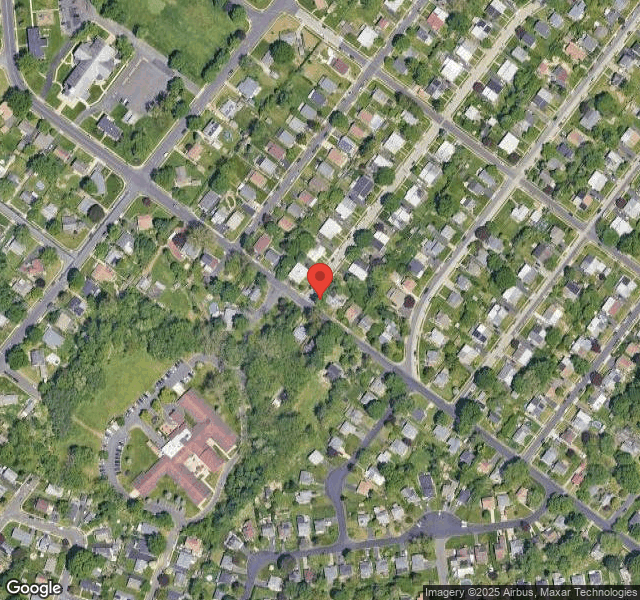
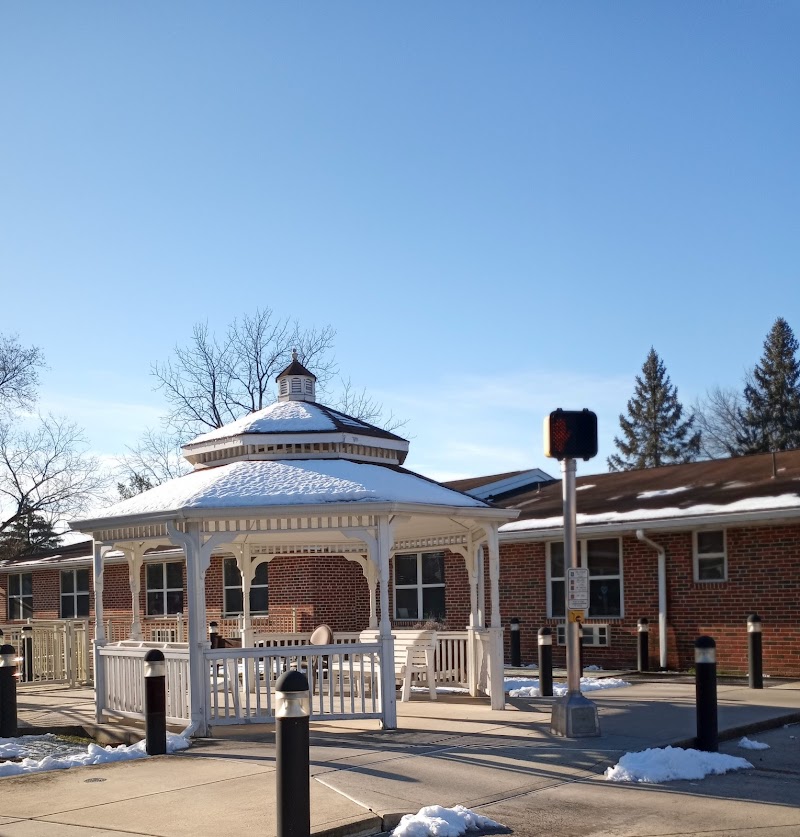
2630 WOODLAND ROAD, ROSLYN, PA 19001 (215) 884-6776
For profit - Corporation 120 Beds NATIONWIDE HEALTHCARE SERVICES Data: November 2025
Trust Grade
60/100
#267 of 653 in PA
Last Inspection: November 2024

Within standard 12-15 month inspection cycle. Federal law requires annual inspections.

Overview

Brookside Healthcare & Rehabilitation Center has a Trust Grade of C+, indicating it is slightly above average among nursing homes. It ranks #267 out of 653 facilities in Pennsylvania, placing it in the top half, but at #32 of 58 in Montgomery County, there are better local options available. The facility is showing improvement, with issues decreasing from 9 in 2024 to just 1 in 2025. However, staffing is a concern, with a rating of 2 out of 5 and a turnover rate of 53%, which is average for Pennsylvania. Notably, there have been specific incidents related to hygiene, such as a lack of soap in the kitchen and unsanitary food storage practices, which could pose health risks. On the positive side, there are no fines on record, suggesting compliance with regulations, and the facility is working towards better food safety practices.

Trust Score
C+
60/100
In Pennsylvania
#267/653
Top 40%
Safety Record
Low Risk
No red flags
Inspections
Getting Better
9 → 1 violations
Staff Stability
⚠ Watch
53% turnover. Above average. Higher turnover means staff may not know residents' routines.
Penalties
✓ Good
No fines on record. Clean compliance history, better than most Pennsylvania facilities.
Skilled Nurses
⚠ Watch
Each resident gets only 29 minutes of Registered Nurse (RN) attention daily — below average for Pennsylvania. Fewer RN minutes means fewer trained eyes watching for problems.
Violations
⚠ Watch
23 deficiencies on record. Higher than average. Multiple issues found across inspections.
★★★☆☆
3.0
Overall Rating
★★☆☆☆
2.0
Staff Levels
★★★★☆
4.0
Care Quality
★★★☆☆
3.0
Inspection Score
Stable
2024: 9 issues
2025: 1 issues

The Good

  • 4-Star Quality Measures · Strong clinical quality outcomes
  • Full Sprinkler Coverage · Fire safety systems throughout facility
  • No fines on record

Facility shows strength in quality measures, fire safety.

The Bad

3-Star Overall Rating

Near Pennsylvania average (3.0)

Meets federal standards, typical of most facilities

Staff Turnover: 53%

Near Pennsylvania avg (46%)

Higher turnover may affect care consistency

Chain: NATIONWIDE HEALTHCARE SERVICES

Part of a multi-facility chain

Ask about local staffing decisions and management

The Ugly 23 deficiencies on record

May 2025 1 deficiency
CONCERN (E) 📢 Someone Reported This

A family member, employee, or ombudsman was alarmed enough to file a formal complaint

Potential for Harm - no one hurt, but risky conditions existed

Menu Adequacy (Tag F0803)

Could have caused harm · This affected multiple residents

Based on resident interview, review of facility documentation, observation, and staff interview, it was determined that the facility failed to follow pre-approved menus. Finding include: During inter...

Read full inspector narrative →
Based on resident interview, review of facility documentation, observation, and staff interview, it was determined that the facility failed to follow pre-approved menus. Finding include: During interviews on May 29, 2025, from 12:30 p.m. through 1:45 p.m., Residents 2, 3, 5, 6, and 8 stated that menu items were frequently substituted without notification or were not received. Review of the facility menus revealed the lunch meal on May 29, 2025, was to include crispy baked chicken, Brussels sprouts, macaroni and cheese, dinner roll, and pumpkin pie. Observation of Resident 5, 6, and 7's lunch meal ticket on May 29, 2025, from 12:55 p.m. through 1:05 p.m., revealed that the meal should have included pureed pumpkin pie and the residents received no pie and no substitution for the pie. Observation of Resident 2, 3, and 8's lunch meal ticket on May 29, 2025, from 1:15 p.m. through 1:30 p.m., revealed that the meal should have included pumpkin pie, and the residents received no pie and no substitution for the pie. In an interview on May 29, 2025, at 2:00 p.m., the Dietary Manager reported the pumpkin pie was not served as planned on the facility menu. 28 Pa. Code 211.6(a) Dietary services.
Nov 2024 7 deficiencies
CONCERN (D)

Potential for Harm - no one hurt, but risky conditions existed

Deficiency F0558 (Tag F0558)

Could have caused harm · This affected 1 resident

Based on observation, clinical record review, and resident interview, it was determined that the facility failed to ensure that a call bell was accessible for one of 33 sampled residents. (Resident 51...

Read full inspector narrative →
Based on observation, clinical record review, and resident interview, it was determined that the facility failed to ensure that a call bell was accessible for one of 33 sampled residents. (Resident 51) Findings include: Clinical record review revealed that Resident 51 had diagnoses that included parkinsonism (neurological disorders that cause movement problems), depression, and muscle weakness. Review of the care plan revealed that the resident was at risk for falls and had limited physical mobility. The interventions were for staff to ensure that the call bell was within reach and encourage her to use it to call for assistance. On October 30, 2024, at 9:41 a.m., Resident 51 was in her room in bed. Registered Nurse (RN) 1 assisted the resident and left the room. The call bell was observed on the floor, at the head of the bed, out of reach. The resident stated she was not aware of the location of her call bell. At 11:00 a.m., the resident was again observed in her room in bed. The call bell was in the same position and remained out of the resident's reach. 28 Pa. Code 211.12(d)(1)(5) Nursing services.
CONCERN (D)

Potential for Harm - no one hurt, but risky conditions existed

Deficiency F0655 (Tag F0655)

Could have caused harm · This affected 1 resident

**NOTE- TERMS IN BRACKETS HAVE BEEN EDITED TO PROTECT CONFIDENTIALITY** Based on clinical record review and policy review, it was determined that the facility failed to ensure that the baseline care p...

Read full inspector narrative →
**NOTE- TERMS IN BRACKETS HAVE BEEN EDITED TO PROTECT CONFIDENTIALITY** Based on clinical record review and policy review, it was determined that the facility failed to ensure that the baseline care plan summary was provided to the resident or representative for two of 33 sampled residents. (Residents 17, 104) Findings include: Review of the facility's policy entitled, Care Plans-Baseline, dated September 9, 2024, revealed that a baseline plan of care was to be developed within 48 hours of admission. The baseline care plan was to include instructions needed to provide person-centered care of the resident that meets professional standard of quality care and must include initial goals based on admission orders and discussion with the resident and/or representative, physician orders, dietary orders, therapy orders, social services, and pre-admission screening resident review, if applicable. The baseline care plan was to be updated as needed to meet the resident's needs until the comprehension care plan was developed. The resident and/or representative were to be provided a written summary of the baseline care plan in a language that the resident and/or representative could understand. Clinical record review revealed that Resident 17 was admitted to the facility on [DATE]. On October 8, 2024, the baseline care plan was developed. There was a lack of evidence to support that the facility provided the resident and/or representative with a summary of the baseline care plan that included all the required components. Clinical record review revealed that Resident 104 was admitted to the facility on [DATE]. On September 23, 2024, the baseline care plan was developed. There was a lack of evidence to support that the facility provided the resident and/or representative with a summary of the baseline care plan that included all the required components. In an interview conducted on November 1, 2024, at 9:48 a.m., the Administrator confirmed there were no evidence the baseline care plan summary was provided to Residents 17 and 104. 28 Pa. Code 201.18 (1) Management.
CONCERN (D)

Potential for Harm - no one hurt, but risky conditions existed

Comprehensive Care Plan (Tag F0656)

Could have caused harm · This affected 1 resident

**NOTE- TERMS IN BRACKETS HAVE BEEN EDITED TO PROTECT CONFIDENTIALITY** Based on clinical record review, observation, and staff interview, it was determined that the facility failed to develop or impl...

Read full inspector narrative →
**NOTE- TERMS IN BRACKETS HAVE BEEN EDITED TO PROTECT CONFIDENTIALITY** Based on clinical record review, observation, and staff interview, it was determined that the facility failed to develop or implement a comprehensive care plan that addressed individual resident needs as identified in the comprehensive assessment for three of 33 sampled residents. (Resident's 11, 12, 21) Findings include: Clinical record review revealed that Resident 11 had diagnoses that included muscle weakness and depression. Review of a nutrition assessment dated [DATE], revealed that the resident was underweight for his age and he reported a desire to gain weight. The nutrition intervention was fortified foods once daily and snacks twice daily for weight support, and the dietitian was to develop a dietary plan of care. Review of the care plan revealed that the resident was at risk for altered nutrition status and was to receive fortified mashed potatoes with lunch. On October 29, 2024, at 12:41 p.m., and October 31, 2024, at 1:20 p.m., the resident was observed in his room with his lunch tray. The tray ticket indicated that the resident should have received fortified mashed potatoes. There were no fortified mashed potatoes observed on the resident's tray. In an interview on November 1, 2024, at 11:50 a.m., the Administrator confirmed that the kitchen staff had not prepared fortified mashed potatoes on those dates and they were not provided to the resident, per the plan of care. Clinical record review revealed that Resident 12 was admitted to the facility on [DATE], and had diagnoses that included dementia and heart failure. The Minimum Data Set (MDS) Care Area Assessment (CAA) summary dated July 2, 2024, noted that the resident's psychotropic medication was to be addressed in the care plan. There was no evidence that interventions to address Resident's 12's psychotropic medication were included in the current care plan. Clinical record review revealed that Resident 21 had diagnoses that included cerebral infarction (sudden loss of blood flow to the brain), difficulty in walking, and muscle weakness. Review of the current care plan revealed, Resident 21 was at risk for skin breakdown with an intervention for staff to offload bilateral heels with heel boots (devices to protect the skin of the feet) while in bed. Multiple observations on October 29, 30, and 31, 2024, between 9:30 a.m. and 2:15 p.m., revealed Resident 21 in bed and the heel boots were not applied. In an interview on November 1, 2024, at 10:20 a.m., the Director of Nursing confirmed there was no documented evidence that the care areas were addressed in the care plan or implemented in accordance with the care plans. 28 Pa. Code 211.12(d)(1)(3)(5) Nursing services.
CONCERN (D)

Potential for Harm - no one hurt, but risky conditions existed

Accident Prevention (Tag F0689)

Could have caused harm · This affected 1 resident

Based on clinical record review, observation, staff interview, and review of facility policy, it was determined that that facility failed to implement safety interventions for two of six sampled resid...

Read full inspector narrative →
Based on clinical record review, observation, staff interview, and review of facility policy, it was determined that that facility failed to implement safety interventions for two of six sampled residents at risk for falls. (Residents 7, 112) In addition, the facility failed to safely administer medications for one of 33 sampled residents. (Resident 53) Findings include: Review of facility policy entitled, Administering Medications, last reviewed September 9, 2024, revealed that residents were permitted to self-administer their own medications only if the attending physician, in conjunction with the interdisciplinary care planning team, had determined that they had the decision making capacity to do so safely. Clinical record review revealed that resident 53 had diagnoses that included dementia, legal blindness, and dysphagia. Physician's orders dated April 16 and 17, 2024, directed staff to administer carvedilol (a medication for blood pressure) and levetiracetam (a medication for seizures) once daily. On October 30, 2024, Resident 53 was observed in her room. There was a medication cup that contained two pills on the bedside table. The resident stated that the nurse had left the medications on the table and she would take them later. In an interview at 12:35 p.m., RN 1, confirmed that the medication cup contained the resident's levetiracetam and carvedilol and were left on the resident's bedside table. There was no evidence that the resident had been assessed and approved to self-administer medications. In an interview on November 1, 2023, the Director of Nursing (DON) confirmed that the resident was not approved for unsupervised self-administration of medications and the nurse should not have left medications at the residents bedside. Clinical record review revealed that Resident 7 had diagnoses that included stroke, heart failure, and arthritis. Review of the care plan revealed that the resident was at risk for falls, floor mats were to be placed on both sides of the bed, and his bed was to be kept in the lowest position. Multiple observations on October 29 and 30, 2024, between 10:30 a.m. and 2:10 p.m., revealed that the resident was in bed; the bed was elevated, not in the lowest position, and there was no fall mats in place. Clinical record review revealed that Resident 112 had diagnoses that included seizures and cognitive communication deficit. Further review of the clinical record revealed that the resident experienced a fall from bed on June 23, 2024. Review of the care plan revealed that the resident was at risk for falls and his bed was to be kept in the lowest position. Observations on October 29, 2024, at 11:41 a.m., 12:17 p.m., and 12:35 p.m., and again on October 30, 2024, at 9:35 a.m., revealed that the resident was in bed; the bed was elevated and not in the lowest position. position. In an interview on November 1, 2024, at 9:48 a.m., the DON confirmed that the resident's bed should have been in the lowest position and fall mats should have been in place for Resident 7. 211.10(d) Resident care policies. 211.12(d)(1)(5) Nursing services.
CONCERN (D)

Potential for Harm - no one hurt, but risky conditions existed

Deficiency F0692 (Tag F0692)

Could have caused harm · This affected 1 resident

Based on facility policy review, clinical record review, and staff interview, it was determined that the facility failed to adequately monitor and assess significant weight change for one of four samp...

Read full inspector narrative →
Based on facility policy review, clinical record review, and staff interview, it was determined that the facility failed to adequately monitor and assess significant weight change for one of four sampled residents at risk for weight loss. (Resident 77) Findings include: Review of the facility policy entitled, Weight Assessment and Intervention, last reviewed September 9, 2024, revealed that any weight change of five percent (%) or more since the last weight assessment was to be retaken the next day for confirmation. If the weight was verified, nursing would immediately notify the dietitian in witting. Clinical record review revealed that Resident 77 had diagnoses that included dementia and adult failure to thrive. On February 5, 2024, the resident weighed 192.6 pounds (lbs.). On March 8, 2024, the resident weighed 178.8 lbs., which reflected a 7.1% weight loss from the prior weight. On April 15, 2024, the resident weighed 174.0 lbs., which indicated continued weight loss. There was no evidence that a second weight was obtained in March or that the dietitian was notified of the weight loss, per the policy. There was no evidence that the resident or the weight change was assessed until April 9, 2024. In an interview on November 1, 2024, at 10:37 a.m., the Administrator confirmed that there was no evidence a second weight was obtained or that the dietitian was notified, per the policy. 28 Pa. code 211.12(d)(1)(3)(5) Nursing services.
CONCERN (E)

Potential for Harm - no one hurt, but risky conditions existed

Quality of Care (Tag F0684)

Could have caused harm · This affected multiple residents

Based on clinical record review and staff interview, it was determined that the facility failed to ensure physician's orders were implemented for six of 33 sampled residents. (Residents 1, 7, 12, 17, ...

Read full inspector narrative →
Based on clinical record review and staff interview, it was determined that the facility failed to ensure physician's orders were implemented for six of 33 sampled residents. (Residents 1, 7, 12, 17, 95, 98) Findings include: Clinical record review revealed that Resident 1 had diagnoses that included orthostatic hypotension (low blood pressure when standing, sitting, or lying down) and epilepsy (brain disorder that causes seizures). A physician's order dated January 5, 2024, directed staff to administer a medication (midodrine hydrochloride) three times a day for hypotension. Staff were not to administer the medication if the resident's systolic blood pressure (SBP, the first measurement of blood pressure when the heart beats and the pressure is at its highest) was greater than 130 millimeters mercury (mm/Hg). Review of the Medication Administration Record (MAR) from September 2024 through October 2024 revealed that staff administered the medication nine times when Resident 1's SBP was greater than the ordered parameters. Clinical record review revealed that Resident 7 had diagnoses that included heart failure, muscle weakness, and osteoarthritis. A physician's order dated September 17, 2024, directed staff to apply heel boots (devices to protect the skin of the feet) while in bed. Review of the comprehensive care plan revealed that the resident was at risk for skin breakdown. Multiple observations on October 29 and 30, 2024, between 10:30 a.m. and 2:10 p.m., revealed Resident 7 in bed and the heel boots were not applied. Clinical record review revealed that Resident 12 had diagnoses that included hypertension (high blood pressure) and heart failure. On June 25, 2024, the physician directed staff to administer a medication (midodrine hydrochloride) three times a day for orthostatic hypotension. Staff was not to administer the medication if the resident's SBP was 135 mm/Hg or higher. Review of the MAR revealed that staff administered the medication when the resident's SBP was above 135 mm/HG on 14 occasions in September 2024 and 12 occasions in October 2024. Further review of Resident 12's clinical record revealed on June 25, 2024, the physician directed staff to administer metoprolol (medication for high blood pressure) twice a day; staff were to hold the medication if the resident's SBP was below 100 mm/Hg or the resident's heart rate was below 60 beats per minute. Review of the MAR for September and October 2024 revealed that staff administered the medication 57 of 60 times in September and 61 of 61 times in October with no documentation that the blood pressure was assessed prior to medication administration per physician's order. Clinical record review revealed that Resident 17 had diagnoses that included hemiplegia and hemiparesis (paralysis of one side), heart failure, and muscle weakness. A physician's order dated October 9, 2024, directed staff to apply heel boots while in bed. Review of the comprehensive care plan revealed that the resident was at risk for skin breakdown. Multiple observations on October 29, 30, and 31, 2024, between 9:45 a.m. and 2:00 p.m., revealed Resident 17 in bed and the heel boots were not applied. Clinical record review revealed that Resident 95 had diagnoses that included Alzheimer's disease, hemiplegia and hemiparesis, and hypertension. Physician's orders dated August 23, 2024, and October 14, 2024, directed staff to administer losartan (medication for high blood pressure) once a day; staff were to hold the medication if the resident's SBP was below 110 mm/Hg or the resident's heart rate was below 60 beats per minute. Review of the MAR for September and October 2024 revealed that staff administered the medication on one occasion in September and on nine occasions in October, when Resident 95's SBP was less than the ordered parameters. Clinical record review revealed that Resident 98 had diagnoses that included hypertension and cerebral infarction (sudden loss of blood flow to the brain). A physician's order dated October 11, 2024, directed staff to administer a medication (carvedilol) every 12 hours for hypertension. Staff were not to administer the medication if the resident's heart rate was below 55 beats per minute. Review of the October 2024 MAR revealed staff administered the medication 27 times with no documentation that the heart rate was assessed prior to the medication administration per the physician's order. In an interview on November 1, 2024, at 9:48 a.m., the Administrator confirmed that staff did not apply the heel boots as ordered by the physician and that medications were administered outside of the established parameters for the aforementioned residents. 28 Pa. Code 211.12(d)(1)(5) Nursing services
CONCERN (F)

Potential for Harm - no one hurt, but risky conditions existed

Food Safety (Tag F0812)

Could have caused harm · This affected most or all residents

Based on observation, it was determined that the facility failed to maintain sanitary conditions in the kitchen. Findings include: Observation of the kitchen on October 29, 2024, at 9:47 a.m., revea...

Read full inspector narrative →
Based on observation, it was determined that the facility failed to maintain sanitary conditions in the kitchen. Findings include: Observation of the kitchen on October 29, 2024, at 9:47 a.m., revealed the following: There was no soap in the dispenser at a hand wash sink. There were flies in the dish washing and tray line areas. There was a tray of clean adaptive cups that contained various debris that included crumbs, paper clips, and condiment packets. The lid on a container of cereal was broken; the contents were left open to air. There was debris that included cups, lids, baskets, and trash on the floor at the juice and ice machines. A roll of trash bags was stored on top of a rack of clean bowls. There were ear buds on a food preparation surface, alongside cooking utensils. The molding at the base of the wall behind a food preparation surface was chipped and marred. There was an accumulation of debris that included dirt and a metal nail on the floor by a clean pot shelf. CFR 483.60 Food Procurement Store/Prepare/Serve-Sanitary. Previously cited 11/02/23 28 Pa. Code 201.18(b)(3) Management.
Sept 2024 1 deficiency
CONCERN (D) 📢 Someone Reported This

A family member, employee, or ombudsman was alarmed enough to file a formal complaint

Potential for Harm - no one hurt, but risky conditions existed

Incontinence Care (Tag F0690)

Could have caused harm · This affected 1 resident

**NOTE- TERMS IN BRACKETS HAVE BEEN EDITED TO PROTECT CONFIDENTIALITY** Based on clinical record review, facility policy review, and staff interview, it was determined that the facility failed to asse...

Read full inspector narrative →
**NOTE- TERMS IN BRACKETS HAVE BEEN EDITED TO PROTECT CONFIDENTIALITY** Based on clinical record review, facility policy review, and staff interview, it was determined that the facility failed to assess and treat an external urinary catheter for one of six sampled residents. (Resident 1) Findings include: Review of the facility policy policies entitled, External Male Catheter and Catheter Care, last reviewed January 2024, revealed that there should be a physician's order for the use of a catheter. Nursing and the the interdisciplinary team were to assess and document the ongoing need for a catheter that was in place. The catheter was to be removed as soon as it was no longer required. Clinical record review revealed that Resident 1 was admitted to the facility on [DATE], with diagnoses that included neoplasm of cranial nerves, pulmonary fibrosis, and muscle weakness. Review of Resident 1's hospital discharge documentation revealed that Resident 1 had an external urinary catheter. According to the facility's September treatment administration record, the external urinary catheter was not changed until September 17, 2024. There was no documentation to support that the facility obtained an order from the physician, changed the catheter, or assessed the resident's surrounding skin until September 17, 2024. In an interview on September 23, 2024, at 2:15 p.m., the Nursing Home Administrator stated that staff were to obtain a physician's order for the use of the catheter, change the external catheter daily, and assess the resident's surrounding skin daily and that there was no documentation to support these things were done prior to September 17, 2024. 28 Pa. Code 211.12(d)(1)(5) Nursing services.
May 2024 1 deficiency
CONCERN (D) 📢 Someone Reported This

A family member, employee, or ombudsman was alarmed enough to file a formal complaint

Potential for Harm - no one hurt, but risky conditions existed

Pharmacy Services (Tag F0755)

Could have caused harm · This affected 1 resident

Based on clinical record review and staff interview, it was determined that the facility failed to ensure that each resident was administered medication as prescribed by the physician for one of five ...

Read full inspector narrative →
Based on clinical record review and staff interview, it was determined that the facility failed to ensure that each resident was administered medication as prescribed by the physician for one of five sampled residents. (Resident 1) Findings include: Clinical record review revealed that Resident 1 had diagnoses that included anxiety and depression. On August 11, 2023, the physician ordered for staff to administer an anti-anxiety medication (Lorazepam) every eight hours for anxiety. In an interview with Resident 1 on May 15, 2024, at 12:05 p.m. she stated that staff did not always administer her anti-anxiety medication as ordered. Review of the medication administration records for May 2024 revealed that the resident had not received the scheduled doses of the anti-anxiety medication three times on May 9, 2024. Review of nursing documentation revealed that the medication was not available on May 9, 2024, to administer to the resident. In an interview on May 15, 2024, at 1: 15 p.m. the Nursing Home Administrator confirmed that Resident 1's medication had not been given on May 9, 2024, as ordered and that the nursing supervisor failed to obtain the mediation from the emergency supply. 28 Pa. Code 211.12(d)(1)(5) Nursing services.
Nov 2023 5 deficiencies
CONCERN (D)

Potential for Harm - no one hurt, but risky conditions existed

Deficiency F0697 (Tag F0697)

Could have caused harm · This affected 1 resident

**NOTE- TERMS IN BRACKETS HAVE BEEN EDITED TO PROTECT CONFIDENTIALITY** Based on facility policy review, clinical record review, observation, and resident and staff interview, it was determined that t...

Read full inspector narrative →
**NOTE- TERMS IN BRACKETS HAVE BEEN EDITED TO PROTECT CONFIDENTIALITY** Based on facility policy review, clinical record review, observation, and resident and staff interview, it was determined that the facility failed to assess and treat pain for two of 21 sampled residents. (Resident 47, 309) Findings include: Review of the facility policy entitled, Pain Assessment and Management, last reviewed August 9, 2023, revealed that the multidisciplinary care team would identify, appropriately assess, and treat pain based on professional standards of practice, the comprehensive care plan, and the resident's choices related to pain management. The policy directed staff to further assess a resident when there was a suspicion of new pain or worsening of existing pain by using a consistent approach and a standardized pain assessment instrument appropriate to the resident's cognitive level. Clinical record review revealed that Resident 47 had diagnoses that included history of a stroke, bilateral knee contractures, and left sided weakness. Review of the Minimum Data Set (MDS) assessment, dated September 18, 2023, revealed that Resident 47 was alert and oriented. A physician's order, dated May 2, 2022, directed staff to conduct a pain assessment of Resident 47 every shift. A physician's order, dated January 19, 2023, directed staff to administer a pain medication (acetaminophen) every 6 hours, as needed, for mild pain. Review of the care plan revealed Resident 47 had a potential for alteration in comfort related to impaired mobility. The interventions were for staff to assess for signs and symptoms of pain, attempt non-pharmacological interventions prior to medication, and reposition as needed for pain relief. On October 30, 2023, at 11:55a.m., Resident 47 was observed in a tilted back wheelchair in the hallway. The resident complained of pain in his left leg and stated that Licensed Practical Nurse (LPN) 2 was aware of the pain. In an interview on October 30, 2023, at 12:23 p.m., LPN 2 stated that she would assess the resident for pain and would provide interventions accordingly. In an interview on October 31, 2023, at 9:46 a.m., Resident 47 stated that staff did not assess his pain or provide interventions on October 30, 2023. A review of the progress notes and the Medication and Treatment Administration Records (MAR and TAR) for October 30, 2023, revealed lack of evidence that staff assessed or treated the resident's pain. In an interview on November 2, at 8:56a.m., the Administrator confirmed that no pain assessment was done, and no interventions were offered to Resident 47 for his reported pain. Clinical record review revealed that Resident 309 had diagnoses that included a history of spine surgery, spinal stenosis (a narrowing of the spinal canal which could cause pressure on the spinal cord and nerves within the spine), and difficulty walking. Review of the MDS assessment dated [DATE], revealed that the resident was alert and oriented. Physician's orders, dated October 27, 2023, directed staff to assess Resident 309's pain every shift, administer a pain medication (oxycodone) every four hours, as needed, for severe pain, and administer a pain medication (acetaminophen) every six hours, as needed, for mild pain. A review of the care plan revealed that Resident 309 was at risk for discomfort and pain was to be managed with interventions of assessing pain, repositioning, or administering pain medications, as ordered, to relieve pain. Observation on October 31, 2023, at 9:10 a.m., revealed that Resident 309 notified LPN 1 of pain and requested pain medication. LPN 1 stated that the resident's order for oxycodone, the medication for severe pain, was not to be administered until 11:00 a.m. LPN 1 did not assess Resident 309's pain to determine the location or pain level. LPN 1 did not offer non-pharmacological interventions or determine if the alternate medication (acetaminophen) was available as an appropriate intervention upon Resident 309's report of pain. In an interview on November 1, 2023, at 1:15p.m., the NHA confirmed that LPN 1 did not follow the facility's policy on pain assessment and management and did not assess or provide interventions to address Resident 309's pain. 28 Pa. Code 211.12(d)(1)(5) Nursing services.
CONCERN (D)

Potential for Harm - no one hurt, but risky conditions existed

Pharmacy Services (Tag F0755)

Could have caused harm · This affected 1 resident

Based on policy review, clinical record review, and staff interview, it was determined that the facility failed to ensure that a resident was administered medication as prescribed by the physician for...

Read full inspector narrative →
Based on policy review, clinical record review, and staff interview, it was determined that the facility failed to ensure that a resident was administered medication as prescribed by the physician for one of 21 sampled residents. (Resident 309) Findings include: Review of the facility policy entitled, Unavailable Medications, last reviewed August 9, 2023, revealed that the facility used Pharmscript (an on-line pharmacy supplier) for medication orders. If a medication was unavailable from the pharmacy, the pharmacy would notify nursing staff that the ordered product was unavailable, when they anticipated the drug would become available, and would suggest an alternate or comparable drug and dosage of drug that was available. Nursing staff would notify the attending physician, the facility's nursing supervisor or the medical director of the situation, a new order would be obtained, and the order for the non-available medication would be cancelled or discontinued. Clinical record review revealed that Resident 309 had diagnoses that included vitamin D deficiency and osteoarthritis. A physician's order, dated October 28, 2023, directed staff to administer a medication for psoriasis (acitretin) once daily. Review of a memo from Pharmscript dated November 1, 2023, revealed that the pharmacy received the order for acitretin on October 27, 2023, but the medication was not in stock at that time. The pharmacy did not inform the facility that the medication was unavailable. In an interview on November 2, 2023, at 8:58 a.m., the Administrator confirmed that the medication was unavailable since October 28, 2023, and the resident missed scheduled doses of the acitretin on October 28, 29, and 30, 2023. 28 Pa. Code 201.14(a) Responsibility of licensee. 28 Pa. Code 211.10(c) Resident care policies. 28 Pa. Code 211.12(d)(1)(3)(4) Nursing services.
CONCERN (D)

Potential for Harm - no one hurt, but risky conditions existed

Deficiency F0808 (Tag F0808)

Could have caused harm · This affected 1 resident

Based on review of the facility menu and diet manual, clinical record review, and observation, it was determined that the facility failed to provide therapeutic diets as ordered by the physician for f...

Read full inspector narrative →
Based on review of the facility menu and diet manual, clinical record review, and observation, it was determined that the facility failed to provide therapeutic diets as ordered by the physician for four of 21 sampled residents. (Residents 39, 69, 142, 311) Findings include: Review of the facility diet manual revealed that residents who were ordered a dysphagia advanced texture diet were to avoid potato skins. Review of the facility menu extensions revealed that residents who were ordered a dysphagia mechanical soft texture diet were to receive pureed peas. Clinical record review revealed that Resident 39 had diagnoses that included multiple sclerosis, diabetes, and dysphagia (difficulty with swallowing). Review of the care plan revealed a potential for nutritional problems related to chewing and swallowing difficulty and a need for a mechanically altered diet. The intervention was for staff to provide the diet as ordered. A physician's order dated April 7, 2023, directed staff to provide a dysphagia advanced textured diet. Observation on October 30, 2023, at 12:46 p.m. revelaed that Resident 39 was served and ate a meal that included large pieces of cooked potatoes. The skin remained on the potatoes. Clinical record review revealed that Resident 69 had diagnoses that included multiple sclerosis, muscle weakness, and traumatic brain injury. Review of the care plan revealed a potential for nutritional problems related to chewing and swallowing difficulty and a need for a mechanically altered diet. The intervention was for staff to provide the diet as ordered. A physician's order dated January 13, 2022, directed staff to provide a dysphagia advanced texture diet. Observation on October 31, 2023, at 12:26 p.m., revealed that Resident 69 was served a meal that included large pieces of cooked potatoes. The skin remained on the potatoes. Clinical record review revealed that Resident 142 had diagnoses that included Parkinson's disease, diabetes, chronic obstructive pulmonary disease, and dysphagia. Review of the care plan revealed a potential for nutritional problems related to chewing and swallowing difficulty and a need for a mechanically altered diet. The intervention was for staff to provide the diet as ordered. A physician's order dated August 21, 2023, directed staff to provide a dysphagia mechanical soft textured diet. Observation on October 30, 2023, at 12:44 p.m. revealed that Resident 142 was served and ate a meal that included whole peas. Clinical record review revealed that Resident 311 had diagnoses that included end stage renal disease, history of a stroke, and dysphagia (difficulty with swallowing). Review of the care plan revealed a potential for nutritional problems related to chewing and swallowing difficulty and a need for a mechanically altered diet. The intervention was for staff to provide the diet as ordered. A physician's order dated August 1, 2023, directed staff to provide a dysphagia advanced textured diet. Observation on October 30, 2023, at 1:24 p.m., revealed that Resident 311 was served and ate a meal that included large pieces of cooked potatoes. The skin remained on the potatoes. 201.14(a) Responsibility of licensee. 211.12(d)(3)(5) Nursing services.
CONCERN (E)

Potential for Harm - no one hurt, but risky conditions existed

Deficiency F0809 (Tag F0809)

Could have caused harm · This affected multiple residents

Based on review of the facility's meal schedule, observation, and resident interview, it was determined that the facility failed to ensure that meals were served at regularly scheduled times in accord...

Read full inspector narrative →
Based on review of the facility's meal schedule, observation, and resident interview, it was determined that the facility failed to ensure that meals were served at regularly scheduled times in accordance with resident needs on one of two nursing units and in the main dining room. (Susquehanna Unit) Findings include: Review of the facility's meal schedule revealed that the scheduled time for lunch on the Susquehanna nursing unit, short hall was 11:15 a.m., and the scheduled time for lunch in the main dinning room was 12:00 p.m. During a group interview on October 31, 2023, at 10:30 a.m., Residents 17, 36, 59, 71, and 89, stated that the meals were frequently delivered late. Observation on November 1, 2023, on Susquehanna nursing unit, short hall, revealed the meal cart arrived on the nursing unit at 11:41 a.m., 26 minutes after the scheduled delivery time. Observation of the main dining room on November 1, 2023, at 12:27 p.m., revealed that the lunch meal had not yet been served. In interviews at the time, Resident 39 stated that she was waiting for her tray and that the lunch was late. Residents 15 and 59 stated that lunch was typically served late in the main dining room. Further observation revealed that the residents seated in the main dining room were served their lunch trays at 12:45 p.m. through 1:00 p.m., 45 minutes after the scheduled meal time. 28 Pa. Code 201.14(a) Responsibility of licensee.
CONCERN (F)

Potential for Harm - no one hurt, but risky conditions existed

Food Safety (Tag F0812)

Could have caused harm · This affected most or all residents

Based on facility policy review, observation, and staff interview, it was determined that the facility failed to properly store food and maintain sanitary conditions in the dietary department and on o...

Read full inspector narrative →
Based on facility policy review, observation, and staff interview, it was determined that the facility failed to properly store food and maintain sanitary conditions in the dietary department and on one of two unit pantries. (Susquehanna) Findings include: Review of the policy entitled, Food: Preparation, last reviewed August 9, 2023, revealed that food was to be prepared with procedures that avoid contamination by potentially harmful physical, biological, and chemical contamination. Food contact equipment was to be cleaned after every use. The temperatures of hot and cold foods at meals were to be checked to ensure proper food holding temperatures were maintained. Staff were to record the temperatures for the food items at the time of service onto the Service Checklist Form. Review of the policy entitled, Food Storage: Dry Goods, Cold Foods, last reviewed August 9, 2023, revealed all packaged foods were to be kept clean, dry, and properly sealed. Cold foods were to be stored, wrapped or in a covered container, labeled and dated, and arranged in a manner to prevent cross-contamination. Review of the policy entitled, Food: Safe Handling for Food from Visitors, last reviewed August 9, 2023, revealed staff were to assist residents with proper food storage and safe food consumption with foods stored in the unit pantry. Staff were to ensure food was stored in a sealed container to prevent cross-contamination. Staff were to properly maintain the refrigerator and freezer for storage of food brought in by visitors for residents. Observations during the kitchen tour on October 30, 2023, at 11:15 a.m., and on November 1, 2023, at 9:35 a.m., revealed the following: In dry storage, there was an unlabeled clear bag of what the Dietary Manager (DM) 1 identified as yellow cake mix. There was powdered food debris on an opened cornbread mix box that was opened to air. Next to this box was a box of thickened water covered with the same debris. In the cooks' cooler, there was a package of opened swiss cheese that was not dated. In the walk-in cooler, under the shelves that stored the milk crates, there was a gelled white liquid on the floor that had an odor. There were various pieces of dried food debris on the floor and a blackened piece of food with white spots on it under the shelves. In a box of butter, one stick was partially opened to air and had multiple brown spots on the exposed area. It was touching the other sticks of butter. There was an accumulation of dust on two fan shields and both fans were running. There was an opened bottle of mustard with no open date and an illegible use-by date. There was an opened package of turkey lunch meat that was not dated. In the freezer, there were multiple peas on the floor by the door and an opened box of fish fillets that was not dated and was open to air. In the cook's preparation area, the can opener had dried black food debris on the piece that pierced the cans. There were two plastic containers containing chicken and beef base that were covered with dried food debris. The lid to the beef base was opened and the beef base was not being used at that time. In the trayline cooler, there was dried food debris along the length of the bottom. The temperature was 50 degrees Farenheit (F) on October 30, 2023, at 11: 50 a.m., and on November 1, 2023, at 9:41 a.m., which was above the safe refrigeration temperature of 41 degrees F. There was no meal preparation occurring in that area at those times and milk was stored in the cooler. In the trayline area during both tours, the platform that the juice machine was stored on was covered with a white substance with raised edges and rust along the length of the area below the machine. The Regional Manager identified the white substance as lime. Observation on both dates revealed there was peeling paint on two door frames in the food preparation areas of the kitchen. One door was adjacent to Susquehanna unit hallway and the other door was adjacent to the cooks food preparation area. Review of Service Line Checklists that were to be used by the cooks to record the temperatures of the food served at each meal from October 16, 2023, through October 31, 2023, revealed no documented evidence that food temperatures were obtained to ensure safe cooking and holding temperatures for 29 of 48 meals reviewed. In an interview on October 30, 2023, at 12:00 p.m., DM 1 confirmed food items should have been dated and those observed during the tour were not. In an interview conducted on November 1, 2023, at 12:15 p.m., DM 2 confirmed the Service Line Checklist should have been completed with each meal. Observation of the Susquehanna unit pantry on October 30, 2023, at 1:10 p.m., revealed the inside of the microwave was dirty with multiple areas of dried food splatter, a used paper towel, and a burnt piece of food debris in the corner. There were multiple rust areas along the top inside of the microwave. In the refrigerator, there was dried liquid debris underneath an opened container of almond milk. In the freezer, there were four packages that were encrusted in ice and unable to be identified. In the cabinet, there was an opened large jar of peanut butter with an expiration date of May 4, 2023. In an interview conducted on October 30, 2023, at 1:20 p.m., the Director of Nursing confirmed the microwave and refrigerator were used to store items for residents. 28 Pa. Code 201.14(a) Responsibility of licensee.
Oct 2023 1 deficiency
CONCERN (D) 📢 Someone Reported This

A family member, employee, or ombudsman was alarmed enough to file a formal complaint

Potential for Harm - no one hurt, but risky conditions existed

Quality of Care (Tag F0684)

Could have caused harm · This affected 1 resident

**NOTE- TERMS IN BRACKETS HAVE BEEN EDITED TO PROTECT CONFIDENTIALITY** Based on clinical record review and resident interview, it was determined that the facility failed to implement physician's orde...

Read full inspector narrative →
**NOTE- TERMS IN BRACKETS HAVE BEEN EDITED TO PROTECT CONFIDENTIALITY** Based on clinical record review and resident interview, it was determined that the facility failed to implement physician's orders and provide wound treatment for one of five sampled residents. (Resident 1) Findings include: Clinical record review revealed that Resident 1 had diagnoses that included multiple sclerosis and pressure wounds. Review of the Minimum Data Set (MDS) assessment dated [DATE], indicated that the resident had no memory impairment and was totally dependent on staff for most activities of daily living. The MDS assessment indicated the resident had pressure wounds on the left and right hip and tailbone areas upon admission to the facility. A physician's order dated September 29, 2023, directed staff to cleanse these wounds with Dakin's solution and to apply Santyl ointment, topically every day and every evening shift for wound care. Review of the Treatment Administration Record for October 2023, revealed there was a lack of documentation to support that the resident received the treatment on October 7, 2023, during the 7a-3p shift. In an interview on October 27, 2023, at 3:28 p.m., the Nursing Home Administrator confirmed that the physician's order was not followed. 28 Pa. Code 211.12(d)(1)(5) Nursing services.
Jun 2023 1 deficiency
CONCERN (D) 📢 Someone Reported This

A family member, employee, or ombudsman was alarmed enough to file a formal complaint

Potential for Harm - no one hurt, but risky conditions existed

Quality of Care (Tag F0684)

Could have caused harm · This affected 1 resident

**NOTE- TERMS IN BRACKETS HAVE BEEN EDITED TO PROTECT CONFIDENTIALITY** Based on clinical record review and staff interview, it was determined that the facility failed to administer medications and pr...

Read full inspector narrative →
**NOTE- TERMS IN BRACKETS HAVE BEEN EDITED TO PROTECT CONFIDENTIALITY** Based on clinical record review and staff interview, it was determined that the facility failed to administer medications and provide services in accordance with the care plan and physician's orders for one of five sampled residents. (Resident CL1) Findings include: Clinical record review revealed Resident CL1 had diagnoses that included primary optic atrophy (loss of some or all of the nerve fibers in the optic nerve of the eye), congestive heart failure, and hypertension (high blood pressure). Review of the Minimum Data Set assessment dated [DATE], revealed that Resident CL1 had cognitive impairment and impaired vision. Review of the care plan revealed the resident may be in need of vision services with an intervention to consult eye services as needed. On June 2, 2023, a nurse documented that Resident CL1 had an appointment with the eye doctor on June 6, 2023. There was no documented evidence that Resident CL1 attended the appointment. In an interview on June 14, 2023 at 1:20 p.m., the Administrator confirmed Resident CL1 did not attend her eye doctor appointment on June 6, 2023, due to transportation not being scheduled. Review of nurse's notes and a facility incident report dated June 3, 2023, revealed that Registered Nurse 1 administered an antidepressant medication, Elavil, on June 3, 2023, at 6:30 p.m., to Resident CL1 without a physician's order. In an interview on June 14, 2023 at 2:10 p.m., the Director of Nursing confirmed the medication was administered without a physician's order. 28 Pa. Code 211.12(d)(1)(5) Nursing services.
Mar 2023 2 deficiencies
CONCERN (D) 📢 Someone Reported This

A family member, employee, or ombudsman was alarmed enough to file a formal complaint

Potential for Harm - no one hurt, but risky conditions existed

Resident Rights (Tag F0550)

Could have caused harm · This affected 1 resident

**NOTE- TERMS IN BRACKETS HAVE BEEN EDITED TO PROTECT CONFIDENTIALITY** Based on clinical record review and staff interview, it was determined that the facility failed to provide services to enhance e...

Read full inspector narrative →
**NOTE- TERMS IN BRACKETS HAVE BEEN EDITED TO PROTECT CONFIDENTIALITY** Based on clinical record review and staff interview, it was determined that the facility failed to provide services to enhance each resident's quality of life by offering showers as scheduled to three of five sampled residents. (Residents 1, 2, 3) Findings include: Clinical record review revealed that Resident 1 had diagnoses that included dementia, stroke, and muscle weakness. The Minimum Data Set (MDS) assessment dated [DATE], indicated that the resident was cognitively impaired, incontinent of bowel and bladder, and was dependent on staff assistance for bathing. The resident's care plan noted that the resident had a self-care deficit and was to be offered a shower twice per week on Wednesday and Saturday, evening shift. There was a lack of documentation to support that Resident 1 was provided the opportunity to have a shower seven of seven times in the past 30 days from February 22, 2023. Clinical record review revealed that Resident 2 had diagnoses that included dementia, difficulty walking, and muscle weakness. The MDS assessment dated [DATE], indicated that the resident was cognitively impaired, incontinent of bowel and bladder, and was dependent on staff assistance for bathing. The resident's care plan noted that the resident had a self-care deficit and was to be offered a shower twice per week on Monday and Thursday, evening shift. There was a lack of documentation to support that Resident 2 was provided the opportunity to have a shower seven of eight times in the past 30 days from February 23, 2023. Clinical record review revealed that Resident 3 had diagnoses that included stroke, difficulty walking, and muscle weakness. The MDS assessment dated [DATE], indicated that the resident was not cognitively impaired, was incontinent of bowel and bladder, and was dependent on staff assistance for bathing. The resident's care plan noted that the resident had a self-care deficit and was to be offered a shower twice per week on Monday and Thursday, day shift. During an interview March 23, 2023, at 12:25 p.m., the resident stated that she preferred to have a shower on her shower days and that they were not always offered. There was a lack of documentation to support that Resident 3 was provided the opportunity to have a shower six of eight times in the past 30 days from February 23, 2023. During an interview on March 23, 2023, at 2:38 p.m., the Administrator confirmed there was a lack of documentation to support that identified residents were consistently offered showers as scheduled. 28 Pa. Code 201.29(j) Resident rights. 28 Pa. Code 211.12(d)(5) Nursing services.
CONCERN (D) 📢 Someone Reported This

A family member, employee, or ombudsman was alarmed enough to file a formal complaint

Potential for Harm - no one hurt, but risky conditions existed

Quality of Care (Tag F0684)

Could have caused harm · This affected 1 resident

**NOTE- TERMS IN BRACKETS HAVE BEEN EDITED TO PROTECT CONFIDENTIALITY** Based on clinical record review and staff interview, it was determined that the facility failed to ensure that a physician's ord...

Read full inspector narrative →
**NOTE- TERMS IN BRACKETS HAVE BEEN EDITED TO PROTECT CONFIDENTIALITY** Based on clinical record review and staff interview, it was determined that the facility failed to ensure that a physician's order was implemented for one of five residents. (Resident 1) Findings include: Clinical record review revealed that Resident 1 had diagnoses that included dementia, stroke, and heart failure. The Minimum Data Set (MDS) assessment dated [DATE], indicated that the resident was cognitively impaired and required extensive assistance from staff for dressing and hygiene. Review of a physician's order dated March 14, 2023, revealed that staff was to apply compression socks to the resident's lower extremities in the morning at 9:00 a.m., and remove them in the evening at 9:00 p.m. Observations on March 23, 2023, at 11:46 a.m., 12:04 p.m., and 12:52 p.m., revealed the resident was dressed and in her wheelchair and the compression socks had not been applied. In an interview on March 23, 2023, at 1:36 p.m., the Administrator confirmed the physician's order was not followed. 28 Pa. Code 211.12(d)(1)(5) Nursing services.
Nov 2022 4 deficiencies
CONCERN (D)

Potential for Harm - no one hurt, but risky conditions existed

Deficiency F0679 (Tag F0679)

Could have caused harm · This affected 1 resident

**NOTE- TERMS IN BRACKETS HAVE BEEN EDITED TO PROTECT CONFIDENTIALITY** Based on observation and clinical record review, it was determined that the facility failed to provide an activity program that ...

Read full inspector narrative →
**NOTE- TERMS IN BRACKETS HAVE BEEN EDITED TO PROTECT CONFIDENTIALITY** Based on observation and clinical record review, it was determined that the facility failed to provide an activity program that met the needs and interests of residents in accordance with care planned interventions for one of 20 sampled residents. (Resident 92) Findings include: Clinical record review revealed that Resident 92 was admitted to the facility on [DATE], and had diagnoses that included Huntington's disease (causes progressive degeneration of nerve cells in the brain), altered mental status, depression, and anxiety disorder. The Minimum Data Set assessment dated [DATE], indicated that Resident 92 was cognitively impaired, required extensive assistance from staff for care, and that it was very important for the resident to participate in religious services. Review of the care plan revealed that the resident was to be offered one to one activities that included prayer readings. On October 28, 2022, the nurse noted that Resident 92 had crawled into the hallway and voiced being bored and wanting attention. The resident was noted by nursing on October 30, 2022, to again crawl into the hall. Review of the activities calendar revealed that religious activities were offered on October 30 and November 6 and 13, 2022. There was a lack of evidence that the resident was invited to group activities, including religious services, and/or provided with individual prayer readings. Resident 92 was observed on all days of the survey, in bed, with no involvement in activities. 28 Pa. Code 201.29(j) Resident rights.
CONCERN (D)

Potential for Harm - no one hurt, but risky conditions existed

Quality of Care (Tag F0684)

Could have caused harm · This affected 1 resident

**NOTE- TERMS IN BRACKETS HAVE BEEN EDITED TO PROTECT CONFIDENTIALITY** Based on clinical record review and staff interview, it was determined that the facility failed to ensure that physicians' order...

Read full inspector narrative →
**NOTE- TERMS IN BRACKETS HAVE BEEN EDITED TO PROTECT CONFIDENTIALITY** Based on clinical record review and staff interview, it was determined that the facility failed to ensure that physicians' orders were implemented for two of 20 sampled residents. (Resident 63, 84 ) Findings include: Clinical record review revealed that Resident 63 had diagnoses that included diabetes mellitus and chronic kidney disease. A physician's ordered dated May 24, 2022, directed staff to inject seven units of Humalog insulin subcutaneously (insert a needle under the skin) three times a day for diabetes mellitus and give only if blood sugar prior to the meal was greater than 100 milligrams per deciliter (mg/dl) and the resident had eaten more than 33% of the meal. A review of the November 2022, Medication Administration Record revealed that staff administered the medication six times when the resident's blood sugar was under 100 mg/dl before eating. Clinical record review revealed that Resident 84 was admitted [DATE], with diagnoses that included kidney failure and dependence on dialysis. The resident had a left arm fistula (a surgical opening) for dialysis access. A physician's order dated May 11, 2022, directed staff to not take the resident's blood pressure in the left arm because of this device. The care plan included an intervention that staff was not to take blood pressure readings using the resident's left arm. Review of Resident 84's blood pressure summary revealed that from May 11, 2022, through July 1, 2022, nursing staff had taken the resident's blood pressure in the left arm 32 of 81 times. In an interview on November 18, 2022, at 11:21 a.m., the Director of Nursing confirmed that physicians' orders for Residents 63 and 84 were not followed. 28 Pa. Code 211.12(d)(1)(5) Nursing services.
CONCERN (D)

Potential for Harm - no one hurt, but risky conditions existed

Tube Feeding (Tag F0693)

Could have caused harm · This affected 1 resident

**NOTE- TERMS IN BRACKETS HAVE BEEN EDITED TO PROTECT CONFIDENTIALITY** Based on facility policy review, clinical record review, observation, and staff interview, it was determined that the facility f...

Read full inspector narrative →
**NOTE- TERMS IN BRACKETS HAVE BEEN EDITED TO PROTECT CONFIDENTIALITY** Based on facility policy review, clinical record review, observation, and staff interview, it was determined that the facility failed to ensure that each resident received proper nutrition and hydration for one of one residents requiring enteral feeding (nutrition provided through the gastrointestinal tract via a tube). (Resident 147) Findings include: Review of the facility policy entitled, Enteral Nutrition, revised February 21, 2022, revealed that adequate nutritional support through enteral feeding would be provided to residents as ordered by the physician based on recommendations by the dietician. Clinical record review revealed that Resident 147 was admitted to the facility on [DATE], and had diagnoses that included diabetes mellitus (disease that affects how the body uses blood sugar, resulting in too much sugar in the blood) and gastrostomy status (a tube is placed directly into the stomach to provide nutrition with a liquid formula). A nurse's note dated November 14, 2022, included documentation that the dietician recommended the resident receive Glucerna (brand of nutritional supplement designed to help manage blood sugar) enteral feeding and that it was approved by the physician. Resident 147 had a physician's order dated November 15, 2022, for staff to administer the enteral feeding of Glucerna 1.5 (via pump) for 20 hours. There was also a physician's order dated November 14, 2022, for the resident to receive 300 ml of enteral water to flush the feeding tube via pump every four hours. Observation on November 16, 2022, at 1:55 p.m., and November 17, 2022, at 10:45 a.m., revealed that Resident 147 was receiving Jevity 1.5 (nutritional formula not specifically designed to manage blood sugar) via gastrostomy tube instead of Glucerna 1.5 as ordered by the physician. In addition, Resident 147's enteral feeding pump was observed on November 15, 2022, at 11:59 a.m., and November 16, 2022, at 1:55 p.m., with the water flush set at 200 ml every four hours instead of 300 ml as ordered by the physician. During an interview on November 18, 2022, at 10:14 a.m., the Director of Nursing confirmed that Resident 147 did not have the correct nutritional formula in place on November 17, 2022. 28 Pa. Code 211.10(c) Resident care policies. 28 Pa. Code 211.12(1)(3)(5) Nursing services.
MINOR (B)

Minor Issue - procedural, no safety impact

Safe Environment (Tag F0921)

Minor procedural issue · This affected multiple residents

**NOTE- TERMS IN BRACKETS HAVE BEEN EDITED TO PROTECT CONFIDENTIALITY** Based on observation, it was determined that the facility failed to provide a safe, sanitary, and comfortable environment on two...

Read full inspector narrative →
**NOTE- TERMS IN BRACKETS HAVE BEEN EDITED TO PROTECT CONFIDENTIALITY** Based on observation, it was determined that the facility failed to provide a safe, sanitary, and comfortable environment on two of two nursing units. (Woodland and Susquehanna) Findings include: Observation of resident rooms and common areas during all days of the survey revealed the following: In room [ROOM NUMBER], the bathroom ceiling vent cover was missing a screw and bed A was missing a chain to adjust the overbed light setting. In rooms 122, 129, 130, 200, and 206, the wall paper was heavily marred. The heater cover in room [ROOM NUMBER] was not attached. The bathroom door in room [ROOM NUMBER] was heavily marred. There was missing molding in the bathrooms of rooms [ROOM NUMBERS]. The wall behind bed A in room [ROOM NUMBER] was missing molding. In room [ROOM NUMBER], there was brown dry liquid splatter on the wall behind bed A. In the Susquehanna unit pantry, there was a sticky substance on the inside the refrigerator. The substance had leaked onto the adjacent floor. In addition, there was an empty container of Ensure in the refrigerator. 28 Pa. Code. 207.2(a) Administrator's responsibility.
Understanding Severity Codes (click to expand)
Life-Threatening (Immediate Jeopardy)
J - Isolated K - Pattern L - Widespread
Actual Harm
G - Isolated H - Pattern I - Widespread
Potential for Harm
D - Isolated E - Pattern F - Widespread
No Harm (Minor)
A - Isolated B - Pattern C - Widespread

Questions to Ask on Your Visit

  • "Can I speak with families of current residents?"
  • "What's your RN coverage like on weekends and overnight?"

Our Honest Assessment

Strengths
  • • No major safety red flags. No abuse findings, life-threatening violations, or SFF status.
  • • No fines on record. Clean compliance history, better than most Pennsylvania facilities.
Concerns
  • • 23 deficiencies on record. Higher than average. Multiple issues found across inspections.
Bottom line: Mixed indicators with Trust Score of 60/100. Visit in person and ask pointed questions.

About This Facility

What is Brookside Healthcare & Rehabilitation Center's CMS Rating?

CMS assigns BROOKSIDE HEALTHCARE & REHABILITATION CENTER an overall rating of 3 out of 5 stars, which is considered average nationally. Within Pennsylvania, this rating places the facility higher than 0% of the state's 100 nursing homes. This mid-range rating indicates the facility meets federal standards but may have areas for improvement.

How is Brookside Healthcare & Rehabilitation Center Staffed?

CMS rates BROOKSIDE HEALTHCARE & REHABILITATION CENTER's staffing level at 2 out of 5 stars, which is below average compared to other nursing homes. Staff turnover is 53%, compared to the Pennsylvania average of 46%.

What Have Inspectors Found at Brookside Healthcare & Rehabilitation Center?

State health inspectors documented 23 deficiencies at BROOKSIDE HEALTHCARE & REHABILITATION CENTER during 2022 to 2025. These included: 22 with potential for harm and 1 minor or isolated issues.

Who Owns and Operates Brookside Healthcare & Rehabilitation Center?

BROOKSIDE HEALTHCARE & REHABILITATION CENTER is owned by a for-profit company. For-profit facilities operate as businesses with obligations to shareholders or private owners. The facility is operated by NATIONWIDE HEALTHCARE SERVICES, a chain that manages multiple nursing homes. With 120 certified beds and approximately 114 residents (about 95% occupancy), it is a mid-sized facility located in ROSLYN, Pennsylvania.

How Does Brookside Healthcare & Rehabilitation Center Compare to Other Pennsylvania Nursing Homes?

Compared to the 100 nursing homes in Pennsylvania, BROOKSIDE HEALTHCARE & REHABILITATION CENTER's overall rating (3 stars) matches the state average, staff turnover (53%) is near the state average of 46%, and health inspection rating (3 stars) is at the national benchmark.

What Should Families Ask When Visiting Brookside Healthcare & Rehabilitation Center?

Based on this facility's data, families visiting should ask: "Can you walk me through typical staffing levels on day, evening, and night shifts?" "Can I visit during a mealtime to observe dining assistance and food quality?" "How do you handle medical emergencies, and what is your hospital transfer rate?" "Can I speak with family members of current residents about their experience?" These questions are particularly relevant given the below-average staffing rating.

Is Brookside Healthcare & Rehabilitation Center Safe?

Based on CMS inspection data, BROOKSIDE HEALTHCARE & REHABILITATION CENTER has a clean safety record: no substantiated abuse findings (meaning no confirmed cases of resident harm), no Immediate Jeopardy citations (the most serious violation level indicating risk of serious injury or death), and is not on the Special Focus Facility watch list (a federal program monitoring the lowest-performing 1% of nursing homes). The facility has a 3-star overall rating and ranks #1 of 100 nursing homes in Pennsylvania. While no facility is perfect, families should still ask about staff-to-resident ratios and recent inspection results during their visit.

Do Nurses at Brookside Healthcare & Rehabilitation Center Stick Around?

BROOKSIDE HEALTHCARE & REHABILITATION CENTER has a staff turnover rate of 53%, which is 7 percentage points above the Pennsylvania average of 46%. Moderate turnover is common in nursing homes, but families should still ask about staff tenure and how the facility maintains care continuity when employees leave.

Was Brookside Healthcare & Rehabilitation Center Ever Fined?

BROOKSIDE HEALTHCARE & REHABILITATION CENTER has no federal fines on record. CMS issues fines when nursing homes fail to meet care standards or don't correct problems found during inspections. The absence of fines suggests the facility has either maintained compliance or corrected any issues before penalties were assessed. This is a positive indicator, though families should still review recent inspection reports for the full picture.

Is Brookside Healthcare & Rehabilitation Center on Any Federal Watch List?

BROOKSIDE HEALTHCARE & REHABILITATION CENTER is not on any federal watch list. The most significant is the Special Focus Facility (SFF) program, which identifies the bottom 1% of nursing homes nationally based on persistent, serious quality problems. Not being on this list means the facility has avoided the pattern of deficiencies that triggers enhanced federal oversight. This is a positive indicator, though families should still review the facility's inspection history directly.