PARKHOUSE REHABILITATION AND NURSING CENTER
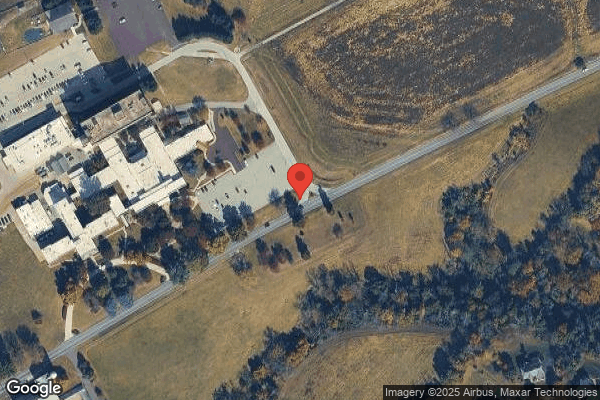
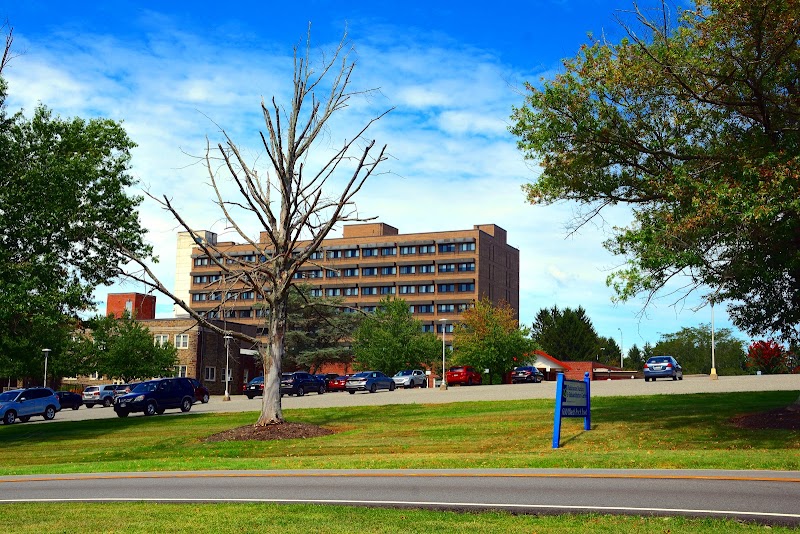
1600 BLACK ROCK ROAD, ROYERSFORD, PA 19468 (610) 948-8800
For profit - Limited Liability company 467 Beds BEDROCK CARE Data: November 2025
Trust Grade
43/100
#472 of 653 in PA
Last Inspection: May 2025

Inspected within the last 6 months. Data reflects current conditions.

Overview

Parkhouse Rehabilitation and Nursing Center has a Trust Grade of D, indicating below-average performance with some significant concerns. They rank #472 out of 653 facilities in Pennsylvania, placing them in the bottom half, and #46 of 58 in Montgomery County, suggesting limited local options for better care. The facility is worsening, with reported issues increasing from 3 in 2024 to 8 in 2025. Staffing is rated 2 out of 5, with a 54% turnover rate, which is average, but RN coverage is concerning as it is less than 94% of other Pennsylvania facilities, potentially impacting resident care. Recent inspections revealed serious incidents, including failures to properly assess and treat pressure ulcers for multiple residents, leading to actual harm. Additionally, there were concerns about improper waste management, indicating potential issues with cleanliness and hygiene. While there are some positive aspects, such as good quality measures, families should carefully consider the facility's significant weaknesses.

Trust Score
D
43/100
In Pennsylvania
#472/653
Bottom 28%
Safety Record
Moderate
Needs review
Inspections
Getting Worse
3 → 8 violations
Staff Stability
⚠ Watch
54% turnover. Above average. Higher turnover means staff may not know residents' routines.
Penalties
✓ Good
$8,190 in fines. Lower than most Pennsylvania facilities. Relatively clean record.
Skilled Nurses
⚠ Watch
Each resident gets only 20 minutes of Registered Nurse (RN) attention daily — below average for Pennsylvania. Fewer RN minutes means fewer trained eyes watching for problems.
Violations
⚠ Watch
19 deficiencies on record. Higher than average. Multiple issues found across inspections.
★★☆☆☆
2.0
Overall Rating
★★☆☆☆
2.0
Staff Levels
★★★★☆
4.0
Care Quality
★★☆☆☆
2.0
Inspection Score
Stable
2024: 3 issues
2025: 8 issues

The Good

  • 4-Star Quality Measures · Strong clinical quality outcomes
  • Full Sprinkler Coverage · Fire safety systems throughout facility
  • No fines on record

Facility shows strength in quality measures, fire safety.

The Bad

2-Star Overall Rating

Below Pennsylvania average (3.0)

Below average - review inspection findings carefully

Staff Turnover: 54%

Near Pennsylvania avg (46%)

Higher turnover may affect care consistency

Federal Fines: $8,190

Below median ($33,413)

Minor penalties assessed

Chain: BEDROCK CARE

Part of a multi-facility chain

Ask about local staffing decisions and management

The Ugly 19 deficiencies on record

2 actual harm
Jul 2025 4 deficiencies
CONCERN (E) 📢 Someone Reported This

A family member, employee, or ombudsman was alarmed enough to file a formal complaint

Potential for Harm - no one hurt, but risky conditions existed

Safe Environment (Tag F0584)

Could have caused harm · This affected multiple residents

Based on a review of facility policy, nursing unit observations, and staff interviews it was determined that the facility failed to provide a clean and homelike environment on one of four nursing unit...

Read full inspector narrative →
Based on a review of facility policy, nursing unit observations, and staff interviews it was determined that the facility failed to provide a clean and homelike environment on one of four nursing units (8 North Nursing Unit) and for 12 of 17 residents (Residents R1, R3, R4, R5, R6, R7, R8, R9, R10, R11, R13, and R14).Findings include: Review of the facility policy, Resident Rights - Safe/Clean/ Comfortable/ Homelike Environment dated 1/8/25, indicated, It is the policy of the facility to provide a safe, clean, comfortable homelike environment. The facility must provide a safe, clean, comfortable, and homelike environment, allowing the resident to use his or her personal belongings to the extent possible. Included in the listing of the services provided were housekeeping and maintenance services necessary to maintain a sanitary, orderly, and comfortable interior and clean bed and bath linens that are in good condition. During an observation on 7/28/25, at 10:59 a.m., of the nursing unit dining room it was noted that the floor appeared unclean, and the surveyor's shoes stuck to the floor when walking. During an observation on 7/28/25, 11:03 a.m., Resident R1 was noted to be lying on an unmade bed. During an observation on 7/28/25, 11:07 a.m., Resident R3's room was noted to have winter holiday decorations (penguins in a Santa hat, snowflakes, imitation snow) adhere to the walls. In addition, there were approximately 65 pieces of thick, white double-sided tape adhered to the wall and room door. During an observation on 7/28/25, 11:19 a.m., Resident R4 was observed in her room. Food was noted on the floor, soiled gloves on the windowsill, a torn soiled glove in the resident sink, and an empty Styrofoam cup on the windowsill. During an observation on 7/28/25, 11:21 a.m., of Resident R5's room, a brown object, approximately 1.5 inches in diameter, was observed under Resident R5's bed. This item appeared to be feces. Additionally, torn paper and French fries were present in the resident sink, an empty juice container on the bedside table, and the floor was sticky. During an observation on 7/28/25, 11:25 a.m., Resident R6 was observed asleep in bed. The outlet above Resident R6's bed was observed to have the cover plate missing and an empty liquid supplement container was observed to be on the floor between the nightstand and the wall. During an observation on 7/28/25, 11:27 a.m., Resident R7 was observed asleep in bed. His bedside table was turned backwards, blocking the access to the bed. The floor was sticky, an empty Styrofoam cup on the windowsill, and a soiled glove stuck between the soap dispenser at the resident sink and the wall. At this time, the surveyor utilized Resident R7's overbed table to write notes on, and when the paper was removed, it stuck to the table and ripped. During an observation on 7/28/25, at 11:30 a.m., Resident R8 was observed in bed. A clear plastic cup was noted to be upside-down on his bedside table, with a red residue dried on the inside of the cup. During an observation on 7/28/25, at 11:38 a.m., Resident R9 was observed to be lying in bed. Ripped up pieces of an incontinence brief were on the bed, bedside table, and floor. Review of the resident assignment sheet indicated that no residents were assigned to the bed Resident R9 was lying in. During an observation on 7/28/25, at 11:44 a.m., Resident R10 was observed in bed. An empty Styrofoam cup was observed on the shelf of the dresser next to her bed 7/26/25. A Styrofoam cup with liquid in it was also on the shelf, dated 7/23/25. Refuse was observed on the windowsill and on the empty bed in the room, and on the floor which was sticky. During an observation on 7/28/25, at 11:47 a.m., Resident R11 was observed bed. The floor was noted to be sticky. During an observation on 7/28/25, at 12:19 p.m., of Resident R5's room, the piece of dried feces remained under the bed. During an observation on 7/28/25, at 2:39 p.m. of Resident R13's room, the footboard was noted to be removed from the bed and placed against the side of it. Resident R13's dresser had a broken door and what appeared to be feces smeared on the bed linen. During an observation on 7/28/25, at 2:45 p.m., Resident R14 was observed asleep on a bed with no bed linens. During an interview and observation on 7/28/25, at 2:50 p.m., Nurse Aide Employee E2 was asked if he was able to identify the object under Resident R5's bed. Nurse Aide Employee E2 stated, Yeah, that's a dingleberry. During an interview on 7/28/25, at approximately 3:15 p.m., the Nursing Home Administrator confirmed that the facility failed to provide a clean and homelike environment on one of four nursing units and for 12 of 17 residents. 28 Pa. Code: 207.2(a) Administrator's responsibility. 28 Pa. Code: 201.29(k) Resident rights.
CONCERN (E) 📢 Someone Reported This

A family member, employee, or ombudsman was alarmed enough to file a formal complaint

Potential for Harm - no one hurt, but risky conditions existed

ADL Care (Tag F0677)

Could have caused harm · This affected multiple residents

Based on review of facility documents, observations, and resident and staff interviews, it was determined that the facility failed to provide activity of daily living (ADL) assistance for 11 of 17 res...

Read full inspector narrative →
Based on review of facility documents, observations, and resident and staff interviews, it was determined that the facility failed to provide activity of daily living (ADL) assistance for 11 of 17 residents (Residents R1, R2, R3, R6, R8, R9, R10, R11, R12, R14 and R15).Findings include: Review of the facility policy Activities of Daily Living (ADLs) dated 1/8/25, indicated A resident who is unable to carry out activities of daily living will receive the necessary services to maintain good nutrition, grooming, and personal and oral hygiene. During an observation on 7/28/25, at 10:59 a.m., Resident R12 was observed in the dining room wearing a gown and a flannel jacket. The gown had large areas of visible soilage. During an observation on 7/28/25, at 11:03 a.m., Resident R1 was observed asleep on a bed with no bed linens. During an observation on 7/28/25, at 11:05 a.m., Resident R2 was walking in the hallway with one sock only partially on his left foot (approximately four inches of loose sock hanging off the toe end) and a different type of sock on his foot, with visible soilage. During an observation on 7/28/25, at 11:25 a.m., Resident R6 was observed asleep in his bed. Resident R6 was noted to be wearing a gown, was unshaven, and had untrimmed fingernails with a brown substance under them. During an observation on 7/28/25, at 11:30 a.m., Resident R8 was observed asleep in his bed. Resident R8 was noted to be wearing pants with wet spots and to have greasy appearing, unbrushed hair. During an observation on 7/28/25, at 11:33 a.m., Resident R15 was observed in the unit solarium. Resident R15 was noted to have ungroomed hair. During an observation on 7/28/25, at 11:38 a.m., Resident R9 was observed to be lying in bed. Ripped up pieces of an incontinence brief were on the bed, bedside table, and floor. Review of the resident assignment sheet indicated that no residents were assigned to the bed Resident R9 was lying in. During an observation on 7/28/25, at 11:44 a.m., Resident R10 was observed asleep in her bed. Resident R8 was noted to have greasy appearing, unbrushed hair. During an observation on 7/28/25, at 11:47 a.m., Resident R11 was observed asleep in his bed. Resident R8 was noted to have wet pants on, a circle of wetness on the sheet under him, and a brown substance under his fingernails. During a second observation on 7/28/25, at 12:20 p.m., Resident R11 was noted to still be in wet clothing and bed linen. During an observation on 7/28/25, at 12:30 p.m., the noon meal was served to residents in the dining room. During an interview on 7/28/25, Licensed Practical Nurse (LPN) Employee E4 was asked if the resident in the room at the end of the hall (Resident R9) was going to be provided lunch. At this time, LPN Employee E4 proceeded to the room, and assisted Resident R9 to his own room. Resident R9 was not provided lunch until this time. During a third observation on 7/28/25, at 12:51 p.m., Resident R11 was being assisted to a sitting position to be able to eat his meal by LPN Employee E4. Resident R11 remained in wet clothing and bed linen at this time. During an observation on 7/28/25, at 2:45 p.m., Resident R14 was observed asleep on a bed with no bed linens. During a fourth observation on 7/28/25, at 2:48 p.m., Resident R11 was noted to be in a clean gown and have clean bed linen. Review of Resident R11's nurse aide point of care record for 7/28/25, failed to reveal any entries for toileting or incontinence care between 12:51 p.m. and 2:48 p.m. Documentation indicated toileting/incontinence care had been provided at 12:54 a.m., and not again until 9:07 p.m. Review of facility grievances filed in January 2025, through March 2025, revealed the following: -On 2/7/25, Resident R3 had voiced a concern about not being assisted to shower. Review of Resident R3's shower record for January 2025, through March 2025, revealed that Resident R3 had documented showers on 1/29/25; 2/1/25; 2/12/25; and 3/17/25. -On 2/7/25, Resident R8 had voiced a concern about not being assisted to shower. Review of Resident R8's shower record for January 2025, through March 2025, revealed that Resident R8 had documented showers on 1/23/25; 2/7/25; 3/10/25; and 3/17/25. -On 2/7/25, Resident R9 had voiced a concern about not being provided assistance from the overnight nurse aide until 5:00 a.m. The conclusion of the grievance confirmed that the nurse aide did not the resident. Review of facility provided Resident Council minutes revealed the following concerns:January 2025: Snacks not being passed to residents and catheter bag not being emptied. February 2025: Snacks and ice water not being passed to residents.March 2025: Nurse aides not providing care, ice water not being passed, long call light response times, not receiving showers, and staff not completing rounds to check on residents. During an interview on 7/28/25, at approximately 3:15 p.m., the Nursing Home Administrator confirmed the facility failed to provide activity of daily living assistance for nine of 17 residents 28 PA. Code:201.18(b)(2) Management. 28 PA. Code:201.29(a) Resident's Rights.
CONCERN (E) 📢 Someone Reported This

A family member, employee, or ombudsman was alarmed enough to file a formal complaint

Potential for Harm - no one hurt, but risky conditions existed

Deficiency F0679 (Tag F0679)

Could have caused harm · This affected multiple residents

Based on a review of facility documents, nursing unit observations, and staff interviews, it was determined that the facility failed to provide an ongoing program of activities to meet the interests o...

Read full inspector narrative →
Based on a review of facility documents, nursing unit observations, and staff interviews, it was determined that the facility failed to provide an ongoing program of activities to meet the interests of and support the physical, mental, and psychosocial well-being of residents on one of four nursing units (Nursing Unit 8 North). Findings include: Review of the Facility Assessment most recently reviewed 5/23/25, indicated that the facility will provide care for residents with Alzheimer's disease (a type of brain disorder that causes problems with memory, thinking and behavior) and non-Alzheimer's dementia (a group of symptoms that affects memory, thinking and interferes with daily life). The Facility Assessment further stated that they will provide therapeutic recreation as a service to their resident population. During an observation of the 8 North nursing unit (secure unit for residents with memory impairments) on 7/28/25, at 10:45 a.m., three residents were observed folding towels. Observations throughout the remainder of the day failed to reveal any further recreational activities provided to the residents. Review of the posted Activities calendar on 7/28/25, indicated the day's scheduled activities were TBA (to be announced) daily chronicle packets and visits. Further review of the July 2025 Activities Calendar revealed the following:7/4/25: Happy 4th of July7/5/25: Blank7/6/26: Blank7/7/25: TBA Visits (1:00 RCC meeting), and 2:00 Zoom call for designated residents.7/8/25: 10:15 - 1:00 Salon for designated residents. 2:00 p.m. 1to1 visits.7/12/25: 10:00 a.m. Pinocle club.7/13/25: Blank7/15/25: 10:15 - 1:00 Salon for designated residents. 2:00 p.m. 1to1 visits.7/16/25: 2:00 p.m. Noodle ball.7/19/25: Blank7/20/25: Blank7/21/25: TBA Daily Chronicle Packets and visits. 2:00 p.m. Zoom call for designated residents.7/22/25: TBA Visits. 10:15 - 1:00 Salon for designated residents.7/25/25: TBA Visits.7/26/25: 10:00 a.m. Pinocle club.7/27/25: Blank7/28/25: TBA Daily Chronicle Packets and visits.7/29/25: TBA Visits.7/30/25: 2:30 Movie Day and TBA Visits.7/31/25: TBA Visits. During an interview on 7/28/25, at approximately 11:50 a.m. Activities Employee E5 was asked about the lack of activities on the unit. Activities Employee E5 stated that they had folded laundry during the morning and had socialization while completing that. When asked about the lack of structured activities on the unit, Activities Employee E5 stated he has recently returned to the facility and had put that calendar out in five minutes to at least have a calendar posted. Further observations throughout the day on 7/28/25, failed to reveal any structured activities provided to the residents and failed to reveal nursing staff engaging with the residents in a non-clinical manner. During an interview on 7/28/25, at approximately 3:15 p.m., the Nursing Home Administrator confirmed the facility failed to provide an ongoing program of activities to meet the interests of and support the physical, mental, and psychosocial well-being of residents on one of four nursing units. 28 Pa. Code: 201. 18(b)(3) Management.28 Pa. Code: 207.2(a) Administrators Responsibility.
CONCERN (E) 📢 Someone Reported This

A family member, employee, or ombudsman was alarmed enough to file a formal complaint

Potential for Harm - no one hurt, but risky conditions existed

Deficiency F0807 (Tag F0807)

Could have caused harm · This affected multiple residents

Based on observations, policy review, clinical record review, and staff interviews, the facility failed to provide drinking water consistent with resident needs and preferences for one out of four uni...

Read full inspector narrative →
Based on observations, policy review, clinical record review, and staff interviews, the facility failed to provide drinking water consistent with resident needs and preferences for one out of four units sampled (8 North nursing unit). Findings include:Review of information published by the Alzheimer's Society, titled Drinking, Hydration and Dementia indicated, Someone with dementia may not recognize that they are thirsty, or they may forget to drink. They might also struggle to get themselves a drink or tell you when they are thirsty. Review of the facility policy, Quality of Care - Nutrition/Hydration Status Maintenance dated 1/8/25, indicated It is the policy of the facility to provide Nutrition/Hydration Status Maintenance Services in accordance with State and Federal regulations and that a resident Is offered sufficient fluid intake to maintain proper hydration and health.During observations completed on the memory impaired unit on 7/28/25, the following was noted:11:03 a.m. Resident R1 was observed in bed. No drinking cups were noted in his room. Resident R1 had no other beverages available to him. 11:05 a.m. Resident R2 was observed in the hallway. Observation of his room at this time revealed no drinking cups were noted in his room. Resident R1 had no other beverages available to him. 11:19 a.m. Resident R4 was observed in bed. An empty Styrofoam cup was observed on the windowsill, dated 7/26/25.11:19 a.m. Resident R5 was observed in bed. No drinking cups were noted in her room.11:21 a.m. Resident R5 had no other beverages available to him. An empty apple juice container was noted to be on the nightstand for the other bed in the room.11:25 a.m. Resident R6 was observed in bed. No drinking cups were noted in his room. Resident R6 had no other beverages available to him. 11:27 a.m. Resident R7 was observed in bed. An empty Styrofoam cup was observed on the windowsill, dated 7/26/25.11:30 a.m. Resident R8 was observed in bed. No drinking cups were noted in his room. A clear plastic cup was noted to be upside-down on his bedside table, with a red residue dried on the inside of the cup.11:44 a.m. Resident R10 was observed in bed. An empty Styrofoam cup was observed on the shelf of the dresser next to her bed 7/26/25. A Styrofoam cup with liquid in it was also on the shelf, dated 7/23/25.11:47 a.m. Resident R11 was observed in bed. No drinking cups were noted in his room. Resident R11 had no other beverages available to him. During an interview on 7/28/25, at 11:50 a.m. with Nurse Aides (NA) Employees E1, E2, and E3, NA Employee E1 stated that for those residents who are able to use the call light, when they push it and ask for water, she brings it to them. NA Employee E2 stated that the overnight shift takes care of that. NA Employee E3 confirmed that she had not provided any fresh water to residents on 7/28/25. All three nursing aides confirmed at this time that they were unaware that persons with dementia may no longer have the ability to verbalize the desire for a drink or to recognize feelings of thirst and hunger. During an interview on 7/28/25, at 11:52 a.m., Licensed Practical Nurse (LPN) Employee E3 stated she gives the residents water when she passes medications, but she does not pass out drinking water. During an observation of the 8 North nursing unit at 3:00 p.m. to confirm if fresh water was provided, it was noted that there still remained no water available to residents. During an interview on 7/28/25, at approximately 3:15 p.m., the Nursing Home Administrator confirmed that the facility failed to ensure the availability of drinking water consistent with resident needs and preferences on one of four nursing units. 28 Pa. Code 211.12 (d)(1)(5) Nursing services
May 2025 4 deficiencies 1 Harm
SERIOUS (G)

Actual Harm - a resident was hurt due to facility failures

Pressure Ulcer Prevention (Tag F0686)

A resident was harmed · This affected 1 resident

**NOTE- TERMS IN BRACKETS HAVE BEEN EDITED TO PROTECT CONFIDENTIALITY** Based on a review of the facility's policy, clinical records, and staff interviews, it was determined the facility failed to tim...

Read full inspector narrative →
**NOTE- TERMS IN BRACKETS HAVE BEEN EDITED TO PROTECT CONFIDENTIALITY** Based on a review of the facility's policy, clinical records, and staff interviews, it was determined the facility failed to timely and comprehensively assess a pressure ulcer wound resulting in actual harm to one resident (Resident 2) and failed to follow physician's wound treatment orders for three of the 11 residents reviewed (Residents 2, 62, and 225). Findings include: Review of the facility's policy titled Skin Integrity, dated April 1, 2022, revealed documentation and care interventions for skin integrity including assessment/observation to be completed within the first twenty-four hours of admission/quarterly/significant change in condition using admission Nursing Evaluation. Review of Resident 2's diagnosis list revealed diagnoses including Quadriplegia (paralysis of all four extremities), Epilepsy (seizures), protein calorie malnutrition, Bipolar Disorder (psychiatric disorder) and Major Depressive Disorder (mental disorder characterized by persistent and debilitating feelings of sadness, loss of interest in activities, and other symptoms that interfere with daily life). Review of Resident 2's care plan revealed Resident 2 had a goal of Activities of Daily Living (basic, routine tasks necessary for personal care and independence) performance deficit related to functional decline and Quadriplegia. Interventions included requiring assistance of two staff persons for repositioning and turning in bed. Further review of the care plan revealed Resident 2 was totally dependent on staff for toilet use, with an intervention to check and change every two hours. Further review of the care plan revealed potential for impairment to skin integrity related to fragile skin, immobility, and incontinence. Interventions included monitor/document location, size and treatment of skin injury. Report abnormalities, failure to heal, signs and symptoms of infection, maceration, etc. to MD (physician). Review of Resident 2's weekly skin check assessment dated [DATE], revealed no new skin issues. Review of Resident 2's weekly skin check assessment dated [DATE], revealed no new skin issues. Review of Resident 2's weekly skin check assessment dated [DATE], revealed no new skin issues. Review of Resident 2's progress notes dated February 17, 2025, revealed during care, this nurse was notified that the resident had a skin tear (type of traumatic wound caused by mechanical forces like friction, blunt force trauma, or falls, resulting in the separation of skin layers) on sacrum (large, triangular bone at the base of the spine) and an abrasion (superficial rub or wearing off of the skin, usually caused by a scrape or a brush burn) right posterior (back) thigh. Review of Resident 2's second skin check assessment dated [DATE], revealed Stage 3 (serious wound that penetrates through the skin layers into the subcutaneous tissue, revealing the underlying fat) sacral/buttocks 5.0 x 10 x 2 cm (centimeters) moderate serosanguinous (type of wound drainage that contains both serous fluid [the clear, thin liquid part of blood] and blood cells) drainage, 40% slough (dead tissue that separates from the living tissue), 60% granulation tissue (fleshy, pink or red, moist tissue that forms on the surface of a wound as it heals) appears as a blister that popped. Review of Resident 2's clinical record failed to reveal documented evidence that Resident 2 had a blister on the sacrum. Interview with Licensed Employee E3 on May 29, 2025, at 11:00 a.m. revealed Resident 2 appeared to have had a blister on sacrum, however, no clinical documentation was provided to support a blister was present. This interview further revealed, Resident 2 experienced a delay in treatment by the wound consultant until March 6, 2025 as a result of the resident being out of bed or unavailable when the wound consultant was available. Interview with Director of Nursing on May 30, 2025, at 10:00 a.m. revealed Resident 2 had a history of a prior sacral wound and that a blister was present on the sacrum. No clinical documentation was provided to support either a prior sacral wound history or the presence of a blister on the sacrum. Review of Resident 2's initial wound consultation dated March 6, 2025, revealed Resident 2 had a significant past medical history of quadriplegia, mild protein-calorie malnutrition. Further review of same consultation revealed patient presents for initial evaluation of a new Stage 3 pressure ulcer of sacrum. Area has 20% slough (dead tissue within a wound, often appearing as a yellow, tan, or white fibrous material). Further review of the same wound consultation revealed Sacral wound is a Stage 3 pressure ulcer and has received a status of not healed. Initial wound encounter measurements are 3.5 cm length x 8 cm width x 0.1 cm depth with an area of 28 square centimeters. Assessment of exposed structures limited to the breakdown of skin. No tunneling (type of wound that extends deeper into the tissue than its surface, creating a narrow channel or tunnel-like passageway) has been noted. No sinus tract (type of wound characterized by a narrow channel or passageway that extends from the surface of the skin into deeper tissues) has been noted. No undermining (wound where the edges are not attached to the underlying tissue, creating a pocket or shelf beneath the skin at the wound's edge) has been noted. There is a light amount of sero-sanguineous drainage noted which has no odor. Wound bed has 80% granulation, 20% slough; no eschar (dead tissue) and no epithelialization (process of the epidermis regenerating over a wound surface, essentially covering the wound with new skin tissue) present. Interview with Director of Nursing on May 30, 2025, at 12:00 p.m. confirmed no clinical documentation was available to support that Resident 2 had a blister on the sacrum prior to the discovery of the Stage III pressure ulcer and that no treatments were in place to treat a blister. This interview also confirmed Resident 2's pressure ulcer was discovered at the level of Stage III. The facility failed to timely identify a pressure ulcer prior to the progression to a Stage III causing actual harm to Resident 2. Clinical records review revealed Resident 62 was admitted to the facility on [DATE], with a diagnosis of Acute Respiratory Failure (life-threatening condition where the lungs are unable to adequately exchange gases [oxygen and carbon dioxide] in the blood, leading to insufficient oxygen delivery to the body and potentially harmful levels of carbon dioxide). Review of Resident 62's admission skin assessment failed to reveal a skin impairment to the sacrum and or the buttock area. Review of Resident 62's skin care plan developed on May 2, 2025, revealed: [Resident] has potential for impairment to skin integrity r/t (related to) muscle weakness. Stage 3 (Full thickness skin loss) left buttock. Review of Resident 62's physician's orders dated May 2, 2025, revealed an order to cleanse the wound with normal saline solution, pat dry, and cover with silicone border gauze every day shift every Tuesday, Thursday, and Saturday. Review of Resident 62's nursing skin/wound note dated May 8, 2025, at 11:29 a.m., revealed Skin assessment of buttocks. The resident states he/she had the wound for a long time. Stage 3 left buttock. 0.3 x 0.2 x 0.1 cm. Small serosanguinous (type of wound drainage that is a combination of blood and serum). 20% slough (non-viable yellow, tan, gray, green, or brown tissue; usually moist, can be soft, stringy, and mucinous in texture). 80% granulation. Clinical record review revealed Resident 62's Stage 3 left buttock/sacral pressure ulcer was not comprehensively assessed (size, condition) until May 8, 2025, six days after it was identified upon admission on [DATE]. Interview with the Director of Nursing conducted on May 30, 2025, at 10:00 a.m., confirmed Resident 62's identified on admission pressure ulcer was not comprehensively assessed until May 8, 2025. Clinical records review revealed Resident 225 was admitted to the facility on [DATE], with a Stage 4 (full-thickness skin and tissue loss) pressure ulcer to the sacrum (triangular bone just below the lumbar vertebrae) measuring 8.5 x 10 x 0.2 cm. with heavy serosanguinous drainage with 50% slough and 50% granulation. A wound treatment was ordered. Review of Resident 225's wound physician's consult report dated March 27, 2025, revealed a Stage 4 sacral wound, measuring 7.0 x 10 x 0.2 cm. with 40% slough. A wound care order to cleanse with wound cleanser, apply Hydrogel (water-rich dressing that maintains a moist wound environment, promoting healing and potentially reducing pain), and cover with bordered gauze (bandage with adhesive tape that holds the dressing in place) daily. Review of Resident 225's Treatment Administration Record (TAR) revealed the wound physician's treatment order for the sacrum initiated March 27, 2025 was not implemented until March 31, 2025, four days after it was ordered. Interview with licensed nurse Employee E3 was conducted on May 29, 2025, at 1:00 p.m. Employee E3 reported that she/he does weekly rounds with the wound physician. Employee E3 reported, after the wound report was reviewed by the Interdisciplinary Team, she/he was responsible for entering it as an order on the resident's electronic medical records. Employee E3 reported the order was not implemented because it was not placed as an order until March 31, 2025, because he/she just did not get to it. The above information was conveyed to the Director of Nursing on May 30, 2025, at 10:00 a.m. 28 Pa. 211.10(c) Resident care policies Previously cited 6/7/24 28 Pa. Code 211.12(c)(d)(1)(5) Nursing services Previously cited 6/7/24
CONCERN (D)

Potential for Harm - no one hurt, but risky conditions existed

Assessment Accuracy (Tag F0641)

Could have caused harm · This affected 1 resident

**NOTE- TERMS IN BRACKETS HAVE BEEN EDITED TO PROTECT CONFIDENTIALITY** Based upon clinical record review and interview, it was determined the facility failed to ensure an accurate Minimum Data Set As...

Read full inspector narrative →
**NOTE- TERMS IN BRACKETS HAVE BEEN EDITED TO PROTECT CONFIDENTIALITY** Based upon clinical record review and interview, it was determined the facility failed to ensure an accurate Minimum Data Set Assessment was accurately ompleted for one of 35 residents reviewed (Resident 223). Findings include: Review of Resident 223's Quarterly Minimum Data Set Assessment (MDS - periodic assessment of resident needs) dated April 6, 2025, revealed Resident 223 had a significant weight loss. Review of Resident 223's Weight Summary revealed Resident 223 weighed 144 pounds on March 12, 2025; 131.2 pounds on March 13, 2025, and 142.0 pounds on April 10, 2025. Review of Resident 223's weight change note dated April 10, 2025, revealed RD [registered dietitian] obtained reweight to refute weight change. CBW [current body weight] 142 pounds 4/10. Interview with Licensed Employee E5 on May 30, 2025, at 9:33 a.m. revealed that Resident 223's Quarterly MDS dated [DATE], inaccurately reflected a significant weight loss for Resident 223. 28 Pa. Code 211.5(f) Clinical Records
CONCERN (E)

Potential for Harm - no one hurt, but risky conditions existed

Deficiency F0692 (Tag F0692)

Could have caused harm · This affected multiple residents

Based on a review of facility policy, clinical records, and staff interview, it was determined that the facility failed to ensure weights were monitored and a significant weight change was promptly ad...

Read full inspector narrative →
Based on a review of facility policy, clinical records, and staff interview, it was determined that the facility failed to ensure weights were monitored and a significant weight change was promptly addressed for three out of fifteen residents reviewed (Resident 36, 223 and 274). Findings include: A review of the facility's policy titled Weight Assessment and Intervention, revised February 15, 2022, revealed Any weight change of greater than or less than 5 pounds within 30 days will be retaken for confirmation. The dietician will also review monthly weights by the 10th of the month to follow individual weight trends. Negative trends will be assessed and addressed by Dietician whether or not the definition of Significant Weight change is met. If the weight loss meets the definition of Significant, the Dietician should discuss with the Interdisciplinary Team and make recommendations. Review of Resident 36's clinical record revealed diagnoses including depression and unspecified severe protein-calorie malnutrition (critical condition resulting from adequate intake of protein and calories). Review of Resident 36's clinical record revealed weights were obtained as follows: April 2, 2025 - 102.7 pounds, May 3, 2025- 94.4 and May 4, 2025 - 95.2 pounds, indicating a 7.30% weight loss. Review of Resident 36's clinical records and nutrition assessment failed to reveal evidence of significant weight loss being identified and intervention being put in place to address the weight loss. Review of Resident 223's Weight Summary revealed Resident 223 weighed 144 pounds on March 12, 2025. Further review of Resident 223's Weight Summary revealed Resident 223 weighed 134.2 pounds on March 13, 2025. Review of clinical documentation revealed that no re-weight was obtained until April 10, 2025, at which time Resident 223 weighed 142 pounds. Documentation from the Registered Dietitian revealed RD [registered dietitian] obtained reweight to refute recent weight change. CBW [current body weight] 142 pounds. No timely re-weight was obtained after the March 13, 2025, weight, resulting in an inaccurate MDS (minimum data set assessment - periodic assessment of resident needs) being submitted. Interview with Licensed Employee E6 on May 30, 2025, at 9:27 a.m. revealed that a reweight should have been obtained prior to the April 10, 2025, re-weight to obtain an accurate weight and complete an accurate MDS assessment. Review of Resident 274's clinical record revealed diagnoses' including epilepsy (brain condition that causes recurring seizure), chronic obstructive pulmonary disease (lung and airway disease that restricts your breathing) and unspecified severe protein-calorie malnutrition (critical condition resulting from adequate intake of protein and calories). Review of Resident 274's clinical records revealed that weights were obtained as follows: April 4,2025 - 143 pounds, May 3, 2025- 127.2 and May 4, 2025 - 131 pounds indicating a 8.39% weight loss. Review of Resident 274's clinical records and nutrition assessment failed to reveal evidence of significant weight loss being identified and intervention being put in place to address the weight loss. Interview with Licensed Employee E6 on May 30 2025 at 11.20 a.m. confirmed the above 28 Pa. Code 211.5(f) Clinical Records
CONCERN (E)

Potential for Harm - no one hurt, but risky conditions existed

Food Safety (Tag F0812)

Could have caused harm · This affected multiple residents

Based on review of facility policy, observations, and interview with staff, it was determined that the facility failed to store food in accordance with professional standards for food service safety i...

Read full inspector narrative →
Based on review of facility policy, observations, and interview with staff, it was determined that the facility failed to store food in accordance with professional standards for food service safety in the freezer area. Findings included: Review of facility policy, Food Storage Dating & Labeling, Revised December ninth, 2022, revealed that Leftover food is stored in covered containers or wrapped carefully and securely. Each item is clearly labeled and dated before being refrigerated Observations in the freezer on May 27th, 2025, at 10:00 AM revealed a bag of frozen burgers opened and undated. In additionally, there were frozen chicken patties opened and without a date. Interview on May 27th, 2025, during the kitchen tour with Employee E-4 confirmed all items should be labeled and dated. 28 Pa. Code 201.14(a) Responsibility of licensee 28 Pa. Code 201.18(b)(1) Management 28 Pa. Code 201.18(b)(3) Management 28 Pa. Code 211.10(a) Resident care policies
Jun 2024 3 deficiencies
CONCERN (D)

Potential for Harm - no one hurt, but risky conditions existed

Deficiency F0658 (Tag F0658)

Could have caused harm · This affected 1 resident

Based on review of the Pennsylvania Professional Nursing Practice Act, facility policy and procedure, observations, and staff interviews it was determined the facility failed to ensure that staff met ...

Read full inspector narrative →
Based on review of the Pennsylvania Professional Nursing Practice Act, facility policy and procedure, observations, and staff interviews it was determined the facility failed to ensure that staff met the professional standards for a licensed nurse during medication administration for one of three residents reviewed (Resident 201). Findings include: The Professional Code, Title 49, Professional and Vocational Standards (Pennsylvania Professional Nursing Practice Act), Chapter 21.145(a) states that the Licensed Practical Nurse (LPN) is prepared to function as a member of the health-care team by exercising sound nursing judgment based on preparation, knowledge, and experience in nursing competency. The LPN participates in the planning, implementing, and evaluating nursing care, using focused assessment in settings where nursing takes place. Review of Chapter 21.145 (3) indicates, an LPN shall follow the written, established policies and procedures of the facility that are consistent with the Act. Review of the facility's policy titled Administering Medications, dated April 1, 2022, revealed medication should all be administered in a safe and timely manner, and as prescribed. Residents may self-administer their own medications only if the physician, in conjunction with the Interdisciplinary Care Planning Team, has determined that they have the decision-making capacity to do so safely. Review of Resident 201's Minimum Data Set (MDS- standardized assessment tool that measures health status in long-term care residents) dated March 17, 2024, revealed resident had severe cognitive impairment. Observation conducted on June 5, 2024 at 9:15 a.m. of the medication administration with licensed nurse Employee E3 supervised by licensed nurse Employee E4. Employee E3 crushed medications Aspirin 81mg (medication used to treat pain, and inflammation) one tablet, Amlodipine 5 mg (medication used to treat high blood pressure), Olanzapine 7.5 mg (An anti-psychotic medication), and Oxycodone 5mg (medication used to treat severe pain) then poured it into an Ensure drink. Employee E3 stirred the drink with a straw gave the drink to Resident 201 then left the room. Employee E3 marked the medications as administered in the EMR (Electronic Medical Record) and then proceeded to the next resident for medication administration. Observation conducted on on June 5, 2024, at 9:39 a.m., of Resident 201 sitting in bed, Ensure drink observed on the garbage can. While in the presence of licensed nurses Employee E3 and E4, Ensure drink was observed with 10 cc of liquid left in the container. Employee E4 confirmed that the ordered medications were not administered fully to the resident. Interview conducted with Licensed Nurse Employee E3 on June 5, 2024, revealed Resident 201 had behaviors of not taking medications. Resident medications were crushed and placed on the Ensure drink, but the resident would not drink the Ensure in their presence, so staff left Ensure with medication for the resident to finish. Review of Resident 201's clinical record failed to reveal if Resident 201 was previously assessed for safe self-medication administration. The above information was conveyed to the Nursing Home Administrator and Director of Nursing on June 7, 2024, at 10:00 a.m. The facility failed to ensure professional standards for medication administration were met. 28 Pa. 211.10(c) Resident care policies 28 Pa. Code 211.12(c)(d)(1)(5) Nursing services
CONCERN (D)

Potential for Harm - no one hurt, but risky conditions existed

Tube Feeding (Tag F0693)

Could have caused harm · This affected 1 resident

Based on review of the facility policies and procedures, observations, and staff interview, it was determined that the facility failed to ensure that a resident receives the appropriate treatment to p...

Read full inspector narrative →
Based on review of the facility policies and procedures, observations, and staff interview, it was determined that the facility failed to ensure that a resident receives the appropriate treatment to prevent complications of enteral feeding for one of four residents reviewed (Resident 269). Findings include: Review of the facility policy Enteral Nutrition via Pump, Procedure, (controlled method for providing nutritional needs via tube feeding), revealed the procedure was when using canned formula the tubing that is connected to a [fed] bag is only good for 24 hours. The bag must be changed every 24 hours. Review of Resident 269's clinical record revealed the following diagnoses: Hemiplegia and Hemiparesis following non-traumatic intracerebral hemorrhage affecting left non-dominant side (weakness or paralysis on one side of the body due to bleeding within the brain tissue), Diabetes Mellitus Type II with Nephropathy (condition where high blood sugar levels damage the blood vessels in the kidneys, leading to kidney failure1),and Gastroesophageal reflux disease (GERD) without esophagitis (occurs when the acidity of the reflux is weakened, suppressed by medications, or doesn't cause damage to the esophagus). Review of Resident 269's clinical record revealed the following orders: every shift Nutren 1.0 [with] fiber via feeding pump [at] 80 milliliters/ hour x 22 hours (up at 1PM, down at 12PM) or until total volume infused. Use 7 cartons per day (250 mleach) for a total of 1750ML; Total calories=1750CALS Observations conducted on June 6, 2024, at 9:22 a.m. revealed a date of June 4, 2024, with a time of 3-11 shift. Interview conducted with the Nursing Home Administrator on June 6, 2024, at 1:15 P.M. confirmed Resident 269's feed bag should have been changed and that it was a deficient practice. The facility failed to ensure that Resident 269 received tube feeding appropriately by replacing feed bag and tubbing every 24 hours. 28 Pa. Code 211.12(d)(5) Nursing Services.
CONCERN (D)

Potential for Harm - no one hurt, but risky conditions existed

Unnecessary Medications (Tag F0759)

Could have caused harm · This affected 1 resident

Based on observation, review of manufacturer's guidelines clinical record review, and staff interviews, it was determined that the facility failed to correctly administer medications to a resident and...

Read full inspector narrative →
Based on observation, review of manufacturer's guidelines clinical record review, and staff interviews, it was determined that the facility failed to correctly administer medications to a resident and failed to ensure that residents were free from a medication error rate of five percent or greater for two of three residents reviewed (Resident 122 and 201) resulting in a medication error rate of 17.24% percent. Findings include: Review of the facility's policy titled Administering Medications dated April 1, 2022, revealed medication should all be administered in a safe and timely manner, and as prescribed. Review of Morphine Sulfate ER manufacturer's guide revealed the following Do not break, crush, or chew the medication, it can cause rapid release and absorption of a potentially fatal dose of Morphine. Observation of the medication administration was conducted with licensed nurse Employee E3 supervised by licensed nurse Employee E4 on June 5, 2024, at 9:15 a.m. Employee E3 crushed medications Aspirin 81 mg (medication used to treat pain, and inflammation) one tablet, Amlodipine 5 mg (A medication used to treat high blood pressure), Olanzapine 7.5 mg (An anti-psychotic medication), and Oxycodone 5mg (A medication used to treat severe pain) then poured it into an Ensure drink. Employee E3 stirred the drink with a straw gave it to Resident 201 then left the room. Employee E3 marked the medications as administered in the EMR (Electronic Medical Record) and then proceeded to the next resident for medication administration. Observation conducted during a medication administration for Resident 122 with licensed nurse Employee E3 on June 5, 2024, at 9:20 a.m. revealed licensed nurse, Employee E3 crushed medication Morphine ER (Extended Release) (medication to treat severe pain) 15 mg (milligrams) and then administered it to Resident 122. Interview conducted with licensed nurse, Employee E3 on June 5, 2024, revealed Resident 122 does not take medications whole. Employee E3 confirmed that the physician should have been notified so medication/form could have been changed. Observation conducted on June 5, 2024, at 9:39 a.m., revealed Resident 201's Ensure drink mixed with the above medications observed sitting on the garbage can. In the presence of licensed nurses Employee E3 and E4, Ensure drink was observed with 10 cc of liquid left in the container. Employee E4 confirmed that the medications ordered were not completely administered to the resident. The above information was conveyed to the Nursing Home Administrator and Director of Nursing on June 5, 2024, at 10:00 a.m. The facility failed to ensure Residents 122 and 201 were free from medication errors. 28 Pa. 211.10(c) Resident care policies 28 Pa. Code 211.12(c)(d)(1)(5) Nursing services
Aug 2023 4 deficiencies
CONCERN (D)

Potential for Harm - no one hurt, but risky conditions existed

Notification of Changes (Tag F0580)

Could have caused harm · This affected 1 resident

Based on review of policies and clinical records, as well as staff interviews, it was determined that the facility failed to ensure that the physician was notified about changes in condition for one o...

Read full inspector narrative →
Based on review of policies and clinical records, as well as staff interviews, it was determined that the facility failed to ensure that the physician was notified about changes in condition for one of 7 residents reviewed (Resident 157). Findings include: Review of Resident 157's medical record revealed an active order to obtain resident's weight every morning. Notify Physician if change of +/- 3lbs in 1 day, or +/- 5lbs in 1 week with a start date of January 22, 2023. Additional review of Resident 157's medical record revealed an active diagnosis of congestive heart failure (a chronic condition in which the heart doesn't pump blood as well as it should). Further review of Resident 157's medical record revealed the physician was not notified of the following changes in weights: 8/16/2023: 160.0 lbs. (loss of 7 lbs.) 8/15/2023: 167.0 lbs. (gain of 9.8 lbs.) 8/14/2023: 157.2 lbs. (loss of 6.2 lbs.) 8/08/2023: 163.4 lbs. 6/24/2023: 168.5 lbs. (loss of 5.9 lbs.) 6/20/2023: 174.4 lbs. (gain of 9.2 lbs.) 6/18/2023: 165.2 lbs. 3/02/2023: 175.4 lbs. (loss of 8.3 lbs.) 2/28/2023: 183.7 lbs. Interview with Registered Dietitian on August 17, 2023, at approximately 8:43 a.m. stated that nursing staff are responsible to notify the physician of a residents change in weight. Interview conducted with the Director of Nursing and Nursing Home Administrator on August 17, 2023, at approximately 11:50 a.m. confirmed the above weights were not communicated to the physician. 28 Pa. Code 211.12(d)(3) Nursing services 28 Pa. Code 211.12(d)(5) Nursing services
CONCERN (D)

Potential for Harm - no one hurt, but risky conditions existed

Deficiency F0692 (Tag F0692)

Could have caused harm · This affected 1 resident

Based on review of facility policy and clinical records, it was determined that the facility failed to adequately monitor weight loss for one of seven residents reviewed for nutrition (Resident 277). ...

Read full inspector narrative →
Based on review of facility policy and clinical records, it was determined that the facility failed to adequately monitor weight loss for one of seven residents reviewed for nutrition (Resident 277). Findings include: Review of facility policy, Weight Assessment and Intervention, dated February 15, 2022, revealed: Any weight change of greater than or less than 5 pounds within 30 days will be retaken for confirmation. Review of Resident 277's weights revealed on June 23, 2023, the resident was recorded as weighing 134 pounds. On July 7, 2023, the resident was recorded as weighing 125.2 pounds, an 8.8 pound loss or 6.57% loss in two weeks. Review of Resident 277's progress notes revealed a weight change note from the dietitian on July 10, 2023, where the dietitian requested a reweight. Review of Resident 277's weights revealed the next weight taken was not until August 2, 2023. Interview with the dietitian, Employee E4, on August 17, 2023 at approximately 11:30 a.m. confirmed Resident 277's reweight was not obtained in a timely manner. 28 Pa. Code 211.5(f) Clinical Records 28 Pa. Code 211.12(d)(1)(5) Nursing Services 28 Pa Code: 211.10(c) Resident care policies
CONCERN (E)

Potential for Harm - no one hurt, but risky conditions existed

Deficiency F0698 (Tag F0698)

Could have caused harm · This affected multiple residents

Based upon review of facility policies and procedures, observation and review of clinical documentation, it was determined the facility failed to ensure fluid restrictions were followed for three out ...

Read full inspector narrative →
Based upon review of facility policies and procedures, observation and review of clinical documentation, it was determined the facility failed to ensure fluid restrictions were followed for three out of five dialysis residents reviewed and one resident with a diagnosis of heart failure reviewed (Resident 108, Resident 148, Resident 191 and Resident 298). Findings include: Review of facility policy and procedure titled Dialysis revealed There will be ongoing communication and collaboration between the nursing home and dialysis staff for the development and implementation of the dialysis care plan. Further review of this policy and procedure revealed There will be ongoing communication between the facility and the dialysis center reflected in the medical record. This communication may include but not be limited to: Nutritional/fluid management including documentation of weights, resident compliance with food/fluid restrictions or the provision of meals before, during and/or after dialysis and monitoring intake and output measurements as ordered. Review of facility policy and procedure titled Restricting Fluids, revised April 1, 2022, revealed Verify that there is a physician's order for this procedure. Review the resident's care plan and/or your daily assignment sheet to assess for any special needs of the resident. Further review of this policy and procedure revealed When a resident has been placed on restricted fluids, remove the water pitcher and cup from the room. If the resident refuses to have the water pitcher removed, notify the supervisor and in turn, the physician. Be sure an intake and output record is maintained. Review of Resident 108's diagnosis list revealed diagnoses including acute kidney failure and dependence on renal dialysis (process of removing waste products and excess water from the body). Review of Resident 108's current physician orders revealed an order for Daily Fluid Restriction of 2000 ml (milliliters) daily as follows: Nursing 560 ml/day; 7-3 shift 240 ml; 3-11 shift 240 ml; 11-7 shift 80 ml; dietary daily 1440 ml/day every evening shift 3-11 shift to provide 240 mls. Review of Resident 108's Nutrition-Fluid Task sheet revealed Resident 108 exceeded the daily fluid restriction allotment as follows: July 19, 2023 - 640 ml; July 20, 2023 - 1450 ml; July 27, 2023 - 1360 ml; July 29, 2023 - 980 ml; July 30, 2023 - 940 ml; August 1, 2023 - 820 ml; August 8, 2023 - 1120 ml; August 9, 2023 - 880 ml; August 10, 2023 - 652 ml; August 13, 2023 - 620 ml. Review of Resident 148's diagnosis list revealed diagnoses including heart failure. Review of Resident 148's physician's orders revealed an order for daily fluid restriction of 1500 ml daily as follows: Nursing 7-3 shift 180 ml; 3-11 shift 180 ml; 11-7 shift 180 ml; dietary daily 960 ml. Review of Resident 148's Nutrition-Fluid Task sheet revealed Resident 149 exceeded the daily fluid restriction allotment as follows: August 3, 2023 - 900 ml; August 5, 2023 - 1920 ml; August 10, 2023 - 1320 ml; August 12, 2023 - 1420 ml; August 13, 2023 - 960 ml; August 15, 2023 - 1180 ml. Review of Resident 191's diagnosis list revealed diagnoses including dependence on renal dialysis. Review of Resident 191's current plan of care revealed Resident 191 to have a daily fluid restriction from nursing of 540 mls. Review of Resident 191's Nutrition- Fluid Task sheet revealed Resident 191 exceeded the daily fluid restriction allotment as follows: July 20, 2023 - 1280 ml; July 21, 2023 - 930 ml; July 22, 2023 - 1320 ml; July 26, 2023 - 720 ml; July 27, 2023 - 980 ml; July 28, 2023 - 660 ml; July 29, 2023 - 980 ml; July 30, 2023 - 940 ml; August 1, 2023 - 960 ml; August 2, 2023 - 640 ml; August 4, 2023 - 716 ml; August 8, 2023 - 1020 ml; August 13, 2023 - 600 ml. Review of Resident 298's diagnosis list revealed diagnoses including dependence on renal dialysis. Review of Resident 298's current plan of care revealed a daily fluid restriction of 540 ml/day allotted to nursing. Review of Resident 298's Nutrition-Fluid Task sheet revealed Resident 298 exceeded the daily fluid restriction allotment as follows: July 18, 2023 - 700 ml; July 21, 2023 - 1000 ml; July 22, 2023 - 840 ml; July 23, 2023 - 1150 ml; July 24, 2023 - 1150 ml; July 26, 2023 - 600 ml; July 27, 2023 - 1160 ml; July 29, 2023 - 1080 ml; August 8, 2023 - 1080 ml; August 9, 2023 - 960 ml; August 10, 2023 - 752 ml; August 12, 2023 - 1400 ml; August 13, 2023 - 600 ml; August 14, 2023 - 660 ml. Observation of all resident rooms mentioned above revealed multiple cups of fluid and assorted beverages on the residents' bedside tables. Interview with the Regional Clinical Nurse on August 16, 2023, at 11:00 a.m. confirmed that the milliliters listed on residents' Nutrition-Fluid Task sheet contains only the milliliters consumed and recorded by the nursing department and does not include any fluids consumed or maintained by the dietary department. The above information was conveyed to the Nursing Home Administrator on August 17, 2023, at 11:00 a.m. The facility failed to ensure residents on fluid restrictions adhere to the fluid restrictions as set forth in either the residents' physician orders or current plan of care to enable them to maintain an adequate fluid balance. 28 Pa. Code 211.12(a)(c)(d)(1)(2)(3)(5) Nursing Services Previously cited 9/21/2022, 10/12/2022, 2/6/2023, 3/22/2023
CONCERN (F)

Potential for Harm - no one hurt, but risky conditions existed

Garbage Disposal (Tag F0814)

Could have caused harm · This affected most or all residents

Based on Observations and staff interview it was determined the facility failed to dispose of trash properly. Findings Include: Observation of the trash compacter area on August 14, 2023 at 10:00 a.m....

Read full inspector narrative →
Based on Observations and staff interview it was determined the facility failed to dispose of trash properly. Findings Include: Observation of the trash compacter area on August 14, 2023 at 10:00 a.m. revealed two large construction dumpsters overloaded with bags of trash that was uncovered. Observations around the loading dock on August 14, 2023 at 10:00 a.m. revealed a large cart overflowing with bags of trash and approximately 15 bags of trash laying on the ground next to the loading dock. Interview with dietary employee E3 at the time of the observations revealed the trash compactor had been broken for a week and the dishwasher had broken on August 11, 2023 requiring the facility to use Styrofoam for meals and increasing the amount of trash. 28 Pa. Code: 201.18(b)(3) Management 28 Pa. Code 211.6(d) Dietary services
Mar 2023 2 deficiencies 1 Harm
SERIOUS (G) 📢 Someone Reported This

A family member, employee, or ombudsman was alarmed enough to file a formal complaint

Actual Harm - a resident was hurt due to facility failures

Pressure Ulcer Prevention (Tag F0686)

A resident was harmed · This affected 1 resident

Based on a review of the facility's policy, clinical records, facility documentation, observation, and staff interviews, it was determined that the facility failed to comprehensively assess, monitor, ...

Read full inspector narrative →
Based on a review of the facility's policy, clinical records, facility documentation, observation, and staff interviews, it was determined that the facility failed to comprehensively assess, monitor, provide additional interventions, and timely follow a physician's order for a wound consult of an identified skin impairment to the left heel resulting into the harm of a declined unstageable pressure ulcer (obscured full-thickness skin and tissue loss) to the left heel for one of two residents reviewed (Resident 1). Findings include: Review of the facility's policy titled Skin Integrity, dated April 1, 2022, revealed that the facility develops a routine to review residents with wounds or at-risk weekly. The DON (Director of Nursing) or designee will be responsible to implement and monitor the skin integrity program. Wound status is monitored weekly. Further review of the same policy revealed, if there is a decline in skin integrity, pressure redistribution surfaces will be reviewed, and interventions/plans of care will be updated as appropriate. The same policy revealed that the assessment/observations are to be completed within the first 24 hours of admission/quarterly/significant change of condition using the admission Nursing evaluation/Braden Scale. Review of Resident 1's diagnosis list revealed Hemiplegia and Hemiparesis following Cerebral Infarction affecting the left non-dominant side (paralysis of one side of the body following a stroke), and weakness. Review of Resident 1's admission Minimum Data Set (MDS- standardized assessment tool that measures health status in long-term care residents) dated December 18, 2022, revealed the resident required extensive two-person assistance with bed mobility. The resident had an indwelling catheter (flexible tube that is used to drain urine from your bladder into a bag outside your body) and was always incontinent of bowel. The same MDS assessment revealed the resident's skin was intact but was at risk for developing a pressure ulcer/injury. Review of the Braden Scale (tool used to identify patients at risk for developing a pressure ulcer) dated December 14, 2022, revealed Resident 1 was moderately at risk for developing a pressure ulcer. Review of Resident 1's potential for impairment to skin integrity care plan developed on December 13, 2022, revealed the following interventions: Avoid scratching and keep hands and body parts from excessive moisture; Encourage good nutrition and hydration; Identify/document potential causative factors and resolve where possible; Monitor/document location, size and treatment of skin injury; Use caution during transfer and bed mobility; Incontinence care and preventative skin care; Keep skin dry and clean; Monitor labs; Pressure reduction mattress; Treatment as ordered, and Use draw sheet or lifting device to move the resident. Review of the nursing progress notes dated February 23, 2023, at 7:39 a.m., revealed: Left heel pressure ulcer/, boggy heel. The supervisor was made aware and will place a consult for foot care, with a bilateral heel protector in place, complained of pain/discomfort, and was placed on the 24-hour report to continue to monitor. Review of Resident R1's clinical record revealed a wound care consult for the left heel was ordered by the physician on February 23, 2023. Review of Resident R1's clinical record failed to reveal a comprehensive skin assessment completed for the skin impairment identified on the left heel. Nursing assessment failed to reveal size, appearance, color, and stage (if applicable) of the left heel pressure ulcer. Clinical records revealed the intervention documented in the progress note of February 23, 2023, a bilateral heel protector, was not applied. The facility was unable to provide documented evidence that the heel protector was placed on resident's heel after the wound was identified. Clinical records review also revealed that Resident 1's skin care plan was not updated with the interventions. Clinical records review revealed that the wound care consult ordered on February 23, 2023, was not done until March 20, 2023, which was 25 days after the consult was ordered by the physician. Clinical records review failed to reveal the identified left heel skin impairment was monitored or checked weekly. Review of the physician's order dated March 16, 2023, revealed an order for a Santyl (topical medication used for removing damaged or burned skin to allow for wound healing and growth of healthy skin) to the left heel then cover with bordered gauze. Review of the care plan developed on March 16, 2023, revealed Resident has an unstageable pressure ulcer to the left heel due to immobility. Clinical records review failed to reveal an assessment of the identified unstageable pressure ulcer to the left heel. Observation of the wound was conducted on March 20, 2023, at 11:00 a.m., with licensed nurse Employee E3. Resident 1 was laying in bed, with both heels touching the pillow placed under the legs. Employee E3 reported that the wound doctor saw the resident earlier that morning (unable to indicate exact time). Observation revealed left heel wound did not have a dressing, the wound was covered with 100% black necrotic eschar (dead or devitalized tissue that is hard or soft in texture; usually black, brown, or tan, and may appear scab-like. Necrotic tissue and eschar are usually firmly adherent to the base of the wound and often the sides/ edges of the wound). Employee E3 reported the wound was unstageable and measured 2.2 x 2.0 cm (centimeter) in size. Interview was conducted with the Director of Nursing, and the Regional Clinical Director Employee E4 on March 20, 2023, at 11:52 a.m. The Director of Nursing indicated any identified skin impairment should be assessed and documented with the following: measurement, stage, color, area, and drainage. The Director of Nursing stated, she/he identified Resident 1's left heel unstageable ulcer when she/he provided a shower/bath to the resident on March 16, 2023. Review of the facility's documentation, Resident Concern Report dated March 16, 2023, revealed a family's concern regarding the resident's hygiene and skin integrity. Findings and disposition revealed: Shower was provided to the resident, left heel wound was identified. Treatment placed with heel protection. Air mattress applied, wedge protection to the left side. Interview conducted with the Director of Nursing and Employee E4 on March 20, 2023, at 1:00 p.m. confirmed the left heel skin impairment initially identified on February 23, 2023, as pressure ulcer/, boggy heel was not comprehensively assessed, interventions were not implemented, order for a wound care consult was not completed until March 20, 2023, and failed to provide reason for the delay. The Director of Nursing confirmed the left heel skin impairment identified on February 23, 2023, was not routinely monitored or assessed and the resident skin care plan was not updated. The Director of Nursing reported a shower and a skin check were performed on March 16, 2023, after receiving a concern from the resident's family. The Director of the Nursing indicated the unstageable wound observed during the shower was covered with 90% black eschar, with slight bleeding, and measured approximately 3 x 3 cm in size. Treatment was ordered, and a care plan was updated on March 16, 2023. Late documentation of the left heel unstageable wound assessment was done on March 20, 2023. The facility failed to comprehensively assess, implement interventions, follow a physician's order for a wound consult timely, and monitor the left heel ulcer/, boggy heel initially identified on February 23, 2023, resulted in harm of a declined pressure ulcer to the left heel after addressing a family's skin integrity concern on March 16, 2023. 28 Pa Code 201.18 (b)(1) Management Previously cited 9/21/22, 10/12/22, 2/6/23 28 Pa Code 211.10 (d) Resident care policies Previously cited 2/6/23 28 Pa Code 211.12(d)(1)(5) Nursing services Previously cited 9/21/22, 10/12/22, 2/6/23 28 Pa. Code: 211.5(f) Clinical records Previously cited 9/21/22, 2/6/23
CONCERN (D) 📢 Someone Reported This

A family member, employee, or ombudsman was alarmed enough to file a formal complaint

Potential for Harm - no one hurt, but risky conditions existed

Deficiency F0657 (Tag F0657)

Could have caused harm · This affected 1 resident

Based on a review of the facility's policy, observation, clinical records review, and staff interview, it was determined that the facility failed to update a skin care plan for one of the two resident...

Read full inspector narrative →
Based on a review of the facility's policy, observation, clinical records review, and staff interview, it was determined that the facility failed to update a skin care plan for one of the two residents reviewed (Resident 1). Findings include: Review of the facility policy titled Skin Integrity, dated April 1, 2022, revealed that the interdisciplinary plan of care will address problems, goals, and interventions directed toward the prevention of pressure injuries and/or skin integrity concerned identified. If there is a decline in skin integrity pressure redistribution surfaces will be reviewed and interventions/plan of care updated as appropriate. Review of Resident 1's potential for impairment to skin integrity care plan developed on December 13, 2022, revealed the following interventions: Avoid scratching and keep hands and body parts from excessive moisture; Encourage good nutrition and hydration; Identify/document potential causative factors and resolve where possible; Monitor/document location, size and treatment of skin injury; Use caution during transfer and bed mobility; Incontinence care and preventative skin care; Keep skin dry and clean; Monitor labs; Pressure reduction mattress; Treatment as ordered, and Use draw sheet or lifting device to move the resident. Review of the nursing progress notes dated February 23, 2023, at 7:39 a.m., revealed Resident 1 was observed with a Left heel pressure ulcer/, boggy heel. Clinical records review failed to reveal that Resident 1's skincare plan was updated and that an additional intervention was added to the plan of care after a skin impairment to the left heel was identified. Interview conducted with the Director of Nursing and Regional Clinical Director on March 20, 2023, at 1:00 p.m., confirmed that the facility did not update Resident 1's skincare plan after a skin impairment to the left heel was identified on February 23, 2023. The facility failed to update Resident 1's skincare plan after identifying a skin change on the resident's left heel. 28 Pa Code 211.10 (d) Resident care policies Previously cited 2/6/23 28 Pa Code 211.12(d)(1)(5) Nursing services Previously cited 9/21/22, 10/12/22, 2/6/23 28 Pa. Code: 211.5(f) Clinical records Previously cited 9/21/22, 2/6/23
Feb 2023 2 deficiencies
CONCERN (D) 📢 Someone Reported This

A family member, employee, or ombudsman was alarmed enough to file a formal complaint

Potential for Harm - no one hurt, but risky conditions existed

Quality of Care (Tag F0684)

Could have caused harm · This affected 1 resident

Based on observation, clinical records review, and staff and resident interviews, it was determined that the facility failed to follow a physician's order regarding blood sugar monitoring for one of t...

Read full inspector narrative →
Based on observation, clinical records review, and staff and resident interviews, it was determined that the facility failed to follow a physician's order regarding blood sugar monitoring for one of the two residents reviewed (Resident R1). Findings include: Review of Resident R1's Minimum Data Set (MDS- A standardized assessment tool that measures health status in long-term care residents) dated December 28, 2022, revealed a diagnosis of Diabetes (A group of metabolic disorders characterized by a high blood sugar level over a prolonged period). The same MDS revealed resident was cognitively intact. Observation of medication pass was conducted on February 6, 2022, with licensed nurse Employee E3. At 9:48 a.m., Employee E3 was observed checking the resident's blood sugar, the result was 190mg/dl. The resident was administered 2 units of Aspart Insulin (fast-acting insulin) to the left upper arm at 9:55 a.m. Review of the physician orders revealed an order on January 13, 2023, for Insulin Aspart Injection solution inject as per sliding scale: 151-200 = 2 units; 201-250 = 4 units; 251-300 = 6 units; 301-350 = 8 units; 351-400 = 10 units subcutaneously before meals. The blood sugar check was scheduled at 7:30 a.m., 11:00 a.m., and 4:00 p.m. Interview with Resident R1 was conducted on February 6, 2023, at 10:10 a.m. The resident reported eating breakfast around 8:15 a.m. The resident reported episodes of staff checking his/her blood sugar after or while eating meals. Interview with Employee E3 was conducted on February 6, 2023, at 10:15 a.m. Employee E3 reported that she/he was pulled from another floor and was not able to start medication administration until after 8:00 a.m., and at that time, residents were already eating breakfast. Employee E3 confirmed Resident R1's blood sugar should have been checked before meals. The above information was conveyed to the Nursing Home Administrator and Director of Nursing on February 6, 2023, at noon. The facility failed to follow Resident R1's physician's order for blood sugar monitoring. 28 Pa Code 211.12(d)(1)(5) Nursing services Previously cited 9/21/22, 10/12/22
CONCERN (D) 📢 Someone Reported This

A family member, employee, or ombudsman was alarmed enough to file a formal complaint

Potential for Harm - no one hurt, but risky conditions existed

Pressure Ulcer Prevention (Tag F0686)

Could have caused harm · This affected 1 resident

**NOTE- TERMS IN BRACKETS HAVE BEEN EDITED TO PROTECT CONFIDENTIALITY** Based on facility's policy review, clinical record reviews, and staff interviews, it was determined that the facility failed to ...

Read full inspector narrative →
**NOTE- TERMS IN BRACKETS HAVE BEEN EDITED TO PROTECT CONFIDENTIALITY** Based on facility's policy review, clinical record reviews, and staff interviews, it was determined that the facility failed to monitor and provide wound treatment timely and consistently resulting in a declined wound, and harm of a new pressure ulcer discovered at an advanced stage (Stage 3- Full-thickness loss of skin, in which subcutaneous fat may be visible in the ulcer and granulation tissue) for one of two residents reviewed (Resident CL1). Findings include: Review of the facility's policy titled Skin Integrity, dated April 1, 2022, revealed residents will be observed by the NA (nurse assistant) daily for reddened/opened skin areas, changes will be reported to the licensed nurse, and documented. Review of facility policy titled Pressure Ulcer Treatment, dated April 1, 2022, revealed the purpose is to care for the existing pressure ulcers and to prevent additional pressure ulcers. Guidelines included assessing the residents and the pressure ulcer, managing tissue loads, and pressure ulcer care. Review of Resident CL1's diagnosis list revealed injury at the C-5 level of the cervical spinal cord, and Paraplegia (impairment in motor or sensory function of the lower extremities). Additional review of CL1's clinical record included an admission Nursing Evaluation which revealed resident was admitted to the facility on [DATE], with no skin impairment. Review of Resident CL1's care plan initiated on September 24, 2022, revealed a care plan goal for potential impairment to skin integrity. The skin integrity care plan interventions were listed as follows: avoid scratching, keep hands, and body parts from excessive moisture; encourage good nutrition; use caution during transfers and bed mobility; and keep skin dry and clean. Review of the Braden Scale (tool used to predict risk for pressure sore development) dated September 25, 2022, revealed Resident CL1 was AT RISK for developing a pressure sore. Review of the admission Minimum Data Set (MDS- Standardized assessment tool that measures health status in long-term care residents) dated October 1, 2022, revealed the resident required extensive two-person assistance. The same MDS assessment also revealed that the resident was always incontinent of bowel and required intermittent catheterization (removing urine from the bladder by inserting a tube into the bladder). Review of Resident CL1's clinical record including nursing progress notes dated October 10, 2022, (10:38 p.m.), revealed resident had an open area to the left hip, which appeared second-degree slightly open abrasion measuring 6 x 5 cm (centimeter), red with little bleeding. A dressing was placed on the wound. Review of the physician's order sheet dated October 10, 2022, revealed an order to clean the left hip with wound cleanser, pat dry, apply wound gel to the area then cover it with border dressing every shift. Further review of CL1's care plan skin integrity interventions revealed an intervention of use a draw sheet or lifting device to move resident, added after the discovery of the left hip wound. Review of Resident CL1's October 2022 MAR revealed weekly showers scheduled for October 18, October 21, and October 25, 2022 were not given. Further review of the October 2022 MAR/TAR revealed weekly skin checks (every tuesday day shift) were initiated on October 18, 2022 but were not completed October 18, 2022, or October 25, 2022. Review of Resident CL1's clinical record failed to reveal wound treatments for the left hip completed on October 11, 2022, all three shifts. Review of physician's orders revealed treatment order for the left hip wound was changed to Medihoney (dressing that aids and supports debridement and a moist wound healing environment in acute and chronic wounds and burns) on October 12, 2022. Review of Resident CL1's October 2022 Treatment Administration Record (TAR), revealed the left hip wound treatment was not completed on October 14, 2022. Interview with the Director of Nursing (DON) on February 6, 2023, at 1:00 p.m., confirmed Resident CL1's left hip wound treatment was not completed on October 11, and 14, 2022. The Director of Nursing was not able to provide rationale for the missed wound treatments. The Director of Nursing indicated the resident did have an alternating pressure mattress. Review of the wound consult dated October 17, 2022, revealed Resident CL1's left hip pressure ulcer measured 7.5 x 4.5 x 0.1 cm (centimeter), with moderate drainage, and 80% slough (non-viable yellow, tan, gray, green, or brown tissue; usually moist, can be soft, stringy, and mucinous in texture). The left hip wound was identified as unstageable (Full-thickness skin and tissue loss in which the extent of tissue damage within the ulcer cannot be confirmed because the wound bed is obscured by slough or eschar). A new treatment order was made. Review of Resident CL1's November 2022 TAR revealed Resident CL1's left hip unstageable wound treatment was not completed on November 3, 6, 10, 12, 15, and 16, 2022. Further review of the same TAR revealed resident's ordered skin assessment for November 15, 2022, was not done. Further review of Resident CL1's November 2022 TAR revealed Liquid Protein Supplement once daily for wound healing began October 28, 2022; which is 18 days after initial wound identified. Additional review of CL1's care plan interventions revealed intervention of liquid supplement for wound healing added on October 28, 2022 and resident to be out of bed to motorized wheelchair daily at 6 a.m. which was added on November 24, 2022. Interview with the DON on February 6, 2023, at 1:00 p.m., confirmed that Resident CL1's left hip unstageable, wound treatment was not completed on the dates mentioned above. The DON also confirmed that the skin check scheduled for November 15, 2022, was not done. The DON was unable to provide a reason for the missed wound treatments and skin checks. Review of Resident CL1's wound consult dated November 17, 2022, revealed left hip wound measures 0.9 x 0.9 x 1.2 cm. with 10% slough. The wound remained unstageable. Further review of the same consult revealed a wound on the right hip which measures 3.1 x 4.2 x 0.1 cm, 40% eschar (dead or devitalized tissue that is hard or soft in texture; usually black, brown, or tan, and may appear scab-like). The wound doctor recommended Santyl treatment daily to the right and left hip. Review of November 2022, TAR revealed that the wound order treatment for the newly identified stage 3 to the right hip was not made until November 20, 2022, three days from the time it was identified. There was no documented evidence that Resident CL1's stage 3 right hip wound was treated for 3 days. The facility was unable to provide a reason as to why Resident CL1's right hip wound was discovered at a Stage 3. The above information was conveyed to the Director of Nursing on February 6, 2023. The facility failed to ensure the resident's skin was monitored, and wound treatments to the right and left hip were done timely and consistently which resulted in a declined wound on the left hip and harm for a discovered right hip wound at stage 3. 28 Pa Code 201.18 (b)(1) Management Previously cited 9/21/22, 10/12/22 28 Pa Code 211.10 (d) Resident care policies 28 Pa Code 211.12(d)(1)(5) Nursing services Previously cited 9/21/22, 10/12/22 28 Pa. Code: 211.5(f) Clinical records Previously cited 9/21/22
Understanding Severity Codes (click to expand)
Life-Threatening (Immediate Jeopardy)
J - Isolated K - Pattern L - Widespread
Actual Harm
G - Isolated H - Pattern I - Widespread
Potential for Harm
D - Isolated E - Pattern F - Widespread
No Harm (Minor)
A - Isolated B - Pattern C - Widespread

Questions to Ask on Your Visit

  • "Can I speak with families of current residents?"
  • "What's your RN coverage like on weekends and overnight?"

Our Honest Assessment

Strengths
  • • Licensed and certified facility. Meets minimum state requirements.
Concerns
  • • 19 deficiencies on record, including 2 serious (caused harm) violations. Ask about corrective actions taken.
  • • Grade D (43/100). Below average facility with significant concerns.
Bottom line: Trust Score of 43/100 indicates significant concerns. Thoroughly evaluate alternatives.

About This Facility

What is Parkhouse Rehabilitation And Nursing Center's CMS Rating?

CMS assigns PARKHOUSE REHABILITATION AND NURSING CENTER an overall rating of 2 out of 5 stars, which is considered below average nationally. Within Pennsylvania, this rating places the facility higher than 0% of the state's 100 nursing homes. A rating at this level reflects concerns identified through health inspections, staffing assessments, or quality measures that families should carefully consider.

How is Parkhouse Rehabilitation And Nursing Center Staffed?

CMS rates PARKHOUSE REHABILITATION AND NURSING CENTER's staffing level at 2 out of 5 stars, which is below average compared to other nursing homes. Staff turnover is 54%, compared to the Pennsylvania average of 46%.

What Have Inspectors Found at Parkhouse Rehabilitation And Nursing Center?

State health inspectors documented 19 deficiencies at PARKHOUSE REHABILITATION AND NURSING CENTER during 2023 to 2025. These included: 2 that caused actual resident harm and 17 with potential for harm. Deficiencies causing actual harm indicate documented cases where residents experienced negative health consequences.
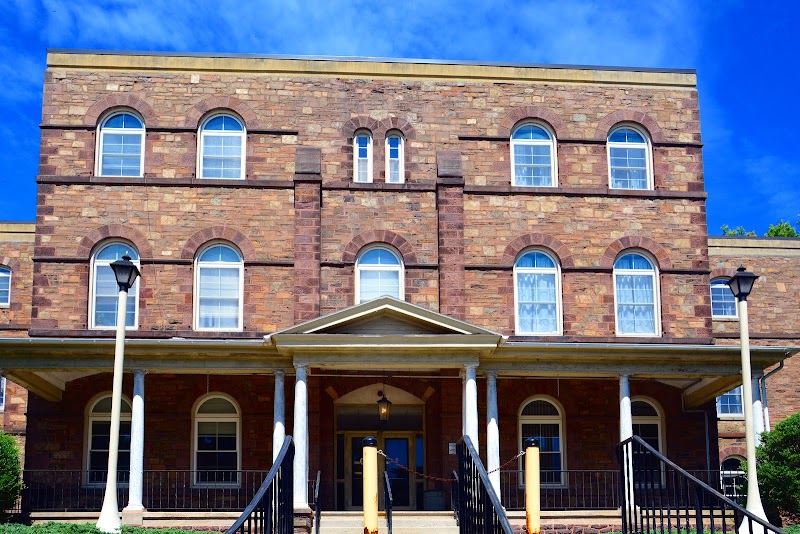
Who Owns and Operates Parkhouse Rehabilitation And Nursing Center?

PARKHOUSE REHABILITATION AND NURSING CENTER is owned by a for-profit company. For-profit facilities operate as businesses with obligations to shareholders or private owners. The facility is operated by BEDROCK CARE, a chain that manages multiple nursing homes. With 467 certified beds and approximately 289 residents (about 62% occupancy), it is a large facility located in ROYERSFORD, Pennsylvania.

How Does Parkhouse Rehabilitation And Nursing Center Compare to Other Pennsylvania Nursing Homes?

Compared to the 100 nursing homes in Pennsylvania, PARKHOUSE REHABILITATION AND NURSING CENTER's overall rating (2 stars) is below the state average of 3.0, staff turnover (54%) is near the state average of 46%, and health inspection rating (2 stars) is below the national benchmark.

What Should Families Ask When Visiting Parkhouse Rehabilitation And Nursing Center?

Based on this facility's data, families visiting should ask: "Can you walk me through typical staffing levels on day, evening, and night shifts?" "Can I visit during a mealtime to observe dining assistance and food quality?" "How do you handle medical emergencies, and what is your hospital transfer rate?" "Can I speak with family members of current residents about their experience?" These questions are particularly relevant given the below-average staffing rating.

Is Parkhouse Rehabilitation And Nursing Center Safe?

Based on CMS inspection data, PARKHOUSE REHABILITATION AND NURSING CENTER has a clean safety record: no substantiated abuse findings (meaning no confirmed cases of resident harm), no Immediate Jeopardy citations (the most serious violation level indicating risk of serious injury or death), and is not on the Special Focus Facility watch list (a federal program monitoring the lowest-performing 1% of nursing homes). The facility has a 2-star overall rating and ranks #100 of 100 nursing homes in Pennsylvania. While no facility is perfect, families should still ask about staff-to-resident ratios and recent inspection results during their visit.

Do Nurses at Parkhouse Rehabilitation And Nursing Center Stick Around?

PARKHOUSE REHABILITATION AND NURSING CENTER has a staff turnover rate of 54%, which is 8 percentage points above the Pennsylvania average of 46%. Moderate turnover is common in nursing homes, but families should still ask about staff tenure and how the facility maintains care continuity when employees leave.

Was Parkhouse Rehabilitation And Nursing Center Ever Fined?

PARKHOUSE REHABILITATION AND NURSING CENTER has been fined $8,190 across 1 penalty action. This is below the Pennsylvania average of $33,161. While any fine indicates a compliance issue, fines under $50,000 are relatively common and typically reflect isolated problems that were subsequently corrected. Families should ask what specific issues led to these fines and confirm they've been resolved.

Is Parkhouse Rehabilitation And Nursing Center on Any Federal Watch List?

PARKHOUSE REHABILITATION AND NURSING CENTER is not on any federal watch list. The most significant is the Special Focus Facility (SFF) program, which identifies the bottom 1% of nursing homes nationally based on persistent, serious quality problems. Not being on this list means the facility has avoided the pattern of deficiencies that triggers enhanced federal oversight. This is a positive indicator, though families should still review the facility's inspection history directly.