RYDAL PARK OF PHILADELPHIA PRESBYTERY HOMES, INC
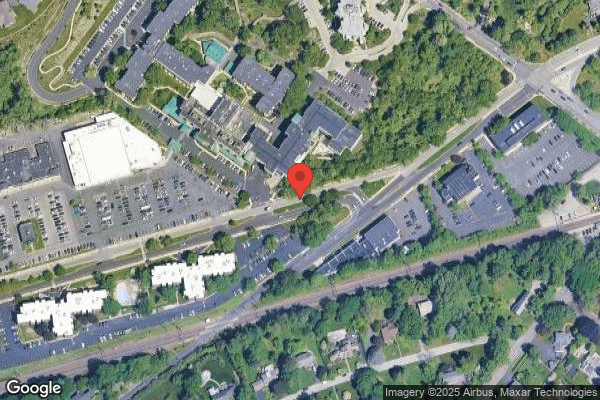

1515 THE FAIRWAY, RYDAL, PA 19046 (215) 885-6800
Non profit - Corporation 114 Beds HUMANGOOD Data: November 2025
Trust Grade
75/100
#223 of 653 in PA
Last Inspection: March 2025

Within standard 12-15 month inspection cycle. Federal law requires annual inspections.

Overview

Rydal Park of Philadelphia Presbytery Homes, Inc. has a Trust Grade of B, indicating it is a good choice for families, as it falls into the solid middle range. It ranks #223 out of 653 nursing homes in Pennsylvania, placing it in the top half of facilities in the state, and #27 out of 58 in Montgomery County, meaning only a few local options are better. However, the facility is experiencing a worsening trend, with issues increasing from 8 in 2024 to 9 in 2025. Staffing is a strength, with a perfect 5-star rating and a turnover rate of only 21%, significantly lower than the state average, which suggests that staff are experienced and familiar with the residents. There have been no fines reported, which is positive, but the facility has been cited for several concerns, including issues with food safety practices, improper waste disposal, and lapses in hand hygiene during medication administration, which could put residents at risk for infection. Overall, while the nursing home has some strengths, such as staffing, there are also notable weaknesses that families should consider.

Trust Score
B
75/100
In Pennsylvania
#223/653
Top 34%
Safety Record
Low Risk
No red flags
Inspections
Getting Worse
8 → 9 violations
Staff Stability
✓ Good
21% annual turnover. Excellent stability, 27 points below Pennsylvania's 48% average. Staff who stay learn residents' needs.
Penalties
✓ Good
No fines on record. Clean compliance history, better than most Pennsylvania facilities.
Skilled Nurses
✓ Good
Each resident gets 60 minutes of Registered Nurse (RN) attention daily — more than 97% of Pennsylvania nursing homes. RNs are the most trained staff who catch health problems before they become serious.
Violations
⚠ Watch
24 deficiencies on record. Higher than average. Multiple issues found across inspections.
★★★★☆
4.0
Overall Rating
★★★★★
5.0
Staff Levels
★★★★☆
4.0
Care Quality
★★★☆☆
3.0
Inspection Score
Stable
2024: 8 issues
2025: 9 issues

The Good

  • 5-Star Staffing Rating · Excellent nurse staffing levels
  • 4-Star Quality Measures · Strong clinical quality outcomes
  • Low Staff Turnover (21%) · Staff stability means consistent care
  • Full Sprinkler Coverage · Fire safety systems throughout facility
  • No fines on record
  • Staff turnover is low (21%)

    27 points below Pennsylvania average of 48%

Facility shows strength in staffing levels, quality measures, staff retention, fire safety.

The Bad

Chain: HUMANGOOD

Part of a multi-facility chain

Ask about local staffing decisions and management

The Ugly 24 deficiencies on record

Mar 2025 9 deficiencies
CONCERN (D)

Potential for Harm - no one hurt, but risky conditions existed

Deficiency F0552 (Tag F0552)

Could have caused harm · This affected 1 resident

**NOTE- TERMS IN BRACKETS HAVE BEEN EDITED TO PROTECT CONFIDENTIALITY** Based on clinical record reviews and interviews with staff, it was determined that the facility failed to ensure that residents ...

Read full inspector narrative →
**NOTE- TERMS IN BRACKETS HAVE BEEN EDITED TO PROTECT CONFIDENTIALITY** Based on clinical record reviews and interviews with staff, it was determined that the facility failed to ensure that residents or their representatives were informed of treatment options, as well as the risks and benefits of the proposed care, for one of six residents reviewed for psychotropic medications (Residents R396). Findings include: Review of Resident R396's admission MDS (Minimum Data Set - a mandatory periodic resident assessment tool), dated December 9, 2024, revealed that the resident was admitted to the facility on [DATE], and had diagnoses including progressive neurological conditions and Parkinson's disease. Continued review revealed that the resident had a BIMS (Brief Interview for Mental Status) score of 12, which indicated that the resident was moderately cognitively impaired. Review of progress notes for Resident R369 revealed a nurses note, dated December 24, 2024, which indicated that the resident had a new order for Seroquel (antipsychotic medication used to treat mood disorders). Review of Medication Administration Records (MARs) for Resident R369 revealed that the resident received Seroquel 12.5 milligrams (mg) daily from December 24, 2024, to December 30, 2024. The medication was increased to 25 mg daily on December 31, 2024. Further review of Resident R369's progress notes revealed no indication that the resident or her responsible party were notified of the new medication, that the risks and benefits were explained or that the resident was offered alternative treatment options. Review of Resident R369's psychiatry note, dated December 24, 2024, revealed that the resident had agitation and combative behavior and after adding long acting Sinemet (Medication to treat Parkinson's disease), previous Sinemet regimen was resumed, and Seroquel was added. There was no documented evidence in the psychiatric progress note that the risks and benefits were explained or that the resident was offered alternative treatment options. Interview on March 6, 2025, at 1:21 p.m. Employee E6, Nursing Supervisor, confirmed that there was no documentation available for review at the time of the survey to indicate that Resident R396 or their responsible parties were informed of their psychotropic medication addition, that the risks and benefits were explained or that they were offered alternative treatment options. 28 Pa Code 201.29(a) Resident rights 28 Pa code 211.2(d)(6) Medical Director
CONCERN (D)

Potential for Harm - no one hurt, but risky conditions existed

Deficiency F0554 (Tag F0554)

Could have caused harm · This affected 1 resident

Based on observations, resident, and staff interviews, it was determined that the facility failed to determine the ability to self-administer medications for one of five residents reviewed for medicat...

Read full inspector narrative →
Based on observations, resident, and staff interviews, it was determined that the facility failed to determine the ability to self-administer medications for one of five residents reviewed for medication safety (Resident R80). Findings include: Review of the facility policy Self-Administration By Resident dated November 2017, indicates Residents who desire to self-administer medications are permitted to do so with a prescriber's order and if the nursing care center's interdisciplinary team has determined that the practice would be safe and the medications are appropriate and safe for self-administration. If the resident desires to self-administer medications, an assessment is conducted by the interdisciplinary team of the resident's cognitive, physical, and visual ability to carry out this responsibility, during the care planning process Review of Resident R80's physician order dated February 15, 2025, revealed an order for Timolol Maleate Ophthalmic Solution 0.5 % instill 1 drop in both eyes every morning and at bedtime for glaucoma. Observation of Resident R80 on March 6, 2025, at 9:17 a.m. with Employee E9, Registered Nurse, revealed that the resident had a bottle of Timolol Maleate Ophthalmic Solution 0.5 % sitting on her over the bed table. Resident R80 stated she kept the eye drop on the bed side table or on the over bed table. Resident stated she did not keep it in a locked storage. Interview with the Employee E9, Registered Nurse on March 6, 2025 stated Resident R80 self administers the eye drops and there should be an assessment for medication administration safety. Review of Resident R80's assessments on March 6, 2025, did not to include an assessment for medication self-administration. Interview with the Employee E6, Registered Nurse on March 6, 2025 confirmed that there was no medication self-administration assessment for Resident R80. 28 Pa. Code 201.14(a) Responsibility of Licensee. 28 Pa. Code: 211.10(c)(d) Resident care policies 28 Pa. Code: 211.12(d)(1)(5) Nursing services. 28 Pa. Code: 211.9(a)(1) Pharmacy services.
CONCERN (D)

Potential for Harm - no one hurt, but risky conditions existed

Transfer Notice (Tag F0623)

Could have caused harm · This affected 1 resident

Based on the review of clinical records and interview with staff, it was determined that the facility failed to notify the resident and the resident's representative(s) of the transfer to the hospital...

Read full inspector narrative →
Based on the review of clinical records and interview with staff, it was determined that the facility failed to notify the resident and the resident's representative(s) of the transfer to the hospital and the reasons for the transfer to the hospital in a timely manner, in writing and in a language and manner they understood for 3 of 4 residents reviewed for hospitalizations. (Resident R1, R59, and R246) Findings Include: Review of nursing note for Resident R1, dated August 24, 2024, revealed that the resident was discharged to the hospital for shortness of breath. Review of nursing note for Resident R59, dated October 27, 2024, revealed that the resident was discharged to the hospital for evaluation and treatment. Another nursing note for Resident R59, dated November 12, 2024, revealed that the resident was discharged to the hospital for shortness of breath. Further review revealed a nursing note for Resident R59, dated December 28, 2024, which indicated that the resident was discharged to the hospital with diabetes ketoacidosis (complication of diabetes). Another nursing note for Resident R59, dated February 18, 2024, indicated that the resident was discharged to the hospital with Hypoxia (body deprived of adequate oxygen supply at the tissue level). Review of nursing note for Resident R246, dated February 11, 2025, revealed that the resident was sent to the hospital for evaluation. Review of clinical record revealed no evidence that Residents R1, R59, and R246 representatives were notified of the transfer to the hospital and the reasons for the transfer in writing, and in a language and manner they understood. Interview with the Nursing Home Administrator, Director of Nursing, on March 5, 2025, at 2:46 p.m. confirmed that the residents' representatives were not notified of the hospital transfers and the reasons for the transfers in writing, and in a language and manner they understood. Further interview confirmed that there was no system in place regarding notifying the residents representatives, in writing, including the reasons, prior to resident transfer or discharge. 28 Pa. Code 201.14(a) Responsibility of license 28 Pa. Code 201.29(a) Resident rights
CONCERN (D)

Potential for Harm - no one hurt, but risky conditions existed

Deficiency F0625 (Tag F0625)

Could have caused harm · This affected 1 resident

Based on clinical record review and staff interview, it was determined that the facility failed to ensure that the resident and resident representative receive written notice of the facility bed-hold ...

Read full inspector narrative →
Based on clinical record review and staff interview, it was determined that the facility failed to ensure that the resident and resident representative receive written notice of the facility bed-hold policy at the time of a facility-initiated transfer to a hospital for 3 of 4 residents reviewed for hospitalizations. (Resident R1, R59, and R246) Findings include: Review of nursing note for Resident R1, dated August 24, 2024, revealed that the resident was discharged to the hospital for shortness of breath. Review of nursing note for Resident R59, dated October 27, 2024, revealed that the resident was discharged to the hospital for evaluation and treatment. Another nursing note for Resident R59, dated November 12, 2024, revealed that the resident was discharged to the hospital for shortness of breath. Further review revealed a nursing note for Resident R59, dated December 28, 2024, which indicated that the resident was discharged to the hospital with diabetes ketoacidosis (complication of diabetes). Another nursing note for Resident R59, dated February 18, 2024, indicated that the resident was discharged to the hospital with Hypoxia (body deprived of adequate oxygen supply at the tissue level). Review of nursing note for Resident R246, dated February 11, 2025, revealed that the resident was sent to the hospital for evaluation. Further review of clinical records revealed that there was no documented evidence that the Resident and Residents' representative were provided with a written notice of the facility bed-hold policy at the time of facility-initiated transfer to the hospital for Resident R1, R59, and R246. Interview with the Nursing Home Administrator, Director of Nursing, on March 5, 2025, at 2:46 p.m. confirmed that Resident R1, R59, and R246, and resident representatives were not provided with the bed hold policy, that included information explaining the duration of the bed-hold, bed hold reserve payment and permitting return to a bed at the facility. Further interview confirmed that there was no system in place to ensure that the resident and resident representative receive written notice of the facility bed-hold policy at the time of a facility-initiated transfer to a hospital. 28 Pa Code 201.14(a) Responsibility of licensee 28 PA Code 201.29(f) Resident rights
CONCERN (D)

Potential for Harm - no one hurt, but risky conditions existed

ADL Care (Tag F0677)

Could have caused harm · This affected 1 resident

Based on review of clinical record, review of facility documentation and review of facility policy, it was determined that the facility failed to ensure that a resident was transfer into bed timely as...

Read full inspector narrative →
Based on review of clinical record, review of facility documentation and review of facility policy, it was determined that the facility failed to ensure that a resident was transfer into bed timely as prefer by the resident for one of 21 residents sampled residents for activities of daily living (Resident R246). Findings Include: Review the policy title Activates of Daily Living (ADLs), supporting that was revised on March on 2018, revealed that on residents will be provided with care, treatment and services as appropriate to maintain or improve their ability to carry out activities of daily living (ADLs) Review of Resident R246's Minimum Data Set (MDS- assessment of resident's needs) dated January 6, 2025 revealed that the resident had a BIMS (Brief Interview of Mental Status) of 14, which indicated that the resident was cognitively intact. Continued review of the MDS revealed that the resident was able to chose her/his own customary preferences and the residnet required partial to moderate assistance for bed mobility. Review faciltiy investigation initiated on January 7, 2025, revealed that the resident reported to the Social Worker that on January 7, 2025, that after lunch the team member who help her to the bathroom refused to put her in bed when she requested to go to bed. Reviewed the witness statement from nursing aide, Employee E5 (7-3 pm day shift), from January 7, 2025, revealed that resident R246 asked to go to the bed around 3:02 p.m. yesterday. ask her can she wait for the other shift. Reviewed another witness statement from Register nurse, Employee E6 (3-11pm evening shift) of January 7, 2025, revealed that Employee E7 went into room to resident R246 and the resident reported that she asked earlier to be put into bed after she went to the bathroom and the person refused to take her to the bed.Resident stated that the aid told her to wait after dinner .the agency aide took her to the bathroom around 6:27 p.m. The facility failed to ensure that Resident R246 was assisted into bed timely. 28 Pa. Code 211.12 (d)(1)(5) Nursing services
CONCERN (E)

Potential for Harm - no one hurt, but risky conditions existed

Food Safety (Tag F0812)

Could have caused harm · This affected multiple residents

Based on observations, interviews with staff, and a review of facility procedures, it was determined that the facility failed to store, prepare, distribute, and serve food in accordance with professio...

Read full inspector narrative →
Based on observations, interviews with staff, and a review of facility procedures, it was determined that the facility failed to store, prepare, distribute, and serve food in accordance with professional standards for food service safety. Findings include: Review of facility policy titled, Production, Purchasing, Storage revised January 1015 revealed that, All food, non-food items and supplies used in food preparation shall be stored in such a manner as to prevent contamination to maintain the safety and wholesomeness of the food for human consumption. Further review revealed staff must date and rotate items; first in, first out (FIFO) and discard food past the use-by or expiration date. A tour of the main kitchen was conducted with the Food Service Director (FSD), Employee E3, on March 3, 2025, at 9:43 a.m. The refrigerator emitted a foul sulfur odor. Observations in the refrigerator revealed an open package of ground beef was labeled with an expiration date of February 22, 2025. Further observations revealed two 10-pound cooked, ready to eat pastrami was labeled January 17, 2025. Further observations revealed eleven 10-20-pound beef hunks were undated and unlabeled; and four 10-pound beef briskets were unlabeled and undated. Further observations revealed eight 10- pound lamb hunks were labeled good through 2/19 and placed in a tall metal container. The container was filled with red colored liquid covering the lamb hunks. Further observations revealed five 10-20- pound pork loins undated and unlabeled; two top round roast beef contained no received date. Interview with the FSD during the kitchen tour confirmed the above-mentioned findings. 28 Pa. Code: 201.14(a) Responsibility of licensee. 28 Pa. Code 201.18(b)(3) Management
CONCERN (E)

Potential for Harm - no one hurt, but risky conditions existed

Garbage Disposal (Tag F0814)

Could have caused harm · This affected multiple residents

Based on observations and interviews with staff, it was determined that the facility did not ensure that that trash and recyclables were properly disposed of in the receiving and dumpster area. Findin...

Read full inspector narrative →
Based on observations and interviews with staff, it was determined that the facility did not ensure that that trash and recyclables were properly disposed of in the receiving and dumpster area. Findings include: A tour of the Food Service Department was conducted was conducted with the Food Service Director (FSD), Employee E3, on March 3, 2025, at 9:43 a.m., revealed the following concerns: Observations in the receiving area revealed two grey trash cans and one blue dumpster of trash inside exposed. Observations near the receiving door revealed four wooden pallet stacks with broken pieces, laying on the ground, approximately five feet high, three broken wooden cabinets, and broken bathroom vanity. Interview with the FSD on March 3, 2025, at 9:55 a.m. confirmed the above findings. 28 PA Code: 201.14(a) Responsibility of licensee. 28 Pa. Code 201.18(b)(3) Management
CONCERN (E)

Potential for Harm - no one hurt, but risky conditions existed

Infection Control (Tag F0880)

Could have caused harm · This affected multiple residents

Based on observation, review of facility policy and procedure and interviews with staff, it was determined that the facility failed to maintain an effective infection control program related to the ha...

Read full inspector narrative →
Based on observation, review of facility policy and procedure and interviews with staff, it was determined that the facility failed to maintain an effective infection control program related to the hand hygiene during medication administration, and wound treatment for two of two residents observed. (Resident R67 and Resident R57) Findings include: Review of Medication Administration General Guidelines dated May 2016, revealed that Hands are washed with soap and water and gloves applied before administration of topical, ophthalmic, otic, parenteral, enteral, rectal and vaginal medications. On March 6, 2023, at 9:26 a. m., observed a medication administration, dispensed by a Registered Nurse, Employee E9, to Resident R396. It was observed that Licensed nurse, Employee E5 prepared the medication, including the eye drop, placed the medication next to the resident. Employee E9 touched resident's bed side table. Once the nurse administered the oral medications, he opened an eye drop and administered the eye drop to the resident. It was observed that the employee did not was his hand or wear gloves prior to the eye drop administration. 28 Pa Code 211.12 (d)(1)(5) Nursing services
MINOR (C)

Minor Issue - procedural, no safety impact

Medical Records (Tag F0842)

Minor procedural issue · This affected most or all residents

Based on facility documentation and staff interview, it was determined that the facility failed to maintain clinical records that were accurate and complete for 21 of 21 sampled residents. Findings i...

Read full inspector narrative →
Based on facility documentation and staff interview, it was determined that the facility failed to maintain clinical records that were accurate and complete for 21 of 21 sampled residents. Findings include: Review of facility document titled, Arbitration Agreement revealed a designated signature area and two blank check boxes indicating whether the resident agrees to consent to arbitrate or do not consent to arbitrate. Further review revealed that resident signatures were present without indication of whether residents agree to arbitrate or disagree. Interview with the Facility Administrator, on March 6, 2025, at 10:00 a.m. revealed that facility staff failed to direct residents to mark which option they prefer and required a signature of the incomplete document. Further interview confirmed that a total of 204 residents arbitration records were incomplete. 28 Pa. Code 211.5(f) Medical records.
Sept 2024 1 deficiency
MINOR (B) 📢 Someone Reported This

A family member, employee, or ombudsman was alarmed enough to file a formal complaint

Minor Issue - procedural, no safety impact

Transfer Notice (Tag F0623)

Minor procedural issue · This affected multiple residents

Based on clinical record review and interview with staff, it was determined that the facility did not ensure that appropriate discharge notices were provided to the State Office of the Long-Term Care ...

Read full inspector narrative →
Based on clinical record review and interview with staff, it was determined that the facility did not ensure that appropriate discharge notices were provided to the State Office of the Long-Term Care Ombudsman for two of five months reviewed (June and July 2024). Findings include: Review of emailed notifications sent to the office of the long term care ombudsman for the months of April, May, June, July, and August 2024, revealed that facility initiated emergency transfers and discharges for the months of June and July 2024, were not sent to the State Ombudsman until the date of the survey, September 24, 2024. Interview with the Executive Director, Employee E1, on September 24, 2024, at 4:00 p.m. confirmed that the notifications for June and July 2024 had not been sent to the State Ombudsman's office in a timely manner as required. 28 Pa. Code 201.18(b)(3) Management
May 2024 7 deficiencies
CONCERN (D)

Potential for Harm - no one hurt, but risky conditions existed

Comprehensive Care Plan (Tag F0656)

Could have caused harm · This affected 1 resident

Based on review of clinical records, review of facilitypolicy and interview with staff, it was determined that the facility failed to develop and implement a comprehensive person-centered care plan re...

Read full inspector narrative →
Based on review of clinical records, review of facilitypolicy and interview with staff, it was determined that the facility failed to develop and implement a comprehensive person-centered care plan related to respiratory care for one of 21 residents reviewed. (Resident R102) Findings include: Review of facility's policy 'Care Plans, Comprehensive Person-Centered,' indicates that the comprehensive, person-centered care plan will: 8 (e) describe the services that are to be furnished to attain or maintain the resident's highest practicable physical, mental and psychosocial well-being. Review of Residents R102's clinical record indicated admission date of April 18, 2024, with the diagnoses of encounter for screening for respiratory tuberculosis other specified symptoms and signs involving the circulatory and respiratory system, nasal congestion. A physician order dated April 18, 2024 revealed Ipratropium -Albuterol Solution 0.5-2.5 (3) Mg/ML Order summary 1 vial inhale orally two times a day for wheezing/chest congestion. Observation conducted on May 1, 2024, at 2:20 p.m. of Resident R102 revealed that the resident had a nebulizer machine next to his bedside. On May 3, 2024, at 9:47 a.m. an observation with a Director of Nursing, Employee E2 confirmed that Resident R103 has the nebulizer was receiving a active treatment during the observation. A review of the comprehensive care plan dated April 18, 2024, did not include a nebulizer treatment. Director of Nursing was able to confirm that the resident's comprehensive care plan was not revised to include the nebulizer treatment. 28 Pa Code 211.12(d)(5) Nursing services
CONCERN (D)

Potential for Harm - no one hurt, but risky conditions existed

Quality of Care (Tag F0684)

Could have caused harm · This affected 1 resident

**NOTE- TERMS IN BRACKETS HAVE BEEN EDITED TO PROTECT CONFIDENTIALITY** Based on a review of clinical records, review of facility policy and staff interviews, it was determined that the facility faile...

Read full inspector narrative →
**NOTE- TERMS IN BRACKETS HAVE BEEN EDITED TO PROTECT CONFIDENTIALITY** Based on a review of clinical records, review of facility policy and staff interviews, it was determined that the facility failed to follow physician orders related to congestive heart failure protocol for one of eight sampled residents (Resident R 72) to monitor resident's daily weights and notify the medical doctor if any weight gain. Findings include: Review of facility policy titled Heart Failure-Clinical Protocol revised November 2018, revealed that the physician identifies individuals with a history of heart failure and the nurse with assess and document. The physician will review and make recommendations for relevant aspects of the nursing care plan; for example, what symptoms to expect, how often and what (weights, renal function, digoxin level, etc.) to monitor and when to report the finding to the physician. Review of Resident R72's clinical record revealed that Resident R72 was admitted to the facility on [DATE] with the diagnoses of acute embolism and thrombosis of auxiliary vein (blood clots in the upper arm), Type 2 diabetes (blood sugar or glucose is too high), hyperlipidemia (high cholesterol), hypertension (high blood pressure), anxiety (condition marked by extreme anxiety or panic), malignant neoplasm of breast (metastatic breast cancer), and chronic diastolic heart failure(congestive heart failure). Continued review of Resident R72's April and May 2024 physicians orders revealed an order to weigh daily for CHF (congestive heart failure) protocol, weigh resident before breakfast, notify MD (medical doctor) of weight gain of two pounds in twenty-four hours or five pounds in one week. Review of the resident's clinical record revealed no documented evidence that the resident was weighted daily before breakfast as ordered by the physician. Interview with Director of Nursing, Employee E2 on May 5, 2023, at 12:40 p.m. confirmed that the weights were not documented but believed that there was documentation elsewhere. The facility was no able to submit documentation related to daily weights obtained for Resident R72 for review. 28 Pa. Code 211.12(d)(1) Nursing Services
CONCERN (D)

Potential for Harm - no one hurt, but risky conditions existed

Accident Prevention (Tag F0689)

Could have caused harm · This affected 1 resident

**NOTE- TERMS IN BRACKETS HAVE BEEN EDITED TO PROTECT CONFIDENTIALITY** Based on review of facility policy, facility documentation, review of clinical records, observations, and staff interviews, it w...

Read full inspector narrative →
**NOTE- TERMS IN BRACKETS HAVE BEEN EDITED TO PROTECT CONFIDENTIALITY** Based on review of facility policy, facility documentation, review of clinical records, observations, and staff interviews, it was determined that the facility failed to ensure that a resident's wander guard was functioning for the resident who is at risk for elopement for one of the one resident reviewed (Resident R89 and failed to ensure hot beverage temperatures were monitored on one of three nursing units (3rd floor dining room). Findings include: Review of the facility Wandering and Elopements policy, last revised March 2019, indicated that the facility will identify residents who are at risk of unsafe wandering and strive to prevent harm while maintaining the least restrictive environment for residents. Review of Residents R89s clinical record revealed that the resident was admitted to the facility on [DATE], with the diagnoses of Alzheimer's diseases and unspecified dementia without behavioral disturbance, psychotic disturbance mood disturbance and anxiety. Review of Residents R89's quarterly MDS assessment (Minimum Data Set assessment: MDS -a periodic assessment of resident care needs) dated January 29, 2024, revealed Resident 89's BIMS score was 4 (Brief Interview for Mental Status- a tool to assess cognitive function; a score of 4 indicates that the resident's was cognitively impaired). A further review of the clinical record indicated that Resident R89 had a physician order dated March 20, 2024, check wanderguard (device place on wrist or ankle which automatically activates a locking mechanism system to lock doors when the resident approaches the exit doors) and proper placement every shift. A comprehensive care plan-initiated April 4, 2024, indicated The resident is an elopement risk r/t (related to) disoriented to place, impaired safety awareness. Under interventions further stated Device noted please monitor for function/placement and skin integrity impairment while device in use. On May 1, 2024, at 10:52 a.m. Resident R89 was observed wearing a wanderguard on his left wrist. A registered nurse, unit manager Employee E5 tried testing the wanderguard for functionality with the wanderguard testing equipment and it wasn't screening that the wanderguard was functioning. Resident R89 and Employee E5 walked towards the elevator to test the functionality of the device and the resident's wanderguard did not function to alert the staff that Resident R89 was exiting the nursing unit. Employee E5 confirmed that the wanderguard was not functioning and needed a replacement. Review of facility policy Safety of Hot Liquids, revised October 2014, revealed appropriate precautions will be implemented to maximize choice of hot beverages while minimizing the potential for injury. Further review of facility policy revealed appropriate interventions will be implemented to minimize the risk from burns such as maintaining a hot liquid serving temperature of not more than 180 degrees Fahrenheit. Food service staff will monitor and maintain food temperatures that comply with food safety requirements but do not exceed recommended temperatures to prevent scalding. Review of facility documentation revealed an in-service conducted for nursing staff for Heating of Food/Liquids dated 2/6/24 and 2/7/24. Review of in-service documentation revealed nursing staff may not reheat food for residents. Dietary is responsible to take temperatures. Observations on May 3, 2024, at 12:12 p.m. in the 3rd floor dining room revealed Dietary Aide, Employee E13, heating up a beverage in the microwave. Further observations revealed when the beverage was done in the microwave, Dietary Aide, Employee E13, took the mug out of the microwave and handed it back to the nurse aide without checking the temperature first. Subsequent interview on May 3, 2024, at 12:15 p.m. with Dietary Aide, Employee E13, confirmed the employee did not check the temperature of the water heated in the microwave before giving it back to the nurse aide for distribution to the resident. 28 Pa. Code: 201.14(a) Responsibility of licensee. 28 Pa. Code: 201.18(e)(1) Management. 28 Pa. Code: 207.2(a) Administrator's responsibility.
CONCERN (D)

Potential for Harm - no one hurt, but risky conditions existed

Deficiency F0692 (Tag F0692)

Could have caused harm · This affected 1 resident

**NOTE- TERMS IN BRACKETS HAVE BEEN EDITED TO PROTECT CONFIDENTIALITY** Based on review of facility policy, review of clinical records, and staff interview it was determined that the facility failed t...

Read full inspector narrative →
**NOTE- TERMS IN BRACKETS HAVE BEEN EDITED TO PROTECT CONFIDENTIALITY** Based on review of facility policy, review of clinical records, and staff interview it was determined that the facility failed to monitor and modify interventions consistent with the resident's needs to maintain acceptable parameters of nutritional status for one four residents reviewed for nutritional status (Resident R39). Findings Include: Review of facility policy Weight Assessment and Intervention, revised March 2022, revealed undesirable weight change is evaluated by the treatment team whether or not the criteria for significant weight change have been met. The evaluation includes, but not limited to, the resident's target weight range, and the resident's calorie, protein, and other nutrient needs compared with the resident's current intake. Review of Resident R39's comprehensive Minimum Data Set (MDS - federally mandated resident assessment and care screening) dated April 4, 2024, revealed the resident was admitted to the facility on [DATE], and had diagnoses of dementia and malnutrition. Review of Resident R39's nutrition assessment dated [DATE], by Registered Dietitian, Employee E3, revealed the resident was at risk for dehydration and development of pressure ulcers. Resident R39 was identified as underweight related to variable intakes, dementia, and need for assistance with meals. Weight goal for Resident R39 was identified as a range between 104 to110 pounds. Interventions included to monitor weight monthly/weekly. Review of Resident R39's weight history revealed the resident was weighed at 107 pounds on admission on [DATE]. Further review of Resident R39's weight trend revealed the resident was weighed at 99.8 pounds on April 10, 2024, and April 11, 2024, reflecting a significant weight loss of 6.7% and 7.2 pounds over 9 days. Resident R39 maintained a weight between 99.8 pounds and 100.4 pounds through April 24, 2024. Review of Resident R39's entire clinical record revealed no documented evidence the Registered Dietitian was made aware of the significant weight loss. Further review of Resident R39's clinical record revealed no documented evidence the Registered Dietitian monitored the resident's weekly weights and modified/reassessed the resident's needs consistent with the significant weight loss. Interview on May 3, 2024, at 11:45 a.m. with Registered Dietitian, Employee E3, confirmed Resident R39's significant weight loss was not assessed. 28 Pa. Code 211.10 (c) Resident care policies 28 Pa. Code 211.12 (d)(3) Nursing services
CONCERN (D)

Potential for Harm - no one hurt, but risky conditions existed

Medication Errors (Tag F0758)

Could have caused harm · This affected 1 resident

Based on clinical record review and staff interviews, it was determined that the facility failed to ensure a resident's medication regimen was free from potential unnecessary medications for one of fi...

Read full inspector narrative →
Based on clinical record review and staff interviews, it was determined that the facility failed to ensure a resident's medication regimen was free from potential unnecessary medications for one of five residents reviewed. (Resident R 72). Findings include: Review of Resident R72's clinical record revealed that Resident R72 was admitted to the facility December 1, 2020. Resident R 72 has diagnosis' including acute embolism and thrombosis of auxiliary vein (blood clots in the upper arm), Type 2 diabetes ((blood sugar or glucose is too high), hyperlipidemia (high cholesterol), hypertension (high blood pressure), anxiety (condition marked by extreme anxiety or panic), malignant neoplasm of breast (metastatic breast cancer), and chronic diastolic heart failure (congestive heart failure). Review of Resident 72's clinical record revealed a physician order dated March 29, 2024, for Alprazolam (a psychotropic medication belonging to the class called benzodiazepine, is a fast acting tranquilizer used to treat anxiety disorders) 0.5 milligrams give one tablet by mouth every 8 hours as needed for anxiety. Review of Resident R72's MAR (Medication Administration Record), revealed that the resident received the medication Alprazolam on 4/5/2024, 4/12/2024, 4/14/2024, 4/19/2024, and 4/26/2024. Review of a pharmacy consultant review dated November 7, 2023 revealed a recommendation Per CMS regulations PRN (as needed) anxiolytic orders need a fourteen day stop date, however if a duration date greater then 14 days is needed, the order will need 1) a duration for use AND 2) a clinical rationale. Please include the duration for use and rationale for the following order: Alprazolam 0.5 mg PRN. Further review of this pharmacy consultant review revealed a nurses note that the medication Alprazolam was discontinued February 9, 2024, restarted March 23, 2024 and discontinued May 3, 2024. Review of clinical records revealed no evidence that the practitioner/ physician documented the rational and indicated the duration of the PRN order when the PRN order for Alprazolam was continued beyond 14 days. 28 Pa. Code 211.12(d)(1) Nursing Services
CONCERN (D)

Potential for Harm - no one hurt, but risky conditions existed

Deficiency F0761 (Tag F0761)

Could have caused harm · This affected 1 resident

**NOTE- TERMS IN BRACKETS HAVE BEEN EDITED TO PROTECT CONFIDENTIALITY** Based on review of the facility policy, observation, and staff interview, it was determined that the facility failed to ensure a...

Read full inspector narrative →
**NOTE- TERMS IN BRACKETS HAVE BEEN EDITED TO PROTECT CONFIDENTIALITY** Based on review of the facility policy, observation, and staff interview, it was determined that the facility failed to ensure all drugs and biologicals used in the facility were labeled in accordance with professional standards, and to discard expired medications in accordance with professional standards, for one of four medication carts observed (Middle Cart of Second Floor). Findings include: Review of the facility policy on Medication Labelling and Storage revised in February 2023; indicated; multi-dose vials that have been opened or accessed are dated and discarded within 28 days unless the manufacturer specifies a shorter or longer date for the open vial. Observation of the Middle Cart of Second Floor, on May 6, 2024, at 10:31 a.m., revealed; the following opened eye medicines without marking any opened date on those medication vials: An opened 5 ML bottle of Tobramycin Ophthalmic Solution (used to treat eye infections), with expiry date, June 2025; two opened 15 ML bottles of [NAME] Tears Lubricant Eye Drop (used to dry eye), with expiry date, May 2026; an opened 5 ML bottle of Polymyxin B Sulfate and Trimethoprim Ophthalmic Solution (used to treat eye infection), with an expiry date of October 2025; an opened 5 ML bottle of Latanoprost Ophthalmic Solution (used to treat glaucoma, a condition in which increased pressure in the eye can lead to gradual loss of vision), with an expiry date of October 2025; an opened box of Systane Lubricant Eye drops Convenient single vials on the Go (used to treat dry eyes), with an expiry date of March 2025; and an opened 5 ML bottle of Brimonidine Tartrate/Timolol Maleate Ophthalmic Solution (used to treat high pressure inside the eye due to glaucoma), with an expiry date of September 2025. Interview with Registered Nurse (RN), Employee E9, at the time of the finding, confirmed; the eye drops bottles should have been discarded, as those eye drops vials had not been marked with the opened- dates, per the facility policy. 28 Pa Code 201.14(a) Responsibility of licensee 28 Pa Code 211.9(g)(h) Pharmacy services 28 Pa Code 211.12(c) Nursing services 28 Pa 211.12(d)(1)(5) Nursing services
CONCERN (D)

Potential for Harm - no one hurt, but risky conditions existed

Infection Control (Tag F0880)

Could have caused harm · This affected 1 resident

Based on observation, and interviews with staff, it was determined that the facility failed to maintain an effective infection control program, related to the processing of linens. Findings include: O...

Read full inspector narrative →
Based on observation, and interviews with staff, it was determined that the facility failed to maintain an effective infection control program, related to the processing of linens. Findings include: Observation at the Laundry room of the facility on May 6, 2024, at 9:34 a.m., revealed that one Laundry Aide, Employees E10, processing and folding clean linens for the use of residents, but letting the downward end of the linen dragging on the floor of the Laundry Room. At the time of the finding interviewed Employee E10, confirmed that the linen should have been folded without letting it drag on the floor of the Laundry Room, to prevent contamination and to maintain infection control. Observation at the Laundry room of the facility, on May 6, 2024, at 9:42 a.m., revealed that one Laundry Aide, Employees E12, was processing and folding clean linens for the use of residents, by holding the linens letting it to touch the Laundry Aides' personal clothing. At the time of the finding interviewed with Employee E12, confirmed that the linen should have been folded without letting it touch the employee's clothing to prevent contamination and to maintain infection control. 28 Pa Code 211.12 (d)(1)(5) Nursing services 28 Pa Code 201.14(a) Responsibility of licensee
Jul 2023 7 deficiencies
CONCERN (D)

Potential for Harm - no one hurt, but risky conditions existed

Report Alleged Abuse (Tag F0609)

Could have caused harm · This affected 1 resident

Based on observations, interviews with facility staff, review of clinical records and facility documentation, it was determined that the facility failed to ensure that two bruises of unknown origin we...

Read full inspector narrative →
Based on observations, interviews with facility staff, review of clinical records and facility documentation, it was determined that the facility failed to ensure that two bruises of unknown origin were reported to the State Survey Agency for one out of 28 residents reviewed (Resident R43). Findings include: Review of the facility policy, Elder Abuse Prevention, Identification, Response, Reporting, with a revision date of June 30, 2023 indicated that the identification of abuse, exploitation, neglect, mistreatment and misappropriation included witnessed events, resident or family report of abuse, verbal reports from other residents or family members, and injury of an unknown origin. Continued review of the policy indicated that the facility would respond to allegations or witnessed events by taking steps which included, protecting the resident and preventing further potential abuse, conducting a thorough investigation of the alleged violation, and reporting the alleged violation and investigation within required timelines. The policy also stated that allegations of abuse, exploitation, neglect or misappropriation of resident property investigation would include the assessment of the resident's immediate environment, review of the resident's assessment, and review of the resident's record. Review of the current plan of care for Resident R43 included the following diagnosis: anxiety (physical and mental response that occurs when the mind and body encounter stressful, dangerous, or unfamiliar situations); dementia (the loss of thinking, remembering, and reasoning to such an extent that it interferes with a person's daily life and activities); constipation, and dysphagia (difficulty swallowing). Review of Resident R43's Quarterly Minimum Data Set Assessment (MDS-a periodic assessment of a resident's need) dated June 23, 2023 indicated that the resident was cognitively impaired. Review of a nursing note dated November 5, 2022 5:46 a.m. written by licensed nursing staff (Employee E16) indicated that the resident's nursing assistant (Employee E14) was completing morning care on the resident on November 5, 2022 when she noticed a bruise on the resident's forehead. Review of the nursing notes indicated that when Employee E16 assessed the resident , A quarter sized bruise was noted at the top right corner of the resident's head. When Resident R43 was asked to explain what happened, the resident stated, I don't remember when it happened, but I think it happened when I was driving my automobile. Review of information from the facility regarding the resident's referenced bruise included only one witness statement from the nursing assistant (Employee E14) who noticed the bruise during the 11:00 p.m. through 7:00 a.m. nursing shift while providing morning care to the resident. Review of a nursing note dated February 27, 2023 at 7:22 a.m. indicated that the nursing assistant assigned to Resident R43 reported to the licensed nursing staff (Employee E15) of a bruise that the nursing assistant noticed on the resident's right arm. Continued review of the nursing note indicated that upon Employee E15 assessing the resident, a medium sized bruise was on the resident's right arm. Review of a nursing note by licensed nursing staff (Employee E17) on February 27, 2023 at 12:18 p.m. indicated that the resident reported that she was unsure as to how the bruised occurred, but stated, but may have bumped it. Review of information from the facility regarding the resident's referenced bruise included only one statement from the nursing assistant who noticed the bruise during the 11:00 p.m. through 7:00 a.m. nursing shift. Review of the investigation regarding both referenced incidents where bruises of unknown origin were found on Resident R43 offered no other witness statement from staff members (e.g. nurses, nursing assistants, activity staff) on other shifts to see if any other staff members witnessed or heard anything regarding Resident R43 during their work shift that may have aided the facility in ensuring a complete and through investigation to rule out resident abuse and/or neglect into the unknown origin of the resident's bruises that were found on the resident who is cognitively impaired. Review of information in the State Survey agency system included no evidence that the facility reported the two referenced bruises of unknown origin as required. During an interview on July 13, 2023, at 11:45 a.m. with the Director of Nursing, and two Unit Mangers (Employee E5 and Employee E18), it was confirmed that During the above referenced interview it was discussed that no evidence could be found that the facility reported the incident to the State Survey Agency, as required for two bruises of unknown origin. 28 Pa. Code 201.14(a) Responsibility of licensee 28 Pa. Code 201.14(a) Responsibility of licensee
CONCERN (D)

Potential for Harm - no one hurt, but risky conditions existed

Assessment Accuracy (Tag F0641)

Could have caused harm · This affected 1 resident

Based on the review of the clinical record an interviews with staff it was determined that the facility failed to ensure complete and accurate resident assessments for one out of 28 residents reviewed...

Read full inspector narrative →
Based on the review of the clinical record an interviews with staff it was determined that the facility failed to ensure complete and accurate resident assessments for one out of 28 residents reviewed (Resident R12) Findings Include: Review of the July 2023 physician orders for Resident R12 included the following diagnosis: irritable bowel syndrome; hypertension (high blood pressure); osteoporosis (a disease that weakens the bones), and depression (a mood disorder that causes a persistent feeling of sadness and loss of interest). During an observation on July 10, 2023, at 11:12 a.m. Resident R12 was observed in her room during an interview. Review of the Quarterly Minimum Data Set (MDS-a periodic assessment of a resident's needs) dated November 4, 2022, January13, 2023, and March 30, 2023 indicated that the resident had a restraint (any manual method, physical or mechanical device/equipment or material that is attached or adjacent to a resident's body, cannot be removed easily by the resident and restricts the resident's freedom of movement or normal access to his/her body. Review of the resident's person-centered plan of care and physician orders during the above reference dates and time did not include a physician's order or a person-centered plan of care that Resident R12 care required the use of a restraint. During an interview with the Unit Manager (Employee E, Ros) on July 13, 2023 at 11:40 a.m. reported that that facility has not had to utilize any restraints on Resident R12, and that the MDS coordinator made an error in coding.
CONCERN (D)

Potential for Harm - no one hurt, but risky conditions existed

Deficiency F0688 (Tag F0688)

Could have caused harm · This affected 1 resident

**NOTE- TERMS IN BRACKETS HAVE BEEN EDITED TO PROTECT CONFIDENTIALITY** Based on review of facility policy, review of clinical records, and interviews with residents and staff, it was determined that ...

Read full inspector narrative →
**NOTE- TERMS IN BRACKETS HAVE BEEN EDITED TO PROTECT CONFIDENTIALITY** Based on review of facility policy, review of clinical records, and interviews with residents and staff, it was determined that the facility failed to ensure residents received care and services to maintain or improve mobility for two of four residents reviewed for positioning/mobility (Resident R24 and R16). Findings Include: Review of facility policy Restorative Nursing Services revealed residents will receive restorative nursing care as needed to help promote optimal safety and independence. Review of Resident R24's comprehensive Minimum Data Set (MDS) dated [DATE], revealed the resident was cognitively intact and had diagnoses of arthritis (the swelling and tenderness of one or more joints) and difficulty in walking. Interview on July 11, 2023, at 10:55 a.m. with Resident R24 revealed the resident is supposed to be receiving restorative nursing services but it has not been getting completed. Resident R24 reports staff used to walk her in the hallway to the dining room. Review of Resident R24's clinical record revealed the resident received physical therapy services from March 13, 2023, through June 15, 2023. Review of the physical therapy Discharge summary dated [DATE], revealed a restorative ambulation program was developed for Resident R24. Continued review of the discharge summary revealed Resident R24's prognosis to maintain current level of functioning was deemed excellent with participation in restorative nursing program. Review of Restorative Nursing Program Initial Note revealed restorative goals for Resident R24 indicated the resident will ambulate 125-150 feet with rolling walker, stand by assistance, and wheelchair follow. Interview on July 12, 2023, at 1:30 p.m. with Licensed Nurse, Employee E5, revealed Resident R24 was started on the Restorative Nursing Program on June 27, 2023, for walking. Continued interview revealed daily completion of the restorative nursing program gets documented in the resident's electronic medical record. Review of the Activities of Daily Living (ADL) Verification Sheet for the restorative nursing program revealed daily completion of the recommended walking was inconsistent. Between June 27, 2023, and July 12, 2023, staff failed to ambulate Resident R24 on 6 out of 16 days. Interview on July 12, 2023, at 1:55 p.m. with Licensed Nurse, Employee E5, confirmed services for the restorative nursing program were inconsistent. Review of Resident R16's comprehensive MDS dated [DATE], revealed the resident was admitted to the facility on [DATE], was cognitively intact, and had diagnoses of unsteadiness on feet and muscle weakness. Review of Resident R16's clinical record revealed the resident was lowered to the ground on November 14, 2022, during an unsuccessful, one-person assisted transfer from the wheelchair to the bed due to Resident R16 being unable to stand holding the siderail. Review of Resident R24's clinical record revealed the resident received physical therapy services from September 24, 2022, through October 31, 2022. Review of physical therapy Discharge summary dated [DATE], revealed Resident R16 was deemed appropriate for 1-person physical assistance during transfers and a restorative nursing program was developed for range of motion, standing tolerance, and transfers. Continued review of the discharge summary revealed Resident R16's prognosis to maintain current level of functioning was deemed excellent with participation in restorative nursing program and good with consistent staff follow-through. Continued review of Resident R16's clinical record revealed a physical therapy assessment dated [DATE], that Resident R16 was referred to therapy for a change in functional mobility status and lower extremity strength weakness. Further review of the assessment revealed Resident [R16] reports she has not been out of bed since DC [discharge] from rehab services in 10/31/2022. Review of Resident R16's ADL Verification Worksheet between October 31, 2022, and December 29, 2022, revealed no documented evidence the restorative program for range of motion, standing tolerance, and transfers was initiated as recommended by therapy on October 31, 2022. Interview on July 13, 2023, at 1:36 PM with Employee E2, Director of Nursing, confirmed no documented evidence was available to ensure the restorative nursing program was initiated for Resident R16. 28 Pa. Code 211.12 (d)(5) Nursing Services
CONCERN (D)

Potential for Harm - no one hurt, but risky conditions existed

Food Safety (Tag F0812)

Could have caused harm · This affected 1 resident

Based on review of facility policy, observations, and staff interview, it was determined that the facility failed to ensure foods were stored in accordance with professional standards for food service...

Read full inspector narrative →
Based on review of facility policy, observations, and staff interview, it was determined that the facility failed to ensure foods were stored in accordance with professional standards for food service safety and that dishes were cleaned under sanitary conditions. Findings Include: Review of facility policy Food and Supply Storage revealed all food shall be stored in such a manner as to prevent contamination to maintain the safety and wholesomeness of the food for human consumption. Staff should cover, label, and date unused portions and open packages. Foods past the use-by date should be discarded. Further review of facility policy revealed foods should be stored in their original packages. Foods that must be opened must be stored in NSF (National Sanitation Foundation) approved containers that have tight fitting lids. Label both the bin and the lid and hang scoops. Per standards of the United States Department of Agriculture, Food Safety and Inspection Service (Last Updated July 2020), regarding Left Overs and Food Safety revealed leftovers can be kept in the refrigerator for 3-4 days (https://www.fsis.usda.gov/food-safety/safe-food-handling-and-preparation/food-safety-basics/leftovers-and-food-safety#_Store). Review of facility policy Wash, Rinse, and Sanitize with Three-Compartment Sinks per standards of the Food and Drug Administration (FDA) revealed the third step in the three-sink method is arguably the most important. It ensures that all harmful microorganisms are killed. Chemical sanitizing means you use a chemical solution to kill bacteria. Review of manufacturer guidelines for the sanitizing solution utilized by the facility revealed the sanitizer is considered effective at levels between 200-400 ppm (parts per million). A tour of the Food Service Department conducted on July 10, 2023, at 10:00 a.m. with Employee E4, Food Service Director, revealed the following concerns: Observations in the main kitchen revealed three large plastic ingredient bins, one filled with sugar, one filled with flour, and one filled with rice. The bins were not labeled or dated and the bin with sugar had visible debris in the sugar, the bin with flour had the serving scoop directly in the flour, and the bins were visibly soiled from the outside and required cleanings. Observations of the chef's reach in refrigeration revealed fluid spillage under the stored food on the shelves. Further observations revealed a dark sauce in a reusable container with a use by date of 7/7, Crème Brulé base with a stored/made date 6/24 but no use-by date, pickled ginger in a reusable container with an open date of 6/7 but no use-by date, and cut up fresh lemons that had a slimy appearance in a reusable container with a date of 6/25. Observations of the walk-in refrigeration revealed smoked salmon and a spinach cream sauce in reusable containers with no open or use by dates. The walk-in refrigeration was also noted with debris on the floor. Observations of the 3-compartment sink revealed a dietary employee had just finished utilizing the sink to wash, rinse, and sanitize large pots. Subsequent testing of the sanitizing solution revealed that the sanitizing sink did not have adequate levels of sanitizing solution. When the sanitizing compartment was tested with the sanitizing strips, the solution was less than 200 ppm. Observations were confirmed by Employee E4, Food Service Director, along the duration of the tour. 28 Pa. Code 211.6 (f) Dietary Services
CONCERN (D)

Potential for Harm - no one hurt, but risky conditions existed

Infection Control (Tag F0880)

Could have caused harm · This affected 1 resident

ased on observation, review of policies and procedures, review of the Centers for Disease Control (CDC) guidelines, and interviews with staff, it was determined that the facility failed to maintain an...

Read full inspector narrative →
ased on observation, review of policies and procedures, review of the Centers for Disease Control (CDC) guidelines, and interviews with staff, it was determined that the facility failed to maintain an effective infection control program related to the appropriate hand hygiene techniques and cleaning techniques for medical equipment on three of the five Medication Administration Reviews (R26, R34, and R44). Findings include: Review of the guidelines of the Centers for Disease Control and Prevention, for Health Care Disinfection reviewed on May 24, 2019, (https://www.cdc.gov/infectioncontrol/guidelines/disinfection) indicated as follows: Ensure hat workers wear appropriate PPE to preclude exposure to infectious agents or chemicals through the respiratory system, skin, or mucous membranes of the eyes, nose, or mouth. PPE can include gloves, gowns, masks, and eye protection .The exact type of PPE depends on the infectious or chemical agent and the anticipated duration of exposure The employer is responsible for making such equipment and training available. Disinfect noncritical medical devices (e.g., blood pressure cuff) with an EPA-registered hospital disinfectant using the label's safety precautions and use directions Exclude healthcare workers with weeping dermatitis of hands from direct contact with patient-care equipment Clean medical devices as soon as practical after use (e.g., at the point of use) because soiled materials become dried onto the instruments. Dried or baked materials on the instrument make the removal process more difficult and the disinfection or sterilization process less effective or ineffective Disinfect noncritical medical devices (e.g., blood pressure cuff) with an EPA-registered hospital disinfectant using the label's safety precautions and use directions. On July 11, 2023, at 8:51 a.m., during medication administration to Resident R44 , the Charge Nurse, a Licensed Practical Nurse (LPN), Employee E13, used the portable electronic oral thermometer (an instrument programmed to assess the body temperature via mouth), and after detecting the temperature of R44, the LPN withdrew the oral thermometer probe, and pulled out the cover of the probe by her bare hand, allowing to smear her fingers with the remains of mucous membranes of the mouth or the salivary remains of R44, for the reason that the LPN did not protect her hands with the use of gloves. On July 11, 2023, at 8:58 a.m., Employee E13, Licensed Nurse, confirmed the findings. On July 11, 2023, at 8:51 a.m., during medication administration to Resident R44. Employee E13, Licensed Nurse, used the Sphygmomanometer (an instrument for measuring Blood Pressure), without disinfecting it, before and after checking the Blood Pressure of R44. On July 11, 2023, at 8:58 a.m., E13 confirmed the findings. On July 11, 2023, at 9:14 a.m., during medication administration to Resident R26. Employee E9, Licensed Nurse used the Sphygmomanometer, without disinfecting it, before and after checking the Blood Pressure of R26. On July 11, 2023, at 9:47 a.m., E9 confirmed the findings. On July 11, 2023, at 9:37 a.m., during medication administration to Resident R34. Employee E9, Licensed Nurse, used the Sphygmomanometer, without disinfecting it, before and after checking the Blood Pressure of R34. On July 11, 2023, at 9:47 a.m., Employee E9 confirmed the findings. 28 Pa Code 211.12 (d)(1)(5) Nursing services
CONCERN (D)

Potential for Harm - no one hurt, but risky conditions existed

Deficiency F0925 (Tag F0925)

Could have caused harm · This affected 1 resident

**NOTE- TERMS IN BRACKETS HAVE BEEN EDITED TO PROTECT CONFIDENTIALITY** Based on observations, and staff and resident interview, it was determined facility did not maintain an effective pest control p...

Read full inspector narrative →
**NOTE- TERMS IN BRACKETS HAVE BEEN EDITED TO PROTECT CONFIDENTIALITY** Based on observations, and staff and resident interview, it was determined facility did not maintain an effective pest control program so that the facility is free of pests and rodents one one of four units observed (unit 2 East) Findings include: Review of facility's policy 'Pest and Rodent Control,' indicates its purpose is to promote and provide the resources needed to prevent pest and rodent infestation. Review of 'Findings and Observations' from extermination company, for January 2023 through July 2023, revealed the following: On April 25, 2023,Observed numerous dead flies in and around trash room. On April 4, 2023, droppings in dining room are being swept into corners and need to be removed entirely. On March 21, 2023, Serviced 2282 for mice. Resident's closet has too much clutter creating harborage and needs to be cleaned and organized. Trash chute backed up and overflowing into trash room (chute door is wedged open). This needs to be addressed. Caught mouse in trash room. On February 28, 2023, Trash chute still backed up but lid was closed. On February 22, 2023, One mouse caught in trash room tin cat. [NAME] is still overflowing. On February 21, 2023, Trash chute next to kitchen is backed up and garbage overflowing, keeping [NAME] door lodged open. On February 13, 2023, Serviced 2272 for mice. Closet is very cluttered and is creating harborage for mice. Please have belongings removed or organized if possible. On January 24, 2023, Found heavy concentration of droppings in closet of 4251, need to be cleaned up. On January 3, 2023, checked rooms 4254, 4263. Baseboards still not fixed and mice continue to run from room to room. Observations of unit 2 East, on July 11th at 12:00 noon, revealed a mouse running across the hall. Finding confirmed by licensed nurse, employee E9. Interview with licensed nurse, E9, at 12:00 pm, on unit 2 East, revealed that pest issue started in January 2023. Interview on July 11, 2023, at 10:15 a.m. with Resident R91 revealed the resident complained of having mice in her room. Observations revealed the resident had open packages of food on her dresser and nightstand, including a pack of preztels and cookies, that were not stored in air-tight containers.
CONCERN (E) 📢 Someone Reported This

A family member, employee, or ombudsman was alarmed enough to file a formal complaint

Potential for Harm - no one hurt, but risky conditions existed

Investigate Abuse (Tag F0610)

Could have caused harm · This affected multiple residents

Based on observations, interviews, review of clinical records and facility documentation, it was determined that the facility failed to ensure a complete and accurate investigation to rule out abuse f...

Read full inspector narrative →
Based on observations, interviews, review of clinical records and facility documentation, it was determined that the facility failed to ensure a complete and accurate investigation to rule out abuse for two bruises of unknown origin for one out of 28 residents reviewed (Resident R43). Findings include: Review of the facility policy, Elder Abuse Prevention, Identification, Response, Reporting, with a revision date of June 30, 2023 indicated that the identification of abuse, exploitation, neglect, mistreatment and misappropriation included witnessed events, resident or family report of abuse, verbal reports from other residents or family members, and injury of an unknown origin. Continued review of the policy indicated that the facility would respond to allegations or witnessed events by taking steps which included, protecting the resident and preventing further potential abuse, conducting a thorough investigation of the alleged violation, and reporting the alleged violation and investigation within required timelines. The policy also stated that allegations of abuse, exploitation, neglect or misappropriation of resident property investigation would include the assessment of the resident's immediate environment, review of the resident's assessment, and review of the resident's record. Review of the current plan of care for Resident R43 included the following diagnosis: anxiety (physical and mental response that occurs when the mind and body encounter stressful, dangerous, or unfamiliar situations); dementia (the loss of thinking, remembering, and reasoning to such an extent that it interferes with a person's daily life and activities); constipation, and dysphagia (difficulty swallowing). Review of Resident R43's Quarterly Minimum Data Set Assessment (MDS-a periodic assessment of a resident's need) dated June 23, 2023 indicated that the resident was cognitively impaired. Review of a nursing note dated November 5, 2022 at 5:46 a.m. written by licensed nursing staff (Employee E16) indicated that the resident's nursing assistant (Employee E14) was completing morning care on the resident on November 5, 2022 when she noticed a bruise on the resident's forehead. Review of the nursing notes indicated that when Employee E16 assessed the resident , A quarter sized bruise was noted at the top right corner of the resident's head. When Resident R43 was asked to explain what happened, the resident stated, I don't remember when it happened, but I think it happened when I was driving my automobile. Review of information from the facility regarding the resident's referenced bruise included only one witness statement from the nursing assistant (Employee E14) who noticed the bruise during the 11:00 p.m. through 7:00 a.m. nursing shift while providing morning care to the resident. Review of a nursing note dated February 27, 2023 at 7:22 a.m. indicated that the nursing assistant assigned to Resident R43 reported to the licensed nursing staff (Employee E15) of a bruise that the nursing assistant noticied on the resident's right arm. Continued review of the nursing note indicated that upon Employee E15 assessing the resident, a medium sized bruise was on the resident's right arm. Review of a nursing note by licensed nursing staff (Employee E17) on February 27, 2023 at 12:18 p.m. indicated that the resident reported that she was unsure as to how the bruised occurred, but stated, but may have bumped it. Review of information from the facility regarding the resident's referenced bruise included only one statement from the nursing assistant who noticed the bruise during the 11:00 p.m. through 7:00 a.m. nursing shift. Review of the investigation regarding both referenced incidents where bruises of unknown origin were found on Resident R43 offered no other witness statement from staff members (e.g. nurses, nursing assistants, activity staff) on other shifts to see if any other staff members witnessed or heard anyting regarding Resident R43 during their work shift that may have aided the facility in ensuring a complete and through investigation to rule out resident abuse and/or neglect into the unknown origin of the resident's bruises that were found on the resident who is cogntively impaired. During an interview on July 13, 2023, at 11:45 a.m. with the Director of Nursing, and two Unit Mangers (Employee E5 and Employee E18), it was confirmed that no additional documentation regarding the interview of additional staff members on the same shift and previous shifts could be provided to show evidence that a complete and through investigation was completed to rule out neglect for Resident R43 who was found with two bruises of unknown origin on November 5, 2022 and February 27, 2023. 28 Pa. Code 201.14(a)(e) Responsibility of licensee 28 Pa. Code 201.18(b)(1)(3)(e)(1) Management 28 Pa. Code 201.29(c) Resident rights 28 Pa. Code 211.10(d) Resident care policies
Understanding Severity Codes (click to expand)
Life-Threatening (Immediate Jeopardy)
J - Isolated K - Pattern L - Widespread
Actual Harm
G - Isolated H - Pattern I - Widespread
Potential for Harm
D - Isolated E - Pattern F - Widespread
No Harm (Minor)
A - Isolated B - Pattern C - Widespread

Questions to Ask on Your Visit

  • "Can I speak with families of current residents?"
  • "What's your RN coverage like on weekends and overnight?"

Our Honest Assessment

Strengths
  • • No major safety red flags. No abuse findings, life-threatening violations, or SFF status.
  • • No fines on record. Clean compliance history, better than most Pennsylvania facilities.
  • • 21% annual turnover. Excellent stability, 27 points below Pennsylvania's 48% average. Staff who stay learn residents' needs.
Concerns
  • • 24 deficiencies on record. Higher than average. Multiple issues found across inspections.
Bottom line: Generally positive indicators. Standard due diligence and a personal visit recommended.

About This Facility

What is Rydal Park Of Philadelphia Presbytery Homes, Inc's CMS Rating?

CMS assigns RYDAL PARK OF PHILADELPHIA PRESBYTERY HOMES, INC an overall rating of 4 out of 5 stars, which is considered above average nationally. Within Pennsylvania, this rating places the facility higher than 99% of the state's 100 nursing homes. This rating reflects solid performance across the metrics CMS uses to evaluate nursing home quality.

How is Rydal Park Of Philadelphia Presbytery Homes, Inc Staffed?

CMS rates RYDAL PARK OF PHILADELPHIA PRESBYTERY HOMES, INC's staffing level at 5 out of 5 stars, which is much above average compared to other nursing homes. Staff turnover is 21%, compared to the Pennsylvania average of 46%. This relatively stable workforce can support continuity of care.

What Have Inspectors Found at Rydal Park Of Philadelphia Presbytery Homes, Inc?

State health inspectors documented 24 deficiencies at RYDAL PARK OF PHILADELPHIA PRESBYTERY HOMES, INC during 2023 to 2025. These included: 22 with potential for harm and 2 minor or isolated issues.

Who Owns and Operates Rydal Park Of Philadelphia Presbytery Homes, Inc?

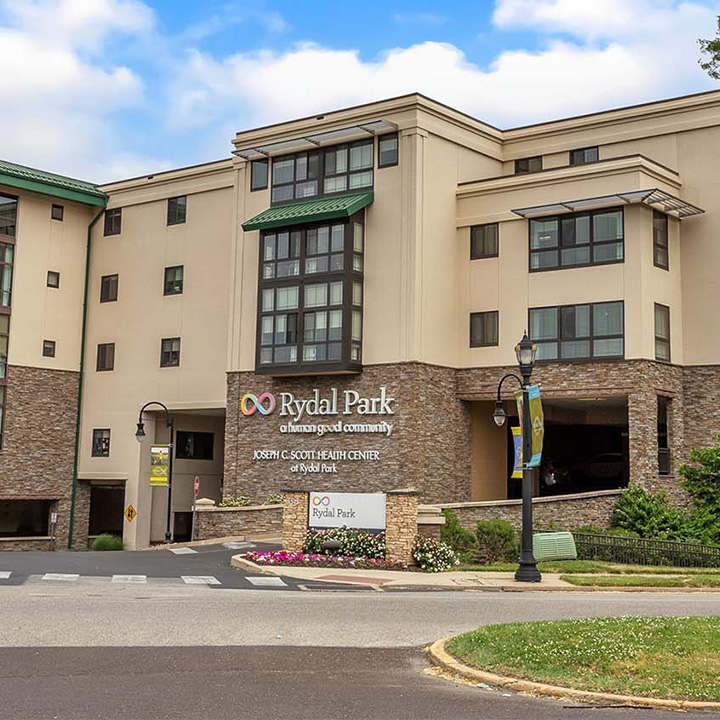
RYDAL PARK OF PHILADELPHIA PRESBYTERY HOMES, INC is owned by a non-profit organization. Non-profit facilities reinvest revenue into operations rather than distributing to shareholders. The facility is operated by HUMANGOOD, a chain that manages multiple nursing homes. With 114 certified beds and approximately 99 residents (about 87% occupancy), it is a mid-sized facility located in RYDAL, Pennsylvania.
How Does Rydal Park Of Philadelphia Presbytery Homes, Inc Compare to Other Pennsylvania Nursing Homes?

Compared to the 100 nursing homes in Pennsylvania, RYDAL PARK OF PHILADELPHIA PRESBYTERY HOMES, INC's overall rating (4 stars) is above the state average of 3.0, staff turnover (21%) is significantly lower than the state average of 46%, and health inspection rating (3 stars) is at the national benchmark.

What Should Families Ask When Visiting Rydal Park Of Philadelphia Presbytery Homes, Inc?

Based on this facility's data, families visiting should ask: "Can I visit during a mealtime to observe dining assistance and food quality?" "How do you handle medical emergencies, and what is your hospital transfer rate?" "Can I speak with family members of current residents about their experience?"

Is Rydal Park Of Philadelphia Presbytery Homes, Inc Safe?

Based on CMS inspection data, RYDAL PARK OF PHILADELPHIA PRESBYTERY HOMES, INC has a clean safety record: no substantiated abuse findings (meaning no confirmed cases of resident harm), no Immediate Jeopardy citations (the most serious violation level indicating risk of serious injury or death), and is not on the Special Focus Facility watch list (a federal program monitoring the lowest-performing 1% of nursing homes). The facility has a 4-star overall rating and ranks #1 of 100 nursing homes in Pennsylvania. While no facility is perfect, families should still ask about staff-to-resident ratios and recent inspection results during their visit.

Do Nurses at Rydal Park Of Philadelphia Presbytery Homes, Inc Stick Around?

Staff at RYDAL PARK OF PHILADELPHIA PRESBYTERY HOMES, INC tend to stick around. With a turnover rate of 21%, the facility is 24 percentage points below the Pennsylvania average of 46%. Low turnover is a positive sign. It means caregivers have time to learn each resident's needs, medications, and personal preferences. Consistent staff also notice subtle changes in a resident's condition more quickly.

Was Rydal Park Of Philadelphia Presbytery Homes, Inc Ever Fined?

RYDAL PARK OF PHILADELPHIA PRESBYTERY HOMES, INC has no federal fines on record. CMS issues fines when nursing homes fail to meet care standards or don't correct problems found during inspections. The absence of fines suggests the facility has either maintained compliance or corrected any issues before penalties were assessed. This is a positive indicator, though families should still review recent inspection reports for the full picture.

Is Rydal Park Of Philadelphia Presbytery Homes, Inc on Any Federal Watch List?

RYDAL PARK OF PHILADELPHIA PRESBYTERY HOMES, INC is not on any federal watch list. The most significant is the Special Focus Facility (SFF) program, which identifies the bottom 1% of nursing homes nationally based on persistent, serious quality problems. Not being on this list means the facility has avoided the pattern of deficiencies that triggers enhanced federal oversight. This is a positive indicator, though families should still review the facility's inspection history directly.