QUALITY LIFE SERVICES - SARVER
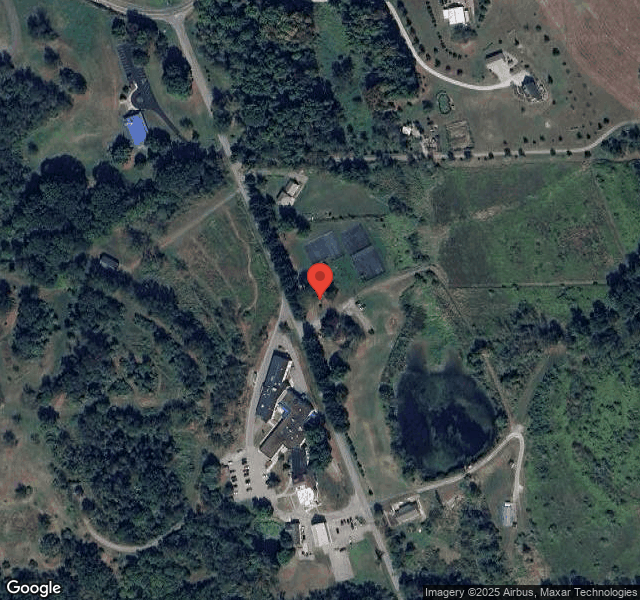
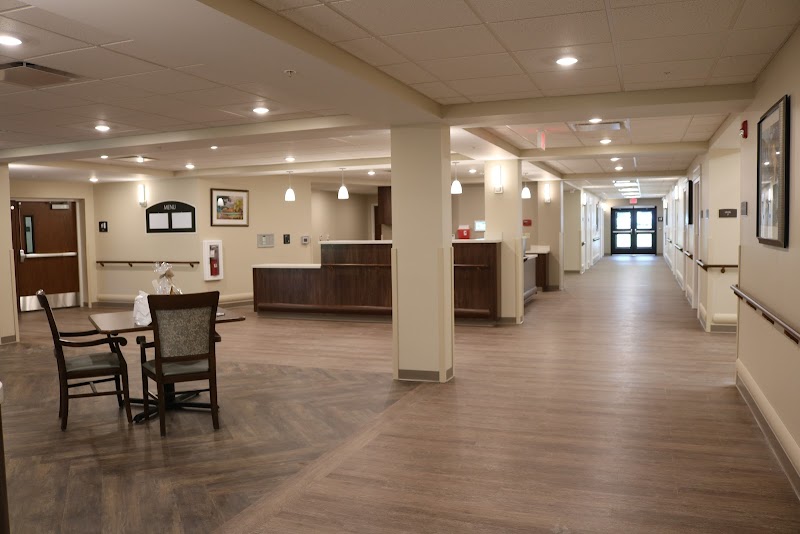
126 IRON BRIDGE ROAD, SARVER, PA 16055 (724) 353-1531
For profit - Limited Liability company 66 Beds QUALITY LIFE SERVICES Data: November 2025
Trust Grade
55/100
#341 of 653 in PA
Last Inspection: September 2024

Within standard 12-15 month inspection cycle. Federal law requires annual inspections.

Overview

Quality Life Services in Sarver, Pennsylvania, has a Trust Grade of C, which means it is average and sits in the middle of the pack compared to other facilities. It ranks #341 out of 653 in the state, placing it in the bottom half, but is #4 out of 11 facilities in Butler County, indicating only three local options are better. The facility is improving, having reduced its issues from 15 in 2024 to just 3 in 2025. Staffing has a rating of 3/5 stars, but the turnover rate of 68% is concerning as it is higher than the state average of 46%. Notably, there have been no fines recorded, which is a positive aspect, and the RN coverage is average, suggesting that while they have sufficient registered nurses, there is room for improvement in staff retention and training. However, there are specific areas of concern. Recent inspections found that none of the nurse aides had completed required training on dementia management, which is essential for the resident population. Additionally, there was a failure to properly investigate a serious physical injury sustained by a resident during a transfer, raising questions about the facility's adherence to protocols for abuse and neglect. While there are strengths, such as no fines and a trend towards improvement, families should weigh these against the staffing turnover and training issues.

Trust Score
C
55/100
In Pennsylvania
#341/653
Bottom 48%
Safety Record
Low Risk
No red flags
Inspections
Getting Better
15 → 3 violations
Staff Stability
⚠ Watch
68% turnover. Above average. Higher turnover means staff may not know residents' routines.
Penalties
✓ Good
No fines on record. Clean compliance history, better than most Pennsylvania facilities.
Skilled Nurses
✓ Good
Each resident gets 45 minutes of Registered Nurse (RN) attention daily — more than average for Pennsylvania. RNs are trained to catch health problems early.
Violations
⚠ Watch
27 deficiencies on record. Higher than average. Multiple issues found across inspections.
★★★☆☆
3.0
Overall Rating
★★★☆☆
3.0
Staff Levels
★★★★☆
4.0
Care Quality
★★★☆☆
3.0
Inspection Score
Stable
2024: 15 issues
2025: 3 issues

The Good

  • 4-Star Quality Measures · Strong clinical quality outcomes
  • Full Sprinkler Coverage · Fire safety systems throughout facility
  • No fines on record

Facility shows strength in quality measures, fire safety.

The Bad

3-Star Overall Rating

Near Pennsylvania average (3.0)

Meets federal standards, typical of most facilities

Staff Turnover: 68%

22pts above Pennsylvania avg (46%)

Frequent staff changes - ask about care continuity

Chain: QUALITY LIFE SERVICES

Part of a multi-facility chain

Ask about local staffing decisions and management

Staff turnover is elevated (68%)

20 points above Pennsylvania average of 48%

The Ugly 27 deficiencies on record

Mar 2025 2 deficiencies
CONCERN (D) 📢 Someone Reported This

A family member, employee, or ombudsman was alarmed enough to file a formal complaint

Potential for Harm - no one hurt, but risky conditions existed

Free from Abuse/Neglect (Tag F0600)

Could have caused harm · This affected 1 resident

Based on a review of facility policies, documents, resident medical records, and staff interviews it was determined that the facility failed to identify and determine the root cause of a physical inju...

Read full inspector narrative →
Based on a review of facility policies, documents, resident medical records, and staff interviews it was determined that the facility failed to identify and determine the root cause of a physical injury as the potential for abuse or neglect for one of 59 residents. (Resident R1) Findings include: A review of facility Resident Protection from Abuse, Neglect, Mistreatment or Exploitation policy dated 11/21/24, revealed that serious physical injuries are to be reported to the state agency, investigated and PB 22s completed for each alleged perpetrator. A review of the facility's documents revealed that on 2/16/25, Resident R1 sustained a serious physical injury while being transferred from her bed to a wheelchair. While pivoting during the transfer procedure the resident heard and felt a loud crack in her right shoulder. Due to the resident's increased pain and edema to her right hand the facility obtain a physician order for an xray. The xray revealed a displaced 2.2 X 1.3 centimeter avulsion fracture of the lateral aspect of the humeral head in the right shoulder. Resident R1 was transferred to the hospital for further evaluation. A review of the state agency reporting documents revealed that the facility notified the state agency that Resident R1 was transferred to the hospital for an evaluation which resulted in confirmation by the hospital of a displaced right humeral fracture. The notifying document submit to the state agency indicated Resident R1's transfer to the hospital and failed to properly be reported as alleged abuse or neglect as required for serious physical injuries with unknown origin of the injury. A review of the facility's documents failed to provide documented evidence that the facility implemented a root cause analysis of Resident R1's serious physical injury which resulted in the potential for other residents to be at risk for abuse or neglect. During an interview on 3/11/25, at 9:15 am the Corporate Clinical Coordinator Employee E1 and Nursing Home Administrator confirmed that the facility failed to notify the state agency of the potential for abuse or neglect to Resident R1 as the result of a physical injury of unknown origin and the facility's failure to identify the incident as the potential for abuse or neglect with the potential for other residents to be at risk. Pa Code: 201.18(b)(1)(2) Management.
CONCERN (D) 📢 Someone Reported This

A family member, employee, or ombudsman was alarmed enough to file a formal complaint

Potential for Harm - no one hurt, but risky conditions existed

Abuse Prevention Policies (Tag F0607)

Could have caused harm · This affected 1 resident

Based on a review of facility policies, documents, resident medical records and staff interviews, it was detrmined that the facility failed to implement an abuse and neglect policy to properly investi...

Read full inspector narrative →
Based on a review of facility policies, documents, resident medical records and staff interviews, it was detrmined that the facility failed to implement an abuse and neglect policy to properly investigation of a physical injury or unknown origin for one of 59 residents (Resident R1). Finding include: During a review of facility Resident Protection from Abuse, Neglect, Mistreatment or Exploitation date 11/21/24, it was revealed that the facility is to implement and complete an investigation for serious physical injury that has resulted in pain, and impairs physical functioning temporally or permanently. The results of the investigation including reports and PB22s must be completed with in five working days. During a review Resident R1's progress notes it was revealed that on 2/16/25, the resident sustained a serious physical injury of unknown origin resulting from transfer procedures from her bed to a wheelchair. While pivoting during the transfer procedure the resident heard and felt a loud crack in her shoulder resulting in pain and edema of her right hand. A hospital emergency room evaluation confirmed that the residnet sustained a displaced right humeral fracture. A review of facility documents failed to provide evidence of the facility implementing an investigation of Resident R1's serious physical injury or unknown origin. The facility failed to provide documented evidence of the results of a through investigation and the competition and submission of a PB 22 for each alleged perpetrator identified as required. During an interview on 3/11/25, at 10:45 am Corporate Clinical Coordinator Employee E1 confirmed that the facility failed to implement their abuse or neglect policy and procedure to thoroughly investigate a resident's physical injury of unknown origin. She confirmed that the facility failed to provide documented evidence of the results of a through investigation which was to include documented evidence to verify the alleged perpetrator preformed return demonstration of the transfer procedure for Resident R1 and the submission of PB 22 forms for each identified alleged perpetrator as required. PA Code: 201.14(c)(d)(e) Responsibility of Licensee
Jan 2025 1 deficiency
CONCERN (D) 📢 Someone Reported This

A family member, employee, or ombudsman was alarmed enough to file a formal complaint

Potential for Harm - no one hurt, but risky conditions existed

Report Alleged Abuse (Tag F0609)

Could have caused harm · This affected 1 resident

**NOTE- TERMS IN BRACKETS HAVE BEEN EDITED TO PROTECT CONFIDENTIALITY** Based on review of facility policy, resident clinical records, investigation documents and staff interview, it was determined th...

Read full inspector narrative →
**NOTE- TERMS IN BRACKETS HAVE BEEN EDITED TO PROTECT CONFIDENTIALITY** Based on review of facility policy, resident clinical records, investigation documents and staff interview, it was determined that the facility failed to report injuries of unknown source for three of three residents (Resident R1, R2, and R3) reviewed. Findings include: Review of facility policy Resident Protection from Abuse, Neglect, Mistreatment or Exploitation, dated 11/21/24, indicated that nursing homes treat all residents with kindness, respect and in a manner that is at all times free from any form of abuse, neglect, misappropriation of property, exploitation or mistreatment. To protect our resident, each home will implement procedures in the areas of screening, training, prevention, identification, investigation, protection, reporting/response and corrective action. All reports of abuse, neglect, exploitation or mistreatment including injuries of unknown source, and misappropriation of resident property will be investigated and documented. The Administrator or Director of Nursing will notify the PA Department of Health/Long Term Care Division via electronic reporting system (ERS) within 24 hours of the incident. Review of Title 42 Code of Federal Regulations (CFR) §483.12(c) states in response to allegations of abuse, neglect, exploitation, or mistreatment, the facility must ensure that all alleged violations involving abuse, neglect, exploitation or mistreatment, including injuries of unknown source and misappropriation of resident property, are reported immediately, but not later than 2 hours after the allegation is made, if the events that cause the allegation involve abuse or result in serious bodily injury, or not later than 24 hours if the events that cause the allegation do not involve abuse and do not result in serious bodily injury, to the administrator of the facility and to other officials (including to the State Survey Agency and adult protective services where state law provides for jurisdiction in long-term care facilities) in accordance with State law through established procedures. Review of the clinical record indicated that Resident R1 was admitted to the facility 9/9/22. Review of Resident R1's Minimum Data Set (MDS - a periodic assessment of care needs) dated 10/22/24, indicated diagnoses of spinal stenosis (condition characterized by the narrowing of spaces in the spine, which can compress the spinal cord and nerves), dysphagia (difficulty swallowing), and generalized muscle weakness. Review of Resident R1's clinical progress note dated 1/8/25, indicated Resident R1 was assessed for one or more wounds that are non-pressure related. Resident has a wound on the chest:right breast/side and front of shoulder. 01/08/2025 is when the wound was found acquired in-house. Dark purple bruising to bottom, yellow on top. The primary tissue type is 100% intact. This presents as bruising. Review of an incident report dated 1/8/25, indicated nurse on unit was alerted that resident (R1) had a bruised area. Upon assessment writer observed a large bruise from the right shoulder, along the right side, breast and under the breast. Observed yellow coloring to the top then into a dark purple for the remainder of the area. The document did not include that the State office had been notified of the injury of unknown source. Review of the clinical record indicated that Resident R2 was admitted to the facility 2/24/23. Review of Resident R2's MDS dated [DATE], indicated diagnoses of hypo-osmolality (condition where the plasma osmolality is low) and hyponatremia (condition when the sodium concentration in the blood is low), altered mental status, and lack of coordination. Review of Resident R2's clinical progress note dated 1/11/25, at 5:50 a.m., indicated that resident (R2) has bruising to right arm and left hand. Right upper forearm with 4 cm (centimeter) x 2.5 cm bruise noted. Scattered bruising to lower right forearm and back of left hand. No injury witnessed. Review of incident report dated 1/11/25, indicated scattered bruising to right upper forearm with 4 cm x 2.5 cm bruise noted. Scattered bruising to lower right forearm and left hand noted. Reported by Nurse Aide (NA). The document did not include that the State office had been notified of the injury of unknown source. Review of the clinical record indicated that Resident R3 was admitted to the facility 2/28/23. Review of Resident R3's MDS dated [DATE], indicated diagnoses of aortic stenosis (condition where the aortic valve in the heart is narrowed or blocked), Alzheimer's disease (neurologic disorder that causes irreversible changes in memory, thinking, and behavior), and diabetes mellitus (group of diseases that affect how the body uses blood sugar). Review of Resident R3's clinical progress note dated 1/16/25, indicated writer was informed of bruising to resident right underarm area. Bruising is in line with straps of STS (Sit-to-stand) lift, which resident was using up until 6 days ago. Bruising partially surrounds right axilla, running along upper inner right arm and off to the side of right breast, and is varying degrees of color ranging from dark purple to greenish. Review of incident report dated 1/16/25, indicated that writer was informed by Nurse Aide (NA) of bruising to resident (R3) right underarm area. Bruising is in line with straps of STS (Sit-to-stand) lift, which resident was using up until 6 days ago. Bruising partially surrounds right axilla, running along upper inner right arm and off to the side of right breast, and is varying degrees of color ranging from dark purple to greenish. The document did not include that the State office had been notified of the injury of unknown source. Review of the reporting system for the facility's state survey agency did not show evidence that the state survey agency was notified, and the results of any investigation was reported regarding the referenced injuries of unknown source. During an interview on 1/28/25, at 1:00 p.m., the Director of Nursing (DON) confirmed that the facility failed to report injuries of unknown source for three of three residents (Resident R1, R2, and R3) as required. 28 Pa Code: 201.14 (a) Responsibility of Management 28 Pa Code: 201.18 (e )(1) Management.
Nov 2024 1 deficiency
CONCERN (D) 📢 Someone Reported This

A family member, employee, or ombudsman was alarmed enough to file a formal complaint

Potential for Harm - no one hurt, but risky conditions existed

Grievances (Tag F0585)

Could have caused harm · This affected 1 resident

Based on review of facility policy, resident grievances for 60 days, resident and staff interviews, it was determined that the facility failed to effectively resolve and provide responses to residents...

Read full inspector narrative →
Based on review of facility policy, resident grievances for 60 days, resident and staff interviews, it was determined that the facility failed to effectively resolve and provide responses to residents and/or their responsible parties in a timely manner in relation to concerns documented via Grievance procedure and complete the reports in their entirety for one of three grievances reviewed. Findings include: Review of facility policy Communication of Resident, Family and Staff Concerns and Grievances dated 8/17/23, indicated to encourage residents, family members and staff to ask questions and express their concerns will maximize their quality of care and promote higher levels of staff and customer satisfaction through timely responses to questions and resolution of issues concerns and grievances. Once we receive a grievance, we will make every effort to respond as quickly and effectively as we can with the goal of always providing outstanding customer service. Our goal is to resolve all concerns within five days of the report with all parties in agreement of the resolution, If the concern cannot be resolved in five days, the reason must be documented on the Concern form and the resident or resident representative notified of the delay in resolution. Review of the facility's Grievance/Complaint Logs for October and November of 2024 indicated the following grievance had not been responded to in a timely manner: -10/27/24: Resident R1 filed a Concern Form stating she did not receive medication until around lunch. Blood sugar was not checked on daylight. States she had to ask the nurse for her medications. The Concern form Outcome of Investigation, Signature of person completing investigation and date, Was the concern confirmed, partially confirmed or not confirmed, Corrective action taken, Resolution, Resolution reviewed with resident or family, Did resident receive a written decision sections were all blank. The facility failed to provide documented evidence that they made prompt efforts to resolve Resident R1's grievance. During review of the concern form on 11/19/24, at 1:05 p.m. revealed the Nursing Home Administrator and Social service signatures were missing and documented on concern log was blank. During an interview on 11/19/24, at 1:10 p.m. the Director of Nursing (DON) confirmed that the facility failed to effectively resolve and provide responses to residents and/or their responsible parties in a timely manner in relation to concerns documented via Grievance procedure and complete the reports in their entirety for one of three grievances reviewed. 28 Pa. Code 201.14(a) Responsibility of licensee. 28 Pa. Code 201.18(b)(e)(1) Management. 28 Pa. Code 211.10(c)(d) Resident care policies. 28 PA Code: 201.29(j) Resident rights.
Sept 2024 14 deficiencies
CONCERN (D)

Potential for Harm - no one hurt, but risky conditions existed

Notification of Changes (Tag F0580)

Could have caused harm · This affected 1 resident

**NOTE- TERMS IN BRACKETS HAVE BEEN EDITED TO PROTECT CONFIDENTIALITY** Based on review of facility policy, clinical record review and staff interview, it was determined that the facility failed to no...

Read full inspector narrative →
**NOTE- TERMS IN BRACKETS HAVE BEEN EDITED TO PROTECT CONFIDENTIALITY** Based on review of facility policy, clinical record review and staff interview, it was determined that the facility failed to notify a physician of abnormal glucose levels as per physician's order for two out of five residents (Residents R20 and R33). Findings include: Review of the facility policy Physician Notification dated 12/1/23, indicated upon identification of a resident who has clinical changes, change in condition, or abnormal lab values, a licensed nurse will perform appropriate clinical observations and data collection and report to physician as indicated. Review of the facility policy Hypoglycemia Protocol dated 12/1/23, indicated for hypoglycemia (a blood glucose less than or equal to 70 mg/dl (milligrams/deciliter), and hyperglycemia a more common side effect, should recheck the blood sugar and notify the physician. Review of Resident R33's admission record indicated an admission date of 5/9/23, with diagnoses of renal insufficiency (condition where the kidneys lose the ability to remove waste and balance fluids), heart failure (heart doesn't pump blood as well as it should), high blood pressure, and diabetes (a long-term condition in which the body has trouble controlling blood sugar and using it for energy). Review of R33's Minimum Data Set (MDS- a periodic assessment of care needs) dated 9/5/24, indicated the diagnoses remain current. Review of Resident R33's current physician orders on 9/26/24, indicated Glucagon (medication to raise blood sugar) Emergency Kit, inject 1 mg subcutaneously as needed for hypoglycemia diabetes. Call physician. Review of Resident R33's progress notes dated 8/26/24, at 2:45 a.m. resident complained of not feeling well to Nurse Aide (NA). Resident was diaphoretic (sweating heavily), slurring his words. Upon assessment blood sugar was at 48 mg/dl. A cup of orange juice and carbohydrate snack were provided. Registered Nurse (RN) made aware. Further review of Resident R33's clinical record, failed to include notification to the physician of the abnormal blood glucose as required. Review of Resident R20's admission record indicated she was originally admitted on [DATE], with diagnoses that included diabetes (metabolic disorder impacting organ function related to glucose levels in the human body), chronic respiratory failure, and anemia. Review of Resident R20's MDS assessment dated [DATE], indicated that the diagnoses were current upon review. Review of Resident R20's physician order's dated 8/15/24, indicated to inject Humulin R Injection Solution 100 UNIT/ML(Insulin Regular(Human). Inject as per sliding scale: 70 - 150 = 0 Glucose < 70 follow hypoglycemia protocol; 151 - 200 = 4 201- 250 = 8 251 - 300 = 12 301 - 350 = 16 351 - 400 =20 >400, give 24u and call provider if >400 Review of Resident R20's blood glucose monitoring documentation for September 2024, indicated the following abnormal glucose levels: 9/2 471 9/15 419 9/16 452 9/17 416 9/21 429 9/24 482 Review of Resident R20's clinical nurse notes, physician notes, and Certified Registered Nurse Practitioner (CRNP) documentation did not include a notification to the physician about the abnormal glucose levels on 9/2/24, 9/15/24, 9/16/24, 9/17/24, 9/21/24 and 9/24/24. During an interview on 9/26/24, at 1:00 p.m. Clinical Consultant Employee E2 confirmed the facility failed to notify the physician of abnormal glucose level as required for Resident R20. During an interview on 9/27/24, at 12:55 p.m. Clinical Consultant Employee E2 confirmed that the facility failed to notify a physician of abnormal glucose levels for as per physician's order for two out of five residents (Residents R20 and R33). 28 Pa. Code: 211.12 (d)(1)(3)(5) Nursing Services.
CONCERN (D)

Potential for Harm - no one hurt, but risky conditions existed

Investigate Abuse (Tag F0610)

Could have caused harm · This affected 1 resident

**NOTE- TERMS IN BRACKETS HAVE BEEN EDITED TO PROTECT CONFIDENTIALITY** Based on review of facility policy, clinical record review, facility provided documents, and staff interview, it was determined ...

Read full inspector narrative →
**NOTE- TERMS IN BRACKETS HAVE BEEN EDITED TO PROTECT CONFIDENTIALITY** Based on review of facility policy, clinical record review, facility provided documents, and staff interview, it was determined that the facility failed to thoroughly investigate a potential allegation of abuse/neglect for misappropriation of property for one of two residents reviewed (Resident R37). Findings include: Review of facility policy Resident Protection From Abuse, Neglect, Mistreatment or Exploitation dated 12/1/23, indicated misappropriation of resident property means the deliberate misplacement, exploitation, or wrongful temporary or permanent use of a resident's belongings or money without the resident's consent. Abuse, neglect, misappropriation of property and exploitation will be identified through various methods including reports from employed or contracted staff. All reports of abuse, neglect, exploitation, mistreatment, and misappropriation of resident property will be investigated and documented. All investigations will be conducted thoroughly and will attempt to gather as much factual information as possible. Review of facility policy Management of Controlled Drugs dated 12/1/23, indicated to destroy the drug with another licensed staff member as witness. Staff member designated as witness to the destruction must actually witness the waste. Document the reason for the destruction on the controlled drug inventory in the space for that dose. Signature of person who poured and destroyed the drug and signature of witness must be entered in the space with the documentation of the destruction. Perform a complete count of all controlled drugs at the change of shifts or at any time in which narcotic keys are surrendered from one staff member to another. Count must be performed by two licensed nurses per state regulations. Both licensed nurses participating in the count must sign the individual inventory at the time of the count. If discrepancy is noted during the count, notify nursing supervisor immediately to initiate investigation. Review of the clinical record indicated Resident R37 was admitted to the facility on [DATE]. Review of Resident R37's Minimum Data Set (MDS - a periodic assessment of care needs) dated 8/27/24, indicated diagnoses of high blood pressure, muscle wasting, and unsteadiness on feet. Review of a physician's order dated 8/10/23, indicated to administer Morphine Sulfate (a controlled pain medication) 10 milligrams sublingually (under the tongue) every two hours as needed for moderate pain or shortness of breath. Review of an event submitted by the facility dated 1/30/24, stated, During shift change this morning while off going and oncoming nurses were doing narcotic count, the oncoming nurse noted the color of the Morphine for Resident R37, that the color was not blue but a charcoal color. The oncoming nurse states when she counted the same cart on 1/26/24 that the Morphine was blue. Nurse alerted supervisor immediately. Review of the Controlled Drug Record for Resident R37's Morphine Sulfate revealed the amount was adjusted from 20 milliliters (mL) to 18 mL with a documented reason of spillage/dehydration. No date, time, or witness signature were documented for this entry. Review of an additional entry to the Controlled Drug Record for Resident R37's Morphine Sulfate revealed the amount was adjusted from 18 mL to 16 mL with a documented reason of spillage/dehydration. No date or time were documented for this entry. Review of a written witness statement dated 1/31/24, completed by Licensed Practical Nurse (LPN) Employee E6 stated, On the days I have been scheduled on Pennsylvania [nursing unit] I have not had the narcotic keys and have not participated in count. I was on other halls when count was performed, so I did not notice any discrepancies. There have been times nurses don't want to do count at the end and say it's ok, and they next take the keys. Review of a written witness statement dated 1/31/24, completed by LPN E4 stated, On Sunday January 28, Registered Nurse (RN) Employee E10 had the Liberty [nursing unit] narc keys, and when she was being sent home at 11:00 p.m. she gave me the keys. She did not want to count the narcs. I went over to Liberty cart and counted them myself. During an interview on 9/27/24, at 9:50 a.m. when asked if additional statements were obtained regarding accusations that nursing staff refuses to perform end-of-shift narcotic count, the Nursing Home Administrator stated, I'm not sure, but I bet it was investigated because my Director of Nursing at the time was pretty good about that stuff. The facility failed to provide additional documentation to indicate the accusations that nursing staff refuse to perform end-of-shift narcotic count was thoroughly investigated. During an interview on 9/27/24, at 12:55 p.m. Clinical Consultant Employee E2 stated, We provided education to the nursing staff in March that end-of-shift narcotic count is a requirement. During an interview on 9/27/24, at 12:55 p.m. the NHA confirmed that the facility failed to thoroughly investigate a potential allegation of abuse/neglect for misappropriation of property as required. 28 Pa. Code: 201.14 (a) Responsibility of licensee. 28 Pa. Code: 201.14 (c)(e) Responsibility of licensee. 28 Pa. Code: 201.18 (e)(1) Management.
CONCERN (D)

Potential for Harm - no one hurt, but risky conditions existed

Transfer Requirements (Tag F0622)

Could have caused harm · This affected 1 resident

**NOTE- TERMS IN BRACKETS HAVE BEEN EDITED TO PROTECT CONFIDENTIALITY** Based on review of facility policy, clinical record review, and staff interview, it was determined that the facility failed to m...

Read full inspector narrative →
**NOTE- TERMS IN BRACKETS HAVE BEEN EDITED TO PROTECT CONFIDENTIALITY** Based on review of facility policy, clinical record review, and staff interview, it was determined that the facility failed to make certain that the necessary resident information was communicated to the receiving health care provider for three of seven residents sampled with facility-initiated transfers (Residents R28, R34, and R40). Review of facility policy Medical Emergency dated 12/1/23, indicated if transfer is required, complete transfer form and send appropriate documentation with the resident. Findings include: Review of the clinical record indicated Resident R28 was admitted to the facility on [DATE]. Review of Resident R28's Minimum Data Set (MDS - a periodic assessment of care needs) dated 6/25/24, indicated diagnoses of high blood pressure, hyperlipidemia (high levels of fat in the blood), and pain in left hip. Review of the clinical record indicated Resident R28 was transferred to hospital on [DATE] and returned to the facility on [DATE]. Review of Resident R28's clinical record revealed no documented evidence that the facility had communicated specific information to the receiving health care provider for the residents transferred and expected to return, which included the resident's care plan goals, advanced directive information, specific instructions for ongoing care, resident representative information, and all information necessary to meet the resident's specific needs at the receiving facility. Review of the clinical record indicated Resident R34 was admitted to the facility on [DATE]. Review of Resident R34's MDS dated [DATE], indicated diagnoses of anemia (too little iron in the blood), respiratory failure (a condition where the lungs cannot get enough oxygen into the blood), and depression (a constant feeling of sadness and loss of interests). Review of the clinical record indicated Resident R34 was transferred to the hospital on 2/9/24, and returned to the facility on 2/16/24. Review of Resident R34's clinical record revealed no documented evidence that the facility had communicated specific information to the receiving health care provider for the residents transferred and expected to return, which included the resident's care plan goals, advanced directive information, specific instructions for ongoing care, resident representative information, and all information necessary to meet the resident's specific needs at the receiving facility. Review of the clinical record indicated Resident R40 was admitted to the facility on [DATE]. Review of Resident R40's MDS dated [DATE], indicated diagnoses of high blood pressure, asthma (a condition where the airways narrow and swell), and muscle weakness. Review of the clinical record indicated Resident R40 was transferred to the hospital on 6/27/24, and returned to the facility on 6/28/24. Review of Resident R40's clinical record revealed no documented evidence that the facility had communicated specific information to the receiving health care provider for the residents transferred and expected to return, which included the resident's care plan goals, advanced directive information, specific instructions for ongoing care, resident representative information, and all information necessary to meet the resident's specific needs at the receiving facility. During an interview on 9/26/24, at 10:07 a.m. the Nursing Home Administrator confirmed that the facility failed to make certain that the necessary resident information was communicated to the receiving health care provider for three of seven residents sampled with facility-initiated transfers as required. 28 Pa. Code 201.29 (a)(c)(3)(2) Resident rights.
CONCERN (D)

Potential for Harm - no one hurt, but risky conditions existed

Transfer Notice (Tag F0623)

Could have caused harm · This affected 1 resident

**NOTE- TERMS IN BRACKETS HAVE BEEN EDITED TO PROTECT CONFIDENTIALITY** Based on review of facility policy, clinical record review, and staff interviews, it was determined that the facility failed to ...

Read full inspector narrative →
**NOTE- TERMS IN BRACKETS HAVE BEEN EDITED TO PROTECT CONFIDENTIALITY** Based on review of facility policy, clinical record review, and staff interviews, it was determined that the facility failed to provide a transfer notice to a representative of the Office of the Long-Term Care Ombudsman Division for five of five residents (Residents R20, R28, R34, R40, and R67). Findings include: Review of the clinical record indicated Resident R28 was admitted to the facility on [DATE]. Review of Resident R28's Minimum Data Set (MDS - periodic assessment of resident care needs) dated 6/25/24, indicated diagnoses of high blood pressure, hyperlipidemia (high levels of fat in the blood), and pain in left hip. Review of the clinical record indicated Resident R28 was transferred to hospital on [DATE] and returned to the facility on [DATE]. Review of Resident R28's clinical record indicated the facility failed to include documented evidence that the facility provided a written transportation notification to the Office of Long-Term Care Ombudsman for the hospitalization on 12/12/23. Review of the clinical record indicated Resident R34 was admitted to the facility on [DATE]. Review of Resident R34's MDS dated [DATE], indicated diagnoses of anemia (too little iron in the blood), respiratory failure (a condition where the lungs cannot get enough oxygen into the blood), and depression (a constant feeling of sadness and loss of interests). Review of the clinical record indicated Resident R34 was transferred to the hospital on 2/9/24, and returned to the facility on 2/16/24. Review of Resident R34's clinical record indicated the facility failed to include documented evidence that the facility provided a written transportation notification to the Office of Long-Term Care Ombudsman for the hospitalization on 2/9/24. Review of the clinical record indicated Resident R40 was admitted to the facility on [DATE]. Review of Resident R40's MDS dated [DATE], indicated diagnoses of high blood pressure, asthma (a condition where the airways narrow and swell), and muscle weakness. Review of the clinical record indicated Resident R40 was transferred to the hospital on 6/27/24, and returned to the facility on 6/28/24. Review of Resident R40's clinical record indicated the facility failed to include documented evidence that the facility provided a written transportation notification to the Office of Long-Term Care Ombudsman for the hospitalization on 6/27/24. Review of Resident R67's admission record indicated she was originally admitted on [DATE], with diagnoses that included encephalopathy (change in how your brain function), chronic kidney disease and acute respiratory failure with hypoxia (lungs have trouble exchanging oxygen and carbon dioxide with the blood). Review of Resident R67's 5-day MDS dated [DATE], indicated that the diagnoses were current upon review. Review of the clinical record indicated Resident R67 was transferred to the hospital on 7/7/24 and did not return. Review of Resident R67's clinical record indicated the facility failed to include documented evidence that the facility provided a written transportation notification to the Office of Long-Term Care Ombudsman for the hospitalization on 7/7/24. Review of Resident R20's admission record indicated she was originally admitted on [DATE], with diagnoses that included diabetes (metabolic disorder impacting organ function related to glucose levels in the human body), chronic respiratory failure and anemia. Review of Resident R20's entry MDS dated [DATE], indicated that the diagnoses were current upon review. Review of the clinical record indicated Resident R20 was transferred to the hospital on 8/21/24, and returned to the facility on 8/30/24 and 9/8/24 and returned to the facility 9/13/24. Review of Resident R20's clinical record indicated the facility failed to include documented evidence that the facility provided a written transportation notification to the Office of Long-Term Care Ombudsman for the hospitalization on 8/21/24 and 9/8/24. During an interview on 9/26/24, at 10:07 a.m. the Nursing Home Administrator (NHA) stated, I notify the local Ombudsman, not the state Ombudsman. During an interview on 9/26/24, at 10:07 a.m. the NHA confirmed that the facility failed to provide a transfer notice to a representative of the Office of the Long-Term Care Ombudsman Division for five of five residents as required. 28 Pa. Code 201.29 (a)(c)(3)(2) Resident rights.
CONCERN (D)

Potential for Harm - no one hurt, but risky conditions existed

Deficiency F0625 (Tag F0625)

Could have caused harm · This affected 1 resident

**NOTE- TERMS IN BRACKETS HAVE BEEN EDITED TO PROTECT CONFIDENTIALITY** Based on review of facility policy, clinical record review, and staff interviews, it was determined that the facility failed to ...

Read full inspector narrative →
**NOTE- TERMS IN BRACKETS HAVE BEEN EDITED TO PROTECT CONFIDENTIALITY** Based on review of facility policy, clinical record review, and staff interviews, it was determined that the facility failed to notify the resident or resident's representative of the facility bed-hold policy (an agreement for the facility to hold a bed for an agreed upon rate during a hospitalization) for five of five resident hospital transfers (Residents R20, R28, R34, R40, and R67). Review of facility policy Bed Holds dated 12/1/23, indicated upon transfer out, nursing will provide a copy of the Notice to the resident. Review of the clinical record indicated Resident R28 was admitted to the facility on [DATE]. Review of Resident R28's Minimum Data Set (MDS - periodic assessment of resident care needs) dated 6/25/24, indicated diagnoses of high blood pressure, hyperlipidemia (high levels of fat in the blood), and pain in left hip. Review of the clinical record indicated Resident R28 was transferred to hospital on [DATE] and returned to the facility on [DATE]. Review of Resident R28's clinical record failed to include documented evidence that the resident or the resident's representative were provided with written information about the facility's bed hold policy at the time of the transfer to the hospital on [DATE]. Review of the clinical record indicated Resident R34 was admitted to the facility on [DATE]. Review of Resident R34's MDS dated [DATE], indicated diagnoses of anemia (too little iron in the blood), respiratory failure (a condition where the lungs cannot get enough oxygen into the blood), and depression (a constant feeling of sadness and loss of interests). Review of the clinical record indicated Resident R34 was transferred to the hospital on 2/9/24, and returned to the facility on 2/16/24. Review of Resident R34's clinical record failed to include documented evidence that the resident or the resident's representative were provided with written information about the facility's bed hold policy at the time of the transfer to the hospital on 2/9/24. Review of the clinical record indicated Resident R40 was admitted to the facility on [DATE]. Review of Resident R40's MDS dated [DATE], indicated diagnoses of high blood pressure, asthma (a condition where the airways narrow and swell), and muscle weakness. Review of the clinical record indicated Resident R40 was transferred to the hospital on 6/27/24, and returned to the facility on 6/28/24. Review of Resident R40's clinical record failed to include documented evidence that the resident or the resident's representative were provided with written information about the facility's bed hold policy at the time of the transfer to the hospital on 6/27/24. Review of Resident R67's admission record indicated she was originally admitted on [DATE], with diagnoses that included encephalopathy (change in how your brain function), chronic kidney disease and acute respiratory failure with hypoxia (lungs have trouble exchanging oxygen and carbon dioxide with the blood). Review of Resident R67's MDS dated [DATE], indicated that the diagnoses were current upon review. Review of the clinical record indicated Resident R67 was transferred to the hospital on 7/7/24 and did not return. Review of Resident R67's clinical record failed to include documented evidence that the resident or the resident's representative were provided with written information about the facility's bed hold policy at the time of the transfer to the hospital on 7/7/24. Review of Resident R20's admission record indicated she was originally admitted on [DATE], with diagnoses that included diabetes (metabolic disorder impacting organ function related to glucose levels in the human body), chronic respiratory failure and anemia. Review of Resident R20's MDS dated [DATE], indicated that the diagnoses were current upon review. Review of the clinical record indicated Resident R20 was transferred to the hospital on 8/21/24, and returned to the facility on 8/30/24 and 9/8/24 and returned to the facility 9/13/24. Review of Resident R20's clinical record failed to include documented evidence that the resident or the resident's representative were provided with written information about the facility's bed hold policy at the time of the transfer to the hospital on 8/21/24 and 9/8/24. During an interview on 9/25/24, at 1:30 p.m. Clinical Consultant Employee E2 confirmed that the facility failed to notify the resident or resident's representative of the facility bed-hold policy for five of five resident hospital transfers as required. 28 Pa. Code 201.29 (a)(c)(3)(2) Resident rights.
CONCERN (D)

Potential for Harm - no one hurt, but risky conditions existed

Deficiency F0657 (Tag F0657)

Could have caused harm · This affected 1 resident

**NOTE- TERMS IN BRACKETS HAVE BEEN EDITED TO PROTECT CONFIDENTIALITY** Based on clinical records and staff interview, it was determined that the facility failed to update a care plan for one of eight...

Read full inspector narrative →
**NOTE- TERMS IN BRACKETS HAVE BEEN EDITED TO PROTECT CONFIDENTIALITY** Based on clinical records and staff interview, it was determined that the facility failed to update a care plan for one of eight residents (Resident R123) to accurately reflect the current status of the resident. Findings include: Review of clinical record indicated Resident R123 was admitted to the facility on [DATE], with diagnoses that included atrial fibrillation (irregular, often rapid heart rate that commonly causes poor blood flow), hypertension and hypercholesterolemia (high amounts of cholesterol in the blood). Review of Resident R123's Minimum Data Set (MDS-a mandated assessment of a resident's abilities and care needs) assessment, dated 9/25/24, indicated the diagnoses remain current. Review of Resident R123's physician orders dated 9/17/24 indicated a 1800 milliliter (ml) fluid restriction. Review of Resident R123's Resident Care Plan Summary Report (report nurse aides used to know what kind of care to provide) dated 9/17/24, revealed no fluid restriction. During an interview on 9/26/24, at 1:30 p.m. Nursing Home Administator confirmed the facility failed to revise care plan for Resident R123 as required. 28 Pa. Code: 211.11(d) Resident care plan.
CONCERN (D)

Potential for Harm - no one hurt, but risky conditions existed

ADL Care (Tag F0677)

Could have caused harm · This affected 1 resident

**NOTE- TERMS IN BRACKETS HAVE BEEN EDITED TO PROTECT CONFIDENTIALITY** Based on review of facility policy, resident interview and observations, clinical record review, and staff interview it was dete...

Read full inspector narrative →
**NOTE- TERMS IN BRACKETS HAVE BEEN EDITED TO PROTECT CONFIDENTIALITY** Based on review of facility policy, resident interview and observations, clinical record review, and staff interview it was determined that the facility failed to provide Activity of Daily Living (ADL) assistance for one of five residents observed (Resident R39). Findings include: The facility policy Activities of Daily dated 12/1/23, indicated a program of ADL's (eating, dressing, hygiene, elimination, and ambulation) will be provided to prevent disability and maintain resident's functional abilities. A program of assistance and instruction in ADL skills is implemented. Review of the admission record indicated Resident R39 was admitted to the facility on [DATE]. Review of Resident R39's Minimum Data Set (MDS - a periodic assessment of care needs) dated 7/22/24, indicated the diagnoses of high blood pressure, dementia (a general term for loss of memory, language, problem solving and other thinking abilities that are severe enough to interfere with daily life), and legally blind. Section B1000 Vision - severely impaired. No vision or see only light, colors or shapes, eyes do not appear to follow objects. Section GG indicated requires partial to moderate assistance for eating. Review of Resident R39's physician orders dated 4/30/24, indicated patient to have all food items placed in separate bowls, coffee with a sipper lid, and all other drinks with lids and straws. She is assist from staff for all meals. Review of Resident R39's care plan dated 8/20/24, indicated eating/swallowing - staff to provide assistance as needed daily during mealtimes to promote independence, staff to encourage chin neutral, to be out of bed for all meals, consume at a slow rate, and small bites. During an observation on 9/25/24, at 12:30 p.m., Resident R39 was in a wheelchair next to the dining table. The lunch tray was sitting on the table with the corner of the tray angled in front of her with an empty bowl of tomato soup. There were other bowls on the tray, unopened and out of her reach. No staff were assisting resident. During an observation on 9/26/24, at 12:35 p.m. Resident R39 was in her wheelchair with the tray angled the same as the day prior. There was an empty bowl of tomato soup. There were other bowls on the tray, unopened and out of her reach. No staff were assisting the resident. Resident is legally blind and observed reaching hands toward table without successfully reaching any of the bowls. During an interview with Resident R39 on 9/26/24, at 12:35 p.m., indicated when asked if she was not hungry today, she replied Yes, I'm hungry, why? Is there more food there? Survey Agency (SA) indicated there were potatoes and other items on her tray. Resident replied Oh, potatoes. Yes, I'll have potatoes. During an interview with Nurse Aide (NA) Employee E8, on 9/26/24, at 12:37 p.m., was notified that Resident R39 was hungry and unaware of what was on her tray. During an observation on 9/26/24, at 12:37 p.m., indicated NA Employee E8 handed the bowl of potatoes to Resident R39, who immediately put the potato wedge to her mouth and indicated it was cold. During an interview on 9/26/24, at 12:37 p.m., NA Employee E8 confirmed Resident R39 was not assisted with her meal as required and that Resident R39 was unaware there were portions of the meal remaining, and that the items were out of her reach. During an interview on 9/27/24, at 1:00 p.m., Clinical Consultant Employee E2 confirmed the facility failed to provide ADL assistance for one of five residents observed (Resident R39). 28 Pa. Code 211.12 (d)(1) Nursing services. 28 Pa. Code: 201.29(b)(d)(j) Resident rights.
CONCERN (D)

Potential for Harm - no one hurt, but risky conditions existed

Quality of Care (Tag F0684)

Could have caused harm · This affected 1 resident

**NOTE- TERMS IN BRACKETS HAVE BEEN EDITED TO PROTECT CONFIDENTIALITY** Based on review of facility policy, clinical record review, observations, and staff interviews, it was determined that the facil...

Read full inspector narrative →
**NOTE- TERMS IN BRACKETS HAVE BEEN EDITED TO PROTECT CONFIDENTIALITY** Based on review of facility policy, clinical record review, observations, and staff interviews, it was determined that the facility failed to provide appropriate care and services for one of two residents receiving intravenous therapy (Resident R34) and failed to monitor resident wounds and complete weekly skin assessments for two of five residents (Residents R37 and R52). Review of facility policy Midline Dressing Changes dated 12/1/23, indicated midline catheter (a thin, flexible tube that is inserted into a large vein in the upper arm, used to safely administer medication into the bloodstream) dressings will be changed at specified intervals, or when needed, to prevent catheter-related infections associated with contaminated, loosened or soiled catheter-site dressings. Change midline catheter dressing 24 hours after catheter insertion, every 5-7 days, or if it is wet, dirty, not intact, or compromised in any way. Label with initials, date and time. Review of facility policy Overview of IV Therapy dated 12/1/23, indicated labels may be preprinted with date, time, gauge, initials or can simply be a piece of tape that contains the same information. All tubing must have a label or they are considered to be out of date and should be changed. Review of the facility Skin Integrity and Wound Management policy dated 12/1/23, indicated the implementation of an individual resident's skin integrity and wound management occurs within the care delivery process. Staff continually observes and monitor residents for changes and implements revisions to the plan of care as needed. It was indicated staff must perform skin inspections on admission and weekly by a licensed nurse and it must be documented in the resident's electronic record. Wound assessment and proper forms must be completed upon initial identification of altered skin integrity, weekly, and with any deterioration of wound. Review of the clinical record indicated Resident R34 was admitted to the facility on [DATE]. Review of Resident R34's Minimum Data Set (MDS - a periodic assessment of care needs) dated 9/2/24, indicated diagnoses of anemia (too little iron in the blood), respiratory failure (a condition where the lungs cannot get enough oxygen into the blood), and depression (a constant feeling of sadness and loss of interests). Review of a physician's order dated 9/19/24, indicated Resident R34 had an IV catheter (intravenous - used for the administration of fluids directly into a vein) in her right upper extremity. Review of a physician's order dated 9/19/24, indicated to change Resident R34's IV catheter dressing every seven days on the night shift. Review of a physician's order dated 9/20/24, indicated to administer Ertapenem (a medication used to treat severe infections caused by bacteria) 1 gram intravenously in the afternoon for ten days. During an observation on 9/24/24, at 9:49 a.m. Resident R34's IV tubing did not have a date present and the end of the tubing that connects to the resident's IV catheter was observed connected to the side port of the IV tubing. During an observation on 9/24/24, at 9:51 a.m. Resident R34's right upper extremity midline dressing had no date present and was lifting away from her skin on the bottom. During an interview on 9/24/24, at 10:42 a.m. Licensed Practical Nurse (LPN) Employee E1 confirmed Resident R34's IV tubing did not have a date on it and was not being appropriately stored while not in use, and that Resident R34's midline catheter dressing did not have a date present and was lifting at the bottom. During an interview on 9/24/24, at 2:10 p.m. the Nursing Home Administrator (NHA) confirmed that the facility failed to provide appropriate care and services for a resident receiving intravenous therapy as required. Review of the clinical record indicated Resident R37 was admitted to the facility on [DATE]. Review of Resident R37's MDS dated [DATE], indicated diagnoses of high blood pressure, muscle wasting, and unsteadiness on feet. Review of a Weekly Skin & Wound Note dated 8/26/24, completed by Registered Nurse (RN) Employed E7 stated, Resident R37 was assessed for one or more wounds that are non-pressure related. Resident has a wound on the left leg shin. 8.25.24 is when the wound was found, acquired in-house. The current measurements are length: 0.2 centimeters (cm) width: 0.3 cm. This presents as a skin tear. The plan of care has been reviewed and updated. Resident's wound will be reassessed in one week. Review of a Weekly Skin & Wound Note dated 9/2/24, completed by RN Employee E7 stated, Resident R37 was assessed for one or more wounds that are non-pressure related. Resident has a wound on the left leg front of left shin. The current measurements are length: 0.3 cm width: 0.2 cm. The peri-wound area is normal skin tone. There is no drainage in the wound. This presents as a skin tear. The plan of care has been reviewed and updated. Resident wound will be reassessed in one week. Review of Resident R37's clinical record failed to reveal documentation of the resident's left shin skin tear for the weeks of 9/8/24, and 9/15/24. Review of Resident R52's admission record indicated she was admitted on [DATE]. Review of Resident R52's MDS dated [DATE], indicated diagnoses of high blood pressure, Non Alzheimer ' s Dementia (dementia caused by other diseases with symptoms forgetfulness, limited social skills, and impaired thinking abilities that interfere with daily functioning), and peripheral vascular disease (a condition in which narrowed blood vessels reduce blood flow to the limbs). Review of Resident R52's current physician orders indicated apply marathon (liquid skin protectant) every three days to right calf wound. Review of Resident R52's current care plan indicated monitor and document the location, size and treatment of any skin impairment that develops on me. Review of Resident R52's skin evaluations on 9/25/24, indicated the last measurements completed were on 9/10/24. During an interview with LPN Employee E9 on 9/25/24, at 10:30 a.m. confirmed the measurements were not completed as required from 9/10/24, through 9/25/24. During an interview on 9/26/24, at 2:15 p.m. the NHA confirmed that the facility failed to monitor resident wounds and complete weekly skin assessments as required. 28 Pa. Code 201.18 (b)(1) Management. 28 Pa. Code 201.29(d) Resident rights. 28 Pa. Code 211.10 (c)(d) Resident care policies. 28 Pa. Code 211.12 (d)(1)(2)(3)(5) Nursing services.
CONCERN (D)

Potential for Harm - no one hurt, but risky conditions existed

Pressure Ulcer Prevention (Tag F0686)

Could have caused harm · This affected 1 resident

**NOTE- TERMS IN BRACKETS HAVE BEEN EDITED TO PROTECT CONFIDENTIALITY** Based on review of facility policy, clinical records, and staff interview, it was determined that the facility failed to properl...

Read full inspector narrative →
**NOTE- TERMS IN BRACKETS HAVE BEEN EDITED TO PROTECT CONFIDENTIALITY** Based on review of facility policy, clinical records, and staff interview, it was determined that the facility failed to properly assess pressure ulcers for two of three residents (Residents R2 and R60). Findings include: Review of the facility policy Skin Integrity and Wound Management - NU17 dated 12/1/23, indicated perform wound assessment and complete proper forms upon initial identification of altered skin integrity, weekly, and with any deterioration of the wound. Review of Resident R2's admission record indicated admission to the facility on [DATE]. Review of Resident R2's Minimum Data Set (MDS - a periodic assessment of care needs) dated 7/23/24, indicated diagnoses of dementia (a group of symptoms that affects memory, thinking and interferes with daily life), and depression. Review of Resident R2's clinical progress note Weekly Skin and Wound Note dated 9/10/24, indicated a pressure related wound to sacrum/coccyx/anal area was found acquired in-house on 7/10/14; Current measurements indicated length 1.0 cm (centimeters), width 0.3 cm; This presents as a stage 2 pressure injury; Residents wound(s) will be assessed in one week. Further review of Resident R2's clinical progress notes failed to indicated that a Weekly Skin and Wound Note was completed for week of 9/16 - 9/20/24. During an interview on 9/26/24, at 2:16 p.m., Clinical Consultant Employee E2 confirmed that Resident R2's wound was not clinically assessed and documented for the week of 9/16 - 9/20/24. Review of Resident R60's admission record indicated admission to the facility on 8/27/24. Review of Resident R60's MDS dated [DATE], indicated diagnoses of seizure disorder (a person experiences abnormal behaviors, symptoms, and sensations, sometimes including loss of consciousness), epilepsy (is a brain condition that causes recurring seizures), and neurogenic bladder (lack of bladder control due to a brain, spinal cord, or nerve problem). Review of Resident R60's current physician order dated 8/27/24, indicated Assessment: Weekly Skin check by licensed nurse. Review of Resident R60's current care plan dated 9/6/24, indicated assess, record, monitor my wound healing weekly. Measure length, width, and depth where possible. Assess and document status of wound perimeter, wound bed, and healing progress. Review of Resident R60's skin evaluations on 9/25/24, at 9:57 a.m. indicated the last measurements completed were on 9/6/24. During an interview with Licensed Practical Nurse (LPN) Employee E9 on 9/25/24, at 10:22 a.m. confirmed the measurements were not completed as required on 9/13/24, and 9/20/24. Interview with the Clinical Consultant Employee E2 on 9/27/24, at 1:00 p.m. confirmed the facility failed to properly assess pressure ulcers for two of three residents (Residents R2 and R60). 28 Pa. Code 201.18 (b)(1) Management. 28 Pa. Code 201.29(d) Resident rights. 28 Pa. Code 211.10 (c)(d) Resident care policies. 28 Pa. Code 211.12 (d)(1)(2)(3)(5) Nursing services.
CONCERN (D)

Potential for Harm - no one hurt, but risky conditions existed

Incontinence Care (Tag F0690)

Could have caused harm · This affected 1 resident

**NOTE- TERMS IN BRACKETS HAVE BEEN EDITED TO PROTECT CONFIDENTIALITY** Based on review of facility policy, clinical record review, and staff interview, it was determined that the facility failed to e...

Read full inspector narrative →
**NOTE- TERMS IN BRACKETS HAVE BEEN EDITED TO PROTECT CONFIDENTIALITY** Based on review of facility policy, clinical record review, and staff interview, it was determined that the facility failed to ensure appropriate treatment and services were provided for two of two residents (Residents R25 and R34) with an indwelling urinary catheter (a tube inserted in the bladder to drain urine). Review of facility policy Indwelling Urinary Catheter dated 12/1/23, indicated the catheter bag should have a privacy cover applied at all times unless it has one built in by the manufacturer. Review of the clinical record indicated Resident R25 was admitted to the facility on [DATE]. Review of Resident R25's Minimum Data Set (MDS - a periodic assessment of care needs) dated 6/25/24, indicated diagnoses of obstructive uropathy (structural hindrance of normal urine flow), heart failure (heart doesn't pump blood as well as it should), and high blood pressure. Section H indicated an indwelling catheter was present. Review of Resident R25's current physician orders indicated a Coude catheter (a type of catheter with a curved tip for those with an enlarged prostate or blockage) 16 French 10 cc (cubic centimeters). Acetic Acid (antimicrobial) irrigation of 60ml's (milliliters) every shift. Review of Resident R25's care plan dated 8/1/24, indicated I am at risk for developing a urinary tract infection. Presence of an indwelling catheter. During an observation on 9/24/24, at 9:48 a.m., Resident R25 was in bed in with the drainage bag attached to the bottom of the bed frame without a protective dignity pouch. On the bedside table an irrigation set that was not dated, had a full container of clear solution with an irrigation syringe sitting inside it. Also in the tray was a container of acetic acid that was not dated when opened and was not in a secure location. During an interview on 9/24/24, at 9:50 a.m., Licensed Practical Nurse (LPN) Employee E4 confirmed the drainage bag was not covered as required and the irrigation kit had no date, was left in an unacceptable manner, and the acetic acid should have been in the treatment cart with the date opened on it. Review of the clinical record indicated Resident R34 was admitted to the facility on [DATE]. Review of Resident R34's MDS dated [DATE], indicated diagnoses of anemia (too little iron in the blood), respiratory failure (a condition where the lungs cannot get enough oxygen into the blood), and depression (a constant feeling of sadness and loss of interests). Review of a physician's order dated 9/17/24, indicated Resident R34 had an indwelling foley catheter inserted. Review of Resident R34's care plan dated 3/25/24, revealed interventions to place resident's catheter bag and tubing below the level of the bladder, without kinks and secured with a leg strap - facing away from the entrance of Resident R34's room. During an observation on 9/24/24, at 10:05 a.m. Resident R34's urinary catheter bag was observed without a privacy cover and attached to her bed on the left side, which was facing the entrance of the room. During an interview on 9/24/24, at 10:07 a.m. Licensed Practical Nurse (LPN) Employee E1 confirmed that Resident R34's catheter bag did not have a privacy cover and was positioned on the left side of her bed. During an interview on 9/24/24, at 2:15 p.m. the Nursing Home Administrator confirmed that the facility failed to ensure appropriate treatment and services were provided for two of two residents (Residents R25 and R34) with an indwelling urinary catheter as required. 28 Pa. Code 201.14(a) Responsibility of licensee. 28 Pa. Code 201.29(a)(c)(d)(j) Resident rights. 28 Pa. Code 211.10(c)(d) Resident care policies. 28 Pa. Code 211.12(d)(1)(3)(5) Nursing services.
CONCERN (D)

Potential for Harm - no one hurt, but risky conditions existed

Respiratory Care (Tag F0695)

Could have caused harm · This affected 1 resident

**NOTE- TERMS IN BRACKETS HAVE BEEN EDITED TO PROTECT CONFIDENTIALITY** Based on review of facility policy, observations, interviews, and clinical record review, it was determined that the facility fa...

Read full inspector narrative →
**NOTE- TERMS IN BRACKETS HAVE BEEN EDITED TO PROTECT CONFIDENTIALITY** Based on review of facility policy, observations, interviews, and clinical record review, it was determined that the facility failed to provide appropriate respiratory care for three of four residents (Residents R33, R34, and R40). Review of facility policy Oxygen Therapy via Nasal Cannula dated 12/1/23, indicated to replace cannula every seven days, date and store in plastic bag when not in use. Review of the admission record indicated Resident R33 was admitted to the facility on [DATE]. Review of Resident R33's Minimum Data Set (MDS - a periodic assessment of care needs) dated 9/5/24, indicated diagnoses of renal insufficiency (condition where the kidneys lose the ability to remove waste and balance fluids), heart failure (heart doesn ' t pump blood as well as it should), and high blood pressure. Review of Resident R33's current physician orders indicated change nasal cannula and protective covers weekly. Every night shift every Tuesday, for prevention. CPAP (a continuous positive airway pressure machine used to keep airways open while you sleep) to be worn at bedtime. Setting 5-20 every evening and night shift. Review of Resident R33's current care plan indicated provide with CPAP as ordered. During an observation on 9/24/24, at 9:53 a.m. there was an oxygen concentrator beside bed, with oxygen nasal cannula tubing lying on the floor uncovered. The tubing had no date as required. Behind the bedside stand was Resident R33's entire CPAP machine with the end of the headgear tubing resting in a cobweb on the floor. During an interview on 9/24/24, at 9:55 a.m. Licensed Practical Nurse (LPN) Employee E4 confirmed the nasal cannula tubing was on the floor, unbagged, and without a date, and that the CPAP machine was on the floor with the headgear tubing resting in a cobweb on the floor. Review of the clinical record indicated Resident R34 was admitted to the facility on [DATE]. Review of Resident R34's MDS dated [DATE], indicated diagnoses of anemia (too little iron in the blood), respiratory failure (a condition where the lungs cannot get enough oxygen into the blood), and depression (a constant feeling of sadness and loss of interests). Section O - Question O0110: Special Treatments, Procedures, and Programs indicated Resident R34 received oxygen therapy while a resident. Review of a physician's order dated 2/21/24, indicated to administer oxygen at 7 to 10 liters via oximizer (an oxygen delivery device that conserves oxygen by leveraging a built-in reservoir system) cannula, maintain oxygen saturation (amount of oxygen in the blood) between 88% - 92%. Review of a physician's order dated 6/3/24, indicated to administer DuoNeb Solution (an inhaled medication used to increase air flow into the lungs) 3 milligrams (mg)/3 milliliters (mL) inhale orally via nebulizer four times a day for difficulty breathing. Review of a physician's order dated 3/27/24, indicated to change oxygen tubing weekly every night shift every Tuesday. During an observation on 9/24/24, at 9:47 a.m. Resident R34's nasal cannula tubing and the humidification bottle (a medical device used to enhance moisture and reduce dryness of supplemental oxygen) did not have a date. Resident R34's nebulizer machine was present on a side table with the face mask hanging on the oxygen concentrator. No date was noted on the tubing and the face mask was not being stored in a plastic bag while not in use. Review of the clinical record indicated Resident R40 was admitted to the facility on [DATE]. Review of Resident R40's MDS dated [DATE], indicated diagnoses of high blood pressure, asthma (a condition where the airways narrow and swell), and muscle weakness. Review of a physician's order dated 7/30/24, indicated to administer DuoNeb Solution 3 mg/3 mL inhale orally via nebulizer three times a day for difficulty breathing. During an observation on 9/24/24, at 9:44 a.m. Resident R40's nebulizer machine was present on a side table with the mouthpiece and medication cup laying on the table next to the machine. There was no date present on the tubing and the mouthpiece was not being stored in a plastic bag while not in use. During an interview on 9/24/24, at 10:09 a.m. Licensed Practical Nurse (LPN) E1 stated, I was just told to put plastic bags in the rooms with respiratory supplies. During an interview on 9/24/24, at 10:10 a.m. LPN Employee E1 confirmed that Residents R34 and R40 did not have their respiratory tubing dated and that the nebulizer set ups were not appropriately stored in a plastic bag while not in use. During an interview on 9/24/24, at 2:10 p.m. the Nursing Home Administrator confirmed that the facility failed to provide appropriate respiratory care for three of four residents as required. 28 Pa. Code: 201.14(a) Responsibility of licensee. 28 Pa. Code: 211.10(c)(d) Resident care policies. 28 Pa. Code: 211.11 (a)(c)(d) Resident care plan. 28 Pa. Code 211.12(d)(1)(2)(3)(5) Nursing services.
CONCERN (D)

Potential for Harm - no one hurt, but risky conditions existed

Deficiency F0700 (Tag F0700)

Could have caused harm · This affected 1 resident

**NOTE- TERMS IN BRACKETS HAVE BEEN EDITED TO PROTECT CONFIDENTIALITY** Based on observations, review of facility policy, clinical record review, and staff interview, it was determined that the facili...

Read full inspector narrative →
**NOTE- TERMS IN BRACKETS HAVE BEEN EDITED TO PROTECT CONFIDENTIALITY** Based on observations, review of facility policy, clinical record review, and staff interview, it was determined that the facility failed to have accurate physician's orders for two of four residents with assist rails (Residents R25 and R26) and conduct ongoing accurate assessments for one of three residents (Resident R33). Findings include: Review of the facility policy Side Rail Evaluation NU16.55 dated 12/1/23, indicated the side rail evaluation will be completed upon admission, re-admission, or significant change. The facility will obtain a physician order for the side rail. The facility will develop a plan of care for the side rail use. Resident R25 was admitted to the facility on [DATE]. Review of the Minimum Data Set (MDS - a periodic assessment of care needs) dated 6/25/24, indicated diagnoses of obstructive uropathy (structural hindrance of normal urine flow), heart failure (heart doesn't pump blood as well as it should), and high blood pressure. Review of Resident R25's physician orders on 9/26/24, at 12:58 p.m. failed to include orders for side rail use. Review of Resident R25's current care plan indicated I need to be evaluated for, and supplied adaptive equipment or devices as needed. Re-evaluate my use of them routinely and as needed for continued appropriateness, and to ensure least restrictive device or restraint. The plan of care failed to identify the use of side rails. Review of Resident R25's assessment on 6/28/24, failed to indicate Section 2b H side rail evaluation is blank and Section H side rail evaluation is the resident a candidate for side rails - answered No. Observation on 9/26/24, at 12:48 p.m. Resident R25 was resting in bed with rails on both side of the upper portion of the bed. Interview on 9/26/24, at 12:58 p.m. Licensed Practical Nurse (LPN) Employee E4 confirmed the rails were present on the Resident R25's bed. Resident R26 was admitted to the facility on [DATE]. Review of the Minimum Data Set (MDS - a periodic assessment of care needs) dated 8/23/24, indicated diagnoses of heart failure (heart doesn't pump blood as well as it should), depression, and high blood pressure. Review of Resident R26's current physician orders indicated Mobility/positioning siderails 1/2 up bilaterally (both sides) for repositioning. Review of Resident R26's current care plan indicated I need to be evaluated for, and supplied adaptive equipment or devices as needed. Re-evaluate my use of them routinely and as needed for continued appropriateness, and to ensure least restrictive device or restraint. The plan of care failed to identify what adaptive equipment or devices was in use. Review of Resident R26's assessment on 6/28/24, failed to indicate Section 2b H side rail evaluation is blank and Section H side rail evaluation is the resident a candidate for side rails - answered No. Observation on 9/26/24, at 1:00 p.m. Resident R26 was resting in her wheelchair. The bed in the room did not have side rails in place as ordered. Interview on 9/26/24, at 1:00 p.m. Resident R26 indicated she doesn't have side rails and does not want them. Interview on 9/26/24, at 1:05 p.m. Clinical Consultant Employee E2 confirmed the physician orders for the rails should have been discontinued, and they were not in use. Resident R33 was admitted to the facility on [DATE]. Review of Resident R33's MDS dated [DATE], indicated diagnoses of renal insufficiency (condition where the kidneys lose the ability to remove waste and balance fluids), heart failure, and high blood pressure. Review of Resident R33's physician orders dated 7/21/24 indicated bed mobility - enabler bars bilateral top bars to promote increased mobility and independence. Review of Resident R33's care plan dated 7/21/24, indicated maintain bilateral enabler bars. Bilateral top enabler bars to promote increased mobility/independence. Observe for injury or entrapment related to use of the support. rail and reposition me as needed to avoid injury. Review of Resident R33's assessment on 9/2/24, failed to indicate Section 2b H side rail evaluation is blank and Section H side rail evaluation is the resident a candidate for side rails - answered No. Observation on 9/26/24, at 1:00 p.m. Resident R33 was resting in the bed and had bilateral rails on the upper half of the bed. Interview on 9/26/24, at 1:10 p.m. LPN Employee E4 confirmed the rails were in place for Resident R33. Interview on 9/26/24, at 2:00 p.m. Clinical Consultant Employee E2 confirmed the facility failed to have accurate physician's orders for two of four residents with assist rails (Residents R25 and R26) and conduct ongoing accurate assessments for one of three residents (Resident R33). 28 Pa. Code 201.18 (b)(1) Management. 28 Pa. Code 201.29(d) Resident rights. 28 Pa. Code 211.10 (c)(d) Resident care policies. 28 Pa. Code 211.12 (d)(1)(2)(3)(5) Nursing services.
CONCERN (D)

Potential for Harm - no one hurt, but risky conditions existed

Pharmacy Services (Tag F0755)

Could have caused harm · This affected 1 resident

**NOTE- TERMS IN BRACKETS HAVE BEEN EDITED TO PROTECT CONFIDENTIALITY** Based on review of facility policy, clinical record review, controlled drug shift count record, and staff interview, it was dete...

Read full inspector narrative →
**NOTE- TERMS IN BRACKETS HAVE BEEN EDITED TO PROTECT CONFIDENTIALITY** Based on review of facility policy, clinical record review, controlled drug shift count record, and staff interview, it was determined that the facility failed to implement pharmacy procedures for the reconciliation of controlled drugs for one of two medication carts (Pennsylvania Medication Cart). Findings include: Review of facility policy Management of Controlled Drugs dated 12/1/23, indicated to destroy the drug with another licensed staff member as witness. Staff member designated as witness to the destruction must actually witness the waste. Document the reason for the destruction on the controlled drug inventory in the space for that dose. Signature of person who poured and destroyed the drug and signature of witness must be entered in the space with the documentation of the destruction. Perform a complete count of all controlled drugs at the change of shifts or at any time in which narcotic keys are surrendered from one staff member to another. Count must be performed by two licensed nurses per state regulations. Both licensed nurses participating in the count must sign the individual inventory at the time of the count. If discrepancy is noted during the count, notify nursing supervisor immediately to initiate investigation. Review of the clinical record indicated Resident R37 was admitted to the facility on [DATE]. Review of Resident R37's Minimum Data Set (MDS - a periodic assessment of care needs) dated 8/27/24, indicated diagnoses of high blood pressure, muscle wasting, and unsteadiness on feet. Review of a physician's order dated 8/10/23, indicated to administer Morphine Sulfate (a controlled pain medication) 10 milligrams sublingually (under the tongue) every two hours as needed for moderate pain or shortness of breath. Review of the Controlled Drug Record for Resident R37's Morphine Sulfate revealed the amount was adjusted from 20 milliliters (mL) to 18 mL with a documented reason of spillage/dehydration. No date, time, or witness signature were documented for this entry. Review of an additional entry to the Controlled Drug Record for Resident R37's Morphine Sulfate revealed the amount was adjusted from 18 mL to 16 mL with a documented reason of spillage/dehydration. No date or time were documented for this entry. During an interview on 9/27/24, at 9:50 a.m. the Nursing Home Administrator confirmed that the facility failed to implement pharmacy procedures for the reconciliation of controlled drugs as required. 28 Pa. Code 211.12 (d)(3)(5) Nursing services. 28 Pa. Code 211.19(a)(1)(k) Pharmacy services.
CONCERN (D)

Potential for Harm - no one hurt, but risky conditions existed

Deficiency F0883 (Tag F0883)

Could have caused harm · This affected 1 resident

**NOTE- TERMS IN BRACKETS HAVE BEEN EDITED TO PROTECT CONFIDENTIALITY** Based on review of facility policy and documentation, clinical record reviews, and staff interview it was determined that the fa...

Read full inspector narrative →
**NOTE- TERMS IN BRACKETS HAVE BEEN EDITED TO PROTECT CONFIDENTIALITY** Based on review of facility policy and documentation, clinical record reviews, and staff interview it was determined that the facility failed to accurately document education and immunization administration related to pneumococcal vaccines for one of five residents (Resident R26). Findings include: Review of the facility policy Standing Orders for Administering Pneumococcal Vaccine to Adults dated 12/1/23, indicated identify adults in need of vaccination with pneumococcal vaccine. Screen all patients for contraindications to pneumococcal vaccine. Provide all patients with a copy of the most current federal Vaccine Information Statement (VIS). Administer the vaccination per order and record in the medical record the date, the manufacturer and lot number, the site and route, and the name of person administering it. Resident R26 was admitted to the facility on [DATE]. Review of the Minimum Data Set (MDS - a periodic assessment of care needs) dated 8/23/24, indicated diagnoses of heart failure (heart doesn't pump blood as well as it should), depression, and high blood pressure. Review of Resident R26's immunization consent for pneumococcal record indicated initially on 4/12/24, daughter to call with information. On 9/26/24, the consent from 4/12/24, had not been addressed. Further review of Resident R26's chart indicated a second consent was signed on 5/20/24. Review of physician order dated 5/20/24, indicated to administer pneumococcal vaccine to Resident R26. Review of the clinical record failed to have evidence that the vaccination was administered. Interview with Clinical Consultant Employee E2 on 9/27/24, at 1:30 p.m. indicated the vaccination was never received due to the order being put into the computer; however, was not actually entered and scheduled to be given and that the facility failed to accurately document education and immunization administration related to pneumococcal vaccines for one of five residents (Resident R26). 28 Pa. Code: 211.12 (d)(1)(3)(5) Nursing services. 28 Pa. Code: 201.29(b)(d)(j) Resident rights.
Nov 2023 4 deficiencies
CONCERN (D)

Potential for Harm - no one hurt, but risky conditions existed

Respiratory Care (Tag F0695)

Could have caused harm · This affected 1 resident

**NOTE- TERMS IN BRACKETS HAVE BEEN EDITED TO PROTECT CONFIDENTIALITY** Based on facility policy review, resident observations and interviews, clinical record review and staff interviews, it was deter...

Read full inspector narrative →
**NOTE- TERMS IN BRACKETS HAVE BEEN EDITED TO PROTECT CONFIDENTIALITY** Based on facility policy review, resident observations and interviews, clinical record review and staff interviews, it was determined that the facility failed to make certain a physician order for use of and cleaning of a Bi-PAP/CPAP machine (machines used to make breathing easier), failed to develop a plan of care for two of three resident (Resident R25 and R212), and failed to properly date respiratory equipment and administer at the appropriate rate of flow for one of three residents (Resident R214). Findings include: Review of the policy CPAP/BIPAP dated 8/17/23, indicated CPAP/BIPAP will be initiated by physician order. To clean the CPAP system: -CPAP, Mask and Whisper Swivel, PRN for soiling: -unplug the unit. Do not immerse unit in liquid or allow liquid to enter the unit, -using a cloth slightly dampened with water and mild dish detergent, wipe the outside of the CPAP case, -let the CPAP dry before reconnecting to power source, -gently wash the mask/swivel in a solution of warm water and a mild soap or dish detergent. Do not use any conditioners or moisturizers because these will leave residue. Do not use bleach. -rinse thoroughly and allow to dry. Review of the facility policy Oxygen Concentrator dated 8/17/23, indicated prescribe oxygen delivery device to be used with concentrator - nasal cannula (tubes in nose that administer oxygen), water bottle and humidification, and adjust the flow meter control knob to the prescribed setting. Change water bottle weekly. Review of the admission record indicated Resident R25 admitted to the facility on [DATE]. Review of Resident R25's Minimum Data Set (MDS- a periodic assessment of care needs) dated 9/26/23, indicated the diagnoses of anemia (the blood doesn ' t have enough healthy red blood cells), high blood pressure, and paraplegia (paralysis of legs and lower body). Review of Resident R25's physician order dated 7/14/23, indicated autopap (machine for breathing) setting at 40 20 cm (centimeters) of water, and failed to include cleaning instructions. Review of Resident R25's care plan dated 11/7/23, failed to include a plan of care for the use of the autopap breathing device. Observation on 11/7/23, at 9:45 a.m. indicated a CPAP machine in Resident R25's room. Interview on 11/7/23, at 9:46 a.m. Resident R25 indicated they wear it at night for breathing. Review of the admission record indicated Resident R212 admitted to the facility on [DATE]. Review of Resident R212's MDS dated [DATE], indicated the diagnoses of Chronic Obstructive Pulmonary Disease (COPD- a group of diseases that block airflow and make it hard to breathe), left knee replacement, and respiratory failure (a serious condition that makes it difficult to breathe on your own). Review of Resident R212's physician orders on 11/8/23, failed to include orders for use of a CPAP machine. Review of Resident R212's care plan dated 10/24/23, failed to include plan of care for the CPAP machine. Observation on 11/7/23, at 9:51 a.m. indicated Resident R212 in bed with CPAP on and running. Interview on 11/7/23, at 9:52 a.m. Resident R212 indicated she wears it to breathe better and the staff have not cleaned it since she's had it. Review of the admission record indicated Resident R214 admitted to the facility on [DATE]. Review of Resident R214's MDS- dated 10/25/23, indicated the diagnoses of anemia, high blood pressure, and heart failure (heart doesn ' t pump blood as well as it should). Review of Resident R214's physician orders on 11/7/23, failed to include an order for oxygen administration and flow rate. Review of Resident R214's care plan dated 10/23/23, indicated to provide supplemental oxygen as ordered. Observation on 11/7/23, at 12:45 p.m. indicated oxygen in place via nasal cannula at a flow rate of 4 liters per minute. Interview with Resident R214 on 11/7/23, at 12:46 p.m. indicated that she felt like she wasn't getting any air, and stated her flow rate should be 2 liters per minute. Interview with Licensed Practical Nurse (LPN) Employee E6 on 11/7/23, at 12:50 p.m. indicated that Resident R214 should be at 2 liters per minute and she turned it down from 4 liters a minute. LPN Employee E6 also confirmed that the humidification bottle nor tubing was dated. Interview on 11/9/23, at 10:54 a.m. the Director of Nursing, confirmed the facility failed to make certain a physician order for use of and cleaning of a Bi-PAP/CPAP machine (machines used to make breathing easier), and failed to develop a plan of care for two of three residents. (Resident R25 and R212), and failed to properly date respiratory equipment and administer at the appropriate rate of flow for one of three residents (Resident R214). 28 Pa. Code: 211.12 (d)(1)(2)(3)(5) Nursing Services. 28 Pa. Code: 201.14(a) Responsibility of licensee.
CONCERN (D)

Potential for Harm - no one hurt, but risky conditions existed

Deficiency F0700 (Tag F0700)

Could have caused harm · This affected 1 resident

**NOTE- TERMS IN BRACKETS HAVE BEEN EDITED TO PROTECT CONFIDENTIALITY** Based on observations, review of facility policy, clinical record review, and staff interview, it was determined that the facili...

Read full inspector narrative →
**NOTE- TERMS IN BRACKETS HAVE BEEN EDITED TO PROTECT CONFIDENTIALITY** Based on observations, review of facility policy, clinical record review, and staff interview, it was determined that the facility failed to conduct accurate assessments to ensure that bed rails were used to meet residents' needs and the risks associated with bed rail usage for two of three residents (Resident R5, and R42). Findings include: Review of the facility policy Side Rail Evaluation dated 8/17/23, indicated the following evaluation will be initiated to determine the appropriateness of the use of side rails. The purpose is to determine the least restrictive device to be used to promote the highest level of functionality and to identify and risk factors involved with its use. Review of the clinical record indicated that Resident R5 was admitted to the facility on [DATE]. Review of Resident R5's Minimum Data Set (MDS - a periodic assessment of care needs) dated 10/2/23, indicated diagnoses of Multiple Sclerosis (MS - the immune system eats away at protective covering of nerve cells), chronic obstructive pulmonary disease (COPD- a group of diseases that block airflow and make it hard to breathe), and peripheral vascular disease (a condition in which narrowed blood vessels reduce blood flow to the limbs). Review of Resident R5's physician order dated 10/23/23, indicated safety device: side rails bilaterally upper half of bed. Review of Resident R5's care plan dated 10/23/23, indicated maintain a support rail on my bed as per physician order for safety while in bed, to assist with bed mobility. Observe for injury or entrapment related to use of the support rail and reposition me as needed to avoid injury. Review of Resident R5's clinical record revealed the most current Side Rail Evaluation dated 9/30/23, indicated side rails were not in use. Review of the clinical record indicated that Resident R42 was admitted to the facility on [DATE] . Review of Resident R42's MDS dated [DATE], indicated diagnoses of coronary artery disease (narrow arteries decreasing blood flow to heart), high blood pressure, and heart failure (heart doesn't pump blood as well as it should). Review of Resident R42's physician order dated 10/21/23, indicated safety device: side rails top half for safety and repositioning. Review of Resident R42's care plan dated 3/23/21, indicated maintain a support rail on my bed as per physician order for safety while in bed, to assist with bed mobility. Observe for injury or entrapment related to use of the support rail, and reposition me as needed to avoid injury. Review of Resident R42's clinical record revealed the most current Side Rail Evaluation dated 9/7/23, indicated side rails were not in use. Observation of Resident R42's room [ROOM NUMBER]/8/23, at 8:42 a.m. revealed upper half bed rails on each side of the bed were in the down position. Interview on 11/8/23, at 8:45 a.m. Assistant Director of Nursing Employee E7 confirmed the rails were down on the bed and the physician order and care plan did not reflect the side rail evaluation for Resident R42. Interview on 11/9/23, at 1:30 p.m. the Director of Nursing confirmed that the facility failed to conduct accurate assessments to ensure that bed rails were used to meet residents' needs and the risks associated with bed rail usage for two of three residents (Resident R5, and R42). 28 Pa. Code 211.12 (d)(1) Nursing services. 28 Pa. Code: 201.29(b)(d)(j) Resident rights. 28 Pa. Code: 211.12 (d)(1)(3)(5) Nursing Services.
CONCERN (D)

Potential for Harm - no one hurt, but risky conditions existed

Infection Control (Tag F0880)

Could have caused harm · This affected 1 resident

**NOTE- TERMS IN BRACKETS HAVE BEEN EDITED TO PROTECT CONFIDENTIALITY** Based on facility policy, clinical record review, observation, and staff interview, it was determined the facility failed to imp...

Read full inspector narrative →
**NOTE- TERMS IN BRACKETS HAVE BEEN EDITED TO PROTECT CONFIDENTIALITY** Based on facility policy, clinical record review, observation, and staff interview, it was determined the facility failed to implement measures to care for huber needles (a specially designed hollow needle used with a med port (a surgically placed intravenous access and the needle has a long, beveled tip that can go through your skin as well as the silicone septum of the implanted port's reservoir) for two of two residents (Residents R13 and R214). Findings include: Review of facility policy Catheter Insertion and Care dated 8/17/23, indicated only specially designed non-coring (utilized to gain access to infusion port) safety needles are to be used when accessing an implanted port. These needles are to be changed every five to seven days or upon suspicion of contamination. For daily maintenance use SASH (Saline-administration-saline-heparin) one pre-filled 10 ml (milliliter) barrel size syringe containing 5ml normal saline, one pre-filled 10ml barrel size syringe of heparin (a blood thinner) 100units/ml. Review of the admission record indicated Resident R13 admitted to the facility on [DATE]. Review of Resident R13's Minimum Data Set (MDS- a periodic assessment of care needs) dated 8/30/23, indicated the diagnoses high blood pressure, heart failure (heart doesn ' t pump blood as well as it should), and diabetes (too much sugar in blood). Review of Resident R13's physician orders dated 10/25/23, indicated leave dressing to med port intact. Review of progress note dated 10/25/23, indicated Resident R13 has a chest port. Review of Resident R13's care plan dated 10/23/23, failed to include care and management of med port. Interview on 11/9/23, at 2:00 p.m. the Director of Nursing confirmed that Resident R13'a physician orders and plan of care failed to provide appropriate care of a med port. Review of the admission record indicated Resident R214 admitted to the facility on [DATE]. Review of Resident R214's MDS- dated 10/25/23, indicated the diagnoses of anemia, high blood pressure, and heart failure. Review of Resident R214's physician orders dated 10/23/23, indicated implanted port that is currently in use is to be de-accessed and re-accessed (huber needle is removed and re-inserted) using aseptic technique weekly and as needed. Review of Resident R214's care plan dated 10/23/23, failed to include care and management of med port. Observation on 11/7/23, at 9:45 a.m. indicated Resident R214 sitting in wheelchair. Right upper chest had an access port with Huber needle inserted and a clear dressing dated 10/19/23. Interview with Licensed Practical Nurse (LPN) Employee E6 on 11/7/23, at 9:46 a.m. confirmed the date of the dressing was 10/19/23. Interview with LPN Employee E6 on 11/7/23, at 12:45 p.m. indicated that the Registered Nurse changed the dressing but did not change the Huber needle. Interview with the Director of Nursing on 11/9/23, at 1:30 p.m. confirmed the needle was not changed since prior to admission and that the facility failed to implement measures to care for huber needles for two of two residents (Residents R13 and R214). 28 Pa. Code 211.12 (d)(1) Nursing services. 28 Pa. Code: 211.12 (d)(1)(3)(5) Nursing Services.
CONCERN (E)

Potential for Harm - no one hurt, but risky conditions existed

Deficiency F0947 (Tag F0947)

Could have caused harm · This affected multiple residents

**NOTE- TERMS IN BRACKETS HAVE BEEN EDITED TO PROTECT CONFIDENTIALITY** Based on review of facility policy, personnel files and staff interview it was determined that the facility failed to complete r...

Read full inspector narrative →
**NOTE- TERMS IN BRACKETS HAVE BEEN EDITED TO PROTECT CONFIDENTIALITY** Based on review of facility policy, personnel files and staff interview it was determined that the facility failed to complete required training on dementia management, communication, and behavioral interventions for five out of five nurse aide personnel files (Nurse aide- NA Employee E1, NA Employee E2, NA Employee E3, NA Employee E4, and NA Employee E5). Findings include: The facility assessment dated [DATE], indicated that staff competencies are necessary to provide the level and types of care needed for the resident population. Annual mandatory education consist of test to determine competency. Education is formal and informal and includes dementia management, communication and behavioral interventions. Review of Nurse aide Employee E1's personnel record on 11/8/23, at 11:30 a.m. did not include an annual in-service training on dementia, communication, or behavioral interventions. Review of Nurse aide Employee E2's personnel record on 11/8/23, at 11:32 a.m. did not include an annual in-service training on dementia, communication, or behavioral interventions. Review of Nurse aide Employee E3's personnel record on 11/8/23, at 11:35 a.m. did not include an annual in-service training on dementia, communication, or behavioral interventions. Review of Nurse aide Employee E4's personnel record on 11/8/23, at 11:37 a.m. did not include an annual in-service training on dementia, communication, or behavioral interventions. Review of Nurse aide Employee E5's personnel record on 11/8/23, at 11:40 a.m. did not include an annual in-service training on dementia, communication, or behavioral interventions. Interview on 11/8/2323, at 1:05 p.m. the Nursing Home Administrator (NHA) confirmed that the facility failed to complete required training on dementia management, communication, and behavioral intervention for five out of five nurse aide personnel files as required (Nurse aide- NA Employee E1, NA Employee E2, NA Employee E3, NA Employee E4, and NA Employee E5). 28 Pa. Code 211.12 (d)(1) Nursing services. 28 Pa. Code: 201.29(b)(d)(j) Resident rights.
Jul 2023 1 deficiency
CONCERN (D) 📢 Someone Reported This

A family member, employee, or ombudsman was alarmed enough to file a formal complaint

Potential for Harm - no one hurt, but risky conditions existed

Resident Rights (Tag F0550)

Could have caused harm · This affected 1 resident

**NOTE- TERMS IN BRACKETS HAVE BEEN EDITED TO PROTECT CONFIDENTIALITY** Based on review of facility policy, resident records, and staff interview it was determined that the facility failed to provide ...

Read full inspector narrative →
**NOTE- TERMS IN BRACKETS HAVE BEEN EDITED TO PROTECT CONFIDENTIALITY** Based on review of facility policy, resident records, and staff interview it was determined that the facility failed to provide assistance in the discharge process for one of five residents (Resident R1). Findings include: The facility Discharge Planning policy dated 9/29/22, indicated the discharge plan is reviewed and updated for each resident, along with the plan of care every quarter. The facility Resident Rights policy dated 9/29/22, indicated that the facility will provide its residents or resident representatives with personal notice of a resident ' s rights. Review of the Centers for Medicare and Medicaid (CMS) document Your Rights and Protections as a Nursing Home Resident indicated that the nursing home must provided you with needed social services, including discharge planning. Review of Resident R1's admission record indicated she was admitted on [DATE]. Review of the Minimum Data Set (MDS, periodic assessment of resident care needs) dated 5/3/23, included diagnoses of at included heart failure (a progressive heart disease that affects pumping action of the heart muscles) and diabetes (a metabolic disorder in which the body has high sugar levels for prolonged periods of time). Review of Resident R1 plan of care revealed a discharge care plan initiated on 9/16/22, and resolved on 9/28/22. Review of a social service note dated 6/14/23, at 10:33 a.m. stated received voicemail x2 from resident's daughter who would like this resident transferred to (other facility). Spoke with NHA who states that past balance needs to be paid prior to referral being sent. Review of a progress note dated 6/19/23, at 5:37 p.m. indicated that Resident R1 discharged from the facility. During an interview on 7/18/23, 11:00 a.m. the Business Office Manager Employee E1 stated Resident R1 had a large balance remaining with the facility. During an interview on 7/19/23, at 11:20 a.m. Social Services Employee E2 confirmed that she had been provided direction to not initiate discharge planning for Resident R1, and that she had not done so. 28 Pa Code: 201.19 (i) Resident rights.
Dec 2022 4 deficiencies
CONCERN (D)

Potential for Harm - no one hurt, but risky conditions existed

Deficiency F0582 (Tag F0582)

Could have caused harm · This affected 1 resident

**NOTE- TERMS IN BRACKETS HAVE BEEN EDITED TO PROTECT CONFIDENTIALITY** Based on a review of facility documentation and staff interview, it was determined the facility failed to issue a Notice of Medi...

Read full inspector narrative →
**NOTE- TERMS IN BRACKETS HAVE BEEN EDITED TO PROTECT CONFIDENTIALITY** Based on a review of facility documentation and staff interview, it was determined the facility failed to issue a Notice of Medicare Non-Coverage form (NOMNC CMS-10123) published by the Centers for Medicare and Medicaid Services which provides residents/resident representatives an opportunity to appeal the denial or termination of Medicare Part A (skilled nursing care) services for two of three residents (Resident CR1 and Resident CR2). Findings include: A review of Resident CR1's clinical record documented the resident was admitted to the facility on [DATE]. A review of the Skilled Nursing Facility Advanced Beneficiary Notification Review form (SNF ABN CMS 20052 published by the Centers for Medicare and Medicaid Services and used to determine if nursing care facilities are in compliance with notifying residents/resident representatives of a termination or denial from Medicare Part A services) documented Resident CR1 had a Medicare Part A discharge date of 10/22/22. The facility failed to provide Resident CR1 with a Notice of Medicare Non-Coverage form (NOMNC CMS-10123) which provides residents/resident representatives an opportunity to appeal the denial or termination of Medicare Part A. A review of Resident CR2's clinical record documented the resident was admitted to the facility on [DATE]. A review of the Skilled Nursing Facility Beneficiary Protection Notification Review form (SNF ABN CMS-20052 published by the Centers for Medicare and Medicaid Services and used to determine if nursing care facilities are in compliance with notifying residents/resident representatives of a termination or denial from Medicare Part A services) documented Resident CR2 had a Medicare Part A discharge date of 11/10/22. The facility failed to provide Resident CR2 with a Notice of Medicare Non-Coverage form (NOMNC CMS-10123) which provides residents/resident representatives an opportunity to appeal the denial or termination of Medicare Part A. During an interview on 12/20/22, at 1:50 p.m. the Nursing Home Administrator confirmed Resident CR1 and Resident CR2 were not issued a Notice of Medicare Non-Coverage form (NOMNC CMS-10123) allowing for an opportunity to appeal the decision. 28 Pa. Code 201.18(e)(1) Management.
CONCERN (D)

Potential for Harm - no one hurt, but risky conditions existed

Deficiency F0658 (Tag F0658)

Could have caused harm · This affected 1 resident

Based on review of facility policy, observation and staff interviews it was determined that the facility failed to provide care and services to meet the accepted standards of clinical practice for one...

Read full inspector narrative →
Based on review of facility policy, observation and staff interviews it was determined that the facility failed to provide care and services to meet the accepted standards of clinical practice for one of four residents (Residents R17). The facility policy Medication Administration dated 9/29/22 indicates that Nurses administering medications are not to leave the medication at the resident's bedside unless it is ordered that way. The nurse is to remain with the resident until the medication is taken. During an observation on 12/21/22 at 12:00 p.m., Resident R17 was observed to be sitting in a wheelchair with a medicine cup with two pills in it. During an interview on 12/21/22 at 12:01 p.m., Registered Nurse Supervisor, Employee E1 confirmed that Resident R17 should not have been left unattended with his medication and the facility failed to meet accepted standards of practice. 28 Pa. Code 211.12 (d)(1) Nursing services.
CONCERN (D)

Potential for Harm - no one hurt, but risky conditions existed

Quality of Care (Tag F0684)

Could have caused harm · This affected 1 resident

**NOTE- TERMS IN BRACKETS HAVE BEEN EDITED TO PROTECT CONFIDENTIALITY** Based on review of facility policy, clinical records and staff interview, it was determined that the facility failed to administ...

Read full inspector narrative →
**NOTE- TERMS IN BRACKETS HAVE BEEN EDITED TO PROTECT CONFIDENTIALITY** Based on review of facility policy, clinical records and staff interview, it was determined that the facility failed to administer medications as prescribed by the physician for one of two residents (Resident R30). Findings include: A review of the facility policy Medication Orders dated 9/29/2022, indicated medication orders are subject to automatic stop orders unless the medication orders specify the number of doses or duration of medication. A review of the clinical record indicated Resident R30 was admitted to the facility on [DATE], with diagnoses that included schizophrenia, morbid obesity and heart failure. A review of Resident R30's quarterly MDS (minimum data assessment- periodic assessment of resident care needs) dated 11/17/22, indicated the diagnosis remained current. A review of resident R30's physician orders dated 10/18/22, indicated to give 1.5 tablet Klonopin (an anxiety pill) 0.5 mg (milligrams) in morning. A review of resident R30's medication administration record (MAR) dated November 2022, indicated that Resident R30's last dose was administered 11/16/22. A review of a CRNP(Certified Registered Nurse Practitioner) progress note dated 11/25/22, indicated she saw resident, Resident R30 state she wanted to remove her eyes, I'm just not feeling myself today. Medication reviewed, noted Resident R30 did not receive her Klonopin since 11/16/22. CRNP spoke with pharmacy who said there were refills available; must have fallen off the MAR. During an interview on 11/22/22, at 11:00 a.m. the Director of Nursing confirmed the above findings and the facility failed to administer medications as prescribed by the physician for residents R30. 28 Pa. Code: 211.12 (d)(1)(3)(5) Nursing Services.
CONCERN (D)

Potential for Harm - no one hurt, but risky conditions existed

Respiratory Care (Tag F0695)

Could have caused harm · This affected 1 resident

Based on review of facility policy, observations and staff interviews, it was determined that the facility failed to make certain a physician order for oxygen use was in place for one of three residen...

Read full inspector narrative →
Based on review of facility policy, observations and staff interviews, it was determined that the facility failed to make certain a physician order for oxygen use was in place for one of three residents (Resident R44). Findings include: A review of the facility policy Oxygen Therapy dated 9/29/22, indicated that oxygen therapy will be ordered as appropriate using one of the following delivery systems: -Manual resuscitator -Nasal Cannula -Simple Mask -Non-rebreathing mask -Aerosol mask, tracheostomy collar, or T-tube During an interview on 12/20/22 at 9:45 a.m., Resident R44 was observed using two liters of oxygen via nasal cannula. A review of Resident R44 physician orders failed to include an order for oxygen. During an interview on 12/21/22, at 1:55 p.m., the Director of Nursing (DON) confirmed the facility failed to make certain oxygen was ordered for Resident R44. 28 Pa. Code: 201.14(a) Responsibility of licensee. 28 Pa. Code: 211.12(d)(1)(2)(3)(5) Nursing services.
Understanding Severity Codes (click to expand)
Life-Threatening (Immediate Jeopardy)
J - Isolated K - Pattern L - Widespread
Actual Harm
G - Isolated H - Pattern I - Widespread
Potential for Harm
D - Isolated E - Pattern F - Widespread
No Harm (Minor)
A - Isolated B - Pattern C - Widespread

Questions to Ask on Your Visit

  • "Why is there high staff turnover? How do you retain staff?"
  • "Can I speak with families of current residents?"
  • "What's your RN coverage like on weekends and overnight?"

Our Honest Assessment

Strengths
  • • No major safety red flags. No abuse findings, life-threatening violations, or SFF status.
  • • No fines on record. Clean compliance history, better than most Pennsylvania facilities.
Concerns
  • • 27 deficiencies on record. Higher than average. Multiple issues found across inspections.
  • • Grade C (55/100). Below average facility with significant concerns.
  • • 68% turnover. Above average. Higher turnover means staff may not know residents' routines.
Bottom line: Mixed indicators with Trust Score of 55/100. Visit in person and ask pointed questions.

About This Facility

What is Quality Life Services - Sarver's CMS Rating?

CMS assigns QUALITY LIFE SERVICES - SARVER an overall rating of 3 out of 5 stars, which is considered average nationally. Within Pennsylvania, this rating places the facility higher than 0% of the state's 100 nursing homes. This mid-range rating indicates the facility meets federal standards but may have areas for improvement.

How is Quality Life Services - Sarver Staffed?

CMS rates QUALITY LIFE SERVICES - SARVER's staffing level at 3 out of 5 stars, which is average compared to other nursing homes. Staff turnover is 68%, which is 22 percentage points above the Pennsylvania average of 46%. High turnover can affect care consistency as new staff learn residents' individual needs. RN turnover specifically is 83%, which is notably high. RNs provide skilled clinical oversight, so turnover in this role can affect medical care quality.

What Have Inspectors Found at Quality Life Services - Sarver?

State health inspectors documented 27 deficiencies at QUALITY LIFE SERVICES - SARVER during 2022 to 2025. These included: 27 with potential for harm.
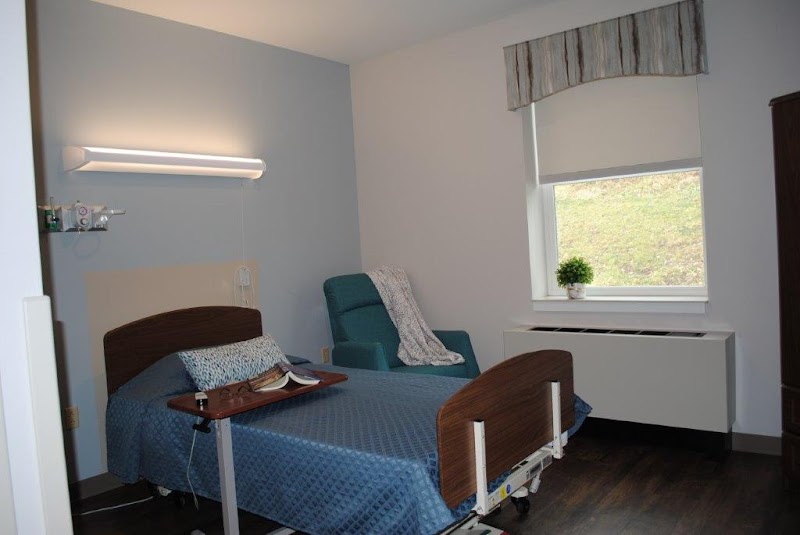
Who Owns and Operates Quality Life Services - Sarver?

QUALITY LIFE SERVICES - SARVER is owned by a for-profit company. For-profit facilities operate as businesses with obligations to shareholders or private owners. The facility is operated by QUALITY LIFE SERVICES, a chain that manages multiple nursing homes. With 66 certified beds and approximately 58 residents (about 88% occupancy), it is a smaller facility located in SARVER, Pennsylvania.

How Does Quality Life Services - Sarver Compare to Other Pennsylvania Nursing Homes?

Compared to the 100 nursing homes in Pennsylvania, QUALITY LIFE SERVICES - SARVER's overall rating (3 stars) matches the state average, staff turnover (68%) is significantly higher than the state average of 46%, and health inspection rating (3 stars) is at the national benchmark.

What Should Families Ask When Visiting Quality Life Services - Sarver?

Based on this facility's data, families visiting should ask: "How do you ensure continuity of care given staff turnover, and what is your staff retention strategy?" "Can I visit during a mealtime to observe dining assistance and food quality?" "How do you handle medical emergencies, and what is your hospital transfer rate?" "Can I speak with family members of current residents about their experience?" These questions are particularly relevant given the facility's high staff turnover rate.

Is Quality Life Services - Sarver Safe?

Based on CMS inspection data, QUALITY LIFE SERVICES - SARVER has a clean safety record: no substantiated abuse findings (meaning no confirmed cases of resident harm), no Immediate Jeopardy citations (the most serious violation level indicating risk of serious injury or death), and is not on the Special Focus Facility watch list (a federal program monitoring the lowest-performing 1% of nursing homes). The facility has a 3-star overall rating and ranks #1 of 100 nursing homes in Pennsylvania. While no facility is perfect, families should still ask about staff-to-resident ratios and recent inspection results during their visit.

Do Nurses at Quality Life Services - Sarver Stick Around?

Staff turnover at QUALITY LIFE SERVICES - SARVER is high. At 68%, the facility is 22 percentage points above the Pennsylvania average of 46%. Registered Nurse turnover is particularly concerning at 83%. RNs handle complex medical decisions and coordinate care — frequent RN changes can directly impact care quality. High turnover means new staff may not know residents' individual needs, medications, or preferences. It can also be disorienting for residents, especially those with dementia who rely on familiar faces. Families should ask: What is causing the turnover? What retention programs are in place? How do you ensure care continuity during staff transitions?

Was Quality Life Services - Sarver Ever Fined?

QUALITY LIFE SERVICES - SARVER has no federal fines on record. CMS issues fines when nursing homes fail to meet care standards or don't correct problems found during inspections. The absence of fines suggests the facility has either maintained compliance or corrected any issues before penalties were assessed. This is a positive indicator, though families should still review recent inspection reports for the full picture.

Is Quality Life Services - Sarver on Any Federal Watch List?

QUALITY LIFE SERVICES - SARVER is not on any federal watch list. The most significant is the Special Focus Facility (SFF) program, which identifies the bottom 1% of nursing homes nationally based on persistent, serious quality problems. Not being on this list means the facility has avoided the pattern of deficiencies that triggers enhanced federal oversight. This is a positive indicator, though families should still review the facility's inspection history directly.