ROSEWOOD REHABILITATION & NURSING CENTER
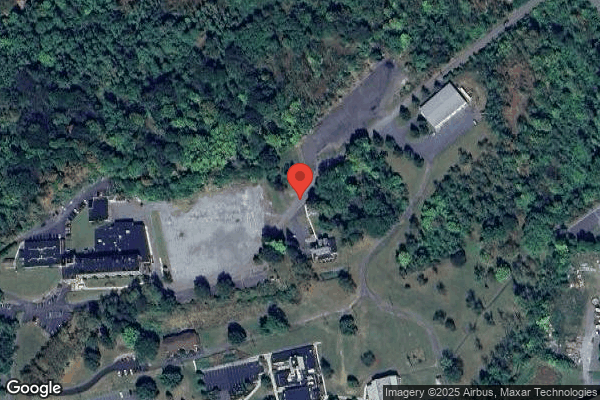
401 UNIVERSITY DRIVE, SCHUYLKILL HAVEN, PA 17972 (570) 385-0331
For profit - Corporation 142 Beds JONATHAN BLEIER Data: November 2025
Trust Grade
63/100
#350 of 653 in PA
Last Inspection: February 2025

Within standard 12-15 month inspection cycle. Federal law requires annual inspections.

Overview

Rosewood Rehabilitation & Nursing Center has a Trust Grade of C+, indicating it is slightly above average but not top-tier. It ranks #350 out of 653 nursing homes in Pennsylvania, placing it in the bottom half, and #7 out of 12 in Schuylkill County, meaning only a few local options are better. The facility is currently improving, with the number of issues decreasing from six in 2023 to three in 2025. Staffing is a strong point, rated 4 out of 5 stars with a turnover rate of 36%, which is better than the state average, but the RN coverage is concerning as it is lower than 96% of state facilities. However, there have been serious incidents, such as a failure to prevent resident-to-resident abuse resulting in harm to one resident, and issues with providing timely toileting assistance for residents needing help. Overall, families should weigh the strengths of dedicated staff against these serious concerns when considering this facility.

Trust Score
C+
63/100
In Pennsylvania
#350/653
Bottom 47%
Safety Record
Moderate
Needs review
Inspections
Getting Better
6 → 3 violations
Staff Stability
○ Average
36% turnover. Near Pennsylvania's 48% average. Typical for the industry.
Penalties
✓ Good
$7,901 in fines. Lower than most Pennsylvania facilities. Relatively clean record.
Skilled Nurses
⚠ Watch
Each resident gets only 24 minutes of Registered Nurse (RN) attention daily — below average for Pennsylvania. Fewer RN minutes means fewer trained eyes watching for problems.
Violations
○ Average
9 deficiencies on record. Average for a facility this size. Mostly minor or procedural issues.
★★★☆☆
3.0
Overall Rating
★★★★☆
4.0
Staff Levels
★☆☆☆☆
1.0
Care Quality
★★★★☆
4.0
Inspection Score
Stable
2023: 6 issues
2025: 3 issues

The Good

  • 4-Star Staffing Rating · Above-average nurse staffing levels
  • Full Sprinkler Coverage · Fire safety systems throughout facility
  • No fines on record
  • Staff turnover below average (36%)

    12 points below Pennsylvania average of 48%

Facility shows strength in staffing levels, fire safety.

The Bad

3-Star Overall Rating

Near Pennsylvania average (3.0)

Meets federal standards, typical of most facilities

Staff Turnover: 36%

Near Pennsylvania avg (46%)

Typical for the industry

Federal Fines: $7,901

Below median ($33,413)

Minor penalties assessed

Chain: JONATHAN BLEIER

Part of a multi-facility chain

Ask about local staffing decisions and management

The Ugly 9 deficiencies on record

1 actual harm
Feb 2025 3 deficiencies
CONCERN (D)

Potential for Harm - no one hurt, but risky conditions existed

Deficiency F0558 (Tag F0558)

Could have caused harm · This affected 1 resident

Based on clinical record review and observation, it was determined that the facility failed to ensure that a call bell was accessible for two of 27 sampled residents. (Residents 7, 92) Findings inclu...

Read full inspector narrative →
Based on clinical record review and observation, it was determined that the facility failed to ensure that a call bell was accessible for two of 27 sampled residents. (Residents 7, 92) Findings include: Clinical record review revealed that Resident 7 had diagnoses that included dysarthria (neurological speech disorder), hemiplegia and hemiparesis (paralysis), and anxiety. Review of the Minimum Data Set (MDS) assessment, dated December 1, 2024, revealed Resident 7 was dependent on staff for Activities of Daily Living (ADL's), including toileting, dressing, and personal hygiene. Review of the care plan revealed that Resident 7 was at risk for falls with an intervention for staff to check that the call bell was in reach before leaving the room. On February 11, 2025, at 11:31 a.m., Resident 7 was observed in bed with the call bell tied to the light string of the adjacent bed, out of reach. Resident 7 was observed again at 1:00 p.m., in bed eating lunch, and again at 2:15 p.m., in bed with the call bell tied to the light string, out of reach. On February 12, 2025, at 8:20 a.m., 10:52 a.m., and 12:38 p.m., and on February 13, 2025, at 9:28 a.m., and 11:46 a.m., Resident 7 was observed in bed with the call bell still tied to the light string, out of reach. Clinical record review revealed that Resident 92 had diagnoses that included anxiety, bradycardia (slow heart rate), and fibromyalgia. Review of the MDS assessment, dated November 4, 2024, revealed Resident 92 required partial to moderate assistance from staff for ADL's, including dressing and personal hygiene. Review of the care plan revealed that Resident 92 was at risk for falls with an intervention for staff to be sure the call light was within reach and to encourage the resident to use it for assistance. On February 11, 2025, at 11:30 a.m., Resident 92 was observed in the bed with the call bell draped over a box on the wall behind the bed, out of reach. Resident 92 was observed again at 1:00 p.m., in bed eating lunch, and again at 2:15 p.m., in bed with the call bell draped over a box on the wall behind the bed, out of reach. On February 12, 2025, at 8:11 a.m., 10:52 a.m., and 12:38 p.m., and on February 13, 2025, at 9:28 a.m., and 11:46 a.m., Resident 92 was observed in bed with the call bell draped over a box on the wall behind the bed, out of reach. 28 Pa. Code 211.12(d)(1)(5) Nursing services.
CONCERN (D)

Potential for Harm - no one hurt, but risky conditions existed

Quality of Care (Tag F0684)

Could have caused harm · This affected 1 resident

Based on clinical record review and staff interview, it was determined that the facility failed to implement physician's orders for one of 27 sampled residents. (Resident 93) Findings include: Clinic...

Read full inspector narrative →
Based on clinical record review and staff interview, it was determined that the facility failed to implement physician's orders for one of 27 sampled residents. (Resident 93) Findings include: Clinical record review revealed that Resident 93 had diagnoses that included hypertension (high blood pressure) and atrial fibrillation (irregular heat beat). A physician's order dated January 31, 2025, directed staff to administer a medication (metoprolol) one time a day for cardiac issues. Further review of the clinical record, revealed a physician's order dated January 30, 2025, that directed staff to administer a medication (amiodarone) one time a day for atrial fibrillation. Staff were not to administer either of the medications if the resident's systolic blood pressure (SBP, the first measurement of blood pressure when the heart beats and the pressure is at its highest) was less than 110 millimeters of mercury (mmHg). Review of Resident 93's medication administration records (MARs) revealed that staff administered each medication two times in February 2025 when the resident's SBP was less than 110 mmHg. In an interview on February 14, 2025, at 10:10 a.m., the Director of Nursing confirmed that the medications were administered outside of the established parameters for Resident 93. 28 Pa. Code 211.12(d)(1)(5) Nursing services.
CONCERN (D)

Potential for Harm - no one hurt, but risky conditions existed

Food Safety (Tag F0812)

Could have caused harm · This affected 1 resident

Based on facility policy review, staff interview, and observation, it was determined that the facility failed to store food in a sanitary manner in the dietary department and on one of four nursing un...

Read full inspector narrative →
Based on facility policy review, staff interview, and observation, it was determined that the facility failed to store food in a sanitary manner in the dietary department and on one of four nursing unit pantries. (Nursing unit 3A) Findings include: Review of the facility policy entitled, Dating and Labeling Policy, dated December 9, 2024, revealed that staff were to label food items with the date the package was opened and the date was to be written legibly. Observations during the kitchen tour on February 11, 2025, at 10:00 a.m., revealed the following: At the handwashing sink, the soap dispenser lever was covered with thick dried food debris. In the cooks' utensil drawer, there was a measuring cup with a dried, flaky substance along the bottom of it and it was stored with clean utensils. In the thickened liquid cooler, there was an opened package of sliced cheese and a large opened bulk container of grape jelly that were not dated. Inside the length of the door, there was an area of dried pink substance. In the walk-in cooler, there were two areas of a dried white substance on the floor under two sets of shelves. One set of shelves had meat on it and the other set of shelves stored milk cartons. There was a large opened bulk container of grape jelly that was dated but not legible. In an interview on February 11, 2025, at 10:30 a.m., the Dietary Manager confirmed that the previously mentioned items should have been dated and the date should have been legible. Review of the facility policy entitled, Food From Home or Outside Sources-Safety, dated December 9, 2024, revealed that staff were to check the temperatures of the resident refrigerators in order to determine the proper working order of the refrigerator. The refrigerators temperatures were to be at or below 41 degrees Fahrenheit. Observation of the Nursing unit 3A pantry on February 12, 2025, at 9:15 a.m., revealed a temperature of 47 degrees Fahrenheit by two thermometers that were inside. At 11:36 a.m., the temperature was 48 degrees Fahrenheit and on February 13, 2025, at 11:15 a.m., the temperature was 46 degrees Fahrenheit. At each observation, there were eight milk and three yogurt containers in the refrigerator. In an interview on February 13, 2025, at 2:20 p.m., the Administrator confirmed the refrigerator was used for resident foods. 28 Pa. Code 201.14(a) Responsibility of licensee. 28 Pa. Code 201.18(b)(3)(e)(2.1) Management.
Feb 2023 6 deficiencies 1 Harm
SERIOUS (G)

Actual Harm - a resident was hurt due to facility failures

Free from Abuse/Neglect (Tag F0600)

A resident was harmed · This affected 1 resident

Based on clinical record review and facility policy review, it was determined that the facility failed to prevent resident to resident physical abuse by one resident (Resident 42) to ensure that each ...

Read full inspector narrative →
Based on clinical record review and facility policy review, it was determined that the facility failed to prevent resident to resident physical abuse by one resident (Resident 42) to ensure that each resident was free from abuse, resulting in harm (pelvic fractures) for one of 29 sampled residents (Resident 98). This deficiency is cited as past non-compliance. Findings include: Review of the facility policy entitled, Abuse Policy - Prevention and Management, last revised September 8, 2022, revealed the facility prohibited the abuse of residents, must provide a safe environment, and must protect residents from abuse. Resident to resident abuse was defined as the individual's action was deliberate and willful. Willful physical actions in resident to resident altercations included, but were not limited to, hitting, grabbing, slapping, and shoving. Clinical record review revealed that Resident 42 had diagnoses that included Alzheimer's disease (disorder that causes problems with memory, thinking, and behavior), anxiety disorder, depression, dementia with behavioral disturbance, and psychosis (a severe mental disorder in which contact is lost with external reality). Review of nursing documentation and the care plan revealed that the resident had a history of behavioral disturbances, including verbal aggression towards residents and staff and hitting staff. Interventions included to refer to the psychiatrist/psychologist, as needed. Nursing documentation, dated July 20, 2022, noted that Resident 42 was the aggressor in a physical altercation with another resident (Resident 3) and the intervention of 15 minute checks was added to the care plan. Resident 42 had a psychiatric consultation on July 27, 2022, and recommendations included to offer behavioral interventions and psychiatric follow-up in six weeks and as needed. There was a lack of documentation to support that 15 minute checks continued after August 2, 2022, and Resident 42 continued to threaten and display physicial aggression towards other residents as evidenced by nursing documentation; including: attempting to hit or put hands on other residents on August 23 and 25, 2022, waving a fist at other residents on August 28, 2022, attempting to grab other residents (behavioral interventions unsuccessful) on September 10, 2022, pushing other residents out of the way on September 24, 2022, and rolling around in the wheelchair threatening to hit other residents (interventions unsuccessful until resident placed in bed) on September 28, 2022. Nursing documentation on September 30, 2022, at 1:45 p.m., noted that Resident 42 displayed increased behaviors and verbal aggression towards staff and other residents. Further nursing documentation on September 30, 2022, at 7:05 p.m., indicated that the resident was self-propelling the wheelchair in the corridor and Resident 98 was walking in the opposite direction. Resident 42 reached out and shoved Resident 98, causing Resident 98 to fall. Resident 98 was observed with a bleeding head wound and sent to the hospital. There was a lack of documentation to support that additional interventions were implemented to ensure that Resident 98 remained free from abuse from Resident 42. Resident 98 returned to the facility on October 1, 2022. A nurse's note dated October 2, 2022, stated that Resident 98 complained of pain in both legs when moved and that the resident had not been out of bed since returning from the emergency room. An x-ray obtained on October 2, 2022, revealed that Resident 98 sustained acute pelvic fractures with the need for a computerized tomography (CT or CAT) scan (medical imaging technique used to obtain detailed internal images of the body). Documentation by the orthopedic surgeon on October 6, 2022, indicated the CAT scan confirmed that Resident 98 had sustained multiple fractures of the pelvis. There was a lack of evidence that Resident 42's physician and/or psychiatrist were notified of the resident's ongoing aggressive behaviors towards other residents from August 23, 2022, through the incident on September 30, 2022, when Resident 98 was harmed as the result of Resident 42's aggressive behavior. Information available to the Department included the following corrective actions in response to the abuse by Resident 42: A. Following the altercation with Resident 98, Resident 42 was put on one to one supervision on September 30, 2022. B. The physician was notified, laboratory testing was ordered, and psychotropic medications were adjusted for Resident 42 on September 30, 2022. C. Resident 42 was seen by the Family Nurse Practitioner (FNP-C) and psychotropic medications were adjusted on October 3, 2022. D. Resident 42 was transferred to the hospital on October 5, 2022, for dementia with underlying behavioral disturbance. The resident received a psychiatric evaluation with psychotropic medication adjustments. E. The facility implemented 15 minute checks October 6 through November 4, 2022. F. Resident 42 was seen for behavior and medication review by the Certified Registered Nurse Practitioner (CRNP) on October 7, 2022, post hospital visit. G. Resident 42 was evaluated and psychotropic medications were reviewed by the physician on November 2, 2022. H. Resident 42 was seen by the psychiatric CRNP for follow-up evaluation and psychotropic medication management on December 13, 2022, and January 21, 2023. I. Resident 42 had displayed a decrease in behavioral symptoms with no further resident to resident abuse after September 30, 2022. J. During the Full Health Survey, Resident 42 was observed February 12 through February 15, 2023, and there were no observations of behavioral symptoms exhibited by the resident. K. Interviews with the unit nurse and nurse aide on February 15, 2023, at 11:40 a.m., supported that Resident 42's behavioral symptoms had decreased and had not been directed at other residents. L. Interviews with the unit nurse and nurse aide on February 15, 2023, at 11:40 a.m., supported that staff were aware of behavioral interventions to be implemented for Resident 42 and of the need to notify the physician of any changes. This deficiency is cited as past non-compliance. 28 Pa. Code 201.18(e)(1) Management. 28 Pa. Code 201.29(a)(j) Resident rights. 28 Pa. Code 211.10(d) Resident care policies. 28 Pa. Code 211.12(d)(1)(5) Nursing services. 28 Pa. Code 211.16(a) Social services.
CONCERN (D)

Potential for Harm - no one hurt, but risky conditions existed

Notification of Changes (Tag F0580)

Could have caused harm · This affected 1 resident

Based on facility policy review and clinical record review, it was determined that the facility failed to promptly notify the physician and resident representative of a change in condition for one of ...

Read full inspector narrative →
Based on facility policy review and clinical record review, it was determined that the facility failed to promptly notify the physician and resident representative of a change in condition for one of 29 sampled residents. (Resident 60) Findings include: Review of the facility policy entitled, Change in Condition, last revised May 22, 2022, revealed that the attending physician and resident representative would be promptly notified of a significant change in the resident's condition. Clinical record review revealed that Resident 60 had diagnoses that included dementia, diabetes mellitus, and chronic kidney disease. The care plan identified that the resident had a history of urinary tract infections, was to be monitored for signs and symptoms of infection, and the physician was to be notified. Review of nursing documentation dated February 12, 2023, at 2:33 a.m., revealed that Resident 60 complained of burning upon urination and itchiness of the perineal area. There was a lack of documentation to support that the physician was notified of the resident's symptoms until February 15, 2023, at 7:30 a.m., when the physician ordered a urinalysis, culture and sensitivity laboratory testing (used to identify a urinary tract infection and determine the best treatment.) In addition, there was no evidence to support that the resident representative was notified until February 15, 2023. CFR: 483.10(g)(14) Notification of Changes Previously cited March 4, 2022. 28 Pa. Code 201.29(j) Resident rights. 28 Pa. Code 211.12(d)(1)(3)(5) Nursing services.
CONCERN (D)

Potential for Harm - no one hurt, but risky conditions existed

Deficiency F0699 (Tag F0699)

Could have caused harm · This affected 1 resident

**NOTE- TERMS IN BRACKETS HAVE BEEN EDITED TO PROTECT CONFIDENTIALITY** Based on clinical record review and staff interview, it was determined that the facility failed to develop and implement an indi...

Read full inspector narrative →
**NOTE- TERMS IN BRACKETS HAVE BEEN EDITED TO PROTECT CONFIDENTIALITY** Based on clinical record review and staff interview, it was determined that the facility failed to develop and implement an individualized person-centered plan to render trauma informed care to a resident with a diagnosis of Post-Traumatic Stress Disorder (PTSD) for one of 29 sampled residents. (Resident 121) Findings include: Clinical record review revealed that Resident 121 was admitted to the facility on [DATE], with diagnoses that included PTSD, anxiety and alcohol dependence. Review of a psychiatric consult dated October 13, 2022, revealed that the resident had a diagnosis of PTSD and reported being buried alive. There was no assessment or care plan in Resident 121's clinical record that identified the PTSD diagnosis, symptoms or triggers related to this diagnosis. There were no specific interventions to meet the resident's needs for minimizing triggers and/or re-traumatization. In an interview on February 15, 2023 at 10:28 a.m., the Regional Director of Nursing confirmed that there was no assessment completed or care plan developed to address Resident 121's PTSD diagnosis, symptoms, or triggers. 28 Pa. Code 211.12(c)(d)(3)(5) Nursing Services. 28 Pa. Code 211.11(e) Resident Care Plan.
CONCERN (E)

Potential for Harm - no one hurt, but risky conditions existed

Resident Rights (Tag F0550)

Could have caused harm · This affected multiple residents

**NOTE- TERMS IN BRACKETS HAVE BEEN EDITED TO PROTECT CONFIDENTIALITY** Based on clinical record review, resident interview, and staff interview, it was determined that the facility failed to ensure t...

Read full inspector narrative →
**NOTE- TERMS IN BRACKETS HAVE BEEN EDITED TO PROTECT CONFIDENTIALITY** Based on clinical record review, resident interview, and staff interview, it was determined that the facility failed to ensure that residents were assisted with toileting in accordance with individual need and preference on three of four nursing units. (2, 3A, 3B) Findings include: Clinical record review revealed that Resident 93 had diagnoses that included Alzheimer's dementia, anxiety, chronic kidney disease, and diabetes. The Minimum Data Set assessment dated [DATE], indicated that the resident was frequently incontinent and required extensive assistance from two staff members for toileting. Review of the care plan revealed the resident had a self-care deficit, was incontinent and was to be provided incontinence care every two hours and as needed. In an interview on February 12, 2023, at 11:40 a.m., the resident's responsible party stated that the staff will not provide incontinence care to Resident 93 during meal times and that staff told her they cannot provide incontinent care until the meal is over. In an interview on February 12, 2023, at 12:49 p.m., LPN 1 confirmed staff was instructed by management to not toilet residents during meals. During the resident group interview, conducted on February 13, 2023, at 10:00 a.m., four of five residents, residing on nursing units 2, 3A, and 3B, reported that staff did not assist with toileting needs/incontinence care during meal times, beginning with the passing of trays and until trays are collected after the meal. Residents were not supportive of this rule. CFR 483.10(a)(1)(2)(b)(1)(2) Resident Rights/Exercise of Rights Previously cited March 24, 2022. 28 Pa. Code 201.29(j) Resident rights.
CONCERN (E)

Potential for Harm - no one hurt, but risky conditions existed

Deficiency F0688 (Tag F0688)

Could have caused harm · This affected multiple residents

**NOTE- TERMS IN BRACKETS HAVE BEEN EDITED TO PROTECT CONFIDENTIALITY** Based on clinical record review and staff interview, it was determined that the facility failed to provide treatment and service...

Read full inspector narrative →
**NOTE- TERMS IN BRACKETS HAVE BEEN EDITED TO PROTECT CONFIDENTIALITY** Based on clinical record review and staff interview, it was determined that the facility failed to provide treatment and services to prevent a further decrease in range of motion and/or to improve or maintain mobility for three of eight sampled residents with limited range of motion. (Residents 73, 98, 103) Findings include: Clinical record review revealed that Resident 73 had diagnoses that included moderate intellectual disabilities, difficulty in walking, and osteoarthritis of both knees. The Minimum Data Set (MDS) assessment (a periodic assessment of resident needs), dated November 21, 2022, indicated that the resident had limited range of motion in both legs and required staff assistance for dressing and transferring between surfaces. An occupational therapy Discharge summary, dated [DATE], included recommendations for a restorative nursing program for transferring and clothing management. There was no evidence to support that the resident received restorative nursing services. During an interview on February 15, 2023, at 11:28 a.m., the nurse (LPN 2) and nurse aide (NA 1) confirmed that Resident 73 did not have a restorative nursing program in place. Clinical record review revealed that Resident 98 had diagnoses that included dementia and history of pelvic fracture (October 5, 2022). The MDS assessment, dated December 16, 2022, indicated that the resident had limited range of motion in one leg and required staff assistance for walking and transferring between surfaces. A physical therapy Discharge summary, dated [DATE], included recommendations for a restorative nursing program for ambulation and active range of motion on both lower extremities for hip flexion. There was no evidence to support that the resident received restorative nursing services. During an interview on February 15, 2023, at 1:03 p.m., the Regional Director of Nursing confirmed that Resident 98 had not received restorative nursing services. Clinical record review revealed that Resident 103 had diagnoses that included osteoporosis and osteoarthritis. The MDS assessment, dated December 1, 2022, indicated that the resident was cognitively impaired, had limited range of motion in both legs, required staff assistance for transferring between surfaces, and had not walked during the assessment period. A physical therapy Discharge summary, dated [DATE], included recommendations for a restorative nursing program for ambulation. There was no evidence to support that the resident received restorative nursing services. During an interview on February 15, 2023, at 12:43 p.m., the Regional Director of Nursing confirmed that Resident 103 had not received restorative nursing services. 28 Pa. Code 211.12(d)(1)(3)(5) Nursing services.
MINOR (C)

Minor Issue - procedural, no safety impact

Garbage Disposal (Tag F0814)

Minor procedural issue · This affected most or all residents

Based on observation the facility failed to dispose of garbage and refuse properly. Findings include: Observation of the dumpster area on February 12, 2023, at 9:30 a.m. revealed trash and debris on t...

Read full inspector narrative →
Based on observation the facility failed to dispose of garbage and refuse properly. Findings include: Observation of the dumpster area on February 12, 2023, at 9:30 a.m. revealed trash and debris on the ground around and behind the dumpsters, that included cigarette butts, face masks, used cups and utensils, food wrappers, and soiled gloves.
Understanding Severity Codes (click to expand)
Life-Threatening (Immediate Jeopardy)
J - Isolated K - Pattern L - Widespread
Actual Harm
G - Isolated H - Pattern I - Widespread
Potential for Harm
D - Isolated E - Pattern F - Widespread
No Harm (Minor)
A - Isolated B - Pattern C - Widespread

Questions to Ask on Your Visit

  • "Can I speak with families of current residents?"
  • "What's your RN coverage like on weekends and overnight?"

Our Honest Assessment

Strengths
  • • 36% turnover. Below Pennsylvania's 48% average. Good staff retention means consistent care.
Concerns
  • • 9 deficiencies on record, including 1 serious (caused harm) violation. Ask about corrective actions taken.
Bottom line: Mixed indicators with Trust Score of 63/100. Visit in person and ask pointed questions.

About This Facility

What is Rosewood Rehabilitation & Nursing Center's CMS Rating?

CMS assigns ROSEWOOD REHABILITATION & NURSING CENTER an overall rating of 3 out of 5 stars, which is considered average nationally. Within Pennsylvania, this rating places the facility higher than 0% of the state's 100 nursing homes. This mid-range rating indicates the facility meets federal standards but may have areas for improvement.

How is Rosewood Rehabilitation & Nursing Center Staffed?

CMS rates ROSEWOOD REHABILITATION & NURSING CENTER's staffing level at 4 out of 5 stars, which is above average compared to other nursing homes. Staff turnover is 36%, compared to the Pennsylvania average of 46%. This relatively stable workforce can support continuity of care.

What Have Inspectors Found at Rosewood Rehabilitation & Nursing Center?

State health inspectors documented 9 deficiencies at ROSEWOOD REHABILITATION & NURSING CENTER during 2023 to 2025. These included: 1 that caused actual resident harm, 7 with potential for harm, and 1 minor or isolated issues. Deficiencies causing actual harm indicate documented cases where residents experienced negative health consequences.

Who Owns and Operates Rosewood Rehabilitation & Nursing Center?

ROSEWOOD REHABILITATION & NURSING CENTER is owned by a for-profit company. For-profit facilities operate as businesses with obligations to shareholders or private owners. The facility is operated by JONATHAN BLEIER, a chain that manages multiple nursing homes. With 142 certified beds and approximately 127 residents (about 89% occupancy), it is a mid-sized facility located in SCHUYLKILL HAVEN, Pennsylvania.

How Does Rosewood Rehabilitation & Nursing Center Compare to Other Pennsylvania Nursing Homes?

Compared to the 100 nursing homes in Pennsylvania, ROSEWOOD REHABILITATION & NURSING CENTER's overall rating (3 stars) matches the state average, staff turnover (36%) is near the state average of 46%, and health inspection rating (4 stars) is above the national benchmark.

What Should Families Ask When Visiting Rosewood Rehabilitation & Nursing Center?

Based on this facility's data, families visiting should ask: "Can I visit during a mealtime to observe dining assistance and food quality?" "How do you handle medical emergencies, and what is your hospital transfer rate?" "Can I speak with family members of current residents about their experience?"

Is Rosewood Rehabilitation & Nursing Center Safe?

Based on CMS inspection data, ROSEWOOD REHABILITATION & NURSING CENTER has a clean safety record: no substantiated abuse findings (meaning no confirmed cases of resident harm), no Immediate Jeopardy citations (the most serious violation level indicating risk of serious injury or death), and is not on the Special Focus Facility watch list (a federal program monitoring the lowest-performing 1% of nursing homes). The facility has a 3-star overall rating and ranks #1 of 100 nursing homes in Pennsylvania. While no facility is perfect, families should still ask about staff-to-resident ratios and recent inspection results during their visit.

Do Nurses at Rosewood Rehabilitation & Nursing Center Stick Around?

ROSEWOOD REHABILITATION & NURSING CENTER has a staff turnover rate of 36%, which is about average for Pennsylvania nursing homes (state average: 46%). Moderate turnover is common in nursing homes, but families should still ask about staff tenure and how the facility maintains care continuity when employees leave.

Was Rosewood Rehabilitation & Nursing Center Ever Fined?

ROSEWOOD REHABILITATION & NURSING CENTER has been fined $7,901 across 1 penalty action. This is below the Pennsylvania average of $33,158. While any fine indicates a compliance issue, fines under $50,000 are relatively common and typically reflect isolated problems that were subsequently corrected. Families should ask what specific issues led to these fines and confirm they've been resolved.

Is Rosewood Rehabilitation & Nursing Center on Any Federal Watch List?

ROSEWOOD REHABILITATION & NURSING CENTER is not on any federal watch list. The most significant is the Special Focus Facility (SFF) program, which identifies the bottom 1% of nursing homes nationally based on persistent, serious quality problems. Not being on this list means the facility has avoided the pattern of deficiencies that triggers enhanced federal oversight. This is a positive indicator, though families should still review the facility's inspection history directly.