ALLIED SERVICES TRANSITIONAL REHAB UNIT
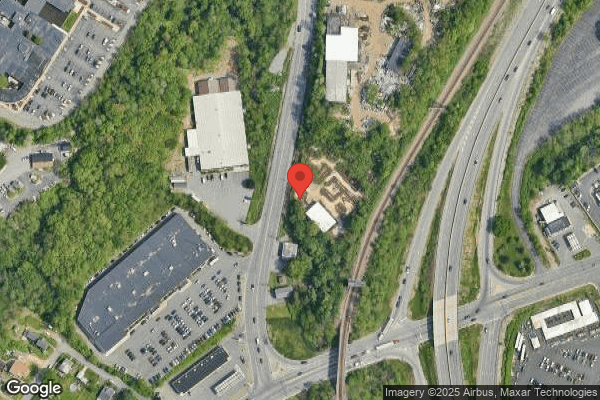
475 MORGAN HIGHWAY, SCRANTON, PA 18508 (570) 348-1300
Non profit - Corporation 51 Beds Independent Data: November 2025 1 Immediate Jeopardy citation
Trust Grade
76/100
#1 of 653 in PA
Last Inspection: February 2025

Within standard 12-15 month inspection cycle. Federal law requires annual inspections.

Overview

Allied Services Transitional Rehab Unit in Scranton, Pennsylvania, has a Trust Grade of B, which indicates it is a good option, signifying solid care. It ranks #1 out of 653 facilities in the state and #1 out of 17 in Lackawanna County, placing it at the very top in terms of local care options. However, the facility is experiencing a worsening trend, with issues increasing from 1 in 2024 to 2 in 2025. Staffing is a strength, boasting a 5/5 star rating and a turnover rate of 46%, which is on par with the state average. Despite its strengths, the facility has faced some concerning incidents, such as a critical finding where a resident was not adequately supervised, putting their safety at risk. Additionally, there were concerns about expired pharmaceutical products in the medication room and a failure to properly assess and treat a resident's skin impairment. Overall, while the facility has excellent ratings in several areas, these incidents highlight some important areas for improvement.

Trust Score
B
76/100
In Pennsylvania
#1/653
Top 1%
Safety Record
High Risk
Review needed
Inspections
Getting Worse
1 → 2 violations
Staff Stability
⚠ Watch
46% turnover. Above average. Higher turnover means staff may not know residents' routines.
Penalties
⚠ Watch
$8,193 in fines. Higher than 98% of Pennsylvania facilities. Major compliance failures.
Skilled Nurses
✓ Good
Each resident gets 78 minutes of Registered Nurse (RN) attention daily — more than 97% of Pennsylvania nursing homes. RNs are the most trained staff who catch health problems before they become serious.
Violations
○ Average
6 deficiencies on record. Average for a facility this size. Mostly minor or procedural issues.
★★★★★
5.0
Overall Rating
★★★★★
5.0
Staff Levels
★★★★★
5.0
Care Quality
★★★★☆
4.0
Inspection Score
Stable
2024: 1 issues
2025: 2 issues

The Good

  • 5-Star Staffing Rating · Excellent nurse staffing levels
  • 5-Star Quality Measures · Strong clinical quality outcomes
  • Full Sprinkler Coverage · Fire safety systems throughout facility
  • No fines on record

Facility shows strength in staffing levels, quality measures, fire safety.

The Bad

Staff Turnover: 46%

Near Pennsylvania avg (46%)

Higher turnover may affect care consistency

Federal Fines: $8,193

Below median ($33,413)

Minor penalties assessed

The Ugly 6 deficiencies on record

1 life-threatening
Feb 2025 2 deficiencies
CONCERN (D)

Potential for Harm - no one hurt, but risky conditions existed

Pressure Ulcer Prevention (Tag F0686)

Could have caused harm · This affected 1 resident

**NOTE- TERMS IN BRACKETS HAVE BEEN EDITED TO PROTECT CONFIDENTIALITY** Based on a review of clinical records, select facility policy, and staff interview, it was determined the facility failed thorou...

Read full inspector narrative →
**NOTE- TERMS IN BRACKETS HAVE BEEN EDITED TO PROTECT CONFIDENTIALITY** Based on a review of clinical records, select facility policy, and staff interview, it was determined the facility failed thoroughly assess and timely implement treatments to an identified skin impairment for one resident out of 14 sampled residents (Resident 18). Findings included: According to the US Department of Health and Human Services, Agency for Healthcare Research & Quality, the pressure ulcer best practice bundle incorporates three critical components in preventing pressure ulcers: Comprehensive skin assessment, Standardized pressure ulcer risk assessment and care planning and implementation to address the areas of risk. The American College of Physicians (ACP) is a national organization of internists, who specialize in the diagnosis, treatment, and care of adults. The largest medical-specialty organization and second-largest physician group in the United States) Clinical Practice Guidelines indicate that the treatment of pressure ulcers should involve multiple tactics aimed at alleviating the conditions contributing to ulcer development (i.e. support surfaces, repositioning and nutritional support); protecting the wound from contamination and creating and maintaining a clean wound environment; promoting tissue healing via local wound applications, debridement and wound cleansing; using adjunctive therapies; and considering possible surgical repair. A review of a facility policy entitled Wound Management Pressure Reduction last reviewed by the facility on October 24, 2024, indicated that it was the policy of the facility to assess each resident's potential for skin breakdown based on clinical risk factors. On admission and readmission, a body check will be completed by the licensed nurse and documented on the Dermatological Evaluation form. The dermatological sheet will reflect the type of skin impairment and location, size, description, shape, drainage, odor, and color. A review of Resident 18's clinical record revealed that the resident was admitted to the facility on [DATE], with diagnoses that included a left femur fracture (is a breakage in the thigh bone (femur), the longest, strongest and heaviest bone in the human body that usually requires surgical repair) with left artificial hip joint (a left artificial hip refers to a hip replacement surgery where a damaged hip joint is replaced with an artificial one made of metal, ceramic, and plastic to reduce pain and improve mobility), type II diabetes (is a condition that happens because of a problem in the way the body regulates and uses sugar as a fuel), and chronic kidney disease (is a condition characterized by a gradual loss of kidney function where in early stages can be show no symptoms and the disease progression occurs slowly over a period of time). A clinical record review revealed that a wound-skin healing record form was completed by the Director of Nursing (DON) on January 10, 2025, and signed on January 13, 2025, revealed that Resident 18 had a pressure injury identified as a suspected deep tissue injury [(DTI) The National Pressure Ulcer Advisory Panel (NPAUP) defines a deep tissue injury as a pressure-related injury to subcutaneous tissues under intact skin and initially appear like a deep bruise but subsequent progress and development into a Stage III or IV pressure ulcer] to the right heel, no measurements noted, described as red/purple. Resident 18's baseline plan of care that was initiated on January 11, 2025, identified that the resident was at risk for alteration in skin integrity related to immobility and skin breakdown as evidence by rash with a resident goal for the resident's skin integrity to be maintained as evidenced by no skin breakdown. Planned interventions included to administer wound treatment as ordered and assess and record details of wound and notify physician of any changes in wound condition. Further review of Resident 18's clinical record revealed a nurse's progress note completed by a Registered Nurse (RN) dated January 13, 2025, at 6:48 AM, that indicated the resident had a 3 by 3 cm blister on right heel. Skin prep applied and elevated off the bed. A review of physician's orders in Resident 18's clinical record revealed an order dated January 13, 2025, at 6:54 AM, to apply skin prep to bilateral heels every shift and elevate heels off the bed whenever in bed every shift for right heel blister/ left heel prevention for blister right heel and prevention left heel. Resident 18's clinical record failed to reveal that a RN performed a thorough assessment of the resident's noted DTI to her right heel and that a treatment was applied to the impaired area upon identification. The facility could not provide documented evidence that Resident 18's noted DTI to her right heel was measured and thoroughly assessed upon admission to the facility. Additionally, the facility could not provide documented evidence that a treatment was applied to the resident's right heel DTI upon initial identification. During an interview with the Director of Nursing (DON) on February 21, 2025, at 10:35 AM, confirmed that the facility failed to thoroughly assess Resident 18's right heel DTI upon admission and timely apply effective treatments for wound management. 8 Pa. Code 211.10(d) Resident care policies. 28 Pa. Code 211.12(c)(d)(1)(3)(5) Nursing services.
CONCERN (D)

Potential for Harm - no one hurt, but risky conditions existed

Pharmacy Services (Tag F0755)

Could have caused harm · This affected 1 resident

Based on a review of clinical records, controlled drug medication records, controlled drug shift count records, and staff interviews, it was determined the facility failed to implement procedures to p...

Read full inspector narrative →
Based on a review of clinical records, controlled drug medication records, controlled drug shift count records, and staff interviews, it was determined the facility failed to implement procedures to promote accurate controlled medication records by not ensuring the completion of required narcotic shift counts on two of two medication carts observed. Findings include: A review of the facility's current policy titled Administration of Medication Schedule II-V Controlled Drugs, last reviewed on October 24, 2024, revealed that a physical inventory of controlled medications must be conducted at the end and beginning of each shift by two licensed nurses. The policy specifies that both the oncoming and off going nurses must view the medication together, validate the count, and document their verification with signatures. A review of the facility's Narcotic Count Sheets for January 2025 for the [NAME] Wing medication cart (located on the [NAME] Hall of the nursing unit) was conducted on February 19, 2025, at approximately 7:10 PM. The review revealed that on multiple occasions, either the oncoming or off going nurse failed to sign the sheet, indicating a lack of verification of the controlled drug count during shift change. Specifically, missing signatures were noted on the following dates: January 7, 2025 - Third shift off going nurse January 9, 2025 - Third shift oncoming nurse January 10, 2025 - Second shift oncoming nurse January 13, 2025 - Third shift oncoming nurse January 19, 2025 - Third shift oncoming nurse January 20, 2025 - Third shift oncoming and off going nurses January 31, 2025 - Third shift off going nurse A review of the Narcotic Count Sheets for February 2025 for the East Wing medication cart (located on the East Hall of the nursing unit) was conducted on February 19, 2025, at approximately 7:15 PM. Similar discrepancies were identified where the required shift count verification signatures were missing. Specifically, missing signatures were noted on: February 14, 2025 - Third shift off going nurse February 15, 2025 - Second shift oncoming nurse and third shift off going nurse February 19, 2025 - Third shift oncoming nurse During an interview on February 21, 2025, at approximately 3:00 PM, the Director of Nursing confirmed the facility failed to ensure consistent implementation of procedures to maintain accurate controlled drug records. 28 Pa. Code 211.19(a)(1)(k) Pharmacy services 28 Pa. Code 211.12 (d)(3)(5) Nursing services
May 2024 1 deficiency
CONCERN (E)

Potential for Harm - no one hurt, but risky conditions existed

Deficiency F0761 (Tag F0761)

Could have caused harm · This affected multiple residents

**NOTE- TERMS IN BRACKETS HAVE BEEN EDITED TO PROTECT CONFIDENTIALITY** Based on observation and staff interview, it was determined that the facility failed to ensure proper storage and adherence to e...

Read full inspector narrative →
**NOTE- TERMS IN BRACKETS HAVE BEEN EDITED TO PROTECT CONFIDENTIALITY** Based on observation and staff interview, it was determined that the facility failed to ensure proper storage and adherence to expiration/use by dates for pharmaceutical products in one of one medication rooms observed. Findings include: Observations of the facility's medication room on [DATE], at approximately 10:35 AM revealed 38 Max Zero Needless connectors that expired May, 8, 2023, 11 Max Zero Needless connectors that expired [DATE], one 20 gauge needle safety infusion set that expired [DATE], two 20 gauge needle safety infusion sets that expired [DATE], two 22 gauge Autoguard BC winged IV catheters that expired [DATE], one 24 gauge Autoguard BC winged IV catheter that expired February 8, 2023, two 27 gauge disposable needles that expired [DATE], two 27 gauge disposable needles that expired [DATE], two IV starter kits that expired [DATE], and one IV starter kit that expired [DATE]. An interview with Employee 1 LPN (license practical nurse) on [DATE], at 10:44 AM confirmed the pharmacy supplies had expired and should have been discarded. During an interview with the Nursing Home Administrator on [DATE] at approximately 12:45 PM confirmed expired pharmacy products should have been removed from the medication room and discarded. 28 Pa. Code 211.9 (k) Pharmacy services
Jul 2023 3 deficiencies 1 IJ
CRITICAL (J)

Immediate Jeopardy (IJ) - the most serious Medicare violation

Accident Prevention (Tag F0689)

Someone could have died · This affected 1 resident

**NOTE- TERMS IN BRACKETS HAVE BEEN EDITED TO PROTECT CONFIDENTIALITY** Based on observations, review of clinical records, select facility policies, and information submitted by the facility and staff...

Read full inspector narrative →
**NOTE- TERMS IN BRACKETS HAVE BEEN EDITED TO PROTECT CONFIDENTIALITY** Based on observations, review of clinical records, select facility policies, and information submitted by the facility and staff interviews, it was determined that the facility failed to provide adequate staff supervision of a resident to monitor the resident's whereabouts and timely identify the resident's absence from the facility to assure prompt implementation of established procedures for a missing resident, which placed the resident in immediate jeopardy to her health and safety for one resident out of 12 residents sampled (Resident 18). Findings include: A review of the facility policy dated February 2017 entitled Wandering/Elopement revealed that It is the policy of the facility to ensure the safety and welfare of its residents, including those who are cognitively impaired or mental disturbed and are at risk for leaving the facility without regards to their own safety. According to the policy, on admission all residents will have their pictures taken for immediate positive identification in case of elopement and for positive identification for medication and treatment administration. On admission, readmission, quarterly, the elopement risk assessment will be completed on all residents. When a resident, who is identified as at risk to leave the facility unattended, cannot be located on the unit or any resident identified as missing from the facility, the following procedure will be followed: charge nurse will notify the unit manager or nursing supervisor on duty, on 3-11, 11-7, weekends and holidays, the nursing supervisor will initiate internal notifications, including security, administrator or designee to coordinate search efforts. The facility policy also indicated that if the time frame for this external and internal search exceeds 45 minutes and is unsuccessful, administration will report the incident to the police department with a complete description of the resident and what he/she was wearing (if known). The resident's family and/or responsible party will also be contacted, as well as the attending physician. A review of the clinical record revealed that Resident 18 was admitted to the facility on [DATE]. The resident's diagnoses included urinary tract infection, diabetes, and enterocolitis due to clostridium difficile (bacterial infection that causes diarrhea and inflammation of the colon). Review of Resident 18's Pre-admission Screening completed by the facility on June 22, 2023, indicated that the resident required supervision with dressing of her upper extremities, required minimal staff assistance for lower extremity dressing and toileting. According to the screening, the resident's functional status as of June 22, 2023, indicated that the resident used a rollator walker for ambulation with minimal assistance of staff, and transferred with minimal assistance of staff. A review of Resident 18's Elopement Risk Evaluation dated June 23, 2023, indicated that the resident was not identified as an elopement risk. Social Service progress note dated June 26, 2023, indicated that Resident 18 was cognitively intact. Social Service progress noted dated June 28, 2023, indicated that Resident 18 requested discharge on Monday, July 3, 2023. According to the note, the resident requested discharge prior to the holiday so if there was any delay in her home health therapy, at least family would know her needs. The resident's family was to come in the facility for therapy to provide family training prior to discharge. Additionally, the resident declined to have her picture taken for her electronic medical record at that time. A review of information dated July 1, 2023, submitted by the facility revealed that Resident 18 was last seen in the facility by nursing staff at 8:51 a.m. on that date when she was provided morning care and medications. According to the initial facility report, at 12 noon, on July 1, 2023, Employee 3, registered nurse, identified that Resident 18 was no longer in the facility. Employee 3 called the resident's family which revealed that the resident's daughter who had been in earlier that morning, had taken the resident home. However, this account of the resident's absence was not accurate and it was later determined that Employee 3, RN did not identify the resident as missing from the facility until approximately 2 PM on July 1, 2023. Review of witness statement provided by Employee 1, nurse aide, dated July 1, 2023, revealed that from 8:30 a.m. until 9:00 a.m. she observed Resident 18 in the bathroom washing up at the sink. Employee 1 stated that she saw two visitors in the resident's room at 9:15 a.m. When Employee 1 went to perform vital signs on Resident 18 at 10:30 a.m., the resident was not in her room, and she reported it to the supervisor (Employee 3, registered nurse) and the resident's assigned nurse (Employee 2, licensed practical nurse). When Employee 1 delivered Resident 18's lunch tray at midday, the resident still wasn't in her room, and Employee 1 again reported to Employees 3, RN and Employee 2 that the resident was not in her room. Review of witness statement provided by Employee 2, licensed practical nurse, dated July 1, 2023, revealed that at 8:50 a.m., Resident 18 was administered her morning medications and was in the bathroom getting ready for the day. At 11:00 a.m. Employee 2 went into the resident's room to administer medication {perform blood sugar check}, but resident was not in her room. Employee 2 stated that she thought the resident was doing therapy. At 11:30 a.m. the resident still was not in her room. At 12:00 p.m. she thought Resident 18 was on the patio with family or in a visitation but forgot to sign out. Employee 2 searched the lounge, but the resident wasn't there. At 2:00 p.m. Resident 81 still was not in her room. Employee 2 stated that she went to look for the resident in the lounge, in the patio, and outside of the building, but was not successful in locating the resident. At that time, Employee 3 called the resident's family and realized the patient had been discharged without any knowledge of any nursing staff. Review of witness statement provided by Employee 3, registered nurse, dated July 1, 2023, revealed that Resident 18 was last seen at 8:51 a.m. in her bathroom washing up. At 9:30 a.m. Resident 18 was not in her room, television was on, and belongings were on overbed table, assumed resident was with therapy. At 10:30 a.m., the resident was not in her room. At 11:45 a.m. when staff delivered lunch tray, the resident was not in her room and the staff checked the dayroom. The resident was not in the dayroom and Employee 3 assumed she was on the patio with family. At 2:15 p.m. Resident 18 still was not in her room. The dayroom was checked again, the patio was checked, the floor perimeter was checked, and the sign-out book and chart were checked to see if resident had signed out. Employee 3 then called Resident 18's emergency contact number 2/ resident representative (daughter) who stated that she hadn't spoken to the resident in two days. At 2:30 p.m. Employee 3 called the resident's emergency contact number 2 (daughter) who stated that her mom is home. According to this daughter, the resident had called her and stated she wanted to go home, and she came and got her. At that time, the resident's physician, the Nursing Home Administrator, and Social Service were made aware that the resident had been missing from the facility and was home with family. The facility's report further noted that the resident and family were instructed to return to the facility for proper discharge instructions, education, and prescriptions. According to the report, the resident and family refused to return to the facility. The facility then considered the resident to have discharged against medical advice. The facility determined that the resident discharge appeared to be safe for a competent resident, but against medical advice. Interview conducted with Employee 1, nurse aide, on July 6, 2023, at 9:00 a.m. confirmed that she twice reported to both the nursing supervisor and the resident's assigned nurse that Resident 18 was not present in her room during observations at 10:30 a.m. and at time of lunch tray delivery, approximately 11:45 a.m. Interview was unable to be conducted with Employee 2, LPN. The surveyor called Employee 2 on July 6, 2023, at 10:30 a.m., left a message with no return call received. Interview conducted with Employee 3, RN, on July 6, 2023, at approximately 11:30 a.m. confirmed that she did not initiate a timely search when Resident 18 was identified as missing from the nursing unit and failed to timely notify facility administration and security that the resident was missing. Employee 3 confirmed that she failed to promptly implement the facility's established procedures for a potential missing resident. The facility's conclusion was that the resident who was scheduled for discharge on [DATE], had called her daughter on July 1, 2023, to come and get her. The resident's daughter proceeded to take the resident home without checking with facility nursing staff. The resident was missing from the facility for approximately 5 hours and 30 minutes according to the documentation that was provided at the time of the survey and interviews with staff. Licensed nursing staff were unaware that the resident had left the building until they called the resident's daughter at 2:30 p.m. Staff failed to monitor the resident's whereabouts when staff had not seen the resident in facility after 8:50 a.m. on July 1, 2023. The facility relied on its sign-in/sign-out log to determine when residents leave the nursing unit which was ineffective in preventing Resident 18 from leaving the facility without staff knowledge. Employee 3, RN and Employee 2, LPN failed to timely act on Employee 1's reports that Resident 18's absence from her room and failed to promptly implement procedures to locate a missing resident and to ensure Resident 1's safety. As a result of the failure to adequately supervise a resident's whereabouts and licensed nursing staff's failure to promptly implement procedures for a potential missing resident in response to reports that the resident was not present in the facility, Immediate Jeopardy to the health and safety of residents was identified. The Nursing Home Administrator was notified of the immediate jeopardy and provided the IJ Template on July 6, 2023, at 1:45 p.m. The facility's immediate action plan provided to the survey team at 2:38 PM on July 6, 2023, was as follows: 1. Audit for Profile picture of every resident in-house to be in EMR 2. Audit all residents have had an elopement risk assessment completed 3. Verbal and Written education to all resident on signing out at the nurse's station prior to leaving the floor or the facility. 4. Facility will call all resident family/representative to inform/educate them of the requirement to sign a resident out prior to taking them off the floor or out of the facility for any reason. 5. Education of nursing staff on the timely implementation of procedures for a missing resident. 6. Audit that all residents are present and accounted for. During the onsite visit to the facility on July 8, 2023, verification of the implementation of the facility's removal plan was completed and the Immediate Jeopardy was lifted on July 7, 2023, at 8:30 a.m. 28 Pa Code 201.18(e)(1)(3) Management 28 Pa Code 207.2(a) Administrators Responsibility 28 Pa Code 211.12(a)(c)(d)(3)(5) Nursing Services
CONCERN (D)

Potential for Harm - no one hurt, but risky conditions existed

MDS Data Transmission (Tag F0640)

Could have caused harm · This affected 1 resident

Based on review of the Resident Assessment Instrument Manual and clinical records and staff interviews, it was determined that the facility failed to timely submit Minimum Data Set (MDS) assessments t...

Read full inspector narrative →
Based on review of the Resident Assessment Instrument Manual and clinical records and staff interviews, it was determined that the facility failed to timely submit Minimum Data Set (MDS) assessments to the required electronic system, the CMS Quality Improvement and Evaluation System (QIES) Assessment Submission and Processing (ASAP) System, for one out of 12 residents reviewed (Resident 7). Findings include: The Long-Term Care Facility Resident Assessment Instrument (RAI) User's Manual, which provides instructions and guidelines for completing Minimum Data Set (MDS) assessments (mandated assessments of a resident's abilities and care needs), dated October 2019, that assessments must be submitted within 14 days of the MDS Completion Date (Section Z0500B + 14 days). A review of Resident 7's Discharge Return Not Anticipated/End of PPS Part A Stay MDS with an ARD (assessment reference date) of February 2, 2023, indicated that it was completed. This MDS was not submitted/transmitted within 14-days of the MDS Completion Date. The MDS was not submitted until surveyor inquiry during the survey of July 7, 2023. Interview with the RNAC (Registered Nurse Assessment Coordinator) on July 7, 2023, at 9:00 AM, confirmed that Resident 7's completed Discharge Return Not Anticipated/End of PPS Part A Stay MDS was not submitted within 14-days and that the MDS was submitted/transmitted greater than 120 days.
CONCERN (D)

Potential for Harm - no one hurt, but risky conditions existed

Administration (Tag F0835)

Could have caused harm · This affected 1 resident

Based on a review of clinical records, select facility policy and reports, and employee job descriptions and staff interview it was determined the facility's administration failed to effectively use i...

Read full inspector narrative →
Based on a review of clinical records, select facility policy and reports, and employee job descriptions and staff interview it was determined the facility's administration failed to effectively use its resources to promote resident safety by failing to assure that licensed and professional staff implemented established procedures to maintain resident safety evidenced by one resident identified as missing out of 12 sampled residents (Resident 81) Findings included: A review of an incident/accident report and clinical record revealed that on July 1, 2023, Resident 81 left the facility without staff knowledge. According to the report, clinical record review and the findings of the survey ending July 7, 2023, nursing staff were not aware of her whereabouts for greater than 5 hours and 30 minutes. Nursing staff last observed the resident at approximately 9:15 AM. Staff did not confirm the resident's location until 2:30 PM when they called the resident's second contact and confirmed that the resident left the facility with her daughter and was at her daughter's home in the community. Although a nurse aide, Employee 1, reported to licensed and professional nursing staff (Employees 2 and 3), on two occassions before noon on July 1, 2023, that the resident was not present in her room, these licensed and professional nursing staff members failed to implement the facility's emergency procedures for a missing resident in an attempt to timely locate the resident and determine if the resident was safe. It was later determined that on July 1, 2023, Resident 81 had called her daughter to come and get her and take her home. The resident's daughter came to the facility and picked up the resident, taking her home, without staff knowledge. It was confirmed that on July 1, 2023, the facility failed to implement their procedure for a missing resident and the facility was unaware she had left the facility for an extended period of time and had failed to timely initiate a search for the resident. As a result of these failures, immediate jeopardy to the health and safety and substandard quality of care was identified at the facility on July 6, 2023. A review of the job description for the Administrator of the facility revealed that the administrator is responsible for the planning, organizing, and directing of all operational functions. Overall policies established by the facility's governing body are followed to ensure that objectives of health care, advancement of knowledge, and overall contribution to community welfare are achieved most effectively, economically, and to the satisfaction of patients, employees, and medical staff. The duties of the Nursing Home Administrator are to ensure that operations in the facility are executed in a manner commensurate with the authority conferred by the governing body. Develops mechanisms to implement established policies and ensures compliance with applicable laws and regulations. A review of the job description for the Director of Nursing indicated that under the supervision of the administrator, the Director of Nursing is responsible for the organization and administration for nursing department. The duties of the Director of Nursing include general supervision, guidance, and assistance for a resident in implementing the resident's personal health program to assure the preventive measures, treatments, medications, diet and other health services prescribed are properly carried out and recorded. The deficiency cited under the Code of Federal Regulatory Groups for Long Term Care, Quality of Care (F689) 483.25(d)(1)(2) Accidents, revealed that the NHA and DON failed to fulfill the essential job duties for ensuring the safety of the residents and adherence to regulatory guidelines. Refer F689 28 Pa. Code: 201.12 (a) Responsibility of licensee 28 Pa. Code: 201.18(e)(1) Management 28 Pa. Code:211.12(c) Nursing Services
Understanding Severity Codes (click to expand)
Life-Threatening (Immediate Jeopardy)
J - Isolated K - Pattern L - Widespread
Actual Harm
G - Isolated H - Pattern I - Widespread
Potential for Harm
D - Isolated E - Pattern F - Widespread
No Harm (Minor)
A - Isolated B - Pattern C - Widespread

Questions to Ask on Your Visit

  • "What changes have you made since the serious inspection findings?"
  • "Can I speak with families of current residents?"
  • "What's your RN coverage like on weekends and overnight?"

Our Honest Assessment

Strengths
  • • Licensed and certified facility. Meets minimum state requirements.
Concerns
  • • Multiple safety concerns identified: 1 life-threatening violation(s). Review inspection reports carefully.
  • • 6 deficiencies on record, including 1 critical (life-threatening) violation. These warrant careful review before choosing this facility.
Bottom line: Generally positive indicators. Standard due diligence and a personal visit recommended.

About This Facility

What is Allied Services Transitional Rehab Unit's CMS Rating?

CMS assigns ALLIED SERVICES TRANSITIONAL REHAB UNIT an overall rating of 5 out of 5 stars, which is considered much above average nationally. Within Pennsylvania, this rating places the facility higher than 99% of the state's 100 nursing homes. This rating reflects solid performance across the metrics CMS uses to evaluate nursing home quality.

How is Allied Services Transitional Rehab Unit Staffed?

CMS rates ALLIED SERVICES TRANSITIONAL REHAB UNIT's staffing level at 5 out of 5 stars, which is much above average compared to other nursing homes. Staff turnover is 46%, compared to the Pennsylvania average of 46%. This relatively stable workforce can support continuity of care.

What Have Inspectors Found at Allied Services Transitional Rehab Unit?

State health inspectors documented 6 deficiencies at ALLIED SERVICES TRANSITIONAL REHAB UNIT during 2023 to 2025. These included: 1 Immediate Jeopardy (the most serious level, indicating potential for serious harm or death) and 5 with potential for harm. Immediate Jeopardy findings are rare and represent the most serious regulatory concerns. They require immediate corrective action.

Who Owns and Operates Allied Services Transitional Rehab Unit?

ALLIED SERVICES TRANSITIONAL REHAB UNIT is owned by a non-profit organization. Non-profit facilities reinvest revenue into operations rather than distributing to shareholders. The facility operates independently rather than as part of a larger chain. With 51 certified beds and approximately 27 residents (about 53% occupancy), it is a smaller facility located in SCRANTON, Pennsylvania.
How Does Allied Services Transitional Rehab Unit Compare to Other Pennsylvania Nursing Homes?

Compared to the 100 nursing homes in Pennsylvania, ALLIED SERVICES TRANSITIONAL REHAB UNIT's overall rating (5 stars) is above the state average of 3.0, staff turnover (46%) is near the state average of 46%, and health inspection rating (4 stars) is above the national benchmark.

What Should Families Ask When Visiting Allied Services Transitional Rehab Unit?

Based on this facility's data, families visiting should ask: "What changes have been made since the serious inspection findings, and how are you preventing similar issues?" "Can I visit during a mealtime to observe dining assistance and food quality?" "How do you handle medical emergencies, and what is your hospital transfer rate?" "Can I speak with family members of current residents about their experience?" These questions are particularly relevant given the facility's Immediate Jeopardy citations.

Is Allied Services Transitional Rehab Unit Safe?

Based on CMS inspection data, ALLIED SERVICES TRANSITIONAL REHAB UNIT has documented safety concerns. Inspectors have issued 1 Immediate Jeopardy citation (the most serious violation level indicating risk of serious injury or death). The facility has a 5-star overall rating and ranks #1 of 100 nursing homes in Pennsylvania. Families considering this facility should ask detailed questions about what corrective actions have been taken since these incidents.

Do Nurses at Allied Services Transitional Rehab Unit Stick Around?

ALLIED SERVICES TRANSITIONAL REHAB UNIT has a staff turnover rate of 46%, which is about average for Pennsylvania nursing homes (state average: 46%). Moderate turnover is common in nursing homes, but families should still ask about staff tenure and how the facility maintains care continuity when employees leave.

Was Allied Services Transitional Rehab Unit Ever Fined?

ALLIED SERVICES TRANSITIONAL REHAB UNIT has been fined $8,193 across 1 penalty action. This is below the Pennsylvania average of $33,161. While any fine indicates a compliance issue, fines under $50,000 are relatively common and typically reflect isolated problems that were subsequently corrected. Families should ask what specific issues led to these fines and confirm they've been resolved.

Is Allied Services Transitional Rehab Unit on Any Federal Watch List?

ALLIED SERVICES TRANSITIONAL REHAB UNIT is not on any federal watch list. The most significant is the Special Focus Facility (SFF) program, which identifies the bottom 1% of nursing homes nationally based on persistent, serious quality problems. Not being on this list means the facility has avoided the pattern of deficiencies that triggers enhanced federal oversight. This is a positive indicator, though families should still review the facility's inspection history directly.