MASONIC VILLAGE AT SEWICKLEY
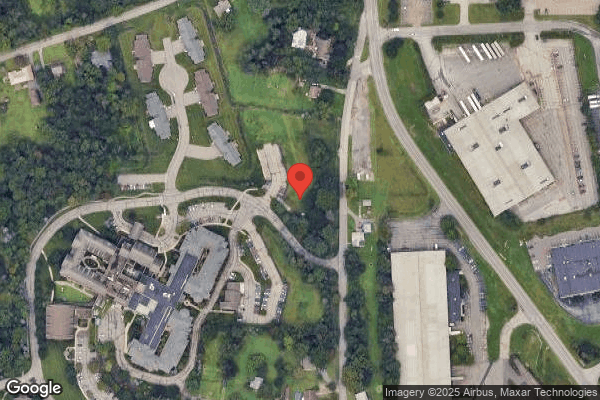
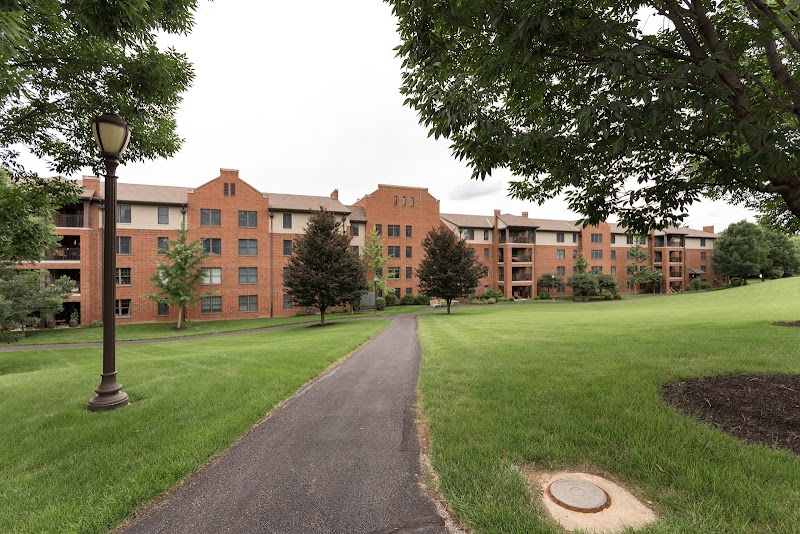
1000 MASONIC DRIVE, SEWICKLEY, PA 15143 (412) 741-1400
Non profit - Corporation 128 Beds Independent Data: November 2025
Trust Grade
85/100
#80 of 653 in PA
Last Inspection: July 2025

Inspected within the last 6 months. Data reflects current conditions.

Overview

Masonic Village at Sewickley has received a Trust Grade of B+, which means it is recommended and performs above average compared to other facilities. It ranks #80 out of 653 in Pennsylvania, placing it in the top half of nursing homes in the state, and #4 out of 52 in Allegheny County, indicating only three other local options are better. However, the facility's trend is worsening, as the number of reported issues increased from five in 2024 to twelve in 2025. Staffing is a strength with a 5/5 star rating and a low turnover rate of 24%, significantly better than the state average, and the facility has no recorded fines, which is promising. However, inspector findings revealed concerns, such as a dirty ice machine that hadn't been cleaned since July 2023, and issues with the management of urinary catheters for several residents, indicating potential lapses in care and hygiene practices. Overall, while Masonic Village has strong staffing and no fines, families should be aware of the increasing number of concerns regarding care practices.

Trust Score
B+
85/100
In Pennsylvania
#80/653
Top 12%
Safety Record
Low Risk
No red flags
Inspections
Getting Worse
5 → 12 violations
Staff Stability
✓ Good
24% annual turnover. Excellent stability, 24 points below Pennsylvania's 48% average. Staff who stay learn residents' needs.
Penalties
✓ Good
No fines on record. Clean compliance history, better than most Pennsylvania facilities.
Skilled Nurses
✓ Good
Each resident gets 64 minutes of Registered Nurse (RN) attention daily — more than 97% of Pennsylvania nursing homes. RNs are the most trained staff who catch health problems before they become serious.
Violations
⚠ Watch
25 deficiencies on record. Higher than average. Multiple issues found across inspections.
★★★★★
5.0
Overall Rating
★★★★★
5.0
Staff Levels
★★★★★
5.0
Care Quality
★★★☆☆
3.0
Inspection Score
Stable
2024: 5 issues
2025: 12 issues

The Good

  • 5-Star Staffing Rating · Excellent nurse staffing levels
  • 5-Star Quality Measures · Strong clinical quality outcomes
  • Low Staff Turnover (24%) · Staff stability means consistent care
  • Full Sprinkler Coverage · Fire safety systems throughout facility
  • No fines on record
  • Staff turnover is low (24%)

    24 points below Pennsylvania average of 48%

Facility shows strength in staffing levels, quality measures, staff retention, fire safety.

The Bad

No Significant Concerns Identified

This facility shows no red flags. Among Pennsylvania's 100 nursing homes, only 1% achieve this.

The Ugly 25 deficiencies on record

Jul 2025 12 deficiencies
CONCERN (D)

Potential for Harm - no one hurt, but risky conditions existed

Deficiency F0554 (Tag F0554)

Could have caused harm · This affected 1 resident

Based on review of facility policy, observations and staff interview, it was determined that the facility failed to determine it was safe to self-administer medications for one of three residents (Res...

Read full inspector narrative →
Based on review of facility policy, observations and staff interview, it was determined that the facility failed to determine it was safe to self-administer medications for one of three residents (Resident R6). Findings include: Review of the facility policy Resident Self -Administration of Medications last reviewed 8/8/24, indicated residents will be permitted to self-administer medication after evaluation by their interdisciplinary team and approval from their medical provider. If the interdisciplinary team indicates that a resident is able to safely self-administer medications the provider will write an order authorizing the resident to self-administer the medication. Review of Resident R6's Minimum Data Set (MDS - a periodic assessment of care needs) dated 5/14/25, indicated reentry to facility on 10/30/24, with diagnoses of hypertension (high blood pressure), diabetes (high sugar in the blood) and chronic obstructive pulmonary disease (COPD- causes breathing problems). During a medication pass observation completed on 7/29/25, at 9:24 a.m. Licensed Practical Nurse (LPN) Employee E3 entered Resident R6's room a can of simply nasal spray was observed on the over the bed table. LPN Employee E3 removed the nasal spray returned to medication cart to check resident's orders and stated, He does not have orders for this and confirmed that the facility failed to obtain physician orders for medication self-administration for one of three residents (Residents R6). During an interview completed on 7/29/25, at 2:00 p.m. the Director of Nursing confirmed Resident R6 did not have a current order or an interdisciplinary assessment to self - administer medications and that the facility failed to determine it was safe to self-administer medications for one of three residents (Resident R6). 28 Pa code: 211.12 (d) (1) (5) Nursing services.
CONCERN (D)

Potential for Harm - no one hurt, but risky conditions existed

Deficiency F0582 (Tag F0582)

Could have caused harm · This affected 1 resident

**NOTE- TERMS IN BRACKETS HAVE BEEN EDITED TO PROTECT CONFIDENTIALITY** Based on a review of facility documents, clinical record, and staff interviews, it was determined that the facility failed to en...

Read full inspector narrative →
**NOTE- TERMS IN BRACKETS HAVE BEEN EDITED TO PROTECT CONFIDENTIALITY** Based on a review of facility documents, clinical record, and staff interviews, it was determined that the facility failed to ensure a Skilled Nursing Facility Advance Beneficiary Notice of Non-coverage (SNF ABN) form were provided in a timely manner for two of three residents (Resident R32 and CR Resident R333). Findings include: Review of facility policy Informing the Resident of Medicare A/Skilled Managed Care Denial dated 8/8/24, indicated the policy is to protect the rights of each resident, it is required by a facility to provide beneficiaries advanced notice that care and services will not be or will no longer by covered by their Medicare Part A or Managed Skilled Care benefit. The facility has established this policy and the associated procedure to ensure that notices of Medicare non-coverage are issued timely and in adherence with the guidelines. Review of Resident R32's admission record indicated the resident was admitted to the facility on [DATE]. Review of Resident R32's Minimum Data Set (MDS - periodic assessment of care needs) dated 7/8/25, included diagnoses of coronary artery disease (damage or disease in the heart's major blood vessels), high blood pressure, and arthritis. Review of the SNF ABN form indicated services will end 7/28/25. Resident R32's representative signed the SNF ABN on 7/28/25. The facility failed to issue the SNF ABN in a timely manner.Review of Resident CR Resident R333's admission record indicated the resident was admitted to the facility on [DATE]. Review of Resident CR Resident R333's MDS dated [DATE], included diagnoses of heart failure (a progressive heart disease that affects pumping action of the heart muscles), diabetes (a metabolic disorder in which the body has high sugar levels for prolonged periods of time), and depression. The facility failed to provide a completed SNF ABN for CR Resident R333 that should have been given. During an interview on 7/28/25, at 1:21 p.m. the Director of Nursing stated, This resident does not have one. We cannot find a SNF ABN for her. During an interview on 7/29/25, at 10:38 a.m. the Nursing Home Administrator confirmed the facility failed to ensure a Skilled Nursing Facility Advance Beneficiary Notice of Non-coverage (SNF ABN) form were provided in a timely manner for two of three residents (Resident R32 and CR Resident R333). 28 Pa. Code 201.24 (b) admission Policy. 28 Pa. Code 201.14(a) Responsibility of Licensee. 28 Pa. Code 201.18(b)(2) Management. 28 Pa. Code 201.29(a) Resident Rights.
CONCERN (D)

Potential for Harm - no one hurt, but risky conditions existed

Deficiency F0628 (Tag F0628)

Could have caused harm · This affected 1 resident

**NOTE- TERMS IN BRACKETS HAVE BEEN EDITED TO PROTECT CONFIDENTIALITY** Based on review of facility policy, clinical record review, and staff interview, it was determined that the facility failed to m...

Read full inspector narrative →
**NOTE- TERMS IN BRACKETS HAVE BEEN EDITED TO PROTECT CONFIDENTIALITY** Based on review of facility policy, clinical record review, and staff interview, it was determined that the facility failed to make certain that the necessary resident information was communicated to the receiving health care provider for two of five resident hospital transfers (Residents R4, and R8).Findings include: Review of the facility policy Bed Hold, Transfer, Discharge and readmission Policy for Nursing Care dated 8/8/24, indicated appropriate information will be communicated to the receiving health care provider/facility that will be caring for the resident. The information should include but is not limited to: 1. Contact information of the provider responsible for the care of the resident 2. Resident representative/POA (power of attorney) Contact information 3. Copy of Advanced Directive 4. All special instructions/precautions for ongoing care 5. Comprehensive care plan goals/discharge care instructions 6. Any other information that will ensure a safe and effective transition of care including the resident's discharge plan Review of the clinical record indicated Resident R4 was admitted to the facility on [DATE]. Review of Resident R4's Minimum Data Set (MDS - a periodic assessment of care needs) dated 5/15/25, indicated diagnoses of lung cancer, stroke (damage to the brain from an interruption of blood supply), and anemia (the blood doesn’t have enough healthy red blood cells). Review of the clinical record indicated Resident R4 was transferred to the hospital on 3/7/25, and returned 3/18/25. Review of Resident R4's clinical record failed to include documented evidence that the facility had communicated specific information to the receiving health care provider for the resident's transferred and expected return, which included the resident's care plan goals, advanced directive information, specific instructions for ongoing care, resident representative information, and all information necessary to meet the resident's specific needs at the receiving facility. Interview on 7/30/25, at 12:34 p.m. the Director of nursing confirmed the facility failed to make certain that the necessary resident information was communicated to the receiving health care provider for Resident R4. Review of the clinical record indicated Resident R8 was admitted to the facility on [DATE]. Review of Resident R8's MDS dated [DATE], indicated diagnoses of fracture left femur, dysphagia (medical condition characterized by difficulty or discomfort in swallowing) and muscle weakness. Review of the clinical record indicated Resident R8 was transferred to the hospital on 5/22/25, and returned to the facility on 5/30/25. Review of Resident R8's clinical record failed to include documented evidence that the facility had communicated specific information to the receiving health care provider for the resident's transferred and expected return, which included the resident's care plan goals, advanced directive information, specific instructions for ongoing care, resident representative information, and all information necessary to meet the resident's specific needs at the receiving facility. During an interview on 7/30/25, at 1:30 p.m. the Director of Nursing confirmed that the facility failed to make certain that the necessary resident information was communicated to the receiving health care provider for two of five residents sampled with facility-initiated transfers (Residents R4 and R8). 28 Pa. Code: 201.29 (a)(c)(3)(2) Resident rights.
CONCERN (D)

Potential for Harm - no one hurt, but risky conditions existed

Quality of Care (Tag F0684)

Could have caused harm · This affected 1 resident

**NOTE- TERMS IN BRACKETS HAVE BEEN EDITED TO PROTECT CONFIDENTIALITY** Based on review of clinical records and staff interview, it was determined that the facility failed to obtain a physician order ...

Read full inspector narrative →
**NOTE- TERMS IN BRACKETS HAVE BEEN EDITED TO PROTECT CONFIDENTIALITY** Based on review of clinical records and staff interview, it was determined that the facility failed to obtain a physician order for two of five residents (Resident R18 and R19), and failed to follow the bowel protocol in a timely fashion for one of five residents (Resident R17).Findings include: Review of the facility policy Bowel Protocol dated 8/8/24, indicated treatment after 72 hours with no documented bowel movement:- the evening shift nurse should examine abdomen. If there are abnormal findings, give Senna (laxative) and notify the provider for further orders.-the day shift nurse the following day will determine and evaluate effectiveness of the Senna by reviewing documentation in the clinical record. For residents with no bowel movement (BM) the day nurse will perform an additional exam, notify the provider for further orders and give a Dulcolax suppository and document on the Medication Administration Record (MAR).-If the protocol is ineffective, this should be noted in the resident's medical record and provider should be notified. Review of the clinical record indicated Resident R17 was admitted to the facility on [DATE], with diagnoses that included high blood pressure, hyperlipidemia (high levels of fat in the blood), and Alzheimer’s Disease (a progressive disease that destroys memory and other important mental functions). Review of Resident R17's Minimum Data Set (MDS - a periodic assessment of care needs) dated 5/14/25, indicated the diagnosis remained current. Review of Resident R17's BM record for July 2025, indicated the following:-07/3/25 - Large BM-7/10/25 - Small BM - time lapse was seven days-7/16/25 - Small BM - time lapse was six days-7/17/25 - Large BM - -7/22/25 - Small BM - time lapse was five days. Review of Resident R17's clinical record indicated no evidence of abdominal assessments and or interventions for the bowel protocol implementation during this time until 7/21/25, the MAR indicated resident received bisacodyl 5mg (milligrams) by mouth every 24 hours as needed for constipation first provided on 7/21/25. Interview on 7/30/25, at 11:00 a.m. the Director of Nursing confirmed the facility failed to follow the bowel protocol in a timely fashion for one of five residents (Resident R17). Review of the clinical record indicated Resident R18 was admitted to the facility on [DATE], with diagnoses that included vascular dementia (Brain damage caused by multiple strokes), kidney disease and congestive heart failure (chronic condition where the heart muscle can't pump enough blood to meet the body's needs, leading to fluid buildup in the lungs and other tissues). Review of Resident R18's MDS assessment dated [DATE], indicated the diagnosis remained current. Review of Resident R18's nurse progress notes dated 6/6/25, 6/12/25, and 7/18/25, indicated that Resident R18 was on leave with family. Review of Resident R18's most recent physician orders indicate no order to go out on therapeutic leave. Review of the clinical record indicated Resident R19 was admitted to the facility on [DATE], with diagnoses that included Alzheimer's (progressive brain disorder that causes memory loss, confusion, and other cognitive decline), hypothyroidism and repeated falls. Review of Resident R19's MDS assessment dated [DATE], indicated the diagnosis remained current. Review of Resident R19's nurse progress notes dated 6/6/25, 6/12/25 and 7/18/25, indicated that Resident R19 was on leave with family. Review of Resident R19's most recent physician orders indicate no order to go out on therapeutic leave. During an interview on 7/30/25, at 1:30 p.m. the Director of Nursing confirmed that Resident R18, and R19 did not have an order for therapeutic leaves as required. 28 Pa. Code: 211.10(c)(d) Resident care policies. 28 Pa. Code: 211.12(d)(1)(2)(3)(5) Nursing services.
CONCERN (D)

Potential for Harm - no one hurt, but risky conditions existed

Deficiency F0688 (Tag F0688)

Could have caused harm · This affected 1 resident

**NOTE- TERMS IN BRACKETS HAVE BEEN EDITED TO PROTECT CONFIDENTIALITY** Based on review of clinical record review, observations, and staff interviews, it was determined that the facility failed to ens...

Read full inspector narrative →
**NOTE- TERMS IN BRACKETS HAVE BEEN EDITED TO PROTECT CONFIDENTIALITY** Based on review of clinical record review, observations, and staff interviews, it was determined that the facility failed to ensure a resident with limited mobility receives appropriate services, equipment, and assistance to maintain or improve mobility for two of three residents (Resident R17 and R77).Findings include: Interview with the Director of Nursing on 7/31/25, at 11:00 a.m. indicated the facility did not have a policy for assistive devices/splints. Review of the clinical record indicated Resident R17 was admitted to the facility on [DATE]. Review of Resident R17's Minimum Data Set (MDS - a periodic assessment of care needs) dated 5/14/25, indicated diagnoses of high blood pressure, hyperlipidemia (high levels of fat in the blood), and Alzheimer’s Disease (a progressive disease that destroys memory and other important mental functions). Review of Resident R17's progress note dated 7/15/2025, 8:59 p.m. indicated resident returned from the Orthopedic appointment with a back brace that is to be removed at bedtime and a brace on his right hand that is to be left on at all times except for care. Skin protectant and gauze applied to under straps to help maintain skin integrity. Further review of Resident R17's progress notes failed to include documented evidence that the brace on the right hand was assessed on the day provided by the Orthopedic appointment and/or the appearance of the right hand upon return. Review of Resident R17's progress note dated 7/16/25, at 6:15 a.m. indicated notified by staff that resident was removing brace and skin appeared to be irritated. Skin tear noted to right hand below the thumb. Red area noted to the right outer wrist. Brace taken apart and lying next to resident. The resident repeating It hurts and had already removed brace from the right hand. The area was cleansed with saline, approximated skin tear flap secured with steristrips. Covered with wrap. Skin protectant applied to reddened area prior to right hand/wrist wrapped for skin protection. Brace reapplied. Message sent to physician; skin check every shift. Review of Resident R17's progress note dated 7/16/25, at 12:22 p.m. indicated brace removed from hand due to rubbing. Call placed to home medical provider as per directions given by Orthopedic physician's office as they did not have a larger brace available in office. Message left awaiting return call. Interview on 7/30/25, at 10:576 a.m. the Director of Nursing confirmed, We were so upset that the Orthopedic sent the resident with a splint that was too small, that later caused skin damage. Review of the clinical record indicated Resident R77 was admitted to the facility on [DATE], with the diagnosis of osteomyelitis (infection of the bone) of vertebra, thoracic region (back), depression and atrial fibrillation (irregular heart rhythm). Review of Resident R77's physician orders dated 7/21/25, indicated thoraco-lumbar sacral orthosis (TLSO-used to keep back extended after surgery or a spinal fracture) brace when out of bed. No directions specified for order. The orders failed to include interventions for monitoring of skin integrity under the brace. Review of Resident R77's current care plan failed to include interventions for monitoring of skin integrity under the brace. During an interview completed on 7/30/25, at 11:02 a.m. Licensed Practical Nurse Employee E1 confirmed the physician order failed to include monitoring of skin integrity under the brace and the care plan failed to include interventions for monitoring of skin integrity under the brace. Interview on 7/31/25, at 11:30 a.m. the Director of Nursing confirmed the failed to ensure a resident with limited mobility receives appropriate services, equipment, and assistance to maintain or improve mobility for two of three residents (Resident R17 and R77) and could not provide documented evidence that the brace on the right hand was assessed on the day provided by the Orthopedic appointment for Resident R17. 28 Pa. Code: 201.14(a) Responsibility of licensee.28 Pa. Code: 211.10(c)(d) Resident care policies.28 Pa. Code: 211.12(d)(1)(2)(3)(5) Nursing services.
CONCERN (D)

Potential for Harm - no one hurt, but risky conditions existed

Deficiency F0694 (Tag F0694)

Could have caused harm · This affected 1 resident

**NOTE- TERMS IN BRACKETS HAVE BEEN EDITED TO PROTECT CONFIDENTIALITY** Based on review of facility policy, observations, and staff interviews, it was determined that the facility failed to provide ad...

Read full inspector narrative →
**NOTE- TERMS IN BRACKETS HAVE BEEN EDITED TO PROTECT CONFIDENTIALITY** Based on review of facility policy, observations, and staff interviews, it was determined that the facility failed to provide adequate treatment and care for a peripheral inserted central catheter (PICC - a thin tube that's inserted through a vein in your arm and passed through to the larger veins near your heart) in accordance with professional standards of practice for one of two residents (Resident R77).Findings include: Review of the facility policy PICC and Midline Management and Protocol last reviewed 8/8/24, indicated with intermittent infusions (antibiotics) are flushed with 10 millimeter (ml) normal saline solution (NSS) then infuse medication. After medication is infused, flush with 10 ml NSS. Review of the clinical record indicated Resident R77 was admitted to the facility on [DATE], with the diagnosis of osteomyelitis (infection of the bone) of vertebra, thoracic region (back), depression and atrial fibrillation (irregular heart rhythm). Review of physician orders dated 7/26/25, indicated Cefepime HCl Solution 1-gram (GM)/50ml Use 1 gram intravenously (IV) every 12 hours for osteomyelitis until 08/09/2025, flush right upper arm (RUA) PICC prior and after infusion. The order failed to include the substance to use for the flush or the amount needed to flush. During an interview completed on 7/30/25, Licensed Practical Nurse (LPN) Employee E1 confirmed that Resident 77's orders failed to include the substance to use for the flush or the amount to flush and that the facility failed to provide adequate treatment and care for a PICC in accordance with professional standards of practice for one of two residents (Resident R77). 28 Pa. Code: 211.12 (d)(1)(2)(3)(5) Nursing Services.28 Pa. Code: 201.14(a) Responsibility of licensee.
CONCERN (D)

Potential for Harm - no one hurt, but risky conditions existed

Respiratory Care (Tag F0695)

Could have caused harm · This affected 1 resident

**NOTE- TERMS IN BRACKETS HAVE BEEN EDITED TO PROTECT CONFIDENTIALITY** Based on review of facility policy, observations, staff interviews, and clinical record review, it was determined that the facil...

Read full inspector narrative →
**NOTE- TERMS IN BRACKETS HAVE BEEN EDITED TO PROTECT CONFIDENTIALITY** Based on review of facility policy, observations, staff interviews, and clinical record review, it was determined that the facility failed to provide appropriate respiratory care for two of six residents (Resident R17 and R35).Findings include:Review of facility policy Oxygen Concentrator/Oxygen Tank dated 8/8/24, indicated to change the bottle and tubing weekly when oxygen concentrators are in use.Review of the clinical record indicated Resident R17 was admitted to the facility on [DATE]. Review of Resident R17's Minimum Data Set (MDS - a periodic assessment of care needs) dated 5/14/25, indicated diagnoses of high blood pressure, hyperlipidemia (high levels of fat in the blood), and Alzheimer's Disease (a progressive disease that destroys memory and other important mental functions).Review of the clinical record revealed Resident R17 had a physician's order dated 7/14/25, for oxygen via nasal cannula (a thin flexible tube that goes around your head and into your nostrils to provide supplemental oxygen) at 2 lpm (liters per minute) to keep oxygen saturation greater than 90 percent.Observation on 7/28/25, at 9:42 a.m. Resident R17 was lying in bed with oxygen concentrator in use with a nasal cannula. The date on the empty humidification bottle was 7/20/25.Interview on 7/28/25, at 1:30 p.m. Registered Nurse (RN) Employee E2 confirmed Resident R17's humidification bottle was empty and was not changed weekly as required.Review of the clinical record indicated Resident R35 was admitted to the facility on [DATE]. Review of Resident R35's MDS dated [DATE], indicated diagnoses of high blood pressure, heart failure (heart doesn't pump blood as well as it should), and diabetes (a long-term condition in which the body has trouble controlling blood sugar and using it for energy).Review of the clinical record revealed Resident R35 had a physician's order dated 7/14/25, for oxygen via nasal cannula at 2 lpm (liters per minute to keep oxygen saturation greater than 90 percent.Observation on 7/28/25, at 11:35 a.m. Resident R35 was sitting up in room with oxygen concentrator in use with a nasal cannula. The date on the humidification bottle was 7/14/25.Interview on 7/28/25, at 1:30 p.m. Registered Nurse (RN) Employee E2 confirmed Resident R35's humidification bottle was not changed weekly as required.During an interview on 7/28/25, at 2:30 p.m. the Director of Nursing confirmed the facility failed to provide appropriate respiratory care for two of six residents (Resident R17 and R35).28 Pa. Code: 201.14(a) Responsibility of licensee.28 Pa. Code: 211.10(c)(d) Resident care policies.28 Pa. Code: 211.12(d)(1)(2)(3)(5) Nursing services.
CONCERN (D)

Potential for Harm - no one hurt, but risky conditions existed

Deficiency F0847 (Tag F0847)

Could have caused harm · This affected 1 resident

**NOTE- TERMS IN BRACKETS HAVE BEEN EDITED TO PROTECT CONFIDENTIALITY** Based on review of facility documents, resident clinical records and staff interviews it was determined that the facility failed...

Read full inspector narrative →
**NOTE- TERMS IN BRACKETS HAVE BEEN EDITED TO PROTECT CONFIDENTIALITY** Based on review of facility documents, resident clinical records and staff interviews it was determined that the facility failed to ensure a resident had the capacity to understand the terms of a binding arbitration agreement (a binding agreement by the parties to submit to arbitration all or certain disputes which have arisen or may arise between them in respect of a defined legal relationship, whether contractual or not. The decision is final, can be enforced by a court, and can only be appealed on very narrow grounds) for one of three residents (Resident R14). Findings include: Review of the Resident Assessment Instrument 3.0 User's Manual effective October 2019, indicated that a Brief Interview for Mental Status (BIMS) is a screening test that aides in detecting cognitive impairment. The BIMS total score suggests the following distributions: 13-15: cognitively intact8-12: moderately impaired0-7: severe impairment Review of the admission record indicated Resident R14 was admitted to the facility on [DATE]. Review of Resident R14's Minimum Data Set (MDS - a periodic assessment of care needs) dated 6/12/25, indicated the diagnoses of heart failure (a progressive heart disease that affects pumping action of the heart muscles), depression, and dementia (a group of symptoms that affects memory, thinking and interferes with daily life). Resident R14's MDS assessment section C0200 BIMS score was a five, indicating severe impairment. Review of Resident R14's Binding Arbitration Agreement indicated that the resident signed the document on 11/6/24, with a severe cognitive impairment. Review of facility provided document labeled, Mandatory Arbitration Agreement, was reviewed. The document does not give the resident or the residents representative a decline section if they choose to decline signing the Arbitration Agreement. The document provided included: Mandatory Arbitration Agreement. Please read carefully. Mandatory Arbitration and a signature and date section. During an interview on 7/30/25, at 9:15 a.m. the Nursing Home Administrator (NHA) stated that all new admissions sign the Arbitration Agreement with their admission packet and Everyone signs it. When asked, What if they did not want to sign it? NHA replied, I don't know how to answer that question. I can see that it looks like we took away their choice by having all new admissions sign it. During an interview on 7/30/25, at 9:20 a.m. the NHA confirmed the facility failed to ensure a resident had the capacity to understand the terms of a binding arbitration agreement for one of three residents (Resident R14). 28 Pa. Code: 201.14(a)(c) Responsibility of licensee. 28 Pa. Code: 201.18(e)(1) Management
CONCERN (D)

Potential for Harm - no one hurt, but risky conditions existed

Deficiency F0868 (Tag F0868)

Could have caused harm · This affected 1 resident

Based on facility policy review, review of Quality Assurance attendance records, and staff interview, it was determined that the facility failed to conduct Quality Assessment and Assurance (QAA) meeti...

Read full inspector narrative →
Based on facility policy review, review of Quality Assurance attendance records, and staff interview, it was determined that the facility failed to conduct Quality Assessment and Assurance (QAA) meetings at least quarterly with all the required committee members for one of four quarterly meetings (Quarter One of 2025). Findings Include: The facility Quality Assurance and Performance Improvement (QAPI) policy dated 8/8/24, indicated it is the policy of the facility to develop a QAPI plan in accordance with Federal Guidelines to describe how the facility will address clinical care, resident quality of life and residents' choice and is based on the scope and complexity of services defined by the Facility Assessment. Review of Quality assurance and Performance Improvement sign in sheets and attendance records for Quarter One of 2025, failed to reveal the Director of Nursing was in attendance. During an interview on 7/28/25, at 2:35 p.m. the Director of Nursing confirmed that the facility failed to conduct Quality Assessment and Assurance (QAA) meetings at least quarterly with all the required committee members for one of four quarterly meeting (Quarter One of 2025), as required. 28 Pa Code: 201.18(e)(1)(2)(3)(4) Management.
CONCERN (D)

Potential for Harm - no one hurt, but risky conditions existed

Infection Control (Tag F0880)

Could have caused harm · This affected 1 resident

**NOTE- TERMS IN BRACKETS HAVE BEEN EDITED TO PROTECT CONFIDENTIALITY** Based on facility policy, clinical record review, observation, and staff interviews, it was determined that the facility failed ...

Read full inspector narrative →
**NOTE- TERMS IN BRACKETS HAVE BEEN EDITED TO PROTECT CONFIDENTIALITY** Based on facility policy, clinical record review, observation, and staff interviews, it was determined that the facility failed to prevent cross contamination during a medication pass for one of three residents (Resident R6), failed to prevent cross contamination and follow enhanced barrier precaution during a dressing change for one of three residents (Resident R7) and failed to properly monitor residents in room personal refrigerator temperatures for four of five residents (Resident R1, R34, R35, and R67) which created the potential for food borne illness.Findings include: Review of the facility policy Infection Transmission Prevention and Interventions last reviewed 8/8/24, indicated enhanced barrier precautions are uses for residents that have a wound or wounds which require a dressing for treatment. Review of facility policy Refrigerator and Freezer Temperatures last reviewed 8/8/24, indicated all resident and medication refrigerators are monitored using an electronic monitoring system. Staff will notify administration when a resident brings their personal refrigerator into the facility. Nursing administration will ensure that a tag is placed inside the refrigerator to electronically monitor the temperature. The maintenance department reviews the temperature logs and services the refrigerators as needed. Using the refrigerator and monitor log staff will document the temperatures of refrigerators and freezers. Review of Resident R6's Minimum Data Set (MDS - a periodic assessment of care needs) dated 5/14/25, indicated reentry to facility on 10/30/24, with diagnoses of hypertension (high blood pressure), diabetes (high sugar in the blood) and chronic obstructive pulmonary disease (COPD- causes breathing problems). Review of Resident R6's physician orders dated 5/8/25, indicated Acetaminophen extra strength oral tablet 500 milligrams (mg) give 1000 mg by mouth three times a day for chronic pain. During a medication pass observation competed on 7/29/25, at 9:24 a.m. Licensed Practical Nurse (LPN) Employee E3 was preparing Resident R6's medications. LPN Employee E3 dropped Resident R6's Acetaminophen on the medication cart surface. LPN Employee E3 picked the Acetaminophen up and placed into medication cup for administration. During an interview completed on 7/29/25, at 9:39 a.m. LPN Employee E3 confirmed dropping Resident R6's Acetaminophen on the medication cart surface and placing into medication cup for administration and that the facility failed to prevent cross contamination during a medication pass for one of three residents (Resident R6). Review of Resident R7's MDS dated indicated admission to the facility on 2/12/25, with the diagnosis of hypertension (high blood pressure), heart failure (the heart doesn't pump the way it should) and hyperlipidemia (high fat in the blood) Review of R7's physician orders dated 5/16/25, indicated to cleanse left heel pressure wound with 0.125% dakins solution, cover with collagen with silver dressing, then place ABD pad and secure with kling daily. During a wound dressing change observation on 7/29/25, at 10:32 a.m. completed by Registered Nurse (RN) Employee E2 and RN Employee E4 assisting, the following observations were made: -RN Employee E2 failed to clean the surface being used to hold supplies after completion of dressing change.-RN Employee E2 and RN Employee E4 failed to utilize gowns (enhanced precautions) during the dressing change as required. During an interview completed on 07/29/25, 10:55 a.m. RN Employee E2 confirmed the failure to utilize gowns as required and failed to clean the surface being used to hold supplies after completion of dressing change and that the facility failed to prevent cross contamination and follow enhanced barrier precaution during a dressing change for one of three residents (Resident R7)Review of the clinical record indicated resident R1 was admitted to the facility on [DATE].During an interview and observation completed on 7/28/25, at 10:14 a.m. it was revealed that a personal refrigerator was in Resident R1's room. Upon asking Resident R1 concerning the refrigerator monitoring stated I take care of my refrigerator the refrigerator failed to have a thermometer or temperature log.Review of the clinical record indicated resident R67 was admitted to the facility on [DATE].During an observation completed on 7/28/25, at 9:50 a.m. it was revealed that a personal refrigerator was in Resident R67's room the refrigerator failed to have a thermometer or temperature log. During an interview completed on 7/28/25, at 10:23 a.m. upon asking Licensed Practical Nurse (LPN) Employee E1 concerning the monitoring of resident in room refrigerators stated, I don't think we maintain them, I don't do anything with it and confirmed Resident R1 and Resident R67's personal in room refrigerators failed to have a thermometer or temperature log.Review of the clinical record indicated resident R34 was admitted to the facility on [DATE].During an interview and observation completed on 7/28/25, at 1:30 p.m. it was revealed that a personal refrigerator was in Resident R34's room. Upon asking Resident R34 concerning the refrigerator monitoring stated, My family takes care of it. the refrigerator failed to have a thermometer or temperature log.Review of the clinical record indicated resident R35 was admitted to the facility on [DATE].During an observation completed on 7/28/25, at 1:35 p.m. it was revealed that a personal refrigerator was in Resident R35's room the refrigerator failed to have a thermometer or temperature log.Interview and tour on 7/28/25, at 1:40 p.m. Registered Nurse (RN) Employee E2 confirmed the personal refrigerators failed to have thermometers or temperature logs.Interview on 7/31/25, at 11:30 a.m. the Director of Nursing confirmed facility failed to properly monitor residents in room personal refrigerator temperatures for four of five residents (Resident R1, R34, R35, and R67) which created the potential for food borne illness. 28 Pa. Code: 211.10(d) Resident Care Policies.28 Pa. Code: 211.12(d)(1)(5) Nursing Services.
CONCERN (E)

Potential for Harm - no one hurt, but risky conditions existed

Incontinence Care (Tag F0690)

Could have caused harm · This affected multiple residents

**NOTE- TERMS IN BRACKETS HAVE BEEN EDITED TO PROTECT CONFIDENTIALITY** Based on review facility polices, observations, clinical records, and staff interviews it was determined that the facility faile...

Read full inspector narrative →
**NOTE- TERMS IN BRACKETS HAVE BEEN EDITED TO PROTECT CONFIDENTIALITY** Based on review facility polices, observations, clinical records, and staff interviews it was determined that the facility failed to make certain that appropriate treatments and services were provided for the use of an indwelling urinary catheter as required for three of four residents (Resident R11, R17, and R41). Findings include: Review of facility policy Continence Care Program and Indwelling Catheter Management dated 8/8/24/25, indicated drainage bags should be covered for dignity. Review of the clinical record indicated Resident R11 was admitted to the facility on [DATE]. Review of Resident R11's minimum data set (MDS - a periodic assessment of care needs) dated 6/30/25, indicated the diagnosis of hypertension (high blood pressure) obstructive uropathy (blockage of urinary flow) and Parkinson's disease (brain condition that causes slowed movements, rigidity and tremors). Review of the clinical record revealed Resident R11 had a physician's order dated 4/25/25, for an indwelling urinary catheter (closed sterile system inserted into the bladder to allow for urine drainage). Observation on 7/28/25, at 9:59 a.m. Resident R11 was lying in bed with a catheter connected to a drainage bag, the drainage bag failed to be covered as required. Interview on 7/28/25, at 10:04 a.m. Registered Nurse (RN) Employee E2 confirmed Resident R11's drainage bag was not covered as required. Review of the clinical record indicated Resident R17 was admitted to the facility on [DATE]. Review of Resident R17's MDS dated [DATE], indicated diagnoses of high blood pressure, hyperlipidemia (high levels of fat in the blood), and Alzheimer’s Disease (a progressive disease that destroys memory and other important mental functions). Review of the clinical record revealed Resident R17 had a physician's order dated 7/25/25, for an indwelling urinary catheter. Observation on 7/28/25, at 9:42 a.m. Resident R17 was lying in bed with a catheter connected to a drainage bag. The drainage bag failed to be covered as required. Interview on 7/28/25, at 1:30 p.m. Registered Nurse (RN) Employee E2 confirmed Resident R17's catheter drainage bag was not covered as required. Review of the clinical record indicated Resident R41 was admitted to the facility on [DATE]. Review of Resident R41's MDS dated [DATE], indicated diagnoses of high blood pressure, atrial fibrillation (irregular heart rhythm), and heart failure (heart doesn’t pump blood as well as it should). Review of the clinical record revealed Resident R41 had a physician's order dated 7/1/25, for an indwelling urinary catheter. Observation on 7/28/25, at 9:42 a.m. Resident R41 was lying in bed with a catheter connected to a drainage bag. The drainage bag failed to be covered as required. Interview on 7/28/25, at 1:40 p.m. Licensed Practical Nurse (LPN) Employee E3 confirmed Resident R41's catheter drainage bag was not covered as required. During an interview on 7/28/25, at 2:30 p.m. the Director of Nursing confirmed the facility failed to make certain that appropriate treatments and services were provided for the use of an indwelling urinary catheter as required for three of four residents (Resident R11, R17, and R41). 28 Pa. Code: 201.14(a) Responsibility of licensee. 28 Pa. Code: 211.10(c)(d) Resident care policies. 28 Pa. Code: 211.12(d)(1)(2)(3)(5) Nursing services.
CONCERN (E)

Potential for Harm - no one hurt, but risky conditions existed

Deficiency F0761 (Tag F0761)

Could have caused harm · This affected multiple residents

**NOTE- TERMS IN BRACKETS HAVE BEEN EDITED TO PROTECT CONFIDENTIALITY** Based on review of facility policy, observations and staff interviews, it was determined that the facility failed to properly st...

Read full inspector narrative →
**NOTE- TERMS IN BRACKETS HAVE BEEN EDITED TO PROTECT CONFIDENTIALITY** Based on review of facility policy, observations and staff interviews, it was determined that the facility failed to properly store medical supplies in two of three medication rooms (Maple Place and [NAME] Court), and on two of three medication carts (Birch Place and [NAME] Court).Findings: Review of facility “Storage of Medications” policy dated [DATE], indicated medications and biologicals are stored safely, securely, and properly following manufactures recommendations or those of pharmacy. Insulin pens should be dated when fires opened. A pharmacy consultant or facility designee will monitor medication storage, medication records, and expiration dates. During a medication storage room review on [DATE], at 11:15 a.m. the following were observed: - A vial of tuberculin (medication used to detect a respiratory disease) was dated [DATE] and was expired in Maple Place medication storage room. During a medication cart review on [DATE], at 11:25 a.m. the following were observed: - Novolog Insulin Pen (used to treat diabetes-a metabolic disorder in which the body has high sugar levels for prolonged periods of time) had an expiration date marked [DATE], on Birch Place medication cart. - Insulin Lispro Pen (used to treat diabetes) was opened on [DATE] and did not include an expiration date, however, was expired on Birch Place medication cart. During an interview on [DATE], at 11:25 a.m. Licensed Practical Nurse (LPN) Employee E1 confirmed the above findings. During an interview on [DATE], at 2:30 p.m. the Director of Nursing confirmed that the facility failed to properly store medical supplies in two of three medication rooms (Maple Place and [NAME] Court), and on two of three medication carts (Birch Place and [NAME] Court). During an observation of the [NAME] Medication Room on [DATE], at 11:46 a.m. a tuberculin vial was noted to be opened and failed to be labeled with the date opened as required. Interview on [DATE], at 11:47 a.m. Licensed Practical Nurse (LPN) Employee E3 confirmed the TB vial was not dated as required. Review of Resident R6's Minimum Data Set (MDS - a periodic assessment of care needs) dated [DATE], indicated reentry to facility on [DATE], with diagnoses of hypertension (high blood pressure), diabetes (high sugar in the blood) and chronic obstructive pulmonary disease (COPD- causes breathing problems). Review of Resident R6's physician orders dated [DATE], indicated Basaglar (long-acting insulin) KwikPen Subcutaneous Solution Pen injector 100 UNIT/milliliter (ML) inject 6 units subcutaneously in the morning. During a medication pass observation completed on [DATE], at 9:24 a.m. Licensed Practical Nurse (LPN) Employee E3 prepared Resident R6's Basaglar KwikPen and placed on top of medication cart. LPN Employee E3 entered Resident R6's room with oral medications leaving the insulin pen sitting on top of the medication cart available to anyone passing by. During an interview completed on [DATE], at 9:39 a.m. LPN Employee E3 confirmed entering Resident R6's room and leaving the insulin pen sitting on top of the medication cart available to anyone passing by. 28 Pa Code: 211.9 (a)(1) Pharmacy services. 28 Pa code: 211.12 (d) (1) (5) Nursing services.
Aug 2024 5 deficiencies
CONCERN (D)

Potential for Harm - no one hurt, but risky conditions existed

Report Alleged Abuse (Tag F0609)

Could have caused harm · This affected 1 resident

**NOTE- TERMS IN BRACKETS HAVE BEEN EDITED TO PROTECT CONFIDENTIALITY** Based on review of facility policy, clinical records, facility provided documents, resident, and staff interviews, it was determ...

Read full inspector narrative →
**NOTE- TERMS IN BRACKETS HAVE BEEN EDITED TO PROTECT CONFIDENTIALITY** Based on review of facility policy, clinical records, facility provided documents, resident, and staff interviews, it was determined that the facility failed to report an alleged allegation of abuse for one of two residents (Resident R31). Findings include: Review of the policy Abuse Prevention dated 8/21/23, indicated it is the facility's policy to assure residents the right to freedom from abuse. This is assured by implementing a system of prevention, screening, identification, and training. When an allegation is made, the facility will investigate, report, and respond appropriately to the allegation. Review of admission record indicated that Resident R31 was admitted to the facility on [DATE]. Review of R31's Minimum Data Set (MDS - a periodic assessment of care needs) dated 7/11/24, indicated the diagnoses of renal insufficiency (condition where the kidneys lose the ability to remove waste and balance fluids), high blood pressure, and heart failure (the heart doesn't pump blood as well as it should). On 7/29/24, at 9:30 a.m. a review of Resident R31's care plan dated 5/7/24, indicated to monitor, document, and report adverse reactions of anticoagulant (medication reduces the coagulation of blood - blood thinner) therapy: blood tinged or red blood in urine, black tarry stools, dark or bright red blood in stools, sudden severe headaches, nausea, vomiting, diarrhea, muscle joint pain, lethargy, bruising , blurred vision, shortness of breath, loss of appetite, sudden changes in mental status, significant or sudden changes in vital signs. Revision added on 7/29/24, to monitor for increased senile purpura (dark purple bruises or blotches on the skin). Review of facility provided report dated 7/26/24, indicated during morning care an unnamed nurse aide noted a large bruise on Resident R31's left leg (measurement of 10 x 5 centimeters {cm} and 2 x 2cm). The assessment found two bruises on right leg as well (measurement of 4 x 1cm and 2 x 1 cm). Further review of the facility documentation provided and dated 7/26/24, indicated Resident Description Resident R31 stated A Nurse Aide (NA) pressed my leg tightly during care. Review of reports submitted and provided by the facility dated July 2024 did not include a report for the allegation of abuse. Interview on 7/29/24, at 9:15 a.m. Resident R31 indicated The only problems I've had here is that aide who pushed on my legs real hard and left me this big bruise as she pulled her sheets back to show her leg and injury. Observation on 7/29/24, at 9:15 a.m. Survey Agency (SA) visualized a large area to the left leg with bruising and areas of purpura. Interview on 7/30/24, at 10:24 a.m. Registered Nurse (RN) Supervisor Employee E1 indicated Resident R31 stated An aide pressed my leg tightly during care. It resulted in 10 x 5cm bruise. She mentioned the name NA Employee E12 who is a NA here, but she is confused. I let the Assistant Director of Nursing (ADON) Employee E2 know and put out the investigation forms. Interview on 7/31/24, at 10:11 a.m. the Director of Nursing confirmed it was an allegation of abuse that should have been reported and was not due to the fact it was unknown to management that a perpetrator (NA Employee E12), was identified during the initial report and confirmed the facility failed to report an alleged allegation of abuse for one of two residents (Resident R31). 28 Pa. Code 201.14(a)(c.)(e.) Responsibility of licensee. 28 Pa. Code 201.18(b)(1)(3)(e)(1) Management. 28 Pa. Code 201.20(b) Staff development. 28 Pa. Code 211.10(c.)(d) Resident care policies.
CONCERN (D)

Potential for Harm - no one hurt, but risky conditions existed

Investigate Abuse (Tag F0610)

Could have caused harm · This affected 1 resident

**NOTE- TERMS IN BRACKETS HAVE BEEN EDITED TO PROTECT CONFIDENTIALITY** Based on review of facility policy, clinical records, facility documents, and staff interview, it was determined that the facili...

Read full inspector narrative →
**NOTE- TERMS IN BRACKETS HAVE BEEN EDITED TO PROTECT CONFIDENTIALITY** Based on review of facility policy, clinical records, facility documents, and staff interview, it was determined that the facility failed to fully investigate alleged allegation of abuse for one of two residents (Resident R31). Findings include: Review of the policy Abuse Prevention dated 8/21/23, indicated it is the facility's policy to assure residents the right to freedom from abuse. This is assured by implementing a system of prevention, screening, identification, and training. When an allegation is made, the facility will investigate, report, and respond appropriately to the allegation. Review of admission record indicated that Resident R31 was admitted to the facility on [DATE]. Review of R31's Minimum Data Set (MDS - a periodic assessment of care needs) dated 7/11/24, indicated the diagnoses of renal insufficiency (condition where the kidneys lose the ability to remove waste and balance fluids), high blood pressure, and heart failure (the heart doesn't pump blood as well as it should). Review of Resident R31's care plan on 7/29/24, at 9:30 a.m. dated 5/7/24, indicated to monitor, document, and report adverse reactions of anticoagulant (medication reduces the coagulation of blood - blood thinner) therapy: blood tinged or red blood in urine, black tarry stools, dark or bright red blood in stools, sudden severe headaches, nausea, vomiting, diarrhea, muscle joint pain, lethargy, bruising , blurred vision, shortness of breath, loss of appetite, sudden changes in mental status, significant or sudden changes in vital signs. Revision added on 7/29/24, to monitor for increased senile purpura (dark purple bruises or blotches on the skin). Review of facility provided report dated 7/26/24, indicated during morning care an unnamed nurse aide noted a large bruise on Resident R31's left leg (measurement of 10 x 5 centimeters {cm} and 2 x 2cm). The assessment found two bruises on right leg as well (measurement of 4 x 1cm and 2 x 1 cm). Further review of the facility provided report dated 7/26/24, indicated Resident Description Resident R31 stated A Nurse Aide (NA) pressed my leg tightly during care. Interview on 7/29/24, at 9:15 a.m. Resident R31 indicated The only problems I've had here is that aide who pushed on my legs real hard and left me this big bruise as she pulled her sheets back to show her leg and injury. Observation on 7/29/24, at 9:15 a.m. Survey Agency (SA) visualized a large area to the left leg with bruising and areas of purpura. Interview on 7/29/24, at 2:28 p.m. Licensed Practical Nurse (LPN) Employee E8 indicated Resident R31 makes up stories about the NA Employee E12 who works as needed here and she (Resident R31), always picks on her (NA Employee E12). Resident gets purpura because she's on blood thinners and steroids. NA Employee E12 would never hurt her. Interview on 7/30/24, at 10:24 a.m. Registered Nurse (RN) Supervisor Employee E1 indicated Resident R31 stated An aide pressed my leg tightly during care. It resulted in 10 x 5cm bruise. She mentioned the name NA Employee E12 who is a NA here, but she is confused. I let the Assistant Director of Nursing (ADON) know and put out the investigation forms. On 7/30/24, at 10:24 a.m. SA requested to see the investigation regarding the allegation of neglect. RN Supervisor Employee E1 indicated I sent the investigation forms out (questionnaire of who was giving care that asks them questions about what they perceived to have happened). They are supposed to give them back to me or put them in the Director of Nursing's (DON) box. The ones I get, I give to the DON. The staff from the night before wouldn't have signed them yet. I don't know where the forms are at this moment, I do not have them. Interview on 7/30/24, atm 1:11 p.m. the Director of Nursing provided three witness statements dated 7/26/24. A witness statement from the alleged perpetrator NA Employee E12 was taken today on 7/30/24, four days after the allegation was known. Interview on 7/31/24, at 10:11 a.m. the Director of Nursing confirmed the facility failed to complete a comprehensive investigation for an allegation of abuse to include identifying all the persons involved, interviewing all potential witnesses and interviewing the alleged perpetrator timely. 28 Pa. Code 201.14(a)(c.)(e.) Responsibility of licensee. 28 Pa. Code 201.18(b)(1)(3)(e)(1) Management. 28 Pa. Code 201.20(b) Staff development. 28 Pa. Code 211.10(c.)(d) Resident care policies.
CONCERN (D)

Potential for Harm - no one hurt, but risky conditions existed

Accident Prevention (Tag F0689)

Could have caused harm · This affected 1 resident

**NOTE- TERMS IN BRACKETS HAVE BEEN EDITED TO PROTECT CONFIDENTIALITY** Based on clinical and facility record review, facility provided documents and staff interviews, it was determined that the facil...

Read full inspector narrative →
**NOTE- TERMS IN BRACKETS HAVE BEEN EDITED TO PROTECT CONFIDENTIALITY** Based on clinical and facility record review, facility provided documents and staff interviews, it was determined that the facility failed to provide adequate supervision for one resident resulting in elopement (resident exited to an unsupervised and unauthorized location without staff's knowledge) for one of two resident (Residents R17). Findings include: Review of the admission Record indicated Resident R17 was admitted to the facility on [DATE]. Review of Resident R17's Minimum Data Set (MDS - a periodic assessment of care needs) dated 6/6/24, indicated the diagnoses of Dementia (a group of symptoms that affects memory, thinking and interferes with daily life), chronic kidney disease and venous insufficiency (leg veins don't allow blood to flow back up to your heart). Section C: Cognitive Patterns, Question C0100 indicated a BIMS score of 1- severe cognitive impairment. Review of the Resident Assessment Instrument 3.0 User's Manual effective October 2019, indicated that a Brief Interview for Mental Status (BIMS) is a screening test that aides in detecting cognitive impairment. The BIMS total score suggests the following distributions: 13-15: cognitively intact 8-12: moderately impaired 0-7: severe impairment Review of Elopement/Exit Seeking Evaluation Form dated 12/7/23, indicated that Resident R17 had a score of 21 indicating elopement risk. Per facility provided documents on 11/5/23 6:50 a.m. alerted by 2nd floor NA that Resident R17 was on Magnolia neighborhood nurses' station. Per NA Resident R17 had wandered off and took the back staff elevator. He was reported missing 6:45 a.m. and was last seen approximately 15 minutes prior, returned from the 2nd floor 6:55 a.m. Interview with Director of Nursing (DON) on 7/31/24 at 10 a.m. indicated staff were not reeducated after incident. During an interview on 7/31/24 at 10:30 a.m. the DON confirmed the facility failed to provide adequate supervision for one resident resulting in elopement (Resident R17). 28 Pa. Code 211.12(d)(1)(3)(5) Nursing services 28 Pa. Code 211.10(d) Resident care policies. 28 Pa. Code: 201.29(a)(b)(c)(I)(n) Resident rights. 28 Pa. Code 201.18(b)(1) Management.
CONCERN (D)

Potential for Harm - no one hurt, but risky conditions existed

Respiratory Care (Tag F0695)

Could have caused harm · This affected 1 resident

**NOTE- TERMS IN BRACKETS HAVE BEEN EDITED TO PROTECT CONFIDENTIALITY** Based on clinical record review, observations, and staff interviews, it was determined that the facility failed to provide appro...

Read full inspector narrative →
**NOTE- TERMS IN BRACKETS HAVE BEEN EDITED TO PROTECT CONFIDENTIALITY** Based on clinical record review, observations, and staff interviews, it was determined that the facility failed to provide appropriate respiratory care for one of three residents (Resident R25). Findings include: Review of federal guidance §483.25(i) Respiratory care, including tracheostomy care and tracheal suctioning. The facility must ensure that a resident who needs respiratory care, including tracheostomy care and tracheal suctioning, is provided such care, consistent with professional standards of practice, the comprehensive person-centered care plan, the residents' goals and preferences. Review of facility policies failed to reveal a policy for oxygen therapy. Review of the clinical record indicated that Resident R25 was admitted to the facility on [DATE]. Review of Resident R25's Minimum Data Set (MDS - a periodic assessment of care needs) dated 5/17/24, indicated diagnoses of Alzheimer's disease (a type of brain disorder that causes problems with memory, thinking, and behavior. This is a gradual progressive condition), dementia (a group of symptoms that affects memory, thinking and interferes with daily life) and chronic obstructive pulmonary disease (a chronic inflammatory lung disease that causes obstructed airflow from the lungs). Review of Section O - Special Treatments, Procedures, and Programs, Sub-section O0110C, Oxygen Therapy indicated the use of oxygen therapy. During an observation on 7/29/24, at 10:45 a.m., Resident R25 was observed sitting at her bedside; on the other side of her bed was an oxygen concentrator (medical device that removes nitrogen from room air and provides oxygen-enriched gas for people who need more oxygen in their blood) which was attached to a nasal cannula (light weight tube placed in the nose to provide oxygen) that was lying directly on the floor. Resident R25 stated that she only uses oxygen via nasal cannula at night from the concentrator. During an observation and interview at 10:53 a.m., Licensed Practical Nurse (LPN) Employee E9 confirmed that the nasal cannula tubing was lying on Resident R25's floor in her room next to the concentrator. LPN Employee E9 stated that tubing is changed weekly, and that the nasal cannula should not be lying directly on the floor. Review of Resident R25's physician orders on 7/29/24, indicated an order initiated on 5/1/24, for Oxygen at 2 L (liters) per nasal cannula every shift. Review of Resident R25's Treatment Administration Record (TAR) on 7/29/24, for the month of July 2024, indicated documentation every shift that oxygen per physician orders was being administered. During an interview on 7/31/24, at 9:56 a.m., Nurse Aide (NA) Employee E10 stated that Resident R25 only uses her oxygen at night. During an interview on 7/31/24, at 10:30 a.m., Licensed Practical Nurse (LPN) Employee E9 stated in reference to R25's oxygen use, that her (R25's) doctor gave her (LPN E9) verbal orders to allow oxygen use at night, and acknowledged that the current physician order does not reflect oxygen use at night for Resident R25, and that the doctor was in the building and would clarify Resident R25's oxygen order for use. Review of Resident R25's clinical record on 7/31/24, at 10:40 a.m., indicated that on 7/31/24, at 10:25 a.m., physician orders for Resident R25's oxygen administration were changed to Oxygen at 2 L (liters) per minute via NC (nasal cannula) for nocturnal use at bedtime; Oxygen at 2 L per minute via NC for nocturnal use every night shift; and Oxygen at 2 L per minute via NC as needed for shortness of breath or O2 (oxygen) sats (saturation) <90% on room air. Review of Resident R25's Treatment Administration Record (TAR) on 8/1/24, for the month of July 2024, indicated changes to physician orders for oxygen use per above were initiated 7/31/24, and prior oxygen use order for every shift initiated 5/1/24, were discontinued 7/31/24. Review of Resident R25's current plan of care updated 5/14/24, indicated that a plan of care was developed for respiratory diagnoses, which included interventions for monitor for respiratory distress, however current care plan failed to indicate that a plan of care was developed for the use of oxygen therapy, maintenance of humidification cannisters, changing of tubing, possible skin breakdown from tubing use, and signs and symptoms related to oxygen therapy to be reported to the provider. During an interview on 7/31/24, at 12:28 p.m., Registered Nurse Assessment Coordinator (RNAC) Employee E11 confirmed that the facility to develop a plan of care for Resident R25's care and use of oxygen. During an interview on 8/1/24, at 9:45 a.m., the Director of Nursing (DON) confirmed that the facility does not have a policy for oxygen administration, and that the facility failed to appropriate respiratory care for one of three residents (Resident R25). 28 Pa. Code: 201.14(a) Responsibility of licensee 28 Pa. Code 211.12(d)(1)(2)(3)(5) Nursing services
CONCERN (E)

Potential for Harm - no one hurt, but risky conditions existed

Deficiency F0940 (Tag F0940)

Could have caused harm · This affected multiple residents

Based on review of facility policies, in-service documentation, personnel records, and staff interviews it was determined that the facility failed to implement and maintain an effective annual in-serv...

Read full inspector narrative →
Based on review of facility policies, in-service documentation, personnel records, and staff interviews it was determined that the facility failed to implement and maintain an effective annual in-service training program for four of of eight personnel records (Nurse Aide Employee E3, Nurse Aide Employee E4, Nurse Aide Employee E5, and Nurse Aide Employee E6). Findings include: The facility Employee Compliance Education procedure policy dated 8/21/23, indicated that it is the policy of the facility to provide employees with compliance education and training. Education and issues on specific issues will be provided to staff members. The facility Employee policy handbook dated 12/2023, indicated in order to remain at the highest level of skill and training, employees are requested and may be required to attend or complete the periodic in-service training programs. Review of the facility Annual In-Service course listing dated 2024, included the following courses: Abuse Prevention, Reporting, and Resident Rights Active Shooter: Emergency Preparedness Communicating with Older Adults Cultural Competence Culture, Quality Assurance Performance Improvement, and Regulatory Compliance De-Escalation General De-Escalation Dementia Basics Elder Abuse Emergency Preparedness Fire Safety and Life Safety Codes Hand Hygiene Hand Hygiene Competency HIPAA (Health Information Portability Accountability Act) and Data Protection Infection Prevention Internal Compliance Documents Resident Emergencies Workplace Communication Workplace Safety Review of Nurse Aide (NA) Employee E3's personnel record indicated she was hired on 7/17/19. Nurse Aide (NA) Employee E3's in-service education records did not include annual in-service trainings for infection control, dementia training, communication, and abuse training for 2024. Review of Nurse Aide (NA) Employee E4's personnel record indicated she was hired on 6/8/11. Nurse Aide (NA) Employee E4's in-service education records did not include annual in-service trainings for infection control, dementia training, communication, and cultural competence for 2024. Review of Nurse Aide (NA) Employee E5's personnel record indicated she was hired on 3/17/17. Nurse Aide (NA) Employee E5's in-service education records did not include annual in-service trainings for infection control, dementia training, and communication for 2024. Review of Nurse Aide (NA) Employee E6's personnel record indicated she was hired on 7/26/13. Nurse Aide (NA) Employee E6's in-service education records did not include annual in-service trainings for infection control, dementia training, communication, and abuse training for 2024. During an interview on 7/31/24, at 10:12 a.m. Nurse Aide (NA) Employee E7 stated the following: I have been here for ten years. There are a lot of trainings online. We (staff) have to do so many trainings and for so many hours per year. During an interview on 7/31/24, at 12:11 p.m. the Nursing Home Administrator (NHA) confirmed that the facility failed to implement and maintain an effective annual in-service training program for Nurse Aide Employee E3, Nurse Aide Employee E4, Nurse Aide Employee E5, and Nurse Aide Employee E6 as required. 28 Pa. Code 201.19(7) Personnel policies and procedures 28 Pa. Code 201.20(a)(d) Staff development
Sept 2023 8 deficiencies
CONCERN (D)

Potential for Harm - no one hurt, but risky conditions existed

Deficiency F0553 (Tag F0553)

Could have caused harm · This affected 1 resident

Based on review of facility documentation, resident family and staff interview it was determined that the facility failed to provide a resident's representative with right to participate in the care p...

Read full inspector narrative →
Based on review of facility documentation, resident family and staff interview it was determined that the facility failed to provide a resident's representative with right to participate in the care planning process for one of eight residents reviewed (Resident Family RF1). Findings include: Federal Regulation §483.10(c)(3) states: The facility shall inform the resident of the right to participate in his or her treatment and shall support the resident in this right. The planning process must- (i) Facilitate the inclusion of the resident and/or resident representative. During an interview on 9/21/23, at 5:30 p.m. Resident Family RF1 asked about care planning meetings, and if the facility has them? Resident RF1 stated that they have attended them with other family members in long term care settings and has not had one recently for Resident R1. Review of the clinical documentation (progress notes) for Resident R1 failed to show an invitation for Resident Family R1. During an interview on 9/22/23, at 10:38 a.m. Social Services Employee E7 indicated: the facility is doing Grand Rounds a new program quarterly care conferences meeting interdisciplinary team review over the quarter any declines significant changes, review the resident therapy needs, after we have interdisciplinary team meeting then we interview resident assess the room, after the meeting we give them a call to the family to see if they have any concerns. During an interview on 9/22/23, at 11:13 a.m. RNAC (Registered Nurse Assessment Coordinator) Employee E6 was asked for documentation showing that Residents and Resident families are invited to care conference/Grand Round meetings. During an interview on 9/22/23, at 11:32 a.m. RNAC Employee E6 confirmed that the facility could not provide documentation showing that Residents and Resident families are invited to care conference /Grand Round meetings and the facility failed to provide a resident's representative with right to participate in the care planning process. 28 Pa. Code 201.29(a) Resident rights. 28 Pa. Code 211.11e Resident Care Plan.
CONCERN (D)

Potential for Harm - no one hurt, but risky conditions existed

Notification of Changes (Tag F0580)

Could have caused harm · This affected 1 resident

**NOTE- TERMS IN BRACKETS HAVE BEEN EDITED TO PROTECT CONFIDENTIALITY** Based on facility policy and clinical record review, and staff interview, it was determined the facility failed to notify the ph...

Read full inspector narrative →
**NOTE- TERMS IN BRACKETS HAVE BEEN EDITED TO PROTECT CONFIDENTIALITY** Based on facility policy and clinical record review, and staff interview, it was determined the facility failed to notify the physician of a change in condition for two of five residents. (Resident R35 and R34) Findings include: Review of the facility policy Provider and Resident/Resident Representative Notification last reviewed 8/21/23, indicated the facility will keep residents' primary care providers informed of change in resident status as it occurs. Review of the American Heart Association indicated a normal heart rate is 60 to 100 beats per minute and bradycardia (a heart rate that ' s too slow) can cause fainting and fatigue. Review of the face sheet indicated Resident R35 was admitted to the facility on [DATE]. Review of Resident R35's Minimum Data Set (MDS- a periodic assessment of care needs) dated 8/1/23, indicated the diagnoses of atrial fibrillation (irregular heart rhythm), heart failure (heart doesn ' t pump blood as well as it should), high blood pressure, hypothyroidism (a condition in which the thyroid gland doesn't produce enough thyroid hormone). Review of Resident R35's physician orders dated 9/13/23, indicated to obtain and record weekly pulse and blood pressure. Review of Resident R35's care plan dated 8/23/23, indicated an alteration in cardiac status and to check and record blood pressure and pulse as ordered and report variances to provider per policy, and assess for signs and symptoms of cardiac distress: change in vital signs, complaints of chest pain, dizziness, pallor, or anxiety. Review of Resident R35's care plan dated 8/23/23, indicated an alteration in metabolic/thyroid function due to hypothyroidism. Observe for symptoms of hypothyroidism: slow heart rate. Review of Resident R35's vital signs record, and progress notes indicated on 5/2/23, at 1:22 p.m. a heart rate of only 51, and on 7/14/23, a heart rate of only 56 with complaints of substernal chest pain. Resident stated she had heavy pressure that went up into her throat that scared her and took her breath away. Review of Resident R35's progress notes on 5/2/23, and 7/14/23, failed to include documentation of notifying the physician of change in status. Review of the face sheet indicated Resident R34 was admitted to the facility on [DATE]. Review of Resident R34's MDS dated [DATE], indicated the diagnoses of anemia (the blood doesn ' t have enough healthy red blood cells), high blood pressure, and anxiety. Review of Resident R34's physician progress notes on 9/14/23, indicated follow up with holistic medicine service regarding thyroid replacement dosing with hyperthyroid indices. Review of progress note dated 9/15/23, indicated a Registered Nurse from a Holistic Physician service arrived to provide Resident R34 Testosterone injections (hormone treatment) as she has in the past. It explained to the RN that The Facility would need her Credentials and other items required. I asked her to withhold from seeing Resident and took her information to provide to the Director of Nursing. Review of Resident R34's additional clinical record indicated no follow up on testosterone injections. Interview with Director of Nursing on 9/22/23 at 9:00 a.m. indicated the Holistic RN did come into building and was not permitted as per the above progress note and that the physician was not notified that the resident was on the prior injections and if he wanted resident to continue with the medication. Interview on 9/21/23, at 1:32 p.m. the Director of Nursing confirmed that the physician was not notified of Resident R35's change in status and that the facility failed to notify the physician of a change in condition for two of five residents. (Resident R35 and R34). 28 Pa. Code 201.14(a) Responsibility of licensee. 28 Pa. Code 201.14(c)(e) Responsibility of licensee. 28 Pa. Code 201.18(b)(1)(e)(1) Management. 28 Pa. Code 201.18(b)(3) Management. 28 Pa. Code 201.20(b) Staff development. 28 Pa. Code 211.10(c) Resident care policies. 28 Pa. Code 211.10(d) Resident care policies.
CONCERN (D)

Potential for Harm - no one hurt, but risky conditions existed

Grievances (Tag F0585)

Could have caused harm · This affected 1 resident

Based on review of facility policy, resident documents, resident and family and staff interviews, it was determined that the facility failed to document, resolve and provide a response to a grievance ...

Read full inspector narrative →
Based on review of facility policy, resident documents, resident and family and staff interviews, it was determined that the facility failed to document, resolve and provide a response to a grievance for the responsible party of three of four residents (Resident R20, R62 and R1). Findings include: Review of facility policy Grievance Procedure last updated 8/21/23, indicated resident and/or representative shall be informed of his right to file a complaint and procedure. Complaints should be handled by the employee hearing the complaint. The appropriate person needs to make contact with the resident or representative within 5 days and return completed form to the Facility Grievance Official with outcome. During a file review, Resident R62 revealed family concern of wheelchair being dirty and needing cleaned on 8/23/23. Review of concern log revealed no form with the above family concern. During a file review, Resident R20 revealed family concern of resident phone being set up on 9/7/23. Review of concern low revealed no form with the above family concern. During an interview on 9/22/23, at 12:45 p.m. the Nursing Home Administrator confirmed the facility failed to document, resolve, and provide a response to grievances of to the responsible party of Resident R20, R62. Review of Resident R1 clinical record progress notes dated 8/3/23, indicated that the Resident R1 family member had concerns with Resident R1 being moved to the secured dementia nursing unit. Review of the concern log for August failed to include Resident R1 family member concern. During an interview on 9/22/23, at 12:28 p.m. Nursing Home Administrator confirmed that the Resident R1 family member concern was not included in the August concern log and that the facility failed to document grievances for Resident R1 family member. 28 PA. Code: 201.18(b)(2) Management. 28 PA. Code: 201.29(a) Resident's Rights.
CONCERN (D)

Potential for Harm - no one hurt, but risky conditions existed

Report Alleged Abuse (Tag F0609)

Could have caused harm · This affected 1 resident

**NOTE- TERMS IN BRACKETS HAVE BEEN EDITED TO PROTECT CONFIDENTIALITY** Based on review of facility policy, clinical records, facility incident documents, resident, and staff interviews, it was determ...

Read full inspector narrative →
**NOTE- TERMS IN BRACKETS HAVE BEEN EDITED TO PROTECT CONFIDENTIALITY** Based on review of facility policy, clinical records, facility incident documents, resident, and staff interviews, it was determined that the facility failed to report an alleged allegation of neglect for one of five residents (Resident R54). Findings include: Review of the facility policy Abuse Prevention reviewed 8/21/23, indicated the facility is to assure residents to the right of freedom from abuse. This is assured by implementing a system of prevention, screening, identification, and training. When an allegation is made the facility will investigate, report, and respond appropriately to the allegation. Identification - procedures are in place to assure adequate review of all incidents and accidents, including suspicious bruising or injuries of unknown origin. Review of the face sheet indicated that Resident R54 was admitted to the facility on [DATE]. Review of Resident R54's Minimum Data Set (MDS - a periodic assessment of care needs) dated 8/14/23, indicated the diagnoses of Dementia, hyperlipidemia (high levels of fat in the blood), and depression. Review of Resident R54's incident report dated 8/16/23, indicated therapy was starting to work with resident on feeding in the dining room and had asked if this bruise was new or not. Upon evaluation the anterior (top) aspect of the left hand extending toward the thumb was bruised and had purpura throughout the green and yellow bruising present. Resident does not remember how skin discoloration may have happened. Review of Resident R54's physician order dated 8/9/23, indicated out of bed to hemi wheelchair (a wheelchair for residents with partial weakness or paralysis on one side) with left padded lateral support, provide repositioning as needed to maintain upright posture. Interview with the Director of Nursing on 9/22/23 at 9:49 a.m. indicated the there was no report to the local State field office. During an interview on 9/22/23, at 3:00 p.m. the Director of Nursing confirmed the facility failed to report an allegation of neglect for one of five residents (Resident R54). 28 Pa. Code 201.14(a) Responsibility of licensee. 28 Pa. Code 201.14(c)(e) Responsibility of licensee. 28 Pa. Code 201.18(b)(1)(e)(1) Management. 28 Pa. Code 201.18(b)(3) Management. 28 Pa. Code 201.20(b) Staff development. 28 Pa. Code 211.10(c) Resident care policies. 28 Pa. Code 211.10(d) Resident care policies.
CONCERN (D)

Potential for Harm - no one hurt, but risky conditions existed

Investigate Abuse (Tag F0610)

Could have caused harm · This affected 1 resident

**NOTE- TERMS IN BRACKETS HAVE BEEN EDITED TO PROTECT CONFIDENTIALITY** Based on review of facility policy, clinical records, facility documents, and staff interview, it was determined that the facili...

Read full inspector narrative →
**NOTE- TERMS IN BRACKETS HAVE BEEN EDITED TO PROTECT CONFIDENTIALITY** Based on review of facility policy, clinical records, facility documents, and staff interview, it was determined that the facility failed to fully investigate alleged allegation of abuse/neglect for one of five residents (Resident R54). Findings include: Review of the facility policy Abuse Prevention reviewed 8/21/23, indicated the facility is to assure residents to the right of freedom from abuse. This is assured by implementing a system of prevention, screening, identification, and training. When an allegation is made the facility will investigate, report, and respond appropriately to the allegation. Identification - procedures are in place to assure adequate review of all incidents and accidents, including suspicious bruising or injuries of unknown origin. Review of the face sheet indicated that Resident R54 was admitted to the facility on [DATE]. Review of Resident R54's Minimum Data Set (MDS - a periodic assessment of care needs) dated 8/14/23, indicated the diagnoses of Dementia, hyperlipidemia (high levels of fat in the blood), and depression. Review of Resident R54's incident report dated 8/16/23, indicated therapy was starting to work with resident on feeding in the dining room and had asked if this bruise was new or not. Upon evaluation the anterior (top) aspect of the left hand extending toward the thumb was bruised and had purpura throughout the green and yellow bruising present. Resident does not remember how skin discoloration may have happened. Review of Resident R54's Notes portion of the incident report dated 8/16/23, indicated resident with severe dementia. Resident does not remember how skin discoloration may have happened but is able to state that no one caused her harm. Review of Resident R54's physician order dated 8/9/23, indicated out of bed to hemi wheelchair (a wheelchair for residents with partial weakness or paralysis on one side) with left padded lateral support, provide repositioning as needed to maintain upright posture. Review of Resident R54's physician order dated 8/9/23, indicated out of bed to hemi wheelchair (a wheelchair for residents with partial weakness or paralysis on one side) with left padded lateral support, provide repositioning as needed to maintain upright posture. Interview on 9/19/22, at 12:10 p.m. Resident R54's husband indicated I think they bumped her hand pushing her into the table for meals. She's had two x-rays now because of the bruising, swelling, and warmth to that area. Interview on 9/22/23, at 8:54 a.m. Registered Nurse Employee E2 indicated there's a progress note from 9/2/23, that indicated the bruise was still present and that on 8/16/23, it was discovered in the dining room. Interview on 9/22/23, at 8:58 a.m. Nursing Assistant Employee E1 indicated I worked a few days after the bruise was discovered. It's possible her left hand was bumped into the table at mealtimes because she has that bolster on her chair. She's a two assist for transfers. Interview with the Director of Nursing on 9/22/23, at 9:49 a.m. indicated there was not a thorough investigation completed and the only witness statements obtained were from Resident R54 who has severe dementia and that the facility failed to fully investigate (interviewing the persons involved, interviewing all potential witnesses and to interview other staff members who had contact with Resident R54) alleged allegation of abuse/neglect for one of five residents (Resident R54). 28 Pa. Code 201.14(a) Responsibility of licensee. 28 Pa. Code 201.14(c)(e) Responsibility of licensee. 28 Pa. Code 201.18(b)(1)(e)(1) Management. 28 Pa. Code 201.18(b)(3) Management. 28 Pa. Code 201.20(b) Staff development. 28 Pa. Code 211.10(c) Resident care policies. 28 Pa. Code 211.10(d) Resident care policies.
CONCERN (D)

Potential for Harm - no one hurt, but risky conditions existed

Infection Control (Tag F0880)

Could have caused harm · This affected 1 resident

**NOTE- TERMS IN BRACKETS HAVE BEEN EDITED TO PROTECT CONFIDENTIALITY** Based on facility policy, clinical record review, observation, and staff interview, it was determined the facility failed to imp...

Read full inspector narrative →
**NOTE- TERMS IN BRACKETS HAVE BEEN EDITED TO PROTECT CONFIDENTIALITY** Based on facility policy, clinical record review, observation, and staff interview, it was determined the facility failed to implement measures to prevent the potential for cross contamination during a dressing change for one of three residents (Resident R36). Findings include: Review of the facility Competency and Procedure: Wound Dressing Change last reviewed 8/21/23, indicated prepare a clean, dry work area at bedside and place linen saver or towel under resident if needed. Review of face sheet indicated Resident R36 was admitted to the facility on [DATE]. Review of Resident R36's Minimum Data Set (MDS - a periodic assessment of care needs) dated 9/4/23, indicated the diagnoses of anemia (the blood doesn ' t have enough healthy red blood cells), coronary artery disease (narrow arteries decreasing blood flow to heart), and high blood pressure. Review of Resident R36's physician's order dated 8/29/23, indicated to cleanse open area to coccyx (tail bone area) with wound cleanser, pat dry after two minutes. Apply Medi honey (a gel used for its anti-inflammatory effects) to wound base, cover with mepilex foam (a self-adhering, multilayer foam dressing) daily. During an observation of Resident R36's dressing change on 9/20/23, at 11:00 a.m. Registered Nurse (RN) Employee E3 was being assisted by Licensed Practical Nurse (LPN) Employee E4. RN Employee E3 opened the resident's brief on one side to expose the coccyx area. Removed the old dressing with gloves on and proceeded to the bathroom to wash her hands. During this time LPN Employee E4 was holding Resident R36 on her side, she rolled resident back down flat onto the dirty brief to allow her to rest while waiting for RN to return. A clean field was not placed in between the exposed wound and the inside of the dirty brief. Interview on 9/20/23, at 1:00 p.m. the Director of Nursing was informed of the above observations during the dressing change for Resident R36 and that the facility failed to implement measures to prevent the potential for cross contamination during a dressing change for one of three residents (Resident R36). 28 Pa. Code: 201.20(c) Staff Development. 28 Pa. Code: 211.12(d)(1)(3)(5) Nursing services.
CONCERN (F)

Potential for Harm - no one hurt, but risky conditions existed

Food Safety (Tag F0812)

Could have caused harm · This affected most or all residents

Based on observations and staff interviews it was determined that the facility failed to maintain sanitary conditions in the Main Kitchen which created the potential for cross contamination. (Main Kit...

Read full inspector narrative →
Based on observations and staff interviews it was determined that the facility failed to maintain sanitary conditions in the Main Kitchen which created the potential for cross contamination. (Main Kitchen) Findings include: During an observation on 9/19/23, at 10:00 a.m. it was revealed one ice machine in the main kitchen contained a brown substance inside the machine. Review of Masonic Village work orders dated May-July 2023, revealed the ice machine was last serviced 7/17/23. During an interview on 9/19/23, at 9:50 a.m. the Food Service Director Employee E5 confirmed the brown substance in ice machine and it has not been cleaned since 7/17/23, creating the potential for cross contamination. 28 Pa Code: 201.14(a) Responsibility of licensee.
MINOR (B)

Minor Issue - procedural, no safety impact

Deficiency F0582 (Tag F0582)

Minor procedural issue · This affected multiple residents

**NOTE- TERMS IN BRACKETS HAVE BEEN EDITED TO PROTECT CONFIDENTIALITY** Based on review of facility documentation and staff interview it was determined that the facility failed to provide Skilled Nurs...

Read full inspector narrative →
**NOTE- TERMS IN BRACKETS HAVE BEEN EDITED TO PROTECT CONFIDENTIALITY** Based on review of facility documentation and staff interview it was determined that the facility failed to provide Skilled Nursing Facility Advanced Beneficiary Form (SNF ABN CMS 10055) for two of three residents reviewed (Resident R28 and R37). Findings include: Review of facility documentation showed Resident R28 was admitted to the facility on [DATE], and remained in the facility as of 8/31/22. Review of facility documentation showed Resident R37 was admitted to the facility on [DATE], and remained in the facility as of 8/3/23. Review of the Skilled Nursing Facility Advanced Beneficiary Notice (SNF ABN CMS-10055) form which provides information to residents/resident representatives that skilled nursing services may not be paid by Medicare and so that the resident/resident representatives can decide if they wish to continue receiving skilled nursing services and assume financial responsibility indicated Resident R28 last day of Medicare Part A coverage was to end 8/31/23, and Resident R37 last day of Medicare Part A coverage was to end 8/3/23. Review of the facility documentation for Resident R28 and R37 failed to include SNF ABN CMS-10055 form. During an interview on 9/21/23, at 12:05 p.m. Nursing Home Administrator confirmed that the facility failed to provide Resident R28 and Resident R37 with SNF ABN CMS-10055 forms. 28 Pa. Code 201.18 e(1) Management.
Understanding Severity Codes (click to expand)
Life-Threatening (Immediate Jeopardy)
J - Isolated K - Pattern L - Widespread
Actual Harm
G - Isolated H - Pattern I - Widespread
Potential for Harm
D - Isolated E - Pattern F - Widespread
No Harm (Minor)
A - Isolated B - Pattern C - Widespread

Questions to Ask on Your Visit

  • "Can I speak with families of current residents?"
  • "What's your RN coverage like on weekends and overnight?"

Our Honest Assessment

Strengths
  • • Grade B+ (85/100). Above average facility, better than most options in Pennsylvania.
  • • No major safety red flags. No abuse findings, life-threatening violations, or SFF status.
  • • No fines on record. Clean compliance history, better than most Pennsylvania facilities.
  • • 24% annual turnover. Excellent stability, 24 points below Pennsylvania's 48% average. Staff who stay learn residents' needs.
Concerns
  • • 25 deficiencies on record. Higher than average. Multiple issues found across inspections.
Bottom line: Generally positive indicators. Standard due diligence and a personal visit recommended.

About This Facility

What is Masonic Village At Sewickley's CMS Rating?

CMS assigns MASONIC VILLAGE AT SEWICKLEY an overall rating of 5 out of 5 stars, which is considered much above average nationally. Within Pennsylvania, this rating places the facility higher than 99% of the state's 100 nursing homes. This rating reflects solid performance across the metrics CMS uses to evaluate nursing home quality.
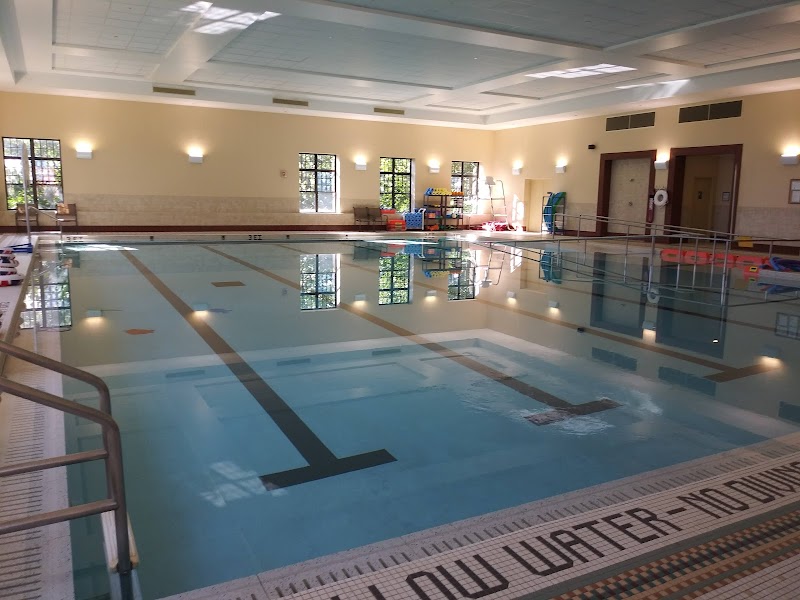
How is Masonic Village At Sewickley Staffed?

CMS rates MASONIC VILLAGE AT SEWICKLEY's staffing level at 5 out of 5 stars, which is much above average compared to other nursing homes. Staff turnover is 24%, compared to the Pennsylvania average of 46%. This relatively stable workforce can support continuity of care.

What Have Inspectors Found at Masonic Village At Sewickley?

State health inspectors documented 25 deficiencies at MASONIC VILLAGE AT SEWICKLEY during 2023 to 2025. These included: 24 with potential for harm and 1 minor or isolated issues.

Who Owns and Operates Masonic Village At Sewickley?

MASONIC VILLAGE AT SEWICKLEY is owned by a non-profit organization. Non-profit facilities reinvest revenue into operations rather than distributing to shareholders. The facility operates independently rather than as part of a larger chain. With 128 certified beds and approximately 70 residents (about 55% occupancy), it is a mid-sized facility located in SEWICKLEY, Pennsylvania.

How Does Masonic Village At Sewickley Compare to Other Pennsylvania Nursing Homes?

Compared to the 100 nursing homes in Pennsylvania, MASONIC VILLAGE AT SEWICKLEY's overall rating (5 stars) is above the state average of 3.0, staff turnover (24%) is significantly lower than the state average of 46%, and health inspection rating (3 stars) is at the national benchmark.

What Should Families Ask When Visiting Masonic Village At Sewickley?

Based on this facility's data, families visiting should ask: "Can I visit during a mealtime to observe dining assistance and food quality?" "How do you handle medical emergencies, and what is your hospital transfer rate?" "Can I speak with family members of current residents about their experience?"

Is Masonic Village At Sewickley Safe?

Based on CMS inspection data, MASONIC VILLAGE AT SEWICKLEY has a clean safety record: no substantiated abuse findings (meaning no confirmed cases of resident harm), no Immediate Jeopardy citations (the most serious violation level indicating risk of serious injury or death), and is not on the Special Focus Facility watch list (a federal program monitoring the lowest-performing 1% of nursing homes). The facility has a 5-star overall rating and ranks #1 of 100 nursing homes in Pennsylvania. While no facility is perfect, families should still ask about staff-to-resident ratios and recent inspection results during their visit.

Do Nurses at Masonic Village At Sewickley Stick Around?

Staff at MASONIC VILLAGE AT SEWICKLEY tend to stick around. With a turnover rate of 24%, the facility is 21 percentage points below the Pennsylvania average of 46%. Low turnover is a positive sign. It means caregivers have time to learn each resident's needs, medications, and personal preferences. Consistent staff also notice subtle changes in a resident's condition more quickly.

Was Masonic Village At Sewickley Ever Fined?

MASONIC VILLAGE AT SEWICKLEY has no federal fines on record. CMS issues fines when nursing homes fail to meet care standards or don't correct problems found during inspections. The absence of fines suggests the facility has either maintained compliance or corrected any issues before penalties were assessed. This is a positive indicator, though families should still review recent inspection reports for the full picture.

Is Masonic Village At Sewickley on Any Federal Watch List?

MASONIC VILLAGE AT SEWICKLEY is not on any federal watch list. The most significant is the Special Focus Facility (SFF) program, which identifies the bottom 1% of nursing homes nationally based on persistent, serious quality problems. Not being on this list means the facility has avoided the pattern of deficiencies that triggers enhanced federal oversight. This is a positive indicator, though families should still review the facility's inspection history directly.