RIDGEVIEW HEALTHCARE & REHAB CENTER
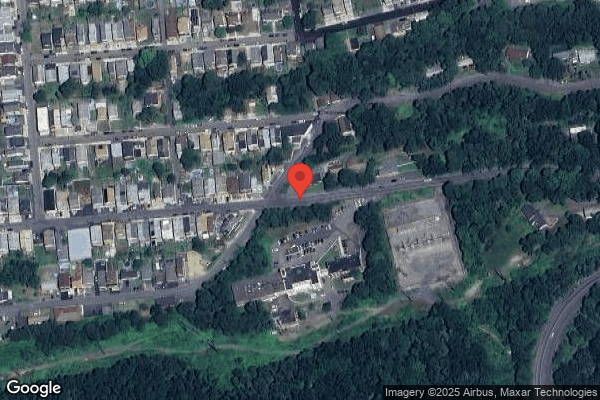
200 PENNSYLVANIA AVENUE, SHENANDOAH, PA 17976 (570) 462-1921
For profit - Limited Liability company 111 Beds Independent Data: November 2025
Trust Grade
0/100
Last Inspection: May 2025

Inspected within the last 6 months. Data reflects current conditions.

Overview

Ridgeview Healthcare & Rehab Center has received a Trust Grade of F, indicating significant concerns and a poor overall performance. It ranks last in both Pennsylvania and Schuylkill County, meaning there are no better local options available. Although the facility is improving, as evidenced by a decrease in issues from 47 in 2024 to 12 in 2025, it still has serious staffing challenges with a turnover rate of 64%, well above the state average. The facility faces concerning fines of $345,561, which is higher than 98% of Pennsylvania facilities, suggesting ongoing compliance problems. Specific incidents reported include a failure to ensure a resident was free from sexual abuse, and another resident suffered a concussion due to physical abuse by another resident, highlighting serious safety concerns. While there are some signs of improvement, families should weigh these weaknesses carefully when considering this facility.

Trust Score
F
0/100
In Pennsylvania
#112/223
Top 50%
Safety Record
High Risk
Review needed
Inspections
Getting Better
47 → 12 violations
Staff Stability
⚠ Watch
64% turnover. Above average. Higher turnover means staff may not know residents' routines.
Penalties
⚠ Watch
$345,561 in fines. Higher than 84% of Pennsylvania facilities, suggesting repeated compliance issues.
Skilled Nurses
✓ Good
Each resident gets 43 minutes of Registered Nurse (RN) attention daily — more than average for Pennsylvania. RNs are trained to catch health problems early.
Violations
⚠ Watch
82 deficiencies on record. Higher than average. Multiple issues found across inspections.
☆☆☆☆☆
0.0
Overall Rating
☆☆☆☆☆
0.0
Staff Levels
☆☆☆☆☆
0.0
Care Quality
☆☆☆☆☆
0.0
Inspection Score
Stable
2024: 47 issues
2025: 12 issues

The Good

  • Full Sprinkler Coverage · Fire safety systems throughout facility
  • No fines on record

Facility shows strength in fire safety.

The Bad

Staff Turnover: 64%

18pts above Pennsylvania avg (46%)

Frequent staff changes - ask about care continuity

Federal Fines: $345,561

Well above median ($33,413)

Significant penalties indicating serious issues

Staff turnover is elevated (64%)

16 points above Pennsylvania average of 48%

The Ugly 82 deficiencies on record

3 actual harm
May 2025 4 deficiencies
CONCERN (D)

Potential for Harm - no one hurt, but risky conditions existed

Assessment Accuracy (Tag F0641)

Could have caused harm · This affected 1 resident

**NOTE- TERMS IN BRACKETS HAVE BEEN EDITED TO PROTECT CONFIDENTIALITY** Based on observation, a review of clinical records, the Resident Assessment Instrument, and staff interviews, it was determined ...

Read full inspector narrative →
**NOTE- TERMS IN BRACKETS HAVE BEEN EDITED TO PROTECT CONFIDENTIALITY** Based on observation, a review of clinical records, the Resident Assessment Instrument, and staff interviews, it was determined the facility failed to ensure the Minimum Data Set Assessments accurately reflected the status of two residents out of 18 sampled (Residents 9 and 31). Findings include: According to the Resident Assessment Instrument (RAI) User's Manual (an assessment tool utilized to gather definitive information on a resident's strengths and needs, which must be addressed in an individualized care plan, and the RAI also assists staff to evaluate goal achievement and revise care plans accordingly by enabling the facility to track changes in the resident's status) dated October 2024, Section N Medications Subsection N0350A: Insulin, indicate the number of days during the 7-day look-back period that the resident received insulin (a hormone medication used to treat diabetes) injections. A clinical record review revealed Resident 9 was admitted to the facility on [DATE]. A review of a quarterly Minimum Data Set assessment (MDS-a federally mandated standardized assessment process conducted periodically to plan resident care) dated May 6, 2025, Section N Medication Subsection N0250. Insulin revealed that Resident 9 received one injection of insulin during the 7-day look-back period. A review of Resident 9's medication administration records dated April and May 2025 revealed no documented evidence Resident 9 received an insulin injection during the seven-day look-back period. During an interview on May 22, 2025, at approximately 9:30 AM, with the Regional Nurse Consultant and Registered Nurse Assessment Coordinator (RNAC) confirmed Resident 9 did not receive an insulin injection during the seven-day look-back period, as indicated in the resident MDS assessment May 6, 2025. After inquiries made during the survey, the facility corrected the error and submitted a modification to the May 6, 2025, MDS assessment for Resident 9. According to the RAI User's Manual dated October 2024, Section L0200 Dental indicates that facilities will code any dental problems in the seven day look back period of the MDS. A clinical record review revealed Resident 31 was admitted to the facility on [DATE]. Observation on May 20, 2025, at 11:50 AM revealed that Resident 31 was edentulous (lacking teeth). Further review of the clinical record revealed a Dental Consult dated December 23, 2024, which indicated the resident had seven teeth extracted. A Dental Consult dated April 1, 2025, revealed a full upper bite block (a device used in dentistry to help establish the correct bite and facial concerns when fabricating dentures) and full lower bite block was completed by the dentist. A Dental Consult dated April 30, 2025, revealed the resident's full upper and lower dentures were inserted for the resident to try them out. However, the dental consult failed to indicate the results of the trial. Interview with the Regional Nurse Consultant on May 22, 2025, at approximately 11:00 AM confirmed that the resident did not yet have his dentures and that a follow-up visit was scheduled for May 30, 2025. Review of an annual MDS dated [DATE], Section L0200 B (no natural teeth or tooth fragments- edentulous) was not selected to reflect that Resident 31 was edentulous. During an interview on May 22, 2025, at approximately 11:00 AM the Regional Nurse Consultant confirmed that Resident 31's annual MDS assessment dated [DATE], Section L Dental was not accurate. 28 Pa. Code 211.5(f)(viii)(ix) Medical records. 28 Pa. Code 211.12(c)(d)((1)(3)(5) Nursing services.
CONCERN (D)

Potential for Harm - no one hurt, but risky conditions existed

Comprehensive Care Plan (Tag F0656)

Could have caused harm · This affected 1 resident

**NOTE- TERMS IN BRACKETS HAVE BEEN EDITED TO PROTECT CONFIDENTIALITY** Based on observation, a review of clinical records and staff interview, it was determined the facility failed to develop and imp...

Read full inspector narrative →
**NOTE- TERMS IN BRACKETS HAVE BEEN EDITED TO PROTECT CONFIDENTIALITY** Based on observation, a review of clinical records and staff interview, it was determined the facility failed to develop and implement a comprehensive person-centered care plan that included specific and individualized interventions to address dental needs for one out of 18 residents sampled (Resident 31). Findings include: A clinical record review revealed Resident 31 was admitted to the facility on [DATE], with diagnoses that included Parkinson's disease (disorder of the central nervous system that affects movement, often including tremors) and dementia (condition characterized by the loss of cognitive functioning such as thinking, remembering, and reasoning, to such an extent that it interferes with a person's daily life and activities). Observation on May 20, 2025, at 11:50 AM revealed that Resident 31 was edentulous (lacking teeth). Further review of the clinical record revealed a Dental Consult dated December 23, 2024, which indicated the resident had seven teeth extracted. A Dental Consult dated April 1, 2025, revealed a full upper bite block (a device used in dentistry to help establish the correct bite and facial concerns when fabricating dentures) and full lower bite block was completed by the dentist. A Dental Consult dated April 30, 2025, revealed the resident's full upper and lower dentures were inserted for the resident to try them out. However, the dental consult failed to indicate the results of the trial. Interview with the Regional Nurse Consultant on May 22, 2025, at approximately 11:00 AM confirmed the resident did not yet have his dentures and that a follow-up visit was scheduled for May 30, 2025. Further review of the clinical record revealed no documented evidence the facility developed a care plan to reflect Resident 31's dental status including the resident becoming edentulous due to the extractions on December 23, 2024, and the plan/timeline to obtain dentures for the resident. During an interview on May 22, 2025, at approximately 11:00 AM, the Regional Nurse Consultant confirmed it is the facility's responsibility to ensure each resident's comprehensive person-centered care plan includes identified problems and services that are to be provided to assist the resident to attain or maintain their highest practicable physical, mental, and psychosocial well-being. The Regional Nurse Consultant confirmed Resident 31's comprehensive person-centered care plan did not reflect the residen'ts dental needs. 28 Pa Code 211.10 (c) Resident care policies. 28 Pa Code 211.12 (d)(1)(3) Nursing services.
CONCERN (D)

Potential for Harm - no one hurt, but risky conditions existed

Quality of Care (Tag F0684)

Could have caused harm · This affected 1 resident

**NOTE- TERMS IN BRACKETS HAVE BEEN EDITED TO PROTECT CONFIDENTIALITY** Based on a review of clinical records, observation, and staff interviews, it was determined the facility failed to provide nursi...

Read full inspector narrative →
**NOTE- TERMS IN BRACKETS HAVE BEEN EDITED TO PROTECT CONFIDENTIALITY** Based on a review of clinical records, observation, and staff interviews, it was determined the facility failed to provide nursing services consistent with professional standards of practice by not ensuring the consistent application of physician-ordered preventative measures for safety for one of 18 residents sampled (Resident 39). Findings include: A review of the clinical record revealed Resident 39 was admitted to the facility on [DATE], with diagnoses to include dementia (a chronic or persistent disorder of the mental processes caused by brain disease or injury and marked by memory disorders, personality changes, and impaired reasoning) and Parkinson's disease (a brain disorder that causes unintended or uncontrollable movements, such as shaking, stiffness, and difficulty with balance and coordination). A review of a quarterly Minimum Data Set assessment (MDS-a federally mandated standardized assessment process conducted periodically to plan resident care) dated February 26, 2025, revealed that Resident 39 had moderately impaired cognition with a BIMS score of 10 (Brief Interview for Mental Status-a tool within the Cognitive Section of the MDS that is used to assess the resident's attention, orientation, and ability to register and recall new information; a score of 8-12 indicates cognition is moderately impaired). Further review of the clinical record revealed a physician's order dated March 9, 2025, revealed an order for non-skid strips to the floor on the door side of the bed. A review of the resident's care plan in effect through the survey end date of May 23, 2025, revealed that he was at risk for falls, had fallen multiple times, and had a planned intervention of non-skid strips to the floor of the door side of the bed. Observation of Resident 39 in his room on May 20, 2025, at 12:15 PM revealed he was sitting in his bed eating his lunch. There was no evidence of non-skid strips to the floor on the door side of the bed. A second observation of Resident 39's room on May 20, 2025, at 1:30 PM revealed no evidence of non-skid strips on the floor for the door side of the bed and was confirmed by Employee 1, Registered Nurse Supervisor. An interview with the Regional Nurse Consultant and Nursing Home Administrator on May 21, 2025, at 12:00 PM confirmed that staff had not consistently followed the physician's orders for application of non-skid strips to the floor on the door side of the bed for safety for Resident 39. 28 Pa. Code 211.12 (d)(1)(3)(5) Nursing services
CONCERN (E)

Potential for Harm - no one hurt, but risky conditions existed

Deficiency F0692 (Tag F0692)

Could have caused harm · This affected multiple residents

**NOTE- TERMS IN BRACKETS HAVE BEEN EDITED TO PROTECT CONFIDENTIALITY** Based on a review of select facility policies, the facility diet manual, clinical records, and staff interviews, it was determin...

Read full inspector narrative →
**NOTE- TERMS IN BRACKETS HAVE BEEN EDITED TO PROTECT CONFIDENTIALITY** Based on a review of select facility policies, the facility diet manual, clinical records, and staff interviews, it was determined that the facility failed to assess, evaluate, and monitor the nutritional parameters of residents with significant weight loss for two of 18 residents reviewed (Residents 27 and 69). Findings include: Review of a facility policy titled Weight Monitoring Standards, last reviewed by the facility in October 2024, revealed if the monthly weight shows more than a 5% gain or loss, the resident is re-weighed within 24 hours. If there is an actual 5% or more gain or loss in one month, the resident, family, physician, and the Dining Services Director are notified by the Nursing Department. Documentation of the date notified should be documented in the nursing progress section of the medical record. The Dining Services Director/designee reviews the resident's nutritional status and makes recommendations for intervention in the nutrition progress notes if a significant change is noted. Review of a facility policy titled Weight Assessment and Intervention, last reviewed by the facility on April 15, 2025, revealed the physician and the multidisciplinary team would identify conditions and medications that may be causing anorexia, weight loss, or increasing the risk of weight loss, including medication-related adverse consequences. A review of the clinical record revealed Resident 27 was admitted to the facility August 7, 2022, with diagnoses to include dementia (a chronic or persistent disorder of the mental processes caused by brain disease or injury and marked by memory disorders, personality changes, and impaired reasoning) and chronic obstructive pulmonary disease (COPD is a condition caused by damage to the airways or other parts of the lung that blocks airflow and makes it hard to breathe). A quarterly Minimum Data Set Assessment (MDS - a federally mandated standardized assessment conducted at specific intervals to plan resident care) of Resident 27 dated May 5, 2025, revealed the resident was severely cognitively impaired with a BIMS score of 02 (brief interview for mental status, a tool to assess the residents' attention, orientation, and ability to register and recall new information, a score of 0-7 indicates severe cognitive impairment). A review of the clinical record revealed a physician's order dated March 10, 2025, revealed an order for Senokot S 8.6-50 milligrams (mg) one tablet daily at bedtime for constipation (difficulty in bowel movements). Senekot is medication used to treat constipation with possible adverse side effect of loose stools. A review of the clinical record revealed a physician's order dated March 26, 2025, for a mechanical soft diet. A review of a facility diet manual revealed a mechanical soft diet which per the facility's diet manual provides approximately 1600-2000 calories and 60-75 grams of protein per day at the facility. A review of the clinical record revealed a physician's order dated March 27, 2025, for a health shake three times a day between meals to promote optimal intake (health shake- a nutritional beverage supplement that provides additional calories, protein, and essential nutrients). The facility uses a 4 oz. mighty shake which provides 200 calories and 7 grams of protein. A review of the clinical record of a nurse progress alert note dated April 8, 2025, revealed that Resident 27 had at least three loose stools in a 24-hour period, and it was noted the resident was on medications that can contribute to lose stools. Nurse alert progress notes dated April 28, April 29, May 5, May 12, May 13, May 16, and May 19, 2025, documented that the resident experienced at least three loose stools in a 24-hour period. The episodes were attributed to medication side effects and rectal prolapse. No adjustments were made to the resident's medication regimen, and no documentation from the physician or nurse practitioner addressed the repeated episodes of loose stools. A review of Documentation Survey Report v2 (care tasks completed for the resident) for April 2025 until May 22, 2025, revealed that Resident 27 had experienced multiple loose stools regularly. Review of the Medication Administration Record from April through May 22, 2025, revealed that Senokot S was administered daily, with the exception of April 7, 2025, when it was held due to lose stools. The Documentation Survey Report confirmed the resident had frequent loose stools during this time period. A Registered Dietician (RD) note dated May 6, 2025, documented the resident experienced a 3.4-pound weight loss in 30 days, a 14-pound (11%) loss over 90 days, and a 16-pound (12%) loss over 180 days. The RD reported inconsistent meal intake (0 -25% for 2 meals; 25-50% for 6 meals; 50-75% for 3 meals; 75-100% for 10 meals; one meal was refused) and confirmed the resident was receiving health shakes three times daily. A subsequent RD note dated May 10, 2025, acknowledged the weight loss and noted Senokot S as part of the medication review. The RD noted that weight loss may be associated with natural aging process due to advanced age of [AGE] years old. During an interview on May 22, 2025, at approximately 10:00 AM, Employee 2, a Certified Registered Nurse Practitioner, stated she was unaware of the recent weight loss and confirmed that although she was aware of the resident's ongoing loose stools, no hold parameters had been ordered for Senokot. She was aware Resident 27 was having loose stools regularly, but she did not want Resident 27 to end up with constipation due to the prolapsed rectum There was no documentation in the clinical record from either the physician or CRNP acknowledging or evaluating the ongoing loose stools. Following surveyor inquiry, a new order dated May 22, 2025, was obtained to hold Senekot if the resident experienced loose stools. Interview with the Regional Nurse Consultant on May 22, 2025, at approximately 12:50 PM, confirmed the facility failed to recognize contributing factors including frequent loose stools, that may have contributed to Resident 27's significant weight loss. A review of Resident 69's clinical record revealed admission to the facility on December 26, 2023, with diagnoses to include Alzheimer's Disease (a progressive brain disease that destroys memory and other important mental functions), and adult failure to thrive (a global decline in health often characterized by weight loss, decreased appetite, poor nutrition, and reduced physical activity). A review of the resident's weights noted the following: January 4, 2025 - 182.4 lbs. February 4, 2025 - 163.2 lbs. indicating a 19.2 lb. weight loss or 10.53% loss of body weight. There was no documented evidence the resident was reweighed within 24 hours as required by facility policy. Additionally, there was no documentation that the physician, resident representative, or Dining Services Director/designee were notified of the significant weight loss. There was also no documentation to indicate that the resident's nutritional status was reviewed or that interventions were recommended by the Dining Services Director. During an interview on May 22, 2025, at approximately 12:50 PM, the Regional Nurse Consultant confirmed that the facility failed to obtain a reweight and failed to timely notify the physician, RP, and Dining Services Director regarding the resident's weight loss. She acknowledged that the facility lacked necessary information to accurately assess Resident 69's nutritional status, evaluate intake adequacy, and plan for appropriate nutritional support. 28 Pa Code 211.5(f)(ix) Medical records 28 Pa. Code 211.12 (c)(d)(3)(5) Nursing services
Mar 2025 7 deficiencies
CONCERN (D) 📢 Someone Reported This

A family member, employee, or ombudsman was alarmed enough to file a formal complaint

Potential for Harm - no one hurt, but risky conditions existed

Deficiency F0554 (Tag F0554)

Could have caused harm · This affected 1 resident

**NOTE- TERMS IN BRACKETS HAVE BEEN EDITED TO PROTECT CONFIDENTIALITY** Based on observation, a review of clinical records, and select facility policy and staff interview, it was determined the facili...

Read full inspector narrative →
**NOTE- TERMS IN BRACKETS HAVE BEEN EDITED TO PROTECT CONFIDENTIALITY** Based on observation, a review of clinical records, and select facility policy and staff interview, it was determined the facility failed to ensure the self-administration of medications was clinically appropriate for one of the 20 residents sampled (Resident 63). Findings include: A review of facility policy titled Self-Administration of Medications, last reviewed by the facility in October 2024, revealed residents have the right to self-administer medications if the interdisciplinary team has determined it is clinically appropriate and safe for the resident. If it is deemed safe and appropriate for a resident to self-administer medications, this is documented in the medical record and care plan. A clinical record review revealed Resident 63 was admitted to the hospital on [DATE], with diagnoses that included chronic obstructive pulmonary disease (COPD is a condition caused by damage to the airways or other parts of the lung that blocks airflow and makes it hard to breathe) and dementia (a condition characterized by the loss of cognitive functioning such as thinking, remembering, and reasoning, to such an extent that it interferes with a person's daily life and activities). A review of a quarterly Minimum Data Set assessment (MDS-a federally mandated standardized assessment process conducted periodically to plan resident care) dated December 10, 2024, revealed that Resident 63 is cognitively intact with a BIMS score of 13 (Brief Interview for Mental Status- a tool within the Cognitive Section of the MDS that is used to assess the resident's attention, orientation, and ability to register and recall new information; a score of 13-15 indicates cognition is intact). A clinical record review revealed a physician's order for Resident 63 to receive Docusil oral capsule 100 mg (docusate sodium- a laxative medication) with directions to give 100 mg by mouth two times a day for stool softener initiated on December 5, 2024. During an observation on March 13, 2025, at 8:57 AM, Resident 63 was observed lying on his bed. On his bedside table were three red gelcap pills in a small, clear plastic cup. A clinical record review failed to reveal documented evidence indicating Resident 63 was assessed and deemed clinically appropriate and safe to self-administer his own medications. During an interview on March 13, 2025, at approximately 1:30 PM, the Director of Nursing (DON) indicated that the red gel capsules on Resident 63's bedside table were Docusil oral capsules 100 mg. The DON confirmed that there was no documented evidence deeming Resident 63 safe or clinically appropriate to self-administer his medication. The DON confirmed that the Docusil oral capsules 100 mg should not have been left at Resident 63's bedside table. The DON confirmed it is the facility's responsibility to ensure the self-administration of medications is safe and clinically appropriate. 28 Pa Code: 211.9 (a)(1) Pharmacy services. 28 Pa Code 211.10 (c) Resident care policies. 28 Pa Code 211.12 (d)(1)(5) Nursing services.
CONCERN (D) 📢 Someone Reported This

A family member, employee, or ombudsman was alarmed enough to file a formal complaint

Potential for Harm - no one hurt, but risky conditions existed

Safe Environment (Tag F0584)

Could have caused harm · This affected 1 resident

**NOTE- TERMS IN BRACKETS HAVE BEEN EDITED TO PROTECT CONFIDENTIALITY** Based on observations and staff interviews, it was determined the facility failed to provide adequate housekeeping services to m...

Read full inspector narrative →
**NOTE- TERMS IN BRACKETS HAVE BEEN EDITED TO PROTECT CONFIDENTIALITY** Based on observations and staff interviews, it was determined the facility failed to provide adequate housekeeping services to maintain a clean, sanitary, and homelike environment in one of the two nursing halls (second-floor nursing unit). Findings Include: An observation conducted on March 13, 2025, at approximately 9:00 AM, in room [ROOM NUMBER] revealed Resident 34 sitting in urine and feces-soaked linens that had leaked onto the floor. The floor beneath the bed and surrounding area was visibly soiled with brown and yellow liquid, emitting a foul, overpowering odor. The unsanitary conditions were immediately apparent from the hallway, creating an environment that was both demeaning and hazardous to the resident's dignity and well-being. A second observation on March 13, 2025, at approximately 1:30 PM, conducted with Employee 4, Registered Nurse, confirmed the yellow liquid remained present beneath the bed and in the surrounding area, still emitting a strong foul odor, indicating that no corrective action had been taken for over four hours. During an interview on March 13, 2025, at approximately 3:00 PM, the Nursing Home Administrator acknowledged the facility had failed to maintain a clean and sanitary environment. This failure to provide fundamental housekeeping services compromised resident dignity, exposed residents to infection risks, and created an unfit living environment. Cross refer F 880 28 Pa. Code 201.18 (e)(1) (2.1) Management 28 Pa. Code 201.29 (a) Resident Rights
CONCERN (D) 📢 Someone Reported This

A family member, employee, or ombudsman was alarmed enough to file a formal complaint

Potential for Harm - no one hurt, but risky conditions existed

Quality of Care (Tag F0684)

Could have caused harm · This affected 1 resident

**NOTE- TERMS IN BRACKETS HAVE BEEN EDITED TO PROTECT CONFIDENTIALITY** Based on a review of clinical records, observation, and resident and staff interviews, it was determined the facility failed to ...

Read full inspector narrative →
**NOTE- TERMS IN BRACKETS HAVE BEEN EDITED TO PROTECT CONFIDENTIALITY** Based on a review of clinical records, observation, and resident and staff interviews, it was determined the facility failed to provide nursing services consistent with professional standards of practice by failing to thoroughly assess, obtain physician orders, and develop and implement a person-centered comprehensive care plan in accordance with standards of practice for one resident out of 20 sampled residents. (Resident 34) Findings include: According to the American Nurses Association Principles for Nursing Documentation, nurses document their work and outcomes and provide an integrated, real-time method of informing the health care team about the patient status. Timely documentation of the following types of information should be made and maintained in a patient's EHR (electronic health record) to support the ability of the health care team to ensure informed decisions and high-quality care in the continuity of patient care: -Assessments -Clinical problems -Communications with other health care professionals regarding the patient -Communication with and education of the patient, family, and the patient's designated support person. A review of the clinical record revealed that Resident 34 was admitted to the facility on [DATE], with diagnoses that included congestive heart failure (CHF occurs when the heart is unable to pump sufficiently to maintain blood flow to meet the body's needs) and morbid obesity (a chronic disease that's characterized by a body mass index of 40 or higher, or a body mass index of 35 or higher with obesity-related health issues). A review of a quarterly Minimum Data Set assessment (MDS-a federally mandated standardized assessment process conducted periodically to plan resident care) dated February 19, 2025, revealed that Resident 34 is cognitively intact with a BIMS score of 15 (Brief Interview for Mental Status-a tool within the Cognitive Section of the MDS that is used to assess the resident's attention, orientation, and ability to register and recall new information; a score of 13-15 indicates cognition is intact). A progress note dated March 6, 2025, documented that Resident 34 was receiving wound care services for a pressure wound on the left buttock and incontinence-associated dermatitis (IAD) to bilateral buttocks. A review of a progress note dated March 6, 2025, revealed that Resident 34 is currently being followed by Integrated Wound Care for wound management for a pressure wound to the left buttock and incontinence-associated dermatitis (IAD a condition caused by prolonged exposure to moisture, friction, and irritants from urine and or stool. Leading to skin maceration, inflammation and potential breakdown) to bilateral buttocks. A review of weekly skin assessments dated March 8, 2025, confirmed the presence of a pressure wound to the left buttocks and IAD to the bilateral buttocks, but did not document any other skin issues. An observation during an interview on March 13, 2025, at approximately 9:00 AM with Resident 34 revealed she had redness under the area of her left axilla (armpit) that appeared to be a fungal rash. During an interview on March 13, 2025, at 1:30 PM, Employee 4, Registered Nurse (RN), stated that she believed Resident 34 had multiple fungal areas but noted that the resident frequently refused skin assessments. An attempt was made to assess the rash with the RN present; however, Resident 34 refused further examination at that time. A review of Resident 34's physician orders revealed no documented orders for assessment or treatment of a fungal rash. A review of Resident 34's plan of care, in effect at the time of the abbreviated survey ending March 13, 2025, indicated that the resident had a potential for infection and impaired skin integrity related to refusal of incontinence care and showers. However, the care plan failed to identify or address the fungal rash. The facility was unable to provide documented evidence that Resident 34's fungal rash was assessed, treated, or incorporated into her care plan. An interview with the Director of Nursing (DON) on March 13, 2025, at 2:00 PM, confirmed the facility failed to assess and document the presence of Resident 34's fungal rash, obtain appropriate physician orders, and update the resident's care plan accordingly. This failure placed Resident 34 at risk for undetected complications, inadequate treatment, and worsening of skin integrity. 28 Pa. Code 211.5(f)(ii)(iv)(ix) Medical records 28 Pa. Code 211.12 (c)(d)(1)(3)(5) Nursing services.
CONCERN (D) 📢 Someone Reported This

A family member, employee, or ombudsman was alarmed enough to file a formal complaint

Potential for Harm - no one hurt, but risky conditions existed

Accident Prevention (Tag F0689)

Could have caused harm · This affected 1 resident

**NOTE- TERMS IN BRACKETS HAVE BEEN EDITED TO PROTECT CONFIDENTIALITY** Based on observations, a review of clinical records, select facility investigative reports, and resident and staff interviews, i...

Read full inspector narrative →
**NOTE- TERMS IN BRACKETS HAVE BEEN EDITED TO PROTECT CONFIDENTIALITY** Based on observations, a review of clinical records, select facility investigative reports, and resident and staff interviews, it was determined the facility failed to implement effective safety measures and sufficient staff supervision to prevent falls for one out of 20 sampled residents (Resident 35) and maintain a safe environment for three out of 20 sampled residents (Residents 52, 55, and 56). Findings include: A clinical record review revealed Resident 35 was admitted to the facility on [DATE], with diagnoses that included dementia (a condition characterized by the loss of cognitive functioning such as thinking, remembering, and reasoning, to such an extent that it interferes with a person's daily life and activities) and chronic kidney disease (gradual loss of kidney function). A review of a quarterly Minimum Data Set assessment (MDS-a federally mandated standardized assessment process conducted periodically to plan resident care) dated February 3, 2025, revealed that Resident 35 was severely cognitively impaired with a BIMS score of 3 (Brief Interview for Mental Status-a tool within the Cognitive Section of the MDS that is used to assess the resident's attention, orientation, and ability to register and recall new information; a score of 1-7 indicates severe cognitive impairment). A clinical record review revealed Resident 35 is at risk for falls related to a history of falls initiated on March 1, 2024. Interventions in place included placement of antiskid strips from the bedside to the bathroom, anticipating the resident's needs and ensuring the call light was within reach, keeping the bed in a low position and posting signage to remind the resident to ring the call bell for assistance. A progress note dated March 8, 2025, at 3:28 AM, indicated that Resident 35 fell from the bed and was unable to recall details of the fall. The resident complained of pain but could not specify the location. The resident was provided incontinence care and neurological checks were initiated and performed. There were no injuries identified at the time. The assessment at that time noted: Blood glucose: 164 mg/dL Blood pressure: 108/52 mmHg Body temperature: 102.0°F Oxygen saturation: 92% on room air Despite the fall and the resident's confusion, a review of the clinical record failed to reveal any additional safety measures implemented to prevent further falls. A fall risk assessment completed at 3:34 AM on March 8, 2025, confirmed that Resident 35 remained at high risk for falls. A progress note dated March 8, 2025, at 1:30 PM, indicated Resident 35 was observed to be diaphoretic, shaking, and covered in sweat. The resident reported not feeling well and stated that she was cold, tired, and wanted to be left alone. The resident is only alert to self and very confused. The assessment at that time noted: Blood pressure: 160/100 mmHg Heart rate: 55 beats per minute Respiratory rate: 24 breaths per minute Oxygen saturation: 89%-90% on room air Body temperature: 102.7°F Resident 35 was placed on 2.0 liters per minute of oxygen via nasal cannula, administered Tylenol per physician's order for fever, and new physician's orders were received for laboratory tests (complete blood count and basic metabolic panel), blood cultures, a chest X-ray, respiratory infection panel, and intravenous fluids of. normal saline solution at 100 ml/hr., and vital signs to be obtained each shift. A progress note dated March 8, 2025, at 4:00 PM, indicated another resident called nursing staff because Resident 35 experienced another fall and was found on the floor. The note indicated Resident 35 was assisted back to bed, at that time, her vital signs were: Blood pressure: 140/90 mmHg Heart rate: 68 beats per minute Respiratory rate: 30 breaths per minute Oxygen saturation: 92% on 2 liters per minute oxygen Body temperature: 103.0°F The resident reported pain in her legs and sacrum. Resident. Was in bed with the bed and the lowest position and her call bell was in reach. The physician was notified who indicated to send the resident to the emergency department for evaluation. Despite this second fall within 24 hours, the clinical record failed to reveal any additional safety interventions implemented to prevent further falls. At 4:10 PM, Resident 35 fell for a third time within a 10-minute period, prompting the facility to initiate one-to-one (1:1) supervision until emergency services arrived at 4:15 PM to transport the resident to the emergency department. A community emergency department Discharge summary dated [DATE], revealed Resident 35 was admitted on [DATE], with altered mental status and multiple falls. She was diagnosed and treated for sepsis due to urinary tract infection, acute kidney injury, and electrolyte disturbances. During an interview on March 13, 2025, at approximately 1:30 PM, the Nursing Home Administrator (NHA) and Director of Nursing (DON) confirmed there was no evidence that the facility implemented additional or effective safety measures to mitigate Resident 35's risk for falling on March 8, 2025. The DON and NHA confirmed it is the facility's responsibility to ensure effective safety measures are implemented and residents receive sufficient staff supervision to prevent falls. A clinical record review revealed Resident 52 was admitted to the facility on [DATE], with diagnoses that included epilepsy (a chronic brain disorder characterized by recurrent seizures). A review of a quarterly MDS assessment dated [DATE], revealed that Resident 52 has a problem with short-term and long-term memory, has severely impaired cognitive skills for daily decision-making, and has a BIMS score of 99 (a score of 99 indicates that the resident was unable to provide or did not provide answers to complete this section). A clinical record review revealed Resident 55 was admitted to the facility on [DATE], with diagnoses that included Parkinson's disease (a brain disorder that causes unintended or uncontrollable movements, such as shaking, stiffness, and difficulty with balance and coordination). A review of an annual MDS assessment dated [DATE], revealed that Resident 55 is severely cognitively impaired with a BIMS score of 04 (a score of 01-07 indicates severe cognitive impairment). A clinical record review revealed Resident 56 was admitted to the facility on [DATE], with diagnoses that included epilepsy. A review of a quarterly MDS assessment dated [DATE], revealed that Resident 56 is cognitively intact with a BIMS score of 15 (a score of 13-15 indicates cognition is intact). A clinical record review revealed physician's orders for Resident 52 to receive Atenolol tablet 25 mg (a beta blocker medicine, used to treat high blood pressure) with directions to give by mouth two times a day for hypertension initiated on October 5, 2021. A physician's order for Resident 52 to receive a folic acid tablet (a vitamin supplement that may be used to prevent and treat folate deficiency) was initiated on October 6, 2021. A physician's order for Resident 52 to receive a 500 mg Levetiracetam tablet (an anticonvulsant seizure medication) with directions to give twice daily related to seizures initiated on October 5, 2021. A physician's order for Resident 52 to receive Aspirin 81 mg with directions to give 1 tablet by mouth in the morning for coronary artery disease was initiated on October 27, 2023. A review of the facility census dated March 13, 2025, revealed Residents 55 and 56 share a resident room. During an observation on March 13, 2025, at 9:23 AM, five pills in a clear plastic cup were observed on Resident 56's bedside table in the resident's room. During an interview at the same time as the observation, Resident 56 indicated the medications were given to him a few days ago but were not his medications, and he had refused to take them. The resident further explained that the facility frequently gave him his roommate's and neighbor's medications (Resident 55 and his neighbor Resident 52) by mistake. Resident 56 explained the medication has been at his bedside since he refused to take it last week. The resident was unable to recall the exact date the medications were placed on his bedside table Resident 52 and Resident 55 were not able to provide answers when asked about their medications. During an interview on March 13, 2025, at 9:25 AM, Employee 3, Licensed Practical Nurse (LPN), confirmed that Resident 56 should not have had medications at his bedside and immediately collected the medications. During an interview on March 13, 2025, at 1:30 PM, the DON confirmed the medications found at Resident 56's bedside belonged to Resident 52. The DON identified the medications as: Atenolol 25 mg tablet (for hypertension) Folic acid 2.0 mg tablets (two) Levetiracetam 500 mg tablet (an anticonvulsant for seizures) Aspirin 81 mg tablet (for coronary artery disease) The DON was unable to explain how Resident 56 came into possession of Resident 52's medications. The DON confirmed that it is the facility's responsibility to ensure a safe environment free of accident hazards, including preventing medication errors and ensuring proper medication security. 28 Pa. Code 201.18 (b)(1)(e)(1) Management. 28 Pa. Code 211.12 (d)(1)(3)(4)(5) Nursing services.
CONCERN (D) 📢 Someone Reported This

A family member, employee, or ombudsman was alarmed enough to file a formal complaint

Potential for Harm - no one hurt, but risky conditions existed

Deficiency F0801 (Tag F0801)

Could have caused harm · This affected 1 resident

Based on staff interview and a review of employee credentials, it was determined the facility failed to employ a full-time qualified director of food and nutrition services and failed to ensure the re...

Read full inspector narrative →
Based on staff interview and a review of employee credentials, it was determined the facility failed to employ a full-time qualified director of food and nutrition services and failed to ensure the registered dietitian (RD) provided the required on-site oversight of the food and nutrition services department. Findings include: An interview with the facility's Nursing Home Administrator (NHA) on March 13, 2025, at approximately 3:00 PM, revealed Employee 1 was appointed as the dietary supervisor on October 28, 2024. However, Employee 1 did not possess the regulatory qualifications for the role, as she was not a Certified Dietary Manager (CDM) and had not yet completed the required CDM program. Additionally, the NHA was unable to provide a definitive timeline for Employee 1's program completion or when she would obtain certification. The NHA further confirmed the full-time registered dietitian (RD) resigned on January 23, 2025. The NHA stated that since that time, the facility had not employed an in-house RD and instead relied on a corporate dietitian who provided services exclusively on a remote basis. She stated that all the dietary documentation/assessments from January 23, 2025, to the date of the survey was completed remotely by the corporate dietitian. The NHA confirmed the corporate RD did not conduct on-site supervisory oversight of the food and nutrition services department, including staff training, direct observation of residents for comprehensive nutritional assessments, or monitoring of meal service. 28 Pa Code 201.18 (b)(1)(3) Management.
CONCERN (E) 📢 Someone Reported This

A family member, employee, or ombudsman was alarmed enough to file a formal complaint

Potential for Harm - no one hurt, but risky conditions existed

Deficiency F0836 (Tag F0836)

Could have caused harm · This affected multiple residents

**NOTE- TERMS IN BRACKETS HAVE BEEN EDITED TO PROTECT CONFIDENTIALITY** Based on the facility's accounts payable ledger and staff interviews, it was determined the facility failed to comply with Feder...

Read full inspector narrative →
**NOTE- TERMS IN BRACKETS HAVE BEEN EDITED TO PROTECT CONFIDENTIALITY** Based on the facility's accounts payable ledger and staff interviews, it was determined the facility failed to comply with Federal, State, and Local laws and professional standards by not ensuring timely payment for goods and services necessary for daily operations. Findings include: The 28 PA Code Commonwealth of Pennsylvania Long Term Care Licensure Regulations, subsection 201.14(g), dated July 1, 2023, revealed a facility owner shall pay in a timely manner bills incurred in the operation of a facility that are not in dispute and that are for services without which the resident's health and safety are jeopardized. A review of the current outstanding accounts payable ledger revealed outstanding balances as of January 1, 2025, exceeding 121 days past due, including but not limited to: Allstate Pest Management: $3,438.64 American Express Shenandoah: $359,551.27 Aplus Staffing LLC (nurse staffing agency): $558,269.78 [NAME] foods: $63,349.93 [NAME] of Shenandoah-Sewer: $2577.32 CMS: $157,209.00 Eshyft (nurse staffing agency): $772,572.57 Intelycare (nurse staffing agency): $182,485.12 Milestone staffing (nurse staffing agency): $322,911.51 Nutra Co: 50,940.50 Pennsylvania Nursing Facility Assessment-CHC: $3,556,756.93 [NAME] J. Thurick D.O. (facility medical director: $11,000 SEIU Healthcare PA Health and Welfare Plan: $1,463.25 SEIU Union Dues: $1,835.55 SEIU Training Fund: $24,935.69 Select Ambulance: $42,980.40 Total Plan Concepts: $258,058.70 Twin Med, LLC: $95,740.28 Xtreme Towing and Recovery, Snow Plowing and Removal: $1790.00 During an interview on March 13, 2025, at 11:00 AM, the facility's Nursing Home Administrator (NHA) confirmed the facility's owners had not provided evidence of payments or formal payment agreements for the outstanding vendor invoices. Additionally, she stated that facility administration did not have direct access to billing or payment records and could not verify whether any past-due bills had been settled. Additionally, the facility's Nursing Home Administrator (NHA) confirmed that 27 facility staff members received payroll checks in January 2025 that were returned due to insufficient funds. The NHA stated that the corporate office later reissued the checks and covered any associated fees. This failure to ensure the timely payment of essential goods, services, and payroll obligations represents noncompliance with Federal, State, and Local laws requiring facilities to maintain financial solvency to prevent operational disruptions that could jeopardize resident health and safety. The facility's failure to pay for critical staffing, food services, medical supplies, and essential utilities created a potential risk of adverse outcomes, including staffing shortages, disruptions in medical care, and food supply issues. 28 Pa. Code 201.14(g) Responsibility of Licensee. 28 Pa. Code 201.18 (b)(3)(e)(1) Management.
CONCERN (E) 📢 Someone Reported This

A family member, employee, or ombudsman was alarmed enough to file a formal complaint

Potential for Harm - no one hurt, but risky conditions existed

Infection Control (Tag F0880)

Could have caused harm · This affected multiple residents

**NOTE- TERMS IN BRACKETS HAVE BEEN EDITED TO PROTECT CONFIDENTIALITY** Based on clinical record review, observation, and interview it was determined, the facility failed to implement effective infect...

Read full inspector narrative →
**NOTE- TERMS IN BRACKETS HAVE BEEN EDITED TO PROTECT CONFIDENTIALITY** Based on clinical record review, observation, and interview it was determined, the facility failed to implement effective infection prevention and control practices regarding activities of daily living (ADLs), including toileting, bathing, and bed maintenance, for one of 20 sampled residents (Resident 34). Findings include: Clinical record review revealed that Resident 34 was admitted to the facility on [DATE] with diagnosis to include, morbid obesity, acute and chronic respiratory failure, Chronic obstructive pulmonary disease ( COPD type of obstructive lung disease characterized by long-term poor airflow. The main symptoms include shortness of breath and cough with sputum production.), diabetes, heart disease and anxiety. A quarterly Minimum Data Set assessment (MDS - a federally mandated standardized assessment conducted at specific intervals to plan resident care) dated February 19, 2025, revealed a BIMS score of 15 (brief interview for mental status, a tool to assess the residents attention, orientation and ability to register and recall new information, a score of 13-15 equates to being cognitively intact of 15) and required assistance with activities of daily living. A care plan initiated on November 18, 2022, documented that Resident 34 exhibited alterations in behavior, including frequent refusals of care and refusal to allow housekeeping to clean the mattress or room at times. Interventions included encouraging the resident to demonstrate appropriate behaviors and directing staff to re-offer care and housekeeping services as needed. A care plan dated March 13, 2023, revealed the resident frequently refused incontinent care and showers, threw soiled briefs and linens on the floor, and generated a strong odor in the room. Staff were directed to offer care every two hours and as needed. A care plan update initiated on April 4th, 2024, identified that Resident, 34, continued to lie in her own feces and urine despite staff interventions and refused all hygiene care. Staff documented persistent refusals of assistance with toileting, bathing and perineal care. The goal is to maintain improved hygiene and skin integrity by accepting staff assistance. A care plan goal-initiated June 27, 2022, and last updated October 14, 2024, for bowel and bladder incontinence directed staff to check and change the resident every two hours and as needed, including perineal care and changing soiled clothing after each incontinence episode. A care plan initiated February 27, 2024, identified the resident's refusal of care as a potential infection risk and skin integrity concern related to refusal of showers, refusal of getting out of bed's, refusal to allow housekeeping services, refusal of wound care. And refusal of accepting a new mattress. Interventions included monitoring for signs of infection, educating the resident on risks, and encouraging hygiene care. A review of shower records revealed that Resident 34 had refused a shower twice weekly on: February 18, 2025 February 21, 2025 February 25, 2025 February 28, 2025 March 4, 2025 March 7, 2025 March 11, 2025 Corresponding (with the residents scheduled showers) nursing weekly skin assessments from January 7, 2025, through March 13, 2025, documented the resident refused all skin assessments. A review of toileting records showed Resident 34 refused two-hour toileting and perineal care from February 18, 2025, through March 13, 2025. On March 13, 2025, at approximately 9:00 AM, Resident 34 was observed in her room sitting in urine- and feces-soaked linens, which had leaked onto the floor. [NAME] and yellow liquid was visible under and around the bed, with a strong foul odor emanating from the room. March 13, 2025, at approximately 1:30 PM, a second observation with Employee 4 (Registered Nurse) confirmed the presence of a yellow liquid under the bed and surrounding area, with a persistent foul odor. On March 13, 2025, at 2:00 PM, the Facility Maintenance Director stated that the resident's urination and defecation had soaked through the mattress and into the floor, creating an odor that could not be removed. He reported the resident's mattress was changed approximately every three months. On March 13, 2025, at 3:00 PM, the Nursing Home Administrator (NHA) confirmed that the resident consistently defecates and urinates in bed, refuses hygiene care, showers/bed baths, change of clothing, and remains in soiled linens for prolonged periods. The NHA stated this had resulted in continuous pressure and moisture-related skin issues. The resident refused weekly wound consultant assessments and nursing assessments for at least the past 7 months. The NHA acknowledged the unsanitary conditions but indicated staff do not know what to do. She confirmed that staff replaced the mattress and linens only when the resident permitted, approximately every three months. At the time of the survey, there was no evidence that the facility maintained a sanitary environment or implemented effective infection prevention and control measures for Resident 34, who required staff assistance for ADLs. Despite the resident's persistent refusal of toileting, bathing, and incontinence care, the facility failed to develop and implement alternative infection control strategies, such as individualized behavioral interventions, increased staff training, or modifications to care approaches. This failure resulted in prolonged exposure to urine and feces, an unsanitary living environment, increased infection risk, and potential for skin breakdown. Cross refer F584 28 Pa. Code 201.18 (b)(3)(e)(1)(2) Management. 28 Pa. Code 211.12 (d)(1)(3)(4)(5) Nursing services.
Jan 2025 1 deficiency 1 Harm
SERIOUS (G) 📢 Someone Reported This

A family member, employee, or ombudsman was alarmed enough to file a formal complaint

Actual Harm - a resident was hurt due to facility failures

Free from Abuse/Neglect (Tag F0600)

A resident was harmed · This affected 1 resident

**NOTE- TERMS IN BRACKETS HAVE BEEN EDITED TO PROTECT CONFIDENTIALITY** Based on review of clinical records, the facility's abuse prohibition policy, and select investigative reports, and interviews w...

Read full inspector narrative →
**NOTE- TERMS IN BRACKETS HAVE BEEN EDITED TO PROTECT CONFIDENTIALITY** Based on review of clinical records, the facility's abuse prohibition policy, and select investigative reports, and interviews with staff and residents it was determined the facility failed to ensure that one resident (resident 2) out of 7 residents sampled was free from sexual abuse and resultant psychosocial harm. Findings include: A review of a facility policy entitled Abuse Prevention last reviewed October 2024, revealed abuse, neglect, and/or mistreatment of residents will not be tolerated in any manner. All necessary steps shall be taken to ensure the provision of a safe and secure environment. Residents must not be subjected to abuse by anyone including but not limited to, facility staff, other residents, consultants, volunteers, staff of other agencies, family members, friends, or other individuals. A review of Resident 2's clinical record revealed the resident was admitted to the facility on [DATE], with diagnoses which included Huntington's Disease (an inherited disorder that causes nerve cells in parts of the brain to gradually break down and die. The disease attacks areas of the brain that help to control intentional movement, as well as other areas) and Dementia (illnesses that affect your thinking, memory, reasoning, personality, mood, and behavior). A review of the resident's Significant Change Minimum Data Set Assessment (MDS - a federally mandated standardized assessment conducted at specific intervals to plan resident care) dated December 15, 2024, revealed the resident was rarely understood, was severely cognitively impaired, was totally dependent on staff for eating showering, toileting, and dressing, and required maximal assistance with mobility. A review of Resident 3's clinical record revealed the resident was admitted to the facility on [DATE], with diagnoses which included bipolar disorder (a mental illness that causes extreme mood swings, which can impact a person's energy, thinking, and behavior) and generalized anxiety disorder (a condition that causes excessive and persistent worry that interferes with daily life). A review of Resident 3's admission MDS assessment dated [DATE], revealed that the resident was cognitively intact with a BIMS (Brief Interview for Mental Status, a tool to assess the resident's attention, orientation, and ability to register and recall new information) score of 15 (scores of 13-15 equate to intact cognition). A review of Resident 3's clinical record revealed no documented evidence the resident had ever displayed signs of sexually inappropriate behaviors while residing at the facility. Additionally, there was no care plan in place indicating the presence of such behaviors. A review of a facility investigative report dated January 19, 2025, at 1:15 PM revealed Resident 3, a cognitively intact resident was observed by staff performing oral sex on Resident 2, a cognitively impaired resident. A review of the investigative reports and witness statements confirmed that Employee 2 nurse aide (NA) and Employee 3, nurse aide (NA) both witnessed the event and immediately reported to the nurse, Employee 1 registered nurse (RN). When questioned Resident 3 admitted to engaging in the act, stating that Resident 2 had initiated the interaction, although Resident 2, due to her severe cognitive impairment, could not have consented to or initiated sexual behavior. A review of a statement from Resident 3, which did not indicate the date or time it was obtained, revealed that Resident 3 went into Resident 2's room to offer her roommate, some yogurt. Resident 3 stated that Resident 2 was moaning as if she needed a drink. He indicated that he went into the bathroom to get her some water, and upon returning, Resident 2 grabbed his hand and pulled him toward her and started to touch the front of his pants. Resident 3 indicated they began to kiss. Resident 3 stated that Resident 2 had her brief off, so he placed his head between her legs for a few seconds. He stated the staff came in, saw what was happening and he confirmed he immediately got up and left the room. A review of nursing documentation written by Employee 1, RN dated January 19, 2025, at 1:15 PM indicated she was notified by Employee 2 NA that Resident 3 was engaged in inappropriate behavior with Resident 2. When Resident 3 was asked what he was doing, he got up and walked out of the room. Resident 2 was observed lying on her mattress with her incontinence brief removed. When asked if someone hurt her, Resident 2 moaned yes. A body audit was conducted revealing no signs of bruising, marks or bleeding. State police were notified, and an investigation was initiated. Resident 2 was sent to the hospital for a rape kit examination. Resident 3 was separated from this resident and placed on one-to-one observation to ensure residents' safety and provide continuous supervision of this resident. A telephone interview with Employee 2, NA on January 22, 2025, at 1:00 PM revealed she was assigned to Resident 2 on January 19, 2025. Employee 2 stated that she asked Employee 3, NA for assistance with Resident 2's care. When they entered Resident 2's room, the privacy curtain was drawn, and they noticed sneakers sticking out from underneath the curtain. Employee 2 indicated she and Employee 3 then moved around the curtain and observed Resident 3 face positioned between Resident 2's legs. She also noted that Resident 2's brief had been removed and was placed to the side. When asked if Resident 2 would have been capable of removing the brief on her own, Employee 2 responded that she could not. She explained that while Resident 2 had a history of attempting to rip off her brief, the brief tabs were not torn. Instead, the tabs had been carefully undone, and the brief had been intentionally placed to the side. Employee 2 further stated when asked Resident 3 what he was doing, he got up and left the room. She observed that Resident 2 appeared distraught. Employee 2 stated she then helped resident to get dressed and escorted her to the dining room for monitoring. An interview with Employee 3 on January 22, 2025, at 12:12 PM revealed that on January 19, 2025, she had returned from her break when Employee 2 approached her and asked her for assistance with the care. The Resident 2 Employee 3 stated it was approximately 1:00 when they entered the residence room and noticed a pair of sneakers sticking out from under the privacy curtain. She indicated she then walked around the curtain and observed Resident 2 lying on the bed with her brief removed and saw Resident 3's face positioned between Resident 2's legs. Employee 3 stated that she and Employee 2 immediately yelled What are you doing! At that point, Resident 3 got up and walked out of the room. Employee 3 followed Resident 3 out of the room while Employee 2 stayed with Resident 2. Employee 3 immediately reported the incident to Employee 1 RN on duty. Employee 3 further stated she later returned to Resident 2's room and helped her get dressed and assisted her to the dining room. When asked whether Resident 2 would have been able to reach up to pull Resident 3 toward her or grab him, Employee 3 responded no. She explained that Resident 2 requires assistance with. Activities of daily living and would not have the strength to perform such activities. Multiple attempts were made to interview Resident 3 throughout the day on January 22, 2025, however, the resident was asleep during each attempt. A review of legal records indicated, Resident 3 is facing charges of Indecent Assault on a Person with Mental Disabilities, with a preliminary hearing scheduled for February 6, 2025. Resident 2 is cognitively impaired and did not possess the ability to consent to sexual acts with Resident 3. Applying the reasonable person concept, in the case of Resident 2, who is unable to cognizant speak for herself due to severe cognitive impairment, and the assessment of how most people would react to the situation of being sexually abused by Resident 3, Resident 2 would have been negatively affected by Resident 3's actions. An interview with the Nursing Home Administrator on January 22, 2025, at approximately 3:00 PM confirmed that the facility failed to ensure that Resident 2 was free from sexual abuse perpetrated by Resident 3. 28 Pa. Code 201.14 (a) Responsibility of licensee 28 Pa. Code 201.18 (e)(1) Management 28 Pa. Code 201.29 (a)(c) Resident Rights 28 Pa. Code 211.12(c)(d)(5) Nursing Services
Dec 2024 7 deficiencies
CONCERN (D)

Potential for Harm - no one hurt, but risky conditions existed

Report Alleged Abuse (Tag F0609)

Could have caused harm · This affected 1 resident

Based on review of the facility's abuse policy, clinical records, facility investigations, information submitted by the facility and resident and staff interview it was determined the facility failed ...

Read full inspector narrative →
Based on review of the facility's abuse policy, clinical records, facility investigations, information submitted by the facility and resident and staff interview it was determined the facility failed to timely report an alleged misappropriation of resident property for one resident out of 18 reviewed (Resident 56). Findings include: Review of the facility's Abuse Policy reviewed by the facility October 2024, indicated abuse, neglect, and/or mistreatment of residents, families, and co-workers will not be tolerated in any manner. All allegations of abuse, neglect, and misappropriation of property/money will be reported to all local and state agencies in the required timeframes as mandated by the department of health (DOH) and ACT 13. For allegations of physical, verbal, mental abuse, neglect, or mistreatment including misappropriation of property or funds: notify the State Regional Licensing Agency (DOH) of any allegations of abuse utilizing the Electronic Event Reporting System via the internet within 24 hours. Notify Area Agency on Aging immediately and follow up with a written report within 48 hours. Local law enforcement will be notified immediately of any allegations of misappropriation of property or funds. Law enforcement will conduct an independent investigation in conjunction with the facility. If an alleged perpetrator is identified, a PB-22 will be submitted via the Electronic Event Reporting System via the internet within 5 working days of the reported allegation. Appropriate actions will be taken regarding continuing employment. Review of the clinical record revealed Resident 56 had diagnoses which include anxiety and depression. A quarterly Minimum Data Set assessment (MDS- a federally mandated standardized assessment process conducted periodically to plan resident care) dated September 27, 2024, indicated that Resident 56 was cognitively intact with a BIMS score of 15 (Brief Interview for Mental Status - a tool to assess cognitive function; a score of 13-15 indicates cognitively intact). During interview on December 17, 2024, at 11:30 AM Resident 56 revealed that his cellphone had been stolen in November. Resident 56 confirmed that he promptly notified staff when he discovered the cellphone was missing. Review of a Social Services Referral, dated November 10, 2024, revealed Resident 56 reported his cell phone was missing and alleged two agency nurse aides (Employees 1 and 2) as alleged perpetrators. Both Employee 1 (agency nurse aide) and Employee 2 (agency nurse aide) were terminated from employment with the facility on November 12, 2024. The resident contacted local law enforcement directly on November 14, 2024, initiating a police investigation. A replacement phone was provided to the resident on November 16, 2024. Review of the facility investigation failed to provide documented evidence that local law enforcement was timely notified by the facility (within 24 hours) after the allegation of misappropriation of the resident's property. Review of the facility investigation failed to provide documented evidence that the misappropriation of the resident's cellphone was reported to the State Licensing Agency (DOH) utilizing the Electronic Event Reporting System within 24 hours nor the Local Area Agency on Aging immediately and follow up with a written report within 48 hours. There was no evidence that a PB-22 was completed for the alleged perpetrator within five working days. An interview with the administrator on December 20, 2024, at approximately 9:00 AM, failed to provide documented evidence the facility implemented the facility Abuse Policy for reporting to appropriate agencies including the state agency, the local area agency on aging, and law enforcement in response to the resident's allegation of potential misappropriation of resident property on November 10, 2024. The administrator conformed that although there were two identified perpetrators, the facility failed to complete a PB-22 via the Electronic Event Reporting within 5 working days of the reported allegation. The administrator confirmed that it was the resident who contacted law enforcement, not the facility. This failure to follow established reporting procedures delayed appropriate investigation and response to the resident's allegation, compromising the facility's obligation to protect residents and ensure accountability. 28 Pa. Code 201.14(a)(c) Responsibility of Licensee 28 Pa. Code 201.18(e)(1) Management 28 Pa. Code 201.29(a)(c) Resident rights 28 Pa. Code 211.10 (c) Resident care policies
CONCERN (D)

Potential for Harm - no one hurt, but risky conditions existed

Deficiency F0698 (Tag F0698)

Could have caused harm · This affected 1 resident

**NOTE- TERMS IN BRACKETS HAVE BEEN EDITED TO PROTECT CONFIDENTIALITY** Based on review of clinical records, observations, and family and staff interviews, it was determined the facility failed to pro...

Read full inspector narrative →
**NOTE- TERMS IN BRACKETS HAVE BEEN EDITED TO PROTECT CONFIDENTIALITY** Based on review of clinical records, observations, and family and staff interviews, it was determined the facility failed to provide person-centered care for one resident out of 3 residents receiving hemodialysis. (Resident 60). Findings include: A review of the clinical record revealed that Resident 60 was admitted to the facility on [DATE], with diagnoses to include end-stage kidney disease with dependence on kidney dialysis (process of removing waste products and excess fluid from the body when the kidneys are not able to adequately filter the blood). According to the clinical record, the resident had a right arm arteriovenous fistula (an AV fistula is a connection that's made between an artery and a vein for dialysis access. A surgical procedure, done in the operating room, is required to stitch together two vessels to create an AV fistula). Current physician orders dated January 26, 2024, indicated dialysis days and times (Tuesday, Thursday, Saturday at 10:30 AM), specific instructions for the right arm fistula (e.g., no blood pressure, blood draws, or injections on the right arm), and to check for bruit and thrill daily. (Bruit is an abnormal swishing sound heard with a stethoscope over a blood vessel. Thrill is the vibration felt over the chest wall by using one's hand. The presence indicates proper function of the AV fistula) The orders also directed the use of an emergency kit at the bedside and outlined steps to call vascular surgery if any issues arose with the fistula. However, the orders did not detail the specific care to be provided for the AV fistula. The resident's care plan dated November 27, 2022, included general interventions related to dialysis access, such as monitoring, documenting, and reporting signs or symptoms of infection, and restrictions on blood pressure measurements and blood draws from the right upper extremity. However, the care plan did not include individualized interventions addressing the monitoring, care, maintenance, or emergency management of the AV fistula site, despite this being the resident's current dialysis access site. During an interview conducted on December 20, 2024, at 10:00 AM, the Director of Nursing confirmed the absence of a care plan that included emergency measures or planned care specific to the AV fistula for this resident. 28 Pa. Code 211.12 (d)(1)(3)(5) Nursing services.
CONCERN (D)

Potential for Harm - no one hurt, but risky conditions existed

Infection Control (Tag F0880)

Could have caused harm · This affected 1 resident

Based on observation and staff interview, it was determined that the facility failed to adhere to infection prevention and control practices during medication administration for 2 of 2 sampled residen...

Read full inspector narrative →
Based on observation and staff interview, it was determined that the facility failed to adhere to infection prevention and control practices during medication administration for 2 of 2 sampled residents (Residents 57 and Resident 34). Findings include: An observation December 19, 2024, at 9 A.M., Employee 1 (LPN) administered over-the-counter medications to Resident #57 by pouring pills into her ungloved hand, transferring them into a plastic medication cup, and handing the cup to the resident. The medications included: Vitamin B1 Vitamin B12 Multi-vitamin. An observation December 19, 2024, at 9:05 A.M., Employee 1 (LPN) repeated the same practice while administering over-the-counter medications to Resident #34 by pouring the pills into her ungloved hand then placing in a plastic medication cup and administering to the resident. The medications included: Multi-vitamin Vitamin B1. Additionally, Employee 1 dropped a capsule on the top of the medication cart, picked it up with her ungloved hand, placed it into a plastic medication cup, and provided it to the resident. During an interview December 20, 2024, at 10:30 A.M. the Director of Nursing confirmed that the observed practices constituted a breach of infection control standards during medication administration. The facility's failure to follow proper infection control practices placed residents at increased risk of infection and compromised their safety. 28 Pa. Code 211.12(c)(d)(1)(3)(5) Nursing services
CONCERN (E) 📢 Someone Reported This

A family member, employee, or ombudsman was alarmed enough to file a formal complaint

Potential for Harm - no one hurt, but risky conditions existed

Deficiency F0679 (Tag F0679)

Could have caused harm · This affected multiple residents

**NOTE- TERMS IN BRACKETS HAVE BEEN EDITED TO PROTECT CONFIDENTIALITY** Based on clinical record review and resident and staff interviews, it was determined the facility failed to provide an ongoing p...

Read full inspector narrative →
**NOTE- TERMS IN BRACKETS HAVE BEEN EDITED TO PROTECT CONFIDENTIALITY** Based on clinical record review and resident and staff interviews, it was determined the facility failed to provide an ongoing program of activities designed to meet the needs, interests, preferences,and functional abilities of four residents out of 18 sampled residents (Residents 18, 16, 19, and 13). Findings include: A review of the facility census at the time of survey ending December 20, 2024, revealed a census of 90 residents. Review of the average age of residents indicated that 18 residents were under the age of 60. Review of the facility assessment revealed that 80-85 of 90 residents had some mental health diagnoses. A review of Resident council meeting minutes revealed during the November 2024 meeting, residents had voiced a concern with the Activities program. Specifically, residents stated the facility plays bingo but that instead of prizes they are given bingo bucks which then can be redeemed for prizes. Residents stated the prizes were used items and not what they would like. Further residents were told during this meeting the facility does not have an activity budget. During an interview with the Activity Director on December 18, 2024, at approximately 10:00 a.m., revealed she started in August 2024. She stated she does not have a budget, but when she needs anything she purchases items and is reimbursed for these items. The bingo prizes have been items donated to the facility. During a group meeting on December 18, 2024, at 10:30 a.m., with four alert and oriented residents, three of the 4 residents (Residents 18, 16, and 19) confirmed concerns with the activities program. Stating the Bingo prizes are used items but more importantly activities in general do not meet their interests or preferences, are boring and not engaging. A review of the clinical record revealed that Resident 18 was admitted to the facility on [DATE], with diagnoses that included morbid obesity. A quarterly Minimum Data Set assessment (MDS - a federally mandated standardized assessment process completed at specific intervals to plan resident care) dated October 3, 2024, indicated the resident was cognitively intact with a BIMS (Brief Interview of Mental Status-a tool to assess cognitive function) score of 15 (a score of 13-15 indicates intact cognition). Further review conducted during the survey ending December 20, 2024, revealed the resident's activity preferences had not been reviewed since July of 2023. A review of the clinical record revealed Resident 16 was admitted to the facility on [DATE], with diagnoses to include bipolar disorder (a mental health condition that causes extreme mood swings. These include emotional highs, also known as mania or hypomania, and lows, also known as depression). Review of Resident 16's annual MDS assessment dated [DATE], indicated the resident was cognitively intact with a BIMS score of 14. A review of the clinical record revealed Resident 19 was admitted to the facility on [DATE], and has diagnoses to include depression. Review of Resident 19's quarterly MDS assessment dated [DATE], indicated the resident was cognitively intact with a BIMS score of 15. A review of the clinical record revealed that Resident 13 was admitted to the facility on [DATE], and has diagnoses to include alcohol dependence and dementia (the loss of cognitive functioning - thinking, remembering, and reasoning - to such an extent that it interferes with a person's daily life and activities). Review of Resident 13's quarterly MDS assessment dated [DATE], indicated the resident was mildly cognitively impaired with a BIMS score of 12. Further review conducted during the survey ending December 20, 2024, revealed the resident's activity preferences had not been reviewed since June of 2023. Review of the facility's Activity Calendars for October 2024, November 2024 and December 2024, and through survey ending December 20, 2024, indicated the scheduled activities provided did not offer variety and include programming designed for the younger residents. Interview with the activity director on December 18, 2024, at 10:00 a.m., revealed there are no specific activities for the younger population and no activities directed towards the mental health needs of residents. The facility failed to develop and implement a program of activities to meet the varied preferences, interests and cognitive and functional abilities and needs of the resident population, including offering activities designed for higher functioning younger residents. Refer F838 28 Pa. Code 201.29 (a) Resident rights
CONCERN (E) 📢 Someone Reported This

A family member, employee, or ombudsman was alarmed enough to file a formal complaint

Potential for Harm - no one hurt, but risky conditions existed

Accident Prevention (Tag F0689)

Could have caused harm · This affected multiple residents

**NOTE- TERMS IN BRACKETS HAVE BEEN EDITED TO PROTECT CONFIDENTIALITY** Based on a review of clinical records, select facility investigative reports, and staff interview, it was determined the facilit...

Read full inspector narrative →
**NOTE- TERMS IN BRACKETS HAVE BEEN EDITED TO PROTECT CONFIDENTIALITY** Based on a review of clinical records, select facility investigative reports, and staff interview, it was determined the facility failed to implement effective interventions, including staff supervision, to promote resident safety and prevent repeated falls for one resident (Resident 52) and further failed to implement effective interventions to prevent a fall for one resident (Resident 49) of four sampled residents and failed to maintain a safe environment in one of 3 resident shower rooms on the third floor. Findings include: A review of the clinical record revealed that Resident 52 was admitted to the facility on [DATE], with diagnoses to include Huntington's disease (an inherited condition that affects brain cells and causes physical and emotional changes that get worse over time). A quarterly Minimum Data Set assessment (MDS- a federally mandated standardized assessment process conducted periodically to plan resident care) dated August 9, 2024, indicated the resident exhibited a severe cognitive impairment with a BIMS score of 7 (Brief Interview for Mental Status - a tool to assess cognitive function; a score of 0-7 indicates severe cognitive impairment) and required extensive staff assistance for mobility, transfers, and toileting. Review of the Resident's Fall Risk Evaluation dated September 20, 2024, revealed the resident was at risk for falls related to a history of three or more falls, decreased muscular coordination, and being chair bound. Review of the resident's care plan initially dated July 22, 2021, indicated the resident was at risk for falls due to gait/balance problems, Huntington's disease, and impulsive behavior. Planned interventions to keep the resident free of injury were to anticipate and meet the resident's needs, be sure call light is within reach, ensure wearing appropriate footwear, and every 15-minute safety checks. Review of an investigative report provided by the facility, dated October 9, 2024, at 10:04 PM revealed the resident's alarm sounded, and the resident was found in between the Broda chair (reclining padded wheelchair) and the roommate's wheelchair. A quarter sized area of redness was noted on the resident's left forehead. As a result of the fall the resident was placed in front of the nurses' station for close observation. Review of an investigative report provided by the facility dated October 28, 2024, at 6:30 PM revealed staff heard a bang in the resident's bathroom, entered the room, and observed the resident on her right side on the floor in the bathroom. No injuries were noted at this time. Planned new interventions included to monitor the resident frequently for safety purposes, monitor at nurses' station, and check and change/toilet frequently. Review of an investigative report provided by the facility dated December 1, 2024, at 11:15 AM revealed staff found the resident on the floor close to the bathroom door sitting upright. No injuries were noted at this time. The resident was placed in her recliner chair at the nurses' station. Review of an investigative report provided by the facility dated December 4, 2024, at 8:30 PM revealed another resident who was visiting the resident's roommate alerted staff that Resident 52 had fallen backwards on to the floor and hit her head on the bedside table. No visible injuries were noted at the time. The immediate intervention was to remove the bedside table out of the resident's room due to safety hazard. Despite the resident's severe cognitive impairment and poor safety awareness, the facility failed to demonstrate the provision of sufficient staff supervision and appropriate interventions, at the level and frequency required to prevent repeated falls. The facility planned approaches, such as using a call light, relied on the resident's cognitive abilities, which were not consistent with the resident's documented impairment level. The facility could not provide documented evidence of adequate supervision or effective interventions to prevent the resident's repeated falls. Interview with the Nursing Home Administrator (NHA) on December 20, 2024, at 9:00 AM failed to provide documented evidence that the facility provided sufficient supervision and effective safety measures for Resident 52 to prevent repeated falls. A review of the clinical record revealed that Resident 49 was admitted to the facility on [DATE], with diagnoses to include dementia (a condition characterized by progressive or persistent loss of intellectual functioning, especially with impairment of memory and abstract thinking, and often with personality change) and CVA (cardiovascular accident -stroke). A quarterly MDS dated [DATE], indicated the resident exhibited moderate cognitive impairment with a BIMS score of 9 (a score of 8-12 indicates moderate cognitive impairment) and was dependent on staff for wheelchair mobility. Review of a facility investigative report dated December 4, 2024, at 6:15 PM revealed the resident was in the dining room, stood up from wheelchair, and when attempting to sit back down the wheelchair rolled away from the resident. The resident landed on his back, striking his head against the base of the fish tank. The resident was assessed and found to have no immediate injuries. An anti-roll back device was applied to wheelchair as an intervention. Further review of the investigation revealed staff failed to ensure the wheelchair locks were engaged when positioning the resident at the dining room table. This oversight directly contributed to the resident's fall. Interview with the director of rehab on December 20, 2024, at approximately 10:30 AM confirmed the resident's wheelchair locks should have been engaged by staff when staff positioned the resident at the dining room table prior to the fall to prevent the wheelchair from rolling. Interview with the Nursing Home Administrator on December 20, 2024, at approximately 11:00 AM failed to provide documented evidence that measures were taken to ensure the locks were engaged prior to the incident. The facility failed to ensure the safety of Residents 52 and 49 by not implementing and maintaining effective fall prevention measures, including proper supervision and equipment use which increased the risk of injury and compromised resident safety. Clinical record review revealed that Resident 41 was admitted to the facility on [DATE] with diagnosis to include Bipolar disorder ( formerly called manic depression, is a mental health condition that causes extreme mood swings) A review of a care plan dated March 25, 2024 revealed the resident sometimes refuses showers on the scheduled days of the week and scheduled times. Also the care plan noted she may shower independently and shower on other days and times not scheduled. There were no noted interventions regarding showering independently. On December 18, 2024, at 2:36 A.M., a nurse's note indicated Resident 41 requested assistance in setting up the shower room so she could shower independently. Nursing staff honored the request. After the shower, Resident 41 emerged yelling that she had been burned by the water. She reported letting the water run for two minutes before entering, initially finding it at an appropriate temperature. However, during the shower, the water temperature fluctuated unexpectedly between hot and cold. She stated that at one point, the water became boiling, causing burns on the right lateral lower leg and the top of her right foot. Nursing staff assessed the resident but observed no redness, warmth, or blistering. Ice was provided, and Tylenol was administered for reported pain. No water temperatures were recorded at the time of the incident. At 8:10 A.M. on December 18, 2024, facility maintenance tested the water temperature on the third floor at 5:50 A.M. and found it to be within normal limits. Nursing staff completed an every two-hour skin assessment protocol for 24 hours, and no evidence of burns, blisters, or increased redness was noted to Resident 41. The survey team was informed of the incident December 18, 2024, at 9 A.M. An investigation was initiated, and water temperatures were measured in all facility shower rooms. On the second floor, three showers and sinks were within acceptable ranges. On the third floor, two out of three showers and sinks also had temperatures within normal limits, but the shower room near room [ROOM NUMBER] showed elevated water temperatures. Resident room sink temperatures on second and third floors were within normal ranges. During an interview at approximately 11:00 A.M., the maintenance director acknowledged an issue with one of the facility's boilers, which according to the plumber, could not be repaired for several days. The shower room in question was closed until repairs were completed. On December 19, 2024, at 10:00 A.M., Residents 78 and 48, who are cognitively intact, reported that they shower independently. They described staff assistance as limited to providing supplies, such as towels and clothing, and stated that staff did not remain in the shower room or check water temperatures before they began. Both residents noted that water temperatures would initially be comfortable but could become hot during the shower. Interviews revealed no evidence that staff checked water temperatures before resident showers. The Nursing Home Administrator confirmed at 10:30 A.M. on December 18, 2024, that the third-floor shower room's water temperature was inconsistent. She also confirmed that water temperatures were not measured at the time of the incident. During an interview December 18, 2024 at 10:15 A.M., Employee 2 (agency NA) stated that prior to a resident shower, she will put her hand under the running shower water to feel if it is comfortable. She confirmed that she does not take a water temperature prior to a resident shower. She further confirmed that if a resident is independent for showering, her assistance was limited to providing their belongings and leaving the shower room. On December 20, 2024, at 10:00 A.M., the Director of Nursing could not confirm how many residents were classified as independent shiverers. He acknowledged that no assessments had been conducted to evaluate whether these residents could safely shower independently and could not define the criteria for independent showering. 28 Pa. Code 201.18 (b)(1)(e)(1) Management. 28 Pa. Code 211.12 (c)(d)(1)(3)(5) Nursing services
CONCERN (E) 📢 Someone Reported This

A family member, employee, or ombudsman was alarmed enough to file a formal complaint

Potential for Harm - no one hurt, but risky conditions existed

Deficiency F0836 (Tag F0836)

Could have caused harm · This affected multiple residents

**NOTE- TERMS IN BRACKETS HAVE BEEN EDITED TO PROTECT CONFIDENTIALITY** Based on the facility's accounts payable ledger and staff interviews, it was determined the facility failed to comply with Feder...

Read full inspector narrative →
**NOTE- TERMS IN BRACKETS HAVE BEEN EDITED TO PROTECT CONFIDENTIALITY** Based on the facility's accounts payable ledger and staff interviews, it was determined the facility failed to comply with Federal, State, and Local laws and professional standards by not ensuring timely payment for goods and services necessary for daily operations. Findings include: The 28 PA Code Commonwealth of Pennsylvania Long Term Care Licensure Regulations, subsection 201.14(g), dated July 1, 2023, revealed a facility owner shall pay in a timely manner bills incurred in the operation of a facility that are not in dispute and that are for services without which the resident's health and safety are jeopardized. A review of the current outstanding accounts payable ledger revealed outstanding balances as of December 20, 2024, for greater than 121 days beyond terms of payment which include: Allstate Pest Management: $1,969.48 Commonwealth of Pennsylvania: $16,000.00 Concept Medical: $2,681.31 E. Copier Solutions: $1,372.66 [NAME] Medical Center: $2,576.65 General Healthcare Resources: $19,771.26 Geri Medix: $7,539.46 HD Supply Facilities Maintenance: $1,337.37 Integrated Medical Group LLC: $1,850.00 [NAME] Valley Hospital: $3,395.75 National Care Systems LLC: $2,520.00 Nutro Co: $24,324.00 [NAME] Elevator: $4,243.42 Respiratory Care Practices Inc.: $6,060.90 [NAME] J. Thurick, DO: $1,850.00 Schuylkill Plus!: $2,435.00 SEIU Healthcare PA Health and Welfare Plan: $172.35 SEIU Union Dues: $1,835.55 SEIU Training Fund: $19,525.02 Select Ambulance: $25,393.95 [NAME] RX: $1,197.86 Total Plan Concepts: $226,751.24 West Mahanoy Township Tax Collector: $71,758.10 [NAME] Foods: $11,779.43 Selective Insurance: $6,472.00 Advanced Audiology: $3,800.00 During an interview on December 19, 2024, at 12 PM, the Nursing Home Administrator confirmed that the facility owners had not provided evidence of payments or payment agreements for the outstanding invoices. She also stated that facility administration did not have access to billing or payment records and could not verify whether the listed bills had been paid. This failure to ensure timely payment of essential goods and services demonstrates non-compliance with Federal, State and Local Laws), which requires facilities to pay bills in a timely manner to prevent jeopardizing the health and safety of residents. 28 Pa. Code 201.14(g) Responsibility of Licensee. 28 Pa. Code 201.18 (b)(3)(e)(1)(2) Management.
CONCERN (F)

Potential for Harm - no one hurt, but risky conditions existed

Deficiency F0838 (Tag F0838)

Could have caused harm · This affected most or all residents

Based on staff interviews and a review of the facility's assessment and resident census and condition it was determined the facility failed to conduct and document a facility wide assessment, which id...

Read full inspector narrative →
Based on staff interviews and a review of the facility's assessment and resident census and condition it was determined the facility failed to conduct and document a facility wide assessment, which identified the specific resources necessary to care for its specific resident population. Findings include: On December 20, 2024, the facility provided a facility assessment in response to surveyor inquiry. However, this document was not specific to the individual needs of the residents. It lacked detailed information on nurse staffing requirements, including staffing levels, use of agency staff, recruitment and retention plans, and emergency contingency plans for nurse staffing. The facility assessment did not address the specific activity needs of the resident population, including the younger residents and those with mental health diagnoses. As of the survey ending December 20, 2024, the facility had a census of 90 residents. Of these, 18 residents were under the age of 60, and 80-85 residents had mental health diagnoses. A review of Resident council meeting minutes revealed during the November 2024. meeting, residents expressed dissatisfaction with the activities program, specifically. regarding Bingo prizes, which consisted of used items. Residents were also informed that. the facility did not have a designated activity budget. During an interview with the Activity Director on December 18, 2024, at approximately 10:00 a.m., confirmed the absence of a budget and stated that Bingo prizes were donated items. The director also reported the facility had no specific programming for younger residents or residents with mental health needs. During a group meeting on December 18, 2024, at 10:30 a.m., with four alert and oriented residents, three of the 4 residents (Residents 18, 16, and 19) expressed that activities were boring, unengaging, and failed to meet their preferences or interests. Review of the facility's Activity Calendars for October 2024, November 2024, and December 2024, and through survey ending December 20, 2024, revealed a lack of variety and activities tailored to the younger resident population or those with mental health needs. Review of staffing records for the 30 days prior to the survey revealed that the facility relied on agency staff for over 60% of its nursing needs. The facility employed less than half of its required nursing staff during this period. During an interview December 20. 2024 at 10 a.m., the Nursing Home Administrator confirmed the use of agency staff and additional staffing challenges were not addressed in the facility assessment. The facility failed to develop and implement an activities program to meet the cognitive, functional, and recreational needs of its resident population, particularly younger residents, and those with mental health diagnoses. The facility failed to assess and plan for appropriate nurse staffing levels and resources, including contingency planning for emergency situations. The facility failed to conduct and document a comprehensive facility-wide assessment, which is required to identify the specific resources necessary to meet the unique needs of its resident population. This deficient practice has the potential to negatively affect the quality of care and quality of life for all residents. Refer F679 28 Pa. Code 201.18 (b)(3)(e)(2) Management.
Sept 2024 1 deficiency
CONCERN (F) 📢 Someone Reported This

A family member, employee, or ombudsman was alarmed enough to file a formal complaint

Potential for Harm - no one hurt, but risky conditions existed

Deficiency F0882 (Tag F0882)

Could have caused harm · This affected most or all residents

Based on a review of facility personnel, select facility policy, and staff interview, it was determined the facility did not have one or more individuals serving as the Infection Preventionist (IP) re...

Read full inspector narrative →
Based on a review of facility personnel, select facility policy, and staff interview, it was determined the facility did not have one or more individuals serving as the Infection Preventionist (IP) responsible for the facility's infection prevention plan. Findings included: According to regulatory guidance the facility must designate one or more individual(s) as the infection Preventionist(s) (IP)(s) who are responsible for the facility's IPCP (infection prevention and control program). The IP must: Have primary professional training in nursing, medical technology, microbiology, epidemiology, or other related field; Be qualified by education, training, experience or certification; Work at least part-time at the facility; and Have completed specialized training in infection prevention and control. Review of the facility Infection Control Policy last reviewed June 3 2024, failed to mention the need or role of the Infection Preventionist. Review of current staffing positions during the survey on September 10, 2024, at approximately 9:15 AM revealed the facility did not currently employ an Infection Preventionist. Interview with the director of nursing on September 10, 2024, at approximately 9:30 AM, confirmed the facility had been without an Infection Preventionist since the previous IP left on August 7, 2024. Interview with the nursing home administrator on September 10, 2024, at approximately 1:30 PM confirmed the facility does not currently have an infection Preventionist performing the regulatory required duties, and that current ongoing infection prevention and control program (IPCP) was not being completed as expected. 28 Pa. Code 201.18 (e)(6) Management 28 Pa. Code 211.12 (d)(4) Nursing services 28 Pa. Code 211.10(a) Resident care policies
Jul 2024 18 deficiencies 1 Harm
SERIOUS (G) 📢 Someone Reported This

A family member, employee, or ombudsman was alarmed enough to file a formal complaint

Actual Harm - a resident was hurt due to facility failures

Free from Abuse/Neglect (Tag F0600)

A resident was harmed · This affected 1 resident

**NOTE- TERMS IN BRACKETS HAVE BEEN EDITED TO PROTECT CONFIDENTIALITY** Based on a review of clinical records, select facility policy and investigative reports, and staff and resident interviews, it w...

Read full inspector narrative →
**NOTE- TERMS IN BRACKETS HAVE BEEN EDITED TO PROTECT CONFIDENTIALITY** Based on a review of clinical records, select facility policy and investigative reports, and staff and resident interviews, it was determined that the facility failed to ensure that one resident out of 25 sampled (Resident 29) was free from physical abuse, perpetrated by another resident, (Resident 2) which resulted in physical injury, a concussion, to the resident victim. Findings include: The facility's Abuse Prevention Policy and Procedure Manual dated as reviewed last by the facility on June 3, 2024, indicated it is the facility policy that abuse, neglect, and/or mistreatment of residents will not be tolerated in any manner. The purpose of the policy indicated all necessary steps shall be taken to ensure the provision of a safe and secure environment. The policy defines abuse as the willful infliction of injury, unreasonable confinement, intimidation, or punishment resulting in physical harm, pain, or mental anguish. Examples of physical abuse identified in the facility policy include complaints of physical mistreatment. Residents must not be subject to abuse by anyone, including but not limited to, facility staff, other residents, or other individuals. A clinical record review revealed that Resident 29 was admitted to the facility on [DATE], with diagnoses of severe morbid obesity (abnormal or excessive fat accumulation that presents a health risk) and major depressive disorder (a mental health disorder characterized by a persistently low or depressed mood, decreased interest in pleasurable activities, feelings of worthlessness, lack of energy, poor concentration, appetite changes, sleep disturbances, or suicidal thoughts). A review of a quarterly Minimum Data Set assessment (MDS - a federally mandated standardized assessment process conducted periodically to plan resident care) dated June 10, 2024 revealed that Resident 29 is cognitively intact with a BIMS score of 15 (Brief Interview for Mental Status- a tool within the Cognitive Section of the MDS that is used to assess the resident's attention, orientation, and ability to register and recall new information; a score of 13-15 indicates cognition is intact). A clinical record review revealed Resident 2 was admitted to the facility on [DATE], with diagnoses of chronic respiratory failure (a condition where the respiratory system is unable to remove carbon dioxide from or provide oxygen to the body) and hemiplegia (paralysis on one side of the body). A review of an annual MDS assessment dated [DATE], revealed that Resident 2 is cognitively intact with a BIMS score of 15. Resident 2's care plan revealed that the resident has alterations in her behavior manifested by physical abuse, verbal abuse, and socially inappropriate behavior related to mood affective disorder and adjustment disorder initiated on August 10, 2022. An incident report dated July 20, 2024, indicated Resident 29 reported to staff that Resident 2 pushed a bedside table, striking Resident 29 in the head. Resident 29 reported that she had her head down at the time near the table. The incident report indicated that Resident 29 was assessed with no visible redness, no edema, and no hematoma, but Resident 29 stated {her head} hurts. A nursing progress note dated July 20, 2024, at 1:53 PM indicated that Resident 2 was involved in an altercation with her roommate. No injuries were reported, and residents should remain separated to avoid further altercations. A progress note dated July 21, 2024, at 6:32 PM revealed that Resident 29 complained of pressure and headache pain. Resident 29 stated that the pain was rated as 9 out of 10 (on a scale of 1-10, with one being the least severe and 10 being the worst). She also stated that she has vertigo and blurred vision. The resident requested to be sent to the emergency department for an evaluation. The entry indicated that the physician wrote an order to send Resident 29 to the emergency department for evaluation and treatment related to headache and vertigo. The hospital after visit summary dated July 21, 2024, indicated that Resident 29 was diagnosed with a concussion without loss of consciousness. The document indicated that Resident 29 should follow up with a primary physician in one to two days and should follow up with an outpatient concussion clinic and schedule a CT head scan without contrast. During her stay, she received acetaminophen 1,000 mg (Tylenol- a pain medication), ketorolac injection 30 mg (Toradol- a nonsteroidal anti-inflammatory pain medication), and oxycodone-acetaminophen 5.0 mg-325 mg (Percocet- an opioid pain medication). A progress note dated July 22, 2024, at 10:46 AM indicated that Resident 29 returned from the emergency department without complaints of dizziness, weakness, or lightheadedness during transfer. The entry noted that the emergency department recommended follow-up with a community provider for an outpatient CT scan without contrast. A physician note dated July 22, 2024, at 3:19 PM indicates that the resident returned from the emergency department this morning with a diagnosis of a concussion. A follow-up appointment for a CT scan of the head was ordered. The note indicated that the resident complained of a 5 out of 10 pain level. During an interview on July 23, 2024, at 11:15 AM, Resident 2 denied being involved in any incident with Resident 29. She explained that Resident 29's room was changed a few days ago. During an interview on July 23, 2024, at 12:15 PM, Resident 29 stated that a few days ago she had an altercation with her roommate, Resident 2. Resident 29 stated that she was bending down near Resident 2's bed when Resident 2 deliberately pushed her bedside table into Resident 29, striking her head. Resident 29 stated that it hurt, and she was very angry and upset about the situation. She explained that she agreed to a room change following the incident. Resident 29 stated that she went to the hospital for an evaluation and she was diagnosed with a concussion based on her symptoms. She stated that she still has a headache. A review of Resident 29's Medication Administration Record for July 2024 revealed the following resident reported levels of headache pain from July 20, 2024, through July 24, 2024: July 20, 2024, at 1:40 PM: a pain level of 4/10 July 21, 2024, at 4:04 PM: a pain level of 4/10 July 22, 2024, at 5:10 PM: a pain level of 3/10 July 24, 2024, at 12:51 PM: a pain level of 3/10 July 24, 2024, at 6:51 PM: a pain level of 3/10 During an interview on July 25, 2024, at approximately 12:45 PM, Employee 12, Registered Nurse Unit Manager (RNM), stated that she investigated the incident between Resident 2 and 29 on July 20, 2024. She explained that both residents were assessed without injury. Employee 12, RNM, stated that Resident 29 agreed to a room change. Employee 12, stated that she contacted the police and wrote an incident report but did not obtain witness statements from residents or staff. Employee 12, also stated that neurological checks were initiated for Resident 29, and on July 21, 2024, Resident 29 was sent to the hospital with complaints of a headache and vertigo. Employee 12, stated that Resident 29 returned to the facility on July 22, 2024, and had a diagnosis of a concussion. During an interview on July 26, 2024, at approximately 9:30 AM, the Nursing Home Administrator (NHA) confirmed that Resident 29 was sent to the hospital on July 21, 2024, and was diagnosed with a concussion after being struck in the head with the overbed table by her roommate, Resident 2. The NHA confirmed that it is the facility's responsibility to ensure residents are not subjected to abuse by anyone, including other residents. Refer F609, F610 28 Pa. Code 201.14 (a) Responsibility of licensee 28 Pa. Code 201.18(e)(1) Management 28 Pa. Code 201.29(a) Resident Rights
CONCERN (D) 📢 Someone Reported This

A family member, employee, or ombudsman was alarmed enough to file a formal complaint

Potential for Harm - no one hurt, but risky conditions existed

Report Alleged Abuse (Tag F0609)

Could have caused harm · This affected 1 resident

**NOTE- TERMS IN BRACKETS HAVE BEEN EDITED TO PROTECT CONFIDENTIALITY** Based on a review of clinical records, the facility's abuse prohibition policy, and facility investigation reports, and staff in...

Read full inspector narrative →
**NOTE- TERMS IN BRACKETS HAVE BEEN EDITED TO PROTECT CONFIDENTIALITY** Based on a review of clinical records, the facility's abuse prohibition policy, and facility investigation reports, and staff interviews, it was determined the facility failed to timely and accurately report allegations of resident abuse for one resident out of 25 sampled (Resident 29) perpetrated by another resident (Resident 2) to the State Survey Agency. Findings include: A facility policy titled Abuse Prevention Policy and Procedure Manual, reviewed last by the facility on June 3, 2024, indicated it is the facility policy that abuse, neglect, and/or mistreatment of residents will not be tolerated in any manner. The purpose of the policy indicated all necessary steps shall be taken to ensure the provision of a safe and secure environment. The policy indicates that all allegations of abuse will be reported to all local and state agencies within the required time frames as mandated by the Department of Health and Act 13. For allegations of physical abuse, notify the state regional licensing agency (DOH) of any allegation of abuse utilizing the electronic event reporting system within 24 hours. If an alleged perpetrator is identified, a PB-22 form will be submitted via the electronic reporting system within five working days of the reported allegation. Review of the clinical record revealed that Resident 29 was admitted to the facility on [DATE], with diagnoses of severe morbid obesity (abnormal or excessive fat accumulation that presents a health risk) and major depressive disorder (a mental health disorder characterized by a persistently low or depressed mood, decreased interest in pleasurable activities, feelings of worthlessness, lack of energy, poor concentration, appetite changes, sleep disturbances, or suicidal thoughts). A quarterly Minimum Data Set assessment (MDS - a federally mandated standardized assessment process conducted periodically to plan resident care) dated June 10, 2024 revealed that Resident 29 is cognitively intact with a BIMS score of 15 (Brief Interview for Mental Status- a tool within the Cognitive Section of the MDS that is used to assess the resident's attention, orientation, and ability to register and recall new information; a score of 13-15 indicates cognition is intact). A clinical record review revealed Resident 2 was admitted to the facility on [DATE], with diagnoses of chronic respiratory failure (a condition where the respiratory system is unable to remove carbon dioxide from or provide oxygen to the body) and hemiplegia (paralysis on one side of the body). The resident's annual MDS assessment dated [DATE], revealed that Resident 2 is cognitively intact with a BIMS score of 15 (a score of 13-15 indicates cognition is intact). An incident report dated July 20, 2024, indicated Resident 29 reported Resident 2 pushed a bedside table, striking Resident 29 in the head. Resident 29 reported that she had her head down at the time near the table. The incident report indicated that Resident 29 was assessed with no visible redness, no edema, and no hematoma. The incident report indicates that Resident 29 states {her head} hurts. However, a progress note dated July 21, 2024, at 6:32 PM revealed that Resident 29 complained of pressure and headache pain. Resident 29 indicated that the pain is 9 out of 10. She also indicated that she has vertigo and blurred vision. The resident requested to be sent to the emergency department for an evaluation. The entry indicated that the physician wrote an order to send Resident 29 to the emergency department for evaluation and treatment related to headache and vertigo. The hospital after visit summary dated July 21, 2024, indicated that Resident 29 was diagnosed with a concussion without loss of consciousness. The document indicated Resident 29 should follow up with a primary physician in one to two days and should follow up with an outpatient concussion clinic and schedule a CT head scan without contrast. A physician note dated July 22, 2024, at 3:19 PM indicated that the resident returned from the emergency department this morning with a diagnosis of a concussion. A follow-up appointment for a CT scan of the head was ordered. The note indicated that the resident complained of a 5 out of 10 pain level. During an interview on July 25, 2024, at approximately 12:45 PM, Employee 12, Registered Nurse Unit Manager (RNM), stated that she investigated the incident between Resident 2 and 29, on July 20, 2024. She explained that both residents were assessed without injury. Employee 12, stated that she contacted the police and wrote an incident report but did not obtain witness statements from residents or staff. Employee 12, stated that the Nursing Home Administrator (NHA) and Director of Nursing (DON) were informed about the incident. Employee 12, stated that on July 21, 2024, Resident 29 was sent to the hospital with complaints of a headache and vertigo. Employee 12, stated that Resident 29 returned to the facility on July 22, 2024, and had a diagnosis of concussion. Employee 12, confirmed that she did not complete a PB-22 (State Survey Agency Format for abuse investigations) or report any updated findings regarding Resident 29's transfer to the hospital or diagnoses of a concussion to any local or state agencies which was confirmed during interview with the NHA on July 26, 2024, at approximately 9:30 AM, the Nursing Home Administrator (NHA). Refer F600, Refer F610 28 Pa. Code 201.14 (c) Responsibility of licensee 28 Pa. Code 201.18(e)(1) Management 28 Pa. Code 201.29(a) Resident Rights
CONCERN (D)

Potential for Harm - no one hurt, but risky conditions existed

Investigate Abuse (Tag F0610)

Could have caused harm · This affected 1 resident

**NOTE- TERMS IN BRACKETS HAVE BEEN EDITED TO PROTECT CONFIDENTIALITY** Based on a review of clinical records, select facility incident reports, and select facility policies, and resident and staff in...

Read full inspector narrative →
**NOTE- TERMS IN BRACKETS HAVE BEEN EDITED TO PROTECT CONFIDENTIALITY** Based on a review of clinical records, select facility incident reports, and select facility policies, and resident and staff interviews, it was determined that the facility failed to thoroughly investigate allegations of physical abuse of one of 25 residents sampled (Resident 29). Findings include: A facility policy titled Abuse Prevention Policy and Procedure Manual, reviewed last by the facility on June 3, 2024, indicated it is the facility policy that abuse, neglect, and/or mistreatment of residents will not be tolerated in any manner. The purpose of the policy indicated all necessary steps shall be taken to ensure the provision of a safe and secure environment. The policy indicates that all allegations of abuse will be investigated thoroughly and will commence immediately upon receipt of the allegation. Investigations will be initiated immediately by the supervisor on duty. Staff, family members, visitors, and cognitively intact residents that may have observed events at the time of the allegation will be interviewed in regard to what was witnessed and knowledge of the incident. The policy indicates that signed statements will be obtained. A clinical record review revealed that Resident 29 was admitted to the facility on [DATE], with diagnoses of severe morbid obesity (abnormal or excessive fat accumulation that presents a health risk) and major depressive disorder (a mental health disorder characterized by a persistently low or depressed mood, decreased interest in pleasurable activities, feelings of worthlessness, lack of energy, poor concentration, appetite changes, sleep disturbances, or suicidal thoughts). A review of a quarterly Minimum Data Set assessment (MDS - a federally mandated standardized assessment process conducted periodically to plan resident care) dated June 10, 2024 revealed that Resident 29 is cognitively intact with a BIMS score of 15 (Brief Interview for Mental Status- a tool within the Cognitive Section of the MDS that is used to assess the resident's attention, orientation, and ability to register and recall new information; a score of 13-15 indicates cognition is intact). A clinical record review revealed Resident 2 was admitted to the facility on [DATE], with diagnoses of chronic respiratory failure (a condition where the respiratory system is unable to remove carbon dioxide from or provide oxygen to the body) and hemiplegia (paralysis on one side of the body). A review of an annual MDS assessment dated [DATE], revealed that Resident 2 is cognitively intact with a BIMS score of 15 A facility incident report dated July 20, 2024, indicated Resident 29 reported Resident 2 pushed a bedside table, striking Resident 29 in the head. Resident 29 reported that she had her head down at the time near the table. The incident report indicates that Resident 29 was assessed with no visible redness, no edema, and no hematoma. The incident report indicates that Resident 29 states {her head} hurts. A physician note dated July 22, 2024, at 3:19 PM indicates Resident 29 returned from the emergency department this morning with a diagnosis of a concussion. A follow-up appointment for a CT scan of the head was ordered. The note indicated that the resident complained of a 5 out of 10 pain level. During an interview on July 23, 2024, at 12:15 PM, Resident 29 explained that a few days ago she had an altercation with her roommate, Resident 2. Resident 29 stated that she was bending down near Resident 2's bed when Resident 2 deliberately pushed her bedside table into Resident 29, striking her head. Resident 29 indicated that it hurt, and she was very angry and upset about the situation. She stated that she went to the hospital on July 21, 2024, for an evaluation following the incident, and she was diagnosed with a concussion based on her symptoms and stated that she still has a headache. During an interview on July 25, 2024, at approximately 12:45 PM, Employee 12, Registered Nurse Unit Manager (RNM), stated that she investigated the incident between Resident 2 and 29 on July 20, 2024. Employee 12, RNM, contacted the police and wrote an incident report but did not obtain any witness statements from residents or staff as per facility policy. Employee 12, stated that the Nursing Home Administrator (NHA) and Director of Nursing (DON) were informed about the incident. During an interview on July 26, 2024, at approximately 9:30 AM, the Nursing Home Administrator (NHA) was not able to provide evidence that the facility conducted a thorough investigation in Resident 29's report of physical abuse perpetrated by Resident 2 and that the facility's abuse prohibition policy for investigating abuse was not implemented as statements were not obtained from all potential witnesses. Refer F600, Refer F609 28 Pa. Code 201.14 (c) Responsibility of licensee 28 Pa. Code 201.18(e)(1) Management 28 Pa. Code 201.29 (a) Resident Rights
CONCERN (D)

Potential for Harm - no one hurt, but risky conditions existed

Accident Prevention (Tag F0689)

Could have caused harm · This affected 1 resident

**NOTE- TERMS IN BRACKETS HAVE BEEN EDITED TO PROTECT CONFIDENTIALITY** Based on a review of clinical records, select facility incident reports, and staff interview, it was determined that the facilit...

Read full inspector narrative →
**NOTE- TERMS IN BRACKETS HAVE BEEN EDITED TO PROTECT CONFIDENTIALITY** Based on a review of clinical records, select facility incident reports, and staff interview, it was determined that the facility failed to provide adequate supervision to prevent an avoidable fall during transport of one out of six residents sampled (Resident 148). Findings include: Clinical record review revealed that Resident 148 was admitted to the facility on [DATE], with diagnoses which osteomyelitis (infection of the bone)of the left ankle and foot and anxiety. An admission progress note dated July 15, 2024, indicated the resident was alert and oriented to time, place, and person. An admission nursing assessment dated [DATE], indicated the resident was independently mobile in a wheelchair. A nurses note dated July 22, 2024, at 11:48 AM revealed that the resident's wheelchair flipped backwards while the resident was getting into the transport van for an appointment and the resident fell on his back onto the floor of the transport van and hit his head off the floor of the transport van. Employee 5 (nurse aide) who was escorting the resident to his appointment, witnessed the resident's fall. It was noted that the resident was alert and oriented times four (person, place, time, and event) and did not lose consciousness. Resident 148 complained of pain, 10/10 head, neck, and back pain and requested to go to the emergency room. CRNP (certified registered nurse practitioner) was made aware and a new order was noted for the resident's transfer to emergency room for further evaluation and treatment. A nurses note dated July 22, 2024, at 4:53 PM indicated that the resident returned from the emergency room via wheelchair. No new skin issues were noted, and the resident denied any pain or discomfort. The entry also indicated that the resident was mad at what happened today (the fall from wheelchair). Review of a facility incident report dated July 22, 2024, regarding the incident revealed a witness statement from Employee 6 (van driver), which indicated that the resident tried backing his wheelchair into the van by himself before the van driver could get in the van and help the resident, and the resident fell backward. All safety features were noted to be in place and equipment was functioning properly. Employee 6's statement noted that I told the resident to wait and I would help you but the resident proceeded to do it himself. Review of Employee 5 (nurse aide)'s witness statement noted that she was standing next to the (chair) lift and employee 6 (van driver) was not in the van when the resident started moving back. Following the incident anti-tippers were added to Resident 148's wheelchair. During interview on July 24, 2024, at 12:50 PM Employee 5 (nurse aide) stated that Employee 6 (van driver) put the resident the on the wheelchair lift and put the lift up and Employee 5 was standing on the ground next to the lift. Employee 6 left to go around to get in the back of the van but the resident decided to wheel himself and flipped backwards into the van and hit his head off the floor. Employee 5 stated that the wheels on the wheelchair were locked but the resident unlocked them and wheeled backwards and fell. During interview on July 24, 2024, at 1:15 PM Employee 6 (van driver) stated that the resident was backed onto the van chairlift platform. Employee 6 told the resident he was going around the back of the van to let the resident in. Employee 6 stated the resident unlocked his wheelchair brakes and backed in himself, and as he was backing up hit a lip where the lift attaches to the van and flipped backwards. The resident did not fall out of the wheelchair but did hit his head. During a re-enactment of the incident on July 25, 2024, at 1:00 PM with Employee 6 (van driver) and the administrator, the facility concluded that following the incident the employee assisting the van driver with future residents' appointments will now stand in the van (instead of outside on the pavement next to the lift) and be present to supervise and intervene if needed to prevent a future occurrence of a resident attempting to push themselves backwards or moving backwards into the van before the van driver can enter the van to ensure the safety of residents. Interview with the administrator on July 25, 2024, at 1:30 PM failed to provide documented evidence that the facility provided adequate supervision to prevent this avoidable fall and ensure Resident 148's safety during transport to an appointment. 28 Pa. Code 211.12 (d)(3)(5) Nursing Services
CONCERN (D) 📢 Someone Reported This

A family member, employee, or ombudsman was alarmed enough to file a formal complaint

Potential for Harm - no one hurt, but risky conditions existed

Incontinence Care (Tag F0690)

Could have caused harm · This affected 1 resident

**NOTE- TERMS IN BRACKETS HAVE BEEN EDITED TO PROTECT CONFIDENTIALITY** Based on review of clinical records, and staff interviews, it was determined that the facility failed to implement individualize...

Read full inspector narrative →
**NOTE- TERMS IN BRACKETS HAVE BEEN EDITED TO PROTECT CONFIDENTIALITY** Based on review of clinical records, and staff interviews, it was determined that the facility failed to implement individualized interventions to address a resident's decline in bowel continence in an effort to restore normal bowel function to the extent possible for one resident out of three sampled (Resident 1). Findings include: Review of Resident 1's clinical record admission to the facility on December 19, 2023, with diagnoses that included Parkinson's disease (a long-term neurodegenerative disease of mainly the chronic obstructive pulmonary disease (COPD), multiple sclerosis, chronic respiratory failure, and hypertension. The resident's Quarterly Minimum Data Set Assessments (MDS - a federally mandated standardized assessment completed at specific intervals to define resident care needs) dated December 11, 2023, and Annual MDS dated [DATE], Section H Bladder and Bowel, both indicated that the was always continent of bowels. A physician order was noted March 27, 2023, to check and change every (Q) 2 hours bladder incontinence care. Resident 1's Quarterly MDSs dated May 1, 2024, Section H Bladder and Bowel, noted that the resident was now frequently incontinent of bowels (a decline in bowel function). The resident's plan of care for bladder incontinence, date-initiated April 3, 2023, revealed planned measures included to establish voiding patterns, check as required for incontinence, date-initiated April 3, 2023, but plan of care was identified for bowel the resident's decline incontinence. A review of facility provided document entitled Nationwide Bowel and Bladder Continence Screen dated April 30, 2024, indicated the resident is not continent of stools, needs occasional laxative of enema, and that her diet is a contributing factor of fecal incontinence. A review of a health status note dated April 30, 2024, at 7:02 AM indicated that the resident's bowel/bladder was reviewed and the resident is always incontinent of bowel and bladder. Incontinent program in place. The Director of Nursing (DON) stated during interview on July 25, 2024, that the only incontinent program the resident was receiving was the check and change every (Q) 2 hours bladder incontinence care and no measures had been attempted to address Resident 1's decline in bowel function. 28 Pa. Code 211.12 (d)(5) Nursing services 28 Pa. Code 211.10 (a)(d) Resident care policies
CONCERN (D)

Potential for Harm - no one hurt, but risky conditions existed

Deficiency F0849 (Tag F0849)

Could have caused harm · This affected 1 resident

**NOTE- TERMS IN BRACKETS HAVE BEEN EDITED TO PROTECT CONFIDENTIALITY** Based on a review of clinical records and staff interview, it was determined the facility failed to ensure coordination of care ...

Read full inspector narrative →
**NOTE- TERMS IN BRACKETS HAVE BEEN EDITED TO PROTECT CONFIDENTIALITY** Based on a review of clinical records and staff interview, it was determined the facility failed to ensure coordination of care and services between the facility and the Hospice Agency for one resident out of two sampled residents (Resident 58). Findings include: A review of Resident 58's clinical record revealed she was admitted to the facility on [DATE], with diagnoses to include dementia (a chronic or persistent disorder of the mental processes caused by brain disease or injury and marked by memory disorders, personality changes, and impaired reasoning) and diabetes. A review of physician's order dated January 23, 2024, revealed the resident was admitted into hospice services for a diagnosis of atherosclerotic heart disease (plaque buildup in artery walls). A review of the resident's care plan initially dated June 11, 2020, and last revised March 15, 2024, revealed that the resident's care plan failed to reflect coordination of services between the facility and the Hospice agency in meeting the resident's daily care needs and specific needs related to care and services provided for the resident's terminal diagnosis. An interview with the director of nursing on July 26, 2024, at approximately 9:30 AM, confirmed the resident's care plan was not coordinated with hospice services. 28 Pa. Code 211.12 (c)(d)(1)(3)(5) Nursing services 28 Pa. Code 201.21(c) Use of outside resources
CONCERN (D)

Potential for Harm - no one hurt, but risky conditions existed

Deficiency F0865 (Tag F0865)

Could have caused harm · This affected 1 resident

**NOTE- TERMS IN BRACKETS HAVE BEEN EDITED TO PROTECT CONFIDENTIALITY** Based on review of select facility policy and clinical records and resident and staff interviews, it was determined that the fac...

Read full inspector narrative →
**NOTE- TERMS IN BRACKETS HAVE BEEN EDITED TO PROTECT CONFIDENTIALITY** Based on review of select facility policy and clinical records and resident and staff interviews, it was determined that the facility failed to demonstrate the implementation of ongoing QAPI programs, to include the use of systems for investigating and analyzing the root cause of adverse events as evidenced by two residents out of 25 sampled (Residents 32 and 148). Findings include: Review of the facility policy entitled Quality Assessment and Assurance {QA&A} Compliance, and Quality Assurance and Performance Improvement (QAPI) Plan last reviewed June 3, 2024, revealed, the purpose of the committee is to review and analyze facility related data, evaluate improvement plans effectiveness and direct appropriate actions for the facility response. It is the responsibility of the QA & A compliance committee to consider all data present by the improvement team(s) and to direct the teams(s) to continue, change or conclude the assignment. Negative findings are addressed through education, development of a Performance Improvement Plan (PIP), or other means. Systems failures and/or in-depth analysis of processes are addressed through development of a QAPI. QAPI requires a systematic review of data, identification of the root cause(s) of the systems failure, and implementation of corrective actions. Review of the clinical record revealed that Resident 32 was admitted to the facility on [DATE], with diagnoses to include chronic obstructive pulmonary disease (COPD), acquired absence of left and right leg below knee, diabetes, morbid (severe) obesity due to excess calories, and peripheral vascular disease (PVD). A quarterly Minimum Data Set assessment (MDS-a federally mandated standardized assessment process conducted at specific intervals to plan resident care) dated February 12, 2024, revealed that the resident was cognitively intact, with a BIMS score (Brief Interview for Mental Status - a tool to assess cognitive function) of 15. Resident 32's care plan, dated November 22, 2021, and revised on June 9, 2022, revealed that the resident has an activity of daily living (ADL) self-care performance deficit related to fatigue, right and left below the knee amputation (BKA) and, cardiac past medical history (PMH). Planned interventions were for the use of enablers to increase bed mobility safety and independence date-initiated July 25, 2023. The resident's are plan, dated March 7, 2024, revealed an actual impairment to his skin integrity, redness was noted on the back head. Planned interventions were to ensure safety with boosting, follow guidelines for boosting a resident date-initiated March 7, 2024. A review of a Health Status Note dated March 7, 2024, at 8:00 PM indicated that staff were boosting the resident in bed and the back of the resident's head was bumped off the headboard of his bed. The back of the resident's head was red, no lump noted, but the resident did complain of an instant headache and back of head hurting. Denied any nausea or vomiting and no blood noted. Resident is on blood thinner medicine. Vital signs 130/72, 72, respirations, 20, temperature. 98.1, pulse ox 93% on oxygen. Physician called and made aware, new order (N.O.) to transfer resident to hospital emergency room (ER) for medical evaluation. 911 called. A review of a Health Status Note dated March 7, 2024, at 8:35 PM noted that the ambulance was at the facility and, the resident is his own responsible party and agreeable to go to ER. A review of a Health Status Note dated March 8, 2024, at 12:05 AM noted that the resident returned to facility via stretcher and was assisted to bed with assist x 4 without incident. Vital signs as follows blood pressure 166/88, temperature 97.3, pulse 76, respirations 19, pulse ox 96% on O2 via nasal canula (nc) as ordered. Resident alert and denies pain or sob. Complains of (c/o) nausea with emesis x 1 noted. Per resident he began to feel nauseous in the ER and vomited x1 at hospital. States he believes it to be motion sickness do to (d/t) ambulance ride. Cares provided and head of bed (HOB) elevated. Call bell within reach. A review of facility provided incident report entitled other incident dated March 7, 2024, at 8:00 PM, indicating that the incident as described above. Included in the typed IR was a brief resident description which stated they bumped my head on the headboard when boosting me in bed. The immediate action taken indicated the nursing assessment, and hospital emergency room (ER) evaluation. Education on boosting by Physical Therapy (PT). Attached to the IR was an undated, unsigned, document entitled Nursing Inservice, boosting a resident, general considerations, and pulling a patient up in bed. However, at the time of the review on July 25, 2024, there was no indication as to when this education was started and or completed, who provided it, who attended the in-service (sign in sheet), and if a return demonstration was completed and if the participants had successfully completed the education in a safe manner Review of facility document entitled Weekly Wound Measurement dated March 7, 2024, indicating a bump measuring 2.0 centimeters (cm) (length) x 2.0 cm (width) x 0.0 cm (depth) was noted on the residents back of head. A review of facility provided hospital document entitled after visit summary dated March 7, 2024, indicated that the resident was seen in the emergency room for head trauma. Computerized Tomography (CT) of the head was taken and found to be within normal limits. Review of radiology report entitled CT head without (WO) contrast was performed on March 7, 2024, the impression was that there are minor involutional changes which are not out of proportion of age, there is nothing suggesting an acute infarct. No acute intracranial hemorrhage or mass effect. Review of facility provided witness statement dated March 7, 2024, from Employee 1 Nurse Aide (NA), revealed that when boosting resident with other aides and LPN, staff banged his head off headboard. LPN, and registered nurse (RN) made aware. Review of facility provided witness statement dated March 7, 2024, from Employee 2 Licensed Practical Nurse (LPN), indicated that the resident bumped his head on headboard of bed while getting a boost up in bed. This was the first time I had seen the resident. Review of facility provided witness statement dated March 7, 2024, from Employee 3 Nurse Aide (NA), indicated that due to the nurse aides being unable to boost the resident with two, three aides and a nurse boosted the resident and he hit his head on the headboard. Review of facility provided witness statement dated March 7, 2024, from Employee 4 Nurse Aide (NA), indicated that the resident needed a boost. Myself and three other staff members boosted the resident in his bed and hit his head off the head board of the bed. Interview with the alert and oriented Resident 32 on July 24, 2024, at approximately 12:55 PM revealed that the resident stated that during the evening of March 7, 2024, he slid down while in bed, and that staff had assisted him in repositioning. The resident stated it was an accident, but he stated that there was not four staff members assisting him in the repositioning, but only two nurse aides. He further stated that after staff hit his head off the headboard of the bed, several additional staff members then entered the room. He stated that he immediately felt pain, causing a headache, and a raised area (bump) was felt on the back of his head. During an interview with the Director of Nursing (DON) on July 25, 2024, at approximately 10:05 AM, the DON confirmed there was no additional documentation regarding the incident or QAPI review of the resident's injury. She further confirmed that the facility had not obtained a witness statement from the alert and oriented Resident 32, other than the resident description on the typed IR and was unable to explain the difference in the resident's statement to the surveyor that 2 nurse aides had boosted him, and that he denied 4 staff members had assisted in the repositioning as noted in the employee statements. The DON also acknowledged that the witness statement completed by Employee 2 Licensed Practical Nurse (LPN), did not clearly state the employee's participation in the repositioning of the resident. She further acknowledged that none of the witness statements obtained, nor the facility investigation had accurately represented the incident and the facility did not act on those discrepancies to identify the root cause of the incident. During a follow up interview with the DON on July 25, 2024, at approximately 10:45 AM, she was unable to provide documented evidence of how Resident 32 was boosted (if a draw sheet was used, bedding, under pads - chucks, or additional equipment), and or why Resident 32 required the staff's assistance when the resident is care planned for the use of enablers to increase bed mobility safety and independence. There was no evidence that the facility had identified the factual and accurate representation of the events surrounding Resident 32's head injury, causing him immediate pain, bump, and headache, necessitating hospital transfer. There was no evidence at the time of the survey that the facility demonstrated an effective QAPI program to include outcomes of quality of care and quality of life by investigating the incident and thorough documentation to support their analysis of the data collected and any corrective actions developed and implemented. A review of the clinical record revealed that Resident 148 was admitted to the facility on [DATE], with diagnoses which osteomyelitis (infection of the bone) of the left ankle and foot and anxiety. A physician order dated July 15, 2024, noted an order to monitor right subclavian CVC tunnel catheter [long thin tube that is placed under the skin into a vein (insertion site) and then tunneled and brought out the chest allowing long-term access to the larger veins near the heart and is used for long-term intravenous antibiotics, nutrition, or medication, and for blood draws] every shift. A physician order dated July 15, 2024, noted an order for Daptomycin (an antibiotic) 750 mg intravenously once daily for osteomyelitis for 23 days. Normal saline flush intravenous solution 0.9% 10 ml intravenously before and after intravenous antibiotic administration. A review of Resident 148's July 15 through July 20, 2024, Treatment Administration Record revealed that on July 19, 2024, there was no indication the resident's catheter site was monitored as per physician order. On July 20, 2024, employee 14 (LPN) signed off on the day shift that the resident's tunnel catheter was intact. A review of Resident 148's July Medication Administration Record revealed that on July 18, 2024, at 9:00 AM the resident's Daptomycin 750 mg intravenously was administered by employee 15 (LPN). Review of a nursing note dated July 20, 2024, by a registered nurse noted that the resident's right subclavian CVC tunnel flushed, noting fluid into dressing around site, flush stopped immediately, dressing reinforced, no bleeding, or other issues noted, no redness at site, MD aware. Call placed to hospital IR (interventional radiology), requesting for right subclavian CVC tunnel insertion change, awaiting return call. A nursing note dated July 20, 2024, at 11:43 AM noted hospital IR physician returned call and stated that unable to change or do anything until Monday July 22, 2024. An order to put in a peripheral line until able to change out and the subclavian line will be fine to stay in until change. Resident updated and does not want any staff to put peripheral line in, requests emergency room evaluation. Physician made aware. Resident sent to emergency room. A nurses note dated July 20, 2024, at 3:56 PM noted a call from the emergency room that the resident to return to facility today and had a peripheral line (PICC) placed and is to be used until seen by hospital IR on Monday (July 22, 2024). The emergency room did administer the IV antibiotic dose for July 20, 2024. A nurses note dated July 20, 2024, at 4:59 PM noted the resident returned to the facility with right antecubital (area between arm and forearm) peripheral line noted. Review of emergency room paperwork dated July 20, 2024, indicated that the resident stated that the staff at the facility were attempting to redress his PICC line noted to his right chest wall. While doing so the resident stated that the staff used scissors to help remove the dressing and they nicked the catheter causing it to leak. The nurse at the emergency room did undress the catheter site and did note a small linear laceration to the catheter causing the catheter to leak at that site. Further review of the clinical record failed to provide documented evidence that the facility investigated the adverse event first reported on July 20, 2024, in which the resident's right subclavian CVC tunnel was flushed, noting fluid into dressing around site, and the flush was stopped immediately, dressing reinforced, no bleeding, or other issues noted, no redness at site, and MD aware. Interview with the administrator on July 24, 2024, at approximately 2:15 PM failed to provide documented evidence that the facility initiated an investigation into the adverse event which resulted in the resident's transfer to the emergency room to determine the root cause of the laceration to the resident's subclavian CVC tunnel catheter and Resident 148's allegation that his subclavian CVC tunnel catheter was nicked by nursing staff and the emergency room documentation that a small linear laceration was noted to the catheter which caused the catheter to leak at the site. There was no evidence at the time of the survey that the facility demonstrated an effective QAPI program to include outcomes of quality of care and quality of life by investigating the adverse event and thorough documentation to support their analysis of the data collected and any corrective actions developed and implemented. Refer F694 28 Pa. Code 201.18 (b)(1)(3)(e)(1)(4) Management 28 Pa. Code 211.12 (c) Nursing Services
CONCERN (D)

Potential for Harm - no one hurt, but risky conditions existed

Deficiency F0943 (Tag F0943)

Could have caused harm · This affected 1 resident

Based on staff interviews and a review of employee personnel records, it was determined that the facility failed to provide abuse prevention training to one employee out of five reviewed (Employee 13)...

Read full inspector narrative →
Based on staff interviews and a review of employee personnel records, it was determined that the facility failed to provide abuse prevention training to one employee out of five reviewed (Employee 13). Findings include: During an interview on July 25, 2024, at 1:35 PM, Employee 13, a contracted registered dietitian, stated that she was never trained on the facility's abuse prohibition policy prior to assuming her duties. She stated that she began working at the facility as a dietitian on May 20, 2024. There was no documentation that Employee 13 was trained on the facility's abuse prohibition policies and procedures as part of staff orientation and training on the prohibition of all forms of abuse, neglect, and exploitation prohibition. During an interview on July 26, 2024, at approximately 9:30 AM, the Nursing Home Administrator (NHA) confirmed that the facility had no written records to show that Employee 13 was trained on the facility's abuse prevention and prohibition policies or procedures. 28 Pa. Code 201.19 (7) Personnel records. 28 Pa. Code 201.20 (b) Staff development.
CONCERN (E) 📢 Someone Reported This

A family member, employee, or ombudsman was alarmed enough to file a formal complaint

Potential for Harm - no one hurt, but risky conditions existed

Resident Rights (Tag F0550)

Could have caused harm · This affected multiple residents

**NOTE- TERMS IN BRACKETS HAVE BEEN EDITED TO PROTECT CONFIDENTIALITY** Based on a review of clinical records, minutes from Residents' Council meetings, and grievances filed with the facility, and res...

Read full inspector narrative →
**NOTE- TERMS IN BRACKETS HAVE BEEN EDITED TO PROTECT CONFIDENTIALITY** Based on a review of clinical records, minutes from Residents' Council meetings, and grievances filed with the facility, and resident and staff interviews, it was determined that the facility failed to provide care in a manner and environment that promotes each resident's quality of life by failing to respond timely to residents' requests for assistance for six residents out of the 25 sampled (Residents 2, 20, 29, 33, 75, and 84) and experiences reported by three out of the five residents during a resident group interview (Residents 1, 26, and 83). Findings include: Clinical record review revealed that Resident 29 was admitted to the facility on [DATE]. A review of a quarterly Minimum Data Set assessment (MDS - a federally mandated standardized assessment process conducted periodically to plan resident care) dated June 10, 2024, revealed that Resident 29 is cognitively intact with a BIMS score of 15 (Brief Interview for Mental Status- a tool within the Cognitive Section of the MDS that is used to assess the resident's attention, orientation, and ability to register and recall new information; a score of 13-15 indicates cognition is intact). Clinical record review revealed that Resident 2 was admitted to the facility on [DATE]. An annual MDS assessment dated [DATE], revealed that Resident 2 is cognitively intact with a BIMS score of 15. Clinical record review revealed Resident 20 was admitted to the facility on [DATE]. A quarterly MDS assessment dated [DATE], revealed that Resident 20 is cognitively intact with a BIMS score of 15. A clinical record review revealed Resident 33 was admitted to the facility on [DATE]. A review of a quarterly MDS assessment dated [DATE], revealed that Resident 33 is cognitively intact with a BIMS score of 15. A clinical record review revealed Resident 75 was admitted to the facility on [DATE]. A review of an admission MDS assessment dated [DATE], revealed that Resident 75 is cognitively intact with a BIMS score of 15. A clinical record review revealed Resident 84 was admitted to the facility on [DATE]. A review of an admission MDS assessment dated [DATE], revealed that Resident 84 is cognitively intact with a BIMS score of 15. A clinical record review revealed Resident 1 was admitted to the facility on [DATE]. A review of a quarterly MDS assessment dated [DATE], revealed that Resident 1 is cognitively intact with a BIMS score of 12. A clinical record review revealed Resident 26 was admitted to the facility on [DATE]. A review of a quarterly MDS assessment dated [DATE], revealed that Resident 26 is cognitively intact with a BIMS score of 15. A clinical record review revealed Resident 83 was admitted to the facility on [DATE]. A review of a quarterly MDS assessment dated [DATE], revealed that Resident 83 is cognitively intact with a BIMS score of 15. Resident council meeting minutes dated February 21, 2024, revealed that a concern was raised indicating that call bells were a problem related to nursing services. A resident in attendance indicated when you need staff, they are not there. A review of the minutes from the Resident Council meeting dated March 19, 2024, revealed that residents in attendance voiced concerns regarding staff's failure to answer their call bells in a timely manner and experiencing long wait times for nursing staff to respond to their requests for assistance via the nurse call bell system Resident council meeting minutes dated May 21, 2024, revealed that the residents expressed concerns regarding resident long wait times for nursing staff to provide requested care and needed assistance. The minutes indicated that Grievances were filed related to the residents' concerns raised at this meeting, which the facility noted as resolved. During an interview on July 23, 2024, at 11:15 AM, Resident 2 stated that she waits for hours for nursing staff to provide care when needed. She explained that this morning at 4:00 AM, she rang her call requesting staff assistance to be changed (urinary incontinence) and have a new bed pad. She stated that staff did not change her bed pad until 10:30 AM. During an interview on July 23, 2024, at 11:40 AM, Resident 33 stated that he rings his call bell when he needs help getting to the bathroom. He explained that he usually waits 15 to 20 minutes for staff assistance. He stated if staff do not respond in 15 minutes, then he transfers himself to the bathroom. Resident 33 stated that he knows it is unsafe for him to self-transfer, but he can't hold it {urine or bowels} longer than 15 minutes. During an interview on July 23, 2024, at 11:50 AM, Resident 84 stated that he doesn't ring his call bell often, but 2 nights in a row he rang for staff to bring him toilet paper. He explained that no one responded, and he ambulated to the nurses station to get a new roll of toilet paper. Resident 84 stated he couldn't recall how long he waited before he took himself to the nurse's station to get toilet paper. He stated that he was frustrated that no one stocked his bathroom with toilet paper two nights in a row. During an interview on July 23, 2024, at 12:20 PM Resident 29 stated that recently she waited an hour and a half for staff to change her (incontinence) after she rang for help. She explained that she soiled her brief and staff informed her that they would be back in five minutes to change her, but staff did not come back for an hour and a half. Resident 29 stated that it is embarrassing, and it made her angry that she was sitting in feces. She explained that when staff call off, the wait times are long for care. Resident 29 stated that the nurses never help the nurse aides with changing residents or assisting residents to the bathroom. Resident 29 explained that if the nurses helped more, then the wait times would be shorter and care better for the residents. During an interview on July 23, 2024, at 12:45 PM, Resident 75 stated that the staff are good, but they need more help. She explained that on the night shift it usually takes an hour to be changed or to get staff assistance to use the bathroom. During a group meeting on July 24, 2024, at 10:00 AM, Residents 1, 26, and 23, stated that they have concerns with long wait times for staff assistance. Other residents present stated that they are independent and do not ring their call bells for help from staff, but are aware of the long waits other dependent waits experience. Resident 1 stated that she does not know exactly how long she waits, but stated that she waits and waits for staff to answer her call bell when she rings for assistance. Resident 26 stated that she waits up to two hours for staff assistance when she rings her call bell. Resident 26 explained that the wait times are the worst when nursing staff call off and during the night shift. She stated that there are some times, when there just is not enough staff available to assist the residents in a timely manner. Resident 23 stated that when there are not enough staff, she waits 45 minutes or longer for staff to answer her call bell for help. She stated that sometimes there are only two nursing staff working on her floor, and that causes long wait times for residents that rely on staff for assistance. During an interview on July 25, 2024, at 10:45 AM, Resident 20 stated that she experiences long wait times for staff to respond to her requests for assistance. She explained that when the agency nursing staff are working, the wait times are about 20 minutes or longer. Resident 20 stated that Friday nights and weekends are the worst for staffing and wait times for staff assistance. She explained that a few weeks ago she waited 2 hours for care from nursing staff. During an interview on July 26, 2024, at approximately 9:30 AM, the Nursing Home Administrator (NHA) verified that all residents at the facility should be treated with dignity and respect. The NHA was unable to explain why residents are reporting untimely staff responses to residents' requests for assistance, which is negatively affecting their quality of life in the facility. 28 Pa. Code 201.18 (e)(1)(3)(6) Management 28 Pa. Code 201.29 (a) Resident Rights 28 Pa. Code 211.12 (c)(d)(4)(5) Nursing services
CONCERN (E) 📢 Someone Reported This

A family member, employee, or ombudsman was alarmed enough to file a formal complaint

Potential for Harm - no one hurt, but risky conditions existed

Safe Environment (Tag F0584)

Could have caused harm · This affected multiple residents

**NOTE- TERMS IN BRACKETS HAVE BEEN EDITED TO PROTECT CONFIDENTIALITY** Based on observations and resident and staff interviews, it was determined that the facility failed to provide housekeeping and ...

Read full inspector narrative →
**NOTE- TERMS IN BRACKETS HAVE BEEN EDITED TO PROTECT CONFIDENTIALITY** Based on observations and resident and staff interviews, it was determined that the facility failed to provide housekeeping and maintenance services to maintain a clean and orderly environment in two of the two nursing halls (Nursing Units 2 and 3). Findings include: An observation on July 23, 2024, at 10:46 AM, in resident room [ROOM NUMBER] revealed an unlabeled clear urine collection graduate hanging on an the grab assist bar adjacent to the toilet. A call bell cord was wrapped around the grab assist bar, was coated with black and brown discoloration stains. An observation on July 23, 2024, at 11:01 AM, revealed a foul urine smell outside of resident room [ROOM NUMBER]. An observation on July 23, 2024, at 11:18 AM, in resident room [ROOM NUMBER] revealed a foul urine smell. An observation on July 23, 2024, at 11:23 AM, in resident room [ROOM NUMBER] revealed that the window blinds that do not close and missing slats. An observation on July 23, 2024, at 12:29 PM, in resident room [ROOM NUMBER] revealed tan privacy curtains with brown stains at waist and head level on the window side of the room and white privacy curtains with a brown stain at head level on the door side of the room. An observation on July 24, 2024, at 11:30 AM, in the first-floor resident spiritual area revealed dead insects, stains, dirt, and debris on the window sill. [NAME] discoloration stains were observed on the floor. Dried liquid stains were extending down the wall from the ceiling. [NAME] discolorations and a buildup of dirt was observed along the bottom molding. A red cushion of chair was discolored with stains and white debris. An observation on July 24, 2024, at 11:35 AM, in the first-floor dining and activity area revealed buildup of dust and debris on the blades of the fans in the room. The room air conditioner filter was coated with a thick buildup of gray dust. The air conditioner's accordion window fins were covered with a buildup of dirt, debris, and dead insects. An observation July 24, 2024 at 12 P. M. of the third floor pantry floor revealed several of the floor tiles were lifting up from the floor creating an uneven surface. Multiple tiles were observed lifting up from the floor across the entire third floor resident hallway. A strong odor of urine and feces was present in the third floor shower. The third floor resident dining/activity room floor was sticky and littered with dirt, food and paper debris. The floor baseboards around the perimeter of the room were dirty with liquid and food stains. The wall and floor under the wall mounted television was stained with dried liquid stains extending from the bottom of the television to the floor. The filters of the two air-conditioners were dirty and coated with lint. had The window sills in the room were covered with dirt and liquid stains. During an interview on July 24, 2024, at 9:05 AM, Employee 7, Director of Maintenance stated that the floors are cleaned regularly to eliminate the urine smell in resident rooms and hallways. Employee 7 explained that residents refuse care and urinate on the floor, leading to a continual smell of urine. Employee 7 stated that the urine seeped into some of the floor tiles and requires replacement or deep cleaning in order to eliminate the odor. An observation on July 26, 2024, at 10:30 AM, revealed a strong urine smell permeating the length of the 2nd floor resident hallway. The odor was foul-smelling and present outside of multiple resident rooms and near the nursing station. A clinical record review revealed Resident 20 was admitted to the facility on [DATE]. A review of a quarterly Minimum Data Set assessment (MDS - a federally mandated standardized assessment process conducted periodically to plan resident care) dated May 22, 2024 revealed that Resident 20 is cognitively intact with a BIMS score of 15 (Brief Interview for Mental Status- a tool within the Cognitive Section of the MDS that is used to assess the resident's attention, orientation, and ability to register and recall new information; a score of 13-15 indicates cognition is intact). During an interview on July 25, 2024, at 10:45 AM, Resident 20 stated that she has made numerous complaints to nursing staff and administration regarding the offensive odors and smells outside some resident rooms. She stated that it is a strong unpleasant urine smell and described it as horrible. Resident 20 stated that she feels it is against her rights to have to live in an environment with such awful odors. During an interview on July 26, 2024, at approximately 9:30 AM, the Nursing Home Administrator (NHA) confirmed that the facility is to be maintained in a manner that supports the resident's right to a clean and orderly environment. 28 Pa. Code 201.18 (e)(1)(2.1) Management 28 Pa. Code 201.29 (a) Resident Rights
CONCERN (E)

Potential for Harm - no one hurt, but risky conditions existed

Deficiency F0694 (Tag F0694)

Could have caused harm · This affected multiple residents

**NOTE- TERMS IN BRACKETS HAVE BEEN EDITED TO PROTECT CONFIDENTIALITY** Based on a review of clinical records and select facility policies, and staff interviews it was determined that the facility fai...

Read full inspector narrative →
**NOTE- TERMS IN BRACKETS HAVE BEEN EDITED TO PROTECT CONFIDENTIALITY** Based on a review of clinical records and select facility policies, and staff interviews it was determined that the facility failed to demonstrate that staff were competent and trained, in accordance with the professional standards of the State nursing practice act, to administer IV treatments for one resident out of 25 residents sampled receiving intravenous therapy (Resident 148). Findings include: According to the Commonwealth of Pennsylvania, Pennsylvania Code, Title 49, Professional and Vocational Standards, Department of State, Chapter 21, State Board of Nursing, Subchapter B. Practical Nurses; 21.145, Functions of the LPN (Licensed Practical Nurse) a. The LPN is prepared to function as a member of the health-care team by exercising sound nursing judgement based on preparation, knowledge, skills, understandings and past experiences in nursing situations. The LPN participates in the planning, implementation and evaluation of nursing care in settings where nursing takes place. Section f (3) The LPN complies with written policies and procedures which are established by a committee of nurses, physicians, pharmacists and the administration of the agency or institution employing or having jurisdiction over the LPN and which sets forth standards, requirements and guidelines for the performance and venipuncture by the LPN and for the administration and withdrawal of intravenous fluids by the LPN. A current copy of the policies and procedures shall be provided to the LPN at least once every 12 months. The policies and procedures shall include standards, requirements, and guidelines which: List, identify and describe the intravenous fluids which may be administered by the LPN. Provide for and require inservice instruction and supervised practice to insure competent performance of venipuncture and competent administration and withdrawal of intravenous fluids. Review of the facility Intravenous: Peripheral IV and Midline Dressing Changes last reviewed June 2024 indicated that dressing changes will be done to prevent catheter-related infections associated with contaminated, loosened, or soiled catheter-site dressings. Review of the facility Intravenous Administration of Fluids and Electrolytes last reviewed June 2024 indicated that the licensed nurse responsible for administering fluids and electrolytes shall be knowledgeable of indications for use, appropriate doses and diluents (diluting agent), side effects, toxicities, incompatibilities, stability, storage requirements, and potential complications. The policies failed to indicate to verify scope of practice and competency requirements with State Nurse Practice Act and RN/LPN scope of practice and functions. The policies failed to list, identify and describe the intravenous fluids which may be administered by the LPN, provide for and require inservice instruction and supervised practice to insure competent performance of venipuncture and competent administration and withdrawal of intravenous fluids as required by Pennsylvania Code state nursing act listed above. A review of the clinical record revealed that Resident 148 was admitted to the facility on [DATE], with diagnoses which osteomyelitis (infection of the bone) of the left ankle and foot and anxiety. A physician order dated July 15, 2024, noted an order to monitor right subclavian CVC tunnel catheter [long thin tube that is placed under the skin into a vein (insertion site) and then tunneled and brought out the chest allowing long-term access to the larger veins near the heart and is used for long-term intravenous antibiotics, nutrition, or medication, and for blood draws] every shift. A physician order dated July 15, 2024, noted an order for Daptomycin (an antibiotic) 750 mg intravenously once daily for osteomyelitis for 23 days. Normal saline flush intravenous solution 0.9% 10 ml intravenously before and after intravenous antibiotic administration. A review of Resident 148's July 15 through July 20, 2024, Treatment Administration Record revealed that on July 19, 2024, there was no indication the resident's catheter site was monitored as per physician order. On July 20, 2024, employee 14 (LPN) signed off on the day shift that the resident's tunnel catheter was intact. A review of Resident 148's July Medication Administration Record revealed that on July 18, 2024, at 9:00 AM the resident's Daptomycin 750 mg intravenously was administered by employee 15 (LPN). Review of a nursing note dated July 20, 2024, by a registered nurse noted that the resident's right subclavian CVC tunnel flushed, noting fluid into dressing around site, flush stopped immediately, dressing reinforced, no bleeding, or other issues noted, no redness at site, MD aware. Call placed to hospital IR (interventional radiology), requesting for right subclavian CVC tunnel insertion change, awaiting return call. A nursing note dated July 20, 2024, at 11:43 AM noted hospital IR physician returned call and stated that unable to change or do anything until Monday July 22, 2024. An order to put in a peripheral line until able to change out and the subclavian line will be fine to stay in until change. Resident updated and does not want any staff to put peripheral line in, requests emergency room evaluation. Physician made aware. Resident sent to emergency room. Review of emergency room paperwork dated July 20, 2024, indicated that the resident stated that the staff at the facility were attempting to redress his PICC line noted to his right chest wall. While doing so the resident stated that the staff used scissors to help remove the dressing and they nicked the catheter causing it to leak. The nurse at the emergency room did undress the catheter site and did note a small linear laceration to the catheter causing the catheter to leak at that site. A nurses note dated July 20, 2024, at 3:56 PM noted a call from the emergency room that the resident to return to facility today and had a peripheral line (PICC) placed and is to be used until seen by hospital IR on Monday (July 22, 2024). The emergency room did administer the IV antibiotic dose for July 20, 2024. A nurses note dated July 20, 2024, at 4:59 PM noted the resident returned to the facility with right antecubital (area between arm and forearm) peripheral line noted. Interview with the administrator on July 24, 2024, at approximately 2:15 PM failed to provide documented evidence that the facility initiated an investigation into Resident 148's allegation that his subclavian CVC tunnel catheter was nicked by nursing staff to determine if staff were trained and competent to perform care to this line. There was no documented evidence provided at the time of the survey ending July 26, 2024, of any staff education, including yearly education and competency evaluation regarding intravenous administration of medications through CVC or PICC lines or intravenous lines for LPNs in the facility. During an interview on July 25, 2024, at approximately 9:00 AM the director of nursing (DON) confirmed that LPNs in the facility should not be administering medications through intravenous lines, including PICC or CVC lines. The DON further confirmed that there was no documented evidence of educational programs provided to LPNs in the facility as required by the State nursing practice act. Refer to F865 28 Pa Code 211.12 (c)(d)(1)(3)(5) Nursing services 28 Pa. Code 201.20(a)(d) Staff development
CONCERN (E)

Potential for Harm - no one hurt, but risky conditions existed

Deficiency F0712 (Tag F0712)

Could have caused harm · This affected multiple residents

**NOTE- TERMS IN BRACKETS HAVE BEEN EDITED TO PROTECT CONFIDENTIALITY** Based on clinical record review and staff interview it was determined that the facility failed to ensure that one of 25 resident...

Read full inspector narrative →
**NOTE- TERMS IN BRACKETS HAVE BEEN EDITED TO PROTECT CONFIDENTIALITY** Based on clinical record review and staff interview it was determined that the facility failed to ensure that one of 25 residents was seen timely by a physician (Resident 45). Findings include: A review of Resident 45's clinical record revealed that the resident was admitted to the facility on [DATE], with diagnoses that included bipolar disorder and dementia. A review of the resident's clinical record physician documentation dated between November 28, 2023, through May 23, 2024 revealed no documented physician's visits and progress notes. There was no documented evidence that the resident's attending Physician visited Resident 45 once every 30 days for the first 90 days after admission and at least once every 60 days thereafter. Interview with the Director of Nursing on July 26, 2024 at 11 A.M. confirmed that the resident's physician did not visit the resident at the regulatory required frequency. 28 Pa. Code 211.2 (d)(3)(8) Medical director
CONCERN (E)

Potential for Harm - no one hurt, but risky conditions existed

Medication Errors (Tag F0758)

Could have caused harm · This affected multiple residents

**NOTE- TERMS IN BRACKETS HAVE BEEN EDITED TO PROTECT CONFIDENTIALITY** Based on clinical record review and staff interviews, it was determined that the facility failed to attempt gradual dose reducti...

Read full inspector narrative →
**NOTE- TERMS IN BRACKETS HAVE BEEN EDITED TO PROTECT CONFIDENTIALITY** Based on clinical record review and staff interviews, it was determined that the facility failed to attempt gradual dose reductions of psychoactive medication for one resident out of five reviewed (Resident 45). Findings included: A review of Resident 45's clinical record revealed that the resident was admitted to the facility on [DATE], with diagnoses that included bipolar disorder and dementia. The resident's current physician's orders, initially dated October 10, 2023, included Quetiapine (Seroquel, an antipsychotic medication) 25 mg, one by mouth at bedtime for mania and bipolar disorder. A review of the resident's clinical record conducted during the survey ending July 26, 2024, revealed no documented evidence that a gradual dose reduction of the resident's initially prescribed dose of Seroquel had been attempted to date. Review of the resident's clinical record during the survey ending July 26, 2024, revealed no physician documentation of resident specific information which detailed why a dose reduction attempt of the psychoactive drug was clinically contraindicated and of the resident's continued need for the medication at the current dosage. During an interview with the Director of Nursing on July 26, 2024, at 10 a.m. she confirmed that no attempts at gradually reducing the dose of the above psychoactive medication had been made and the physician documentation failed to include resident specific details in support of not attempting a GDR 28 Pa. Code 211.9 (k) Pharmacy services 28 Pa. Code 211.5 (f) Medical records 28 Pa. Code 211.2 (c) Medical director
CONCERN (E)

Potential for Harm - no one hurt, but risky conditions existed

Deficiency F0806 (Tag F0806)

Could have caused harm · This affected multiple residents

**NOTE- TERMS IN BRACKETS HAVE BEEN EDITED TO PROTECT CONFIDENTIALITY** Based on observation, a review of resident council meeting minutes, and the facility's planned menus, and resident and staff int...

Read full inspector narrative →
**NOTE- TERMS IN BRACKETS HAVE BEEN EDITED TO PROTECT CONFIDENTIALITY** Based on observation, a review of resident council meeting minutes, and the facility's planned menus, and resident and staff interviews, it was determined that the facility failed to provide preferred foods and beverages as planned for five residents out of five interviewed during a group meeting (Residents 1, 26, 27, 83, and 89) and failed to accommodate individual food and beverage preferences, to the extent practicable for one resident out of 25 sampled (Residents 50). Findings include: A review of resident council meeting minutes dated March 19, 2024, revealed that residents in attendance raised concerns regarding receiving the wrong food and beverages on meal trays and lack of available sweeteners. A review of resident council meeting minutes dated June 18, 2024, revealed that residents in attendance at that meeting voiced concerns regarding meals served not matching the planned menu. A resident in attendance stated that on weekends no one is monitoring what is served to residents, and the kitchen throws whatever they want on the plates. During an observation of the lunch meal on July 23, 2024, at 12:00 PM, Resident 50, a cognitively intact resident, stated that she dislikes the food served and often has cold cereal and milk instead of the planned meal. Resident 50 stated that the facility has not had orange juice for a month now and that orange juice is one of the only things she drinks besides water and milk with her cereal. Resident 50 stated that she does like bananas but that she has not been receiving them. Resident 50 stated the facility is also out of ketchup. Resident 50 stated that she likes hamburgers and mashed potatoes but hardly ever receives them. A clinical record review revealed that Resident 1 was admitted to the facility on [DATE]. A review of a quarterly Minimum Data Set assessment (MDS - a federally mandated standardized assessment process conducted periodically to plan resident care) dated May 23, 2024 revealed that Resident 1 is cognitively intact with a BIMS score of 12 (Brief Interview for Mental Status- a tool within the Cognitive Section of the MDS that is used to assess the resident's attention, orientation, and ability to register and recall new information; a score of 13-15 indicates cognition is intact). A clinical record review revealed Resident 26 was admitted to the facility on [DATE]. A review of a quarterly MDS assessment dated [DATE], revealed that Resident 26 is cognitively intact with a BIMS score of 15. A clinical record review revealed Resident 27 was admitted to the facility on [DATE]. A review of a quarterly MDS assessment dated [DATE], revealed that Resident 27 is cognitively intact with a BIMS score of 15. A clinical record review revealed Resident 83 was admitted to the facility on [DATE]. A review of a quarterly MDS assessment dated [DATE], revealed that Resident 83 is cognitively intact with a BIMS score of 15. A clinical record review revealed Resident 89 was admitted to the facility on [DATE]. A review of a quarterly MDS assessment dated [DATE], revealed that Resident 89 is cognitively intact with a BIMS score of 15. During a resident group interview on July 24, 2024, at 10:00 AM, five residents out of the five (Residents 1, 26, 27, 83, and 89) in attendance stated that the facility consistently fails to serve food as planned on the menus. Resident 1 stated that she is frustrated because the facility continuously runs out of salad dressing, sugar packets, salt, and orange juice. Resident 26 explained that she has voiced her displeasure with the meals to the facility many times regarding the facility running out of food items like hamburgers and condiments such as salad dressings and sugar packets, but nothing has been done to resolve the issue to date She stated that this problem continues to occur. Resident 27 stated that he is upset that the facility has not had orange juice for a while now. He stated that he prefers orange juice, but the facility has been serving apple juice instead. Resident 83 stated that the facility ran out of lettuce recently. She stated that she is a vegetarian and orders a salad every night for dinner. Resident 83 stated that she was frustrated that the facility did not have her preferred meal items available. She explained that she ordered a pizza from the community because she did not want the peanut butter and jelly sandwich that the facility served to her. During the group interview, Resident 89 stated that she has concerns with her meals when the facility runs out of condiments like sugar and salt. An interview with the foodservice director (FSD) on July 24, 2024, at approximately 1:00 PM confirmed that orange juice was out-of-stock through the facility's food supplier. The FSD also confirmed that the facility was currently out of ketchup. The FSD stated that bananas were no longer being ordered because they could only be ordered by the case, and there were only a few residents who requested bananas. The FSD confirmed that hamburgers were available as an alternate but was unable to explain how residents were made aware of the food alternates available to them. A review of the facility menu substitution list revealed that food items such as orange juice and ketchup were not available. Interview with the food service director (FSD) on July 25, 2024, at 11:40 AM confirmed that the facility was to serve food consistent with residents' food and beverage preferences to the extent possible. The FSD confirmed that commonly consumed items such as orange juice, ketchup, bananas, and lettuce should be obtained locally when not available for delivered from the facility's bulk food supplier. The FSD confirmed that residents should be made aware when menu changes are necessary to afford residents the opportunity to make alternate menu selects that honor the residents' preferences. 28 Pa. Code 211.6(a) Dietary services 28 Pa. Code 201.29 (a) Resident rights 28 Pa. Code 201.18 (e)(1)(2)(4) Management
CONCERN (E) 📢 Someone Reported This

A family member, employee, or ombudsman was alarmed enough to file a formal complaint

Potential for Harm - no one hurt, but risky conditions existed

Deficiency F0809 (Tag F0809)

Could have caused harm · This affected multiple residents

**NOTE- TERMS IN BRACKETS HAVE BEEN EDITED TO PROTECT CONFIDENTIALITY** Based on a review of scheduled facility mealtimes and select facility policy, and resident and staff interviews, it was determin...

Read full inspector narrative →
**NOTE- TERMS IN BRACKETS HAVE BEEN EDITED TO PROTECT CONFIDENTIALITY** Based on a review of scheduled facility mealtimes and select facility policy, and resident and staff interviews, it was determined that the facility failed to consistently provide snacks as desired by residents including four out of the 25 residents sampled (Residents 2, 20, 29, and 84) and experiences reported by residents during a group interview (Residents 1, 26, 27, 83, and 89). Findings include: A review of the facility's policy titled Nourishment: Serving Between Meals and Bedtime Snacks, last reviewed on June 3, 2024, indicated that it is the facility policy to serve residents with extra nourishment to provide energy. A review of the facility's scheduled mealtimes revealed that the time between dinner and breakfast the next day exceeds 14 hours. A clinical record review revealed that Resident 29 was admitted to the facility on [DATE]. A review of a quarterly Minimum Data Set assessment (MDS - a federally mandated standardized assessment process conducted periodically to plan resident care) dated June 10, 2024 revealed that Resident 29 is cognitively intact with a BIMS score of 15 (Brief Interview for Mental Status- a tool within the Cognitive Section of the MDS that is used to assess the resident's attention, orientation, and ability to register and recall new information; a score of 13-15 indicates cognition is intact). A clinical record review revealed Resident 2 was admitted to the facility on [DATE]. A review of an annual MDS assessment dated [DATE], revealed that Resident 2 is cognitively intact with a BIMS score of 15. A clinical record review revealed Resident 20 was admitted to the facility on [DATE]. A review of a quarterly MDS assessment dated [DATE], revealed that Resident 20 is cognitively intact with a BIMS score of 15. A clinical record review revealed Resident 84 was admitted to the facility on [DATE]. A review of an admission MDS assessment dated [DATE], revealed that Resident 84 is cognitively intact with a BIMS score of 15. A clinical record review revealed Resident 1 was admitted to the facility on [DATE]. A review of a quarterly MDS assessment dated [DATE], revealed that Resident 1 is cognitively intact with a BIMS score of 12. A clinical record review revealed Resident 26 was admitted to the facility on [DATE]. A review of a quarterly MDS assessment dated [DATE], revealed that Resident 26 is cognitively intact with a BIMS score of 15. A clinical record review revealed Resident 27 was admitted to the facility on [DATE]. A review of a quarterly MDS assessment dated [DATE], revealed that Resident 27 is cognitively intact with a BIMS score of 15. A clinical record review revealed Resident 89 was admitted to the facility on [DATE]. A review of a quarterly MDS assessment dated [DATE], revealed that Resident 89 is cognitively intact with a BIMS score of 15. A clinical record review revealed Resident 83 was admitted to the facility on [DATE]. A review of a quarterly MDS assessment dated [DATE], revealed that Resident 83 is cognitively intact with a BIMS score of 15. During an interview on July 23, 2024, at 11:15 AM, Resident 2 stated that a lot of times she is not offered a snack between dinner and breakfast the next day. She stated that about twice a week the facility runs out of snacks. Resident 2 stated that the nursing staff will tell her that snacks are not available. During an interview on July 23, 2024, at 11:50 AM, Resident 84 stated that often the facility runs out of snacks. He stated that he brings the issue up with the nursing staff, but nothing seems to get done to resolve his concern. During an interview on July 23, 2024, at 12:15 PM, Resident 29 stated that she rarely is offered an evening snack between dinner and breakfast the next day. During a resident group interview on July 24, 2024, at 10:00 AM, five of the five residents in attendance stated that they are not consistently offered a nourishing evening snack and sometimes run out of snacks (Residents 1, 26, 27, 83, and 89). Resident 89 stated that she is not always offered a snack between dinner and breakfast the next day. She stated that recently she asked a nurse aide for an evening snack, and the nurse aide went to get her one but never returned. Resident 26 stated that she started buying her own snacks so that if the facility runs out or doesn't offer her something to eat, then she still has something nourishing between meals. Resident 83 stated that she was hungry and asked for a snack two days ago, but she stated that the facility ran out of snacks and did not provide her anything to eat between dinner and breakfast the next day. During an interview on July 25, 2024, at 10:55 AM, Resident 20 stated the facility staff are inconsistent about offering an evening snack to residents. She explained that in the evening she is often out of her room and spends time in the activity area in her nursing hall. Resident 20 stated that when she is in the activity room, nursing staff never ask her if she wants a snack. During an interview on July 26, 2024, at approximately 10:30 AM, the Nursing Home Administrator (NHA) was unable to explain why residents are reporting that the facility is not offering nutritious snacks as desired. The NHA confirmed that it is the facility's policy to offer and serve residents a nourishing snack in accordance with their needs, preferences, and requests at bedtime on a daily basis. 28 Pa. Code 211.12 (d)(3)(5) Nursing Services
CONCERN (E)

Potential for Harm - no one hurt, but risky conditions existed

Food Safety (Tag F0812)

Could have caused harm · This affected multiple residents

Based on observation and staff interview, it was determined that the facility failed to maintain acceptable practices for the storage and service of food to prevent the potential for contamination and...

Read full inspector narrative →
Based on observation and staff interview, it was determined that the facility failed to maintain acceptable practices for the storage and service of food to prevent the potential for contamination and microbial growth in food, which increased the risk of food-borne illness in the food and nutrition services department. Findings include: Food safety and inspection standards for safe food handling indicate that everything that comes in contact with food must be kept clean and food that is mishandled can lead to foodborne illness. Safe steps in food handling, cooking, and storage are essential in preventing foodborne illness. You cannot always see, smell, or taste harmful bacteria that may cause illness according to the USDA (The United States Department of Agriculture, also known as the Agriculture Department, is the U.S. federal executive department responsible for developing and executing federal laws related to food). During the initial tour of the food and nutrition services department conducted with the facility's food service director (FSD) on January 23, 2024, at 9:15 AM, revealed the following unsanitary practices with the potential to introduce contaminants into food and increase the potential for food-borne illness: The floor area leading into the kitchen was patched with a concrete type substance and heavily soiled. There were 22 4-ounce thawed nutritional shakes on a tray in the walk-in cooler. The manufacturer instructions noted to consume within 14 days of thawing. The FSD confirmed that the shakes were to be labeled with a thaw date. There was an open 36-ounce container of Thick-it (a powdered food thickener) with 2 plastic scoops with the handles in the can in direct contact with the thickener. The manufacturer instructions noted to wash and sanitize the scoop after each use. The FSD confirmed the handles should not be in direct contact with the thickener and failed to provide evidence the scoops were washed and sanitized after each use. During an observation of the dishroom on July 26, 2024, at 9:45 AM revealed the floor area under the dishwasher and along the wall extending to the two-compartment sink was heavily soiled with dirt and grime and in need of cleaning. Interview with the FSD at this time confirmed that the food and nutrition services department was to be maintained in a sanitary manner. 28 Pa. Code 201.18(e)(2.1) Management
CONCERN (E)

Potential for Harm - no one hurt, but risky conditions existed

Deficiency F0868 (Tag F0868)

Could have caused harm · This affected multiple residents

Based on review of facility QA documents and staff interviews, it was determined that the facility failed to ensure that the Medical Director or designee was in attendance at quarterly Quality Assuran...

Read full inspector narrative →
Based on review of facility QA documents and staff interviews, it was determined that the facility failed to ensure that the Medical Director or designee was in attendance at quarterly Quality Assurance Process Improvement (QAPI) Committee meetings for two of four quarters (January 2024 through July 2024) Findings include: A review of QAPI Committee monthly meeting sign-in sheets for the period of January 2024 through July 2024, revealed that the Medical Director or other physician was not in attendance, virtually or in-person, at the QA meetings held from March 2024 through July 2024, missing 5 monthly meetings (March 2024 through July 2024). Interview with the administrator on July 26, 2024, at 12:00 PM confirmed that the a physician failed to attend the facility's QAPI meetings on a quarterly basis. 28 Pa. Code 211.2 (d)(5) Medical Director 28 Pa. Code 201.18 (e)(1)(3)(4) Management.
CONCERN (F) 📢 Someone Reported This

A family member, employee, or ombudsman was alarmed enough to file a formal complaint

Potential for Harm - no one hurt, but risky conditions existed

Infection Control (Tag F0880)

Could have caused harm · This affected most or all residents

**NOTE- TERMS IN BRACKETS HAVE BEEN EDITED TO PROTECT CONFIDENTIALITY** Based on a review of clinical records, CDC infection control guidance, facility's infection control policy and COVID-19 testing ...

Read full inspector narrative →
**NOTE- TERMS IN BRACKETS HAVE BEEN EDITED TO PROTECT CONFIDENTIALITY** Based on a review of clinical records, CDC infection control guidance, facility's infection control policy and COVID-19 testing logs, and staff interview it was determined that the facility failed to promptly implement infection control practices for cohorting like respiratory infections and testing for COVID-19 to prevent the spread of COVID-19 infections in the facility placing at least four residents (Residents 61, 73, 63 and 77) at increased risk for contracting COVID and failed to implement effective interventions to prevent the spread of COVID-19 virus. Findings include: A review of the Pennsylvania Department of Health 2023-PAHAN-694-5-11-2023 update: Interim Infection Prevention and Control Recommendations for COVID-19 in healthcare settings dated May 11, 2023, revealed, this HAN provides comprehensive information regarding infection prevention and control for COVID-19 in healthcare settings based on changes made by the Centers for Disease Control and Prevention (CDC) on May 8, 2023. A review of a facility policy for COVID-19 infection control practices reviewed by the facility May 11, 2023 revealed It is the policy of the facility to follow infection control practices recommended by the Centers for Disease Control and Prevention (CDC) to prevent transmission of SARS-CoV-2 infection (COVID-19). Procedure to include: -Perform SARS-CoV-2 viral testing: Anyone with even mild symptoms of COVID-19, regardless of vaccination status, should receive a viral test as soon as possible. Asymptomatic patients with close contact with someone with SARS 0 CoV-2 infection, regardless of vaccination status, should have a series of three viral tests for SARS CoV-2 infection. If the date of discrete exposure is known, testing is recommended immediately and if negative, again 48 hours after the second negative test. This will typically be on day 1(where exposure is day 0), day 3, and day 5. Isolation of residents: Isolation in long term care facilities residents include the use of standard and transmission-based precautions for COVID-19, and private room with a private bathroom or with another resident with laboratory confirmed COVID-19, preferably in a COVID-19 care unit and restrict the resident to their room with the door closed. In some circumstances, keeping the door closed may pose resident safety risks and the door might need to be open. If the doors remain open, work with facility engineers to implement strategies to minimize air flow into the hallway. Only patients with the same respiratory pathogen should be housed in the same room. The following COVID-19 positive residents remained in their rooms with their roommates who had tested negative for COVID: Residents testing positive on July 16, 2024, and at the time of the survey beginning on July 23, 2024, continued to reside with roommates who were COVID negative: Resident 67, COVID positive, cohorted with Resident 61, COVID negative, in room [ROOM NUMBER] bed 1 and 2-D unit Resident 79, COVID positive, cohorted with Resident 73 COVID negative, in room [ROOM NUMBER] bed 1 and 2-D unit Residents testing positive on July 20, 2024, and at the time of the survey beginning on July 23, 2024, continued to reside with roommates who were COVID negative: Resident 59, COVID positive, cohorted with Resident 63, COVID negative, in room [ROOM NUMBER] bed 1 and 2-D unit Residents testing positive on July 21, 2024, and at the time of the survey beginning on July 23, 2024, continued to reside with roommates who were COVID negative: Resident 60, COVID positive, cohorted with Resident 77 COVID negative, in room [ROOM NUMBER] bed 1 and 2-D unit Testing logs were requested at the time of the survey ending July 26, 2024, to which the facility provided multiple sheets of paper entitled Report of COVID-19 POC testing dated between July 16, 2024, and July 22, 2024. It could not be determined that all staff working on the affected third floor were COVID-19 tested as per CDC guidelines and facility policy. Testing logs for residents on the third floor were not available at the time of the survey ending July 26, 2024, and it could not be determined if any additional facility staff were tested at the time of the survey. The following staff members tested positive at the time of the survey: - One staff member tested positive on July 23, 2024 - two staff member tested positive on July 24, 2024 - one staff member tested positive on July 25, 2024 The facility infection control logs did not identify any signs or symptoms displayed by any of the residents or staff. At the time of the survey, there was no documentation of any contact tracing for residents or staff. There was no evidence at the time of the survey that the facility followed their COVID policy and CDC guidance for COVID testing, contract tracing and cohorting residents positive or potentially positive for COVID-19 virus. An observation July 26, 2024 at 1:35 P.M., Resident 67 (tested COVID-19 positive) was observed to leave his room with a surgical mask hanging off his ear. He walked down the hallway to the nurses station without the mask properly donned. At the nurses station the nurse advised him to wear the mask properly and asked him if he wanted to go back to his room. He then turned around and returned to his room. There were multiple residents and staff in the hallway at this time. Staff had surgical masks on, however, the residents in the hallway were not wearing masks. An observation July 26, 2024 at 10:30 A.M., Resident 41, a cognitively intact resident, exited room [ROOM NUMBER], ambulated in the hallway without a mask and entered room [ROOM NUMBER], in which a currently COVID-19 positive resident resided, and picked up resident belongings, left the room and ambulated back to room [ROOM NUMBER]. Resident 41 then repeated this trip, a second time, at at which time, facility staff, redirected him not to enter a COVID positive room. An observation July 26, 2024 at 10:45 AM revealed 13 residents were seated in the third floor dining/activity room. Not all residents were wearing surgical masks. Residents were interacting with each other. Communal dining for breakfast that morning was conducted in the dining room. During an interview July 26, 2024 at 11:30, the facility's Infection Preventionist confirmed that facility staff were instructed to close the third floor dining/activity room to limit the spread of the COVID-19 virus, but staff failed to follow the guidelines to mitigate the spread of the respiratory virus. During an interview July 26, 2024, at 9 AM, the Nursing Home Administrator confirmed that the facility did not move any of the COVID-19 positive residents, or their COVID negative roommates, on the third floor unit because cohorting COVID positive residents was no longer required. She stated that when the initial staff member tested positive on July 16, 2024, the facility Infection Preventionist and the Director of Nursing were both on vacation. She stated that a second nurse employed at the facility had the infection control Preventionist certification. The NHA stated that she is not medical professional and does not have the Infection Preventionist credentials and she made made the decision not to cohort COVID-19 positive residents together. She stated that she previously worked for a different facility/corporation that did not cohort or move any COVID-19 positive (with positive) residents so she made the decision not to move any residents with this COVID-19 outbreak in the facility. 28 Pa Code 211.12 (c)(d)(1)(5) Nursing services 28 Pa. Code 211.10 (a)(c) Resident care policies
Jun 2024 3 deficiencies
CONCERN (E) 📢 Someone Reported This

A family member, employee, or ombudsman was alarmed enough to file a formal complaint

Potential for Harm - no one hurt, but risky conditions existed

Safe Environment (Tag F0584)

Could have caused harm · This affected multiple residents

**NOTE- TERMS IN BRACKETS HAVE BEEN EDITED TO PROTECT CONFIDENTIALITY** Based on observation and resident and staff interview, it was determined the facility failed to provide housekeeping and mainten...

Read full inspector narrative →
**NOTE- TERMS IN BRACKETS HAVE BEEN EDITED TO PROTECT CONFIDENTIALITY** Based on observation and resident and staff interview, it was determined the facility failed to provide housekeeping and maintenance services necessary to maintain a safe and orderly environment on the second and third floor units of the facility. Findings include: During an observation and interview with Resident 1 at 10:30AM on June 26, 2024, the resident reported a concern that his toilet seat has been broken for a long time. Observation of the toilet seat in the bathroom of the resident's room, that is shared with his roommate and the residents residing in the adjoining room revealed that the seat was very loose and not secured to the toilet. The seat widely moved from side to side causing a potential fall hazard. The toilet (porcelain) was also cracked underneath the toilet seat on both sides where the seat came in contact with the base. There was a dark substance observed accumulated inside these cracks in the toilet. Observations on June 26, 2024, during a tour of resident bathrooms at 2:45 PM revealed the toilet seats in the following resident bathrooms were not secured to the toilet and shifted off the base of toilet, moving from side to side: The toilets in the shower room room on both the Second floor and Third floor; Toilet seat in resident room [ROOM NUMBER]; Toilet seat in resident room [ROOM NUMBER]. Interview with the Nursing Home Administrator on June 25, 2024, at 3:00 PM, confirmed that resident toilet seats should be maintained in a safe and orderly manner. 28 Pa Code 201.18 (e)(2.1) Management
CONCERN (E) 📢 Someone Reported This

A family member, employee, or ombudsman was alarmed enough to file a formal complaint

Potential for Harm - no one hurt, but risky conditions existed

Pressure Ulcer Prevention (Tag F0686)

Could have caused harm · This affected multiple residents

**NOTE- TERMS IN BRACKETS HAVE BEEN EDITED TO PROTECT CONFIDENTIALITY** Based on review of clinical records, and staff interview, it was determined the facility failed to promptly provide recommended ...

Read full inspector narrative →
**NOTE- TERMS IN BRACKETS HAVE BEEN EDITED TO PROTECT CONFIDENTIALITY** Based on review of clinical records, and staff interview, it was determined the facility failed to promptly provide recommended and/or prescribed pressure relieving measures to prevent pressure sore development and promote healing for two of six residents sampled with pressure sores (Resident 2 and Resident 3). Findings include: According to the US Department of Health and Human Services, Agency for Healthcare Research & Quality, the pressure ulcer best practice bundle incorporates three critical components in preventing pressure ulcers: Comprehensive skin assessment, Standardized pressure ulcer risk assessment and care planning and implementation to address areas of risk. ACP (The American College of Physicians is a national organization of internists, who specialize in the diagnosis, treatment, and care of adults. The largest medical-specialty organization and second-largest physician group in the United States) Clinical Practice Guidelines indicate that the treatment of pressure ulcers should involve multiple tactics aimed at alleviating the conditions contributing to ulcer development (i.e., support surfaces, repositioning and nutritional support); protecting the wound from contamination and creating and maintaining a clean wound environment; promoting tissue healing via local wound applications, debridement and wound cleansing; using adjunctive therapies; and considering possible surgical repair. A review of the clinical record revealed that Resident 3 developed a pressure sore to her right buttocks on June 21, 2024 measuring 1 cm by 1 cm. The physician ordered an air mattress on June 21, 2024, noting to apply the pressure reducing device when available. As of June 26, 2024, the air mattress was not available for the resident's use. Review of Resident 2's clinical record revealed the resident was re-admitted to the facility on [DATE], after repair of a fractured right hip and had a pressure area to his buttocks. The resident was seen by wound care on April 25, 2024, with recommendations to turn and reposition per facility protocol and follow facility pressure ulcer protocol. The resident had a Stage III pressure ulcer (pressure sores that have progressed to the third stage have broken completely through the top two layers of the skin and into the fatty tissue below) to his left buttock measuring 1.5 cm by 1 cm by 0.1 cm. The wound was debrided by wound care on May 30, 2024, and the wound care team recommended an air mattress. The resident's wound measured 4.5 cm x 2.5 cm x 0.2 cm and was unstageable (pressure ulcer covered in dead skin). The wound care team continued to recommend an air mattress during weekly visits since May 30, 2024, to assist with healing. However, the physician did not order the air mattress for the resident's use until June 25, 2024. The mattress was not available as of observation on June 26, 2024. Interview with the nursing home administrator revealed the facility was unable to timely obtain air mattresses for the above residents with pressure sores because the company from which the facility obtained their air mattress was owed $9261.76 and the vendor would not provide the service until the facility paid their prior bill. 28 Pa. Code 211.10(c)(d) Resident care policies
CONCERN (F) 📢 Someone Reported This

A family member, employee, or ombudsman was alarmed enough to file a formal complaint

Potential for Harm - no one hurt, but risky conditions existed

Food Safety (Tag F0812)

Could have caused harm · This affected most or all residents

Based observations, review of monitoring logs and reference information, and staff interview it was determined the facility failed to maintain acceptable practices for the storage a of food to prevent...

Read full inspector narrative →
Based observations, review of monitoring logs and reference information, and staff interview it was determined the facility failed to maintain acceptable practices for the storage a of food to prevent the potential for microbial growth in food, which increased the risk of food-borne illness. Findings include: According to the U.S. Department of Agriculture Foods (USDA) and The Food Establishment Plan Review Guide, Section III and current standards of practice as referenced in HACCP (Hazard Analysis Critical Control Point) dry storage of food guidelines indicate: Many items such as canned goods, baking supplies, grains, and cereals may be held safely in dry storage areas. The guidelines below should be followed: Keep dry storage areas clean with good ventilation to control humidity and prevent the growth of mold and bacteria. Store dry foods at 50°F for maximum shelf life. However, up to 70°F is adequate for dry storage of most products. Place a thermometer on the wall in the dry storage area. Check the temperature of the storeroom daily. Store foods away from sources of heat and light, which decrease shelf life. Store foods off the floor and away from walls to allow for adequate air circulation. During a tour of the facility's dietary department, on June 26, 2024 at 9:30 AM accompanied by the dietary manager an observation was made of the dry food storage area. A thermometer in the room registered at 78 degrees Fahrenheit. The dietary manager stated that the temperature was too warm and within acceptable range. A review of the facility's dry storage temperature chart for the month of June 2024 revealed the temperature of the dry storage area was to be maintained between 50 degrees Fahrenheit to 70 degrees Fahrenheit. The temperatures from June 1, 2024, through June 26, 2024, ranged from 72 degrees Fahrenheit to 78 degrees Fahrenheit. At no time during the month, to date, was the temperature within the recommended parameters. Observation also revealed that the facility cut a hole in the wall in the dry storage leading to outside room as means to ventilate the area. There was no ventilation to the outside when observed and the area felt warm and slightly humid. The facility failed to ensure temperatures were maintained to prevent microbial growth, increase storage life, and decrease the potential for food borne illness.
Apr 2024 10 deficiencies
CONCERN (D) 📢 Someone Reported This

A family member, employee, or ombudsman was alarmed enough to file a formal complaint

Potential for Harm - no one hurt, but risky conditions existed

Resident Rights (Tag F0550)

Could have caused harm · This affected 1 resident

Based on observations and resident and staff interviews, it was determined that the facility failed provide care in a manner that promotes each resident's quality of life by failing to respond timely ...

Read full inspector narrative →
Based on observations and resident and staff interviews, it was determined that the facility failed provide care in a manner that promotes each resident's quality of life by failing to respond timely to residents' requests for assistance including one resident out of 19 sampled (Residents A2) Findings included: An interview conducted on April 24, 2024, at approximately 12:15 PM with Resident A1, who was alert and oriented, revealed that the resident stated that staff do not respond timely to resident call bells. The resident stated that the staff are wonderful but there is not enough staff to care for the residents in the facility in a timely manner. The resident stated residents wait 30 minutes or longer for staff to answer their call bells when they request assistance. He stated that he requires staff assistance with his activities of daily living and it is sometimes very hard to wait a long time for assistance from staff. An interview with the Nursing Home Administrator and Director of Nursing on April 24, 2024, at approximately 2 PM, confirmed that the staff are expected to respond to residents' requests for assistance in a timely manner. 28 Pa. Code 211.12 (c)(d)(1)(3)(5) Nursing services. 28 Pa. Code 201.18 (e)(1) Management.
CONCERN (D) 📢 Someone Reported This

A family member, employee, or ombudsman was alarmed enough to file a formal complaint

Potential for Harm - no one hurt, but risky conditions existed

Deficiency F0699 (Tag F0699)

Could have caused harm · This affected 1 resident

**NOTE- TERMS IN BRACKETS HAVE BEEN EDITED TO PROTECT CONFIDENTIALITY** Based on review of clinical records and staff interviews, it was determined that the facility failed to develop and implement an...

Read full inspector narrative →
**NOTE- TERMS IN BRACKETS HAVE BEEN EDITED TO PROTECT CONFIDENTIALITY** Based on review of clinical records and staff interviews, it was determined that the facility failed to develop and implement an individualized person-centered plan to provide trauma-informed care to a resident with a diagnosis of Post Traumatic Stress Disorder (PTSD) for one resident out of three sampled with a diagnosis of PTSD (Resident M1). Findings include: A review of the clinical record revealed that Resident M1 was admitted to the facility on [DATE], with diagnoses to include major depression, anxiety, suicidal ideations, and Post Traumatic Stress Disorder (PTSD). A quarterly Minimum Data Set assessment (MDS- a federally mandated standardized assessment process conducted at specific intervals to plan resident care) dated May 26, 2024, Section I, Active Diagnoses, Psychiatric/Mood Disorder, question I6100, indicated the resident has post-traumatic stress disorder (PTSD). A review of Resident M1's current care plan, initially dated September 14, 2023, and revised January 26, 2024, indicated that the resident has, a psychosocial well-being problem (actual or potential) related to adjustment disorder with depressed mood, history of schizoaffective disorder, alcohol dependence and PTSD, history of depression with suicidal ideations/attempts/PTSD, frequently experiences anxiety and psychosis and delusions, and the resident has, depression related to disease process (PTSD). However, Resident M1's current care plan, in effect at the time of review on June 18, 2024, did not identify the resident's triggers which may re-traumatize this resident with a history of trauma. {A trigger is a psychological stimulus that prompts recall of a previous traumatic event, even if the stimulus itself is not traumatic or frightening. For many trauma survivors, the transition to living in an institutional setting (and the associated loss of independence) can trigger profound re-traumatization. Most triggers are highly individualized} The resident's care plan did not include trigger-specific interventions and ways to decrease the resident's exposure to triggers which re-traumatize the resident, as well as identify ways to mitigate or decrease the effect of the trigger on the resident. A review of information dated June 12, 2024, submitted by the facility revealed that Resident M1 was sitting in his recliner with plastic bag over his head when CNA walked into room. Plastic bag immediately removed. RN then spoke with resident, and he informed me I want to kill myself. Asked why, and he mentioned Jimmy is coming to him at night, attempting to have sex with him and his wife. He then states I can't take it, he is getting closer and closer. Body assessment with no apparent injury. VSS. Resident placed under 1:1 supervision. Attending aware, with order to call Crisis. Crisis contacted and spoke with case manager, informed of incident, she also spoke with resident. Resident did reiterate I want to die. Resident is agreeable for 201 admission. Called 911, transporters arrived and taken to LV East ER via stretcher, Ax2. Report provided to hospital, resident left facility in stable condition. The report noted that the resident had a history of neurocognitive disorder with lewy bodies, PTSD, MDD with severe psychotic symptoms, suicidal ideations, and GAD. He was on 15 minute checks prior to this incident, and immediately following this incident he was on 1:1 supervision until he was taken by ambulance for evaluation. Resident has a long standing history of hallucinations and is followed (psychiatric services).Resident has been admitted for a psychological evaluation. Interview with the Social Services Director on June 18, 2024, at approximately 10:50 AM confirmed that the resident's care plan did not identify the resident's specific past experience, trauma, leading to the diagnosis of PTSD, or specific interventions to meet the resident's needs for minimizing triggers and/or re-traumatization. The facility failed to develop and implement an individualized person-centered care plan to address, this resident's diagnosis of PTSD according to standards of practice to promote the resident's emotional well-being and safety. Interview with the Nursing Home Administrator on June 18, 2024, at approximately 11:10 AM, confirmed the facility was unable to demonstrate that the facility provided trauma-informed care in accordance with professional standards of practice and accounting for resident's specific experiences to eliminate or mitigate triggers that may cause re-traumatization of the resident. 28 Pa Code 211.12 (d)(3)(5) Nursing services
CONCERN (E) 📢 Someone Reported This

A family member, employee, or ombudsman was alarmed enough to file a formal complaint

Potential for Harm - no one hurt, but risky conditions existed

Deficiency F0559 (Tag F0559)

Could have caused harm · This affected multiple residents

Based on clinical record and facility policy review and staff interview, it was determined the facility failed to ensure that in preparation for room change each resident/resident representative recei...

Read full inspector narrative →
Based on clinical record and facility policy review and staff interview, it was determined the facility failed to ensure that in preparation for room change each resident/resident representative received written notice, including the reason for the change before the resident's room was changed for four of 24 room changes completed by the facility from April 2, 2024, through April 24, 2024 (Residents B1, B2, B3 and B4). Findings include: Federal regulatory guidance under §483.10(e)(6) notes that moving to a new room or changing roommates is challenging for residents. A resident's preferences should be taken into account when considering such changes. When a resident is being moved at the request of facility staff, the resident, family, and/or resident representative must receive an explanation in writing of why the move is required. The resident should be provided the opportunity to see the new location, meet the new roommate, and ask questions about the move. A review of an undated facility policy provided to the survey team during the survey of April 24, 2024, entitled Transfer: Room to Room revealed that the purpose of this procedure is to provide guidelines for transferring residents from one room to another when such transfer has bed approved in accordance with facility policies. Room to room transfer will be occur when it is necessary to meet the resident's medical and nursing care needs or when feasibly possible when requested by the resident. The policy guidelines indicated the following: 1)The resident should be consulted about the room transfer. The resident's request will be given consideration in making the transfer. If this is a planned transfer, the resident and family will be consulted by Social Service 2) Inform the resident about the transfer: a. Where the room is located b. Who the resident's new roommate, if any, will be c. Who will be providing the resident's care d. That his or her family and visitors will be informed of the room change e. Why the transfer is necessary. (Note: If this information is not known, ask the supervisor about this information.) 3) Reassure the resident that all his or her personal effects will be brought to his/her new room. 4) Ensure that the new room is ready for receiving the resident. 5) If possible, Social Service or Nursing will take the resident to see his or her new room before the actual move is made. 6) The Unit Manager or Charge Nurse will give report to the receiving Unit Manager or charge Nurse. The facility policy did not include the provision of a written explanation of why the move is required to the resident and/or representative. A review of Resident B1's clinical record revealed that the facility changed Resident B1's room, on April 8, 2024, to another room on the unit as per medical necessity according to progress note. There was no documented evidence that the facility provided written notice, with an explanation for the reason for the room change, to the resident and/or the resident's representative. Resident B2 was transferred from her room to another room on the same floor on April 10, 2024, as per medical necessity according to the documentation. There was no documented evidence that the facility provided written notice, with an explanation for the reason for the room change, to the resident and/or the resident's representative. Documentation in progress notes in Resident B3's clinical record dated April 10, 2024 indicated the resident was moved from one room to another room on the same unit for medical necessity. There was no documented evidence that the facility provided written notice of the reason for the room change to the resident and/or the resident's representative. A progress note dated April 11, 2024, indicated that the facility called Resident B4's responsible party and explained that the facility wanted to change the resident's room but no reason for the change was noted. There was no documented evidence that the facility provided written notice, with an explanation for the reason for the room change, to the resident and/or the resident's responsible party. A review of documentation provided by the facility revealed that the facility initiated resident room changes on 24 occassions between April 2, 2024, and April 24, 2024. During interview with the NHA on April 24, 2024 at approximately 3:00 PM the NHA confirmed that the facility did not provide any written explanation of the reasons for these moves to the residents and/or their representatives. 28 Pa Code 201.29 (a) Resident Rights
CONCERN (E) 📢 Someone Reported This

A family member, employee, or ombudsman was alarmed enough to file a formal complaint

Potential for Harm - no one hurt, but risky conditions existed

Deficiency F0565 (Tag F0565)

Could have caused harm · This affected multiple residents

Based on review of select facility polity, the minutes from Resident Council Meetings and grievance logs and resident and staff interviews, it was determined that the facility failed to demonstrate ti...

Read full inspector narrative →
Based on review of select facility polity, the minutes from Resident Council Meetings and grievance logs and resident and staff interviews, it was determined that the facility failed to demonstrate timely action to resolve resident grievances raised at resident group meetings and keep the residents apprised of the status of the facility's decisions and efforts toward grievance resolution. Findings include: A review of the minutes from the Resident Council Meeting held during the month of March 2024, revealed that the number of residents in attendance at the meeting was not noted. During that meeting, the residents present voiced concerns about activities programming and that the Nursing Home Administrator should come to the resident floors and see residents. At the time of the survey ending April 24, 2024, there was no documented evidence that the facility had addressed the residents' concerns and responded to the residents with the facility's efforts to resolve their concerns. A review of the minutes from the Resident Council Meeting held during the month of April 2024, revealed that the number of residents in attendance at the meeting was not noted. During that meeting, the residents voiced the same concerns as the prior month, about activities, untimely call bell response by staff and the residents' requests that the Nursing Home Administrator visit residents on the resident units. At the time of the survey ending April 24, 2024, there was no documented evidence that the facility had addressed the residents' concerns and responded to the residents with the facility's efforts to resolve their concerns. Review of the facility's grievances logs, accounting for grievances lodged with the facility by residents or on the residents' behalf dated March 2024 to the time of the survey ending April 24, 2024, revealed that the facility did not include the complaints and concerns voiced at Resident Council meetings as grievances lodged with the facility. Interview on April 24, 2024, at 2 PM with the Nursing Home Administrator confirmed there was no documented evidence that resident grievances raised at resident group meetings were timely addressed and the residents informed of the facility's efforts to resolve their complaints. 28 Pa. Code: 201.18 (e)(1)(4) Management. 28 Pa. Code: 201.29 (a) Resident Rights.
CONCERN (E) 📢 Someone Reported This

A family member, employee, or ombudsman was alarmed enough to file a formal complaint

Potential for Harm - no one hurt, but risky conditions existed

Safe Environment (Tag F0584)

Could have caused harm · This affected multiple residents

Based on observations, the facility failed to maintain a clean and homelike environment on two of two resident units (Second and Third Floor). Findings include: Observations during a tour of the seco...

Read full inspector narrative →
Based on observations, the facility failed to maintain a clean and homelike environment on two of two resident units (Second and Third Floor). Findings include: Observations during a tour of the second floor resident unit on April 24, 2024, at 10:00 AM, 11:45AM, 12:30 PM and 2:15 PM revealed a very strong pungent urine-like odor. The pervasive offensive urine-like odor lingered on the unit at the time of each observation throughout the day. Observations during a tour of the third floor resident unit on April 24, 2024, at 9:45 AM, 11:30 AM, 12:15 PM and 2:00 PM. revealed a very strong pungent urine-like odor. The pervasive offensive urine-like odor lingered on the unit at the time of each observation throughout the day. 28 Pa. Code 201.18 (e)(2.1) Management
CONCERN (E) 📢 Someone Reported This

A family member, employee, or ombudsman was alarmed enough to file a formal complaint

Potential for Harm - no one hurt, but risky conditions existed

Accident Prevention (Tag F0689)

Could have caused harm · This affected multiple residents

Based on observation and staff interview it was determined the facility failed to maintain an environment free of potential accident hazards and obstacles to safe mobility and use of mobility assistan...

Read full inspector narrative →
Based on observation and staff interview it was determined the facility failed to maintain an environment free of potential accident hazards and obstacles to safe mobility and use of mobility assistance devices on two of the two nursing units. Findings include: Observations of the second floor resident hallway, on April 24, 2024, at 10:00 AM, 11:45AM, 12:30 PM and 2:15 PM revealed three-drawer plastic bins containing boxes of gloves, disposable protective gowns, plastic bags and other items. These bins were located on both sides of the hallway against the wall, obstructing unimpeded access to the handrails, in front of rooms 209, 211, 213, 215, 214, 216, 219, 221, and 222. Observations of the third floor resident hallway on April 24, 2024, at 9:45 AM, 11:30 AM, 12:15 PM and 2:00 PM. revealed three drawer plastic bins positioned on both sides of the hallway in front of rooms 302, 303, 304, 307, 309, 310, 317, 318 and 320, obstructing access to the handrails. Interview with Director of Nursing on April 24, 2024, at 2:30 PM revealed that the plastic bins are for those residents requiring Enhanced Barrier Precautions (EBP) for infection control precautions. Guidance dated March 20, 2024, provided by the Centers for Medicare & Medicaid Services (CMS) indicated that CMS supports facilities in using creative (e.g., subtle) ways to alert staff when EBP use is necessary to help maintain a home-like environment. Observations throughout the day of the survey ending April 24, 2024, revealed that the placement of these multiple containers of PPE (personal protective equipment) positioned on both sides of the resident hallways impeded access to the hallway handrails on both sides of the hallway which are to be used for resident ambulation or mobility assistance and did not create a homelike environment. Interview with the DON on April 24, 2024, at approximately 1:30 PM confirmed the storage bins prevent unimpeded access to the corridor handrails, which created an impediment to resident mobility and a potential accident hazard. 28 Pa. Code 201.18 (e)(2.1) Management 28 Pa. Code 205.9 (c) Corridors
CONCERN (E) 📢 Someone Reported This

A family member, employee, or ombudsman was alarmed enough to file a formal complaint

Potential for Harm - no one hurt, but risky conditions existed

Menu Adequacy (Tag F0803)

Could have caused harm · This affected multiple residents

Based on observations, review of the facility's planned written menus and menu extensions, and staff interviews, it was determined that the facility failed to follow planned written menus and failed t...

Read full inspector narrative →
Based on observations, review of the facility's planned written menus and menu extensions, and staff interviews, it was determined that the facility failed to follow planned written menus and failed to ensure that the facility's dietitian periodically reviewed the always available menu for appropriateness of the corresponding menu extensions for residents prescribed a therapeutic diet, including Resident A1. Findings included: A review of the current facility census at the time of the survey on April 24, 2024, revealed 104 residents were currently residing in the facility. Review of the facility's Week 4 lunch menu for Wednesday April 24, 2024, revealed that the planned menu included spaghetti and meat sauce (8 oz), mashed broccoli (4 oz.), pound cake (4 oz.) milk (4 oz) and coffee or tea (8 oz). The Week 4 lunch meal, Renal diet extension for the lunch menu on April 24, 2024, revealed that meal to be served to those residents prescribed a renal therapeutic diet was spaghetti and meatballs with [NAME] sauce (8 oz), carrots (4 oz.), diet vanilla pudding (4 oz.), milk (4 oz) and coffee or tea (8 oz). However, observation of the lunch tray line revealed no spaghetti with [NAME] sauce or meat balls, carrots or sugar free vanilla pudding as planned for the renal diet extension. Observation of the lunch meal served on April 24, 2024, at 12:00 PM revealed that chicken, spaghetti with butter and broccoli, pound cake and apple juice was served to the residents prescribed a renal diet. Observation of Resident A1 at the lunch meal on April 24, 2024, revealed that the resident was prescribed a renal diet. The resident was a large plate of pasta salad, containing chopped ham and cheese on top of the salad for the lunch meal (ham, and some cheeses, may have a high sodium content and sodium is often restricted in most renal diets). A review of the facility's always available menu for residents revealed that pasta salad was listed as an always available entree for residents. Interview with the facility's dietary manager, who was recently hired on March 4, 2024, conducted on April 24, 2024, at 1 PM confirmed stated that she was unaware of the menu substitution for the renal diet extensions. She stated that she assumed that the cook made the chicken substitution due to the tomato sauce on the spaghetti (tomatoes are high in potassium and potassium is frequently restricted on renal diets). She stated that she did not know if the pasta salad was an appropriate substitution for a renal diet. The dietary manager stated that the cook made the decision to prepare the chicken and spaghetti with butter, and preparing broccoli instead of the carrots because carrots were unavailable. She was not able to state why pound cake was served instead of the sugar free pudding as noted on the menu. During an interview April 24, 2024 at 1:30 P.M., the Nursing Home Administrator was unable to state if the facility's Registered Dietitian (RD) approved the renal menu changes and substitutions for April 24, 2024, lunch meal. The administrator further confirmed that the facility was unable to provide evidence that the facility's registered dietitian periodically reviewed the always available menu for therapeutic diets and verified that the facility had not followed the planned menus as written, 28 Pa. Code 211.6 (a) Dietary services. 28 Pa. Code 201.18 (e)(2)(3) Management
CONCERN (E) 📢 Someone Reported This

A family member, employee, or ombudsman was alarmed enough to file a formal complaint

Potential for Harm - no one hurt, but risky conditions existed

Deficiency F0809 (Tag F0809)

Could have caused harm · This affected multiple residents

Based on review of the minutes from Residents' Council meetings, and resident and staff interviews, it was determined that the facility failed to routinely offer evening snacks to residents including ...

Read full inspector narrative →
Based on review of the minutes from Residents' Council meetings, and resident and staff interviews, it was determined that the facility failed to routinely offer evening snacks to residents including Residents A2, A3, A4, and A5). Findings include: During an interview on April 24, 2024 at 12:30 P.M., Resident A2, who was alert and oriented, the resident stated that the facility does not consistently offer snacks at bedtime, and when they do provide a snack, it's only a cookie and there is no variety of snacks offered. During an interview on April 24, 2024 at 12:35 P.M., Resident A3, who was alert and oriented, the resident stated that the facility does not consistently offer snacks at bedtime and there is no variety of snacks. During an interview on April 24, 2024 at 12:40 P.M., Resident A4 stated that the facility does not offer snacks at bedtime and there is no variety of snacks available for residents. During an interview on April 24, 2024 at 12:45 P.M., Resident A5, a cognitively impaired resident stated that the facility does not offer snacks at bedtime and there is no variety when they do offer one. Interview with the Resident Council President, Resident A2, on April 24, 2024 at 12 PM Resident A2 stated that food quality and HS snacks are brought up at the monthly Residents' Council meetings. He stated that currently, there is no activity director in the facility and the previous director did not include the complaints voiced by residents during the meetings, which included that they are not offered evening snacks and that they would like to receive bedtime snacks in the meeting minutes, which was confirmed by a review of the minutes from the Resident Council meetings dated March 18, 2024 and April 23, 2024, During an interview on April 24, 2024, at 2 p.m., the Nursing Home Administrator and Director of Nursing were unable to verify that residents are routinely offered and provided varied snacks at bedtime as preferred by each resident on nightly basis. 28 Pa. Code 211.12 (d)(3)(5) Nursing Services
CONCERN (E) 📢 Someone Reported This

A family member, employee, or ombudsman was alarmed enough to file a formal complaint

Potential for Harm - no one hurt, but risky conditions existed

QAPI Program (Tag F0867)

Could have caused harm · This affected multiple residents

Based on a review of the facility's plan of correction from the survey ending January 26, 2024, the outcome of the activities of the facility's quality assurance committee, current staffing of the fac...

Read full inspector narrative →
Based on a review of the facility's plan of correction from the survey ending January 26, 2024, the outcome of the activities of the facility's quality assurance committee, current staffing of the facility's food and nutrition services department, menus and menu extensions, observations and interviews it was determined that the facility's procedures failed to effectively identify ongoing deficient practices related to the facility's food and nutrition services department, and its lack of effective oversight, and implement effective plans to correct and prevent further quality deficiencies related to menus, snacks and food service sanitation. Findings included During the survey ending January 26, 2024, deficient facility practice was cited for the facility's failure to assure qualified full time staff responsible for the oversight of the food and nutrition services department. In response to that deficiency the facility developed a plan of correction, that included a quality assurance monitoring program, indicated that the facility will take the following steps: In coordination with Nutraco, our consultant dietary company, there is a Registered Dietician performing oversight of our dietary department on a fulltime basis primarily in facility, with remote work as needed. The RD will provide consultant services to the food service manager and assist with daily kitchen operations to ensure compliance. Education has been provided to dietary director and dietician on the necessary oversight functions for the dietary department. Administrator or designee will conduct weekly audits x 4 weeks then monthly x 4 months of consultant dietician timecards to ensure fulltime status as well as oversight and sign off of facility menus with results reported to QAPI as needed. However, at the time of this current survey, ending April 24, 2024, quality deficiencies in dietary services, and the operations of the food and nutrition services department were identified as follows: Based on observations, review of the facility's planned written menus and menu extensions, and staff interviews, it was determined that the facility failed to follow planned written menus and failed to ensure that the facility's dietitian periodically reviewed the always available menu for appropriateness of the corresponding menu extensions for residents prescribed a therapeutic diet, including Resident A1. Based on observations, review of the facility's planned written menus and menu extensions, and staff interviews, it was determined that the facility failed to follow planned written menus and failed to ensure that the facility's dietitian periodically reviewed the always available menu for appropriateness of the corresponding menu extensions for residents prescribed a therapeutic diet, including Resident A1. Based on observation and staff interview, it was determined that the facility failed to maintain acceptable practices for the storage and service of food to prevent the potential for contamination and microbial growth in food, which increased the risk of food-borne illness. The above quality deficiencies identified a lack of oversight of the food and nutrition services department and that the facility's plan of correction for the deficiency cited during the survey of January 26, 2024, was ineffective in correcting and/or sustaining corrections related to operations and oversight of the food and nutrition services department. At the time of the survey ending April 24, 2024, the facility employed two part time registered dietitians (RD) During the week of April 8, 2024 through April 19, 2024, the RDs worked the following onsite hours in the facility according to interview with the NHA on April 24, 2024: April 8, 2024, 8 hours April 10, 2024, 8 hours April 11, 2024, 3.75 hours April 12, 2-24, 8 hours April 15, 2024, 8 hours April 17, 2024, 8.75 hours April 18, 2024, 8.75 hours April 19, 2024, 8 hours April 19, 2024, 4.25 hours During an interview on April 24, 2024, at 1 PM with facility's dietary manager, who was recently hired on March 4, 2024, the dietary manager stated that presently she had not yet successfully completed the certification requirements and was not yet qualified for the dietary manager position. The dietary manager confirmed that the facility used the services of two part time registered dietitians that performed primarily clinical nutrition duties. She stated that they were available to her for consultation if she needed anything regarding running the kitchen. The dietary manager stated that she was responsible for the oversight of the kitchen. Based on the outcome of the survey ending April 24, 2024, the facility failed to demonstrate that the Registered Dietitians provided sufficient oversight of the operations of the facility's dietary department, dietary staff and food service management. Refer F803, F809 and F812 28 Pa. Code 201.18 (e)(2)(3)(4)(6) Management
CONCERN (F) 📢 Someone Reported This

A family member, employee, or ombudsman was alarmed enough to file a formal complaint

Potential for Harm - no one hurt, but risky conditions existed

Food Safety (Tag F0812)

Could have caused harm · This affected most or all residents

Based on observation and staff interview, it was determined that the facility failed to maintain acceptable practices for the storage and service of food to prevent the potential for contamination and...

Read full inspector narrative →
Based on observation and staff interview, it was determined that the facility failed to maintain acceptable practices for the storage and service of food to prevent the potential for contamination and microbial growth in food, which increased the risk of food-borne illness. Findings include: Food safety and inspection standards for safe food handling indicate that everything that comes in contact with food must be kept clean and food that is mishandled can lead to foodborne illness. Safe steps in food handling, cooking, and storage are essential in preventing foodborne illness. You cannot always see, smell, or taste harmful bacteria that may cause illness according to the USDA (The United States Department of Agriculture, also known as the Agriculture Department, is the U.S. federal executive department responsible for developing and executing federal laws related to food). A tour of the facility's kitchen dish room was conducted on April 24, 2024, at approximately 10:00 AM, revealing the following unsanitary practices with the potential to introduce contaminants into food and increase the potential for food-borne illness, were identified: The air conditioner located in the window directly above the dish washing area was observed to be coated with heavy layer of accumulated debris and dirt. A heavy coating of lint and dirt was observed on the cover of the air conditioner filter. The shelf below the ac unit was coated with a heavy coating of dirt, lint and dead bugs. Interview with the Nursing Home Administrator on April 24, 2024, at approximately 2:30 PM, confirmed that the facility's dietary department, including the dishwashing area, should be maintained in sanitary manner. 28 Pa. Code 211.6 (f) Dietary services. 28 Pa. Code 201.18(e)(2.1) Management
Mar 2024 7 deficiencies
CONCERN (D) 📢 Someone Reported This

A family member, employee, or ombudsman was alarmed enough to file a formal complaint

Potential for Harm - no one hurt, but risky conditions existed

Resident Rights (Tag F0550)

Could have caused harm · This affected 1 resident

**NOTE- TERMS IN BRACKETS HAVE BEEN EDITED TO PROTECT CONFIDENTIALITY** Based on observation, clinical record review and resident and staff interview it was determined that the facility failed to prov...

Read full inspector narrative →
**NOTE- TERMS IN BRACKETS HAVE BEEN EDITED TO PROTECT CONFIDENTIALITY** Based on observation, clinical record review and resident and staff interview it was determined that the facility failed to provide care in an manner that enhances each resident's quality of life by failing to assist residents in maintaining a dignified personal appearance as preferred by for one resident out of 25 sampled (Resident 11) and failed to respond timely to residents' requests for assistance as reported by two residents (Residents 11 and 12). Findings include: Review of the clinical record revealed that Resident 11 was admitted to the facility on [DATE], with diagnoses of hemiplegia (paralysis of one side of the body) and hemiparesis (weakness on one side of the body) following a cerebral infarction (stroke), Type 2 diabetes (failure of the body to produce insulin), chronic obstructive pulmonary disease (lung disease that blocks airflow and makes it difficult to breathe), and morbid obesity (excess body fat with obesity related health condition). Review of the Resident 11's quarterly Minimum Data Set Assessment (MDS - a federally mandated standardized assessment completed at specific times to identify resident care needs) dated December 20, 2023, indicated that the resident was cognitively intact with a BIMS (brief interview to assess cognitive status) score of 15 (13-15 represents intact cognitive responses). Review of Resident 11's weight record revealed that the resident weighed 315.6 pounds on March 6, 2024. During an interview with Resident 11 on March 7, 2024, at approximately 10:45 AM, he expressed frustration that the facility ended the practice of cutting his hair while he remained in bed. He reported that he had been receiving haircuts in bed since his admission to the facility in 2022. He stated he was more comfortable in bed and preferred to receive haircuts in that manner but several weeks ago, the beautician informed him that she would no longer be permitted to offer salon services in the residents' rooms. He was told he would have to come to the beauty salon in order to have his haircut. Resident 11 stated that his power bariatric chair would not fit through the salon door due its size. Observation conducted at the time of the interview revealed Resident 11's power chair measured 32 inches in width. Observation of the beauty salon doorway opening, located on the first floor, revealed that the doorway also measured 32 inches in width. During a phone interview conducted with Employee 2 (facility beautician) on March 7, 2024, at approximately 2:00 PM, she confirmed that she received notification from the facility's Nursing Home Administrator (NHA) that in-bed hair salon services could no longer be offered to residents. She stated she told the NHA that's going to be a problem because there are three bariatric guys who don't get out of bed and, if they did, their chairs won't fit through the {salon} door, and there are three guys who are comatose who won't be able to sit upright. Employee 2 stated that she did not agree with the facility's decision to terminate in-bed hair services. Further interview with Resident 11 on March 7, 2024. revealed that he waits an excessively long time for staff to answer the call bell in order to provide incontinence care. He stated last night (March 6, 2024) I messed my pants. I laid here for over an hour. My roommate went out twice to get help for me because no one was coming in to answer my bell. Resident 11 stated he put his light on at 2:45 PM and it was not answered until 4:00 PM. He reported that staff will come in and shut the bell off and say they'll be right back in 10-15 minutes, but that they do not come back. Interview with Resident 12, a cognitively intact resident, on March 7, 2024, at approximately 12:15 PM, revealed she has recently waited 2 hours for staff to answer her call bell and provide the necessary incontinence care. She stated, just a couple days ago I had to wait twice, both times 2 hours, while I was sitting in crap. Interview with the Nursing Home Administrator on March 7, 2024, at approximately 2:45 PM confirmed that he terminated in-bed hair services and that delays in responding to residents' requests for assistance negatively impacted their quality of life in the facility. 28 Pa. Code 201.18 (e)(1) Management. 28 Pa. Code 201.29 (a) Resident Rights. 28 Pa Code 211.12 (d)(5) Nursing services
CONCERN (D) 📢 Someone Reported This

A family member, employee, or ombudsman was alarmed enough to file a formal complaint

Potential for Harm - no one hurt, but risky conditions existed

Deficiency F0660 (Tag F0660)

Could have caused harm · This affected 1 resident

Based on clinical record review and resident and staff interview it was determined that the facility failed to develop and implement an individualized discharge plan for one of 25 residents sampled (R...

Read full inspector narrative →
Based on clinical record review and resident and staff interview it was determined that the facility failed to develop and implement an individualized discharge plan for one of 25 residents sampled (Resident 11). Findings Include: A review of the clinical record of Resident 11 revealed admission to the facility on June 18, 2022. A quarterly Minimum Data Set Assessment (MDS- standardized assessment process conducted at periodic intervals to plan resident care) dated December 20, 2023, revealed that the resident had a BIMS (brief interview to aid in detecting cognitive impairment) score of 15, indicating that his cognition was intact. Review of Resident 11's care plan, initially dated December 9, 2022, indicated that that discharge planning was complete, and the resident will acclimate to nursing facility placement as skilled nursing facility placement remains appropriate. The resident's care plan was updated March 16, 2023, indicating that long term care remains appropriate for the resident. The intervention indicated that the resident be allowed the opportunity to verbalize goals and preferences. An interview conducted with Resident 11 on March 7, 2024, at approximately 10:45 AM revealed that the resident does not want to stay in the facility and prefers to transfer to another facility closer to his family. The resident stated that he expressed his wishes to the social worker approximately 4 months ago but has not been updated to the status of those referrals. He stated, I gave her a list of places closer to family. She told me referrals were sent to some of the facilities. Then, she asked me if I ever heard back from them. The resident stated that it remains his wish to transfer to a facility closer to family however the facility is not assisting him in this process. A review of a social service note dated December 22, 2023, at 11:05 AM revealed that the Director of Social Services (DSS) met with the resident, and he stated he would like to move closer to his family and referrals were faxed to three facilities in that locality. An interview with Employee 1 (Director of Social Services) on March 7, 2024, at approximately 12:40 PM, confirmed that Resident 11 expressed a desire to transfer to another facility closer to family. Employee 1 confirmed that 3 referrals were faxed but no follow-up communication was conducted by social services staff. Employee 1 stated, I have it written on the form for them to contact me. She indicated that when a facility does not respond to a referral fax, that means that the referral facility denied the resident admission and that social services do not provide a follow-up call. She further stated, they can hire another social worker to help out if further follow up is required. At the time of the survey ending March 7, 2024, there was no documented evidence that the social service staff conducted any follow up efforts regarding the resident's request to transfer to another facility closer to family. There was no documented evidence that the resident's discharge plan was updated with new goals and interventions for the resident to be transferred to another skilled nursing facility. Interview with the Nursing Home Administrator on March 7, 2024, at approximately 2:30 PM confirmed that the facility failed to revise and implement a discharge plan based on the resident's expressed desire to transfer to an alternate facility. 28 Pa. Code 201.25 Discharge policy
CONCERN (D) 📢 Someone Reported This

A family member, employee, or ombudsman was alarmed enough to file a formal complaint

Potential for Harm - no one hurt, but risky conditions existed

Respiratory Care (Tag F0695)

Could have caused harm · This affected 1 resident

**NOTE- TERMS IN BRACKETS HAVE BEEN EDITED TO PROTECT CONFIDENTIALITY** Based on observation and staff interview, it was determined that the facility failed to maintain respiratory and oxygen equipmen...

Read full inspector narrative →
**NOTE- TERMS IN BRACKETS HAVE BEEN EDITED TO PROTECT CONFIDENTIALITY** Based on observation and staff interview, it was determined that the facility failed to maintain respiratory and oxygen equipment in a manner to promote optimal functioning for one resident out of 25 sampled residents (Resident 1). Findings include: A review of the current facility policy, provided during the survey ending March 7, 2024, entitled Oxygen Concentrator revealed that staff will date and time humidification bottles. Staff will change the nasal cannula and tubing at least once a week. The tubing will be labeled with the current date and time. A review of Resident 1's clinical record revealed the resident was admitted to the facility on [DATE], with diagnoses, which included Chronic Obstructive Pulmonary Disease (COPD a group of lung diseases that block airflow and make it difficult to breathe). The resident had a current physician order initially dated January 5, 2024, for humidified oxygen at 3 liters a minute via nasal cannula continuously. An observation on March 7, 2024, at 10:58 AM, revealed Resident 1 was not in her room. The resident's oxygen tubing and nasal cannula were lying directly on the floor. The oxygen tubing was not labeled. The bag the tubing was to be stored in, that was attached to the oxygen concentrator, was dated February 11, 2024. The humidification bottle was not dated with the date it was opened and applied. A second opened humidification bottle with tubing attached to it was on top of the window sill, and also not dated as to when it was put into use. Interview with the Director of Nursing on March 7, 2024, at approximately 2:30 PM, revealed the oxygen tubing should be changed every seven days and the tubing and water canister should be dated and confirmed the facility failed to maintain the residents' oxygen equipment. 28 Pa. Code 211.12 (c)(d)(3)(5) Nursing Services 28 Pa. Code 211.10(a)(d)Resident care policies
CONCERN (E) 📢 Someone Reported This

A family member, employee, or ombudsman was alarmed enough to file a formal complaint

Potential for Harm - no one hurt, but risky conditions existed

Deficiency F0558 (Tag F0558)

Could have caused harm · This affected multiple residents

**NOTE- TERMS IN BRACKETS HAVE BEEN EDITED TO PROTECT CONFIDENTIALITY** Based on observations, review of clinical records, and resident and staff interviews, it was determined that the facility failed...

Read full inspector narrative →
**NOTE- TERMS IN BRACKETS HAVE BEEN EDITED TO PROTECT CONFIDENTIALITY** Based on observations, review of clinical records, and resident and staff interviews, it was determined that the facility failed to provide reasonable accommodation of the needs of bariatric residents' for showering equipment for two of two bariatric residents reviewed (Residents 11 and 12). Findings include: Review of the clinical record revealed that Resident 11 was admitted to the facility on [DATE], with diagnoses of hemiplegia (paralysis of one side of the body) and hemiparesis (weakness on one side of the body) following a cerebral infarction (stroke), Type 2 diabetes (failure of the body to produce insulin), chronic obstructive pulmonary disease (lung disease that blocks airflow and makes it difficult to breathe), and morbid obesity (excess body fat with obesity related health condition). Review of the Resident 11's quarterly Minimum Data Set Assessment (MDS - a federally mandated standardized assessment completed at specific times to identify resident care needs) dated December 20, 2023, indicated that the resident was cognitively intact with a BIMS (brief interview to assess cognitive status) score of 15 (13-15 represents intact cognitive responses). Review of Resident 11's weight record revealed that the resident weighed 315.6 pounds on March 6, 2024. During an interview with Resident 11 on March 7, 2024, at approximately 10:45 AM, he reported that the shower hose is not long enough to reach under the shower chair. He stated, This morning I got a shower, but the hose is probably 6-12 inches too short, depending on how they position the shower chair. When asked how staff rinse his backside in the shower he replied, they don't, I come back with a soapy a*s. Review of the clinical record revealed that Resident 12 was admitted to the facility on [DATE], with diagnoses of morbid obesity, lymphedema (swelling caused by a blockage in the lymphatic system (part of the immune and circulatory systems)) major depressive disorder, and bilateral (both) osteoarthritis of the knee (a degenerative joint disease that occurs when tissues that cushion the ends of bones within the joints break down). Review of the Resident 12's annual MDS dated [DATE], indicated that the resident was cognitively intact with a BIMS score of 15. Review of Resident 12's weight record revealed that the resident weighed 521.8 pounds on February 20, 2024. During an interview with Resident 12 on March 7, 2024, at 11:25 AM, she reported that the shower hose is not long enough to properly clean her private area and backside. When asked how staff are rinsing her private area and backside in the shower, Resident 12 shrugged her shoulders and stated, I don't know, I guess they aren't. Observation of the shower room on the second floor on March 7, 2024, at approximately 11:40 AM in the presence of the Assistant Director of Nursing (ADON), revealed that the shower hose would not adequately reach under the bariatric-sized shower chair in order to properly cleanse a residents' genitalia and anal area while receiving a shower. During an interview with the Nursing Home Administrator (NHA) on March 7, 2024, at approximately 2:30 PM, he confirmed that the facility failed to provide appropriate shower equipment to accommodate the needs of the bariatric residents in the facility. 28 Pa. Code: 211.10 (d) Resident care policies. 28 Pa. Code 204.14 Supplies
CONCERN (E) 📢 Someone Reported This

A family member, employee, or ombudsman was alarmed enough to file a formal complaint

Potential for Harm - no one hurt, but risky conditions existed

Deficiency F0565 (Tag F0565)

Could have caused harm · This affected multiple residents

Based on review of select facility policy and the minutes from Residents' Council meetings and staff interviews it was determined that the facility failed to put forth sufficient efforts to promptly r...

Read full inspector narrative →
Based on review of select facility policy and the minutes from Residents' Council meetings and staff interviews it was determined that the facility failed to put forth sufficient efforts to promptly resolve resident complaints/grievances expressed during Resident Council Meetings. Findings include: Review of the facility's Grievance policy and procedure provided by the facility on March 7, 2024, indicated that it is the facility's policy to notify residents of their right to file a grievance, and to ensure the prompt resolution of all filed grievances. A written response to all grievances will be issued to the party who filed the grievance. This written response will be issued within five (5) business days of the receipt of the grievance. Written responses to grievances will include the date the grievance was received, a summary statement of the resident's grievance, the steps taken to investigate the grievance, a summary of pertinent findings or conclusions regarding the resident's concern(s), a statement as to whether the grievance was confirmed or not confirmed, any corrective action to be taken by the facility as a result of the grievance, and the date the written decision was issued. Review of the notes from the Resident Council meeting conducted on February 20, 2024, revealed that residents in attendance at this meeting voiced their concerns regarding resident care and facility services during the meetings. Concerns expressed during the council meeting included activities being conducted in the hallway were no good, blocks hallway, a resident's heater was not functioning, multiple concerns with laundry, quality and variety of food, variety of activities programming, and concerns about therapy services. The facility was unable to provide documented evidence that resident concerns/grievances expressed during the February 2024 Resident Council meeting were communicated to the necessary departments for response and resolution. There was no evidence that the concerns were investigated and/or resolved through any efforts taken by the facility in response to the residents' expressed concerns. During an interview with the Nursing Home Administrator (NHA) on March 7, 2024, at approximately 2 PM. the NHA confirmed that there was no documented evidence that the facility had followed-up with the residents' concerns expressed during the resident council meeting. 28 Pa. Code 201.18 (b)(1)(3)(2.1)(4) Management 28 Pa. Code 201.29 (a) Resident Rights
CONCERN (F) 📢 Someone Reported This

A family member, employee, or ombudsman was alarmed enough to file a formal complaint

Potential for Harm - no one hurt, but risky conditions existed

Food Safety (Tag F0812)

Could have caused harm · This affected most or all residents

Based on observation and staff interview, it was determined that the facility failed to maintain acceptable practices for the storage and service of food to prevent the potential for contamination and...

Read full inspector narrative →
Based on observation and staff interview, it was determined that the facility failed to maintain acceptable practices for the storage and service of food to prevent the potential for contamination and microbial growth in food, which increased the risk of food-borne illness. Findings include: Food safety and inspection standards for safe food handling indicate that everything that comes in contact with food must be kept clean and food that is mishandled can lead to foodborne illness. Safe steps in food handling, cooking, and storage are essential in preventing foodborne illness. You cannot always see, smell, or taste harmful bacteria that may cause illness according to the USDA (The United States Department of Agriculture, also known as the Agriculture Department, is the U.S. federal executive department responsible for developing and executing federal laws related to food). A tour of the facility's kitchen was conducted with Employee 3, Dietary Manager, on March 7, 2023, at approximately 10:00 AM, revealing the following unsanitary practices with the potential to introduce contaminants into food and increase the potential for food-borne illness, were identified: Multiple wet ceiling tiles were observed in the dry storage room off the kitchen. Maintenance staff were present, cutting and replacing wet ceiling tiles with the food stored in the area, uncovered beneath the work. There were multiple packages of bread and rolls, boxes of dinner rolls, an open box of bananas, a box of muffins, pots and pans, and the ice machine and scoop which were not covered. Debris was observed throughout the room from the work being done to replace the wet ceiling tiles. The wooden slats above the ceiling tile were observed to be wet and currently dripping water. The concrete wall was observed to have been coated with a sealant, and water built up between the wall and sealant. There were holes observed in the coating of sealant with water observed leaking out of the holes. There was a portable air conditioner in the room but no thermostat to monitor the temperature of the dry storage room for safe and acceptable temperatures. Multiple wet ceiling tiles were also observed in the kitchen. There was a gap between the sink in dishroom, where it met the dish machine and wall. The facility had attempted to screw a piece of metal to block the gap, but a gap was still present. Water was observed pouring out of the gap and pooling all over the floor. Under the sinks and dish machine there were multiple broken and cracked tiles. The floor was flooded with water. An observation of the third floor resident pantry on March 7, 2024, at 11:06 AM revealed the following: Two pints of ice cream opened not dated or labeled; Two bottles of Pedialyte opened not dated or labeled. The manufacturing instructions indicate to discard within 24 hours of opening; Two defrosted Mighty Shakes with no date as when they were defrosted. The manufacturing instructions indicate use within 14 days of thawing; A Tupperware bowl of leftover food not dated or labeled; A yellow grocery bag filled with Kentucky Fried Chicken (KFC) not dated or labeled; and One bag of open pretzels not dated or labeled. Interview with the Nursing Home Administrator on March 7, 2024, at approximately 2:30 PM, confirmed that food should be stored, prepared, and served under sanitary conditions. 28 Pa. Code 211.6 (f) Dietary services. 28 Pa. Code 201.18(e)(2.1) Management
MINOR (B) 📢 Someone Reported This

A family member, employee, or ombudsman was alarmed enough to file a formal complaint

Minor Issue - procedural, no safety impact

Transfer Notice (Tag F0623)

Minor procedural issue · This affected multiple residents

Based on review of clinical records and transfer notices and staff interview it was determined that the facility failed to provide sufficiently detailed written notices of facility initiated transfers...

Read full inspector narrative →
Based on review of clinical records and transfer notices and staff interview it was determined that the facility failed to provide sufficiently detailed written notices of facility initiated transfers to the resident and the resident's representative for one out of three residents reviewed (Resident 2) Findings include: A review of the clinical record of Resident 2 revealed the resident was transferred to the hospital on February 28, 2024, and returned to the facility on February 28, 2024. The written notice of transfer lacked the reason for the resident's transfer. During an interview with the Nursing Home Administrator and Director of Nursing on March 5, 2024, at approximately 2:30 PM, they were unable to provide documented evidence of that the reason for the facility initiated transfer to the hospital was included on the written transfer notice. 28 Pa. Code 201.14(a) Responsibility of Licensee
Jan 2024 1 deficiency
CONCERN (D) 📢 Someone Reported This

A family member, employee, or ombudsman was alarmed enough to file a formal complaint

Potential for Harm - no one hurt, but risky conditions existed

Accident Prevention (Tag F0689)

Could have caused harm · This affected 1 resident

**NOTE- TERMS IN BRACKETS HAVE BEEN EDITED TO PROTECT CONFIDENTIALITY** Based on a review of clinical records and select facility reports, and staff interviews, it was determined that the facility fai...

Read full inspector narrative →
**NOTE- TERMS IN BRACKETS HAVE BEEN EDITED TO PROTECT CONFIDENTIALITY** Based on a review of clinical records and select facility reports, and staff interviews, it was determined that the facility failed to consistently implement planned individualized safety measures designed to prevent falls and injury and ensure that planned fall prevention approaches do not create a potential accident hazard for one resident identified at high risk for falls (Resident 60) out of 21 residents reviewed. Findings include: A review of Resident 60's clinical record revealed she was admitted to the facility on [DATE], with diagnoses schizoaffective disorder, major depression and difficulty walking. A quarterly MDS (minimum data set- a federally mandated standardized assessment conducted at specific intervals to plan resident care) dated October 12, 2023, indicated that the resident was independent for transfers, bed mobility, ambulation and activities of daily living (ADLs) and uses a manual wheelchair. The resident was cognitively intact with a BIMS score of 15 (brief interview for mental status, a tool to assess the residents attention, orientation and ability to register and recall new information, a score of 13-15 equates to being cognitively intact). Documentation in the resident's clinical record revealed that the resident had a history of nightmares. A sleep study was completed on December 4, 2023, which noted decreased nocturnal oxygenation. The resident agreed to utilize oxygen at night. A physician order dated December 8, 2023, was noted for Oxygen 2 liters at bedtime. A review of the resident's December 2023 TAR (treatment administration record) revealed no documented evidence that nursing staff provided the oxygen to the resident at bedtime. The resident's January 2024 TAR indicated that the resident's oxygen saturation levels were obtained at bedtime but no documented evidence that oxygen was provided as ordered. A review of fall risk assessments dated June 22, 2023 and September 20, 2023, revealed that the resident was at high risk for falls. The resident's care plan, dated June 4, 2020, revealed that the resident had the potential for falls with interventions for the call light in reach and encourage use, educate resident/family/caregivers about safety reminders and what to do if fall occurs, ensure proper footwear, non skid footwear wen ambulating or mobilizing. Since resident was non- compliant with using the call bell on August 10, 20202 call bell education was provided according to the care plan. Nursing noted on December 13, 2023 at 7:50 AM that the resident was found on the floor on the right side of her bed. She had non skid socks on her feet. The resident reported that she was attempting to transfer from her bed to her wheelchair and she slipped on the floor. The resident complained of right leg pain. X-rays were completed and they resulted in no injury just moderate arthritis. As a result of this fall the facility put non-skid floor strips to both sides of her bed to prevent her from slipping. There were no witnesses to this fall, however, it was determined by the facility that she was walking without proper assistive device. Nursing documentation dated January 31, 2024 at 2:25 AM revealed the resident's roommate rang the call bell to alert staff that the resident was on the floor. The resident was observed sitting on her buttocks. She did not have non-skid socks on her feet. She stated she was dreaming and requested to be seen by psychiatric services. It could not be determined if the resident was receiving oxygen at this time. The resident sustained a 3 cm bruise on her right cheek. Facial X-rays determined there was no fractures. The facility did not determine the cause of the resident's cheek bruise. Interventions after this fall revealed the facility placed a defined perimeter mattress with bilateral enablers (side rails) to prevent any additional falls. The facility failed to demonstrate the consistent use of the planned and prescribed measures to prevent this fall on January 31, 2024. The resident was not wearing non-skid footwear as planned. The facility was aware of the resident's history of nightmares, which resulted in a order for oxygen at bedtime, after a sleep study. There was no indication that the resident was receiving the oxygen at the time of the fall on January 31, 2024, at which time she stated she was experiencing another nightmare. In response to the resident's fall, the facility implemented measures that may increase the resident's risk for injuries as the result of a future attempt to transfer from bed and fall from bed, a defined perimeter mattress and bilateral side rails, which may pose a potential accident hazard to the resident. Interview with the NHA on January 25, 2024, failed to provide evidence of consisent implementation of the resident's planned safety measures and that the resident's environment was free of potential accident hazards. Refer F695 28 Pa. Code 201.18 (e)(2.1) Management 28 Pa. Code 211.12 (d)(3)(5) Nursing services
Oct 2023 3 deficiencies
CONCERN (D) 📢 Someone Reported This

A family member, employee, or ombudsman was alarmed enough to file a formal complaint

Potential for Harm - no one hurt, but risky conditions existed

Pressure Ulcer Prevention (Tag F0686)

Could have caused harm · This affected 1 resident

**NOTE- TERMS IN BRACKETS HAVE BEEN EDITED TO PROTECT CONFIDENTIALITY** Based on observation, a review of clinical records and incident reports, resident and staff interviews it was determined that th...

Read full inspector narrative →
**NOTE- TERMS IN BRACKETS HAVE BEEN EDITED TO PROTECT CONFIDENTIALITY** Based on observation, a review of clinical records and incident reports, resident and staff interviews it was determined that the facility failed to consistently provide care and services, consistent with professional standards of practice, to prevent the development of pressure ulcers for one resident out of two sampled residents (Resident 36). Findings: According to the US Department of Health and Human Services, Agency for Healthcare Research & Quality, the pressure ulcer best practice bundle incorporates three critical components in preventing pressure ulcers: Comprehensive skin assessment, Standardized pressure ulcer risk assessment and care planning and implementation to address the areas of risk. The American College of Physicians (ACP) is a national organization of internists, who specialize in the diagnosis, treatment, and care of adults. The largest medical-specialty organization and second-largest physician group in the United States) Clinical Practice Guidelines indicate that the treatment of pressure ulcers should involve multiple tactics aimed at alleviating the conditions contributing to ulcer development (i.e. support surfaces, repositioning and nutritional support); protecting the wound from contamination and creating and maintaining a clean wound environment; promoting tissue healing via local wound applications, debridement and wound cleansing; using adjunctive therapies; and considering possible surgical repair. A review of Resident 36's clinical record revealed she was most recently admitted to the facility on [DATE], with diagnoses of included anxiety, depression, alcoholic cirrhosis of liver, and sudden cardiac arrest (heart unexpectedly stops beating). A review of a Significant Change Minimum Data Set assessment (MDS - a federally mandated standardized assessment process conducted periodically to plan resident care) dated August 9, 2023, indicated that the resident was moderately impaired with a BIMS (brief interview to assess cognitive status) score of 12 and required extensive assist of 2 staff members for bed mobility, transfer, dressing, toileting, personal hygiene (combing hair, brushing teeth). She was identified as at risk for developing pressure areas. A review of Resident 36's care plan initiated July 11, 2023, indicated the resident has the potential for pressure ulcer development with interventions for monitoring/reminding/assistance to turn/reposition at least every 2 hours, more often as needed or requested, follow facility policies/protocols for the prevention/treatment of skin breakdown, educate me/family/caregivers as to causes of skin breakdown A physician note, dated September 29, 2023, at 7:52 PM, indicated that the resident had edema to feet. The patient does exhibit edema to her feet and reports pain with touch to the base of her toes. A health status note, dated October 13, 2023, at 7:57 PM, revealed resident with + 3 pitting edema (excess fluid builds up in the body, causing swelling) in her left leg mid-calf to ankle, + 2 pitting edema right lower extremity mid-calf to ankle. A health status record, dated October 18, 2023, at 6:19 PM, indicated that the nurse practitioner saw the resident and ordered compression stockings daily, on in the AM, and off at the hours of sleep. An incident note, dated October 24, 2023, at 7:32 AM, revealed staff found reddened blister area to left lower extremity (LLE) - foot/heel, during AM care. Reddened blister area found to lateral aspect of left foot/ankle. (Length: 3.0 centimeter (cm) x Width: 1.5 cm). No complaints (c/o) of pain noted at this time. TEDS and shoe left off this am. Request for PT/OT screen initiated. MD made aware, family to be notified by AM staff. An incident note, dated October 24, 2023, at 8:46 AM, revealed a red/purple intact blister to left lateral heel measuring 3 cm x 1.5 cm. Resident has +2 to +3 bilateral (B/L) lower extremity/feet pitting edema. Shoes appear to be tight fitting causing blister formation. CRNP notified and treatment initiated and ordered (skin prep and foam dressing for protection). Shoes removed, (B/L) teds, and slipper socks applied. Resident to not wear shoes at this time. Resident aware and agreeable. RP aware and agreeable to plan of care. An incident/accident report, entitled Pressure Ulcer, dated October 24, 2023, at 4:30 AM, revealed staff found a reddened blister area to left lower extremity (LLE) (foot/heel) during AM care. The blister left lateral heel area measures 3.0 cm x 1.5 cm. Predisposing environmental factor identified was clothing, footwear, and predisposing situation factor is improper footwear. A wound consultant saw the resident for an initial wound evaluation and management for the pressure ulcer left heel dated October 26, 2023. This assessment revealed the wound measured 2.3 cm x 3 cm x 0, stage 2, without exudate. Treatment was to apply skin prep with dressing, every day (QD)/PRN. If ulcer opens, cover with Xeroform, cut to size and cover with dressing, change QD/PRN. Observation of the right and left lower extremity edema, and left lateral foot/heel blister on October 31, 2023, at approximately 2:55 PM, with the resident's permission, revealed a roundish - oval shaped, dark, minimally filled blister without a dressing. No drainage or odor noted. The left foot/heel blister measured 3 cm x 2.5 cm as measured by Employee 2 (Registered Nurse - Unit Manager). Resident 36 stated during interview at that time that she is exhibiting pain with touch to the foot/heel. Facility failed to consistently provide care and services, consistent with professional standards of practice, with a resident known to have pitting edema, identified at risk for pressure sore development, and dependent on staff for activities of daily living, to prevent the development of the left foot/heel pressure ulcer. Interview with the Director of Nursing (DON) on October 31, 2023, at approximately 1:41 P.M., confirmed that the facility failed to demonstrate the implementation of timely and adequate measures necessary to prevent the development of the left foot/heel pressure area. Refer F684 28 Pa. Code: 211.12 (c)(d)(1)(3)(5) Nursing Services
CONCERN (D) 📢 Someone Reported This

A family member, employee, or ombudsman was alarmed enough to file a formal complaint

Potential for Harm - no one hurt, but risky conditions existed

Deficiency F0761 (Tag F0761)

Could have caused harm · This affected 1 resident

**NOTE- TERMS IN BRACKETS HAVE BEEN EDITED TO PROTECT CONFIDENTIALITY** Based on observation, clinical record review, and staff interview, it was determined that the facility failed to ensure that med...

Read full inspector narrative →
**NOTE- TERMS IN BRACKETS HAVE BEEN EDITED TO PROTECT CONFIDENTIALITY** Based on observation, clinical record review, and staff interview, it was determined that the facility failed to ensure that medications were labeled according to accepted labeling requirements for one of four residents sampled (Resident 83). Findings include: A review of Resident 83's clinical record revealed he was most recently admitted to the facility on [DATE], with diagnoses of acquired absence of left leg above the knee, congestive heart disease, peripheral vascular disease (PVD), severe protein-calorie malnutrition, and anxiety. A physician order dated September 27, 2023, was noted for Percocet (Oxycodone - Acetaminophen) [an opioid pain medication] 5-325 milligram (mg), give 1 tablet by mouth every 4 hours as needed (PRN) for moderate pain (4-6), left above knee amputation (AKA), for 21 days. A physician order was noted October 20, 2023, for Percocet (Oxycodone - Acetaminophen) 5-325 mg, give 1 tablet by mouth every 12 hours for severe pain for 30 days. The resident's controlled substance record, revealed a label with Resident 83's name, and the medication Oxycod/APAP tablet 5-325 mg, dated September 25, 2023, directing the administration of take 1 tablet by mouth every 4 hours as needed. A further observation revealed a handwritten note stating, order changed, every (q) 12 hours scheduled, see order changed to q 12 hours. Observation of the resident's medication blister pack containing the Oxycodone - Acetaminophen 5-325 mg, revealed a label dated September 25, 2023, stating take 1 tablet by mouth every 4 hours as needed. Interview with Employee 1 (Licensed Practical Nurse), on October 31, 2023, at approximately 12:55 PM, revealed that there is no additional medication blister pack for Resident 83's medication Oxycodone - Acetaminophen 5-325 mg. Employee 1 stated that there is current accurate pharmacy label that indicates the straight dose of Oxycodone - Acetaminophen 5-325 mg, to give 1 tablet by mouth every 12 hours for pain following the order change on October 20, 2023. Interview with the Director of Nursing (DON), on October 31, 2023, at approximately 1:45 PM, confirmed that the physician order for the PRN Percocet (Oxycodone - Acetaminophen) 5-325 mg had been in effect for 21 days, and had ended. The DON confirmed that the pharmacy label on the medication blister card containing the Percocet (Oxycodone - Acetaminophen) did not presently match the current physician order. 28 Pa. Code 211.9 (a)(1)(k) Pharmacy Services 28 Pa. Code 211.12 (c)(d)(3)(5) Nursing services
CONCERN (E) 📢 Someone Reported This

A family member, employee, or ombudsman was alarmed enough to file a formal complaint

Potential for Harm - no one hurt, but risky conditions existed

Quality of Care (Tag F0684)

Could have caused harm · This affected multiple residents

**NOTE- TERMS IN BRACKETS HAVE BEEN EDITED TO PROTECT CONFIDENTIALITY** Based on observation, a review of clinical records, resident and staff interviews it was determined that the facility failed to ...

Read full inspector narrative →
**NOTE- TERMS IN BRACKETS HAVE BEEN EDITED TO PROTECT CONFIDENTIALITY** Based on observation, a review of clinical records, resident and staff interviews it was determined that the facility failed to provide nursing services consistent with professional standards of practice by failing to follow physician's orders for treatment of one resident (Resident 83), medication administration for one resident (Resident 73) and failing to demonstrate ongoing monitor and assessment of a resident's edema for one resident (Resident 36) out of nine sampled. Findings include: A review of Resident 83's clinical record revealed that he was most recently admitted to the facility on [DATE], with diagnoses of an acquired absence of left leg above the knee, congestive heart disease, peripheral vascular disease (PVD), severe protein-calorie malnutrition, and anxiety. A health status note, dated September 7, 2023, indicated that the resident had a 2 centimeter (cm) x 2 cm x 1.5 cm open area, stage II to resident's left heel without drainage identified during wound rounds. A new order was obtained for treatment with Santyl (a wound ointment treatment) and left heel lifter. An Initial Wound Consult, dated September 7, 2023, noted that the resident had an unstageable 2 cm x 1.5 cm x 0.2 cm left heel pressure ulcer, with small serosanguinous drainage. Treatment recommendations were to apply Santyl, cover with boarder foam every day (QD), and as needed (PRN). A physician order dated September 8, 2023, was noted to cleanse the resident's left heel with normal saline solution (NSS), pat dry, apply Santyl to wound bed and cover with border foam dressing every day and PRN for soilage/dislodgement, every shift for pressure ulcer, and every 8 hours as needed for soilage/dislodgement. According to the resident's Treatment Administration Record (TAR), for September 2023, the treatment of Santyl ointment, apply to left heel pressure ulcer topically every dayshift (once daily) for pressure area/wound healing, was added on September 8, 2023. The resident's September 2023 TAR also noted the treatment to cleanse the resident's left heel with NSS, pat dry. Apply Santyl to wound bed and cover with border foam dressing everyday and PRN for soilage/dislodgement every shift, (three times a day during shifts: day, evening, and night) for pressure ulcer, dated September 8, 2023. There was no documented evidence that the facility's nursing staff had clarified the intended physician order for treatment of the resident's wound and whether the order was for a treatment to performed once daily or three times a day and prn. A review of Resident 73's clinical record revealed that resident was admitted to the facility February 21, 2023, with diagnoses, which include COPD (chronic obstructive pulmonary disease- a group of lung diseases that block airflow and make it difficult to breathe). A physician order dated August 18, 2023, was noted an order for Tramadol HCL (opioid narcotic analgesic pain reliever) 50 mg one tablet by mouth twice daily (9:00 AM and 9:00 PM) for chronic pain syndrome. Review of Resident 73's October Medication Administration record revealed that on October 30, 2023, the Tramadol HCL 50 mg was administered as prescribed. However, review of Resident 73's Narcotic Count Record for the medication revealed that on October 30, 2023 the Tramadol HCL 50 mg was only given at 9:00 AM. There was no documented evidence that nursing staff had administered the 9:00 PM dose. Interview with Employee 3 (LPN) on October 31, 2023 at 1:15 PM confirmed that Resident 73's Narcotic Count Record did not reflect that Tramadol HCL 50 mg was administered on October 30, 2023 at 9:00 PM. Employee 3 confirmed the current count of the remaining doses of Tramadol HCL 50 mg reflected the dose not being administered on October 30, 2023 at 9:00 PM as ordered. A review of Resident 36's clinical record revealed she was most recently admitted to the facility on [DATE], with diagnoses that have included anxiety, depression, alcoholic cirrhosis of liver, and sudden cardiac arrest (heart unexpectedly stops beating). A health status note, dated September 24, 2023, at 8:03 AM, indicated that the resident's weight was progressively increasing, in July weight was 194.8 lbs, currently in September the resident's weight was 209 lbs. The note indicated that the resident reportedly eats lots of snacks in between meals and was counseled to limit her snacks intake to maintain healthy weight. The MD was updated on the above, and wants to be notified if the resident's weight continues to increase. A physician note, dated September 29, 2023, at 7:52 PM, indicated that the resident's chief complaint was increased fatigue. The physician noted edema to the resident's feet, noting that the the resident does exhibit edema to her feet and reports pain with touch to the base of her toes. An order was given to obtain a venous doppler of the bilateral lower extremity (BLE). A health status note, dated October 2, 2023, at 6:57 PM, indicated that the doppler studies were received and reviewed with Certified Registered Nurse Practitioner (CRNP). No new orders were noted at this time. A health status note, dated October 5, 2023, at 12:15 PM, revealed that the Family Nurse Practitioner Certified (FNPC) was in to examine the resident with new orders noted for 2D echo and to repeat venous duplex BLE (both lower extremities) on or about October 10, 2023, and labs to be drawn on Friday October 10, 2023. A health status note, dated October 12, 2023, at 10:28 AM, indicated that the results of the doppler studies, and 2D echo returned and reviewed with the nurse practitioner. New orders were received to monitor the resident's BLE edema every shift x 5 days. A nutritional services note, dated October 13, 2023, at 2:01 PM, indicated that the resident had a significant weight change, up 28.4 lbs, increased by 14.4 % in 3 months, since July 13, 2023. Spoke with resident's responsible party, via phone to discuss recent weight gain. RP agreeable to diet change. MD notified of weight gain. A health status note, dated October 13, 2023, at 7:57 PM, revealed that the resident resident with + 3 pitting edema (excess fluid builds up in the body, causing swelling) in her left leg mid-calf to ankle, + 2 pitting edema right lower extremity mid-calf to ankle. A health status note, dated October 16, 2023, at 2:56 PM, indicated that the nurse practitioner visited with the resident. A new order for Lasix (a medication used to reduce extra fluid in the body) 20 mg by mouth (PO) daily x 3 days was noted and labs on Wednesday October 18, 2023. A health status record, dated October 18, 2023, at 6:19 PM, indicated that the nurse practitioner saw the resident and new orders were noted for compression stockings daily, on in the AM, and off at the hours of sleep (h.s.). An incident note, dated October 24, 2023, at 7:32 AM, revealed that staff found a reddened blister area to left lower extremity (LLE) - foot/heel, during AM care. A reddened blister area was found to lateral aspect of left foot/ankle. (Length: 3.0 centimeter (cm) x Width: 1.5 cm). No complaints (c/o) of pain noted at this time. TEDS and shoe left off this AM. Request for PT/OT screen initiated. MD made aware, family to be notified by AM staff. An incident note, dated October 24, 2023, at 8:46 AM, revealed a red/purple intact blister to left lateral heel measuring 3 cm x 1.5 cm. Resident has +2 to +3 bilateral (B/L) lower extremity/feet pitting edema. Shoes appear to be tight fitting causing blister formation. CRNP notified and treatment initiated and ordered (skin prep and foam dressing for protection). Shoes removed, (B/L) teds, and slipper socks applied. Resident to not wear shoes at this time. Resident aware and agreeable. RP aware and agreeable to plan of care. Observation of the right and left lower extremity edema, and left lateral foot/heel blister on October 31, 2023, at approximately 2:55 PM, with the resident's permission, revealed a roundish - oval shaped, dark, minimally filled blister without a dressing. No drainage or odor noted. The left foot/heel blister measured 3 cm x 2.5 cm as measured by Employee 2 (Registered Nurse - Unit Manager). The B/L lower extremity pitting edema remains a +2 to +3 as assessed by Employee 2 (RN). Resident 36 does state she is exhibiting pain with touch to the foot/heel. There was no documented evidence between October 18, 2023, and October 24, 2023, that nursing staff were monitoring the resident's bilateral lower extremities for the presence and status of edema and related potential complications of the swelling. Interview with the Director of Nursing (DON) on October 31, 2023, at approximately 1:41 P.M., confirmed the facility had failed to show that nursing staff had conducted ongoing monitoring and assessment of the status and condition of the resident's lower extremity edema to timely identify concerns, such as tight fitting shoes or developing skin impairments, to prevent the blister formation. The DON also verified that licensed and professional nursing staff failed to clarify the desired treatment for Resident 83 and that Resident 73 did not receive medication administration as ordered. Refer F686 28 Pa. Code 211.12 (c)(d)(1)(3)(5) Nursing services 28 Pa. Code 211.5(f) Medical records
Sept 2023 3 deficiencies
CONCERN (E) 📢 Someone Reported This

A family member, employee, or ombudsman was alarmed enough to file a formal complaint

Potential for Harm - no one hurt, but risky conditions existed

Quality of Care (Tag F0684)

Could have caused harm · This affected multiple residents

**NOTE- TERMS IN BRACKETS HAVE BEEN EDITED TO PROTECT CONFIDENTIALITY** Based on a review of clinical records and select facility policy and staff interviews it was revealed that the facility failed t...

Read full inspector narrative →
**NOTE- TERMS IN BRACKETS HAVE BEEN EDITED TO PROTECT CONFIDENTIALITY** Based on a review of clinical records and select facility policy and staff interviews it was revealed that the facility failed to provide quality care as evidenced by the facility's failure to administer physician prescribed medications within scheduled/prescribed timeframes for 11 residents out of 15 sampled (Residents 2, 3, 4, 5, 6, 7, 8, 9, 10, 12 and 13). Findings include: A review of the clinical record revealed that Resident 2 was admitted to the facility on [DATE], with diagnoses, which included anxiety and chronic pain. Resident 2 had a current physician order dated June 27, 2023, for Neurontin (an antiseizure medication sometimes used for neurological pain) 100 mg by mouth three times a day or thoracic back pain. The medication was scheduled for administration at 9 AM, 1 PM and 5 PM A review of Resident 2's Medication Administration Record dated September 2023 revealed that on September 28, 2023, nursing staff administered the Neurontin scheduled for 9 AM at 12:14 PM. and the 1 PM dose of the medication was administered at 2:25 PM. A review of the clinical record revealed that Resident 3 was admitted to the facility on [DATE], with diagnoses, which included otitis (inflammation in the ears). Resident 3 had a current physician order dated September 21, 2023, for Ofloxacin otic solution (an antibiotic solution), 5 drops in both ears daily for otitis at 8 AM. A review of Resident 3's Medication Administration Record dated September 2023 revealed that on September 28, 2023, nursing staff administered the 8 AM antibiotic medication solution to the resident at 12:12 PM. A review of the clinical record revealed that Resident 4 was admitted to the facility on [DATE], with diagnoses, which included diabetes. Resident 4 had a current physician order dated September 24, 2022, for Metformin HCL (oral diabetes medication) 1000 mg by mouth twice a day. A review of Resident 4's Medication Administration Record dated September 2023 revealed that on September 28, 2023, nursing staff administered the 9 AM diabetes medication at 11:04 AM. A review of the clinical record revealed that Resident 12 was admitted to the facility on [DATE], with diagnoses, which included pain. Resident 12 had a current physician order dated September 16, 2022, for Neurontin ( an antiseizure medication sometimes used for pain) 200 mg by mouth three times a day. A review of Resident 12's Medication Administration Record dated September 2023 revealed that on September 28, 2023, nursing staff administered the 9 AM pain medication at 12:14 PM and the 1 PM dose at 2:25 PM A review of the clinical record revealed that Resident 5 was admitted to the facility on [DATE], with diagnoses, which included diabetes. Resident 5 had a current physician order dated September 13, 2022, for Metformin 500 mg by mouth two times a day for diabetes. A review of Resident 5's Medication Administration Record dated September 2023 revealed that on September 28, 2023, nursing staff administered the 9 AM diabetes medication at 12:06 PM. A review of the clinical record revealed that Resident 13 was admitted to the facility on [DATE], with diagnoses, which included irritable bowel syndrome (IBS). Resident 13 had a current physician order dated September 13, 2022, for Dicyclomine HCL ( for irritable bowel syndrome) 20 mg by mouth, three times a day. A review of Resident 13's Medication Administration Record dated September 2023 revealed that on September 28, 2023, nursing staff administered the 9 AM (IBS) medication at 12:10 PM and the 1 PM dose at 2:39 PM. A review of the clinical record revealed that Resident 6 was admitted to the facility on [DATE], with diagnoses, which included seizure disorder. Resident 6 had a current physician order dated October 9, 2022, for Depakote delayed release caps 125 mg by mouth, three times a day. A review of Resident 6's Medication Administration Record dated September 2023 revealed that on September 28, 2023, nursing staff administered the 9 AM scheduled dose of the seizure med at 11:09 AM and the 1 PM dose at 1:35 P.M. A review of the clinical record revealed that Resident 7 was admitted to the facility on [DATE], with diagnoses, which included a history of opioid dependence. Resident 7 had a current physician order dated October 9, 2022, for Suboxone Sublingual Film 4-1 MG (Buprenorphine HCl-Naloxone HCl Dihydrate) Give 1 film sublingually two times a day for a history of Opioid Dependence. A review of Resident 7's Medication Administration Record dated September 2023 revealed that on September 28, 2023, nursing staff administered the 8 AM scheduled dose of the medication at 10:08 AM. A review of the clinical record revealed that Resident 8 was admitted to the facility on [DATE], with diagnoses, which included seizure disorder. Resident 8 had a current physician order dated September 9,2020 for PHENYTOIN EX capsule 100MG, give 2 capsule orally two times a day for seizures and Levetiracetam 1000 mg, give 1 by mouth twice a day for seizures. A review of Resident 8's Medication Administration Record dated September 2023 revealed that on September 28, 2023, nursing staff administered both 9 AM doses of the seizure medications at 11 AM A review of the clinical record revealed that Resident 9 was admitted to the facility on [DATE], with diagnoses, which included seizure disorder. Resident 9 had a current physician order dated September 5, 2023 for Keppra 500 MG Tablet, take one tab by mouth twice a day. A review of Resident 9's Medication Administration Record dated September 2023 revealed that on September 28, 2023, nursing staff administered the 9 AM of the seizure medication at 11:21 AM. A review of the clinical record revealed that Resident 10 was admitted to the facility on [DATE], with diagnoses, which included pain. Resident 10 had a current physician order dated September 5, 2023, for Gabapentin Oral Capsule 100 MG Give 1 capsule by mouth three times a day for neuropathy pain. A review of Resident 10's Medication Administration Record dated September 2023 revealed that on September 28, 2023, nursing staff administered the 9 AM of the pain medication at 11:13 AM and the next dose scheduled for 1 PM dose at 1:31 PM, only 2 hours and 18 minutes after the last dose. Interview with the Nursing Home Administrator on September 28, 2023, at 11 A.M. confirmed that nursing staff failed to timely administer physician prescribed medications. Refer F835 28 Pa. Code 211.12 (d)(5) Nursing services.
CONCERN (E) 📢 Someone Reported This

A family member, employee, or ombudsman was alarmed enough to file a formal complaint

Potential for Harm - no one hurt, but risky conditions existed

Deficiency F0760 (Tag F0760)

Could have caused harm · This affected multiple residents

**NOTE- TERMS IN BRACKETS HAVE BEEN EDITED TO PROTECT CONFIDENTIALITY** Based on review of resident clinical records and staff interview it was revealed that the facility failed to ensure that three o...

Read full inspector narrative →
**NOTE- TERMS IN BRACKETS HAVE BEEN EDITED TO PROTECT CONFIDENTIALITY** Based on review of resident clinical records and staff interview it was revealed that the facility failed to ensure that three of 15 residents reviewed were free of significant medication errors (Residents 14, 15 and 11). Findings include: A review of the clinical record revealed that Resident 14 was admitted to the facility on [DATE], with diagnoses to include diabetes. The resident had a physician order, dated January 1, 2023, for HumaLOG Solution 100 UNIT/ML Inject 8 unit subcutaneously with meals for diabetes. A review of the Medication Administration Record (MAR) for September 2023 revealed that Resident 14's insulin was scheduled for administration at 8 AM. Nursing staff administered the medication to the resident at 9:22 AM on September 28, 2023. The resident's breakfast was served at 7:15 AM. The insulin was not administered with the resident's breakfast meal as ordered. A review of the clinical record revealed that Resident 15 was admitted to the facility on [DATE], with diagnoses to include diabetes. The resident had a physician order, dated January 5, 2023, NovoLog 100 Units/mL Vial Inject 10 unit subcutaneously three times a day with meals for diabetes. A review of a Medication Administration Record (MAR) for September 2023 revealed that Resident 15's insulin was scheduled for administration at 7:30 A.M but was administered to the resident at 9:14 AM on September 28, 2023. The resident's breakfast meal was delivered at 7:15 AM A review of the clinical record revealed that Resident 11 was admitted to the facility on [DATE], with diagnoses to include Diabetes. The resident had a physician order, dated September 14, 2023, NovoLog FlexPen ReliOn Subcutaneous Solution Pen-injector 100 UNIT/ML, Inject 11 unit subcutaneously three times a day. A review of a Medication Administration Record (MAR) for September 2023 revealed that Resident 11's insulin medication was scheduled for administration at 7:30 AM and administered to the resident at 10:46 AM on September 28, 2023. The resident's breakfast meal was delivered at 7:15 AM. During an interview September 28, 2023 at 1 P.M., the Nursing Home Administrator confirmed that the residents did not receive their insulin with their breakfast meal on September 28, 2023, as ordered by the physician, resulting in significant medication errors. Refer F835 28 Pa. Code 211.12 (d)(5) Nursing Services.
CONCERN (E) 📢 Someone Reported This

A family member, employee, or ombudsman was alarmed enough to file a formal complaint

Potential for Harm - no one hurt, but risky conditions existed

Administration (Tag F0835)

Could have caused harm · This affected multiple residents

**NOTE- TERMS IN BRACKETS HAVE BEEN EDITED TO PROTECT CONFIDENTIALITY** Based on a review of select facility policy and clinical records, observations and staff interviews it was determined that the f...

Read full inspector narrative →
**NOTE- TERMS IN BRACKETS HAVE BEEN EDITED TO PROTECT CONFIDENTIALITY** Based on a review of select facility policy and clinical records, observations and staff interviews it was determined that the facility failed to ensure the effective use of resources designed to maintain residents' highest practicable physical well-being by failing to efficiently implement procedures to continue resident care during a disruption in internet and telephone services, which resulted in significantly late medication administration for residents on one of two nursing units. Findings include: Review of facility policy for Emergency procedures for specific events last reviewed May 12, 2023 revealed that the loss of IT (internet technology) affects everything in the facility from medical records to ordering pharmaceuticals. As such, it is considered critical infrastructure component. With systems down, the facility will have to got to to Down Time procedures. Each department maintains its own Down Time procedures. Nursing/DON (Director of Nursing): - Electronic health records including Pharmacy and EMR's (electronic medication record): -Utilize paper back-up for records. -Distribute reports, as necessary -Maintain manually -Hand write labels -Go to manual ordering -Once the system is back up, re-enter new data. -Manually open medication dispensing machine. General actions applicable to all staff: Alternate communication methods noted if the main phone systems fail. A list of phones not a part of the main phone system attached to this procedure, which may continue to be operational. The policy indicated that the noted locations of telephones not part of the main phone system. -Power failure phones, first floor business office. -Modem/Fax lines, first floor business office. The surveyor arrived at the facility on September 28, 2023, at approximately 9 AM and was informed that the facility's internet and telephone service were not working. Interview with the Nursing Home Administrator at 9 AM on September 28, 2023, revealed that nursing staff notified him at approximately 8 AM that the internet and telephone service was not operational in the facility. The facility utilized an online software program (Point Click Care) for the documentation of resident care and medication administration. Observations on the second floor housing unit medication carts (2 carts) at 11 a.m. on September 28, 2023, revealed that staff were unable to use the computer based online programs because of the lack of internet services. Review of medication administration times for morning medications on the second floor housing unit were timed for 8:00 a.m. and 9:00 a.m. There was no back-up or hard copy system being utilized to ensure timely medication administration when observed during the survey. The second floor unit census provided at the time of the survey was 58 residents. Nursing staff was unable to provide AM medications as scheduled for the residents due to the lack of internet services and their inability to access PCC. As a result, 36 residents received their morning medications late (late-beyond one hour) according to the medication audit reports. The late administration of medications on the second floor housing unit ranged from 1 hour to 3 hours and 11 minutes, according to the medication audit reports. The internet was restored at approximately 11:15 a.m. Interview with the Nursing Home Administrator on September 28, 2023, at 2 p.m. confirmed that the facility policy was not implemented which resulted in untimely administration of medications. He stated that the back-up computer and printer as well as the two [NAME]-phone cell phones to be utilized in a telephone downtime emergency were not operational at the time of the incident. Refer F684 & F760 28 Pa Code 201.18 (b)(1)(3) Management 28 Pa Code 211.12 (c)(d)(3)(5) Nursing Services
Aug 2023 1 deficiency
CONCERN (E) 📢 Someone Reported This

A family member, employee, or ombudsman was alarmed enough to file a formal complaint

Potential for Harm - no one hurt, but risky conditions existed

Pharmacy Services (Tag F0755)

Could have caused harm · This affected multiple residents

Based on review of clinical records and controlled drug records and staff interview, it was determined that the facility failed to implement procedures to promote accurate accounting and administratio...

Read full inspector narrative →
Based on review of clinical records and controlled drug records and staff interview, it was determined that the facility failed to implement procedures to promote accurate accounting and administration of controlled medications and maintenance of accurate controlled substance records as evidenced by two of four residents sampled (Residents 1 and 7) . Finding include: A review of the clinical record revealed that Resident 1 had a current physician order dated July 27, 2023, for Oxycodone (a narcotic opioid pain medication) 5 mg Tablet, by mouth every 8 hours, as needed for moderate pain. A review of the controlled substance record accounting for the above narcotic medication revealed that on the following dates nursing staff signed for the removal of a dose from the resident's supply of oxycodone 5 mg: August 1, 2023 at 3 P.M. August 1, 2023 at 11:15 P.M, August 2, 2023 at 11 P.M, August 5, 2023 at 11 P.M., August 7, 2023 at 10 P.M., August 8, 2023 at 11:30 P.M., August 9, 2023 at 11:30 P.M. August 10, 2023 at 11:30 P.M., August 13, 2023 at 11:30 P.M., August 14, 2023 at 11 PM., August No date specified at 11:15 P.M. August 16, 2023 at 11 P.M., However, a review of the resident's August 2023 medication administration record revealed no evidence of the administration of the controlled drug to the resident on those dates and times. A review of the clinical record revealed that Resident 7 had a current physician orders dated November 28, 2022, for Oxycodone/APAP (a narcotic opioid and non narcotic pain medication) 5-325 mg Tablet, by mouth every 4 hours, as needed for pain. A review of the controlled substance record accounting for the above narcotic medication revealed that on the following dates nursing staff signed for the removal of a dose from the resident's supply of oxycodone/APAP 5-325 mg July 25, 2023 at 2 A.M. July 27, 2023 at 3:30 A.M, July 27, 2023 at 7 P.M, July 31, 2023 at 8 P.M., August 1, 2023 at 12:45 A.M. August 1, 2023 at 5:20 A.M, August 2, 2023 at 5 A.M, August 2, 2023 at 8 P.M., August 3, 2023 at 8 A.M., August 3, 2023 at 11:30 P.M., August 7, 2023 at 4:30 A.M. August 10, 2023 at 11 P.M., August 12, 2023 at 7:30 P.M., August 13, 2023 at 3:30 AM., August 13, 2023 at 8 P.M. August 14, 2023 at 2:40 A.M., August 15, 2023 at 3:45 P.M., August 15, 2023 at 11 PM., August 17, 2023 at 2:30 A.M.; However, a review of the resident's July 2023 and August 2023 medication administration records revealed no evidence of the administration of the controlled drug to the resident on those dates and times. During an interview, August 17, 2023 at approximately 3 PM the Director of Nursing confirmed the inconsistencies in the accounting and administration of the opioid pain medications for the above residents. 28 Pa Code 211.12 (d)(1)(3)(5) Nursing services. 28 Pa Code 211.9(a)(1)Pharmacy services. 28 Pa Code 211.5(f) Clinical records
Jun 2023 3 deficiencies 1 Harm
SERIOUS (G) 📢 Someone Reported This

A family member, employee, or ombudsman was alarmed enough to file a formal complaint

Actual Harm - a resident was hurt due to facility failures

Quality of Care (Tag F0684)

A resident was harmed · This affected 1 resident

**NOTE- TERMS IN BRACKETS HAVE BEEN EDITED TO PROTECT CONFIDENTIALITY** Based on clinical record review and staff interview, it was determined that the facility failed to provide prescribed treatment ...

Read full inspector narrative →
**NOTE- TERMS IN BRACKETS HAVE BEEN EDITED TO PROTECT CONFIDENTIALITY** Based on clinical record review and staff interview, it was determined that the facility failed to provide prescribed treatment necessary to manage constipation and promote normal bowel activity to prevent complications, a fecal impaction with resulting pain and discomfort requiring acute care intervention, for one resident out of 29 sampled (Resident 18). Findings include: According to the American Academy of Family Physicians {The American Academy of Family Physicians is one of the largest medical organizations in the US founded to promote the science and art of family medicine}the primary goal of constipation management should be symptom improvement, and the secondary goal should be the passage of soft, formed stool without straining at least three times per week). A review of the clinical record revealed that Resident 18 was admitted to the facility on [DATE], with diagnoses to include schizophrenia and anxiety. A quarterly MDS Assesment (Minimum Data Set - a federally mandated standardized assessment process conducted periodically to plan resident care) February 9, 2023, revealed that the resident was cognitively intact, required maximum staff assistance with activities of daily living, including toileting, and was always incontinent of bowel. The resident had a physician order dated December 22, 2021, for a bowel regimen that included Milk of Magnesia (MOM - a laxative to relieve occasional constipation) 30 ml by mouth every 72 hours as needed for no bowel movement (BM), Dulcolax suppository (Bisacodyl a stimulant laxative) 10 mg, one rectally as needed after MOM is administered and Fleets enema (rectal enema combination medicine used to treat constipation) 7-19 gms, one application rectally as needed after MOM and Dulcolax if no BM, which was the facility's standing bowel protocol. The resident also had an additional current physicians order initially dated December 23, 2021, for Senna-Docusate Sodium tabs 8.6-50 mg, give one tab by mouth every day (used to treat constipation, Sennosides are stimulant laxatives. Docusate is known as a stool softener. It helps increase the amount of water in the stool, making it softer and easier to pass). According to the resident's May 2023 Medication Administration Record (MAR) Resident 18 received the Senna daily through the month. A review of Resident 18's bowel movement record revealed that she did not have a bowel movement from May 21 2023, through May 27, 2023. A review of a May 2023 MAR (medication administration record) revealed that Resident 18 did not receive any of the physician ordered products prescribed in the bowel regimen (MOM, Dulcolax suppository or Fleets enema) to promote bowel activity between May 21, 2023, and May 27, 2023. A review of nurses notes dated May 24, 2023, at 1:06 P.M. revealed a verbal order was received from the physician assistant to administer MiraLax (a powdered laxative) Oral Powder 17 GM/SCOOP (Polyethylene Glycol 3350) Give 1 scoop by mouth one time a day for constipation for 14 Days. A review of the May 2023 MAR indicated that Resident 18 received the Miralax daily from May 25, 2023, through May 31, 2023. There was no documented professional nursing assessment of the resident prior to contacting the physician/physician extender and obtaining a verbal order for Miralax. There was no nursing documentation as to why the physician prescribed bowel regimen was not implemented or if the physician assistant was aware that the existing prescribed regimen had not been followed before providing a verbal order for Miralax. Further review of the resident's bowel record indicated that on May 28, 2023, she had a small BM. The bowel record then revealed that she did not have a bowel movement from May 29, 2023 through June 3, 2023. The resident's corresponding May 2023 and June 2023 MARS revealed that the physician ordered bowel protocol was again not administered as ordered in response to the resident's lack of bowel movements. A nurse's notes dated May 31, 2023 at 1:58 P.M. revealed that per the facility nurse practitioner a KUB (abdominal x-ray) obstruction series was to be completed to rule out constipation/abdominal pain. There was no corresponding documented professional nursing assessment related to any abdominal pain or the resident's constipation prior to obtaining the order from the CRNP for a KUB. The abdominal x-ray was noted as completed on May 31, 2023, at 10:29 P.M. A nurses note dated June 1, 2023, at 1:30 A.M. revealed prior shift reported Abdominal x-ray result, significant rectal constipation. Physician notified, MD order, increase Miralax to twice a day. Positive bowel sounds and resident's abdomen is soft and tender to touch. A nurses note dated June 1, 2023, indicated that the physician assistant reviewed the resident's abdominal x-ray and no new orders were received. A nurses note dated June 2, 2023, t 1:49 P.M. revealed that nursing noted Resident refused to get out of bed this shift, she stated she was not feeling well. No bowel movement noted this shift. Positive bowel sounds in all 4 quads. Receives Miralax and Senna as ordered. MOM given. A review of the resident's June 2023 MAR indicated that staff adminstered a dose of the MOM to the resident on June 2, 2023 at 1:13 PM and a Dulcolax suppository June 3, 2023 at 4:21 A.M. A nurses note dated June 3, 2023 at 12:28 P.M. revealed that Resident 18 assessed with severe abdominal pain. It was noted that the resident had Hypoactive bowel sounds to left upper and upper quadrant; absent on right. Resident crying out when abdomen palpated. Recent abdominal XRay received, with significant rectal constipation, but no evidence of obstruction. Resident with poor intake this shift; did not consume any of her breakfast or lunch trays. Call placed to Physician, Re: above with order to send to ED for further evaluation. A nurses note dated June 3, 2023 at 10:11 P.M. revealed that nursing noted Called ER for follow up report on {Resident 18}. {Resident 18} was disimpacted of a large amount of stool while in ER. A review of hospital documentation dated June 3, 2023 revealed that Resident 18 had a CT scan (computerized tomography (CT) scan combines a series of X-ray images taken from different angles around your body and uses computer processing to create cross-sectional images (slices) CT scan images provide more-detailed information than plain X-rays) of the abdomen. The CT results were noted as A large fecal burden is visualized, particularly in the rectosigmoid colon. The rectum is distended up to 9.2 cm with fecal material, likely related to fecal impaction. The hospital administered lactulose (Lactulose is a non-absorbable sugar used in the treatment of constipation and hepatic encephalopathy-liver problems) 20 grams by mouth and a Sodium phosphate dibasic and sodium phosphate monobasic rectal enema (a combination is a laxative that is used to relieve occasional constipation in adults and children) During an interview June 8, 2023 at 1 P.M., Employee 4 (LPN) confirmed that the facility failed to administer the physician ordered bowel protocol to the resident during extended periods of time without normal bowel activity. The resident developed a large fecal impaction, causing the resident pain and discomfort and requiring transfer to the hospital for intervention to remove the impaction. 28 Pa Code 211.12 (a)(c)(d)(1)(3)(5) Nursing Services 28 Pa. Code 211.5 (f)(g)(h) Clinical records
CONCERN (D) 📢 Someone Reported This

A family member, employee, or ombudsman was alarmed enough to file a formal complaint

Potential for Harm - no one hurt, but risky conditions existed

Respiratory Care (Tag F0695)

Could have caused harm · This affected 1 resident

Based on observation, review of select facility policy and clinical records, and staff interview it was determined that the facility failed to maintain oxygen equipment in a functional and sanitary ma...

Read full inspector narrative →
Based on observation, review of select facility policy and clinical records, and staff interview it was determined that the facility failed to maintain oxygen equipment in a functional and sanitary manner and follow physician orders for the rate of oxygen administration to one resident out of 29 sampled (Resident 18). Findings include: Review of Resident 18's clinical record revealed the resident had diagnoses, which included COPD (group of lung diseases that block airflow and make it difficult to breathe). The resident had a current physician order, initially dated February 1, 2023, for oxygen at 2 liters/minute continuously for a diagnosis of shortness of breath. An observation on June 7, 2023 at 12 PM revealed that Resident 18 was in bed and receiving supplemental oxygen via a nasal cannula. Observation revealed that the oxygen rate on the concentrator was set at 1.5 liters. On the resident's bedside table unbagged/uncovered oxygen equipment including, nasal canula with tubing, an oxygen mask with tubing and respiratory treatment implement with tubing were observed. Interview with Employee 5, an LPN, on June 7, 2023, at the time of the observation, confirmed that Resident 18's oxygen was not set at the physician prescribed rate and that the respiratory supplies should be bagged when not in use. 28 Pa Code 211.12 (a)(c)(d)(1)(3)(5) Nursing services
CONCERN (E) 📢 Someone Reported This

A family member, employee, or ombudsman was alarmed enough to file a formal complaint

Potential for Harm - no one hurt, but risky conditions existed

Deficiency F0725 (Tag F0725)

Could have caused harm · This affected multiple residents

**NOTE- TERMS IN BRACKETS HAVE BEEN EDITED TO PROTECT CONFIDENTIALITY** Based on a review of nurse staffing, observations, and staff and resident interviews it was determined that the facility failed ...

Read full inspector narrative →
**NOTE- TERMS IN BRACKETS HAVE BEEN EDITED TO PROTECT CONFIDENTIALITY** Based on a review of nurse staffing, observations, and staff and resident interviews it was determined that the facility failed to provide and/or efficiently deploy sufficient nursing staff to consistently provide timely and quality of care to residents, including timely provision of assistance to residents requiring the assistance of two nursing staff members for activities of daily living as evidenced by three out of 29 sampled residents (Residents 34, 25, and 37). Findings include: A review of the clinical record revealed that Resident 34 was admitted to the facility on [DATE], with diagnosis that included cerebral vascular accident [(CVA) or stroke is when blood flow to a part of your brain is stopped either by a blockage or the rupture of a blood vessel]. A quarterly Minimum Data Set assessment (MDS - a federally mandated standardized assessment process completed at specific intervals to plan resident care) dated May 14, 2023, indicated that the resident was cognitively intact with a BIMS [Brief Interview of Mental Status-a tool to assess cognitive function] score of 15 (a score of 13-15 indicates intact cognition). Resident 34 was required extensive assistance of two plus persons physical assistance for bed mobility, transfers, dressing, toilet use, and personal hygiene. A Review of a Resident Concern/Complaint Form that was filed by Resident 34 on February 13, 2023, revealed that the resident reported that she waited four hours to be changed. The resident stated that she turned her call light on at 2:10 PM to be changed and then asked her nurse aide, several times, to be changed, but the aide told her to wait a minute. Resident 34 indicated that nursing staff did not meet her needs until 6:00 PM on that date. Resident 34 filed another Resident Concern/Complaint Form on February 19, 2023, reporting that the resident had concerns with the lack of care. The resident sent a corresponding e-mail on February 19, 2023, at 8:28 AM, to the Nursing Home Administrator (NHA) and social worker informing them that she did not receive any (nursing) care the previous night and that the last time she was changed (for incontinence) was at 10:30 PM on February 18, 2023. Resident 34 stated that there were only two staff available that morning (February 19, 2023) and that she didn't know how long it would take before she would finally get changed. The resident stated that she was told that there was no one (no nursing staff) down her end of the hallway for last night. A review of the clinical record revealed that Resident 25 was admitted to the facility on [DATE], with diagnoses of cardiovascular disease, hypothyroidism, and anemia. Review of Resident 25's significant change MDS assessment dated [DATE], indicated that the resident was cognitively intact with a BIMS score of 15. Resident 25 required extensive assist with two plus persons physical assistance for bed mobility, transfers, dressing, toilet use, and personal hygiene. A review of the clinical record revealed that Resident 37 was admitted to the facility on [DATE], with diagnoses to have included anxiety and depression. Review of Resident 37's quarterly MDS assessment dated [DATE], indicated that the resident has a BIMS [Brief Interview of Mental Status-a tool to assess cognitive function] score of 15 (a score of 13-15 indicates intact cognition). Resident 37 was coded to require an extensive assist with two plus persons physical assistance for bed mobility, transfers, dressing, toilet use, and personal hygiene. Review of a Resident Concern/Complaint Form completed by Resident 37 on March 28, 2023, revealed that she waited from 11:00 PM to 3:00 AM for staff to answer her call light and her care was not provided until 3:30 AM. The facility resolved the resident's complaint by providing staff education to answer call bells timely and check on Resident 37 every two hours. A Resident Concern/Complaint Form filed by Residents 34, 25, and 37 on March 29, 2023, revealed that the residents were concerned with the facility did not have enough nursing staff and nurse aides were not properly cleaning residents after incontinence episodes and brief changes. A group meeting conducted on June 7, 2023, at 10:00 AM, Residents 1, 86, 43, 53, 34, 6, 31, 15, 25, 91, 44, 37, 47, 41, and 63 stated that nursing staff may take two to three hours respond to their care needs. The residents reported that the staffing on the units, especially on the second floor, was not adequate to provide the required care and services to all residents, especially for those requiring two-plus nursing staff members for assistance. The facility failed to provide and/or efficiently deploy sufficient nursing staff to provide timely care and assistance to residents as assessed including providing care to meet the needs of Residents 34, 25 and 37 in a timely manner to promote the residents' mental and physical well-being. Interview with the Director of Nursing (DON) on June 9, 2023, at 12:15 PM, confirmed that residents continue to voice complaints regarding untimely staff assistance with activities of daily living, long waits for nursing staff to respond to their call bells and their impression that the facility does not have adequate nursing staff to meet their needs. 28 Pa. Code 211.12 (a)(c)(d)(4)(5) Nursing services 28 Pa. Code 201.18 (e)(1)(2)(6) Management
Mar 2023 7 deficiencies
CONCERN (D) 📢 Someone Reported This

A family member, employee, or ombudsman was alarmed enough to file a formal complaint

Potential for Harm - no one hurt, but risky conditions existed

Resident Rights (Tag F0550)

Could have caused harm · This affected 1 resident

Based on review of Resident Council meeting minutes and resident and staff interviews it was determined that the facility failed to provide care in an environment, which promotes each resident's quali...

Read full inspector narrative →
Based on review of Resident Council meeting minutes and resident and staff interviews it was determined that the facility failed to provide care in an environment, which promotes each resident's quality of life by failing to respond timely to residents' request for assistance as reported by two out of four residents interviewed. (Residents A1 and A3). Findings include: Review of the minutes from the Resident Council meetings dated January 26, 2023, and February 28, 2023 revealed that residents in attendance voiced complaints that staff are not answering their call bells in a timely manner. The facility's noted Action/Follow-up for the complaints raised during both monthly resident meetings were to conduct intermittent call bell audits. During interview with Resident A1 on March 28, 2023, at approximately 9:00 AM the resident stated that he waits greater than 15 minutes for staff to answer his call bell and provide needed care. The resident stated that administration is aware of his concern regarding call bells not being timely answered. During interview with Resident A3 on March 28, 2023, at 10:00 AM the resident stated that she waits greater than 15 minutes, and sometimes hours, for her call bell to be answered and needed care provided by staff. Resident A3 stated that on Saturday March 25, 2023, she waited from 11:00 PM until 3:00 AM Sunday morning for staff to answer her call bell. Resident A3 stated that she needed a muscle relaxant, which is ordered, as needed, and waiting for four hours for staff to answer her call bell and provide the prn medication prevented her from falling asleep. Interview with the Director of Nursing on March 28, 2023, at 1:00 PM failed to provide documented evidence that, other than intermittent call bell audits, the facility had fully evaluated the residents' complaints and adequately addressed residents' concerns that staff were not responding timely to their requests for assistance timely which was negatively affecting their quality of life in the facility. 28 Pa. Code 211.12 (a)(c)(d)(4) Nursing Services 28 Pa. Code 201.19 (i)(j) Resident rights
CONCERN (D) 📢 Someone Reported This

A family member, employee, or ombudsman was alarmed enough to file a formal complaint

Potential for Harm - no one hurt, but risky conditions existed

Deficiency F0655 (Tag F0655)

Could have caused harm · This affected 1 resident

**NOTE- TERMS IN BRACKETS HAVE BEEN EDITED TO PROTECT CONFIDENTIALITY** Based on clinical record review and staff interview, it was determined that the facility failed to develop a baseline care plan ...

Read full inspector narrative →
**NOTE- TERMS IN BRACKETS HAVE BEEN EDITED TO PROTECT CONFIDENTIALITY** Based on clinical record review and staff interview, it was determined that the facility failed to develop a baseline care plan to meet the resident's needs. from the time of admission, for the care and monitoring of an implantable cardiac device for one of 4 sampled residents. (Resident CR1) Findings include: Clinical record review revealed that Resident CR1 was admitted to the facility on [DATE], with diagnoses to include after care for a fractured ankle, atrial fibrillation and heart failure. A review of hospital discharge documentation dated December 22, 2022 revealed that Resident CR1 had an implantable biventricular automatic cardioverter (biventricular pacemaker and ICD is a small, lightweight device powered by batteries. This device helps keep your heart pumping normally. It also protects you from dangerous heart rhythms. An implantable cardioverter-defibrillator (ICD) is a device that detects a life-threatening, rapid heartbeat. This abnormal heartbeat is called an arrhythmia. If it occurs, the ICD quickly sends an electrical shock to the heart. The shock changes the rhythm back to normal. This is called defibrillation). A review of the resident's baseline care plan dated December 22, 2022, revealed no reference to the resident's implantable cardiac device. There was no evidence of the care planned for d monitoring or resident education related to the device. During an interview March 28, 2023 at approximately 2 PM, the DON confirmed that the resident's baseline care plan did not address the resident's cardioverter and its related maintenance care. 28 Pa 28 Code 211.12 (a)(c)(d)(3)(5) Nursing services 28 Pa. Code 211.11 (d)(e) Resident care plan
CONCERN (D) 📢 Someone Reported This

A family member, employee, or ombudsman was alarmed enough to file a formal complaint

Potential for Harm - no one hurt, but risky conditions existed

ADL Care (Tag F0677)

Could have caused harm · This affected 1 resident

Based on clinical record review and resident and staff interview it was determined that the facility failed to provide services necessary to maintain adequate personal hygiene of residents' who need a...

Read full inspector narrative →
Based on clinical record review and resident and staff interview it was determined that the facility failed to provide services necessary to maintain adequate personal hygiene of residents' who need assistance with activities of daily living for three out of four residents reviewed (Residents A1, A2, and A3). Findings include: A review of Resident A1's clinical record revealed that the resident had a diagnosis of diabetes mellitus and was cognitively intact. The resident was dependent on assistance from staff for showers. During interview with Resident A1 on March 28, 2023, at 9:00 AM the resident stated that he has a continuing problem that staff are not providing him showers. Resident A1 stated that he is scheduled to receive a shower on Mondays, Wednesdays, and Fridays on the day shift. Resident A1 stated that the last shower staff provided him was six days ago on Wednesday March 22, 2023, and that he was not given a shower on Friday March 24, 2023, or Monday March 27, 2023, as scheduled. The resident stated that staff will provide a bed bath, but that he prefers a shower. A review of facility audits confirmed that Resident A1 received a bed bath and not a shower on March 24, 2023, as scheduled. A review of Resident A2's clinical record revealed that the resident had a diagnosis of Multiple Sclerosis and was cognitively intact. The resident requires staff assistance with showers. During interview with Resident A2 on March 28, 2023, at 9:30 AM the resident stated that he had not received a shower in a couple of weeks. The resident stated that he prefers a shower over a bed bath. Review of the Resident A2's March 2023 Documentation Survey Record (direct care nursing tasks provided to the resident) revealed that the resident was scheduled to receive a shower on Mondays and Thursdays on the 3 PM to 11 PM shift. The last documented shower provided to the resident was on March 13, 2023. A review of facility audits revealed Resident A2 received a bed bath on March 16, 2023, and March 20, 2023, and was not showered as scheduled and preferred by the resident. A review of Resident A3's clinical record revealed the resident had a diagnosis of depression and was cognitively intact. The resident was required assistance of staff for showers. During interview with Resident A3 on March 28, 2023, at 10:00 AM the resident stated that she does not consistently receive her showers twice per week. The resident stated that she prefers a shower over a bed bath. Review of the Resident A3's March 2023 Documentation Survey Record revealed that the resident's planned shower on March 18, 2023, was not provided and on March 25, 2023 the resident received a bed bath in place of a shower. Interview with the Director of Nursing on February 22, 2022, at approximately 1:00 PM failed to provide documented showers were being provided as planned and per residents' preferences. Refer F867 28 Pa Code 211.12 (a)(c)(d)(1)(5) Nursing services. 28 Pa. Code 201.29 (j) Resident rights
CONCERN (D) 📢 Someone Reported This

A family member, employee, or ombudsman was alarmed enough to file a formal complaint

Potential for Harm - no one hurt, but risky conditions existed

Accident Prevention (Tag F0689)

Could have caused harm · This affected 1 resident

**NOTE- TERMS IN BRACKETS HAVE BEEN EDITED TO PROTECT CONFIDENTIALITY** Based on observation and staff interview, it was determined that the facility failed to ensure the resident environment was free...

Read full inspector narrative →
**NOTE- TERMS IN BRACKETS HAVE BEEN EDITED TO PROTECT CONFIDENTIALITY** Based on observation and staff interview, it was determined that the facility failed to ensure the resident environment was free from potential accident hazards and that devices designed for resident transfer assistance were safely maintained and readily available for resident use. Findings include: An observation March 28, 2023 at 12:30 PM revealed that in resident room [ROOM NUMBER] bathroom, the handrail next to the toilet was loose and not secured to the wall. There was a piece of wood loosely affixed to the wall and the end of the metal hand rail, which was also loosely affixed to the piece of wood. The hand rail, when pressure was applied, moved approximately 2 inches in both directions and was not secure and able to safely support weight. An observation March 28, 2023 at 12:40 PM, in the third floor bathing room, revealed that the toilet and sink were located next to each other with a hand rail next to the toilet. The hand rail appeared to be stationary, but when lightly pushed the hand rail swung 180 degrees from the side of the toilet, across the sink and was unable to support weight. During an interview March 28, 2023 at approximately 2 PM, the Nursing Home Administrator confirmed the above noted observations and that the hand rails/support bars were not secure and posed a potential accident hazards to residents attempting to use them for support or transfer assistance. 28 Pa Code 207.2(a) Administrators responsibility
CONCERN (D) 📢 Someone Reported This

A family member, employee, or ombudsman was alarmed enough to file a formal complaint

Potential for Harm - no one hurt, but risky conditions existed

QAPI Program (Tag F0867)

Could have caused harm · This affected 1 resident

Based on review of the facility's plan of correction for the survey ending February 22, 2023, and the findings of the revisit survey ending March 28, 2023, it was determined that the facility's Qualit...

Read full inspector narrative →
Based on review of the facility's plan of correction for the survey ending February 22, 2023, and the findings of the revisit survey ending March 28, 2023, it was determined that the facility's Quality Assurance Performance Improvement (QAPI) committee failed to develop and implement effective plans to correct quality deficiencies related to activities of daily living personal care provided to dependent residents to ensure that corrective action plans designed to improve the delivery of care and services were fully implemented to deter future quality deficiencies. Findings include: A review of the statement of deficiencies cited during the survey of February 22, 2023, and the facility's plan of correction revealed that the facility developed a plan of correction that included quality assurance monitoring systems to ensure that solutions were sustained. This plan was to be effective by March 16, 2023. However, the results of the current revisit survey ending March 28, 2023, identified continuing quality deficiencies related to provision of assistance with, activities of daily living, showers, to residents dependent on staff for activities of daily living. In response to the deficiency cited in the area of ADL care of dependent residents cited during the survey ending February 22, 2023, the facility's plan of correction indicated that the facility will audit current residents shower schedules weekly to ensure that bathing occurs as scheduled/ordered. However, at the time of this revisit survey ending March 28, 2023, it was determined that the facility failed to develop and implement individualized shower regimens as stated to provide the necessary assistance with showers to maintain adequate grooming and personal hygiene of residents dependent on staff for assistance with this activity of daily living. In response to the deficiency cited related to resident ADL care cited during the survey ending February 22, 2023, revealed that the facility's plan of correction indicated that the facility would will audit shower completion weekly for 4 weeks, then monthly for 4 months, then as deemed necessary by the Quality assurance committee as necessary. A review of the audits conducted as part of the facility's quality assurance monitoring plan revealed that random current resident shower records were to be reviewed for compliance. There was no evidence that Residents A1, A2, and A3 were receiving showers as planned per each resident's preference. There was no documented evidence that the facility audits identified this lack of showers at the scheduled and desired frequency and that these residents were provided bed baths in place of showers. However, at the time of this revisit survey on March 28, 2023, on March 22, 2023, at 9:30 AM clinical record review and resident interviews revealed the following concerns: Resident A1 was not provided a planned shower on March 24, 2023, or March 27, 2023. Resident A2's last documented shower was on March 13, 2023. Resident A3 was not provided a planned shower on March 18, 2023, or March 25, 2023. Interview with the DON (director of nursing) on March 28, 2023, at 2 PM confirmed that all current residents weekly showers were not reviewed for compliance as stated in the facility's plan of correction for the deficiency cited during the survey of February 22, 2023. Interview with the NHA(nursing home administrator) on March 28, 2023, at 2 PM, revealed that the plan of correction the facility developed, along with the QA monitoring component, for the quality deficiency identified regarding failure to provide resident showers during the survey of February 22, 2023, had not been fully implemented by March 16, 2023, the facility's latest date for completion of corrective action noted on their plan of correction. The facility's QAPI committee failed to assure that the facility had implemented their plan of correction, in a manner consistent with the regulatory guidelines for the deficiencies to ensure that solutions to the problem were sustained. Refer F677 28 Pa. Code 211.12(c) Nursing services continuing deficiency 2/22/23 28 Pa. Code 201.18(e)(1) Management. Continuing deficiency 2/22/23
CONCERN (E) 📢 Someone Reported This

A family member, employee, or ombudsman was alarmed enough to file a formal complaint

Potential for Harm - no one hurt, but risky conditions existed

Safe Environment (Tag F0584)

Could have caused harm · This affected multiple residents

**NOTE- TERMS IN BRACKETS HAVE BEEN EDITED TO PROTECT CONFIDENTIALITY** Based on observation and staff interview it was determined that the facility failed to provide housekeeping and maintenance serv...

Read full inspector narrative →
**NOTE- TERMS IN BRACKETS HAVE BEEN EDITED TO PROTECT CONFIDENTIALITY** Based on observation and staff interview it was determined that the facility failed to provide housekeeping and maintenance services to maintain a clean, safe, and functional environment on two of two resident units (2nd and 3rd floors). Findings include: Observations during an environmental tour of the facility on March 28, 2023, at approximately 11 AM, in resident room [ROOM NUMBER], revealed two large holes in the wall between the residents' beds. Both the A and B beds were unmade at the time of the observation. The mattress on the A bed was ripped on the sides and the resident bed pillow had a plastic covering that was ripped, exposing the interior of the pillow. The B bed mattress was ripped on the sides and had a large concave depressed areas in the middle of the mattress. The floor area under the wall mounted heating/cooling unit (located under the room window) was dirty and covered with a black substance. In the bathroom of resident room [ROOM NUMBER] rust was observed on the toilet hand rail. In the third floor dining room, the heating vents located under all the windows in the rooom were dirty and coated with dust, dirt and debris. The window sills located in the same areas were also dirty and coated with dried liquid, food debris, dirt and littered paper. Dirt, debris and lint was observed in the conditioner vent, located in the third floor dining room window. There was a large piece of loose vinyl pipe covering under the air conditioner unit. Dried food and liquids were observed on the walls in the third floor dining room located next to the sink/cabinet area. The ceiling tiles in the hallway above room [ROOM NUMBER] were stained with multiple large dark brown stains. Interview with the Nursing Home Administrator (NHA), on March 28, 2023, at approximately 1 PM, confirmed that the resident environment was to be maintained in a clean and orderly manner. 28 Pa Code 207.2(a) Administrator's responsibility
CONCERN (E) 📢 Someone Reported This

A family member, employee, or ombudsman was alarmed enough to file a formal complaint

Potential for Harm - no one hurt, but risky conditions existed

Room Equipment (Tag F0908)

Could have caused harm · This affected multiple residents

**NOTE- TERMS IN BRACKETS HAVE BEEN EDITED TO PROTECT CONFIDENTIALITY** Based on observation and staff interview, it was determined that the facility failed to maintain emergency equipment, an AED ( a...

Read full inspector narrative →
**NOTE- TERMS IN BRACKETS HAVE BEEN EDITED TO PROTECT CONFIDENTIALITY** Based on observation and staff interview, it was determined that the facility failed to maintain emergency equipment, an AED ( automated external defibrillator), in safe operating condition. Findings include: An observation [DATE], at approximately 12:30 PM in the second floor medication room revealed the facility's AED (An AED or Automated External Defibrillator is a portable medical device that analyzes the heart rhythm of a person in sudden cardiac arrest (SCA). If necessary, the AED will deliver a shock to help the heart re-establish a correct sinus heart rhythm). The observation was made in the company of Employees 1 (LPN) and 2 (LPN) There was no instructional manual readily available within the immediate vicinity of the machine. There was a box of pads and wired leads with an expiration date of [DATE], located near the machine. A review of manufacturer's instructions for use indicated that the battery life for the AED machine is 4 years and the life of the pads and leads is 2 years. During an interview [DATE] at approximately 2 PM the Director of Nursing confirmed that the manufacturer's directions for use facility AED machine could not be located at the time of the survey. The DON confirmed that the facility was unable to verify that the machine is functional and in safe operating condition. The DON verified that the leads and pads observed with the machine had expired. 28 Pa. Code 207.2(a) Administrators responsibility
Feb 2023 1 deficiency
CONCERN (E) 📢 Someone Reported This

A family member, employee, or ombudsman was alarmed enough to file a formal complaint

Potential for Harm - no one hurt, but risky conditions existed

ADL Care (Tag F0677)

Could have caused harm · This affected multiple residents

**NOTE- TERMS IN BRACKETS HAVE BEEN EDITED TO PROTECT CONFIDENTIALITY** Based on clinical record review and staff interview it was determined that the facility failed to provide services necessary to ...

Read full inspector narrative →
**NOTE- TERMS IN BRACKETS HAVE BEEN EDITED TO PROTECT CONFIDENTIALITY** Based on clinical record review and staff interview it was determined that the facility failed to provide services necessary to maintain adequate personal hygiene of residents' who need assistance with activities of daily living for one out of four residents reviewed. (Residents 1). Findings include: A review of Resident 1's clinical record revealed admission to the facility on January 21, 2023, with diagnoses to include hyponatremia, hypertension and chronic kidney disease. A review of the resident's clinical record and care plan, conducted during the survey ending February 22, 2023, revealed no documented evidence regarding the resident's shower schedule or preferred shower schedule. A review of the facility's bathing schedule revealed that following the resident's admission to the facility on January 21, 2023, the facility staff failed to add Resident 1 to the shower schedule. As a result, the resident was not showered during the resident's stay at the facility from January 21, 2023, through the time of the resident's discharge on [DATE]. Interview with the Director of Nursing on February 22, 2022, at approximately 11:30 AM confirmed that Resident 1 was not showered during the resident's stay at the facility. 28 Pa Code 211.12 (a)(c)(d)(1)(5) Nursing services.
Jan 2023 2 deficiencies
CONCERN (E) 📢 Someone Reported This

A family member, employee, or ombudsman was alarmed enough to file a formal complaint

Potential for Harm - no one hurt, but risky conditions existed

Resident Rights (Tag F0550)

Could have caused harm · This affected multiple residents

Based on a review grievances lodged with the facility and the minutes from Residents' Council meetings and resident and staff interviews, it was determined that the facility failed to provide care in ...

Read full inspector narrative →
Based on a review grievances lodged with the facility and the minutes from Residents' Council meetings and resident and staff interviews, it was determined that the facility failed to provide care in an environment, which promotes each resident's quality of life by failing to respond timely to residents' request for assistance and provide prompt assistance to meet residents care needs as evidenced by four residents out of 13 sampled (Residents 5, 6, 35, and 43) Findings included: A review of the minutes from the Resident Council meeting dated December 27, 2022, revealed that residents in attendance at the meeting voiced complaints call bells taking too long (ongoing). A review of a Resident Concern/Complaint Form dated January 3, 2023, revealed that Resident 6 voiced a complaint regarding care not being completed. The resident complained that he activated his call bell on at 10:30 PM on January 2, 2023, and it remained unanswered until 7:00 AM, January 3, 2023. The resident relayed that his call bell was on all night and no one answered the call bell. During an interview with alert and oriented Resident 6, on January 3, 2023, at approximately 11:20 AM, the resident stated that he activates his call bell and when staff responds, they turn it off, and tell him they'll be right back, but then do not return to provide the requested care. Resident 6 stated that last night, Monday January 2, 2023, he waited over 1 hour for staff to respond to his call bell. He further stated that typically his concerns with untimely staff response to his call bell occur mainly on 2nd (evening) and 3rd (night) shifts. Interview on January 3, 2023, at approximately 11:25 AM, with alert and oriented Resident 35 revealed that the resident stated that since Christmas he has waited, multiple times, over 1 hour after he activates his call bell for staff to provide his care, including toileting. The resident stated that these delays occur mostly on evening shift. Interview on January 3, 2023, at approximately 11:05 AM, with alert and oriented Resident 5 revealed that the resident stated that she waited over one hour on Christmas night after she activated her call bell for her care to be provided, including toileting. She stated that the delays happen mostly on night shift. Interview on January 3, 2023, at approximately 2:15 PM, with alert and oriented Resident 43 revealed that she waited over 30 minutes to receive care, while in the bathroom, after she activates her call bell, multiple times this past week, mostly on evening shift. She further stated that last night, January 2, 2023, she waited over 1 hour for staff to assist her to bed. During an interview on January 3, 2023, at approximately 2:40 PM the Director of Nursing and the Nursing Home Administrator acknowledged that residents continue to have complaints regarding untimely staff response to call bells and delays in providing necessary care and assistance and it is the facility's expectation that residents needs are met in a timely manner. 28 Pa. Code 211.12 (a)(c)(d)(4)(5) Nursing Services 28 Pa. Code 201.29 (j) Resident Rights 28 Pa. Code 201.18 (e)(1)(2)(3)(6) Management
CONCERN (E) 📢 Someone Reported This

A family member, employee, or ombudsman was alarmed enough to file a formal complaint

Potential for Harm - no one hurt, but risky conditions existed

Accident Prevention (Tag F0689)

Could have caused harm · This affected multiple residents

**NOTE- TERMS IN BRACKETS HAVE BEEN EDITED TO PROTECT CONFIDENTIALITY** Based on a review of clinical records and select incident investigations and staff interviews it was determined that the facilit...

Read full inspector narrative →
**NOTE- TERMS IN BRACKETS HAVE BEEN EDITED TO PROTECT CONFIDENTIALITY** Based on a review of clinical records and select incident investigations and staff interviews it was determined that the facility failed to provide necessary staff supervision to prevent a fall and failed to review the adequacy of a resident's fall prevention plan after multiple falls for two residents out of five sampled (Resident 90 and Resident 70). Findings include A review of Resident 90 clinical record revealed that the resident was admitted to the facility on [DATE], with diagnoses including vascular dementia, diabetes, cerebral infarction (stroke), peripheral vascular disease, acute kidney failure, severe protein-calorie malnutrition, COVID-19, and gastro-esophageal reflux disease (GERD). A review of a quarterly Minimum Data Set assessment (MDS - a federally mandated standardized assessment process conducted periodically to plan resident care) dated April 12, 2022, indicated that the resident had short and long term memory problems, was severely cognitively impaired with daily decision making, and required extensive assist of staff for bed mobility, transfers, dressing, eating, toileting, and personal hygiene (combing hair, brushing teeth). A review of the resident's care plan, initially dated February 20, 2022, revealed a problem that the resident was at risk for falls related to confusion and deconditioning. The resident's goal was to be free of falls with serious injury through next review date with planned interventions to anticipate and meet the resident's needs, bilateral fall mats for safety, call light in reach, non skid footwear when ambulating or mobilizing in wheelchair, and sensor alarm pad in/out of bed for safety and pop socket/fidget activity in dining room as safety secondary to floor seeking behavior. A review of the fall risk assessment, dated December 8, 2022, indicated Resident 90 that was at high risk for falls. Health status notes dated December 20, 2022, at 2:08 PM, December 21, 2022, at 12:12 PM, December 22, 2022, at 11:34 AM, December 23, 2022, at 12:56 PM, December 27, 2022, at 11:04 AM, and December 29, 2022, at 10:44 AM, indicated that the resident displayed restless behaviors and repeatedly exhibited unsafe behaviors of attempting to self-transfer. These entries noted that in respons to the resident's unsafe behaviors staff re-positioned the resident, toileted the resident and provided snacks and fluids. A Health Status note dated December 30, 2022, at 7:10 PM, indicated the Registered Nurse (RN) just arrived on 3rd floor and was tending to labs and heard a huge thud. Residents in dining hall just started yelling she fell. Upon immediate assessment the resident was noted to have a pool of blood coming from back of head. Resident departed facility with EMS and in route to hospital. A facility incident report Fall Witnessed dated December 30, 2022, at 6:51 PM, indicated that the resident was in the dining room, fell out of chair as witnessed by other residents, but no staff were present in the dining room. A health status note, dated December 31, 2022, at 2:07 AM, indicated that the resident was admitted to the hospital on [DATE], with diagnosis of subarachnoid hemorrhage. The resident was readmitted to the facility January 1, 2023, at 4:35 PM. Resident 90 fell in the dining room while unsupervised by staff. The facility failed to adequately supervise the resident who was identified at high risk for falls and who had been repeatedly displaying unsafe behaviors of attempting to self-transfer- walk unassisted. A review of Resident 70 clinical record revealed that the resident was most recently admitted to the facility on [DATE], with diagnoses including dementia, diabetes, atrial fibrillation (irregular and often very rapid heart rhythm (arrhythmia) that can lead to blood clots in the heart), and chronic kidney disease. A review of a quarterly Minimum Data Set assessment dated [DATE], was severely cognitively impaired, required staff supervision bed mobility, dressing, eating, toilet use, personal hygiene, and walking in corridor, and was independent for transfers. A review of the fall risk assessment, dated November 20, 2022, indicated Resident 70 was at high risk for falls. A health status note, dated October 15, 2022, at 2:16 AM indicated the resident was standing in staff view by nurses station. Witnessed resident falling asleep standing. Unable to reach in time fell back onto his buttocks. A health status note, dated November 18, 2022, at 2:46 PM indicated that at approximately 1400 (2:00 PM), resident was sitting on a stool in close proximity to the nursing station when he attempted to stand, lost his balance, and fell, hitting his head off the nursing station counter and crash cart located next to nursing station. A health status note, dated December 24, 2022, at 3:45 PM indicated the RN was called down to 2nd floor from medication pass, resident on floor. Upon immediate assessment resident was noted to be lying straight out on hallway floor to left side in front of resident's room. When asked nature of occurrence resident just stated I was trying to hold on to this rail and fell and hit my head. A health status note, dated December 26, 2022, at 2:18 PM indicated that the resident in his room when he was found on the floor; in fetal position, had fall. A review of Resident 70's current care plan initiated, April 8, 2022, indicated a focus area, that the resident is at risk of falls. The interventions planned were dated October 20, 2022, to offer rest periods throughout day, December 26, 2022, send to ER, PT screen, and on December 27, 2022, to assist x 1 with rolling walker (RW) wheelchair for transfers. The facility failed to review the adequacy of the resident's care plan to prevent falls and revise the resident's fall prevention plan accordingly in response to the falls on November 18, 2022, and December 24, 2022. Interview with the Director of Nursing (DON) on January 3, 2023, at approximately 2:00 PM, confirmed that Resident 70's care plan had not been timely revised in response to the resident's falls on November 18 and December 24, 2022, prior to the fall on December 26, 2022. She also confirmed the facility failed to provide the required supervision, to prevent Resident 90's fall despite the resident's repeated attempts to self-transfer- walk unassisted. 28 Pa. Code 211.12 (a)(c)(d)(1)(5) Nursing services 28 Pa. Code 211.11(d) Resident care plan 28 Pa. Code 201.29 (a)(c) Resident rights
Nov 2022 3 deficiencies
CONCERN (D) 📢 Someone Reported This

A family member, employee, or ombudsman was alarmed enough to file a formal complaint

Potential for Harm - no one hurt, but risky conditions existed

Notification of Changes (Tag F0580)

Could have caused harm · This affected 1 resident

**NOTE- TERMS IN BRACKETS HAVE BEEN EDITED TO PROTECT CONFIDENTIALITY** Based on a review of select facility policy and clinical records, and staff interview, it was determined that the facility faile...

Read full inspector narrative →
**NOTE- TERMS IN BRACKETS HAVE BEEN EDITED TO PROTECT CONFIDENTIALITY** Based on a review of select facility policy and clinical records, and staff interview, it was determined that the facility failed to timely consult with the physician or notify the resident's interested representative of a significant change in condition, a significant weight loss, for one residents out of one sampled residents (Resident 62). Findings include: A review of the clinical record revealed that Resident 62 was admitted to the facility on [DATE], with diagnoses to include diabetes. A quarterly Minimum Data Set assessment (MDS-standardized assessment completed at specific intervals to identify specific resident care needs) dated August 3, 2022, revealed that the resident was moderately cognitively impaired with a Brief Interview for Mental Status (BIMS section of the MDS which assesses cognition, a tool to assess the resident's attention, orientation, and ability to register and recall new information, a score of 8-12 equates to being Moderately Cognitively Impaired) score of a 9. A review of the resident's weight record revealed the following recorded weights: July 21, 2022 - 185 Lbs August 2, 2022 - 168 Lbs weight loss (9.2%) in 2 weeks Resident 62 lost a total of 17 lbs. or 9.2 % of body weight in approximately 12 days (July 21, 2022 to August 2, 2022). There was no documented evidence that the facility had notified the resident's physician or resident representative of the significant unplanned weight loss. Interview with the Director of Nursing (DON) on November 3 2022, at approximately 10:40 AM, confirmed the resident's unplanned weight loss and that the facility failed to notify Resident 62's physician and resident representative of the significant, unplanned weight loss. 28 Pa Code 211.12 (a)(c)(d)(3)(5) Nursing services 28 Pa Code 201.29(a)(l)(2) Resident rights
CONCERN (D) 📢 Someone Reported This

A family member, employee, or ombudsman was alarmed enough to file a formal complaint

Potential for Harm - no one hurt, but risky conditions existed

Deficiency F0804 (Tag F0804)

Could have caused harm · This affected 1 resident

Based on observation, resident and staff interviews, and test tray results it was determined that the facility failed to serve food and beverages at palatable, appetizing and safe temperatures for one...

Read full inspector narrative →
Based on observation, resident and staff interviews, and test tray results it was determined that the facility failed to serve food and beverages at palatable, appetizing and safe temperatures for one of two nursing units. Findings include: According to the federal regulation 483.60(i)-(2) Food safety requirements - the definition of Danger Zone, found under the Definitions section, is food temperatures above 41 degrees Fahrenheit and below 135 degrees Fahrenheit that allow rapid growth of pathogenic microorganisms that can cause foodborne illness. Interview with the food service director (FSD) on November 1, 2022 at 9:45 AM revealed that the facility was currently using disposable Styrofoam plates, cups, and bowls and plastic silverware for residents' meals due to a Covid-19 outbreak. The FSD revealed that initially the use of disposable dinnerware began on October 18, 2022 for those residents who tested positive for COVID-19. On October 24, 2022 the facility began to use disposable dinnerware for all residents for every meal. Observation of the lunch trayline on November 3, 2022 at 11:15 AM revealed the planned main entrée for the lunch meal was kielbasa with pierogies, mixed vegetable, milk, cookie, lemonade, and coffee. All meals were being served on disposable Styrofoam plates. A test tray was requested for the Second-Floor Nursing Unit. The meal trays for the residents along with the test tray arrived in an enclosed delivery cart on the Second-Floor Nursing Unit at 11:25 AM. The last tray was passed at 12:00 PM (thirty-five minutes after the trays arrived on the unit). A test tray was conducted, on November 3, 2022, on Second Floor Nursing Unit at 12:30 PM, at the time the last resident began eating, revealed the following temperature results: kielbasa was at 101.4 degrees Fahrenheit, pierogies 93 degrees Fahrenheit, mixed vegetables 108 degrees Fahrenheit; milk was at 56 degrees Fahrenheit, and lemonade was at 57 degrees Fahrenheit. The food and beverages were not palatable at the temperatures served. During interview with Resident 3 on November 4, 2022 at 9:10 AM the resident expressed that foods that are to be served warm have not been hot enough since the facility started using disposable Styrofoam plates. Resident 3 noted that breakfast items such as eggs and toast have been especially cold and not acceptable. Interview with the FSD on November 4, 2022, at 11:00 AM, confirmed that the facility failed to consistently serve food items at acceptable and palatable temperatures. 28 Pa. Code 201.29(j) Resident rights. 28 Pa. Code 211.6(c) Dietary services.
CONCERN (E) 📢 Someone Reported This

A family member, employee, or ombudsman was alarmed enough to file a formal complaint

Potential for Harm - no one hurt, but risky conditions existed

Accident Prevention (Tag F0689)

Could have caused harm · This affected multiple residents

**NOTE- TERMS IN BRACKETS HAVE BEEN EDITED TO PROTECT CONFIDENTIALITY** Based on review of clinical records and select facility policies and staff interviews, it was determined the facility failed to ...

Read full inspector narrative →
**NOTE- TERMS IN BRACKETS HAVE BEEN EDITED TO PROTECT CONFIDENTIALITY** Based on review of clinical records and select facility policies and staff interviews, it was determined the facility failed to provide adequate staff supervision of a resident identified at risk for elopement to prevent the resident's elopement from the facility and monitor the activities and whereabouts of a resident with known exit seeking behaviors to timely identify the resident's absence from the facility, for one resident out of 8 residents identified at risk for elopement (Resident 100) and failed to maintain a safe environment free of potential accidents hazards. Findings include: A review of the Med Pass clinical guideline for Elopement overview, last reviewed by the facility August 16, 2022 revealed that The facility elopement definition is as follows: Elopement occurs when a resident leaves the premises or a safe area without authorization (i.e. an order for discharge or leave of absence) and/or any necessary supervision to do so. The guidelines were to Initiate the Missing Resident/Patient Action Plan, if unable to locate a resident /patient. At the time of the survey ending November 4, 2022, the facility was unable to provide the details of the referenced Missing Resident/Patient Action Plan and the corresponding procedures. Obseravtion during the survey ending October 4, 2022, revealed that the exit door magnetic locking system is offline during a fire emergency and the facility had not developed an alternative safety plan to maintain resident safety and prevent elopements when the facility's magnetic locking system is not functional. Clinical record review revealed that Resident 100 was admitted to the facility on [DATE] with diagnoses to include traumatic brain injury and multiple fractures after a motorcycle accident. A review of Resident 100's quarterly Minimum Data Set assessment (MDS- a federally mandated standardized assessment process conducted periodically to plan resident care) dated August 3, 2022, revealed that the resident's cognition was severly impaired with a BIMS score (brief interview for mental status -section of MDS that assesses cognition) of 0 (a score of 0-7 indicates severly impaired cognition) and required extensive assistance of one for ambulation. A review of an elopement assessment dated [DATE] indicated that Resident 100 was cognitively impaired, had not exhibited wandering behavior and was not at risk for elopement at that time. A review of nursing documentation dated September 14, 2022 at 8:44 P.M. revealed that nursing noted Staff including this writer (Employee 19, RN) heard door alarm sounded along 3rd floor long hallway. Nursing staff responded, found {Resident 100} at at the bottom of the stairs. He had self opened the long hallway door and went down the stairs. {Resident 100} was re-directed back to the unit without incident. Resident 100 did not get out of the facility. Management (Director of Nursing DON) updated. Resident placed on 15 minutes checks. Ongoing observations. At the time of the survey ending September 14, 2022, revealed that the facility had not determined the circumstances of the resident's exit to determine how Resident 100 was able to leave the third floor without staff knowledge and travel down three flights of stair to the exit door. The resident's room was located next to the third floor, long hall exit door, which is where the resident continued to reside until he eloped from the facility on October 5, 2022. A review of an elopement assessment dated [DATE], indicated that Resident 100 with impaired cognitive status, irritable and restless with exit seeking behavior. Wandering behavior had occurred in the past 1 to 3 days. The facility determined that the resident was At Risk for Elopement. Unsafe Wandering, and Exit Seeking. Nursing documentation and a facility investigation report dated October 5, 2022, 04:57 A.M. revealed At approx 00:45 A.M., Employee 13 (LPN) reportedly was heating up her food and burnt it, which set off fire alarms. 911 called and Maintenance head called-message left. management (DON) also notified. Dining room windows were opened for smoke to get out and all residents were in there rooms with doors closed-fire protocol followed. When fire dept came most of the smoke was gone due to dining room windows that were opened. Fire dept silenced the alarm. Staff went around to make sure all residents were accounted for. Reportedly {Resident 100} was seen walking in the hallway by the dining room prior to maintenance staff re setting the alarm. At approximately 0300 A.M., {Resident 100} was noted to be missing. Staff looked everywhere inside facility. A male staff drove around (the facility building). {Resident 100} was not located. The DON. as notified and 911 called, At approx 0330 A.M.,local city police brought resident back to facility. The police stated that {Resident 100} reported that he got a ride to Mahanoy City and walked into police station. Resident 100 placed on 1 to 1 supervision, a room change closer to the nurses station and the doors to the stairway alarmed with a tab alarm. The immediate action by the facility was noted as RN assessment of {Resident 100}, the resident placed on 1 to 1 supervision, a room change closer to the nurses station and the doors to the stairway alarmed with a tab alarm. A review of a witness statement dated October 5, 2022, ( no time indicated) from Employee 11 (nurse aide) noted The fire alarm was going off due to smoke on the third floor because someone burned their lunch (in the microwave). Resident 100 was walking in the hall. After all the commotion, me and Employee 14 (nurse aide) checked the fire doors to make sure they were locked. Then we started a set of rounds and noticed that {Resident 100} was not in his bed. We searched the common areas where the resident gathers and then notified the RN supervisor. A review of a witness statement dated October 5, 2022, (no time indicated) from Employee 14 revealed that myself and a coworker were doing cups (passing water) when the fire alarm went off. We went on the floor to see what was going on. Smoke was coming out into the hallway. A resident alarm was going off, so I was in her room (this resident was not identified in the employee's statement) from 12:30 A.M. to 3:15 A.M. A review of a witness statement dated October 5, 2022, (no time indicated) from Employee 12 (nurse aide) indicated that food was burned in the microwave causing smoke. The fire alarm went off. The resident was accounted for. After the alarms were turned off and cleared, myself and the other na (Employee 11) began doing rounds. {Resident 100} was not in his room, but he is independent and walks on the unit. While we made our way up the hall we realized that he was not in any common areas on the unit and could not find {Resident 100}. I last saw Resident walking by the dining room at 12:30 A.M. We then alerted the RN supervisor. A review of a witness statement, no date or time indicated from Maintenance Staff revealed that Maintenance Staff received a phone call from Employee 10 (RN supervisor) stating that the fire alarm was going off and there was smoke coming from the microwave where the nurse had burned her Velveeta mac n cheese. I arrived at the facility at 12:42 A.M. and proceeded to the third floor where I checked the microwave and removed the burnt food. I then reset the fire panel. I opened a few windows to air out the burnt food smell and took the glass microwave plate to the basement and then returned to the third floor. I then proceeded down the stairs to the main entrance to leave. All door alarm (mag locks) were reset at that point because I had to enter the codes to get into and out of the stairwell and the main entrance. I exited the building at 1:25 A.M. It could not be determined how {Resident 100} got 3 miles from the facility to the local police station. During an interview November 2, 2022 at 1 P.M., the maintenance supervisor provided the survey team with a facility floor plan identifying the fire exit doors on all three floors in the building. There were three alarmed, locked exit doors on the third floor. He stated that on the night of the fire/smoke event, Resident 100 exited through the door at the end of the third floor long hall. Resident 100's room was next to this door. The maintenance supervisor stated that these doors were locked and staff could disengage the lock by entering the noted code into the keypad located on the wall next to the door. He also stated that the magnetic lock had a delay mechanism for disengaging the lock by pushing on the door bar for 15 seconds which will unlock the door in an emergency. This process causes a very loud alarm to sound. However, in the event of a fire or smoke event, the fire panel will automatically unlock the doors, allowing for evacuation of residents and staff. When the fire panel is reset by either the fire department of the maintenance supervisor, the locking mechanism is reset and the doors are locked. The maintenance supervisor stated that the doors were open and not alarmed from the initial fire alarm at 12:45 A.M to 1:25 A.M. during which time Resident 100 eloped from the facility A review of facility staffing on the third floor, October 5, 2022, 11 P.M. to 7 A.M shift revealed 1 LPN and 2 nurse aides. The facility did not initiate a watch to monitor the exit doors while they remained unlocked during a fire emergency. The facility reportedly conducted a documented head count of residents on the third floor at 1 A.M However, the fire doors remained unlocked for at least 25 minutes until the facility maintenance director reset the fire panel and re engaged the exit door locking system. There was no conclusion to the facility's investigation regarding how this resident exited the building without staff knowledge. The facility had not determined the exact path this resident took to finally arrive at the local police station. Observations revealed a steep hill that leads to the main road with car and truck traffic. During an interview November 3, 2022 at approimately 12 P.M. the Director of Nursing and the Nursing Home Administrator confirmed that there wa no investigation into the September 14, 2022, incident of Resident 100's exiting seeking behavior and the exit doors were not monitored when the locking mechanism on the exit doors was off on October 5, 2022, allowing Resident 100 to exit the floor and building without staff knowledge. The resident was absent from the facility for greater than 3 hours according to the documentation that was provided at the time of the survey ending November 4, 2022. Interviews with staff during the survey of November 4, 2022, revealed that staff were unaware of the resident's whereabouts' until notified by the police. Staff failed to monitor the resident's whereabouts although the resident was at risk for elopement with a prior attempt to leave the building. There was no determination as to how Resident 100 was able to get off the third floor and exit through an alarmed, locked exit door down three flights of stairs to a basement exit door during the prior elopement attempt. As a result of these failures to adequately supervise and monitor a resident at risk for elopement, which allowed Resident 100 to successfully exit from the facility without staff knowledge, the resident's individualized needs for supervision of exit seeking behaviors were not met. An observation in room [ROOM NUMBER] revealed a power strip plugged into the wall electrical outlet had 4 medical devices plugged into a power strip plugged into the wall outlet. A tube feeding pump, oxygen air compressor, suction machine and a nebulizer respiratory treatment machine were plugged into the power strip. (Power strips may not be used as a substitute for adequate electrical outlets in a facility. Power strips are not designed to be used with medical devices in patient care areas) The observation of the accident hazard, a power strip in a resident care area and used with medical devices, was confirmed November 4, 2022 at 10:15 A.M by the Nursing Home Administrator. 28 Pa Code 201.18(e)(1)(3) Management 28 Pa Code 207.2(a) Administrators Responsibility 28 Pa Code 211.12(a)(c)(d)(3)(5) Nursing Services
Understanding Severity Codes (click to expand)
Life-Threatening (Immediate Jeopardy)
J - Isolated K - Pattern L - Widespread
Actual Harm
G - Isolated H - Pattern I - Widespread
Potential for Harm
D - Isolated E - Pattern F - Widespread
No Harm (Minor)
A - Isolated B - Pattern C - Widespread

Questions to Ask on Your Visit

  • "What safeguards are in place to prevent abuse and neglect?"
  • "Why is there high staff turnover? How do you retain staff?"
  • "Can I speak with families of current residents?"
  • "What's your RN coverage like on weekends and overnight?"

Our Honest Assessment

Strengths
  • • Licensed and certified facility. Meets minimum state requirements.
Concerns
  • • Multiple safety concerns identified: Federal abuse finding, Special Focus Facility, 3 harm violation(s), $345,561 in fines, Payment denial on record. Review inspection reports carefully.
  • • 82 deficiencies on record, including 3 serious (caused harm) violations. Ask about corrective actions taken.
  • • $345,561 in fines. Extremely high, among the most fined facilities in Pennsylvania. Major compliance failures.
  • • Grade F (0/100). Below average facility with significant concerns.
Bottom line: This facility has a substantiated abuse finding. Extreme caution advised. Explore alternatives.

About This Facility

What is Ridgeview Healthcare & Rehab Center's CMS Rating?

RIDGEVIEW HEALTHCARE & REHAB CENTER does not currently have a CMS star rating on record.

How is Ridgeview Healthcare & Rehab Center Staffed?

Staff turnover is 64%, which is 18 percentage points above the Pennsylvania average of 46%. High turnover can affect care consistency as new staff learn residents' individual needs. RN turnover specifically is 70%, which is notably high. RNs provide skilled clinical oversight, so turnover in this role can affect medical care quality.

What Have Inspectors Found at Ridgeview Healthcare & Rehab Center?

State health inspectors documented 82 deficiencies at RIDGEVIEW HEALTHCARE & REHAB CENTER during 2022 to 2025. These included: 3 that caused actual resident harm, 78 with potential for harm, and 1 minor or isolated issues. Deficiencies causing actual harm indicate documented cases where residents experienced negative health consequences.

Who Owns and Operates Ridgeview Healthcare & Rehab Center?

RIDGEVIEW HEALTHCARE & REHAB CENTER is owned by a for-profit company. For-profit facilities operate as businesses with obligations to shareholders or private owners. The facility operates independently rather than as part of a larger chain. With 111 certified beds and approximately 78 residents (about 70% occupancy), it is a mid-sized facility located in SHENANDOAH, Pennsylvania.

How Does Ridgeview Healthcare & Rehab Center Compare to Other Pennsylvania Nursing Homes?

Compared to the 100 nursing homes in Pennsylvania, RIDGEVIEW HEALTHCARE & REHAB CENTER's staff turnover (64%) is significantly higher than the state average of 46%.

What Should Families Ask When Visiting Ridgeview Healthcare & Rehab Center?

Based on this facility's data, families visiting should ask: "What safeguards and monitoring systems are in place to protect residents from abuse or neglect?" "How do you ensure continuity of care given staff turnover, and what is your staff retention strategy?" "Can I visit during a mealtime to observe dining assistance and food quality?" "How do you handle medical emergencies, and what is your hospital transfer rate?" These questions are particularly relevant given the substantiated abuse finding on record and the facility's high staff turnover rate.

Is Ridgeview Healthcare & Rehab Center Safe?

Based on CMS inspection data, RIDGEVIEW HEALTHCARE & REHAB CENTER has documented safety concerns. The facility has 1 substantiated abuse finding (meaning confirmed case of resident harm by staff or other residents). The facility is currently on the Special Focus Facility watch list (a federal program monitoring the lowest-performing 1% of nursing homes nationwide). The facility has a 0-star overall rating and ranks #100 of 100 nursing homes in Pennsylvania. Families considering this facility should ask detailed questions about what corrective actions have been taken since these incidents.

Do Nurses at Ridgeview Healthcare & Rehab Center Stick Around?

Staff turnover at RIDGEVIEW HEALTHCARE & REHAB CENTER is high. At 64%, the facility is 18 percentage points above the Pennsylvania average of 46%. Registered Nurse turnover is particularly concerning at 70%. RNs handle complex medical decisions and coordinate care — frequent RN changes can directly impact care quality. High turnover means new staff may not know residents' individual needs, medications, or preferences. It can also be disorienting for residents, especially those with dementia who rely on familiar faces. Families should ask: What is causing the turnover? What retention programs are in place? How do you ensure care continuity during staff transitions?

Was Ridgeview Healthcare & Rehab Center Ever Fined?

RIDGEVIEW HEALTHCARE & REHAB CENTER has been fined $345,561 across 4 penalty actions. This is 9.5x the Pennsylvania average of $36,534. Fines at this level are uncommon and typically indicate a pattern of serious deficiencies, repeated violations, or failure to correct problems promptly. CMS reserves penalties of this magnitude for facilities that pose significant, documented risk to resident health or safety. Families should request specific documentation of what issues led to these fines and what systemic changes have been implemented.

Is Ridgeview Healthcare & Rehab Center on Any Federal Watch List?

RIDGEVIEW HEALTHCARE & REHAB CENTER is currently on the Special Focus Facility (SFF) watch list. This federal program identifies the roughly 1% of nursing homes nationally with the most serious and persistent quality problems. SFF facilities receive inspections roughly twice as often as typical nursing homes. Factors in this facility's record include a substantiated abuse finding and $345,561 in federal fines. Facilities that fail to improve face escalating consequences, potentially including termination from Medicare and Medicaid. Families considering this facility should ask for documentation of recent improvements and what specific changes have been made since the designation.