SILVER STREAM NURSING AND REHABILITATION CENTER

905 PENLLYN PIKE, SPRING HOUSE, PA 19477 (215) 646-1500
For profit - Corporation 120 Beds Independent Data: November 2025
Trust Grade
45/100
#492 of 653 in PA
Last Inspection: December 2024

Within standard 12-15 month inspection cycle. Federal law requires annual inspections.

Overview

Silver Stream Nursing and Rehabilitation Center has a Trust Grade of D, indicating it is below average and has some concerning issues. It ranks #492 out of 653 facilities in Pennsylvania, placing it in the bottom half of the state's nursing homes, and #48 out of 58 in Montgomery County, meaning there are only a few local options that are better. The facility is showing improvement, with issues decreasing significantly from 32 in 2024 to just 2 in 2025. However, staffing is a weak point, rated at 2 out of 5 stars, with a high turnover rate of 58%, which is above the state average. While there have been no fines recorded, there are concerns about RN coverage, which is less than that of 93% of Pennsylvania facilities, meaning residents may not receive adequate nursing attention. Specific incidents include failures in food service safety, such as not using essential equipment to maintain proper food temperatures and improper food storage practices, which could pose health risks. Overall, while there are some improvements and no fines, families should weigh the staffing and safety concerns when considering this facility.

Trust Score
D
45/100
In Pennsylvania
#492/653
Bottom 25%
Safety Record
Low Risk
No red flags
Inspections
Getting Better
32 → 2 violations
Staff Stability
⚠ Watch
58% turnover. Above average. Higher turnover means staff may not know residents' routines.
Penalties
✓ Good
No fines on record. Clean compliance history, better than most Pennsylvania facilities.
Skilled Nurses
⚠ Watch
Each resident gets only 21 minutes of Registered Nurse (RN) attention daily — below average for Pennsylvania. Fewer RN minutes means fewer trained eyes watching for problems.
Violations
⚠ Watch
53 deficiencies on record. Higher than average. Multiple issues found across inspections.
★★☆☆☆
2.0
Overall Rating
★★☆☆☆
2.0
Staff Levels
★★★☆☆
3.0
Care Quality
★★☆☆☆
2.0
Inspection Score
Stable
2024: 32 issues
2025: 2 issues

The Good

  • Full Sprinkler Coverage · Fire safety systems throughout facility
  • No fines on record

Facility shows strength in fire safety.

The Bad

2-Star Overall Rating

Below Pennsylvania average (3.0)

Below average - review inspection findings carefully

Staff Turnover: 58%

12pts above Pennsylvania avg (46%)

Frequent staff changes - ask about care continuity

Staff turnover is elevated (58%)

10 points above Pennsylvania average of 48%

The Ugly 53 deficiencies on record

Jul 2025 1 deficiency
CONCERN (D) 📢 Someone Reported This

A family member, employee, or ombudsman was alarmed enough to file a formal complaint

Potential for Harm - no one hurt, but risky conditions existed

Pharmacy Services (Tag F0755)

Could have caused harm · This affected 1 resident

Based on the review of facility documentation, clinical records and staff and resident interviews, it was determined that the facility failed to provide necessary pharmaceutical services for one of fi...

Read full inspector narrative →
Based on the review of facility documentation, clinical records and staff and resident interviews, it was determined that the facility failed to provide necessary pharmaceutical services for one of five residents reviewed. (Resident R1).Findings include: Review of physician order for Resident R1 dated May 28, 2025, revealed that the resident was ordered for Lidocaine external patch 4% to skin topically one time a day for pain; Bacitracin (Antibiotic ointment) zinc external ointment to left ear topically two times daily; Balsam Peru Castor Oil (used to promote healing and treat certain types of skin ulcers and wounds.) external ointment to bilateral elbows and heels topically two times a day; Naproxen (a nonsteroidal anti-inflammatory drug ) oral Tablet 500 MG tablet by mouth two times a day for pain for 14 days. Review of Medication Administration Record for Resident R1 for the month of May 2025 revealed that the resident did not receive the above medications as ordered by the physicians on May 28, 2025. The reason documented was that the medications were not available. Interview with Director of Nursing, Employee E2 on July 1, 2025, at 12:00 p.m. stated that the residents arrived from the hospital on May 27, 2025. There were no medications available in the facility to administer as the pharmacy did not deliver the medications in a timely manner. 28 Pa. Code: 201.14(a) Responsibility of licensee. 28 Pa. Code: 211.9(a)(1)(f)(2)(4)(k) Pharmacy services.
Apr 2025 1 deficiency
CONCERN (D) 📢 Someone Reported This

A family member, employee, or ombudsman was alarmed enough to file a formal complaint

Potential for Harm - no one hurt, but risky conditions existed

Quality of Care (Tag F0684)

Could have caused harm · This affected 1 resident

**NOTE- TERMS IN BRACKETS HAVE BEEN EDITED TO PROTECT CONFIDENTIALITY** Based on clinical record reviews, interviews with staff and hospital record and policy and procedure review, it was determined t...

Read full inspector narrative →
**NOTE- TERMS IN BRACKETS HAVE BEEN EDITED TO PROTECT CONFIDENTIALITY** Based on clinical record reviews, interviews with staff and hospital record and policy and procedure review, it was determined that the facility failed to ensure that breathing treatments were prescribed upon admission and that medications were administered as order by the physician for one of fourteen residents reviewed. (Resident R1) Findings include: A review of the facility policy titled administering medications dated December, 2012 revealed that the all medications were to be administered by a licensed person(s) in a safe and timely manner as prescribed by the attending physician. The policy indicated that medications must be administered in accordance with orders, including any required time frames. A review of the policy titled reconciliation of medications on admission dated July 2027 revealed that it was the responsibility of the nurse to ensure the accurate accounting of residents' medications, routes and dosages upon admission to the facility. The nurse was to use the discharge summary from the referring facility and reconcile any medications and orders for treatments such as: (patches, eye drops, inhalers, shots) for dose, route, frequency and last time taken. The nurse was also responsible to ask the physician the reason for taking the medication or treatment and document in the resident's clinical record. Clinical record review for Resident R1 revealed that this resident was admitted to the facility on [DATE] at 9:38 p.m., the resident had diagnoses that included: chronic obstructive pulmonary disease (disease process that causes decreased ability of the lungs to perform), chronic hypoxic (low levels of oxygen) and, emphysema (abnormal enlargement of the air spaces in the lungs) and chronic obstructive sleep apnea (breathing stops during sleep due to a blockage). Review of hospital discharged record dated March 14, 2025 indicated that this resident was to receive supplemental oxygen and continue with NiPPV (noninvasive ventilation technique) called a BiPAP (bilevel positive airway pressure machine) to enhance breathing by delivering two levels of air pressure. There was no documentation to indicate that physician's orders for oxygen or breathing therapy were obtained for Resident R1 upon admission to the facility on March 14, 2025. Interview with the Director of Nursing, Employee E2, at 10:30 a.m., on April 1, 2025, confirmed that the nurse who admitted the resident failed to obtain,supplemental oxygen therapy and continous breathing therapy with the BiPAP machine for Resident R1 upon admission to the facility on March 14, 2025. Review for Resident R1 March 2025 physican's orders revealed an order for Bromide inhalation 62.5 MCG/ACT aerosol powder breath activated one puff inhale orally one time a day for shortness of breath administer at 9:00 a.m., daily with a start date of March 15, 2025. Review of Resident R1's Medication Administration Record revealed no documented evidence that this medication was administered to Resident R1 as ordered by the physician on March 15, 2025. Interview with the Director of Nursing, Employee E2 on April 1, 2025 at 10:00 a.m. confirmed no evidence of the administration of the medication. Continued review of physician's orders revealed an order for Albuterol inhalation solution .5-2.5MG/3ml inhale orally three times a day for shortness of breath at 10 a.m., 2:00 p.m., and 8:00 p.m., start on March 15, 2025. Review of Resident R1's Medication Administration Record revealed no documented evidence that this medication was administered to Resident R1 as ordered by the physician on March 15, 2025. Interview with the Director of Nursing, Employee E2 on April 1, 2025 at 10:00 a.m. confirmed no evidence of the administration of the medication. Review of Reisdent R1's hospital recordswas admitted to the hospital emergency room from the facility on March 15, 2025 at 7:00 p.m., after experiencing the shortness of breath, change in mental status because of inadequate duration of time on NiPPV (noninvasive ventilation technique) with the use of a BiPAP or CPAP (resident care equipment with a mask) to treat breathing problems. The hospital record indicated that Resident R1's respiratory rate was alarmingly high at 32 breaths per minute. Normal respiratory rate was 10 to 20 breaths per minute for an adult. 28 PA. Code 211.10(c) Resident care policies 28 PA. Code 211.12(d)(1) Nursing services
Dec 2024 12 deficiencies
CONCERN (D)

Potential for Harm - no one hurt, but risky conditions existed

Deficiency F0568 (Tag F0568)

Could have caused harm · This affected 1 resident

Based on review of facility financial and accounting documentation and interview with administrative staff, it was determined that the facility failed to demonstrate the maintenance of a complete, sep...

Read full inspector narrative →
Based on review of facility financial and accounting documentation and interview with administrative staff, it was determined that the facility failed to demonstrate the maintenance of a complete, separate, and accurate accounting of each residents personal funds entrusted to the facility on the residence behalf for one of 24 residents reviewed (resident R28). Findings include: Review of facility policy Titled Personal Funds revealed If the facility has been designated to handle the personal funds of the resident, the business office will maintain a full complete and separate accounting according to generally accepted accounting principles of each resident's personal fund entrusted to the facility. A copy of the quarterly statement will be submitted to the resident, or the residents designated representative on a quarterly basis and or at the request of the designated representative or resident. Review of information submitted to the Department revealed that On October 21, 2024, nursing home administrator employee E1 became aware that resident R28 alleged that there were inaccuracies with her most recent quarterly statement including charges she did not recognize. Continued review of this event revealed that resident R28 had questions about her statement and the director of nursing, employee E2, presented a withdrawal receipt to resident R28 of funds received with Residents R28's signature. The NHA, employee E1, interviewed the previous business office manager who stated that resident R28 withdrew sums of 100 dollars 200 dollars and 300 dollars. The NHA employee E1 determined that resident R28 had inconsistencies with the relaying information of use of the funds and the facility was unable to substantiate the residence funds have been misappropriated. Interview with resident R28 on December 09, 2024, at 09:55 a.m. revealed that she had concerns regarding her financial statement. Resident R28 stated she never withdrew any money other than the allotted $45 dollar allowance monthly. This resident was given her monthly statements and did not recognize the withdraws of money. Interview with Business office manager E4 on December 11, 2024, at 3:45 pm, revealed that is it the facility's protocol of when a resident requests money, the business director will withdraw the requested amount of money and provide a receipt to be signed by the resident confirming that they have received the money. This employee stated that there is a scheduled banking day once a month for residents to requests funds, if any resident should request funds other than on the banking day, they are to contact employee E4 and requests a transaction, the resident will then sign a statement that they are withdrawing from their account and the resident is then given the funds and a receipt. Continued interview with business officer manager employee E4 on December 12, 2024, at 10:00 a.m. revealed that she recently started the position of business office manager and has no knowledge of the above event. Employee E4 was unable to locate any copies of receipts of money paid out to resident R28. Interview with Nursing home administrator employee 1 on December 12, 2024 at 3:10 p.m. revealed there were only two dates of question regarding withdraw funds on resident R28 statement. The facility was unable to locate one of the receipts therefore reimbursing the resident for the money total of $300. 28 pa code 201.18(e)(1) management
CONCERN (D)

Potential for Harm - no one hurt, but risky conditions existed

Free from Abuse/Neglect (Tag F0600)

Could have caused harm · This affected 1 resident

**NOTE- TERMS IN BRACKETS HAVE BEEN EDITED TO PROTECT CONFIDENTIALITY** Based on observations, interviews with resident and staff, review of clinical records, and facility policy, it was determined th...

Read full inspector narrative →
**NOTE- TERMS IN BRACKETS HAVE BEEN EDITED TO PROTECT CONFIDENTIALITY** Based on observations, interviews with resident and staff, review of clinical records, and facility policy, it was determined that the facility failed to ensure one of 24 residents records reviewed were free from abuse/neglect (Residents 25). Findings include Review of the facility's employee abuse education received from the Nursing [NAME] Administrator defines abuse as the willful infliction of injury, unreasonable confinement intimidation or punishment with resulting physical harm, pain or mental anguish. The documentation defines types of abuse and explains Mental/Emotion abuse, verbal or nonverbal acts which causes humiliation, shame, degradation, intimidation, fear and agitation. Review of the same documentation states verbal abuse is a type of mental abuse that can be oral, written, gestured language or sounds. It can be directed at or within hearing distance of the resident. Examples included: Harassment, mocking, yelling, intimation, talking disrespectfully and scolding. Review of clinical records revealed Resident R25's last admission to the facility was on October 17, 2023, diagnosed with acute and chronic respiratory failure with hypoxia (lacking oxygen), chronic obstructive pulmonary disease (restricted airflow), shortness of breath, and ordered continuous oxygen therapy 3 liters a minute via nasal canula requiring the tubing to be changed weekly or as needed. Resident R25 was also diagnosed with mental health illnesses that included anxiety disorder, major depressive disorder, severe with psychotic symptoms, and dissociative fugue (a loss of memory and identity ) On December 9, 2024, at approximately 11:00 a.m. surveyor observed Resident R25's care nurse Licensed Practical Nurse (LPN) Employee E18 remove the resident's spare oxygen cannula from his room. The LPN began to yell at Resident R25 from the nurses' station to the resident that was standing near his doorway, seen with oxygen in use and tubing near the length of his room. Nurse yells, Stop it! Just stop! You know I take great care of you, stop being manipulative! Resident R25 appeared upset that he no longer had his spare oxygen tubing. Still standing in the doorway, the resident's voice quivered as he says to the nurse, It's mine, I need it to walk, it's mine and you took it The LPN's sternly yells at the resident, No! Just stop! You have a tube in your nose! The resident looked anxious as he paces his doorway and again said, I need it for when I walk. The nurse appears to lose her patience, raises her voice, and continues to yell at the resident. No! No means no! Just stop! You will get one when you walk! Stop! You're not walking anywhere right now. Stop. Just stop! The LPN informs the surveyors that Resident R25 has anxiety and behaviors and needs to be frequently redirected. The resident is now requesting cold water, LPN E18 tells the resident to, Wait. Everyone's about to get water, being anxious isn't going to make them move faster. During this time Resident R25 was interviewed and stated the night nurse gave him an extra tubing. Look at this! Wanting the surveyor to look closely at his nasal canula/tubing, What happens if it breaks at night the resident asked, implying he would not have any oxygen to breathe. The resident further said that Employee E18, was not nice, She opened the drawer and took it (oxygen tubing) That was mine. Review of Resident R25's is care planned for unwanted behaviors included compulsiveness and anxiety. Intervention included anticipating and meeting the resident's needs and that the caregivers are to provide opportunities for positive interactions and attention dated May 2, 2023. Resident R25 was care planned for impaired thought processing related to his respiratory issues. Interventions include asking yes/no questions to determine the residents needs, dated August 10, 2022. Continue review of the resident's care plan revealed the resident was on continuous oxygen and that the resident requests using a long oxygen tubing to walk in his room and hallway. Review of psychological Services notes from the Licensed Clinical Social Worker (LCSW) dated October 8, 2024, noted symptoms of helplessness irritable and anxiety. Behavior challenges included attention seeking (Complaintive/Demanding), and uncontrolled anxiety . The LCSW stated significant developments since last session, session gains, additional recommendations, comments in the notes. The resident appeared irritable, and anxious and called the therapist in his room, he was not happy with his meal choice and insisted the counselor get him a sandwich. Resident R25 became Increasingly anxious and demanding. The same note indicated that Nursing said, 'he would hide his sandwich for later' and stated in her notes that that is not allowed for several reasons. The goal is to decrease anxiety and manage mental health symptoms, more appropriately within the facility and decrease impulsivity. Psychological services note from LCSW dated October 24, 2024, notes, Therapist empathized with client and offered ways to manage mental health symptoms when they come on. Client's mood seemed to improve by the end of the session . Resident's and counselor's goal is to decrease depressive/anxious symptoms and increase mental and emotional functioning. On December 9, 2024, at approximately 12:00 p.m. Nursing Home Administrator (NHA) was informed of the incident surveyors witnessed indicating the nurse appeared to have escalated Resident R25's anxiety . The NHA determined the nurse did not have the authority to take the tubing out of his drawer without asking and Resident R25 was allowed to have an extra set of tubing in his drawer as long as it was unopened. After, the nurse, Employee E18 was reeducated for Abuse Training. 28 Pa. Code 201.18(b)(e)(1) Management. 28 Pa. Code 201.29(a)(j) Resident Rights.
CONCERN (D)

Potential for Harm - no one hurt, but risky conditions existed

Deficiency F0660 (Tag F0660)

Could have caused harm · This affected 1 resident

**NOTE- TERMS IN BRACKETS HAVE BEEN EDITED TO PROTECT CONFIDENTIALITY** Based on interviews with residents and staff, clinical record and and policy and procedure reviews, it was determined that the f...

Read full inspector narrative →
**NOTE- TERMS IN BRACKETS HAVE BEEN EDITED TO PROTECT CONFIDENTIALITY** Based on interviews with residents and staff, clinical record and and policy and procedure reviews, it was determined that the facility failed to evaluate each resident for their discharge needs upon admission and throughout the resident's stay to ensure a successful individualized discharge plan was implemented for three of seven residents reviewed. (Residents R11, R34 and R46) Findings include: A review of the facility's policy and procedure titled Discharge Summary and Plan dated December, 2016 revealed that all residents would have a discharge plan developed to assist the resident to adjust to his/her living environment. The policy also indicated that every resident was to receive evaluation by the interdisciplinary care team to develop a plan for discharge to the community or to another facility with the resident and their family member. The policy indicated that each resident and representative would be asked about their interest in returning to the community or other plans for transferring to another skilled nursing facility, home health agency, long term care hospital or inpatient rehabilitation facility. The policy indicated that the facility staff was responsible for referring the resident to local agencies and support services to accommodate the resident's post discharge preferences. Clinical record review for Resident R11 revealed a quarterly comprehensive assessment MDS(an assessment of care needs dated October 18, 2024 that indicated that this resident was cognitively intact and able to express his needs to staff. Clinical record review for Resident R34 revealed a quarterly comprehensive assessment MDS (an assessment of care needs) dated November 6, 2024 that indicated that this resident was cognitively intact and capable of letting staff know his needs. Clinical record review for Resident R46 revealed a quarterly comprehensive assessment MDS (an assessment of care needs) dated October 23, 2024 that indicated that this resident was alert, oriented and cognitively intact expressing her needs to staff. Interviews with Residents R11, R34 and R46 throughout the days of the survey December 9, 10, 11 and 12, 2024 revealed that these residents were interested in a discharge plan to the community. Clinical record review for residents R11, R34 and R46 revealed lack of development of goals and implementation of an interdisciplinary discharge care plan for these residents. Clinical record review for Resident R46 revealed a social service progress note dated May 2, 2023 to indicate that this resident desired discharge plans to the community with her cousin. There was no further documentation related any discharge plans as Resident R46 preferred. Clinical record review revealed that on June 5, 2024 Resident R46 was physically aggressive with Resident R81. Residents R46 and R81 were observed physically pulling hair, scratching and punching each other. The follow-up to this abusive incident was to seek a transfer to another facility in the community, for Resident R46. The other facility was an adult group home, specializing in the care of behavioral wellness for Resident R46. There was no documented update for this discharge plan for Resident R46. Clinical record review revealed that Resident R46 had diagnoses of major depressive disorder, anxiety disorder, post traumatic stress disorder and schizo-affective disorder. Clinical record review for Resident R34 revealed that this resident was admitted to the facility on [DATE]. There was no discharge care plan established for the resident upon admission and updated throughout the resident's stay, despite the resident's preference to return to the community and closer to his family who live in Delaware and Northeastern Philadelphia. Clinical record review for Resident R11 revealed that this resident was requesting a transfer to another nursing home closer to his brother. The resident had made a statement on May 29, 2024 that he wanted to leave the facility against medical advice. There was no documentation to indicate that the social worker had assisted this resident with discharge planning after it was documented on August 9, 2024 that the resident wanted to discharge to another nursing home that had no available beds. Interview with Resident R11 at 11:30 a.m., on December 9, 2024 revealed that this resident was fearful that Resident R41 would punch him. Resident R11 said that Resident R41 passes by his room and gives him a look as to not come near him. Interview with Resident R41 at 2:30 p.m., on December 11, 2024 confirmed that if Resident R11 hand gestures negatively toward him or spits on him that he may punch him. Resident R41 also said that he and resident R11 had a confrontation with spitting and slapping in March, 2024 where the nursing staff changed rooms for resident R11 to room [ROOM NUMBER]. Clinical record review for resident R41 revealed a comprehensive assessment MDS (an assessment of care needs) dated November 14, 2024 that indicated that resident was alert and cognitively intact. Interview with the director of nursing, Employee E2 and social work staff, Employee E17, at 3:00 p.m., on December 12, 2024 confirmed the lack of interdisciplinary care planning for discharge to the community or transfers to another facility for continuum of healthcare and safe environment, as preferred by Residents R11, R34 and R46. 28 PA. Code 211.12(d)(1)(2)(3)(5) Nursing services 28 PA. Code 211.10(a)(b)(c)(d) Resident care polies 28 PA. Code 211.5(f)(ii)(iii)(ix)(xi) Medical records
CONCERN (D)

Potential for Harm - no one hurt, but risky conditions existed

Deficiency F0676 (Tag F0676)

Could have caused harm · This affected 1 resident

**NOTE- TERMS IN BRACKETS HAVE BEEN EDITED TO PROTECT CONFIDENTIALITY** Based on clinical record reviews, interviews with residents and staff, observations of care and services and policy and procedur...

Read full inspector narrative →
**NOTE- TERMS IN BRACKETS HAVE BEEN EDITED TO PROTECT CONFIDENTIALITY** Based on clinical record reviews, interviews with residents and staff, observations of care and services and policy and procedure reviews, it was determined that for one of three residents reviewed the facility failed to provide safe and comfortable adaptive equipment to ensure activities of daily living were maintained for mobility. (Resident R34) Findings include: A review of the policy titled Activities of Daily Living, Supporting dated March of 2018 revealed that the facility was responsible for providing care, services and treatment to maintain or improve a residents' ability to carry out activities of daily living (hygiene, mobility, elimination, dining or communication). This policy indicated that the care and services was to be provided for residents who were unable to carry out ADL's independently. Clinical record review for Resident R34 revealed a quarterly comprehensive assessment dated [DATE] that indicated this resident was cognitively intact. The assessment also indicated that this resident was dependent on staff to transfer from the bed to the chair. Interview with Resident R34 at 10:15 a.m., on December 9, 2024 revealed that this resident was supposed to be getting assistance from the nursing and physical therapy staff daily with mobility (transfer and ambulation) out of bed. Resident R34 reported that he had not been getting the assistance he needed for his mobility needs. Observations of resident R34's room revealed a manual wheel chair. The resident confirmed that staff have to use a mechanical lift to transfer him from the bed to his manual wheel chair. Clinical record review revealed a physical therapy assessment dated [DATE] that indicated that resident R34 required maximum assistance from staff to roll side to side in bed. This assessment also indicated that Resident R34 required maximum assistance of staff for transfers supine to sit to participate in activities of daily living. Interviews with the nursing staff, licensed practical nurse, Employee E12 and nursing assistant, Employee E13 at 2:00 p.m., on December 10, 2024 revealed that the nursing staff were most familiar with Resident R34 and his mobility care needs. The nurses explained that it was difficult and unsafe to transfer Resident R34 with the available wheel chair in his room; because the back of the wheel chair was not adjustable. The nursing staff demonstrated that they have to tilt the chair backward to try to align Resident R34 in a center position in the wheel chair. The staff explained that they need a chair with a reclining and adjustable back so that after the transfer into the wheelchair they could position the resident properly and comfortably. The nursing staff reported that they have been reluctant to transfer Resident R34 from the bed to the wheelchair; for their safety and the safety of the resident, fearing that the wheel chair could tip over from the poor and awkward position of Resident R34. Interview with the physical therapist, Employee E16 at 11:00 a.m., on December 11, 2024 revealed that a wheel chair with a reclining back was an option for the mobility of Resident R34. The physical therapist said that the rehabilitation department did not order the safe and adjustable adaptive equipment (reclining/adjustable wheel chair) for Resident R34; since they were unaware of the problems the nursing staff were encountering with transferring Resident R34 properly. The physical therapist reported that there were no observations of the actual attempts, by the nursing staff to transfer Resident R34 form the bed to the wheelchair; since August, 2024. Interview with the director of nursing at 9:30 a.m., on December 12, 2024 confirmed the lack of providing adaptive equipment for the nursing staff to performing their transfers of Resident R34 safely out of bed and into a comfortable wheelchair as care planned to meet his mobility needs. 28 PA. Code 211.12(d)(1)(2)(3)(5) Nursing services 28 PA. Code 211.10(a)(b)(c)(d) Resident care polies 28 PA. Code 201.219(c) Use of outside resources 28 PA. Code 201.18(b)(e)(1) Management
CONCERN (D)

Potential for Harm - no one hurt, but risky conditions existed

Quality of Care (Tag F0684)

Could have caused harm · This affected 1 resident

**NOTE- TERMS IN BRACKETS HAVE BEEN EDITED TO PROTECT CONFIDENTIALITY** Based on interviews with residents and staff, review of clinical records and facility documentation and policies it was determin...

Read full inspector narrative →
**NOTE- TERMS IN BRACKETS HAVE BEEN EDITED TO PROTECT CONFIDENTIALITY** Based on interviews with residents and staff, review of clinical records and facility documentation and policies it was determined that the facility failed to provide the necessary treatment for opioid addiction for two residents (Resident R56 and R61) in a timely manner which resulted in and/or a potential to cause the residents experiencing unwanted discomfort and withdrawal symptoms and failed to adequately assess a resident (Resident R61) in accordance with professional standards of practice and failed to inform the medical director when services were not rendered for two residents reviewed (Resident R56 and R61) and failed to properly assess and provide bowel care for one resident (Resident R81) of the 24 resident records reviewed. Findings include: Review of facility policy for Medication Shortage/Unavailable Medication revised April 2018 states when medications are not received for the resident the licensed nurse will urgently initiate action in cooperation with the attending physician and the pharmacy provider. If unable to obtain a response from the attending physician in a timely manner notify the nursing supervisor and contact the Medical Director for orders/directions. During a group session on December 10, 2024, at approximately 10:30 a.m., Resident R56 and R61 both agreed there are times the facility fails to have their medication Suboxone. Resident R61 said it happens a lot. Resident R56 stated recently went three days during Thanksgiving when the medication didn't come in. Suboxone is a prescription drug (Buprenorphine HCl-Naloxone HCl Dihydrate) used to treat opioid dependence. Withdrawal symptoms from Suboxone can occur when the medication is missed. Physical symptoms may include nausea vomiting headaches muscle aches, digestive distress, anxiety, irritability, fever, chills and sweating when the dose is missed approximately 12 hours after last dose. Review of Resident R56's physician orders revealed the resident was admitted to the facility on [DATE], diagnosed with opioid abuse, and ordered Suboxone Sublingual Film 4-1 mg. instructed to give 1 film sublingually two times a day for withdrawal at 9:00 a.m. and 5 p.m. Further interview with Resident R56 on December 10, 2024, at 11:00 a.m. stated, Its nothing to them if they don't have my medication. A few weeks ago, around Thanksgiving they didn't have my medication for days. After a couple missed doses, I started getting sick. I had stomach pains and was achy and sweating. The feeling is worse than coming off the actual drug (opiates). When I missed the Suboxone nursing didn't check on me to see if I was sick. Review of the nursing medication administration notes and the narcotic ledger for Resident R56's Suboxone revealed on November 27, 2024, the resident's 5:00 p.m. dose was not administered, on November 28, 2024, both doses were not administered, and on November 29th both doses were not administered until it was delivered by the pharmacy that night at 11:10 p.m. Facility documentation dated Wednesday, November 27, 2024, revealed DON request to physician for Suboxone prescription for Resident R56 indicating Used last one this morning. Friday, November 29, 2024, at 10:28 a.m. DON notifying physician that Pharmacy has not yet received the prescription for (Resident R56) and he is out of his Suboxone. Review of Resident R61's physician orders revealed an active order of Suboxone Film 8-2 MG (Buprenorphine HCl-Naloxone HCl) since July 28, 2022, instructed to give two times a day at 9: a.m. and 9:00 p.m. Further interview with Resident R61 on December 10, 2024, at 10:30 a.m. stated, After a day without the medication you really don't' feel well. All you can do is keep asking for your medication and go to the nurses' desk to see if it arrived. They would tell me, 'It will be here later on' but when it doesn't come, you don't know what to do, you're stuck. Resident R61 indicated during the times her medication is missed nursing has not asked about feeling ill or having withdrawal symptoms. Review of Resident R61's nursing medication administration notes revealed the medication was not administered for both doses on May 27, 2024, due to Waiting for script to be filled and Ordered. May 28, 2024, at 8:35 a. m. noted nursing was awaiting pharm. Review of the nurses' narcotic ledger for Resident R61's suboxone revealed no documented evidence the 9:00 a.m. and the 9:00 p.m. dose was administered on May 27 and May 28, 2024. Facility documentation dated May 28, 2024, at 12:07 p.m. revealed DON request to physician for refill prescription of Suboxone for Resident R61. Indicating to the physician Resident R61 Been without for 3 days. Further review of Resident R61's clinical record did not revealed nursing notes and/or assessments during the time the medication was not administered. Interview with the Director of Nursing on December 13, 2024, at 10:00 a.m. stated the residents were not receiving the Suboxone medication because either the physician doesn't send the prescription to the pharmacy in a timely manner or we are waiting on the pharmacy to deliver the medication. Clinical record review for resident R81 revealed that this resident had a hospital stay on July 31, 2024 and was treated for stomach distention. The hospital record indicated that Resident R81 was given antibiotic therapy and normal saline solution while nothing was given to the resident by mouth. Clinical record review revealed that the physician gave Resident R81 a diagnosis of constipation on August 6, 2024. Resident R81 was ordered Colace 100 mg orally two times a day for prevention of constipation on August 6, 2024. Resident R81 was ordered senna 8.6 mg by mouth at bedtime to prevent constipation on August 6, 2024. Resident R81 had physician's orders for the nursing staff to administer four ounces of prune juice instead of milk if resident had no bowel movement for two days to prevent constipation on August 6, 2024. Resident R81 had physician's orders for the nursing staff to administer milk of magnesia suspension 30 ml by mouth if no bowel movement every 72 hours. to prevent constipation. Clinical record review revealed that Resident R81 had no bowel movement documented for December 6, 7, 8 and 9 2024. There was no docmentation to indicate that the nursing staff followed the physician's orders for prune juice administration or milk of magnesia administration as ordered by the physician for December 6, 7, 8, 9, 2024. The lack of following the bowel protocol for Resident R81 was confirmed by the registered nurse, Employee E5, at 10:00 a.m., on December 12, 2024. Clinical record review of the bowel record for December, 2024 for Resident R81 revealed that the established care plan to include the bowel protocol was not implemented as planned for this resident on December 6, 7, 8, 9, 2024, despite the nursing staff documenting that the resident had no bowel movements on these days. Clinical record review revealed that on December 10, 2024 Resident R81 was sent to the hospital for a stomach ache and vomiting. The nursing progress note on December 10, 2024 for Resident R81 indicated that the resident was sent to the hospital for further evaluation and to rule out small bowel obstruction. 28 PA. Code 211.12(c)(1)(2)(3)(5) Nursing services 28 PA. Code 211.5(f)(i)(iii)(vi)(vii)(ix) Medical records
CONCERN (D)

Potential for Harm - no one hurt, but risky conditions existed

Pharmacy Services (Tag F0755)

Could have caused harm · This affected 1 resident

**NOTE- TERMS IN BRACKETS HAVE BEEN EDITED TO PROTECT CONFIDENTIALITY** Based on the review of facility documentation, clinical records, staff and resident interviews, it was determined that the facil...

Read full inspector narrative →
**NOTE- TERMS IN BRACKETS HAVE BEEN EDITED TO PROTECT CONFIDENTIALITY** Based on the review of facility documentation, clinical records, staff and resident interviews, it was determined that the facility failed to provide necessary pharmaceutical services for two of 24 residents reviewed. (Resident R56 andR61). Findings include: Review of facility policy for Medication Shortage/Unavailable Medication revised April 2018 states when medications are not received for the resident the licensed nurse will urgently initiate action in cooperation with the attending physician and the pharmacy provider. If unable to obtain a response from the attending physician in a timely manner notify the nursing supervisor and contact the Medical Director for orders/directions. During a group session on December 10, 2024, at approximately 10:30 a.m., Resident R56 and R61 both agreed there are times the facility fails to have their medication Suboxone. Suboxone is a prescription drug used to treat opioid dependence. Withdrawal symptoms from Suboxone occur when the medication is missed in approximately 12-24 hours after the first missed dose. Physical symptoms may include nauseas vomiting headaches muscle aches, digestive distress, anxiety, irritability, fever, chills and sweating. Review of Resident R56's physician orders revealed the resident was admitted to the facility on [DATE], diagnosed with opioid abuse, and ordered Suboxone Sublingual Film 4-1 mg. (Buprenorphine HCl-Naloxone HCl Dihydrate) instructed to give 1 film sublingually two times a day for withdrawal at 9:00 a.m. and 5 p.m. Review of the nursing medication administration notes and the narcotic ledger for Resident R56's Suboxone revealed on November 27, 2024, the resident's 5:00 p.m. dose was not administered, on November 28, 2024, both doses were not administered, and on November 29th both doses were not administered until it was delivered by the pharmacy that night at 11:10 p.m. Review of Resident R61's physician orders revealed an active order of Suboxone Film 8-2 MG (Buprenorphine HCl-Naloxone HCl) since July 28, 2022, instructed to give two times a day at 9: a.m. and 9:00 p.m. Review of Resident R61's nursing medication administration notes revealed the medication was not administered for the 9: a.m. and 9:00 p.m. doses on May 27, 2024, due to Waiting for script to be filled and Ordered. May 28, 2024, at 8:35a.m. noted nursing was awaiting pharm. An interview with the Director of Nursing on December 13, 2024, at 10:00 a.m. stated the residents were not receiving the Suboxone medication because the physician either doesn't send the prescription to the pharmacy in a timely manner or we are waiting on the pharmacy to deliver the medication. 28 Pa. Code: 201.14(a) Responsibility of licensee. 28 Pa. Code: 211.9(a)(1)(f)(2)(4)(g)(h)(k) Pharmacy services.
CONCERN (D)

Potential for Harm - no one hurt, but risky conditions existed

Medication Errors (Tag F0758)

Could have caused harm · This affected 1 resident

**NOTE- TERMS IN BRACKETS HAVE BEEN EDITED TO PROTECT CONFIDENTIALITY** Based on clinical record review, interviews with staff and policy and procedure reviews, it was determined that the facility fai...

Read full inspector narrative →
**NOTE- TERMS IN BRACKETS HAVE BEEN EDITED TO PROTECT CONFIDENTIALITY** Based on clinical record review, interviews with staff and policy and procedure reviews, it was determined that the facility failed to use, monitor and assess one of six residents for continued psychotropic drug use. (Resident R88) Findings include: A review of the policy titled psychotropic drug use dated January 1, 2021 revealed that it was the responsibility of the physician, facility staff, psychiatrist and pharmacist to choose the most effective medication for the resident that had the fewest possible side effects, adverse drug reactions and in the smallest effective dose. The policy indicated that each resident using psychotropic drugs would be monitored for adverse side effects, appropriate drug selection and appropriate drug dose. Clinical record review revealed a physician's ordered for divalproex sodium (depakote) oral capsule delayed release 125 mg give three capsules by mouth two times a day for agitation, since October 30, 2024. Pharmaceutical diagnoses for use of depakote was for epilepsy, mood disorder or migraines. Divalproex sodium was a stable compound of Valproic acid. Clinical record review lacked documentation to indicate that the nurse clarified the order for the depakote with the physican to provide and document adequate indications for its use for Resident R88. Clinical record review revealed a psychiatrist assessment dated [DATE] that indicated resident R88 had diagnoses of dementia with behavioral disturbance. The psychiatrist documented that the resident was exhibiting agitation with aggressive behaviors. The psychiatrist noted that Resident R88 was prescribed depakote and Risperdal as needed. The psychiatrist planned to discontinue the Risperdal (antipsychotic) and start Zyprexa (antipsychotic) for Resident R88. The physician also prescribed Ativan (anti anxiety medication) four times a day as needed for anxiety. Clinical record review revealed that the nurse had not verified the order to clarify the duration, dosage and intended used for Depakote for Resident R88. The nurse failed to clairfy with the physician if the administration of depakote was to be given as needed or in a standard administration twice a day, based on the psychiatrist progress note dated November 21, 2024. Clinical record review for October 30, 2024 through December 9, 2024 revealed that there were no Valproic acid blood levels available for review for Resident R88. There was no documentation to indicate that the nursing staff obtained an order from the physician to adequately monitor the continued use of the use of this medication for Resident R88. Interview with the director of nursing, Employee E2, at 1:00 p.m., on December 11, 2024 confirmed that the nursing staff failed to clarify the adequate indications for use for the medication depakote, obtain an order for adequate monitoring of the drug depakote and ensure the drug (depakote) was not used for an excessive duration for Resident R88. 28 PA. Code 211.12(b)(d)(1)(2)(3)(5) Nursing services 28 PA. Code 211.10(a)(b)(c)(d) Resident care policies 28 PA. Code 211.5(f)(i)(ii)(iii)(vi)(vii)(viii)(ix) Medical records
CONCERN (D)

Potential for Harm - no one hurt, but risky conditions existed

Deficiency F0760 (Tag F0760)

Could have caused harm · This affected 1 resident

**NOTE- TERMS IN BRACKETS HAVE BEEN EDITED TO PROTECT CONFIDENTIALITY** Based on review of clinical records, and staff and resident interviews, it was determined that the facility failed to ensure two...

Read full inspector narrative →
**NOTE- TERMS IN BRACKETS HAVE BEEN EDITED TO PROTECT CONFIDENTIALITY** Based on review of clinical records, and staff and resident interviews, it was determined that the facility failed to ensure two residents were free from significant medication errors for 2 of 8 residents reviewed. (Residents R69 and R64) Findings: Review of the National Institute of Health article titled Nursing rights of medication administration dated September 2023 revealed that it is standard during nursing education to receive instruction to clinical medication administration and upholding patient safety known as the five rights of medication administration, the five rights are : the right patient, right drug, right route, right time, and right dose. Patient safety and quality of care are essential components of nursing practices and priorities that demand consideration to enable the delivery of high-quality patient centered care and overall, well-being. Review of the Centers for Medicare and Medicaid Services Drugs and biologicals must be prepared and administered in accordance with the federal and state laws, the orders of the practitioner and practitioners' responsibility for the patients care as specific specified under 482 .12 and accepted standards of practice. All drugs and biologicals must be administered by, or under supervision of, nursing or other personnel in according to state laws and regulations, including applicable licensing requirements, and in accordance with the approved medical staff policies and procedures. Basic safe practices for medication administration the patient's identity, the correct medication, the correct dose, the correct route, any appropriate time. Review of resident R 69's clinical record revealed that resident R 69 had medical diagnosis' including heart failure(also know this congestive heart failure is a condition that develops when your heart doesn't pump enough blood for your body's needs) ,chronic atrial fibrillation(a condition in which the upper chambers of the heart be rapidly and irregularly), left bundle branch block(A condition that occurs when something blocks the electrical impulse that causes the heart to beat, this leads to an abnormal heart rhythm),and essential hypertension(also known as primary hypertension refers to high blood pressure that is preexisting and has no identifiable cause) Review of residence R 69's care plan revealed the resident has potential for bleeding related to anti coagulant therapy with interventions including administer medications as a weather, monitor signs and symptoms of bleeding, and monitor lab studies. Further review of resident R 69's clinical record revealed physician orders for the drug Coumadin. On order of coumadin dated October 12, 2024, with instructions give five milligrams orally once daily. Another order for the medication Coumadin dated on November 5, 2024 revealed an order for six milligrams to be given daily. Review of manufacturers Bristol [NAME] Squibb company medication coumadin package insert revealed product warning this medication can cause major or fatal bleeding. Is more likely to occur during the starting or with a higher dose. Patients should be instructed about prevention measures to minimize risk of bleeding and to report immediately to physician signs and symptoms of bleeding. Review of resident R 69's clinical record nursing notes dated November 6, 2024, revealed Charge nurse reported that she gave resident 11mg a 5mg tab and a 6 mg tablet of coumadin at hs . when pharmacy delivered medication this morning that she was expecting to receive 5mg and 6mg tablets of coumadin for this resident. When she only received 6mg tablets the nurse went back to check the order from 11/5/24 and noticed resident had 2 different orders for coumadin on the mar one order to give 5mg and one order to give 6mg. Nurse gave both doses. Review of Resident R64's clinical record revealed diagnosis' including diabetes type two (long term condition occurs when the body fails to regulate glucose levels leading to high blood sugar levels) arthritis(condition that causes inflammation or swelling in the joint tissue around the joints or other connective tissue) and low back pain. Further review of resident R 64's clinical record revealed physician orders for the drugs gabapentin 600 milligrams and Metformin 500 milligrams given daily. Review of Manufacturer CSPC Ouyi pharmaceutical Co. drug metformin insert revealed metformin hydrochloride tablets are indicated as an adjunct to diet and exercise to improve glycemic control with type with people with type two diabetes The most common adverse effect is diarrhea nausea vomiting indigestion and headache. Interview with resident R 64 on December 9, 2024, at 10:15a.n. revealed that the nurse gave the resident the wrong medication, the resident required hospitalization. Review of resident R 64's clinical record nursing notes dated July 14, 2024, revealed 203B and 203A both advised me on an 203B given the wrong medication this AM, but he spit it out & refused to take it. Mouth check was done no abnormal findings. Resident refused vitals. Resident stated he was ok but was upset she gave him the wrong medication wanted a supervisor. Further review of resident R 64'sclinical record revealed a nurses note dated August 12, 2024 revealed Medication was given to Resident and received metformin instead of Gabapentin. Resident metformin is due at 8am. Resident did not swallow pill he spit it out. Resident is stable. resident was transferred to [NAME]. 28 Pa. Code 211. 9(d) pharmacy services 28 Pa. Code 211. 12(d)(1)(5) nursing services
CONCERN (D)

Potential for Harm - no one hurt, but risky conditions existed

Infection Control (Tag F0880)

Could have caused harm · This affected 1 resident

**NOTE- TERMS IN BRACKETS HAVE BEEN EDITED TO PROTECT CONFIDENTIALITY** Based on the review of facility policies, resident interviews, and interview with staff, it was determined that the facility fai...

Read full inspector narrative →
**NOTE- TERMS IN BRACKETS HAVE BEEN EDITED TO PROTECT CONFIDENTIALITY** Based on the review of facility policies, resident interviews, and interview with staff, it was determined that the facility failed to maintain proper infection control practices related to wound care for one of three residents reviewed for wound care. (Resident R47) Findings include: Review of facility policy titled Wound Care revised October 2010 revealed the purpose of this policy is to provide guidelines for the care of wounds to promote healing. One key element is cleanliness. Items to be used during procedure must be clean and arranged on a clean environment. Review of facility policy titled Enhanced Barrier Precautions Policy, revealed enhanced barrier precautions EBP will be initiated for residents as an applicable in accordance with CMS and or state regulations in accordance with the CDC guidance to reduce the risks of transmission of multiple drug resistant organisms MDROS. Enhanced barrier precautions are applicable for residents with any of the following infection where colonization with an MDRO, wounds, in dwelling medical devices such as central line, urinary cavity, ventilator regardless of colonization status. Enhanced barrier precaution is primarily intended to apply to care that occurs within a residence room where high contact resident care activities are commonly bundled together enhanced barrier precautions should additionally be followed when performing transfers. Review of facility policy titled Infection Control Program revealed the infection prevention and control program is a facility wide effort involving all disciplines and individuals and integral part of the quality assurance and performance improvement program. The infection prevention and control program are coordinated and overseen by an infection prevention specialist. One of the major elements of the infection prevention program is prevention of the infection. Some important facets of infection prevention include identifying possible infections or potential complications of existent infections, instituting measures to avoid complications, educating staff and ensuring that they adhere to proper techniques and procedures, enhance screening for possible significant pathogens, immunizing residents and staff to prevent illness, implementing appropriate isolation precautions when necessary and follow established general and disease-specific guidelines such as those of the Centers for Disease Control CDC. Review of resident R47's clinical record revealed that resident R47 has diagnosis' including ; [NAME] insufficiency ( condition in which means in the legs are damaged, causing blood to flow more slowly and return to the heart), Chronic [NAME] hypertension with ulcer of right lower extremity( condition that occurs when the valves in the leg veins are damaged, causing blood pressure to remain high and leading to ulcers on the ankles, chronic venous hypertension with ulcer of left lower extremity), local infection of the skin and subcutaneous tissue(a condition characterized by the invasion of harmful bacteria or fungi into the skin layers), Localize edema , cellulitis of right lower limb, cellulitis of left lower limb( bacterial infection of the skin and tissue beneath your skin), unspecified intellectual disability (refers to limitations in mental abilities affecting intelligence, learning, and everyday life skills), schizophrenia( mental health condition characterized by hallucinations, delusions, disorganized thinking and behavior), asymptomatic human immunodeficiency virus infection(Also known as chronic HIV infection or clinical latency, is a stage of HIV infection where a person may not experience any symptoms), cognitive communication deficit(A communication difficulty caused by cognitive impairment). Further review of resident R47's clinical record revealed a physician note dated November 25, 2024, of documentation of resident R47 wounds. The note specified that resident R 47 was assessed with have two lower extremity wounds. Review of resident R 47's physician orders revealed an order for instruction to apply calcium alginate silver dressing to both lower extremities topically every day continued review of resident 47's physician orders revealed an order for the ointment Santyl to be applied daily to resident 47's right lower leg. Interview with resident R64 on December 9, 2024, at 10:00 a.m. revealed that this resident voiced concerns of staff performing wound care on a resident in the resident dining room. Resident R 64 provided video of the reported incident of employee performing wound care in the resident dining room with residents present. Resident 64 stated that he provided the video the the nursing home administrator. Resident stated it was disgusting, unsanitary and had concerns of infections. Interview with infection Preventionist employee E 5 on Wednesday December 11, 2024, at 3:00 pm confirmed that the allegation of improper wound care was attempted in the resident dining room. Employee E 5 stated that resident R47 possessed behaviors and often refused care. There was an opportunity at that time to perform wound care, so employee E5 believed the benefits outweighed the risks. The wound care was not completed at that time due to resident 47 displaying undesirable behaviors. 28 Pa. Code 211.12(d)(1)Nursing Services 28 Pa. Code 201.18(d) Management
CONCERN (D)

Potential for Harm - no one hurt, but risky conditions existed

Antibiotic Stewardship (Tag F0881)

Could have caused harm · This affected 1 resident

Based on a review of facility documentation, facility policies, Centers for Disease Control and Prevention (CDC) guidelines and staff interview, it was determined that the facility failed to maintain ...

Read full inspector narrative →
Based on a review of facility documentation, facility policies, Centers for Disease Control and Prevention (CDC) guidelines and staff interview, it was determined that the facility failed to maintain an effective antibiotic stewardship program that includes a system to effectively monitor antibiotic usage for four or four months of antibiotic stewardship program data reviewed. (August 2024, September 2024, October 2024, and November 2024) Findings include: A review of CDC (Centers for Disease Control and Prevention) guidelines, The core Element of Antibiotic Stewardship for Nursing Homes, revealed that Improving the use of antibiotics in healthcare to protect patients and reduce the threat of antibiotic resistance is a national priority. 1. Antibiotic stewardship refers to a set of commitments and actions designed to optimize the treatment of infections while reducing the adverse events associated with the antibiotic use. 2. The Center for Disease Control and Prevention (CDC)recommends that all acute care hospitals implement an antibiotic stewardship program (ASP) and outline the seven core elements which are necessary for implementing successful ASPs. 3. CDC also recommends that all nursing homes take steps to improve antibiotic prescribing practices and reduce inappropriate use. Nursing homes monitor both antibiotic use practices and outcomes related to antibiotics in order to guide practice changes and track the impact of new interventions. Data on adherence to antibiotic prescribing policies and antibiotic use are shared with clinicians and nurses to maintain awareness about the progress being made in antibiotic stewardship. Clinician response to antibiotic use feedback (e.g. acceptance) may help determine whether feedback is effective in changing prescribing behaviors. Integrate the dispensing and consultant pharmacists into the clinical care team as key partners in support supporting antibiotic stewardship in nursing homes. Pharmacists can provide assistance in ensuring antibiotics are ordered appropriately, reviewing culture data, and developing antibiotic monitoring and infection management guidance in collaboration with nursing and clinical leaders. Identify clinical situations which may be driving inappropriate causes of antibiotics such as asymptomatic bacteria or urinary tract infection prophylaxis and implement specific interventions to improve use. Perform reviews on resident medical records for new antibiotics starts to determine whether the clinical assessment, prescription documentation and antibiotics selection were in accordance with facility antibiotic use policies and practices. When conducted overtime, monitoring process measures can assess whether antibiotic prescribing policies are being followed by staff and clinicians. Track the amount of antibiotic used in your nursing home to review patterns of use and determine the impact of new stewardship interventions. Some antibiotic use measures provide a snapshot of information, while others, like nursing home-initiated antibiotics starts and days of therapy are calculated and tracked when an ongoing basis. Selecting which antibiotic use measures to track should be based on the type of practice intervention being implemented. Interventions designed to shorten the duration of antibiotic courses, or discontinue antibiotic based on post prescription review, may not necessarily change the rate of antibiotic starts, but would decrease the antibiotics days of therapy (DOT). Review of facility policy titled Antibiotic stewardship revised 2016 revealed antibiotics will be prescribed and administered to residents under the guidance of the facility antibiotic stewardship program. If an antibiotic is indicated prescribers will complete antibiotic orders including the following elements drug name, dose, frequency of administration, duration of treatment, root of administration, and indication for use. When a cultural and sensitivity is ordered lab results and the carrying clinical situation will be communicated to the prescriber as soon as available to determine if the antibiotic therapy should be started continued, modified, or discontinued. Review of facility policy titled Infection Control Program reveals that antibiotics stewardship includes cultural reports sensitivity data and antibiotic usage reviews are included in surveillance activities. Medical criteria and standardized definitions of infections are used to help recognize and manage infections. And antibiotic usage is evaluated, and practitioners are provided feedback on review. Surveillance tools are used for recognizing their currents of infections, recording their number and frequency, detecting outbreaks in epidemics, monitoring employee infections, and detecting unusual pathogens with infection control implications. Review of facility antibiotic tracking log from August 1st, 2024, to November 30th, 2024, revealed no documented evidence that the facility utilized any surveillance for antibiotic use for any of the antibiotics ordered. Records did not include consultant pharmacist reports, laboratory reports, infection description, antibiotic dose and duration according to the facility antibiotic stewardship program. Facility did not provide any other information related to the antibiotic stewardship program during this survey. Interview with infection preventionist Employee E5 December 11, 2024 at 3:00 p.m. confirmed that the facility antibiotic stewardship program did not include reports or data from the pharmacist and or laboratory. 28 Pa. Code 211. 12(a)(c)(d)(1)(3)(5) Nursing services 28 Pa. Code 211.10 (a) Resident care policy
CONCERN (D)

Potential for Harm - no one hurt, but risky conditions existed

Deficiency F0925 (Tag F0925)

Could have caused harm · This affected 1 resident

Based on observations of the physical environment of the food and nutrition department, reviews of the pest control operators reports and interviews with staff, it was determined that the facility fai...

Read full inspector narrative →
Based on observations of the physical environment of the food and nutrition department, reviews of the pest control operators reports and interviews with staff, it was determined that the facility failed to maintain an effective pest control program so that the facility was free of common household pests and rodents. Findings include: Observations of the main kitchen of the Food and Nutrition Department in the presence of the director of dietary services, Employee E10, at 9:30 a.m., on December 9, 2024 revealed the following: The industrial sized dish machine and the flooring surrounding this food service equipment was covered with a white/grayish tinted film, resembling hard water deposits of calcium and lime. The boundary of the flooring next to the wall area underneath the dish machine and three compartment sink contained a heavy accumulation of dirt and brown saturated slim. The grouting was missing between the ceramic tiles in the dish room and the food preparation area near the steam table, of the main kitchen. The flooring was porous, not easily cleanable and contained grooves that allowed food debris and pooling of water to accumulate. The grouting was worn away from the continuous use of water in these areas of the kitchen. The water damaged flooring provided a place for food debris, dirt and moisture to settle. The food debris and moisture provided food for pests to live and breed. Many ceramic tiles were totally missing about the flooring in the dish room area. The director of maintenance, Employee E14, reported during an interview at 9:30 a.m., on December 11, 2024 that new plumbing was installed beneath the flooring three months ago. Review of the pest control operator's reports for September, October, November and December, 2024 revealed that the pest control operator was visiting the facility regularly for treatment of common household pests (roaches, fruit flies, drain flies and mice) in the kitchen and dry food storage of the basement. 28 PA. Code 201.18(b)(1)(3)(2.1) Management 28 PA. Code 205.13(b) Floors 28 PA. Code 201.14(a) Responsibility of licensee
CONCERN (F)

Potential for Harm - no one hurt, but risky conditions existed

Room Equipment (Tag F0908)

Could have caused harm · This affected most or all residents

Based on observations of the Food and Nutrition Services Department, interviews with residents and staff, reviews of clinical records and policies and procedures, it was determined that essential piec...

Read full inspector narrative →
Based on observations of the Food and Nutrition Services Department, interviews with residents and staff, reviews of clinical records and policies and procedures, it was determined that essential pieces of food service equipment used for the transportation, holding and delivery of hot foods from the dietary services department to the nursing units, resident rooms and dinning areas were not in use, to ensure consistently safe and satisfactory food temperatures of foods for the residents. (Residents R11, R57, R56, R5, R55, R28, R64, R46, R37, R34, R41, R27, R14 and R19). Findings include: A review of the undated facility policy titled resident tray assessment indicated that all hot foods were to be served hot at a temperature greater than or equal to 130 degrees Fahrenheit and served satisfactory for the residents' preferences and dietary care planning. A review of the undated policy titled service of hot liquids to prevent spills revealed that hot beverages were to be served hot and at a temperature less than 140 degrees Fahrenheit to meet the food preferences of the residents. Observations between 11:30 a.m. and 1:00 p.m., on December 9, 2024 of the food delivery service system from the main kitchen of the Food and Nutrition Services Department to the first and second floor nursing units revealed that the facility was not utilizing a complete and standard thermal system to transport, hold and deliver hot foods to the residents. The lack of essential equipment for dietary staff use did not ensure that hot foods were being served safe, palatable and in accordance with residents' appetite satisfaction on a regular basis. Individual interviews with Residents R57, R11 and R34 between 10:00 a.m. and 10:30 a.m., on December 9, 2024 revealed the the temperature and taste of the foods are luke warm and taste was undesirable. The residents described the foods as tasting burnt although at times they don't look black or burnt. The residents reported that the hot beverage was never hot. They said they can not get the powdered creamer to dissolve in the coffee because it was too cold. The residents said that the kitchen staff can not serve a grilled cheese sandwich that was appetizing. The cheese would be served hard and unmelted. One of the residents reported that he mostly eat meals in his room and by the time I get a hot meal it would be cold. Interviews with alert and oriented residents assembled in a group at 9:30 a.m., on December 10, 2024 revealed that the hot foods during breakfast, lunch or dinner meals were always served to them cold. Clinical record review revealed a quarterly comprehensive assessment MDS (an assessment of care needs) dated October 18, 2024 for Resident R11 that indicated that this resident was cognitively intact. Clinical record review revealed a quarterly comprehensive assessment MDS (an assessment of care needs) dated August 31, 2024 for Resident R57 that indicated that this resident was cognitively intact. Clinical record review revealed an annual comprehensive assessment MDS (an assessment of care needs) dated November 10, 2024 for Resident R56 that indicated that this resident was cognitively intact. Clinical record review revealed a quarterly comprehensive assessment MDS (an assessment of care needs) dated November 2, 2024 for Resident R5 that indicated that this resident was cognitively intact. Clinical record review revealed a quarterly comprehensive assessment MDS (an assessment of care needs) dated November 5, 2024 for Resident R55 that indicated that this resident was cognitively intact. Clinical record review revealed a quarterly comprehensive assessment MDS (an assessment of care needs) dated November 13, 2024 for Resident R28 that indicated that this resident was cognitively intact. Clinical record review revealed a quarterly comprehensive assessment MDS (an assessment of care needs) dated October 18, 2024 for Resident R64 that indicated that this resident was cognitively intact. Clinical record review revealed a quarterly comprehensive assessment MDS (an assessment of care needs) dated October 23, 2024 for Resident R46 that indicated that this resident was cognitively intact. Clinical record review revealed a quarterly comprehensive assessment MDS (an assessment of care needs) dated October 25, 2024 for Resident R37 that indicated that this resident was cognitively intact. Clinical record review revealed a quarterly comprehensive assessment MDS (an assessment of care needs) dated November 6, 2024 for Resident R34 that indicated that this resident was cognitively intact. Clinical record review revealed a quarterly comprehensive assessment MDS (an assessment of care needs) dated November 14, 2024 for Resident R41 that indicated that this resident was cognitively intact. Clinical record review revealed a quarterly comprehensive assessment MDS (an assessment of care needs) dated November 13, 2024 for Resident R27 that indicated that this resident was cognitively intact. Clinical record review revealed a quarterly comprehensive assessment MDS (an assessment of care needs) dated October 18, 2024 for Resident R14 that indicated that this resident was cognitively intact. Clinical record review revealed a quarterly comprehensive assessment MDS (an assessment of care needs) dated October 25, 2024 for Resident R19 that indicated that this resident was cognitively intact. Interviews with the director of dietary services, Employee E10 and the registered dietitian, Employee E8 at 1:30 p.m., on December 11, 2024 confirmed that the food and nutrition department's essential equipment was lacking; that was the dietary staff were not using a complete system of standard dietary equipment to transport foods that were being prepared hot in the main kitchen to the residents on the first and second floor nursing unit. Further interview with the dietary staff, Employees E8 and E10, that were responsible for the delivery of safe and appetizing hot foods for the residents revealed that the equipment that was not in use were the heated pellet and thermal pellet holder. The pellet was heated to 160 to 170 degrees Fahrenheit inside a lowerator. The pellets and lowerator were used to keep hot foods hot for twenty minutes beyond the time the food leaves the kitchen and was transported to the nursing units for the residents. 28 PA. Code 211.10(a)(b)(c)(d) Resident care policies 28 PA. Code 201.14(a) Responsibility of licensee 28 PA. Code 201.18(b)(1)(3)(d)(e)(1) Management
Feb 2024 20 deficiencies
CONCERN (D)

Potential for Harm - no one hurt, but risky conditions existed

Deficiency F0553 (Tag F0553)

Could have caused harm · This affected 1 resident

Based on interviews with residents and staff, and review of clinical records, it was determined that the facility failed to ensure a resident had the right to be informed of their care plan meeting fo...

Read full inspector narrative →
Based on interviews with residents and staff, and review of clinical records, it was determined that the facility failed to ensure a resident had the right to be informed of their care plan meeting for one out of 21 residents reviewed (Resident R59). Findings include: Review of the facility policy, Care Planning-Interdisciplinary Team, with a revision date of September 2013, indicated that the resident, the resident's family and/or the resident's legal representative/guardians or surrogate are encouraged to participate in the development of and revisions to the resident's care plan. Review of the February 2024 physician orders for Resident R59 included the diagnoses of morbid obesity, post-traumatic stress disorder (a mental health condition that's triggered by a terrifying event - either experiencing it or witnessing it); atrial fibrillation (an irregular heart rhythm that can cause fatigue, palpitations, stroke, and other complications); depression (a mental health condition that causes a persistent feeling of sadness and loss of interest) ; muscle weakness, and hypertension (high blood pressure). During an interview with the resident on February 21, 2024 at 11:12 a.m. the resident reported that she was not notified of care plan meetings in advanced. Resident reported, you don't know you have one until that day. I am supposed to be notified in advance. I also have the right to have a family or friend attend. Resident reported that the last care plan meeting she had this month, the social worker, and somebody else came in here and said we're here for your care plan meeting today. Review of the resident's clinical record from May 2023 to February 2024 did not show evidence that resident received verbal notification or written notification of her care plan meetings, so that she can participate in them when they are scheduled. During an interview with the social worker (Employee E8) on February 26, 2024 at 1:45 p.m. the social worker confirmed that there was no documented evidence that Resident R58 received notification regarding when her care plan meetings occur. 28 Pa. 211.5(f) Clinical records 28 Pa. Code 211.12(c) Nursing services 28 Pa. Code 211.12(d)(1)(5) Nursing services
CONCERN (D)

Potential for Harm - no one hurt, but risky conditions existed

Deficiency F0557 (Tag F0557)

Could have caused harm · This affected 1 resident

Based on observations and resident interviews, it was determined that the facility failed to ensure that personal belongings were accounted for three of 21 residents reviewed (Resident R83, R58 and R6...

Read full inspector narrative →
Based on observations and resident interviews, it was determined that the facility failed to ensure that personal belongings were accounted for three of 21 residents reviewed (Resident R83, R58 and R60). Findings include: Review of the facility policy, Admissions, Transfers and Discharge, with a revision date of September 2013 indicated that when taking inventory of a resident's personal effects, staff should inventory all clothing, equipment, valuables, etc. and record the quantity of each item, a discreption of each item and other identifying factors as necessary or appropriate. The policy also indicated that when all items have been inventoried and recorded on the Inventory of Personal Effects form, staff is to sign their name, and instruct the resident and/or his/her family member who witnessed the inventory to also sign the form. Continued review of the policy also indicated that staff is to provide the reident and/or family member with a copy of the completed and signed inventory form. Review of the resident's February 2024 physician orders indicated that the resident was admitted into the facility in December 2023 with diagnoses of substance abuse; bipolar (a mental health condition that causes extreme mood swings that include emotional highs and lows); respiratory failure (a serious condition that affects your breathing and oxygen levels in the blood), and muscle weakness. During an interview with the resident on February 22, 2024 at 11:40 a.m. the resident reported that he has clothing that has been missing for 18 days. He reported that he sent them to be washed by laundry and never received them back. Review of the resident's electronic clinical record and the resident's paper record did not produce evidence of the resident's inventory sheet upon his admission to the facility where resident's clothing and personal properly was recorded and accounted for upon admission (e.g. clothing, dentures, cell phone, shoes) During an interview with the housekeeping director (Employee E12) and the Regional Housekeeping Director (Employee E25) on February 26, 2024, at 10:00 a.m. it was confirmed that there was no inventory sheet completed on the resident when he was admitted into the facility. It was also confirmed that there was no record of what clothes were taken from the resident's room for washing and drying. Review of the February 2024 physician orders for Resident R58 included the diagnoses of cerebral infarction (a stroke); lymphedema (a condition that results in swelling of the leg or arm); hypertension (high blood pressure); morbid obesity; lack of coordination and need for assistance with personal care. During an interview with the resident on February 22, 2024 at 11:12 a.m. the resident was observed lying in bed. The resident reported that he does not get dressed because he had no clothes and no shoes. Resident provided consent and upon opening up his closet and drawers, there was no evidence of any clothing or shoes. During an interview with Resident R60 at 11:16 a.m. the resident was observed wearing a tan short jacket that was dirty and with approximately 4 white strips of tape on the right side of the jacket. Resident reported that he burned his jacket prior to his admission into the facility, so he taped that burned sections of the jacket. During the interview the resident reported that he only had 2 pairs of paints to wear and 2 tops to wear. Resident was dressed in checkered black and red flannel pair of paints that he had on during the interview, and a red shirt with print shirt on the front of it. The resident showed a black pair of jeans, and a tan colored sweat shirt. Resident provided consent and upon opening up his closet and drawers, there was no evidence of any clothing other clothing for the resident to wear. During an observation in the room that Resident R58 and Resident R60 shared with the Regional Administrator (Employee E3) on February 26, 2024 at 12:45 p.m. a discussion was held regarding both residents not having clothes to wear, in addition to Resident R58 reporting not having any clothes and not having any shoes to wear. 28 Pa. Code 201.18 (b)(1) Management 28 Pa. Code 211.10(d) Resident care policies 28 Pa. Code 211.12(d)(3) Nursing services
CONCERN (D)

Potential for Harm - no one hurt, but risky conditions existed

Notification of Changes (Tag F0580)

Could have caused harm · This affected 1 resident

Based on staff interviews and review of the clinical record, it was determined that the facility failed to ensure that the physician was notified of a fall incident sustained by a resident for one out...

Read full inspector narrative →
Based on staff interviews and review of the clinical record, it was determined that the facility failed to ensure that the physician was notified of a fall incident sustained by a resident for one out of 21 residents reviewed (Resident R89). Findings include: Review the February 2024 physician orders for Resident R89 indicated that the resident was admitted into the facility from the hospital on January 5, 2024 with the diagnoses of seizures (a sudden, uncontrolled burst of electrical activity in the brain that can cause changes in behavior, movements, feelings and levels of consciousness); cerebral infarction (a stroke); chronic obstructive pulmonary disorder (COPD- a condition involving constriction of the airways and difficulty or discomfort in breathing); alcohol abuse; substance abuse; anxiety (a feeling of worry, nervousness, or unease, typically about an imminent event or something with an uncertain outcome); depression (a mood disorder that causes a persistent feeling of sadness and loss of interest), in addition to a right below the knee amputation. Review of a nursing noted date January 10, 2024 at 6:29 a.m. indicated that the resident was found on his floor in his bedroom by nursing staff. The note also documented that the resident fell on the bathroom floor from out of his wheelchair and crawled from the bathroom to his bed to try and get up on his own. Continued review of the nursing note documented that nursing made an attempt to notify the physician's office of the fall, and that they were unable reached the physician. Per the nursing note, MD [name of Dr.] office unable to be reached. Review of the resident's clinical record regarding referenced incident did not show evidence that the facility made any additional attempts to contact the resident's physician after not being able to reach the resident's physican during the initial contact in order to ensure appropiate care and services. During an interview with the Director of Nursing (DON) on February 27, 2024 at 10:10 a.m. it was discussed that there was no documentation in the clinical record that the physician was notified after the resident's fall on January 10, 2024. 28 Pa. 211.5(f) Clinical records 28 Pa. Code 211.12(c) Nursing services 28 Pa. Code 211.12(d)(1)(5) Nursing services
CONCERN (D)

Potential for Harm - no one hurt, but risky conditions existed

Comprehensive Assessments (Tag F0636)

Could have caused harm · This affected 1 resident

Based on the review of clinical records and interview with staff, it was determined that the facility failed to ensure that a comprehensive assessment was completed every 12 months as required for two...

Read full inspector narrative →
Based on the review of clinical records and interview with staff, it was determined that the facility failed to ensure that a comprehensive assessment was completed every 12 months as required for two of eight residents reviewed. (Resident R1 and R50) Findings Include: Review of clinical record for Resident R50 revealed that the resident had an admission MDS (Assessment of Resident Care Needs) assessment completed on January 27, 2023. Further review of the clinical record the revealed that the annual assessment was scheduled with an assessment reference date (ARD) of January 10, 2024. Continued review of the clinical record revealed that the assessment was not completed until February 19, 2024. Review of clinical record for Resident R1 revealed that the resident had a modification admission MDS assessment completed on January 18, 2023. Further review of the clinical record the revealed that the annual assessment was scheduled with an assessment reference date (ARD) of January 10, 2024. Continued review of the clinical record revealed that the assessment was not completed until oon February 19, 2024. Interview with MDS coordinator on February 23, 2024, at 10:44 a.m., confirmed that the MDS's were completed late. She stated she was busy with case management responsibilities and there were over 17 short term residents that required case management services. She did not have enough time to complete MDS responsibilities as she was the only RNAC in the facility. 28 Pa. Code 211.12(d)(5) Nursing services 28 Pa. Code 211.14(f\a) Responsibility of the licensee.
CONCERN (D)

Potential for Harm - no one hurt, but risky conditions existed

Deficiency F0638 (Tag F0638)

Could have caused harm · This affected 1 resident

Based on the review of clinical records and interview with staff, it was determined that the facility failed to ensure that a quarterly assessment was completed not less frequency than once every 3 mo...

Read full inspector narrative →
Based on the review of clinical records and interview with staff, it was determined that the facility failed to ensure that a quarterly assessment was completed not less frequency than once every 3 months as required for six of eight residents reviewed. (Resident R79, R59, R15, R3, R38, R6) Findings Include: Review of clinical record for Resident R79 revealed that the resident had an admission MDS (Assessment of Resident Care Needs) assessment completed on October 13, 2023. Further review of the clinical record the revealed that the quarterly assessment was scheduled with an assessment reference date (ARD) of January 10, 2024. Continued review of the clinical record revealed that the assessment was not completed until February 19, 2024. Review of clinical record for Resident R59 revealed that the resident had a quarterly MDS assessment completed on October 18, 2023. Further review of the clinical record the revealed that the quarterly assessment was scheduled with an assessment reference date (ARD) of January 17, 2024. Continued review of the clinical record revealed that the assessment was not completed until February 23, 2024. Review of clinical record for Resident R15 revealed that the resident had a annual MDS assessment completed on October 17, 2023. Further review of the clinical record the revealed that the quarterly assessment was scheduled with an assessment reference date (ARD) of January 17, 2024. Continued review of the clinical record revealed that the assessment was onot completed until February 23, 2024. Review of clinical record for Resident R3 revealed that the resident had a quarterly MDS assessment completed on October 6, 2023. Further review of the clinical record the revealed that the quarterly assessment was scheduled with an assessment reference date (ARD) of January 5, 2024. Continued review of the clinical record revealed that the assessment was not completed until February 19, 2024. Review of clinical record for Resident R38 revealed that the resident had a quarterly MDS assessment completed on October 13, 2023. Further review of the clinical record the revealed that the quarterly assessment was scheduled with an assessment reference date (ARD) of January 12, 2024. Continued review of the clinical record revealed that the assessment was not completed until February 22, 2024. Review of clinical record for Resident R6 revealed that the resident had a quarterly MDS assessment completed on October 11, 2023. Further review of the clinical record the revealed that the quarterly assessment was scheduled with an assessment reference date (ARD) of January 10, 2024. Continued review of the clinical record revealed that the assessment was not completed until February 19, 2024. Interview with MDS coordinator on February 23, 2024, at 10:44 a.m., confirmed that the MDS's were completed late. She stated she was busy with case management responsibilities and there were over 17 short term residents that required case management services. She did not have enough time to complete MDS responsibilities as she was the only RNAC in the facility. 28 Pa. Code 211.12(d)(5) Nursing services 28 Pa. Code 211.14(f\a) Responsibility of the licensee.
CONCERN (D)

Potential for Harm - no one hurt, but risky conditions existed

Deficiency F0646 (Tag F0646)

Could have caused harm · This affected 1 resident

**NOTE- TERMS IN BRACKETS HAVE BEEN EDITED TO PROTECT CONFIDENTIALITY** Based on staff interviews and the review of clinical records, it was determined that the facility failed to ensure that the Stat...

Read full inspector narrative →
**NOTE- TERMS IN BRACKETS HAVE BEEN EDITED TO PROTECT CONFIDENTIALITY** Based on staff interviews and the review of clinical records, it was determined that the facility failed to ensure that the State mental health authority and/or the State intellectual disability authority was notified of a significant change in resident's mental health status which required admission into a psychiatric facility for one out of 21 residents reviewed (Resident R48). Findings include: Review of the February 2024 physician orders for Resident R48 included the diagnoses of anxiety (a feeling of worry, nervousness, or unease, typically about an imminent event or something with an uncertain outcome); cognitive communication deficit (a group of disorders that affect a person's ability to communicate); depression (a mood disorder that causes a persistent feeling of sadness and loss of interest); schizophrenia (a mental disorder characterized by fixed false convictions in something that is not real of shared by other people, seeing, hearing, feeling or smelling something that does not exist, disorganized thoughts, speech and behavior; heart failure (a progressive heart disease that affects pumping action of the heart muscles that causes fatigue, shortness of breath; and peripheral vascular disease ( a common condition in which narrowed arteries reduce blood flow to the arms or legs). Review of a nursing note dated [NAME] 8, 2023 at 9:41 a.m. indicated that the resident was sent out to a psychiatric hospital for evaluation. Review of a nursing note dated September 8, 2023 at 3:30 p.m. documented that the resident was readmitted into the facility from the psychiatric hospital. Continued review of the clinical record did not show evidence of documentation that the facility notified that State mental health authority and/or the State intellectual disability authority regarding the resident's change in mental status and her admission into a psychiatric treatment facility. During an interview with the Social Worker (Employee E8) on February 26, 2024 at 1:45 p.m it was confirmed by the Social Worker that there was no information to produce to show evidence that the facility notified that State mental health authority and/or the State intellectual disability authority regarding the resident's change in mental status and her admission into a psychiatric treatment facility. 28 Pa. Code 211.12(c) Nursing services 28 Pa. Code 211.12(d)(3) Nursing services
CONCERN (D)

Potential for Harm - no one hurt, but risky conditions existed

ADL Care (Tag F0677)

Could have caused harm · This affected 1 resident

Based on observations, interviews, and the review of clinical records, it was determined that the facility failed to ensure that resident received activities of daily living care related to shaving an...

Read full inspector narrative →
Based on observations, interviews, and the review of clinical records, it was determined that the facility failed to ensure that resident received activities of daily living care related to shaving and haircuts for 2 out of 21 residents reviewed (Resident R58 and R60). Findings include: Review of the facility policy, Activities of Daily Living (ADLs), Supporting, with a revised date of October 2021, indicated that resident will be provided with care, treatment, and services as appropriate to maintain or improve their ability to carry out activities of daily living. The policy also stated that appropriate care and services will be provided for resident who are unable to carry out activities of daily living independently with the consent of the resident in accordance with the plan of care, including appropriate support and assistance with hygiene (bathing, dressing, grooming, and oral care); toileting mobility and eating. Review of the February, 2024 physician orders for Resident R58 included the following diagnoses: cerebral infarction (a stroke); lymphedema (a condition that results in swelling of the leg or arm); hypertension (high blood pressure); morbid obesity; lack of coordination and need for assistance with personal care. Review of the Quarterly Minimum Data Set Assessment (MDS- a periodic assessment of a resident's needs) dated December 20, 2023 indicated that the resident was awake, alert and oriented. Review of the resident's person-centered plan of care, included a plan of care dated June 30, 2023 for the resident related to deficits of his activities of daily living related to weakness, cerebral infarction, and monoplegia of the resident's lower limb (paralysis of a limb), and obesity. Care plan interventions to address this care concern included assistance with activities of daily living, as needed. During an interview with the resident on February 22, 2024 at 11:12 a.m. the resident reported that this is too long, referring to his hair. Resident's hair was observed to be unkempt, long, and straggly. The length of the hair extended to the end of his neck. Resident reported that he needs a haircut and had not had one in a while. Review of the resident's clinical record provided no documentation as to the last time resident was offered and/or received a haircut. Review of the February 2024 physician orders for Resident R60 indicated that the resident was admitted into the facility on December 19, 2023 with the following diagnoses: kidney failure (a gradual loss of kidney function); diabetes (a condition that happens when your blood sugar is too high); chronic obstructive pulmonary disease (COPD- a condition involving constriction of the airways and difficulty or discomfort in breathing); cerebral infarction (a stroke); muscle weakness; lack of coordination, and the need for assistance with personal care. Review of the admission Minimum Data Set Assessment (MDS- a periodic assessment of a resident's needs) dated December 26, 2023 indicated that the resident was awake, alert and oriented and required staff supervision with his activities of daily living (e.g. combing hair, shaving, applying makeup, washing/drying face and hands). Continued review of the resident's Quarterly MDS indicated that the resident was awake, alert and oriented. During an interview with the resident on February 22, 2024 at 11:16 a.m. the resident reported that he had not had a haircut or his beard trimmed since he was admitted to the facility in December 2023. The resident was observed sitting in his wheelchair with long hair and a long beard that looked unkempt and straggly. Review of the resident's clinical record provided no documentation as to the last time resident was offered and/or received a haircut and a shave. 28 Pa. Code 201.18(b)(1) Management 28 Pa. Code 211.10(d) Resident care policies 28 Pa. Code 211.12(d)(1) Nursing services 28 Pa. Code 211.12(d)(5) Nursing services
CONCERN (D)

Potential for Harm - no one hurt, but risky conditions existed

Deficiency F0687 (Tag F0687)

Could have caused harm · This affected 1 resident

Based on review of policies and clinical records, observations and resident and staff interviews, it was determined that the facility failed to ensure that foot care needs were provided timely for one...

Read full inspector narrative →
Based on review of policies and clinical records, observations and resident and staff interviews, it was determined that the facility failed to ensure that foot care needs were provided timely for one of 48 residents reviewed (Resident 73). Findings include: Review of a quarterly Minimum Data Set (MDS) assessment (a mandated assessment of a resident's abilities and care needs) for Resident 73, dated November 22, 2023, revealed that the resident had a BIMS (Brief Interview for Mental Status) score of 3 which indicated that resident's cognitive status was severely impaired. Review of care plan for Resident R73 dated June 8, 2023, revealed that the resident required assistance for mobility and Activities of Daily Living functions. Observation of Resident R73 on February 23, 2024, at 12:41 p.m. with Director of Nursing, Employee E2, revealed that the resident had long and thick toenails on both feet. The nail was discolored with yellowish and whitish discoloration which appeared like infected nails. Employee E2 confirmed the finding and stated she would be contacting the physician for treatment. Review of podiatry consult June 26, 2023, revealed that the resident had mycotic (fungal infection) toenails on all toes on both feet and it was painful with palpation. Nail debridement was completed and follow up exam was ordered in 9 weeks. Further review of the clinical record revealed no evidence that the resident was seen by podiatry until January 5, 2024. Review of podiatry consult January 5, 2024, revealed that the resident had onychomycosis (A nail fungus causing thickened, brittle, crumbly, or ragged nails) in 10 nails with pain and pigment discoloration. Further review of the clinical record revealed evidence that a treatment was recommended for the condition observed by the podiatry. Review of clinical record dated February 24, 2024, revealed that the resident was noted with fungal infection to bilateral foot. Provider made aware. New orders received for Lotrimin AF (antifungal cream) cream and follow up with podiatry during next rounds. Further review of the clinical records and care plan for Resident R73 revealed documented evidence that the facility staff documented resident's foot concern, notified physician, obtained treatment orders or developed a plan for care for the prevention and management of toenail infection until February 24, 2024. 28 Pa Code 211.10 (c)(d) Resident care policies 28 Pa. Code 211.12(d)(3)(5) Nursing services
CONCERN (D)

Potential for Harm - no one hurt, but risky conditions existed

Accident Prevention (Tag F0689)

Could have caused harm · This affected 1 resident

Based on observations, interviews with staff and residents, review of clinical records and facility documentation, it was determined that the facility failed to ensure adequate supervision during medi...

Read full inspector narrative →
Based on observations, interviews with staff and residents, review of clinical records and facility documentation, it was determined that the facility failed to ensure adequate supervision during medication administration for one out of 21 residents reviewed (Resident R59). Findings include: Review of the facility policy, Administering Medications, with a revised date of December 2012 indicated that medications shall be administered in a safe and timely manner, and as prescribed.The policy also indicated that residents may self-administer their own medications only if the attending physician, in conjunction with the interdisciplinary care planning team, has determined that they have the decision-making capacity to do so safely. Review of the February 2024 physician orders for Resident R59 included the following diagnoses: morbid obesity, post-traumatic stress disorder (a mental health condition that's triggered by a terrifying event - either experiencing it or witnessing it); atrial fibrillation (an irregular heart rhythm that can cause fatigue, palpitations, stroke, and other complications); depression (a mental health condition that causes a persistent feeling of sadness and loss of interest) ; muscle weakness, and hypertension (high blood pressure). During an observation in Resident R59's room on February 21, 2024 at 10:40 a.m. the resident was observed in her room lying in bed with a cup of 6 pills in a clear plastic cup on her bedside table. She reported that the nurse left them there for her to take. During an interview with Employee E27 on February 21, 2024 10:55 a.m. it was confirmed that Employee E27 gave the resident the medications to take on her own, left the room after providing the medications to the resident, and did not ensure that the resident was supervised during the consumption of the medications. 28 Pa. Code 211.12 (d) Nursing services 28 Pa. Code 211.12(d)(1) Nursing services
CONCERN (D)

Potential for Harm - no one hurt, but risky conditions existed

Deficiency F0694 (Tag F0694)

Could have caused harm · This affected 1 resident

**NOTE- TERMS IN BRACKETS HAVE BEEN EDITED TO PROTECT CONFIDENTIALITY** Based on observations, review of facility policies, clinical record review and interviews with residents and staff, it was deter...

Read full inspector narrative →
**NOTE- TERMS IN BRACKETS HAVE BEEN EDITED TO PROTECT CONFIDENTIALITY** Based on observations, review of facility policies, clinical record review and interviews with residents and staff, it was determined that the facility failed to administer intravenous (IV) nutrition in accordance with physician orders and professional standards of practice for one of one resident reviewed on IV therapy (Resident R245). Findings include: Review of facility policy Parenteral Nutrition (TPN - a method of providing nutrition where a liquid formula is given into a vein through an intravenous catheter), revised July 2017, revealed a physician order is necessary for this treatment. The TPN order should include the formula or a list of all ingredients/nutrients in the base solution, volume, and rate of administration as well as an order for monitoring lab results on a routine basis. The facility must verify with the State Nurse Practice Act the role of the Nurse. Continued review of section Safety Precautions revealed the event that the TPN is stopped or discontinued suddenly, parenteral nutrition will include an order for dextrose 10% IV to run at the same rate as PN. Continued review of section Documentation revealed the following should be documented in the resident's medical record: date and time of administration, signature of nurse(s) checking and hanging PN bag and person monitoring infusion, and additives which are to be documented in the medication administration record. Resident R245's was admitted to the facility on [DATE]. Resident R245's care plan dated February 14, 2024, revealed the resident had diagnoses of protein calorie malnutrition (lack of sufficient protein in the body) as well as a refusal to eat related to dysphasia and dislike of foods. Resident 245 also have a Central Venous Catheter (subclavian access). Review of Resident R245's clinical record revealed a physician order dated February 10, 2024, TPN Electrolytes Intravenous Concentrate (Parenteral Electrolytes): Use 127.3 ml/hr intravenously every shift for malnutrition. Multiple Vitamin 5 ml vial 1&2 is to be added to the TPN prior to infusion. Infuse Cyclic TPN at 127.3ml/hr for total volume of 1400ml over 12 hours via central line access device. Infusion start time is 2100 Review of hospital discharge documentation dated February 8, 2024, revealed TPN order start rate at 63.6ml/hr for one hour. Increase rate to 127.3ml/hr for 10 hours. Decrease to 63.6ml/hr for one hour, then stop. TPN order also listed these additives: amino acids 15% 75g, dextrose 70% solution 250g, lipid 20% 40g, sterile water parenteral solution 240.25ml, sodium acetate 2mEq/ml 106 mEq, sodium chloride 4mEq/ml 70 mEq, sodium phosphate 3 mmol/ml 6 mmol, magnesium sulfate 4 mEq (50%) 8mEq, calcium gluconate 100mg/ml (10%) 8mEq, adult MVI 3300unit-150mcg/10ml 10ml, trace elements 1ml. Observation on February 21, 2024 at 10:28 a.m. revealed TPN running @ 127ml/hr without dextrose 10% at the same rate. Also observed was the bottom section of dressing to central venous catheter (subclavian line) noted to be loose and not adhered to the skin. Follow up observation on February 22, 2024, at 8:28 a.m. noted dressing still loose. Review of Resident R245's Febraurh 2024 Medication Administration Record (MAR) on February 12, 13, 14, 18 and 19 2024, for 7 a.m. - 3 p.m. shift and 3 p.m. - 11p.m. shift, indicated no documentation of TPN being administered. Interview on February 22, 2024, at 10:14 a.m. with Director of Nursing, confirmed no documentation in MAR for those dates. Interview also confirmed that the TPN order did not contain the additives or the taper order for the rate of 63.6ml/hr for the first and last hour of the infusion. Director of Nursing also confirmed that residents dressing frequently becomes loose. 28 Pa. Code 211.10(c) Resident care policies 28 Pa. Code 211.12(d)(1) Nursing services
CONCERN (D)

Potential for Harm - no one hurt, but risky conditions existed

Deficiency F0697 (Tag F0697)

Could have caused harm · This affected 1 resident

**NOTE- TERMS IN BRACKETS HAVE BEEN EDITED TO PROTECT CONFIDENTIALITY** Based on the review of clinical records, and interviews with staff, it was determined that the facility failed to ensure that pa...

Read full inspector narrative →
**NOTE- TERMS IN BRACKETS HAVE BEEN EDITED TO PROTECT CONFIDENTIALITY** Based on the review of clinical records, and interviews with staff, it was determined that the facility failed to ensure that pain management was provided consistent with physician orders for two of 21 residents reviewed. (Resident R89 and Resident R81) Findings include: Interview with Resident R89 on February 21, 2024, at 11:46 a.m. stated he did not receive her pain medications and some other medications ordered by the physician consistently. He stated she was admitted to the facility on [DATE], and staff stated, some of his medications were not available as they were waiting for the pharmacy to deliver the medications. He did not receive the medication for three days after the admission and he was in pain, with pain level ranging from 8 to 10 of a scale of 10. Resident also stated two weeks ago that happened again, his pain medication was not available, and staff told him they were waiting for the pharmacy to deliver. Review of physician orders for Resident R89 revealed an order dated January 5, 2024, Suboxone 2-8 mg film sublingually in the morning and evening for chronic pain management. Review of Medication Administration Record for Resident R89 for the month of January 2024 revealed that on the resident did not receive the medication on January 5 evening, January 6 and 7, 2024 morning and evening. The reason for not administering was documented as Other/See Progress notes. Further review of the progress notes dated January 5, 6 and 7, 2024 revealed that the medication was not available and waiting to be delivered from pharmacy. Review of Medication Administration Record for Resident R89 for the month of February 2024 revealed that on the resident did not receive the medication on February 7 and 8, 2024. The reason for not administering was documented as Other/See Progress notes. Further review of the progress notes dated February 7 and 8, 2024 revealed no documented reason for the missed doses. During interview with Resident R81 February 21, 2024, at 10:48 a.m. it was revealed that resident's pain medication of Morphine sulfate 15 milligrams (mg) was discontinued. Resident stated that she was recently diagnosis of lung cancer and that she has periods of pain which reach are 'unbearable'. Resident stated that the medicine was discontinued by the doctor due to accusation of selling the medication to her roommate. Resident went on to say that it was a misunderstanding and that she only stated well you could have my cancer when roommate was talking about her own diagnoses. Resident then said that all she has for pain management is Tylenol which doesn't help at all. Review of clinical record revealed a recent Pulmonary consult which showed a primary right lung lesion and need for a follow up with an oncologist. It was also revealed that resident had an order for Morphine Sulfate 15mg every 6 hours as needed for pain which was discontinued on February 20, 2024. Review of physicians note from February 20, 2023 revealed discontinuation of Morphine Sulfate due to possible selling of pills and recording of resident offering the narcotics to another resident. Interview with Director of Nursing on February 22, 2023 at 10:46 a.m. revealed physician never listened to the recording did not include any instances of resident selling narcotics. It was also revealed that no investigation was performed to substantiate the claims of narcotic sales. 28 Pa. Code 211.12(d)(1)(3)(5) Nursing services
CONCERN (D)

Potential for Harm - no one hurt, but risky conditions existed

Pharmacy Services (Tag F0755)

Could have caused harm · This affected 1 resident

**NOTE- TERMS IN BRACKETS HAVE BEEN EDITED TO PROTECT CONFIDENTIALITY** Based on the review of facility documentation, clinical records, staff and resident interviews, it was determined that the facil...

Read full inspector narrative →
**NOTE- TERMS IN BRACKETS HAVE BEEN EDITED TO PROTECT CONFIDENTIALITY** Based on the review of facility documentation, clinical records, staff and resident interviews, it was determined that the facility failed to provide necessary pharmaceutical services for one of 21 residents reviewed. (Resident R89) Findings include: Review of the facility policy, Providing Pharmacy Services with a revision date of January 1, 2021, indicated that the pharmacy will ensure that facility staff has access to medications, emergency services for medications, and drug information on a 24 hour basis. Interview with Resident R89 on February 21, 2024, at 11:46 a.m. stated he did not receive her pain medications and some other medications ordered by the physician consistently. He stated she was admitted to the facility on [DATE], and staff stated, some of his medications were not available as they were waiting for the pharmacy to deliver the medications. He did not receive the medication for three days after the admission and he was in pain, with pain level ranging from 8 to 10 of a scale of 10. Resident also stated two weeks ago that happened again, his pain medication was not available, and staff told him they were waiting for the pharmacy to deliver. Review of clinical record for Resident R89, revealed that the resident was admitted to the facility on dated January 5, 2024, with diagnosis including fracture of right tibia, chronic pain and traumatic ischemia (reduced blood flow) of muscles. Review of physician orders for Resident R89 revealed an order dated January 5, 2024, for Suboxone 2-8 milligrams (mg) film sublingually in the morning and evening for chronic pain management. Review of physician orders for Resident R89 revealed an order dated January 5, 2024, for Oxycodone 5 mg every 4 hours as needed for pain. Review of Medication Administration Record for Resident R89 for the month of January 2024 revealed that resident did not receive the medication on January 5, 2024 evening, January 6 and 7, morning and evening. The reason for not administering was documented as Other/See Progress notes. Further review of the progress notes dated January 5, 6 and 7, 2024 revealed that the medication was not available and waiting to be delivered from pharmacy. Review of Medication Administration Record for Resident R89 for the month of February 2024 revealed that on the resident did not receive the medication on February 7 and 8, 2024. The reason for not administering was documented as Other/See Progress notes. Further review of the progress notes dated February 7 and 8, 2024 revealed no documented reason for the missed doses. 28 Pa. Code: 201.14(a)Responsibility of licensee. 28 Pa. Code: 211.9(a)(1)(f)(2)(4)(g)(h)(k) Pharmacy services.
CONCERN (D)

Potential for Harm - no one hurt, but risky conditions existed

Deficiency F0761 (Tag F0761)

Could have caused harm · This affected 1 resident

Based on observations and interview with staff, it was determined that the facility failed to store, label, and dispense drugs according to professional standards of practice for one of 28 resident me...

Read full inspector narrative →
Based on observations and interview with staff, it was determined that the facility failed to store, label, and dispense drugs according to professional standards of practice for one of 28 resident medication observations. (Resident R15) Findings Include: During a medication administration observation on February 22, 2024, at 8:54 a.m. with Employee E24, Licensed Practical Nurse, for Resident R15. It was observed that staff took an unlabeled clear 30 ml medication cup from the cart. Inside the cup there were white colored tablets. Staff administered the medication to the resident. During interview with Licensed staff, Employee E24 at the time of the observation Employee E24 stated that the medication Colace 100mg tablet was not available in the medication cart, and she took few pills from the other cart in a cup and placed it inside the cart to administer to the resident for morning medication administration. Interview with Director of Nursing, Employee E2, on February 23, 2024, at 12:30 p.m. stated that the staff should not keep the medication in unlabeled containers. Employee E2 confirmed that that staff should verify each medication administered by the physician order and label of medication on the medication container or packet. 28 Pa. Code 211.12(c) Nursing Services 28 Pa. Code 211.12(d)(1)(5) Nursing Services
CONCERN (D)

Potential for Harm - no one hurt, but risky conditions existed

Medical Records (Tag F0842)

Could have caused harm · This affected 1 resident

Based on interviews, review of facility's policy and the review of clinical records, it was determined that the facility failed to ensure that complete and accurate documentation for one out of 21 res...

Read full inspector narrative →
Based on interviews, review of facility's policy and the review of clinical records, it was determined that the facility failed to ensure that complete and accurate documentation for one out of 21 residents reviewed (Resident R89). Findings include: Review of the facility policy, Charting and Documentation, with a revision date of July 2017 indicated that all services provided to the resident progress toward care plan goals, or any change in the resident's medical, physical, function or psychosocial conditions, shall be documented in the resident's medical record. The policy also indicated that the medical record should facilitation communication between the interdisciplinary team regarding the resident's condition and response to care. Review the February 2024 physician orders for Resident R89 indicated that the resident was admitted into the facility from the hospital on January 5, 2024 with the following diagnosis seizures (a sudden, uncontrolled burst of electrical activity in the brain that can cause changes in behavior, movements, feelings and levels of consciousness); cerebral infarction (a stroke); chronic obstructive pulmonary disorder (COPD- a condition involving constriction of the airways and difficulty or discomfort in breathing); alcohol abuse; substance abuse; anxiety (a feeling of worry, nervousness, or unease, typically about an imminent event or something with an uncertain outcome); depression(a mood disorder that causes a persistent feeling of sadness and loss of interest), in addition to a right below the knee amputation. Review of a social services note dated January 17, 2024 at 4:16 p.m. documented that the social worker spoke with the resident regarding suicide ideation. Social services to [sic] resident about suicidal ideations . Continued review of the resident's clinical notes did show evidence of any other information regarding what events led up to the social worker needing to speak with the resident regarding suicide ideations. During an interview with the Director of Nursing (DON) on February 27, 2024 at 10:10 a.m. the DON reported that she was told that the previous Nursing Home Administrator (NHA) received a call from the resident's daughter who had a concern that her the resident did not sound like himself. During this interview it was discussed with the DON that there was no documentation from the previous Nursing Home Administrator in the resident's clinical record regarding the details of the conversation that he had with the resident's daughter regarding the concerns that she had about her father. During an interview with the Social Worker (Employee E8) on February 27, 2024 at 10:13 a.m. Employee E8 reported that he was told in morning meeting that day to speak with the resident about his mental health needs, and that he did not know any specific details about what the daughter told the previous Nursing Home Administrator. 28 Pa Code 211.12(c) Nursing services 28 Pa Code 211.12(d)(1) Nursing services
CONCERN (D)

Potential for Harm - no one hurt, but risky conditions existed

Deficiency F0947 (Tag F0947)

Could have caused harm · This affected 1 resident

Based on a review of facility documentation and staff interview, it was determined that the facility failed to ensure its nurse aide staff was receiving in-service training to be proficient and compet...

Read full inspector narrative →
Based on a review of facility documentation and staff interview, it was determined that the facility failed to ensure its nurse aide staff was receiving in-service training to be proficient and competent and that the training be no less that 12 hours annually for two of six nurse aides reviewed (Employees E19 and E16). Findings Include: Review of the nurse aide annual training information provided for nurse aide Employee E19 during the survey revealed that there were only six hours of annual training documentation to review and did not meet the twelve hours of annual training requirement. Review of the nurse aide annual training information provided during the survey revealed that nurse aide Employee E16 had only eight hours of training documentation to review and did not meet the twelve hours of annual training requirement. An interview with the Director of Nursing on February 26, 2024, at 1:45 p.m. confirmed that these nurse aides did not meet the minimum required hours of training. 28 Pa. Code 201.14(a) Responsibility of licensee.
CONCERN (E)

Potential for Harm - no one hurt, but risky conditions existed

Deficiency F0725 (Tag F0725)

Could have caused harm · This affected multiple residents

Based on the review of clinical records and interview with staff, it was determined that the facility failed to ensure that there was sufficient nursing staff to complete residents' comprehensive and ...

Read full inspector narrative →
Based on the review of clinical records and interview with staff, it was determined that the facility failed to ensure that there was sufficient nursing staff to complete residents' comprehensive and quarterly assessments in a timely manner. for eight of eight residents reviewed. (Resident R79, R59, R15, R3, R38, 6, R1 and R50) Findings Include: Refer to citation: 636, 638. Based on the review of clinical records and interview with staff, it was determined that the facility failed to ensure that a comprehensive assessment was completed every 12 months as required. Based on the review of clinical records and interview with staff, it was determined that the facility failed to ensure that a quarterly assessment was completed not less frequency than once every 3 months as required. Interview with MDS coordinator, Employee E7 on February 23, 2024, at 10:44 a.m., confirmed that the MDS's were completed late. She stated she was busy with case management responsibilities and there were over 17 short term residents that required case management services. She did not have enough time to complete MDS responsibilities as she was the only RNAC in the facility. Interview with the facility COO (Chief Operating Officer), Employee E3, on February 26, 2024, at 11:04 a.m., stated facility only had one staff, Employee E7 who was responsible and trained for completing resident comprehensive assessment. Employee E3 also stated Employee E7 was also responsible for case management responsibilities of facility short term residents. 28 Pa Code: 211.12 (d)(4) Nursing services 28 Pa Code: 201.14(a) Responsibility of licensee
CONCERN (E)

Potential for Harm - no one hurt, but risky conditions existed

Deficiency F0726 (Tag F0726)

Could have caused harm · This affected multiple residents

Based on review of facility documentation and staff interview, it was determined that the facility failed to ensure that licensed nursing staff had the proper competencies including intravenous (IV) c...

Read full inspector narrative →
Based on review of facility documentation and staff interview, it was determined that the facility failed to ensure that licensed nursing staff had the proper competencies including intravenous (IV) catheter care, trach care and total parenteral nutrition (TPN) administration care for six of six licensed nurse training records reviewed (E11, E13, E14, E15, E21 & E22). Findings include: Review of the provided facility policies did not reveal any policy related to nursing competencies. Review of training records provided did not reveal any competencies requested including IV (Intravenous) catheter care, trach care and TPN (Total Parental Nutrition) administration care for Employees E13, E14 and E21. A review of training records for Employees E11, E15 and E22 revealed incomplete competencies as follows: -Employees E11 & E22 had TPN partially completed (no skill assessment) and no competencies for IV or Trach care. -Employee E15 had no competency for TPN. Interview with the Director of Nursing on February 26, 2024, at 1:45 p.m. confirmed the above findings. 28 Pa. Code: 211.12(d)(1) Nursing services 28 Pa. Code 211.12(d)(5) Nursing services
CONCERN (E)

Potential for Harm - no one hurt, but risky conditions existed

Antibiotic Stewardship (Tag F0881)

Could have caused harm · This affected multiple residents

Based on the review of facility policy, review of facility documentation and interview with staff, it was determined that the facility failed to establish an antibiotic stewardship program that includ...

Read full inspector narrative →
Based on the review of facility policy, review of facility documentation and interview with staff, it was determined that the facility failed to establish an antibiotic stewardship program that included antibiotic use protocols and a system to monitor and track the antibiotic use for seven of nine months of antibiotic data requested for review (June, July, August, September, October, November and December, 2023). Finding Include: Review of facility policy Antibiotic Stewardship- Review and Surveillance of Antibiotic use and outcome dated December 2016, revealed that Antibiotic usage and outcome data will b collected and documented using a facility-approved antibiotic surveillance racking form. The data will be used to guide decisions for improvement of individual resident antibiotic prescribing practices and facility-wide antibiotic stewardship. Policy Interpretation and Implementation 1. As part of the facility Antibiotic Stewardship Program, all clinical infections treated with antibiotics will undergo review by the Infection Preventionist, or designee. 2. The IP, or designee, will review antibiotic utilization as part of the antibiotic stewardship program and identify specific situations that are not consistent with the appropriate use of antibiotics. a. Therapy may require further review and possible changes if: (1) The organism is not susceptible to antibiotic chosen; (2) The organism is susceptible to narrower spectrum antibiotic; (3) Therapy was ordered for prolonged surgical prophylaxis; or (4) Therapy was started awaiting culture, but culture results and clinical findings do not indicate continued need for antibiotics. 3. At the conclusion of the review, the provider will be notified of the review findings: 4. All resident antibiotic regimens will be documented on the facility-approved antibiotic surveillance tracking form. The information gathered will include: a. Resident name and medical record number. b. Unit and room number. c. Date symptoms appeared. d. Name of antibiotic (see approved surveillance list); e. Start date of antibiotic. f. Pathogen identified (see approved surveillance list); g. Site of infection. h. Date of culture. i. Stop date. j. Total days of therapy. k. outcome; and l. Adverse events. A request for documentation related to facility antibiotic stewardship data was requested to facility administration at the entrance conference on February 21, 2024, at 11:00 a.m. Review of facility antibiotic stewardship data revealed that there was no documented evidence that the facility established and implemented antibiotic stewardship program from June 2023 to December 2024. A request was made to Director of Nursing, Employee E2, on February 23, 2024, at 2:00 p.m. for evidence of facility antibiotic stewardship data. Facility did not submit any data related to facility antibiotic stewardship, tracking the use of antibiotics, tracking of symptoms and review of appropriateness of antibiotics prescribed in the facility from June 2023 to December 2023. Interview with Director of Nursing, Employee E2, on February 26, 2024, at 12:30 p.m. stated antibiotic stewardship and infection surveillance data was not available from June 2023 to December 2023. 28 Pa. Code 211.10(d) Resident care policies. 28 Pa. Code 211.12(d)(1)(5) Nursing services.
CONCERN (F)

Potential for Harm - no one hurt, but risky conditions existed

Food Safety (Tag F0812)

Could have caused harm · This affected most or all residents

Based on observations, interviews with staff, and a review of facility policies and documentation, it was determined that the facility did not ensure that food was stored, prepared, distributed, and s...

Read full inspector narrative →
Based on observations, interviews with staff, and a review of facility policies and documentation, it was determined that the facility did not ensure that food was stored, prepared, distributed, and served in accordance with professional standards for food service safety. Findings include: The undated Policy: Food Storage Policy, states, he Food Service Director and/or Cook(s) will insure that all food items are stored properly, covered containers must be airtight, labeled and dated using a two date system (prepared date and use by date). An initial tour of the Food Service Department was conducted on February 21, 2024, at 9:15 a.m. with Employee E5, AM Cook, which revealed the following: Observation in the food preparation area revealed a 5-pound tub of peanut butter with no date of when it was opened or a use by date and it had peanut butter smeared on the outside of the container. Observation in the walk-in freezer revealed a brown cardboard box of fish cakes with the inner plastic liner open to the circulating air. Interview with the AM [NAME] at 9:30 a.m. on February 21, 2024, confirmed the above findings. Observation during a follow up visit to the kitchen on February 22, 2024, at 12:05 p.m. with the Food Service Director (FSD) revealed the tray line area steam table containing the hot food above which was a black electric cord coming from the ceiling that was covered with dust, grease, dirt and cobwebs which were hanging above the hot food being served. Interview with FSD at 12:30 a.m. on February 22, 2024, confirmed the above findings. 28 PA Code: 201.14(a) Responsibility of licensee. 28 Pa. Code 201.18(b)(3) Management
CONCERN (F)

Potential for Harm - no one hurt, but risky conditions existed

Garbage Disposal (Tag F0814)

Could have caused harm · This affected most or all residents

Based on observations and an interview with staff it was determined that the facility did not ensure that garbage and refuse was disposed of properly. Findings include: An initial tour of the Food Ser...

Read full inspector narrative →
Based on observations and an interview with staff it was determined that the facility did not ensure that garbage and refuse was disposed of properly. Findings include: An initial tour of the Food Service Department was conducted on February 21, 2024, at 9:15 a.m. with Employee E5, AM Cook, which revealed the following: Observation in the receiving area revealed three green dumpsters, the middle dumpster had the one of the lids on the top open. Around the dumpster on the right was a lot of debris including used latex gloves, paper, straws, cups, lids, empty pudding cup, empty yogurt cup and a plastic bag sticking out from underneath the dumpster. Interview with the AM [NAME] at 9:30 a.m. on February 21, 2024, confirmed the above findings. 28 PA Code: 201.14(a) Responsibility of licensee. 28 Pa. Code 201.18(b)(3) Management
Oct 2023 1 deficiency
CONCERN (D) 📢 Someone Reported This

A family member, employee, or ombudsman was alarmed enough to file a formal complaint

Potential for Harm - no one hurt, but risky conditions existed

Pharmacy Services (Tag F0755)

Could have caused harm · This affected 1 resident

**NOTE- TERMS IN BRACKETS HAVE BEEN EDITED TO PROTECT CONFIDENTIALITY** Based on observation, review of facility policy, clinical record review, review of facility records and documents and staff inte...

Read full inspector narrative →
**NOTE- TERMS IN BRACKETS HAVE BEEN EDITED TO PROTECT CONFIDENTIALITY** Based on observation, review of facility policy, clinical record review, review of facility records and documents and staff interview, it was determined that the facility failed to implement a system of records of receipt and disposition of all controlled drugs between shifts to enable an accurate reconciliation and accountability for four of four medication carts observed. (1st Floor front cart and back cart, Second Floor front cart and back cart) Findings include: Observation conducted on October 31, 2023, from 9:38 am to 11:05 during the tour of the first and second floor units revealed that there were two medication carts (front cart and back cart) for the First-floor unit and two medication carts (front cart and back cart) on the Second-floor unit. Interview with Second floor unit manager, Employee E3 conducted on October 31, 2023, at 9:50 am confirmed that the Second floor had two medication carts and one med room. Further Employee E3 revealed that only the medication nurses, the DON (Director of Nursing), the managers and maybe the maintenance have keys and access to the med room. Further Employee E3 also revealed that the facility did not keep controlled medications in the med rooms but that they have a pyxis machine (automatic medication dispensing system) where the narcotics were stored. Further interview with Employee E3 confirmed that there was an incident of narcotic discrepancy (miscount) back in September 2023. Further Employee E3 confirmed that the DON, Employee E2 was aware and that Employee E2 has the investigation record. Review of the Second-floor front narcotic book conducted on October 31, 2023, at 9:52 am together with Licensed nurse, Employee E4 revealed that there were missing signatures on the shift-to-shift count. Review of the Second floor back shift to shift count for the months of September 2023 and October 2023 conducted on October 31, 2023, at 10:13 a.m. with Licensed nurse, Employee E5 revealed missing signatures on the shift-to-shift count. Further review of the shift-to-shift count revealed the following missing nurse's signatures and the corresponding date and shift: September 1, 2023, on coming 7am to 7pm shift; October 3, 2023, off going 7pm to 7am and 7am to 7pm shifts; September 8, 2023, 7am to 7 pm shift; September 12, 2023, off going 7am to 7pm shift; September 14, 2023 off going 7am to 7pm shift; September 15, 2023, off going 7am to 7pm shift; September 16, 2023, off going 7pm to 7am; September 17, 2023 on coming 7pm to 7am shift; September 18,2023, off going 7pm to 7am shift; September 22, 2023, off going 7am to 7pm shift; September 23, 2023, off going 7am to 7pm shift; September 24, 2023, off going 7am to 7pm shift; September 24, 2023, off going 7am to 7pm shift; September 28, 2023, off going 7am to 7pm shift; October 2, 2023, off going 7pm to 7am shift; October 10, 2023, off going 7pm to 7am shift; October 12, 2023, on coming 7am to 7pm and off going 7am and 7pm shifts; October 21, 2023, off going 7pm to 7am shift; October 22, 2023, on coming 7pm to 7am shift and October 23, 2023 off going 7pm to 7am shift. Further review of the shift to shift count revealed that on September 15, 2023, for the 7am to 7pm shift there was no number of cards entered on the count; on September 22, for the 7am to 7pm shift there was no number of cards entered on the count; on September 28, 2023, for the 7am to 7pm shift there was no number of cards entered on the count; and on October 10, 2023, for the 7pm to 7am shift there was no number of cards entered on the count. Review of the First floor back hall narcotic book conducted on October 31, 2023, at 10:29 am with Licensed nurse Employee E6 revealed missing signatures on the shift-to-shift count. Interview with Employee E6 revealed that the number of narcotic cards (a rectangular sturdy cardboard with a sealed transparent plastic compartment on side where individual resident's medications tablets or capsule are individually stored on one side) in the narcotic box are counted every change of shift between the outgoing and incoming nurse. Further Employee E6 also revealed that when a narcotic is delivered to the medication cart, the narcotic is logged into the Master Narcotic and Controlled Substance Count Sheet and two licensed nurses sign attesting that the narcotic was delivered. Further Employee E6 also revealed that when a narcotic is discontinued, when the narcotic card/blister pack is empty, when a resident is discharged , or any time that the narcotic has to be removed from the narcotic box, the reason for removal of the said narcotic has to be entered in the Master Narcotic and Controlled Substance Count Sheet and two licensed nurse has to sign attesting that the narcotic is removed. Further Employee E6 also revealed that they also write a line across the entry for the narcotic to make it easy for nurses to identify narcotics that have been removed and those that are still in the box. Further Employee E6 also revealed that the number of narcotic entries should match the number of narcotic cards in the narcotic box. Review of the First-floor front hall narcotic book conducted on October 31, 2023, at 10:38 am with licensed nurse Employee E7 revealed missing signatures on the shift-to-shift count. Further review of the shift to shift count for September 24, 2023 to October 31, 2023 revealed the following missing signatures and the corresponding date and shifts: [DATE], off going 7pm to 7am shift; September 27, 2023, off going 7pm to 7am and off going 7am to 7pm shift; October 2, 2023, off going 7pm to 7am shift; October 6, 2023, on coming 7am to 7 pm and off going 7am to 7 pm shifts; October 9, 2023, off going 7am to 7pm shift; October 10, 2023, on coming 7am to 7pm shift; October 11, 2023, did not have any entries at all. There were no signatures for all off going and in coming nurses dot the entire date; October 12, 2023, off going 7am to 7pm shift; October 13, 2023, off going 7pm to 7am, on coming 7am to 7pm and on coming 7am to 7pm shifts; October 18, 2023, on coming 7am to 7pm shift; October 28, off going 7am to 7pm shift; and October 30, on coming 7am to 7pm and off going 7am to 7pm shift. Further review of the shift-to-shift count revealed that on October 6, 2023, the number of narcotic cards was not entered for the 7am to 7pm shift; October 9, 2023, October 11, 2023; the number of narcotic cards was not entered for the 7pm to 7am and 7am to 7pm shift (there were no entries for the entire date). Further review of the shift-to-shift count revealed that on October 19, 2023, on the 7am to 7 pm shift, the start of shift count for the narcotic cards was fifteen. One card was entered as removed however the count remained 15. Further review of shift-to-shift count revealed that at the time of the review (October 31, 2023) the number of narcotic cards was nineteen. Narcotic count observation conducted on October 13, 2023, at 10:40 am with Employee E7 revealed that Employee E7 counted nineteen narcotic cards in the narcotic box. Review of the Master Narcotic and Controlled Substance Count Sheet revealed that there were fifty-three narcotic cards that were not signed out. Interview with Employee E7 confirmed that the number of narcotic medication entry in the Master Narcotic and Controlled Substance Count Sheet did not match the count in the shift-to-shift count. Further, Employee E7 revealed that the number of narcotics has not been signed out from the Master Narcotic and Controlled Substance Count Sheet should match the number of narcotic cards in the shift to shift. Further interview with Employee E7 revealed that nurses must not have signed on the count sheet when they removed the narcotic card. Interview with DON Employee E2 conducted on October 31, 2023, at 11:23 am confirmed that on September 23, 2023, there were six missing tablets of Oxycodone 5 milligrams (mg). Further Employee E2 revealed that the resident whose Oxycodone was missing was Resident R1. Review of the facility investigation of the lost controlled substances revealed that on September 24, 2023, narcotic count was not done during the change of shift between the outgoing overnight shift nurse and the incoming day shift nurse, Review of the narcotic count for Resident R1's Oxycodone 5 mg tablet revealed that the count as of September 23, 2023, at 6pm were fourteen tablets. Further, the sheet indicated that the next balance entry was eight indicating that there were six oxycodone 5 mg tablets that were unaccounted for. Interview with Employee E1 and Employee E2 conducted on October 31, 2023, at 1:25 pm, confirmed that on September 24, 2023, the outgoing overnight nurse left the facility without counting with the incoming day shift nurse. Further Employee E1 and Employee E2 revealed that the day shift nurse counted the narcotic with another licensed nurse and that the count balance for Resident R1's Oxycodone 5mg tablet in the narcotic sheet was fourteen but the number of Oxycodone 5 mg tablets in Resident R1's Oxycodone narcotic card was only eight. 28 Pa. Code 201.18(b)(2) Management 28 Pa. Code 211.9(a)(1)(k) Pharmacy services 28 Pa. Code 211.12(d)(1)(3)(5) Nursing services
May 2023 14 deficiencies
CONCERN (D)

Potential for Harm - no one hurt, but risky conditions existed

Resident Rights (Tag F0550)

Could have caused harm · This affected 1 resident

Based on observations of the dining experience on the second floor nursing unit, it was determined that the facility failed to promote care for residents in a manner and in an environment that maintai...

Read full inspector narrative →
Based on observations of the dining experience on the second floor nursing unit, it was determined that the facility failed to promote care for residents in a manner and in an environment that maintained and enhanced each resident 's dignity and respect during eating. Findings include: Observations of the second floor nursing unit, during 12: 00 p.m., and 1:30 p.m., on May 1, 2023 revealed the following regarding the lunch meal service; Residents were observed on May 1, 2023 seated in the dining room or in their rooms, at 12:00 p.m., waitng for the food and nutrition services department, to deliver the food carts to the second floor nursing unit. The posted schedule for meal delivery to this nursing unit was listed for 12:00 p.m. Residents R17, R83, R88 and R36 were heard asking the nursing staff about the noon meal. The residents were expressing to the nursing staff that they were hungry. The residents were also voicing that they had been expecting the foods and drinks to be given to them; since 12:00 p.m., on May 1, 2023. Observations revealed that the food carts with the luncheon meals did not arrive in a timely manner from the food and nutrition department on the second floor nursing unit. The meals were observed being distributed by the nursing staff between 1:00 p.m., and 1:20 p.m., on May 1, 2023. Observations at 12:00 p.m., on May 1, 2023 inside the second floor dining room, revealed that residents seated together at a table, were not provided meals at the same time. Five tables were observed in use by the residents on the second floor nursing unit. The other dining room, located on the second floor nursing unit was not being used for dining, at theis time. Observations at 1:00 p.m., on May 1, 2023 revealed that only two residents were given their meals and began eating; while the other residents seated in this dining room watched and waited; until the food cart, from the food and nutrition department, arrived twenty minutes later, at 1:20 p.m., on May 1, 2023. 28 PA. Code 211.6(d) Dietary services 28 PA. Code 201.29(a)(b)(d)(j) Resident rights 28 PA. Code 201.18(a)(b)(1)(3) Management
CONCERN (D) 📢 Someone Reported This

A family member, employee, or ombudsman was alarmed enough to file a formal complaint

Potential for Harm - no one hurt, but risky conditions existed

Deficiency F0576 (Tag F0576)

Could have caused harm · This affected 1 resident

Based on a resident group interview, interviews with resident and staff, and review of a facility policy, it was determined that the facility failed to ensure the rights of resident's privacy by openi...

Read full inspector narrative →
Based on a resident group interview, interviews with resident and staff, and review of a facility policy, it was determined that the facility failed to ensure the rights of resident's privacy by opening residents' mail without resident consent for two of 20 residents reviewed (Resident R76 and Resident R19). Findings include: During a group meeting held with seven alert and oriented residents on May 2, 2023, at 10:11 a.m. Residents R19 reported that when their mail is delivered to them, it is sometimes opened by staff members. Resident R19 reported that she has recently received several mails from her family that was opened. Interview with Resident R76 on May 1, 2023, at 12:57 p.m. stated facility opens her mails, including letters from bank and credit card companies, phone bills, and some personal mails. The resident showed surveyor some open mail and stated this is how she received the mail, and she did not open it. Resident also stated she confronted the activity staff who delivered the mail, and the activity staff told her that she didn't know who opened the mail and that is how it was available in her mailbox. Interview with Activities Director on May 3, 2023, at 11:49 a.m. stated the mail she delivered to Resident R76 last week was opened. She did not know who opened it. The Activities Director stated that she do not open any mail. Interview with administrator on May 3, 2023, at 12:30 p.m. stated that the residents mail should be delivered to the residents unopened. Facility only opens mail that is addressed to the facility. Facility only opens financial and Medicaid mail that is addressed to the facility and residents with the presence and permission of the residents. 28 Pa. Code 201.29 (j) Resident rights.
CONCERN (D)

Potential for Harm - no one hurt, but risky conditions existed

Comprehensive Care Plan (Tag F0656)

Could have caused harm · This affected 1 resident

Based on Observation, clinical record reviews, and interviews with staff and Residents it was determined that the facility failed to develop and implement care plans that included individualized non p...

Read full inspector narrative →
Based on Observation, clinical record reviews, and interviews with staff and Residents it was determined that the facility failed to develop and implement care plans that included individualized non pharmaceutical interventions for pain prior to administration of medication for two of five select residents reviewed (R78 and R69). Findings: Observation of Resident R78 on May 3, 2023 at 10:12 a.m., in his room, requesting pain medication. Resident stated pain is in his back is a 7. (scale 0-10, 10 being worst pain). Employee E3, Licensed Nurse, gave him the prescribed opioid medication. Review of resident care plans for Resident R78 care plans revealed no assessment and implementation for residents needs regarding pain control and relief. The Resident has been receiving opioid therapy for pain control up to three times daily without any non-pharmacological intervention. Review of residents MAR (medication administration record ) for the months of April and May revealed the Resident received opioid (narcotic) medication every day (1-3 times daily) for pain recorded at a level of 3-9 on the pain scale. Interview with the Director of Nursing, Employee E2, on May 3, 2023, at 1:40 p.m. confirmed no care plan for pain for Resident R78. Observation of resident R69 in her room on May 2, 2023, at 12:19 p.m. resident stated that she suffers with chronic pain. She is prescribed Lyrica( a prescription medication used for nerve pain) and Acetaminophen (over the counter drug used to treat mild to moderate pain ) for her pain. Resident denies any other therapy given or planned by the facility for pain. Family member has brought OTC(over the counter) topical creams(medication that is applied to skin to reduce pain) Review of Resident R69's care plan reveled the care plan is deficient for any assessment of pain and non-pharmacological intervention for R69 for pain control. Review of R69's physician orders patient is prescribed acetaminophen 325 mg. for pain PRN (as needed for pain). Interview with Employee E2, DON, on May 3, 2023, at 1:40 p.m. confirmed that there is no care plan initiated for pain management for Resident R69. 28 Pa 211.11(d) 28 Pa 211.12 (d)(5)
CONCERN (D)

Potential for Harm - no one hurt, but risky conditions existed

Deficiency F0688 (Tag F0688)

Could have caused harm · This affected 1 resident

Based on observations of care and services, clinical record review and interviews with staff and residents, it was determined that the facility failed to provide assistance to maintain or improve rang...

Read full inspector narrative →
Based on observations of care and services, clinical record review and interviews with staff and residents, it was determined that the facility failed to provide assistance to maintain or improve range of motion with a mobility device for one of two residents reviewed for activities of daily living. (Resident R17) Findings include: Clinical record review revealed that Resident R17 had a quarterly comprehensive assessment (MDS- an assessment of care needs) dated March 9, 2023 that indicated that Resident R17 was cognitively intact. Resident R17 was assessed as having the ability to move from sitting to standing position with partial to moderate assistance from staff, with the helper doing less than half the effort. The assessment indicated that this resident had been assessed with the ability to use a manual or electric wheel chair. The assessment also indicated that this resident was able to wheel 50 to 150 feet with two turns once seated in the wheel chair. Resident R17 required supervision or cueing from staff to complete the activity. The physical therapy department evaluated this resident on December 6, 2022 through January 4, 2023 and identified that this resident was able to safely propel in the wheel chair regularly with supervision on level surfaces and functional mobility. The goal was for the resident to propel 250 feet with the wheel chair consistently to maintain or improve this functional mobility. Interview with Resident R17 at 11:00 a.m., on May 1, 2023 revealed that the resident would like to get stronger and move around the facility more freely. Resident R17 reported that going outside in wheel chair, with groups of people, for fresh air was important and interesting to him. The resident also reported that he liked listening to music while being out doors as well. Observations of Resident R17 throughout all days of the survey revealed that this resident spent the entire day inside his room. A review of the the clinical record documentation and care plan for Resident R17 revealed that there was no care plan developed or implemented for a wheelchair ambulation program for this resident. Interview with the director of nursing at 9:00 a.m., on May 4, 2023 confirmed that lack of consistent restorative nursing services implemented for a daily wheel chair ambulation program, at a care planned distance to increase strength and maintain functional mobility for Resident R17. PA. Code 211.11(a)(b)(c)(d)(e) Resident care plan PA. Code 211.12(c)(d)(1)(2)(3)(5) Nursing services
CONCERN (D)

Potential for Harm - no one hurt, but risky conditions existed

Incontinence Care (Tag F0690)

Could have caused harm · This affected 1 resident

**NOTE- TERMS IN BRACKETS HAVE BEEN EDITED TO PROTECT CONFIDENTIALITY** Based on clinical record review, observations of care and policy and procedure reviews, it was determined that the facility fail...

Read full inspector narrative →
**NOTE- TERMS IN BRACKETS HAVE BEEN EDITED TO PROTECT CONFIDENTIALITY** Based on clinical record review, observations of care and policy and procedure reviews, it was determined that the facility failed to assess one of three residents reviewed for bowel and bladder continence. (Resident R36) Findings include: A review of the facility's undated policy titled Bowel and Bladder indicated that it was the policy of the facility to restore the optimal level of bowel and bladder function of residents and to assist them in becoming continent and independent in toileting for a significant change in a resident's medical status. The policy indicated that a Licenced nurse was responsible for conducting a bowel and bladder assessment upon admission, re-admission and after the resident experienced a significant change in status. The policy indicated that a care plan would be developed and titled bowel and bladder retraining program. The nursing assistant was responsible for every two hour toileting around the clock for two weeks, then progress to toileting every three hours on the third week and every four hours on the fourth week. Clinical record review for Resident R36 revealed that this resident was admitted to the facility on [DATE]. The quarterly comprehensive assessment (MDS-an assessment of care needs) dated November 7, 2022 indicated that Resident R36 was continent of bowel and bladder. The quarterly comprehensive assessment dated [DATE] indicated that Resident R36 was cognitively intact. This assessment also indicated that Resident R36 required supervision and oversight with the assistance of staff person for toileting (how a resident uses the toilet room and transfers on/off the toilet. The assessment also indicated that Resident R36 was ambulatory and had no upper or lower extremity impairments. There was no documented assessment of the voiding patterns of Resident R36. In addition, there was no care plan developed and implemented for Resident R36 for his bowel and bladder incontinence and his ability/inability to be retrained based on his functional abilities and needs. Interview with the director of nursing, Employee E2, at 9:30 a.m., on May 4, 2023 confirmed the lack of assessment, monitoring and implementation of a bowel and bladder restorative program for Resident R36. Observations and interview with Resident R36 at 10:15 a.m., on May 2, 2023 revealed that this resident was wearing an incontinence brief. Resident R36 reported needing help to remove the brief; when he had a need for toileting. PA. Code 211.11(a)(b)(c)(d)(e) Resident care plan PA. Code 211.12(c)(d)(1)(2)(3)(5) Nursing services
CONCERN (D)

Potential for Harm - no one hurt, but risky conditions existed

Deficiency F0699 (Tag F0699)

Could have caused harm · This affected 1 resident

Based on review of clinical records, staff and resident interviews, it was determined that the facility failed to provide culturally competent, trauma care in accordance with professional standards of...

Read full inspector narrative →
Based on review of clinical records, staff and resident interviews, it was determined that the facility failed to provide culturally competent, trauma care in accordance with professional standards of practice, accounting for the resident's past experiences and preferences in order to eliminate and/or mitigate triggers that may cause re-traumatization of the resident for one of one resident sampled (Resident R76 and R16). Findings include: A review of the clinical record revealed that Resident R16 was admitted to the facility, with diagnoses to include schizophrenia (Schizophrenia is a serious mental disorder in which people interpret reality abnormally. Schizophrenia may result in some combination of hallucinations, delusions, and extremely disordered thinking and behavior that impairs daily functioning, and can be disabling), muscle weakness, and post-traumatic stress disorder (PTSD) A quarterly Minimum Data Set assessment (MDS- a federally mandated standardized assessment process conducted at specific intervals to plan resident care) for Resident R16 dated February 8, 2023, Section I, Active Diagnoses, Psychiatric/Mood Disorder, question I6100, indicated the resident has post-traumatic stress disorder (PTSD). Resident R16's current care plan-initiated February 28, 2020, did not address the problem/need related to the resident's actual diagnoses/condition of PTSD identifying the resident's past experiences and possible triggers that may cause re-traumatization. A review of the clinical record revealed that Resident R76 was admitted to the facility, with diagnoses to include anxiety disorder, major depressive disorder, muscle weakness, and post-traumatic stress disorder (PTSD). A quarterly Minimum Data Set assessment for Resident R76 dated March 16, 2023, Section I, Active Diagnoses, Psychiatric/Mood Disorder, question I6100, indicated the resident has post-traumatic stress disorder (PTSD). Resident R76's current care plan-initiated on November 3, 2022 did not address the problem/need related to the resident's actual diagnoses/condition of PTSD identifying the resident's past experiences and possible triggers that may cause re-traumatization. Interview with Resident R76 on May 4, 2023, at 10.55 a.m. stated she had PTSD diagnosis and often he suffers from the signs and symptoms of PTSD. Resident R76 stated sometimes staff talked to her in a threatening and questioning way about her finances and bills which recreated her traumatic experience. Resident 76's current care plan-initiated June 3, 2022, did not address the problem/need related to the resident's actual diagnoses/condition of PTSD identifying the resident's past experiences and possible triggers that may cause re-traumatization. 28 Pa. Code 211.12(c)(d)(3)(5) Nursing services 28 Pa. Code 211.11 (e) Resident care plan 28 Pa. Code 211.16 (a) Social Services
CONCERN (D)

Potential for Harm - no one hurt, but risky conditions existed

Deficiency F0757 (Tag F0757)

Could have caused harm · This affected 1 resident

Based on the review of drug information fact report, clinical records, pharmacy consultants reports, and interview with staff, it was determined that the facility failed to adequately monitor for adve...

Read full inspector narrative →
Based on the review of drug information fact report, clinical records, pharmacy consultants reports, and interview with staff, it was determined that the facility failed to adequately monitor for adverse effects of anticoagulant medication as recommended by pharmacy consultant for one of five residents reviewed. (Resident R16). Findings Include: Review of drug information fact for Eliquis (Eliquis blocks the activity of certain clotting substances in the blood.) revealed that ELIQUIS can cause bleeding, which can be serious, and rarely may lead to death. This is because ELIQUIS is a blood thinner medicine that reduces blood clotting. While taking ELIQUIS, you may bruise more easily, and it may take longer than usual for any bleeding to stop. Get medical help right away if you have any of these signs or symptoms of bleeding when taking ELIQUIS: Unexpected bleeding or bleeding that lasts a long time, such as: Unusual bleeding from the gums, Nosebleeds that happen often, Menstrual or vaginal bleeding that is heavier than normal, Bleeding that is severe or you cannot control, Red, pink, or brown urine, Red or black stools (looks like tar), Coughing up or vomiting blood, Vomit that looks like coffee grounds, Unexpected pain, swelling, or joint pain, Headaches, Feeling dizzy or weak. Review of physician order for Resident R16 dated October 4, 2020, revealed an order to take Eliquis tablet 5 mg, one tablet by mouth two times daily. Further review of physician order dated October 20, 2020, revealed an order to take Aspirin 81 mg, 1 tablet by mouth one time a day. Review of pharmacy consultant report dated March 6, 2023, revealed a recommendation, please monitor Aspirin (Aspirin is used to treat pain, and reduce fever or inflammation. It is sometimes used to treat or prevent heart attacks, strokes, and chest pain)/Eliquis for bruising and bleeding. Review of clinical record for Resident R16 revealed no evidence that the facility monitored Resident R16 for side effects of Aspirin and Eliquis such as bruising and bleeding. 28 Pa. Code 211.12(d)(1)(3) (5) Nursing services
CONCERN (D)

Potential for Harm - no one hurt, but risky conditions existed

Dental Services (Tag F0791)

Could have caused harm · This affected 1 resident

**NOTE- TERMS IN BRACKETS HAVE BEEN EDITED TO PROTECT CONFIDENTIALITY** Based on observations, interviews with resident and staff, and a review of resident clinical records, it was determined that the...

Read full inspector narrative →
**NOTE- TERMS IN BRACKETS HAVE BEEN EDITED TO PROTECT CONFIDENTIALITY** Based on observations, interviews with resident and staff, and a review of resident clinical records, it was determined that the facility failed to follow up with dental recommendations for one of 24 residents reviewed (Resident R42). Findings include: A review of Resident R42's clinical record revealed that the resident was admitted to the facility on [DATE]. R42 had diagnoses of Unspecified Protein-Calorie Malnutrition, Muscle Weakness, Muscle Wasting and Atrophy (loss or decrease of muscle mass), and Dysphagia Oropharyngeal Phase (swallowing problems occurring in the mouth and/or the throat). On May 1, 2023, at 10:52 a.m., during interview, Resident R42 stated that she needed dental services completed. Review of Dental Consult Sheet for Resident R42 indicated that on March 17, 2023, the Dentist from Direct Mobile Dental Services had assessed R42 and recommended dental treatments. Further review of Resident R42's clinical record did not indicate that dental treatments were administered. On May 3, 2023, at 10:02 a.m., during an interview, the Nursing Supervisor, Employee E3, confirmed that there had been no action taken to have the resident for further dental care. 28 Pa Code 211.12(d)(5) Nursing services
CONCERN (D)

Potential for Harm - no one hurt, but risky conditions existed

Deficiency F0802 (Tag F0802)

Could have caused harm · This affected 1 resident

Based on observations, review of the resident council meeting minutes, interviews with staff, and reviews of the meal time schedule, it was determined that the Food and Nutrition Services Department f...

Read full inspector narrative →
Based on observations, review of the resident council meeting minutes, interviews with staff, and reviews of the meal time schedule, it was determined that the Food and Nutrition Services Department failed to employ sufficient support personnel to effectively carry out the functions of the food and nutrition services. Findings include: Observations on May 1, 2023 revealed that the residents on the second floor nursing unit did not receive their noon meal until one hour and an additional 20 minutes beyond the the posted and noted facility meal times. The posted meal schedule indicated that foods and beverages were delivered to the nursing unit at 12: 00 p.m., for lunch. A review of the preplanned menus for May 1, 2023 revealed that the foods and fluids listed for the residents were herbed roasted chicken, creamy noodles, brussel sprouts, dinner roll with margarine and strawberry shortcake. Observations of the foods actually served to the residents on May 1, 2023 revealed that the menus were adjusted. The residents received herbed roasted chicken, mixed vegetables, pound cake with jelly and no dinner roll with margarine. The residents were not notified of the substitutions that were made for this noon meal. The changes were not given to the the nursing staff. The residents were surprised with the foods that were served and disappointed about the food items that were not included for lunch, on May 1, 2023. A review of the Resident Council meeting minutes dated March 8, 2023 indicated that the residents were requesting that the Food and Nutrition Department ensure the timeliness of the meal tray delivery, to the nursing units. Interview with the Director of Dietary services at 1:30 p.m., on May 1, 2023, confirmed the undesirable delivery of the food carts, on the second floor nursing unit. The food carts were scheduled for delivery and then service to the residents at 12:00 p.m. The director of dietary services reported that himself and two other dietary aides Employees were the only staff available and competent to carry out the functions of the food and nutrion services on May1, 2023. Interview with the Director of Dietary Services at 2:00 p.m., on May 1, 2023 revealed that the dietary department was attempting to operate the food service witout enough staff. The director reported that he had been a new employee himself and that he has been unable to focus on his management position; because he was cooking, delivering carts and working on the food assembly line. The dietary director reported also reported that five dietary employees to include himself would be required for the A.M. shift to fully function and operate the Food and Nutrition Department. 28 PA. Code 211.6(d) Dietary services 28 PA. Code 201.29(a)(b)(d)(j) Resident rights 28 PA. Code 201.18(a)(b)(1)(3) Management
CONCERN (D)

Potential for Harm - no one hurt, but risky conditions existed

Menu Adequacy (Tag F0803)

Could have caused harm · This affected 1 resident

Based on observations of the delivery of meals by the Food and Nutrition Services Department, review of preplanned menus, reivew of policy and procedures, and interviews with staff, it was determined ...

Read full inspector narrative →
Based on observations of the delivery of meals by the Food and Nutrition Services Department, review of preplanned menus, reivew of policy and procedures, and interviews with staff, it was determined that the food service department failed to ensure that menus were being followed, as planned. Findings include: A review of the policy and procedure titled Menu and Dietary Guidelines dated 2022, it was revealed the the dietitian was responsible for reviewing and signing the menus to ensure that stae regulations, dietary reference intakes and recommended dieatry allowances are referenced and used with menu planning for the residents. The policy also indicated that a liberalized diet approach was also used to plan long term care menus that was supported by the Academy of Nutrition and Dietetics. Observations On May 1, 2023, of the noon meal service on the second floor nursing unit at 1:00 p.m., revealed that the menu for this meal was posted on the nursing unit for the residents. The meunu posting listed Herbed Roasted Chicken, Creamy Noodles, Brussel Sprouts, Strawberry Short Cake Dinner Roll with Margarine and Beverage as was was planned for this meal. Further observations of the foods and fluids that were actually served to the residents on May 1, 2023, during the noon meal service revealed that Herbed Roasted Chicken and Creamy Noodles were served as planned however; Mixed Vegetables, Pound Cake with Jelly were substituted, and a Dinner Roll with Margarine was omitted. The residents were not informed about the menu adjustment that were made by the Food and Nutrition Department on May 1, 2023. The residents had no idea about foods and fluids that were replaced and served for lunch on then second floor nursing unit. Observations at 8:00 a.m., on May 3, 2023, during the breakfast meal service on the second floor nursing unit, revealed that the residents did not receive foods items that were posted and preplanned on the menus for this day. Observations of the breakfast menu posting on the second floor nursing unit revealed that a Breakfast Muffin (sandwich) with a Sausage Patty, Assorted Juice, Cold Cereal, a Fried Egg, Margarine, Jelly, Milk and Beverage was planned. Observations of the foods and beverages that were actually served to the residents during this breakfast meal, were as follows: one Piece/Slice of a Breakfast Muffin (no sandwich), a Small Sausage Link not a patty, no Cold Cereal, a Precooked Egg Patty, no Margarine, no Jelly. The menu posted on the nursing unit failed to reflect the changes that had been made by the Food and Nutrition Services Department on May 3, 2023. The resident on the second floor nursing unit were unaware of the changes that were made to this breakfast meal. Interview with the Director of Dietary Services, at 10:00 a.m., confirmed that foods and fluids were not always served to the residents as preplanned on the menus. The director of dietary services confirmed that on May 1, 2023 and May 3, 2023 menus were not followed as planned. The dietary service director explained that the Food and Nutrition Department was in the process of training and hiring dietary staff so that the kitchen could operate sufficiently and competently to carry out the essential functions of this service for the residents. 28 PA. Code 211.6(d) Dietary services 28 PA. Code 201.29(a)(b)(d)(j) Resident rights 28 PA. Code 201.18(a)(b)(1)(3) Management
CONCERN (D)

Potential for Harm - no one hurt, but risky conditions existed

Deficiency F0804 (Tag F0804)

Could have caused harm · This affected 1 resident

Based on interviews with staff, reviews of resident council meeting minutes, observations of the delivery and service of meals and policies and procedures reviews, it was deterimined that the Food and...

Read full inspector narrative →
Based on interviews with staff, reviews of resident council meeting minutes, observations of the delivery and service of meals and policies and procedures reviews, it was deterimined that the Food and Nutrition Department failed to ensure that foods and beverages were served palatable, attractive and at safe and appetizing temperatures. Findings Icclude: A review of the undated policy titled Resident Tray Assessment revealed that the maincourse of a meal was to be served to the residents at greater than or equal to 130 degrees Fahrenheit. A review of the resident council meeting minutes dated March 8, 2023 revealed that the residents were concerned about the tempertures of the foods being delivered and subsequently served to them. The residents were requesting that the hot food items be delivered and served hot for breakfast, lunch and dinner. Observations of the breakfast meal service, in the presence of the Director of Dietary Services, May 3, 2023, at 8:00 a.m., on the second floor nursing unit revealed foods served were unpalatable, unappetizing and temperatures that were not satisfactory for the residents. The Food and Nutrition Services Department delivered the following breakfast foods for the residents on the second floor nursing unit at 8:00 a.m., on May 3, 2023 : an egg patty that was bland and hard to chew. The egg patty resembled a small circular plastic item. The sausage link was overcooked, dry and blackened. There were no condiments (butter, ketchup, cheese or mustard sauces) served as flavor enhancers. The temperature of the hot foods tested were notably below 130 degrees Fahrenheit at 90 degrees Fahrenheit. Observations of the food service equipment that was being used to deliver the plated foods and fluids on meal trays by way of transportation on food carts revealed that there was no thermal heating system in place to ensure that hot foods were at safe and appetizing temperatures for the residents at point of service. Resident meals were noted being delivered on opened push carts. The dietary staff reported that there were not enough enclosed carts to use for meal delivery service to the nursing units. One of the enclosed food delivery carts was noted with a missing door. Dietary staff were unable to fully enclose that food cart; until repaires were made by the maintenance department. Interview with the director of dietary services, at 10:30 a.m., on May 3, 2023 confirmed the lack of food service equipment to maintain proper temperatures and ensure meals that were appetizing and safe for the residents. 28 PA. Code 211.6(d) Dietary services 28 PA. Code 201.29(a)(b)(d)(j) Resident rights 28 PA. Code 201.18(a)(b)(1)(3) Management
CONCERN (D)

Potential for Harm - no one hurt, but risky conditions existed

Room Equipment (Tag F0908)

Could have caused harm · This affected 1 resident

Based on observations of the Food Services Department, interviews with staff and review of maintenance work requests and orders, it was determined that the essentail mechanical equipment inside the ma...

Read full inspector narrative →
Based on observations of the Food Services Department, interviews with staff and review of maintenance work requests and orders, it was determined that the essentail mechanical equipment inside the main kitchen was not maintained in a safe operating condition. Findings include: The Director of Dietary Services was present during the environmental sanitation tour of the main kitchen at 9:30 a.m., on May 1, 2023. Observations of the mechanical dish machine revealed a heavy coating of a white film located on the inside and outside of the working mechainism of this commercial equipment. The white film was also noted adhering to the meal trays, that were being used daily for the delivery and service of foods to the residents. Observations revealed that these meal trays were not being effectively cleaned. Interview with the director of dietary services revealed that a water softening system had been ordered on April 12, 2023; to assure effective cleaning and removal of lime and mineral deposits on the necessary food service equipment (dish machine, meal trays) for the main kitchen. Observations of the mechanical hot holding equipment for the main kitchen, revealed that the Food and Nutrition Department had no heating device (lowerator) or thermal insulated pellets for holding hot foods during transporation from the main kitchen to the nursing units for service to the residents. Interview with the Director of Dietary Services at 10:30 a.m., on May 3, 2023 revealed that a thermal pellet system and an industrial sized piece of dietary equipment (lowerator) had been requested on February 17, 2023. Further interview with the Administrator at 10:45 a.m., on May 3, 2023 confirmed that the heated pellet lowerator, thermal heating system (insulated pellets) and water softener had not been installed inside the main kitchen. 28 PA. Code 207.5(a) Administrator's responsibility 28 PA. Code 211.6(d) Dietary services
CONCERN (E)

Potential for Harm - no one hurt, but risky conditions existed

Deficiency F0865 (Tag F0865)

Could have caused harm · This affected multiple residents

Based on the review of the facility's Quality Improvement Program (QUAPI) plan, facility documentation, facility matrix and interview with staff, it was determined that the facility failed to demonstr...

Read full inspector narrative →
Based on the review of the facility's Quality Improvement Program (QUAPI) plan, facility documentation, facility matrix and interview with staff, it was determined that the facility failed to demonstrate and maintain an effective Quality Improvement Program with systems and reports demonstrating systematic identification, reporting, investigation, analysis, and prevention of resident falls and use of psychotropic medications. The facility failed to sustain a QUAPI program (resident falls and use of psychotropic medications) during transition of leadership and staffing. Findings include: Review of an undated facility policy Quality Assurance and Performance Improvement Plan for Silver Stream Nursing and Rehabilitation Center, revealed, Silver Stream will put in place systems to monitor care and services, drawing data from multiple sources. Feedback systems will actively incorporate input from staff, residents, families and others as appropriate. It will include using performance indicators to monitor a wide range of care processes and outcomes and reviewing findings against benchmarks and/or goals the facility has established for performance. It also includes tracking, investigation and monitoring adverse events every time they occur, and action plans implemented through the plan, do study, act (PDSA) cycle of improvement to prevent recurrences. The QAPI team will decide what data to monitor routinely. Areas to consider may include, but not be limited to, the following examples Clinical care areas (e.g. pressure ulcers, falls, infections) Medications (e.g., those that require close monitoring, antipsychotics, narcotics) Complaints/grievances from residents and families Hospitalizations and other service use Resident satisfaction Caregiver satisfaction Care plans, including ensuring implementation and evaluation of measurable interventions State survey results and deficiencies Results from MDS resident assessments Business and administrative processes (e.g., financial information, caregiver turnover, caregiver competencies and staffing patterns, such as permanent caregiver assignment). Data related to caregivers who call out sick or unable to report to work on short notice, caregiver injuries and compensation claims may also be useful. Targets for performance in the areas that are being monitored will be set by the QAPI team. The target will usually be stated as a percentage. Benchmarks for performance such as Nursing Home Compare (www.medicare.gov/nhcompare), CASPER report, facility's own performance, etc. will be used to monitor facility's progress. Performance Improvement Projects (PIP) The QAPI committee annually prioritizes activities, endorses or re-endorses policies and procedures, and continually monitors for improvement through the use of a QAPI self-assessment. In addition, the QAPI Steering Committee will implement any PIP topics indicated by date analysis. Quality improvement activities are also developed in collaboration with the support of providers, residents, families and staff. PIPs are implemented in accordance with CMS' protocol for conducting PIPs, including: 1. Measurement of performance using objective quality objective indicators 2. Implementation of system interventions to achieve improvement in quality 3. Evaluation of the effectiveness of the interventions 4. Plan and initiation of activities for increasing or sustaining improvement Implementation of new PIPS or any significant changes proposed to existing PIPs will be subject to approval. As such, reports reflecting new or changing PIPs will be submitted to administration. Systematic Analysis and Systematic Action Silver Stream uses a systematic approach to determine when in-depth analysis is needed to fully understand the problem, its causes and implications of change. Silver Stream applies a thorough and highly organized/structured approach to determine whether and how identified problems may be caused or exacerbated by the way care and services are organized or delivered. approach comprehensively assesses all involved systems to prevent future events and promote sustained improvement. Silver Stream also has developed policies and procedures regarding expectations for the use of root cause analysis when problems are identified. This element includes a focus on continual learning and continuous improvement. Examples of root cause analysis tools: Generic root cause analysis forms Communication At a minimum, the executive leadership will report quarterly on the status of the current QAPI plan, the proposed QAPI plan, and goals for the coming year. The report will be made available to: Entire management team of Silver Stream Staff Resident/family council At a minimum, the QAPI steering committee will report the progress on the established QAPI goals, PDSA cycles, and current data trends on the following: Silver Stream Executive Leadership Entire management team Silver Stream Staff Resident/family council. Review of facility matrix provided during the survey revealed that the facility had a census of 88. Further review of the matrix revealed that there were 17 residents who had a fall in last 90 days, including 5 residents who sustained injury. Review of the facility census and condition submitted on May 3, 2023, revealed that the facility had 32 residents with diagnosis of dementia. 64 residents received psycho active drugs out of total 88 residents. 31 residents received antipsychotic drugs. 25 residents received antianxiety drugs. 56 residents received antidepressants. Review of documentation submitted to the Department revealed that the facility had 12 resident falls since June 2022, which required transfer to the hospital. Review of facility CASPER report revealed that facility was triggered for the use of antipsychotic medication at 95th percentile compared to national percentile. A review of facility QUAPI program was conducted with the administrator on May 4, 2023, at 12:45 p.m. revealed that the facility was monitoring falls in the month of July 2022, and October 2022. Review of facility QUAPI data for the month of January 2023 and April 2023 revealed that resident falls were not included in QUAPI program to evaluate the performance of previous QUAPI, identify trends, evaluate effectiveness of interventions and plan and initiation of activities for increasing or sustaining improvement. Review of facility QUAPI program submitted at the time of the survey revealed no documented reason for not continuing resident falls in QUAPI program such as sustained improvement. Multiple requests were made to provide facility QUAPI for fall for the month of January and April 2023, however facility did not submit the data during the survey. Interview with Administrator, Employee E1, on May 4, 2023, at 12:46 p.m. stated he took over the facility QUAPI from January 2023 after he became the administrator of the facility and changed the QUAPI program. Administrator confirmed that falls were not included in the QUAPI program for January 2023 and April 2023 without showing evidence of improvement and sustaining the improvement. Administrator also stated the staff who worked with previous QUAPI for the month of October 2022 has changed and the new staff changed the QUAPI program. A request for facility QUAPI program for psychotropic medication use was requested. Facility did not submit the evidence of a QUAPI program for the use of psychotropic medication use with monitoring the usage, interventions to reduce the usage and evaluating the effectiveness of the interventions. 28 Pa. Code 201.14(a) Responsibility of licensee 28 Pa. Code 201.18(b)(1) Management
CONCERN (E)

Potential for Harm - no one hurt, but risky conditions existed

Infection Control (Tag F0880)

Could have caused harm · This affected multiple residents

Based on observation, review of facility policy and procedure and interviews with staff, it was determined that the facility failed to maintain an effective infection control program related to the ap...

Read full inspector narrative →
Based on observation, review of facility policy and procedure and interviews with staff, it was determined that the facility failed to maintain an effective infection control program related to the appropriate cleaning techniques for medical equipment on one of the three Medication Administration Reviews (Resident R82); hand hygiene techniques on one of one Pressure Wound Treatment Reviews (Resident R42); and hand hygiene techniques on one of one Tracheostomy Care Review (Resident R53). Findings include: On May 2, 2023, at 9:00 a.m., during medication administration to Resident R82 , the Charge Nurse, a Licensed Practical Nurse (LPN), Employee E4, used the Glucometer (an instrument programmed to test the blood sugar level by using a single drop of blood), without disinfecting it, before and after checking the Blood Sugar level of R82. On May 2, 2023, at 9:04 a.m., during medication administration to Resident R82 , Employee E4, used the Sphygmomanometer (an instrument for measuring Blood Pressure), without disinfecting it, before and after checking the Blood Pressure of R82. On May 2, 2023, at 9:07 a.m., Employee E4, LPN, confirmed the findings. Review of Physician Order for Resident R42, dated April 27,2023, indicated to apply Calcium Alginate-Silver External Pad 2X2 to sacrum topically, every dayshift, for wound care; cleanse sacrum with Normal Saline Solution, and apply skin prep to peri wound, Iodosorb, Calcium Alginate and Bordered Dressing daily. On May 3, 2023, at 10:49 a.m., observed sacral wound treatment administered by the Charge Nurse, a Licensed Practical Nurse, Employee E5, to R42. During wound treatment, E5 did not place any clean barrier sheet on the table where the wound treatment items were assembled. E5 used gloved hands to get clean gauze pieces from the inside of the gauze-box; cleansed the wound; E5 did not discard the soiled gloves; used the same gloves to get additional clean gauze pieces from the inside of the gauze-box two more times and used the very same gloves to obtain and apply the treatment items on the wound. Review of Physician order for Resident R53 dated April 2, 2023, indicated to provide tracheostomy care every dayshift and as needed for hygiene and infection prevention; change trach ties after bath/shower and as needed every dayshift; change inner cannula twice weekly one time a day every Wednesday, and Saturday related to Tracheostomy Status. On May 3, 2023, at 11:02 a.m., observed tracheostomy care administered by E5 to Resident R53. During tracheostomy care, E5 used gloved hands to get clean gauze pieces from the inside of the gauze-box; cleansed the tracheostomy area; E5 did not discard the soiled gloves; used the same gloves to get additional clean gauze pieces from the inside of the gauze-box three times more and used the very same gloves to complete the tracheostomy care. On May 3, 2023, at 11:17 a.m., E5 confirmed the findings. 28 Pa Code 211.12 (d)(1)(5) Nursing services
Mar 2023 1 deficiency
CONCERN (D) 📢 Someone Reported This

A family member, employee, or ombudsman was alarmed enough to file a formal complaint

Potential for Harm - no one hurt, but risky conditions existed

Comprehensive Care Plan (Tag F0656)

Could have caused harm · This affected 1 resident

**NOTE- TERMS IN BRACKETS HAVE BEEN EDITED TO PROTECT CONFIDENTIALITY** Based on observations, a review of clinical records and interviews with staff, it was determined that the facility did not ensur...

Read full inspector narrative →
**NOTE- TERMS IN BRACKETS HAVE BEEN EDITED TO PROTECT CONFIDENTIALITY** Based on observations, a review of clinical records and interviews with staff, it was determined that the facility did not ensure that a comprehensive person-centered care plan with measurable objectives and goals were developed and implemented for one of three residents related to oxygen and CPAP machine usage (Resident R1). Findings include: Observations on March 20, 2023, at 11:15 a.m. while visiting Resident R1's room revealed the resident sitting outside his room wearing a nasal cannula (plastic tubing designed to deliver oxygen directly into the nose) with long tubing connected to an oxygen concentrator next to his bed. Also on his bedside table was his CPAP (Continuous positive airway pressure) machine with tubing and a mask. Interview with Resident R1 on March 20, 2023, at 11:15 a.m. revealed the resident was in the dining room wearing a nasal canula which was connected to a portable oxygen tank, and he stated that he needed to have oxygen on at all times and needed the portable tank so that he can walk up and down the hall. He also said that he used the CPAP machine at night to help him sleep. Review of Resident R1's clinical record revealed the resident was admitted on [DATE], with diagnosis of obstructive sleep apnea (a disorder that makes you stop breathing repeatedly during sleep, depriving your body and brain of oxygen) and chronic obstructive pulmonary disease (COPD- a common, preventable and treatable disease that is characterized by persistent respiratory symptoms like progressive breathlessness and cough). Review of Resident R1's clinical record revealed a January 27, 2023, physicians order for oxygen (02) at 4 liters/min to keep SPO2 (blood oxygen level) at greater than or equal to 92%. Further review revealed a January 27, 2023, physicians order for CPAP (continuous positive airway pressure machine is the most commonly prescribed device for treating sleep apnea disorders) with a setting at 8, apply at HS (hour of sleep) and remove in a.m., interface type-mask, fill humidifier with sterile or distilled water every night shift. A review of Resident R1's care plan revealed no interventions related to the resident's use of oxygen or the CPAP machine as a therapy to treat his OSA and COPD. Interview with the nursing assistant, Employee E10, on March 20, 2023, at 1:05 p.m. confirmed that the Resident R1 required oxygen continuously and uses the CPAP machine to sleep at night. Interview with the Director of Nursing, on March 20, 2023, at 1:30 p.m. confirmed that Resident R1 required continuous oxygen using an oxygen concentrator while in his room and a portable oxygen tank to leave the room, and that he uses a CPAP machine to sleep and that the facility had not developed or implemented a care plan for these interventions. 28 Pa. Code 211.11(a)(b)(c) Resident care plan 28 Pa. Code 211.11(d) Resident care plan
Feb 2023 2 deficiencies
CONCERN (D) 📢 Someone Reported This

A family member, employee, or ombudsman was alarmed enough to file a formal complaint

Potential for Harm - no one hurt, but risky conditions existed

Incontinence Care (Tag F0690)

Could have caused harm · This affected 1 resident

**NOTE- TERMS IN BRACKETS HAVE BEEN EDITED TO PROTECT CONFIDENTIALITY** Based on review of clinical record and staff interview, it was determined that the facility failed to ensure that resident's voi...

Read full inspector narrative →
**NOTE- TERMS IN BRACKETS HAVE BEEN EDITED TO PROTECT CONFIDENTIALITY** Based on review of clinical record and staff interview, it was determined that the facility failed to ensure that resident's voiding schedule was monitored in accordance with the physician's order for one in thirteen residents observed. (Resident 1) Findings include: Review of Resident R1'1 clinical record revealed that resident was admitted to the facility on [DATE], with diagnoses of acute kidney failure, benign protaste hypertrophy, unspecified dementia, urine retention, hematuria (blood). Review of Physician's note date January 10, 2023, revealed that Resident R1 was hospitalized from a long-term care facility on January 2, 2023, after self-removing his foley catheter with the balloon inflated, causing urine retention, hematuria, and AKI (acute kidney infection) . Family goal as of January 10, 2023, was to remove the foley catheter and attempt a voiding trial. Review of nurses note dated January 10, 2023, revealed that nursing informed nurse practitioner of family's desire to have indwelling catheter permanently removed. Orders were received to initiate a voiding trial over eight hours and document finding. The resident and family were aware of the plan for care. Review of physician's orders revealed an order dated January 10, 2023, at 6:00 p.m. for Voiding trial: remove indwelling foley catheter. If the resident does not void in eight hours, re-insert 22fr (french)/10ml (milliliters) foley catheter. If the resident voids, keep foley catheter removed and discontinue supporting catheter orders. In the evening until January 10, 2023, at 11:59 p.m. and in the morning until January 11, 2023, at 11:59 p.m. Review of urinary continence record provided by the DON (Director of Nursing) on February 6, 2023 at 3:48 p.m. revealed that there was no record that Resident R1's voiding was monitored on January 10, 2023, from 8:00 p.m. to 11:59 p.m. and there was no record that resident R1's urination was monitored on January 11, 2023, from 2:00 a.m. to 10:00 p.m. Interview with the Director of Nursing conducted on February 6, 2023, at 3:32 p.m. confirmed that there was no record that resident R1's urination was monitored on January 10, 2023, from 8:00 p.m. to 11:59 p.m. and that there was no record that Resident R1's urination was monitored on January 11, 2023, from 2:00 a.m. to 10:00 p.m. 28 Pa. Code 211.5(f) Clinical services 28 Pa. Code 211.12(d)(l)(5) Nutrsing services
CONCERN (D) 📢 Someone Reported This

A family member, employee, or ombudsman was alarmed enough to file a formal complaint

Potential for Harm - no one hurt, but risky conditions existed

Deficiency F0692 (Tag F0692)

Could have caused harm · This affected 1 resident

Based on observation and interview with staff and residents, it was determined that the facility did not provide residents with water accessible them for one of two nursing units observed. (Second flo...

Read full inspector narrative →
Based on observation and interview with staff and residents, it was determined that the facility did not provide residents with water accessible them for one of two nursing units observed. (Second floor) Findings include: Observation on the Second-floor unit conducted on February 6, 2023, from 9:00 a.m. to 11:05 a.m. revealed that 19 resident did not have water on their bedside table. Observation of Resident R2's bedside table during the tour of the second-floor unit conducted on February 6, 2023, from 9:00 a.m. to 11:05 a.m. revealed that there was no water on the bedside table. Interview with Resident R2 revealed that staff did not put water on her bedside table and that she had to get water for herself. Observation of Resident R3's bed side table revealed that resident was having breakfast. Further observation revealed that there was a cup of juice on her tray nut there was no water on her bedside table. Interview with Resident R3 revealed that she was wanted water but that there was no water available. Observation of R4's on February 6, 2023, from 9:00 a.m. to 11:05 a.m. revealed that Resident R4 was in bed. Further observation revealed a half-eaten breakfast on a tray on top of overhead table, an empty cup of juice was also observed on the tray but there was no water on the tray or anywhere on the bedside table. During interview with Resident R4 revealed that Resident R4 requested for water. Stating I'm thirsty. Licensed nurse, Employee E3 was made aware of Resident R4's request for water. Licensed nurse, Employee E4 came into resident R4's room confirming the resident's request for water and proceeded to obtain water for the resident. Interview with the Nursing Home Administrator conducted on February 6, 2023, at 4:48 p.m. confirmed that some residents did not have water on their bedside. 28 Pa Code 211.12(d)(3) Nursing services 28 Pa Code 211.12(d)(5) Nursing services
Dec 2022 1 deficiency
CONCERN (D) 📢 Someone Reported This

A family member, employee, or ombudsman was alarmed enough to file a formal complaint

Potential for Harm - no one hurt, but risky conditions existed

Quality of Care (Tag F0684)

Could have caused harm · This affected 1 resident

Based on clinical record review, interviews with staff and policy and procedure reviews, it was determined that for one of two residents reviewed with physician's orders for medication to treat diabet...

Read full inspector narrative →
Based on clinical record review, interviews with staff and policy and procedure reviews, it was determined that for one of two residents reviewed with physician's orders for medication to treat diabetes mellitus, the nursing staff failed to administer medications, monitor or assess for hypoglycemia as specified by the physician. (Resident R16) Findings include: Review of the facility policy titled Nursing care for residents with diabetes, revealed that residents with diabetes mellitus have a relative or absolute lack of insulin. The purpose of care for a resident with diabetes mellitus was to help the resident to control his/her diabetes with diet, exercise and insulin. The policy also indicated that the physician will order oral hypoglycemic agents or insulin to manage the resident with diabetes mellitus. According to a physician's order the resident will receive oral medications and have blood glucose monitored twice or four times daily. The physician will order desired parameters for monitoring and reporting information related to diabetes or blood glucose management. The nursing staff were responsible for incorporating such parameters into the medication administration record and care plan. The policy indicated that the nursing staff were responsible for documenting the blood glucose as ordered by the physician. Clinical record review for Resident R16 revealed a significant change comprehensive assessment (MDS-an assessment of care needs) dated June 7, 2022 that indicated resident R16 was cognitively intact and had an active diagnosis of diabetes mellitus. Clinical record review for Resident R16 revealed that the physician had ordered insulin glargine (a long acting insulin) to be administered at 26 units subcutaneously at bed time for this resident. The physician also included parameters for the administration of insulin glargine to Resident R16. The parameters were to hold the administration of this insulin if blood glucose reading was less than 70. On November 4, 5, 6, 19 and 20, 2022 the nursing staff failed to document the blood glucose readings that were required to manage Resident R16's diabetes mellitus. The medication administration record for November, 2022 was blank where documentation of blood glucose monitoring was required on November 4, 5, 6, 19 and 20, 2022. The director of nursing, Employee E1, confirmed the lack of assessment and documentation for blood glucose for Resident R16 for November 4, 5, 6, 19 and 20, 2022 at 1:00 p.m., on December 2, 2022. The physician had also ordered insulin lispro(a rapid acting insulin) 12 units subcutaneously with meals At 8:00 a.m., 12:00 p.m., and 5:00 p.m.) for Resident R16. The physician listed parameters for the nursing staff to follow when administering this medication. The physician indicated that the nursing staff were to hold insulin administration if the blood glucose reading was less than 70. On November 6, 2022 at 12:00 p.m., the nursing staff failed to enter the blood glucose reading. On November 8, 2022 the nursing staff failed to document the blood glucose reading for 12:00 p.m., and 5:00 p.m. On November 9, 2022 at 12:00 p.m. the nursing staff failed to document a blood glucose reading for Resident R16. On November 11, 2022 at 5:00 p.m., the nursing staff failed to document a blood glucose reading for Resident R16. The director of nursing, Employee E1, confirmed the lack of assessment and documentation for blood glucose for Resident R16 for November 6, 8, 9, and 11, 2022 at 1:30 p.m., on December 2, 2022. On November 12, 2022 blood glucose readings were recorded below 70 for 12:00 p.m., and 5:00 p.m., the readings were 68 and 60 respectively. There was no documentation to indicate that Resident R16 was assessed for signs and symptoms of hypoglycemia on November 12, 2022. On November 13, 2022 at 8:00 a.m., the nursing staff documented a blood glucose reading of 69 for Resident R16. There was also no documentation to indicate that Resident R16 was assessed for signs and symptoms of hypoglycemia on November 13, 2022. On November 26, 2022 at 5:00 p.m., a blood glucose reading of 60 was obtained for Resident R16. There was also no documentation to indicate that Resident R16 was assessed for signs and symptoms of hypoglycemia on November 26, 2022. Interview with the director of nursing at 2:00 p.m., on December 2, 2022 confirmed the lack of documentation and assessment for signs and symptoms of hypoglycemia for Resident R16 on November 12, 13 and 26, 2022. 28 Pa. Code 211.12(c)(d)(1)(2)(3)(5) Nursing services 28 Pa. Code 211.10 (a)(b)(c)(d) Resident care policies 28 Pa. Code 211.5(f)(g)(h) Clinical records
Understanding Severity Codes (click to expand)
Life-Threatening (Immediate Jeopardy)
J - Isolated K - Pattern L - Widespread
Actual Harm
G - Isolated H - Pattern I - Widespread
Potential for Harm
D - Isolated E - Pattern F - Widespread
No Harm (Minor)
A - Isolated B - Pattern C - Widespread

Questions to Ask on Your Visit

  • "Why is there high staff turnover? How do you retain staff?"
  • "Can I speak with families of current residents?"
  • "What's your RN coverage like on weekends and overnight?"

Our Honest Assessment

Strengths
  • • No major safety red flags. No abuse findings, life-threatening violations, or SFF status.
  • • No fines on record. Clean compliance history, better than most Pennsylvania facilities.
Concerns
  • • 53 deficiencies on record. Higher than average. Multiple issues found across inspections.
  • • Grade D (45/100). Below average facility with significant concerns.
  • • 58% turnover. Above average. Higher turnover means staff may not know residents' routines.
Bottom line: Trust Score of 45/100 indicates significant concerns. Thoroughly evaluate alternatives.

About This Facility

What is Silver Stream's CMS Rating?

CMS assigns SILVER STREAM NURSING AND REHABILITATION CENTER an overall rating of 2 out of 5 stars, which is considered below average nationally. Within Pennsylvania, this rating places the facility higher than 0% of the state's 100 nursing homes. A rating at this level reflects concerns identified through health inspections, staffing assessments, or quality measures that families should carefully consider.
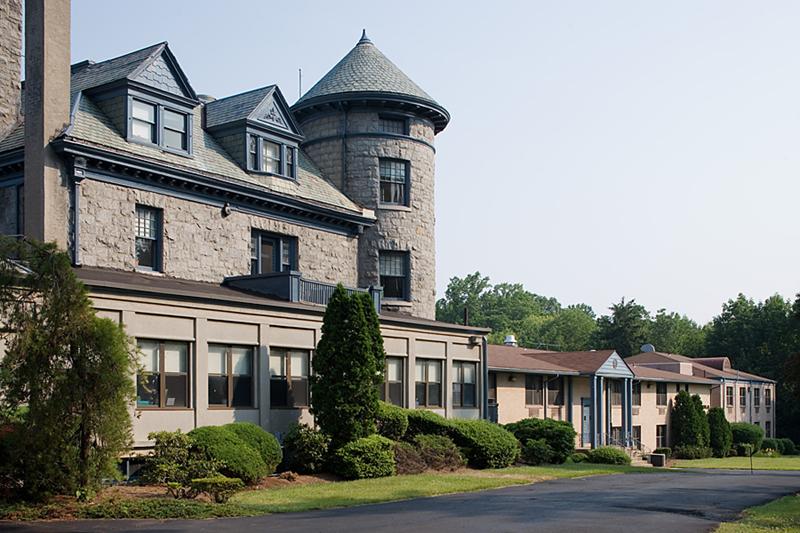
How is Silver Stream Staffed?

CMS rates SILVER STREAM NURSING AND REHABILITATION CENTER's staffing level at 2 out of 5 stars, which is below average compared to other nursing homes. Staff turnover is 58%, which is 12 percentage points above the Pennsylvania average of 46%. High turnover can affect care consistency as new staff learn residents' individual needs. RN turnover specifically is 64%, which is notably high. RNs provide skilled clinical oversight, so turnover in this role can affect medical care quality.

What Have Inspectors Found at Silver Stream?

State health inspectors documented 53 deficiencies at SILVER STREAM NURSING AND REHABILITATION CENTER during 2022 to 2025. These included: 53 with potential for harm. While no single deficiency reached the most serious levels, the total volume warrants attention from prospective families.
Who Owns and Operates Silver Stream?

SILVER STREAM NURSING AND REHABILITATION CENTER is owned by a for-profit company. For-profit facilities operate as businesses with obligations to shareholders or private owners. The facility operates independently rather than as part of a larger chain. With 120 certified beds and approximately 100 residents (about 83% occupancy), it is a mid-sized facility located in SPRING HOUSE, Pennsylvania.
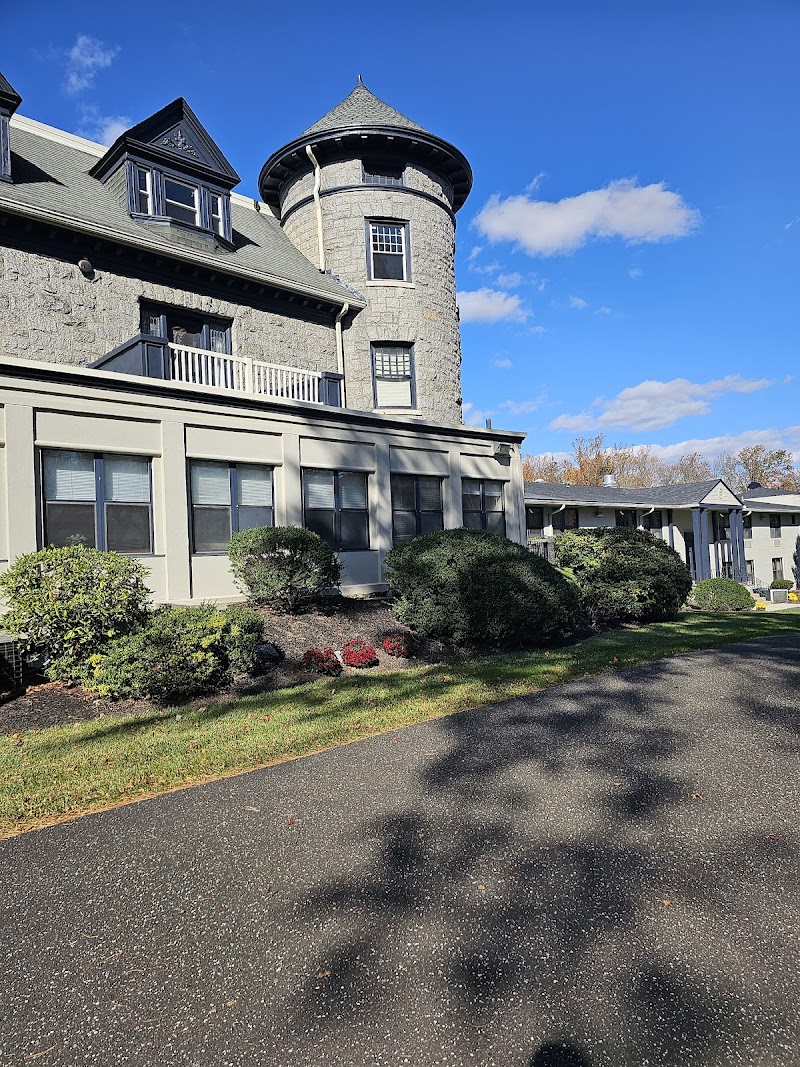
How Does Silver Stream Compare to Other Pennsylvania Nursing Homes?

Compared to the 100 nursing homes in Pennsylvania, SILVER STREAM NURSING AND REHABILITATION CENTER's overall rating (2 stars) is below the state average of 3.0, staff turnover (58%) is significantly higher than the state average of 46%, and health inspection rating (2 stars) is below the national benchmark.

What Should Families Ask When Visiting Silver Stream?

Based on this facility's data, families visiting should ask: "How do you ensure continuity of care given staff turnover, and what is your staff retention strategy?" "Can you walk me through typical staffing levels on day, evening, and night shifts?" "Can I visit during a mealtime to observe dining assistance and food quality?" "How do you handle medical emergencies, and what is your hospital transfer rate?" These questions are particularly relevant given the facility's high staff turnover rate and the below-average staffing rating.

Is Silver Stream Safe?

Based on CMS inspection data, SILVER STREAM NURSING AND REHABILITATION CENTER has a clean safety record: no substantiated abuse findings (meaning no confirmed cases of resident harm), no Immediate Jeopardy citations (the most serious violation level indicating risk of serious injury or death), and is not on the Special Focus Facility watch list (a federal program monitoring the lowest-performing 1% of nursing homes). The facility has a 2-star overall rating and ranks #100 of 100 nursing homes in Pennsylvania. While no facility is perfect, families should still ask about staff-to-resident ratios and recent inspection results during their visit.

Do Nurses at Silver Stream Stick Around?

Staff turnover at SILVER STREAM NURSING AND REHABILITATION CENTER is high. At 58%, the facility is 12 percentage points above the Pennsylvania average of 46%. Registered Nurse turnover is particularly concerning at 64%. RNs handle complex medical decisions and coordinate care — frequent RN changes can directly impact care quality. High turnover means new staff may not know residents' individual needs, medications, or preferences. It can also be disorienting for residents, especially those with dementia who rely on familiar faces. Families should ask: What is causing the turnover? What retention programs are in place? How do you ensure care continuity during staff transitions?

Was Silver Stream Ever Fined?

SILVER STREAM NURSING AND REHABILITATION CENTER has no federal fines on record. CMS issues fines when nursing homes fail to meet care standards or don't correct problems found during inspections. The absence of fines suggests the facility has either maintained compliance or corrected any issues before penalties were assessed. This is a positive indicator, though families should still review recent inspection reports for the full picture.

Is Silver Stream on Any Federal Watch List?

SILVER STREAM NURSING AND REHABILITATION CENTER is not on any federal watch list. The most significant is the Special Focus Facility (SFF) program, which identifies the bottom 1% of nursing homes nationally based on persistent, serious quality problems. Not being on this list means the facility has avoided the pattern of deficiencies that triggers enhanced federal oversight. This is a positive indicator, though families should still review the facility's inspection history directly.