JUNIPER VILLAGE AT BROOKLINE-REHABILITATION AND SK
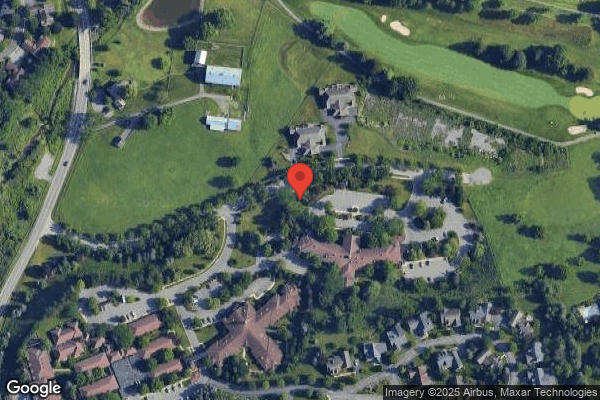
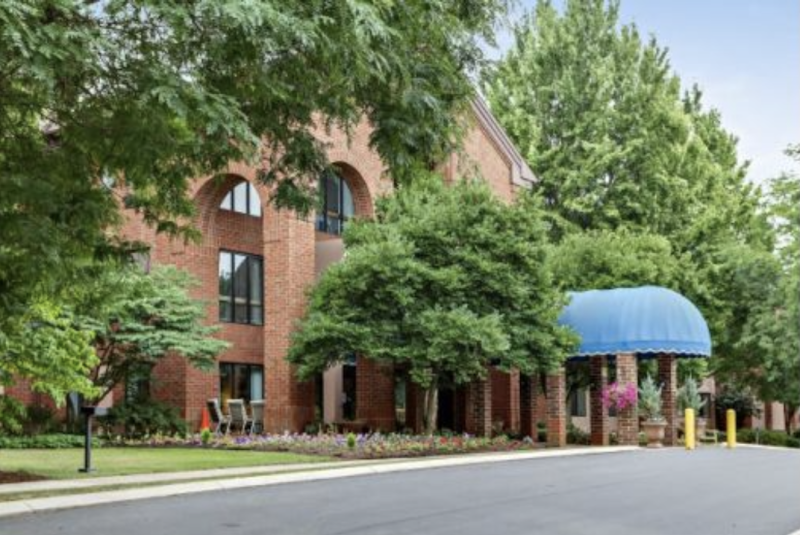
1950 CLIFFSIDE DRIVE, STATE COLLEGE, PA 16801 (814) 238-3139
For profit - Corporation 116 Beds Independent Data: November 2025
Trust Grade
75/100
#189 of 653 in PA
Last Inspection: April 2025

Within standard 12-15 month inspection cycle. Federal law requires annual inspections.

Overview

Juniper Village at Brookline-Rehabilitation and Skilled Nursing has received a Trust Grade of B, indicating it is a good choice among nursing homes. It ranks #189 out of 653 facilities in Pennsylvania, placing it in the top half of the state, and is #3 out of 6 in Centre County, meaning only two local options are better. The facility is improving, with the number of identified issues decreasing from 9 in 2024 to 5 in 2025. Staffing has a mixed rating, with a 3/5 star score and an impressive 0% turnover rate, suggesting staff are stable and familiar with residents, but there is an average RN coverage that might not meet all needs. While Juniper Village has no fines on record, which is a positive sign, some specific concerns have been noted, such as residents waiting too long for staff assistance when needing to use the bathroom, and issues with maintaining proper ambulation and food service standards. Overall, while there are strengths in staffing stability and improved oversight, families should be aware of the areas needing attention.

Trust Score
B
75/100
In Pennsylvania
#189/653
Top 28%
Safety Record
Low Risk
No red flags
Inspections
Getting Better
9 → 5 violations
Staff Stability
○ Average
Turnover data not reported for this facility.
Penalties
✓ Good
No fines on record. Clean compliance history, better than most Pennsylvania facilities.
Skilled Nurses
✓ Good
Each resident gets 58 minutes of Registered Nurse (RN) attention daily — more than average for Pennsylvania. RNs are trained to catch health problems early.
Violations
⚠ Watch
19 deficiencies on record. Higher than average. Multiple issues found across inspections.
★★★★☆
4.0
Overall Rating
★★★☆☆
3.0
Staff Levels
★★★★☆
4.0
Care Quality
★★★★☆
4.0
Inspection Score
Stable
2024: 9 issues
2025: 5 issues

The Good

  • 4-Star Quality Measures · Strong clinical quality outcomes
  • Full Sprinkler Coverage · Fire safety systems throughout facility
  • No fines on record

Facility shows strength in quality measures, fire safety.

The Bad

No Significant Concerns Identified

This facility shows no red flags. Among Pennsylvania's 100 nursing homes, only 0% achieve this.

The Ugly 19 deficiencies on record

Apr 2025 5 deficiencies
CONCERN (D)

Potential for Harm - no one hurt, but risky conditions existed

Resident Rights (Tag F0550)

Could have caused harm · This affected 1 resident

Based on observation and staff interview, it was determined that the facility failed to ensure that care and services were provided in a manner that enhanced resident dignity for one of 15 residents s...

Read full inspector narrative →
Based on observation and staff interview, it was determined that the facility failed to ensure that care and services were provided in a manner that enhanced resident dignity for one of 15 residents sampled (Resident 28). Findings include: Clinical record review for Resident 28 revealed a Minimum Data Set Assessment (MDS, an assessment completed at specific intervals to determine care needs) dated April 1, 2025, that noted facility staff assessed the resident as having a BIMS (Brief Interview for Mental Status) of 6, which indicated cognitive impairment. Clinical record review for Resident 28 revealed the resident had current physician orders for an indwelling urinary foley catheter (a tube inserted into the bladder that drains urine) and associated care. Resident 28's current care plan revealed that the resident had a foley catheter due to obstructive uropathy (when the urine cannot flow properly through the body). An intervention included always having a dignity bag (a device such as a cover to promote dignity that conceals the urine in the collection bag). Review of Resident 28's task list (located in the electronic health record where staff document specific care related events for a resident) revealed the resident is to have a dignity bag at all times. Observation of Resident 28 on April 25, 2025, at 10:16 AM, 10:46 AM, and 11:31 AM revealed the resident was seated in his wheelchair in the main hallway located in front of the nurse's station. Resident 28's foley catheter collection bag was attached to the frame of the wheelchair and urine was visible. Several staff members and other residents were observed passing by Resident 28 as he sat in the hallway. An interview with Employee 2, licensed practical nurse, on April 25, 2025, at 11:31 AM revealed that Resident 28's foley catheter bag should be covered. The above information for Resident 28 was reviewed with the Nursing Home Administrator during an interview on April 25, 2025, at 1:08 PM. 28 Pa. Code 201.18(b)(1) Management 28 Pa. Code 201.29(a) Resident rights
CONCERN (D)

Potential for Harm - no one hurt, but risky conditions existed

Assessment Accuracy (Tag F0641)

Could have caused harm · This affected 1 resident

Based on clinical record review and staff interview, it was determined that the facility failed to ensure assessments accurately reflected residents' status for one of 15 residents reviewed (Resident ...

Read full inspector narrative →
Based on clinical record review and staff interview, it was determined that the facility failed to ensure assessments accurately reflected residents' status for one of 15 residents reviewed (Resident 28). Findings include: Clinical record review for Resident 28 revealed a Medicare Five-Day MDS (Minimum Data Set, an assessment tool completed at specific intervals to determine resident care needs) dated April 1, 2025, in which facility staff assessed the resident as having a feeding tube. Further clinical record review revealed no evidence that Resident 28 had a feeding tube. An interview with Employee 1, registered nurse assessment coordinator, on April 22, 2025, at 2:04 PM confirmed that Resident 28 did not have a feeding tube during the assessment period, and this was marked in error on the MDS. The Nursing Home Administrator and Director of Nursing were informed of the above findings during a meeting on April 23, 2025, at 1:49 PM. 483.20(g) Accuracy of Assessments Previously cited 5/16/2024 28 Pa. Code 211.12(d)(1)(3)(5) Nursing services
CONCERN (D)

Potential for Harm - no one hurt, but risky conditions existed

Medication Errors (Tag F0758)

Could have caused harm · This affected 1 resident

Based on clinical record review and staff interview, it was determined that the facility failed to ensure that a resident's medication regime was free from potentially unnecessary medications for two ...

Read full inspector narrative →
Based on clinical record review and staff interview, it was determined that the facility failed to ensure that a resident's medication regime was free from potentially unnecessary medications for two of five residents reviewed (Residents 11 and 24). Findings include: Review of Resident 11's clinical record revealed a physician's order dated March 10, 2025, that indicated nursing staff may administer Ativan (for anxiety) 2 mg/ml (milligrams per milliliters) 0.5 ml (milliliters) every four hours as needed for anxiety. There was no documented evidence in Resident 11's clinical record to indicate that his physician documented a rational for the continued use of the Ativan beyond a 14-day period. Review of Resident 11's Medication Administration Record (MAR, a form utilized to document the administration of medications) for both March and April 2025, indicated that Resident 11 was not administered any as needed Ativan. Review of Resident 24's clinical record revealed a physician's order dated April 22, 2025, that indicated nursing staff may administer Ativan 2mg/ml 0.25 mg every four hours as needed for agitation or anxiety. There was no documented evidence in Resident 24's clinical record to indicate that her physician documented a rationale for the continued use of the Ativan beyond a 14-day period. The facility obtained a physician's order dated April 24, 2025, to initiate a 14 day time span after the surveyor questioning. Interview with the Administrator and Director of Nursing on April 24, 2025, at 1:50 PM confirmed the above findings for Residents 11 and 24. 28 Pa. Code 211.9(k) Pharmacy services 28 Pa. Code 211.12(c)(d)(1)(3)(5) Nursing services
CONCERN (D)

Potential for Harm - no one hurt, but risky conditions existed

Deficiency F0761 (Tag F0761)

Could have caused harm · This affected 1 resident

**NOTE- TERMS IN BRACKETS HAVE BEEN EDITED TO PROTECT CONFIDENTIALITY** Based on observations and staff interview, it was determined that the facility failed to properly store resident medications on ...

Read full inspector narrative →
**NOTE- TERMS IN BRACKETS HAVE BEEN EDITED TO PROTECT CONFIDENTIALITY** Based on observations and staff interview, it was determined that the facility failed to properly store resident medications on one of two nursing units reviewed (Second Floor [NAME] Nursing Unit; Residents 4 and 250). Findings include: Observation during the medication pass on the Second Floor [NAME] Nursing Unit on [DATE], at 9:35 AM revealed two medications carts being utilized by Employee 2, licensed practical nurse. Observation of Medication Cart 1 revealed the following: There was a significant accumulation of debris and dirt in the platform located below the bottom drawers of the medication cart. There were two medication punch cards located on the platform under the drawers of the medication cart. One medication card belonged to Resident 4 and contained a dose of Hydralazine (a medication used to treat high blood pressure). The other medication card belonged to Resident 250 who was discharged from the facility on February 5, 2024, per clinical documentation. The medication card for Resident 250 contained several doses of Docusate (a stool softener), which had expired on [DATE]. There were several unsecured and unidentified medication tablets on the platform of the medication card located under the drawers that included several unidentified pills: a white colored oblong pill, a pink colored oval pill, a white colored capsule, and a white colored round pill. Observation of Medication Cart 2 revealed the following: Significant accumulation of debris and dirt on the platform located below the bottom drawers of the medication cart. An unsecured and unidentified white colored round pill located on the platform of the medication cart under the drawers. The above findings were reviewed in a meeting with the Nursing Home Administrator and Director of Nursing on [DATE], at 1:30 PM. 28 Pa. Code 201.18(b)(1) Management 28 Pa. Code 211.12(d)(1) Nursing services
CONCERN (E)

Potential for Harm - no one hurt, but risky conditions existed

Deficiency F0725 (Tag F0725)

Could have caused harm · This affected multiple residents

**NOTE- TERMS IN BRACKETS HAVE BEEN EDITED TO PROTECT CONFIDENTIALITY** Based on clinical record review, review of facility documents, and resident and staff interview, it was determined that the faci...

Read full inspector narrative →
**NOTE- TERMS IN BRACKETS HAVE BEEN EDITED TO PROTECT CONFIDENTIALITY** Based on clinical record review, review of facility documents, and resident and staff interview, it was determined that the facility failed to have sufficient nursing staff to meet resident needs on one of two nursing units (second floor), and three of 12 residents reviewed (Resident 3, 20, and 248). Findings include: The facility's third floor was unoccupied by residents at the time of the onsite visit, and all facility residents were residing on the second-floor nursing unit. Interview with Resident 20 on April 22, 2025, at 11:50 AM revealed that she needed to rely on staff to go to the bathroom, as she was not supposed to take herself, and she sometimes has accidents waiting for the staff. Resident 20 stated she sometimes waits up to an hour for staff to come when she rings her call bell. Clinical record review for Resident 20 revealed a social service note dated January 13, 2025, at 11:09 AM indicating a family member of the resident expressed concern at a care plan meeting about call bell response times when the resident needs to utilize the bathroom. There was no follow up identified to the concern. A review of Resident 20's electronic call bell activation and response records for April 10 to 24, 2025, revealed the following call bell response times greater than 20 minutes after the resident activated the call bell: April 10, 2025, activated at 3:47 PM; response time of 22 minutes. April 10, 2025, activated at 9:15 PM; response time of 24 minutes. April 12, 2025, activated at 10:18 PM; response time of 26 minutes. April 14, 2025, activated at 10:59 AM; response time 26 minutes. April 17, 2025, activated at 6:47 AM; response time 22 minutes. April 17, 2025, activated at 4:42 PM; response time 25 minutes. April 17, 2025, activated at 7:00 PM; response time 22 minutes. April 18, 2025, activated at 5:29 AM; response time 21 minutes. April 19, 2025, activated at 8:35 PM; response time 50 minutes. April 20, 2025, activated at 3:05 PM; response time 23 minutes. April 10, 2025, activated at 4:56 PM; response time 24 minutes. April 21, 2025, activated at 12:34 AM; response time 28 minutes. April 22, 2025, activated at 3:58 PM; response time 50 minutes. April 22, 2025, activated at 6:26 PM; response time 22 minutes. April 23, 2025, activated at 3:57 PM; response time 30 minutes. April 23, 2025, activated at 8:50 PM; response time 27 minutes. A review of Resident 20's bowel and bladder elimination records revealed staff documentation did not occur exactly at the point of service, but at some time during the shift the care occurred. Although a longer call bell response time could not be linked to the exact documentation time, it was determined that Resident 20's incontinent episodes of bowel, bladder, or both, on April 10, 14, 17, 18, and 25, 2025, had longer call bell response times. The above information regarding Resident 20's call bell response times was reviewed with the Nursing Home Administrator on April 25, 2025, at 9:45 AM. Clinical record review for Resident 248 revealed an admission Minimum Data Set Assessment (MDS, an assessment completed at specific intervals to determine care needs) dated April 11, 2025, that noted facility staff assessed the resident as having a BIMS (Brief Interview for Mental Status) of 15, which indicated no cognitive impairment. Clinical record review for Resident 3 revealed an admission MDS dated [DATE], that noted facility staff assessed the resident as having a BIMS of 6, which indicated cognitive impairment. An interview with Residents 3 and 248 on April 22, 2025, at 1:26 PM revealed concerns related to staff response to activated call bells. Resident 248 further stated that staff take half an hour to respond to the call bell and that's a problem. An interview with the Nursing Home Administrator and Director of Nursing on April 24, 2025, at 1:45 PM revealed that the facility documentation provided upon surveyor request for call bell response records accounted for the entire room for Residents 3 and 248. A review of the facility documentation titled Alerts, for Residents 3 and 248 revealed the following call bell activation dates/times with an elapsed time greater than 20 minutes: April 9, 2025, at 10:56 AM; response time 36 minutes. April 9, 2025, at 12:56 PM; response time 34.2 minutes. April 9, 2025, at 3:50 PM; response time 32.3 minutes. April 9, 2025, at 5:29 PM; response time 25.2 minutes. April 9, 2025, at 6:00 PM; response time 43.1 minutes. April 9, 2025, at 6:57 PM; response time 39.5 minutes. April 9, 2025, at 9:50 PM; response time 27.7 minutes. April 10, 2025, at 10:50 PM; response time 31.7 minutes. April 11, 2025, at 5:12 AM; response time 34.2 minutes. April 11, 2025, at 7:25 PM; response time 23.5 minutes. April 12, 2025, at 11:02 AM; response time 40.9 minutes. April 12, 2025, at 8:00 PM; response time 26 minutes. April 12, 2025, at 8:10 PM; response time 46 minutes. April 12, 2025, at 9:56 PM; response time 23.6 minutes. April 13, 2025, at 7:10 PM; response time 44.1 minutes. April 13, 2025, at 8:35 PM; response time 24.7 minutes. April 14, 2025, at 6:13 AM; response time 22.6 minutes. The excessive call bell response times for Residents 3 and 248 were reviewed during an interview with the Nursing Home Administrator on April 25, 2025, at 1:14 PM. 28 Pa. Code 201.18(b)(1)(3) Management 28 Pa. Code 211.12(d)(1)(3)(4)(5) Nursing services
May 2024 9 deficiencies
CONCERN (D)

Potential for Harm - no one hurt, but risky conditions existed

Assessment Accuracy (Tag F0641)

Could have caused harm · This affected 1 resident

Based on clinical record review and staff interview, it was determined that the facility failed to ensure complete and accurate Minimum Data Set (MDS) assessments for one of 14 residents reviewed (Res...

Read full inspector narrative →
Based on clinical record review and staff interview, it was determined that the facility failed to ensure complete and accurate Minimum Data Set (MDS) assessments for one of 14 residents reviewed (Resident 21). Findings include: Review of Resident 21's clinical record revealed a Minimum Data Set Assessment (MDS, a form completed at specific intervals to determine care needs) dated December 21, 2023, and March 18, 2024, that indicated the facility assessed her with an active pneumonia infection. Resident 21 had not had an active pneumonia infection since October 1, 2023. Documentation provided by the facility on May 15, 2024, at 9:00 AM confirmed the above MDS errors for Resident 21. Interview with the Administrator and Director of Nursing on May 15, 2024, at 1:00 PM confirmed the above findings. 28 Pa. Code 211.5(f)(ix) Medical records 28 Pa. Code 211.12(d)(1)(5) Nursing services
CONCERN (D)

Potential for Harm - no one hurt, but risky conditions existed

Quality of Care (Tag F0684)

Could have caused harm · This affected 1 resident

Based on clinical record review and staff interview, it was determined that the facility failed to provide the highest practicable care regarding integrated hospice care and services for one of two re...

Read full inspector narrative →
Based on clinical record review and staff interview, it was determined that the facility failed to provide the highest practicable care regarding integrated hospice care and services for one of two residents reviewed for Hospice (Resident 10). Findings include: Clinical record review for Resident 10 revealed that on August 9, 2023, she was admitted to Hospice related to a terminal diagnosis of sequelae of other cerebrovascular disease (complications that can develop after a stroke or other damage to the blood vessels in the brain). Review of Resident 10's current care plan revealed that the facility failed to implement an integrated plan of care with hospice services. The plan of care did not include evidence of all services that hospice will provide for the management of Resident 10's terminal illness. Resident 10's current care plan failed to identify the hospice entity providing services, the hospice disciplines that would provide her care and services, and how often. The findings were reviewed with the Nursing Home Administrator and Director of Nursing during a meeting on May 15, 2024, at 2:05 PM. An interview with Employee 1 (social services) on May 16, 2024, at 10:50 AM confirmed the facility had no further documentation related to Resident 10's hospice services and plan of care. 28 Pa. Code 211.10(c) Resident care policies 28 Pa. Code 211.12(c)(d)(1)(3)(5) Nursing Services
CONCERN (D)

Potential for Harm - no one hurt, but risky conditions existed

Pressure Ulcer Prevention (Tag F0686)

Could have caused harm · This affected 1 resident

Based on clinical record review and resident and staff interview, it was determined that that facility failed to address or implement consultant service recommendations to aid in healing skin break do...

Read full inspector narrative →
Based on clinical record review and resident and staff interview, it was determined that that facility failed to address or implement consultant service recommendations to aid in healing skin break down and prevent pressure ulcers in one of five residents reviewed for altered skin conditions (Resident 36). Findings include: In an interview with Resident 36, on May 13, 2024, at 11:54 AM the resident was observed lying in bed. Resident 36 stated she had an open area on her buttocks, and it hurts. The resident stated staff do put some cream on it. Clinical record review for Resident 36 revealed a skin evaluation completed by facility staff on April 9, 2024. Resident 36 was assessed as having an altered skin area on her left buttocks 0.8 cm (centimeters) in length and 0.8 cm in width and an area on her right buttocks 2.5 cm by 0.5 cm. Both areas were noted as moisture associated skin damage. Further clinical record review for Resident 36 revealed the resident was also seen by the facility's contracted wound specialists on April 9, 2024, who noted the same areas as moisture associated skin damage (MASD) and included a treatment plan, which included recommendations of a Multivitamin once daily and Vitamin C 500 mg (milligrams) twice daily for the resident's plan of care. Resident 36 continued to be followed by the wound specialist weekly on April 16, 23, 30, May 7, and 14, 2024, at the time of review. The wound specialist report dated April 16, 2024, noted the area of Resident 36's areas of MASD on the left and right buttocks and continued to recommend the Multivitamin and Vitamin C as noted above as part of the treatment plan. The wound specialist report dated April 23, 2024, noted the MASD area on the resident's left buttocks was now 1.5 cm x 1.0 cm and area on the right buttocks was now 3.1 cm x 2.0 cm. The report noted the exacerbation of the areas due to generalized decline and the resident being non-compliant with wound care. Part of the treatment plan continued to recommend the addition of the Multivitamin and Vitamin C. The wound specialist report dated April 30, 2024, noted continued exacerbation of the left buttocks area due to decline of the resident, nutritional compromise, and resident non-compliance. The treatment plan continued to note the recommendation of the Multivitamin and Vitamin C. The wound specialist report dated May 7, 2024, noted some improvement of the area on the resident's left buttocks, and right buttocks. Recommendations continued to be listed for the resident for Multivitamin and Vitamin C. The wound specialist report dated May 14, 2024, the last report available for review, noted the left buttocks area as 4.5 cm x 1.4 cm with some improvement, the right buttock area was noted as 5.0 x 2.5 x 0.1 and required debridement during the visit. The wound specialist continued to recommend a Multivitamin once daily and Vitamin C 500 mg twice daily continued. Upon review of Resident 36's clinical record there was no evidence the resident was ordered a Multivitamin or Vitamin C at any time since the April 9, 2024, wound specialist visit or subsequent visits when they continued to be recommended. There was no evidence that the recommendation was addressed with the resident's primary care physician as to whether the physician wished to implement the Multivitamin or Vitamin C or decline them. In an interview with the Director of Nursing on May 16, 2024, at 12:15 PM it was confirmed Resident 36 was never ordered any Multivitamin or Vitamin C per the recommendations by the wound specialist as noted, nor was there any evidence the recommendations were addressed by the resident's primary physician. 28 Pa. Code 201.18(b)(1)(3) Management 28 Pa. Code 211.10(a)(d) Resident care policies 28 Pa. Code 211.12(d)(1)(3)(5) Nursing care services
CONCERN (D)

Potential for Harm - no one hurt, but risky conditions existed

Deficiency F0688 (Tag F0688)

Could have caused harm · This affected 1 resident

**NOTE- TERMS IN BRACKETS HAVE BEEN EDITED TO PROTECT CONFIDENTIALITY** Based on clinical record review and staff interview, it was determined that the facility failed to implement a restorative nursi...

Read full inspector narrative →
**NOTE- TERMS IN BRACKETS HAVE BEEN EDITED TO PROTECT CONFIDENTIALITY** Based on clinical record review and staff interview, it was determined that the facility failed to implement a restorative nursing program as recommended by therapy to maintain range of motion for two of five residents reviewed (Residents 21 and 32). Findings include: Review of Resident 21's clinical record revealed a Minimum Data Set Assessment (MDS, an assessment completed at specific intervals to determine care needs) dated December 21, 2023, indicating that the facility assessed Resident 21 as having range of motion limitations to one side of her lower extremities. A previous MDS assessment dated [DATE], indicated that the facility assessed Resident 21 as having no range of motion limitations to her lower extremities. A physical therapy form entitled Restorative Nursing Program, dated December 19, 2023, indicated that physical therapy was implementing an ambulation program for Resident 21 to ambulate 40 to 80 feet in the hallway three to five times a week with the goal of maintaining her lower extremity strength. Review of documentation dated February 2024, March 2024, and April 2024, revealed that Resident 21 was only provided the restorative nursing ambulation three times in February 2024, four times in March 2024, and one time in April 2024. There was no documented evidence to indicate that the facility was providing the restorative nursing ambulation program per therapy recommendations. Review of a physical therapy form entitled Restorative Nursing Program, dated May 7, 2024, indicated that physical therapy was implementing a range of motion program for Resident 32 to receive passive range of motion to his lower extremities for 15 minutes three to five times a week with the goal of maintaining range of motion and to prevent progression of joint contractures. Review of documentation dated May 2024, revealed that there was no documented evidence to indicate that Resident 32 was provided the passive range of motion program since it was implemented on May 7, 2024. Interview with the Director of Nursing on May 15, 2024, at 12:50 PM confirmed the above findings for Residents 21 and 32. 28 Pa. Code 211.12 (d)(1)(5) Nursing services
CONCERN (D)

Potential for Harm - no one hurt, but risky conditions existed

Deficiency F0692 (Tag F0692)

Could have caused harm · This affected 1 resident

Based on clinical record review and resident and staff interview, it was determined that the facility failed ensure safe self-administration of a tube feeding to ensure acceptable parameters of nutrit...

Read full inspector narrative →
Based on clinical record review and resident and staff interview, it was determined that the facility failed ensure safe self-administration of a tube feeding to ensure acceptable parameters of nutritional status for one resident reviewed. (Resident 2) Findings include: Interview with Resident 2 on May 13, 2024, at 1:36 PM revealed that she administers her own tube feeding. She indicated that she administers the feeding and water but not her medications. Clinical record review for Resident 2 revealed a current physician's order that was initiated on April 4, 2024, for an Enteral Feed (feeding provided through a tube into the stomach) four times a day Twocal HN (a dietary supplement) 2.0 150 ml by gastrostomy tube (a tube into the stomach), resident may self-administer. Interview with the Director of Nursing on May 14, 2024, at 2:22 PM confirmed that Resident 2 self-administers her tube feeding but not her medications. On May 15, 2024, 9:00 AM the surveyor was provided with a self-administration of medication form that was completed for Resident 2, dated July 21, 2023, with a lock date of April 3, 2024. The form addressed administration of medications with no indicators related to safely self-administer a tube feeding. Interview with the Director of Nursing on May 15, 2024, at 10:00 AM confirmed that the self-administration of medication assessment did not address indicators to ensure Resident 2 was capable of safely self-administering her tube feeding. Review of Resident 2's current care plan related to her enteral feeding failed to address self-administration of the feeding. The Director of Nursing, on May 16, 2024, at 9:56 AM confirmed that Resident 2's plan of care did not address self-administration of her tube feeding. Interview with the Director of Nursing on May 16, 2024, 9:56 AM confirmed that the facility failed to assess Resident 2's ability to self-administer her tube feeding to ensure that she maintained acceptable parameters of nutritional status. 28 Pa. Code 211.10(d) Resident care policies 28 Pa. Code 211.12(d)(1)(3)(5) Nursing services
CONCERN (D)

Potential for Harm - no one hurt, but risky conditions existed

Deficiency F0744 (Tag F0744)

Could have caused harm · This affected 1 resident

**NOTE- TERMS IN BRACKETS HAVE BEEN EDITED TO PROTECT CONFIDENTIALITY** Based on clinical record review and staff interview, it was determined that the facility failed to develop and implement individ...

Read full inspector narrative →
**NOTE- TERMS IN BRACKETS HAVE BEEN EDITED TO PROTECT CONFIDENTIALITY** Based on clinical record review and staff interview, it was determined that the facility failed to develop and implement individualized person-centered care plans to address dementia and cognitive loss displayed by two of three residents reviewed (Residents 8 and 10). Findings include: Clinical record review for Resident 8 revealed the facility admitted him on June 27, 2022, with diagnoses including dementia (loss of memory, language, problem-solving, and other thinking abilities that interfere with daily life). A review of Resident 8's most recent annual Minimum Data Set Assessment (MDS, a form completed at specific intervals to determine care needs) dated June 9, 2023, indicated that the facility assessed Resident 8 as having a diagnosis of dementia. The facility determined that a care plan for dementia and cognitive loss would be developed. A review of Resident 8's care plan revealed that there was no indication that the facility had developed and implemented a person-centered care plan to address the resident's dementia and cognitive loss. Clinical record review for Resident 10 revealed the facility admitted her on August 7, 2023. Resident 10's admission MDS dated [DATE], indicated that the facility assessed Resident 10 as having a diagnosis of dementia. The facility determined that a care plan for dementia and cognitive loss would be developed. A review of Resident 10's care plan revealed that there was no indication that the facility had developed and implemented a person-centered care plan to address the resident's dementia and cognitive loss. The findings were reviewed with the Nursing Home Administrator and Director of Nursing during a meeting on May 15, 2024, at 2:05 PM. Interview with Employee 1 (social services) on May 16, 2024, at 10:50 AM confirmed the facility had no further documentation that the facility developed and implemented an individualized person-centered care plan to address Residents 8 and 10's dementia and cognitive loss. 483.40(b)(3) Dementia Treatment and Services Previously cited 5/18/23 28 Pa Code 211.12 (d)(1)(3)(5) Nursing services
CONCERN (D)

Potential for Harm - no one hurt, but risky conditions existed

Deficiency F0790 (Tag F0790)

Could have caused harm · This affected 1 resident

Based on clinical record review and staff interview, it was determined that the facility failed to ensure dental concerns were addressed for one of three residents reviewed (Resident 27 ). Findings in...

Read full inspector narrative →
Based on clinical record review and staff interview, it was determined that the facility failed to ensure dental concerns were addressed for one of three residents reviewed (Resident 27 ). Findings include: Clinical record review for Resident 27 revealed a wellness progress note dated March 30, 2024, at 4:00 PM that indicated she was found chewing on a piece of her own tooth but had no complaints of pain. There was no follow-up documentation to this in Resident 27's clinical record. Further clinical record review revealed a wellness progress noted dated May 3, 2024, at 10:31 AM that indicated Resident 27's spouse declined dental services. Interview with the Director of Nursing on May 15, 2024, at 12:41 PM revealed that there was no evidence that Resident 27's spouse was made aware that she was found to be chewing on a piece of her own tooth on March 30, 2024, or if they addressed Resident 27 being seen by a dentist due to this. Clinical record review revealed a progress note dated May 15, 2024, at 11:31 AM that indicated Resident 27's husband was made aware of the broken tooth and agreed to allow the dental hygienist see Resident 27 for one visit that is to occur on May 16, 2024. The facility failed to ensure Resident 27's husband was made aware of her dental concerns in order to make an informed decision regarding her dental care. 28 Pa. Code 211.12(d)(3) Nursing services 28 Pa. Code 211.15(a) Dental services
CONCERN (E)

Potential for Harm - no one hurt, but risky conditions existed

Deficiency F0676 (Tag F0676)

Could have caused harm · This affected multiple residents

Based on clinical record review and staff and family interview, it was determined that the facility failed to provide care or services to maintain a resident's ambulation status for two of two residen...

Read full inspector narrative →
Based on clinical record review and staff and family interview, it was determined that the facility failed to provide care or services to maintain a resident's ambulation status for two of two residents reviewed (Residents 34 and 36) and maintain strength and activity tolerance for one of two residents reviewed. (Residents 36). Findings include: Interview with Resident 34's husband on May 13, 2024, at 1:15 PM revealed concerns that the staff were not walking her. He indicated that she should be walked every day. Clinical record review for Resident 34 revealed that she is on a restorative nursing program (nursing interventions that are implemented to maintain the resident as independently as possible) for ambulation (walking) and is to be ambulated 50-150 feet, 1-2 times with a walker, gait belt (a belt that is placed around the resident's waist so that caregivers can assist the resident with keeping their balance when walking) and assist of one, with another staff following along behind her with a wheelchair. Further clinical record review revealed that Resident 34's restorative ambulation program was not being completed and not applicable was documented for the program on April 2, 3, 5, 8, 10, 11, 12, 15, 16, 18, 19, 22, 23, 25, 26, and 30, 2024, and on May 2, 3, 5, 6, 7, 9, 10, and 13, 2024. Interview with the Nursing Home Administrator and Director of Nursing on May 15, 2024, at 2:20 PM confirmed that Resident 34's restorative program was not being completed as ordered and that they were unsure why staff were documenting not applicable. An observation of Resident 36 on May 13, 2024, at 11:59 AM revealed the resident was in bed with a family member at bedside. The family member indicated they were told therapy was going to be changing to three times a week and they are not sure if the resident is getting it and doesn't feel the [resident] is getting out of bed. The family member stated, maybe she refused. The resident stated they recently tried to walk her, and she couldn't walk. The resident stated she did not refuse therapy. The family member indicated they understood she was getting therapy five times a week, but the insurance covered days were done, and they were told it would change to three times a week. Review of an occupational therapy discharge summary for Resident 36 revealed the resident had received skilled occupational therapy services from March 22 to April 5, 2024, with therapy discharge recommendations for a restorative nursing program. There was no evidence Resident 36 refused occupational therapy services during the dates indicated for skilled services and it was noted on the discharge summary the resident tolerated the treatment well and participated readily but made limited progress due to preexisting deficits. A restorative nursing program referral dated April 5, 2024, from the occupational therapist indicated a restorative program goal to maintain bilateral upper extremity strength and activity tolerance for ease of mobility and self-care with the program to provide bilateral upper extremity assisted range of motion with a one pound weight completing three sets of 10, shoulder flexion/extension, abduction/adduction, elbow flexion/extension, internal/external rotation, and forearm supination/pronation. Review of a physical therapy discharge summary for Resident 36 revealed the resident received skilled physical therapy services from March 22 to April 5, 2024, due to the resident's maximum potential was achieved. It was noted the resident made significant progress throughout the course of treatment and was being referred to the restorative nursing program for ambulation. A restorative nursing referral dated April 5, 2024, completed by the physical therapist noted the goal was to maintain optimal bilateral lower extremity strength, activity tolerance, and functional independence though regular ambulation and the resident was to ambulate 10 to 50 feet two to three times in a hallway with wheeled walker and gait belt assist of one person with a wheelchair follow for a total of 15 minutes three to five days per week. A review of Resident 36's physician's orders revealed an order dated April 5, 2024, for Resident 36 to have restorative nursing, ambulate the resident 10-50 feet two to three times in hallway with a wheeled walker, gait belt, and assist of one with a wheelchair follow for 15 minutes three - five times a week. A physician's order dated April 9, 2024, for Resident 36 revealed the resident was ordered to have restorative nursing complete bilateral upper extremity assisted range of motion with a one-pound weight at three sets of 10 repetitions and to have shoulder flexion/extension, abduction/adduction, internal rotation/external rotation, elbow flexion /extension, and forearm supination/pronation for 15 minutes three to five times a week. Review of Resident 36's restorative nursing program completion for the ambulation program for April 2024, revealed the resident was documented April 8 to 12 (Monday to Friday), 2024, as not applicable for completion of the task. One entry for five minutes was added for April 10, 2024. Resident 36 was also documented as not applicable on Monday and Tuesday April 15 and 16, and Friday, April 19, a refusal April 18, and again not applicable for completion Monday to Friday April 22 to 26, and April 29 and 30th. Resident 36's restorative program documentation for completion of the resident's upper extremity maintenance and range of motion program for April 2024, revealed only two documented refusals on April 10, and 16, and not applicable for April 12, 22, 23, 24, 25, 26, and the resident not available for April 30th. Review of Resident 36's documentation of restorative nursing program completion for May 2024, revealed the resident was documented as refusing the ambulation program on May 1, 7, 8, and 9, and not applicable for May 2, 3, 6, 10, and 13, and documented as refusing the assisted range of motion program on May 1, 7, 8, 9, 10, and not applicable on May 2, 6, and 13. The resident was documented as completing the 15 minutes on May 3, 2024. In an interview with Employee 2, restorative coordinator, and licensed practical nurse, on May 16, 2024, at 10:08 AM, the employee stated residents are referred to the restorative program by therapy, and the programs are added to the restorative nursing schedule. Employee 2 stated the restorative programs are only completed Monday thru Friday. Employee 2 indicated that a documented not applicable for restorative program completion may be due to not having the appropriate staff to be able to complete the program such as an ambulation program whereas the restorative staff doesn't have a person to assist with a wheelchair follow, etc. and there is no assistance available from the nursing staff, the program can't be completed. Employee 2 also stated restorative staff are pulled to staff other nursing care needs in the facility. Employee 2 indicated Resident 36 had refusals of the restorative program but acknowledged the multiple documented not applicable entries for her completion. Employee 2 was also not sure why Resident 36 did not have any refusals of physical and occupational therapy but did for the restorative program. Further clinical record review of 36 revealed the resident was again referred to physical therapy on May 8, 2024, for decreased endurance when ambulating. A physical therapy evaluation dated May 8, 2024, revealed the resident was added back to physical therapy services for ambulation and transfers three times a week noting goals of sit to stand with a prior level of function as minimum assistance and the resident's baseline on May 8, 2024, as moderate assistance. The resident's prior level of assistance for ambulation was noted as 25 feet with a wheeled walked and minimum assistance with the resident's baseline on May 8, 2024, now listed zero feet and not attempted due to medical conditions or safety concerns. Resident 36 was also referred to occupational therapy services on May 10, 2024, noting new onset of compromised physical exertion level during activity, decrease in functional mobility, decrease in range of motion, decreased in strength, coordination postural alignment, falls/fall risk, bladder incontinence, bowel incontinence, reduced dynamic balance reduced static balance and activity of daily living participation. Occupational therapy again added services for Resident 36 on May 10, 2024, scheduled for three times a week, noting the resident's prior level of function for toileting hygiene, and lower body dressing, as minimum assistance and the resident's now baseline on May 10, 2024, as 100 percent dependent. The resident's ability to shower/bathe herself prior level of function was supervision/stand by assist and was assessed as moderate assistance on May 10, 2024. There was no evidence Resident 36 refused physical or occupational therapy services since the resident was placed back on the services May 8, and 10, 2024. The above information regarding Resident 36 was reviewed with the Nursing Home Administrator and Director of Nursing on May 15, 2024, at 2:00 PM. The facility failed to provide restorative services to maintain/improve Resident 34 and 36's abilities as noted. 28 Pa. Code 211.12(d)(1)(5) Nursing services
CONCERN (E)

Potential for Harm - no one hurt, but risky conditions existed

Food Safety (Tag F0812)

Could have caused harm · This affected multiple residents

Based on observation and staff interview, it was determined the facility failed to store food and maintain food service equipment in a safe and sanitary manner in the facility's main kitchen. Finding...

Read full inspector narrative →
Based on observation and staff interview, it was determined the facility failed to store food and maintain food service equipment in a safe and sanitary manner in the facility's main kitchen. Findings include: An observation of the facility's main kitchen on May 13, 2024, at 10:40 AM revealed the following: The dish machine and several black utility carts in the dish machine area were observed with white buildup. Food service staff working in the area indicated there is a problem with limescale buildup from the water and they have water softeners that seem to sometimes be working and sometimes not. The staff members also indicated they use a limescale remover in the dish machine itself once a week, but the problem remains. A ceiling light cover in the dish room area was covered with dried food/liquid splatter. A large stack of resident meal serving trays was observed on a cart in the dish washing area that food service staff just completed washing. The plastic trays were significantly discolored and stained and contained cracks, broken edges, and pieces of plastic that were worn/broken off on the bottoms of the tray surfaces. A large industrial floor mixer was observed not in use and uncovered. Dust and debris were observed on the interior of the mixing bowl. A panini press on a preparation counter in the corner of the kitchen contained buildup of dried food. The white tile wall surrounding the area where the panini press was located was covered in dried orange and brown food splatter. The lower shelf of a preparation table under the pot/pan storage area where plastic bins and equipment were stored was covered in dust and debris. A tan foot pedal garbage can located next to the pot/pan storage area was observed with dried brown liquid runs and dried food on the exterior of the can. The lower shelf liners in the dry storage area where multiple food products were stored had a buildup of dust and debris. The flooring under shelving units that surrounded the perimeter of both the walk-in cooler and walk-in freezer was observed with food debris. A soiled glove, coffee filter, and dried food was observed under the ice machine. The above information was reviewed with the Nursing Home Administrator and Director of Nursing on May 14, 2024, at 1:30 PM. 28 Pa. Code 201.14 (a) Responsibility of licensee
May 2023 5 deficiencies
CONCERN (D)

Potential for Harm - no one hurt, but risky conditions existed

Deficiency F0558 (Tag F0558)

Could have caused harm · This affected 1 resident

Based on observation and resident and staff interview, it was determined that the facility failed to accommodate resident needs regarding the accessibility to a call bell for three of 16 residents rev...

Read full inspector narrative →
Based on observation and resident and staff interview, it was determined that the facility failed to accommodate resident needs regarding the accessibility to a call bell for three of 16 residents reviewed (Residents 7, 22, and 28). Findings include: Interview and observation with Resident 28 on May 15, 2023, at 11:17 AM revealed the resident was lying in bed and requested the surveyor fluff her pillows as she was uncomfortable. The surveyor asked the resident to ring the call bell and the resident could not reach it. The call bell was hanging over the bedrail on the right side and touching the floor. There was nothing on the call bell to hold it in place. The surveyor activated the call bell and Employee 5, LPN (licensed practical nurse) promptly answered the call bell and placed it within her reach. In addition, the remote control that is used for the television also has a button to activate the call bell. This remote was in Resident 28's nightstand out of the resident's reach. Employee 5 placed this in Resident 28's reach. Interview and observation with Resident 22 on May 15, 2023, at 11:56 AM revealed the resident was sitting in her wheelchair next to her bed. The call bell was on the floor opposite side of the bed away from the chair and the television remote with the call bell button was on the chair behind the resident. The resident was unable to reach either call bell. The surveyor informed Employee 5 at 12:10 PM. Interview and observation with Resident 7 on May 16, 2023, at 9:40 AM revealed the resident was sitting in her large, padded wheelchair at the foot of her bed. The surveyor asked her how she would contact staff if she needed something. Resident 7 indicated she would have to scream because she could not reach her call bell as it was on her bed. The surveyor informed Employee 5 at 9:28 AM. During an interview with the Nursing Home Administrator and Director of Nursing on May 16. 2023, at 3:10 PM the above concerns regarding Residents 7, 22, and 28's inability to reach their call bells was discussed. 28 Pa. Code 211.12(d)(1)(5) Nursing services
CONCERN (D)

Potential for Harm - no one hurt, but risky conditions existed

Abuse Prevention Policies (Tag F0607)

Could have caused harm · This affected 1 resident

Based on review of select facility policies and procedures, employee personnel records, and staff interview, it was determined that the facility failed to implement their abuse prohibition policy pert...

Read full inspector narrative →
Based on review of select facility policies and procedures, employee personnel records, and staff interview, it was determined that the facility failed to implement their abuse prohibition policy pertaining to screening for two of five newly hired employees reviewed (Employees 1 and 2). Findings include: Review of the policy entitled Abuse, last reviewed on January 13, 2023, indicates that all facility employees will be screened for a history of abuse, neglect, or mistreating residents. Attempts will be made to obtain three reference checks from previous and current employers. Review of Employee 1's, dining services director, personnel record revealed that the facility hired him on February 7, 2023. There was no documented evidence in Employee 1's personnel record that the facility attempted to obtain three references from previous or current employers. Review of Employee 2's, housekeeper, personnel record revealed that the facility hired her on March 24, 2023. There was no documented evidence in Employee 2's personnel record that the facility attempted to obtain three references from previous or current employers. Interview with the Administrator on May 17, 2023, at 9:40 AM confirmed that Employee 1's references were not contacted at the time of hire and that Employee 1's references were contacted on May 16, 2023, after the surveyor brought up the concern. Interview with Employee 3, housekeeping director, on May 16, 2023, at 2:38 PM confirmed that Employee 2's references were not contacted at the time of hire and indicated that Employee 2's references were contacted on May 16, 2023, after the surveyor brought up the concern. 28 Pa. Code 201.19 Personnel policies and procedures
CONCERN (D)

Potential for Harm - no one hurt, but risky conditions existed

Deficiency F0825 (Tag F0825)

Could have caused harm · This affected 1 resident

Based on clinical record review and staff interview, it was determined that the facility failed to provide specialized rehabilitation services for two of two residents reviewed (Residents 36 and 7). F...

Read full inspector narrative →
Based on clinical record review and staff interview, it was determined that the facility failed to provide specialized rehabilitation services for two of two residents reviewed (Residents 36 and 7). Findings: Clinical record review for Resident 36 revealed the resident was noted on January 23, 2023, at 1:20 PM to have been witnessed sliding herself out of the wheelchair onto her buttocks in the dining room. The note indicated a physical therapy evaluation was sent for a wheelchair cushion. There was no evidence a physical therapy evaluation was completed. Further review for Resident 36 revealed a wellness note dated February 11, 2023, which was linked to an incident occurring February 3, 2023, at 6:00 PM in which the resident was found sitting on the floor of the hallway and was noted to be sitting in her wheelchair previously. Facility documentation revealed an incident report dated March 26, 2023, at 5:10 PM indicating Resident 36 was self-propelling in her wheelchair when she leaned forward and fell hitting her forehead and knees on the floor. There was no documentation or post fall reports in the resident's electronic clinical record regarding the incident. A therapy screen referral form was identified indicating a referral to physical therapy for frequent falls, and the fall out of her wheelchair on March 26, 2023, but was not dated until April 13, 2023. There was no evidence of any therapy evaluation or follow up for Resident 36. A wellness note for Resident 36 on April 9, 2023, 1:00 PM noted the resident was out in the lobby in a wheelchair and flipped herself out of the wheelchair and slid to the floor with no injuries. A follow up note dated April 10, 2023, at 3:43 PM indicated a physical therapy consult was placed for recent frequent falls. A therapy screen/referral form was also identified for Resident 36 dated April 10, 2023, by the registered nurse indicating the resident had frequent falls, weakness, and wheelchair mobility concerns. The therapy referral form was not signed by a therapist until May 12, 2023, over 30 days later who noted, skilled occupational therapy required for environmental safety and wheelchair management. There was no evidence of any follow up or visits with therapy for Resident 36, as of May 18, 2023. An interview with Employee 4, senior director of rehabilitation, confirmed therapy did not complete any referrals or have Resident 36 on therapy caseload January through May 2023, and that therapy did not respond to the screening referral dated April 10, 2023, until May 12, 2023, and the resident has not received skilled therapy since that date. The above information was reviewed with the Nursing Home Administrator on May 18, 2023, at 12:17 PM. A physician's order dated August 6, 2021, at 12:59 PM for Resident 7 revealed the resident was to receive a regular consistency diet and thin liquids. Nursing documentation dated April 28, 2023, at 6:10 PM revealed that Resident 7 was being fed dinner and choked on a piece of corn and coughed it out of the mouth. The resident was assessed to have lungs clear to auscultation (listening by stethoscope) except for a wheeze (indicative of a narrowing of airway due to obstruction or conditions like asthma) throughout the upper lung fields. The physician's assistant was notified and ordered a nebulizer (a drug delivery device to administer medication into the lungs) and a speech consult. A therapy referral form for Resident 7 dated April 28, 2023, by the nurse indicated that the resident coughed on corn and the family was ok with the resident having the speech therapy consultation. The therapy referral form was signed by the speech therapist on May 2, 2023, that recommended a speech therapy assessment for dysphagia (difficulty swallowing). Clinical record review for Resident 7 revealed no documented evidence of a speech therapy evaluation. During a meeting with the Nursing Home Administrator and Director of Nursing on May 16, 2023, at 2:30 PM the surveyor inquired if a speech therapy evaluation was completed. A speech therapy evaluation completed on May 17, 2023, revealed Resident 7 had mild oropharyngeal dysphagia (swallowing problems in mouth and/or throat) that necessitated skilled speech therapy services to assess and evaluate the safest level of oral intake, develop and instruct in compensatory strategies, reduce aspiration (when food/liquid enters a person's airway and eventually the lungs leading to pneumonia) with training in maneuvers to safely consume the highest level of oral intake and safely swallow without signs and symptoms of aspiration. An interview with Employee 4 on May 18, 2023, at 11:00 AM revealed the employee had no information as to why the speech therapy evaluation was delayed. The findings regarding the delay in Resident 7 receiving speech therapy was reviewed during an interview with the Nursing Home Administrator on May 18, 2023, at 11:50 AM. 28 Pa. Code 211.12(d)(3)(5) Nursing services
CONCERN (D)

Potential for Harm - no one hurt, but risky conditions existed

Deficiency F0883 (Tag F0883)

Could have caused harm · This affected 1 resident

Based on review of select facility policies and procedures, clinical record review, and staff interview, it was determined that the facility failed to ensure residents received pneumococcal immunizati...

Read full inspector narrative →
Based on review of select facility policies and procedures, clinical record review, and staff interview, it was determined that the facility failed to ensure residents received pneumococcal immunizations for two of five residents reviewed for immunization concerns (Residents 32 and 36). Findings include: The policy entitled Vaccinations, Pneumococcal-Residents, last reviewed on January 13, 2023, revealed each resident or legal representative receives education regarding the benefits and potential side effects of the immunization. Residents are offered pneumococcal immunizations unless the immunization is medically contraindicated, the resident has already been immunized, or they are not eligible based on the Center for Disease Control recommendations. The resident/legal representative could refuse immunizations. The resident's medical record includes documentation that indicates that education was provided and the resident either received the immunization or did not receive the immunization due to medical contraindications or refusal. Clinical record review for Resident 32 revealed the facility admitted her on November 30, 2022. There was no documentation that the facility attempted to obtain an informed consent or administer the pneumococcal immunization. Clinical record review for Resident 36 revealed the facility admitted her on September 23, 2021. There was no documentation that the facility attempted to obtain an informed consent or administer the pneumococcal immunization. During an interview with Employee 6, infection control preventionist, on May 18, 2023, at 10:00 AM it was confirmed that there was no documented evidence that Residents 32 and 36 were evaluated for or offered pneumococcal immunizations. 28 Pa. Code 201.14(a) Responsibility of licensee 28 Pa. Code 201.18(b)(1) Management 28 Pa. Code 211.12(d)(1)(5) Nursing services
CONCERN (E)

Potential for Harm - no one hurt, but risky conditions existed

Deficiency F0744 (Tag F0744)

Could have caused harm · This affected multiple residents

**NOTE- TERMS IN BRACKETS HAVE BEEN EDITED TO PROTECT CONFIDENTIALITY** Based on clinical record review and staff interview, it was determined that the facility failed to develop individualized approa...

Read full inspector narrative →
**NOTE- TERMS IN BRACKETS HAVE BEEN EDITED TO PROTECT CONFIDENTIALITY** Based on clinical record review and staff interview, it was determined that the facility failed to develop individualized approaches to care to address dementia and cognitive loss displayed by three of three residents reviewed (Residents 38, 39, and 32). Findings include: Clinical record review for Resident 38 revealed that the facility admitted him on December 6, 2022. Review of his admission Minimum Data Set Assessment (MDS, a form completed at specific intervals to determine care needs) dated December 12, 2022, indicated that the facility assessed Resident 38 as having the diagnosis of dementia. The facility determined that a care plan for dementia and cognitive loss would be developed. Review of Resident 38's care plan revealed that there was no indication that the facility had developed and implemented a person-centered care plan to address the resident's dementia and cognitive loss that would include direct care and activities that are focused on understanding, preventing, relieving, and accommodating a resident's distress or loss of abilities. Clinical record review for Resident 39 revealed that the facility admitted her on January 22, 2023. Review of her admission MDS dated [DATE], indicated that the facility assessed Resident 39 as having the diagnosis of dementia. The facility determined that a care plan for dementia and cognitive loss would be developed. Review of Resident 39's care plan revealed that there was no indication that the facility had developed and implemented a person-centered care plan to address the resident's dementia and cognitive loss that would include direct care and activities that are focused on understanding, preventing, relieving, and accommodating a resident's distress or loss of abilities. Interview with the Director of Nursing and Nursing Home Administrator on May 17, 2023, at 1:40 PM confirmed the above findings for Residents 38 and 39. Clinical record review for Resident 32 revealed that the facility admitted her on November 30, 2022, with a diagnosis including cerebral infarction (stroke). Review of her admission MDS dated [DATE], indicated the facility determined that a care plan for dementia and cognitive loss would be developed. Review of Resident 32's diagnosis list dated January 10, 2023, indicated Alzheimer's Disease (a degenerative brain disease, and the most common type of dementia) was added. Review of Resident 32's care plan revealed that there was no indication that the facility had developed and implemented a person-centered care plan to address the resident's dementia and cognitive loss that would include direct care and activities that are focused on understanding, preventing, relieving, and accommodating a resident's distress or loss of abilities. Interview with the Nursing Home Administrator on May 18, 2023, at 11:33 PM confirmed the above findings for Resident 32. 28 Pa Code 211.12 (d)(1)(3)(5) Nursing services 28 Pa Code 211.11(d) Resident care plan
Understanding Severity Codes (click to expand)
Life-Threatening (Immediate Jeopardy)
J - Isolated K - Pattern L - Widespread
Actual Harm
G - Isolated H - Pattern I - Widespread
Potential for Harm
D - Isolated E - Pattern F - Widespread
No Harm (Minor)
A - Isolated B - Pattern C - Widespread

Questions to Ask on Your Visit

  • "Can I speak with families of current residents?"
  • "What's your RN coverage like on weekends and overnight?"

Our Honest Assessment

Strengths
  • • No major safety red flags. No abuse findings, life-threatening violations, or SFF status.
  • • No fines on record. Clean compliance history, better than most Pennsylvania facilities.
Concerns
  • • 19 deficiencies on record. Higher than average. Multiple issues found across inspections.
Bottom line: Generally positive indicators. Standard due diligence and a personal visit recommended.

About This Facility

What is Juniper Village At Brookline-Rehabilitation And Sk's CMS Rating?

CMS assigns JUNIPER VILLAGE AT BROOKLINE-REHABILITATION AND SK an overall rating of 4 out of 5 stars, which is considered above average nationally. Within Pennsylvania, this rating places the facility higher than 99% of the state's 100 nursing homes. This rating reflects solid performance across the metrics CMS uses to evaluate nursing home quality.
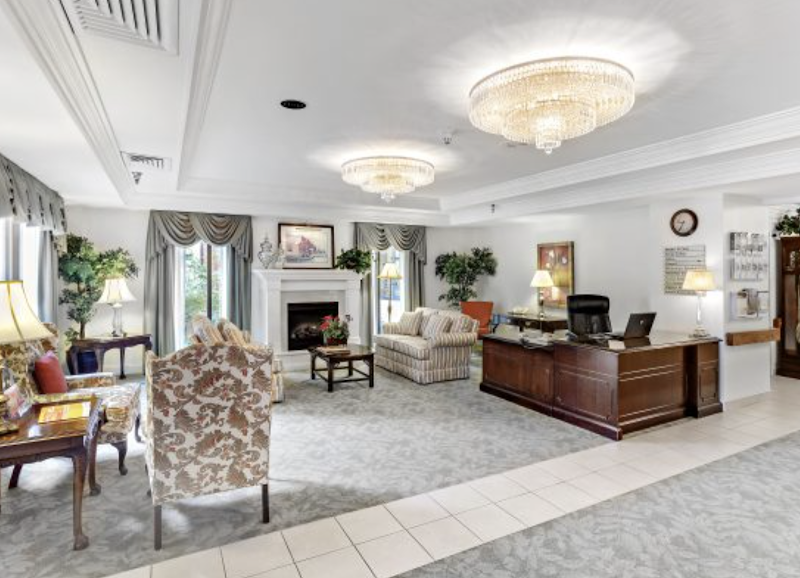
How is Juniper Village At Brookline-Rehabilitation And Sk Staffed?

CMS rates JUNIPER VILLAGE AT BROOKLINE-REHABILITATION AND SK's staffing level at 3 out of 5 stars, which is average compared to other nursing homes.

What Have Inspectors Found at Juniper Village At Brookline-Rehabilitation And Sk?

State health inspectors documented 19 deficiencies at JUNIPER VILLAGE AT BROOKLINE-REHABILITATION AND SK during 2023 to 2025. These included: 19 with potential for harm.
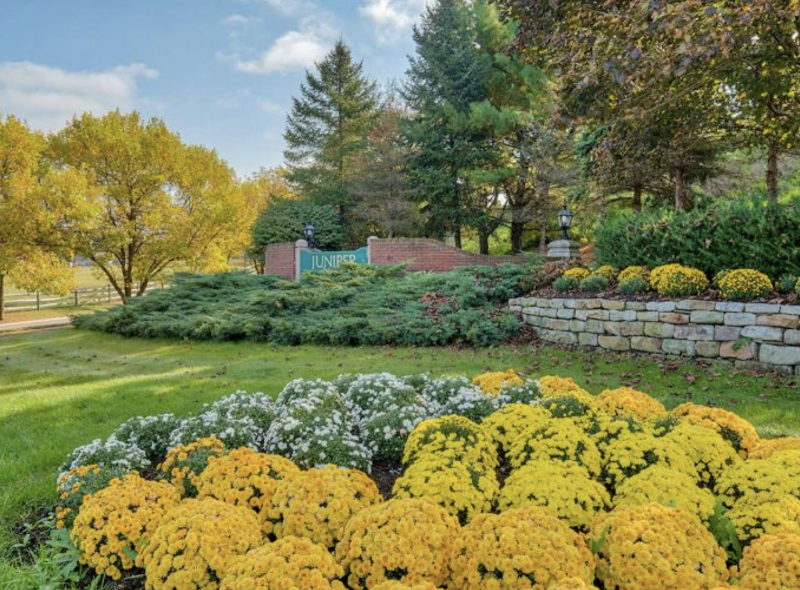
Who Owns and Operates Juniper Village At Brookline-Rehabilitation And Sk?

JUNIPER VILLAGE AT BROOKLINE-REHABILITATION AND SK is owned by a for-profit company. For-profit facilities operate as businesses with obligations to shareholders or private owners. The facility operates independently rather than as part of a larger chain. With 116 certified beds and approximately 46 residents (about 40% occupancy), it is a mid-sized facility located in STATE COLLEGE, Pennsylvania.
How Does Juniper Village At Brookline-Rehabilitation And Sk Compare to Other Pennsylvania Nursing Homes?

Compared to the 100 nursing homes in Pennsylvania, JUNIPER VILLAGE AT BROOKLINE-REHABILITATION AND SK's overall rating (4 stars) is above the state average of 3.0 and health inspection rating (4 stars) is above the national benchmark.

What Should Families Ask When Visiting Juniper Village At Brookline-Rehabilitation And Sk?

Based on this facility's data, families visiting should ask: "Can I visit during a mealtime to observe dining assistance and food quality?" "How do you handle medical emergencies, and what is your hospital transfer rate?" "Can I speak with family members of current residents about their experience?"

Is Juniper Village At Brookline-Rehabilitation And Sk Safe?

Based on CMS inspection data, JUNIPER VILLAGE AT BROOKLINE-REHABILITATION AND SK has a clean safety record: no substantiated abuse findings (meaning no confirmed cases of resident harm), no Immediate Jeopardy citations (the most serious violation level indicating risk of serious injury or death), and is not on the Special Focus Facility watch list (a federal program monitoring the lowest-performing 1% of nursing homes). The facility has a 4-star overall rating and ranks #1 of 100 nursing homes in Pennsylvania. While no facility is perfect, families should still ask about staff-to-resident ratios and recent inspection results during their visit.

Do Nurses at Juniper Village At Brookline-Rehabilitation And Sk Stick Around?

JUNIPER VILLAGE AT BROOKLINE-REHABILITATION AND SK has not reported staff turnover data to CMS. Staff turnover matters because consistent caregivers learn residents' individual needs, medications, and preferences. When staff frequently change, this institutional knowledge is lost. Families should ask the facility directly about their staff retention rates and average employee tenure.

Was Juniper Village At Brookline-Rehabilitation And Sk Ever Fined?

JUNIPER VILLAGE AT BROOKLINE-REHABILITATION AND SK has no federal fines on record. CMS issues fines when nursing homes fail to meet care standards or don't correct problems found during inspections. The absence of fines suggests the facility has either maintained compliance or corrected any issues before penalties were assessed. This is a positive indicator, though families should still review recent inspection reports for the full picture.

Is Juniper Village At Brookline-Rehabilitation And Sk on Any Federal Watch List?

JUNIPER VILLAGE AT BROOKLINE-REHABILITATION AND SK is not on any federal watch list. The most significant is the Special Focus Facility (SFF) program, which identifies the bottom 1% of nursing homes nationally based on persistent, serious quality problems. Not being on this list means the facility has avoided the pattern of deficiencies that triggers enhanced federal oversight. This is a positive indicator, though families should still review the facility's inspection history directly.