VILLAGE AT PENN STATE, THE
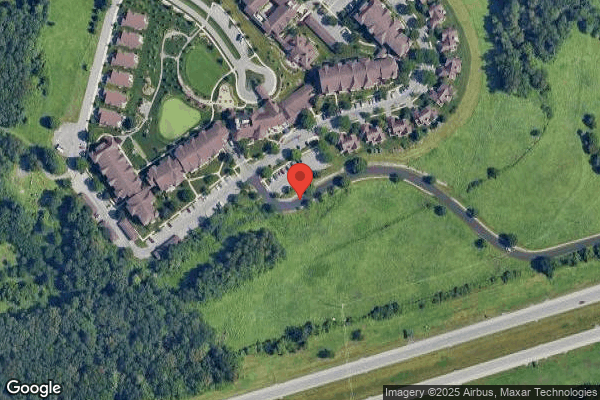
260 LION'S HILL ROAD, STATE COLLEGE, PA 16803 (814) 238-1949
Non profit - Church related 36 Beds Independent Data: November 2025
Trust Grade
83/100
#138 of 653 in PA
Last Inspection: June 2025

Inspected within the last 6 months. Data reflects current conditions.

Overview

The Village at Penn State is rated with a Trust Grade of B+, which indicates it is above average and recommended for potential residents. It ranks #138 out of 653 nursing homes in Pennsylvania, placing it in the top half of facilities statewide, and #2 out of 6 in Centre County, meaning only one other local option is better. Unfortunately, the facility's trend is worsening, having increased from 3 issues in 2024 to 4 in 2025. Staffing is a strong point, with a 5/5 star rating and a low turnover rate of 27%, significantly below the state average, indicating experienced staff members who are familiar with residents. There have been no fines reported, which is a positive sign, but there are concerns regarding cleanliness and pain management practices; for instance, food storage and kitchen sanitation have been found lacking, and pain management for residents did not meet professional standards. Overall, while there are strong staffing levels, the recent issues with food safety and care practices should be taken into account when considering this facility.

Trust Score
B+
83/100
In Pennsylvania
#138/653
Top 21%
Safety Record
Low Risk
No red flags
Inspections
Getting Worse
3 → 4 violations
Staff Stability
✓ Good
27% annual turnover. Excellent stability, 21 points below Pennsylvania's 48% average. Staff who stay learn residents' needs.
Penalties
✓ Good
No fines on record. Clean compliance history, better than most Pennsylvania facilities.
Skilled Nurses
✓ Good
Each resident gets 59 minutes of Registered Nurse (RN) attention daily — more than average for Pennsylvania. RNs are trained to catch health problems early.
Violations
⚠ Watch
22 deficiencies on record. Higher than average. Multiple issues found across inspections.
★★★★★
5.0
Overall Rating
★★★★★
5.0
Staff Levels
★★★★☆
4.0
Care Quality
★★★★☆
4.0
Inspection Score
Stable
2024: 3 issues
2025: 4 issues

The Good

  • 5-Star Staffing Rating · Excellent nurse staffing levels
  • 4-Star Quality Measures · Strong clinical quality outcomes
  • Low Staff Turnover (27%) · Staff stability means consistent care
  • Full Sprinkler Coverage · Fire safety systems throughout facility
  • No fines on record
  • Staff turnover is low (27%)

    21 points below Pennsylvania average of 48%

Facility shows strength in staffing levels, quality measures, staff retention, fire safety.

The Bad

No Significant Concerns Identified

This facility shows no red flags. Among Pennsylvania's 100 nursing homes, only 1% achieve this.

The Ugly 22 deficiencies on record

Jun 2025 4 deficiencies
CONCERN (D)

Potential for Harm - no one hurt, but risky conditions existed

Deficiency F0554 (Tag F0554)

Could have caused harm · This affected 1 resident

Based on clinical record review, observation, and resident and staff interview, it was determined that the facility failed to ensure that the facility determined a resident's ability to self-administe...

Read full inspector narrative →
Based on clinical record review, observation, and resident and staff interview, it was determined that the facility failed to ensure that the facility determined a resident's ability to self-administer medications for one of one resident reviewed (Resident 14). Findings include: Observation of Resident 14 on June 4, 2025, at 12:35 PM revealed she was sitting in her chair beside her bed with her bedside table in front of her. On the bedside table she had Flonase nasal spray (a steroid medication used to treat various signs and symptoms that could be caused by allergies) and Afrin nasal spray (a medication used to treat nasal congestion and stuffiness). She indicated that she brought them to the facility from the hospital. She said that both medications have been on her windowsill or overbed table since she came to the facility on May 21, 2025. She also indicated that she does self-administer the medications. Clinical record review for Resident 14 revealed no physician's order that the resident may self-administer the medication, or that the facility determined the resident was able to safely self-administer the medication. The surveyor confirmed the above noted information related to Resident 14 self-administering medications with the Nursing Home Administrator and Director of Nursing on June 5, 2025, at 10:30 AM. 8 Pa. Code 201.18(b)(1) Management 28 Pa. Code 211.9 (a)(1)(b) Pharmacy services 28 Pa. Code 211.12(d)(1) Nursing services
CONCERN (D)

Potential for Harm - no one hurt, but risky conditions existed

Accident Prevention (Tag F0689)

Could have caused harm · This affected 1 resident

Based on observations, clinical record review, and staff interview, it was determined that the facility failed to implement interventions related to fall injury prevention for one of four residents re...

Read full inspector narrative →
Based on observations, clinical record review, and staff interview, it was determined that the facility failed to implement interventions related to fall injury prevention for one of four residents reviewed (Resident 31) and failed to provide adequate supervision resulting in a fall for one of four residents reviewed (Resident 23).Findings include:Clinical record review for Resident 31 revealed a diagnosis list that included a history of falling.Resident 31's quarterly Minimum Data Set Assessment (MDS, an assessment completed at specific intervals to determine care needs) dated April 9, 2025, revealed that staff assessed the resident as having a BIMS (Brief Interview for Mental Status) of 5, which indicated severe cognitive impairment.Review of Resident 31's care plan revealed that the resident is at risk for falls due to unsteady gait and poor balance. An intervention dated December 17, 2024, instructed staff to have dycem (a material used to prevent slipping or sliding) on the seat of the resident's wheelchair and the top of the pressure alarm to prevent sliding.Clinical documentation for Resident 31 revealed an Incident Note dated May 18, 2025, at 10:35 PM that indicated the resident had fallen out of the wheelchair and sustained a skin tear to the left elbow. The note indicated, Dycem was not on resident's pressure alarm per care plan, new piece applied.Facility documentation revealed an incident report with a staff statement dated May 19, 2025, that revealed the staff member was sitting at the nursing station and saw Resident 31 scooting to the edge of his wheelchair. The resident leaned to the left and fell out of the wheelchair.An interview with the Nursing Home Administrator on June 6, 2025, at 12:30 PM revealed that the facility could provide no further documentation on the lack of the care planned intervention for Resident 31's wheelchair.Clinical record review for Resident 23 revealed a progress note dated January 3, 2025, at 5:55 PM that indicated Resident 23 had a fall at 5:10 PM. The note indicated she was walking with her walker down the hallway on the first floor accompanied by a nurse aide. The nurse aide heard a gasp and then noted that the resident started to fall sideways and hit the right side of her head on the bottom of the door that leads up to second floor. Resident 23 lost consciousness for a few seconds but became aware and talking with staff. The facility called 911 at 5:15 PM and Resident 23 was taken to the hospital.A progress note dated January 3, 2025, at 10:20 PM revealed that Resident 23 returned from the hospital with a small bump on her right temple. She had no new orders related to the fall.Clinical record review for Resident 23 revealed a fall risk evaluation dated December 21, 2024, that indicated Resident 23 had a fall risk score of 20. The evaluation indicated that any score over 10 is a fall risk. The fall risk evaluation revealed that Resident 23 had 3 or more falls in the past 3 months, intermittent confusion, she is ambulatory, incontinent, she had a decrease in muscular coordination, and required the use of an assistive device. The evaluation section for clinical suggestions revealed no suggestions.Further clinical record review into Resident 23 revealed a physical therapy evaluation dated December 19, 2024, that indicated the reason for the referral was that Resident 23's daughter requested she be assessed due to her having lower extremity weakness, decreased balance, and gait abnormality. Medical factors on the evaluation indicated Resident 23 was a fall risk. The assessment summary indicated that the resident presented with strength impairments, decreased safety awareness, postural alignment/control, decreased functional capacity, and decreased balance. The evaluation indicated that Resident 23 required skilled physical therapy services to minimize falls, improve dynamic balance, increase lower extremity range of motion and strength, and promote safety awareness. The summary also indicated that Resident 23 refused physical therapy after the evaluation.Further review of therapy documentation revealed that Resident 23 was started on physical therapy on December 23, 2024. Review of physical therapy documentation for December 23, 2024, revealed that she required supervision or touching assistance with ambulation to walk 10 feet, and her baseline for transfers and ambulation were supervision to contact guard assistance with a rollator walker (a walker with wheels) 120 feet.A physical therapy progress note dated December 30, 2024, revealed that resident ambulated 350 feet with a rollator and stand by assistance. She had a slow cadence (a slow pace of steps taken per minute) with frequent stopping due to distractions. She had a forward posture with verbal cues throughout to stand tall and pick up her feet.A physical therapy progress note dated December 31, 2024, revealed that resident ambulated 700 feet with a rollator walker and stand by assistance. She had a shuffle and required verbal cues throughout to stand tall and stay close to her rollator walker.Review of Resident 23's task documentation for December 18, 2024, to December 31, 2024, revealed that her ambulation in the hallway ranged from independent to extensive assist of one person with her rollator walker.Review of Resident 23's care plan entitled Activities of Daily living self-care deficit initiated on July 11, 2023, revealed that she had no interventions indicating what type of ambulation assistance she needed.Review of Resident 23's care plan entitled At risk for falls related to gait/balance disturbances, last revised on May 20, 2025, revealed no interventions that indicated the resident's ambulation assistance needs, and there were no resolved care plan interventions that indicated what level of assistance she required with her ambulation.Review of the facility's investigation into Resident 23's January 3, 2025, fall revealed that the nurse aide was walking ahead of Resident 23, heard a gasp, turned around, and saw her fall.The facility failed to ensure that Resident 23 was provided with adequate supervision and appropriate fall interventions after it was noted that she had a fall risk assessment score of 20 on December 21, 2024, had declined in her balance and strength, and required verbal cues to safely ambulate as noted by physical therapy progress notes referenced above.Interview of Director of Nursing and Nursing Home Administrator on June 6, 2025, at 11:30 AM confirmed the above noted findings related to Resident 23.28 Pa. Code 211.12(d)(1)(3)(5) Nursing services
CONCERN (E)

Potential for Harm - no one hurt, but risky conditions existed

Deficiency F0697 (Tag F0697)

Could have caused harm · This affected multiple residents

Based on clinical record review and staff interview, it was determined that the facility failed to ensure that pain management was provided that was consistent with professional standards of practice ...

Read full inspector narrative →
Based on clinical record review and staff interview, it was determined that the facility failed to ensure that pain management was provided that was consistent with professional standards of practice for two of two residents reviewed (Residents 4 and 18).Findings include:Clinical record review for Resident 4 revealed current physician orders for Oxycodone HCI 5 milligrams (mg)Clinical record review for Resident 4 revealed current physician orders for Acetaminophen (a medication used to control mild pain) extra strength 500 mg by mouth every four hours as needed for pain, (no pain level identified), Oxycodone HCI (a narcotic pain medication used to control moderate to severe pain) oral tablets 5 mg every six hours as needed for moderate to severe pain, and Oxycodone HCI oral tablets 5 mg give 2.5 mg every four hours as needed for pain (no pain level identified).Review of Resident 4's most recent quarterly MDS (Minimum Data Set, an assessment completed by the facility, at intervals to determine the care needs of the resident) dated May 20, 2025, revealed that she had occasional pain with the worst pain being a 5 on a scale of 1-10, and that she received scheduled, and as needed pain medication during the assessment period.Review of Resident 4's medication administration record for May 2025, revealed that she did not receive her as needed Acetaminophen Extra Strength 500 mg during the month.Review of Resident 4's medication administration records (MAR) for May 2025, revealed that she received Oxycodone 2.5 mg as follows:May 6, 2025, 5:47 AM for a pain level of 6May 11, 2025, at 9:15 PM for a pain level of 5May 18, 2025, at 9:32 AM for a pain level of 7Review of Resident 4's medication administration records (MAR) for May 2025, revealed that she received Oxycodone 5 mg as follows:May 2, 2025, at 10:00 AM for a pain level of 7May 2, 2025, at 5:00 PM for a pain level of 7May 14, 2025, at 4:28 PM for a pain level of 7May 23, 2025, at 1:34 PM for a pain level of 8May 24, 2025, at 12:47 PM for a pain level of 8May 25, 2025, at 1:09 PM for a pain level of 3May 28, 2025, at 10:27 AM for a pain level of 7May 29, 2025, at 5:27 AM for a pain level of 6May 30, 2025, at 6:41 AM for a pain level of 6May 31, 2025, at 12:40 PM for a pain level of 6Interview with the Director of Nursing on June 5, 2025, at 10:35 AM revealed that the facility does not have a policy defining mild, moderate, or severe pain. She also confirmed that Resident 4's current physician orders do not provide specific guidance to the administering nurse indicating what as needed pain medication should be administered in accordance with Resident 4's pain ratings.Interview with the Nursing Home Administrator and Director of Nursing on June 5, 2025, at 2:22 PM, confirmed the above noted findings related to Resident 4's pain.Clinical record review for Resident 18 revealed the resident was ordered Acetaminophen (a medication used to treat mild pain) Oral Tablet 325 mg two tablets every four hours as needed for pain on April 16, 2025.Resident 18 also had an active order for Tramadol HCL (a narcotic used to treat moderate to moderately severe pain) 50 mg every four hours as needed for pain ordered on April 16, 2025.A review of Resident 18's May and June 2025 medication administration records revealed the resident was administered the as needed Acetaminophen as follows:May 18, 2025, for a pain level of 6May 20, 2025, for a pain level of 4May 25, 2025, for a pain level of zero, and again for a pain level of 6May 26, 2025, for a pain level of 5, again for a pain level of 6, and administered again for a pain level of 6May 28, 2025, for a pain level of 6Resident 18 had not been administered any as needed Acetaminophen to date in June 2025.A review of Resident 18's May and June 2025 medication administration records revealed Resident 18 was administered the Tramadol as follows:May 3, 2025, for a pain level of 8May 14, 2025, for a pain level of 9May 20, 2025, for a pain level of 5May 21, 2025, for a pain level of 6May 22, 2025, for a pain level of 6May 25, 2025, for a pain level of 9May 26, 2025, for a pain level of 6June 4, 2025, for a pain level of 5There was no evidence of any pain scale parameters for Resident 18's as needed pain medication of Acetaminophen and Tramadol to indicate which medication staff is to utilize for the resident's pain.The Nursing Home Administrator and Director of Nursing confirmed in an interview on June 5, 2025, at 2:30 PM that there was no pain parameters indicated as to what pain level staff should administered which medication.28 Pa Code 211.10(c) Resident care policies28 Pa Code 211.12(d)(1) Nursing services
CONCERN (F)

Potential for Harm - no one hurt, but risky conditions existed

Food Safety (Tag F0812)

Could have caused harm · This affected most or all residents

Based on observation and staff interview, it was determined the facility failed to store food and maintain food service equipment in a safe and sanitary manner in the facility's main kitchen, Atrium k...

Read full inspector narrative →
Based on observation and staff interview, it was determined the facility failed to store food and maintain food service equipment in a safe and sanitary manner in the facility's main kitchen, Atrium kitchen, and pantry.Findings include:Observation of the Atrium kitchen on June 3, 2025, at 9:30 AM revealed the following:Multiple sheet pans were observed stored and in use in the cooking area contained significant black buildup on the pans.A large plastic wrap holder on the production table was observed with dried liquid splatter, food crumbs, and dust on the exterior and interior of the holder.The flooring under the dish machine, cooler, and food cooking equipment contained dirt/debris buildup on the flooring and wall edges.A three-tier black cart located across from the dish machine with clean glasses and trays stored on it had dried spills, dried food, and debris on the shelves of the cart.An observation of the main kitchen on June 3, 2025, at 9:50 AM, which is utilized to store food and prepare some food items for the Atrium kitchen revealed the following:A significant buildup of dirt/debris was observed on the walk-in freezer floor.A speed-rack (a tall rolling cart that hold trays of food) was observed in the walk-in cooler with trays of food stored on it. The rack was soiled with a buildup of dried food, dried spills, dust, and debris on the cart frame and tray holders.The wall behind the handwashing sink outside the dry storage area was covered in brown splatter four feet up the wall.A tilt kettle and braising kettle (cooking equipment) were observed in the cooking area by the steamer, covered in thick dust build up, which extended to the side of the steamer. Employee 1, director of dining services, indicated the kettles were out of service and the facility was waiting for new equipment.The knobs and front of additional cooking equipment in the main kitchen area (flat top, grill, and stove) were also observed with significant dust and blackened/debris build up.An observation of the of the pantry storage area located on the first floor of the Atrium on June 3, 2025, at10:30 AM revealed a large amount of water/liquid pooled on the flooring in front of the ice machine, the remainder of the flooring contained debris and was sticky. Dirt/debris was observed under the equipment and along all wall edges.A small metal table holding a juice dispenser unit was observed with dried, orange-colored spills on the top of the table. The lower shelf of the table was dusty and sticky. A cardboard box sitting on the shelf labeled main light fix atrium was partially stuck to the shelf. A previously opened gallon can of paint was sitting on top of the box.Two upright freezers in the pantry contained the following items that had no date to indicate when they were placed there or when the needed to be used by:Four packs of cupcakesA bag of potato totsTwo bags of onion ringsTwo pans of cream chipped beefThree pans of beef stewSix pans of meat lasagnaThe above information was reviewed with the Nursing Home Administrator and Director of Nursing on June 4, 2025, at 2:15 PM.483.60(i)(2) Store, prepare, food safe and sanitaryPreviously cited 7/19/2428 Pa. Code 201.14 (a) Responsibility of Licensee
Jul 2024 3 deficiencies
CONCERN (D)

Potential for Harm - no one hurt, but risky conditions existed

Free from Abuse/Neglect (Tag F0600)

Could have caused harm · This affected 1 resident

Based on clinical record review, review of facility documents, and staff interview, it was determined that the facility failed to prevent abuse for one of one resident reviewed (Resident 8). Findings ...

Read full inspector narrative →
Based on clinical record review, review of facility documents, and staff interview, it was determined that the facility failed to prevent abuse for one of one resident reviewed (Resident 8). Findings include: Clinical record review for Resident 8 revealed that on May 9, 2024, at 10:30 PM a nurse aide noted her to be sitting on the floor on the left side of her bed. The resident indicated that she slid out of bed. Concurrently, Employee 2, Registered Nurse, was made aware that Resident 8 fell out of bed, and the need to assess her for injuries. Review of the facility investigation into the fall revealed that Resident 8 did not have any injuries from the fall but there were concerns documented by Employee 3, nurse aide and Employee 4, Licensed Practical Nurse, that indicated they reported to the Director of Nursing (DON) that when Employee 2 came to assess Resident 8, she was verbally inappropriate to her. The investigation also confirmed that Resident 8 was interviewed and that the nurse was rude and unprofessional. Review of a witness statement from Employee 4, dated May 9, 2024, revealed that she notified Employee 2, that Resident 8 slid out of bed and was on the floor and she needed her to come and assess her. Employee 2 was trying to roll Resident 8 on to her side to assess her for injuries and rolled her into the door jamb bumping her right leg very hard . Resident 8 yelled and said it hurt. Employee 2 then yelled at Resident 8 and said, if you are not going to roll, I will mark you as a refusal. I am not hurting my back. Employee 2 rolled Resident 8 again and rolled her against the door jamb very roughly and she yelled again and looked at Employee 3 and said, I hate her. Review of a statement from Employee 3 dated May 9, 2024, revealed that when Employee 2 came into the room to examine Resident 8, she seemed very annoyed and spoke in a very rude manner. She indicated that Employee 2 never told Resident 8 that she was going to roll her over, she just tried to flip her over causing her right shin bone to crack off the bathroom door jam. She stated that Employee 2 then proceeded to tell Resident 8 that if she was not going to roll, she would mark her as a refusal. Employee 2 then proceeded to try to roll her again causing her right leg to crack off the door jamb again. Review of Employee 2's statement dated May 10, 2024, related to this event revealed that she tried to turn Resident 8 to check her back side and right hip, which she said hurt but she kept resisting being turned. Every time she would try to turn Resident 8, she would push back. She indicated that she had an actively dying resident receiving frequent sedation and no licensed practical nurse on duty, so she was passing medications too. She also indicated in her statement that she had been very busy preparing for a long-distance move and was entering the final three days of her nearly 2-month notice. She then stated that she believed this incident was related to stress and frustration due to all these events together and that she was sorry and never meant any harm or disrespect. Review of the Director of Nursing's (DON) summary of the event revealed that on May 10, 2024, at 8:30 AM she interviewed Resident 8 who indicated that she slipped out of bed and called for help. Resident 8 indicated that they came and got her up and that another nurse came and was very angry with her for falling out of bed and yelled at her. She said the nurse told her that she broke the rules that were laid out for her and that she was not to go to the bathroom by herself. Resident 8 then indicated that the nurse threw her against the wall. When Resident 8 was assessed, there were no apparent injuries. Interview with the DON and Nursing Home Administrator on July 18, 2024, at 12:05 PM revealed that they unsubstantiated the allegation of abuse because Employee 8 did not intend to cause harm. They also indicated that they were going to educate her on recognizing stress and actions to take, but Employee 2 did not return to the facility after the investigation, and that they did not educate other staff responsible for the care of residents related to stress prevention and abuse. The facility failed to substantiate verbal and physical abuse related to Resident 8 and failed to educate all staff related to stress management and abuse prevention as it related to this event, to prevent reoccurrence. 28 Pa. Code 201.18(e)(1) Management 28 Pa. Code 201.29(a) Resident rights
CONCERN (D)

Potential for Harm - no one hurt, but risky conditions existed

Medication Errors (Tag F0758)

Could have caused harm · This affected 1 resident

Based on clinical record review and staff interview, it was determined that the facility failed to monitor for the effectiveness or adverse consequences of psychotropic medication use for one of five ...

Read full inspector narrative →
Based on clinical record review and staff interview, it was determined that the facility failed to monitor for the effectiveness or adverse consequences of psychotropic medication use for one of five residents reviewed (Resident 8). Findings include: Clinical record review for Resident 8 revealed a current physician's order for Zoloft (a medication used to treat depression) 25 milligrams (mg) one time a day. Review of Resident 8's current care plan revealed a care plan focus area for depression related to dementia. The goal was for Resident 8 to remain free of signs and symptoms of depression, anxiety, or sad mood. The interventions indicated to monitor for side effects and effectiveness of the medication. Further clinical record review revealed no documented evidence that Resident 8 was being monitored for side effects or effectiveness of the medication. Interview with the Director of Nursing and Nursing Home Administrator on July 18, 2024, at 12:15 PM confirmed the above noted findings that there was no documented evidence that they were monitoring Resident 8 for side effects or effectiveness related to her antidepressant medication Zoloft. The facility failed to ensure proper monitoring of psychotropic medication use for Resident 8. 483.45(d)(e)(1)-(2) Drug Regimen is Free From Unnecessary Drugs Previously cited deficiency 10/5/2023 28 Pa. Code 211.9(a)(1)(k) Pharmacy services 28 Pa. Code 211.10(a) Resident care policies 28 Pa. Code 211.12(c)(d)(1)(5) Nursing services
CONCERN (E)

Potential for Harm - no one hurt, but risky conditions existed

Food Safety (Tag F0812)

Could have caused harm · This affected multiple residents

Based on observation and staff interview, it was determined that the facility failed to store food items and maintain a safe and sanitary environment in the main kitchen and smaller kitchen area locat...

Read full inspector narrative →
Based on observation and staff interview, it was determined that the facility failed to store food items and maintain a safe and sanitary environment in the main kitchen and smaller kitchen area located on the skilled nursing unit. Findings included: Initial tour of the facility's main kitchen on July 16, 2024, between 11:10 AM and 11:40 AM with Employee 1, Director of Dining, revealed the following: Observation of the walk-in freezer off the hallway revealed: A package of veggie burgers was undated, and the package was open exposing them to the ambient air. Several packages of what Employee 1 identified as ground pork sausage were undated. An undated bag of breadsticks was open to the ambient air. Observation of the walk-in cooler off the hallway revealed: A package of onions had an expired use-by date of 7/9. Four bags of celery had no dates on them. A container labeled plain halibut had an expired use-by date of 7/14. There were eight foil wrapped items in a tray that Employee 1 identified as potatoes with no labels or dates on them. There were multiple packaged avocado halves in a box with an expiration date of July 3, 2024. Two operating fans on the condenser unit located in the interior of the cooler revealed a significant accumulation of dust. Observation of the area that surrounded the main dumpsters to the main kitchen included two medical gloves (one black and one purple) on the ground, three discarded Styrofoam cups/bowls, a significant accumulation of dead leaves, and multiple paper/plastic items discarded behind the recycling dumpster. Observation of the walk-in cooler in the main kitchen revealed a partially filled gallon milk container with a sell by date of July 2, 2024, and a container of lemon juice with an expiration date of May 20, 2024. The main kitchen had a significant accumulation of dust on a ceiling vent and adjacent ceiling tile above a food prep area. The protective coverings on two of the ceiling lights were partially ajar. There was a damaged corner of the wall at the floor between the kitchen and the dishwashing area. A concurrent interview with Employee 1 revealed that maintenance is aware of the issue. Employee 1 further noted that water from the dishwashing area leaks through the damaged wall area and puddles on the floor in the main kitchen area. Observation of the smaller kitchen located on the skilled nursing unit between 11:40 AM and 11:50 AM revealed the following: A floor drain near the food prep area contained various debris. Observation of Employee 5, dish washer, revealed the employee was observed in the kitchen area. Employee 5 had a full beard but did not have a beard guard covering the facial hair. A concurrent interview with Employee 1 revealed that the facility does not require Employee 5 to wear a hair restraining device over his beard. An operating air conditioning unit had an extensive build-up of a black colored substance on the vents of the unit. The above information was reviewed in a meeting with the Nursing Home Administrator and Director of Nursing on July 18, 2024, at 12:08 PM. 28 Pa. Code 201.14(a) Responsibility of licensee
Aug 2023 15 deficiencies
CONCERN (D)

Potential for Harm - no one hurt, but risky conditions existed

Deficiency F0554 (Tag F0554)

Could have caused harm · This affected 1 resident

Based on observation, clinical record review, and staff interview, it was determined that the facility failed to assess a resident for the clinical appropriateness of self-administration of medication...

Read full inspector narrative →
Based on observation, clinical record review, and staff interview, it was determined that the facility failed to assess a resident for the clinical appropriateness of self-administration of medications for one of one resident reviewed for self-administration of medications (Residents 28). Findings include: Observation on August 8, 2023, at 11:55 AM revealed Resident 28 entered the hallway from her room with a plastic bottle in her hand. Resident 28 asked the surveyor what was in the bottle and the surveyor responded that the label indicated it was shampoo. Resident 28 then stated that she just put the shampoo on her bottom. A dietary employee intervened and went to get Employee 5, Registered Nurse, to talk with Resident 28. Employee 5 stated to Resident 28 that she should not have put the shampoo there because she has cream in a cup in her bathroom to put on there. Employee 5 proceeded to take Resident 28 into her room to take care of her. Interview with Employee 5 on August 8, 2023, at 12:10 PM revealed that Resident 28 is ordered Vagisil (a cream used for the vaginal area to stop itching) anti-itch medicated cream to be applied to the peri area topically as needed for complaints of vaginal itch. She also indicated that they put some in a med cup and leave it in the bathroom for Resident 28 to self-administer as needed. Clinical record review for Resident 28 revealed a current physician's order dated June 23, 2023, to apply Vagisil Anti-itch medicated external miscellaneous 1% to vaginal and perineum area topically as needed for complaints of vaginal itch. Unsupervised self-administration apply as needed. May keep in bathroom. Interview with the Director of Nursing on August 9, 2023, at 2:00 PM confirmed that Resident 28 was ordered to self-administer the Vagisil cream as needed and that the cream was supplied to her in a cup and kept in her bathroom. Review of Resident 28's self -administration of medication form on August 10, 2022, revealed that it was not completed until August 9, 2023, after the surveyor asked about it in a meeting on the same day. The form indicated that Resident 28 was fully capable of administering topical medications even though she was not capable of storing medications in a secure location, she was not capable of opening/closing medication containers, could not accurately tell time to know when the medications needed to be taken, and that she required assistance in naming the prescribed medication and identifying common side effects of the medication. The questions on the form that asked if Resident 28 was approved for self-administration of medications and if she could keep medications at bedside, were not completed. Interview with the Nursing Home Administrator and Director of Nursing on August 10, 2023, at 2:05 PM confirmed the above noted findings related to Resident 28's self-administration of medication form. Observation on August 10, 2023, at 10:13 AM revealed that Resident 28 asked Employee 6, Licensed Practical Nurse, for cream to her bottom. Employee 6 indicated to Resident 28 that she had some cream in her room in a cup. The facility failed to assess Resident 28 for the clinical appropriateness to self-administer topical medications. 28 Pa. Code 201.18(b)(1) Management 28 Pa. Code 211.12(d)(1)(5) Nursing services
CONCERN (D)

Potential for Harm - no one hurt, but risky conditions existed

Deficiency F0582 (Tag F0582)

Could have caused harm · This affected 1 resident

Based on clinical record review and staff interview, it was determined that the facility failed to provide the correct required notification to a resident whose payment coverage changed for two of thr...

Read full inspector narrative →
Based on clinical record review and staff interview, it was determined that the facility failed to provide the correct required notification to a resident whose payment coverage changed for two of three residents reviewed (Residents 29 and 31). Findings include: A review of the form Instructions for the Notice of Medicare Non-Coverage (NOMNC) CMS-10123, (a notice that informs the recipient when care received from the skilled nursing facility is ending; and how to contact a Quality Improvement Organization (QIO) to appeal) revealed instructions that a Medicare provider must ensure that the notice is delivered at least two calendar days before Medicare covered services end. The provider must ensure that the beneficiary or their representative signs and dates the NOMNC to demonstrate that the beneficiary or their representative received the notice and understands the termination of services can be disputed. If the provider is personally unable to deliver a NOMNC to a person acting on behalf of an enrollee, then the provider should telephone the representative to advise him or her when the enrollee's services are no longer covered. Confirm the telephone contact by written notice mailed on that same date. A review of the Form Instructions Skilled Nursing Facility (SNF) Advanced Beneficiary Notice of Non-coverage (SNFABN) Form CMS-10055 revealed that examples of the common reasons why an extended care stay, or services may not be covered under Medicare might include the beneficiary no longer requires daily skilled care for a medical condition but wants to continue residing in the skilled nursing facility (SNF). The SNF enters a good faith estimate of the cost of the corresponding care that may not be covered by Medicare. In the blank that follows Beginning on ., the skilled nursing facility enters the date on which the beneficiary may be responsible for paying for care that Medicare is not expected to cover. The beneficiary selects an option box to indicate a desire to continue to receive the care or not to continue to receive the care and if there is a desire to have the bill submitted to Medicare for consideration. The beneficiary or their authorized representative must sign the signature box to acknowledge that they read and understood the notice. The SNF must issue this notice when there is a termination of all Medicare Part A services for coverage reasons. If after issuing the NOMNC, the SNF expects the beneficiary to remain in the facility in a non-covered stay, the SNFABN must be issued to inform the beneficiary of potential liability for the non-covered stay. Clinical record review of census information for Resident 31 revealed that the facility provided services primarily paid for by Medicare starting May 15, 2023. Resident 31's Medicare payment for services ended May 26, 2023. A review of a CMS-10123 form provided by the facility indicated that Resident 31's last covered day of Medicare A services ended May 26, 2023. The facility did not provide a CMS-10055 form for Resident 31. The facility provided a CMS-R-131 form that the facility used in place of the CMS-10055 form. Resident 31 signed the CMS-R-131 form on May 23, 2023. The graph on the CMS website (Beneficiary Notices Initiative) stipulates that the provider types for the CMS-R-131 form use include independent laboratories, home health agencies, hospices, physicians, practitioners, and providers paid under Medicare Part B. The same graph instructs that skilled nursing facilities are to use the CMS-10055 form. Clinical record review of census information for Resident 29 revealed that the facility provided services primarily paid for by Medicare A starting December 16, 2022. Resident 29's Medicare payment for services ended January 27, 2023. A review of a CMS-10123 form provided by the facility indicated that Resident 29's last covered day of Medicare A services ended January 27, 2023. The facility did not provide a CMS-10055 form for Resident 29. The facility provided a CMS-R-131 form that the facility used in place of the CMS-10055 form. Resident 29's wife signed the CMS-R-131 form on January 24, 2023. The surveyor reviewed the above findings regarding the provision of the incorrect notice during an interview with the Nursing Home Administrator and the Director of Nursing on August 9, 2023, at 2:00 PM. 28 Pa. Code 201.18(e)(1) Management 28 Pa. Code 201.29(a) Resident rights
CONCERN (D)

Potential for Harm - no one hurt, but risky conditions existed

Quality of Care (Tag F0684)

Could have caused harm · This affected 1 resident

Based on clinical record review and resident and staff interview, it was determined that the facility failed to provide the highest practicable care regarding physician ordered weights for one of 16 r...

Read full inspector narrative →
Based on clinical record review and resident and staff interview, it was determined that the facility failed to provide the highest practicable care regarding physician ordered weights for one of 16 residents reviewed (Resident 8) and regarding a change in condition for one of 12 residents reviewed (Resident 5). Findings include: Clinical record review for Resident 8 revealed a physician's order dated December 2, 2022, that staff were to complete weekly weights on day shift every Friday. Review of Resident 8's clinical documentation revealed that staff did not complete Resident 8's weights on the following dates: December 23 and 30, 2022 February 24, 2023 April 21 and 28, 2023 May 26, 2023 June 2, 9, 23, and 30, 2023 July 7, 2023 The surveyor reviewed the above information during an interview on August 9, 2023, at 11:30 AM with the Nursing Home Administrator. Interview with Resident 5 on August 8, 2023, at 2:48 PM revealed that he was experiencing diarrhea for four or five days. Interview with Resident 5 on August 10, 2023, at 1:45 PM revealed that he felt, a little better, but still (had) diarrhea. Review of bowel elimination records for Resident 5 dated August 2023 revealed that staff documented formed/normal bowel movements on August 1, 2, 3, and 4, 2023. Staff documented loose/diarrhea bowel movements on the following dates and times: August 5, 2023, at 10:38 AM August 6, 2023, at 5:35 AM and 9:17 AM August 7, 2023, at 4:24 AM, 8:35 AM, and 9:57 PM August 8, 2023, at 1:05 AM and 9:19 AM August 9, 2023, at 10:55 AM August 10, 2023, at 4:26 PM Review of Resident 5's active physician orders revealed that on August 7, 2023, the physician ordered the administration of Imodium A-D (medication used to treat diarrhea by slowing down the movement of the gut; decreases the number of bowel movements and makes the stool less watery) 2 mg (milligrams) every four hours as needed for diarrhea. Review of progress note documentation available in Resident 5's clinical record revealed no evidence that nursing staff assessed Resident 5's gastrointestinal status upon the new diarrhea symptom. No nursing staff documented notification to Resident 5's physician or responsible party that Resident 5 exhibited a new symptom of diarrhea or the start of the Imodium medication. There was no evidence that staff performed routine assessments to monitor Resident 5's change in condition (e.g., signs and symptoms of dehydration or gastric upset, changes in appetite, assessments of temperature, mental status changes, etc.). There was no evidence that staff educated Resident 5 regarding increasing his fluid intake to prevent potential dehydration secondary to his loose stools. Review of Resident 5's medication administration record (MAR, electronic documentation of the administration of medications) dated August 2023 revealed that no staff administered the Imodium medication from August 7 through 10, 2023; however, staff documented withholding Resident 5's medications for loose stools as follows: August 11, 2023, at 7:34 AM, Colace (stool softener), Polyethylene Glycol (fiber laxative), and Senna-Time (stimulant laxative) August 10, 2023, at 5:49 PM, Colace and Senna-Time August 9, 2023, at 7:48 PM, Colace and Polyethylene Glycol August 6, 2023, at 4:22 PM, Colace and Senna-Time August 6, 2023, at 7:41 AM, Colace and Senna-Time Resident 5's August 2023 MAR indicated that staff administered Polyethylene Glycol on August 5 and 7, 2023, at 8:00 AM. Staff administered Resident 5's Colace at 8:00 AM and 5:00 PM on August 5 and 7, 2023. Staff administered Resident 5's Senna-Time at 8:00 AM and 5:00 PM on August 5 and 7, 2023, and at 5:00 PM on August 8, 2023. The documentation indicated that staff did not consistently hold medications that promoted bowel movements during the time Resident 5 reported diarrhea. Interview with the Director of Nursing on August 11, 2023, at 9:02 AM confirmed that the facility had no evidence of routine assessments of Resident 5 when he presented with a change in condition starting on August 5, 2023. The surveyor also reviewed concerns regarding staff administering stool softeners without administering the Imodium medication as ordered when Resident 5 exhibited diarrhea. 28 Pa. Code 211.10(c)(d) Resident care policies 28 Pa. Code 211.12(c)(d)(1)(3)(5) Nursing services
CONCERN (D)

Potential for Harm - no one hurt, but risky conditions existed

Deficiency F0730 (Tag F0730)

Could have caused harm · This affected 1 resident

Based on review of staff education records and staff interview, it was determined that the facility failed to conduct at least 12 hours of in-service education, within 12 months of their hire date ann...

Read full inspector narrative →
Based on review of staff education records and staff interview, it was determined that the facility failed to conduct at least 12 hours of in-service education, within 12 months of their hire date anniversary, for a nurse aide as required for one of three nurse aides reviewed (Employee 7). Findings include: Review of Employee 7's, nurse aide, education records revealed that she had a hire date of May 18, 2015, with 3.75 hours of Inservice education between May 18, 2022, to May 18, 2023. An interview with the Nursing Home Administrator on August 11, 2023, at 9:35 AM confirmed the above noted findings that Employee 7 did not have the required minimum 12 hours of education over the 12-month period. 28 Pa. Code: 201.14(a) Responsibility of licensee 28 Pa. Code: 201.20(a) Staff Development
CONCERN (D)

Potential for Harm - no one hurt, but risky conditions existed

Deficiency F0740 (Tag F0740)

Could have caused harm · This affected 1 resident

Based on clinical record review, observation, and staff interview, it was determined that the facility failed to implement a behavioral management plan to attain the highest practicable well-being for...

Read full inspector narrative →
Based on clinical record review, observation, and staff interview, it was determined that the facility failed to implement a behavioral management plan to attain the highest practicable well-being for one of three residents reviewed for behavioral concerns (Resident 14). Findings include: Clinical record review for Resident 14 revealed that she attended a behavioral health visit on April 19, 2023, which revealed a diagnosis of major neurocognitive disorder due to Alzheimer's disease with behavioral disturbance. The nurse practitioner indicated that Resident 14 continued with aggressive behaviors towards staff and residents, that she had been refusing medications, is having poor sleep, and frequently wanders the unit until physical exhaustion, without staff being able to redirect her. The practitioner also noted Resident 14's continued paranoia. She indicated that she would see Resident 14 again in approximately eight to 10 weeks or sooner if another psychiatric need arises. Observation of Resident 14 on August 8, 2023, at 12:00 PM revealed that she was sitting on her bed and grinding her teeth. Observation of Resident 14 throughout the day on August 9, 2023, revealed that she would frequently walk/pace the nursing unit and grind her teeth. There was no documentation that indicated that Resident 14 was scheduled for or attended a follow-up visit with her behavioral health provider in June or July 2023, as requested by the nurse practitioner until after identified by the surveyor. Interview with the Director of Nursing on August 10, 2023, at 10:00 AM confirmed the above findings. 28 Pa. Code 201.18 (b)(1) Management 28 Pa. Code 211.12(d)(1)(3)(5) Nursing services
CONCERN (D)

Potential for Harm - no one hurt, but risky conditions existed

Drug Regimen Review (Tag F0756)

Could have caused harm · This affected 1 resident

**NOTE- TERMS IN BRACKETS HAVE BEEN EDITED TO PROTECT CONFIDENTIALITY** Based on review of select facility policies and procedures, clinical record review, and staff interview, it was determined that ...

Read full inspector narrative →
**NOTE- TERMS IN BRACKETS HAVE BEEN EDITED TO PROTECT CONFIDENTIALITY** Based on review of select facility policies and procedures, clinical record review, and staff interview, it was determined that the facility failed to ensure that the consultant pharmacist appropriately documented the monthly drug regimen review, and that the physician appropriately acted upon a reported irregularity for one of five residents reviewed for potentially unnecessary medications (Resident 2). Findings include: The facility policy entitled, Consultant Pharmacist Services Requirements, last reviewed November 15, 2022, revealed that regular and reliable consultant pharmacist services are provided to residents. The consultant pharmacist provides consultation on all aspects of the provision of pharmacy services in the facility. In collaboration with the facility staff, the consultant pharmacist helps to identify, communicate, address, and resolve concerns and issues related to the provision of pharmaceutical services. This includes but is not limited to helping to assure that the procedures address the needs of the residents and reflect current standards of practice and providing nationally recognized organizational information to facility staff and practitioners as needed. Specific activities include reviewing the medication regimen of each resident at least monthly, incorporating federally mandated standards of care, and documenting the review and findings in the resident's medical record. The policy did not address the expectation of a physician practitioner to appropriate respond to a consultant pharmacist recommendation. Clinical record review for Resident 2 revealed a physician's order active since his admission on [DATE], to administer Clonazepam (an anti-anxiety psychotropic medication) 1 mg (milligram) every day at bedtime for anxiety. Consultant pharmacist electronic documentation dated January 13, 2023, at 12:22 PM, noted, January drug regimen review complete, no significant finding noted. A separate written report to Resident 2's physician also dated January 13, 2023, requested that the physician consider a gradual dose reduction (GDR) of Resident 2's Clonazepam 1 mg daily at hour of sleep for a diagnosis of insomnia (the inability to fall or stay asleep). Although the consultant pharmacist documented that there was no, significant finding, he/she also documented the need to review a psychotropic medication for a gradual dose reduction on the same date. The consultant pharmacist did not correctly document whether he/she did or did not have a medication irregularity; or that one was referred to the resident's physician in the electronic medical record progress note. Resident 2's physician disagreed with the consultant pharmacist recommendation on January 19, 2023, with a rationale of long standing. The physician did not document an appropriate rationale (e.g., previously failed GDR, persistent distressing target behaviors, etc.) in the resident's medical record. Resident 2's clinical record did not contain evidence that the facility identified the target behaviors exhibited by Resident 2 due to his anxiety diagnosis. The record did not contain evidence that the facility monitored the frequency of a target behavior or non-medicinal interventions used to reduce or discontinue the antianxiety medication use. Interview with the Nursing Home Administrator and the Director of Nursing on August 11, 2023, at 11:00 AM confirmed that the facility did not have evidence of the monitoring of target behaviors that supported the continuation of the Clonazepam medication; or that persistent target behaviors would clinically contraindicate the reduction of the Clonazepam medication. The facility did not have evidence that Resident 2 ever failed an attempt of a gradual dose reduction of the Clonazepam medication. 28 Pa. Code 211.2(d)(3)(8)(9) Medical director 28 Pa. Code 211.9(k) Pharmacy services 28 Pa. Code 211.12(d)(1)(3)(5) Nursing services
CONCERN (D)

Potential for Harm - no one hurt, but risky conditions existed

Medication Errors (Tag F0758)

Could have caused harm · This affected 1 resident

**NOTE- TERMS IN BRACKETS HAVE BEEN EDITED TO PROTECT CONFIDENTIALITY** Based on a review of select facility policies and procedures, clinical record review, and staff interview, it was determined tha...

Read full inspector narrative →
**NOTE- TERMS IN BRACKETS HAVE BEEN EDITED TO PROTECT CONFIDENTIALITY** Based on a review of select facility policies and procedures, clinical record review, and staff interview, it was determined that the facility failed to ensure a resident's medication regime was free from potentially unnecessary medication for one of five residents selected for medication regimen review (Resident 2). Findings include: The facility policy entitled, Psychotropic (Psychoactive) Drug Documentation, last reviewed without changes on November 15, 2022, revealed that staff will document data collected on a resident's response to psychotropic drug administration and assessment of side effects to assess therapeutic value of therapy. Psychoactive drugs are used only in the resident's best interest and non-drug approaches and interventions and/or drug therapy are used whenever possible. General guidelines for assessment may include, but are not limited to, behavior patterns, causes of stressful or inappropriate behavior, stimulus for behavior to be treated, medical symptoms, resident's response to drug therapy, and whether the behavior is easily altered. The components of specifying behavior included to have the prescriber specify the medical necessity and specific targeted behavior to be treated in the order for the psychotropic drug. List the behavior to be treated, as specified by the prescriber, in the problem list of the resident's care plan. List a measurable goal for elimination of, or decrease in, the behavior in the goal column of the resident's care plan. In the approach/plan column of the resident's care plan, list the name of the drug. State where data on effectiveness and side effects will be documented according to facility policy. List other non-drug interventions to be used to reduce or eliminate the behavior. List drug holidays or the planned drug reduction schedule. Identify the behavior being treated in the licensed nurses' progress notes. Data presentation to the prescriber will include the stipulation of the behavior treated, the episodes of the behavior, the occurrence of side effects, and the response to the drug therapy. Clinical record review for Resident 2 revealed a physician's order active since his admission on [DATE], to administer Clonazepam (an anti-anxiety psychotropic medication) 1 mg (milligram) every day at bedtime for anxiety. Resident 2's clinical record did not contain evidence that the facility identified the target behaviors exhibited by Resident 2 due to his anxiety diagnosis. The record did not contain evidence that the facility monitored the frequency of a target behavior, or non-medicinal interventions used to reduce or discontinue the antianxiety medication use. Review of plans of care developed by the facility to address Resident 2's care needs revealed that goals and approaches did not include reference to the reduction or discontinuation of the anti-anxiety medication. A consultant pharmacist report to Resident 2's physician dated January 13, 2023, requested that the physician consider a gradual dose reduction (GDR) of Resident 2's Clonazepam. Resident 2's physician disagreed with the consultant pharmacist recommendation on January 19, 2023, with a rationale of long standing. The physician did not document an appropriate rationale (e.g., previously failed GDR, persistent distressing target behaviors, etc.) in the resident's medical record. Interview with the Nursing Home Administrator and the Director of Nursing on August 11, 2023, at 11:00 AM confirmed that the facility did not have evidence of the monitoring of target behaviors that supported the continuation of the Clonazepam medication. The facility did not have evidence that Resident 2 failed a previous attempt of a gradual dose reduction. 28 Pa. Code 211.2(d)(3) Medical director 28 Pa. Code 211.12(d)(1)(3)(5) Nursing services
CONCERN (D)

Potential for Harm - no one hurt, but risky conditions existed

Deficiency F0790 (Tag F0790)

Could have caused harm · This affected 1 resident

Based on clinical record review and staff interview, it was determined that the facility failed to provide routine dental services for one of 16 residents (Resident 22). Findings include: Clinical rec...

Read full inspector narrative →
Based on clinical record review and staff interview, it was determined that the facility failed to provide routine dental services for one of 16 residents (Resident 22). Findings include: Clinical record review for Resident 22 revealed that the facility contracted dental hygienist indicated the following: On October 13, 2022, noted that Resident 22's number 13 tooth had retained silver that had shifted with visible fistula noted near the apex, indicating an active infection. She recommended that a physician or dentist be consulted for a possible antibiotic and evaluation of extraction of number 13. On June 16, 2023, the hygienist again noted a concern with tooth 13. It was broken to the gum line, with some retained and loose pieces. The resident did not appear in pain, so it would be up to the family if they would like the resident to be seen by a dentist for an extraction of the remaining fractured tooth and root. There was no documentation that the facility addressed Resident 22's hygienist concerns with tooth #13 after either hygienist visit until after identified by the surveyor. This surveyor reviewed the above information during an interview on August 10, 2023, at 10:35 AM with the Director of Nursing.
CONCERN (D)

Potential for Harm - no one hurt, but risky conditions existed

Deficiency F0883 (Tag F0883)

Could have caused harm · This affected 1 resident

Based on review of select facility policies and procedures, clinical record review, and staff interview, it was determined that the facility failed to ensure the administration of a pneumococcal vacci...

Read full inspector narrative →
Based on review of select facility policies and procedures, clinical record review, and staff interview, it was determined that the facility failed to ensure the administration of a pneumococcal vaccine for one of five residents reviewed for immunization concerns (Resident 27). Findings include: The facility policy entitled, Pneumococcal Prevention, last reviewed without changes on November 15, 2022, revealed that residents will be offered the pneumococcal vaccine if they have never received the vaccine or need a pneumococcal booster. A vaccine information sheet will be given to, and consent will be obtained from, the resident or the resident advocate prior to administration of the vaccine. Clinical record review for Resident 27 revealed that the facility admitted him on June 14, 2022. Review of Resident 27's immunization history revealed no evidence of a pneumococcal vaccine. The surveyor requested information regarding Resident 27's pneumococcal vaccination, or declination of the vaccine following education regarding the risks and benefits, during interviews with the Nursing Home Administrator and the Director of Nursing on August 9, 2023, at 2:00 PM, and August 11, 2023, at 10:28 AM. The interview with the Nursing Home Administrator and the Director of Nursing on August 11, 2023, at 10:28 AM revealed that the facility believed an interview with Resident 27's wife indicated that Resident 27 received a pneumococcal vaccine; however, there was no documented evidence of Resident 27's pneumococcal vaccinations. The facility was unable to provide evidence that Resident 27, or his wife, was offered a pneumococcal immunization, received education regarding the risks and benefits of the pneumococcal vaccinations, or that Resident 27, or his wife, refused the vaccine. 28 Pa. Code 211.12(d)(1)(5) Nursing services
CONCERN (E)

Potential for Harm - no one hurt, but risky conditions existed

Deficiency F0625 (Tag F0625)

Could have caused harm · This affected multiple residents

Based on review of select facility policies and procedures, clinical record review, and staff interview, it was determined that the facility failed to provide a written notice of the facility's bed-ho...

Read full inspector narrative →
Based on review of select facility policies and procedures, clinical record review, and staff interview, it was determined that the facility failed to provide a written notice of the facility's bed-hold policy to residents' responsible parties for three of five residents reviewed for hospitalization concerns (Residents 2, 18, and 20). Findings include: The facility policy entitled, Bed Hold Policy, last reviewed without changes on November 15, 2022, revealed that before transferring a resident to the hospital, the facility would provide the resident and responsible party (or family) a copy of the facility's bed hold policy and rates. The facility would hold a resident's bed placement at that designated rate as long as the resident and/or family member/responsible party authorized payment. The procedures portion of the policy indicated that the facility would type in the specific bed-hold policy and rates in that reserved section; however, there were no specific entries made by the facility specific to their rates. Clinical record review for Resident 2 revealed nursing documentation dated August 2, 2023, at 3:45 AM that nurse aide staff found Resident 2 laying on the floor in his room. Resident 2 had slurred and stuttered speech. Resident 2 was not oriented to person or time, had constricted pupils, and staff called emergency medical services to transport Resident 2 to the hospital. Staff notified Resident 2's son of the transfer by telephone. Medication administration documentation dated August 2, 2023, at 9:05 AM revealed that Resident 2 was admitted to the hospital. The facility provided a letter dated August 2, 2023, addressed to Resident 2's nickname (without his legal full name or mention of his responsible party) that noted his transfer to the hospital was necessary to evaluate any possible injuries after his fall. The notice indicated that the facility would hold Resident 2's bed during his hospitalization if payment was arranged. The notice indicated that if Resident 2's stay was covered by the continuing care community contract, the bed-hold fees were included in the monthly fee. The facility did not provide any documentation to indicate that Resident 2's responsible party received written notification of the facility's bed-hold policy at the time of transfer of Resident 2's transfer and admission to the hospital on August 2, 2023. Interview with the Director of Nursing and the Nursing Home Administrator on August 11, 2023, at 11:00 AM confirmed that the facility did not have evidence that Resident 2's responsible party received the notice of the facility's bed-hold policy. Clinical record review for Resident 18 revealed a progress note dated April 10, 2023, at 4:41 AM that indicated she was found on the floor in the bathroom in a pool of blood. She was sent out to the hospital related to being on a blood thinner. The facility did not provide any documentation to indicate that Resident18's responsible party received written notification of the facility's bed-hold policy at the time of Resident 18's transfer and admission to the hospital on April 10, 2023. Clinical record review for Resident 20 revealed that the facility transferred him to the hospital on July 29, 2023, related to issues with his foley catheter. The surveyor requested that the facility provide evidence that Resident 2, 18, and 20's responsible party received written notification of the facility's bed-hold policy during an interview with the Nursing Home Administrator and the Director of Nursing on August 9, 2023, at 2:00 PM. The facility did not provide any documentation to indicate that Resident 20's responsible party received written notification of the facility's bed-hold policy at the time of his transfer to the hospital on July 29, 2023. Interview with the Director of Nursing on August 11, 2023, at 12:45 PM confirmed that the facility did not have evidence that Resident 18 or Resident 20's responsible party received written notification of the facility bed-hold policy at the time they were transferred to the hospital. 28 Pa. Code 201.14(a) Responsibility of licensee 28 Pa. Code 201.29(a) Resident rights 28 Pa. Code 201.14(a) Responsibility of licensee 28 Pa. Code 201.29(a)(1) Resident rights
CONCERN (E)

Potential for Harm - no one hurt, but risky conditions existed

Deficiency F0688 (Tag F0688)

Could have caused harm · This affected multiple residents

Based on clinical record review and staff interview, it was determined that the facility failed to provide services to maintain a resident's range of motion for three of five residents reviewed (Resid...

Read full inspector narrative →
Based on clinical record review and staff interview, it was determined that the facility failed to provide services to maintain a resident's range of motion for three of five residents reviewed (Residents 14, 21, and 22). Findings include: Clinical record review for Resident 14 revealed a current care plan for staff to provide restorative active ROM (range of motion, movement of the body to maintain a resident's ability) to her bilateral upper extremities (arms, BUE) to maintain functional performance and active ROM to her bilateral lower extremities (legs, BLE) to increase strength to improve functional mobility. Review of task documentation for Resident 14 from June and July 2023, revealed that staff documented not applicable or did not document completion of the restorative task on the following dates: Active ROM to BUE: June 8, 13, 14, 17, 18, and 27, 2023 July 5, 6, 7, 11, 20, and 25, 2023 Active ROM to BLE: July 7, 2023 Clinical record review for Resident 21 revealed a current care plan for staff to provide a restorative transfer program for strengthening and passive ROM to her 3rd and 4th digits of her left hand and BUE. Review of task documentation for Resident 21 from June, July, and August 2023, revealed that staff documented not applicable or did not document completion of the restorative task on the following dates: Transfer program: June 3, 11, 14, 16, 22, 23, and 27, 2023 July 11, 15, 18, 21, and 24, 2023 August 3, 4, and 10, 2023 Clinical record review for Resident 22 revealed an Occupational therapy referral dated May 6, 2023, for staff to provide restorative passive ROM to her BUE for 2 sets x 10 BID (twice daily) Review of task documentation for Resident 22 from May, June, July, and August 2023, revealed that staff documented not applicable or did not document completion of the restorative task on the following dates: May 6, 7, 8, 9, 10, 11, 12, 13, 14, 15, 16, 17, 18, 19, 20, 21, 22, 23, 24, 25, 26, 27, 28, 30 and 31, 2023 June 1, 2, 3, 4, 5, 6, 7, 9, 10, 11, 12, 13, 14, 15, 16, 17, 18, 19, 20, 21 22, 23, 24, 25, 26, 27, 28, and 30, 2023 July 1, 2, 3, 4, 5, 6, 7, 8, 9, 10, 11, 12, 13, 14, 15, 16, 17, 18, 19, 20, 21, 22, 23, 24, 25, 26, 27, and 30, 2023 August 2, 4, 7, 8, and 10, 2023 The surveyor reviewed the above information on August 9, 2023, at 2:45 PM with the Nursing Home Administrator and Director of Nursing. 28 Pa. Code 211.10(a)(d) Resident care policies 28 Pa. Code 211.12(c)(d)(1)(3)(5) Nursing services
CONCERN (E)

Potential for Harm - no one hurt, but risky conditions existed

Accident Prevention (Tag F0689)

Could have caused harm · This affected multiple residents

Based on clinical record review, observation, and staff interview, it was determined that the facility failed to thoroughly investigate incidents and implement interventions in response to falls for o...

Read full inspector narrative →
Based on clinical record review, observation, and staff interview, it was determined that the facility failed to thoroughly investigate incidents and implement interventions in response to falls for one of nine residents reviewed for falls (Resident 18); and ensure an environment free from potential accident hazards on one of two nursing units (first floor, Resident 28). Findings include: Clinical record review for Resident 18 revealed a nursing progress note dated March 25, 2023, at 4:40 AM that indicated she was found on the floor in the bathroom with her head partially in the shower. She had right lower back pain and two small open areas. She got up to use the bathroom and slipped. Her blood sugar was 51. A new intervention was to have Resident 18 ring her call bell for help and to provide a protein snack at bedtime. Review of the facility investigation into Resident 18's fall from March 25, 2023, at 4:40 AM revealed an incident review form dated March 29, 2023, that indicated that the potential contributing factor to the fall was that her blood sugar dropped. The new intervention would be to have the resident ring for help before getting out of bed and to eat a protein snack at bedtime. Review of Resident 18's task sheet (where daily care is recorded in the computer documentation system) revealed that the protein snack was never initiated until April 24, 2023. Review of Resident 18's nutritional services progress notes date April 18, 2023, revealed to provide increased protein snack options at bedtime. Interview with the Director of Nursing on August 11, 2023, at 11:18 AM revealed that there was no evidence that Resident 18's increased protein snacks were initiated until April 24, 2023. The facility failed to initiate a timely intervention in response to Resident 18's fall on March 25, 2023. Observation of Resident 28 on August 8, 2023, at 11:50 AM revealed she was wandering on the nursing unit. At 12:15 PM she exited the unit into the lobby. She indicated she was going to the dining room. Clinical record review for Resident 28 revealed a quarterly MDS (minimum data set, an assessment completed by the facility at intervals to determine care needs of the resident) assessment that revealed her BIMS (Brief interview for mental status) score was 3, indicating she has a severe cognitive impairment. Observation of the main lobby on August 9, 2023, at 4:03 PM revealed that one of the double doors that led to the first-floor nursing unit was propped open creating unfettered access from the nursing unit to the main lobby. The automated glass doors from the main lobby and another unlocked and unmonitored door led from the main lobby to the parking lot. No staff were present in the nursing unit hallway or facility main lobby on the date and time of the observation. Interview with Employee 9 (registered dietitian who was in an office within the main lobby) on August 9, 2023, at 4:04 PM revealed that she was unaware of the unsecured doors. During the interview with Employee 9 while observing the unsecured doors, Employee 1 (health care associate/main lobby receptionist) arrived in the lobby area and confirmed that she left the main lobby area unattended to perform another task on the first floor. The unsecured and unmonitored doors presented a potential accident hazard for a wandering resident. The surveyor reviewed the above door security concerns with the Nursing Home Administrator and the Director of Nursing on August 10, 2023, at 2:00 PM. The Nursing Home Administrator confirmed that doors between the nursing unit and the main lobby should always closed and secured via a keypad. 28 Pa. Code 211.11(d) Resident care plan 28 Pa. Code 211.12(d)(1)(3)(5) Nursing services
CONCERN (E)

Potential for Harm - no one hurt, but risky conditions existed

Deficiency F0700 (Tag F0700)

Could have caused harm · This affected multiple residents

Based on observation, clinical record review, review of select facility policies and procedures, and staff and resident interview, it was determined that the facility failed to assess for the risk of ...

Read full inspector narrative →
Based on observation, clinical record review, review of select facility policies and procedures, and staff and resident interview, it was determined that the facility failed to assess for the risk of bed rail entrapment for three of four residents reviewed for accident hazards (Residents 3, 4, and 5). Findings include: The facility policy entitled Bedrail, last reviewed without changes on November 15, 2022, indicated the objective of the policy was to identify and reduce safety risks and hazards commonly associated with bed rail use through interdisciplinary evaluation to determine if residents use of bed rail equipment is safe and appropriate. Technical issues such as the proper sizing of mattresses, fit and integrity of bed rails, or other design elements can affect the risk of resident entrapment risk. The facility maintenance department will establish a regular maintenance program to include regular inspection of all bed systems to include rails, frames, entrapment zones, mattresses, and operational components. The policy includes an overview of the United States Food and Drug administration's potential zones of bed entrapment as their guide for assessment and education. The policy indicated that the FDA provided dimensional recommendations for zones one through four as 80 percent of reported entrapment cases have occurred in these zones. Observation of Resident 4's bed on August 8, 2023, at 11:15 AM revealed one side against the wall and a bed rail enabler bar on the side of the bed closest to the door. Concurrent interview with Resident 4 revealed that she utilized the bed rail to help her sit up and turn. Clinical record review for Resident 4 revealed a consent form signed by her noting the risk and benefits of utilizing the bed rail. The Nursing Home Administrator (NHA) provided the surveyor with a form that she indicated was utilized to assess Resident 4's bed rail entrapment zones. The form entitled Recommendations did not have a completion date on it. The form did not assess zone 1 (area within the rail) and was marked not applicable for zone 2 (under the rail, between rails supports, or next to a single rail support) and zone 3 (between rail and mattress). The form indicated that zone 4 (under the rail, at the ends of the rail) passed. Interview with the Nursing Home Administrator on August 10, 2023, at 2:15 PM confirmed the above noted findings that the facility failed to properly assess Resident 4's bed rail enabler bar for the risk of entrapment. Observation of Resident 3's room on August 8, 2023, at 4:00 PM revealed her bed was equipped with a right-sided assist bar. Clinical record review for Resident 3 revealed an undated and unsigned entrapment zone assessment form. The form indicated that Resident 3's right-sided assist bar passed zones one through three; however, the form did not indicate an assessment for zone four. Observation of Resident 5's room on August 8, 2023, at 2:59 PM revealed the head of his bed was equipped with assist bars on both sides of his bed. Clinical record review for Resident 5 revealed an entrapment zone assessment form that noted a review of zone four; however, the form did not indicate an assessment of zones one through three. Residents 3 and 5 had the same style of assist rails on their beds. The surveyor reviewed the above concerns regarding a thorough assessment of potential assist rail entrapment zones for Residents 3 and 5 during an interview with the Nursing Home Administrator and the Director of Nursing on August 10, 2023, at 2:00 PM. 28 Pa. Code 211.12 (d)(5) Nursing services
CONCERN (E)

Potential for Harm - no one hurt, but risky conditions existed

Infection Control (Tag F0880)

Could have caused harm · This affected multiple residents

Based on observation and resident and staff interview it was determined that the facility failed to ensure an environment free from the spread of infection for one of 12 residents reviewed (Resident 5...

Read full inspector narrative →
Based on observation and resident and staff interview it was determined that the facility failed to ensure an environment free from the spread of infection for one of 12 residents reviewed (Resident 5) and during resident laundry processing. Findings include: Observation of Resident 5's room on August 8, 2023, at 3:04 PM revealed a facial mask stored directly on the surface of his bedside stand. The mask was not bagged or protected from potential contaminants. Interview with Resident 5 on the date and time of the observation revealed that he had not used the respiratory equipment in months, and that he used it as needed for medicinal treatments when he had difficulty breathing. Observations of Resident 5's room on August 10, 2023, at 1:36 PM, and August 11, 2023, at 10:04 AM, revealed that the facial mask remained stored directly on the surface of his bedside table (unprotected from potential contaminants). Observation of Resident 5's room during an interview with Employee 8 (licensed practical nurse) on August 11, 2023, at 10:11 AM confirmed that Resident 5's respiratory equipment should be cleaned, dried, and then bagged for storage when not in use. Employee 8 removed the equipment from the room and confirmed that Resident 5 had not used respiratory equipment for as needed medication for a significant amount of time. Observation of the facility's laundry department with Employee 2 (laundry) on August 11, 2023, at 9:37 AM revealed that the facility utilized one large open area for the processing of soiled and clean laundry. There was no partition to separate the process of loading soiled laundry in washers from the process of loading cleaned laundry into dryers or storing clean laundry until covered in transport equipment. Employee 2 stated that she did not know the weight capacity of the washers in the department; and did not have equipment to weigh a load before processing it in the available washers. Employee 2 contacted Employee 3 (director of facilities) on August 11, 2023, at 9:41 AM to determine what chemicals used by the laundry department might sanitize resident laundry. Observation of Employee 2's processing of laundry on August 11, 2023, at 9:44 AM revealed that Employee 2 removed cleaned laundry from the washing machine and stored the clean laundry in an uncovered wheeled bin. Employee 2 then obtained a new load of soiled laundry and loaded the washer while within six feet of the uncovered bin of clean laundry. There was no barrier to prevent the potential contamination of the cleaned laundry during the process. Continued observation of Employee 2 on August 11, 2023, at 9:47 AM revealed that she obtained another load of soiled laundry and loaded it into another washing machine while the bin of uncovered cleaned laundry and the uncovered bin of soiled laundry were separated by only a few inches. There was no barrier to prevent the potential contamination of the cleaned laundry during the process. Interview with Employee 3 upon his arrival to the laundry department on August 11, 2023, at 9:53 AM revealed that neither he nor Employee 2 were able to identify a chemical used in the processing of laundry that would sanitize residents' personal laundry. Employee 3 called the facility's chemical supplier and confirmed that the facility did not have a system to maintain washing temperatures considered necessary to ensure that laundry is hygienically cleaned; and did not currently use a chemical product that would sanitize laundry to ensure it was hygienically cleaned. The interview confirmed that the facility had no method to monitor the weight of laundry loads when processed to ensure that appropriate agitation hygienically cleaned residents' laundry. The surveyor reviewed the concerns regarding the storage of Resident 5's respiratory equipment and the facility's processing of residents' personal laundry during an interview with the Director of Nursing and the Nursing Home Administrator on August 11, 2023, at 11:00 AM. 28 Pa. Code 205.26(c) Laundry 28 Pa. Code 211.12(d)(1)(5) Nursing services
MINOR (B)

Minor Issue - procedural, no safety impact

Transfer Notice (Tag F0623)

Minor procedural issue · This affected multiple residents

Based on clinical record review and staff interview, it was determined that the facility failed to provide written notice of transfer to residents' responsible parties for three of five residents revi...

Read full inspector narrative →
Based on clinical record review and staff interview, it was determined that the facility failed to provide written notice of transfer to residents' responsible parties for three of five residents reviewed for hospitalization concerns (Residents 2, 18, and 20). Findings include: Clinical record review for Resident 2 revealed nursing documentation dated August 2, 2023, at 3:45 AM that nurse aide staff found Resident 2 laying on the floor in his room. Resident 2 had slurred and stuttered speech. Resident 2 was not oriented to person or time, had constricted pupils, and staff called emergency medical services to transport Resident 2 to the hospital. Staff notified Resident 2's son of the transfer by telephone. Medication administration documentation dated August 2, 2023, at 9:05 AM revealed that Resident 2 was admitted to the hospital. The facility provided a letter dated August 2, 2023, addressed to Resident 2's nickname (without his legal full name or mention of his responsible party) that noted his transfer to the hospital was necessary to evaluate any possible injuries after his fall. The facility did not provide any documentation to indicate that Resident 2's responsible party received written notification of his transfer and admission to the hospital on August 2, 2023. Interview with the Director of Nursing and the Nursing Home Administrator on August 11, 2023, at 11:00 AM confirmed that the facility did not have evidence that Resident 2's responsible party received the notice of transfer. Clinical record review for Resident 18 revealed a progress note dated April 10, 2023, at 4:41 AM that indicated she was found on the floor in the bathroom in a pool of blood. She was sent out to the hospital related to being on a blood thinner. The facility did not provide any documentation to indicate that Resident 18's responsible party received written notification of her transfer and admission to the hospital on April 10, 2023. Clinical record review for Resident 20 revealed that the facility transferred him to the hospital on July 29, 2023, related to issues with his foley catheter. The surveyor requested that the facility provide evidence that Residents 2, 18, and 20 and their responsible party received written notification of the transfer during an interview with the Nursing Home Administrator and the Director of Nursing on August 9, 2023, at 2:00 PM. The facility did not provide any documentation to indicate that Resident 20's responsible party received written notification of his transfer and admission to the hospital on July 29, 2023. Interview with the Director of Nursing on August 11, 2023, at 12:45 PM confirmed that the facility did not have evidence that Resident 18 or Resident 20's responsible party received written notification of their transfer to the hospital. 28 Pa. Code 201.14(a) Responsibility of licensee 28 Pa. Code 201.29(a) Resident rights
Understanding Severity Codes (click to expand)
Life-Threatening (Immediate Jeopardy)
J - Isolated K - Pattern L - Widespread
Actual Harm
G - Isolated H - Pattern I - Widespread
Potential for Harm
D - Isolated E - Pattern F - Widespread
No Harm (Minor)
A - Isolated B - Pattern C - Widespread

Questions to Ask on Your Visit

  • "Can I speak with families of current residents?"
  • "What's your RN coverage like on weekends and overnight?"

Our Honest Assessment

Strengths
  • • Grade B+ (83/100). Above average facility, better than most options in Pennsylvania.
  • • No major safety red flags. No abuse findings, life-threatening violations, or SFF status.
  • • No fines on record. Clean compliance history, better than most Pennsylvania facilities.
  • • 27% annual turnover. Excellent stability, 21 points below Pennsylvania's 48% average. Staff who stay learn residents' needs.
Concerns
  • • 22 deficiencies on record. Higher than average. Multiple issues found across inspections.
Bottom line: Generally positive indicators. Standard due diligence and a personal visit recommended.

About This Facility

What is Village At Penn State, The's CMS Rating?

CMS assigns VILLAGE AT PENN STATE, THE an overall rating of 5 out of 5 stars, which is considered much above average nationally. Within Pennsylvania, this rating places the facility higher than 99% of the state's 100 nursing homes. This rating reflects solid performance across the metrics CMS uses to evaluate nursing home quality.

How is Village At Penn State, The Staffed?

CMS rates VILLAGE AT PENN STATE, THE's staffing level at 5 out of 5 stars, which is much above average compared to other nursing homes. Staff turnover is 27%, compared to the Pennsylvania average of 46%. This relatively stable workforce can support continuity of care.

What Have Inspectors Found at Village At Penn State, The?

State health inspectors documented 22 deficiencies at VILLAGE AT PENN STATE, THE during 2023 to 2025. These included: 21 with potential for harm and 1 minor or isolated issues.

Who Owns and Operates Village At Penn State, The?

VILLAGE AT PENN STATE, THE is owned by a non-profit organization. Non-profit facilities reinvest revenue into operations rather than distributing to shareholders. The facility operates independently rather than as part of a larger chain. With 36 certified beds and approximately 32 residents (about 89% occupancy), it is a smaller facility located in STATE COLLEGE, Pennsylvania.

How Does Village At Penn State, The Compare to Other Pennsylvania Nursing Homes?

Compared to the 100 nursing homes in Pennsylvania, VILLAGE AT PENN STATE, THE's overall rating (5 stars) is above the state average of 3.0, staff turnover (27%) is significantly lower than the state average of 46%, and health inspection rating (4 stars) is above the national benchmark.

What Should Families Ask When Visiting Village At Penn State, The?

Based on this facility's data, families visiting should ask: "Can I visit during a mealtime to observe dining assistance and food quality?" "How do you handle medical emergencies, and what is your hospital transfer rate?" "Can I speak with family members of current residents about their experience?"

Is Village At Penn State, The Safe?

Based on CMS inspection data, VILLAGE AT PENN STATE, THE has a clean safety record: no substantiated abuse findings (meaning no confirmed cases of resident harm), no Immediate Jeopardy citations (the most serious violation level indicating risk of serious injury or death), and is not on the Special Focus Facility watch list (a federal program monitoring the lowest-performing 1% of nursing homes). The facility has a 5-star overall rating and ranks #1 of 100 nursing homes in Pennsylvania. While no facility is perfect, families should still ask about staff-to-resident ratios and recent inspection results during their visit.

Do Nurses at Village At Penn State, The Stick Around?

Staff at VILLAGE AT PENN STATE, THE tend to stick around. With a turnover rate of 27%, the facility is 19 percentage points below the Pennsylvania average of 46%. Low turnover is a positive sign. It means caregivers have time to learn each resident's needs, medications, and personal preferences. Consistent staff also notice subtle changes in a resident's condition more quickly. Registered Nurse turnover is also low at 12%, meaning experienced RNs are available to handle complex medical needs.

Was Village At Penn State, The Ever Fined?

VILLAGE AT PENN STATE, THE has no federal fines on record. CMS issues fines when nursing homes fail to meet care standards or don't correct problems found during inspections. The absence of fines suggests the facility has either maintained compliance or corrected any issues before penalties were assessed. This is a positive indicator, though families should still review recent inspection reports for the full picture.

Is Village At Penn State, The on Any Federal Watch List?

VILLAGE AT PENN STATE, THE is not on any federal watch list. The most significant is the Special Focus Facility (SFF) program, which identifies the bottom 1% of nursing homes nationally based on persistent, serious quality problems. Not being on this list means the facility has avoided the pattern of deficiencies that triggers enhanced federal oversight. This is a positive indicator, though families should still review the facility's inspection history directly.