NURSING AND REHABILITATION AT THE MANSION
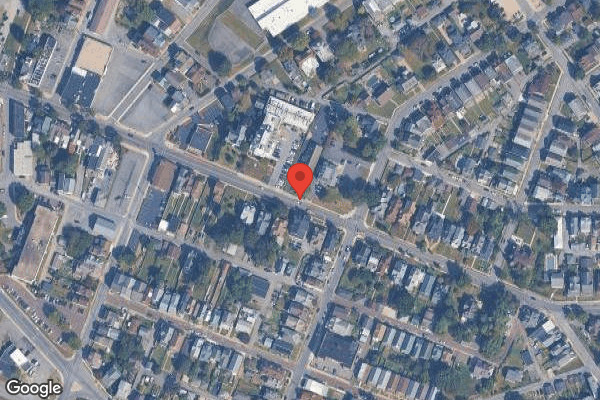
1040-52 MARKET STREET, SUNBURY, PA 17801 (570) 286-6922
For profit - Corporation 70 Beds PRIORITY HEALTHCARE GROUP Data: November 2025
Trust Grade
56/100
#323 of 653 in PA
Last Inspection: November 2024

Within standard 12-15 month inspection cycle. Federal law requires annual inspections.

Overview

Nursing and Rehabilitation at the Mansion has a Trust Grade of C, which means it is average and sits in the middle of the pack compared to other facilities. It ranks #1 out of 7 nursing homes in Northumberland County, indicating it is the best local option, but it is #323 out of 653 in Pennsylvania, placing it in the top half of the state. Unfortunately, the facility is worsening, with issues increasing from 4 in 2023 to 22 in 2024. Staffing is a strength, with a 4 out of 5-star rating and a turnover rate of 26%, which is well below the state average, ensuring that staff members are familiar with the residents. However, there are concerns surrounding compliance, including a serious incident where a resident fell after the facility failed to provide adequate supervision and another incident involving improper oxygen administration for residents, highlighting potential gaps in care. Overall, while there are strengths in staffing, the increasing number of issues and specific incidents raise red flags for families considering this facility.

Trust Score
C
56/100
In Pennsylvania
#323/653
Top 49%
Safety Record
Moderate
Needs review
Inspections
Getting Worse
4 → 22 violations
Staff Stability
✓ Good
26% annual turnover. Excellent stability, 22 points below Pennsylvania's 48% average. Staff who stay learn residents' needs.
Penalties
✓ Good
$10,033 in fines. Lower than most Pennsylvania facilities. Relatively clean record.
Skilled Nurses
○ Average
Each resident gets 40 minutes of Registered Nurse (RN) attention daily — about average for Pennsylvania. RNs are the most trained staff who monitor for health changes.
Violations
⚠ Watch
26 deficiencies on record. Higher than average. Multiple issues found across inspections.
★★★☆☆
3.0
Overall Rating
★★★★☆
4.0
Staff Levels
★★★★☆
4.0
Care Quality
★★★☆☆
3.0
Inspection Score
Stable
2023: 4 issues
2024: 22 issues

The Good

  • 4-Star Staffing Rating · Above-average nurse staffing levels
  • 4-Star Quality Measures · Strong clinical quality outcomes
  • Low Staff Turnover (26%) · Staff stability means consistent care
  • Full Sprinkler Coverage · Fire safety systems throughout facility
  • No fines on record
  • Staff turnover is low (26%)

    22 points below Pennsylvania average of 48%

Facility shows strength in staffing levels, quality measures, staff retention, fire safety.

The Bad

3-Star Overall Rating

Near Pennsylvania average (3.0)

Meets federal standards, typical of most facilities

Federal Fines: $10,033

Below median ($33,413)

Minor penalties assessed

Chain: PRIORITY HEALTHCARE GROUP

Part of a multi-facility chain

Ask about local staffing decisions and management

The Ugly 26 deficiencies on record

1 actual harm
Dec 2024 1 deficiency
CONCERN (D) 📢 Someone Reported This

A family member, employee, or ombudsman was alarmed enough to file a formal complaint

Potential for Harm - no one hurt, but risky conditions existed

Notification of Changes (Tag F0580)

Could have caused harm · This affected 1 resident

**NOTE- TERMS IN BRACKETS HAVE BEEN EDITED TO PROTECT CONFIDENTIALITY** Based on a review of select facility policies and procedures, closed clinical record, and staff interview, it was determined tha...

Read full inspector narrative →
**NOTE- TERMS IN BRACKETS HAVE BEEN EDITED TO PROTECT CONFIDENTIALITY** Based on a review of select facility policies and procedures, closed clinical record, and staff interview, it was determined that the facility failed to notify a medical provider of a change in a resident's condition for one out of four residents reviewed (Resident CR1). Findings include: A review of the facility policy titled, Change in a Resident's Condition or Status, revealed a policy statement that noted the facility should promptly notify the resident, his or her attending physician, and representative of changes in the resident's medical/mental condition and/or status. The policy further noted the nurse will notify the resident's attending physician or physician on call when there is a significant change in the resident's physical condition, need to alter the resident's medical treatment significantly, and/or specific instructions to notify the physician of changes in the resident's condition. A review of the facility policy titled, Oxygen Therapy, revealed that a physician must order the oxygen therapy. There were no instructions in the policy related to the titration (assess oxygenation and adjust the rate based on resident response to the treatment) of oxygen therapy. A review of the facility policy for bi-level positive airway pressure (BiPAP, is a non-invasive ventilation machine that can generate two adjustable pressure levels - Inspiratory Positive Airway Pressure (IPAP) - high amount of pressure, applied when the patient inhales and a low Expiratory Positive Airway Pressure (EPAP) during exhalation). The policy noted that Bi-level also known as Bi-PAP must be ordered by a physician. There were no instructions in the policy related to troubleshooting the device or what actions to take if there are problems encountered (such as a mask leak). Closed record review for Resident CR1 revealed the resident was admitted to the facility on [DATE]. The resident had a diagnosis list that included: chronic respiratory failure with hypoxia (low oxygen levels in the body), chronic respiratory failure with hypercapnia (abnormal levels of carbon dioxide in the body), chronic obstructive pulmonary disease (COPD, a lung disease caused by obstructed airflow and breathing difficulties), sleep related hypoventilation (breathing that is not sufficient during sleep that may include breathing too shallow or too slow), chronic pulmonary edema (abnormal fluid accumulation in the lungs), and heart failure (the heart has difficulty pumping blood). Physician orders for Resident CR1 included an order dated [DATE], that instructed staff to monitor each shift for shortness of breath while lying flat and this was documented on the Medication Administration / Treatment Administration Records (MAR/TAR) by staff by indicating Y for yes or N for no. Additional physician orders for Resident CR1 dated [DATE], included BiPAP via mask every evening and night shift related to sleep related hypoventilation and an order dated [DATE], for oxygen at four liters per minute via nasal cannula (a type of medical tubing to deliver supplemental oxygen to the nose) continuously. Review of Resident CR1's care plan revealed the resident had an altered cardiovascular status related to their medical history. An intervention included to obtain vital signs as ordered and notify the physician of any abnormal readings. Further review of Resident CR1's care plan revealed the resident had an altered respiratory status related to their medical history. An intervention included: monitor for signs/symptoms of respiratory distress and report to the physician as needed (which included a decreased pulse oximetry). MAR/TAR documentation dated [DATE], for the night shift, revealed that staff documented y for yes to indicate Resident CR1 was having shortness of breath while lying flat. Nursing documentation dated [DATE], at 12:45 AM revealed that Resident CR1 was calling out and his SpO2 (oxygen saturation, the amount of oxygen carried by the blood and measured with a non-invasive medical device that is usually placed on a finger; normal readings are typically between 92 percent and 100 percent) was .only in the high 70s with BiPAP in place. The documentation noted the mask was leaking a lot of air from sides, and the staff were unable to get the mask to stop leaking. The nurse attempted to apply oxygen via nasal cannula at five liters per minute and the resident was mouth breathing and the SpO2 remained unchanged. Staff then applied oxygen at six liters per minute via mask and the SpO2 improved to 99 percent and the resident was satisfied with wearing the oxygen via mask. Interview with the Director of Nursing on [DATE], at 12:35 PM revealed that the mask noted in the above documentation referred to a simple mask (a mask that fits over the mouth and nose to deliver supplemental oxygen). MAR/TAR documentation dated [DATE], at 1:06 AM revealed a Medication Administration Note that indicated the resident was 95 percent on six liters oxygen via mask. MAR/TAR documentation dated [DATE], at 1:39 AM revealed a Medication Administration Note that indicated the BiPAP was held due to the resident's oxygen saturation dropping when the BiPAP was on. The documentation noted the resident was currently on six liters of supplemental oxygen via mask. Further review of the clinical documentation revealed no comprehensive respiratory assessments related to the resident's clinical presentation (such as breathing quality, depth of respirations, work of breathing, lung sounds, skin color, or level of consciousness for signs/symptoms of hypoxia/hypercapnia). Closed clinical documentation for Resident CR1 dated [DATE], at 3:15 AM revealed that staff were called to the resident's room at 1:51 AM due to the resident being without spontaneous respirations and had no palpable carotid pulse (a pulsation of blood flow that can be palpated in the neck). CPR (cardiopulmonary resuscitation) was initiated by staff. Closed clinical record review for Resident CR1 revealed no documentation that the physician was promptly consulted or notified upon staff assessment of the decreased oxygen saturation, the resident was placed on a higher supplemental oxygen flow rate than ordered by the physician, or the resident had shortness of breath as indicated on the MAR/TAR documentation. The facility failed to immediately consult with Resident CR1's physician regarding a significant change in the resident's physical condition (that is a deterioration in health or clinical complications), and a need to alter treatment significantly (that is, a need to commence a new form of treatment). The above information was reviewed with the Director of Nursing and Employee 1, Assistant Director of Nursing, on [DATE], at 1:45 PM. 28 Pa. Code 211.12(d)(1)(3)(5) Nursing services
Nov 2024 10 deficiencies
CONCERN (D)

Potential for Harm - no one hurt, but risky conditions existed

ADL Care (Tag F0677)

Could have caused harm · This affected 1 resident

**NOTE- TERMS IN BRACKETS HAVE BEEN EDITED TO PROTECT CONFIDENTIALITY** Based on clinical record review, observation, and staff and resident interview, it was determined that the facility failed to as...

Read full inspector narrative →
**NOTE- TERMS IN BRACKETS HAVE BEEN EDITED TO PROTECT CONFIDENTIALITY** Based on clinical record review, observation, and staff and resident interview, it was determined that the facility failed to assist dependent residents with activities of daily living for two of four residents reviewed for activities of daily living concerns (Residents 21 and 53). Findings include: Clinical record review for Resident 21 revealed an annual MDS (Minimum Data Set, an assessment tool completed at specific intervals to determine resident care needs) assessment dated [DATE], that revealed Resident 21 as totally dependent on the physical assistance of two staff for transferring (moving between surfaces including from bed to wheelchair). Active physician orders for Resident 21 indicated that Resident 21 required a passive mechanical lift to transfer. Observation of Resident 21 on November 12, 2024, at 11:28 AM revealed she was in bed. Observation of Resident 21 on November 13, 2024, at 11:10 AM revealed she was in bed. Interview with Employee 4 (nurse aide) on November 13, 2024, at 11:13 AM revealed that Resident 21 was still in bed because there were no slings for the lift that she required for her transfers out of bed. Employee 4 stated that there was no other reason why Resident 21 remained in bed. The surveyor reviewed the above findings regarding Resident 21 during an interview with Employee 1 (assistant director of nursing) and the Nursing Home Administrator on November 13, 2024, at 2:00 PM. Observation and interview with Resident 53 on November 12, 2024, at 12:54 PM revealed that her hair was disheveled. She stated that she recently returned from dialysis. When questioning Resident 53 she was unable to state when she last received a shower/bath. Clinical record review for Resident 53 revealed her annual MDS dated [DATE], noted staff assessed her as requiring partial/moderate assistance (helper does less than half the effort. Helper lifts, holds, or supports trunk or limbs, but provides less than half the effort) for bathing. Further review of Resident 53's clinical record revealed task documentation (electronic system of nurse aide documentation of activities of daily living care) noting her last shower was November 1, 2024. There was one documented refusal, and two bed baths. There were no further attempts to assist Resident 53 with a shower/bath. These findings were reviewed during a meeting with the Nursing Home Administrator and Employee 1 on November 13, 2024, at 2:39 PM, and they confirmed there was no further documentation. Further interview with Employee 1 on November 15, 2024, at 9:20 AM revealed that if a resident refuses a shower/bath, another staff member is to offer at a later time, and if the resident refuses the second time, nursing staff should document that in the clinical record. 28 Pa. Code 211.12(d)(1)(5) Nursing services
CONCERN (D)

Potential for Harm - no one hurt, but risky conditions existed

Quality of Care (Tag F0684)

Could have caused harm · This affected 1 resident

**NOTE- TERMS IN BRACKETS HAVE BEEN EDITED TO PROTECT CONFIDENTIALITY** Based on review of select facility policies and procedures, clinical record review, observation, and staff and resident intervie...

Read full inspector narrative →
**NOTE- TERMS IN BRACKETS HAVE BEEN EDITED TO PROTECT CONFIDENTIALITY** Based on review of select facility policies and procedures, clinical record review, observation, and staff and resident interview, it was determined that the facility failed to provide the highest practicable care regarding physician ordered devices or a care planned intervention for two of 17 residents reviewed (Residents 21 and 25); a deep brain stimulator for one of 17 residents reviewed (Resident 25); and a central venous catheter for one of 17 residents reviewed (Resident 163). Findings include: Clinical record review for Resident 21 revealed a physician's order dated February 24, 2023, that instructed staff to apply a left ankle splint at 6:30 AM and remove the splint at 1:30 PM daily. Staff are to perform passive range of motion exercises before applying the splint. A plan of care developed by the facility to address Resident 21's limited physical mobility related to bilateral hand, elbow, and ankle contractures (permanent tightening of the muscles, tendons, skin, and surrounding tissues that causes the joints to shorten and stiffen) indicated that Resident 21 had contractures of her bilateral ankles, hands, and elbows. Interventions listed in the plan of care included the implementation of a restorative nursing program to perform passive range of motion exercises prior to a splint/orthotic placement. Observation of Resident 21 on November 13, 2024, at 11:13 AM with Employee 4 (nurse aide) confirmed that staff did not apply Resident 21's left ankle splint as ordered. The black splint was stored on top of furniture in Resident 21's room while she was in bed. The surveyor reviewed the above findings for Resident 21 during an interview with Employee 1 (assistant director of nursing) and the Nursing Home Administrator on November 13, 2024, at 2:00 PM. The facility policy entitled, Infusion Therapy Responsibilities and Scope of Practice, last reviewed without changes on January 3, 2024, revealed that responsibilities in infusion therapy include maintaining an infusion care plan for each resident receiving infusion services. Additional documentation for midline catheters and PICCs includes to document at established intervals: The external length of the catheter and the original length of the catheter inserted Arm circumference before insertion of the PICC, after insertion at regular intervals, and when clinically indicated (to check for edema and rule out deep vein thrombosis), measure the arm 10 centimeters above the antecubital fossa, and characterize any edema as pitting or non-pitting. The facility policy did not address the implementation of limb restrictions or emergency procedures for the duration of PICC infusion therapy. Clinical record review for Resident 163 revealed that the facility admitted her on November 2, 2024. A physician's order dated November 2, 2024, instructed staff to change the primary intermittent tubing for an intravenous (IV) peripherally inserted central catheter (PICC, thin, soft, flexible tube inserted through a vein in the arm and passed through to the larger veins near the heart for the administration of fluids or medication) every 24 hours. Physician orders dated November 3, 2024, instructed staff to perform the following: Monitor an IV PICC for signs and symptoms of infection or infiltration (complication of IV therapy when IV fluid or medication accidentally leaks into the surrounding tissues outside the intended vein; this can happen when the IV catheter dislodges, punctures the vein, or is not secured properly) Administer Unasyn (intravenous antibiotic) three grams four times a day until November 23, 2024 Flush the IV PICC when being used intermittently with 10 ml (milliliters) of NS (normal saline); infuse medication and then flush with 10 ml NS four times a day for IV antibiotic Review of plans of care developed by the facility to address Resident 163's care needs revealed that the plan of care to address Resident 163's PICC line was not initiated until November 5, 2024 (three days after her admission to the facility with the device). The plan of care did not include verbiage to address restricting the use of her left arm, restrictions to bathing, or additional measures to protect the site during bathing, or emergency procedures in the event of tubing complications or bleeding. Interview with Resident 163 on November 12, 2024, at 12:25 PM confirmed that she was admitted to the facility for intravenous antibiotic therapy. Resident 163 pointed to the antecubital area (anterior elbow area) of her left arm and stated that was the intravenous access site staff used four times a day to administer the medication. Observation of Resident 163's room at the time of the interview revealed no indication that there were measures in place to prevent the inadvertent use of Resident 163's left arm (e.g., for blood pressure assessments or venipuncture for lab testing); or that there were emergency procedures in place (e.g., clamps or dressings) in the event of a complication from the intravenous site (e.g., a break in tubing patency or bleeding). Observation of Resident 163 on November 12, 2024, at 12:41 PM revealed Employee 5 (licensed practical nurse) entered the room to disconnect the intravenous tubing. Interview with Employee 5 and Employee 6 (licensed practical nurse) on November 12, 2024, at 12:50 PM confirmed that Resident 163's room was not equipped with signage or supplies to implement limb restrictions or emergency procedures required for Resident 163's left arm PICC. Employee 6 then telephoned additional facility staff to obtain supplies to implement an emergency kit in Resident 163's room. The surveyor reviewed the above concerns regarding care and services for Resident 163's PICC device during an interview with Employee 1 and the Nursing Home Administrator on November 13, 2024, at 2:00 PM. Interview with Employee 1 on November 15, 2024, at 12:01 PM confirmed that the facility policy would require nursing staff measure the length of Resident 163's IV tubing and the circumference of her arm; however, neither instruction was incorporated into her plan of care or physician orders. The interview also confirmed that Resident 163's baseline care plan (initiated on her admission date of November 2, 2024) did not include the presence of her PICC until November 5, 2024 (more than the required 48 hours after admission). Clinical record review for Resident 25 revealed a diagnosis list that contained a history of pressure ulcers. Review of Resident 25's care plan revealed an intervention that included Geri-sleeves (a type of sleeve worn on the arm to prevent skin injury) or long sleeves at all times other than during care to protect the skin integrity on their arms. Review of the current task list for Resident 25 revealed that, Geri-sleeves or long sleeves to be worn at all times, except for personal care. Observation of Resident 25 revealed the following: October 13, 2024, at 9:34 AM: resident observed in bed with a short-sleeved shirt on and no Geri-sleeves. October 14, 2024, at 11:00 AM: resident observed in bed with a short-sleeved shirt on and no Geri-sleeves. October 14, 2024, at 12:20 PM: resident observed out of bed and sitting at the bedside awaiting lunch; had on a short-sleeved shirt with no Geri-sleeves. October 14, 2024, at 2:53 PM: resident observed out of bed and sitting at the bedside with a visitor; had on a short-sleeved shirt with no Geri-sleeves. Observation on November 14, 2024, at 3:14 PM with Employee 1, assistant director of nursing, revealed Resident 25 was sitting at the bedside with a visitor. The resident had on a short-sleeved shirt and no Geri-sleeves. A conversation between Employee 1 and an unidentified staff member at the nurse's station immediately following this observation indicated that Resident 25 may have soiled the Geri-sleeves during lunchtime earlier today and the Geri-sleeves are being washed in laundry. However, observations just prior to lunch on November 14, 2024, at 11:00 AM and 12:20 PM by the surveyor revealed that the resident did not have on Geri-sleeves at that time. A review of the task list documentation on November 14, 2024, at 3:15 PM revealed only one entry documented up to this time that revealed staff documented yes at 1:59 PM that the task of Resident 25's Geri-sleeves or long sleeves were to be worn at all times except for personal care was completed as directed. However, multiple observations by the surveyor on November 14, 2024, did not find the resident was wearing any Geri-sleeves. The facility failed to follow the care planned intervention for Resident 25 regarding Geri-sleeves. The Nursing Home Administrator was informed of the above information for Resident 25 on November 15, 2024, at 12:25 PM. Further review of Resident 25's clinical record revealed a diagnosis list that included the Presence of a Neurostimulator present upon admission on [DATE]. There was no care plan noted in Resident 25's clinical record that was associated with the neurostimulator. An attempted interview with Resident 25 on November 13, 2024, at 9:34 AM revealed the resident could not provide any information on the neurostimulator. An interview with Employee 15, registered nurse, and Employee 12, license practical nurse, on November 14, 2024, at 12:30 PM revealed the staff were not aware of a care plan associated with Resident 25's neurostimulator or any specific care interventions or precautions and would have to look further into it. Nursing documentation for Resident 25 dated May 9, 2024, at 5:00 PM revealed that the resident had a video visit with neurology. The settings were increased on the deep brain stimulator and staff are to monitor for possible side effects that included slurred speech, difficulty swallowing, and sedation. The neurology clinic was to be contacted if any issues, concerns, or questions and the telephone number and extension was listed. The facility failed to implement a care plan for Resident 25's implanted neurostimulator that addressed specific care needs or precautions pertinent to the care of the resident. The above information for Resident 25's care plan was reviewed in a meeting with the Nursing Home Administrator and Employee 1 on November 14, 2024, at 2:30 PM. 28 Pa. Code 201.18(d) Management 28 Pa. Code 211.10(a)(d) Resident care policies. 28 Pa. Code 211.12(d)(1)(5) Nursing services
CONCERN (D)

Potential for Harm - no one hurt, but risky conditions existed

Pressure Ulcer Prevention (Tag F0686)

Could have caused harm · This affected 1 resident

Based on clinical record review, observation, and staff interview, it was determined that the facility failed to provide the highest practical care to promote pressure ulcer healing for one of two sam...

Read full inspector narrative →
Based on clinical record review, observation, and staff interview, it was determined that the facility failed to provide the highest practical care to promote pressure ulcer healing for one of two sampled residents with pressure ulcers (Resident 25). Findings include: Current physician orders for Resident 25 revealed an order dated November 13, 2024, that instructed staff to apply Medihoney Wound and Burn Dressing External Paste (a type of topical medication used to treat certain skin wounds) to the right ischium (one of the bones of the pelvis) topically every shift for open skin areas on the buttocks and groin and to mix with zinc equal parts and specified half an ounce. Further review of the physician orders for Resident 25 revealed a second order dated October 24, 2024, that instructed staff to apply Zinc Oxide External Paste 40 percent topical to open skin areas every shift for open wound areas to the groin and buttocks and add equal parts to the Medihoney and specified half an ounce. A skin/wound note for Resident 25 dated November 11, 2024, at 2:55 AM revealed the resident had a pressure ulcer to the right ischium with a scant amount of serosanguineous exudate (a type of drainage excreted by the wound). The treatment recommendations included the following: cleanse with normal saline, apply medical grade honey / Desitin (a topical medication containing zinc oxide) to base of the wound, leave open to air, and change every shift and as needed. Observation of wound care for Resident 25 on November 14, 2024, at 11:05 AM revealed Employee 12, licensed practical nurse, prepared Medihoney and Zinc Oxide 20 percent paste by measuring both and then mixing them together - a half ounce of each topical medication. Employee 12 then administered the medications topically to the wound after cleaning with normal saline. The Desitin as recommended by the wound care staff, or the 40 percent concentration of zinc oxide paste as noted in the physician order was not administered as ordered. A follow-up interview with Employee 12 after wound care revealed that the Zinc Oxide paste administered topically to Resident 25 was only 20 percent. An interview with Employee 1, assistant director of nursing, on November 14, 2024, at 2:24 PM revealed that the facility does have the Desitin cream and would obtain additional information. A follow-up interview with Employee 1 on November 15, 2024, at 10:30 AM confirmed the facility does have the Desitin topical treatment as recommended by the wound care staff and the concentration of zinc oxide in the cream is 40 percent. It is unclear why the 40 percent concentration was not administered topically to Resident 25 as recommended by the wound care staff. The Nursing Home Administrator was advised of the above findings on November 15, 2024, at 12:25 PM. 483.25(b)(1)(i)(ii) Treatment/Services to Prevent/Heal Pressure Ulcer Previously cited deficiency 2/23/24 28 Pa. Code 211.12(d)(1)(3)(5) Nursing care services
CONCERN (D)

Potential for Harm - no one hurt, but risky conditions existed

Deficiency F0761 (Tag F0761)

Could have caused harm · This affected 1 resident

Based on a review of select facility policies and procedures, clinical record review, observation, and staff interview, it was determined that the facility failed to ensure controlled substance medica...

Read full inspector narrative →
Based on a review of select facility policies and procedures, clinical record review, observation, and staff interview, it was determined that the facility failed to ensure controlled substance medication accountability and security on one of two nursing units (second floor, Residents 12 and 35, Employee 6). Findings include: The facility policy entitled, Controlled Substances, last reviewed without changes on January 3, 2024, revealed that the facility would comply with all laws, regulations, and other requirements related to handling, storage, disposal, and documentation of Schedule II and other controlled substances. Only authorized licensed nursing and/or pharmacy personnel shall have access to Schedule II controlled drugs maintained on premises. An individual resident controlled substance record must be made for each resident who will be receiving a controlled substance (one prescription per page). The information on the record must include number on hand, time of administration, and signature of nurse administering the medication. The charge nurse on duty will maintain the keys to controlled substance containers. The Director of Nursing will maintain a set of backup keys for all medication storage areas including keys to controlled substance containers. Nursing staff must count controlled medications at the end of each shift. The nurse coming on duty and the nurse going off duty must make the count together. The policy did not include that the licensed staff who are assigned to medication administration on the nursing unit will possess keys to controlled substance containers in the nursing unit's medication cart. The policy also did not stipulate that the licensed nurse who administers a controlled substance to a resident during a shift will ensure the controlled substance count at the time of administration (versus waiting until the end of the shift to ensure that there are no discrepancies). The facility policy entitled, Medication Administration - General Guidelines, last reviewed without changes on January 3, 2024, revealed that during administration of medications, the medication cart is kept closed and locked when out of sight of the medication nurse. Observation of a medication administration pass on the second-floor nursing unit on November 12, 2024, at 1:03 PM revealed Employee 6 (licensed practical nurse) prepared medications for administration to Resident 12. Employee 6 accessed a separately locked controlled substance container within the medication cart to obtain one Phenobarbital (anticonvulsant used to control seizures) 32.4 milligram (mg) tablet for Resident 12. Employee 6 did not refer to the controlled substance record for Resident 12's Phenobarbital medication (contained in a book on the nurses' station desk) to ensure the remaining tablet count of the medication in the medication cart agreed with the record. Interview with Employee 6 on November 12, 2024, at 1:05 PM confirmed that she was finished preparing medications for Resident 12 and was going to his room down the hall to administer the medications to him. Employee 6 stated that she signs for the administration of medications, including controlled substances, upon return to the medication cart. Employee 6 left the nurses' station, and medication cart, at that time. Employee 6 did not lock the medication cart, which was left unattended and not within her sight. Upon return to the nurses' station on November 12, 2024, at 1:07 PM Employee 6 identified that she left the medication cart unlocked. Employee 6, then locked the medication cart and obtained the controlled substance record for Resident 12's Phenobarbital medication. Employee 6 recorded that there were 32 tablets left; however, Employee 6 did not obtain the medication from the medication cart to compare the number of tablets left. Interview with Employee 6 on November 12, 2024, at 1:08 PM confirmed that she documented the number of tablets without obtaining the medication from the medication cart to ensure the accurate count of remaining medication tablets. Employee 6 then obtained the Phenobarbital medication to reconcile the number of tablets left in the medication cart with the number of tablets recorded on the controlled substance record. Interview with Employee 6 on November 12, 2024, at 1:30 PM revealed that she was going to prepare medications to administer to Resident 35 for her 2:00 PM medication administration. Employee 6 began by accessing the controlled substance storage in the medication cart to obtain Resident 35's Tramadol (narcotic controlled substance pain medication). Employee 6 reviewed the controlled substance record for Resident 35's Tramadol and noted that the record indicated that there should be 86 tablets of medication. The two containers of Tramadol 50 mg in the medication cart for Resident 35 revealed that she had 85 tablets of the medication remaining. Employee 6 then stated that she, .must have already done her, because the narcotic count indicated that there was one less tablet available. Employee 6 then confirmed that she did not document the administration of Resident 35's 2:00 PM medications at the time of administration; or reconciled the number of tablets left of Resident 35's Tramadol at the time of administration. Employee 6 then documented on Resident 35's controlled substance record that she administered one tablet on November 12, 2024, at 1:00 PM. Resident 35 approached the nurses' station on November 12, 2024, at 1:35 PM. Employee 6 questioned Resident 35 if she wanted her scheduled breathing treatment (scheduled for 2:00 PM) to which Resident 35 agreed. Employee 6 then prepared Resident 35's Ipratropium Bromide inhalation medication and administered the treatment to Resident 35 at her bedside. Review of a Medication Administration Competency Checklist dated January 10, 2024, for Employee 6, revealed that the actions reviewed did not include the appropriate administration of a controlled substance. Interview with Employee 1 (assistant director of nursing) on November 15, 2024, at 11:21 AM indicated that it is the facility's expectation that the nurse who administers a controlled substance signs for the medication at the time of administration, documents the date and time of the administration on the controlled substance record, and ensures that the number of medications is correct. The interview indicated that the facility policy provided was not correct in that the Director of Nursing and the charge nurse have a set of keys to controlled substance containers. The interview indicated that the licensed practical nurse has a set of keys to the medication cart that they are assigned for the shift and the Director of Nursing has a master set of keys. The interview confirmed that the facility policy did not direct staff to reconcile the number of tablets left of a controlled substance at the time of administration. 483.45(g)(h)(1)(2) Label/store Drugs and Biologicals Previously cited deficiency 1/19/24 28 Pa. Code 211.9(k) Pharmacy services 28 Pa. Code 211.10(a)(c) Resident care policies 28 Pa. Code 211.12(c)(d)(1)(5) Nursing services
CONCERN (D)

Potential for Harm - no one hurt, but risky conditions existed

Medical Records (Tag F0842)

Could have caused harm · This affected 1 resident

Based on clinical record review, observation, and staff interview, it was determined that the facility failed to ensure complete and accurate clinical documentation for 1 of 17 residents reviewed (Res...

Read full inspector narrative →
Based on clinical record review, observation, and staff interview, it was determined that the facility failed to ensure complete and accurate clinical documentation for 1 of 17 residents reviewed (Resident 45). Findings include: Clinical record review for Resident 45 revealed a physician's order dated October 11, 2024, that instructed staff to weigh the resident weekly. Dietary documentation dated October 11, 2024, at 4:27 PM revealed that Resident 45 had lost weight. An intervention from dietary included adding weekly weights to monitor the resident. The weights documented in Resident 45's electronic health record included the following: 10/7/24: 126.0 pounds (lbs) 11/7/24: 124.5 lbs 11/11/24: 125 lbs There was no evidence in Resident 45's clinical record that indicated the weekly weights ordered by the physician and recommended by the dietary staff were completed. The above information was reviewed in a meeting with the Nursing Home Administrator and Employee 1, assistant director of nursing, on November 14, 2024, at 2:24 PM. Employee 1 reported she will attempt to obtain additional information. Facility documentation provided by the facility and titled, Weight Entry, revealed Resident 45's weekly weights were documented (written in by hand) on the sheet along with multiple additional residents. A follow-up interview about Resident 45's weights with Employee 1 on November 15, 2024, at 12:32 PM revealed that dietary staff usually transcribe the newly obtained weights into the electronic health record; however, Resident 45's obtained weights were not transcribed and not part of her clinical record. The facility failed to ensure a complete and accurate clinical record for Resident 45. 28 Pa. Code 211.5(i) Medical records 28 Pa. Code 211.12(d)(1)(3)(5) Nursing services
CONCERN (D)

Potential for Harm - no one hurt, but risky conditions existed

Infection Control (Tag F0880)

Could have caused harm · This affected 1 resident

Based on observation, clinical record review, and resident and staff interviews, it was determined that the facility failed to implement appropriate enhanced barrier transmission-based precautions for...

Read full inspector narrative →
Based on observation, clinical record review, and resident and staff interviews, it was determined that the facility failed to implement appropriate enhanced barrier transmission-based precautions for two of 17 residents reviewed (Residents 25 and 163). Findings include: Review of the memo entitled Enhanced Barrier Precautions (EBP, gown and glove use) in Nursing Homes to Prevent the Spread of Multi-drug Resistant Organisms released by the Center for Medicaid and Medicare Services (CMS) on March 20, 2024, with an implementation date of April 1, 2024, revealed that nursing care facilities are to use EBP for residents with chronic wounds or indwelling medical devices (i.e., indwelling urinary catheters) during high-contact resident care activities regardless of their multidrug-resistant organism status. High-contact activity would include things like dressing, transferring, changing linens, providing hygiene, changing briefs, wound care, or device care. Review of the facility policy titled, Enhanced Barrier Precautions, last reviewed without changes on January 3, 2024, revealed that EBP are utilized by the facility to prevent the spread of multi-drug resistant organisms (MDROs) to residents. Further review of the policy revealed that EBPs employ targeted gown and glove use during high contact resident care activities when contact precautions do not otherwise apply (gloves and gown are applied prior to performing the high contact resident care activity, personal protective equipment (PPE) is changed before caring for another resident, and face protection may be used if there is a risk of splash or spray). The facility further noted examples of high-contact resident care activities that require the use of gown and gloves for EBPs included: dressing, bathing/showering, transferring, providing hygiene, changing linens, changing briefs, or assisting with toileting, device care or use (such as central line, urinary catheter, feeding tube, tracheostomy /ventilator, etc.), and wound care (any skin opening requiring a dressing). A review of the current physician orders for Resident 25 revealed a physician's order dated November 13, 2024, that instructed staff to apply Medihoney Wound and Burn Dressing External Paste (a type of topical medication used to treat certain wounds) to the right ischium (one of the bones of the pelvis) topically every shift for open skin areas on the buttocks and groin and to mix with zinc in equal parts that specified half an ounce. Further review of the physician orders for Resident 25 revealed a second order dated October 24, 2024, that instructed staff to apply Zinc Oxide External Paste 40% topical to open skin areas every shift for open wound areas to the groin and buttocks and add equal parts to the Medihoney and specified half an ounce. A skin/wound note for Resident 25 dated November 11, 2024, at 2:55 AM revealed the resident had a pressure ulcer to the right ischium with a scant amount of serosanguineous exudate (a type of drainage excreted by the wound). There was no evidence in the clinical record to indicate that Resident 25 was on any type of enhanced barrier precautions or any type of isolation for the wound. Observation outside of Resident 25's room on November 14, 2024, at 11:00 AM revealed a sign on the wall adjacent to the resident's door that indicated Enhanced Barrier Precautions and a gown, and gloves must be worn for high-contact resident activities. There was a number 1 written with a black colored marker and circled in the upper left hand corner of the sign. There was a plastic storage container located in the room that contained personal protective equipment such as gowns and gloves to use for care. Observation of wound care for Resident 25 on November 14, 2024, at 11:05 AM revealed Employee 12, licensed practical nurse (LPN), entered the resident's room with no gown. Employee 12 proceeded to clean the wound and apply the physician ordered treatments. Employee 12 did not utilize a gown and only wore gloves during the high-contact resident activity. Employee 13, LPN, was also present at the time of Resident 25's wound care. Employee 13 assisted with bed mobility and positioning during the wound treatment. Employee 13 did not utilize a gown. An interview with Employee 12 outside of Resident 25's room regarding the EBP sign and personal protective equipment revealed that the employee believed the EBPs were for Resident 25's roommate. An interview with Employee 1, Assistant Director of Nursing, on November 14, 2024, at 11:49 AM regarding Resident 25's wound care confirmed that the resident was on EBP, and staff should have utilized EBPs during the wound care. Employee 1 also revealed the circled 1 on the EBP sign outside the resident's door indicated which resident in the room was on EBPs, which would have been Resident 25. Employee 1 further noted that the EBPs for Resident 25 should be located, at a minimum, in the resident's care plan to alert staff the resident is on EBPs. Employees 12 and 13 failed to wear the appropriate personal protective equipment during wound care for Resident 25. This surveyor informed the Nursing Home Administrator of the above information during an interview on November 15, 2024, at 12:25 PM. Clinical record review for Resident 163 revealed that the facility admitted her on November 2, 2024. A physician's order dated November 2, 2024, instructed staff to change the primary intermittent tubing for an intravenous (IV) peripherally inserted central catheter (PICC, thin, soft, flexible tube inserted through a vein in the arm and passed through to the larger veins near the heart for the administration of fluids or medication) every 24 hours. Physician orders dated November 3, 2024, instructed staff to perform the following: Monitor an IV PICC for signs and symptoms of infection or infiltration (complication of IV therapy when IV fluid or medication accidentally leaks into the surrounding tissues outside the intended vein; this can happen when the IV catheter dislodges, punctures the vein, or is not secured properly) Administer Unasyn (intravenous antibiotic) three grams four times a day until November 23, 2024 Flush the IV PICC when being used intermittently with 10 ml (milliliters) of NS (normal saline); infuse medication and then flush with 10 ml NS four times a day for IV antibiotic Interview with Resident 163 on November 12, 2024, at 12:25 PM confirmed that she was admitted to the facility for intravenous antibiotic therapy. Resident 163 pointed to the antecubital area (anterior elbow area) of her left arm and stated that was the intravenous access site staff used four times a day to administer the medication. Observation of Resident 163's room at the time of the interview revealed no indication that there were measures in place for enhanced barrier precautions. Observation of Resident 163 on November 12, 2024, at 12:41 PM revealed Employee 5 (LPN) entered the room to disconnect the intravenous tubing. Employee 5 donned gloves, disconnected the IV tubing from Resident 163's left arm, used a prepackaged syringe of 0.9 percent normal saline to flush the IV tubing, and directed Resident 163 to pull her sleeve over the IV access site. Employee 5 donned gloves to perform the care; however, Employee 5 did not don a gown. Interview with Employee 5 and Employee 6 (LPN) on November 12, 2024, at 12:50 PM confirmed that Resident 163's room was not equipped with signage or supplies to implement the enhanced barrier precautions required due to Resident 163's left arm PICC. Employee 6, then, telephoned additional facility staff to obtain supplies to implement enhanced barrier precautions. The surveyor reviewed the above concerns regarding Resident 163's enhanced barrier precautions during an interview with Employee 1 and the Nursing Home Administrator on November 13, 2024, at 2:00 PM. 483.80(a)(1)(2)(4)(e)(f) Infection Prevention and Control Previously cited deficiency 1/19/24 28 Pa. Code 201.18(b)(1) Management 28 Pa. Code 211.10(d) Resident care policies 28 Pa. Code 211.12(d)(1)(3)(5) Nursing services
CONCERN (E)

Potential for Harm - no one hurt, but risky conditions existed

Respiratory Care (Tag F0695)

Could have caused harm · This affected multiple residents

Based on clinical record review, observation, and staff and resident interview, it was determined that the facility failed to ensure the application of physician ordered supplemental oxygen consistent...

Read full inspector narrative →
Based on clinical record review, observation, and staff and resident interview, it was determined that the facility failed to ensure the application of physician ordered supplemental oxygen consistent with professional standards of practice for three of three residents reviewed for supplemental oxygen concerns (Residents 4, 5, and 15). Findings include: Clinical record review for Resident 4 revealed an active physician's order dated November 29, 2023, for staff to apply supplemental oxygen at two liters per minute (lpm) continuously every shift for shortness of breath. Observation of Resident 4 on November 12, 2024, at 11:01 AM, and November 13, 2024, at 10:03 AM, revealed Resident 4 was in bed with oxygen on and running at three lpm. Resident 4 was not short of breath during the conversation with her. Interview with Resident 4 on November 12, 2024, at 11:01 AM revealed that she recently had an upper respiratory infection and staff increased her oxygen due to her illness. Interview with Employee 1 (assistant director of nursing) on November 15, 2024, at 10:54 AM confirmed the findings for Resident 4. Clinical record review for Resident 5 revealed an active physician's order dated February 14, 2014, for staff to apply oxygen at three lpm every shift for shortness of breath and to check oxygen saturation (a measurement of how much oxygen is in your blood relative to the maximum amount of oxygen your blood could carry) every shift to keep saturation above 90 percent. Further review of Resident 5's clinical record revealed a diagnosis of chronic obstructive pulmonary disease (COPD, common lung disease making it difficult to breathe), with a plan of care initiated March 11, 2024, indicating Resident 5 has altered respiratory status related to his COPD and nursing staff are to administer his oxygen as ordered by his physician. Clinical record revealed nursing documentation dated September 21, 2024, at 9:37 AM that Resident 5's oxygen saturation was 92 percent and had oxygen running at six lpm. Nursing documentation dated September 21, 2024, at 10:25 AM revealed Resident 5 was sitting in their wheelchair with oxygen running at five lpm. Nursing documentation dated September 22, 2024, at 8:19 AM revealed Resident 5's oxygen saturation was 92 percent and had oxygen running at six lpm. Nursing documentation dated September 22, 2024, at 9:03 AM revealed Resident 5's oxygen saturation was 95 percent and had oxygen running at five lpm. Nursing documentation dated September 22, 2024, at 8:48 PM noted Resident 5's oxygen saturation was in the low 90s and had oxygen running at five lpm. Nursing documentation dated September 22, 2024, at 12:00 PM noted Resident 5's oxygen saturation was currently 94 percent on five lpm with no difficulty breathing at this time. Nursing documentation date September 25, 2024, at 12:28 PM revealed Resident 5 continued on five lpm. Review of Resident 5's oxygen saturation summary for the last two months revealed no documentation of Resident 5's oxygen saturation below 90 percent. Interview with Employee 1 (assistant director of nursing) on November 15, 2024, at 11:12 AM confirmed these findings for Resident 5. Clinical record review for Resident 15 revealed a physician's order dated August 10, 2021, for staff to administer supplemental oxygen at three lpm continuously. Observation of Resident 15 on November 12, 2024, at 11:59 AM revealed she was in bed without supplemental oxygen. Resident 15 stated that she wears it all the time, that she, .should have it on. An oxygen room concentrator (medical device that concentrates the oxygen in room air to administer an oxygen-enriched air supply back to the user) at Resident 15's bedside was running; however, the tubing for the nasal cannula (thin tube that runs from the device to the face with two open prongs placed inside the nostrils to administer supplemental oxygen) was on the floor. Resident 15 activated her call bell to obtain staff assistance with her oxygen administration. Observation of Resident 15 on November 12, 2024, at 12:00 PM revealed that Employee 14 (nurse aide) entered the room, obtained the nasal cannula tubing off the floor, and assisted Resident 15 to apply the supplemental oxygen tubing under her nose. Interview with Employee 14 on November 12, 2024, at 2:08 PM confirmed that she did not replace the nasal cannula tubing for Resident 15 but assisted her to use the tubing that was on the floor and potentially contaminated from the unsanitary surface of the floor. Observation of Resident 15 on November 14, 2024, at 12:46 PM revealed she was in her wheelchair in the common dining/activity area, without supplemental oxygen. Interview with Resident 15 on the date and time of the observation revealed that she did not have supplemental oxygen on because the facility did not have portable oxygen tanks for her use when she is in the wheelchair. Resident 15 confirmed that she sometimes gets short of breath without her supplemental oxygen. Interview with Employee 6 (licensed practical nurse) on November 14, 2024, at 12:58 PM confirmed that Resident 15's physician orders instructed staff to ensure Resident 15 utilized supplemental oxygen at all times. Employee 6 confirmed that Resident 15 did not have the necessary equipment to mount a supplemental oxygen tank to her wheelchair; therefore, unless Resident 15 remained in her room, she did not have a supplemental oxygen supply. The surveyor reviewed the above concerns regarding Resident 15's supplemental oxygen use during an interview with Employee 1 on November 14, 2024, at 1:15 PM. 28 Pa. Code 211.12(d)(1)(3)(5) Nursing services
CONCERN (E)

Potential for Harm - no one hurt, but risky conditions existed

Deficiency F0726 (Tag F0726)

Could have caused harm · This affected multiple residents

Based on review of select facility policies and procedures, clinical record review, observation, resident and staff interview, and review of personnel records, it was determined that the facility fail...

Read full inspector narrative →
Based on review of select facility policies and procedures, clinical record review, observation, resident and staff interview, and review of personnel records, it was determined that the facility failed to ensure specific competencies necessary to care for resident needs for one of one resident reviewed for intravenous access concerns (Resident 163; Employees 5, 7, 8, 9, 10, and 11). Findings include: The facility policy entitled, Infusion Therapy Responsibilities and Scope of Practice, last reviewed without changes on January 3, 2024, revealed that clinicians administering infusion therapies will practice within the scope of practice for their licensure and applicable state laws, and within their clinical level of competency as established by the facility training and competency evaluation programs. Nursing responsibilities in infusion therapy include performing functions and procedures that are consistent with current standards of care, facility policies and procedures, and that are within the scope of the state nurse practice act. Facility/administration responsibilities in infusion therapy include providing education or verifying qualifications of the staff that will be providing infusion therapy. This may include IV fundamental classes, precepting, and/or clinical competency evaluations. According to, Pennsylvania Code, Title 49, Chapter 21, Functions of the LPN, an LPN (licensed practical nurse) may perform only the IV (intravenous) therapy functions for which the LPN possesses the knowledge, skill, and ability to perform in a safe manner. Clinical record review for Resident 163 revealed that the facility admitted her on November 2, 2024. A physician's order dated November 2, 2024, instructed staff to change the primary intermittent tubing for an intravenous (IV) peripherally inserted central catheter (PICC, thin, soft, flexible tube inserted through a vein in the arm and passed through to the larger veins near the heart for the administration of fluids or medication) every 24 hours. Physician orders dated November 3, 2024, instructed staff to perform the following: Monitor an IV PICC for signs and symptoms of infection or infiltration (complication of IV therapy when IV fluid or medication accidentally leaks into the surrounding tissues outside the intended vein; this can happen when the IV catheter dislodges, punctures the vein, or is not secured properly) Administer Unasyn (intravenous antibiotic) three grams four times a day until November 23, 2024 Flush the IV PICC when being used intermittently with 10 ml (milliliters) of NS (normal saline); infuse medication and then flush with 10 ml NS four times a day for IV antibiotic Interview with Resident 163 on November 12, 2024, at 12:25 PM confirmed that she was admitted to the facility for intravenous antibiotic therapy. Resident 163 pointed to the antecubital area (anterior elbow area) of her left arm and stated that was the intravenous access site staff used four times a day to administer the medication. Observation of Resident 163 on November 12, 2024, at 12:41 PM revealed Employee 5 (licensed practical nurse, LPN) entered the room to disconnect the intravenous tubing. Employee 5 donned gloves, disconnected the IV tubing from Resident 163's left arm, used a prepackaged syringe of 0.9 percent normal saline to flush the IV tubing, and directed Resident 163 to pull her sleeve over the IV access site. Interview with Employee 5 and Employee 6 (LPN) on November 12, 2024, at 12:50 PM revealed that Employee 5 disconnected the IV medication from Resident 163 because Employee 5 had specialized IV certification and Employee 6 (who was the assigned LPN on Resident 163's nursing unit) did not. Review of Resident 163's MAR (medication administration record, an electronic system used by the facility to document the administration of medications) dated November 2024 revealed that Employee 6 initialed that she administered Resident 163's Unasyn IV medication on November 12, 2024, at 12:00 PM and flushed Resident 163's PICC with saline at 12:00 PM. Further review of Resident 163's MAR dated November 2024, revealed that at least six LPNs initialed the completion of PICC line care and/or IV Unasyn administration from November 3, 2024, through November 13, 2024: Employees 5, 7, 8, 9, 10, and 11 (LPNs). The surveyor requested any intravenous or PICC line competencies or specialized trainings (per Pa. Code 21.145b., IV therapy curriculum requirements, an IV therapy course provided as part of the LPN education curriculum (relating to specific curriculum requirements for LPN programs); or as a stand-alone course offered by a provider) completed with Employees 5, 7, 8, 9, 10, and 11, during an interview with the Nursing Home Administrator and Employee 1 (assistant director of nursing) on November 13, 2024, at 2:00 PM, and November 14, 2024, at 2:00 PM. Interview with Employee 1 and the Nursing Home Administrator on November 14, 2024, at 2:00 PM revealed that the facility had no evidence of any competencies or specialized trainings completed with Employees 5, 7, 8, 9, 10, or 11, pertaining to intravenous medication administration via a PICC line. 28 Pa Code 201.19(7) Personnel policies and procedures 28 Pa. Code 201.20(a)(6)(d) Staff development 28 Pa Code 211.12 (c)(d)(1)(5) Nursing services
CONCERN (E)

Potential for Harm - no one hurt, but risky conditions existed

Drug Regimen Review (Tag F0756)

Could have caused harm · This affected multiple residents

Based on clinical record review and staff interview, it was determined that the facility failed to ensure that the resident's attending physician addressed and responded appropriately to pharmacy reco...

Read full inspector narrative →
Based on clinical record review and staff interview, it was determined that the facility failed to ensure that the resident's attending physician addressed and responded appropriately to pharmacy recommendations for three of five residents reviewed (Residents 4, 32, and 15). Findings include: Clinical record review for Resident 4 revealed a consultant pharmacy recommendation dated March 10, 2024, requesting Resident 4's physician consider a trial dose reduction of Resident 4's Buspirone (an antianxiety medication) and Venlafaxine (an antidepressant medication). Interview with Employee 1 (assistant director of nursing) on November 15, 2024, at 10:34 AM confirmed that the facility had no evidence that Resident 4's attending physician addressed the March 10, 2024, consultant pharmacist recommendation requesting a review of the possibility of a trial dose reduction, taper, or discontinuation of Resident 4's Buspirone and Venlafaxine. Further review of Resident 4's clinical record on November 14, 2024, revealed there was no evidence the consultant pharmacist reviewed Resident 4's medication regime in June 2024. Interview with Employee 1 on November 15, 2024, at 10:34 AM confirmed these findings for Resident 4 Clinical record review for Resident 32 revealed a consultant pharmacy recommendation dated September 23, 2024, requesting nursing complete an AIMS evaluation (Abnormal Involuntary Movement Scale, a rating scale to measure involuntary movements) due to Resident 32's use of Risperidone (an antipsychotic medication). There was no documentation in Resident 32's clinical record at the time of the pharmacy recommendation nursing staff completed an AIMS evaluation. Interview with Employee 1 on November 15, 2024, at 11:22 AM, confirmed these findings for Resident 32. Clinical record review for Resident 15 revealed a consultant pharmacy recommendation dated May 19, 2024, that requested the physician evaluate the potential for a gradual dose reduction of her psychoactive medications Clonazepam (antianxiety medication), Duloxetine (antidepressant medication), and Olanzapine (antipsychotic medication). Resident 15's clinical record did not contain evidence that Resident 15's attending physician acted upon this recommendation. Interview with Employee 1 on November 15, 2024, at 11:25 AM confirmed that Resident 15 's primary care physician did not respond to the consultant pharmacist's recommendation dated May 19, 2024. 28 Pa. Code 211.9 (k) Pharmacy services 28 Pa. Code 211.12(d)(3)(5) Nursing services
CONCERN (E)

Potential for Harm - no one hurt, but risky conditions existed

Food Safety (Tag F0812)

Could have caused harm · This affected multiple residents

Based on observation and staff interview, it was determined the facility failed to store food and maintain food service equipment in a safe and sanitary manner and prevent the potential for food conta...

Read full inspector narrative →
Based on observation and staff interview, it was determined the facility failed to store food and maintain food service equipment in a safe and sanitary manner and prevent the potential for food contamination in the facility's main kitchen. Findings include: An observation of the facility's main kitchen on November 12, 2024, at 9:15 AM revealed the following: In the freezer there was a bag of French fries, sausage, meatballs, and tater tots opened, not secured, and no open/use by date. There was an open bag of corn with a use by date of November 10, 2024, past the expiration. In the walk-in refrigerator there was a gallon size container of ranch dressing with a use by date of October 19, 2024, past the expiration. There was a gallon of reduced fat and a gallon of whole milk opened with no use by date. In the dry storage room, there were open bags of rice, pasta, and potato flakes with no open/use by dates. Interview with Employee 3 (registered dietician) on November 15, 2024, at 11:31 AM revealed that staff are to date the food when received, then date again with a use by date once the food product is opened. The exterior of the convection oven contained significant grease and debris buildup on the top of the oven and underneath. The controls were covered in black grease. The floor under the sink contained a significant amount of dust and debris. There was broken glass on the floor. Next to the sink there were plastic racks containing clean dishes, the area contained a significant amount of dirt and food debris where the clean dishes were. The cart that contained the stacks of clean resident meal trays was observed with debris and food crumbs on each shelf. The above findings were reviewed with the Nursing Home Administrator and Employee 1 (assistant director of nursing) on November 13, 2024, at 2:17 PM. 28 Pa. Code 201.14 (a) Responsibility of licensee
Feb 2024 1 deficiency
CONCERN (D) 📢 Someone Reported This

A family member, employee, or ombudsman was alarmed enough to file a formal complaint

Potential for Harm - no one hurt, but risky conditions existed

Pressure Ulcer Prevention (Tag F0686)

Could have caused harm · This affected 1 resident

**NOTE- TERMS IN BRACKETS HAVE BEEN EDITED TO PROTECT CONFIDENTIALITY** Based on clinical record review, observation, and staff interview, the facility failed to assess and implement interventions to ...

Read full inspector narrative →
**NOTE- TERMS IN BRACKETS HAVE BEEN EDITED TO PROTECT CONFIDENTIALITY** Based on clinical record review, observation, and staff interview, the facility failed to assess and implement interventions to promote wound healing for one of three residents reviewed (Resident 3). Findings include: Clinical record review for Resident 3 revealed he was admitted to the facility on [DATE], with an unstageable pressure ulcer (a pressure injury that is not stageable due to coverage of wound by slough or stringy material and/or eschar or dead tissue) to the right buttocks. Review of a wound consultant service note for Resident 3 dated February 16, 2024, revealed the resident had a 5.5 cm (centimeter) length x 5.5 cm width x 0 cm depth unstageable pressure ulcer of the right buttocks. The ordered treatment recommendations were to cleanse the area with Normal Saline (a non-toxic fluid like the components of body fluid that does not damage healing tissues), apply collagen with silver (a wound treatment to promote healing and prevent infection) to the base of the wound, and secure with bordered foam dressing (a padded dressing with a border) daily and as needed. Review of a physician's order dated February 17, 2024, for Resident 3 revealed the nurse was to cleanse the buttocks wound with soap and water, pat dry, apply collagen matrix dressing (another name for collagen with silver) daily, and cover one time a day. Review of the above physician order did not include use of normal saline, no use of a bordered foam dressing, and no indication that it can be changed as needed (if soiled or falls off). Interview with Employee 1, licensed practical nurse, on February 23, 2024, at 11: 10 AM revealed the above ordered dressing fell off recently and a plain dry dressing was placed over the ulcer until the dressing could be changed as the wound consultant was expected sometime this date. The time of the wound consultant's visit was not confirmed. The surveyor concurrently observed Employee 1 perform the ordered treatment for Resident 3. Employee 1 removed the resident's dry dressing, which had a scant amount of dark brown drainage that looked like blood. Employee 1 used a wash basin with liquid body soap and water and washcloths from the linen cart to cleanse and pat dry the sacral ulcer. The wound was not rinsed as the soap label indicated that rinsing was not necessary. Employee 1 applied the collagen and silver dressing and covered the ulcer with a border foam gauze dressing. During an interview with the Director of Nursing on February 23, 2024, at 11:35 AM the surveyor reviewed the findings for Resident 3 that the facility did not use the order recommended by the wound consultant who was consulted to manage wound care and washcloths for general care were used to cleanse a draining wound. 28 Pa. Code 211.10(d) Resident care policies 28 Pa. Code 211.12 (d)(1)(3)(5) Nursing services
Jan 2024 10 deficiencies 1 Harm
SERIOUS (G)

Actual Harm - a resident was hurt due to facility failures

Accident Prevention (Tag F0689)

A resident was harmed · This affected 1 resident

**NOTE- TERMS IN BRACKETS HAVE BEEN EDITED TO PROTECT CONFIDENTIALITY** Based on clinical record review, review of facility documents, and staff interview, it was determined that the facility failed t...

Read full inspector narrative →
**NOTE- TERMS IN BRACKETS HAVE BEEN EDITED TO PROTECT CONFIDENTIALITY** Based on clinical record review, review of facility documents, and staff interview, it was determined that the facility failed to implement interventions and provide adequate supervision to prevent a fall for one of three residents reviewed for falls that resulted in harm (Resident 5). This deficiency is cited as past non-compliance. Findings include: Clinical record review revealed the facility admitted Resident 5 on March 26, 2015. Review of Resident 5's plan of care initiated on March 26, 2015, indicated that Resident 5 is at risk for falls related to her diagnosis of Alzheimer's dementia, history of falls, syncope, and noncompliance with assistance with transfers. Nursing documentation dated October 5, 2023, at 2:45 PM revealed the Director of Nursing was called to the front porch by staff asking for nursing assistance. Documentation revealed that upon reaching the porch the Director of Nursing was notified that Resident 5 had wheeled herself off the porch and down the steps. Resident 5 was noted to be lying on the ground on her left side with blood from the left side of her head. Nursing documentation noted Resident 5 complained of head and right arm pain. Documentation further revealed that 911 was called and EMS staff reported that Resident 5 would be transferred to the emergency room under a trauma alert. Further review of Resident 5's clinical record revealed she was admitted and remained in the hospital from [DATE] to 9, 2023. Review of the hospital discharge summary from October 9, 2023, revealed Resident 5 was admitted with a large forehead laceration with exposed bone, as well as a large hematoma of the left upper extremity extending from the elbow to the hand, along with swelling and a hematoma to the right knee. The summary indicated that sutures were used to close the head laceration and she was diagnosed with a fracture of her left ring finger. Nursing documentation dated October 11, 2023, at 11:48 AM revealed the physician's assistant was made aware of Resident 5's increased right leg pain and the facility requested an x-ray, as only her knee was x-rayed at the hospital. Nursing documentation dated October 12, 2023, at 10:05 AM revealed the physician's assistant and physician reviewed Resident 5's x-ray and noted she needed to be evaluated at the emergency room for a nondisplaced fracture of her distal right femur. Review of the facility's investigation into Resident 5's fall revealed that it occurred while Resident 5 was with other residents outside on a porch activity. Resident 5 was noted to be in her wheelchair approximately 25 feet away from the end of the porch. The investigation indicated Resident 5 self-propelled herself off the end of the porch. The activity aide was assisting another resident when she heard Resident 5's alarm sounding. Resident 5's wheelchair was noted to be at the top of the porch steps tipped over and the activity aide notified nursing staff that Resident 5 had fallen down the steps. The investigation revealed there were 20 residents on the porch with the activity aide. The facility investigation did not determine if Resident 5's wheelchair brakes were engaged at the time of the incident. The activity aide was unable to state if the brakes were engaged or not. Review of the Director of Maintenance's witness statement revealed an inspection was completed on Resident 5's wheelchair and determined all the hardware on the wheelchair worked properly, stating Resident 5's wheelchair would not move forward or backward if the brakes were applied. Further review of Resident 5's clinical record revealed her most recent MDS (Minimum Data Set, an assessment at specific intervals to determine care needs) dated October 16, 2023, revealed staff assessed Resident 5 as dependent to wheel 50 feet. An interview with the Director of Nursing on January 19, 2024, at 2:40 PM revealed that Resident 5 is physically capable of self-propelling, but due to her cognition, and visual deficits, staff coded her as dependent. The facility failed to implement interventions and provide adequate supervision to prevent a fall for Resident 5. These findings were reviewed in an interview with the Director of Nursing on January 19, 2023, at 2:52 PM. The quality assurance team met and developed a safety plan regarding porch activities on October 9, 2023. The plan included the facility will keep a staff/volunteer ratio of one staff to 10 residents while outside, and if at any time more staff is needed to immediately notify staff members in the facility. A retractable gate was placed on the porch on October 9, 2023, and will be closed when residents are attending a porch activity. Education was initiated on October 6, 2023, educating staff regarding brakes being applied to residents' wheelchairs when seated in an area. The Nursing Home Administrator or designee planned to audit porch activities for three months and as needed thereafter to ensure that the safety plan does not need to be updated or revised related to safety concerns. 28 Pa. Code 211.12(d)(1)(3)(5) Nursing services
CONCERN (D)

Potential for Harm - no one hurt, but risky conditions existed

Investigate Abuse (Tag F0610)

Could have caused harm · This affected 1 resident

Based on clinical record review and resident and staff interview, it was determined that the facility failed to thoroughly investigate and report an allegation of misappropriation of property to the S...

Read full inspector narrative →
Based on clinical record review and resident and staff interview, it was determined that the facility failed to thoroughly investigate and report an allegation of misappropriation of property to the State Survey Agency for one of one resident reviewed (Resident 16). Findings include: Clinical record review for Resident 16 revealed a social service progress noted dated November 27, 2023, at 3:31 PM that indicated Resident 16 alleged that a couple of days before her hospitalization a tall man came to her and told her that she did not need her watch anymore and ripped it off her hand and pointed to a resident sitting down in the hallway and stated it was him. A social service progress note dated November 24, 2023, at 3:21 PM revealed that Resident 16 was missing a watch with a black face and tan strap. Her room was searched, and no watch was found. The note indicated that the hospital had no record of a watch being in her possession during her recent stay. The note also indicated that Resident 16's story changed concerning the missing item. Social Services notified Resident 16's sister of the missing watch and she said that she did not want the facility to reimburse Resident 16 for the watch stating that she had many watches at her house and would replace this one. Review of Resident 16's personal effects inventory form revealed that she did have two watches. Review of a grievance form completed by the facility dated November 23, 2023, revealed that Resident 16's room was searched, laundry was notified, and that they contacted the hospital to inquire about the missing watch. The corrective action noted that Resident 16's sister would bring her in another watch from home. Interview with the Director of Nursing and Nursing Home Administrator on January 18, 2024, at 2:20 PM revealed that the facility did not report or investigate the allegation of misappropriation of resident property because the resident kept changing her story. The facility failed to thoroughly investigate and report an allegation of misappropriation of property for Resident 16. 28 Pa. Code 201.18(e)(1) Management 28 Pa. Code 201.29(a) Resident rights 28 Pa. Code 211.12(d)(1)(3)(5) Nursing services
CONCERN (D)

Potential for Harm - no one hurt, but risky conditions existed

Assessment Accuracy (Tag F0641)

Could have caused harm · This affected 1 resident

**NOTE- TERMS IN BRACKETS HAVE BEEN EDITED TO PROTECT CONFIDENTIALITY** Based on clinical record review and staff interview, it was determined that the facility failed to ensure complete and accurate ...

Read full inspector narrative →
**NOTE- TERMS IN BRACKETS HAVE BEEN EDITED TO PROTECT CONFIDENTIALITY** Based on clinical record review and staff interview, it was determined that the facility failed to ensure complete and accurate Minimum Data Set (MDS) assessments for two of 16 residents reviewed (Residents 33 and 55). Findings include: Review of Resident 33's clinical record revealed a Minimum Data Set Assessment (MDS, a form completed at specific intervals to determine care needs) dated November 7, 2023, and November 20, 2023, that indicated the facility assessed her as having moisture associated skin damage (MASD, inflammation and erosion of the skin caused by excessive moisture). Review of Resident 33's wound assessments dated October 27, 2023, November 3, 2023, November 10, 2023, November 17, 2023, and November 24, 2023, indicated that the wound care consulting company described Resident 33's wound as being full thickness skin loss, which would be considered a Stage III (wound that involves full thickness loss of the skin potentially extending into the subcutaneous tissue) pressure ulcer according to the MDS coding instructions. The facility did not complete Resident 33's November 7, 2023, and November 20, 2023, MDS correctly to accurately reflect the status of her pressure ulcer. Review of Resident 55's clinical record revealed that the facility admitted her on September 26, 2023. Resident 55 entered the facility with a diagnosis of end stage renal disease and was getting dialysis. Review of Resident 55's MDS dated [DATE], revealed that the facility did not accurately code the MDS to include her dialysis treatments. Documentation provided by the Director of Nursing on January 18, 2024, at 11:45 AM, and again on January 19, 2024, at 1:00 PM, confirmed the above MDS errors for Resident 33 and Resident 55. 28 Pa. Code 211.5(f)(ix) Medical records 28 Pa. Code 211.12(d)(1)(5) Nursing services
CONCERN (D)

Potential for Harm - no one hurt, but risky conditions existed

Deficiency F0692 (Tag F0692)

Could have caused harm · This affected 1 resident

**NOTE- TERMS IN BRACKETS HAVE BEEN EDITED TO PROTECT CONFIDENTIALITY** Based on clinical record review and staff interview, it was determined that the facility failed to assess and implement interven...

Read full inspector narrative →
**NOTE- TERMS IN BRACKETS HAVE BEEN EDITED TO PROTECT CONFIDENTIALITY** Based on clinical record review and staff interview, it was determined that the facility failed to assess and implement interventions regarding weight gain for one of six residents reviewed (Resident 4). Findings include: Review of Resident 4's clinical record revealed he had a diagnosis of congestive heart failure since his admission to the facility in 2019. Documentation indicated that nursing staff weighed him on July 6, 2023, to be 164 pounds. Nursing staff weighed him on January 10, 2023, to be 183 pounds, which would be a 11.59 percent significant weight gain in six months. Resident 4's current body weight would put him into the overweight category for body mass index. There was no documented evidence in Resident 4's clinical record to indicate that nursing staff assessed Resident 4 for edema related to his diagnosis of congestive heart failure. A nutritional risk assessment dated [DATE], and again on December 6, 2023, indicated that Resident 4's usual body weight was between 172 and 178 pounds. A dietary note dated January 8, 2024, indicated that Resident 4's current body weight is considered a planned and desirable weight gain. There was no documented evidence in Resident 4's nutritional care plan to indicate that he was on a physician guided weight gain program. Review of Resident 4's nutritional care plan revealed that he was at nutritional risk and that his goals were to not exhibit signs and/or symptoms of dehydration and to eat greater than 50 percent of his meals. There was no mention of weight gain goals or interventions as to how a desired weight gain would be obtained, how much he should gain, or how long it should take. Review of Resident 4's physician orders and progress notes revealed no physician orders regarding a weight gain program, nor progress notes to indicate he was on a physician involved weight gain program. Information provided by the Director of Nursing on January 19, 2023, at 11:36 AM could provide no additional documented evidence and confirmed the above findings for Resident 4. 483.25(g)(1) Acceptable Parameters of Nutrition Previously cited 2/10/23 28 Pa. Code 211.12(d)(1)(3)(5) Nursing services
CONCERN (D)

Potential for Harm - no one hurt, but risky conditions existed

Deficiency F0744 (Tag F0744)

Could have caused harm · This affected 1 resident

Based on clinical record review and staff interview, it was determined that the facility failed to develop and implement an individualized person-centered care plan to address dementia and cognitive l...

Read full inspector narrative →
Based on clinical record review and staff interview, it was determined that the facility failed to develop and implement an individualized person-centered care plan to address dementia and cognitive loss displayed by one of one resident reviewed (Resident 40). Findings include: Clinical record review for Resident 40 revealed the facility admitted her on October 25, 2018, with diagnosis including Dementia (loss of memory, language, problem-solving, and other thinking abilities that interfere with daily life). A review of Resident 40's most recent annual Minimum Data Set Assessment (MDS, a form completed at specific intervals to determine care needs) dated March 2, 2023, indicated that the facility assessed Resident 40 as having a diagnosis of dementia. The facility determined that a care plan for dementia and cognitive loss would be developed. A review of Resident 40's care plan revealed that there was no indication that the facility had developed and implemented a person-centered care plan to address the resident's dementia and cognitive loss. The findings were reviewed with the Director of Nursing on January 19, 2023, at 11:30 AM. The Director of Nursing confirmed the facility had no further documentation that the facility developed and implemented an individualized person-centered care plan to address Resident 40's dementia and cognitive loss. 28 Pa Code 211.12 (d)(1)(3)(5) Nursing services
CONCERN (D)

Potential for Harm - no one hurt, but risky conditions existed

Infection Control (Tag F0880)

Could have caused harm · This affected 1 resident

Based on observation and staff interviews, it was determined that the facility failed to ensure an environment free from the potential spread of infection on one of two nursing units (First Floor and ...

Read full inspector narrative →
Based on observation and staff interviews, it was determined that the facility failed to ensure an environment free from the potential spread of infection on one of two nursing units (First Floor and Residents 41 and 213). Findings include: Clinical record review for Resident 41 revealed that she was on transmission-based precautions (TBP) related to a diagnosis of COVID-19. Observations of Resident 41's room on January 17, 2024, at 11:25 AM revealed a sign indicating that she was on droplet precautions (preventative steps taken by healthcare team members and staff to prevent the spread of an infection that is transmitted by coughing, sneezing, talking or close contacts with an infected person). The sign indicated that an N-95 mask (a mask that protects you from breathing in small particles in the air) is to be worn when entering the room. Observation of Employee 5 (Housekeeper) at 11:25 AM on January 17, 2024, revealed she was in Resident 41's room with a surgical mask on. Interview with Employee 6 (Housekeeping supervisor) at 11:35 AM on January 17, 2024, revealed that Employee 5 should have had an N95 mask on when she was in Resident 41's room. Observation of Employee 7, Licensed Practical Nurse (LPN) on January 18, 2024, at 8:45 AM during medication administration to Resident 213, revealed that she entered the resident's room, placed the oral medications and the topical medication on the overbed table. Employee 7 donned gloves and picked up the medication cup to administer Resident 213's oral medication to her. Resident 213 asked if the medication was extra strength Tylenol (a mild pain reliever), and Employee 7 indicated that it was not but that she would go check to see if there was an order for her to have the extra strength. Employee 7 left the room with gloves still on her hands. She went to her medication cart and used the computer to review Resident 213's orders, with the same gloves still on. Employee 7 then went back into Resident 213's room with the same unclean gloves on, administered her oral medication, repositioned her onto her left side, and applied Voltaren Gel (a gel used for arthritis pain) to her right hip. Employee 7 failed to prevent the potential spread of infection during medication administration to Resident 213. Interview with Employee 7 on January 18, 2024, at 9:35 AM confirmed the above noted findings that she failed to prevent the potential spread of infection during medication administration to Resident 213. The Director of Nursing and Nursing Home Administrator were made aware of the concerns related to infection control with Resident's 41 and 213 during a meeting on January 18, 2024, at 2:11 PM. 28 Pa. Code 201.18 (d) Management 28 Pa. Code 211.10(d) Resident care policies 28 Pa. Code 211.12(d)(1) Nursing services
CONCERN (E)

Potential for Harm - no one hurt, but risky conditions existed

Comprehensive Care Plan (Tag F0656)

Could have caused harm · This affected multiple residents

Based on clinical record review and resident and staff interview, it was determined that the facility failed to develop and implement a comprehensive person-centered care plan to maintain the highest ...

Read full inspector narrative →
Based on clinical record review and resident and staff interview, it was determined that the facility failed to develop and implement a comprehensive person-centered care plan to maintain the highest practicable care for four of 16 residents reviewed (Residents 2, 44, 5, and 47). Findings Include: Interview with Resident 2 on January 17, 2024, at 11:54 AM revealed that he has a broken back and that he gets severe pain at times. He said that he will ask for pain medication when this happens. He also indicated that it is not every day and usually only one or two times a week. Review of Resident 2's medication administration record (a form used to document medications given to the resident) revealed that he was provided pain medication six times in November 2023, four times in December 2023, and nine times in January 2024. Review of Resident 2's clinical record revealed that there was no current plan of care for his pain. Clinical record review for Resident 47 revealed a skin and wound note dated January 12, 2024, at 12:56 PM. The note indicated that Resident 47 had a Stage III sacral pressure ulcer (a sore that is caused by prolonged pressure and extends through the skin into the deeper tissue and fat). The treatment recommendations included to wash the area with soap and water, pat dry, apply Hydrogel (used on the wound to provide moisture and promote healing) to the base of the wound, and secure with bordered gauze daily. Preventative measures were to offload pressure and other recommendations were to use appropriate moisture barrier creams, provide thorough skin care for each incontinence episode, use approved briefs when indicated to manage moisture, assess often, minimize friction and shear, and continue with turning and repositioning schedule per protocol for pressure prevention. Review of Resident 47's care plan revealed no plan of care for his sacral ulcer. The Director of Nursing confirmed the above noted findings on January 19, 2024, at 1:35 PM for Residents 2 and 47. Clinical record review for Resident 44 revealed the facility admitted her on December 13, 2023. Review of the initial nursing evaluation completed on December 13, 2023, revealed Resident 44 had an open area to her right heel and an open area to her sacrum and bilateral buttocks. Review of Resident 44's admission MDS (Minimum Data Set, an assessment completed at specific intervals to determine care needs) dated December 20, 2023, revealed Resident 44 triggered for pressure ulcer/injury and the facility made the decision to proceed to a care plan. Review of Resident 44's most recent Skin and Wound Note dated January 12, 2024, revealed Resident 44 continued with a pressure area to her right heel. Review of Resident 44's clinical record on January 19, 2024, revealed there was no plan of care addressing Resident 44's pressure areas. Interview with the Director of Nursing on January 19, 2024, at 11:38 AM confirmed the facility never developed a care plan to address Resident 44's open areas. Clinical record review revealed a recent Skin and Wound Note for Resident 5 dated January 12, 2024, noting a deep tissue pressure injury to Resident 5's right heel measuring 7.5 by 4 centimeters. The treatment recommendations included to apply Betadine to the base of the wound, secure with ABD and rolled gauze, and change twice a day. The preventative measures included to offload pressure and elevate Resident 5's heels while in bed. Review of Resident 5's clinical record revealed the facility initiated a plan of care addressing potential skin breakdown on March 26, 2015, with the latest revision on May 15, 2022. Resident 5's plan of care did not address the pressure injury to Resident 5's right foot. The facility failed to develop and implement a comprehensive person-centered care plan to maintain the highest practicable care for Residents 2, 5, 44, and 47. 28 Pa. Code 211.12(1)(d) Nursing Services
CONCERN (E)

Potential for Harm - no one hurt, but risky conditions existed

Deficiency F0761 (Tag F0761)

Could have caused harm · This affected multiple residents

Based on observation and staff interview, it was determined that the facility failed to secure medications and biologicals on one of two nursing units (First Floor Nursing Unit). Findings include: Ob...

Read full inspector narrative →
Based on observation and staff interview, it was determined that the facility failed to secure medications and biologicals on one of two nursing units (First Floor Nursing Unit). Findings include: Observation of the first-floor nursing unit on January 18, 2024, at 8:51 AM revealed the medication room door with keys inserted into the doorknob. This surveyor was able to enter the room using an easy turn of the keys and push the door open. Medications were on the counter to include prescription intravenous antibiotics, two Flonase nasal sprays (treats allergies), Ventolin inhaler (used to treat respiratory problems), Acidophilus (a probiotic) and Alka seltzer. Above the sink was an unlocked cabinet that contained multiple bottles of over-the-counter medications that including but not limited to Acetaminophen (pain reliever), Melatonin (sleep aid), Magnesium, Vitamin D, Zinc, Iron, Diphenhydramine (treats allergies) and Deep-Sea Nasal Spray (treats nasal dryness). The medication room continued to be left unattended and accessible to non-licensed staff, residents, and visitors until 9:04 AM, at which time Employee 1, licensed practical nurse, removed the keys from the door. This surveyor was able to be inside the medication room for five minutes without anyone coming in or being aware that anyone was inside. Observation on January 18, 2024, at 9:10 AM revealed an open treatment cart near the first-floor nursing station. The treatment cart contained wound care supplies to treat skin and wound issues such as Dermasyn wound dressing, hydrocortisone, ketoconazole (antifungal), and Ivermectin (anti-parasitic medication). Interview with Employee 1 on January 18, 2024, at 9:16 AM confirmed that the medication room should not have the keys in the door, and that the treatment cart should be locked when not attended too. 28 Pa. Code 211.9 (k) Pharmacy services 28 Pa. Code 211.12 (c)(d)(1)(5) Nursing services
MINOR (C)

Minor Issue - procedural, no safety impact

Transfer Notice (Tag F0623)

Minor procedural issue · This affected most or all residents

Based on clinical record review and staff interview, it was determined that the facility failed to provide a transfer notice that included all the written components to the resident and/or the residen...

Read full inspector narrative →
Based on clinical record review and staff interview, it was determined that the facility failed to provide a transfer notice that included all the written components to the resident and/or the resident's responsible party upon transfer to the hospital for four of five residents reviewed (Residents 5, 16, 33, and 39). Findings include: Review of Resident 33's clinical record revealed that she was transferred to the hospital on December 6, 2023. The transfer notice provided by the facility to Resident 33's responsible party regarding her transfer to the hospital did not include all the required contents: State long term care appeal agency or contact and address information for the Office of the State Long-Term Care Ombudsman including email address. The notice only contained the information for the local county ombudsman office. Review of Resident 16's clinical record revealed that she was transferred to the hospital on November 12, 2023. The transfer notice provided by the facility to Resident 16's responsible party regarding her transfer to the hospital did not include all the required contents: State long term care appeal agency or contact and address information for the Office of the State Long-Term Care Ombudsman including email address. The notice only contained the information for the local county ombudsman office. Review of Resident 5's clinical record revealed that she was transferred to the hospital on October 5, 2023. The transfer notice provided by the facility to Resident 5's responsible party regarding her transfer to the hospital did not include all the required contents: State long term care appeal agency or contact and address information for the Office of the State Long-Term Care Ombudsman including email address. The notice only contained the information for the local county ombudsman office. Review of Resident 39's clinical record revealed that she was transferred to the hospital on July 27, 2023. The transfer notice provided by the facility to Resident 39's responsible party regarding her transfer to the hospital did not include all the required contents: State long term care appeal agency or contact and address information for the Office of the State Long-Term Care Ombudsman including email address. The notice only contained the information for the local county ombudsman office. Interview with Employee 8, business office manager, on January 18, 2024, at 12:46 PM confirmed the above findings for Residents 33, 16, 5, and 39. 28 Pa. Code 201.14(a) Responsibility of license 28 Pa. Code 201.29(a) Resident rights
MINOR (C)

Minor Issue - procedural, no safety impact

Garbage Disposal (Tag F0814)

Minor procedural issue · This affected most or all residents

Based on observation and staff interview, it was determined that the facility did not ensure that garbage and refuse was disposed of properly. Findings include: Observation on January 17, 2024, at 8...

Read full inspector narrative →
Based on observation and staff interview, it was determined that the facility did not ensure that garbage and refuse was disposed of properly. Findings include: Observation on January 17, 2024, at 8:50 AM revealed that the facility's two main dumpsters in the parking lot were overfilled, and the lids were not able to close. There were at least four bags of garbage laying on the ground between the two dumpsters. Interview with Employee 2, dietary manager, on January 17, 2024, at 9:40 AM acknowledged the above observations. Subsequent interview with Employee 3, director of maintenance, on January 17, 2024, at 9:45 AM revealed that the facility does not have an alternate means of proper disposal of garbage if their dumpsters are full. 29 Pa. Code 201.18 (b)(1) Management
Dec 2023 1 deficiency
CONCERN (D) 📢 Someone Reported This

A family member, employee, or ombudsman was alarmed enough to file a formal complaint

Potential for Harm - no one hurt, but risky conditions existed

Safe Environment (Tag F0584)

Could have caused harm · This affected 1 resident

Based on observation and staff interview, it was determined that the facility failed to provide adequate housekeeping and maintenance services to ensure a clean, safe, and homelike environment on one ...

Read full inspector narrative →
Based on observation and staff interview, it was determined that the facility failed to provide adequate housekeeping and maintenance services to ensure a clean, safe, and homelike environment on one of two nursing units (First Floor, Residents 1 and 2), and facility entrance/exit area. Findings include: An observation of Resident 1's room on December 6, 2023, at 11:45 AM revealed a small section of missing floor tile to the left of the residents heating/cooling unit under the window. A built-out section of lower wall to the right of the unit extending to the closet wall was completely pulled away hanging from the wall exposing the area behind it. Concurrent observation of Resident 1's bathroom revealed several blackened areas on the tile floor and under the bathroom sink, with brown and black buildup observed around the base of the toilet. An observation of Resident 2's room on December 6, 2023, at 11:55 AM revealed black buildup/debris on the flooring where the floor meets the cove base along the front of the resident's room extending to the bathroom door area. The bathroom was observed with black buildup around the toilet base, dust/debris buildup in the corner of the bathroom under the sink area, and black smudged areas on the floor to the left of the toilet. At 12:00 PM Resident 2 was observed to be taken out of his room in a wheelchair by transport staff at which time the resident stated he was leaving for an appointment. The resident was wheeled out an exit door at the end of the 100 hall, which exits to a sidewalk towards the back of the facility that extends around to the facility's parking area. A concurrent observation of the area outside the door with Employee 1, nurse aide, revealed a sign directly outside the door that stated, Please dispose of cigarette butts in provided receptacles. A tall disposal receptacle was observed on the sidewalk a few feet away. A white towel was laid on top of a railroad tie surrounding the landscaping behind it, in front of the sign, in which Employee 1 stated someone must have put it there to sit on so they would not get wet. Four cigarette butts were observed on the ground in the area and an additional one was observed sitting on the railroad tie. Employee 1 proceeded to pick up the butts and dispose of them in the receptacle. Employee 1 indicated the area was where the facility staff smoke and where residents are transferred in and out of the facility. In an interview with the Director of Nursing at 12:05 PM she indicated facility staff are allowed to smoke in the designated area, but the facility in non-smoking for residents and resident sign that they are aware of a non-smoking campus upon admission. The above findings were reviewed with the Nursing Home Administrator and Director of Nursing on December 6, 2023, at 1:00 PM. 28 Pa. Code 201.18(b)(3)(e)(2.1) Management
Feb 2023 3 deficiencies
CONCERN (D)

Potential for Harm - no one hurt, but risky conditions existed

Unnecessary Medications (Tag F0759)

Could have caused harm · This affected 1 resident

Based on review of select facility policy, observation, clinical record review, and staff interview, it was determined that the facility failed to ensure a medication error rate below five percent (Re...

Read full inspector narrative →
Based on review of select facility policy, observation, clinical record review, and staff interview, it was determined that the facility failed to ensure a medication error rate below five percent (Residents 4 and 9). Findings include: The facility's medication error rate was 7.14 percent based on 28 medication opportunities with two medication errors. The facility policy entitled, Administering Medications, last reviewed without changes on January 3, 2023, revealed that medications must be administered in accordance with the orders. The individual administering the medication must verify the right resident, right medication, right dosage, right time, and the right method (route) of administration before giving the medication. Observation of a medication administration pass on February 7, 2023, at 11:38 AM revealed that Employee 1, licensed practical nurse, administered Calcium (a vitamin) 600 milligrams (mg) with Vitamin D 5 micrograms (mcg, 200 IU, International Units) by mouth (PO) to Resident 9. Clinical record review for Resident 9 revealed a current physician's order for Calcium 600 mg with Vitamin D 400 IU one tablet PO once daily as a (vitamin) supplement. Interview with Employee 1 on February 7, 2023, at 2:00 PM and the Director of Nursing (DON) on February 7, 2023, at 2:38 PM acknowledged the incorrect Vitamin D dosage was administered. The DON revealed that the correct Calcium with Vitamin D dosage was available to staff in the facility's medication supply. Observation of a medication administration pass on February 7, 2023, at 12:04 PM revealed that Employee 2, licensed practical nurse, crushed, and administered Divalproex (a seizure medication) 500 mg PO to Resident 4. Clinical record review for Resident 4 revealed a current physician's order for Divalproex Sodium Delayed Release 500 mg one tablet PO three times daily related to Epilepsy (seizures), do not crush. Interview with the DON on February 8, 2023, at 10:27 AM acknowledged the medication error and that Resident 4's Divalproex should not be crushed. The surveyor reviewed the above information during an interview on February 8, 2023, at 2:05 PM with the Nursing Home Administrator and Director of Nursing. 483.45(f)(1) Free of Medication Error Rts 5 Prcnt Or More Previously cited 2/11/22 28 Pa. Code 211.9 (a)(1)(k) Pharmacy services 28 Pa. Code 211.10(a)(c) Resident care policies 28 Pa. Code 211.12(d)(1)(5) Nursing services
CONCERN (E)

Potential for Harm - no one hurt, but risky conditions existed

Deficiency F0688 (Tag F0688)

Could have caused harm · This affected multiple residents

Based on clinical record review and staff interview, it was determined that the facility failed to provide physician ordered services to maintain a resident's ambulation via range of motion for one of...

Read full inspector narrative →
Based on clinical record review and staff interview, it was determined that the facility failed to provide physician ordered services to maintain a resident's ambulation via range of motion for one of two residents reviewed (Resident 44). Findings include: Clinical record review for Resident 44 revealed a current physician's order for staff to ambulate her at least 30 feet (to the dining table, bathroom, etc.) with stand by assist and rolling walker twice daily. Review of Resident 44's ambulation task documentation from December 2022, and January and February 2023 revealed that staff documented, 97 (not applicable), did not document that they completed her ambulation, and failed to ambulate her twice during the day on the following dates: December 2, 3, 4, 9, 13, 14, 17, 18, 21, 26, 27, 28, and 31, 2022, day shift December 10, 12, 24, 29, and 30, 2022, evening shift January 1, 5, 6, 10, 11, 14, 15, 18, 23, 24, 28, and 29, 2023, day shift January 4, 7, 13, 16, 17, 19, 21, and 30, 2023, evening shift February 3, 4, and 6, 2023, day shift February 5, 2023, evening shift The surveyor reviewed the above information on February 9, 2023, at 2:20 PM with the Nursing Home Administrator and Director of Nursing. 483.25(c)(1)-(3) Increase/prevent Decrease In Rom/mobility Previously cited 2/11/22 28 Pa. Code 211.10(a)(c)(d) Resident care policies 28 Pa. Code 211.12(c)(d)(1)(3)(5) Nursing services
CONCERN (E)

Potential for Harm - no one hurt, but risky conditions existed

Deficiency F0692 (Tag F0692)

Could have caused harm · This affected multiple residents

Based on clinical record review and staff interview, it was determined that the facility failed to follow physician orders to monitor a resident's fluid restriction for one of five residents reviewed ...

Read full inspector narrative →
Based on clinical record review and staff interview, it was determined that the facility failed to follow physician orders to monitor a resident's fluid restriction for one of five residents reviewed (Resident 37). Findings include: Clinical record review for Resident 37 revealed a diagnosis of syndrome of inappropriate secretion of anti-diuretic hormone (SIADH, inappropriately high levels of the diuretic hormone, causing water/fluid retention), a condition which impairs water excretion and can cause electrolyte imbalances, especially sodium. A physician's order dated February 23, 2022, revealed that staff were to implement a daily fluid restriction of 1500 cubic centimeters (cc), with dietary providing 840 cc's and nursing staff providing 360 cc on day shift, 240 cc on evening shift, and 60 cc on night shift. On September 14, 2022, Resident 37's physician reviewed his laboratory values and determined that his sodium level was low at 131 milliequivalents per liter (mEq/L). Based on this sodium level, they ordered staff to implement a daily fluid restriction of 1300 ccs with dietary providing 840 ccs and nursing staff providing 120 cc on day shift, 240 cc on evening shift, and 100 cc on night shift. Review of nutrition documentation and assessments from February 2022 to current revealed that the facility's contracted dietician assessed him on July 20, 2022, and prior to the physician changing Resident 37 from a 1500 cc to 1300 cc fluid restriction. At that time, the dietician did not identify and/or recommend that staff were not documenting Resident 37's daily fluid intake to ensure compliance and/or fluid monitoring. The dietician did not assess Resident 37 since July 2022. All other dietary assessments were completed by the facility's certified dietary manager (CDM), who also did not identify that facility staff were not monitoring Resident 37's fluid intakes nor request/recommend that the dietician review Resident 37 Review of Resident 37's clinical record revealed that there was no documentation that staff monitored or tracked his fluid intakes per his physician orders to ensure that he was following the fluid restriction until identified by this surveyor. This surveyor reviewed the above information during an interview with the Nursing Home Administrator and Director of Nursing on February 9, 2023, at 2:20 PM. 483.25(g)()-(3) Nutrition/hydration Status Maintenance Previously cited 2/11/22 28 Pa. Code 211.10(a) Resident care policies 28 Pa. Code 211.12(d)(3)(5) Nursing services
Understanding Severity Codes (click to expand)
Life-Threatening (Immediate Jeopardy)
J - Isolated K - Pattern L - Widespread
Actual Harm
G - Isolated H - Pattern I - Widespread
Potential for Harm
D - Isolated E - Pattern F - Widespread
No Harm (Minor)
A - Isolated B - Pattern C - Widespread

Questions to Ask on Your Visit

  • "Can I speak with families of current residents?"
  • "What's your RN coverage like on weekends and overnight?"

Our Honest Assessment

Strengths
  • • 26% annual turnover. Excellent stability, 22 points below Pennsylvania's 48% average. Staff who stay learn residents' needs.
Concerns
  • • 26 deficiencies on record, including 1 serious (caused harm) violation. Ask about corrective actions taken.
  • • $10,033 in fines. Above average for Pennsylvania. Some compliance problems on record.
  • • Grade C (56/100). Below average facility with significant concerns.
Bottom line: Mixed indicators with Trust Score of 56/100. Visit in person and ask pointed questions.

About This Facility

What is Nursing And Rehabilitation At The Mansion's CMS Rating?

CMS assigns NURSING AND REHABILITATION AT THE MANSION an overall rating of 3 out of 5 stars, which is considered average nationally. Within Pennsylvania, this rating places the facility higher than 0% of the state's 100 nursing homes. This mid-range rating indicates the facility meets federal standards but may have areas for improvement.
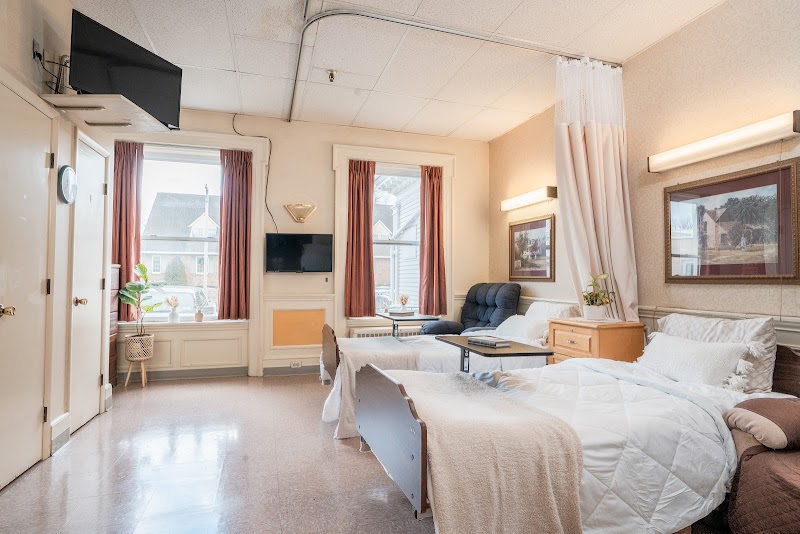
How is Nursing And Rehabilitation At The Mansion Staffed?

CMS rates NURSING AND REHABILITATION AT THE MANSION's staffing level at 4 out of 5 stars, which is above average compared to other nursing homes. Staff turnover is 26%, compared to the Pennsylvania average of 46%. This relatively stable workforce can support continuity of care.

What Have Inspectors Found at Nursing And Rehabilitation At The Mansion?

State health inspectors documented 26 deficiencies at NURSING AND REHABILITATION AT THE MANSION during 2023 to 2024. These included: 1 that caused actual resident harm, 23 with potential for harm, and 2 minor or isolated issues. Deficiencies causing actual harm indicate documented cases where residents experienced negative health consequences.

Who Owns and Operates Nursing And Rehabilitation At The Mansion?

NURSING AND REHABILITATION AT THE MANSION is owned by a for-profit company. For-profit facilities operate as businesses with obligations to shareholders or private owners. The facility is operated by PRIORITY HEALTHCARE GROUP, a chain that manages multiple nursing homes. With 70 certified beds and approximately 63 residents (about 90% occupancy), it is a smaller facility located in SUNBURY, Pennsylvania.

How Does Nursing And Rehabilitation At The Mansion Compare to Other Pennsylvania Nursing Homes?

Compared to the 100 nursing homes in Pennsylvania, NURSING AND REHABILITATION AT THE MANSION's overall rating (3 stars) matches the state average, staff turnover (26%) is significantly lower than the state average of 46%, and health inspection rating (3 stars) is at the national benchmark.

What Should Families Ask When Visiting Nursing And Rehabilitation At The Mansion?

Based on this facility's data, families visiting should ask: "Can I visit during a mealtime to observe dining assistance and food quality?" "How do you handle medical emergencies, and what is your hospital transfer rate?" "Can I speak with family members of current residents about their experience?"

Is Nursing And Rehabilitation At The Mansion Safe?

Based on CMS inspection data, NURSING AND REHABILITATION AT THE MANSION has a clean safety record: no substantiated abuse findings (meaning no confirmed cases of resident harm), no Immediate Jeopardy citations (the most serious violation level indicating risk of serious injury or death), and is not on the Special Focus Facility watch list (a federal program monitoring the lowest-performing 1% of nursing homes). The facility has a 3-star overall rating and ranks #1 of 100 nursing homes in Pennsylvania. While no facility is perfect, families should still ask about staff-to-resident ratios and recent inspection results during their visit.

Do Nurses at Nursing And Rehabilitation At The Mansion Stick Around?

Staff at NURSING AND REHABILITATION AT THE MANSION tend to stick around. With a turnover rate of 26%, the facility is 19 percentage points below the Pennsylvania average of 46%. Low turnover is a positive sign. It means caregivers have time to learn each resident's needs, medications, and personal preferences. Consistent staff also notice subtle changes in a resident's condition more quickly.

Was Nursing And Rehabilitation At The Mansion Ever Fined?

NURSING AND REHABILITATION AT THE MANSION has been fined $10,033 across 1 penalty action. This is below the Pennsylvania average of $33,179. While any fine indicates a compliance issue, fines under $50,000 are relatively common and typically reflect isolated problems that were subsequently corrected. Families should ask what specific issues led to these fines and confirm they've been resolved.

Is Nursing And Rehabilitation At The Mansion on Any Federal Watch List?

NURSING AND REHABILITATION AT THE MANSION is not on any federal watch list. The most significant is the Special Focus Facility (SFF) program, which identifies the bottom 1% of nursing homes nationally based on persistent, serious quality problems. Not being on this list means the facility has avoided the pattern of deficiencies that triggers enhanced federal oversight. This is a positive indicator, though families should still review the facility's inspection history directly.