SUNBURY SKILLED NURSING AND REHABILITATION CENTER
901 COURT STREET, SUNBURY, PA 17801 (570) 286-7121
For profit - Corporation 126 Beds GENESIS HEALTHCARE Data: November 2025
Trust Grade
53/100
#363 of 653 in PA
Last Inspection: June 2025

Inspected within the last 6 months. Data reflects current conditions.

Overview

Sunbury Skilled Nursing and Rehabilitation Center has a Trust Grade of C, which means it is average and middle of the pack, indicating it is not the best option but also not the worst. It ranks #363 out of 653 facilities in Pennsylvania, placing it in the bottom half, while it is #2 out of 7 in Northumberland County, showing only one local facility is rated higher. The overall trend is stable, with a consistent number of issues reported in recent years. Staffing is rated average, with a 3/5 star rating and a turnover rate of 50%, which is close to the state average of 46%. However, there have been concerning incidents, such as a failure to identify and treat a pressure ulcer for a resident, and multiple cleanliness issues in the kitchen, including improperly stored food and unsanitary conditions. While the facility has some strengths, such as an average RN coverage, the specific incidents highlight areas needing improvement.

Trust Score
C
53/100
In Pennsylvania
#363/653
Bottom 45%
Safety Record
Moderate
Needs review
Inspections
Holding Steady
9 → 9 violations
Staff Stability
⚠ Watch
50% turnover. Above average. Higher turnover means staff may not know residents' routines.
Penalties
✓ Good
$9,311 in fines. Lower than most Pennsylvania facilities. Relatively clean record.
Skilled Nurses
○ Average
Each resident gets 41 minutes of Registered Nurse (RN) attention daily — about average for Pennsylvania. RNs are the most trained staff who monitor for health changes.
Violations
⚠ Watch
26 deficiencies on record. Higher than average. Multiple issues found across inspections.
★★★☆☆
3.0
Overall Rating
★★★☆☆
3.0
Staff Levels
★★★★☆
4.0
Care Quality
★★★☆☆
3.0
Inspection Score
Stable
2024: 9 issues
2025: 9 issues

The Good

  • 4-Star Quality Measures · Strong clinical quality outcomes
  • Full Sprinkler Coverage · Fire safety systems throughout facility
  • No fines on record

Facility shows strength in quality measures, fire safety.

The Bad

3-Star Overall Rating

Near Pennsylvania average (3.0)

Meets federal standards, typical of most facilities

Staff Turnover: 50%

Near Pennsylvania avg (46%)

Higher turnover may affect care consistency

Federal Fines: $9,311

Below median ($33,413)

Minor penalties assessed

Chain: GENESIS HEALTHCARE

Part of a multi-facility chain

Ask about local staffing decisions and management

The Ugly 26 deficiencies on record

1 actual harm
Jun 2025 8 deficiencies
CONCERN (D)

Potential for Harm - no one hurt, but risky conditions existed

Deficiency F0583 (Tag F0583)

Could have caused harm · This affected 1 resident

Based on review of select facility policy and procedures, observations and staff interview, it was determined that the facility failed to ensure residents' rights to secure and confidential personal a...

Read full inspector narrative →
Based on review of select facility policy and procedures, observations and staff interview, it was determined that the facility failed to ensure residents' rights to secure and confidential personal and medical records on the ground floor of the facility and one of two nursing units (First Floor Nursing Unit North Wing). Findings include: A review of the facility policy titled, Safeguarding and Storage of Health Information Records, last reviewed on August 21, 2024, revealed that the company will maintain reasonable administrative, technical, and physical safeguards to protect the privacy of protected health information (PHI) from use or disclosure that is a violation of federal and/or state regulations. The purpose of the policy was noted to limit unauthorized access of PHI. Further review of the facility policy revealed a section titled Procedure, that noted procedures such as the following: protect all health information records from damage, loss, destruction, or unauthorized use; limit viewing access by unauthorized personnel as well as visitors by returning records to their designated storage location or closing when not in use; limit access to all other methods of storage of health information, including medication administration record and treatment notebooks, close notebooks when not in use to limit unauthorized access; overflow or discharge records must be filed in a systemic manner, either alphabetically or numerically, in a location that ensures the privacy and security of the information; file in a secure area such as a lockable cabinet or room/office that is not shared with other staff; when discharge records are stored in alternate storage areas or with long term storage companies: limit access to only authorized personnel; ensure the security of the paper documents and protect them from elements such as moisture, water, rodents, and fire. Observation on the North Wing of the First Floor Nursing Unit on June 10, 2025, at 10:24 AM revealed a computer at the nurse's station that was logged into the resident electronic charting software. There were no staff working at the computer or present in the immediate area upon initial observation, leaving the electronic medical record logged into an unsecured area (the electronic health record is password protected and must be logged into and out of to help ensure confidentiality). Continued observation on June 10, 2025, at 10:33 AM revealed that the computer was still logged into the electronic charting software. There was no staff member observed working at the computer and multiple unidentified staff were observed walking by the open charting program. Continued observation on June 10, 2025, at 10:47 AM revealed that the computer was still logged into the electronic charting software and Employee 2, licensed practical nurse, proceeded to return to the nurse's station and sit down at the computer. Observation on North Wing of the First Floor Nursing Unit on June 11, 2025, at 10:25 AM revealed a computer at the nurse's station that was logged into the resident electronic charting software. There were no staff working at the computer or present in the immediate area upon initial observation and the residents' electronic medical record was accessible and unsecured. Employee 2's name was noted as the user logged into the charting software. Continued observation on June 11, 2025, at 10:30 AM revealed an unidentified staff member return to the nurse's station and upon surveyor questioning about the unsecured and accessible open charting software, the employee proceeded to summon Employee 2 who returned to the nurse's station and began working at the computer. Observation on June 12, 2025, at 10:32 AM revealed an overflowing box of papers with the lid ajar just off the main hallway that runs adjacent to the facility's main kitchen. The box was open, and the contents were unsecured and accessible to anyone passing by (upon observation, housekeeping staff were observed wheeling garbage cans by the area). Further observation revealed the box contained various medical records and clinical documentation with identifiers of residents. An interview with Employee 3, medical records, on June 12, 2025, at 10:39 AM revealed that the box contained medical records that are awaiting pick-up from a contracted off-site storage company. However, it was unclear when the storage company would be coming and could be as early as today or weeks from now. The facility failed to ensure residents' rights to secure and confidential personal and medical records. 28 Pa. Code: 201.18(e)(1) Management
CONCERN (D)

Potential for Harm - no one hurt, but risky conditions existed

Quality of Care (Tag F0684)

Could have caused harm · This affected 1 resident

Based on clinical record review and staff interview, it was determined that the facility failed to provide the highest practicable care regarding physician ordered medication parameters for one of 24 ...

Read full inspector narrative →
Based on clinical record review and staff interview, it was determined that the facility failed to provide the highest practicable care regarding physician ordered medication parameters for one of 24 residents reviewed (Resident 317). Findings include: Clinical record review for Resident 317 revealed a diagnosis list that included atrial fibrillation (an irregular and sometimes rapid heart rhythm that can lead to complications such as stroke and heart failure) and essential hypertension (high blood pressure). Review of Resident 317's current care plan revealed the resident is at risk for cardiovascular symptoms or complications related to low blood pressure due to medications with parameters in place. A review of the current physician orders for Resident 317 revealed an order dated March 1, 2025, for Metoprolol Succinate ER Extended Release (a medication that is used to treat high blood pressure and/or heart rate) 25 milligrams (mg) give half a tablet by mouth one time a day for hypertension. Hold for a systolic blood pressure (SBP, the top number of a blood pressure reading where the heart contracts) less than 100 or pulse less than 60. A review of the Medication Administration Record (MAR) for June 2025, for Resident 317 revealed that the Metoprolol was marked as administered outside of the physician specified parameters for the following dates: June 1, the resident's pulse was documented as 56 June 2, the pulse was documented as 56 June 9, the pulse was documented as 56 June 10, the pulse was documented as 51 June 11, the pulse was documented as 51 There was no documentation for Resident 317 why the medication was administered outside of the specific physician ordered parameters. The above information for Resident 317 was reviewed in a meeting with the Nursing Home Administrator (NHA) and Director of Nursing (DON) on June 11, 2025, at 1:45 PM. Further review of Resident 317's medical record revealed that staff documented on the MAR for June 12, 2025, that the Metoprolol was administered despite a corresponding blood pressure noted as 90/54. The above information for Resident 317 for the Metoprolol administration on June 12, 2025, was reviewed in a meeting with the NHA and DON on June 12, 2025, at 2:00 PM. 483.25 Quality of Care Previously Cited 7/10/2024 28 Pa. Code 211.12(d)(1)(3)(5) Nursing services
CONCERN (D)

Potential for Harm - no one hurt, but risky conditions existed

Deficiency F0698 (Tag F0698)

Could have caused harm · This affected 1 resident

Based on clinical record review, observation, and staff and resident interview, it was determined that the facility failed to ensure the availability of necessary emergency supplies for one of one res...

Read full inspector narrative →
Based on clinical record review, observation, and staff and resident interview, it was determined that the facility failed to ensure the availability of necessary emergency supplies for one of one resident reviewed receiving hemodialysis (Resident 15). Findings include: In an interview and observation of Resident 15 on June 10, 2025, at 11:42 AM the resident indicated he attended dialysis outside the facility three days a week and that his access site was in his arm. Concurrent observation of Resident 15's room did not reveal any emergency supplies used to control bleeding such as sterile gauze, hemostat (a tool used to control bleeding), needleless connector, or tape in the resident's room readily available should the resident start bleeding from his dialysis access site. With the resident's permission to look inside his closet there was also no evidence of any emergency supplies in Resident 15's closet. Clinical record review for Resident 15 revealed the resident was receiving hemodialysis (a machine that performs a basic function of the kidney by cleansing the blood of impurities) three days a week outside the facility and the resident had an AV (arteriovenous) fistula (a surgically created connection between and artery and a vein) for dialysis. In a follow up observation of Resident 15's room on June 11, 2025, at 9:35 AM, Employee 1, licensed practical nurse, checked Resident 15's closet, bedside drawers, and bag the resident transported back and forth to dialysis, and could not locate emergency supplies. The above information was reviewed with the Nursing Home Administrator and Director of Nursing on June 11, 2025, at 12:37 PM. 483.25 (I) Dialysis Previously cited 7/10/24 28 Pa. Code 211.12 (d)(1)(3)(5) Nursing services
CONCERN (D)

Potential for Harm - no one hurt, but risky conditions existed

Deficiency F0744 (Tag F0744)

Could have caused harm · This affected 1 resident

**NOTE- TERMS IN BRACKETS HAVE BEEN EDITED TO PROTECT CONFIDENTIALITY** Based on clinical record review and staff interview, it was determined that the facility failed to develop and implement an indi...

Read full inspector narrative →
**NOTE- TERMS IN BRACKETS HAVE BEEN EDITED TO PROTECT CONFIDENTIALITY** Based on clinical record review and staff interview, it was determined that the facility failed to develop and implement an individualized person-centered care plan to address dementia and cognitive loss displayed by one of three residents reviewed (Resident 18). Findings include: Clinical record review for Resident 18 revealed that the facility admitted her on May 31, 2014. A diagnosis of dementia (loss of memory, language, problem-solving, and other thinking abilities that interfere with daily life) was added to her clinical record on October 1, 2022. A review of Resident 18's significant change Minimum Data Set (MDS, a form completed at specific intervals to determine care needs) assessment dated [DATE], indicated that the facility assessed Resident 18 as having a diagnosis of dementia. The facility determined that a care plan for dementia and cognitive loss would be developed. A review of Resident 18's current care plan entitled, Cognitive loss as evidenced by forgetfulness related to dementia last revised on February 20, 2020, and her care plan entitled At risk for behavior symptoms due to dementia initiated on April 17, 2025, failed to identify individualized person-centered approaches to address Resident 18's dementia and cognitive loss to include indications of distress and how she communicates unmet needs such as pain, discomfort, hunger, thirst and frustration. The findings were reviewed with the Nursing Home Administrator on June 13, 2025, at 10:30 AM. 28 Pa Code 211.12 (d)(1)(3)(5) Nursing services
CONCERN (D)

Potential for Harm - no one hurt, but risky conditions existed

Unnecessary Medications (Tag F0759)

Could have caused harm · This affected 1 resident

Based on observation and staff interview, it was determined that the facility failed to ensure a medication error rate below five percent (First Floor Nursing Unit North Wing; Resident 22). Findings ...

Read full inspector narrative →
Based on observation and staff interview, it was determined that the facility failed to ensure a medication error rate below five percent (First Floor Nursing Unit North Wing; Resident 22). Findings include: The facility's medication error rate was 7.14 percent based on 28 medication opportunities with two medication errors. Observation of Resident 22's medication administration pass on June 12, 2025, at 9:05 AM revealed that Employee 4, licensed practical nurse (LPN), prepared the medications prior to administration. Employee 4 went to Resident 22's room and placed one drop of Brimonidine Tartrate-Timolol Ophthalmic Solution 0.2-0.5% (a medication administered via eye drops to lower the pressure in the eyes known as intraocular pressure) into each of the resident's eyes. Review of Resident 22's clinical record revealed a physician's order dated March 6, 2025, that noted Brimonidine Tartrate-Timolol Ophthalmic Solution (0.2-0.5%) instill one drop in the right eye two times a day for glaucoma (an eye condition that can lead to vision loss or blindness and is often associated with increased pressure in the eye). A follow-up interview with Employee 4 on June 12, 2025, at 9:23 AM confirmed that the drops were administered in both eyes at the time of the medication pass and are only ordered for the right eye. Employee 4 administered one lactase enzyme supplement (an enzyme to help break down lactose in milk products to help treat lactose intolerance) to Resident 22. Resident 22 did not have any food present at the time of the administration. Review of Resident 22's clinical record revealed a physician's order dated March 25, 2025, that noted Lactaid Oral Tablet (Lactase) give one tablet by mouth every day with meals at 7:30 AM/11:30 AM/4:30 PM for lactose intolerance. A review of the instructions on the bottle of the medication revealed to swallow the capsules with the first bite of dairy food, and the medication can be used every day with every meal. Resident 22's Lactaid Oral Tablet (Lactase) was not given with a meal. An interview with Employee 5, registered nurse, on June 13, 2025, at 12:01 PM revealed that Resident 22's family sometimes brings in breakfast for her. An interview with Resident 22 on June 13, 2025, at 12:03 PM revealed that the resident's family did bring in breakfast for her on June 12, 2025, and reported the time as 7:20 AM. The above information was reviewed in a meeting with the Nursing Home Administrator and Director of Nursing on June 12, 2025, at 2:00 PM. 28 Pa. Code 211.9(a)(1) Pharmacy services 28 Pa. Code 211.10(a)(c) Resident care policies 28 Pa. Code 211.12(d)(1)(5) Nursing services
CONCERN (D)

Potential for Harm - no one hurt, but risky conditions existed

Deficiency F0761 (Tag F0761)

Could have caused harm · This affected 1 resident

Based on observation and staff interview, it was determined that the facility failed to properly store resident medications on one of two nursing units reviewed (First Floor Nursing Unit) and failed t...

Read full inspector narrative →
Based on observation and staff interview, it was determined that the facility failed to properly store resident medications on one of two nursing units reviewed (First Floor Nursing Unit) and failed to ensure the security of a resident's prescription for a controlled substance one of one nursing units reviewed (Second Floor Nursing Unit, Resident 45). Findings include: Observation during the medication pass on the North Hall of the First Floor Nursing Unit on June 12, 2025, at 9: 15 AM revealed a medication cart being utilized by Employee 4, licensed practical nurse. Observation of the medication cart revealed the following: There were several unsecured and unidentified medication tablets found in the bottom of the drawers that included: a brown oblong tablet, a pink colored oblong tablet, and a white colored oblong tablet. A drawer of the medication cart had a container of individually wrapped supplemental vitamin chews that contained a pink colored oblong medication tablet and a yellow colored oblong medication tablet. A concurrent interview with Employee 4 revealed that it was unclear what the unsecured medications were. The above findings were reviewed in a meeting with the Nursing Home Administrator and Director of Nursing on June 12, 2025, at 2:00 PM. Review of Resident 45's clinical record on June 12, 2025, at 12:00 PM revealed two loose prescriptions for Oxycodone (an opioid medication used to treat severe pain) 5 milligrams as needed every four hours for moderate to severe pain. One of the prescriptions was dated June 2, 2025, and the other was dated June 5, 2025. The prescriptions were not defaced, and they were easily removable from the clinical record. Resident 45's clinical record was located behind the nurse's station with all the other resident records who reside on the nursing unit. The nurse's station had a slide over lock to a door that did not require a key or code to unlock and was easily accessible to all staff The above information regarding Resident 45's prescriptions was reviewed, and the prescriptions were given to the Nursing Home Administrator on June 12, 2025, at 12:15 PM. 28 Pa. Code 201.18(b)(1) Management 28 Pa. Code 211.12(d)(1) Nursing services
CONCERN (E)

Potential for Harm - no one hurt, but risky conditions existed

Safe Environment (Tag F0584)

Could have caused harm · This affected multiple residents

Based on observation and staff interview, it was determined that the facility failed to provide a clean environment on one of two nursing units (Second Floor, Resident 108), and maintain facility equi...

Read full inspector narrative →
Based on observation and staff interview, it was determined that the facility failed to provide a clean environment on one of two nursing units (Second Floor, Resident 108), and maintain facility equipment in the facility's main kitchen. Findings include: Observation on June 10, 2025, at 12:08 PM of Resident 108's room revealed a two-tiered cart beside the bed that housed a humidification machine on the top rack, a cardboard box, a stack of inverted plastic cups, and a jug of water on the bottom rack. The cart appeared soiled with dust and debris and had a dried white substance splashed on it. Observation of Resident 108's room on June 11, 2025, at 9:59 AM revealed the humidification machine was in use and the cart still appeared soiled with dust and debris and the dried white substance remained. Interview with the Nursing Home Administrator and Director of Nursing on June 12, 2025, at 2:28PM reviewed the above noted items regarding Resident 108. Observation in the facility's main kitchen on June 10, 2025, at 9:07 AM revealed multiple metal shelves inside several two-door storage coolers contained exposed rusted metal in areas where the protective coating was worn off the shelves. An observation of a large dining/activity room located on the second-floor nursing unit (South end) on June 12, 2025, at 11:47 AM revealed a set of lower cabinets by the sink area with several rolling pins, mixing bowls, and measuring cups stored in it. The cabinets appeared very worn, and the interior of the cabinet doors and interior base of the cabinets was significantly soiled with brown debris, dust, crumbs, and was sticky to touch. The above information regarding the cooler shelving and second floor dining/activity area was reviewed with the Nursing Home Administrator on June 12, 2025, at 2:00 PM. 483.10(i)(1)(2) Safe/clean/comfortable/homelike Environment Previously cited 7/10/24 28 Pa. Code 201.18 (e)(2.1) Management
MINOR (C)

Minor Issue - procedural, no safety impact

Deficiency F0577 (Tag F0577)

Minor procedural issue · This affected most or all residents

Based on observation and staff interview, it was determined that the facility failed to ensure the results of the most recent survey were posted in a place readily accessible to residents, family memb...

Read full inspector narrative →
Based on observation and staff interview, it was determined that the facility failed to ensure the results of the most recent survey were posted in a place readily accessible to residents, family members, and legal representatives in the main lobby of the facility and on one of two nursing units (First Floor Nursing Unit). Findings include: Observation of the main lobby of the facility on June 10, 2025, at 2:31 PM and the First Floor North Nursing Unit resident lounge at 2:40 PM revealed a binder that should contain the results of the most recent survey of the facility conducted by Federal or State surveyors and any plan of correction in effect with respect to the facility. Review of the contents of the binders revealed that the facility placed the full health survey letters and complaint deficiency letters (letters sent to administration after a survey) into the binder; however, did not place the Statement of Deficiencies (Form CMS-2567) as required. The deficiency letters placed in the binders also noted the specific resident identifiers and associated resident names used for any cited deficiencies that were listed in the letters. The most recent Statement of Deficiencies contained in the binders was from 2023. The facility failed to ensure the results of the most recent survey were posted in a place readily accessible to residents, family members, and legal representatives. The above information was reviewed with the Nursing Home Administrator on June 10, 2025, at 2:45 PM. 28 Pa. Code 201.14(a) Responsibility of licensee
Apr 2025 1 deficiency
CONCERN (D) 📢 Someone Reported This

A family member, employee, or ombudsman was alarmed enough to file a formal complaint

Potential for Harm - no one hurt, but risky conditions existed

Pressure Ulcer Prevention (Tag F0686)

Could have caused harm · This affected 1 resident

Based on review of select facility policies and procedures, clinical record review, and staff interview, it was determined that the facility failed to provide comprehensive skin assessments that are c...

Read full inspector narrative →
Based on review of select facility policies and procedures, clinical record review, and staff interview, it was determined that the facility failed to provide comprehensive skin assessments that are consistent with professional standards of practice, to promptly identify changes to promote healing of a pressure ulcer for one of two residents reviewed for pressure ulcers (Resident 1). This deficiency is cited as past noncompliance Findings include: A review of the facility policy titled, Skin Integrity and Wound Management, dated October 15, 2024, revealed that, a comprehensive initial and ongoing nursing assessment of intrinsic and extrinsic factors that influence skin health, skin and wound impairment, and the ability of a wound to heal will be performed. The plan of care for the patient will be reflective of assessment findings from the comprehensive patient assessment and wound evaluation. Staff will continually observe and monitor patients for changes and implement revision to the plan of care as needed. Notify Medical Director, Director of Nursing, and Administrator, if deviation from protocol is requested by the physician, advanced practice provider, managed care company, or others. Review of the policy revealed a section titled, Practice Standards, that indicated the licensed nurse will evaluate any reported or suspected skin changes or wounds, perform and document skin inspection on all newly admitted and readmitted patients weekly thereafter, and with any significant change of condition; and complete a wound evaluation upon admission or readmission, new in-house acquired, weekly, and with unanticipated decline in wounds. Clinical record review for Resident 1 revealed a diagnoses list that included unspecified protein calorie malnutrition (when the body does not receive enough protein and calories to maintain a healthy status), Type 2 diabetes mellitus with chronic kidney disease (when the body does not properly use sugar that leads to high blood sugar levels that also negatively impacts the kidneys (two bodily organs that filter the blood), and generalized muscle weakness. Review of Resident 1's current care plan revealed the resident has cognitive loss as evidenced by a low BIMS (Brief Interview for Mental Status) and forgetfulness secondary to the resident's medical history. An attempted interview with the resident on April 15, 2025, at 2:55 PM revealed the resident was cognitively impaired and unable to complete the interview with the surveyor. A physician's order for Resident 1 dated February 3, 2025, instructed staff to perform a body audit with skin evaluation every Wednesday on evening shift. Further review of the physician orders for Resident 1 revealed current orders for wound cleaning and dressing change for a sacral (a bone at the base of the spine) wound to be completed daily. Nursing documentation for Resident 1 dated February 27, 2025, at 1:37 PM revealed that staff observed an open area to the sacrum, the wound was measured, and treatment initiated. The physician and responsible party were made aware. Wound care documentation by the facility wound care nurse dated February 27, 2025, noted moisture associated skin damage (MASD, damage to the skin caused by moisture) to the sacrum that measured 2.07 centimeters (cm) x 2.07 cm x 0.1 cm. Skin check documentation in the progress notes dated March 5, 2025, at 3:38 PM noted a new skin issue to the buttocks documented as MASD. The wound measurements were noted as not documented as part of this assessment, because the measurements were completed by wound nurse. There were no further assessments provided of the resident's wound (such as wound description, size, tissue status, indicators of infection, inflammation, etc.). Wound care documentation by the facility wound care nurse did not note any assessment for March 5, 2025, as indicated in the above skin check documentation. Wound care documentation for Resident 1 by the facility wound care nurse on March 12, 2025, measured the wound as 2.07 cm x 2.07 cm x 0.1 cm. A skilled nursing evaluation for Resident 1 dated March 18, 2025, at 11:48 AM revealed that there was MASD on the buttocks and measurements were not documented because the resident is being followed by wound nurse for MASD issues. There was no further assessment provided of the resident's sacral wound. A skilled evaluation for Resident 1 dated March 19, 2025, at 10:34 AM revealed that there was MASD on the buttocks and measurements were not documented because the resident is being followed by wound nurse. The staff made a skin note that indicated, .MASD to sacrum/buttocks and is followed by wound nurse for same. There was no further assessment provided of the resident's sacral wound. A skilled evaluation for Resident 1 dated March 20, 2025, at 11:55 AM revealed that there was MASD on the coccyx (tailbone) and measurements were not documented because the resident is being followed by wound nurse. The progress was documented as stalled. There was no further assessment provided of the resident's wound. Wound care documentation by the facility staff for Resident 1 dated March 21, 2025, revealed that the resident's wound now measured 5.34 cm x 3.77 cm x (no depth documented), which indicated a deterioration in the wound. Nursing documentation dated March 22, 2025, at 3:27 PM revealed the resident was sent to the emergency department for abnormal vital signs. The resident was admitted to the hospital for acute kidney injury. The resident returned to the facility from the hospital on March 25, 2025. Hospital physician documentation dated March 23, 2025, at 8:28 AM revealed the resident has a sacral ulcer on exam and per wound nurse, the resident only had a blanchable redness back in January and therefore current stage 2/3 ulcer is fairly new. Wound care consultation (a third party wound management service that is contracted by the facility to perform various wound care needs/treatments/assessments) dated March 26, 2025, noted an initial wound evaluation that indicated Resident 1 had a deep sacral pressure ulcer that is unstageable at this time due to slough covering most of the wound and a debridement (removal of damaged tissue) was completed. An interview with the Director of Nursing on April 15, 2025, at 12:29 PM revealed there should have been wound documentation from the wound care nurse between February 27, 2025, and March 12, 2025, and again on March 19, 2025. These assessments were not completed by the facility wound care nurse who was following Resident 1's wound. The next wound assessment on March 21, 2025, after the missed assessment by the facility wound care nurse on March 19, 2025, revealed a deterioration in Resident 1's wound. The facility failed to provide comprehensive skin assessments that are consistent with professional standards of practice, to promptly identify changes and promote healing of a pressure ulcer. The facility identified the issue with Resident 1's skin assessments on March 21, 2025, and as a result, disciplinary action was taken against Employee 1, licensed practical nurse, and a full house audit was conducted to identify any further residents impacted. The facility conducted staff education that included the following: Skin Integrity and Wound Management on March 21, 2025. Emergency Response and Preparedness; Abuse Prohibition; Skin Integrity; and Wound Management on March 27, 2025. The above information was reviewed in a meeting with the Nursing Home Administrator and Director of Nursing on April 15, 2025, at 3:15 PM. 28 Pa. Code 201.18(b)(1)(3) Management 28 Pa. Code 211.12(d)(1)(5) Nursing services
Sept 2024 1 deficiency
CONCERN (E) 📢 Someone Reported This

A family member, employee, or ombudsman was alarmed enough to file a formal complaint

Potential for Harm - no one hurt, but risky conditions existed

Dental Services (Tag F0791)

Could have caused harm · This affected multiple residents

Based on clinical record review, observation, and staff and resident interview, it was determined that the facility failed to assist residents to obtain routine dental care for four of eight residents...

Read full inspector narrative →
Based on clinical record review, observation, and staff and resident interview, it was determined that the facility failed to assist residents to obtain routine dental care for four of eight residents reviewed (Residents 1, 2, 6, and 7). Findings include: Clinical record review for Resident 1 revealed documentation by the facility's consultant dental hygienist provider dated September 8, 2023, that recommended prophylactic adult dental cleaning every six months; and that the next scheduled visit would be March 8, 2024. Documentation by the facility's consultant dentist provider dated October 10, 2023, November 9, 2023, February 27, 2024, and March 21, 2024, continued to indicate that the treatment plan for Resident 1 was adult prophylactic cleaning every six months and that the next scheduled visit would be March 8, 2024. Resident 1's medical record contained no evidence that she received a dental cleaning on March 8, 2024. Interview with the Nursing Home Administrator, the Director of Nursing, Employee 1 (medical records), and Employee 2 (social worker), on September 10, 2024, at 3:04 PM confirmed that Resident 1's medical record contained no evidence of dental prophylactic cleaning for 12 months. The interview confirmed that Resident 1's responsible party notified Employee 2 that an appointment for a dental prophylactic cleaning was missed on July 21, 2024. The facility had no evidence that staff acted upon the notification of the missed appointment. Employee 2 confirmed that Resident 1's responsible party notified her of a second missed appointment on August 22, 2024. Documentation by Employee 1 dated August 22, 2024, at 2:06 PM indicated that Resident 1's responsible party expressed frustration regarding Resident 1's oral health. The documentation indicated that the next available appointment with the dental hygienist would be December 17, 2024 (more than 15 months since her last cleaning). The facility failed to obtain routine dental services covered under the State plan for Resident 1. Interview with, and observation of, Resident 2 on September 10, 2024, at 10:20 AM indicated that she had a denture on her top jaw and natural teeth on the bottom jaw. Resident 2 stated that, .one time, long ago, last year, someone looked in (her) mouth, said she needed a new plate, and never came back. Resident 2 stated that she knew that she needed a new denture because she has had to use, glue (denture paste), to keep them secured in her mouth. Resident 2 denied that anyone has ever professionally cleaned her natural teeth. Clinical record review for Resident 2 revealed documentation by the facility's consulting dentist dated October 10, 2023, that Resident 2, .has an old extremely worn F/ (facility unable to define F/). She says she has a /P (partial denture) did not bring today that does not seat. PA filed for new F/P. Will make /P over broken number 27 in absence of symptoms . The recommended treatment was for prophylactic cleaning every six months and fabrication of full upper denture (DFU); fabrication of partial lower denture (DPL). Resident 2's clinical record contained no evidence that Resident 2 received the recommended dental treatments since the October 10, 2023, assessment. Care plan meeting documentation dated August 30, 2024, at 2:52 PM indicated that neither Resident 2 nor Resident 2's representative attended the meeting. The documentation recorded by Employee 2 indicated that Resident 2 declined dental services. Interview with the Nursing Home Administrator, the Director of Nursing, Employee 1, and Employee 2, on September 10, 2024, at 3:04 PM confirmed that the facility had no consent form documentation (Request for Service form by the facility's contracted dental provider) that indicated Resident 2 declined dental services or any progress note documentation that Resident 2 was offered, but declined, services by the dentist after October 10, 2023. Interview with and observation of Resident 6 on September 10, 2024, at 10:55 AM revealed that she had natural teeth and it had, been a while, since she had her teeth professionally cleaned. Clinical record review for Resident 6 revealed documentation by Employee 1 on October 10, 2023, at 1:07 PM and November 13, 2023, at 9:26 AM that Resident 6 declined services by the consulting dental provider. A Request for Service form by the facility's contracted dental provider dated April 9, 2024, indicated that Resident 6 requested dental services. There was no further documentation in Resident 6's medical record that she was offered, but declined, dental services after November 13, 2023. Interview with the Nursing Home Administrator, the Director of Nursing, Employee 1, and Employee 2, on September 10, 2024, at 3:04 PM indicated that Resident 6 was, on the schedule for September, but had no evidence of any dental services offered in the 10 months since November 13, 2023. Interview with and observation of Resident 7 on September 10, 2024, at 11:03 AM revealed that she has upper and lower natural teeth, she feels that she has some loose teeth on the bottom jaw, and she stated that she has not had routine dental care. Documentation by the facility's contracted dentist dated December 19, 2023, indicated Resident 7 had 15 missing teeth, and that the mobility of her remaining teeth was within normal limits. The recommended treatment plan was for an annual exam (due December 19, 2024) and a periodic oral exam (due June 19, 2024). There was no evidence in Resident 7's clinical record that she received an oral exam by the dentist in the nine months after December 19, 2023. Interview with the Nursing Home Administrator, the Director of Nursing, Employee 1, and Employee 2, on September 10, 2024, at 3:04 PM indicated Resident 7 was on the dental schedule for September. The interview confirmed that the last assessment by the dentist was December 19, 2023. 483.55(b)(1)-(5) Routine/emergency Dental Srvcs in Nfs Previously cited deficiency 7/10/24 28 Pa. Code 211.12(d)(1)(3)(5) Nursing services
Jul 2024 8 deficiencies
CONCERN (D)

Potential for Harm - no one hurt, but risky conditions existed

Safe Environment (Tag F0584)

Could have caused harm · This affected 1 resident

Based on observation and staff interview, it was determined that the facility failed to provide adequate housekeeping and maintenance services to ensure a clean, safe, and orderly environment on one o...

Read full inspector narrative →
Based on observation and staff interview, it was determined that the facility failed to provide adequate housekeeping and maintenance services to ensure a clean, safe, and orderly environment on one of two nursing units (First Floor Nursing Unit, Residents 11, 30, 74, and 91). Findings include: Observation of the facility on July 7, 2024, at 10:52 AM revealed environmental concerns on the First Floor Nursing Unit. There was a smell of urine upon entry to the floor with the urine smell becoming very strong when nearing Resident 91's room and continued onto Residents 74 and 11's room. This strong/intense smell of urine continued to be noted on the south hall of the First Floor Nursing Unit, especially around Resident 91, 11, 74, and 101's rooms, on July 8, 2024, at 9:50 AM, and July 10, 2024, at 11:02 AM. Upon entry to Resident 91's room on July 7, 2024, at 10:53 AM, July 8, 2024, at 9:52 AM, and July 10, 2024, at 11:06 AM, an intense, extremely strong smell of urine was noted, especially by the resident's bed and nightstand area, to the point of causing this surveyor's eyes and nose to burn and water from the stench. Further observation of the First Floor Nursing Unit on July 7, 2024, at 10:58 AM of Resident 30's room revealed the paint was chipped and peeling across the wall below and on each side of the windows and the baseboard was peeling away from the wall under the heating/air conditioning unit. Continued observation of the First Floor Nursing Unit on July 7, 2024, at 11:01 AM revealed that on the hallway wall near the first floor dining room there was a five inch by 6 inch rough, unpainted drywall patch on top of the wallpaper. The surveyor reviewed the above information during an interview with the Nursing Home Administrator and Director of Nursing on July 9, 2024, at 2:10 PM. 483.10(i)(1)-(7) Safe/clean/comfortable/homelike Environment Previously cited 8/18/23 28 Pa. Code 201.18(b)(3) Management 28 Pa. Code 207.2(a) Administrator's responsibility
CONCERN (D)

Potential for Harm - no one hurt, but risky conditions existed

Tube Feeding (Tag F0693)

Could have caused harm · This affected 1 resident

Based on review of select facility policies and procedures, clinical record review, and staff interview, it was determined that the facility failed to implement appropriate treatment and services to p...

Read full inspector narrative →
Based on review of select facility policies and procedures, clinical record review, and staff interview, it was determined that the facility failed to implement appropriate treatment and services to prevent potential complications of a feeding tube for one of two residents reviewed (Resident 107). Findings include: The facility policy entitled, Medication Administration: Enteral Tubes, last reviewed without changes on August 23, 2023, revealed that the nursing care center will assure the safe and effective administration of enteral formulas and medications. The policy indicated that enteral tubes (a tube inserted into the stomach for the purpose of providing nutrition or medications) would be flushed with at least 15 milliliters (ml) of water before administering any medications and after all medications have been administered. Clinical record review of Resident 107's current orders revealed that her oral medications were to be administered through her Percutaneous endoscopic gastrostomy (PEG tube, a tube passed into the stomach through the abdominal wall to provide a means of feeding or administering medications when oral intake is no feasible or adequate) tube. Further review of Resident 107s orders revealed that there were no current orders related to flushing the PEG tube before or after administration of medications. The surveyor reviewed the above noted concerns related to Resident 107's PEG tube flushes with medication administration with the Director of Nursing during an interview on July 9, 2024, at 2:21 PM. The Director of Nursing provided the surveyor with physician orders for PEG tube flushes with medication administration on July 10, 2024, at 9:30 AM, and confirmed at this time that the orders were obtained after the surveyor brought this to the facility's attention on July 9, 2024. The facility failed to implement appropriate treatment and services to prevent potential complications of a PEG tube for Resident 107. 28 Pa.Code 211.12 (d)(1)(5) Nursing services
CONCERN (D)

Potential for Harm - no one hurt, but risky conditions existed

Deficiency F0698 (Tag F0698)

Could have caused harm · This affected 1 resident

**NOTE- TERMS IN BRACKETS HAVE BEEN EDITED TO PROTECT CONFIDENTIALITY** Based on clinical record review and resident and staff interview, it was determined that the facility failed to provide care con...

Read full inspector narrative →
**NOTE- TERMS IN BRACKETS HAVE BEEN EDITED TO PROTECT CONFIDENTIALITY** Based on clinical record review and resident and staff interview, it was determined that the facility failed to provide care consistent with professional standards of practice for one of one resident reviewed for dialysis concerns (Resident 31). Findings include: Interview with Resident 31 and her husband on July 7, 2024, at 12:12 PM revealed that she goes to dialysis (a process of purifying the blood of a person whose kidneys are not working normally) Tuesday, Thursday, and Saturday. Clinical record review revealed the facility admitted Resident 31 on March 7, 2024. A review of the nursing admission summary dated [DATE], at 5:44 PM revealed Resident 31 is a hemodialysis patient with her dialysis days being Tuesday, Thursday, and Saturday. Documentation further revealed that Resident 31 has an AV (arteriovenous) fistula (one access type that is created by connecting the artery to the vein under the skin) in her left upper arm with positive bruit and thrill (indicates the fistula is functioning properly) noted. Review of Resident 31's physician orders revealed that she did not have an order to go to dialysis, including the specific days of the week, and there were no orders for the care of her AV fistula. There was no further documentation in Resident 31's clinical record since March 7, 2024, that facility staff checked for bruit and thrill to ensure Resident 31's AV fistula was working properly. Further review of Resident 31's clinical record revealed the facility failed to develop a comprehensive plan of care to ensure that Resident 31 received appropriate care and services related to her dialysis. There was no plan of care to include which days of the week she attends dialysis, what times she leaves and returns to the facility, who provides transportation, if she requires a meal before dialysis, monitoring of her AV fistula site, or emergency procedures if needed. There was also no documented evidence in Resident 31's clinical record to indicate that the facility coordinated care with dialysis or her physician to determine if Resident 31's medications were to be given at a different time or if they were appropriate to be skipped on dialysis days. An interview with the Director of Nursing on July 10, 2024, at 12:22 PM confirmed these findings for Resident 31. The facility failed to provide the highest practicable care regarding the coordination of dialysis services and administration of physician-ordered medications for Resident 31. 28 Pa. Code: 211.12(d)(1)(3)(5) Nursing services
CONCERN (D)

Potential for Harm - no one hurt, but risky conditions existed

Deficiency F0699 (Tag F0699)

Could have caused harm · This affected 1 resident

Based on observation, clinical record review and staff and resident interview, it was determined that the facility failed to identify triggers related to a resident's diagnosis of Post-Traumatic Stres...

Read full inspector narrative →
Based on observation, clinical record review and staff and resident interview, it was determined that the facility failed to identify triggers related to a resident's diagnosis of Post-Traumatic Stress Disorder, to provide culturally, competent, trauma-informed care, and to eliminate or mitigate re-traumatization for one of two residents reviewed for mood/behavior (Resident 7). Findings include: Clinical record review revealed the facility admitted Resident 7 on January 26, 2023, and added a diagnosis of Chronic Post Traumatic Stress Disorder (PTSD, a mental and behavioral disorder that develops related to a terrifying event) on November 8, 2023. Further clinical record review for resident 7 revealed the resident is documented as having frequent episodes of hallucinations, delusions, paranoia, yelling out, and refusing care. In an interview and observation with Resident 7 on July 7, 2024, at 12:10 PM the resident was observed lying calmly in bed and had just finished his lunch. The resident was able to carry on a conversation conveying accurate information informing the surveyor of his shower days, and information about a wound on his toe. Upon questioning the resident about his diagnosis of PTSD, the resident acknowledged the diagnosis and indicated watching certain shows on the television such as any war pictures or listening to certain songs, although, not able to specify which songs, were triggers for him. There was no evidence in Resident's 7's plan of care or clinical record to indicate the facility had attempted to identify the resident's history of trauma or identify potential triggers (everyday situations that cause a person to re-experience the traumatic events as if it was reoccurring), from the resident, family, friends, or any other healthcare professionals (such as psychologists, and mental health professionals), to prevent or minimize the triggers from occurring in his environment. A review of Resident 7's plan of care for PTSD only revealed interventions as to how to control, comfort, and handle the resident when having the hallucinations, delusions, etc. These findings were reviewed with the Nursing Home Administrator and Director of Nursing on July 9, 2024, at 3:00 PM. 28 Pa Code 211.12 (d)(3)(5) Nursing services
CONCERN (D)

Potential for Harm - no one hurt, but risky conditions existed

Dental Services (Tag F0791)

Could have caused harm · This affected 1 resident

Based on clinical record review and resident and staff interview, it was determined that the facility failed to assist a resident to obtain routine dental services for one of two residents reviewed fo...

Read full inspector narrative →
Based on clinical record review and resident and staff interview, it was determined that the facility failed to assist a resident to obtain routine dental services for one of two residents reviewed for dental concerns (Resident 2). Findings include: Interview with Resident 2 on July 7, 2024, at 9:49 AM revealed that she could not remember when she last saw the dentist. Clinical record review for Resident 2 revealed that the facility admitted her on November 3, 2019, with payment sources that included the state Medicaid benefit. Review of Resident 2's request for service dated November 21, 2019, revealed she requested to receive dental services. Further review of Resident 2's clinical record revealed she last saw the dentist on January 20, 2022. A review of this progress note revealed that Resident 2 was due for her next visit for prophylactic dental cleaning in six months. There were no further dental visits. The facility provided documentation that Resident 2 was offered a prophylactic cleaning on January 9, 2023, which she refused. An interview with the Director of Nursing and Nursing Home Administrator on July 9, 2024, at 2:04 PM confirmed these findings and no further information was provided to indicate that Resident 2 was offered routine dental services every six months as the State plan allows. 28 Pa. Code 211.12(d)(1)(3)(5) Nursing services 28 Pa. Code 211.15. Dental services
CONCERN (E)

Potential for Harm - no one hurt, but risky conditions existed

Quality of Care (Tag F0684)

Could have caused harm · This affected multiple residents

Based on observation, clinical record review, and resident and staff interview, it was determined that the facility failed to provide the highest practicable care regarding a splint recommended by the...

Read full inspector narrative →
Based on observation, clinical record review, and resident and staff interview, it was determined that the facility failed to provide the highest practicable care regarding a splint recommended by therapy to improve range of motion for one of five residents reviewed (Resident 98). Findings include: During an interview and observation with Resident 98 on July 8, 2024, at 9:50 AM revealed that she had contractures of her bilateral hands. Resident 98 stated staff are supposed to apply splints to her hands at night, but they usually forget or don't know how to apply the splints. Interview with Employee 4 (rehab therapy director) on July 10, 2024, at 12:28 PM revealed that he recommended staff apply Resident 98's bilateral splints on May 24, 2024. Employee 4 provided documentation dated May 24, 2024, titled Daily Interdisciplinary Eagle Room Report, noting staff is to apply a comfy grip orthotic splint to Resident 98's left upper extremity and resting hand orthotic splint during the nighttime hours. Further review of Resident 98's clinical record revealed no documentation that staff applied Resident 98's bilateral hand splints during the nighttime hours. An interview with the Director of Nursing on July 10, 2024, at 12:42 PM confirmed the above findings for Resident 98 and revealed that therapy's recommendation for bilateral splints to Resident 98's hands was never added to her clinical record. 28 Pa. Code 211.10(d) Resident care policies 28 Pa. Code 211.12(c)(d)(1)(3)(5) Nursing services
CONCERN (F)

Potential for Harm - no one hurt, but risky conditions existed

Food Safety (Tag F0812)

Could have caused harm · This affected most or all residents

Based on observation and staff interview, it was determined the facility failed to store food and maintain food service/storage equipment in a safe and sanitary manner in the facility's main kitchen. ...

Read full inspector narrative →
Based on observation and staff interview, it was determined the facility failed to store food and maintain food service/storage equipment in a safe and sanitary manner in the facility's main kitchen. Findings include: An observation of the facility's main kitchen on July 7, 2024, at 9:28 AM revealed a large gray garbage can in the dishwashing area. The exterior lid and sides were covered in dried food and liquid spills. The wall behind the garbage can was covered in dried food and liquid spills. Dried food splatter was observed over the dish machine area on the ceiling. The ceiling beside the dish machine area was observed with visible dust hanging from the light covers, on the ceiling, and surrounding the ceiling vent. A metal cart was observed in the kitchen tray line area along the wall with multiple labels of different kinds of cereal. Plastic trays were observed on the cart beside each label with several bowls full of cereal. Cereal was observed scattered on the trays around the bowls. A cart near the steam table contained dust and debris around and under the plate pellet heating system. The metal hood unit above the cooking area contained a buildup of dust/grease on the exterior hood components. The lower shelves of two food preparation tables where dry milk, sugar, and trays with other equipment were stored had dust, dried food debris, and dried liquid spills. A clear container with a white powdery substance was observed sitting on a preparation table near the food processor. A scoop was observed in the container in the product. The container was not labeled or dated. Employee 1, dietetic technician, indicate it was a food thickening agent. A two-compartment sink located beside the preparation area in the kitchen was observed with brown stains and brown/black build up around the faucet and sides of the sink. Employee 1 indicated that staff utlilized the sink to dump ice. A two-door upright freezer was observed to have multiple bags of food, which had been removed from shipping boxes. A clear bag with oval shaped patties was observed with no label of its contents or date to indicate when it was placed there or needed to be used by. Employee 1 indicated the item was chicken fried steak. A plastic container covered very loosely with saran wrap which slid off the container as the door opened was observed labeled as pork 6/19-7/19, the product was cooked and ground up. A two-door cooler was observed with a clear plastic container labeled sloppy joe 6/18 -7/18, which appeared as cooked ground up meat. Upon request for a cool down log for the prior cooked pork and sloppy joe stored in the freezer and cooler noted above revealed that Employee 1 was not able to show any evidence of a cool down log for the products. Concurrent interview with Employee 2, cook, indicated he had worked at the facility for a year and a half and had never heard of a cool down log. A rack of multiple bread products including hamburger rolls, hot dog rolls, sub rolls, loaves of white bread, and loaves of wheat bread were observed in the dry storage area. None of the products were dated as to when they were placed there or when they needed used by. Employee 1 indicated the bread products are received frozen and they are good for seven days when pulled from the freezer. There was no evidence to indicate when the products were pulled from the freezer. Three significantly brown liquid-stained ceiling tiles were observed in the corner of the dry storage area directly over multiple boxes of food service paper products. The above findings were reviewed with the Nursing Home Administrator and Director of Nursing during an interview on July 8, 2024, at 2:20 PM. 483.60 (i)(2) Food storage safe and sanitary Previously cited 8/18/23 28 Pa. Code 201.14(a) Responsibility of licensee
MINOR (B)

Minor Issue - procedural, no safety impact

Transfer Notice (Tag F0623)

Minor procedural issue · This affected multiple residents

**NOTE- TERMS IN BRACKETS HAVE BEEN EDITED TO PROTECT CONFIDENTIALITY** Based on clinical record review and staff interview, it was determined that the facility failed to notify the Office of the Stat...

Read full inspector narrative →
**NOTE- TERMS IN BRACKETS HAVE BEEN EDITED TO PROTECT CONFIDENTIALITY** Based on clinical record review and staff interview, it was determined that the facility failed to notify the Office of the State Long-Term Care Ombudsman of a transfer to the hospital for 2 of 12 residents reviewed (Residents 14 and 114). Findings include: Clinical record review for Resident 14 revealed the resident was transferred to the hospital and admitted on [DATE], for kidney stones. There was no documented evidence that the facility notified the Office of the State Long-Term Care Ombudsman of Resident 14's transfer to the hospital. Closed clinical record review for Resident 114 revealed the resident was admitted to the facility on [DATE], and sent to the hospital and admitted on [DATE], due to physical aggression. Resident 114 did not return to the facility. There was no evidence the facility notified Office of the State Long-Term Care Ombudsman of Resident 114's transfer to the hospital/discharge. In an interview with Employee 3, admissions coordinator, on July 9, 2024, at 10:37 AM she indicated that she was providing monthly reports to the ombudsman, but Resident 14, and 114 were missed. The above findings were reviewed in an interview with the Nursing Home Administrator and Director of Nursing on July 9, 2024, at 2:51 PM. 28 Pa. Code 201.14(a) Responsibility of license 28 Pa. Code 201.29(a) Resident rights
Aug 2023 8 deficiencies 1 Harm
SERIOUS (G)

Actual Harm - a resident was hurt due to facility failures

Pressure Ulcer Prevention (Tag F0686)

A resident was harmed · This affected 1 resident

Based on clinical record review, staff interview, and observation, it was determined that the facility failed to timely identify and treat a pressure ulcer for one of seven residents reviewed, which r...

Read full inspector narrative →
Based on clinical record review, staff interview, and observation, it was determined that the facility failed to timely identify and treat a pressure ulcer for one of seven residents reviewed, which resulted in actual harm (Resident 10). Findings include: Resident 10's clinical record revealed the resident had a diagnosis of Type 1 Diabetes Mellitus (failure of the body to produce insulin to enable sugar to pass from the blood stream to the cells for nourishment) and a Stage IV (full thickness tissue loss with exposed bone, tendon, or muscle; slough or eschar (dead tissue) may be present on some parts of the wound bed; often includes undermining and tunneling) Pressure Ulcer of the Sacral Region (low back) on admission to the facility on October 6, 2020. Review of a fax communication to the physician for Resident 10 dated July 30, 2023, revealed the nurse reported that the resident has a lump on his back between the shoulder blades that was approximately 6 cm (centimeter) in diameter. The top of the area was slightly firm, and the bottom was soft with a slight discoloration to the left of the area. The fax indicated that the RN (registered nurse) assessed and marked the area with a black Sharpie (marker) to monitor the size. The CRNP (clinical registered nurse practitioner) replied on July 31, 2023, to monitor-comfort measures only (comfort measures, no other intervention, or medications, which are not related to making the patient more comfortable). There was no documented evidence of the RN's assessment that corresponds with this fax. Review of an LPN progress note for Resident 10 dated July 31, 2023, at 6:42 AM revealed that the CRNP was on rounds and was aware of the resident refusing morning medications and aware of the lump on his back. Staff were to continue to monitor the area due to the resident being on comfort measures only. There was no documented evidence of the CRNP assessing Resident 10's lump on his back. Review of wound specialist reports for Resident 10 revealed that he had treatment and recommendations for the wounds on the sacrum (low back), and the right and left buttocks on August 1 and 9, 2023. The wound on the upper back was not mentioned. Clinical record review for Resident 10 revealed the next note for the upper back wound was from a wound specialist dated August 15, 2023. The wound of the left upper back was classified as pressure in etiology (cause), unstageable due to necrosis (an ulcer with full thickness tissue loss that is covered by dying tissue), the duration of greater than five days, that measured 4 cm width x 0.1 cm depth, the surface area was 16 cm, with an open ulceration area of 12 cm. The wound had light serous exudate (drainage), with 25 percent eschar and 25 percent granulation (new connective tissue) tissue. The left upper back wound was not debrided (surgical removal of dead tissue for optimal healing) by the specialist because the wound was so desiccated (dried out) that debridement could not accomplish anything meaningful until worked on by moisture donator (special moisture type dressing) for some time. The specialist ordered to cleanse the wound with saline (solution like normal body fluid), apply a hydrogel (a specialized wound healing dressing that also debrides or removes dead tissue) dressing, change daily, cover with an ABD (a large, padded dressing) pad, and gauze dressing with a border. Limit resident sitting to 60 minutes, off-load wound (no weight bearing on wound), and reposition per facility protocol. During a meeting with the Director of Nursing on August 16, 2023, at 1:45 PM the surveyor asked for additional information on Resident 10's unstageable pressure area of the left upper back specially questioning why a lump was identified when it possibly met the definition of a DTI (DTI, deep tissue injury is an unstageable pressure area either a Stage III, full thickness tissue loss, but bone, tendon, or muscle is not exposed, or Stage IV; as a result of an injury to the underlying tissue below the skin's surface from prolonged pressure in an area of a body). The surveyor also asked for RN or CRNP/physician assessments of the left back from when the area was discovered on July 30, 2023, and any prior to August 15, 2023, when it was evaluated by the wound specialist. There was no documented evidence of a full assessment of the upper back wound that identified it as blanchable (area of redness that disappears on applied pressure) or not blanchable (area of redness that does not disappear on applied pressure, indicative in determining a pressure area). The National Pressure Advisory Panel defines unstageable pressure injuries as a purple or maroon localized area or discolored intact skin or blood-filled blister due to damage of underlying soft tissue from pressure and/or shear. The area may be preceded by tissue that is painful, firm, mushy, or boggy, or warmer or cooler than adjacent tissue. Review of a late entry RN progress note for Resident 10 created on August 16, 2023, at 4:08 PM for August 11, 2023, at 4:01 PM revealed that the LPN asked the RN to assess the red lump on the resident's upper back. The RN assessed it as the beginning of skin breakdown. The area was cleansed, and protective foam was applied. The RN alerted the nursing staff and informed the wound doctor. The RN will have the resident physically seen by the wound doctor and will create a new treatment plan for the area. The RN repositioned the resident to the side to alleviate pressure on the area. The resident was educated on the importance of getting repositioned. Observation of the dressing change to Resident 10's upper back was performed by Employee 9, RN, on August 17, 2023, at 11:11 AM. The resident was repositioned by two staff for the dressing change. The dressing was saturated with serosanguineous (pink and tan in color) drainage. The upper back wound was to the left of the backbone and not between the shoulder blades as described in the fax communication to the CRNP on July 30, 2023. Immediately after the dressing change, the surveyor asked Employee 9 if skin alteration records were completed as the facility did not have pressure ulcer assessments for Resident 10 prior to August 15, 2023. Concurrent interview with Employee 9, revealed that skin alteration records are used by floor staff to monitor non-pressure related wounds and she uses them to monitor pressure wounds that are followed by the wound specialist. The forms were in Employee 9's office. The surveyor was provided with skin alteration records. Review of a skin alteration record completed by an LPN for Resident 10 dated July 30, 2023, revealed that a foam pad was placed on the red lump on the upper back. This skin alteration record had three columns for documentation. The first area was on the left of the page and dated August 7, 2023, and in the center of the page was the second area, which was dated July 30, 2023, and the third area was blank. The column dated August 7, 2023, indicated the dark pink/red tissue was present by checkmark and the foam was in place, and keep monitoring per CRNP. There was no corresponding physician order or documentation on the TAR, (TAR, treatment administration record) that a foam pad was applied. Further review of skin alteration records for Resident 10 revealed that on August 11, 2023, the upper back wound measured 5 cm x 5 cm and was without drainage. The resident had pain at the site. The form indicated the RN asked the wound specialist to see the resident on the next visit. There was no documented evidence of the need for nurse aides to reposition Resident 10 off his left upper back until recommended by the wound specialist on August 15, 2023. The facility's failure to initially assess and treat Resident 10's left upper back wound resulted in harm. The facility failed to fully assess the upper back lump on July 30, 2023, and failed to provide off-loading in which the area increased in size and worsened to an unstageable pressure ulcer on August 15, 2023. There was no documented evidence of an RN assessment (only a note by LPN that the RN assessed) until 11 days later when the RN determined the wound needed evaluation and treatment by a wound specialist. These issues were discussed with the Director of Nursing on August 17, 2023, at 1:45 PM. 483.25(b)(1)(i)(ii) Treatment/Svcs to Prevent/Heal Pressure Ulcers Previously cited 7/28/22 28. Pa. Code 211.12(d)(1)(2)(3) Nursing services
CONCERN (D)

Potential for Harm - no one hurt, but risky conditions existed

Deficiency F0578 (Tag F0578)

Could have caused harm · This affected 1 resident

**NOTE- TERMS IN BRACKETS HAVE BEEN EDITED TO PROTECT CONFIDENTIALITY** Based on clinical record review and staff interview, it was determined that the facility failed to establish clear and consisten...

Read full inspector narrative →
**NOTE- TERMS IN BRACKETS HAVE BEEN EDITED TO PROTECT CONFIDENTIALITY** Based on clinical record review and staff interview, it was determined that the facility failed to establish clear and consistent resident wishes regarding advance directives for three of seven residents reviewed (Residents 11, 44, and 30). Findings include: A review of Resident 11's clinical record revealed that the facility admitted him on [DATE]. A physician's order dated [DATE], indicated that he was to be a full code (all resuscitation procedures will be implemented). A review of Resident 11's POLST (Physician Orders for Life-Sustaining Treatment, a document for specific medical orders to be honored by health care workers during a medical crisis) form indicated that only section A, the section that addressed whether the resident or their responsible party are choosing CPR (cardiopulmonary resuscitation) or DNR (do not attempt resuscitation) was filled out. There was no other section of the POLST form filled out to determine if Resident 11 or his responsible party wanted to utilize additional lifesaving interventions such as intubation, antibiotics, artificial hydration, or nutrition. There was no documented evidence in Resident 11's clinical record to indicate that the facility provided him or his responsible party with information on formulating an advanced directive (written instruction, such as a living will or durable power of attorney, relating to the provision of healthcare, for a time when a resident may be incapacitated and not able to make decisions). A review of Resident 44's clinical record revealed that the facility admitted him on [DATE]. A physician's order dated [DATE], indicated that he was a DNR. There was no documented evidence in Resident 44's clinical record to indicate that the facility provided him or his responsible party with information on formulating an advanced directive. Resident 44's clinical record also did not contain a POLST form. Interview with the Director of Nursing on [DATE], at 2:00 PM confirmed the above findings for Resident 11 and Resident 44. A review of Resident 30's clinical record revealed that the facility admitted her on [DATE]. A physician's order dated [DATE], indicated that she was a DNR. A review of Resident 30's POLST form indicated that only section A was filled out. There was no other section of the POLST form filled out to determine if Resident 30 or his responsible party wanted to utilize additional lifesaving interventions such as intubation, antibiotics, or artificial hydration, or nutrition. There was no documented evidence in Resident 30's clinical record to indicate that the facility provided her or her responsible party with information on formulating an advanced directive. An interview with Employee 5 (admission director) on [DATE], at 10:19 AM confirmed these findings for Resident 30. 28 Pa. Code 201.18(b)(1) Management 28 Pa. Code 201.29(a) Resident rights 28 Pa. Code 211.5(f) Clinical Records
CONCERN (D)

Potential for Harm - no one hurt, but risky conditions existed

Safe Environment (Tag F0584)

Could have caused harm · This affected 1 resident

Based on observation and staff and resident interview, it was determined that the facility failed to provide a clean, comfortable shower room environment, and a clean homelike environment on one of tw...

Read full inspector narrative →
Based on observation and staff and resident interview, it was determined that the facility failed to provide a clean, comfortable shower room environment, and a clean homelike environment on one of two nursing units (Second Floor 200 Nursing Unit; Residents 1, 58, and 80). Findings include: Observation of Resident 58's room on August 15, 2023, at 12:08 PM revealed debris on the floor behind the resident's bed that included a large, crumpled piece of paper. The cove base to the wall located behind the bed was coming off with the sub wall visible. The plastic handrails on the resident's toilet were cracked and damaged. Observation of Resident 80's room on August 15, 2023, at 2:32 PM revealed the wall behind the bed was marred and damaged. A concurrent interview with the resident revealed the resident was unsure how long it had been this way. Observation of Resident 1's room on August 15, 2023, at 2:34 PM revealed a damaged area of wall near the heating/air conditioning unit with a golf-ball sized hole. There were pieces of the wall falling off and accumulating on the floor. Observation of the Second Floor 200 Unit shower room on August 15, 2023, at 2:40 PM revealed the following: A gray plastic bucket in a shower stall was observed with a brownish-colored liquid and debris floating in it. Four used elastic bandages were observed discarded on top of a toilet and the railing behind the toilet. 37 folded towels divided in two stacks were positioned on top of a metal, lidded garbage container adjacent to the toilet. The towels were uncovered and not protected from any debris. The metal garbage container did not have a bag and contained various debris in the bottom that included a used shampoo bottle, used, and balled up medical gloves, various unidentified debris, and an empty bag of Bugles snacks. A broken plastic clothes hamper had a broken and taped handle and another handle that was missing. The plastic where the missing handle should be attached was broken and jagged. A shower stall contained a hand-held shower spray wand that was attached to the wall by a metal holding device. The holding device was loose and coming off the wall. A second gray plastic bucket was identified in another shower stall that was three-quarters of the way filled with a yellowish, frothy liquid that had an obvious offensive odor to it. A used plastic cup and a used elastic bandage was discarded on a railing in the shower stall. There were two flies observed in the shower room. The above information was reviewed with the Director of Nursing on August 17, 2023, at 10:05 AM. Subsequent observation of Resident 58's room on August 17, 2023, at 10:40 AM and 3:04 PM revealed the unidentified debris and crumpled paper were still on the floor behind the bed. There were brown splash stains on the wall behind the bed. Observation of Resident 58's room on August 17, 2023, at 3:04 PM revealed the heating / air condition unit on the wall had a significant build-up of dust and debris inside the blower vents that included dried leaves and sticks. Observation of the Second Floor 200 Unit nursing unit on August 17, 2023, at 12:21 PM revealed four out of five fluorescent light covers in the hallway had a significant accumulation of debris and possibly dead flies accumulating on the bottom of the plastic covers under the lights. One of the lights had multiple brown colored splash stains. Observation of a pink supply cart on the 200 Unit nursing unit had a small garbage container with no garbage bag. The bottom of the container contained multiple unidentified debris and what appeared to be two discarded corn chips. The additional findings were reviewed on August 18, 2023, at 9:25 AM with the Director of Nursing. 28 Pa. Code 201.18 (b) (1) (3) Management
CONCERN (D)

Potential for Harm - no one hurt, but risky conditions existed

Deficiency F0692 (Tag F0692)

Could have caused harm · This affected 1 resident

Based on review of select facility policy and procedures, clinical record review, and resident and staff interview, it was determined that the facility failed to maintain an acceptable parameter of nu...

Read full inspector narrative →
Based on review of select facility policy and procedures, clinical record review, and resident and staff interview, it was determined that the facility failed to maintain an acceptable parameter of nutritional status for one of six residents reviewed for nutrition concerns (Resident 18). Findings include: The policy entitled Weights and Heights, last reviewed without changes on October 28, 2022, revealed that residents are weighed upon admission, and/or readmission, then weekly for four weeks, and monthly thereafter. Additional weights may be obtained at the discretion of the interdisciplinary care team. The purpose of the policy is to obtain a baseline weight and identify significant weight change, determine possible causes of significant weight change, and obtain a baseline height. Interview with Resident 18 on August 15, 2023, at 11:11 AM revealed the resident reported she had lost weight. Review of Resident 18's current care plan revealed the resident is at risk for changes in nutritional status related to a history of malnutrition, Crohn's disease (inflammatory bowel disease), multiple food intolerances, and weight fluctuations. Clinical record review for Resident 18 revealed assessments of her weights as follows: February 2, 2023, 120.4 pounds March 1, 2023, 120.4 pounds April 1, 2023, 120.4 pounds May 2, 2023, 121.6 pounds June 3, 2023, 121.6 pounds July 2, 2023, 121.6 pounds July 30, 2023, 108.0 pounds August 1, 2023, 107.6 pounds Resident 18 experienced a 12.8 pound, 10.6 percent significant weight loss, in 6 months, and a 14 pound, 11.5 percent severe weight loss in one month. There was no evidence Resident 18's weight loss was addressed by the registered dietitian or physician as of August 18, 2023, nor any evidence Resident 18's physician or registered dietitian was made aware of Resident 18's severe weight loss until notified by the surveyor. An interview with the Director of Nursing on August 18, 2023, at 1:41 PM revealed that Resident 18 was weighed on July 30, 2023, and again on August 1, 2023, to ensure accuracy of the weights. However, the Director of Nursing was unaware if the physician or dietitian were notified or aware of the weight loss and would have to check. An interview with the Director of Nursing on August 18, 2023, at 1:48 PM revealed that staff did not notify the physician or dietitian of the weight loss because the weight loss does not trigger in Point Click Care (the facility's electronic health record) so notifications were not made. 28 Pa. Code 211.10(c) Resident care policies 28 Pa. Code 211.12(d)(1)(3)(5) Nursing services
CONCERN (D)

Potential for Harm - no one hurt, but risky conditions existed

Deficiency F0740 (Tag F0740)

Could have caused harm · This affected 1 resident

**NOTE- TERMS IN BRACKETS HAVE BEEN EDITED TO PROTECT CONFIDENTIALITY** Based on clinical record review and staff and resident interview, the facility failed to ensure each resident is provided the ne...

Read full inspector narrative →
**NOTE- TERMS IN BRACKETS HAVE BEEN EDITED TO PROTECT CONFIDENTIALITY** Based on clinical record review and staff and resident interview, the facility failed to ensure each resident is provided the necessary behavioral health care and services to attain or maintain the highest practicable physical, mental, and psychosocial well-being for one of two residents reviewed (Resident 88). Findings include: Clinical record review for Resident 88 revealed the resident was admitted to the facility on [DATE], and has a diagnosis of Down Syndrome (a genetic condition that affects the way the brain and body develop, leading to developmental delays (delays in motor function, speech, language, thinking, and social skills), ID (ID, intellectual disability, below average intelligence and set of life skills before the age of 18), and an increased risk for certain medical issues). During a meeting with the Director of Nursing on August 16, 2023, at 1:45 PM the surveyor requested to see the determination letter (letter determining if specialized services such as training, treatments, therapies, and related services to help people with an intellectual disability function as independently as possible) and what specialized services were offered to the resident. The determination letter was not in the electronic medical record or hard copy of the medical record. During an interview with Employee 7, social service director, on August 17, 2023, at 9:42 AM she informed the surveyor that she is new to the facility and found the determination letter in the social service office. Concurrent review of the determination letter dated June 15, 2022, from the Department of Human Services revealed that Resident 88 was determined eligible for the level of services provided by a nursing facility, the Department has determined that the resident may be admitted to a nursing facility, and that the resident requires ID/MR (intellectual disability/mental retardation) specialized services. If specialized services are required, they will be determined through further assessment by the County ID office. A representative from the County ID program would be contacting the resident to explain this determination and other services they may be eligible to receive. If they had questions about this, please contact our office. Review of a care plan for Resident 88 revealed that she is a target (a resident who is eligible to receive specialized services) related to ID initiated August 24, 2021. The only intervention indicated that social services was to assess the resident for psycho-social well-being. There was no evidence of specialized services in the care plan. Concurrent interview with Employee 7 revealed there was no documentation in Resident 88's medical record of specialized services, and if specialized services were accepted by the resident or declined by the resident. A nursing progress note for Resident 88 dated June 11, 2023, at 1:45 revealed the nurse was called to the resident's room. The resident was soiled, soaked, and refusing care. After the nurse left the room to allow the resident tine to think about getting washed and changed, Resident 88 waved a fellow resident into her room asking for the garbage bag from her garbage can. The fellow resident handed it to Resident 88 as the resident thought she was sick. Resident 88 took the plastic bag and put it over her head. The fellow resident yelled for staff help. A nurse aide quickly entered Resident 88's room and Resident 88 took down the bag from her head. Resident 88 was assisted out of bed with three staff while swinging and kicking a staff. Care was provided and Resident 88 was placed on 1:1 observation until the ambulance arrived to transport her to the hospital for evaluation. A nursing progress note for Resident 88 dated June 11, 2023, at 10:37 PM revealed the resident returned from the hospital and was treated for a urinary tract infection and antibiotics were started. Clinical record review for Resident 88 revealed that she was seen by psychiatric services on May 28, 2023, June 5, 13, 19, 2023, and July 3 and 31, 2023, for depression, anxiety, and medication management of antidepressants and antianxiety medications. Recommendations for 1:1 observation, every 15-minute observations, and hourly observations were made by psychiatric services and followed by the facility staff. Clinical record review for Resident 88 revealed a significant weight loss of 8.34 pounds in one month. The weight record for Resident 88 revealed she weighed 248.1 pounds on July 11, 2023, and weighed 227.4 pounds on August 14, 2023. Clinical record review for Resident 88 revealed that she was hospitalized from [DATE] to 27, 2023, for hyponatremia (low sodium levels). During hospitalization, the resident refused all oral intake and a PEG tube (PEG, a percutaneous endoscopic gastrostomy, a surgical placement of tube into the stomach from the abdominal wall for feeding). There was no documented evidence that the facility had communication from the County ID office regarding the specialized services for Resident 88 and there was no documented evidence that the facility contacted the County ID office for this assessment or made contact when the resident had a decline in mood and behavior to provide the specialized ID services the resident required to maintain the highest practicable physical, mental, and psychosocial well-being. During an interview with the Director of Nursing on August 18, 2023, at 12:45 PM the surveyor reviewed the findings for Resident 88. 28 Pa. Code 211.12(d)(1)(2)(3) Nursing services
CONCERN (D)

Potential for Harm - no one hurt, but risky conditions existed

Deficiency F0883 (Tag F0883)

Could have caused harm · This affected 1 resident

Based on clinical record review and staff interview, it was determined that the facility failed to ensure residents received pneumococcal immunizations for one of five residents reviewed for immunizat...

Read full inspector narrative →
Based on clinical record review and staff interview, it was determined that the facility failed to ensure residents received pneumococcal immunizations for one of five residents reviewed for immunization concerns (Resident 98). Findings include: Clinical record review for Resident 98 revealed the facility admitted her on June 22, 2023. There was no documentation that the facility attempted to obtain an informed consent or administer the pneumococcal immunization. During an interview with Employee 2 (infection preventionalist) on August 18, 2023, at 10:53 AM it was confirmed that there was no documented evidence that Resident 98 was evaluated for or offered the pneumococcal immunization. 28 Pa. Code 201.14(a) Responsibility of licensee 28 Pa. Code 201.18(b)(1) Management 28 Pa. Code 211.12(d)(1)(5) Nursing services
CONCERN (E)

Potential for Harm - no one hurt, but risky conditions existed

Infection Control (Tag F0880)

Could have caused harm · This affected multiple residents

Based on observation, review of select facility policies, and staff interviews, it was determined that the facility failed to provide an environment free from the potential spread of infection regardi...

Read full inspector narrative →
Based on observation, review of select facility policies, and staff interviews, it was determined that the facility failed to provide an environment free from the potential spread of infection regarding the administration of eye drops for one of two residents observed for eye drop administration (Resident 75) and the facility failed to develop and implement an effective Water Management Program for the prevention, detection, and control of water-borne contaminants, such as Legionella (a bacteria that may cause Legionnaires' Disease, a serious type of pneumonia). Findings include: A review of the facility policy entitled Medication Administration: Eye (Drops and Ointments), last reviewed on October 28, 2022, revealed that prior to the administration of eye drops or ointment, the nurse is to perform hand hygiene and put on gloves. Observation of Employee 1, LPN, (licensed practical nurse), on August 17, 2023, at 8:57 AM revealed that the LPN administered Polyethylene Glycol-Propylene Glycol (lubricating eye drops) to the resident's eyes. Employee 1 cleansed her hands with alcohol-based hand sanitizer before and after the administration of the eye drops. Employee 1 did not wear gloves. A concurrent interview with Employee 1 revealed that she never wears gloves when administering eye drops. During an interview with the Director of Nursing on August 18, 2023, at 11:49 AM the surveyor revealed the findings for Resident 75. Review of the Department of Health and Human Services, Centers for Medicare and Medicaid Services (CMS) memo Requirement to Reduce Legionella Risk in Healthcare Facility Water Systems to Prevent Cases and Outbreaks of Legionnaires' Disease (LD) dated July 6, 2018, revealed, Facilities must develop and adhere to policies and procedures that inhibit microbial growth in building water systems that reduce the risk of growth and spread of Legionella and other opportunistic pathogens in water. This policy memorandum applies to Long-Term Care (LTC). However, this policy memorandum is also intended to provide general awareness for all healthcare organizations. Facilities must have water management plans and documentation that, at a minimum, ensure each facility: Conducts a facility risk assessment to identify where Legionella and other opportunistic waterborne pathogens (e.g., Pseudomonas, Acinetobacter, Burkholderia, Stenotrophomonas, nontuberculous mycobacteria, and fungi) could grow and spread in the facility water system. Develops and implements a water management program that considers the ASHRAE (American Society of Heating, Refrigerating, and Air Conditioning Engineers) industry standard and the CDC toolkit. Specifies testing protocols and acceptable ranges for control measures and documents the results of testing and corrective actions taken when control limits are not maintained. Maintains compliance with other applicable Federal, State, and local requirements. A review of the facility's water management program plan provided by the facility, dated February 14, 2019, revealed the facility will implement a water management program that includes control measures such as physical controls, temperature management, disinfectant level control, visual inspections, and environmental testing for pathogens. The facility will specify testing protocols and acceptable ranges for control measures and document the results of testing and corrective actions taken when control limits are not maintained. Ongoing monitoring and documentation of control measures will be accomplished by the facility maintenance director and others designated by the water management team. The results of the monitoring will be documented on logs. The water management team is responsible for scheduling, planning, conducting, and evaluating results of program validation activities including review of control monitoring data, water sampling, and testing. Water samples will be collected from the hot and cold water systems twice per year to assess the effectiveness of water system maintenance. Inspection of the building water systems will be conducted by the Maintenance Director or other designee of the water management team in accordance with control points and control limits. Plumbing fixtures in unused or unoccupied portions of the facility will be flushed twice per week by the maintenance director, or other designee of the water management team. An interview with Employee 8 (maintenance director) on August 18, 2023, at 10:50 AM revealed that he has been employed by the facility for approximately three months and has not completed any monitoring of the facility's water system for Legionella. A review of the facility's water management program binder revealed documentation that the facility's last water sample testing for Legionella was on September 22, 2022. A review of the facilities control measure log revealed the water fixtures were last flushed on December 30, 2022. The facility was unable to provide any further documentation that it implemented an effective Water Management Program for the prevention, detection, and control of water-borne contaminants, such as Legionella. 483.80(a)(1)(2)(4)(e)(f) Infection Control & Prevention Previously cited 7/28/22 28 Pa. Code 211.10(a)(c)(d) Resident care policies 28 Pa. Code 211.12(d)(1)(2)(3) Nursing services
CONCERN (F)

Potential for Harm - no one hurt, but risky conditions existed

Food Safety (Tag F0812)

Could have caused harm · This affected most or all residents

Based on observation and staff interview, it was determined that the facility failed to store food items in a safe and sanitary manner and maintain equipment in a safe and sanitary condition in the fa...

Read full inspector narrative →
Based on observation and staff interview, it was determined that the facility failed to store food items in a safe and sanitary manner and maintain equipment in a safe and sanitary condition in the facility's main kitchen. Findings included: Initial tour of the facility's main kitchen on August 15, 2023, between 9:09 AM and 9:50 AM with Employee 4, Dietary Manager, revealed the following: A package of yellow cake mix, fudge brownie mix, tortilla shells, and a bag of toasted oats located in the dry goods storage area were all open with no open date noted on the packages. A clear plastic storage container with a lid on it had several items that included straws and various snack food items (cookies and oatmeal creme pies). Multiple snacks and straws in the container were wet to the touch with no obvious origin of the moisture. A bag of lettuce and a package of American cheese located in a refrigerator were open with no open date noted on the packages. The lid on a large garbage can was broken and cracked. There were dead flies and a significant accumulation of dust build up on the windowsill adjacent to the milk storage cooler. There was dust and a white powdery substance on top of the microwave. Hand towels were stored in a black bin that was sticky and covered in dust. There were cobwebs hanging from the ceiling adjacent to the stove. There was an accumulation of dust on the ice machine. Observed ceiling vents had a significant accumulation of dust build up on the grates and surrounding ceiling tiles. A sprinkler head above the mixer had a significant accumulation of dust. Two dish dollies holding clean dishes had an accumulation of dust and debris on the base area that held the clean dishes. A stainless steel rack in the dishwasher area that held various food storage items had a significant accumulation of dust on it especially near the top of the rack. The bottom shelf that held multiple plastic food trays and other items had no protective barrier to prevent contamination from floor debris or mop water and chemicals used for floor cleaning from contaminating the items beings stored on the bottom shelf. A large, suspended grate above the dishwasher had a significant accumulation of dust. The windowsill adjacent to the dishwasher next to where the clean dishes exit the dishwasher had dead bugs and a significant accumulation of dust on it. There was an accumulation of dirt and food debris under the steam table especially near the receptacle where it was plugged in. Observation of a delivery person on August 15, 2023, at 9:43 AM revealed the person entered the main kitchen at least twice to deliver various boxed food items. The delivery person had hair and a full beard. The delivery person did not don a hairnet or beard cover. Upon questioning Employee 4 whether a hairnet and beard cover were required for visitors, she verbalized that she would have to check. There were multiple large cobwebs hanging off the ceiling area of the dock above the outside entrance to the kitchen. The above information was reviewed with the Director of Nursing on August 17, 2023, at 10:10 AM. Observation of the resident tray deliveries on the 200 nursing unit on August 17, 2023, at 12:16 PM revealed a food cart that had a significant accumulation of dirt, debris, and stains on the base / bumper area at the bottom perimeter of the cart. A portion of the rubber bumper was coming off the cart. Four of four resident food tray carts observed had various stains, debris, and dust on the tops of each cart. The above information regarding the food carts was reviewed with the Director of Nursing on August 18, 2023, at 9:45 AM. 483.60 Food Procure, Store/Prepare/Serve - Sanitary Previously cited 07/28/2022 28 Pa. Code 201.14(a) Responsibility of licensee
Understanding Severity Codes (click to expand)
Life-Threatening (Immediate Jeopardy)
J - Isolated K - Pattern L - Widespread
Actual Harm
G - Isolated H - Pattern I - Widespread
Potential for Harm
D - Isolated E - Pattern F - Widespread
No Harm (Minor)
A - Isolated B - Pattern C - Widespread

Questions to Ask on Your Visit

  • "Can I speak with families of current residents?"
  • "What's your RN coverage like on weekends and overnight?"

Our Honest Assessment

Strengths
  • • Licensed and certified facility. Meets minimum state requirements.
Concerns
  • • 26 deficiencies on record, including 1 serious (caused harm) violation. Ask about corrective actions taken.
  • • Grade C (53/100). Below average facility with significant concerns.
Bottom line: Mixed indicators with Trust Score of 53/100. Visit in person and ask pointed questions.

About This Facility

What is Sunbury Skilled's CMS Rating?

CMS assigns SUNBURY SKILLED NURSING AND REHABILITATION CENTER an overall rating of 3 out of 5 stars, which is considered average nationally. Within Pennsylvania, this rating places the facility higher than 0% of the state's 100 nursing homes. This mid-range rating indicates the facility meets federal standards but may have areas for improvement.
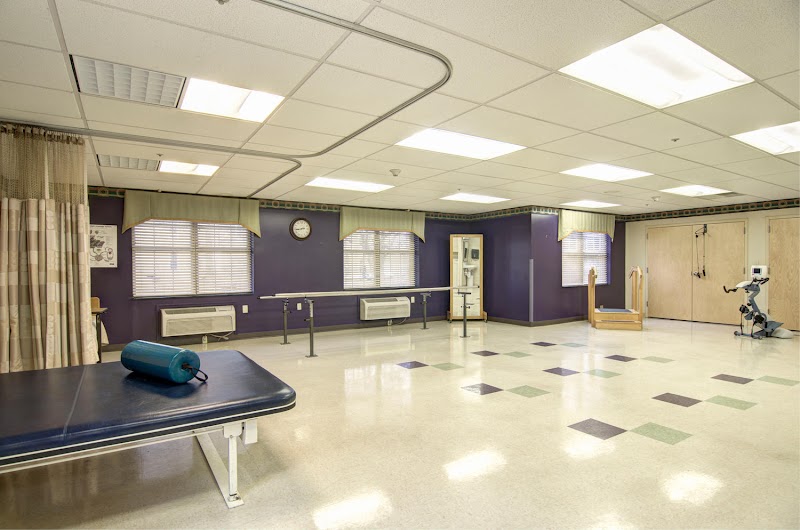
How is Sunbury Skilled Staffed?

CMS rates SUNBURY SKILLED NURSING AND REHABILITATION CENTER's staffing level at 3 out of 5 stars, which is average compared to other nursing homes. Staff turnover is 50%, compared to the Pennsylvania average of 46%.

What Have Inspectors Found at Sunbury Skilled?

State health inspectors documented 26 deficiencies at SUNBURY SKILLED NURSING AND REHABILITATION CENTER during 2023 to 2025. These included: 1 that caused actual resident harm, 23 with potential for harm, and 2 minor or isolated issues. Deficiencies causing actual harm indicate documented cases where residents experienced negative health consequences.
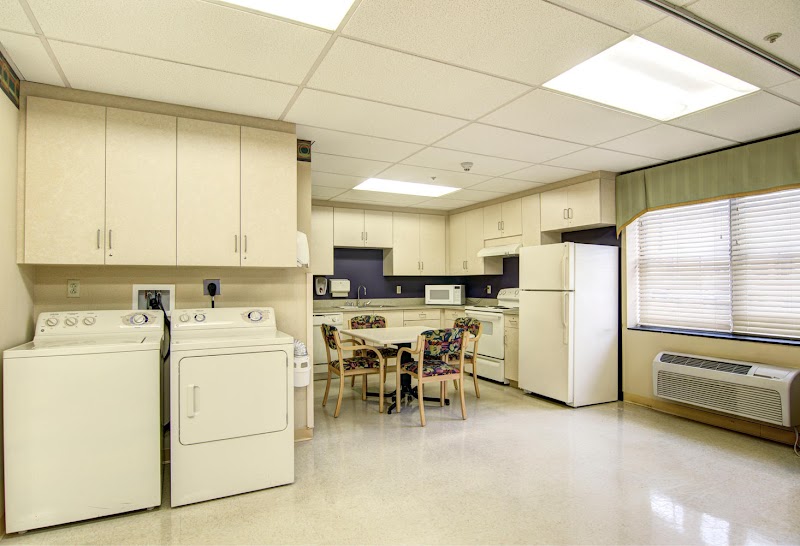
Who Owns and Operates Sunbury Skilled?

SUNBURY SKILLED NURSING AND REHABILITATION CENTER is owned by a for-profit company. For-profit facilities operate as businesses with obligations to shareholders or private owners. The facility is operated by GENESIS HEALTHCARE, a chain that manages multiple nursing homes. With 126 certified beds and approximately 117 residents (about 93% occupancy), it is a mid-sized facility located in SUNBURY, Pennsylvania.

How Does Sunbury Skilled Compare to Other Pennsylvania Nursing Homes?

Compared to the 100 nursing homes in Pennsylvania, SUNBURY SKILLED NURSING AND REHABILITATION CENTER's overall rating (3 stars) matches the state average, staff turnover (50%) is near the state average of 46%, and health inspection rating (3 stars) is at the national benchmark.

What Should Families Ask When Visiting Sunbury Skilled?

Based on this facility's data, families visiting should ask: "Can I visit during a mealtime to observe dining assistance and food quality?" "How do you handle medical emergencies, and what is your hospital transfer rate?" "Can I speak with family members of current residents about their experience?"

Is Sunbury Skilled Safe?

Based on CMS inspection data, SUNBURY SKILLED NURSING AND REHABILITATION CENTER has a clean safety record: no substantiated abuse findings (meaning no confirmed cases of resident harm), no Immediate Jeopardy citations (the most serious violation level indicating risk of serious injury or death), and is not on the Special Focus Facility watch list (a federal program monitoring the lowest-performing 1% of nursing homes). The facility has a 3-star overall rating and ranks #1 of 100 nursing homes in Pennsylvania. While no facility is perfect, families should still ask about staff-to-resident ratios and recent inspection results during their visit.

Do Nurses at Sunbury Skilled Stick Around?

SUNBURY SKILLED NURSING AND REHABILITATION CENTER has a staff turnover rate of 50%, which is about average for Pennsylvania nursing homes (state average: 46%). Moderate turnover is common in nursing homes, but families should still ask about staff tenure and how the facility maintains care continuity when employees leave.

Was Sunbury Skilled Ever Fined?

SUNBURY SKILLED NURSING AND REHABILITATION CENTER has been fined $9,311 across 1 penalty action. This is below the Pennsylvania average of $33,172. While any fine indicates a compliance issue, fines under $50,000 are relatively common and typically reflect isolated problems that were subsequently corrected. Families should ask what specific issues led to these fines and confirm they've been resolved.

Is Sunbury Skilled on Any Federal Watch List?

SUNBURY SKILLED NURSING AND REHABILITATION CENTER is not on any federal watch list. The most significant is the Special Focus Facility (SFF) program, which identifies the bottom 1% of nursing homes nationally based on persistent, serious quality problems. Not being on this list means the facility has avoided the pattern of deficiencies that triggers enhanced federal oversight. This is a positive indicator, though families should still review the facility's inspection history directly.