CEDARWOOD REHABILITATION & HEALTHCARE CENTER
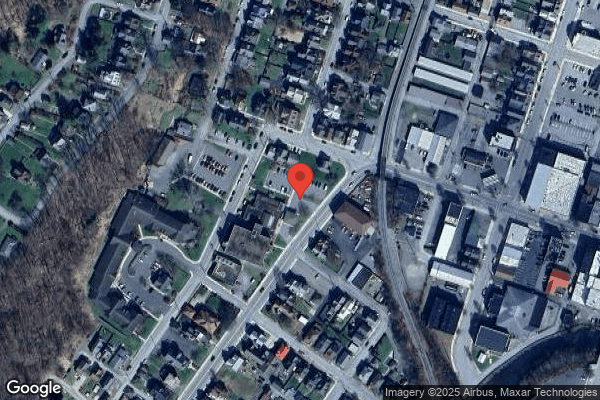
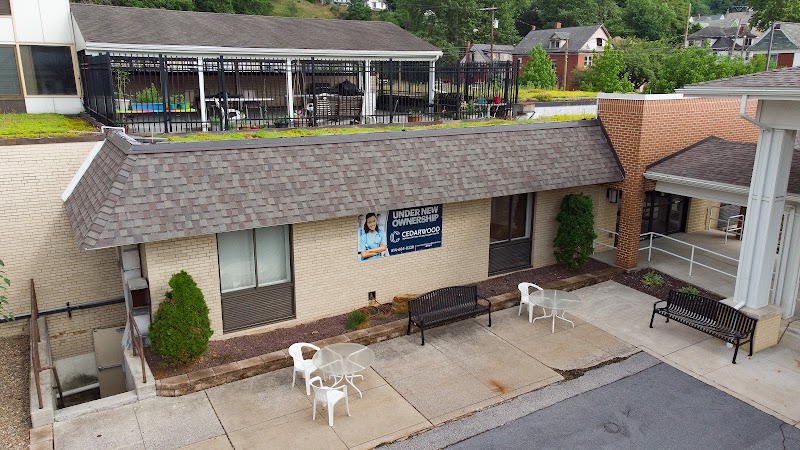
951 WASHINGTON AVENUE, TYRONE, PA 16686 (814) 684-0320
For profit - Corporation 102 Beds CENTURY HEALTHCARE Data: November 2025
Trust Grade
28/100
#542 of 653 in PA
Last Inspection: January 2025

Within standard 12-15 month inspection cycle. Federal law requires annual inspections.

Overview

Cedarwood Rehabilitation & Healthcare Center has a Trust Grade of F, indicating significant concerns and a poor reputation. It ranks #542 out of 653 nursing homes in Pennsylvania, placing it in the bottom half of facilities statewide and last in Blair County. While the facility's trend is improving, with issues dropping from 29 to 20 over the past year, it still reported serious incidents, such as failing to notify a physician promptly about a resident's change in condition, leading to hospitalization and death. Staffing is rated average with a 3 out of 5 stars and a 41% turnover rate, which is better than the state average, but the facility still has $19,551 in fines, indicating some compliance issues. Additionally, while RN coverage is average, there were findings of unsafe equipment and failure to assess residents properly after changes in their health, highlighting both strengths and weaknesses in care quality.

Trust Score
F
28/100
In Pennsylvania
#542/653
Bottom 17%
Safety Record
Moderate
Needs review
Inspections
Getting Better
29 → 20 violations
Staff Stability
○ Average
41% turnover. Near Pennsylvania's 48% average. Typical for the industry.
Penalties
✓ Good
$19,551 in fines. Lower than most Pennsylvania facilities. Relatively clean record.
Skilled Nurses
○ Average
Each resident gets 39 minutes of Registered Nurse (RN) attention daily — about average for Pennsylvania. RNs are the most trained staff who monitor for health changes.
Violations
⚠ Watch
77 deficiencies on record. Higher than average. Multiple issues found across inspections.
★☆☆☆☆
1.0
Overall Rating
★★★☆☆
3.0
Staff Levels
★★★★☆
4.0
Care Quality
★☆☆☆☆
1.0
Inspection Score
Stable
2024: 29 issues
2025: 20 issues

The Good

  • 4-Star Quality Measures · Strong clinical quality outcomes
  • Full Sprinkler Coverage · Fire safety systems throughout facility
  • No fines on record
  • Staff turnover below average (41%)

    7 points below Pennsylvania average of 48%

Facility shows strength in quality measures, fire safety.

The Bad

1-Star Overall Rating

Below Pennsylvania average (3.0)

Significant quality concerns identified by CMS

Staff Turnover: 41%

Near Pennsylvania avg (46%)

Typical for the industry

Federal Fines: $19,551

Below median ($33,413)

Minor penalties assessed

Chain: CENTURY HEALTHCARE

Part of a multi-facility chain

Ask about local staffing decisions and management

The Ugly 77 deficiencies on record

2 actual harm
Jun 2025 1 deficiency
CONCERN (D) 📢 Someone Reported This

A family member, employee, or ombudsman was alarmed enough to file a formal complaint

Potential for Harm - no one hurt, but risky conditions existed

Deficiency F0558 (Tag F0558)

Could have caused harm · This affected 1 resident

Based on a review of facility policy and observations, as well as staff interviews, it was determined that the facility failed to ensure that a safe and comfortable environment was maintained for thre...

Read full inspector narrative →
Based on a review of facility policy and observations, as well as staff interviews, it was determined that the facility failed to ensure that a safe and comfortable environment was maintained for three of nine residents reviewed (Residents 7, 8, 9) who were in the day room with temperatures above 81 degrees Fahrenheit (F). Findings include: Review of the facility policy Homelike Environment, last reviewed January 30, 2024, indicated that the facility reflected a homelike setting to provide comfortable and safe temperatures between 71 degrees F and 81 degrees F. A quarterly Minimum Data Set (MDS) assessment (a mandated assessment of a resident's abilities and care needs) for Resident 7, dated June 9, 2025, indicated that the resident was severely cognitively impaired, was sometimes understood and was sometimes able to understand others, was dependent of staff for care needs, and had diagnoses that included dementia. A quarterly MDS assessment for Resident 8, dated March 24, 2025, indicated that the resident was severely cognitively impaired, was rarely understood and was rarely able to understand others, was dependent of staff for care needs and had diagnoses that included dementia. A quarterly MDS assessment for Resident 9, dated June 9, 2025, indicated that the resident was severely cognitively impaired, was rarely understood and was rarely able to understand others, was dependent of staff for care needs and had diagnoses that included dementia. Observations of Residents 7, 8, and 9, who were in the fourth floor day room on June 26, 2025, at 1:43 p.m. revealed a room temperature of 83.9 degrees F. All three residents were sitting in wheelchairs with their eyes closed. At 2:09 p.m., Residents 8 and 9 were removed from the room at 2:09 p.m. and Resident 8's face appeared clammy. Resident 7 was removed from the room at 2:15 p.m. and her face was flushed and pink. Interview with the Maintenance Director on June 26, 2025, at 11:30 a.m. revealed that an audit of all PTAC units (packaged terminal air conditioner - units used to heat or cool a room.) was conducted on June 24, 2025. and determined that there were multiple PTAC units in the building that were not functioning, including the fourth floor day room. Interview with the Nursing Home Administrator on June 26, 2025, at 3:20 p.m. indicated that the resident common areas should be within safe temperatures, and he was currently looking into purchasing new units to replace the ones that were not functioning. 28 Pa. Code 201.14(a)(c)(e) Responsibility of Licensee. 28 Pa. Code 201.18(b)(1)(3)(e)(1) Management. 28 Pa. Code 211.10(d) Resident Care Policies.
May 2025 3 deficiencies
CONCERN (D) 📢 Someone Reported This

A family member, employee, or ombudsman was alarmed enough to file a formal complaint

Potential for Harm - no one hurt, but risky conditions existed

Deficiency F0790 (Tag F0790)

Could have caused harm · This affected 1 resident

Based on review of facility policy and clinical records, and staff interviews, it was determined that the facility failed to ensure that a dental appointment was scheduled for one of eight residents r...

Read full inspector narrative →
Based on review of facility policy and clinical records, and staff interviews, it was determined that the facility failed to ensure that a dental appointment was scheduled for one of eight residents reviewed (Resident 6). Findings include: A facility policy for dental care, dated January 30, 2025, revealed that the facility is to provide routine and emergency dental care for residents including follow-up dental appointments. A quarterly MDS assessment for Resident 6, dated May 5, 2025, revealed that the resident was cognitively intact, required staff supervision with care, and had her own natural teeth. A physician's order for Resident 6, dated October 10, 2024, revealed that the resident was to see the oral surgeon for tooth extraction. An interview with Resident 6 on May 15, 2025, at 11:44 a.m. revealed that she has an extremely sensitive tooth on her right side, and she believed that she was to have a tooth pulled and has not had it pulled. As of May 15, 2025, there was no documented evidence that Resident 6 saw the oral surgeon to have her tooth pulled. An interview with the Director of Nursing on May 15, 2025, at 11:52 a.m. confirmed that the appointment to have her tooth pulled with the oral surgeon was never made and should have been. 28 Pa. Code 211.12(d)(3)(5) Nursing Services. 28 Pa. Code 211.15(a) Dental Services.
CONCERN (D) 📢 Someone Reported This

A family member, employee, or ombudsman was alarmed enough to file a formal complaint

Potential for Harm - no one hurt, but risky conditions existed

Medical Records (Tag F0842)

Could have caused harm · This affected 1 resident

Based on review of clinical records, as well as resident and staff interviews, it was determined that the facility failed to maintain clinical records that were complete and accurately documented for ...

Read full inspector narrative →
Based on review of clinical records, as well as resident and staff interviews, it was determined that the facility failed to maintain clinical records that were complete and accurately documented for one of eight residents reviewed (Resident 1). Findings include: A quarterly Minimum Data Set (MDS) assessment (a mandatory assessment of a resident's abilities and care needs) for Resident 1, dated April 18, 2025, revealed that the resident was understood, could understand others, and had diagnoses that included diabetes. A dental summary note, dated August 2, 2024, revealed that Resident 1 was present for the insertion of lower complete denture. Denture care and wearing instructions were given to the resident. Observations and interview with Resident 1 on May 15, 2025, revealed that he had no natural teeth and was not wearing any dentures. He said he did not have any dentures right now, because they broke. He said he wanted dentures because some of the foods are difficult to chew. Review of nurse aide task documents for February, March, April and May 2025 revealed that the resident was to have denture care during the day shift and the evening shift. Not applicable/refused was documented on the day shift on April 1 and on the evening shift on February 2, 25, 26; March 6, 11, 12, 13, 19, 27; April 2, 9, 10, 13, 15, 17, 22, 30; and May 1, 8, and 14, 2025. All other entries were documented as Y (yes). Interview with Nurse Aide 1 on May 15, 2025, at 3:08 p.m. indicated that Resident 1 did not have the dentures in his mouth or did not have them to provide denture care. She explained that she was documenting refused, but she changed to not applicable because he did not refuse, there were no dentures. Interview with the Director of Nursing on May 15, 2025, at 3:29 p.m. confirmed that nurse aide documentation of Resident 1's denture care was not accurately documented because the resident's dentures were lost. 28 Pa. Code 211.5(f) Clinical Records. 28 Pa. Code 211.12(d)(5) Nursing Services.
CONCERN (F) 📢 Someone Reported This

A family member, employee, or ombudsman was alarmed enough to file a formal complaint

Potential for Harm - no one hurt, but risky conditions existed

Room Equipment (Tag F0908)

Could have caused harm · This affected most or all residents

**NOTE- TERMS IN BRACKETS HAVE BEEN EDITED TO PROTECT CONFIDENTIALITY** Based on observations and staff interviews, it was determined that the facility failed to ensure that essential equipment was in...

Read full inspector narrative →
**NOTE- TERMS IN BRACKETS HAVE BEEN EDITED TO PROTECT CONFIDENTIALITY** Based on observations and staff interviews, it was determined that the facility failed to ensure that essential equipment was in safe operating condition in the residents' rooms. Findings include: Manufacturer's instructions for the Packaged Terminal Air Conditioner (PTAC - a heating and cooling system designed to be mounted through a wall to control room temperature) indicated that the air filters are to be cleaned every two weeks, or more often if necessary. Observations in resident room [ROOM NUMBER], on May 15, 2025, at 10:22 a.m. revealed that the room had a PTAC unit. The Maintenance Director was able to remove the filter from the unit and it was covered with a gray-brown layer of removable debris. Observations in resident room [ROOM NUMBER] on May 15, 2025, at 11:51 a.m. revealed that the room had a PTAC unit. The Maintenance Director was able to remove the filter from the unit and it was covered with a thick, gray-brown layer of removable debris. Interview with the Maintenance Director at May 15, 2025, at 10:22 a.m confirmed that the PTAC filters needed cleaned. Each resident room has it own PTAC unit and he believed their filters should be cleaned twice a year, approximately every six months. He started employment with the facility in January 2025 and has not cleaned any filters as part of routine maintenance. He thought they were cleaned in October or November of 2024. 28 Pa. Code 201.18(b)(3) Administrator's Responsibility.
Mar 2025 1 deficiency
CONCERN (D) 📢 Someone Reported This

A family member, employee, or ombudsman was alarmed enough to file a formal complaint

Potential for Harm - no one hurt, but risky conditions existed

Food Safety (Tag F0812)

Could have caused harm · This affected 1 resident

Based on review of policies, as well as observations and staff interviews, it was determined that the facility failed to store food in accordance with professional standards for food service safety fo...

Read full inspector narrative →
Based on review of policies, as well as observations and staff interviews, it was determined that the facility failed to store food in accordance with professional standards for food service safety for three of three resident refrigerators. Findings include: The facility's policy regarding food and snacks kept on nursing units, dated January 30, 2025, revealed that all foods stored in the refrigerator or freezer will be labeled with the resident's name and use-by dates, and all food items are to be kept at or below 41 degrees Fahrenheit (F). Observations of the second floor resident refrigerator on March 5, 2025, at 9:30 a.m. revealed a white plastic bag dated February 17, 2025, with Resident 1's name, that contained a piece of fried chicken between two paper plates and a plastic container of barbequed ham. Interview with Nurse Aide 1 on March 5, 2025, at 9:43 p.m. confirmed that the food should have been discarded within three days. Observations of the resident refrigerator on the third floor on March 5, 2025, at 9:47 a.m. revealed a salad in a plastic bowel with lid and pizza in box dated February 27, 2025, labeled with Resident 2's name. There was a container with one half of a cheesesteak sandwich dated February 13, 2025, with Resident 3's name. There were also four containers of facility-prepared soup dated February 28, 2025. The temperature on the thermometer on the refrigerator door read 48 degrees F. Interview with Nurse Aide 2 on March 5, 2025, at 9:55 a.m. confirmed that the dietary department was to clean out the refrigerators and that the temperature of the refrigerator was 50 degrees F. There were no temperatures documented since the morning of March 3, 2025. Observations of the resident refrigerator on the fourth floor on March 5, 2025, at 10:05 a.m. revealed a temperature of 48 degrees F. There were no temperatures documented since the morning of March 3, 2025. There was a meal plate brought in from home for Resident 4 dated March 4, 2025. Interview with Nurse Aide 3 on March 5, 2025, at 10:20 a.m. confirmed that the temperature was 49 degrees F, but she had it open for a little while to get things out of it, and that the temperature logs were only completed until the morning of March 3, 2025. There was a notice on all the refrigerators (orange colored) that stated resident use only, attention, any and all food in the refrigerator must include the resident's name and date brought in. No name and no date get thrown out after three days. Interview with Dietary Director on March 5, 2025, at 10:43 and 10:48 a.m. confirmed that temperatures for the third and fourth floor refrigerators were currently 42 degrees F and not at the required temperature. She explained that nursing staff may have kept the door open during the morning meal. The Dietary Director also confirmed that all food over three days should be thrown out, that the refrigerator temperatures should be recorded twice a day, and that she had not seen the units since the weekend. 28 Pa. Code 211.6(f) Dietary Services.
Jan 2025 15 deficiencies
CONCERN (D) 📢 Someone Reported This

A family member, employee, or ombudsman was alarmed enough to file a formal complaint

Potential for Harm - no one hurt, but risky conditions existed

Free from Abuse/Neglect (Tag F0600)

Could have caused harm · This affected 1 resident

Based on review of facility policies, investigative reports, and clinical records, as well as staff interviews it was determined that the facility failed to ensure that residents were free from neglec...

Read full inspector narrative →
Based on review of facility policies, investigative reports, and clinical records, as well as staff interviews it was determined that the facility failed to ensure that residents were free from neglect for one of 46 residents reviewed (Resident 95). Findings include: The facility's current policy regarding abuse, neglect, exploitation, and misappropriation indicated that the residents are to be protected from abuse, neglect, exploitation, or misappropriation of property by anyone, including facility staff. An admission Minimum Data Set (MDS) assessment (a mandated assessment of a resident's abilities and care needs) for Resident 95, dated December 12, 2024, revealed that the resident was cognitively intact, required maximum assistance from staff for transfers, and had diagnoses that included arthritis (a chronic condition that causes joint inflammation, pain, stiffness, and swelling), and had a total knee arthroplasty (a surgical procedure that replaces the knee joint with artificial parts). The resident's activities of daily living care plan, revised on December 6, 2024, indicated that she was a physical assist of two for transfers. A nursing note for Resident 95, dated December 13, 2024, at 12:53 p.m., revealed that the resident was complaining of a new pain to her right shoulder with active range of motion. Investigation documentation provided by the facility, dated December 13, 2024, at 5:00 p.m., revealed that the resident notified physical therapy that Nurse Aide 1 transferred Resident 95 by herself twisting her arm and causing her right shoulder pain. The Director of Physical Therapy notified the Director of Nursing to begin an investigation. A witness statement, dated December 13, 2024, indicated that Nurse Aide 1 did not look to verify the transfer status prior to transferring Resident 95 and transferred the resident from her wheelchair to her bed by herself. Education paperwork provided by the facility, dated October 15, 2024, revealed that Nurse Aide 1 was educated on following care plans. Interview with the Director of Nursing on January 8, 2025, at 12:20 p.m. confirmed that Resident 95 required a two-person physical assist for transfers and confirmed that Nurse Aide 1 transferred Resident 95 by herself resulting in pain to the resident's right shoulder. 28 Pa. Code 201.14(a) Responsibility of Licensee. 28 Pa. Code 201.18(b)(1)(e)(1) Management. 28 Pa. Code 211.10(c)(d) Resident Care Policies. 28 Pa. Code 211.12(d)(1)(5) Nursing Services.
CONCERN (D)

Potential for Harm - no one hurt, but risky conditions existed

Transfer Notice (Tag F0623)

Could have caused harm · This affected 1 resident

Based on clinical record reviews and staff interviews, it was determined that the facility failed to notify the resident, responsible party, and Ombudsman, in writing, regarding the reason for hospita...

Read full inspector narrative →
Based on clinical record reviews and staff interviews, it was determined that the facility failed to notify the resident, responsible party, and Ombudsman, in writing, regarding the reason for hospitalization for two of 46 residents reviewed (Residents 19, 67). Findings include: A annual Minimum Data Set (MDS) assessment (a mandated assessment of a resident's abilities and care needs) for Resident 19, dated November 2, 2024, indicated that the resident was cognitively intact and required assistance from staff for daily care needs. A nursing note for Resident 19, dated June 6, 2024, at 12:59 p.m., revealed that the certified registered nurse practitioner (CRNP) reviewed lab results and wrote an order to send Resident 19 to the hospital for evaluation. The resident's responsible party was also notified and was agreeable for the resident to be transported to the hospital. There was no documented evidence that a written notice of Resident 19's transfer to the hospital was provided to the resident's responsible party and the Ombudsman regarding the reason for transfer. A quarterly MDS assessment for Resident 67, dated November 8, 2024, indicated that the resident was cognitively impaired and was dependent on staff for daily care needs. A nursing note for Resident 67, dated September 24, 2024, at 4:31 p.m., revealed that the resident was diaphoretic and hard to arouse. The family requested that the resident be sent to emergency room. The physician was updated and was in agreement. An order was received to transport the resident to the hospital. There was no documented evidence that a written notice of Resident 67's transfer to the hospital was provided to the resident's responsible party and the Ombudsman regarding the reason for transfer. Interview with the Director of Nursing on January 8, 2025, at 1:30 p.m. confirmed that the facility did not provide a written notice to the resident, the resident's responsible party, or Ombudsman when Residents 19 and 67 were transferred to the hospital. 28 Pa. Code 201.25 Discharge Policy. 28 Pa. Code 201.29(f)(g) Resident Rights.
CONCERN (D)

Potential for Harm - no one hurt, but risky conditions existed

Deficiency F0625 (Tag F0625)

Could have caused harm · This affected 1 resident

Based on review of facility policies and clinical records, as well as staff interviews, it was determined that the facility failed to ensure that appropriate parties were notified about the facility's...

Read full inspector narrative →
Based on review of facility policies and clinical records, as well as staff interviews, it was determined that the facility failed to ensure that appropriate parties were notified about the facility's bed-hold policy upon transfer to the hospital for two of 46 residents reviewed (Residents 19, 67). Findings include: A facility policy for Bed Holds, dated January 25, 2024, included that residents and/or representatives are informed in writing of the facility and state bed-hold policies. An annual Minimum Data Set (MDS) assessment (a mandated assessment of a resident's abilities and care needs) for Resident 19, dated November 2, 2024, indicated that the resident was cognitively intact and required assistance from staff for daily care needs. A nursing note for Resident 19, dated June 6, 2024, at 12:59 p.m., revealed that the certified registered nurse practitioner (CRNP) reviewed lab results and wrote an order to send Resident 19 to the hospital for evaluation. The resident's responsible party was also notified and was agreeable for the resident to be transported to the hospital. There was no documented evidence that the resident and/or the responsible party was notified about the facility's bed-hold policy at the time of the above transfer to the hospital for Resident 19. A quarterly MDS assessment for Resident 67, dated November 8, 2024, indicated that the resident was cognitively impaired and was dependent on staff for daily care needs. A nursing note for Resident 67, dated September 24, 2024, at 4:31 p.m., revealed that the resident was diaphoretic and hard to arouse. The family requested the resident be sent to emergency room. The physician was updated and in agreement and an order was received to transport the resident to the hospital. There was no documented evidence that the resident and/or the responsible party was notified about the facility's bed-hold policy at the time of the above transfer to the hospital for Resident 67. Interview with the Director of Nursing on January 10, 2025, at 10:15 a.m. confirmed that there was no documented evidence that a bed-hold notice was issued to Residents 19 and 67 or their responsible parties and there should have been. 28 Pa. Code 201.29(d) Resident Rights. 28 Pa. Code 211.5(f) Clinical Records.
CONCERN (D)

Potential for Harm - no one hurt, but risky conditions existed

Comprehensive Care Plan (Tag F0656)

Could have caused harm · This affected 1 resident

Based on clinical record reviews and staff interview, it was determined that the facility failed to develop comprehensive care plans that included specific and individualized care regarding the use of...

Read full inspector narrative →
Based on clinical record reviews and staff interview, it was determined that the facility failed to develop comprehensive care plans that included specific and individualized care regarding the use of an anti-coagulant (blood thinner) for one of 46 residents reviewed (Resident 99). Findings include: A quarterly Minimum Data Set (MDS) assessment (a mandated assessment of a resident's abilities and care needs) for Resident 99, dated November 25, 2024, revealed that the resident was cognitively intact and that she was medicated with an anti-coagulant. Physician's orders for Resident 99, dated January 2, 2025, included an order for the resident to take 5 milligrams (mg) Eliquis (anti-coagulant) every 12 hours. Review of Resident 99's Medication Administration Record, dated January 2025, revealed that the resident was medicated with Eliquis twice daily. There was no documented evidence that Resident 99's care plan included a care plan for the use of an anti-coagulant. Interview with the Director of Nursing on January 10, 2025, at 1:14 p.m. confirmed that Resident 99's care plan was not individualized regarding the resident's use of an anti-coagulant and it should have been. 28 Pa. Code 201.24(e)(4) admission Policy. 28 Pa. Code 211.12(d)(5) Nursing Services.
CONCERN (D)

Potential for Harm - no one hurt, but risky conditions existed

Deficiency F0657 (Tag F0657)

Could have caused harm · This affected 1 resident

Based on review of clinical records and observations, as well as resident and staff interviews, it was determined that the facility failed to ensure that care plans were updated to reflect changes in ...

Read full inspector narrative →
Based on review of clinical records and observations, as well as resident and staff interviews, it was determined that the facility failed to ensure that care plans were updated to reflect changes in care needs for one of 46 residents reviewed (Resident 91). Findings include: A quarterly Minimum Data Set (MDS) assessment (a mandated assessment of a resident's abilities and care needs) for Resident 91, dated November 6, 2024, revealed that the resident was cognitively intact, required substantial assistance with care needs, and was receiving an intravenous antibiotic (when the antibiotic is given through the vein). Review of Resident 91's intravenous access care plan, dated November 24, 2024, indicated that the resident had a peripherally inserted central catheter (PICC) in her right upper arm for administration of antibiotics. Physician's orders for Resident 91, dated December 10, 2024, included an order for the PICC line to be removed. Observations on January 7, 2025, at 10:30 a.m. revealed that the resident did not have a PICC line in her right upper arm. Interview with the Director of Nursing on January 10, 2025, at 12:42 p.m. confirmed that Resident 91's care plan was not updated to reflect that the PICC line was discontinued and should have been. 28 Pa. Code 211.12(d)(5) Nursing Services.
CONCERN (D)

Potential for Harm - no one hurt, but risky conditions existed

Deficiency F0658 (Tag F0658)

Could have caused harm · This affected 1 resident

Based on review of the Pennsylvania Nurse Practice Act and clinical records, as well as staff interviews, it was determined that the facility failed to clarify physician's orders for one of 46 residen...

Read full inspector narrative →
Based on review of the Pennsylvania Nurse Practice Act and clinical records, as well as staff interviews, it was determined that the facility failed to clarify physician's orders for one of 46 residents reviewed (Resident 59). Findings include: The Pennsylvania Code, Title 49, Professional and Vocational Standards, State Board of Nursing, 21.11 (a)(1)(2)(4) indicated that the registered nurse was to collect, complete, and review ongoing data to determine nursing care needs, analyze the health status of individuals and compare the data with the norm when determining nursing care needs, and carry out nursing care actions that promote, maintain, and restore the well-being of individuals. A quarterly Minimum Data Set (MDS) assessment (a mandated assessment of a resident's abilities and care needs) for Resident 59, dated November 15, 2024, indicated that the resident was understood, could understand others, and was cognitively impaired. Physician's orders, dated January 8, 2024, included orders for the resident to receive 10 mg of Lexapro (a medication used to treat depression and certain anxiety disorders) and to give two tablets one time a day for a total of 15 mg. The resident's Medication Administration Record (MAR) for January 2024 revealed that staff administered 15 mg Lexapro on January 8 and 9, 2024. Observations of Licensed Practical Nurse 2 on January 9, 2025 at 8:08 a.m. revealed that Resident 59 received one and one-half tablets of Lexapro. An interview with Licensed Practical Nurse 2 at the time of administration revealed that the order was confusing and should have been clarified, and that the resident's pills came from the pharmacy as 10 mg and to give one and one-half tablets for a total of 15 mg. Interview with the Director of Nursing on January 9, 2025, at 2:02 p.m. confirmed that the order for 10 mg of Lexapro to give two tablets one time a day for a total of 15 mg should have been clarified. 28 Pa. Code 211.12(d)(1)(3)(5) Nursing Services.
CONCERN (D) 📢 Someone Reported This

A family member, employee, or ombudsman was alarmed enough to file a formal complaint

Potential for Harm - no one hurt, but risky conditions existed

Accident Prevention (Tag F0689)

Could have caused harm · This affected 1 resident

Based on review of facility policy and clinical records, as well as staff interviews, it was determined that the facility failed to ensure that residents receive adequate supervision and assistance to...

Read full inspector narrative →
Based on review of facility policy and clinical records, as well as staff interviews, it was determined that the facility failed to ensure that residents receive adequate supervision and assistance to prevent accidents for two of 46 residents reviewed (Residents 79, 95). Findings include: The facility's policy for using a lifting machine, dated January 25, 2024, revealed that staff must be competent in the use of mechanical lifts per manufacturer's instructions. Manufacturer's instructions for the Maxi Move mechanical lift revealed that the breaks were to be engaged when lifting and lowering a patient. A quarterly Minimum Data Set (MDS) assessment (a mandated assessment of a resident's abilities and care needs) for Resident 79, dated October 11, 2024, revealed that the resident was cognitively intact, required extensive assistance with daily care needs including transfers, and had diagnoses that included spondylosis (a chronic condition that involves the breakdown of the spine's joints and disks). A care plan, dated September 26, 2024, revealed that the resident was to be transferred by two staff using a mechanical lift with the green sling. Observations of Nurse Aide 3 and Nurse Aide 4 on January 7, 2025, at 10:54 a.m. using the mechanical lift to transfer Resident 79 from her wheelchair into her bed revealed that the brakes on the left were not engaged during the transfer. Interview with Nurse Aide 3 and Nurse Aide 4 on January 7, 2025, at 10:55 a.m. confirmed that they should have had the brakes on while raising the resident out of her wheelchair and lowering her into the bed. Interview with the Assistant Director of Nursing on January 7, 2025, at 11:05 a.m. confirmed that the brakes should have been engaged when using the mechanical lift to transfer Resident 79 from her wheelchair to her bed. An admission MDS for Resident 95, dated December 12, 2024, revealed that the resident was cognitively intact, required maximum assistance from staff for transfers, had diagnoses that included arthritis (a chronic condition that causes joint inflammation, pain, stiffness, and swelling), and had a total knee arthroplasty (a surgical procedure that replaces the knee joint with artificial parts). The resident's care plan, revised on December 6, 2024, indicated that she was a physical assist of two for transfers. A nursing note for Resident 95, dated December 13, 2024, at 12:53 p.m., revealed that the resident was complaining of a new pain to her right shoulder with active range of motion. Investigation documents provided by the facility, dated December 13, 2024, at 5:00 p.m. indicated that the resident notified physical therapy that Nurse Aide 1 transferred Resident 95 by herself twisting her arm and causing the right arm pain. The Director of Physical Therapy notified the Director of Nursing to begin an investigation. A witness statement, dated December 13, 2024, indicated that Resident 95 was transferred from her wheelchair to her bed by herself, and Nurse Aide 1 did not look to verify her transfer status prior to transferring the resident. Education paperwork provided by the facility, dated October 15, 2024, revealed that Nurse Aide 1 was educated on following care plans. Interview with the Director of Nursing on January 8, 2025, at 12:20 p.m., 3:45 p.m., and 4:45 p.m. confirmed that Nurse Aide 1 transferred Resident 95 by herself and the resident required a two-person physical assist. 28 Pa. Code 211.12(d)(3) Nursing Services.
CONCERN (D)

Potential for Harm - no one hurt, but risky conditions existed

Deficiency F0761 (Tag F0761)

Could have caused harm · This affected 1 resident

**NOTE- TERMS IN BRACKETS HAVE BEEN EDITED TO PROTECT CONFIDENTIALITY** Based on review of manufacturer's instructions, facility policies, and clinical records, as well as observations and staff inter...

Read full inspector narrative →
**NOTE- TERMS IN BRACKETS HAVE BEEN EDITED TO PROTECT CONFIDENTIALITY** Based on review of manufacturer's instructions, facility policies, and clinical records, as well as observations and staff interviews, it was determined that the facility failed to discard expired insulin pens in two of three medication carts reviewed (second and third floor long hall medication carts). Findings include: A facility policy regarding medication labeling and storage, dated [DATE], indicated that multi-dose vials that have been opened or accessed, are dated and discarded within 28 days unless manufacturer specifies a shorter or longer date for the open vial, and discarded according to the manufacturer's expiration date. Manufacturer's directions for use of Lantus Solostar u100 Insulin pen (a long acting insulin), dated [DATE], indicated to discard Solostar Lantus after 28 days out of cool storage. Manufacturer's directions for use of Humalog u100 Insulin pen (a short acting insulin), dated 2023, indicated to discard a 3 milliliter single patient use Humalog pen after 28 days once opened and in use. Physician's orders for Resident 17, dated [DATE], included an order for the resident receive 5 units of Lantus subcutaneously at bedtime for diabetes mellitus (a chronic disease that causes high blood sugar levels). Observations of the 3rd floor medication cart on [DATE], at 10:07 a.m. revealed a Lantus Insulin pen for Resident 17 that was dated as opened on [DATE], and was still in the cart. Interview with Licensed Practical Nurse 7 at the time of observation confirmed that the pen should have been discarded and it was not. Current physician's orders for Resident 89 included an order for the resident receive 1 unit of Lispro (Humalog) for a blood glucose of 141-180 milligrams per deciliter (mg/dL), 2 units for a blood glucose of 181-220 mg/dl, 3 units for a blood glucose of 221-260 mg/dl, 4 units for a blood glucose of 261-300 mg/dl, and 5 units for a blood glucose of 341-500 mg/dl before meals. Observations of the 2nd floor medication cart on Januray 9, 2025, at 10:18 p.m. revealed a Lispro insulin (Humalog) pen for Resident 89 that was dated as opened on [DATE]. Interview with Registered Nurse 8 at the time of observation confirmed that Resident 89's Lispro insulin (Humalog) pen should have been discarded and it was not. Interview with the Director of Nursing on [DATE], at 12:47 p.m. confirmed that insulin pens should be discarded 28 days after being opened and in use. 28 Pa. Code 211.9(a)(1) Pharmacy Services. 28 Pa. Code 211.12(d)(1) Nursing Services.
CONCERN (D)

Potential for Harm - no one hurt, but risky conditions existed

Menu Adequacy (Tag F0803)

Could have caused harm · This affected 1 resident

Based on a review of facility policies and written menus, as well as observations and staff and resident interviews, it was determined that the facility failed to follow their planned menu. Findings ...

Read full inspector narrative →
Based on a review of facility policies and written menus, as well as observations and staff and resident interviews, it was determined that the facility failed to follow their planned menu. Findings include: A facility policy, dated January 24, 2024, indicated that menus shall be written in advance and posted in resident areas. Any menu substitutions or deviations from the posted menu shall be made in an emergency situation only and recorded on the substitution log. An interview with a group of residents on January 7, 2025, revealed that they do not always get what is on the menu. The facility's written and printed menu for the lunch meal on January 7, 2025, indicated that the residents were to receive chunky cheeseburger casserole, glazed sweet carrots, garlic bread, a lemon brownie, and choice of beverage. Observations in the kitchen on January 7, 2025, at 9:17 a.m. revealed a yellow cake in the walk-in cooler for the lunch meal. Observations of the lunch meal in the Third floor dining room on January 7, 2025, at 12:30 p.m. revealed that the facility served a blonde brownie and not a lemon brownie as listed on the menu. Interview with the Dietary Manager on January 9, 2025, at 12:10 p.m. confirmed that a blonde brownie was served and not the lemon brownie, because she did not have a recipe for the lemon brownie.
CONCERN (D)

Potential for Harm - no one hurt, but risky conditions existed

QAPI Program (Tag F0867)

Could have caused harm · This affected 1 resident

Based on review of the facility's plans of correction for previous surveys, and the results of the current survey, it was determined that the facility's Quality Assurance Performance Improvement (QAPI...

Read full inspector narrative →
Based on review of the facility's plans of correction for previous surveys, and the results of the current survey, it was determined that the facility's Quality Assurance Performance Improvement (QAPI) committee failed to correct quality deficiencies and ensure that plans to improve the delivery of care and services effectively addressed recurring deficiencies. Findings include: The facility's deficiencies and plans of corrections for a State Survey and Certification (Department of Health) survey ending February 8, 2024, and complaint investigation surveys ending June 4, 2024; July 22, 2024; September 17, 2024; and December 11, 2024, revealed that the facility developed plans of correction that included quality assurance systems to ensure that the facility-maintained compliance with cited nursing home regulations. The results of the current survey, ending January 10, 2025, identified repeated deficiencies related to creating and implementing care plans, revision of care plans, quality of care, meeting professional standards, free of accidents, menus made in advance and followed, nutritious and palatable food service, and food prepared, stored, and served under sanitary conditions. The facility's plan of correction for a deficiency regarding developing comprehensive care plans, cited during the survey ending February 8, 2024, revealed that the facility developed a plan of correction that included completing audits and reporting the results of the audits to the QAPI committee for review. The results of the current survey, cited under F656, revealed that the facility's QAPI committee failed to successfully implement their plan to ensure ongoing compliance with regulations regarding the development of comprehensive care plans. The facility's plan of correction for a deficiency regarding a failure to update residents' care plans, cited during the survey ending February 8, 2024, revealed that the facility developed a plan of correction that included completing audits and reporting the results of the audits to the QAPI committee for review. The results of the current survey, cited under F657, revealed that the facility's QAPI committee failed to successfully implement their plan to ensure ongoing compliance with regulations regarding updating residents' care plans. The facility's plan of correction for a deficiency regarding the meeting professional standards, cited during the survey ending September 17, 2024, revealed that the facility would complete audits and report the results of the audits to the QAPI committee for review. The results of the current survey, cited under F658, revealed that the facility's QAPI committee failed to successfully implement their plan to ensure ongoing compliance with regulations regarding meeting professional standards. The facility's plan of correction for a deficiency regarding quality of care, cited during the surveys ending and June 4, 2024 and July 22, 2024, revealed that the facility would complete audits and report the results of the audits to the QAPI committee for review. The results of the current survey, cited under F684, revealed that the facility's QAPI committee failed to successfully implement their plan to ensure ongoing compliance with regulations regarding quality of care The facility's plan of correction for a deficiency regarding accident hazards, cited during the surveys ending and December 11, 2024, revealed that the facility would complete audits and report the results of the audits to the QAPI committee for review. The results of the current survey, cited under F689, revealed that the facility's QAPI committee failed to successfully implement their plan to ensure ongoing compliance with regulations regarding accident hazards. The facility's plans of correction for deficiencies regarding failure to provide menus made in advance and followed, cited during the surveys ending December 11, 2024, revealed that the facility developed plans of correction that included completing audits and reporting the results of the audits to the QAPI committee for review. The results of the current survey, cited under F803, revealed that the facility's QAPI committee failed to maintain compliance with the regulation regarding following menus as posted. The facility's plans of correction for deficiencies regarding failure to provide nutritious and palatable food service, cited during the surveys ending December 11, 2024, revealed that the facility developed plans of correction that included completing audits and reporting the results of the audits to the QAPI committee for review. The results of the current survey, cited under F804, revealed that the facility's QAPI committee failed to maintain compliance with the regulation regarding nutritious and palatable food service. The facility's plans of correction for deficiencies regarding failure to prepare, store, and serve food under sanitary conditions, cited during the surveys ending February 8, 2024 and December 11, 2024, revealed that the facility developed plans of correction that included completing audits and reporting the results of the audits to the QAPI committee for review. The results of the current survey, cited under F812, revealed that the facility's QAPI committee failed to maintain compliance with the regulation regarding preparation, storage, and service of food under sanitary conditions. Refer to F656, F657, F658, F684, F689, F803, F804, F812. 28 Pa. Code 201.14(a) Responsibility of Licensee. 28 Pa. Code 201.18(e)(1) Management.
CONCERN (D) 📢 Someone Reported This

A family member, employee, or ombudsman was alarmed enough to file a formal complaint

Potential for Harm - no one hurt, but risky conditions existed

Safe Environment (Tag F0921)

Could have caused harm · This affected 1 resident

Based on observations and staff interviews, it was determined that the facility failed to provide comfortable temperatures for one of three dining rooms in the facility (fourth floor Dining Room). Fin...

Read full inspector narrative →
Based on observations and staff interviews, it was determined that the facility failed to provide comfortable temperatures for one of three dining rooms in the facility (fourth floor Dining Room). Findings include: Observations in the fourth floor dining room on January 7, 2025, at 11:40 a.m. revealed that there were five residents waiting for lunch. The temperature in the dining room was 64 degrees Fahrenheit. Observations in the fourth floor dining room on January 9, 2025, at 12:16 p.m. revealed that there were five people eating there and the temperature ranged from 60 to 70 degrees Fahrenheit. Interview with the Maintenance Director on January 7, 2025, at 11:40 a.m. revealed that the doors to the fourth floor dining room were closed and the heat was not circulating into the dining room from the hallways. He indicated that when the doors were open, the dining room was warm. At 2:20 p.m. the temperature in the fourth floor dining room was 73.4 degrees Fahrenheit. Interview on January 9, 2025, at 2:18 p.m. with the owner of the heating, ventilation, and air conditioning (HVAC company) company that came to the facility on January 8, 2025, revealed that the dampers were slightly open to the outside and once closed the cold air stopped circulating into the dining room and the dining room temperatures were within normal range. Interview with the Maintenance Director on January 7, 2025, at 11:40 a.m. and again on January 8, 2025, at 12:22 p.m. revealed that the temperature was outside the acceptable parameters in the fourth floor dining room. He further stated staff would need to leave the doors open to the dining room so that heat from the hallway could enter the dining room. 28 Pa. Code 207.2(a) Administrator's Responsibility.
CONCERN (E)

Potential for Harm - no one hurt, but risky conditions existed

Quality of Care (Tag F0684)

Could have caused harm · This affected multiple residents

Based on review of clinical records, as well as staff interviews, it was determined that the facility failed to ensure that physician's orders for medications were followed for one of 46 residents rev...

Read full inspector narrative →
Based on review of clinical records, as well as staff interviews, it was determined that the facility failed to ensure that physician's orders for medications were followed for one of 46 residents reviewed (Resident 99). Findings include: A quarterly Minimum Data Set (MDS) assessment (a mandated assessment of a resident's abilities and care needs) for Resident 99, dated November 25, 2024, indicated that the resident was cognitively intact, required assistance from staff for daily care needs, and had a diagnosis of renal failure requiring dialysis (a procedure that removes waste products and excess fluid from the blood when the kidneys are no longer functioning properly). Physician's orders from the dialysis center for Resident 99, dated December 24, 2024, included an order for the resident to receive 210 milligrams (mg) of Auryxia (treats anemia) five times a day with meals and snacks. Review of Resident 99's Medication Administration Record (MAR), dated January 2025, revealed that the resident was receiving Auryxia three times per day and not the ordered five times per day. Interview with Director of Nursing on January 10, 2025, at 1:14 p.m. confirmed that Resident 99 was not receiving Auryxia five times per day as ordered by the physician and she should have been. 28 Pa. Code 211.12(d)(1)(5) Nursing Services.
CONCERN (E)

Potential for Harm - no one hurt, but risky conditions existed

Tube Feeding (Tag F0693)

Could have caused harm · This affected multiple residents

Based on review of facility policy and clinical records, and staff interviews, it was determined that the facility failed to ensure that physician's orders for enteral feedings were followed for three...

Read full inspector narrative →
Based on review of facility policy and clinical records, and staff interviews, it was determined that the facility failed to ensure that physician's orders for enteral feedings were followed for three of 46 residents reviewed (Residents 16, 54, 67). Findings include: The facility's policy regarding enteral nutrition, dated January 25, 2024, revealed that adequate nutritional support through enteral nutrition is provided to residents as ordered, and is monitored the by the dietician who makes recommendation for interventions for nutritional adequacy. A quarterly Minimum Data Set (MDS) assessment (a mandated assessment of a resident's abilities and care needs) for Resident 16, dated November 18, 2024, indicated that the resident was cognitively intact, required maximum assistance from staff for care, and had an enteral feeding tube (feeding through a tube inserted directly into the stomach). Physician's orders for Resident 16, dated January 6, 2025, included an order for the resident to receive Jevity 1.5 (a type of enteral feeding) at a rate of 60 milliliters (ml)/hour. Review of Resident 16's Medication Administration Record (MAR) for January 2025 revealed no documentation to indicate the amount of Jevity 1.5 that was administered each shift. Observation of the EntraFlo Nutrition Delivery system on January 8, 2025, at 1:52 p.m. revealed that the resident received 1880 ml at a rate of 60 ml/hr that shift. Interview with Licensed Practical Nurse (LPN) 5 on January 8, 2025, at 1:52 p.m. revealed that the resident should be receiving 480 ml per shift; however, she does not know how to clear the machine in the case that it would be stopped during care to ensure the resident receives the correct amount. Interview with the Registered Dietician on January 8, 2025, at 1:30 p.m. revealed that she was using the amount administered to determine the resident's correct rate, and it was important that the correct amount administered was recorded. Interview with the Director of Nursing on January 8, 2025, at 2:41 p.m. confirmed that staff were not documenting the amount of Jevity 1.5 Resident 16 was receiving and they should have been. A quarterly MDS assessment for Resident 54, dated November 5, 2024, indicated that the resident was severely cognitively impaired, required maximum assistance from staff for care, and had an enteral feeding tube. Physician's orders for Resident 54, dated October 28, 2024, included an order for placement and the residual volume (the amount of stomach contents drained from a stomach following administration of enteral feed) to be checked prior to medication and enteral feeding administration. If there was more than 250 ml GRV (gastric residual volume), withhold further feeding and recheck in one hour. Notify the physician if the GRV was more than 250 ml on the second check. If the GRV was greater than 500 ml, withhold feeding and notify the physician. Observations on January 9, 2025, at 8:56 a.m. revealed that LPN 6 opened the cap of Resident 54's feeding tube and inserted the syringe without the plunger to check the residual volume. She stated that there was no residual volume observed and proceeded to administer medications and the enteral feeding. Interview with LPN 6 on January 9, 2025, at 9:18 a.m. revealed that she was not aware that the plunger had to be inserted into the syringe and to gently pull back on the plunger to withdraw stomach contents in order to properly verify the residual volume. Interview with the Director of Nursing January 9, 2025, at 10:12 a.m. confirmed that the plunger should have been inserted into the syringe to properly verify the residual volume. A nutrition note for Resident 54, dated October 8, 2024, at 2:35 p.m., revealed that the resident had an 11.4-pound weight loss in 30 days and recommended a reweigh to confirm the weight loss; however, there was no documented evidence that the reweigh was obtained to confirm Resident 54's weight loss. A nutrition note for Resident 54, dated October 28, 2024, at 12:36 p.m., revealed that the resident's weight had significantly declined in the last 30 days. A recommendation for weekly weights for four weeks was made as well as adjustments to feeding orders to monitor weight trends. There was no documented evidence to indicate that the weekly weights for four weeks were obtained to monitor weight trends. Interview with Director of Nursing January 9, 2025, at 1:30 p.m. confirmed that the reweigh and weekly weights for four weeks for Resident 54 were not obtained and they should have been. A quarterly MDS assessment for Resident 67, dated November 8, 2024, indicated that the resident was cognitively impaired and was dependent on staff for daily care needs and had an enteral feeding tube. Physician's orders for Resident 67, dated September 30, 2024, included an order to check residual volume before beginning a feeding and before medication administration, if greater than 100 cc, hold feeding and recheck in one hour. If not resolved call the physician. Review of Resident 67's MAR for January 2025 revealed that the residual volume was being documented as verified every shift and not before each feeding and medication administration as ordered. Interview with the Director of Nursing on January 9, 2025, at 1:30 p.m. confirmed that the residual volume should have been verified before each feeding and before medication administration and it was not. 28 Pa. Code 211.12(d)(3)(5) Nursing Services.
CONCERN (E)

Potential for Harm - no one hurt, but risky conditions existed

Deficiency F0804 (Tag F0804)

Could have caused harm · This affected multiple residents

Based on a review of facility policies and observations, as well as resident and staff interviews, it was determined that the facility failed to serve food that was palatable. Findings include: A faci...

Read full inspector narrative →
Based on a review of facility policies and observations, as well as resident and staff interviews, it was determined that the facility failed to serve food that was palatable. Findings include: A facility policy for food preparation and service, dated January 25, 2024, revealed that food should be distributed and served in a manner that complies with safe food handling practices with hot foods above 130 degrees Fahrenheit (F). Interview with a group of residents on January 8, 2025, at 1:30 p.m. revealed that the food delivered to the resident rooms was served cold. Observations in the kitchen for the lunch meal service on January 10, 2025, at 11:31 a.m. revealed that a test tray left the kitchen and arrived on the fourth floor at 11:32 a.m. The lunch meal on January 10, 2025, consisted of ground sausage and noodles, broccoli, rootbeer float dessert cup, milk, and coffee. Trays were passed to the residents in their rooms and the last resident was served and eating at 11:50 a.m. The test tray on January 10, 2025, at 11:52 a.m. revealed that the temperature of the ground sausage and noodles was 120 degrees Fahrenheit (F), the broccoli was 120 degrees F, the rootbeer float dessert cup was 49.0 degrees F, the milk was 46.4 degrees F, and the coffee was 165.0 degrees F. The ground sausage and noodles and broccoli were cool and unappetizing. Interview with the Dietary Manager on January 10, 2025, at 12:03 p.m. confirmed that foods should be served to residents at proper and palatable temperatures. 28 Pa. Code 211.6(b) Dietary Services.
CONCERN (E)

Potential for Harm - no one hurt, but risky conditions existed

Food Safety (Tag F0812)

Could have caused harm · This affected multiple residents

Based on review of policies, as well as observations and staff interviews, it was determined that the facility failed to store and prepare food in accordance with professional standards for food servi...

Read full inspector narrative →
Based on review of policies, as well as observations and staff interviews, it was determined that the facility failed to store and prepare food in accordance with professional standards for food service safety. Findings include: The facility's policy regarding food and snacks kept on nursing units, dated January 25, 2024, revealed that all foods stored in the refrigerator or freezer will be labeled with the resident's name and use-by dates, and that beverages are dated when opened and discarded after 24 hours. Observations in the kitchen on January 7, 2025, at 9:27 a.m. revealed a box of frozen 1.5 ounce egg patties that were open to air and dated December 31, 2024. Interview with the Dietary Manager on January 7, 2025, at 9:40 p.m. confirmed that the box of egg patties were open to air. Observations of the resident refrigerator on the second floor on January 7, 2025, at 12:33 p.m. revealed two opened and undated one-pint containers of 2 percent milk labeled with a resident's first name, one opened half-gallon of 1 percent milk that was three quarters full, without a name, and a sell by date of November 26, 2024, and one pint of ice tea that was full, had a sell-by date of September 21, 2024, and did not have a name. Interview with Registered Nurse 10 on January 7, 2025, at 12:41 p.m. confirmed that the food items mentioned above should have been labeled, dated, and thrown out after they expired. Interview with the Dietary Manager on January 7, 2025, at 12:46 p.m. confirmed that the items stored in the resident refrigerator should have been labeled, dated, and thrown out after they expired. Observations of dishwashing on January 9, 2025 at 1:12 p.m. revealed that the dishwasher was not reaching a hot water final rinse of 180 degrees Fahrenheit (F). Dietary Aide 11 was spraying and racking the dirty dishes for the dishwasher. The final rinse gauge on the dishwasher was not moving at all. Dietary Aide 12 took over the dishwashing at 1:15 p.m. and revealed that the final rinse was not coming to temperature because the hot water booster was not turned on. When Dietary Aide 12 took over dishwashing, Dietary Aide 11 moved from the dirty dish side where he was spraying and racking dirty dishes to the clean side where he immediately began to move and stack the clean dishes without washing his hands. Interview with Dietary Staff 11 on Januray 9, 2025, at 1:30 p.m. revealed that normally he washes his hands when entering the kitchen, if he has left the kitchen area. Interview with the Dietary Manager on January 9, 2025, at 2:06 p.m. confirmed that the dishwasher was a hot water sanitizer but could also use chemicals if necessary and that the hot water booster should have been on to sanitize the dishes. Interview with the Director of Nursing on January 9, 2025, at 3:55 p.m. revealed that she would expect that dietary staff would wash their hands between dirty and clean tasks. 28 Pa. Code 211.6(f) Dietary Services.
Dec 2024 9 deficiencies
CONCERN (D) 📢 Someone Reported This

A family member, employee, or ombudsman was alarmed enough to file a formal complaint

Potential for Harm - no one hurt, but risky conditions existed

Notification of Changes (Tag F0580)

Could have caused harm · This affected 1 resident

Based on review of facility policies and clinical records, as well as staff interviews, it was determined that the facility failed to ensure that a resident's representative was notified about the nee...

Read full inspector narrative →
Based on review of facility policies and clinical records, as well as staff interviews, it was determined that the facility failed to ensure that a resident's representative was notified about the need to alter treatment/new physician's orders for one of nine residents reviewed (Resident 1). Findings include: The facility's policy regarding a Change in a Resident's Condition or Status, dated January 25, 2024, indicated that unless otherwise instructed by the resident, a nurse would notify the resident's representative when there was a significant change in the resident's physical, mental or psychosocial status. A significant change of condition was a major decline or improvement in the resident's status that would not normally resolve itself without intervention by staff or by implementing standard disease-related clinical interventions. An annual Minimum Data Set (MDS) assessment (a mandated assessment of a resident's abilities and care needs) for Resident 1, dated November 3, 2024, indicated that the resident was cognitively impaired, was incontinent of urine, and had diagnoses that included dementia. A nursing note, dated November 29, 2024, at 11:50 a.m., revealed that the resident reported she had an emesis upon arrival to the facility, and the resident's family stated they noticed that the resident's urine had sediment in it and requested another urine test be done. The Certified Registered Nurse Practitioner (CRNP- registered nurse with advanced training) was notified. A CRNP's order, dated November 29, 2024, included an order for a bladder/renal (kidneys) ultrasound. A nursing note, dated December 23, 2024, at 5:54 p.m., revealed that the resident's family was in and asked if another urinalysis was sent on the resident. The nurse explained that the doctor wanted to get an ultra sound on the resident since her urine was described as having sediment in it. The resident's family stated that they were not notified; however, they would like to be notified of the ultra sound results. There was no documented evidence that the resident's family was notified of the new order for a bladder/renal ultrasound. Interview with the Director of Nursing on December 10, 2024, at 4:37 p.m. confirmed that there was no documented evidence that Resident 1's family was notified of the new order for an ultrasound. 28 Pa. Code 211.12(d)(1)(3)(5) Nursing Services.
CONCERN (D) 📢 Someone Reported This

A family member, employee, or ombudsman was alarmed enough to file a formal complaint

Potential for Harm - no one hurt, but risky conditions existed

Safe Environment (Tag F0584)

Could have caused harm · This affected 1 resident

Based on review of policies, as well as observations and staff interviews, it was determined that the facility failed to maintain a clean and homelike environment for one of nine residents reviewed (R...

Read full inspector narrative →
Based on review of policies, as well as observations and staff interviews, it was determined that the facility failed to maintain a clean and homelike environment for one of nine residents reviewed (Resident 6). Findings include: The facility's policy regarding cleaning and disinfecting, dated January 25, 2024, indicated that housekeeping was to remove visible debris from surfaces and that proper cleaning was necessary to reduce infection. A quarterly Minimum data Set (MDS) assessment (a mandated assessment of a resident's abilities and care needs) for Resident 6, dated November 18, 2024, revealed that the resident was cognitively intact and had diagnoses that included coronary artery disease, heart failure, and asthma. Observations on December 10, 2024, at 11:02 a.m. revealed that the resident was lying in his bed with a stand-up fan blowing directly on him. The fan was noted to have a very heavy amount of visible dirt and debris accumulated on the blade cover. There were approximately four tendrils of dirt/debris flowing from the fan cover as the fan was blowing toward the resident. Interviews with Housekeeping Aide 2 and the Infection Preventionist on December 10, 2024, at 11:20 a.m. revealed that the fan belonged to the facility. They confirmed that the fan was blowing toward the resident with a large amount of dirt and debris accumulated on the blade cover, and that it should have been clean and it was not. Interview with the Housekeeping Manager on December 10, 2024, at 3:28 p.m. indicated that she would expect the fan to have been cleaned with a damp rag when the room was cleaned. She confirmed that the fan cover should have been clean and it was not. Interview with Director of Nursing on December 10, 2024, at 3:39 p.m. confirmed that Resident 6's fan cover should be clean, and it was not. 28 Pa. Code 201.29(j) Resident Rights. 28 Pa. Code 207.2(a) Administrator's Responsibility.
CONCERN (D) 📢 Someone Reported This

A family member, employee, or ombudsman was alarmed enough to file a formal complaint

Potential for Harm - no one hurt, but risky conditions existed

Deficiency F0676 (Tag F0676)

Could have caused harm · This affected 1 resident

**NOTE- TERMS IN BRACKETS HAVE BEEN EDITED TO PROTECT CONFIDENTIALITY** Based on a review of facility policies and clinical records, as well as resident and staff interviews, it was determined that th...

Read full inspector narrative →
**NOTE- TERMS IN BRACKETS HAVE BEEN EDITED TO PROTECT CONFIDENTIALITY** Based on a review of facility policies and clinical records, as well as resident and staff interviews, it was determined that the facility failed to ensure that residents received the appropriate treatment and services to maintain or improve their abilities to ambulate and perform activities of daily living for one of nine residents reviewed (Resident 2). Findings include: A facility policy regarding supporting activities of daily living, dated January 25, 2024, indicated that residents will be provided with care, treatment, and services as appropriate to maintain or improve their ability to carry out activities of daily living (ADLs). Interventions to improve or minimize a resident's functional abilities will be in accordance with the resident's assessed needs, preferences, stated goals, and recognized standards of practice. The resident's response to interventions will be monitored, evaluated, and revised as appropriate. A significant change Minimum Data Set (MDS) assessment (a mandated assessment of a resident's abilities and care needs) for Resident 2, dated October 11, 2024, revealed that the resident was cognitively impaired, was clearly understood and able to clearly understand others, required substantial assist with care needs, refused transfers chair to bed/chair, refused toileting transfers, refused sit to stand, was not ambulatory, had significant weight loss, received oxygen, and had diagnoses that included pulmonary fibrosis (a lung disease that causing scarring and stiffening of lung tissue, making it harder to breathe), respiratory failure (blood does not have enough oxygen and causes difficulty breathing), asthma, and rheumatoid arthritis (chronic inflammatory disorder that affects the joints and organs). A physical therapy discharge summary for Resident 2, dated July 26, 2024, revealed that the resident performed the bed mobility task and functional transfers with stand by assistance (no physical contact or assistance) and was able to ambulate 60 feet with the use of a front-wheeled walker and stand-by assistance. She was discharged from therapy to nursing care with no program in place to maintain functional mobility. Physical therapy documentation for Resident 2, dated August 24, 2024, through September 16, 2024, revealed that the resident was referred to physical therapy due to an exacerbation of pain and a decrease in functional mobility with a goal to regain transfers and ambulatory ability. A physical therapy Discharge summary, dated [DATE], revealed that the resident performed the bed mobility task and functional transfers with moderate assistance (therapy and the resident each put in half the effort) and was unable to ambulate. She was discharged from therapy to nursing care with no program in place to maintain functional mobility. An occupational therapy discharge summary for Resident 2, dated August 1, 2024, revealed that the resident performed toileting task/transfers with contact guard assistance (hand-on assistance with no physical assistance) and upper and lower body dressing with stand-by assistance. She was discharged from therapy with recommendations for an ADL restorative nursing program. There was no documented evidence that a restorative nursing program was developed and implemented. An occupational therapy discharge summary for Resident 2, dated October 11, 2024, revealed that the resident performed the bed mobility task with maximum assistance (over half of the assistance is provided by the therapist). She was discharged from therapy with recommendations for a restorative nursing program to maintain current level of performance and to prevent decline. Development of and instruction in the restorative nursing programs for transfers and range of motion were completed with the interdisciplinary team; however, there was no documented evidence that a restorative nursing program was developed and implemented. Interview with Physical Therapist 1 on December 10, 2024, at 3:34 p.m. revealed that Resident 2 did well when she was first admitted to the facility, and he thought she would be going home. He indicated that she was performing ADLs and transfers with supervision and was walking 60 feet with supervision. He indicated that after discharge from therapy, they would have released her to nursing to continue with care for maintenance and would have made recommendations to nursing for programs. He revealed that the resident received physical therapy again at the end of August 2024 due to Resident 2's decline and knee pain. He indicated that she was not ambulating and required maximum assistance for transfers. Interview with the Director of Nursing on December 10, 2024, at 4:53 p.m. revealed that the facility did not have restorative nursing programs and did not have a program in place to prevent decline and maintain Resident 2's ability to perform ADLs and ambulation. 28 Pa. Code 211.12(d)(3)(5) Nursing Services.
CONCERN (D) 📢 Someone Reported This

A family member, employee, or ombudsman was alarmed enough to file a formal complaint

Potential for Harm - no one hurt, but risky conditions existed

Accident Prevention (Tag F0689)

Could have caused harm · This affected 1 resident

**NOTE- TERMS IN BRACKETS HAVE BEEN EDITED TO PROTECT CONFIDENTIALITY** Based on review of the facility's investigation documents and residents' clinical records, as well as staff interviews, it was d...

Read full inspector narrative →
**NOTE- TERMS IN BRACKETS HAVE BEEN EDITED TO PROTECT CONFIDENTIALITY** Based on review of the facility's investigation documents and residents' clinical records, as well as staff interviews, it was determined that the facility failed to ensure that safe transfer techniques were used in accordance with their care plans for one of nine residents reviewed (Resident 5) resulting in a fall. This deficiency was cited as past non-compliance. Findings include: An admission Minimum Data Set (MDS) assessment (a mandated assessment of a resident's abilities and care needs) for Resident 5, dated September 26, 2024, revealed that the resident was cognitively intact and had a diagnosis of a fracture, anxiety, and depression. A [NAME] report (a nursing worksheet that includes a summary of patient information, such as devices/interventions, activities of daily living, behaviors/mood, mobility, bathing, bladder/bowel, positioning and toileting) for Resident 5, dated October 14, 2024, revealed the following safety measures for staff to follow: transfer with a stand-up lift (mechanical lift used to transfer resident in a standing potion with partial weight bearing) with a medium sling (yellow) and the assistance of two staff members. A nursing note for Resident 5, dated October 16, 2024, at 10:00 a.m. revealed that the nurse aide reported that the resident told her she had been lowered to the floor on Monday evening. The resident reported that while being transferred from the chair to the bed on October 14, 2024, she lost her balance and was lowered to the floor by the nurse aide onto her left knee. The resident reported that she did not sustain any injuries. The facility's investigation, dated October 16, 2024, revealed that Nurse Aide 3 reported that he transferred the resident back to bed and she began to fall, but he was able to maintain the resident's balance and denied that she was on the floor. He reported that he was under the impression that Resident 5 was not safe in the sit-to-stand lift related to a comment previously made by a licensed practical nurse (LPN) charge nurse. He reported that he did not check the resident's care plan. A statement completed by Nurse Aide 3, undated, revealed that on Monday, October 14, 2024, he assisted Resident 5 from her wheelchair to her bed without the sit-to-stand lift because on a previous occasion the LPN said the sit-to-stand lift was too dangerous, as the resident slips from it. Interview with the Director of Nursing on December 10, 2024, at 3:00 p.m. confirmed that Nurse Aide 3 did not follow Resident 5's care plan to transfer the resident using a stand-up lift with the assistance of two staff members. Following the investigation on October 16, 2024, the facility's corrective actions included: Nurse Aide 3 was educated on following the plan of care. Staff education on reporting falls, change in plan, and following the care plan was completed. The DON or designee would audit resident progress notes weekly for two months to ensure that falls were reported timely. The results of these audits would be brought to the Quality Assurance Performance Improvement committee for further analysis and corrective actions if necessary. A review of the facility's corrective actions revealed that they were in compliance with F689 on October 17, 2024. 28 Pa. Code 211.12(d)(1)(5) Nursing Services.
CONCERN (D) 📢 Someone Reported This

A family member, employee, or ombudsman was alarmed enough to file a formal complaint

Potential for Harm - no one hurt, but risky conditions existed

Deficiency F0692 (Tag F0692)

Could have caused harm · This affected 1 resident

Based on clinical record reviews and staff interviews, it was determined that the facility failed to ensure that weekly weights were obtained as recommended by the dietician for one of nine residents ...

Read full inspector narrative →
Based on clinical record reviews and staff interviews, it was determined that the facility failed to ensure that weekly weights were obtained as recommended by the dietician for one of nine residents reviewed (Resident 2) who had a weight loss. Findings include: A significant change Minimum Data Set (MDS) assessment (a mandated assessment of a resident's abilities and care needs) for Resident 2, dated October 11, 2024, revealed that the resident was cognitively impaired, was clearly understood and able to clearly understand others, required substantial assist with care needs, had significant weight loss, and had diagnosis that included protein calorie malnutrition. A care plan for Resident 4, dated July 5, 2024, indicated that the resident had a risk for altered nutrition due to her history of dysphagia (difficulty swallowing), weight loss, and need for a textured diet. A care plan intervention, dated July 5, 2024, indicated to periodically obtain the resident's weight, evaluate, and report to the registered dietician, physician, and family of significant weight changes. A dietician note for Resident 2, dated September 9, 2024, revealed that the resident had a significant weight loss in the last 30 days and indicated that the registered dietician would continue to monitor the resident's weight trends for further nutrition interventions as warranted. A dietician note for Resident 2, dated September 30, 2024, revealed that the resident had a continued weight loss trend and the registered dietician would continue to monitor weight trends. A dietician note for Resident 2, dated October 15, 2024, revealed that the resident's weight had significantly declined over the last one to two months. A mini nutritional assessment (MNA) indicated a malnourished status related to variable meal intakes requiring oral nutrition supplements, recent weight loss, and low body weight. The registered dietician recommended obtaining weekly weights for two weeks to closely monitor weight trends with increased supplementation and would continue to monitor for further nutritional intervention as warranted. Review of clinical records for Resident 2 for October and November 2024 revealed no documented evidence that weekly weights were obtained as recommended, and there was no documented evidence that the dietician had monitored for continued weight loss and further nutritional intervention. Interview with the Director of Nursing on December 10, 2024, at 4:53 p.m. indicated that the dietician did not put physician's orders in to obtain weekly weights as recommended and confirmed that the weights were not obtained and monitored as recommended. 28 Pa. Code 211.12(d)(3)(5) Nursing Services.
CONCERN (D) 📢 Someone Reported This

A family member, employee, or ombudsman was alarmed enough to file a formal complaint

Potential for Harm - no one hurt, but risky conditions existed

Laboratory Services (Tag F0770)

Could have caused harm · This affected 1 resident

Based on clinical record reviews and staff interviews, it was determined that the facility failed to ensure that laboratory specimens were obtained as ordered for one of nine residents reviewed (Resid...

Read full inspector narrative →
Based on clinical record reviews and staff interviews, it was determined that the facility failed to ensure that laboratory specimens were obtained as ordered for one of nine residents reviewed (Resident 2). Findings include: A significant change Minimum Data Set (MDS) assessment (a mandated assessment of a resident's abilities and care needs) for Resident 2, dated October 11, 2024, revealed that the resident was cognitively impaired, was clearly understood and able to clearly understand others, required substantial assist with care needs, had significant weight loss, received oxygen, and had diagnoses that included pulmonary fibrosis (a lung disease that causing scarring and stiffening of lung tissue, making it harder to breathe), respiratory failure (blood does not have enough oxygen and causes difficulty breathing), asthma, rheumatoid arthritis (chronic inflammatory disorder that affects the joints and organs), and protein calorie malnutrition. Physician's orders for Resident 2, dated October 7, 2024, indicated that the resident was ordered to have bloodwork (calcium level, sed rate, CHEM 4, albumin, AST, ALT, Creatinine and a CBC with auto diff) completed on October 7, 2024. A nursing note for Resident 2, dated October 8, 2024, revealed that the resident refused annual labs again and staff would attempt again on October 9, 2024. The medical director and resident representative were updated. A nursing note for Resident 2, dated October 9, 2024, revealed that the physician was aware that the resident refused labs again and staff would attempt again on October 10, 2024. There was no documented evidence in Resident 2's clinical record that the bloodwork was attempted or obtained on October 10, 2024. Interview with the Director of Nursing on December 10, 2024, at 5:08 p.m. confirmed that there was no documented evidence in Resident 2's clinical record that the bloodwork ordered on October 7, 2024, was attempted or obtained on October 10, 2024. 28 Pa. Code 211.12(d)(3)(5) Nursing Services.
CONCERN (D) 📢 Someone Reported This

A family member, employee, or ombudsman was alarmed enough to file a formal complaint

Potential for Harm - no one hurt, but risky conditions existed

Menu Adequacy (Tag F0803)

Could have caused harm · This affected 1 resident

Based on review of facility policy, written menus, observations, and staff interviews, it was determined that the facility failed to follow their planned menu. Findings include: The facility's policy...

Read full inspector narrative →
Based on review of facility policy, written menus, observations, and staff interviews, it was determined that the facility failed to follow their planned menu. Findings include: The facility's policy for menus, dated January 25, 2024, revealed that menus are served as written unless changed in response to preference, unavailability of an item, or a special meal. In addition, deviations from the posted menus are recorded, including the reason for the substitution or deviation. The written lunch menu for the day of December 10, 2024, revealed that there was to be chunky cheeseburger casserole, glazed sweet carrots, garlic bread, and lemon brownies. Observations on Tuesday, December 10, 2024, at 12:35 p.m. of Resident 4's lunch tray revealed that the lunch meal consisted of chunky cheeseburger casserole, glazed sweet carrots, a half of a hot dog bun broken in half with butter, and a chocolate brownie. There was no garlic bread or lemon brownie. Interview with Resident 4 on December 10, 2024, at that time revealed that the bread served was not garlic bread and that she never heard of a lemon brownie. She stated that the menu does not usually match what is served. She continued by showing the surveyor her December menu, of which she had scratched out in pencil what was on the menu and replaced it with what she had actually received on her tray. Interview with the Dietary Manager on December 10, 2024, at 13:15 p.m. confirmed that the residents were not notified that the lunch meal on December 10, 2024, had changed and that the residents would not be receiving lemon brownies or garlic bread as was advertised on the menu for that day. She stated that she does not notify the residents of the change. She stated that she is relatively new to the facility, but not to dietary services, and that she is working on improving all aspects of the dietary experience. 28 Pa. Code 211.6(a) Dietary Services.
CONCERN (D) 📢 Someone Reported This

A family member, employee, or ombudsman was alarmed enough to file a formal complaint

Potential for Harm - no one hurt, but risky conditions existed

Deficiency F0804 (Tag F0804)

Could have caused harm · This affected 1 resident

Based on review of facility policies, as well as observations and staff interviews, it was determined that the facility failed to serve food in accordance with professional standards for food safety b...

Read full inspector narrative →
Based on review of facility policies, as well as observations and staff interviews, it was determined that the facility failed to serve food in accordance with professional standards for food safety by ensuring the food was served at the appropriate temperatures. Findings include: The facility's policy regarding food preparation and service, dated January 25, 2024, revealed that the facility was to serve food in a manner that complies with safe food handling practices. A test tray was done during the lunch meal on December 10, 2024. The food cart carrying the test tray left the kitchen at 12:49 p.m., arrived on the second floor at 12:50 p.m., and the last resident tray was delivered and the test tray was tested at 1:02 p.m. The test tray consisted of chunky cheeseburger casserole, glazed sweet carrots, bread, brownies, milk, pink lemonade, and coffee. The food was then tasted and the following temperatures were obtained by the Dietary Manager and visualized by the surveyor. The cheeseburger casserole was 129.7 degrees Fahrenheit (F), glazed sweet carrots were 116.1 degrees F, coffee was 140 degrees F, milk was 49.1 degrees F, and the pink lemonade was 60 degrees F. The food was cool and tasted fair. Interview with the Dietary Manager at that time revealed that she would expect the food to taste good, that hot foods such as the casserole and carrots would be at least 135 degrees F or higher, and the cold foods would be at 41 degrees F or lower. She indicated that at this time they do not have hot plates to keep the food warm. The future plan is to have the meals served from steamers in the dining areas on the units and she was confident that would provide hot food for the residents. Interview with the Dietary Manager on December 10, 2024, at 1:15 p.m. confirmed that the food should have been served at safe and appropriate temperatures that complied with safe food handling practices. 28 Pa. Code 211.6(f) Dietary Services.
CONCERN (D) 📢 Someone Reported This

A family member, employee, or ombudsman was alarmed enough to file a formal complaint

Potential for Harm - no one hurt, but risky conditions existed

Food Safety (Tag F0812)

Could have caused harm · This affected 1 resident

Based on review of facility policies, as well as observations and staff interviews, it was determined that the facility failed to prepare, distribute, and serve food in accordance with professional st...

Read full inspector narrative →
Based on review of facility policies, as well as observations and staff interviews, it was determined that the facility failed to prepare, distribute, and serve food in accordance with professional standards for food service safety by failing to ensure that dietary staff wore appropriate hair coverings. Findings include: The facility's policy regarding hair restraints, dated January 25, 2024, revealed that all kitchen employees prepping or preparing food must wear hair restraints that are designed to effectively keep hair properly restrained. Observations in the kitchen on December 10, 2024, at 11:35 a.m. revealed that the Dietary Manager was stirring, temping, and plating food for residents. It was noted that the she had two to three inches of hair at the back of her head at her hairline and approximately one inch of hair on the side of her face that was not covered. Observations in the main kitchen on December 10, 2024, at 11:50 a.m. revealed that Dietary Worker 4 was placing desserts and lids onto the residents' meal trays, which already contained prepared plates of food. Dietary Worker 4 had a beard and sideburns, and the sideburns were not completely covered. Interview with the Dietary Manager on December 10, 2024, at 3:35 p.m. confirmed that she and Dietary Worker 4 should have had their hair completely covered when plating/preparing food for the residents, and they did not. 28 Pa. Code 211.6(f) Dietary Services.
Sept 2024 1 deficiency
CONCERN (D) 📢 Someone Reported This

A family member, employee, or ombudsman was alarmed enough to file a formal complaint

Potential for Harm - no one hurt, but risky conditions existed

Deficiency F0658 (Tag F0658)

Could have caused harm · This affected 1 resident

Based on review of Pennsylvania's Nursing Practice Act and clinical records, as well as staff interviews, it was determined that the facility failed to clarify physician's orders for one of six reside...

Read full inspector narrative →
Based on review of Pennsylvania's Nursing Practice Act and clinical records, as well as staff interviews, it was determined that the facility failed to clarify physician's orders for one of six residents reviewed (Resident 5). Findings include: The Pennsylvania Code, Title 49, Professional and Vocational Standards, State Board of Nursing, 21.11 (a)(1)(2)(4) indicated that the registered nurse was to collect complete and ongoing data to determine nursing care needs, analyze the health status of individuals and compare the data with the norm when determining nursing care needs, and carry out nursing care actions that promote, maintain, and restore the well-being of individuals. A quarterly Minimum Data Set (MDS) assessment (a mandated assessment of a resident's abilities and care needs) for Resident 5, dated June 26, 2024, indicated that the resident was cognitively intact, required substantial assistance from staff with personal hygiene care, and had diagnoses that included peripheral vascular disease (a medical condition where blood vessels become blocked, reducing blood flow to the body). Physician's orders for Resident 5, dated January 25, 2024, included an order to cleanse the right upper thigh with normal saline, pat dry, apply skin prep to the area, remove the stump shrinker every shift to monitor, and this was to be completed every day shift for moisture-associated skin damage. A review of the treatment administration record (TAR) for Resident 5 for July, August, and September 2024 revealed that the treatment for the resident's right upper thigh was being completed daily at 7:00 a.m. Interview with the Director of Nursing on September 17, 2024, at 11:28 a.m. confirmed that the physician's order stated the treatment should be completed every shift, every day, and it should have been clarified to reflect that the treatment was to be completed every shift. 28 Pa. Code 211.12(d)(1)(5) Nursing Services.
Jul 2024 2 deficiencies
CONCERN (D) 📢 Someone Reported This

A family member, employee, or ombudsman was alarmed enough to file a formal complaint

Potential for Harm - no one hurt, but risky conditions existed

Quality of Care (Tag F0684)

Could have caused harm · This affected 1 resident

**NOTE- TERMS IN BRACKETS HAVE BEEN EDITED TO PROTECT CONFIDENTIALITY** Based on clinical record reviews and staff interviews, it was determined that the facility failed to ensure that admission order...

Read full inspector narrative →
**NOTE- TERMS IN BRACKETS HAVE BEEN EDITED TO PROTECT CONFIDENTIALITY** Based on clinical record reviews and staff interviews, it was determined that the facility failed to ensure that admission orders were followed for one of five residents reviewed (Resident 2). Findings include: Resident 2's clinical record indicated that she was admitted to the facility on [DATE], with diagnoses that included frequent falls and congestive heart failure. admission orders for Resident 2, dated June 12, 2024, included orders for the resident to be weighed daily and to notify the physician of a weight gain of 1 to 2 pounds in one day or 5 pounds in one week. admission orders also included for the resident to receive 20 milligrams (mg) Lasix (diuretic) daily. A review of Resident 2's Treatment Administration Record (TAR), dated June 2024, revealed that the resident did not receive the Lasix. Further review revealed that the resident was weighed June 13 at 121.4 pounds, June 14 at 122.4 pounds, and June 20 at 122.4 pounds. She was not weighed daily per the order, and the physician was not notified of the 1 pound weight gain on June 14, 2024. Interview with the Director of Nursing on July 22, 2024, at 1:02 p.m. confirmed that Resident 2 did not receive Lasix as ordered and was not weighed daily as ordered. She stated that the resident's admission orders were not written in the typical fashion and therefore the orders were missed. 28 Pa. Code 211.12(d)(1)(5) Nursing Services.
CONCERN (D) 📢 Someone Reported This

A family member, employee, or ombudsman was alarmed enough to file a formal complaint

Potential for Harm - no one hurt, but risky conditions existed

Laboratory Services (Tag F0770)

Could have caused harm · This affected 1 resident

**NOTE- TERMS IN BRACKETS HAVE BEEN EDITED TO PROTECT CONFIDENTIALITY** Based on clinical record reviews and staff interviews, it was determined that the facility failed to ensure that laboratory spec...

Read full inspector narrative →
**NOTE- TERMS IN BRACKETS HAVE BEEN EDITED TO PROTECT CONFIDENTIALITY** Based on clinical record reviews and staff interviews, it was determined that the facility failed to ensure that laboratory specimens were obtained as ordered for one of five residents reviewed (Resident 2). Findings include: According to Resident 2's clinical record she was admitted to the facility on [DATE], after being admitted to the hospital for multiple falls and congestive heart failure. Hospital discharge instructions for Resident 2, dated June 12, 2024, included orders for the resident to have repeat lab work in one to two days after discharge from the hospital. There were no labs ordered or obtained for Resident 2 during her stay at the facility. Interview with the Director of Nursing on July 22, 2024, at 1:02 p.m. revealed that the admitting nurse and the nurse that reviewed the admission orders missed the lab order because it was in the narrative of the discharge summary and not included among the discharge orders. She confirmed that the labs should have been obtained and were not. 28 Pa. Code 211.12(d)(3)(5) Nursing Services.
Jun 2024 1 deficiency
CONCERN (E) 📢 Someone Reported This

A family member, employee, or ombudsman was alarmed enough to file a formal complaint

Potential for Harm - no one hurt, but risky conditions existed

Quality of Care (Tag F0684)

Could have caused harm · This affected multiple residents

Based on a review of policies and clinical records, as well as staff interviews, it was determined that the facility failed to ensure that insulin was administered timely for two of four residents rev...

Read full inspector narrative →
Based on a review of policies and clinical records, as well as staff interviews, it was determined that the facility failed to ensure that insulin was administered timely for two of four residents reviewed (Residents 1, 4), and failed to provide medications as ordered by the physician for one of four residents reviewed (Resident 1). Findings include: The facility's policy for medication administration, dated November 30, 2023, revealed that medications were to be administered within one hour of their prescribed time, unless otherwise specified. A quarterly Minimum Data Set (MDS) assessment (a mandated assessment of a resident's abilities and care needs) for Resident 1, dated March 9, 2024, indicated that the resident was cognitively intact, received insulin, and had diagnoses that included diabetes. Physician's orders for Resident 1, dated October 3, 2023, included and order for the resident to receive 15 units of Basaglar (insulin) subcutaneously (tissue just beneath the skin) one time a day and at bedtime, and a physician's order, dated May 7, 2024, included an order for the resident to receive 20 units of Basaglar subcutaneously two times a day for diabetes. The resident's Medication Administration Record (MAR) for April and May 2024 revealed that Resident 1 received Basaglar (scheduled for 8:00 a.m.) on April 8 at 9:15 a.m., April 18 at 11:40 a.m., April 30 at 9:54 a.m., May 2 at 10:33 a.m., May 3 at 9:17 a.m., May 6 at 11:26 a.m., May 8 at 10:07 a.m., May 20 at 9:21 a.m., May 24 at 9:18 a.m., and May 30, 2024 at 9:13 a.m., and received Basaglar (scheduled for 8:00 p.m.) on April 8 at 9:38 p.m., April 15 at 9:07 p.m., April 20 at 10:08 p.m., April 26 at 9:58 p.m., April 28 at 9:06 p.m., May 7 at 9:23 p.m., May 28 at 1:46 a.m., and May 30, 2024 at 9:29 p.m. Nursing notes for Resident 1, dated April 27, 2024, at 10:04 p.m. and May 28, 2024, at 7:52 a.m. revealed that Basaglar was not available from the pharmacy. The resident's MAR for May 2024 revealed that Basaglar was not administered on May 27, 2024, at 8:00 p.m. and May 28, 2024, at 8:00 a.m. A quarterly MDS assessment for Resident 4, dated May 2, 2024, indicated that the resident was cognitively intact, received insulin, and had diagnoses that included diabetes. Physician's orders for Resident 4, dated April 7, 2022, included an order for the resident to receive 35 units of Glargine (insulin) subcutaneously in the evening for diabetes. The resident's Medication Administration Record (MAR) for April and May 2024 revealed that the resident received Glargine (scheduled for 8:00 p.m.) on April 1 at 10:02 p.m., April 5 at 9:38 p.m., April 14 at 9:58 p.m., April 15 at 9:38 p.m., April 20 at 9:48 p.m., April 26 at 9:22 p.m., May 2 at 10:28 p.m., May 10 at 10:56 p.m., May 13, at 9:33 p.m., May 18, at 9:39 p.m., and May 24, at 9:34 p.m. Interview with the Director of Nursing on May 31, 2024, confirmed that Resident 1 and 4 did not receive their insulin timely according to the facility's policy and Resident 1 did not receive Basaglar as ordered on May 27, 2024, at 8:00 p.m. and on May 28, 2024, at 8:00 a.m. 28 Pa. Code 211.12(d)(3)(5) Nursing Services.
Feb 2024 16 deficiencies
CONCERN (D)

Potential for Harm - no one hurt, but risky conditions existed

Notification of Changes (Tag F0580)

Could have caused harm · This affected 1 resident

Based on review clinical records, as well as staff interviews, it was determined that the facility failed to notify the physician that a medication was ineffective for one of 37 residents reviewed (Re...

Read full inspector narrative →
Based on review clinical records, as well as staff interviews, it was determined that the facility failed to notify the physician that a medication was ineffective for one of 37 residents reviewed (Resident 62). Findings include: A quarterly Minimum Data Set (MDS) assessment (a mandated assessment of a resident's abilities and care needs), for Resident 62, dated November 7, 2023, revealed that she was cognitively impaired and had diagnoses that included seizure disorder (sudden, uncontrolled body movements and changes in behavior that occur because of abnormal electrical activity in the brain), anxiety disorder (a mental health disorder characterized by feelings of worry, anxiety, or fear that are strong enough to interfere with one's daily activities), and psychotic disorder (a mental disorder characterized by a disconnection from reality). Physician's orders for Resident 62, dated December 17, 2023, included orders for the resident to receive 0.5 mg of Xanax (a medication used to treat anxiety) every six hours as needed. The resident's Medication Administration Record (MAR) for December 2023 and January 2024 revealed that the Xanax was ineffective on December 26, 2023, at 5:28 p.m. and on January 7, 2024, at 4:11 p.m.; however, there was no documented evidence that the physician was notified that the Xanax was ineffective. Interview with the Assistant Director of Nursing on February 8, 2024, at 1:08 p.m. confirmed that the physician should have been notified when Xanax was ineffective for Resident 62. 28 Pa. Code 211.12(d)(3) Nursing Services.
CONCERN (D)

Potential for Harm - no one hurt, but risky conditions existed

Deficiency F0583 (Tag F0583)

Could have caused harm · This affected 1 resident

Based on review of policies, as well as observations and staff interviews, it was determined that the facility failed to provide confidentiality of residents' personal health information during medica...

Read full inspector narrative →
Based on review of policies, as well as observations and staff interviews, it was determined that the facility failed to provide confidentiality of residents' personal health information during medication administration for one of 37 residents reviewed (Resident 242). Findings include: The facility policy regarding privacy of health information, dated January 25, 2024, indicated that the facility was to protect the confidentiality of a resident's health information. Observations during medication administration on February 7, 2024, at 8:21 a.m. revealed that Licensed Practical Nurse 1 walked away from her medication cart to retrieve a blood pressure cuff without securing her computer screen. Resident 242's personal health information was visible on the computer screen, which was facing the hallway. Observations on February 7, 2024, at 8:29 a.m. revealed that Licensed Practical Nurse 1 entered Resident 242's room to administer medication and again left her computer unsecured on her medication cart with Resident 242's personal health information visible on the screen and facing the hallway. Interview with Licensed Practical Nurse 1 on February 7, 2024, at 8:39 a.m. confirmed that she should have covered the residents' personal information when leaving the medication cart by securing the computer screen. Interview with the Director of Nursing on February 7, 2024, at 10:13 a.m. confirmed that the computer screen with residents' personal health information should have been covered when the nurse was not attending the medication cart. 28 Pa. Code 211.5(b) Clinical Records.
CONCERN (D)

Potential for Harm - no one hurt, but risky conditions existed

Deficiency F0657 (Tag F0657)

Could have caused harm · This affected 1 resident

Based on review of clinical records and observations, as well as resident and staff interviews, it was determined that the facility failed to ensure that care plans were updated to reflect changes in ...

Read full inspector narrative →
Based on review of clinical records and observations, as well as resident and staff interviews, it was determined that the facility failed to ensure that care plans were updated to reflect changes in care needs for three of 37 residents reviewed (Residents 23, 62, 78). Findings include: A quarterly Minimum Data Set (MDS) assessment (a mandated assessment of a resident's abilities and care needs) for Resident 23, dated November 13, 2023, revealed that the resident was cognitively impaired, required substantial assistance with care needs, was incontinent of bowel and bladder, was receiving an antibiotic for a urinary tract infection, and had diagnoses that included dementia (loss of cognitive functioning), atrial fibrillation (irregular heart beat), ventricular tachycardia (fast heart rate), congestive heart failure (heart does not pump blood effectively). Review of Resident 23's cardiac care plan, dated December 8, 2022, indicated that the resident was to have pacemaker checks as ordered; however, the resident did not have a pacemaker. Interview with the Director of Nursing on February 8, 2024, at 9:15 a.m. revealed that Resident 23 had a defibrillator, not a pacemaker, and did not require pacemaker checks to be done. At this time, the Director of Nursing confirmed that the care plan should have been revised to reflect that the resident had a defibrillator. Physician's orders for Resident 23, dated February 2, 2024, included an order for contact precautions related to an extended spectrum beta-lactamase (ESBL) infection of the urine (a resistant bacterial infection that can be spread through contact) and was receiving antibiotics. Observations on February 5, 2024, at 12:30 p.m. revealed that the resident had contact precautions in place. Review of Resident 23's care plan for antibiotic and urinary tract infection, dated February 2, 2024, did not reflect the resident's need for contact precautions related to her ESBL infection. Interview with the Director of Nursing on February 8, 2024, at 9:15 a.m. confirmed that Resident 23's care plan did not reflect the need for contact precautions, and it should have. A quarterly MDS assessment for Resident 62, dated November 7, 2023, revealed that she was cognitively impaired and had diagnoses that included seizure disorder (sudden, uncontrolled body movements and changes in behavior that occur because of abnormal electrical activity in the brain), anxiety disorder (a mental health disorder characterized by feelings of worry, anxiety, or fear that are strong enough to interfere with one's daily activities), and psychotic disorder (a mental disorder characterized by a disconnection from reality). A behavior care plan for Resident 62, revised on December 8, 2023, indicated that the resident was on 15-minute checks for safety. However, there was no documented evidence that the resident was on 15-minute checks. Interview with the Director of Nursing on February 8, 2024, at 1:08 p.m. confirmed that Resident 62 was no longer on 15-minute checks and that the care plan should have been revised. A quarterly MDS assessment for Resident 78, dated November 17, 2023, revealed that the resident was cognitively intact, required partial to substantial assistance with care needs, was using supplemental oxygen, and had diagnoses that included acute and chronic respiratory failure (difficulty breathing) and chronic obstructive pulmonary disease (COPD) (a chronic lung disease making breathing difficult). Physician's order for Resident 78, dated November 30, 2023, revealed that the resident was ordered oxygen at a flow rate of 2 liters per minute by way of a nasal canula (a small tube that delivers oxygen through the nasal passages). A respiratory care plan for Resident 78, revised on October 17, 2023, indicated that the resident was receiving oxygen at a flow rate of 3 liters per minute by way of a nasal canula. Interview with the Director of Nursing on February 7, 2024, at 1:52 p.m. confirmed that Resident 78's care plan should have been revised to reflect the resident's current oxygen order. 28 Pa. Code 211.12(d)(5) Nursing Services.
CONCERN (D)

Potential for Harm - no one hurt, but risky conditions existed

Pressure Ulcer Prevention (Tag F0686)

Could have caused harm · This affected 1 resident

Based on review of clinical records, as well as observations and staff interviews, it was determined that the facility failed to ensure that pressure ulcer treatments were completed as ordered for one...

Read full inspector narrative →
Based on review of clinical records, as well as observations and staff interviews, it was determined that the facility failed to ensure that pressure ulcer treatments were completed as ordered for one of 37 residents reviewed (Resident 48). Findings include: A quarterly Minimum Data Set (MDS) assessment (a mandated assessment of a resident's abilities and care needs) for Resident 48, dated December 27, 2023, indicated that the resident was cognitively impaired, was dependent on staff for all care needs, and had a Stage 3 pressure area (full-thickness skin loss potentially extending into the subcutaneous tissue layer) to her left buttocks. Physician's orders for Resident 48, dated October 30, 2023, included an order for the resident's left buttocks to be cleansed with soap and water and patted dry, zinc barrier cream applied to the area every shift and as needed, and to leave the wound open to air. Review of the December 2023 Treatment Administration Record (TAR) for Resident 48 revealed no documented evidence that the treatment to her left buttocks was completed on December 17, 2023. Interview with the Director of Nursing on February 8, 2024, at 3:02 p.m. confirmed that there was no documented evidence to indicate the treatment to Resident 48's left buttock was completed as ordered on December 17, 2023. 28 Pa. Code 211.12(d)(5) Nursing Services.
CONCERN (D)

Potential for Harm - no one hurt, but risky conditions existed

Deficiency F0692 (Tag F0692)

Could have caused harm · This affected 1 resident

Based on clinical record reviews, observations, and resident and staff interviews, it was determined that the facility failed to ensure that nutritional supplements were provided as ordered for two of...

Read full inspector narrative →
Based on clinical record reviews, observations, and resident and staff interviews, it was determined that the facility failed to ensure that nutritional supplements were provided as ordered for two of 37 residents reviewed (Residents 11, 29) who were at risk for weight loss. Findings include: A quarterly Minimum Data Set (MDS) assessment (a mandated assessment of a resident's abilities and care needs) for Resident 11, dated January 1, 2024, indicated that the resident could rarely or never understand or be understood, and was dependent on staff for eating. The resident's care plan, dated December 22, 2023, indicated that the resident had an impaired metabolic status and to provide the diet as ordered. Physician's orders for Resident 11, dated August 2, 2023, included an order for the resident to be provided a sugar-free healthshake with breakfast, lunch, and dinner related to a risk for malnutrition. Observations of the lunch meal on February 5, 2024, at 11:36 a.m. revealed that Resident 11 was being assisted by Licenced Practical Nurse (LPN) 2 in the dining room. There was no health shake on the lunch tray. Interview with LPN 2 at that time confirmed that the healthshake was not on the tray. A dietary note for Resident 11, dated February 6, 2024, indicated that the resident had a 4.2-pound weight loss over the last thirty days. Observations of the lunch meal on February 8, 2024, at 12:06 p.m. revealed that Resident 11 was being assisted by Nurse Aide 3. There was no health shake on the lunch tray. Interview with Nurse Aide 3 at the time confirmed that the health shake was not on the lunch tray. The medication administration record (MAR) for February 2024 revealed that Resident 11 had zero percent for consumption of a health shake from the dinner meal on February 4, 2024, through the lunch meal on February 8, 2024. A quarterly MDS assessment for Resident 29, dated December 21, 2023, indicated that the resident, was cognitively impaired and was dependent on staff for eating. The resident's care plan, dated January 5, 2024, indicated that the resident had an increased risk for malnutrition and was to be provided nutritional supplements as ordered by the physician. Physician's orders for Resident 29, dated November 28, 2023, included an order for the resident to be provided a healthshake with lunch and dinner related to a risk for malnutrition. Observations of the lunch meal on February 5, 2024, at 11:36 a.m. revealed that Resident 29 was being assisted by Nurse Aide 3 in the dining room. There was no health shake on the lunch tray. Interview with Nurse Aide 3 at that time revealed that the kitchen rarely sends them. Observations of the lunch meal on February 8, 2024, at 12:06 p.m. revealed that Resident 29 was being assisted by LPN 2 in her room. There was no health shake on the lunch tray. Interview with LPN 2 at that time confirmed that the health shake was not on the lunch tray. The MAR for February 2024 revealed that Resident 29 had zero percent consumption of the health shakes from the dinner meal on February 5, 2024, through the lunch meal on February 8, 2024. Interview with the Dietary Manager on February 8, 2024, at 12:14 p.m. revealed that health shakes were out of stock for order and that the dietician informed him to offer a comparable supplement that was available, such as Boost, and to inform staff of the change. There was no documented evidence that this was done. Interview with the Director of Nursing on February 8, 2024, at 2:38 p.m. confirmed that Resident 11 and Resident 29 did not receive the ordered supplement or the equivalent supplement with meals. 28 Pa. Code 211.12(d)(3)(5) Nursing Services.
CONCERN (D)

Potential for Harm - no one hurt, but risky conditions existed

Respiratory Care (Tag F0695)

Could have caused harm · This affected 1 resident

Based on review of clinical records, as well as observations and staff interviews, it was determined that the facility failed to ensure that oxygen therapy was provided as ordered by the physician for...

Read full inspector narrative →
Based on review of clinical records, as well as observations and staff interviews, it was determined that the facility failed to ensure that oxygen therapy was provided as ordered by the physician for one of 37 residents reviewed (Resident 78). Findings include: A quarterly Minimum Data Set (MDS) assessment (a mandated assessment of a resident's abilities and care needs) for Resident 78, dated November 17, 2023, revealed that the resident was cognitively intact, was using supplemental oxygen, and had diagnoses that included acute and chronic respiratory failure (difficulty breathing) and chronic obstructive pulmonary disease (COPD) (a chronic lung disease making breathing difficult). Physician's orders for Resident 78, dated November 30, 2023, included an order for the resident to receive oxygen at a flow rate of 2 liters per minute by way of a nasal canula (a small tube that delivers oxygen through the nasal passages). Observations of Resident 78 on February 5, 2024, at 10:35 a.m. and February 6, 2024, at 8:45 a.m. revealed that the resident was receiving supplemental oxygen continuously at a flow rate of 5 liters per minute by way of a nasal canula. Interview with Licensed Practical Nurse 4 on February 7, 2024, at 8:45 a.m. confirmed that Resident 78's oxygen was set at a flow rate of 5 liters per minute by way of nasal canula, and the physician's order was for a flow rate of 2 liters per minute by way of nasal canula. Interview with the Director of Nursing on February 7, 2024, at 10:18 a.m. confirmed that Resident 78's oxygen was being delivered at an incorrect flow rate. 28 Pa. Code 211.12(d)(5) Nursing Services.
CONCERN (D)

Potential for Harm - no one hurt, but risky conditions existed

Deficiency F0699 (Tag F0699)

Could have caused harm · This affected 1 resident

Based on clinical record reviews and staff interviews, it was determined that the facility failed to ensure that residents were assessed and received trauma-informed care to eliminate or mitigate trig...

Read full inspector narrative →
Based on clinical record reviews and staff interviews, it was determined that the facility failed to ensure that residents were assessed and received trauma-informed care to eliminate or mitigate triggers for residents with the diagnosis of Post Traumatic Stress Disorder (PTSD) (a mental and behavioral disorder that develops related to a terrifying event) for one of 37 residents reviewed (Resident 45). Findings include: An annual Minimum Data Set (MDS) assessment (a mandated assessment of a resident's abilities and care needs) for Resident 45, dated November 21, 2023, revealed that the resident was cognitively intact; required moderate assistance from staff for dressing, toileting, and bathing; and had diagnoses that that included depression and PTSD. A review of Resident 45's care plan, dated December 6, 2023, indicated that the resident had a history of PTSD after surviving a traumatic event. Interview with Resident 45 on February 5, 2024, at 11:38 a.m. revealed that a past boyfriend had physically hurt her. There was no documented evidence that a trauma-informed assessment was completed. Interview with the Director of Nursing on February 7, 2024, at 9:00 a.m. confirmed that there was no documented evidence that a trauma-informed care assessment was part of the medical record. Interview with the Social Services Director on February 7, 2024, at 1:15 p.m. indicated that Resident 45 has very few memories of the traumatic event due past physical trauma and only repeats what the family have reported. The Social Services Director confirmed that the trauma informed assessment should be completed periodically to assess for changes and be documented in the medical record. 28 Pa Code 211.12(a)(d)(3)(5) Nursing Services. 28 Pa. Code 211.16(a) Social Services.
CONCERN (D)

Potential for Harm - no one hurt, but risky conditions existed

Laboratory Services (Tag F0770)

Could have caused harm · This affected 1 resident

Based on review of clinical records, as well as staff interviews, it was determined that the facility failed to obtain labs timely for one of four residents reviewed (Resident 62). Findings include: A...

Read full inspector narrative →
Based on review of clinical records, as well as staff interviews, it was determined that the facility failed to obtain labs timely for one of four residents reviewed (Resident 62). Findings include: A quarterly Minimum Data Set (MDS) assessment (a mandated assessment of a resident's abilities and care needs) for Resident 62, dated November 7, 2023, revealed that she was cognitively impaired and had diagnoses that included seizure disorder (sudden, uncontrolled body movements and changes in behavior that occur because of abnormal electrical activity in the brain), anxiety disorder (a mental health disorder characterized by feelings of worry, anxiety, or fear that are strong enough to interfere with one's daily activities), and psychotic disorder (a mental disorder characterized by a disconnection from reality). The pharmacist's Medication Regimen Review for Resident 62, dated June 23, 2023, recommended lab tests for Keppra (a medication used for seizures that must be regulated by routine lab testing), Basic Metabolic Panel (a blood test that measures eight different substances in blood), Complete Blood Count (a blood test to look at overall health), Liver Function Test (a blood test to help find the cause of symptoms and monitor liver disease), and A1C (a blood test that measured your average blood sugar levels over the past three months) be completed on June 24, 2023. The form was signed by the Certified Registered Nurse Practitioner agreeing to recommendations. A review of Resident 62's clinical record revealed that the above requested laboratory testing for Resident 62 was not completed until August 3, 2023. Interview with the Interim Director of Nursing on February 8, 2024, at 1:05 p.m. confirmed that staff did not follow through and complete the laboratory testing in a timely manner. 28 Pa. Code 211.12(d)(3)(5) Nursing Services.
CONCERN (D)

Potential for Harm - no one hurt, but risky conditions existed

Deficiency F0773 (Tag F0773)

Could have caused harm · This affected 1 resident

Based on clinical record reviews and staff interviews, it was determined that the facility failed to obtain laboratory studies as ordered by the physician for one of 37 residents reviewed (Resident 37...

Read full inspector narrative →
Based on clinical record reviews and staff interviews, it was determined that the facility failed to obtain laboratory studies as ordered by the physician for one of 37 residents reviewed (Resident 37). Findings include: An annual Minimum Data Set (MDS) assessment (a mandated assessment of a resident's abilities and care needs) for Resident 37, dated November 14, 2023, indicated that the resident was cognitively impaired, required substantial assistance from staff for daily care needs, and had diagnoses that included chronic iron deficiency anemia due to blood loss. A Certified Registered Nurse Practitioner's (CRNP) progress note for Resident 37, dated November 3, 2023, at 2:04 p.m. indicated that the resident had recent bloodwork reviewed from October 10, 2023, showing a hemoglobin (measurement of protein in the blood that carries oxygen to body organs) of 7.4 (low) and a hematocrit (measures how much of the blood consists of red blood cells) of 24.7 (low). The results were reviewed by the physician on October 10, 2023, and the physician ordered the bloodwork to be rechecked in one week. There was no documented evidence in Resident 37's clinical record that staff obtained the bloodwork on October 17, 2023, that was ordered by the physician on October 10, 2023. Interview with the Director of Nursing on February 7, 2024, at 1:52 p.m. confirmed that there was no documented evidence that staff obtained the bloodwork for Resident 37 as ordered by the physician on October 10, 2023. 28 Pa. Code 211.12(d)(1)(3)(5) Nursing Services.
CONCERN (D)

Potential for Harm - no one hurt, but risky conditions existed

Food Safety (Tag F0812)

Could have caused harm · This affected 1 resident

Based on observations and staff interviews, it was determined that the facility failed to ensure that food was stored and served under sanitary conditions in accordance with professional standards for...

Read full inspector narrative →
Based on observations and staff interviews, it was determined that the facility failed to ensure that food was stored and served under sanitary conditions in accordance with professional standards for food service safety, and failed to ensure that food items were stored in accordance with professional standards for food service safety in three of three nursing unit pantry refrigerators (first, third, fourth floor pantries). Findings include: Observations inside the second floor pantry refrigerator on February 5, 2024, at 10:18 a.m. revealed a large spill of a brown, sticky, removable substance below the draws in the bottom of the refrigerator and several loose pieces of old, dried-up shredded cheese on the door of the refrigerator. Interview with the Director of Nursing on February 5, 2024, at 10:21 a.m. confirmed that the spill and old cheese should have been cleaned up. 28 Pa. Code 211.6(f) Dietary services.
CONCERN (D)

Potential for Harm - no one hurt, but risky conditions existed

Medical Records (Tag F0842)

Could have caused harm · This affected 1 resident

Based on review of clinical records, as well as resident and staff interviews, it was determined that the facility failed to maintain clinical records that were complete and accurately documented for ...

Read full inspector narrative →
Based on review of clinical records, as well as resident and staff interviews, it was determined that the facility failed to maintain clinical records that were complete and accurately documented for two of 37 residents reviewed (Residents 53, 62). Findings include: A quarterly MDS assessment for Resident 53, dated January 12, 2024, revealed that the resident was cognitively impaired, required assistance with daily care needs, and had diagnoses that included a stroke and a Stage 3 pressure ulcer on the left middle finger. Physician's orders for Resident 53, dated December 22, 2023, included an order for the resident's left middle finger to be cleansed with normal saline and patted dry, Bactroban 2 percent (an antibiotic ointment) applied to the wound base, secured with bordered gauze, and to be changed daily. Review of the January and February 2024 Treatment Administration Record (TAR) for Resident 53 indicated that the resident did not receive the treatment on January 23 and 27, 2024, or February 2, and 5, 2024. A witness statement from Licensed Practical Nurse 5 revealed that she completed Resident 53's treatment on January 23 and 27, 2024, and February 2, 2024, but did not sign it off on the TAR. A witness statement from Licensed Practical Nurse 6 revealed that he completed Resident 53's treatment on February 5, 2024, but did not sign it off on the TAR. Interview with the Director of Nursing on February 8, 2024, confirmed that the treatment should have been documented as completed on Residents 53's treatment record. A quarterly Minimum Data Set (MDS) assessment (a mandated assessment of a resident's abilities and care needs) for Resident 62, dated November 7, 2023, revealed that she was cognitively impaired and had diagnoses that included seizure disorder, anxiety disorder (a mental health disorder characterized by feelings of worry, anxiety, or fear that are strong enough to interfere with one's daily activities), and psychotic disorder (a mental disorder characterized by a disconnection from reality). A social services note, dated December 28, 2023, at 2:31 p.m. revealed that Resident 62 had a care conference where it was determined that the resident's behaviors were increasing to a point that there was a concern for her safety, and that the social worker was working on finding alternate placement. However, there was no documented evidence that the social worker had attempted to find alternate placement for Resident 62. Interview with the Social Service Director on February 8, 2024, at 10:22 a.m. revealed that she attempted to find alternative housing, but she was unable to, and that she should have documented those conversations. 28 Pa. Code 211.5(f) Clinical Records. 28 Pa. Code 211.12(d)(5) Nursing Services.
CONCERN (D)

Potential for Harm - no one hurt, but risky conditions existed

Deficiency F0849 (Tag F0849)

Could have caused harm · This affected 1 resident

Based on a review of hospice contracts and clinical records, as well as staff interviews, it was determined that the facility failed to ensure that the designated interdisciplinary team member obtaine...

Read full inspector narrative →
Based on a review of hospice contracts and clinical records, as well as staff interviews, it was determined that the facility failed to ensure that the designated interdisciplinary team member obtained the required information from the contracted hospice provider for two of two hospice residents reviewed (Residents 32, 48). Findings include: An agreement between the facility and a hospice provider (provider of end-of-life services), dated January 25, 2024, indicated that the hospice provider would provide information to the facility to facilitate coordination of care that included the most recent hospice plan of care specific to each patient and a hospice benefit of elections form (a form signed to indicate that the individual waives all rights to traditional Medicare Part A payments for treatment related to the terminal illness). Physician's orders for Resident 32, dated July 12, 2022, revealed that the resident was to receive hospice services from the facility's contracted hospice provider. As of February 8, 2024, there was no documented evidence in the resident's clinical record, or in the hospice provider's clinical record, that the facility obtained the recertification of terminal illness form and resident's hospice plan of care. Interview with the Director of Nursing on February 8, 2024, at 1:07 p.m. confirmed that there was no documented evidence that Resident 32's clinical records and/or the hospice clinical records contained the recertification of terminal illness and resident's hospice plan of care. Physician's orders for Resident 48, dated March 30, 2022, revealed that the resident was to receive hospice services from the facility's contracted hospice provider. As of February 8, 2024, there was no documented evidence in the resident's clinical record, or in the hospice provider's clinical record, that the facility obtained the recertification of terminal illness form and the resident's hospice plan of care. Interview with the Director of Nursing on February 8, 2024, at 2:40 p.m. confirmed that there was no documented evidence that Resident 48's clinical records and/or the hospice clinical records contained the recertification of terminal illness and the resident's hospice plan of care. 28 Pa. Code 211.12(d)(3)(5) Nursing Services.
CONCERN (D)

Potential for Harm - no one hurt, but risky conditions existed

QAPI Program (Tag F0867)

Could have caused harm · This affected 1 resident

Based on review of the facility's plans of correction for previous surveys, and the results of the current survey, it was determined that the facility's Quality Assurance Performance Improvement (QAPI...

Read full inspector narrative →
Based on review of the facility's plans of correction for previous surveys, and the results of the current survey, it was determined that the facility's Quality Assurance Performance Improvement (QAPI) committee failed to ensure that corrective plans to improve and/or correct quality deficiencies effectively addressed recurring deficiencies and ensured that the facility maintained compliance with nursing home regulations. Findings include: The facility's deficiencies and plans of correction for State Survey and Certification (Department of Health) surveys ending December 1, 2023; June 30, 2023; and March 23, 2023, revealed that the facility developed plans of correction that included quality assurance systems to ensure that the facility maintained compliance with cited nursing home regulations. The results of the current survey, ending February 8, 2024, identified repeated deficiencies related to notification of changes, developing comprehensive care plans, updating and revising care plans, providing services to maintain adequate nutrition, ensuring that food was properly stored, and ensuring that the medical record was complete and accurately documented. The facility's plans of correction for deficiencies regarding notification of changes, cited during the survey ending December 1, 2023, revealed that the facility would complete audits and report the results of the audits to the QAPI committee for review. The results of the current survey, cited under F580, revealed that the facility's QAPI committee failed to successfully implement their plan to ensure ongoing compliance with the regulations regarding notification of changes. The facility's plans of correction for deficiencies regarding developing comprehensive care plans, cited during the surveys ending June 30, 2023, and March 23, 2023, revealed that the facility would complete audits and report the results of the audits to the QAPI committee for review. The results of the current survey, cited under F656, revealed that the facility's QAPI committee failed to successfully implement their plan to ensure ongoing compliance with the regulation regarding the development of a comprehensive care plan to meet the care needs of residents. The facility's plan of correction for a deficiency regarding revision of care plans, cited during the survey ending March 23, 2023, revealed that the facility would complete audits and report the results of the audits to the QAPI committee for review. The results of the current survey, cited under F657, revealed that the facility's QAPI committee was ineffective in maintaining compliance with the regulation regarding the revision of care plans to meet the care needs of residents. The facility's plan of correction for a deficiency regarding services to maintain nutritional status, cited during the survey ending June 30, 2023, revealed that the facility developed a plan of correction that included completing audits and reporting the results of the audits to the QAPI committee for review. The results of the current survey, cited under F692, revealed that the QAPI committee was ineffective in maintaining compliance with services to maintain nutritional status. The facility's plan of correction for a deficiency regarding labeling, storing, preparing and serving food under sanitary conditions, cited during the survey ending March 23, 2023, revealed that the facility developed a plan of correction that included completing audits and reporting the results of the audits to the QAPI committee for review. The results of the current survey, cited under F812, revealed that the QAPI committee was ineffective in correcting deficient practices related to labeling, storing, preparing and serving food under sanitary conditions. The facility's plan of correction for a deficiency regarding complete and accurate documentation in the medical record, cited during the survey ending June 30, 2023, and March 23, 2023, revealed that the facility would complete audits and report the results of the audits to the QAPI committee for review. The results of the current survey, cited under F842, revealed that the facility's QAPI committee was ineffective in maintaining compliance with the regulation regarding complete and accurate documentation in the medical record. Refer to F580, F656, F657, F692, F812, F842 28 Pa. Code 201.14(a) Responsibility of Licensee. 28 Pa. Code 201.18(e)(1) Management.
CONCERN (D)

Potential for Harm - no one hurt, but risky conditions existed

Infection Control (Tag F0880)

Could have caused harm · This affected 1 resident

Based on review of guidance from the Centers for Disease Control (CDC - the national health protection agency) and clinical records, as well as observations and staff interviews, it was determined tha...

Read full inspector narrative →
Based on review of guidance from the Centers for Disease Control (CDC - the national health protection agency) and clinical records, as well as observations and staff interviews, it was determined that the facility failed to follow CDC guidelines to reduce the spread of infections and prevent cross-contamination related to Clostridioides difficile infection for one of 37 residents reviewed (Resident 38). Findings include: The facility's policy regarding isolation and transmission based precautions, dated January 25, 2024, indicated that contact precautions are implemented for residents known or suspected to be infected with microorganisms that can be transmitted by direct contact with the resident or indirect contact with environmental surfaces or resident-care items in the resident's environment. Staff and visitors are to don gloves and disposable gowns (also known as personal protective equipment or PPE) when entering the room and remove the PPE before leaving the room. A quarterly Minimum Data Set (MDS) assessment (required assessment of a resident's abilities and care needs) for Resident 38, dated January 8, 2024, revealed that the resident was cognitively intact, was frequently incontinent of bowel, required assistance for staff with daily care needs, and had diagnoses that included high blood pressure and a stroke. A care plan dated January 26, 2024, indicated that the resident was in contact isolation for Clostridium difficile (C-diff, a bacteria that can cause severe diarrhea and inflammation of the colon). Observations on February 8, 2024, at 11:23 a.m. revealed that Nurse Aide 7 and Nurse Aide 8 answered Resident 38's call bell and entered the resident's room without putting on disposable gowns. They performed incontinence care on the resident while only wearing gloves. When finished, Nurse Aide 7 discarded the soiled brief into the isolation bin and emptied the wash bin into the sink in the bathroom, removed her gloves, and assisted Nurse Aide 8 with transporting the resident into the mechanical lift to transfer resident into the wheelchair. They removed gloves but did not perform hand hygiene. Interview with Nurse Aide 7 and Nurse Aide 8 on February 8, 2024, at 11:25 a.m. confirmed that they performed incontinence care on Resident 38 and did not wear the disposable gowns and did not wash hands with soap and water per contact isolation precautions for Clostridium difficile. Interview with the Director of Nursing on February 8, 2024, at 1:52 p.m. confirmed that Resident 38 is on contact isolation precautions for Clostridium difficile and that the nurse aides should have worn the proper personal protective equipment when providing care to residents on isolation precautions. 28 Pa. Code 211.12(d)(1)(5) Nursing Services.
CONCERN (E)

Potential for Harm - no one hurt, but risky conditions existed

Deficiency F0578 (Tag F0578)

Could have caused harm · This affected multiple residents

Based on review of policies and clinical records, as well as staff interviews, it was determined that the facility failed to ensure that advance directives decisions were documented in the clinical re...

Read full inspector narrative →
Based on review of policies and clinical records, as well as staff interviews, it was determined that the facility failed to ensure that advance directives decisions were documented in the clinical record for 10 of 37 residents reviewed (Residents 23, 28, 37, 47, 55, 62, 64, 73, 78, 82). Findings include: The facility's policy regarding advance directives (instructions regarding the provision of health care when the resident is incapacitated), dated January 25, 2024, indicated that the resident has the right to formulate an advanced directive, including the right to accept or refuse medical or surgical treatments. Prior to or on admission of a resident, the social services director or designee inquires of the resident, his or her family members, and/or his or her legal representative about the existence of any written advance directives. The resident or representative is provided with written information concerning the right to refuse or accept medical or surgical treatment and to formulate an advance directive if he or she desires to do so. Copies of these documents are obtained and maintained in the resident's clinical record. Resident 23's admission orders, dated October 21, 2022, revealed that she was admitted to the facility that day, and a quarterly Minimum Data Set (MDS) assessment (a mandated assessment of a resident's abilities and care needs), dated November 13, 2023, revealed that she was cognitively impaired and had a diagnosis of dementia (loss of cognitive functioning). There was no documented evidence that the resident had advance directives or that the resident's power of attorney was offered the opportunity to create advance directives. Resident 28's admission orders, dated March 29, 2023, revealed that she was admitted to the facility that day, and a quarterly MDS assessment, dated December 17, 2023, revealed that she was cognitively intact. There was no documented evidence that the resident had advance directives or that the resident was offered the opportunity to create advance directives. Resident 37's admission orders, dated November 13, 2018, revealed that he was admitted to the facility that day, and an annual MDS assessment, dated November 14, 2023, revealed that he was cognitively impaired and had a diagnosis of Alzheimer's dementia (loss of cognitive functioning). There was no documented evidence that the resident had advance directives or that the resident or his representative was offered the opportunity to create advance directives. Resident 47's admission orders, dated November 5, 2019, revealed that she was admitted to the facility that day, and a quarterly MDS assessment, dated December 21, 2023, revealed that she was severely cognitively impaired and had a diagnosis of Alzheimer's disease. There was no documented evidence that the resident had advance directives or that the resident's power of attorney was offered the opportunity to create advance directives. Resident 55's admission orders, dated July 2, 2021, revealed that she was admitted to the facility that day, and a quarterly MDS assessment, dated November 23, 2023, revealed that she was cognitively impaired and had a diagnosis of Alzheimer's dementia. There was no documented evidence that the resident had advance directives or that the resident's guardian was offered the opportunity to create advance directives. Resident 62's admission orders, dated July 25, 2021, revealed that she was admitted to the facility that day, and a quarterly Minimum Data Set MDS assessment, dated November 7, 2023, revealed that she was cognitively impaired. There was no documented evidence that the resident had advance directives or that the resident's power of attorney was offered the opportunity to create advance directives. Resident 64's admission orders, dated August 7, 2021, revealed that he was admitted to the facility that day, and a quarterly MDS assessment, dated December 21, 2023, revealed that she was alert and oriented and able to make her needs known. There was no documented evidence that the resident had advance directives or that the resident was offered the opportunity to create advance directives. Resident 73's admission orders, dated February 24, 2023, revealed that she was admitted to the facility that day, and a quarterly MDS assessment, dated March 3, 2023, revealed that she was cognitively intact. There was no documented evidence that the resident had advance directives or that the resident was offered the opportunity to create advance directives. Resident 78's admission orders, dated September 16, 2023, revealed that he was admitted to the facility that day, and a quarterly MDS assessment, dated November 17, 2023, revealed that he was alert and oriented and able to make his needs known. There was no documented evidence that the resident had advance directives or that the resident was offered the opportunity to create advance directives. Resident 82's admission orders, dated November 7, 2023, revealed that she was admitted to the facility that day, and an admission MDS assessment, dated November 14, 2023, revealed that she was cognitively intact. There was no documented evidence that the resident had advance directives or that the resident was offered the opportunity to create advance directives. An interview with the Director of Nursing on February 7, 2024, at 9:00 a.m. confirmed that the above residents did not have advance directive information on their clinical records, including evidence that an opportunity to create advance directives was offered to the residents and/or their legal representatives. 28 Pa. Code 201.29(a)(d) Resident Rights.
CONCERN (E)

Potential for Harm - no one hurt, but risky conditions existed

Comprehensive Care Plan (Tag F0656)

Could have caused harm · This affected multiple residents

Based on review of facility policies and clinical records, as well as staff interviews, it was determined that the facility failed to develop and implement comprehensive care plans that included speci...

Read full inspector narrative →
Based on review of facility policies and clinical records, as well as staff interviews, it was determined that the facility failed to develop and implement comprehensive care plans that included specific and individualized interventions to address specific care needs for two of 37 residents reviewed (Residents 45, 73). Findings include: The facility's policy regarding care plans, dated January 25, 2024, indicated that individualized, comprehensive, person-centered care plans would be developed and implemented based on the resident's assessments. An annual Minimum Data Set (MDS) assessment (a mandated assessment of a resident's abilities and care needs) for Resident 45, dated November 21, 2023, revealed that the resident was cognitively intact, had limited range of motion of one upper extremity, required moderate assistance from staff for dressing, toileting, and bathing, and had diagnoses that included cerebral palsy (disorder that affects movement and balance). A care plan, dated December 6, 2023, for Resident 45 indicated that the resident had a contracture of her hand. Nursing task documentation from November 2023 thru February 2024 indicated that Resident 45 had restorative nursing assistance with splint or brace. Staff were to apply a right thumb spica splint (splint to add support comfort) for four hours, remove for two hours on a rotation during daylight hours, and monitor skin integrity. There was no documented evidence that a care plan was developed to address the Resident 45's restorative nursing needs for a splint or brace. Interview with the Director of Nursing on February 8, 2024, at 12:39 p.m. confirmed that a care plan was not developed for Resident 45's restorative nursing needs for use of a hand spica splint. A quarterly MDS assessment for Resident 73, dated December 1, 2023, revealed that the resident was cognitively intact, was understood, and could understand others. A nursing note for Resident 73, dated January 22, 2024, revealed that the resident had a chemotherapy port (device used to draw blood and give treatments, including fluids, blood transfusions, or drugs) in left chest area. There was no documented evidence in Resident 73's clinical record that a comprehensive care plan was developed to address the chemotherapy port. Interview with the Interim Director of Nursing on February 8, 2024, at 9:19 a.m. confirmed that a care plan to address Resident 73's specialized care needs related to having a chemotherapy port was not created and that it should have been. 28 Pa. Code 211.12(d)(5) Nursing Services.
Dec 2023 3 deficiencies 2 Harm
SERIOUS (G) 📢 Someone Reported This

A family member, employee, or ombudsman was alarmed enough to file a formal complaint

Actual Harm - a resident was hurt due to facility failures

Notification of Changes (Tag F0580)

A resident was harmed · This affected 1 resident

Based on a review of policies and clinical records, as well as staff interviews, it was determined that the facility failed to ensure the physician was notified timely of a change in condition, result...

Read full inspector narrative →
Based on a review of policies and clinical records, as well as staff interviews, it was determined that the facility failed to ensure the physician was notified timely of a change in condition, resulting in hospitalization and death for one of 11 residents reviewed (Resident 1). Findings include: The facility's policy regarding physician notification, dated February 23, 2023, indicated that the physician would be notified in a timely manner when a change in condition involving the resident occurred. A quarterly Minimum Data Set (MDS) assessment (a mandated assessment of a resident's abilities and care needs) for Resident 1, dated September 29, 2023, revealed that the resident was cognitively intact, required only supervision for daily care tasks, and was continent of bowel and bladder. A nursing note for Resident 1, dated November 1, 2023, at 2:00 a.m., revealed that the resident had an unwitnessed fall and was found getting herself off the floor. She refused to be assessed at that time. A nursing note, dated November 2, 2023, at 2:36 p.m., revealed that the resident was noted to have an unsteady gait and was shuffling her feet. A nursing note, dated November 4, 2023, at 1:36 p.m., revealed that the resident had an unsteady gait and was weaker than normal, had difficulty holding a glass of juice and was shaking and spilling it, and had slurred speech and difficulty finding words or making sense. The staff had to help the resident multiple times with transfers and ambulation and the resident required a wheelchair. A nursing note for Resident 1, dated November 4, 2023, at 9:55 p.m., indicated that the resident was lethargic (sluggish) and difficult to arouse. A nursing noted for Resident 1, dated November 5, 2023, at 5:45 a.m., revealed that the resident's gait was unsteady, she required the use of a wheelchair, was tearful, and had difficulty finding her words. A nursing note for Resident 1, dated November 5, 2023, at 8:42 a.m., revealed that the resident complained of pain in her face and nose and that she was to get an x-ray of the facial bones. A nursing note for Resident 1, dated November 5, 2023, at 11:25 a.m., revealed that the resident's gait was unsteady and she required staff assistance for transferring and ambulation, had slurred speech with trouble finding words, was tearful and yelling per favor (please in Spanish), and when staff spoke to her she stared and did not respond. A nursing note for Resident 1, dated November 5, 2023, at 11:39 a.m., revealed that the resident was repetitively yelling and screaming and was inconsolable. A nursing note for Resident 1, dated November 6, 2023, at 5:15 a.m., revealed that the resident had an unwitnessed fall, was yelling in her room, and was found sitting on the edge of her bed. When staff attempted to assist her, she fell and landed on the floor. A nursing note for Resident 1, dated November 6, 2023, at 5:12 p.m., revealed that the resident fell, was yelling out, and that she was exhibiting an unusual level of orientation. A nursing note for Resident 1, dated November 6, 2023, at 9:54 p.m., revealed that the resident was yelling and crying, talking in Spanish and would not speak English, had a blank stare at staff, and her gait remained unsteady. A nursing note for Resident 1, dated November 7, 2023, at 12:54 p.m., revealed that the resident's unsteady gait continued, she stares at staff when they speak to her, she was not speaking English, and she required a wheelchair for mobility. A nursing note for Resident 1, dated November 8, 2023, at 5:13 a.m., revealed that the resident had an unsteady gait and that her speech was garbled. A nursing note for Resident 1, dated November 8, 2023, at 10:33 a.m., revealed that the resident had an unsteady gait, had unclear and slurred speech, and had saliva running out the right side of her mouth. A nursing note for Resident 1, dated November 9, 2023, at 6:13 a.m., revealed that the resident's speech was slurred and she was difficult to understand, her gait was unsteady, and she was now requiring two staff for toileting and transferring. A note for Resident 1, dated November 9, 2023, at 3:44 p.m., revealed that she was assessed by the Certified Registered Nurse Practioner (CRNP - an advanced practice registered nurse) and was referred due to her altered mental status and weakness. The note revealed that the resident had a ground-level fall where she struck her head and she had psychiatric medication adjustments. She was noted to have swelling and ecchymosis (bruising) to her nose and eyes. Since her fall she has had increased weakness and overall decline in mentation. She was previously independent with transfers and was now requiring maximum staff assistance. She was drooling and could not follow simple commands. Upon assessment at that time, she was not responding to verbal stimulation, she was drooling, and had focal weakness on her right side. Her pupils were slow to react to light. The CRNP ordered that the resident be sent to the hospital for evaluation of a brain injury related to her falls. A nursing note for Resident 1, dated November 9, 2023, at 6:50 p.m., revealed that the resident was admitted to the hospital and she had a brain bleed. Hospital documentation revealed that the resident passed away as a result of the brain bleed. There was no documented evidence in Resident 1's clinical record to indicate that the physician was notified timely regarding the change in the resident's condition when she first started having noted changes in her mentation and physical abilities. The resident did not receive care for the change in condition for at least eight days after her first unwitnessed fall, which she hit her head. Interview with the Director of Nursing on December 1, 2023, at 3:15 p.m. confirmed that the physician was not notified timely about Resident 1's changes in condition, which led to her hospitalization and death from a subdural hematoma (brain bleed). 28 Pa. Code 211.12(d)(1)(3)(5) Nursing services.
SERIOUS (G) 📢 Someone Reported This

A family member, employee, or ombudsman was alarmed enough to file a formal complaint

Actual Harm - a resident was hurt due to facility failures

Deficiency F0658 (Tag F0658)

A resident was harmed · This affected 1 resident

**NOTE- TERMS IN BRACKETS HAVE BEEN EDITED TO PROTECT CONFIDENTIALITY** Based on review of the Pennsylvania Nurse Practice Act, facility policies, residents' clinical records, and a resident's hospita...

Read full inspector narrative →
**NOTE- TERMS IN BRACKETS HAVE BEEN EDITED TO PROTECT CONFIDENTIALITY** Based on review of the Pennsylvania Nurse Practice Act, facility policies, residents' clinical records, and a resident's hospital records, as well as staff interviews, it was determined that the facility failed to ensure that a resident was assessed after a change in condition for one of 11 residents reviewed (Resident 1), resulting in a delay in sending the resident to the hospital for a serious medical condition. Findings include: The Pennsylvania Code, Title 49, Professional and Vocational Standards, State Board of Nursing, 21.11 (a)(1)(2)(4) indicated that the registered nurse was to collect complete and ongoing data to determine nursing care needs, analyze the health status of individuals and compare the data with the norm when determining nursing care needs, and carry out nursing care actions that promote, maintain and restore the well-being of individuals. The facility's policy regarding changes in a resident's condition, dated February 23, 2023, indicated that the nurse will notify the resident's attending physician or physician on call when there has been an accident or incident involving the resident and the nurse will record in the resident's medical record information relative to changes in the resident's medical/mental condition or status. A quarterly Minimum Data Set (MDS) assessment (a mandated assessment of a resident's abilities and care needs) for Resident 1, dated [DATE], revealed that the resident was cognitively intact, required only supervision for daily care tasks, and was continent of bowel and bladder. The resident's care plan, dated [DATE], indicated that the resident was at risk of falls related to ambulating and transferring independently. A nursing note for Resident 1, dated [DATE], at 2:00 a.m., revealed that the resident had an unwitnessed fall and was found getting herself off the floor. She refused to be assessed at that time. A nursing note, dated [DATE], at 2:36 p.m., revealed that the resident was noted to have an unsteady gait and was shuffling her feet. A nursing note, dated [DATE], at 1:36 p.m., revealed that the resident had an unsteady gait, was weaker than normal, had difficulty holding a glass of juice and was shaking and spilling it, and had slurred speech and difficulty finding words or making sense. The staff had to help the resident multiple times with transfers and ambulation and the resident required a wheelchair. A nursing note for Resident 1, dated [DATE], at 9:55 p.m., indicated that the resident was lethargic (sluggish) and difficult to arouse and that the registered nurse was made aware of this change. A nursing noted for Resident 1, dated [DATE], at 5:45 a.m., revealed that the resident's gait was unsteady and she required the use of a wheelchair, was tearful, and had difficulty finding her words. A nursing note for Resident 1, dated [DATE], 8:42 a.m., revealed that the resident complained of pain in her face and nose and that she was to get an x-ray of the facial bones. A nursing note for Resident 1, dated [DATE], at 11:25 a.m., revealed that the resident's gait was unsteady and she required staff assistance for transferring and ambulation, had slurred speech with trouble finding words, was tearful and yelling per favor (please in Spanish), and when staff spoke to her she stared and did not respond. A nursing note for Resident 1, dated [DATE], at 11:39 a.m., revealed that the resident was repetitively yelling and screaming and was inconsolable. A nursing note for Resident 1, dated [DATE], at 5:15 a.m., revealed that the resident had an unwitnessed fall, was yelling in her room, and was found sitting on the edge of her bed. When staff attempted to assist her, she fell and landed on the floor. A nursing note for Resident 1, dated [DATE], at 5:12 p.m., revealed that the resident fell, was yelling out, and that she was exhibiting an unusual level of orientation. A nursing note for Resident 1, dated [DATE], at 9:54 p.m., revealed that the resident was yelling and crying, talking in Spanish and would not speak English, had a blank stare at staff, and her gait remained unsteady. A nursing note for Resident 1, dated [DATE], at 12:54 p.m., revealed that the resident's unsteady gait continued, she stares at staff when they speak to her, she was not speaking English, and she required a wheelchair for mobility. A nursing note for Resident 1, dated [DATE], at 5:13 a.m., revealed that the resident had an unsteady gait and that her speech was garbled. A nursing note for Resident 1, dated [DATE], at 10:33 a.m., revealed that the resident had an unsteady gait, had unclear and slurred speech, and that she had saliva running out the right side of her mouth. A nursing note for Resident 1, dated [DATE], at 6:13 a.m., revealed that the resident's speech was slurred and she was difficult to understand, her gait was unsteady, and she was now requiring two staff for toileting and transferring. A note for Resident 1, dated [DATE], at 3:44 p.m., revealed that she was assessed by the Certified Registered Nurse Practioner (CRNP - an advanced practice registered nurse) and was referred due to her altered mental status and weakness. The note revealed that the resident had a ground-level fall where she struck her head and she had psychiatric medication adjustments. She was noted to have swelling and ecchymosis (bruising) to her nose and eyes. Since her fall she has had increased weakness and overall decline in mentation. She was previously independent with transfers and was requiring maximum staff assistance. She was drooling and could not follow simple commands. Upon assessment at that time, she was not responding to verbal stimulation, she was drooling, and had focal weakness on her right side. Her pupils were slow to react to light. The CRNP ordered that the resident be sent to the hospital for evaluation of a brain injury related to her falls. A nursing note for Resident 1, dated [DATE], at 6:50 p.m., revealed that the resident was admitted to the hospital and she had a brain bleed. Hospital documentation for Resident 1, dated [DATE]-18, 2023, revealed that she was admitted to the hospital on [DATE], with a subdural hematoma (brain bleed) as a result of a fall at the nursing facility. Further documentation, dated [DATE], revealed that the resident suffered major neurologic changes, required emergent evacuation of a brain bleed, and did not recover. The resident died as a result of the brain bleed. There was no documented evidence in Resident 1's clinical record that a registered nurse assessed the resident at any time that she was noted to have a change in condition after she fell and hit her head, until she was seen by the CRNP on [DATE], at which time she was sent to the emergency room and admitted to the hospital. Interview with the Director of Nursing on [DATE], at 1:15 p.m. confirmed that there was no documented evidence that a registered nurse assessed Resident 1 when she had changes in her mentation as noted by the licensed practical nurse. She further stated that the resident had a very long psychiatric history and she believed that the changes were possibly from psychiatric medication changes made prior to the fall. 28 Pa. Code 211.12(d)(1)(3)(5) Nursing services.
CONCERN (D) 📢 Someone Reported This

A family member, employee, or ombudsman was alarmed enough to file a formal complaint

Potential for Harm - no one hurt, but risky conditions existed

Deficiency F0558 (Tag F0558)

Could have caused harm · This affected 1 resident

Based on review of facility documents and clinical records, as well as staff interviews, it was determined that the facility failed to accommodate the residents' needs by failing to provide a communic...

Read full inspector narrative →
Based on review of facility documents and clinical records, as well as staff interviews, it was determined that the facility failed to accommodate the residents' needs by failing to provide a communication board for one of 11 residents reviewed (Resident 2). Findings include: An admission Minimum Data Set (MDS) assessment (a mandated assessment of a resident's abilities and care needs) for Resident 2, dated October 27, 2023, indicated that the resident wore hearing aides and could hear adequately, had moderately impaired cognition, and was dependent for toileting and transfers. The resident's care plan, dated October 11, 2023, revealed that the resident wore hearing aides in both ears, and staff were to apply them in the morning and remove them at bedtime. An e-mail, dated October 31, 2023, revealed that the family requested a white board (communication board) due to her hearing deficits. However, there was no documented evidence that the resident received a communication board during her stay in the facility. Interview with the Director of Rehabilitation on November 21, 2023, at 1:57 p.m. revealed that he heard something about Resident 2's family requesting a communication board; however, his department was not the one that provided the communication board. Interview with the Director of Nursing on November 21, 2023, at 2:32 p.m. revealed that she was not aware that Resident 2's family requested a communication board for the resident. Interview with the Social Service Director on November 21, 2023, at 3:30 p.m. revealed that that she received an e-mail that indicated Resident 2's family requested a communication board for her. She indicated that the Activity Department were the ones to issue the communication board; however, they did not receive the e-mail, so Resident 2 never received the communication board. Interview with the Director of Nursing on November 21, 2023, at 3:40 p.m. confirmed that she did receive a copy of the e-mail that stated Resident 2's family requested a communication board, but she did not remember anything about it. 28 Pa. Code 211.12(d)(5) Nursing services.
Sept 2023 1 deficiency
CONCERN (D) 📢 Someone Reported This

A family member, employee, or ombudsman was alarmed enough to file a formal complaint

Potential for Harm - no one hurt, but risky conditions existed

Deficiency F0808 (Tag F0808)

Could have caused harm · This affected 1 resident

Based on a review of policies and clinical records, as well as observations and staff interviews, it was determined that the facility failed to ensure that a therapeutic diet was provided as ordered b...

Read full inspector narrative →
Based on a review of policies and clinical records, as well as observations and staff interviews, it was determined that the facility failed to ensure that a therapeutic diet was provided as ordered by the physician for one of four residents reviewed (Resident 4). Findings include: The facility's policy regarding therapeutic diets, dated February 23, 2023, indicated that therapeutic diets are prescribed by the attending physician to support the resident's treatment and plan of care and in accordance with his or her goals and preferences. A therapeutic diet is considered a diet ordered by a physician as part of treatment for a disease, to modify specific nutrients in the diet, or to alter the texture of a diet. An annual Minimum Data Set (MDS) assessment (a mandated assessment of a resident's abilities and care needs) for Resident 4, dated July 17, 2023, revealed that the resident was cognitively impaired, required extensive assistance for personal care needs and supervision with eating, and had diagnoses that included Alzheimer's dementia. Physician's orders for Resident 4, dated June 21, 2023, included an order for a fortified diet with mechanical soft (texture-modified diet for people who have difficulty chewing and swallowing), ground-up food texture and thin consistency liquids. A nurse's notes for Resident 4, dated August 27, 2023, at 6:32 p.m. revealed that the resident's daughter was assisting the resident with dinner when the resident began having a forceful coughing episode while eating pineapple chunks. Interview with the Dietary Manager on September 13, 2023, at 1:55 p.m. revealed that on August 27, 2023, the resident was given pineapple chunks for her dinner meal and pineapple chunks were not part of the physician-ordered diet. Interview with the Director of Nursing on September 13, 2023, at 3:12 p.m. confirmed that the resident was given pineapple chunks for her dinner meal on August 27, 2023, and that pineapple chunks were not part of the diet that was ordered by the physician. 28 Pa. Code 211.12(d)(1)(5) Nursing services.
Jul 2023 2 deficiencies
CONCERN (D) 📢 Someone Reported This

A family member, employee, or ombudsman was alarmed enough to file a formal complaint

Potential for Harm - no one hurt, but risky conditions existed

Deficiency F0658 (Tag F0658)

Could have caused harm · This affected 1 resident

Based on review of Pennsylvania's Nursing Practice Act, clinical records, and investigation reports, as well as staff interviews, it was determined that the facility failed to correctly transcribe phy...

Read full inspector narrative →
Based on review of Pennsylvania's Nursing Practice Act, clinical records, and investigation reports, as well as staff interviews, it was determined that the facility failed to correctly transcribe physician's orders for one of seven residents reviewed (Resident 7). Findings include: The Pennsylvania Code, Title 49, Professional and Vocational Standards, State Board of Nursing, 21.11 (a)(1)(2)(4) indicated that the registered nurse was to collect complete and ongoing data to determine nursing care needs, analyze the health status of individuals and compare the data with the norm when determining nursing care needs, and carry out nursing care actions that promote, maintain and restore the well-being of individuals. Hospital discharge instructions for Resident 7, dated June 15, 2023, revealed that the resident was to receive one half of a five milligram tablet of Lisinopril (a medication to treat high blood pressure) once a day. Physician's orders for Resident 7, dated June 16, 2023, included an order for the resident to receive one five milligram tablet of Lisinopril once a day. Resident 7's Medication Administration Record (MAR) for June 2023 revealed that staff administered a five milligram tablet of Lisinopril to the resident once a day from June 16 through 23, 2023. A pharmacy review for Resident 7, dated June 23, 2023, revealed that staff was to clarify the following order which appears to have been transcribed incorrectly from the hospital to the facility on admission. The hospital order was for the resident to receive one half of a five milligram tablet of Lisinopril once a day and the facility's orders indicated that the resident was to receive one five milligram tablet of Lisinopril once a day. An investigation report for Resident 7, dated June 23, 2023, revealed that on June 26, 2023, the interdisciplinary team reviewed the medication error from June 23, 2023. They determined that it was a transcription error made while entering the medications into the system on the date of admission from the hospital. The registered nurse was made aware of the error and was educated to double check orders when entering them into the system. Interview with the Director of Nursing on July 13, 2023, at 5:44 p.m. confirmed that the registered nurse who took the order for Resident 7's Lisinopril did not transcribe the order correctly from the hospital discharge instructions and that the resident should have received only a half tablet instead of the whole five milligram tablet of Lisinopril. 28 Pa. Code 211.12(d)(1)(3)(5) Nursing services.
CONCERN (D) 📢 Someone Reported This

A family member, employee, or ombudsman was alarmed enough to file a formal complaint

Potential for Harm - no one hurt, but risky conditions existed

Quality of Care (Tag F0684)

Could have caused harm · This affected 1 resident

Based on review of facility policies, clinical record reviews, and investigation reports, as well as staff interviews, it was determined that the facility failed to provide care and treatment in accor...

Read full inspector narrative →
Based on review of facility policies, clinical record reviews, and investigation reports, as well as staff interviews, it was determined that the facility failed to provide care and treatment in accordance with professional standards of practice, by failing to follow physician's orders for one of seven residents reviewed (Resident 6), and failed to follow hospital discharge instructions for one of seven residents reviewed (Resident 7). Findings include: The facility's policy regarding medication administration, dated February 23, 2023, revealed that medications were to be administered in accordance with written orders of the attending physician. That the individual administering the medication checks the label THREE times to verify the right resident, right medication, right dosage, right time, and right method (route) of administration before giving the medication. Physician's orders for Resident 6, dated March 7, 2023, included an order for the resident to receive one milliliter (ml) of ABH Gel (a topical gel made from a combination of Ativan (an antianxiety medication), Benadryl (an antihistamine), and Haldol (used to treat certain mental/mood disorders) to his neck three times per day. A nursing note for Resident 6, dated May 22, 2023, revealed that the author of this note found that nursing staff had been under-dosing the resident with his ABH Gel by giving 0.5 mL instead of the 1.0 mL dose as ordered by the physician. The Director of Nursing was notified of medication error. Information provided by the pharmacy revealed that Resident 6 received a new supply of ABH Gel in 0.5 ml syringes on May 16, 2023. Resident 6's Medication Administration Record (MAR) for May 2023 revealed that staff had administered the 0.5 ml does of ABH Gel to the resident three times per day on May 17 through 21, 2023, and at 8:00 a.m. and 2:00 p.m. on May 22, 2023, instead of the 1.0 ml dose of ABH Gel as ordered by the physician. A investigation report for Resident 6 revealed that on May 23, 2023, the interdisciplinary team met to discuss the medication error on May 22, 2023. The pharmacy's last delivery of Resident 6's ABH Gel was in prefilled syringes, which was new for the licensed practical nurses. The licensed practical nurses were re-educated on reviewing the dose that is ordered with the dose that is available to ensure that the proper dose is being administered. Hospital discharge instructions for Resident 7, dated June 15, 2023, revealed that the resident was to receive half of a 5 milligram (mg) tablet of Lisinopril (a medication to treat high blood pressure) once a day. Physician's orders for Resident 7, dated June 16, 2023, included an order for the resident to receive one 5 mg tablet of Lisinopril once a day. Resident 7's Medication Administration Record (MAR) for June 2023 revealed that staff administered the one 5 mg tablet of Lisinopril to the resident once a day from June 16 through 23, 2023. A pharmacy review for Resident 7, dated June 23, 2023, revealed that staff was to clarify the following order, which appears to have been transcribed incorrectly from the hospital to the facility on admission. The hospital order was for the resident to receive one half of a 5 mg tablet of Lisinopril once a day but the facility's order indicates that the resident was to receive one 5 mg tablet of Lisinopril once a day. A investigation report for Resident 7, dated June 23, 2023, revealed that on June 26, 2023, the interdisciplinary team reviewed the medication error from June 23, 2023. They determined that it was a transcription error made while entering the medications into the system on the date of admission from the hospital. The registered nurse was made aware of the error and was educated to double check orders when entering them into the system. Interview with the Director of Nursing on July 13, 2023, at 5:44 p.m. confirmed that Resident 6 should have received two of the 0.5 ml doses instead of one 0.5 ml dose of ABH Gel and that Resident 7 should have received only one half of a tablet instead of the whole tablet of Lisinopril. 28 Pa. Code 211.12(d)(1)(3)(5) Nursing services.
Jun 2023 4 deficiencies
CONCERN (D) 📢 Someone Reported This

A family member, employee, or ombudsman was alarmed enough to file a formal complaint

Potential for Harm - no one hurt, but risky conditions existed

Comprehensive Care Plan (Tag F0656)

Could have caused harm · This affected 1 resident

Based on clinical record reviews and staff interviews, it was determined that the facility failed to ensure that resident-centered care plans were developed and implemented for one of five residents r...

Read full inspector narrative →
Based on clinical record reviews and staff interviews, it was determined that the facility failed to ensure that resident-centered care plans were developed and implemented for one of five residents reviewed (Resident 3). Findings include: An admission Minimum Data Set (MDS) assessment (a mandated assessment of a resident's abilities and care needs) for Resident 3, dated June 11, 2023, revealed that the resident was cognitively impaired, dependent on staff for daily care tasks, and had diagnoses that included intellectual disabilities. Nursing notes for Resident 3, dated June 12, 2023, at 4:49 p.m., revealed that the resident's sister/Power of Attorney (POA) was calling frequently for information regarding the resident's care. The staff told the resident's sister that they would call her every night at 7:00 p.m. to update her regarding her sister. There was no documented evidence that a care plan was developed to address the POA's request for a nightly call to learn about Resident 3's care for the day. Interview with the Director of Nursing on June 29, 2023, at 3:30 p.m. revealed that Resident 3's sister/POA requested or demanded frequent contact from the facility and was often calling multiple times per day. The facility staff attempted to appease the POA by setting up a nightly call to review Resident 3's care for the day. She stated this was not on Resident 3's individualized care plan, but that it probably should be. 28 Pa. Code 211.11(d) Resident care plan.
CONCERN (D) 📢 Someone Reported This

A family member, employee, or ombudsman was alarmed enough to file a formal complaint

Potential for Harm - no one hurt, but risky conditions existed

Accident Prevention (Tag F0689)

Could have caused harm · This affected 1 resident

Based on review of policies and clinical records, as well as observations, and staff and resident interviews, it was determined that the facility failed to ensure that the residents' environment remai...

Read full inspector narrative →
Based on review of policies and clinical records, as well as observations, and staff and resident interviews, it was determined that the facility failed to ensure that the residents' environment remained free of accident hazards for residents not identified as an elopement risk for one of five residents reviewed (Resident 5). Findings include: The facility's policy regarding elopment, dated February 23, 2023, indicated that if a resident is missing, the facility will initiate the elopement/missing resident emergency procedure: determine if the resident is out on an authorized leave or pass; if the resident was not authorized to leave, initiate a search of the building and premises; and if the resident is not located, notify the Nursing Home Administrator and the Director of Nursing Services, the resident's legal representative, the attending physician, and law enforcement officials. A quarterly Minimum Data Set (MDS) assessment (a mandated assessment of a resident's abilities and care needs) for Resident 5, dated June 16, 2023, indicated that the resident was cognitively intact and was independent with daily care needs. The resident's care plan, dated November 11, 2020, revealed that the resident was an elopement risk. A Petition for the Appointment of Plenary Guardian of the Person and Estate for an Alleged Incapacitated Person, dated January 4, 2021, indicated that Resident 5 was deemed an incapacitated person that affected his level of cognitive ability and that because of his impairment he was unable to communicate any decisions with regard to his physical health or safety. A resident event report, dated June 20, 2023, indicated that Resident 5 walked out of the building to the gas station down the road and then returned. He did not tell anyone of his plan to leave the building. Observations of the elevator on the second floor revealed that the elevator required a code to be entered in order to call it to the floor. There were visitors on the floor and they were aware of the code. They entered the code and entered the elevator. There were no staff in the area of the elevator when this occurred. There were two residents sitting in front of the elevator when it opened. Interview with Resident 5 on June 29, 2023, at 3:50 p.m. revealed that he wanted to go get a lottery ticket so he left the building. He stated that he waited for a visitor to get on the elevator and he got on with them. He said no one tried to stop him from getting on the elevator. He then walked out the front door of the building and walked to the gas station. He did not tell anyone that he was leaving the building and he stated no one was at the nurse's station when he got on the elevator. He stated that when he returned he was told not to do it again. As of June 29, 2023, there was no documented evidence that the facility developed and/or implemented any new interventions to prevent the elopement of residents or to prevent them from getting on the elevator when someone is leaving the floor. Interview with the Director of Nursing on June 29, 2023, at 1:53 p.m. revealed that no staff member in the facility was aware that Resident 5 had left the building. She stated that another resident had said he left the building. She stated she did call the police because he was gone from the building and no one knew where he was at. She said he returned to the building on his own. She stated that she did not complete an investigation to determine how he got off the floor because she did not consider this an elopement since he was not confused. She said no one knew he left the building or where he went, but she did not consider that an elopement. She stated the building does not have cameras to record resident movement. She stated that she educated Resident 5 that he is not to leave the building without informing a staff member first. 28 Pa. Code 201.14(a) Responsibility of licensee. 28 Pa. Code 201.18(b)(1)(e)(1) Management. 28 Pa. Code 211.10(d) Resident care policies. 28 Pa. Code 211.12(d)(5) Nursing services.
CONCERN (D) 📢 Someone Reported This

A family member, employee, or ombudsman was alarmed enough to file a formal complaint

Potential for Harm - no one hurt, but risky conditions existed

Deficiency F0692 (Tag F0692)

Could have caused harm · This affected 1 resident

Based on review of facility policies and clinical records, as well as staff interviews, it was determined that the facility failed to ensure that residents maintained acceptable parameters of nutritio...

Read full inspector narrative →
Based on review of facility policies and clinical records, as well as staff interviews, it was determined that the facility failed to ensure that residents maintained acceptable parameters of nutritional status, by failing to ensure timely notification of the dietician and timely intervention for weight loss for one of five residents reviewed (Resident 1). Findings include: The facility's current policy regarding unplanned weight loss indicated that staff would report to the physician significant weight gains or losses or any abrupt or persistent change from baseline appetite or food intake. A significant change Minimum Data Set (MDS) assessment (a mandated assessment of a resident's abilities and care needs) for Resident 1, dated April 21, 2023, revealed that the resident was cognitively impaired, required extensive assistance from staff for her daily care tasks, required supervision with eating, did not have a recent weight loss, and had diagnoses that included dementia and Parkinson's disease (brain disorder that causes unintended or uncontrollable movements, such as shaking, stiffness, and difficulty with balance and coordination). Resident 1's weight records revealed that he experienced a 10.4 pound (6.64 percent) weight loss in one month when his weight dropped from 156.4 pounds on April 1, 2023, to 146.0 pounds on May 2, 2023. There was no documented evidence that the resident's weight was retaken the next day for confirmation or that the dietitian or physician were notified about the resident's significant weight loss. There was no documented evidence that the dietician was notified about the resident's weight loss until May 13, 2023, when the dietitian noted that he had a 6.6 percent weight loss in 30 days and recommended a health shake for lunch and dinner to prevent further unintentional weight loss. Interview with the Director of Nursing on June 28, 2023, at 1:31 p.m. confirmed that there was no documented evidence that the dietitian or physician were notified of the resident's significant weight loss until May 13, 2023, when interventions were implemented. 28 Pa. Code 211.12(d)(3)(5) Nursing services.
CONCERN (D) 📢 Someone Reported This

A family member, employee, or ombudsman was alarmed enough to file a formal complaint

Potential for Harm - no one hurt, but risky conditions existed

Medical Records (Tag F0842)

Could have caused harm · This affected 1 resident

Based on review of clinical records and staff interviews, it was determined that the facility failed to ensure that it maintained clinical records that were complete and accurately documented for two ...

Read full inspector narrative →
Based on review of clinical records and staff interviews, it was determined that the facility failed to ensure that it maintained clinical records that were complete and accurately documented for two of five residents reviewed (Residents 1, 3). Findings include: A significant change Minimum Data Set (MDS) assessment (a mandated assessment of a resident's abilities and care needs) for Resident 1, dated April 21, 2023, revealed that the resident was cognitively impaired; required extensive assistance from staff for her daily care tasks; received ant-anxiety, antipsychotic, and antidepressant medications; and had diagnoses that included dementia, Parkinson's disease (brain disorder that causes unintended or uncontrollable movements, such as shaking, stiffness, and difficulty with balance and coordination), and depression. Physician's orders, dated July 8, 2022, included an order for the resident to receive 5 milligrams (mg) of buspirone twice a day for anxiety. Physician's orders, dated April 25 and 26, 2023, included an order for the resident to receive 0.5 mg of Haldol (antipsychotic) in the morning and at bedtime for agitation. Physician's orders, dated April 14, 2023, included an order for the resident to receive 25 mg of Trazadone three times a day for depression. The resident's Medication Administration Record (MAR) for April 2023 revealed that Resident 1 received these medications on April 27, 2023. A psychiatric consultation, dated April 27, 2023, indicated that the resident's current medications included 10 mg of Buspar (buspirone) twice a day, 10 mg of donepezil (used to treat Alzheimer's disease) daily, 5 mg of memantine daily (used to treat Alzheimer's disease), 0.5 mg of Risperdal (antipsychotic) twice a day, 25 mg of Trazadone twice a day, and 2.5 mg of Haldol twice a day. Interview with the Director of Nursing on June 28, 2023, at 1:31 p.m. revealed that the psychiatric consult, dated April 27, 2023, did not include an accurate list of Resident 1's current medications. Nursing note for Resident 3, dated June 12, 2023, at 4:49 p.m., revealed that the resident's sister/Power of Attorney (POA) was calling frequently for information regarding the resident's care. The staff told the resident's sister that they would call her every night at 7:00 p.m. to update her regarding her sister. Resident 3's clinical record revealed no documented evidence that the staff called the POA on June 13, June 17, June 21, June 22, June 24, June 25, June 26, or June 27, 2023. Interview with the Director of Nursing on June 29, 2023, at 1:00 p.m. revealed that she or the floor staff talked at least once daily with Resident 5's POA; however, it may not have been documented as it should have been. 28 Pa. Code 211.5(f) Clinical records.
Mar 2023 15 deficiencies
CONCERN (D)

Potential for Harm - no one hurt, but risky conditions existed

Investigate Abuse (Tag F0610)

Could have caused harm · This affected 1 resident

Based on review of policies, clinical records, and investigative reports, as well as staff interviews, it was determined that the facility failed to complete and submit a thorough investigation into a...

Read full inspector narrative →
Based on review of policies, clinical records, and investigative reports, as well as staff interviews, it was determined that the facility failed to complete and submit a thorough investigation into an incident involving potential neglect, for one of 42 residents reviewed (Resident 129). Findings include: The facility's policy regarding abuse, dated February 23, 2023, indicated that the residents had the right to be free from abuse, neglect, misappropriation of resident property, corporal punishment, and involuntary seclusion. The policy included that all reports of resident abuse/neglect, exploitation, misappropriation of resident property, mistreatment and/or injuries of unknown source would be reported to local, state, and federal agencies and thoroughly investigated by facility management. Findings of abuse investigations would also be reported. The individual conducting the investigation, at a minimum would review the completed documentation forms; review the resident's medical record to determine events leading up to the incident; interview the person reporting the incident; interview any witness to the incident; interview the resident; interview the resident's attending physician needed to determine the resident's current level of cognitive function and medical condition; interview staff members (on all shifts) who have had contact with the resident during the period of the alleged incident; interview the resident's roommate, family members and visitor's; interview other residents to whom the accused employee provides care or services; and review all events leading up to the alleged incident. An admission Minimum Data Set (MDS) assessment (a mandated assessment of a resident's abilities and care needs) for Resident 129, dated December 12, 2022, indicated that the resident was alert and oriented, able to make her needs known, required extensive assistance from staff with most daily care tasks, including toileting and transfers, had limited range of motion to her lower extremity, was incontinent of bowel and bladder, and had diagnoses that included a fracture of the lower extremity. A facility investigation, dated dated December 8, 2022, revealed that Resident 129's family member reported Resident 129 stated that on December 7, 2022, at 3:00 a.m. she rang her call bell to have her wet brief changed and no one came. She stated that she stayed in her wet brief until 5:00 a.m. The resident stated that she was left in a soiled brief a few days before this for about two hours when she rang the call bell. A review of the investigation submitted on December 9, 2022, revealed that there was no documented evidence that a thorough investigation was completed of Resident 129's allegation of staff not answering the call bell timely and letting her lie in a wet brief for two hours that occurred on December 8, 2022, and a few days prior. The investigation did not include interviews with all staff who had contact with the resident during the period of the alleged incidents, interviews from other residents that could have been affected, and interviews from family members. Interview with the Director of Nursing on March 23, 2023, at 2:57 p.m., confirmed that there was no documented evidence that a thorough investigation of Resident 129's allegations that occurred on December 8, 2022 and a few days prior was completed and submitted. 42 CFR 483.13 Resident Behavior and Facility Practices, 10-1-1998 Edition. 28 Pa. Code 201.18(e)(1) Management. 28 Pa. Code 211.12(d)(5) Nursing services.
CONCERN (D)

Potential for Harm - no one hurt, but risky conditions existed

Comprehensive Care Plan (Tag F0656)

Could have caused harm · This affected 1 resident

Based on clinical record reviews, as well as resident and staff interviews, it was determined that the facility failed to develop comprehensive care plans that included specific and individualized pre...

Read full inspector narrative →
Based on clinical record reviews, as well as resident and staff interviews, it was determined that the facility failed to develop comprehensive care plans that included specific and individualized preferences regarding activities for one of 42 residents reviewed (Resident 49). Findings include: A quarterly Minimum Data Set (MDS) assessment (a mandated assessment of a resident's abilities and care needs) for Resident 49, dated February 20, 2023, revealed that the resident was cognitively impaired and required extensive assistance from staff for personal hygiene and bathing. An interview with Resident 49 on March 20, 2023, at 12:38 p.m. revealed that she did not know when the activities occurred or where they were held. She stated that she would go to the activities if she knew when they were, where they were, and had someone to help her get there. There was no documented evidence that the resident's care plan, which was initiated November 14, 2022, included the resident's preferences regarding activities. Interview with the Activities Director on March 23, 2023, at 12:06 p.m. confirmed that Resident 49's care plan was not individualized regarding the resident's preference for activities, and it should have been. 28 Pa. Code 211.11(d) Resident care plan.
CONCERN (D)

Potential for Harm - no one hurt, but risky conditions existed

Deficiency F0657 (Tag F0657)

Could have caused harm · This affected 1 resident

Based on review of clinical records, as well as staff interviews, it was determined that the facility failed to ensure that a resident's care plan was updated/revised to reflect the resident's specifi...

Read full inspector narrative →
Based on review of clinical records, as well as staff interviews, it was determined that the facility failed to ensure that a resident's care plan was updated/revised to reflect the resident's specific care needs for one of 42 residents reviewed (Resident 68). Findings include: An admission Minimum Data Set (MDS) assessment (a mandated assessment of a resident's abilities and care needs) for Resident 68, dated January 2, 2023, indicated that the resident had severe cognitive impairment, required extensive assist for daily care needs, had an indwelling catheter (a tube inserted into the bladder to drain urine), and was receiving antipsychotic medication. A review of the care plan for Resident 68 included a care plan, dated January 9, 2023, for an indwelling urinary catheter and a care plan, dated January 4, 2023, for the use of antipsychotic medications. Physician's orders for Resident 68, dated January 17, 2023, included to remove the indwelling foley catheter. A nurse's note, dated January 18, 2023, revealed that the foley catheter was removed. Physician's orders for Resident 68 dated March 2, 2023, included to discontinue Risperdal (an anti-psychotic medication). Review of the Medication Administration Record (MAR), dated March 2023, revealed that no antipsychotic medication was administered after March 2, 2023. An interview with Director of Nursing on March 21, 2023, at 2:49 p.m. confirmed that as of this date, the care plan was not updated to reflect that the resident no longer had an indwelling catheter and was no longer taking antipsychotic medication and it should have been. 28 Pa. Code 211.11(d) Resident care plan. 28 Pa. Code 211.12(d)(5) Nursing services.
CONCERN (D)

Potential for Harm - no one hurt, but risky conditions existed

Accident Prevention (Tag F0689)

Could have caused harm · This affected 1 resident

Based on a review of facility policies and clinical records, as well as observations and staff interviews, it was determined that the facility failed to ensure that each resident received assistance d...

Read full inspector narrative →
Based on a review of facility policies and clinical records, as well as observations and staff interviews, it was determined that the facility failed to ensure that each resident received assistance devices to prevent accidents for one of 42 residents reviewed (Resident 39). Findings include: The facility's policy for assistive devices and equipment, dated February 23, 2023, indicated that residents being transported by staff will utilize wheelchair leg rests when the resident is unable to self propel. A quarterly Minimum Data Set (MDS) assessment (a mandated assessment of a resident's abilities and care needs) for Resident 39, dated January 6, 2023, revealed that the resident was cognitively impaired, required extensive assistance for daily care needs including transfers and locomotion, and had diagnoses that included senile degeneration of the brain and a history of falls. The resident's care plan, dated October 26, 2022, included an intervention that a standard wheelchair with leg rests would be utilized for transport purposes only. Observation of Resident 39 on March 20, 2023, at 11:30 a.m. revealed that the resident was sitting in her wheelchair while being pushed to the dining room by Licensed Practical Nurse 1. There were no leg rests on her wheelchair to prevent her feet from dragging during the transport. An interview with Licensed Practical Nurse 1 on March 20, 2023, at 11:59 a.m. confirmed that the resident should have had leg rests on her wheelchair to prevent injury during the transport. An interview with the Director of Nursing on March 20, 2023, at 2:21 p.m. confirmed that leg rests should have been used when staff were pushing Resident 39 in her wheelchair. 28 Pa. Code 211.10(c)(d) Resident care policies. 28 Pa. Code 211.12(d)(5) Nursing services.
CONCERN (D)

Potential for Harm - no one hurt, but risky conditions existed

Deficiency F0761 (Tag F0761)

Could have caused harm · This affected 1 resident

Based on observations and staff interviews, it was determined that the facility failed to ensure that medications were appropriately labeled for two of 42 residents reviewed (Residents 13, 47). Findin...

Read full inspector narrative →
Based on observations and staff interviews, it was determined that the facility failed to ensure that medications were appropriately labeled for two of 42 residents reviewed (Residents 13, 47). Findings include: Observations on March 22, 2023, at 11:21 a.m. of the medication cart on the third floor revealed that Licensed Practical Nurse 2 had two plastic medication cups, each containing various pills, stored in the top drawer of the medication cart. Interview with Licensed Practical Nurse 2 at that time revealed he pre-poured medications for two residents that were not available at the time of his earlier medication pass and that pre-pouring medications was not allowed. The medication cups were not labeled with the resident name, medication name, strength, or expiration date. Observations on March 22, 2023, at 11:35 a.m. revealed that Licensed Practical Nurse 2 removed one of the medication cups from the medication cart, walked to Resident 13's room, and administered the medication it contained without confirming that the medication in the cup was the right medication, with the right strength, for the right resident. Observations on March 22, 2023, at 11:39 a.m. revealed that Licensed Practical Nurse 2 removed one of the medication cups from the medication cart, walked to Resident 47 who was sitting in the hallway, and administered the medication it contained without confirming that the medication in the cup was the right medication, with the right strength, for the right resident. Interview with Director of Nursing on March 22, 2023, at 12:13 p.m. confirmed that staff should not pre-pour medications. Medications should be administered as soon as the medication is pulled. 28 Pa. Code 211.9(a)(1) Pharmacy services. 28 Pa. Code 211.12(d)(5) Nursing services.
CONCERN (E)

Potential for Harm - no one hurt, but risky conditions existed

Deficiency F0658 (Tag F0658)

Could have caused harm · This affected multiple residents

Based on review of facility policy and clinical records, as well as staff interviews, it was determined that the facility failed to ensure that physician's orders for medications were followed for one...

Read full inspector narrative →
Based on review of facility policy and clinical records, as well as staff interviews, it was determined that the facility failed to ensure that physician's orders for medications were followed for one of 42 residents reviewed (Resident 31). Findings include: The facility's policy for insulin administration, dated February 23, 2023, indicated that the physician was to be notified if the resident had signs and symptoms of hypoglycemia/hyperglycemia and document the blood glucose result as ordered. A comprehensive Minimum Data Set (MDS) assessment (a mandated assessment of a resident's abilities and care needs) for Resident 31, dated January 17, 2023, revealed that the resident was cognitively impaired, required extensive assist with daily care needs, had diagnoses that included diabetes (a disease that interferes with blood sugar control), and received insulin. Physician's orders for Resident 31, dated May 19, 2022, included an order for the resident to receive 10 units of Glargine insulin subcutaneously in the evening, and to notify the physician if the blood sugar is less than 60 mg/dl or greater than 400 mg/dl. A review of the Medication Administration Records (MAR's) for Resident 31, dated August 2022, September 2022, October 2022, November 2022, December 2022, January 2023, February 2023, and March 2023, revealed that there was no documented evidence that the blood sugars were being documented on the electronic record. Interview with the Director of Nursing on March 21, 2023, at 3:03 p.m. confirmed that the blood sugars were not documented on the resident's electronic record. She indicated that the resident was previously ordered sliding scale insulin and that the resident was getting his blood sugars checked; however, when the sliding scale was discontinued in August 2022 the staff failed to clarify the order to notify the physician of the blood sugar results and they should have. 28 Pa. Code 211.12(d)(1)(5) Nursing services.
CONCERN (E)

Potential for Harm - no one hurt, but risky conditions existed

Deficiency F0679 (Tag F0679)

Could have caused harm · This affected multiple residents

Based on a review of facility policy and clinical records, and resident and staff interviews, it was determined that the facility failed to complete an initial activities preferences assessment and fa...

Read full inspector narrative →
Based on a review of facility policy and clinical records, and resident and staff interviews, it was determined that the facility failed to complete an initial activities preferences assessment and failed to provide adequate, ongoing activities designed to meet the needs of residents for one of 42 residents reviewed (Resident 49). Findings include: The facility's policy regarding activity evaluation, dated February 23, 2023, indicated that in order to promote the physical, mental and psychosocial well-being of residents, an activity evaluation was conducted and maintained for each resident at least quarterly, and with any change of condition that could affect their participation in planned activities. A comprehensive Minimum Data Set (MDS) assessment (a mandated assessment of a resident's abilities and care needs) for Resident 49, dated November 21, 2022, revealed that the resident was cognitively impaired; that it was somewhat important to have books, newspapers and magazines to read; somewhat important for her to have music; very important to have pet visits; somewhat important for her to keep up with the news; somewhat important for her to be with groups of people; very important for her to do her favorite activities; somewhat important for her to get outside when the weather is good; and somewhat important for her to participate in religious services or practices. A care plan for Resident 49, initiated November 21, 2022, did not contain any information regarding the resident's preferences for activities or activity participation. An interview with Resident 49 on March 20, 2023, at 12:38 p.m. revealed that she would like to attend the activities; however, she did not know when they were or where they were held. Interview with the Activity Director on March 23, 2023, at 12:06 p.m. revealed that Resident 49's activity evaluation was missed and that there was no individualized or resident-specific activity plan for her and there should have been. 28 Pa. Code 211.11(d) Resident care plan. 28 Pa. Code 211.12(d)(3) Nursing services. 28 Pa. Code 211.12(d)(5) Nursing services.
CONCERN (E)

Potential for Harm - no one hurt, but risky conditions existed

Incontinence Care (Tag F0690)

Could have caused harm · This affected multiple residents

Based on review of policies and clinical records, as well as staff interviews, it was determined that the facility failed to provide appropriate care for one of 42 residents reviewed (Resident 42) who...

Read full inspector narrative →
Based on review of policies and clinical records, as well as staff interviews, it was determined that the facility failed to provide appropriate care for one of 42 residents reviewed (Resident 42) who had an indwelling urinary catheter. Findings include: The facility's policy regarding suprapubic catheter (a tube placed and held in the bladder to drain urine) replacement, dated February 23, 2023, indicated that prior to changing suprapubic catheters, staff must verify a physician's order for the procedure. An annual Minimum Data Set (MDS) assessment (a mandated assessment of a resident's abilities and care needs) for Resident 42, dated February 6, 2023, revealed that the resident was cognitively intact, was dependent on staff for daily care needs, had a diagnosis of neurogenic bladder (problem in which a person lacks bladder control due to a brain, spinal cord, or nerve condition), and had an indwelling urinary catheter. A urinary catheter care plan for Resident 42, dated February 16, 2021, included an intervention to change the foley catheter per physician's orders, to be done by urology, and an intervention, dated January 25, 2022, for the resident to have an 18 French (measurement of size of a catheter) 10 cc balloon (inflated with water to hold the catheter in place) catheter, changed by urology. Orders from Resident 42's urology office, dated November 29, 2022, revealed the resident was to return to urology in four weeks for a catheter exchange; however, there was no documentation that the resident returned to the urology office at that time. A nursing note for Resident 42, dated December 29, 2022, revealed that the resident's suprapubic catheter was leaking so the catheter was changed; however, there was no evidence of a physician's order to change the suprapubic catheter at that time. A nursing note for Resident 42, dated March 23, 2023, at 10:55 a.m. revealed that the resident had expressed in December that he preferred his suprapubic catheter be changed every four weeks at the facility, and the physician was updated at that time and in agreement. However, there was no evidence that a physician's order was obtained to change the catheter every four weeks at that time. There was no documented evidence that the resident's catheter was changed every four weeks between December 29, 2022, and March 11, 2023, as indicated in his care plan and nursing notes. An interview with the Director of Nursing on March 23, 2023, at 10:55 a.m. revealed that Resident 42's catheter was changed on December 29, 2023, without a physician's order to change it, and also revealed that in December 2022 the resident requested his catheter change be done in-house and the physician agreed; however, it was not documented at that time and orders to change the catheter were never obtained, causing the resident to go without catheter changes every four weeks as indicated in his plan of care. 28 Pa. Code 211.12(d)(1) Nursing services. 28 Pa. Code 211.12(d)(3) Nursing services. 28 Pa. Code 211.12(d)(5) Nursing service
CONCERN (E)

Potential for Harm - no one hurt, but risky conditions existed

Pharmacy Services (Tag F0755)

Could have caused harm · This affected multiple residents

Based on review of clinical record reviews, as well as interviews with staff, it was determined that the facility failed to maintain accountability for controlled medications (drugs with the potential...

Read full inspector narrative →
Based on review of clinical record reviews, as well as interviews with staff, it was determined that the facility failed to maintain accountability for controlled medications (drugs with the potential to be abused) for two of 42 residents reviewed (Residents 21, 46). Findings include: An annual admission Minimum Data Set (MDS) assessment (a mandated assessment of a resident's abilities and care needs) for Resident 21, dated February 26, 2023, revealed that the resident was always understood and able to understand others, required limited assist from staff for personal hygiene needs, had diagnoses that included breast cancer, and was receiving scheduled and as needed pain medication. Physician's orders for Resident 21, dated September 2, 2022, included an order for the resident to receive one milliliter (ml) of 20mg/mL Morphine Sulfate solution (a narcotic pain medication) every two hours as needed for pain. Review of the controlled drug record (a form that accounts for each tablet/pill/dose of a controlled drug) for Resident 21, dated January and March 2023, indicated that a Morphine Sulfate dose was administered on January 2, 2023, at 9:00 p.m.; January 3, 2023, at 11:00 p.m.; March 12, 2023, at 2:25 p.m.; March 17, 2023, 6:30 a.m.; and March 17, 2023, at 4:07 p.m. However, the resident's clinical record, including the Medication Administration Record (MAR) and nursing notes, contained no documented evidence that the signed-out doses of Morphine Sulfate were administered to the resident on these dates and times. A quarterly MDS assessment Resident 46, dated February 9, 2023, revealed that the resident was cognitively impaired, required extensive assist from staff for daily care needs, had diagnosis that included hemiplegia (a condition that causes half of the body to be unable to move), and was receiving scheduled and as needed pain medication. Physician's orders for Resident 46, dated December 31, 2022, included an order for the resident to receive 50 milligrams (mg) of Ultram (a narcotic pain medication) every six hours as needed for pain. Review of the controlled drug record for Resident 46, dated January 2023, and March 2023, indicated that an Ultram dose was administered on January 20, 2023, at 9:00 p.m. and March 1, 2023, at 8:45 a.m. However, the resident's clinical record, including the MAR and nursing notes, contained no documented evidence that the signed-out doses of Ultram were administered to the resident on these dates and times. Interview with the Director of Nursing on March 23, 2023, at 11:41 p.m. confirmed that there was no documented evidence in Resident's 21's or Resident 46's clinical records to indicate that the signed-out doses of controlled medications mentioned above were administered to the residents. 28 Pa. Code 211.9(h) Pharmacy services. 28 Pa. Code 211.12(d)(1) Nursing services. 28 Pa. Code 211.12(d)(5) Nursing services.
CONCERN (E)

Potential for Harm - no one hurt, but risky conditions existed

Food Safety (Tag F0812)

Could have caused harm · This affected multiple residents

Based on review of policies, as well as observations and staff interviews, it was determined that the facility failed to ensure that food was prepared and served in accordance with professional standa...

Read full inspector narrative →
Based on review of policies, as well as observations and staff interviews, it was determined that the facility failed to ensure that food was prepared and served in accordance with professional standards for food service safety. Findings include: The facility's policy for sanitization, dated February 23, 2023, indicated that the food service areas were to be maintained in a clean and sanitary manner. Observations of the kitchen area on March 21, 2023, at 1:25 p.m. and 1:30 p.m. revealed that the fan above the dishwashing area had a large build up of dust/debris on the cage and was blowing on clean dishes. There was a wall-mounted fan near the freezer that had a large build up of dust/debris on the fan blades and the cage. There were 12 ceiling vents that had a buildup of dust /debris on them. Interview with the Dietary Manager on March 21, 2023, at 1:38 p.m. confirmed that the fans and vents needed cleaned, and that maintenance was responsible for cleaning them. The facility's policy for handling food, dated February 23, 2023, indicated that employees shall never use bare-hand contact with any foods. Observations of Resident 80 on March 20, 2023, at 11:51 a.m. revealed that Licensed Practical Nurse 1 was buttering the resident's bread with her bare hands. Resident 80 then picked up the buttered bread an ate it. Interview with Licensed Practical Nurse 1 on February 20, 2023, at 12:00 p.m. confirmed that she buttered the bread with her bare hands. Interview with Nursing Home Administrator on March 20, 2023, at 1:11 p.m. confirmed that staff should not touch food with their bare hands. 28 Pa. Code 211.6(f) Dietary services.
CONCERN (E)

Potential for Harm - no one hurt, but risky conditions existed

Medical Records (Tag F0842)

Could have caused harm · This affected multiple residents

Based on clinical record reviews and staff interviews, it was determined that the facility failed to ensure that the resident's clinical records were complete and accurate regarding physician and fami...

Read full inspector narrative →
Based on clinical record reviews and staff interviews, it was determined that the facility failed to ensure that the resident's clinical records were complete and accurate regarding physician and family notification for five of 42 residents reviewed (Residents 21, 28, 46, 68, 70) and failed to ensure that a resident's clinical record was complete and accurate regarding tube feeding totals for one of 42 residents reviewed (Resident 75). Findings include: The facility's policy for accidents and incidents-investigating and reporting, dated February 23, 2023, indicated that documentation of incidents would include the date and time that the resident's attending physician and the family was notified, and any corrective action taken. An annual admission Minimum Data Set (MDS) assessment (a mandated assessment of a resident's abilities and care needs) for Resident 21, dated February 26, 2023, revealed that the resident was always understood and able to understand others, required limited assist from staff for personal hygiene needs, had diagnosis that included breast cancer, and was receiving scheduled and as-needed pain medication. A nurse's note for Resident 21, dated November 22, 2022, at 4:45 a.m., revealed that the resident had an unwitnessed fall in her room. There was no documented evidence in the resident's clinical record that the resident's physician or family were notified of the fall. A nurse's note for Resident 21, dated December 21, 2022, at 7:50 a.m., revealed that the resident had an unwitnessed fall in her room. There was no documented evidence in the resident's clinical record that the resident's physician or family were notified of the fall. A quarterly MDS assessment Resident 28, dated February 2, 2023, revealed that the resident was sometimes understood and sometimes understands, required extensive assist from staff for daily care needs, and had diagnosis that included Alzheimer's disease. A nurse's note for Resident 28, dated March 5, 2023, at 11:24 a.m. revealed that the resident was lowered to the ground while walking in the hallway with assistance. There was no documented evidence in the resident's clinical record that the resident's physician or family were notified of the fall. A quarterly MDS assessment Resident 46, dated February 9, 2023, revealed that the resident was cognitively impaired, required extensive assist from staff for daily care needs, had diagnosis that included hemiplegia (a condition that causes half of the body to be unable to move) and was receiving scheduled and as-needed pain medication. A nurse's note for Resident 46 dated March 2, 2023, at 10:21 p.m. revealed the resident had an unwitnessed fall in his room. There was no documented evidence in the resident's clinical record that the resident's physician was notified of the fall. An admission Minimum Data Set (MDS) assessment (a mandated assessment of a resident's abilities and care needs) for Resident 68, dated January 2, 2023, indicated that the resident had severe cognitive impairment, required extensive assist for daily care needs, had an indwelling catheter, and was receiving antipsychotic medication. A nurse's note for Resident 68, dated December 29, 2022, at 10:44 p.m., revealed that the resident had an unwitnessed fall. There was no documented evidence in the resident's clinical record that the resident's physician was notified of the fall. A quarterly MDS for Resident 70, dated February 15, 2023, indicated that the resident was cognitively impaired, required extensive assistance with daily care needs, and had diagnoses that include dementia with behavioral disturbances, anxiety, depression, and repeated falls. A nurse's note for Resident 70, dated December 26, 2022, at 11:26 p.m., revealed that the resident had an unwitnessed fall in her room. There was no documented evidence in the resident's clinical record that the resident's physician or family were notified of the fall. A nurse's note for Resident 70, dated January 7, 2023, at 3:15 p.m., revealed that the resident had an unwitnessed fall in her room. There was no documented evidence in the resident's clinical record that the resident's physician or family were notified of the fall. A nurse's note for Resident 70, dated January 25, 2023, at 2:13 a.m., revealed that the resident had an unwitnessed fall in her room. There was no documented evidence in the resident's clinical record that the resident's physician or family were notified of the fall. A nurse's note for Resident 70, dated January 25, 2023, at 6:45 p.m. revealed that the resident had an unwitnessed fall in her room. There was no documented evidence in the resident's clinical record that the resident's physician or family were notified of the fall. An interview with the Director of Nursing on March 21, 2023, at 3:55 p.m. confirmed that there was no documented evidence in Resident 21's clinical record that the physician was notified of the fall of November 11, 2022, and December 21, 2022; in Resident 28's clinical record that the physician or responsible party were notified of the fall on March 5, 2023; in Resident 46's clinical record that the physician was notified of a fall on March 2, 2023; in Resident 68's clinical record that the physician and responsible party were notified of the fall on December 29, 2023; and in Resident 70's clinical record that the physician or family were notified of his falls on December 26, 2022; January 7, 2023; and January 25, 2023, and they should have been. She stated that the family and physician were notified and that the incident report indicated this; however, the incident reports are not part of the resident's clinical record. A comprehensive admission assessment for Resident 75, dated February 22, 2023, indicated that the resident was cognitively impaired, required extensive assistance from staff for daily care needs, and had a feeding tube (a surgically inserted tube into the stomach for nutrition). Physician's orders for Resident 75, dated March 4, 2023, indicated that the resident was to receive Jevity 1.5 (liquid feed for feeding tube) at 70 milliliters (ml) per hour from 6:00 p.m. until 8:00 a.m. for a total of 14 hours and total 980 cubic centimeters (cc) of feed per 14 hours. A review of Resident 75's Medication Administration Records (MAR's), dated March 2023, revealed that staff were not entering the correct total amount of feed the resident received each day and that each day the resident had a different amount, which did not total 980 cc. An interview with the Director of Nursing on March 22, 2023, at 3:16 p.m. revealed that the staff were not clearing the feeding tube pump and were documenting the incorrect amounts in the resident's clinical record. 28 Pa. Code 211.12(d)(3) Nursing services. 28 Pa. Code 211.12(d)(5) Nursing services.
CONCERN (E)

Potential for Harm - no one hurt, but risky conditions existed

QAPI Program (Tag F0867)

Could have caused harm · This affected multiple residents

Based on review of the facility's plans of correction for previous surveys, and the results of the current survey, it was determined that the facility's Quality Assurance Performance Improvement (QAPI...

Read full inspector narrative →
Based on review of the facility's plans of correction for previous surveys, and the results of the current survey, it was determined that the facility's Quality Assurance Performance Improvement (QAPI) committee failed to ensure that corrective plans to improve and/or correct quality deficiencies effectively addressed recurring deficiencies and ensured that the facility maintained compliance with nursing home regulations. Findings include: The facility's deficiencies and plans of correction for a State Survey and Certification (Department of Health) survey ending April 27, 2022, revealed that the facility developed plans of correction that included quality assurance systems to ensure that the facility maintained compliance with cited nursing home regulations. The results of the current survey, ending March 23, 2023, identified repeated deficiencies related to the accuracy of Minimum Data Set (MDS) assessments (mandated assessments of a resident's abilities and care needs), obtaining blood sugars as ordered, ensuring that the resident's environment was free of accident hazards, and ensure that food was properly stored. The facility's plans of correction for deficiencies regarding completing accurate MDS assessments, cited during the survey ending April 27, 2022, revealed that the facility would complete audits and report the results of the audits to the QAPI committee for review. The results of the current survey, cited under F641, revealed that the facility's QAPI committee failed to successfully implement their plan to ensure ongoing compliance with the regulation regarding completing accurate MDS assessments. The facility's plan of correction for a deficiency regarding providing quality care, cited during the survey ending April 27, 2022, revealed that the facility would complete audits and report the results of the audits to the QAPI committee for review. The results of the current survey, cited under F684, revealed that the facility's QAPI committee was ineffective in maintaining compliance with the regulation regarding providing quality care. The facility's plans of correction for deficiencies regarding ensuring that the resident environment was free of accident hazards, cited during the survey ending on April 27, 2022, revealed that audits would be conducted and the results of the audits would be brought before the QAPI committee for further monitoring. The results of the current survey, cited under F689, revealed that the QAPI committee was ineffective in maintaining compliance with the regulation regarding ensuring that the environment was free of accident hazards. The facility's plan of correction for a deficiency regarding labeling and storing food under sanitary conditions, cited during the survey ending April 27, 2022, revealed that the facility developed a plan of correction that included completing audits and reporting the results of the audits to the QAPI committee for review. The results of the current survey, cited under F812, revealed that the QAPI committee was ineffective in correcting deficient practices related to labeling and storing food under sanitary conditions. 28 Pa. Code 201.14(a) Responsibility of licensee. 28 Pa. Code 201.18(e)(1) Management.
CONCERN (E)

Potential for Harm - no one hurt, but risky conditions existed

Deficiency F0886 (Tag F0886)

Could have caused harm · This affected multiple residents

Based on review of COVID-19 testing requirements, established infection control guidelines, and staff timesheets/timecards, as well as staff interviews, it was determined that the facility failed to c...

Read full inspector narrative →
Based on review of COVID-19 testing requirements, established infection control guidelines, and staff timesheets/timecards, as well as staff interviews, it was determined that the facility failed to conduct COVID-19 testing as required for two of three staff reviewed (Nurse Aides 3, 4). Findings include: The Pennsylvania Department of Health - Pennsylvania Health Alert Network (PAHAN) - 662-9-30 (a health advisory that provides important information regarding a specific situation), regarding returning to work for healthcare personnel with confirmed or suspected COVID-19, dated September 20, 2022, included that healthcare personnel (HCP) with mild to moderate illness who are not moderately to severely immunocompromised could return to work if at least 7 days had passed since symptoms first appeared and a negative antigen (rapid test used to detect COVID-19 - if using an antigen test, HCP should have a negative test obtained on day 5 and again 48 hours) or Nucleic Acid Amplification Testing (molecular- blood test used to detect COVID-19) was obtained within 48 hours prior to returning to work or 10 days have passed if testing is not performed or the HCP tests positive at day 5-7; and at least 24 hours have passed since the last fever without the use of fever-reducing medications; and symptoms (e.g., cough, shortness of breath) have improved. If there were no longer enough staff to provide safe resident care, facilities were to consider implementing Centers for Disease Control's (CDC) Strategies to Mitigate Healthcare Personnel Staffing Shortages. Contingency capacity strategies, followed by crisis capacity strategies, augment conventional strategies and are meant to be considered and implemented sequentially (i.e., implementing contingency strategies before crisis strategies). The contingency capacity strategy included that HCP could return to work 5 days with or without a negative (healthcare facilities may choose to confirm resolution of infection with a negative NAAT (molecular) or a series of two negative antigen tests taken 48 hours apart), if asymptomatic or mild to moderate illness (with improving symptoms). There was no documented evidence that the facility reported that there were no longer enough staff to provide safe resident care or that they were below the required state minimum nursing hours per resident. A laboratory test for Nurse Aide 3, dated October 25, 2022, revealed that she tested positive for COVID-19. She last worked on October 24, 2022, and had symptoms of a headache and sore throat. She tested negative for COVID-19 on October 30, 2022, and returned to work on October 30, 2022 (off work five full days after symptoms); however, there was no documented evidence that she had two negative COVID-19 tests results 48 hours apart. A laboratory test for Nurse Aide 4, dated October 13, 2022, revealed that she tested positive for COVID-19. She last worked on October 12, 2022, and had symptoms of congestion, headache, and sore throat. She tested negative for COVID-19 on October 17, 2022, and returned to work on October 17, 2022 (off work four full days after symptoms); however, there was no documented evidence that she had two negative COVID-19 tests results 48 hours apart. Interview with the Infection Preventionist on March 22, 2023, at 2:55 p.m. revealed that they were following the contingency capacity strategy due to staffing concerns and Nurse Aide 3 and 4 returned to work early, before having two negative tests 48 hours apart. Interview with the Director of Nursing on March 23, 2023, at 11:44 a.m. revealed that they were following the emergency staffing strategy; however, it was not due to staff being off for COVID-19 infections. 28 Pa. Code 201.14(a) Responsibility of licensee. 28 Pa. Code 201.18(b)(1) Management.
CONCERN (F)

Potential for Harm - no one hurt, but risky conditions existed

Menu Adequacy (Tag F0803)

Could have caused harm · This affected most or all residents

Based on review of written and posted menus, as well as observations and staff interviews, it was determined that the facility failed to follow their planned menu. Findings include: The facility's wr...

Read full inspector narrative →
Based on review of written and posted menus, as well as observations and staff interviews, it was determined that the facility failed to follow their planned menu. Findings include: The facility's written menu for the lunch meal on March 21, 2023, indicated that the resident's were to receive chicken and dumplings, seasoned diced carrots, buttered roll, sugar cookie, and drink. An interview with Resident 49 on March 20, 2023, at 12:39 p.m. revealed that the food was cold, served late, the vegetables were overcooked and mushy, and the meat was overcooked and tough to chew. An interview with Resident 65 on March 20, 2023, at 12:24 p.m. revealed that the food had no taste, the meat was overcooked and tough, the vegetables were watery, the food was sometimes cold and that the food served did not match what was advertised on the menu or on his tray ticket. An interview with Resident 71 on March 20, 2023, at 2:44 p.m. revealed that the food was not hot, had no taste, no seasoning, was very bland, the vegetables are overcooked and mushy, the meats were overcooked and dry, and that the food she receives never matches what was advertised on the menu or what she orders from the kitchen. An interview with Resident 74 on March 20, 2023, at 12:35 p.m. revealed that the food was not usually warm, had no taste, and that he never gets what was advertised on the menu. An interview with Resident 89 on March 20, 2023, at 2:38 p.m. revealed that the food was cold, the meat was overcooked and tough, the vegetables were overcooked and mushy, and you never get what was advertised on the menu or what you ordered. An interview with Resident 90 on March 20, 2023, at 2:32 p.m. revealed that the food was served cold and that she did not receive what she ordered or what was advertised on the menu for the meal. Observations of the lunch meal on March 21, 2023, revealed that the residents on the second floor received chicken and dumplings, diced carrots, a cookie, and drinks. There was no buttered roll. An interview with the Dietary Manager on March 23, 2023, at 4:33 p.m. revealed that the dietary staff did not include the roll on the trays because they thought the biscuit on top of the chicken and dumplings was enough and that they should have followed the menu and sent the residents a roll as was advertised.
CONCERN (F)

Potential for Harm - no one hurt, but risky conditions existed

Deficiency F0804 (Tag F0804)

Could have caused harm · This affected most or all residents

Based on review of facility policies, as well as observations and interviews with residents and staff, it was determined that the facility failed to serve food that was palatable and at proper tempera...

Read full inspector narrative →
Based on review of facility policies, as well as observations and interviews with residents and staff, it was determined that the facility failed to serve food that was palatable and at proper temperatures. Findings include: The facility's policy regarding food temperatures, dated February 23, 2023, revealed that food would be served to residents at the proper temperature and food temperatures were to be maintained at 140 degrees Fahrenheit (F) or above for hot foods and 40 degrees F or below for cold foods. Resident Council meeting minutes for March 21, 2023, at 3:00 p.m. revealed that residents brought up concerns that the food was cold, did not taste good, and the chicken was dry. The posted menu for March 23, 2023, revealed that the supper meal was rotini with meat sauce, tossed salad, garlic french bread, cinnamon-baked apples, and coffee, and the alternative was chicken. An interview with Resident 13 on March 20, 2023, during the initial survey tour revealed that the food does not taste good and is frequently cold. An interview with Resident 27 on March 20, 2023, during the initial survey tour revealed that the food is sometimes cold, he never knows what he is getting for his meals, and they always send him flake cereal when he has told them he does not like flake cereal. An interview with Resident 47 on March 20, 2023, during the initial survey tour revealed that the food is terrible, it is not hot, he gets the same thing over and over again, and has spent a lot of money the last two months ordering food from outside because the food is terrible. An interview with Resident 49 on March 20, 2023, at 12:39 p.m. revealed that the food was cold, served late, the vegetables were overcooked and mushy, and the meat was overcooked and tough to chew. An interview with Resident 59 on March 20, 2023, during the initial survey tour revealed that the food does not taste good, it is not hot, we get the same food over and over again, and we get food we do not want. An interview with Resident 65 on March 20, 2023, at 12:24 p.m. revealed that the food had no taste, the meat was overcooked and tough, the vegetables were watery, the food was sometimes cold, and the food served did not match what was advertised on the menu or on his tray ticket. An interview with Resident 71 on March 20, 2023, at 2:44 p.m. revealed that the food was not hot and had no taste or seasoning, was very bland, the vegetables were overcooked and mushy, the meats were overcooked and dry, and the food she receives never matches what is advertised on the menu or what she orders from the kitchen. An interview with Resident 74 on March 20, 2023, at 12:35 p.m. revealed that the food was not usually warm, had no taste, and that he never gets what is advertised on the menu. An interview with Resident 89 on March 20, 2023, at 2:38 p.m. revealed that the food was cold, the meat is overcooked and tough, the vegetables are overcooked and mushy, and you never get what is advertised on the menu or what you ordered. An interview with Resident 90 on March 20, 2023, at 2:32 p.m. revealed that the food is served cold and that she does not receive what she ordered or what was advertised on the menu for the meal. The posted menu for March 21, 2023, indicated that the residents were to receive chicken and dumplings, seasoned diced carrots, buttered roll, sugar cookie, and drink. Observations of the lunch meal on March 21, 2023, revealed that the residents on the second floor received chicken and dumplings, diced carrots, a cookie, and drinks. There was no buttered roll. A test tray for the supper meal on the 300 nursing unit on March 23, 2023, revealed that the cart left the kitchen at 5:22 p.m., arrived on the nursing unit at 5:23 p.m., and the last resident was served at 5:43 p.m. The test tray was tasted at 5:43 p.m. and the garlic bread was 121.6 degrees F, the apples with cinnamon were 67 degrees F, and the juice was 62.6 degrees F, and both were not cold to taste, and the chicken was 129.8 degrees F and dry. Interview with the Dietary Manager on March 23, 2023, at 5:43 p.m. confirmed that the hot food could could have been hotter and the cold food could have been colder. She confirmed that the chicken was dry.
Jan 2023 3 deficiencies
CONCERN (D) 📢 Someone Reported This

A family member, employee, or ombudsman was alarmed enough to file a formal complaint

Potential for Harm - no one hurt, but risky conditions existed

Accident Prevention (Tag F0689)

Could have caused harm · This affected 1 resident

Based on review of policies and clinical records, as well as resident and staff interviews, it was determined that the facility failed to maintain a safe environment for one of five residents reviewed...

Read full inspector narrative →
Based on review of policies and clinical records, as well as resident and staff interviews, it was determined that the facility failed to maintain a safe environment for one of five residents reviewed (Resident 1) with a history of falls. Findings include: A Quarterly Minimum Data Set (MDS) assessment (a mandated assessment of a resident's abilities and care needs) for Resident 1, dated October 10, 2022, revealed that the resident was cognitively impaired, required extensive assistance of staff for daily care needs, received scheduled pain medication, had diagnoses that included Alzheimer's, seizure disorder and anxiety, and had a history of a previous fall. A nurse's note, dated December 29, 2022, at 12:23 p.m., for Resident 1 revealed that the resident had a fall. A fall intervention was put in place for staff to check on the resident every 15 minutes for 24 hours. A nurse's note, dated December 29, 2022, at 14:33 p.m., revealed that the resident was observed lying on the floor when staff performed a 15-minute check on the resident. A nurse's note, dated December 29, 2022, at 14:55 p.m., revealed an intervention for a fall that included staff to perform checks on resident every 15 minutes and to have the resident evaluated by physical and occupational therapies. There was no documented evidence that Resident 1 was checked by staff every 15 minutes for 24 hours as indicated as an intervention after a fall. An interview with the Director of Nursing on January 10, 2022, at 2:35 p.m. confirmed that there was no documented evidence that Resident 1 was checked by staff every 15 minutes for 24 hours after a fall on December 29, 2022, and there should have been. 28 Pa. Code 211.5(f) Clinical records. 28 Pa. Code 211.12(d)(5) Nursing services.
CONCERN (D) 📢 Someone Reported This

A family member, employee, or ombudsman was alarmed enough to file a formal complaint

Potential for Harm - no one hurt, but risky conditions existed

Infection Control (Tag F0880)

Could have caused harm · This affected 1 resident

Based on review of facility policies and clinical records, as well as observations and staff interviews, it was determined that the facility failed to ensure that the proper infection control practice...

Read full inspector narrative →
Based on review of facility policies and clinical records, as well as observations and staff interviews, it was determined that the facility failed to ensure that the proper infection control practices were followed regarding personal protective equipment (PPE) when entering an isolation room for one of five residents reviewed (Resident 5). Findings include: Interview with the Director of Nursing during the initial entrance conference on January 10, 2023, revealed that there were five residents who were positive for COVID, requiring droplet isolation. The facility's policy regarding isolation, dated February 3, 2022, indicated that staff entering the rooms of residents who were on droplet precautions (special infection control procedures to prevent the spread of germs that are normally spread by coughing and sneezing) were to wear a mask upon entering a resident's room and full PPE (gloves, gown, face shield/goggles, and masks) if there was a risk of spraying respiratory secretions. Observations on January 10, 2023, at 12:15 p.m. revealed a droplet isolation precaution sign that was posted on the entrance to Resident 5's room. There was a plastic storage bin for the required PPE at the entrance to the room; however, there were no gloves or means to provide hand hygiene before entering the room. Isolation garbage cans were observed inside the room; however, they were on the opposite side of the room and not near the exit for proper disposal of isolation garbage before exiting the room. Observations on January 10, 2023, at 12:20 p.m. revealed that Licensed Practical Nurse 3 entered Resident 5's room without wearing goggles or eye protection. Upon exiting the room, he removed a pair of worn gloves from his hands and placed them on top of a storage bin containing clean PPE supplies, and put a clean pair of gloves on to re-enter the room. Upon exiting the room the second time, he removed his gloves, gown, and N95 mask in the hallway outside of the room and walked his isolation garbage down the hall to the shower room to dispose of it and complete hand hygiene. An interview with Registered Nurse 2 on January 10, 2023, at 12:15 p.m. revealed that N95 masks, gloves, gowns and goggles should be worn in droplet isolation rooms, and hand sanitizer and gloves should be available in the PPE supply storage bins but were not. She was unsure where PPE was to be removed and where used PPE should be placed. An interview with Licensed Practical Nurse 3 on January 10, 2023, at 12:25 p.m. revealed that he should have worn eye protection in Resident 5's room and that he should not have put dirty gloves on top of a clean isolation storage bin. An interview with Licensed Practical Nurse 1, who was responsible for infection control, on January 10, 2023, at 12:35 p.m. confirmed that N95 masks, gloves, gowns and goggles should be worn in droplet isolation rooms; that gloves and antibacterial hand wipes were not available in the PPE storage bin and should have been; and that PPE should be removed and discarded in red garbage bins near the exit of the room, but the isolation garbage in Resident 5's room was on the opposite side of the room and not in the proper location next to the exit. 28 Pa. Code 211.12(d)(1)(5) Nursing services.
CONCERN (D) 📢 Someone Reported This

A family member, employee, or ombudsman was alarmed enough to file a formal complaint

Potential for Harm - no one hurt, but risky conditions existed

Deficiency F0883 (Tag F0883)

Could have caused harm · This affected 1 resident

Based on review of residents' clinical records, as well as staff interviews, it was determined that the facility failed to ensure that each resident received pneumococcal immunizations for one of five...

Read full inspector narrative →
Based on review of residents' clinical records, as well as staff interviews, it was determined that the facility failed to ensure that each resident received pneumococcal immunizations for one of five residents reviewed (Resident 4). Findings include: A facility policy for pneumococcal vaccines, dated February 3, 2022, states that assessments of pneumococcal vaccination status will be conducted within five working days of the resident's admission if not conducted prior to admission. Pneumococcal vaccines will be administered to residents per the facility physician-approved pneumococcal vaccination protocol, which follows Center for Disease Control guidance. A review of immunization records for Resident 4 revealed no documented evidence that the pneumococcal vaccine was offered. Interview on January 10, 2023, at 3:30 p.m. with Licensed Practical Nurse 1, who was responsible for infection control, confirmed that there was no documented evidence that Resident 4 was offered the pneumococcal vaccine upon admission, and it should be offered and administered within thirty days of admission, if requested. 28 Pa. Code 201.14(a) Responsibility of licensee. 28 Pa. Code 201.18(b)(1) Management. 28 Pa. Code 211.12(d)(1)(5) Nursing services.
Understanding Severity Codes (click to expand)
Life-Threatening (Immediate Jeopardy)
J - Isolated K - Pattern L - Widespread
Actual Harm
G - Isolated H - Pattern I - Widespread
Potential for Harm
D - Isolated E - Pattern F - Widespread
No Harm (Minor)
A - Isolated B - Pattern C - Widespread

Questions to Ask on Your Visit

  • "Can I speak with families of current residents?"
  • "What's your RN coverage like on weekends and overnight?"

Our Honest Assessment

Strengths
  • • 41% turnover. Below Pennsylvania's 48% average. Good staff retention means consistent care.
Concerns
  • • 77 deficiencies on record, including 2 serious (caused harm) violations. Ask about corrective actions taken.
  • • $19,551 in fines. Above average for Pennsylvania. Some compliance problems on record.
  • • Grade F (28/100). Below average facility with significant concerns.
Bottom line: Trust Score of 28/100 indicates significant concerns. Thoroughly evaluate alternatives.

About This Facility

What is Cedarwood Rehabilitation & Healthcare Center's CMS Rating?

CMS assigns CEDARWOOD REHABILITATION & HEALTHCARE CENTER an overall rating of 1 out of 5 stars, which is considered much below average nationally. Within Pennsylvania, this rating places the facility higher than 0% of the state's 100 nursing homes. A rating at this level reflects concerns identified through health inspections, staffing assessments, or quality measures that families should carefully consider.
How is Cedarwood Rehabilitation & Healthcare Center Staffed?

CMS rates CEDARWOOD REHABILITATION & HEALTHCARE CENTER's staffing level at 3 out of 5 stars, which is average compared to other nursing homes. Staff turnover is 41%, compared to the Pennsylvania average of 46%. This relatively stable workforce can support continuity of care.

What Have Inspectors Found at Cedarwood Rehabilitation & Healthcare Center?

State health inspectors documented 77 deficiencies at CEDARWOOD REHABILITATION & HEALTHCARE CENTER during 2023 to 2025. These included: 2 that caused actual resident harm and 75 with potential for harm. Deficiencies causing actual harm indicate documented cases where residents experienced negative health consequences.
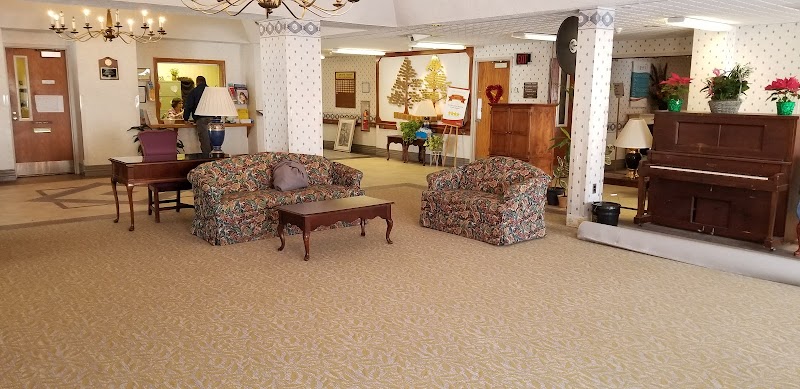
Who Owns and Operates Cedarwood Rehabilitation & Healthcare Center?

CEDARWOOD REHABILITATION & HEALTHCARE CENTER is owned by a for-profit company. For-profit facilities operate as businesses with obligations to shareholders or private owners. The facility is operated by CENTURY HEALTHCARE, a chain that manages multiple nursing homes. With 102 certified beds and approximately 92 residents (about 90% occupancy), it is a mid-sized facility located in TYRONE, Pennsylvania.
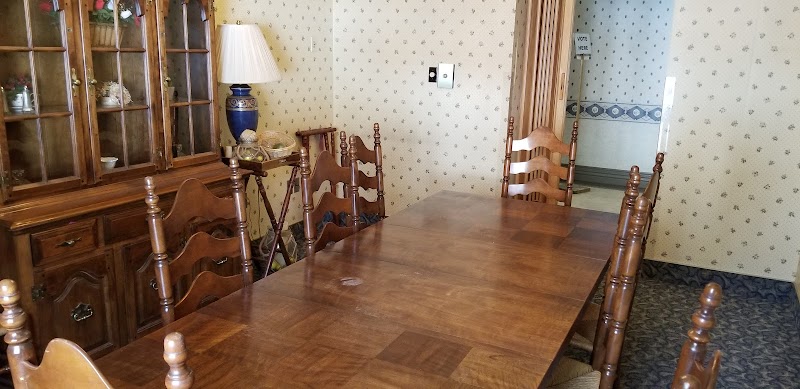
How Does Cedarwood Rehabilitation & Healthcare Center Compare to Other Pennsylvania Nursing Homes?

Compared to the 100 nursing homes in Pennsylvania, CEDARWOOD REHABILITATION & HEALTHCARE CENTER's overall rating (1 stars) is below the state average of 3.0, staff turnover (41%) is near the state average of 46%, and health inspection rating (1 stars) is much below the national benchmark.

What Should Families Ask When Visiting Cedarwood Rehabilitation & Healthcare Center?

Based on this facility's data, families visiting should ask: "Can I visit during a mealtime to observe dining assistance and food quality?" "How do you handle medical emergencies, and what is your hospital transfer rate?" "Can I speak with family members of current residents about their experience?"

Is Cedarwood Rehabilitation & Healthcare Center Safe?

Based on CMS inspection data, CEDARWOOD REHABILITATION & HEALTHCARE CENTER has a clean safety record: no substantiated abuse findings (meaning no confirmed cases of resident harm), no Immediate Jeopardy citations (the most serious violation level indicating risk of serious injury or death), and is not on the Special Focus Facility watch list (a federal program monitoring the lowest-performing 1% of nursing homes). The facility has a 1-star overall rating and ranks #100 of 100 nursing homes in Pennsylvania. While no facility is perfect, families should still ask about staff-to-resident ratios and recent inspection results during their visit.

Do Nurses at Cedarwood Rehabilitation & Healthcare Center Stick Around?

CEDARWOOD REHABILITATION & HEALTHCARE CENTER has a staff turnover rate of 41%, which is about average for Pennsylvania nursing homes (state average: 46%). Moderate turnover is common in nursing homes, but families should still ask about staff tenure and how the facility maintains care continuity when employees leave.

Was Cedarwood Rehabilitation & Healthcare Center Ever Fined?

CEDARWOOD REHABILITATION & HEALTHCARE CENTER has been fined $19,551 across 1 penalty action. This is below the Pennsylvania average of $33,274. While any fine indicates a compliance issue, fines under $50,000 are relatively common and typically reflect isolated problems that were subsequently corrected. Families should ask what specific issues led to these fines and confirm they've been resolved.

Is Cedarwood Rehabilitation & Healthcare Center on Any Federal Watch List?

CEDARWOOD REHABILITATION & HEALTHCARE CENTER is not on any federal watch list. The most significant is the Special Focus Facility (SFF) program, which identifies the bottom 1% of nursing homes nationally based on persistent, serious quality problems. Not being on this list means the facility has avoided the pattern of deficiencies that triggers enhanced federal oversight. This is a positive indicator, though families should still review the facility's inspection history directly.