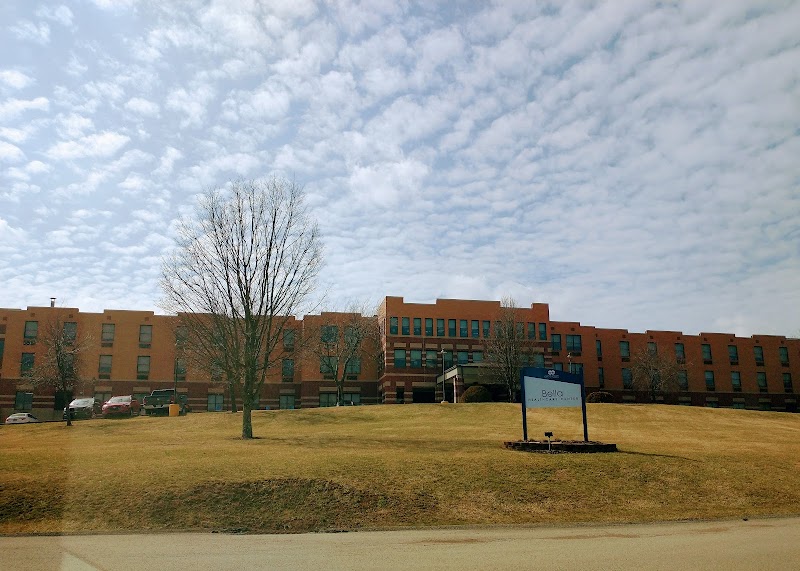
BELLA HEALTHCARE CENTER
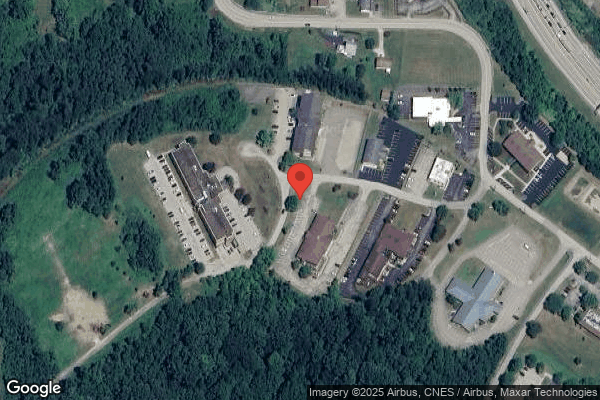
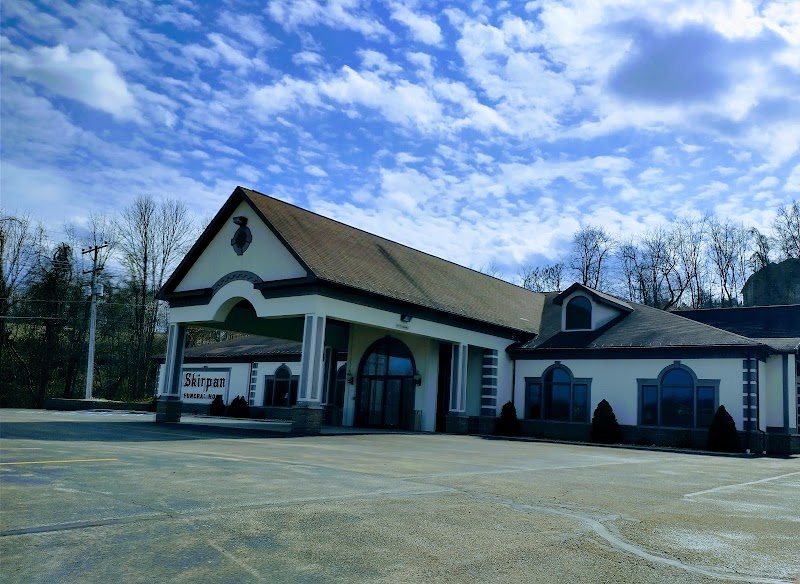
410 TERRACE DRIVE, UNIONTOWN, PA 15401 (724) 438-6000
For profit - Corporation 119 Beds COMMUNICARE HEALTH Data: November 2025
Trust Grade
50/100
#387 of 653 in PA
Last Inspection: August 2025

Inspected within the last 6 months. Data reflects current conditions.

Overview

Bella Healthcare Center in Uniontown, Pennsylvania, has received a Trust Grade of C, indicating it is average among nursing homes, sitting in the middle of the pack. It ranks #387 out of 653 facilities in Pennsylvania, placing it in the bottom half, and #3 out of 7 in Fayette County, meaning there are only two local options rated higher. Unfortunately, the facility is worsening, with the number of issues identified increasing from 5 in 2024 to 10 in 2025. Staffing is rated average with a 3/5 star, and the turnover rate is 50%, which is on par with the state average, but there is concerningly less RN coverage than 84% of facilities, which could impact patient care. Although there have been no fines, which is a positive aspect, specific incidents such as serving food that was tasteless and unappealing, as well as failing to maintain sanitary kitchen conditions, raise concerns about the overall quality of care.

Trust Score
C
50/100
In Pennsylvania
#387/653
Bottom 41%
Safety Record
Low Risk
No red flags
Inspections
Getting Worse
5 → 10 violations
Staff Stability
⚠ Watch
50% turnover. Above average. Higher turnover means staff may not know residents' routines.
Penalties
✓ Good
No fines on record. Clean compliance history, better than most Pennsylvania facilities.
Skilled Nurses
⚠ Watch
Each resident gets only 27 minutes of Registered Nurse (RN) attention daily — below average for Pennsylvania. Fewer RN minutes means fewer trained eyes watching for problems.
Violations
⚠ Watch
21 deficiencies on record. Higher than average. Multiple issues found across inspections.
★★☆☆☆
2.0
Overall Rating
★★★☆☆
3.0
Staff Levels
★★★★☆
4.0
Care Quality
★★☆☆☆
2.0
Inspection Score
Stable
2024: 5 issues
2025: 10 issues

The Good

  • 4-Star Quality Measures · Strong clinical quality outcomes
  • Full Sprinkler Coverage · Fire safety systems throughout facility
  • No fines on record

Facility shows strength in quality measures, fire safety.

The Bad

2-Star Overall Rating

Below Pennsylvania average (3.0)

Below average - review inspection findings carefully

Staff Turnover: 50%

Near Pennsylvania avg (46%)

Higher turnover may affect care consistency

Chain: COMMUNICARE HEALTH

Part of a multi-facility chain

Ask about local staffing decisions and management

The Ugly 21 deficiencies on record

Aug 2025 10 deficiencies
CONCERN (D)

Potential for Harm - no one hurt, but risky conditions existed

Resident Rights (Tag F0550)

Could have caused harm · This affected 1 resident

**NOTE- TERMS IN BRACKETS HAVE BEEN EDITED TO PROTECT CONFIDENTIALITY** Based on observation and staff interviews, it was determined that the facility failed to provide a dining experience that promot...

Read full inspector narrative →
**NOTE- TERMS IN BRACKETS HAVE BEEN EDITED TO PROTECT CONFIDENTIALITY** Based on observation and staff interviews, it was determined that the facility failed to provide a dining experience that promoted resident dignity for 1 of 5 residents (Resident R62). Findings include:A review of the facility Resident Rights policy dated 3/28/25, indicated that the resident has a right to a dignified existence.A review of the clinical record indicated Resident R62 was admitted to the facility on [DATE] with diagnoses that included epilepsy, intellectual disability, diabetes, and need for assist with personal care. A review of the Minimum Data Set (MDS - periodic assessment of resident care needs) dated 8/6/25, indicated Resident R62 has severely impaired cognition and requires supervision and assistance of one person for eating.During meal observations in the main dining room of the second-floor nursing unit on 8/27/25 at 12:00 p.m., it was revealed that five residents were seated at the dining table including Resident R62. Four residents were served meal trays at 12:05 p.m. and were eating. Resident R62 was sitting at the same table, and was not served his meal until 12:40 p.m.During an interview on 8/27/25, at 12:40 p.m. Licensed Practical Nurse (LPN) Employee E1 confirmed that the facility failed to provide a dignified dining experience for Resident R62, during lunch in the main dining room of the Second-Floor nursing unit. 28 Pa. Code: 201.29(j) Resident rights.28 Pa. Code: 211.12(d)(1)(2)(3)(5) Nursing services.
CONCERN (D)

Potential for Harm - no one hurt, but risky conditions existed

Comprehensive Care Plan (Tag F0656)

Could have caused harm · This affected 1 resident

**NOTE- TERMS IN BRACKETS HAVE BEEN EDITED TO PROTECT CONFIDENTIALITY** Based on review of facility policy, observation, and staff interview, it was determined that the facility failed to ensure the c...

Read full inspector narrative →
**NOTE- TERMS IN BRACKETS HAVE BEEN EDITED TO PROTECT CONFIDENTIALITY** Based on review of facility policy, observation, and staff interview, it was determined that the facility failed to ensure the comprehensive care plan was implemented related to assisting/cueing a resident for eating for one of five residents (Resident R70). Findings include:Review of facility policy Plan of Care Overview dated 3/28/25, indicated that the facility will provide resident centered care that meets the psychosocial, physical, and emotional needs and concerns of each resident. The plan provides guidance to the facility to support the inclusion of the resident in the plan to enable the resident to live with dignity and supports the resident's goals, choices and preferences related to their daily routines.Review of the clinical record indicated Resident R70 was admitted to the facility on [DATE].Review of Resident R 70's Minimum Data Set (MDS - a periodic assessment of care needs) dated 1/8/25, indicated diagnoses of diabetes, bilateral cataracts, lung disease, anxiety, cognitive deficit, and dementia and muscle weakness. Section GG0130(Self Care) indicated Eating as requiring supervision/touching assistance.Review of Resident R70's care plan dated 7/11/25, indicated Resident R70 will receive supervision/ touching assistance where helper touches or cues the resident while eating.During an observation on 8/27/25, at 8:40 a.m., Resident R70 was having difficulty eating, when asked Resident R70 stated she was not okay and began shaking. Staff were not in her room cueing/assisting her with her meal. When the tray was removed, only the oatmeal had been eaten.During an interview on 8/27/25, at 8:42 a.m., Nurse Aide (NA) Employee E2 was removing Resident R70's tray and the NA stated, she told me she was done. During an interview on 8/27/25, at 11:40 a.m., The Assistant Director of Nursing (ADON) Employee E3 stated that Resident R70 feeds herself, however, after reviewing the plan of care, ADON Employee E3 confirmed that the facility failed to ensure the comprehensive care plan was implemented related to Resident R70 being assisted with eating. 28 Pa. Code 211.10(c)(d) Resident care policies.28 Pa. Code 211.12(d)(1)(3)(5) Nursing services.
CONCERN (D)

Potential for Harm - no one hurt, but risky conditions existed

ADL Care (Tag F0677)

Could have caused harm · This affected 1 resident

**NOTE- TERMS IN BRACKETS HAVE BEEN EDITED TO PROTECT CONFIDENTIALITY** Based on review of facility policy, observation, clinical record review, and staff interview, it was determined that the facilit...

Read full inspector narrative →
**NOTE- TERMS IN BRACKETS HAVE BEEN EDITED TO PROTECT CONFIDENTIALITY** Based on review of facility policy, observation, clinical record review, and staff interview, it was determined that the facility failed to provide Activity of Daily Living (ADL) assistance for one of five residents (Residents R70).Findings include:Review of the facility policy Routine Resident Care, dated 3/28/25, indicated that the facility will promote resident centered care by attending to the total medical, nursing, physical, emotional, mental, social and spiritual needs. During an observation on 8/27/25, at 8:40 a.m., Resident R70 was in her room having difficulty eating. Resident had slip indicating a Kennedy cup (assistive aide drinking cup) which was not identified on her tray, there were no staff assisting the resident and she appeared to be having difficulty getting food into her mouth and food was not cut up for her to have the ability to spoon food. Resident was asked if she was ok, she stated No, then began shaking when attempting to scoop food items. Staff indicated that she feeds herself. During a continued observation on 8/27/25, at 9:00 a.m., Nurse Aide (NA) Employee E3 had entered Resident R70's room and came out with an uneaten tray except the oatmeal. When asked what the Resident ate, NA Employee E3 stated she said she was done.Review of the clinical record indicated Resident R70 was admitted to the facility on [DATE].Review of Resident R 70's Minimum Data Set (MDS - a periodic assessment of care needs) dated 1/8/25, indicated diagnoses of diabetes, bilateral cataracts, lung disease, anxiety, cognitive deficit, and dementia and muscle weakness. Section GG 0130 (Self-care) indicated eating requiring supervision/touching assistance.Review of Resident R70's care plan dated 7/11/25, indicated Resident R70 will receive supervision/ touching assistance where helper touches or cues the resident while eating.Review of Resident R70's weights indicated weight loss of approximately two pounds per week was identified.During an interview on 8/27/25, at 11:40 a.m., The Assistant Director of Nursing (ADON) stated that Resident R70 feeds herself, however, after reviewing the plan of care, and identified weight loss, the ADON confirmed that the facility failed to provide Activity of Daily Living (ADL) assistance for one of five residents (Residents R70). 28 Pa. Code: 211.12(1) Nursing services.28 Pa. Code: 211.10(d) Resident care policies.28 Pa. Code: 211.12 (2)(5) Nursing services.
CONCERN (D)

Potential for Harm - no one hurt, but risky conditions existed

Deficiency F0810 (Tag F0810)

Could have caused harm · This affected 1 resident

Based on observations, and staff interview, it was determined that the facility failed to provide a resident adaptive eating equipment and utensils for one out of five residents (Resident R70).Finding...

Read full inspector narrative →
Based on observations, and staff interview, it was determined that the facility failed to provide a resident adaptive eating equipment and utensils for one out of five residents (Resident R70).Findings Include:Review of the facility policy Assistive Eating Devices dated 3/28/25, indicated the facility will provide assistive eating devices to residents with limited arm mobility, grasp. range of motion as recommended by nursing or therapy to promote independence in drinking and eating to their maximum ability. During an observation on 8/27/25, at 8:40 a.m., Resident R70 was in her room having difficulty eating. Resident had slip indicating a Kennedy cup (assistive drinking cup) which was not identified in her tray, there were no staff assisting the resident and she appeared to be having difficulty getting food into her mouth and food was not cut up for her to have easier ability to spoon food. Resident was asked if she was ok, she stated No, then began shaking when attempting to scoop food items. Staff indicated that she feeds herself.Review of Resident R70's plan of care dated 7/29/25, indicated adaptive equipment: Kennedy cup with hot liquids. During an interview on 8/27/25, 11:40 a.m., the Assistant Director of Nursing Employee E3 confirmed the facility failed to provide a resident adaptive eating equipment and utensils for one out of five residents (Resident R70).Pa Code: 201.14(a) Responsibility of licensee.
CONCERN (E)

Potential for Harm - no one hurt, but risky conditions existed

Deficiency F0558 (Tag F0558)

Could have caused harm · This affected multiple residents

**NOTE- TERMS IN BRACKETS HAVE BEEN EDITED TO PROTECT CONFIDENTIALITY** Based on a review of facility policy, facility records, resident, and staff interviews, it was determined that the facility fail...

Read full inspector narrative →
**NOTE- TERMS IN BRACKETS HAVE BEEN EDITED TO PROTECT CONFIDENTIALITY** Based on a review of facility policy, facility records, resident, and staff interviews, it was determined that the facility failed to make certain call lights were accessible for six of twelve residents as required (Resident R1, R20, R72, R94, R109, and R502).Based on a review of facility policy, facility records, resident, and staff interviews, it was determined that the facility failed to make certain call lights were accessible for six of twelve residents as required (Resident R1, R20, R72, R94, R109, and R502). Findings include: The facility policy Resident Rights dated 3/28/25, indicated Call light or bell access will be within reach of the resident as one method to communicate needs to staff. Review of Resident R1's clinical record indicated the resident was originally admitted to the facility on [DATE]. Review of the resident's care plan documented interventions initially dated 5/1/23 and revised on 3/31/25 place call bell within reach, remind resident to call for assistance. Review of the resident's bed safety evaluation dated 6/21/25 indicated the resident is not capable of using their call light. Review of Resident R1's Minimum Data Set (MDS - a periodic assessment of care needs) dated 6/25/25, indicated diagnoses of non-Alzheimer's dementia (loss memory and cognitive functions), malnutrition (imbalance between the nutrients your body needs to function), and psychotic disorder (disconnection from reality symptoms of delusions, hallucinations and disorganized thinking). Review of Section GG: Functional Abilities GG0130, indicated that Resident R1 is dependent with all care helper does all of the effort, resident does none of the effort to complete activity or assistance of two or more helpers is required. During an interview on 8/26/25 at approximately10:00 a.m. Resident R72 was unaware of the location of the call light. During an observation with the Nursing Home Administrator (NHA) confirmed on 8/26/25 at approximately 11:00 a.m. Resident R1 call light was on the resident's nightstand next to the resident's bed, out of the reach of the resident. No alternative method was noted to be in place for the resident to communicate needs as per facility policy. Review of Resident R20's clinical record indicated the resident was originally admitted to the facility on [DATE]. Review of the resident's care plan documented interventions initially dated 10/27/22 and revised on 3/13/25 place call bell within reach, remind resident to call for assistance. Review of the resident's bed safety evaluation dated 6/13/25 indicated the resident is capable of using their call light. Review of Resident R20's MDS dated [DATE], indicated diagnoses of non-Alzheimer's dementia, anxiety disorder (feelings of fear, dread or apprehension without an appropriate cause), and malnutrition (imbalance between the nutrients your body needs to function). Review of Section GG: Functional Abilities GG0130, indicated that Resident R20 is dependent with care helper does all of the effort, resident does none of the effort to complete activity or assistance of two or more helpers is required. During an interview on 8/26/25 at 10:50 a.m. Resident R20 was unaware of the location of the call light. During an observation rounds with NHA confirmed on 8/26/25, at approximately 11:00 a.m. Resident R20 call light was on Resident R1's nightstand next to Resident R1's bed, out of reach of Resident R20. Review of Resident R72's clinical record indicated the resident was originally admitted to the facility on [DATE]. Review of the resident's care plan documented interventions initially dated 1/26/23 and revised on 3/13/25 place call bell within reach, remind resident to call for assistance. Review of the resident's bed safety evaluation dated 7/27/25 indicated the resident is capable of using their call light. Review of Resident R72's MDS dated [DATE], indicated diagnoses of non-Alzheimer's dementia, anxiety disorder (feelings of fear, dread or apprehension without an appropriate cause), and hypertension (high blood pressure). Review of Section GG: Functional Abilities GG0130, indicated that Resident R72 is dependent with oral, personal, toileting, and shower hygiene, helper does all of the effort, resident does none of the effort to complete activity or assistance of two or more helpers is required. During an interview on 8/26/25 at approximately 9:30 a.m. Resident R72 was unaware of the location of the call light. During an observation rounds Licensed Practical Nurse (LPN) Employee E2 confirmed on 8/26/25 at approximately 11:10 a.m. Resident R72's call light was wrapped around the call system connection port in the middle of the room, out of reach of Resident R72. Review of Resident R94's clinical record indicated the resident was originally admitted to the facility on [DATE]. Review of the resident's care plan documented interventions initially dated 12/17/24 and revised on 3/13/25 place call bell within reach, remind resident to call for assistance. Review of the resident's bed safety evaluation dated 7/3/25 indicated the resident is capable of using their call light. Review of Resident R94's MDS dated [DATE], indicated diagnoses of malnutrition (imbalance between the nutrients your body needs to function), anxiety disorder (feelings of fear, dread or apprehension without an appropriate cause), and renal insufficiency (kidneys have reduced function). Review of Section GG: Functional Abilities GG0130, indicated that Resident R94 is dependent with toileting dressing, and personal hygiene, helper does all of the effort, resident does none of the effort to complete activity or assistance of two or more helpers is required. During an interview on 8/26/25 at approximately 9:30 a.m. Resident R94 was unaware of the location of the call light. During observation rounds with the Employee E2 (LPN) confirmed on 8/26/25 at approximately 11:10 a.m. Resident R94's call light was wrapped around the call system connection port in the middle of the room, out of reach of Resident R94. Review of Resident R109's clinical record indicated the resident was originally admitted to the facility on [DATE]. Review of the resident's care plan documented interventions initially dated 4/22/24 and revised on 3/13/25 place call bell within reach, remind resident to call for assistance. Review of the resident's bed safety evaluation dated 7/21/25 indicated the resident is not capable of using their call light. Review of Resident R109's MDS dated [DATE], indicated diagnoses of non-Alzheimer's dementia (loss memory and cognitive functions), anxiety disorder (feelings of fear, dread or apprehension without an appropriate cause), and diabetes (high blood sugar). Review of Section GG: Functional Abilities GG0130, indicated that Resident R109 is dependent with care helper does all of the effort, resident does none of the effort to complete activity or assistance of two or more helpers is required. During an interview on 8/26/25 at approximately 9:30 a.m. Resident R109 was unaware of the location of the call light. During observation rounds with the LPN Employee E2 confirmed on 8/26/25 at approximately 11:10 a.m. Resident R109's call light was wrapped around the call system connection port in the middle of the room, out of reach of Resident R109. No alternative method was noted to be in place for the resident to communicate needs as per facility policy. During a resident group interview on 8/26/25, at 1:30 p.m., Resident R502 stated her call light is often out of her reach on the floor or behind the bed. R502 stated that she tells the staff to clip it to the bed. Review of Resident R502's clinical record indicated the resident was originally admitted to the facility on [DATE]. Review of the resident's care plan documented interventions initially dated 6/1/23 and revised on 8/24/25 place call bell within reach, remind resident to call for assistance. Review of the resident's bed safety evaluation dated 6/12/25 indicated the resident is capable of using their call light. Review of Resident R502's MDS dated [DATE], indicated diagnoses of non-Alzheimer's dementia (loss memory and cognitive functions), anxiety disorder (feelings of fear, dread or apprehension without an appropriate cause), and diabetes (high blood sugar). Review of Section GG: Functional Abilities GG0130, indicated that Resident R502 requires assistance with personal hygiene, helper sets up or cleans up; resident completes activity. Helper assists only prior to or following the activity. During an interview on 8/27/25 at 1:30 p.m. the (NHA) confirmed the facility failed to make certain call lights were accessible for six of twelve residents as required (Resident R1, R20, R72, R94, R109, and R502). 28 Pa. Code: 211.10(c)(d) Resident care policies. 28 Pa. Code: 211.12(d)(1)(2)(3)(5) Nursing services. 28 Pa Code: 201.29 (I)(o) Resident rights.
CONCERN (E)

Potential for Harm - no one hurt, but risky conditions existed

Deficiency F0685 (Tag F0685)

Could have caused harm · This affected multiple residents

**NOTE- TERMS IN BRACKETS HAVE BEEN EDITED TO PROTECT CONFIDENTIALITY** Based on interview with therapy staff and resident, clinical record review and staff interview, it was determined facility faile...

Read full inspector narrative →
**NOTE- TERMS IN BRACKETS HAVE BEEN EDITED TO PROTECT CONFIDENTIALITY** Based on interview with therapy staff and resident, clinical record review and staff interview, it was determined facility failed to ensure that residents received proper treatment and assistive device to maintain hearing abilities for one of three residents (Resident R30).Findings include:According to S483.25(a)(2) - Assistive devices to maintain hearing include, but are not limited to, hearing aids, and amplifiers.The facility's responsibility is to assist residents and their representatives in locating and utilizing any available resources (e.g., Medicare or Medicaid program payment, local health organizations offering items and services which are available free to the community) for the provision of the services the resident needs. This includes making appointments and arranging transportation to obtain needed services.During an interview on 8/27/25, at 9:01 a.m., Resident R30 call light above her door was illuminated and Therapy Employee E4, entered the room and asked Resident R30 what she needed. Resident R30 stated what I can't hear you, my ears are clogged, can you tell the doctor I need hearing aids.Review of the clinical record indicated that Resident R30 was admitted to the facility on [DATE], with a readmission dated of 7/17/23, diagnoses which included stroke, heart failure and fibrillation. The Minimum Data Set (MDS - periodic assessment of care needs) dated 7/22/25, indicated the diagnoses remained current. Review of an Audiology consult at the facility, dated 12/7/22, indicated impacted hard cerumen in bilateral ears which had to be extracted. That consult indicated follow up for 6-9 months. Review of Resident R30's complete physician orders from 12/5/22, through current indicated an order for [NAME] Otic solution was ordered for her right ear for seven days due to impacted ear wax. An order for audiology as needed was identified. Review of the clinical record did not include a follow up with Audiology from 12/7/22, through current. During an interview on 8/27/25, at 2:00 p.m., the Nursing Home Administrator confirmed that the facility failed to ensure that residents received proper treatment and assistive device to maintain hearing abilities for one of three residents (Resident R30). 28 Pa Code 211.12(d)(1)(3)(5) Nursing services 28 Pa Code 201.21(c) Use of outside resources 28 Pa Code 201.14(a) Responsibility of licensee
CONCERN (E)

Potential for Harm - no one hurt, but risky conditions existed

Deficiency F0698 (Tag F0698)

Could have caused harm · This affected multiple residents

**NOTE- TERMS IN BRACKETS HAVE BEEN EDITED TO PROTECT CONFIDENTIALITY** Based on review of facility policy, clinical records, and staff interviews it was determined that the facility failed to make ce...

Read full inspector narrative →
**NOTE- TERMS IN BRACKETS HAVE BEEN EDITED TO PROTECT CONFIDENTIALITY** Based on review of facility policy, clinical records, and staff interviews it was determined that the facility failed to make certain consistent dialysis communication was maintained for two of two residents (Residents R2 and R92).Findings include: Review of the facility policy Hemodialysis Care and Monitoring dated 3/28/25, indicates The care of the resident receiving dialysis services will include ongoing communication, coordination and collaboration between the dialysis center and the facility that may include but is not limited to: Telephonic communication, providing pre and post documentation of resident assessment to evaluate the resident response to dialysis and update care plan in collaboration with dialysis recommendations. Medication administration timing, changes and new orders. The facility will provide a copy of the current MAR and pre-evaluation for dialysis from the electronic medical record to the dialysis center. Review of the admission record indicated Resident R2 was initially admitted to the facility on [DATE]. Review of Resident R2's Minimum Data Set (MDS - periodic assessment of resident care needs) dated 8/14/25, indicated diagnoses of end stage renal disease (condition where kidneys lose the ability to remove waste and balance fluids) hypertension (high blood pressure), and bipolar disorder (mental illness with unusual shifts in mood). Review of Resident R2's physician orders dated 8/4/25, indicated dialysis: Tuesday, Thursday, and Saturday at [dialysis center]. Chair time scheduled at 6:05 a.m., pickup time 5-5:30 a.m., and return time 9:30-10:00 a.m. Review of Resident R2's current care plan indicated dialysis: at [dialysis center]. Chair time scheduled at 6:05 a.m., pickup time 5-5:30 a.m., and return time 10:00-10:30 a.m. Review of Resident R2's dialysis communication forms indicated the following:8/5, 8/7, 8/9, 8/12, 8/16, 8/18, 8/21, 8/23, 8/26, and 8/28/25 dialysis communication forms were incomplete. Review of the admission record indicated Resident R92 was initially admitted to the facility on [DATE]. Review of Resident R92's MDS dated [DATE], indicated diagnoses of end stage renal disease (condition where kidneys lose the ability to remove waste and balance fluids) hypertension (high blood pressure), and arthritis. Review of Resident R92's physician orders dated 8/4/25, indicated dialysis: Monday, Wednesday, and Friday at [dialysis center]. Chair time scheduled at 1:00 p.m., pickup time 12-12:30 p.m., and return time 5:30-6:00 p.m. Review of Resident R92's current care plan indicated dialysis: at [dialysis center]. Chair time scheduled at 1:00 p.m., pickup time 12-12:30 p.m., and return time 5:30-6:00 p.m. Review of Resident R92's dialysis communication forms indicated the following:8/4, 8/6, 8/8, 8/11, 8/13, 8/15, 8/18, 8/20, 8/22, 8/25, and 8/27/25 dialysis communication forms were incomplete. During an interview on 8/28/25, at 12:16 p.m. the Director of Nursing confirmed the facility failed to make certain consistent dialysis communication was maintained for two of two residents (Residents R2 and R92). 28 Pa. Code: 211.5(f) Clinical records 28 Pa. Code: 211.12(d)(2)(3) Nursing services
CONCERN (E)

Potential for Harm - no one hurt, but risky conditions existed

Deficiency F0801 (Tag F0801)

Could have caused harm · This affected multiple residents

**NOTE- TERMS IN BRACKETS HAVE BEEN EDITED TO PROTECT CONFIDENTIALITY** Based on staff interview it was determined that the facility failed to employ a qualified Food Service Director to manage the da...

Read full inspector narrative →
**NOTE- TERMS IN BRACKETS HAVE BEEN EDITED TO PROTECT CONFIDENTIALITY** Based on staff interview it was determined that the facility failed to employ a qualified Food Service Director to manage the daily operations of the Dietary Department for 11 out of 12 months (October 2024 through August 2025).Findings include: During an interview on 8/26/25, at 9:32 a.m., Corporate Certified Dietary Manager Employee E5 stated that Food Service Director (FSD) Employee E6 is not a Certified Dietary Manager. That the FSD was Serv Safe certified.During an interview on 8/27/25, at 10:25 a.m. the Nursing Home Administrator stated that the Registered Dietitian (RD) was not employed full [NAME] she comes in three times a week. During an interview on 8/27/25, at 2:00 p.m., the Nursing Home Administrator (NHA) confirmed that the facility failed to provide documented evidence that FSD Employee E6 met the qualifications for the position of Food Service Director. Pa Code: 201.18(e)(6) Management.
CONCERN (F)

Potential for Harm - no one hurt, but risky conditions existed

Deficiency F0804 (Tag F0804)

Could have caused harm · This affected most or all residents

Based on a review of the food council minutes, resident group meeting information, observation and staff interview, it was determined that the facility failed to serve food that was palatable and attr...

Read full inspector narrative →
Based on a review of the food council minutes, resident group meeting information, observation and staff interview, it was determined that the facility failed to serve food that was palatable and attractive.Findings include:Review of three months of food council meeting minutes identified residents stating that the food was tasteless. During the resident group meeting on 8/26/25, at 1:48 p.m., the consensus of the resident's indicated: food trays had hair in them at times, and they question if hair nets are used. Kitchen staff is rude when you call them if they answer the phone and the kitchen staff is rude to the floor staff as well when they call. Rarely get the meal order that is on the menu. The paper on your tray is not accurate often. You get cereal and no milk or milk and no cereal. During an observation of tray line service on 8/27/25 from 11:42 a.m., through 12:40 p.m., the following was observed:When pureed foods were plated, they were all placed in a big glob and the zucchini was very thin and all three items mixed together.18 residents did not receive the cherry cheesecake dessert that was identified for meal posted.15 received plain pudding and three received the alternate pear crisp, although all food slips indicated the cherry dessert.During an interview on 8/27/25, at 2:00 p.m., the Nursing Home Administrator and Corporate Dietary Manager Employee E5 confirmed that the facility failed to serve food that was palatable and attractive.28 Pa. Code 211.6(b) Dietary Services.
CONCERN (F)

Potential for Harm - no one hurt, but risky conditions existed

Food Safety (Tag F0812)

Could have caused harm · This affected most or all residents

Based on observations, and staff interview, it was determined that the facility failed maintain sanitary conditions to prevent the potential for cross-contamination or foodborne illness in the main ki...

Read full inspector narrative →
Based on observations, and staff interview, it was determined that the facility failed maintain sanitary conditions to prevent the potential for cross-contamination or foodborne illness in the main kitchen (Main Kitchen).Findings include:During an observation of the kitchen on 8/2725, from 11:22 a.m., through 12:45 p.m., the following was observed:A foam glass with liquid and initials SM was observed on food prep table near cooler, Dietary Aide Employee E7 confirmed it was hers.at 11:37 a.m. Dietary Aide Employees E7 and E8 entered the kitchen with their hair not completely covered with hairnet. Dietary [NAME] Employee E9 was wiping down prep areas took rag with gloves into hall, then returned and donned gloves and began placing bread onto pan, left area to get cheese from refrigerator, opened cheese packed in plastic wrap, removed cheese and began making grilled cheeses sandwiches. No handwashing between tasks. Dietary Manager (DM) Employee E6 picked up scoop he dropped onto floor, took it to sink, returned to tray line placed gloves and began serving meals, no hand washing prior to tray line service. Tray line began at 11:43 a.m. was to start at 11:30 a.m. according to schedule. DM Employee E6 removed buns from bag, placed on plate, no handwashing/glove change. Dietary Aide Employee E7 removed bread from package with contaminated gloves as she was performing another task and placed bread slices onto a plate for meat to be placed on by DM Employee E6 Cart delivery posted indicated:2nd floor DR 11:40 a.m , delivery actual time was 11:543rd floor DR 11:50 a.m., actual time left kitchen at 11:582 North was to arrive at noon, actual arrival at 12:103 North was to arrive at 12:10 p.m , actual time left the kitchen at 12:20 p.m.2 South was to arrive at 12:20 p.m., actual time left the kitchen was 12:34 p.m.3 South was to arrive at 12:30 p.m., actual left kitchen at 12:45 p.m. During an interview on 8/27/25, at 2:00 p.m., Corporate Dietary Manager Employee E5 and the Nursing Home Administrator confirmed that the facility failed maintain sanitary conditions to prevent the potential for cross-contamination or foodborne illness in the main kitchen (Main Kitchen).28 Pa. Code: 201.14(a) Responsibility of licensee.28 Pa. Code: 201.18(b)(1) Management.28 Pa. Code: 211.6(c) Dietary services.
Sept 2024 5 deficiencies
CONCERN (E)

Potential for Harm - no one hurt, but risky conditions existed

Free from Abuse/Neglect (Tag F0600)

Could have caused harm · This affected multiple residents

**NOTE- TERMS IN BRACKETS HAVE BEEN EDITED TO PROTECT CONFIDENTIALITY** Based on review of facility policies, facility provided documents, clinical records and staff interview, it was determined that ...

Read full inspector narrative →
**NOTE- TERMS IN BRACKETS HAVE BEEN EDITED TO PROTECT CONFIDENTIALITY** Based on review of facility policies, facility provided documents, clinical records and staff interview, it was determined that the facility failed to make certain a resident was free from abuse, neglect or misappropriation of property for one of two residents reviewed (Resident R69). Findings include: Review of the facility policy Abuse, Neglect, Misappropriation last reviewed on 3/25/24, indicated that the facility intent is to prevent the abuse, mistreatment or neglect of residents and to provide guidance to direct care staff to manage concerns or allegations of abuse. Employees will receive abuse preventive training as required as part of the orientation, as needed/indicated and annually thereafter. Accurate and timely reporting of of incidents both alleged and substantiated , will be sent to the officials in accordance with state law; if an alleged violation is verified, appropriate corrective action will be taken by the facility. Review of the clinical record indicated that Resident R69 was admitted to the facility on [DATE], with diagnoses which included kidney disease, compression fractures of spine, cognitive communication deficit, diabetes, lung disease, respiratory failure, falls and obesity. A Minimum Data Set (MDS- a periodic assessment of resident care needs) dated 8/23/24, indicated the diagnoses remained current. Section C0500 (Brief interview for mental status) indicated a score of 15; which indicated the resident was cognitively intact. Review of a facility provided document dated 9/3/24, indicated that Resident R69 had alleged that Registered Nurse(RN) Employee E6 had verbally abused her when she tried to get her up to get weighed. During an interview on 9/3/24, by the Social Worker Employee E7 indicated that Resident R69 stated that the Unit Manager (RN Employee E6) is rude and has a bad attitude, that she is verbally abusive. The resident stated that she had cried many times over the way the RN Employee E6 speaks to her. Resident R69's Family Member was also interviewed on 9/3/24, as she had witnessed the event, and stated that she agreed with Resident R69's statement and that the Unit Manager(RN Employee E6) used a bad tone. Review of the facility report indicated the facility reported the event and provided re-education to RN Employee E6 for abuse and communication skills on 9/5/24. A Corrective Action was dated 9/5/24, indicated RN Employee E6 was given a written warning but refused to sign. Review of the facility training dated 2/16/24, and again on 6/27/24, indicated that RN Employee E6 had previous abuse training. During an interview during the annual survey on 9/12/24, at 12:15 p.m., with Resident R69 identified that RN Employee E6 had been mean and he does not want her in his room. He stated that she chased a Nurse Aide, who I trusted to help me, out of my room when she was helping me transfer into my chair and left me standing holding on to my bedside table to transfer myself because she was not assigned to provide care for me that day. During an interview on 9/12/24, at 1:25 p.m., the Director of Nursing confirmed that the facility failed to make certain a resident was free from abuse, neglect or misappropriation of property for one of two residents reviewed (Resident R69). 28 Pa. Code 201.14(a) Responsibility of licensee. 28 Pa. Code 201.18(b)(1)(e)(1) Management. 28 Pa. Code 211.12(c)(d)(1)(3)(5) Nursing services.
CONCERN (E)

Potential for Harm - no one hurt, but risky conditions existed

Deficiency F0947 (Tag F0947)

Could have caused harm · This affected multiple residents

Based on review of facility documents, staff education records, and staff interviews, it was determined that the facility failed to conduct at least 12 hours of in-service education, within 12 months ...

Read full inspector narrative →
Based on review of facility documents, staff education records, and staff interviews, it was determined that the facility failed to conduct at least 12 hours of in-service education, within 12 months of their hire date anniversary, for nurse aides as required for two of five nurse aides (Nurse Aide (NA) Employees E2 and E3). Finding include: Review of the Facility Assessment dated 3/21/24, indicated the facility will provide required in-service training for nurse aides. Review of NA Employees Employees E2 and E3 education records with hire date greater than 12 months revealed the following: NA Employee E2 had a hire date of 4/1/24, with 4.25 hours in-service education between 4/1/23, and 4/1/24. NA Employee E3 had a hire date of 8/9/21, with 7.50 hours in-service education between 8/9/23, and 8/9/24. During an interview on 9/13/24, at approximately 1:00 p.m. the Nursing Home Administrator confirmed that the facility failed to conduct at least 12 hours of in-service education, within 12 months of their hire date anniversary, for nurse aides as required for two of five nurse aides. 28 Pa. Code: 201.14(a) Responsibility of Licensee. 28 Pa. Code: 201.20(c) Staff Development.
CONCERN (F)

Potential for Harm - no one hurt, but risky conditions existed

Food Safety (Tag F0812)

Could have caused harm · This affected most or all residents

Based on a review of facility policy, observations and staff interviews it was determined that the facility failed to properly store food products in the Main Kitchen, which created the potential for ...

Read full inspector narrative →
Based on a review of facility policy, observations and staff interviews it was determined that the facility failed to properly store food products in the Main Kitchen, which created the potential for foodborne illness. Findings Include: Review of the facility policy Food Storage: Cold Foods last reviewed on 3/25/24, indicated that all time/temperature control for safety foods will be appropriately stored in accordance with guidelines of the Food and Drug Administration (FDA) Food Code. All food items will be stored 6 inches above the floor and 18 inches below the sprinkler units. During an initial observation on 9/10/24, at 10:30 a.m., of the dietary department the following was identified: Three staff lunch bags were in the cooler with resident food items. The deep freezer had ice build up on vent pipes with food stored directly under ice dripping onto boxes. Bread stored on shelf on floor of refrigerator. During and interview on 9/10/24, at 11:00 a.m., Dietary Manager Employee E8 confirmed that the facility failed to properly store food products in the Main Kitchen, which created the potential for foodborne illness. Pa. 28 Code: 211.6(c)(d)(f) Dietary services.
MINOR (B)

Minor Issue - procedural, no safety impact

Deficiency F0944 (Tag F0944)

Minor procedural issue · This affected multiple residents

Based on review of facility documents and staff interview, it was determined that the facility failed to provide training on Quality Assurance and Performance Improvement (QAPI) for two of ten staff m...

Read full inspector narrative →
Based on review of facility documents and staff interview, it was determined that the facility failed to provide training on Quality Assurance and Performance Improvement (QAPI) for two of ten staff members (Employee E2 and E5). Findings include: Review of facility provided documents and training records revealed the following staff members did not have documented training on effective communication. Nurse Aide (NA) Employee E2 had a hire date of 4/1/14, failed to have QAPI in-service education between 4/1/23, and 4/1/24. Therapy Employee E5 had a hire date of 8/15/22, failed to have effective communication in-service education between 8/15/23, and 8/15/24. During an interview on 9/13/24, at approximately 1:00 p.m. the Nursing Home Administrator confirmed that the facility failed to provide training on QAPI for two of ten staff members. 28 Pa Code: 201.14 (a) Responsibility of licensee. 28 Pa Code: 201.18 (b)(1) Management. 28 Pa Code: 201.20 (a)(c) Staff development.
MINOR (B)

Minor Issue - procedural, no safety impact

Deficiency F0949 (Tag F0949)

Minor procedural issue · This affected multiple residents

Based on review of facility policy and documents, and staff interview, it was determined that the facility failed to provide training on behavioral health for three of ten staff members (Employees E1,...

Read full inspector narrative →
Based on review of facility policy and documents, and staff interview, it was determined that the facility failed to provide training on behavioral health for three of ten staff members (Employees E1, E2, and E3). Findings include: Review of the Facility Assessment dated 3/21/24, revealed a list of educational topics, and included in that list was Caring for persons with Alzheimer's or other dementia. Review of facility provided documents and training records revealed the following staff members did not have documented training on behavioral health. Nurse Aide (NA) Employee E1 had a hire date of 7/5/21, failed to have behavioral health in-service education between 7/5/23, and 7/5/24. NA Employee E2 had a hire date of 4/1/14, failed to have behavioral health in-service education between 4/1/23, and 4/1/24. NA Employee E3 had a hire date of 8/9/21, failed to have behavioral health in-service education between 8/9/23, and 8/9/24. During an interview on 9/13/24, at approximately 1:00 p.m. the Nursing Home Administrator confirmed that the facility failed to provide training on behavioral health for three of ten staff members. 28 Pa Code: 201.14 (a) Responsibility of licensee. 28 Pa Code: 201.18 (b)(1) Management. 28 Pa Code: 201.20 (a)(c) Staff development.
Sept 2023 2 deficiencies
CONCERN (E) 📢 Someone Reported This

A family member, employee, or ombudsman was alarmed enough to file a formal complaint

Potential for Harm - no one hurt, but risky conditions existed

Deficiency F0699 (Tag F0699)

Could have caused harm · This affected multiple residents

**NOTE- TERMS IN BRACKETS HAVE BEEN EDITED TO PROTECT CONFIDENTIALITY** Based on review of clinical records, and staff interviews, it was determined that the facility failed to provide culturally comp...

Read full inspector narrative →
**NOTE- TERMS IN BRACKETS HAVE BEEN EDITED TO PROTECT CONFIDENTIALITY** Based on review of clinical records, and staff interviews, it was determined that the facility failed to provide culturally competent, trauma care in accordance with professional standards of practice, accounting for the resident's past experiences and preferences in order to eliminate and/or mitigate triggers that may cause re-traumatization of the resident for eight of 12 residents (Resident R1, R2, R3, R4, R5, R6, R7, and R8). Findings include: Review of the clinical record revealed that Resident R1 was admitted to the facility on [DATE]. Review of the facility diagnosis list included diagnoses of schizophrenia (a mental disorder characterized by delusions, hallucinations, disorganized speech and behavior) and diabetes (a metabolic disorder in which the body has high sugar levels for prolonged periods of time). Review of Resident R1's Social History Assessment completed on 9/21/23, at 8:58 a.m. indicated Resident R1 was a retired veteran. Further review of the Social History Assessment revealed the section titled PTSD (post-traumatic stress disorder, mental health condition triggered by experiencing or witnessing a terrifying event) was blank. During an interview on 9/29/23, at 2:03 p.m. Resident R1 confirmed that he was not asked about PTSD by facility staff. When asked if he felt traumatized by previous life events, Resident R1 began crying and stated his mother had committed suicide. Review of the clinical record revealed that Resident R2 was admitted to the facility on [DATE]. Review of the Minimum Data Set (MDS, periodic assessment of resident care needs) dated 9/17/23, included diagnoses of diabetes and chronic obstructive pulmonary disease (COPD, a group of progressive lung disorders characterized by increasing breathlessness). Review of Resident R2's Social History Assessment completed on 9/12/23, at 11:33 a.m. revealed the section titled PTSD was blank. During an interview on 9/29/23, at 2:07 p.m. Resident R2 confirmed that she was not asked about PTSD by facility staff, and further stated that she felt she had PTSD but was not triggered by her current environment. Review of the clinical record revealed that Resident R3 was admitted to the facility on [DATE]. Review of the facility diagnosis list included diagnoses of Asperger's syndrome (a developmental disorder affecting ability to effectively socialize and communicate) and diabetes (a metabolic disorder in which the body has high sugar levels for prolonged periods of time). Review of Resident R3's Social History Assessment completed on 9/26/23, at 11:37 a.m. revealed the section titled PTSD was blank. During an interview on 9/29/23, at 2:11 p.m. Resident R3 confirmed that he was not asked about PTSD by facility staff. When asked if he felt traumatized by previous life events, Resident R3 stated he recurrently worries about falling again. Review of the clinical record revealed that Resident R4 was admitted to the facility on [DATE]. Review of the MDS dated [DATE], included diagnoses of chronic kidney disease (gradual loss of kidney function) and heart failure (a progressive heart disease that affects pumping action of the heart muscles). Review of Resident R4's Social History Assessment completed on 9/5/23, at 8:29 a.m. revealed the section titled PTSD was blank. During an interview on 9/29/23, at 2:16 p.m. Resident R4 confirmed that she was not asked about PTSD by facility staff. Review of the clinical record revealed that Resident R5 was admitted to the facility on [DATE]. Review of the facility diagnosis list included diagnoses of diabetes and a seizure disorder. Review of Resident R5's Social History Assessment completed on 9/5/23, at 11:44 a.m. revealed the section titled PTSD was blank. During an interview on 9/2623, at 2:23 p.m. Resident R5 confirmed that she was not asked about PTSD by facility staff. When asked if she felt traumatized by previous life events, Resident R5 described a previously experienced car accident. Review of the clinical record revealed that Resident R6 was admitted to the facility on [DATE]. Review of the MDS dated [DATE], included diagnoses of a pulmonary embolism (a sudden blockage in the pulmonary arteries) and arthritis (inflammation of one or more joints, causing pain and stiffness). Review of Resident R6's Social History Assessment completed on 9/12/23, at 10:51 a.m. revealed the section titled PTSD was blank. Review of the clinical record revealed that Resident R7 was admitted to the facility on [DATE]. Review of the MDS dated [DATE], included diagnoses of atrial fibrillation (disease of the heart characterized by irregular and often faster heartbeat) and chronic kidney disease. Review of Resident R7's Social History Assessment completed on 9/25/23, at 1:07 p.m. revealed the section titled PTSD was blank. Review of the clinical record revealed that Resident R8 was admitted to the facility on [DATE]. Review of the MDS dated [DATE], included diagnoses of cancer and diabetes. Review of Resident R8's Social History Assessment completed on 9/22/23, at 2:20 p.m. revealed the section titled PTSD was blank. During an interview on 9/29/23, at 3:00 p.m. the Director of Nursing and the Director of Social Services confirmed that the facility failed to provide culturally competent, trauma care in accordance with professional standards of practice, accounting for the resident's past experiences and preferences in order to eliminate and/or mitigate triggers that may cause re-traumatization of the resident for 12 of eight residents. 28 Pa. Code 211.10 (a) Resident care policies. 28 Pa. Code 211.12(d)(3)(5) Nursing services.
CONCERN (E) 📢 Someone Reported This

A family member, employee, or ombudsman was alarmed enough to file a formal complaint

Potential for Harm - no one hurt, but risky conditions existed

Deficiency F0745 (Tag F0745)

Could have caused harm · This affected multiple residents

Based on clinical record review and staff interview, it was determined that the facility failed to accurately assess residents for social services needs for eight of 12 residents (Resident R1, R2, R3,...

Read full inspector narrative →
Based on clinical record review and staff interview, it was determined that the facility failed to accurately assess residents for social services needs for eight of 12 residents (Resident R1, R2, R3, R4, R5, R6, R7, and R8). Review of the facility Social Service Director job description dated 9/18/23, previously reviewed 3/2/22, indicated the Social Service Director provides planning, assessing, coordinating, and implementation of services to enhance each resident's social and psychological well being. The job description further stated the Social Service Director prepares, evaluates, and charts social service documentation, including the initial social service assessment. During a review of the Social Service Assessments completed on Resident R1, R2, R3, R4, R5, R6, R7, and R8 failed to include documentation for previous substance abuse and post-traumatic stress disorder. During an interview on 9/29/23, at 11:00 a.m. the Social Services Director confirmed the she completes the Social Service Assessment using the information provided in the hospital referral and discharge paperwork, and did not complete an in-person interview with the residents or the resident's representative(s). During an interview on 9/29/23, at 3:00 p.m. the Director of Nursing and the Director of Social Services confirmed that the facility failed to accurately assess residents for social services needs for eight of 12 residents. 28 Pa.Code 211.10(a)(d) Resident care policies. 28 Pa. Code 211.16(a) Social services.
Sept 2023 4 deficiencies
CONCERN (D)

Potential for Harm - no one hurt, but risky conditions existed

Accident Prevention (Tag F0689)

Could have caused harm · This affected 1 resident

**NOTE- TERMS IN BRACKETS HAVE BEEN EDITED TO PROTECT CONFIDENTIALITY** Based on review of facility policies, clinical records, facility documents and staff interview, it was determined that the facil...

Read full inspector narrative →
**NOTE- TERMS IN BRACKETS HAVE BEEN EDITED TO PROTECT CONFIDENTIALITY** Based on review of facility policies, clinical records, facility documents and staff interview, it was determined that the facility failed to ensure that a resident was free from an accident by not providing the appropriate amount of supervison needed for toileting, for one of three residents reviewed (Resident R75). Findings include: Review of the facility policy fall prevention plan last review on 9/18/23, with a previous review date of 3/2/22, indicated that post fall the resident is assessed by a licensed nurse, once the resident is safely transferred a fall investigation begins, any witnesses to the fall should provide a written statement and interventions should be put into place to prevent further falls. Review of the facility policy Occurrence Incident Reporting policy last reviewed on 9/18/23, with a previous review date of 3/2/22, indicated incidents will be investigated, reported and tracked. documentation will be placed in progress notes and reviewed for potential harm. An event report will be submitted to the state if identified to be appropriate. Review of the clinical record indicated that Resident R75 was admitted to the facility on [DATE], with diagnoses which included indicated diagnoses of Parkinson's disease( a disorder of the central nervous system which affects movement and often causes tremors, other symptoms include unsteadiness and stiffness) and a history of falls. A Minimum Data Set (MDS- a periodic review of resident care needs) dated 7/19/23, indicated the diagnoses remained current and Section G0110 indicated that Resident R75 required assistnace of two for transfers and toilet use. Section G 0300 indicated unsteadiness for stabilization with toileting. A current physician order dated 7/14/23, indicated Resident R75 was a two person transfer. Review of a progress note dated 8/20/23, at 18:24 indicated that Resident R75 was found on the floor in the bathroom by the Nurse Aide. The note indicated that the resident stated he was on the toilet, went to stand up and lost balance and fell. The note further indicated that the Nurse Aide stated she took the resident to the bathroom, assisted him to the toilet and instructed him to ring when he was done. During an interview on 9/19/23, at 1:46 p.m., the Director of Nursing stated that the facility failed to ensure that a resident was free from an accident by not providing the appropriate amount of supervison needed for toileting. 28 Pa. Code: 201.14(a) Responsibility of licensee. 28 Pa. Code: 201.18(e)(1) Management. 28 Pa. Code: 207.2(a) Administrator's responsibility. 28 Pa. Code: 211.10(d) Resident care policies.
CONCERN (D)

Potential for Harm - no one hurt, but risky conditions existed

Deficiency F0760 (Tag F0760)

Could have caused harm · This affected 1 resident

**NOTE- TERMS IN BRACKETS HAVE BEEN EDITED TO PROTECT CONFIDENTIALITY** Based on review of facility policy and clinical records, and staff interview, it was determined that the facility failed to make...

Read full inspector narrative →
**NOTE- TERMS IN BRACKETS HAVE BEEN EDITED TO PROTECT CONFIDENTIALITY** Based on review of facility policy and clinical records, and staff interview, it was determined that the facility failed to make certain medications were administered as ordered by the physician for three of seven residents (Residents R70, R77, and R82). Findings include: A review of the facility policy Medication Administration dated 9/18/23, indicated to administer medications as prescribed by the provider. A review of the clinical record indicated that Resident R70 was admitted to the facility on [DATE], with diagnoses that included anxiety disorder and insomnia. A review of the Minimum Data Set (MDS - periodic assessment of resident care needs) dated 8/2/23, indicated the diagnoses remain current and the resident is alert and oriented and able to make needs known. A review of a physician order dated 9/18/23, indicated to give Lyrica oral capsule (pregabalin a controlled medication to treat nerve pain) 200 mg (milligrams) one capsule by mouth every morning and at bedtime for pain management at 07:00 and 21:00. A review of the Controlled Medication Administration log dated 9/19/23, indicated the Lyrica was not given to resident R70 at 21:00. A review of a progress note date 9/19/23, indicated Resident R70 had missed medication today to include Lyrica. During an interview on 9/21/23 at 10:30 a.m., Resident R70 confirmed they did not receive Lyrica on 9/19/23 as ordered. A review of the clinical record indicated that Resident R77 was admitted to the facility on [DATE], with diagnoses that included dementia, depression, and anxiety disorder. A review of the MDS dated [DATE], indicated the diagnoses remained current and the resident is cognitively impaired. A review of a physician order dated 8/8/23, indicated to give Alprazolam oral tablet 1.0 mg (a controlled medication to treat anxiety) one tablet by mouth at bedtime for anxiety and one tablet in the evening for anxiety at 17:00 and 20:00. A review of the MAR (medication administration record) dated 09/23, indicated Resident R77 did not receive the Alprazolam at 17:00 on 9/19/23. A review of the Controlled Medication Administration log dated 9/19/23, indicated the Alprazolam was not given at 17:00 on 9/19/23. A review of a progress note dated 9/19/23, indicated that Resident R77 missed medication. A review of the clinical record indicated that Resident R82 was admitted to the facility on [DATE], with diagnoses that included low back pain, gout (a disease that causes episodes of acute pain in the smaller bones of the feet), and a stage 4 pressure ulcer (full thickness tissue loss with exposed bone, tendon, or muscle). A review of the MDS dated [DATE], indicated diagnoses remain current and the resident is alert and oriented and able to make their needs known. A review of a physician order dated 9/19/23, indicated to give Lyrica oral capsule 50 mg one capsule by mouth two times a day for neuropathy (nerve pain) at 07:00 and 17:00. A review of the MAR dated 09/23, indicated the Lyrica was not given on 9/19/23 at 17:00. A review of the Controlled Medication Administration log dated 9/19/23, indicated Resident R82 did not receive the Lyrica as ordered at 17:00. During an interview on 9/21/23 at 11:00 AM, Resident R82 confirmed that he did not receive his Lyrica at 17:00 on 9/19/23. During an interview on 9/20/23, at 1:20 PM, the DON confirmed the above findings and the facility failed to make certain medications were administered as ordered by the physician for Residents R70, R77, and R82. 28 Pa. Code 211.12 (c)(1)(3) Nursing Services.
CONCERN (D)

Potential for Harm - no one hurt, but risky conditions existed

Infection Control (Tag F0880)

Could have caused harm · This affected 1 resident

Based on review of manufacturer directions, observation and staff interviews, it was determined that the facility failed to implement measures to prevent the potential for cross contamination during b...

Read full inspector narrative →
Based on review of manufacturer directions, observation and staff interviews, it was determined that the facility failed to implement measures to prevent the potential for cross contamination during blood sugar monitoring for one of two residents (Resident R4). Findings include: The manufacturer directions for cleaning the Assure Platinum (brand of blood glucose meter utilized by the facility) was to wipe the exterior of the meter with an approved EPA approved wipe (Clorox, Micro-Kill Microdot, Super Sani cloth, all which contain a form of bleach) between each use. During an observation of a medication pass on 9/22/22, at 11:31 a.m., Licensed Practical Nurse (LPN) Employee E2 obtained a blood glucose reading from Resident R35, after cleaning the blood glucose monitor with a alcohol wipe and again after using the glucose meter on Resident R4. During an interview on 9/22/23, at 11:33 a.m., LPN Employee E2 confirmed not cleaning/sanitizing the blood glucose monitor prior to and after using it on Resident R4 had the potential for cross contamination as proper cleaning wipes had not been used. 28 Pa. Code: 211.10(d) Resident care policies. 28 Pa. Code: 211.12(d)(1)(5) Nursing services.
CONCERN (F)

Potential for Harm - no one hurt, but risky conditions existed

Food Safety (Tag F0812)

Could have caused harm · This affected most or all residents

Based on review of facility policies, observations and staff interview, it determined the facility failed to maintain sanitary conditions to prevent the potential for cross contamination during lunch ...

Read full inspector narrative →
Based on review of facility policies, observations and staff interview, it determined the facility failed to maintain sanitary conditions to prevent the potential for cross contamination during lunch time tray line. Findings include: Review of facility policy Food: Preparation last reviewed 9/18/23, with a previous review date of 3/2/22, indicated all facility dietary staff will practice proper hand washing techniques and glove use. Dining Services staff will be responsible for food preparation procedures that avoid contamination by potentially harmful physical, biological, and chemical contamination. involved in the preparation and service of food adheres to safe food handling techniques, and food is served with clean, sanitized utensils. During an observation on 9/21/23, from 11:40 a.m., through 11:53 a.m., the following was observed: -At 11:40 a.m. Dietary Manager Employee E1, while wearing plastic gloves, was placing biscuits onto each plated food, he left the tray service area obtained a set of tongs, opened the hot food cart, obtained a hamburger using the tongs, used gloved hand to place a bun then placed burger, placed tongs into pan with plastic covered cheese, opened the plastic covered cheese removed a piece with his gloved hand placed it on the burger closed the bun, then opened a bag of potato chips and closed the bag then scooped potatoes onto the plate. - Dietary Manager Employee E1 continued tray line service with no hand washing or glove change between tasks. He continued to plate foods picking up biscuits with gloved hand and placing them on each plate. -At 11:53 a.m., the Dietary Manager Employee E1 continued with the same gloves, opened the hot food cart, using tongs obtained a burger, opened a bun and placed burger, placed tongs in pan with cheese, opened plastic, obtained a piece of cheese with the gloved hand, opened the bag of potato chips, grabbed a handful of chips and plated them with he burger, no hand washing or glove change between tasks. During an interview on 9/21/23, at 11:56 a.m., confirmed with the Dietary Manager Employee E1 and the Nursing Home Administrator the facility failed to maintain sanitary conditions to prevent the potential for cross contamination during lunch time tray line. 28 Pa. Code: 211.6 (c)(f) Dietary services.
Understanding Severity Codes (click to expand)
Life-Threatening (Immediate Jeopardy)
J - Isolated K - Pattern L - Widespread
Actual Harm
G - Isolated H - Pattern I - Widespread
Potential for Harm
D - Isolated E - Pattern F - Widespread
No Harm (Minor)
A - Isolated B - Pattern C - Widespread

Questions to Ask on Your Visit

  • "Can I speak with families of current residents?"
  • "What's your RN coverage like on weekends and overnight?"

Our Honest Assessment

Strengths
  • • No major safety red flags. No abuse findings, life-threatening violations, or SFF status.
  • • No fines on record. Clean compliance history, better than most Pennsylvania facilities.
Concerns
  • • 21 deficiencies on record. Higher than average. Multiple issues found across inspections.
  • • Grade C (50/100). Below average facility with significant concerns.
Bottom line: Mixed indicators with Trust Score of 50/100. Visit in person and ask pointed questions.

About This Facility

What is Bella Healthcare Center's CMS Rating?

CMS assigns BELLA HEALTHCARE CENTER an overall rating of 2 out of 5 stars, which is considered below average nationally. Within Pennsylvania, this rating places the facility higher than 0% of the state's 100 nursing homes. A rating at this level reflects concerns identified through health inspections, staffing assessments, or quality measures that families should carefully consider.
How is Bella Healthcare Center Staffed?

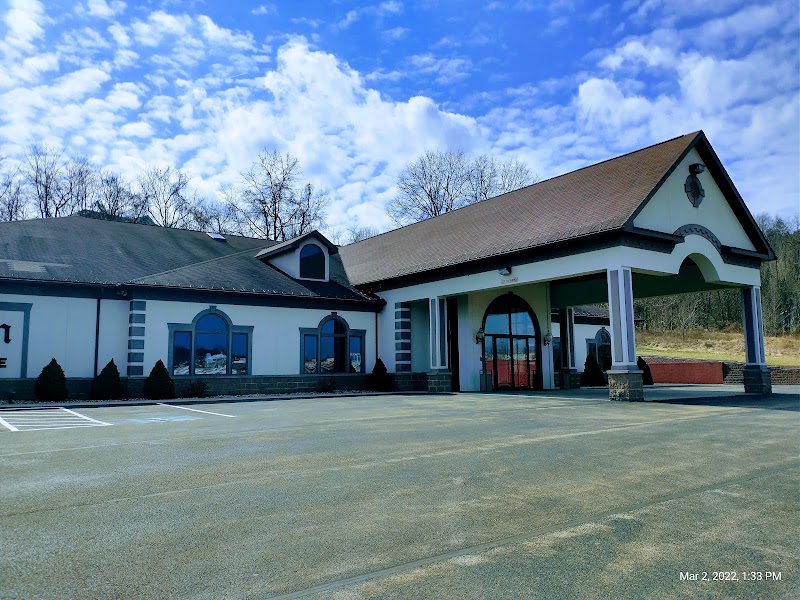
CMS rates BELLA HEALTHCARE CENTER's staffing level at 3 out of 5 stars, which is average compared to other nursing homes. Staff turnover is 50%, compared to the Pennsylvania average of 46%.

What Have Inspectors Found at Bella Healthcare Center?

State health inspectors documented 21 deficiencies at BELLA HEALTHCARE CENTER during 2023 to 2025. These included: 19 with potential for harm and 2 minor or isolated issues.
Who Owns and Operates Bella Healthcare Center?

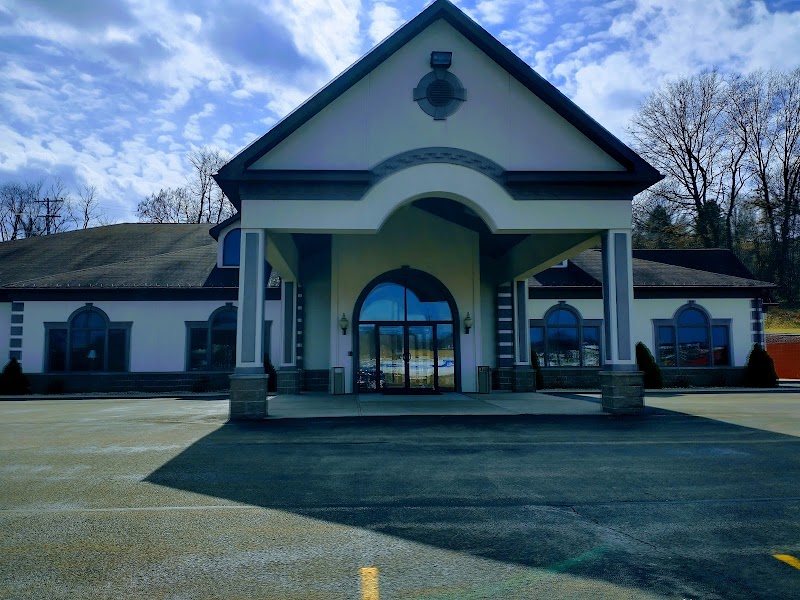
BELLA HEALTHCARE CENTER is owned by a for-profit company. For-profit facilities operate as businesses with obligations to shareholders or private owners. The facility is operated by COMMUNICARE HEALTH, a chain that manages multiple nursing homes. With 119 certified beds and approximately 114 residents (about 96% occupancy), it is a mid-sized facility located in UNIONTOWN, Pennsylvania.
How Does Bella Healthcare Center Compare to Other Pennsylvania Nursing Homes?

Compared to the 100 nursing homes in Pennsylvania, BELLA HEALTHCARE CENTER's overall rating (2 stars) is below the state average of 3.0, staff turnover (50%) is near the state average of 46%, and health inspection rating (2 stars) is below the national benchmark.

What Should Families Ask When Visiting Bella Healthcare Center?

Based on this facility's data, families visiting should ask: "Can I visit during a mealtime to observe dining assistance and food quality?" "How do you handle medical emergencies, and what is your hospital transfer rate?" "Can I speak with family members of current residents about their experience?"

Is Bella Healthcare Center Safe?

Based on CMS inspection data, BELLA HEALTHCARE CENTER has a clean safety record: no substantiated abuse findings (meaning no confirmed cases of resident harm), no Immediate Jeopardy citations (the most serious violation level indicating risk of serious injury or death), and is not on the Special Focus Facility watch list (a federal program monitoring the lowest-performing 1% of nursing homes). The facility has a 2-star overall rating and ranks #100 of 100 nursing homes in Pennsylvania. While no facility is perfect, families should still ask about staff-to-resident ratios and recent inspection results during their visit.

Do Nurses at Bella Healthcare Center Stick Around?

BELLA HEALTHCARE CENTER has a staff turnover rate of 50%, which is about average for Pennsylvania nursing homes (state average: 46%). Moderate turnover is common in nursing homes, but families should still ask about staff tenure and how the facility maintains care continuity when employees leave.

Was Bella Healthcare Center Ever Fined?

BELLA HEALTHCARE CENTER has no federal fines on record. CMS issues fines when nursing homes fail to meet care standards or don't correct problems found during inspections. The absence of fines suggests the facility has either maintained compliance or corrected any issues before penalties were assessed. This is a positive indicator, though families should still review recent inspection reports for the full picture.

Is Bella Healthcare Center on Any Federal Watch List?

BELLA HEALTHCARE CENTER is not on any federal watch list. The most significant is the Special Focus Facility (SFF) program, which identifies the bottom 1% of nursing homes nationally based on persistent, serious quality problems. Not being on this list means the facility has avoided the pattern of deficiencies that triggers enhanced federal oversight. This is a positive indicator, though families should still review the facility's inspection history directly.