LAFAYETTE MANOR, INC
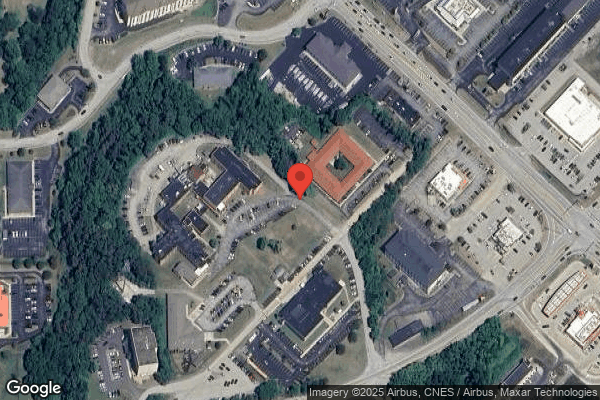
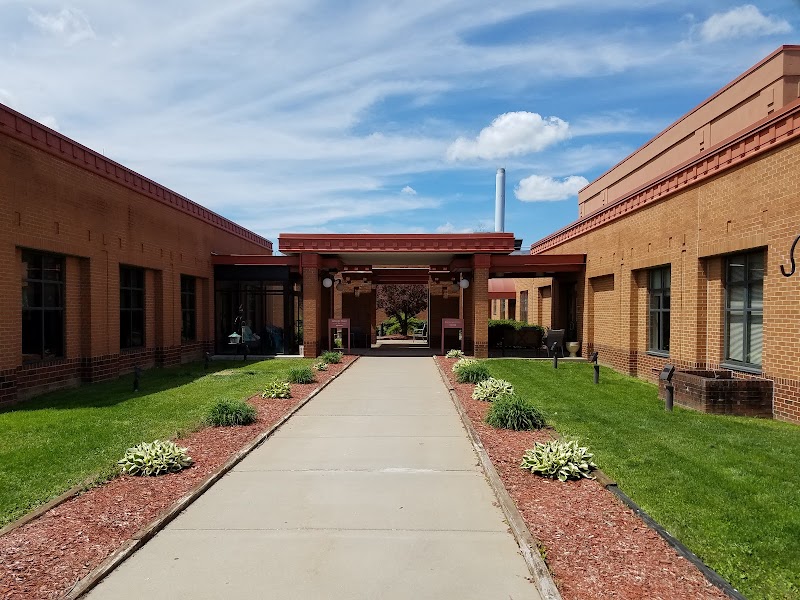
147 LAFAYETTE MANOR ROAD, UNIONTOWN, PA 15401 (724) 430-4848
Non profit - Corporation 98 Beds Independent Data: November 2025
Trust Grade
28/100
#448 of 653 in PA
Last Inspection: September 2024

Within standard 12-15 month inspection cycle. Federal law requires annual inspections.

Overview

Lafayette Manor, Inc. has a Trust Grade of F, which indicates significant concerns and places it in the poor category. It ranks #448 out of 653 nursing homes in Pennsylvania, putting it in the bottom half of facilities statewide, and #4 out of 7 in Fayette County, meaning only three local options are worse. While the facility's trend is improving, with issues decreasing from 21 in 2024 to 3 in 2025, it still faces serious challenges. Staffing is average with a 3 out of 5 star rating, but the turnover rate is concerning at 59%, higher than the Pennsylvania average. Families should note that the facility has had incidents, such as failing to check the dish machine temperature which could lead to foodborne illness, and not following proper infection control practices during dressing changes. Overall, while there are some signs of improvement, potential residents and their families should weigh these concerns carefully.

Trust Score
F
28/100
In Pennsylvania
#448/653
Bottom 32%
Safety Record
High Risk
Review needed
Inspections
Getting Better
21 → 3 violations
Staff Stability
⚠ Watch
59% turnover. Above average. Higher turnover means staff may not know residents' routines.
Penalties
○ Average
$11,536 in fines. Higher than 71% of Pennsylvania facilities. Some compliance issues.
Skilled Nurses
○ Average
Each resident gets 36 minutes of Registered Nurse (RN) attention daily — about average for Pennsylvania. RNs are the most trained staff who monitor for health changes.
Violations
⚠ Watch
33 deficiencies on record. Higher than average. Multiple issues found across inspections.
★★☆☆☆
2.0
Overall Rating
★★★☆☆
3.0
Staff Levels
★★☆☆☆
2.0
Care Quality
★★☆☆☆
2.0
Inspection Score
Stable
2024: 21 issues
2025: 3 issues

The Good

  • Full Sprinkler Coverage · Fire safety systems throughout facility
  • No fines on record

Facility shows strength in fire safety.

The Bad

2-Star Overall Rating

Below Pennsylvania average (3.0)

Below average - review inspection findings carefully

Staff Turnover: 59%

13pts above Pennsylvania avg (46%)

Frequent staff changes - ask about care continuity

Federal Fines: $11,536

Below median ($33,413)

Minor penalties assessed

Staff turnover is elevated (59%)

11 points above Pennsylvania average of 48%

The Ugly 33 deficiencies on record

Aug 2025 2 deficiencies
CONCERN (D) 📢 Someone Reported This

A family member, employee, or ombudsman was alarmed enough to file a formal complaint

Potential for Harm - no one hurt, but risky conditions existed

Deficiency F0558 (Tag F0558)

Could have caused harm · This affected 1 resident

Based on observations, review of clinical records, and staff interview it was determined that the facility failed to provide reasonable accommodation of needs for five of 25 residents reviewed (Reside...

Read full inspector narrative →
Based on observations, review of clinical records, and staff interview it was determined that the facility failed to provide reasonable accommodation of needs for five of 25 residents reviewed (Resident R1, R2, R3, R4 and R5). Based on observations, review of clinical records, and staff interview it was determined that the facility failed to provide reasonable accommodation of needs for five of 25 residents reviewed (Resident R1, R2, R3, R4 and R5). Findings Include: During observations of resident rooms on the first and second floors on 8/12/25, from 9:40 a.m., through 11:45 a.m., incontinence diapers were being placed in rooms.During an interview on 8/12/25, at 10:22 a.m., Licensed Practical Nurse (LPN) Employees E1 and E2 confirmed that the facility only allows eight incontinence diapers per resident, and they were told they are not to get any more, if they run out, they have to wait for the Supervisor to get them. Staff stated, residents are to be changed every two hours, we need 12 then at least and what happens if the resident goes through more because of diarrhea? During an interview on 8/12/25, at 10:42 a.m., Nurse Aide (NA) Employee E4 stated that you only have eight incontinence diapers for each resident. During an interview on 8/12/25, at 11:10 NA Employees E5 and E8 stated that the facility only allows eight incontinence diapers per resident, and we used to be able to get more now you have to hunt down the Supervisor to get them or you get into trouble. During an interview on 8/12/25, at 11:20 a.m., NA Employees E7 and E9 stated that they the facility does not allow no more than eight incontinence diapers for each resident in 24 hours. There are no wipes and washcloths are used and at times the washcloths don't look clean and we're using a rag that may have been used on someone's behind now using it on a resident's face. During an interview on 8/12/25, at 11:35 a.m., Housekeeper/central/custodian Employee E11 stated that places the supplies of diapers in each resident room, if there are four, I put in four more, the extra-large users only get four at a time. During an interview on 8/12/25, at 11;40 a.m., LPN Employee E7 and NA Employee E9 stated Resident R6 has small diapers in her room but requires extra-large, when observed, there were four small diapers in her drawer. Review of Resident R5's clinical record indicated her weight as being 169 pounds, incontinence of bowel and bladder and recently having a healed pressure ulcer of her sacrum that started as shearing and had developed and worsened while in the facility. On 8/12/25, she had developed a urinary tract infection. Review of the facility pressure ulcer list indicated four residents (Residents R1, R2, R3 and R4) with Incontinence Associated Dermatitis and staged as partial thickness and all developing in the facility. During an interview on 8/12/25, at 11:45 a.m., the Nursing Home Administrator confirmed that the facility failed provide reasonable accommodation of needs for five of 25 residents reviewed (Resident R1, R2, R3, R4 and R5). 28 Pa. Code 201.29 (a) Resident Rights.28 Pa. Code 211.10 (d) Resident care policies.
CONCERN (E) 📢 Someone Reported This

A family member, employee, or ombudsman was alarmed enough to file a formal complaint

Potential for Harm - no one hurt, but risky conditions existed

Safe Environment (Tag F0584)

Could have caused harm · This affected multiple residents

Based on observations, review of facility policy, resident, and staff interviews, it was determined that the facility failed to provide a safe, clean, comfortable, and homelike environment on two of t...

Read full inspector narrative →
Based on observations, review of facility policy, resident, and staff interviews, it was determined that the facility failed to provide a safe, clean, comfortable, and homelike environment on two of two nursing units (First and Second Floor Nursing Units). Based on observations, review of facility policy, resident, and staff interviews, it was determined that the facility failed to provide a safe, clean, comfortable, and homelike environment on two of two nursing units (First and Second Floor Nursing Units). Findings included: Review of the facility policy Homelike Environment dated 1/28/25, indicated in part The facility staff and management maximizes, to the extent possible, the characteristics of the facility that reflect a personalized, homelike setting. These characteristics include clean bed and bath linens that are in good condition. Review of Title 42 Code of Federal Regulations S483.10(i) Safe Environment. The resident has a right to a safe, clean, comfortable, and homelike environment, including but not limited to receiving treatment and supports for daily living safely. S483.10(i)(2) Housekeeping and maintenance services necessary to maintain a sanitary, orderly, and comfortable interior. During an observation on 8/12/25, from 9:40 a.m., through 11:20 a.m., of the first floor nursing unit identified: Observation of the linen carts identified torn towels and bed blankets and ripped washcloths being provided from laundry as washcloths. During an interview on 8/12/25, at 10:22 a.m., Licensed Practical Nurses E1 and E2 confirmed that the facility utilizes torn towels, blankets and ripped washcloths to clean residents for washcloths due to not having wipes and the only wash cloths being provided. During an interview on 8/12/25, at 11:20 a.m., Nurse Aide Employees E7 and E8 stated that they use the ripped washcloths and pieces of blankets and towels as washcloths and that is what facility provides. During an interview on 8/12/25, at 11:22 a.m., Maintenance Director Employee E3 stated that those were being provided as washcloths. Stated the facility has new washcloths and showed them to the surveyor still packaged. During an interview on 8/12/25, at 11:30 a.m., the Nursing Home Administrator confirmed the ripped washcloths and torn blankets and towels were what was being provided. The facility failed to provide a safe, comfortable and homelike environment for the residents of the first and second floor nursing units. 28 Pa. Code: 207.2(a) Administrator's responsibility. 28 Pa. Code: 201.29(k) Resident rights.
Jun 2025 1 deficiency
CONCERN (E) 📢 Someone Reported This

A family member, employee, or ombudsman was alarmed enough to file a formal complaint

Potential for Harm - no one hurt, but risky conditions existed

Medical Records (Tag F0842)

Could have caused harm · This affected multiple residents

Based on the review of facility policy, observations, clinical records, and staff interviews, it was determined that the facility failed to accurately document meal consumption for six of seven reside...

Read full inspector narrative →
Based on the review of facility policy, observations, clinical records, and staff interviews, it was determined that the facility failed to accurately document meal consumption for six of seven residents observed. (Residents R1, R2, R3, R4, R5, and R6). Findings include: Review of the facility policy, Charting and Documentation dated 1/2/24, indicated Documentation in the medical record will be objective (not opinionated or speculative), complete, and accurate. During an observation on 6/29/25, at 12:40 p.m. Resident R1's meal was noted to be approximately 25% consumed. Review of Resident R1's Task List history indicated that on 6/29/25, at 11:42 a.m. NA Employee E1 documented Resident R1's meal consumption was 75%. During an observation on 6/29/25, at 12:47 p.m. Resident R2's meal was noted to be approximately 75% consumed. Review of Resident R2's Task List history indicated that on 6/29/25, at 11:41 a.m. NA Employee E1 documented Resident R2's meal consumption was 100%. During an observation on 6/29/25, at 12:48 p.m. Resident R3's meal was noted to be approximately 25% consumed. Review of Resident R3's Task List history indicated that on 6/29/25, at 11:42 a.m. NA Employee E1 documented Resident R3's meal consumption was 75%. During an observation on 6/29/25, at 12:50 p.m. Resident R4's meal was noted to be approximately 100% consumed. Review of Resident R4's Task List history indicated that on 6/29/25, at 12:29 p.m. NA Employee E2 documented Resident R4's meal consumption was 75%. During an observation on 6/29/25, at 12:51 p.m. Resident R5's meal was noted to be approximately 25% consumed. Review of Resident R5's Task List history indicated that on 6/29/25, at 12:27 p.m. NA Employee E2 documented Resident R5's meal consumption was 75%. During an observation on 6/29/25, at 12:52 p.m. Resident R6's meal was noted to be approximately 25% consumed. Review of Resident R6's Task List history indicated that on 6/29/25, at 12:27 p.m. NA Employee E1 documented Resident R6's meal consumption was 75%. During an interview on 6/29/25, at 12:53 p.m. when asked why she had charted Resident R1's meal consumption prior to the meal being consumed, NA Employee E1 stated, Maybe that's the one I charted too fast. During an interview on 6/29/25 at approximately 1:00 p.m., the Nursing Home Administrator confirmed that the facility failed to accurately document meal consumption for six of seven residents observed. 28 Pa. Code: 211.5(f)(g)(h) Clinical records.
Sept 2024 17 deficiencies
CONCERN (D)

Potential for Harm - no one hurt, but risky conditions existed

Resident Rights (Tag F0550)

Could have caused harm · This affected 1 resident

**NOTE- TERMS IN BRACKETS HAVE BEEN EDITED TO PROTECT CONFIDENTIALITY** Based on clinical record review, staff interview, and observation, it was determined that the facility failed to provide an envi...

Read full inspector narrative →
**NOTE- TERMS IN BRACKETS HAVE BEEN EDITED TO PROTECT CONFIDENTIALITY** Based on clinical record review, staff interview, and observation, it was determined that the facility failed to provide an environment and care to promote dignity for each resident's quality of life for two of six sampled residents (Resident R500 and R501). Findings: Review of facility policy Resident Rights reviewed 1/4/24, indicated employees shall treat all residents with kindness, respect, and dignity. Federal and state laws guarantee certain basic rights to all residents of this facility. These include: a dignified existence; treated with respect, kindness, dignity, and self-determination. Review of facility policy Dignity reviewed 1/4/24, indicated each resident shall be cared for in a manner that promotes and enhances quality of life, dignity, respect, and individuality. Residents shall be treated with dignity and respect at all times. Treated with dignity means the resident will be assisted in maintaining and enhancing his or her self-esteem and self-worth. Demeaning practices and standards of care that compromise dignity are prohibited. Review of facility policy Homelike Environment reviewed 1/4/24, indicated staff shall provide person-centered care that emphasizes the residents' comfort, independence, and personal needs and preferences. The Long-Term Care Facility Resident Assessment Instrument (RAI) User's Manual, which provides instructions and guidelines for completing required Minimum Data Set (MDS) assessments (mandated assessments of a resident's abilities and care needs), dated October 2019, indicated that a BIMS (Brief Interview of Mental Status) is a brief screener that aids in detecting cognitive impairment. Scores from a BIMS assessment suggests the following distributions: 13 - 15: cognitively intact 8 - 12: moderately impaired 0 - 7: severe impairment Review of the clinical record revealed Resident R500 was admitted to the facility on [DATE], with diagnoses that included diabetes, depression, and fusion of spine (cervical region, cervical spine is located below the skull and includes the first seven vertebrae C1-C7). On admission, Resident R500 was placed in room [ROOM NUMBER] with a shared bathroom with room [ROOM NUMBER]. Review of the Minimum Data Set (MDS - a mandated assessment of a resident's abilities and care needs) dated 2/18/24, indicated the diagnoses are current. Review of Section C: Cognitive Patterns, Question C0500 BIMS Summary Score indicated 15. Section GG: Functional Abilities and Goals, Question GG0130 Self Care indicated Resident R500 required set up/clean up assistance with toileting hygiene, shower/bathe, and dressing upper and lower body. Question GG0170 Mobility indicated Resident R500 needed supervision for rolling right and left, sit to standing, toileting, and walking 50 feet with two turns. Section H: Bowel and Bladder, Question H0300 Urinary Continence indicated Resident R500 was always continent. Question H0400 Bowel Continence indicated Resident R500 was always continent. Review of the admission assessment dated [DATE], indicated Resident R500 was continent of bowel and bladder. Review of the clinical record indicated Resident R501 was admitted to the facility on [DATE], with diagnoses that included diabetes, depression, and dementia. Review of the MDS dated [DATE], indicated the diagnoses remain current. Review of Section C: Cognitive Patterns, Question C0500 BIMS Summary Score indicated 11. Section GG: Functional Abilities and Goals, Question GG0130 Self Care indicated Resident R500 required partial/moderate assistance with toileting hygiene, shower/bathe, and dressing lower body. Question GG0170 Mobility indicated Resident R500 needed supervision for rolling right and left, sit to standing, toileting, and walking 10 feet with two turns. Section H: Bowel and Bladder, Question H0300 Urinary Continence indicated Resident R500 was always continent. Question H0400 Bowel Continence indicated Resident R500 was always continent. Review of the admission assessment dated [DATE], indicated Resident R501 was continent of bowel and bladder. Review of the clinical record indicated Resident R501 was placed in room [ROOM NUMBER] on 2/12/24. Review of facility grievances revealed on 2/14/24, a grievance was filed for Resident R500 being upset about sharing a bathroom with a male, stating the bathroom door is often locked on room [ROOM NUMBER] side. Facility resolution was Resident R500 was given a bedside commode to use. Resident's R500 and R501 were not available for interview. During an interview on 9/5/24, at 10:30 a.m. the Nursing Home Administrator confirmed the facility failed to provide an environment and care to promote dignity for each resident's quality of life for Resident R500. 28 Pa. Code 201.29(j) Resident rights.
CONCERN (D)

Potential for Harm - no one hurt, but risky conditions existed

Deficiency F0947 (Tag F0947)

Could have caused harm · This affected 1 resident

Based on review of facility policy, staff education records, and staff interview, it was determined that the facility failed to conduct at least 12 hours of in-service education, within 12 months of t...

Read full inspector narrative →
Based on review of facility policy, staff education records, and staff interview, it was determined that the facility failed to conduct at least 12 hours of in-service education, within 12 months of their hire date anniversary, for nurse aides as required for two of five nurse aides (Employees E8 and E12). Finding include: Review of the facility policy, Staff Training Requirements dated 1/2/24, previously reviewed 8/17/23, indicated the facility will provide in-depth review of operational policies and procedures to all employees. All in-service training for all personnel will be conducted at a minimum of annually. Review of Nurse Aide (NA) Employees E8 and E12's education records with hire date greater than 12 months revealed the following: NA Employee E8 had a hire date of 2/28/22 with approximately 4.97 hours of in-service education between 2/28/23, and 2/28/24. NA Employee E12 had a hire date of 11/14/22, with zero hours of in-service education between 11/14/22 and 11/14/23. NA Employee E12 had not completed any in-services for 2024 as of the survey exit date of 9/6/24. During an interview on 9/4/24, at 1:00pm., the Nursing Home Administrator confirmed that the facility failed to provide the required 12 hours annual in-service education within 12 months of their hire date anniversary for two of five nurse aides. She indicated that the facility had no education process in place for annual trainings prior to her arrival at the facility. 28 Pa. Code: 201.14(a) Responsibility of Licensee. 28 Pa. Code: 201.20(c) Staff Development.
CONCERN (E)

Potential for Harm - no one hurt, but risky conditions existed

Deficiency F0602 (Tag F0602)

Could have caused harm · This affected multiple residents

Based on a review of facility policy, clinical records, and incident investigation documents, it was determined that the facility failed to ensure that residents are free from misappropriation of prop...

Read full inspector narrative →
Based on a review of facility policy, clinical records, and incident investigation documents, it was determined that the facility failed to ensure that residents are free from misappropriation of property for three of five residents (Resident R54, R92 and R94)/ This was identified as past non-compliance. Findings include: Review of the facility Abuse Prevention Policy and Procedure dated 1/2/24, indicated that the facility will assure that the resident is free from misappropriation of property, which the policy defined as, the deliberate misplacement, exploitation, or wrongful, temporary or permanent use of resident's belongings or money without the resident's consent. Review of facility provided documents indicated medications signed out by LPN Employee E6 form 8/15/24, at 7:00 p.m., shift through 8/17/24, 7:00 a.m., revealed the following: Resident R54 had 3 pills of Oxycodone 5mg (commonly referred to as Percocet, an opiod pain medication used to treat moderately severe pain) signed out, but not administered. Resident R92 had four pills of Hydrocodone/APAP 5/325mg (commonly known as Vicodin, a narcotic used for severe pain) signed out but not administered. Resident R94 had 3 pills of Oxycodone 5mg signed out, but not administered. Review of the facility provided documents indicated On 8/20/24, the Licensed Practical Nurse(LPN) Employee E7 began the investigation as she had questioned the residents. The Director of Nursing(DON) was notified of the controlled medication discrepancies involving three residents. The DON and supervisors conducted an audit of controlled substance documentation and identified ten discrepancies involving three residents from 8/15/24 through 8/17/24, with one LPN identified as not completing documentation on EMAR (electronic medication administration record) but signed off on controlled substance count sheet. Two alert and oriented residents were interviewed by nursing supervisor, two residents reported that they did not receive pain medications. The DON immediately removed the LPN in question from the schedule. The State police were notified and conducted an investigation. Residents were interviewed by police. The conclusion of the investigation revealed, LPN Employee E6 was suspended until investigation completed and then terminated from position. State board of licensure was notified. Adult Protective Services were notified. On 8/23/24, the facility initiated a plan of correction that included: -Staff education on controlled substance policy. -Suspension and subsequent termination of LPN Employee E6. -State board of licensure notified. -on-going monitoring During interviews completed on 9/4/24, four staff members confirmed that they were provided abuse,neglect and misappropriation trainings with the previous citation. During an interview on 9/4/24, at 9:08 a. m., the Nursing Home Administrator (NHA) confirmed that the facility failed to ensure that residents are free from misappropriation of property for three of three residents who are ordered controlled medications. 28 Pa. Code 211.5(f)(g) Clinical records. 28 Pa. Code 211.9(a)(1)(k) Pharmacy services. 28 Pa. Code 211.12(a)(c)(d)(1)(3)(5) Nursing services.
CONCERN (E)

Potential for Harm - no one hurt, but risky conditions existed

Deficiency F0806 (Tag F0806)

Could have caused harm · This affected multiple residents

Based on a review of resident chosen menus, observations, resident council minutes and meeting and resident and staff interview it was determined that the facility failed to follow resident food prefe...

Read full inspector narrative →
Based on a review of resident chosen menus, observations, resident council minutes and meeting and resident and staff interview it was determined that the facility failed to follow resident food preferences for three of four residents (Resident R63, R92 and R700). Findings include: During an observation conducted for tray accuracy on 9/5/24, for the breakfast and lunch meals it was revealed that the facility failed to provide the residents with their food preferences as follows: Breakfast Meal: * Resident R63 requested scrambled eggs and cranberry juice, the facility failed to provide either item and the resident received pancakes. * Resident R92 requested oatmeal and received cold cereal. During an interview on 9/5/24, at 8:24 a.m., Resident R63 stated that they always put on what they want to give you. During an interview on 9/5/24, at 8:25 a.m., Resident R92's representative stated that she has seen when her mother has not had items on her trays for all meals. Lunch Meal * Resident R700 wanted a hotdog and cheese curls and received a chopped hot dog and no cheese curls. During an interview on 9/5/24, at 11:40 a.m., Resident R700 stated that she often has preferred items missing off of her tray. Review of the Resident Council Minutes dated 8/29/24, indicated that residents identified that menus are not matching food provided. Review of the Resident Council Meeting dated 9/4/24, at 10:42 am, indicated that 12 of the 16 residents who attended group identified that menus were not matching the food provided. During an interview on 9/5/24, at 12:00 p.m., the concern regarding the facility's dietary staff not providing or substituting food items preferred by residents and menu selection process was reviewed with the Nursing Home Administrator. Pa Code: 211.6(a) Dietary Services
CONCERN (E)

Potential for Harm - no one hurt, but risky conditions existed

Deficiency F0865 (Tag F0865)

Could have caused harm · This affected multiple residents

Based on review of facility documentation, review of cited deficiencies from the facility's abbreviated survey of 5/24/24, and staff interview, it was determined that the facility's Quality assurance ...

Read full inspector narrative →
Based on review of facility documentation, review of cited deficiencies from the facility's abbreviated survey of 5/24/24, and staff interview, it was determined that the facility's Quality assurance and performance improvement (QAPI) program failed to correct previous cited deficiencies. This has the potential to effect all 83 residents of the facility. The findings include: The facility's deficiencies and plan of correction for the State Survey and Certification (Department of Health) survey ending May 24, 2024, revealed that the facility developed plans of corrections that included quality assurance systems to ensure that the facility maintained compliance with cited nursing home regulations. The results of the current survey, ending September 6,2024, identified a repeated deficiency related to misappropriation of property and implementation of the policies and procedures to prohibit abuse and misappropriation of resident property for three of three residents. The facility QAPI Committee is responsible for the review and approval of facility policies, procedures and guidelines on an annual basis. The following schedule should be followed to assure review and adoption of key policies, procedures and guidelines. Additional requirements may be specified in other company programs. The facility policy Quality Assurance Process Improvement Plan, last reviewed 1/2/24, indicated that the purpose is to develop the means and methods to go beyond the Quality Assessment and Assurance (QAA) regulation and implement processes in order to meet the regulatory provisions of Section 6102(c) and March 2010 Patient Protection and Affordable Act. The purpose is to pursue continuous identification and correction of quality deficiencies as well as sustain performance improvement through implementation of QAPI principles utilizing a systematic, comprehensive , data- driven, proactive approach to performance management and improvement. During an interview on 9/4/24, at 9:08 a.m., the Nursing Home Administrator confirmed the facility failed to maintain their plan of correction for the deficient practices. Federal and state deficiencies cited in this report demonstrated that the facility failed to maintain an effective Quality Assurance Committee to ensure that the concerns related to abuse and misappropriation needs of the residents were identified. 28 Pa. Code 201.14(a) Responsibility of licensee. 28 Pa. Code 201.18(a)(b)(3)(e)(1)(3)(4) Management. 28 Pa. Code 211.12(c) Nursing services.
CONCERN (E)

Potential for Harm - no one hurt, but risky conditions existed

Deficiency F0943 (Tag F0943)

Could have caused harm · This affected multiple residents

Based on review of facility policy and documents, and staff interview, it was determined that the facility failed to provide training on Abuse, Neglect, and Exploitation for five of ten staff members ...

Read full inspector narrative →
Based on review of facility policy and documents, and staff interview, it was determined that the facility failed to provide training on Abuse, Neglect, and Exploitation for five of ten staff members (Employees E12, E14, E15, E16, and E17). Findings include: Review of Nurse Aid (NA) Employee E12 ' s facility provided information did not include training on Abuse, Neglect, and Exploitation. Review of Registered Nurse (RN) Employee E14 ' s facility provided information did not include training on Abuse, Neglect, and Exploitation. Review of Licensed Practical Nurse (LPN) Employee E15 ' s facility provided information did not include training on Abuse, Neglect, and Exploitation. Review of LPN Employee E16 ' s facility provided information did not include training on Abuse, Neglect, and Exploitation. Review of RN Employee E17 ' s facility provided information did not include training on Abuse, Neglect, and Exploitation. During an interview on 9/6/24, at approximately 2:00 p.m. the Nursing Home Administrator confirmed that the facility failed to provide training on Abuse, Neglect, and Exploitation for Employees E12, E14, E15, E16, and E17. 28 Pa Code: 201.14 (a) Responsibility of licensee. 28 Pa Code: 201.18 (b)(1) Management. 28 Pa Code: 201.20 (a)(c) Staff development.
CONCERN (E)

Potential for Harm - no one hurt, but risky conditions existed

Deficiency F0945 (Tag F0945)

Could have caused harm · This affected multiple residents

Based on review of facility documents and staff interview, it was determined that the facility failed to provide training on infection control for six of ten staff members (Employees E8, E12, E14, E15...

Read full inspector narrative →
Based on review of facility documents and staff interview, it was determined that the facility failed to provide training on infection control for six of ten staff members (Employees E8, E12, E14, E15, E16, and E17). Findings include: Review of Nurse Aid (NA) Employee E8 ' s facility provided information did not include training on infection control. Review of NA Employee E12 ' s facility provided information did not include training on infection control. Review of Registered Nurse (RN) Employee E14 ' s facility provided information did not include training on infection control. Review of Licensed Practical Nurse (LPN) Employee E15 ' s facility provided information did not include training on infection control. Review of LPN Employee E16 ' s facility provided information did not include training on infection control. Review of RN Employee E17 ' s facility provided information did not include training on infection control. During an interview on 9/6/24, at approximately 2:00 p.m. the Nursing Home Administrator confirmed that the facility failed to provide training on infection control. for Employees E8, E12, E14, E15, E16, and E17. 28 Pa Code: 201.14 (a) Responsibility of licensee. 28 Pa Code: 201.18 (b)(1) Management. 28 Pa Code: 201.20 (a)(c) Staff development.
CONCERN (F)

Potential for Harm - no one hurt, but risky conditions existed

Food Safety (Tag F0812)

Could have caused harm · This affected most or all residents

Based on a review of facility policies, observations and staff interviews it was determined that the facility failed to verify the washing temperature of the dish machine in the main kitchen, which cr...

Read full inspector narrative →
Based on a review of facility policies, observations and staff interviews it was determined that the facility failed to verify the washing temperature of the dish machine in the main kitchen, which created the potential for foodborne illness. Findings include: Review of the facility policy Automated Ware Washing Policy, dated 1/2/24, with a previous review date of 8/17/23, indicated that the dish machine will be checked prior to meals to assure proper functioning and appropriate temperatures for cleaning and sanitation. The food service manager will train staff to monitor dish machine temperatures throughout the process. Review of the facility policy Dish Machine Temperature Log, dated 1/4/24, with a previous review date of 8/17/23, indicated that dishwashing staff will monitor and record dish machine temperatures to assure proper sanitizing of dishes. Temperatures for wash is identified as >/= 160 degrees, with the final rinse temperature as >/= 180 degrees. During observation of the main kitchen on 9/4/24, at 9: 30 a.m., the following was identified: The dish machine valves did not function during the running of the wash and rinse cycles Confirmed with Dietary Manager Employee E5. During a second observation of the kitchen on 9/4/24, at 9:43 a.m., the dish machine was indicated as functioning properly. When observed it did not reach temperatures as indicated for proper sanitation. Pa. 28 Code: 211.6(c)(d)(f) Dietary services.
CONCERN (F)

Potential for Harm - no one hurt, but risky conditions existed

Infection Control (Tag F0880)

Could have caused harm · This affected most or all residents

Based on review of facility policy, observations and staff interviews, it was determined that the facility failed to maintain infection control practices to prevent the potential for cross contaminati...

Read full inspector narrative →
Based on review of facility policy, observations and staff interviews, it was determined that the facility failed to maintain infection control practices to prevent the potential for cross contamination during a dressing change. Findings include: Review of the facility policy Dry/Clean Dressings dated 1/4/24, indicated to clean the bedside stand before and after dressing change. Tape a biohazard bag or plastic bag on the bedside stand or use the waste basket below clean field. Pull glove over old dressing and discard into plastic or biohazard bag. Cleanse the wound with ordered cleanser. Clean for the least contaminated area to the most contaminated area (usually from center outward). Review of the facility policy Infection Prevention and Control Program dated 1/4/24, indicated the infection prevention and control program is developed to address the facility-specific infection control needs and requirements identified. Policies and procedures are utilized as the standards of the infection prevention and control program. Important facets of infection prevention include educating staff and ensuring that they adhere to proper techniques and procedures. During an observation on 9/4/24, at 12:50 p.m. with Licensed Practical Nurse (LPN) Employee E1 and LPN Employee E2 the following occurred during a dressing change: -LPN Employees E1 and E2 washed their hands and donned gloves. -LPN Employee E1 placed a clean drape on the resident's bedside table. *Table was not cleansed prior to drape being placed; resident's belongings were not removed from the table. -LPN Employee E1 placed the supplies on the drape. -LPN Employee E2 pulled the drapes around resident bed for privacy; she did not wash her hands after completing this. -LPN Employee E2 removed the old dressings from four wounds located on resident's right lower leg. The areas are as follows: #1 middle right calf, #2 Right outer calf, #3 right shin, #4 top of right foot. At that time the drape was not placed under the wounds to protect the bedding. -LPN Employee E2 removed soiled gloves inside out and placed on foot of resident' s bed and did not wash hands. -LPN Employee E2 removed new gloves from her pocket and donned. LPN Employee E1 handed the supplies to LPN Employee E2 as they were needed. All four wounds cleansed with wound cleanser and gauze. During this process each wound was wiped multiple times with the same piece of gauze, the gauze was folded over and used to dry the wound with multiple swipes of the soiled gauze. -LPN Employee E2 picked up previous discarded gloves, removed current gloves inside out with all soiled items inside gloves and placed gloves back on the residents bed; did not wash hands. -LPN Employee E2 removed gloves from her pocket and donned. -LPN Employee E1 removed scissors from his pocket to cut the ordered treatment to size; the scissors were not cleaned prior this use. -LPN Employee E2 applied each dressing to the four wounds. -LPN Employee E2 picked up the previously discarded gloves, removed her current gloves inside out, and placed the ball of soiled gloves and soiled dressings into her pocket. This soiled trash was not placed in the trash/bin. -LPN Employee E1 gathered supplies and replaced bedside table next to the resident for use. The table was not cleansed after this use. -LPN Employee E1 returned the supplies to the storage room. The scissors were replaced in his pocket. The wound cleanser spray bottle was returned to the storage room, this was used during this procedure in the resident's room. The scissors were not cleansed after use. -LPN Employee E2 threw the ball of soiled gloves in the trash in the storage room. During an interview on 9/4/24, at 1:30 p.m. LPN Employee E1 confirmed the above observations and stated he was orienting/training LPN Employee E2 as a new employee at the facility. During an interview on 9/4/22, at 2:30 p.m. the Nursing Home Administrator confirmed the facility failed to maintain infection control to prevent the potential for cross-contamination during a dressing change. 28 Pa. Code: 201.20(c) Staff development. 28 Pa. Code: 201.14(a) Responsibility of licensee. 28 Pa. Code: 201.18(b)(1)(e)(1) Management. 28 Pa. Code: 211.10(d) Resident care policies. 28 Pa. Code: 211.12(d)(1)(2)(3)(5) Nursing services.
MINOR (B)

Minor Issue - procedural, no safety impact

Transfer Notice (Tag F0623)

Minor procedural issue · This affected multiple residents

Based on a review of federal regulation and staff interview, it was determined that the facility failed to provide transfer notices to representatives of the Office of the Long-Term Care Ombudsman Div...

Read full inspector narrative →
Based on a review of federal regulation and staff interview, it was determined that the facility failed to provide transfer notices to representatives of the Office of the Long-Term Care Ombudsman Division. Findings include: Review of Title 42 Code of Federal Regulations §483.15(c)(3) Notice Before Transfer: Before a facility transfers or discharges a resident, the facility must- (i) Notify the resident and the resident's representative(s) of the transfer or discharge and the reasons for the move in writing and in a language and manner they understand. The facility must send a copy of the notice to a representative of the Office of the State Long-Term Care Ombudsman. Federal Regulations further define emergency transfers as, When a resident is temporarily transferred on an emergency basis to an acute care facility, this type of transfer is considered to be a facility-initiated transfer. During an interview on 9/6/24, at 10:13 a.m., the Nursing Home Administrator confirmed the facility failed to provide transfer notices to representatives of the Office of the Long-Term Care Ombudsman Division since 9/20/23. 28 Pa. Code 201.29(a)(c.3)(2) Resident rights.
MINOR (B)

Minor Issue - procedural, no safety impact

Deficiency F0726 (Tag F0726)

Minor procedural issue · This affected multiple residents

**NOTE- TERMS IN BRACKETS HAVE BEEN EDITED TO PROTECT CONFIDENTIALITY** Based on review of facility policy, nursing staff personnel records, nurse training documentation and staff interview, it was de...

Read full inspector narrative →
**NOTE- TERMS IN BRACKETS HAVE BEEN EDITED TO PROTECT CONFIDENTIALITY** Based on review of facility policy, nursing staff personnel records, nurse training documentation and staff interview, it was determined that the facility failed to ensure that nursing staff received annual in-service education for 10 of 10 nursing personnel (Nurse Aide (NA) Employees E8, E9, and E10, E11 and E12), Licensed Practical Nurse (LPN) Employee E13, E15 and E16) and Registered Nurse (RN) Employee E14 and E17). Findings include: Review of the facility policy Staff Training Requirements and Orientation Components 1/2/24, with a previous review date of 8/17/23, indicated that the facility will provide in-service training for all personnel initially upon hire and regularly scheduled. All personnel are required to attend staff development/ training classes. Ongoing education programs planned are topics outlined by regulation. These include residents' rights, accident prevention, restorative nursing techniques, emergency preparedness, resident abuse detection and reporting, communication skills, compliance and ethics, quality assurance and performance improvement and behavioral health, fire prevention and infection control. Review of NA Employee E8's personnel record indicated she was hired to the facility on 2/28/22. Review of NA Employee E8's personnel record did not include annual in-services on infection prevention and control, fire prevention and safety, emergency preparedness, resident rights, compliance and ethics, behavioral health, accident prevention and restorative nursing techniques. Review of NA Employee E9's personnel record indicated she was hired to the facility on 6/12/23. Review of NA Employee E9's personnel record did not include annual in-services on behavioral health. Review of NA Employee E10's personnel record indicated she was hired to the facility on [DATE]. Review of NA Employee E10's personnel record did not include annual in-services on behavioral health and restorative nursing techniques. Review of NA Employee E11's personnel record indicated he was hired to the facility on 1/27/23. Review of NA Employee E11's personnel record did not include annual in-services on behavioral health. Review of NA Employee E12's personnel record indicated he was hired on 11/14/22. Review of NA Employee E12's personnel record did not include annual in-services on communication techniques, resident rights', fire prevention and safety, emergency preparedness, restorative nursing techniques, abuse detection and reporting, compliance and ethics, quality assurance and performance improvement, infection control, accident prevention and behavioral health. Review of LPN Employee E13's personnel record indicated she was hired to the facility on [DATE]. Review of LPN Employee E13's personnel record did not include annual in-services on behavioral health. Review of RN Employee E14's personnel record indicated she was hired to the facility on [DATE]. Review of RN Employee E14's personnel record did not include annual in-services on residents' rights, accident prevention, restorative nursing techniques, emergency preparedness, resident abuse detection and reporting, communication skills, compliance and ethics, quality assurance and performance improvement and behavioral health, fire prevention and infection control. Review of LPN Employee E15's personnel record indicated she was hired to the facility on [DATE]. Review of LPN Employee E15's personnel record did not include annual in-services on residents' rights, accident prevention, restorative nursing techniques, emergency preparedness, resident abuse detection and reporting, communication skills, compliance and ethics, quality assurance and performance improvement and behavioral health, fire prevention and infection control. Review of LPN Employee E16's personnel record indicated she was hired to the facility on [DATE]. Review of LPN Employee E16's personnel record did not include annual in-services on residents' rights, accident prevention, restorative nursing techniques, emergency preparedness, resident abuse detection and reporting, communication skills, compliance and ethics, quality assurance and performance improvement and behavioral health, fire prevention and infection control. Review of RN Employee E17's personnel record indicated she was hired to the facility on [DATE]. Review of RN Employee E17's personnel record did not include annual in-services on residents' rights, accident prevention, restorative nursing techniques, emergency preparedness, resident abuse detection and reporting, communication skills, compliance and ethics, quality assurance and performance improvement and behavioral health, fire prevention and infection control. During an interview on 9/4/24, at 1:00 p.m., the Nursing Home Administrator confirmed the facility failed to ensure that nursing staff received annual in-service education for 10 of 10 nursing personnel (Nurse Aide (NA) Employees E8, E9, and E10, E11 and E12), Licensed Practical Nurse (LPN) Employee E13, E15 and E16) and Registered Nurse (RN) Employee E14 and E17). 28 Pa Code: 201.14(a) Responsibility of licensee 28 Pa Code:201.18(a)(3) Management.
MINOR (B)

Minor Issue - procedural, no safety impact

Deficiency F0730 (Tag F0730)

Minor procedural issue · This affected multiple residents

Based on review of facility policy, personnel records, and staff interview it was determined that the facility failed to complete annual performance evaluations for five out of five nurse aides (NA Em...

Read full inspector narrative →
Based on review of facility policy, personnel records, and staff interview it was determined that the facility failed to complete annual performance evaluations for five out of five nurse aides (NA Employee E8, E9, E10, E11, and E12). Findings include: Review of facility provided performance evaluations revealed the following: Nurse Aide (NA) Employee E8 had a hire date of 2/28/22, failed to have a performance evaluation between 2/28/23, and 2/28/24. NA Employee E9 had a hire date of 6/12/23, failed to have a performance evaluation by 6/12/24. NA Employee E10 had a hire date of 11/17/16, failed to have a performance evaluation between 11/17/22 and 11/17/23. NA Employee E11 had a hire date of 1/27/23, failed to have a performance evaluation by 1/27/24. NA Employee E12 had a hire date of 11/14/22, failed to have a performance evaluation by 11/14/23. During an interview on 9/4/24, at 1:00 p.m., the Director of Nursing confirmed that the facility failed to complete annual performance evaluations for five of five nurse aides as required. 28 Pa Code: 201.20 (a)(b)(c)(d) Staff development. 28 Pa Code: 201.14 (a) Responsibility of licensee.
MINOR (B)

Minor Issue - procedural, no safety impact

Deficiency F0941 (Tag F0941)

Minor procedural issue · This affected multiple residents

Based on review of facility documents and staff interview, it was determined that the facility failed to provide Communication training to five of ten direct care facility staff reviewed (Employees E1...

Read full inspector narrative →
Based on review of facility documents and staff interview, it was determined that the facility failed to provide Communication training to five of ten direct care facility staff reviewed (Employees E12, E14, E15, E16, and E17). Finding include: Review of facility education documents revealed the facility failed to offer Communication education to its direct care staff members. Review of Nurse Aide (NA) Employee E12's facility provided information did not include training on effective communication. Review of Registered Nurse (RN) Employee E14 ' s facility provided information did not include training on effective communication. Review of Licensed Practical Nurse (LPN) Employee E15 ' s facility provided information did not include training on effective communication. Review of LPN Employee E16 ' s facility provided information did not include training on effective communication. Review of RN Employee E17 ' s facility provided information did not include training on effective communication. During an interview on 9/6/24, at 2:00 p.m. the Nursing Home Administrator confirmed that the facility failed to provide Communication training to direct care facility staff. 28 Pa. Code: 201.14(a) Responsibility of Licensee. 28 Pa. Code: 201.20(c) Staff Development.
MINOR (B)

Minor Issue - procedural, no safety impact

Deficiency F0942 (Tag F0942)

Minor procedural issue · This affected multiple residents

Based on review of facility documents and staff interview, it was determined that the facility failed to provide training on resident rights for six of ten staff members (Employees E8, E12, E14, E15, ...

Read full inspector narrative →
Based on review of facility documents and staff interview, it was determined that the facility failed to provide training on resident rights for six of ten staff members (Employees E8, E12, E14, E15, E16, and E17). Findings include: Review of Nurse Aid (NA) Employee E8's facility provided information did not include training on resident rights. Review of NA Employee E12 ' s facility provided information did not include training on resident rights. Review of Registered Nurse (RN) Employee E14 ' s facility provided information did not include training on resident rights. Review of Licensed Practical Nurse (LPN) Employee E15 ' s facility provided information did not include training on resident rights. Review of LPN Employee E16 ' s facility provided information did not include training on resident rights. Review of RN Employee E17 ' s facility provided information did not include training on resident rights. During an interview on 9/6/24, at 2:00 p.m. the Nursing Home Administrator confirmed that the facility failed to provide training on resident rights for six of ten staff members. 28 Pa Code: 201.14 (a) Responsibility of licensee. 28 Pa Code: 201.18 (b)(1) Management. 28 Pa Code: 201.20 (a)(c) Staff development.
MINOR (B)

Minor Issue - procedural, no safety impact

Deficiency F0944 (Tag F0944)

Minor procedural issue · This affected multiple residents

Based on review of facility documents and staff interview, it was determined that the facility failed to provide Quality Assurance and Performance Improvement (QAPI) training to five of ten facility s...

Read full inspector narrative →
Based on review of facility documents and staff interview, it was determined that the facility failed to provide Quality Assurance and Performance Improvement (QAPI) training to five of ten facility staff reviewed (E12, E14, E15, E16, and E17). Finding include: Review of Nurse Aid (NA) Employee E12 ' s facility provided information did not include training on QAPI. Review of Registered Nurse (RN) Employee E14 ' s facility provided information did not include training on QAPI. Review of Licensed Practical Nurse (LPN) Employee E15 ' s facility provided information did not include training on QAPI. Review of LPN Employee E16 ' s facility provided information did not include training on QAPI. Review of RN Employee E17 ' s facility provided information did not include training on QAPI. During an interview on 9/6/24, at approximately 2:00 p.m. the Nursing Home Administrator confirmed that the facility failed to provide training on QAPI for Employees E12, E14, E15, E16, and E17. 28 Pa. Code: 201.14(a) Responsibility of Licensee. 28 Pa. Code: 201.20(c) Staff Development.
MINOR (B)

Minor Issue - procedural, no safety impact

Deficiency F0946 (Tag F0946)

Minor procedural issue · This affected multiple residents

Based on review of facility policy and documents, and staff interview, it was determined that the facility failed to provide training on compliance and ethics for six of ten staff members (Employees E...

Read full inspector narrative →
Based on review of facility policy and documents, and staff interview, it was determined that the facility failed to provide training on compliance and ethics for six of ten staff members (Employees E8, E12, E14, E15, E16, and E17). Findings include: Review of Nurse Aid (NA) Employee E8 ' s facility provided information did not include training on compliance and ethics. Review of Nurse Aid (NA) Employee E12 ' s facility provided information did not include training on compliance and ethics. Review of Registered Nurse (RN) Employee E14 ' s facility provided information did not include training on compliance and ethics. Review of Licensed Practical Nurse (LPN) Employee E15 ' s facility provided information did not include training on compliance and ethics. Review of LPN Employee E16 ' s facility provided information did not include training on compliance and ethics. Review of RN Employee E17 ' s facility provided information did not include training on compliance and ethics. During an interview on 9/6/24, at approximately 2:00 p.m. the Nursing Home Administrator confirmed that the facility failed to provide training on compliance and ethics for Employees E8, E12, E14, E15, E16, and E17. 28 Pa Code: 201.14 (a) Responsibility of licensee. 28 Pa Code: 201.18 (b)(1) Management. 28 Pa Code: 201.20 (a)(c) Staff development.
MINOR (B)

Minor Issue - procedural, no safety impact

Deficiency F0949 (Tag F0949)

Minor procedural issue · This affected multiple residents

Based on review of facility documents and staff interview, it was determined that the facility failed to provide training on behavioral health for ten of ten staff members (Employees E8, E9, E10, E11,...

Read full inspector narrative →
Based on review of facility documents and staff interview, it was determined that the facility failed to provide training on behavioral health for ten of ten staff members (Employees E8, E9, E10, E11, E12, E13, E14, E15, E16. E17). Findings include: Review of Nurse Aid (NA) Employee E8 ' s facility provided information did not include training on behavioral health. Review of NA Employee E9 ' s facility provided information did not include training on behavioral health. Review of NA Employee E10 ' s facility provided information did not include training on behavioral health. Review of NA Employee E11 ' s facility provided information did not include training on behavioral health. Review of NA Employee E12 ' s facility provided information did not include training on behavioral health. Review of Licensed Practical Nurse (LPN) Employee E13 ' s facility provided information did not include training on behavioral health. Review of Registered Nurse (RN) Employee E14 ' s facility provided information did not include training on behavioral health. Review of LPN Employee E15 ' s facility provided information did not include training on behavioral health. Review of LPN Employee E16 ' s facility provided information did not include training on behavioral health. Review of RN Employee E17 ' s facility provided information did not include training on behavioral health. During an interview on 9/6/24, at approximately 2:00 p.m. the Nursing Home Administrator confirmed that the facility failed to provide training on behavioral health for Employees E8, E9, E10, E11, E12, E13, E14, E15, E16, and E17. 28 Pa Code: 201.14 (a) Responsibility of licensee. 28 Pa Code: 201.18 (b)(1) Management. 28 Pa Code: 201.20 (a)(c) Staff development. 28 Pa Code: 201.14 (a) Responsibility of licensee.
May 2024 4 deficiencies
CONCERN (D) 📢 Someone Reported This

A family member, employee, or ombudsman was alarmed enough to file a formal complaint

Potential for Harm - no one hurt, but risky conditions existed

Quality of Care (Tag F0684)

Could have caused harm · This affected 1 resident

**NOTE- TERMS IN BRACKETS HAVE BEEN EDITED TO PROTECT CONFIDENTIALITY** Based on review of facility policy, clinical record review, and resident and staff interview, it was determined that the facilit...

Read full inspector narrative →
**NOTE- TERMS IN BRACKETS HAVE BEEN EDITED TO PROTECT CONFIDENTIALITY** Based on review of facility policy, clinical record review, and resident and staff interview, it was determined that the facility failed to follow physician orders for medication administration for one of five residents reviewed (Resident R14). Findings include: Review of the facility's policy, Administering Medications, dated 8/17/23, indicated that medications shall be administered in a safe and timely manner, and as prescribed. Review of the clinical record indicated Resident R14 was admitted to the facility on [DATE]. Review of the Minimum Data Set (MDS - periodic assessment of resident care needs) dated 5/10/24, included the diagnoses of anemia (too little iron in the body causing fatigue), chronic kidney disease (gradual loss of kidney function), and cancer. Review of Section O: Special Treatments, Procedures, and Programs revealed the Resident R14 had received chemotherapy within the previous 14 days of the assessment. Review of Resident R14's medication administration record (MAR) dated April 2024, revealed the following: 4/2/24, 2:00 p.m. Gabapentin (nerve pain): documented as 9 (9 is code for Other/See Nurse Notes). 4/2/24, 2:00 p.m. Rytary (Parkinson's): documented as 9. Review of the associated progress note dated 4/2/24, at 3:48 p.m. indicated, Has not returned from chemo yet. Review of a progress note dated 4/2/24, at 4:44 p.m. indicated, Resident returned from chemo at this time. Further review of Resident R14's physician orders, MAR, and progress notes failed to reveal if the physician had previously addressed when medications missed while the resident was out to chemotherapy should be provided, if the physician was contacted by the facility for the missed medication, and whether the resident received the missed medications. 4/9/24, 2:00 p.m. Gabapentin: documented as 3 (3 is code for Drug Refused). 4/9/24, 2:00 p.m. Rytary: documented as 3. 4/10/24, 2:00 p.m. Gabapentin: documented as 3. 4/10/24, 2:00 p.m. Rytary: documented as 3. Review of a progress note dated 4/9/24, at 3:57 p.m. indicated, Resident returned to [facility]. Review of a progress note dated 4/10/24, at 6:01 p.m. indicated, Returned to [facility] via wheel/chair van. Review of Resident R14's MAR dated May 2024, revealed the following: 5/7/24, 8:00 a.m. mediations (amantadine, calcium carbonate, Cholecalciferol, gabapentin, Lasix, Lexapro, and Rytary) documented as 9. Review of the associated progress note dated 4/2/24, at 3:48 p.m. indicated, NPO (meaning nothing by mouth). Review of a progress note dated 5/7/24, at 6:20 p.m. indicated, received call from [Resident R14's] daughter, daughter stated that her mother was upset because she did not receive her medications this am upon return from her PET scan, resident was out of the building from 6:50 am until 9:40 am, this nurse did speak with resident, resident told this nurse that she did not get her morning meds, med list reviewed with [Resident R14] at this time, was noted that there were four am meds that she had not received this day-Lasix, Tums, vitamin D supplement and Lexapro, all other am meds are scheduled more than once daily and she has received the afternoon and evening doses of those medications, [Resident R14] was requesting that the medications that she did not receive this am be given at this time, CRNP (Certified registered nurse practitioner) made aware and new order received to give one time dose of the four meds mentioned above. will give this evening. [Resident R14] informed, also daughter informed. During an interview on 5/17/24, at approximately 3:30 p.m. the Nursing Home Administrator confirmed that on 4/2/24, the facility failed to address if or when the medications missed while Resident R14 was at chemotherapy would be provided, confirmed that on 4/9/24, and 4/10/24, that facility staff documented that Resident R14 refused her medications while she was not in the facility to have done so, and on 5/7/24, the facility failed to address if Resident R14 could have her medications prior to her PET scan, which is often the case, and failed to address what medications could be provided upon return to the facility after the pet scan. During an interview on 5/17/24, at approximately 3:35 p.m. the Nursing Home Administrator confirmed that the facility failed to follow physician orders for medication administration for one of five residents reviewed. 28 Pa. Code 211.12(d)(1)(3)(5) Nursing services.
CONCERN (D) 📢 Someone Reported This

A family member, employee, or ombudsman was alarmed enough to file a formal complaint

Potential for Harm - no one hurt, but risky conditions existed

Infection Control (Tag F0880)

Could have caused harm · This affected 1 resident

**NOTE- TERMS IN BRACKETS HAVE BEEN EDITED TO PROTECT CONFIDENTIALITY** Based on a review of CDC (U.S. Centers for Disease Control and Prevention) documents, facility policy, clinical record review, o...

Read full inspector narrative →
**NOTE- TERMS IN BRACKETS HAVE BEEN EDITED TO PROTECT CONFIDENTIALITY** Based on a review of CDC (U.S. Centers for Disease Control and Prevention) documents, facility policy, clinical record review, observations and staff interviews, it was determined that the facility failed to maintain infection control procedures to prevent the possible transmission of communicable diseases for one of three residents (Resident R14). Review of the CDC document, Neutropenia and Risk for Infection dated 2/26/24, defined neutropenia as the decrease in the number of white blood cells, the body's main defense against infection, and further stated that neutropenia is common after receiving chemotherapy and increases the risk for the development of infection. The facility policy Transmission Based Precautions dated 8/17/23, indicated facility strives to maintain a safe, sanitary and comfortable environment and to help prevent the development and transmission of communicable diseases and infections by utilizing the least restrictive precautions or isolation for the resident under certain circumstances. Transmission-Based Precautions, in addition to Standard Precautions, are initiated when a resident develops signs and symptoms of a transmissible infection; arrives for admission with symptoms of an infection; or has a laboratory confirmed infection; and is at risk of transmitting the infection to other residents. Further review of the policy failed to include information related to neutropenic isolation precautions (precautionary steps to prevent an resident with a suppressed immune system from contracting infections from staff or visitors). Precautions can include a notice placed on the door to alert people entering the room, instructions to wash hands with soap and water and/or wearing gloves, wearing a mask, leaving reusable equipment in the room, and being given or not given specific foods. Review of the clinical record indicated Resident R14 was admitted to the facility on [DATE]. Review of the Minimum Data Set (MDS - periodic assessment of resident care needs) dated 5/10/24, included the diagnoses of anemia (too little iron in the body causing fatigue), chronic kidney disease (gradual loss of kidney function), and cancer. Review of Section O: Special Treatments, Procedures, and Programs revealed the Resident R14 had received chemotherapy within the previous 14 days of the assessment. Review of a physician's order dated 4/22/24, indicated Neutropenic Precautions. Review of Resident R14's plan of care initiated on 2/26/24, indicated Resident R14 has a diagnosis of breast cancer and was receiving chemotherapy. Further review of her care plan failed to include information related to neutropenic precautions. Review of Resident R14's [NAME] (document that outlines the patients' ADLs, continence levels, and behaviors, as well as physician, advanced directives, diet, and allergies) utilized by nurse aide staff dated 5/17/24, failed to include information related to neutropenic precautions. During an observation on 5/17/24, at 1:45 p.m. signage was posted on Resident R14 door indicating the need to wear gloves and a mask. A set of plastic drawers were located in the hallway next to Resident R14's door. Observation of the drawers revealed there were only clear face shields available, no gloves or masks. During an interview on 5/17/24, at 1:46 p.m. LPN Employee E5 confirmed that she was aware that neutropenic precautions are to prevent transmission of infection to the resident, not from the residents, and further confirmed that a face shield would not be effective to prevent the transmission of infection and that gloves and masks were not available at Resident R14's doorway. During an observation on 5/17/24, at 2:43 p.m. Nurse Aide Employee E6 was observed entering Resident R14's room without wearing gloves or a mask. During an interview on 5/21/24, at the Nursing Home Administrator confirmed the facility failed to maintain infection control procedures to prevent the possible transmission of communicable diseases for one of three residents. 28 Pa. Code: 211.10(d) Resident care policies. 28 Pa. code: 211.12(d)(1)(5) Nursing services.
CONCERN (E) 📢 Someone Reported This

A family member, employee, or ombudsman was alarmed enough to file a formal complaint

Potential for Harm - no one hurt, but risky conditions existed

Deficiency F0602 (Tag F0602)

Could have caused harm · This affected multiple residents

Based on a review of facility policy, clinical records, and incident investigation documents, it was determined that the facility failed to ensure that residents are free from misappropriation of prop...

Read full inspector narrative →
Based on a review of facility policy, clinical records, and incident investigation documents, it was determined that the facility failed to ensure that residents are free from misappropriation of property for 12 of 15 residents (Resident R1, R2, R3, R4, R, R6, R7, R8, R9, R10, R11, R12). This was identified as past non-compliance. Findings include: Review of the facility Abuse Prevention Policy and Procedure dated 8/17/23, indicated that the facility will assure that the resident is free from misappropriation of property, which the policy defined as, the deliberate misplacement, exploitation, or wrongful, temporary or permanent use of resident's belongings or money without the resident's consent. Review of facility investigation of medications signed out by LPN Employee E1 form 5/10/24, at 1:45 p.m. through 5/11/24, at 7:15 a.m. revealed the following: -Resident R1 had three pills of oxycodone/apap (commonly referred to as Percocet, an opioid pain medication used to treat moderate to moderately severe pain) 7.5/3.5 mg signed out, but not administered. -Resident R2 had two pills of tramadol (commonly referred to as Ultram, an opioid pain medication used to treat moderate to severe pain) 50 mg signed out, but not administered. -Resident R3 had one pills of tramadol 50 mg signed out, but not administered and three pills of hydrocodone/APAP (commonly referred to as Vicodin, an opioid pain medication used to treat moderate to severe pain) 5/325 singed out, but not administered. -Resident R4 had three pills of oxycodone IR (an immediate release opioid pain medication used to treat moderate to severe pain) 5 mg signed out, but not administered. -Resident R5 had one pill of tramadol 50 mg signed out, but not administered. -Resident R6 had one pill of oxycodone IR 5 mg signed out, but not administered. -Resident R7 had one pill of tramadol 50 mg signed out, but not administered. -Resident R8 had one pill of tramadol 50 mg signed out, but not administered. -Resident R9 had one pill of oxycodone IR 5 mg signed out, but not administered. -Resident R10 had two pills of tramadol 50 mg signed out, but not administered. -Resident R11 had one pill of tramadol 50 mg signed out, but not administered. -Resident R12 had one pills of hydrocodone/APAP 5/325 singed out, but not administered. Review of the facility investigation summary indicated On 5/11/24, the Director of Nursing (DON) and Nursing Home Administrator (NHA) were notified of controlled medication discrepancies involving one resident. DON and nursing supervisors conducted an audit of controlled substance documentation and identified 21 discrepancies involving 12 residents from 5/1024, through 5/11/24, with one LPN (licensed practical nurse) identified as not completing documentation on EMAR (electronic medication administration record)but signed off on controlled substance count sheet. Five alert and oriented residents were interviewed by nursing supervisor, four residents reported that they did not receive pain medications. One resident was unsure if received pain medications. DON contacted LPN in question on 5/11/24, LPN was not able to come to facility on this date. State police notified and conducted an investigation. Residents were interviewed by police. The conclusion of the investigation revealed, LPN suspended until investigation completed. Terminated from position. State board of licensure was notified, scheduled to come to facility for investigation. On 5/11/24, the facility initiated a plan of correction that included: -Suspension and subsequent termination of LPN Employee E1. -State board of licensure notified. -Abuse, neglect, misappropriation, exploitation education completed for all staff members. -Human Resources director completed audit of new hire abuse training. -Facility audit of controlled substance documentation. Review of an employee statement written by Registered Nurse (RN) Employee E2 dated 5/11/24, indicated, On 5/11/24, I was assigned as RN supervisor. [RN Employee E3] brought to my attention that the nurse working the previous shift [LPN Employee E1], signed out a narcotic from the control drug record on the 1st floor blue cart but did not sign it out as administered in the eMar. As [RN Employee E3] and I looked through her controlled drug record we discovered that multiple narcotics were signed out by [LPN Employee E1] 5/10 - 5/11 and not documented in the eMar. [LPN Employee E1] had worked the previous two shifts on the 1st floor (5/10/24, at 1:45 p.m. to 5/11/24, at 7:15 a.m.). LPN Employee E4 was working on the 1st floor green cart and identified the same concern that [LPN Employee E1] signed out narcotics from the control drug record but not the eMar during the same time frame 5/10-5/11. Suspecting narcotic diversion, I notified the DON who advised that I notify the state police immediately and she would be at the facility to continue investigating. I called the state police. Trooper arrived to investigate and interviewed five alert and oriented residents in my presence, that all had narcotics signed out of the narcotic drug record but not the eMar. All residents were agreeable to speaking with the Trooper. Residents were [Resident R4, R12, R2, R3, and R13]. Trooper asked the residents if they requested or were given the specific medication, one resident [Resident R13] said I don't know. DON arrived at the facility and continued the investigation. Review of an employee statement written by RN Employee E3 dated 5/11/24, indicated, I was passing medications at approximately 8:00 a.m. when I noticed that a narcotic for a resident was signed out in the narcotic book but was not signed that it was given in Point Click Care, (PCC, the electronic charting system). I continued my med pass and again notice that another narcotic on another residents was signed out in the narcotic book bot not in PCC. At that time I thought it best to check each of the resident's narcotics to look for the same discrepancy. That is when I noticed the same occurrence on multiple residents. I made my supervisor aware and we spoke with some of the residents whose medications were involved. At that time the police were notified along with the DON. The conclusion of the investigation was documented, LPN suspended until investigation completed. Terminated from position. State board of licensure was notified, scheduled to come to facility for investigation. On 5/11/24, the facility initiated a plan of correction that included: -Suspension and subsequent termination of LPN Employee E1. -State board of licensure notified. -Human Resources director completed audit of new hire abuse training. -Facility comprehensive audit of controlled medication administration for all residents. -Pain assessments completed for residents identified with medication discrepancies. -Education of controlled substance policy and medication administration policy to licensed nursing staff. -Abuse, neglect, misappropriation, exploitation education completed for all staff members. -Ad hoc QAPI (Quality Assurance and Performance Improvement) meeting conducted to review findings and identify additional actions necessary. -Controlled substance audits initiated, five times per week. During interviews completed on 5/17/24, seven staff members confirmed that they were provided abuse, neglect and misappropriation education. During interviews completed on 5/17/24, three licensed nursing staff confirmed they were provided controlled substance policy and medication administration policy education. During an interview on 5/21/24, at 4:30 p.m. the Nursing Home Administrator confirmed that the facility failed to ensure that residents are free from misappropriation of property for 12 of 15 residents who are ordered controlled medications. 28 Pa. Code 211.5(f)(g) Clinical records. 28 Pa. Code 211.9(a)(1)(k) Pharmacy services. 28 Pa. Code 211.12(a)(c)(d)(1)(3)(5) Nursing services.
CONCERN (E) 📢 Someone Reported This

A family member, employee, or ombudsman was alarmed enough to file a formal complaint

Potential for Harm - no one hurt, but risky conditions existed

Deficiency F0725 (Tag F0725)

Could have caused harm · This affected multiple residents

Based on review of facility policy, resident observations, resident interviews and confidential staff interviews, and grievance review, it was determined that the facility failed to have sufficient nu...

Read full inspector narrative →
Based on review of facility policy, resident observations, resident interviews and confidential staff interviews, and grievance review, it was determined that the facility failed to have sufficient nursing staff to provide nursing and related services to attain or maintain the highest practicable physical, mental, and psychosocial well-being of six of twelve residents (Resident R6, R14, R15, R16, and R17). Findings Include: Review of the facility policy Activities of Daily Living dated 8/17/23, indicated Residents will be provided with care, treatment and services as appropriate to maintain or improve their ability to carry out activities of daily living (ADLs). Residents who are unable to carry out activities of daily living independently will receive the services necessary to maintain good nutrition, grooming and personal and oral hygiene. During an interview and observation on 5/17/24, at 1:45 p.m. Resident R14 was noted to have long, jagged fingernails. When asked, Resident R14 confirmed that she would like her nails clipped. During an interview on 5/17/24, at 2:50 p.m. Resident R15 stated that call lights may be long, and on evening shift her medications are often late, depending on the nurse. During an interview on 5/17/24, at 3:06 p.m. Resident R2 stated that she only gets showers once per week, and that it is her preference to have two showers per week. Resident R2 also stated that call lights can take a while. During an interview and observation on 5/17/24, at 3:07 p.m. Resident R1 stated, when asked about call light response, It depends. Resident R1 was noted to have unbrushed, greasy-appearing hair. During an interview on 5/24/24, at approximately 10:30 a.m Resident R6 stated that she was left on the bedside commode for an hour. I was waiting and waiting and they never came after me. When asked if she had been in pain after being left so long on the commode, Resident R6 stated, Oh, yes. My butt hurt so bad. They said they had 43 people to take care of, they didn't have enough help. Review of a grievance filed by Resident R16 on 2/22/24, stated that staff were not assisting him to get out of bed for therapy and that he waited over one hour for his pain medication. Review of a grievance filed by Resident R17 on 3/11/24, stated that the nurse aide failed to provide incontinence care when requested. Resident R17 was documented to have stated that she knows facility is understaffed due to two call off this date. Resident R17 was then documented to have stated that the nurse aide does not need to take it out on her. Review of Resident Council minutes dated 2/19/24 indicated concerns about call light response. Review of Resident Council minutes dated 3/28/24 indicated concerns long waits for bathroom assistance, call lights responses of over one hour, and call lights being turned off without caring for the resident's needs. Review of Resident Council minutes dated 4/25/24, indicated concerns call lights being turned off without caring for the resident's needs. During an interview on 5/24/24, 10:00 a.m. the Nursing Home Administrator confirmed that the facility failed to have sufficient nursing staff to provide nursing and related services to attain or maintain the highest practicable physical, mental, and psychosocial well-being of six of twelve residents. 28 Pa. Code: 201.14(a) Responsibility of licensee. 28 Pa. Code 201.18(e)(6) Management. 28 Pa. Code: 201.20(a) Staff development. 28 Pa. Code: 211.12(a)(c)(d)(1)(2)(3)(4) Nursing services.
Oct 2023 5 deficiencies
CONCERN (D)

Potential for Harm - no one hurt, but risky conditions existed

Deficiency F0655 (Tag F0655)

Could have caused harm · This affected 1 resident

**NOTE- TERMS IN BRACKETS HAVE BEEN EDITED TO PROTECT CONFIDENTIALITY** Based on review of the facility policy, clinical record and staff interview, it was determined that the facility failed to devel...

Read full inspector narrative →
**NOTE- TERMS IN BRACKETS HAVE BEEN EDITED TO PROTECT CONFIDENTIALITY** Based on review of the facility policy, clinical record and staff interview, it was determined that the facility failed to develop a baseline care plan that included risk for skin tears and interventions needed to provide effective and person-centered care for one of twelve residents (Resident R6). Findings include: Review of the facility policy Comprehensive Person-Centered Plan of Care last reviewed on 8/17/23, with previous review date of 3/1/22, indicated that a baseline plan of care will be developed within 48 hours of admission to include appropriate interventions to provide an initial set of instructions to provide effective and person centered care of the resident to meet the professional standards of quality care. Review of the clinical record indicated that Resident R6 was admitted to the facility on [DATE], with diagnoses which included cellulitis of right lower leg, vitamin B12 deficiency, eosinophilia(having too many eosinophils(white blood cells) which may contribute to inflammatory conditions) and peripheral vascular disease. A MDS(Minimum Data Set- a periodic assessment of resident care needs) dated 9/22/23, indicated the diagnoses remained current. Review of the admission assessment dated [DATE], indicated Resident R6 was admitted with a large skin tear over her right calf with 10 sutures and several steri strips. Review of Resident R6's plan of care did not include the care of the skin tear or that Resident R6 had fragile skin as indicated as the cause for the skin tear from the hospital. During an interview on 10/4/23, at 2:15 p.m. the Nursing Home Administrator confirmed that the facility failed to develop a baseline plan of care for fragile skin care and interventions to prevent the potential and actual development of skin tears for Resident R6. 28 Pa. Code: 211.11(a) Resident care plan.
CONCERN (D)

Potential for Harm - no one hurt, but risky conditions existed

Deficiency F0742 (Tag F0742)

Could have caused harm · This affected 1 resident

**NOTE- TERMS IN BRACKETS HAVE BEEN EDITED TO PROTECT CONFIDENTIALITY** Based on clinical records and facility policy review, and staff interview, it was determined that the facility failed to ensure ...

Read full inspector narrative →
**NOTE- TERMS IN BRACKETS HAVE BEEN EDITED TO PROTECT CONFIDENTIALITY** Based on clinical records and facility policy review, and staff interview, it was determined that the facility failed to ensure that a resident who displayed mental or psychosocial adjustment difficulties received appropriate treatment and services to correct the problem for one of three residents (Resident R15). Findings include: Review of the facility policy Behavioral Management dated 8/17/23, indicated all residents receive care and services to assist in reaching and maintaining the highest level of mental and psychosocial functioning. The interdisciplinary team will review the behaviors and develop and individualized care plan to address the resident's needs. Review of the clinical record indicated Resident R15 was admitted to the facility on [DATE], with diagnoses that included encephalopathy (disease in which the functioning of the brain is affected) kidney failure, heart disease, and depression. Review of Resident R15's Minimum Data Set (MDS- assessment of a resident's abilities and care needs) dated 8/8/23, indicated that the resident had severely impaired cognition, rarely understood and understands others, has physical behaviors towards others, and resists care. The diagnoses remained current. Review of the nursing progress notes indicated on 8/1/23, the resident became restless and needed to be at the nurses station, 8/4/23 was hitting the nurses hands away during medication administration, 8/5/23 tried to hit and scratch staff and refused meals and restorative (walking to maintain strength) care, 8/12/23 became combative with care and refused wound care, 8/12/23 refused medications on three attempts, 8/16/23 refused restorative care, 8/29/23 was resistive to care, 9/5/23 was combative, hitting an spitting on staff. Review of Resident R15's Behavior/Intervention sheets dated August and September 2023, revealed no behaviors documented for review. Review of Resident R15's care plan revised 5/23/23, did not include care and services for behaviors. During an interview on 10/4/23 at 4:30 p.m., Registered Nurse (RN) Employee E3 confirmed Resident R15 has the above behaviors and should be care planned for treatment and services. During an interview on 10/4/23 at 4:45 p.m., Licensed Practical Nurse (LPN) Employee E4 confirmed Resident R15 has the above behaviors and had no care plan. During an interview on 10/4/23 at 3:15 p.m., the Nursing Home Administrator (NHA) confirmed the above findings and the facility failed to ensure Resident R15 received appropriate treatment and services for mental or psychosocial adjustment difficulties during care. 28 Pa. Code 201.18(b)(1) Management. 28 Pa. Code 211.12(d)(3)(5) Nursing services.
CONCERN (D)

Potential for Harm - no one hurt, but risky conditions existed

Medication Errors (Tag F0758)

Could have caused harm · This affected 1 resident

**NOTE- TERMS IN BRACKETS HAVE BEEN EDITED TO PROTECT CONFIDENTIALITY** Based on clinical record review and staff interview, it was determined that the facility failed to ensure a medication regime wa...

Read full inspector narrative →
**NOTE- TERMS IN BRACKETS HAVE BEEN EDITED TO PROTECT CONFIDENTIALITY** Based on clinical record review and staff interview, it was determined that the facility failed to ensure a medication regime was free from potentially unnecessary medication for one of five residents (Resident R15). Findings include: Review of the facility policy Psychotropic Medication Use dated 8/17/23, indicated residents will not receive PRN (as needed) doses of psychotropic medications unless that medication is necessary to treat a specific condition that is documented in the clinical record and non-pharmacologic interventions must be attempted and documented. Review of the clinical record indicated Resident R15 was admitted to the facility on [DATE] with diagnoses that included encephalopathy (disease in which the functioning of the brain is affected) kidney failure, heart disease, and depression. Review of Resident R15's Minimum Data Set (MDS) (assessment of a resident's abilities and care needs) dated 8/8/23, indicated that the resident had severely impaired cognition, rarely understood and understands others, has physical behaviors towards others, and resists care. The diagnoses remained current. Review of a physician order dated 9/6/23, indicated to give Ativan (an anti-anxiety medication) 0.5 mg (milligrams) every 8 hours as needed for agitation/restlessness. Review of the medication administration record (MAR) dated September 2023, indicated that Resident R15 received Ativan on 9/1, 9/5, 9/8, 9/11, 9/12, 9/16, and 9/17/23, with effective results. The clinical record did not include a symptom or non-pharmacological intervention attempted. During an interview on 10/4/23 at 3:15 p.m., the Nursing Home Administrator (NHA) confirmed that there was no indication for use, or non-pharmacological intervention attempted for Ativan on the above dates for Resident R15. 28 Pa. Code 211.9(a)(1) Pharmacy services. 28 Pa. Code 211.12(d)(1)(5) Nursing services.
CONCERN (D)

Potential for Harm - no one hurt, but risky conditions existed

Medical Records (Tag F0842)

Could have caused harm · This affected 1 resident

**NOTE- TERMS IN BRACKETS HAVE BEEN EDITED TO PROTECT CONFIDENTIALITY** Based on the review of facility policy, clinical records and staff interviews, it was determined that the facility failed to mai...

Read full inspector narrative →
**NOTE- TERMS IN BRACKETS HAVE BEEN EDITED TO PROTECT CONFIDENTIALITY** Based on the review of facility policy, clinical records and staff interviews, it was determined that the facility failed to maintain and complete accurate documentation for one of three residents with behaviors (Resident R15). Findings include: Review of the facility policy Behavior Management dated 8/17/23, indicated when a behavior is identified the licensed nurse will document in the clinical record and behavior records will be used. Review of the clinical record indicated Resident R15 was admitted to the facility on [DATE] with diagnoses that included kidney failure, heart disease, and depression. Review of Resident R15's Minimum Data Set (MDS) (assessment of a resident's abilities and care needs) dated 8/8/23, indicated that the resident had severely impaired cognition, rarely understood and understands others, has physical behaviors towards others, and resists care. The diagnoses remained current. Review of the nursing progress notes for Resident R15 indicated on 8/1/23, the resident became restless and needed to be at the nurses station, 8/4/23 was hitting the nurses hands away during medication administration, 8/5/23 tried to hit and scratch staff and refused meals and restorative (walking to maintain strength) care, 8/12/23 became combative with care and refused wound care, 8/12/23 refused medications on three attempts, 8/16/23 refused restorative care, 8/29/23 resistive to care, 9/5/23 was combative, hitting an spitting on staff. Review of Resident R15's Behavior/Intervention sheets dated August and September 2023, revealed no behaviors documented. During an interview on 10/4/23 at 3:15 p.m., the Nursing Home Administrator (NHA) confirmed that the facility failed to complete accurate documentation for Resident R15. 28 Pa. Code: 211.5(f)(g)(h) Clinical records.
CONCERN (E)

Potential for Harm - no one hurt, but risky conditions existed

Abuse Prevention Policies (Tag F0607)

Could have caused harm · This affected multiple residents

**NOTE- TERMS IN BRACKETS HAVE BEEN EDITED TO PROTECT CONFIDENTIALITY** Based on review of facility policies, clinical records,facility submitted documents, facility investigation information and staf...

Read full inspector narrative →
**NOTE- TERMS IN BRACKETS HAVE BEEN EDITED TO PROTECT CONFIDENTIALITY** Based on review of facility policies, clinical records,facility submitted documents, facility investigation information and staff interviews, it was determined that the facility failed to implement the facility abuse policy for two out of seven abuse allegations (Residents R14 and R62). Findings include: Review of the facility policy Abuse Prevention Policy and Procedure last reviewed on 8/17/23, with a previous review date of 3/1/22, indicated that the facility will assure that every resident is free from verbal, sexual and mental abuse, etc. by developing and implementing policies. Every precaution will be taken to protect residents from neglect and abuse and every allegation will be thoroughly investigated. The employee under investigation will be suspended from employment during he investigation period. Review of the clinical record indicated that Resident R14 was admitted to the facility on [DATE], with diagnoses which included anxiety, back pain, inappropriate secretion of antidiuretic hormone. A MDS (Minimum Data Set- a periodic assessment of resident care needs) dated 10/14/23, indicated the diagnoses remained current. Review of the facility submitted documents dated 7/14/23, indicated that Resident R14 reported to the Activity director that staff was mean to her when the night nurse pulled on her arm when she was getting into bed and that the nurse made her go to bed. The report indicated that Licensed Practical Nurse (LPN) Employee E1 was the perpetrator. Review of the facility deployment staffing sheets dated 7/15/23, and 7/17/23, indicated LPN Employee E 1 continued to work while the investigation was ongoing. The investigation was completed as of 7/21/23. Review of the clinical record indicated that Resident R62 was admitted to the facility on [DATE], with diagnoses which included anxiety disorder, back pain, repeated falls. A MDS dated [DATE], indicated the diagnoses remained current. Review of the facility submitted documents dated 7/22/23, indicated that Resident R62 told the Assistant Director of Nursing(ADON) that Nurse Aide (NA) Employee E2 yelled in Resident R62's ear after Resident R62 asked her not to place her water pitcher on her tray table. Documentation indicated that Resident R62 told the ADON with tears in her eyes as she became fearful of the scared. Review of the staffing reviewed that NA Employee E2 worked on 3-11 and 11-7 shift on 7/23/23, with no suspension identified allowing potential abuse to continue. The investigation was not completed until 7/27/23. During an interview on 10/4/23, at 2:50 p.m., the Nursing Home Administrator confirmed that the employees identified had not been suspended and the facility failed to protect the residents from the potential for the abuse to continue. The facility failed to implement their abuse policy. 28 Pa. Code: 201.18(b)(1)(2) Management. 28 Pa. Code:201.29(a)(c)(d)(j)(m) Resident rights.
Oct 2022 4 deficiencies
CONCERN (D)

Potential for Harm - no one hurt, but risky conditions existed

Investigate Abuse (Tag F0610)

Could have caused harm · This affected 1 resident

**NOTE- TERMS IN BRACKETS HAVE BEEN EDITED TO PROTECT CONFIDENTIALITY** Based on review of facility policy, clinical records, facility documents, and staff interview, it was determined that the facili...

Read full inspector narrative →
**NOTE- TERMS IN BRACKETS HAVE BEEN EDITED TO PROTECT CONFIDENTIALITY** Based on review of facility policy, clinical records, facility documents, and staff interview, it was determined that the facility failed to fully investigate injuries of unknown origin for one of five residents (Residents R30). Findings include: A review of the facility's Abuse Prevention Policy and Procedure dated 3/1/22, stated that all reports of abuse, neglect, and injuries of unknown source shall be promptly and thoroughly investigated by the Administrator or designee. A review of the Resident Assessment Instrument 3.0 User's Manual effective October 2019, indicated that a Brief Interview for Mental Status (BIMS, a screening test that aides in detecting cognitive impairment). The BIMS total score suggests the following distributions: 13-15: cognitively intact 8-12: moderately impaired 0-7: severe impairment Review of the clinical record revealed that Resident R30 was admitted to the facility on [DATE]. Review of the Minimum Data Set (MDS - periodic assessment of care needs) dated 8/18/22, indicated that these diagnoses of heart failure (a progressive heart disease that affects pumping action of the heart muscles) and diabetes (a metabolic disorder in which the body has high sugar levels for prolonged periods of time). Review of Section C: Cognitive Patterns, Questions C0500 BIMS Summary Score revealed Resident R30's score to be 08, moderately impaired. Review of a progress note dated 9/9/22, at 6:40 p.m. indicated Resident R30's daughter stated, Mom has blood on her shirt. Resident assessed. Resident has a skin tear on RFA (right forearm) measures 3cm x 3cm x .01 cm (centimeters). Skin tear cleansed with NSS (normal saline solution) and pat dry with gauze. Two steri strips (wound closure strips) applied to skin tear. Review the clinical record for the approximate previous 24 hours (prior three shifts) revealed Resident R30 had care documented by Nurse Aide (NA) Employees E2 and E3, and Licensed Practical Nurse (LPN) Employees E4, and E5. Review of facility provided incident statements failed to reveal statements received from NA Employees E2 and E3, and LPN Employee E4 and E5. During an interview on 10/22/22, at 1:30 p.m. the Director of Nursing confirmed that the facility failed to fully investigate injuries of unknown origin for one of five residents. 28 Pa. Code: 201.14 (a) Responsibility of licensee. 28 Pa. Code: 201.14 (c)(e) Responsibility of licensee. 28 Pa. Code: 201.18 (e)(1) Management.
CONCERN (D)

Potential for Harm - no one hurt, but risky conditions existed

Quality of Care (Tag F0684)

Could have caused harm · This affected 1 resident

Based on review of facility policy, clinical record review, and resident and staff interviews, it was determined that facility staff failed to make certain physician orders were followed for one of se...

Read full inspector narrative →
Based on review of facility policy, clinical record review, and resident and staff interviews, it was determined that facility staff failed to make certain physician orders were followed for one of seven residents (Resident R39). Findings include: A review of the facility policy Restorative Nursing program dated 5/25/22 states Rehabilitative nursing care is performed daily for those residents who require such service. Such program includes, but is not limited to: Maintaining good body alignment and proper positioning including the application of brace(s)/splint(s) as applicable, and Rehabilitative nursing care is provided for the resident by the nursing department, and as prescribed by the resident Attending Physician During an observation on 10/21/22, at 12:37 p.m., Resident R39 was in bed and her left hand was noted to be contracted (permanent tightening of the muscles, tendons, skin, and surrounding tissues that causes the joints to shorten and stiffen). Next to Resident R39 was a picture for staff indicating the proper application of a hand splint (to help contractures from progressing) for the left hand. During an interview at that time, Resident R39 reported that therapy puts on the hand splint. Upon inquiry if nursing puts on or takes off the splint Resident R39 stated, not too often. Review the clinical record indicates that on 9/20/22, a physician's order to apply left resting hand splint; to wear four hours on-four hours off and provide every two-hour skin checks. Review of the clinical record failed to identify documentation of the splint being applied or removed every four hours. During an interview on 10/21/22, at 12:45 p.m., Licensed Practical Nurse LPN Employee E8 reported that therapy usually puts it (the splint) on and noted there was no order to put on or take off the splint listed on the medication administration record, daily treatment record or nursing assistant task sheet, and there was no documentation that the splint applications and removals were being completed. Upon inquiry as to if the splint was being applied outside of therapy hours or by staff other than therapy, LPN Employee E8 reported I don't know. During an interview on 10/21/22, at 12:56 p.m., Registered Nurse Employee E7 confirmed there was no documentation the facility followed the physician's order. 28 Pa Code 211.12 (d)(5) Nursing services.
CONCERN (D)

Potential for Harm - no one hurt, but risky conditions existed

Deficiency F0760 (Tag F0760)

Could have caused harm · This affected 1 resident

Based on observations, interview and facility policy, the facility failed to ensure medications were given according to manufacturer's guidelines resulting in a significant medication error for one of...

Read full inspector narrative →
Based on observations, interview and facility policy, the facility failed to ensure medications were given according to manufacturer's guidelines resulting in a significant medication error for one of two residents (Resident R69). The facility policy Medication Administration dated 5/25/22, states Medications are to be administered within the period of one hour before and on hour after the prescribed time for administration. This does not apply to medications ordered at specific times about meals (i.e. thirty minutes before meals), and The nurse is responsible for checking the drug and time scheduled on the resident's medication administration record. Any pharmacy recommendations will be added to medication orders. Pharmaceutical guidelines for Sucralfate (a medication used to reduce acid for ulcers) indicate that the medication should be administered on an empty stomach. Pharmaceutical guidelines for Multiaq(anti-arrhythmic), Potassium ER (potassium extended-release supplement) and Venlafaxine (antidepressant) indicate do not crush for administration; that tablets are to be administered whole for extended time release of the medication. Resident R69 was admitted the facility on 10/7/19, with diagnoses that included, cerebrovascular Accident (stroke), Gastrointestinal Hemorrhage (bleeding in the gastrointestinal tract), psychotic disorder (mental disorder) and dysphagia (difficulty swallowing). Review of the Minimum Data Set- a periodic review of care needs dated 10/3/22, indicates the diagnoses remain current. During a medication administration observation on 10/22/22, at 8:34 a.m. LPN (Licensed Practical Nurse) Employee E6 prepared Resident R69's medications by placing Sucralfate- ordered to be given 30 minutes before meals, Multiaq-with instructions Do not crush, Potassium- with instructions Do not crush, and Venlafaxine instructions do not crush as whole pills in applesauce. LPN Employee E6 entered the room and Resident R69 was noted to be finishing her breakfast. LPN Employee E6 proceeded to give Resident R69 the medications by feeding them with a spoon. Resident R69 took a mouthful of applesauce with the pills in it and proceeded to chew the medications up. LPN Employee E6 instructed Resident R69 to swallow the pills whole, and Resident R69 continued chewing the medications before swallowing them. During the interaction LPN Employee E6 reported that We' ve told her not to chew them, but she does sometimes. During an interview at that time, LPN Employee E6 reported that while the Sucralfate is ordered before meals, that during the mornings, it is difficult to complete all tasks and administer medications prior to meals as the sucralfate is ordered, and she had previously asked to have the administration time to be changed to ensure it was given before meals. Additionally, LPN Employee E6 confirmed that since the Multiaq, Potassium and Venlafaxine are all extended-release medications, and that the pharmacy label indicates do not crush they should not be crushed or chewed for administration and in doing so represents a significant medication error. 29 Pa. Code 211.9 (a)(1) Pharmacy services.
CONCERN (D)

Potential for Harm - no one hurt, but risky conditions existed

Deficiency F0761 (Tag F0761)

Could have caused harm · This affected 1 resident

**NOTE- TERMS IN BRACKETS HAVE BEEN EDITED TO PROTECT CONFIDENTIALITY** Based on observation, interview and review of facility policy, the facility failed to store medications according to manufacture...

Read full inspector narrative →
**NOTE- TERMS IN BRACKETS HAVE BEEN EDITED TO PROTECT CONFIDENTIALITY** Based on observation, interview and review of facility policy, the facility failed to store medications according to manufacturer standards in one of two medication carts (green cart). The facility policy Storage of Medications dated [DATE], states that the facility shall store all drugs and biologicals in a safe, secure, and orderly manner and shall not use discontinued, outdated, or deteriorated drugs or biologicals. All such drugs shall be returned to the dispensing pharmacy or destroyed. The manufacturers of Lantus Insulin and Insulin Lispro insulin indicates that insulin should be stored in the refrigerator until use or dated and used within 28 days at room temperature. During an observation on [DATE] at 10:30 a.m., of the green medication cart, one vial of insulin was noted to be opened and undated, and one vial of Insulin Lispro was noted to be opened and dated [DATE]. During an interview at that time, LPN Employee E8 confirmed that the insulins were undated and/or expired. 28 Pa. Code 211.9(h)(i) Pharmacy Services.
Understanding Severity Codes (click to expand)
Life-Threatening (Immediate Jeopardy)
J - Isolated K - Pattern L - Widespread
Actual Harm
G - Isolated H - Pattern I - Widespread
Potential for Harm
D - Isolated E - Pattern F - Widespread
No Harm (Minor)
A - Isolated B - Pattern C - Widespread

Questions to Ask on Your Visit

  • "What safeguards are in place to prevent abuse and neglect?"
  • "Why is there high staff turnover? How do you retain staff?"
  • "Can I speak with families of current residents?"
  • "What's your RN coverage like on weekends and overnight?"

Our Honest Assessment

Strengths
  • • Licensed and certified facility. Meets minimum state requirements.
Concerns
  • • Multiple safety concerns identified: Federal abuse finding. Review inspection reports carefully.
  • • 33 deficiencies on record. Higher than average. Multiple issues found across inspections.
  • • $11,536 in fines. Above average for Pennsylvania. Some compliance problems on record.
  • • Grade F (28/100). Below average facility with significant concerns.
Bottom line: This facility has a substantiated abuse finding. Extreme caution advised. Explore alternatives.

About This Facility

What is Lafayette Manor, Inc's CMS Rating?

CMS assigns LAFAYETTE MANOR, INC an overall rating of 2 out of 5 stars, which is considered below average nationally. Within Pennsylvania, this rating places the facility higher than 0% of the state's 100 nursing homes. A rating at this level reflects concerns identified through health inspections, staffing assessments, or quality measures that families should carefully consider.
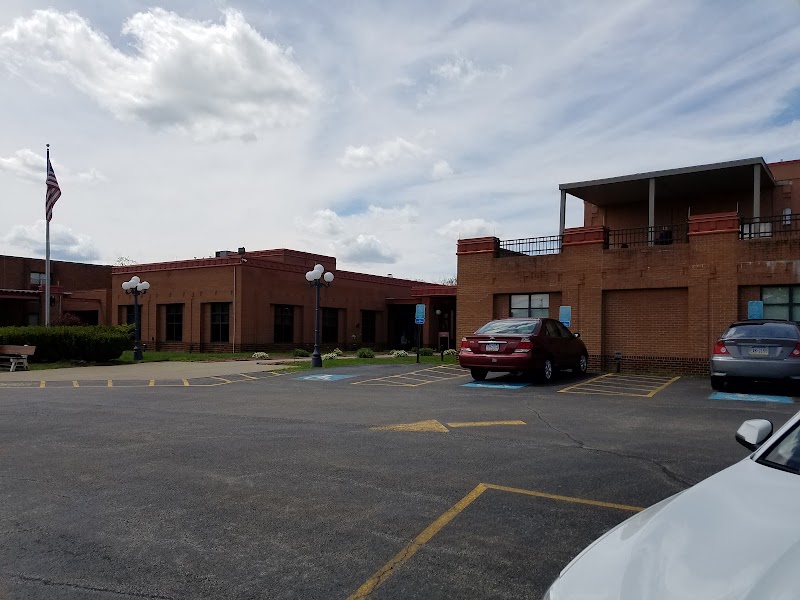
How is Lafayette Manor, Inc Staffed?

CMS rates LAFAYETTE MANOR, INC's staffing level at 3 out of 5 stars, which is average compared to other nursing homes. Staff turnover is 59%, which is 13 percentage points above the Pennsylvania average of 46%. High turnover can affect care consistency as new staff learn residents' individual needs.

What Have Inspectors Found at Lafayette Manor, Inc?

State health inspectors documented 33 deficiencies at LAFAYETTE MANOR, INC during 2022 to 2025. These included: 25 with potential for harm and 8 minor or isolated issues.
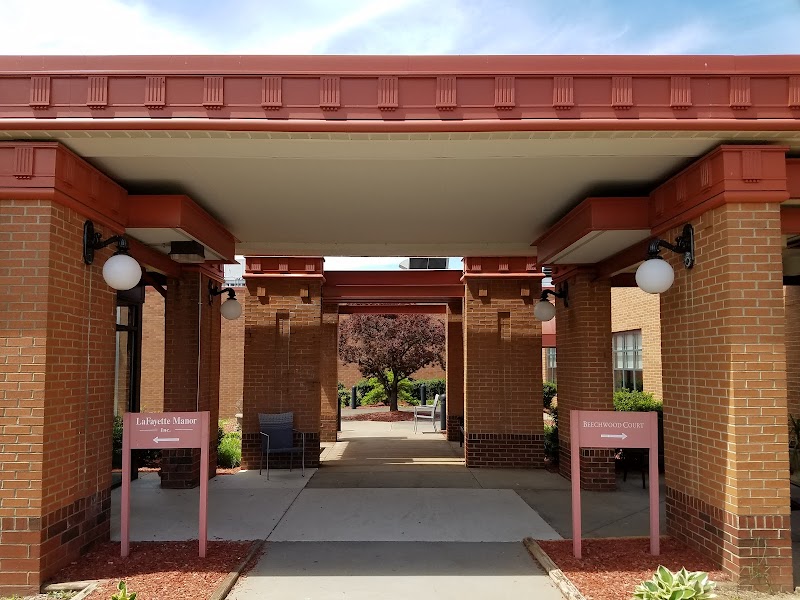
Who Owns and Operates Lafayette Manor, Inc?

LAFAYETTE MANOR, INC is owned by a non-profit organization. Non-profit facilities reinvest revenue into operations rather than distributing to shareholders. The facility operates independently rather than as part of a larger chain. With 98 certified beds and approximately 81 residents (about 83% occupancy), it is a smaller facility located in UNIONTOWN, Pennsylvania.
How Does Lafayette Manor, Inc Compare to Other Pennsylvania Nursing Homes?

Compared to the 100 nursing homes in Pennsylvania, LAFAYETTE MANOR, INC's overall rating (2 stars) is below the state average of 3.0, staff turnover (59%) is significantly higher than the state average of 46%, and health inspection rating (2 stars) is below the national benchmark.

What Should Families Ask When Visiting Lafayette Manor, Inc?

Based on this facility's data, families visiting should ask: "What safeguards and monitoring systems are in place to protect residents from abuse or neglect?" "How do you ensure continuity of care given staff turnover, and what is your staff retention strategy?" "Can I visit during a mealtime to observe dining assistance and food quality?" "How do you handle medical emergencies, and what is your hospital transfer rate?" These questions are particularly relevant given the substantiated abuse finding on record and the facility's high staff turnover rate.

Is Lafayette Manor, Inc Safe?

Based on CMS inspection data, LAFAYETTE MANOR, INC has documented safety concerns. The facility has 1 substantiated abuse finding (meaning confirmed case of resident harm by staff or other residents). The facility has a 2-star overall rating and ranks #100 of 100 nursing homes in Pennsylvania. Families considering this facility should ask detailed questions about what corrective actions have been taken since these incidents.

Do Nurses at Lafayette Manor, Inc Stick Around?

Staff turnover at LAFAYETTE MANOR, INC is high. At 59%, the facility is 13 percentage points above the Pennsylvania average of 46%. High turnover means new staff may not know residents' individual needs, medications, or preferences. It can also be disorienting for residents, especially those with dementia who rely on familiar faces. Families should ask: What is causing the turnover? What retention programs are in place? How do you ensure care continuity during staff transitions?

Was Lafayette Manor, Inc Ever Fined?

LAFAYETTE MANOR, INC has been fined $11,536 across 2 penalty actions. This is below the Pennsylvania average of $33,194. While any fine indicates a compliance issue, fines under $50,000 are relatively common and typically reflect isolated problems that were subsequently corrected. Families should ask what specific issues led to these fines and confirm they've been resolved.

Is Lafayette Manor, Inc on Any Federal Watch List?

LAFAYETTE MANOR, INC is not on any federal watch list. The most significant is the Special Focus Facility (SFF) program, which identifies the bottom 1% of nursing homes nationally based on persistent, serious quality problems. Not being on this list means the facility has avoided the pattern of deficiencies that triggers enhanced federal oversight. This is a positive indicator, though families should still review the facility's inspection history directly.