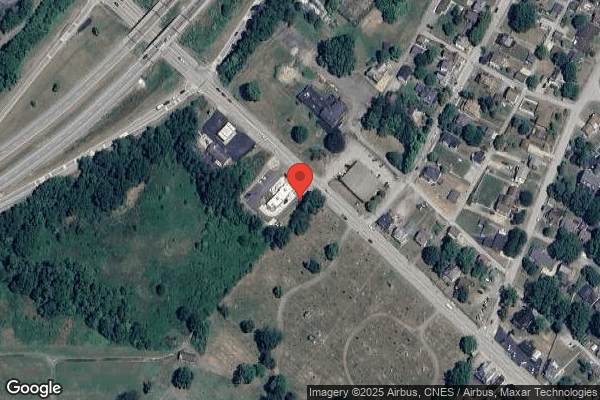

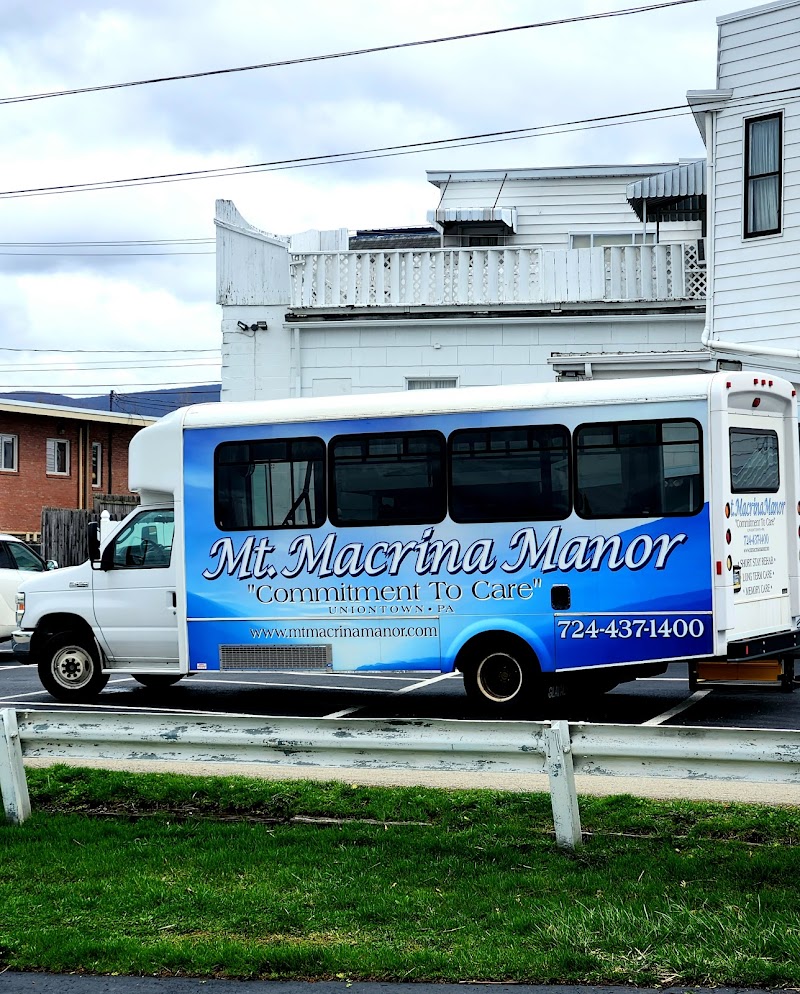


MT MACRINA MANOR

520 WEST MAIN STREET, UNIONTOWN, PA 15401 (724) 430-1120
Non profit - Corporation 124 Beds Independent Data: November 2025
Trust Grade
50/100
#464 of 653 in PA
Last Inspection: August 2025

Inspected within the last 6 months. Data reflects current conditions.

Overview

MT Macrina Manor has a Trust Grade of C, indicating that it is average and falls in the middle of the pack among nursing homes. It ranks #464 out of 653 facilities in Pennsylvania, placing it in the bottom half, and #6 out of 7 in Fayette County, meaning only one local option is better. The facility's performance is worsening, with issues increasing significantly from 1 in 2024 to 13 in 2025. Staffing is a strong point, with a turnover rate of 0%, which is well below the Pennsylvania average, and there are no fines on record, indicating compliance with regulations. However, there are serious concerns: a resident suffered second-degree burns due to inadequate assistance during meals, and another resident experienced emotional distress from neglect, highlighting significant lapses in care and supervision.

Trust Score
C
50/100
In Pennsylvania
#464/653
Bottom 29%
Safety Record
Moderate
Needs review
Inspections
Getting Worse
1 → 13 violations
Staff Stability
○ Average
Turnover data not reported for this facility.
Penalties
✓ Good
No fines on record. Clean compliance history, better than most Pennsylvania facilities.
Skilled Nurses
✓ Good
Each resident gets 42 minutes of Registered Nurse (RN) attention daily — more than average for Pennsylvania. RNs are trained to catch health problems early.
Violations
○ Average
8 deficiencies on record. Average for a facility this size. Mostly minor or procedural issues.
★★☆☆☆
2.0
Overall Rating
★★☆☆☆
2.0
Staff Levels
★★☆☆☆
2.0
Care Quality
★★☆☆☆
2.0
Inspection Score
Stable
2024: 1 issues
2025: 13 issues

The Good

  • Full Sprinkler Coverage · Fire safety systems throughout facility
  • No fines on record

Facility shows strength in fire safety.

The Bad

2-Star Overall Rating

Below Pennsylvania average (3.0)

Below average - review inspection findings carefully

The Ugly 8 deficiencies on record

2 actual harm
Aug 2024 1 deficiency
CONCERN (D)

Potential for Harm - no one hurt, but risky conditions existed

Deficiency F0761 (Tag F0761)

Could have caused harm · This affected 1 resident

Based on review of facility policy, observations and staff interviews, it was determined that the facility failed to properly secure medication in a medication cart in one of five medication carts rev...

Read full inspector narrative →
Based on review of facility policy, observations and staff interviews, it was determined that the facility failed to properly secure medication in a medication cart in one of five medication carts reviewed (unused medication cart). Findings include: Review of the facility policy Medication Carts (Securing of) reviewed 1/4/24, indicated the medication cart is kept closed and locked when out of sight of the medication nurse, and all outward sides must be inaccessible to residents or others passing by. During an observation on 8/26/24, at 11:30 a.m. an unused medication cart was observed located in Town Hall room unsecured with a resident medication in the bottom drawer. During an interview on 8/26/24, at 11:35 a.m. the Director of Nursing confirmed the medications should not have been left in the unused medication cart and accessible to residents and/or visitors. 28 Pa. Code: 211.9(a)(1)(k) Pharmacy services. 28 Pa. Code: 211.10(c) Resident care policies. 28 Pa. Code: 211.12(d)(1)(2)(5) Nursing services.
Aug 2023 3 deficiencies
CONCERN (D)

Potential for Harm - no one hurt, but risky conditions existed

Accident Prevention (Tag F0689)

Could have caused harm · This affected 1 resident

**NOTE- TERMS IN BRACKETS HAVE BEEN EDITED TO PROTECT CONFIDENTIALITY** Based on review of facility policies, clinical records, incident reports, facility documents, employee file, employee statements...

Read full inspector narrative →
**NOTE- TERMS IN BRACKETS HAVE BEEN EDITED TO PROTECT CONFIDENTIALITY** Based on review of facility policies, clinical records, incident reports, facility documents, employee file, employee statements, and staff interviews, it was determined that the facility failed to ensure that a resident was free from an accident by not providing the appropriate amount of supervison needed for bed mobility, for one of three residents reviewed (Resident R32). This was identified as past non-compliance for Resident R32. Findings include: Review of American Congress of Rehabilitation Medicine - Caregiver Guide and Instructions for Safe Bed Mobility published 4/28/17, indicated bed mobility refers to activities such as scooting in bed, rolling, side-lying to sitting, and sitting to lying down. The Resident Assessment Instrument (RAI) User's Manual, which gives instructions for completing Minimum Data Set (MDS) assessments (mandated assessments of a resident's abilities and care needs), dated October 2018, indicated that Section G: Functional Status, Question G0110 A indicates Bed Mobility is how the resident moves to and from lying position, turns side to side, and positions body while in bed. The RAI User's Manual further defines bathing as solely how the resident takes a full body bath, shower or sponge bath, including transfers in and out of the tub or shower. Review of the clinical record indicated Resident R32 was admitted to the facility on [DATE], with diagnoses that included senile degeneration of the brain (severe cortical atrophy and brain cell loss), traumatic brain injury, muscle weakness, and history of falls. Review of Resident R32's MDS assessment (MDS-Minimum Data Set Assessment: periodic assessment of resident care needs) dated 12/29/22, indicated that the diagnoses remained current. Review of Resident R32's physician orders initiated 2/13/22, and remain current, indicated that Resident R32 was to be transferred with extensive assistance of two people. Review of Resident R32's bed mobility evaluation dated 4/15/22, the only one that was completed, indicated that Resident R32 needed extensive assistance of two people for bed mobility. A review of Resident R32's care plan initiated 10/3/17, and remains current, indicated that Resident R32 had impaired mobility and to see care plans for mobility, ADL's cognitive deficit and communication. A review of facility documents dated 2/23/23, indicated Nurse Aide (NA) Employee E1 was doing incontinent care at 4:15 a.m., on Resident R32 without a second person. While NA Employee E1 was rolling Resident R32 over to clean her, Resident R32 left leg came over her right leg and the bed moved a little resulting in Resident R32 falling to the floor. Registered Nurse (RN) Employee E2 then was called to the room where Resident R32 was noted to be on the floor with her left leg twisted underneath her body. EMS services were notified at 4:32 a.m. and arrived at 4:48 a.m. for stabilization of the leg and transport to the ER. Review of NA Employee E1's signed witness statement, dated 2/23/23, stated that NA Employee E1 was preparing to give the Resident R32 a bed bath when he noticed some stool. NA Employee E1 then rolled Resident R32 towards him and Resident R32's left leg came overtop of her right leg and the nightstand was away from the bed. The Resident then reached for the night stand and NA Employee E1 then opened the drawer for the wipes and the air mattress was not inflated all the way. Statement goes on to state the bed bottom kicked out and the resident fell to the floor hitting her head on the drawer of the night stand. A review of NA Employee E1's employee file indicated that NA Employee E1 received education on Fall Prevention, Safe Care Giving Techniques and Abuse training on 7/11/22, as well Safe Transfer training on 7/11/22. During an interview on 8/18/23, at 11:40 a.m., NA Employee E3 stated that a resident's bed mobility and transfer status is marked on the charting system under the point of care, under the residents photo there is a special instructions tab. Call made to attempt phone interview of NA Employee E1 on 8/18/23, 1:00 p.m. Message was left and no call backs were received. During an phone interview on 8/18/23, at 1:15 p.m., RN Employee E2 also confirmed that NA Employee E1 acted alone probably thought he could handle it alone. RN Employee E2 also stated that NA Employee E1 was training a newly hired employee at the time but the newly hired employee was not in the immediate area to help. RN Employee E2 also confirmed that the Residents also have a mobility status that is taped to the headboard of the beds. Observation of all resident beds on 8/18/23 at 1:25 p.m., did show that the facility is using a red, yellow, green status for bed mobility that is taped to every resident bed. The red indicates a two person assist with bed mobility. During an interview on 8/18/23, at 1:35 p.m., RN Employee E4 also confirmed the above process and added that there are colored stickers on the residents beds that indicated that a resident required assistance of two people for safe bed mobility. It was also stated that Resident R32 was on NA Employee E1's assignment on the day of the incident. During an interview on 8/18/23, at 1:45 p.m. the Director of Nursing (DON) confirmed the facility failed to ensure that a resident was free from an accident by not providing the appropriate amount of supervision for bed mobility, for Resident R32. This was identified as past non-compliance for Resident R32. The facility implemented a plan of correction that included the following: · Immediate suspension of NA Employee E1 during the investigation which resulted in termination. · Facility initiated education on 2/23/23, for all nursing staff including Registered Nurse's (RN's), Licensed Practical Nurses (LPN's), and Nurse Aides (NA's) to ensure that transfers were performed as ordered. · Audits of bed mobility status completed to ensure that they were up to date and accurate and that this information was reflected on the nursing assistant assignment sheets. · Daily audits by DON or designee to determine if there are any issues or trends related to care. · Results from audits are submitted in the quarterly Quality Assurance Performance Improvement (QAPI) process for two quarters. The facility has demonstrated compliance with the above since 2/23/23. Information was verified via review of Plan of Correction binder. During an interview on 8/18/23, at 2:15 p.m. with the DON and a review of the facility's immediate actions, education, and review of the QAPI monitoring process, it was verified that the facility had implemented a plan of correction and achieved compliance ensuring residents are provided adequate safety interventions for bed mobility. 28 Pa Code 201.14(a) Responsibility of licensee. 28 Pa Code 201.18(b)(1)(e)(1) Management. 28 Pa Code 201.29(a)(j) Resident rights. 28 Pa Code 211.12(d)(1)(5) Nursing services. 28 Pa Code 211.12(d)(3) Nursing services.
CONCERN (D)

Potential for Harm - no one hurt, but risky conditions existed

Deficiency F0698 (Tag F0698)

Could have caused harm · This affected 1 resident

**NOTE- TERMS IN BRACKETS HAVE BEEN EDITED TO PROTECT CONFIDENTIALITY** Based on review of facility policy and clinical record and staff interview it was determined that the facility failed to make ce...

Read full inspector narrative →
**NOTE- TERMS IN BRACKETS HAVE BEEN EDITED TO PROTECT CONFIDENTIALITY** Based on review of facility policy and clinical record and staff interview it was determined that the facility failed to make certain consistent dialysis communication was maintained for one of six residents reviewed. (Resident R11). Findings include: Review of the facility policy Treatment and Care of Dialysis Residents dated 05/08/2023, indicated that there will be shared communications between the dialysis facility and the nursing home, and that communication process is to occur through dialysis communication sheet with each facility responsible for completing a portion of the document. Review of the clinical record revealed that Resident R11 was admitted to the facility on [DATE] with diagnoses that included end stage renal disease (ESRD, an inability of the kidneys to filter the blood), hyperlipidemia (high levels of lipids (fats) in the arteries) and malnutrition (lack of sufficient nutrients in the body). Review of Resident R11 MDS (Minimum Data Set, periodic assessment of resident care needs) dated 5/08//23, indicated the diagnoses remain current. Review of a physician order dated 04/06/23, indicated that Resident R11 goes to dialysis (a process to mechanically clean the blood) on Monday, Wednesday, and Friday. Review of the dialysis communication sheets failed to include documentation from the nursing home for 19 of 34 dialysis visits 5/3/23, 5/5/23, 5/8/23, 5/29/23, 6/19/23, 6/28/23, 7/3/23, 7/12/23, 7/17/23, 8/18/23, and an additional 9 forms with missing documentation from the nursing home were not dated. During an interview on 8/18/23, at 12:25 p.m. Licensed Practical Nurse Employee E5 confirmed documentation was not completed for Resident R11 by the facility prior to dialysis treatment, and stated I can see several sheets were not completed. 28 Pa. Code: §211.5(f)(g)(h) Clinical records. 28 Pa. Code: §201.14(a)(b)(3)(e)(1) Management. 28 Pa. Code: §211.10(c) Resident care policies. 28 Pa. Code: §211.12(c)(d)(1)(3)(5) Nursing services.
CONCERN (F)

Potential for Harm - no one hurt, but risky conditions existed

Deficiency F0658 (Tag F0658)

Could have caused harm · This affected most or all residents

**NOTE- TERMS IN BRACKETS HAVE BEEN EDITED TO PROTECT CONFIDENTIALITY** Based on review of facility policies and job descriptions, clinical records, and staff interviews, it was determined that the fa...

Read full inspector narrative →
**NOTE- TERMS IN BRACKETS HAVE BEEN EDITED TO PROTECT CONFIDENTIALITY** Based on review of facility policies and job descriptions, clinical records, and staff interviews, it was determined that the facility failed to adhere to acceptable standards of practice related to participation in interdisciplinary meetings, monitoring of Food Service operations, and completion of Nutrition Assessments by the Registered Dietitian for three of three residents reviewed (Residents R13, R24, and R96). Findings include: The Pennsylvania Code, Title 49, Chapter 21, Professional and Vocational Standards: Responsibilities of the Licensed Dietitian/ Nutritionist Section 21.711 Professional Conduct indicated that the Licensed Dietitian/ Nutritionist shall provide information which will enable patients to make their own informed decisions regarding nutrition and dietetic therapy, including the reasonable expectations of the professional relationship. Review of the signed Registered Dietitian's job description, states that dietitian participates in routine team, care planning, wound team, and weight team meetings and routinely audits kitchen and serving areas to assure sanitation, work practices, equipment, record documents, and time schedules meet established standards and provides routine staff in-services and training Will inspect food storage rooms, utility/janitorial closets, etc. for upkeep and supply control. Be sure hazardous materials are properly labeled and stored. It also stated that the dietitian will interview residents or family members, as necessary to obtain diet history and participate in obtaining history of resident's food likes and dislikes and visit residents periodically to evaluate the quality of meals served, likes and dislikes, mealtimes, bedtime snacks, food substitutions, etc. It also states that the dietitian will make weekly inspections of all food service functions to assure that quality control measures are continually maintained. Dietitian works in office areas as well as throughout the facility's food service areas (i.e., dining rooms, resident rooms, activity room, etc.). Review of facility policy Weight Monitoring Including Losses and Gains last reviewed 1/5/23, indicated that upon admission the dietitian will estimate calorie, nutrient and fluid needs and will identify whether the resident's current intake is adequate to meet his or her nutritional needs, upon admission the dietitian will assess the resident's likes and dislikes. During an interview on 8/15/23, at 10:08 a.m., Dietary Manager Employee E2 and Dietetic Technician Employee E3, stated that they had one Registered Dietitian, Registered Dietitian Employee E4, who worked eight hours per month and worked remotely. Review of the clinical record revealed that Resident R13 was admitted to the facility on [DATE]. Review of Resident R13's MDS (Minimum Data Set, periodic assessment of resident care needs) dated 7/5/23, indicated diagnoses of diabetes (a metabolic disorder in which the body has high sugar levels for prolonged periods of time), hypertension (high blood pressure in the arteries), and hearing loss. Review of Resident R13 ' s admission Nutrition assessment dated [DATE], was completed by Dietetic Technician Employee E3 Review of clinical record revealed Resident R24 was admitted to the facility on [DATE]. Review of Resident R24's MDS dated [DATE], indicated diagnoses of atrial fibrillation (irregular rhythm of heart), dysphagia (difficulty swallowing), and muscle weakness. Review of Resident R24's admission Nutrition assessment dated [DATE], was completed by Dietetic Technician Employee E3. Review of clinical record revealed Resident R96 was admitted to the facility on [DATE]. Review of Resident R96's MDS dated [DATE], indicated diagnoses of diabetes, abnormal posture, and hypertension. Review of Resident R96's admission Nutrition assessment dated [DATE], was completed by Dietary Manager Employee E2 During an interview on 8/17/23, at 12:28 p.m., Registered Dietitian (RD) Employee E4 stated that she worked eight hours per month and typically just reviewed residents who were deemed high risk and had such issues as weight changes, pressure ulcers (injuries to the skin and underlying tissue, primarily caused by prolonged pressure on the skin), tube feeding (a tube inserted through the wall of the abdomen into the stomach and can be used to provide liquid food, drugs or liquids), and dialysis (a treatment that helps the body remove extra fluid and waste products from your blood when the kidneys are not able). RD Employee E4 stated that she did this process remotely and did not come into the facility. She stated that she acquired the required information from reviewing the notes and documentation in the computer. RD Employee E4 also stated that she does not complete admission Nutrition Assessments or visit residents at mealtime and that her process was described as it's limiting. During an interview on 8/18/232, at 12:10 p.m. Dietary Manager Employee E2 and Dietetic Technician Employee E4 confirmed that the facility failed to have a Registered Dietitian on premises that participated in interdisciplinary meetings, monitor Food Service operations of completed Nutrition Assessments. 28 Pa. Code: 201.14(a) Responsibility of Licensee. 28 Pa. Code: 211.12(d)(1) Nursing Services.
Jan 2023 1 deficiency
CONCERN (D) 📢 Someone Reported This

A family member, employee, or ombudsman was alarmed enough to file a formal complaint

Potential for Harm - no one hurt, but risky conditions existed

Report Alleged Abuse (Tag F0609)

Could have caused harm · This affected 1 resident

**NOTE- TERMS IN BRACKETS HAVE BEEN EDITED TO PROTECT CONFIDENTIALITY** Based on review of facility documentation, clinical records and staff interview it was determined that the facility failed to re...

Read full inspector narrative →
**NOTE- TERMS IN BRACKETS HAVE BEEN EDITED TO PROTECT CONFIDENTIALITY** Based on review of facility documentation, clinical records and staff interview it was determined that the facility failed to report incidents of abuse for one of four residents (Resident R1). Findings include: Review of facility policy dated 1/5/22, Abuse, Prevention, Identification, Investigation and Reporting of Abuse Neglect, Mistreatment or Exploitation of a Resident or Misappropriation of Resident Property indicated that the facility will provide an environment for residents that is safe and free from abuse, neglect, exploitation, mistreatment, and misappropriation, treating each resident with respect, dignity and the provision of privacy. The facility will investigate all types of incidents. The facility will take all reasonable steps to protect residents from harm. The facility will report all alleged violations and all substantiated incidents to the state agency. Resident R1 was admitted to the facility on [DATE], with the diagnosis of schizophrenia (a disease that affects people's ability to think, feel, and behave clearly) and dementia (a group of thinking and social symptoms that interferes with daily functioning). Review of the MDS (minimum data set - an assessment of resident needs) dated 12/13/22, indicated that the diagnosis stayed current. Review of the facility documentation incident reports indicated that Resident R1 had a resident to resident incident that included aggressive behavior. Review of Resident R1 clinical record progress notes indicated the following: 2/19/22: Resident wandering in and out of other residents rooms sitting on their legs in the bed earlier this shift. This writer and aide went into the room trying to redirect resident and to get Resident R1 into their bedroom and Resident R1 refused. Was taking other residents blankets and when staff tried to explain that wasn't Resident R1 and to put it back on the bed Resident R1 shoved staff hands away. 7/29/22: Resident very anxious this shift, wandering around the unit exit seeking. Staff attempted to redirect resident away from door, resident then placed staff in headlock. 8/8/22: Resident was observed trying to touch resident R2 personal items, and was confronted by Resident R2. Resident R1 slapped Resident R2 in the face. 8/10/22: Resident R3 states that he/she was struck on the left cheek - with Resident R1 observed walking in the hallway past Resident R3 room. 9/2/22: Resident R1 was observed laying in another resident's bed. When Nurse Aide redirected Resident R1, he/she punched Nurse Aide in the back of the head when Nurse Aide turned around. 10/18/22: Resident R1 approached another resident and started slapping him/her in the face 11/22/22: Staff was attempting to provide care to Resident R1 when he/she became agitated and began punching at staff, swinging his/her fist and attempting to kick staff. 11/23/22: Resident R1 having increased behaviors this shift. Resident went into other resident's room and threw the other resident's coloring book across the room and told the other resident, This is my f**king room and I'm lying in bed. Resident R1 was redirected by staff and began swinging at staff members and attempting to grab staff by the arms and pushing staff. 12/8/22: Resident R1 walked up to Nurse while passing meds and said I'm going to eat all your ice cream and put his/her hand on nurse's throat. 12/21/22: Resident involved in incident with another Resident R4, Resident R4 states that Resident R1 tried to choke him/her. During an interview on 1/4/22, at 12: 15 PM Nursing Home Administrator confirmed that Resident R1 has multiple behaviors, and that the facility failed to report Resident R1 incidents of abuse to the state survey agency. 28 Pa. Code 201.14(a) Responsibility of licensee 28 Pa. Code 201.18(b)(1)(3)(e)(1)Management.
Nov 2022 3 deficiencies 2 Harm
SERIOUS (G) 📢 Someone Reported This

A family member, employee, or ombudsman was alarmed enough to file a formal complaint

Actual Harm - a resident was hurt due to facility failures

Free from Abuse/Neglect (Tag F0600)

A resident was harmed · This affected 1 resident

**NOTE- TERMS IN BRACKETS HAVE BEEN EDITED TO PROTECT CONFIDENTIALITY** Based on review of facility policy and clinical records, observations, and staff interviews, it was determined that the facility...

Read full inspector narrative →
**NOTE- TERMS IN BRACKETS HAVE BEEN EDITED TO PROTECT CONFIDENTIALITY** Based on review of facility policy and clinical records, observations, and staff interviews, it was determined that the facility neglected to provide the appropriate staff assistance of one person physical assist for eating, which resulted in physical harm in the form of second degree burns of left thigh and left hip for one of three residents (Resident R1) and failed to ensure resident was free from mental abuse resulting in resident feeling emotionally distressed for one of three (Resident R2). Findings include: Review of facility policy Abuse - Prevention, Identification, Investigating and Reporting of Abuse, Neglect, Mistreatment or Exploitation of a Resident or Misappropriation of Resident Property dated 1/5/22, indicated that Neglect is defined as a failure of a facility, it's employees or service providers, to provide goods and services to a resident that are necessary to avoid physical harm, mental anguish, or mental illness. Review of facility policy Feeding Residents dated 1/5/22, indicated residents will receive meals in a timely and orderly fashion and will be provided with the appropriate level of assistance. Review of Resident R1's admission record indicated admission to the facility on 7/10/19. Review of the Minimum Data Set (MDS - a periodic assessment of care needs) dated 9/16/22, indicated that Resident R1 required extensive assistance for eating with assist of one physical person. Review of care plan dated 9/28/22, indicated Resident R1 will have two or less behaviors per week of grabbing and receive necessary assistance with meals. Interdisciplinary Department Team (IDT) form dated 10/21/22, indicated Nursing Assistant (NA) Employee E1 went into the room at 12:20 p.m. to pick up lunch tray after meal service and noted hot chocolate on Resident R1's lap with blisters and redness. Review of Quality Peer Review Committee form dated 10/21/22, indicated the NA Employee E1 noticed Resident R1 was attempting to climb out of bed most of the daylight shift and legs were out of the bed. Review of NA Employee E1's interview signed statement dated 10/21/22, indicated she walked into the room, noticed hot chocolate on blanket, noticed leg was red, and that Resident R1 was climbing all day, legs were off the bed at the time, and it looked as if Resident R1 pulled the table to get out. Review of NA Employee E2's interview signed statement dated 10/21/22, indicated she walked in room to help with Resident R1 and there was hot chocolate on the blanket and upper left leg was red. Interview on 11/14/22, at 11:10 a.m. Director of Rehab Employee E3 indicated Resident R1 was extensive assist of one person physical assist for eating, and that she would have needed help to eat as resident historically positions herself onto her side in a fetal position. Interview on 11/14/22, at 12:24 p.m. Registered Nurse (RN) unit manager Employee E4 indicated it was reported that Resident R1 spilled her hot chocolate, lid was still on, with burns to left thigh and hip. The burns were pink at first and then blistered and confirmed the tray should not have been left unattended with Resident R1's behaviors that morning because she required assistance of one staff for eating. Review of signed Licensed Practical Nurse (LPN) Employee E5's interview dated 10/21/22, and progress note dated 10/21/22, at 3:19 p.m. indicated NA Employee E1 noted hot chocolate on Resident R1's lap with injury of blisters to left hip and thigh: area one measured 11.5 cm x 8 cm (centimeters) with three blisters and area two measured 6 cm x 5cm with one blister. Interview on 11/14/22, at 12:28 p.m. with Director of Dietary Employee E7 and Registered Dietary Tech Employee E8 indicated a vendor came out and calibrated their hot water to dispense at 185 degrees Fahrenheit so meal time temperature would range around 155 - 160. Review of temperature logs dated 10/16/22 - 10/29/22, of tray line indicated a hot beverage result of 185 for the lunch meal on 10/21/22. Review of random test tray audit dated 10/17/22, indicated a hot beverage temperature of 155 degrees at the time Resident R1 was served. Review of facility policy Abuse - Prevention, Identification, Investigating and Reporting of Abuse, Neglect, Mistreatment or Exploitation of a Resident or Misappropriation of Resident Property dated 1/5/22, indicated Mental Abuse includes, but is not limited to, humiliation, harassment, threats of punishment, deprivation or abuse. Review of facility policy Concern/Grievance dated 1/5/22, indicated a grievance is defined as an official statement of a complaint over something believed to be wrong or unfair and requiring the assistance of facility management to seek resolution when possible and that concerns of abuse, neglect, exploitation and misappropriation of property are addressed in the Abuse Policy. Review of Resident R2's admission record indicated admission to the facility on 8/13/22. Review of MDS dated [DATE], indicated diagnoses of heart failure (chronic condition where the heart doesn't pump blood as well as it should), hypertension (high blood pressure), and cerebral vascular accident (CVA stroke) and review of the Brief Interview for Mental Status (BIMS, a screening test that aides in detecting cognitive impairment). The BIMS total score suggests the following distributions: 13-15: cognitively intact 8-12: moderately impaired 0-7: severe impairment for Resident R2 the score was 15 - cognitively intact. Review of care plan dated 9/5/22, indicated an intervention to monitor for signs of bladder dysfunction and signs of urinary tract infection due to history of stroke. Review of Resident R2's September 2022 Medication Administration Record indicated the medication of Lasix (a water pill to help prevent fluid in the lungs) twice daily at 8:00 a.m. and 6:00 p.m. for treatment of heart failure. Review of Grievance dated 9/11/22, on 11/14/22, at 1:36 p.m. indicated R2 stated NA Employee E9 was very rude and short with her and told her that she pees too much and made her feel badly and like a burden. The form failed to have any signatures of Social Worker, Director of Nursing, or Administrator indicating the status of the grievance. Review of Resident R2's interview with Social Services Employee E10 on 9/12/22, indicated Resident R2 is alert and orientated and was sitting up in bed. Reported that on Saturday night there was an aide assigned to her that she described as really mean, Resident R2 could not identify the staff member by name. Resident R2 could provide a description of her race and gender. This aide never had this staff provide her care before but she made Resident R2 not wanting to ask for any help because this staff member made her feel emotionally distressed and talked to her like she was a bother because she had to go to the bathroom. The aide did help her but Resident R2 did not want to be a bother and was apprehensive to ask for anymore help that evening. Interview on 11/14/22, at 12:13 p.m. with the Director of Nursing and Assistant Director of Nursing Employee E6 confirmed that NA Employee E1 should not have left the tray unattended since Resident R1 demonstrated behaviors and required extensive assistance of one person physical assistance to eat. Also, confirmed that NA Employee E1 neglecting to assist Resident R1 with eating resulted in harm causing second degree burns of left thigh and left hip for Resident R1. Assistant Director of Nursing Employee E6 and Director of Nursing confirmed that NA Employee E9 caused Resident R2 to endure mental abuse resulting in resident feeling emotionally distressed and apprehensive to request help. 483.13 - Resident Behavior and Facility Practices, 10-1-1998 edition 28 Pa. Code 201.14(a) Responsibility of licensee 28 Pa. Code 201.18(a)(b)(1)(3) Management 28 Pa. Code 201.18(e)(1) Management 28 Pa. Code 211.5(f)(g)(h) Clinical records 28 Pa. Code 211.10(c) Resident care policies 28 Pa. Code 211.10(d) Resident care policies 28 Pa. Code 211.11(a) Resident care plan 28 Pa. Code 211.28(c) Nursing services 28 Pa. Code 211.28(d)(1)(5) Nursing services 28 Pa. Code 211.28(d)(3) Nursing services.
SERIOUS (G) 📢 Someone Reported This

A family member, employee, or ombudsman was alarmed enough to file a formal complaint

Actual Harm - a resident was hurt due to facility failures

Accident Prevention (Tag F0689)

A resident was harmed · This affected 1 resident

Based on review of facility policy and clinical records, observations, and staff interviews, it was determined that the facility failed to make certain each resident receives adequate supervision and ...

Read full inspector narrative →
Based on review of facility policy and clinical records, observations, and staff interviews, it was determined that the facility failed to make certain each resident receives adequate supervision and assistance to prevent accidents for one of three residents. (Resident R1). Findings include: Review of facility policy Abuse - Prevention, Identification, Investigating and Reporting of Abuse, Neglect, Mistreatment or Exploitation of a Resident or Misappropriation of Resident Property dated 1/5/22, indicated that Neglect is defined as a failure of a facility, it's employees or service providers, to provide goods and services to a resident that are necessary to avoid physical harm, mental anguish, or mental illness. Review of facility policy Feeding Residents dated 1/5/22, indicated residents will receive meals in a timely and orderly fashion and will be provided with the appropriate level of assistance. Review of Resident R1's admission record indicated admission to the facility on 7/10/19. Review of the Minimum Data Set (MDS - a periodic assessment of care needs) dated 9/16/22, indicated that Resident R1 required extensive assistance for eating with assist of one physical person. Review of care plan dated 9/28/22, indicated Resident R1 will have two or less behaviors per week of grabbing and receive necessary assistance with meals. Interdisciplinary Department Team (IDT) form dated 10/21/22, indicated Nursing Assistant (NA) Employee E1 went into the room at 12:20 p.m. to pick up lunch tray after meal service and noted hot chocolate on Resident R1's lap with blisters and redness. Review of Quality Peer Review Committee form dated 10/21/22, indicated the NA Employee E1 noticed Resident R1 was attempting to climb out of bed most of the daylight shift and legs were out of the bed. Review of NA Employee E1's interview signed statement dated 10/21/22, indicated she walked into the room, noticed hot chocolate on blanket, noticed leg was red, and that Resident R1 was climbing all day, legs were off the bed at the time, and it looked as if Resident R1 pulled the table to get out. Review of NA Employee E2's interview signed statement dated 10/21/22, indicated she walked in room to help with Resident R1 and there was hot chocolate on the blanket and upper left leg was red. Interview on 11/14/22, at 11:10 a.m. Director of Rehab Employee E3 indicated Resident R1 was extensive assist of one person physical assist for eating, and that she would have needed help to eat as resident historically positions herself onto her side in a fetal position. Interview on 11/14/22, at 12:24 p.m. Registered Nurse (RN) unit manager Employee E4 indicated it was reported that Resident R1 spilled her hot chocolate, lid was still on, with burns to left thigh and hip. The burns were pink at first and then blistered and confirmed the tray should not have been left unattended with Resident R1's behaviors that morning because she required assistance of one staff for eating. Review of signed Licensed Practical Nurse (LPN) Employee E5's interview dated 10/21/22, and progress note dated 10/21/22, at 3:19 p.m. indicated NA Employee E1 noted hot chocolate on Resident R1's lap with injury of blisters to left hip and thigh: area one measured 11.5 cm x 8 cm (centimeters) with three blisters and area two measured 6 cm x 5cm with one blister. Interview on 11/14/22, at 12:28 p.m. with Director of Dietary Employee E7 and Registered Dietary Tech Employee E8 indicated a vendor came out and calibrated their hot water to dispense at 185 degrees Fahrenheit so meal time temperature would range around 155 - 160. Review of temperature logs dated 10/16/22 - 10/29/22, of tray line indicated a hot beverage result of 185 for the lunch meal on 10/21/22. Review of random test tray audit dated 10/17/22, indicated a hot beverage temperature of 155 degrees at the time Resident R1 was served. Interview on 11/14/22, at 12:13 p.m. with the Director of Nursing (DON) and Assistant Director of Nursing (ADON) Employee E6 confirmed that NA Employee E1 should not have left the tray unattended since Resident R1 demonstrated behaviors and required extensive assistance of one person physical assistance to eat. 28 Pa. Code 201.14(a) Responsibility of licensee 28 Pa. Code 201.18(a)(b)(1)(3) Management 28 Pa. Code 201.18(e)(1) Management 28 Pa. Code 211.5(f)(g)(h) Clinical records 28 Pa. Code 211.10(c) Resident care policies 28 Pa. Code 211.10(d) Resident care policies 28 Pa. Code 211.11(a) Resident care plan 28 Pa. Code 211.28(c) Nursing services 28 Pa. Code 211.28(d)(1)(5) Nursing services 28 Pa. Code 211.28(d)(3) Nursing services.
CONCERN (D) 📢 Someone Reported This

A family member, employee, or ombudsman was alarmed enough to file a formal complaint

Potential for Harm - no one hurt, but risky conditions existed

Deficiency F0602 (Tag F0602)

Could have caused harm · This affected 1 resident

**NOTE- TERMS IN BRACKETS HAVE BEEN EDITED TO PROTECT CONFIDENTIALITY** Based on review of clinical records and facility investigative documents, and staff interviews, it was determined that the facil...

Read full inspector narrative →
**NOTE- TERMS IN BRACKETS HAVE BEEN EDITED TO PROTECT CONFIDENTIALITY** Based on review of clinical records and facility investigative documents, and staff interviews, it was determined that the facility failed to ensure that residents were free from misappropriation of medications for five of five residents reviewed (Residents R3, R4, R5, R6 and R7). Findings include: Review of facility documentation dated 10/20/22, indicated Resident R3 was administered as needed doses of Norco (a narcotic medication used to treat pain) multiple times by Licensed Practical Nurse (LPN) Employee E11, but Resident R3 denied receiving the medications and multiple residents (Residents R3, R4, R5, R6, and R7) were noted to receive as needed narcotic medications from Employee E11 who were confused and normally did not request as needed narcotic medications. Review of admission record indicated Resident R3 admitted to the facility on [DATE]. Review of Minimum Data Set (MDS- periodic assessment of care needs) dated 8/5/22, indicated the diagnoses of heart failure (condition where the heart doesn't pump blood as well as it should), anemia (low red blood cells) and hyperlipidemia (high levels of fat in the blood). Review of the Brief Interview for Mental Status (BIMS, a screening test that aides in detecting cognitive impairment) dated 8/5/22, the BIMS total score suggests the following distributions: 13-15: cognitively intact 8-12: moderately impaired 0-7: severe impairment for Resident R3 the score was 15 - cognitively intact. Review of controlled drug record dated 10/15/22 indicated a Norco being signed out on 10/15/22 at 12:30 p.m. for Resident R3. Review of October Medication Administration Record indicated Resident R3 received the as needed pain medication on four occasions 10/3/22, 10/11/22, 10/18/22 and 10/19/22. There was not an administration at 10/15/22 at 12:30 p.m. the location of the medication is unknown. Review of facility documentation dated 10/20/22, indicated Resident R3 denied receiving any of the medications. Review of Resident R3's Medication Administration Records indicated LPN Employee E11 documented administering the as needed pain medication in July 2022, on 23 occasions, August 2022 on 20 occasions, and September 2022 on 12 occasions. Review of admission record indicated Resident R4 admitted to the facility on [DATE]. Review of Resident R4's MDS dated [DATE], indicated the diagnoses of dementia (a group of thinking and social symptoms that interfere with daily functioning, memory), seizure disorder (a sudden uncontrolled electrical disturbance in the brain), and anxiety (intense worry). Review of Resident R4's October 2022, MAR indicated LPN Employee E11 documented administering the medication Lorazepam (narcotic used to treat anxiety) on 22 occasions. Review of admission record indicated Resident R5 was admitted to the facility on [DATE]. Review of Resident R5's MDS dated [DATE], indicated diagnoses of heart failure, hypertension (high blood pressure) and anemia. Review of Resident R5's October 2022, MAR indicated LPN Employee E11 documented administering tramadol (medication used to treat pain) on eight occasions. Review of Resident R5's narcotic log for tramadol indicated three dates 10/3/2022 at 7:50 a.m., 10/15/2022 at 7:50a.m., and 10/19/22 at 7:45 a.m. where LPN Employee E11 signed the medication out but did not administer to Resident R5 according the MAR, the location of those medications is unknown. Review of admission record indicated Resident R6 was admitted to the facility on [DATE]. Review of Resident R6's MDS dated [DATE], indicated diagnoses of asthma, weakness, and hyperlipidemia. Review of Resident R6's October 2022, MAR indicated LPN Employee E11 documented administering hydrocodone on thirty occasions. Review of Resident R6's narcotic log for hydrocodone indicated two dates 10/12/22, at 2:50 p.m. and 10/18/22, at 3:30 p.m. where LPN Employee E11 signed the narcotic out but did not administer it to Resident R6 according to the MAR, the location of those medications is unknown. Review of admission record indicated Resident R7 admitted to the facility on [DATE]. Review of Resident R7's MDS dated [DATE] indicated diagnoses of hypertension, dementia and diabetes. Review of Resident R7's October 2022, MAR indicated LPN Employee E11 documented administering lorazepam on six occasions. Review of Resident R7's narcotic log for lorazepam indicated two dates 10/12/2022, at 7:00 a.m. and 10/15/22, at 7:00 a.m. where LPN Employee E11 signed the narcotic out but did not administer it to Resident R7 according to the MAR, the location of those medications is unknown. Interview with ADON Employee E6 and Director of Nursing on 11/14/22, at 1:36 p.m. confirmed the investigation was up to 193 medications last time they checked and investigation was ongoing. 28 Pa. Code 201.14(a) Responsibility of licensee 28 Pa. Code 201.18(a)(b)(1)(3) Management 28 Pa. Code 201.18(e)(1) Management 28 Pa. Code 211.5(f)(g)(h) Clinical records 28 Pa. Code 211.10(c) Resident care policies 28 Pa. Code 211.10(d) Resident care policies 28 Pa. Code 211.11(a) Resident care plan 28 Pa. Code 211.28(c) Nursing services 28 Pa. Code 211.28(d)(1)(5) Nursing services 28 Pa. Code 211.28(d)(3) Nursing services.
Understanding Severity Codes (click to expand)
Life-Threatening (Immediate Jeopardy)
J - Isolated K - Pattern L - Widespread
Actual Harm
G - Isolated H - Pattern I - Widespread
Potential for Harm
D - Isolated E - Pattern F - Widespread
No Harm (Minor)
A - Isolated B - Pattern C - Widespread

Questions to Ask on Your Visit

  • "Can I speak with families of current residents?"
  • "What's your RN coverage like on weekends and overnight?"

Our Honest Assessment

Strengths
  • • No fines on record. Clean compliance history, better than most Pennsylvania facilities.
Concerns
  • • 8 deficiencies on record, including 2 serious (caused harm) violations. Ask about corrective actions taken.
  • • Grade C (50/100). Below average facility with significant concerns.
Bottom line: Mixed indicators with Trust Score of 50/100. Visit in person and ask pointed questions.

About This Facility

What is Mt Macrina Manor's CMS Rating?

CMS assigns MT MACRINA MANOR an overall rating of 2 out of 5 stars, which is considered below average nationally. Within Pennsylvania, this rating places the facility higher than 0% of the state's 100 nursing homes. A rating at this level reflects concerns identified through health inspections, staffing assessments, or quality measures that families should carefully consider.

How is Mt Macrina Manor Staffed?

CMS rates MT MACRINA MANOR's staffing level at 2 out of 5 stars, which is below average compared to other nursing homes.

What Have Inspectors Found at Mt Macrina Manor?

State health inspectors documented 8 deficiencies at MT MACRINA MANOR during 2022 to 2024. These included: 2 that caused actual resident harm and 6 with potential for harm. Deficiencies causing actual harm indicate documented cases where residents experienced negative health consequences.

Who Owns and Operates Mt Macrina Manor?

MT MACRINA MANOR is owned by a non-profit organization. Non-profit facilities reinvest revenue into operations rather than distributing to shareholders. The facility operates independently rather than as part of a larger chain. With 124 certified beds and approximately 99 residents (about 80% occupancy), it is a mid-sized facility located in UNIONTOWN, Pennsylvania.

How Does Mt Macrina Manor Compare to Other Pennsylvania Nursing Homes?

Compared to the 100 nursing homes in Pennsylvania, MT MACRINA MANOR's overall rating (2 stars) is below the state average of 3.0 and health inspection rating (2 stars) is below the national benchmark.

What Should Families Ask When Visiting Mt Macrina Manor?

Based on this facility's data, families visiting should ask: "Can you walk me through typical staffing levels on day, evening, and night shifts?" "Can I visit during a mealtime to observe dining assistance and food quality?" "How do you handle medical emergencies, and what is your hospital transfer rate?" "Can I speak with family members of current residents about their experience?" These questions are particularly relevant given the below-average staffing rating.

Is Mt Macrina Manor Safe?

Based on CMS inspection data, MT MACRINA MANOR has a clean safety record: no substantiated abuse findings (meaning no confirmed cases of resident harm), no Immediate Jeopardy citations (the most serious violation level indicating risk of serious injury or death), and is not on the Special Focus Facility watch list (a federal program monitoring the lowest-performing 1% of nursing homes). The facility has a 2-star overall rating and ranks #100 of 100 nursing homes in Pennsylvania. While no facility is perfect, families should still ask about staff-to-resident ratios and recent inspection results during their visit.

Do Nurses at Mt Macrina Manor Stick Around?

MT MACRINA MANOR has not reported staff turnover data to CMS. Staff turnover matters because consistent caregivers learn residents' individual needs, medications, and preferences. When staff frequently change, this institutional knowledge is lost. Families should ask the facility directly about their staff retention rates and average employee tenure.

Was Mt Macrina Manor Ever Fined?

MT MACRINA MANOR has no federal fines on record. CMS issues fines when nursing homes fail to meet care standards or don't correct problems found during inspections. The absence of fines suggests the facility has either maintained compliance or corrected any issues before penalties were assessed. This is a positive indicator, though families should still review recent inspection reports for the full picture.

Is Mt Macrina Manor on Any Federal Watch List?

MT MACRINA MANOR is not on any federal watch list. The most significant is the Special Focus Facility (SFF) program, which identifies the bottom 1% of nursing homes nationally based on persistent, serious quality problems. Not being on this list means the facility has avoided the pattern of deficiencies that triggers enhanced federal oversight. This is a positive indicator, though families should still review the facility's inspection history directly.