KINZUA NURSING AND REHAB
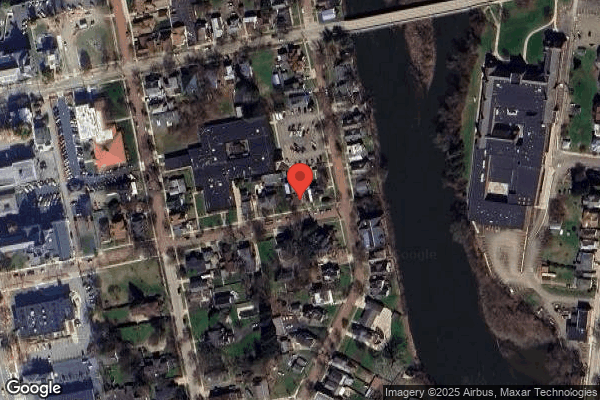
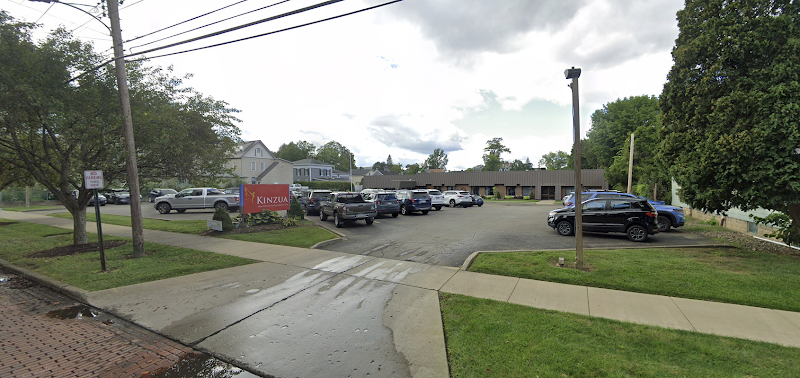
205 WATER STREET, WARREN, PA 16365 (814) 726-0820
For profit - Corporation 106 Beds VALLEY WEST HEALTH Data: November 2025
Trust Grade
45/100
#447 of 653 in PA
Last Inspection: December 2024

Within standard 12-15 month inspection cycle. Federal law requires annual inspections.

Overview

Kinzua Nursing and Rehab has a Trust Grade of D, which means it's below average and raises some concerns about the quality of care. It ranks #447 out of 653 nursing homes in Pennsylvania, placing it in the bottom half of facilities in the state, and it's the last option in Warren County. While the facility is improving-reducing issues from 17 in 2024 to 10 in 2025-staff turnover is high at 69%, significantly above the state average, which may affect the consistency of care. There were no fines recorded, which is a positive sign, but RN coverage is concerning as it is less than 83% of state facilities, meaning there may not be enough registered nurses available to catch potential problems. Specific incidents noted include the facility's failure to employ a qualified dietitian for food services, inaccurate documentation for several residents, and a lack of consistent nutritional assessments, highlighting areas that need immediate attention for better resident care.

Trust Score
D
45/100
In Pennsylvania
#447/653
Bottom 32%
Safety Record
Low Risk
No red flags
Inspections
Getting Better
17 → 10 violations
Staff Stability
⚠ Watch
69% turnover. Above average. Higher turnover means staff may not know residents' routines.
Penalties
✓ Good
No fines on record. Clean compliance history, better than most Pennsylvania facilities.
Skilled Nurses
⚠ Watch
Each resident gets only 25 minutes of Registered Nurse (RN) attention daily — below average for Pennsylvania. Fewer RN minutes means fewer trained eyes watching for problems.
Violations
⚠ Watch
31 deficiencies on record. Higher than average. Multiple issues found across inspections.
★★☆☆☆
2.0
Overall Rating
★★☆☆☆
2.0
Staff Levels
★★☆☆☆
2.0
Care Quality
★★☆☆☆
2.0
Inspection Score
Stable
2024: 17 issues
2025: 10 issues

The Good

  • Full Sprinkler Coverage · Fire safety systems throughout facility
  • No fines on record

Facility shows strength in fire safety.

The Bad

2-Star Overall Rating

Below Pennsylvania average (3.0)

Below average - review inspection findings carefully

Staff Turnover: 69%

23pts above Pennsylvania avg (46%)

Frequent staff changes - ask about care continuity

Chain: VALLEY WEST HEALTH

Part of a multi-facility chain

Ask about local staffing decisions and management

Staff turnover is elevated (69%)

21 points above Pennsylvania average of 48%

The Ugly 31 deficiencies on record

Sept 2025 1 deficiency
CONCERN (E) 📢 Someone Reported This

A family member, employee, or ombudsman was alarmed enough to file a formal complaint

Potential for Harm - no one hurt, but risky conditions existed

Medical Records (Tag F0842)

Could have caused harm · This affected multiple residents

**NOTE- TERMS IN BRACKETS HAVE BEEN EDITED TO PROTECT CONFIDENTIALITY** Based on review of facility policies and clinical records and staff interviews, it was determined that the facility failed to ma...

Read full inspector narrative →
**NOTE- TERMS IN BRACKETS HAVE BEEN EDITED TO PROTECT CONFIDENTIALITY** Based on review of facility policies and clinical records and staff interviews, it was determined that the facility failed to maintain accurate and complete documentation for four of twelve residents reviewed (Residents R2, R3, R7 and R11) Findings include: Review of facility policy entitled Death of a Resident, Documentation, dated [DATE], indicated appropriate documentation shall be made in the clinical records concerning the death of a resident and that all information pertaining to a resident's death (i.e. date, time of death, name and title of individual pronouncing the resident dead, etc.) must be recorded in the nurse's notes. The policy further stated that the name of the mortician and person removing the deceased resident must be entered into the resident's medical record. Review of facility policy entitled Documentation of Wound Treatments, dated [DATE], indicated the facility completes accurate documentation of wound assessments and treatments and the wound treatments are documented at the time of each treatment. Resident R3's clinical record revealed an admission date of [DATE], with diagnoses that included brain cancer, cerebral edema (swelling of the brain), and pneumonia. Resident R3's clinical record revealed an expired / return not anticipated recapitulation form completed and signed by Resident R3's physician on [DATE], indicating Resident R3 passed away at the facility on [DATE]. Resident R3's clinical record progress notes lacked evidence of Resident R3's death including the date, time of death, name and title of individual pronouncing the resident, and name of person removing the deceased resident from the facility. During an interview on [DATE], at 1:23 p.m. the Director of Nursing (DON) confirmed that Resident R3's clinical record was incomplete and lacked evidence of Resident R3's death including the date, time of death, name and title of individual pronouncing the resident, and name of person removing the deceased resident from the facility. Resident R2's clinical record revealed an admission date of [DATE], with diagnoses that included acute osteomyelitis (bone infection) of left ankle and foot, stroke, diabetes, peripheral vascular disease and amputation of right leg below the knee. Review of Resident R2's August Treatment Administration Record revealed the following treatment orders: [DATE], for left plantar foot cleanse with wound cleanser, apply calcium alginate with silver ( type of wound treatment) to wound base and cover with border gauze every day and evening shift. Out of 41 opportunities to document completion of the treatment, 26 opportunities were documented as completed and 15 were left blank. [DATE], to cleanse wound base of stump with normal saline solution, pat dry and apply xerofoam and cover with optifoam dressing every day shift. Out of 26 opportunities to document completion of the treatment, 19 were documented as completed and seven were blank, Resident R7's clinical record revealed an admission date of [DATE], with diagnoses that included hemiplegia and hemiparesis following a stroke, diabetes and neuropathy. Review of Resident R7's August Treatment Administration Record revealed the following treatment orders: [DATE], Desitin Zinc oxide cream apply to buttocks/groin every shift for skin protection. Out of 76 opportunities to document completion, 60 were documented as completed and 16 were blank. [DATE], cleanse left buttock with wound cleanser pat dry and apply medihoney cover with border gauze. Out of 4 opportunities to document completion, one was documented as completed and three were blank. [DATE], cleanse bilateral buttocks apply a thin layer of triad (wound treatment) to areas of excoriation leave open to air every shift for wound healing. Out of 20 opportunities to document completion, 15 were documented as complete and five were blank. [DATE], left buttock cleanse wound pack tunnel with iodoform apply calcium alginate to entire open area cover with border gauze every day shift. Out of five opportunities to document completion, one was documented as completed and four were blank. Resident R11's clinical record revealed an admission date of [DATE], with diagnoses that included pressure ulcer right heel, adult failure to thrive, protein calorie malnutrition, and bipolar disorder. Review of Resident R11's August Treatment Administration Record revealed the following treatment orders: [DATE], coccyx pressure ulcer cleanse with wound wash apply medihoney and cover with optifoam dressing every day shift. Out of 27 opportunities to document completion, 16 were documented as completed and 11 were blank. [DATE], weekly weights for four weeks every day shift every seven days. Out of four opportunities to document completion, one was documented and three were blank. [DATE], treatment to right heel cleanse with wound cleanser cover with betadine gauze and cover with bordered gauze dressing every day shift. Out of 19 opportunities to document completion, 10 were documented as completed and nine were blank. During an interview on [DATE], at 1:25 p.m. the DON confirmed that Resident R2's, R7's and R11's clinical records were incomplete regarding treatment documentation. 28 Pa. Code 211.5(f)(ii)(iii) Medical records 28 Pa. Code 211.12(d)(1)(5) Nursing services
Jul 2025 3 deficiencies
CONCERN (D) 📢 Someone Reported This

A family member, employee, or ombudsman was alarmed enough to file a formal complaint

Potential for Harm - no one hurt, but risky conditions existed

ADL Care (Tag F0677)

Could have caused harm · This affected 1 resident

Based on review of facility policies, clinical records, resident and staff interview, it was determined that the facility failed to provide a bath/shower per resident preference and failed to ensure t...

Read full inspector narrative →
Based on review of facility policies, clinical records, resident and staff interview, it was determined that the facility failed to provide a bath/shower per resident preference and failed to ensure that residents received assistance with bathing for two of 12 residents reviewed (Residents R3 and R4). Review of facility policy entitled Bed Bath, Shower/Tub dated 12/2/24, indicated The purpose of this procedure are to promote cleanliness, provide comfort to the resident. and Documentation 1. The date and time the shower/tub or bed bath was performed. 2. The name and title of the individual(s) who assisted the resident with the shower/tub or bed bath. Review of Resident R3's clinical record revealed an admission date of 4/4/25, with diagnoses that included chronic obstructive pulmonary disease (when your lungs do not have adequate air flow) and hypertension (high blood pressure). Review of Resident R3's physician's orders dated 4/8/25, revealed an order for shower every Wednesday and Saturday on evening shift. Review of Resident R3's task (an area where the nursing assistants document) for showers revealed he/she did not receive a shower on 7/5/25, and 7/19/25. Interview with Resident R3 on 7/23/25, at 10:30 a.m. revealed that he/she was very upset over not receiving their shower. He/she stated I want a shower, the staff told me I would get one this morning and its 10:30 a.m. Look at my hair it's greasy. Now it's almost lunch time and they will say they do not have the time to give me a shower. This is not the first time I waited a week to get a shower. Observations on 7/23/25, at 10:30 a.m. during the interview with Resident R3 revealed his/her hair appeared greasy and unkempt. Review of Resident R4's clinical record revealed an admission date of 1/9/24, with diagnoses that included Gastro Esophageal Reflux Disease (a condition when stomach acid repeatedly flows back up into your throat) and also identified their need for assistance with personal care. Review of Resident R4's physician's orders dated 4/24/25, revealed an order for shower every Tuesday and Friday on evening shift. Review of Resident R4's task for showers revealed he/she did not receive a shower on 7/11/25, 7/15/25, 7/18/25, and 7/22/25. Observations on 7/23/25, at 11:05 a.m. of Resident R4 revealed his/her hair appeared greasy and unkempt. During an interview on 7/23/25, at 1:00 p.m. the Director of Nursing (DON) confirmed that Residents R3 and R4 had not received showers as ordered and their hair appeared greasy and unkempt. The DON also confirmed that residents should receive their showers as ordered. 28 Pa. Code 201.14(a) Responsibility of licensee 28 Pa. Code 211.12(d)(1)(3)(5) Nursing services
CONCERN (D) 📢 Someone Reported This

A family member, employee, or ombudsman was alarmed enough to file a formal complaint

Potential for Harm - no one hurt, but risky conditions existed

Quality of Care (Tag F0684)

Could have caused harm · This affected 1 resident

Based on review of facility policies, clinical records and staff interviews, it was determined that the facility failed to take appropriate timely action to obtain a medication for one of 12 residents...

Read full inspector narrative →
Based on review of facility policies, clinical records and staff interviews, it was determined that the facility failed to take appropriate timely action to obtain a medication for one of 12 residents reviewed (Resident R1).Review of a facility policy entitled Administering Medication dated 12/2/24, indicated medications are administered in a safe and timely manner, as prescribed. Review of a facility policy entitled Medications Ordering and Receiving from Pharmacy dated 12/2/24, indicated medications and related products are received from the dispensing pharmacy on a timely basis. Review of facility policy entitled Medication orders dated 12/2/24, indicated a verbal prescription for a scheduled II medication may be called in to a pharmacist directly by the prescriber. The supply can be delivered from the pharmacy or may be available from the emergency kit. Review of Resident R1's clinical record revealed an admission date of 6/23/25, with diagnoses that included encounter for palliative care (care and comfort measures), hypertension (high blood pressure), and dementia (a disease that affects short term memory and the ability to think logically). Review of Resident R1's nursing documentation revealed that on 6/21/25, at 8:00 p.m. the facility staff called the hospital for an update on Resident R1. The hospital staff informed the facility that Resident R1 was placed under comfort measures only. Further review of nursing documentation revealed a note dated 6/23/35, at 3:54 p.m. that Resident R1 returned to the facility and upon return, Resident R1 was not responding to verbal or physical touch was having agonal (gasping and/or labored) breathing and received morphine before leaving the hospital. Review of Resident R1's clinical recorded revealed discharge orders from the hospital with an order for morphine 5-20 mg (milligrams) by mouth every 30 minutes for pain or dyspnea (difficulty breathing and/or shortness of breath). Review of Resident R1's facility physician's orders revealed an order dated 6/23/25, for morphine 20 mg per ml (milliliter) give 5 ml by mouth every 4 hours as needed. Review of Resident R1's admission/re-admission evaluation dated 6/23/25, revealed under the pain evaluation Does the patient have a diagnosis or disease condition that causes or is likely to cause pain or discomfort? The answer was marked as yes. Further review of Resident R1's admission/re-admission evaluation revealed a base line care plan for pain with an intervention to administer medication per physician's orders. Review of Resident R1's pain scale revealed on 6/23/25, at 10:51 p.m. a pain scale with advanced dementia (a pain scale where you observe signs of pain in a resident when they are unable to tell you their pain) was marked as 4 with details (observed signs of pain) of breathing score of a 2 for observations of noisy labored breathing, long period of hyperventilation, Cheyne-Stokes (an irregular breathing pattern) respiration and score of a 2 for observations of facial grimacing. Another pain scale with advanced dementia on 6/24/25, at 7:13 a.m. was marked as 4 with details of breathing score of a 2 for observations of noisy labored breathing, long period of hyperventilation, Cheyne-Stokes respiration and score of a 2 for observations of facial grimacing. Review of Resident R1's June 2025, medication administration record revealed that morphine was not given until 10:43 a.m. on 6/24/25. During an interview with Registered Nurse Employee E1, he/she revealed that it can take between 30 minutes to two hours to pull a controlled medication out of the facilities dispensing unit in the facility. He/she said that the process is to notify the physician and then the physician must speak to the pharmacist then the facility would receive a pull code (permission to remove a controlled medication from the dispensing unit). He/she expressed the time depends on the physician and pharmacist communication with each other. He/she also expressed that it may take longer depending on the day and/or time of day. During an interview on 7/25/25, at 1:00 p.m. with the Director of Nursing (DON) confirmed that the facility did not get a pull code for Resident R1's morphine until 6/24/25, at approximately 10:30 a.m. The DON confirmed that Resident R1 returned to the facility with an order for morphine on 6/23/25. The DON also confirmed that Resident R1 had a pain scale of four on two different occasions prior to the morphine being obtained and that an as needed medication should be available and administered per physician's orders. 28 Pa. Code 201.18(b)(1) Management 28 Pa. Code 211.12(d)(1)(3)(5) Nursing services
CONCERN (D) 📢 Someone Reported This

A family member, employee, or ombudsman was alarmed enough to file a formal complaint

Potential for Harm - no one hurt, but risky conditions existed

Pharmacy Services (Tag F0755)

Could have caused harm · This affected 1 resident

Based on review of facility policy and clinical record review and staff interview, it was determined that the facility failed to ensure that medication was obtained and provided as ordered by the phys...

Read full inspector narrative →
Based on review of facility policy and clinical record review and staff interview, it was determined that the facility failed to ensure that medication was obtained and provided as ordered by the physician for one of 12 residents reviewed (Resident R2). Review of facility policy entitled Administering Medications dated 12/2/24, indicated Medications are administered in accordance with prescriber orders, including any required time frame. Review of facility policy entitled Medication Orders dated 12/2/24, indicated The prescriber is contacted by nursing for directions when delivery of a medication will be delayed, or the medication is not or will not be available. Review of Resident R2's clinical record revealed an admission date of 4/8/25, with diagnoses that included diabetes (a health condition that caused by the body's inability to produce enough insulin), hypertension (high blood pressure), and Gastro Esophageal Reflux Disease (a condition when stomach acid repeatedly flows back up into your throat). Review of Resident R2's clinical record revealed a physician's order for caladryl external lotion 1-8% apply to rash topically two times a day for seven days dated 6/26/25. Review of his/her treatment record for the months of June and July 2025, lacked evidence that caladryl lotion was applied per physician's order. Review of nursing documentation revealed the facility was waiting delivery of the caladryl lotion from the pharmacy. During an interview on 7/25/25, at 1:05 p.m. the Director of Nursing (DON) confirmed that there was no documented evidence that the caladryl lotion was received from the pharmacy or applied to Resident R2 per physician order. The DON also confirmed that the caladryl lotion should have been obtained from pharmacy and applied per physician order. 28 Pa. Code 201.14(a) Responsibility of licensee 28 Pa. Code 211.9(a)(1) Pharmacy services 28 Pa. code 211.12(d)(1)(3)(5) Nursing services
Mar 2025 5 deficiencies
CONCERN (D) 📢 Someone Reported This

A family member, employee, or ombudsman was alarmed enough to file a formal complaint

Potential for Harm - no one hurt, but risky conditions existed

Deficiency F0625 (Tag F0625)

Could have caused harm · This affected 1 resident

Based on review of facility policies and clinical records, and staff interview, it was determined that the facility failed to provide the resident and/or resident representative with a written notice ...

Read full inspector narrative →
Based on review of facility policies and clinical records, and staff interview, it was determined that the facility failed to provide the resident and/or resident representative with a written notice of the facility bed-hold (explanation of how long a bed can be held during a leave of absence and the cost per day) upon or within twenty-four hours of transfer for two of two residents reviewed for hospitalizations (Residents R11 and R12). Findings include: A facility policy entitled Bed-Holds and Return dated 12/2/24, indicated that prior to transfers and therapeutic leaves, that residents or resident representatives will be informed in writing of the bed-hold and return policy. Resident R11's clinical record revealed an admission date of 1/31/25, with diagnoses that included dementia (loss of cognitive functioning affecting a persons memory and behaviors), flu, and gastro-esophageal reflux disease (a condition where stomach acid flows back into the esophagus [tube that passes food from the mouth into the stomach]). Record review revealed that Resident R11 was transferred to the hospital on 2/14/25. The clinical record lacked evidence indicating that Resident R11 and/or their representative was provided with a copy of the facility bed-hold policy. Resident R12's clinical record revealed an admission date of 1/10/25, with diagnoses that included dementia, high blood pressure, and diabetes (condition of improper insulin/blood sugar levels) Record review revealed that Resident R12 was transferred to the hospital on 1/13/25. The clinical record lacked evidence indicating that Resident R12 and/or their representative was provided with a copy of the facility bed-hold policy. During an interview on 3/17/25, at approximately 10:05 a.m. the Director of Nursing confirmed that there was no evidence to indicate that Residents R11 and R12 and/or their representatives were provided with a copy of the facility bed-hold policy upon transfers to the hospital. 28 Pa. Code 201.18(e)(1) Management 28 Pa. Code 201.29(a) Resident rights
CONCERN (D) 📢 Someone Reported This

A family member, employee, or ombudsman was alarmed enough to file a formal complaint

Potential for Harm - no one hurt, but risky conditions existed

Comprehensive Care Plan (Tag F0656)

Could have caused harm · This affected 1 resident

Based on review of facility policy and clinical records, and staff interview, it was determined that the facility failed to develop a comprehensive care plan for one of 15 Residents reviewed (Resident...

Read full inspector narrative →
Based on review of facility policy and clinical records, and staff interview, it was determined that the facility failed to develop a comprehensive care plan for one of 15 Residents reviewed (Resident R1). Findings include: Review of facility policy dated 12/2/24, entitled Comprehensive Assessment and The Care Delivery Process indicated that a comprehensive assessment will be conducted to assist in developing person-centered care plans. It also indicated to identify current interventions and treatments and link these to problems and diagnosis they are to be treating. Resident R1's clinical record revealed an admission date of 1/8/25, with diagnoses that included high blood pressure, pneumonia, and pressure ulcer (damage to the skin and/or underlying tissue that usually occurs over a bony prominence) to his/her right heel and sacrum that is unstageable (when the bottom of the pressure ulcer is covered in slough [debris that appears tan, yellow, green or brown in color] and/or eschar [hard plaque that's tan, brown, or black in color]. Resident R1's clinical record revealed a progress noted dated 2/19/25, identifying pressure ulcers to his/her right heel and sacrum were discovered with physician orders dated for 2/19/25, to implement treatments to his/her right heel and sacrum. Progress notes also indicated that Resident R1 started seeing wound care consultant company on 2/28/25, for weekly wound assessments, measurements, and changes in treatments if applicable. Resident R1's clinical record lacked evidence that a care plan had been developed to address his/her actual skin integrity impairment and the presence of pressure ulcers to his/her right heel and sacrum. During an interview on 3/17/25, at 10:05 a.m. the Director of Nursing confirmed that a care plan had not been developed to address Resident R1's pressure ulcers to his/her right heel and sacrum. 28 Pa. Code 201.14(a) Responsibility of licensee 28 Pa. Code 211.12(d)(3)(5) Nursing services
CONCERN (D) 📢 Someone Reported This

A family member, employee, or ombudsman was alarmed enough to file a formal complaint

Potential for Harm - no one hurt, but risky conditions existed

Deficiency F0657 (Tag F0657)

Could have caused harm · This affected 1 resident

Based on review of facility policy and clinical records and staff interview, it was determined that the facility failed to review and/or revise resident care plans for seven of 15 residents reviewed (...

Read full inspector narrative →
Based on review of facility policy and clinical records and staff interview, it was determined that the facility failed to review and/or revise resident care plans for seven of 15 residents reviewed (Residents R9, R10, R8, R15, R16, R20, and R22). Findings include: Review of facility policy dated 12/2/24, entitled Comprehensive Assessment and The Care Delivery Process indicated that comprehensive assessments, care planning, and the care delivery process involves collecting and analyzing information, choosing and initiating interventions, and then monitoring results and adjusting interventions. Resident R9's clinical record revealed an admission date of 2/2/08, with diagnoses that included diabetes (a health condition caused by the body's inability to produce enough insulin), high blood pressure, and anxiety. Review of Resident R9's comprehensive care plan on 3/17/25, revealed that of the 39 care plans present, 37 had an outstanding target date of 2/28/25. The care plans included the problem categories of: skin breakdown related to rash, ADL [activities of daily living] care, anticoagulant therapy, aspirin therapy, adverse effected related to medications, elimination related to bowel and bladder, hydration, risk for skin integrity, risk for skin integrity related to diabetes and venous insufficiency, behaviors, coronavirus, falls, communication, pain, cardiac disease, mental status, dental, endocrine system, enhance barrier precautions, enhanced barrier precautions related to wounds, activities, paranoia, eye drops, GI distress, gastrointestinal, inappropriate behaviors, infection, hematology, adjustment, nutrition, discharge, leave of absence, advanced directive, steroid use, surgical wounds, pressure ulcers, and urinary incontinence. Review of Resident R9's comprehensive care plan on 3/17/25, revealed that of the 39 care plans present, two had no goals. The care plans included problem categories of: actual skin breakdown and safety. Resident R10's clinical record revealed an admission date of 2/7/25, with diagnoses that included Chronic Obstructive Pulmonary Disease (COPD - a condition that prevents airflow to the lungs resulting in difficulty breathing), diabetes, and high blood pressure. Review of Resident R10's comprehensive care plan on 3/17/25, revealed that of the 15 care plans present, 15 had an outstanding target date of 2/27/25. The care plans included the problem categories of: anticoagulant therapy, skin integrity, falls cardiac disease, discharge planning, diuretic use, vision, urinary incontinence, activities, nutrition, hearing, adjustment, communication, pain, and activities. During an interview on 3/17/25, at 10:50 a.m. the Director of Nursing confirmed that Residents R9 and R10's care plans were not reviewed and/or revised within the required timeframe and Resident R9's care plans lacked goals for all problem areas. Resident R8's clinical record revealed an admission date of 3/19/22, with diagnoses that included anxiety (a condition that causes a person to be nervous, uneasy, or worried about something or someone), high blood pressure, and osteoporosis (a condition where bone strength weakens and is susceptible to breaking). Review of Resident R8's comprehensive care plan on 3/19/25, revealed that of the 30 care plans present, 30 had an outstanding target date of 2/19/25. The care plans included the problem categories of: pain, ADL's, coronavirus, falls, adverse effects, cardiac disease, urinary incontinence, bowel elimination, musculoskeletal, skin, nutrition, elopement, toileting, vision, gastrointestinal, hematological, cognitive, endocrine, activities, coping, dental, communication, mood, sleep, discharge potential, hydration, discharge planning, advanced directives, aspirin use, and respiratory. Resident R15's clinical record revealed an admission date of 1/24/25, with diagnoses that included osteomyelitis of the vertebra (infection of the bone), high blood pressure, and anxiety. Review of Resident R15's comprehensive care plan on 3/19/25, revealed that of the 21 care plans present, 21 had an outstanding target date of 2/13/25. The care plans included the problem categories of: vision, infection of the skin, enhanced barrier precautions, skin integrity, skin breakdown, pain, indwelling catheter, falls, discharge plan, IV, activities, nutrition, aspirin use, ADL's, diuretic therapy, gastrointestinal distress, surgical wounds, side effects, cardiac disease, hydration/constipation, and risk for PI (pressure injury). Resident R16's clinical record revealed an admission date of 10/29/22, with diagnoses that included metabolic encephalopathy (a condition where the brain function is disturbed temporarily or permanently due to various disease or toxins in the body), pneumonia, and high blood pressure. Review of Resident R16's comprehensive care plan on 3/19/25, revealed that of the 33 care plans present, 29 had an outstanding target date of 2/5/25. The care plans included the problem categories of: skin integrity, endocrine, hematological, cardiac, urinary incontinence, pain, gastrointestinal distress, ADL's, nutrition, falls, potential for cavities, side effects from psychotropic's, elopement, cognitive loss, activities, bowels, anticoagulant, depression, communication, neurological, advances directives, falls, COVID, aspirin use, urinary tract infections, hydration, adverse effects from medications, skin integrity, and toileting. Review of Resident R16's comprehensive care plan on 3/19/25, revealed that of the 33 care plans present, four had no goals or interventions. The care plans included problem categories of: discharge potential, enhanced barrier precautions, infection - urinary tract, and safety related to hot liquids. Resident R20's clinical record revealed an admission date of 1/24/25, with diagnoses that included metabolic encephalopathy, respiratory failure (a condition where you don't get enough oxygen or you get too much carbon dioxide in your body), and high blood pressure. Review of Resident R20's comprehensive care plan on 3/19/25, revealed that of the 20 care plans present, 20 had an outstanding target date of 2/12/25. The care plans included the problem categories of: hearing, vision, anticoagulant, respiratory, diuretic use, cellulitis, risk for skin impairment, actual skin impairment, ADL's, discharge plan, cardiac, endocrine, steroid therapy, nutrition, advanced directive, side effects, hydration, falls, dental, and activities. Resident R22's clinical record revealed an admission date of 2/24/25, with diagnoses that included deep vein thrombosis (DVT - when a blood blot forms in a deep vein), urinary tract infection, and dementia (loss of cognitive functioning affecting a persons memory and behaviors). Review of Resident R22's comprehensive care plan on 3/19/25, revealed that of the 15 care plans present, 15 had an outstanding target date of 3/13/25. The care plans included the problem categories of: safety, cardiac, side effects, toileting, falls, communication, enhanced barrier precautions, falls, cognitive loss, nutrition, vision, urinary incontinence, hydration, ADL's, and dental. Review of Resident R22's comprehensive care plan on 3/19/25, revealed that of the 15 care plans present, one had no interventions. The care plan included problem category of: enhanced barrier precautions. During an interview on 3/19/25, at 11:50 a.m. p.m. the Registered Nurse Assessment Coordinator confirmed that Residents R8, R15, R16, R20, and R22's care plans were not reviewed and/or revised within the required timeframes, Resident R16's care plans lacked goals and interventions for all problem areas, and Resident R22's care plan lacked interventions for all problem areas. 28 Pa. Code 201.14(a) Responsibility of licensee 28 Pa. Code 211.12(d)(3)(5) Nursing services
CONCERN (E) 📢 Someone Reported This

A family member, employee, or ombudsman was alarmed enough to file a formal complaint

Potential for Harm - no one hurt, but risky conditions existed

Deficiency F0692 (Tag F0692)

Could have caused harm · This affected multiple residents

Based on review of facility policy, job description, and clinical records, and staff interviews, it was determined that the facility failed to accurately and consistently assess a resident's nutrition...

Read full inspector narrative →
Based on review of facility policy, job description, and clinical records, and staff interviews, it was determined that the facility failed to accurately and consistently assess a resident's nutritional status on admission and as needed thereafter and failed to complete a comprehensive nutritional assessment on a resident identified as being at risk for unplanned weight loss and/or compromised nutritional status for 27 of 85 Residents reviewed (Residents R1, R10, R11, R15, R20, R22, R23, R24, R25, R26, R27, R28, R29, R30, R31, R32, R33, R34, R35, R36, R37, R38, R39, R40, R41, R42, and R43) Findings include: Review of facility policy dated 12/2/24, entitled Nutritional Management revealed the facility provides care and services to each resident to ensure the resident maintains acceptable parameters of nutritional status (refers to the factors that reflect that an individual's nutritional status (includes both nutrition and hydration) is adequate, relative to his/her overall condition and prognosis, such as weight, food/fluid intake, and pertinent laboratory values) in the context of his or her overall condition. The policy further stated that a comprehensive nutritional assessment will be completed by a dietitian within seven-two hours of admission, annually, and upon significant change in condition and that follow-up assessments will be completed as needed. The assessments may include, but are not limited to general appearance; height and weight; cognitive, physical, and medical conditions; food and fluid intake; evidence of fluid loos or retention; presence of persistent hunger, poor intake, or continued weight loss; review of medication list; and review of laboratory / diagnostic data. The dietitian shall use data gathered from the nutritional assessment to estimate the resident's calorie, nutrient, and fluid needs and whether intake is adequate to meet those needs. Facility provided job description entitled Registered Dietitian Consultant revealed that he/she is responsible to ensure residents' clinical needs are provided by the food and nutrition service department. He/she will also review the dietary requirements of each resident admitted to the facility and assist the attending physician in planning for the resident's prescribed diet plan as well as assessing nutritional needs of each resident. Resident R1's clinical record revealed an admission date of 1/8/25, with diagnoses that included high blood pressure, pneumonia, and pressure ulcer (damage to the skin and/or underlying tissue that usually occurs over a bony prominence) to his/her right heel and sacrum that is unstageable (when the bottom of the pressure ulcer is covered in slough [debris that appears tan, yellow, green or brown in color] and/or eschar [hard plaque that's tan, brown, or black in color]. Resident R1's clinical record revealed the following weights: 1/09/25 - 149; 2/02/25 - 136.0; and 3/16/25 - 123.4. A significant weight loss of 9.26% in 17.18 % in two months. Resident R1's clinical record revealed a progress note dated 2/19/25, that indicated he/she had a new pressure ulcer located on the right heel and sacrum. Resident R1's clinical record lacked any evidence of a nutritional assessment being completed within seventy-two hours of admission, with development of a right heel and sacrum pressure ulcer, with continuous weight loss and/or throughout his/her stay at the facility at this time. Resident R10's clinical record revealed an admission date of 2/7/25, with diagnoses that included Chronic Obstructive Pulmonary Disease (COPD - a condition that prevents airflow to the lungs resulting in difficulty breathing), diabetes (a health condition caused by the body's inability to produce enough insulin), and high blood pressure. Resident R10's clinical record lacked any evidence of a nutritional assessment being completed within seventy-two hours of admission and/or throughout his/her stay at the facility at this time. Resident R11's clinical record revealed an admission date of 1/31/25, with diagnoses that included dementia (loss of cognitive functioning affecting a persons memory and behaviors), flu, and gastro-esophageal reflux disease (a condition where stomach acid flows back into the esophagus [tube that passes food from the mouth into the stomach]). Resident R11's clinical record revealed he/she was discharged to the hospital on 2/14/25, with return anticipated. Further review of Resident R11's clinical record lacked any evidence of a nutritional assessment being completed within seventy-two hours of admission and/or throughout his/her stay at the facility. Resident R15's clinical record revealed an admission date of 1/24/25, with diagnoses that included osteomyelitis of the vertebra (infection of the bone), high blood pressure, and anxiety (a condition that causes a person to be nervous, uneasy, or worried about something or someone). Resident R15's clinical record lacked any evidence of a nutritional assessment being completed within seventy-two hours of admission and/or throughout his/her stay at the facility at this time. Resident R20's clinical record revealed an admission date of 1/24/25, with diagnoses that included metabolic encephalopathy (a condition where the brain function is disturbed temporarily or permanently due to various disease or toxins in the body), respiratory failure (a condition where you don't get enough oxygen or you get too much carbon dioxide in your body), and high blood pressure. Resident R20's clinical record lacked any evidence of a nutritional assessment being completed within seventy-two hours of admission and/or throughout his/her stay at the facility at this time. Resident R22's clinical record revealed an admission date of 2/24/25, with diagnoses that included deep vein thrombosis (DVT - when a blood blot forms in a deep vein), urinary tract infection, and dementia. Resident R22's clinical record lacked any evidence of a nutritional assessment being completed within seventy-two hours of admission and/or throughout his/her stay at the facility at this time. Resident R23's clinical record revealed an admission date of 3/12/25, with diagnoses that included pneumonia, COPD, and diabetes. Resident R23's clinical record lacked any evidence of a nutritional assessment being completed within seventy-two hours of admission and/or throughout his/her stay at the facility at this time. Resident R24's clinical record revealed an admission date of 2/5/25, with diagnoses that included dementia, high blood pressure, and anxiety. Resident R24's clinical record lacked any evidence of a nutritional assessment being completed within seventy-two hours of admission and/or throughout his/her stay at the facility at this time. Resident R25's clinical record revealed an admission date of 3/11/25, with diagnoses that included high blood pressure, GERD, and alcohol induced cirrhosis of the liver. Resident R25's clinical record lacked any evidence of a nutritional assessment being completed within seventy-two hours of admission and/or throughout his/her stay at the facility at this time. Resident R26's clinical record revealed an admission date of 3/7/25, with diagnoses that included COPD, depression, and high blood pressure. Resident R26's clinical record lacked any evidence of a nutritional assessment being completed within seventy-two hours of admission and/or throughout his/her stay at the facility at this time. Resident R27's clinical record revealed an admission date of 3/7/25, with diagnoses that included respiratory failure (a condition where you don't get enough oxygen or you get too much carbon dioxide in your body), COPD, and high blood pressure. Resident R27's clinical record lacked any evidence of a nutritional assessment being completed within seventy-two hours of admission and/or throughout his/her stay at the facility at this time. Resident R28's clinical record revealed an admission date of 3/13/25, with diagnoses that included diabetes, high blood pressure and left side paralysis. Resident R28's clinical record lacked any evidence of a nutritional assessment being completed within seventy-two hours of admission and/or throughout his/her stay at the facility at this time. Resident R29's clinical record revealed an admission date of 2/17/25, with diagnoses that included fractured vertebra, diabetes, and anxiety. Resident R29's clinical record lacked any evidence of a nutritional assessment being completed within seventy-two hours of admission and/or throughout his/her stay at the facility at this time. Resident R30's clinical record revealed an admission date of 3/5/25, with diagnoses that included dementia, high blood pressure, and depression. Resident R30's clinical record lacked any evidence of a nutritional assessment being completed within seventy-two hours of admission and/or throughout his/her stay at the facility at this time. Resident R31's clinical record revealed an admission date of 2/24/25, with diagnoses that included pneumonia, COPD, and diabetes. Resident R31's clinical record lacked any evidence of a nutritional assessment being completed within seventy-two hours of admission and/or throughout his/her stay at the facility at this time. Resident R32's clinical record revealed an admission date of 3/17/25, with diagnoses that included respiratory failure, GERD, and depression. Resident R32's clinical record lacked any evidence of a nutritional assessment being completed within seventy-two hours of admission and/or throughout his/her stay at the facility at this time. Resident R33's clinical record revealed an admission date of 3/4/25, with diagnoses that included dementia, COPD, and Atrial Fibrillation (A-Fib - irregular and often rapid heart beat that can lead to stroke, heart failure, and other complications). Resident R33's clinical record lacked any evidence of a nutritional assessment being completed within seventy-two hours of admission and/or throughout his/her stay at the facility at this time. Resident R34's clinical record revealed an admission date of 3/10/25, with diagnoses that included high blood pressure, kidney failure (kidneys are no longer able to work therefore cannot filter waste and toxins from the blood), glaucoma (a group of diseases that damage the optic nerve which could lead to vision loss) Resident R34's clinical record lacked any evidence of a nutritional assessment being completed within seventy-two hours of admission and/or throughout his/her stay at the facility at this time. Resident R35's clinical record revealed an admission date of 3/10/25, with diagnoses that included fractured vertebra, anxiety, high blood pressure. Resident R35's clinical record lacked any evidence of a nutritional assessment being completed within seventy-two hours of admission and/or throughout his/her stay at the facility at this time. Resident 36's clinical record revealed an admission date of 3/3/25, with diagnoses that included pneumonia, COPD, and anxiety. Resident R36's clinical record lacked any evidence of a nutritional assessment being completed within seventy-two hours of admission and/or throughout his/her stay at the facility at this time. Resident R37's clinical record revealed an admission date of 2/12/25, with diagnoses that included broken left hip, depression, and arthritis. Resident R37's clinical record lacked any evidence of a nutritional assessment being completed within seventy-two hours of admission and/or throughout his/her stay at the facility at this time. Resident R38's clinical record revealed an admission date of 3/9/25, with diagnoses that included respiratory failure, COPD, and diabetes. Resident R38's clinical record lacked any evidence of a nutritional assessment being completed within seventy-two hours of admission and/or throughout his/her stay at the facility at this time. Resident R39's clinical record revealed an admission date of 2/2/25, with diagnoses that included heart attack, depression, and COPD. Resident R39's clinical record lacked any evidence of a nutritional assessment being completed within seventy-two hours of admission and/or throughout his/her stay at the facility at this time. Resident R40's clinical record revealed an admission date of 2/20/25, with diagnoses that included respiratory failure, COPD, and diabetes. Resident R40's clinical record lacked any evidence of a nutritional assessment being completed within seventy-two hours of admission and/or throughout his/her stay at the facility at this time. Resident R41's clinical record revealed an admission date of 3/8/25, with diagnoses that included broken right leg, dementia, high blood pressure. Resident R41's clinical record lacked any evidence of a nutritional assessment being completed within seventy-two hours of admission and/or throughout his/her stay at the facility at this time. Resident R42's clinical record revealed an admission date of 2/25/25, with diagnoses that included kidney failure, dementia, A-Fib. Resident R42's clinical record lacked any evidence of a nutritional assessment being completed within seventy-two hours of admission and/or throughout his/her stay at the facility at this time. Resident R43's clinical record revealed an admission date of 2/5/25, with diagnoses that included A-Fib, diabetes, and COPD. Resident R43's clinical record lacked any evidence of a nutritional assessment being completed within seventy-two hours of admission and/or throughout his/her stay at the facility at this time. During an interview on 3/17/25, at 10:05 a.m. the Director of Nursing stated that since the company changed ownership they have not had a dietitian. During an interview on 3/18/25, at 10:50 a.m. the Nursing Home Administrator (NHA) stated that the facility has been without a dietitian on a full-time, part-time, or consulting basis since 1/7/25. During an interview on 3/18/25, at 3:10 p.m. the NHA confirmed that there was no documented nutritional assessments for the above identified residents on admission or thereafter as required. The NHA further stated the facility has been without a dietitian since 1/07/25 and has not completed any nutritional assessments from 1/7/25 to the present on any residents. 28 Pa. Code 201.18(b)(1) Management 28 Pa. Code 211.10(c) Resident care policies
CONCERN (F) 📢 Someone Reported This

A family member, employee, or ombudsman was alarmed enough to file a formal complaint

Potential for Harm - no one hurt, but risky conditions existed

Deficiency F0801 (Tag F0801)

Could have caused harm · This affected most or all residents

Based on review of employee credentials, and staff interviews, it was determined that the facility failed to ensure the employee designated as the full-time director of food and nutrition services, wh...

Read full inspector narrative →
Based on review of employee credentials, and staff interviews, it was determined that the facility failed to ensure the employee designated as the full-time director of food and nutrition services, who was not a qualified dietitian or other clinically qualified nutritional professional, received frequently scheduled consultations from a qualified dietitian and/or failed to employ a full-time qualified dietitian since 1/7/25. Findings include: Review of the employee file/credentials the facility designated as the director of food and nutrition services revealed that he/she lacked the appropriate competencies and skills to function as the director to include any of the following: a certification for food service manager or a similar national certification for food service management and safety from a national certifying body or an associate's or higher degree in food service management or in hospitality or lacked two or more years experience in the position of food safety and completed a course study in food safety and management. There was no evidence that the facility had a dietitian functioning as a consultant for the employee designated as the director of food and nutrition services. During an interview with Director of Nursing (DON) on 3/17/25, at 10:05 a.m. the DON stated that since the company changed ownership they have not had a dietitian. During an interview with Nursing Home Administrator (NHA) on 3/18/25, at 10:50 a.m. the NHA stated that the facility has been without a dietitian on a full-time, part-time, or consulting basis since 1/7/25. 28 Pa Code 201.18(e)(1)(6) Management
Jan 2025 1 deficiency
CONCERN (D) 📢 Someone Reported This

A family member, employee, or ombudsman was alarmed enough to file a formal complaint

Potential for Harm - no one hurt, but risky conditions existed

Accident Prevention (Tag F0689)

Could have caused harm · This affected 1 resident

Based on review of clinical records, facility policies and documentation, and staff interview, it was determined that the facility failed to ensure adequate safety measures were implemented related to...

Read full inspector narrative →
Based on review of clinical records, facility policies and documentation, and staff interview, it was determined that the facility failed to ensure adequate safety measures were implemented related to wheelchair transport and fall precautions for two of four residents reviewed for falls (Residents R13 and R14). Findings include: The facility was not able to provide a policy for staff to reference in the safe utilization of footrests while transporting residents via wheelchair. A facility policy entitled, Falls and Fall Risk, Managing, revised March 2018, indicated that Position-change alarms will not be used as the primary or sole intervention to prevent falls, but rather will be used to assist the staff in identifying patterns and routines of the resident. The use of alarms will be monitored for efficacy and staff will respond to alarms in a timely manner. Resident R13's clinical record revealed an admission date of 11/28/24, with diagnoses that included stroke, unsteady on feet, Parkinson's Disease (degenerative brain condition, meaning it causes parts of your brain to deteriorate, that causes slowed movements, tremors, balance problems and more), dysarthria and anarthria (motor speech disorder that makes it difficult to control the muscles used for speaking). Resident R13's Minimum Data Set (MDS- standardized assessment tool used to evaluate the health of nursing home residents) with an assessment reference date of 11/29/24, Section GG - Functional Abilities, GG0170S was coded as requiring partial/moderate assistance to propel his/her manual wheelchair 150 feet in a corridor or similar space. Resident R13's clinical record also revealed a departmental progress note dated 12/08/24, that indicated Resident R13 was being pushed in a wheelchair, lost his/her balance and hit right lower area of face and that the physician was notified and Resident R13 was transported to the acute hospital for evaluation and admitted . The facility investigation revealed an Interdisciplinary Team review of Resident R13's fall indicated the resident was being pushed in a wheelchair on ramp by staff and put his/her feet down and fell. During an interview on 1/07/25, at 8:39 a.m. the Nursing Home Administrator confirmed Resident R13 should have had footrests attached to his/her wheelchair while being pushed by staff. Resident R14's clinical record revealed an admission date of 11/04/24, with diagnoses that included prostate and bone cancer, cognitive communication deficit (condition that makes it difficult for someone to communicate due to issues with cognition), weakness, assistance with personal care, and abnormal gait and mobility. The clinical record revealed a physician's order dated 11/20/24, for a pressure alarm when in bed, a care plan intervention dated 11/20/24 for a pressure bed alarm, and a staff task to check placement and function of the bed alarm every shift and as needed, also dated 11/20/24. A departmental progress note dated 12/08/24, revealed that staff was alerted to Resident R14 falling to the floor, was bleeding out of his/her right head, and was unresponsive. It was noted that Resident R14 had a pressure alarm under him/her, but that it was not plugged in and did not alarm. Resident R14 was transported to the emergency department for evaluation. 28 Pa. Code 201.18(b)(1)(3) Management 28 Pa. Code 201.18(d)(e)(1) Management 28 Pa. Code 211.10(c)(d) Resident care policies 28 Pa. Code 211.12(d)(1)(2)(3)(5) Nursing services
Dec 2024 8 deficiencies
CONCERN (D) 📢 Someone Reported This

A family member, employee, or ombudsman was alarmed enough to file a formal complaint

Potential for Harm - no one hurt, but risky conditions existed

Safe Environment (Tag F0584)

Could have caused harm · This affected 1 resident

**NOTE- TERMS IN BRACKETS HAVE BEEN EDITED TO PROTECT CONFIDENTIALITY** Based on observations, review of facility policies and documents, and staff, resident, and visitor interviews, it was determined...

Read full inspector narrative →
**NOTE- TERMS IN BRACKETS HAVE BEEN EDITED TO PROTECT CONFIDENTIALITY** Based on observations, review of facility policies and documents, and staff, resident, and visitor interviews, it was determined that the facility failed to provide housekeeping services necessary to maintain a clean environment in one resident room (520) and clean equipment for one resident (Resident R37). Findings include: A facility policy entitled Quality of Life-Homelike Environment dated 12/02/24, indicated facility staff and management shall maximize, to the extent possible, the characteristics of the facility that reflect a personalized, homelike setting and include a clean, sanitary, and orderly environment. A facility document entitled Daily Resident/Patient Room Cleaning indicated that resident room floors would be dust mopped, all trash and debris will be swept to the door and picked up with a dustpan. Observation on 12/02/24, at 12:09 p.m. of room [ROOM NUMBER] revealed an open bag of cheese curls, two full 20-ounce plastic bottles of Diet Coke and one empty 20-ounce plastic bottle of Diet Coke on the floor on the right side of the bed between the bed frame and nightstand. Observation on 12/03/24, at 1:13 p.m. of room [ROOM NUMBER] revealed an open bag of cheese curls, one empty 20-ounce plastic bottle of Diet Coke, and an open box of tissues box on the floor on the right side of the bed between the bed frame and nightstand. Observation on 12/03/24, at 2:22 p.m. of room [ROOM NUMBER] revealed one empty 20-ounce plastic bottle of Diet Coke, and an open box of tissues box on the floor on the right side of the bed between the bed frame and nightstand, and the open bag of cheese curls on the resident's tray table. At that time, a visitor for room [ROOM NUMBER] confirmed he/she picked up the open bag of cheese curls upon entering the room. Observations on 12/03/24, at 2:22 p.m. with the Nursing Home Administrator (NHA) he/she confirmed that the food items and tissues should not have been on the floor. The NHA removed the opened bag of cheese curls from the resident room. Review of Resident R37's clinical record revealed an admission date of 2/1/24, with diagnoses that included anxiety (a condition that causes a person to be nervous, uneasy, or worried about something or someone), hyperlipidemia (high cholesterol) and hypertension (high blood pressure). Observations on 12/2/24, at 2:47 p.m. revealed Resident R37 sitting in his/her wheelchair on a cushion. Observations of the cushion revealed what appeared to be food stuck to the cushion. Further observations of Resident R37's wheelchair revealed what resembled food laying on the frame of the wheelchair. Observations on 12/3/24, at 10:20 a.m. revealed Resident R37's wheelchair sitting next to his/her bed. The food like substance remained on the wheelchair cushion. Further observations of Resident R37's wheelchair revealed that the food like substance remained laying on the frame of the wheelchair. Observations on 12/4/24, at 11:45 a.m. revealed Resident R37 sitting in his/her wheelchair with the food like substance remaining on the cushion. Further observations of Resident R37's wheelchair revealed that the food like substance remained laying on the frame of the wheelchair. During an interview on 12/4/24, at 11:48 a.m. with the NHA, he/she confirmed that there was food like substance on Resident R37's wheelchair cushion and on the frame of the wheelchair frame. He/she also confirmed that the wheelchair and cushion should be clean. 28 Pa. Code 201.14(a) Responsibility of licensee 28 Pa. Code 201.18(b)(1)(3) Management 28 Pa. Code 201.18(e)(1) Management 28 Pa. Code 211.10(c) Resident care policies 28 Pa. Code 207.2(a) Administrator's responsibility
CONCERN (D) 📢 Someone Reported This

A family member, employee, or ombudsman was alarmed enough to file a formal complaint

Potential for Harm - no one hurt, but risky conditions existed

Respiratory Care (Tag F0695)

Could have caused harm · This affected 1 resident

Based on review of facility policy and clinical records, observations, and staff interview, it was determined that the facility failed to obtain a physician's order for the provision of oxygen therapy...

Read full inspector narrative →
Based on review of facility policy and clinical records, observations, and staff interview, it was determined that the facility failed to obtain a physician's order for the provision of oxygen therapy for one of one residents reviewed for respiratory services (Resident R26). Findings include: A facility policy entitled Oxygen Administration dated 12/02/24, indicated to verify that there is a physician's order for oxygen administration. Resident R26's clinical record revealed an admission date of 11/06/24, with diagnoses that included chronic obstructive pulmonary disease (COPD - a condition that prevents airflow to the lungs resulting in difficulty breathing), dementia (loss of cognitive functioning affecting a persons memory and behaviors), and high blood pressure. Observations on 12/02/24, at 1:45 p.m., 12/03/24, at 11:16 a.m., and 12/03/24, at 12:08 p.m. revealed Resident R26 wearing an oxygen nasal cannula (a thin tube with two prongs that fits into the resident's nostrils to deliver oxygen) connected to an oxygen concentrator delivering 2 liters per minute. Resident R26's clinical records under Oxygen sats summary revealed he/she utilized oxygen on 11/15/24, 11/16/24, 11/29/24, 12/01/24, 12/02/24, and 12/03/24. Clinical record progress notes revealed he/she utilized oxygen on 11/15/24, 11/16/24, 11/17/24, 11/25/24, 11/26/24, 11/27/24, 11/28/24, 11/29/24, 11/30/24, 12/01/24, 12/02/24, and 12/03/24. Resident R26's clinical record lacked evidence of a physician's order for the use of oxygen therapy. During an interview on 12/03/24, at 12:25 p.m. Licensed Practical Nurse Employee E4 confirmed that Resident R26 was being administered oxygen therapy and their clinical record lacked a physician's order for oxygen therapy. 28 Pa. Code 211.5(f)(i) Medical records 28 Pa. Code 211.10(c)(d) Resident care policies 28 Pa. Code 211.12(d)(1)(3)(5) Nursing services
CONCERN (E) 📢 Someone Reported This

A family member, employee, or ombudsman was alarmed enough to file a formal complaint

Potential for Harm - no one hurt, but risky conditions existed

Deficiency F0578 (Tag F0578)

Could have caused harm · This affected multiple residents

**NOTE- TERMS IN BRACKETS HAVE BEEN EDITED TO PROTECT CONFIDENTIALITY** Based on review of facility policy and clinical records, and staff interviews, it was determined that the facility failed to com...

Read full inspector narrative →
**NOTE- TERMS IN BRACKETS HAVE BEEN EDITED TO PROTECT CONFIDENTIALITY** Based on review of facility policy and clinical records, and staff interviews, it was determined that the facility failed to comprehensively address the formulation of advance directives (legal instructions regarding your preferences for medical care if you are unable to make decisions for yourself-to include information provided oral and/or written instructions about future medical care in the event of becoming unable to express medical wishes) for two of 24 residents reviewed (Residents R4 and R36). Findings include: A facility policy entitled, Advanced Directives dated [DATE], indicated the following: -upon admission the resident and/or representative will be provided with written information concerning the right to refuse or accept medical or surgical treatment and to formulate an Advanced Directive if he or she chooses to do so. - prior to or upon admission the Social Services Director or designee will inquire of the resident, his/her family members and/or his or her legal representative about the existence of any written advanced directives. - the Social Services (or designee) will document in the medical record the offer to assist and the resident's decision to accept or decline assistance. - the resident's attending physician will clarify and present any relevant medical issues and decisions to the resident or legal representative as the resident's condition changes to clarify and adhere to the resident's wishes. Resident R36's clinical record revealed an admission date of [DATE], with diagnoses that included pervasive developmental disorder (developmental delay that affects social and communication skills), unspecified psychosis (diagnosis used when there isn't enough information to diagnose a specific psychotic disorder), difficulty speaking, and dementia with agitation. The clinical record also included a physician's order dated [DATE], that identified Resident R36 as a Full Code (medical directive that indicates that a patient wants to receive cardiopulmonary resuscitation [CPR] and all other medical treatment to save their life if their heart and lungs stop working). Further review of Resident R36's clinical record revealed that the facility failed to comprehensively address the formulation of advance directives instructions regarding his/her preferences for medical care if he/she was unable to make decisions. During an interview on [DATE], at 11:31 a.m. Registered Nurse (RN) Employee E1 confirmed there was no evidence of a POLST (Physician Orders for Life Sustaining Treatment- document that provides a structure for conversations about end-of-life issues and patient preferences for treatment as the end of life nears) or an advance directive in Resident R36's clinical record. During interviews on [DATE], at 11:35 a.m. RN Employee E1, Licensed Practical Nurse (LPN) Employee E4, and LPN Employee E3 confirmed that they would prioritize following the instructions on a POLST or advance directive, and that the POLST should be in the resident's clinical record. During an interview on [DATE], at 8:45 a.m. RN Employee E5 confirmed there was no evidence of a POLST or advance directive in Resident R36's clinical record, no evidence that advance directives were reviewed and a signature obtained from the resident or responsible party, and also confirmed that each clinical record should have one. Review of Resident R4's clinical record revealed an admission date of [DATE], with diagnoses that included dementia (a disease that affects short term memory and the ability to think logically), hyperlipidemia (high cholesterol), and chronic obstructive pulmonary disease (condition when your lungs do not have adequate air flow). Review of Resident R4's clinical record revealed an order for Do Not Resuscitate (DNR- medical directive that indicates that a patient does not want to receive CPR. Further review of Resident R4's clinical record revealed other than an order for a DNR, there was no evidence Resident R4 was provided written information on advance directives or assisted with the opportunity to formulate advance directives regarding treatment in the event he/she could not make decisions regarding her health care. During an interview on [DATE], at 10:46 a.m. the Director of Nursing confirmed that the facility did not have evidence of written information on advance directives for Resident R4. He/she also confirmed that Resident R4 should have written information on advance directives in his/her clinical record. 28 Pa. Code 201.14(a) Responsibility of licensee 28 Pa. Code 201.18(b)(1) Management 28 Pa. Code 201.29(a) Resident rights 28 Pa. Code 211.5(f)(i) Medical records 28 Pa. Code 211.10(c) Resident care policies 28 Pa. Code 211.12(d)(1)(5) Nursing services
CONCERN (E) 📢 Someone Reported This

A family member, employee, or ombudsman was alarmed enough to file a formal complaint

Potential for Harm - no one hurt, but risky conditions existed

Quality of Care (Tag F0684)

Could have caused harm · This affected multiple residents

Based on review of clinical records, observations, and staff interviews, it was determined that the facility failed to ensure physician's orders were followed for three of 24 residents reviewed (Resid...

Read full inspector narrative →
Based on review of clinical records, observations, and staff interviews, it was determined that the facility failed to ensure physician's orders were followed for three of 24 residents reviewed (Residents R17, Resident R65, and Resident R69). Findings include: Resident R69's clinical record revealed an admission date of 10/24/24, with diagnoses that included stroke, breast cancer, and high blood pressure. Resident R69's clinical record revealed a physician's order dated 10/31/24, for a left arm sling to be worn at all times except for hygiene purposes. There was also an order dated 11/20/24, for a soft cervical (neck) collar to be applied when out of bed, in wheelchair for cervical support and improved posture, may remove for eating. Observation of Resident R69 on 12/03/24, at approximately 10:47 a.m. revealed he/she was sitting in a wheelchair without a left arm sling or soft cervical collar. Observation of Resident R69 on 12/04/24, at approximately 9:20 a.m. revealed he/she was sitting in a wheelchair without a left arm sling or soft cervical collar. During an interview on 12/04/24, at 9:25 a.m. the Regional Nurse Consultant confirmed that Resident R69 was not utilizing a left arm sling or soft cervical collar as physician ordered. Resident R17's clinical record revealed an admission date of 6/07/24, with diagnoses that included hypothyroidism (a condition when the thyroid produces low amounts of thyroid hormones), and hyperlipidemia (high cholesterol). During an interview on 12/02/24, at 2:00 p.m. Resident R17 revealed that he/she was to have a dermatology appointment for his/her skin rash. He/she stated that the appointment was canceled due to COVID and he/she has yet to have an appointment with dermatology. Resident R17's clinical record revealed a physician's order dated 9/05/24, to schedule Telederm (a dermatology evaluation done remotely) appointment. Resident R17's clinical record lacked evidence that the appointment was scheduled or that Resident R17 has had a dermatology appointment. During an interview on 12/04/24, at 11:52 a.m. the Director of Nursing (DON) confirmed that the Telederm appointment was never scheduled. He/she also confirmed that the appointment should have been scheduled per physician orders. Resident R65's clinical record revealed an admission date of 12/27/23, with diagnoses that included hemiplegia (a condition where a person is paralyzed and unable to move one side of their body), and hypertension (high blood pressure). Resident R65's physician orders revealed, an order dated 5/20/24, for contracture boot application to right foot/ankle to be worn at all times except for general hygiene and regular skin checks. Resident R65's care plan revealed a care plan focus of ADL (Activities of Daily Living) Self Care: with an intervention of use assistive/adaptive equipment: contracture boot to right ankle/foot dated 5/20/24. Observation made on 12/02/24, at 3:10 p.m. revealed Resident R65 sitting in his/her wheelchair without a boot to his/her right foot/ankle. Observation on 12/02/24, at 3:22 p.m. revealed Resident R65 sitting in his/her wheelchair without a boot on his/her right foot/ankle. Observation on 12/02/24, at 4:00 p.m. revealed Resident R65 sitting in his/her wheelchair without a boot to his/her right foot/ankle. Observation on 12/03/24, at 11:00 a.m. revealed Resident R65 lying in his/her bed without a boot to his/her right foot/ankle. Observation on 12/04/24, at 10:32 a.m. revealed Resident R65 lying in his/her bed without a boot to his/her right foot/ankle. During observations and interview on 12/04/24, at 11:59 a.m. with the DON, he/she confirmed that Resident R65 did not have a boot on his/her right foot/ankle. He/she also confirmed that Resident R65 should have a boot on his/her right ankle as ordered by the physician. 28 Pa. Code 211.5(f)(i) Clinical records 28 Pa. Code 211.12 (d)(1)(5) Nursing Services
CONCERN (E) 📢 Someone Reported This

A family member, employee, or ombudsman was alarmed enough to file a formal complaint

Potential for Harm - no one hurt, but risky conditions existed

Deficiency F0688 (Tag F0688)

Could have caused harm · This affected multiple residents

**NOTE- TERMS IN BRACKETS HAVE BEEN EDITED TO PROTECT CONFIDENTIALITY** Based on review of facility policy and clinical records, observations, and staff interviews, it was determined that the facility...

Read full inspector narrative →
**NOTE- TERMS IN BRACKETS HAVE BEEN EDITED TO PROTECT CONFIDENTIALITY** Based on review of facility policy and clinical records, observations, and staff interviews, it was determined that the facility failed to ensure that a resident with limited range of motion received treatment and services to prevent further decrease in range of motion for one of two residents reviewed for range of motion (Resident R65). Findings include: Review of Resident R65's clinical record revealed an admission date of 12/27/23, with diagnoses that included hemiplegia (a condition where a person is paralyzed and unable to move one side of their body), Gastro Esophageal Reflux Disease (a condition when stomach acid repeatedly flows back up into your throat), and Hypertension (high blood pressure). Review of Resident R65's Occupational Therapy Discharge summary dated [DATE], revealed a long term goal that include: patient will safely wear a resting hand splint on left hand for up to eight hours with minimal signs or symptoms of redness, swelling, discomfort or pain. Observation made on 12/02/24, at 3:10 p.m. revealed Resident R65 sitting in his/her wheelchair with hand splint lying on bedside stand and no hand splint to his/her left hand. Observation on 12/02/24, at 3:22 p.m. revealed Resident R65 sitting in his/her wheelchair with hand splint lying on bedside stand and no hand splint to his/her left hand. Observation on 12/02/24, at 4:00 p.m. revealed Resident R65 sitting in his/her wheelchair with hand splint lying on bedside stand and no hand splint to his/her left hand. Observation on 12/03/24, at 11:00 a.m. revealed Resident R65 lying in his/her bed with hand splint lying on bedside stand and no hand splint to his/her left hand. Observation on 12/04/24, at 10:32 a.m. revealed Resident R65 lying in his/her bed with no resting hand splint to his/her left hand. During all above observations there was a sign on the wall in Resident R65's room at the head of bed that read Resting hand splint on at all times during day (wake up to HS) (hour of sleep). During an interview on 12/03/24, at 11:00 a.m. with the Resident R65 and his/her significant other revealed that Resident R65 should have a hand splint applied to his/her left hand during the day. Resident R65 stated that he/she cannot remember the last time his/her hand splint was applied to his/her left hand. Resident R65's significant other stated that the hand splint was laying on Resident R65's nightstand in his/her room and that there was a sign above the head of Resident R65's bed that reminded staff to apply the hand splint. Significant other stated that Resident R65 has had three different room changes and the sign above Resident R65's bed has been placed above Resident R65's bed in all three rooms. Resident R65 and significant other further expressed that Resident R65's fingers push into his/her hand which causes his/her fingernails to push into his/her skin. Resident R65 stated that he/she wants the resting hand splint to be applied. Resident R65 stated that staff never applies the hand splint. During an interview with the Director of Rehab (DOR) on 12/05/24, at 8:57 a.m. he/she revealed that when Resident R65 discharged from therapy services he/she was discharged with a resting hand splint to be applied to Resident R65's left hand for eight hours a day. DOR expressed that the process to continue resident goals after a resident is discharged from therapy is that the resident's long term goals are e-mailed to the Director of Nursing (DON) and the DON inputs the goals into the plan of care for the nursing staff. During observations and interview on 12/04/24, at 11:59 a.m. with the DON, he/she confirmed that Resident R65 did not have a hand splint to his/her left hand and a sign was posted at the head of Resident R65's bed for the hand splint to be applied. The DON also confirmed that the hand splint should be applied every day. 28 Pa. Code 201.18(b)(1) Management 28 Pa. Code 211.10(d) Resident care policies 28 Pa. Code 211.12(d)(1)(3)(5) Nursing services
CONCERN (E) 📢 Someone Reported This

A family member, employee, or ombudsman was alarmed enough to file a formal complaint

Potential for Harm - no one hurt, but risky conditions existed

Incontinence Care (Tag F0690)

Could have caused harm · This affected multiple residents

Based on review of facility policies and clinical records, observations, and staff interviews, it was determined that the facility failed to provide appropriate care regarding a urinary catheter (a tu...

Read full inspector narrative →
Based on review of facility policies and clinical records, observations, and staff interviews, it was determined that the facility failed to provide appropriate care regarding a urinary catheter (a tube inserted into the bladder to drain urine into a bag) for three of five residents reviewed for catheters (Residents R1, R5, and R11) Findings include: A facility policy entitled Suprapubic Catheter Replacement dated 12/02/24, indicated that the date and time of the procedure, name of individual performing the procedure, and signature and title of the person completing the procedure should be recorded in the resident's medical record. A facility policy entitled Catheter Care, Urinary dated 12/02/24, indicated Maintain Unobstructed Urine Flow 3. The urinary drainage bag must be held or positioned lower than the bladder at all times . and Infection Control 2. b. Be sure the catheter tubing and drainage bag are kept off the floor. Resident R1's clinical record revealed an admission date of 12/22/22, with diagnoses that included obstructive and reflux uropathy (occurs when the urine flow is blocked due to an obstruction and the urine flows backwards from the bladder into the kidneys), diabetes (a health condition caused by the body's inability to produce enough insulin), and high blood pressure. Resident R1's clinical record revealed a physician's order dated 3/16/24, and again on 7/12/24, that indicated Suprapubic Catheter change monthly every day shift every 30 days and Suprapubic Catheter bag change monthly every day shift every 30 days. Review of the Treatment Administration Record (TAR) and clinical record progress notes lacked evidence that Resident R1's Suprapubic Catheter and Suprapubic Catheter Bag was changed during the month of April 2024 , June 2024, and November 2024 as ordered by the physician. During an interview on 12/04/24, at 1:36 p.m. the Regional Nurse Consultant confirmed that the facility lacked evidence that Resident R1's Suprapubic Catheter and Bag were changed in April, June, and November 2024 per physician orders. Resident R5's clinical record revealed an admission date of 10/19/07, with diagnoses that included obstructive and reflux uropathy, and dementia (a disease that affects short term memory and the ability to think logically). Resident R5's physician orders revealed an order dated 11/30/24, for a foley catheter. Observation on 12/02/24, at 3:08 p.m. revealed Resident R5's urinary drainage bag lying on the floor without a cover in place and the drainage valve (the part of the urinary bag that opens to empty urine from the bag) touching the floor. Observation on 12/02/24, at 3:45 p.m. revealed Resident R5's urinary drainage bag remained lying on the floor without a cover in place and the drainage valve touching the floor. Observation on 12/02/24, at 4:13 p.m. with the Registered Nurse Assessment Coordinator (RNAC) revealed Resident R5's urinary drainage bag remained lying on the floor without a cover in place and the drainage valve touching the floor. During an interview on 12/02/24, at 4:13 p.m. the RNAC confirmed that the urinary drainage bag was lying on the floor with the drainage valve touching the floor and without a cover on the urinary drainage bag. He/she also confirmed that the urinary drainage bag should not be on the floor and the urinary drainage bag should have a cover on it. Resident R11's clinical record revealed an admission date of 10/30/23, with diagnoses that included neurogenic bladder dysfunction (urinary bladder problem due to disease or injury of the nervous system involved in the control of urine), and hypothyroidism (a condition when the thyroid produces low amounts of thyroid hormones). Resident R11's physician orders revealed an order dated 10/16/24, for foley catheter. Observation on 12/02/24, at 3:11 p.m. revealed Resident R11 was sitting in his/her wheelchair with his/her foley catheter drainage bag hanging off of his/her wheelchair armrest and was higher than their bladder. Observation made on 12/02/24, at 3:47 p.m. revealed Resident R11 remained sitting in his/her wheelchair with his/her foley catheter hanging off of his/her wheelchair armrest and was higher than their bladder. Observation on 12/02/24, at 4:16 p.m. with the RNAC revealed Resident R11 was sitting in his/her wheelchair with his/her foley catheter drainage bag hanging off of his/her wheelchair armrest and was higher than their bladder. During an interview on 12/02/24, at 4:16 p.m. the RNAC confirmed that Resident R11's foley catheter was hanging off of his/her wheelchair arm rest above Resident R11's bladder. He/she also confirmed that Resident R11's foley catheter should not be placed above his/her bladder. 28 Pa. Code 211.10(c)(d) Resident care policies 28 Pa. Code 211.12(d)(1)(5) Nursing Services
CONCERN (E) 📢 Someone Reported This

A family member, employee, or ombudsman was alarmed enough to file a formal complaint

Potential for Harm - no one hurt, but risky conditions existed

Deficiency F0761 (Tag F0761)

Could have caused harm · This affected multiple residents

**NOTE- TERMS IN BRACKETS HAVE BEEN EDITED TO PROTECT CONFIDENTIALITY** Based on review of facility policies, observations, and staff interviews, it was determined that the facility failed to label mu...

Read full inspector narrative →
**NOTE- TERMS IN BRACKETS HAVE BEEN EDITED TO PROTECT CONFIDENTIALITY** Based on review of facility policies, observations, and staff interviews, it was determined that the facility failed to label multi-dose containers of insulin (medication to treat elevated blood sugar levels) with the date they were opened and discard an opened multi-dose vial of insulin in a timely manner in two of three medication carts (Gold and Red Units) and discard an opened multi-dose vial of Tuberculin solution (solution used to test for the disease tuberculosis) in one of three medication storage rooms (Red Unit). Findings include: A facility policy entitled, Insulin Administration dated [DATE], indicated that staff are to check the expiration date, if drawing from an opened multi-dose vial; if opening a new vial, record expiration date and time on the vial (follow manufacturer recommendations for expiration after opening. A facility policy entitled, Storage of Medications dated [DATE], indicated when the original seal of a manufacturer's container or vial is initially broken, the container or vial will be dated; the nurse shall place a date opened sticker on the medication and enter the date opened and new date of expiration; the expiration date of the vial or container will be 30 days unless the manufacturer recommends another date or regulations/guidelines require different dating. Observation on [DATE], at 8:57 a.m. of Gold Unit medication cart revealed opened multidose insulin pens for Residents R125, R8, and a multidose vial of insulin for R46 lacking an opened/use-by date, and an opened multidose vial of insulin for Resident R62 dated as opened on [DATE], (expired five days). During an interview at that time, Licensed Practical Nurse (LPN) Employee E3 and Registered Nurse Employee E1 confirmed that the opened undated multidose insulin pens and vial should be labeled with the opened date to determine the discard date, and that the opened multidose vial of insulin dated [DATE], was expired and should have been discarded. Observation on [DATE], at 9:05 a.m. of Red Unit medication cart revealed one opened multidose insulin pen for Resident R27, two opened multidose insulin pens for Resident R10 and R227 lacking an opened/use-by date. Observation on [DATE], at 9:11 a.m. of Red Unit medication room revealed one opened multidose vial of Tuberculin solution dated opened [DATE], and labeled to discard in 28 days (seven days expired). During an interview at that time, LPN Employee E2 confirmed that the opened undated multidose insulin pens should be labeled with the opened date to determine the discard date, and that the opened multidose vial of Tuberculin solution was expired and should have been discarded. 28. Pa. Code 201.18(b)(1) Management 28. Pa. Code 211.9(a)(1) Pharmacy services 28 Pa. Code 211.12(d)(1)(3)(5) Nursing services 28 Pa. Code 211.10(c) Resident care policies
CONCERN (E) 📢 Someone Reported This

A family member, employee, or ombudsman was alarmed enough to file a formal complaint

Potential for Harm - no one hurt, but risky conditions existed

Food Safety (Tag F0812)

Could have caused harm · This affected multiple residents

Based on review of facility policies, observations, and staff interview, it was determined that the facility failed to maintain sanitary operations and standards for food safety in the main kitchen an...

Read full inspector narrative →
Based on review of facility policies, observations, and staff interview, it was determined that the facility failed to maintain sanitary operations and standards for food safety in the main kitchen and in one pantry reviewed (Gold Pantry). Findings include: Review of facility policy entitled Food Receiving and Storage dated 12/02/24, indicated that Dry food that are stored in bins are removed from original packaging, labeled and dated (use by date). Food and snacks kept on the nursing units. 1. All food items to be kept at or below 41 F [Fahrenheit] are placed in the refrigerator . and labeled with a use by date. 3. Refrigerators . are monitored for temperature according to state specific guidelines. Additional document entitled Food Storage Guide revealed that bakery items including, muffins/pastries/donuts-once opened expires in one week and prepared foods/leftover items, once opened expires in 3 days. Review of facility policy entitled Food Brought by Family/Visitors dated 12/02/24, revealed that 'food brought in by family/visitors that is left with resident to consume later will be labeled .perishable foods must be stored in re-sealable containers . containers will be labeled with resident's name, the item and the use by date .the facility staff will discard perishable foods on or before the use by date. Review of Monthly Sanitation Audit document revealed that vents were to be inspected to be secure, clean and free from dust and drains were to be inspected to be clean and working properly. Observation of the main kitchen on 12/02/24, at 11:35 a.m. with the Dietary Manager revealed a metal container with cake-like squares in individual baggies and the baggies lacked a label and date. Observations of two heating units attached to the kitchen ceiling at each end of the food preparation areas revealed the vents on each of the heating units had a thick layer of a gray fuzzy substance. Observation in the dishwashing area revealed a food disposal attached under the sink with a thick layer of a dry brown substance. During an interview with the Dietary Manager on 12/02/24, at 11:45 a.m. he/she confirmed the cake-like item's were not labeled or dated, he/she confirmed that the heater vents over the food preparation area had a thick layer of a gray fuzzy substance, and the food disposal under the sink had a thick layer of a dry brown substance. He/she also confirmed that the cake-like substance should be dated and labeled, and the heater vents and the food disposal should be clean. Observations on 12/02/24, at 11:46 a.m. revealed a refrigerator in the pantry used for residents contained food on a paper plate covered with foil with no date; a paper plate in a ziplock bag with a piece of pie with no name or date; an open bottle of Pepsi with no name or date. Observations of a freezer in the pantry used for residents revealed an open half gallon container of ice cream with no name or date and ice packs that are used as treatments for residents. Observation of temperature logs posted on the front of the refrigerator and freezer revealed a log for the month of November 2024, with the log for the refrigerator lacking temperatures for the last five days, and the freezer log was lacking temperature for the last three days. Additionally, there was no evidence of temperatures logged for the month of December 2024. During an interview on 12/02/24, at 11:50 a.m. the Assistant Director of Nursing confirmed that the food items in the pantry refrigerator and freezer lacked names and/or dates. He/she confirmed that the ice packs used as treatments for residents were in the freezer with food and he/she confirmed that the temperature logs on the refrigerator and freezer lacked temperatures. He/she confirmed that food items should be labeled and dated, ice packs used as treatments should not be stored in the same unit with food, and temperatures of the refrigerator and freezer should be logged daily. 28 Pa. Code 201.14(a) Responsibility of licensee 28 Pa. Code 201.18(b)(1) Management
Aug 2024 1 deficiency
CONCERN (D) 📢 Someone Reported This

A family member, employee, or ombudsman was alarmed enough to file a formal complaint

Potential for Harm - no one hurt, but risky conditions existed

Safe Environment (Tag F0584)

Could have caused harm · This affected 1 resident

Based on review of facility policy, observations, and staff interview, it was determined that the facility failed to maintain a clean and sanitary resident shower room in one of two shower rooms (Red ...

Read full inspector narrative →
Based on review of facility policy, observations, and staff interview, it was determined that the facility failed to maintain a clean and sanitary resident shower room in one of two shower rooms (Red shower room). Findings include: Review of facility policy entitled Daily Resident/Patient Room Cleaning dated 1/16/24, indicated Wall and Handrail Cleaning Ceramic tile walls Procedure: Wet the wall with clean water, apply quaternary disinfectant on the wall with a rag, then scrub down the wall with the scrub pad and use the grout brush to clean in between the tiles. Observation on 8/20/24, at 11:00 a.m. of the Red shower room revealed a black substance between the white ceramic tiles on the shower room walls and a gray substance covering the surface of the ceramic tiles on the wall closest to the floor. During an interview with Housekeeper Employee E1 on 8/20/24, at 11:00 a.m. he/she revealed that he/she was unsure when the shower room was last cleaned. The facility was unable to provide evidence when the Red shower room was last cleaned. During an interview with the Nursing Home Administrator on 8/20/24, at the time of observation, he/she confirmed that there was a black substance between the white ceramic tiles and a gray substance covering the surface of the ceramic tiles next to the floor. He/she also confirmed that the black and gray substances should not be on the ceramic tile. 28 Pa. Code 201.14 (a) Responsibility of Licensee 28 Pa. Code 201.18(e)(2.1) Management
Mar 2024 1 deficiency
CONCERN (D) 📢 Someone Reported This

A family member, employee, or ombudsman was alarmed enough to file a formal complaint

Potential for Harm - no one hurt, but risky conditions existed

Notification of Changes (Tag F0580)

Could have caused harm · This affected 1 resident

Based on review of facility policy and clinical record, and staff interview, it was determined that the facility failed to notify the resident's responsible party of a change in condition for one of f...

Read full inspector narrative →
Based on review of facility policy and clinical record, and staff interview, it was determined that the facility failed to notify the resident's responsible party of a change in condition for one of five residents reviewed (Resident R1). Findings include: A facility policy entitled Change in Resident's Condition or Status last reviewed 1/16/24, indicated that the facility must inform the resident's representative, or family member when there is a Significant Change an example of which was the development of Stage 2 (partial-thickness skin loss) skin breakdown. Resident R1's clinical record revealed an admission date of 5/06/2018, with diagnoses that included Dementia, Type II Diabetes (condition of improper blood sugar control), Heart Failure and Pain. Review of an admission / re-admission Evaluation form dated 1/03/24, documented that Resident R1 had newly developed a Stage 2 open area around the coccyx area. There was no further documentation to indicate that Resident R1's responsible party was notified of these areas of skin breakdown. During an interview on 3/06/24, at approximately 12:20 p.m. the Director of Nursing confirmed that Resident R1's responsible party was not notified of the area of skin breakdown as required. 28 Pa. Code 201.14(a) Responsibility of licensee 28 Pa. Code 211.10(c) Resident care policies 28 Pa. Code 211.12(d)(1) Nursing services
Jan 2024 6 deficiencies
CONCERN (D)

Potential for Harm - no one hurt, but risky conditions existed

Deficiency F0553 (Tag F0553)

Could have caused harm · This affected 1 resident

**NOTE- TERMS IN BRACKETS HAVE BEEN EDITED TO PROTECT CONFIDENTIALITY** Based on review of facility policy and clinical records, and staff and resident interviews, it was determined that the facility ...

Read full inspector narrative →
**NOTE- TERMS IN BRACKETS HAVE BEEN EDITED TO PROTECT CONFIDENTIALITY** Based on review of facility policy and clinical records, and staff and resident interviews, it was determined that the facility failed to ensure that the resident was offered the opportunity to participate in the development, review, and/or revision of their person-centered care plan for two of 24 residents reviewed (Residents R29 and R73). Findings include: Review of facility policy dated 1/16/24, entitled, Resident Participation - Assessment/Care Plan indicated: - the resident and his or her representative have the right to participate in the development and implementation of his or her care plan. - the resident and his/her legal representative are encouraged to attend and participate in development of the resident's person-centered care plan. - the care planning process will facilitate the inclusion of the resident and/or representative. - a seven (7) day advance notice of the care planning conference is provided to the resident and/or representative - the Social Services Director or designee is responsible for notifying the resident and/or representative and for maintaining records of such notices (date, time, and location of conference; name of person contacted and date of contact; method of contact; input from resident/representative if not able to attend; refusal of participation; and date and signature of individual making contact). Resident R29's clinical record revealed an admission date of 6/10/15, with diagnoses that included diabetes (a condition where the body produces insufficient amounts of insulin, causing high blood sugar), atrial fibrillation (an abnormal, rapid heartbeat that is present all the time, causing shortness of breath, heart palpitations, and weakness and can lead to development of blood clots), and abnormalities of gait and mobility (difficulty walking). Review of Resident R29's Significant Change Minimum Data Set (MDS- a federally mandated standardized assessment conducted at specific intervals to plan resident care needs), with an Assessment Reference Date (ARD-a look back period of time for the MDS assessment) of 1/9/24, revealed that Resident R29 has mild cognitive impairment. During an interview with Resident R29 on 1/24/24, at approximately 2:20 p.m. resident reported that he/she has not been invited to attend a care plan meeting nor had he/she attended one in many months. Resident R29's clinical record lacked any evidence that Resident R29 was invited to or ever attended a care plan meeting. During an interview on 1/25/24, at 11:31 a.m. the Social Worker confirmed that there was no evidence of Resident R29 being invited to or attending a Care Plan Meeting. Resident R73's clinical record revealed an admission date of 10/24/23, with diagnoses including dementia, cognitive communication deficit, difficulty talking and swallowing, Type 2 Diabetes, and high blood pressure. Resident R73's most recent Quarterly MDS with an ARD date 12/22/23, revealed that Section C0500 indicated severe cognitive function, and the clinical record lacked evidence that the resident and/or representative had been invited to or participated in a care plan conference. During an interview on 1/24/24, at 1:10 p.m. Resident R73's legal representative confirmed that his/her resident was admitted in October, and they have not been invited to a care plan meeting, and that they were told the delay was due to COVID and then people were off. During an interview on 1/25/24, at 10:20 a.m. Social Services Director confirmed there was no evidence that a family care plan meeting has been held since Resident R73's admission on [DATE], is not on the January schedule, and should have had care plan meetings. During an interview on 1/25/24, at 11:54 a.m. the Nursing Home Administrator confirmed that if the Social Services Director is not available, the Registered Nurse Assessment Coordinator is responsible for scheduling the care plan meetings. 28 Pa. Code 201.29 (a) Resident rights
CONCERN (D)

Potential for Harm - no one hurt, but risky conditions existed

Deficiency F0625 (Tag F0625)

Could have caused harm · This affected 1 resident

Based on review of facility policy and clinical records, and staff interview, it was determined that the facility failed to provide the resident and/or resident representative with a written notice of...

Read full inspector narrative →
Based on review of facility policy and clinical records, and staff interview, it was determined that the facility failed to provide the resident and/or resident representative with a written notice of the facility bed-hold policy (explanation of how long a bed can be held during a leave of absence and the cost per day) upon transfer for two of 24 residents reviewed (Residents R8 and R19). Findings include: Review of facility policy entitled Bed holds and Returns dated 1/16/24, indicated that All residents/representatives are provided written information regarding the facility and state bed-hold policies . regardless of payor source . at the time of transfer . Review of Resident R8's clinical record revealed an initial admission date of 9/8/23, with diagnoses that included osteomyelitis (an infection in the bone), diabetes (a disease that cause high blood sugars due to the body not releasing enough insulin), and hypertension (high blood pressure). Review of Resident R8's clinical record revealed progress notes dated 9/26/23, at 6:05 p.m. and 12/1/23, at 3:16 p.m. indicating transfers to the hospital. The clinical record lacked documentation indicating that Resident R8 and/or their representative was provided with a copy of the facility bed-hold policy upon transfers. Review of Resident R19's clinical record revealed an initial admission date of 11/21/23, with diagnoses that included dementia (a disease that affects short term memory and the ability to think logically), hypokalemia (low potassium level), and anemia (a disorder when blood cells cannot carry enough oxygen to the body tissues). Review of Resident R19's clinical record revealed progress notes dated 1/5/24, at 6:33 a.m. and 1/15/24, at 9:07 p.m. indicating transfers to the hospital. The clinical record lacked documentation indicating that Resident R19 and/or their representative was provided with a copy of the facility bed-hold policy upon transfers. During an interview on 1/25/24, at 12:00 p.m. the Director of Nursing, confirmed that there was no evidence that Resident R8 or R19 and/or his/her representative was provided with a copy of the facility bed-hold policy that included the cost per day. He/she also confirmed that the Registered Nurse working when the transfers occurred should have provided the resident and/or his/her representative with bed hold policy then documented in the resident clinical record. 28 Pa. Code 201.18(e)(1) Management 28 Pa. Code 201.29(c.3) (2) Resident rights
CONCERN (D)

Potential for Harm - no one hurt, but risky conditions existed

Deficiency F0657 (Tag F0657)

Could have caused harm · This affected 1 resident

Based on review of facility policy and clinical records, and staff interview, it was determined that the facility failed to review and revise comprehensive care plans timely and to reflect the current...

Read full inspector narrative →
Based on review of facility policy and clinical records, and staff interview, it was determined that the facility failed to review and revise comprehensive care plans timely and to reflect the current necessary care and services for one of 24 residents reviewed (Resident R66). Findings include: Review of facility policy entitled Care Plans,Comprehensive Person-Centered dated 1/16/24, indicated that the care plan is reviewed and updated with clinical changes. Review of Resident R66's clinical record revealed an admission date of 11/2/21, with diagnoses that included dementia (brain disorder that slowly destroys memory, thinking skills, and, over time the ability to carry out the simplest tasks), dysphagia (difficulty swallowing), pain and weakness. Review of Resident R66's nutrional care plan revealed that the diet was a regular diet/ mechanical soft texture with a revision date of 11/20/23. The care plan also identified that the last review or revision date was 1/24/24. Review of Resident R66's physcian's orders dated 11/17/23, revealed an order for a regular diet mechanical soft, ground texture. During an interview on 1/25/24, at 12:08 p.m. the Director of Nursing confirmed that Resident R66's care plan should have been updated with the resident's additional current diet order of ground texture. 28 Pa. Code 211.5(f)(vii) Medical records 28 Pa. Code 211.10(c)(d) Resident care policies 28 Pa. Code 211.12(d)(1)(5) Nursing services
CONCERN (D)

Potential for Harm - no one hurt, but risky conditions existed

Respiratory Care (Tag F0695)

Could have caused harm · This affected 1 resident

**NOTE- TERMS IN BRACKETS HAVE BEEN EDITED TO PROTECT CONFIDENTIALITY** Based on review of facility policy and clinical records, observation, and resident and staff interview, it was determined that t...

Read full inspector narrative →
**NOTE- TERMS IN BRACKETS HAVE BEEN EDITED TO PROTECT CONFIDENTIALITY** Based on review of facility policy and clinical records, observation, and resident and staff interview, it was determined that the facility failed to obtain a physician's order for the provision of oxygen therapy for one of one residents reviewed for respiratory services (Resident R286). Findings include: Review of a facility policy dated 1/16/24, entitled, Oxygen Administration indicated to verify that there is a physician's order for procedure. Resident R286's clinical record revealed an admission date of 1/15/24, with diagnoses including Chronic Obstructive Pulmonary Disease (COPD - a condition involving constriction of the airways and difficulty or discomfort in breathing), fractured hip, and hypertension (high blood pressure). Observations on 1/23/24, at 2:10 p.m. and on 1/26/24 at 8:38 a.m. revealed Resident R286 wearing an oxygen nasal canula (a thin tube with two prongs that fits into the resident's nostrils to deliver oxygen) connected to an oxygen concentrator delivering 3 liters per minute (lpm - a unit of oxygen flow [NAME] that is delivered to the resident). Upon interview with Resident R286, about their oxygen usage, he/she indicated that it is used all day, every day, he/she stated that they use it all the time. Resident R286's clinical record lacked evidence of a physician's order for oxygen therapy. During an interview on 1/26/24, at 8:40 a.m. Licensed Practical Nurse (LPN) Employee E6 confirmed that Resident R286 was being administered oxygen therapy and their clinical record lacked a physician's order for oxygen therapy. 28 Pa. Code 211.12(d)(1)(3)(5) Nursing services
CONCERN (E)

Potential for Harm - no one hurt, but risky conditions existed

Deficiency F0561 (Tag F0561)

Could have caused harm · This affected multiple residents

**NOTE- TERMS IN BRACKETS HAVE BEEN EDITED TO PROTECT CONFIDENTIALITY** Based on review of facility policy, clinical records, observations, and resident and staff interviews it was determined that the...

Read full inspector narrative →
**NOTE- TERMS IN BRACKETS HAVE BEEN EDITED TO PROTECT CONFIDENTIALITY** Based on review of facility policy, clinical records, observations, and resident and staff interviews it was determined that the facility failed to promote self-determination through the support of resident choices about aspects of their lives that were identified as important for five of 24 residents reviewed (Residents R14, R37, R40, R82, and R186). Findings include: A facility policy entitled, Dining and Food Preferences dated 1/16/24, indicated the following: - licensed nurse will notify the dining services department of food allergies upon admission and prior to any meals served. - Dining Services Director or designee will interview the resident/representative to complete a Food Preference Interview within 48 hours (two days) of admission. - Food Preference Interview will be entered into the medical record. -Food allergies, food intolerances, food dislikes, and food and fluid preferences will be entered into the resident profile menu management software system. - individual tray assembly ticket will identify allergies, food and beverage preferences, and special requests. Resident R14's clinical record revealed an admission date of 11/19/23, with diagnoses including broken left thigh, difficulty swallowing, chronic obstructive pulmonary disease (COPD- a group of diseases that cause airflow blockage and breathing-related problems), heart failure, Type 2 Diabetes (condition that affects how the body uses glucose [sugar]), and high cholesterol. Observation on 1/24/24, at 12:10 p.m. revealed Resident R14's individual tray assembly ticket lacked identification of food/beverage likes and dislikes, and special requests. During an interview at that time Resident R14 confirmed that he/she has told staff of his/her dislike of eggs and continues to receive them almost every day. Resident R37's clinical record revealed an admission date of 11/09/23, with diagnoses including broken right thigh, pelvis, and lower back, high cholesterol, kidney disease, heart failure, and gastro-esophageal reflux disease (GERD- occurs when stomach acid repeatedly flows back into the tube connecting your mouth and stomach (esophagus). Observation on 1/24/24, at 12:13 p.m. revealed Resident R37's meal tray contained beets, and the individual tray assembly ticket lacked identification of food/beverage likes and dislikes, and special requests. During an interview at that time Resident R37 confirmed that he/she does not like beets. Resident R40's clinical record revealed an admission date of 1/08/24, with diagnoses including Type 2 Diabetes, high cholesterol, GERD, kidney disease, and anemia. Observation on 1/24/24, at 12:16 p.m. revealed Resident R40's meal tray contained beets and an opened four-ounce carton of milk, and the individual tray assembly ticket indicated coffee, milk, and no fish. During an interview at that time Resident R40 confirmed that he/she does not like beets and does not drink milk due to it not agreeing with him/her. Resident R82's clinical record revealed an admission date of 1/04/24, with diagnoses including bone infection of the lower back, obesity, anemia, and high blood pressure. Observation on 1/24/24, at 12:20 p.m. Resident R82's meal tray contained beets, and the individual tray assembly ticket lacked identification of food/beverage likes and dislikes, and special requests. During an interview at that time Resident R82 confirmed that he/she does not like beets. During an interview on 1/24/23, at 12:30 p.m. Nurse Aide (NA) Employee E1 confirmed the following: -Resident R14 does not like eggs and receives them for breakfast, and the individual assembly meal ticket lacked food/beverage likes and dislikes, and special requests. -Resident R37's meal tray contained beets, and the individual assembly meal ticket lacked food/beverage likes and dislikes, and special requests. -Resident R40's meal tray contained beets, and an opened four-ounce carton of milk, and the individual assembly meal ticket lacked food/beverage likes and dislikes, and special requests. -Resident R82's meal tray contained beets, and the individual assembly meal ticket lacked food/beverage likes and dislikes, and special requests. Resident R186's clinical record revealed an admission date of 1/13/24, with diagnoses including bone infection of the foot, Type 2 Diabetes, high cholesterol, high blood pressure, and GERD. During an interview on 1/23/24, at 3:10 p.m. Resident R186 confirmed that [NAME] has met with him/her for his/her food likes and dislikes. Observation on 1/24/24, at 12:40 p.m. Resident R186's meal tray contained beets and one coffee, and the individual tray assembly ticket lacked identification of food/beverage likes and dislikes, and special requests. During an interview at that time Resident R186 confirmed that he/she wants two coffees with each meal and does not like beets. During an interview on 1/24/24, at 12:50 p.m. NA Employee E2 confirmed that Resident R186's meal tray contained beets and one coffee, and the individual assembly meal ticket food/beverage likes and dislikes, and special requests. During an interview on 1/26/24, at 9:30 a.m. the Dietary Manager confirmed there was no evidence the Food Preference Interview was completed within 48 hours of admission, and no documentation of resident likes, dislikes, allergies, and special requests/choices for the above identified residents. 28 Pa. Code 201.18 (b)(1)(e)(1) Management 28 Pa. Code 201.24.(e)(4) admission Policy 28 Pa. Code 201.29(a) Resident rights
CONCERN (E)

Potential for Harm - no one hurt, but risky conditions existed

Food Safety (Tag F0812)

Could have caused harm · This affected multiple residents

Based on review of a facility policy, observations, and staff interview, it was determined that the facility failed to ensure that food was stored in accordance with standards for food safety in one o...

Read full inspector narrative →
Based on review of a facility policy, observations, and staff interview, it was determined that the facility failed to ensure that food was stored in accordance with standards for food safety in one of three stand up refrigerators and one of one dry storage areas reviewed in the kitchen. Findings include: Review of facility policy entitled Food Receiving and Storage dated 1/16/24, indicated Dry foods that are stored . labeled and dated use by date. Such foods are rotated using a first in first out system and Refrigerated foods are labeled dated and monitored so they are used by their use by date, frozen or discarded. Observation during kitchen tour on 1/23/24, at 11:35 a.m. revealed an open half used container of parsley flakes with an open date of 11/9/21, a use by date of 11/9/23, and a manufacturer best by date of 9/19/22. Further observations revealed three unshelled hardboiled eggs in the refrigerator with a use by date of 1/22/23, and ten cans of tomato soup with a manufacturer's expiration date of 1/17/24. During an interview with the Dietary Manager on 1/23/24, at 11:43 a.m. he/she confirmed that items should be used before their expiration date and/or best buy date. He/she also confirmed that items should be discarded per the manufacturer's expiration date and/or discarded by the use by date. 28 Pa. Code 201.14(a) Responsibility of licensee 28 Pa. Code 201.18(b)(1) Management
Jan 2024 1 deficiency
CONCERN (D) 📢 Someone Reported This

A family member, employee, or ombudsman was alarmed enough to file a formal complaint

Potential for Harm - no one hurt, but risky conditions existed

Accident Prevention (Tag F0689)

Could have caused harm · This affected 1 resident

Based on review of facility policy and clinical records, and staff interview, it was determined that the facility failed to implement all safety measures related to following all care planned fall pre...

Read full inspector narrative →
Based on review of facility policy and clinical records, and staff interview, it was determined that the facility failed to implement all safety measures related to following all care planned fall precautions for one of eight residents reviewed (Resident R1). Findings include: Review of the facility policy entitled Perineal [area of the pelvic cavity where incontinence care is provided] Care Policy revealed that the first step by staff is to review a resident's care plan for any special needs of the resident. Review of Resident R1's clinical record revealed an admission date of 11/09/23, with diagnoses that included age related osteoporosis (condition of bone deterioriation), general weakness, pain, and abnormal walking. Resident R1's Minimum Data Set (MDS-periodic assessment of resident care needs), dated 10/31/23, indicated that Resident R1 is dependent on staff for daily functions such as toileting, hygiene and bathing/washing self. Review of Resident R1's care plan for risk for falls initiated on 11/11/23, revealed the intervention to provide extensive assist of two staff members when providing perineal care and to assist with bed mobility. Review of a fall incident dated 12/24/23, revealed that Resident R1, had a fall from their bed during perineal care and only one staff member was present with resident in bed while providing perineal care. During an interview on 1/02/24, at 1:00 p.m. the Director of Nursing confirmed that there should have been two staff present during the provision of perineal care for Resident R1's safety as indicated in the resident's care plan. 28 Pa. Code 211.12 (d)(1)(5) Nursing Services 28 Pa. Code 211.10(d) Resident care policies
Feb 2023 4 deficiencies
CONCERN (D)

Potential for Harm - no one hurt, but risky conditions existed

Deficiency F0657 (Tag F0657)

Could have caused harm · This affected 1 resident

Based on review of facility policy and clinical records and staff interview, it was determined that the facility failed to update and/or individualize care plans for one of 18 residents reviewed (Resi...

Read full inspector narrative →
Based on review of facility policy and clinical records and staff interview, it was determined that the facility failed to update and/or individualize care plans for one of 18 residents reviewed (Resident R1). Findings include: Review of the facility policy entitled, Goals and Objectives, Care Plans dated 1/17/23, indicated care plans are revised as changes in the resident's condition dictate and care plans are reviewed at least quarterly. Review of Resident R1's electronic health record revealed an admission date of 12/22/22, with diagnoses that included urinary retention, urinary tract infection, diabetes and high blood pressure. Review of nurses notes for Resident R1 dated 1/27/23, revealed that Resident R1's urinary catheter (catheter-tubing inserted into the bladder to empty the bladder) was removed on this date and a nurses note dated 1/31/23, indicated that Resident R1 no longer has foley catheter and toilets independently. Current physician's orders for February 2023, revealed there was not an order for a foley catheter. Review of Resident R1's urinary / catheter care plan dated 12/22/22, related to indwelling urinary catheter reflected that Resident R1 had a catheter. During an interview on 2/15/23, at 11:00 a.m. the Regional Registered Nurse confirmed that Resident R1's urinary / catheter care plan was not updated to accurately reflect physician's orders and care and services provided to Resident R1. 28 Pa. Code 211.5(f) Clinical records 28 Pa. Code 211.12(d)(1)(5) Nursing services
CONCERN (D)

Potential for Harm - no one hurt, but risky conditions existed

Deficiency F0692 (Tag F0692)

Could have caused harm · This affected 1 resident

**NOTE- TERMS IN BRACKETS HAVE BEEN EDITED TO PROTECT CONFIDENTIALITY** Based on review of facility policy and clinical records and staff interview, it was determined that the facility failed to addre...

Read full inspector narrative →
**NOTE- TERMS IN BRACKETS HAVE BEEN EDITED TO PROTECT CONFIDENTIALITY** Based on review of facility policy and clinical records and staff interview, it was determined that the facility failed to address a potential significant weight change for one of 18 residents reviewed (Resident R25). Findings include: Review of the facility policy entitled, Weight Assessment and Intervention dated 1/17/23, indicated that: the Dietician will review the unit weight record to follow individual weight trends over time and negative trends will be evaluated by the treatment team and that: A weight loss of 7.5% over a three-month (90 days) period is significant, and greater than 7.5% over a three-month period is severe. A weight loss of 10% over a six-month (180 days) period is significant, and greater than 10% over a six-month period is severe. Review of Resident R25's clinical record revealed an admission date of 8/01/22, with diagnoses that included Tuberous Sclerosis (an uncommon genetic disorder that causes noncancerous tumors to develop in many parts of the body), severe intellectual disabilities, adult failure to thrive (syndrome of weight loss, decreased appetite and poor nutrition, and inactivity), difficulty swallowing, and infection of the left lower limb. A physician's order dated 9/02/22, revealed for Jevity (tube feeding nutrition) feed via PEG ([NAME]) tube at 75 cubic centimeters (cc) (2.5 ounces) per hour at 7:00 p.m. until 7:00 a.m. (12-hour feeding) or 900 cc (30 ounces) of total feeding in 24-hour period, and liquid protein 30 cc (1 ounce) daily for nutritional support and wound healing, which provided 100 additional calories daily. Review of Resident R25's clinical record revealed the following nutrition progress notes: 8/07/22, 127.9 lbs. 8/30/22, 123 lbs. (3.4% weight loss since 8/07/22) 9/06/22, 123.6 lbs. 10/05/22, 122.4 lbs., (4.3 % weight loss since 8/07/22). 11/06/22, 118.5 lbs. (7.3% weight loss since 8/07/22). 12/05/22, 114.8 lbs. (10.2% weight loss since 8/07/22). 1/05/23, 113.5 lbs. (11.2% weight loss since 8/07/22). 2/09/23, 112.2 lbs. (12.2% weight loss since 8/07/23, or 180 days). 2/15/23, at 2:06 p.m. 109.4 lbs., (14.4 % weight loss since 8/07/22). Observation on 2/16/23, at 8:30 a.m. of Resident R25's weight being obtained revealed a weight of 108.2 lbs. (15.4% weight loss since 8/07/22. During an interview at that time, Licensed Practical Nurse Employee E3 and Nurse Aid Employee E4 confirmed that Resident R25's weight was usually obtained first thing in the morning and that on 2/15/23, the weight of 109.4 was obtained after lunch and that was why he/she weighed more. During interviews on 2/15/23, at 11:37 a.m. and at 2:17 p.m. the Nursing Home Administrator confirmed that Resident R25 had a significant weight loss. During an interview on 2/16/23, at 8:00 a.m. the Registered Dietician confirmed that the original weight obtained on 2/15/23, in the morning was 108.4 lbs., and that the reweigh result of 109.4 was in the afternoon, and that Resident R25's ideal body weight is 125 lbs. for his/her height of 65 inches, and that Resident R25 was classified as underweight. 28 Pa. Code 211.6(c) Dietary services 28 Pa. Code 211.10(c) Resident care policies 28 Pa. Code 211.12(d)(1)(3)(5) Nursing services
CONCERN (D)

Potential for Harm - no one hurt, but risky conditions existed

Tube Feeding (Tag F0693)

Could have caused harm · This affected 1 resident

**NOTE- TERMS IN BRACKETS HAVE BEEN EDITED TO PROTECT CONFIDENTIALITY** Based on observation, review of clinical records and staff interview, it was determined that the facility failed to appropriatel...

Read full inspector narrative →
**NOTE- TERMS IN BRACKETS HAVE BEEN EDITED TO PROTECT CONFIDENTIALITY** Based on observation, review of clinical records and staff interview, it was determined that the facility failed to appropriately care for a gastrostomy tube (g-tube - a tube inserted through the abdominal wall for the purpose of administering medications and nutrition) for one of two residents reviewed for g-tubes (Resident R25). Findings include: Review of Resident R25's clinical record revealed an admission date of 8/01/22, with diagnoses that included Tuberous Sclerosis (an uncommon genetic disorder that causes noncancerous tumors to develop in many parts of the body), severe intellectual disabilities, adult failure to thrive (syndrome of weight loss, decreased appetite and poor nutrition, and inactivity), difficulty swallowing, and infection of the left lower limb. A physician's order dated 1/31/23, revealed to apply barrier cream to area of excoriation around the [NAME] button (lower profile gastric tube [or button,] that sits at the level of the skin) every day and evening for excoriation for seven days (until 2/07/23), and update physician of condition at the end of seven days. A care plan entitled, risk for alteration in hydration related to feeding tube included an intervention to monitor the skin around the ([NAME]) Button and treatments as ordered. The clinical record lacked evidence that the physician had been notified of Resident R25's tube feeding area skin condition. Observation of Resident R25's g-tube ([NAME] Button) site revealed approximately 2.5-inch by 1.5-inch oblong dark reddened, excoriated area in his/her abdominal crease surrounding the insertion site. During an interview on 2/15/23, at 10:33 a.m. Licensed Practical Nurse E5 confirmed g-tube site is very red and excoriated and there is no current treatment ordered for the g-tube site. During an interview on 2/15/23, at 11:13 a.m. the Director of Nursing confirmed that the g-tube site was red and excoriated. 28 Pa. Code 211.12(d)(1)(5) Nursing services 28 Pa. Code 211.5(f) Clinical records
CONCERN (D)

Potential for Harm - no one hurt, but risky conditions existed

Food Safety (Tag F0812)

Could have caused harm · This affected 1 resident

Based on review of facility policy, observations, and staff interviews, it was determined that the facility failed to ensure that food was stored in accordance with standards for food safety in one of...

Read full inspector narrative →
Based on review of facility policy, observations, and staff interviews, it was determined that the facility failed to ensure that food was stored in accordance with standards for food safety in one of three nursing unit resident specific refrigerators (ACU- dementia unit). Findings include: Review of a facility policy entitled, Food Receiving and Storage dated 1/17/23, indicated that foods shall be received and stored in a manner that complies with safe food handling practices, and food services or other designated staff will maintain clean and temperature/humidity-appropriate food storage areas at all times. Observation on 2/14/23, at 1:50 p.m. of the resident specific refrigerator in the ACU (dementia unit) revealed the following: wet spilled yellow liquid in the door shelving; dried red and yellow liquids under the produce drawers on the bottom of the refrigerator; a resident specific dietary slip labeled dated 9/03/22, was stuck in the dried liquids under the produce drawers; the main food shelves were noted to be covered with a sticky light tan substance; and a variety of solid food/debris crumbs on the door shelving, main refrigerator shelves, and the floor of the refrigerator. During an interview at that time Licensed Practical Nurse (LPN) Employee E1 confirmed the presence of the findings and that he/she was not sure who was supposed to clean it now and that it used to be the 11-7 shift LPN but that he/she didn't know now. 28 Pa. Code 201.14(a) Responsibility of licensee 28 Pa. Code 201.18(b)(1)(3) Management
Understanding Severity Codes (click to expand)
Life-Threatening (Immediate Jeopardy)
J - Isolated K - Pattern L - Widespread
Actual Harm
G - Isolated H - Pattern I - Widespread
Potential for Harm
D - Isolated E - Pattern F - Widespread
No Harm (Minor)
A - Isolated B - Pattern C - Widespread

Questions to Ask on Your Visit

  • "Why is there high staff turnover? How do you retain staff?"
  • "Can I speak with families of current residents?"
  • "What's your RN coverage like on weekends and overnight?"

Our Honest Assessment

Strengths
  • • No major safety red flags. No abuse findings, life-threatening violations, or SFF status.
  • • No fines on record. Clean compliance history, better than most Pennsylvania facilities.
Concerns
  • • 31 deficiencies on record. Higher than average. Multiple issues found across inspections.
  • • Grade D (45/100). Below average facility with significant concerns.
  • • 69% turnover. Above average. Higher turnover means staff may not know residents' routines.
Bottom line: Trust Score of 45/100 indicates significant concerns. Thoroughly evaluate alternatives.

About This Facility

What is Kinzua Nursing And Rehab's CMS Rating?

CMS assigns KINZUA NURSING AND REHAB an overall rating of 2 out of 5 stars, which is considered below average nationally. Within Pennsylvania, this rating places the facility higher than 0% of the state's 100 nursing homes. A rating at this level reflects concerns identified through health inspections, staffing assessments, or quality measures that families should carefully consider.
How is Kinzua Nursing And Rehab Staffed?

CMS rates KINZUA NURSING AND REHAB's staffing level at 2 out of 5 stars, which is below average compared to other nursing homes. Staff turnover is 69%, which is 23 percentage points above the Pennsylvania average of 46%. High turnover can affect care consistency as new staff learn residents' individual needs. RN turnover specifically is 93%, which is notably high. RNs provide skilled clinical oversight, so turnover in this role can affect medical care quality.

What Have Inspectors Found at Kinzua Nursing And Rehab?

State health inspectors documented 31 deficiencies at KINZUA NURSING AND REHAB during 2023 to 2025. These included: 31 with potential for harm.

Who Owns and Operates Kinzua Nursing And Rehab?

KINZUA NURSING AND REHAB is owned by a for-profit company. For-profit facilities operate as businesses with obligations to shareholders or private owners. The facility is operated by VALLEY WEST HEALTH, a chain that manages multiple nursing homes. With 106 certified beds and approximately 85 residents (about 80% occupancy), it is a mid-sized facility located in WARREN, Pennsylvania.

How Does Kinzua Nursing And Rehab Compare to Other Pennsylvania Nursing Homes?

Compared to the 100 nursing homes in Pennsylvania, KINZUA NURSING AND REHAB's overall rating (2 stars) is below the state average of 3.0, staff turnover (69%) is significantly higher than the state average of 46%, and health inspection rating (2 stars) is below the national benchmark.

What Should Families Ask When Visiting Kinzua Nursing And Rehab?

Based on this facility's data, families visiting should ask: "How do you ensure continuity of care given staff turnover, and what is your staff retention strategy?" "Can you walk me through typical staffing levels on day, evening, and night shifts?" "Can I visit during a mealtime to observe dining assistance and food quality?" "How do you handle medical emergencies, and what is your hospital transfer rate?" These questions are particularly relevant given the facility's high staff turnover rate and the below-average staffing rating.

Is Kinzua Nursing And Rehab Safe?

Based on CMS inspection data, KINZUA NURSING AND REHAB has a clean safety record: no substantiated abuse findings (meaning no confirmed cases of resident harm), no Immediate Jeopardy citations (the most serious violation level indicating risk of serious injury or death), and is not on the Special Focus Facility watch list (a federal program monitoring the lowest-performing 1% of nursing homes). The facility has a 2-star overall rating and ranks #100 of 100 nursing homes in Pennsylvania. While no facility is perfect, families should still ask about staff-to-resident ratios and recent inspection results during their visit.

Do Nurses at Kinzua Nursing And Rehab Stick Around?

Staff turnover at KINZUA NURSING AND REHAB is high. At 69%, the facility is 23 percentage points above the Pennsylvania average of 46%. Registered Nurse turnover is particularly concerning at 93%. RNs handle complex medical decisions and coordinate care — frequent RN changes can directly impact care quality. High turnover means new staff may not know residents' individual needs, medications, or preferences. It can also be disorienting for residents, especially those with dementia who rely on familiar faces. Families should ask: What is causing the turnover? What retention programs are in place? How do you ensure care continuity during staff transitions?

Was Kinzua Nursing And Rehab Ever Fined?

KINZUA NURSING AND REHAB has no federal fines on record. CMS issues fines when nursing homes fail to meet care standards or don't correct problems found during inspections. The absence of fines suggests the facility has either maintained compliance or corrected any issues before penalties were assessed. This is a positive indicator, though families should still review recent inspection reports for the full picture.

Is Kinzua Nursing And Rehab on Any Federal Watch List?

KINZUA NURSING AND REHAB is not on any federal watch list. The most significant is the Special Focus Facility (SFF) program, which identifies the bottom 1% of nursing homes nationally based on persistent, serious quality problems. Not being on this list means the facility has avoided the pattern of deficiencies that triggers enhanced federal oversight. This is a positive indicator, though families should still review the facility's inspection history directly.