WAYNE WOODLANDS MANOR
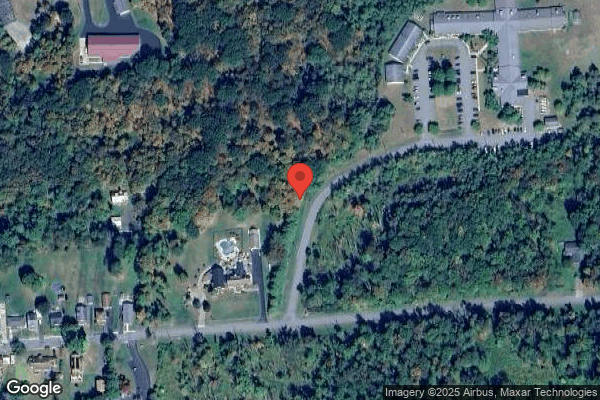

37 WOODLANDS DRIVE, WAYMART, PA 18472 (570) 488-7130
Non profit - Corporation 117 Beds Independent Data: November 2025
Trust Grade
13/100
#507 of 653 in PA
Last Inspection: February 2025

Within standard 12-15 month inspection cycle. Federal law requires annual inspections.

Overview

Wayne Woodlands Manor has received a Trust Grade of F, indicating significant concerns about the quality of care provided at this facility. Ranked #507 out of 653 nursing homes in Pennsylvania puts it in the bottom half and #3 out of 3 in Wayne County means only one local option is considered better. While the facility is improving, with issues decreasing from 13 to 9 over the past year, the staffing turnover rate is concerning at 62%, well above the state average of 46%. Families should be aware that there have been serious incidents, including a failure to use a mechanical lift for a resident, which led to a serious injury, and a lack of protection for residents against sexual abuse, resulting in psychosocial harm. Overall, while there are some strengths, such as an average RN coverage, the significant issues raised warrant careful consideration.

Trust Score
F
13/100
In Pennsylvania
#507/653
Bottom 23%
Safety Record
High Risk
Review needed
Inspections
Getting Better
13 → 9 violations
Staff Stability
⚠ Watch
62% turnover. Above average. Higher turnover means staff may not know residents' routines.
Penalties
⚠ Watch
$11,911 in fines. Higher than 84% of Pennsylvania facilities, suggesting repeated compliance issues.
Skilled Nurses
○ Average
Each resident gets 36 minutes of Registered Nurse (RN) attention daily — about average for Pennsylvania. RNs are the most trained staff who monitor for health changes.
Violations
⚠ Watch
44 deficiencies on record. Higher than average. Multiple issues found across inspections.
★★☆☆☆
2.0
Overall Rating
★★★☆☆
3.0
Staff Levels
★★☆☆☆
2.0
Care Quality
★★☆☆☆
2.0
Inspection Score
Stable
2024: 13 issues
2025: 9 issues

The Good

  • Full Sprinkler Coverage · Fire safety systems throughout facility
  • No fines on record

Facility shows strength in fire safety.

The Bad

2-Star Overall Rating

Below Pennsylvania average (3.0)

Below average - review inspection findings carefully

Staff Turnover: 62%

16pts above Pennsylvania avg (46%)

Frequent staff changes - ask about care continuity

Federal Fines: $11,911

Below median ($33,413)

Minor penalties assessed

Staff turnover is elevated (62%)

14 points above Pennsylvania average of 48%

The Ugly 44 deficiencies on record

3 actual harm
Jul 2025 1 deficiency
CONCERN (D) 📢 Someone Reported This

A family member, employee, or ombudsman was alarmed enough to file a formal complaint

Potential for Harm - no one hurt, but risky conditions existed

Report Alleged Abuse (Tag F0609)

Could have caused harm · This affected 1 resident

Based on a review of clinical records, information submitted to the State Survey Agency through the Electronic Reporting System, facility email communication, and staff interviews, it was determined t...

Read full inspector narrative →
Based on a review of clinical records, information submitted to the State Survey Agency through the Electronic Reporting System, facility email communication, and staff interviews, it was determined the facility failed to ensure that all allegations of resident abuse and misappropriation were thoroughly investigated and that complete investigation results were submitted to the State Survey Agency within five working days of the incident, as evidenced by one of one allegation of misappropriation reviewed involving two residents of six residents sampled (Residents CR1 and CR2). Findings include: A review of the facility's policy titled Abuse Protection, last reviewed by the facility in February 2024, revealed that it is the policy of the facility to submit the required investigative documentation through the Electronic Event Reporting System within five working days of a reported allegation when an alleged perpetrator is identified. A review of incidents of alleged abuse, neglect, and misappropriation showed that the facility reported the following incident through the Electronic Reporting System but failed to submit a complete investigation report and documentation of corrective actions within the required timeframe: On May 25, 2025, the facility reported an incident involving an alleged misappropriation of property. According to the report, Resident CR1 had been discharged home from the facility on May 24, 2025, with a prescription for 28 tablets of Oxycodone 5 mg (narcotic medication) tablets. Upon arrival home, Resident CR1's responsible party (RP) discovered that 11 tablets were missing. The RP contacted the facility and spoke with Employee 1 (Licensed Practical Nurse), who had been assigned to Resident CR1 on the day of discharge. Employee 1 informed the RP that she had the remaining pills in a prescription bottle and offered to deliver them directly, however, the RP instead notified the facility administration. It was noted the facility's standard practice is to dispense prescription medications on a unit-dose card, not in a bottle. An internal review was initiated and further revealed that Resident CR2, who had recently been discharged to the hospital, was also missing 32 remaining Hydrocodone 10 mg tablets. In addition, the required controlled substance sign-out sheets for both residents' medications were missing. Although the facility initiated an investigation, the submitted investigative report was incomplete and did not include required supporting documentation such as witness statements or confirmation that the investigation contained all necessary components. The incomplete report was rejected by the State Survey Agency on June 5, 2025, due to insufficient detail, and the facility failed to submit a revised, complete investigation for review. A review of the State Agency's Electronic Reporting System confirmed that no complete investigation report was resubmitted after June 5, 2025. During an interview with the Director of Nursing and the Nursing Home Administrator on July 8, 2025, at approximately 1:30 PM, the facility was unable to provide documented evidence the investigation was completed in full and submitted to the State Survey Agency within the required five working days. These findings were reviewed with the Nursing Home Administrator and Director of Nursing during the exit conference. 28 Pa Code 201.1 (a) Responsibility of licensee. 28 Pa Code 201.18 (e)(1) Management.
Feb 2025 8 deficiencies 1 Harm
SERIOUS (G)

Actual Harm - a resident was hurt due to facility failures

Free from Abuse/Neglect (Tag F0600)

A resident was harmed · This affected 1 resident

**NOTE- TERMS IN BRACKETS HAVE BEEN EDITED TO PROTECT CONFIDENTIALITY** Based on review of clinical records, the facility's abuse prohibition policy, and select investigative reports, and interviews w...

Read full inspector narrative →
**NOTE- TERMS IN BRACKETS HAVE BEEN EDITED TO PROTECT CONFIDENTIALITY** Based on review of clinical records, the facility's abuse prohibition policy, and select investigative reports, and interviews with staff and residents, it was determined the facility failed to ensure that a resident was free from neglect by not utilizing a mechanical lift as planned to ensure safety and prevent major injury, fracture of the right femoral neck, for one resident, (Resident 5), out of 18 sampled residents reviewed for abuse prohibition. Findings included: Review of the facility's policy entitled Abuse, Neglect, Mistreatment, Misappropriation of Resident Property and Exploitation Prevention last reviewed by the facility January 2025, indicated that abuse, neglect, misappropriation of resident property, and exploitation of residents would not be tolerated in any manner. All staff will be provided education related to abuse and components to prevent potential abuse. A review of Resident 5's clinical record revealed the resident was admitted to the facility on [DATE], with diagnoses including cerebral palsy (CP a group of neurological disorders that appear in infancy or early childhood and permanently affect body movement and muscle coordination and is caused by damage to or abnormalities inside the developing brain that disrupt the brain's ability to control movement and maintain posture and balance), dysphagia (difficulty swallowing), contractures (shortening of muscles, tendons, skin, and nearby soft tissues that causes the joints to shorten and become very stiff, preventing normal movement) to the right elbow and right and left hand, and cerebral infarction (occurs when the blood supply to part of the brain is blocked or reduced and prevents brain tissue from getting oxygen and nutrients resulting in brain cells dying). Resident 5's comprehensive person-centered plan of care was initiated on June 26, 2020, indicated that the resident required assistance with ADLs (activities of daily living) related to cerebral palsy, decreased mobility, and hemiplegia with a resident goal to participate at the highest level of function. Planned interventions for the resident to meet her goals included to utilize a Hoyer lift (mechanical device designed to lift/transfer individuals that have limited mobility in a safe manner and reduce injuries) for all transfers. Review of Resident 5's Annual MDS (Minimum Data Set - a federally mandated standardized assessment process conducted periodically to plan resident care) assessment dated [DATE], section C Cognitive Patterns revealed the resident had a BIMS score (Brief Interview for Mental Status a tool used to evaluate cognitive impairment and assist with dementia diagnosis) of 12, which indicated the resident had moderate cognitive impairment. Additionally, the annual MDS was coded that the resident had functional limitations in range of motion to the upper extremity (shoulder, elbow, wrist, hand) on one side and lower extremity (hip, knee, ankle, foot) to both sides. The resident was dependent on staff for toileting, dependent on staff for sit to stand (the ability to come to a standing position from sitting in a chair, wheelchair, or on the side of the bed), dependent with bed-to-chair transfer (the ability to transfer to and from a bed to a chair or wheelchair), dependent with toilet transfers (the ability to get on and off a toilet or commode). On January 26, 2025, at approximately 8:30 PM, Employee 1 (an agency Nurse Aide) and Employee 2 (another agency Nurse Aide) were providing evening care to Resident 5. A witness statement from Employee 2 indicated that while performing PM care, the resident began complaining of pain in her right arm. As Employee 2 removed the resident's shirt and bra, Resident 5 began yelling in pain. Concerned, Employee 2 alerted Employee 1 and the nurse supervisor. A review of witness statements from agency Nurse Aides (NAs) Employee 1 and Employee 2, both dated January 26, 2025, at 8:30 PM, did not indicate any acknowledgment of a fall or improper transfer at that time. Employee 1 documented that the incident was unwitnessed but noted that before the incident, Resident 5 was in her chair, crying, and had been uncomfortable throughout the day. Employee 2 reported that during PM care, Resident 5 complained of pain in her right arm, which intensified when her shirt and bra were removed. Employee 2 also documented that she called Employee 1 into the room to assess the situation and indicated both employees ultimately transferred the resident using the Hoyer lift at that time. A review of Resident 5's clinical record revealed that a Change in Condition Evaluation form was completed by Employee 3, a Registered Nurse (RN) Supervisor, on January 26, 2025, at 9:00 PM, it noted that Resident 5 exhibited pain with movement, vocalized distress (moaning, crying out, grimacing), and had localized swelling and bruising over her right shoulder and elbow. Removing her shirt and putting on night shirt caused discomfort, but she was able to perform full range of motion (ROM - the extent or limit to which a part of the body can be moved around a joint or a fixed point; the totality of movement a joint can do). Despite these symptoms, staff failed to immediately identify the cause of a potential serious injury. The nurse noted no history of a recent fall, but musculoskeletal pain was documented. A review of a witness statement for an injury of unknown origin completed by the DON on behalf of Resident 5 (hand contractures limited the resident's ability to write her own statement) on January 27, 2025, at approximately 8:00 AM, related to sustaining an injury to RUE. When asked if an incident happened while staff were transferring her from the wheelchair to bed on Sunday evening January 26, 2025, Resident 5 shook her head up and down and stated yes. When asked if staff used the Hoyer lift to transfer her from the wheelchair to bed, Resident shook her head from side to side and stated no. When asked if her RUE hurt earlier in the day on Sunday January 26, 2025, Resident 5 shook her head side to side, indicating no. A nurse's progress note dated January 27, 2025, at 8:09 AM, indicated that Resident 5's Responsible Party (RP) was notified of her increased pain and swelling. A physician's order for an x-ray was obtained at 10:21 AM. The mobile x-ray results, received at 2:09 PM, confirmed a mildly impacted fracture of the right humeral neck (the upper part of the right arm bone has broken near the shoulder and the broken pieces have been pushed into each other). Further review of the hospital ED (emergency department) visit summary dated January 27, 2025, at 8:39 PM, indicated a fracture of humerus and aftercare instruction included to wear a sling for support, comfort, and protection, Acetaminophen (Tylenol Extra Strength - pain reliving medication) 650 - 1000 milligrams (mg) every six hours for pain, and follow up with orthopedics. The facility's internal investigation, completed by the Director of Nursing (DON) on January 27, 2025, at 8:10 AM revealed that during the evening shift on January 26, 2025, staff failed to use the Hoyer lift as required to transfer Resident 5 from her wheelchair to her bed. Witness statements obtained from Resident 5 (BIMS of 12, indicating moderate cognitive impairment) and her roommate, Resident 81 (BIMS of 15, indicating cognitive intactness), stated the mechanical lift was not used during the evening transfer. Resident 81 reported hearing Resident 5 let out a blood-curdling scream and noted she did not see the Hoyer lift present in the room at the time of transfer. Additionally, Resident 5 confirmed that staff did not use the Hoyer lift when transferring her that evening. A review of facility provided documents entitled Agency Staff Training Sign-Off revealed A review of facility-provided documents titled Agency Staff Training Sign-Off revealed that Employee 1 completed training and signed the document on October 13, 2024, and Employee 2 signed on September 17, 2024. By signing these documents, both employees acknowledged that they had reviewed and received a copy of the facility's handbook, which included the facility's abuse and neglect policy. The signatures further confirmed that they understood and agreed to adhere to all facility policies, procedures, and guidelines. Additionally, both employees acknowledged they had completed training and were deemed proficient to perform all assigned tasks, including proper transfer techniques. A review of Employee 1 and Employee 2's agency onboarding and orientation documents further indicated that upon hire, both employees were trained and oriented to the proper use of Hoyer lifts for resident transfers. Employee 1 completed this training on August 29, 2023, at 8:45 PM, and Employee 2 completed training on October 19, 2023, at 10:38 AM Despite this documented training and acknowledgment of competency, the facility's internal investigation confirmed that Employee 1 and Employee 2 failed to adhere to established protocols by not using the required Hoyer lift to transfer Resident 5 on January 26, 2025. This failure directly violated the resident's care plan and placed the resident at significant risk, resulting in an impacted fracture of the right humerus. During the on-site survey conducted on February 13, 2025, the facility attempted to contact Employee 1 and Employee 2 via phone to gather additional details regarding the incident. However, neither Employee 1 nor Employee 2 returned the calls, and no further clarification was obtained from them regarding the improper transfer. This confirms that Employee 1 and Employee 2 were aware of proper procedures but neglected to follow them, directly leading to serious harm to Resident 5. During an interview conducted on February 13, 2025, at 10:37 AM, the DON confirmed that based on interviews with Resident 5 and Resident 81, staff failed to use the required Hoyer lift during the January 26, 2025, evening transfer. This improper transfer resulted in a serious injury, a displaced, impacted fracture of the right humerus. The facility failed to assure that all NAs consistently utilized the required transfer device, a Hoyer lift, to safely transfer Resident 5 that resulted in a serious injury to her right upper arm, a fracture. An interview with the DON on February 13, 2025, at 10:37 AM, revealed that based on interviews with Resident 5 and Resident 81, the DON concluded that staff did not utilize the required Hoyer lift to transfer Resident 5 from her wheelchair to bed. Additionally, the DON confirmed that Employee 1 and Employee 2 neglected to fulfill duties required to safely render care to Resident 5 that resulted in a serious injury, an impacted fracture of the right humerus, and increased discomfort and pain. 28 Pa. Code 201.18 (e)(1) Management 28 Pa. Code 201.29 (a) Resident Rights 28 Pa. Code 211.12 (d)(5) Nursing Services
CONCERN (D)

Potential for Harm - no one hurt, but risky conditions existed

Deficiency F0602 (Tag F0602)

Could have caused harm · This affected 1 resident

**NOTE- TERMS IN BRACKETS HAVE BEEN EDITED TO PROTECT CONFIDENTIALITY** interview, it was determined the facility failed to implement procedures to identify and prevent potential misappropriation of r...

Read full inspector narrative →
**NOTE- TERMS IN BRACKETS HAVE BEEN EDITED TO PROTECT CONFIDENTIALITY** interview, it was determined the facility failed to implement procedures to identify and prevent potential misappropriation of resident property, narcotic medications, for one resident out of 18 residents sampled (Resident 16). Findings include: A review of the facility policy for Abuse Protection, reviewed by the facility February 2024 revealed, it is the policy of the facility that act of physical, verbal, psychological, and financial abuse directed against residents are absolutely prohibited. The policy ensures each resident has the right to be free from verbal, sexual, physical, mental abuse and misappropriation of property. A review of the clinical record revealed Resident 16 was admitted to the facility on [DATE], with diagnoses with diagnoses including multiple rib fractures on the right side, periprosthetic fracture around internal prosthetic right hip joint (fracture that occurs around an implanted orthopedic prosthesis), and dysphagia (difficulty swallowing). The resident had a current physician order dated November 11, 2024, for tramadol HCL (opioid used to treat moderate to moderately severe chronic pain in adults) 50mg by mouth at bedtime for chronic pain. A review of a controlled drug packing slip revealed that the pharmacy dispensed 30 tramadol HCL 50mg tablets to the facility on January 27, 2025, for administration to Resident 16 (once dispensed medications are the property of the resident). The medication card containing the 30 tramadol 50 mg tablets as well as the controlled drug sign-out sheet went missing on January 27, 2025, the same day. A review of a facility investigation dated February 7, 2025, at 3:55 PM, revealed that on February 4, 2025, the facility was contacted by the pharmacy regarding utilization of the Pyxis (automated medication dispensing system typically used in long-term care for when an ordered medication is not available from the pharmacy) for Resident 16's Tramadol 50mg. The pharmacist indicated that 30 tablets of Tramadol 50 mg had been delivered to the facility on January 27, 2025, for Resident 16. Given that the medication had already been delivered, the use of Pyxis for dispensing this medication should not have been necessary. According to the investigation, Employee 8, a licensed practical nurse (LPN), received and signed for the pharmacy delivery of two cards of narcotic medications on January 27, 2025, at 6:23 PM. One of these medication cards contained Tramadol 50 mg, prescribed for Resident 16. After signing for the delivery, Employee 8 placed the medications in the medication room next to the gray pharmacy return bin and informed Employee 11, an agency LPN, of their location. The medications were left unattended in the medication room. When contacted by the Director of Nursing, Employee 11 stated she did not recall seeing or handling the Tramadol medication intended for Resident 16. Further review of the facility investigation indicated that upon review of video footage, Employee 11 was observed opening the narcotic drawer of her assigned medication cart and leaving it open while she stepped away to punch holes in a piece of paper. At this time, two cards of medication were visibly placed on top of the cart. Upon returning, Employee 11 placed one card of medication into the narcotic drawer but left the drawer open again as she stepped away a second time to punch holes in another piece of paper, leaving the second card of medication unsecured on the cart. After completing this task, Employee 11 placed the second card of medication into the narcotic drawer and then closed and locked the drawer. At approximately 7:22 PM, Employee 11 was seen removing a card of controlled medication from the narcotic drawer, placing it on top of the medication cart, and pushing the cart down the hallway, moving out of the camera's view. There was no evidence that the facility obtained written witness statements from Employee 8 or Employee 11 regarding the delivery or handling of the controlled substances. on January 27, 2025. A review of the controlled substance shift to shift count sheet revealed that on January 27, 2025, completed for the Mauve Hall, where Resident 16 resides, revealed that each on-coming, and off-going nurse confirmed that all controlled medications were accounted for. Despite controlled substance shift-to-shift count sheets confirming medications were accounted for on January 27, 2025, discrepancies were noted after the pharmacy alerted the facility of missing medications on February 4, 2025. There was no evidence of interviews or written statements from other nursing staff assigned to the Mauve Hall medication cart from January 27, 2025, to February 4, 2025. Although Resident 16 did not miss any doses due to an existing supply of Tramadol, the misappropriation of medication was confirmed. The investigation failed to identify the perpetrator responsible for the missing controlled substances. The facility failed to establish and implement effective procedures to prevent the misappropriation of resident property, specifically controlled medications. 28 Pa. Code 201.29 (a)(c) Resident rights 28 Pa. Code 201.18 (e)(1) Management 28 Pa. Code 211.9 (a)(1)(b)(d)(k) Pharmacy services
CONCERN (D)

Potential for Harm - no one hurt, but risky conditions existed

Incontinence Care (Tag F0690)

Could have caused harm · This affected 1 resident

**NOTE- TERMS IN BRACKETS HAVE BEEN EDITED TO PROTECT CONFIDENTIALITY** Based on a review of clinical records, facility documentation, staff interviews, and direct observation, it was determined the f...

Read full inspector narrative →
**NOTE- TERMS IN BRACKETS HAVE BEEN EDITED TO PROTECT CONFIDENTIALITY** Based on a review of clinical records, facility documentation, staff interviews, and direct observation, it was determined the facility failed to provide necessary care and services to prevent urinary tract infections (UTIs) to the extent possible for one resident (Resident 65) with an indwelling urinary catheter out of 18 sampled residents. Findings included: Clinical record review revealed Resident 65 was admitted to the facility on [DATE], with diagnoses, which included urinary tract infection, benign prostatic hyperplasia (BPH an enlargement of the prostate gland common in older men and required the use of an indwelling catheter (rubber tubing inserted and retained in the bladder for continuous drainage of urine into a closed system) for urination. Review of a facility investigative report dated January 13, 2025, indicated that Resident 65 sustained a fall. According to the resident's statement, he just fell over the tubes, I'm fine. Further review of the facility investigative report revealed the resident's indwelling catheter drainage bag is changed to a leg bag during the daytime hours vs a larger drainage bag that hangs from the bed or a wheelchair. A review of the resident's care plan, last updated on February 12, 2025, did not identify or document the utilization of a leg bag for urinary drainage during daytime hours, despite this being part of the resident's routine care practices. This lack of documentation represents a failure to individualize care to address the specific needs of the resident. During observation on February 12, 2025, at approximately 11:30 AM, Resident 65's urinary drainage bag was noted to be inside a clear garbage bag, tied to the railing beside the toilet in the resident's bathroom. Notably, it was placed next to another resident's drainage bag, posing a risk for cross-contamination. The drainage bag contained approximately 200 mL of amber urine at the base, and additional urine was visible in the tubing. Improper storage and handling of urinary drainage systems increase the likelihood of bacterial contamination, thus violating infection prevention standards. During an interview with the Director of Nursing (DON) on February 12, 2025, at 12:00 PM, the DON confirmed the urinary drainage bags were not being cleaned or stored according to infection control guidelines. At the time of interview with the Director of Nursing, the facility could not provide evidence that the facility nursing staff were provided education related to the care and maintenance of urinary drainage systems. The DON was also unable to provide the surveyor with a facility policy or procedure outlining infection control practices specific to the care and maintenance of urinary catheters and drainage systems. Interview with the Director of Nursing confirmed the facility failed to provide appropriate care and services for a resident with an indwelling catheter and a history of urinary tract infections. 28 Pa. Code 211.12 (d)(3)(5) Nursing services 28 Pa. Code 211.10 (a)(c)(d) Resident care policies
CONCERN (D)

Potential for Harm - no one hurt, but risky conditions existed

Deficiency F0697 (Tag F0697)

Could have caused harm · This affected 1 resident

**NOTE- TERMS IN BRACKETS HAVE BEEN EDITED TO PROTECT CONFIDENTIALITY** Based on clinical record and select facility policy review and staff interviews, it was determined the facility failed to provid...

Read full inspector narrative →
**NOTE- TERMS IN BRACKETS HAVE BEEN EDITED TO PROTECT CONFIDENTIALITY** Based on clinical record and select facility policy review and staff interviews, it was determined the facility failed to provide effective pain management and administer pain medication as prescribed by the physician and failed to attempt non-pharmacological interventions to alleviate pain prior to the administration of a narcotic pain medication prescribed on an as needed basis for one resident out of six residents sampled for pain (Resident 5). Findings include: A review of the facility's policy entitled Pain Management with a policy review date of January 2025, indicated that strategies for pain management include to develop and implement both nonpharmacological and pharmacological interventions and approaches to pain management. The resident's plan of care must be individualized for nonpharmacological and pharmacological modalities and updated accordingly to changes and interventions and pain management. The facility utilizes the 0-10 Numerical Rating Scale (NRS a single-item question that asks the patient to rate his or her pain on a scale of 0 to 10, using the anchors of no pain and worse pain imaginable)) for pain assessment: 1-3: Mild pain 4-6: Moderate pain 7-9: Severe pain 10: Worst pain imaginable A review of Resident 5's clinical record revealed the resident was admitted to the facility on [DATE], with diagnoses that included cerebral palsy (CP refers to a group of neurological disorders that appear in infancy or early childhood and permanently affect body movement and muscle coordination and is caused by damage to or abnormalities inside the developing brain that disrupt the brain's ability to control movement and maintain posture and balance), dysphagia (difficulty swallowing), contractures (shortening of muscles, tendons, skin, and nearby soft tissues that causes the joints to shorten and become very stiff, preventing normal movement) to the right elbow and right and left hand, and cerebral infarction (occurs when the blood supply to part of the brain is blocked or reduced and prevents brain tissue from getting oxygen and nutrients resulting in brain cells dying). A review of Resident 5's comprehensive person-centered plan of care initiated on June 26, 2020, indicated the resident had a potential for pain related to diagnoses such as cervicalgia (is pain felt in the neck and can be in the neck bones, ligaments or muscles), contractures left hip and knee and to the right elbow and wrist, and osteoarthritis right hip with a resident goal to have adequate relief of pain or ability to cope with incompletely relieved pain. Planned pain relieving interventions included to offer non-pharmacological interventions prior to medication administration, evaluate the effectiveness of pain interventions and review for compliance, alleviating of symptoms, dosing schedules and resident satisfaction with results, impact on functional ability and impact on cognition, and analgesic (also referred to as a pain reliever, or painkiller, is any member of the group of drugs used for pain management), medications per MD orders. A review of Resident 5's physician orders and Medication Administration Records (MAR - is used to document medications taken by each resident) revealed the following: Order dated June 12, 2023, at 2:15 PM, Tylenol Tablet 325 mg (Acetaminophen), give 2 tablets by mouth every 4 hours as needed for pain (PRN) - mild pain mild. A review the resident's MAR dated January 1, 2025, through survey ending February 14, 2025, revealed that Tylenol Tablet 325 mg was administered without documented attempts of nonpharmacological interventions and/or outside of the prescribed physician orders. January 5, 2025, at 12:06 PM, administered PRN pain medication for a reported pain level at 5 (moderate pain) and without attempted nonpharmacological interventions. January 7, 2025, at 11:34 PM, administered PRN without attempted nonpharmacological interventions. January 9, 2025, at 1:55 PM, administered PRN without attempted nonpharmacological interventions. January 15, 2025, at 1:55 PM, administered PRN without attempted nonpharmacological interventions. January 18, 2025, at 1:37 PM, administered PRN without attempted nonpharmacological interventions. January 19, 2025, at 1:19 AM, administered PRN pain medication for a reported pain level at 5 (moderate pain) and without attempted nonpharmacological interventions. January 19, 2025, at 1:09 PM, administered PRN pain medication without attempted nonpharmacological interventions. January 22, 2025, at 3:08 AM, administered PRN pain medication without attempted nonpharmacological interventions. January 23, 2025, at 5:16 AM, administered PRN pain medication without attempted nonpharmacological interventions. January 26, 2025, at 9:17 PM, administered PRN pain medication without attempted nonpharmacological interventions. January 27, 2025, at 4:30 AM, administered PRN pain medication without attempted nonpharmacological interventions. January 28, 2025, at 1:19 AM, administered PRN without attempted nonpharmacological interventions. January 28, 2025, at 8:37 PM, administered PRN pain medication for a reported pain level at 4 (moderate pain) and without attempted nonpharmacological interventions. January 29, 2025, at 8:11 AM, administered PRN without attempted nonpharmacological interventions. January 29, 2025, at 3:51 PM, administered PRN without attempted nonpharmacological interventions. January 30, 2025, at 11:16 AM, administered PRN without attempted nonpharmacological interventions. February 3, 2025, at 10:52 PM, administered PRN without attempted nonpharmacological interventions. February 8, 2025, at 6:07 AM, administered PRN pain medication for a reported pain level at 4 (moderate pain) and without attempted nonpharmacological interventions. February 9, 2025, at 5:54 PM, administered PRN without attempted nonpharmacological interventions. February 10, 2025, at 6:40 PM, administered PRN without attempted nonpharmacological interventions. February 11, 2025, at 5:21 AM, administered PRN without attempted nonpharmacological interventions. February 12, 2025, at 6:46 PM, administered PRN without attempted nonpharmacological interventions. A physician's order dated January 29, 2025, at 10:45 PM, Oxycodone HCl (an opioid pain medications) Oral Tablet 5 mg (Oxycodone HCl), give 1 tablet by mouth every 4 hours as needed for moderate pain for 14 Days and discontinued on February 4, 2025, at 2:52 PM. Additionally, a review the resident's MAR dated January 29, 2025, through February 4, 2025, revealed that Oxycodone HCl (an opioid pain medications) Oral Tablet 5 mg was administered without corresponding attempts at non-pharmacological interventions and, at times, outside of prescribed physician orders for pain level documentation. January 29, 2025, at 10:46 AM, administered PRN opioid without attempted nonpharmacological interventions. January 29, 2025, at 5:49 PM, administered PRN opioid without attempted nonpharmacological interventions. January 30, 2025, at 12:07 PM, administered PRN opioid without attempted nonpharmacological interventions. January 30, 2025, at 6:40 PM, administered PRN opioid without attempted nonpharmacological interventions. January 31, 2025, at 9:02 AM, administered PRN opioid without attempted nonpharmacological interventions. January 31, 2025, at 4:27 PM, administered a PRN opioid without attempted nonpharmacological interventions. February 1, 2025, at 5:37 AM, administered an opioid PRN pain medication for a reported pain level at 7 and without attempted nonpharmacological interventions. February 1, 2025, at 9:44 AM, administered an opioid PRN pain medication for a reported pain level at 7 and without attempted nonpharmacological interventions. February 1, 2025, at 2:50 PM, administered an opioid PRN without attempted nonpharmacological interventions. February 1, 2025, at 7:07 PM, administered an opioid PRN pain medication for a reported pain level at 7 (severe pain) and without attempted nonpharmacological interventions. February 2, 2025, at 7:08 AM, administered an opioid PRN pain medication for a reported pain level at 9 (severe pain) and without attempted nonpharmacological interventions. February 2, 2025, at 7:02 PM, administered an opioid PRN without attempted nonpharmacological interventions. February 3, 2025, at 7:43 AM, administered an opioid PRN without attempted nonpharmacological interventions. February 3, 2025, at 12:41 PM, administered an opioid PRN without attempted nonpharmacological interventions. February 3, 2025, at 8:00 PM, administered an opioid PRN without attempted nonpharmacological interventions. February 4, 2025, at 7:29 AM, administered an opioid PRN pain medication for a reported pain level at 7 (severe pain) and without attempted nonpharmacological interventions. A review of Resident 5's physician's orders revealed an order dated February 4, at 2:55 PM, revealed an order for Oxycodone-Acetaminophen Tablet 5- 325 mg, give 1 tablet by mouth every 6 hours as needed for pain (order did not specify pain intensity level to administer opioid medication). A review the resident's MAR dated February 4, 2025, through survey ending February 14, 2025, revealed that PRN Oxycodone-Acetaminophen Tablet 5- 325 mg was administered without documented attempts of nonpharmacological interventions and/or outside of the prescribed physician orders. February 5, 2025, at 7:39 AM, administered an opioid PRN pain medication for a reported pain level at 7 (severe pain) and without attempted nonpharmacological interventions. February 5, 2025, at 3:31 PM, administered an opioid PRN pain medication for a reported pain level at 7 (severe pain) and without attempted nonpharmacological interventions. February 5, 2025, at 10:40 PM, administered an opioid PRN pain medication for a reported pain level at 8 (severe pain) and without attempted nonpharmacological interventions. February 6, 2025, at 9:00 AM, administered an opioid PRN pain medication for a reported pain level at 7 (severe pain) and without attempted nonpharmacological interventions. February 6, 2025, at 4:50 PM, administered an opioid PRN pain medication for a reported pain level at 10 ([NAME] pain imaginable) and without attempted nonpharmacological interventions. February 7, 2025, at 8:21 AM, administered an opioid PRN pain medication for a reported pain level at 7 (severe pain) and without attempted nonpharmacological interventions. February 7, 2025, at 6:45 PM, administered an opioid PRN pain medication for a reported pain level at 6 (moderate pain) and without attempted nonpharmacological interventions. February 8, 2025, at 8:09 PM, administered an opioid PRN pain medication for a reported pain level at 7 (severe pain) and without attempted nonpharmacological interventions. February 9, 2025, at 9:11 AM, administered an opioid PRN pain medication for a reported pain level at 7 (severe pain) and without attempted nonpharmacological interventions. February 9, 2025, at 6:46 PM, administered an opioid PRN pain medication for a reported pain level at 7 (severe pain) and without attempted nonpharmacological interventions. February 10, 2025, at 8:57 AM, administered an opioid PRN pain medication for a reported pain level at 6 (moderate pain) and without attempted nonpharmacological interventions. February 10, 2025, at 4:24 PM, administered an opioid PRN pain medication for a reported pain level at 6 (moderate pain) and without attempted nonpharmacological interventions. February 11, 2025, at 9:27 AM, administered an opioid PRN pain medication for a reported pain level at 7 (severe pain) and without attempted nonpharmacological interventions. Further review of physician's orders dated February 11, 2025, at 12:00 PM, revealed an order for Oxycodone-Acetaminophen Tablet 5- 325 mg, give 1 tablet by mouth every 6 hours as needed for a reported pain level 7-10. A review the resident's MAR dated February 11, 2025, through survey ending February 14, 2025, revealed that PRN Oxycodone-Acetaminophen Tablet 5- 325 mg was administered without documented attempts of nonpharmacological interventions and/or outside of the prescribed physician orders. February 11, 2025, at 3:52 PM, administered an opioid PRN pain medication without attempted nonpharmacological interventions. February 11, 2025, at 10:31 PM, administered an opioid PRN pain medication without attempted nonpharmacological interventions. February 12, 2025, at 7:42 AM, administered an opioid PRN pain medication without attempted nonpharmacological interventions. February 12, 2025, at 3:32 PM, administered an opioid PRN pain medication without attempted nonpharmacological interventions. February 12, 2025, at 11:20 PM, administered an opioid PRN pain medication without attempted nonpharmacological interventions. February 13, 2025, at 2:35 PM, administered an opioid PRN pain medication without attempted nonpharmacological interventions. February 14, 2025, at 4:27 AM, administered an opioid PRN pain medication without attempted nonpharmacological interventions. During an interview with the Director of Nursing (DON) on February 14, 2025, at 11:35 AM, confirmed the facility failed to assure that physician's orders included a pain level that corresponded to the resident's reported pain scale for Resident 5. The DON confirmed there was no documented evidence of non-pharmacological interventions being attempted prior to the administration of PRN pain medications and licensed nursing staff failed to consistently follow physician's orders for the administration of pain medications. 28 Pa. Code 211.5(f) Medical records 28 Pa. Code 211.12 (c)(d)(1)(5) Nursing Services
CONCERN (E)

Potential for Harm - no one hurt, but risky conditions existed

Deficiency F0565 (Tag F0565)

Could have caused harm · This affected multiple residents

Based on a review of facility policy, the minutes from facility Resident Council meetings, and grievances lodged with the facility, and resident and staff interviews, it was determined the facility fa...

Read full inspector narrative →
Based on a review of facility policy, the minutes from facility Resident Council meetings, and grievances lodged with the facility, and resident and staff interviews, it was determined the facility failed to put forth sufficient efforts to promptly resolve continued resident complaints and grievances expressed during Resident Council meetings and verbal grievances, including those voiced by six of six residents attending a resident group meeting (Residents 27, 69, 63, 2, 15, and 18) and failed to keep the residents apprised of the status of the facility's decisions and efforts toward grievance resolution. Findings include: A review of the facility's Grievance Policy last revised on August 2021 indicated the residents', families, and their representatives have the right to voice grievances concerning care and treatment, behavior of staff or other residents or any concerns regarding their stay. A review of the Minutes from Resident Council meetings dated November 2024, December 2024, and January 2025 revealed repeated concerns from residents that fresh water was not consistently being provided daily. Despite these ongoing concerns, there was no documented evidence of corrective actions taken to address these issues between November 2024 and January 2025. A group meeting conducted on February 12, 2025, at 10:30 a.m. with six residents (Residents 27, 69, 63, 2, 15, and 18) revealed unanimous reports the facility failed to address their complaints regarding the inconsistent delivery of fresh water. The facility was unable to provide documented evidence that efforts had been made to resolve resident complaints concerning fresh water delivery as of the survey ending February 14, 2025, that had been repeatedly brought up during resident council meeting. During an interview on February 14, 2025, at 9:10 a.m., the Nursing Home Administrator (NHA) and Director of Nursing (DON) confirmed the absence of documented actions addressing grievances raised during Resident Council meetings or verbal complaints. 28 Pa. Code 201.18 (e)(1)(4) Management 28 Pa. Code 201.29(a) Resident Rights
CONCERN (E)

Potential for Harm - no one hurt, but risky conditions existed

Abuse Prevention Policies (Tag F0607)

Could have caused harm · This affected multiple residents

Based on a review of the facility's abuse prohibition policy, employee personnel files and staff interviews, it was determined the facility failed to fully develop and implement its established abuse ...

Read full inspector narrative →
Based on a review of the facility's abuse prohibition policy, employee personnel files and staff interviews, it was determined the facility failed to fully develop and implement its established abuse prohibition procedures by not adequately screening five of five employees for employment (Employee 5, 6, 7, 8 and 10). Findings include: According to regulatory requirements under §§483.12(a)(3) and 483.12(b)(1)] the facility must have written procedures for screening for prospective employees, to include reviewing: the employment history (e.g., dates of employment position or title), particularly where there is a pattern of inconsistency; information from former employers, whether favorable or unfavorable; and/or documentation of status and any disciplinary actions from licensing or registration boards and other registries. A review of the facility's Resident Abuse policy last reviewed by the facility December 2023, revealed the requirement for screening potential employees that including obtaining references from current or previous employers. Review of employee personnel files revealed the following: Employee 5 (Licensed Practical Nurse - LPN): Hired on January 13, 2025. The application listed previous employers, but there was no documentation showing the facility had contacted any former employers. Employee 6 (Nurse Aide): Hired on December 13, 2024. The application listed prior employers, yet no evidence was found to verify that the facility obtained references or employment information from previous employers. Employee 7 (Dietary Aide): Hired on November 18, 2024. The employee had indicated previous employment, but no verification of past employment was documented. Employee 8 (Licensed Practical Nurse - LPN): Hired on October 26, 2024. The application reflected prior employment, but there was no indication of efforts made to verify previous employment. Employee 10 (Director of Nursing - DON): Hired on September 26, 2024. Although the application listed previous employers, the facility did not document any contact with those employers for employment verification. Interview with the Administrator on February 13, at 12:15 p.m. the NHA verified that there was no evidence that previous employers were contacted for information regarding the employees past work history. The facility failed to follow its own abuse prohibition policy and by not verifying previous employment for five out of five new hires. 28 Pa. Code 201.18 (e)(1) Management 28 Pa. Code 201.29 (a)(c)Resident Rights 28 Pa. Code 201.14(a) Responsibility of Licensee 28 Pa. Code 201.19 (1) Personnel records
CONCERN (E)

Potential for Harm - no one hurt, but risky conditions existed

Deficiency F0740 (Tag F0740)

Could have caused harm · This affected multiple residents

**NOTE- TERMS IN BRACKETS HAVE BEEN EDITED TO PROTECT CONFIDENTIALITY** Based on clinical record review and staff interviews, it was determined the facility failed to ensure each resident received the...

Read full inspector narrative →
**NOTE- TERMS IN BRACKETS HAVE BEEN EDITED TO PROTECT CONFIDENTIALITY** Based on clinical record review and staff interviews, it was determined the facility failed to ensure each resident received the necessary behavioral health care in a timely manner to attain or maintain the highest practicable mental and psychosocial well-being for two of 18 residents sampled (Residents 33 and 8). Findings include: A review of Resident 33's clinical record revealed the resident was admitted to the facility on [DATE], with diagnoses including dementia (a group of symptoms that affects memory, thinking and interferes with daily life). Further review of Resident 33's clinical record revealed the resident exhibited behaviors, including yelling out, auditory and visual hallucinations. A review of nursing progress notes from January and February of 2025 revealed an increase in these behaviors, the resident was noted to be having near daily auditory and visual hallucinations which were difficult to redirect. Review of Resident 33's care plan revealed a focus area regarding behaviors, including auditory and visual hallucinations, initiated by the facility on April 8, 2024. The resident's care plan regarding these behaviors had not been revised since October 2024. Review of a psychological progress note dated January 24, 2025, documented the resident stated, I'm okay. However, no follow-up interventions were implemented despite clinical evidence from nursing notes indicating worsening behavioral symptoms. A review of Resident 8's clinical record revealed the resident was admitted to the facility on [DATE], with diagnoses including dementia. Further review of Resident 8's clinical record revealed the resident exhibited behaviors, including yelling out, restlessness, anxiety, aggression, crying, striking out at staff. A review of nursing progress notes from January 2025 and February of 2025 revealed an increase in these behaviors. The resident was noted to be having near daily behaviors of yelling out, crying, aggression, and restlessness which were difficult to redirect. Review of Resident 8's care plan revealed a focus area regarding behaviors including anxiety and aggression initiated by the facility on February 23, 2024. The resident's care plan regarding behaviors had not been revised since September 2024. A review of a psychological evaluation dated January 24, 2025, similarly, indicated the resident stated, I'm okay. However, no additional psychological interventions or adjustments to treatment plans were documented, despite ongoing and escalating behavioral concerns. The facility failed to update residents 33 and 8's s care plans to reflect changes in behavior, as required for providing individualized and responsive care and provide ongoing and necessary psychological services to address the residents' deteriorating behavioral health, as evidenced by the absence of follow-up interventions in response to worsening symptoms During an interview with the Nursing Home Administrator (NHA), on February 14, 2025, at approximately 10:00 a.m., the NHA was unable to provide evidence that either Resident 33 or Resident 8 received psychological services aimed at maintaining or improving their mental and psychosocial well-being. 28 Pa. Code 201.14(a) Responsibility of licensee. 28 Pa. Code 211.12(d)(1)(5) Nursing services.
MINOR (B)

Minor Issue - procedural, no safety impact

Transfer Notice (Tag F0623)

Minor procedural issue · This affected multiple residents

**NOTE- TERMS IN BRACKETS HAVE BEEN EDITED TO PROTECT CONFIDENTIALITY** Based on a review of clinical records and facility-initiated transfer notices and a staff interviews, it was determined the faci...

Read full inspector narrative →
**NOTE- TERMS IN BRACKETS HAVE BEEN EDITED TO PROTECT CONFIDENTIALITY** Based on a review of clinical records and facility-initiated transfer notices and a staff interviews, it was determined the facility failed to provide written notice of facility-initiated hospital transfer to the resident and their representative for one resident out of the 18 residents sampled. (Resident 46). Findings include: A review of Resident 46's clinical record revealed the resident was initially admitted to the facility on [DATE], with diagnoses that included atrial fibrillation (irregular heartbeat), heart disease, and fracture of the left radius and left ulna styloid process (break of the two main bones in the forearm near the wrist). A review of the clinical record revealed that Resident 46 was transferred to the hospital on January 6, 2025, and was readmitted to the facility on [DATE]. A review of the clinical record failed to reveal documented evidence the facility provided the resident and resident responsible party (RP) with a written notice of the facility-initiated transfer and reason for the transfer on January 6, 2025. An interview with the Administrator on February 13, 2025, at 9:40 a.m., confirmed the facility had no documented evidence indicating the resident's RP was informed of the transfer in writing. 28 Pa. Code 201.14(a) Responsibility of licensee.
Aug 2024 5 deficiencies 1 Harm
SERIOUS (G) 📢 Someone Reported This

A family member, employee, or ombudsman was alarmed enough to file a formal complaint

Actual Harm - a resident was hurt due to facility failures

Free from Abuse/Neglect (Tag F0600)

A resident was harmed · This affected 1 resident

Based on a policy review, clinical record review, select document and investigation review, and resident and staff interviews, it was determined that the facility failed to protect residents from sexu...

Read full inspector narrative →
Based on a policy review, clinical record review, select document and investigation review, and resident and staff interviews, it was determined that the facility failed to protect residents from sexual abuse, resulting in psychosocial harm for one of four residents reviewed (Resident 1). Findings included: Review of current facility policy, titled Abuse, neglect, mistreatment, misappropriation of resident property and exploitation prevention, revised March 26, 2024, revealed that it is the policy that abuse, neglect, misappropriation of resident property, and exploitation of residents will not be tolerated in any manner. All staff will be provided education related to abuse and components to prevent potential abuse. A review of Resident 1's clinical record revealed an admission date of May 31, 2015, with diagnoses that included atherosclerotic heart disease (condition where a sticky substance made of cholesterol, fat, calcium, and other materials builds up inside the walls of the arteries) and diabetes (condition that affects blood sugar levels). A quarterly Minimum Data Set assessment (Minimum Data Set - a federally mandated standardized assessment conducted at specific intervals to plan resident care) dated May 23, 2024, indicated that the Resident was moderately cognitively impaired, with a BIMS (Brief Interview for Mental Status - a tool to assess cognitive status) score of 7. Review of a facility investigation report dated August 2, 2024, at 7:15 AM, revealed that on that date and time Resident 1 was about to receive morning care when she disclosed to Employee 1 (Nurse Aide [NA]) that during the night (the prior 11 PM to 7 AM shift) a man came into her room, pinned her down and fucked her, and that she was sore down there. Per Employee 1, the Resident was in bed, her brief was in place, and her pajama bottoms at her knees. Employee 1 reported this to Employee 2 (Licensed Practical Nurse [LPN]), and both then reported it to the Director of Nursing (DON). The DON attempted to do a physical assessment; however, when staff attempted, the Resident refused to have her bra removed. When staff attempted to help the Resident undress her lower body, she became guarded and started crying, stating I cannot do this. It hurts and I am frightened. The examination immediately ceased. The Resident's brief had been changed related to being soaked with urine. In an attempt to maintain evidence, the Resident's brief was kept in the bathroom, the sheets were left untouched, and her clothing was kept on Resident 1. The State Police, Physician, responsible party, and Department of Aging were notified. Resident 1 was taken to the hospital for evaluation. Review of Resident 1's facility transfer to the hospital form dated August 2, 2024, at 7:48 AM, revealed she had pain in her groin and she alleged she was raped overnight; her upper body was assessed and no new skin issues were noted; when attempted to help the Resident undress her lower body, she became emotional and frightened and it was deemed okay to stop examination as the Resident would be sent to hospital for SAR (sexual assault response) kit; all clothing remained the same as overnight; and her bedding was preserved. Review of nursing documentation dated August 2, 2024, at 9:50 AM, revealed Resident 1 was sent to the hospital per order via stretcher in an ambulance. Review of hospital documentation dated August 2, 2024, at 10:55 AM, revealed that Resident 1 presented to the emergency room for a possible rape. The Resident was accompanied by her caregiver (Facility NA), who stated she went into the patient's room as usual to get her ready for the day. The patient was not acting herself, complaining of pain. Resident 1 stated, Someone came into my room during the night and 'fucked' me. (profanity is out of character for this patient). When caretaker lowered the resident's blankets, her pants were at her knees. This is also out of character for this patient. Upon questioning, the resident stated that she had vaginal bleeding since the time of the assault. The resident and her sister agreed to have a SANE examination (Sexual Assault Nurse Examiner) completed. Review of the SANE examination revealed: -abrasions noted to the labia (folds of protective skin located on each side of the vaginal opening) -lacerations to the mons pubis (rounded, fleshy area on the front of the pelvic bone) -bruising of the cervix (lower part of the uterus that separates the lower uterus and the vagina.) The county Area on Aging and protective services were at the Resident's bedside. The state police were contacted and arrived at the hospital on August 2, 2024, at 4:10 PM, to pick up the chain of custody evidence kit. Discharge instructions included sexual assault instructions. Nursing documentation dated August 2, 2024, at 8:40 PM, revealed Resident 1 returned to the facility from the hospital. Facility staff preformed a physical exam. Resident 1 had generalized discomfort to shoulder and pubic region. LPN provided Tylenol for pain management. Review of a facility deployment sheet (the daily nursing staff assigned by shift and by hallway) indicated that there was one LPN (Employee 5) and one NA (Employee 3 [Agency NA]) assigned to the hallway Resident 1 resided on the overnight shift on August 1 into 2, 2024. Review of Employee 2's witness statement dated August 2, 2024, at 7 AM, revealed It was brought to my attention during A.M. care that Resident 1 was touched by a male person, and she was in a lot of pain. I immediately went to inform the DON. There was no witness statement available at the time of the survey from Employee 1, the Employee who first saw the Resident 1 after the incident noted above. Employee 3's witness statement dated August 2, 2024 (no time indicated), stated, On first rounds, Resident 1 was taken to the bathroom. I stepped out (of the bathroom) because she wanted privacy. I helped her in and out of the wheelchair. Later, Resident 1 rang her call bell for tylenol and cough medicine. On Last rounds, I changed her in her bed. Employee 4 (Agency NA) asked if I needed help. Employee 4 changed Resident 1's roommate (nonverbal with significant cognitive impairment). When I was done with Resident 1, I went over to help Employee 4 and then we left the room. There was no witness statement available at the time of the survey from Employee 4. Employee 5's witness statement dated August 2, 2024 (no time indicated), Throughout the 11 P.M. to 7 A.M. shift, Employee 3 was mostly in the hallway. He was in patient's room once when she put on her light requesting Tylenol and cough medicine. After administering the medicine, the patient went back to sleep and remained asleep. I was on and off the hallway throughout the shift. Review of Employee 6's (LPN) witness statement dated August 2, 2024, (no time indicated) revealed, I did not see Resident 1 throughout the night. The Peach hall nurse aide [Employee 4] was at the nurse's station most of the shift and up and down the hall (not identified) many times. Aide on the floor [Employee 3] was observed several times from 3 AM to 7 AM at the other end of the hall with the other aide enter room during rounds and exit room together. Unsure of length of time in room but was not a long time. The statement further revealed that Employee 6 observed Employees 3 and 4 enter the Resident's room but not exiting the room, so Employee 6 was unsure of the length of time. Review of a Employee 7's witness statement (Registered Nurse Supervisor) date August 2, 2024 (no time indicated), revealed, Employee 3 was busy for most of the night doing his assigned tasks. Every time I saw him, he was in or around a different room. Review of Resident 1's witness statement dated, August 2, 2024 (no time indicated), revealed A man came into my room, pulled my pants down, pinned my arms, had sex with me. During an interview with Resident 1 on August 5, 2024, at approximately 10:30 AM, conducted in the presence of the facility social services director, a State police officer, and the surveyor, the Resident confirmed that on August 2, 2024, during the night shift, she was in bed and a male entered her room, pulled back the bed covers, got in her bed, pinned her arms down, covered her mouth with his hand, and put his pecker inside her. She stated that It really hurt me down there. I was really scared, I'm still scared. She stated that she still had pain in her groin area and the I don't want any men to take care of me. During the interview, the Resident was asked several times to describe the man. She stated that she couldn't remember and that it was dark in the room with no lights on at the time of the incident. Review of documentation revealed Employee 3 was the only male on duty the shift the incident occurred. He was an agency employee that had worked regularly at the facility since November 2023. The facility failed to ensure that Resident 1 was free from sexual abuse and psychosocial harm. An interview with the DON on August 5, 2024, at approximately 12:00 PM, confirmed the sexual assault and psychosocial harm occurred for Resident 1 as noted above. 28 Pa. Code 201.14(a) Responsibility of licensee 28 Pa. Code 201.18(b)(1) Management 28 Pa. Code 201.29(a) Resident rights 28 Pa. Code 211.12(d)(1)(2)(3)(5) Nursing Services 28 Pa. Code 201.18(1) Management
CONCERN (D) 📢 Someone Reported This

A family member, employee, or ombudsman was alarmed enough to file a formal complaint

Potential for Harm - no one hurt, but risky conditions existed

Investigate Abuse (Tag F0610)

Could have caused harm · This affected 1 resident

**NOTE- TERMS IN BRACKETS HAVE BEEN EDITED TO PROTECT CONFIDENTIALITY** Based on a review of clinical records, policy review, and staff interviews, it was determined that the facility failed to submit...

Read full inspector narrative →
**NOTE- TERMS IN BRACKETS HAVE BEEN EDITED TO PROTECT CONFIDENTIALITY** Based on a review of clinical records, policy review, and staff interviews, it was determined that the facility failed to submit a timely and thorough investigation of alleged sexual abuse to the State Survey Agency for one of four residents reviewed (Resident 1). Findings included: A review of the current facility policy, titled Abuse, neglect, mistreatment, misappropriation of resident property and exploitation prevention, revision date March 26, 2024, revealed that all complaints, grievances or events that may constitute abuse, neglect, mistreatment, misappropriation of resident property and exploitation will be investigated thoroughly and will commence immediately upon receipt of the allegation. Staff, representative representatives, family, visitors, and cognitively intact residents that may have observed events at the time of the allegation will be interviewed in regard as to what was witnessed and knowledge of the incident. Signed statements will be obtained. A review of Resident 1's clinical record revealed that the Resident was admitted to the facility on [DATE], with diagnoses that included atherosclerotic heart disease and diabetes. She was noted to be [AGE] years of age at the time of the survey. A quarterly Minimum Data Set assessment (Minimum Data Set - a federally mandated standardized assessment conducted at specific intervals to plan resident care) dated May 23, 2024, indicated that the Resident was moderately cognitively impaired, with a BIMS (brief interview for mental status - a tool to assess cognitive status) of 7. Review of a facility investigation report dated August 2, 2024, at 7:15 AM, revealed that on that date and time Resident 1 was about to receive morning care when she disclosed to Employee 1 (Nurse Aide [NA]) that during the night (the prior 11 PM to 7 AM shift) a man came into her room, pinned her down and fucked her, and that she was sore down there. Per Employee 1, the Resident was in bed, her brief was in place, and her pajama bottoms at her knees. Employee 1 reported this to Employee 2 (Licensed Practical Nurse [LPN]), and both then reported it to the Director of Nursing (DON). The DON attempted to do a physical assessment; however, when staff attempted, the Resident refused to have her bra removed. When staff attempted to help the Resident undress her lower body, she became guarded and started crying, stating I cannot do this. It hurts and I am frightened. The examination immediately ceased. The Resident's brief had been changed related to being soaked with urine. In an attempt to maintain evidence, the Resident's brief was kept in the bathroom, the sheets were left untouched, and her clothing was kept on Resident 1. The State Police, Physician, responsible party, and Department of Aging were notified. Resident 1 was taken to the hospital for evaluation. Nursing documentation dated August 2, 2024 at 9:50 AM, revealed Resident was sent to Hospital per order via stretcher Ambulance and accompanied by 2 EMTs( emergency medical technicians). Further review of both Resident 1's clinical records conducted during the survey ending July 6, 2024, revealed no further information regarding this incident on August 2, 2024. During an interview with the Director of Nursing (DON) on August 2, 2024, at approximately 12:00 PM, she stated that all staff on duty August 2, 2024, 11 PM to 7 AM shift, were not interviewed regarding the alleged sexual assault. There was no documented evidence in the Resident's clinical record regarding the incident. The DON confirmed that the facility had not conducted an thorough investigation into the incident of potential sexual abuse, despite Resident 1's allegation and physical and mental symptoms. There was no documented evidence at the time of survey ending August 2, 2024, that the facility had completed an abuse investigation. An interview with the DON on September 21, 2023, at approximately 2:30 PM, confirmed the facility did not have documented evidence that the facility had completed an abuse investigation and assure the appropriate corrective action taken to prevent the potential for further sexual abuse of Resident 1. cross refer F600, F842, F943 28 Pa. Code 211.12(d)(1)(2)(3)(5) Nursing Services 28 Pa. Code 201.29(a) Resident rights 28 Pa. Code 201.14(a) Responsibility of Licensee 28 Pa. Code 201.18(1) Management
CONCERN (D) 📢 Someone Reported This

A family member, employee, or ombudsman was alarmed enough to file a formal complaint

Potential for Harm - no one hurt, but risky conditions existed

Comprehensive Care Plan (Tag F0656)

Could have caused harm · This affected 1 resident

**NOTE- TERMS IN BRACKETS HAVE BEEN EDITED TO PROTECT CONFIDENTIALITY** Based on observation, clinical record review, and staff interview, it was determined that the facility failed to timely develop ...

Read full inspector narrative →
**NOTE- TERMS IN BRACKETS HAVE BEEN EDITED TO PROTECT CONFIDENTIALITY** Based on observation, clinical record review, and staff interview, it was determined that the facility failed to timely develop and implement a person-centered care plan to meet one resident's current needs for aggressive behaviors for one of nine residents reviewed (Resident 2). Findings including: Clinical record review revealed that Resident 2 was admitted to the facility on [DATE], with diagnoses to include dementia with behavioral disturbance. Review of quarterly Minimum Data Set Assessment (Minimum Data Set - a federally mandated standardized assessment conducted at specific intervals to plan resident care) dated April 27, 2024, revealed that Resident 2 was severly cognitively impaired, with a BIMS score (Brief Interview for Mental Status - is a mandatory tool used to screen and identify the cognitive condition of residents upon admission into a long-term care facility) of 3, and required assistance from staff for activities of daily living. A review of the Resident's current plan of care initially dated July 4, 2023, did not include any reference to the Resident's physically aggressive behaviors. A review of a facility investigation report dated July 26, 2024, at 5:00 PM, revealed Resident 2 was taken out of the facility to go to mass and lunch on July 26, 2024, at 11:30 AM, by her son. Upon their return to the facility at 2:50 PM, the son came immediately to the nurses' station stating that his mother had wandered away. Resident 2's son was distraught and reported that he had slapped his mother in the face. When he told his mother that it was time to return to the facility, she became angry and violent, slapping her son and knocking his glasses off. The son continued, she then threw herself on the ground and would not get up, he had to drag her to the car and slap her across the face to get her to subdue. Nursing staff assessed the Resident and noted that the Resident had a small amount of bruising to the right side of her face, bruising to her left cheek, multiple ecchymotic areas to her right upper arm, and a skin tear to her right elbow. Nursing staff addresses the above noted areas and Resident 2 had no recollection of the event. The investigation conclusion indicated that Resident 2's son had not seen his mother in a while and did not have the training and or coping skills developed to deal with the situation while it was occurring. There was no evidence at the time of the survey that Resident 2's care plan had been updated to reflect ongoing aggressive behaviors and that the Resident's son was made aware and received any education prior to taking his mother out of the facility on a leave of absence. During an interview on August 5, 2024, at 12:00 PM, the Director of Nursing confirmed that the Resident's physically aggressive behaviors were not addressed on the Resident's plan of care. 28 Pa Code 211.12 (5) Nursing Services
CONCERN (D) 📢 Someone Reported This

A family member, employee, or ombudsman was alarmed enough to file a formal complaint

Potential for Harm - no one hurt, but risky conditions existed

Medical Records (Tag F0842)

Could have caused harm · This affected 1 resident

**NOTE- TERMS IN BRACKETS HAVE BEEN EDITED TO PROTECT CONFIDENTIALITY** Based on clinical record review and staff interview, it was determined that the facility failed to maintain complete and accurat...

Read full inspector narrative →
**NOTE- TERMS IN BRACKETS HAVE BEEN EDITED TO PROTECT CONFIDENTIALITY** Based on clinical record review and staff interview, it was determined that the facility failed to maintain complete and accurate clinical records for one of four residents reviewed (Resident 1). Findings include: A review of Resident 1's clinical record revealed that the Resident was admitted to the facility on [DATE], with diagnoses that included atherosclerotic heart disease and diabetes. She was noted to be [AGE] years of age at the time of the survey. A quarterly Minimum Data Set assessment (Minimum Data Set - a federally mandated standardized assessment conducted at specific intervals to plan resident care) dated May 23, 2024, indicated that the Resident was moderately cognitively impaired, with a BIMS (brief interview for mental status - a tool to assess cognitive status) of 7. Review of a facility investigation report dated August 2, 2024, at 7:15 AM, revealed that on that date and time Resident 1 was about to receive morning care when she disclosed to Employee 1 (Nurse Aide [NA]) that during the night (the prior 11 PM to 7 AM shift) a man came into her room, pinned her down and fucked her, and that she was sore down there. Per Employee 1, the Resident was in bed, her brief was in place, and her pajama bottoms at her knees. Employee 1 reported this to Employee 2 (Licensed Practical Nurse [LPN]), and both then reported it to the Director of Nursing (DON). The DON attempted to do a physical assessment; however, when staff attempted, the Resident refused to have her bra removed. When staff attempted to help the Resident undress her lower body, she became guarded and started crying, stating I cannot do this. It hurts and I am frightened. The examination immediately ceased. The Resident's brief had been changed related to being soaked with urine. In an attempt to maintain evidence, the Resident's brief was kept in the bathroom, the sheets were left untouched, and her clothing was kept on Resident 1. The State Police, Physician, responsible party, and Department of Aging were notified. Resident 1 was taken to the hospital for evaluation. Nursing documentation dated August 2, 2024, at 9:50 AM, revealed Resident sent to Hospital per order via stretcher Ambulance and accompanied by 2 EMTs( emergency medical technicians). There was no additional documentation regarding Resident 1's incident dated August 2, 2024. During an interview August 5, 2024, at 12:00 PM, the DON confirmed that Resident 1's clinical record did not contain complete and accurate documentation. cross refer F600, F610 28 Pa Code 201.18(1)Management
CONCERN (E) 📢 Someone Reported This

A family member, employee, or ombudsman was alarmed enough to file a formal complaint

Potential for Harm - no one hurt, but risky conditions existed

Deficiency F0943 (Tag F0943)

Could have caused harm · This affected multiple residents

Based on staff interviews and a review of employee personnel records, it was determined that the facility failed to provide abuse prevention training to agency nursing staff for two of 5 reviewed (Emp...

Read full inspector narrative →
Based on staff interviews and a review of employee personnel records, it was determined that the facility failed to provide abuse prevention training to agency nursing staff for two of 5 reviewed (Employees 3 and 8). Findings include: A review of agency staffing documentation, provided to the facility prior to an agency staff's first day worked at the facility noted that Employee 3 (Agency Nurse Aide) first worked at the facility November 13, 2023, and has worked steadily since. During an interview with Employee 8 (Agency Registered Nurse) on August 5, 2024, at 12:00 PM, he stated that he had been working at the facility for three months. Employee 8 stated that he was never trained on the facility's abuse prohibition policy prior to assuming his duties as of the interview date. There was no documentation that Employee 8 was trained on the facility's abuse prohibition policies and procedures as part of staff orientation and training on the prohibition of all forms of abuse, neglect, and exploitation prohibition. An interview on August 5, 2024, at 11:00 AM, with the facility staffing coordinator revealed that she confirms the agency nurse staff's credentials to include background check, driver's license, nursing license or certificate, and medical information prior to their first day of employment at the facility. She stated that she does not request any abuse training. She stated that the facility does rely on agency licensed nurse and nurse aide agency staff to assure adequate staffing ratios in the facility, and she could not provide evidence of abuse training for any agency currently working at the facility Interview with the Director of Nurses on August 5, 2024, at 12:00 PM, confirmed that agency staff are not trained on the facility's policy and procedures as part of staff orientation and training before assuming job duties. cross refer F610, F600 28 Pa. Code 201.20 (b)(1) Staff development 28 Pa. Code 201.19 (3) Personnel policies and procedures
May 2024 2 deficiencies
CONCERN (D) 📢 Someone Reported This

A family member, employee, or ombudsman was alarmed enough to file a formal complaint

Potential for Harm - no one hurt, but risky conditions existed

Report Alleged Abuse (Tag F0609)

Could have caused harm · This affected 1 resident

Based on a review of clinical records and the facility's abuse prohibition policy and staff interviews, it was determined the facility failed to timely report alleged abuse of one resident out of 14 s...

Read full inspector narrative →
Based on a review of clinical records and the facility's abuse prohibition policy and staff interviews, it was determined the facility failed to timely report alleged abuse of one resident out of 14 sampled (Resident 1) to the State Survey Agency. Findings include: A review of Resident 1's clinical record revealed diagnoses of dementia (overall term that describes a group of symptoms associated with a decline in memory or other thinking skills severe enough to reduce a person's ability to perform everyday activities) depression, and muscle weakness. A review of the resident's admission MDS Assessment, dated February 22, 2024, (Minimum Data Set - a federally mandated standardized assessment completed a intervals to plan resident care) revealed that the resident was severely cognitively impaired and used a wheelchair for mobility. A report from a facility staff member, who wished to remain anonymous, revealed that on May 16, 2024, Employee 1, a nurse aide, held Resident 1 by the back of the resident's sweater and the was screaming at the resident at the top of her lungs. Employee 1 was escorted out of building, but was subsequently permitted to return to duty. An interview with the nursing home administrator (NHA) and director of nursing (DON) on May 28, 2024, at 12:00PM confirmed that on May 16, 2024, Employee 1. a nurse aide. was removed from the building. According to the NHA and DON, Employee 1 became upset when Resident 1 tried to get out of her wheelchair and the employee grabbed the resident and pulled her back, pushing her into the chair. Resident 1 and Employee 1 began to scream. The NHA stated the facility obtained statements from staff on May 16, 2024, but did not report the alleged physical and verbal abuse of Resident 1 by Employee 1 to the State Survey Agency. A statement from Employee 2, an LPN, dated May 16, 2024, regarding the incident revealed that she heard Resident 1 yelling help get away from me! The employee observed the resident in the bathroom screaming and crying pulling at her brief. Employee 1 was kneeling in front of the resident. The resident was assisted back to her chair and was heard crying and saying she bumped me and I am not a bad girl. Later the resident was attempting to stand from her wheelchair and Employee 3 saw Employee 1 grab the resident by the middle of her shirt with the wheelchair in between them. A statement written by Employee 3, an LPN. on May 16, 2024 revealed that she heard Resident 1 scream out in a way that the employee described as never hearing her (the resident) scream like that before. Employee 2 stated she saw Employee 1 pulling the resident by her sweater and wheelchair backward down the hallway. Employee 2 told Employee 1 to remove herself from the resident and then Employee 1 began arguing with the nurse. The resident was heard to be crying and stating don't push me, I am not a bad girl, why she do this to me. A statement from the accused Employee 1 regarding the incident indicated that when she was changing Resident 1, the resident kicked her and she said she moved so she couldn't be kicked again. She stated that the resident attempted to punch her in the head and she blocked the resident, when she tried to punch her. She stated that's what she's told she can do. She stated the resident continued screaming at the top of her lungs and then staff came in to help her get the resident's brief on. She was told to leave the room. A little while later Employee 1 saw Resident 1 attempting to go into another resident's room she stated she caught her trying to get out of her wheelchair. A review of the facility's policy entitled Abuse Prevention and Procedures: Reporting dated as reviewed May 14, 2024 indicated for allegations of physical, verbal and mental abuse, neglect or mistreatment the facility is to: Notify the State regional licensing agency (DOH) of any allegations of abuse utilizing the Electronic Event Reporting System via the internet within 24 hours. In the case of computer malfunction, notification will occur within 24 hours and will then be followed by electronic filing. Notify Area Agency on Aging immediately and follow up with a written report within 48 hours Local law enforcement will be notified immediately of any allegations of misappropriation of property. Law enforcement will conduct an independent investigation in conjunction with the facility. If an alleged perpetrator is identified, a PB-22 will be submitted via the Electronic Event Reporting System via the internet within 5 working days of the reported allegation. Appropriate actions will be taken in regard to continued employment. There was no documented evidence that this allegation was reported to the State Survey Agency within 24 hours according to the 28 PA Code Long Term Care Licensure Regulations. After surveyor inquiry, the facility reported the allegation on May 28, 2024. 28 Pa. Code 201.14(c) Responsibility of licensee 28 Pa. Code 201.18(e)(1) Management 28 Pa. Code 201.29(a)(c) Resident Rights
CONCERN (D) 📢 Someone Reported This

A family member, employee, or ombudsman was alarmed enough to file a formal complaint

Potential for Harm - no one hurt, but risky conditions existed

Investigate Abuse (Tag F0610)

Could have caused harm · This affected 1 resident

Based on a review of clinical records, the facility's abuse prohibition policy and information provided by the facility it was determined the facility failed to promptly conduct a thorough investigati...

Read full inspector narrative →
Based on a review of clinical records, the facility's abuse prohibition policy and information provided by the facility it was determined the facility failed to promptly conduct a thorough investigation to rule out abuse and implement corrective action and submit the results of the completed investigation to the State Survey Agency within five working days of the incident as evidenced by one of 14 residents reviewed (Resident 1) Findings include: A review of the facility policy entitled Abuse Prevention and Procedures dated as reviewed May 14, 2024 revealed: All complaints, grievances, or events that may constitute abuse, neglect, mistreatment, misappropriation of resident property and exploitation will be investigated thoroughly and will commence immediately upon receipt of the allegation. Investigation regarding all concerns, incidents and grievances will be initiated immediately by the supervisor on duty. The Administrator or Designee will be notified immediately of any allegations of abuse. The Administrator or Designee will direct the investigative process. All supervisory staff will be made aware of abuse or related issues of allegations and will be responsible to monitor staff behavior. When an alleged perpetrator is identified he/she will be immediately removed from the resident care area, will be made aware of the nature of the allegation, and will be provided opportunity to provide a written statement regarding the allegation. The alleged perpetrator will be removed from the facility and will be placed on a leave of absence until the investigation is completed. Staff, resident representative, family, visitors and cognitively intact residents that may have observed events at the time of the allegation will be interviewed in regard as to what was witnessed and knowledge of the incident. Signed statement will be obtained. Inform all staff that knowingly withholding information, will lead to serious consequences. Withholding information makes one just as guilty as the offender. Based on the information compiled during the investigative process, substantiation or un-substantiation will be determined. If the allegation is substantiated, the perpetrator will be immediately terminated, if not he/she may return to work, but may be reassigned to another unit. If substantiation is determined all state and local agencies will be notified as required. Notify the State regional licensing agency (DOH) of any allegations of abuse utilizing the Electronic Event Reporting System via the internet within 24 hours. In the case of computer malfunction, notification will occur within 24 hours and will then be followed by electronic filing. If an alleged perpetrator is identified, a PB-22 will be submitted via the Electronic Event Reporting System via the internet within 5 working days of the reported allegation. A review of Resident 1's clinical record revealed diagnoses of dementia (overall term that describes a group of symptoms associated with a decline in memory or other thinking skills severe enough to reduce a person's ability to perform everyday activities) depression, and muscle weakness. A review of the resident's admission MDS Assessment, dated February 22, 2024, (Minimum Data Set - a federally mandated standardized assessment completed a intervals to plan resident care) revealed that the resident was severely cognitively impaired and used a wheelchair for mobility. A report from a facility staff member, who wished to remain anonymous, revealed that on May 16, 2024, Employee 1, a nurse aide, held Resident 1 by the back of the resident's sweater and the was screaming at the resident at the top of her lungs. Employee 1 was escorted out of building, but was subsequently permitted to return to duty. An interview with the nursing home administrator (NHA) and director of nursing (DON) on May 28, 2024, at 12:00PM confirmed that on May 16, 2024, Employee 1. a nurse aide. was removed from the building. According to the NHA and DON, Employee 1 became upset when Resident 1 tried to get out of her wheelchair and the employee grabbed the resident and pulled her back, pushing her into the chair. Resident 1 and Employee 1 began to scream. The NHA stated the facility obtained statements from staff on May 16, 2024, but did not report the alleged physical and verbal abuse of Resident 1 by Employee 1 to the State Survey Agency. A statement from Employee 2, an LPN, dated May 16, 2024, regarding the incident revealed that she heard Resident 1 yelling help get away from me! The employee observed the resident in the bathroom screaming and crying pulling at her brief. Employee 1 was kneeling in front of the resident. The resident was assisted back to her chair and was heard crying and saying she bumped me and I am not a bad girl. Later the resident was attempting to stand from her wheelchair and Employee 3 saw Employee 1 grab the resident by the middle of her shirt with the wheelchair in between them. A statement written by Employee 3, an LPN. on May 16, 2024 revealed that she heard Resident 1 scream out in a way that the employee described as never hearing her (the resident) scream like that before. Employee 2 stated she saw Employee 1 pulling the resident by her sweater and wheelchair backward down the hallway. Employee 2 told Employee 1 to remove herself from the resident and then Employee 1 began arguing with the nurse. The resident was heard to be crying and stating don't push me, I am not a bad girl, why she do this to me. A statement from the accused Employee 1 regarding the incident indicated that when she was changing Resident 1, the resident kicked her and she said she moved so she couldn't be kicked again. She stated that the resident attempted to punch her in the head and she blocked the resident, when she tried to punch her. She stated that's what she's told she can do. She stated the resident continued screaming at the top of her lungs and then staff came in to help her get the resident's brief on. She was told to leave the room. A little while later Employee 1 saw Resident 1 attempting to go into another resident's room she stated she caught her trying to get out of her wheelchair. When interviewed on May 28, 2024 at 12:30PM., the Nursing Home Administrator and Director of Nursing confirmed the facility failed to provide evidence of timely and complete investigations alleged resident abuse and submission of completed investigations to the State Survey Agency within five working days of the occurrence 28 Pa. Code 201.14(c) Responsibility of licensee. 28 Pa. Code 201.18(e)(1) Management. 28 Pa. Code 201.29 (a)(c)Resident Rights
Apr 2024 6 deficiencies
CONCERN (D)

Potential for Harm - no one hurt, but risky conditions existed

Notification of Changes (Tag F0580)

Could have caused harm · This affected 1 resident

**NOTE- TERMS IN BRACKETS HAVE BEEN EDITED TO PROTECT CONFIDENTIALITY** Based on review of clinical records and staff interview, it was determined that the facility failed to timely notify the residen...

Read full inspector narrative →
**NOTE- TERMS IN BRACKETS HAVE BEEN EDITED TO PROTECT CONFIDENTIALITY** Based on review of clinical records and staff interview, it was determined that the facility failed to timely notify the resident's interested representative of a change in condition, a signifcant weight loss, for one resident out of 18 sampled (Resident 26). Findings include: A review of the clinical record revealed that Resident 26 was admitted to the facility on [DATE], with diagnoses which included Parkinson's disease. A review of the resident's recorded monthly weights revealed that on June 3, 2023, the resident's weight was noted as 149 lbs. The resident's recorded monthly weight dated December 3, 2023, revealed that the resident's weight decreased to 130.2 lbs. The resident lost 18.4 lbs, a significant weight loss of 12.4% loss of body weight, in six months. A dietary note dated December 20, 2023, indicated that the resident's weight had decreased to 130.2 lbs and that the resident's attending physician was notified. The resident's significant weight loss was identified on December 3, 2023, but there was no documented evidence that the resident's representative was informed. An interview with the Nursing Home Administrator on April 4, 2024, at approximately 2:00 PM confirmed the facility failed to timely notify the resident's representative of the resident's significant weight loss. 28 Pa Code 211.12 (d)(3) Nursing services
CONCERN (D)

Potential for Harm - no one hurt, but risky conditions existed

Comprehensive Care Plan (Tag F0656)

Could have caused harm · This affected 1 resident

**NOTE- TERMS IN BRACKETS HAVE BEEN EDITED TO PROTECT CONFIDENTIALITY** Based on a review of clinical records and staff interview, it was determined that the facility failed to address a resident's si...

Read full inspector narrative →
**NOTE- TERMS IN BRACKETS HAVE BEEN EDITED TO PROTECT CONFIDENTIALITY** Based on a review of clinical records and staff interview, it was determined that the facility failed to address a resident's significant weight loss on the resident's comprehensive care plan for one resident out of 18 residents sampled (Resident 26). Findings include: A review of the clinical record revealed that Resident 26 was admitted to the facility on [DATE], with a diagnosis of Parkinson's disease. A review of the resident's recorded monthly weights revealed that on June 3, 2023, the resident's weight was noted as 149 lbs. The resident's recorded monthly weight dated December 3, 2023, revealed that the resident's weight decreased to 130.2 lbs. The resident lost 18.4 lbs, a significant weight loss of 12.4% loss of body weight, in six months. Review of Resident 26's care plan revealed that as of the end of survey April 5, 2024, the resident's weight loss and decline in nutritional parameters was not included on the resident' care plan and there was no plan identified to maintain adequate nutritional status for Resident 26. During an interview with the Nursing Home Administrator and Director of Nursing on April 4, 2024, at approximately 10:35 a.m., confirmed that the resident's comprehensive care plan did not address Resident 24's weight loss and current nutritional needs. 28 Pa. Code 211.12 (d)(3)(5) Nursing services
CONCERN (D)

Potential for Harm - no one hurt, but risky conditions existed

Pressure Ulcer Prevention (Tag F0686)

Could have caused harm · This affected 1 resident

**NOTE- TERMS IN BRACKETS HAVE BEEN EDITED TO PROTECT CONFIDENTIALITY** Based on a review of clinical records, observations and staff interviews it was determined that the facility failed to timely id...

Read full inspector narrative →
**NOTE- TERMS IN BRACKETS HAVE BEEN EDITED TO PROTECT CONFIDENTIALITY** Based on a review of clinical records, observations and staff interviews it was determined that the facility failed to timely identify, assess and treat a facility acquired pressure sore for one resident (Resident 24) and failed to consistently monitor a resident's skin integrity related to the use of a therapeutic device to prevent a facility acquired pressure sore for one resident out of 18 sampled (Resident 13). Findings included: A review of Resident 24's clinical record revealed that the resident was admitted to the facility on [DATE], with diagnoses to have included hypertension [high pressure in the arteries (vessels that carry blood from the heart to the rest of the body)], type II diabetes (is a condition results from insufficient production of insulin, causing high blood sugar), and congestive heart failure [is a progressive heart disease that affects pumping action of the heart muscles that causes fatigue, and shortness of breath]. A review of the resident's plan of care for skin integrity dated May 21, 2020, and last revised on March 9, 2024, identified that Resident 24 had the potential risk for skin impairments related to decreased mobility, PVD, and bowel incontinence with a goal for the resident's skin to remain clean and intact. Planned interventions were to assist resident with turning and repositioning, keep skin clean and dry, moisture barrier cream after each incontinent episode, and follow facility protocols for treatment of injury. A nursing progress note completed by Employee 3, a licensed practical nurse, and dated March 9, 2024, at 1:54 a.m., indicated that she was made aware of an open area in the resident's right buttock. The area was noted as 3.0 centimeters (cm) x 2.0 cm and was cleansed with normal saline solution (NSS) and a clean dry dressing was put in place. Peri care (bathing the genitalia and surrounding area) provided, and the resident was repositioned for comfort. Registered nurse (RN) Supervisor made aware. No new orders at this time. Will continue to monitor. A review of a facility provided incident report investigation, completed by Employee 3, and dated March 9, 2024, at 7:04 a.m., regarding the above open area revealed the resident was unable to give a description of the incident, and the predisposing physiological factors included that the resident was incontinent. A review of an employee witness statement completed by Employee 4, a nurse aide (NA), and dated March 9, 2024, no time noted, revealed that while changing Resident 24 she noticed that there was an open area on his right buttocks, near the anus and that nursing was notified. A nurse progress note completed by Employee 5, a RN, dated March 9, 2024, at 7:12 a.m., revealed that night aides reported to RN {Employee 5} that patient had an open area to his buttock. Employee 5 noted wound appears days old and cleaned with saline and covered with Mepilex border (a soft foam absorbent dressing). Patient is not in any pain when asked. Resident 24's physician's orders that were noted by the Assistant Director of Nursing (ADON), and dated March 11, 2024, at 2:28 p.m., revealed new orders for zinc to the right buttocks every shift until healed. A review of the resident's treatment administration record [(TAR) is an electronic record of physician prescribed treatments administered/performed by licensed nursing staff] dated March 2024, revealed that there was no documented evidence that a treatment was applied or implemented upon the discovery of a new skin impairment to the right buttocks noted on March 9, 2024. Nursing solely documented cleansing of the area and applying a soft dressing. The facility was not able to provide documented evidence that a RN completed a thorough assessment to Resident 24's facility acquired skin impairment to include a description of the area and surrounding skin or that the RN timely obtained orders for treatment to promote healing and prevent further decline. At the time of the survey the facility was unable to provide documented evidence that the resident's pressure sore was consistently monitored for healing status. During an interview with the ADON and in the presence of the Nursing Home Administrator (NHA) on March 5, 2024, at 11:15 a.m., confirmed that the facility could not provide documented evidence that Resident 24's skin impairment to the right buttocks was timely and thoroughly assessed by a RN, and confirmed that there was no documented evidence that a treatment was timely implemented and performed. The ADON also noted the absence of wound tracking and monitoring of the resident's right buttock pressure sore by facility nursing staff. Review of Resident 13's clinical record revealed admission to the facility on February 20, 2024, with diagnoses to include aftercare for left hip fracture and dementia. Review of Resident 13's hospital discharge record dated February 20, 2024, revealed that the resident had surgical repair of the left hip and had a left knee immobilizer in place. According to discharge orders, the immobilizer was to remain in place except when resident on CPM (continuous passive motion) machine and was non-weight bearing on left leg for at least 6 weeks and excoriation/redness on her sacrum that required treatment. Review of Resident 13's admission physician orders dated February 20, 2024, indicated that the resident's left leg was to be elevated, a low air loss mattress was applied to the bed, skin checks were to be performed with showers which were scheduled on Thursdays in the evening, and apply skin prep to bilateral heels every shift for skin prevention. Review of Resident 13's Braden Scale Assessment (a standardized, evidence -based assessment tool commonly used in health care to assess and document a patient's risk for developing pressure injuries) dated February 20, 2024, revealed that Resident 13 was at moderate risk, scoring a 14 (total score of 13-14 indicates the resident was at moderate risk, 10-12 indicates high risk). A review of Resident 131's care plan, initially dated February 20, 2024, revealed that the resident was identified as having potential for impairment to skin integrity related decreased mobility. Planned interventions were to avoid scratching and keep hands and body parts from excessive moisture, keep fingernails short, educate resident/family/caregivers of causative factors and measures to prevent skin injury, encourage good nutrition and hydration, follow facility protocol for treatment of injury, identify/document potential causative factors and eliminate/resolve where possible, use lotion on dry skin as ordered, low air loss mattress to bed, administer medications as ordered, use caution during transfers, weekly treatment documentation to include measurement of each area of skin breakdown's width, length, depth, type of tissue and exudate (drainage) and any other notable changes or observations, and report abnormalities, failure to heal, signs/symptoms of infection or maceration to physician. Review of a progress note completed by orthopedic doctor dated March 6, 2024, indicated that Resident 13 had acquired a skin pressure wound at posterior left cast {calf} secondary to knee immobilizer and small skin wound at medial right calf. Recommendations included daily dressing changes to wounds on left and right calf wounds with betadine and bulky dry sterile dressing. Knee immobilizer for bed to chair transfers only, no immobilizer in bed. Review of Resident 13's wound assessment completed by facility consultant wound physician dated March 14, 2024, revealed that the left calf wound measured 2.5 cm x 3.4 cm x 0.1 cm, included 1-24% granulation (healthy) tissue, and 75-99% slough (dead tissue). Date that the wound was acquired as undetermined. Treatment recommendations were to cleanse the calf ulcer with normal saline solution, apply Santyl, and a dry dressing daily and as needed. Review of weekly wound evaluations completed by wound care physician dated April 4, 2024, revealed that the left calf wound measured 1.5 cm x 0.8 cm x 0.1 cm and was improving without complications. No change in treatment recommendations. There was no evidence that the facility monitored the resident's left leg during application and/or removal of the left knee immobilizer to observe skin integrity and timely identify skin breakdown. Observation of Resident 13's left calf wound on April 5, 2024, at approximately 11 AM revealed that the area showed signs of healing, no drainage or signs of infection were observed Interview with the Director of Nursing on March 5, 2024, at approximately 2:30 PM confirmed that there was no evidence the facility consistently monitored Resident 13's skin during the application/removal of her left knee immobilizer to timely identify skin breakdown. 28 Pa. Code: 211.12 (c)(d)(1)(3)(5) Nursing Services
CONCERN (D)

Potential for Harm - no one hurt, but risky conditions existed

Respiratory Care (Tag F0695)

Could have caused harm · This affected 1 resident

**NOTE- TERMS IN BRACKETS HAVE BEEN EDITED TO PROTECT CONFIDENTIALITY** Based on observations and a review of clinical records and select facility policy and staff interview it was determined that the...

Read full inspector narrative →
**NOTE- TERMS IN BRACKETS HAVE BEEN EDITED TO PROTECT CONFIDENTIALITY** Based on observations and a review of clinical records and select facility policy and staff interview it was determined that the facility failed to consistently administer oxygen as ordered and maintain sanitary oxygen delivery systems for one out of five sampled residents (Resident 85). Findings included: According to the American Thoracic Society, oxygen is a medication that requires a prescription from a healthcare provider. The provider will prescribe your oxygen at a specific flow rate and a specific number of hours per day. It is very important that oxygen is used as prescribed. Using too little oxygen may put a strain on the heart and brain, causing heart failure, fatigue, or memory loss. Using too much oxygen can also be a problem. For some patients, using too much oxygen can cause them to slow their breathing to dangerously low levels. It is important to wear oxygen as your provider ordered it. If the patient starts to experience headaches, confusion, or increased sleepiness after using supplemental oxygen, the patient may be getting too much. Review of a facility policy entitled Oxygen Administration and Supply (no policy review date provided) indicated that oxygen will be available to residents with a physician's order requiring it. Disposable humidifiers, tubing, cannula, or mask will be changed weekly by 11:00 PM to 7:00 AM shift and all equipment will be dated and documented. The cannula or mask will be kept in a plastic bag on top of the concentrator (bedside machine that concentrates ambient air to supply an oxygen-rich gas stream) or tank when not in use, the bag will be changed with the equipment. A review of clinical record revealed Resident 85 was admitted to the facility on [DATE], with diagnoses to include chronic obstructive pulmonary disease ([COPD] chronic obstructive pulmonary disease- chronic inflammatory lung disease that causes obstructed airflow from the lungs) and acute and chronic respiratory failure with hypoxia (lung condition where organs have inadequate oxygen supply due to fluid buildup in the lungs). Current physician orders dated January 3, 2024, at 5:50 PM revealed continuous oxygen therapy at three liters per minute via nasal cannula, every shift for COPD and staff were to change oxygen set-up nasal cannula/humidifier every Saturday, every night shift every Saturday for COPD oxygen dependent. An observation on April 2, 2024, at 10:09 AM and 1:53 PM revealed that the resident was receiving oxygen at three liters/minute via nasal cannula. The oxygen set-up nasal cannula tubing was not dated according to facility policy. An observation on April 5, 2024, at 9:16 AM revealed Resident 85 was seated in wheelchair sleeping without nasal cannula on delivering continuous oxygen as ordered. The oxygen concentrator was turned on and the nasal cannula was located on bed next to the resident under three blankets. Employee 1, Certified Nurse Aide (CNA) confirmed this observation and that the resident was not receiving the oxygen as ordered Interview with the Director of Nursing (DON) and Nursing Home Administrator (NHA) on April 5, 2024, at approximately 1:00 PM, confirmed that the physician's order for supplemental oxygen was not followed for Resident 85 and oxygen equipment is to be kept clean, and that the tubing is to be changed and dated weekly according to the facility policy. 28 Pa. Code 211.12 (c)(d)(1)(5) Nursing services 28 Pa. Code 211.10 (a)(c)(d) Resident care policies
CONCERN (E)

Potential for Harm - no one hurt, but risky conditions existed

Deficiency F0688 (Tag F0688)

Could have caused harm · This affected multiple residents

**NOTE- TERMS IN BRACKETS HAVE BEEN EDITED TO PROTECT CONFIDENTIALITY** Based on clinical record review, observation, resident, and staff interview it was determined that the facility failed to provid...

Read full inspector narrative →
**NOTE- TERMS IN BRACKETS HAVE BEEN EDITED TO PROTECT CONFIDENTIALITY** Based on clinical record review, observation, resident, and staff interview it was determined that the facility failed to provide restorative nursing services and devices to maintain mobility/range of motion to prevent further limitations for one of 18 sampled residents (Resident 34). Findings include: Clinical record review revealed that Resident 34 was admitted to the facility on [DATE], with diagnoses that included difficulty in walking, abnormal posture, osteoarthritis (long-term degenerative join condition in which the tissue and parts of the joint deteriorates causing pain and stiffness) and muscle weakness. Review of Resident 34's Physical Therapy Discharge summary dated [DATE], at 8:53 AM revealed that the resident highest practical level of functioning was achieved. The resident was referred for a restorative nursing program (RNP) upon discharge from PT. The RNP recommendations included transfers PCC (point click care an electronic health record) documentation sit to stand minimum to moderate assist of one staff with instructions of pulling from hall rail and transition to rollator walker, verbal cues for nose over toes. Ambulation PCC documentation ambulate with rollator walker up to 60 feet with instructions of contact guard assist of one staff. Review of current physician's orders dated May 4, 2023, at 2:35 PM, indicated ankle stirrup (a brace applied to the ankle to allow for best performance with the protection for return to activity following an injury to prevent reinjury) to left lower extremity when out of bed. A quarterly Minimum Data Set assessment ([MDS] a standardized assessment completed at specific intervals to identify specific resident care needs) dated January 26, 2024, indicated that the resident was cognitively intact and required extensive assistance from staff for most activities of daily living. Review of the clinical record titled Kardex dated April 2, 2024, revealed under safety that staff were to apply the ankle stirrup to resident's left lower extremity when out of bed. Further review of the clinical record revealed no documented evidence that a restorative nursing program was developed and implemented to maintain Resident 34's level of function upon discharge from physical therapy or that the stirrup support device was being applied to the resident's left ankle. Observations on April 2, 2024, at 9:53 AM and again, at 12:42 PM, revealed that the resident was seated in a recliner chair without the stirrup ankle support brace in place. Observation revealed a sign located at the head of the resident's bed stating, Staff reminder: put air cast on right foot/ankle every morning. Interview with Resident 34 on April 2, 2024, at 9:53 AM revealed that staff do not apply this ankle support to her right ankle. The resident stated that staff become frustrated and say it is a pain to put on so they just do not put it on, and she knows that she should probably complain about it because it is only going to further hurt her ankle, but she doesn't say anything. The resident confirmed that the device should be applied to her right ankle. The resident voiced concerns that she was not provided with a RNP since being discharged from PT and was worried that she will never walk again. Interview with the Director of Nursing (DON) on April 3, 2024, at 9:22 AM confirmed the physician order for left ankle stirrup was not correct and the order was changed to the right extremity. Observation on April 5, 2024, at 9:16 AM revealed that Resident 34 was sitting in her recliner chair without the stirrup ankle support brace in place. Interview with Employee 2, Director of Therapy, on April 5, 2024, at 12:14 PM revealed that the resident was to use the stirrup ankle support device to stabilize her right ankle when ambulating for transfers and confirmed that the facility failed to provide restorative nursing services to this resident according to discharge physical therapy recommendations on February 27, 2023. Interview with the DON and Nursing Home Administrator (NHA) on April 5, 2024, at 1:15 PM confirmed that the RNP was not implemented as recommended by physical therapy to maintain this resident's current level of function and the resident's support device was not being applied by staff. 28 Pa. Code: 211.5(f) Medical records 28 Pa Code 211.12 (c)(d)(3)(5) Nursing services
CONCERN (E)

Potential for Harm - no one hurt, but risky conditions existed

Infection Control (Tag F0880)

Could have caused harm · This affected multiple residents

**NOTE- TERMS IN BRACKETS HAVE BEEN EDITED TO PROTECT CONFIDENTIALITY** Based on review of clinical records and select facility policy, observations, and staff interview, it was determined that the fa...

Read full inspector narrative →
**NOTE- TERMS IN BRACKETS HAVE BEEN EDITED TO PROTECT CONFIDENTIALITY** Based on review of clinical records and select facility policy, observations, and staff interview, it was determined that the facility failed to maintain infection control practices to prevent spread of infection for three of 12 sampled residents (Resident 70, 75, and 24). Findings include: According to the Centers for Disease Control (CDC) Enhanced Barrier Precautions (EBP) guidance focus on gown and glove use and not other important infection control measures for prevention of multi-drug resistant organisms (MDRO). EBP are recommended for residents with any of the following: infection or colonization with a MDRO, a wound, or indwelling medical device, even if the resident is not known to be infected or colonized with a MDRO. Review of a facility policy entitled Irrigation Solutions (no policy review date noted) indicated that irrigation solutions will be stored, used, and destroyed in accordance with directions on the container label. Irrigation solution containers must be labeled immediately upon opening and must contain the date and time the container was opened. Unused irrigation solutions must be disposed of within 72 hours of opening the container. A review of the clinical record revealed that Resident 75 was admitted to the facility on [DATE], with diagnoses that include urinary tract infection ([UTI] an infection of the urinary system which includes the kidney, bladder, or urethra), stage three pressure ulcers (characterized by full-thickness skin loss, subcutaneous fat may be visible but bone, tendon, or muscle is not exposed. Slough (yellow, tan, gray, green or brown) may be present but does not obscure the depth of tissue loss. May include undermining and tunneling) of the right and left buttock and unstageable pressure ulcers (full thickness tissue loss in which the base of the ulcer is covered by slough and or eschar [tan, brown or black] in the wound bed) of the right and left buttock. A physician order dated November 17, 2022, at 6:10 PM indicated the insertion of an indwelling catheter to gravity drainage (closed sterile system with a catheter and retention balloon that is inserted into the urethra or suprapubically to allow for bladder drainage) 18 Fr (French size, which is based upon measurement of the external diameter of the catheter tube) 10 cc (cubic centimeter, milliliter (ml) a measurement of volume in the metric system) every shift. A progress notes dated February 16, 2024, at 12:21 PM revealed that Resident 75 was complaining of discomfort with urination, nausea, vomiting, and gross hematuria (large amount of blood in urine). The resident was afebrile, 97.8 degrees Fahrenheit, pulse oximetry (saturated level of red blood cells that carry oxygen in blood, normal range 92-100%) 88% on room air, oxygen therapy applied at 2 liters per minute via nasal cannula, blood pressure 130/82. The resident was transferred to the emergency department. Blood culture results dated February 18, 2024, at 9:29 AM revealed the presence of Serratia marcescens (species of rod-shaped gram-negative bacteria anaerobe and an opportunistic nosocomial [originating in a health care setting] pathogen in humans) organism growth. A review of urine culture and sensitivity results dated February 19, 2024, at 7:22 AM revealed a colony count of organisms Serratia marcescens 80,000 - 90,000 colony (cl) per milliliter (ml) and proteus-mirabilis 10,000-20,000 col/ml. A review of progress notes dated February 23, 2024, at 5:51 AM revealed the resident was readmitted to the facility status post septic shock and UTI. The resident had a skin evaluation completed with a noted chronic stage 4 pressure ulcers to right and left buttocks and currently has a 18 Fr/10 cc foley catheter in place. The resident was incontinent of bowel and dependent on staff for dressing, grooming, oral care, and repositioning. Transfers with a Hoyer lift (mechanical device used for transferring). An observation on April 2, 2024, at 9:03 AM revealed no evidence of EBP implemented for his pressure ulcer and indwelling catheter. A review of the clinical record revealed that Resident 70 was admitted to the facility on [DATE], with diagnoses that include Diabetes Mellitus ([DM] a metabolic disorder in which the body has high sugar levels for prolonged periods of time) and retention of urine (condition where your bladder doesn't empty all the way or at all when you urinate). A physician order dated November 17, 2022, at 6:10 PM was noted for insertion of an indwelling catheter to gravity drainage 18 Fr 30 cc every shift. A physician order dated March 21, 2024, at 10:51 AM was noted to cleanse a left gluteal fold abrasion with normal saline solution (NSS), pat dry, apply Medi honey and bordered dressing every day and evening shift for abrasion and as needed for soiled/dislodgement. An observation on April 2, 2024, at 9:49 AM and again on April 3, 2024, at 10:00 AM revealed an opened bottle of normal saline solution on the resident's dresser without a date or time that it was initially opened. At the end of the survey on April 5, 2024, at 9:16 AM the same bottle bottle remained on the resident's dresser without a date or time that it was opened according to facility policy. Employee 1 CNA confirmed this observation at that time. There was no evidence the facility implemented EBP for his wound and indwelling catheter. A review of Resident 14's clinical record revealed that she was admitted to the facility on [DATE], with diagnoses that included Guillain Barre Syndrome [is a disorder of the immune system where the nerves are attacked by immune cells that causes weakness and tingling in arms and legs], chronic stage 4 pressure ulcers [the wound penetrates all three layers of skin, exposing muscles, tendons and bones in your musculoskeletal system] to the sacrum [is a large, triangular bone at the base of the spine] and right buttocks, suprapubic indwelling catheter [is a hollow flexible tube that is used to drain urine from the bladder], and colostomy [is an opening in the belly (abdominal wall) that's made during surgery. It's usually needed because a problem is causing the colon to not work properly, or a disease is affecting a part of the colon and it needs to be removed]. A physician orders dated September 21, 2023, was noted for a suprapubic indwelling catheter to gravity drainage 20 Fr/30 cc every shift and an order for colostomy care every shift and as needed (PRN). An observation of Resident 24's room entrance on April 2, 2024, at 10:05 a.m., revealed that there were no enhanced barrier precautions (EBP) in place due to the resident requiring a suprapubic catheter, colostomy, and chronic pressure ulcers. Observations on April 3, 2024, at 9:45 am, and again on April 4, 2024, at 10:35 a.m., revealed no indication that the facility implemented EBP required for Resident 24. During an interview with the Director of Nursing (DON), and in the presence of the Nursing Home Administrator (NHA) on April 5, 2024, at 9:30 a.m., confirmed that the facility failed to identify the need and implement EBP for residents that required enhanced barrier precautions due to requiring external devises for management of chronic conditions and at higher risks for development of infections. 28 Pa. Code 211.10(a)(c)(d) Resident care policies 28 Pa. Code 211.12 (c)(d)(1)(5) Nursing services
Nov 2023 2 deficiencies
CONCERN (D) 📢 Someone Reported This

A family member, employee, or ombudsman was alarmed enough to file a formal complaint

Potential for Harm - no one hurt, but risky conditions existed

Assessment Accuracy (Tag F0641)

Could have caused harm · This affected 1 resident

**NOTE- TERMS IN BRACKETS HAVE BEEN EDITED TO PROTECT CONFIDENTIALITY** Based on a review of clinical records and staff interview, it was determined that the facility failed to ensure that the Minimum...

Read full inspector narrative →
**NOTE- TERMS IN BRACKETS HAVE BEEN EDITED TO PROTECT CONFIDENTIALITY** Based on a review of clinical records and staff interview, it was determined that the facility failed to ensure that the Minimum Data Set Assessments (MDS - a federally mandated standardized assessment conducted at specific intervals to plan resident care) accurately reflected the status of one resident out of six sampled (Resident 1). Findings include: A review of Resident 1's Quarterly MDS assessment dated [DATE], revealed that in Section E0200, Part A, physical behaviors directed towards others and Part B, verbal behaviors directed towards others, that no behaviors occurred during the assessment observation period. However, a review of Resident 1's clinical record revealed that on October 15, 2023, 9:45 PM Resident 1 had an increase in agitation and physical aggression with staff. Resident 1 stood up and her 1 to 1 sitter went to intervene for the resident's safety. The resident then grabbed the sitter by the throat and began squeezing while holding her against the bathroom door. A behavioral note dated October 10, 2023 at 12:48 AM revealed that the resident displayed aggression with staff. It was noted that the resident was without understanding or ability to redirect toward understanding of safety precautions. The resident continued to attempt to climb out of low bed of own accord and was verbally and physically aggressive with staff during redirection for safety and care. Resident continued to attempt to remove leg immobilizer despite continuous redirections. There was no RN assessment coordinator working at the facility at the time of the survey ending November 16, 2023. The Director of Nursing (DON) was performing the duties of the RNAC position at that time and confirmed that Resident 1's Quarterly MDS Assessment Section E0200 parts A and B, was inaccurate.
CONCERN (D) 📢 Someone Reported This

A family member, employee, or ombudsman was alarmed enough to file a formal complaint

Potential for Harm - no one hurt, but risky conditions existed

Deficiency F0744 (Tag F0744)

Could have caused harm · This affected 1 resident

**NOTE- TERMS IN BRACKETS HAVE BEEN EDITED TO PROTECT CONFIDENTIALITY** Based on a review of clinical records and staff interview, it was determined that the facility failed to develop and implement a...

Read full inspector narrative →
**NOTE- TERMS IN BRACKETS HAVE BEEN EDITED TO PROTECT CONFIDENTIALITY** Based on a review of clinical records and staff interview, it was determined that the facility failed to develop and implement an individualized person-centered plan to address a resident's dementia-related behavioral symptoms for one out of six residents reviewed (Resident 1) Findings include: A review of the clinical record revealed that Resident 1 was admitted to the facility on [DATE], with diagnoses that included Dementia with behavioral disturbance. A quarterly Minimum Data Set assessment (a federally mandated standardized assessment completed periodically to plan resident care) dated October 27, 2023, indicated that the resident was severely cognitively impaired with a BIMS (brief interview for mental status - a tool to assess cognitive status) score of 03. Review of Resident 1's nursing progress notes during the months of September 26, 2023 through the time of the survey ending November 16, 2023, revealed that the resident displayed increasing behaviors of aggressiveness with staff and physically assaulting staff. Resident 1 was the aggressor in all the resident to staff incidents between September 26, 2023 and November 16, 2023. The facility was monitoring and tracking the resident's behavioral symptoms during the months of September 2023, and November 2023, however, there was no documented evidence of the behavioral management or behavior modification interventions developed for use by staff to respond to the resident's dementia related behavioral symptoms. The facility's evaluation was noted as {Resident 1} is non compliant with care. Unable to console even with the assistance of additional staff. Resident physically abusive towards staff. Shoving/pushing staff out of the room. Slamming the door on 1 to 1 staff feet. Refusing staff from sitting in room. When staff left room resident calmed down. A behavior note dated October 15, 2023 at 9:45 PM revealed that Resident 1 had an increase in agitation and physical aggression with staff. The noted intervention was a physical intervention by other staff. The resident had stood up, when her 1 to 1 sitter when to intervene for the resident's safety, Resident 1 grabbed the sitter by the throat and began squeezing while holding her against the bathroom door. The sitter yelled for assistance. The other aide and supervisor intervened and was able to verbally deescalate the situation removing the 1 to 1 sitter from harm and calming down the resident. Resident 1 was then brought back to the restroom with 2 staff and 1 to 1 sitter after the incident. A behavior note dated October 10, 2023 at 00:48 A.M., {Resident 1} was aggressive with staff. The noted intervention was 1 to 1 sitter, supervision and redirection. The resident remained on 1 to 1. Resident 1 without understanding or ability to redirect toward understanding of safety precautions. Resident continues to attempt to climb out of low bed of own accord. verbally and physically aggressive with staff during redirection for safety and care. Resident continues to attempt to remove leg immobilizer despite continuous redirections.(resident had sustained a fracture during September 2023). A behavior note dated November 16, 2023 at 06:21 A.M. revealed that the resident displayed aggression towards staff. Pushing staff out of the room. The noted staff intervention was to redirect aggression, deescalate situation, and justify staff presence. Resident 1 was verbally and physically aggressive towards staff related to staff presence. Physically escorted staff out of the room and slammed the door. A review of a Behavior Note dated November 16, 2023 at 07:17 AM revealed that Resident 1 was combative with staff, ignoring safety cues, refusing 1 to 1 Refusing immobilizer, Attempted to deescalate, Requested assistance from additional staff; Attempted to encourage resident to use walker and immobilizer. Staff educated Resident 1 on purpose of 1 to 1 being in room. Resident 1 was non-compliant with care. Unable to console even with the assistance of additional staff. Resident physically abusive towards staff. Hitting staff in face. Slamming the door on 1 to 1 staff feet. Refusing staff from sitting in room. When staff left room resident calmed down. A Behavior Note dated November 16, 2023 at 08:17 AM revealed that Resident 1 was combative with staff and ignoring safety cues, refusing 1:1, refusing immobilizer ( a brace on the leg to keep from bending the leg). The intervention at the time was an attempt to deescalate the situation and to again reeducate Resident 1 on the purpose of 1 to 1 observation and being in her room, despite the resident's severe cognitive impairment. The resident's current care plan, in effect at the time of the survey of November 16, 2023, did not identify the specific dementia related behaviors the resident exhibits and individualized person-centered interventions to address each of these behaviors. The facility failed to develop and implement an individualized person-centered plan to address, modify and manage the residents' dementia-related behaviors. The resident's care plan for behavioral symptoms failed to include individualized interventions based on an assessment of the resident's preferences, social/past life history, customary routines, and interests in an effort to manage the resident's dementia-related behavioral symptoms. Interview with Director of Nursing and the Nursing Home Administrator on November 16, 2023, at approximately 2 p.m., confirmed that the facility was unable to provide evidence of the development and implementation of an individualized person-centered plan to address dementia-related behaviors and consistent and accurate monitoring of the resident's dementia related behaviors and any approaches used to manage or modify those behaviors. 28 Pa Code 211.12 (d)(3)(5) Nursing services
Aug 2023 1 deficiency
CONCERN (D) 📢 Someone Reported This

A family member, employee, or ombudsman was alarmed enough to file a formal complaint

Potential for Harm - no one hurt, but risky conditions existed

Deficiency F0563 (Tag F0563)

Could have caused harm · This affected 1 resident

Based on review of CMS guidance and select facility policy and interviews with staff, it was determined the facility failed to allow residents to receive visitors in the facility, with consideration o...

Read full inspector narrative →
Based on review of CMS guidance and select facility policy and interviews with staff, it was determined the facility failed to allow residents to receive visitors in the facility, with consideration of reasonable clinical safety restrictions during a COVID-19 outbreak. Findings include: Review of CMS (Centers for Medicare and Medicaid Services) Memorandum QSO-20-39-NH, Nursing Home Visitation - COVID-19 (Revised) dated revised May 8, 2023, revealed that, Facilities must allow indoor visitation at all times and for all residents as permitted under the regulations. While previously acceptable during the PHE (public health emergency), facilities can no longer limit the frequency and length of visits for residents, the number of visitors, or require advance scheduling of visits. If residents or their representative would like to have a visit during an outbreak investigation, the visit should ideally occur in the resident's room, the resident and their visitors should wear well-fitting source control (if tolerated) and physically distance (if possible) during the visit. While an outbreak investigation is occurring, facilities should limit visitor movement in the facility. Review of the facility's current Coronavirus Disease policy and procedure conducted during the time of the survey ending August 30, 2023, revealed it had not been updated to reflect the most recent QSO memorandum and visitation guidelines. The policy was last reviewed and/or revised April 11, 2022. The policy indicated that consideration for visitation based on end-of-life situations when a visitor may be essential for the resident's emotional well-being and care. At time of survey ending August 30, 2023, the facility was unable to provide a current policy and procedure specific to visitation during outbreaks of COVID-19. Interview with the facility's Nursing Home Administrator (NHA) on August 30, 2023, at approximately 10 a.m. revealed that in her absence, the acting NHA who also performs duties at the adjacent local hospital, made the decision to close the facility to visitation on August 18, 2023, until the NHA's return to work on August 21, 2023, due to an increase in resident and staff cases of COVID-19. Interview on August 30, 2023, at 2:30 p.m. the Nursing Home Administrator (NHA) confirmed that the facility failed to implement current guidelines for visitation during active cases of COVID-19. She also confirmed that the facility's visitation policy was not reviewed and revised based on the updated guidance issued by CMS (Memorandum QSO-20-39-NH Revised May 8, 2023). 28 Pa Code 201.29 (a) Resident rights 28 Pa. Code 201.14 (a) Responsibility of Licensee 28 Pa. Code 201.18 (b)(3)(e)(1) Management
May 2023 19 deficiencies 1 Harm
SERIOUS (G)

Actual Harm - a resident was hurt due to facility failures

Accident Prevention (Tag F0689)

A resident was harmed · This affected 1 resident

**NOTE- TERMS IN BRACKETS HAVE BEEN EDITED TO PROTECT CONFIDENTIALITY** Based on a review of clinical records and select investigative reports and staff interviews it was determined that the facility ...

Read full inspector narrative →
**NOTE- TERMS IN BRACKETS HAVE BEEN EDITED TO PROTECT CONFIDENTIALITY** Based on a review of clinical records and select investigative reports and staff interviews it was determined that the facility failed to ensure that planned safety and fall prevention measures were consistently implemented and functional to prevent a fall with serious injury, a fractured hip, for one resident out of 21 sampled residents (Resident 19). Findings include: A review of the clinical record revealed that Resident 19 was admitted to the facility on [DATE], for post surgery therapy after a fall at home and a fractured hip. The resident's diagnoses included chronic kidney disease and difficulty walking. An admission MDS Assessment January 2, 2023, (Minimum Data Set - a federally mandated standardized assessment conducted at specific intervals to plan resident care) revealed that the resident was moderately cognitively impaired and required maximum assistance of staff with activities of daily living, including transfers and toileting. The resident's baseline care plan dated January 2, 2023, identified that the resident was at risk for falls due to a history of falls with injury. Planned interventions were to apply a bed alarm, sensor alarm pad to the wheelchair, rear antiptippers and anti roll back brakes on the wheelchair, and a lower bathroom door alarm (level with the door handle). A review of a fall investigation report dated January 16, 2023, at 10:07 PM revealed that at 3:15 PM staff found Resident 19 lying on floor of the resident's room, on her left side, between her recliner chair and bed. The resident's alarm was sounding to alert staff to the resident's fall. Staff entered into the room and heard resident yelling out for help. The RN supervisor assessed the resident and found no injury. The resident was assisted to a sitting position and then onto her feet and slippers applied. An aide transferred the resident to a wheelchair. No additional or revised safety interventions were implemented after this fall. A review of a fall investigation report dated February 18, 2023, at 3 PM revealed that Resident 19 had an unwitnessed fall in the bathroom of her room. Staff found the resident lying on her back with her feet facing the bathroom doorway, her head and torso were under the sink, and her wheelchair was next to her facing the toilet. The wheelchair alarm was not sounding at the time nor was the bathroom door alarm. Staff tested the wheelchair alarm and found that it was functioning properly but had not been turned on. The door alarm was functioning, but did not activate due to its placement on the door. The RN assessed the resident and the resident had complaints of pain with range of movement to left hip upon straightening. The resident had been incontinent of urine at the time of the fall. The report noted that staff had last toileted the resident at 1:30 PM. According to the report, the resident's family had been visiting with her prior to the fall, and left the facility around 2:40 PM. Her call bell was in her reach, but not activated at the time of the fall. After this fall the facility changed the position of the bathroom door alarm from a lower alarm, level with the door knob, to an alarm placed higher on the door. An employee witness statement from Employee 3, a nurse aide, dated February 18, 2023, indicated that the employee noted that the resident was last toileted at 1:30 PM. According to Employee 3's statement, the resident was seated in the wheelchair and alarm in working order after toileting at 1:30 PM. The resident's family was present. At 3 PM the resident was found on the bathroom floor, and no alarm was sounding. An employee witness statement dated February 18, 2023, from Employee 4, LPN, indicated that Employee 4 stated that last time I saw {Resident 19} was at 2:30 PM when I went into the room to administer her roommate's medication. {Resident 19} was sitting near her bed in the wheelchair and her family had just left the room and were headed down the hallway. Employee 5's, a nurse aide, witness statement dated February 18, 2023, noted that I heard loud yelling from {Resident 19's} room. I entered the resident's bathroom and found her lying on her back, holding onto the sink drain under the sink. Her head was up near the corner of the wall. Both legs were bent in a seated position while lying on the floor. No alarms were sounding upon entering the room. Nursing documentation dated February 18, 2023 at 5 PM revealed that Resident 19 fell and sustained a skin tear to left lower extremity. The physician was aware and ordered an x-ray and a mobile x-ray was completed in the facility at 8:30 PM Nursing noted on February 18, 2023 at 9:26 P.M that after the x-rays were completed the x-ray tech saw some irregularities on films. Resident 19 continued to complain of pain and the physician was notified. The physician directed that the resident be transferred to the hospital at the facility's request. Nursing documentation dated February 19, 2023 at 5:45 AM revealed that nursing called the hospital for update on Resident 19 and the hospital informed them that Resident 19 had been admitted to the hospital with a left hip fracture. A review of hospital documentation, a history and physical exam dated February 19, 2023, at 5:03 AM, revealed that the resident had an impacted (impacted fracture fracture in which one fragment is firmly driven into the other) left femoral neck fracture (top of the thigh bone). Orthopedic surgery was consulted and this resident had surgical repair of her left hip that day. The facility failed to ensure that the resident's wheelchair alarm was turned on and bathroom door alarm was appropriately positioned to alert staff to the resident's unsafe acts of attempting to self-transfer and toilet herself to prevent this fall with serious injury. During an interview on May 19, 2023, at approximately 11 AM, the Director of Nursing confirmed that the planned intervention, a wheelchair alarm, was not turned on at the time of the resident's fall and did not sound to alert staff to the resident's unsafe self-transfer and toileting. Additionally, the bathroom door alarm also did not sound as the facility determined that it was positioned to low to detect the resident's activity. As a result of the ineffective fall prevention measures, this resident, who was identified at risk for falls, with a history of falls and fractured hip prior to admission, sustained a fall with an impacted hip fracture during this self-toileting attempt. 28 Pa Code 211.12 (a)(d)(5) Nursing Services. 28 Pa Code 211.11 (d) Resident care plan
CONCERN (D)

Potential for Harm - no one hurt, but risky conditions existed

Resident Rights (Tag F0550)

Could have caused harm · This affected 1 resident

Based on review of grievances lodged with the facility and resident and staff interviews, it was determined that the facility failed to provide care in a manner and environment respectful of each resi...

Read full inspector narrative →
Based on review of grievances lodged with the facility and resident and staff interviews, it was determined that the facility failed to provide care in a manner and environment respectful of each resident's personal dignity and which enhances their quality of life as a resident of the facility as evidenced by complaints voiced by one out of 21 residents sampled (Resident 11) Findings included: An interview conducted May 20, 2023 at 12 PM with Resident 11, who was cognitively intact, alert and oriented, revealed that the resident stated that an aide who works on the 3 PM to 11 PM shift, Employee 6, a nurse aide employed by a staffing agency, will not help her during evening care. Resident 11 explained that that the resident requires the use of a mechanical lift, a sit to stand lift, (A sit to stand lift is a medical device that assists individuals with limited mobility in standing up from a seated position) for transfers. Resident 11 stated that Employee 6 told her that she (Employee 6) doesn't have the body type to use the sit to stand lift to transfer the resident in and out of bed and the chair. Resident 11 stated that she has to wait for another nurse aide to help her if she is out of bed in the chair. Resident 11 stated that she has a bedside commode, but when she is in bed and Employee 6 is on duty, the resident has to stay in bed and use the bedpan because Employee 6 will not transfer the resident. Resident 11 stated that she did not want Employee 6 to take care of her anymore because of the aide's refusal to provide the resident's care as planned. Interview with the Nursing Home Administrator and Director of Nursing on May 19, 2023, at 12 PM confirmed that Resident 11 had complained to the facility's about Employee 6's behavior towards her and approach to the resident's care. The NHA and DON confirmed that Employee 6 failed to treat Resident 11 with respect to the resident's personal dignity and individuality when providing care. 28 Pa. Code: 201.29 (j) Resident rights. 28 Pa. Code 211.12 (a)(c)(d)(5) Nursing services
CONCERN (D)

Potential for Harm - no one hurt, but risky conditions existed

Assessment Accuracy (Tag F0641)

Could have caused harm · This affected 1 resident

**NOTE- TERMS IN BRACKETS HAVE BEEN EDITED TO PROTECT CONFIDENTIALITY** Based on a review of clinical records and the Resident Assessment Instrument and staff interviews, it was determined that the fa...

Read full inspector narrative →
**NOTE- TERMS IN BRACKETS HAVE BEEN EDITED TO PROTECT CONFIDENTIALITY** Based on a review of clinical records and the Resident Assessment Instrument and staff interviews, it was determined that the facility failed to ensure that the Minimum Data Set Assessments (MDS - a federally mandated standardized assessment conducted at specific intervals to plan resident care) accurately reflected the status of one resident out of 21 sampled (Residents 26). Findings include: According to the RAI User's Manual, Section N0410, Medications Received, items in this section assesses, the number of days a resident received medications during the seven day look back period. A review of Resident 26's Significant Change MDS assessment dated [DATE], revealed in Section N0410 that the resident did not receive any anticoagulant medications during the seven day assessment look back period. A review of Resident 26's clinical record revealed a physician's order initially dated April 28, 2023, for Enoxaparin (an anticoagulant drug) 40 mg/0.4 ml inject once daily for 25 days. A review of the resident's April 2023 and May 2023 Medication Administration Records revealed that the resident received six doses of the anticoagulant medication over the seven day look back period prior to the Significant Change MDS Assessment of May 5, 2023. Interview with the DON (director of nursing) on May 19, 2023, at approximately 1:30 PM confirmed that Resident 26's MDS assessment was inaccurate with respect to medications received. 28 Pa. Code 211.5(g)(h) Clinical records 28 Pa. Code 211.12 (c) Nursing services
CONCERN (D)

Potential for Harm - no one hurt, but risky conditions existed

Deficiency F0642 (Tag F0642)

Could have caused harm · This affected 1 resident

**NOTE- TERMS IN BRACKETS HAVE BEEN EDITED TO PROTECT CONFIDENTIALITY** Based on review of clinical records and MDS assessments and staff interview, it was determined that the facility failed to timel...

Read full inspector narrative →
**NOTE- TERMS IN BRACKETS HAVE BEEN EDITED TO PROTECT CONFIDENTIALITY** Based on review of clinical records and MDS assessments and staff interview, it was determined that the facility failed to timely certify the completion of the MDS assessments of one of 21 sampled residents (Residents 78). Findings include: The Long-Term Care Facility Resident Assessment Instrument (RAI) User's Manual, which provides instructions and guidelines for completing required Minimum Data Set (MDS) assessments (mandated assessments of a resident's abilities and care needs), dated [DATE], indicated that the MDS Completion Date must be no later than 14 days after the Assessment Reference Date. A review of clinical record revealed Resident 78 was admitted to the facility on [DATE], and expired and discharged from the facility on February 2, 2023. Review of the Minimum Data Set Assessments (MDS - a federally mandated standardized assessment process conducted periodically to plan resident care) for Resident 15 revealed that the facility failed to complete a discharge assessment as of the survey ending [DATE]. Interview with the Nursing Home Administrator on [DATE], at approximately 1:30 PM confirmed the above MDS assessment not certified as completed as of [DATE]. 28 Pa. code 211.5(f) Clinical records 28 Pa Code 211.12 (c)(d)(3) Nursing services
CONCERN (D)

Potential for Harm - no one hurt, but risky conditions existed

Deficiency F0676 (Tag F0676)

Could have caused harm · This affected 1 resident

**NOTE- TERMS IN BRACKETS HAVE BEEN EDITED TO PROTECT CONFIDENTIALITY** Based on a review of clinical records and resident and staff interviews, it was determined the facility failed to timely provide...

Read full inspector narrative →
**NOTE- TERMS IN BRACKETS HAVE BEEN EDITED TO PROTECT CONFIDENTIALITY** Based on a review of clinical records and resident and staff interviews, it was determined the facility failed to timely provide services necessary to maintain and prevent decline in activities of daily living, ambulation and mobility, for one of 21 residents reviewed (Resident 29). Findings include: A review of the clinical record revealed that Resident 29 was admitted to the facility on [DATE], with diagnoses to include fracture of unspecified part of neck of right femur, subsequent encounter for closed fracture with routine healing, muscle weakness and difficulty walking. Review of the resident's Physical Therapy Discharge summary dated [DATE], revealed that Resident 29 received therapy services for January 26, 2023 through March 1, 2023, and met maximum potential with skilled services. Therapy discharge recommendations were that the resident participate in a Restorative Nursing Program (RNP) noting, the prognosis to maintain current level of function (CLOF) as excellent with participation in RNP. A review of Rehabilitation Services Restorative Nursing Referral from Physical Therapy, dated March 1, 2023, indicated that the resident's restorative plan was for standing active range of motion, hip abduction, standing marches and heel raises 3 x 10 and ambulation with RW (roller walker) up to 200 feet contact guard assist with verbal cues for RW management. A review of Resident 29's clinical record revealed that the resident was placed in the RNP program on March 20, 2023, 19 days after the referral was placed. Interview with Resident 29 on May 16, 2023, at 11:27 AM the resident stated that she received skilled physical therapy following her admission to the facility for ambulation and transfers. The resident stated that once skilled physical therapy ended, it felt like it was weeks before she began receiving a restorative nursing program. During those weeks without therapy or restorative nursing services, the resident stated that she felt her legs weakened. Interview with Employee 1, LPN (Restorative Program Coordinator) on May 18, 2023, at 12:30 PM confirmed that the facility failed to timely provide services to maintain or improve the Resident 29's abilities to ambulate and transfer. 28 Pa. Code 211.12 (a)(c)(d)(3)(5) Nursing services
CONCERN (D)

Potential for Harm - no one hurt, but risky conditions existed

Incontinence Care (Tag F0690)

Could have caused harm · This affected 1 resident

**NOTE- TERMS IN BRACKETS HAVE BEEN EDITED TO PROTECT CONFIDENTIALITY** Based on review of clinical records and select facility policy, resident and staff interview and observations, it was determined...

Read full inspector narrative →
**NOTE- TERMS IN BRACKETS HAVE BEEN EDITED TO PROTECT CONFIDENTIALITY** Based on review of clinical records and select facility policy, resident and staff interview and observations, it was determined that the facility failed to ensure that residents who are continent of bowel and bladder are provided necessary services to maintain continence to the extent possible and prevent further decline in continence for one resident out of 21 sampled (Residents 19). Findings include: Review of the facility policy entitled Bowel and Bladder Policy that was last reviewed by the facility May 1, 2023, revealed that it is the policy of the facility to promote and maintain the highest level of continence for all residents where appropriate. The procedure were noted as: -Licensed staff will perform a detailed evaluation on all admissions, readmissions and significant changes. -detailed evaluation form to be completed 3-5 days after admission and re-admission, then an assessment of the bowel and bladder status will be formulated by the program coordinator. If conclusion determines appropriateness for scheduled toileting plan, an individualized continence plan of care will be instituted. These continence plans will be specific to each resident with scheduled hours of toileting. -Residents not requiring a plan or schedule, will be either continent, or incontinent without awareness, urges, refusal of scheduled plan or has had previous attempt that have been unsuccessful. These incontinent residents shell be placed on a check and change schedule. Continent residents will continue to be monitored for any changes of same. -The program coordinator will perform quarterly review of each scheduled bowel and bladder program to assess effectiveness and adjust accordingly. -The nurse aide will be made aware of each resident on a scheduled continence plan by the coordinator. Documentation of timed toileting will be done through the scheduled continence plan, in the kiosk. A review of the clinical record revealed that Resident 19 was admitted to the facility on [DATE], for post surgery therapy after a fall at home and a fractured hip. The resident's diagnoses included chronic kidney disease and difficulty walking. The resident's baseline care plan, initiated December 29, 2022, revealed that Resident 19 was required extensive assist of one staff for toileting. The resident's initial care plan did not include any further interventions related to the resident's toileting needs. A review of the resident's activities of daily living records for bowel and bladder activity dated dated January 2023 through the survey ending May 19, 2023, revealed inconsistent documentation, with multiple shifts of nursing duty during which staff failed to record the resident's bladder and bowel activity. An admission MDS Assessment January 2, 2023, (Minimum Data Set - a federally mandated standardized assessment conducted at specific intervals to plan resident care) revealed that the resident was moderately cognitively impaired and required maximum assistance of staff with activities of daily living, including transfers and toileting. A review of a fall investigation report dated January 16, 2023, at 10:07 PM revealed that at 3:15 PM staff found Resident 19 lying on floor of the resident's room, on her left side, between her recliner chair and bed. The resident's alarm was sounding to alert staff to the resident's fall. Staff entered into the room and heard resident yelling out for help. A review of a nursing progress, type bowel and bladder note, dated January 26, 2023 at 1:22 P.M., revealed that the resident was frequently incontinent of urine with infrequent episodes of bladder continence and was continent of bowel. The resident was noted to be unaware of bladder urges. The resident was placed on an every two hour check and change program according to facility protocol and it was noted to be appropriate for the resident at this time A review of a fall investigation report dated February 18, 2023, at 3 PM revealed that Resident 19 had an unwitnessed fall in the bathroom of her room. Staff found the resident lying on her back with her feet facing the bathroom doorway, her head and torso were under the sink, and her wheelchair was next to her facing the toilet. The resident had been incontinent of urine at the time of the fall. The report noted that staff had last toileted the resident at 1:30 PM. There was no bladder assessment completed in response to the resident's fall while attempting to self-toilet in the bathroom and resulting episode of urinary incontinence. There was no documented evidence that the facility had reviewed and revised the resident's care plan for toileting needs in an effort to prevent further decline in bladder function and in response to a fall related to self-toileting. During an interview on May 18, 2023, at 8 PM Resident 19 stated that recently she can use the call bell to notify staff she needed to use the bathroom. Resident 19 stated that she is incontinent some of the time and does, at times, feels the urge to urinate. She stated that she does often wait for staff to answer the call bell for long periods of time, especially on the 3 PM to 11 PM shift and as a result attempts to toilet herself because she cannot wait any longer for staff assistance. Interview with the Director of Nursing (DON) on March 19, 2023, at 9 AM, confirmed that the facility failed to develop an individualized plan to meet the resident's toileting needs in a timely manner to maintain continence and prevent attempts at self-toileting. Refer F689 28 Pa. Code 211.10(a)(c)(d) Resident care policies 28 Pa. Code: 211.12 (a)(d)(5) Nursing Services 28 Pa. Code 211.11(d) Resident care plan
CONCERN (D)

Potential for Harm - no one hurt, but risky conditions existed

Deficiency F0699 (Tag F0699)

Could have caused harm · This affected 1 resident

**NOTE- TERMS IN BRACKETS HAVE BEEN EDITED TO PROTECT CONFIDENTIALITY** Based on a review of clinical records and staff interview, it was determined that the facility failed to develop and implement a...

Read full inspector narrative →
**NOTE- TERMS IN BRACKETS HAVE BEEN EDITED TO PROTECT CONFIDENTIALITY** Based on a review of clinical records and staff interview, it was determined that the facility failed to develop and implement an individualized person-centered plan to provide trauma informed care to a resident with a diagnosis of Post-Traumatic Stress Disorder for one out of 21 residents reviewed (Resident 76). Findings include: A review of the clinical record revealed that Resident 76 was admitted to the facility on [DATE], with diagnoses that included Post Traumatic Stress Disorder (PTSD). The resident's current care plan, in effect at the time of review ending May 19, 2023, did not identify the resident PTSD symptoms or triggers related to this diagnosis and resident specific interventions to meet the resident's needs for minimizing triggers and/or re-traumatization. The facility failed to develop and implement an individualized person-centered plan to address, this resident's diagnosis of PTSD according to standards of practice to promote the resident's emotional well-being and safety. Interview with the Nursing Home Administrator on May 19, 2023, at approximately 1:30 PM, confirmed the facility was unable to demonstrate that the facility provided culturally competent, trauma-informed care in accordance with professional standards of practice and accounting for resident's experiences and preferences to eliminate or mitigate triggers that may cause re-traumatization of the resident. 28 Pa Code 211.12 (a)(d)(3)(5) Nursing services 28 Pa Code 211.11(d) Resident care plan 28 Pa. Code 211.16(a) Social Services
CONCERN (D)

Potential for Harm - no one hurt, but risky conditions existed

Medical Records (Tag F0842)

Could have caused harm · This affected 1 resident

**NOTE- TERMS IN BRACKETS HAVE BEEN EDITED TO PROTECT CONFIDENTIALITY** Based on review of clinical records and select incident reports and staff interview, it was determined that the facility failed ...

Read full inspector narrative →
**NOTE- TERMS IN BRACKETS HAVE BEEN EDITED TO PROTECT CONFIDENTIALITY** Based on review of clinical records and select incident reports and staff interview, it was determined that the facility failed to maintain accurate and complete clinical records, according to professional standards of practice for one of 21 sampled residents (Resident 26). Findings include: According to the American Nurses Association Principles for Nursing Documentation, nurses document their work and outcomes and provide an integrated, real-time method of informing the health care team about the patient status. Timely documentation of the following types of information should be made and maintained in a patient record to support the ability of the health care team to ensure informed decisions and high quality care in the continuity of patient care: Assessments, Clinical problems, Communications with other health care professionals regarding the patient, Communication with and education of the patient, family, and the patient's designated support person and other third parties. According to the Title 49, Professional and Vocational Standards, Department of State, Chapter 21 State Board of Nursing Subsection 21.11 (a) The register nurse assesses human responses and plans, implements and evaluates nursing care for individuals or families for whom the nurse is responsible. In carrying out this responsibility, the nurse performs all of following functions: (4) Carries out nursing care actions which promote, maintain, and restore the well-being of individuals (6)(b) The registered nurse is fully responsible for all actions as a licensed nurse and is accountable to clients for the quality of care delivered and Subsection 21.18. (a)(5) document and maintain accurate records. According to the Title 49, Professional and Vocational Standards, Department of State, Chapter 21 State Board of Nursing Subsection 21.145. (a) The licensed practical nurse (LPN) is prepared to function as a member of a health-care team by exercising sound nursing judgement based on preparation, knowledge, skills, understanding and past experiences in nursing situations. The LPN participates in the planning, implementation, and evaluation of nursing care in settings where nursing takes place. A review of Resident 26's clinical record revealed that the resident was admitted to the facility on [DATE], with diagnoses which included Alzheimer's Disease (a brain disorder that slowly destroys memory and thinking skills and, eventually, the ability to carry out the simplest tasks). A review of a facility incident report dated April 24, 2023, at 9:20 PM revealed the resident had an unwitnessed fall and was found lying on the floor on the left side of her bed. The resident had her left leg pulled up and out to her left side. When the leg was examined, it was noted to be slightly shortened and externally rotated. The resident at that time was complaining of hip pain. Further it was noted that the physician was made aware of the resident's fall the next day on April 25, 2023, at 6:00 AM. A review of the resident's clinical record revealed a nursing note dated April 24, 2023, at 10:33 PM that indicated the resident had a fall at 9:20 PM. Nursing documented no further information regarding the resident's fall, signs of potential injury and pain in the resident's clinical record at that time. The facility staff failed to document a nursing assessment of the resident after the fall in the clinical record. An interview with the Nursing Home Administrator on May 19, at approximately 1:30 PM confirmed that the facility's nursing staff failed to timely document resident assessments in the clinical record. 28 Pa. Code 211.5 (f)(h) Clinical records. 28 Pa. Code 211.12 (a)(c)(d)(1)(5) Nursing services.
CONCERN (D)

Potential for Harm - no one hurt, but risky conditions existed

Deficiency F0849 (Tag F0849)

Could have caused harm · This affected 1 resident

**NOTE- TERMS IN BRACKETS HAVE BEEN EDITED TO PROTECT CONFIDENTIALITY** Based on clinical record review and staff interview, it was determined facility failed to ensure physician orders for hospice ca...

Read full inspector narrative →
**NOTE- TERMS IN BRACKETS HAVE BEEN EDITED TO PROTECT CONFIDENTIALITY** Based on clinical record review and staff interview, it was determined facility failed to ensure physician orders for hospice care identified the terminal illness and failed to ensure coordination of Hospice services with facility services to meet each resident's needs for one out of 21 sampled residents (Resident 65). Findings include: Review of Resident 65's clinical record revealed that the resident was admitted to the facility September 29, 2022, with diagnoses to have included chronic obstructive pulmonary disease [(COPD) is a chronic inflammatory lung disease that causes obstructed airflow from the lungs with symptoms that include breathing difficulty, cough, mucus (sputum) production and wheezing], heart failure, and history of falls. Review of a significant change Minimum Data Set [(MDS - is part of a federally mandated process for clinical assessment of all residents in Medicare or Medicaid certified nursing homes that is conducted periodically to plan resident care] assessment dated [DATE], revealed that section O0100. Special Treatments, Procedures, and Programs - K. Hospice care was coded yes indicating the resident received hospice care. A physician order dated dated March 28, 2023, at 4:00 PM, was noted to admit to hospice. The physician's order did not identify the resident's terminal illness. Review of Resident 65's care plan failed revealed no evidence of an integrated care plan, developed between the facility and Hospice agency. Interview with the Director of Nursing (DON) on May 19, 2023, at 11:30 AM, confirmed that hospice care was not integrated into the resident's comprehensive person-centered care plan to demonstrate coordination of services between the Hospice agency and the facility to meet each resident's needs. The DON also verified that the physician order did not identify the terminal illness for admission to hospice care. 28 Pa. Code 211.2 (a) Physician services 28 Pa. Code 211.11 (a)(b)(c)(d) Resident care plan 28 Pa. Code 211.12 (c)(d)(3)(5) Nursing services
CONCERN (D)

Potential for Harm - no one hurt, but risky conditions existed

Antibiotic Stewardship (Tag F0881)

Could have caused harm · This affected 1 resident

Based on a review of clinical records and the facility's infection control policies and staff interview it was determined that the facility failed to maintain an antibiotic stewardship program that in...

Read full inspector narrative →
Based on a review of clinical records and the facility's infection control policies and staff interview it was determined that the facility failed to maintain an antibiotic stewardship program that includes a system to effectively monitor antibiotic usage as evidenced by one of 21 sampled residents (Resident 33). Findings include: A review of the facility policy for Antibiotic Stewardship, dated as reviewed May 1, 2023, revealed that, culture reports, sensitivity data, and antibiotic usage reviews are included in surveillance activities. Medical criteria and standardized definitions of infections are used to help recognize and manage infections. Antibiotic usage is evaluated and practioners are provided feedback on reviews. A review of Resident 33's clinical record revealed a physician order dated November 18, 2020 for Nitrofur Mac cap (an antibiotic medication) 50 mg, take one capsule by mouth at bedtime for urinary tract infection. A review of the resident's medication administration record for the months of November 2020, through the present date revealed that the resident received a daily dose of the antibiotic. A review of a Pharmacy to Physician medication assessment recommendation dated April 17, 2023 revealed that the pharmacist identified and reported to the physician that Resident 33 is currently receiving Nitrofurantoin 50 mg, by mouth, daily at bedtime for Urinary tract infection prophylaxis (action taken to prevent disease, especially by specified means or against a specified disease). Request your consideration for discontinuing this medication. If you feel that its use is appropriate, request documentation of your risk vs benefit assessment on this form. The physician response was noted as Supervised usage of antibiotics is noted. Benefits outweighs risks. No change in medication. The physician included no resident specific rationale of the benefits to continue daily prophylactic antibiotic administration to Resident 33. There was no evidence at the time of the survey of a functioning antibiotic stewardship program that included antibiotic use protocols and a system to monitor antibiotic use to prevent unnecessary antibiotic use, including Resident 33. During an interview May 1, 2023 at 1 P.M., the Director of Nursing confirmed that the facility's antibiotic stewardship program did not identify and address Resident 33's continued use of the daily antibiotic without adequate documented supporting clinical evaluation and rationale from the physician. Refer F757 28 Pa. Code 211.12 (c)(3)(5) Nursing services 28 Pa. Code 211.2(a) Physicians services 28 Pa. Code 211.10 (a) Resident Care Policies
CONCERN (E)

Potential for Harm - no one hurt, but risky conditions existed

Deficiency F0565 (Tag F0565)

Could have caused harm · This affected multiple residents

Based on review of select facility polity, the minutes from Resident Council Meetings and grievance logs and resident and staff interviews, it was determined that the facility failed to demonstrate pr...

Read full inspector narrative →
Based on review of select facility polity, the minutes from Resident Council Meetings and grievance logs and resident and staff interviews, it was determined that the facility failed to demonstrate prompt action to resolve resident grievances raised at resident group meetings and keep the residents apprised of the status of the facility's decisions and efforts toward grievance resolution. Findings include: A review of facility policy entitled, Resident Grievance Process with a policy review date of May 1, 2023, revealed that the residents, families and their representatives have the right to voice grievances concerning care and treatment, behavior of staff or other residents or any concerns regarding their stay at the facility without fear of discrimination or reprisal. A staff member receiving a complaint is to complete the grievance form and if needed take immediate action to address concerns and prevent potential further violations of resident rights while the concern in being investigated. Depending on the circumstances of the grievance all efforts to resolve the grievance will be within 5 business days from the review date of the grievance. Upon resolution Residents or Families will be notified of the outcome by telephone or in person and if requested, in writing. All grievance decisions will include: the date the grievance was received, summary statement of the grievance, steps taken to investigate the grievance, summary of findings or conclusions, statement on whether the grievance was confirmed or not confirmed, corrective actions taken or to be taken, and date the written decision was issued. A review of the minutes from the Resident Council Meeting held January 27, 2023, revealed that 9 residents attended the meeting and 4 staff. During that meeting, the residents voiced concerns about lines to enter the dining room are too long. The facility's response was that the facility was looking into some new plans to shorten waiting time. Another resident requested that staff not play music in the halls all day long. The facility's response was that they would address the matter with staff. Lastly, a resident requested television volume be turned down at bedtime. The facility's response was to address the concern with staff. A review of the minutes from the Resident Council Meeting meeting held on February 24, 2023, revealed that 11 residents attended the meeting, 4 staff and the local Ombudsman. During that meeting, the residents voiced concerns about the volume of televisions being too loud at night. The facility's response was that televisions should be turned off by 11:00 PM and that the facility would discuss this matter with the roommate of the resident expressing the concern A review of the minutes from the Resident Council Meeting meeting held on March 31, 2023, revealed 12 residents attended the meeting and 4 staff. During that meeting the residents voiced concerns over the temperature of the resident shower room. The facility's response was that they will look into it. Another resident stated that staff should be told that they are not allowed to argue on the halls. The facility's response was that the matter would be addressed with staff. A review of the minutes from the Resident Council Meeting meeting held on April 27, 2023, revealed that 18 residents attended the meeting and 3 staff. During that meeting the residents voiced concerns with timely delivery of food trays, hot food served cold and that plate warmers under the plates not always provided to maintain the temperature of food. The facility's response was that this concern will be investigated. Review of the facility's log of grievances received from residents from January 2023 to the time of the survey ending May 19, 2023, revealed that the facility did not include the complaints and concerns voiced at Resident Council meetings as grievances lodged with the facility. A group meeting conducted with seven cognitively intact residents (Residents 11, 13, 23, 31, 47, 54, and 79) conducted during the survey ending May 19, 2023, revealed that the residents in attendance stated that the complaints and concerns they bring up during Resident Council meetings never seem to be addressed and they don't get feedback from the facility on the status of their grievance resolution The residents stated that the Resident Council meetings are held monthly. The residents stated that they are still experiencing problems with timely delivery of food trays, hot food served cold and the plate warmers not consistently being utilized. Interview on May 18, 2023, at 9:50 AM with Employee 2, Social Worker, confirmed that the there was no documented evidence of the follow up to the residents' complaints. Employee 2 confirmed that the facility failed to revisit the status of the residents' complaints at subsequent resident meetings and was unable to demonstrate sufficient efforts to resolve the complaints voiced by residents during Resident Council Meetings and the residents' awareness of any actions taken by the facility to resolve their concerns. 28 Pa. Code 201.18 (e)(1)(4) Management 28 Pa. Code 201.29 (i)(j) Resident Rights
CONCERN (E)

Potential for Harm - no one hurt, but risky conditions existed

Quality of Care (Tag F0684)

Could have caused harm · This affected multiple residents

**NOTE- TERMS IN BRACKETS HAVE BEEN EDITED TO PROTECT CONFIDENTIALITY** Based on review of clinical records and select incident reports and staff interviews it was determined that the facility failed ...

Read full inspector narrative →
**NOTE- TERMS IN BRACKETS HAVE BEEN EDITED TO PROTECT CONFIDENTIALITY** Based on review of clinical records and select incident reports and staff interviews it was determined that the facility failed to provide nursing services consistent with professional standards of quality by failing to demonstrate that licensed nurses evaluated and recorded the provision of necessary nursing care for four residents (Resident 26, 68, 74, and 19) out of 21 residents reviewed. Findings included: According to the Title 49, Professional and Vocational Standards, Department of State, Chapter 21 State Board of Nursing Subsection 21.11 (a) The register nurse assesses human responses and plans, implements and evaluates nursing care for individuals or families for whom the nurse is responsible. In carrying out this responsibility, the nurse performs all of following functions: (4) Carries out nursing care actions which promote, maintain, and restore the well-being of individuals (6)(b) The registered nurse is fully responsible for all actions as a licensed nurse and is accountable to clients for the quality of care delivered and Subsection 21.18. (a)(5) document and maintain accurate records. The Pennsylvania Code, Title 49, Professional and Vocational Standards, State Board of Nursing, 21.145 Functions of the Licensed Practical Nurse (LPN) (a) The LPN is prepared to function as a member of the health-care team by exercising sound judgement based on preparation, knowledge, skills, understandings and past experiences in nursing situations. The LPN participates in the planning, implementation and evaluation of nursing care in settings where nursing takes place. 21.148 Standards of nursing conduct (a) A licensed practical nurse shall: (5) Document and maintain accurate records. According to the American Nurses Association Principles for Nursing Documentation, nurses document their work and outcomes and provide an integrated, real-time method of informing the health care team about the patient status. Timely documentation of the following types of information should be made and maintained in a patient's EHR (electronic health record) to support the ability of the health care team to ensure informed decisions and high quality care in the continuity of patient care: · Assessments · Clinical problems · Communications with other health care professionals regarding the patient · Communication with and education of the patient, family, and the patient ' s designated support person and other third parties. A review of Resident 26's clinical record revealed that the resident was admitted to the facility on [DATE], with a diagnosis of Alzheimer's Disease (a brain disorder that slowly destroys memory and thinking skills and, eventually, the ability to carry out the simplest tasks). A nursing note dated April 24, 2023, at 10:33 PM indicated that the resident had a fall at 9:20 PM. A review of a facility incident report dated April 24, 2023, revealed that the resident had an unwitnessed fall and was found lying on the floor on the left side of her bed. There was no documented evidence that professional nursing staff conducted neurological assessments of the resident after the resident's unwitnessed fall. A review of the clinical record revealed Resident 19 was admitted to the facility on [DATE], with a history of falls at home, one with a fractured hip prior to her admission to the facility. The resident was admitted for post surgery therapy services and had diagnoses of chronic kidney disease and difficulty walking. The resident's admission MDS assessment revealed her to be moderately, cognitively impaired and required maximum assistance of staff for activities of daily living, including transfers and toileting. A care plan dated December 29, 2022 for the resident's risk for falls due to a history of falls with injury, revealed planned interventions to apply a bed alarm, sensor alarm pad to wheelchair, rear antiptippers and anti roll back brakes on the wheelchair and a bed level bathroom door alarm. A review of a facility incident report dated February 18, 2023, at 3 PM revealed that Resident 19 sustained an unwitnessed fall in her bathroom. Staff found the resident lying on her back, with her feet facing the doorway, her head and torso were under the sink, and the wheelchair next to her, facing the toilet. According to the report, an RN assessment was completed. The resident had complaints of pain with range of movement to left hip upon straightening. There was no nursing assessment documented in the resident's clinical record, only the notation on the incident report that an RN assessment was conducted. Nursing documentation dated February 18, 2023, at 5 PM revealed that Resident 19 sustained fall and a skin tear to her left lower extremity and a x-ray was ordered and completed. Nursing documentation dated February 18, 2023, at 9:26 PM revealed that irregularities were noted on the x-ray films and Resident 19 continued complain of pain. The resident was transferred to the hospital at the request of the resident's family. A nurses note dated February 19, 2023, at 05:45 A.M., revealed that the resident was admitted to the hospital with a left hip fracture. There was no documented evidence that professional nursing staff had recorded the results of the resident's physical assessment after the fall in the resident's clinical record and that licensed and professional nursing staff had consistently assessed the resident's pain after the fall through the time of the resident's transfer and admission to the hospital. During an interview on May 19, 2023, at approximately 12:30 PM, the Nursing Home Administrator verified that professional nursing staff failed to conduct neurological assessments after unwitnessed fall consistent with professional standards of practice and failed to document the results of physical, neurological and pain assessments in the resident's clinical record. A review of Resident 74's clinical record revealed that the resident was admitted to the facility on [DATE], with diagnoses of dementia(a brain disorder that slowly destroys memory and thinking skills and, eventually, the ability to carry out the simplest tasks), anxiety and insomnia. A review of facility documentation dated April 6, 2023, Resident 74 banged her leg on the bed frame during a transfer on April 6, 2023 at 0400 (4:00 AM). A witness statement provided by Employee 7, a nurse aide, indicated that at 4:00 AM the aide was assisting Resident 74 back to bed. While Employee 7 was fixing the sheets the resident kicked her leg up and hit bed frame. Employee 7's statement indicated that after the nurse (Employee 8, LPN) and the nurse aide put the resident back in bed the resident's leg was checked and a small red mark was observed on her leg. Employee 8, LPN, witness statement indicated that she helped Employee 7 put the resident to bed and as they were putting resident into bed Resident 74 bumped her right shin and there was a red mark on her shin. A review of Resident 74's clinical record failed to reveal documented evidence of the incident on April 6, 2023, at 4:00 AM or that a nursing assessment was completed. A nursing progress note dated April 6, 2023, at 14:44 (2:44 PM) noted Resident climbing the AM. Aide called this nurse into room at 0730. Resident noted with redness on right leg. Leg warm to touch, no swelling noted. An abrasion measuring approx. 1.3 cm x 0.7 cm. Resident uncooperative with measurement. Supervisor aware. Resident yelled 'ouch' when leg touched. Tylenol given with effect. There was no further nursing documentation regarding assessment and monitoring of the resident's legs after the incident and observed injury. A review of a facility incident report dated April 7, 2023, at 12:39 PM, indicated resident in bed with new onset RLE (right lower extremity) at lower skin and ankle area redness, warmth, swelling and pain with palpation and movement , no known fall or trauma. Winged mattress in place. A progress note dated April 7, 2023, at 1600 (4:00 PM) revealed resident with new onset right lower leg/ankle redness, warmth, swelling, very painful with touch or movement, no known trauma or fall, md called new order received for testing. X-ray of right foot ankle done. Results called to MD. Order received to transfer to emergency room for evaluation. The results of an x-ray report date of exam listed as April 7, 2023 at 2:19 PM revealed that Resident 74 had and x-ray of the right foot and right ankle. The impression noted was that the resident had a slightly separated and nonunion and relatively acute oblique fracture of the distal right fibula, with soft tissue swelling over the lateral malleolus suggesting acute morphology. Interview with the Nursing Home Administrator on May 19, 2023 at 1:00 PM confirmed that there was a lack of documented evidence that licensed and professional nursing staff had consistently monitored and assessed the resident's leg in response to observed injuries, the red and abraded areas and complaints of pain, to timely identify and act upon the resident's fracture. A review of Resident 68's clinical record revealed that the resident was admitted to the facility on [DATE], with diagnoses which included acquired absence of right leg below the knee, and peripheral vascular disease. A review of Resident 68's admission Minimum Data Set assessment dated [DATE], revealed that the resident had a Stage III pressure injury and venous and arterial wounds. A facility form entitled, Admit/Readmit Screener- V-4 dated March 13, 2023, revealed that the resident was identified with three (3) vascular wounds on her left upper leg and one (1) pressure injury on her right below the knee amputation site. This admission screen failed to reflect a complete nursing assessment of the condition of surrounding skin, tunneling or undermining, and drainage (amount, odor, type). Interview with the Director of Nursing on May 19, 2023 at 11:00 AM, confirmed the facility's licensed and professional nursing staff failed to record complete and accurate assessment of the resident's wounds. 28 Pa. Code 211.12 (a)(c)(d)(1)(3)(5) Nursing Services 28 Pa. Code 211.5 (f)(g)(h) Clinical Records
CONCERN (E)

Potential for Harm - no one hurt, but risky conditions existed

Deficiency F0697 (Tag F0697)

Could have caused harm · This affected multiple residents

**NOTE- TERMS IN BRACKETS HAVE BEEN EDITED TO PROTECT CONFIDENTIALITY** Based on clinical record and select facility policy review and staff interview, it was determined that the facility failed to pr...

Read full inspector narrative →
**NOTE- TERMS IN BRACKETS HAVE BEEN EDITED TO PROTECT CONFIDENTIALITY** Based on clinical record and select facility policy review and staff interview, it was determined that the facility failed to provide effective pain management and administer pain medication as prescribed by the physician and failed to attempt non-pharmacological interventions to alleviate pain prior to the administration of a pain medication prescribed on an as needed basis for two of 21 residents sampled (Resident 73 and Resident 74). Findings include: Review of a facility policy entitled Pain Assessment and Management that was reviewed by the facility on May 1, 2023, revealed that staff should assess pain by using a consistent approach and a standardized pain assessment instrument appropriate to the resident's cognitive level. Additionally, the policy indicated the facility should report to physcian or practitioner if significant changes in the level of the resident's pain. Non-pharmacologic interventions may be appropriate alone or in conjunction with medications. Some non-pharmacological interventions include repositioning, cool or warm compresses, massage, and/or range of motion exercises. Administer medication regimen as ordered and staff are to carefully document the results of the interventions. Review of Resident 73's clinical record revealed that she was admitted to the facility on [DATE], with diagnoses to have included a right lower extremity amputation [is the loss or removal of a body part such as a finger, toe, hand, foot, arm, or leg] and peripheral vascular disease [(PVD) is a slow and progressive circulation disorder causing narrowing, blockage, or spasms in a blood vessel that results in pain]. Review of Resident 73's plan of care for pain that was initiated on October 14, 2022, indicated that the resident had a potential for pain related to right lower extremity amputation with arterial occlusion. The planned interventions were to administer pain medications per physician orders, offer non-pharmacological interventions prior to medication administration, and to notify the physician if interventions are unsuccessful of if complaint is a significant change from residents past experience of pain. Review of physician's orders dated March 27, 2023, at 12:00 AM, revealed an order for Hydroco/APAP [combination medication is used to relieve moderate to severe pain that contains an opioid pain reliever (hydrocodone) and a non-opioid pain reliever (acetaminophen)] tablet 325 mg one tablet by mouth every 6-hours PRN (as needed) for moderate pain. Review of Resident 73's Medication Administration Record (MAR) for April 2023 revealed that the opioid pain medication was given on the following dates: on April 3, 2023, at 4:28 PM, for a reported pain level of 4; on April 18, 2023, at 8:19 PM, for a reported pain level of 5; on April 19, 2023, at 4:30 PM, for a reported pain level of 5; on April 24, 2023, at 5:21 PM, for a reported pain level of 4; and on April 28, 2023, at 5:00 PM, for a reported pain level of 4. The facility failed to provide evidence that non-pharmacological interventions were consistently attempted, and proved ineffective, prior to administering a prn opioid pain medication for moderate pain. Review of Resident 73's May 2023 MAR through survey ending May 19, 2023, revealed that the opioid pain medication was administered on the following dates: on May 4, 2023, at 8:08 PM, for a reported pain level at 4; on May 10, 2023, at 5:54 PM, for a reported pain level of 4; on May 11, 2023, at 5:02 PM, for a reported pain level of 4; on May 12, 2023, at 7:55 PM, for a reported pain level of 4; on May 14, 2023, at 5:00 PM, for a reported pain level of 7; on May 15, 2023, at 7:51 PM, for a reported pain level of 4; on May 16, 2023, at 4:51 PM, for a reported pain level of 5; on May 17, 2023, at 4:38 PM, for a reported pain level of 5; and on May 18, 2023, at 1:12 PM, for a reported pain level of 7. The facility failed to provide consistent documented evidence that non-pharmacological interventions were attempted prior to administering an prn opioid pain medication for moderate pain. Review of Resident 74's clinical record revealed that she was admitted to the facility on [DATE], with diagnoses to have included dementia, anxiety and insomnia. Resident 74 had a physician order dated October 6, 2022, at 1445 (2:45 PM) , for a non-opioid pain reliever (acetaminophen)] tablet 325 mg two tablets by mouth every 4-hours PRN (as needed) for mild pain, scale 1-2. Review of Resident 74's April 2023 Medication Administration Record revealed staff administered Acetaminophen on April 7, 2023 at 0930 (9:30 AM) and 1341 (1:41 PM) for a pain level of 10. Review of Resident 74's clinical record failed to reveal the physician/practitioner was notified, as per policy due to the significant change in the level of pain expressed by Resident 74 on April 7, 2023. Interview with the Director of Nursing (DON) on May 19, 2023, at 11:30 AM, revealed that the facility used a verbal pain scale of 1 through 10, but did not use a specific standardized tool to assess pain. Further interview with the DON confirmed that there was no evidence that non-pharmacological interventions were consistently attempted and proved ineffective, prior to administering prn pain medication and facility failed to follow physican orders for the administration of pain medication prescribed for mild pain. 28 Pa. Code 211.5(f)(g) Clinical records 28 Pa. Code 211.12 (a)(c)(d)(1)(3)(5) Nursing Services 28 Pa. Code 211.11 (d)(e) Resident care plan
CONCERN (E)

Potential for Harm - no one hurt, but risky conditions existed

Pharmacy Services (Tag F0755)

Could have caused harm · This affected multiple residents

Based on review of controlled drug records and staff interview, it was determined that the facility failed to implement procedures to promote accurate records of controlled drug administration to two ...

Read full inspector narrative →
Based on review of controlled drug records and staff interview, it was determined that the facility failed to implement procedures to promote accurate records of controlled drug administration to two of 21 residents sampled (Resident 19 and 86) . Finding include: A review of the clinical record revealed that Resident 19 had a physician orders dated March 6, 2023, for Oxycodone 10 mg, one by mouth every 4 hours as needed for moderate pain. A review of a controlled drug sign out record for Oxycodone 10 mg tabs indicated that on March 6, 2023, 30 tablets were received at the facility for administration to the resident. Further review of the controlled drug sign out sheet for the Oxycodone 10 mg tabs noted that on the following dates the medication licensed nursing staff signed the record for removal of a dose of the opioid pain medication for administration to Resident 19: March 9, 2023 at 10:50 P.M. March 10, 2023 at 8:40 A.M. March 14, 2023 at 11:30 A.M. March 15, 2023 at 5:30 A.M. March 22, 2023 at 9:30 A.M. March 24, 2023 at 10 A.M. A review of a March 2023 Medication Administration Record (MAR) revealed no documented evidence that Oxycodone 10 mg was adminstered to the resident on the above dates and times. A review of the clinical record revealed that Resident 86 had a physician order dated March 1, 2023, for Roxanol 20 mg/ml, every 4 hours give 5 mg (0.25 ml) every 6 hours, sublingually(under the tongue) around the clock and every 3 hours as needed for pain. A review of a controlled drug sign out record for Roxanol 20 mg/ml indicated that on March 1, 2023, 30 mls were received at the facility for administration to the resident. Further review of the controlled drug sign out sheet for the Roxanol 20 mg/ml solution noted that on the following dates licensed nursing staff signed the record for removal of the dose of the Roxanol to administer to Resident 86: March 2, 2023 at 12 A.M. March 2, 2023 at 6 A.M. However, a review of the resident's March MAR revealed no documented evidence the the above two doses had been adminstered to the resident. During an interview, May 19, 2023, at approximately 1 PM the Director of Nursing confirmed the inconsistencies in documentation between the controlled drug sign out records and the Medication administration record. 28 Pa Code 211.12 (a)(c)(d)(1)(3)(5) Nursing services. 28 Pa Code 211.9(a)(1)(k)Pharmacy services. 28 Pa Code 211.5(f)(g)(h) Clinical records
CONCERN (E)

Potential for Harm - no one hurt, but risky conditions existed

Deficiency F0757 (Tag F0757)

Could have caused harm · This affected multiple residents

Based on a review of clinical records and staff interviews it was determined that the facility failed to ensure that a resident's drug regimen was free of unnecessary antibiotic drugs for one of 21 re...

Read full inspector narrative →
Based on a review of clinical records and staff interviews it was determined that the facility failed to ensure that a resident's drug regimen was free of unnecessary antibiotic drugs for one of 21 residents sampled (Resident 33). Findings included: A review of Resident 33's clinical record revealed a physician order dated November 18, 2020 for Nitrofur Mac cap (an antibiotic medication) 50 mg, take one capsule by mouth at bedtime for urinary tract infection. A review of the resident's medication administration record for the months of November 2020, through the present date of survey ending May 19, 2023, revealed that the resident received a daily dose of the antibiotic. A review of a Pharmacy to Physician medication assessment recommendation dated April 17, 2023 revealed that the pharmacist identified that {Resident 33} is currently receiving Nitrofurantoin 50 mg, by mouth, daily at bedtime for Urinary tract infection prophylaxis (action taken to prevent disease, especially by specified means or against a specified disease). Request your consideration for discontinuing this medication. If you feel that its use is appropriate, request documentation of your risk vs benefit assessment on this form. The Physician response was noted as Supervised usage of antibiotics is noted. Benefits outweighs risks. No change in medication. However the physician did not include the individual specific clinical rationale, as to the benefits to the resident to support the continued use of the antibiotic medication for Resident 33. During an interview May 18, 2023 at approximately 11 AM, the Director of Nursing confirmed the lack of current physician clinical documentation to support the continued use of the antibiotic medication. Refer F881 28 Pa. Code 211.12 (a)(c)(1)(3)(5) Nursing services 28 Pa. Code 211.9(a)(1) Pharmacy services 28 Pa. Code 211.2 (a) Physician services
CONCERN (F)

Potential for Harm - no one hurt, but risky conditions existed

Deficiency F0801 (Tag F0801)

Could have caused harm · This affected most or all residents

Based on staff interview and a review of employee personnel files and credentials, it was determined that the facility failed to employ a full-time qualified dietary services supervisor in the absence...

Read full inspector narrative →
Based on staff interview and a review of employee personnel files and credentials, it was determined that the facility failed to employ a full-time qualified dietary services supervisor in the absence of a full-time qualified dietitian. Findings include: Interview with the facility's Dietary Manager on May 16, 2023, at approximately 9:03 AM, revealed that he became the dietary manager in January 2023, but did not possess a CDM certificate or regulatory required qualifications to serve as the director of food and nutrition services. Further interview with the Dietary Manager revealed that the full-time Registered Dietitian (RD) resigned and that the last date she worked on-site was April 14, 2023. The RD agreed to work remotely (not on-site) until the new full-time RD started, but provided no onsite visits. Interview with the Nursing Home Administrator (NHA) on May 17, 2023, at 1:15 PM, confirmed that the facility's the current dietary manager does not possess all the regulatory requirements for a qualified dietary services supervisor/manager and that the facility does not provide the services of a full-time qualified dietitian. 28 Pa. Code 211.6 (c)(d) Dietary services. 28 Pa Code 201.18 (e)(1)(6) Management.
CONCERN (F)

Potential for Harm - no one hurt, but risky conditions existed

Deficiency F0802 (Tag F0802)

Could have caused harm · This affected most or all residents

Based on observation, resident and staff interviews, and review of dietary staff schedules, the facility's meal service schedule, and the minutes from Resident Food Council meetings it was determined ...

Read full inspector narrative →
Based on observation, resident and staff interviews, and review of dietary staff schedules, the facility's meal service schedule, and the minutes from Resident Food Council meetings it was determined that the facility failed to consistently maintain sufficient staffing in the dietary department to effectively and efficiently carry out the functions of the food and nutrition service department. Findings include: During interviews with seven cognitively intact residents (Residents 11, 13, 23, 31, 47, 54, and 79) conducted during the survey ending May 19, 2023, the residents voiced complaints that the their meals are delivered late, the hot food is served cold and plate warmers not consistently being utilized to maintain the temperature of their meals. Review of the minutes from the facility's Food Council Meeting dated March 30, 2023, revealed that residents in attendance complained that their meals were still being served later than scheduled. The facility's census was 82 residents during the week of April 1, 2023. Review of the facility's dietary staffing revealed that on Saturday April 1, 2023, and Sunday, April 2, 2023, at the breakfast meal that there were only two dietary employees on duty. On April 8, 2023, there were two staff scheduled for breakfast, however one called off, leaving only one dietary employee. On Saturday April 9, 2023, there were three dietary staff scheduled for the dinner meal, but one employee called off and leaving only two dietary staff members on duty for dinner meal service, one of whom was the dietary manager. The schedules also revealed occassions that there were only two dietary employees on duty that resulted in the closure of main resident dining room. Review of the facility's document titled Times Meals Arrive at Units revealed that lunch tray line started in the kitchen at 11:10 AM and trays were expected to arrive on the units as follows: at 11:20 AM Cart 1 - [NAME] Hall, at 11:20 AM Cart 2 - Mauve Hall, at 11:45 AM Cart 3 - Blue Hall, at 11:50 AM Cart 4 - Peach Dining Room, and at 12:00 PM Cart 5 - Peach Hall. Observation of meal delivery on the [NAME] Hall on May 16, 2023, at 11:35 AM, revealed that the lunch meal cart did not arrive to the hall until 11:45 AM and the scheduled mealtime posted was at 11:20 AM, which was twenty-five minutes late. Observation of the lunch tray line service in the kitchen on May 17, 2023, at 11:20 AM, revealed that staff were still setting up for the lunch tray line although the first cart was scheduled to arrive on the unit at this time. Further observation of the lunch tray line service revealed that dietary staff began serving the lunch meal at 11:35 AM. Interview with Resident 47 on May 17, 2023, at 11:45 AM, revealed that he enjoyed eating his breakfast in the main dining room, but the resident explained that the facility doesn't have enough dietary workers to consistently have the main dining room open for breakfast. The resident stated that there were times that the kitchen only had two dietary staff working. Interview with the dietary manager on May 17, 2023, at 12:00 PM, confirmed that the tray line began approximately fifteen minutes late due to dietary staff were unable to complete the dish room activities after breakfast to ensure enough meal service equipment for the lunch meal. The dietary manager stated that on some days, he had to perform kitchen duties, such as cooking because the dietary department was short staffed. The dietary manager also confirmed that the resident main dining room remained closed because there was no enough staff to serve the residents dining room meal service. Interview with the Nursing Home Administrator (NHA) on May 19, 2023, at 12:00 PM, confirmed that there were times that the staff in the dietary department was insufficient to maintain dining room meal service for resulted in delays in meal service. Refer F801 28 Pa. Code: 211.6 (c) Dietary services. 28 Pa. Code 201.18 (e)(1)(6) Management 28 Pa. Code 201.29 (j) Resident rights
CONCERN (F)

Potential for Harm - no one hurt, but risky conditions existed

Food Safety (Tag F0812)

Could have caused harm · This affected most or all residents

Based on observation and staff interview, it was determined that the facility failed to maintain acceptable practices for the storage and service of food to prevent the potential for contamination and...

Read full inspector narrative →
Based on observation and staff interview, it was determined that the facility failed to maintain acceptable practices for the storage and service of food to prevent the potential for contamination and microbial growth in food, which increased the risk of food-borne illness in the food and nutrition services department. Findings include: Food safety and inspection standards for safe food handling indicate that everything that comes in contact with food must be kept clean and food that is mishandled can lead to foodborne illness. Safe steps in food handling, cooking, and storage are essential in preventing foodborne illness. You cannot always see, smell, or taste harmful bacteria that may cause illness according to the USDA (The United States Department of Agriculture, also known as the Agriculture Department, is the U.S. federal executive department responsible for developing and executing federal laws related to food). Review of a facility policy titled Food Storage that was reviewed by the facility on March 23, 2023, indicated that food will be stored in an area that is clean, dry, and free from contaminants. Food will be stored at appropriate temperatures and by methods designed to prevent contamination or cross contamination. Food items will be stored on shelves and stored a minimum of 6-inches above the floor. All foods will be stored off the floor. Leftover food will be stored in covered containers or wrapped carefully and securely. Each item will be clearly labeled and dated before being refrigerated. All freezer units will be kept clean and in food working condition at all times. The initial tour of the kitchen was conducted with the facility's Dietary Manager on May 16, 2023, at 9:03 AM, revealed unsanitary practices with the potential to introduce contaminants into food and increase the potential for food-borne illness. The following dietary concerns were identified during tours of the blue building's kitchen area: A stainless-steel stand (near the tray line refrigerator) contained crumbs and debris on the surface and there were adaptive bowls and resident meal trays stored. The refrigerator temperature logs for May 2023 were not completed for the reach-in tray line refrigerator. Inside the reach-in, there was a bulk apple juice that was opened, but not dated. Inside of the dry-storage room, observation revealed that underneath the shelving there were several red stains and debris. Observation of the inside of the walk-in produce cooler, revealed that following items were not labeled or dated: 2-opened sliced American cheese bricks, a plastic storage container with 7 hardboiled eggs, 1/2 of a cook roast beef, 1/2 of a cooked turkey, bulk grated cheese, 1 block of butter, a bag of shredded cheddar cheese, a bag of mozzarella cheese. Additionally, there was a cooked ham and slices of ham in a pan that was not covered. Further observations inside of the produce cooler revealed that there was an opened and thawed case of 4-ounce juices that were placed directly on the cooler floor. Inside of the walk-in freezer, revealed that the freezer fan had an accumulation of ice. The blades of the fan were banging loudly against the housing and there was accumulation of ice on the ceiling and on boxes of frozen food stored in the freezer. Further observation inside of the walk-in freezer revealed that there were three beef rounds that had crystallization of ice on the outer packaging and an open bag of sausage crumbles that was opened and not labeled or dated. There was whipped topping that had ice crystal formation on the packaging. Inside of the cook's refrigerator observed that there was 3/4 of a store-bought lemon meringue pie that was not dated, but listed a resident's name. The dietary manager confirmed that the item was a resident's personal food and should not be stored in the main kitchen. Cleaned dishware was observed to have whitish color coating on the surfaces. The dietary manager stated at that time that it was limescale build-up. The side doors of two out of the three dumpsters were left opened with trash inside. An opened, undated bottle of hot sauce was observed in the cook's refrigerator. During observations of lunch tray line assembly on May 17, 2023, at 11:35 AM, the server was serving pizza with her gloved hands. Further observation the lunch tray line revealed that the server was touching other kitchen surfaces and did not change her gloves or perform hand hygiene and continued to serve the pizza wearing the same gloved hands. Follow-up kitchen observation that was conducted on May 18, 2023, at 11:25 AM, revealed that there was a rack with trays of iced spice cake being served with lunch plated on Styrofoam plates and were left uncovered. Observation on May 18, 2023, revealed nursing staff were passing the lunch meal trays in the hallways with the spice cake left uncovered and open to air. Interview with the Nursing Home Administrator on May 18, 2023, at 1:30 PM, confirmed that the dietary department was to be maintained and food should be stored and served in a sanitary manner. Refer F801 28 Pa. Code 211.6 (f) Dietary services. 28 Pa. Code 207.2(a) Administrator's responsibility.
CONCERN (F)

Potential for Harm - no one hurt, but risky conditions existed

Infection Control (Tag F0880)

Could have caused harm · This affected most or all residents

Based on observations, review of the facility's infection control tracking logs and policy and staff interviews it was determined that the facility failed to maintain a comprehensive program to monito...

Read full inspector narrative →
Based on observations, review of the facility's infection control tracking logs and policy and staff interviews it was determined that the facility failed to maintain a comprehensive program to monitor the development and spread of infections within the facility and plan preventative measures accordingly. Findings include: A review of the current facility policy for Infection Control Program Overview, adopted May 1, 2023, revealed that the infection prevention and control program is developed to address the facility-specific infection control needs and requirements identified in the facility assessment and the infection control risk assessment. The program is reviewed annually and updated as necessary. The program is based on accepted national infection prevention and control standards. A review of the facility's infection control data conducted during the survey of May 19, 2023, revealed that the facility's infection control tracking did not reflect evidence of a tracking system to monitor and investigate causes of infection and manner of spread. There was no documented evidence of a system, which enabled the facility to analyze clusters, changes in prevalent organisms, or increases in the rate of infection in a timely manner. A review of infection control data revealed the following infections were tracked as noted: August 2022: 7- urinary tract infection, 4- skin infections and 5- respiratory infections September 2022: 9- urinary tract infections, 3- skin infections, 1- respiratory infections October 2022: 2- Urinary tract infections, 1- Respiratory, 2- skin infections November 2022: 1-GI, 9-UTI, 4-skin, 5- respiratory, 1 eye infection December 2022: 7- Prophylactic antibiotics, 1-Flu B, 1-GI, 5-UTI, 5- skin, 3- respiratory infection January 2023: no evidence of monthly infection tracking logs February 2023: no evidence of monthly logs March 2023: no evidence of monthly logs April 2023: no evidence of monthly logs May 2023: 3-skin, 1-UTI, 2-URI, 4-Misc infections, 3-skin The facility's infection control log revealed no documented evidence of detailed data collection that could be used by the facility to track these infections and to identify any potential trends contained in the tracking data. The data did not include resident room location or the infectious organism. There was no documented evidence at the time of the survey that based on the available tracking data that the facility had identified any possible trends in order to implement specific interventions to prevent the spread of any of the infections. There was no documentation by the facility of the any of the infection start dates, resolution date, symptoms, available or complete culture information for any of the infections noted in the facility's monthly infection control tracking logs and the treatments required, if any. It could not be determined if any of the noted infections required isolation protocols to be implemented. There was no indication that the limited data that was compiled was then evaluated to determine what could be done to prevent the spread or recurrence of infection. During an interview conducted on May 18, 2023, at approximately 11 AM the Infection Control Preventionist confirmed that the facility's infection control tracking was incomplete and failed to include the necessary details to conduct routine, ongoing, and systematic collection, analysis, interpretation, and dissemination of surveillance data to identify infections (i.e., HAI and community-acquired), infection risks, communicable disease outbreaks, and to maintain or improve resident health status and to track staff for adherence to infection control policies and procedures and the potential need to for corrective action. 28 Pa Code 211.12 (c)(d)(1)(3)(5) Nursing services 28 Pa. Code 211.10 (a)(d) Resident care policies
Understanding Severity Codes (click to expand)
Life-Threatening (Immediate Jeopardy)
J - Isolated K - Pattern L - Widespread
Actual Harm
G - Isolated H - Pattern I - Widespread
Potential for Harm
D - Isolated E - Pattern F - Widespread
No Harm (Minor)
A - Isolated B - Pattern C - Widespread

Questions to Ask on Your Visit

  • "What safeguards are in place to prevent abuse and neglect?"
  • "Why is there high staff turnover? How do you retain staff?"
  • "Can I speak with families of current residents?"
  • "What's your RN coverage like on weekends and overnight?"

Our Honest Assessment

Strengths
  • • Licensed and certified facility. Meets minimum state requirements.
Concerns
  • • Multiple safety concerns identified: Federal abuse finding, 3 harm violation(s). Review inspection reports carefully.
  • • 44 deficiencies on record, including 3 serious (caused harm) violations. Ask about corrective actions taken.
  • • $11,911 in fines. Above average for Pennsylvania. Some compliance problems on record.
  • • Grade F (13/100). Below average facility with significant concerns.
Bottom line: This facility has a substantiated abuse finding. Extreme caution advised. Explore alternatives.

About This Facility

What is Wayne Woodlands Manor's CMS Rating?

CMS assigns WAYNE WOODLANDS MANOR an overall rating of 2 out of 5 stars, which is considered below average nationally. Within Pennsylvania, this rating places the facility higher than 0% of the state's 100 nursing homes. A rating at this level reflects concerns identified through health inspections, staffing assessments, or quality measures that families should carefully consider.

How is Wayne Woodlands Manor Staffed?

CMS rates WAYNE WOODLANDS MANOR's staffing level at 3 out of 5 stars, which is average compared to other nursing homes. Staff turnover is 62%, which is 16 percentage points above the Pennsylvania average of 46%. High turnover can affect care consistency as new staff learn residents' individual needs. RN turnover specifically is 70%, which is notably high. RNs provide skilled clinical oversight, so turnover in this role can affect medical care quality.

What Have Inspectors Found at Wayne Woodlands Manor?

State health inspectors documented 44 deficiencies at WAYNE WOODLANDS MANOR during 2023 to 2025. These included: 3 that caused actual resident harm, 40 with potential for harm, and 1 minor or isolated issues. Deficiencies causing actual harm indicate documented cases where residents experienced negative health consequences.

Who Owns and Operates Wayne Woodlands Manor?

WAYNE WOODLANDS MANOR is owned by a non-profit organization. Non-profit facilities reinvest revenue into operations rather than distributing to shareholders. The facility operates independently rather than as part of a larger chain. With 117 certified beds and approximately 85 residents (about 73% occupancy), it is a mid-sized facility located in WAYMART, Pennsylvania.

How Does Wayne Woodlands Manor Compare to Other Pennsylvania Nursing Homes?

Compared to the 100 nursing homes in Pennsylvania, WAYNE WOODLANDS MANOR's overall rating (2 stars) is below the state average of 3.0, staff turnover (62%) is significantly higher than the state average of 46%, and health inspection rating (2 stars) is below the national benchmark.

What Should Families Ask When Visiting Wayne Woodlands Manor?

Based on this facility's data, families visiting should ask: "What safeguards and monitoring systems are in place to protect residents from abuse or neglect?" "How do you ensure continuity of care given staff turnover, and what is your staff retention strategy?" "Can I visit during a mealtime to observe dining assistance and food quality?" "How do you handle medical emergencies, and what is your hospital transfer rate?" These questions are particularly relevant given the substantiated abuse finding on record and the facility's high staff turnover rate.

Is Wayne Woodlands Manor Safe?

Based on CMS inspection data, WAYNE WOODLANDS MANOR has documented safety concerns. The facility has 1 substantiated abuse finding (meaning confirmed case of resident harm by staff or other residents). The facility has a 2-star overall rating and ranks #100 of 100 nursing homes in Pennsylvania. Families considering this facility should ask detailed questions about what corrective actions have been taken since these incidents.

Do Nurses at Wayne Woodlands Manor Stick Around?

Staff turnover at WAYNE WOODLANDS MANOR is high. At 62%, the facility is 16 percentage points above the Pennsylvania average of 46%. Registered Nurse turnover is particularly concerning at 70%. RNs handle complex medical decisions and coordinate care — frequent RN changes can directly impact care quality. High turnover means new staff may not know residents' individual needs, medications, or preferences. It can also be disorienting for residents, especially those with dementia who rely on familiar faces. Families should ask: What is causing the turnover? What retention programs are in place? How do you ensure care continuity during staff transitions?

Was Wayne Woodlands Manor Ever Fined?

WAYNE WOODLANDS MANOR has been fined $11,911 across 1 penalty action. This is below the Pennsylvania average of $33,198. While any fine indicates a compliance issue, fines under $50,000 are relatively common and typically reflect isolated problems that were subsequently corrected. Families should ask what specific issues led to these fines and confirm they've been resolved.

Is Wayne Woodlands Manor on Any Federal Watch List?

WAYNE WOODLANDS MANOR is not on any federal watch list. The most significant is the Special Focus Facility (SFF) program, which identifies the bottom 1% of nursing homes nationally based on persistent, serious quality problems. Not being on this list means the facility has avoided the pattern of deficiencies that triggers enhanced federal oversight. This is a positive indicator, though families should still review the facility's inspection history directly.